You’re a dentist, and you understand that your practice is only as good as the patients you treat. You want more of them, but how can you get them? Let’s figure out how to gain more patients, serve your community, and boost your bottom line! Here are ten dental marketing strategies to help your clinic gain more new patients.
Improve the Professionalism of Your Website
One of the most effective ways to attract new patients is to update your website. In fact, the average dentist spends around $6,000 on marketing each year, with just about 15% of that going toward website improvements. If you don’t already have one, have one created as soon as possible.
The homepage is the first thing people see when they visit your website. It serves as the entry point for all of the information about your clinic and the services you provide, so it must be clean, organized, and professional.
A well-designed website can help you attract more patients by:
1) Sending the message that you’re trustworthy and reliable—they’re more likely to trust someone who appears to know what they’re doing!
2) Informing prospective clients about the type of service they may expect if they choose your practice over another option in their neighborhood (which might not be as well-designed).
3) Demonstrating how much research went into generating this specific piece of information (like an article on our blog). This demonstrates to potential patients that we have made an effort to ensure that everything we write here makes sense—and hence reflects favorably on us as experts.
Utilize Social Media
If you aren’t already including social media in your marketing strategy, now is the time to start! Social media is an efficient approach to reaching out to potential customers and raising brand exposure. It’s also free for most businesses, and anyone with a computer and an internet connection can use it. If you want to gain new dental patients without spending thousands of dollars on advertising, this could be the solution.
1. Social media is both free and simple to use.
2. Social media allows you to reach those who may not be aware of your existence or who are not looking for a dentist at all.
3. Social media allows you to tell your message in a more conversational tone than traditional advertising approaches such as TV advertisements or billboards in the middle of town (these can actually be quite expensive).
4. Social media allows patients and potential patients to interact with you directly on their own time and in their own way—no need to wait for the next commercial break or pass by your billboard!
Use Patient Reviews and Testimonials
Patient reviews and testimonials are an excellent approach to attracting new dental patients since they demonstrate the trustworthiness of your practice.
For one reason, patients enjoy reading about other people’s experiences with you and can use such reviews to decide whether or not to visit your practice. It’s also a fantastic way for individuals who don’t know you well to decide whether or not to come in for an appointment because the reviews will tell them how previous patients have felt about you and your staff.
It’s critical to include patient testimonials on all of your marketing materials, including your website and social media profiles, so that new patients can find them quickly and easily when researching your clinic.
Optimize your Website for SEO
Your dental website is the first point of contact for patients who are looking for a new dentist. It’s also an opportunity to show off your practice, and make sure that you stand out from the crowd.
Optimizing your dental website for SEO is an essential step in getting new patients. It helps people find your website when they search for dentists in your area, so that you can be the first name on their list. If you don’t optimize your dental website, you run the risk of being buried under other results—leaving potential patients to go elsewhere.
The good news is that optimizing your dentistry website does not have to be difficult or costly! In truth, there are several things you can do to increase your chances of receiving more attention from search engines like Google and Bing:
– Incorporate keywords into the title tag and other meta descriptions.
– Incorporate keywords into page titles and subheadings.
– Use ALT text to optimize photos (for SEO purposes)
Bonus point! Participate in the Local Community
Your neighborhood is so much more than just your neighbors. It’s also where you went to school, where you work, and where you hang out with your pals. That’s why we believe it’s critical for dentists to be involved in their communities—not only to ensure that people have access to decent dental care, but also because it’s a fantastic way to grow your practice.
Here’s how it’s done:
1. Participate in local community events and activities. You can provide free dental care to participants or simply show your support.
2. Meet with local organizations dedicated to improving children’s health (or adults). If they bring their children in with an appointment card from this organization, give them a discount on dental care.
3. Participate in fundraisers by donating money or goods (such as toothpaste) at events such as marathons, bake sales, and so on. You may even provide complimentary cleanings to individuals who donate or participate in the fundraising!
In Summary
To help improve your local search engine optimization, follow these tips or contact Spot On Dental SEO if you would like us to take care of your SEO.
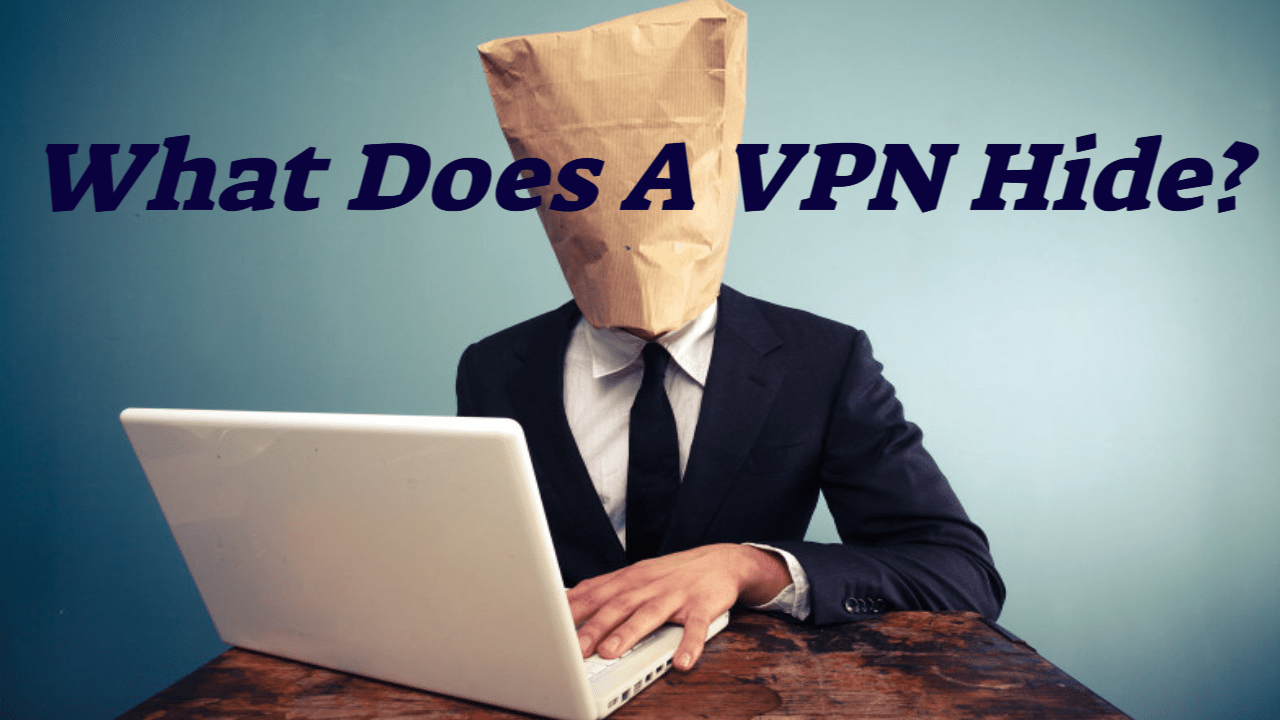
The majority of people are concerned about their internet privacy, but they have no understanding of what a VPN conceals.
Fortunately, a virtual private network (VPN) may assist you in remaining concealed and obscure while browsing the internet, keeping you safe and secure online.
None of your internet actions are encrypted by default. You leave a digital footprint when you utilize online internet services, such as browsing history, cookies, and cached data. As a result, by using a VPN, you can hide all of your tracks.
You may believe that removing your browser’s cookies and search history is the simplest approach to hiding your search history, however, this is not the case. Because ISPs maintain track of which websites are visited, anyone with the necessary technical abilities may recover deleted browser history from the DNS cache.
Last year, direct cybercrime is estimated to have cost more than $600 billion. With this in mind, you must safeguard your work from third-party risks such as governments and hackers.
Let’s face it: being cautious about security is critical in today’s internet environment.
When you enable a VPN, you will enjoy online privacy and security by masking your online identity. Third parties will only be able to see the IP address of the remote VPN if your web traffic and internet traffic are encrypted. Because it’s encrypted, they can’t access your personal information, location, or browsing history.
A VPN can readily disguise a variety of things. So let’s get right to the point: ‘What does a VPN hide?’
Your VPN Hides Your Internet Activities
It conceals your IP address.
‘What does your VPN conceal?’ – It conceals your IP address as the first item on the list.
Your IP address is the one-of-a-kind internet address that has been issued to your computer.
When you connect to the internet, your online activity, such as web searches, web visits, and social media activity, can be traced back to your IP address.
Being anonymous allows you to avoid being tracked by ISPs, websites, advertising, search engines, and hackers. When you use a VPN, your IP address is concealed and your information is protected. Your IP address is hidden by using an IP address from the VPN server’s pool.
When you connect to a VPN, you will be assigned a new IP address, which will be your true IP address in the eyes of the rest of the world. Once you’ve connected to a VPN, no one can trace you down using your IP address.
It conceals your geographical location.
When you use VPN services, you will have access to hundreds of different country servers all over the world. Using a VPN allows you to immediately change your IP address and location. This will provide you access to a wide range of restricted materials in your geographic area.
This is how it works.
Instead of your own IP address, a VPN displays the IP address of the VPN server to which you are connected. Because they cannot trace your actual IP address, third parties cannot identify you on the internet.
A VPN can be used to gain access to geo-restricted content such as Netflix, Hulu, or Pandora. Simply connect to a virtual private network server in a country where such streaming services are not prohibited.
If you live in the United States and want to watch BBC iPlayer, simply connect to a VPN server in the United Kingdom.
Your search history is just one illustration of ‘what does a VPN conceal.’
You might be wondering why you need a VPN to hide your online activities when you can just remove your caches, cookies, and history. Even erasing data can not ensure your privacy. Even if you remove your search history, someone with sufficient technological understanding can still view your activities.
When you use the internet without a VPN, your data must travel through several checkpoints before reaching a website. It first passes through your router. Your data is then transmitted to your ISP. Finally, your data is made public on the website. All three of these checkpoints can monitor your traffic and perhaps record it.
However, when you use a VPN, your data is secured. Encryption prevents any of the three checkpoints from viewing or saving your history.
In contrast, the VPN has access to your browsing history. Because your VPN server encrypts traffic, it must be able to read the data that it encrypts. While the vast majority of VPNs do not log your search history, a handful does. Before selecting a VPN, conduct some research to guarantee that your data is safe and secure.
It conceals your social media identity.
Are you a frequent social media user who enjoys posting across numerous platforms but does not want your true identity revealed? A VPN can help in this situation. Using a VPN, you may conceal your identity on social media, blogs, and forums.
By altering your name in the comment section, you haven’t hidden anything! The site’s administrator can still readily determine your identity. You can, however, conceal your identity by changing your IP address with a VPN, even on a mobile device. If your IP address was encrypted, it would be more difficult for someone to track you.
The majority of services offer some level of security; for example, payment processors and websites with SSL certificates employ encryption technology. This, however, is not a foregone conclusion. When you visit the internet, your information is usually clear and easy to see.
This means that anyone, including the government and other huge multinational businesses, could get and sell your data. Your internet service provider is also included on this list, and they have access to anything you do online.
‘What does a VPN conceal?’ A VPN service encrypts your data as you browse the web. As a result, no one who has access to your data may listen to your audio files, investigate websites you’ve been online, read your messages, or do anything else.
By using a VPN to surf the internet, you can keep all of your important data private and secure. As a result, your login details, passwords, private talks, and personal data are now safe and secure.
It conceals torrenting traffic.
Torrents are files and folders of information that have been downloaded and shared across a network and contain movies, music, or other types of entertainment.
Although torrenting is not illegal, downloading copyrighted material may land you in hot water with authorities.
So, if you intend to torrent, proceed with caution. Consider being penalized for simply downloading your favorite movie! This is due to the determination of media giants to shut down torrent traffic and peer-to-peer file-sharing networks.
This is due to the fact that VPNs enable privacy by masking your IP address. In this way, your torrenting activities will also be kept confidential! As a result, you can utilize a VPN to securely torrent.
It conceals mobile phone activities.
For a variety of reasons, it is strongly encouraged that you utilize a VPN when viewing the internet on your smartphone. A VPN improves your online security, which is especially important when using public Wi-Fi.
Online banking applications, for example, are becoming increasingly popular. Connecting to a public Wi-Fi network to access online banking, on the other hand, is risky.
This is due to the fact that fraudsters can gain access to and steal financial information via banking applications. When you connect your device to public Wi-Fi, the hacking operation becomes much more manageable.
Use a VPN whenever you use online banking applications or any other software that requires payment information to reduce the potential of hackers gaining access to your personal information.
‘What does a VPN conceal?’ VPNs encrypt audio and video chat data to establish a secure encrypted communication path that prevents hackers from accessing your financial information.
‘What Does a VPN Protect?’ – This section comes to an end.
Someone is always watching your internet habits, which may appear ridiculous. Some people have no idea how to achieve this, while others are experts at acquiring the browser data of others.
We have discussed the various VPN functions and the advantages of using a VPN service. Hopefully, you can see why it is so important.
Most internet users want to know how to avoid being tracked when browsing the web. Using a VPN to safeguard your online activities and prevent third parties from monitoring it is one of the most practical solutions.
A VPN’s technology may be complex, but its primary function is straightforward. It encrypts your data and routes it through an anonymous relay located somewhere else. As a result, third parties will be unable to investigate your identity or online activities.
Now that we’ve established what a VPN hides, let’s look at what a VPN does not protect you against.
What Doesn’t a VPN Protect You From?
VPNs are useful security and privacy tools, but they do not protect you from human error. Combining your VPN with other security solutions and a basic understanding of the internet for best online protection.
VPNs should not be confused with full-fledged antivirus software. VPNs can hide your IP address and encrypt your internet traffic, but that’s about all. VPNs will not protect you if you access phishing websites or download malware.
Because malware and phishing attacks do not require access to your IP address, a VPN does not provide protection. Some attackers are capable of taking control of your device by installing malicious software, files, and codes.
If you browse unapproved websites or attempt to download third-party apps, you may be exposed to malware. Hackers may send you a bogus email containing harmful files that, if opened or downloaded, can harm your device.
In such instances, a VPN is pointless.
What does a VPN not protect you from
Install commercial-grade antivirus software on your device to protect it from malware attacks. My top recommendation is Sophos Home Premium, my preferred antivirus program.
Sophos Home Premium employs the same cutting-edge artificial intelligence seen in commercial antivirus solutions for large companies grappling with continual ransomware attacks.
Sophos now secures home computers at the same level as it does over 300 million corporate devices worldwide.
A VPN will not save you against social engineering schemes. These scams, which rely on your good nature, are a common means of collecting consumers’ information since they can circumvent most security safeguards.
If you believe the fraudster, they will bypass your VPN security systems, firewall, and antivirus software since you have given them permission to do so.
A VPN will not protect you against phishing attempts. It can only block well-known dubious websites like “site1.xyz.” A VPN, on the other hand, will not protect you from phishing emails. Every month, hackers create over 1.4 million phishing sites, the majority of which are difficult to distinguish from legitimate sites.
Anti-phishing browser extensions can help protect you against phishing attacks.
Finally, if you give out your information, a VPN will not protect it. Data collecting tactics used by internet behemoths such as Facebook and Google are done with the consent of their users. We’ve written several articles about limiting data flow to their servers, but there’s only one way to truly reduce your online footprint: cease using such services.
Should You Use a VPN, All Things Considered?
Yes, of course.
A VPN is a viable option for improving your online security and privacy. It conceals your IP address, hides your virtual location, safeguards your data transfer from eavesdroppers, and defends you from other cyber assaults.
NordVPN is our #1 VPN service suggestion.
The sophisticated Threat Protection feature of NordVPN is the next step in your digital security, and it is only one of the many factors that make this service our top pick.
Threat Protection enhances the security and fun of your online experience. It detects and eliminates cyberattacks before they cause substantial harm to your device. It aids in the detection of malware-infected files, prevents you from visiting unsafe websites, and automatically removes trackers and intrusive adverts.
When Threat Protection is on in the NordVPN app settings, your browsing will be secure even when you are not connected to a VPN server.
Malware protection
IT security hazards can be discovered in any location. Your device is infected with malware after one wrong online search result and one hurried click on an email attachment. It may cause havoc on your gadgets, steal sensitive data, and even allow criminals to drain your bank account.
NordVPN’s Threat Protection mechanism protects you against viruses in a variety of ways. It restricts your access to potentially dangerous websites and instead displays a warning message. Every file you download is scanned by Threat Protection. If it identifies malware in the file, it promptly deletes it before the contents may harm your device.
Stop Unwanted Tracking
Surf the web without leaving a trace. On your web pages, third-party trackers that collect information about your online actions exist. This data is used to build your digital profile, after which you will receive intrusive adverts or unfair pricing depending on previous transactions.
Threat Protection shields you from tracking by changing your IP address and encrypting your data, but it goes one step further. It disables trackers, allowing you to remain completely anonymous.
Avoid Ads That Are Malicious
We’ve all opened an article, anxious to read it, only to be greeted by dozens of advertising and pop-ups. Automatically playing videos will drown out your favorite podcast or music. They’re not only bothersome, but some of them may spread viruses.
But you can forget about that with Threat Protection. It prevents annoying and maybe hazardous advertising from loading. Removing unwanted advertising enhances your online experience in more ways than one. It also increases the load time of the site you’re visiting, giving you a more enjoyable surfing experience.
Maintain your personal safety. Always. To keep you secure, the Threat Protection function does not require you to connect to a VPN server. Turn it on in your app’s settings menu to enjoy greater online security.
Click here for more information about NordVPN, our top choice, including its award-winning features and security and its 30-day money-back guarantee.
Before hiring an electrician in Boise, you must consider his or her skills, credentials, and insurance coverage. This article will give you tips on how to choose an electrician for your job. This article is not intended to replace your local electrician’s service, but to supplement your search for reliable electricians in your area. In addition, it will provide you with tips on hiring a part-time or full-time electrician. It is important to follow the rules of hiring a qualified professional, including checking for licenses and insurance if you want to ensure that you will receive a safe and assured electrical installation service.
Asking for Referrals
Many electrical contractors get a large proportion of their business through referrals. They know that a client can trust them, which makes asking for references all the more important. But what if you can’t get any referrals from your current customers? Well, you should not worry; there are other ways to get referrals. Listed below are a few tips you can follow to get more referrals for your electrical business.
One way to get referrals is to advertise on vehicles or join networking groups. You may know people who work for electrical contractors in your neighborhood, but these contacts are not likely to be willing to give you their contact information. A simple way to get them to recommend you is to offer a referral discount of one dollar or more. However, you need to make sure that the referrals you get are qualified leads. This way, you won’t risk losing any potential clients because of bad referrals.
Another way to find a reliable electrician in Boise is to check online reviews. While this isn’t always possible, it is a better way to determine which electrician has excellent reviews. In addition to reading reviews, you can also ask your friends and family for referrals. Often, electricians share testimonials with other people who have hired them in the past. If you’re unable to find any references, you can ask for them on social media or ask around your neighborhood.
Lastly, don’t forget to ask for references. It’s important to ensure that you’re working with an electrician who is licensed and bonded. It’s also important to check whether the electrician’s insurance covers accidents. If the electrician is covered by liability insurance, it’s a good idea to ask them for references. The only problem with referrals is that they rarely relate to competency. The better they are, the better!
Verifying Credentials
A certified electrician is a professional who has gone beyond the basic requirements to earn a certificate. This means they have furthered their education and are more familiar with different technologies such as microwaves. This will give you peace of mind that you’re getting the best electrician for the job. Licensed electricians must meet state licensing requirements, but some have additional certifications as well. Look for any of these credentials to be sure you’re hiring the right electrician for the job.
Ask for proof of licensing. Although many electricians are proud of their credentials, you should not be too concerned if they don’t have them. Most electrical contractors list their credentials on their websites. You can also look for customer reviews to get a feel for their level of quality. You may want to choose an electrician based on the reviews of other clients. After all, you don’t want to end up with a problem that you can’t solve.
To work as an electrician in Boise Idaho, you need to ensure that they have a license from the Department of Consumer Affairs. C-10 electricians are required to have a license if their projects are $500 or higher. A license holder must have four years of experience and pass a trade and law exam. In Idaho and Treasure Valley, you can also check to see if an electrician has a state license. You can check their credentials by visiting the Idaho Electrical Board.
If you’re worried about the cost of an electrician, ask for references or reviews before making a decision. If you’re working on a budget, it’s important to hire someone with the skills and experience to meet your needs. Make sure to prioritize experience and license over price. It is always better to hire a master or journey-level electrician with thousands of hours of experience. The more experienced and expertise a professional electrician has, the more likely you’ll receive quality work.
Checking for Insurance
If you are planning to hire an electrician to perform electrical work in your home, you should always check that they are insured. You should ask them for their insurance coverage and license. Although it’s not mandatory in all states, you should still check this aspect before hiring an electrician. Many electricians work as self-employed contractors and thus may not have proper insurance, which could leave you liable for any accidents that may occur.
In addition to checking that they are insured, you should make sure that they have proper liability coverage. Even though this insurance is rarely needed, it helps protect you against any unfortunate incident. Check that they have professional indemnity and liability insurance. These insurance policies will cover you in case of accidents. You should also check their credentials. An experienced electrician should have a license and insurance, and they should also be properly vetted and qualified.
If you are unsure of the quality of an electrician, you can ask them for references. You can also ask for a copy of their insurance policy. Getting a reference from a previous customer will help you avoid getting scammed. It is a good idea to get three references so you can compare their work quality and communication. This way, you can choose the one with the best customer service. And if you’re satisfied with the work, it will be much easier for you to hire an electrician in the future.
Aside from references, you can also check their reviews on review websites and ratings. Look for companies with good ratings in general. Also, you can ask friends and family for recommendations. Ask them if they would recommend a good electrician who has great reviews and a reasonable price. Remember, you should only hire a licensed electrician if he or she has the right qualifications to do the job. It won’t hurt to check the insurance of an electrician before hiring them.
Hiring a Full-time or Part-time Boise Electrician
Before you choose an electrician, make sure to check their qualifications. A licensed electrician is a must-have, but it’s not the only factor to consider. Other factors such as experience, reputation, and skill level should be considered as well. When hiring an electrician, it’s best to avoid going with the cheapest one; instead, look for a professional who has a good track record in the field.
You can make an electrician’s job description as attractive as possible by listing the necessary licenses, certifications, tools, and equipment. You can post it on job boards and contact candidates with a click of a button. The electricians that apply to the job description are reviewed by the employer’s team and hired based on their qualifications. If you don’t have enough time to interview every applicant, you can make use of a service provider that can provide you with high-quality electricians.
An electrician’s salary reflects the cost of living. Most states have low salaries for electricians, and the south is home to six of the ten lowest-paying ones. That’s partly due to anti-union policies. If you’re looking for a part-time electrician, consider hiring one as a second job. He or she will be happy in your home, and you can focus on your business.
Electricians receive ongoing training throughout their careers. Throughout their careers, they must keep abreast of changes in the electrical codes and safety practices. Unlike other fields, electricians don’t need a degree. Instead, experience is more important. Many apprentice programs around the country emphasize on-the-job training, which accounts for the high salaries of experienced electricians. You can also benefit from trade school training for part-time electricians.
Posting a Job on a Job Board
Before you start posting a job on a job board to find an electrician, you need to write a brief description of the position. Include any necessary licenses and certifications, specific tools that are needed, and a request for a portfolio. Then, explain how to apply. After you post your job description, the electricians who respond will be required to submit a cover letter and resume.
A well-written job description is vital to attracting the right candidate. The first place job seekers look for potential applicants is the job description. Incorporate information about the job and the company so that applicants are attracted to the opportunity. Make the description as compelling as possible. It may seem unnecessary, but it will make the electricians you contact interested in your position want to take it further. When posting a job on a job board, it is important to ensure that your post reaches all qualified electricians.
Using a job board for the electrical industry is an effective way to find an electrician. There are many major job boards for this industry. Employers can post their jobs on Employmentcrossing to reach potential candidates. Additionally, many electrical businesses use SimplyHired to post their jobs on other popular job boards. By using these services, they can quickly and easily hire an electrician. Ultimately, this will help them find the best electrician for their needs.
You should also check the qualifications of the electricians you are considering before hiring them. While you can use a job board to post an electrician job, you should be aware of some disadvantages of this process. Most job boards do not accept applications from unqualified candidates. In addition to these disadvantages, many of them have applicant tracking systems, which make it easier to post a job on a job board.