Day: October 24, 2023

  • The Art of Nurturing: Building a Solid Relationship With Your Child

    The Art of Nurturing: Building a Solid Relationship With Your Child

    How to Be a Good Nurturer and Form a Strong Bond with Your Child

    Parents, you are about to embark on a trip that will indelibly mark the course of your lives: the voyage of creating a beautiful and meaningful relationship with your child. Maintaining a good relationship is a commitment that must last a lifetime and calls for patience, understanding, and love that is not conditional. In this article, we will discuss the fundamental components and productive tactics that may be utilized to cultivate an unbreakable link with your child. So, let’s dig in and learn the finer points of being a good carer!

    1. Embracing Unconditional Love

    cA robust and healthy mother-child connection is built on unconditional love between the two parties. It is a profound acceptance of your child for who they are without judgment or expectations on how they should behave or develop. You may provide your child with a sense of value, respect, and support by accepting this love and creating a secure environment for them.

    While you are trying to convey unconditional love to your child, it is important to make use of compassionate language to highlight their positive qualities and support them while they are going through challenging moments. When both people in the relationship know that failures represent learning experiences, it will help create a sense of safety and trust in the connection.

    2. Active Listening and Empathy

    The ability to actively listen to others and empathize is the foundation of successful communication, which is why effective communication is essential to building bridges. It is crucial for parents to cultivate an atmosphere in which their children have the sense that they are heard and understood. This requires putting aside distractions and taking an active role in the talks that are taking place.

    You may validate your child’s feelings and show them that they are important to you by actively listening to them and demonstrating empathy for what they are going through. Show your interest in their experiences, feelings, and tales. This manner of communicating fosters a sense of belonging, increases their sense of self-worth, and fortifies their connection with one another.

    3. Quality Time Matters

    In this fast-paced world that we live in, it is more crucial than ever to carve out some time for quality time. Putting time and effort into your child is an investment that will pay off in the form of a good relationship that can be built and maintained over time. Put more of an emphasis on quality than quantity.

    Participate in pursuits that enable you to connect more profoundly with one another. Reading together, doing arts and crafts together, or even just having a heart-to-heart chat are all great ways to spend quality time with one another. Appreciate that these times are creating memories that will last a lifetime and strengthening the love that the two of you share.

    4. Encourage Independence and Provide Support

    It is only natural for us as parents to want to shield our children from any potential hazards or challenges in life. On the other hand, it is essential to find a happy medium between guiding them and letting them build their independence as much as possible. Your child will be more equipped to become a self-assured and well-rounded individual if you encourage decision-making problem-solving, and give opportunity for development in their lives.

    While it is important to encourage independence, don’t forget how important it is to provide assistance. Be a rock for them to lean on when they encounter difficulties, and give them encouragement and direction. Giving someone your full backing in their goals and ambitions is a great way to earn their trust and respect.

    5. Consistent Boundaries and Disciplinary Measures

    best dealsEstablishing clear limits and using appropriate forms of discipline are two crucial components of good relationship cultivation. Your child will benefit from having boundaries throughout their development because they will provide them with structure and direction. Boundaries give a sense of security.

    When it comes to development, children do best in settings that maintain appropriate and consistent limits. Establish crystal-clear regulations as well as the repercussions for breaking those rules, and make sure they are aware of the reasoning behind those rules. Use love when you discipline your child, and be sure you are always prepared to teach, explain, and direct them throughout the process.

    6. Celebrating Individuality

    Every child is one of a kind and has their own individual goals, ambitions, and desires. Recognize and appreciate each person’s unique qualities and successes, regardless of how large or modest they may be. They will be given the ability to develop their potential when you support their interests and hobbies.

    Foster their creative potential, validate their passions, and inspire them to go after their goals by encouraging them to do so. Doing so provides a stable basis for their self-esteem, improves their confidence, and cultivates a long-lasting friendship founded on trust and appreciation for one another.

    7. Mindful Parenting

    It is simple to let oneself become sidetracked by the activities and responsibilities of everyday life and, in doing so, to lose sight of what is actually important: the connection you share with your child. The practice of mindful parenting involves bringing conscious awareness to the current moment, which enables you to interact with and comprehend your child’s requirements ultimately.

    Being present, minimizing distractions, and making a real effort to connect with your child on a deeper level are all essential components of the mindful parenting practice. Savour the small moments, celebrate each new achievement and revel in the sheer delight of being a parent.

    Patience, affection, and unceasing effort are necessary ingredients in the recipe for success when it comes to developing a strong connection between mother and child. You may build an indestructible foundation for a healthy relationship by loving your partner without conditions, actively listening to them, spending quality time together, honoring their independence, and celebrating their uniqueness.

    You may encourage your child to become the best version of themselves by setting clear and consistent limits, modeling mindful parenting behaviors for them, and offering assistance. Keep in mind that parenting is a journey, and every step you take in creating a strong relationship with your child is an investment that will pay off in the long run. Treasure these times, revel in your child’s development, and take pleasure in your extraordinary connection with your child.

    The post The Art of Nurturing: Building a Solid Relationship With Your Child appeared first on Totally Babies.

    The post The Art of Nurturing: Building a Solid Relationship With Your Child appeared first on https://gqcentral.co.uk

    The Article The Art of Nurturing: Building a Solid Relationship With Your Child First Appeared ON
    : https://ad4sc.com

  • Budget Getaways on the West Coast – Affordable and Fun

    Budget Getaways on the West Coast – Affordable and Fun

    Budget Getaways on the West Coast

     Are you looking for a budget-friendly getaway on the West Coast? Look no further! From California to Washington, the West Coast is full of incredible outdoor weekend destinations that won’t break the bank. Whether you’re looking for a romantic escape, a family-friendly adventure, or a solo trip to recharge, we’ve got you covered. Here are affordable and fun destinations for your next budget getaway on the West Coast.

     
    “From California to Washington, the West Coast is full of incredible outdoor weekend destinations that won’t break the bank. Here are affordable and fun destinations for your next budget getaway on the West Coast. Whether you’re looking for a romantic escape, a family-friendly adventure, or a solo trip to recharge, the West Coast offers a diverse range of options to suit every traveler’s needs.”

    California

    Mendocino: This charming coastal town is perfect for a romantic weekend getaway. Explore the rugged coastline, go for walks on the beach, and hike in the nearby state parks.

     
    Big Sur: This iconic stretch of coastline is a must-see for any nature lover. Camp in the state parks, hike in the redwoods and soak in the hot springs.
     
    Joshua Tree: This desert park is a playground for hikers, climbers, and stargazers. Camp under the stars, explore the rock formations and marvel at the night sky.
     
    Lake Tahoe: This alpine lake is a year-round destination for outdoor enthusiasts. Ski in the winter, hike in the summer and enjoy the stunning scenery.
     
    Santa Cruz: This beach town is a classic California destination. Surf, bike, and explore the boardwalk.
     
    San Luis Obispo: This college town is a hidden gem on the Central Coast. Visit the farmers’ market, hike in the nearby hills, and soak in the hot springs.
     
    Palm Springs: This desert oasis is a popular destination for relaxation and rejuvenation. Soak in the hot springs, explore the mid-century architecture, and enjoy the local cuisine.
     
    Death Valley: This desert park is a surreal landscape of sand dunes, salt flats, and canyons. Camp under the stars, hike in the canyons and marvel at the otherworldly scenery.
     
    Yosemite: This iconic park is a must-see for any nature lover. Camp in the valley, hike to the waterfalls and marvel at the granite cliffs.
    Amalfi Coast on a Solo Adventure 

    Oregon

     
    Cannon Beach: This charming coastal town is famous for its iconic Haystack Rock. Explore the tide pools, go for walks on the beach, and enjoy the local seafood.
     
    Crater Lake: This stunning lake is a must-see for any nature lover. Camp in the park, hike to the viewpoints and marvel at the deep blue water.
     
    Bend: This mountain town is a playground for outdoor enthusiasts. Ski in the winter, hike in the summer and enjoy the local breweries.
     
    Columbia River Gorge: This scenic area is a paradise for hikers and waterfall lovers. Hike to the waterfalls, explore the scenic drives, and enjoy the local wine.
     
    Newport: This coastal town is a popular destination for seafood lovers. Visit the aquarium, go for walks on the beach, and enjoy the local cuisine.
     
    Mount Hood: This iconic mountain is a year-round destination for outdoor enthusiasts. Ski in the winter, hike in the summer and enjoy the stunning scenery.
     
    Astoria: This historic town is a hidden gem on the North Coast. Visit the museums, explore the scenic drives, and enjoy the local seafood.
     
    Silver Falls: This state park is a paradise for waterfall lovers. Hike to the waterfalls, camp in the park, and enjoy the stunning scenery.
     
    Eugene: This college town is a hub for outdoor recreation and culture. Visit the museums, hike in the nearby hills, and enjoy the local cuisine.
     

    Washington

     
    Olympic National Park: This stunning park is a must-see for any nature lover. Camp in the park, hike to the waterfalls and explore the rugged coastline.
     
    San Juan Islands: This scenic archipelago is a kayakers and whale watchers paradise. Kayak in the islands, go on a whale-watching tour and enjoy the local seafood.
     
    Leavenworth: This Bavarian-style town is a popular destination for outdoor enthusiasts and beer lovers. Hike in the nearby hills, ski in the winter, and enjoy the local breweries.
     
    Mount Rainier: This iconic mountain is a year-round destination for outdoor enthusiasts. Ski in the winter, hike in the summer and enjoy the stunning scenery.
     
    North Cascades: This scenic area is a paradise for hikers and nature lovers. Hike to the viewpoints, camp in the park, and enjoy the stunning scenery.
     
    Spokane: This city is a hub for outdoor recreation and culture. Visit the museums, hike in the nearby hills, and enjoy the local cuisine.
     
    Walla Walla: This wine country is a popular destination for wine lovers. Visit the wineries, explore the scenic drives, and enjoy the local cuisine.
     
    Whidbey Island: This scenic island is a paradise for beach lovers and nature enthusiasts. Go for walks on the beach, hike in the state parks, and enjoy the local seafood.
     
    Yakima: This agricultural region is popular for foodies and wine lovers. Visit the farms, explore the scenic drives, and enjoy the local cuisine.
     

    National Parks

     
    Yellowstone: This iconic park is a must-see for any nature lover. Camp in the park, hike to the geysers and marvel at the wildlife.
     
    Grand Canyon: This stunning park is a must-see for any nature lover. Camp in the park, hike to the viewpoints and marvel at the canyon.
     
    Zion: This scenic park is a paradise for hikers and nature lovers. Hike to the viewpoints, camp in the park, and enjoy the stunning scenery.
     
    Bryce Canyon: This stunning park is a must-see for any nature lover. Camp in the park, hike to the viewpoints and marvel at the hoodoos.
     
    Arches: This scenic park is a paradise for hikers and nature lovers. Hike to the arches, camp in the park, and enjoy the stunning scenery.
     
    Yosemite: This iconic park is a must-see for any nature lover. Camp in the valley, hike to the waterfalls and marvel at the granite cliffs.
     
    Joshua Tree: This desert park is a playground for hikers, climbers, and stargazers. Camp under the stars, explore the rock formations and marvel at the night sky.
     
    Olympic: This stunning park is a must-see for any nature lover. Camp in the park, hike to the waterfalls and explore the rugged coastline.
     
    Crater Lake: This stunning lake is a must-see for any nature lover. Camp in the park, hike to the viewpoints and marvel at the deep blue water.
     
    North Cascades: This scenic area is a paradise for hikers and nature lovers. Hike to the viewpoints, camp in the park, and enjoy the stunning scenery.
     

    State Parks

     
      1. Silver Falls State Park in Oregon is a must-visit destination for waterfall lovers and outdoor enthusiasts.
      2. The park is home to the Trail of Ten Falls, which visits 10 significant waterfalls in 7.2 miles.
      3. Visitors can camp in the park, hike to the waterfalls, and enjoy the stunning scenery.
      4. Conifers dominate the park but has many areas with bigleaf and vine maple that provide the best range of color during the fall season.
      5. The South Falls Day Use Area has spacious lawns, BBQ stands, picnic shelters or tables, a playground, a swimming area, horseshoe pits, a pet off-leash area, and the charming creek Silver Falls is famous for.
      6. Other waterfalls near Silver Falls State Park include Abiqua Falls and Butte Creek Falls.
      7. Visitors can also stay at the Silver Falls Lodge, which offers comfortable accommodations and easy access to the park’s attractions.
      8. Silver Falls State Park is one of the largest state parks in Oregon, boasting 9,200 acres of pristine forest and stunning waterfalls.
      9. Visitors can enjoy hiking, mountain biking, or horseback riding on the park’s more than 35 miles of trails.
      10. The park is a great destination for a day trip or a weekend getaway and easily accessible from Portland.

      Overall, Silver Falls State Park is a must-visit destination for anyone looking for a budget-friendly getaway on the West Coast. With its stunning waterfalls, beautiful hiking trails, and comfortable accommodations, the park offers something for everyone. Whether you’re a nature lover, a history buff, or just looking for a relaxing weekend in the great outdoors, Silver Falls State Park is the perfect destination.


    Exploring the Tidepools of Cannon Beach, Oregon

    Cannon Beach, Oregon is a popular destination for beach lovers and nature enthusiasts. One of the most iconic landmarks in Cannon Beach is Haystack Rock, a 235 ft-tall sea stack that is the third-tallest such intertidal structure in the world. However, many visitors may not know that the intertidal area around Haystack Rock is a protected area and one of Oregon’s seven Marine Gardens, indicating its status as a unique and diverse environment.

    During low tides, the tidepools around Haystack Rock reveal a fascinating world of marine creatures, including sea stars, anemones, crabs, chitons, limpets, and nudibranchs. In this article, we will explore the tidepools of Cannon Beach and discover other great spots to check out tidepools besides Haystack Rock.

    Tidepools at Haystack Rock

    Haystack Rock is a popular tourist destination on the Oregon Coast, and its intertidal area is one of the most accessible places in Cannon Beach to check out tidepools. At low tide, you can walk right up to the rock and find colorful sea stars and other fascinating tidepool creatures in its intertidal area.

    Puffins can also be observed on Haystack Rock from early spring to mid-summer, offering the most accessible viewing of Tufted Puffins in the Northwest. However, it is important to note that Haystack Rock is a protected area, and climbing above the barnacle line is strictly prohibited.

    The Haystack Rock Awareness Program offers regular interpretive programs at the base of Haystack Rock during low tides throughout the year. The program’s knowledgeable interpreters help visitors identify the many creatures that reside there and often have live displays that can be viewed. The program also emphasizes the importance of respecting the intertidal area and the creatures that live there.

    Other Great Spots to Check Out Tidepools

    Unleash Your Wanderlust The Ultimate Guide to Solo Travel Adventures!

    While Haystack Rock is a must-see destination for tidepool lovers, plenty of other nearby areas have great tidepools and fewer crowds. Here are some of the best spots to check out tidepools besides Haystack Rock:

    Silver Point

    During low tides, the rocks at Silver Point offer many of the same experiences as Haystack but with far fewer people. You can get to this great spot by walking south from the Tolovana Wayside, or you can access it by walking north from Arcadia Beach, where conditions and tides can also occasionally lend themselves to a handful of nice tidepools, particularly in spring before sand has built up on beaches.

    Indian Beach

    A short drive into Ecola State Park at the north end of Cannon Beach leads to more than just the best views on the Oregon Coast. Take the side road to Indian Beach and discover rarely visited tidepools at the south end of this less-populated boulder-strewn landscape.

    Ecola Point

    At the north end of Crescent Beach, below the viewpoint at Ecola State Park, you will find plenty of tidepool life among the rocks of Ecola Point. During extreme low tides, you can also reach Ecola Point by walking from the south around Chapman Point.

    When and Where to View Tidepools

    For optimum viewing, it is best to be in the intertidal zone one hour before daily low tides. Tides of 0.0 feet and lower (minus tides) are best for tidepool viewing, but when the ocean is calm, many intertidal areas can be observed even at plus one or two-foot tides. The Haystack Rock Awareness Program offers a tide table on its website to help visitors plan their visit.

    Exploring the tidepools of Cannon Beach is a fascinating and educational experience for visitors of all ages. Whether you’re checking out the tidepools around Haystack Rock or discovering other great spots to explore, the intertidal area around Cannon Beach is a unique and diverse environment that deserves our respect and protection. So grab your tidepool shoes and head out to Cannon Beach to discover the fascinating world of marine creatures that call it home.

    Brought to you by: https://about.me/travelbtoz


    The Article Budget Getaways on the West Coast – Affordable and Fun First Appeared ON
    : https://ad4sc.com

  • The Ultimate Guide to DTF Printing for T-Shirts

    The Ultimate Guide to DTF Printing for T-Shirts

    The Ultimate Guide to DTF Printing for T-Shirts

    Direct-to-film (DTF) DTF Printing for T-shirts printing has emerged as a game-changing technology for T-shirt printing businesses and designers looking to create high-quality custom apparel. This innovative technique delivers unparalleled photorealistic prints with stunning vibrancy and durability.

    In this comprehensive guide, we’ll explore everything you need to know about DTF printing for t-shirts and showcase the immense benefits it offers for digital printers and designers.

    What is DTF Printing?

    DTF printing, also known as direct-to-film printing, is a digital printing process that involves transferring photorealistic designs onto t-shirts, fabrics, and a wide range of other products.

    The DTF printing process starts with printing full-color graphics onto a specially coated transfer film using a digital production printer loaded with speciality DTF inks. Once printed, the film is coated with a polymer powder adhesive and then heat-pressed onto the t-shirt or textile, allowing the print to effectively transfer.

    The end result is a soft, stretchy print that looks and feels embedded into the fabric for stunning photorealistic quality. DTF Printing for T-shirts can accurately reproduce gradients, photographs, illustrations, vector art, and complex multilayered designs with impressive vibrancy.

    Some key advantages of DTF printing include:

    • Photorealistic print quality
    • Vibrant colors and image accuracy
    • Soft hand feel without thickness on the fabric
    • Stretchable and durable prints
    • High washability without fading or cracking
    • Compatibility with cotton, polyester, blends and other fabrics
    • Ability to print on colored shirts
    • Simple transfer process with heat press
    • Cost-effective digital printing process

    For these reasons, DTF printing has quickly gained traction in the t-shirt printing industry as it enables unparalleled prints for apparel decorators and brands.

    The DTF Printing Process

    To achieve flawless DTF-printed t-shirts, it’s important to fully understand the direct-to-film printing process from start to finish. Here are the key steps:

    1. DTF Printing for T-Shirts Design Creation

    The process begins with creating designs intended for DTF printing. Vector art and high-resolution images containing gradients or photorealistic elements are well-suited for utilizing the capabilities of DTF printing.

    Designers should create artwork in programs like Adobe Illustrator, Photoshop, or InDesign in the proper print-ready format. The design can incorporate as many colors, layers and effects as desired.

    2. Print onto Transfer Film

    Next, the design gets printed onto specialized DTF transfer film using a DTF-specific digital printer loaded with DTF inks and white ink.

    Inks formulated explicitly for DTF printing contain binders, carriers and pigments optimized to properly release from the film and bond to polyester and polymer fibres. The white ink acts as a base layer, allowing colored images to appear vibrant on darker shirt fabrics.

    3. Apply Polymer Powder

    After printing the design, the inked film gets sent through a conveyorized powder coater that applies a fine layer of polymer adhesive powder evenly across the surface. This powder will trigger the release of the inks from the film and bond it to the fabric during pressing.

    4. Heat Press the Film onto the Shirt

    The DTF film then gets positioned onto the shirt and pressed using an industrial heat press at 350-375°F for 10-20 seconds. The heat activates the polymer powder adhesive, which forms a bond between the film ink and shirt fibers causing the image to effectively release onto the fabric.

    5. Remove Film

    Finally, once cooled, the printed film gets peeled away, leaving only the printed design perfectly embedded into the shirt. The result is a soft, stretchy, photorealistic print ready to be worn and washed.

    Now that you understand the full DTF process for t-shirts, let’s delve into the many benefits this application method provides over other decoration options.

    Benefits of DTF Printing for T-Shirts

    DTF printing offers immense advantages for t-shirt decorators compared to traditional decoration techniques like screen printing, vinyl heat transfer, sublimation, and direct-to-garment printing.

    Here are the top benefits of using DTF for t-shirt printing and custom apparel:

    Photorealistic Print Quality

    Arguably the biggest advantage of DTF printing is the ability to produce photographic image quality and color accuracy when printing complex designs.

    DTF expands the depth of photorealism achievable in apparel printing using speciality-formulated inks applied in a digital process. The white ink base combined with CMYK color inks creates opacity and vibrancy that brings designs to life in incredible detail and dimension.

    The physical bonding process as the release of the ink from the PET film and fusing with the fabric creates sprints with stunning definition and clarity. Even fine details and small text come out crisp and sharp.

    For t-shirt brands and designers looking to feature photorealistic designs, illustrations, vector art, or photographs, DTF printing delivers exceptional reproduction quality bringing images to life.

    Vibrant, Opaque Colors

    Along with photorealistic detailing, DTF prints stand out with their rich, vibrant and opaque color reproduction.

    The proprietary DTF ink formulas combined with an under-base white ink layer as the canvas allow for precise color matching and intense hues. The white ink foundation prevents any color dilution on darker-coloured fabrics.

    DTF printing can accurately match Pantone colors and CMYK values for spot-on color reproduction. Prints exhibit pronounced vibrancy with solid color consistency across the entire image. Even gradients contain seamless color transitions.

    For t-shirt brands that want accurate color representation or use artwork with colorful graphics and photography, DTF Printing for T-Shirts produces bold, vivid and opaque colors that make designs pop.

    Soft Hand Feel

    DTF prints have a soft “hand” or feel that matches the native texture and draping of the fabric. Unlike many other decorating methods, DTF Printing for T-Shirts does not leave prints feeling “plasticky” or noticeably different from unprinted areas of the garment.

    The DTF process embeds inks directly into fabric fibers rather than sitting on the surface. This allows the prints to stretch and move with the natural drape of the apparel, maintaining a soft natural feel.

    Even with multiple layers of ink, DTF prints avoid the heavy rubbery feeling that some processes create. The result is custom t-shirts with stunning photorealistic graphics that remain soft, supple, breathable and comfortable to wear.

    High Durability and Stretch

    Durability is a major concern when evaluating decoration methods. DTF prints achieve excellent durability and wash permanence for long-lasting wearability.

    The bonding process as the ink fuses into fabric fibers creates prints capable of withstanding repeated wash and wear cycles without deteriorating. DTF prints show impressive resistance to fading, cracking, peeling or degrading over time.

    Along with durability, DTF prints maintain stretch and flexibility to move with fabrics. Even on elastic performance fabrics intended for athletic apparel, DTF prints stretch and flex along with the material without compromising the range of motion.

    For custom t-shirt businesses, exceptional durability and stretch ensure customer satisfaction with end products that provide long lifespans of vibrant image quality.

    Compatibility with Polyester and Synthetic Fabrics

    One of the greatest assets of DTF printing is its ability to effectively print on performance polyester and synthetic fabric blends.

    Many t-shirt decorators hesitate to print photos or complex graphics on moisture-wicking poly shirts because inkjet and screen printing have difficulties adhering to the slick polyester fibers. This often leads to poor print quality with ink washing out and a “faded” look over time.

    The chemical bonding mechanism of DTF inks allows them to properly fuse with polyester fibers where other ink processes struggle. This makes it ideal for directly printing onto performance tees, athletic jerseys, dri-fit shirts and other synthetics.

    For poly-blend fabrics, DTF printing achieves the same photorealistic quality and vibrancy as on cotton garments. The prints remain vivid even through repeated wash and wear because the inks turn into part of the fabric itself.

    Ability to Print on Colored Fabric
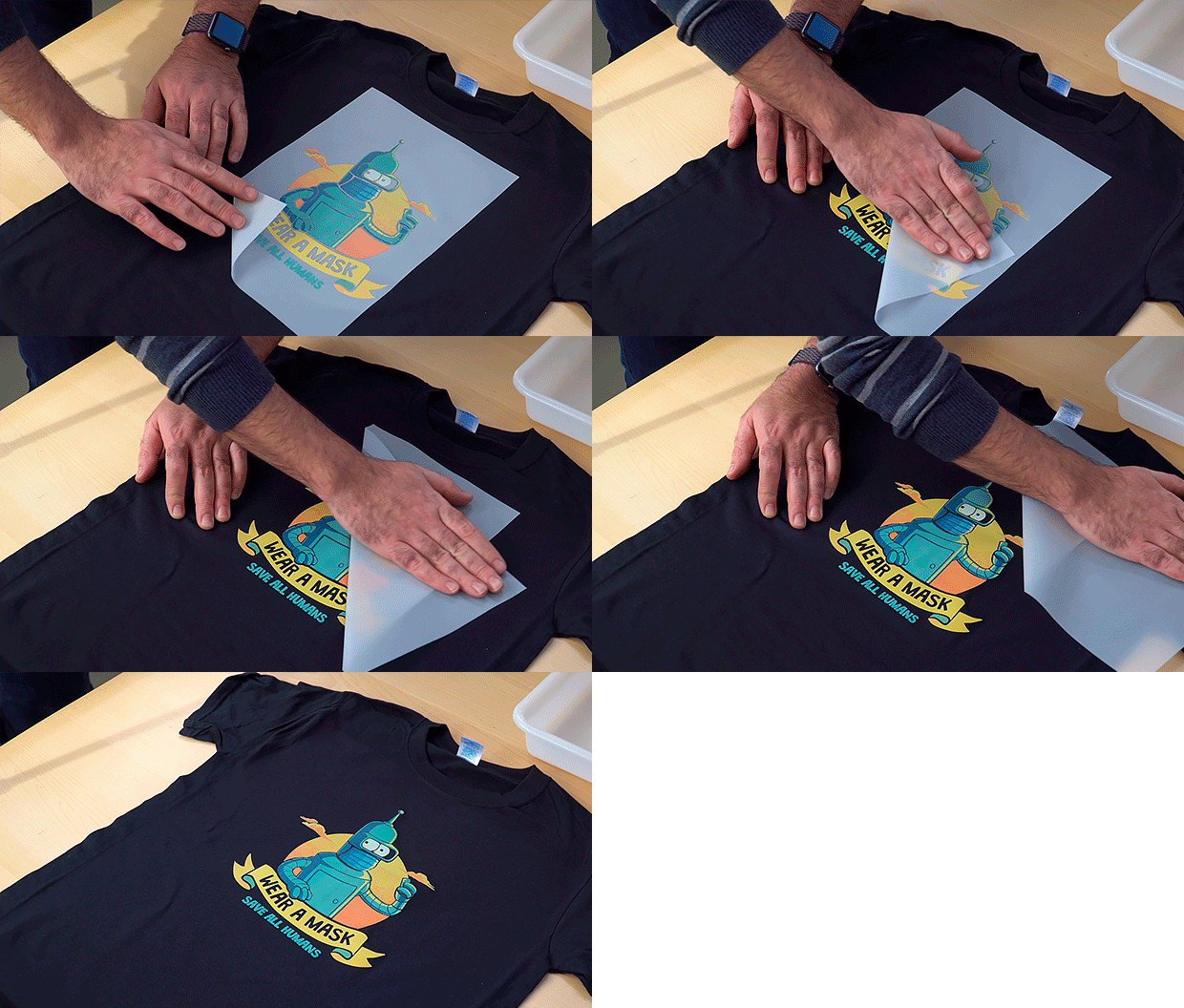
    DTF Printing for T-Shirts

    An added benefit of DTF printing is the ability to print full color images onto colored fabric without compromising vibrancy or clarity.

    The white ink under the base acts as a “primer” layer that allows colored inks to properly show atop darker garment colors. Essentially, DTF printing creates a new printable layer onto the apparel.

    This versatility makes it possible to produce stunning full-color prints even on black t-shirts or other colored garments. Photographs and graphics will not take on a faded or washed-out appearance as the white ink prevents the fabric shade from muting the colors.

    For t-shirt companies offering products in a variety of colors, DTF empowers photorealistic prints on any color garment.

    Simple Transfer Process

    From an operational standpoint, DTF printing offers a simplified transfer process compared to other decoration options.

    To apply DTF prints, decorators only need a commercial heat press – no messy screen printing or pretreatment equipment is required. The ability to quickly heat press DTF film transfers makes on-demand fulfilment of single orders convenient and efficient.

    The simplicity also allows new entrants to offer DTF printing with a reasonably short learning curve. The plug-and-print workflow and minimal equipment provide accessibility for small businesses.

    With just a DTF printer and heat press combo, companies can provide high-quality custom apparel without intensive labor or complex transfer steps. The simplified process improves productivity.

    Cost-Effective Short Run Printing

    For businesses focused on short runs and customized orders, DTF printing provides an extremely cost-effective printing solution.

    Because DTF utilizes a digital inkjet print method, it avoids the cumbersome setup and laundry list of variables with screen printing that increases per unit costs on small quantity orders.

    The ability to print and store transfer film reduces waste from minimum orders and screen charges. And the straightforward heat press transfer allows profitability in single print jobs.

    DTF digitally prints only the designs needed for an order. This on-demand printing model is far more economical for short runs than analogue methods requiring films and set-up for each job.

    For t-shirt companies fulfilling high-mix low-volume orders, DTF printing optimizes the cost per print while maintaining photorealistic quality.

    Fast Turnaround Time

    The combination of digital on-demand printing and heat press transfers makes DTF printing exceptionally fast. Transfer film can be printed and pressed in about 30 minutes from start to finish.

    Rapid fulfilment is a huge advantage for businesses focused on quick-turn custom apparel and rush orders. Event shirts, local band merchandise, school spiritwear and other single orders can be completed in hours, not days.

    Because DTF film transfers can also be pre-printed and stocked for popular designs, decorators keep their best-sellers on hand for instant pressing. This allows same-day fulfilment in many cases.

    The ability to rapidly go from art to printed garments makes DTF perfect for small businesses and print-on-demand models.

    How to Get Started With DTF Printing for T-shirts

    For t-shirt companies and apparel decorators interested in bringing DTF printing into their operations, the startup process is relatively straightforward. Here is an overview of getting set up with this profitable service:

    1. Choose a DTF Printing for T-shirts Package

    First, you’ll need to invest in a commercial DTF printing system which includes a digital production printer and DTF inks/films formulated specifically for direct-to-film printing.

    When researching DTF printer packages, look for models that:

    • Are optimized for high-volume DTF printing
    • Offer precise color management and print algorithms
    • Use flexible printable transfer films resistant to heat/stretch
    • Have a conveyorized inline powder system for efficiency
    • Provide proprietary DTF ink formulations

    Reputable vendors like ColDesi, Kornit Digital and Polyprint DTF offer excellent turnkey DTF printer bundles to simplify getting started.

    2. Purchase a Commercial Heat Press

    In addition to the DTF printer system, you’ll need an industrial-grade heat press to apply printed transfer film onto garments. Look for an automatic “clamshell” style press with digital controls and even platens.

    Heat presses for DTF film should have:

    • Digital LED temperature/time displays
    • Capacity of at least 16×20” platens
    • Maximum temperature of 400°F+
    • Programmable pressure settings
    • Even heat distribution across the platen
    • Automatic open/close mechanism

    Quality presses from Geo Knight, Stahls’ Hotronix and TransPro ensure optimal film adhesion.

    3. Set Up Shop Workflow and Space

    When laying out your production workspace, make sure to allow room for efficient workflow from printing the transfer film to heat pressing the garments. Your shop layout should have space for:

    • Feeder/take-up reels for transfer film rolls
    • Conveyorized inline powder coating system
    • DTF printer with exhaust venting
    • Work tables for sorting/inspection of prints
    • Heat press station(s) with adjacent workspace
    • Completed product packaging/storage
    • Computer station for order intake and design workflow

    Optimizing the operational flow from order intake through fulfilled products is key for an efficient DTF t-shirt printing operation.

    4. Learn Application Tips and Techniques

    While DTF printing is quite straightforward, there are application techniques that help ensure flawless results. Take time to learn:

    • Correct time, temperature and pressure settings based on fabric
    • Film smoothing techniques to prevent bubbles or creases
    • Proper alignment/placement before pressing
    • Peeling process to avoid pulling color from the fabric
    • Small batch workflow tips
    • How to finish and package final products

    With a little practice, you’ll quickly master DTF printing for stunning photorealistic custom t-shirt printing.

    5. Market Your DTF Printing Services

    Once everything is ready to print, it’s time to get the word out! Promote your DTF printing services through:

    • A website showcasing DTF capabilities and products
    • Search ads for terms like “DTF printing” or “custom t-shirts”
    • Social media photo galleries displaying your prints
    • In-person sales calls to local businesses and brands
    • T-shirt products featuring DTF prints as physical examples
    • Attending trade shows and networking events

    By leveraging both digital and in-person marketing, you can attract new clients excited about DTF’s capabilities for eyebrow-raising custom t-shirt printing.

    DTF Printing for T-Shirts Applications and Products

    One of the most compelling advantages of DTF printing is its versatility for producing stunning graphics on a wide spectrum of products beyond just t-shirts.

    Thanks to DTF’s ability to print onto synthetic fabrics and stretchy materials, decorators can expand profits by offering photorealistic printing on all kinds of apparel, accessories and beyond.

    DTF Printing for T-Shirts Apparel Opportunities

    For businesses focused on apparel, DTF opens up new possibilities to move beyond basic t-shirt printing into other specialized markets.

    Athletic Wear – Print neon graphics and team logos onto performance fabrics for sports jerseys, activewear and team uniforms.

    Corporate Uniforms – Add photorealism to polos, button-downs, jackets and other professional apparel.

    Swimwear/Lycra – Produce vibrant beach-ready fashions with photo prints on swimsuits, rash guards and cover-ups.

    Intimate Apparel – Offer personalization like bridal garter printing or graphics for special occasions.

    Leggings & Yoga Pants – Print eye-catching motif leggings or vibrant patterns onto stretch fabrics.

    Scarves & Ties – Add fashionable flair with printed wraps, shawls, ties and sarongs.

    Socks & Undergarments – Print your own brand of stylish printed socks, underwear and lingerie for boutique fashions.

    DTF Printing for T-Shirts Accessory and Lifestyle Goods

    Applying DTF transfer film offers alternatives to printed apparel as well. Entrepreneurial decorators can deliver photorealistic images onto all kinds of accessories and non-apparel products.

    Hats & Caps – Use DTF as an alternative to embroidery for sharp logo printing onto curved brims and adjustable hats.

    Bags – Totes, purses, backpacks and carryalls become walking billboards for photo prints.

    Shoes – Add printed flair to sneakers, slip-ons or sandals by printing directly onto canvas or synthetic uppers.

    Phone Cases – Produce custom photorealistic phone and tablet sleeves on demand in any design.

    Skateboards – Print directly onto the bottom deck for custom-tailored graphics on each board.

    Laptop Sleeves – Enable customers to showcase unique digital artwork on protective laptop and tablet carriers.

    Home Décor – Blankets, pillows and curtains are canvasses for photo prints and artistic graphics.

    DTF Printing for T-shirts Equipment Overview

    When exploring DTF printing equipment, you’ll encounter two essential machines:

    DTF Printers – These specialized digital production printers include proprietary DTF inks for printing transfer film.

    Heat Presses – These industrial heat applicators enable heat transferring DTF film onto apparel and other products.

    Here’s an overview of key considerations when selecting equipment for your DTF printing operation:

    DTF Printer Options

    A commercial DTF Printing for T-Shirts customized for direct-to-film printing is the foundation of your production capabilities. When comparing DTF printers, factors to evaluate include:

    • Print Technology – Look for advanced digital inkjet printheads capable of photorealistic image quality. Single-pass printing is preferred for higher throughput.
    • Ink Configuration – Printers should use CMYK inks plus White ink specifically designed for DTF printing. The inks must release cleanly from the transfer film and properly bind to fabrics.
    • Print Width – Wider print carriages allow larger print areas and multi-up transfers for increased efficiency. Standard widths are 17” and 64”.
    • **Print
    • Resolution** – Higher DPI delivers sharper detail and smoothness. Standard resolutions range from 600 x 600 dpi up to 1200 x 1200 dpi.
    • RIP Software – Look for bundled RIP and color management software tuned for accurate DTF print and film handling profiles.
    • Capacity – Printers with higher hourly output and more robust duty cycles allow increased production capabilities. Standard output ranges from 350 ft2/hr to over 1,000 ft2/hr.
    • Inline Powder – Built-in conveyorized powder systems provide even polymer coating without the extra step of offline powder application.
    • Company Support – Choose an established DTF equipment company that provides service, support and supplies to optimize uptime.

    Popular dedicated DTF printer models include:

    • ColDesi Mammoth DTF – A fast 17” single-pass printer with inline powder coating and exceptional color accuracy perfect for high-volume apparel decoration.
    • Kornit Vulcan DTF – A heavy-duty industrial 64” printer leveraging Kornit’s expertise in digital textile printing for mass customization capabilities.
    • Polyprint TexJet Echo2 – A 17” DTF printer focused on cost-effectiveness and easy usability for startup decorators.

    Heat Press Options

    Alongside the printer, an industrial heat press transfers the printed film onto garments or products. Key considerations for DTF heat presses:

    • Platen Size – To handle larger transfers, look for clamshell style presses with 16” x 20” platens or larger. Swing-away presses offer multiple platen sizes.
    • Digital Displays – Presses with digital displays for setting time, temperature and pressure variables help reproduce the ideal application settings.
    • Pressure Adjust – Variable pressure settings ensure even contact across textured fabrics or uneven product surfaces like hats or shoes.

    Low platen operating temperatures** – Presses should achieve as low as 225-250°F to avoid scorching fabrics during film application. Look for max temps over 400°F.

    • Digital Timers and Alerts – Programmable timers with countdown displays and alerts prevent under or over-curing film transfers.
    • Auto Clamshell – Presses with automated opening and closing of the heated platens increase efficiency in high-volume production.
    • Warranty – choose presses with generous 1- to 3-year warranty protection on parts and labor.

    Well-known commercial heat press brands include Geo Knight, Hotronix by Stahls, TransPro and Hix among others. These companies offer presses designed specifically for DTF printing.

    Choosing equipment optimized for DTF production is the best way to achieve photorealistic results and maximize shop productivity. By investing in dedicated DTF printers and professional heat presses, apparel decorators can bring this profitable service into their business.

    How to Price DTF Printing for T-Shirts Printing Services

    For t-shirt printing companies adding DTF printing, determining the right pricing for this high-value service is an important factor for profitability. When calculating DTF pricing, there are a few key variables to factor:

    1. Printer Operation Costs

    Consider the base costs for running and maintaining your DTF printer system including:

    • Ink and transfer film
    • Printhead replacement and maintenance
    • Electricity and shop overhead
    • Labor for production and finishing
    • Machine servicing and tech support

    2. Heat Press Expenses

    Account for the additional small costs associated with heat press operations:

    • Electricity
    • Equipment maintenance
    • Parchment paper and application consumables

    3. Order Size

    Larger quantity orders allow spreading fixed printer setup and labor costs over more items to achieve a lower cost per print.

    4. Design Complexity

    More complex or multicolor designs require more ink and print time thus increasing the production cost per transfer.

    5. Market Rate for DTF Printing for T-shirts

    Research current market pricing in your region for DTF printing services to align with customer expectations.

    With these factors in mind, decorators typically price DTF prints between $8-$15 per transfer depending on quantity. As you dial in your unique operating costs and margins, establishing value-based pricing allows profitability.

    DTF Printing for T-shirts vs. Screen Printing

    For t-shirt decorators accustomed to manual screen printing, adopting digital DTF printing offers game-changing advantages.

    Here’s how DTF printing compares to traditional screen printing:

    Photorealism

    DTF printing can reproduce photorealistic imagery and detail that exceeds screen printing capabilities. The CMYK ink layers combined with a white under base provide stunning image accuracy.

    Colors

    The digital CMYK process allows DTF printing to produce millions of colors compared to screen printing where each color requires a separate screen. DTF achieves photo-quality color vibrancy.

    Feel

    DTF prints exhibit a softer hand versus the thicker ink layer left by screen printing that can stiffen fabrics. DTF inks bond into the fibres rather than sitting on the surface.

    Setup

    DTF bypasses the extensive setup of screens, emulsion, ink mixing and curing required in screen printing. The digital workflow is far more streamlined.

    Short Runs

    Low minimum orders make DTF ideal for fast custom one-offs. Screen printing has high labor costs for short runs that limit profitability on small orders.

    Applications

    DTF printing accommodates more fabrics like 100% polyester without bleeding or dye migration issues common in screen printing.

    Efficiency

    The average DTF printer outputs up to 500 prints per hour compared to ~100/hr average for manual screen printing. DTF allows faster order fulfilment.

    For forward-thinking apparel decorators, adopting DTF printing alongside screen printing empowers new capabilities in custom photorealistic prints, polyester printing, short runs, and improved order turnaround.

    DTF Printing Troubleshooting Guide

    While DTF printing provides stunning results, decorators may occasionally encounter print defects or quality issues. Here are some common DTF printing problems and potential solutions:

    • Problem: Whites have a yellow or discoloured tint
    • Solution: Purge and clean printheads to prevent misfiring nozzles. Ensure proper color profiles and ink limits are set.
    • Problem: The image appears faded without bold colors
    • Solution: Check white ink supply and printhead health. Make sure ink limits and printer settings match the media being used.
    • Problem: Print is blurry and lacks sharpness
    • Solution: Confirm designs are high-resolution 300+ DPI images. Clean printheads and check for alignment or calibration issues.
    • Problem: Colors look different than on the screen
    • Solution: Review color management settings and make sure proper ICC profiles and color spaces are configured for print vs. display.
    • Problem: The film won’t release cleanly from shirt after pressing
    • Solution: Adjust the time, temp and pressure so inks fully release. Ensure the shirt surface is clean and lint/residue-free before pressing.
    • Problem: Print cracks or peels after washing
    • Solution: Validate time/temp/pressure settings match fabric type. Insufficient bonding can reduce durability. Check printheads for full ink coverage.
    • Problem: Polyester shirt prints bleeding or dye migration
    • Solution: Use inks formulated specifically for polyester fabrics. Adjust print profiles and increase ink bonding temp/dwell.

    Carefully evaluating each step of the DTF process helps identify where breakdowns may be occurring. Contact your equipment provider for specific advice tailored to your printer model and media.

    The Future of DTF Printing for T-shirts

    As more apparel decorators realize the immense benefits of DTF Printing for T-Shirts, the adoption of direct-to-film transfer technology is poised for rapid growth.

    The future possibilities of DTF expand far beyond just t-shirt printing into all sectors of textile and product decoration.

    Several innovations on the horizon will further improve DTF Printing for T-Shirts including:

    • Hybrid DTF Machines – Combination DTG and DTF Printing for T-Shirts systems allowing decorators to offer both print technologies from one setup.
    • White Ink Technologies – Next-gen white inks with increased opacity and adhesion for even more vibrant and durable light or dark fabric printing.
    • Specialty Transfer Films – New films like metallic foils or heat-reactive adhesives that enable printing onto challenging products like leather, ceramics and plastics.
    • Direct Printers – DTF Printing for T-Shirts engines that bypass the film transfer step and directly print graphics onto final materials using inline heat and bonding processes.
    • Expanded Print Sizes – Industrial DTF Printing for T-Shirts enable larger-scale graphics like an all-over shirt and poster printing.
    • Print-on-Demand Integration – Automated workflows combining digital design ordering, DTF printing, and fulfilment for streamlined customization.

    Apparel decorators that embrace DTF printing now will be well-poised in the future as direct-to-film transfer technology unlocks new avenues in digital textile printing.

    Conclusion of DTF Printing for T-shirts

    DTF printing provides t-shirt companies and apparel decorators with a powerful method for decorating garments and products with photorealistic quality and versatility.

    Some key takeaways:

    • DTF utilizes digital printing of CMYK and white inks onto transfer film that heat presses onto apparel.
    • DTF printing achieves photographic image reproduction far exceeding screen printing.
    • Vibrant opaque colors, crisp details, and soft hand feel are benefits over other print methods.
    • DTF Printing for T-Shirts works on both light and dark garments including polyester athletic apparel.
    • The print process only requires a DTF printer system and heat press for easy low startup.
    • On-demand DTF Printing for T-Shirts film printing makes low minimum orders profitable.
    • Decors can expand offerings with unique photorealistic prints on apparel, accessories, and beyond.

    As an innovative print technology, DTF empowers t-shirt companies with new revenue opportunities through capabilities impossible only a few years ago.

    For DTF Printing for T-Shirts and Clothing Printers eager to push the boundaries of custom apparel printing, it’s time to start exploring everything DTF Printing for T-Shirts can make possible!  Call Phone: 404-400-5420 Today

    The post The Ultimate Guide to DTF Printing for T-Shirts first appeared on The Marketing Tutor.

    The Article The Ultimate Guide to DTF Printing for T-Shirts First Appeared ON
    : https://ad4sc.com

  • How To Fix Low Water Pressure In Your Taps

    How To Fix Low Water Pressure In Your Taps

    Understanding Low Water Pressure

    When you turn on the faucet and notice a weak flow of water, it can be frustrating. Understanding the reasons behind low water pressure is the first step towards resolving the issue. Let’s explore the common causes and the impact of low water pressure.


    Common Causes of Low Water Pressure

    Low water pressure can be attributed to various factors, including:

    1. Clogged pipes: Over time, mineral deposits, rust, and debris can accumulate inside the pipes, restricting water flow. This is especially common in older plumbing systems.
    2. Water leaks: Undetected leaks in the pipes can lead to a decrease in water pressure. Leaks can occur at any point in the plumbing system and should be addressed promptly.
    3. Faulty pressure regulator: The pressure regulator controls water flow into your home. If it malfunctions or becomes damaged, it can result in low water pressure.
    4. Municipal supply issues: Sometimes, low water pressure may be due to temporary issues with the municipal water supply. This can be caused by maintenance work, increased demand, or issues in the distribution system.
    5. Blockages in fixtures: Faucet aerators and showerheads can accumulate mineral deposits over time, reducing water flow. Cleaning or replacing these fixtures can help restore water pressure.


    Impact of Low Water Pressure

    Low water pressure can have a significant impact on your daily activities. It can:

    • Affect shower experience: Inadequate water pressure can make it challenging to rinse off shampoo and soap effectively, resulting in a less satisfying shower experience.
    • Decrease efficiency in cleaning: With low water pressure, it can be difficult to effectively clean dishes, clothes, and other items that require a strong flow of water.
    • Delay filling containers: Filling large containers, such as pots for cooking or buckets for cleaning, takes longer when water pressure is low.
    • Cause inconvenience: From flushing toilets to running the dishwasher, low water pressure can cause delays and inconvenience in various household tasks.

    By understanding the common causes of low water pressure and the impact it can have, you can take appropriate steps to address the issue. In the next section, we will explore troubleshooting techniques and DIY solutions to help improve water pressure.

    Troubleshooting Low Water Pressure

    Experiencing low water pressure in your faucet can be frustrating, but there are several troubleshooting steps you can take to identify and resolve the issue. In this section, we will explore two important steps: checking for water pressure issues and identifying potential blockages.

    Checking for Water Pressure Issues

    Before diving into potential causes, it’s essential to determine if the low water pressure issue is limited to a specific faucet or affects multiple fixtures in your home. Start by turning on different faucets, such as those in the kitchen, bathroom, and outdoor areas, to assess if the problem is widespread. This will help you determine if the issue is isolated to a single faucet or a broader plumbing concern.

    If the low water pressure is only present in one faucet, it’s likely that the problem lies within that specific fixture. However, if multiple faucets are affected, the issue may be related to the overall water supply or plumbing system in your home. In such cases, it may be necessary to contact a professional plumber to assess the situation.

    Identifying Potential Blockages

    Blockages within the plumbing system can contribute to low water pressure. Mineral deposits, such as limescale and rust, can accumulate over time and restrict the flow of water through the pipes and faucets. To identify if blockages are causing the low water pressure, consider the following steps:

    1. Inspect faucet aerators: Faucet aerators, located at the tip of the faucet, can become clogged with mineral deposits. Unscrew the aerator and clean it thoroughly, removing any debris or deposits. This simple step can often restore water pressure in the affected faucet.
    2. Check for pipe blockages: If cleaning the aerator doesn’t resolve the issue, there may be blockages deeper within the plumbing system. Contact a professional plumber who can assess the pipes for any obstructions. They may use specialized tools or techniques to remove the blockages and restore proper water flow.

    By troubleshooting low water pressure through these steps, you can determine if the issue is isolated or requires professional intervention. Remember, regular maintenance and addressing any blockages promptly can help prevent future occurrences of low water pressure.

    DIY Solutions for Low Water Pressure

    Experiencing low water pressure in your faucet can be frustrating, but there are several do-it-yourself (DIY) solutions you can try before calling a plumber. In this section, we will explore two common DIY solutions for low water pressure: cleaning faucet aerators and removing mineral build-up in pipes.

    Cleaning Faucet Aerators

    One of the most common causes of low water pressure in faucets is a clogged or dirty faucet aerator. Over time, mineral deposits, sediment, and debris can accumulate in the aerator, obstructing the flow of water. Cleaning the aerator is a simple and effective way to restore water pressure.

    To clean the aerator, follow these steps:

    1. Start by turning off the water supply to the faucet.
    2. Unscrew the aerator from the faucet spout. Use a pair of pliers if it’s difficult to remove by hand.
    3. Carefully disassemble the aerator, taking note of the order of the parts.
    4. Rinse each component under running water to remove any loose debris.
    5. Soak the aerator parts in vinegar for about 30 minutes to dissolve mineral deposits. Alternatively, you can use a lime scale cleaner if the build-up is severe.
    6. Use a small brush, like a toothbrush, to scrub away any remaining deposits.
    7. Rinse all the parts thoroughly with water to remove any residue.
    8. Reassemble the aerator and screw it back onto the faucet spout.
    9. Turn on the water supply and check if the water pressure has improved.

    Cleaning the faucet aerator is a simple and cost-effective solution that can often resolve low water pressure issues. If you’re still experiencing low water pressure after cleaning the aerator, it may be necessary to explore other potential causes and solutions.

    Removing Mineral Build-up in Pipes

    Mineral build-up in pipes is another common cause of low water pressure. Over time, minerals like calcium and magnesium can accumulate in the pipes, reducing the flow of water. Removing this build-up can help restore optimal water pressure.

    To remove mineral build-up in pipes, you can try the following steps:

    1. Turn off the water supply to your house.
    2. Open all the faucets in your home to drain any remaining water from the pipes.
    3. Locate the affected pipes. They are typically found near the water heater or in areas with hard water.
    4. Use a pipe wrench or pliers to disconnect the affected pipe sections.
    5. Soak the pipes in a solution of vinegar and water for several hours. The vinegar will help dissolve the mineral deposits.
    6. After soaking, scrub the pipes with a brush to remove any remaining build-up.
    7. Rinse the pipes thoroughly with water to remove any residue.
    8. Reconnect the pipes and turn on the water supply.
    9. Check if the water pressure has improved.

    Removing mineral build-up in pipes can be a more involved process, and if you’re unsure or uncomfortable doing it yourself, it’s best to consult a professional plumber. They can assess the situation and provide the necessary expertise to resolve the low water pressure issue.

    By cleaning faucet aerators and removing mineral build-up in pipes, you can often resolve low water pressure problems without the need for a plumber. However, if these DIY solutions do not improve the water pressure, it may be time to call a professional for a more comprehensive assessment.

    When to Call a Plumber

    drainage plumberIn some cases, low water pressure issues may require the expertise of a professional plumber. If you’ve tried troubleshooting low water pressure on your own without success, it may be time to call in the experts. Here are two scenarios in which it is advisable to seek the assistance of a plumber: professional assessment and fixing hidden plumbing issues.

    Professional Assessment

    If you’ve exhausted all your DIY troubleshooting options and are still experiencing low water pressure, it’s a good idea to have a plumber assess the situation. A professional plumber will have the knowledge and tools to conduct a thorough evaluation of your plumbing system. They will be able to identify any underlying causes or hidden issues that may be contributing to the low water pressure.

    During a professional assessment, the plumber will examine various components of your plumbing system, including the main water supply line, pipes, valves, and fixtures. They may also perform water pressure tests to determine the exact cause of the problem. Based on their findings, they will provide you with a detailed report and recommend the necessary steps to resolve the low water pressure issue.

    Fixing Hidden Plumbing Issues

    Low water pressure can sometimes be caused by hidden plumbing issues that are not easily identifiable to the untrained eye. These issues may include pipe leaks, obstructions, or deteriorated pipes. Fixing such hidden plumbing issues requires specialized skills and tools that a professional plumber possesses.

    Upon identifying the hidden plumbing issues, the plumber will develop a plan to address and fix them. This may involve repairing or replacing damaged pipes, removing obstructions, or making adjustments to the plumbing system. By addressing these hidden issues, the plumber can help restore optimal water pressure throughout your home.

    If you’re experiencing low water pressure and suspect that the underlying causes are beyond your DIY capabilities, it’s recommended to call a plumber for a professional assessment. They have the expertise to identify and address hidden plumbing issues that may be contributing to the problem. Remember, timely intervention by a plumber can help prevent further damage to your plumbing system and ensure the restoration of adequate water pressure.


    Upgrading Water Pressure

    If you’ve tried troubleshooting and DIY solutions but still find yourself dealing with persistently low water pressure, it may be time to consider upgrading your water pressure system. Two common options for improving water pressure are installing a pressure booster pump and upgrading your plumbing system.

    Installing a Pressure Booster Pump

    A pressure booster pump is a device designed to increase water pressure throughout your plumbing system. It works by mechanically boosting the water flow, ensuring that it reaches your faucets and fixtures with greater force. This can be particularly beneficial if your water supply is located at a lower elevation or if you have a large house with multiple floors.

    Pressure booster pumps are typically installed near the water source, such as in the basement or utility room. They are connected to the main water line and use a motor to increase the pressure of the water flowing through the system. It’s important to consult a professional plumber to ensure the correct installation and proper sizing of the pump for your specific needs.

    Upgrading Plumbing System

    Another option to consider when upgrading water pressure is to assess and upgrade your plumbing system. Over time, old pipes can become corroded or clogged with mineral deposits, leading to reduced water flow and pressure. Upgrading your plumbing system involves replacing old pipes with newer, wider pipes that allow for better water flow.

    The size of the pipes plays a crucial role in maintaining adequate water pressure. Larger pipes provide less resistance to water flow, allowing it to move more freely and reach your faucets with greater force. Upgrading your plumbing system may involve replacing sections of pipe or, in some cases, the entire system. A professional plumber can assess your current plumbing setup and recommend the best course of action to improve water pressure.

    By considering these upgrading water pressure options, you can potentially resolve low water pressure issues in your home. Whether it’s installing a pressure booster pump or upgrading your plumbing system, consulting a professional plumber is essential to ensure proper installation and optimal performance. Remember, maintaining optimal water pressure is crucial for a smooth and efficient water supply throughout your home.


    Maintaining Optimal Water Pressure

    To ensure that you maintain optimal water pressure in your faucet, it’s important to follow regular maintenance tips and take preventive measures to avoid low water pressure issues.

    Regular Maintenance Tips

    1. Clean Faucet Aerators: Over time, mineral deposits and debris can accumulate in the aerators of your faucets, leading to reduced water flow and low water pressure. Regularly clean the aerators by unscrewing them from the faucet spout and rinsing them thoroughly. This will help remove any build-up and restore the flow of water.
    2. Check for Leaks: Even small leaks in your plumbing system can contribute to low water pressure. Inspect all faucets, pipes, and fittings for any signs of leaks and repair them promptly. Leaks not only waste water but can also affect the overall water pressure in your home.
    3. Inspect Pipes: Periodically check the condition of your pipes, especially older ones. Corroded or damaged pipes can restrict the flow of water and cause low water pressure. If you notice any signs of deterioration, it’s best to consult a professional plumber to assess and replace the affected pipes.
    4. Ensure Proper Ventilation: Adequate ventilation in your plumbing system is essential for maintaining optimal water pressure. Make sure that the vents and air chambers in your plumbing system are clear of any obstructions. Blocked vents can lead to pressure imbalances and subsequently affect the water pressure.

    Prevention of Low Water Pressure Issues

    1. Avoid Clogs: Clogs in your plumbing system can significantly impact water pressure. To prevent clogs from occurring, be mindful of what you flush down toilets and drain in sinks. Avoid disposing of items that can cause blockages, such as grease, hair, or large food particles.
    2. Monitor Water Pressure: Regularly check the water pressure in your home using a pressure gauge. This will allow you to identify any significant changes in water pressure early on. If you notice a sudden drop in water pressure, it may indicate an underlying issue that requires attention from a professional plumber.
    3. Schedule Professional Maintenance: While regular maintenance tasks can help prevent low water pressure, it’s recommended to schedule professional maintenance at least once a year. A professional plumber can inspect your plumbing system, identify potential issues, and perform necessary repairs or upgrades to ensure optimal water pressure.

    By following these maintenance tips and taking preventive measures, you can help maintain optimal water pressure in your faucet. If you experience persistent low water pressure despite these efforts, it’s advisable to consult a professional plumber to diagnose and address any underlying plumbing issues.
    See more for Downie Plumbing and Gas


    The Article How To Fix Low Water Pressure In Your Taps First Appeared ON
    : https://ad4sc.com