Month: December 2023

  • Discovering Your Best Self at The Holistic Sanctuary

    Discovering Your Best Self at The Holistic Sanctuary

    The Transformational Power of Holistic Mental Health Treatment: Discovering Your Best Self at The Holistic Sanctuary

    The Holistic SactuaryAt The Holistic Sanctuary luxury mental health treatment centers, we provide clients with the life-changing chance to discover their best selves through our innovative blend of cutting-edge therapies, personalized care, and a one-of-a-kind healing environment. The journey to mental wellness can be filled with challenges, setbacks, and periods of darkness that may seem endless. However, with the right guidance, support, and care, you can move through these difficult times to emerge renewed, hopeful, and more empowered than ever before.  With holistic and personalized treatment tailored to address the root causes of your struggles, you’ll find the clarity and strength that will allow you to reclaim control of your health, happiness, and purpose.

    What Makes a Holistic Approach so Effective?

    Decades of research and thousands of inspiring recovery stories have repeatedly shown that a truly holistic approach is essential for sustainable, long-term mental wellness. By evaluating and treating the whole person rather than isolated symptoms, holistic care provides clients with the skills, awareness, and resilience to carry them throughout the lifelong journey of recovery.

    The Holistic Sanctuary’s treatment centers fully embody this philosophy by utilizing advanced, integrative therapies to heal the mind, body and spirit in unison. We believe that mental health challenges and addictions often originate from trauma and biochemical imbalances that require much more than a quick fix to resolve. Our therapies are designed to uncover and address the root physiological, emotional and spiritual causes of these issues while empowering you with the coping tools to thrive in your daily life.

    Client Testmonial

    “The holistic approach that The Holistic Sanctuary takes to treatment is truly remarkable. I have learned so much about how to take care of myself on both a physical and emotional level, and I am confident that I will be able to maintain my recovery long after I leave the center.”

    With highly customizable treatment plans developed by our world-class team of over 30 specialists, we can confidently say that the care at our facilities is unlike anything else in the world of mental healthcare. Our commitment to innovation and excellence has been recognized through numerous awards, cementing our status as the leading choice for those seeking transformative healing rooted in lasting wellness.

    Unparalleled Success Through Expert Care in an Exclusive Sanctuary

    Holistic Therapy Centers MexicoThe road to recovery has many ups and downs, but you won’t walk it alone at our treatment centers. Clients praise our welcoming community of passionate professionals who provide around-the-clock guidance and support with care and compassion. We intentionally limit our group sizes so you can receive over 150 hours of dedicated one-on-one therapy each month from master- and doctorate-level clinicians specializing in diverse areas like psychotherapy, mindfulness and nutrition. No request goes ignored—our staff takes pride in tending to clients’ every need to optimize their experience.

    “The staff is incredibly compassionate and knowledgeable, and the environment is truly conducive to healing and growth.” – Client Testimonial

    We invite clients to fully immerse themselves along an intensive healing passage customized around their unique situation, challenges, lifestyle and goals to ensure lasting transformations. While the minimum recommended length of stay is 90 days, clients are welcome to extend their time with us as needed; we’re committed to seeing your recovery through to the finish line. Our Platinum Program is specially designed to deliver our full spectrum of cutting-edge treatment modalities in three focused phases for foundational, breakthrough and integration healing.

    This exclusive program allows you to escape into a private five-acre estate overlooking the Pacific Ocean—an oasis purpose-built to cocoon and restore the mind, body and spirit. Here you’ll discover stunning panoramic views, luxury amenities, organic fare and an environment intentionally optimized for relaxation, inner reflection and profound healing.

    Holistic Therapies: Renewing Mind, Body & Spirit in Unison

    The root of true, lasting mental wellness extends far beyond chemical pathways in the brain. Our brains and consciousness exist within the greater context of the body’s intricate ecosystems, which can heavily influence our moods, decision-making, self-talk narratives and outlook on life. Past traumas, chronic inflammation, biochemical deficiencies, hormonal imbalances, poor nutrition, lack of exercise and genetic predispositions can all contribute to suboptimal mental health.

    Client testimonial
    “I was initially skeptical about seeking treatment at a mental health facility, but I am so glad that I decided to give The Holistic Sanctuary a try. I have made significant progress in my recovery, and I am now feeling more optimistic about the future than ever before.”

    This is why quick fixes like medication alone often fail to generate sustainable improvements in one’s mental health. Our therapies leverage the interconnected nature of the mind and body by utilizing evidence-based protocols and cutting-edge technologies to calm the nervous system, resolve imbalances, release stored tension and traumas, and enhance the body’s natural self-healing intelligence.

    Luxurious amenities provide soothing spaces for practicing techniques like breathwork, yoga, sound baths, equine therapy, and meditation aimed at quieting the mind. Brain optimization modalities such as neurofeedback, psychospiritual integration and cranial electrotherapy stimulation are paired with various types of one-on-one counseling and traditional behavioral therapies. Nutrition plans, fitness regimens, educational courses and life skills development further address lifestyle factors that impact mental health.

    Alternative medicines and time-tested indigenous healing traditions reinforce growth through sacred plant medicines, auriculotherapy, and shamanic rituals designed to dissolve ego attachments and foster spiritual awakening. Our highly-trained healers adapt these offerings into personalized programs to target clients’ personalized needs down to the finest details. With over 20 years of refining our integrative care strategies, these treatments have helped thousands reclaim joy, fulfillment and purpose.

    Therapies Designed for Lasting Mental Wellness

    Mental health struggles often have complex origins spanning one’s genetic makeup, personal history, traumas, thought patterns, behavioral cycles, lifestyle choices and innate neurochemistry. Pinpointing and resolving the specific drivers behind symptoms of anxiety, depression, addiction, PTSD and more requires comprehensive, multidimensional support.

    Client testimonial

    “I had tried many different treatment approaches in the past, but nothing had worked for me. The Holistic Sanctuary was the first place where I felt like I was truly being heard and understood. I am so grateful for the difference that this center has made in my life.”

    The Holistic Sanctuary is proud to offer the most sophisticated mental health services available. Core modalities administered by specialist clinicians include:

    Cognitive Behavioral Therapy (CBT)

    CBT helps identify negative thought patterns and self-sabotaging beliefs created through past experiences to replace them with healthier mindsets. Reframing one’s perspective of past events can have profound impacts on emotional states and decision-making abilities.

    Dialectical Behavior Therapy (DBT)

    DBT builds critical life skills around distress tolerance, emotional regulation, mindfulness and interpersonal effectiveness by helping individuals accept themselves, adapt to stressors and better communicate inner needs. Mastering these tools leads to improved self-confidence and relationships.

    Psychodynamic Therapy

    This form of “talk” therapy navigates how unconscious drives, mental processes and emotional conflicts manifest into current struggles while identifying unmet core needs. Increased self-awareness leads to breakthroughs around core issues.

    Post-Induction Therapy

    This proprietary method for processing plant medicine experiences helps integrate powerful and potentially overwhelming insights, visions or encounters into practical personal growth lessons. Therapists help attachments to unrealistic expectations or identities dissolve.

    Somatic Therapy

    Also known as body-oriented psychotherapy, this releases stored memories and traumas in the nervous system through touch, movement and bodily awareness. This is essential for addressing experiences resisting verbal processing.

    Eye Movement Desensitization (EMDR) Therapy

    EMDR utilizes bilateral stimulation of the brain’s hemispheres to process disturbing memories that underlie conditions like PTSD and panic disorders. This can rapidly neutralize emotional distress linked to past traumas that disrupt quality of life.

    Holistic offerings like mindfulness activities, art therapy sessions and spiritual counseling reinforce traditional modalities by revealing innate wellness resources, inspiring personal breakthroughs and promoting radical self-acceptance. Nutritional support, personalized fitness guidance, life skills mastery courses and family education empower individuals to actualize vibrant, balanced lifestyles aligned with their recovery goals.

    Custom-Tailored Treatment Plans for Lasting Success

    Far from a one-size-fits-all approach, our therapies are carefully curated after conducting comprehensive assessments of each client’s history, needs, challenges and aspirations to identify the most direct paths for healing. Every detail of our protocols is then adapted around individual circumstances with careful consideration of past treatment efforts, personal sensitivities, genetic markers, lifestyle factors, stress triggers and more to amplify efficacy.

    Success means far more than surviving challenges; it means thriving through empowered purpose and passion. Our programs unlock your highest potential.

    Intuitive treatment plans evolve in sync with each client’s growth through the healing passage using sophisticated biomarkers and trusted feedback to determine appropriate adjustments. Holistic care means understanding mental health challenges as part of one’s unique makeup rather than an arbitrary failing; we leverage personal traits, interests and strengths into meaningful tools that motivate and inspire lasting wellness.

    Our clinical team remains driven by a common goal: crafting remarkably engaging and resonant treatment programs that continue inspiring long after one’s stay. We want clients to feel wholly understood, equipped and hopeful about the road ahead.

    “The Holistic Sanctuary has a truly holistic approach to treatment, which I believe is essential for truly addressing the root causes of mental health challenges. I am grateful for the opportunity to have experienced such a high-quality and personalized form of care.”

    The Many Benefits of Choosing a Holistic Approach

    Holistic mental health treatment yields multifaceted benefits surpassing temporary relief by promoting whole-person wellness as a lifelong endeavor full of exciting possibilities. Our cutting-edge therapies produce measurable, lasting enhancements spanning body, mind and soul.

    On a physiological level, treatments directly target nervous system regulation, biochemical deficiencies, hormone balance, gut ecology and nutrition for drastically reduced symptoms stemming from unmet physical needs. Luxurious amenities provide welcoming spaces to practice newly learned skills, routines and rituals designed to calm the body and quiet the mind for ongoing resilience.

    Client testimonial

    “The Holistic Sanctuary is more than just a treatment center; it is a sanctuary for healing and transformation. I am so grateful for the support and guidance that I have received from the staff, and I am confident that I will continue to make progress on my journey to recovery.”

    Cognitive capacities expand through focused modalities and self-mastery courses that sharpen emotional intelligence, critical thinking, stress resilience, communication and more. Increased self-awareness around personal narratives, learned coping mechanisms and latent traumas manifest clarity around destructive patterns.

    Spiritually, treatments reignite one’s sense of purpose by subverting limiting beliefs about identity and possibility. Ceremonies elicit cathartic breakthroughs while providing role models of success through others further along their journeys. Holistic care empowers individuals to trust themselves to make choices aligned with personal truths.

    Collectively, these changes compound upon each other to vastly amplify confidence, self-efficacy and quality of life. Our therapies plant the seeds for the continual achievement of exciting goals and dreams once thought impossible through profound healing.

    Why Choose The Holistic Sanctuary for Your Recovery?

    Searching for world-class mental health treatment online reveals an overwhelming number of options that all start to look the same—but common offerings promoting generic, outpatient treatment models cannot compare to The Holistic Sanctuary’s truly bespoke healing passage. We invite you to experience the peace, safety, luxury, and cutting-edge therapies that set our facilities apart.

    Holistic Therapies, Not Medications

    We focus solely on resolving root causes of issues rather than masking symptoms with temporary fixes. Our therapies produce lasting neural pathway changes for improved mental health beyond treatment.

    Complete Immersive Experience

    From gourmet meals, luxury suites and amenities to over 150 hours of monthly one-on-one therapies, our programs fully engage and meet diverse needs.

    Specialized Trauma Resolution

    Unprocessed traumas drive mental health struggles. Our brain optimization technologies and experiential therapies safely reveal and dissolve past burdens.

    Custom-Tailored Treatment Plans

    Sophisticated, natural protocols adapt to clients’ unique needs and goals for ultra-personalized care unmatched elsewhere.

    Peaceful Sanctuary Setting

    A serene haven overlooking the Pacific Ocean provides the ideal backdrop for relaxation, growth and healing.

    Cradle-to-Grave Support

    We start with comprehensive assessments to match world-class therapies around individual needs and provide lifetime recovery resources and assistance.

    High Success Rates

    Our long-term approach has helped thousands end the cycle of relapse through motivated, resilient and joyful sobriety. We confidently stand behind our peerless outcomes.

    Our award-winning services hold strong appeal for high-achievers, creatives, entrepreneurs and professionals seeking world-class support. We invite all to inquire about our Platinum Program to learn more about exclusive amenities, cutting-edge modalities and transformational passages tailored around your distinct needs. The true quality of life awaits.

    Frequently Asked Questions About Our Facilities

    What makes The Holistic Sanctuary unique from other luxury mental health treatment centers?

    the beach

    Our approach to treatment is completely customized, holistic, and focused on uncovering and resolving the root causes of symptoms by healing the whole person. Peaceful sanctuary settings, cutting-edge therapies, luxury amenities, and our long history of innovation separate our elite care standards.

    What evidence-based alternative therapies are offered?

    We integrate numerous evidence-based and promising alternative therapies spanning psychotherapy, brain optimization technologies, sacred plant medicines, somatic experiencing, experiential therapies, and holistic healing arts that synergize for immense transformational potential.

    How does a beachfront location enhance the recovery process?

    With gorgeous panoramic views, fresh ocean air and tranquillity, beachfront properties synergize beautifully with our integrative therapies. Endless amenities provide outlets for renewing passions that inspire while promoting lasting motivation beyond treatment.

    What luxury amenities are available?

    On-site spas feature cutting-edge detoxification technologies, cryotherapy, infrared saunas and healing modalities for profound mind-body renewal. Plush designer bedding and suites accentuate the recovery passage. Farm-to-table, gourmet organic cuisine, fitness studios and recreation spaces further one’s journey.

    What is included in your exclusive lifetime recovery guarantee?

    Those completing our intensive 90-day program receive lifetime aftercare resources and access to our facilities to support lasting transformation. This ensures that temporary setbacks never turn into relapses, cementing our commitment to clients’ lifelong wellness.

    Conclusion: A True Sanctuary for Healing Awaits

    The Holistic Sanctuary offers an exclusive doorway into lasting mental health, free from the statistics of common relapse. Everything within our sanctuary—from award-winning therapies to luxury amenities, cutting-edge modalities and licensed specialists—serves a specific purpose, strategically selected to gently unwind old patterns while awakening your highest potential. Our integrative care paradigms heal on a physiological, psychological and spiritual level in unison, empowering authentic purpose, resilience and joy.

    Here you can finally experience what a customized passage guided by leading experts offers; no detail is left out or to chance. Our scientific protocols are reinforced with spiritually transformative plant medicines, somatic trauma therapy, fitness and creativity outlets, life skills mastery courses and more in this serene oasis designed to cocoon from stress. There is no better place to rediscover motivation and purpose while developing tools for healthily maintaining the progress made here.

    While recovery is a lifelong journey, everything after treatment may look and feel entirely different once the root causes perpetuating behaviors dissipate. Break free from stagnancy and despair—you hold the power to actualize lasting transformations once hidden away and deemed impossible. What matters most is being ready;

    The Holistic Sanctuary awaits to match your commitment to healing with our own. Your journey to fulfillment and passion starts now.

    To learn more about discovering your highest potential through elite care speak with an admissions coordinator.

    The Holistic Sanctuary – Patient Facility

    Rosarito, Baja California, Mexico

    the holistic sanctuary logo

    GET THE HEALING YOU ARE SEEKING

    Email: [email protected]
    Phone: 310-601-7805

    The post Discovering Your Best Self at The Holistic Sanctuary first appeared on The Marketing Tutor.


    The Article Discovering Your Best Self at The Holistic Sanctuary First Appeared ON
    : https://ad4sc.com

  • Survival Skills For Kids – A Parent’s Guide

    Survival Skills For Kids – A Parent’s Guide

    Survival Skills Unleashed: A Parent’s Guide for Kids

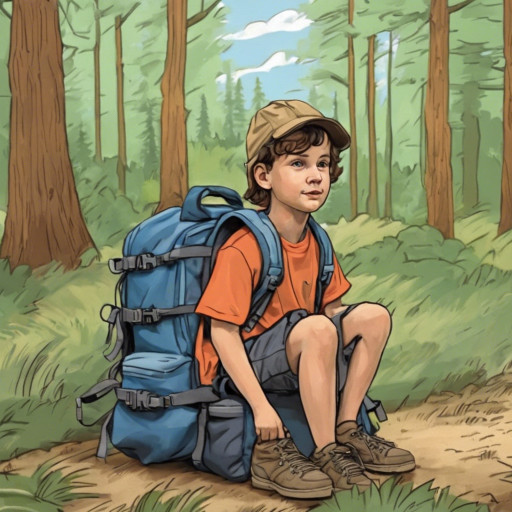
    Learning to survive in harmful conditions is crucial to child development. It gives them confidence and the ability to overcome obstacles while ensuring their safety. Children who learn practical skills are better prepared for unforeseen events in the world.
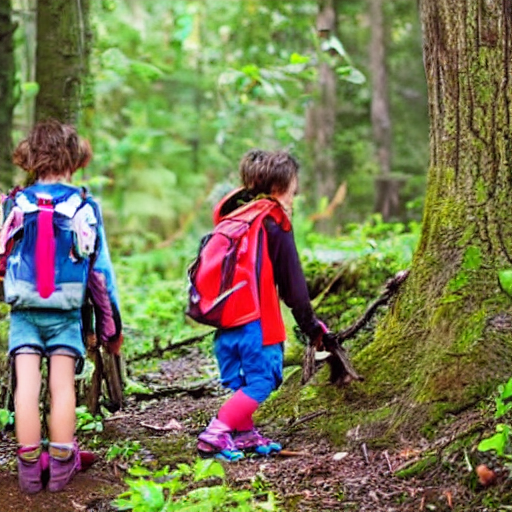
    Survival Skills For Kids

    Basic First Aid Skills

    Teaching basic first aid skills is one of the best investments in children’s health and safety. These fundamental abilities help youngsters respond to minor injuries and develop responsibility and self-confidence.

    Start by teaching them about wound cleanliness. Remind people to wash their hands before touching any wound. Children should learn to clean tiny wounds with light soap and warm water, removing any debris or filth. This essential hygiene idea underpins infection prevention and full healing.

    After that, educate kids on how to cure small wounds. Introduce the different types of sterile dressings and emphasise the importance of choosing the right size to cover the wound. Encourage them to gently pat the wound dry with a clean cloth before dressing. Please also explain why antiseptic ointments prevent infection and aid recuperation.
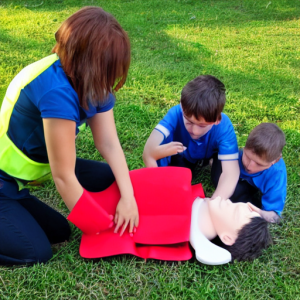
    first aid skills

    It’s crucial to demonstrate bandage application. They must be shown how to wrap a bandage around the incision snugly but not too tightly. To maximise protection, emphasise attaching the bandage with clips or sticky strips and keeping it in place. Children must learn that the bandage secures the dressing and shields the wound from outside toxins.

    The ability to apply adhesive strips is another important first aid skill. Show how to use adhesive strips and explain why they must be tightly applied without being too tight to seal tiny cuts or sores. Encourage them to assess the wound’s severity and choose the best closure.

    Stress the importance of staying calm and focused during this treatment. Encourage kids to believe that their first aid actions can improve someone’s health. These basic first aid skills help youngsters learn about injury treatment, build empathy, and prepare for unexpected situations.

    Fire Safety Skills

    Fire safety education equips kids to handle perilous situations. It entails teaching the mechanics of building and extinguishing fires, as well as fire safety and accountability.
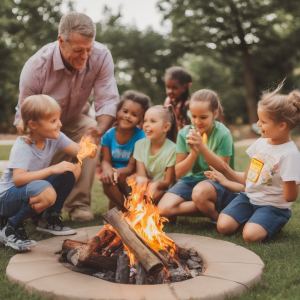
    Teaching children about outdoor fire safety

    Fire safety must be stressed to start the course. These rules emphasise fire risks and the need for vigilance and set a standard for responsible behaviour. Children should learn to follow these rules and understand why, which will help them develop a proactive safety mindset.

    Next, teach them how to build a fire safely. Find an airy, flammable-free spot to start. Encourage responsible resource collection, focusing on dry leaves, twigs, and short branches. Show them how to build a fire lay and teach them about teepee and log cabin styles, depending on the situation.

    Being how to put out a fire safely is also crucial. Teach kids how to extinguish a fire, starting with the need of having a bucket of water or sand on hand. Please show how to throw water over the fire to extinguish all embers. The ashes must be stirred and water supplied to cool the area. Teach ‘leave no trace’ to emphasise the need to clean up the building’s fire site.

    Practical demonstrations and hands-on encounters can reinforce these principles. Supervised fire-building exercises help kids gain confidence and competence by applying their knowledge. This method emphasises personal responsibility and accountability when dealing with fire and highlights the value of the above concepts.

    The goal is to instill a lifetime of fire safety, not only fire mechanics. This knowledge and responsibility prepares youngsters for outdoor activities and crises, ensuring their safety and that of others.

    Identifying and Using Tools

    It is a transformative educational experience to teach children how to identify and use tools. This not only develops practical skills in the youngsters, but it also develops a sense of responsibility and ingenuity in them. Not only is it necessary to familiarise children with physical instruments, but it is also necessary to instill in them a profound understanding of the purpose of tools, the proper manner to use them, and the importance of acting responsibly when handling them.
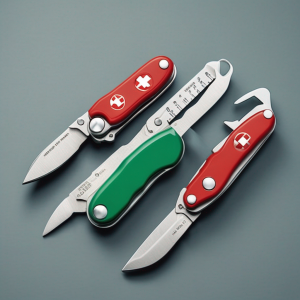
    Swiss Army knife

    Begin by introducing basic tools, such as a Swiss Army knife appropriate for the child’s age. This multifunctional tool is an excellent beginning point, demonstrating a wide range of features and uses through its use. It is critical to emphasise the adaptability of each component and to explain the scenarios that may necessitate the usage of diverse instruments. An initial introduction like this piques one’s interest and lays the framework for a more in-depth study of the technology.

    While you’re getting into the more practical parts of tool use, it’s important to teach kids how to use tools properly and safely. To begin, transmit a fundamental notion of tool safety, emphasising the importance of respecting the capabilities and limitations of the tool in question. It is critical to exhibit strong handling skills, such as using a firm grip on tools and keeping a safe distance from sharp edges.

    Guide children through the process to help them understand how to use each tool properly. The importance of precision and attention should be reinforced in the learner, regardless of whether they are cutting something with a screwdriver, pliers, or a knife. It is critical to emphasise the importance of using the right tool for the right job and to instill an appreciation for the efficiency and effectiveness that come with using the right equipment.

    Hands-on, supervised activities should be included to provide practical experience. Encourage children to participate in projects that are simple to comprehend, appropriate for their age, and allow them to apply their newly acquired information. Lessons learned are not only reinforced but also confidence and a sense of success are gained as a result.

    In addition, emphasise the significance of accepting responsibility for tool maintenance. Teach children the basics of cleaning, storing, and caring for tools so that they endure a long time and perform to their maximum capacity. Tool education covers more than just the act of utilising them; it also assists students in developing a more holistic sense of ownership and responsibility.

    In the end, the goal is to raise a generation that views tools as more than just tools, but as valuable resources that must be used with care. The implementation of an all-encompassing tool education plan can result in the development of children’s practical skills, critical thinking abilities, and a thorough knowledge of the role that tools play in problem-solving and self-sufficiency.

    Navigation Skills

    Giving children the capacity to navigate the great outdoors as well as the complexities of the world around them is akin to giving them a compass for life. This means that youngsters will be able to move freely between the two environments. The foundation of these talents is not only the instruction of the principles of map reading but also the instillation of a profound understanding of the cardinal directions through the use of a compass.

    navigate the big outdoors

    Begin the class by introducing the core skills required for map reading. One of the most fundamental concepts to teach youngsters is that maps are visual representations of space and terrain. The initial stage is to construct simple maps, potentially of their neighbourhood or a local park. You should teach students how to identify crucial elements such as symbols, landmarks, and scale. As their level of skill grows, gradually offer more complex maps to promote a gradual growth in their capacity to understand maps.

    When children are gradually introduced to the cardinal directions, they get a greater knowledge of the fundamental points on a compass, which are north, south, east, and west. Explain the significance of these directions by using real-world examples, such as the sun rising in the east and setting in the west. Incorporate games and activities that need hands-on participation to make learning about the cardinal directions more enjoyable and memorable.

    It is critical to understand the compass as a valuable tool for navigating the outdoors. It is critical to teach children how to properly handle a compass and align it with the Earth’s magnetic field. Demonstrate how the needle points in the direction of north to help with other directions. Encourage children to participate in hands-on activities in which they navigate from one area to another using a map and a compass, thus enhancing their understanding through application of the material.

    You should also mention the concept of orienteering, which is a recreational activity that blends map reading and globe navigation. This not only adds an element of excitement, but it also helps them strengthen their talents dynamically and excitingly.

    As the kids’ navigation abilities improve, challenge them with more sophisticated challenges. Planning routes, recognising geography, and estimating distances are some examples of these exercises. You should encourage pupils to utilise the knowledge they have received in everyday circumstances to assist the smooth absorption of navigational skills into their daily lives.

    In essence, the goal is to develop a feeling of spatial awareness and the ability to navigate with confidence, whether in the wide outdoors or in the context of their daily life. When children are taught navigational skills in an all-encompassing approach, they not only acquire practical tools for exploration, but they also develop the ability to think critically and form a stronger connection to the environment that surrounds them throughout their growth.

    Basic Cooking Skills

    Giving children basic cooking skills is an investment that goes beyond the kitchen, as it supports the development of their independence, creativity, and fundamental understanding of nutrition. Teaching children how to prepare simple meals using portable stoves or open flames not only promotes a sense of self-sufficiency and responsibility, but it also equips them with crucial life skills.
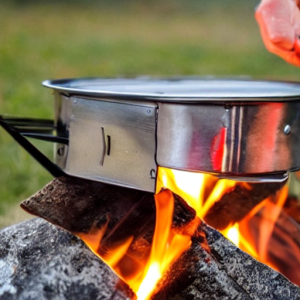
    open fire as a method of cooking

    To begin, present the concept of a portable stove or an open fire as a versatile and effective technique of cooking. It is critical to emphasise the importance of safety procedures such as keeping a safe distance from the flames, cooking in designated areas, and being aware of the potential dangers associated with open fires. Developing a conscious attitude towards cooking in a range of situations can be accomplished by following certain safety behaviours from the start.

    Give them advice on how to set up and use a portable cooker securely. Show how to correctly light the stove, adjust the temperature, and extinguish the flames while it is burning. When using stoves inside, it is critical to emphasise the importance of good ventilation, as well as selecting acceptable outdoor settings away from combustible things.

    Children should be taught the basics of kitchen tools and the functions they serve. Give students instruction on how to use knives, pots, and pans safely, with a special emphasis on proper cutting methods and safe handling of heated surfaces. Because of this underlying understanding, students may approach the culinary process with confidence and awareness.

    Guide children through the process of learning how to prepare basic meals. To begin, select recipes that demand a limited amount of ingredients and simple preparation methods on your part. Instruct them to wash their hands before handling food and to keep their work surfaces neat and organised to ensure they understand the importance of keeping a clean and organised kitchen.

    It is critical to incorporate nutrition education into cooking classes. This involves teaching the importance of eating a well-balanced diet and the nutritional value of diverse materials. This not only enhances their culinary skills, but it also builds a favourable relationship with food, which is an important benefit.

    Throughout the culinary training, you must maintain a strong attention on safety when handling hot things. It is critical to teach children how to wear oven mitts or pot holders properly to avoid burns and scalds on their hands. When working with heat sources, it is critical to emphasise the importance of staying alert and practicing caution.

    Allowing children to play with different flavours and textures in the kitchen is an excellent approach to foster creativity. This not only makes learning more enjoyable, but it also fosters a lifelong appreciation for the performing arts of cooking.

    Water Safety

    It is vital to teach children about water safety because it allows them to develop critical abilities that extend far beyond the limitations of the pool. Teaching swimming and water safety skills not only fosters a love of water-related activities, but it also lays the framework for swimming and water safety experiences that will last a lifetime. Educating individuals about the dangers of open water and the importance of wearing life jackets is critical for instilling a deep respect for water-related areas.

    freestyle swimming outdoors

    Children should be taught the principles of swimming strokes at the start of their learning process. The breaststroke, freestyle swimming, and floating are considered the three most significant swimming strokes for water safety. To begin, students should start in a monitored shallow area and proceed to deeper waters as their confidence and overall skill grows. Strength, endurance, and muscle memory are all crucial components for water safety, thus it is critical to encourage regular practice.

    Simultaneously, emphasise water safety skills that go beyond swimming strokes. You should teach toddlers how to tread water correctly, which will help them conserve energy and stay afloat in a variety of situations. It is critical to instill a sense of responsibility for the safety of persons in aquatic environments by teaching basic rescue skills. Reaching for a person in danger with a pole or a flotation device is one of these ways.

    Transitioning to open water safety while emphasising the unique challenges that lakes, rivers, and oceans provide. Children should be taught about the unpredictability of open water, which includes currents, waves, and varying depths. Before engaging in activities involving aquatic settings, it is critical to emphasise the need of examining and comprehending the specific characteristics of each open water location.

    Make a point of emphasising the importance of life jackets in maintaining water safety. It is critical to show appropriate life jacket wear and explain the purpose of the buoyancy feature. Life jackets are essential for persons of all swimming abilities because they provide a key safety net in the event of depletion, unexpected currents, or crises. It is critical to instill the habit of wearing life jackets regularly, especially when participating in sports like rafting, kayaking, or boating.

    Furthermore, children should be included in water safety scenarios through role-playing and simulated emergencies. The employment of this hands-on strategy, which contributes to the development of a composed and considered reaction, improves their ability to respond successfully in real-life settings.

    Buddy systems and regular monitoring should be implemented, and a culture of mutual responsibility and alertness should be developed whenever people are in or near water. Encourage open discussion about the potential dangers that may exist and the need of following to the water safety guidelines that have been set.

    Building Shelter

    Teaching youngsters how to build a shelter is more than just a way of passing on survival skills; it is also a lesson in ingenuity, flexibility, and self-sufficiency. It not only prepares children for outdoor activities, but it also instills in them a sense of resilience and problem-solving abilities. The capacity to build a simple shelter out of easily available materials. By emphasising the importance of keeping a dry and comfortable environment, a deeper level of comprehension is obtained. This helps to connect the lesson to broader notions about safety and well-being in several circumstances.

    building a survival shelter outdoors

    One of the first topics that should be covered in this session is the concept of shelter as a basic human need. There are numerous types of shelters, ranging from simple lean-tos to more complex structures. Discuss the many types of shelters, focusing on their functions and their materials. Encourage an appreciation for the creativity that has gone into the different shelter designs throughout history and across cultures.

    You may shift to the more practical aspects of shelter building by teaching children how to examine their surroundings for objects suitable for shelter construction. It is critical to emphasise the need of choosing materials responsibly, ensuring that they are easily accessible and will not hurt the environment. Encourage children to participate in discussions about the properties of various materials to develop an understanding of the benefits and drawbacks that specific materials have.

    Provide an illustrated step-by-step demonstration of the process of making a modest shelter. You should start with simple designs that require a little amount of materials. This will help students to understand the fundamentals before progressing to more complex structures. To encourage creativity and problem-solving abilities, push students to adapt their shelter designs based on the environmental conditions and materials available.

    Emphasise the importance of maintaining a dry and pleasant atmosphere when within a shelter. Explain how a correctly designed shelter can act as a barrier against storms, wind, and freezing temperatures. Introduce children to the notion of efficient ventilation and insulation, and show them how to arrange their shelters for the greatest level of comfort and safety. Include lessons on the importance of clearing the area of waste and potential risks, as well as selecting a good location for the creation of a shelter.

    Activities that need active participation should be included in the learning process. It is critical to give children opportunity to practise building shelters in a controlled environment so that they can use their knowledge and abilities. The implementation of this practical application strengthens not only their comprehension but also their confidence in their ability to create a safe and enjoyable environment anytime it is required.

    Outdoor Awareness Skills

    Increasing children’s outdoor awareness is a transformative educational endeavour that goes beyond simply teaching them how to manage nature. It promotes a basic connection to the environment in youngsters, which in turn fosters a sense of responsibility and self-sufficiency. Teaching children to be aware of their surroundings is one of the most crucial components of this process. This establishes the groundwork for a lifetime of safe and enjoyable outdoor experiences.

    As the initial phase in the training process, children should be taught to develop a keen sense of observation. You should encourage children to use all of their senses, including sight, hearing, touch, and smell, for them to actively participate in the environment. Instruct them to pay attention to how the weather, animal behaviour, and overall terrain change. This increased awareness not only makes kids safer, but it also helps them develop a greater respect for the natural world.

    Help children understand the importance of being aware of their surroundings. Instruct children to constantly analyse their surroundings, noting both potential risks and opportunities as they arise. Develop their ability to identify indicators of changes in the weather, the presence of wildlife, and topographic variations that may have an impact on the activities they engage in outside (outdoor activities).

    At the same time, it is critical to teach the concept of identifying edible plants to foster an awareness of the abundance of resources that may be discovered in nature. They should be taught to recognise common edible plants present in their environment, emphasising the importance of accuracy and caution. It is recommended to participate in hands-on activities such as guided foraging to obtain practical skill in securely recognising edible plants.

    Outdoor awareness, on the other hand, involves more than just noticing nature’s magnificent aspects. It is also critical to teach children how to identify potential threats on their own. This includes educating them about hazardous plants, dangerous animals, and any other potential hazards that they may encounter. The need of understanding the potential dangers associated with specific regions, as well as showing respect for wildlife while keeping a safe distance from them, should be emphasised.

    Curiosity that is balanced with caution should be fostered. Teaching children to approach unfamiliar situations with caution and to seek guidance or assistance when necessary is an important element of socialisation. This proactive method improves their ability to confidently negotiate a range of outside settings, which helps to their overall safety.

    Include interactive learning opportunities, such as guided trips and nature walks, to reinforce the lessons about being aware of the outdoors that are being taught. Through participation in these activities, children will have the opportunity to apply their knowledge in real time, which will help them build a more tangible link to the principles that they have learned.

    Finally, the goal is to raise a generation of individuals who not only appreciate the beauty of the natural environment, but also have the knowledge and skills to traverse it properly. When children receive substantial education in outdoor awareness, they can establish a deeper connection to their surroundings and gain the skills necessary to engage with the natural world in a manner that is not only safe but also pleasant and gratifying.

    Emergency Communication

    The development of children’s emergency communication skills is critical because it gives them a vital lifeline in times of catastrophe and helps them build a sense of preparedness. A complete method goes beyond the foundations by teaching the use of devices like as a whistle or signal mirror, as well as instilling a knowledge of emergency phone numbers and critical communication skills from the start.

    At the start of the session, you should explain to the students the value of a signal mirror or a whistle as a simple yet effective means of communicating in an emergency. Describe the specific advantages that each instrument provides, as well as the proper situations in which to use them. The proper manner to blow a whistle should be demonstrated, with focus on making a clear and distinct sound that can travel a considerable distance. In the context of a signal mirror, shows how reflecting sunlight can draw attention to itself while also serving as a visual warning of danger.

    Hands-on practice is required to enhance these skills. It is critical to provide children a tangible grasp of how whistles and signal mirrors work by allowing them to use these instruments in safe contexts. These hands-on experiences not only help individuals gain confidence, but also allow them to gain knowledge that is easily transferable to real-world settings.

    Continue the conversation about the need of basic communication skills and emergency phone numbers. It is critical to educate children the appropriate emergency phone numbers and to emphasise the need of knowing who to call in a variety of situations. Put them through scenarios in which they might need to make an emergency call. This ensures that they are familiar with the technique and can remain calm under pressure.

    You should include instruction on how to communicate successfully in an emergency. The children should be taught how to accurately and simply explain their location, identify the nature of the emergency, and offer any relevant information. Emphasise the importance of staying on the line until help arrives or until the emergency operator instructs you differently.

    Introduce the concept of a personal emergency plan as an additional point of interest. If children become separated from one another or encounter unforeseen events, they should be taught the importance of having a prearranged set of activities to follow or a designated meeting site. This proactive approach instills in children a sense of self-reliance and readiness, allowing them to take rapid and decisive action when confronted with challenging circumstances.

    The formation of an environment in which children feel comfortable expressing their concerns and asking for help, as well as open communication about emergencies, should be promoted. Encourage the development of a sense of responsibility by encouraging the reporting of potential hazards or crises as soon as possible.

    Self-Defense Basics

    Giving children basic self-defense skills is an important part of their overall safety education. This not only helps children grow physically prepared, but it also instills in them an alert and caution attitude. A comprehensive plan goes beyond simply teaching processes; it emphasises the importance of avoiding potentially harmful situations and instilling a sense of personal responsibility.

    When teaching children how to defend themselves, it is critical to start with basic strategies that are easy for them to remember and execute. Concentrate on practical manoeuvres such as palm strikes, knee strikes, and simple evasion techniques that can be utilised to create space from a potential threat. Distance can be created using these motions. These key manoeuvres serve as a foundation for self-defense and can be customised to a multitude of contexts.

    While these tactics are being demonstrated in a controlled environment, children should be permitted to observe and ask questions. To create muscle memory, it is critical to facilitate hands-on practice and encourage individuals to imitate the actions. Consistent practice of these essential self-defense abilities guarantees that they become ingrained and more easily available in the case of an emergency.

    However, the essence of self-defense extends beyond the physical strategies employed. It is critical to emphasise the importance of situational awareness and the ability to recognise potentially risky situations. It is critical to teach youngsters to trust their instincts and to constantly assess their environment. This increased awareness is an important component of their defence strategy since it allows them to make decisions based on reliable information and take preventative measures when necessary.

    The necessity of defining limitations and fostering open communication regarding personal boundaries should be emphasised. In what situations is it permissible to express oneself and seek help? Discuss these examples. It is critical to emphasise that the first step in self-defense is to create a self-respecting mindset and a commitment to personal protection.

    Additionally, emphasise to children the importance of avoiding potentially harmful situations wherever possible. Highlight the importance of proactive decision-making, such as choosing well-lit paths, staying in groups, and avoiding solitary areas. Instill in them a sense of responsibility for their safety, which will allow them to make informed decisions and limit the chance of potential threats.

    Consider employing role-playing exercises to simulate real-life scenarios. Children can put their knowledge of self-defense into practice in a safe atmosphere by using this participatory strategy, which helps them develop self-confidence and prepares them to respond effectively to a range of events.

    Camping Skills

    When children are taught camping skills, it is not only about introducing them to outdoor activities; it is also about building a deep appreciation for nature and instilling information that they can use for the rest of their lives. Teaching youngsters how to pack and organise their belongings, as well as how to set up a tent and practise basic camping etiquette, will establish the framework for them to engage in enjoyable and responsible outdoor activities.

    At the start of the class, introduce the students to the numerous pieces that make up a tent, as well as the foundations of how to construct one. Give a demonstration of how to assemble the tent poles, join them, and secure the tent to the ground. It is critical to choose a campsite that is both flat and has appropriate drainage. Encourage them to participate in hands-on practice and to take an active role in the setup process. This hands-on experience not only teaches important skills, but it also creates a sense of responsibility and a respect for working with others.

    At the same time, you should learn the principles of camping etiquette. The ideas of Leave No Trace should be taught to children, with a focus on the importance of decreasing the amount of environmental damage they cause. Discuss problems such as treating wildlife with respect, keeping on approved trails, and properly disposing of trash. When these ideas are taught in children, they are more likely to grow into conscientious stewards of the natural world, which benefits natural area conservation.

    It is time to move on to the organisation of camping equipment, during which you will introduce the concept of packing efficiently and thoughtfully. It is critical to teach youngsters how to organise and pack objects according to their intended use, ensuring that the most vital items are conveniently accessible. Give an example of how to appropriately distribute weight in a backpack or camping bag, emphasising the importance of maintaining balance to carry goods comfortably and securely.

    To ensure that youngsters understand the importance of being well-prepared, walk them through a checklist of essential equipment. Include subjects such as the need of having enough food and drink, the necessity of having a first aid kit, and the necessity of wearing clothing appropriate for varied weather conditions. This all-encompassing technique not only prepares children for a range of camping settings, but it also helps them build a prepared and responsible mindset.

    It is critical to involve children in the planning process, which covers everything from finding an appropriate campsite to agreeing on a menu for the meals. This involvement not only improves their decision-making abilities, but also helps kids build a sense of ownership over the camping experience and makes them more passionate about it.

    Incorporate lessons on fire safety and good campfire management into your curriculum. Children should be taught the basics of building and extinguishing a campfire, as well as the need of following established fire safety standards to minimise accidents and safeguard the natural environment.

    Teamwork and Leadership

    Teaching children about social dynamics is more than just teaching them how to work together and take leadership; it is setting the framework for success in many other aspects of life, especially when faced with challenging circumstances. Instilling a sense of duty and resilience, as well as collaboration, can be accomplished by preparing them to take on leadership roles and emphasising the importance of working together in survival situations.

    Begin the class by emphasising the need of teamwork in several survival scenarios. Children should be encouraged to take part in discussions on the mutual benefits of collaboration, highlighting how people with diverse abilities and capabilities can complement one another. Real-life examples should be utilised to highlight how collaboration may improve productivity, problem-solving, and overall success in dealing with complicated problems.

    Participate in projects that require collaboration and incorporate teamwork. When children participate in these activities, they get to see firsthand the positive effects of good teamwork. These actions could include constructing a shelter, resolving a problem, or finishing a task. Encourage open communication and the exchange of ideas among all team members to create an environment in which every member feels respected and heard.

    Simultaneously, teach children the importance of leadership in the context of group dynamics. It is critical to emphasise that leadership entails more than simply delivering commands; rather, it entails guiding, inspiring, and ensuring that everyone provides their best effort. Describe a leader’s attributes, such as decisiveness, responsibility, and empathy. It is critical to create opportunities for youngsters to practise taking on leadership roles for them to grow and strengthen their leadership skills.

    Discuss the many forms of leadership, focusing on how effective leadership is easily adaptable to the needs of the group as well as the circumstances. It is critical to instill the idea that leadership is a shared responsibility and that individuals can take on leadership tasks based on their talents and areas of competence. The implementation of an inclusive strategy, in which all members of the group accept their ability to make a meaningful contribution to the group, fosters a collaborative leadership mindset.

    Children should be encouraged to take part in activities that test their ability to solve issues and make decisions. These challenges not only help them enhance their capacity to function as a team, but they also allow people to demonstrate their leadership talents. Facilitating debriefing meetings after the event can help to foster a culture of continuous development and learning. These sessions should promote introspection on what worked well and what could be improved.

    Include scenarios in which members of the team take turns acting as leaders through role-playing. As a result, children can receive experience in a range of leadership roles and styles, making them more adaptive and versatile. Furthermore, it teaches students the importance of effective communication, the ability to deliver clear guidance, and the ability to urge and encourage others.

    At the end of the day, the goal is to create a generation that not only recognises the importance of collaboration, but also recognises that leadership is a role shared by all. When children are taught to take on leadership roles and to emphasise the importance of collaboration in survival situations, they not only acquire the practical skills required for effective teamwork, but they also develop attributes that contribute to their personal development and success in a variety of endeavours.

    Problem Solving

    The development of problem-solving skills in youngsters is an investment in their ability to face life’s problems with resilience and adaptability. Individuals can be imbued with a curious and resourceful attitude by encouraging critical thinking and problem-solving talents. This extends beyond simply addressing specific issues. Furthermore, teaching youngsters how to adapt to different situations develops their flexibility and offers them the confidence to deal with a variety of scenarios.

    You should emphasise the need for critical thinking at the start of the class. Explain that critical thinking is the process of analysing information, concepts, or conditions practically and objectively. It is critical to educate children to question assumptions, consider alternative points of view, and evaluate supporting data. They can approach problems critically and analytically because they have this essential skill, which sets the framework for effective problem-solving.

    Introduce the concept of problem-solving as a dynamic process that includes the phases of identifying, analysing, and implementing solutions. Create puzzles or settings based on real-life situations to engage their problem-solving abilities. Encourage pupils to explore and assess several possibilities to a specific problem to be solved to develop their creativity and adaptability.

    Incorporating collaborative tasks is beneficial since it not only helps to refine problem-solving skills but also emphasises the importance of working as a team. Participants should be encouraged to participate in group problem-solving activities that foster communication, idea sharing, and group decision-making. Children are allowed to learn from one another, develop an understanding for diverse points of view, and jointly arrive at beneficial solutions through these collaborative endeavours.

    Teach children to see challenges as opportunities for personal development and growth. Encourage people to develop a constructive mindset in which issues are viewed as puzzles to be solved rather than insurmountable obstacles. It is critical to instill the idea that failure and setbacks are necessary components of the problem-solving process. These events offer excellent learning opportunities that aid in personal development.

    Concurrently, adaptability must be emphasised as a critical component of effective problem-solving. The idea that solutions that work well in one situation may need to be adjusted or completely rethought in another is something that should be considered. It is critical to present the concept of adaptability, which may be described as the ability to change tactics in response to changing conditions. This will assist students in developing resilience and versatility as problem-solving tools.

    Incorporate real-world examples and case studies of people who have successfully navigated issues by using critical thinking and flexibility. It is critical to emphasise a variety of problem-solving approaches to demonstrate that there is typically more than one way to discover a solution. They can broaden their perspective and are inspired to explore creative solutions when presented with obstacles by doing so.

    Role-playing scenarios in which children actively apply their problem-solving abilities to simulated problems should be encouraged. With the help of this practical application, pupils will be able to engage in hands-on learning, allowing them to assess their capacity for critical thinking and adaptation inside a controlled environment.

    Basic Knot Tying

    Teaching children to tie simple knots goes far beyond outdoor activities; it instills in them a skill that is both adaptable and practical, and it can be utilised in a variety of situations. An all-encompassing method includes teaching students important knots for a range of situations and emphasising the need of knot security. This extends beyond the technical aspects of knot tying.

    You should establish the idea that knots are highly significant tools that are utilised in everyday life, not just in outdoor situations, at the start of the lesson. It is critical to explain how knots can be used as reliable fasteners, whether they are employed to hold goods when camping, to tie shoes, or even in mundane tasks like wrapping packages. This broader perspective fosters an appreciation for the utility of knot-tying beyond the limits of specific circumstances.

    Young children should be taught a variety of essential knots, each one appropriate for a certain purpose. Begin with fundamental knots such as the square knot, which is used to connect two ropes, the bowline knot, which is used to make a secure loop, and the clove hitch, which is used to attach a rope to a post or pole. As they progress, introduce them to more specialised knots like the figure-eight knot, which is used to form a secure stopper at the end of a rope, and the taut-line hitch, which allows the tension to be changed.

    Make certain that each knot is demonstrated and that children have many opportunities to practise their knotting abilities. This tactile learning not only reinforces the mechanics of knot tying but also helps to create muscle memory, which is essential for tying knots confidently in a variety of situations.

    It is critical to emphasise the importance of knot security in all applications. Instill in them the idea that a correctly tied knot should be strong, with no slack or looseness that could compromise its integrity. It is critical to emphasise the consequences of improperly made knots, emphasising the danger of slippage or failure in critical situations.

    Educate pupils on when to use specific knots, taking into account the conditions. One can gain knowledge about the process of selecting knots based on aspects such as load, tension, and purpose by discussing scenarios in which certain knots are more appropriate than others. One of the ways this information helps individuals enhance their problem-solving skills is the ability to choose the best knot for the job.

    Try adding knot-tying exercises into outdoor activities like setting up a tent, fastening equipment, or coming up with improvised solutions. Using this practical application not only improves their ability to tie knots, but it also instills in them a sense of self-sufficiency and adaptability in outdoor conditions.

    To promote their creative abilities, children should be asked to come up with knots for certain scenarios. This not only pushes kids to be creative and imaginative in their knot-making method, but it also improves their problem-solving skills and offers them a sense of ownership over the process.

    Finally, teaching children how to tie basic knots is a holistic endeavour that combines problem-solving and adaptation through the development of practical skills. Children not only learn valuable life skills, but they also build a diverse toolbox that they can employ in several settings, which contributes to their overall competence and confidence. This is accomplished by teaching them key knots and emphasising the need for knot security.

    Stay Calm and Positive

    Giving youngsters the ability to keep a positive attitude and a calm demeanour is a valuable life lesson that transcends specific circumstances. Not only does educating children on how to deal with stress in a calm and collected manner and encouraging them to have a positive attitude equip them with emotional resilience, but it also allows them to develop a mindset that contributes to their overall well-being.

    You should emphasise the importance of being calm in high-pressure situations at the start of the session. Demonstrate that the capacity to maintain one’s cool is a necessary component of properly handling challenges and making decisions. Show how having a calm mind increases one’s capacity to think rationally and make decisions based on accurate information, even in challenging situations. Use situations that are familiar to youngsters to help them understand the practical benefits of remaining calm.

    Mindfulness techniques should be introduced as methods for cultivating a sense of calm. Children can learn effective stress management skills by engaging in simple techniques such as deep breathing, visualisation, or focusing on the present moment. It is critical to encourage youngsters to use these ways on a regular basis to develop a habit of self-awareness and emotional management abilities.

    Make it plain to children that having a positive attitude is a powerful mindset that can have a huge impact on their outlook on life. It is critical to emphasise the importance of thanks, optimism, and focusing on finding solutions rather than dwelling on difficulties in order to nurture the development of a positive attitude. Investigate how positive thinking can aid in the development of resilience in the face of adversity, as well as the effects of positive thinking on mental health.

    It is critical to use storytelling and real-life examples when portraying people who have maintained their composure and positivity amid challenging circumstances. Emphasise the attributes that contribute to their ability to face obstacles with calm and positivity. Children are given relatable role models through storytelling, which drives them to model their own lives after those of the role models.

    To maintain a positive outlook, it is critical to facilitate discussions about the role that resilience plays. Explain that resilience is defined as the ability to recover swiftly from failures, adjust to new situations, and face difficulties with tenacity. To instill in children a resilient mindset that will serve them well throughout their lives, it is critical to encourage them to view mistakes and setbacks as opportunities for learning and advancement.

    It is critical to provide an encouraging environment in which children feel comfortable expressing their emotions. It is critical to understand that experiencing a wide range of emotions is normal and to provide guidance on how to process and healthily deal with these feelings. This open communication facilitates children’s capacity to effectively navigate their feelings, which promotes emotional intelligence.

    Encourage the formation of a growth mindset by emphasising the idea that one’s capabilities and intelligence may be increased via hard work and a positive attitude. Rather than viewing barriers as insurmountable, this shift in thinking promotes resilience and enjoyment by recasting them as opportunities for growth.

    The post Survival Skills For Kids – A Parent’s Guide appeared first on Survivalbite.

    The post Survival Skills For Kids – A Parent’s Guide appeared first on https://gqcentral.co.uk

     

    The Article Survival Skills For Kids – A Parent’s Guide First Appeared ON
    : https://ad4sc.com

  • The Finest Winter Survival Techniques

    The Finest Winter Survival Techniques

    The Finest Winter Survival Techniques

    The Best Winter Survival Techniques: These tips will keep you alive if the weather turns severely cold.

    We’ve been fighting the cold since the beginning, so we’ve had plenty of time to perfect survival strategies in subzero conditions.

    We’ve also had plenty of opportunities to spread myths and misinformation about winter survival. Before you sort fact from fiction the hard way – and become stuck in a winter storm or buried in an avalanche – here is some winter survival rules everyone should know.

    If you do not have proper outdoor clothing, you are doomed to hypothermia.

    The right equipment can make a huge difference in comfort and survival in the untamed outdoors. If the weather unexpectedly changes and your clothes are inadequate, you should use one of the oldest survival tactics.

    Stuff your clothes with natural plant insulation like our Stone Age forebears. Scratching up leaves and tucking them into your clothes generates a dead air space and makes you feel warmer.

    Grass, moss, ferns, leaves, pine needles, and other alive and dead plant materials can be placed inside trouser legs and shirts.

    Don’t worry about the materials smelling destructive or harbouring pests; they will. This isn’t about being at ease. It will make you feel and look stupid, but it will be warmer. If it keeps you from becoming cold, that’s a fair trade-off.

    winter survival techniques
    ahmarticles.com

    Frostbite Treatment

    Rubbing your hands together when cold is natural, but it’s not a good idea if your tissues are frostbitten. Rubbing frozen skin together will not generate any heat.

    Worse, contacting ice-crystal-covered skin will result in further tissue damage.

    When you move these razor-sharp ice spikes, they harpoon more tissue and cause more harm than if you left the skin alone. If additional frost damage can be prevented, gentle rewarming is the best treatment for this scenario.

    Begin by determining the problem. Light frostbite appears waxy and drab. Deeper frostbite is pallid and hard. Begin rewarming with pain medicine (thawing frostbite is painful).

    Ibuprofen is an efficient pain reliever that should be used immediately.

    Place the frostbitten tissue on warm skin or in warm water to thaw it up. The final steps are to prevent the thawed tissue from freezing again and to monitor the individual for hypothermia and shock.

    Dehydration is a risk in the winter.

    In many regions, the winter air is dry. Because sweat evaporates quickly (or is absorbed by clothing), you may not notice any sweat, but it is a mistake to believe that “no sweat” indicates “no dehydration.”

    Your skin reveals the truth. The drying effects of winter’s low humidity are indicated by dry, cracked skin on hands, feet, and lips. You can avoid this painful side effect of dehydration if you monitor your water balance.

    The simplest method is to keep track of your urine output. You are dehydrated if you are not making “yellow snow” every few hours.

    Urine is the best hydration indicator since it considers your activity level, humidity, injury, illness, and other factors.

    You should not be concerned about dehydration if you drink enough to urinate at an average rate and frequency.

    Avalanche Survival Tips

    Flatlanders who aren’t travelling should be unconcerned, but going into an avalanche zone is one of the most dangerous threats in snowy mountains. Being caught in an avalanche may feel hopeless, but a little planning and awareness can go a long way. Here are three products that are useful on snowy slopes.

    Make sure that someone is aware of your presence. A responsible person (or two) should know where you’re going, the route to take, and when you expect to return. This is sensible advice in avalanche zones and a general strategy.

    Always have an avalanche transceiver on hand.

    This device is capable of routing searches to you. Learn how to use and transport it before you go out.

    Swim for your life.

    Although it travels similarly to water, flowing snow does not move in the same way. If an avalanche starts, you must abandon your equipment (you cannot swim while wearing skis, snowshoes, or a snowmobile).

    Try to “swim” across the snow, avoiding solid objects like trees and stones. Push, kick, and swim’ as hard as you can to stay on the surface of the snow. If you can’t stay on top, stay close to the surface and cover your mouth with your hands to get some air.

    Drinking alcohol causes a drop in body temperature.

    You’ve probably seen a St. Bernard with a miniature whisky barrel slung around its neck. This timeless piece of art depicts a true story.

    These rescue dogs occasionally brought alcoholic beverages, although drinking alcohol in extreme weather is not a good idea. It is a myth that a drink of alcohol will warm you up.

    Here’s a vital winter survival tip: Alcohol can make you feel warm because it dulls the sensation of cold exposure and provides a flushed feeling as more blood rushes to the skin.

    However, the diversion of blood flow away from the core of the body and the “feeling” of being warmer is not as important as the actual rise in body temperature.

    This apparent warmth caused by more blood reaching the surface causes your body to cool down faster. Drink something warm instead of alcohol, such as hot chocolate, which provides both calories and warmth in cold circumstances.

    cold rain

    Thrive In Cold Water.

    An unlucky outdoor enthusiast falls into freezing water and sinks. Divers may need to spend time searching for the victim in the murky water.

    A drowning victim may experience “suspended animation” due to the dangerously cold water. Delaying and cooling all systems delays brain injury and reduces cell oxygen demand.

    Victims have been retrieved and revived after being submerged in near-freezing water for up to 40 minutes. In such a circumstance, never stop resuscitation efforts until the body has fully warmed up and is still not responding to therapy.

    With Intense Heat, Avoid Overheating.

    While tossing someone in a hot tub to warm them up again may appear to be a good idea, this type of heat exposure is not the recommended treatment for hypothermia.

    Immersion in hot water is not only painful for the victim’s skin; it can also result in shock or a heart attack. Professionally executed active external rewarming is the correct prescription.

    If this is not possible, surround the individual with warm items. For example, hot water bottles can be placed in the groyne, armpits, and around the neck. Never submerge the sufferer in a hot bath, use a steam bath, or otherwise expose them to excessive heat.

    It is only occasionally possible to consume what the animals consume.

    On a chilly landscape, a few stray berries can look to be a feast for a hungry survivor. They may not be known to you, yet the animals eat them.

    Is this to imply that they’re okay to eat? Not. Other species are not a good model for human foraging. Squirrels and deer often consume natural plants that would be harmful to people if consumed.

    Birds are an even worse role model for humans. Their digestive mechanisms differ from mammals, allowing them to absorb a vast range of plants that would both nourish and kill us.

    To discover which wild plants are edible and which are poisonous, you must conduct extensive research and avoid shortcuts.

    It is dangerous to become stranded in the snow with your truck.

    It’s a double-edged sword when your vehicle becomes stuck in the snow during a snowstorm. On the one hand, you are protected from the storm. This defence, on the other hand, has considerable limitations.

    At subzero conditions, all of the metal makes a very cold shelter, sucking the body heat out of the cabin. The only option for heating is to leave the engine running, which can be a costly mistake.
    Starting the vehicle with the heater can be beneficial if you can keep the tailpipe open.

    Exhaust fumes can go back into the vehicle’s interior if the tailpipe is buried by snow, slush, mud, or water, causing carbon monoxide poisoning and death.

    Keeping vehicle engines running during snowstorms has saved lives while also saving people from hypothermia.

    Light a Fire in the Snow

    You’ve most likely attempted to start a fire in the snow during your outdoor adventures. Usually, if you tried, it all started. The kindling caught fire as the fuel burned.

    However, as soon as the embers began to form, they fell into the snow and were extinguished with a hiss. Then you realise that a fire directly on snow will only last briefly.

    There are, thankfully, alternatives. If there is only a thin layer of snow, dig into the frozen ground and build your fire there. If the snow is too deep, try option two: create a snow-covered fire platform.

    The most basic approach is to build a wooden “raft” on top of the snow. This raft can be built with damp, decaying wood, freshly cut live wood, or a combination.

    Assemble the pieces so that there are no holes through which the embers can fall into the snow. Start a fire on this raft just as you would on land.

    Depending on the moisture level of the wooden raft, it can burn for an hour or many hours. It can also be altered if necessary.

    What To Do And What Not To Do In The Winter

    Make seeking shelter your primary survival goal. Use insulation and other heat sources as much as possible. This may include tearing up your car’s upholstery for insulation or putting hot pebbles on the floors to keep it warm. Do whatever you think is necessary to survive.

    Do not leave your refuge. Snow, fog, darkness, and other factors can make it challenging to find your shelter after you’ve left it to communicate or forage. Mark the shelter with a homemade flag, something reflective, or any other signal you have. Not only will you have an easier time finding refuge, but your rescuers will also have a better chance of finding it.

    DO NOT SLEEP IN THE SNOW OR ON THE ICE. Even in a snow cave, having something beneath you would be beneficial. Collect some evergreen branches, tree bark, leaves, or anything else that can be a barrier between you and the icy surfaces.

    Stay hydrated. The colour and quantity of urine you urinate are the most accurate markers of your hydration status. If you haven’t urinated in several hours and the colour is dark yellow or amber, you are severely dehydrated.

    Keep snow and ice out of your mouth. Even though it is safe to drink, it should never be consumed in its frozen solid form. This will rapidly cool your core, resulting in hypothermia. Put the snow or ice in a bottle under your coat instead of on your skin. The heat from your body beneath your garment will liquefy the frozen material, allowing it to be swallowed safely.

    When travelling in cold weather, bring plenty of kindling and lighting sources. Matches, lighters, and matches are all possible possibilities. To light, cold, damp wood, use cotton balls dipped in Vaseline or fire starter kits.

    Never try to start a fire in a windy or snowy location. These are two terrible recipes. If you must build a fire outside, construct windbreaks. Make a fire platform out of green wood if you’re building a fire over snow.

    The post The Finest Winter Survival Techniques appeared first on https://gqcentral.co.uk


    The Article The Finest Winter Survival Techniques First Appeared ON
    : https://ad4sc.com

  • The Art of Declining Christmas Gatherings

    The Art of Declining Christmas Gatherings

    How to Politely Turn Down Expensive Christmas Parties, especially in the current cost of living crisis.

    Even though Christmas is frequently associated with joy, festivities, and get-togethers, for those who are going through a crisis because of the growing cost of living, it may also be a taxing time. The urge to participate in pricey social activities during an already trying period might strain your finances and cause unneeded stress. However, it’s critical to remember that one’s financial security is something that should never be taken for granted. In this post, we’ll go over some helpful tips for getting through the holidays while you’re going through a crisis because of the growing cost of living, as well as how to handle the challenging situation of turning down pricey Christmas parties when friends invite you.

    christmas party

    Assess Your Financial Situation:

    The first thing you need to do in order to survive Christmas amid a crisis brought on by increased living expenses is to critically assess your existing financial situation. Analyse your income and expenses in detail, making sure to prioritise the costs that are most crucial, such groceries, rent, and utilities. Understanding the limitations your finances place on you will help you make wise decisions about how to allocate your resources over the holiday season.

    Set Realistic Expectations:

    One cannot stress how important it is to have reasonable expectations for both oneself and those around them. Remembering that you are not required to go to every party or function is crucial, especially if doing so will jeopardise your capacity to maintain your financial stability. You should be open and sincere with your loved ones about the situation you find yourself in, letting them know that even though you might not be able to make it to every event, you still value your relationship with them.

    Embrace Frugality:

    You don’t have to lose out on the festive joy even if your budget is tight. You should look at many budget-friendly ways to celebrate Christmas if you want to adopt frugality. Get-together ideas for your friends could include throwing a fun game night, setting up a Secret Santa gift exchange, or hosting a nice potluck dinner. It’s crucial to remember that the company, not the associated cost, is what makes the season joyful.

    Be Honest and Direct:

    The best course of action when it comes to turning down expensive Christmas parties is to be honest. You should honestly disclose your existing financial situation in addition to expressing your gratitude for the offer. Make sure your pals know that you are having financial troubles right now and that you are unable to attend gatherings that might cause you to lose money. Your true friends will greatly appreciate your kindness and genuineness.

    Suggest Affordable Alternatives:

    You may choose to decline an invitation while at the same time making recommendations for less expensive options. Encourage them to meet for a walk in the park or a warm cup of coffee. Another option would be to host a smaller party in someone’s home, where guests can bring food or drinks that they have prepared. You won’t have to break the money doing this, allowing you to keep spending quality time with your pals.

    Prioritize Self-Care:

    Self-care must be prioritised during the hectic holiday season because it is often interrupted by work. Taking care of your physical and mental health shouldn’t be negotiable, especially during this difficult time when you are struggling with living expenses. Take delight in the small things in life, like taking a walk, reading a book, or spending time with the people you love. Never forget that attending lavish gatherings should never jeopardise your health because it is irreplaceable.

    Seek Support:

    It can be intellectually and emotionally taxing to deal with a problem caused by the rising cost of living over the holiday season. Make an effort to get in touch with reliable friends, family members, or support groups in your neighborhood. They might be able to offer you direction, advice, or even a helping hand. Always keep in mind that you are not alone and that reaching out for assistance is a sign of strength, not of weakness.

    It may be necessary to make challenging choices and engage in awkward conversations to survive Christmas during a crisis caused by rising costs of living; but, your financial stability should always come first. You will be able to manage this difficult moment with grace and integrity if you take the time to evaluate your current financial condition, establish expectations that are based on reality, embrace frugality, and be honest with your friends. Keep in mind that the genuine spirit of the Christmas season is not in the extravagant celebrations that we have, but rather in the connections that we build with one another and the moments that we enjoy with one another.

    The post The Art of Declining Christmas Gatherings appeared first on Survivalbite.


    The Article The Art of Declining Christmas Gatherings First Appeared ON
    : https://ad4sc.com

  • Service Genius Air Conditioning And Heating Expands Executive Team

    Service Genius Air Conditioning And Heating Expands Executive Team

    Service Genius Air Conditioning and Heating Charts a Course for Future Success with Key Appointments

    Service Genius Air Conditioning and Heating of Chatsworth, California, has just announced the employment of two important people to increase operational efficiency and improve the customer experience. The firm has reached a major new milestone with this announcement, which should improve its ability to serve both residential and commercial customers in the San Fernando Valley and throughout the greater Los Angeles area.

    New Blood and Old Faithful

    The new hires are a blend of recognizable faces and seasoned veterans. After many years of service at Service Genius, James Raymond was recently elevated to the position of vice president of marketing and sales. Raymond spent over 15 years as the General Sales Manager for John L. Sullivan Chevrolet before transitioning to the HVAC industry. His rapid promotion reflects both his dedication to the organization and his aptitude for taking on new challenges.

    Mike Casey, a relative newcomer to the Service Genius staff, represents the other extreme. The Commercial Sales Accounts department now reports to Casey. Throughout his twenty-plus-year commercial sales career, he has sold HVAC equipment and managed preventive maintenance contracts, among other things. He brings a wealth of knowledge and is a great asset to the Service Genius team.

    As the company’s creator, Bill Raymond, put it, “These are key jobs here at Service Genius, and we couldn’t be happier for what these two guys will offer to our business. It bodes well for the future of Service Genius in the LA area.

    A Commitment to Quality Service

    Service Genius Air Conditioning and Heating is well-known for its high-quality AC maintenance and repair services for both commercial and residential properties. The company’s success can be attributed in part to the high quality of the equipment it uses. This dedication has made them stand out from the competition by guaranteeing the finest quality in every service they do.

    The organization cares more about client happiness than just providing the right equipment and furnishings. Notably, unlike many competitors, they use cutting-edge technology to assess the quality of the air within a building. Before declaring their work done, the Service Genius team conducts a battery of tests that speaks to their dedication to quality.

    Convenience and Accessibility

    When it comes to heating, ventilation, and air conditioning, time is of the importance, thus the firm provides a number of conveniences. Same-day and around-the-clock availability means a repairperson can visit your location within hours of you reporting an issue. Surprisingly, no matter the size or complexity of a client’s project, they may always take advantage of this speedy service.

    The firm also provides next-day installs for clients who wish to upgrade their equipment. This drastically reduces the time needed to get a new system operational from weeks or even days to just a few short hours. Because of the company’s efforts to accommodate consumers’ busy schedules, dealing with them is a breeze.

    Looking Ahead

    Expanding its presence in the HVAC market, Service Genius Air Conditioning and Heating is always on the lookout for methods to enhance its foundational offerings and the quality of its interactions with customers. With these new hires, the firm is poised to enter a period of strategic expansion and refinement, taking it to new heights in the face of intense competition.

    Contact Service Genius Air Conditioning and Heating through phone, email, or their official website to learn more about their wide range of air conditioning and heating services.

    The post Service Genius Air Conditioning And Heating Expands Executive Team appeared first on https://gqcentral.co.uk


    The Article Service Genius Air Conditioning And Heating Expands Executive Team First Appeared ON
    : https://ad4sc.com

  • How to Pack Bug Out Bags for Kids

    How to Pack Bug Out Bags for Kids

    A Comprehensive Guide to Packing Bug Out Bags for Children

    The first responsibility we have as parents is to ensure the well-being and security of our offspring. Though we hope for the best, it is crucial to be prepared for any unforeseen tragedies or disasters that can occur. An essential element of any disaster preparedness strategy is a bug out bag, which is a compilation of essential supplies meant to keep you and your family alive until help arrives. Our focus for today is going to be on a subject that is often overlooked: making kid-friendly bug out bags. Providing you with all the information you need to prepare bug out bags especially for your kids is the goal of this comprehensive tutorial.

    Bug Out Bags for Children

    Why Are Bug Out Bags for Children Important?

    Children’s fragility is something that needs to be specifically considered in disaster preparedness during times of crisis. The concept of kid-friendly bug out bags stems from a basic need to ensure the security and welfare of our communities’ younger residents in the case of unforeseen circumstances. We offer children the opportunity to actively participate in securing their safety by thoughtfully assembling these kid-specific survival kits, which also serve to relieve some of the burden on carers in case of an emergency.

    Children often turn to adults for solace when faced with challenging circumstances because they rely on their parents or guardians for guidance and security. During emergencies, adults may be required to do a range of crucial tasks, such as planning evacuation routes, making decisions, and disseminating information. A carefully packed bug out bag for a child is an essential tool when it comes to making sure they can survive challenging situations on their own, at least for a certain duration.

    The idea of bug out bags for kids has more meaning than just providing essential survival gear; it also has an empowering connotation. It makes it easier for young people to build resilience and a sense of responsibility. Not only do kids feel more prepared for unforeseen circumstances when they have their backpacks with them, but they also gain some measure of control over the environment around them. This sense of agency can help a child feel more secure and capable of handling challenging situations, which can improve their emotional health during times of crisis.

    Children demand different things from adults in terms of their bodily needs. Because of this, they have different food requirements. Their bodies are still developing. Children’s bug out bags should therefore contain a variety of age-appropriate food, clothing, and medical supplies. Products like formula, diapers, or certain medications that are made to fit the unique needs of little children need to be given extra consideration. This customisation adds to the child’s overall comfort and health by ensuring that their physical demands are satisfied during trying times.

    Youngsters experience stress in different ways than adults do, both psychologically and emotionally. It is critical to acknowledge the psychological health of children in disaster situations, and the addition of comfort items to bug out packs serves this purpose. Anxiety and fear might be lessened by the child’s familiar toys, a beloved blanket, or other items that are meaningful to them. These things can offer a source of comfort and stability. One way to increase the holistic approach to emergency preparedness is to include the psychological needs of children while creating bug out bags for them.

    The inclusion of age-appropriate items in a child’s bug out bag serves as a reminder that emergency preparedness is not a universally applicable idea. Just as we consider the unique needs of those with disabilities or health conditions, we also need to recognise that youngsters need a particular approach when it comes to preparation. By offering bug out bags that are especially made to satisfy the needs of our younger community members, we make sure that they are not overlooked during the emergency preparation process.

    Choosing the Right Bug Out Bag

    bug out bag

    Consideration should be given to both the practicality and comfort level of a bag when choosing one that meets a child’s needs for a bug out. The right rucksack must be chosen to guarantee that the youngster can carry their emergency supplies in a way that is both practical and efficient. This will support the child’s overall well-being despite challenging circumstances.

    Numerous compartments are a crucial component of functionality, making them one of the most significant qualities to look for in a backpack. These compartments offer a useful solution to the organisation challenge by enabling the methodical arrangement of a variety of goods. A well-organized bag allows you to swiftly and easily access essential things, which is why owning one of these bags is crucial in an emergency. The ability to divide up resources such as food, drink, clothes, and first aid kits not only streamlines the retrieval process but also ensures that resources are used wisely in the critical early stages of a disaster.

    The other equally important consideration is assessing how well the rucksack fits and whether or not it is appropriate for the child’s physical build. A poorly fitting backpack could put the child through stress, discomfort, and possibly put them at risk for health issues. Because of this, parents and other carers must be aware of the rucksack’s overall design, weight distribution, and dimensions. It’s crucial to search for features like adjustable straps so that the fit may be customised to the child’s height and shape. This change not only improves the comfort level of the bag but also lessens the likelihood of injury or physical strain for the child, making it easier for them to carry.

    Beyond just making sure the child is physically comfortable, a well-fitting knapsack affects the youngster’s sense of confidence and their capacity to move swiftly and confidently during an emergency evacuation. When a bag fits properly, it ensures that the youngster can move around with stability and balance. In a situation that may otherwise be chaotic, this helps to create a feeling of security and control. The integration of ergonomic design and functional consideration is a crucial element of the comprehensive readiness plan for children.

    Parents must involve their children in the decision-making process, considering their comfort level and preferences. If the experience is made collaborative, children are more likely to embrace the responsibility of owning their bug out bag. Incorporating children into the decision-making process also serves to empower them and strengthen their sense of ownership over emergency supplies.

    Ensuring Proper Hydration

    The importance of ensuring that children are appropriately hydrated cannot be overstated when it comes to emergency preparedness. Because it’s essential to sustaining health and wellbeing in an emergency, staying well hydrated is much more vital than it is at this time. Making sure that water-related items are at the top of your list of priorities when packing your child’s bug out bag becomes a crucial component of their preparedness strategy.

    A proactive strategy would be to make sure your child always has access to a portable and dependable source of water. This might be as simple as packing a kid-specific hydration pack or a lightweight water bottle. Choosing the right container involves more than just convenience; it also involves taking children’s unique needs and talents into account. To encourage youngsters to take charge of maintaining their water supply in an emergency, make sure the design you choose is easy for them to handle and transport.

    Furthermore, the addition of a hydration pack has a twofold function: it facilitates children’s ability to carry water without using their hands and adds to their enjoyment of the sport. These packs transform a basic necessity into an accessory that is more alluring and promotes regular water drinking because they are usually designed with vibrant colours and kid-friendly features.

    During the process of packing the water supplies, use this as an opportunity to teach your child the importance of staying properly hydrated. Teaching children the value of water in maintaining their health is crucial, particularly when they are going through challenging times. Emphasise the importance of drinking enough water to sustain body functions and quench thirst, especially before, during, and after physical exertion. Water holds great significance for these two reasons.

    Talking to your child about the signs that they are becoming dehydrated is just as important as emphasising the need of drinking water regularly. Children can take control of checking their hydration levels and taking preventative action when they are taught to notice symptoms including fatigue, dizziness, and dark urine. Learning these skills gives kids a vital set of abilities that let them take charge of their health and effectively communicate their needs, even in the wake of an emergency.

    One of the most crucial things to do to prepare kids for unforeseen circumstances is to promote a proactive and informed approach to staying hydrated. By incorporating these lessons into the process of assembling their bug out bag, you will not only satisfy their immediate needs but also provide children with essential life skills that will gradually give them more power. It becomes imperative to focus on hydration when trying to help kids develop resilience, self-sufficiency, and responsibility as they deal with unanticipated situations.

    Nutrition and Food Supplies

    A child’s food intake has a big effect on their general health, especially when they are faced with stressful situations. Non-perishable food supplies are a crucial component to include while meticulously assembling your child’s bug out pack. This guarantees that your child will receive the nutrition they need even in the event of unanticipated issues.

    granola bars

    Choosing foods that are both diversified and nourishing should be your top priority when it comes to packing your bug out bag. Because they are easy to eat and don’t need to be refrigerated, granola bars, fruit snacks, and meal replacement bars are all seen as practical choices. These products not only give kids the essential nutrients they require, but they also offer a portable and easy way to keep kids’ energy levels up when they’re in need.

    It’s crucial to keep in mind that highlighting nutritional value does not mean sacrificing flavour when it comes to pleasing kids’ sophisticated palates. Select remedies that will not only satisfy the palates of the youth but also promote good health. This careful choice makes it easier for kids to take the food that is provided when things are tough, which is good for their physical and emotional well-being.

    A smart strategy could include incorporating a wide array of foods that can meet different dietary requirements. Granola bars could provide you a quick boost of energy and carbohydrates, but fruit snacks are said to be better because they have important vitamins and minerals in them. Meal replacement bars, on the other hand, may be able to provide a more thorough nutritional profile, ensuring that the youngster using them will get a balanced diet. The different needs of a developing and growing body are met as a result of this diversity, which highlights the importance of keeping a balanced diet even in an emergency.

    To make sure the bug out bag is useful over time, it is crucial to check its expiration dates frequently. It’s important to remember that “non-perishable” does not always equate to “indefinite freshness.” Replacing food items that are approaching expiration date is a proactive way to make sure your child always has access to a range of healthy and safe options. Furthermore, this regimen makes it possible to adapt to the child’s constantly shifting dietary needs and preferences.

    These foods not only help children facing challenging situations meet their bodily demands, but they also significantly contribute to lowering stress levels and restoring a sense of normalcy in their lives. Children can find comfort in familiar snacks, which helps them with the unpredictable nature of emergencies. Your child’s bug out bag contains non-perishable food items that are carefully chosen and regularly restocked. By doing this, you not only provide for their immediate nutritional needs but also support their mental health in emergency situations. This all-encompassing approach to eating emphasises the value of considering a child’s physical and mental well-being in the context of disaster preparedness.

    Clothing and Protective Gear

    When you are packing a thorough bug out bag for your child, being mindful of the clothes they carry becomes crucial to their feeling of preparedness. Incorporating additional clothing appropriate for the local environment and weather is not just a comfort issue but also a crucial step towards guaranteeing their safety and well-being in case of dire circumstances.

    Think on the small things, such packing extra socks and trousers, which are often overlooked needs but may significantly impact a child’s comfort level. These products are not only necessary for maintaining hygiene but also for promoting a sense of routine and wellbeing, which is particularly crucial in trying times. Another adaptable item that can be worn in a range of circumstances is a warm hat. It provides insulation and weather protection, especially during colder months.

    Cold-weather clothingThe provisions for clothes go beyond the fundamentals, and the selection should be influenced by the age of your child, the size of your child, and the particular weather patterns that are usual in your region. If you have younger children, you should think about carrying rain gear to protect them from sudden downpours. In colder climates, gloves can be extremely useful since they protect young hands from the harmful effects of cold temperatures. To guarantee the child’s mobility and safety during evacuation scenarios, it is vital to provide them with sturdy shoes that are suited for walking or potentially traversing a variety of terrain.

    Children grow older and have a greater need for clothing. The clothing in the bug out bag needs to be regularly reviewed and updated to account for their constantly changing size and needs. An article of clothing that fits well not only provides comfort, but it also facilitates movement—a crucial attribute to have in case of an emergency, when quickness and mobility may be required.

    The variables that need be taken into account when choosing clothing get more complex as the seasons change. An appropriate solution in one season might not be enough in another. As a result, the contents of the bug out bag must be changed based on the season. You can be confident that your child will be adequately prepared for a variety of weather situations thanks to this versatility, whether it is the intense summer heat or the chilly, rainy winter months.

    Comfort Items and Entertainment

    Understanding the emotional toll that emergencies take on kids emphasises how important it is to provide comforting items in their bug out bag. Having items that provide a sense of stability and familiarity becomes crucial when it comes to assisting their mental health amid uncertain times. This is on top of the physically existent necessary supplies and provisions.

    When you are preparing your child’s bug out bag, remember how much comfort your youngster gets from their favourite stuffed animal. This adorable buddy serves as more than just a plaything when faced with uncertainty; it becomes a source of consolation and assurance for the person who receives it. Similarly, a small blanket can offer mental solace as well as physical warmth, acting as a comforting familiar object in the chaos that arises from catastrophes.

    It could be comforting for a child to have a special book in their bug out pack. Because familiarity acts as a potent antidote to fear, pack a book that the child has always adored. A well-known story can serve as a stabilising force amid disruption by giving people a feeling of continuity and stability. This holds true regardless of whether the story is a beloved picture book or a wonderful bedtime read.

    In addition, it’s a smart move to include games, puzzles, or other small-scale activities to keep kids occupied and distracted from potentially upsetting things going on in their environment. These distractions have two purposes: they provide as a constructive outlet for tension or pent-up energy in addition to being a form of entertainment. They are made to serve these two functions. When confronted with challenging circumstances, colouring books, small puzzles, or easy card games might offer a pleasant diversion and help the person see things more positively.

    Comfort items have a profound psychological impact that cannot be overstated. When under stress, children may benefit tremendously from tangible reminders of normalcy. These items serve as anchors for kids, giving them a sense of comfort and stability when everything else seems chaotic and unpredictably changing. They are more than just distractions.

    The deliberate selection of comfort items for a child’s bug out bag shows a caregiver’s commitment to meeting both the child’s physical and emotional needs. To protect the child’s mental health, this is required. It shows that someone understands the unique issues that kids face in emergencies and how important it is to give them the tools they need to overcome these challenges in a resilient and secure manner. In the end, these comfort items support the all-encompassing approach to emergency preparedness for kids, which acknowledges and attends to both the kids’ practical and emotional requirements.

    Essential Supplies

    first aid kitNot only should the goods that were listed above be included in every bug out bag for children, but there should also be other important supplies included. In the event of an emergency, each of these items will contribute to ensuring their safety and well-being. Included on this list of necessary goods is a checklist:


    1. First Aid Kit: Any bug out bag needs to contain a first aid kit that is adequately equipped. Include any required drugs or specialized medical supplies that your child requires, as well as band-aids, antiseptic wipes, gauze pads, and an emergency blanket.

    2. Personal Identification and Contact Information:  Make sure to include a laminated card with your child’s name, address, emergency contacts, and any other important medical information if you become separated from them.

    3. Flashlight and Batteries:  In low-light situations, having a portable torch that is both comfortable and helpful can be of great use. LED flashlights are a better option because they are not only lightweight but also have a longer battery life.

    4. Personal Hygiene Items:  Bring along travel-sized versions of your personal care items, like hand sanitizer, toothpaste, toothbrush, and soap. The incorporation of these things will assist in the maintenance of hygiene and the prevention of the transmission of germs.

    5. Whistle:  Instruct your youngster on the significance of drawing attention to themselves when it is required. By including a whistle in their bug out bag, they will be able to signal for assistance in the event of an emergency emergency.

    6. Cash and Important Documents:  Be sure to include copies of crucial documents, such as birth certificates, passports, and insurance information, as well as a modest quantity of cash in small denominations.

    7. Emergency Contact List:  A laminated list of emergency contacts should be included, along with other pertinent information such as phone numbers, addresses, and instructions to secure meeting sites.

    Educating Your Child

    Assembling bug out bags is not an isolated activity; rather, it is reinforced by another equally significant element: imparting knowledge. Although the children receive material resources to assemble the bag, understanding its function and proper usage is crucial to their ability to react appropriately in the event of an emergency.

    By spending the time to teach your child about the contents of their bug out bag, you are investing in their readiness and self-assurance. Eliminate any doubt regarding the purpose of any item by describing its usage. This encourages a sense of accountability and ownership over their emergency pack in addition to helping kids become more familiar with the resources at their disposal. When kids know how to use every item in the bug out bag, it turns from being a mysterious collection of items into a resource they can actively employ, which empowers them.

    Regular exercises or simulations are a frequent practice to further reinforce the practical information learned during the educational phase. These drills provide kids the chance to apply what they’ve learned in an emergency, which helps them solidify their understanding of how important it is to remain calm and follow directions. Simulations come in a variety of forms, from simple exercises like learning how to appropriately put on a rain poncho to more intricate ones like evacuating a particular area. The aim is to instill in children a sense of familiarity and readiness so that, in the event of a real emergency, they can use the skills they have learned to manage the situation and stay composed.

    Education plays a crucial role in shaping a child’s mindset for emergencies, aside from the utilitarian needs of carrying a bug out bag. Teach children the value of remaining composed, emphasising that making better decisions and responding to others is made possible by having a clear head. You should discuss how crucial it is to follow instructions, whether they come from you, other caretakers, or individuals providing emergency aid. This foundation of knowledge allows the bug out bag to evolve from a basic assortment of items into a comprehensive tool kit that gives kids the physical and mental skills they need to overcome unforeseen challenges.

    Creating a Routine

    The efficacy of a child-specific bug out bag is contingent upon the caregiver’s dedication to conducting routine inspections and modifications to sustain the bag’s functionality. To make sure that the bag remains a trustworthy resource when needed, it is imperative to develop a practice for checking and restocking its contents. This practice not only helps your child overcome practical challenges, but it also gives them a sense of responsibility and helps them understand the need of being prepared.

    As a preventative measure, the bug out bag should be routinely inspected to make sure its contents are current and functional. Checking for items that are damaged or have expired is crucial since these things can reduce the effectiveness of the supply. For example, medications that have run out of their expiration date or pills that filter water may not work as intended, making them less dependable in an emergency. By identifying and replacing such components during routine checks, the preparedness and reliability of the bag can be preserved.

    Your child’s involvement in this habit benefits them in several ways. First, it highlights the value of shared responsibility by emphasising that being prepared requires cooperation from all members of the organisation. Children can gain an understanding of the contents of the bug out bag and its importance through their involvement in the inspection procedure. The bag becomes an active tool that individuals are accountable for maintaining as a result of their involvement, changing from a passive emergency resource.

    The second advantage is that your child will gain a sense of ownership for their level of preparation if they participate in the regular checks. Little ones actively participate in making sure the contents of the bag are current, which helps them internalise the idea that being prepared is a personal responsibility. Because children understand that they have actively contributed to their preparedness, this sense of ownership can translate into a more robust and confident mindset in emergencies.

    Furthermore, the regular assessments provide an opportunity to continue the discussion about the adequacy of emergency plans. You should use these opportunities to go over the purposes of each item in the bag with them so that they can better understand how it contributes to their safety and well-being. Encourage open communication and probing questions to clear up any doubts or concerns they may have.

    The post How to Pack Bug Out Bags for Kids appeared first on Survivalbite.

    The Article How to Pack Bug Out Bags for Kids First Appeared ON
    : https://ad4sc.com

  • How to Survive a Collapsing Economy

    How to Survive a Collapsing Economy

    Navigating Economic Uncertainty: A Comprehensive Guide to Preparedness

    In today’s uncertain economy, it is of the utmost importance to have a solid knowledge of the notion of an economic collapse and the potential effects that it could have on both individuals and society. When the financial system of a nation has a significant breakdown, this is referred to as an economic collapse. This type of collapse typically leads to widespread unemployment, inflation, and a drop in living standards. Because we are currently navigating through these unpredictable times, it is becoming increasingly important for individuals to prioritize preparedness and resilience to offset the problems that are coming from economic downturns.

    How to Survive a Collapsing Economy

    Financial Preparedness

    Understanding the Significance of an Emergency Fund

    When it comes to private finance, having an emergency fund is one of the most important components of having a resilient financial situation. A sturdy safety net that is designed to soften the effect of unanticipated problems that life may throw one’s way, it functions as a safety net. It is possible that having a well-established emergency fund can be the difference between being able to navigate issues with relative ease or succumbing to financial strain. This is true whether the emergency is a sudden loss of employment, a medical emergency, or an unexpected expense.

    The Ideal Size of an Emergency Fund

    The accumulation of a buffer that is comparable to three to six months’ worth of living expenditures is a popular recommendation made by financial gurus. The purpose of this guideline is to give individuals an adequate financial cushion to allow them to weather the storm during times of uncertainty. To provide a suitable period for achieving financial stability, it takes into account the typical amount of time that it may take to recover from setbacks such as being unemployed or having unforeseen bills.

    Strategic Approaches to Building an Emergency Fund

    Cutting Unnecessary Expenses: An in-depth analysis of one’s spending patterns is typically the first step in the process of accumulating a substantial set of funds for unexpected expenses. When individuals reach this stage, they need to differentiate between their requirements and their wants. This enables them to recognize areas in which they can reduce their expenditures. Individuals can allocate income towards their emergency fund by decreasing costs that are not necessary, which will gradually increase the size of the fund.

    Increasing Income Through Side Hustles:  Increasing one’s financial resilience can be accomplished through proactive measures such as investigating chances to increase one’s income. Additional monies can be added to the emergency fund through the introduction of side hustles, part-time gigs, or freelance work. This serves the dual purpose of creating a financial cushion and diversifying the sources of income. Not only does this speed up the process of building up funds, but it also provides individuals with access to a larger degree of financial flexibility.

    Setting Realistic Savings Goals:  The setting of attainable savings objectives is one of the most important factors in determining whether or not an emergency fund will be successful. In this context, realism is of the utmost importance; establishing goals that are in accordance with one’s financial capabilities and circumstances enables a savings strategy that is both sustainable and effective. To preserve momentum and adaptability, it is essential to routinely reevaluate and modify these objectives in light of the changing circumstances.

    Accessibility: The Key to Effectiveness

    Even though the primary objective is to compile a sizeable emergency fund, it is imperative that the significance of accessibility not be forgotten. It is recommended that the monies be kept in an account that allows for easy and speedy access without imposing any fines. Accessibility guarantees that the emergency fund is easily available when it is required, reducing stress and enabling prompt responses to unforeseen occurrences. This can be accomplished through the use of a specialized savings account or another liquid form with comparable capabilities.

    The Imperative of Debt Reduction

    Debt reduction emerges as a crucial stage in the landscape of personal finance, and it is one of the most important steps towards reaching and maintaining financial stability. When it comes to dealing with high-interest debt instruments like credit cards, it is especially important for individuals who are working towards securing a healthier financial future to address this financial burden.

    Understanding the Debt Landscape

    Before getting into tactics for debt reduction, it is essential to have a solid understanding of the many sorts of debt that could potentially be encountered by individuals. Each type of debt, whether it be balances on credit cards, school loans, or other financial responsibilities, each category of debt has its unique characteristics. When the exact nature of the debts at hand is taken into consideration, it is possible to develop a debt reduction strategy that is tailor-made and more effective.

    Crafting a Comprehensive Budget

    detailed budgetThe development of a detailed budget is an essential component that should be included in any approach to reducing debt. To accomplish this, a thorough analysis of the various sources of revenue and a comprehensive description of the monthly expenditures are required. Individuals can discover areas in which they might potentially save money and dedicate more funds towards the repayment of debt if they have a clear awareness of where their money is coming from and where it is going.

    Debt Repayment Strategies: Snowball vs. Avalanche

    The snowball method and the avalanche method are two notable approaches to dealing with various types of debt. When using the snowball method, the first step is to prioritize the repayment of the smallest obligations. This allows one to feel a feeling of accomplishment when each loan is paid off. On the other hand, the avalanche technique prioritizes paying off debts that have the highest interest rates first, to strategically reduce the total amount of interest that has been accrued over time. Individual preferences, financial objectives, and psychological considerations are frequently taken into account while deciding between various strategies.

    The Role of Professional Financial Guidance

    Seeking the advice of a competent financial advisor can be a game-changer for individuals who are having trouble managing a complex web of debts or who are confronting unique financial issues. When it comes to debt management, financial advisors are equipped with the knowledge and skills necessary to analyze individual financial situations, make recommendations for specific solutions, and provide insights. They provide advice that goes beyond simple payback plans and encompasses comprehensive financial planning that is in line with long-term objectives.

    Mindset Shift: From Short-Term Fixes to Long-Term Solutions

    To address debt, it is not sufficient to simply repay what is owed; rather, it is necessary to transform one’s thinking toward the cultivation of healthy financial habits. As part of this process, it is necessary to reevaluate spending patterns, arrive at well-informed decisions regarding the utilization of credit, and take a proactive approach to the management of financial resources. Individuals can position themselves for long-term financial success by considering the reduction of debt as a component of a more comprehensive financial journey through which they are traveling.

    Building Financial Resilience Post-Debt Reduction

    The successful reduction of debt is a great accomplishment; however, it is necessary to capitalize on this momentum to ensure long-term financial stability for the organization. The strengthening of emergency finances, the cultivation of a sustainable approach to budgeting, and the prudent investment of money are all included in this. By strengthening their financial roots, individuals can reduce the likelihood of relapsing back into the cycle of debt and prepare the road for a more secure financial future for themselves.

    The Essence of Diversification in Investments

    Within the ever-changing arena of investments, the notion of diversity serves as a fundamental strategy for the management of risks and the optimization of returns. When it comes to investors who want to traverse the complicated landscape of financial markets and protect their portfolios from the ebb and flow of economic volatility, having a detailed understanding of this idea is necessary.

    Comprehending Diversification Dynamics

    In its most fundamental form, diversification entails distributing investments across a wide range of asset classes, industries, and geographical areas. The purpose of this strategic dispersion is to reduce the impact of poor performance in any one investment, encouraging a portfolio that is more resilient and balanced. To strengthen the general stability of the investment portfolio, the overarching objective is to lessen the portfolio’s susceptibility to particular market changes.

    Strategic Allocation Across Asset Classes

    To achieve successful diversification, it is necessary to carefully distribute assets among a wide range of asset classes, each of which presents unique risk-return characteristics. Investors typically allocate their capital across a variety of asset classes, including stocks, bonds, real estate, and other alternative investments. This strategy is based on the idea that various assets react differently to the occurrence of economic events, which allows them to act as a hedge against declines in any particular industry.

    Navigating Economic Volatility through Diversification

    A well-diversified portfolio can serve as a financial shield. This is especially useful during times of economic uncertainty or market volatility. Even while individual assets could go through changes, the total impact on the portfolio is typically lessened as a result of these fluctuations. For instance, when the economy is experiencing a downturn, bonds may exhibit durability while equities are experiencing difficulties. This provides a counterbalance that helps to preserve the overall value of the portfolio.

    The Role of Professional Guidance

    To successfully navigate the complexities of diversification, one must have a deep grasp of financial markets as well as a clear awareness of their ability to tolerate risk and their investment objectives. When it comes to developing a customized diversification strategy, it is essential to seek the professional guidance of financial counselors or investment professionals. These professionals can offer assistance in optimizing portfolio allocation for specific financial goals, as well as provide insights into market trends, risk profiles, and other relevant information.

    Continuous Market Awareness

    To ensure that a diversification plan is successful, it is essential to maintain a high level of awareness regarding the dynamics of the market and the new trends. Monitoring the financial landscape consistently enables investors to make educated judgments regarding the adjustments they make to their portfolios. This involves keeping up with information regarding global economic statistics, events in geopolitical affairs, and news about individual industries that may have an impact on the performance of various asset classes.

    Long-Term Perspective and Patience

    A technique that utilizes a long-term perspective is known as diversification. To be able to resist short-term changes in the market, one must adopt a method that is both patient and disciplined. To avoid acting rashly in response to market developments, investors should resist the impulse to do so and instead stick to their diversification strategy. The ability of this strategy to withstand the ups and downs of the market over time is the crucial factor that will determine its long-term success.

    Practical Preparedness

    Ensuring Household Resilience in Economic Downturns

    As a wise strategy, strengthening the household against future obstacles becomes more important when the economy is experiencing economic instability or a downturn. The proactive strategy of stocking up on vital supplies is an important component of this readiness, and it is one of the fundamental aspects. Creating a buffer that improves a household’s ability to weather economic hardships requires a careful and consistent effort to gather non-perishable food items, water, and hygiene goods. This makes it possible for the home to better weather economic challenges.

    The Strategic Significance of a Well-Stocked Pantry

    a pantry that is well-stockedLike a financial safety net for the household, a pantry that is well-stocked with food is essential. During times when external variables may have an impact on the availability or affordability of critical products, it serves as a strategic resource that can be utilized. Individuals and families can protect themselves from the possibility of disruptions in the supply chain or fluctuations in prices that are frequently associated with economic downturns by proactively creating and maintaining a reserve of needs.
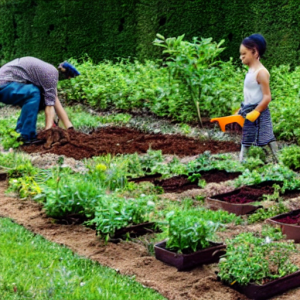
    Non-Perishable Food Items: Planning for Sustained Stability

    When it comes to a well-prepared pantry, the most important components are non-perishable food items. As a result of their extended shelf lives, these commodities can provide sustenance for the home even in the lack of fresh produce or immediate access to necessities. Canned products, grains, pasta, and dry goods are examples of staples that are considered to be fundamental components. When it comes to ensuring that stocked items are following dietary preferences and nutritional requirements, the most important thing is to strike a balance between diversity and practicality.

    Water Reserves: A Fundamental Element of Preparedness

    Even though it is frequently disregarded, ensuring that there is a sufficient supply of water is of similar importance. Downturns in the economy can put a strain on municipal resources and cause disruptions to water infrastructure. As a result, having a supply of drinkable water on hand guarantees that fundamental hydration requirements will be satisfied, even if there are brief disruptions to the usual water supply schedule. Through the use of this preventative strategy, the household can better withstand adverse conditions.

    Hygiene Products: Prioritizing Health and Well-Being

    A comprehensive preparedness strategy should encompass not only the provision of nutrition but also the accumulation of sanitary goods. goods such as personal care goods, cleaning supplies, and toiletries are included in this category. Households can maintain cleanliness and hygiene standards by ensuring that they have an abundant supply of these products. This contributes to general health and well-being, which is especially important during difficult times.

    Rotating Stock: Sustaining Freshness and Viability

    The establishment of a pantry that is well stocked is not a one-time endeavor but rather a continuing exercise. When stock is rotated regularly, it guarantees that things continue to be fresh and suitable for consumption. It is a practice that entails using and replacing products that have been stored to keep them from deteriorating or expiring. Individuals can maximize the effectiveness of their readiness efforts by adopting a methodical approach to rotation.

    Gradual Accumulation: Mitigating Financial Strain

    It is not necessary to incur a significant financial burden all at once to stock up on all of the necessities. Individuals can designate a percentage of their money to the acquisition of non-perishable things over time by adopting a gradual plan. This methodical approach lowers the impact on the current financial situation while simultaneously steadily constructing a durable pantry.

    Cultivating Self-Sufficiency in Daily Life

    Developing one’s capacity for self-sufficiency becomes an extremely significant asset during times of economic unpredictability or greater societal issues. Individual capacities are not the only thing that may be improved via the development of practical skills that contribute to day-to-day living; it also helps to promote a sense of empowerment. Because of this proactive approach, individuals can traverse uncertainties with resilience, which in turn reduces their need for resources from the outside. The value of obtaining skills such as gardening, simple home repairs, and food preservation is discussed in this article.

    Gardening as a Source of Sustenance and Connection to Nature

    gardeningThe act of beginning a journey of gardening is a multidimensional endeavor that goes beyond the production of food alone. A profound comprehension of the food cycle can be developed through the cultivation of a garden, which provides a direct connection to the source of one’s sustenance at the same time. The cultivation of a connection to nature and a sense of responsibility for one’s well-being are two benefits that come from gardening, in addition to the practical benefits of growing fruits, vegetables, or herbs.

    Individuals can develop a sustainable method of generating their food by gaining an understanding of the intricacies of soil health, planting according to the seasons, and growing crops. Not only does this contribute to a more self-sufficient lifestyle, but it also provides an opportunity to share surplus food with the community, which helps to create a culture of cooperation.

    Basic Home Repairs: Empowering Independence in Homemaking

    A foundational component of self-sufficiency is the ability to perform fundamental house repairs. The acquisition of skills that allow one to troubleshoot common household difficulties, do simple repairs, or even handle maintenance activities can greatly minimize the amount of dependency on services provided by third parties. Not only does this result in cost savings, but it also instills a sense of competence and autonomy in the individual in terms of controlling their living space.

    Homemaking is a task that may be approached with confidence by persons who are equipped with basic house repair skills. These skills can range from repairing a leaking tap to addressing electrical or plumbing difficulties. Participation in community organizations or workshops that are centered on house maintenance can give participants with useful hands-on experience as well as a forum for the exchange of information.

    Food Preservation Techniques: Extending the Lifespan of Resources

    It is a beneficial ability that coincides with the concepts of self-sufficiency to have an understanding of the ways that are used to preserve food. The capacity to preserve food, whether through canning, drying, fermenting, or freezing, increases the lifespan of resources, hence lowering reliance on more frequent excursions to the grocery store or on food sources that are obtained from outside sources.

    Not only does mastering these strategies provide a more stable food supply, but it also helps to reduce the amount of food that is wasted. By doing so, folks can take advantage of the seasonal abundance and save the surplus for times when fresh produce may be more difficult to obtain or more expensive. Practical insights and a supportive atmosphere for learning can be gained through participation in community groups or workshops that are centered on the preservation of food.

    Community Engagement: Shared Learning and Mutual Support

    Engagement with the community is a key component of the process of developing skills necessary for self-sufficiency. Participating in local clubs or courses that are devoted to gardening, house repairs, or food preservation offers a unique opportunity for individuals to learn from one another and offer support to one another. Because individuals share their experiences, expertise, and suggestions, participation in such groups helps to cultivate a sense of camaraderie.

    Community engagement not only helps individuals develop their skills, but it also establishes a network of support that can prove to be quite beneficial during difficult times. Through activities such as sharing surplus garden produce, working together on home repair projects, or cooperatively addressing community issues, these connections contribute to the development of a community that is both resilient and interdependent.

    Fostering Community Bonds for Resilience

    Resilience can be built on the foundation of strong community bonds, which can be especially important during times of uncertainty and difficulties. A key support network that may provide emotional, practical, and even logistical aid during challenging times can be formed by establishing and cultivating solid relationships with neighbors and people of the community. These ties go beyond simple social engagement. In this article, we discuss the significance of establishing strong relationships with the community via participating in local organizations or volunteer groups.

    Creating a Social Fabric: The Importance of Connection

    The social fabric that is woven by the interactions that exist between the members of a community is the foundation upon which a resilient community is built. The presence of strong community ties gives rise to a feeling of belonging, which in turn helps to cultivate an atmosphere in which individuals not only feel supported but also interconnected. During times of crisis, when people band together to handle issues collectively, this sense of shared identity can be a tremendous force that can help them overcome the challenges.

    Neighbors as Allies: The Strength of Proximity

    In particular, neighbors constitute the immediate social circle that has the potential to have a significant influence on one’s day-to-day existence and overall well-being. By cultivating a sense of trust and cooperation with neighbors, one can transform mere proximity into a source of support. This is accomplished through the establishment of connections with neighbors. There are several ways in which strong ties with neighbors can help to a more safe and resilient living environment. These include the sharing of resources and collaboration on neighborhood initiatives.

    Local Organizations: Hubs of Unity

    neighborhood associationBy taking part in local organizations, one can strengthen their feeling of community and gain access to a more organized platform for developing collaborative relationships. Whether it’s a neighborhood association, a community garden, or a local club, these organizations create centers of togetherness where locals can come together, share their experiences, and collaboratively address issues that are shared by the community. When people are actively involved in their communities, they contribute to the vitality of such communities and build the links that bind the members of those communities together.

    Volunteer Groups: A Channel for Positive Impact

    Through participation in volunteer groups, the spirit of community can be extended beyond the realm of personal connections. This presents an opportunity to have a good impact on a more widespread basis. Through the act of donating their time and abilities, individuals not only make a positive contribution to the well-being of the community, but they also establish connections with other individuals who share a dedication to making a difference in the world. The community’s links are strengthened and a feeling of purpose is provided as a result of these shared experiences and ambitions.

    Mutual Cooperation: A Pillar of Resilient Communities

    Collaboration between members of a community is the foundation of community relationships. A strong safety net can be created by instituting a culture in which people are willing to assist one another in times of need. The interconnection that is established via strong community links becomes a pillar of resilience, improving the collective capacity to overcome problems. This interconnectedness can be demonstrated in a variety of ways, including giving a helping hand during times of need, sharing resources, or delivering emotional support.

    Crisis Response and Support Networks

    During times of difficulty, the depth of community ties is especially obvious in the way that crisis response decisions are made. The ability to immediately mobilize to solve urgent needs, provide support to vulnerable members, and communicate essential information is a characteristic of a community that is thoroughly connected. As a result of a collective commitment to providing support for one another, this responsive network becomes a priceless asset, displaying the resilience that results from such a dedication.

    Cultural and Social Events: Celebrating Diversity

    Throughout the neighborhood, there are cultural and social activities that promote variety and create chances for people to connect. The richness of community life is enhanced by events such as festivals, meetings, and activities that include the community. Not only do these events provide opportunities for moments of joy and celebration, but they also serve as occasions for the development of more profound relationships, the dismantling of barriers, and the forging of the social linkages that are the foundation of healthy communities.

    Emotional Preparedness

    Navigating the Emotional Landscape of an Economic Downturn

    Recognizing and accepting the truth of the situation is a critical first step in navigating the complicated emotional terrain that frequently accompanies such tough times. The emotional impact of an economic downturn may be significant, and acknowledging and accepting the reality of the situation is a crucial first step.

    The Power of Acceptance: Embracing Reality

    An active process of coming to terms with the realities of an economic slump is what we mean when we talk about acceptance. Acceptance is more than just an accepting acknowledgment. Recognizing the changes that it brings about, both on an individual and a societal level, is a necessary step in this process. To move forward, it is necessary to let go of resistance and adopt a mindset that recognizes the difficulties while simultaneously looking for directions to take. On the contrary, acceptance is not the same thing as defeat; rather, it is a basis upon which one might construct resilience.

    Facing the Situation Head-On: Confronting Challenges Directly

    tension and worryIncreased tension and worry can be the result of avoiding or denying the impact that the economic crisis continues to have. To encourage people to confront the situation head-on, it is necessary to conduct an honest assessment of the difficulties and to take a proactive approach to overcoming those difficulties. As part of this process, you may need to reassess your financial priorities, make any required adjustments to your lifestyle, and investigate new prospects for increasing your income or advancing your career. Individuals are given the ability to make well-informed decisions about their futures when they confront obstacles head-on and have a comprehensive awareness of the present economic landscape.



    Seeking Emotional Support: Building a Network of Resilience

    When it comes to coping with the emotional toll that an economic downturn may take, having emotional support is an essential component. Many different people can provide this support, such as friends, family members, and specialists in the field of mental health. It is possible to build a sense of connection and understanding by encouraging individuals to discuss their emotions, problems, and anxieties with a network that they can turn to for support. Through the provision of professional coaching, extra coping skills and resources can be made available for managing stress, anxiety, or depression that may manifest themselves during difficult economic times.

    Family and Community Resilience: Strengthening Bonds

    During times of economic instability, the significance of the bonds that exist within families and communities becomes even more apparent. Resilience is built based on families and communities that join together, share their experiences, and provide emotional support to one another. While communities are working together to handle the challenges brought by the economic crisis, this collective strength not only provides emotional relief but also provides aid in a practical sense.

    Mindfulness and Emotional Well-Being: Cultivating Inner Strength

    The emotional well-being of an individual can be significantly improved via the application of practices such as mindfulness. Being fully present in the moment and openly admitting one’s thoughts and emotions without passing judgment on them are both components of mindfulness. The cultivation of a sense of serenity and inner strength via the practice of this activity can assist individuals in managing stress, anxiety, and uncertainty. It is possible that encouraging mindfulness skills, whether through meditation or other mindfulness practices, can be an effective aid in the process of fostering emotional resilience.

    Encouraging Adaptive Coping Strategies: Building a Toolkit for Resilience

    The development of a toolbox consisting of abilities and practices that promote emotional well-being is an essential component of adaptive coping methods. A few examples of this would be establishing attainable objectives, leading a healthy lifestyle, and participating in activities that provide one happiness and a sense of accomplishment. It is possible for individuals to proactively manage the emotional burden of an economic downturn and build resilience for the challenges that lie ahead if they are encouraged to establish adaptive coping strategies.

    Embracing Positivity in the Face of Economic Uncertainty

    The cultivation and maintenance of a positive mindset during times of economic instability is a revolutionary technique that goes beyond simple optimism about the situation. To do so requires making a concerted and purposeful effort to direct one’s thoughts and feelings in the direction of constructive viewpoints, with the primary focus being on aspects that are under one’s control. Developing emotional resilience is something that may be accomplished by individuals via the incorporation of practices such as gratitude, mindfulness, and self-compassion. This enables individuals to handle adversities with a positive mentality.

    Understanding the Power of a Positive Mindset

    The practice of adopting a positive mentality does not involve disregarding the issues that are currently being faced; rather, it involves confronting those challenges with an optimistic and solution-oriented perspective. Individuals who have a positive outlook can regard the challenges they face as chances for growth, adaptation, and personal development. This is because they are aware that economic uncertainty may bring about hardships.

    Focusing on Controllable Factors: Empowerment through Action

    There are parts of one’s life that can be controlled, even amid economic instability. The practice of directing one’s attention and energy towards these controllable elements is an essential component of a positive mentality. One example of this might be the creation of a personal budget, the development of skills, or the investigation of new chances for both personal and professional development. Individuals can reestablish a sense of empowerment, which is the foundation of a positive mindset, by focusing their attention on areas that are under their control.

    Practicing Gratitude: Shifting Focus to the Positive

    The practice of gratitude is a strong technique that may be used to redirect one’s attention away from what may be lacking and toward recognizing and appreciating the wonderful elements of life. To encourage people to develop a practice of thankfulness, it is necessary to encourage them to constantly think about and express appreciation for the things they have, whether it be relationships, opportunities, or personal strengths. This method encourages a constructive outlook, which can serve as a counterbalance to the difficulties that are brought about by economic unpredictability.

    Mindfulness: Navigating the Present Moment

    Maintaining a positive frame of mind is significantly aided by the practice of mindfulness, which is founded on the idea of being fully present in the moment that is currently occurring. When the economy is in a state of uncertainty, it is not uncommon for people to feel very anxious about the future. Through the practice of mindfulness, individuals are encouraged to root themselves in the here and now, which enables them to gain a more lucid understanding of their immediate issues and lessens the impact of the stress that is associated with an unknown future.

    Self-Compassion: Embracing Kindness Toward Oneself

    Individuals may have thoughts of inadequacy or self-criticism when confronted with the obstacles that confront them economically. Self-compassion can be developed by treating oneself with love and understanding, as well as by acknowledging that the experience of trying to overcome obstacles is something that all people go through. People who have self-compassion respond to challenges with a loving and supportive attitude, which helps them develop emotional resilience and a positive outlook. This is in contrast to people who have harsh self-judgment about themselves.

    Adaptation and Growth Mindset: Viewing Challenges as Opportunities

    There is a strong connection between having a growth mindset and having a happy mindset. Growing mindsets view problems as opportunities for learning and progress. The capacity of individuals to navigate economic risks can be improved by encouraging them to adopt a mindset that is characterized by adaptability and continual learning. This change in mentality allows for the transformation of obstacles into stepping stones for both personal and professional development.

    Community Support and Positivity: A Collective Effort

    It is not possible to cultivate a positive mindset in a solitary setting; rather, it flourishes within a supportive group. To contribute to the collective resilience of individuals, communities that encourage one another, celebrate triumphs, and exchange happy tales among their members are beneficial. When people engage in constructive social interactions with one another, whether they do so offline or online, they create an atmosphere in which they can take strength and inspiration from one another.

    The Crucial Role of Seeking Help in Challenging Times

    Recognizing the significance of seeking assistance is a vital component of proactive and resilient coping, particularly when confronted with economic uncertainty or misfortune. Recognizing that difficulties might be multifaceted and require support that goes beyond one’s resources is a necessary step in this process. Seeking assistance is a proactive step towards handling challenges with greater efficacy, regardless of whether the need is emotional, financial, or a combination of both. This is true regardless of the nature of the need.

    Breaking Down Stigmas: Normalizing the Need for Help

    Oftentimes, the stigmas that society has associated with being vulnerable or feeling inadequate are a huge barrier that prevents people from getting assistance. A fundamental shift in the viewpoint that emphasizes the fact that everyone, at some point in their lives, finds themselves confronted with issues that may require support from outside sources is the normalization of the act of requesting assistance. Increasing the likelihood of persons reaching out for assistance without the burden of stigma can be accomplished by openly discussing and normalizing the need for assistance.

    Professional Emotional Support: Acknowledging Mental Health Needs

    Instability in the economy can have a significant impact on one’s mental health and overall well-being, causing a significant emotional toll. One of the most important things that can be done to acknowledge the intricacies of navigating difficult times is to recommend that persons seek the emotional help of professionals. These tools for mental health, which may include therapy, counseling, or support groups, offer individuals a secure environment in which they can communicate their emotions, receive direction, and create techniques for coping with their experiences.

    Financial Counseling: Navigating Economic Challenges

    The ramifications of economic uncertainty on one’s finances can be overwhelming, and obtaining assistance from financial counselors is a proactive strategy for managing one’s financial well-being. Budgeting, debt management, and strategic financial planning are all areas in which these professionals can provide personalized help or advice. To restore control and stability, it is necessary to acknowledge that the issues involved in financial matters are multifaceted and may require the assistance of experts.

    Government Assistance: Accessing Available Resources

    The government aid programs that are available during times of economic difficulty frequently serve as a safety net for those who are experiencing financial difficulties. It is of the utmost importance to encourage persons to investigate and make use of the resources that are available to them, such as unemployment benefits, food aid, or housing help. To remove obstacles that prevent people from receiving assistance from the government, it is necessary to provide clear information and direction regarding the programs that are available and the eligibility requirements.

    Community Support Networks: A Source of Practical Assistance

    Concerning the provision of assistance and support in a practical sense, communities play an essential role. The ability of individuals to weather economic hardships can be dramatically impacted by the establishment of community networks that offer concrete assistance, such as food banks, job placement agencies, or local charities, or by linking individuals to these networks within the community. Community support networks like these help to foster a sense of togetherness and shared responsibility among members of the community.

    Education on Available Resources: Empowering Informed Decisions

    One of the most important aspects of motivating people to seek assistance is providing them with information about the options that are accessible to them. The process of making educated decisions is aided by informational campaigns that bring attention to community resources, financial assistance programs, and mental health services. Individuals can make proactive decisions that are to their requirements and circumstances if they have a thorough awareness of the possibilities that are available to them.

    Cultivating a Supportive Environment: Encouraging Open Conversations

    Conversations that are open and honest at the societal, organizational, and community levels are necessary to establish a setting in which requesting assistance is not only encouraged but also supported. As a means of contributing to this, employers, educational institutions, and community leaders should work together to cultivate a culture that places a high priority on well-being and offers several channels through which individuals can seek support. The promotion of employee support programs, mental health days, and financial wellness initiatives are all examples of ways to accomplish this.

    Crisis Helplines and Hotlines: Immediate Assistance

    When people are experiencing extreme distress, crisis helplines and hotlines are available to provide instant aid and an ear to listen. It is important to emphasize the availability of rapid support by encouraging persons to make use of these services whenever they need to do so. These helplines can be a lifeline for people who are navigating hard circumstances, whether they are dealing with emotional crises or urgent financial concerns.

    It is necessary to take a multidimensional approach that includes financial, practical, and emotional preparedness to successfully navigate an economic slump. By putting these techniques into action, individuals can strengthen their resilience and better weather the storms that are caused by economic instability.

    The post How to Survive a Collapsing Economy appeared first on Survivalbite.

    The post How to Survive a Collapsing Economy appeared first on https://gqcentral.co.uk


    The Article How to Survive a Collapsing Economy First Appeared ON
    : https://ad4sc.com

  • The Science Behind Snow Blindness

    The Science Behind Snow Blindness

    Snow Blindness: Exploring the Visual Effects of Sun on Snow

    As the winter season gets closer and snowy landscapes become more commonplace, it is essential to be aware of the potential risks that are associated with spending time in the snow. One such risk is snow blindness, which is a condition that only lasts for a short period but can result in substantial discomfort and vision damage. We are going to go into the science behind snow blindness in this blog article. We are going to investigate the visual impact that the sun has on snow, as well as explain strategies to take preventative measures and diagnose and cure this illness. We will be able to safely enjoy our winter wonderland if we first establish an awareness of the causes and then take the appropriate safeguards.

    avoid snow blindness

    What is Snow Blindness?

    The ailment known as snow blindness, which is referred to as photokeratitis in the scientific community, is characterized by transient damage to the cornea, which is the transparent front surface of the eyeglass. The condition manifests itself when the eyes are subjected to an excessive amount of ultraviolet (UV) radiation, which is mostly caused by the sun’s reflection on snow. Even though snow blindness is a condition that only lasts for a short period of time, it can cause significant pain, discomfort, and vision impairment.

    The Visual Effects of Sun on Snow

    To comprehend the phenomenon of snow blindness, it is necessary to investigate the interaction between the sun’s rays and the snow surface. In the process of reaching the atmosphere of the Earth, sunlight carries with it a variety of wavelengths of light, including ultraviolet radiation. After striking a snow-covered surface, these rays are reflected back into the atmosphere, where they continue their journey. By contrast, snow, in contrast to other surfaces, possesses a unique ability to reflect up to 80 percent of ultraviolet wavelengths.

    Especially in high-altitude locations, where the air is thinner and atmospheric filtration of UV rays is diminished, the high reflectivity of snow can lead to enhanced exposure to ultraviolet radiation. This is especially true in environments where snow is present. Because of the high concentration of ultraviolet radiation, the protective mechanisms of the eyes can be overwhelmed, which can result in considerable damage to the cornea, conjunctiva, and other components of the eye.

    Symptoms of Snow Blindness

    The symptoms of snow blindness often appear several hours after being exposed to high levels of ultraviolet radiation. The severity of the symptoms might vary, but often involve the following:

    Eye discomfort and pain: A sensation of grittiness or the feeling of having something in the eye.
    Redness and swelling: The eyes may appear bloodshot, and the eyelids may become puffy.
    Watery eyes: Excessive tearing as the eyes attempt to self-cleanse and alleviate irritation.
    Blurry vision: Vision becomes blurry, making activities such as reading or driving extremely difficult.
    Sensitivity to light: Increased sensitivity to light, known as photophobia, is often accompanied by headaches.
    Sensation of halos: Some individuals may experience the perception of bright rings or halos around light sources.

    Preventing Snow Blindness

    Every time, prevention is preferable to treatment, and this is especially true when it comes to shielding our eyes from potentially damaging radiation. The following are some useful suggestions that can help reduce the likelihood of snow blindness:

    Wear appropriate eyewear:  When stepping out into wintry conditions, you must always wear goggles or sunglasses that are tailored to filter one hundred percent of ultraviolet rays. Be on the lookout for models that are labeled with UV400 or 100% UV protection.
    Choose wraparound styles: Choose a pair of sunglasses or goggles that wrap around the sides of your face. This will provide you with the greatest possible protection from both direct and peripheral levels of ultraviolet radiation.
    Use wide-brimmed hats:  It is possible to provide additional shade to your face by wearing a hat with a neck flap or a hat with a wide brim. This will significantly reduce the quantity of ultraviolet radiation that reaches your eyes.
    Check the UV Index:  When planning activities that take place outside, it is important to check the local UV Index, which provides a daily forecast of the levels of ultraviolet light. During the peak UV hours, which normally occur between 10 am and 4 pm, you should avoid lengthy exposure.
    Apply sunscreen:  If you apply sunscreen to your face and around your eyes, you can help limit the amount of UV radiation that you are exposed to, even if it may not appear relevant.
    Take breaks indoors:  When you are going to be spending extended periods in icy areas, you should make it a practice to take frequent breaks indoors. This will allow your eyes to rest and recuperate from the bright direct sunlight that they are exposed to.

    Treating Snow Blindness

    Several measures can be taken to ease the discomfort and encourage recovery if you find yourself experiencing the symptoms of snow blindness despite taking precautions. These measures include the following:

    Seek shade: To protect your eyes from future exposure to ultraviolet light, you should immediately go into a darkened area or indoors.
    Remove contact lenses: To prevent further discomfort and to allow your eyes to rest and recover, you should remove your contact lenses if you wear them.
    Apply cold compresses:  To alleviate the discomfort and bring down the swelling, gently place a cold, damp towel over the eyes that are closed.
    Use artificial tears:  The use of artificial tears that are available without a prescription can provide temporary relief by maintaining the lubrication of your eyes and lessening the dryness that is produced by snow blindness.
    Avoid bright lights: To prevent the symptoms of photophobia from becoming worse during the period of recuperation, it is important to minimize exposure to strong lights, such as those found on screens and overhead lights.
    Rest your eyes:  Avoid engaging in activities that have the potential to strain your vision, such as reading or using electronic devices, so that your eyes can have the opportunity to heal.

    When to Seek Medical Attention

    In the majority of instances, the symptoms of snow blindness will disappear within twenty-four to forty-eight hours, as the cornea begins to repair. However, you must get medical assistance if your symptoms continue to worsen or if they continue to persist. It is possible that problems or the development of subsequent infections could result from having treatment delayed.

    Snow blindness can make wintertime activities less enjoyable, but if we are well-informed and take precautions, we can reduce the likelihood of experiencing snow blindness and still be able to enjoy the snowy landscapes without risk. Ensure that you are aware of the amounts of UV radiation, take pauses in areas that are shaded, and remember to wear eyewear that protects against UV rays. If you are experiencing symptoms of snow blindness, you should seek relief as soon as possible and, if necessary, visit a healthcare expert. If you take preventative measures and exercise caution, you will be able to safeguard your vision and completely appreciate the splendor of winter without encountering any obstacles. Observe caution, and have fun adventuring!

    The post The Science Behind Snow Blindness appeared first on Survivalbite.

    The post The Science Behind Snow Blindness appeared first on https://gqcentral.co.uk

    The Article The Science Behind Snow Blindness First Appeared ON
    : https://ad4sc.com

  • Budget-Friendly Energy Hacks for a Cozy Winter Home

    Budget-Friendly Energy Hacks for a Cozy Winter Home

    Winter Wonderland on a Budget: Energy-Saving Hacks for a Cozy Home

    When the temperature begins to drop and a coating of frost begins to blanket the streets, there is nothing quite like the feeling of being able to be warm and cozy in the comfort of your own home. However, because heating expenditures tend to increase throughout the winter months, finding strategies to keep energy costs low becomes a key priority for people who are conscious of their financial situation. It is a fortunate circumstance that several energy-saving hacks may be implemented to create a winter paradise without exceeding your financial means. The purpose of this blog post is to provide you with tried-and-true advice that will assist you in maintaining a warm house and keeping your energy expenditures under control.

    save heating costs in winter

    Seal the Leaks

    There is a large amount of heat loss that is caused by air leaks; locating and sealing these gaps can significantly improve the energy efficiency of your home. The following is an exhaustive guide that will assist you in locating and fixing air leaks that are located around vents, doors, and windows:

    1. Windows:
      • Inspect for Drafts:  When the wind is blowing, you should check for draughts around your windows. An alternative method for detecting minute air movements is to make use of a candle or an incense stick.
      • Weatherstripping:  A secure seal can be achieved by applying weatherstripping around the window frames. By taking into consideration the type of window, it is important to select the right materials, such as adhesive-backed foam or V-strip weatherstripping.
    2. Doors:
      • Check for Gaps:  Look for any gaps or spaces that are evident along the edges of the doors. During the night, a well-lit room should be able to detect leaks through gaps.
      • Install Weatherstripping: To seal the gaps that exist between the door and the frame, door sweeps and weatherstripping should be utilized. When it comes to avoiding draughts at the bottom of the door, door sweeps are an effective method, while self-adhesive weatherstrips are an excellent choice along the sides.
    3. Vents and Ducts:
      • Seal Ductwork:  To prevent warm air from escaping into areas that are not conditioned, it is important to ensure that ducts are adequately sealed. Sealing can be accomplished with the help of a mastic sealer or foil tape.
      • Vent Covers:  Installing vent covers that are magnetic or adhesive is an effective way to regulate airflow and reduce draughts, particularly in rooms that are not frequently used.
    4. Caulking and Sealant:
      • Examine Exterior Walls:  Check the external walls to see if there are any cracks or holes that are evident. To prevent air and moisture from entering through these gaps, caulk or sealant should be used to effectively fill them.
      • Choose Appropriate Sealant:  As you choose sealants, take into consideration both the location and the substance. In terms of flexible joints, silicone is a great material, although acrylic caulk is more appropriate for use in interior applications.
    5. Draft Stoppers:
      • Place Along Door Bottoms:  Draught stoppers, often referred to as door snakes or draught excluders, are tubes made of fabric that are laid along the bottom of doors to prevent draughts from entering the room. They may be readily positioned or removed, and they are available in a variety of forms.
    6. Professional Assistance:
      • Energy Audits:  For an energy audit, you might want to think about hiring an expert. They employ specialized technologies such as thermal imaging cameras to locate concealed leaks and propose remedies that are adapted to the specific situation.

    In addition to enhancing the general comfort of your house, performing routine inspections and repairing any air leaks that are discovered is an excellent way to improve energy efficiency. It is possible to lower the amount of money spent on energy bills and create a more comfortable living environment during the winter months by taking preventative actions to fill these gaps.

    Embrace Natural Sunlight

    Maximizing the use of natural sunlight during the winterMaximizing the use of natural sunlight during the winter can contribute significantly to both the warmth and ambiance of your home. Here’s a detailed exploration of how you can effectively leverage daylight:

    1. Daylight Utilization Strategies:
      • Strategic Curtain Management:  During the daylight hours, you should open your curtains and blinds so that natural sunlight can enter your living spaces. To maximize exposure, position them such that they are entirely drawn aside, exposing windows and inviting sunshine to penetrate deeper into the rooms.
      • Consider Sheer Fabrics:  If you are concerned about privacy, you might want to think about utilizing sheer curtains, which allow sunlight to enter while offering some degree of privacy. Shades of sunshine are diffused by sheer materials, resulting in an environment that is warm and inviting.
    2. Solar Heat Gain:
      • Understanding Solar Heat:  When sunlight enters your home through windows, it has the potential to contribute to solar heat gain because sunlight is a source of heat. During the winter months, windows that face south are often exposed to more sunshine, which makes them an advantageous choice for warming purposes.
      • Utilizing South-Facing Windows:  Make it a priority to open the curtains and blinds on windows that face south to take advantage of the maximum amount of sunlight. This is something that can be very useful in cooler locations.
    3. Nighttime Heat Retention:
      • Closing Curtains at Night:  As the evening temperatures drop, closing the drapes and blinds in your home helps to insulate them and maintain the warmth that has been accumulated throughout the day. When you want to improve the insulation, use drapes that are heavier or that have a thermal lining.
      • Consider Insulated Window Treatments: If you want to provide an additional barrier against heat loss, you can consider investing in insulated drapes or shades. By preventing heat from escaping through the windows, these specifically designed treatments can insulate the interior of the building.
    4. Ambiance and Well-Being:
      • Enhancing Indoor Lighting:  Your home will not only be warmer when natural sunshine is present but the overall lighting quality will also be improved. It lessens the requirement for artificial lighting during the day, which has a beneficial effect on the amount of energy that is consumed as well as your monthly electricity cost.
      • Biophilic Design:  Increased well-being has been associated with spending time in nature, even if it’s just from exposure to sunlight. It is possible that the presence of natural light in your living areas can have a beneficial effect on both your mood and your productivity.
    5. Window Maintenance:
      • Clean Windows Regularly:  More sunshine can enter without being blocked by windows that have been cleaned. The interior and outside of windows should be cleaned regularly to eliminate debris, dust, and any other obstructions that could potentially restrict the amount of natural light that enters the room.
    6. Smart Home Technology:
      • Automated Window Treatments:  Have you given any thought to the possibility of installing smart window treatments that can be set to open and close at predetermined times? It is possible to maximize the use of sunlight and the retention of heat without making any adjustments manually.

    Incorporating these tactics into your winter routine will allow you to make the most of the natural sunshine that is available to you, contributing to the creation of a warm and pleasant ambiance within your house while also adding to the efficiency of your energy use. Comfort and atmosphere can be improved during the winter months by the implementation of these practices, which include optimizing window treatments and gaining an awareness of solar heat gain.

    Dont Forget About Insulation

    adequate insulationWhen it comes to reducing the amount of heat that escapes from your home and improving its overall energy efficiency, ensuring that your home has adequate insulation is of the utmost importance. Creating a thorough insulation strategy that will contribute to a warmer and more cost-efficient living environment can be accomplished by concentrating on important areas such as the attic, walls, and basement.

    Start by determining the amount of insulation that is present in your attic. When there is sufficient insulation in the attic, it serves as an important barrier that prevents heat from escaping through the roof. Fiberglass, cellulose, and foam board are all examples of different types of insulation materials, and each of these materials offers a different level of efficacy. Give some thought to seeking the advice of an expert to ascertain the sort of insulation and thickness that would be most appropriate for your particular attic space.

    Moving on to the walls, you should make certain that they are well insulated to create a thermal envelope that is continuous around your home. Insulating walls helps to manage temperatures inside a building by preventing heat from escaping via surfaces that are exposed to the outside. The insulation in exterior walls serves as a buffer against the temperature variations that occur outside, making this a particularly important consideration.

    In the process of insulating the basement, it is important to pay attention to both the walls and, if applicable, the ceiling. Uninsulated basements, which are frequently in close touch with the ground, can be a substantial source of heat loss because of their proximity to the ground. Materials such as stiff foam boards or spray foam insulation can be utilized to fulfill the goal of insulating the walls of a basement. In addition, if the ceiling of the basement is unfinished, insulating it is an effective way to establish a thermal barrier between the basement and the rest of the living rooms in the house.

    The R-value, which is a measurement of heat resistance, should be taken into consideration while choosing insulation materials. Higher R-values suggest that the insulation function is more effective. The appropriate R-value, on the other hand, may change depending on a variety of circumstances, including the environment, the local building codes, and the particular region of application.

    In addition to the insulation itself, you need to make sure that your property is correctly sealed to prevent air leaks, which can reduce the efficiency of the insulation. Avoid allowing conditioned air to escape through any holes, including gaps around windows, doors, and any other potential openings.

    Not only does investing in good insulation help to keep the warmth inside your home, but it also results in cost savings on your heating expenses over the medium and long term. When insulation is installed, the initial investment pays off over time by lowering the amount of heating that is required continuously and increasing energy efficiency.

    It is recommended that you seek the advice of insulation professionals or energy auditors to achieve a thorough strategy. They can make advice that is personalized to your home based on its particular qualities, ensuring that your insulation approach corresponds with both your efficiency goals and the specific requirements of your living space.

    Programmable Thermostat Magic

    programmable thermostatInvesting in a programmable thermostat should be considered a proactive step toward optimizing the amount of energy that is consumed in your home. This intelligent device provides a flexible and automatic method of controlling the temperature, which makes a substantial contribution to both the level of comfort and the amount of money saved.

    Automated Temperature Adjustments:  One of the most significant advantages of a programmable thermostat is its capacity to adjust to the routines that you follow daily. Through the use of a thermostat that allows you to pre-set temperature adjustments based on your schedule, you can ensure that your home is heated effectively, preventing the waste of needless energy when it is not required.

    Energy Savings through Setback Settings:  The use of programmable thermostats gives you the ability to adopt setback settings during times when you are not there or when you are sleeping. In these circumstances, lowering the temperature will prevent your heating system from working harder than it needs to to keep up with the demand. The Department of Energy of the United States of America reports that a reduction in temperature of merely one degree can result in savings of up to three percent on home heating expenses.

    Tailored Comfort Levels:  These gadgets give you the ability to modify the temperature settings to cater to your own needs. You can set the thermostat to adjust the temperature immediately before you arrive at your house, which will ensure that your living space is comfortable when you get back. This individualized method improves both the energy efficiency of your home as well as your overall satisfaction with the climate inside your home.

    Optimizing Heating Cycles:  It is possible to achieve more efficient heating cycles with the help of programmable thermostats. As a result of the system’s ability to work with higher precision and reduce wasteful energy expenditure, it can maintain constant temperatures during times when it is inhabited and alter those temperatures during times when it is not occupied.

    Smart Thermostats and Connectivity:  The development of technology has resulted in the introduction of smart thermostats, which provide additional functions such as the ability to manage the thermostat remotely through the use of smartphone applications and the ability to integrate with home automation systems. A level of control and energy management that has never been seen before is provided by these features, which enable homeowners to monitor and modify the temperature settings in their homes even when they are not present.

    Installation and Compatibility:  In most cases, the installation of a programmable thermostat is a basic process, and a significant number of models are compatible with predefined heating systems. Nevertheless, it is of the utmost importance to select a thermostat that is compatible with your heating, ventilation, and air conditioning system and that caters to the particular requirements of your residence.

    Considerations for Usage: Even though programmable thermostats are extremely efficient, to get the most of their benefits, careful programming is required. It is possible to ensure that the thermostat functions in a manner that is compatible with your lifestyle by first gaining an understanding of your daily routine and then altering the settings accordingly.

    Layer Up and Get Cozy

    cold weather clothingTo significantly improve your level of comfort throughout the winter, you should consider experimenting with the straightforward yet efficient method of personal layering before resorting to adjusting the thermostat. Taking this method not only helps you save money on energy costs, but also makes your interior environment more comfortable and gives you more control over it.

    Clothing as Insulation:  When you think of your clothing, you should think of it as an additional layer of bodily insulation. A barrier against the chill can be created by wearing cozy sweaters, thermal socks, and comfortable slippers. This allows for warmth to be provided without having to rely exclusively on heating systems. Materials like wool and fleece, which are well-known for their exceptional insulating capabilities, should be chosen.

    Footwear Matters:  The sensation of being chilly inside might be considerably exacerbated by having cold feet. To maintain the comfort of your feet, you should get insulated slippers or warm socks. Not only does this increase your warmth, but it also decreases the likelihood that you will need to raise the temperature on the thermostat to compensate for chilly extremities.

    Layering for Bedtime Comfort:  The idea of layering should be extended to include your bedding. Use additional blankets to create a layering effect on your bed rather than instantly going for higher thermostat settings when you go to bed. Through the use of a combination of lightweight and heavier blankets, you can modify the layers according to your comfort requirements, creating a warm and cozy cocoon.

    Understanding the Science of Layering:  The technique of layering is one that has been around for a long time and is based on the concepts of conserving and capturing body heat. By creating pockets of warm air, each layer contributes to the overall insulation of the structure. You will be able to maintain comfort with less reliance on artificial heating thanks to this technology, which effectively mimics the natural way in which our bodies regulate temperature.

    Benefits Beyond Energy Savings:  The benefits of mastering the technique of layering go well beyond the realm of energy conservation. Through the reduction of the carbon footprint that is connected with greater heating, it encourages a lifestyle that is more environmentally friendly. Additionally, adding a touch of coziness and control over your surrounding environment can be accomplished by stacking your belongings to achieve a personalized interior warmth.

    Seasonal Wardrobe Transition:  Thinking about incorporating additional insulating pieces into your wardrobe as winter draws near is something you should consider doing. Fabrics with a greater thickness, thermal undergarments, and accessories such as scarves and gloves are included in this category. If you take the initiative to adjust your wardrobe to the shifting seasons, you will be better prepared for a winter spent indoors that is both more energy-efficient and more comfortable.

    Mindful Thermostat Adjustments:  You will be able to approach the process of adjusting the thermostat with greater mindfulness if you incorporate the technique of layering into your habit. Even relatively little adjustments, such as reducing the temperature on the thermostat by a few degrees, become doable when combined with the additional warmth that is offered by layered clothes and bedding.

    Maintain Your Heating System

    heating systemA heating system that is well-maintained and operates well is essential not just for maintaining a comfortable temperature throughout the winter months but also for minimizing the amount of money spent on electricity. To guarantee that your heating system is operating at its highest possible level, you should make routine maintenance and professional attention a priority.

    Furnace Filter Maintenance:  To get started, you should pay particular attention to the filters in your furnace. To keep the airflow at its optimal level, which is necessary for efficiency, these filters play a very important function. To prevent the accumulation of dust and debris, the filters should be cleaned regularly or replaced if necessary. Filters that are clogged not only restrict the flow of air but also require the system to work harder, which increases the amount of energy that is consumed.

    The Role of Airflow in Efficiency:  One of the most important things is to comprehend the connection between airflow and heating efficiency. The system can distribute heat uniformly throughout your home thanks to unrestricted airflow, which in turn reduces the amount of work that the furnace needs to do. This leads to an increase in comfort as well as a reduction in energy use.

    Professional Inspection and Servicing: You mustn’t undervalue the significance of having a professional assist you with your heating system. Before the advent of cold winter, it is recommended that you schedule a comprehensive inspection and servicing. Certified technicians can recognize and resolve potential problems that could potentially jeopardize the effectiveness of the system.

    Preventive Maintenance Benefits: Investing in preventative maintenance will, in the long term, yield positive returns. Not only does it assist in the early detection and resolution of potential issues, but it also adds to the extension of the lifespan of your heating system. Performing routine inspections helps to verify that all of the components are in good working condition, which in turn increases productivity and decreases the likelihood of unanticipated breakdowns.

    Efficiency Upgrades:  You should think about improving your heating system to improve its efficiency. Typically, more recent versions come equipped with high-tech features that are designed to maximize energy efficiency. The initial expenditure could appear to be substantial; however, the potential savings in energy costs over the long term and the possibility of receiving rebates can make this a financially prudent choice.

    Thermostat Optimization:  Your heating system is being controlled by the thermostat, which acts as the control center. In addition to making sure it is in good functioning condition, you should think about purchasing a programmable thermostat so that you can precisely manage the temperature. It is possible to greatly contribute to energy savings by programming your thermostat to lower temperatures during periods of inactivity. Additionally, this can be accomplished without compromising comfort.

    Balancing Heating Zones:  Ensure that each of the heating zones in your home is balanced if your property has numerous heating zones. By ensuring that the zones are properly balanced, heat can be distributed uniformly, which helps to prevent some areas from being overworked and promotes overall system efficiency.

    Tame the Monster Energy Vampires

    At this point, our homes are crammed with a wide variety of electronic devices and appliances. A significant number of homes could be unaware of the fact that these gadgets continue to consume power even when they are switched off, which is a factor that contributes to what is usually referred to as “energy vampires” or “standby power.” Despite its seeming insignificance, this energy loss can have a considerable impact on your monthly electricity cost. Let’s dig deeper into the specifics of how to deal with these energy vampires and identify them accordingly.

    Understanding Standby Power:  When electronic gadgets and appliances are in a standby mode, also known as turned-off mode, they consume a certain amount of energy. This is referred to as standby power. Even though each of these devices may only require a modest amount of electricity on its own, when taken as a whole, they can be responsible for a sizeable fraction of your overall energy consumption.

    Common Culprits:  The first thing that needs to be done to solve this problem is to identify energy vampires. TVs, chargers, computers, game consoles, and kitchen appliances are just some of the products that fit within this category. They are also included in this category. Any device that has a digital clock or a standby light installed is a possible source of the problem.

    The Power Strip Solution:  The utilization of power strips is a realistic method that can be utilized to battle standby power. Organize your electronic items into groups based on how they are used, and then connect them to power strips. Simply turning off the power strip is all that is required when these gadgets are not being used. Not only does this cut off the connection to the standby power supply, but it also provides the benefit of being able to control several devices with just one switch.

    Chargers and Phantom Loads: Even though they are not actively charging a device, chargers for a variety of devices, including laptops and smartphones, are renowned for draining power continuously. Chargers should be unplugged when they are not being used to get rid of this phantom load and prevent power usage that is not essential.

    Smart Power Strips:  Investing in smart power strips is a good idea if you want to enjoy additional convenience. It is the purpose of these strips to identify when electronic gadgets are in standby mode and then to automatically cut off power to the outlets that are concerned. This technique offers a hands-free method for lowering the amount of power drawn from standby mode.

    Educating Household Members:  The importance of educating your family about the concept of backup power cannot be overstated. Members of the household should be encouraged to turn off electronic gadgets when they are not in use and to make appropriate use of power strips. Changes in behavior that are quite straightforward can have a large impact on energy savings.

    Reducing Environmental Impact:  Reduced standby power consumption is not only beneficial from a financial standpoint, but it also contributes to environmental sustainability. Reducing the amount of energy that is consumed results in a reduced carbon footprint, which contributes to broader initiatives in conservation and environmental responsibility.

    Regular Audits and Updates:  Conduct regular audits of your electronic gadgets to determine the amount of power they consume when they are in standby mode. The evolution of technology has resulted in newer devices typically being fitted with more energy-efficient features. It is a good idea to think about replacing older appliances with newer models that are specially intended to save energy.

    Set the Ceiling Fan in Reverse

    ceiling fansBeyond its cooling capabilities in the summer, your ceiling fan can be a secret weapon for maintaining a cozy home during the winter. A simple adjustment in the fan’s rotation and speed can contribute significantly to redistributing warm air and enhancing overall comfort.

    Understanding Ceiling Fan Rotation:  The majority of ceiling fans come with a motor that can be reversed, which in turn enables you to adjust the direction in which the blades point. Set your fan to rotate in a clockwise direction throughout the winter months. The circulation of the fan is altered as a result of this modification, which results in the formation of an updraft that re-distributes warm air that is trapped near the ceiling into the living space.

    Warm Air Redistribution:  There is a tendency for warm air to rise and accumulate close to the ceiling in a room that is equipped with a heating system. In essence, you can assist the warm air to circulate back down by setting the ceiling fan to rotate in a clockwise direction at a low speed. The circulation of air helps to minimize the stratification of heat, which in turn helps to keep the temperature of the space more consistent throughout.

    Striking the Right Balance:  Finding the optimal balance between the speed of the fan and the rotation of the fan is the key to achieving maximum comfort. In general, during the winter, it is advised to travel at a slow speed in the direction of clockwise rotation. Through the use of this mild rotation, warm air is properly redistributed without the creation of a draught that may potentially feel excessively cool.

    Complementing Your Heating System:  Utilising your ceiling fan in a planned manner can also serve as a supplement to your primary source of warmth. Through its ability to improve air circulation, the fan contributes to the heating system’s ability to function more effectively. The result of this is that it can lead to savings on energy as well as a more consistent and comfortable environment inside the building.

    Energy-Efficient Heating:  As a result of the ceiling fan’s ability to properly circulate warm air, you could discover that you can reduce the temperature on your thermostat by a few degrees without compromising on the level of comfort. The use of an energy-efficient strategy results in lower expenditures for heating and a smaller impact on the environment.

    Ceiling Fan Size and Placement:  There is a correlation between the size of your ceiling fan and its placement, which can affect how effectively it distributes warm air. Fans with a greater blade spread may be required for larger spaces, and the correct arrangement of the fans will guarantee that air circulation is distributed evenly across the whole room.

    Seasonal Transition:  During the shift from winter to warmer months, it is important to remember to change the rotation of the ceiling fan to reverse anticlockwise. Through the promotion of air circulation that supports the body’s natural cooling mechanisms, this setting can generate a refreshing breeze, which provides comfort during the warm months.

    Maintenance for Optimal Performance:  It is vital to do routine maintenance on your ceiling fan to get optimal performance. Dust that has formed on the blades can impede the flow of air and reduce performance. Spend the time to clean the blades of the fan and make sure that it continues to function without any problems throughout the year.

    Embrace the Power of Rugs

    thick rugs or carpetsWhen winter arrives, the feeling of chilly floors can permeate your home, resulting in an ambiance that is less inviting than it would have been otherwise. Investing in thick rugs or carpets is a straightforward yet effective method that may be utilized to prevent the chill from occurring. These modifications provide a living area that is not only more comfortable but also warmer and cozier due to their contribution.

    Understanding the Cold Floor Dilemma:  It is possible for bare flooring to act as conduits for heat loss, particularly in climates that are cooler. They tend to take in and hold onto the cold, which results in the entire room feeling colder. This not only has an impact on the level of physical comfort in your house, but it also has the potential to increase the amount of energy that is consumed because heating systems have to work harder to compensate for heat loss.

    Adding an Insulating Layer:  Rugs and carpets that are thick and thick serve as insulating layers that provide a barrier between your feet and the cold floor. Not only does this additional insulation prevent heat from escaping, but it also provides a surface that is more comfortable to walk on, which together contribute to an overall increase in the temperature of your living spaces.

    Strategic Placement for Maximum Impact:  If you spend the most time in certain rooms, such as the living room, bedroom, or home office, you should give some thought to strategically placing rugs in such locations. These high-traffic areas are the ones that benefit the most from the insulating capabilities of rugs, which ensure that the warmth is concentrated where it is most needed.

    Material Matters:  It is important to pay attention to the materials while choosing rugs or carpets for the winter season. To give one example, wool is an ideal choice because of the natural insulating characteristics that it possesses. Not only does it make the floor seem more comfortable, but it also gives it a sumptuous sensation underfoot. A further benefit of high-pile rugs is that they provide superior insulation and have a more comfortable feel.

    Enhancing Home Decor:  Not only do rugs and carpets serve a practical purpose, but they are also adaptable components that can enhance the decorating of your home. Make sure that the colors, patterns, and textures you choose are complementary to the design plan you already have. This method guarantees that your home decor not only looks wonderful but also has a useful role in the sense that it helps to keep your home warm without sacrificing its aesthetic appeal.

    Maintenance and Cleanliness:  The lifetime and continuous effectiveness of rugs and carpets are directly correlated to the frequency with which they are maintained. Through the use of a hoover, dust, and particles that have the potential to build and reduce their insulating characteristics are removed. Clean rugs also help to a healthy interior atmosphere, which is another consideration.

    Customization for Room Ambiance:  The aesthetic preferences and heating requirements of various rooms are distinct from one another. Make sure that the selection of rugs you make is in line with the atmosphere that you want to establish. When it comes to bedrooms, for instance, a velvety rug can lend an air of luxury to the space, whilst in high-traffic areas, a rug that is both long-lasting and simple to clean might be more suitable.

    Budget-Friendly Solutions:  The cost of purchasing a rug does not have to be prohibitive. There are solutions available that are not only stylish but also reasonably priced, plus they offer insulation. Look for sales that occur throughout specific seasons or think about smartly layering smaller rugs to get the same effect.

    Take Advantage of Government Programs

    energy-saving solutionsStarting the process of making improvements to the energy efficiency of your home is beneficial not just to the environment but also to your financial situation. Fortunately, a variety of government programs and utility companies offer a variety of incentives, rebates, and discounts to homes to encourage them to adopt energy-saving solutions. This is a comprehensive guide that will help you navigate various products and make the most of the potential savings you have.

    Government Initiatives:  At the local, state, and federal levels of government, there are frequent programs that are designed to encourage energy efficiency. To encourage homeowners to make investments in energy-saving devices, these programs may include financial assistance in the form of grants, tax credits, or subsidized services. Visit the official website of your local government or get in touch with the departments that are relevant to investigate the available opportunities.

    Utility Company Programs:  The advancement of energy efficiency is being actively pursued by utility companies, which are active participants. Customers are frequently encouraged to adopt more energy-efficient practices through the provision of several programs that they frequently offer. Refunds may be offered for the installation of energy-efficient heating, ventilation, and air conditioning (HVAC) systems, the updating of equipment, or even the performance of home energy audits. To learn more about the available programs, get in touch with your utility provider.

    Home Energy Audits:  Energy audits for homes can be provided at no cost or a reduced cost by certain government programs or utility companies. These audits evaluate the utilization of energy in your home, pinpoint areas that may be improved, and provide recommendations that are specific to your situation. Taking advantage of this service not only enables you to gain useful insights about the efficiency of your house, but it also has the potential to unlock eligibility for further incentives.

    Rebates for Appliance Upgrades:  Check for incentives that are available from both government programs and utility companies when you are in the process of replacing your appliances. Home appliances that have earned the Energy Star certification are typically eligible for rebates since they meet high energy efficiency standards. These rebates have the potential to greatly reduce the initial investment required to upgrade to more energy-efficient appliances.

    Weatherization Programs:  The process of weatherizing your home, which includes air leaks being sealed, insulation being added, and windows and doors being upgraded, can result in significant savings on energy costs. Numerous government programs provide financial help for initiatives related to weatherization. If you want to make your home more pleasant and energy efficient, you should investigate these possibilities.

    Solar Energy Incentives:  The investigation of solar energy subsidies is necessary for individuals who are contemplating the installation of solar panels. Credits on taxes or other financial incentives are frequently offered by government programs to encourage the adoption of solar systems. In addition, there are utility providers that provide net metering programs, which enable you to earn credits for the extra energy that is produced by your solar panels.

    Local Community Programs:  There is also the possibility of community-level efforts, which are typically organized by local environmental groups or nonprofit organizations. Activities such as workshops, incentives, or community-driven projects may be provided by these programs to improve energy efficiency. Make use of the community resources available in your area to learn about opportunities that are unique to your region.

    Financing and Loan Programs:  In addition to providing direct incentives, several programs also provide favorable financing alternatives or loans with low interest rates to encourage house upgrades that are more energy efficient. By providing households with access to these financial tools, they can make investments in projects that will result in long-term savings on energy costs.

    Staying Informed:  Incentive programs and programs that encourage energy saving are dynamic, with offerings changing over time. Regularly, check the websites of the government, the information provided by power companies, and the bulletins distributed by the community. Taking the initiative to look for chances that are now available will ensure that you do not lose out on any potential cost reductions.

    The post Budget-Friendly Energy Hacks for a Cozy Winter Home appeared first on Survivalbite.


    The Article Budget-Friendly Energy Hacks for a Cozy Winter Home First Appeared ON
    : https://ad4sc.com

  • Essential Tips for Protecting Your Pets in Chilly Conditions

    Essential Tips for Protecting Your Pets in Chilly Conditions

    Important Tips for Keeping Your Pets Safe in Cold Weather

    As people who own pets, we have to look out for the health and safety of our four-legged companions, particularly during the colder months of the year. When it comes to our dogs, cold weather can provide several risks and problems; but, if we are well-informed and make adequate preparations, we can ensure that they remain safe and comfortable. We will provide you with vital knowledge to assist you in making winter a safer season for your cherished companions by discussing essential methods for protecting your pets in chilly weather. These ideas will be discussed in this blog post.

    cold cat and dog in the snow

    Know Your Pets Tolerance

    As winter approaches, pet owners must be vigilant in ensuring the well-being of their furry companions. Just like humans, animals have varying tolerances to cold weather, and pet owners need to understand and cater to their specific needs. This article will delve into the importance of knowing your pet’s tolerance, especially in the context of diverse breeds, and provide valuable insights into how to ensure your pet’s safety and comfort during the winter season.

    1. Diverse Breeds, Diverse Needs:
      • Natural Adaptations:  Different dog breeds have evolved with different characteristics to adapt to different climates. Breeds with thick fur coats and robust bodies, such as Huskies and Malamutes, are naturally adapted to frigid weather. Breeds such as Greyhounds and Chihuahuas, on the other hand, may not have the same level of insulation against the cold.
      • Understanding Breed-Specific Characteristics:  Take the time to investigate and understand your pet’s breed’s natural features. This understanding will allow you to anticipate their requirements and take the necessary precautions to keep them safe and comfortable over the winter.
    2. Assessing Your Pet’s Tolerance:
      • Observation is Key:  Keep an eye on your pet’s behaviour in different weather conditions. Shivering, aversion to going outside, or seeking warm places in the house are all signs of discomfort. These signs can help you assess their tolerance level and take preventive measures before problems emerge.
      • Medical Considerations:  Tolerance levels may change in older pets, those with pre-existing health concerns, or newly adopted animals. Consult your veterinarian to see if there are any special considerations or precautions you should take based on your pet’s health.
    3. Providing Extra Care for Vulnerable Breeds:
      • Protective Clothing:  Consider investing in pet gear such as sweaters or jackets for breeds with shorter fur or a lesser tolerance to cold. These can add an extra layer of insulation and keep your pet comfortable when out walking or doing other outdoor activities.
      • Limiting Outdoor Exposure:  It’s best to keep your pet indoors on exceptionally cold days, especially if he or she has a low tolerance for cold. Reduce the length of their walks, establish a cosy interior environment, and provide them with a comfy bed or blanket to snuggle in.
    4. Creating a Comfortable Indoor Environment:
      • Warm Bedding:  Provide a warm and comfy bed for your pet, preferably away from draughts. Adding extra blankets or pillows might provide extra insulation.
      • Monitoring Indoor Temperatures: Keep your home at a pleasant temperature, especially if you’re gone during the day. Programmable thermostats can help keep your pet warm even when you are not present.

    Understanding your pet’s tolerance to cold temperatures is an important aspect of safe pet keeping, especially in the winter. You can take proactive efforts to keep your pet safe, comfortable, and healthy by recognising the special demands of your pet’s breed and individual features. Whether it’s investing in protective clothing, modifying outside activities, or establishing a cosy inside environment, a little extra care goes a long way towards ensuring your furry buddy thrives in colder weather.

    Keep Your Pets Indoors

    If you want to protect your pets from the cold, one of the easiest and most efficient methods to do so is to keep them inside as much as possible. Despite the fact that dogs still need to go outside for exercise and toilet breaks, you should restrict the amount of time they spend outside when the weather is particularly cold or severe. In the event that your pet is required to remain outside, you should provide them with a warm and insulated shelter that is brimming with clean and dry bedding.

    Proper Attire for Outdoor Adventures

    If your pet enjoys activities outside, such as going on walks or going on hikes, wearing clothing that is suited for them can make a world of difference in terms of keeping them warm and protected. You should make an investment in a winter coat or jumper that fits them well and covers their entire body, paying special attention to sections of their body that have less fur, such as the chest and the belly. In addition, you should think about providing them with protective boots so that they may shelter their paws from the ice, salt and chemicals that might be present on the roads and sidewalks.

    Watch for Frostbite and Hypothermia

    Your pets are at risk of developing frostbite and hypothermia, both of which are life-threatening conditions, if they are exposed to temperatures that are extremely low. A condition known as frostbite happens when the skin and the tissues beneath it freeze, which causes damage to the tissues. The symptoms may include discomfort, swelling, and skin that is pale or blue in colour. On the other hand, hypothermia is a dangerous drop in body temperature that can produce symptoms such as lethargy, shivering, weakness, and even loss of consciousness inside the affected individual. If you feel that your pet is suffering from either frostbite or hypothermia, you should seek emergency veterinary assistance and keep a close eye on them for any signs of either condition.

    Stay Away from Antifreeze

    It is normal practise to use antifreeze during the winter months to prevent vehicles from freezing, but it poses a significant risk to animals with health problems. The delicious taste of it may, unfortunately, entice pets, which could result in inadvertent intake of the substance. Ethylene glycol, which is included in antifreeze, is an extremely toxic chemical that has the potential to cause renal failure and even death. Antifreeze should always be stored in a secure location, any spills should be cleaned up immediately, and alternatives that are safe for pets should be considered.

    Ensure Ample Hydration

    During the winter, maintaining proper hydration is equally as vital as it is during the summer. Pets are still at risk of becoming dehydrated due to the dryness of the winter air and the heating systems that are used indoors, even though it may appear that the temperature is lower. It is imperative that you provide your pets with uncontaminated water at all times. If your pet is reluctant to drink cold water, you can try feeding them with water that is lukewarm or give them a bowl of heated water to keep them from freezing.

    Establish a Safe and Warm Sleeping Area

    When it is chilly outside, it is really necessary to provide your pets with a sleeping space that is both warm and comfy. To assist insulate them from the cold floor, you might want to think about providing them with a warm bed that has additional blankets or bedding. Keeping your pets off the cold ground and providing them with additional warmth can also be accomplished with the use of elevated beds or thermal pads.

    Be Cautious with Heaters and Fireplaces

    Even though fireplaces and heaters are wonderful ways to keep your home warm, if they are not utilized in a safe manner, they can be hazardous to your dogs. It is important to make sure that space heaters are safely stored and out of the reach of your pets to avoid any unintentional burns or tip-overs. You should constantly keep an eye on your pet while they are in the same room as you, and if you have a fireplace, you should use a protective screen to prevent your pet from coming too close to the open flames.

    Paw Care and Drying

    During the winter, it is extremely important to protect the paws of your pets from ice, salt, and chemical residues, as they can cause harm to the paws. To eliminate any salt or chemicals that they may have picked up during their time spent outside, use a warm, wet cloth to gently wipe their paws after each and every outdoor activity. When it comes to moisturizing their paw pads and creating a barrier against harsh conditions, you might want to think about utilizing paw balms or protective wax that are safe for pets.

    Maintain a Consistent Exercise Routine

    Maintaining a regular exercise routine is essential for the physical and mental well-being of your pets, even when the weather is chilly. Before you go out, however, make sure you are aware of the weather conditions. When the temperature is extremely low, you should go for shorter walks, and you should aim to go outside during warmer times of the day, such as around the middle of the day. If the weather is terrible, you should ensure that your pets are kept emotionally and physically active by engaging them in exciting activities that take place inside.

    The post Essential Tips for Protecting Your Pets in Chilly Conditions appeared first on Survivalbite.

    The post Essential Tips for Protecting Your Pets in Chilly Conditions appeared first on https://gqcentral.co.uk


    The Article Essential Tips for Protecting Your Pets in Chilly Conditions First Appeared ON
    : https://ad4sc.com