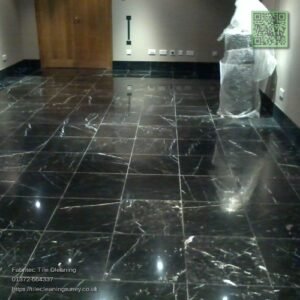
Month: September 2024

  • How To Groom Your Cat Like A Pro

    How To Groom Your Cat Like A Pro

    Tips for Keeping Your Feline Friend Looking Purr-fect

    Cat grooming is an essential part of feline health care and upkeep. Regular grooming sessions have more than just visual benefits. They help to avoid health problems like matting, skin infections, and parasitic infestations.

    Grooming also allows owners to identify anomalies, such as lumps, bumps, or changes in the cat’s skin or hair condition. This method can significantly minimise shedding and the creation of hairballs, typical issues for cats and their owners. Cats benefit from regular grooming for health reasons, and it also helps cats and their owners become closer.

    Introducing grooming procedures early in a cat’s life and providing positive experiences is a proactive way to lessen anxiety and stress during these sessions. This is especially good for cats that are anxious or aggressive when handled. By starting early, you’re taking a proactive step to ensure your cat’s well-being and comfort. Regular grooming is an important aspect of responsible cat ownership.

    Grooming improves cats’ general health, comfort, and well-being. By including grooming in a cat’s routine, owners may help maintain their pet’s physical health while strengthening their emotional bond.

    Points to Remember

    • Regular grooming is vital for a cat’s overall health and well-being
    • Essential tools for cat grooming include a brush, comb, nail clippers, and cat-specific shampoo
    • Brushing and bathing your cat should be done gently and patiently to avoid stress
    • Trimming your cat’s nails and managing shedding requires patience and caution to avoid injury
    • Cleaning your cat’s ears and eyes should be done carefully and with the right products to avoid irritation

    cat enjoying being groomedEssential Tools and Products for Cat Grooming

    Essential Tools for Cat Grooming

    Some essential tools for cat grooming include a high-quality brush or comb, nail clippers, a gentle pet shampoo, and ear and eye cleaning solutions. A slicker brush is ideal for removing loose hair and preventing matting in your cat’s coat, while a wide-toothed comb can help to detangle any knots or mats.

    Nail Care and Bathing

    Nail clippers explicitly designed for cats are essential for keeping your cat’s nails at a healthy length and preventing them from becoming overgrown or causing discomfort. When bathing your cat, it’s essential to use a gentle pet shampoo specifically formulated for cats, as human shampoos can be too harsh for their sensitive skin.

    Cleaning Ears and Eyes

    In addition to grooming tools, having the right products on hand for cleaning your cat’s ears and eyes is essential. A gentle ear-cleaning solution can help remove wax and debris from your cat’s ears, while an eye-cleaning solution can remove dirt or discharge from their eyes. These products are essential for maintaining your cat’s hygiene and preventing infections.

    Ensuring a Comfortable Grooming Experience

    Having the right tools and products on hand can ensure that your cat’s grooming experience is as comfortable and practical as possible.

    Step-by-Step Guide to Brushing and Bathing Your Cat

    Brushing and bathing are two crucial aspects of cat grooming. They keep your feline buddy looking clean and healthy and allow you to bond with him. When grooming your cat, starting with the right tools, such as a high-quality brush or comb designed for its specific coat type, is essential. This will ensure you’re equipped to handle any grooming needs. Begin by gently brushing toward hair growth, focusing on regions prone to mat formation, such as behind the ears and beneath the armpits.

    If you encounter mats or tangles, use a wide-toothed comb to gently work them out, not pulling on your cat’s skin. When bathing your cat, make sure it is quiet and comfortable. Carefully pour warm water into a basin or bathtub and add your cat. Lather their coat with a gentle pet shampoo.

    Rinse thoroughly to remove any remaining shampoo residue, which can cause skin irritation. After bathing, gently towel dry your cat and let it air dry in a warm, draft-free environment. Remember, it’s about cleanliness and making your cat’s experience enjoyable. Provide snacks and praise throughout the procedure to show your compassion and understanding.

    Brushing and bathing are essential aspects of cat grooming that make your feline friend look clean and healthy. When grooming your cat, begin with a high-quality brush or comb appropriate for their coat type. Brush gently toward hair development, focussing on places where mats are likely to form.

    If you encounter mats or tangles, use a wide-toothed comb to gently work them out without irritating your feline’s delicate skin. Bathe your cat when he or she is quiet and relaxed. Fill a sink or tub with warm water and carefully immerse your cat. Lather the cat’s coat with a gentle pet shampoo.

    Rinse thoroughly to remove any remaining shampoo residue, which can cause skin irritation. After bathing, gently towel dry your cat and let it air dry in a warm, draft-free environment. Provide treats and praise throughout the procedure to make the encounter enjoyable.
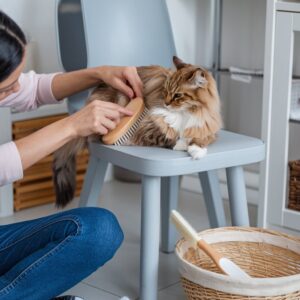
    cat groomingTips for Trimming Your Cat’s Nails and Managing Shedding

    Trimming your cat’s nails is crucial to their grooming routine, preventing overgrowth and discomfort. Before clipping their nails, make them comfortable with having their paws touched by gently massaging them and offering goodies. Trim each nail’s sharp tip using cat-specific clippers; be careful not to slice into the quick, pink portion of the nail that houses blood vessels.

    See your veterinarian or a skilled groomer for guidance on how short to clip. Managing shedding is another crucial component of cat care that can help you keep your home clean and your cat happy. Regular brushing with a high-quality brush or comb can help remove stray hair and keep mats from forming in your cat’s coat.

    Maintaining a healthy diet for your cat that includes plenty of omega-3 fatty acids is a proactive measure to enhance the condition of their skin and coat, thereby reducing excessive shedding. Suppose shedding becomes excessive or is accompanied by other symptoms, such as bald patches or skin irritation. In that case, speaking with your veterinarian is essential to rule out any underlying health problems. Trimming your cat’s nails is crucial to their grooming routine, preventing overgrowth and discomfort.

    Before clipping your cat’s nails, getting them used to having their paws handled is essential. This can be done by gently massaging them and offering goodies. When it comes to clipping, it’s best to trim only the sharp tip of each nail with cat-specific nail clippers, taking care not to cut into the quick. If you’re unsure how much to clip, it’s always best to ask your veterinarian or a professional groomer for advice. This is a safety precaution that ensures your cat’s comfort and well-being.

    Managing shedding is another crucial component of cat care that can help you keep your home clean and your cat happy. Regular brushing with a high-quality brush or comb can help remove stray hair and prevent mats from forming in your cat’s coat. Furthermore, offering a well-balanced food rich in vital fatty acids will help enhance your cat’s skin and coat health, minimising excessive shedding.

    If shedding becomes excessive or is accompanied by symptoms like bald patches or skin irritation, speak with your veterinarian to rule out any underlying health problems.

    How to Clean Your Cat’s Ears and Eyes Safely

    When cleaning your cat’s ears, applying a light ear-cleaning solution to a cotton ball or pad and removing wax and debris from the ear canal is essential. However, it’s equally important to avoid inserting anything into your cat’s ear canal, which could cause injury or discomfort. This is a crucial safety precaution to keep in mind.

    When cleaning your cat’s eyes, apply a gentle eye-cleaning solution on a cotton ball or pad and remove any dirt or discharge around the eyes. It’s essential to make the experience enjoyable by providing snacks and praise throughout the procedure. However, suppose you notice any signs of infection or irritation in your cat’s ears or eyes, such as redness, swelling, discharge, or odour. In that case, it’s crucial to seek veterinary evaluation and treatment.

    When cleaning your cat’s ears, applying a light ear-cleaning solution to a cotton ball or pad and removing wax and debris from the ear canal is essential. However, it’s equally important to avoid inserting anything into your cat’s ear canal, which could cause injury or discomfort. This is a crucial safety precaution to keep in mind.

    When cleaning your cat’s eyes, apply a gentle eye-cleaning solution on a cotton ball or pad and remove any dirt or discharge around the eyes. It’s essential to make the experience enjoyable by providing snacks and praise throughout the procedure. However, suppose you notice any signs of infection or irritation in your cat’s ears or eyes, such as redness, swelling, discharge, or odour. In that case, it’s crucial to seek veterinary evaluation and treatment.

    long haired cat groomingDealing with Mats and Tangles in Your Cat’s Fur

    Preventing Mats and Tangles

    Regular brushing with a high-quality brush or comb can help prevent mats from forming by removing loose hair and distributing natural oils throughout their coat. If you encounter mats or tangles during brushing, use a wide-toothed comb or mat splitter tool to carefully work through them without causing discomfort for your cat.

    Removing Stubborn Mats

    For stubborn mats that cannot be removed with brushing alone, it may be necessary to trim them away using blunt-tipped scissors carefully. Be sure not to cut too close to the skin or pull on the mat while trimming, as this can cause injury or pain for your cat.

    Seeking Professional Guidance

    If you’re unsure how best to deal with mats in your cat’s fur, consult a professional groomer or veterinarian for guidance. They can provide personalized advice and help keep your cat’s coat healthy and mat-free.

    Maintaining a Regular Grooming Routine for a Happy and Healthy Cat

    Regular grooming is critical for keeping your cat clean and beautiful while improving their health and well-being. By starting grooming early and making it a pleasurable experience with treats and praise, you can help lessen worry and stress during grooming sessions for you and your feline companion. In addition to brushing and bathing, schedule frequent nail trims with cat-specific nail clippers to avoid overgrowth and pain.

    During brushing, look for any signs of infection or irritation in your cat’s ears or eyes so that you may address any problems as soon as possible. Grooming your cat regularly is an essential aspect of proper cat ownership that will benefit your health and your cat’s happiness. Keeping your cat clean and improving its general health and well-being is critical.

    Your involvement as a cat owner is vital in ensuring that your feline friend enjoys grooming. By starting grooming early and making it enjoyable with treats and praise, you can help reduce anxiety during grooming sessions for you and your cat. Regular nail trims with cat-specific nail clippers are essential for brushing and bathing to prevent overgrowth and pain. Keep an eye out for any signs of infection or irritation in your cat’s ears or eyes during brushing so that you can address any problems promptly.

    Proper cat ownership includes regular grooming, which generally benefits cats.

    To learn more about cat grooming, read this post on developing great organic gardens. Providing your dogs with a safe and natural environment is critical; having an organic garden will give them fresh, pesticide-free plants to explore and enjoy. Furthermore, adding natural ingredients to your cat’s grooming regimen is excellent.

    References

    Trim Your Cat’s Nails – Benvenue Animal Hospital. https://benvenuepetcare.com/trim-your-cats-nails/

    What Is The Persian Cat Syndrome? – 21Cats.org. https://www.21cats.org/what-is-the-persian-cat-syndrome/

    The Article : How To Groom Your Cat Like A Pro Appeared First On Unity Pets Felines.

    The Article How To Groom Your Cat Like A Pro Was Found On https://limitsofstrategy.com

  • Acupuncture for Insomnia: Regaining Sleep Regularity

    Acupuncture for Insomnia: Regaining Sleep Regularity

    Exploring Acupuncture: A Natural Approach to Combat Insomnia

    Sleep disorders are on the rise in our modern, fast-paced world, affecting a significant number of individuals worldwide. If you have exhausted all options with over-the-counter drugs or lifestyle modifications to improve your sleep without much success, you might be in search of an alternative solution. Acupuncture for insomnia has become increasingly popular as a natural way to restore sleep equilibrium.

    The Ancient Practice of Acupuncture and Its Modern Relevance

    Acupuncture is a traditional Chinese medical technique that involves the precise insertion of thin needles into specific points on the body. These points, known as acupuncture points or acupoints, are believed to be interconnected pathways that help facilitate the flow of vital energy, referred to as Qi. By targeting specific acupoints, acupuncture aims to restore the balance of Qi and improve one’s overall health.

    Acupuncture is rooted in Traditional Chinese Medicine (TCM), which views health as a harmonious equilibrium within the body. This ancient practice has a history of over 2,500 years and has earned global recognition as a respected treatment method. Although abstract, the concept of Qi carries excellent significance in acupuncture. Qi is the essential energy that flows through the body’s meridians. When this flow is disrupted, it can result in a range of health problems, including difficulty sleeping.

    Modern research has provided compelling evidence supporting the effectiveness of acupuncture, showcasing its ability to stimulate the body’s natural healing processes. By stimulating specific points, acupuncture can enhance blood circulation, energise the nervous system, and promote the release of neurotransmitters. Understanding the physiological changes that occur during acupuncture is crucial for fully comprehending its potential in effectively managing sleep disorders. Extensive research has shown that acupuncture has a significant positive effect on sleep quality. It helps to shorten the time it takes to fall asleep and promotes a longer overall sleep duration.

    How Acupuncture Helps in Treating Insomnia: A Comprehensive Insight

    acupuncture for insomnia wristRegulating the Sleep-Wake Cycle Naturally

    By leveraging the skills of an experienced acupuncturist, the sleep-wake cycle can be effectively regulated by stimulating endorphins and other neurotransmitters. This technique promotes profound relaxation and enhances the overall sleep experience. Using acupuncture, you can improve your body’s energy flow and experience a more tranquil and revitalising sleep.

    The sleep-wake cycle, or circadian rhythm, is a vital internal process that governs the natural sleep pattern and wakefulness over 24 hours. Disruptions in this cycle may result in difficulties falling asleep and other sleep-related issues. Acupuncture can influence sleep patterns by targeting specific points, including Shenmen (HT7), Sanyinjiao (SP6), and Anmian.

    Located on the wrist, Shenmen, also known as Heart 7, can soothe the mind and relieve anxiety, which is often the underlying cause of insomnia. Situated above the ankle, Sanyinjiao, also known as Spleen 6, is believed to maintain a harmonious state between the liver, spleen, and kidneys. It is said to aid in hormonal balance and stress reduction. Anmian, located behind the ear, plays a crucial role in promoting restful sleep by assisting in falling and staying asleep.

    With expert precision, acupuncture effectively stimulates the body’s production of melatonin, a crucial hormone that helps regulate sleep patterns. Ensuring optimal melatonin levels can contribute to a well-regulated sleep-wake cycle, improving sleep quality and a rejuvenating morning wake-up.

    Reducing Stress and Anxiety Through Acupuncture

    Stress and anxiety often cause sleep disruptions. Acupuncture stimulates the parasympathetic nervous system, which can induce a state of relaxation and provide relief from stress. Creating a serene environment that promotes deep relaxation can help you sleep a restful night.

    Like an acupuncture expert, the parasympathetic nervous system, also known as the “rest and digest” system, helps conserve energy and facilitates relaxation. Acupuncture effectively targets specific acupoints to help alleviate the body’s stress response. Specific points on the body, such as Yintang, Baihui, and Neiguan, have demonstrated remarkable efficacy in relieving anxiety and stress.

    Yintang, a commonly used acupuncture point, is well-known for its ability to reduce stress and enhance mental clarity. Baihui, also known as GV20, is renowned for its capacity to induce a sense of calm and harmony in both the mind and body. Neiguan, also known as Pericardium 6, is commonly utilised to alleviate symptoms like anxiety, palpitations, and emotional distress.

    By focusing on these specific aspects, the body can naturally release chemicals that enhance mood and induce relaxation. This neurochemical response aids in reducing the heightened state commonly linked to insomnia, facilitating the attainment of peaceful sleep.

    needles placed at TaixiHormonal Balance: Acupuncture’s Role in Regulating Sleep Hormones

    Hormonal imbalances can cause disrupted sleep patterns. Acupuncture has shown remarkable effectiveness in targeting specific acupoints closely linked to hormonal regulation, specifically the hypothalamus-pituitary-adrenal (HPA) axis. With its deep understanding of rebalancing hormonal systems, acupuncture proves to be highly effective in tackling hormonal disturbances that may lead to insomnia.

    The HPA axis is a sophisticated system that entails intricate interactions among the hypothalamus, pituitary, and adrenal glands. It has a profound effect on stress responses and circadian rhythms. Acupuncture can influence the HPA axis by targeting specific acupoints, including Zusanli (ST36), Taixi (KID3), and Guanyuan (CV4).

    Located below the knee, Zusanli, also known as Stomach 36, is renowned for enhancing the immune system and alleviating stress. Situated on the inner ankle, Taixi, known as Kidney 3, is frequently utilised to promote kidney balance and regulate hormonal cycles. Located below the navel, Guanyuan, also known as Conception Vessel 4, is crucial in maintaining reproductive and hormonal well-being.

    By precisely targeting specific points, acupuncture can regulate cortisol levels, the body’s main stress hormone. Excessive stress has the potential to disrupt sleep patterns by leading to increased levels of cortisol. With its remarkable ability to regulate cortisol and other stress hormones, acupuncture can potentially restore a natural sleep cycle, improving both the duration and quality of sleep.

    Addressing Underlying Health Issues That Cause Insomnia

    Insomnia can be a sign of various health conditions, including chronic pain, digestive disorders, or respiratory issues. Through the precise placement of needles, acupuncture effectively addresses underlying conditions by targeting specific points within the body. Addressing the underlying cause is key to effectively resolving sleep disruptions.

    Various chronic conditions can cause insomnia. Having a deep understanding and vast experience in the field, I am well aware of the challenges that individuals with chronic pain face when trying to find a comfortable sleeping position. Furthermore, discomfort during the night may arise from digestive disorders like irritable bowel syndrome (IBS), whereas interrupted sleep can result from respiratory problems such as sleep apnoea.

    With a deep understanding of acupuncture, individuals can effectively alleviate chronic pain by focusing on essential points such as Ashis points, which indicate pain, and specific meridian points like Jianjing (GB21) and Hegu (LI4). Paying attention to the Tianjin pressure point on the shoulders can be highly effective when relieving tension headaches and neck pain. Located on the hand, Hegu is commonly utilised to alleviate pain and reduce inflammation.

    Zhongwan (CV12) and Tianshu (ST25) are two acupuncture points frequently used for digestive disorders. Located on the upper abdomen, Zhongwan is essential for ensuring optimal stomach function and relieving indigestion symptoms. Tianshu is situated near the navel and can help promote bowel movements and relieve digestive discomfort.

    By identifying and treating these underlying health issues, acupuncture has proven to be highly effective in alleviating symptoms and promoting a greater sense of well-being, leading to improved sleep quality.

    key points for insomniaEnhancing Sleep Quality: How Acupuncture Promotes Deep, Restorative Sleep

    Acupuncture can potentially enhance both the onset and overall quality of sleep. Research has indicated that acupuncture can benefit the production of melatonin, a hormone that plays a vital role in regulating sleep patterns. Enhance your sleep quality for a more revitalising and peaceful rest. Experience the refreshing advantages of beginning your day with fresh energy and vitality.

    Getting a good amount of deep or slow-wave sleep (SWS) is essential for rejuvenating the body and mind. Throughout this stage, the body repairs tissue strengthens the immune system and solidifies memory. Acupuncture can improve sleep quality by targeting specific points, stimulating the production of melatonin, and supporting the body’s natural sleep processes.

    Specific acupuncture points, such as Yin Tang, Si Shen Cong, and An Mian, are highly effective in enhancing sleep quality. Located between the eyebrows, Yin Tang is widely recognised for its soothing properties. Enhancing cognitive function and reducing mental fatigue can be achieved by incorporating Si Shen Cong, a technique focusing on four points near the top of the head. Understanding the importance of An Mian in relation to sleep patterns is crucial.

    Studies have shown that consistent acupuncture sessions can positively affect different aspects of sleep. These include shortening the time to fall asleep, lengthening sleep duration, and enhancing overall sleep quality. These benefits arise from how acupuncture helps regulate the autonomic nervous system, decrease hyperarousal, and support the body’s natural sleep-wake cycle.

    Frequently Asked Questions

    Is acupuncture painful?

    Acupuncture is typically a pleasant and tolerable experience. The needles used are thin, resulting in minimum pain. People usually describe the sensation as a tingling or a little ache.

    How many acupuncture sessions are required for treating insomnia?

    The number of acupuncture treatments depends on the severity of insomnia, health, and responsiveness. A typical therapy comprises weekly sessions for many weeks and occasional maintenance sessions.

    Are there any side effects of acupuncture for insomnia?

    Most people agree that acupuncture is a safe treatment choice by a trained professional. People may sometimes have mild side effects, like brief pain or bruising at the site where the needle was inserted. If you choose a qualified acupuncturist, you can be sure that the treatment will be safe and successful.

    Can acupuncture be used alongside other sleep-promoting methods?

    Indeed, acupuncture may dramatically improve sleep quality. It works with other beneficial strategies, including relaxation, sleep hygiene, and lifestyle changes. Incorporating acupuncture with these approaches can boost overall efficacy, improving the likelihood of resuming a good sleeping pattern.

    Is acupuncture suitable for everyone with insomnia?

    An increasing number of people think that acupuncture is a safe way to treat people, even those who have trouble sleeping. However, people with certain medical conditions, like blood problems or weak immune systems, might be unable to use it. It is essential to talk to an experienced acupuncturist who can look at your case and give you specific help.

    Brought To You By:

    Sources:
    1. Mayo Clinic. (2021). Acupuncture. Retrieved from https://www.mayoclinic.org/tests-procedures/acupuncture/about/pac-20392763
    2. Spence, D. W., Kayumov, L., Chen, A., Lowe, A., Jain, U., Katzman, M. A., … & Shapiro, C. M. (2004). Acupuncture increases nocturnal melatonin secretion and reduces insomnia and anxiety: a preliminary report. The Journal of Neuropsychiatry and Clinical Neurosciences, 16(1), 19-28. doi:10.1176/appi.neuropsych.16.1.19
    3. Shergis, J. L., Ni, X., Jackson, M. L., Zhang, A. L., Li, Y., & Guo, X. (2016). A systematic review of acupuncture for sleep quality in people with insomnia. Complementary Therapies in Medicine, 26, 11-20. doi:10.1016/j.ctim.2016.02.004

    The Article: Acupuncture for Insomnia – Restoring Sleep Balance appeared first on Acupuncture Walton-le-Dale

    The Article Acupuncture for Insomnia: Regaining Sleep Regularity appeared first on https://mcrtherapies.com

    The Article Acupuncture for Insomnia: Regaining Sleep Regularity Was Found On https://limitsofstrategy.com

  • Limestone Floor Cleaning New Malden

    Limestone Floor Cleaning New Malden

    In New Malden, this limestone floor had lost its finish. The surface had become dull, scratched, and stained and years of foot traffic and poor cleaning had taken a toll. The homeowners reached out to Fabritec Tile Cleaning for help. They wanted their floor restored to its former beauty. This case study details how Fabritec expertly cleaned, honed, and sealed the limestone, bringing it back to life.

    Understanding Limestone

    Limestone is a sedimentary rock, prized for its beauty and durability. However, it is porous. This porosity makes it prone to absorbing dirt, liquids, and stains. Limestone’s soft surface also makes it susceptible to scratching and etching. Over time, if not correctly cared for, limestone floors will lose their natural beauty. In this case, the homeowners used common household cleaners, often containing strong acid or alkali ingredients. These cleaners had stripped away the protective seal and damaged the stone.

    marble-polishingWhy Limestone Requires Professional Care

    Many homeowners are unaware of how delicate limestone can be. Standard cleaning solutions can do more harm than good. Professionals recommend non-acidic cleaners for limestone that won’t etch or dull the surface. Restoring a limestone floor takes more than just cleaning—it requires careful, knowledgeable restoration techniques. That’s why the homeowners in New Malden turned to Fabritec Tile Cleaning.

    Inspection: Diagnosing the Issues

    Fabritec began with a thorough inspection. The team noted significant sealer wear. Scratches ran across the surface. Etching from acidic spills had left the stone rough and pitted. A specific challenge arose from an etch mark caused by a damp oak beam resting on the floor. The oak’s tannins leached into the limestone, damaging the sealer and leaving a noticeable mark. The protective seal was worn, allowing dirt to penetrate the stone. The floor had lost its sheen and felt rough to the touch.

    The existing sealer needed to be removed, repairs to fix the damage, and a new protective seal.

    Preparing the Floor for Cleaning

    Before beginning the cleaning process, Fabritec prepared the area. The client cleared the room of furniture and debris, ensuring the technicians had full access to every part of the floor. This also prevented accidental damage to furniture or decor during the cleaning process.

    Next, they protected nearby walls, baseboards, and adjacent flooring with sheeting. Limestone cleaning solutions can sometimes splash, and this step ensures that the cleaning agents only touch the intended surface—the limestone floor.

    Deep Cleaning: Restoring the Limestone’s Surface

    The next step was a deep clean to remove the existing sealer. Fabritec applied a cleaner and sealer remover explicitly designed for limestone. They allowed the cleaner to sit on the surface for several minutes, allowing it time to break down the sealer.

    The team carefully worked the cleaner into the floor using a rotary scrubbing machine. The rotary motion helped lift the old sealer from the stone without scratching or damaging the surface.

    Once the deep clean was complete, the limestone looked significantly better. The surface was clean, and free of the ld damaged sealer. However, the floor still needed more work to address the damage from scratches and etching.

    Honing: Smoothing Out Scratches and Etching

    After the deep clean, Fabritec focused on the scratches and etching. Limestone is a soft stone; years of use can leave behind small scratches and marks. The floor also had visible etching from acidic cleaners and spills in this case.

    To fix this, Fabritec used diamond polishing pads to hone the floor. This process involves smoothing out the surface using a series of diamond pads with increasing grit levels. They began with a coarser pad to remove the deeper scratches and etching. Then, they moved to finer pads to create a smooth, even surface.

    Honing removes imperfections and restores the stone’s texture. By the end of the honing process, the limestone had regained its smooth, natural feel. However, the team still had one more step to go before the restoration was complete.

    Sealing: Protecting the Limestone for the Future

    The final step in the restoration process was sealing the limestone floor. Limestone is a porous stone that can easily absorb liquids, dirt, and stains if left unprotected. Sealing creates a protective barrier that helps prevent this.

    Fabritec applied a high-quality topical sealer. This provides long-lasting protection while maintaining the stone’s natural look and feel.

    The sealer protected the limestone from future spills and stains, making it much easier for homeowners to maintain the floor. It also ensured that the floor’s newly restored surface would stay beautiful for years to come.

    The Results: A Stunning Transformation

    After sealing, Fabritec allowed the floor to cure for several hours. The homeowners were thrilled with the results. Their limestone floor, which had looked dull and damaged, now had a fresh, clean appearance. The surface was smooth, the colours were vibrant, and the soft sheen added an elegant touch to the space.

    More importantly, the floor was protected from future wear and tear. With the new seal, the homeowners could rest easy knowing that their floor would stay beautiful with regular maintenance.

    Homeowner’s Reaction

    We were amazed at the difference after Fabritec finished with our limestone floors. They’d been looking tired and dull for years, but after the cleaning and sealing, they look brand new. The team was super friendly and took the time to explain each step. We’re so happy with the results!
    Mrs. P – New Malden

    Lessons from the Restoration

    This case study highlights the importance of professional care for limestone floors. Limestone is a delicate material that requires specific cleaning techniques and products. As the homeowners in New Malden learned, using the wrong cleaner can damage the stone.

    Professional cleaning and restoration services, like those provided by Fabritec, are essential for maintaining the appearance and durability of limestone. From the deep clean to the final sealing, every step of the process required specialized knowledge and tools.

    Prevention and Aftercare Tips for Limestone Floors

    Fabritec provided them with guidelines for maintaining the floor and preventing future damage.

    1. Specialist cleaners for topical sealers are formulated to include a small amount of sealer. This helps maintain and rebuild the sealer’s finish rather than degrading it. Harsh chemicals like vinegar, bleach, or ammonia can damage limestone by etching the surface and breaking down the protective layer. Using the recommended cleaner from the sealer manufacturer ensures that the floor’s protective finish is maintained while effectively cleaning the surface without causing harm.
    2. Wipe Spills Immediately: Because limestone is porous, spills can quickly soak into the stone and cause stains. To prevent staining, wipe up any spills as soon as they happen.
    3. Regular Cleaning: Sweep or vacuum the floor regularly to remove dirt and debris. This prevents dirt from being ground into the surface, which can cause scratches over time.
    4. Reapply Sealer as Needed: Over time, the protective seal on the limestone will wear away. To protect the floor from stains and spills, reapply a sealer every 1-2 years.
    5. Professional Maintenance: Hire professionals who specialize in natural stone care for deep cleaning and repairs. Regular professional cleaning will keep your limestone floor looking its best and extend its lifespan.

    Conclusion

    Fabritec Tile Cleaning successfully transformed a worn and damaged limestone floor in New Malden. By carefully cleaning, honing and sealing the floor, they restored its natural beauty and ensured its longevity. This case study demonstrates the importance of professional care for delicate materials like limestone. With proper maintenance, homeowners can enjoy their limestone floors for many years to come.

    Trending FAQs About Limestone Floor Care:

    What is the best cleaner for limestone floors?
    A non-acidic, pH-neutral cleaner designed for natural stone is ideal for limestone floors.

    Can I use vinegar on limestone tiles?
    No, vinegar and other acidic cleaners can damage limestone by causing etching and dulling the surface.

    How often should I seal my limestone floor?
    Limestone floors should be resealed every 1-2 years, depending on foot traffic and exposure to moisture.

    Why does my limestone floor look dull?
    Dullness can be caused by a buildup of dirt, improper cleaning methods, or wear on the sealant. Professional cleaning and resealing can restore its shine.

    How do you remove stains from limestone?
    A poultice can be used to draw out tough stains, but to avoid damaging the stone, it’s best to consult a professional.

    The post Marble Floor Restoration New Malden is brought to you by Limestone Cleaning Surrey

    The Article Limestone Floor Cleaning New Malden appeared first on https://fabritec.org

    The Article Limestone Floor Cleaning New Malden Was Found On https://limitsofstrategy.com

  • Unearth the Magic: Exceptional Dog Grooming Near Me Solutions

    Unearth the Magic: Exceptional Dog Grooming Near Me Solutions

    Unearth the Magic: Exceptional Dog Grooming Near Me SolutionsUnderstanding Dog Grooming

    Grooming isn’t just about making your dog look good – it’s about keeping them healthy, too.

    Think of it like a spa day that keeps their skin, fur, and overall well-being in shape.

    Here’s the lowdown on why grooming matters and the factors that affect how much it costs.

    Why Grooming is a Big Deal

    Dog grooming covers a range of services that help keep your buddy in tip-top shape. Here’s the scoop:

    • Bathing: Washes away dirt, smells, and loose hair, helping your pup’s skin stay healthy.
    • Trimming: Keeps fur from getting too wild and tangled.
    • Nail Clipping: Stops nails from growing too long and causing pain.
    • Ear Cleaning: Cleans out ear wax and debris, reducing the chance of infections.

    Regular Grooming can also help catch health issues early on, like ear infections or dental problems. Skilled groomers have an eye for these things. If you’re curious, check out dog grooming techniques or courses online.

    Free video dog training course

    What Affects Grooming Costs

    Grooming prices can vary, and here’s why:

    What Affects Costs The Deal
    Dog Size Bigger dogs generally cost more to groom because they take more time and resources.
    Services Needed BasiEssentialhs cost less than breed-specific cuts or specific treatments.
    Location City groomers often charge more than those in rural areas.
    Groomer Expertise A seasoned groomer might charge more for their know-how.
    Coat Condition If your dog’s fur is matted or tangled, it may need more work, raising the price.

    We are looking for a place to get your dog groomed. Check out local spots like Lucky Puppy Grooming or Fur On The Floor Dog Grooming. Ask groomers what services they offer—some might provide extras, like how to groom a dog at home or unique treatments.

    Choosing a good groomer isn’t just about keeping your dog looking nice; it’s about their health and happiness. The AKC GroomerFinder is a handy tool for finding professional groomers near you.

    Professional vs. DIY GroomingProfessional vs. DIY Grooming

    When it’s bath time for your furry buddy, you’re faced with a classic dilemma: call in the pros or roll up your sleeves and get hands-on. Let’s break down the options and see what’s what.

    Why Go Pro?

    Handing Fido over to a professional groomer can be a game-changer. These folks know their stuff, having trained in dog grooming. Their expertise shines through in several ways:

    • Health Check, Incognito: A pro groomer can spot hidden issues like skin infections or ear troubles. It’s like getting a mini-vet visit with a snazzy haircut.
    • All-In-One Convenience: In addition to a bath, they’ll brush their teeth, clean their ears, and clip their nails all in one go. Talk about a full-service spa day!
    • Stress Busters: Do you have a nervous pup? Groomers have tricks to keep your dog calm and collected.

    Money Talk: What’s it Gonna Cost?

    Let’s not kid ourselves; professional Grooming costs money. But what does that look like, re

    service Average Cost ($)
    BasiEssentialoming (bath, nail trim, ear cleaning) 30 – 90
    Full-Service Grooming (all-inclusive) 70 – 150

    DIY Grooming: The Cheaper, Sweeter Deal?

    Are you thinking of taking matters into your own hands? DIY grooming can save some bucks, but let’s see what you need to get set up:

    Tool Average Cost ($)
    Dog Brush 10 – 30
    Nail Clippers 10 – 25
    Shampoo 10 – 20
    Combs 5 – 15

    Sure, the initial shopping haul might hurt your wallet, but once you’ve got the gear, it’s smooth sailing—well, almost. You’ve got to learn the ropes to avoid any grooming disasters. Not to scare you, but you don’t want to clip the wrong bit or stress your furball out accidentally.

    Free video dog training course

    Weighing Your Options

    So, what’s the takeaway here? It’s a mix of figuring out your pet’s needs, your budget, and whether you trust your skills more than a seasoned pro. Online courses can be your lifeline if you want to DIY but need pointers. These classes teach you the A to Z of home grooming, turning you into the best groomer your dog could dream of.

    Whether professional pampering or a DIY approach is used, the main goal is a happy, healthy, well-groomed pup. Happy Grooming!

    Picking the Perfect Groomer for Your PoochPicking the perfect groomer for your pooch

    Finding the right groomer is crucial for keeping your dog looking sharp and feeling great. As a dog owner, it’s a big deal to check out a few things and do homework to find a groomer who meets your needs.

    What to Look For

    When you’re picking a dog groomer, keep an eye on these:

    1. Services Offered: Beyond the usual bath and haircut, see if they handle mat removal, nail trimming, or ear cleaning. A good groomer can spot signs of health issues while working on your dog.
    2. Cleanliness and Safety: Look around the place. Is it clean and well-ventilated? A tidy spot shows they care about giving good service.
    3. Breed Experience: Ask how well they know your breed. Dogs need different grooming styles, and you want someone who knows the ropes for your pup.
    4. Qualifications and Training: Check out their training and certifications. This gives you an idea of their skills and knowledge.
    5. Grooming Costs: Don’t just go for the cheapest option; know what you’re getting into price-wise—budgeting matters.
    Factor Importance Level
    Range of Services High
    Cleanliness of Facility High
    Experience with Breed Medium
    Grooming Qualifications Medium
    Cost Low

    Finding Groomers Near You

    Here’s how you can track down the best grooming services around:

    • Online Tools: Websites like AKC GroomerFinder can help you find professional groomers nearby. You can filter options based on your location and what you need.
    • Recommendations: Ask friends, family, or your vet for suggestions. You might know a great groomer who can handle your dog’s needs.
    • Reviews and Ratings: Read online reviews from other dog owners to understand the groomer’s reputation.
    • Visit in Person: Stop by the grooming shop to check its cleanliness, chat with the staff, and see if they can answer your questions.

    You can pick a groomer to keep your dog happy and healthy by thinking about these factors and digging around. Want to get more into grooming yourself? Check out dog grooming courses online or learn how to groom a dog at home. Need tools? Look at the best dog grooming tools to make the job easier.

    In my own experience, finding the right groomer was a game changer for my dog Buddy. He used to hate grooming sessions, but once we found the right groomer, it was like night and day. Now, Buddy trots into the salon like he owns the place! So, don’t skimp on the legwork—it’s worth every minute.

    Free video dog training course

    Special Grooming Services

    Getting your dog that perfect trim isn’t just about looks—it’s about their well-being, too. Let’s explore why specific breed trims and mobile Grooming are game-changers for dog owners.

    Breed-Specific Trims

    Got a Poodle, Cocker Spaniel, or Schnauzer? These breeds have coats that demand a bit more love and attention. Honestly, getting their fur just right can make a world of difference.

    Breed Average Cost ($)
    Poodle 80 – 150
    Cocker Spaniel 50 – 120
    Schnauzer 60 – 130

    Sure, the costs can make your wallet wince, ranging from $50 to $150, but you’re looking for expertise in handling their unique fur. A good trim keeps your dog’s coat healthy and shining. Want to know more tricks of the trade? Check out our guide on dog grooming techniques.

    Mobile Grooming’s Perks

    Imagine rolling out of bed and the groomer shows up at your door. Mobile dog grooming does just that! It’s a luxury worth considering, generally running you about $60 to $100. Why consider mobile Grooming? Here are a few perks:

    • Saves Time: Skip the hassle of driving to a salon.
    • Eases Anxiety: Keeping your dog in familiar surroundings can be a huge stress buster.
    • One-on-One Care: Your furry friend gets all the attention it deserves.
    Service Average Cost ($)
    Mobile Grooming 60 – 100

    We’ve got you covered for the DIY enthusiasts out there, too. Learn how to groom your dog at home with our comprehensive grooming guide, and grab the best tools for the job from our must-have dog grooming tools list.

    Pick the Best for Your Pet

    Whether it’s a specialized trim or a convenient mobile service, picking the right grooming option helps keep your dog impeccably groomed and happy. Here’s to making your pet’s grooming experience as fabulous as they are!

    Video training course

    The Article: Unearth the Magic: Exceptional Dog Grooming Near Me Solutions Was Found On https://happypetsgroomingtable.com/

    The Article Unearth the Magic: Exceptional Dog Grooming Near Me Solutions First Appeared ON
    : https://ad4sc.com

    The Article Unearth the Magic: Exceptional Dog Grooming Near Me Solutions Was Found On https://limitsofstrategy.com

  • Managing Incontinence Effective Therapy Options

    Managing Incontinence Effective Therapy Options

    Treatment Options for Incontinence Management

    Incontinence is a widespread medical disease that impacts many individuals worldwide. It describes the involuntary passage of bodily fluids, such as urine or excrement, which can substantially negatively affect a person’s overall well-being. The four primary categories of incontinence are stress, urge, overflow, and functional incontinence.

    Every category has unique causes and symptoms. Stress incontinence is the involuntary leakage of pee that happens when the bladder is subjected to pressure. This can occur during coughing, sneezing, laughing, or exercising.

    Urge incontinence is defined as a sudden and overwhelming urge to urinate, followed by the involuntary leakage of urine. When the bladder does not empty, overflow incontinence results in frequent or continuous pee dribbling. Functional incontinence commonly occurs when a person cannot reach the toilet promptly due to physical or cognitive limitations.

    The aetiology of incontinence varies depending on the type. Stress incontinence often occurs due to weakening pelvic floor muscles, whereas urge incontinence may be associated with an overactive bladder or nerve impairment. Additional possible factors are urinary tract infections, constipation, specific drugs, and neurological diseases.

    The symptoms of incontinence vary from slight leaking to total loss of bladder or bowel control. Individuals experiencing symptoms of incontinence should prioritise seeking medical consultation to identify the root cause and explore suitable treatment options.

    Key Takeaways

    • Incontinence can be caused by various factors, including weakened pelvic floor muscles, nerve damage, and certain medical conditions.
    • Lifestyle changes such as maintaining a healthy weight, avoiding bladder irritants, and practising bladder training can help manage incontinence symptoms.
    • Medications like anticholinergics and mirabegron can be prescribed to help control overactive bladder and reduce incontinence episodes.
    • Pelvic floor exercises, also known as Kegels, and physical therapy can strengthen the pelvic floor muscles and improve bladder control.
    • Surgical options, such as sling procedures and bladder neck suspension, may be considered for severe cases of incontinence that do not respond to other treatments.

    incontinance problemsLifestyle Changes and Behavioral Therapy for Incontinence

    Dietary Adjustments

    Making simple adjustments to daily habits can significantly reduce the frequency and severity of incontinence episodes. For example, reducing fluid intake, especially before bedtime, can help minimise the need to urinate during the night. Avoiding caffeine and alcohol, which can irritate the bladder and increase urine production, may also be beneficial.

    Physical Activity and Weight Management

    In addition to dietary changes, maintaining a healthy weight and engaging in regular physical activity can help strengthen the pelvic floor muscles and improve bladder control. Quitting smoking is also important, as smoking can contribute to coughing and bladder irritation, which can exacerbate incontinence symptoms.

    Behavioural Therapy Techniques

    Behavioural therapy techniques, such as bladder training and scheduled voiding, can help individuals regain control over their bladder function. These techniques involve gradually increasing the time between bathroom visits and learning to recognise and respond to the body’s signals for urination. Furthermore, practising good toilet habits, such as taking enough time to empty the bladder and using relaxation techniques to reduce urgency, can also be helpful.

    Additional Therapies

    In some cases, biofeedback therapy or electrical stimulation may be recommended to help individuals gain better control over their pelvic floor muscles. By implementing these lifestyle changes and behavioural therapy techniques, many individuals with incontinence can experience significant improvement in their symptoms and regain confidence in their daily activities.

    Medication Options for Managing Incontinence

    Aside from making adjustments to one’s lifestyle and undergoing behavioural therapy, other pharmacological choices can be used to manage incontinence effectively. The choice of medication provided will be contingent upon the incontinence’s precise classification and underlying aetiology. Anticholinergic drugs are frequently employed to manage urge incontinence by inducing relaxation in the muscles of the bladder and diminishing the frequency of contractions.

    These drugs can alleviate the abrupt and severe need to urinate, indicative of urge incontinence. Mirabegron is a medicine that can be administered to treat incontinence. It relaxes the bladder muscle and enhances its ability to retain urine. This medicine is commonly used for the treatment of symptoms associated with an overactive bladder, for example, the sudden and consistent urge to pee.

    Topical oestrogen therapy may be prescribed for persons experiencing stress incontinence to enhance the resilience and flexibility of the tissues in the urethra and vaginal region. Tricyclic antidepressants or other drugs that impact nerve signals may be used in certain instances to assist in managing symptoms of incontinence. Individuals who are exploring drug choices for incontinence should consult a healthcare expert to establish the most suitable treatment based on their specific symptoms and medical history.

    Although drugs can effectively manage incontinence for certain persons, it is essential to scrutinise their potential adverse effects.

    pelvic exercises 2Pelvic Floor Exercises and Physical Therapy for Incontinence

    Pelvic floor exercises, usually Kegel exercises, are essential to physical therapy for managing incontinence. These exercises entail contracting and relaxing the muscles in the pelvic floor to enhance strength and control. By fortifying these muscles, individuals can improve their ability to support the bladder and bowel, decreasing the likelihood of leakage and gaining control and independence.

    Pelvic floor exercises are especially advantageous for patients experiencing stress incontinence, as they enhance the capacity to retain urine during activities that exert pressure on the bladder. Physical therapy for the pelvic floor may incorporate several modalities, including biofeedback. Biofeedback employs sensors to offer visual or aural cues regarding muscle activity, aiding individuals in acquiring the skill to contract and release their pelvic floor muscles effectively by applying gentle electrical pulses to the area. It is possible to enhance pelvic floor muscle strength with electrical stimulation.

    Specialised physical therapists in pelvic floor rehabilitation collaborate with patients to create customised training regimens tailored to their unique requirements and objectives. These programs may also incorporate stretches and strengthening exercises targeting additional muscle groups that support pelvic floor function. Engaging in physical therapy for incontinence can enhance patients’ muscular strength and coordination, resulting in enhanced bladder control and fewer incontinence symptoms.

    Surgical Options for Incontinence Treatment

    Surgical interventions may be explored for those with severe or persistent incontinence that does not improve with conservative therapy. Various surgical interventions are available to treat different forms of incontinence, with each technique targeting the root cause of the disease. A frequently used surgical treatment for stress incontinence is the sling operation. This procedure entails placing a supporting sling over the urethra to offer extra support and prevent leakage when engaging in activities that strain the bladder.

    A bladder neck suspension is an additional surgical technique used to treat stress incontinence. It involves attaching the neck of the bladder to adjacent structures to enhance the regulation of urine flow. For those with symptoms of an overactive bladder or urge incontinence, sacral neuromodulation may be recommended. This treatment involves placing a miniature device near the sacral nerves to regulate nerve signals associated with bladder function, diminishing the urgency and frequency of urinating.

    Occasionally, surgical interventions for incontinence may involve procedures to rectify anatomical anomalies or treat underlying disorders that contribute to symptoms. Before making a decision, individuals contemplating surgical intervention for incontinence should thoroughly discuss the prospective hazards and advantages with a healthcare professional and thoughtfully evaluate their alternatives.

    Incontinence Products and Devices for Management

    Absorbent Products

    Disposable absorbent products, such as pads, liners, and adult diapers, are commonly used to manage urinary or faecal incontinence. These products come in various sizes and absorbency levels to meet individual needs. Reusable absorbent underwear and protective garments are also available for those looking for more sustainable options.

    Assistive Devices

    For individuals with mobility limitations or difficulty reaching the toilet in time, portable urinals or bedpans may help manage urinary incontinence. Male external catheters and female urinary collection devices are also available for individuals who require assistance with urinary drainage.

    Skin and Odor Care

    In addition to absorbent products, skin care products such as barrier creams and cleansing wipes can help prevent irritation and discomfort associated with frequent exposure to urine or faeces. Odour control products, such as deodorising sprays or pouches, are also available to help manage unpleasant odours associated with incontinence.

    group of specialistsCombining Therapy Options for Effective Incontinence Management

    A combination of therapy approaches is often required for effective incontinence management. For instance, a person with stress incontinence can find relief by engaging in pelvic floor exercises to fortify the muscles that support the bladder. Additionally, lifestyle adjustments such as managing weight and making food alterations can help alleviate strain on the bladder. Similarly, a person with urge incontinence may find relief through pharmacotherapy to decrease the urgency and frequency of urine. Behavioural therapy strategies like bladder training can help regain control over bladder function.

    Individuals with incontinence caused by several factors or complex conditions may require a comprehensive approach that incorporates various therapy approaches to control their symptoms effectively. This comprehensive care is provided by a healthcare team comprising physicians, physical therapists, occupational therapists, and other specialists. They provide individualised care based on their requirements to make people feel supported and cared for. By integrating several therapeutic approaches, persons can achieve an enhanced quality of life and restore their self-assurance in everyday activities without apprehension or unease related to incontinence.

    Individuals suffering from incontinence should see healthcare professionals for assistance with the various treatment choices and to create a customised strategy that caters to their specific needs and objectives.

    FAQs

    What is incontinence therapy?

    Incontinence therapy refers to the various treatments and interventions to manage and improve urinary or faecal incontinence symptoms. These therapies can include lifestyle changes, pelvic floor exercises, medication, medical devices, and, in some cases, surgery.

    What are the common causes of incontinence?

    Incontinence can be caused by a variety of factors, including weakened pelvic floor muscles, nerve damage, urinary tract infections, certain medications, and underlying medical conditions such as diabetes, Parkinson’s disease, or prostate issues in men.

    What are the different types of incontinence therapy?

    Incontinence therapy can include pelvic floor muscle exercises (Kegel exercises), bladder training, dietary and fluid management, medication, biofeedback, electrical stimulation, and, in some cases, surgical interventions such as sling procedures or artificial urinary sphincter implants.

    How effective is incontinence therapy?

    The effectiveness of incontinence therapy can vary depending on the individual and the underlying cause. Many people experience significant improvement in their symptoms with the appropriate therapy, while others may require a combination of treatments to achieve the desired results.

    Does insurance cover incontinence therapy?

    In many cases, incontinence therapy and related treatments are covered by health insurance. However, coverage can vary depending on the specific insurance plan and the recommended therapy type. It’s important to check with your insurance provider to understand what is covered and what out-of-pocket costs may be involved.

    Brought To You By:

    References

    Tips for Dealing with Urinary Incontinence (For Men) | OncoLink. https://www.oncolink.org/support/practical-and-emotional/physical-concerns/tips-for-dealing-with-urinary-incontinence-for-men

    Understanding Incontinence and Its Effects – P Homecare. https://www.phomecare.com.au/2023/05/16/understanding-incontinence-and-its-effects/

    The Article: Managing Incontinence Effective Therapy Options appeared first on https://mcrtherapies.co.uk

    The Article Managing Incontinence Effective Therapy Options appeared first on https://mcrtherapies.com

    The Article Managing Incontinence Effective Therapy Options Was Found On https://limitsofstrategy.com

  • Cleaning and Sealing a Travertine Floor in Chertsey, Surrey

    Cleaning and Sealing a Travertine Floor in Chertsey, Surrey

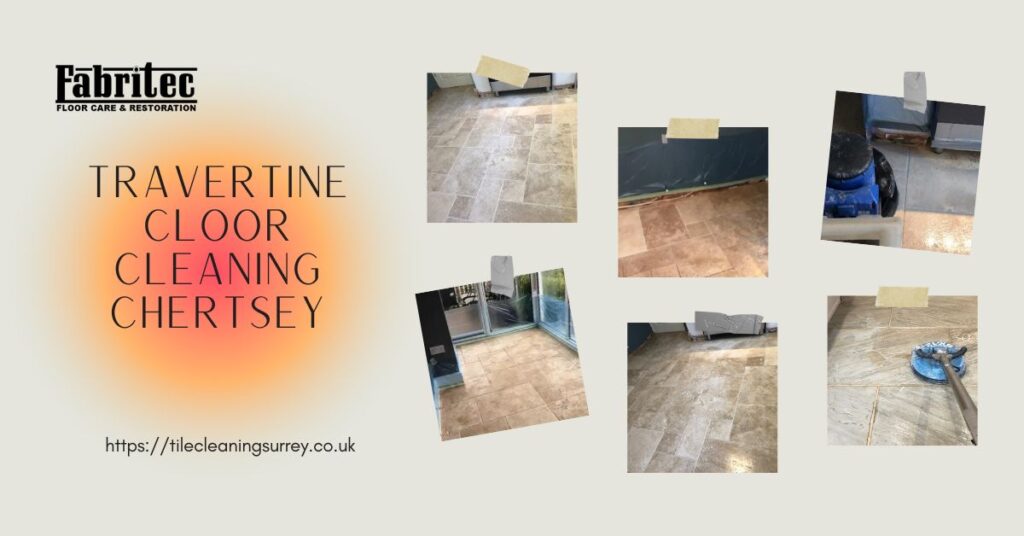
    travertine floor cleaning chertsey featured iage

    Background

    Travertine floors are known for their natural beauty and unique appearance, but they require proper care and maintenance to maintain their charm over time. Recently, we had the opportunity to revitalise a well-worn travertine floor in a residential property in Chertsey, Surrey. This case study will illustrate the steps we followed to clean, repair, and seal the travertine floor, ensuring it not only looked new but also would last for years to come.

    Initial Assessment and Preparation

    Upon initial inspection, the travertine floor showed signs of wear, including visible dirt buildup in the grout lines, small natural holes typical of travertine stone, and some minor cracks in a few tiles. To ensure a clear workspace, we removed all furniture from the area before vacuuming up any loose debris and dust.

    To protect surrounding surfaces, such as kitchen units and adjacent floors, we applied protective sheeting. This is critical in preventing any potential damage from cleaning agents or equipment during the cleaning process.

    Deep Cleaning the Travertine Tiles and Grout

    The key to revitalising travertine is a thorough, deep cleaning process. We started by applying a diluted, professional-grade travertine cleaner across the floor, paying special attention to grout lines and any heavily soiled areas. After allowing the cleaner to sit for about ten minutes to loosen embedded dirt, we used a rotary scrubbing machine to work the cleaner into the tiles.

    This method effectively lifted the grime that had accumulated over time, leaving the surface visibly cleaner. To ensure the floor was completely clean, we followed up with pressure rinsing, a crucial step for removing any remaining cleaning slurry and debris. The rinse also eliminated any residues from previous sealers, preparing the surface for repair and sealing.

    Repairing the Travertine Tiles

    Upon cleaning, we discovered a few natural holes and minor cracks in the travertine tiles, common in this type of stone. To address these issues:

    Filling Holes:

    We filled the natural holes using high-quality beige fillers that blended well with the existing tile colour. This step not only restored the uniformity of the floor but also prevented future dirt buildup in these crevices.

    Repairing Cracks

    For the cracked tiles, we used a resin grout that allows for slight movement without causing additional cracks. Colour-matching the grout to the tile ensured that the repairs were almost invisible, maintaining the floor’s seamless aesthetic.

    Sealing the Travertine Floor

    The final, yet most critical, step in this process was sealing the travertine floor. Sealing protects the stone from stains, spills, and everyday wear and tear, thus extending the floor’s life. For this project, we applied a high-solids, breathable sealer that not only penetrated the travertine but also formed a protective barrier on the surface.

    Our client preferred a satin finish, which enhanced the natural beauty of the travertine without making it overly glossy. After the sealer was applied, we allowed it to cure for several hours, ensuring the floor was ready for regular use.

    Aftercare Recommendations

    To maintain the travertine’s refreshed appearance, we advised the client to follow a regular cleaning routine:

    • Use a pH-neutral cleaner specifically designed for sealed natural stone, such as LTP Floorshine, to avoid damaging the sealer.
    • Regularly vacuum or dust the floor to prevent dirt from scratching the surface.
    • Immediately clean up any spills to prevent staining.
    • Reapply the sealer every 2 to 3 years, depending on foot traffic, to maintain the floor’s protection and appearance.

    Outcome

    After completing the cleaning, repairing, and sealing processes, the travertine floor in the Chertsey property was transformed. The floor now had a renewed lustre, the grout lines were clean, and the repaired cracks were barely noticeable. The client was delighted with the results, and the floor was protected against future damage, ensuring it would remain beautiful for years to come.

    We couldn’t be happier with the results! Our travertine floor looks absolutely stunning—like it’s brand new again. The team was professional, thorough, and took great care to restore every detail. We’re thrilled with how well the repairs blend in, and the sealing has made cleaning so much easier. Highly recommend their service!

    This project highlights the importance of regular professional maintenance for travertine flooring to preserve both its aesthetic appeal and functional longevity.

    Frequently Asked Questions

    How Often Should I Clean My Travertine Tiles?

    Cleaning travertine tiles should occur regularly, ideally once or twice a week, depending on foot traffic. Additionally, deep cleaning every six months guarantees the maintenance of their aesthetic appeal and longevity. Always use appropriate cleaners.

    Can I Use Vinegar to Clean Travertine Surfaces?

    Using vinegar to clean travertine surfaces is not advisable, as its acidity can damage the stone and its protective seal. Instead, opt for a pH-balanced cleaner specifically formulated for natural stone to maintain its integrity.

    What Are Common Signs of Travertine Damage?

    Common signs of travertine damage include visible cracks, chips, discoloration, and uneven surfaces. Additionally, persistent stains or dullness indicate wear, necessitating immediate attention to maintain both the aesthetics and structural integrity of the flooring.

    Is Travertine Suitable for Outdoor Use?

    Travertine is suitable for outdoor use due to its durability and natural slip resistance. However, proper sealing is essential to protect it from weathering and staining, ensuring longevity and maintaining its aesthetic appeal in outdoor environments.

    How Can I Prevent Future Staining on Travertine?

    To prevent future staining on travertine, apply a high-quality sealer regularly, promptly clean spills, and utilise pH-neutral cleaners. Additionally, maintain a consistent cleaning routine to enhance the stone’s durability and aesthetic appeal.

    The post:  Travertine Cleaning Chertsey was produced by Travertine Floor Cleaning Chertsey

    The Article Cleaning and Sealing a Travertine Floor in Chertsey, Surrey appeared first on https://fabritec.org

    The Article Cleaning and Sealing a Travertine Floor in Chertsey, Surrey Was Found On https://limitsofstrategy.com

  • Managing Anxiety Attacks Effective Treatment Options

    Managing Anxiety Attacks Effective Treatment Options

    Efficient Methods for Coping with Anxiety Attacks

    Anxiety attacks, or panic attacks, are abrupt and intense episodes of dread or distress that reach their highest point within a few minutes. These assaults can manifest abruptly and without any obvious trigger, frequently leaving patients feeling inundated and without control. Typical symptoms encompass accelerated heart rate, perspiration, shaking, difficulty breathing, chest discomfort, nausea, lightheadedness, and an overwhelming fear of losing control or dying.

    It is imperative to acknowledge that anxiety episodes are a valid medical illness rather than a manifestation of weakness or personal defect and can be successfully addressed with suitable interventions. A variety of causes, such as stress, traumatic experiences, genetic susceptibility, and certain medical disorders, can trigger anxiety episodes. Pinpointing the root causes of anxiety attacks is a crucial measure in effectively managing and treating them.

    It is crucial to differentiate anxiety attacks from regular stress or worry, as they are characterised by their high intensity and sudden start. Although experiencing periodic anxiety is considered normal, anxiety attacks are characterised by their heightened severity and disruptive nature. Gaining insight into the essence of anxiety attacks might assist individuals in formulating tactics to cope with and conquer them effectively.

    Main Points to Remember

    • Anxiety attacks are sudden and intense feelings of fear or panic, often accompanied by physical symptoms such as rapid heartbeat and shortness of breath.
    • Cognitive Behavioral Therapy (CBT) is a highly effective form of therapy for managing anxiety attacks, focusing on changing negative thought patterns and behaviours.
    • Medication options for anxiety attacks include antidepressants, anti-anxiety medications, and beta-blockers, which a healthcare professional can prescribe.
    • Relaxation and mindfulness techniques such as deep breathing, meditation, and yoga can help reduce the frequency and intensity of anxiety attacks.
    • Lifestyle changes such as regular exercise, a healthy diet, and adequate sleep can play a significant role in managing anxiety attacks and improving overall mental health.

    panic attackCognitive Behavioral Therapy

    Understanding the Connection Between Thoughts, Feelings, and Behaviors

    Through CBT, individuals can learn to recognize and challenge irrational thoughts, develop coping strategies, and gradually face their fears in a controlled and supportive environment. CBT can help individuals understand the connection between their thoughts, feelings, and behaviours and empower them to make positive life changes.

    Personalized Strategies for Managing Anxiety

    In CBT, individuals work with a therapist to identify specific triggers for their anxiety attacks and develop personalized strategies for managing them. This may involve learning relaxation techniques, practising mindfulness, and gradually exposing themselves to feared situations in a safe and controlled manner.

    Achieving Significant Relief from Symptoms

    CBT is a goal-oriented therapy focusing on practical solutions and skills that can be applied in everyday life. By addressing the underlying causes of anxiety attacks and developing effective coping mechanisms, individuals can experience significant relief from their symptoms.

    Medication Options

    Medication may be prescribed as a component of a comprehensive therapy regimen for anxiety episodes in certain instances. Various drugs can be provided to effectively control symptoms, including antidepressants, anti-anxiety meds, and beta-blockers. Antidepressants, such as SSRIs and SNRIs, are commonly prescribed to treat anxiety disorders.

    One mechanism by which these drugs exert their effects is by elevating brain levels of specific neurotransmitters involved in mood regulation. Benzodiazepines, a type of anti-anxiety medicine, may be used temporarily to alleviate intense symptoms of anxiety. Nevertheless, these drugs are commonly employed with prudence because of their propensity for addiction and misuse.

    Beta-blockers are a class of drugs that can be employed to mitigate the physiological manifestations of anxiety episodes, such as tachycardia and tremors. Collaborating closely with a healthcare professional is crucial for patients to identify the optimal drug and dosage that suits their needs. Medication should always be combined with other therapy modalities for optimal treatment outcomes.

    Relaxation and Mindfulness Techniques

    Relaxation and mindfulness practices are adequate resources for coping with anxiety attacks. These activities prioritise the relaxation of the mind and body, diminishing tension, and enhancing self-awareness. Techniques like guided visualisation, progressive muscular relaxation, deep breathing exercises, and meditation can assist patients in achieving a state of calm and diminishing the severity of their anxiety symptoms.

    Regular practice of these methods can help people deal with stress and anxiety better in their daily lives. Mindfulness entails directing attention to the current moment without making evaluations, enabling individuals to enhance their awareness of their thoughts and emotions without being overpowered by them. Mindfulness practices can be cultivated through meditation, yoga, or deliberately directing one’s attention to the sensory experiences of the current moment.

    By integrating relaxation and mindfulness practices into their daily routine, individuals can strengthen their defence against anxiety episodes and improve their overall well-being in the long run. These practices, when made a part of daily life, can lead to a more resilient and balanced state of mind, reducing the frequency and severity of anxiety attacks.

    running for therapyLifestyle Changes

    Managing anxiety attacks can also be greatly improved by making good changes to one’s lifestyle. Regular exercise releases endorphins, the body’s natural chemicals that make you feel good, and scientific research has shown that this has a positive influence on anxiety and mood. Participating in physical activities like walking, running, swimming, or yoga might assist individuals in effectively coping with stress and enhancing their overall sense of well-being.

    In addition, adhering to a nutritious diet that incorporates ample amounts of fruits, vegetables, whole grains, lean proteins, and beneficial fats can promote mental and physical well-being. Getting enough sleep is essential for controlling anxiety episodes. Insufficient sleep can worsen anxiety symptoms and hinder the ability to manage stress.

    Adhering to a regular sleep routine and maintaining proper sleep habits might assist persons in obtaining the necessary rest to promote their mental well-being. Restricting the consumption of caffeine and alcohol might also be advantageous for controlling anxiety symptoms, as these drugs can lead to sensations of unease and uneasiness.

    Support Groups and Peer Counseling

    The Power of Support Groups

    Support groups provide a safe space for individuals to share their experiences, gain insight from others, and receive encouragement from those who understand what they’re going through. Connecting with others who have overcome anxiety attacks can provide hope and inspiration for those who are still struggling.

    Peer Counseling: A Personalized Approach

    Peer counselling can also be an effective form of support, where individuals receive guidance and encouragement from someone who has successfully managed their anxiety. Support groups and peer counselling can help individuals feel less isolated in their struggles with anxiety attacks and provide them with practical strategies for coping.

    Building a Network of Support

    It’s important for individuals to seek out support from trusted sources who can offer empathy, understanding, and constructive advice. By building a network of support, individuals can gain strength and resilience in their journey towards managing anxiety attacks.

    anxiety therapyPanic Attacks Therapy

    Panic attack therapy is a highly specialised therapeutic approach that mainly targets the symptoms and triggers associated with panic attacks. This therapy modality emphasises assisting clients in comprehending the fundamental origins of their panic episodes and cultivating efficient techniques for effectively handling them. Panic attack therapy may involve the integration of cognitive-behavioral therapy (CBT), exposure therapy, relaxation techniques, and educational interventions to address panic disorder.

    By engaging in this specialised therapy, individuals can gain a more profound comprehension of their panic attacks and acquire the skills necessary to regain control over their symptoms. Panic attack therapy may also include examining any latent trauma or unresolved matters that could be contributing to the occurrence of panic attacks. By identifying and resolving these underlying reasons, individuals can actively pursue recovery and decrease the occurrence and severity of their panic episodes.

    In addition, Panic attack therapy may encompass the process of instructing clients about the physiological feelings linked to panic attacks and assisting them in acquiring techniques for effectively controlling these symptoms in real-time. Under the guidance of a skilled therapist, individuals can acquire the ability to identify initial indicators of panic attacks and employ efficient coping mechanisms to prevent their escalation. To summarise, anxiety episodes can be highly distressing and incapacitating, but they can be effectively managed with the appropriate methodology.

    To effectively manage their symptoms, individuals can gain insight into the nature of anxiety attacks, pursue suitable treatment choices such as Cognitive Behavioural Therapy or medication when needed, adopt relaxation techniques, and implement positive lifestyle modifications. Engaging with support groups or seeking peer counselling can offer vital encouragement and guidance in effectively managing anxiety attacks. Moreover, those experiencing panic attacks can benefit from specialised therapy, such as Panic Attacks Therapy, which provides focused assistance.

    By employing a suitable combination of tactics and assistance, people can re-establish authority over their lives and attain respite from episodes of anxiety.

    FAQs

    What is an anxiety attack?

    An anxiety attack, also known as a panic attack, is a sudden episode of intense fear or discomfort that may include symptoms such as heart palpitations, sweating, trembling, shortness of breath, and a feeling of impending doom.

    What are the treatment options for anxiety attacks?

    Treatment for anxiety attacks may include therapy, medication, and lifestyle changes. Therapy options may include cognitive behavioural therapy (CBT) and exposure therapy. Medications such as selective serotonin reuptake inhibitors (SSRIs) or benzodiazepines may be prescribed. Lifestyle changes may include stress management techniques, regular exercise, and a healthy diet.

    Can anxiety attacks be treated without medication?

    Yes, anxiety attacks can be treated without medication. Therapy, such as cognitive behavioural therapy (CBT) and exposure therapy, can be effective in treating anxiety attacks. Lifestyle changes, such as stress management techniques, regular exercise, and a healthy diet, can also help manage anxiety attacks without medication.

    What should I do if I experience an anxiety attack?

    If you experience an anxiety attack, it’s important to try to stay calm and focus on your breathing. Practice deep breathing exercises and try to find a quiet, safe space. Suppose you have a history of anxiety attacks. In that case, it’s important to have a plan for managing them, such as using relaxation techniques or seeking support from a therapist or counsellor.

    Are there any natural remedies for anxiety attacks?

    Some natural remedies for anxiety attacks may include relaxation techniques such as deep breathing, meditation, and yoga. Herbal supplements such as lavender, chamomile, and valerian root may also help manage anxiety. It’s important to consult with a healthcare professional before using any natural remedies to ensure they are safe and effective for your situation.

    Brought To You By:

    References

    Nootropics and Anxiety: Exploring the Connection and Potential Benefits – pediatricbrainfoundation.org. https://pediatricbrainfoundation.org/nootropics-and-anxiety/

    Recent developments on future antidepressant-related serotonin receptors — Korea University. https://pure.korea.ac.kr/en/publications/recent-developments-on-future-antidepressant-related-serotonin-re

    The Article: Managing Anxiety Attacks Effective Treatment Options appeared first on https://mcrtherapies.co.uk

    The Article Managing Anxiety Attacks Effective Treatment Options appeared first on https://mcrtherapies.com

    The Article Managing Anxiety Attacks Effective Treatment Options Was Found On https://limitsofstrategy.com

  • The Essential Guide to Travertine: Benefits, Varieties, and Care Tips

    The Essential Guide to Travertine: Benefits, Varieties, and Care Tips

    s TravertineTravertine is a highly sought-after natural stone for indoor and outdoor applications. Its unique texture, earthy tones, and cultural significance have made it popular among designers, developers, and homeowners. This guide will explore the benefits of travertine, the different types available, its uses, and essential maintenance tips, helping you make informed decisions for your next building or remodelling project.

    The Formation and Characteristics of Travertine

    Travertine, a type of limestone, forms in hot mineral springs through the precipitation of calcium carbonate. This process creates the stone’s distinctive porous texture and unique vein patterns. Travertine is commonly found in regions with significant geothermal activity, including the United States, Turkey, and Italy.

    The mineral composition of travertine, mainly calcite and aragonite, gives it both durability and a unique appearance. Its porous structure allows for various finishes—polished, honed, or tumbled—making it a versatile option for different architectural styles.

    Explore the Different Types of Travertine for Your Projects

    silver travertine tiles

    Travertine offers a variety of types, each with its own aesthetic and functional advantages, allowing for endless design possibilities that spark creativity.

    Classic Travertine: Timeless Elegance

    Classic travertine, characterized by its light, neutral tones and subtle vein-cut patterns, adds a timeless elegance to contemporary and traditional designs, infusing spaces with enduring beauty and sophistication.

    Noce Travertine: Warm and Inviting

    Noce travertine’s rich, earthy brown hues create a warm and welcoming atmosphere in indoor and outdoor spaces, offering comfort and a sense of homeliness in your design choices.

    Silver Travertine: Modern Sophistication

    Silver travertine blends grey, silver, and white tones and is perfect for modern, minimalist designs seeking a sleek and sophisticated look. Its unique colour variations can produce striking visual effects.

    Walnut Travertine: Earthy Elegance

    Walnut travertine combines the warmth of Noce with the neutrality of Classic travertine. Its medium brown tones, accented with hints of gold, make it an excellent choice for creating an elegant yet earthy ambience.

    Ivory Travertine: Subtle Versatility

    Ivory travertine, with its cream-coloured tones, pairs effortlessly with various other colours, making it ideal for creating a clean, bright look in kitchens, bathrooms, and other spaces.

    The Many Applications of Travertine in Construction

    Travertine’s natural beauty and durability make it an excellent choice for enhancing various areas of your home or commercial space. Let’s explore how this versatile stone can elevate different applications.

    Transform Your Floors with Travertine

    Travertine flooring is a popular choice thanks to its natural, non-slip surface. This makes it ideal for high-traffic areas like kitchens, bathrooms, and hallways. This stone’s exceptional durability ensures it can withstand everyday use while maintaining its stunning appearance for years.

    When selecting travertine flooring, consider the finish that best suits your style and needs. Honed and tumbled travertine offers a rustic, matte look, perfect for a more casual, earthy feel. For a more refined, luxurious touch, polished travertine provides a sleek, reflective surface that adds elegance to any space.

    Elevate Your Outdoor Spaces with Travertine Pavers

    Travertine pavers are a favourite for outdoor areas such as patios, pool decks, and garden paths. The stone’s natural porosity keeps it cool underfoot, even in direct sunlight, providing comfort for barefoot walking. Moreover, travertine’s resistance to weathering ensures it remains beautiful over time, regardless of the elements.

    Tumbled travertine pavers are top-rated for outdoor use. Their texture enhances visual appeal and improves grip, making them safer to walk on, even when wet.

    Add a Luxurious Touch with Travertine Countertops

    Travertine countertops bring a touch of luxury to kitchens and bathrooms. Their unique patterns and warm tones create a sophisticated, timeless look. With proper sealing, travertine countertops offer durability and resistance to heat, making them both a practical and elegant choice for your space.

    Travertine countertops bring a touch of old-world charm to kitchens and bathrooms. Though softer than granite or tile, travertine’s unique veining and warm tones make it a popular choice for those seeking to incorporate natural beauty into their interiors.

    Sealing travertine countertops regularly is important to preserve their appearance. This protective layer helps prevent damage and keeps the stone looking its best.

    Transform Your Space with Travertine Wall Cladding

    Travertine wall cladding adds depth and texture to both interior and exterior walls. Whether it’s a feature wall in a living room or the façade of a building, travertine transforms any surface into a striking visual statement. Vein-cut travertine is incredibly impactful, with its linear patterns creating a dynamic sense of movement.

    Unleash Creativity with Travertine Mosaics

    Travertine mosaics offer endless opportunities for creative design. These beautiful stone pieces can be arranged in various patterns to create stunning backsplashes, shower surrounds, or decorative accents. The natural variations in colour and texture make each mosaic installation a unique and vibrant work of art.

    Best Practices for Maintaining and Caring for Travertine

    Maintaining the beauty of travertine requires regular care. Follow these simple practices to keep your travertine surfaces in top condition.

    Clean Regularly with pH-neutral Solutions.

    Travertine is sensitive to acids, so always use a pH-neutral cleaner for regular cleaning. Avoid vinegar, lemon juice, and other acidic products, as they can damage the surface and dull the shine. Opt for stone-specific cleaners that remove dirt and grime without harming the stone.

    Seal to Protect Against Stains

    Sealing your travertine is crucial, especially in high-traffic areas or places exposed to moisture. A quality stone sealer creates a protective barrier that prevents stains from penetrating the stone’s porous surface. Depending on usage, reseal your surfaces every 6 to 12 months to maintain their protection.

    Act Quickly on Spills and Stains

    To minimize staining and etching, clean spills immediately. Blot the spill with an absorbent cloth or paper towel rather than wiping, which can spread the liquid and cause more damage. For stubborn stains, a poultice made of baking soda and water can effectively lift the stain without harming the stone.

    Protect High-Traffic Areas with Rugs and Mats

    Use rugs or mats in high-traffic areas to prevent scratches and wear on travertine floors. Place mats at entryways to catch dirt and debris before they reach the stone surface, and use felt pads under furniture to avoid scratches.

    Avoid Harsh Cleaning Tools

    When cleaning travertine, avoid harsh tools like steel wool, green scrubbing pads, or stiff brushes, as they can scratch the stone. Instead, use soft cloths and microfiber mops to clean and maintain your travertine surfaces gently.

    Choosing Travertine Responsibly: A Sustainable Approach

    While quarrying and processing travertine have environmental impacts, responsible sourcing and mindful use can make it a sustainable choice for building and design.

    Ethical Sourcing for a Greener Future

    When selecting travertine, prioritize suppliers committed to ethical sourcing. This includes minimizing environmental damage during quarrying and ensuring fair treatment and wages for workers. By choosing ethically sourced travertine, you support sustainable practices within the natural stone industry.

    Recycling and Reusing Travertine

    Travertine’s durability makes it ideal for recycling and reuse. Old travertine tiles, pavers, and cladding can be repurposed in new projects, reducing the demand for new materials and minimizing waste. Furthermore, travertine’s natural composition makes it fully recyclable at the end of its life cycle.

    Lowering the Carbon Footprint of Travertine

    Opting for locally sourced travertine reduces its carbon footprint by reducing transportation-related emissions. Additionally, using lighter-coloured travertine can lower energy consumption in buildings by reflecting more sunlight and decreasing the need for artificial cooling.

    FAQs about Travertine

    Marble v: What’s the Difference?

    Travertine is a type of limestone, while marble is limestone that has transformed under high pressure and temperature. It is more porous with a textured surface, whereas marble is denser and offers a smoother, polished finish.

    How to Prevent Etching on Travertine

    Etching occurs when acidic substances dull the surface of the travertine. Avoid acidic cleaners and immediately clean up spills like wine, citrus juice, or vinegar to prevent this. Regular sealing also provides additional protection against etching.

    Is Travertine Suitable for Cold Climates?

    Yes, travertine can be used in cold climates if you select a thick, high-quality variety that can endure freeze-thaw cycles. Proper installation, including using sealers and ensuring good drainage, is essential to prevent damage.

    Modern Design with Travertine: Is It Possible?

    Absolutely. Travertine’s versatility makes it ideal for modern designs. Silver and grey travertine varieties are prevalent in contemporary architecture, providing a sleek and sophisticated look for floors, walls, and countertops.

    Why Choose Travertine for Pool Decking?

    Travertine is an excellent choice for pool decking due to its natural slip resistance, ability to stay cool underfoot, and durability against weathering. Thus, it is both a practical and attractive option for outdoor spaces.

    The post The Ultimate Introduction To Travertine: Benefits, Types, and Maintenance sponsored by Travertine Cleaning Cobham

    The Article The Essential Guide to Travertine: Benefits, Varieties, and Care Tips appeared first on https://fabritec.org

    The Article The Essential Guide to Travertine: Benefits, Varieties, and Care Tips Was Found On https://limitsofstrategy.com

  • Marble Polishing Protecting Your Investment

    Marble Polishing Protecting Your Investment


    People value marble surfaces in homes and businesses for their elegance. Marble needs regular cleaning to stay beautiful and last. This method boosts value, protects the environment, and improves spaces. Polishing is key to maintaining marble’s beauty and worth.


    Understanding the Characteristics of Marble

    Marble’s veining and elegance are valued. Marble flooring, countertops, and ornaments are beautiful and refined. Marble’s history and geology make it unique among natural stones, combining beauty and talent.

    Marble is soft (Mohs hardness 3–4) and requires constant care to prevent scratches, stains, and etching.

    Common Issues with Polished Marble

    Etching, which happens when acidic materials like lemon juice or vinegar come into touch with the surface and leave dull patches, is a common problem with polished marble. Since marble is a relatively soft stone, scratches are another issue, particularly in places with heavy activity. Furthermore, polished marble can become slippery when wet. If spills are not wiped away, acid spills will cause etching. Gradually, polished marble will wear and lose its shine if not regularly re-polished.

    The Process of Marble Polishing

    Restoration and protection of marble surfaces are achieved through the process of marble polishing.

    Assessing the Condition of Marble and Preparing for Polishing

    Before polishing marble, professionals evaluate the level of wear and damage to determine the most suitable polishing technique. This step typically requires a thorough examination that combines visual and instrumental analysis to ensure that all underlying issues are correctly identified.

    Ensuring Effective Marble Polishing through Thorough Cleaning and Preparation

    Polishing starts by thoroughly cleaning the marble surface to remove surface soil and grit that may impede the polishing procedure. We use water-borne eco-friendly cleaning agents to minimise our environmental impact.

    The secrets to achieving a stunning, natural shine for your marble surfaces.

    Several techniques are employed to restore the marble’s shine, including diamond honing, diamond polishing, powder polishing, crystallising polishing, and buffing. Honing can smooth minor surface imperfections while polishing enhances the marble’s inherent lustre. Cutting-edge techniques such as ultra-fine diamond polishing pads achieve an exceptionally refined finish. The cost of polishing is approximately £30.00 per square metre, which may vary depending on the condition of the marble.

    Protecting Marble Surfaces from Stains and Damage

    Ensuring the longevity of your marble is essential, and sealing it is a vital step in this process. When sealed, polished surfaces stay pristine longer. This protective coating extends the lifespan of the shine, warding off wear and tear. Without sealing, lustre fades faster, robbing surfaces of their intended brilliance.

    Sealants in the modern era are crafted to deliver optimal performance while prioritising environmental sustainability. These sealants effectively safeguard marble surfaces without harming the environment.

    Benefits of Regular Marble Polishing

    Regular marble polishing is essential for maintaining your marble surfaces’ timeless beauty, strength, and worth.

    Improving the Aesthetics and Reflective Quality of Polished Marble Surfaces

    With regular polishing, marble can regain its natural shine and beauty, becoming a captivating focal point in any space. Polished marble can also enhance lighting in a space, leading to improved energy efficiency.

    Enhanced Durability and Increased Resistance to Wear and Tear with Regular Polishing

    Polishing enhances the durability of the marble surface, increasing its ability to withstand daily use and minimise damage. By preserving the marble’s integrity and reducing the need for repairs, the lifespan of your surfaces can be extended.

    Maximising the Value of Regular Marble Care through Cost-Effective Maintenance

    Regular maintenance can help you avoid costly repairs and replacements, making it a cost-effective choice in the long run. If your floors have deep scratches, heavy wear, damage, or uneven tiles, you may need to consider grinding, also known as restoration. This process costs £80.00+ per square metre and requires 2 to 3 times more time than standard polishing. In addition, properly cared-for marble surfaces can greatly increase the value of a property, offering a substantial return on investment.

    Hygiene benefits of keeping a polished marble surface in pristine condition

    A polished marble surface makes cleaning and maintenance a breeze, creating a cleaner and more hygienic environment. Ensuring cleanliness is paramount in kitchens and bathrooms, as it directly impacts health and safety.

    Exploring the Longevity of Marble Surfaces and Their Environmental Footprint

    Regular polishing of marble surfaces helps extend their lifespan, reducing the need for new materials and promoting environmental sustainability. This practice aligns with broader goals of reducing resource consumption and minimising waste, making it a sustainable choice.

    The Importance of Homeowner Maintenance

    Regular maintenance is essential for homeowners looking to keep their marble surfaces in pristine condition and ensure the longevity of professional polishing.

    • For regular maintenance, using a soft broom or vacuum cleaner with a soft cleaning head is best to remove dry soils and debris that may cause scratches.
    • When cleaning marble surfaces, use a pH-neutral cleaner specifically designed for marble. This prevents damage caused by acidic or alkaline substances.
    • For optimal marble cleaning, try using a damp microfiber mop. This method effectively prevents excessive moisture and ensures that dirt and debris are not stuck in the grout lines.
    • Promptly clean up any spills to prevent them from leaving permanent stains. Spills caused by acidic substances, like citrus fruits or wine, will cause etching.
    • Encouraging a no-shoes policy indoors or placing a doormat at entrances can help minimise the amount of dirt and grit that gets tracked onto marble floors.
    • Ensure the safety of your furniture by attaching protective pads to the legs. These pads will prevent any unsightly scratches when moving your pieces around.
    • For optimal protection against stains and damage, it is recommended to reapply a high-quality marble sealant regularly.

    Professional vs. DIY Marble Polishing

    With expert knowledge and specialised equipment, professional marble polishing delivers exceptional results, precise workmanship, and long-lasting protection that surpasses what DIY methods can achieve.

    1. Although attempting to polish yourself may appear cost-effective, it will not deliver the same precision and effectiveness as professional services.
    2. Homeowners cannot access the high-quality equipment and products that professionals use. In addition, attempts at doing it yourself often lead to damage that necessitates expensive repairs.
    3. The Benefits of Hiring Professionals: Marble polishing professionals have the expertise, specialised equipment, and top-notch products to deliver exceptional results. They can tackle a variety of problems and achieve a polished outcome. Professionals are always up-to-date with the latest techniques and products, guaranteeing the highest level of care for your marble surfaces.
    4. Comparing Costs: Professional services may have a higher upfront cost, starting at £30.00 per square metre. However, considering the long-term benefits and the avoidance of DIY mishaps, it becomes a more economical choice. Investing in professional services ensures that your marble surfaces are handled by experts, giving you peace of mind.


    Choosing the Right Marble Polishing Service

    Ensuring your marble surfaces receive the best care and achieve a flawless, long-lasting finish is crucial when selecting a marble polishing service.

    • When choosing a marble polishing service, consider its experience, reputation, and customer reviews. These factors can help you make an informed decision. Working with a reputable company that has received positive feedback increases the likelihood of receiving excellent results.
    • Furthermore, consider seeking services that provide a thorough maintenance plan to guarantee continuous care for your marble surfaces.
    • Ask about their methods and products, their experience with similar projects, and any guarantees they provide for their work. It’s crucial to consider their approach to sustainability and environmental impact.
    • Here are some local recommendations: In the Surrey area, you’ll find Fabritec Tile Cleaning, a trusted service specialising in marble polishing. They are known for their exceptional skills and ability to deliver top-notch results at reasonable prices. Seek out local businesses demonstrating a proven history of success and a dedication to ensuring customer happiness.

    Regular care and polishing are essential for maintaining the luxurious look and increasing the value of marble surfaces. This process includes evaluating the marble’s condition, performing a comprehensive cleaning, and utilising polishing techniques to restore its shine.

    Ensuring the marble is sealed adequately after polishing is essential for its protection.

    Regular marble polishing provides numerous advantages, such as improved aesthetics, increased durability, cost-effective maintenance, and enhanced hygiene.

    To keep marble surfaces in top shape, homeowners must implement some maintenance practices. This includes regular sweeping and utilising cleaners that have a pH-neutral formula. Hiring professionals who specialise in marble polishing is highly recommended for the best possible outcome. When selecting a marble polishing service, it’s essential to consider their level of expertise, the reputation they have built, and the feedback from their customers.

    FAQs on Marble Polishing

    What is the most effective method for polishing marble at home?

    Begin by cleaning the surface using a gentle detergent and water for marble polishing at home. Next, apply a commercial marble polishing paste using a soft cloth, gently rubbing it in circular motions. Testing in a discreet spot is essential to ensure your satisfaction with the outcome. For more pronounced scratches or stubborn stains, it will be necessary to seek professional polishing services.

    What is the recommended frequency for polishing marble floors?

    Marble floors require polishing every 1–3 years, considering factors such as foot traffic and wear. To maintain the shine and durability of high-traffic areas, it may be necessary to polish them more frequently.

    Is vinegar safe to use for cleaning marble surfaces?

    Vinegar is quite acidic and can harm marble surfaces, causing etching and a loss of shine. To prevent this, a pH-neutral cleaner specifically formulated for marble is recommended.

    How can I tell if my marble requires polishing?

    If you notice dullness, visible scratches, etch marks, or staining on your marble surfaces, it’s a clear sign that they need polishing. When marble loses its reflective quality, it’s a good idea to have it professionally polished.

    Is professional marble polishing worth the investment?

    Investing in professional marble polishing is worth the cost. Professional polishing enhances the natural beauty of your marble, improves its durability, and extends its lifespan. It provides a budget-friendly option for rejuvenating tired marble surfaces.

    Relevant Hyperlinked Sources:

    Marble Institute of America

    The post Introduction To Marble Polishing – Protect Your Investment By Maintaining A Perfect Finish is brought to you by Marble Polishing Wimbledon

    The Article Marble Polishing Protecting Your Investment appeared first on https://fabritec.org

    The Article Marble Polishing Protecting Your Investment Was Found On https://limitsofstrategy.com

  • Mastering Slate Floor Care: Professional Slate Cleaning and Sealing in Surrey

    Mastering Slate Floor Care: Professional Slate Cleaning and Sealing in Surrey

    Top-Tier Slate Floor Cleaning and Sealing Services in Surrey

    At Fabritec Tile Cleaning, we offer expert slate floor cleaning and sealing services throughout Surrey. Our skilled professionals are committed to restoring your slate floors’ natural elegance while enhancing their long-term durability. We ensure your floors remain a standout feature in your home or business for years to come. By utilizing eco-friendly products and a meticulous, detail-oriented approach, we provide comprehensive care that protects and elevates your floors’ beauty.

    Restore and Protect Your Slate Floors with Fabritec

    Slate floors stand out for their remarkable durability and distinct natural beauty. However, they can lose their shine without proper care and become vulnerable to damage over time. We meticulously design our specialized cleaning and sealing services to tackle the unique challenges of slate flooring. From deep cleaning and stain removal to applying protective sealants, we ensure your floors maintain their beauty and longevity for years to come.

    Discovering Slate Flooring

    What Makes Slate Unique?

    Slate is a fine-grained metamorphic rock formed under extreme heat and pressure. It typically contains a mix of clay, quartz, and other minerals. Each slate tile stands out due to its natural layers and varied colours, making it unique. Valued for its strength, moisture resistance, and visual appeal, slate is a top choice for home and business flooring.

    Why Choose Slate Flooring?

    • Exceptional Durability: Slate is among the toughest natural stone flooring options, capable of withstanding heavy foot traffic and resisting scratches.
    • Stunning Aesthetic: The natural colour and texture variations in slate create a distinctive, sophisticated look that elevates the charm of any room.
    • Environmentally Friendly: As a natural material, slate requires no chemical processing, making it a green choice for eco-conscious homeowners.
    • Design Flexibility: Available in various colours and finishes, slate flooring complements various design styles, from rustic to contemporary.

    The Challenges of Maintaining Slate Floors

    Although slate flooring offers numerous benefits, it comes with its own challenges. Without the proper care, the slate can lose its shine, become scratched, or suffer from stains. Its porous nature makes it prone to absorbing liquids and stains if left unsealed. Regular maintenance and the correct cleaning and sealing techniques are essential to keep slate floors looking their best.

    The Importance of Professional Cleaning

    While everyday cleaning helps keep slate floors in good condition, professional cleaning is vital for addressing deeply embedded dirt, stains, and buildup that regular mopping can’t remove. Over time, dirt and debris can settle into the slate’s natural crevices, leading to a dull appearance. Professional cleaners use specialised equipment and methods to deep clean slate floors without causing any damage, ensuring they retain their natural beauty.

    The Professional Slate Cleaning Process

    The Importance Of The Initial Assessment

    A detailed inspection is the first crucial step in the slate floor cleaning process. This examination helps identify specific areas of concern, such as deep stains, scratches, and general signs of wear. By understanding these issues, professionals can effectively tailor the cleaning process to address the unique needs of your slate flooring.

    Soil and Stains

    In high-traffic areas, visible soiling often leads to dullness and discolouration, making these sections stand out compared to the rest of the tile. Noticeable stains, where the slate and grout appear darker and uneven in colour, suggest the presence of spills from substances like water, cooking oils, or acidic liquids such as vinegar or wine.

    This soiling not only affects the uniform appearance of your slate but also increases its vulnerability to further damage if left untreated. To restore the slate’s original look, a strong alkaline slate cleaner and a rotary scrubbing machine will be necessary to remove the soiling. For deeper stains, specialized techniques like applying a poultice may be required to lift them from the stone.

    Surface Texture and Unevenness

    The natural texture of slate often includes pronounced ridges and crevices, which can vary across different floor sections. Uneven tile levels, a common characteristic of natural stone floors, also contribute to this texture.

    These uneven surfaces can trap dirt and debris, making regular cleaning more challenging. To ensure a thorough cleaning, specialized tools, such as low-pressure rinsing systems, may be needed to reach into all the crevices and restore the slate’s surface.

    Recommendation

    After the assessment, a tailored cleaning plan will be recommended to address the identified issues and ensure your slate flooring is restored to its best possible condition.

    Based on the initial assessment, your slate flooring would greatly benefit from a comprehensive, professional deep cleaning and sealing process. This tailored approach will address specific concerns such as targeted stain removal, deep cleaning to eliminate residue and surface wear, and attention to the grout lines. Following the cleaning, a topical sealer will protect the slate, enhance its natural colour, and simplify future maintenance.

    Pre-Cleaning Preparation

    Proper preparation of the area before the cleaning process begins is essential to safeguard surrounding surfaces. This preparation might include moving furniture, covering adjacent areas, and taking other necessary precautions to prevent any potential damage during the cleaning. These steps ensure the cleaning process is conducted efficiently and safely, leaving your slate floor and its surroundings in excellent condition.

    After clearing the area of movable furniture, we take extra care to protect any fixed furniture, sensitive decorations, and adjoining floors. Protective coverings ensure that any splashes or spills that may occur during the cleaning process do not affect these surfaces, keeping your entire space safe from unintended damage.

    Advanced Slate Cleaning Process

    The deep cleaning process begins with applying eco-friendly, pH-balanced cleaning solutions designed to gently soften and lift residual sealers and embedded soils from the tiles and grout.

    A rotary scrubbing machine is then employed to thoroughly work the cleaning solution into the slate, efficiently breaking down dirt, grime, and old sealer residues, all while preserving the integrity of the slate surface.

    For stubborn stains, we may use hot water pressure cleaning to effectively remove debris from the surface and deep crevices of the slate.

    Grout Repair – Recolor

    Repairing grout on slate flooring involves fixing the worn or damaged grout lines between the tiles. Over time, grout can crack, crumble, or become discoloured, which can affect your floor’s appearance and structural stability.

    The repair starts by carefully removing the damaged grout using a grout saw or rotary tool, ensuring the slate tiles remain intact. Once the old grout is cleared, the area is thoroughly cleaned to eliminate dust and debris. New grout is then applied, precisely filling the spaces between the tiles. After application, the grout is smoothed out, and any excess is cleaned off the tile surface. It’s essential to allow the grout to cure fully. Sealing protects the newly repaired grout from future damage, which also helps maintain the overall durability and appearance of your slate flooring.

    Over time, grout can stain, discolour, or fade due to exposure to dirt, spills, and cleaning products. A grout colour restorer offers a solution by seeping into the grout lines, either bringing back the original colour or allowing you to change it to a new shade. Typically available as a liquid, this restorer is applied directly to the grout using a brush or applicator. Once applied, it dries to a long-lasting finish that helps resist future stains and discolouration, giving your tiles a refreshed and consistent appearance. Many grout colour restorers also include sealants, which provide additional protection against moisture and everyday wear.

    Stain Removal

    Slate is susceptible to staining from spills of acidic substances such as paint, wine, coffee, or vinegar. Professional cleaners employ specialized stain-removal techniques to address these issues and lift even deep-set stains. Sometimes, they may use poultices—a paste made from cleaning agents—to effectively draw out stains from the porous stone.

    Final Inspection

    Once the cleaning process is complete, the slate undergoes a thorough inspection to confirm that all dirt, stains, and imperfections have been removed. This careful examination is essential to ensure a uniform, clean surface, providing the perfect foundation for sealing.

    DIY vs. Professional Slate Floor Cleaning

    Although you can clean slate floors independently, most homeowners don’t have access to the specialised cleaners, sealers, and equipment required. Additionally, dealing with tough stains and choosing the right sealer is best left to professionals. Professional cleaning offers a deeper clean and helps maintain the durability of your slate floors.

    Why Sealing Your Slate Floors is Essential

    Slate is naturally porous, which can absorb liquids and become stained if not properly sealed. Applying a sealer forms a protective layer that prevents moisture from seeping into the stone, which can lead to stains, erosion, and other damage. A well-sealed slate floor is easier to keep clean, as dirt and spills stay on the surface, making them easier to wipe away.

    Choosing the Right Sealer for Your Slate Floor

    Selecting the appropriate sealer is key to protecting your slate floors long-term. Here’s a look at the most common types:

    Natural Wax Sealers

    Natural wax sealers, such as beeswax or carnauba wax, are applied to the slate’s surface and buffed to create a smooth, low-gloss finish. These waxes repel water and dirt, making maintenance easier and enhancing the slate’s natural colour. As a chemical-free, eco-friendly option, they appeal to environmentally conscious homeowners. However, these sealers may attract dirt and require regular reapplication and cleaning with pH-neutral products.

    Surface Sealers

    Surface sealers, often made from water-borne acrylic, create a protective coating on the slate’s surface. They offer a glossy or satin finish that enhances the stone’s natural colours. These sealers typically need to be reapplied every 2 to 4 years, but using the manufacturer’s recommended cleaners can help extend their durability.

    Penetrating Sealers

    Penetrating sealers soak into the slate, offering protection from within while preserving the stone’s natural appearance. They provide long-lasting protection against moisture and stains without altering the slate’s look. These sealers usually need to be reapplied every 12 months to maintain protection.

    Colour Enhancing Sealers

    Colour enhancing sealers protect your slate and enrich its natural colour and texture, giving it a more vibrant and appealing look. These sealers are ideal for spaces where the visual impact of the flooring is a priority.

    The Slate Sealing Process

    Preparing the Surface

    Before beginning the sealing process, it’s crucial to thoroughly clean and completely dry the slate. Any moisture left behind can prevent the sealer from bonding properly. Professionals typically use fans, powerful vacuum cleaners, or other drying tools to ensure the surface is ready. Moisture meters are also employed to confirm that the tiles and grout are sufficiently dry for sealing.

    Applying the Sealer

    After preparing the surface, we apply the chosen sealer evenly across the slate using tools like rollers, brushes, or sprayers to ensure full and consistent coverage. Applying the sealer in thin, even layers is crucial to avoid streaks or uneven finishes. We may need to apply between 4 and 6 coats, depending on the type of sealer used. Professionals understand the importance of allowing each coat to dry thoroughly before the next application. If a previous coat hasn’t dried fully, it can lead to visible marks in the final finish.

    Drying and Curing

    After applying the sealer, the slate needs time to dry and cure. This process can vary from a few hours to a couple of days, depending on the type of sealer used and the surrounding environment. During this period, keeping the area free from foot traffic and moisture is vital.

    Impregnating and acrylic topical sealers can typically handle light traffic a few hours after the final coat. Some urethane sealers, however, may need 6 to 8 hours before they are ready for light use. Regardless of the type of sealer, full curing usually takes 3 to 4 days, at which point the slate will have maximum chemical and abrasion resistance.

    Final Inspection

    Once the sealer cures, we conduct a final inspection to ensure even protection of the slate and achieve the desired finish. We perform any necessary touch-ups at this stage to perfect the appearance. The final checklist includes:

    • Verifying the sealer is dry and ready for use
    • Ensuring even sealer coverage
    • Inspecting grout lines and deep crevices

    When Should You Reseal Slate Floors?

    Resealing slate floors typically depends on the type of sealer used, the amount of foot traffic, and the conditions the slate endures. We generally recommend resealing every 1-3 years. However, you will need annual resealing in high-traffic areas.

    Long-Term Maintenance for Slate Floors

    Daily Care

    • Sweeping: Regularly sweep your slate floors to remove dirt and debris that could cause scratches.
    • Mopping: Use a damp mop with a pH-neutral cleaner specifically designed for stone floors. Avoid acidic or abrasive cleaners, as they can damage the slate.

    Periodic Deep Cleaning

    Even with regular maintenance, slate floors benefit from occasional deep cleaning to remove buildup that occurs over time. Depending on the condition of your floors, consider scheduling a professional deep clean annually or as needed.

    Protecting Your Slate Floors

    • Use Rugs and Mats: Place rugs or mats at entryways to trap dirt and moisture before they reach your slate floors.
    • Furniture Pads: Apply felt pads under furniture legs to prevent scratches.
    • Wipe Up Spills Immediately: As slate can absorb liquids if left unsealed, cleaning up spills promptly is essential to prevent staining.

    Addressing Scratches and Chips

    A colour-enhancing sealer or light buffing can hide minor scratches. Deeper scratches need professional restoration, using diamond polishing tools to blend the damaged area with the surrounding slate.

    Why Choose Fabritec Tile Cleaning?

    At Fabritec, we provide top-tier slate floor cleaning and sealing services in Surrey. Here’s why you can trust us with your slate flooring:

    Skilled Professionals

    With over 20 years of experience, our team excels in managing all types of slate flooring, from residential kitchens to large commercial spaces. Our professionals handle every project with the utmost care and expertise.

    Eco-Friendly Practices

    We use safe, eco-friendly products that are gentle on your slate floors and safe for your family, pets, and the environment.

    Proven Success

    Our extensive list of satisfied clients speaks for itself. For instance, one client commended our restoration of a century-old slate floor in their historic home. Check out our testimonials to hear more from our happy customers.

    Guaranteed Satisfaction

    We are confident in our work and offer a satisfaction guarantee. If you’re not happy with the results, we’ll return to make it right—no questions asked.

    The Post: Ultimate Guide To Slate Cleaning brought to you by https://sites.google.com/view/tilecleaningsurrey/

    The Article Mastering Slate Floor Care: Professional Slate Cleaning and Sealing in Surrey appeared first on https://fabritec.org

    The Article Mastering Slate Floor Care: Professional Slate Cleaning and Sealing in Surrey Was Found On https://limitsofstrategy.com