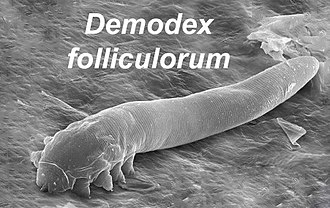
Are you grappling with persistent dryness, irritation, or discomfort in your eyes? If you are, you may be among the numerous individuals suffering from chronic dry eye conditions, potentially associated with Demodex mites. These tiny, eight-legged organisms are a natural component of the human skin microbiome, particularly around the eyes and eyelids. However, when their population exceeds normal levels, it can lead to inflammation, intensifying symptoms of dry eye syndrome and causing significant discomfort. Understanding this connection is crucial for identifying effective solutions and treatments.
If you have been experiencing ongoing unexplained dry eye problems, it’s imperative to explore whether Demodex mites may be a contributing factor to your discomfort. In this comprehensive guide, we will help you identify the signs of a Demodex infestation, clarify the intricate relationship between these mites and dry eye disease, and present effective treatment strategies to manage their population and alleviate your symptoms, ultimately improving your quality of life.
Recognizing the Distinct Symptoms of Demodex Blepharitis
Individuals affected by Demodex Blepharitis or an excessive population of these mites frequently experience a range of specific symptoms. Common signs include:
- Burning, stinging, or gritty sensations in the eyes, particularly noticeable towards the end of the day.
- Unexplained excessive tearing or watery eyes that are not caused by allergies.
- Red, inflamed eyelids, along with irritation of the skin surrounding the eyes.
- Crusty, dandruff-like buildup along the lashes and lid margins, often manifesting as collarettes.
- Extreme sensitivity to light, making it feel as if your eyes are constantly squinting.
- Episodes of blurred vision that fluctuate throughout the day.
Many people endure these dry eye symptoms for extended periods without realizing that a Demodex mite infestation might be a significant underlying cause. Recognizing these symptoms is a crucial first step toward addressing the root issue effectively, allowing for timely intervention and treatment.

Exploring How Demodex Mites Lead to Dry Eye Symptoms
Have you ever wondered how these minuscule creatures can cause such distressing dry eye symptoms? Demodex mites thrive on the oils and skin cells present on the skin, particularly residing within the hair follicles of your eyelashes. As they feed, they produce waste products, lay eggs, and leave behind the remains of deceased mites, which accumulate along the eyelid margins. This buildup creates a thick layer of debris and a bacterial biofilm, which can obstruct the delicate oil glands essential for maintaining eye health.
When these oil glands fail to release an adequate amount of oils, it can lead to the rapid development of dry patches on the eye surface. This oily tear film is crucial for preventing the quick evaporation of the watery tears that keep our eyes moist and comfortable. Consequently, the inflammation caused by this blockage can worsen eye irritation, redness, and the uncomfortable gritty sensation that is often associated with dry eye conditions. Understanding this process can help in identifying effective treatment options.
Mastering the Life Cycle of Demodex Mites for Effective Treatment
Grasping the life cycle of Demodex mites is essential for crafting effective treatment strategies. These mites progress through several distinct stages: egg, larva, nymph, and adult, over a life cycle that lasts approximately 14 to 21 days. They are most active during the night, when they leave their hair follicles to mate and lay new eggs on the skin’s surface.
This nocturnal behavior suggests that the optimal time to apply Demodex treatments is during the evening, just before bedtime. By targeting the mites when they are most active, you can significantly enhance the effectiveness of your treatment. However, their rapid reproductive capabilities mean that any surviving mites can quickly repopulate, making continuous treatment essential over several weeks or even months to achieve lasting results. This understanding emphasizes the need for a diligent approach to treatment.
Effective Strategies for Managing Demodex-Related Dry Eye Issues
If your optometrist confirms a high count of Demodex mites through eyelash sampling or microscopic examination, they may recommend a variety of treatment options to combat the infestation:
1. Harnessing Tea Tree Oil Eyelid Wipes and Scrubs for Targeted Relief
Products infused with tea tree oil are known for their potent antimicrobial and antiparasitic properties, making them highly effective in eradicating mites. These formulations can effectively eliminate surface mites, break down collarettes produced by these pests, and draw out hidden mites, making them more susceptible to treatment.
While tea tree oil is effective against mites, it may cause stinging upon application and can be cytotoxic to healthy cells, potentially worsening symptoms for some individuals. Regularly using tea tree oil eyelid wipes or scrubs before bedtime can gradually diminish the mite population. A notable example of a powerful tea tree oil treatment is OcuSoft Oust Foam, which has shown exceptional effectiveness in managing blepharitis primarily caused by Demodex mites.
2. Utilizing Gentle Hypochlorous Acid Lid Hygiene Sprays for Safe Application
Hypochlorous acid is a naturally occurring substance produced by our immune system, functioning as an effective antimicrobial agent. It is gentle on the eyes, does not cause stinging, and is safe for our cells.
Disinfecting lid sprays and cleansing foams that contain hypochlorous acid not only eliminate mites but also help reduce inflammation and provide relief from symptoms. Applying these solutions to the lash lines before bed can effectively eradicate mites and their debris. Many of these products have a distinct smell reminiscent of chlorinated pools. Popular hypochlorous acid-based solutions include Ocusoft Hypochlor Spray and Avenova.
Among these options, Ocusoft Hypochlor Foam is often recommended due to its superior value and extended shelf life after opening, making it a practical choice for ongoing management of symptoms.
3. Exploring the Benefits of Manuka Honey Solutions for Enhanced Eye Care
Recent studies suggest that Manuka Honey solutions may be as effective as 50% tea tree oil against Demodex, although further research is necessary in this area. While it may cause a mild sting upon application, Manuka Honey is generally less irritating than tea tree oil and demonstrates excellent efficacy against various forms of blepharitis. It is non-cytotoxic and less likely to provoke inflammation in the eyelids.
Many patients report that any initial sting is well worth the relief they experience afterward. Manuka Honey solutions are available in gel form (such as Optimel Forte, which is more effective but may sting more) and as drops (like Optimel Drops, which are easier to apply and sting less), offering options to suit different preferences.
-
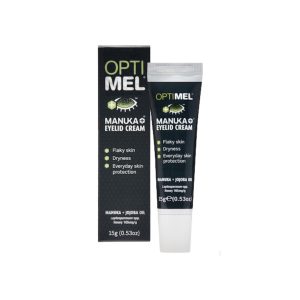 Optimel Manuka + Eyelid Cream 15gms$29.95
 -
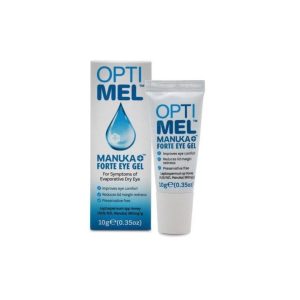 Optimel Manuka Forte Gel 10g$24.95
 -
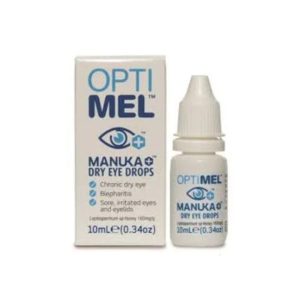 Optimel Dry Eye Drops 10ml$24.95
4. Addressing Severe Demodex Infestations with Oral Anti-Parasitics
In cases where Demodex overpopulation is severe and persistent, healthcare professionals may prescribe oral antiparasitic medications. Formulations such as Ivermectin in pill form have shown effectiveness in managing these infestations. Additionally, weekly doses of oral tea tree oil supplements taken over several months can help maintain mite levels in check, providing longer-lasting relief from symptoms.
5. Exploring Professional Treatments for Advanced Demodex Management
Some eye clinics offer intensive in-office treatments specifically tailored for Demodex management, utilizing specialized products such as Oust Demodex Cleanser Swabstix or a handheld electric brush known as BlephEx.
The Oust Demodex Cleanser Swabstix provides targeted treatment options that can effectively assist in alleviating the impact of these troublesome mites, ensuring a more comfortable eye health experience.
The Article: Demodex Mites Linked to Chronic Dry Eye Issues first appeared on https://writebuff.com.
The Article Demodex Mites and Their Connection to Chronic Dry Eye Was Found On https://limitsofstrategy.com