Day: December 27, 2024

  • Beaches in Rio de Janeiro: Surf, Swim, and Unwind

    Beaches in Rio de Janeiro: Surf, Swim, and Unwind

    Visitors seeking the ultimate beach getaway will discover that Rio de Janeiro’s coastline offers an extraordinary fusion of breathtaking natural scenery and vibrant cultural experiences. Spanning over 90 kilometers of picturesque beaches, each area presents its distinct charm and appeal. Whether you prefer the inviting swimming atmosphere at Copacabana or the thrilling surf breaks at Arpoador, you have an array of beach options that cater to various interests and activities. Whether your goal is to ride the waves, soak up the sun, or simply unwind, this detailed guide will help you find the ideal beach that matches your desires in Rio’s most secure and beautiful spots. Always exercise caution, as some beaches may have strong currents; be sure to check local conditions and swim in areas supervised by lifeguards.

    Uncover the Varied Beach Experiences of Rio de Janeiro

    Your beach experience in Rio can range from lively urban shorelines to peaceful hidden coves. Each beach offers its own unique atmosphere and facilities, from the renowned Copacabana to lesser-known gems like Prainha. By exploring this diverse selection of coastlines, you’ll quickly understand why Rio’s beaches are celebrated globally, providing something for every kind of traveler to enjoy.

    Beach Type Characteristics
    Urban Beaches Vibrant settings with comprehensive amenities
    Surfing Beaches Strong surf, less crowded
    Family Beaches Calm waters with family-friendly services
    Natural Beaches Untouched beauty, minimal facilities
    Hidden Coves Quiet escapes with serene environments

    Find the Top Beaches for Swimming Enthusiasts

    For those who relish swimming, Copacabana and Ipanema are perfect choices, even for novices. These popular beaches are consistently monitored by lifeguards, ensuring a safe swimming experience. The gentle inclines and moderate waves create ideal conditions for your aquatic pursuits. With water temperatures remaining comfortable year-round, averaging around 73°F (23°C), these beaches are attractive destinations for swimming enthusiasts seeking a refreshing dip.

    Explore the Best Surfing Spots for Surf Lovers

    Surfing enthusiasts will find their ideal locations at Arpoador and Prainha, both renowned for their consistent waves that typically reach heights of 3-8 feet. These beaches cater to a diverse range of surfing levels, from beginners to advanced surfers. Additionally, popular surf spots such as Barra da Tijuca offer excellent surfing conditions throughout the year. The winter months (June-August) are particularly prime, providing the clearest breaks during morning hours. Local surf schools are readily available for those interested in renting equipment and taking lessons, making surfing accessible to everyone.

    At these surf hotspots, you’ll also discover a community of fellow surfers and instructors eager to help you improve your skills or begin your surfing journey.

    Crucial Preparations for an Enjoyable Beach Experience

    Unlike other beach destinations, a visit to Rio’s beaches requires thoughtful planning to ensure a delightful experience. Be sure to pack essential items such as high-SPF sunscreen, plenty of hydrating water, and a beach umbrella for protection against the intense Brazilian sun. Bringing along a beach mat or comfortable chair can significantly enhance your relaxation. It’s also wise to carry cash for purchasing refreshments from local vendors, although most beaches offer chair and umbrella rentals. Keep in mind that prices can vary depending on the location and time of year, so plan your budget accordingly.

    Adhere to Safety Guidelines for a Secure Beach Day

    Even while enjoying the safest beaches in Rio, it’s essential to follow basic safety measures. Pay attention to color-coded flags that indicate swimming conditions, safeguarding your beach experience. Always secure your belongings and restrict swimming to designated areas to maximize your safety. Being vigilant and following lifeguard instructions will greatly enhance your time spent at the beach.

    Discover the Best Times to Enjoy Rio’s Beaches

    The optimal beach conditions are often found in the early mornings (7-10 AM) and late afternoons (4-6 PM), when temperatures are pleasant and crowds are less dense. The peak season runs from December to March, with temperatures rising to 40°C (104°F). To optimize your beach experience, it’s advisable to avoid the intense midday sun between 11 AM and 3 PM, when UV rays are at their strongest. The winter months (June-August) offer enjoyable temperatures around 25°C (77°F) with fewer visitors, making it an excellent time for a more relaxed beach outing. Expect larger crowds on weekends, particularly at Copacabana and Ipanema.

    Your Detailed Beach Selection Guide

    Even with Rio’s extensive coastline, selecting the perfect beach necessitates careful consideration of your personal preferences and requirements. Your ideal beach day is influenced by factors such as water conditions, crowd levels, and available amenities. Utilize this straightforward guide to assist in selecting the right beach for your visit:

    Essential Selection Criteria
    Water Conditions Calm, Moderate, Strong waves
    Crowd Level Quiet, Moderate, Busy
    Facilities Basic, Standard, Full-service

    Selecting Based on Your Desired Activities

    One of your primary considerations should focus on the activities you wish to pursue. For swimming, choose the calmer waters of Copacabana. If your interest lies in surfing, head to Arpoador or Prainha. For those seeking a sense of tranquility, the upscale atmosphere of Leblon, complete with comfortable beach chairs and attentive service, serves as an excellent choice.

    Consider Your Location for Maximum Convenience

    Being mindful of your location can significantly enhance your beach experience. Aim to stay within a 30-minute commute from your accommodation to optimize your beach time. Additionally, be aware of rush hours (8-10 AM and 4-6 PM) when traveling to popular beaches like Ipanema to avoid traffic congestion.

    Swimming conditions can vary significantly among beaches: Copacabana provides safe swimming zones, while Barra da Tijuca features 18 kilometers of swimming areas. Your safety relies on adhering to local guidelines and monitoring warning flags to stay informed about conditions.

    Important Considerations for Choosing the Right Beach

    Several factors influence your beach selection in Rio de Janeiro. Your decision should be guided by water quality, accessibility, available amenities, and safety measures. The beach’s proximity to your accommodation can greatly enhance or detract from your overall experience. Remember that each beach has unique characteristics tailored to various activities and personal preferences.

    Evaluating Environmental Conditions for a Better Experience

    A critical aspect to assess is the water quality and wave dynamics. Beaches exposed to the open ocean typically experience stronger waves, whereas sheltered bays provide a more tranquil swimming experience. Additionally, the wind direction can change throughout the day, affecting water conditions. The ideal time to enjoy the beach is generally between 8 AM and 11 AM, when the water clarity is usually at its best and winds are gentler.

    Understanding Crowd Patterns for a Pleasant Visit

    Crowd levels at Rio’s beaches vary significantly based on location and time. Expect to encounter peak crowds during the high season from December to March, especially on weekends. Popular beaches like Copacabana and Ipanema attract larger crowds, while smaller beaches like Praia Vermelha offer a more spacious experience.

    Another crucial consideration is the daily ebb and flow of beachgoers. Early mornings and weekdays typically present fewer visitors, while beaches in tourist-heavy areas remain busy throughout the year. Planning your beach visits during off-peak hours will contribute significantly to a more enjoyable experience.

    Analyzing the Advantages and Disadvantages of Popular Beaches

    When pinpointing your ideal beach in Rio, it’s essential to weigh both the benefits and drawbacks of each location. Every beach possesses unique features and limitations that can influence your overall experience.

    Overview of Beach Characteristics

    Pros Cons
    Convenient access to amenities High traffic during peak seasons
    Reliable public transportation options Potentially higher costs at beach vendors
    Professional lifeguard services Challenges with parking availability
    Diverse options for water sports Strong currents in certain areas
    Lively beach culture and atmosphere Increased noise levels during weekends

    Experience the Vibrant Atmosphere of Popular Beaches

    Immerse yourself in the lively ambiance at Copacabana and Ipanema, where you can truly capture the essence of Rio’s beach culture. These locations offer excellent facilities, including comfortable beach chairs, umbrellas, and a plethora of kiosks serving refreshing snacks and drinks.

    Unearth the Hidden Treasures of Rio’s Coastline

    For a more serene experience away from the bustling crowds, consider exploring beaches like Prainha and Joatinga. These secluded locations boast cleaner sands and a more tranquil atmosphere, perfect for a peaceful beach retreat.

    These hidden beaches provide access to untouched natural beauty and outstanding surfing conditions. While reaching these spots may require additional planning due to limited access compared to the main beaches, the benefits of fewer crowds and clearer waters are worth the effort. Anticipate a calm environment with minimal vendor interruptions during your time on the sand.

    Engage in Exciting Beach Activities and Amenities

    While not every beach in Rio offers the same level of amenities, most popular locations ensure access to crucial facilities. Your beach experience will typically include clean restrooms, outdoor showers, and designated sports areas at major beaches like Copacabana and Ipanema. Safety is prioritized with lifeguard stations located approximately every 1000 meters along the shore for your reassurance.

    Explore the Range of Services Available at the Beaches

    If you’re looking for refreshments or equipment rentals, you’ll find a plethora of beach vendors and kiosks offering chairs, umbrellas, and fresh coconuts. Many local vendors accept both cash and credit cards, simplifying your beach day experience. Affordable rentals for beach gear are abundant, especially along Copacabana and Ipanema, each featuring over 200 licensed kiosks.

    Diverse Recreational Opportunities for Beachgoers

    The variety of services available includes professional surf lessons and rentals for beach volleyball courts. You can participate in group activities such as beach soccer, footvolley, or invigorating morning exercise classes. Water sports equipment rentals can also be found at designated spots along the shore.

    For instance, you might join a lively game of beach volleyball at one of the numerous permanent nets along Copacabana, take surfing lessons at Arpoador with certified instructors, or engage in local beach soccer matches organized daily. The milder temperatures in the early morning and late afternoon create perfect conditions for all sporting activities.

    Common Questions About Rio’s Beaches Answered

    Q: Which beach in Rio is best suited for families looking to swim?

    A: For families, Copacabana Beach stands out with its excellent swimming conditions. The beach features calm waters in the morning, with lifeguard stations positioned every 1000 meters and clear swimming zones indicated by flags. Shallow areas near Posto 2 and 3 are particularly safe for children, and the expansive shoreline makes accessing the water straightforward.

    Q: What are the top beaches in Rio for surfing?

    A: Arpoador Beach consistently offers waves that are ideal for beginners and intermediate surfers. Prainha Beach caters to advanced surfers with its stronger waves, especially in the morning. Barra da Tijuca Beach features long stretches with diverse wave patterns, accommodating surfers of all skill levels. Each beach is home to local surf schools and board rental shops.

    Q: Which beaches in Rio are perfect for relaxation and peace?

    A: Praia Vermelha provides a tranquil setting characterized by its red sand and breathtaking mountain views, making it a great spot for leisurely sunbathing. Joatinga Beach, with its limited access and fewer visitors, offers a serene environment. Additionally, the far end of Leblon Beach, near Vidigal, presents a quieter atmosphere compared to its busier center, complete with clean sand and good facilities.

    The Article: Top beaches in Rio de Janeiro for swimming, surfing, and relaxation appeared first on https://rentacar24.org/

    The Article Beaches in Rio de Janeiro: Swim, Surf, and Relax Was Found On https://limitsofstrategy.com
  • Tips for the Perfect Fit When Buying Shoes for Uneven Feet

    Tips for the Perfect Fit When Buying Shoes for Uneven Feet

    Shopping for shoes can be an intricate process, especially when dealing with feet of varying sizes—a challenge that impacts over 60% of the population. In your quest for comfortable footwear, it’s essential to focus on the fit and sizing to prevent potential foot problems. Wearing shoes that do not fit properly can lead to numerous issues such as bunions, blisters, and persistent foot pain. To discover the ideal fit, it’s crucial to measure both feet individually, always buy based on the larger foot size, and look for brands that offer split-sizing options. Seeking professional shoe fitting services can provide precise measurements and recommendations for footwear that encourages foot health and comfort.

    Accurate Foot Measurement Techniques for Perfect Shoe Fit

    Accurate foot measurement is a critical initial step towards finding shoes that fit comfortably and properly. Over time, factors such as weight changes, aging, or pregnancy can cause your feet to change size, making it essential to measure regularly for optimal foot health. Given that around 60% of the population experiences differing foot sizes, obtaining precise measurements for each foot is crucial when making informed shoe purchases to ensure a proper fit.

    The Importance of Professional Measurements for Optimal Fit

    When you undergo a professional shoe fitting, you can expect to receive exact measurements utilizing specialized tools, such as the Brannock Device. This process involves standing while your foot length, width, and arch length are measured accurately, ensuring the best possible fit. Additionally, professional fitters are trained to identify unique foot characteristics that could affect your shoe choice, enabling you to make informed decisions that prioritize comfort and overall foot health.

    Simple At-Home Techniques for Accurate Foot Measurement

    Conducting basic foot measurements at home can be both reliable and convenient. All you need are a piece of paper, a pen, and a measuring tape. It’s vital to take these measurements while standing, as this position allows your feet to spread naturally under your body weight, leading to more accurate results for the fitting process.

    For effective at-home measurement, place your foot on a piece of paper and trace its outline while wearing your usual socks. Be sure to measure both the length and width of each foot separately. For length, measure from the heel to the longest toe, and for width, measure across the widest part of your foot. Always remember to use the measurements from your larger foot when purchasing single-sized pairs, as this ensures a better fit overall.

    Addressing Common Footwear Challenges for Uneven Feet

    Having different sized feet is a common issue faced by 60% of the population, yet it complicates the search for the right footwear. The comfort of your feet and your overall foot health are highly dependent on wearing properly fitted shoes for both feet. This widespread condition requires extra attention during shoe shopping, as improperly fitted footwear can significantly affect your walking pattern and overall posture.

    Recognizing Physical Discomfort Caused by Poorly Fitting Shoes

    Wearing ill-fitting shoes on a regular basis can result in serious foot issues. If your larger foot is crammed into tight shoes, it may experience increased pressure and develop blisters, while your smaller foot might slide around in loose footwear. These complications can lead to bunions, corns, and chronic foot pain if they are not addressed promptly and effectively.

    Navigating Shopping Challenges for Feet of Different Sizes

    The traditional retail practice of selling identical-sized pairs presents significant challenges for individuals with differently sized feet. Many stores do not offer split-size options, making it challenging to find the right fit without incurring additional costs. Consequently, you may feel pressured to select a size that fits only one foot adequately, often compromising comfort and support.

    Moreover, the lack of availability of split-size options and restricted access to specialized footwear services can further hinder your search for the right shoes. It’s important to identify retailers that provide size-matching programs or consider custom shoe options. Additionally, online shopping can be problematic since you cannot try shoes on before purchasing, making it essential to understand return policies to avoid any frustration.

    Strategic Approaches for Successful Shoe Shopping

    Finding shoes that accommodate feet of different sizes clearly requires a systematic approach. Focus on ensuring flexibility in sizing and comfort testing options during your shopping journey. Your strategy should encompass both in-store and online methods to enhance your chances of discovering the ideal fit for your specific needs.

    Maximizing Retail Store Visits for Optimal Shoe Fit

    Visiting a retail store allows you to benefit from direct fitting opportunities. It’s vital to try on both shoes, prioritizing the fit of the larger foot first. Consider shopping during off-peak hours to receive dedicated assistance from staff, which can significantly enhance your fitting experience and make the process more efficient.

    Important Considerations for Online Shoe Shopping

    When engaging in online shopping, understanding return policies is crucial for a successful experience. Here are some essential factors to keep in mind:

    • Size charts may vary across different brands
    • Customer reviews provide insights regarding fit accuracy
    • Free return options can facilitate hassle-free exchanges
    • Availability of split-size options is beneficial for uneven feet

    Recognizing the variations in size between different brands can empower you to make more informed choices during your shopping experience.

    Furthermore, utilizing additional resources about online shoe shopping can significantly improve your success rate:

    • Digital foot scanning tools enhance measurement accuracy
    • Virtual try-on features aid in visualizing fit
    • Size comparison tools across brands ensure better selection
    • Width options that are available can provide additional comfort

    Being aware of these details can save you both time and money while searching for the perfect fit for your unique foot structure.

    Exploring Shoe Modifications for Enhanced Comfort

    For individuals with varying foot sizes, shoe modifications can offer effective solutions to achieve a comfortable fit. You can modify your footwear through professional services or DIY methods to accommodate size differences of up to one full size. Custom modifications are advantageous for preventing foot problems and enhancing your overall comfort while walking.

    What to Expect from Professional Shoe Adjustments

    In addition to basic stretching, professional shoe repair shops provide specific adjustments catered to each shoe. You can request modifications such as padding additions, sole adjustments, or heel alterations tailored to your needs. These services usually range from $15-$50 per shoe, making them a cost-effective alternative to purchasing two separate pairs of shoes.

    Implementing DIY Methods for Enhanced Fit

    Beyond seeking professional help, there are several home solutions you can employ. Using heel grips, insoles, or toe fillers can help adjust the fit of your larger shoe to enhance comfort. These products are affordable and readily available at most drugstores, typically costing less than $10.

    For optimal results with DIY modifications, test new inserts while wearing thin socks initially. Gradually increase the padding layers until you achieve the perfect fit. However, be cautious not to apply adhesive products directly on leather, as they may damage the material. Regularly assessing your modifications will help minimize discomfort and ensure your feet receive the necessary support.

    Choosing the Right Shoe Brands for Optimal Comfort

    Selecting the appropriate shoe brand is essential for maintaining foot health. Focus your search on manufacturers that provide split-size options or flexible return policies. Renowned athletic brands like Nike and New Balance offer extensive size ranges and width variations, making them ideal choices for individuals with different-sized feet.

    Highly Recommended Manufacturers for Diverse Foot Sizes

    To make an informed decision, consider brands such as Nike, New Balance, and Brooks. These manufacturers offer a wide variety of sizes and various width options. Some brands even include online measurement tools to help you determine your exact sizes. With evidence showing that 60% of individuals have differing foot sizes, these brands have adapted their offerings to meet this significant demand.

    Exploring Custom Shoe Options for Ideal Fit

    Every shoe purchase can be tailored through specialized services. Certain retailers allow you to order different sizes for each foot, although these services may incur additional costs. Some online platforms now utilize 3D scanning technology to ensure a perfect fit for both feet, allowing for personalized comfort and support.

    Understanding the availability of custom shoe options gives you greater control over your footwear choices. These services typically include detailed foot measurements, personalized fitting sessions, and the flexibility to mix different sizes in a single order. While these customized solutions may be 20-30% more expensive than standard shoes, they provide superior comfort and can help prevent potential foot issues in the future.

    Implementing Care and Maintenance for Long-Lasting Footwear

    To ensure the longevity of your shoes designed for different-sized feet, establishing a consistent care routine is imperative. Regular cleaning, conditioning, and proper rotation between pairs will help maintain their shape and supportive qualities. Your shoes deserve special attention to accommodate size differences while preserving their structural integrity over time.

    Optimal Storage Solutions for Effective Shoe Care

    Maintaining your differently sized shoes requires specific storage techniques. Store them in a cool, dry area using shoe trees that fit each foot appropriately. This practice helps retain their shape and prevents degradation of the material over time.

    Essential Tips to Extend the Lifespan of Your Shoes

    After investing in shoes for uneven foot sizes, adhere to these vital care guidelines:

    • Utilize separate shoe trees for each foot
    • Apply leather conditioner on a regular basis
    • Rotate your shoes every 24-48 hours
    • Clean using appropriate materials to avoid damage

    By following these steps diligently, your shoes will maintain their fit and comfort for a longer duration of time.

    Understanding proper shoe care can significantly influence their longevity. Here are more tips to consider:

    • Monitor wear patterns on each shoe
    • Address repairs promptly to prevent further damage
    • Utilize protective sprays for added weather resistance
    • Keep original insoles in excellent condition to maintain comfort

    By implementing these practices, you can expect your shoes to last 20-30% longer compared to standard care methods, ensuring continued comfort and support.

    Essential Strategies for Finding the Right Shoe Fit

    In summary, there are several strategies you can employ to identify shoes that fit well when your feet are of different sizes. Start by measuring both feet at home and noting any length or width discrepancies. When shopping, always select shoes that accommodate your larger foot and consider using inserts or padding for the smaller one. Explore specialty stores that provide split-size options or adjustable features. Prioritize your comfort by thoroughly trying on shoes before making a purchase. By implementing these steps, you will ensure that you find shoes that effectively support your feet and provide the necessary comfort for your daily activities.

    Frequently Asked Questions About Shoe Fitting

    Q: What is the best way to measure my feet accurately when they differ in size?

    A: To measure accurately, place a piece of paper on the floor and trace each foot separately while wearing socks. Measure from heel to the longest toe for length and across the widest part for width for each foot. Record these measurements and consult a shoe sizing chart to find the best fit for each foot. Use these measurements as a guide when shopping to ensure proper fit.

    Q: What are the best shopping options for people with uneven foot sizes?

    A: Choose shoes based on the size of your larger foot and consider using padding or inserts for the smaller foot. Some shoe stores offer split-size programs that allow you to buy mismatched sizes as a pair. Online retailers such as Zappos and Nordstrom may also provide this service. Additionally, consider adjustable shoes that feature straps or laces for more customization in fit.

    Q: What health issues can arise from wearing improper-sized shoes when feet are different sizes?

    A: Wearing incorrectly sized shoes can lead to bunions, foot pain, and blisters. Tight shoes on the larger foot may cause toe deformities and create pressure points, while loose shoes on the smaller foot can lead to friction and instability while walking. It is essential to wear properly fitting shoes for each foot size to prevent these issues and support good posture.

    The Article Tips for buying shoes when your feet are different sizes finding the perfect fit appeared first on My Shoes Finder

    The Article Buying Shoes with Different Sized Feet: Tips for the Perfect Fit Was Found On https://limitsofstrategy.com

  • Belize Summer Travel Guide: Top Destinations to Explore

    Belize Summer Travel Guide: Top Destinations to Explore

    Belize transforms into a vibrant paradise during the summer months, offering an unforgettable Caribbean adventure. Your journey starts with pristine beaches, ancient Maya ruins, and the world’s second-largest barrier reef. The summer season ushers in perfect weather for exploring the country’s diverse attractions, ranging from the crystal-clear waters of Ambergris Caye to the lush rainforests of Cayo District. This time of year showcases a unique mix of cultural festivals, outdoor activities, and breathtaking natural wonders, making it the ideal period for a visit. Schedule your trip between June and August to enjoy the best weather conditions while encountering fewer tourists, ensuring a more authentic and peaceful experience.

    Explore Amazing Summer Destinations Across Belize

    Belize boasts a diverse selection of summer destinations that promise unique experiences, from stunning coastal paradises to intriguing ancient ruins. The country offers various main categories of destinations, ensuring every traveler finds their perfect getaway. Whether you are seeking relaxation on the beach, cultural immersion in local traditions, or thrilling adventures in nature, Belize has it all. Each destination is meticulously curated to provide unforgettable memories for every type of traveler.

    Destination Type Key Features
    Coastal Areas Beaches, water sports, seafood festivals
    Cultural Sites Maya ruins, local villages, museums
    Festival Venues Music events, food celebrations, cultural shows
    Nature Reserves Wildlife sanctuaries, hiking trails, caves
    Adventure Spots Zip-lining, cave tubing, snorkeling

    Adventure Awaits: Discover Belize’s Stunning Coastal Getaways

    Embark on an adventure to explore the pristine beaches that line Belize’s Caribbean coastline. Popular destinations such as Ambergris Caye and Placencia Peninsula are renowned for their vibrant water activities and lively seafood festivals. These coastal areas not only provide beautiful scenery but also a plethora of options for diving, snorkeling, and indulging in delicious local cuisine. Engage with the friendly locals and immerse yourself in the laid-back island lifestyle, making unforgettable memories along the sun-kissed shores. The warm waters and vibrant coral reefs create an ideal setting for both relaxation and adventure.

    Delve into History: Explore Belize’s Rich Inland Cultural Sites

    Inland Belize is a treasure trove of Maya temples and archaeological wonders that present rich historical experiences for visitors. Sites like Xunantunich and Caracol offer a deep dive into the ancient Maya civilization, allowing you to connect with the past while surrounded by breathtaking landscapes. The network of well-preserved ruins provides an extraordinary opportunity to step back in time, unveiling ancient plazas, temples, and artifacts that narrate captivating stories of the Maya people. Experience the profound historical significance and cultural richness that these sites embody. Wandering through these archaeological wonders, you’ll appreciate the intricate designs and historical context, making your visit both educational and inspiring.

    Join the Fun: Celebrate at Belize’s Vibrant Festival Locations

    Summer in Belize is synonymous with vibrant festivals that celebrate the rich cultural tapestry of the nation. Engaging in events like the Lobsterfest in San Pedro and the Mango Festival in Hopkins provides a delightful opportunity to experience local culture and cuisine in a festive atmosphere. These gatherings transform into lively spaces filled with local music, traditional dance, and authentic Belizean food, offering an immersive experience that connects you to the heart of Belizean culture. At these festivals, you’ll be surrounded by joyous celebrations, delicious flavors, and the warm hospitality of the Belizean people, creating unforgettable memories as you engage with fellow festival-goers and share in the excitement of the summer festivities.

    Immerse Yourself in Nature’s Wonders at Belize’s Nature Reserves

    Belize’s nature reserves, such as Cockscomb Basin and Mountain Pine Ridge, offer breathtaking natural sanctuaries that showcase the country’s rich biodiversity. Here, you can observe diverse wildlife and explore lush tropical forests during the summer months. The reserves are equipped with safe hiking trails and guided tours, allowing you to immerse yourself in the beauty of unique ecosystems and rare species in their natural habitats. These natural experiences provide tranquil surroundings and a chance to witness the diverse flora and fauna that Belize is known for. Whether you are hiking, birdwatching, or simply enjoying the serenity of nature, the reserves provide an escape into the wild that rejuvenates the spirit.

    Participate in Exciting Summer Events and Festivals Across Belize

    During the summer months, some of Belize’s most exciting summer celebrations take place between June and July. These events allow you to delve into Belize’s rich cultural heritage, savor local delicacies, and participate in vibrant festivities across the country. From lively beachside parties to enriching cultural showcases, these events present a perfect opportunity to immerse yourself in the unique Belizean culture while creating lasting memories with friends and family.

    Indulge in the San Pedro Lobster Festival’s Culinary Delights

    Lobster enthusiasts gather for this two-week celebration on Ambergris Caye, where you can indulge in specially prepared lobster dishes at local restaurants, join beach parties, and witness unique cooking demonstrations. The festival attracts over 5,000 visitors annually, making it one of Belize’s most cherished summer events. Enjoy live music, engage with local chefs, and create lasting memories with fellow food lovers as the aroma of seafood fills the air, making it a culinary adventure you won’t want to miss.

    Experience the Belize International Music and Food Festival

    Belize’s premier summer event combines international music performances with a rich array of local and global cuisines. Attending the festival at Saca Chispas Field in San Pedro allows you to enjoy top-notch performances while sampling diverse food offerings. From traditional Belizean dishes to international cuisine and innovative fusion creations, the festival promises to delight your taste buds while providing an unforgettable backdrop of live entertainment under the Caribbean sky. Experience culinary delights and vibrant performances, creating a festive atmosphere that celebrates the cultural diversity of Belize, making it a highlight of your summer trip.

    Celebrate Mango Season at the Hopkins Mango Street Fest

    For mango aficionados, this festival is a dream come true, celebrating the peak mango season with an array of unique treats and activities. Participate in mango-eating contests, savor mango-inspired dishes, and enjoy local music performances that bring the community together. The festival also features cooking competitions, cultural displays, and local craft exhibitions, allowing you to experience authentic Garifuna culture while indulging in delicious mango treats. These festive activities create a joyful atmosphere where you can connect with locals and other visitors, all while celebrating the sweetness of mango season and the vibrant spirit of Belize.

    Immerse Yourself in Tradition at the Benque Fiesta

    Food, music, and tradition blend seamlessly at this cultural celebration in western Belize. By attending the Benque Fiesta, you can immerse yourself in authentic Mestizo culture through a variety of traditional dances, local cuisine, and religious ceremonies. The festival features traditional marimba music, vibrant dance performances, and numerous local food vendors, creating an immersive cultural experience that connects you to the heart of Belize. Witness the grandeur of the parade, partake in traditional games, and enjoy spectacular fireworks displays throughout this three-day celebration, leaving you with cherished memories of the lively atmosphere and cultural richness.

    Essential Travel Tips for a Memorable Summer in Belize

    When planning your summer trip to Belize, it’s crucial to consider several vital aspects that can significantly impact your overall experience. Be sure to pack light, breathable clothing and carry high SPF sunscreen to protect yourself from the tropical sun. Additionally, obtaining travel insurance that covers outdoor activities and medical emergencies is wise. Familiarizing yourself with local customs and bringing along mosquito repellent will further enhance your travel experience, ensuring you are well-prepared for the adventures that await.

    Weather Insights for Your Belize Trip

    If you’re visiting Belize during the summer, be prepared for temperatures ranging from 75-85°F with occasional afternoon showers that can provide relief from the heat. It’s advisable to plan your daily activities for the morning hours when temperatures are cooler and more comfortable. Humidity levels can reach up to 85%, so staying hydrated and protecting your skin from the sun is essential for a comfortable experience, allowing you to enjoy all that Belize has to offer without discomfort.

    Transportation Tips for Convenient Travel

    When considering travel within Belize, explore water taxis for convenient island hopping, local buses for budget-friendly travel, and domestic flights for quick transfers between destinations. Your choice of transportation will significantly impact both your budget and time management. It’s also important to book shuttle services in advance during peak summer festivals to ensure availability and avoid any travel hiccups during your trip.

    Renting cars from major providers in Belize City is another option, but using local buses can offer an authentic travel experience at a cost of $2-5 per hour. The combination of various transportation modes can enhance your overall travel experience while allowing you to interact with locals and gain insights into everyday life in Belize.

    Accommodation Options to Suit Every Budget

    When it comes to lodging, some of your best options include beachfront resorts, eco-lodges, and boutique hotels. It’s advisable to book your accommodations 2-3 months in advance for summer festival dates, with prices typically ranging from $50-300 per night. The accommodation landscape in Belize caters to a variety of budgets, from luxury resorts that offer full amenities and stunning ocean views to family-run guesthouses that provide a taste of authentic Belizean hospitality. To ensure comfort during summer festivals, it’s wise to choose accommodations near event venues, enhancing your convenience and enjoyment.

    To ensure comfort during summer festivals, it’s wise to choose accommodations near event venues. Consider these essential tips:

    • Book accommodations early for festival dates
    • Confirm the availability of air conditioning
    • Check the distance to main attractions
    • Verify cancellation policies

    Your Comprehensive Planning Guide for an Unforgettable Trip

    Unlike random travel planning, crafting your Belize summer trip requires a clear structure. Here’s your comprehensive guide to ensure a smooth and enjoyable vacation in this Caribbean paradise that is rich in culture, adventure, and natural beauty.

    Planning Element|Key ActionsAccommodation|Book hotels in advance, especially for festival datesTransportation|Reserve flights and local transport optionsFestival Schedule|Check exact dates and ticket availabilitySafety Measures|Get travel insurance and necessary vaccinations

    Timing Your Visit for Optimal Enjoyment

    Many travelers may not realize that June to August presents perfect weather conditions for exploring Belize. Expect temperatures between 75-85°F with occasional afternoon showers that provide a refreshing break from the heat. This time frame not only enhances your experience but also allows you to participate in various summer festivals and events.

    Strategic Booking for a Stress-Free Experience

    It’s advisable to visit your preferred travel platforms at least 3-4 months prior to your intended travel dates. Since summer festivals attract numerous visitors, early booking is essential for securing the best rates and availability. Coordinating your bookings with festival dates is crucial, especially for popular celebrations like the San Pedro Lobster Festival and the Belize International Music and Food Festival (BIMFF), ensuring you don’t miss out on the excitement.

    Planning Local Transportation for Seamless Travel

    Now that you’ve secured your main bookings, it’s time to focus on local transportation. Water taxis, rental cars, and domestic flights will be your primary transportation options as you navigate between destinations. Your transportation planning should include backup options for festival days, ensuring you can seamlessly move between events. Book water taxis in advance for island festivities, and consider sharing services with other travelers to help reduce costs. Local buses offer an affordable alternative for mainland destinations, allowing you to experience the local culture during your travels.

    Key Factors to Consider When Selecting Your Destinations

    Each of your destination choices in Belize should align with your travel preferences and seasonal conditions. Your selection process must consider weather patterns, local events, and accessibility during the summer months. Remember that every destination presents unique experiences based on its location and cultural importance, making it essential to choose wisely for the best experience.

    Understanding Seasonal Weather Patterns

    Summer weather patterns in Belize typically feature temperatures between 75-85°F and occasional afternoon showers. Expect higher humidity levels near coastal areas, while inland locations offer more moderate conditions. When visiting coastal regions, be mindful of brief tropical showers that usually clear quickly, allowing you to continue enjoying your adventures. This knowledge will help you pack appropriately and plan your activities accordingly.

    Assessing Tourist Crowd Levels for a Relaxed Experience

    Tourist patterns indicate that summer months in Belize see lower crowd levels compared to the peak winter season. This allows for a more relaxed experience at popular attractions, along with better deals on accommodations. Crowd distribution can vary significantly across different locations; expect fewer tourists at inland attractions, while coastal areas maintain steady visitor numbers due to summer festivals. Your experience at major sites will be more enjoyable with shorter wait times and less congestion, allowing you to fully enjoy the beauty and culture of Belize.

    Budgeting Considerations for Your Summer Adventure

    Budgeting for your summer trip should take into account lower accommodation rates that typically occur during this off-peak season. Expect to save 20-30% on hotel prices and discover special summer packages at many resorts. Be mindful of transportation costs between destinations and activity pricing, as your daily expenses may range from $100-300 depending on chosen activities and accommodation levels. The summer low season offers better value with reduced rates and increased negotiating power, making your trip even more enjoyable.

    Evaluating the Pros and Cons of Summer Travel in Belize

    For travelers planning a summer visit to Belize, understanding the seasonal benefits and challenges will enable you to make informed decisions regarding your trip. The summer months present unique opportunities for cultural immersion and reduced travel costs, alongside specific weather considerations that should be factored into your plans. Being aware of both the perks and potential drawbacks can help you prepare for an enriching experience.

    Summer Travel in Belize: Quick Overview

    Pros Cons
    Lower accommodation rates (30-40% off) Higher humidity levels
    Fewer tourists Occasional rain showers
    Cultural festivals and events Some tour limitations
    Fresh tropical fruits in season Higher temperatures (85-90°F)
    Better availability for bookings Possible tropical storms

    Benefits of Visiting Belize During the Summer Months

    One of the most appealing aspects of visiting Belize in the summer is the significant cost savings available. Finding better deals on accommodations and activities is common, with prices often 30-40% lower than during peak season. Smaller crowds provide the opportunity to explore popular sites like the Hol Chan Marine Reserve with more personal space and dedicated attention from guides, enhancing your overall experience and making it easier to connect with the stunning surroundings.

    Challenges to Expect with Summer Travel

    Some challenges associated with summer travel include coping with frequent afternoon showers and higher humidity levels, which may disrupt outdoor activities, particularly in June and July when rainfall is more prevalent. Additionally, be aware of the possibility of tropical storms, as the hurricane season spans from June to November, with August and September being the most active months. It’s wise to stay updated on weather forecasts and maintain flexible travel plans during this period, allowing you to adapt your itinerary as needed.

    Designing Your Unforgettable Summer Adventure in Belize

    Your summer adventure in Belize promises a thrilling mix of festivals and breathtaking destinations that will create unforgettable memories. You can explore the vibrant Made in Belize Expo in Belmopan, savor fresh lobster at the San Pedro Festival, dance at BIMFF 3.0, or indulge in sweet mangoes at the Hopkins Street Fest. Visiting Belize during the summer grants you access to authentic cultural experiences, delicious local cuisine, and stunning coastal views, ensuring your Belizean summer vacation is truly remarkable and filled with joy.

    Answers to Your Most Common Questions About Summer Travel in Belize

    Q: What are the top beach destinations to explore in Belize during summer?

    A: The top beach destinations in Belize during summer include Placencia Village, Hopkins Village, and San Pedro Town on Ambergris Caye. These locations boast stunning beaches, exciting water activities, and special summer events like the San Pedro Lobster Festival in July and the Hopkins Mango Street Fest. With perfect water temperatures, visitors can enjoy swimming, snorkeling, diving, and boat tours, creating an idyllic summer getaway.

    Q: Which cultural festivals can I attend in Belize during the summer months?

    A: Belize hosts several cultural festivals throughout the summer. The Benque Fiesta celebrates the patron saint with local food and music. Another Beautiful Day in San Antonio showcases Yucatec Maya culture through traditional food and performances. Additionally, the Belize International Music and Food Festival (BIMFF) features musical performances and diverse culinary offerings in late July, making it a must-see event for culture enthusiasts.

    Q: What are the best food-focused events to experience in Belize during the summer?

    A: Summer in Belize offers a variety of food festivals. The San Pedro Lobster Festival runs from July 1-12, featuring special lobster dishes and lively parties. The Hopkins Mango Street Fest celebrates mango season with an array of fruit-themed foods and beverages. The Placencia Lobster Festival combines beach activities with fresh seafood offerings. These events highlight local ingredients and showcase Belizean cooking styles, creating a culinary adventure for food lovers.

    The Article Top Destinations to Visit in Belize During The Summer appeared first on Belize Travel Guide

    The Article Belize Summer Travel: Must-Visit Destinations Was Found On https://limitsofstrategy.com

  • Pipe Relining vs. Replacing: Which is the Better Choice?

    Pipe Relining vs. Replacing: Which is the Better Choice?

    When you notice your home’s plumbing system showing signs of distress, homeowners are often faced with a critical decision: should they choose pipe relining or pipe replacement? Both methods effectively tackle plumbing issues, but they employ different processes and techniques tailored to the specific level of damage encountered in your plumbing system. Making an informed choice requires understanding the nuances of each option.

    Pipe relining is a cutting-edge solution that repairs pipes from within. This innovative technique utilizes a specialized lining that adheres to the inner walls of existing pipes, effectively sealing any cracks or holes present. Since this method requires minimal excavation, homeowners benefit from significantly reduced mess and disruption during the repair process.
    In particular, pipe relining is an excellent choice for pipes exhibiting minor damage, as it can dramatically extend their lifespan by many years, making it a sustainable option that supports long-term plumbing health.

    On the other hand, pipe replacement represents a more conventional approach to plumbing repairs. This method involves the complete removal of old, damaged pipes, followed by the installation of new plumbing materials.
    This approach is typically reserved for plumbing systems that are severely damaged or outdated. Ultimately, the decision between these two methods will depend on various factors, including the condition of your pipes, their specific location, and your overall budget considerations, making it vital to assess your plumbing needs carefully.

    Pipe Relining1

    Explore Key Differences in Plumbing Solutions: Comprehensive Guide on Pipe Relining vs. Pipe Replacement

    When exploring plumbing solutions, it’s essential to grasp the differences between pipe relining and pipe replacement. Each method has its unique advantages and disadvantages, which must be carefully weighed before making a well-informed decision. Understanding these distinctions can help you choose the right solution that aligns with your home’s specific plumbing requirements and ensures long-lasting performance.

    Uncover the Detailed Process of Pipe Relining for Effective Plumbing Repair

    The pipe relining procedure involves a meticulous repair of existing pipes from the inside out. A flexible lining, coated with high-quality resin, is introduced into the old pipe structure. Once positioned, this lining hardens to form a new, robust pipe within the original one.
    This method is particularly advantageous for pipes that show minor cracks or leaks and is renowned for its efficiency and cleanliness, significantly minimizing any disruptions during the repair process. By choosing this option, homeowners can enjoy a less invasive repair that retains the integrity of their property.

    Moreover, pipe relining can often be more cost-effective than traditional pipe replacement, especially in hard-to-reach areas where excavation poses challenges. The newly installed lining can provide a lifespan of up to 50 years, granting homeowners long-term peace of mind regarding their plumbing systems. This longevity not only saves money in potential future repairs but also enhances your home’s plumbing reliability.

    Call 1300 793 962

    Get a Quote

    Gain In-Depth Insights into the Pipe Replacement Process for Comprehensive Understanding

    Pipe replacement involves thoroughly removing old and damaged pipes, followed by the installation of new plumbing materials. This process typically requires a significant amount of labor, often involving extensive excavation work that can disrupt your property.

    This method is usually necessary for pipes that are severely damaged, collapsing, or showing significant wear and tear. While replacement guarantees the installation of new, reliable pipes, it can also lead to considerable disruptions in your yard, driveway, or home environment. Understanding the implications of this choice is crucial for homeowners looking to maintain their property’s aesthetics and functionality.

    Generally, pipe replacement takes longer and incurs higher costs compared to relining.
    However, in situations of extreme damage, replacing the pipes may be the only viable solution to ensure a functioning plumbing system. Homeowners must weigh the urgency of repairs against the potential inconveniences associated with pipe replacement.

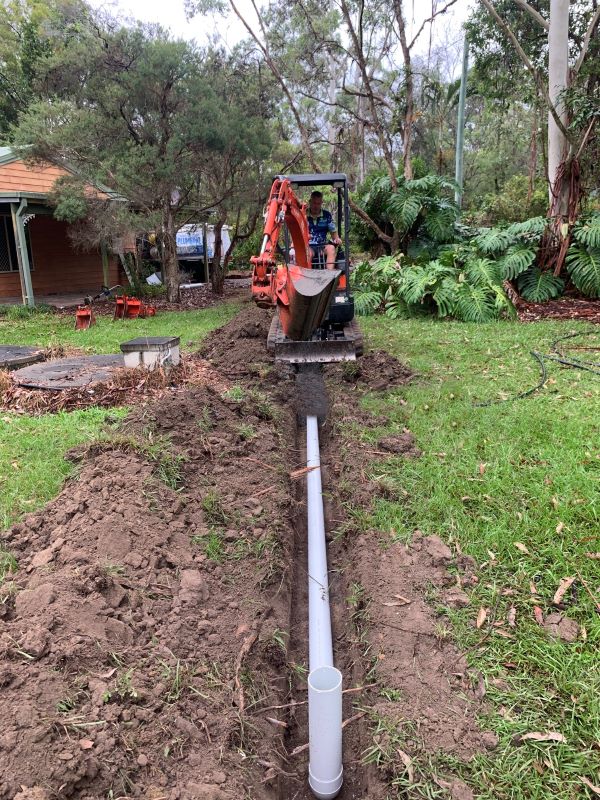
    Storm Water Drains Machine Digup

    Assess the Pros and Cons: A Comprehensive Analysis of Pipe Relining Versus Pipe Replacement

    When contemplating either of these plumbing solutions, it’s crucial to ensure that the plumber you select is skilled in both pipe relining and pipe replacement techniques.
    Many plumbing professionals may not perform relining services in-house and might subcontract this work to specialized companies. Creek to Coast Plumbing distinguishes itself as a provider with expertise in both fields and has the necessary equipment readily available for the job, ensuring that you receive a seamless service experience.

    For pipe replacement, certain plumbing companies may lack the proper machinery essential for extensive digging. Fortunately, Creek to Coast Plumbing has invested in state-of-the-art excavation equipment that allows them to complete the project efficiently without the need for additional hires, ensuring a streamlined process that minimizes delays and disturbances.

    Evaluating Durability: Understanding the Longevity and Maintenance of Pipes

    One of the significant advantages of relined pipes is their impressive lifespan, which can exceed 50 years when constructed with advanced materials like epoxy resin, capable of resisting corrosion and deterioration. Unlike traditional metal pipes, relined pipes do not rust or accumulate harmful mineral deposits, making them a smart choice for long-term plumbing health.
    Conversely, newly installed pipes—especially those made from PVC—also offer remarkable durability, often lasting between 50 to 100 years, contingent upon the material quality and the precision of the installation process. This longevity is crucial for homeowners seeking reliable plumbing solutions.

    Both pipe relining and pipe replacement can provide reliable long-term solutions for plumbing issues, but the choice that best suits your needs will heavily depend on the specific circumstances surrounding your plumbing system. Evaluating these options in the context of your home’s plumbing condition is essential for making an informed decision.

    Pipe relining is particularly advantageous for:

    • Pipes exhibiting minor cracks or leaks that can be effectively sealed, preserving the integrity of the plumbing system.
    • Pipes located in hard-to-reach areas, such as beneath concrete or paved surfaces where excavation could cause significant issues, ensuring minimal disturbance.
    • Older homes with delicate structures that may be compromised by extensive digging and disruption, protecting your property’s foundation.

    Conversely, pipe replacement is most suitable for:

    • Pipes that are severely damaged or have collapsed, necessitating a complete overhaul to restore functionality.
    • Pipes that are inadequate for your current plumbing needs, requiring upgrades to meet modern standards and improve efficiency.
    • Outdated materials, such as terracotta or clay pipes, that need to be replaced with contemporary options that better serve today’s plumbing demands.

    Maximizing Time Efficiency and Convenience in Plumbing Solutions for Homeowners

    When it comes to the speed of installation, pipe relining typically stands out as the quicker option, often completed within one to two days. This method minimizes disruption, allowing homeowners to continue utilizing their water systems with minimal inconvenience. The rapid turnaround is a significant advantage for busy households.

    In contrast, pipe replacement can extend over several days to weeks due to the extensive excavation, removal of old pipes, and installation of new plumbing systems. This process can significantly disrupt your yard, driveway, or home environment, leading to potential inconveniences that homeowners must consider.

    Additionally, relining generates substantially less mess, as it eliminates the need for digging up landscaping or demolishing walls. This significantly reduces the cleanup and repair work required afterward, making it a more appealing option for many homeowners seeking to avoid extensive post-repair restoration.

    While replacement gives you the opportunity to upgrade your plumbing system by increasing pipe size or altering layout, it inevitably comes with more hassle and longer periods of downtime for your household, which can be a critical factor in your decision-making process.

    Plumbers Caboolture8

    Selecting the Most Suitable Plumbing Solution for Your Unique Needs and Circumstances

    There are specific scenarios where pipe relining is clearly the preferred solution, particularly for pipes located in inaccessible areas such as:

    • Pipes beneath swimming pools, where excavation could compromise the integrity of the structure and lead to costly repairs.
    • Pipes situated under driveways, helping to avoid costly concrete removal and repairs while maintaining property aesthetics.
    • Pipes located beneath retaining walls or concrete slabs that would require substantial demolition for access, protecting your landscape.
    • Pipes running through extensive landscaped areas, minimizing disruption to your garden and outdoor spaces, which are often a homeowner’s pride.
    • Pipes that are positioned under your home, preventing the need to disturb flooring and living spaces, enhancing comfort and convenience.

    However, when pipe relining is not a feasible option, Creek to Coast Plumbing is prepared to assist with expert pipe replacement.
    Our skilled team utilizes advanced excavation technology, ensuring that the process is efficient and minimizes disruption while providing a cost-effective solution tailored to your specific plumbing needs. This dual capability ensures that homeowners have access to the best solutions available.

    Discover Why Creek to Coast Plumbing Is Your Trusted Partner in Comprehensive Plumbing Solutions

    At Creek to Coast Plumbing, we provide a comprehensive range of pipe repair services, encompassing both relining and replacement. Our offerings include:

    • Versatility: Whether you require relining or replacement, we deliver the most effective solution tailored to your unique plumbing situation, ensuring satisfaction.
    • State-of-the-art equipment: We utilize cutting-edge technology, from trenchless methods to robust excavation machinery, ensuring we can handle any plumbing job efficiently and effectively.
    • Cost efficiency: Our pricing is transparent and competitive, delivering exceptional value for your investment in plumbing services.
    • Professional expertise: Our experienced team assesses your plumbing needs and recommends the most effective and practical approach for your specific situation, ensuring optimal results.

    Streamline Your Plumbing Solutions with Creek to Coast Plumbing for Optimal Results and Satisfaction

    When plumbing issues arise, you deserve a dedicated team capable of managing every aspect of your repair needs.
    Whether pipe relining is the optimal choice or if excavation and replacement are necessary, Creek to Coast Plumbing is your reliable partner.
    Contact us today to discuss your plumbing needs and allow our team to deliver a tailored solution that suits your home and fits your budget effectively, ensuring peace of mind and quality service.

    Call 1300 793 962

    Get a Quote

    The Article: Pipe Relining or Pipe Replacing: Which is Best? first appeared on https://writebuff.com

    The Article Pipe Relining vs. Pipe Replacing: Which Option Wins? Was Found On https://limitsofstrategy.com

  • Tips for Stylish Shoes to Make Feet Look Smaller

    Tips for Stylish Shoes to Make Feet Look Smaller

    You no longer need to feel self-conscious about the size of your feet. By making intelligent shoe choices, you can visually minimize the appearance of your feet without compromising on style or comfort. The right footwear can dramatically alter how your feet are perceived, and we have gathered the most effective strategies to help you achieve this desired look. From selecting the ideal heel height to choosing specific shoe silhouettes, you’ll discover practical and actionable tips that will elevate your appearance. The right pair of shoes can reduce the visual impact of your foot size by as much as 30%, allowing you to feel fashionable and confident in your everyday activities.

    Exploring the Relationship Between Shoe Size and Self-Confidence

    The relationship between shoe size and self-esteem plays a significant role in the lives of many individuals. Research shows that 75% of women experience self-consciousness about their foot size, which can heavily influence their shoe selections and overall confidence. Understanding that foot size is a natural variation among people empowers you to make informed choices that not only fit well but also enhance your self-image and boost your confidence.

    Historical Evolution of Foot Size Perceptions

    In the early 20th century, the average shoe size for women was approximately 3.5-4 UK (US 5.5-6). Interestingly, your current foot size may have been considered completely normal by today’s standards, as the average shoe size has increased by two full sizes since the 1970s. This shift reflects advancements in nutrition and an increase in average height among the population, illustrating how societal norms surrounding foot size have evolved over the years.

    Fashion Icons: How Celebrity Foot Sizes Influence Style

    Historical evidence shows that many celebrated individuals had larger-than-average feet. Icons such as Audrey Hepburn (US 10.5) and Uma Thurman (US 11) demonstrate that foot size does not limit success or style. Your foot size can resonate with some of fashion’s most admired figures, proving that confidence and style are not dictated by shoe size.

    Celebrity trends have significantly contributed to normalizing various foot sizes in the fashion world. You can draw inspiration from contemporary celebrities who confidently flaunt their larger shoe sizes, including Kate Winslet and Michelle Obama, who exemplify positive body image and self-acceptance.

    A person seated on a black chair showcases stylish shoes with thick soles, creating an illusion that their feet appear smaller in the minimalist setting.

    Essential Design Features to Visually Decrease Foot Size

    You can effectively create the illusion of smaller feet through thoughtful design choices. A well-considered combination of shape, color, and proportion can generate an optical effect that minimizes foot size. Your footwear should highlight balanced design elements to reduce the visible length and width of your feet, creating a more flattering appearance that enhances your overall look.

    Identifying the Best Toe Shapes and Shoe Styles

    The shape of your shoes significantly impacts how your feet are perceived. Round-toe shoes can effectively shorten the perceived length of your feet compared to more pointed styles. Choose footwear with a moderate toe box that does not extend excessively beyond your actual toes. Avoid overly squared or elongated toe shapes as they can unintentionally elongate the appearance of your feet, detracting from a more balanced silhouette.

    Understanding Heel Heights and Their Visual Effects

    The proportions of your footwear are essential in shaping how your feet appear. A heel height of 2-3 inches typically offers the most flattering proportions for your feet. Opt for heels that complement your foot length, as very flat shoes can give the illusion of longer feet. Selecting the right heel height can reduce the visual size of your feet by as much as 15%, enhancing your overall aesthetic.

    Moreover, the width of your heel is equally significant as its height. Medium-width heels provide the best visual harmony. Consider slightly chunkier heels that maintain proportion without adding excessive bulk. Steer clear of excessively thin stilettos or overly thick platforms, as these can inadvertently make your feet appear larger than they truly are.

    Color Selection Strategies to Reduce Foot Size Visibility

    If you aim to visually minimize the appearance of your foot size, the colors you choose for your footwear can make a substantial difference. Thoughtful color selections can diminish the apparent size of your feet by up to 30%. By using color strategically, you can divert attention from foot length, ensuring your footwear remains both stylish and sophisticated.

    A diverse group of stylish footwear is displayed, including black heels, loafers, and white sneakers, showcasing a variety of trendy designs against a sunlit backdrop.

    Benefits of Selecting Dark Shoe Colors

    To create the illusion of smaller feet, dark colors like black, navy, and dark brown are your optimal choices. Dark hues absorb light, contributing to a slimming effect that makes your feet appear more compact. By favoring darker shades over lighter options, you can effectively reduce the visual size of your feet by up to 15%, enhancing your overall style.

    Implementing Color Blocking Techniques for Optical Illusion

    When searching for footwear that minimizes size, consider using color-blocking techniques as powerful visual strategies. By thoughtfully placing contrasting colors—darker shades on the sides and lighter tones on top—you can generate an optical illusion that enhances the appearance of smaller, more proportionate feet.

    To maximize this effect, combine color blocking with intentional design elements. Position darker colors at the heel and toe while employing lighter shades in the shoe’s center. This technique creates a visual break that can reduce the apparent length of your foot by up to 20%. Pair these shoes with matching dark socks to amplify the slimming effect.

    Strategic Style Choices to Alter Foot Appearance

    Every decision regarding your footwear can greatly influence the way your feet appear. By selecting the right design elements, you can effectively reduce the visual size of your feet by as much as 30%. Your shoe choices should prioritize creating balanced proportions while ensuring comfort and style remain at the forefront.

    Influence of Opening Designs on Foot Visuals

    Carefully positioned openings and ankle straps can significantly impact how your feet look. Avoid wide-open styles that reveal too much of your feet. Instead, opt for shoes that cover at least 60% of the top of your foot, as this can create a more compact visual outline that enhances the appearance of smaller feet.

    Choosing Materials That Enhance the Visual Appeal of Feet

    To achieve a sleeker, visually smaller appearance for your feet, select materials that foster a streamlined silhouette. Soft leather and suede are excellent choices that can effectively minimize the visual impact of your feet, while patent leather should be avoided as it may create a larger appearance. The right materials can reduce the visual size of your feet by up to 15%.

    The texture and finish of the materials you choose directly affect how light interacts with your shoes. Matte finishes and textured materials create shadows that can help minimize foot size, while glossy materials tend to draw attention and may make feet look larger. Ideal options include brushed leather, microfiber, and textured fabrics that absorb light rather than reflect it.

    Seasonal Footwear Tips for Achieving Size Minimization

    When considering seasonal footwear trends, your shoe selections should adapt to the weather while still maintaining a foot-minimizing effect. Research shows that 65% of women prefer seasonally appropriate footwear that aids in the illusion of smaller feet. Your seasonal choices can greatly influence both comfort and aesthetic appeal.

    Summer Footwear Solutions for a Smaller Appearance

    To minimize the look of your feet in the summer, choose nude-colored sandals with minimal strapping. Opt for wedges with a 2-3 inch heel, as they create a vertical line that visually reduces foot length by up to 15%. Your summer footwear should also include closed-toe espadrilles and slingbacks in neutral tones for a chic and sophisticated look.

    Winter Footwear Strategies for Flattering Foot Shapes

    In winter, select boots that emphasize dark colors and sleek designs. Ankle boots with a slight heel are particularly recommended, as studies indicate they can make your feet appear up to one size smaller. Choose boots with minimal decorative elements and clean lines for the most effective visual impact.

    Thus, your winter footwear strategy should prioritize boots with vertical stitching and minimal hardware. Avoid bulky designs and excessive buckles, as these can add visual weight to your feet. Opt for slightly pointed-toe boots to create a lengthening effect while maintaining a slim profile. Dark suede materials can significantly diminish visual bulk by up to 20% compared to shiny leather options.

    A stylish display of various women's shoes on a white shelf includes chic black patent leather heels, beige ankle boots, and two pairs of red heeled boots. These fashionable choices not only create the illusion of smaller feet but also provide trendy options for fashion enthusiasts.

    Practical Shopping Tips for Footwear That Minimizes Size

    Despite common misconceptions, discovering shoes that make your feet appear smaller involves thoughtful shopping techniques. Your success relies on understanding accurate measurement practices, timing your shopping trips for the afternoon when feet are naturally more swollen, and visiting stores that offer a wide range of sizes.

    Essential Size Considerations for a Perfect Fit

    One of the most critical aspects of your quest for flattering footwear is obtaining an accurate measurement of your feet. Your foot size can fluctuate by up to half a size throughout the day, and studies indicate that 60% of people wear the wrong shoe size. Always measure both feet, as one is often larger than the other, ensuring you achieve the best fit possible.

    Key Fit Elements for Comfort and Aesthetic Appeal

    Achieving the perfect fit involves more than just basic size metrics. Ensure your shoes provide sufficient toe space (approximately 3/8 inch), adequate arch support, and heel grip to prevent slipping. Shoes that are too tight can lead to serious foot problems and may create the illusion of larger feet.

    Additionally, pay attention to the width of your shoes. Proper width fitting is essential for both comfort and visual appeal. Your toes should have room to spread comfortably, and the shoes should not pinch or create pressure points. A well-fitted shoe will create a streamlined appearance, giving the illusion that your feet are more proportionate to your body.

    Empowering Techniques for Achieving Smaller-Looking Feet

    With the right shoe choices, you now possess the tools to make your feet appear smaller. Your footwear selections can greatly influence how your feet are perceived visually. Utilize dark colors, round toes, and smaller openings to effectively minimize the appearance of your feet. Opt for high heels with chunkier designs and shoes that feature minimal straps to achieve the desired effect. These insightful strategies will assist you in choosing shoes that not only fit comfortably but also enhance your confidence regarding your foot size. Begin implementing these recommendations today to refresh your shoe collection and boost your self-assurance.

    Common Queries Related to Footwear Selection

    Which shoe styles effectively minimize foot size while ensuring comfort?

    Round-toe shoes with small openings are excellent picks for creating the illusion of smaller feet. Choose footwear with chunky heels at moderate heights (2-3 inches) instead of flat styles. Dark-colored shoes, particularly black or navy, also contribute to a size-reducing effect. These options provide both comfort and visual size reduction without compromising daily wearability.

    What shoe features should be avoided to achieve a smaller foot appearance?

    Avoid pointy-toe shoes, as they add length to your feet. Stay clear of strappy sandals and shoes with wide openings that reveal too much of your feet. Bright colors and bold patterns should also be avoided, as they draw attention to foot size. Additionally, minimize the use of flat shoes, which can create the illusion of longer feet.

    How can I choose the right shoe size while making my feet look smaller?

    Select shoes that fit well—neither too tight nor too loose. Look for styles with small toe openings and sufficient arch support. Shoes featuring vertical detailing or buckles positioned near the ankle can visually break up foot length. Opt for dark-colored shoes with minimal decorative elements to create a streamlined appearance that reduces the perceived size of your feet.

    The Article Stylish shoes to make your feet look smaller tips and recommendations appeared first on My Shoes Finder

    The Article Stylish Shoes Tips to Make Your Feet Look Smaller Was Found On https://limitsofstrategy.com

  • Car Rental Costs vs. Leasing: Which Option is Better?

    Car Rental Costs vs. Leasing: Which Option is Better?

    When evaluating your vehicle options, understanding the differences between leasing and long-term car rental is essential for making a decision that aligns with your financial goals. Each choice has unique benefits, and recognizing these can empower you to make the most informed financial choice for your particular situation. Long-term rentals are characterized by increased flexibility and less financial commitment, while leasing typically involves longer contracts that can lead to lower monthly payments. Your decision will depend on various factors, including your budget, how long you need the vehicle, and your anticipated driving frequency. This thorough guide will delve into the financial aspects, benefits, and limitations of both options, helping you find the vehicle solution that best fits your lifestyle and needs.

    Unlock the Benefits of Long-Term Car Rentals for Your Needs

    If you’re seeking an extended vehicle solution, long-term car rental could be your best bet, providing a flexible and cost-effective approach to mobility. Rentals can last from one month to several years, potentially resulting in up to 25% savings compared to traditional short-term rental rates. This option usually incorporates vital services such as maintenance, insurance, and roadside assistance, making it a compelling alternative to conventional vehicle ownership for many individuals. As you consider your options, long-term rentals may offer the convenience and peace of mind that traditional ownership cannot.

    Understanding the Mechanics of Long-Term Car Rentals

    A long-term car rental is classified as any rental period exceeding 28 days, and it operates similarly to standard car rentals but comes with added benefits like maintenance coverage and flexible contract terms. To get started, you’ll typically need to present your driver’s license, a credit card, and proof of insurance. Most rental companies provide a streamlined process through online booking platforms, allowing for straightforward reservations and easy modifications to your rental agreement, thus enhancing your overall experience.

    Deciphering the Cost Structure and Flexibility of Long-Term Rentals

    The pricing for long-term rentals can vary widely based on factors like the type of vehicle and the rental duration. Generally, monthly rates begin around $800 for economy cars, with luxury models commanding higher fees. The pricing framework is designed to deliver substantial discounts ranging from 15-30% compared to daily rates, making long-term rentals a financially prudent option for extended vehicle requirements. Additionally, these agreements are customizable, allowing you to adjust your monthly rate according to your specific needs, including options for unlimited mileage packages or mileage-limited agreements with added charges for extra miles.

    Flexibility is a hallmark of long-term rental agreements, with most providers offering options to amend or terminate your rental with little notice, typically within a week, thereby providing you with the adaptability to meet your changing circumstances.

    Thorough Financial Comparison of Vehicle Rental and Leasing Options

    Understanding the financial implications of long-term car rental versus leasing is critical to making educated decisions. Monthly costs for rentals usually range from $300 to $800, while leasing averages between $450 and $1000. One of the primary advantages of rental agreements is their flexible nature; they often entail shorter commitment periods and do not require hefty upfront down payments, appealing to various users who seek financial ease.

    Breaking Down the Costs: Rentals vs. Leases

    During your rental experience, it’s essential to account for various cost elements. The standard monthly payment typically includes insurance, maintenance, and roadside assistance, which can accumulate to an annual cost of $4,800 to $9,600 for long-term rentals. In contrast, leasing expenses can fluctuate, averaging between $4,400 to $7,000 annually when factoring in down payments and other related costs.

    Revealing Hidden Costs and Opportunities for Savings

    As you examine the differences between long-term rentals and leasing, various hidden costs and potential savings will come into focus. Long-term rentals can help you avoid depreciation losses and unexpected maintenance costs. Rental agreements typically include comprehensive insurance coverage, whereas leasing often requires additional insurance policies, which can add $100-200 monthly to your overall financial outlay.

    Data suggests that choosing a long-term rental could result in annual savings of 15-25% compared to leasing, thanks to included maintenance services that help you avoid unexpected repair expenses. Furthermore, the ability to change vehicles without long-term obligations enhances your financial flexibility. However, it’s crucial to stay vigilant about mileage allowances, as exceeding these limits can result in additional fees.

    Comparative Analysis of Leasing Against Long-Term Rental Choices

    Understanding the differences between leasing and long-term rental options is vital in your vehicle selection process. Leasing typically locks you into a fixed contract lasting between 24 to 36 months, complete with strict mileage limits and maintenance responsibilities. In contrast, long-term rentals offer greater flexibility with month-to-month agreements, allowing you to change vehicles or end your contract with shorter notice periods, which might be more suitable for varying needs.

    Pros and Cons: A Clear Comparison of Leasing Versus Long-Term Rentals

    When considering the advantages of leasing versus long-term rentals, a clear picture emerges:

    Leasing Advantages Long-Term Rental Advantages
    Lower monthly payments Flexible rental duration
    Option to purchase the vehicle No long-term commitment required
    Comprehensive warranty coverage Maintenance services included

    Assessing the Risks Associated with Leasing and Rentals

    When evaluating the risks, it is crucial to understand the potential penalties tied to leasing. Early termination can incur significant fees, and exceeding mileage limits may lead to additional charges ranging from $0.15 to $0.30 per mile. In contrast, long-term rentals generally pose fewer financial risks, although they may come with higher monthly costs.

    The financial exposure varies considerably between these two choices. Leasing frequently requires larger down payments and longer commitment periods, while long-term rentals provide enhanced protection through included insurance and the option to return vehicles with minimal penalties, making them a more secure choice for those who prioritize flexibility and adaptability.

    Navigating the Landscape of Long-Term Rental Services

    The market for long-term rental services is vast, with major car rental companies offering options that come with varied benefits and pricing structures. These services can range from monthly to yearly contracts, complete with flexible terms and mileage allowances. Your ultimate decision will hinge on several factors, including your financial capacity, the type of vehicle you prefer, and how long you require the rental for.

    Leading Rental Companies in the Long-Term Market

    Major players like Enterprise, Hertz, and Sixt dominate the long-term rental industry. Each company provides unique advantages: Enterprise often offers monthly rates that can be as much as 60% lower than daily rates, Hertz features appealing loyalty rewards, and Sixt specializes in high-end vehicles. You can expect competitive pricing and service options from these companies, making them strong contenders in the long-term rental space.

    Decoding Pricing Tiers and Services in Long-Term Rentals

    A key characteristic of long-term rentals is the tiered pricing system, allowing you to choose from various vehicle classes, from economy to luxury. Generally, rental rates decrease with longer rental durations. Most agreements include essential services such as basic insurance, maintenance, and roadside assistance, further enhancing the appeal of long-term rentals.

    Thorough analyses demonstrate that long-term rentals can save you 20-30% compared to short-term rental rates. Monthly expenses usually cover insurance, maintenance, and often unlimited mileage options. Each pricing tier offers a variety of features: economy cars typically start around $600 per month, mid-range vehicles hover around $800, and luxury options generally begin at $1,200 monthly, appealing to a wide range of consumers.

    Practical Factors to Consider for Your Vehicle Rental Decision

    When choosing between long-term rentals and leasing, it’s crucial to evaluate several practical elements that may impact your decision. Long-term rentals offer greater flexibility in vehicle selection and shorter commitment periods, while leasing usually entails a more fixed duration of 24 to 36 months. Assessing your budget alongside your lifestyle preferences and the level of responsibility you wish to assume for vehicle maintenance is essential for making an informed choice.

    Insurance and Maintenance Responsibilities Explained

    In addition to standard rental rates, maintenance and insurance costs are typically included in your monthly rental fee. This is a significant difference compared to leasing arrangements, where you often have to secure your own insurance policies and adhere to maintenance schedules. Generally, rental agreements cover routine maintenance and unexpected repairs, shielding you from unforeseen financial challenges.

    Evaluating Mileage and Usage Limitations

    Restrictions on mileage can vary considerably between rental companies and leasing contracts. Long-term rentals frequently offer more generous mileage allowances, with limits typically ranging from 1,000 to 3,000 miles per month. Conversely, lease agreements usually restrict drivers to 12,000-15,000 miles annually.

    Monitoring your mileage limits is crucial for maintaining budgetary control. Exceeding the set mileage in a lease may incur penalties ranging from $0.15 to $0.25 per mile. On the other hand, long-term rentals often allow you to adjust your mileage package monthly, providing greater alignment with your changing needs. It’s vital to accurately project your anticipated monthly mileage to avoid incurring excess charges.

    Addressing Unique Circumstances in Your Vehicle Rental Choices

    Certain situations may require different approaches when deciding between long-term car rental and leasing. Considerations such as business needs, driving patterns, and financial goals can heavily influence your decision. Rental periods can extend from 1 to 24 months, with average monthly costs typically 20-30% lower than traditional short-term rates.

    Key Considerations for Ride-Share Drivers

    For those engaged in ride-sharing, long-term rentals present specific considerations that must be evaluated. Understanding whether your rental agreement allows for commercial use and being aware of the mileage restrictions is crucial. Many rental companies have developed tailored programs for ride-share drivers, often providing unlimited mileage and maintenance coverage to meet their unique requirements.

    Exploring Business Use Cases and Their Benefits

    In contrast to standard leasing agreements, long-term rentals can provide notable tax advantages for business users. You may often deduct the entire cost of the rental as a business expense, whereas lease payments generally permit only the deduction of the interest portion. Additionally, long-term rentals allow for flexible vehicle rotation options, accommodating the dynamic needs of business operations.

    Specialized rental programs for businesses might include fleet management services, dedicated account management, and customized billing cycles, enhancing your capacity to maintain a professional image while securing cost-effective transportation solutions for your business endeavors. On average, the savings associated with long-term rentals compared to traditional leasing can reach 15-25% annually.

    Answers to Common Queries About Vehicle Rental Options

    What are the primary cost differences between long-term car rental and leasing?

    The costs related to long-term car rentals generally encompass a monthly fee that includes insurance, maintenance, and repairs. The typical monthly rental price falls between $500 and $1000, influenced by your chosen vehicle model. Leasing often requires a down payment between $2000 and $4000, with monthly payments ranging from $300 to $600, in addition to extra liabilities for insurance and maintenance. Rentals tend to provide more flexibility, as they do not bind you to a long-term contract, while leasing typically requires a commitment of 2-3 years with mileage limits.

    How do insurance and maintenance costs differ between renting and leasing?

    Long-term car rentals commonly incorporate comprehensive insurance and maintenance within the monthly fee, allowing renters to sidestep additional charges for routine servicing, repairs, or tire replacements. In contrast, leasing agreements require drivers to obtain their own insurance, which can cost approximately $100-200 monthly, and they bear the burden of scheduled maintenance that might range from $50-100 per month. Lease contracts could also impose fees for excess wear and tear at the lease’s conclusion, adding to overall costs.

    What mileage restrictions and fees apply to long-term rentals versus leasing?

    Long-term rental agreements often feature higher mileage allowances, typically between 2000-3000 miles per month, with additional miles priced at $0.10 to $0.25 each. Leasing contracts generally limit drivers to 12,000-15,000 miles annually, with excess mileage fees ranging from $0.15 to $0.30 per mile. Furthermore, terminating a lease early can incur penalties amounting to several thousand dollars, while rental contracts can typically be concluded with a 30-day notice with minimal to no fees.

    The Article: Long-term car rental costs and comparison with leasing which option is better appeared first on https://rentacar24.org/

    The Article Long-term Car Rental Costs vs. Leasing: Which is Best? Was Found On https://limitsofstrategy.com