Day: January 17, 2025

  • Leather Soles vs Rubber Soles: Essential Differences Explained

    Leather Soles vs Rubber Soles: Essential Differences Explained

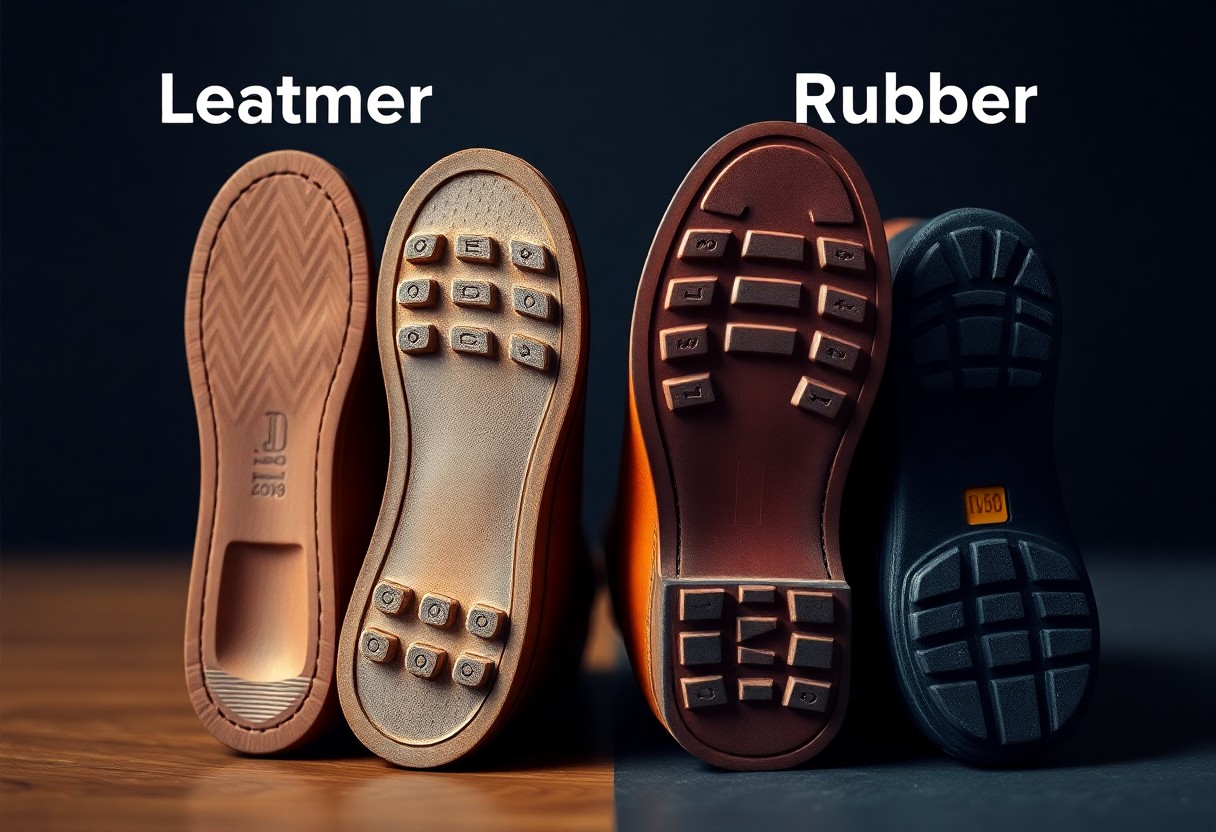
    When selecting new footwear, buyers often face the important decision between leather and rubber soles. This choice can significantly affect your comfort and enhance your overall walking experience. Leather soles offer exceptional breathability and they mold to the unique contours of your feet, providing a custom fit. In contrast, rubber soles are recognized for their outstanding grip and water resistance. While leather soles excel in formal settings and gain character over time, rubber soles deliver immediate comfort and superior traction, particularly in wet environments. This comprehensive guide will delve into the essential distinctions between these materials, empowering you to choose the perfect sole option tailored to your lifestyle and needs.

    Discovering the Distinct Features of Footwear Sole Materials

    To make informed footwear decisions, it’s vital to understand the various sole materials available. Each type possesses unique advantages and disadvantages that can greatly impact your comfort, the longevity of your shoes, and your overall satisfaction with your footwear. The choice between leather and rubber soles will not only affect your walking experience but also play a role in your foot health and the maintenance required to keep your shoes in optimal condition.

    Unveiling the Advantages of Leather Soles

    For centuries, leather has been celebrated as the traditional material for high-quality footwear. Shoes with leather soles are crafted from natural materials that gradually adapt to the shape of your feet, ensuring a personalized fit that enhances comfort over time. This material promotes airflow, allowing your feet to breathe and adjust to varying temperatures. With proper care, leather soles can last between 3 to 5 years with regular use, making them a worthwhile investment for those who value longevity and quality.

    Exploring the Key Benefits of Rubber Soles

    Rubber soles are renowned for their outstanding water resistance and immediate flexibility. Shoes equipped with rubber soles provide excellent grip on slippery surfaces and deliver instant shock absorption, ensuring comfort from the moment you wear them. This material retains its shape and performance across diverse weather conditions, making rubber soles an ideal choice for everyday wear and active lifestyles.

    Rubber soles promise consistent performance even in challenging environments. Typically, you can expect a durability range of 2 to 3 years from high-quality rubber soles, which require minimal maintenance. While rubber soles offer reliable traction and stability—especially in wet or slippery conditions—they tend to provide less breathability than leather, making them more suitable for certain applications.

    Examining Comfort Factors Associated with Sole Materials

    Understanding how various sole materials influence your daily walking experience is critical for making the best choice. The selection between leather and rubber soles can dramatically impact your foot health and overall comfort. The ideal sole material should align with your walking patterns, foot structure, and daily activities to ensure a satisfying fit that meets your unique requirements.

    Comfort Features of Leather Soles

    The comfort associated with leather soles arises from their remarkable ability to naturally conform to your feet and their inherent breathability. This leads to several distinct benefits, including:

    • Custom contouring that perfectly adapts to your foot shape
    • Natural air circulation that keeps your feet dry and comfortable
    • Cork layer cushioning that enhances overall comfort
    • Progressive softening as the shoes age and mold to your feet

    By recognizing these features, you can make an informed decision that prioritizes long-term comfort and promotes foot health throughout your daily activities.

    Instant Comfort Provided by Rubber Soles

    Rubber soles excel in various weather conditions, offering immediate comfort and remarkable shock-absorbing qualities. You will experience instant flexibility with minimal break-in time, making rubber soles ideal for those who need shoes that are ready to wear right away.

    The innovative technology behind rubber soles ensures superior grip and water resistance. While they do not conform to your feet in the same way leather does, rubber soles consistently provide exceptional shock absorption and maintain their shape, offering protection against hard impacts. This makes rubber soles particularly suitable for extensive urban walking, enhancing your comfort in busy environments.

    Comparing Durability Across Sole Materials

    When choosing between leather and rubber soles, it is essential to consider their different wear patterns and overall durability. Your walking habits and the local climate can significantly influence the lifespan of your soles. Both materials have unique strengths in terms of durability, but their effectiveness can vary greatly depending on how they are utilized and cared for over time.

    Exceptional Durability of Leather Soles

    With the right care and maintenance, leather soles can provide superb durability. When shielded from excessive moisture and equipped with protective toe taps, leather-soled shoes can last anywhere from 3 to 5 years with regular use. The quality of leather can be enhanced with multiple layers; for instance, a triple leather sole can outperform many alternatives. However, it’s essential to keep them dry and properly cared for to ensure their longevity and performance.

    Robust Durability of Rubber Soles

    Rubber soles are recognized for their excellent resistance to water and everyday wear. Your rubber-soled shoes can endure challenging conditions and typically last between 2 to 4 years with regular use. These soles excel on wet surfaces and require far less maintenance compared to their leather counterparts.

    However, it’s important to note that the durability of rubber soles depends on the quality and thickness of the rubber used. High-quality rubber compounds can last up to 8 years with appropriate care, while lower-quality options may wear out within a few months. Ultimately, your walking style and frequency of use will determine the actual lifespan of rubber soles.

    Assessing Performance in Varied Weather Conditions

    To make an informed choice regarding your footwear, understanding how different soles perform in various weather conditions is crucial. Your decision between leather and rubber soles can significantly affect your comfort and safety in diverse climates. Each material has its unique benefits and limitations that influence their performance in wet, dry, or icy conditions.

    Leather Soles and Weather Performance

    Contrary to popular belief, leather soles may not be the best choice for wet conditions. Water exposure can damage leather soles, making them slippery and less effective. Leather performs optimally in dry weather, where it provides excellent breathability. In wet conditions, leather can absorb significant moisture, leading to accelerated wear and potential damage to your footwear.

    Rubber Soles in Challenging Weather

    When comparing the two options, rubber soles offer superior grip and water resistance. You can confidently wear rubber-soled shoes in rain, snow, and on slick surfaces, benefiting from enhanced traction. These soles maintain their properties across a wide temperature range, making them versatile for year-round use.

    A significant advantage of rubber soles is their outstanding water resistance and durability in harsh conditions. They retain their shape and grip even after prolonged exposure to moisture, and their non-slip features greatly enhance safety on wet surfaces, reducing your risk of accidents by as much as 50% compared to leather soles.
    Making Fashionable Choices for Your Footwear

    When it comes to style, the material of your soles can dramatically affect the overall appearance of your footwear and its appropriateness for various occasions. While leather soles convey a refined and sophisticated look, rubber soles offer greater adaptability for everyday use. Your selection should align with your lifestyle and the intended purpose of your shoes.

    Timeless Elegance of Leather Soles

    For formal occasions, leather soles remain the preferred choice. They are prominently featured in high-end dress shoes and formal footwear. The sleek profile and the natural patina that develops over time enhance their visual appeal. Your leather-soled shoes will present a polished appearance and maintain an elegant silhouette, embodying classic footwear design.

    Contemporary Versatility of Rubber Soles

    Currently, approximately 70% of modern footwear is designed with rubber soles. Your daily activities often require shoes that can adapt to different surfaces and varied weather conditions. Rubber soles offer superior grip and weather resistance, making them ideal for business casual settings and everyday wear.

    Additionally, modern hybrid options combine both materials, offering the best of both worlds. These innovative combinations provide the elegance of leather while incorporating the practicality of rubber. You can find dress shoes with thin rubber inserts or entirely rubber soles crafted to resemble leather, delivering a balanced solution for your footwear collection.

    Evaluating the Financial Aspects of Sole Materials

    Despite the initial price differences, your choice between leather and rubber soles impacts both short-term costs and long-term value. While leather soles may require more maintenance and occasional resoling, they can last 15 to 20 years with proper upkeep. Rubber soles may provide a better immediate financial value, but they often necessitate total replacement once they become worn out.

    Understanding the Initial Financial Outlay

    Generally, shoes with leather soles carry a price tag that is 20 to 30% higher than those with rubber soles. Choosing leather soles reflects the investment in high-quality materials and the artisanal craftsmanship involved in their creation. This higher upfront cost often indicates superior construction techniques, such as Goodyear welting, ensuring durability and longevity.

    Long-term Financial Value of Sole Materials

    Initially, rubber soles may seem more cost-effective, but leather-soled shoes can offer better overall value in the long run. With consistent maintenance and resoling, leather shoes can endure for decades, while rubber soles frequently require complete replacement once they are worn out.

    Although leather soles demand regular maintenance and resoling every 2 to 3 years, the associated costs are generally lower than purchasing new shoes. Investing in leather soles pays dividends through their ability to be repaired and restored, a feature that most rubber soles lack once they are damaged.

    Choosing the Perfect Footwear for Your Lifestyle

    Your final decision between leather and rubber soles will largely depend on your individual needs and lifestyle. Leather soles provide superior moldability and sophistication, making them ideal if you want shoes that adapt to your feet while showcasing a classic aesthetic. On the other hand, rubber soles offer immediate comfort and exceptional water resistance, making them perfect for those who often walk in wet conditions. Your walking habits, local climate, and personal comfort preferences will all be essential factors in guiding your choice. Both sole types can play a significant role in a balanced footwear collection, allowing you to select based on the primary use of each pair.

    Common Queries Regarding Sole Material Choices

    Q: What are the key comfort differences between leather and rubber soles?

    A: Leather soles gradually adapt to your feet, creating a personalized fit that enhances comfort over time, especially when paired with cork filling and proper arch support. In contrast, rubber soles offer immediate flexibility and excellent shock absorption but do not mold to your foot shape. While leather provides superior all-day comfort after a break-in period, rubber tends to feel comfortable right away but may lead to foot fatigue over prolonged wear.

    Q: How do leather and rubber soles compare in terms of longevity and weather resistance?

    A: Double or triple leather soles with toe taps can last for many years with appropriate care. However, single leather soles tend to wear out more quickly and are susceptible to water damage. Rubber soles excel in water resistance and effectively handle rough surfaces. They require less maintenance and perform better in wet conditions. Ultimately, the choice will depend on your walking environment and how frequently you use your shoes.

    Q: Which type of sole should I choose based on my specific needs?

    A: Select leather soles for formal shoes and office wear, particularly if your activities are mainly indoors. They offer enhanced breathability and elegance. On the other hand, choose rubber soles for daily commuting, frequent outdoor walking, or rainy weather. Consider your walking surface—leather performs well on carpet and smooth floors, while rubber excels on rough pavements and wet surfaces.

    The Article Leather soles vs rubber soles key differences benefits and how to choose the right one appeared first on My Shoes Finder

    The Article Leather Soles vs Rubber Soles: Key Differences and Benefits Was Found On https://limitsofstrategy.com


  • Local Fruits to Savor This Summer in Belize

    Local Fruits to Savor This Summer in Belize

    Are you feeling overwhelmed by the tropical abundance of Belize? During your summer visit to this Caribbean paradise, you’ll encounter an incredible variety of fresh, exotic fruits that will tantalize your taste buds and elevate your culinary experience. This unique opportunity allows you to explore the distinct flavors and health benefits of Belize’s seasonal fruits, which are readily available at local markets and street vendors throughout the country. From the sweetness of ripe mangoes to the creamy delight of soursops, this comprehensive guide is designed to help you uncover the most delectable local fruits that reach their peak during the summer months. Whether your itinerary includes a relaxing beach vacation or an adventurous jungle exploration, these fruits will enrich your experience, providing an authentic taste of Belizean culture.

    Explore the Irresistible Summer Fruits You Must Try in Belize

    Before diving into the delightful selection of summer fruits available in Belize, it’s essential to familiarize yourself with the seasonal varieties that make this tropical haven truly special. Belize boasts a remarkable assortment of native fruits that each offer unique flavors and numerous nutritional benefits, making them a highlight of any culinary journey. Understanding these fruits will undoubtedly enhance your summer fruit-tasting adventure, allowing you to make informed choices as you navigate through local markets and street vendors, ensuring you don’t miss out on any hidden gems.

    Fruit Peak Season
    Cashew May-June
    Mango June-August
    Soursop June-September
    Craboo July-August
    Kinep August-September

    Delve Into the Traditional Fruit Favorites of Belize

    Embark on a culinary adventure to savor the most beloved summer fruits of Belize that every visitor should experience. Your visit wouldn’t be complete without indulging in the sweet, succulent mangoes, which are available in over 30 local varieties. Additionally, the sweet-tart cashew fruit is a must-try, particularly during the vibrant Crooked Tree Cashew Festival held annually, where the community comes alive with celebrations. These traditional favorites not only provide delightful flavors but also connect you to the rich agricultural heritage of Belize, offering insight into local farming practices and cultural traditions.

    Discover Hidden Gems: Lesser-Known Tropical Delicacies Awaiting You

    If you’re eager to venture beyond the usual fruit offerings, you’ll be delighted to discover lesser-known treasures such as golden plums and craboo. These local delicacies present unique taste experiences that you won’t encounter anywhere else in the world. Among these lesser-known fruits, the kinep, with its sweet orange pulp, and the versatile soursop, perfect for crafting refreshing beverages and ice cream, stand out as exceptional choices. These hidden gems can be found in local markets and from street vendors during the summer season, inviting you to broaden your palate and embrace the full spectrum of Belizean flavors.

    Essential Tips for Selecting and Storing Belizean Summer Fruits Like a Pro

    As you prepare to enjoy the vibrant summer fruits of Belize, knowing how to properly select and store them is crucial for ensuring optimal flavor and freshness. When shopping at local markets, look for fruits that feel substantial for their size and are free from bruising or blemishes. Mangoes and soursops should yield slightly to gentle pressure when they are ripe, indicating they are ready for consumption. Familiarizing yourself with effective storage methods will help maintain their freshness, as most tropical fruits typically last 3-5 days at room temperature, allowing you to savor them at their peak.

    Identifying Ripeness: Key Indicators to Ensure Maximum Flavor

    Understanding the indicators of ripeness is essential for enjoying your fruit at its best. For mangoes, look for a sweet aroma and a slight give when pressed, which signals they are ready to eat. The soursop should exhibit a yellowish-green hue when it’s perfectly ripe, while golden plums should be a bright yellow with no green patches, ensuring a delightful taste. The kinep will be ready when its shell is firm but can be cracked open easily, indicating a sweet treat inside waiting to be enjoyed.

    Optimal Storage Techniques to Preserve Freshness and Lifespan

    While many Belizean fruits can be kept fresh at room temperature, you can extend their shelf life through refrigeration. Store your ripe fruits in the crisper drawer of the refrigerator, ensuring that you keep mangoes and soursops separate from other produce to prevent any ethylene gas emissions from affecting their quality. When properly refrigerated, most fruits can last 5-7 days. For optimal storage, consider using perforated plastic bags which maintain humidity while allowing air circulation. Avoid washing fruits before storage to prevent excess moisture that could lead to spoilage. For cashew and craboo, store them in a cool, dry area away from direct sunlight to maintain their quality for up to a week.

    Your Ultimate Guide to Preparing Belizean Summer Fruits with Ease

    Despite their exotic appeal, preparing Belizean summer fruits is simple and rewarding. Your journey to enjoying these tropical delights begins with selecting perfectly ripe specimens from local markets or vendors, ensuring you get the best flavors possible. This guide will help you navigate the preparation process with confidence, ensuring that you can enjoy the fruits at their peak flavor, maximizing the overall experience of tasting Belizean summer fruits.

    Fruit Ripeness Indicators

    Mango Slight give when pressed, sweet aroma
    Soursop Yellowish-green color, yields to gentle pressure

    Best Practices for Cleaning and Peeling Your Fruits

    To ensure a delightful fruit-eating experience, start by washing all fruits in clean, cool water to remove any contaminants. Handle soursop with care due to its delicate spikes, while mangoes can be scrubbed firmly under running water to eliminate any dirt or residues. This simple cleaning step not only enhances the flavors but also prepares them for consumption, ensuring you enjoy the full benefits of these tropical delights.

    Delicious Serving Suggestions to Elevate Your Fruit Experience

    Cleaning your fruits not only enhances your experience but also allows you to serve them in delightful and creative ways. You can enjoy kinep straight from the shell, while golden plums are best enjoyed chilled for a refreshing treat during hot summer days. To elevate the flavor of mangoes, consider serving them with traditional Belizean pepper-salt, which adds an exciting twist to their natural sweetness and brings out their rich flavor.

    Peeling techniques may vary depending on the fruit. For mangoes, use a sharp knife to carefully remove the skin by cutting lengthwise along the seed, ensuring you maximize the edible fruit. For soursop, split the fruit open and scoop out the flesh, taking care to remove all seeds to enjoy its creamy texture. These preparation methods will help you maximize the nutritional benefits of your tropical fruit selection, ensuring you enjoy every bite to the fullest.

    Maximize Your Fruit-Tasting Experience in Belize with Expert Tips

    Enhance your fruit-tasting adventure in Belize by following these essential guidelines to keep your experience fresh and enjoyable. Selecting fruits that are fully ripe and blemish-free at local markets will ensure you get the best flavors and textures. Additionally, your choices regarding timing and location can significantly impact the overall quality of your experience, making it even more memorable and enjoyable.

    • Check fruit ripeness by applying gentle pressure to ensure optimal taste
    • Purchase from local vendors for authentic and fresh flavors
    • Store fruits at the proper temperature to maintain quality
    • Consume within the recommended timeframe for peak freshness

    Equipped with this knowledge, you can fully immerse yourself in the tropical fruit experience that Belize has to offer, creating unforgettable memories during your visit.

    Plan Your Fruit Tasting Around Seasonal Availability for Best Results

    With this information, you can confidently plan your fruit-tasting schedule. The peak season for most Belizean fruits spans from May through August, providing an abundance of flavors to explore. Expect to find an overwhelming variety of mangoes in June, while soursop reaches its peak in July, showcasing the best of Belize’s agricultural bounty. For the freshest options, visit morning markets, where fruits are freshly picked and ready for you to enjoy, ensuring a delightful taste experience.

    Explore the Unique Regional Variations of Fruits for a Deeper Understanding

    A little-known fact about Belize is that each region offers distinct fruit varieties that contribute to the country’s rich agricultural diversity. You can discover the best cashews in Crooked Tree Village, while Hopkins Village is renowned for its premium mangoes that locals rave about. The quality and availability of fruits can vary by region due to different microclimates, which influence the flavors and textures of the fruits. For the sweetest golden plums, head to the Cayo District, whereas coastal areas excel in producing excellent soursop. Your fruit-tasting experience will be enriched by exploring various regions of Belize, each with its unique offerings that reflect the local culture.

    Unlock the Nutritional Benefits of Belizean Summer Fruits for Health and Wellness

    In contrast to processed snacks, Belizean summer fruits provide exceptional nutritional value that can enhance your overall health. These natural treats are packed with high levels of vitamins A, C, and essential minerals, making them a fantastic choice for health-conscious individuals. Each fruit boasts unique health advantages, ranging from the immune-boosting properties of mangoes to the antioxidant-rich content of soursop, making them a delicious and healthy choice for anyone looking to indulge in nature’s bounty.

    Explore the Health Benefits of These Tropical Fruits to Boost Your Well-Being

    One of the most significant benefits of incorporating these local fruits into your diet is their natural healing properties that can support your overall wellness. Cashew fruit, rich in fiber, can enhance your digestive health, while soursop is known for its potential anti-inflammatory benefits that may aid in reducing inflammation in the body. Kinep’s high vitamin C content supports your immune system, while mangoes provide valuable beta-carotene for promoting eye health. Including these fruits in your diet can greatly contribute to your health and vitality.

    Creative Culinary Applications for Tropical Fruits to Inspire Your Cooking

    Minimal preparation is needed to enjoy these flavorful fruits, making them easy to incorporate into your meals. You can easily transform them into refreshing smoothies, tropical ice creams, or natural preserves that highlight their unique flavors. Each fruit contributes its distinct taste to your culinary creations, from the sweet notes of golden plums to the tangy yet delightful taste of craboo, offering endless possibilities to experiment with in the kitchen.

    The versatility of these fruits extends beyond raw consumption. You can incorporate them into your cooking with traditional recipes such as cashew wine, mango jam, and soursop ice cream, each providing a taste of Belize’s culinary heritage. Your culinary adventures can also include mixing them in salads or crafting natural fruit-based beverages that are perfect for quenching your thirst during the hot Belizean summers, ensuring you make the most of these tropical treasures.

    Essential Buying Guide: Weighing the Pros and Cons of Local Fruits

    Keep in mind that not all local fruits in Belize are available throughout the summer season. Your timing and selection can significantly impact your overall fruit-buying experience, helping you make the most of your culinary journey.

    Your Local Fruits Shopping Guide

    Pros Cons
    Fresh from local farms Short seasonal availability
    Lower prices at peak season Variable ripeness levels
    Rich in natural vitamins Limited storage time
    Support local farmers Weather-dependent supply
    Authentic tropical taste Some fruits require special preparation

    Find the Best Market Sources for Fresh Fruits to Satisfy Your Cravings

    Belize boasts an extensive network of local markets where fresh fruits are available daily. For the best selections, visit morning markets in Belmopan and San Ignacio, where vendors display their freshest picks from 6 AM to 2 PM, ensuring you have access to the finest fruits available. These markets not only offer a variety of fruits but also provide a glimpse into the local culture and community, enriching your travel experience.

    Key Quality Considerations for Your Fruit Selection to Ensure Satisfaction

    When selecting fruits, it’s crucial to check each type differently to ensure you choose the best options available. For example, mangoes should yield slightly under gentle pressure, while soursop should feel firm but not hard to the touch. Always choose fruits that are free from bruises and soft spots, which can indicate spoilage. Avoid fruits with dark patches or visible signs of insect damage, as these can affect flavor and quality. The best time to shop is early morning, as vendors typically restock their freshest supplies at this time, providing you with the best options.

    Experience the Richness and Diversity of Belizean Summer Fruits

    In summary, the summer fruits of Belize are a delightful treasure waiting to be discovered, from local markets to street vendors. Your taste adventure will include sweet cashews from Crooked Tree, creamy craboo served with condensed milk, flavorful golden plums, juicy kineps, and any of the 33 varieties of mangoes, along with refreshing soursop treats. Each of these fruits captures the essence of a Belizean summer, offering unique tastes that will enrich your culinary journey. By indulging in these local favorites, you not only celebrate the vibrant flavors of Belize but also support local farmers and vendors, making your experience even more meaningful.

    Your Questions Answered: FAQ About Belizean Summer Fruits for Curious Travelers

    Q: Which summer fruits are the most popular in Belize, and when are they available?

    A: Some of the most popular summer fruits in Belize include mangoes (available in 33 varieties), soursop, and cashew. Mangoes are plentiful from May to August, cashews peak in May during the Crooked Tree Cashew Festival, and soursop is available throughout the summer months. You can find these fruits at local markets, street vendors, and supermarkets across Belize, ensuring access to the freshest options during your visit.

    Q: How do locals typically consume these summer fruits in Belize?

    A: Belizeans have various ways to enjoy fruits. They often eat mangoes fresh, seasoned with pepper-salt, turn soursop into ice cream and smoothies, and use cashew for making wine and stewed dishes. Craboo is frequently served with condensed milk or crafted into frozen treats known as “milk ideals.” These fruits can be enjoyed raw, cooked, or blended into refreshing beverages that celebrate the vibrant flavors of Belize.

    Q: Where can visitors purchase local summer fruits in Belize?

    A: Visitors have multiple options for buying summer fruits in Belize. Local farmer’s markets offer fresh selections daily, street vendors provide fruits in bags or portions, and supermarkets carry seasonal varieties. The best prices and freshest options are often found at open-air markets and from street vendors, many of whom also sell prepared fruit dishes and beverages that highlight the rich flavors of the region.

    The Article Best local fruits to savor during summer in Belize appeared first on Belize Travel Guide

    The Article Local Fruits to Enjoy This Summer in Belize Was Found On https://limitsofstrategy.com
  • Renting a Car Online: Key Tips and Age Criteria

    Renting a Car Online: Key Tips and Age Criteria

    Renting a car as a young driver can present several challenges, particularly for those under 25. However, by familiarizing yourself with the car rental process, you can navigate it with ease. Most car rental companies stipulate that drivers must be at least 21 years old, with a few allowing drivers as young as 18 in certain areas. The primary aim of these age restrictions is to minimize accident risks, yet there are still options for young drivers. Be prepared to pay additional fees and fulfill stricter requirements; nevertheless, many rental companies have tailored solutions to accommodate younger individuals. By understanding the relevant age-related policies and gathering the necessary documents in advance, your rental experience can be significantly smoother.

    Navigate Age Restrictions and Key Rental Guidelines for Young Drivers

    Your age plays a crucial role in determining your ability to rent a car and the associated costs. Most rental companies set minimum age thresholds between 21 and 25 years. To complete your rental, you will need a valid driver’s license, proof of insurance, and a credit card issued in your name. If you fall under the age of 25, anticipate incurring additional young driver fees, typically varying from $20 to $50 per day, depending on the rental agency and location. Understanding these requirements in advance can help you plan your budget effectively and avoid unexpected charges.

    Minimum Age Policies for Car Rentals Throughout the United States

    For major car rental companies in the United States, the general minimum age is 25 years old. However, if you are aged between 21 and 24, you can still rent a vehicle, although you may incur extra charges and face potential restrictions on vehicle types. Certain rental agencies provide specialized programs aimed at drivers aged 18-20, particularly targeting military personnel or government employees, offering them more flexibility. It’s crucial to research the specific policies of the rental companies you’re considering to ensure you meet their criteria and can secure the vehicle you need.

    State-Specific Regulations Impacting Rental Age for Young Drivers

    The laws governing car rentals vary significantly from one state to another, with different age requirements enforced. For instance, Michigan, New York, and other states permit rentals from age 18, while the majority of states establish the minimum rental age at 21. It is vital to verify the regulations in your specific state, as they can greatly influence your rental options and the costs involved. Being aware of these differences can help you make informed decisions about where to rent and what additional fees you might encounter, ensuring a smoother experience.

    This disparity in state laws can lead to a vastly different rental experience depending on your location. For example, if you are 19 years old, you may rent a car in Michigan but will have to wait until you turn 21 in California. Moreover, some states mandate additional insurance coverage for drivers under 21. Always double-check these requirements before making any reservations to avoid surprises and ensure you have all necessary documents and insurance in place.

    Essential Factors to Consider When Renting a Car as a Young Driver

    It is evident that your age significantly impacts your available car rental options and the costs you will incur. If you are under 25, expect to encounter additional requirements and fees from the majority of rental agencies. Despite these challenges, it is still possible to rent a car if you meet specific conditions and are willing to pay the associated charges. While the standard minimum rental age is 21 in most states, certain locations allow drivers as young as 18 to rent vehicles with appropriate documentation and additional fees. Understanding these conditions can help you plan your trip more efficiently.

    Specific Requirements for Drivers Under 25 Years of Age

    For young drivers, specific conditions must be met, including the payment of a young driver surcharge, which usually ranges from $20 to $50 per day. Additionally, you may face restrictions regarding the types of vehicles available for rent, often limiting your choices to economy or intermediate class cars. Some rental companies offer fee waivers for corporate accounts or military personnel, providing further options for young renters. Researching these offerings can help you find the most affordable and suitable rental options for your needs.

    Documentation Necessary for Renting a Vehicle

    As for the essential requirements, you will need to present a valid driver’s license that has been held for at least one year, a credit card in your name, and proof of insurance coverage. Your driver’s license must be from the country where you are renting the car, and for foreign licenses, international permits may be required. Having all necessary documents in order before your rental date can save you time and potential headaches.

    Even with all necessary documents prepared, it’s advisable to confirm specific requirements with your chosen rental agency. Some locations may request additional proof of residence, travel documentation for your return, or may require you to purchase their insurance coverage. Furthermore, your credit card should have sufficient available credit to cover the rental cost plus a security deposit, which tends to be higher for drivers under 25. Understanding these financial requirements upfront can help you avoid any last-minute issues.

    Comprehending the Financial Aspects of Car Rentals for Young Drivers

    If you are planning to rent a car, it is critical to comprehend the complete breakdown of costs. Rental expenses typically encompass the base rate, insurance, taxes, and any additional fees. The average daily car rental rate in the United States ranges from $50 to $100, though prices can fluctuate based on factors like location, seasonality, and the type of vehicle you choose. Being aware of these factors can help you budget effectively and make informed decisions.

    Understanding Young Driver Surcharges

    A notable additional expense for drivers aged 21 to 24 is the young driver surcharge. This extra fee can vary from $15 to $35 per day, depending on the rental agency. To mitigate these costs, consider joining loyalty programs or booking through membership organizations that provide fee waivers for young drivers, helping you save money during your rental experience. Taking the time to compare different agencies and their policies can lead to substantial savings.

    Insurance Coverage Options and Requirements for Young Drivers

    When renting a car, it is essential to consider the standard insurance options available to you: Collision Damage Waiver (CDW), Liability Insurance, and Personal Accident Insurance. The basic insurance package generally costs around $30 per day, but rates can differ significantly based on your location and the level of coverage you select. Evaluating your insurance options carefully can save you money and provide peace of mind during your rental.

    Moreover, young drivers frequently encounter higher insurance premiums attributed to perceived increased risk factors. It’s wise to check whether your personal auto insurance covers rental cars before purchasing additional coverage. Additionally, some credit cards offer rental car insurance benefits when you utilize them for the rental payment, providing further avenues for savings. Understanding your insurance options can significantly impact your overall rental expenses.

    Exploring State-Specific Car Rental Regulations for Young Drivers

    Your car rental experience can vary greatly depending on the state in which you are renting. Each state establishes its own minimum age requirements and regulations regarding car rentals. While the majority of states set the minimum rental age at 21, states like Michigan and New York have special provisions that permit drivers as young as 18 to rent cars. Being aware of these variations can help you plan your rental strategy more effectively.

    Understanding Diverse Age Requirements Across States

    Age guidelines show considerable variation from state to state. For instance, New York legally mandates that rental companies accommodate drivers aged 18 and older, while most other states uphold a minimum age of 21. States such as Michigan, Alaska, and New York have more lenient age restrictions, facilitating the process for younger drivers seeking to rent vehicles. Knowing these regulations can help you target your rental options depending on your travel plans.

    Additional Restrictions Imposed by State Regulations

    Another critical facet of state regulations involves specific restrictions that extend beyond age requirements. Some states impose extra insurance obligations for young drivers, while others may limit the types of vehicles you are eligible to rent based on your age category. This information is vital for planning your rental experience effectively.

    The variations in state laws underscore the necessity of reviewing local requirements prior to making your reservation. California and Michigan, for instance, have stringent rules regarding young driver fees, whereas other states offer rental companies flexibility in crafting their policies. You will discover that some states require higher insurance coverage for drivers under 25, while others may restrict the rental of luxury or high-performance vehicles for younger drivers. Understanding these details can help you navigate the rental landscape more effectively.

    Effective Strategies for Reducing Car Rental Costs

    By employing strategic planning, you can reduce all your car rental expenses by up to 25%. Smart booking techniques, such as reserving your vehicle well in advance, comparing prices among various rental agencies, and joining loyalty programs, can lead to significant savings. Avoiding airport rental locations is also advisable, as they usually have higher fees. Opting for weekly rentals instead of daily ones can yield more favorable rates, making your rental experience more budget-friendly.

    Proven Methods to Minimize Additional Fees

    It’s been estimated that approximately 40% of rental costs come from various additional fees and charges. You can mitigate these costs by declining unnecessary insurance if you already have coverage through your credit card or personal auto policy. Booking during off-peak times, utilizing discount codes, and seeking package deals can also contribute to cost reductions. Membership programs, such as corporate codes or AAA, often provide substantial savings that can make a significant difference in your overall rental expenses.

    Selecting the Right Rental Location for Maximum Savings

    To maximize your savings, consider renting from off-airport locations. These sites typically offer rates that are 10-30% lower than airport locations due to reduced operating expenses and fewer associated fees. Rental offices can often be found in city centers, suburban areas, and near hotels, making them accessible and convenient.

    Furthermore, it’s beneficial to compare prices across different rental locations. Some neighborhoods may provide more competitive rates due to local market conditions. Suburban rental locations frequently offer complimentary pickup services and can save you money on parking fees in the city. Using public transport to reach these off-airport locations can provide additional savings and enhance your overall rental experience.

    Organizing Your Documentation for a Seamless Car Rental Experience

    To ensure a smooth car rental process, it is essential to gather specific documents before finalizing your reservation. Your documentation package should include a valid driver’s license, proof of insurance, and a credit card issued in your name. Additionally, verify if your destination mandates an International Driving Permit (IDP) alongside your regular license, especially if you are renting abroad.

    Critical Paperwork Necessary for Renting a Vehicle

    According to standard rental policies, you must present a driver’s license that has been valid for at least one year, a credit card with sufficient funds to cover the deposit, and a valid form of identification. Your driving record should be clean, free from major violations. Most rental companies will also request proof of your current address and insurance coverage, so be prepared to provide these documents upon request.

    Additional Documentation Considerations for Young Drivers

    Young drivers under 25 may need to present extra documentation and could incur additional fees. This may include proof of employment, evidence of student status, or military service documentation, all of which can help lower young driver surcharges. Some rental companies may also require a secondary form of identification for increased security, so check with the rental agency beforehand to ensure you have everything you need.

    This documentation process could involve obtaining special permits for cross-border travel, filling out additional insurance forms, or acquiring specific authorizations if you intend to add extra drivers. The young driver fee typically ranges from $20 to $50 per day, but some companies offer discounts to AAA members or corporate accounts. Always verify all requirements with your chosen rental agency at least 48 hours prior to your pickup time to ensure a hassle-free experience.

    In summary, your ability to rent a car is influenced by your age, the state you are in, and the specific policies of the rental company. Generally, you can rent a car from the age of 21 in most states, with certain locations permitting rentals from as young as 18. If you are under 25, extra fees are likely, but you can manage costs effectively by comparing different companies, locations, and promotional offers. A successful car rental experience starts with understanding age requirements, preparing the necessary documents, and being informed about all potential fees. This foundational knowledge will empower you to make informed choices and secure the best rental deal tailored to your needs.

    Common Questions About Car Rentals for Young Drivers

    What is the standard minimum age requirement for renting a car in most locations?

    The typical minimum age requirement for most car rental companies is 25 years old. However, many agencies allow drivers aged 21 to 24 to rent vehicles with an additional young driver fee. Some states even permit rentals for drivers as young as 18, though this varies by location and rental company. Each rental agency establishes its own age policies based on state regulations and company guidelines, so it’s essential to check in advance.

    What additional costs should young drivers anticipate when renting a car?

    Young drivers aged 21 to 24 need to be prepared to pay a daily young driver surcharge, which can range from $20 to $35 per day depending on the rental company and location. This surcharge is an additional cost added to the base rental rate and standard insurance fees. Additionally, some rental companies may restrict young drivers from renting luxury or high-performance vehicles, limiting them to economy or standard car classes. Being aware of these potential fees can help in budgeting for your rental.

    What documents do drivers under 25 need to have to rent a car?

    Drivers under 25 must present a valid driver’s license that has been held for at least one year, a major credit card in their name, and proof of insurance coverage. Some rental agencies might require additional documentation like proof of return travel, verification of address, or a clean driving record. International drivers should bring a valid passport and might need an International Driving Permit based on their country of origin. Ensuring you have all necessary documents prepared in advance can help streamline the rental process.

    The Article: Everything You Need to Know About Renting a Car Online: Age Requirements and Tips appeared first on https://rentacar24.org/

    The Article Renting a Car Online: Essential Tips and Age Requirements Was Found On https://limitsofstrategy.com

  • Electrical Tape Melting: Key Facts You Need to Know

    Electrical Tape Melting: Key Facts You Need to Know

    Discover the Importance of Electrical Insulation Tape for Ensuring Electrical Safety

    Electrical insulation tape is a critical tool in the world of electrical safety, providing essential protection for various types of electrical wires and cables. Often known as insulating tape, this indispensable material helps to prevent dangerous electrical shorts and shields wires from moisture, dust, and physical wear. Whether in a professional setting or at home, the role of this tape cannot be overstated. By understanding its significance, you can take proactive steps to avoid electrical hazards and keep your workspace organized and efficient.

    Electrical insulation tape comes in a multitude of sizes, lengths, and colors, each designed for specific applications. The variety not only improves insulation efficiency but also assists in the organization of cables through color-coding. By employing different colors, you can enhance your workflow, enabling quick identification of specific wires. This streamlined approach not only boosts productivity but also fosters a safer working environment by minimizing the risk of mistakes during electrical projects.

    three phase power

    Essential Conditions Leading to Electrical Tape Melting: What You Need to Know

    Indeed, electrical tape can melt under specific conditions. In this section, we will provide a comprehensive analysis of the temperature thresholds that electrical tape can withstand, outline the environmental factors leading to melting, and pinpoint key indicators of overheating that require your attention. Understanding these elements is crucial to ensure the safe and effective application of electrical insulation tape in diverse situations.

    Understanding the Temperature Thresholds of Electrical Tape for Safe Application

    Like many materials, electrical tape has defined temperature limits that must be respected for safe and effective use. Most standard electrical tapes can endure temperatures of up to approximately 80°C, while specialized heavy-duty variants can withstand slightly higher temperatures. When the ambient or surface temperatures exceed these limits, the structural integrity of the tape may become compromised, leading to potential failures that could jeopardize electrical safety.

    As temperatures escalate and approach the upper limits of the tape’s tolerance, its effectiveness diminishes significantly. This degradation can be evidenced by various symptoms, such as melting, a gooey consistency, or in severe cases, total failure. Being cognizant of these temperature limitations is vital for maintaining both safety and functionality in electrical applications, ensuring that your projects can be completed without facing unnecessary risks.

    For environments with extreme temperature fluctuations, it is advisable to consider high-temperature variants of electrical tape. For example, heat-resistant tape, made from durable materials like fiberglass or silicone, can endure temperatures of up to 200°C or even more, making it particularly suitable for applications exposed to high heat.

    Also Read: Keep Your Pets Safe Around Electricity

    Request a Quote Today!
    Inquire About Our FREE Electrical Inspections

    Factors Contributing to the Melting of Electrical Tape: What to Watch For

    Electrical tape can melt for various reasons, predominantly due to excessive heat exposure. Understanding these causes is vital for ensuring safe and efficient use. Here are some common factors that may lead to the melting of electrical tape:

    The Impact of Excessive Heat Exposure on Electrical Tape Performance

    The leading cause of electrical tape melting is its exposure to high temperatures. If the tape is placed near hot surfaces, engines, or components that generate heat, it can begin to soften, bubble, or even completely melt. Additionally, electrical systems, particularly power circuits, can generate heat levels that exceed the tape’s rated capacity, especially during malfunctions or overload situations.

    Therefore, it is crucial to evaluate the temperature ratings of the tape when using it near high-temperature areas to mitigate potential failures and maintain safety standards.

    The Role of Environmental Factors in Electrical Tape Degradation

    Electrical tape is not designed to have an indefinite lifespan. Over time, both the adhesive and the tape itself can degrade, particularly when exposed to harsh environmental conditions such as UV light, moisture, or extreme temperatures. This degradation can significantly diminish the insulating capabilities of the tape. As it ages, the tape may lose its effectiveness, becoming more susceptible to melting even at lower temperatures than it would typically tolerate.

    Regular wear and tear are part of the natural lifecycle of electrical tape. Consequently, it is essential to routinely check the tape for any signs of aging or damage to ensure ongoing safety and performance.

    Understanding the Risks Involved with Improper Application of Electrical Tape

    Applying electrical tape under unsuitable conditions can lead to premature failure. For instance, if the tape is wrapped too tightly, subjected to friction or heat, or overstretched during application, its performance may become compromised. Moreover, wrapping the tape around sharp edges or applying it to components prone to overheating, such as light bulbs or electrical outlets, can lead to complications unless the tape is specifically rated for such uses.
    Also Read: 10 Ways to Save On Power And Energy Costs

    Key Signs Indicating Your Electrical Tape is Overheating

    If you suspect that your electrical tape is overheating, there are several critical signs to observe. Here are the most common indicators that your tape may be melting or experiencing excessive heat:

    Identifying a Sticky or Tacky Texture as a Sign of Overheating

    A noticeable change in texture, particularly a sticky or tacky feel, is often one of the first signs that electrical tape is melting. This alteration can serve as an early warning of further degradation, signaling that the tape may no longer provide sufficient insulation.

    Detecting Discoloration as a Warning of Heat Damage

    Overheating electrical tape may show visible discoloration. You might observe a transition from its standard black or colored appearance to hues of brown, dark gray, or even black. This change occurs as heat leads to the breakdown of the tape’s PVC or other materials. Early identification of this issue can prevent further damage to your wires; if ignored, it could lead to melting or even pose fire hazards.

    Observing Bubbling or Distortion as Indicators of Excessive Heat

    If electrical tape begins to bubble, distort, or warp, it signals that heat is adversely affecting its structural integrity. This typically happens when heat causes the adhesive or plastic layers to separate or deteriorate. The surface may appear uneven or wavy, indicating that temperatures are exceeding safe levels. Upon noticing these bubbles, it is prudent to consult with your electrician for a thorough assessment.

    Recognizing a Burning Smell: A Critical Warning Sign

    A burning odor near electrical tape is a serious warning that should not be ignored. This smell may resemble that of melting plastic or burning rubber. When excessive heat causes the adhesive to degrade, the resulting fumes can be alarming. Do not overlook this warning. If you detect a burning smell, it may indicate that the tape is on the verge of melting or even igniting.

    Visible Smoke as an Urgent Alert

    Smoke emanating from electrical tape is a clear signal that heat levels have far exceeded what the tape can safely tolerate. This is a strong indicator that the tape has likely begun to melt or may even be igniting. At this critical moment, it is essential to turn off the power source immediately and seek assistance from your electrician.

    Remember – Never use water to extinguish an electrical fire. Instead, use a CO2 fire extinguisher for safety.

    Essential Steps to Take If Your Electrical Tape Melts: A Safety Protocol

    If your electrical tape melts, the first step is to disconnect all power sources or turn off any equipment to ensure safety.
    Prioritizing safety is crucial, as electrical hazards can pose significant risks to both life and property.

    After ensuring that the area is safe, always consult your electrician for expert advice. If a professional installed the tape, they may need to assess the area for any underlying electrical issues that could have contributed to the problem, ensuring comprehensive safety and functionality in your electrical systems.

    Exploring Alternatives to Electrical Tape for High-Temperature Environments

    If you frequently work in environments where temperatures exceed the limits of standard electrical tape, it is wise to consult your electrician about suitable alternatives. Here are some options worth considering:

    • Heat-resistant silicone tape: This tape is specifically engineered to withstand elevated temperatures and is ideal for applications where heat is a critical concern.
    • Fiberglass tape: This robust option can handle extreme temperatures without compromising performance or safety.
    • Mica or ceramic insulation: For the highest level of heat protection, specialized materials such as mica or ceramic serve as excellent choices.

    Valuable Insights on the Risks Associated with Melting Electrical Tape

    In summary, electrical tape can indeed melt, primarily due to excessive heat exposure. Recognizing the temperature limits of your tape and ensuring that you select the appropriate type for your specific application are critical steps in preventing potential issues.

    By staying alert to signs such as discoloration, stickiness, or unusual odors, you can act swiftly to mitigate risks. Always prioritize safety and do not hesitate to reach out to your local electrician for expert guidance whenever necessary.

    Request a Quote Today!
    Inquire About Our FREE Electrical Inspections

    The Article: Does Electrical Tape Melt? Here’s What You Need to Know first appeared on https://writebuff.com

    The Article Electrical Tape Melting: Essential Facts You Should Know Was Found On https://limitsofstrategy.com