Key Components to Build Your Ultimate Survival Food Inventory
What essential non-perishable food items should you stock in your emergency preparedness kit?
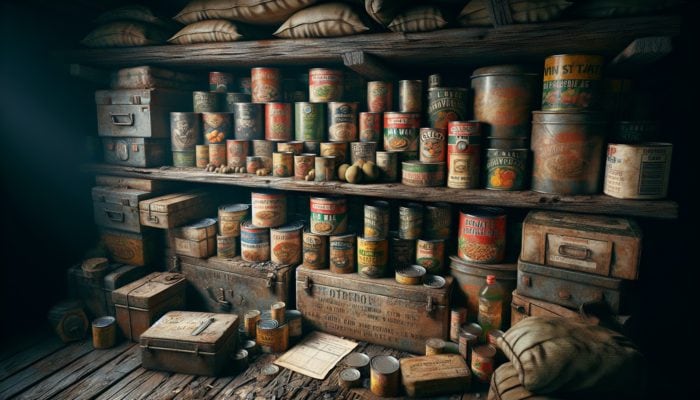
Your Survival Food List should encompass a diverse range of non-perishable foods, which are vital for sustaining your energy and health during emergencies. It’s essential to select items such as canned goods, dehydrated meals, and dried fruits that have long shelf lives and require minimal prep time. These food options are nutrient-dense and provide the necessary energy to face unforeseen challenges. Since they don’t need refrigeration, these are the perfect choice for unanticipated situations. When choosing non-perishable foods, consider their versatility and potential to contribute to balanced meals, ensuring you can cater to various dietary needs.
Incorporating a range of items like canned vegetables, fruits, beans, and meats guarantees a well-rounded and diverse diet. Dried fruits and nuts are excellent snack choices, providing quick energy boosts and essential vitamins. Furthermore, protein-rich foods such as peanut butter boast impressive shelf lives and are packed with nutrients, making them indispensable components of your survival food inventory. Opting for products with long expiration dates enhances your flexibility and offers peace of mind during emergencies, ensuring your kit stays effective and ready for action.
What are the critical storage practices for your survival food supplies?
Proper storage of your survival food items is crucial to prolonging their shelf life and ensuring their safety. It’s essential to keep these foods in cool, dry environments to avoid spoilage and contamination. Using airtight containers is vital for blocking out humidity and pests that could compromise your food stock, thus preserving its quality. Additionally, efficiently organizing your storage area can significantly enhance accessibility, streamline supply rotation, and reduce waste.
Labeling items with both purchase and expiration dates helps maintain an orderly system that encourages you to consume older supplies first. Regularly reviewing your stock allows you to spot any items that show signs of spoilage, enabling timely replacements. Moreover, keeping your storage area clean and free from contaminants is crucial for protecting your food supply. By adhering to these foundational storage practices, you can ensure that your survival kit remains dependable and effective when it matters most.
How can you emphasize calorie-dense foods in your survival selections?
When assembling your survival food list, giving priority to calorie-dense choices is crucial. Foods like nuts, energy bars, and dried meats provide a substantial amount of energy in smaller portions, which is essential for sustaining stamina during demanding situations. These calorie-dense options are rich in protein and fats, making them ideal sources of energy without adding unnecessary weight to your kit.
Consider including items such as granola bars, nut butters, and trail mixes that offer concentrated nutrition. Their compact nature allows for easy transport, especially in survival scenarios where every ounce counts. Additionally, these foods typically have long shelf lives, ensuring reliability over extended periods without refrigeration. By focusing on calorie density during your selection process, you can guarantee sustained energy levels, a critical factor for maintaining both endurance and mental clarity in emergencies.
Why is it vital to include adequate water and hydration sources in your supplies?

Water is an essential component of your survival food list since dehydration can rapidly hinder cognitive and physical functions. Stocking up on purified water bottles and water purification tablets is imperative for staying hydrated during emergencies. Access to clean water significantly improves survival chances while supporting overall health, making it as crucial as food supplies.
In addition to water, consider including hydration options like electrolyte powders and sports drinks, which can help replace lost minerals during rigorous activities. When storing water, ensure that bottles are tightly sealed and safeguarded against contamination. Regularly inspect your supplies for any leaks or damage to maintain a consistent water source. By prioritizing hydration in your survival food list, you bolster your readiness for emergencies, ensuring you can effectively address both nutritional and hydration needs.
What methods can you use to efficiently rotate and maintain your food stock?
Regularly rotating your survival food items is key to preserving freshness and nutritional value. Adopting a systematic approach to managing your stock can significantly minimize waste and ensure that your kit remains functional when needed. Start by establishing a routine to check your supplies and replace expired items before they are required.
Implementing a first-in, first-out (FIFO) method for organizing your food storage is highly effective. This technique involves placing newer items behind older ones, prompting you to utilize older stocks first. Keeping an updated inventory of your supplies helps track which items are running low and need replenishment. Furthermore, educating yourself about the shelf life and storage conditions of various foods aids in optimal use. By employing these strategies, you enhance the reliability of your survival food list, ensuring you are prepared for unexpected emergencies.
Comprehensive Steps to Develop an Effective Survival Food List
What steps should you follow to create a complete survival food list?
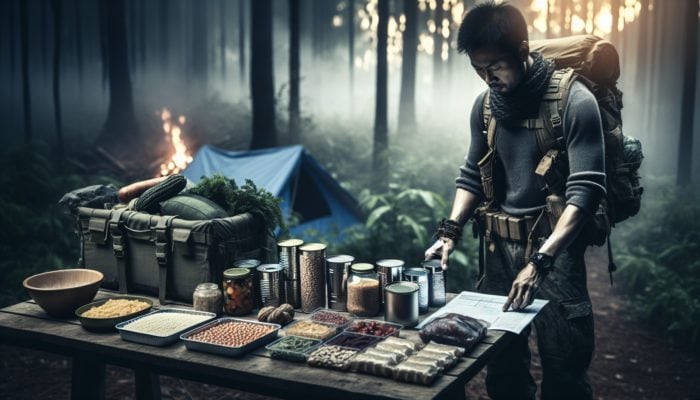
Creating a comprehensive survival food list begins with assessing your daily caloric needs. Understanding how many calories you require based on your activity level is critical for effective meal planning. Once this baseline is established, select versatile items that provide a balanced mix of macronutrients, ensuring you receive adequate sustenance across various scenarios.
Focus on including ingredients that serve multiple purposes, such as grains, beans, and canned vegetables, which can be easily combined to create a variety of meals. Besides calorie-dense options, ensure that your inventory includes a mix of carbohydrates, proteins, and fats to sustain energy levels. When selecting items, consider cooking methods like boiling or baking to prepare meals with minimal resources. By following these steps, you can develop a survival food list that is flexible, thorough, and tailored to meet your needs during any emergency.
Which staple ingredients should you prioritize in your food stock?
When building your survival food list, certain staple ingredients should take precedence due to their nutrient density and wide availability. Items like beans and rice offer foundational sustenance, delivering essential proteins, carbohydrates, and fiber that can be easily combined to create diverse meals. These staples are budget-friendly and boast long shelf lives, making them ideal for emergency preparedness.
Incorporating other nutrient-rich items, such as lentils, pasta, and canned vegetables, can further diversify your meals. Consider adding oatmeal, which can serve as a nutritious breakfast option, and powdered milk for additional calcium and protein. These common ingredients form the backbone of your survival food list, ensuring you have reliable, versatile options in any situation. By concentrating on these essentials, you can create a food stock that supports sustained health and energy during challenging times.
Why is variety crucial in food selections for your survival kit?
Including a diverse array of food types in your survival food list is essential for preventing nutritional deficiencies and promoting overall wellness. A varied selection provides access to a broad range of vitamins and minerals necessary for maintaining health during prolonged use. Incorporating different sources of protein, carbohydrate, and fat contributes to a balanced diet, which is vital for both physical and mental resilience in emergencies.
By integrating items like canned fish, nuts, grains, and dried fruits, you not only ensure nutritional diversity but also offer a variety of flavors. This mix can enhance meal enjoyment during stressful times, making it easier to maintain morale. Additionally, different foods can provide unique health benefits; for instance, vegetables are rich in vitamins, while grains supply energy. When constructing your survival food list, remember that variety is essential not only for enjoyment but also for sustaining health and energy in any situation.
How can you incorporate seasonal or local foods into your survival planning?
Integrating seasonal or locally sourced foods into your survival food list enhances freshness, nutritional value, and adaptability to regional conditions. By focusing on local produce, you can reduce dependence on imported goods while supporting local economies. Seasonal foods often provide superior flavor and nutrient density, making them wise choices for your survival kit.
Consider including options like dehydrated seasonal fruits or locally sourced grains that can be preserved for later use. During emergencies, local resources can offer unique sustenance opportunities, from foraging to trading with neighbors. This approach can be especially beneficial during crises when access to regular supplies may be limited. By incorporating seasonal or local foods into your survival strategy, you create a more adaptable and cost-effective food list that responds seamlessly to changing conditions.
Primary Categories of Survival Foods to Include in Your Emergency Kit
What are the main food groups essential for your survival kit?
An effective survival food list should cover the primary food groups: proteins, carbohydrates, and fats. Each group plays a crucial role in providing energy and maintaining health during emergencies. Proteins, such as those found in canned meats, beans, and nuts, are vital for muscle repair and overall bodily function. Carbohydrates, including grains and starchy vegetables, deliver the necessary energy to support physical activity. Fats, such as oils and nut butters, are essential for long-term energy storage and the absorption of vital vitamins.
Selecting items from these categories that are widely accessible and have long shelf lives ensures a consistent food supply. For instance, adding canned tuna, chicken, rice, and peanut butter can help create nutritionally balanced meals that last over extended periods. By thoughtfully selecting items from these categories, you can ensure your survival food list remains practical and effective, meeting the needs of various survival scenarios.
What considerations should guide the categorization of your food items?
When organizing your survival food list, effective categorization is crucial for ensuring balanced nutrient intake and efficient use of supplies. Consider factors such as shelf life, nutritional value, and meal versatility when grouping items. This structured approach allows for quicker access during emergencies and ensures that each category is adequately represented.
Key categories to incorporate include:
- Proteins (canned meats, legumes)
- Carbohydrates (grains, pasta)
- Fats (oils, nut butters)
- Fruits and Vegetables (dehydrated or canned)
- Snacks (energy bars, nuts)
- Hydration (water, electrolyte powders)
By effectively categorizing your food items, you can manage your supplies more efficiently and make informed choices during crucial moments. This organization helps maintain a balanced diet and supports optimal health in emergencies, ensuring you are well-prepared for any situation.
How can you achieve a balance of flavors and nutrition in your food selections?
Striking a balance between flavors and nutrition in your survival food list is vital for promoting consumption and maintaining morale during emergencies. Including delicious, nutritious options increases the likelihood that individuals will eat what’s available, which is critical for sustaining energy and overall health. Combining flavorful items with essential vitamins and minerals results in meals that not only satisfy dietary needs but also provide comfort in stressful times.
Consider integrating items such as seasoned canned vegetables, flavored rice mixes, and herbal teas to enhance the sensory experience of meals. Additionally, including a variety of textures, such as crunchy nuts or chewy dried fruits, can make meals more enjoyable. By focusing on both flavor and nutrition, you can create a survival food list that supports mental well-being and physical health, ensuring you remain resilient in challenging situations.
Recommended Practices for Compiling Your Survival Food Inventory
What best practices do experienced survival planners suggest?
Utilizing insights from seasoned survival planners can provide invaluable guidance when creating your survival food list. A practical approach is to develop a flexible plan that can adapt to various situations. Start by selecting a core set of versatile, nutrient-dense items, and then add specialty items that cater to specific needs or preferences.
For example, incorporating freeze-dried meals can offer convenience in emergencies, while bulk staples like rice and beans form the foundation of your food supply. Experienced planners often recommend maintaining an inventory system to track expiration dates and quantities, ensuring supplies remain fresh. Additionally, conducting periodic taste tests of your food items can help determine what you are likely to consume during stressful times. By applying these best practices, you can enhance the effectiveness and reliability of your survival food list.
What advanced selection techniques can enhance your food choices?
To optimize your survival food list, employing advanced selection techniques can significantly bolster your preparedness. Focus on choosing items with optimal nutrient profiles that support sustained energy and health. Pay close attention to the macronutrient composition of foods, ensuring a balanced ratio of carbohydrates, proteins, and fats.
Moreover, research shelf-stable options that offer high-calorie density to maximize energy intake without adding bulk. Consider incorporating nutrient-rich superfoods such as quinoa and chia seeds, which provide essential amino acids and healthy fats. Prioritizing high-fiber foods can also support digestive health during emergencies, preventing potential issues arising from sudden dietary changes. By utilizing these advanced selection techniques, you ensure that your survival food list is both diverse and tailored to meet your nutritional needs in challenging situations.
How can you integrate health-focused components into your food selections?
Incorporating health-focused elements into your survival food list can yield long-term benefits for overall wellness. Focus on choosing foods with natural preservatives that maintain quality without compromising safety. Items such as honey, vinegar, and fermented foods can enhance flavor while providing additional health benefits, making them wise additions to your kit.
Furthermore, consider the role of antioxidants found in foods like dried fruits and nuts, which can bolster immune function during stressful times. Incorporating probiotics, such as through fermented vegetables or yoghurt powder, can promote gut health, which is critical for digestion during emergencies. By integrating these health-focused components into your survival food list, you create a robust supply that supports both immediate and long-term wellness, ensuring resilience in any situation.
What strategies can you implement for long-term storage of survival foods?
Implementing effective strategies for the long-term storage of survival foods is essential for maintaining their viability. Techniques such as canning, freezing, and utilizing desiccants can greatly extend shelf life while preserving valuable nutrients. Canning is particularly effective for fruits, vegetables, and meats, allowing for a versatile range of meal options.
Freezing also preserves nutrients and enables bulk purchases of perishable items; however, it requires a reliable power source. Using desiccants helps absorb moisture in sealed containers, further preventing spoilage. Regularly checking stored items for signs of damage or spoilage is crucial to ensuring your supplies remain intact. By employing these storage strategies, you can create a stable, long-lasting food supply that remains effective over time.
How can you tailor your food list for various environments?
Customizing your survival food list to suit specific environments is vital for maximizing effectiveness and efficiency. Different terrains and climates present unique challenges and opportunities, making adaptability key. For instance, in desert environments, prioritize lightweight, hydrating foods that withstand high temperatures, such as energy gels, dried fruits, jerky, and trail mixes. Additionally, consider the availability of local resources for foraging or trade, which can supplement your supplies. By tailoring your food list to diverse environments, you enhance your preparedness and readiness, ensuring that you are equipped to tackle varied challenges.
What Are the Most Effective Preservation Techniques for Survival Foods?
What methods can effectively extend the shelf life of food?
Extending the shelf life of survival food is crucial for ensuring its usability during emergencies. Common preservation methods include drying, canning, and vacuum sealing, each effectively reducing moisture and inhibiting bacterial growth. Dehydration removes water content from foods, concentrating flavors and nutrients while creating lightweight options for your kit.
Canning provides a sealed environment that protects food from spoilage, making it a reliable method for preserving meats, vegetables, and fruits. Vacuum sealing can also prolong shelf life by removing air and preventing oxidation. Regularly inspecting your preserved items for signs of spoilage is essential for maintaining a dependable food supply. Utilizing these techniques can significantly enhance the longevity and usability of your survival food stock.
How does preservation impact the nutritional value and quality of food?
Preservation methods can significantly affect the nutritional value of foods, with the right techniques retaining essential vitamins and minerals over time. For instance, freeze-drying generally maintains higher nutrient content than traditional drying methods, allowing fruits and vegetables to retain their health benefits.
Canning also preserves many nutrients, although some water-soluble vitamins may diminish during the heating process. Choosing preservation methods that minimize nutrient loss while maximizing shelf life is vital for ensuring that your survival food remains effective as a source of nourishment. Understanding how preservation impacts nutritional value can guide your choices, ultimately leading to a healthier survival food list.
Why is it beneficial to select natural methods over chemical ones for food preservation?
Prioritizing natural preservation methods over chemical alternatives promotes safer consumption and healthier options in your survival food list. Natural techniques, such as drying, fermenting, and using salt or vinegar, avoid additives that can compromise food safety and quality. For example, naturally fermented foods can provide probiotics, enhancing gut health and delivering essential nutrients.
Conversely, chemical preservatives often alter the taste and texture of foods and may trigger adverse reactions in sensitive individuals. By relying on natural methods, you embrace traditional processes that have been utilized for generations, ensuring a wholesome food supply. The advantages of natural techniques include:
- Enhanced flavor profiles
- Improved nutritional benefits
- Reduced risk of allergies
- Greater control over food quality
Incorporating these natural preservation methods into your survival strategy enhances overall food safety and quality, ensuring a reliable and nutritious food supply.
Proven Strategies for Compiling Your Survival Food Inventory
What core principles should guide effective planning of your food supplies?
Effective planning for your survival food list revolves around core principles that enhance the reliability of your supplies. These strategies emphasize the importance of rotation and monitoring to keep food items fresh and usable. Develop a consistent process to check expiration dates, ensuring that items remain in optimal condition.
Additionally, consider creating backup plans for different scenarios, such as limited access to resources or severe weather conditions. Maintaining flexibility in your planning allows you to adjust to changing circumstances, bolstering your overall preparedness. By adhering to these core principles, you can build a survival food list that is trustworthy, functional, and ready to support your needs in emergencies.
How can you test food durability for effective planning?
Testing the durability of your survival food items is crucial to ensuring they can withstand stress and remain usable during emergencies. Begin with simple quality checks, such as inspecting packaging for damage and assessing the appearance and smell of items. Conduct periodic taste tests to determine which foods maintain flavor and appeal over time, ensuring they are palatable when needed.
Additionally, consider subjecting foods to environmental stress tests, such as exposure to heat or reduced oxygen levels, to evaluate their resilience. Documenting these tests and results can help refine your food selection and confirm strategies, ensuring your food holds up under pressure. By implementing these testing methods, you enhance the overall reliability of your survival food list.
How can you adapt your food strategies to personal needs?
Tailoring your survival food strategies to personal needs and preferences is crucial for maximizing effectiveness. Consider factors such as dietary restrictions, activity levels, and individual caloric requirements when developing your food list. This customization ensures that your supplies are not only nutritious but also enjoyable, increasing the likelihood that they will be consumed during emergencies.
Engage with family members or group members to discuss preferences, allowing for a more inclusive approach to food selection. Incorporate feedback from past experiences to refine your strategies, adapting based on what has proven effective or ineffective in real scenarios. By actively addressing personal needs in your planning, you create a survival food list that is truly supportive and functional, enhancing preparedness for any situation.
What Role Does Nutrition Play in Survival?
Which essential nutrients are critical for survival scenarios?
Key nutrients are vital in survival situations, influencing energy levels, immune function, and overall health. Vitamins and minerals sourced from various foods strengthen your body’s defenses, helping you fend off illness and maintain strength during challenging conditions. Nutrients like vitamin C from fruits enhance immune health, while B vitamins found in grains support energy metabolism.
Protein is another critical element, ensuring muscle repair and maintaining bodily functions during stressful times. Incorporating a diverse range of foods into your survival food list helps ensure access to all necessary nutrients, preventing deficiencies that could compromise your health. By prioritizing key nutrients in your food selection, you enhance your resilience and capacity to thrive in emergencies.
What risks are associated with inadequate nutrition during survival situations?
Inadequate nutrition poses significant risks during survival scenarios, potentially leading to weakness, illness, and impaired cognitive functions. Poor dietary choices can diminish energy levels, hinder decision-making, and ultimately jeopardize your survival chances. Insufficient intake of vital nutrients may also weaken your immune system, increasing vulnerability to infections and other health complications.
To mitigate these risks, maintaining a balanced diet that provides a variety of nutrients is essential. Ensure a mix of protein sources, carbohydrates, and fats in your survival food list to support overall well-being. Recognizing the potential consequences of poor nutrition underscores the significance of thoughtful food selection in any survival context.
How do you balance food intake for sustained health and energy?
Achieving balance in your food intake is crucial for long-term health, particularly during emergencies when access to fresh supplies may be limited. Regularly tracking consumption can help identify potential deficiencies and ensure that your diet remains varied and nutritious. Include foods from all major food groups to support sustained energy levels and recovery during prolonged periods of stress.
Consider creating a meal plan based on your survival food list, emphasizing rotation and using different items to maintain interest in your diet. This proactive approach can help prevent fatigue and burnout from consuming the same foods repeatedly. By prioritizing balance, you enhance your resilience and overall health, ensuring that you can effectively navigate any challenges that arise.
Common Mistakes to Avoid in Your Survival Food Planning
What packaging quality mistakes should you avoid when selecting items?
In constructing your survival food list, neglecting packaging quality can lead to spoilage and safety issues. Choosing durable options that protect food from environmental factors is vital for maintaining the integrity and effectiveness of your supplies. Ensure that packaging is airtight and capable of withstanding fluctuating temperatures, preventing moisture and pests from compromising food quality.
Investing in high-quality storage containers and vacuum-sealed bags for perishable items is a wise decision. Regularly inspect packaging for signs of damage or wear that could jeopardize contents. By prioritizing packaging quality, you enhance the longevity and usability of your survival food stock, ensuring it remains effective when most needed.
How do expiration dates affect your food choices?
Overlooking expiration dates can compromise the safety and effectiveness of your survival food list. It is crucial to prioritize fresh stock and routinely rotate items based on expiration dates to maintain efficacy. Establishing a systematic approach for checking expiration dates can prevent reliance on outdated supplies during emergencies.
Consider labeling items with their purchase and expiration dates to facilitate monitoring. This practice ensures that you utilize older items first, ultimately reducing waste. By actively managing expiration dates, you enhance your overall preparedness and ensure that your survival food remains safe and reliable when it matters most.
Why is hydration often neglected in survival planning?
Hydration sources are frequently overlooked when compiling survival food lists, yet they are critical for complete preparedness. Water-based items, such as soups and broths, should accompany solid foods to prevent dehydration. Hydration plays a significant role in maintaining cognitive functions and physical endurance during emergencies, making it essential to prioritize alongside food supplies.
To effectively integrate hydration, consider including items like electrolyte powders or water purification tablets in your kit. Ensure you store an adequate supply of clean water and have a method for boiling or treating local sources as needed. By making hydration a priority in your survival plan, you create a more robust strategy for tackling emergency challenges.
Strategies for Keeping Your Survival Food List Balanced and Effective
What regular updates should you perform on your survival food list?
Maintaining a balanced survival food list requires regular updates to adapt to evolving needs and circumstances. Ongoing reviews can ensure that your supplies remain relevant and effective, incorporating new items as needed based on availability and personal preferences. To keep your inventory optimal, establish a routine for replacing expired items and introducing fresh ones.
Periodically assess your dietary needs and preferences, adjusting your choices to reflect any changes in your lifestyle or health requirements. Additionally, seek feedback from family or group members to collaboratively refine your selections. By prioritizing regular updates, you enhance the effectiveness of your survival food list, ensuring it remains a reliable resource in any scenario.
How can you monitor your food supplies for quality assurance?
Consistent quality assurance is crucial for preserving the integrity of your survival food list. Regular checks of storage conditions, including temperature and humidity, can help maintain the value and usability of items over time. Implement a system to inspect food items for signs of spoilage or damage, focusing on packaging integrity and overall appearance.
Additionally, maintain a record of your inspections and any actions taken to support informed decisions regarding replacements and adjustments. This proactive approach ensures that your food supplies remain safe and effective, maximizing your preparedness for emergencies. By prioritizing quality assurance, you can confidently rely on your survival food list during critical moments.
How can you integrate feedback for continuous improvements?
Gathering input and feedback on your survival food list can refine your selections and enhance overall preparedness. Involve family members or group members in discussions about their preferences and experiences with the food items you have stored. This collaborative approach fosters a sense of ownership and increases the likelihood that supplies will be utilized during emergencies.
Take note of any suggestions for improvement, such as incorporating new items or adjusting quantities based on usage patterns. Regularly reviewing and integrating this feedback can lead to a more effective and reliable survival food list that meets the needs of everyone involved. By actively seeking input, you create a dynamic food supply that evolves with your circumstances, enhancing your preparedness for any situation.
Frequently Asked Questions About Survival Food Planning
What are the most essential items to include in a survival food list?
The most essential items typically consist of non-perishable foods like canned goods, dried fruits, nuts, grains, and protein sources. Additionally, prioritize water sources and hydration options to ensure complete preparedness.
How can I ensure the freshness of my survival food?
To maintain freshness, regularly rotate your supplies, check expiration dates, and store items in cool, dry conditions. Proper packaging and labeling can also help preserve food integrity over time.
What types of food should I avoid in a survival kit?
Avoid perishable items, foods with short shelf lives, and items that require refrigeration. Additionally, steer clear of overly processed foods with excessive additives that may compromise health.
How do I determine my daily caloric needs for survival?
Calculate your daily caloric needs based on your activity level, age, and health goals. Utilize online resources or consult with a nutritionist to identify appropriate targets for your specific situation.
Is water more important than food in a survival situation?
Yes, water is generally regarded as more critical than food because the body can only survive a few days without water. Prioritizing safe water sources is essential for sustaining life during emergencies.
How can I add variety to my survival food list?
Incorporate variety by selecting foods from different categories, such as proteins, carbohydrates, and fats, and including a mix of flavors and textures. Regularly rotate items to keep meals interesting and enjoyable.
What preservation methods work best for survival foods?
Effective preservation methods include canning, drying, vacuum sealing, and using natural preservatives. Choose techniques that maintain nutritional value while extending shelf life for optimal usability.
What are common mistakes to avoid when preparing a survival food list?
Common mistakes include overlooking expiration dates, choosing poor-quality packaging, and failing to include hydration sources, which can hinder a balanced selection of nutrients. Addressing these issues can significantly enhance preparedness.
How often should I review and update my survival food list?
Regular reviews should occur every few months or after significant events that might change your needs or available resources. Consistently updating your list ensures that it remains relevant and effective.
Can I use homegrown foods in my survival kit?
Yes, incorporating homegrown foods can enrich your survival food list by providing fresh, nutrient-rich options. Ensure these items are preserved properly for long-term storage and usability.
Join the conversation on X today!
The post Survival Food List: Top Essentials for Crisis Preparedness appeared first on Survival Bite.
The Article Survival Food List: Essential Items for Crisis Readiness Was Found On https://limitsofstrategy.com
Leave a Reply