Your cart is currently empty!
Category: Animals & Pets
-

Digging Habits of Jack Russell Terriers: Key Insights
Master the Digging Instincts of Your Jack Russell Terrier for a Harmonious Home
Why Do Jack Russell Terriers Exhibit Frequent Digging Behavior?
Jack Russell Terriers are well-known for their high energy and curiosity, traits that are rooted in their history as hunters. This breed was originally developed to chase down and capture small game like foxes and rabbits, which explains their instinctive urge to dig while pursuing prey. Understanding the reasons behind this digging behavior is essential for dog owners who want to manage it effectively. Common motivations for a Jack Russell’s digging include their deep-seated hunting instincts, boredom due to inadequate mental stimulation, and an overflow of energy. Additionally, they may dig to escape confinement, seek attention, or alleviate stress and anxiety.
By comprehending these underlying motivations, pet owners can adopt targeted strategies to mitigate unwanted digging behavior. This proactive approach not only encourages a well-adjusted dog but also fosters better integration within the household, minimizing the potential for property damage and safeguarding the dog’s health and safety.
How Do Genetic Traits Influence Digging Behavior in Jack Russell Terriers?
The genetic makeup of Jack Russell Terriers significantly influences their behavioral tendencies, including their propensity to dig. This breed has a lineage that has been selectively bred over generations to enhance their hunting skills. Understanding these genetic predispositions can offer invaluable insights into the behaviors of individual dogs, allowing owners to anticipate and manage their digging habits more effectively. By recognizing the hereditary traits that fuel these behaviors, pet owners can design training and management strategies that align with their dog’s innate inclinations.
How Can You Identify Your Jack Russell’s Digging Triggers?
Recognizing the specific triggers that prompt your Jack Russell’s digging behavior is crucial for implementing successful behavior modification strategies. Observing your dog in various settings can provide essential insights into what incites their digging. Potential triggers may include the presence of other animals, alterations in their daily routine, or specific environmental stimuli. By maintaining a detailed log of these observations, owners can develop tailored responses aimed at curbing unwanted digging behaviors. This awareness of triggers enables pet owners to cultivate a more harmonious living environment for both their dog and their family.
Effective Training Techniques to Manage Digging Behavior in Jack Russell Terriers

Implementing effective training is a powerful strategy for managing the inherent digging instincts of Jack Russell Terriers. By utilizing established training techniques, owners can redirect this behavior towards more acceptable outlets. Consistent commands paired with positive reinforcement can lead to notable behavioral improvements over time. Incorporating redirection-focused training methods, such as creating designated digging areas, encourages healthier digging habits while reducing undesirable behaviors in non-designated spaces. This structured approach strengthens the bond between the owner and the dog, promoting a balanced and fulfilling life together.
Expert Insights on Managing Jack Russell Terrier Digging Habits
What Are the Most Effective Training Methods to Control Your Dog’s Digging?
Successfully training Jack Russells to regulate their digging behavior requires positive reinforcement and a consistent approach. Here are actionable steps to enhance your training process:
- Establish clear commands specifically tailored to address digging behavior.
- Reward your dog with treats and praise when they dig in designated areas.
- Redirect digging behavior by promoting alternative, constructive activities such as playing fetch.
- Exhibit patience and consistency throughout all training sessions.
Implementing these training methods can instill improved digging habits in your dog, creating a structured environment that respects their natural instincts while minimizing disruption within the household.
How Can You Effectively Redirect Your Jack Russell’s Digging Behavior?
Redirecting your Jack Russell’s digging behavior requires a multifaceted approach tailored to their unique energy levels and instincts. One effective technique is to provide alternative outlets for their excess energy. Engaging them in interactive play, such as retrieval games or agility training, can significantly diminish their urge to dig. Moreover, introducing puzzle toys that encourage mental engagement helps keep them focused on constructive activities, steering their attention away from unwanted digging behaviors. This proactive strategy fosters a more harmonious living environment by channeling your dog’s energy into positive pursuits.
What Role Does Regular Exercise Play in Managing Digging Behavior?
Regular exercise is crucial in managing the digging instincts of Jack Russell Terriers. Engaging these dogs in physical activities, such as long walks or vigorous play sessions, can dramatically decrease their inclination to dig. For instance, Jack Russells that enjoy frequent hikes or playtime in dog parks tend to have less pent-up energy, leading to a marked decline in digging behaviors within the house. Exercise not only tires them physically but also stimulates their minds, effectively curtailing their natural digging instincts while promoting overall health and happiness.
Strategic Approaches to Manage Jack Russell Terrier Digging at Home
How to Create a Dig-Free Zone Indoors for Your Jack Russell?
Establishing a dig-free zone indoors is a practical and effective strategy to manage your Jack Russell’s digging tendencies. This clearly defined area should be secured with physical barriers or distractions, such as pet gates or strategically arranged furniture. Providing a variety of toys and engaging activities within this zone can significantly mitigate the temptation for your dog to dig elsewhere. Monitoring your Jack Russell in this space is crucial; reward them for adhering to the dig-free guidelines and gently redirect them if they venture towards prohibited areas.
What Strategies Can You Use to Protect Your Furniture from Digging?
To safeguard your furniture from your Jack Russell’s digging tendencies, consider a blend of deterrents and strategic placement. Employing slipcovers or protective barriers can shield your upholstery, while using sprays designed to deter chewing or digging may prove effective. Additionally, arranging your furniture to minimize access to potential digging spots helps maintain the integrity of your furnishings. This proactive management strategy ensures a more harmonious coexistence between your dog and your living space.
How Does Positive Reinforcement Help in Reducing Digging Behavior?
Positive reinforcement is a highly effective strategy for curbing digging behavior in Jack Russell Terriers. By rewarding your dog when they refrain from digging in unwanted areas, you reinforce the desired behavior. For example, offering treats or verbal praise when they opt to engage with toys instead of digging creates a positive connection between good behavior and rewards. This method not only decreases unwanted digging but also strengthens the bond between you and your Jack Russell, fostering a trusting and cooperative relationship.
Research-Based Benefits of Jack Russell Terrier Digging Behavior
How Does Digging Provide Essential Mental Stimulation?
Engaging in digging activities offers crucial mental stimulation for Jack Russells, helping keep their minds sharp and actively engaged. This inherent behavior enables them to explore their environment, which is vital for their cognitive health. Digging stimulates problem-solving skills and exploration, positively contributing to their overall mental well-being. Creating safe digging outlets, like fenced digging areas or designated spots in the yard, can satisfy their instinctual needs while ensuring they remain mentally stimulated and fulfilled.
How Can Digging Serve as Beneficial Physical Exercise?
Digging can also function as an advantageous form of physical exercise for Jack Russells. This breed thrives on physical activity, and the act of digging engages various muscle groups, contributing to their overall fitness and health. Allowing your Jack Russell to dig in designated areas promotes a healthy weight and reduces the likelihood of obesity-related health concerns. By providing appropriate digging channels, you support a healthy lifestyle while simultaneously fulfilling their natural instincts, ensuring they remain active and healthy.
Why Is Digging Considered a Natural Behavior for Jack Russells?
Digging is an inherent behavior for Jack Russells, reflecting their deeply rooted hunting instincts. Allowing your dog to engage in this natural behavior within safe boundaries contributes positively to their overall well-being. Recognizing that digging serves as a form of self-expression can help owners better appreciate their dog’s needs. By providing designated digging areas, owners can strike a balance between allowing natural behaviors and maintaining a tidy home, ensuring both the dog’s happiness and the owner’s peace of mind.
How Does Digging Help Facilitate Stress Relief?
Digging acts as a powerful outlet for stress relief in Jack Russells, promoting a calmer demeanor. When faced with anxiety or environmental stressors, engaging in digging can help them release pent-up energy while providing a sense of comfort. Creating safe spaces for digging can alleviate anxiety and enhance emotional well-being. By understanding this aspect of their behavior, owners can cultivate environments that foster calmness and minimize stress-related digging, leading to a more balanced household.
How Can Digging Strengthen Social Connections?
Digging can also enhance social bonds between Jack Russells and their owners or fellow dogs. Participating in digging activities together, such as supervised digging in designated areas or engaging in interactive play that includes digging, can fortify these relationships. This shared experience fosters trust and encourages communication, deepening the bond between the dog and their human companions. By incorporating such activities into your routine, you enhance not only your dog’s well-being but also the quality of your relationship with them.
Essential Tools and Techniques for Managing Jack Russell Terrier Digging
What Are the Most Effective Digging Deterrents You Can Use?
When it comes to managing digging behaviors in Jack Russells, effective deterrents can play a pivotal role. Various products can discourage unwanted digging, including:
- Sprays specifically formulated to deter chewing and digging.
- Physical barriers such as fencing or dig-proof mats.
- Motion-activated devices that emit sounds or spray water.
- Natural ingredient repellents that discourage digging.
Utilizing these methods can help protect your yard and home, ensuring that your Jack Russell engages in more appropriate activities. Combining these deterrents with consistent training can lead to significant improvements in managing their digging behavior, creating a more enjoyable living environment for everyone involved.
How Can You Effectively Implement Digging Boxes?
Digging boxes offer an excellent outlet for your Jack Russell to dig without causing damage to your garden or home. To set up a digging box effectively, choose a specific location in your yard, fill it with sand or loose soil, and encourage your dog to dig there. Adding toys or treats to the digging box can further entice your Jack Russell to explore this designated space. Regular maintenance of the box and reinforcing positive digging behavior within it can cultivate a healthy outlet for their instincts, keeping both your dog and your property safe.
What Training Aids Can Support Control Over Digging Behavior?
Several training aids can assist in effectively managing a Jack Russell’s digging behavior. The most successful tools include:
- Clickers for reinforcing positive behaviors.
- Leash training to manage their movements outdoors.
- Treats for rewarding desired behaviors after successful redirection.
- Interactive toys that keep them engaged and mentally stimulated.
Incorporating these aids into your training regimen can enhance your ability to control and modify digging behaviors effectively, promoting a harmonious living environment for both your dog and your household.
How Can You Direct Digging Behavior to Appropriate Areas?
Redirecting a Jack Russell’s digging behavior to suitable locations can be accomplished through various strategies. First, it is essential to provide a specific, enjoyable space for them to dig, such as a designated digging box or area in the yard. Second, engaging them in interactive activities like fetch or agility exercises can help channel their energy into non-destructive behaviors. Lastly, consistently rewarding them whenever they dig in acceptable areas reinforces this desired behavior, making it clear where they are permitted to express their digging instincts.
Long-Term Strategies for Effectively Managing Digging in Jack Russell Terriers
How to Develop Consistent Routines for Your Jack Russell?
Establishing consistent routines can greatly assist in managing a Jack Russell’s digging behavior over time. A structured daily schedule that incorporates regular exercise, playtime, and training sessions helps your dog feel secure and engaged. This predictability reduces anxiety and lessens the likelihood of digging as a response to boredom or stress. Including activities that cater to their natural instincts, such as scent games or digging in designated areas, further reinforces positive behaviors and contributes to a balanced lifestyle for your dog.
Why Is It Important to Monitor Progress and Adapt Strategies?
Tracking your Jack Russell’s digging behavior and adapting strategies accordingly is critical for effective long-term management. Observing any changes in their digging frequency or triggers provides insights into which strategies are successful and which may need modification. Recognizing progress—such as reduced digging in unwanted areas or successful engagement in designated digging spots—enables timely adjustments to training methods. This ongoing evaluation ensures that your strategies remain effective and aligned with your dog’s evolving needs and circumstances.
How Can You Build a Strong Bond with Your Jack Russell?
A strong bond between you and your Jack Russell significantly affects their behavior. Building trust through regular interaction, training, and shared activities enhances your dog’s emotional security, making them less prone to dig out of anxiety or boredom. Participating in fun, interactive play and spending quality time together nurtures this connection, leading to improved behavior and a deeper understanding of their needs. This bond not only enriches your dog’s happiness but also contributes to a more fulfilling relationship.
What Are Positive Reinforcement Techniques and Their Advantages?
Utilizing positive reinforcement techniques to encourage desired behaviors can effectively reduce digging in Jack Russells. Identifying what motivates your dog—whether it be treats, praise, or toys—enhances the impact of positive reinforcement. For example, rewarding your Jack Russell immediately after they dig in a designated area reinforces this behavior, while ignoring or redirecting them from unwanted digging minimizes the likelihood of repetition. This balanced approach fosters a positive learning environment, enabling both you and your dog to thrive together.
How to Create Designated Digging Areas for Your Jack Russell?
Providing a specific spot for your Jack Russell to dig can fulfill their instinctual needs while protecting your home and garden. Training them to utilize this area involves consistent reinforcement and positive experiences. Introducing digging toys or burying treats in the designated area can entice them to explore and engage in digging activities there. Over time, with ongoing positive reinforcement, your Jack Russell will learn to associate digging with the allocated space, promoting healthier and more acceptable behaviors.
Addressing Common Concerns About Jack Russell Digging Behavior
What Are the Primary Reasons for Digging in Jack Russells?
Jack Russells dig for numerous reasons, including boredom, instinctual hunting behavior, and the need to relieve stress. Understanding these triggers can help mitigate unwanted digging and promote a healthier lifestyle for your dog.
Can You Train a Jack Russell to Cease Digging?
Indeed, consistent training combined with positive reinforcement can effectively modify digging behavior. Guiding them to suitable digging areas and rewarding desired behaviors are essential strategies in this process.
How Much Daily Exercise Is Necessary for a Jack Russell?
Jack Russells require a minimum of 30 to 60 minutes of exercise each day. Regular physical activity is crucial for their mental and physical health, which helps reduce their urge to dig and keeps them content.
Are Digging Boxes an Effective Solution for Jack Russells?
Absolutely, digging boxes provide a safe and enjoyable outlet for Jack Russells to dig. They fulfill their natural instincts while safeguarding your home and garden from unwanted digging behaviors.
What Are Some Effective Tools to Deter Digging?
Common digging deterrents include sprays designed to discourage digging, physical barriers, and motion-activated devices that effectively deter unwanted behavior. These tools contribute to maintaining a peaceful environment.
How Can I Tell If My Jack Russell Is Experiencing Boredom?
Signs of boredom in Jack Russells may manifest as excessive digging, destructive behavior, or persistent barking. Engaging them in stimulating activities can help alleviate these issues and keep them mentally active.
Is Indoor Digging Normal for Jack Russells?
While it is natural for Jack Russells to dig, especially during play, excessive indoor digging may indicate boredom or anxiety. Providing appropriate outlets for their energy is essential to maintain a well-behaved dog.
Is It Possible to Completely Eliminate Digging in a Jack Russell?
While completely stopping digging behavior may be challenging, it can be effectively managed through training, redirection, and offering suitable outlets for their natural instincts.
What Steps Should I Take If My Jack Russell Digs in the Garden?
If your Jack Russell digs in the garden, redirect their digging to a designated area. Utilize barriers, deterrents, and positive reinforcement to manage this behavior effectively and protect your garden.
How Can I Strengthen My Relationship with My Jack Russell?
Strengthening your bond involves regular interaction, playtime, and training. Engaging in shared activities and providing positive experiences fosters trust and improves behavior, creating a more harmonious relationship.
Connect with us on Facebook for more insights and community support!
The Article Jack Russell Terrier Digging Habits: A Comprehensive Guide First Published On https://elgatoencasa.com
The Article Jack Russell Terrier Digging Habits Explained: Essential Insights Was Found On https://limitsofstrategy.com
-

Pet Car Accident Response Guide: Essential Tips for Owners
Essential Steps to Take Immediately After Your Pet’s Car Accident
Comprehensive Evaluation of Your Pet’s Health Status
Right after a pet car accident, your primary responsibility is to carry out a detailed assessment of your pet’s health. Look for any evident injuries, such as bleeding, labored breathing, or indications of loss of consciousness. This initial examination plays a crucial role in understanding the urgency of the situation. If your pet seems distressed, it is crucial to remain calm and avoid moving them unless they are in immediate danger, such as being exposed to oncoming traffic. This careful approach can help prevent aggravating any potential injuries further.
Inspect your pet thoroughly for visible wounds, such as cuts, swelling, or broken bones. Additionally, pay attention to their behavior; signs like whimpering or obvious pain suggest that immediate medical intervention is necessary. If your pet is unconscious, check their vital signs, including breathing and a heartbeat. If they are not breathing, be ready to perform CPR if you have received training. Prioritizing your pet’s safety and comfort during this critical evaluation stage is absolutely essential.
Creating a Safe and Secure Environment at the Accident Scene
Establishing a safe environment at the site of a pet car accident is paramount. Turn on your vehicle’s hazard lights to alert other drivers and utilize any available reflective gear to enhance visibility. This action protects not only your safety but also the safety of your pet and others on the road. If it is feasible, move your vehicle to a secure location away from traffic to avoid further accidents. In busy traffic conditions, it may be safer to keep your pet inside the vehicle until help arrives, especially if they have sustained serious injuries.
Establish a secure area to care for your pet. If your pet is agitated or scared, they may unintentionally pose a risk to themselves and others. Use a leash or harness to restrain them if they are conscious. Make sure bystanders or other drivers maintain a safe distance while you assess your pet’s condition. Remember that staying calm and focused during such high-stress situations can significantly influence the outcome for your beloved pet.
Why Is It Crucial to Contact Veterinary Emergency Services?
Reaching out to emergency veterinary services is an essential step after a pet car accident. Contact a veterinary professional immediately; timely veterinary care can drastically improve your pet’s chances of recovery. When making the call, provide clear and concise information about your location and describe your pet’s condition as accurately as possible, including any visible injuries and changes in behavior.
In many regions, dedicated emergency veterinary services operate around the clock. Knowing how to contact them can save valuable time during a crisis. Make it a habit to save the contact details for local animal hospitals in your phone for quick access. Being prepared in advance can significantly reduce panic during emergencies, ensuring you can secure the necessary help for your pet without unnecessary delays.
How to Effectively Administer First Aid to Your Pet
If you have received training in first aid, being able to provide basic care to your pet immediately after an accident can be invaluable. Begin by applying pressure to any bleeding wounds to effectively manage blood loss. If your pet appears to be in pain, consider using a muzzle to prevent any bites, as they may react instinctively due to fear. For severe bleeding, elevating the injured area while applying pressure can help control the situation until veterinary professionals arrive.
Throughout this process, remaining gentle and calm is crucial. Speak softly to your pet to help them relax, as their anxiety can exacerbate their condition. Even if you lack formal first aid training, your presence can offer comfort and reassurance to your pet. If you’re uncertain about how to provide specific care, focus on maintaining their stability and calmness until professional help arrives.
Why Is Documenting the Accident Scene Important?
Documenting the accident scene is vital for legal and insurance-related purposes. Start by taking clear photographs of your pet’s injuries, the vehicles involved, and any relevant road signs or signals. This documentation can serve as crucial evidence in case of disputes regarding liability or insurance claims. Ensure you capture images from various angles to provide a comprehensive view of the situation.
Additionally, gather contact information from any witnesses present during the accident. Their testimonies can support your case and provide further details that may be crucial later. Take notes on the circumstances leading up to the accident, including the time, location, and contributing factors such as weather conditions. This thorough documentation can play a significant role in navigating insurance claims and ensuring your pet receives the necessary care and support.
Insights from Experts on Responding to Car Accidents Involving Pets
Veterinary Recommendations for Immediate Pet Care
Veterinarians stress the significance of immediate care following a pet car accident. Acting swiftly can greatly impact your pet’s recovery and chances of survival. Common veterinary recommendations include:
- Check your pet’s vital signs immediately.
- Ensure the pet is in a secure environment away from traffic.
- Control any bleeding by applying direct pressure to wounds.
- Perform CPR if the pet is unresponsive.
- Keep your pet calm and comfortable until help arrives.
- Avoid attempting to treat serious injuries at home.
- Be prepared to provide detailed information to the veterinarian upon arrival.
- Consider using a leash or muzzle to prevent further injury or escape.
For example, a case study from a veterinary clinic showed how a dog involved in a minor collision was stabilized with prompt first aid before reaching the hospital. The owners followed basic first aid guidelines, which helped maintain the dog’s vital signs and ultimately led to a complete recovery. Such instances highlight the necessity of knowing what to do immediately after an incident.
What Actions Should You Take if Your Pet Is Unconscious?
If your pet is unconscious, it is essential to act quickly yet calmly. Begin by checking for breathing and a pulse. If they are unresponsive and not breathing, perform CPR if you are trained. This involves checking for any obstructions in their airway and administering rescue breaths as necessary. Time is of the essence in these situations, as every second counts.
Even if your pet appears to be breathing shallowly or irregularly, immediate veterinary care is critical. It is advisable to have someone else call for emergency help while you provide care to your pet. When help arrives, be prepared to share all pertinent information about the incident and your pet’s condition with the veterinarian. Your prompt and informed response can be pivotal in ensuring your pet receives the care they need without unwarranted delays.
How Can You Safely Transport an Injured Pet?
Transporting an injured pet requires careful consideration to prevent exacerbating their injuries. If you must move your pet, use a sturdy, flat surface like a board or blanket to create a makeshift stretcher. This method allows you to keep your pet stable and secure during transport. Ensure they are gently secured to minimize movement, which is particularly crucial for pets with potential spinal injuries.
During transport, maintain a calm demeanor. Your pet can sense your stress, which may heighten their anxiety. Speak softly and reassuringly to comfort them. If possible, enlist someone to assist you during transport, allowing one person to drive while the other tends to the pet’s needs. Always remember that the goal is to reach a veterinary clinic as quickly and safely as possible, ensuring they receive the critical care they require.
Legal and Financial Considerations Following a Pet Accident
Understanding Liability in Pet-Related Accidents
Understanding liability in pet accidents can be a complex issue. Determining who is responsible for the accident is essential, as it can heavily influence insurance claims and potential legal proceedings. If your pet was involved in an incident that resulted in damage or injury to another party, liability may rest with you as the owner, depending on local laws and circumstances. Conversely, if another vehicle struck your pet, the driver’s responsibility may also come into play.
In many jurisdictions, pet owners are legally obligated to keep their animals controlled. This includes ensuring they are securely restrained while traveling and not allowed to roam freely. Familiarizing yourself with local laws regarding pet ownership can clarify your responsibilities and protect you in case of accidents. If your pet caused an accident, consulting a legal professional can provide guidance on the next steps to take.
Understanding Insurance Coverage for Pet Injuries
Insurance coverage for pet injuries is another critical aspect to consider after an accident. Many pet insurance policies provide coverage for accident-related injuries, including emergency treatments. However, the extent of coverage can vary significantly between policies, so it is vital to review your plan carefully. Look for policies that offer comprehensive coverage for accidents, as well as any exclusions that may apply.
Inquire about the claims process soon after an accident. Having the necessary documentation, including veterinary records and accident reports, will streamline the process and ensure you receive appropriate compensation for your pet’s care. Keeping all receipts related to your pet’s treatment is also beneficial, as these may be required for reimbursement or claims against another party’s insurance.
How to Manage Veterinary Expenses After an Accident
Managing veterinary costs after a pet car accident can be overwhelming, especially when unexpected emergency care is necessary. To prepare for potential high costs, consider establishing a payment plan with your veterinarian. Many clinics offer financing options that allow you to spread payments over time, easing the immediate financial burden following the incident.
Seek financial assistance from pet welfare organizations or charities that support pet owners in need. Some organizations provide grants or funding specifically for emergency veterinary care, which can be crucial in a crisis. Additionally, researching pet insurance that covers emergency care can offer peace of mind for future incidents and help effectively mitigate costs.
Strategies to Minimize the Risk of Future Pet Car Accidents
Implementing Effective Pet Restraints in Your Vehicle
Investing in pet restraints is a vital step in preventing future car accidents involving your pets. Options such as pet seat belts, harnesses, or carriers can effectively secure your pet during travel, keeping them safe and preventing them from becoming projectiles in the event of an accident. Understanding the different types of restraints available will help you choose the most suitable option for your pet’s size and behavior.
Pet seat belts are designed to attach to your vehicle’s existing seat belts, providing stability without overly restricting movement. Carriers can also be a secure option, particularly for smaller pets, as they offer a safe space while ensuring they are restrained. Additionally, it’s essential to train your pet to feel comfortable and secure in their restraint, which can reduce anxiety during travel and improve overall safety.
Training Your Pet for Safe and Stress-Free Travel
Training your pet for safe travel is a proactive way to minimize the risk of accidents. Teaching your pet to remain calm and stay in their designated area while in the vehicle is essential. Utilizing positive reinforcement techniques, such as treats and praise, can help your pet associate car travel with positive experiences. Gradually introducing your pet to the car and taking short trips can also help them acclimate.
Incorporate commands like “stay” or “settle” to reinforce the desired behavior during travel. Regularly practicing these commands can instill good habits, making your pet more compliant during car rides. If your pet shows signs of stress during travel, consider using calming products, such as anxiety wraps or pheromone sprays. By focusing on training, you not only enhance safety but also create a more enjoyable experience for both you and your pet.
The Importance of Regular Vehicle Maintenance
Ensuring regular vehicle maintenance is a critical factor in reducing the risk of accidents. A well-maintained vehicle is less likely to experience mechanical failures that could endanger both you and your pet. Regularly check essential components, including brakes, tires, and lights, to ensure they function correctly. This simple step can prevent unexpected breakdowns or accidents while you’re on the road.
Consider enrolling in a maintenance program with your vehicle’s manufacturer or a trusted mechanic to keep everything in optimal condition. Additionally, familiarize yourself with your vehicle’s owner manual to understand specific maintenance recommendations. By staying proactive about vehicle upkeep, you not only protect your pet but also enhance your overall driving safety.
Providing Emotional Support for Pets and Their Owners
Identifying Signs of Trauma in Your Pet
Recognizing the signs of pet trauma following a car accident is vital for providing effective emotional support. Pets may react differently to trauma, making it crucial to monitor their behavior closely. Common signs include increased anxiety, sudden aggression, withdrawal from social interactions, or changes in their eating and sleeping patterns. Being vigilant in observing these behaviors can help you address any emotional distress they may be experiencing.
For instance, a pet that was previously sociable may become withdrawn or fearful after an accident, indicating they require extra support and reassurance. Pay close attention to their interactions with other pets and people. If you notice significant behavioral changes that persist, consulting a veterinarian or a professional animal behaviorist may be beneficial to explore appropriate interventions.
How to Comfort Your Pet After an Accident
Providing comfort to your pet after an accident is essential for their emotional recovery. Create a calm environment by minimizing noise and distractions, which can help alleviate anxiety. Incorporate familiar items, such as their favorite blankets or toys, into their recovery space to provide a sense of security. Spending quality time with your pet can also be immensely beneficial, as your presence can offer reassurance during this challenging time.
Engage in gentle activities that foster bonding, such as light petting or soothing vocalizations. Avoid overwhelming your pet with too much stimulation, as they may still be processing their experience. Instead, encourage rest and create a safe space where they can feel secure and loved. As your pet begins to recover emotionally, continue to monitor their progress and adjust your approach based on their needs.
Seeking Emotional Support for Yourself as a Pet Owner
As a pet owner, prioritizing your emotional well-being after a pet car accident is essential. The aftermath can be overwhelming, and seeking support is a healthy way to cope with feelings of guilt or anxiety that may arise. Consider talking to a counselor or therapist who understands the bond between pets and their owners. This professional guidance can provide strategies to manage your emotions effectively.
Joining support groups for pet owners can also be a valuable resource. Sharing experiences with others who have faced similar situations can foster a sense of community and understanding. Online forums and local meetups can provide both emotional support and practical advice on navigating the challenges of pet care post-accident. Remember, you are not alone, and reaching out for help can significantly enhance your coping process.
What Are the Potential Long-Term Health Effects on Pets After Accidents?
Common Injuries and Their Treatments
Following a car accident, pets can sustain various injuries, including fractures, internal injuries, and brain trauma. Each type of injury necessitates specific treatments tailored to the pet’s condition. For instance, fractures may require surgical intervention or immobilization through casts or splints. Internal injuries, such as organ damage, necessitate immediate veterinary attention and may involve surgical procedures to repair the damage.
Brain trauma can manifest through a range of symptoms, and treatment may include medications to reduce swelling or manage pain. Rehabilitation therapy is often recommended to assist in recovery from severe injuries. The overall approach to treatment will depend on the severity and type of injury, underscoring the importance of prompt professional evaluation following an incident. Regular follow-up visits are essential to monitor recovery and adjust treatments as necessary.
How to Monitor Your Pet’s Recovery Progress
Monitoring your pet’s recovery after an accident is crucial to ensuring they heal properly. Follow your veterinarian’s instructions carefully regarding medications, rest, and physical activity. Regular check-ups are essential, as they allow your vet to assess your pet’s progress and make any necessary adjustments to their recovery plan.
Keep a log of your pet’s behavior and any changes you observe, as this information can be beneficial during veterinary visits. If your pet exhibits signs of pain or discomfort, contact your veterinarian immediately to discuss these concerns. Staying proactive about your pet’s health can facilitate a smoother recovery and ensure they receive the best care possible.
Preventing Complications During Your Pet’s Recovery
Preventing complications during your pet’s recovery is vital for their overall well-being. Follow all veterinary advice meticulously to avoid issues such as infections or further injury. Maintain a clean and quiet recovery environment, minimizing exposure to dirt and stressors that could hinder healing. Limit your pet’s activity according to your veterinarian’s recommendations to prevent unnecessary strain on their injuries.
- Provide a clean and comfortable recovery space.
- Limit physical activity to prevent re-injury.
- Monitor for any signs of infection, such as redness or swelling.
- Ensure your pet takes prescribed medications as directed.
- Keep follow-up appointments with the veterinarian.
- Offer nutritious food to support healing.
- Be aware of behavioral changes that may indicate complications.
- Maintain regular communication with your vet about your pet’s progress.
By staying vigilant and adhering to guidelines, you can significantly enhance your pet’s recovery prospects and contribute to their long-term health.
Research-Backed Benefits of Quick Responses to Pet Car Accidents
Improved Survival Rates for Pets
Taking immediate action after a pet car accident can significantly enhance survival rates. Quick responses, such as assessing injuries, contacting veterinary services, and administering first aid, are crucial in stabilizing your pet’s condition. The faster the response, the higher the likelihood of a favorable outcome. For example, studies indicate that pets receiving immediate medical attention have notably better survival rates compared to those who experience delays in treatment.
To increase your pet’s chances of survival post-accident, keep a first aid kit accessible in your vehicle and educate yourself on basic pet first aid techniques. Practicing quick mental checklists for emergencies can also help you act promptly when it matters most. By being prepared, you enhance your ability to make timely decisions that can save your pet’s life.
Reduced Long-Term Health Complications
Proper response and care following a pet car accident can mitigate long-term health issues. For instance, pets that receive immediate and appropriate treatment for internal injuries have better prospects for recovery and fewer complications in the future. Delayed treatment can lead to chronic conditions, prolonged pain, and other health challenges that adversely impact your pet’s quality of life.
In many cases, early intervention not only aids in healing but also minimizes the need for extensive future treatments. Therefore, recognizing the importance of swift action and maintaining open communication with your veterinarian can significantly influence your pet’s health trajectory after an accident.
Enhanced Emotional Well-Being for Pets and Owners
Effectively handling accidents can enhance the emotional well-being of both pets and their owners. Pets that receive timely medical care and emotional support tend to have better recovery experiences. They are less likely to develop behavioral issues stemming from trauma, such as anxiety and fear. For owners, knowing they acted decisively and effectively can alleviate feelings of guilt and anxiety, fostering a stronger bond with their pets.
- Improved trust between pets and owners.
- Reduced anxiety and stress for both parties.
- Greater likelihood of positive behavioral changes in pets.
- Increased emotional resilience for owners.
Creating an environment where both pets and owners feel supported and understood can lead to a healthier, happier relationship. Your ability to respond effectively to challenges can reinforce this bond and contribute to overall well-being.
Preparing for Pet Emergencies: Essential Steps
Assembling a Comprehensive Emergency Kit for Your Pet
Assembling an emergency kit for your pet is a proactive measure that can be life-saving in a crisis. Your kit should include essential items such as first aid supplies, including antiseptics and bandages, medications, and your pet’s medical records. Don’t forget to pack food, water, and a collapsible bowl, as well as any comfort items your pet may need during stressful situations.
Additionally, include a flashlight, spare leash, and any necessary contact information for your veterinarian. Regularly check your emergency kit to ensure that items are current and in good condition. By being prepared with a comprehensive kit, you can respond swiftly and effectively to emergencies, minimizing stress for both you and your pet.
What Information Should You Have Ready for Emergencies?
Having the right information readily accessible can significantly expedite treatment during emergencies. Keep your pet’s medical records, including vaccination history and any pre-existing health conditions, organized and easily accessible. This documentation can be vital for veterinary professionals who need to quickly assess your pet’s needs.
Moreover, maintain a list of emergency contacts, including your veterinarian’s phone number and any 24/7 animal hospitals in your area. Having this information on hand allows you to act quickly without wasting valuable time searching for it during a crisis. Ensuring you have these details prepared can make all the difference in providing your pet with prompt and effective care.
Practicing Emergency Drills for Preparedness
Practicing emergency drills can greatly enhance your preparedness for real-life situations. Regularly simulating emergencies ensures that both you and your pet know what to do, reducing panic and confusion during actual crises. These drills can involve safely restraining your pet, locating your emergency kit, and practicing transporting your pet to a designated safe area.
It’s advisable to conduct these drills periodically to reinforce the knowledge and skills needed to respond effectively in emergencies. Familiarity with the process can help you maintain a clear head when it matters most, ensuring that both you and your pet remain as safe as possible during unexpected events.
Identifying Local Emergency Services for Pets
Knowing the locations and contact details of nearby veterinary clinics, animal hospitals, and emergency pet services is essential for quick responses during crises. Research these services ahead of time and keep a list readily available in your emergency kit or on your phone. Familiarize yourself with their hours of operation, especially for those that provide 24/7 services.
Consider visiting these facilities beforehand to understand their services and environment, which can ease anxiety for both you and your pet during emergencies. Being aware of local resources ensures you can act promptly, providing your pet with the care they need without delay when accidents occur.
Planning for Evacuation with Your Pet
Developing a plan to safely evacuate with your pet in emergencies is crucial for both your safety and your pet’s well-being. Consider transport options that will accommodate your pet, whether it’s your vehicle or a designated pet-friendly transportation service. Ensure you have a secure carrier or harness to keep your pet safe during transit.
Additionally, identify temporary shelters that accept pets in case of evacuations due to natural disasters or other emergencies. Keep a list of these locations handy in your emergency kit, along with any necessary supplies your pet may need for a temporary stay. By preparing an evacuation plan in advance, you can provide a sense of security for both you and your pet, ensuring a smoother transition during emergencies.
Accessing Community and Professional Resources for Pet Care
Finding a Veterinarian Specializing in Emergency Care
Researching veterinarians who offer 24/7 emergency services is crucial for pet owners. Always keep their contact information handy, as emergencies can occur at any hour. Utilize online directories or local animal hospitals to locate these specialized vets. Check reviews and testimonials to ensure you select a reliable service.
Some regions have dedicated emergency animal hospitals that operate round the clock, while others may have specific veterinarians who provide after-hours services. Being proactive in finding these resources can make a significant difference in your pet’s care during an emergency, ensuring they receive prompt attention when they need it most.
Utilizing Online Pet Health Communities for Support
Joining online pet health communities can provide invaluable resources for pet owners. These platforms often share experiences, advice, and support regarding various aspects of pet care, including handling emergencies. You can learn about best practices, ask questions, and connect with others who have faced similar situations.
Participation in these communities can not only enhance your knowledge but also provide emotional support from fellow pet owners who understand the challenges you may encounter. Leverage these connections to gather insights and foster a network of support that can aid in your pet care journey.
Accessing Pet First Aid Courses for Essential Knowledge
Enrolling in pet first aid courses is a proactive step that can equip you with the knowledge needed to respond effectively to emergencies. These courses cover essential topics such as administering CPR, controlling bleeding, and handling choking incidents. Many organizations offer in-person and online courses, making it accessible to everyone.
Having a solid foundation in pet first aid not only prepares you for unexpected situations but also boosts your confidence in managing emergencies. This training can make a significant difference in your pet’s outcome following an accident or medical crisis, ensuring you are equipped to act quickly and effectively when it matters most.
Frequently Asked Questions About Pet Accidents
What is the first step I should take after a pet car accident?
Immediately contact emergency services for veterinary assistance and assess your pet’s condition without moving them unless necessary for safety.
How can I determine if my pet is injured after an accident?
Look for signs such as bleeding, limping, difficulty breathing, or unresponsiveness. Monitor their behavior closely for any unusual changes.
Is it safe to move my injured pet after an accident?
Only move your pet if they are in immediate danger. Otherwise, it’s best to keep them still until veterinary help arrives.
What basic first aid can I provide to my pet in an emergency?
You can apply pressure to stop bleeding, check for breathing, and keep your pet calm. Avoid giving food or water until a vet assesses them.
Do pet insurance policies cover injuries from accidents?
Many pet insurance policies offer coverage for accident-related injuries, but it’s essential to check your specific policy for details.
How can I prevent future car accidents involving my pet?
Using pet restraints, training your pet for safe travel, and maintaining your vehicle can significantly reduce the risk of future accidents.
Are there emotional effects on pets following a car accident?
Yes, pets may experience trauma, anxiety, or behavioral changes. Monitoring their behavior and providing comfort is essential for recovery.
What items should I include in a pet emergency kit?
Include first aid supplies, medications, food, water, a blanket, and your pet’s medical records in your emergency kit.
How often should I practice emergency drills with my pet?
Regularly practicing emergency drills, at least once a month, ensures both you and your pet are prepared for real-life situations.
Where can I find an emergency veterinarian nearby?
Use online directories or ask your regular veterinarian for recommendations to find nearby emergency veterinary services.
Connect with us on Facebook!
The Article Car Accident Response for Pets: Essential Guide First Published On https://elgatoencasa.com
The Article Pet Car Accident Response: Your Essential Guide Was Found On https://limitsofstrategy.com
-

Essential Tips for Your New Puppies’ First Night
Essential Preparations for Welcoming a New Puppy into Your Home
Designing a Safe and Cozy Environment for Your Puppy
Creating a serene and secure environment for your new puppy is vital for their comfort and adjustment during their initial night at home. Utilizing a crate or puppy pen offers a snug sanctuary where they can retreat for relaxation and safety. This designated area should be distanced from the hustle and bustle of daily activities to minimize stress and anxiety for your furry friend. To further enhance this protective haven, it is important to include several essential items that will elevate their comfort and sense of security. These items include:
- Soft bedding to provide warmth and comfort, ensuring your puppy feels truly at home.
- Toys to keep them entertained and mentally stimulated during their downtime and play moments.
- Water bowl to guarantee hydration throughout the night, ensuring they have access to fresh water.
- Training pads to effectively manage any potential accidents that may occur.
- Comfort item such as a piece of your clothing to provide a sense of familiarity and reassurance.
- Calming aids like a pheromone diffuser that can help alleviate anxiety and promote relaxation.
- Crate cover to create a den-like atmosphere, further enhancing their sense of security and safety.
By establishing this nurturing environment, you will significantly help your puppy associate their new home with feelings of safety, comfort, and affection, thus paving the way for a seamless and positive transition into their new life as part of your family.
Comprehensively Puppy-Proofing Your Home for Safety
Puppy-proofing your living space is an essential measure to safeguard your new furry companion. Puppies are inherently curious and may inadvertently find themselves in precarious situations if potential hazards are left unchecked. To create a secure environment for exploration, it is crucial to eliminate any risks, particularly electrical cords, toxic plants, and unsecured trash cans. Here’s a thorough list of common household dangers that you should be vigilant about:
- Cords and cables that may entice puppies to chew, posing a risk of electrocution.
- Toxic plants including lilies and philodendrons that can be harmful if ingested.
- Small objects that present choking hazards, which should be removed from reach.
- Household cleaners and chemicals that could cause harm if ingested or inhaled.
- Medications that could be dangerous if your puppy finds and ingests them.
- Furniture edges that can be sharp or pose risks of injury to playful puppies.
- Open windows or balconies without screens that might lead to falls or escapes.
By taking these precautions, you will significantly reduce the risk of accidents, enabling your puppy to explore their new surroundings safely while feeling secure and comfortable in their new environment.
Choosing the Perfect Bed for Your Puppy’s Comfort and Rest
Selecting the right bed for your puppy is essential to ensure they experience restful and restorative sleep. A bed that is appropriately sized will allow them to stretch out and curl up comfortably, promoting a peaceful night’s rest. It is important to place the bed in a warm, draft-free area to maintain a cozy atmosphere. Keep the following tips in mind when choosing the most suitable bed material for your puppy:
– Memory foam beds offer excellent support and comfort, particularly beneficial for growing puppies who require proper alignment.
– Washable covers are vital for easy cleaning, as accidents are common with young pups, making cleanliness a priority.
– Opt for water-resistant materials to safeguard against spills or accidents, ensuring longevity in your puppy’s sleeping arrangements.
– Choose non-toxic materials that will not harm your puppy if they chew or accidentally ingest them.Creating a comfortable sleeping space significantly contributes to your puppy’s overall well-being, helping them feel secure and relaxed during their first night in your home, which is crucial for their adjustment.
What Should You Feed Your Puppy on Their First Night at Home?

Selecting Nutritious Puppy Food for Optimal Growth
Choosing high-quality puppy food is critical for your puppy’s healthy growth and development. A well-balanced diet will meet their essential nutritional needs while supporting their active lifestyle. It is advisable to consult your veterinarian for personalized recommendations to ensure your puppy achieves optimal health. When selecting puppy food, focus on these key nutrients that contribute to their development:
- Protein is necessary for muscle development and energy, crucial for their growth phases.
- Fats help maintain healthy skin and a shiny coat, contributing to their overall appearance.
- Carbohydrates provide energy and support digestive health, ensuring they have the stamina to play and explore.
- Vitamins promote overall health and immune support, essential for a growing puppy.
- Minerals such as calcium and phosphorus are vital for strong bones and teeth development.
- Omega fatty acids are important for optimal brain and eye development, enhancing cognitive functions.
A balanced diet will serve as a solid foundation for your puppy’s health as they adjust to their new environment, ensuring they thrive physically and mentally throughout their formative months.
Establishing a Consistent Feeding Routine for Your Puppy
Creating a structured feeding schedule is essential for establishing a sense of routine and stability for your puppy. Feeding them at the same times each day allows them to anticipate their meals, which reduces anxiety and promotes better digestion. It’s important to keep a close eye on their food intake to avoid overfeeding, as excessive food can lead to serious health issues. Healthy appetite signs in a puppy include enthusiasm during mealtimes, consistent weight gain, and adequate energy levels throughout the day. By maintaining a regular feeding schedule, you’ll be cultivating healthy habits that will benefit your puppy for years to come.
Ensuring Your Puppy Has Constant Access to Fresh Water

Providing access to fresh water is paramount for your puppy’s health and overall well-being. Keeping a clean water bowl filled with fresh water ensures that your puppy stays hydrated, particularly after engaging in play sessions or meals. It is essential to remember to clean the water bowl daily to prevent bacterial growth and maintain optimal hygiene. A general guideline is that a puppy should drink between 0.5 to 1 ounce of water per pound of body weight each day. Monitoring their water intake will help you gauge their hydration needs and overall health effectively, ensuring that they are well-hydrated at all times.
Gradually Transitioning Your Puppy to Solid Foods
The process of transitioning your puppy to solid foods should be gradual to avoid gastrointestinal discomfort. Start by mixing their puppy food with water or puppy formula, which allows them to acclimate to the new texture and taste. Over time, slowly increase the solid content while gradually reducing the liquid, making the transition smoother and more comfortable for your puppy. This gradual introduction helps your puppy adjust to solid foods without distress, ensuring they enjoy their meals and receive the vital nutrients necessary for healthy growth and development.
Expert Tips for a Successful First Night with Your New Puppy
Understanding and Interpreting Your Puppy’s Behavior
During their first night in a new home, puppies may exhibit signs of anxiety or fear. Understanding these behaviors enables you to respond effectively and provide the necessary comfort they need. Common signs of stress include whining, pacing, or excessive barking. For instance, if your puppy cries when left alone in their crate, it may indicate feelings of insecurity. By recognizing these behaviors, you can take proactive steps to alleviate their stress, such as offering gentle reassurances, engaging in calming activities, and providing a reassuring presence.
Utilizing a soft voice and gentle touch can significantly help soothe your puppy, making their first night much more manageable and pleasant. This approach reassures them that they are safe and loved in their new environment.
Implementing Effective Calming Techniques for a Relaxed Puppy
Employing calming techniques can greatly ease your puppy’s anxiety during their first night at home. Begin by engaging in gentle petting, speaking softly, and utilizing reassuring tones to create a sense of safety. Consider incorporating calming aids such as pheromone diffusers, which can mimic natural comforting scents that help soothe puppies. Here are some actionable steps you can take to implement these calming techniques effectively:
– Create a calm environment by minimizing noise and distractions to help your puppy feel at ease.
– Use soft bedding along with a favorite toy to create a comfortable nest for your puppy to settle into.
– Spend quality time with your puppy before bedtime to foster trust and comfort, solidifying your bond.
– Establish a consistent bedtime routine to signal to your puppy that it’s time to relax and wind down.These practices not only help your puppy adjust to their new surroundings but also strengthen the bond between you and your new furry friend, creating a foundation for a loving relationship.
Building Trust and Security with Your New Puppy
Establishing trust with your puppy is essential for nurturing a harmonious and fulfilling relationship. Spending quality time together allows you to understand your puppy’s unique personality, helping them feel secure and comfortable in your presence. Positive reinforcement is a powerful method to encourage good behavior and foster trust. For example, when your puppy sits calmly in their crate, reward them with treats and praise. This reinforces their positive actions and helps them associate their crate with safety and rewards. Trust-building is crucial, as it lays the foundation for a lasting bond that will only strengthen throughout your puppy’s life.
How Can You Help Your Puppy Sleep Soundly Through the Night?
Creating a Soothing Bedtime Routine for Your Puppy
Establishing a calming bedtime routine signals to your puppy that it’s time to wind down and prepare for sleep. A consistent routine can promote better sleep patterns and help your puppy feel secure in their new environment. Consider incorporating soothing activities such as a final potty break and sharing a gentle bedtime story to assist them in transitioning into sleep mode.
The benefits of a bedtime routine are plentiful: it not only helps your puppy feel secure but also strengthens the bond between you both as they learn to trust you to guide them through their nightly schedule, contributing to their emotional well-being.
Effectively Managing Nighttime Whining in Puppies
Nighttime whining is a common behavior among puppies as they may feel lonely or uncomfortable in their new surroundings. It is essential to respond calmly and consistently to their needs without inadvertently reinforcing the behavior. If your puppy whines, first assess if they need a potty break or comfort. If they do not require anything, try soothing them with gentle words or a soft touch without removing them from their crate, as this could reinforce the whining behavior.
Creating an environment that minimizes stress is crucial by ensuring they have everything they need for comfort, such as toys and a cozy blanket. With time and patience, your puppy will learn to settle in and sleep through the night without excessive whining, contributing to a peaceful nighttime routine for you both.
Handling Nighttime Accidents with Understanding and Care
Nighttime accidents are a natural occurrence for new puppies as they adjust to their new home and establish proper bathroom habits. When accidents occur, it’s crucial to clean the mess promptly and thoroughly to prevent lingering odors that might encourage further accidents. Utilize enzymatic cleaners specifically designed for pet messes to effectively eliminate stains and odors.
Incorporating positive reinforcement for successful potty breaks will encourage your puppy to continue this behavior. To minimize nighttime accidents, limit their water intake before bedtime, take them out for a potty break right before sleep, and consider using a crate for training. These steps will help establish good habits and significantly reduce accidents during the night, leading to a more successful transition for both you and your puppy.
What Are the Most Effective Ways to Bond with Your Puppy on Their First Night?
Engaging in Quality Time and Play with Your Puppy
Participating in playtime and cuddling with your puppy on their first night is an excellent way to foster a strong connection. This time spent together helps you learn about your puppy’s unique personality, preferences, and comfort zones. Activities such as gentle tug-of-war with a soft toy, playing hide-and-seek, or simply relaxing together on the couch can significantly contribute to creating a lasting bond. Here’s a list of engaging bonding activities to consider:
- Interactive play with toys specifically designed for puppies, encouraging their natural instincts.
- Cuddling sessions on the couch to promote feelings of comfort, security, and affection.
- Gentle grooming to familiarize them with being touched and cared for, enhancing their comfort levels.
- Short walks to explore the neighborhood together, building trust and confidence.
- Training sessions for basic commands using treats as rewards to reinforce learning and connection.
- Positive reinforcement for good behavior to encourage a trusting relationship and compliance.
- Quiet time with soft music or calming sounds to help them relax and feel at ease.
These activities will not only strengthen your bond but also help your puppy feel secure and loved in their new home, laying the groundwork for a strong and lasting relationship as they grow together with you.
Utilizing Positive Reinforcement Techniques for Effective Training
Incorporating positive reinforcement is an effective strategy in training and bonding with your puppy. Rewarding your puppy with treats, praise, or affection for good behavior encourages them to repeat those actions. For instance, if your puppy sits calmly or successfully follows a command, offering a treat or enthusiastic praise reinforces that behavior. This method fosters a trusting relationship, builds their confidence, and strengthens the bond between you and your puppy, creating a positive learning environment.
Integrating positive reinforcement into your training regimen will aid your puppy in learning essential behaviors more effectively while also creating a happy and secure atmosphere that promotes their emotional stability.
Gradually Introducing Your Puppy to Family Members for Comfort
Introducing your puppy to family members should be approached with calmness and control to ensure a positive experience for both your puppy and your family. Begin by allowing your puppy to meet one family member at a time, as too many faces at once can be overwhelming for them. Encourage gentle interactions, such as soft petting or calm voices, to build trust and reinforce positive associations with each family member.
Consider these effective tips for managing introductions:
– Maintain a calm environment during introductions to prevent overwhelming your puppy and causing anxiety.
– Allow your puppy to approach at their own pace without forcing interactions, promoting their comfort.
– Use treats and praise to reinforce positive interactions, enhancing their confidence and security.
– Ensure family members avoid sudden movements or loud noises that could startle your puppy, fostering a sense of safety.These strategies will help your puppy feel more secure and accepted among family members, facilitating a harmonious living environment as they settle in and adjust to their new surroundings.
Proven Strategies for a Successful First Night with Your New Puppy
Setting Realistic Expectations for Your First Night with a Puppy
The first night with a new puppy can often be a challenging experience, filled with excitement and uncertainty. It is essential to understand that your puppy may experience anxiety or fear, leading to whining or accidents during this transitional period. Be patient, as this adjustment is significant for them. Recognizing common first-night challenges, such as reluctance to sleep alone or experiencing nighttime accidents, will help you prepare and respond more effectively to their needs.
Accepting that there may be setbacks allows you to approach the night with a calm demeanor, ensuring your puppy feels secure and loved. This understanding ultimately sets the stage for a smoother adjustment period for both you and your new furry friend, fostering a positive environment as they adapt to their new home.
Maintaining Consistency in Routine for Your Puppy’s Well-Being
Maintaining consistent routines and rules is vital for providing your puppy with the structure and security they need. Consistency in training, feeding, and playtime will help your puppy understand what to expect, reducing anxiety and fostering positive behaviors. Establish a daily schedule for feeding, potty breaks, playtime, and bedtime to create a well-balanced environment for your puppy, which is essential for their emotional stability.
To maintain consistency in training, ensure that everyone in the household follows the same commands and rules. This approach helps eliminate confusion for your puppy, reinforcing their understanding of expectations while strengthening their overall sense of security as they adapt to their new surroundings.
Seeking Professional Assistance When Needed for Your Puppy’s Well-Being
If you encounter challenges during your puppy’s first night, don’t hesitate to seek professional help if necessary. Consulting a professional trainer or behaviorist can provide tailored guidance specific to your puppy’s needs. Look for signs that may indicate a need for assistance, such as persistent anxiety, reluctance to eat, or difficulties with potty training.
Professional trainers can offer personalized training plans and strategies to address specific behavioral concerns, ultimately helping you and your puppy navigate the challenges of this transitional period with confidence and success, ensuring a harmonious relationship as you grow together.
Ensuring the Health and Safety of Your New Puppy
Scheduling a Vet Visit for Comprehensive Health Check
Booking a vet appointment within the first few days of bringing your puppy home is crucial for ensuring their health and overall well-being. Early veterinary visits allow for a comprehensive health assessment, vaccinations, and discussions about preventative care tailored to your puppy’s needs. How soon should you take your puppy to the vet? Ideally, you should schedule an appointment within 72 hours of bringing them home to confirm their health status and initiate necessary vaccinations to protect them from diseases.
During this visit, your vet can assess your puppy for any parasites, discuss nutrition tailored to their needs, and answer any questions you may have regarding their care, ensuring you are well-informed and equipped as a new puppy owner.
Regularly Monitoring Your Puppy’s Health and Behavior
Monitoring your puppy’s health is essential as they transition into their new home. Keep an eye out for signs of illness, including lethargy, vomiting, or diarrhea, as these can indicate potential health issues that need to be addressed. Keeping a record of their health and behavior helps you identify any trends or changes that may warrant veterinary attention. Here are key symptoms to keep a vigilant watch over:
- Lethargy or decreased energy levels, which may indicate underlying illness.
- Loss of appetite or reluctance to eat, signaling possible health concerns that need attention.
- Vomiting or diarrhea, which should be addressed promptly to avoid dehydration.
- Coughing or difficulty breathing, indicating potential respiratory issues that require medical evaluation.
- Excessive scratching or signs of skin irritation that could require treatment to ensure comfort.
Being vigilant in observing these symptoms will allow you to intervene early, ensuring your puppy’s health and happiness as they adjust to their new life and environment.
Creating a Safe Environment for Your Puppy to Thrive
Establishing a safe home environment is vital for your puppy’s overall well-being and development. Ensure that your home is free of hazards while providing access to safe toys and chews that are appropriate for their size and developmental stage. Opt for toys designed specifically for puppies, as these will be more suitable for their developing teeth and chewing habits. Consider the following tips for selecting safe toys:
– Choose toys made from non-toxic materials to eliminate health risks associated with ingestion.
– Opt for durable toys that can withstand aggressive chewing while ensuring safety during play.
– Look for size-appropriate toys to prevent choking hazards and ensure safe play experiences.
– Avoid toys with small parts that could be ingested and cause serious harm to your puppy.A safe environment will allow your puppy to explore freely while minimizing the risk of accidents or injuries, promoting healthy development as they grow and adapt to their new home.
Establishing a Comprehensive Vaccination Schedule for Your Puppy
Working closely with your veterinarian to establish a vaccination schedule is critical for protecting your puppy from common diseases. Vaccinations are essential for your puppy’s health, helping to build immunity against potentially fatal illnesses during their formative months. Keep track of vaccination dates and follow-up appointments to ensure your puppy remains up-to-date on their shots. This proactive approach will safeguard your puppy’s health while providing you with peace of mind as they grow and develop.
Regular check-ups will also allow your vet to monitor your puppy’s growth and development, addressing any concerns that may arise as they mature into a healthy adult dog.
Implementing Preventative Care Measures for Your Puppy’s Long-Term Health
Discussing preventative care measures with your vet is crucial for maintaining your puppy’s long-term health and well-being. This includes discussing flea, tick, and heartworm prevention strategies that are suitable for your puppy’s age and breed. Regular grooming and checks for any signs of parasites or skin issues are essential components of a solid preventative care plan that will keep your puppy happy and healthy.
Taking proactive steps in these areas will help ensure your puppy stays healthy, comfortable, and happy as they grow and adjust to their new life with you, fostering a positive and lasting relationship as they become an integral part of your family.
Frequently Asked Questions About New Puppies
What should I prepare before bringing my puppy home?
Prepare a safe space equipped with a comfortable bed, engaging toys, and clean water to ensure your puppy’s immediate needs are met. Additionally, puppy-proof your home by removing hazards and setting up a designated feeding area to promote a smooth transition.
How can I help my puppy feel secure on their first night?
Create a quiet, cozy space with their bed and favorite toys. Spend quality time with your puppy, utilizing calming techniques and positive reinforcement to build trust and security, helping them feel more at ease in their new surroundings.
What should my puppy’s first meal consist of?
Opt for a high-quality puppy food that meets their specific nutritional needs. Start with a mix of food and water or puppy formula to ease their transition into solid food, ensuring they adapt comfortably to their new diet.
How can I establish a feeding schedule for my puppy?
Feed your puppy at the same times each day to create a routine. Monitor their intake closely and watch for signs of a healthy appetite to ensure proper nutrition and growth, promoting a stable feeding routine.
Is it normal for puppies to whine at night?
Yes, whining is common as puppies may feel anxious or lonely in a new environment. Respond calmly and provide comfort without reinforcing the behavior, helping your puppy learn to adjust to their new home.
What should I do if my puppy has an accident at night?
Clean up promptly with an enzymatic cleaner to eliminate odors and avoid punishment. Reinforce successful potty breaks with positive reinforcement to encourage good habits, helping your puppy learn where to go.
How long will it take for my puppy to sleep through the night?
Every puppy adjusts differently, but with patience and a consistent routine, many puppies begin sleeping through the night within a few weeks, contributing to a calmer household environment for everyone.
What are the signs of illness in a puppy?
Watch for symptoms such as lethargy, loss of appetite, vomiting, diarrhea, excessive scratching, or coughing. Promptly consult a vet if you notice any of these concerning signs, ensuring your puppy receives timely care.
When should I schedule my puppy’s first vet appointment?
Schedule a vet visit within 72 hours of bringing your puppy home to ensure their health and initiate vaccinations as soon as possible, providing a strong foundation for their future health and well-being.
How can I bond with my puppy on the first night?
Engage in interactive playtime, cuddling sessions, and gentle interactions to foster a strong connection. Utilize positive reinforcement to encourage good behavior and build trust, strengthening your bond as you begin your journey together.
Connect with us on Facebook for more valuable tips!
The Article First Night Tips For New Puppies: Essential Guide First Published On https://elgatoencasa.com
The Article New Puppies: Essential First Night Tips Guide Was Found On https://limitsofstrategy.com
-
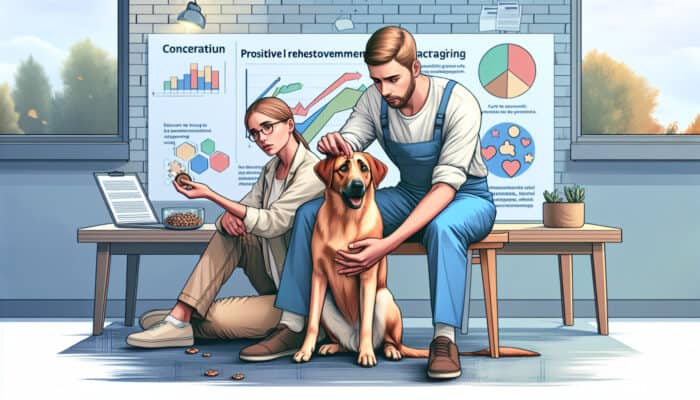
Bonding With New Pets: Quick Tips to Help You Connect
Deepen Your Connection with Your Pet by Understanding Their Behavior
Identifying Essential Indicators of a Happy and Secure Pet
Enhancing the bond with your pet significantly relies on your ability to decode their body language. When you welcome a new pet into your household, it becomes crucial to closely observe their comfort signals. Key indicators of comfort include a relaxed body posture, ears held in a neutral position, and a soft, gentle gaze. A pet that feels safe may also display playful behaviors such as wagging their tail or purring, which serve as strong signals of their emotional well-being. Actively engaging with your pet during these relaxed moments fosters meaningful bonding experiences that can solidify your relationship over time. Recognizing these cues not only enhances your interactions but also fortifies your emotional connections, paving the way for a fulfilling partnership.
In addition to physical cues, vocalizations play a vital role in conveying your pet’s comfort levels. Sounds like gentle chirps or soft whines often accompany relaxation, indicating that your pet feels secure in their environment. To reinforce these positive signals, initiate soft interactions, such as gentle petting or engaging in playful activities. By responding positively to these cues, you establish a solid foundation for a rich and enduring relationship with your new companion, ensuring they feel valued and understood in your shared life journey.
Recognizing Common Signs of Stress in Your Pet
Understanding the root causes of stress in your pet is essential for nurturing a strong bond. By recognizing stress signals, you can take proactive steps to create a more comforting atmosphere for your furry friend. Common stress indicators include excessive panting, hiding, or cowering, which frequently signify fear or anxiety. Overstimulation can lead pets to avoid eye contact or bark excessively, both of which are signs of discomfort or distress. Being alert to these signs is critical for effective intervention.
Some typical stress signs to keep an eye out for include:
- Excessive panting or drooling
- Hiding or seeking out solitary spaces
- Flattened ears or a tucked tail
- Avoidance of eye contact
- Aggressive or defensive behaviors
- Destructive actions such as scratching or biting
- Excessive vocalization, including barking or whining
Being observant of these signs allows you to tackle potential issues swiftly. Should you notice any of these indicators, it’s vital to create a soothing environment and ensure your pet has a secure space to retreat to when necessary. This proactive approach can facilitate smoother bonding experiences while enhancing the overall connection with your pet.
Effective Techniques for Encouraging Positive Interactions with Your Pet
Creating a safe and welcoming environment is fundamental for encouraging positive interactions with your new pet. This entails not only the physical space but also the emotional atmosphere you cultivate within your home. Allow your pet the freedom to explore their surroundings at their own pace, which fosters a sense of autonomy that is crucial for building trust. Incorporating treats or engaging toys can further stimulate exploration and interaction, making your pet feel more at ease in their new environment.
Additionally, implementing positive reinforcement techniques can be highly effective in promoting interaction. Every time your pet approaches or engages positively, reward them with praise or a treat. This method reinforces good behavior and helps them associate your presence with enjoyable experiences. Over time, these seemingly small actions will cultivate a robust foundation of trust and affection between you and your pet, significantly enriching your relationship.
How to Effectively Address Common Behavioral Challenges in Pets
Addressing common behavioral challenges in pets, such as aggression or destructive tendencies, is vital for enhancing the bonding process. Recognizing these issues early can greatly improve your pet’s overall well-being and your relationship with them. For example, if your pet exhibits aggressive tendencies, it may stem from fear or insecurity. Managing such issues necessitates patience and understanding. Implement positive reinforcement strategies to encourage desirable behavior while avoiding punishment, as this can exacerbate fear-based reactions and worsen the situation.
For pets that display destructive behaviors, ensure they have access to a range of appropriate toys and outlets for their energy. Regular playtime and physical activities can alleviate boredom, thus reducing destructive tendencies. If these problems persist, consulting with a pet behaviorist may offer valuable insights and solutions. Actively addressing behavioral issues with compassion and care can significantly enhance your bonding experience, leading to a more harmonious relationship with your beloved pet.
Mastering Effective Communication Techniques with Your Pet
Optimizing the Impact of Your Verbal Cues
Utilizing verbal cues is an effective method to enhance communication and understanding between you and your pet. Consistency is paramount; employing the same tone and words for commands helps your pet grasp your expectations more clearly. For example, a firm yet gentle command like “sit,” accompanied by a welcoming hand gesture, can assist your pet in associating the command with the desired action. Over time, they will not only comprehend the command but also attune to your emotional state, fostering a deeper bond and mutual understanding.
When utilizing verbal cues, it’s essential to pay attention to the tone of your voice. A soothing tone can reassure a nervous pet, while an enthusiastic voice can energize them during playtime. This form of communication strengthens the emotional connection, demonstrating your engagement and attentiveness to their needs. Each interaction provides an opportunity to deepen your relationship through effective verbal communication, allowing both you and your pet to flourish together.
Harnessing Body Language to Enhance Your Bonding Experience

Your body language plays a crucial role in conveying safety and trust to your pet, facilitating a quicker bond. Open and calm postures, such as kneeling to their level or employing gentle hand gestures, signal to your pet that you are approachable. Avoid sudden movements that might startle them; instead, move slowly and deliberately, creating a welcoming atmosphere of trust and comfort, allowing your pet to feel at ease in your presence.
Positive body language also involves maintaining eye contact, which can foster a sense of connection. However, be mindful of your pet’s comfort level regarding eye contact, as intense staring may be interpreted as a threat. Instead, soften your gaze, and blink slowly to express affection and trust. By becoming more aware of your own body language, you can communicate more effectively and nurture a stronger bond with your new pet.
The Significance of Eye Contact in Strengthening Emotional Connections
Engaging in eye contact is a powerful method for deepening your connection with your pet, signaling to them that they have your full attention and care. When you maintain gentle eye contact, you convey to your pet that they are valued and important. This can lead to positive associations, making them more inclined to seek your presence and affection. The act of looking into each other’s eyes can even trigger the release of oxytocin, the bonding hormone, in both you and your pet, significantly enhancing your emotional connection.
However, it’s crucial to approach eye contact with caution. For some pets, particularly those with timid or fearful backgrounds, direct eye contact may be intimidating. To foster trust, try softening your gaze and incorporating slow blinks, which can encourage your pet to reciprocate. This gentle approach allows your pet to feel safe and appreciated, thereby enriching the bonding experience over time.
Creating a Cozy and Inviting Environment for Your Pet
Establishing a Safe and Secure Space for Your Pet
Designing a safe and secure space for your pet is essential, enabling them to retreat when needed—an important factor in nurturing your bond. This designated area should be quiet and comfortable, away from the hustle and bustle of daily life. Consider placing their bed, favorite toys, and food in this space to create a sanctuary that your pet associates with comfort and security. This environment allows your new companion to explore their surroundings at their own pace, fostering a sense of safety and confidence.
Creating a secure environment extends beyond just the physical space; it encompasses emotional well-being as well. Spend quality time with your pet in this safe area, engaging in gentle play or moments of quiet companionship. Allowing them the freedom to approach you on their terms helps establish trust and deepens your bond. The more secure your pet feels, the more open they will be to developing a meaningful relationship with you.
Choosing the Best Bedding Options for Your Pet’s Comfort
Selecting the right bedding can significantly influence your pet’s comfort and sense of security, facilitating quicker bonding. Prioritize materials that promote warmth and coziness; many pets prefer soft, plush fabrics that cushion them as they rest. Consider beds with raised edges, which can provide a sense of security by mimicking the safety of a den, making your pet feel more at ease.
Recommended bedding options include:
- Orthopedic beds for older pets
- Memory foam beds for added support
- Woven baskets with soft cushions
- Washable covers for easy maintenance
- Heated beds for extra warmth in colder climates
- Pet blankets for additional comfort
When selecting bedding, consider your pet’s size, age, and specific comfort needs. Providing a comfortable resting place promotes relaxation and security, ultimately fostering stronger bonds.
The Importance of Consistent Routines for Your Pet’s Well-Being
Establishing a consistent daily routine is vital for helping your pet feel secure in their new environment. A predictable schedule for feeding, walks, and playtime enables your pet to understand what to expect, reducing anxiety and fostering a sense of stability. This routine creates a framework in which your pet can thrive, knowing their needs will be met regularly and predictably.
Moreover, incorporating your pet into your daily activities can further enhance bonding. Whether it involves taking them for morning walks or including them in family gatherings, these shared experiences serve to strengthen your connection. As your pet becomes more accustomed to their routine, their trust in you will grow, leading to a deeper bond over time that enriches both your lives together.
Expert Insights on Rapidly Bonding with New Pets
How to Initiate the Bonding Process According to Professionals
Experts advocate for initiating the bonding process with gentle interactions, allowing your pet to approach you at their own pace. This can involve softly speaking to them or offering treats as encouragement. One effective technique is to sit on the floor, creating a non-threatening atmosphere that invites your pet to come closer without feeling pressured or overwhelmed.
Real-world examples of successful bonding techniques include using engaging toys and games that capture your pet’s interest. For instance, utilizing a feather wand can stimulate a cat’s instincts, while playing fetch can energize a dog. These playful sessions not only provide necessary physical exercise but also strengthen trust and camaraderie between you and your pet.
What Psychological Benefits Can Pets Gain from Bonding?
Building a bond can significantly enhance a pet’s mental health and overall well-being, resulting in a happier and more balanced companion. When pets feel secure in their relationships, they experience reduced anxiety and are less likely to exhibit behavioral issues. This emotional stability allows them to thrive in their new environment, resulting in better interactions with both their human and animal companions.
Expert analysis indicates that pets who bond well with their owners show fewer signs of fear and aggression. They are also more inclined to engage in playful behaviors, indicating a sense of joy and contentment. Investing time in building this bond benefits not only your pet’s happiness but also your long-term satisfaction as a pet owner, ensuring a harmonious and fulfilling relationship for both parties.
Effective Strategies for Building Trust with Your Pet
Trust serves as the foundation for bonding with a new pet, requiring patience, consistency, and empathy. One effective strategy is to establish a routine that includes regular play, feeding, and quiet moments together. These interactions create a predictable environment where your pet can feel safe and valued, laying the groundwork for a lasting relationship.
Another crucial strategy is to give your pet space when they need it. Forcing interactions can lead to anxiety and resistance, hindering the trust-building process. Instead, allow your pet to approach you when they feel ready, reinforcing the idea that they control the pace of the relationship. By approaching trust-building with care and consideration, you can foster a strong and lasting bond over time.
Long-Term Strategies for Nurturing Your Bond
Engaging in Regular Play and Exercise Activities
Consistent play and exercise are vital not only for your pet’s physical health but also serve as valuable opportunities to reinforce your bond. Participating in shared activities, such as fetching a ball or running in the park, creates positive experiences that enhance your connection. These moments of play generate lasting memories, reinforcing the idea that you are a source of joy and excitement in your pet’s life.
Moreover, regular exercise helps alleviate stress and anxiety in pets, allowing them to feel more relaxed and secure in their environment. Aim to incorporate a variety of activities tailored to your pet’s preferences, whether it includes agility training, swimming, or simple outdoor exploration. The more frequently you engage in these activities together, the more trust and affection you will cultivate, deepening your bond.
How Training Sessions Can Improve Your Bonding Experience
Training can be an excellent avenue for strengthening your bond with your pet, as it inherently involves trust and communication. Utilizing positive reinforcement techniques, such as rewarding your pet with treats or praise for desired behaviors, fosters a strong connection based on mutual respect. Training sessions can become rewarding experiences for both of you, reinforcing your roles as a cohesive team.
Training enhances your bond while also improving your pet’s behavior, making them a more enjoyable companion. Consider incorporating activities that promote engagement, such as agility courses or trick training. These experiences can deepen your connection while keeping your pet mentally stimulated. Here are some training tips that can enhance bonding:
- Consistently use positive reinforcement
- Keep training sessions brief and enjoyable
- Integrate play into training
- Exhibit patience and empathy during learning
- Celebrate small successes frequently
By prioritizing training as a bonding tool, you can create a deeper and more meaningful relationship with your pet, ensuring both of you enjoy this journey together.
Celebrating Milestones Together to Strengthen Your Connection
Celebrating significant milestones in your pet’s life can greatly reinforce your bond, demonstrating to them that they are cherished and valued. Whether it’s their birthday, adoption anniversary, or achieving a training goal, these celebrations provide joyful opportunities for creating lasting memories together. Simple festivities, such as a special treat or a fun outing, can make your pet feel loved and appreciated.
Recognizing these moments not only fortifies your relationship but also reinforces positive behaviors. For example, if your pet successfully learns a new trick, celebrate this achievement with extra playtime or a special reward. By acknowledging their accomplishments, you create a positive association with learning and bonding experiences, turning these celebrations into an integral part of your shared journey that deepens your connection over time.
Ensuring Consistency in Your Pet’s Daily Routines
Establishing and maintaining daily routines is essential for helping your pet feel secure while also strengthening your bond through predictability and regular interaction. A consistent schedule for feeding, walks, and playtime fosters a sense of stability that is vital for your pet’s emotional health. This predictable structure enables your pet to understand what to expect, reducing anxiety and nurturing trust in your relationship.
To enhance this routine, incorporate small rituals that promote bonding, such as a morning cuddle session or an evening stroll. These shared moments create a sense of connection and familiarity, reinforcing the idea that you are a dependable presence in their life. Consistency combined with affection can transform daily routines into meaningful bonding experiences that enrich both your lives.
Overcoming Challenges in the Bonding Process
Strategies for Managing Initial Resistance from Your Pet
Some pets may show resistance to bonding initially due to fear or past experiences. Patience and understanding their needs are crucial for overcoming this challenge. Allow your pet to set the pace for interactions, providing them with a safe space to retreat if they feel overwhelmed. This gentle approach helps build trust over time and encourages your pet to feel more comfortable around you.
To create a positive atmosphere, use calming scents, soft music, or low lighting to help ease your pet’s anxiety. Engage in quiet activities together, such as reading aloud or simply sitting nearby, allowing your pet to approach you on their own terms. Demonstrating empathy and understanding during this initial resistance can transform fear into trust, paving the way for a deeper bond.
Steps to Take If Bonding Seems to Stall
If bonding appears to stall, it is essential to reassess your approach and consider seeking professional help if needed. Evaluate the environment to ensure it is conducive to bonding. Sometimes, simple adjustments, such as lowering noise levels or introducing new toys, can rekindle your pet’s interest and engagement.
Taking a step back can also be beneficial. Allow your pet some space to explore independently, then attempt to reintroduce activities that once sparked joy. Consistency and patience are crucial during this phase. If progress remains slow, consulting a professional trainer or behaviorist can provide valuable insights and strategies to effectively rejuvenate the bonding process.
Addressing Behavioral Issues to Strengthen Your Bond with Your Pet
Behavioral issues such as anxiety or aggression can significantly impede the bonding process. Addressing these challenges with patience and training can improve your relationship with your pet. Start by identifying the root causes of these behaviors. For instance, an excessively barking dog may be seeking attention or expressing fear due to past experiences.
Utilizing positive reinforcement techniques can help redirect negative behaviors effectively. Rewarding calm behavior with treats or praise reinforces desired actions, helping your pet feel more confident in their interactions. Additionally, consider incorporating anxiety-reducing strategies, such as calming music or pheromone diffusers, to establish a more relaxed atmosphere. By addressing these behavioral issues with empathy and understanding, you can gradually strengthen your bond and enhance your relationship over time.
Understanding the Impact of Nutrition on Bonding
How Diet Influences Your Pet’s Behavior
A balanced diet profoundly influences your pet’s mood and energy levels, which in turn affects how they bond with you. Nutritional deficiencies can lead to irritability or lethargy, making it difficult for your pet to engage positively with their environment. Ensuring your pet receives a well-rounded diet contributes significantly to their overall well-being and enhances their ability to form strong connections with you.
Consider the impact of nutrition on behavior; for instance, pets that consume high-quality diets tend to exhibit more stable moods and higher energy levels. This emotional stability can result in a more engaged and affectionate pet, facilitating stronger bonding experiences. Investing in your pet’s nutrition is a vital step in nurturing your relationship and ensuring long-term happiness.
Choosing the Right Food to Strengthen Your Bond with Your Pet
Selecting the appropriate food demonstrates to your pet that you care about their health, ultimately strengthening your bond. High-quality, suitable food tailored to your pet’s age, size, and specific needs is essential for their well-being. Whether you opt for premium dry kibble or nutritious wet food, prioritize ingredients that promote health and vitality.
Engaging in mealtime rituals can also enhance bonding. For example, presenting food in a special dish or incorporating a unique feeding schedule can create positive associations. Your pet will learn to associate mealtime with care and attention, reinforcing the bond between you. A thoughtful approach to nutrition can enhance both your pet’s well-being and your connection with them, making every meal a bonding opportunity.
Transforming Feeding Time into a Meaningful Bonding Ritual
Turning feeding time into a bonding ritual can foster positive associations and deepen your connection with your pet. Rather than simply putting food in a bowl, consider engaging your pet through interactive feeding methods, such as puzzle feeders or hand-feeding. These practices not only make mealtime enjoyable but also transform it into an opportunity for interaction and engagement.
Incorporating a routine around feeding can also enhance bonding. For instance, establishing a specific feeding schedule or offering treats at designated times of the day reinforces predictability, contributing to your pet’s sense of security. By making feeding a special time filled with attention and care, you nurture your bond daily, ensuring both you and your pet look forward to mealtimes.
The Role of Treats in Strengthening Your Bond
Using treats as rewards can greatly enhance bonding by reinforcing positive behavior and creating joyful moments with your pet. Treats act as tokens of appreciation, letting your pet know they are valued and loved. Whether giving a small treat during training sessions or providing a favorite snack for good behavior, these gestures create positive associations with your presence, making your pet feel cherished.
Choosing healthy treats that align with your pet’s dietary needs is essential. This ensures that while you reward them, you prioritize their overall health and well-being. Engaging in treat-sharing moments can be a delightful bonding experience, whether it’s a celebratory biscuit or a special homemade snack. The joy these moments bring can significantly strengthen your relationship, making every shared treat a step towards a deeper bond.
Addressing Nutritional Needs Throughout Different Life Stages
Understanding and meeting your pet’s changing nutritional requirements at different life stages is crucial for strengthening your bond. Puppies and kittens, for instance, require nutrient-rich diets to support their growth and development, while older pets may need specialized diets to maintain their health and vitality. Addressing these dietary needs showcases your commitment to their well-being and fosters trust.
Consulting with a veterinarian can help you better understand the optimal nutritional choices for your pet. By adapting their diet as they age and their needs evolve, you create a relationship built on care and attentiveness. This thoughtful approach to nutrition not only nourishes your pet but also nurtures the emotional bond you share, enhancing your connection over time.
Long-Term Strategies for Fostering a Strong Bond
Maintaining Your Bond During Life Changes
Life changes can impact your bond with your pet, whether you move to a new home, welcome a new family member, or undergo shifts in your daily routine. Consistent care and attention during these transitions are crucial for maintaining your relationship. By providing reassurance and support, you help your pet navigate these changes confidently and securely.
Incorporating familiar routines can also ease transitions. For instance, maintaining regular feeding times or play sessions can create a sense of normalcy. Your pet will appreciate the stability you provide during uncertain times, reinforcing their trust in you. By adapting to life changes together, you can strengthen your bond through shared experiences and resilience, ensuring you both emerge from these changes with a deeper connection.
How to Sustain Your Bond Over Time
Maintaining a strong bond requires ongoing effort and adaptation to your pet’s evolving needs. Regularly engaging in activities that foster interaction, such as daily walks, playtime, or training sessions, cultivates a sense of connection. This ongoing engagement allows your pet to feel valued and loved, further strengthening your relationship over time.
Being attentive to your pet’s changing preferences and needs is also essential. As they grow and evolve, so too will their interests. Paying attention to these changes—whether it’s a newfound love for a specific toy or increased sensitivity to certain stimuli—demonstrates your commitment to their happiness. By remaining adaptable and engaged, you ensure that your bond remains strong throughout your journey together, enriching both your lives.
Planning Future Activities to Enhance Your Bond with Your Pet
Planning future activities can keep the bond alive and exciting for both you and your pet. Consider introducing new experiences that can enrich your pet’s life, such as exploring different parks, attending training classes, or participating in fun pet events. These activities not only provide variety but also create opportunities for shared joy and exploration, enhancing your connection.
Scheduling regular outings or adventures can also reinforce the idea that your pet is a priority in your life. Whether it’s a weekend trip or a daily stroll through the neighborhood, these shared experiences can deepen your bond and create lasting memories. As you explore new avenues together, your connection will flourish, enriching both of your lives and ensuring lasting companionship.
Frequently Asked Questions About Bonding with Pets
How long does it typically take to bond with a new pet?
Bonding with a new pet can take anywhere from a few days to several weeks, depending on their personality and past experiences. Patience and consistent interactions are essential for establishing a strong bond.
What actions should I take if my pet is fearful?
If your pet shows signs of fear, create a safe space for them and allow them to approach you at their own pace. Utilize soothing tones and gentle gestures to help them feel secure and at ease.
How can I determine if my pet trusts me?
Signs of trust include your pet actively seeking your company, relaxing in your presence, and engaging in playful or affectionate behaviors. These are positive indicators that your bond is strengthening.
Is it possible to bond with my pet through training?
Absolutely! Training sessions can enhance your bond by promoting communication and trust. Utilize positive reinforcement techniques to create a rewarding experience for both you and your pet.
What are some common signs that indicate a stressed pet?
Common signs include excessive panting, hiding, ear flattening, and avoidance of eye contact. Being observant of these signs allows you to address their needs effectively and promptly.
How do I create a safe space for my pet?
Design a safe space with comfortable bedding, engaging toys, and a calm environment. This area should provide your pet with a place to retreat and feel secure whenever they need comfort.
Why is routine important for pets?
Consistent routines provide a sense of stability and security for pets. Regular feeding, exercise, and playtimes help them understand their environment and minimize anxiety, fostering a positive relationship.
How can I celebrate my pet’s milestones?
Celebrate milestones with special treats, outings, or fun activities. Acknowledging these moments fosters a sense of value and strengthens your bond, enhancing your relationship over time.
What role does nutrition play in bonding with pets?
Nutrition significantly affects your pet’s behavior and mood. Providing a balanced diet helps ensure they feel good, which in turn enhances their ability to bond with you and engage positively.
What strategies can I use to maintain my bond over time?
Regular engagement in play, training, and shared activities helps sustain a strong bond. Staying attuned to your pet’s evolving needs also demonstrates your commitment to their happiness and well-being.
Connect with us on Facebook for more tips!
The Article Bonding Quickly With New Pets: Universal Tips First Published On https://elgatoencasa.com
The Article Quick Tips for Bonding With New Pets Was Found On https://limitsofstrategy.com
-

Somali Cat Hunting Instincts: Understanding Their Prey Drive
Explore the Intriguing Hunting Behaviors of Somali Cats
Understanding the Triggers Behind Somali Cats’ Natural Hunting Instincts
The innate hunting instincts of Somali cats are ignited by an array of stimuli, including movement, sounds, and scents. These natural responses are vividly displayed when they observe fluttering curtains, the rustling of leaves, or the distant chirping of birds. By gaining a deeper understanding of these triggers, cat owners can respond more effectively to their furry companions’ needs, fostering a tranquil and enriching living environment. Observing your Somali cat as it reacts to various stimuli can provide priceless insights into its preferences and necessities, ultimately enhancing the bond between owner and pet.
For instance, if your Somali cat shows a keen interest in swiftly moving objects, you can significantly enhance its playtime by introducing more dynamic activities that replicate these movements. Engaging your cat with feather wands or laser pointers can transform playtime into an exhilarating hunting adventure, stimulating both their minds and bodies. Furthermore, scents are crucial in their engagement; many cats respond positively to catnip or the scents of other animals, which can be strategically utilized during play sessions to elevate their hunting experiences.
Exploring the Genetic Factors Influencing Somali Cats’ Hunting Behavior
Genetics plays a pivotal role in shaping the hunting instincts of Somali cats. These instincts are not mere learned behaviors but are deeply ingrained in their genetic makeup, inherited from their wild ancestors. Understanding the genetic elements that contribute to these behaviors can help owners appreciate the complexity of their cat’s actions. Here are several critical genetic factors that impact Somali cat hunting behavior:
- Strong predatory drive influenced by their ancestors
- Genetic factors affecting agility and coordination
- Inherent instincts for stalking and pouncing
- Curiosity driven by genes promoting exploration
- Genetically shaped social behaviors
- Genetic variability affecting hunting success rates
These genetic traits contribute to a Somali cat’s natural inclination towards hunting, making it essential for owners to provide appropriate outlets for these instincts to flourish. By recognizing the depth of these genetic characteristics, owners can cultivate an environment that honors their innate behaviors while promoting a fulfilling lifestyle for their pets.
Insights into How Somali Cats Cultivate Their Hunting Skills
Somali cats primarily hone their hunting skills through a combination of observation, play, and practice. Kittens, in particular, acquire vital knowledge by watching their mothers and participating in mock hunts with toys or littermates. This early socialization is crucial; it lays the groundwork for their future hunting capabilities, equipping them with essential skills such as stalking, pouncing, and capturing their “prey.”
Interactive play is a fundamental component in refining these skills. Owners can facilitate this development by providing a diverse array of toys that simulate real-life hunting scenarios. Toys that mimic the movements of small animals excite their instincts, allowing them to practice their skills in a safe and controlled environment. Over time, as Somali cats engage in these play activities, they not only refine their hunting techniques but also build the confidence necessary for real-world interactions.
Effective Strategies to Enhance the Hunting Instincts of Somali Cats
Boosting Your Somali Cat’s Hunting Instincts: Practical Tips for Owners
Owners can significantly amplify their Somali cat’s hunting instincts by crafting engaging environments and providing suitable toys that evoke their natural behaviors. Offering toys that mimic the movement or sound of prey can greatly enrich their play experiences. Below is a recommended list of effective toys and settings:
- Feather wands that simulate the movements of birds
- Laser pointers that promote chasing behavior
- Interactive puzzle feeders that stimulate their minds
- Cat trees that offer climbing and hiding opportunities
- Crinkly toys that mimic the sounds of rustling prey
- Remote-controlled toys for unpredictable movements
- Natural elements like cardboard boxes for exploration
By providing a diverse range of toys and settings, owners can create a stimulating environment that encourages Somali cats to fully embrace their hunting instincts. This not only satisfies their natural urges but also fosters both physical and mental engagement, which are essential for their overall well-being and happiness.
Implementing Best Practices for Managing Hunting Behavior in Somali Cats
Effectively managing the hunting behavior of Somali cats necessitates the implementation of best practices that channel their instincts positively while promoting a safe and harmonious home. Regular playtime is essential; it offers opportunities for cats to engage in their natural behaviors without causing disruptions or potential harm to household items or other pets.
Incorporating interactive toys can significantly enhance their hunting experiences. These toys not only challenge their hunting skills but also keep them mentally stimulated. Owners should establish safe play areas that provide various textures and ambush spots, allowing Somali cats to practice their stalking techniques without the risk of injury. Incorporating play into their daily routine ensures that these instincts are satisfied, preventing behavioral issues related to boredom or pent-up energy.
Experts recommend that consistent, structured playtime can improve a Somali cat’s overall health, reducing stress and anxiety levels. Owners should allocate specific times during the day for interactive play, ensuring that the cat knows when to expect these sessions. This routine can enhance the bond between the owner and the cat while promoting positive hunting behaviors.
Examining the Health Benefits Related to Hunting Instincts for Somali Cats
The hunting instincts of Somali cats can profoundly impact their physical and mental health. Regular engagement in hunting-related activities allows these cats to maintain optimal fitness levels. Activities that stimulate their hunting instincts promote muscle development, coordination, and agility. Consequently, Somali cats that frequently partake in play that mimics hunting behaviors tend to be more active and physically healthy.
Moreover, the mental health advantages of participating in hunting activities should not be overlooked. Hunting provides essential mental stimulation, reducing stress and anxiety levels among Somali cats. Regular play that simulates hunting scenarios allows them to engage their brains, fostering cognitive development and enhancing their problem-solving abilities. The interplay between physical activity and mental engagement contributes to a well-rounded and healthy lifestyle for Somali cats, ultimately enriching their quality of life.
Additionally, creating an environment that encourages these natural behaviors can result in a happier and more contented cat. Cats that are permitted to express their hunting instincts often display fewer behavioral issues. By acknowledging the importance of these instincts in promoting overall health, owners can cultivate a nurturing space that aligns with their Somali cat’s natural tendencies.
Understanding the Socialization Influence of Hunting Instincts on Somali Cats
Hunting instincts can significantly shape how Somali cats interact with other pets and humans, influencing their socialization and behavior within various contexts. The inherent drive to hunt may lead to different behaviors when they perceive other animals as competitors or potential prey. This dynamic creates distinct social interactions, especially in multi-pet households.
For example, a Somali cat may engage in playful stalking of a companion cat or dog, interpreting the movements of the other pet as potential prey. This behavior can enhance their social skills, allowing them to learn boundaries and appropriate interactions through play. However, it can also give rise to misunderstandings if the other pet does not respond positively to these hunting behaviors. Therefore, closely monitoring their interactions is crucial to ensuring a safe and positive environment for all pets involved.
Furthermore, the effect of hunting instincts on human interactions is equally significant. Somali cats may seek their owners’ involvement in play, viewing them as partners in their hunting adventures. Participating in interactive play can strengthen the bond between the cat and its owner, making playtime not just a physical exercise but also an emotional connection. Understanding how hunting instincts influence these social dynamics can help owners foster a more enriching environment that promotes positive interactions among all family members.
The Influence of Environment on Somali Cat Hunting Behavior
Examining How Home Environment Affects Hunting Instincts
The home environment plays a vital role in shaping a Somali cat’s hunting instincts. A stimulating environment that incorporates diverse elements can greatly enhance their natural hunting behaviors. For example, creating an environment with climbing structures, hiding spots, and interactive toys can significantly affect how effectively a cat can express its hunting instincts.
Cats are inherently curious beings, and an environment rich in textures, heights, and obstacles invites exploration and play. Installing cat trees or shelves empowers Somali cats to practice their climbing and stalking skills. Moreover, incorporating various types of toys, such as crinkle balls or feathered wands, can simulate the hunting experience, providing both physical and mental stimulation. This dynamic environment allows Somali cats to satisfy their instincts, keeping them engaged and content.
Conversely, a dull or barren living space can lead to frustration and boredom, stifling a Somali cat’s natural tendencies. When a cat lacks appropriate outlets for its hunting instincts, it may resort to destructive behaviors as a means of expressing pent-up energy. Therefore, owners should prioritize creating a stimulating home environment that encourages exploration and play, allowing Somali cats to thrive within their natural behavioral framework.
Assessing the Impact of Outdoor Access on Hunting Behavior
Outdoor access can substantially enhance a Somali cat’s hunting behavior, providing them with numerous opportunities to engage their instincts in a natural environment. Exploring the outdoors exposes cats to various stimuli, such as the sounds of rustling leaves, the sight of fluttering birds, and the scents of other animals. These elements can invigorate their natural hunting behaviors, resulting in more active and satisfied pets.
However, outdoor access presents certain risks, including encounters with traffic, predators, or other hazards that can threaten a cat’s safety. Owners must weigh the benefits against the potential dangers while considering their cat’s environment and individual personality. For instance, some Somali cats may flourish in an outdoor setting, while others may prefer controlled exploration.
To create a safer outdoor experience, consider supervised outings on a leash or in a secure catio. These setups allow Somali cats to enjoy the advantages of outdoor exploration without exposing them to the dangers of the open environment. By facilitating safe outdoor access, owners can help their cats develop their hunting instincts while minimizing risks, ensuring a balanced and healthy lifestyle.
Analyzing the Effects of Indoor Living on Somali Cats’ Hunting Opportunities
Indoor living can limit a Somali cat’s hunting opportunities; however, owners can compensate for this by providing various indoor hunting games and puzzles. Engaging Somali cats with interactive toys and activities can effectively replicate the hunting experience, keeping them stimulated and entertained.
One effective approach is to introduce puzzle feeders that require the cat to work for their food. This method not only engages their hunting instincts but also promotes cognitive development. Additionally, incorporating toys that mimic the movement of prey, such as mice toys that dart or spring, can captivate their attention and encourage play.
Creating an enriched indoor environment is vital for a Somali cat’s well-being. Consider setting up designated play areas with climbing structures, tunnels, and hiding spots that allow them to explore and practice their hunting skills. By providing varied experiences, owners can ensure that indoor living becomes a fulfilling and engaging environment for their Somali cats, allowing their natural instincts to flourish despite the limitations of an indoor setting.
Understanding How the Presence of Other Pets Influences Hunting Behavior
The presence of other pets can either stimulate or inhibit a Somali cat’s hunting instincts, depending on the dynamics and interactions between the animals. For instance, in a multi-pet household, other cats or dogs can encourage Somali cats to engage in playful stalking or hunting behavior, creating a lively and interactive environment.
If other pets are playful and enjoy similar activities, it can enhance the Somali cat’s hunting experience. Engaging together in play can foster healthy social interactions, reinforcing bonds while allowing for the expression of natural hunting behaviors. However, if the presence of other pets leads to competition or stress, it may stifle their instincts, resulting in less play and increased frustration.
Understanding the social hierarchy among pets is crucial for managing their interactions. Owners should observe how their Somali cat interacts with other animals and intervene if necessary to prevent negative experiences. Providing separate spaces for calm and play can help maintain a balance and ensure that each pet’s hunting instincts are supported positively.
Exploring the Effect of Environmental Enrichment on Hunting Skills
Environmental enrichment can significantly enhance a Somali cat’s hunting skills, keeping them mentally and physically engaged. By providing a variety of interactive toys, climbing structures, and mentally stimulating games, owners can enhance their cat’s abilities while also satisfying their natural instincts.
Interactive toys that require problem-solving can challenge a Somali cat’s cognitive abilities, allowing them to practice their hunting skills in an enjoyable and engaging manner. Toys that dispense treats when manipulated or those that mimic the movements of prey can create a rewarding experience, encouraging active participation.
Moreover, incorporating varied terrain, such as different surfaces and heights, can boost their agility and coordination. Creating an environment that encourages exploration and play allows Somali cats to hone their skills while offering opportunities for exercise. This kind of enrichment is essential for maintaining a healthy lifestyle, as it promotes both physical activity and mental engagement.
Ultimately, owners should strive to create an enriched environment that caters to their Somali cat’s instincts. By fostering a space where hunting skills can thrive, owners directly contribute to their cat’s overall health and happiness.
Proven Training Techniques for Developing Somali Cat Hunting Instincts
Effective Training Methods to Enhance Hunting Instincts
Effective training methods for Somali cats’ hunting instincts encompass positive reinforcement techniques, such as clicker training and interactive play sessions. These strategies not only engage their instincts but also create enjoyable experiences that reinforce desired behaviors.
Clicker training is a widely accepted approach that utilizes a small handheld device to emit a distinct sound when the cat performs the desired action. This technique allows owners to reward their Somali cats immediately, establishing a strong connection between the action and the reward. For example, if a cat successfully stalks and pounces on a toy, using the clicker followed by a treat can reinforce this behavior.
Incorporating interactive play sessions that simulate hunting scenarios is another effective method. Using toys that mimic the movements of prey can enhance their hunting skills. For instance, feather wands or remote-controlled mice can stimulate their natural instincts, allowing them to practice stalking, pouncing, and capturing. Regularly scheduled play sessions ensure that the training remains consistent, promoting the development of their hunting techniques over time.
Engaging in this type of training not only strengthens the bond between the owner and the cat but also fosters a fun and dynamic environment that allows Somali cats to thrive. By implementing these techniques, owners can effectively nurture their cats’ instincts while promoting overall well-being.
Utilizing Play as a Tool to Enhance Hunting Skills
Play is fundamental for enhancing a Somali cat’s hunting skills, as it allows them to practice their natural behaviors in a controlled environment. Owners can utilize various types of toys that mimic prey movement to effectively engage their cat’s instincts.
For instance, toys that replicate the erratic movements of small animals can evoke their hunting drive. Feathered wands, for example, can be waved in a manner that simulates the flapping of wings, enticing the cat to stalk and pounce. Additionally, laser pointers can create a fast-moving target that encourages chasing and sprinting, enhancing their agility and coordination.
Incorporating play into daily routines is crucial for reinforcing these skills. Setting aside dedicated time for interactive play not only addresses their hunting instincts but also contributes to their physical fitness and mental stimulation. Owners should vary the types of play sessions to keep things exciting, rotating toys and introducing new activities to maintain their interest.
Moreover, engaging in play with their cat can deepen the owner-pet bond, turning hunting practice into a shared experience that builds trust and companionship. By prioritizing play, owners can effectively support their Somali cat’s natural instincts while fostering an environment of active engagement.
Understanding the Importance of Consistency in Training
Consistency in training is vital for reinforcing a Somali cat’s hunting instincts. Regular play sessions and structured training routines help maintain and enhance their hunting skills over time. Establishing a consistent schedule allows cats to anticipate when to engage in play, making them more eager and focused during these sessions.
Creating a routine that incorporates various forms of play can ensure that training remains engaging and stimulating. For instance, owners can alternate between interactive toys, puzzle feeders, and outdoor exploration to provide a well-rounded experience that caters to their hunting instincts. This variety prevents boredom and encourages sustained interest in training activities.
Furthermore, consistency in reinforcing desired behaviors through positive reinforcement, such as treats or praise, solidifies their understanding of what is expected. When a cat associates specific actions with rewards, they are more likely to repeat those behaviors during future training sessions.
In summary, a consistent training approach not only enhances a Somali cat’s hunting skills but also promotes a deeper bond between the cat and its owner. By prioritizing routine and engagement, owners can nurture their cat’s natural instincts while ensuring a fulfilling and constructive training experience.
Behavioral Insights into the Hunting Instincts of Somali Cats
Identifying Behaviors That Indicate Strong Hunting Instincts
Strong hunting instincts in Somali cats can be recognized by observing specific behaviors that reflect their natural predatory tendencies. Key behaviors include stalking, pouncing, and exhibiting intense focus on moving objects. Recognizing these behaviors can help owners appreciate their cats’ needs and tailor activities accordingly.
Somali cats often display stalking behavior when they observe potential “prey,” whether it’s a toy, a moving shadow, or even a sibling. This behavior involves crouching down low and moving stealthily, showcasing their natural instincts. Pouncing is another critical aspect; the ability to leap and capture prey mimics their wild ancestors’ hunting techniques. Intense focus on moving objects, such as a feather or laser pointer, demonstrates their ability to track and engage with targets, highlighting their predatory prowess.
Understanding these behaviors not only offers insights into what drives a Somali cat but also allows owners to create enriching environments that cater to their instincts. Providing appropriate outlets for these behaviors ensures that the cat’s needs are met while fostering a fulfilling and engaging lifestyle.
Observing How Somali Cats Express Their Hunting Instincts
Somali cats express their hunting instincts through various behaviors that mimic natural hunting actions. Common expressions include playing with toys, chasing laser pointers, and even engaging with household objects as if they were prey. These behaviors are essential for fulfilling their instinctual drive to hunt.
During playtime, Somali cats often exhibit behaviors such as batting, pouncing, and carrying toys in their mouths. These actions simulate the process of catching and capturing prey, allowing them to engage their instincts in a safe environment. Additionally, laser pointers offer an exciting way for them to express their hunting drive; the unpredictable movements of the light can stimulate their chase instincts, encouraging them to stalk and pounce.
In some instances, Somali cats may even display hunting-like behaviors towards everyday objects, such as crumpled paper or small household items. This behavior showcases their natural curiosity and instinct to engage with their environment. By providing various play opportunities, owners can effectively nurture these instincts, ensuring that Somali cats have an outlet for their natural behaviors.
Examining the Connection Between Hunting and Aggression in Somali Cats
There is a notable connection between hunting instincts and aggression in Somali cats. Understanding this link can help owners manage aggressive behaviors that may arise due to heightened hunting drives. While hunting is a natural instinct, it can manifest as aggression if not properly channeled.
For example, if a Somali cat becomes overly stimulated during play or feels threatened, it may redirect its hunting instincts into aggressive behaviors. This can manifest as swatting, biting, or chasing other pets or people in the household. Recognizing the signs of overstimulation, such as dilated pupils or a twitching tail, is crucial for preventing aggressive outbursts.
To mitigate this aggression, owners should provide ample opportunities for play and mental stimulation to fulfill their cat’s hunting instincts. Regular interactive sessions that allow for appropriate expression of these behaviors can help reduce frustration and aggression. By understanding the connection between hunting and aggression, owners can create a balanced environment that promotes healthy, engaging activities while minimizing conflict within the household.
Strategies for Effectively Channeling Hunting Instincts in Somali Cats
Owners can support Somali cats’ hunting instincts effectively by providing various interactive toys, structuring play sessions, and creating a stimulating environment. Engaging Somali cats in activities that mimic hunting scenarios allows them to express their natural behaviors in a safe and enjoyable manner.
Utilizing interactive toys, such as feather wands, laser pointers, and puzzle feeders, can enhance their play experience while satisfying their hunting instincts. These toys encourage physical activity, mental engagement, and problem-solving, which are essential for channeling their energy positively. Additionally, scheduling regular play sessions can create a routine that fosters anticipation and excitement for the cat.
Creating a stimulating environment is equally important. Incorporating climbing structures, hiding spots, and various textures can encourage exploration and play, allowing Somali cats to indulge in their instincts fully. By offering diverse play options and ensuring regular engagement, owners can effectively channel their cats’ natural behaviors, contributing to their overall health and happiness.
Research-Based Insights on Somali Cat Hunting Instincts
Understanding the Contribution of Hunting Instincts to Physical Health
Hunting instincts significantly contribute to a Somali cat’s physical health by promoting exercise and muscle development. Engaging in activities that stimulate their hunting behaviors allows these cats to maintain optimal fitness levels. Regular hunting activity leads to improved overall health, as it keeps them active and agile.
Active play sessions that simulate hunting scenarios encourage cats to run, jump, and climb, which are vital for muscle development and coordination. As they practice their stalking and pouncing techniques, they engage various muscle groups, contributing to a toned physique and overall physical fitness. Moreover, regular exercise helps manage weight and reduces the risk of obesity-related health issues.
Furthermore, engaging in hunting-related activities can enhance cardiovascular health. When Somali cats participate in play that mimics their hunting instincts, they experience an increase in heart rate, promoting better blood circulation and overall heart health. By facilitating these activities, owners can actively contribute to their cat’s physical well-being, ensuring a long and healthy life.
Exploring the Mental Health Benefits of Hunting Activities
Hunting can yield significant mental health benefits for Somali cats. Engaging in activities that stimulate their hunting instincts not only reduces stress but also increases mental stimulation and cognitive function. These benefits are crucial for their overall well-being and happiness.
The act of hunting—whether through play or exploration—allows cats to express their natural instincts, leading to a more fulfilled and balanced lifestyle. Engaging their brains through problem-solving activities, such as interactive toys or puzzle feeders, keeps them mentally stimulated and prevents boredom-related behaviors. Additionally, regular play sessions can help alleviate anxiety and stress, promoting a calmer demeanor.
Furthermore, the satisfaction derived from successfully engaging in hunting-related activities can boost a cat’s confidence. This enhances their self-esteem and leads to a more positive outlook, which is essential for maintaining a healthy mental state. By prioritizing opportunities for mental engagement, owners can significantly improve their Somali cat’s mental health and overall quality of life.
Maximizing Health Benefits Through Hunting Activities
To maximize the health benefits of hunting for Somali cats, owners can implement several actionable steps that promote physical and mental well-being. First, providing a variety of hunting toys can enhance their play experience. Options such as feather wands, laser pointers, and interactive puzzle feeders can stimulate their instincts and encourage exercise.
Next, establishing a routine that incorporates regular play sessions is crucial. Scheduling specific times for interactive play not only allows cats to anticipate these moments but also ensures they receive adequate physical activity. Owners should aim for at least 20-30 minutes of engaging play each day, varying the types of toys and activities to keep things fresh and exciting.
Additionally, creating an enriching environment that includes climbing structures and hiding spots can cater to their natural curiosity and hunting tendencies. This setup encourages exploration and physical activity, fostering overall health. By implementing these strategies, owners can effectively support their Somali cat’s hunting instincts, leading to improved physical and mental well-being.
Examining the Impact of Diet on Somali Cat Hunting Instincts
How Diet Influences Hunting Behavior in Somali Cats
Diet plays a crucial role in influencing a Somali cat’s hunting behavior. A balanced diet rich in protein supports their energy levels and motivation to hunt, enhancing their natural instincts. When a cat’s nutritional needs are met, they are more likely to engage in playful hunting behaviors, fulfilling their instincts and keeping them active.
Cats are obligate carnivores, meaning their bodies are designed to thrive on a diet that mimics what they would consume in the wild. High-protein diets not only provide the necessary energy for hunting activities but also support muscle development and overall health. If a cat’s diet lacks essential nutrients, they may exhibit decreased energy levels and a diminished interest in hunting-related play.
Moreover, feeding methods can impact hunting behavior. Cats that are fed at irregular intervals may exhibit increased hunting behaviors, as they are motivated to seek out food more actively. Conversely, regular feeding schedules may lead to less hunting activity, as the cat’s immediate need for food is already satisfied. Striking a balance in feeding practices can optimize a Somali cat’s hunting instincts while ensuring their nutritional needs are met.
Identifying Foods That Best Support Hunting Instincts
The best foods to support a Somali cat’s hunting instincts include high-quality, protein-rich diets that replicate the nutritional profile of their natural prey. When selecting cat food, owners should prioritize options that list meat as the primary ingredient, ensuring adequate protein intake.
Foods containing high levels of animal-based protein, such as chicken, turkey, or fish, are ideal for promoting healthy energy levels and supporting hunting behaviors. Additionally, incorporating wet food into their diet can enhance hydration and provide a more natural feeding experience, which may further stimulate their instincts.
When considering treats, opt for those that are protein-focused, such as freeze-dried meat or fish. These treats not only serve as a rewarding incentive during training sessions but also align with their natural dietary needs. By providing a well-rounded, protein-centric diet, owners can effectively support their Somali cat’s hunting instincts, contributing to their overall health and well-being.
Evaluating the Effects of Feeding Schedules on Hunting Behavior
Feeding schedules can significantly impact a Somali cat’s hunting instincts. Irregular feeding can encourage more active hunting behaviors, as the cat’s natural drive to seek food becomes more pronounced. When cats are fed at inconsistent times, they may exhibit increased enthusiasm for play and hunting activities as they try to satisfy their hunger.
Conversely, regular feeding schedules may lead to a decline in hunting behaviors, as the cat’s immediate needs are met. In this situation, the cat may be less motivated to engage in play that simulates hunting, as they do not feel the urgency to seek out food. Striking a balance between regular feeding and stimulating hunting activities is critical to maintaining a cat’s interest in play.
To encourage active hunting behaviors, owners can implement feeding strategies that mimic the natural hunt. For example, using puzzle feeders or hiding portions of their food around the house can stimulate a cat’s hunting instincts, encouraging them to “hunt” for their meals. By adjusting feeding practices, owners can effectively influence their Somali cat’s hunting behavior, promoting a more active and engaging lifestyle.
Understanding Social Dynamics and Their Influence on Somali Cat Hunting Instincts
Influences of Other Pets on Hunting Behavior
The presence of other pets can significantly affect a Somali cat’s hunting behavior. Depending on the dynamics of the household, other pets may either encourage or inhibit the expression of these instincts. For instance, if a Somali cat is placed in an environment with playful, interactive companions, it may lead to enhanced engagement in hunting behaviors.
In multi-pet households, feline companions may stimulate each other’s instincts through playful interactions. When cats play together, they often mimic hunting behaviors, such as stalking, pouncing, and chasing. This interaction not only provides socialization but also reinforces their hunting abilities in a fun and non-threatening environment.
However, competition for resources or space can lead to stress and inhibit a cat’s natural hunting instincts. If a Somali cat feels threatened or overly challenged by another pet, it may withdraw from participating in playful activities altogether. Observing how pets interact and ensuring a harmonious environment is crucial for promoting healthy hunting behaviors.
Ultimately, the influence of other pets on a Somali cat’s hunting behavior highlights the importance of understanding social dynamics within a household. Creating an environment where all pets can thrive while engaging in their natural instincts fosters a more balanced and enjoyable living situation.
Evaluating the Role of Human Interaction in Hunting Instincts
Human interaction plays a significant role in a Somali cat’s hunting instincts. Engaging in play with their owners can enhance their hunting skills while providing essential mental stimulation. When people participate in interactive play, they become a vital part of the cat’s hunting experience, reinforcing their natural behaviors.
Involving owners in play sessions can boost a cat’s confidence and interest in pursuing prey-like toys. For instance, using feather wands or laser pointers during play encourages cats to showcase their stalking and pouncing abilities. This interaction not only fulfills their instinctual drive but also strengthens the bond between the cat and its owner, creating a positive and rewarding experience.
Additionally, human interaction can help mitigate potential behavioral problems. If a Somali cat feels neglected or bored, it may resort to undesirable behaviors as an outlet for its energy. Regularly scheduled playtime and engagement help channel their instincts appropriately, reducing the likelihood of destructive behaviors.
By understanding the importance of human interaction in supporting hunting instincts, owners can create an enriching environment that fosters both physical activity and emotional bonding. Prioritizing shared play experiences enhances the overall quality of life for Somali cats, ensuring they remain happy and healthy.
How Multi-Cat Households Affect Hunting Behavior
In multi-cat households, hunting behavior can be influenced by competition and social hierarchy. The dynamics between cats can create varied expressions of hunting instincts, as they may be motivated to assert dominance or engage in playful interactions. Understanding these dynamics is crucial for managing hunting behaviors effectively.
Cats in multi-pet environments may either encourage or inhibit each other’s hunting instincts. For instance, if one cat is more dominant, it may lead the others in play, prompting increased hunting behaviors. Conversely, subordinate cats may feel hesitant to engage in hunting activities if they perceive potential competition from a more dominant counterpart.
To foster a balanced environment, owners should monitor interactions between cats and provide opportunities for individual playtime. Establishing separate spaces for each cat allows them to express their hunting instincts without undue pressure from competitors. By promoting a harmonious atmosphere while ensuring each cat has an outlet for their natural behavior, owners can help cultivate a positive multi-cat household.
Strategies for Effectively Managing Somali Cat Hunting Instincts
Redirection Techniques for Hunting Instincts
Effective strategies for redirecting a Somali cat’s hunting instincts involve providing alternative outlets that satisfy their prey drive. Owners can implement various activities and toys that channel these natural behaviors in a constructive manner.
One effective method is to introduce puzzle feeders that require cats to work for their food. By engaging their cognitive abilities, these feeders stimulate their hunting instincts while providing a rewarding experience. Additionally, incorporating interactive toys that mimic the movements of prey can help satisfy their desire to stalk and pounce.
Establishing a routine that includes regular play sessions is crucial for redirecting hunting instincts. Scheduling dedicated time for interactive play keeps cats engaged and ensures they have an appropriate outlet for their energy. Using a variety of toys and play methods can further enhance their experience, preventing boredom and frustration.
By offering alternative hunting outlets, owners can effectively redirect their Somali cat’s hunting instincts while ensuring a fulfilling and engaging lifestyle. This approach not only promotes healthy behavior but also strengthens the bond between the cat and its owner.
Preventing Unwanted Hunting Behaviors in Somali Cats
Preventing unwanted hunting behaviors in Somali cats involves understanding their triggers and providing appropriate outlets for their instincts. By recognizing situations that may prompt unwanted behaviors, such as pouncing on household items or aggressive play with other pets, owners can take proactive measures to redirect their cat’s energy.
One effective preventive measure is to provide ample interactive toys that engage their hunting instincts positively. Utilizing toys that mimic prey movements can help satisfy their desires while keeping them entertained. Additionally, setting up dedicated play areas with appropriate climbing structures and hiding spots encourages constructive play and exploration.
Establishing clear boundaries during playtime also helps prevent unwanted behaviors. For instance, owners can redirect their cats’ attention if they begin to exhibit aggressive play. By gently guiding them towards more appropriate toys or activities, owners can teach their cats healthier ways to express their instincts.
Here’s a bullet list of preventive measures for unwanted hunting behaviors:
- Provide interactive toys to engage their instincts
- Create designated play areas with climbing structures
- Establish clear boundaries during playtime
- Monitor interactions with other pets
- Implement regular play sessions to redirect energy
- Use distraction techniques when unwanted behavior arises
By proactively addressing triggers and providing suitable outlets for their instincts, owners can significantly reduce unwanted hunting behaviors in Somali cats, ensuring a more harmonious living environment.
Understanding the Importance of Patience in Managing Hunting Instincts
Patience is essential when managing a Somali cat’s hunting instincts. Owners must recognize that these instincts are natural and require time and consistent effort to manage effectively. Understanding that each cat has its unique personality and responses to stimuli is vital for fostering a cooperative relationship.
When introducing new activities or redirecting behaviors, it’s important for owners to remain patient and observant. Somali cats may take time to adapt to changes in their environment or play routines. By allowing them the space to explore and express their instincts at their own pace, owners can encourage positive behaviors without creating undue stress.
Additionally, reinforcing desired behaviors with patience and positive reinforcement helps establish trust between the cat and its owner. When cats receive consistent rewards for appropriate behaviors, they are more likely to repeat those actions during future training sessions.
Ultimately, cultivating a patient and understanding attitude allows owners to create a nurturing environment that respects their cat’s natural behaviors. By prioritizing patience in their interactions and training, owners can successfully guide their Somali cats toward healthy expressions of their hunting instincts.
Frequently Asked Questions About Somali Cat Hunting Instincts
What Key Traits Define the Hunting Instincts of Somali Cats?
Somali cats are renowned for their heightened hunting instincts, characterized by behaviors such as stalking, pouncing, and intense focus on moving objects. These traits stem from their genetic lineage and contribute to their playful and active nature.
How Can I Tell If My Somali Cat Is Bored and Needs More Stimulation?
Signs of boredom in Somali cats include excessive vocalization, destructive behavior, or a lack of interest in play. If your cat seems restless or engages in unwanted behaviors, it may indicate a need for more stimulation through play and interaction.
Are There Specific Toys That Are Particularly Effective for Enhancing My Somali Cat’s Hunting Skills?
Yes, toys that mimic prey movement, such as feather wands, laser pointers, and interactive puzzle feeders, are excellent for enhancing Somali cats’ hunting skills. Consider rotating toys regularly to keep their playtime engaging.
How Often Should I Engage My Somali Cat in Hunting-Related Play?
Aim to engage your Somali cat in hunting-related play sessions for at least 20-30 minutes each day. Regular, interactive play helps fulfill their instincts while promoting physical and mental health.
Is It Safe to Take My Somali Cat Outdoors?
Yes, you can take your Somali cat outdoors safely using a leash or harness. Alternatively, consider a catio or enclosed outdoor space to allow exploration without exposing them to risks such as traffic or predators.
What Diet Is Optimal for Supporting My Somali Cat’s Hunting Instincts?
A high-quality, protein-rich diet is best for supporting a Somali cat’s hunting instincts. Look for foods that list meat as the primary ingredient to ensure they receive the necessary nutrients for energy and muscle development.
How Can I Manage Aggressive Behavior Related to Hunting Instincts?
To manage aggression related to hunting instincts, ensure your cat has ample playtime and engaging activities. Redirect their focus when aggression occurs and provide clear boundaries during play to promote positive interactions.
What Benefits Are Associated with Allowing My Somali Cat to Express Its Hunting Instincts?
Allowing Somali cats to express their hunting instincts provides numerous benefits, including improved physical fitness, reduced stress levels, and enhanced cognitive function. Engaging their instincts promotes a happier, healthier lifestyle.
Is It Normal for Somali Cats to Hunt Small Household Items?
Yes, it is normal for Somali cats to hunt small household items, as this behavior reflects their natural instincts. Providing appropriate toys can help redirect this behavior into more constructive play.
What Should I Do If My Somali Cat Displays Excessive Hunting Behavior?
If your Somali cat exhibits excessive hunting behavior, consider increasing their playtime and providing a wider variety of interactive toys. Monitoring their triggers and ensuring they have an enriching environment can also help manage their instincts.
Connect with us on Facebook!
The Article Somali Cat Hunting Instincts: Unleashing Their Prey Drive First Published On https://elgatoencasa.com
The Article Somali Cat Prey Drive: Unleashing Their Hunting Instincts Was Found On https://limitsofstrategy.com
-

Motion Sickness Remedies for Dogs: Effective Solutions
Understanding Motion Sickness in Dogs: A Comprehensive Analysis
Key Factors Contributing to Motion Sickness in Dogs
Motion sickness in dogs can arise from multiple factors that disrupt their natural ability to adapt to various movements. A key contributor is the dog’s inner ear balance system, which might find it challenging to interpret unfamiliar motion, leading to discomfort or distress. Furthermore, anxiety plays a crucial role; dogs that experience stress during car rides or travel commonly show increased symptoms. Additionally, new environments can provoke discomfort, resulting in adverse reactions while on the move. Understanding these triggers is essential for pet owners who wish to effectively manage their dog’s discomfort and improve their travel experiences.
For instance, if a dog consistently exhibits anxiety during travel, discovering and addressing the root cause can lead to a significant reduction in motion sickness. Creating a calm and soothing environment within the vehicle can often help diminish the severity of their symptoms. Since each dog possesses unique traits, identifying the specific factors contributing to their motion sickness is vital for developing a personalized and effective treatment plan.
Recognizing the Symptoms of Motion Sickness in Dogs
Accurately identifying motion sickness in dogs necessitates careful observation of specific symptoms. Typical signs include:
- Excessive drooling
- Whining or persistent barking
- Vomiting episodes
- Restlessness or inability to settle
- Panting or heavy breathing
- Frequent yawning
- Lethargy or unusual inactivity
- Difficulty maintaining focus
Quickly recognizing these symptoms is crucial for providing timely relief to your pet. For example, if your dog begins to drool excessively, this could signal initial discomfort. Taking immediate action, whether by stopping the vehicle or applying suitable remedies, can avert escalation to more severe reactions, such as vomiting. Pet owners must remain vigilant and prepared to intervene as soon as they notice these warning signs.
Effective Diagnosis of Motion Sickness in Dogs
Veterinarians typically diagnose motion sickness through a combination of clinical evaluations and health assessments. Pet owners can initiate the diagnostic process at home by documenting their dog’s behavior during and after travel. If symptoms such as vomiting or drooling consistently occur solely during travel, it’s likely that motion sickness is the underlying issue. Consulting a veterinarian is crucial to rule out any other potential health concerns.
Here are some practical steps pet owners can take to diagnose motion sickness at home:
- Observe your dog’s behavior during travel and note any unusual signs.
- Keep a travel log that details symptoms and the durations of trips.
- Monitor your dog’s reactions to various travel conditions, such as the time of day or specific routes taken.
- Consider recording your dog’s behavior before, during, and after travel for clearer insights.
Conducting these preliminary observations can greatly assist your veterinarian in making a more accurate diagnosis, leading to personalized treatment options tailored to your dog’s unique needs.
Exploring Natural Remedies for Motion Sickness in Dogs

Utilizing Ginger as a Natural Solution for Canine Motion Sickness
Ginger has gained recognition for its anti-nausea benefits and can offer significant relief for dogs suffering from motion sickness. The active compounds in ginger, such as gingerol and shogaol, work to soothe the stomach and reduce inflammation. When given in moderation, ginger can alleviate nausea and support digestion, positioning it as a remarkable natural remedy for the discomfort associated with travel.
However, it is essential to consult with a veterinarian before introducing ginger into your dog’s diet. While ginger is generally safe for dogs, the appropriate dosage may vary based on the dog’s size, weight, and overall health. Typically, a small piece of fresh ginger or a sprinkle of ginger powder can be added to their food a few hours before travel. Monitoring your dog for any adverse reactions is critical when trying this remedy for the first time.
Benefits of Chamomile for Dogs Experiencing Motion Sickness
Chamomile is a gentle herb well-known for its calming properties. Providing chamomile to dogs can help reduce anxiety, which may indirectly alleviate symptoms of motion sickness. By fostering relaxation, chamomile can make travel less stressful for your dog, resulting in a more enjoyable experience for both the pet and the owner.
Chamomile can be administered in several forms, including teas or supplements. When preparing chamomile tea, ensure it cools down before offering it to your dog. A standard serving might involve mixing a few teaspoons of cooled chamomile tea into their water. Alternatively, chamomile supplements are available in capsule form, but it is highly advisable to consult your veterinarian for the appropriate dosage tailored to your dog’s weight and health status.
Benefits of Peppermint Oil for Dogs with Motion Sickness

Peppermint oil is another effective remedy for dogs experiencing motion sickness. Its soothing properties can help calm the stomach and reduce feelings of nausea. However, it must be used with caution, as essential oils can be potent and may irritate a dog’s skin or respiratory system if not applied properly.
When using peppermint oil, it is vital to dilute it before application. A few drops mixed with a carrier oil, such as coconut or olive oil, can be applied to your dog’s collar or a bandana they can wear during travel. Additionally, diffusing peppermint oil in the car while traveling can create a more pleasant atmosphere for your dog without any direct contact with the oil. Always observe your dog’s reactions and discontinue use if you notice any signs of discomfort or irritation.
Insights from Experts on Remedies for Canine Motion Sickness
Successful Remedies: Real-Life Examples from Dog Owners
Numerous veterinarians and dog owners recount success stories involving various remedies for motion sickness. For example, a Golden Retriever named Max experienced significant anxiety during car trips, resulting in frequent vomiting. After incorporating ginger into his pre-travel routine, his owner observed a marked decrease in symptoms. Furthermore, Max’s owner combined ginger with short practice trips to gradually acclimate him to the motion of travel.
Here are some successful real-world examples shared by dog owners:
- A Labrador named Bella found relief from anxiety by consuming chamomile tea before traveling.
- A Dachshund named Charlie positively responded to the gradual introduction of car travel, which significantly alleviated his symptoms.
- A Border Collie named Lucy experienced benefits from peppermint oil diffused in the car, helping her remain calm during longer journeys.
- A Cocker Spaniel named Daisy encountered fewer vomiting incidents after using medication prescribed by a veterinarian.
These anecdotes illustrate that a combination of natural remedies, training, and, when necessary, medications can effectively address motion sickness in dogs. Hearing from fellow pet owners can inspire new approaches and ideas to explore.
Expert Recommendations for Administering Remedies to Dogs
Experts often suggest various methods for administering remedies to dogs to maximize their effectiveness. For natural remedies like ginger or chamomile, incorporating them into treats or food can facilitate easier consumption for dogs. For instance, mixing ginger powder into a small amount of peanut butter creates a delightful treat that dogs are likely to enjoy. Similarly, chamomile tea can be offered in a favorite bowl to encourage hydration and relaxation.
When it comes to medications, veterinarians typically recommend administering them as directed, usually 30 minutes to an hour before travel. This timing allows the medication to reach peak effectiveness during the journey. Some dogs may require specific techniques, such as using a pill pocket or hiding the medication in a treat, to ensure they take it without resistance.
Monitoring your dog’s response after administering any remedy is crucial. Keeping a journal of their behavior can help track the most effective solutions and allow for necessary adjustments. Establishing a routine incorporating these remedies can foster a positive association with travel, ultimately reducing the chances of motion sickness over time.
Long-Term Effects of Remedies for Motion Sickness in Dogs
The long-term effects of certain remedies can vary in dogs, depending on the type of remedy and the individual dog’s health status. Natural remedies like ginger and chamomile, when used appropriately, are generally safe but should still be closely monitored for any signs of adverse reactions over time. Some dogs may develop a heightened tolerance, which could diminish the remedy’s effectiveness. Regular check-ups with your veterinarian can provide valuable insights into whether adjustments are necessary based on your dog’s health and response to these remedies.
Conversely, continuous reliance on medications without proper management may lead to side effects. For instance, overuse of medications like Dramamine can result in drowsiness or gastrointestinal upset. Therefore, maintaining open communication with your veterinarian is essential to ensure that any long-term remedy remains suitable for your dog’s ongoing health and well-being.
Evaluating Medications for Canine Motion Sickness
Common Medications Prescribed by Veterinarians
Veterinarians frequently prescribe medications to manage motion sickness in dogs. Some commonly prescribed medications include Cerenia, which specifically targets the brain’s vomiting center, and Dramamine, known for its anti-nausea properties. These medications can provide substantial relief to dogs experiencing severe symptoms during travel.
Consulting with a veterinarian before administering any medication is essential, as they will consider your dog’s unique health profile and provide guidance on the appropriate dosage. For instance, Cerenia is generally given at least one hour before travel to ensure maximum effectiveness, while Dramamine has different dosing instructions depending on the dog’s weight. Regular follow-ups can help assess the effectiveness of the chosen medication and make necessary adjustments.
Mechanisms of Action: How Medications Alleviate Motion Sickness Symptoms
Medications for motion sickness typically work by targeting either the brain’s vomiting center or by reducing anxiety and nausea. For example, Cerenia blocks signals in the brain that trigger vomiting, providing direct relief from nausea. In contrast, medications like Dramamine decrease the sensitivity of the inner ear, assisting in stabilizing the balance system.
Understanding how these medications function empowers pet owners to make informed decisions about their dogs’ treatment plans. Collaborating closely with a veterinarian ensures that the chosen medication aligns with your dog’s specific needs and positively impacts their travel experiences. A comprehensive approach that combines medications with behavioral techniques and natural remedies often yields the best results.
Potential Side Effects and Precautions for Motion Sickness Medications
While medications can be effective, it’s vital to be aware of potential side effects. Common side effects of motion sickness medications may include drowsiness, loss of appetite, dry mouth, and, in rare cases, more severe reactions. Discussing these potential side effects with your veterinarian before starting any medication is essential to ensure that the benefits outweigh the risks.
Monitoring your dog after administering any medication is crucial. If you notice any concerning symptoms or adverse reactions, consulting your veterinarian immediately is important. Furthermore, maintaining an open dialogue with your vet about any changes in behavior or health can help adjust treatment plans over time, ensuring the best outcomes for your dog.
Optimal Timing for Administering Medications for Best Results
Administering medications at the appropriate time can significantly influence their effectiveness. Most veterinarians recommend giving motion sickness medications approximately 30 minutes to an hour prior to travel. This timing allows the medication to reach optimal levels in the bloodstream, helping to keep your dog calm and symptom-free throughout the journey.
Establishing a travel routine that incorporates the timing of medication can also assist your dog in acclimating to the process. For example, giving the medication while your dog is relaxed can create a more positive association with travel. Always adhere to your veterinarian’s specific instructions regarding the timing and dosages of medications to ensure the best outcomes and safest travel experience.
Behavioral Techniques for Reducing Motion Sickness
Gradual Exposure to Motion: Helping Dogs Adjust
One effective behavioral strategy for reducing motion sickness in dogs is gradual exposure to short car trips. This method allows dogs to adapt to motion at a comfortable pace, thereby minimizing anxiety and discomfort. Begin by taking your dog on brief rides around the neighborhood, gradually extending the duration and distance as they become more comfortable with the experience.
During these initial trips, maintaining a light and positive mood is essential. Utilizing treats and praise can reinforce a sense of security and calm. For instance, bringing along their favorite toy or blanket can create a familiar environment, helping to alleviate any worries they may have. It’s crucial to monitor your dog’s reactions and adjust the exposure level if they display signs of distress or anxiety.
Utilizing Training Techniques to Alleviate Motion Sickness
Training plays a vital role in alleviating motion sickness. By teaching your dog to associate car rides with positive experiences, you can significantly reduce their anxiety. Reward-based training methods are particularly effective; utilizing treats and praise during car rides fosters a positive atmosphere. Begin by allowing your dog to explore the vehicle while it’s stationary, rewarding them for calm behavior.
Once your dog is comfortable in a stationary vehicle, start the engine and reward them for remaining calm. Gradually increase exposure to motion by taking short trips and rewarding them with treats and affection. This positive reinforcement helps create a more enjoyable experience and reshapes their perception of car rides over time.
Creating a Comfortable and Familiar Environment for Travel
Establishing a comfortable and familiar space in the car can significantly reduce anxiety. Just as humans benefit from familiarity, dogs experience increased comfort during stressful situations like travel. Providing them with their favorite blanket, bed, or toy can help them feel more at home, making the journey less daunting.
Furthermore, consider the seating arrangement. Positioning your dog in a secure area, such as a dog seat belt or crate, can prevent them from feeling unstable during the ride. This setup not only enhances their comfort but also improves safety. Maintaining a comfortable temperature in the car and ensuring proper ventilation can further contribute to a relaxing atmosphere, easing your dog’s motion-related distress.
Dietary Adjustments to Combat Motion Sickness
Avoiding Problematic Foods Before Travel
Dietary modifications can significantly influence the management of motion sickness in dogs. Certain foods may exacerbate symptoms, making it essential to avoid heavy meals or fatty foods prior to travel. Foods high in fat or overly rich can lead to upset stomachs, increasing the likelihood of nausea during movement.
Instead, focus on providing light meals that are easy to digest. Options like plain rice, boiled chicken, or specially formulated dog food designed to be gentle on the stomach are excellent choices. Adjusting your dog’s diet before travel can help stabilize their digestive system and reduce the risk of nausea or vomiting during the journey.
Managing Light Meals and Hydration for Travel
Feeding your dog a light meal a few hours before travel can greatly aid in managing motion sickness symptoms. Ideally, the meal should be served 3-4 hours prior to departure. This timing allows for adequate digestion without leaving your dog feeling overly full or uncomfortable.
In addition to light meals, ensuring proper hydration is crucial. Dogs can become dehydrated during travel, which can exacerbate feelings of nausea. Always have fresh water available in the car, and encourage your dog to drink before and during trips. Providing a stable and easy-to-drink bowl can facilitate this process, enhancing overall travel comfort.
The Benefits of Special Diets for Sensitive Stomachs
Some dogs may benefit from special diets formulated for sensitive stomachs. These diets are designed to maintain digestive health and alleviate motion sickness symptoms. They typically feature easily digestible proteins and low-fat content, minimizing the risk of nausea during travel.
Consulting with your veterinarian regarding a specialized diet can yield tailored recommendations based on your dog’s specific needs. Implementing dietary changes, especially before trips, can be a proactive measure to ensure your dog remains comfortable and symptom-free while traveling.
Timing of Meals Before Travel: A Critical Factor
Providing your dog with a light meal 3-4 hours before travel can stabilize their stomach and mitigate motion sickness. Avoid feeding your dog right before departure, as this can lead to discomfort and increase the likelihood of vomiting during the trip.
Planning meals in advance allows you to create a routine that aligns well with travel schedules. For example, if you have a lengthy journey ahead, consider feeding your dog earlier in the day and allowing ample time for digestion before setting off. This careful meal planning can significantly enhance your dog’s comfort while traveling.
Incorporating Herbal Remedies and Supplements into Your Dog’s Diet
Certain herbs and supplements, including ginger and peppermint, can be integrated into your dog’s diet to alleviate motion sickness symptoms. Furthermore, some studies suggest that vitamin B6 may help reduce nausea in dogs. Including these herbal remedies in your dog’s regular diet can provide a holistic approach to managing motion sickness.
When introducing any new supplements, consulting your veterinarian is essential. They can offer guidance on safe dosages and ensure that the chosen remedies align with your dog’s overall health. A well-rounded approach to dietary management can help maintain your dog’s digestive health and comfort during travel.
Research-Backed Benefits of Motion Sickness Remedies for Dogs
Evaluating the Effectiveness of Various Remedies
Research indicates that many remedies can significantly alleviate motion sickness symptoms in dogs. For instance, studies have shown that ginger and chamomile effectively reduce nausea and promote relaxation. Understanding these findings equips pet owners to make informed choices regarding remedy selection. The efficacy of ginger, in particular, has been well-documented in both canine and human populations, establishing it as a preferred natural remedy.
Grasping the scientific background of these remedies empowers dog owners with the knowledge necessary to make the best choices for their pets. Combining these remedies with behavioral techniques and dietary modifications can create a comprehensive strategy that effectively addresses motion sickness. The goal is to foster a synergistic effect that enhances the overall travel experience for dogs and their owners.
Conducting Research Studies on Motion Sickness in Dogs
Studies aimed at measuring motion sickness in dogs often employ a combination of observational data and physiological measurements. Researchers may observe behavioral symptoms such as drooling or vomiting under controlled travel conditions. Additionally, physiological metrics, including heart rate or cortisol levels, can provide insights into the dog’s stress response during travel.
By understanding how these studies are conducted, pet owners can appreciate the scientific basis for various remedies. This knowledge can inform their approach to managing their dog’s motion sickness, enabling them to select the most effective strategies based on empirical evidence.
Identifying Promising Remedies Supported by Research
Recent studies highlight several promising remedies for motion sickness in dogs. Ginger, recognized for its anti-nausea properties, has consistently demonstrated effectiveness. Chamomile and specific medications like Cerenia have also proven effective in alleviating symptoms. Staying informed about the latest research empowers pet owners to make educated choices regarding their dog’s care.
Pet owners are encouraged to discuss these findings with their veterinarians to ensure they are utilizing the most effective remedies. By combining evidence-based practices with personalized care, owners can enhance their dog’s travel experiences and overall well-being.
Implementing Preventive Strategies Against Motion Sickness
Pre-Trip Planning and Preparation Techniques
Effective pre-trip planning and preparation can significantly decrease the likelihood of motion sickness in dogs. Ensuring your dog is calm and comfortable before travel is vital for minimizing anxiety and the chance of symptoms. Consider scheduling trips during times when your dog is naturally more relaxed, such as after exercise or during quiet moments at home.
Moreover, familiarizing your dog with the vehicle prior to travel can help ease their nerves. Allowing them to explore the interior and associate it with positive experiences can set a favorable tone for the journey. Creating a cozy spot with familiar items can enhance your dog’s comfort, making the trip more enjoyable.
Best Practices for Traveling with Dogs by Car
Best practices for car travel with dogs include ensuring they are securely restrained, maintaining proper ventilation, and keeping the car at a comfortable temperature. Using a dog seat belt, harness, or crate enhances safety while preventing excessive movement that may contribute to motion sickness. Additionally, ensuring good ventilation and a comfortable environment in the vehicle can help minimize anxiety and discomfort.
Regular breaks during lengthy journeys are also advisable. Stopping every couple of hours allows your dog to stretch their legs, hydrate, and relieve themselves, helping alleviate any discomfort that may build up during travel. Implementing these best practices can significantly improve your dog’s travel experience.
The Importance of Consistency and Familiarity for Traveling Dogs
Maintaining a consistent routine and familiarizing your dog with travel is another effective preventive measure against motion sickness. Regular short trips can help build tolerance and reduce anxiety over time. As your dog becomes accustomed to the travel experience, they are more likely to feel comfortable and confident during longer journeys.
Incorporating a consistent routine, such as specific travel times or familiar routes, can enhance your dog’s sense of security. Associating travel with positive experiences, such as enjoyable outings or playtime at the destination, reinforces a positive attitude towards travel. Consistency is crucial in helping your dog adapt to travel and minimizing the likelihood of motion sickness.
Monitoring and Adjusting Remedies for Canine Motion Sickness
Tracking Your Dog’s Response to Motion Sickness Remedies
Monitoring your dog’s response to various remedies is essential for identifying the most effective solution for motion sickness. Keeping a detailed record of your dog’s behavior can help reveal patterns and trends in their symptoms. Note any observations, such as the timing of symptoms, the effectiveness of remedies, and any changes in behavior or health.
This information can guide necessary adjustments in treatment plans as needed. For example, if a specific remedy seems to alleviate symptoms initially but becomes less effective over time, it may be necessary to explore alternative options or consult with a veterinarian for further evaluation. A thorough approach to monitoring can significantly enhance your dog’s travel experiences.
Adjusting Remedies Based on Your Dog’s Health Status
As your dog’s health evolves, it may become necessary to adjust the remedies being used. Ongoing communication with your veterinarian is crucial to ensure that the chosen remedies remain safe and effective. If your dog experiences any changes in health status, such as weight fluctuations or new medical conditions, it’s vital to reassess the remedies in place.
Additionally, dogs may develop a tolerance to certain remedies over time, which might require adjustments to dosages or the introduction of new solutions. Regular veterinary check-ups can help catch these changes early and provide an opportunity to modify treatment plans accordingly. Adapting remedies to align with your dog’s health is key to successfully managing motion sickness in the long run.
Long-Term Management Strategies for Motion Sickness
Effectively managing motion sickness over the long term requires continuous adjustments and monitoring. Establishing a comprehensive plan that includes behavioral techniques, dietary modifications, and appropriate remedies is essential. Regular veterinary check-ups allow for the fine-tuning of this plan based on your dog’s evolving needs.
Additionally, maintaining a travel journal can aid in tracking your dog’s progress and responses to various treatments. Noting improvements or setbacks can help identify successful strategies and areas that may require further attention. With consistent care and attention, managing motion sickness can become a well-coordinated effort, ensuring that your dog remains comfortable and happy during travel.
Frequently Asked Questions about Motion Sickness in Dogs
What Symptoms Indicate Motion Sickness in Dogs?
Typical symptoms of motion sickness in dogs include excessive drooling, whining, vomiting, restlessness, panting, and lethargy. Recognizing these signs early is crucial for effectively managing your dog’s discomfort.
Is Ginger Safe for Dogs Experiencing Motion Sickness?
Yes, ginger can be safely administered to dogs in small amounts. Consult your veterinarian for the appropriate dosage based on your dog’s size and health status.
How Can I Prepare My Dog for a Long Car Journey?
Prepare your dog by gradually exposing them to car rides, ensuring comfort with familiar items, and avoiding feeding them immediately before the trip.
What Medications Do Veterinarians Commonly Recommend for Motion Sickness?
Common medications prescribed include Cerenia and Dramamine. These should only be used under the guidance of a veterinarian to ensure safety and effectiveness.
How Can I Enhance My Dog’s Comfort During Car Travel?
Ensure your dog has a comfortable space with familiar items, utilize a secure restraint system, and maintain proper ventilation in the vehicle.
Should I Make Dietary Changes to Help with Motion Sickness?
Avoid heavy, fatty meals before travel and provide light meals 3-4 hours prior to the trip. Ensure hydration is maintained throughout the journey.
What Effective Behavioral Techniques Exist for Managing Motion Sickness?
Gradual exposure to motion, positive reinforcement training, and creating a comfortable environment in the car are effective behavioral techniques to reduce motion sickness.
How Can I Monitor My Dog’s Reaction to Motion Sickness Remedies?
Keep a detailed log of your dog’s behavior and symptoms during and after travel, documenting any changes that occur with different remedies.
What Should I Do If My Dog’s Motion Sickness Symptoms Worsen?
If symptoms worsen, consult your veterinarian immediately. They can provide guidance on adjusting remedies or exploring alternative options.
Can Long-Term Use of Motion Sickness Remedies Affect My Dog’s Health?
Long-term use can have varying effects. Regular check-ups with your veterinarian are essential to ensure remedies remain effective and safe for your dog’s health.
Connect with us on Facebook!
The Article Motion Sickness Remedies for Dogs: Effective Solutions First Published On https://elgatoencasa.com
The Article Motion Sickness Remedies for Dogs: Proven Solutions Was Found On https://limitsofstrategy.com
-

Pet Rescue Success: Inspiring Tales of Hope
Transforming Lives Through Compassion: The Uplifting Journey of Rescued Pets
From Life on the Streets to Loving Forever Homes: A Journey to Safety
The transition of a pet from a life of hardship on the streets to a safe and nurturing environment in a shelter or a loving family is a profound experience that embodies transformation and hope. Each rescued pet carries a deeply touching narrative of struggle and resilience, reflecting a journey that resonates with countless individuals. Picture a scruffy dog, once abandoned and filled with fear, now exuberantly wagging its tail in gratitude for a fresh start. This remarkable shift from vulnerability to safety requires substantial emotional and physical healing. Many animals enter rescue organizations malnourished, injured, or suffering from neglect, facing the overwhelming challenge of rebuilding their trust in humans.
Upon their arrival at a sanctuary, these animals embark on an in-depth rehabilitation journey that includes essential medical care, socialization, and emotional support. Dedicated rescue organizations provide personalized attention, ensuring that every pet feels secure and valued. Such an environment is fundamental in fostering resilience, enabling pets to adjust to their new lives. The connections formed between rescued pets and their caregivers highlight the transformative power of compassion. The metamorphosis can be astounding; think of a once-timid cat rediscovering its purr or a formerly fearful dog blossoming into a lively and affectionate companion, both exemplifying the extraordinary potential for love and recovery in these animals.
The rescue journey extends beyond immediate safety; it advances as pets prepare for adoption, where they often encounter their forever families. Each successful transition from stray to sanctuary underscores the significance of the human-animal bond, illustrating how a touch of patience and kindness can transform despair into joy. The emotional journey parallels the physical one, with every rescued pet representing a success story that has the power to inspire others and evoke compassion.
Key Elements That Ensure Successful Pet Rescue Operations
Effective pet rescues go beyond merely rescuing animals from immediate danger; they focus on creating sustainable and positive changes in the lives of these animals and their communities. Several crucial elements contribute to the success of rescue efforts, ensuring that animals not only survive but also thrive in their new environments. Community involvement is essential, creating a support network that enhances the capabilities of rescue organizations. Engaged volunteers, dedicated foster homes, and impactful outreach programs are vital components of effective rescues.
- Fostering Community Engagement: Strong relationships within the community promote awareness, collaboration, and shared responsibility.
- Ensuring Access to Veterinary Support: Reliable access to veterinary care guarantees that rescued pets receive essential medical attention and preventive care.
- Implementing Robust Foster Programs: Foster homes provide temporary care, alleviating shelter overcrowding while allowing for personalized attention to individual pets.
- Conducting Comprehensive Educational Outreach: Programs that advocate for responsible pet ownership encourage adoption and deter neglect, cultivating a more informed community.
- Organizing Effective Fundraising Initiatives: Financial support through donations and events sustains rescue operations and amplifies their impact.
- Networking with Other Rescue Organizations: Collaborating with similar organizations enhances resources and boosts adoption opportunities.
- Establishing Comprehensive Adoption Programs: Well-structured processes ensure pets are matched with suitable forever homes.
- Providing Long-Term Support: Post-adoption assistance helps families successfully integrate their new pets into their lives.
All these essential components significantly contribute to the overall success of pet rescue efforts. By strategically addressing community needs and enhancing available resources, organizations can establish a sustainable model that continues to save lives and profoundly impact animal welfare worldwide.
Celebrating Significant Milestones in Pet Rescue Achievements
Pet rescues frequently reach remarkable milestones that deserve recognition and celebration. These achievements not only highlight the unwavering dedication of rescue organizations but also underscore the positive outcomes of community collaboration. Record-breaking adoptions during special events, such as “Clear the Shelters” days, exemplify heightened public engagement in pet adoption initiatives. For instance, a shelter might achieve an extraordinary number of adoptions in a single weekend, bringing joy to both pets and families eager for companionship.
Innovative rescue techniques have emerged over the years, demonstrating how creativity can lead to enhanced outcomes for animals. For example, mobile adoption units allow shelters to engage potential adopters across various communities, increasing visibility for pets in need of homes. Furthermore, numerous success stories showcase the exceptional care provided to particularly challenging cases, such as rehabilitating pets with severe behavioral issues. These stories serve as poignant reminders of the resilience of animals and the unwavering commitment of those who tirelessly work to rescue them.
Celebrating these milestones generates a ripple effect, inspiring others to participate in rescue efforts. When communities unite to acknowledge these successes, they foster an environment of hope and encourage ongoing support for local organizations. Every adoption, every rehabilitated animal, and every successful outreach program stands as a testament to the collective effort to give pets the lives they deserve.
Expert Insights on Achieving Success in Pet Rescue Operations

How Do Experts Define Success in Pet Rescue Operations?
Experts evaluate success in pet rescues through multiple perspectives, primarily emphasizing the health and happiness of the animals involved. Assessing the well-being of rescued pets involves examining their physical and emotional states post-rescue, ensuring they are not only safe but also thriving in their new environments. Surveys among adopters often reveal that pets exhibiting joyful behavior and forming strong attachments to their families are considered indicators of successful rescues.
Numerous real-world examples illustrate this, such as the recovery of a group of dogs rescued from a puppy mill. After being placed in loving foster homes where they received proper socialization and care, many of these dogs transitioned to fulfilling lives, demonstrating the profound impact of expert care. Experts also stress the importance of long-term follow-up; successful rescues often include programs that check in with adopters to ensure pets continue to adapt well over time, reinforcing the bond between pets and their new families.
Overall, the definition of success in pet rescues extends beyond merely counting the number of animals saved; it encompasses ensuring that each pet receives comprehensive care to thrive. This holistic approach helps organizations refine their strategies, resulting in improved outcomes for both animals and families.
What Best Practices Should Pet Rescues Implement for Lasting Success?
Implementing best practices in pet rescues is essential for ensuring that rescued animals receive the highest standard of care. Effective strategies encompass various approaches designed to streamline operations and enhance animal welfare. Firstly, establishing clear protocols for intake and assessment enables organizations to identify the immediate needs of each pet upon arrival, facilitating timely medical interventions and socialization efforts.
Another critical practice involves building a robust network of volunteers and foster homes. Engaging the community in rescue efforts not only increases capacity but also enriches the quality of care, allowing foster families to provide personalized attention to animals in need. Training programs for volunteers can further standardize care practices, ensuring consistency and enhancing overall effectiveness.
- Implementing Structured Intake Protocols: Streamlining the assessment process for new arrivals helps prioritize medical and behavioral needs, leading to better outcomes.
- Fostering Community Engagement: Building a network of volunteers and foster families enhances operational capacity, allowing for more individualized care.
- Establishing Veterinary Partnerships: Collaborating with veterinarians ensures access to essential medical services and preventive care for rescued animals.
- Conducting Educational Programs: Offering workshops on proper animal care and training for adopters helps prevent future behavioral issues and promotes responsible pet ownership.
- Developing Follow-Up Policies: Checking in with adopters post-adoption fosters long-term success, support, and satisfaction.
- Executing Fundraising Campaigns: Regular fundraising initiatives sustain operations and create community awareness, ensuring ongoing support for rescue efforts.
- Utilizing Social Media for Outreach: Effectively leveraging social media can increase visibility for adoptable pets and engage a wider audience.
These best practices not only improve the immediate care of individual pets but also contribute to the overall success of rescue organizations. By continually refining their methods and actively engaging the community, rescues can create a lasting impact on animal welfare.
The Critical Role of Veterinary Care in Successful Pet Rescues

Veterinary care plays a critical role in the success of pet rescues, serving as the foundation for both immediate and long-term health management for rescued animals. From initial assessments upon intake to ongoing medical treatment, veterinarians ensure that each pet receives the necessary care to thrive. The vital relationship between rescue organizations and veterinary professionals is essential for achieving positive outcomes.
During the initial intake, veterinarians frequently identify urgent medical needs, including vaccinations, spay/neuter services, and treatment for injuries or illnesses. For example, in a rescue operation involving a group of cats found in deplorable living conditions, veterinarians provided immediate medical attention, treating infections and ensuring proper vaccinations. This foundational care sets the stage for successful adoptions and happier, healthier pets.
Furthermore, veterinarians also play a crucial role in educating rescue staff and adopters on best practices for animal care. By imparting knowledge about nutrition, training, and behavioral concerns, veterinarians empower rescue organizations and new pet owners to maintain the well-being of their animals long after adoption. This ongoing support creates a holistic approach to pet care, ensuring that rescued animals continue to lead healthy, fulfilling lives in their new homes.
The Transformational Impact of Community Involvement on Pet Rescue Success
Community involvement is a cornerstone of successful pet rescues, significantly enhancing their operations and fostering a culture of compassion. Engaged communities provide essential resources, from volunteers who dedicate their time and skills to financial support that sustains rescue efforts. The collective involvement of community members leads to more effective rescue operations and a greater emphasis on pet welfare.
Specific cases illustrate this impactful relationship. For instance, a local rescue organization that partnered with schools to create awareness campaigns observed a notable increase in adoptions. Students learned about responsible pet ownership and volunteered at the shelter, creating a ripple effect of compassion throughout the community. Additionally, local businesses that sponsor fundraising events not only raise funds but also promote awareness of the cause, ultimately increasing support for rescue initiatives.
- Engaging Volunteer Programs: Involving community members as volunteers in various capacities enhances operational capacity and fosters a sense of ownership.
- Implementing Educational Outreach: Schools and organizations that promote pet education cultivate a culture of responsibility and compassion towards animals.
- Creating Fundraising Partnerships: Local businesses can sponsor events, providing funds and resources for rescue efforts while enhancing community engagement.
- Organizing Adoption Drives: Community-driven adoption events increase visibility for homeless pets and connect them with potential adopters.
- Utilizing Social Media for Awareness: Community members sharing rescue stories online can enhance visibility and engage a broader audience.
- Establishing Support Networks: Creating networks for adopters to share experiences builds community and support for rescue efforts.
When communities unite to support pet rescues, the combined efforts enrich the lives of pets and create a nurturing environment where animals can find loving homes. This collaborative spirit significantly contributes to the overall success and sustainability of rescue operations worldwide.
Strategies for Overcoming Challenges in Pet Rescue Operations
Pet rescue organizations encounter various challenges that can impede their operations, yet overcoming these obstacles showcases their resilience and dedication. Common challenges include limited funding, overcrowding in shelters, and the pressing need for community education on responsible pet ownership. Addressing these issues requires strategic planning and innovative solutions to ensure the success of rescue efforts.
For example, many organizations face financial constraints that limit their ability to provide adequate care for animals. Fundraising initiatives and community partnerships can help alleviate these pressures. Additionally, shelters often grapple with overcrowding due to high intake rates, necessitating the need for foster homes to provide temporary care for animals. This approach not only reduces stress on the shelter environment but also allows for more personalized attention to pets in need.
- Addressing Limited Resources: Fundraising efforts can help mitigate financial challenges and sustain rescue operations.
- Combating Overcrowding: Implementing foster care programs helps alleviate shelter strain, ensuring pets receive individual attention.
- Closing Education Gaps: Establishing community outreach initiatives increases awareness of responsible pet ownership and encourages adoption.
- Managing Behavioral Issues: Providing training resources for staff and adopters ensures better outcomes for pets.
- Addressing Health Concerns: Collaborating with veterinarians can provide necessary medical resources and knowledge to ensure animal health.
- Facilitating Transport Issues: Developing partnerships can expedite transport for rescued animals to shelters.
By identifying these challenges and proactively addressing them, rescue organizations can enhance their effectiveness and improve outcomes for the animals they serve. Each success in overcoming obstacles serves as a powerful reminder of the commitment within the pet rescue community to create better lives for vulnerable animals.
The Broader Impact of Pet Rescues on Communities
How Pet Rescues Positively Influence Society at Large
The benefits of pet rescues extend far beyond the individual animals; they significantly impact society as a whole. By reducing stray populations, pet rescues not only enhance animal welfare but also improve community safety and public health. Rescued pets that find loving homes contribute to lower rates of animal neglect and abandonment, fostering a more compassionate and responsible community.
Moreover, pet rescues stimulate community engagement through various initiatives, such as adoption events, educational programs, and volunteer opportunities. These activities cultivate a culture of responsibility and compassion, inspiring individuals to take an active role in animal welfare. When communities rally around pet rescues, they collectively contribute to a more humane society that values the lives of all creatures.
Additionally, successful pet rescues can lead to stronger social ties among community members. Individuals who adopt pets often form connections with fellow pet owners, establishing networks of support and camaraderie. This sense of community fosters relationships that extend beyond pet ownership, enriching the social fabric of neighborhoods. Thus, pet rescues not only save lives but also build stronger, more connected communities.
Heartwarming Transformation Stories of Rescued Pets
Transformative stories of rescued pets frequently serve as powerful narratives that inspire hope and compassion in others. These stories showcase the resilience of animals and their ability to adapt to nurturing environments. For instance, a dog rescued from a hoarding situation may initially exhibit fear and distrust toward humans, but through patient care and positive reinforcement, it can evolve into a joyful, playful companion.
Similarly, cats that once lived in colonies or as strays can undergo profound transformations after rescue. With proper socialization and care, they may develop into affectionate pets, forming deep bonds with their adoptive families. Each story not only highlights the challenges faced by these animals but also emphasizes their incredible potential for recovery and happiness.
Sharing these heartwarming narratives with the community raises awareness and encourages others to engage in rescue efforts. Every pet’s journey from hardship to hope resonates deeply with individuals, igniting a passion for animal welfare and inspiring others to make a difference. These stories remind everyone that each life saved is a step toward a more compassionate world.
Strengthening Communities Through Pet Rescue Initiatives
Pet rescues possess the extraordinary capability to strengthen communities by fostering collaboration and compassion among residents. When individuals unite to support rescue initiatives, they cultivate a sense of shared purpose and responsibility. Community members who volunteer, foster, or adopt pets contribute to a culture that values empathy and kindness toward all living beings.
Moreover, participating in rescue efforts can enhance community spirit, as people come together for a common cause. Local events, such as pet adoption fairs, not only promote animal welfare but also encourage residents to connect with one another. These gatherings often serve as opportunities for education and awareness, further enriching the community’s understanding of responsible pet ownership.
When communities invest in pet rescues, they also invest in social cohesion. Pet owners frequently form friendships based on shared experiences, creating support networks that extend beyond pet care. These relationships contribute to a safer and more nurturing environment where residents look out for one another and their furry companions. In this way, the impact of pet rescues reaches far beyond the immediate goal of saving lives; it influences the very fabric of community life.
The Emotional Rewards of Engaging in Pet Rescues
What Emotions Do Rescuers Experience Throughout Their Journey?
Rescuers navigate a complex array of emotions throughout their journey, ranging from moments of joy and fulfillment to instances of frustration and heartbreak. Each rescue operation is a unique experience filled with challenges and triumphs. The joy of saving an animal from a dire situation often coexists with the weight of responsibility for its well-being.
Many rescuers describe an overwhelming sense of fulfillment as they witness the transformation of a rescued pet. The gratitude expressed by these animals, often through affectionate behavior or playful antics, creates an emotional bond that is deeply rewarding. However, the journey is not without difficulties; rescuers may encounter challenging cases that test their resolve and patience. The contrast between the joy of success and the sorrow of loss serves as a poignant reminder of the high stakes involved in animal rescue.
Ultimately, the emotional landscape of rescue work is rich and multi-dimensional, providing a profound sense of purpose for those involved. The commitment to saving lives and enhancing animal welfare often leads to personal growth for rescuers, reinforcing their dedication to the cause. This emotional connection propels the passionate efforts of rescuers, highlighting the transformative power of compassion in action.
The Profound Bond Formed Between Rescuer and Rescued Animal
The connection forged between a rescuer and a pet can be incredibly profound, often transcending mere companionship. This bond is built on trust, empathy, and shared experiences, creating a unique relationship that significantly enriches the lives of both the rescuer and the rescued animal. Rescuers frequently become advocates for the pets they save, dedicating themselves to ensuring that each animal receives the love and care it deserves.
Nurturing a rescued pet can lead to mutual healing. Many rescuers find solace in caring for animals, and the pets, in turn, learn to trust again. The emotional exchange that occurs during this process is transformative; a once-abandoned pet may evolve into a loyal companion, while the rescuer gains a sense of fulfillment and joy from the new bond. This deep connection enriches the lives of both parties as they navigate the journey of recovery together.
Furthermore, the bond between rescuer and pet often extends to the animal’s new family. When a rescuer facilitates an adoption, they pass on not only a pet but also the love and care invested in the animal. This ongoing connection frequently continues through updates and visits, reinforcing the sense of community among all involved in the rescue efforts. Ultimately, these bonds exemplify the powerful impact of compassion, creating a ripple effect of love that extends far beyond the initial rescue.
How Do Rescued Pets Show Their Appreciation?
Rescued pets express their gratitude in various heartfelt ways, often reflecting their deep appreciation for the love and care they receive. One of the most common expressions of gratitude is through affection; many rescued pets become extremely attached to their new families. A dog may greet its adopter with enthusiastic tail wags and playful nudges, while a cat might curl up on a lap, purring contentedly as a sign of trust and comfort.
Beyond physical affection, many pets demonstrate their gratitude through loyalty and companionship. Rescued animals often form strong bonds with their caretakers, seeking to be near them and offering comfort in times of need. For instance, a dog that once experienced neglect may become protective of its new home, showing loyalty by staying close to family members. These behaviors reflect a profound understanding of the love and safety they have found.
Moreover, many rescued pets exhibit unique personalities that shine through once they feel secure. Their playful antics, joyful barks, or even gentle nudges to engage in play highlight their happiness and appreciation for their new lives. Each display of affection, whether it’s a gentle paw on a shoulder or a purr while being cuddled, serves as a poignant reminder of the resilience of these animals and the transformative power of compassion. The gratitude expressed by rescued pets is a testament to the deep bonds formed through love and care.
Research-Backed Benefits of Pet Rescues and Their Impact
What Insights Does Research Provide About Pet Rescues?
Research consistently highlights the positive impacts of pet rescues on both animal welfare and human health. Studies have demonstrated that rescue organizations play a critical role in enhancing the quality of life for countless animals, reducing the number of homeless pets, and promoting responsible pet ownership. For instance, data indicates that regions with active rescue initiatives see lower rates of animal neglect and abandonment, contributing to healthier communities overall.
Moreover, research illustrates the psychological benefits for individuals involved in pet rescue efforts. People who rescue animals often report higher levels of happiness and fulfillment, as the experience of saving lives fosters a sense of purpose. The connections formed between rescued pets and their adopters provide emotional support, serving as a source of companionship and joy. This reciprocal relationship enhances the mental well-being of both parties, creating a positive feedback loop of care and compassion.
Additionally, studies indicate that pet ownership, particularly of rescued animals, can lead to improved physical health outcomes for individuals. Regular interaction with pets is associated with lower stress levels, reduced anxiety, and increased physical activity, contributing to overall well-being. These research findings reinforce the value of pet rescues, not only for the animals they save but also for the individuals and communities engaged in these life-changing efforts.
The Psychological Benefits Associated with Adopting Rescued Pets
Adopting rescued pets offers numerous psychological benefits for individuals, enhancing mental health and overall life satisfaction. The act of saving an animal’s life fosters a profound sense of achievement and purpose, often leading to increased happiness and a more positive outlook on life. Many adopters report feeling a strong emotional connection to their rescued pets, which can alleviate feelings of loneliness and isolation.
Furthermore, the companionship provided by a pet plays a crucial role in enhancing emotional well-being. Studies have shown that interacting with animals can release oxytocin, the “bonding hormone,” which promotes feelings of affection and happiness. The unconditional love and loyalty of a rescued pet can also provide comfort during challenging times, serving as a source of emotional support. For example, individuals suffering from anxiety or depression often find solace in the presence of their pets, who offer companionship and reassurance.
Additionally, the responsibilities associated with pet ownership, such as regular exercise and socialization, encourage individuals to stay active and engaged with their communities. This increased activity can lead to improved mental health outcomes and a greater sense of connection to others. Adopting a rescued pet not only transforms the life of the animal but also enriches the lives of their human companions, creating a mutually beneficial relationship that fosters psychological well-being.
How Do Rescue Environments Influence Pet Behavior?
The environment in which a pet is rescued can significantly influence its behavior and temperament, shaping its ability to adapt to life in a new home. Many rescued animals come from challenging backgrounds, experiencing neglect or trauma that can affect their behavior. However, with proper care and socialization, rescues can have a positive impact on these pets, helping them develop into well-adjusted companions.
Upon rescue, pets often undergo a period of adjustment as they learn to trust humans again. The initial environment of a rescue organization plays a crucial role in this transformation. For example, a nurturing atmosphere that prioritizes socialization and positive reinforcement encourages shy or fearful animals to open up. Through patient interaction and training, these pets can regain confidence and display more sociable behaviors.
Moreover, adoptions that follow effective behavioral training programs often lead to improved outcomes for pets. Educating adopters on how to manage potential behavioral issues allows them to better support their new pets in adjusting to family life. Successful rescues create a foundation for positive behavioral change, ensuring that pets develop into loving companions who thrive in their new homes.
The Journey of Challenges and Triumphs in Pet Rescues
How Do Pet Rescues Navigate Obstacles?
The path of pet rescues is fraught with challenges, yet organizations consistently find ways to overcome these obstacles through dedication and innovation. Limited financial resources often pose a significant hurdle, but many rescues have developed creative fundraising strategies. By organizing community events, leveraging social media, and cultivating donor relationships, these organizations can secure the necessary funding to continue their vital work.
Another common challenge is the often overwhelming number of animals in need. Shelters can quickly become overcrowded, leading to urgent calls for foster homes and increased adoption drives. Successful rescues have implemented foster programs to alleviate this issue, allowing animals to thrive in a home environment while awaiting permanent placements. This approach not only reduces shelter strain but also enhances the quality of care each pet receives.
- Addressing Financial Constraints: Fundraising campaigns can mitigate budget limitations and ensure operational sustainability.
- Managing Overcrowding: Fostering programs help maintain a manageable number of pets in the shelter, allowing for individualized care.
- Mitigating Behavioral Challenges: Providing training resources for staff and adopters ensures better integration and reduces the likelihood of behavioral issues.
- Addressing Health Issues: Collaboration with veterinarians ensures proper medical care for incoming animals, enhancing overall well-being.
- Building Community Engagement: Raising awareness and support helps mitigate challenges and fosters a culture of compassion.
- Solving Transport Problems: Partnering with organizations can facilitate the movement of animals to safety and shelters.
These strategies represent just a few examples of how rescue organizations rise to the occasion, proving that resilience and ingenuity can overcome even the most daunting challenges. Each success story serves as a testament to the unwavering commitment of those involved in the rescue community, reinforcing the importance of their mission.
What Are Some of the Most Inspiring Rescue Stories?
Inspiring rescue stories abound, each one highlighting the resilience of animals and the dedication of their rescuers. One such tale involves a dog named Max, who was found abandoned on a deserted road, severely malnourished and frightened. After being rescued, Max received medical care and underwent a transformative rehabilitation process. His journey from a scared stray to a playful, loving companion illustrates the incredible potential for recovery when given a second chance.
Another heartwarming story revolves around a group of cats rescued from a hoarding situation. Over time, these cats were socialized and rehabilitated, eventually finding loving homes where they could thrive. Their journeys emphasize the importance of patience and care in overcoming adversity. Each of these stories serves as a reminder of the profound impact that compassion can have on the lives of vulnerable animals.
Sharing these inspiring narratives not only raises awareness about the significance of pet rescues but also encourages others to get involved. These stories of hope resonate deeply with the public, showcasing the transformative power of rescue efforts and the incredible bond formed between animals and their rescuers. Ultimately, each inspiring story contributes to a growing movement of compassion and advocacy for animal welfare.
The Indispensable Role of Volunteers in Successful Rescues
Volunteers play an essential role in the success of pet rescues, bringing passion, dedication, and invaluable skills to the organization. Without the commitment of volunteers, many rescue organizations would struggle to operate effectively. From providing hands-on care to organizing adoption events, volunteers help create a nurturing environment for rescued animals.
Many volunteers come from diverse backgrounds, each contributing unique talents that enhance rescue operations. For instance, some may have experience in animal training, while others may excel in fundraising or community outreach. This collective expertise allows organizations to implement effective programs that benefit both pets and the community.
Moreover, volunteering in pet rescues often creates a fulfilling experience for individuals, fostering a sense of purpose and connection to the cause. Many volunteers develop strong bonds with the animals they care for and find joy in seeing them thrive. This emotional investment not only enhances the lives of the pets but also enriches the personal lives of the volunteers, creating a mutually beneficial relationship that underscores the power of community action.
The Critical Influence of Community Support on Pet Rescues
Community support is crucial for the success of pet rescues, enhancing their effectiveness and outreach. When community members unite to support rescue initiatives, they create a collaborative environment that maximizes resources and fosters compassion. Local businesses, schools, and organizations that partner with pet rescues often provide essential support, ranging from fundraising to volunteer engagement.
Community-driven initiatives such as adoption events and fundraising campaigns not only raise awareness about the plight of homeless animals but also encourage public participation in rescue efforts. When community members contribute their time, resources, or expertise, it strengthens the foundation of rescue operations and creates a sense of shared responsibility for animal welfare.
- Building Partnerships with Local Businesses: Sponsorships and donations enhance available resources for rescue organizations.
- Implementing Educational Campaigns: Informing the public about responsible pet ownership promotes community engagement and awareness.
- Encouraging Volunteer Programs: Engaging residents to volunteer creates a network of support that bolsters rescue initiatives.
- Organizing Fundraising Initiatives: Hosting events can mobilize community involvement and generate vital funds.
- Raising Awareness through Outreach Drives: Community outreach helps increase visibility for adoptable pets and fosters compassion.
- Collaborating with Schools: Educational programs can instill values of compassion and responsibility in future generations.
Ultimately, community support significantly enhances the effectiveness of pet rescues, creating a collaborative ecosystem dedicated to improving the lives of animals. This collective effort fosters compassion and understanding while ensuring that the mission of pet rescues reaches far and wide.
Looking Ahead: The Future of Pet Rescues
Innovative Techniques Shaping the Future of Pet Rescues
The future of pet rescues is bright, thanks to ongoing innovations that enhance the effectiveness and efficiency of rescue operations. Technology plays a pivotal role in modernizing rescue techniques. For instance, many organizations are now utilizing social media platforms to showcase adoptable pets, share success stories, and engage with potential adopters, significantly increasing visibility for homeless animals.
Mobile adoption units have also emerged as a groundbreaking approach, enabling rescues to bring adoptable pets directly into communities. This method not only facilitates quick placements but also raises awareness about the importance of pet adoption. Additionally, advancements in veterinary technology enable rescues to provide better medical care, helping animals recover more quickly and effectively from illnesses or injuries.
Furthermore, innovative training programs for volunteers and staff ensure that pet rescues can implement best practices and stay updated on animal welfare trends. Workshops and seminars focusing on behavioral issues, medical care, and community engagement foster a culture of continuous improvement within rescue organizations. By embracing these innovations, pet rescues can enhance their operations and continue to make a lasting impact on animal welfare.
What Will Drive Future Success in Pet Rescues?
The future success of pet rescues will be fueled by a combination of evolving societal attitudes, increased awareness, and advancements in animal care practices. As communities become more aware of the importance of animal welfare, there is a greater emphasis on responsible pet ownership and adoption. This cultural shift encourages more individuals to open their hearts and homes to rescued animals, ultimately increasing adoption rates.
Moreover, the continued development of partnerships between rescue organizations, veterinary clinics, and community groups will foster a collaborative approach to animal welfare. These alliances can lead to resource sharing, education, and increased visibility for rescue initiatives, creating a stronger network of support for pets in need.
Technological advancements will also play a pivotal role in shaping the future of pet rescues, enhancing communication, outreach, and care. Tools that streamline operations, improve record-keeping, and facilitate community engagement will enable rescues to operate more efficiently. As the landscape of animal welfare continues to evolve, the combined efforts of individuals, organizations, and communities will drive the success of pet rescues into the future.
How Can We Ensure Sustainable Pet Rescue Operations?
Ensuring the sustainability of pet rescues involves strategic planning and a commitment to continuous improvement. One of the primary approaches is to develop diverse funding streams, including grants, donations, sponsorships, and fundraising events. By diversifying financial resources, rescue organizations can better withstand economic fluctuations and maintain their operations over the long term.
Additionally, fostering partnerships with local businesses and community groups can enhance sustainability by creating a network of support for rescue initiatives. Collaborations can lead to shared resources, increased visibility, and a stronger sense of community ownership over animal welfare efforts.
Moreover, investing in volunteer training and development ensures that rescue organizations have a dedicated workforce capable of delivering high-quality care. By equipping volunteers with the skills and knowledge they need, rescues can maintain operational effectiveness and continue to save lives.
Ultimately, the commitment to sustainable practices, community engagement, and continuous improvement will ensure that pet rescues can thrive for years to come, making a lasting impact on animal welfare and creating a brighter future for countless pets in need.
The Role of Education in Advancing Pet Rescues
Educating the Public About the Importance of Pet Rescues
Public education is a vital component of successful pet rescue operations, promoting awareness of the importance of animal welfare and responsible pet ownership. Educating communities about the realities of pet homelessness and the benefits of adoption fosters a culture of compassion and responsibility towards animals. Effective education initiatives can encompass workshops, community events, and social media campaigns aimed at raising awareness and encouraging direct involvement.
Moreover, educating the public on the challenges faced by rescued animals can help dispel myths and misconceptions about shelter pets. By sharing success stories and highlighting the positive outcomes of adoption, organizations can inspire potential adopters to consider rescued animals as their next companions. This educational outreach creates a sense of urgency and empathy, motivating individuals to take action and support rescue efforts.
- Workshops on Responsible Pet Care: Teaching responsible pet ownership ensures better outcomes for adopted pets and reduces the likelihood of neglect.
- Implementing School Programs: Incorporating animal welfare education into school curriculums fosters compassion in future generations and raises awareness.
- Hosting Community Events: Organizing events that showcase adoptable pets and share success stories boosts public awareness and encourages community involvement.
- Providing Online Resources: Making accessible information available through websites and social media engages a wider audience and promotes education.
- Training Volunteers: Educating volunteers on animal care practices enhances the quality of support for rescues and fosters a knowledgeable network.
- Creating Public Awareness Campaigns: Utilizing various media channels to inform the public about the importance of rescue initiatives encourages engagement.
Through comprehensive education initiatives, pet rescues can inspire communities to take an active role in animal welfare, driving positive change and ensuring that more animals find the loving homes they deserve.
How Can Educational Institutions Contribute to Pet Rescues?
Schools play a crucial role in supporting pet rescues by fostering awareness and encouraging responsible pet ownership among students. Educational institutions can collaborate with rescue organizations to create programs that emphasize the importance of animal welfare, teaching students about the responsibilities of pet ownership and the significance of adopting animals in need.
One effective approach is to incorporate animal welfare education into existing curricula, allowing students to learn about the challenges that homeless pets face. Field trips to local shelters or rescue organizations can provide hands-on experiences, deepening students’ understanding and empathy towards animals. These experiences often inspire students to become advocates for rescue efforts, encouraging their families to consider adoption.
Furthermore, schools can organize fundraisers or community service projects to support local rescues. These initiatives not only raise funds but also engage students in meaningful activities that promote teamwork and compassion. By instilling a sense of responsibility toward animal welfare, educational institutions can empower future generations to take an active role in creating a more humane society.
The Impact of Media on Promoting Awareness for Pet Rescues
Media plays a pivotal role in raising awareness about pet rescues, amplifying the stories of animals in need and inspiring community involvement. Through various channels, including television programs, social media platforms, and online articles, the plight of homeless pets is brought to the forefront of public consciousness. This exposure encourages individuals to consider adoption and support rescue initiatives.
Success stories shared through media outlets resonate with audiences, showcasing the positive outcomes of pet rescues. Heartwarming videos of rescued animals finding their forever homes often go viral, prompting viewers to engage with rescue organizations and spread the word. Additionally, local news segments about adoption events or fundraising efforts help to humanize the issue, creating a sense of urgency and empathy among viewers.
Moreover, social media serves as a powerful tool for rescues to share adoptable pets and connect with potential adopters. Engaging content, such as heartwarming stories and photos, can capture the attention of a broader audience, ultimately leading to increased adoptions and support. By leveraging the power of media, pet rescues can effectively educate the public and inspire action, creating a ripple effect of compassion and support for animals in need.
The Importance of Workshops in Pet Rescue Education
Workshops are an invaluable resource for educating both volunteers and the public about effective pet rescue techniques and animal care. These hands-on training sessions provide participants with practical knowledge and skills, enhancing their ability to support rescue efforts. Topics can range from basic animal care and behavioral training to emergency medical response and community outreach strategies.
For volunteers, workshops foster a deeper understanding of the challenges faced by rescued animals, equipping them with the tools needed to provide effective care and support. Additionally, workshops focused on responsible pet ownership empower attendees to become advocates for animal welfare within their communities. By sharing best practices and insights, these educational sessions create a more knowledgeable and compassionate network of individuals dedicated to improving the lives of animals.
Furthermore, workshops can facilitate collaboration among rescue organizations, promoting the sharing of resources and expertise. When organizations come together to educate their teams, they can enhance their impact, ultimately leading to better outcomes for rescued pets. The commitment to ongoing education through workshops underscores the importance of continuous improvement in the field of pet rescue, ensuring that both animals and their caregivers receive the best possible support.
Community Programs That Foster Education and Support for Pet Rescues
Community programs play a vital role in fostering education and awareness around pet rescues, encouraging local involvement and support for rescue initiatives. These programs can take many forms, from outreach campaigns promoting responsible pet ownership to partnerships with local organizations that facilitate educational workshops. By engaging community members, these initiatives help cultivate a culture of compassion and responsibility towards animals.
One effective approach is to create awareness campaigns that highlight the importance of adopting rescued pets. Initiatives that include informational booths at local events, presentations at schools, and collaborations with businesses can reach a broad audience, promoting the benefits of pet adoption and responsible ownership. Engaging community members in these discussions can spark interest and motivate them to participate in rescue efforts.
Additionally, community programs that offer volunteer opportunities encourage individuals to take an active role in supporting local rescues. By involving residents in hands-on activities such as fostering, organizing adoption events, or conducting outreach efforts, organizations build a network of advocates dedicated to animal welfare. These initiatives foster a sense of ownership and pride within the community, ultimately leading to a stronger commitment to supporting pet rescues.
Honoring the Heroes of Pet Rescues
Recognizing the Dedication of Rescue Organizations
Recognizing the tireless efforts of rescue organizations is essential to celebrating their achievements and encouraging continued support for their mission. These organizations often operate with limited resources, relying on the dedication and passion of their staff and volunteers to save animals in need. By shining a spotlight on their work, communities can foster a greater understanding of the challenges faced by rescues and inspire more individuals to get involved.
Celebration can take various forms, including hosting appreciation events, sharing success stories on social media, and acknowledging the contributions of key individuals within the organization. Recognizing volunteers who dedicate countless hours to caring for animals can lead to increased morale and motivation, reinforcing their commitment to the cause. Additionally, showcasing the positive outcomes of rescues, such as successful adoptions and rehabilitated animals, serves to inspire others to support rescue efforts.
These acts of recognition not only honor the hard work of rescue organizations but also raise awareness about the importance of animal welfare. By engaging the community in recognizing their efforts, rescues can strengthen their network of support, ensuring that their vital work continues well into the future.
What Motivates Individuals to Become Rescuers?
Individuals are often inspired to become rescuers due to a deep-seated compassion for animals and a desire to create a positive impact on their lives. Many rescuers possess personal stories that shape their commitment; perhaps they adopted a rescue pet that changed their life or witnessed the suffering of animals in need. This connection ignites a passion for advocating for vulnerable animals and propels individuals to take action.
Moreover, the fulfillment derived from saving lives and witnessing the transformation of rescued pets serves as a powerful motivator. Rescuers experience joy when they see animals flourish in loving homes, reinforcing their belief in the importance of their work. The emotional bonds formed between rescuers and the animals they save create a sense of purpose, driving individuals to dedicate their time and resources to rescue efforts.
Furthermore, the sense of community that exists within the rescue world fosters connection and collaboration among like-minded individuals. Many rescuers find camaraderie with others who share their passion, creating networks of support that enhance their commitment to the cause. This shared dedication to animal welfare reinforces the motivation to continue advocating for those without voices, making a lasting difference in the lives of countless animals.
Celebrating the Resilience of Pets Who Overcome Adversity
Honoring the resilience of pets who have triumphed over adversity is a powerful way to celebrate their strength and the transformative impact of rescue efforts. Many animals enter rescue organizations bearing stories of neglect, abuse, or abandonment, yet go on to become inspiring examples of recovery and hope. Their journeys remind us of the incredible potential for change when given love and care.
Sharing these stories not only highlights individual animals but also underscores the dedication of rescuers who worked tirelessly to rehabilitate them. For instance, a dog rescued from a neglectful situation may have once been fearful and withdrawn, but with the right support, it can blossom into a confident and loving companion. These narratives serve to inspire others, encouraging them to consider adoption and promoting awareness about the significance of rescue efforts.
Celebrating these resilient pets can take various forms, such as social media campaigns, local events, and success story showcases. By honoring their journeys, communities can foster a deeper understanding of the challenges faced by homeless animals and the profound impact of compassion. Each pet’s story serves as a testament to the power of love, healing, and the transformative nature of rescue.
Community Events That Support and Celebrate Pet Rescues
Community events play a crucial role in supporting pet rescues and fostering awareness about animal welfare. These gatherings provide opportunities for individuals to engage with rescue organizations, learn more about their missions, and contribute to their efforts. From adoption fairs and fundraising events to educational seminars and volunteer days, community events create a platform for collaboration and connection.
For example, an annual pet adoption event can draw significant attention, showcasing adoptable pets and encouraging community members to consider adoption. These events not only increase visibility for pets in need but also create a festive atmosphere that celebrates animal companionship. Additionally, fundraising initiatives, such as charity walks or bake sales, enable community members to contribute directly to rescue efforts, providing vital resources for organizations to continue their work.
Moreover, educational events that focus on responsible pet ownership and animal welfare can help dispel myths and raise awareness about the importance of rescue efforts. Workshops and presentations can engage attendees and empower them to take action, whether through volunteering, donating, or adopting pets. By bringing the community together to support pet rescues, these events foster a culture of compassion and responsibility, ultimately leading to improved outcomes for animals in need.
Frequently Asked Questions About Pet Rescues
What is the primary goal of pet rescues?
Pet rescues aim to save animals from neglect, abuse, or abandonment and find them loving, permanent homes while promoting responsible pet ownership and awareness about animal welfare.
How can I get involved with a local pet rescue?
You can get involved by volunteering your time, fostering pets, attending fundraising events, or even adopting a rescued animal to provide them with a loving home.
What are the benefits of adopting a rescued pet?
Adopting a rescued pet helps reduce the number of homeless animals, provides a loving home to an animal in need, and often leads to improved mental well-being for the adopter.
How do pet rescues support their animals medically?
Pet rescues often collaborate with veterinarians to provide necessary medical care, including vaccinations, spaying/neutering, and treatment for injuries or illnesses, ensuring each pet is healthy before adoption.
What can I do to help raise awareness about pet rescues?
You can raise awareness by sharing information on social media, participating in community events, and educating others about the importance of adopting pets from rescues instead of buying from breeders.
How do rescues handle behavioral issues in animals?
Many rescues provide training and socialization programs to address behavioral issues, helping pets adjust to home life and become more adoptable by promoting positive behaviors.
What challenges do pet rescues face?
Pet rescues often face challenges such as limited funding, overcrowding in shelters, and the need for ongoing community education about responsible pet ownership.
How can businesses support pet rescues?
Businesses can support pet rescues by sponsoring events, donating funds or supplies, offering discounts to adopters, or collaborating on fundraising initiatives that benefit rescue efforts.
Are there any age restrictions for volunteering at pet rescues?
Many pet rescues welcome volunteers of all ages, although some may require parental consent for younger volunteers or assign specific roles based on age and experience.
What is the impact of adopting senior pets from rescues?
Adopting senior pets from rescues provides them with a loving home during their golden years and often results in lower maintenance needs, as they are usually trained and have established temperaments.
Connect with us on Facebook!
The Article Success Stories From Pet Rescues: Inspiring Tales First Published On https://elgatoencasa.com
The Article Pet Rescue Success Stories: Inspiring Tales of Hope Was Found On https://limitsofstrategy.com
-

Pet Rescue Success: Inspiring Tales of Hope and Triumph
Transforming Lives Through Pet Rescue: A Journey of Hope and Healing
From Abandoned to Cherished: The Journey of Rescued Animals
The journey of a rescued pet from a harsh existence on the streets to a warm, welcoming home is a profound tale of transformation and hope. Every rescued animal embodies a narrative filled with resilience, reflecting struggles that resonate with many. Picture a scruffy dog, once neglected and fearful, now joyfully wagging its tail, expressing gratitude for its newfound life. This transition signifies not only physical safety but also emotional healing, as these animals often arrive at shelters malnourished, injured, or traumatized, confronting the challenge of rebuilding their trust in humans.
Upon entering a rescue sanctuary, these animals embark on a comprehensive rehabilitation journey that includes veterinary care, socialization, and emotional support tailored to their specific needs. Compassionate rescue organizations focus on individual care, ensuring that each pet feels safe and valued in its new environment. This nurturing atmosphere is vital for fostering resilience and adjustment to their new lives. The bonds created between rescued pets and their caregivers illustrate the profound impact of kindness and compassion. The transformation is often astonishing; consider a timid cat rediscovering its purr or a previously shy dog blossoming into a vibrant and loving companion—both examples showcase the incredible potential for recovery and love in these animals.
The journey of rescue extends beyond the immediate safety provided; it evolves as pets prepare for adoption, where they can finally meet their forever families. Each successful transition from stray to sanctuary highlights the significance of the human-animal bond, demonstrating how patience and kindness can turn despair into happiness. The emotional journey parallels the physical one, with every rescued pet representing a success story capable of inspiring others to take action.
Key Components of Successful Pet Rescue Operations
Effective pet rescue initiatives go beyond merely safeguarding animals from immediate harm; they aim to cultivate sustainable, positive transformations in the lives of these animals and their surrounding communities. Several crucial components contribute to the success of rescue efforts, ensuring animals not only survive but also thrive in their new homes. Community involvement plays a pivotal role, creating a support network that amplifies the capabilities of rescue organizations. Engaged volunteers, foster homes, and outreach programs are essential to successful rescue operations.
- Fostering Community Participation: Building robust relationships within the community enhances awareness and collaborative efforts.
- Ensuring Veterinary Care Access: Providing essential veterinary services guarantees that rescued pets receive necessary medical treatment and preventive care.
- Implementing Foster Care Programs: Temporary foster homes alleviate shelter overcrowding, allowing for tailored attention to individual pets.
- Conducting Educational Outreach: Programs advocating for responsible pet ownership promote adoption and deter neglect, fostering a more informed community.
- Organizing Fundraising Activities: Financial support through donations and events sustains rescue operations and broadens their impact.
- Networking with Other Rescues: Collaborating with similar organizations boosts resource sharing and enhances adoption opportunities.
- Creating Comprehensive Adoption Programs: Structured processes ensure pets are matched with suitable forever homes.
- Providing Long-term Support: Post-adoption assistance helps families successfully integrate their new pets into their lives.
These fundamental elements significantly enhance the overall effectiveness of pet rescue initiatives. By strategically addressing community needs and optimizing available resources, organizations can build a sustainable model that continues to save lives while making a meaningful impact on global animal welfare.
Celebrating Achievements in Pet Rescue: Milestones Worth Noting
Pet rescues often reach significant milestones that warrant recognition and celebration. These accomplishments not only showcase the dedication of rescue organizations but also highlight the positive outcomes of community collaboration. Record-breaking adoption events, such as “Clear the Shelters” days, exemplify heightened public involvement in pet adoption initiatives. For example, a shelter might achieve a remarkable number of adoptions in a single weekend, spreading joy to both pets and families eager for companionship.
Innovative rescue strategies have emerged over time, demonstrating how creativity can lead to improved outcomes for animals. For instance, mobile adoption units allow shelters to engage potential adopters in various neighborhoods, raising visibility for pets in need of homes. Moreover, numerous success stories showcase the exceptional care given to particularly challenging cases, such as rehabilitating pets with severe behavioral issues. These narratives serve as poignant reminders of the resilience of animals and the unwavering commitment of those who tirelessly work to rescue them.
Recognizing these milestones fosters a ripple effect, motivating others to participate in rescue efforts. When communities unite to celebrate these achievements, they cultivate an environment of hope and encourage ongoing support for local organizations. Every adoption, every rehabilitated animal, and every successful outreach program stands as a testament to the collective effort aimed at providing pets with the lives they rightfully deserve.
Insights from Experts: Strategies for Successful Pet Rescue

Defining Success in Pet Rescue Operations: Expert Perspectives
Experts define success in pet rescues through multiple facets, primarily focusing on the health and happiness of the animals involved. Evaluating the well-being of rescued pets includes assessing their physical and emotional states post-rescue, ensuring they are not only safe but also thriving in their new environments. Surveys conducted among adopters frequently reveal that pets exhibiting joyful behavior and forming strong attachments to their families are indicators of successful rescues.
Real-world examples highlight this perspective, such as the rehabilitation of dogs rescued from a puppy mill. After being placed in loving foster homes where they received proper socialization and care, many of these dogs transitioned to fulfilling lives, showcasing the profound impact of professional care. Experts also emphasize the importance of long-term follow-up; successful rescues often feature programs that check in with adopters to ensure pets continue adapting positively over time, reinforcing the bond between pets and their new families.
Ultimately, defining success in pet rescues transcends merely counting the number of animals saved; it encompasses ensuring each pet receives holistic care to thrive. This comprehensive approach enables organizations to refine their strategies, leading to improved outcomes for both animals and families.
Best Practices for Enhancing Pet Rescue Success
Implementing best practices within pet rescues is crucial to ensuring that rescued animals receive the highest quality of care. Effective strategies encompass various approaches designed to streamline operations while enhancing animal welfare. Firstly, establishing clear intake and assessment protocols enables organizations to promptly identify the immediate needs of each pet upon arrival, facilitating timely medical interventions and socialization efforts.
Another vital practice involves cultivating a strong network of volunteers and foster homes. Engaging community members in rescue efforts not only expands capacity but also enriches the quality of care, as foster families can provide personalized attention to animals in need. Training programs for volunteers can further standardize care practices, ensuring consistency and improving overall effectiveness.
- Streamlining Intake Processes: Implementing structured assessments for new arrivals helps prioritize medical and behavioral needs, leading to better outcomes.
- Enhancing Community Engagement: Building a network of volunteers and foster families strengthens operational capacity, allowing for more individualized care.
- Establishing Veterinary Partnerships: Collaborating with veterinarians ensures access to essential medical services and preventive care for rescued animals.
- Conducting Educational Workshops: Offering training on proper animal care and behavior for adopters helps prevent future issues while promoting responsible pet ownership.
- Implementing Follow-Up Policies: Regular check-ins with adopters post-adoption support long-term success and satisfaction.
- Executing Fundraising Campaigns: Consistent fundraising initiatives sustain operations and raise community awareness, ensuring ongoing support for rescue efforts.
- Leveraging Social Media for Outreach: Effectively utilizing social media can elevate visibility for adoptable pets and engage a broader audience.
These best practices not only enhance the immediate care of individual pets but also contribute to the overall success of rescue organizations. By continually refining their methods and actively engaging the community, rescues can create a lasting impact on animal welfare.
The Crucial Role of Veterinary Care in Successful Rescues

Veterinary care is fundamental to the success of pet rescues, forming the backbone of both immediate and long-term health management for rescued animals. From initial assessments upon intake to ongoing medical treatment, veterinarians ensure that each pet receives the necessary care to thrive. The vital relationship between rescue organizations and veterinary professionals is critical for achieving positive outcomes.
During the initial intake, veterinarians frequently identify urgent medical needs, including vaccinations, spay/neuter services, and treatment for injuries or illnesses. For example, in a rescue operation involving a group of cats found in dire conditions, veterinarians provided immediate medical attention, treating infections and ensuring proper vaccinations. This foundational care lays the groundwork for successful adoptions and happier, healthier pets.
Furthermore, veterinarians also play a pivotal role in educating rescue staff and adopters on best practices for animal care. By imparting knowledge about nutrition, training, and behavioral concerns, veterinarians empower rescue organizations and new pet owners to maintain the well-being of their animals long after adoption. This ongoing support creates a holistic approach to pet care, ensuring that rescued animals continue to lead healthy, fulfilling lives in their new homes.
The Transformative Influence of Community Involvement on Pet Rescue Success
Community involvement is a cornerstone of effective pet rescues, significantly enhancing their operations and nurturing a culture of compassion. Engaged communities provide essential resources, ranging from volunteers who dedicate their time to financial support that sustains rescue efforts. The collective participation of community members leads to more effective rescue operations and a stronger emphasis on pet welfare.
Specific instances illustrate this impactful relationship. For example, a local rescue organization that partnered with schools to create awareness campaigns observed a significant increase in adoptions. Students learned about responsible pet ownership and volunteered at the shelter, creating a ripple effect of compassion throughout the community. Additionally, local businesses sponsoring fundraising events not only raise funds but also promote awareness of the cause, ultimately increasing support for rescue initiatives.
- Engaging Volunteer Programs: Involving community members as volunteers in various capacities enhances operational capacity and fosters a sense of ownership.
- Implementing Educational Outreach: Schools and organizations promoting pet education cultivate a culture of responsibility and compassion toward animals.
- Creating Fundraising Partnerships: Local businesses can sponsor events, providing funds and resources for rescue efforts while enhancing community engagement.
- Organizing Adoption Drives: Community-driven adoption events increase visibility for homeless pets and connect them with potential adopters.
- Utilizing Social Media for Awareness: Community members sharing rescue stories online can enhance visibility and engage a broader audience.
- Establishing Support Networks: Creating networks for adopters to share experiences builds community and support for rescue efforts.
When communities unite to support pet rescues, their collective efforts enrich the lives of pets and create a nurturing environment where animals can find loving homes. This collaborative spirit significantly contributes to the overall success and sustainability of rescue operations worldwide.
Strategies for Addressing Challenges in Pet Rescue Operations
Pet rescue organizations face an array of challenges that can impede their operations, yet overcoming these hurdles showcases their resilience and commitment. Common challenges include limited funding, overcrowding in shelters, and the pressing need for community education regarding responsible pet ownership. Addressing these issues requires strategic planning and innovative solutions to ensure the success of rescue efforts.
For instance, many organizations encounter financial constraints that restrict their ability to provide adequate care for animals. Fundraising initiatives and community partnerships can help alleviate these pressures. Additionally, shelters often struggle with overcrowding due to high intake rates, necessitating the establishment of foster homes to offer temporary care for animals. This approach not only reduces stress on the shelter environment but also allows for more personalized attention to pets in need.
- Addressing Limited Resources: Fundraising efforts can help mitigate financial challenges and sustain rescue operations.
- Combating Overcrowding: Implementing foster care programs alleviates shelter strain, ensuring pets receive individual attention.
- Closing Education Gaps: Establishing community outreach initiatives raises awareness of responsible pet ownership and encourages adoption.
- Managing Behavioral Issues: Providing training resources for staff and adopters ensures better outcomes for pets.
- Addressing Health Concerns: Collaborating with veterinarians can provide necessary medical resources and knowledge to ensure animal health.
- Facilitating Transport Issues: Developing partnerships can expedite transport for rescued animals to shelters.
By identifying these challenges and proactively addressing them, rescue organizations can enhance their effectiveness and improve outcomes for the animals they serve. Each success in overcoming obstacles serves as a powerful reminder of the commitment within the pet rescue community to create better lives for vulnerable animals.
The Broader Impact of Pet Rescues on Communities
How Pet Rescues Enrich Society
The benefits of pet rescues extend far beyond individual animals; they significantly influence society as a whole. By reducing stray animal populations, pet rescues not only enhance animal welfare but also improve community safety and public health. Rescued pets that find loving homes contribute to lower rates of animal neglect and abandonment, fostering a more compassionate and responsible community.
Moreover, pet rescues stimulate community engagement through various initiatives, such as adoption events, educational programs, and volunteer opportunities. These activities cultivate a culture of responsibility and compassion, inspiring individuals to take an active role in animal welfare. When communities rally around pet rescues, they collectively contribute to a more humane society that values the lives of all creatures.
Additionally, successful pet rescues can lead to stronger social ties among community members. Individuals who adopt pets often form connections with fellow pet owners, establishing networks of support and camaraderie. This sense of community fosters relationships that extend beyond pet ownership, enriching the social fabric of neighborhoods. Thus, pet rescues not only save lives but also build stronger, more connected communities.
Heartwarming Transformation Stories of Rescued Pets
Transformative stories of rescued pets frequently serve as powerful narratives that inspire hope and compassion in others. These accounts showcase the resilience of animals and their ability to adapt to nurturing environments. For instance, a dog rescued from a hoarding situation may initially exhibit fear and distrust toward humans, but through patient care and positive reinforcement, it can evolve into a joyful, playful companion.
Similarly, cats that once lived in colonies or as strays can undergo profound transformations after rescue. With proper socialization and care, they may develop into affectionate pets, forming deep bonds with their adoptive families. Each story not only highlights the challenges faced by these animals but also emphasizes their incredible potential for recovery and happiness.
Sharing these heartwarming narratives with the community raises awareness and encourages others to engage in rescue efforts. Every pet’s journey from hardship to hope resonates deeply with individuals, igniting a passion for animal welfare and inspiring others to make a difference. These stories remind everyone that each life saved is a step toward a more compassionate world.
Strengthening Communities Through Pet Rescue Initiatives
Pet rescues possess the extraordinary capability to strengthen communities by fostering collaboration and compassion among residents. When individuals unite to support rescue initiatives, they cultivate a sense of shared purpose and responsibility. Community members who volunteer, foster, or adopt pets contribute to a culture that values empathy and kindness toward all living beings.
Moreover, participating in rescue efforts can enhance community spirit, as people come together for a common cause. Local events, such as pet adoption fairs, not only promote animal welfare but also encourage residents to connect with one another. These gatherings often serve as opportunities for education and awareness, further enriching the community’s understanding of responsible pet ownership.
When communities invest in pet rescues, they also invest in social cohesion. Pet owners frequently form friendships based on shared experiences, creating support networks that extend beyond pet care. These relationships contribute to a safer and more nurturing environment where residents look out for one another and their furry companions. In this way, the impact of pet rescues reaches far beyond the immediate goal of saving lives; it influences the very fabric of community life.
The Emotional Rewards of Engaging in Pet Rescues
Understanding the Emotional Journey of Rescuers
Rescuers navigate a complex array of emotions throughout their journey, ranging from moments of joy and fulfillment to instances of frustration and heartbreak. Each rescue operation is a unique experience filled with challenges and triumphs. The joy of saving an animal from a dire situation often coexists with the weight of responsibility for its well-being.
Many rescuers describe an overwhelming sense of fulfillment as they witness the transformation of a rescued pet. The gratitude expressed by these animals, often through affectionate behavior or playful antics, creates an emotional bond that is deeply rewarding. However, the journey is not without difficulties; rescuers may encounter challenging cases that test their resolve and patience. The contrast between the joy of success and the sorrow of loss serves as a poignant reminder of the high stakes involved in animal rescue.
Ultimately, the emotional landscape of rescue work is rich and multi-dimensional, providing a profound sense of purpose for those involved. The commitment to saving lives and enhancing animal welfare often leads to personal growth for rescuers, reinforcing their dedication to the cause. This emotional connection propels the passionate efforts of rescuers, highlighting the transformative power of compassion in action.
The Deep Connection Between Rescuer and Rescued Animal
The bond formed between a rescuer and a pet can be incredibly profound, often transcending mere companionship. This relationship is built on trust, empathy, and shared experiences, creating a unique connection that enriches the lives of both the rescuer and the rescued animal. Rescuers frequently become advocates for the pets they save, dedicating themselves to ensuring that each animal receives the love and care it deserves.
Nurturing a rescued pet can lead to mutual healing. Many rescuers find solace in caring for animals, and the pets, in turn, learn to trust again. The emotional exchange that occurs during this process is transformative; a once-abandoned pet may evolve into a loyal companion, while the rescuer gains fulfillment and joy from the new bond. This deep connection enriches the lives of both parties as they navigate the journey of recovery together.
Furthermore, the bond between rescuer and pet often extends to the animal’s new family. When a rescuer facilitates an adoption, they pass on not only a pet but also the love and care invested in the animal. This ongoing connection frequently continues through updates and visits, reinforcing the sense of community among all involved in the rescue efforts. Ultimately, these bonds exemplify the powerful impact of compassion, creating a ripple effect of love that extends far beyond the initial rescue.
Expressions of Gratitude from Rescued Pets
Rescued pets express their gratitude in various heartfelt ways, often reflecting their deep appreciation for the love and care they receive. One of the most common expressions of gratitude is through affection; many rescued pets become extremely attached to their new families. A dog may greet its adopter with enthusiastic tail wags and playful nudges, while a cat might curl up on a lap, purring contentedly as a sign of trust and comfort.
Beyond physical affection, many pets demonstrate their gratitude through loyalty and companionship. Rescued animals often form strong bonds with their caretakers, seeking to be near them and offering comfort in times of need. For instance, a dog that once experienced neglect may become protective of its new home, showing loyalty by staying close to family members. These behaviors reflect a profound understanding of the love and safety they have found.
Moreover, many rescued pets exhibit unique personalities that shine through once they feel secure. Their playful antics, joyful barks, or even gentle nudges to engage in play highlight their happiness and appreciation for their new lives. Each display of affection, whether it’s a gentle paw on a shoulder or a purr while being cuddled, serves as a poignant reminder of the resilience of these animals and the transformative power of compassion. The gratitude expressed by rescued pets is a testament to the deep bonds formed through love and care.
Research-Backed Benefits of Pet Rescues and Their Impact
Insights from Research on Pet Rescues
Research consistently highlights the positive impacts of pet rescues on both animal welfare and human health. Studies have demonstrated that rescue organizations play a crucial role in enhancing the quality of life for countless animals, reducing the number of homeless pets, and promoting responsible pet ownership. For instance, data indicates that areas with active rescue initiatives see lower rates of animal neglect and abandonment, contributing to healthier communities overall.
Moreover, research illustrates the psychological benefits for individuals involved in pet rescue efforts. People who rescue animals often report higher levels of happiness and fulfillment, as the experience of saving lives fosters a sense of purpose. The connections formed between rescued pets and their adopters provide emotional support, serving as a source of companionship and joy. This reciprocal relationship enhances the mental well-being of both parties, creating a positive feedback loop of care and compassion.
Additionally, studies indicate that pet ownership, particularly of rescued animals, can lead to improved physical health outcomes for individuals. Regular interaction with pets is associated with lower stress levels, reduced anxiety, and increased physical activity, contributing to overall well-being. These research findings reinforce the value of pet rescues, not only for the animals they save but also for the individuals and communities engaged in these transformative efforts.
The Psychological Advantages of Adopting Rescued Pets
Adopting rescued pets offers numerous psychological benefits for individuals, enhancing mental health and overall life satisfaction. The act of saving an animal’s life fosters a profound sense of achievement and purpose, often leading to increased happiness and a more positive outlook on life. Many adopters report feeling a strong emotional connection to their rescued pets, which can alleviate feelings of loneliness and isolation.
Furthermore, the companionship provided by a pet plays a crucial role in enhancing emotional well-being. Studies have shown that interacting with animals can release oxytocin, the “bonding hormone,” which promotes feelings of affection and happiness. The unconditional love and loyalty of a rescued pet can also provide comfort during challenging times, serving as a source of emotional support. For example, individuals suffering from anxiety or depression often find solace in the presence of their pets, who offer companionship and reassurance.
Additionally, the responsibilities associated with pet ownership, such as regular exercise and socialization, encourage individuals to stay active and engaged with their communities. This increased activity can lead to improved mental health outcomes and a greater sense of connection to others. Adopting a rescued pet not only transforms the life of the animal but also enriches the lives of their human companions, creating a mutually beneficial relationship that fosters psychological well-being.
The Influence of Rescue Environments on Pet Behavior
The environment in which a pet is rescued can significantly influence its behavior and temperament, shaping its ability to adapt to life in a new home. Many rescued animals come from challenging backgrounds, experiencing neglect or trauma that can affect their behavior. However, with proper care and socialization, rescues can positively impact these pets, helping them develop into well-adjusted companions.
Upon rescue, pets often undergo a period of adjustment as they learn to trust humans again. The initial environment of a rescue organization plays a crucial role in this transformation. For example, a nurturing atmosphere that prioritizes socialization and positive reinforcement encourages shy or fearful animals to open up. Through patient interaction and training, these pets can regain confidence and display more sociable behaviors.
Moreover, adoptions that follow effective behavioral training programs often lead to improved outcomes for pets. Educating adopters on how to manage potential behavioral issues allows them to better support their new pets in adjusting to family life. Successful rescues create a foundation for positive behavioral change, ensuring that pets develop into loving companions who thrive in their new homes.
The Journey of Challenges and Triumphs in Pet Rescues
Navigating Obstacles in Pet Rescue Operations
The path of pet rescues is fraught with challenges, yet organizations consistently find ways to overcome these obstacles through dedication and innovation. Limited financial resources often pose a significant hurdle, but many rescues have developed creative fundraising strategies. By organizing community events, leveraging social media, and cultivating donor relationships, these organizations can secure the necessary funding to continue their vital work.
Another common challenge is the often overwhelming number of animals in need. Shelters can quickly become overcrowded, leading to urgent calls for foster homes and increased adoption drives. Successful rescues have implemented foster programs to alleviate this issue, allowing animals to thrive in a home environment while awaiting permanent placements. This approach not only reduces shelter strain but also enhances the quality of care each pet receives.
- Addressing Financial Constraints: Fundraising campaigns can mitigate budget limitations and ensure operational sustainability.
- Managing Overcrowding: Fostering programs help maintain a manageable number of pets in the shelter, allowing for individualized care.
- Mitigating Behavioral Challenges: Providing training resources for staff and adopters ensures better integration and reduces the likelihood of behavioral issues.
- Addressing Health Issues: Collaboration with veterinarians ensures proper medical care for incoming animals, enhancing overall well-being.
- Building Community Engagement: Raising awareness and support helps mitigate challenges and fosters a culture of compassion.
- Solving Transport Problems: Partnering with organizations can facilitate the movement of animals to safety and shelters.
These strategies represent just a few examples of how rescue organizations rise to the occasion, proving that resilience and ingenuity can overcome even the most daunting challenges. Each success story serves as a testament to the unwavering commitment of those involved in the rescue community, reinforcing the importance of their mission.
Inspiring Tales of Rescue: Stories that Move Us
Inspiring rescue stories abound, each one highlighting the resilience of animals and the dedication of their rescuers. One such tale involves a dog named Max, who was found abandoned on a deserted road, severely malnourished and frightened. After being rescued, Max received medical care and underwent a transformative rehabilitation process. His journey from a scared stray to a playful, loving companion illustrates the incredible potential for recovery when given a second chance.
Another heartwarming story revolves around a group of cats rescued from a hoarding situation. Over time, these cats were socialized and rehabilitated, eventually finding loving homes where they could thrive. Their journeys emphasize the importance of patience and care in overcoming adversity. Each of these stories serves as a reminder of the profound impact that compassion can have on the lives of vulnerable animals.
Sharing these inspiring narratives not only raises awareness about the significance of pet rescues but also encourages others to get involved. These stories of hope resonate deeply with the public, showcasing the transformative power of rescue efforts and the incredible bond formed between animals and their rescuers. Ultimately, each inspiring story contributes to a growing movement of compassion and advocacy for animal welfare.
The Indispensable Role of Volunteers in Successful Rescues
Volunteers are absolutely vital to the success of pet rescues, bringing passion, dedication, and invaluable skills to the organization. Without the commitment of volunteers, many rescue organizations would struggle to operate effectively. From providing hands-on care to organizing adoption events, volunteers help create a nurturing environment for rescued animals.
Many volunteers come from diverse backgrounds, each contributing unique talents that enhance rescue operations. For instance, some may have experience in animal training, while others may excel in fundraising or community outreach. This collective expertise allows organizations to implement effective programs that benefit both pets and the community.
Moreover, volunteering in pet rescues often creates a fulfilling experience for individuals, fostering a sense of purpose and connection to the cause. Many volunteers develop strong bonds with the animals they care for and find joy in seeing them thrive. This emotional investment not only enhances the lives of the pets but also enriches the personal lives of the volunteers, creating a mutually beneficial relationship that underscores the power of community action.
The Critical Influence of Community Support on Pet Rescues
Community support is crucial for the success of pet rescues, enhancing their effectiveness and outreach. When community members unite to support rescue initiatives, they create a collaborative environment that maximizes resources and fosters compassion. Local businesses, schools, and organizations that partner with pet rescues often provide essential support, ranging from fundraising to volunteer engagement.
Community-driven initiatives such as adoption events and fundraising campaigns not only raise awareness about the plight of homeless animals but also encourage public participation in rescue efforts. When community members contribute their time, resources, or expertise, it strengthens the foundation of rescue operations and creates a sense of shared responsibility for animal welfare.
- Building Partnerships with Local Businesses: Sponsorships and donations enhance available resources for rescue organizations.
- Implementing Educational Campaigns: Informing the public about responsible pet ownership promotes community engagement and awareness.
- Encouraging Volunteer Programs: Engaging residents to volunteer creates a network of support that bolsters rescue initiatives.
- Organizing Fundraising Initiatives: Hosting events can mobilize community involvement and generate vital funds.
- Raising Awareness through Outreach Drives: Community outreach helps increase visibility for adoptable pets and fosters compassion.
- Collaborating with Schools: Educational programs can instill values of compassion and responsibility in future generations.
Ultimately, community support significantly enhances the effectiveness of pet rescues, creating a collaborative ecosystem dedicated to improving the lives of animals. This collective effort fosters compassion and understanding while ensuring that the mission of pet rescues reaches far and wide.
Looking Ahead: The Future of Pet Rescues
Innovative Techniques Shaping the Future of Pet Rescues
The future of pet rescues is promising, thanks to ongoing innovations that enhance the effectiveness and efficiency of rescue operations. Technology plays a pivotal role in modernizing rescue techniques. For instance, many organizations are now utilizing social media platforms to showcase adoptable pets, share success stories, and engage with potential adopters, significantly increasing visibility for homeless animals.
Mobile adoption units have also emerged as a groundbreaking approach, enabling rescues to bring adoptable pets directly into communities. This method not only facilitates quick placements but also raises awareness about the importance of pet adoption. Additionally, advancements in veterinary technology enable rescues to provide better medical care, helping animals recover more quickly and effectively from illnesses or injuries.
Furthermore, innovative training programs for volunteers and staff ensure that pet rescues can implement best practices and stay updated on animal welfare trends. Workshops and seminars focusing on behavioral issues, medical care, and community engagement foster a culture of continuous improvement within rescue organizations. By embracing these innovations, pet rescues can enhance their operations and continue to make a lasting impact on animal welfare.
Factors Driving Future Success in Pet Rescues
The future success of pet rescues will be fueled by a combination of evolving societal attitudes, increased awareness, and advancements in animal care practices. As communities become more aware of the importance of animal welfare, there is a greater emphasis on responsible pet ownership and adoption. This cultural shift encourages more individuals to open their hearts and homes to rescued animals, ultimately increasing adoption rates.
Moreover, the continued development of partnerships between rescue organizations, veterinary clinics, and community groups will foster a collaborative approach to animal welfare. These alliances can lead to resource sharing, education, and increased visibility for rescue initiatives, creating a stronger network of support for pets in need.
Technological advancements will also play a pivotal role in shaping the future of pet rescues, enhancing communication, outreach, and care. Tools that streamline operations, improve record-keeping, and facilitate community engagement will enable rescues to operate more efficiently. As the landscape of animal welfare continues to evolve, the combined efforts of individuals, organizations, and communities will drive the success of pet rescues into the future.
Ensuring Sustainable Pet Rescue Operations
Ensuring the sustainability of pet rescues involves strategic planning and a commitment to continuous improvement. One of the primary approaches is to develop diverse funding streams, including grants, donations, sponsorships, and fundraising events. By diversifying financial resources, rescue organizations can better withstand economic fluctuations and maintain their operations over the long term.
Additionally, fostering partnerships with local businesses and community groups can enhance sustainability by creating a network of support for rescue initiatives. Collaborations can lead to shared resources, increased visibility, and a stronger sense of community ownership over animal welfare efforts.
Moreover, investing in volunteer training and development ensures that rescue organizations have a dedicated workforce capable of delivering high-quality care. By equipping volunteers with the skills and knowledge they need, rescues can maintain operational effectiveness and continue to save lives.
Ultimately, the commitment to sustainable practices, community engagement, and continuous improvement will ensure that pet rescues can thrive for years to come, making a lasting impact on animal welfare and creating a brighter future for countless pets in need.
The Role of Education in Advancing Pet Rescues
Raising Public Awareness About Pet Rescues
Public education is a vital component of successful pet rescue operations, promoting awareness of the importance of animal welfare and responsible pet ownership. Educating communities about the realities of pet homelessness and the benefits of adoption fosters a culture of compassion and responsibility towards animals. Effective education initiatives can encompass workshops, community events, and social media campaigns aimed at raising awareness and encouraging direct involvement.
Moreover, educating the public on the challenges faced by rescued animals can help dispel myths and misconceptions about shelter pets. By sharing success stories and highlighting the positive outcomes of adoption, organizations can inspire potential adopters to consider rescued animals as their next companions. This educational outreach creates a sense of urgency and empathy, motivating individuals to take action and support rescue efforts.
- Workshops on Responsible Pet Care: Teaching responsible pet ownership ensures better outcomes for adopted pets and reduces the likelihood of neglect.
- Implementing School Programs: Incorporating animal welfare education into school curriculums fosters compassion in future generations and raises awareness.
- Hosting Community Events: Organizing events that showcase adoptable pets and share success stories boosts public awareness and encourages community involvement.
- Providing Online Resources: Making accessible information available through websites and social media engages a wider audience and promotes education.
- Training Volunteers: Educating volunteers on animal care practices enhances the quality of support for rescues and fosters a knowledgeable network.
- Creating Public Awareness Campaigns: Utilizing various media channels to inform the public about the importance of rescue initiatives encourages engagement.
Through comprehensive education initiatives, pet rescues can inspire communities to take an active role in animal welfare, driving positive change and ensuring that more animals find the loving homes they deserve.
How Educational Institutions Can Support Pet Rescues
Schools play a crucial role in supporting pet rescues by fostering awareness and encouraging responsible pet ownership among students. Educational institutions can collaborate with rescue organizations to create programs that emphasize the importance of animal welfare, teaching students about the responsibilities of pet ownership and the significance of adopting animals in need.
One effective approach is to incorporate animal welfare education into existing curricula, allowing students to learn about the challenges that homeless pets face. Field trips to local shelters or rescue organizations can provide hands-on experiences, deepening students’ understanding and empathy towards animals. These experiences often inspire students to become advocates for rescue efforts, encouraging their families to consider adoption.
Furthermore, schools can organize fundraisers or community service projects to support local rescues. These initiatives not only raise funds but also engage students in meaningful activities that promote teamwork and compassion. By instilling a sense of responsibility toward animal welfare, educational institutions can empower future generations to take an active role in creating a more humane society.
The Media’s Role in Promoting Awareness for Pet Rescues
Media plays a pivotal role in raising awareness about pet rescues, amplifying the stories of animals in need and inspiring community involvement. Through various channels, including television programs, social media platforms, and online articles, the plight of homeless pets is brought to the forefront of public consciousness. This exposure encourages individuals to consider adoption and support rescue initiatives.
Success stories shared through media outlets resonate with audiences, showcasing the positive outcomes of pet rescues. Heartwarming videos of rescued animals finding their forever homes often go viral, prompting viewers to engage with rescue organizations and spread the word. Additionally, local news segments about adoption events or fundraising efforts help to humanize the issue, creating a sense of urgency and empathy among viewers.
Moreover, social media serves as a powerful tool for rescues to share adoptable pets and connect with potential adopters. Engaging content, such as heartwarming stories and photos, can capture the attention of a broader audience, ultimately leading to increased adoptions and support. By leveraging the power of media, pet rescues can effectively educate the public and inspire action, creating a ripple effect of compassion and support for animals in need.
The Importance of Workshops in Pet Rescue Education
Workshops are an invaluable resource for educating both volunteers and the public about effective pet rescue techniques and animal care. These hands-on training sessions provide participants with practical knowledge and skills, enhancing their ability to support rescue efforts. Topics can range from basic animal care and behavioral training to emergency medical response and community outreach strategies.
For volunteers, workshops foster a deeper understanding of the challenges faced by rescued animals, equipping them with the tools needed to provide effective care and support. Additionally, workshops focused on responsible pet ownership empower attendees to become advocates for animal welfare within their communities. By sharing best practices and insights, these educational sessions create a more knowledgeable and compassionate network of individuals dedicated to improving the lives of animals.
Furthermore, workshops can facilitate collaboration among rescue organizations, promoting the sharing of resources and expertise. When organizations come together to educate their teams, they can enhance their impact, ultimately leading to better outcomes for rescued pets. The commitment to ongoing education through workshops underscores the importance of continuous improvement in the field of pet rescue, ensuring that both animals and their caregivers receive the best possible support.
Community Programs That Foster Education and Support for Pet Rescues
Community programs play a vital role in fostering education and awareness around pet rescues, encouraging local involvement and support for rescue initiatives. These programs can take many forms, from outreach campaigns promoting responsible pet ownership to partnerships with local organizations that facilitate educational workshops. By engaging community members, these initiatives help cultivate a culture of compassion and responsibility towards animals.
One effective approach is to create awareness campaigns that highlight the importance of adopting rescued pets. Initiatives that include informational booths at local events, presentations at schools, and collaborations with businesses can reach a broad audience, promoting the benefits of pet adoption and responsible ownership. Engaging community members in these discussions can spark interest and motivate them to participate in rescue efforts.
Additionally, community programs that offer volunteer opportunities encourage individuals to take an active role in supporting local rescues. By involving residents in hands-on activities such as fostering, organizing adoption events, or conducting outreach efforts, organizations build a network of advocates dedicated to animal welfare. These initiatives foster a sense of ownership and pride within the community, ultimately leading to a stronger commitment to supporting pet rescues.
Honoring the Heroes of Pet Rescues
Recognizing the Dedication of Rescue Organizations
Recognizing the tireless efforts of rescue organizations is essential to celebrating their achievements and encouraging continued support for their mission. These organizations often operate with limited resources, relying on the dedication and passion of their staff and volunteers to save animals in need. By shining a spotlight on their work, communities can foster a greater understanding of the challenges faced by rescues and inspire more individuals to get involved.
Celebration can take various forms, including hosting appreciation events, sharing success stories on social media, and acknowledging the contributions of key individuals within the organization. Recognizing volunteers who dedicate countless hours to caring for animals can lead to increased morale and motivation, reinforcing their commitment to the cause. Additionally, showcasing the positive outcomes of rescues, such as successful adoptions and rehabilitated animals, serves to inspire others to support rescue efforts.
These acts of recognition not only honor the hard work of rescue organizations but also raise awareness about the importance of animal welfare. By engaging the community in recognizing their efforts, rescues can strengthen their network of support, ensuring that their vital work continues well into the future.
Motivations Behind Becoming a Rescuer
Individuals are often inspired to become rescuers due to a deep-seated compassion for animals and a desire to create a positive impact on their lives. Many rescuers possess personal stories that shape their commitment; perhaps they adopted a rescue pet that changed their life or witnessed the suffering of animals in need. This connection ignites a passion for advocating for vulnerable animals and propels individuals to take action.
Moreover, the fulfillment derived from saving lives and witnessing the transformation of rescued pets serves as a powerful motivator. Rescuers experience joy when they see animals flourish in loving homes, reinforcing their belief in the importance of their work. The emotional bonds formed between rescuers and the animals they save create a sense of purpose, driving individuals to dedicate their time and resources to rescue efforts.
Furthermore, the sense of community that exists within the rescue world fosters connection and collaboration among like-minded individuals. Many rescuers find camaraderie with others who share their passion, creating networks of support that enhance their commitment to the cause. This shared dedication to animal welfare reinforces the motivation to continue advocating for those without voices, making a lasting difference in the lives of countless animals.
Celebrating the Resilience of Pets Who Overcome Adversity
Honoring the resilience of pets who have triumphed over adversity is a powerful way to celebrate their strength and the transformative impact of rescue efforts. Many animals enter rescue organizations bearing stories of neglect, abuse, or abandonment, yet go on to become inspiring examples of recovery and hope. Their journeys remind us of the incredible potential for change when given love and care.
Sharing these stories not only highlights individual animals but also underscores the dedication of rescuers who worked tirelessly to rehabilitate them. For instance, a dog rescued from a neglectful situation may have once been fearful and withdrawn, but with the right support, it can blossom into a confident and loving companion. These narratives serve to inspire others, encouraging them to consider adoption and promoting awareness about the significance of rescue efforts.
Celebrating these resilient pets can take various forms, such as social media campaigns, local events, and success story showcases. By honoring their journeys, communities can foster a deeper understanding of the challenges faced by homeless animals and the profound impact of compassion. Each pet’s story serves as a testament to the power of love, healing, and the transformative nature of rescue.
Community Events That Support and Celebrate Pet Rescues
Community events play a crucial role in supporting pet rescues and fostering awareness about animal welfare. These gatherings provide opportunities for individuals to engage with rescue organizations, learn more about their missions, and contribute to their efforts. From adoption fairs and fundraising events to educational seminars and volunteer days, community events create a platform for collaboration and connection.
For example, an annual pet adoption event can draw significant attention, showcasing adoptable pets and encouraging community members to consider adoption. These events not only increase visibility for pets in need but also create a festive atmosphere that celebrates animal companionship. Additionally, fundraising initiatives, such as charity walks or bake sales, enable community members to contribute directly to rescue efforts, providing vital resources for organizations to continue their work.
Moreover, educational events that focus on responsible pet ownership and animal welfare can help dispel myths and raise awareness about the importance of rescue efforts. Workshops and presentations can engage attendees and empower them to take action, whether through volunteering, donating, or adopting pets. By bringing the community together to support pet rescues, these events foster a culture of compassion and responsibility, ultimately leading to improved outcomes for animals in need.
Frequently Asked Questions About Pet Rescues
What is the primary goal of pet rescues?
Pet rescues aim to save animals from neglect, abuse, or abandonment while finding them loving, permanent homes and promoting responsible pet ownership and awareness about animal welfare.
How can I get involved with a local pet rescue?
You can get involved by volunteering your time, fostering pets, attending fundraising events, or even adopting a rescued animal to provide them with a loving home.
What are the benefits of adopting a rescued pet?
Adopting a rescued pet helps reduce the number of homeless animals, provides a loving home to an animal in need, and often leads to improved mental well-being for the adopter.
How do pet rescues support their animals medically?
Pet rescues often collaborate with veterinarians to provide necessary medical care, including vaccinations, spaying/neutering, and treatment for injuries or illnesses, ensuring each pet is healthy before adoption.
What can I do to help raise awareness about pet rescues?
You can raise awareness by sharing information on social media, participating in community events, and educating others about the importance of adopting pets from rescues instead of buying from breeders.
How do rescues handle behavioral issues in animals?
Many rescues provide training and socialization programs to address behavioral issues, helping pets adjust to home life and become more adoptable by promoting positive behaviors.
What challenges do pet rescues face?
Pet rescues often face challenges such as limited funding, overcrowding in shelters, and the need for ongoing community education about responsible pet ownership.
How can businesses support pet rescues?
Businesses can support pet rescues by sponsoring events, donating funds or supplies, offering discounts to adopters, or collaborating on fundraising initiatives that benefit rescue efforts.
Are there any age restrictions for volunteering at pet rescues?
Many pet rescues welcome volunteers of all ages, although some may require parental consent for younger volunteers or assign specific roles based on age and experience.
What is the impact of adopting senior pets from rescues?
Adopting senior pets from rescues provides them with a loving home during their golden years and often results in lower maintenance needs, as they are usually trained and have established temperaments.
Connect with us on Facebook!
The Article Success Stories From Pet Rescues: Inspiring Tales First Published On https://elgatoencasa.com
The Article Pet Rescue Success Stories: Inspiring Tales of Hope Was Found On https://limitsofstrategy.com
-

Automated Litter Robots Revolutionizing Cat Care Solutions
Experience the Transformative Advantages of Automated Litter Robots for Cat Parents
Explore the Essential Features of Automated Litter Robots for Optimal Cat Care
Automated litter robots signify a groundbreaking advancement in cat waste management, delivering cat owners a remarkably efficient and sanitary solution to the often unpleasant task of managing cat litter. These innovative machines are engineered for a hands-free experience, significantly alleviating the routine burden of cleaning. By employing sophisticated sensors, these robots detect when a cat has utilized the litter box and promptly initiate a cleaning cycle. Some standout features that make these litter robots essential for cat enthusiasts include:
- Self-cleaning functionality that eliminates manual scooping
- Advanced odor control systems to maintain freshness
- Dedicated waste compartment for hassle-free disposal
- Adjustable settings catering to various cat sizes
- Quiet operation to ensure a peaceful environment
- Smart sensors for precise waste detection
- Compatibility with a range of litter types for versatility
- User-friendly controls for straightforward operation
These features collectively elevate the overall experience of using a litter box for both cats and their owners, establishing automated litter robots as an indispensable addition to any household with feline companions.
Uncover the Wide-Ranging Benefits of Automated Litter Robots for Cat Owners
Integrating automated litter robots into your daily routine provides a multitude of advantages that can significantly enhance the lives of cat owners. A primary benefit is the substantial reduction in unpleasant odors, as these machines often come with advanced filtering systems that effectively trap and neutralize smells. This results in fewer unwelcome surprises for homeowners while creating a healthier living environment for pets. Furthermore, these robots drastically cut down on the frequency of manual cleaning. Unlike traditional litter boxes that typically demand daily scooping, automated litter robots allow busy cat owners to regain valuable time, enabling them to savor more moments with their cherished furry companions.
Moreover, automated litter robots foster superior hygiene. By consistently sifting through the litter, these devices maintain a cleaner environment, which helps reduce the likelihood of bacterial growth and infections that could jeopardize feline health. In summary, the key benefits of using an automated litter robot encompass:
- Reduced odors for a fresher home
- Less manual maintenance for busy owners
- Improved hygiene for healthier cats
- Time savings allowing for quality bonding
- Enhanced health for your feline friends
- Increased convenience in daily routines
- Adjustable settings that accommodate multiple pets
Essential Tips for Selecting the Ideal Automated Litter Robot for Your Cat
Choosing the right automated litter robot is vital for maximizing its effectiveness and ensuring it seamlessly integrates into your home environment. Begin by evaluating your cat’s size; larger breeds may necessitate more spacious litter robots. The noise level is another critical factor, as some models operate quietly, making them suitable for households with easily startled pets. Furthermore, ease of maintenance is crucial; seek out models featuring accessible waste compartments and self-cleaning capabilities that minimize the need for frequent intervention.
In addition, it’s important to consider compatibility with various litter types. Certain automated litter robots perform optimally with specific litter materials, while others offer greater flexibility. Other significant features include smart apps for monitoring usage, customizable cleaning schedules, and safety sensors that prevent mishaps. When selecting an automated litter robot, focus on the following aspects:
- Compatibility with cat size to ensure comfort
- Noise levels during operation to avoid startling pets
- Ease of maintenance for hassle-free usage
- Compatibility with various litter types for versatility
- Smart features and app integration for modern convenience
- Brand reliability and customer support
Understanding the Effective Operation of Automated Litter Robots

Automated litter robots function through a synergy of advanced technology and mechanical engineering to effectively manage cat waste. At the core of these devices are sensors that detect when a cat vacates the litter box. Upon this detection, a timer activates the cleaning cycle. The robot then delicately sifts through the litter, efficiently separating waste from clean litter, and transfers the waste into a sealed compartment engineered to minimize odors and mess.
These sensors are crucial for the robot’s functionality, as they prevent accidental activation while a cat is inside the box, ensuring a stress-free experience for your pet. The rotating mechanism guarantees thorough sifting, providing a pristine litter surface for future uses. Understanding the operational principles of these robots can help cat owners appreciate their efficiency and the pivotal role they play in maintaining a hygienic environment for feline companions.
What Sets Automated Litter Robots Apart in Terms of Functionality?
Exploring the Complex Mechanisms Behind Automated Litter Robots
The sophisticated mechanisms within automated litter robots are both intriguing and carefully designed to guarantee optimal performance. These devices primarily depend on advanced sensor technology paired with rotating mechanisms, which are essential to their functionality. The sensors detect a cat’s presence, initiating the cleaning cycle only after the cat has exited, thereby maintaining a serene environment for your feline friend.
Once the cleaning cycle begins, the rotating mechanism engages, sifting through the litter. As the rake navigates the litter, it segregates clumps of waste from clean litter, ensuring that only fresh litter remains for the cat’s use. The collected waste is then directed into a sealed compartment specifically designed to effectively contain odors. This mechanism not only keeps the litter box clean but also minimizes the need for regular manual intervention, fostering a more hygienic environment for both cats and their owners.
Step-by-Step Overview of Automated Litter Robot Functions

The operational cycle of an automated litter robot can be dissected into several critical steps that illustrate its efficiency. Initially, the device remains idle, employing its sensors to detect when a cat enters and exits the box. Once the cat has left, the robot activates its cleaning cycle, typically following a brief delay to confirm the cat is safely away.
Next, the robot engages its rotating rake or sifting mechanism, meticulously traversing the litter. It gathers clumps of waste, separating them from clean litter and depositing them into a designated waste compartment. This compartment is usually lined with a plastic bag for effortless removal and disposal. Upon completing the cleaning cycle, the rake returns to its resting position, leaving a pristine litter surface ready for subsequent use.
Regular maintenance is essential for ensuring the longevity and efficiency of automated litter robots. Pet owners may encounter common issues, such as the robot failing to detect waste or experiencing clogs within the sifting mechanism. Familiarizing yourself with these steps is invaluable for troubleshooting and preserving optimal performance.
Effective Maintenance and Troubleshooting Techniques for Automated Litter Robots
To ensure the efficient operation of automated litter robots, routine maintenance and a proactive approach to resolving common issues are imperative. A critical aspect of maintenance involves cleaning the sensors, as dirt or litter can obstruct their functionality. Additionally, routinely emptying the waste compartment will avert overflow and manage odors, significantly enhancing the experience for both cats and their owners.
Common challenges pet owners may face include the robot not cleaning as effectively or becoming stuck during operation. In such cases, it is crucial to inspect for clogs in the sifting mechanism and verify that the sensors are clean. Proper placement of the robot is equally important; it should be positioned on a flat surface in a quiet area to prevent unnecessary noise that might frighten the cat. If problems persist, consulting the user manual or reaching out to customer support can provide further assistance in resolving these issues.
Insights from Professionals on Selecting Automated Litter Robots for Cats
Expert Recommendations for Choosing the Right Automated Litter Robot
Professionals specializing in feline care and technology advise considering several key factors when selecting an automated litter robot. A primary consideration is the size and number of cats in your household. Larger or multiple cats may necessitate more robust models capable of handling higher usage without frequent maintenance. Some models offer features tailored for multi-cat environments, such as larger waste compartments and enhanced odor control systems.
Real-world experiences with automated litter robots underscore their effectiveness. For example, households with multiple cats have reported a significant decrease in litter box disputes, as the robots provide a consistently clean environment. Additionally, many experts stress the importance of reading user reviews and opting for brands known for their reliability. Ensuring that the robot has a strong customer support network can be invaluable for troubleshooting and maintenance.
Latest Innovations in Automated Litter Robot Technology
The landscape of automated litter robots is continually evolving, with recent innovations aimed at enhancing user experience and operational efficiency. A notable advancement is the introduction of quieter models suitable for homes where noise might be disruptive. Improved waste management systems have also been developed, featuring superior odor control and more effective waste disposal mechanisms.
The integration of smart technology is another exciting trend, enabling users to monitor and control their litter robots through smartphone applications. These apps can provide usage data, notify owners when the waste compartment is full, and even offer troubleshooting guidance. As technology progresses, we can anticipate even more sophisticated features that improve the convenience and reliability of automated litter robots for cat owners worldwide.
Expert Strategies for Maximizing the Benefits of Automated Litter Robots
To fully capitalize on the advantages of automated litter robots, pet owners can implement several strategies recommended by experts. First and foremost, the proper placement of the robot is critical. It should be situated in a quiet, low-traffic area where your cat feels secure. This not only encourages usage but also minimizes anxiety associated with the device.
Regular maintenance is another crucial aspect. Cleaning the sensors and waste compartment should be incorporated into a routine to guarantee optimal robot operation. Additionally, experimenting with various litter types can help identify the most suitable option for both your robot and your cat. Some models work better with clumping litters, while others may require non-clumping varieties. By adhering to these actionable steps, pet owners can significantly enhance the functionality and user experience of automated litter robots, making them a worthwhile investment for cat owners.
Exploring the Environmental Impacts of Automated Litter Robots
Innovative Waste Management and Disposal Solutions
Automated litter robots greatly enhance cat waste management, offering a more effective solution for pet owners. By automating the cleaning process, these devices encourage timely waste disposal, which can help mitigate the risk of bacterial growth and unpleasant odors. Traditional litter boxes often necessitate frequent cleaning, leading to increased waste and a heightened potential for environmental contamination. In contrast, automated litter robots promote prompt waste disposal, contributing to improved overall waste management.
Moreover, the design of these devices frequently includes sealed compartments for waste, which not only contain odors but also reduce the risk of contamination in the surrounding environment. This results in less litter being wasted, and less waste exposed to the open air, ultimately fostering a healthier living space for both cats and their owners.
Understanding the Energy Consumption of Automated Litter Robots
Gaining insights into the energy consumption of automated litter robots is essential for evaluating their environmental impact. Most models are designed to be energy-efficient, consuming minimal power during operation. Typically, an automated litter robot may utilize around 5 to 10 watts during its cleaning cycle, which is relatively low compared to other household appliances.
This energy efficiency not only aids in lowering electricity bills but also reduces the overall environmental footprint associated with using such devices. For eco-conscious pet owners, selecting an energy-efficient model can align with their sustainability goals while still providing an effective solution for managing cat waste.
Eco-Friendly Features to Consider in Automated Litter Robots
In response to growing concerns about environmental sustainability, many manufacturers are incorporating eco-friendly features into automated litter robots. Some models now offer biodegradable waste bags that help minimize plastic waste associated with traditional disposal methods. Additionally, certain designs focus on reducing waste by allowing for the reuse of clean litter, contributing to a more sustainable approach.
Moreover, some brands are exploring the use of sustainable materials in their construction, ensuring that the robots are both durable and environmentally friendly. When searching for an automated litter robot, consider these eco-conscious features, as they not only support a cleaner environment but also align with responsible pet ownership practices.
Conducting a Comprehensive Lifecycle Analysis of Automated Litter Robots
Performing a lifecycle analysis of automated litter robots is crucial for understanding their complete ecological footprint, from production to disposal. This analysis typically evaluates energy consumption during manufacturing, the materials used, and the overall waste generated throughout the product’s lifespan. High-quality automated litter robots may have longer lifespans, which can offset their initial environmental impact.
Additionally, considering the disposal phase is critical; many automated litter robots are constructed from recyclable materials, which can help mitigate their environmental impact once they reach the end of their lifespan. This comprehensive approach to analyzing the lifecycle of automated litter robots reveals not only their potential benefits but also the necessity for responsible manufacturing and consumer choices in promoting sustainability in pet ownership.
How Automated Litter Robots Contribute to Cat Health
Ensuring Optimal Hygiene and Cleanliness for Felines
Automated litter robots are pivotal in maintaining a hygienic living environment for cats, significantly reducing the risk of infections and other health complications. By consistently cleaning and sifting through litter, these devices prevent the accumulation of waste that can harbor harmful bacteria. A clean litter box is essential for a cat’s overall well-being, as unsanitary conditions can lead to urinary tract infections, stress, and behavioral issues.
Moreover, the sealed waste compartments of automated litter robots further enhance hygiene by containing odors and waste, ensuring that the cat’s environment remains orderly and pleasant. This not only benefits the cat but also creates a more enjoyable living space for pet owners. Enhanced hygiene through automated litter robots directly correlates with improved cat health, making them a wise investment for nurturing a happy feline.
Reducing Stress for Cats with Automated Solutions
Stress and anxiety are prevalent issues among cats, often aggravated by dirty or uncomfortable litter box conditions. Automated litter robots can significantly alleviate stress for cats by providing a consistently clean and tranquil environment. Cats are inherently clean animals, and they prefer using a litter box that is free of waste clumps. By ensuring that the litter box remains clean, these robots help foster a more peaceful experience for felines.
Additionally, the quiet operation of many automated litter robots contributes to a stress-free atmosphere. Loud noises can startle cats, leading them to avoid the litter box altogether. Thus, a whisper-quiet machine allows cats to feel secure and comfortable while using the litter box, positively impacting their mental and emotional health.
Utilizing Litter Robots for Monitoring Cat Health
Some modern automated litter robots come equipped with advanced monitoring capabilities that can assist in tracking a cat’s health. These devices can log usage patterns, including how often a cat uses the box and the amount of waste produced. Such data can be invaluable for pet owners and veterinarians alike, providing insights into potential health issues before they escalate.
For instance, significant changes in litter box usage can indicate underlying health concerns, such as urinary tract infections or behavioral changes due to stress. By leveraging these monitoring features, owners can take proactive steps in consulting with their veterinarians, leading to improved health outcomes. Automated litter robots, therefore, not only simplify waste management but also serve as a tool for monitoring and promoting feline health.
Research-Backed Benefits of Automated Litter Robots for Cats
Scientific Evidence Supporting the Effectiveness of Automated Litter Robots
Research indicates that automated litter robots excel in maintaining cleanliness compared to traditional litter boxes. Studies have shown that these devices significantly reduce odors and the accumulation of waste, creating a healthier environment for cats. The efficiency of these robots stems from their automated sifting processes, which ensure that waste is promptly removed after use.
Expert analysis also highlights the positive feedback from pet owners who have transitioned from traditional litter boxes to automated systems. Many report a considerable decrease in time spent on cleaning and a noticeable improvement in their cats’ overall behavior and health. As more studies emerge, the evidence increasingly affirms that automated litter robots are a worthwhile investment for cat owners seeking convenience and enhanced hygiene.
The Impact of Automated Litter Robots on Pet Owner Lifestyles
The integration of automated litter robots into daily life has a transformative effect on the lifestyles of pet owners. A significant change is the time saved on litter box maintenance, allowing owners to focus on bonding with their pets instead of cleaning. This new freedom leads to reduced stress and a more enjoyable pet ownership experience.
Moreover, the convenience of automated litter robots enables pet owners to travel or be away from home for extended periods without worrying about their cats’ litter situation. Many models include smart features that alert owners when maintenance is required, ensuring that cats remain in a clean environment even when their owners are unavailable. By streamlining the litter box process, automated litter robots enhance the overall lifestyle of pet owners around the globe.
Long-Term Health Benefits for Cats Utilizing Automated Litter Robots
Long-term use of automated litter robots can lead to healthier and happier cats, positively influencing their overall well-being. A consistently clean litter box minimizes the risk of urinary tract infections and other health concerns associated with unclean environments. Furthermore, the ease of use and cleanliness can help reduce stress and anxiety in cats, promoting a more relaxed demeanor.
Over time, these benefits contribute to a more stable and harmonious home environment, as both cats and owners experience less stress related to litter management. Additionally, the monitoring features of some advanced models facilitate early detection of health issues, enabling quicker intervention and care. Thus, the long-term health benefits for cats using automated litter robots are evident, promoting both physical health and emotional well-being.
Financial Considerations of Automated Litter Robots
Assessing the Initial Investment and Pricing of Automated Litter Robots
The initial investment for an automated litter robot can vary significantly based on features, brand, and technology. Basic models may start at a more affordable price point, while advanced versions equipped with smart technology and additional functionalities can command higher prices. Factors influencing pricing include the size of the robot, the complexity of its cleaning mechanism, and the included technologies such as app connectivity and health monitoring.
When evaluating cost, it’s essential to consider the long-term value these devices provide. While the initial purchase may seem considerable, the time saved on cleaning and the health benefits for cats can validate the investment. Many pet owners find that the convenience and overall improvement in their pet’s well-being outweigh the initial costs associated with these automated solutions.
Understanding Ongoing Operational Expenses and Maintenance Requirements
It’s crucial to grasp the ongoing costs linked to automated litter robots for effective budgeting. Operational costs primarily encompass electricity consumption and the need for replacement parts or consumables, such as waste bags and litter. Most automated litter robots are designed to be energy-efficient, so electricity costs are generally minimal—often comparable to running a small light bulb.
Maintenance expenses can also fluctuate but typically remain low. Regular cleaning of the robot and occasional replacement of components will ensure longevity and efficiency. Overall, the operating and maintenance costs of automated litter robots are manageable, especially when compared to the expenses associated with traditional litter management, which often involves frequent purchases of litter and cleaning supplies.
Conducting a Comprehensive Cost-Benefit Analysis for Automated Litter Robots
Performing a cost-benefit analysis is an effective method for determining whether an automated litter robot is a worthwhile investment for your household. Key considerations include the initial purchase price, ongoing operational costs, and the time saved on litter box maintenance. When comparing these factors, reflect on how much you value your time and the enhanced health benefits for your cats.
- Initial purchase price
- Electricity consumption
- Time saved on maintenance
- Health benefits for cats
- Odor control and cleanliness
- Convenience of use
- Potential reduction in veterinary expenses
- Durability and lifespan of the robot
By weighing these factors, pet owners can make informed decisions about whether to invest in an automated litter robot, considering both short-term costs and long-term benefits.
Identifying Long-Term Savings and Environmental Impact of Automated Litter Robots
Evaluating the potential long-term savings and environmental benefits of using automated litter robots highlights their value compared to traditional litter boxes. Over time, these devices can lead to decreased litter usage, as they optimize the amount of clean litter needed by effectively separating waste from clean material. This results in lower recurring costs for litter purchases.
Additionally, the energy-efficient design of many automated litter robots helps minimize electricity consumption, fostering a more sustainable approach to pet ownership. The use of biodegradable waste bags and recyclable materials further enhances their environmental impact, making them a responsible choice for eco-conscious pet owners. Ultimately, the long-term savings and positive environmental contributions of automated litter robots make them a smart investment for those pursuing both convenience and sustainability.
User Experiences and Feedback Regarding Automated Litter Robots
Highlighting Positive Feedback from Satisfied Automated Litter Robot Users
Numerous users of automated litter robots report high levels of satisfaction, particularly regarding cleanliness and convenience. A common theme among positive feedback is the significant reduction in time spent on litter box maintenance. Owners appreciate the elimination of daily scooping, allowing them to cherish more time with their cats.
Furthermore, pet owners frequently observe improvements in their cats’ behavior and health. With a consistently clean litter box, many cats appear more relaxed and content, leading to fewer litter box-related issues. The ability to monitor litter usage through smart technology also adds a layer of reassurance for owners, fostering confidence in their pet’s health and well-being.
Addressing Challenges and Limitations of Automated Litter Robots
Despite the numerous advantages of automated litter robots, some users encounter challenges that can affect their overall experience. A prevalent issue is noise; while many models are designed to operate quietly, some users report that their devices are still audible, potentially startling their cats. Initial setup can also present a hurdle, as some models may require a learning curve for both the cat and the owner to adjust to the new system.
Another limitation is the initial cost, which can deter some pet owners from making the investment. While the long-term benefits often outweigh this drawback, it’s essential for potential buyers to weigh their options and consider their specific needs and lifestyle before purchasing an automated litter robot.
Strategies for Enhancing the User Experience with Automated Litter Robots
To optimize the user experience with automated litter robots, pet owners can implement several best practices. Proper placement of the robot is essential; it should be situated in a quiet, accessible area where the cat feels comfortable. Additionally, ensuring that the robot is regularly maintained, including cleaning the sensors and waste compartment, will enhance its performance.
- Position in a low-traffic area for comfort
- Regularly clean sensors and waste compartments for optimal functionality
- Experiment with different litter types for optimal performance
- Set up the robot according to manufacturer guidelines for ease of use
- Monitor app notifications for timely maintenance alerts
- Gradually introduce the robot to your cat to reduce anxiety
- Engage with user communities for tips and advice
- Maintain a consistent cleaning schedule for the surrounding area
By following these tips, users can enhance their experience and maximize the benefits of their automated litter robots, ensuring a positive impact on both their lives and their cats’ health.
Future Innovations Shaping the Landscape of Automated Litter Robots for Cats
Anticipating Emerging Technological Advancements in Litter Robots
The future of automated litter robots appears promising, with anticipated technological advancements poised to offer even greater convenience and efficiency. As innovation continues to propel the pet tech industry forward, we can expect to see the development of smarter sensors capable of more precise waste detection and improved connectivity features. This may include integration with smart home systems, facilitating seamless operation alongside other home automation devices.
Moreover, advancements in AI technology could lead to more personalized cleaning schedules based on individual cat behaviors and preferences. These innovations will not only enhance the functionality of automated litter robots but also improve the overall user experience, providing pet owners with even more peace of mind.
Design Trends and Aesthetics of Automated Litter Robots
Design trends in automated litter robots are evolving towards more visually appealing models that can effortlessly blend into home décor. Manufacturers are increasingly focused on creating stylish, space-saving designs that cater to modern pet owners. This shift recognizes that many consumers desire practical pet solutions that also complement their home’s visual aesthetic.
As the market progresses, we may witness a variety of colors, materials, and styles being offered, catering to diverse consumer preferences. These design innovations will make automated litter robots not only functional but also an attractive addition to any home, further encouraging their adoption among pet owners.
Forecasting Market Growth and Adoption of Automated Litter Robots
The market for automated litter robots is projected to experience significant growth as more pet owners seek convenient solutions for managing cat waste. Factors driving this growth include increased awareness of the health benefits associated with cleaner litter boxes and a rising demand for smart home technologies. As automated litter robots become more mainstream, we can anticipate an expansion of product options that cater to different budgets and preferences.
Furthermore, the growing trend of pet ownership globally, especially in urban environments where space may be limited, supports the necessity for innovative solutions like automated litter robots. As technology continues to advance and consumer awareness increases, the adoption of these devices will likely become more prevalent among cat owners around the world.
Frequently Asked Questions About Automated Litter Robots
What Are the Primary Benefits of Automated Litter Robots?
Automated litter robots provide numerous advantages, including reduced odors, decreased time spent on manual cleaning, enhanced hygiene, and significant time savings for pet owners, all contributing to a healthier living environment for both cats and their owners.
How Can I Identify the Best Automated Litter Robot for My Needs?
Evaluate factors such as your cat’s size, noise levels during operation, ease of maintenance, and compatibility with various litter types when selecting the most appropriate automated litter robot for your household.
What Is the Operational Mechanism of Automated Litter Robots?
Automated litter robots utilize sensors to detect when a cat has exited the box, activating a cleaning cycle that separates waste from clean litter and deposits it into a sealed compartment for easy and hygienic disposal.
Can Automated Litter Robots Aid in Monitoring My Cat’s Health?
Certainly, some models are equipped to track litter box usage, providing insights into changes in your cat’s habits that can indicate potential health issues, allowing for proactive veterinary care.
Are Automated Litter Robots Energy-Efficient Devices?
Most automated litter robots are designed to be energy-efficient, consuming minimal power during operation, which helps lower electricity bills and decreases environmental impact.
What Common Challenges Might I Encounter with Automated Litter Robots?
Some challenges include initial setup difficulties, potential noise during operation, and the need to identify the optimal litter type for performance, which may require some trial and error.
What Maintenance Is Required for Automated Litter Robots?
Regular maintenance involves cleaning the sensors and waste compartment, frequently emptying the waste bag, and ensuring that the device is free from clogs to maintain optimal performance.
What Eco-Friendly Features Should I Look For in an Automated Litter Robot?
Seek features such as biodegradable waste bags, recyclable materials, and designs that minimize waste during operation to support environmentally sustainable pet ownership practices.
What Is the Typical Lifespan of an Automated Litter Robot?
The lifespan of automated litter robots varies by model, but many are designed to last several years with proper maintenance, making them a worthwhile investment for pet owners.
Are Automated Litter Robots Suitable for Households with Multiple Cats?
Yes, many automated litter robots are designed with features that accommodate multi-cat households, such as larger waste compartments and enhanced odor control systems, making them an ideal choice for owners with several pets.
Connect with us on Facebook!
The Article Automated Litter Robots for Cats: Revolutionizing Feline Care First Published On https://elgatoencasa.com
The Article Automated Litter Robots: Transforming Cat Care Solutions Was Found On https://limitsofstrategy.com
-

Digging Habits of Jack Russell Terriers: A Complete Guide
Exploring the Digging Instincts of Jack Russell Terriers: Unraveling Their Behavior
Understanding the Reasons Behind Jack Russell Terriers’ Digging Behavior
Jack Russell Terriers are renowned for their high energy and inquisitive temperament, traits deeply rooted in their historical background as hunters. Originally bred to chase and capture small game such as foxes and rabbits, these dogs often exhibit digging behavior as a natural extension of their instinctual hunting pursuits. To effectively manage this behavior, it is essential for owners to understand the various motivations that drive it. Frequently, Jack Russells dig due to their primal hunting instincts, feelings of boredom from insufficient mental engagement, excess energy that needs to be expended, or a desire for safety, comfort, or exploration. Additionally, they may dig in an attempt to escape confinement, seek attention, or relieve feelings of stress and anxiety.
By identifying these diverse motivations, pet owners can formulate focused strategies to address and manage unwanted digging behaviors effectively. This proactive approach not only nurtures a well-behaved dog but also enhances the dog’s integration within the household. Ultimately, this minimizes potential property damage and reduces risks to the dog’s overall well-being, ensuring a harmonious living environment for all.
Decoding the Genetic Influences on Digging Behavior in Jack Russell Terriers
The genetic lineage of Jack Russell Terriers significantly influences their behaviors, particularly their inclination to dig. This breed’s ancestry includes traits that have been selectively chosen over generations for their exceptional hunting capabilities. Understanding these genetic predispositions offers invaluable insights into the behaviors exhibited by individual dogs, allowing owners to anticipate and manage their digging tendencies more effectively. By acknowledging the hereditary factors that contribute to these behaviors, pet owners can customize their training and management strategies to align more closely with their dog’s natural inclinations, fostering a better understanding and relationship.
Identifying the Specific Triggers That Lead to Digging in Your Jack Russell
Recognizing the specific triggers that lead to your Jack Russell’s digging behavior is crucial for implementing effective behavior modification strategies. Observing your dog in various environments can provide valuable insights into what prompts their digging. Potential triggers may include the presence of other animals nearby, alterations in their daily routine, or specific stimuli in their surroundings. By meticulously documenting these observations, owners can develop personalized responses aimed at reducing unwanted digging behaviors. This awareness of triggers empowers owners to cultivate a more peaceful and harmonious living environment for both the dog and the household.
Applying Effective Training Techniques to Manage Digging Behavior

Training serves as a powerful tool for effectively managing the inherent digging instincts of Jack Russell Terriers. By employing well-structured training techniques, owners can redirect this behavior toward more acceptable and appropriate outlets. Consistent use of commands and rewarding positive behaviors can lead to significant behavioral improvements over time. Incorporating training methods that emphasize redirection, such as providing specific designated digging areas, not only fosters healthier digging habits but also diminishes unwanted behavior in inappropriate locations. This structured approach enhances the overall relationship between the owner and the dog, promoting a more balanced coexistence and mutual understanding.
Expert Recommendations for Effectively Managing Digging Habits in Jack Russell Terriers
Discovering the Most Effective Training Strategies for Managing Digging
To successfully train Jack Russells to control their digging behaviors, positive reinforcement and consistency are pivotal components. Here are actionable steps to enhance your training process:
- Establish clear commands specifically aimed at addressing digging behavior.
- Use treats and praise as rewards when your dog digs in designated areas to reinforce good behavior.
- Redirect digging behavior by rewarding alternative, constructive activities such as playing fetch or engaging in obedience training.
- Maintain patience and consistency throughout all training sessions to build trust and understanding.
Implementing these training methods can instill better digging habits, creating a structured environment that accommodates the dog’s natural instincts while minimizing disruptions within the household. This approach not only enhances the dog’s behavior but also fosters a positive and rewarding relationship between the dog and the owner.
Effectively Redirecting Your Jack Russell’s Digging Behavior
Redirecting your Jack Russell’s digging behavior requires a multifaceted approach tailored to their energy levels and natural instincts. One effective technique is to provide alternative outlets for their excess energy. Engaging them in interactive play, such as retrieving games or agility training, can significantly reduce their urge to dig. Additionally, introducing puzzle toys that stimulate mental engagement can keep them focused on constructive activities, diverting their attention away from unwanted digging behaviors. This proactive approach fosters a more harmonious living environment by channeling the dog’s energy into positive pursuits, ultimately leading to a well-adjusted and satisfied pet.
The Importance of Regular Exercise in Managing Digging Behavior
Consistent exercise is critical in managing the digging instincts of Jack Russell Terriers. Regularly engaging these dogs in physical activities, such as long walks or vigorous play sessions, can greatly diminish their need to dig. For instance, Jack Russells that enjoy frequent hikes or playtime in dog parks tend to have less pent-up energy, which leads to a decrease in digging behaviors at home. Exercise not only tires them physically but also stimulates their minds, effectively curtailing their natural digging instincts and promoting overall well-being. This holistic approach ensures a content and healthy dog, reducing the likelihood of destructive behaviors.
Practical Tips for Managing Jack Russell Terrier Digging in Your Home
Creating a Dig-Free Zone Indoors: Steps to Success
Establishing a dig-free zone indoors is a practical and effective strategy for managing your Jack Russell’s digging tendencies. This designated area should be clearly marked and reinforced with physical barriers or distractions, such as pet gates or strategically arranged furniture. Providing a variety of toys and engaging activities within this zone can significantly reduce the temptation for your dog to dig elsewhere. It’s also essential to monitor your Jack Russell in this space, rewarding them for adhering to the dig-free guidelines and gently redirecting them if they venture toward prohibited areas. This method not only protects your home but also helps your dog understand acceptable behavior.
Effective Strategies to Protect Your Furniture from Digging
To safeguard your furniture from a Jack Russell’s digging tendencies, you can implement a combination of deterrents and strategic furniture placement. Utilizing slipcovers or protective barriers can shield your upholstery, while employing sprays specifically designed to deter chewing or digging may also prove effective. Additionally, arranging your furniture to minimize access to potential digging spots can help maintain the integrity of your home furnishings. This proactive management approach ensures a more harmonious coexistence between your dog and your living space, creating an environment that is comfortable for both you and your pet.
Utilizing Positive Reinforcement to Curb Digging Behavior
Positive reinforcement is a highly effective technique for curbing digging behavior in Jack Russell Terriers. By rewarding your dog when they refrain from digging in inappropriate areas, you reinforce the desired behavior. For example, offering treats or verbal praise when they choose to play with toys instead of digging creates a positive association between good behavior and rewards. This method not only reduces unwanted digging but also strengthens the bond between you and your Jack Russell, fostering a more trusting and cooperative relationship. The power of positive reinforcement lies in its ability to motivate your dog while promoting a learning environment conducive to good behavior.
Examining the Research-Backed Benefits of Jack Russell Terrier Digging
The Role of Digging in Providing Essential Mental Stimulation
Engaging in digging activities offers vital mental stimulation for Jack Russells, keeping their minds sharp and actively engaged. This natural behavior allows them to explore their environment, which is crucial for their cognitive health. Digging encourages problem-solving skills and exploration, contributing positively to their overall mental well-being. Providing safe digging outlets, such as fenced digging areas or designated spots in the yard, can fulfill their instinctual needs while ensuring they remain mentally stimulated and satisfied. By allowing them to engage in this natural behavior, owners can enhance their dog’s quality of life and promote healthy cognitive development.
Digging as a Form of Physical Exercise for Jack Russells
Digging can also function as a means of physical exercise for Jack Russells. This breed thrives on physical activity, and the action of digging engages various muscle groups, promoting their overall fitness and health. Allowing your Jack Russell to dig in designated areas can help maintain a healthy weight and reduce the risk of obesity-related health issues. By providing appropriate digging outlets, you foster a healthy lifestyle while simultaneously satisfying their natural instincts, ensuring they remain active and healthy. This dual benefit makes digging a valuable outlet for both physical and mental engagement.
Understanding Digging as an Inherent Behavior in Jack Russells
Digging is an intrinsic behavior for Jack Russells, reflecting their deeply embedded hunting instincts. Allowing your dog to engage in this natural behavior within safe boundaries contributes positively to their overall well-being. Understanding that digging serves as a form of expression can help owners appreciate their dog’s needs better. By providing designated digging areas, owners can strike a balance between allowing natural behaviors and maintaining a well-kept home, ensuring both the dog’s happiness and the owner’s peace of mind. This understanding fosters a deeper connection between the pet and the owner, promoting responsible pet ownership.
Promoting Stress Relief Through Digging Activities
Digging can serve as a significant outlet for stress relief in Jack Russells, promoting a calmer demeanor. When faced with anxiety or environmental stressors, engaging in digging can help them release pent-up energy and provide a sense of comfort. Creating safe spaces for digging can alleviate anxiety and foster emotional well-being. By understanding this aspect of their behavior, owners can cultivate environments that promote calmness and reduce stress-related digging, leading to a more harmonious household. This approach not only benefits the dog but also contributes to a peaceful living environment for everyone involved.
Enhancing Social Bonds Through Digging Activities
Digging can also strengthen social bonds between Jack Russells and their owners or other dogs. Participating in digging activities together, such as supervised digging in a designated area or engaging in interactive play that involves digging, can enhance these relationships. This shared experience fosters trust and encourages communication, deepening the bond between the dog and their human companions. By incorporating such activities into your routine, you enhance not only the dog’s well-being but also the quality of your relationship with them. This mutual engagement creates a fulfilling dynamic that enriches the lives of both the dog and the owner.
Tools and Techniques for Effectively Managing Jack Russell Terrier Digging
Identifying the Most Effective Digging Deterrents
When managing digging behaviors in Jack Russells, effective deterrents can play a pivotal role. A variety of products can discourage unwanted digging, including:
- Sprays specifically designed to deter chewing and digging.
- Physical barriers such as fencing or dig-proof mats that create clear boundaries.
- Motion-activated devices that emit sounds or spray water to deter unwanted behavior.
- Natural ingredient repellents that discourage digging while being safe for pets.
Utilizing these methods can help safeguard your yard and home, ensuring that your Jack Russell engages in more appropriate activities. The combination of these deterrents, paired with consistent training, can lead to significant improvements in managing their digging behavior, creating a more pleasant living environment for everyone involved. This comprehensive approach enhances both the dog’s quality of life and the owner’s peace of mind.
Setting Up Digging Boxes for Safe Exploration
Digging boxes provide an excellent outlet for your Jack Russell to dig without causing damage to your garden or home. To set up a digging box effectively, choose a specific area in your yard, fill it with sand or loose soil, and encourage your dog to dig there. Adding toys or treats to the digging box can further entice your Jack Russell to explore this designated space. Regular maintenance of the box, along with consistent reinforcement of positive digging behavior within it, can cultivate a healthy outlet for their instincts, keeping both your dog and your property safe. This designated space can become a fun and engaging activity for your pet.
Training Aids for Controlling Digging Behavior
Several training aids can assist in managing a Jack Russell’s digging behavior. The most effective tools include:
- Clickers for reinforcing positive behaviors during training sessions.
- Leash training to manage their movements outdoors and prevent unwanted digging.
- Treats for rewarding desired behaviors after successful redirection to appropriate activities.
- Interactive toys that keep them engaged and mentally stimulated, reducing the urge to dig.
Incorporating these aids into your training routine can enhance your ability to control and modify digging behaviors effectively, promoting a harmonious living environment for both the dog and the household. This comprehensive approach supports the development of a well-behaved and happy pet.
Strategies to Redirect Digging Behavior to Appropriate Areas
Redirecting a Jack Russell’s digging behavior to suitable areas can be achieved through a variety of strategies. First, it is essential to provide a specific, enjoyable place for them to dig, such as a designated digging box or area in the yard. Second, engaging them in interactive activities like fetch or agility exercises can help channel their energy into non-destructive behaviors. Lastly, consistently rewarding them whenever they dig in the correct areas reinforces this desired behavior, making it clear where they are permitted to express their digging instincts. This clear guidance fosters a positive environment for both the dog and the owner.
Long-Term Strategies for Managing Digging in Jack Russell Terriers
Establishing Consistent Routines for Your Jack Russell’s Well-Being
Establishing consistent routines can significantly aid in managing a Jack Russell’s digging behavior over time. Creating a structured daily schedule that includes regular exercise, playtime, and training sessions can help your dog feel secure and engaged. This predictability reduces anxiety and decreases the likelihood of digging as a response to boredom or stress. Incorporating activities that cater to their natural instincts, such as scent games or digging in designated areas, further reinforces positive behaviors and creates a balanced lifestyle for your dog. By maintaining a routine, owners can contribute to their pet’s mental and physical health.
The Importance of Monitoring Progress and Adjusting Strategies
Monitoring your Jack Russell’s digging behavior and adjusting strategies accordingly is vital for effective long-term management. Keeping track of any changes in their digging frequency or triggers provides insights into what strategies are working and what may require modification. Recognizing signs of progress—such as less frequent digging in unwanted areas or successful engagement in designated digging spots—allows for timely adjustments to your training methods. This ongoing evaluation ensures that your strategies remain effective and aligned with your dog’s evolving needs and circumstances. By being attentive, owners can nurture a positive behavior development path for their pets.
Building a Strong Bond with Your Jack Russell for Better Behavior
A strong bond between you and your Jack Russell significantly influences their behavior. Building trust through regular interaction, training, and shared activities enhances your dog’s emotional security, making them less likely to dig out of anxiety or boredom. Engaging in fun, interactive play and spending quality time together can foster this connection, ultimately leading to improved behavior and a deeper understanding of their needs. This bond not only enhances your dog’s happiness but also contributes to a more fulfilling relationship, creating an environment where both the owner and the dog thrive.
Understanding Positive Reinforcement Techniques and Their Impact
Implementing positive reinforcement techniques to encourage desired behaviors can effectively reduce digging in Jack Russells. Identifying what motivates your dog—whether it be treats, praise, or toys—can enhance the impact of positive reinforcement. For example, rewarding your Jack Russell immediately after they dig in a designated area reinforces this behavior, while ignoring or redirecting them from unwanted digging minimizes the likelihood of repetition. This balanced approach cultivates a positive learning environment, allowing both you and your dog to thrive together. By establishing a rewards-based system, owners can effectively guide their pets towards acceptable behaviors.
Creating Designated Digging Areas for Healthy Exploration
Providing a specific spot for your Jack Russell to dig can satisfy their instinctual needs while protecting your home and garden. Training them to utilize this area involves consistent reinforcement and positive experiences. Introducing digging toys or burying treats in the designated area can entice them to explore and engage in digging activities there. Over time, with continuous positive reinforcement, your Jack Russell will learn to associate digging with the allocated space, promoting healthier and more acceptable behaviors. This strategy not only protects your property but also allows your dog to express their natural instincts in a controlled manner.
Frequently Asked Questions About Jack Russell Terrier Digging Behavior
What are the primary causes of digging behavior in Jack Russells?
Jack Russells dig for various reasons, including boredom, instinctual hunting behavior, and the need to relieve stress. Understanding these triggers can help mitigate unwanted digging and promote a healthier lifestyle for your dog.
Is it possible to train a Jack Russell to stop digging?
Yes, consistent training and positive reinforcement can effectively modify digging behavior. Redirecting them to appropriate digging areas and rewarding desired behaviors are key strategies in this process.
How much exercise is necessary for Jack Russells daily?
Jack Russells require at least 30 to 60 minutes of exercise each day. Regular physical activity is essential for their mental and physical health, which helps reduce their urge to dig and keeps them happy.
Are digging boxes beneficial for Jack Russells?
Absolutely, digging boxes can provide a safe and enjoyable outlet for Jack Russells to dig. They satisfy their natural instincts while protecting your home and garden from unwanted digging behaviors.
What are some common methods to deter digging?
Common digging deterrents include sprays that discourage digging, physical barriers, and motion-activated devices that effectively deter unwanted behavior. These tools can help maintain a peaceful environment.
How can I tell if my Jack Russell is experiencing boredom?
Signs of boredom in Jack Russells may include excessive digging, destructive behavior, or persistent barking. Engaging them in stimulating activities can help alleviate these issues and keep them mentally active.
Is it normal for Jack Russells to dig indoors?
While it is natural for Jack Russells to dig, especially during play, excessive indoor digging may indicate boredom or anxiety. Providing appropriate outlets for their energy is essential to maintain a well-behaved dog.
Can I completely eliminate my Jack Russell’s digging behavior?
While it may be challenging to eliminate digging behavior entirely, it can be effectively managed through training, redirection, and providing suitable outlets for their natural instincts.
What steps should I take if my Jack Russell digs in the garden?
If your Jack Russell digs in the garden, redirect their digging to a designated area. Employ barriers, deterrents, and positive reinforcement to manage this behavior effectively and protect your garden.
How can I strengthen my bond with my Jack Russell?
Strengthening your bond involves regular interaction, playtime, and training. Engaging in shared activities and providing positive experiences fosters trust and improves behavior, creating a more harmonious relationship.
Connect with us on Facebook for more tips and community support!
The Article Jack Russell Terrier Digging Habits: A Comprehensive Guide First Published On https://elgatoencasa.com
The Article Jack Russell Terrier Digging Habits Explained: A Complete Guide Was Found On https://limitsofstrategy.com