Your cart is currently empty!
Category: Pet Care
-

Pet Microchip Implantation: Your Essential Guide
Comprehensive Guide to Microchip Implantation for Your Beloved Pets
Understanding Microchip Implantation in Pets and Its Importance
Microchip implantation is a vital veterinary procedure that involves embedding a small electronic chip, roughly the size of a grain of rice, beneath the skin of your pet, usually situated between the shoulder blades. This microchip houses a unique identification number that can be quickly scanned using a handheld device, providing instant access to essential information about your pet, including the owner’s contact details. This method is not only safe and efficient but also serves as a crucial tool for reuniting lost pets with their families, particularly in situations where pets may wander off during outings or adventures.
In contrast to collars or tags that can easily be lost or removed, microchips present a reliable, permanent solution for pet identification. The implantation procedure is quick, minimally invasive, and causes little discomfort, making it suitable for pets of all ages and sizes. By opting to microchip your pet, you are taking a significant proactive measure towards ensuring their safety, which is especially critical in diverse environments, ranging from busy urban landscapes to serene rural settings.
Discover the Key Benefits of Microchipping Your Pets
The benefits of microchipping pets are extensive, offering both emotional comfort and practical advantages. Firstly, microchipping considerably improves the likelihood of reuniting lost pets with their owners. Studies have demonstrated that microchipped pets are significantly more likely to be returned home compared to those without any form of identification. This aspect becomes particularly vital in emergencies, where rapid identification can expedite recovery efforts. Moreover, microchips provide a permanent identification method that remains with the pet throughout its life.
- Permanent identification that cannot be lost or removed
- Increased likelihood of reuniting lost pets with their families
- Contributes to effective pet population management and reduces stray animals
- Peace of mind for conscientious pet owners
- Quick, straightforward, and stress-free procedure
- Safe for pets of all ages and breeds
- No ongoing maintenance necessary
Furthermore, microchipping plays a significant role in managing pet populations and alleviating the issue of stray animals. Responsible pet ownership entails ensuring that pets can be easily identified and returned home, thus contributing to larger community initiatives aimed at promoting animal welfare. As more pet owners choose to microchip their pets, they actively participate in a global movement that advances safer environments for pets everywhere.
Understanding the Process of Microchip Implantation
Gaining insight into the microchip implantation process is crucial for pet owners contemplating this significant procedure. The microchip is encased in biocompatible material, ensuring its safety for long-term implantation within your pet’s body. The actual implantation resembles the process of receiving a routine vaccination, where a needle and syringe are utilized to insert the chip beneath the skin. This quick procedure typically lasts only a few moments and results in minimal discomfort for the pet.
Once the microchip is implanted, it remains securely in place and is engineered to function for the entirety of your pet’s life without the need for replacement. When a lost pet is located, animal shelters and veterinarians utilize scanning devices to identify the microchip and retrieve its unique identification number. This number is linked to a centralized database containing your pet’s information, enabling swift communication with the owner. By comprehending how microchip implantation works, pet owners can fully appreciate the immense security and value it offers for their cherished companions.
Heartwarming Success Stories: Microchip Reunions That Inspire

Sharing Heartwarming Tales of Microchipped Pets Reunited
Microchip implantation has facilitated countless touching reunions between lost pets and their families, underscoring its essential role in pet safety. One poignant story from Australia features a cat named Whiskers, who was missing for over a month. Thanks to his microchip, Whiskers was scanned by a local shelter and swiftly returned to his family, who had been desperately searching for him. Stories like these are not mere coincidences; they highlight the effectiveness of microchipping in reuniting pets with their owners.
- Whiskers the cat reunited with his family after a month due to microchip
- Dog found in a different state returned home thanks to microchip identification
- Lost rabbit safely recovered by a local shelter after scanning
- Two dogs found together and returned to their owners after being lost
- Cat discovered in a park returned home through a microchip
- Reunited pet owners share their touching success stories on social media
- Rescue organizations report increased return rates for microchipped pets
These narratives not only emphasize the effectiveness of microchipping but also the emotional relief it provides to pet owners. The peace of mind that comes from knowing your pet has a permanent form of identification is truly invaluable. As more pet owners embrace microchipping, the frequency of successful reunions continues to rise, reinforcing the significance of this practice in ensuring the safety and well-being of pets globally.
Essential Best Practices for Microchip Implantation
To maximize the benefits of microchipping, pet owners should adhere to several essential best practices. Foremost, it is crucial to ensure that the microchip is registered with accurate and current owner information. Many pets find themselves in shelters due to outdated contact details, making it imperative to keep information updated. Regularly verifying with the microchip registry can help confirm that all details are accurate and current.
Secondly, choosing a reputable veterinarian or pet clinic for the implantation procedure is essential. A qualified professional ensures the microchip is implanted correctly and safely. Additionally, pet owners should opt for high-quality microchips that meet international standards, as these are generally more reliable and compatible with various scanning devices used worldwide.
Lastly, post-implantation care is vital. Although the procedure is straightforward, monitoring the implantation site for any signs of discomfort or infection can help guarantee a smooth recovery process. By following these best practices, pet owners can enhance the effectiveness and reliability of the microchip implantation process, ensuring their pets remain safe and identifiable throughout their lives.
Expert Perspectives on the Long-Term Benefits of Microchipping

Veterinary professionals overwhelmingly endorse the long-term safety and efficacy of microchipping. Research has shown that microchips pose minimal risk of complications and are designed to be biocompatible, ensuring they are safe for extended use within your pet’s body. Long-term studies indicate high rates of successful reunifications of lost pets with their owners, further reinforcing the recommendation for microchipping as a standard practice in pet care.
The general consensus among veterinarians is that the advantages of microchipping far outweigh any potential risks. Common concerns, such as the possibility of migration from the implantation site or minor infections, are rare and typically manageable. Most pets experience no adverse effects from microchipping, allowing them to lead their lives without interruptions. By considering the long-term implications and expert insights, pet owners can feel more confident in choosing microchipping as a dependable form of identification for their beloved companions.
Preparing for Microchip Implantation: Essential Steps for Pet Owners
Key Information Pet Owners Should Know Before Microchipping
Before proceeding with microchip implantation, pet owners should understand that the procedure is quick and relatively painless, akin to receiving routine vaccinations. Familiarizing oneself with this process can help alleviate anxiety and empower pet owners to make informed decisions. Consulting with a veterinarian who can provide tailored guidance based on the specific needs of your pet is essential.
Furthermore, pet owners should ensure that their contact information is current in the microchip registry, as outdated details can severely hinder the chances of a successful reunion if their pet goes missing. Recognizing the importance of regular updates is critical; life changes such as moving or changing phone numbers should prompt immediate updates in the registry to maintain effective identification.
Being well-informed about the microchipping process enables pet owners to feel confident in their decision, resulting in a safer and more secure environment for their pets. By taking the time to prepare and understand the steps involved in microchip implantation, owners can ensure a seamless experience for their furry companions.
How to Choose the Most Suitable Microchip for Your Pet
When selecting a microchip for your pet, it is essential to choose one that adheres to international standards and has a strong reputation for reliability. Various types of microchips are available, differing in frequency and technology used for identification. Consulting with a veterinarian can greatly assist in determining the most appropriate option for your pet’s individual needs.
Some microchips are designed to function with multiple scanning devices, enhancing their versatility in diverse settings, such as veterinary clinics, shelters, and animal control facilities. Additionally, considering the microchip’s warranty or guarantee can provide peace of mind, ensuring that the investment remains valid throughout your pet’s life.
Moreover, it’s vital to check whether the microchip complies with local regulations or any travel requirements, especially for pet owners planning to travel internationally. By making informed choices regarding microchip selection and consulting with professionals, pet owners can ensure their pets are effectively protected and easily identifiable.
What to Expect During the Microchip Implantation Procedure
The implantation procedure for microchips is designed to be swift and efficient, typically taking less than a minute. The pet may experience a brief pinch during the insertion of the microchip, similar to receiving a vaccination. Most animals tolerate the procedure well, with many showing no signs of discomfort afterward.
After the implantation, pets can immediately resume their usual activities. Generally, there is no requirement for special post-operative care; however, pet owners should monitor the injection site for any signs of irritation or infection, which are rare but possible. Keeping the area clean and allowing the pet to adjust can help facilitate a smooth recovery process.
Understanding the procedure in advance can help pet owners feel more relaxed and prepared. By being informed about what to expect, owners can better support their pets throughout this essential process, ensuring that their companions receive a permanent form of identification for their safety.
Steps for Effectively Registering and Updating Microchip Information
Once the microchip is implanted, it is vital to register it in a recognized database, including the owner’s up-to-date contact details. Proper registration is key to ensuring that your pet can be identified and returned home if lost. The registration process typically involves providing basic information about the pet and the owner, which can often be completed online for convenience.
Maintaining accurate registration is crucial for the effectiveness of the microchip. Pet owners should promptly update their contact information whenever they relocate or change phone numbers. Many microchip registries offer easy online access to update details, making it convenient for pet owners to keep their records current.
By following these steps, pet owners can significantly enhance the likelihood of a successful reunion with their lost pets. Regularly checking the registry can provide additional assurance, reinforcing the importance of active participation in the identification process.
Comprehensive Care and Maintenance After Microchip Implantation
Proper Care for Your Pet Post-Microchip Implantation
After microchip implantation, it is essential for pet owners to monitor the injection site for any signs of infection or irritation. This includes checking for swelling, redness, or excessive licking around the area. Keeping the site clean and preventing the pet from scratching or biting at the area can greatly reduce the risk of complications.
Most pets experience little to no discomfort following the procedure and can return to their normal activities immediately. However, it is important to observe any abnormal behavior or signs of distress. Regular interaction and attention can help ensure that the pet is comfortable and healthy post-implantation. Pet owners should also avoid bathing their pets for a few days to allow the area to heal properly.
By providing proper care after implantation, pet owners can help ensure the microchip remains effective, contributing to their pet’s overall health and safety. Taking these simple yet crucial steps can reinforce the benefits of microchipping, allowing pets to continue their daily lives without disruption.
The Critical Importance of Regularly Updating Microchip Information
One of the most vital aspects of microchip ownership is maintaining up-to-date registered information. It is essential for pet owners to frequently check their microchip registry and update any changes to their contact details. This includes changes in address, phone number, or even changes in ownership if the pet is rehomed.
Neglecting to keep accurate information can lead to distressing situations where a lost pet cannot be returned to its owner due to outdated details. Many microchip registries provide online services for easy updates, allowing pet owners to ensure their information is always current. This proactive approach is crucial for guaranteeing that the microchip can effectively serve its intended purpose.
Regularly updating microchip information not only aids in the swift identification of lost pets but also enhances overall pet security. By taking responsibility for this aspect of pet care, owners significantly contribute to the welfare of their pets and the community.
How Often Should Microchips Be Checked for Functionality?
It is advisable that microchips be checked at least annually by a veterinarian during routine health check-ups. This examination helps to confirm that the microchip is functioning correctly and has not migrated from its original implantation site. Although migration can occur, it is relatively rare; having the microchip scanned can verify its location and functionality.
Annual checks also provide an excellent opportunity for pet owners to ensure that the microchip registry’s information is up-to-date. If the pet was lost during the year, checking the microchip guarantees that it can be easily scanned and that the necessary information is accessible to animal shelters and veterinarians.
By incorporating regular microchip checks into routine veterinary care, pet owners reinforce the investment they have made in their pet’s safety, promoting a culture of responsible pet ownership. This practice not only benefits individual pets but also contributes to broader efforts in safeguarding animal welfare globally.
Research-Backed Insights on the Benefits of Microchip Implantation for Pets
Proactive Steps Pet Owners Can Take to Maximize Microchip Effectiveness
To maximize the effectiveness of microchipping, pet owners should adopt several proactive measures. Firstly, ensuring that contact information remains current is critical. This includes promptly updating any changes in address or phone numbers with the microchip registry. Regular checks can help confirm that the information is accurate and easily accessible.
Secondly, pet owners should schedule annual veterinary visits to check the microchip’s functionality and confirm its placement within the pet’s body. This crucial step can identify any potential issues early on. Additionally, providing pets with a collar and tag displaying contact information can serve as an extra layer of security, particularly in cases where the microchip may not be immediately scanned.
- Keep contact information updated in the microchip registry
- Schedule annual microchip checks with a veterinarian
- Ensure your pet wears a collar with visible identification
- Educate family members about the importance of microchipping
- Consider microchipping during routine vet visits or vaccinations
- Participate in community pet safety events to spread awareness
- Use social media to share your microchipping story and encourage others
By implementing these actionable steps, pet owners can significantly increase the likelihood of their lost pets being found and returned home safely. This is a crucial aspect of responsible pet ownership that contributes to the overall safety of pets worldwide.
The Role of Microchipping in Supporting Pet Population Control
Microchipping plays an essential role in pet population control by facilitating the identification and return of lost pets. This process dramatically reduces the number of stray animals in communities, as many pets can be safely returned to their owners instead of ending up in shelters. Stray populations can strain local resources and contribute to various public health issues, making microchipping a proactive approach to managing pet homelessness.
Microchips also enable more effective tracking and monitoring of pet populations. Animal welfare organizations can gather data on lost pets and their owners, allowing for better planning of community programs aimed at reducing stray animals. By fostering a culture of responsible pet ownership through practices like microchipping, communities can work towards minimizing the number of unwanted litters and strays, thereby promoting better animal welfare.
In this manner, microchipping contributes to a comprehensive strategy for animal control and community health, as it encourages responsible pet ownership and enhances the effectiveness of reuniting lost pets with their families. This global perspective underscores the significance of microchipping in addressing issues that affect both individual pets and broader community welfare.
Research Findings on the Safety and Efficacy of Microchips
Numerous studies have been conducted to evaluate the safety and efficacy of microchip implantation, consistently advocating for its widespread use. Research has demonstrated minimal risk of complications, with incidents of adverse reactions being exceedingly rare. Most pets experience no significant discomfort or health issues arising from microchip implantation, reaffirming its safety.
Moreover, studies indicate that microchipped pets are substantially more likely to be returned home when lost. Evidence reveals that microchips greatly enhance the chances of reuniting lost pets with their owners, emphasizing their significance in responsible pet ownership. The high success rates in reunifications provide reassurance to pet owners contemplating microchipping as a means of protecting their pets.
This body of research not only reassures pet owners of the benefits of microchipping but also positions the procedure as a standard practice that should be embraced by all conscientious pet owners. The data underscores the role of microchips in promoting animal welfare on a global scale.
Enhancing Pet Security Through Microchipping
Microchipping serves as a crucial mechanism for enhancing pet security, offering pet owners peace of mind that their pets possess a permanent form of identification that cannot be easily lost or removed. Unlike collars and tags that may fall off or be taken off by someone else, microchips remain securely implanted in the pet’s body for life.
This permanent identification not only increases the chances of locating lost pets but also acts as a deterrent against theft, as microchipped animals are easily traceable. In an era where pet theft can be a concern, microchipping serves as a deterrent because potential thieves know that a microchip will reveal their identity if the pet is lost or recovered.
By investing in microchipping, pet owners take a significant step toward safeguarding their pets, making it an essential aspect of responsible pet ownership. This practice enhances the overall security of pets and ensures they can be promptly and effectively identified, regardless of the circumstances.
Addressing Common Concerns and Misconceptions About Microchipping
Is Microchipping Painful for My Pet?
Microchipping is generally not painful for pets. The procedure is quick, and most pets experience only a brief moment of discomfort, similar to receiving a vaccination. Many pet owners report that their pets hardly notice the microchip being implanted. Understanding the minimal discomfort involved can help alleviate concerns for pet owners.
It is important to emphasize that the advantages of microchipping far outweigh the temporary discomfort associated with the procedure. When considering the long-term safety of pets, the reassurance that comes from knowing your pet can be identified if lost is invaluable. By familiarizing themselves with the process, pet owners can help reduce anxiety surrounding the implantation, making it a positive experience for both themselves and their pets.
Are There Health Risks Associated with Microchips?
Microchips are designed to be safe and biocompatible. While rare, potential complications can include minor infections at the injection site or chip migration. However, these occurrences are infrequent, and the overall risk is extremely low. The benefits of microchipping, such as providing a permanent form of identification, far outweigh any possible health concerns.
Addressing these health-related concerns is vital for informed decision-making among pet owners. Most veterinarians affirm that microchipping is a safe and effective method for ensuring pet identification, providing peace of mind in knowing that pets are protected. By understanding the safety profile of microchips, pet owners can confidently choose to have their pets microchipped, knowing it is a responsible and low-risk practice.
Do Microchips Have GPS Tracking Capabilities?
No, microchips do not feature GPS tracking functionalities. They contain only a unique identification number that must be scanned to retrieve the pet’s information. GPS tracking necessitates a separate device. This understanding is essential for managing expectations regarding the capabilities of microchips.
While microchips are invaluable for identification, they do not provide real-time location tracking. Instead, they serve as a permanent means of establishing ownership and facilitating the return of lost pets. Educating pet owners about the limitations of microchips helps dispel common myths and reinforces the importance of traditional identification methods, such as tags and collars, in conjunction with microchipping.
Frequently Asked Questions About Microchip Implantation
What is a Microchip for Pets?
A microchip for pets is a small electronic device implanted under the skin, containing a unique identification number that can be scanned to retrieve the owner’s contact information.
How Long Does the Microchip Implantation Process Take?
The microchip implantation process typically takes less than a minute to complete, making it a quick and efficient procedure.
Is Microchipping Safe for My Pet?
Yes, microchipping is considered safe for pets. The procedure poses minimal risk of complications and is designed to be biocompatible.
Can I Track My Pet’s Location with a Microchip?
No, microchips do not offer GPS tracking capabilities. They provide identification that must be scanned to retrieve information.
How Often Should I Check My Pet’s Microchip?
It is recommended to check your pet’s microchip at least once a year during routine veterinary visits to ensure its functionality.
What Should I Do If My Pet Goes Missing?
If your pet goes missing, contact local shelters and veterinary clinics to report it. Ensure your microchip registration is up-to-date to increase the chances of reunion.
How Can I Update My Microchip Information?
You can update your microchip information by contacting the registry associated with your microchip. Many allow online updates for convenience.
Can Microchips Cause Health Problems in Pets?
While rare, potential issues such as minor infections or chip migration can occur, but the overall risk is extremely low compared to the benefits of microchipping.
Do All Veterinarians Perform Microchip Implantation?
Most veterinarians are equipped to perform microchip implantation, but it’s advisable to check with your local clinic to ensure they offer this service.
What Are the Benefits of Microchipping My Pet?
Benefits of microchipping include permanent identification for lost pets, increased chances of reunion, and enhanced pet security, contributing to overall welfare.
Connect with us on Facebook for more insights!
The Article Microchip Implantation Process for Pets: A Comprehensive Guide First Published On https://elgatoencasa.com
The Article Pet Microchip Implantation Process: An Essential Guide Was Found On https://limitsofstrategy.com
-

Quiet Spaces for Senior Pets: Essential Resting Comfort
Discover Transformative Benefits of Tranquil Spaces for Senior Pets
Enhancing the Quality of Life for Senior Pets Through Peaceful Environments
Creating tranquil environments is essential for promoting the overall health and happiness of senior pets, as these calm spaces significantly alleviate stress and anxiety. By establishing serene areas where pets can feel secure and undisturbed, pet owners can dramatically enhance their furry companions’ quality of life. The advantages of such peaceful settings include marked reductions in anxiety, enhanced sleep quality, and more effective recuperation from health issues or surgeries. In addition, senior pets are likely to forge deeper emotional connections with their owners, manage chronic pain more effectively, find greater comfort during rest, sharpen their mental acuity, and experience low-stress social interactions.
- Reduced anxiety levels
- Improved sleep quality
- Enhanced recovery from illness or surgery
- Strengthened emotional bonds with owners
- Better management of chronic pain
- Increased comfort during rest periods
- Boosted mental clarity
- Facilitation of low-stress interactions
These cumulative benefits contribute to a healthier and more fulfilling life for senior pets, allowing them to savor their golden years with reduced discomfort and enhanced tranquility.
Exploring the Physical Health Benefits of Calm Environments for Senior Pets
The significance of tranquil environments is profound in bolstering the physical health of senior pets. These peaceful settings provide the necessary restful conditions to support joint health and alleviate discomfort related to numerous age-associated issues. By ensuring that senior pets have ample opportunities for restorative rest, they can recover more efficiently from injuries or illnesses, which leads to improved mobility and overall vitality. By creating these serene spaces, pet owners facilitate better physical health outcomes, allowing their pets to engage in daily activities with renewed vigor and joy.
Understanding the Impact of Calm Environments on Mental Well-Being
Tranquil environments are crucial in nurturing mental well-being for senior pets, helping them sustain their cognitive functions. A peaceful atmosphere minimizes distractions and encourages relaxation, allowing pets to recharge effectively. This calming setting is vital for reducing the risks of cognitive decline, ensuring senior pets remain mentally agile and engaged with their environment. By providing these soothing spaces, pet owners can make significant contributions to their pets’ mental health, ensuring they lead vibrant and fulfilling lives even in their later years.
Promoting Emotional Stability and Comfort Through Calm Spaces

Creating a peaceful environment for senior pets is vital for their emotional stability. Calm spaces act as sanctuaries where pets can retreat to feel secure and at ease. This emotional refuge is essential for their happiness, fostering a sense of belonging and contentment. By designing a customized tranquil area, pet owners can significantly improve their senior pets’ quality of life during their twilight years, allowing them to feel cherished and comfortable in their home environment.
Expert Insights on the Importance of Calm Environments for Senior Pets
Expert Recommendations on Establishing Calm Spaces for Pets
Veterinarians and animal behaviorists consistently emphasize the importance of tranquil environments for the overall health and wellness of senior pets. Comprehensive research has shown that spaces free from excessive noise and disturbances lead to significantly improved health outcomes. Many pet owners have successfully created serene areas within their homes, developing zen-like environments that foster relaxation and rejuvenation for their beloved pets.
For instance, a veterinary clinic recently transformed its waiting area into a calming space featuring soothing colors, gentle lighting, and relaxing music. This transformation not only alleviated stress levels in pets but also enhanced their overall experience, making visits to the clinic significantly more pleasant for anxious animals.
Steps to Create Effective Calm Environments for Senior Pets

Designing an effective calming space for senior pets begins with identifying the right location within your home. Look for areas situated away from high foot traffic and noise, such as a cozy corner in a bedroom or a designated quiet room. Once a suitable location is identified, consider adding soft, comfortable bedding and familiar items that evoke a sense of security and comfort for your pet.
In addition, incorporating soundproofing materials like acoustic panels or thick curtains can further minimize external noise, creating an even more serene atmosphere. Establishing a routine around this calm environment is also essential; designate specific times for your pet to relax there, helping them associate it with tranquility and comfort.
Best Practices for Maintaining Tranquil Environments for Senior Pets
Maintaining a peaceful environment is crucial and requires regular cleaning and monitoring of the space. A clean area not only ensures comfort but also promotes hygiene, which is especially important for senior pets with sensitive health conditions. Pet owners should routinely check the bedding for signs of wear and tear, replacing items as necessary to ensure ongoing comfort.
Furthermore, it is essential to observe your pet’s behavior and preferences within their calm space. If they appear restless or uninterested, this may signal that adjustments are needed. Conducting regular assessments of the area and adapting it to meet their evolving needs is vital for maximizing its effectiveness and ensuring a comforting retreat for your senior pet.
Comprehensive Benefits of Calm Environments for Senior Pets
Tranquil environments serve several beneficial purposes for senior pets, primarily focusing on reducing stress and enhancing sleep quality. Research indicates that pets placed in calming environments demonstrate significantly lower cortisol levels, a hormone linked to stress. This reduction leads to improved overall health and a heightened sense of comfort.
Moreover, the serene nature of a tranquil space allows pets to fully unwind, resulting in deeper and more restorative sleep. Given the crucial role of sleep in recovery and overall well-being, establishing a dedicated calm area can profoundly impact a senior pet’s health and happiness.
Monitoring and Adapting Calm Environments Over Time
As pets age, their needs often evolve, making it imperative for pet owners to regularly assess and adapt their calm spaces. Monitoring your pet’s behavior can provide valuable insights into their comfort levels and specific requirements. For example, if a pet shows signs of discomfort or reluctance to utilize their calm area, it may be time to reconsider the setup.
Additionally, consider modifying the space to accommodate any physical limitations. This could involve installing ramps for pets with mobility challenges or providing heated bedding for those suffering from arthritis. Continuously updating the environment ensures that it remains a sanctuary for your senior pet, regardless of their changing needs and circumstances.
Exploring Varied Types of Tranquil Environments for Senior Pets
Creating Effective Indoor Calm Spaces for Senior Pets
Indoor tranquil environments are essential for senior pets, particularly in urban settings where external noise can significantly increase stress levels. Crafting these areas involves using soft bedding, such as orthopedic beds or plush blankets, to ensure comfort and support. Additionally, positioning these areas in rooms with minimal traffic is crucial to allow pets to rest undisturbed.
Integrating soundproofing elements like thick rugs or wall panels can further enhance the tranquility of these indoor spaces. Including familiar toys and personal items can help your pet feel more comfortable and secure, transforming their indoor retreat into a true haven for relaxation and rejuvenation.
Advantages of Outdoor Calm Spaces for Senior Pets
Outdoor tranquil spaces are equally important, offering senior pets the opportunity to enjoy fresh air and natural surroundings while ensuring a peaceful environment. These areas can be established in gardens, patios, or secluded corners of the yard, allowing pets to soak up the sun and appreciate the sights and sounds of nature.
To make outdoor calm zones more inviting, consider adding shaded spots, comfortable outdoor bedding, and barriers to minimize noise from nearby streets or neighbors. Creating a gentle, calming atmosphere outdoors enables senior pets to reap the benefits of nature without the stress of an overstimulating environment.
Creating Portable Calm Spaces for Senior Pets on the Move
Portable tranquil environments are essential for senior pets who frequently travel or attend events. These adaptable areas can be created using lightweight, collapsible pet beds and carriers that are easy to transport. By providing a designated calm space while traveling, pets can feel secure and at ease, particularly in unfamiliar settings.
To enhance these portable areas, include familiar blankets or toys that provide comfort and a sense of belonging. Ensuring that these spaces are set up in low-traffic, quiet environments during outings will help maintain a peaceful atmosphere for senior pets, making their travels more enjoyable.
Designing a Cozy Nook for Senior Pets
Creating a cozy nook for senior pets involves selecting a quiet corner in your home and furnishing it with soft bedding, plush cushions, and warm blankets. It is vital to keep this space free of distractions, allowing pets to relax and recharge fully. A strategically placed nook can serve as a peaceful retreat from the daily hustle and bustle.
Incorporating low lighting, such as lamps with soft bulbs, can enhance the calming ambiance. Additionally, introducing familiar scents from the pet’s owner through personal items can help create an inviting and comforting atmosphere that encourages relaxation and serenity.
Establishing Calm Environments for Senior Pets with Special Needs
Senior pets with special needs require calm spaces tailored to their specific requirements. For instance, pets with mobility challenges may benefit from ramps leading to their resting areas, making access easier and safer. Moreover, heated beds can provide essential comfort for those experiencing joint pain or arthritis.
Easy-access food and water stations are also crucial for senior pets, ensuring they can stay hydrated and nourished without excessive effort. By crafting tranquil environments that accommodate these special needs, pet owners can significantly enhance their senior pets’ quality of life, providing the comfort and security they deserve.
Key Considerations for Choosing the Ideal Calm Environment
Factors to Consider When Selecting a Calm Environment for Senior Pets
When selecting the perfect calm environment for a senior pet, several factors must be taken into account. Pet size and breed are critical; larger breeds may require more space to stretch out comfortably, while smaller pets might prefer snug, enclosed corners. Additionally, it is vital to consider any existing health conditions that your pet may have, as certain ailments might necessitate specific care or features in their resting area.
Lastly, take into consideration your pet’s personal preferences. Some pets may feel more secure in enclosed spaces, while others might thrive in open areas that offer a view of their surroundings. Understanding these elements will facilitate the creation of a suitable environment tailored to your pet’s unique needs and preferences.
Assessing Your Pet’s Individual Needs for a Calm Environment
Assessing your senior pet’s needs entails evaluating their specific requirements based on their health, mobility, and sensory capabilities. For instance, pets with vision impairment may require adjustments in furniture layout to avoid potential obstacles, while those experiencing hearing loss might benefit from positioning their space in areas with visual stimuli to aid in navigation.
Moreover, consider their mobility; pets who struggle with movement may need a resting area that is easily accessible without any barriers. Observing your pet’s behavior can also provide insights into their comfort levels and preferences, guiding you in customizing the calm environment to meet their individual needs.
Budget and Accessibility Considerations for Senior Pets’ Calm Spaces
Creating a tranquil environment for senior pets should be both financially accessible and practical, ensuring it meets your pet’s needs without imposing a financial burden. Many effective solutions can be implemented on a budget, such as repurposing existing furniture or utilizing inexpensive materials to create a comfortable resting area.
Accessibility is crucial; the calm space should be easily reachable for the pet, especially for those facing mobility challenges. Ensuring that your pet can readily access their designated area without obstacles will maximize their comfort and encourage them to utilize the space regularly.
Research-Backed Insights on the Benefits of Calm Environments for Senior Pets
What Research Reveals About the Impact of Calm Environments on Pets
Research indicates that providing tranquil environments can significantly enhance the well-being of senior pets. Key findings in this area include:
- Reduced stress hormone levels in serene settings
- Improved sleep quality and duration
- Faster recovery times following illness or surgery
- Lower incidence of anxiety-related behaviors
- Enhanced overall health outcomes contributing to increased longevity
These findings highlight the critical importance of providing senior pets with peaceful spaces to rest and recuperate, emphasizing the positive relationship between tranquil environments and long-term health benefits.
Long-Term Health Outcomes Influenced by Calm Environments
Long-term exposure to calming environments has been shown to yield improved overall health outcomes for senior pets. Pets that regularly engage with tranquil settings experience lower levels of stress and anxiety, which are essential for maintaining physical health. This reduction, in turn, bolsters a more robust immune system and enhances resilience against age-related ailments.
The long-term advantages of a peaceful space contribute to an elevated quality of life, enabling senior pets to enjoy their later years with less discomfort and increased happiness.
Behavioral Improvements Associated with Calm Environments
Senior pets that spend time in tranquil environments often exhibit fewer behavioral issues and increased calmness. The soothing effects of a peaceful atmosphere help mitigate instances of aggression, anxiety, and destructive behaviors commonly seen in stressed pets.
By fostering a serene atmosphere, pet owners can promote positive behavioral changes, enhancing their senior pets’ ability to interact harmoniously with their surroundings. This behavioral stability not only benefits the pets themselves but also enriches the overall dynamics of the household.
Practical Tips for Introducing Senior Pets to Calm Environments
Effective Techniques for Gradually Introducing Calm Spaces to Senior Pets
Introducing senior pets to tranquil environments should be approached gradually, allowing them to explore their new surroundings without feeling overwhelmed. Start by encouraging your pet to investigate the area at their own pace, offering treats or toys to create positive associations with the space.
Additionally, spending time sitting with your pet in the calm area provides reassurance and comfort, helping them acclimate to the new environment. This gradual introduction will lead to a smoother transition and help your pet feel at ease in their designated sanctuary.
Strategies to Encourage Acceptance of Calm Spaces
If your pet shows resistance to using their calm space, consider employing various strategies to encourage acceptance. Some effective approaches include:
- Utilizing familiar scents to attract your pet
- Incorporating their favorite toys or blankets
- Offering treats to foster positive reinforcement
- Adjusting the location to enhance accessibility
Patience and allowing your pet the necessary time to adjust are essential. If they continue to resist, evaluate the space for potential stressors that may be impacting their comfort and willingness to use the area.
Monitoring and Adjusting Calm Environments for Optimal Comfort
Monitoring your pet’s response to their tranquil environment is critical for ensuring its ongoing effectiveness. Paying attention to their behavior and any signs of discomfort or stress will provide valuable insights into how well the space is serving its intended purpose.
If your pet appears disinterested or unsettled in their calming area, consider making adjustments to improve their comfort. This may involve changing the bedding, altering the location, or adding new elements to the space to better meet their needs and preferences.
Creating a Comfortable Atmosphere for Senior Pets
Establishing a comfortable atmosphere is essential for senior pets to feel secure and relaxed in their calming environment. Ensure the area is equipped with supportive bedding that adequately accommodates their joints, along with familiar scents and soft lighting to create a soothing ambiance.
Additionally, consider incorporating elements that promote relaxation, such as calming music or the use of pheromone diffusers. By enhancing the comfort of the calm space, pet owners can help their senior pets feel at ease, encouraging them to utilize the area regularly and enjoy its benefits.
Accessories and Enhancements for Optimal Calm Environments
Selecting Comfortable Bedding Options for Senior Pets
Choosing the right bedding is crucial for creating an optimal calming space for senior pets. It is advisable to select beds that provide adequate support for their joints, such as memory foam or orthopedic options specifically designed for older animals.
In addition to support, ensure that the bedding is warm and inviting. Incorporating soft blankets or plush cushions can further enhance comfort, creating a cozy environment where senior pets can relax and recuperate fully.
Effective Soundproofing Materials for Creating Calm Spaces
Utilizing effective soundproofing materials is vital for minimizing noise in a calming environment. Options such as acoustic panels, thick curtains, and area rugs can significantly reduce sound transmission, fostering a more tranquil atmosphere for senior pets.
Moreover, ensuring that the calm space is located away from high-traffic areas will help maintain a peaceful ambiance. A well-soundproofed environment enhances relaxation, which is essential for the well-being of senior pets as they seek solace and comfort in their tranquil environments.
Additional Comfort Features to Enhance Calm Spaces for Pets
Incorporating extra comfort features can significantly elevate the experience within tranquil environments for senior pets. Consider using heating pads to provide warmth, particularly for pets suffering from arthritis or other joint issues.
Additionally, playing calming music can create a soothing background, further promoting relaxation and comfort. These enhancements not only improve the quality of the calm space but also contribute to the overall comfort and happiness of senior pets, ensuring they feel safe and content in their environment.
Frequently Asked Questions (FAQs) About Calm Environments for Senior Pets
What defines calm environments for senior pets?
Calm environments are designated areas created for senior pets to rest undisturbed, facilitating relaxation and reducing stress levels.
How do calm environments benefit senior pets?
Calm environments help alleviate anxiety, promote sleep quality, enhance cognitive health, and provide emotional comfort, ultimately leading to improved health outcomes.
What essentials should I include in a calm space for my senior pet?
Include cozy bedding, familiar scents, gentle lighting, and perhaps calming music to foster a soothing environment for your pet.
Is it possible to create outdoor calm spaces for senior pets?
Absolutely, outdoor calm spaces can be highly beneficial, allowing for fresh air and natural surroundings while ensuring minimal noise and distractions.
What should I do if my senior pet resists using their calm space?
If your pet resists, try gradually introducing the space, using familiar scents, toys, and treats to build positive associations with the area.
How can I effectively maintain my pet’s calm space?
Regularly clean the area, inspect bedding for wear and tear, and observe your pet’s behavior to ensure comfort and effectiveness.
Are there specific accessories I should consider for a calm space?
Consider orthopedic bedding, soundproofing materials, and comfort features like heating pads or calming music to enhance your pet’s calm space experience.
How do I assess my senior pet’s needs for a calm space?
Evaluate their health, mobility, and sensory requirements, and observe their behavior to tailor the calm environment to their preferences.
What type of bedding is most suitable for senior pets?
Orthopedic or memory foam bedding is ideal, as it provides the necessary support and comfort for aging joints and muscles.
How often should I monitor and adjust my pet’s calm space?
Regular monitoring is essential, especially as your pet ages. Adjust the space based on their evolving needs and preferences to ensure continued comfort and effectiveness.
Connect with us on Facebook!
The Article Calm Environments for Resting Senior Pets: Essential Comfort First Published On https://elgatoencasa.com
The Article Quiet Spaces for Senior Pets: Essential Comfort for Resting Was Found On https://limitsofstrategy.com
-

Snake Bite Protocols for Pets: Essential Guidelines to Follow
Comprehensive Guide to Understanding Snake Bites in Pets
Identifying Various Species of Venomous Snakes for Pet Safety
Understanding snake bite protocols for pets is essential, as venomous snakes pose a significant threat to both pets and their owners around the world. Each snake species possesses unique venom characteristics that can affect animals in diverse ways. It is crucial to gain insights into these snakes to formulate effective treatment strategies. In North America, for instance, the Eastern Diamondback Rattlesnake is notorious for its potent hemotoxins, which inflict severe damage to tissues and blood cells. In contrast, the African Puff Adder is infamous for its cytotoxic venom, known for causing significant local tissue destruction. Furthermore, the Coral Snake has a neurotoxic venom that can lead to respiratory failure, while the Fer-de-Lance, common in Central and South America, is recognized for its aggressive temperament and rapid envenomation.
By understanding the different types of venomous snakes, pet owners can more effectively identify potential threats in their surroundings. For example, in the Australian outback, where the highly venomous Inland Taipan is native, being aware of local snake species and their behaviors becomes critical for ensuring safety. Classifying snakes into their respective families—including Viperidae (vipers), Elapidae (cobras and mambas), and Colubridae (some non-venomous species that can still bite)—enables pet owners to adequately prepare for emergencies.

How to Recognize Symptoms of Snake Bites in Pets Effectively
Quick identification of symptoms associated with snake bites can be a matter of life and death for your beloved pet. Common signs include swelling, localized pain at the bite site, and lethargy. Symptoms can vary widely depending on the species of snake and the amount of venom injected. The earlier you can detect these critical signs, the faster you can take appropriate action. Be on the lookout for key symptoms, such as:
- Swelling around the bite area
- Excessive drooling
- Difficulty breathing
- Weakness or lethargy
- Rapid heart rate
- Vomiting or diarrhea
- Seizures
- Collapse or fainting
Recognizing these signs is vital in assessing the urgency of the situation. For example, swelling may not always occur immediately, as some snakes’ venom can act swiftly, leading to systemic effects. Additionally, observe any behavioral changes; pets may show signs of distress or discomfort, indicating an urgent need for veterinary care.
Critical Immediate Actions to Take After Your Pet is Bitten by a Snake
Discovering that a snake has bitten your pet necessitates prompt and calm action to enhance your pet’s chances of survival. The first step is to safely relocate your pet away from the snake to prevent further bites. Following this, obtaining immediate veterinary care is essential. Here are the vital actions to take right after a snake bite:
- Stay calm and assess the situation carefully.
- Keep your pet as still as possible to slow the spread of venom.
- Move your pet away from the snake and any other potential hazards.
- Contact your veterinarian or an emergency animal clinic without delay.
- Monitor your pet’s vital signs, such as heart rate and breathing.
- Apply a cold compress to the bite area if feasible, but avoid direct contact with ice on the skin.
- Do not attempt to suck out the venom or use a tourniquet.
- If it is safe, observe the snake’s characteristics to assist with treatment.
Your prompt action can significantly improve your pet’s prognosis, as timely interventions are critical in snake bite scenarios. It is essential to keep your pet calm and immobile, as rapid movements can hasten the spread of venom throughout the body.
Expert Recommendations on Effective Treatment Protocols for Snake Bites in Pets

Understanding the Importance of Professional Veterinary Care After Snake Bites
Seeking professional veterinary care is paramount for the effective treatment of snake bites. Veterinarians possess the expertise and resources necessary to administer antivenom, which neutralizes the snake’s venom and prevents further harm to your pet. A notable case involving a Labrador Retriever bitten by a Timber Rattlesnake illustrates the success of immediate veterinary intervention; the dog received antivenom and supportive care, leading to a full recovery within a week.
Beyond antivenom, veterinarians provide essential supportive care, including administering fluids to combat shock, managing pain, and monitoring for potential complications like infections or organ failure. Certain species, such as the Gaboon Viper, can cause significant tissue necrosis, underscoring the need for prompt treatment to avert surgical intervention. Real-life cases highlight how neglecting to seek professional help can lead to severe consequences, emphasizing the necessity of immediate veterinary assistance.
Discovering the Benefits of Antivenom Treatment for Pets
Antivenom acts as a life-saving treatment that neutralizes the venom from venomous snakes, preventing further bodily harm. The advantages of antivenom are immense, especially when administered promptly after a snake bite. It not only mitigates the effects of the venom but may also reverse symptoms such as swelling and pain.
Different types of antivenom exist, each targeting specific snake venoms. For example, polyvalent antivenoms are designed to treat bites from multiple species, making them versatile for regions with various venomous snakes. The effectiveness of antivenom can differ by species; for instance, the antivenom for the Eastern Brown Snake is highly effective, whereas others may require specific formulations. Understanding these nuances is vital for pet owners to ensure they receive the most appropriate care for their pets.
Essential Preparation for a Veterinary Visit Following a Snake Bite

Proper preparation can save critical time and greatly improve your pet’s treatment outcome after a snake bite. Begin by gathering detailed information about the snake, including its appearance and behavior. If it is safe to do so, capturing a photo from a distance can assist veterinarians in determining the appropriate antivenom needed.
Additionally, compile your pet’s medical history, including any previous health issues, allergies, and current medications. Be ready to provide specifics about the incident, such as when the bite occurred and any symptoms you’ve noticed. To help keep your pet calm during the veterinary visit, consider bringing familiar items like a favorite toy or blanket. This can provide comfort during what may be a stressful time. It is crucial to keep your pet as still and calm as possible during transport, as movement can exacerbate the spread of venom.
Key First Aid Techniques for Managing Snake Bites in Pets
Effective Strategies to Calm Your Pet After a Snake Bite
Maintaining a calm demeanor in your pet is vital, as it helps slow the spread of venom throughout their bloodstream. A panicking pet can worsen the situation, so it’s essential to implement techniques that encourage relaxation. Speak in a soothing, calm voice and avoid sudden movements that could startle your pet. Gentle handling is also beneficial; securely cradling your pet can minimize unnecessary movement.
Methods for calming a pet that has been bitten include playing soft music or familiar sounds that may have a soothing effect. If your pet is particularly anxious, consider using a calming pheromone spray designed for animals. Providing a safe, enclosed space can also help; if your pet is small enough, carrying them in a secure carrier can reduce their movement and enhance their sense of security.
Critical Do’s and Don’ts for First Aid After a Snake Bite
When administering first aid following a snake bite, certain actions should be taken while others should be strictly avoided to ensure optimal outcomes. Here’s a concise list of dos and don’ts:
- Do keep your pet as still as possible.
- Do apply a cold compress to the bite site to help minimize swelling.
- Do closely monitor your pet’s vital signs and behavior.
- Do contact your veterinarian immediately for guidance.
- Don’t attempt to suck out the venom.
- Don’t apply ice directly to the bite.
- Don’t use a tourniquet unless specifically instructed by a veterinarian.
- Don’t administer any medications unless prescribed by a vet.
These actions can significantly influence your pet’s recovery trajectory. Knowing what to do and what to avoid can alleviate panic during an emergency and enable a more focused response.
Understanding When It Is Appropriate to Use a Tourniquet
A tourniquet should only be utilized under professional guidance, indicating its necessity. While it can help slow the spread of venom, improper application can lead to severe complications, including tissue damage or limb loss. Use a tourniquet only if your pet is experiencing severe bleeding and you cannot reach a veterinarian quickly.
However, many veterinary professionals advise against using tourniquets for snake bites, as the risks often outweigh the benefits. It is crucial to carefully assess the situation and prioritize keeping your pet calm and still until professional help arrives. If a tourniquet is deemed necessary, it should be applied above the bite site and only for a brief duration—always seek professional guidance as soon as possible.
Long-Term Care Strategies Following a Snake Bite
Vigilantly Monitoring Your Pet for Complications Post-Bite
After initial treatment for a snake bite, diligent monitoring for any complications is paramount. Pets may encounter challenges such as infections, organ damage, or adverse reactions to antivenom. Therefore, regular veterinary check-ups are crucial to ensure a smooth recovery process.
Signs of potential complications can include persistent swelling or pain at the bite site, changes in appetite, behavioral alterations, or indications of infection such as redness, heat, or discharge. Frequent follow-up visits can facilitate early identification of these issues, allowing for timely treatment. For instance, in cases where a dog develops an infection post-bite, timely intervention with antibiotics can effectively manage the situation if detected early.
Implementing Rehabilitation and Recovery Strategies Following a Snake Bite
Rehabilitation after a snake bite may involve physical therapy and medications to aid the recovery process. The journey to restoring full health can be gradual, depending on the severity of the bite and the effects of the venom. Pets may require assistance with mobility, particularly if they have suffered significant tissue damage.
Physical therapy exercises can be beneficial in regaining strength and mobility, while consistent monitoring of pain levels is crucial to ensure comfort throughout the recovery process. Patience is essential; many pets need time to recuperate fully, and owners should be prepared for this reality. Regular consultations with a veterinarian can guide best practices for rehabilitation.
Preventive Strategies to Avoid Future Snake Bite Incidents
Implementing preventive measures can significantly reduce the likelihood of future snake bites. One highly effective strategy is to educate yourself about local snake species, their habitats, and behaviors. Understanding which areas carry a higher risk during outdoor activities—such as hiking or visiting parks—is crucial for ensuring your pet’s safety.
When engaging in outdoor activities, always keep your pets on a leash to maintain control over their movements and prevent them from straying into dangerous areas. Clearing your yard of debris, tall grasses, or woodpiles that may attract snakes is also essential. Taking preventive measures is particularly important in regions with high snake populations; this may involve creating a secure perimeter around your property.
Long-Term Health Management Strategies After a Snake Bite
Post-snake bite, long-term health management may include routine veterinary follow-ups and potential lifelong medications for chronic conditions stemming from the bite. It is crucial to closely monitor your pet for any changes in behavior, appetite, or overall health, as these can indicate underlying health issues requiring attention.
Maintaining open communication with your veterinarian regarding any changes or concerns is critical. Some pets may develop lasting sensitivities to certain snake venoms, necessitating ongoing care to address these complications. By remaining vigilant and proactive, pet owners can help ensure their pets lead healthy and fulfilling lives.
Effective Practices for Preventing Snake Bites in Pets
Educating Yourself About Local Snake Species and Their Habitats
Understanding the types of snakes present in your area and their behaviors is essential for ensuring pet safety. Familiarizing yourself with their preferred habitats, such as wooded areas, deserts, or wetlands, can help you identify locations to avoid or exercise caution during outdoor activities. Resources such as local wildlife organizations, nature centers, and educational websites offer valuable insights into the snake species found in your region.
Furthermore, consider participating in workshops or seminars focused on wildlife safety, as these provide hands-on knowledge on avoiding snake encounters. Engaging in discussions within your community regarding local wildlife can yield practical experiences from other pet owners. This collective knowledge enhances awareness and preparedness when enjoying the outdoors with your pets.
Implementing Safe Outdoor Practices for Your Pets
Adopting safe outdoor practices can significantly minimize the risk of snake bites for your pets. Keeping your pet on a leash ensures better control and keeps them away from potential snake habitats. Avoid walking through tall grass or dense underbrush where snakes may be concealed.
Regularly clearing your yard of debris, such as woodpiles and stones, eliminates potential snake shelters. If you reside in an area prone to snake sightings, consider landscaping with snake-repelling plants or installing fencing designed to keep snakes at bay. These proactive measures contribute to creating a safer outdoor environment for your pets.
Utilizing Protective Gear to Shield Your Pets from Snake Bites
Certain pets can benefit from protective gear, such as snake-proof vests specially designed to enhance safety during outdoor excursions. These vests are made from specialized materials that reduce the effectiveness of snake fangs and venom.
Before purchasing protective gear, ensure it fits correctly and does not restrict your pet’s movement. Familiarize yourself with how the gear functions to maximize its protective capabilities. While such gear can reduce the risk of snake bites, it is not an infallible solution, so remain vigilant during outdoor activities.
Research-Backed Insights on the Benefits of Snake Bite Protocols for Pets
Evaluating the Effectiveness of Antivenom Treatments in Pets
Research has established that the timely administration of antivenom significantly improves survival rates and reduces complications following snake bites. Studies indicate that pets receiving antivenom within hours of envenomation have a markedly better prognosis compared to those treated later. Ensuring that your veterinarian has access to the appropriate antivenom for local snake species is critical for your pet’s survival.
Ongoing research continues to reveal advancements in antivenom formulations, enhancing their effectiveness across various snake species. Recent findings indicate that early intervention can significantly reduce the incidence of long-term health issues, underscoring the importance of prompt and informed action.
The Importance of Immediate Action Following a Snake Bite
Research suggests that rapid responses taken after a snake bite can greatly influence your pet’s outcome. Quick response times can be the difference between life and death. Pet owners should prioritize immediate veterinary contact and ensure their pets are stabilized while en route to treatment.
Actionable steps for pet owners include maintaining a well-stocked first aid kit, practicing calmness during emergencies, and understanding the urgency of snake bite protocols. Familiarizing yourself with the location of the nearest veterinary clinic can save valuable time in an emergency situation.
Long-Term Health Outcomes Following Snake Bites in Pets
Long-term studies have demonstrated that appropriate treatment and follow-up care lead to improved health outcomes for pets bitten by snakes. The correlation between timely intervention and recovery underscores the necessity of adhering to established snake bite protocols. Pets that receive suitable care experience fewer complications and a better quality of life post-recovery.
Moreover, consistent monitoring and collaboration with veterinary professionals can effectively address any chronic issues that may develop after a bite. Establishing a long-term health plan tailored to your pet’s specific needs can significantly enhance their overall well-being.
Effective Prevention Strategies to Combat Snake Bites
Research emphasizes the importance of preventive measures, including vaccinations and educational campaigns, in minimizing snake bite incidents among pets. Vaccines for specific venomous bites are available in certain regions, providing an additional layer of protection.
Pet owners should educate themselves about local wildlife behaviors and habitats to navigate outdoor environments more effectively. Collaborating with local communities to share knowledge and experiences can strengthen preventive efforts and create a safer environment for pets.
Recognizing Symptoms of Non-Venomous Snake Bites
Identifying Physical Signs of Non-Venomous Bites in Pets
Non-venomous snake bites may lead to mild swelling and pain but typically do not result in systemic effects, making it crucial to distinguish these from venomous bites. The primary differences lie in the severity of symptoms and potential complications. Non-venomous bites might only induce localized swelling and discomfort, while venomous bites can trigger serious systemic reactions.
It is essential to monitor the bite site for any changes and observe your pet’s overall behavior. Even if a snake is non-venomous, there remains a risk of infection; thus, pet owners should remain vigilant for any developing symptoms.
Behavioral Changes to Watch After a Non-Venomous Bite
Pets affected by non-venomous snakes may display signs of discomfort or distress but are unlikely to exhibit severe symptoms such as paralysis or respiratory difficulties. Common behavioral changes may include whining, decreased activity levels, or withdrawal from social interactions.
Being attentive to these subtle changes is crucial, as they can signal the need for veterinary attention. While non-venomous bites are generally less concerning, they still necessitate appropriate care to prevent complications such as infections or allergic reactions.
When to Seek Veterinary Care After a Non-Venomous Bite
Even non-venomous bites can potentially lead to infections or other complications, making it essential to seek veterinary care if symptoms persist or worsen. If your pet exhibits prolonged swelling, increasing pain, or signs of infection—such as redness or discharge at the bite site—prompt veterinary assessment is necessary.
Consulting a veterinarian can help ascertain the need for further treatment, as even seemingly minor injuries may require more extensive care. Proactive monitoring of your pet’s condition can lead to better health outcomes and prevent the escalation of any issues.
Reliable Strategies for Effective Snake Bite Protocols in Pets
Creating a Comprehensive Pet First Aid Kit
An adequately stocked first aid kit can be invaluable in emergencies. Essential items for a pet first aid kit should include bandages, antiseptic wipes, gauze, tweezers, and a muzzle (to prevent biting when your pet is in pain). It is also wise to include contact information for your veterinarian and emergency clinics, along with any medications your pet may require.
Experts recommend customizing your first aid kit based on your pet’s specific needs and the types of environments you will be navigating. Regularly check and replenish supplies to ensure that your kit is always prepared for unexpected situations.
Enhancing Emergency Preparedness and Training for Pet Owners
Training yourself and your pet in emergency response can save valuable time and minimize panic during a snake bite incident. Consider enrolling in a pet first aid course, which can equip you with essential skills to address emergencies effectively. Knowledge of first aid principles empowers you to act confidently when necessary.
Additionally, practicing simulations can prepare both you and your pet for real-life situations, fostering a sense of calm and confidence. Training in basic commands can also enhance your ability to manage your pet during emergencies, ensuring their safety and your peace of mind.
Building Community and Professional Support Networks for Pet Safety
Connecting with a community of pet owners and consulting professionals can provide valuable insights and support in managing snake bite incidents. Engaging with local pet owner groups facilitates the sharing of experiences, tips, and resources to ensure pet safety.
Professional consultations can offer specialized knowledge, particularly regarding local wildlife and safety measures. Establishing a network with fellow pet owners can lead to collaborative efforts in educating and promoting safety practices, reinforcing a community-oriented approach to preventing snake bites.
Critical Immediate Actions to Take Following a Snake Bite
Knowing the immediate steps to take after a snake bite can be vital. Keep your pet calm and immobilize the bitten area as much as possible. Contact your veterinarian or the nearest emergency clinic without delay. While en route to the clinic, monitor your pet’s vital signs and behavior, noting any changes that may assist the veterinarian in treatment.
Being prepared and knowledgeable can greatly influence the outcome for your pet, emphasizing the significance of prompt action alongside understanding snake bite protocols.
Frequently Asked Questions About Snake Bites in Pets
What immediate actions should I take if a snake bites my pet?
Quickly move your pet away from the snake, keep them calm, and seek veterinary assistance immediately. Monitor their symptoms closely as you do this.
How can I determine if a snake is venomous?
Venomous snakes often exhibit distinct physical traits, such as slitted pupils, triangular heads, and bright colors, but it is safest to avoid approaching any snake.
What is antivenom, and how does it work?
Antivenom is a medication that neutralizes snake venom, preventing further harm. It must be administered by a qualified veterinarian.
Can non-venomous snake bites be harmful to my pet?
Yes, non-venomous bites can still result in injuries, infections, or allergic reactions. It is advisable to seek veterinary care to prevent complications.
What symptoms should I watch for in the event of a snake bite in pets?
Common indicators include swelling, excessive drooling, lethargy, and difficulty breathing. Stay alert for any unusual behaviors or physical symptoms.
How can I reduce the risk of snake bites for my pet?
Keep your pet on a leash, educate yourself about local snakes, maintain a clear yard, and consider using protective gear during outdoor activities.
When should I seek veterinary care after a snake bite?
Seek veterinary care immediately following a snake bite, regardless of whether the snake is venomous, as delaying treatment can worsen the outcome.
What first aid measures are appropriate for a snake bite?
Keep your pet still, apply a cold compress, and closely monitor their condition. Avoid attempting to suck out the venom or using a tourniquet.
Are there vaccines available for snake bites?
Some regions offer vaccines for specific snake venoms. Consult with your veterinarian regarding available options to protect your pet.
What essential items should I include in a pet first aid kit?
Include items such as bandages, antiseptics, gauze, a muzzle, and emergency contact information for your veterinarian. Regularly check and replenish supplies as needed.
Connect with us on Facebook!
The Article Snake Bite Protocols For Pets: Essential Guidelines First Published On https://elgatoencasa.com
The Article Snake Bite Protocols for Pets: Key Guidelines You Need Was Found On https://limitsofstrategy.com
-

Ear Maintenance Tips for Scottish Folds: A Quick Guide
The Remarkable Anatomy of Scottish Fold Ears: A Comprehensive Guide
Discover the Unique Features of Scottish Fold Ears That Set Them Apart
The Scottish Fold is celebrated for its distinctive ear shape, which is the result of a fascinating genetic mutation that impacts cartilage development. This mutation causes the ears to fold forward and downward, giving the cat an adorably unique appearance that captivates many. However, the beauty of this feature comes with the responsibility of diligent ear care to maintain their health. Notable anatomical characteristics of Scottish Fold ears include:
- Folded Shape: The ears gracefully fold down toward the front of the head, creating a signature look that is instantly recognizable.
- Thick Cartilage: A genetic mutation results in thicker and more pliable cartilage, contributing to the unique ear structure.
- Wide Base: The ears have a broad base that tapers toward the tip, enhancing their striking visual appeal.
- Large Ear Opening: The ear canal is typically wider than in other breeds, which can affect ear hygiene practices.
- Soft Texture: The ears possess a plush and velvety feel due to their unique structural composition.
- Limited Mobility: The folded design of the ears restricts their movement compared to breeds with upright ears, which can have implications for hygiene.
- High Placement: The ears are positioned lower on the head compared to non-fold breeds, adding to their distinctive appearance.
Being informed about these features is crucial for Scottish Fold guardians. Their unique ear structure can easily trap moisture and debris, making it essential to establish a consistent ear maintenance routine to prevent potential health issues.
Tracking the Evolution of Ear Shape in Scottish Fold Kittens
Scottish Fold kittens begin their journey with straight ears, which typically start to fold down between three to four weeks of age. This transformation is attributed to the gradual development of cartilage within the ear structure. Pet owners should closely observe their kittens during this critical growth period to ensure optimal ear health, as the folding process can sometimes lead to irritation or infection if not properly managed. By carefully monitoring this developmental change, owners can take timely actions that support the kitten’s ear health as it matures.
As the ears begin to fold, it presents an excellent opportunity for owners to incorporate regular ear inspections into their care routines. Being well-informed about the health aspects connected to this unique ear structure is vital for responsible pet ownership. Understanding this developmental phase helps ensure that any abnormalities are promptly recognized, which is crucial for the overall well-being of the cat.
The Importance of Regular Ear Inspections for Scottish Folds
Regular ear inspections are essential for preserving the health of Scottish Fold ears, which are vulnerable to various ear-related concerns due to their distinct structure. Just like regular dental check-ups or health assessments, monitoring ear health can drastically reduce the risk of infections and other complications.
Ear examinations should be conducted at least weekly, allowing owners to gently check the inner ear for any signs of redness, inflammation, or unusual odors. Early identification of potential issues can facilitate prompt treatment and significantly improve health outcomes for the cat. Regular ear inspections can also help identify patterns or changes that may indicate an emerging problem, enabling timely intervention.
Incorporating ear checks into regular grooming sessions ensures that Scottish Folds remain healthy and comfortable. This proactive approach minimizes the risk of serious conditions, ultimately enhancing the quality of life for these delightful cats.
Identifying Common Ear Health Issues in Scottish Folds: A Guide
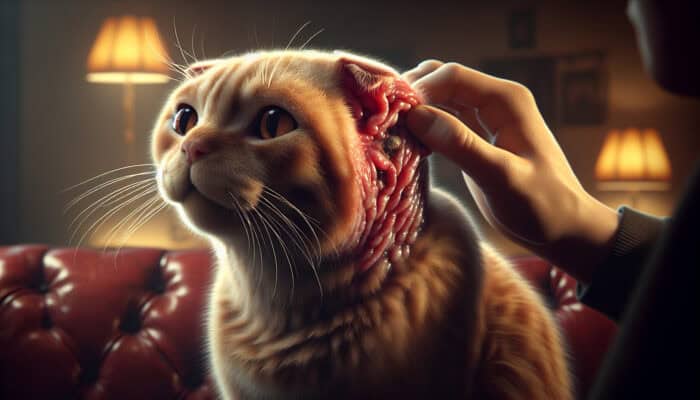
The unique ear anatomy of Scottish Folds makes them prone to several ear health challenges. Common issues include ear infections, ear mites, and excessive wax accumulation. Recognizing the symptoms of these conditions early on is crucial for preventing complications and ensuring the cat’s well-being.
Common symptoms to watch for include:
- Excessive scratching: This behavior may indicate itching caused by mites or infections.
- Redness or swelling: These visible signs of inflammation require immediate veterinary attention.
- Odor: A foul smell emanating from the ears can indicate an infection.
- Discharge: Any unusual discharge may suggest underlying ear problems.
- Behavior changes: Increased irritability or lethargy can be linked to ear discomfort.
Being aware of these symptoms enables owners to take swift action and seek veterinary care when necessary. Regular monitoring and maintenance can help reduce the frequency of these common issues, ensuring that Scottish Folds lead healthy and joyful lives.
Best Practices for Maintaining Clean and Healthy Scottish Fold Ears
Maintaining proper ear hygiene is vital for the overall health of Scottish Fold ears. Implementing a few straightforward yet effective practices can significantly aid in keeping their ears clean and free from infections. Owners should establish a regular cleaning routine using veterinarian-approved solutions specifically designed for feline ear care.
To ensure the health of Scottish Fold ears, consider the following essential tips:
- Use vet-approved cleaners: Always opt for products recommended by a qualified veterinarian to guarantee safety and effectiveness.
- Gently wipe the outer ear: Utilize a soft cloth to remove any debris without pushing it deeper into the ear canal.
- Avoid cotton swabs: These can harm the ear canal and may inadvertently push debris further inside.
- Monitor cleanliness: Regularly check the ears for any signs of buildup or debris that may require cleaning.
- Establish a routine: Keeping a consistent ear cleaning schedule helps prevent problems before they arise.
- Handle gently: Ensure the cat feels relaxed during the cleaning process to minimize stress.
By adopting these practices, owners not only maintain ear hygiene but also foster a trusting relationship with their Scottish Fold, making the ear cleaning experience smoother and more effective.
Expert Recommendations for Optimal Ear Care in Scottish Folds
Veterinary-Recommended Techniques for Cleaning Scottish Fold Ears
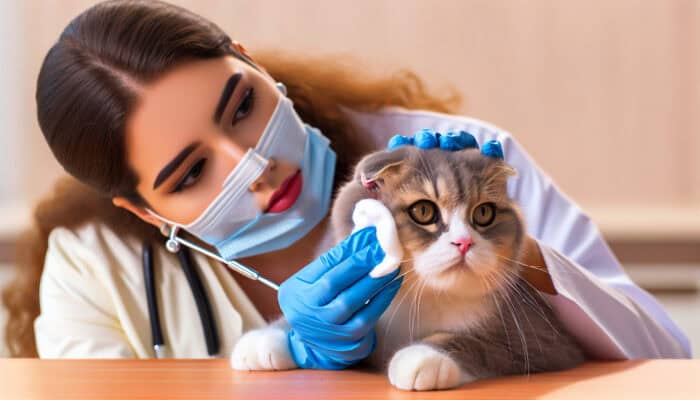
Veterinary experts recommend specific techniques for cleaning Scottish Fold ears, emphasizing the importance of gentle handling and the use of suitable cleaning solutions. The cleaning process typically involves using a soft cotton ball or gauze moistened with a veterinarian-approved ear cleaner. The focus should be on cleaning the outer ear, effectively removing any debris or wax buildup without damaging the delicate structures inside.
For a successful ear cleaning experience, follow these expert techniques:
1. Preparation: Gather all necessary materials, including the cleaning solution, cotton balls, and treats for positive reinforcement.
2. Positioning: Hold the cat securely yet gently to prevent sudden movements. Creating a comfortable environment can help reduce stress for both pet and owner.
3. Application: Dampen the cotton ball with the cleaning solution and carefully wipe the outer ear, avoiding deep insertion into the ear canal.
4. Observation: While cleaning, monitor for signs of discomfort or pain, which could indicate underlying issues.
5. Follow-Up: Reward the cat after the cleaning session to create a positive association with ear care.Real-world experiences show that cat owners who establish a routine based on these techniques report fewer ear problems and a more enjoyable cleaning experience. By integrating these practices into regular care, not only is ear health improved, but the bond between cat and owner is also strengthened.
Determining the Frequency of Ear Cleaning for Scottish Folds
The frequency of ear cleaning for Scottish Folds can vary based on several factors, including the cat’s activity level and environment. Generally, it is advisable to clean their ears at least once a week. However, some cats may need more frequent cleaning, particularly if they are prone to wax buildup or lead an active lifestyle that exposes them to more dirt and debris.
By observing your cat’s ear condition, you can tailor the cleaning routine accordingly. For instance, if a Scottish Fold’s ears appear clean and odor-free, longer intervals between cleanings may be suitable. Conversely, if you notice signs of wax buildup or discharge, it would be wise to schedule more frequent cleaning sessions.
Taking a proactive approach to ear maintenance is essential. By consistently checking and cleaning the ears, owners can prevent potential problems from worsening, ensuring their Scottish Folds remain healthy and comfortable.
Recognizing Signs That Indicate Ear Health Issues
Identifying signs of ear health issues is critical for maintaining the well-being of Scottish Folds. Early detection can significantly improve treatment outcomes, allowing for prompt interventions when problems arise. Owners should familiarize themselves with common indicators that suggest a possible ear issue.
Signs to observe include:
- Redness: Any discoloration inside the ear may indicate inflammation or infection.
- Foul odor: A strong, unpleasant smell can signal an underlying infection.
- Excessive wax or discharge: Unusual amounts may suggest blockage or infection.
- Frequent scratching or head shaking: These behaviors indicate irritation or discomfort within the ear.
Being vigilant about these signs enables owners to act quickly, seeking veterinary attention if necessary. Regular checks, combined with an understanding of potential symptoms, can prevent minor issues from escalating into serious health threats, promoting a better quality of life for Scottish Folds.
Daily Care and Hygiene Routines for Scottish Folds
Daily Practices That Enhance Ear Health in Scottish Folds
Establishing daily routines that promote ear health is crucial for the well-being of Scottish Folds. Consistency in care not only helps maintain clean ears but also enables owners to quickly identify any changes that may indicate health issues. Simple daily practices can greatly enhance the overall health of your cat’s ears.
One effective daily routine involves gently wiping the outer ear area with a soft cloth or a vet-approved cleaning wipe. This practice helps remove any dirt or wax that may accumulate throughout the day. Additionally, monitoring for any changes in behavior or appearance can provide early warnings for potential issues.
Integrating ear checks into grooming sessions can streamline the process and reduce stress for the cat. By using positive reinforcement, such as treats or affection after a successful ear check, owners can create a more enjoyable experience. Consistency in these practices fosters a trusting relationship, making future care easier.
Regularly observing your cat’s ears not only aids in maintaining their health but also keeps owners attuned to their pet’s overall well-being. By incorporating ear care into your daily routine, you can ensure that your Scottish Fold remains comfortable and healthy.
Selecting the Right Products for Cleaning Scottish Fold Ears
Choosing appropriate ear cleaning products is critical for the health of Scottish Fold ears. Selecting safe and effective solutions helps prevent irritation and discomfort. Harsh chemicals can exacerbate existing problems, so it is essential to opt for products specifically designed for feline use.
When selecting ear cleaning products, consider the following factors:
- Vet-Approved Solutions: Always use products recommended by veterinarians to ensure safety and efficacy.
- Gentle Ingredients: Look for natural or hypoallergenic formulations that won’t irritate sensitive skin.
- Liquid vs. Wipes: Both can be effective, but liquid solutions often allow for a more thorough cleaning.
- Packaging: Ensure the product is easy to dispense without causing spills or mess.
Utilizing the right products enhances the effectiveness of ear cleaning routines. Regularly incorporating these products into your care regimen ensures that ears remain healthy and free from infection, ultimately contributing to the Scottish Fold’s overall quality of life.
Creating a Clean Environment for Optimal Ear Health
Maintaining a clean living environment is vital for the health of Scottish Folds, particularly regarding ear hygiene. A tidy space minimizes the risk of infections and helps prevent ear problems that may arise from exposure to dirt or allergens.
Several strategies can be employed to ensure a hygienic environment:
- Regular Cleaning: Keep living spaces, bedding, and toys clean to minimize exposure to dust and dirt.
- Vacuuming: Regularly vacuum carpets and upholstery to eliminate pet hair and dander, which can contribute to allergies.
- Wash Bedding: Frequently wash your cat’s bedding to remove bacteria and allergens that could affect their health.
- Monitor Indoor Humidity: Maintain optimal humidity levels to prevent ear infections caused by excessive moisture.
By implementing these strategies, you can create a healthier living space for your Scottish Fold. A clean environment directly contributes to better overall health, reducing the likelihood of ear infections and promoting a happy, active lifestyle for your furry companion.
The Vital Role of Regular Check-Ups in Professional Ear Care
Arranging regular check-ups with a veterinarian is crucial for the ongoing ear health of Scottish Folds. These professional visits allow for thorough examinations that can detect potential issues before they escalate into more severe problems.
During routine check-ups, veterinarians assess the ears for signs of infection, mites, or wax buildup. They may also perform professional cleanings, which can be particularly beneficial for cats that are prone to ear issues. Such professional insights provide owners with tailored guidance on at-home ear maintenance, ensuring continuous care.
In addition to routine check-ups, it’s essential to take your Scottish Fold to the vet if any concerning symptoms arise—persistent issues like redness, swelling, or discharge warrant immediate attention. Early intervention can prevent complications and ensure proper treatment, safeguarding your cat’s ear health.
Regular professional attention, combined with diligent home care, forms the foundation for maintaining optimal ear health in Scottish Folds, contributing to their overall happiness and quality of life.
Identifying Common Ear Problems in Scottish Folds
Most Common Ear Issues Encountered by Scottish Folds: A Guide
Scottish Folds are particularly susceptible to various ear problems due to their unique ear structure. The most frequent issues include ear mites, infections, and wax buildup, all of which can lead to discomfort and more severe health complications if not promptly addressed.
Ear mites are tiny parasites that thrive in the ear environment, causing itching and irritation. If left untreated, they can lead to severe discomfort for your cat. Infections, often resulting from bacteria or yeast, may develop due to neglect in ear hygiene, leading to inflammation and potential hearing issues. Additionally, wax buildup can be problematic, as excessive wax traps moisture and debris, creating an environment conducive to infections or mites.
Understanding these common issues empowers owners to take proactive measures for prevention and treatment. Regular ear cleaning, monitoring for symptoms, and providing a clean environment are essential for minimizing the incidence of these problems, ensuring that Scottish Folds remain healthy and happy.
Effective Identification and Treatment of Ear Mites in Your Scottish Fold
Identifying ear mites in Scottish Folds is crucial for effective treatment. Symptoms often include excessive scratching, dark discharge, and irritation signs. If you suspect your cat has ear mites, a visit to the veterinarian is necessary for a definitive diagnosis and treatment plan.
Treatment typically involves veterinarian-prescribed medications specifically designed to eliminate ear mites. These treatments may include topical solutions or systemic medications that effectively target the parasites. Additionally, thorough cleaning of the ears is essential to remove debris and wax that may harbor mites.
For optimal results, it’s critical to follow your veterinarian’s treatment plan closely. Regular follow-up visits can ensure that the mites are completely eradicated, preventing re-infestation. Maintaining a clean environment and continuing routine ear checks can also help ensure that ear mite problems do not recur.
Strategies for Preventing Ear Infections in Scottish Folds
Preventing ear infections in Scottish Folds requires a proactive approach to ear care. Regular cleaning and monitoring are crucial for maintaining a dry ear environment, which is essential for infection prevention.
To effectively prevent ear infections, consider these strategies:
- Regular Cleaning: Keep ears clean using vet-approved products consistently to reduce the risk of infection.
- Avoid Moisture: Prevent water from entering the ears during baths or swimming, as moisture can lead to infections.
- Monitor for Symptoms: Early detection of any signs of discomfort can prevent infections from worsening. Maintain a Clean Environment: Keep a tidy living space to minimize exposure to allergens and bacteria that could affect ear health.
By adhering to these practices, owners can significantly reduce the risk of ear infections in their Scottish Folds. A commitment to regular ear care not only promotes ear health but also contributes to the overall well-being of the cat.
Recognizing and Managing Excessive Wax Buildup in Scottish Folds
Excessive wax buildup can lead to discomfort and potential infections in Scottish Folds. Recognizing the signs of wax accumulation is crucial for timely intervention. Symptoms may include frequent scratching, head shaking, or a foul odor emanating from the ear.
To manage wax buildup effectively, incorporate regular ear checks and cleaning into your routine. If you notice excessive wax, gently clean the ear using a vet-approved solution. However, avoid inserting anything deep into the ear canal, as this can damage the delicate structures within.
In persistent cases of wax buildup, consult your veterinarian. They can determine if there are underlying issues contributing to the problem and provide professional cleaning if necessary. Consistent monitoring and care ensure that wax buildup does not lead to more serious complications, maintaining the comfort and health of your Scottish Fold.
When to Seek Veterinary Care for Ear Problems
Seeking veterinary care for ear problems in Scottish Folds is critical when symptoms persist or worsen. Signs that warrant immediate attention include persistent redness, swelling, foul odor, excessive discharge, or indications of pain and discomfort. Early intervention is vital, as untreated ear problems can lead to complications, including chronic infections and hearing loss.
During a veterinary visit, professionals will conduct a thorough examination, often using an otoscope to assess the ear canal and eardrum. Treatment may involve prescription medications, ear cleaning, or specialized interventions, depending on the severity of the issue.
Maintaining open communication with your veterinarian about any concerns regarding your Scottish Fold’s ear health is essential. Regular check-ups and prompt attention to changes can significantly enhance your cat’s quality of life, ensuring they remain healthy and happy.
The Influence of Nutrition on Ear Health in Scottish Folds
Understanding How Diet Affects the Ear Health of Scottish Folds
A well-balanced diet plays a vital role in supporting the overall health of Scottish Folds, including their ear health. Nutrients such as omega-3 fatty acids, vitamins A and E, and minerals like zinc contribute to skin integrity and help maintain the structure of ear tissues.
An inadequate diet lacking essential nutrients can lead to skin issues, which may manifest as ear problems. For instance, dry skin can lead to an increase in wax production or debris, thereby raising the risk of infection. Therefore, ensuring that your Scottish Fold receives a well-balanced diet is fundamental for promoting healthy ears.
Collaborating with a veterinarian to design a tailored dietary plan that meets your pet’s specific needs is an excellent way to enhance your cat’s overall health. Incorporating high-quality, nutrient-rich foods can lead to long-term benefits, including improved ear health and overall vitality.
Foods That Promote Ear Health in Scottish Folds
Incorporating specific foods into your Scottish Fold’s diet can significantly enhance their ear health. Foods rich in vitamins and fatty acids support skin integrity and overall well-being. Some beneficial options include:
- Salmon and Sardines: These are excellent sources of omega-3 fatty acids, which promote healthy skin and coat.
- Carrots: High in vitamin A, which is crucial for maintaining healthy skin and tissues.
- Sweet Potatoes: Rich in beta-carotene, supporting immune function and skin health.
- Spinach: Packed with vitamins and antioxidants that contribute to overall health.
When selecting food, opt for high-quality brands that emphasize natural ingredients, avoiding those with artificial additives or fillers. Consulting with a veterinarian regarding dietary choices tailored for your Scottish Fold ensures they receive the nutrition necessary for optimal ear health and general well-being.
Avoiding Allergens That May Impact Ear Health
Food allergies can pose potential concerns for some Scottish Folds and may manifest in various ways, including ear problems. Identifying and avoiding allergens is crucial for maintaining ear health. Common allergens can include certain protein sources, grains, or additives found in commercial cat food.
If you suspect your cat has food allergies, consider an elimination diet under veterinary supervision. This involves gradually removing potential allergens from their diet and monitoring for improvements. Symptoms of food allergies may include itching, redness, or recurrent ear infections.
By closely observing your cat’s reactions to different foods, you can pinpoint potential allergens and make informed dietary choices. Avoiding allergens not only improves your Scottish Fold’s ear health but also enhances their overall comfort and happiness.
The Importance of Hydration for Ear Health
Proper hydration is essential for maintaining the health of Scottish Fold ears. Hydration directly affects the mucous membranes in the ears, which play a vital role in preventing infections and maintaining ear function. Dehydration can lead to dry, irritated ears, increasing the likelihood of wax buildup and infections.
To ensure adequate hydration, provide fresh water daily and consider incorporating wet cat food into their diet. Wet food has a higher moisture content, which can help keep your cat hydrated. Additionally, monitoring your cat’s water intake and encouraging drinking by using cat fountains or providing multiple water bowls can be beneficial.
Maintaining hydration is a simple yet effective way to support ear health. By making hydration a priority, you contribute to the overall well-being of your Scottish Fold, reducing the risk of ear-related issues.
The Role of Supplements in Supporting Ear Health
Certain supplements can aid ear health in Scottish Folds, particularly in preventing hearing loss and maintaining ear function. Nutrients like zinc and magnesium are crucial for cellular health and can contribute to overall ear health when included in a well-balanced diet.
Zinc supports skin health, while magnesium is important for nerve function, including that of the auditory system. If you’re considering supplements for your cat, consult with a veterinarian to determine appropriate dosages and formulations tailored to your Scottish Fold’s specific needs.
Incorporating supplements as part of a comprehensive health plan can enhance ear health, ensuring that your cat remains comfortable and active. Prioritizing nutrition and supplementation will contribute to the overall well-being of your Scottish Fold, minimizing the risk of complications associated with ear health.
Research Insights on Scottish Fold Ear Maintenance
What Research Reveals About Ear Care and Feline Health
Research in feline health consistently demonstrates that consistent ear care can significantly reduce the occurrence of infections and other ear-related problems in cats, particularly in breeds like the Scottish Fold. Studies show that proactive ear maintenance leads to early detection of potential issues, allowing for timely interventions that enhance overall health.
For effective ear care, establish a routine that includes regular inspections and cleanings. Utilize vet-approved products that can effectively address any buildup of wax or debris.
By adhering to well-documented practices, owners can implement effective care routines that not only benefit ear health but also contribute to the long-term well-being of their Scottish Folds. Making ear care a priority is an investment in your cat’s health, reflecting the importance of proactive pet ownership.
Long-Term Benefits of Regular Ear Cleaning
Consistent ear cleaning offers numerous long-term benefits, significantly enhancing the quality of life for Scottish Folds. Routine maintenance helps prevent chronic issues, reducing the likelihood of frequent veterinary visits and associated costs.
Improved ear hygiene contributes to overall comfort, allowing cats to engage in their playful and social behaviors without the discomfort of ear problems. Owners who consistently prioritize ear care report healthier cats with fewer behavioral issues linked to discomfort.
This commitment to ear maintenance also fosters a deeper bond between owner and pet. Regular interaction during cleaning sessions can lead to increased trust and comfort, ultimately enhancing the overall pet ownership experience. Prioritizing ear care establishes a foundation for long-term health benefits, ensuring that Scottish Folds thrive.
The Connection Between Ear Health and Overall Well-Being
The health of a Scottish Fold’s ears is intricately linked to its overall well-being. Healthy ears allow for optimal hearing and comfort, directly affecting a cat’s behavior and mood. Conversely, ear problems can lead to discomfort, irritability, and even depression in cats, impacting their quality of life.
When ear health is neglected, conditions such as infections or ear mites can hinder a cat’s ability to engage in social interactions or play, resulting in behavioral changes. Therefore, maintaining ear health is not just about preventing infections; it’s about ensuring that Scottish Folds live happy, fulfilling lives.
By prioritizing ear care, owners contribute to a holistic approach to health that encompasses physical, emotional, and behavioral well-being. A healthy ear significantly enhances a Scottish Fold’s quality of life, reinforcing the importance of regular maintenance practices.
Effective Grooming Strategies for Ear Care
Best Grooming Techniques for Maintaining Ear Health
Grooming practices that incorporate ear care are essential for maintaining the health of Scottish Folds. Regular grooming sessions should include gentle cleaning and thorough checks for debris or signs of discomfort. Establishing a routine fosters a positive association with grooming while ensuring that ear health remains a top priority.
Best practices include:
1. Gentle Cleaning: Utilize vet-approved solutions to clean the outer ear without pushing debris deeper into the canal.
2. Debris Checks: Look for any signs of wax buildup or foreign objects that may require attention.
3. Monitor for Changes: Observe for any signs of irritation or discomfort during grooming sessions, allowing for early intervention if necessary.Incorporating ear care into regular grooming enhances the overall grooming experience for both the cat and owner. Positive reinforcement during sessions, such as treats or affection, can create a comfortable environment that makes ear care a routine part of grooming.
By following these best practices, owners can ensure that their Scottish Folds maintain healthy ears while enjoying the benefits of regular grooming.
Using Grooming Tools Safely for Ear Care
When it comes to ear care, selecting the right grooming tools is crucial. Using safe and appropriate tools helps prevent injury and ensures effective cleaning. Soft brushes, vet-approved cleaning solutions, and gentle cotton balls are ideal for maintaining ear hygiene without causing discomfort.
To ensure the safe use of grooming tools, consider these guidelines:
- Soft Brushes: Use brushes with soft bristles to avoid irritating sensitive skin.
- Cotton Balls: Opt for cotton balls instead of cotton swabs to prevent deep insertion into the ear canal.
- Vet-Approved Products: Always select cleaning solutions that are specifically formulated for feline use.
- Gentle Handling: Handle the cat carefully to minimize stress during grooming.
Safety should always be a priority. By using appropriate tools and techniques, owners can create a positive grooming experience while effectively maintaining their pet’s ear health.
Integrating Ear Care into Regular Grooming Sessions
Integrating ear care into grooming sessions is an efficient way to ensure that Scottish Folds receive consistent ear maintenance. By combining grooming with ear cleaning, owners can streamline the care process while creating a positive experience for their cats.
To effectively integrate ear care into grooming:
1. Establish a Routine: Include ear checks and cleaning as part of the regular grooming schedule.
2. Use Positive Reinforcement: Reward your cat with treats after successful grooming and ear cleaning to create a positive association.
3. Monitor Behavior: Pay attention to your cat’s reactions during grooming to ensure they are comfortable and stress-free.This approach not only facilitates a smooth grooming process but also highlights the importance of ear health. Regular integration of ear care into grooming routines helps Scottish Folds adapt to the process, making it a natural part of their care.
Proven Strategies for Effective Scottish Fold Ear Maintenance
Effective Methods for Supporting Ear Health in Scottish Folds
Proven methods for maintaining ear health in Scottish Folds include regular cleaning, consistent monitoring, and using veterinarian-recommended products. These strategies have been shown to be effective in reducing the occurrence of ear-related issues.
Key strategies include:
- Routine Cleaning: Establish a consistent cleaning schedule to maintain ear hygiene.
- Monitor for Symptoms: Regularly check for signs of discomfort or infection that could indicate a need for intervention.
- Professional Consultations: Schedule regular check-ups with a veterinarian for thorough evaluations and ongoing care.
- Use Quality Products: Choose products specifically formulated for cat ear care to ensure safety and efficacy.
These proven methods empower owners to take proactive steps in maintaining their Scottish Folds’ ear health. By staying committed to these practices, you can ensure long-term well-being for your feline companion.
Creating a Positive Experience During Ear Care
Making ear care a positive experience is essential for both the cat and the owner. Positive reinforcement techniques can help ease any stress or anxiety associated with ear cleaning, transforming it into a bonding moment rather than a chore.
Some effective strategies include:
1. Treat Rewards: Offer treats or praise during and after ear care sessions to create a positive association.
2. Gentle Approach: Maintain a calm and gentle demeanor during cleaning to keep the cat relaxed and comfortable.
3. Short Sessions: Limit cleaning sessions to prevent overwhelming the cat, making the experience more manageable.By incorporating these strategies, owners can cultivate an environment that makes ear care a stress-free experience. This positive foundation not only facilitates better ear health but also strengthens the bond between owner and pet.
When to Seek Professional Help for Ear Issues
Seeking professional help is crucial when dealing with persistent ear issues in Scottish Folds. Signs of discomfort that last for more than a few days, such as excessive scratching, redness, swelling, or foul odor, necessitate a visit to the veterinarian for expert evaluation.
Veterinary professionals can provide comprehensive assessments and tailored treatment plans to address specific ear problems. This may include prescription medications, professional cleanings, or recommendations for ongoing care.
Being proactive in seeking help can prevent complications and ensure that your Scottish Fold receives the necessary care and attention. Regular communication with your veterinarian about any concerns can significantly improve your pet’s health and overall well-being.
Monitoring and Sustaining Ear Health in Scottish Folds
Signs of Healthy Ears in Scottish Folds to Look For
Healthy ears in Scottish Folds are characterized by cleanliness and the absence of irritation. Owners should look for specific signs that indicate good ear health. Key indicators of healthy ears include:
- Cleanliness: Ears should be free from excessive wax and debris that may cause discomfort.
- No Odor: Healthy ears do not emit any unpleasant smells that could indicate infection.
- Absence of Discharge: There should be no unusual discharge present in the ear canal, suggesting good health.
- Normal Color: The ear canal should appear pink and healthy, indicating good blood flow and a lack of inflammation.
Regular monitoring allows owners to maintain these healthy conditions. By incorporating ear checks into regular grooming routines, owners can ensure that their Scottish Folds enjoy optimal ear health.
Keeping a Comprehensive Record of Ear Care Activities
Keeping a record of ear care is an effective way to monitor the health of your Scottish Fold’s ears. A log documenting cleaning sessions, observations, and any signs of issues can help track changes over time.
Consider the following points when maintaining a record:
1. Date of Cleaning: Note the dates of each cleaning session to maintain a consistent schedule.
2. Symptoms Observed: Document any signs of discomfort, changes, or abnormalities for reference.
3. Products Used: Record the vet-approved products used during cleaning to evaluate their effectiveness over time.Having a comprehensive record enables owners to make informed decisions about their cat’s ear care and helps veterinarians understand their history during check-ups. This approach enhances overall ear health management.
Adjusting Care Based on Observations of Ear Health
Adjusting ear care based on observations is vital for maintaining the health of Scottish Folds. If changes are noted during regular checks, such as signs of irritation or wax buildup, owners should be prepared to modify their cleaning routines accordingly.
For instance, if a cat shows increased wax production, more frequent cleanings may be necessary. Conversely, if ears appear healthy, owners might consider extending the intervals between cleaning sessions.
Flexibility in care routines allows for tailored approaches that best suit the individual needs of each cat. Regular observation and adjustment can lead to improved ear health outcomes and a more comfortable experience for the Scottish Fold.
Frequently Asked Questions About Scottish Fold Ear Care
How often should I clean my Scottish Fold’s ears?
Scottish Fold ears should generally be cleaned at least once a week. The frequency may need to be adjusted based on the cat’s activity and environmental exposure.
What are the signs of ear mites in Scottish Folds?
Signs of ear mites include excessive scratching, dark discharge, and irritation. If suspected, a vet visit is necessary for diagnosis and treatment.
Can I use regular cotton swabs for cleaning their ears?
No, using cotton swabs can push debris deeper into the ear canal and potentially cause injury. Soft cotton balls are a safer alternative for cleaning ears.
What should I do if my cat has a bad odor coming from its ears?
A bad odor can indicate an infection. It’s essential to seek veterinary care promptly to address the issue and prevent further complications.
Are there specific foods that help with ear health?
Yes, foods rich in omega-3 fatty acids, vitamins A and E, and hydration contribute positively to ear health in Scottish Folds.
How can I tell if my cat’s ears are healthy?
Healthy ears should be clean, odor-free, and free from any discharge. The ear canal should appear pink and without signs of irritation.
What should I do if I notice wax buildup in my cat’s ears?
If you observe wax buildup, gently clean the ears with a vet-approved solution. If the issue persists, consult your veterinarian for further advice and potential treatment options.
Can ear problems affect my cat’s behavior?
Yes, ear problems can cause discomfort, leading to behavioral changes such as irritability or withdrawal. Maintaining ear health is crucial for overall well-being and happiness.
What are the best products for cleaning Scottish Fold ears?
Vet-approved ear cleaning solutions formulated specifically for cats are the best choice. Always consult your veterinarian for recommendations tailored to your cat’s needs.
When should I seek veterinary help for ear issues?
Seek veterinary help if you notice persistent symptoms like redness, swelling, or discharge. Early intervention can prevent complications and ensure proper treatment.
Connect with us on Facebook!
The Article Scottish Fold Ear Maintenance: Essential Tips First Published On https://elgatoencasa.com
The Article Ear Maintenance for Scottish Folds: Essential Tips Was Found On https://limitsofstrategy.com
-
Cat Hairball Prevention: Essential Tips for a Healthier Pet
Comprehensive Guide to Understanding Hairball Formation in Cats and Effective Prevention Strategies
Key Factors Leading to Hairball Formation in Cats
Hairball prevention is a significant concern for many cat owners, stemming from the natural grooming instincts exhibited by cats. During their grooming rituals, cats unintentionally ingest loose fur, which builds up in their stomachs over time, ultimately leading to hairballs. To effectively manage and prevent these occurrences, it is vital to comprehend the various factors contributing to hairball development. The primary contributors include:
- Excessive grooming triggered by stress or anxiety
- Long-haired breeds that naturally trap more fur
- Seasonal shedding periods occurring in spring and fall
- Medical conditions that increase grooming behaviors, such as allergies or skin disorders
By identifying these contributing factors, cat owners can adopt proactive measures to reduce hairball occurrences, fostering a healthier and more comfortable environment for their feline companions.
Cats exhibit unique grooming behaviors that serve both self-cleaning and bonding purposes with their human caregivers. However, excessive grooming may signal underlying issues that can worsen hairball formation. For example, cats experiencing anxiety or stress may groom more frequently, which increases their risk of hairball development.
Understanding your cat’s grooming habits is essential. Breeds such as the Persian and Maine Coon are particularly susceptible to hairballs due to their long, luxurious fur. As these cats groom themselves, they inevitably ingest a greater amount of their own hair. In contrast, short-haired breeds like the Siamese or American Shorthair may have fewer hairball incidents, although they are not entirely immune to the issue.

The Role of the Digestive System in Hairball Formation
The digestive system of cats plays a crucial role in the formation of hairballs. As obligate carnivores, cats possess digestive systems that are primarily equipped to process animal proteins. When a cat ingests fur, it travels through the esophagus into the stomach, where it may mix with food and other materials. If the fur does not exit the body through vomiting or fecal matter, it can accumulate and form a hairball.
The digestive process begins in the mouth, where a cat’s teeth and saliva work together to break down food. Next, the food travels down the esophagus and into the stomach, where it combines with gastric juices. This is a critical stage for hairball formation, especially if a cat has ingested a significant amount of fur. If the stomach struggles to manage the hairball, it can lead to vomiting or other digestive complications.
Understanding the digestive process is vital for cat owners who wish to manage hairballs effectively and recognize signs of digestive distress. If hairballs become a frequent issue, it may indicate that the digestive system is not functioning optimally. Observing how your cat digests food and handles hairballs can provide valuable insights into their overall health and well-being.
How Often Do Cats Experience Hairballs and What Influences This Frequency?
The frequency of hairball occurrences in cats varies greatly based on several factors. On average, hairballs may manifest anywhere from weekly to monthly, influenced by the cat’s breed, grooming habits, and overall health condition. Long-haired breeds typically encounter hairballs more frequently than their short-haired counterparts; however, factors such as age, stress levels, and diet also significantly impact this frequency.
Younger and healthier cats may experience hairballs less frequently compared to older cats, who might face more health challenges or have slower digestion. Additionally, specific stressors, such as moving to a new home or introducing a new pet, can lead to increased grooming behaviors, consequently resulting in a higher incidence of hairballs.
It is also crucial to recognize that certain seasons can contribute to a rise in hairball formation due to increased shedding. For instance, during spring and fall, cats tend to shed more fur, thereby heightening the likelihood of hairball occurrences. Monitoring your cat’s hairball frequency can help identify patterns that may reveal underlying health concerns or necessary adjustments in their grooming or dietary practices.
Proven Strategies for Effective Hairball Prevention in Cats

Implementing Best Practices for Hairball Prevention
Preventing hairballs is pivotal for maintaining your cat’s health and overall well-being. The most effective prevention strategies encompass proactive grooming, dietary modifications, and environmental management. Regular grooming is one of the most impactful methods, as it aids in removing loose fur before it can be ingested. For example, utilizing grooming tools such as brushes or combs can significantly reduce shedding and the amount of fur that may end up in your cat’s stomach.
Another effective prevention strategy is modifying your cat’s diet. Foods high in fiber can promote smoother digestion, enabling ingested hair to pass through the digestive system more easily. For instance, incorporating high-quality cat food that includes natural fiber sources, such as beet pulp, can be particularly advantageous.
Numerous real-life examples demonstrate the effectiveness of successful prevention techniques. For instance, one owner of a long-haired breed experienced a notable decrease in hairballs after establishing a daily grooming routine and transitioning to a fiber-rich diet. Furthermore, creating a stress-free environment can help reduce excessive grooming, subsequently lowering hairball formation.
For many cat owners, combining these strategies yields the best results in managing hairballs, underscoring the importance of a comprehensive approach to prevention.
The Impact of Nutrition on Hairball Prevention
Nutrition plays a critical role in preventing hairballs in cats. Making the right dietary choices can substantially lessen hairball formation by ensuring proper digestion and minimizing the amount of fur that remains within the gastrointestinal tract. Certain foods, particularly those rich in fiber, can assist in the smooth passage of ingested hair through the digestive system, thereby decreasing the chances of hairball formation.
When selecting food aimed at preventing hairballs, seek options that incorporate ingredients like rice bran, psyllium, or beet pulp. These components are known to promote healthy digestion and facilitate the movement of hair. Moreover, providing wet food can be beneficial as it increases moisture intake, which is crucial for overall digestive health.
To effectively integrate beneficial foods into your cat’s diet, begin by gradually mixing high-fiber options with their regular food. This gradual transition minimizes the risk of causing digestive upset. Observing your cat’s reaction to these dietary changes is essential; if you notice a decrease in hairball frequency or improvements in overall health, you’ve likely identified a suitable dietary solution.
Additionally, consulting a veterinarian for personalized dietary recommendations can significantly enhance the effectiveness of your hairball prevention strategy. They can offer insights tailored to your cat’s specific health needs and lifestyle.
The Importance of Grooming in Managing Hairballs

Grooming plays a vital role in effective hairball management and should be an integral part of your cat’s care routine. Regular brushing helps eliminate loose, dead fur that, if ingested, can contribute to hairball formation. Various grooming tools cater to different coat types; for instance, slicker brushes are perfect for long-haired breeds, while rubber grooming gloves work well for short-haired cats.
The frequency of grooming sessions also significantly impacts their effectiveness. Ideally, long-haired cats should be groomed daily, while short-haired cats can benefit from grooming at least weekly. Grooming not only reduces the amount of fur that can be ingested but also serves as a bonding experience between the cat and its owner, promoting overall well-being.
Experts recommend concentrating on specific areas where cats tend to shed more, such as their neck, belly, and tail. Focusing on these regions during grooming can yield better results in terms of reducing loose fur. Additionally, introducing grooming at a young age can help cats acclimate to the process, making it easier for owners to maintain a regular grooming schedule.
Ultimately, mastering grooming techniques can significantly lower the frequency of hairballs, contributing to a healthier and more comfortable life for your feline friend.
The Role of Hydration in Preventing Hairballs
Maintaining adequate hydration is crucial in the battle against hairballs, as it promotes overall digestive health. When cats are well-hydrated, their digestive systems function efficiently, facilitating the passage of ingested hair through the intestines. Conversely, dehydration can lead to hard, compacted stool, which may obstruct the movement of hair and other materials, thereby increasing the risk of hairballs.
Encouraging cats to drink more water can be achieved through various methods. One effective strategy is to provide fresh water daily and change it regularly to keep it appealing. Additionally, some cats prefer running water, making a cat water fountain a worthwhile investment to encourage their drinking habits. Offering wet food also supports hydration, as it contains a higher moisture content compared to dry kibble.
Moreover, flavoring water with a splash of low-sodium broth can entice cats to drink more. Monitoring your cat’s water intake is crucial; if you notice a decrease, it may be necessary to assess their environment or dietary choices.
In summary, ensuring your cat remains hydrated is a crucial step in preventing hairballs and promoting a healthy digestive system. Adequate hydration is essential for your pet’s overall health, and taking proactive measures to increase their water intake can lead to positive outcomes in their grooming habits and hairball management.
The Benefits of Supplements for Hairball Control
Supplements can offer valuable assistance in managing hairballs, providing additional resources to help your cat effectively pass ingested fur. Various supplements, including those rich in omega-3 fatty acids, fiber, or specific enzymes, can enhance a cat’s digestive health and reduce hairball formation.
For example, omega-3 and omega-6 fatty acids can improve skin health and decrease shedding, thus limiting the amount of fur that can be ingested. Fiber supplements can facilitate the passage of hair through the digestive tract, promoting smoother digestion.
When considering supplements, it is essential to select high-quality products specifically formulated for cats. Always consult with a veterinarian before introducing new supplements, as they can provide personalized recommendations tailored to your cat’s unique health and dietary needs.
Integrating supplements into your cat’s routine can be achieved gradually. Mix them into their food or offer them as treats, ensuring they are palatable and appealing. Observing your cat’s response to these supplements will help assess their effectiveness in controlling hairballs.
In conclusion, while supplements can be beneficial, they should be utilized alongside a holistic approach that includes a balanced diet, proper grooming, and adequate hydration for optimal hairball prevention.
Identifying Symptoms of Hairball Problems in Cats
How to Detect Signs of Hairball Issues
Identifying hairball-related problems early can significantly prevent more serious complications. Common signs that a cat may be struggling with hairball issues include the vomiting of hairballs, lethargy, and noticeable changes in appetite. Regularly observing your cat for these symptoms is crucial for determining both the frequency and severity of hairball occurrences.
Frequent vomiting of hairballs may suggest that your cat is ingesting more fur than they can effectively expel. Additionally, lethargy may indicate discomfort or distress caused by a hairball obstructing the digestive tract, while a noticeable loss of appetite can signal that your cat is feeling unwell.
Cats may also exhibit behaviors such as coughing or retching without producing a hairball, which can indicate that a hairball is lodged in the esophagus or stomach. It is essential to take these signs seriously and monitor your cat for additional symptoms that may indicate distress or health concerns.
In summary, being vigilant about your cat’s behavior and physical symptoms can help ensure that hairball problems are addressed promptly, thereby preventing potential complications and enhancing their overall well-being.
When to Seek Veterinary Assistance for Hairball Issues
Recognizing when to consult a veterinarian regarding hairball-related issues is critical for your cat’s health. If a cat displays severe symptoms such as repeated vomiting, significant lethargy, or a noticeable loss of appetite, it may be time to seek professional help. Additionally, if a cat shows signs of distress or discomfort and is unable to pass hairballs, a thorough evaluation by a veterinarian is necessary.
Cats experiencing constipation or diarrhea, particularly if accompanied by symptoms of hairballs, should also be examined by a veterinarian. These indicators may suggest that the digestive system is not functioning properly and may require medical intervention.
Veterinarians can perform examinations and recommend diagnostic tests, such as X-rays or ultrasounds, to identify the underlying causes of these issues. Following their recommendations can help identify and address any health problems that contribute to hairball formation, ensuring your cat remains healthy and comfortable.
Overall, proactive veterinary care is essential for effectively managing hairball issues. Recognizing when to seek help can safeguard your cat’s health and overall well-being.
The Consequences of Neglecting Hairball Problems
Overlooking hairball issues in cats can lead to serious health complications, making it vital to address them proactively. One of the most significant risks associated with hairballs is the potential for blockages in the digestive tract. If a hairball cannot be expelled through vomiting or feces, it can cause an obstruction, resulting in severe discomfort, pain, and potentially life-threatening situations.
Other complications may include digestive disorders, as a cat may develop issues such as constipation or diarrhea when their system struggles to process hair. Additionally, untreated hairball concerns can lead to chronic vomiting, adversely affecting a cat’s overall health and well-being.
Preventing hairball issues through regular grooming, dietary modifications, and adequate hydration can significantly mitigate these risks. Being aware of your cat’s behavior and intervening promptly can help prevent complications and ensure your cat remains healthy and active.
In essence, recognizing the importance of managing hairballs is vital for every cat owner. Failing to address this aspect of feline care can have detrimental effects on your cat’s health, making an active approach essential.
Preventive Strategies for Effective Hairball Management
Implementing preventive strategies to manage hairballs can significantly reduce the occurrence of this common issue. Regular grooming, dietary adjustments, and the use of specialized hairball control products represent effective methods for minimizing hairball formation.
Establishing a consistent grooming routine is crucial; this practice not only helps remove loose fur but also enables you to monitor your cat’s coat and skin for any abnormalities. Alongside routine grooming, adjusting your cat’s diet to include hairball control formulas can enhance digestion and prevent hair accumulation in the stomach.
In addition to grooming and dietary changes, incorporating hairball control products can strengthen your prevention strategy. Look for lubricants and supplements specifically designed for hairball prevention and adhere to the manufacturer’s guidelines for proper use. These products can assist in moving hair through the digestive system, significantly reducing the likelihood of hairballs forming.
Ultimately, by adopting a proactive approach to hairball management, you can reduce the risks associated with hairballs and promote a healthier lifestyle for your feline companion.
Research-Backed Benefits of Hairball Prevention in Cats
Enhancing Digestive Health through Effective Hairball Prevention
Successfully preventing hairballs can lead to improved digestive health in cats. When hairballs are managed effectively, the incidence of gastrointestinal blockages and related discomfort diminishes. Optimal digestion enables a more efficient breakdown of nutrients, which is essential for overall well-being.
Here are some significant benefits of improved digestive health associated with hairball prevention:
- Reduced risk of vomiting and regurgitation
- Healthier stool consistency
- Increased nutrient absorption
- Fewer veterinary visits for digestive issues
Cats that experience fewer hairballs often enjoy a more comfortable life, as they are less likely to encounter digestive distress.
Moreover, a healthy digestive system positively impacts their appetite and energy levels, leading to a more active and fulfilling lifestyle. By prioritizing hairball prevention through regular grooming, dietary adjustments, and hydration, cat owners can significantly enhance their pets’ digestive health.
Improving Overall Well-Being through Hairball Prevention
Preventing hairballs not only supports enhanced digestive health but also contributes to a cat’s overall well-being. Cats that frequently experience hairballs often display signs of discomfort, leading to behavioral changes such as increased hiding or decreased playfulness. By minimizing hairball occurrences, cat owners can help their pets live happier and more active lives.
Fewer hairball issues correlate with increased playfulness and engagement, as cats are less likely to feel the discomfort associated with hairballs. Additionally, a reduction in grooming-related stress can foster a more balanced emotional state for your feline friend.
Overall, the connection between hairball prevention and overall well-being is evident. By implementing effective management strategies, cat owners can cultivate a healthier and happier environment for their pets.
Long-Term Health Advantages of Preventing Hairballs
Long-term hairball prevention offers several significant health advantages for cats. By proactively addressing hairball issues, owners can mitigate the risks of complications, including blockages, chronic vomiting, and overall digestive problems. These benefits contribute to a markedly improved quality of life for cats.
One of the most notable long-term benefits is a reduced risk of gastrointestinal obstructions. When hairballs are infrequent, the digestive system can function more efficiently, leading to improved nutrient absorption and reduced strain on the body.
Furthermore, cats that suffer from fewer hairballs are less likely to experience chronic health issues related to digestive distress. A healthier cat is not only likely to enjoy a longer lifespan but also to experience fewer illnesses that can arise from neglecting hairball management.
In essence, prioritizing long-term hairball prevention can lead to a more fulfilling life for cats, enhancing their health and happiness while minimizing the need for extensive veterinary care.
Effective Strategies for Hairball Prevention in Cats
Mastering Effective Grooming Techniques
Effective grooming techniques are vital for preventing hairballs in cats. Regular brushing helps to eliminate loose fur and minimize the amount ingested during grooming. Depending on your cat’s coat type, utilizing various grooming tools may be necessary. For instance, a slicker brush is ideal for long-haired breeds, while a rubber grooming glove can work well for short-haired cats.
The frequency of grooming sessions significantly impacts their effectiveness. Long-haired cats should ideally be groomed daily to prevent matting and excessive hair ingestion. Short-haired breeds can benefit from grooming once a week, but more frequent grooming can further reduce shedding.
Creating a positive grooming experience for your cat is also essential. Use treats or praise to encourage cooperation during grooming sessions. This approach helps acclimatize your cat to the process, making grooming a more enjoyable activity for both of you.
In summary, mastering effective grooming techniques can significantly decrease hairball occurrences, contributing to a healthier and happier life for your feline companion.
Making Dietary Adjustments to Support Hairball Prevention
Making dietary adjustments can have a substantial impact on your cat’s hairball prevention strategy. Incorporating specific ingredients and formulations can help reduce hairball formation while promoting overall health. One effective change is to introduce foods specifically designed for hairball control, which typically contain higher fiber content to facilitate digestion.
Adding natural fiber sources, such as pumpkin or beet pulp, can also be beneficial. These ingredients help ensure that swallowed hair passes smoothly through the digestive tract, thus reducing the likelihood of hairballs forming.
Numerous real-world examples exist of dietary changes leading to significant improvements in hairball management. One cat owner reported success after transitioning their cat to a high-quality hairball control formula, noting a marked decrease in hairball occurrences within a few weeks.
Furthermore, consulting with a veterinarian can provide tailored dietary recommendations that suit your cat’s individual needs. Monitoring your cat’s response to dietary changes is essential to ensure optimal results in hairball management.
The Importance of Regular Veterinary Check-ups
Regular veterinary check-ups are crucial for maintaining a cat’s health and preventing hairballs. Veterinarians provide valuable insights into your cat’s grooming and dietary needs, identifying any health issues that may contribute to excessive hairball formation. Routine examinations also ensure that your cat remains healthy and free from underlying conditions that could exacerbate hairball problems.
During check-ups, veterinarians can conduct thorough assessments and recommend appropriate preventive measures tailored to your cat’s specific needs. Long-term monitoring can facilitate the early detection of potential health issues, allowing for prompt intervention that addresses hairball formation.
Moreover, veterinarians can provide advice on effective grooming techniques and dietary changes, as well as recommend suitable hairball control products. Establishing a relationship with a trusted veterinarian can significantly enhance the effectiveness of your hairball prevention strategy.
In summary, regular vet check-ups are a critical component of managing hairball issues, ensuring your cat remains healthy and comfortable throughout their life.
Encouraging Hydration and Activity in Cats
Hydration and physical activity are vital components of cat care that significantly contribute to effective hairball prevention. Ensuring your cat drinks adequate water can greatly assist in digestion, minimizing the risk of hair accumulation in the stomach.
To promote hydration, provide fresh water daily and consider utilizing a cat water fountain, as many cats prefer running water. Additionally, offering wet food can significantly increase moisture intake, supporting overall digestive health.
Physical activity also plays a crucial role in preventing hairballs. Engaging your cat in regular playtime can enhance healthy digestion and reduce stress, which may lead to less excessive grooming behavior. Toys that stimulate your cat’s natural hunting instincts, such as feather wands or laser pointers, can keep them active and entertained.
By combining strategies for promoting hydration with regular play, cat owners can create an environment that fosters better overall health while minimizing hairball issues.
Utilizing Hairball Remedies and Supplements Effectively
Hairball remedies and supplements can be effective tools in preventing hairball formation for cats. Various products are available, including lubricants that help hair pass more easily through the digestive tract and fiber-rich supplements that promote better digestion.
When considering hairball remedies, it is crucial to select products specifically designed for cats. Consulting with a veterinarian can help guide you in selecting the most effective remedies tailored to your cat’s individual needs. It’s essential to follow the manufacturer’s recommendations for dosage and frequency to achieve optimal results.
Incorporating hairball control products into your cat’s routine can be done gradually; mix them into their food or offer them as treats to ensure they are palatable and appealing. Observing your cat’s response to these products can help determine their effectiveness in managing hairballs.
Overall, hairball remedies and supplements can enhance a comprehensive hairball prevention strategy, contributing to a healthier and happier life for your feline companion.
Creating a Comprehensive Hairball Prevention Plan
Establishing a Daily Grooming Routine for Your Cat
Establishing a daily grooming routine is fundamental for effective hairball prevention. Consistency in grooming not only reduces the amount of loose fur that can be ingested but also strengthens the bond between you and your cat. Start by selecting a time of day that suits both you and your cat, ensuring a calm environment that encourages cooperation during grooming sessions.
For long-haired cats, daily grooming is essential. While it may require a few minutes each day, this practice can ultimately save you from dealing with frequent hairballs. Short-haired cats can benefit from grooming sessions two to three times a week, focusing on areas where they shed the most, such as the belly and the back of the ears.
Incorporating check-ins during grooming sessions is also beneficial. Use this time to observe your cat’s skin for any abnormalities or signs of discomfort. This proactive measure can help catch potential problems early, allowing for timely veterinary intervention if necessary.
Creating a grooming routine not only helps in hairball prevention but also enhances your cat’s overall health and well-being.
What to Include in a Hairball Prevention Diet
A hairball prevention diet should be rich in specific nutrients that aid digestion and reduce hairball formation. High-fiber foods are crucial, as they assist in the passage of hair through the digestive system. Ingredients such as beet pulp, pumpkin, and rice bran provide the essential fiber needed for proper digestion.
Moreover, incorporating wet food into your cat’s diet can also be advantageous, as it increases moisture intake and supports overall digestive health. Look for high-quality cat food formulas designed for hairball control, as these typically contain the right balance of nutrients that promote healthy digestion.
To ensure that your cat’s diet supports hairball prevention, gradually mix these beneficial foods into their regular diet. Monitoring their response will help you gauge the effectiveness of dietary changes. Additionally, consulting with a veterinarian can provide personalized guidance on the best dietary practices for your cat’s unique needs.
Overall, a well-rounded hairball prevention diet can lead to a healthier and more comfortable cat, significantly reducing the occurrence of hairball issues.
The Importance of Monitoring and Adjusting Your Routine
Monitoring and adjusting your hairball prevention routine is essential for its ongoing success. Regularly observing your cat’s grooming habits, dietary responses, and general well-being can provide valuable insights into the effectiveness of your current strategy.
If you notice an increase in hairball occurrences, it may indicate that adjustments are needed within the grooming schedule, diet, or hydration strategies. For instance, if your cat continues to experience hairballs despite regular grooming, it may be necessary to evaluate their diet and incorporate more fiber-rich options or consult with a veterinarian for targeted advice.
In addition to monitoring your cat, keeping a journal to document grooming sessions, dietary changes, and any observed symptoms can be beneficial. This documented information can help identify patterns and provide a clearer picture of what strategies work best for your cat.
Ultimately, being proactive about adjusting your hairball prevention routine can lead to lasting improvements in your cat’s health and comfort.
Effectively Utilizing Hairball Control Products
Incorporating hairball control products into your cat’s prevention strategy can significantly enhance the management of hairball issues. These products come in various forms, including lubricants, treats, and supplements designed specifically to promote healthy digestion and assist hair in passing through the system more easily.
When selecting hairball control products, it is essential to choose those specifically formulated for cats and to follow the manufacturer’s usage instructions carefully. Start by introducing these products gradually into your cat’s routine, ensuring they find them appealing.
Monitoring your cat’s response to these products can help gauge their effectiveness. If you notice a reduction in hairball occurrences or improvements in overall well-being, you’ve likely found a suitable addition to your prevention strategy.
Overall, utilizing hairball control products, alongside a comprehensive grooming and dietary plan, can lead to a markedly healthier and more comfortable life for your feline friend.
The Necessity of Regular Veterinary Check-ups
Scheduling regular veterinary check-ups is essential for effectively managing hairball issues. These check-ups not only help maintain your cat’s overall health but also provide a platform for discussing any concerns related to hairballs. Veterinarians can offer personalized advice tailored to your cat’s specific needs, including recommendations for grooming, diet, and preventive measures.
During these visits, your veterinarian can perform thorough assessments and any necessary diagnostic tests to ensure your cat’s health is optimal. This proactive approach can facilitate the early detection of potential health issues, which can be addressed promptly, thus preventing complications related to hairballs.
Additionally, discussing the effectiveness of your current hairball management strategies during vet visits allows for timely adjustments based on professional insights.
In conclusion, regular veterinary check-ups are a vital component of a comprehensive hairball prevention strategy, ensuring that your cat remains healthy and comfortable throughout their life.
Frequently Asked Questions About Hairball Issues
What Are Hairballs in Cats?
Hairballs are clumps of fur that accumulate in a cat’s stomach due to excessive grooming. They can be expelled through vomiting or feces and may cause discomfort or health issues if not managed properly.
How Often Should I Groom My Cat to Prevent Hairballs?
Long-haired cats should be groomed daily, while short-haired cats can benefit from grooming 2-3 times a week. Regular grooming helps eliminate loose fur and significantly reduces hairball formation.
Can Diet Really Influence Hairball Formation?
Yes, a diet high in fiber can facilitate digestion and help hair pass through the system more easily, thereby reducing the likelihood of hairball formation.
What Signs Indicate My Cat Has a Hairball Problem?
Common signs include vomiting hairballs, lethargy, loss of appetite, or coughing without producing a hairball. Monitoring these symptoms can help identify issues early and allow for appropriate action.
When Should I Consult a Vet About Hairballs?
If your cat exhibits severe symptoms such as repeated vomiting, significant lethargy, or an inability to pass hairballs, it is advisable to consult a veterinarian for a thorough evaluation.
Are There Specific Grooming Techniques That Can Help?
Yes, using the right grooming tools based on your cat’s coat type and establishing a consistent grooming schedule are essential strategies for preventing hairballs effectively.
How Does Hydration Impact Hairball Prevention?
Adequate hydration promotes healthy digestion, helping to prevent hair from accumulating in the stomach and reducing the likelihood of hairballs forming.
What Supplements Can Aid in Hairball Control?
Supplements containing omega fatty acids, fiber, or specific enzymes can support hairball management by aiding digestion and reducing hair accumulation within the gastrointestinal tract.
Can I Use Store-Bought Hairball Remedies?
Yes, many store-bought hairball remedies are effective. However, it’s essential to choose high-quality products specifically formulated for cats and consult your veterinarian for personalized recommendations based on your cat’s individual needs.
What Are the Long-Term Health Benefits of Preventing Hairballs?
Long-term hairball prevention can reduce the risk of gastrointestinal blockages, improve overall digestive health, and enhance your cat’s quality of life, ultimately leading to a longer lifespan.
Connect with us on Facebook!
The Article Hairball Prevention for Cats: Essential Tips First Published On https://elgatoencasa.com
The Article Essential Tips for Cat Hairball Prevention Was Found On https://limitsofstrategy.com
-

Burmese Cat Socialization: Tips for Happy, Well-Adjusted Pets
Effective Techniques to Socialize Your Burmese Cat for a Happy Home
Understanding the Importance of Socialization for Burmese Cats
Socialization is a crucial element in ensuring that your Burmese cat develops into a confident and well-adjusted companion. This process is not merely about exposing your feline friend to various situations; it includes the training and experiences that shape their behavior, temperament, and personality. Through effective socialization practices, your cat will learn to navigate different environments and interact positively with both humans and other animals. A well-socialized Burmese cat tends to display greater adaptability, reduced anxiety, and an overall improved quality of life. By emphasizing socialization, you lay the groundwork for a rewarding relationship with your feline and any other pets in your household.
To successfully socialize your Burmese cat, it’s essential to formulate a comprehensive plan that incorporates a variety of experiences tailored to their unique needs. This may involve gradually introducing your cat to novel environments, different people, and even other pet breeds. The objective is to foster a sense of security in your cat, helping to alleviate any fear or anxiety they might experience in unfamiliar situations. As a responsible cat owner, your active participation in this process is vital, as it assists your Burmese cat in developing a positive perspective towards the world around them.

The Critical Importance of Early Socialization for Burmese Cats
Starting the socialization process early in Burmese cats is of paramount importance and cannot be emphasized enough. Engaging your kitten in socialization activities during their developmental weeks can prevent a myriad of behavioral problems later in life. The initial months of a cat’s life are pivotal for development, as this is the period when they are most receptive to new experiences and learning opportunities. A Burmese cat that undergoes positive socialization during this critical time is significantly more likely to mature into a friendly, adaptable adult.
Exposing your Burmese kitten to a variety of stimuli—such as different people, unique sounds, and interactions with other pets—can profoundly impact their temperament and behavior. When properly socialized, Burmese kittens typically exhibit fewer signs of fear or aggression as adults, contributing to a more harmonious and peaceful household. Additionally, these early experiences can help reduce stress in future situations, ensuring that they remain calm and composed even when confronted with unfamiliar environments.
Recognizing Key Socialization Phases for Burmese Cats
Burmese cats experience critical socialization periods, which generally occur between 2 to 7 weeks of age. During this time, they are exceptionally open to new experiences and learning essential social behaviors. This developmental window presents a unique opportunity for cat owners to introduce their kittens to a wide range of environments and social interactions. The experiences they gain during this phase can significantly influence their personality and behavioral responses throughout their lives.
By understanding and identifying these important socialization periods, you can effectively tailor your approach. Engaging in activities such as gentle handling, interacting with diverse individuals, and exposing your kittens to a variety of sounds plays a vital role in their development. Early interactions with other animals are equally critical, as they help the cat acclimatize to their surroundings. As your cat matures, continued socialization efforts remain essential to ensure they retain their adaptability and confidence throughout their lives.
Expert Strategies for Effectively Socializing Your Burmese Cat

Assessing Your Burmese Cat’s Socialization Needs
Recognizing when your Burmese cat requires additional socialization is vital for their overall well-being and happiness. Signs of inadequate socialization can manifest as excessive shyness, aggression, or a distinct lack of interest in exploring their surroundings. By closely observing their behavior, you can gain valuable insights into their socialization needs. Common indicators to be mindful of include:
- Avoidance of interaction with people or other pets
- Seeking solitude or hiding in stressful situations
- Excessive vocalizations or meowing when faced with new experiences
- Exhibiting aggressive or defensive behaviors
- Reluctance to explore unfamiliar environments
- Excessive fear triggered by loud noises or sudden movements
- Engaging in repetitive behaviors, such as pacing or grooming
- Clinginess or attachment to familiar spaces and individuals
Being cognizant of these signs empowers you to take proactive measures to enhance your cat’s socialization. By fostering a supportive and welcoming environment, you can help alleviate their fears and guide them toward becoming a more confident and sociable feline companion.
Best Practices for Socializing Burmese Cats Effectively
The most successful methods for socializing Burmese cats focus on gradual exposure to new environments, people, and other animals. It is crucial to approach this process with patience and consistency to ensure positive experiences for your cat. Begin in a familiar setting, gradually introducing new stimuli to minimize stress. Offering treats during new encounters can reinforce a sense of safety and enjoyment, encouraging your cat to engage positively.
Here are some actionable steps to implement:
1. Start with brief interactions with new individuals or pets, gradually increasing the duration as your cat becomes more comfortable.
2. Utilize positive reinforcement techniques by rewarding your cat for displaying calm behavior in novel situations.
3. Introduce different environments incrementally, such as parks or friends’ homes, ensuring your cat feels safe and secure.
4. Pay close attention to your cat’s body language, adjusting interactions based on their comfort level.By following these best practices, you can cultivate a sense of security in your Burmese cat, empowering them to explore the world around them with confidence and curiosity.
Using Play to Enhance Socialization for Your Burmese Cat

Play serves as an excellent tool for socialization, particularly for Burmese cats. Engaging your cat in interactive play not only boosts their self-confidence but also teaches them essential social cues. The act of play can mimic natural hunting behaviors, instilling a sense of achievement and joy that is crucial for developing a healthy, well-rounded personality.
Utilizing interactive toys, such as feather wands or laser pointers, can stimulate playful behavior and strengthen the bond between you and your cat. Participating in games that promote cooperation, like hide-and-seek or fetch, can also be beneficial. These activities encourage your Burmese cat to learn how to interact positively with their environment while also enhancing your relationship with them.
Moreover, regularly introducing new toys can spark their curiosity and willingness to explore. By incorporating play into your socialization strategy, you will not only facilitate their social learning but also provide an enjoyable and enriching experience for both you and your Burmese cat.
Proven Methods for Successfully Socializing Your Burmese Cat
Implementing Positive Reinforcement in Socialization Practices
Positive reinforcement is an exceptionally effective technique for socializing your Burmese cat. By rewarding desirable behaviors with treats, praise, or affection, you can motivate your cat to approach new experiences with a positive mindset. This method not only fosters trust but also builds a sense of security, enabling them to confront unfamiliar situations with reduced anxiety.
To effectively implement positive reinforcement, start by identifying specific behaviors you wish to encourage, such as approaching a new individual or exploring a new area. When your cat demonstrates these behaviors, promptly offer a reward to reinforce the action. Consistency is key; the more frequently they associate positive outcomes with new experiences, the more likely they are to seek out these situations in the future.
Moreover, it’s essential to exercise patience. Some cats may take longer to adjust than others, and forcing interactions can lead to setbacks. Instead, celebrate small victories and gradually increase the complexity of their experiences as they become more comfortable.
Evaluating the Role of Environment in Cat Socialization
The environment plays a crucial role in how effectively your Burmese cat adapts to socialization efforts. A calm, safe space serves as the ideal foundation for your cat to explore and learn. When they feel secure in their surroundings, they are more likely to engage positively with new experiences.
To create a conducive environment, ensure your home is free from sudden loud noises or chaotic situations that may induce stress. Designate a quiet area where your cat can retreat when feeling overwhelmed. This safe space should be equipped with their favorite toys, scratching posts, and cozy bedding, encouraging them to explore at their own pace.
In addition to a tranquil home environment, consider exploring safe outdoor spaces, such as enclosed gardens or quiet parks. Gradually introducing your cat to new stimuli in these controlled settings can significantly enhance their adaptability and confidence.
Effectively Socializing Your Burmese Cat with Other Pets
Introducing your Burmese cat to other pets can be a rewarding experience that positively contributes to their socialization and overall well-being. However, it’s essential to approach these introductions gradually to ensure a smooth transition. The presence of other animals can help your cat acquire essential social skills and diversify their interactions.
Begin the process by allowing your Burmese cat to observe other pets from a safe distance, allowing them time to adjust to the new presence. Gradually reduce the distance over time, ensuring that both your Burmese cat and the other pets remain calm during these interactions. Use positive reinforcement to reward good behavior during these encounters.
If your Burmese cat exhibits any signs of distress or aggression, it’s crucial to take a step back and allow them more time to acclimate. Patience is vital; forcing interactions can lead to negative associations and potential behavioral issues. With careful management, your Burmese cat can thrive in a multi-pet household, enhancing their social skills and overall confidence.
Strengthening Socialization Through Interactive Play
Engaging your Burmese cat in interactive play is a powerful strategy to boost their socialization, offering them the opportunity to express their instincts while also learning valuable social cues in a fun and low-pressure environment. When you involve your cat in interactive games, you create shared experiences that deepen your bond with them.
Utilizing interactive toys, such as feather wands and puzzle feeders, can stimulate their curiosity and encourage playful exploration. Games that involve chasing or hiding can cultivate instinctual behaviors while providing valuable learning opportunities. By varying the types of games and toys you offer, you can keep your Burmese cat engaged and eager to participate in playtime.
Additionally, consider incorporating social play sessions with other friendly animals. Observing and participating in these interactions can significantly enhance your cat’s confidence, teaching them important lessons about social dynamics and appropriate behavior. Through consistent play, your Burmese cat will learn to navigate their social world more effectively.
Research-Backed Benefits of Socializing Your Burmese Cat
The Connection Between Socialization and Improved Health
Research indicates that socialization can lead to better health outcomes for Burmese cats. Cats that are well-socialized typically exhibit lower stress levels, which correlates with numerous health benefits. Stress-related health issues can manifest in various ways, including digestive problems, weakened immune responses, and behavioral challenges. By prioritizing socialization, you can help mitigate these risks and promote a healthier lifestyle for your feline companion.
A well-socialized Burmese cat is more likely to approach new experiences with curiosity rather than fear. This proactive mindset reduces the potential for stress-induced health problems, contributing to an overall healthier lifestyle. Engaged and active cats often demonstrate higher energy levels and improved physical well-being, which can enhance their longevity.
Implementing regular socialization practices, such as gentle introductions to new environments and experiences, can lead to a more robust immune system and better mental health. Thus, the benefits of socialization extend well beyond behavioral improvements, significantly impacting your cat’s overall health and well-being.
Enhancing Behavioral Development Through Socialization
Socialization plays a pivotal role in enhancing the behavioral development of Burmese cats. It promotes positive behaviors while helping to diminish negative ones. A cat that has been effectively socialized is likely to exhibit calmness, friendliness, and adaptability in various settings.
Through consistent socialization efforts, your Burmese cat develops essential skills, including effective communication with both humans and other animals. These skills enable them to navigate social situations with ease, thereby reducing the likelihood of misunderstandings and conflicts. For instance, a well-socialized cat is less likely to react aggressively in stressful scenarios, opting instead to explore or retreat calmly.
Moreover, regular social interactions provide mental engagement, keeping your cat alert and active. This mental stimulation is crucial for their overall happiness and well-being, as it helps combat boredom and potential behavioral issues that may arise from inactivity or isolation.
The Long-Term Benefits of Socialization for Burmese Cats
The long-term effects of socialization can significantly shape your Burmese cat’s behavior throughout their life. A well-socialized cat typically exhibits greater adaptability and resilience, showing fewer behavioral challenges as they mature. The lessons learned during early socialization periods equip them with the necessary skills to navigate their environment with confidence.
Cats that receive proper socialization are less likely to develop anxiety or fear around new experiences, making them more comfortable as they encounter novel situations throughout their lives. This adaptability is particularly beneficial as they age, as changes in their environment or routine are likely to occur.
Furthermore, the social skills developed during their early formative period often lead to healthier relationships with family members and other pets. A well-socialized Burmese cat will likely thrive in various living situations, enjoying a more fulfilling and less stressful life.
The Impact of Socialization on Longevity in Cats
Effective socialization may contribute to a longer life for Burmese cats by significantly reducing stress and promoting overall well-being. Numerous studies suggest that cats with positive social experiences tend to lead healthier, happier lives, which often translates into increased longevity.
A well-socialized cat is less prone to stress-related illnesses that can shorten their lifespan. By minimizing anxiety and fear, you effectively lower the risk of health complications linked to chronic stress. Additionally, an engaged and active cat is more likely to maintain a healthy weight, ensuring robust physical condition as they age.
Thus, investing time and effort into socialization not only enhances the quality of your Burmese cat’s life but can also extend their years, allowing you to enjoy their companionship for longer. Socialization is not merely a phase but a lifelong commitment that yields significant benefits for both you and your cat.
Overcoming Common Challenges in the Socialization of Burmese Cats
Supporting Shy or Fearful Burmese Cats
Some Burmese cats may naturally exhibit shyness or fearfulness, presenting unique challenges in their socialization journey. Understanding these behavioral traits is critical for developing effective strategies. Approaching their socialization with patience and empathy can facilitate a smoother transition into new experiences.
To assist a shy cat, consider implementing the following strategies:
- Create a calm, safe space where they can retreat when feeling overwhelmed.
- Use treats to encourage exploration of new environments.
- Introduce new experiences gradually, allowing ample time for adjustment.
- Utilize soft, soothing tones during interactions to foster trust.
- Engage in low-pressure play sessions to build confidence.
- Encourage positive interactions with familiar people before introducing strangers.
- Monitor their body language for signs of discomfort and adjust accordingly.
- Seek assistance from a professional behaviorist if necessary.
By recognizing the individual needs of shy or fearful Burmese cats, owners can tailor their socialization efforts effectively, leading to a more confident and engaged feline companion.
Steps to Take When Socialization Efforts Aren’t Effective
If your Burmese cat is not responding positively to socialization efforts, it is essential to reassess your approach. Sometimes, a different technique or a slower pace may yield more favorable results. Start by evaluating their environment and interactions to identify potential stressors that may be hindering their progress.
Consider breaking down the socialization process into smaller, more manageable steps. Rather than overwhelming your cat with multiple stimuli, focus on one element at a time. Reinforce positive experiences with rewards to encourage participation. If specific situations consistently trigger negative reactions, it may be beneficial to temporarily eliminate those stressors while you work on building your cat’s confidence in other areas.
Moreover, be mindful of your own approach and demeanor. Cats often pick up on their owner’s emotions, so maintaining a calm and positive attitude can significantly influence your cat’s response. Consulting a veterinarian or animal behaviorist may also provide valuable insights and alternative strategies for effective socialization.
Managing Aggression During Socialization
Aggression can present a significant challenge during the socialization of Burmese cats. Understanding the root cause of the aggression is the first step toward effectively addressing the behavior. Often, aggression stems from fear or insecurity, so it is essential to approach these situations with sensitivity and care.
To help reduce aggression, start by identifying the triggers that provoke the aggressive behavior. Once you understand the stimuli, work toward gradually desensitizing your cat to these triggers. Employ positive reinforcement to reward calm behavior when faced with potential triggers, thereby reinforcing a sense of safety and security.
Additionally, ensuring that your cat has ample opportunities for physical and mental stimulation is crucial. Providing interactive toys, engaging play sessions, and safe spaces for retreat can help alleviate pent-up frustration and anxiety, thus reducing the likelihood of aggressive outbursts. If aggression persists, seeking guidance from a professional behaviorist can provide tailored strategies for effective intervention.
Effectively Managing Socialization in Multi-Cat Households
Introducing a Burmese cat into a multi-cat household requires careful management to ensure positive socialization experiences for all pets involved. The dynamics of multiple animals can complicate interactions, making it important to approach introductions with a strategic plan.
Start by keeping the new Burmese cat separated from existing pets while allowing them to acclimate to the new environment. Gradually introduce scents by swapping bedding or toys between the cats. Once they seem comfortable, consider supervised interactions in a controlled space. Monitor their body language closely to gauge comfort levels and be prepared to intervene if tensions rise.
Positive reinforcement techniques can be particularly effective in multi-cat households. Reward both the new Burmese cat and existing pets for calm behavior during interactions, creating positive associations. Over time, with patience and consistent efforts, your Burmese cat can learn to navigate the complexities of living harmoniously with other cats, enhancing their social skills and overall confidence.
Ensuring Lifelong Socialization for Your Burmese Cat
Integrating Ongoing Socialization Practices into Your Cat’s Daily Life
Socialization is not a one-time event but rather an ongoing process that should be woven into the fabric of your Burmese cat’s life. Regular exposure to new experiences can help maintain their adaptability and confidence, preventing the development of fear or anxiety as they age.
Creating a routine that includes diverse experiences will enrich your cat’s life, preventing boredom and promoting engagement. Regular visits to different environments, such as parks or pet-friendly establishments, can provide fresh stimuli that encourage social interaction. Additionally, consider organizing playdates with other friendly pets to reinforce positive social behaviors in various contexts.
Maintaining a proactive approach to socialization also involves keeping an eye on changes in your cat’s environment or routine. As your cat ages or experiences significant changes, such as moving to a new home or welcoming new family members, ongoing socialization efforts will help them adjust and thrive in their evolving environment.
Strategies to Keep Your Burmese Cat Engaged in Social Activities
Keeping your Burmese cat engaged in social activities is vital for their mental and emotional well-being. Regular play, new toys, and varied environments can stimulate their curiosity and maintain their social skills. Incorporating a mix of activities into their routine will not only prevent boredom but also enhance their overall quality of life.
Interactive play sessions are an excellent way to keep your Burmese cat engaged and entertained. Utilize a variety of toys, including puzzle feeders and laser pointers, to encourage active participation. Regularly rotating toys will sustain their interest and challenge their problem-solving abilities, enriching their play experience.
In addition to play, consider exposing your cat to new environments and experiences. Safe outdoor spaces, such as enclosed gardens or quiet parks, provide opportunities for exploration and socialization. Frequent changes in scenery can stimulate their senses and promote confidence as they encounter different sights, sounds, and smells.
The Importance of Socialization for Senior Burmese Cats
Even older Burmese cats can greatly benefit from socialization efforts. It’s never too late to help your cat become more comfortable and confident in their surroundings. While senior cats may require a more gradual approach, consistent socialization can lead to improved quality of life and enhanced well-being.
Begin by recognizing that older cats may have established routines and preferences that provide them with a sense of security. Introduce new experiences slowly, respecting their comfort zones while encouraging exploration. Positive reinforcement remains an effective tool; rewarding your cat for engaging in new activities can foster a sense of positivity and security.
Additionally, consider organizing gentle interactions with other pets or people to help them develop their social skills. Engaging them in low-pressure play sessions can also provide mental stimulation, keeping their minds active and promoting emotional health. With patience and care, older Burmese cats can continue to thrive through ongoing socialization efforts.
Frequently Asked Questions About Socializing Burmese Cats
What Is the Best Age to Start Socializing a Burmese Cat?
Initiating socialization during the critical window of 2 to 7 weeks of age is optimal. During this stage, Burmese kittens are most responsive to new experiences, making it essential for their development.
How Can I Tell If My Burmese Cat Is Well-Socialized?
Indicators of a well-socialized Burmese cat include a calm demeanor, curiosity about new experiences, and friendly interactions with people and other pets.
Is It Possible to Socialize an Older Burmese Cat?
Yes, it’s never too late to socialize an older Burmese cat. Gradual introductions to new experiences can help them feel more comfortable and confident.
What Are Common Signs of Stress in Burmese Cats?
Common indicators of stress include hiding, excessive vocalization, aggression, and changes in eating or litter box habits. Monitoring these behaviors can assist in identifying stressors affecting your cat.
How Often Should I Engage My Burmese Cat in Social Activities?
Regular engagement is crucial. Aim for daily interactions, including playtime, exposure to new environments, and gentle social encounters with people and other pets.
What Should I Do If My Burmese Cat Displays Aggression During Socialization?
If aggression arises, assess the triggers and modify your approach. Gradual desensitization and positive reinforcement can effectively alleviate aggressive behaviors.
How Can I Safely Introduce My Burmese Cat to Other Pets?
Begin by allowing them to observe each other from a safe distance. Gradually decrease the distance while reinforcing calm behavior with treats and praise to create positive associations.
What Types of Toys Are Most Effective for Socialization?
Interactive toys, such as feather wands, puzzle feeders, and laser pointers, are excellent for stimulating play and encouraging social interactions among pets.
How Can I Create a More Inviting Environment for Socialization?
Foster a calm environment free from sudden loud noises. Designate safe spaces for your cat to retreat when feeling overwhelmed, promoting comfort and security.
Can Playtime Significantly Aid in Socialization?
Absolutely! Engaging in interactive play fosters confidence and teaches social cues, making it an essential aspect of the socialization process for Burmese cats.
Connect with us on Facebook!
The Article Burmese Cat Socialization Tips: A Comprehensive Guide First Published On https://elgatoencasa.com
The Article Burmese Cat Socialization Tips for Happy, Well-Adjusted Pets Was Found On https://limitsofstrategy.com
-

Catnip: Explore the Benefits and Fun for Your Feline Friend
Discover the Fascinating Benefits of Catnip: In-Depth Insights and Engaging Information
Unearthing the Enchanting Characteristics of Catnip
To truly understand catnip, scientifically recognized as Nepeta cataria, we should explore its intriguing attributes thoroughly. This perennial herb, a member of the mint family, is native to the verdant regions of Europe and Asia, yet it has successfully adapted to gardens and homes worldwide. Its jagged green foliage and delicate white blooms might appear modest at first glance, but catnip possesses remarkable traits capable of delivering immense joy to our feline companions.
The enchanting charm of catnip primarily results from its essential oil, particularly a compound known as nepetalactone. When cats come into contact with catnip—whether by sniffing, licking, or chewing—the compound interacts with their olfactory receptors, triggering a sequence of neurological responses. This interaction often leads to a delightful display of behaviors such as rolling, purring, and playful antics, which can induce laughter even from the most reserved observers.
How does the plant itself thrive? Catnip flourishes best in sunny environments and exhibits impressive resilience. Unlike many delicate plants, it can thrive in various soil types and conditions, making it a favored choice among gardeners and pet owners alike. The leaves can be harvested and dried, retaining the herb’s powerful qualities for use in an array of cat-related products.
Understanding the Intriguing Science Behind Catnip’s Effects
The science behind catnip’s effects is both fascinating and intricate. When a cat encounters catnip, the nepetalactone binds to specific receptors in their nasal tissues, transmitting signals to the olfactory bulb in the brain. This interaction activates sensory neurons, revealing the euphoric behaviors we often observe. The effects are not merely a fleeting high; they mimic a temporary form of feline intoxication that captivates both pets and their human companions.
Studies indicate that approximately 50-75% of cats exhibit a reaction to catnip, with this sensitivity being largely hereditary. Kittens and senior cats often show minimal to no response, as their receptors may not yet be fully developed or may have diminished with age. Once engaged with catnip, a cat typically displays excitement for around 10 to 15 minutes before losing interest, illustrating a captivating cycle of stimulation followed by relaxation.
Interestingly, catnip is entirely harmless and poses no risk of addiction for cats. The effects are short-lived, and after the initial excitement fades, felines generally return to their normal behavior. This cycle of engagement highlights the remarkable influence of a simple herb on feline behavior, making it a captivating focus for pet enthusiasts and researchers alike.
Unveiling the Historical Importance of Catnip
Examining the historical uses of catnip reveals a rich narrative interwoven through various cultures. Traditionally, catnip has served not only as a source of entertainment for cats but has also fulfilled diverse roles for humans. The ancient Egyptians held this herb in high regard, utilizing its psychoactive effects on their beloved felines, who were considered sacred creatures. They believed that the euphoric reactions elicited by catnip were divine gifts, connecting these cherished animals to the gods.
During the medieval era in Europe, catnip was employed as a herbal remedy. Brewed into a tea, it was thought to alleviate ailments such as insomnia, anxiety, and digestive issues. Herbalists of that time recognized its calming properties, which continue to be valued in various holistic health practices to this day.
The journey of catnip extends even further; in some cultures, it was used to create mild sedatives, showcasing its versatility. Even today, it remains a popular herbal remedy, often found in teas and tinctures, solidifying its reputation as an herb that transcends its playful image associated with cats.
Understanding the historical context of catnip enriches our appreciation for this remarkable herb, highlighting its dual role as a source of joy for our feline companions and a beneficial plant for human use.
Engaging with Catnip: Observing Unique Feline Behaviors and Responses
Understanding the Diverse Reactions of Cats to Catnip
When discussing the catnip experience, individual responses from cats can vary significantly. The behaviors triggered by catnip can differ greatly from one feline to another. For some, it ignites an exhilarating burst of energy—a wild sprint across the room as if pursuing invisible prey. Others may respond with gentle swaying, blissful rolls, or soothing purrs that can last several minutes, creating a scene of pure feline ecstasy.
The effects of catnip typically manifest within seconds of exposure, prompting cats to engage in activities such as rubbing their faces against the catnip, rolling joyfully, and vocalizing with excitement. This display is nothing short of delightful. Conversely, some felines may adopt a more relaxed demeanor, savoring the aroma while lounging in a state of bliss.
Interestingly, the intensity of these reactions often depends on the freshness of the catnip. Dried catnip tends to lose potency over time, while fresher leaves are more likely to elicit a robust response. Additionally, many cats experience a ‘high’ that can vary dramatically in duration and intensity, often returning for more once they’ve had a chance to rest.
For cat owners, understanding how their pets respond to catnip is vital for creating an enriching environment. Whether through toys infused with catnip or sprinkled onto scratching posts, the key lies in observing your cat’s preferences and tailoring the experience to enhance their joy.
Understanding the Duration and Frequency of Catnip Engagement
When exploring the world of catnip use, moderation is essential. The duration of effects typically lasts between 10 to 15 minutes, after which many cats will lose interest and usually require a break before they can fully enjoy it again. This characteristic makes catnip an excellent tool for playtime without overwhelming your furry friend.
In terms of frequency, it’s advisable to wait a few hours between sessions. Overexposure can dull a cat’s response, similar to any pleasurable experience. However, some cats may thrive on more frequent doses, so it’s vital to monitor your cat’s unique behaviors and adjust accordingly.
Introducing catnip into your cat’s routine should be done thoughtfully. Incorporating it into playtime can act as a stimulant that encourages exercise and mental engagement. Whether you sprinkle it on their favorite toy or provide a new catnip-infused scratching post, the key is to keep the experience fresh and stimulating.
By maintaining a balanced approach to catnip use, you can ensure that your cat remains captivated by this enchanting herb, using it as a source of stimulation and joy rather than allowing it to become a mundane routine.
Recognizing That Not All Cats Respond to Catnip

One of the most fascinating aspects of catnip is its varied effects on different cats. This phenomenon can largely be attributed to genetics. Research suggests that sensitivity to catnip is hereditary, with an estimated 50-75% of cats displaying some level of reaction. Kittens under six months and older cats may show little to no interest, as their receptors may not yet be developed or may have diminished with age.
For those feline companions who remain indifferent to catnip, there’s no need for concern! Numerous alternatives exist to stimulate your cat’s interest and playfulness. Options such as silvervine, valerian root, or even honeysuckle can evoke similar reactions, opening new avenues for fun and engagement.
Moreover, some cats may simply lack the receptors that respond to nepetalactone, rendering them immune to the effects of catnip. Understanding this can help cat owners celebrate the individuality of their pets, ensuring that playtime remains enjoyable regardless of their response to this cherished herb.
Incorporating alternative stimulants into your cat’s life can enrich their environment, guaranteeing that every cat, regardless of their reaction to catnip, finds joy and excitement in play.
Seamlessly Integrating Catnip into Daily Life: Practical Applications
Leveraging Catnip as a Dynamic Training Tool
Utilizing the delightful power of catnip for training purposes can significantly enhance your relationship with your feline companion. This herb can serve as a positive reinforcement tool, encouraging desired behaviors while making the training process enjoyable for both you and your cat.
When introducing catnip into training sessions, it’s essential to apply it strategically. For instance, if you want to encourage your cat to use a scratching post instead of your furniture, sprinkling some catnip on the post can entice them, making it a more appealing option. This method can effectively redirect behaviors, fostering healthy habits while preserving your furniture.
The key is to consistently pair catnip with commands or actions. For example, if you’re teaching your cat to come when called, rewarding them with a little catnip after they respond can strengthen the association between the command and the pleasurable experience of catnip, facilitating their learning.
Additionally, incorporating catnip during playtime can promote positive associations. Engaging your cat with catnip-infused toys not only stimulates their mind but also strengthens your bond, creating a fun and interactive learning environment.
Delving into the Exciting Selection of Catnip Toys and Products
The market for catnip toys and products is teeming with innovation, offering a wide range of options to delight your feline friend. From plush toys to scratching posts infused with catnip, there’s an abundance of choices tailored to suit every cat’s preferences.
Investing in high-quality catnip products can elevate your cat’s playtime experience. Look for toys stuffed with organic catnip, ensuring they are free from harmful chemicals and additives. Reputable brands prioritize quality, often using fresh catnip, which can significantly enhance your cat’s level of engagement.
Interactive toys, such as feather wands infused with catnip or puzzle feeders that dispense catnip, provide both mental stimulation and physical exercise. These products not only entertain your cat but also promote a healthy lifestyle, reducing the likelihood of boredom-related behaviors.
Moreover, don’t overlook the joy of DIY catnip toys. Simply filling a sock with catnip and sewing it shut can create a delightful, homemade toy that your cat will cherish. The joy of play is amplified when catnip is involved, making it an essential addition to any cat parent’s toolkit.
Creating Your Own Catnip Garden: A Feline Oasis
Establishing a catnip garden can be a rewarding endeavor for cat lovers and their furry companions. Not only does it provide fresh catnip for your cats, but it also enhances the aesthetic appeal of your outdoor space.
Growing catnip is relatively straightforward, as it thrives in various conditions. It prefers well-drained soil and ample sunlight, making it essential to select a sunny spot in your garden. Once planted, catnip requires minimal maintenance, making it an ideal choice for busy gardeners.
The benefits of cultivating your own catnip extend beyond aesthetics. Fresh catnip can be harvested and dried for use in toys, treats, or simply as an enjoyable sniffing experience for your cat. This practice not only saves money but also ensures that your cats indulge in high-quality, organic catnip that is free from pesticides and chemicals.
Additionally, a catnip garden can serve as a sensory haven for your cat. Allowing them to explore their natural environment can stimulate their senses and provide enriching outdoor experiences. Just be sure to supervise your cat while they’re outside, ensuring their safety in the garden.
Health and Safety Guidelines: Essential Catnip Dos and Don’ts
Ensuring Catnip is Safe for Your Feline Companion
When considering the safety of catnip, it’s important to determine whether this herb poses any risks to our feline friends. The brief answer is yes—catnip is generally safe for cats. It is non-toxic and can be enjoyed in moderation without adverse effects.
However, as with any substance, moderation is essential. Excessive amounts of catnip can lead to mild gastrointestinal upset in some cats, resulting in symptoms such as vomiting or diarrhea. It’s crucial to monitor your cat’s reactions and adjust the frequency of exposure accordingly.
For kittens and young cats, it is advisable to wait until they are at least six months old before introducing catnip. Their sensory systems are still developing, and early exposure may not yield noticeable effects.
In conclusion, catnip can be a delightful addition to your cat’s life, providing stimulation and enjoyment. When monitored carefully, catnip can be a safe and enjoyable part of your pet’s daily routine.
Identifying Symptoms of Potential Catnip Overdose
Recognizing the signs of potential catnip overdose is crucial for any cat owner. While it’s rare for cats to overindulge to a dangerous extent, recognizing the symptoms can aid in ensuring your pet’s wellbeing.
Signs of overexposure may include excessive drooling, vomiting, or lethargy. If your cat exhibits any of these symptoms following a session with catnip, it’s wise to remove the catnip and monitor them closely. In most cases, the effects will subside after some time, and your cat will revert to their usual behavior.
If symptoms persist or worsen, consulting your veterinarian is the best course of action. They can provide you with valuable guidance and assistance to ensure your cat remains healthy and happy.
As a preventive measure, always limit catnip sessions to a few times a day and provide breaks to avoid overstimulation. This strategy not only keeps your cat safe but also preserves the delightful effects of catnip.
Introducing Catnip to Kittens: A Mindful Approach
Introducing catnip to young cats requires a thoughtful approach. Given that kittens under six months old often do not possess the receptors necessary to respond to catnip, it’s wise to delay exposure until they are older.
Once your kitten reaches the appropriate age, you can gradually introduce catnip. Start with small amounts and observe their reactions. Some kittens may display curiosity and playfulness, while others might remain indifferent.
If your kitten shows interest, you can incorporate catnip into their toys or playtime. This can serve as an exciting way to engage them and provide mental stimulation. However, if they show no reaction, that’s perfectly fine—there are plenty of other toys and activities that can keep them entertained.
Ultimately, the key to introducing catnip to kittens is patience and observation. Every cat is unique, and their response to catnip can vary. Embrace their individuality and discover what works best for your furry friend.
Exploring the Diverse Applications of Catnip
Discovering the Benefits of Catnip for Humans
While catnip is primarily celebrated for its effects on felines, it also possesses potential benefits for humans. Historically, catnip has been utilized in herbal medicine for its calming properties. Brewed as a tea, it’s believed to alleviate stress, anxiety, and even insomnia, making it a gentle natural remedy for those seeking relaxation.
The calming effects of catnip can be attributed to its mild sedative properties. Some studies suggest that it may assist in reducing anxiety and promoting restful sleep. However, it’s essential to note that the potency of these effects may vary from person to person.
Incorporating catnip into your wellness routine can be as simple as brewing a soothing cup of catnip tea before bedtime. As with any herbal remedy, consulting with a healthcare professional before introducing it into your regimen—especially if you’re pregnant or taking medication—is advisable.
This lesser-known aspect of catnip adds another layer of appreciation for this versatile herb, illustrating its potential to benefit not just our feline friends but humans as well.
Utilizing Catnip as a Natural Pest Deterrent
In addition to its appeal for cats, catnip also plays a role in natural pest control. The essential oils found in catnip contain compounds that can deter various pests, including mosquitoes and cockroaches.
Employing catnip as a natural pest repellent is an eco-friendly alternative to chemical solutions. You can create a simple spray by steeping dried catnip in water and using it to mist areas prone to insects, which can be particularly beneficial in gardens, where a natural deterrent can protect your plants without harming the environment.
Moreover, some studies have shown that catnip is more effective than DEET, the active ingredient in many commercial insect repellents. This makes it an attractive option for those aiming to lessen their reliance on synthetic chemicals.
Incorporating catnip into your gardening practices not only benefits your cats but can also create a healthier, more sustainable environment for your home and outdoor spaces.
Integrating Catnip into Culinary Creativity
The culinary world has begun to acknowledge catnip, showcasing its versatility beyond its attraction to our feline friends. While it may not be a staple in mainstream cooking, catnip can add a unique flavor profile to various dishes.
In addition to its role in teas, catnip can be integrated into salads, soups, and even as a seasoning for meats. Its mild minty flavor can enhance dishes, providing a refreshing twist that can surprise and delight those who experience it.
Furthermore, catnip may offer health benefits for humans, including anti-inflammatory and digestive properties. This makes it not just a flavorful addition to meals but also a functional ingredient that can contribute to overall wellbeing.
As culinary creativity continues to evolve, experimenting with catnip in recipes can be a delightful way to explore new flavors while honoring its rich history. Whether used as a garnish or a primary ingredient, catnip can add a delightful touch to your next culinary adventure.
Clearing Up Myths and Misunderstandings About Catnip
Dispelling Common Misunderstandings About Catnip
As with many popular subjects, catnip is surrounded by a variety of myths and misunderstandings. One prevalent misconception is that all cats are affected by catnip; however, this is not entirely accurate. As previously mentioned, only about 50-75% of cats respond to catnip, with this sensitivity being genetic.
Another myth is that catnip acts as a drug that can be harmful to cats. In reality, catnip is a safe herb that can provide enjoyment without negative effects when used in moderation. It does not lead to addiction or harmful behaviors, making it a safe option for enhancing play and engagement.
Additionally, some individuals believe that catnip is akin to marijuana for cats, raising concerns about its legality. Contrary to popular belief, catnip is a distinct plant that lacks the psychoactive properties of cannabis.
By dispelling these myths, we can cultivate a better understanding of catnip and its effects, enabling cat owners to make informed decisions about how to incorporate this delightful herb into their pets’ lives.
Addressing Concerns Regarding Catnip Dependence
The question of whether cats can become addicted to catnip is a common worry among pet owners. The reassuring news is that cats do not develop a true addiction to catnip. While some felines may appear to seek out catnip frequently, the effects are temporary and do not lead to dependence.
Cats may exhibit a preference for catnip, but this is rooted more in enjoying the sensory stimulation than in craving it. Once they have experienced the effects, they generally require a break before fully enjoying it again. This natural cycle of interest and disinterest is healthy.
To ensure that catnip remains a special treat rather than an everyday occurrence, it’s important to provide it in moderation. By doing so, you can sustain your cat’s enthusiasm for catnip, maintaining it as a source of joy and engagement.
Investigating the Link Between Catnip and Aggressive Behavior
Understanding the relationship between catnip and aggressive behavior can help clarify another misconception. Some cat owners may fear that catnip can provoke aggression in their pets, but this is generally not the case.
Typically, catnip induces playful and euphoric behaviors rather than aggression. However, it’s essential to acknowledge that individual responses can differ. Some cats may become overly excited, leading to playful roughhousing that could be misinterpreted as aggression.
If your cat exhibits signs of aggression during catnip play, it’s advisable to monitor their interactions and provide a calm environment for them to settle. This way, you can ensure that catnip remains a positive experience without escalating into unwanted behaviors.
Looking Forward: Future Trends and Innovations in Catnip
Exploring New Varieties of Catnip
The future of catnip is flourishing with innovations and new varieties coming to light. Breeders and horticulturists are exploring different strains of catnip, aiming to enhance their potency and appeal to our feline companions.
These new catnip varieties may offer diverse scents, strengths, and even unique visual characteristics, providing cat owners with more options to choose from. Some may be bred for increased resilience, allowing for easier cultivation and maintenance in home gardens.
As interest in natural products continues to rise, these innovations are likely to spark a new wave of excitement among cat lovers, ensuring that catnip remains a staple in the pet industry for years to come.
Discovering Innovative Uses of Catnip in Veterinary Medicine
The potential applications of catnip in veterinary medicine present an exciting frontier. Researchers are beginning to explore the therapeutic uses of catnip beyond its recreational appeal. The calming properties of catnip could be harnessed to help alleviate stress and anxiety in cats, especially during veterinary visits or in high-stress environments.
Moreover, studies are being conducted to investigate the potential benefits of catnip in managing pain or discomfort in cats. This could lead to new, natural alternatives for pain relief that align with the growing trend towards holistic and natural pet care.
As our understanding of catnip continues to evolve, it may play a more significant role in veterinary practices, promoting health and wellbeing for our beloved feline companions.
Advocating for Sustainable Catnip Farming Practices
As awareness of environmental issues grows, sustainable catnip farming practices are becoming increasingly important. Farmers and producers are exploring eco-friendly methods of cultivating and harvesting catnip, minimizing the use of chemicals and prioritizing biodiversity.
Implementing organic farming methods not only ensures a healthier product for cats but also supports sustainable agricultural practices that benefit the environment. As consumers become more conscious of their purchasing decisions, the demand for sustainably sourced catnip is likely to increase.
Embracing sustainable farming practices could revolutionize the catnip industry, aligning it with broader environmental goals while ensuring that our cats enjoy the highest quality catnip possible.
Engaging Your Cat with Catnip: Effective Tips for Enrichment
Designing Interactive Catnip Play Experiences
Creating interactive catnip play experiences can significantly enhance your cat’s engagement and enjoyment. Incorporating catnip into playtime not only stimulates your cat’s mind but also encourages physical activity, which is vital for their overall health.
Consider utilizing interactive toys that dispense catnip or incorporating catnip into puzzles that challenge your cat to think and problem-solve. These activities can keep your cat entertained while providing a fulfilling challenge that combats boredom.
Engaging in playtime with your cat can also strengthen your bond. Use catnip-infused toys to promote cooperative play, allowing your cat to feel more connected to you while enjoying the delightful effects of catnip.
Enhancing Connections Through Catnip
The relationship between catnip and bonding is profound. Catnip can serve as a tool to enhance the connection between you and your feline friend. By creating positive experiences surrounding catnip, you can cultivate trust and affection in your relationship.
Engaging in play sessions with catnip can establish a sense of security for your cat, making them feel more comfortable and trusting in your presence. This bond can be further solidified by incorporating catnip into grooming sessions or serene cuddle times, where the calming effects of catnip foster a tranquil atmosphere.
By utilizing catnip as a bonding tool, you can deepen your connection with your pet, transforming playtime into a cherished part of your daily routine.
Using Catnip with Senior Cats: Special Considerations
When it comes to using catnip with senior cats, special considerations must be taken into account. As cats age, their reactions to catnip may change, and they may not respond with the same enthusiasm as they once did.
However, this does not mean that senior cats cannot enjoy the benefits of catnip. It can still act as a gentle stimulant that encourages playful behaviors and mental engagement. Introducing catnip in moderation can provide a refreshing source of interest and joy for older cats, enhancing their quality of life.
It’s essential to closely observe your senior cat’s reactions. Some may relish the effects of catnip, while others may prefer different forms of stimulation. By tailoring your approach to your senior cat’s needs, you can ensure they continue to thrive in their golden years.
Frequently Asked Questions About Catnip
Do All Cats Have the Ability to Enjoy Catnip?
Not all cats respond to catnip, as sensitivity is hereditary. Approximately 50-75% of cats exhibit a reaction, while kittens and older cats may not be affected.
What is the Best Way to Store Catnip?
To maintain the potency of catnip, store it in an airtight container in a cool, dark place. Avoid exposure to moisture and sunlight to prolong its freshness.
Where Can I Purchase Quality Catnip Products?
Seek organic, high-quality catnip from reputable pet stores or online retailers. Ensure it is fresh and devoid of additives or chemicals for the best experience.
Is Catnip Safe for Kittens?
It’s best to wait until kittens are at least six months old before introducing catnip. Their sensory systems are still developing, and they may not respond to it.
Can Catnip Help Alleviate Stress in Cats?
Yes, catnip can have calming effects on cats, making it beneficial during stressful situations, such as vet visits. However, responses may vary from cat to cat.
How Frequently Should I Offer Catnip to My Cat?
It’s advisable to offer catnip in moderation, allowing breaks of a few hours between sessions. This prevents overstimulation and keeps their interest alive.
Do All Cat Breeds Respond to Catnip?
Most cat breeds can exhibit a reaction to catnip, but sensitivity varies. Certain breeds may show little to no response based on genetic factors.
Can Humans Also Benefit from Catnip?
Yes, catnip can be beneficial for humans as well. It is often brewed as a tea to alleviate stress and promote relaxation due to its mild sedative properties.
Is Catnip Addictive for Cats?
No, cats do not develop an addiction to catnip. Their responses are temporary, and they will need breaks between sessions to fully enjoy the effects again.
Can Catnip Assist in Managing Aggressive Behavior?
While catnip typically induces playful behavior, some cats may exhibit heightened activity. It’s important to monitor interactions and provide a calm environment if aggression occurs.
Connect with us on Facebook for exclusive updates!
The Article : Catnip Explained: Your Complete Guide to Feline Fun Appeared First On Unity Pets.
The Article Catnip: The Ultimate Guide to Feline Fun and Benefits Was Found On https://limitsofstrategy.com
-

Tips for a Smooth Transition: Introducing a Newborn to a Cat
Effective Strategies for Safely Introducing Your Newborn to Your Cat
Cats are complex and captivating creatures, often displaying a range of behaviors that can perplex their human companions. Understanding these behaviors is crucial for ensuring a seamless transition when a newborn arrives. Cats are naturally territorial animals, and their emotional well-being heavily relies on their environment. By thoroughly understanding your cat’s needs and preferences, you can foster a nurturing atmosphere that accommodates both your furry friend and your newborn, ultimately promoting harmony in your home.
Felines convey their feelings through a blend of body language, vocalizations, and scent marking, all of which can be impacted by changes in their surroundings. When a new baby joins the family, your cat may display signs of stress or anxiety triggered by unfamiliar sounds and scents. Being able to identify these signs—such as hiding, excessive grooming, or changes in appetite—empowers pet owners to respond effectively to their cat’s needs during this significant transition, fostering a more supportive environment for everyone involved.
Moreover, cats are creatures of habit who thrive on established routines. The introduction of a newborn can disrupt these familiar patterns, leading to noticeable behavioral changes. For instance, a cat that once enjoyed lounging in a specific area may start avoiding it if it becomes associated with the baby’s presence. Recognizing and understanding these intricate behaviors is essential for creating a peaceful coexistence between your cat and your newborn, ensuring both feel secure and valued in their shared environment.
Crucial Insights for a Smooth Transition Between Your Cat and Newborn
- Understanding your cat’s behavior is critical as you prepare for your newborn’s arrival.
- Gradually modifying your cat’s daily routine can greatly ease the transition and alleviate anxiety.
- Introducing your cat to the baby’s scent in advance can foster familiarity and comfort.
- Facilitating safe, supervised introductions between your cat and your baby is key to nurturing positive interactions.
- Establishing clear boundaries for your cat around the baby is essential for creating a harmonious living space.
Proven Strategies for Preparing Your Cat for the New Baby’s Arrival
Preparation is vital for ensuring a smooth transition for your cat as you welcome a new baby into your home. One of the first steps involves gradually introducing changes in your home environment that will accompany the baby’s arrival. This may include organizing the nursery and bringing in baby essentials such as cribs, strollers, and toys that will soon become part of your daily routine. Allowing your cat to explore these new items before the baby arrives can significantly reduce anxiety and help them adjust to the upcoming changes.
For example, placing the baby’s belongings in areas where your cat typically spends time can facilitate their acclimatization to new scents and sights. Additionally, it is essential to maintain your cat’s routine as much as possible during this transitional period. Cats thrive on consistency; therefore, keeping regular feeding times, play sessions, and cuddle moments will provide them with a sense of security amidst the changes. If you anticipate significant alterations to your daily schedule after your baby arrives, consider gradually adjusting your cat’s routine beforehand. This proactive approach can help minimize feelings of neglect or confusion that your cat may experience when the baby inevitably becomes the center of attention.
How to Effectively Introduce Your Cat to the Baby’s Unique Scent
After preparing your cat for the newborn’s arrival, the next crucial step is introducing them to the baby’s distinctive scent. Cats have an exceptional sense of smell and heavily depend on this sense to navigate their environment. To facilitate this introduction, consider bringing home a blanket or item of clothing that has been in close contact with the baby. Allowing your cat to sniff and explore this object at their own speed is essential, as it helps them associate the new scent with something familiar and non-threatening.
In addition to using clothing or blankets, you may also want to consider utilizing pheromone diffusers or sprays specifically designed for cats. These products can help create a calming atmosphere, alleviating your cat’s anxiety regarding the new addition to the family. By combining these methods, you can foster a positive association with the baby’s scent, making it easier for your cat to accept the new family member when they eventually meet face-to-face. This gradual introduction is a crucial component in aiding your cat’s adjustment to the changes in their environment.

Ensuring Safe and Supervised Introductions Between Your Cat and Baby
The first meeting between your cat and the newborn must be approached with utmost care and thoughtfulness. Supervised introductions are crucial for ensuring the safety of both your baby and your feline companion while fostering a positive relationship from the beginning. When you feel the time is right for this initial meeting, choose a calm and relaxed moment for both your cat and baby. It’s advisable to hold your baby securely in your arms while seated on a comfortable surface where your cat can approach at its own pace.
During this introduction, closely monitor your cat’s body language. Signs of curiosity may include slow blinks or gentle sniffing, while indications of distress could manifest as hissing or an arched back. If your cat shows signs of anxiety or discomfort, it is crucial to give them space and allow them to retreat if they wish. This approach respects your cat’s boundaries and helps them feel more secure in their environment. Over time, with consistent positive interactions, your cat will likely become more comfortable and accepting of the baby.
Establishing Clear Boundaries and Rules for a Harmonious Environment
Establishing clear boundaries and rules is essential for promoting a peaceful coexistence between your cat and your newborn. As your baby grows and begins to explore their surroundings, teaching them how to interact safely with your cat becomes increasingly important. This includes explaining that pulling tails or grabbing fur is unacceptable behavior that should be avoided at all costs. Teaching your child the significance of gentle touch early on can help prevent unintentional harm to either your child or your cat.
Alongside educating your child about appropriate interactions with the cat, setting boundaries for your cat is equally critical. For instance, designating specific areas of the home as off-limits for the cat—such as the nursery—will help create a secure space for both your baby and your feline companion. Utilizing baby gates or closed doors can effectively establish these boundaries while allowing each party to have their own safe space. This proactive measure will benefit both your cat and your newborn as they learn to navigate their shared environment.

Creating Safe Spaces for Your Cat During New Changes
Designing secure spaces for your cat is crucial in ensuring they feel safe and comfortable during the adjustments that accompany a new baby. Cats typically seek out quiet and secluded areas when feeling overwhelmed or stressed. Providing designated spaces—such as cozy beds or elevated perches—can give your cat a sense of ownership over their environment, offering them a retreat when needed. These safe havens can be particularly important as your home becomes busier with the arrival of the baby.
In addition to creating physical spaces for retreat, consider incorporating elements that cater to your cat’s natural instincts. Scratching posts, climbing trees, and interactive toys can provide both mental stimulation and physical activity, serving as effective outlets for any pent-up energy or anxiety. Enriching your cat’s environment in this manner promotes their overall well-being and aids in their adjustment process as they navigate the new dynamics introduced by the baby.
Monitoring and Understanding Your Cat’s Behavior Around the New Baby
As your baby grows and starts to explore their surroundings more actively, it becomes increasingly essential to closely monitor your cat’s behavior around them. Cats can be unpredictable, and even the most docile feline may react unexpectedly when startled or provoked. Regularly observing the interactions between your cat and baby will enable you to identify potential issues before they escalate into serious problems.
Be vigilant for signs of stress or discomfort in your cat during these interactions. If you notice any aggressive behavior or indications of fear—such as hiding or avoiding contact—it may be necessary to intervene and temporarily separate them. This proactive approach not only safeguards both parties but also reinforces positive associations over time, helping them learn to coexist harmoniously and comfortably.
Strategies for Cultivating a Positive Relationship Between Your Cat and Newborn
Fostering a positive relationship between your cat and newborn is an ongoing journey that requires patience, understanding, and consistency. Engaging both parties in shared activities can significantly strengthen their bond over time. For example, allowing your baby to participate in supervised feeding sessions can create meaningful shared experiences, fostering familiarity and trust between them.
Additionally, integrating playtime into their interactions can be beneficial for both your cat and baby. Utilizing toys that promote gentle play will help establish positive associations while enabling both parties to engage in enjoyable activities together. As your child matures, teaching them to respect boundaries while interacting with the cat will further solidify their relationship. Building a harmonious dynamic between your cat and newborn takes time and effort, but the rewards can be immense. By understanding feline behavior, preparing adequately for changes, and encouraging positive interactions, you can create an environment where your cherished pet and new family member thrive together.
Common Questions About Introducing a Newborn to Your Cat
What is the best approach to introducing a newborn to a cat?
The optimal method for introducing a newborn to a cat involves allowing the cat to become familiar with the baby’s scent prior to the baby arriving home. Once your baby is home, it is essential to supervise all interactions between your cat and the newborn to ensure everyone’s safety.
How can I effectively prepare my cat for the arrival of a newborn?
To adequately prepare your cat for the arrival of a newborn, gradually introduce changes to their routine, such as relocating their feeding and sleeping areas to the baby’s room. Additionally, playing recordings of baby sounds can help your cat acclimate to the new noises they will soon encounter, easing their transition.
What are some warning signs that my cat may not be adjusting well to the newborn?
Indicators of potential adjustment issues for your cat may include aggressive behavior, excessive hiding, or noticeable changes in eating or grooming habits. If you observe any concerning behaviors, consulting with a veterinarian or an animal behaviorist for professional guidance is essential.
How can I encourage a positive relationship between my cat and newborn?
To facilitate a positive relationship between your cat and newborn, ensure your cat receives ample attention and affection, even after the baby arrives. Additionally, create safe zones for the cat to retreat to when they need a break from the baby’s presence, allowing both to coexist peacefully.
What precautions should I take when introducing my newborn to my cat?
Important precautions when introducing your newborn to your cat include keeping the cat’s claws trimmed, never leaving the baby unattended with the cat, and teaching your baby to be gentle and respectful towards the cat to ensure a safe environment.
The Article : How to Introduce a Newborn to a Cat Appeared First On Unity Pets.
The Article Introducing a Newborn to a Cat: Tips for a Smooth Transition Was Found On https://limitsofstrategy.com
-

Monitoring Your Pet Companion Effectively
Unlock the Benefits of Cat Cams: A New Era for Pet Owners
Cat cams are transforming the way pet owners connect with their cherished feline friends, providing an insightful look into their daily activities and behaviors. These advanced devices are specifically crafted for monitoring cats, enabling you to keep an eye on your furry companion while you’re at work or when they’re in another room. The capability to observe your pet remotely brings peace of mind, ensuring they are safe, happy, and engaged during your absence. As technology progresses, these cameras come packed with a variety of features that are essential for any cat lover eager to maintain a strong connection with their pet.
The technological advancements of our time have seamlessly incorporated our pets into our everyday lives! What began as basic video surveillance has evolved into sophisticated devices that can alert you to any unusual activities or behaviors. From simple models that let you watch your cat live to high-tech versions equipped with two-way audio, treat dispensers, and interactive laser pointers, the choices are plentiful. All these functionalities are conveniently managed through a user-friendly mobile app, making it easier than ever to engage with your pet, even from a distance, thus enhancing the overall pet ownership experience.
The surge in popularity of cat cams is unmistakable and continues to grow. As more pet owners become aware of the multitude of advantages these cameras offer, they are becoming an essential part of modern pet care. No longer do you have to ponder what your cat is doing while you’re away; you can monitor their activities in real-time, ensuring they are always safe and secure. This invaluable peace of mind is a game changer for any dedicated pet parent who wants to ensure their furry friends are well cared for.
Boosting Pet Safety and Security: The Assurance Cat Cams Offer
Investing in a cat cam ensures your beloved pet remains protected, even when you are miles away. It acts as an extra set of eyes that can alert you to any unusual behaviors or potential dangers in their environment. By closely monitoring their space, you can swiftly address any issues, preventing your pet from getting into trouble or injuring themselves. This heightened level of vigilance significantly enhances your pet’s overall safety and well-being, giving you the confidence that they are in a secure environment.
Moreover, these cameras are invaluable for detecting subtle signs of health problems that might otherwise go unnoticed. For instance, if your cat is behaving differently than usual, you may not recognize such changes without being there in person. Having a clear view of their surroundings allows you to identify signs of discomfort or illness at an early stage, enabling you to act quickly before a minor issue escalates into a serious health concern.
Additionally, cat cams serve as excellent tools for observing the dynamics among multiple pets, particularly in households with more than one cat. Understanding how your pets interact with each other is crucial for maintaining harmony at home. You will be able to pinpoint any tension or conflicts between them and observe moments of camaraderie, helping to ensure a peaceful living environment that caters to all your pets’ needs.
It’s completely natural to feel anxious about your cat facing a challenging situation while you’re not around. A cat cam allows you to respond promptly to emergencies, whether your cat finds themselves stuck in a tight space or in a situation they can’t navigate out of. This level of oversight offers invaluable peace of mind for pet owners, acting as a safety net that ensures your furry friend is always watched over, even when you’re physically apart.
Strengthening Human-Pet Relationships: The Emotional Benefits of Cat Cams
Cat cams provide much more than mere surveillance; they foster a deeper emotional connection between you and your pet. By offering an intimate glimpse into your cat’s daily life, these devices help you better understand their unique habits, preferences, and needs. Observing their behaviors when you are not home can reveal insights that strengthen your bond and enhance your ability to meet their requirements effectively.
By gaining a clearer picture of your cat’s routine, you can identify specific patterns that indicate their likes and dislikes. This understanding is crucial for fulfilling their needs properly, ultimately leading to a happier and healthier pet. Recognizing what brings joy to your cat can significantly elevate their quality of life and overall happiness.
Regular interactions through the camera can also help build trust, as your cat becomes more familiar with your voice and presence, even from a distance. This ongoing connection reinforces your relationship, making your cat feel secure in knowing that you are always there for them, regardless of how far apart you may be at any given moment.
Training your cat can be a challenging endeavor, but a cat cam is an effective tool for ensuring consistency in behavior correction and positive reinforcement. By engaging with your pet through the camera, you can promptly address undesirable behaviors and reward them for good actions, making the learning process enjoyable and interactive for both of you!
Keeping Your Cat Engaged: Creative Ways Cat Cams Enhance Playtime
Cat cams have the remarkable ability to turn an uneventful afternoon into an engaging play session. By keeping an eye on your feline friend, you can ensure they stay active and entertained throughout the day, regardless of your physical location. This engagement is critical for preserving your cat’s mental and physical health, preventing boredom and promoting their well-being.
Many cat cams are equipped with exciting features such as treat dispensers or remote-controlled laser pointers, which you can utilize to interact with your pet from afar. These captivating tools can bring a spark to your cat’s day, keeping them stimulated and encouraging them to stay active rather than lounging around. Such features not only alleviate boredom but also ensure your pet receives the necessary exercise and mental enrichment they require.
Real-time interaction through a cat cam serves a dual purpose, going beyond just alleviating loneliness; it also provides fantastic mental enrichment for your cat. By engaging with them using toys or sounds, you can turn an ordinary day into a shared adventure, significantly enhancing their quality of life and emotional well-being.
Additionally, monitoring your cat’s activity levels is another significant benefit of having a cat cam. Whether they are playfully jumping around, stalking imaginary prey, or simply lounging, being aware of their behavior helps you maintain the appropriate balance between exercise and rest, which is vital for their holistic well-being.
Choosing the Perfect Cat Cam: Key Features and Considerations
Selecting the ideal cat cam requires thoughtful consideration and should go beyond merely picking the first option that catches your eye. It’s crucial to identify the features that align with both your lifestyle and your cat’s needs. Look for models that provide high-quality video resolution and night vision capabilities, particularly if your cat tends to be more active during nighttime hours.
Security and privacy are paramount in your decision-making process. As you invite technology into your home, ensure that the camera offers strong encryption to safeguard your data. An intuitive app interface is equally important, as it can greatly enhance your experience by making it easy to check in on your pet throughout the day, ensuring you never miss a moment.
Your budget is another crucial factor in your selection, as prices can vary significantly based on the features provided. Be sure to compare different models to find the best value; sometimes, even simpler cameras can deliver excellent performance if they meet your specific needs and preferences.
Once you’ve selected your perfect cat cam, proper positioning is essential for achieving the best view of your cat’s favorite spots. Regular maintenance, such as cleaning the lens and ensuring the app is updated, is vital for maintaining optimal functionality, allowing you to capture every precious moment of your pet’s daily adventures effortlessly.
The Article: Keeping An Eye On Your Furry Friend Appeared First On Unity Pets.
The Article Keeping an Eye on Your Pet Companion Was Found On https://limitsofstrategy.com
-

Hydration in Cats: Essential for Optimal Health
Proven Techniques to Boost Your Cat’s Hydration and Foster Healthy Drinking Habits
Cats are fascinating creatures with unique hydration needs that set them apart from other pets, particularly dogs. Cats do not typically show obvious signs of thirst, which can often lead pet owners to underestimate their need for water. This behavior is rooted in their evolutionary history, as they originated from arid environments where they thrived by extracting moisture from their prey. Therefore, understanding and meeting these specific hydration needs is essential for cat owners, as adequate water intake plays a critical role in maintaining their health and overall well-being.
Despite not showing signs of thirst as overtly as dogs, domestic cats still require regular access to fresh water to maintain optimal health. Dehydration can present itself in subtle yet significant ways, including symptoms such as a dry mouth, lethargy, or sunken eyes. Being vigilant and recognizing these signs is crucial because your feline friend might not communicate their need for hydration. By being proactive and ensuring they drink enough water, you can help avert serious health complications that can arise from dehydration.
In the wild, cats obtained most of their hydration from the prey they hunted. This behavior is still relevant today and applies to our beloved pets. Even your cherished cat at home benefits from moisture-rich foods. Feeding your cat solely dry kibble does not meet their hydration needs; therefore, incorporating wet food or other moisture-rich options into their diet is essential for their overall health and well-being.
By learning to identify the signs of dehydration and grasping the unique hydration requirements of cats, you can take proactive measures to ensure your feline companion stays well-hydrated. It is vital to understand their physiological needs and provide easy access to water throughout the day. This attentive approach will help maintain your cat’s health and vitality while enhancing their quality of life.
Recognizing the Critical Role of Hydration in Your Cat’s Overall Health
Ensuring your cat remains well-hydrated is paramount for their internal health and optimal bodily function. Adequate water intake is essential for the efficient operation of their kidneys and other vital organs. When cats do not receive sufficient hydration, their kidneys may struggle to filter waste effectively, leading to potentially serious complications such as kidney disease. This situation underscores the importance of providing a consistent supply of water to support essential bodily functions.
Furthermore, water is integral to digestion, allowing a cat’s body to break down and utilize nutrients effectively from their diet. Just like in humans, proper hydration is crucial for the smooth functioning of their digestive system, ensuring they can absorb nutrients effectively. By encouraging your cat to drink an adequate amount of water, you are supporting their digestion and optimizing their nutritional absorption.
The consequences of insufficient hydration can accumulate rapidly, resulting in chronic dehydration—a serious condition that can lead to painful urinary tract complications for your feline companion. If left unaddressed, these issues can escalate into more severe health problems. Therefore, actively monitoring and promoting your cat’s water intake is essential for their long-term health and vitality.
Although cats may not vocalize their need for water, being observant of their hydration habits can significantly enhance their health. By encouraging regular drinking, you help ensure that your cat remains energetic and playful, ready to explore their environment without any health-related limitations.
Innovative Strategies to Encourage Your Cat to Drink More Water
Cats can display unique behaviors regarding their water consumption, so employing creative strategies can make a significant difference. One effective method is to invest in a cat water fountain. The sound and movement of flowing water can captivate cats, encouraging them to drink more frequently than they would from stagnant water in a bowl.
Introducing flavored water can also be an innovative way to increase your cat’s water consumption. Special flavor packets designed for pets can enhance the appeal of plain water, making it more enticing for discerning feline tastes. A small splash of tuna juice, for example, can transform regular water into a delightful treat that encourages drinking.
Incorporating playtime can be a surprisingly effective method to stimulate your cat’s interest in drinking water. Many cats enjoy splashing around during play, which can lead to increased hydration after they engage in their activities. By creating a fun and interactive environment, you can encourage them to drink on their own.
It’s essential to recognize the importance of variety in hydration methods. Cats can be particular about where and how they drink, so placing multiple water bowls in different areas of your home can help meet their preferences. Consider using glass, metal, or porcelain bowls, as many cats prefer these materials over plastic, making the drinking experience more enjoyable.
Ultimately, the goal is to create an appealing and enjoyable experience around water consumption for your cat. By incorporating some creativity into their hydration routine, you may find that they willingly increase their water intake, leading to improved overall health and vitality.
Nutritional Selections That Promote Hydration and Enhance Your Cat’s Well-Being
Cats benefit from hydration in various ways, and their diet plays a crucial role in this aspect. Choosing high-moisture cat foods can significantly improve their overall hydration levels. Wet cat food is an excellent choice because it contains a higher percentage of water compared to traditional dry kibble, making it easier for your cat to meet their hydration needs effectively.
Additionally, incorporating bone broth or cat-friendly soups into their meals can provide a nourishing source of hydration. These options not only hydrate but also deliver essential nutrients, serving as tasty treats. By enhancing mealtime with these options, you can encourage better hydration habits in your furry friend.
Hydrating treats and snacks represent another clever approach to boost your cat’s fluid intake. Certain brands offer hydrating gels or purees that can introduce moisture into your cat’s diet. This simple change can make a significant difference, especially in warmer climates where maintaining hydration is essential.
Cats are often creatures of habit, so any changes to their diet should be introduced gradually. This approach ensures they continue to enjoy their meals while slowly increasing their fluid intake through food. A smooth transition is key to maintaining their eating habits and overall health.
Lastly, it’s crucial to always provide fresh water alongside these dietary adjustments. While improving their diet can enhance hydration, it should never replace the necessity of having easy access to clean drinking water at all times.

Effective Methods for Monitoring Your Cat’s Hydration and Ensuring Their Health
Monitoring your cat’s water intake may seem daunting, but it is essential for ensuring they receive adequate hydration. Start by measuring how much water your cat consumes daily. Establishing this baseline will enable you to notice any fluctuations in their drinking habits over time, which can be an indicator of their health.
Routine veterinary examinations play a crucial role in monitoring your cat’s hydration needs. A veterinarian can provide valuable insights into early signs of dehydration that you might overlook, allowing for timely intervention and preventing potential health issues from developing.
Utilizing technology can be incredibly beneficial for tracking hydration. Numerous apps and devices are designed to monitor your cat’s water consumption. Some advanced models even feature bowls equipped with tracking capabilities, providing a seamless way to keep tabs on hydration levels effortlessly.
It’s also important to consider environmental factors that may impact your cat’s hydration requirements. For instance, during hot weather, your cat may need to drink more water. By keeping track of their intake, you can adjust their access to water accordingly, ensuring they remain well-hydrated and healthy.
By actively monitoring and maintaining your cat’s hydration levels, you not only support their health and happiness but also gain peace of mind knowing they are receiving the necessary hydration for a vibrant and active life.
The Article : The Importance Of Hydration In Cats Appeared First On Unity Pets.
The Article Hydration in Cats: Why It Matters for Their Health Was Found On https://limitsofstrategy.com