Your cart is currently empty!
Category: Pet Care
-
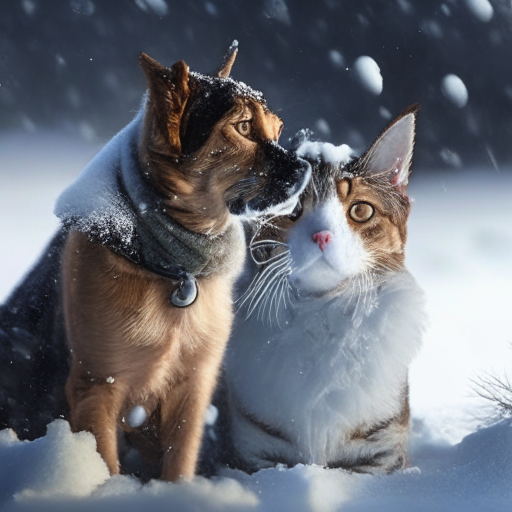
Protecting Pets in Cold Weather: Essential Tips
Transform Winter into a Safe and Cozy Season for Your Beloved Pets
As devoted and caring pet owners, ensuring the health and safety of our cherished furry companions is a top priority, especially during the frigid winter months. The winter season presents a variety of risks and challenges for our pets, particularly for dogs and cats who might find the cold harsh and uncomfortable. However, by equipping ourselves with the right knowledge and adopting proactive strategies, we can create a nurturing environment that keeps them safe, warm, and comfortable. In this blog post, we will delve into essential insights and practical methods that will enable you to navigate the winter season effectively, safeguarding your beloved pets from the bitter cold. Let’s explore these vital techniques for protecting your pets during winter.
Evaluate Your Pet’s Cold Weather Resilience for Optimal Care
As winter creeps in, it becomes increasingly important for pet owners to be observant of their furry companions’ health and comfort levels. Just like humans, pets have varying degrees of tolerance to cold weather, influenced by several factors such as breed, age, and overall health status. This segment emphasizes the significance of understanding your pet’s unique cold tolerance levels, particularly concerning their specific breed characteristics. By gaining insight into your pet’s individual needs, you can make knowledgeable choices that enhance their safety and comfort throughout the winter months, ensuring they remain happy and healthy during this chilly season.
- Recognizing Diverse Breeds and Their Unique Needs:
- Natural Adaptations: Every dog breed has developed distinct traits that enable them to thrive in varying climates. For example, breeds like Huskies and Malamutes possess thick fur and robust physiques, making them ideally suited for cold weather environments. In contrast, breeds such as Greyhounds and Chihuahuas lack adequate insulation to withstand freezing temperatures, highlighting the necessity of providing them with extra warmth and protection from the cold.
- Understanding Breed-Specific Characteristics: Taking the time to research and understand your pet’s breed characteristics is vital. This knowledge empowers you to anticipate their needs effectively and implement the necessary precautions to keep them safe, warm, and comfortable throughout winter. By understanding their unique vulnerabilities, you can provide tailored care that significantly improves their quality of life during the colder months.
- Evaluating Your Pet’s Individual Cold Tolerance:
- Observation is Key: Close attention to your pet’s behavior during varying weather conditions is essential. Signs of discomfort, such as shivering, reluctance to venture outdoors, or seeking warm spots within the home, can signal their level of cold tolerance. By recognizing these indications early, you can take proactive measures to prevent potential issues from escalating, ensuring your pet remains comfortable and safe.
- Medical Considerations: Be mindful that cold tolerance levels may vary for older pets, those with pre-existing health conditions, or recently adopted animals. Seeking advice from your veterinarian can provide invaluable insights into specific precautions or considerations that should be taken based on your pet’s health profile. This guidance is crucial for ensuring your pet’s health and safety throughout the winter months.
- Providing Additional Care for Sensitive Breeds:
- Protective Clothing: Investing in high-quality pet apparel, such as sweaters or jackets, is particularly important for breeds with shorter fur or lower cold tolerance. These garments act as an additional layer of insulation, ensuring your pet remains cozy and comfortable during outdoor walks or playtime in the snow. Properly fitted clothing can significantly improve your pet’s overall winter experience.
- Limiting Outdoor Exposure: On exceptionally cold days, it’s advisable to keep your pet indoors, especially if they are sensitive to low temperatures. Opt for shorter walks and create a warm indoor environment equipped with cozy bedding or blankets where they can snuggle and feel secure. This approach not only guarantees their comfort but also minimizes the risks associated with cold-related stress.
- Creating a Cozy Indoor Sanctuary for Your Pets:
- Warm Bedding: Providing your pet with a warm and comfortable bed, positioned away from drafts, is essential. Adding extra blankets or pillows can greatly enhance insulation, offering additional comfort during those cold winter nights. A cozy sleeping space ensures that your pet has a secure and inviting place to rest and recuperate.
- Monitoring Indoor Temperatures: Maintaining a comfortable temperature in your home is crucial, especially if you are away for extended periods. Utilizing programmable thermostats can help sustain a warm environment for your pet, even when you’re not at home, ensuring they remain comfortable and protected from the chill.
Understanding your pet’s cold tolerance is a fundamental aspect of responsible pet ownership, particularly during the winter months. By recognizing the unique demands of your pet’s breed and their individual characteristics, you can take proactive steps to ensure their safety, comfort, and overall health. Whether it’s investing in protective clothing, adjusting outdoor activities, or creating a warm indoor environment, a little extra care can significantly enhance your pet’s well-being during the colder weather.
Maximize Indoor Time to Shield Your Pets from Severe Cold
One of the most effective strategies to protect your pets from the harsh winter cold is to keep them indoors as much as possible. While it’s vital for dogs to have outdoor time for exercise and bathroom breaks, limiting their exposure to extremely cold or inclement weather is crucial for their overall health. If your pet must stay outside for any reason, make sure they have access to a warm, insulated shelter filled with clean, dry bedding that offers protection from the elements. Creating this safe refuge will help ensure their comfort and safety in chilly conditions.
Dress Your Pets Appropriately for Outdoor Adventures in Winter
For those pets that relish outdoor activities like walks or hikes, dressing them appropriately can significantly enhance their warmth and protection against the cold. Investing in a well-fitting winter coat or jumper that covers their entire body is essential, particularly for areas with less fur, such as the chest and belly. Furthermore, consider providing protective boots to shield their paws from ice, salt, and harmful chemicals that may be present on roads and sidewalks. Proper attire is crucial to ensuring your pet stays safe and comfortable during their winter outings.
Stay Alert for Frostbite and Hypothermia Symptoms in Your Pets
Pets face serious risks of developing conditions such as frostbite and hypothermia if exposed to extreme cold for extended periods. Frostbite occurs when skin and underlying tissues freeze, leading to severe tissue damage. Symptoms of frostbite include pain, swelling, and skin discoloration, with affected areas potentially appearing pale or bluish. In contrast, hypothermia is characterized by a dangerous drop in body temperature, displaying signs such as lethargy, shivering, weakness, and even loss of consciousness. If you suspect your pet may be suffering from frostbite or hypothermia, it’s crucial to seek emergency veterinary care immediately and monitor them closely for any concerning symptoms.
Safeguard Your Pets from Antifreeze Hazards
The use of antifreeze during winter months is a common practice to prevent vehicles from freezing; however, it presents a significant threat to pets. The sweet taste of antifreeze can attract animals, leading to unintentional ingestion of this toxic substance. Ethylene glycol, a primary component in antifreeze, is highly poisonous and can result in severe kidney failure or even death. Always store antifreeze securely out of your pets’ reach, promptly clean up any spills, and explore pet-safe alternatives to help keep your furry friends safe from this hazardous material.
Ensure Your Pets Stay Hydrated Throughout the Winter
Maintaining proper hydration is just as essential for pets during winter as it is in warmer months. The dry winter air and indoor heating systems can contribute to dehydration, even when temperatures are low. It is crucial to provide your pets with fresh, clean water at all times to encourage hydration. If your pet seems hesitant to drink cold water, consider offering lukewarm water or a bowl of heated water to stimulate their interest in drinking, effectively preventing discomfort caused by cold temperatures.
Create a Warm and Inviting Sleeping Space for Your Pets
Providing a cozy sleeping area for your pets during the cold weather is vital for their comfort and overall well-being. Consider investing in a warm bed with extra blankets or bedding to insulate them from the cold floor. Utilizing elevated beds or thermal pads can also assist in keeping your pets off the chilly ground while providing additional warmth. A comfortable sleeping space ensures that your furry companions have a safe and inviting haven to rest and recharge during the winter nights.
Exercise Caution with Heaters and Fireplaces to Keep Pets Safe
While heaters and fireplaces can effectively warm your home during winter, they can also pose significant hazards to your pets if not utilized safely. Ensure space heaters are securely positioned and out of reach of curious pets to prevent accidental burns or tip-overs. Always supervise your pets when they are in the same room as heaters or fireplaces, and consider using protective screens around fireplaces to protect your pets from open flames and potential injuries. Implementing these precautions can help safeguard your furry friends from heat-related accidents.
Prioritize Paw Care and Thoroughly Dry After Outdoor Activities
During winter, it’s essential to protect your pets’ paws from ice, salt, and chemical residues that can cause irritation or injury. After each outdoor excursion, gently wipe your pet’s paws with a warm, damp cloth to remove any salt or chemicals they may have picked up. Additionally, consider using pet-safe paw balms or protective wax to moisturize their paw pads and create a barrier against harsh winter conditions. Prioritizing paw care helps ensure your pets remain comfortable and healthy throughout the winter season.
Maintain a Consistent Exercise Routine Amid Winter Challenges
Keeping your pets engaged in a regular exercise routine is vital for their physical and mental health, even during the colder months. However, it’s important to be mindful of weather conditions before venturing outdoors. On particularly frigid days, opt for shorter walks and aim to go outside during warmer parts of the day, such as midday. If the weather is unfavorable, ensure your pets stay mentally stimulated and physically active by engaging them in fun indoor activities that promote exercise and bonding, thus helping to combat winter lethargy.
The post Protecting Your Pets in Chilly Conditions: Essential Tips appeared first on Survival Bite.
The Article Essential Tips for Protecting Pets in Cold Weather Was Found On https://limitsofstrategy.com
- Recognizing Diverse Breeds and Their Unique Needs:
-
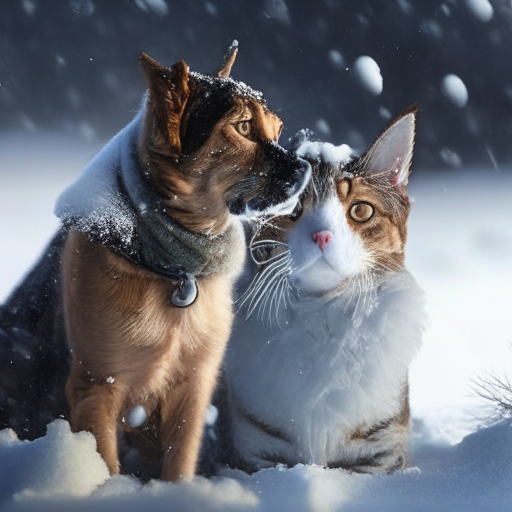
Essential Tips for Protecting Your Pets in Chilly Conditions
Important Tips for Keeping Your Pets Safe in Cold Weather
As people who own pets, we have to look out for the health and safety of our four-legged companions, particularly during the colder months of the year. When it comes to our dogs, cold weather can provide several risks and problems; but, if we are well-informed and make adequate preparations, we can ensure that they remain safe and comfortable. We will provide you with vital knowledge to assist you in making winter a safer season for your cherished companions by discussing essential methods for protecting your pets in chilly weather. These ideas will be discussed in this blog post.
Know Your Pets Tolerance
As winter approaches, pet owners must be vigilant in ensuring the well-being of their furry companions. Just like humans, animals have varying tolerances to cold weather, and pet owners need to understand and cater to their specific needs. This article will delve into the importance of knowing your pet’s tolerance, especially in the context of diverse breeds, and provide valuable insights into how to ensure your pet’s safety and comfort during the winter season.
- Diverse Breeds, Diverse Needs:
- Natural Adaptations: Different dog breeds have evolved with different characteristics to adapt to different climates. Breeds with thick fur coats and robust bodies, such as Huskies and Malamutes, are naturally adapted to frigid weather. Breeds such as Greyhounds and Chihuahuas, on the other hand, may not have the same level of insulation against the cold.
- Understanding Breed-Specific Characteristics: Take the time to investigate and understand your pet’s breed’s natural features. This understanding will allow you to anticipate their requirements and take the necessary precautions to keep them safe and comfortable over the winter.
- Assessing Your Pet’s Tolerance:
- Observation is Key: Keep an eye on your pet’s behaviour in different weather conditions. Shivering, aversion to going outside, or seeking warm places in the house are all signs of discomfort. These signs can help you assess their tolerance level and take preventive measures before problems emerge.
- Medical Considerations: Tolerance levels may change in older pets, those with pre-existing health concerns, or newly adopted animals. Consult your veterinarian to see if there are any special considerations or precautions you should take based on your pet’s health.
- Providing Extra Care for Vulnerable Breeds:
- Protective Clothing: Consider investing in pet gear such as sweaters or jackets for breeds with shorter fur or a lesser tolerance to cold. These can add an extra layer of insulation and keep your pet comfortable when out walking or doing other outdoor activities.
- Limiting Outdoor Exposure: It’s best to keep your pet indoors on exceptionally cold days, especially if he or she has a low tolerance for cold. Reduce the length of their walks, establish a cosy interior environment, and provide them with a comfy bed or blanket to snuggle in.
- Creating a Comfortable Indoor Environment:
- Warm Bedding: Provide a warm and comfy bed for your pet, preferably away from draughts. Adding extra blankets or pillows might provide extra insulation.
- Monitoring Indoor Temperatures: Keep your home at a pleasant temperature, especially if you’re gone during the day. Programmable thermostats can help keep your pet warm even when you are not present.
Understanding your pet’s tolerance to cold temperatures is an important aspect of safe pet keeping, especially in the winter. You can take proactive efforts to keep your pet safe, comfortable, and healthy by recognising the special demands of your pet’s breed and individual features. Whether it’s investing in protective clothing, modifying outside activities, or establishing a cosy inside environment, a little extra care goes a long way towards ensuring your furry buddy thrives in colder weather.
Keep Your Pets Indoors
If you want to protect your pets from the cold, one of the easiest and most efficient methods to do so is to keep them inside as much as possible. Despite the fact that dogs still need to go outside for exercise and toilet breaks, you should restrict the amount of time they spend outside when the weather is particularly cold or severe. In the event that your pet is required to remain outside, you should provide them with a warm and insulated shelter that is brimming with clean and dry bedding.
Proper Attire for Outdoor Adventures
If your pet enjoys activities outside, such as going on walks or going on hikes, wearing clothing that is suited for them can make a world of difference in terms of keeping them warm and protected. You should make an investment in a winter coat or jumper that fits them well and covers their entire body, paying special attention to sections of their body that have less fur, such as the chest and the belly. In addition, you should think about providing them with protective boots so that they may shelter their paws from the ice, salt and chemicals that might be present on the roads and sidewalks.
Watch for Frostbite and Hypothermia
Your pets are at risk of developing frostbite and hypothermia, both of which are life-threatening conditions, if they are exposed to temperatures that are extremely low. A condition known as frostbite happens when the skin and the tissues beneath it freeze, which causes damage to the tissues. The symptoms may include discomfort, swelling, and skin that is pale or blue in colour. On the other hand, hypothermia is a dangerous drop in body temperature that can produce symptoms such as lethargy, shivering, weakness, and even loss of consciousness inside the affected individual. If you feel that your pet is suffering from either frostbite or hypothermia, you should seek emergency veterinary assistance and keep a close eye on them for any signs of either condition.
Stay Away from Antifreeze
It is normal practise to use antifreeze during the winter months to prevent vehicles from freezing, but it poses a significant risk to animals with health problems. The delicious taste of it may, unfortunately, entice pets, which could result in inadvertent intake of the substance. Ethylene glycol, which is included in antifreeze, is an extremely toxic chemical that has the potential to cause renal failure and even death. Antifreeze should always be stored in a secure location, any spills should be cleaned up immediately, and alternatives that are safe for pets should be considered.
Ensure Ample Hydration
During the winter, maintaining proper hydration is equally as vital as it is during the summer. Pets are still at risk of becoming dehydrated due to the dryness of the winter air and the heating systems that are used indoors, even though it may appear that the temperature is lower. It is imperative that you provide your pets with uncontaminated water at all times. If your pet is reluctant to drink cold water, you can try feeding them with water that is lukewarm or give them a bowl of heated water to keep them from freezing.
Establish a Safe and Warm Sleeping Area
When it is chilly outside, it is really necessary to provide your pets with a sleeping space that is both warm and comfy. To assist insulate them from the cold floor, you might want to think about providing them with a warm bed that has additional blankets or bedding. Keeping your pets off the cold ground and providing them with additional warmth can also be accomplished with the use of elevated beds or thermal pads.
Be Cautious with Heaters and Fireplaces
Even though fireplaces and heaters are wonderful ways to keep your home warm, if they are not utilized in a safe manner, they can be hazardous to your dogs. It is important to make sure that space heaters are safely stored and out of the reach of your pets to avoid any unintentional burns or tip-overs. You should constantly keep an eye on your pet while they are in the same room as you, and if you have a fireplace, you should use a protective screen to prevent your pet from coming too close to the open flames.
Paw Care and Drying
During the winter, it is extremely important to protect the paws of your pets from ice, salt, and chemical residues, as they can cause harm to the paws. To eliminate any salt or chemicals that they may have picked up during their time spent outside, use a warm, wet cloth to gently wipe their paws after each and every outdoor activity. When it comes to moisturizing their paw pads and creating a barrier against harsh conditions, you might want to think about utilizing paw balms or protective wax that are safe for pets.
Maintain a Consistent Exercise Routine
Maintaining a regular exercise routine is essential for the physical and mental well-being of your pets, even when the weather is chilly. Before you go out, however, make sure you are aware of the weather conditions. When the temperature is extremely low, you should go for shorter walks, and you should aim to go outside during warmer times of the day, such as around the middle of the day. If the weather is terrible, you should ensure that your pets are kept emotionally and physically active by engaging them in exciting activities that take place inside.
The post Essential Tips for Protecting Your Pets in Chilly Conditions appeared first on Survivalbite.
The post Essential Tips for Protecting Your Pets in Chilly Conditions appeared first on https://gqcentral.co.uk
The Article Essential Tips for Protecting Your Pets in Chilly Conditions First Appeared ON
: https://ad4sc.com - Diverse Breeds, Diverse Needs:
-

How to Keep Your Pug Healthy and Happy
How to Keep Your Pug Healthy and Happy
If you are thinking about getting a pug, I recommend completing your research first and spending some time caring for one.
They are a highly dedicated, active, and affectionate breed – and yes, they are adorable – but they are not an accessory. Taking in a pug comes with a lot of responsibility. It’s almost as if you’re expecting a child.
Your Social life will change over time.
Have I mentioned that pugs are the best thing ever and that you want to spend the rest of your life with them? They are also dedicated tiny animals who follow you like shadows, making separation anxiety possible.
It is entirely unreasonable to abandon this breed at home for extended periods. So consider how much time you have to spare or whether you can regularly rely on someone to look after your dog.
Your Clothing will never be the same again.
Fawn pugs have a double coat and stink like hell. And a lot of it. The days of going out the door in a hairless garment are long gone.
Vacuuming becomes a daily occurrence, and you avoid transferring people out of concern that they will escape like the abominable snowman.
They consume as if there is no tomorrow.
With such a small species, you’d think they’d have a small amount of food, but they make a lot. This directly affects their waistline.
They must control their food consumption and portion sizes or become obese quickly. Could you not succumb to their pleading looks? They know how to have a good time with you.
Grim grooming may be necessary.
Pugs’ eyes are notoriously wet. A nice juicy eyeball generally waiting to be brushed away or hastily rubbed on your clean white T-shirt.
Clean the skin folds on your face every day. Those cute tiny folds can harbour terrible bugs, especially if Pugs dip their entire face into the food bowl while eating. Their ears also need to be cleaned, which I do with dog ear wipes.
After experimenting with them, I recommend holding it back and going in with a Malacetic cleaning wipe.
Avoid getting any product in your eyes by going to the back of the crease. Then, using a clean cloth, dry it well. After your workout, reward yourself with a sweet treat.
Some pugs require frequent vet visits to empty their anal glands (this is something you can do yourself).
Their claws should be clipped regularly. This is the worst thing you can do to a Pug. They loathe anyone who gets near their tiny little paws with those massive nail clippers and wiggle furiously to beg them to quit. Yes, good luck with that.
Yes, there are health issues linked with this breed. Because of their tiny snout, their airways are constrained.
Most brachycephalic (flat-faced) breeds are less healthy than their long-nosed counterparts. This is critical since Pugs will probably require BOAS surgery to live properly (widening the nostrils and reducing the elongated soft tissue). If possible, choose a Pug with a longer nose, and do not support breeders who keep sick Pugs!
A Pug collar is not recommended because it can further obstruct the airway. Always use a harness and an appropriate tie so that the pug can always wear its ID.
Expensive veterinary appointments are possible.
Pugs are prone to eye ulcers, epilepsy, skin fold infections, kidney stones, crooked teeth, and acne.
Every pedigree has unique health issues. Check that your pet is adequately insured.
They dislike rain.
Or water, for that matter. No puddles, ponds, or hoses, please.
They can be heard before they can be seen.
Due to their shorter snout, pugs may breathe quite loudly. They snore as well. Loudly. This is a very lovable trait. Nothing rivals the sound of a pug snorting as it searches the floor for crumbs.
They are not appropriate for long-distance running or hot summer days.
A pug is probably not the dog for you if you want to spend long sunny days on the Cornish coast with your dog. They strive hard to keep up, but they tire easily and are best suited to frequent short walks.
Warmer weather exacerbates Pugs’ respiratory issues. As a result, they should be maintained in the shade. DO NOT LEAVE THEM IN THE CAR. They will perish as a result of overheating.
They don’t understand the notion of personal space.
Is that your mug? A great place to sit.
In the classic sense, they are not “doggy” dogs.
Maybe it’s just my pug, but Wilma refuses to play in the park. I’ve seen other pugs chase balls and swim. That is unworthy of her. When you throw a ball to her, she runs away.
She is hesitant to paddle in the water in warmer weather, but fetch and frisbee are out.
That isn’t to suggest they aren’t having a wonderful time. When pugs are having fun, they sprint around the living room for 5 minutes. They like to chase.
You will never be alone again.
A quiet trip to the loo? Think about it again. Pugs were initially bred to entertain Chinese emperors, and they excel at it.
They are a great breed; Wilma makes me laugh every day, and her devotion is unwavering. You should join a rescue pug adoption waiting list if you want a pug.
Many people are surprised to learn that pugs are routinely abused. Charming, yet their beauty often causes them to be exploited as money-making breeding machines.
Interesting Facts
Queen Victoria, who had many pugs in the nineteenth century, strongly supported the breed.
A ruckus is a swarm of pugs!
Pugs are a centuries-old breed that was developed for ancient Chinese emperors.
They were viewed as aristocracy and regular people were prohibited from owning them.
Pugs were created to be companion dogs so they enjoy humans.
They were not bred to work but rather to entertain their human partners.
Adoption organisations include The Pug Dog Welfare & Rescue Association (https://pugwelfare-rescue.org.uk/) and Muffin Pug Rescue (https://www.muffinpugrescue.co.uk/).
The post How to Keep Your Pug Healthy and Happy appeared first on https://gqcentral.co.uk
The Article How to Keep Your Pug Healthy and Happy First Appeared ON
: https://ad4sc.com -

Reasons To Interact With Your Cat
Reasons To Interact With Your Cat
Reasons To Interact With Your Cat: Playing with your cat strengthens your friendship. Playing with your cat is the best way to strengthen your bond.
Do you want your cat to see you for more than just food, shelter, and warmth?
Regular play sessions will enable your cat to recognise you as the object of his devotion and greet you when you return home if this is the case.
Allow your cat to think your hands are toys. If your cat learns that scratching or biting your hands is okay, it will take the devil to break her of the behaviour.
Playing with your cat will keep him from becoming obese.
Eating a nutritious and well-balanced diet is the best way to keep your cat from getting overweight, but exercise also plays a role in keeping your cat healthy.
Playing with you may be your cat’s only exercise if he or she is a house cat. But don’t overdo it, and limit your playtime to about 15 minutes.
Playing allows your cat to gain confidence.
Kittens learn how to bond with their siblings and other cats through play; they establish their position in the world through social education. Playing with your cat will help him learn new things.
Regular play sessions and gentle touching can familiarise your cat with human interaction, making him less likely to hide and shrink away when people approach.
Playing allows your cat to practise her hunting abilities.
All cats have a natural hunting instinct. A cat only kept indoors has few opportunities to act out and acquire this instinct.
Spend some time playing with an interactive cat toy, such as a catnip on a string.
Encourage your cat to chase and pounce on the mouse for the kill.
Maintain a large assortment of cat toys, but only use three or four at a time, and engage your cat with a different selection the following time. To keep your cat interested, have some toys on hand for play sessions and put them away in between.
Catnip mice and other toys can be safely placed out for your cat’s enjoyment, but keep in mind that cats can and will swallow small items.
Never allow your youngster to play with buttons, strings, bells, or similar devices.
Playing helps your cat release aggression.
When cats are bored, they frequently exhibit violent behaviour. Teach your cat not to scratch, bite, or attack you when you play with him. When your cat is playing quietly, praise her and stop the activity when she shows signs of wanting to use her teeth or claws.
This teaches your cat that aggressive behaviour should be directed at her toys rather than toward you!
Your cat had fun playing!!!Cats, like humans, require amusement all of their lives. Break up your cat’s routine of eating, sleeping, and using the litter box with some fun.
Your cat will be more content, confident, and less aggressive.
It’s fun for you to play!Finally, playing with your cat is pleasurable for you. A cat is a beautiful pet to have around to enjoy its beauty and keep you company.

Introduce your children to a cat.
Can cats and children coexist?
So you’ve grown up with a cat in your family. Bringing a cat into your home is also a fantastic method to teach your children about the benefits of being around animals.
You are almost certainly correct.
However, just because you have fond memories of growing up with a devoted cat does not mean that things will always go as planned.
They will likely be excited but ensure they understand that caring for a living creature implies both delight and responsibility.
Prepare to take on full responsibility for the household cat’s care. When children are old enough, they can and should be taught to do some of the tasks, but if they lose interest, it is up to you.
Make a place for your cat to go when it doesn’t want children’s attention (or adults).
A room or place where your cat can be alone when he needs to can assist in keeping the peace.
To avoid traumatic encounters, children must be warned about the sharpness of a cat’s claws and fangs. Explain that cats may bite or scratch when upset, anxious, or overstimulated.
Kittens are not the most amazing choice for tiny children. A child may not realise how sensitive a kitten is and how an excessively enthusiastic embrace can harm the critter.
Unlike an adult cat, a kitten may be less tolerant of a child’s quick movements and enthusiastic shrieking. An older cat, at least two years old, is more likely to calmly accept a toddler’s attention and is unquestionably more robust than a kitten.
Show your children how to properly hold a cat. Show them how to carefully pick up a kitten, one hand on the chest and the other on the back legs.
Children and cats can create strong ties that teach them to love and appreciate animals for the rest of their lives. Teaching your children the fundamentals of pet interaction will benefit them for many years.
The post Reasons To Interact With Your Cat appeared first on https://gqcentral.co.uk
-

Pet’s Safety in the Heat
Pet’s Safety in the Heat
Pet’s Safety in the Heat: A guide on keeping your pet cool in the heat.
Summer can be unpleasant, if not lethal, in humans and animals.
Even as temperatures climb, dealing with heavy humidity can be a challenge. Extreme heat and storm-related power outages, which can have disastrous consequences, make it even more difficult.
In the next months, we’ll be here to help you keep your dogs happy and content this season. Keep your family healthy this summer by following our tips.
Precautions for Summer Safety
NEVER LEAVE YOUR PETS IN A GARAGE.
Not even for a split second, please! Even with the engine running and the air conditioner on, this is not a safe situation to drive in. On a hot day, temperatures in a car can quickly rise to lethal levels.
For example, a vehicle with its windows open on an 85-degree day can reach 102 degrees in just 10 minutes.
After 30 minutes, the temperature had risen to 120 degrees. Your pet’s organs could be permanently damaged or even die due to this treatment.
You should keep a close eye on the relative humidity level.
Dr Barry Kellogg, VMD of the Humane Society Veterinary Medical Association, states, “It’s vital to note that ambient temperature and humidity might impact your pet.
The lungs of animals are filled with water, which causes them to evacuate it through a process known as panting. Their body temperature swiftly rises to lethal levels when the humidity is too high.
Avoid strenuous physical activity on hot days.
You should exercise caution when taking your pet on a walk. Make adjustments to your workout intensity and length depending on the weather.
On hot days, only strenuous activity is in the early morning or late evening. Keep an eye out for short-nosed pets and pets with white ears, which are more susceptible to skin cancer.If you can, take your dog for a stroll on grass rather than asphalt, which might be dangerous for your pet’s paws. Drinking plenty of water is essential to your dog’s health and well-being.
Pets are affected by heat in a different way than humans. Perspiration escapes from dogs’ bodies primarily through their paws. On the other hand, Fans do not have the same effect on pets as humans.
Take care to ensure that there is enough food and drink available.
If your pet spends time outdoors, ensure they have access to plenty of fresh, cool water and are shielded from the sun. During heat waves, it’s a good idea to chill the water with ice.
Shade trees and tarps are excellent because they don’t block airflow. A doghouse won’t help the heat; it will get worse.

Keep your pet cool both inside and out.
Doggie sundaes can be created quickly at home. Always provide fresh water to your pets, whether inside or outside.
Keep your pet cool inside and outside with a cooling wrap, vest, or mat. These things can be kept cool by soaking them for up to three days in icy water (typically dry).
Even if your dog doesn’t mind getting a cold wash, see if he prefers it.
Keep an eye out for signs of heat exhaustion, such as feeling dizzy or going into a coma.
Heat stroke can result from exposure to high temperatures. You’re at risk of heat illness if you show any signs of heat stroke.
Severe heat stroke can be deadly for animals, especially those vulnerable due to health issues such as being old or young, overweight, or not being used to regular movement.
Breeds with short muzzles, such as Boxers and Shih Tzus, as well as other dogs and cats with narrow faces, may struggle more than others in the heat.
How to treat a pet with heat exhaustion is explained here.
Go outside or into an air-conditioned area with your pet to keep them cool Ice packs or cold towels for the pet’s neck and chest or cool (not frigid) water for the animal’s body are also effective methods of treating heat exhaustion.
Make sure you have it. Ice cubes can be licked or sucked on for cooling relief. As soon as possible, get them to a veterinarian.
The article initially published on https://unitypets.com
The post Pet’s Safety in the Heat appeared first on https://gqcentral.co.uk
-

Guide To Pug Care
Guide To Pug Care
Guide to Pug Care Pugs are cute little critters with a distinct appearance. They may be insignificant and entertaining, but you must recognise and address their specific needs to ensure their health and well-being.
Everyone who owns or plans to acquire a pug should read our pug care guide.
Pugs are often recognised as one of the most popular dog breeds due to their unique personality and appearance. Some people like larger dogs, while others prefer fluffy white canines that don’t shed, but we can all agree that a pug always gets all the attention.
Whatever they accomplish, their facial expressions and funny approaches place them at the forefront. Anyone who has owned or lived with a pug will understand exactly what we mean.
Puppies can generate many amusing disasters for individuals who own or plan to get one.
However, regardless of how much they can entertain and lighten your day, you must know how to properly care for your Pug and offer them the best life possible.
Although these dogs will go out of their way for their owner’s attention, they require special care to be happy and healthy.
Due to their distinctive physical characteristics, pugs require a little additional attention from their owners to be completely healthy and clean.
Don’t worry if you’re acquiring a pug for the first time and aren’t sure what to do or how often to groom your dog; we’re here to help.
We will assist you at every stage of keeping your Pug healthy. This book may also be useful to owners of Pug cross breeds such as Puggles, Chihuahua Pugs, Frug, Pom-A-Pugs, Daugs, and others who have inherited many Pug qualities.
Buying food for your Pug
Pugs, like all dogs, enjoy eating. The big difference is the amount of activity each dog gets. Pugs aren’t the most active dog breeds in general, and if they don’t get enough exercise, they can become actual couch potatoes.
That is why it is vital to maintain your Pug’s rations.
Feed your adult pug once or twice a day, according to the suggested meal size.
You may help your pug puppy’s development by feeding him appropriate food for his age. Puppies have different nutritional needs than adults and older dogs.
As a result, please consider your puppy’s dietary needs based on his activity level and age.
Adjusting your dog’s diet over time may be required to prevent him from developing food intolerances.
Another reason to reconsider your Pug’s diet is if you notice him gaining weight. In this case, you should consider boosting your dog’s daily activity and examining his daily caloric intake.
However, remember that Pugs are brachycephalic breeds, which are more prone to respiratory issues and might worsen if they are overweight.
Another consideration for Pug owners is how many goodies they give their dogs. Because Pugs are little dog breeds, the number of treats they can consume during the day is significantly less than that of a medium-sized dog.
Treats should not constitute more than 10% of your dog’s daily caloric intake.

Pug exercise is essential.
Getting adequate exercise for your dog is the best way to keep him happy and healthy. Regular exercise and keeping your Pug in shape are necessary if you want a peaceful, satisfied pet that will not develop more prevalent behavioural disorders.
An adult Pug needs two 15-20 minute periods of moderate exercise per day. They like playing as well. Having a variety of toys at home helps keep your Pug physically and psychologically stimulated.
It would be ideal if you also spent time playing with your Pug daily. You and your Pug can chase each other around the house or play fetch, and your Pug will undoubtedly join in on the fun.
Exercise is essential for all dogs, but it might be difficult for brachycephalic breeds.
Their flat noses may fail to cool down after strenuous exercise, putting them at risk of heat stroke.
Furthermore, walking on a humid and hot day may cause breathing difficulties and overheat.
As a result, you should be aware of when to lessen the intensity of your workout significantly.
Appropriate walking equipment
A pug, unlike larger dogs, requires a harness rather than a collar when walking. Collars would make the Pug’s already challenging breathing much more difficult, something you would wish to avoid.
Make sure you have a leash that allows you to walk your Pug on a busy, narrow sidewalk and in the park’s vast fields.
You may also train your Pug more efficiently using the proper leash and harness.
Instructions for Pugs
Pugs usually respond well to basic training. Although they may not be interested in detailed training, learning basic commands should be simple because these dogs enjoy pleasing their owners.
To guarantee that your dog genuinely learns what you are attempting to teach him, you must be nice, patient, and persistent during training, just like you would with any other dog.
According to all modern dog behaviourists, positive reinforcement is the most effective strategy. You can easily employ this strategy by rewarding your Pug with goodies when they perfectly obey a command.
However, while you should avoid overfeeding your dog with treats, remember that simple praise after your dog has been well-behaved is enough incentive.
However, remember that teaching your dog entails more than simply repeating the command until you’re out of breath. To train a dog effectively, you must first understand how to engage with your pet.
You can know when it is time to train your dog and whether he is offended by something if you understand his body language.
Training any dog, especially pugs, will be much easier if you study human-dog communication.
If you’re new to dog ownership and having problems dealing with your dog’s misbehaviour or teaching him directions, consider enrolling your Pug in an obedience class.
In this manner, you may learn how to properly manage your dog while bonding with him.
The post Guide To Pug Care appeared first on https://gqcentral.co.uk
-
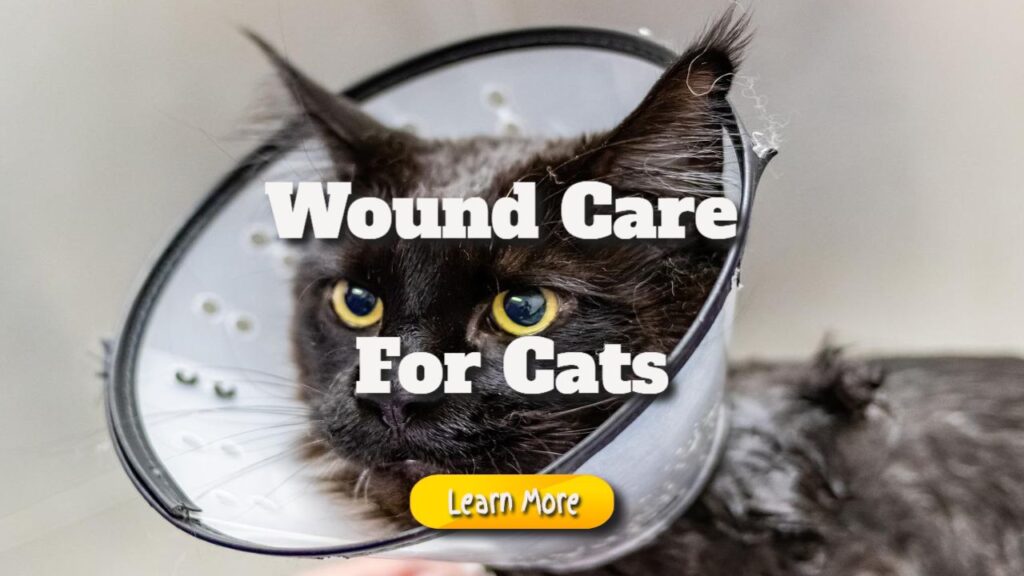
Wound Care for Cats: What You Need to Know
Wound Care for Cats: What You Need to Know
How to Treat a Wound
Wound Care for Cats: What You Need to Know: Cats, like any other animal, are prone to minor injuries. Many wounds, bruises, and abrasions (scrapes) are not hazardous and heal rapidly. Other wounds may require sutures and more immediate emergency care.
What to Look out For
Fresh wounds typically exhibit one or more of the following characteristics:
Bleeding
Swelling
Hair is missing
Skin that has been cut, scratched or torn
Limping
Tenderness or discomfort
If a fresh wound is not seen, it can grow infected. In addition to swelling and discomfort, you may have the following symptoms:
- The wound’s discharge (pus)
- Affections (a collection of pus under the skin)) and the hole in the skin that results when the abscess ruptures and drains
- Fever symptoms (e.g., lethargy and ears that feel hot to the touch)
The Root Cause
Wounds can result from being hit or bumped by hard or sharp objects, dodging cars, being attacked by animals, or other risks.
Urgent Attention
Your cat will ultimately define what you can accomplish at home. You may only be able to wrap your cat in a towel or place him in a carrier and take him straight to the clinic.
However, if your cat allows it, you may do a few things, particularly if going to your veterinarian takes some time.
Applying direct pressure to a bleeding cut is the most effective approach to halt it.
After covering the incision with sterile gauze or a clean towel, apply pressure to it.
It may take 5 to 10 minutes for the bleeding to stop. When this happens, tape the gauze in place since removing it may cause the clot to dissolve and the bleeding to restart.
Look for any more wounds.
If there is no bleeding and the cut (laceration) or abrasion (graze) appears small, clean the wound. Gently clean the wound with an antiseptic solution or plain water, then flush the solution over the wound’s surface with a syringe or similar equipment.
Diluting concentrated store-bought solutions containing the active ingredient povidone-iodine or chlorhexidine diacetate yields antiseptic solutions.
Because they induce tissue damage, alcohol and hydrogen peroxide should not be used on wounds. Povidone should be diluted to the consistency of weak tea, and chlorhexidine should be diluted to the consistency of pale blue.
If the laceration is long or deep, or if it is a puncture wound, clean the edges as described above, but do not aggravate the incision. Allow the veterinarian to take care of it.
Take your cat to the vet after you’ve done everything you can.
Veterinary Assistance
Diagnosis
Your veterinarian will examine your cat thoroughly and assess any wounds that are identified. Your cat will also be examined for any symptoms of the disease. The cat’s hair must be shaved for a comprehensive examination. X-rays may be required for some wounds. The test may also necessitate sedation.

Treatment
Treatment’s key goals are to prevent infection and speed healing. Different sorts of wounds demand different techniques to achieve these objectives. In most cases, sedation or anesthetic will be required to heal the wounds safely and painlessly.
For minor scrapes and cuts, a thorough washing and sometimes a little skin adhesive to hold the wound borders together is usually all that is required.
Prolonged and deep wounds require careful cleaning to ensure there are no foreign bodies in the wound, as well as a complete assessment to determine the degree of injury.
If the incision is less than 12 hours old and not heavily contaminated, suturing is likely.
Puncture wounds, especially those caused by animal attacks, frequently involve significant damage beneath the skin that is not visible at first. Following the removal of foreign bodies, these wounds must be thoroughly investigated and meticulously cleaned with large amounts of antiseptic solution.
To repair tissue damage that has occurred at deeper depths of the incision, surgical intervention may be required.
Meanwhile, puncture wounds and wounds that are more than 12 hours old, contaminated, or showing signs of infection, abscessed, or lacking considerable skin are not routinely sutured.
Instead, they are bandaged until the wound heals or becomes healthy enough that sutures can help the wound instead of trapping infection in it.
Large or deep wounds, contaminated wounds, or wounds with several punctures may necessitate the use of a Penrose drain. This flexible rubber tube drains excess contaminated tissue fluid while allowing an antiseptic solution to flooding through the wound.
Your veterinarian will prescribe antibiotics and possibly pain medicines for your cat, which you will need to provide at home.
The vast majority of cats are released within 24 hours of their arrival.
The most essential thing you can do for your cat after you get home is to provide proper care. Fortunately, it normally only takes one to two weeks.
Good Care Involves
Avoiding your cat licking, biting, or scratching at wounds, stitches, bandages, or drainage This may need the use of an Elizabethan collar.
Keep dressings clean and dry, and replace them as directed by your veterinarian. At first, this could be up to two or three times per day.
If your cat is refusing to cooperate, you may need to return to the clinic to have them replaced. If the dressings become wet, or if you notice an odor, rubbing, or an increase in drainage (or if the drainage persists), take your cat to the vet.
If the cat is unable to lick it away, apply a thin layer of antibiotic ointment to the wound edges once or twice daily.Ascertain that your cat is receiving all prescribed medications. If you are experiencing trouble administering it, contact your veterinarian.
The typical post-vet regimen is as follows unless the wounds are serious or there are complications:
Penrose drains are removed 3 to 5 days after installation.
Sutures are usually removed 10 to 14 days after they are put in.
Antibiotics are normally prescribed for a period of 7 to 10 days.If pain medication is required, it is normally given for 5 to 7 days.
Dressings may be applied for 24 hours or several weeks, depending on the severity of the lesion.
The dressing is changed at least once daily at first; later in the healing period, longer intervals between dressing changes are possible.
If a wound, particularly a puncture wound, is not identified and antibiotics are not administered, an abscess may form, resulting in the symptoms described above.
Abscesses form in 10 to 14 days and are usually not visible until they rupture. An abscess needs another trip to the vet.
Prevention
Because cats are more prone to be injured when they run around uncontrollably outside, the best preventative measure is to either keep the cat indoors or confine it to a safe, confined area.
The post Wound Care for Cats: What You Need to Know appeared first on https://gqcentral.co.uk