Category: Pet Safety

  • Pet Car Accident Response Guide: Essential Tips for Owners

    Pet Car Accident Response Guide: Essential Tips for Owners

    Essential Steps to Take Immediately After Your Pet’s Car Accident

    Comprehensive Evaluation of Your Pet’s Health Status
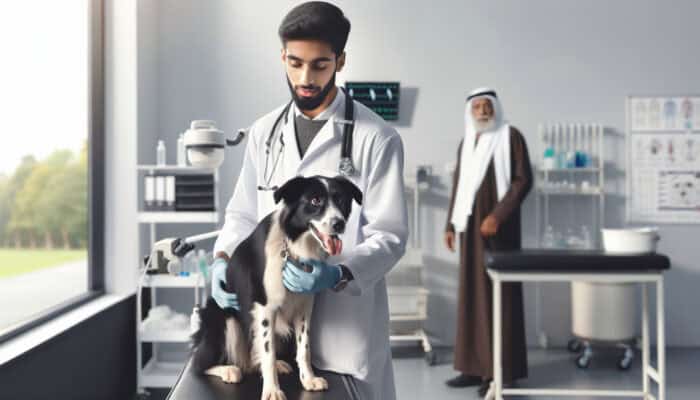
    Right after a pet car accident, your primary responsibility is to carry out a detailed assessment of your pet’s health. Look for any evident injuries, such as bleeding, labored breathing, or indications of loss of consciousness. This initial examination plays a crucial role in understanding the urgency of the situation. If your pet seems distressed, it is crucial to remain calm and avoid moving them unless they are in immediate danger, such as being exposed to oncoming traffic. This careful approach can help prevent aggravating any potential injuries further.

    Inspect your pet thoroughly for visible wounds, such as cuts, swelling, or broken bones. Additionally, pay attention to their behavior; signs like whimpering or obvious pain suggest that immediate medical intervention is necessary. If your pet is unconscious, check their vital signs, including breathing and a heartbeat. If they are not breathing, be ready to perform CPR if you have received training. Prioritizing your pet’s safety and comfort during this critical evaluation stage is absolutely essential.

    Creating a Safe and Secure Environment at the Accident Scene

    Establishing a safe environment at the site of a pet car accident is paramount. Turn on your vehicle’s hazard lights to alert other drivers and utilize any available reflective gear to enhance visibility. This action protects not only your safety but also the safety of your pet and others on the road. If it is feasible, move your vehicle to a secure location away from traffic to avoid further accidents. In busy traffic conditions, it may be safer to keep your pet inside the vehicle until help arrives, especially if they have sustained serious injuries.

    Establish a secure area to care for your pet. If your pet is agitated or scared, they may unintentionally pose a risk to themselves and others. Use a leash or harness to restrain them if they are conscious. Make sure bystanders or other drivers maintain a safe distance while you assess your pet’s condition. Remember that staying calm and focused during such high-stress situations can significantly influence the outcome for your beloved pet.

    Why Is It Crucial to Contact Veterinary Emergency Services?

    Reaching out to emergency veterinary services is an essential step after a pet car accident. Contact a veterinary professional immediately; timely veterinary care can drastically improve your pet’s chances of recovery. When making the call, provide clear and concise information about your location and describe your pet’s condition as accurately as possible, including any visible injuries and changes in behavior.

    In many regions, dedicated emergency veterinary services operate around the clock. Knowing how to contact them can save valuable time during a crisis. Make it a habit to save the contact details for local animal hospitals in your phone for quick access. Being prepared in advance can significantly reduce panic during emergencies, ensuring you can secure the necessary help for your pet without unnecessary delays.

    How to Effectively Administer First Aid to Your Pet

    If you have received training in first aid, being able to provide basic care to your pet immediately after an accident can be invaluable. Begin by applying pressure to any bleeding wounds to effectively manage blood loss. If your pet appears to be in pain, consider using a muzzle to prevent any bites, as they may react instinctively due to fear. For severe bleeding, elevating the injured area while applying pressure can help control the situation until veterinary professionals arrive.

    Throughout this process, remaining gentle and calm is crucial. Speak softly to your pet to help them relax, as their anxiety can exacerbate their condition. Even if you lack formal first aid training, your presence can offer comfort and reassurance to your pet. If you’re uncertain about how to provide specific care, focus on maintaining their stability and calmness until professional help arrives.

    Why Is Documenting the Accident Scene Important?

    Documenting the accident scene is vital for legal and insurance-related purposes. Start by taking clear photographs of your pet’s injuries, the vehicles involved, and any relevant road signs or signals. This documentation can serve as crucial evidence in case of disputes regarding liability or insurance claims. Ensure you capture images from various angles to provide a comprehensive view of the situation.

    Additionally, gather contact information from any witnesses present during the accident. Their testimonies can support your case and provide further details that may be crucial later. Take notes on the circumstances leading up to the accident, including the time, location, and contributing factors such as weather conditions. This thorough documentation can play a significant role in navigating insurance claims and ensuring your pet receives the necessary care and support.

    Insights from Experts on Responding to Car Accidents Involving Pets

    Veterinary Recommendations for Immediate Pet Care

    Veterinarians stress the significance of immediate care following a pet car accident. Acting swiftly can greatly impact your pet’s recovery and chances of survival. Common veterinary recommendations include:

    • Check your pet’s vital signs immediately.
    • Ensure the pet is in a secure environment away from traffic.
    • Control any bleeding by applying direct pressure to wounds.
    • Perform CPR if the pet is unresponsive.
    • Keep your pet calm and comfortable until help arrives.
    • Avoid attempting to treat serious injuries at home.
    • Be prepared to provide detailed information to the veterinarian upon arrival.
    • Consider using a leash or muzzle to prevent further injury or escape.

    For example, a case study from a veterinary clinic showed how a dog involved in a minor collision was stabilized with prompt first aid before reaching the hospital. The owners followed basic first aid guidelines, which helped maintain the dog’s vital signs and ultimately led to a complete recovery. Such instances highlight the necessity of knowing what to do immediately after an incident.

    What Actions Should You Take if Your Pet Is Unconscious?

    If your pet is unconscious, it is essential to act quickly yet calmly. Begin by checking for breathing and a pulse. If they are unresponsive and not breathing, perform CPR if you are trained. This involves checking for any obstructions in their airway and administering rescue breaths as necessary. Time is of the essence in these situations, as every second counts.

    Even if your pet appears to be breathing shallowly or irregularly, immediate veterinary care is critical. It is advisable to have someone else call for emergency help while you provide care to your pet. When help arrives, be prepared to share all pertinent information about the incident and your pet’s condition with the veterinarian. Your prompt and informed response can be pivotal in ensuring your pet receives the care they need without unwarranted delays.

    How Can You Safely Transport an Injured Pet?

    Transporting an injured pet requires careful consideration to prevent exacerbating their injuries. If you must move your pet, use a sturdy, flat surface like a board or blanket to create a makeshift stretcher. This method allows you to keep your pet stable and secure during transport. Ensure they are gently secured to minimize movement, which is particularly crucial for pets with potential spinal injuries.

    During transport, maintain a calm demeanor. Your pet can sense your stress, which may heighten their anxiety. Speak softly and reassuringly to comfort them. If possible, enlist someone to assist you during transport, allowing one person to drive while the other tends to the pet’s needs. Always remember that the goal is to reach a veterinary clinic as quickly and safely as possible, ensuring they receive the critical care they require.

    Legal and Financial Considerations Following a Pet Accident

    Understanding Liability in Pet-Related Accidents

    Understanding liability in pet accidents can be a complex issue. Determining who is responsible for the accident is essential, as it can heavily influence insurance claims and potential legal proceedings. If your pet was involved in an incident that resulted in damage or injury to another party, liability may rest with you as the owner, depending on local laws and circumstances. Conversely, if another vehicle struck your pet, the driver’s responsibility may also come into play.

    In many jurisdictions, pet owners are legally obligated to keep their animals controlled. This includes ensuring they are securely restrained while traveling and not allowed to roam freely. Familiarizing yourself with local laws regarding pet ownership can clarify your responsibilities and protect you in case of accidents. If your pet caused an accident, consulting a legal professional can provide guidance on the next steps to take.

    Understanding Insurance Coverage for Pet Injuries

    Insurance coverage for pet injuries is another critical aspect to consider after an accident. Many pet insurance policies provide coverage for accident-related injuries, including emergency treatments. However, the extent of coverage can vary significantly between policies, so it is vital to review your plan carefully. Look for policies that offer comprehensive coverage for accidents, as well as any exclusions that may apply.

    Inquire about the claims process soon after an accident. Having the necessary documentation, including veterinary records and accident reports, will streamline the process and ensure you receive appropriate compensation for your pet’s care. Keeping all receipts related to your pet’s treatment is also beneficial, as these may be required for reimbursement or claims against another party’s insurance.

    How to Manage Veterinary Expenses After an Accident

    Managing veterinary costs after a pet car accident can be overwhelming, especially when unexpected emergency care is necessary. To prepare for potential high costs, consider establishing a payment plan with your veterinarian. Many clinics offer financing options that allow you to spread payments over time, easing the immediate financial burden following the incident.

    Seek financial assistance from pet welfare organizations or charities that support pet owners in need. Some organizations provide grants or funding specifically for emergency veterinary care, which can be crucial in a crisis. Additionally, researching pet insurance that covers emergency care can offer peace of mind for future incidents and help effectively mitigate costs.

    Strategies to Minimize the Risk of Future Pet Car Accidents

    Implementing Effective Pet Restraints in Your Vehicle

    Investing in pet restraints is a vital step in preventing future car accidents involving your pets. Options such as pet seat belts, harnesses, or carriers can effectively secure your pet during travel, keeping them safe and preventing them from becoming projectiles in the event of an accident. Understanding the different types of restraints available will help you choose the most suitable option for your pet’s size and behavior.

    Pet seat belts are designed to attach to your vehicle’s existing seat belts, providing stability without overly restricting movement. Carriers can also be a secure option, particularly for smaller pets, as they offer a safe space while ensuring they are restrained. Additionally, it’s essential to train your pet to feel comfortable and secure in their restraint, which can reduce anxiety during travel and improve overall safety.

    Training Your Pet for Safe and Stress-Free Travel

    Training your pet for safe travel is a proactive way to minimize the risk of accidents. Teaching your pet to remain calm and stay in their designated area while in the vehicle is essential. Utilizing positive reinforcement techniques, such as treats and praise, can help your pet associate car travel with positive experiences. Gradually introducing your pet to the car and taking short trips can also help them acclimate.

    Incorporate commands like “stay” or “settle” to reinforce the desired behavior during travel. Regularly practicing these commands can instill good habits, making your pet more compliant during car rides. If your pet shows signs of stress during travel, consider using calming products, such as anxiety wraps or pheromone sprays. By focusing on training, you not only enhance safety but also create a more enjoyable experience for both you and your pet.

    The Importance of Regular Vehicle Maintenance

    Ensuring regular vehicle maintenance is a critical factor in reducing the risk of accidents. A well-maintained vehicle is less likely to experience mechanical failures that could endanger both you and your pet. Regularly check essential components, including brakes, tires, and lights, to ensure they function correctly. This simple step can prevent unexpected breakdowns or accidents while you’re on the road.

    Consider enrolling in a maintenance program with your vehicle’s manufacturer or a trusted mechanic to keep everything in optimal condition. Additionally, familiarize yourself with your vehicle’s owner manual to understand specific maintenance recommendations. By staying proactive about vehicle upkeep, you not only protect your pet but also enhance your overall driving safety.

    Providing Emotional Support for Pets and Their Owners

    Identifying Signs of Trauma in Your Pet

    Recognizing the signs of pet trauma following a car accident is vital for providing effective emotional support. Pets may react differently to trauma, making it crucial to monitor their behavior closely. Common signs include increased anxiety, sudden aggression, withdrawal from social interactions, or changes in their eating and sleeping patterns. Being vigilant in observing these behaviors can help you address any emotional distress they may be experiencing.

    For instance, a pet that was previously sociable may become withdrawn or fearful after an accident, indicating they require extra support and reassurance. Pay close attention to their interactions with other pets and people. If you notice significant behavioral changes that persist, consulting a veterinarian or a professional animal behaviorist may be beneficial to explore appropriate interventions.

    How to Comfort Your Pet After an Accident

    Providing comfort to your pet after an accident is essential for their emotional recovery. Create a calm environment by minimizing noise and distractions, which can help alleviate anxiety. Incorporate familiar items, such as their favorite blankets or toys, into their recovery space to provide a sense of security. Spending quality time with your pet can also be immensely beneficial, as your presence can offer reassurance during this challenging time.

    Engage in gentle activities that foster bonding, such as light petting or soothing vocalizations. Avoid overwhelming your pet with too much stimulation, as they may still be processing their experience. Instead, encourage rest and create a safe space where they can feel secure and loved. As your pet begins to recover emotionally, continue to monitor their progress and adjust your approach based on their needs.

    Seeking Emotional Support for Yourself as a Pet Owner

    As a pet owner, prioritizing your emotional well-being after a pet car accident is essential. The aftermath can be overwhelming, and seeking support is a healthy way to cope with feelings of guilt or anxiety that may arise. Consider talking to a counselor or therapist who understands the bond between pets and their owners. This professional guidance can provide strategies to manage your emotions effectively.

    Joining support groups for pet owners can also be a valuable resource. Sharing experiences with others who have faced similar situations can foster a sense of community and understanding. Online forums and local meetups can provide both emotional support and practical advice on navigating the challenges of pet care post-accident. Remember, you are not alone, and reaching out for help can significantly enhance your coping process.

    What Are the Potential Long-Term Health Effects on Pets After Accidents?

    Common Injuries and Their Treatments

    Following a car accident, pets can sustain various injuries, including fractures, internal injuries, and brain trauma. Each type of injury necessitates specific treatments tailored to the pet’s condition. For instance, fractures may require surgical intervention or immobilization through casts or splints. Internal injuries, such as organ damage, necessitate immediate veterinary attention and may involve surgical procedures to repair the damage.

    Brain trauma can manifest through a range of symptoms, and treatment may include medications to reduce swelling or manage pain. Rehabilitation therapy is often recommended to assist in recovery from severe injuries. The overall approach to treatment will depend on the severity and type of injury, underscoring the importance of prompt professional evaluation following an incident. Regular follow-up visits are essential to monitor recovery and adjust treatments as necessary.

    How to Monitor Your Pet’s Recovery Progress

    Monitoring your pet’s recovery after an accident is crucial to ensuring they heal properly. Follow your veterinarian’s instructions carefully regarding medications, rest, and physical activity. Regular check-ups are essential, as they allow your vet to assess your pet’s progress and make any necessary adjustments to their recovery plan.

    Keep a log of your pet’s behavior and any changes you observe, as this information can be beneficial during veterinary visits. If your pet exhibits signs of pain or discomfort, contact your veterinarian immediately to discuss these concerns. Staying proactive about your pet’s health can facilitate a smoother recovery and ensure they receive the best care possible.

    Preventing Complications During Your Pet’s Recovery

    Preventing complications during your pet’s recovery is vital for their overall well-being. Follow all veterinary advice meticulously to avoid issues such as infections or further injury. Maintain a clean and quiet recovery environment, minimizing exposure to dirt and stressors that could hinder healing. Limit your pet’s activity according to your veterinarian’s recommendations to prevent unnecessary strain on their injuries.

    • Provide a clean and comfortable recovery space.
    • Limit physical activity to prevent re-injury.
    • Monitor for any signs of infection, such as redness or swelling.
    • Ensure your pet takes prescribed medications as directed.
    • Keep follow-up appointments with the veterinarian.
    • Offer nutritious food to support healing.
    • Be aware of behavioral changes that may indicate complications.
    • Maintain regular communication with your vet about your pet’s progress.

    By staying vigilant and adhering to guidelines, you can significantly enhance your pet’s recovery prospects and contribute to their long-term health.

    Research-Backed Benefits of Quick Responses to Pet Car Accidents

    Improved Survival Rates for Pets

    Taking immediate action after a pet car accident can significantly enhance survival rates. Quick responses, such as assessing injuries, contacting veterinary services, and administering first aid, are crucial in stabilizing your pet’s condition. The faster the response, the higher the likelihood of a favorable outcome. For example, studies indicate that pets receiving immediate medical attention have notably better survival rates compared to those who experience delays in treatment.

    To increase your pet’s chances of survival post-accident, keep a first aid kit accessible in your vehicle and educate yourself on basic pet first aid techniques. Practicing quick mental checklists for emergencies can also help you act promptly when it matters most. By being prepared, you enhance your ability to make timely decisions that can save your pet’s life.

    Reduced Long-Term Health Complications

    Proper response and care following a pet car accident can mitigate long-term health issues. For instance, pets that receive immediate and appropriate treatment for internal injuries have better prospects for recovery and fewer complications in the future. Delayed treatment can lead to chronic conditions, prolonged pain, and other health challenges that adversely impact your pet’s quality of life.

    In many cases, early intervention not only aids in healing but also minimizes the need for extensive future treatments. Therefore, recognizing the importance of swift action and maintaining open communication with your veterinarian can significantly influence your pet’s health trajectory after an accident.

    Enhanced Emotional Well-Being for Pets and Owners

    Effectively handling accidents can enhance the emotional well-being of both pets and their owners. Pets that receive timely medical care and emotional support tend to have better recovery experiences. They are less likely to develop behavioral issues stemming from trauma, such as anxiety and fear. For owners, knowing they acted decisively and effectively can alleviate feelings of guilt and anxiety, fostering a stronger bond with their pets.

    • Improved trust between pets and owners.
    • Reduced anxiety and stress for both parties.
    • Greater likelihood of positive behavioral changes in pets.
    • Increased emotional resilience for owners.

    Creating an environment where both pets and owners feel supported and understood can lead to a healthier, happier relationship. Your ability to respond effectively to challenges can reinforce this bond and contribute to overall well-being.

    Preparing for Pet Emergencies: Essential Steps

    Assembling a Comprehensive Emergency Kit for Your Pet

    Assembling an emergency kit for your pet is a proactive measure that can be life-saving in a crisis. Your kit should include essential items such as first aid supplies, including antiseptics and bandages, medications, and your pet’s medical records. Don’t forget to pack food, water, and a collapsible bowl, as well as any comfort items your pet may need during stressful situations.

    Additionally, include a flashlight, spare leash, and any necessary contact information for your veterinarian. Regularly check your emergency kit to ensure that items are current and in good condition. By being prepared with a comprehensive kit, you can respond swiftly and effectively to emergencies, minimizing stress for both you and your pet.

    What Information Should You Have Ready for Emergencies?

    Having the right information readily accessible can significantly expedite treatment during emergencies. Keep your pet’s medical records, including vaccination history and any pre-existing health conditions, organized and easily accessible. This documentation can be vital for veterinary professionals who need to quickly assess your pet’s needs.

    Moreover, maintain a list of emergency contacts, including your veterinarian’s phone number and any 24/7 animal hospitals in your area. Having this information on hand allows you to act quickly without wasting valuable time searching for it during a crisis. Ensuring you have these details prepared can make all the difference in providing your pet with prompt and effective care.

    Practicing Emergency Drills for Preparedness

    Practicing emergency drills can greatly enhance your preparedness for real-life situations. Regularly simulating emergencies ensures that both you and your pet know what to do, reducing panic and confusion during actual crises. These drills can involve safely restraining your pet, locating your emergency kit, and practicing transporting your pet to a designated safe area.

    It’s advisable to conduct these drills periodically to reinforce the knowledge and skills needed to respond effectively in emergencies. Familiarity with the process can help you maintain a clear head when it matters most, ensuring that both you and your pet remain as safe as possible during unexpected events.

    Identifying Local Emergency Services for Pets

    Knowing the locations and contact details of nearby veterinary clinics, animal hospitals, and emergency pet services is essential for quick responses during crises. Research these services ahead of time and keep a list readily available in your emergency kit or on your phone. Familiarize yourself with their hours of operation, especially for those that provide 24/7 services.

    Consider visiting these facilities beforehand to understand their services and environment, which can ease anxiety for both you and your pet during emergencies. Being aware of local resources ensures you can act promptly, providing your pet with the care they need without delay when accidents occur.

    Planning for Evacuation with Your Pet

    Developing a plan to safely evacuate with your pet in emergencies is crucial for both your safety and your pet’s well-being. Consider transport options that will accommodate your pet, whether it’s your vehicle or a designated pet-friendly transportation service. Ensure you have a secure carrier or harness to keep your pet safe during transit.

    Additionally, identify temporary shelters that accept pets in case of evacuations due to natural disasters or other emergencies. Keep a list of these locations handy in your emergency kit, along with any necessary supplies your pet may need for a temporary stay. By preparing an evacuation plan in advance, you can provide a sense of security for both you and your pet, ensuring a smoother transition during emergencies.

    Accessing Community and Professional Resources for Pet Care

    Finding a Veterinarian Specializing in Emergency Care

    Researching veterinarians who offer 24/7 emergency services is crucial for pet owners. Always keep their contact information handy, as emergencies can occur at any hour. Utilize online directories or local animal hospitals to locate these specialized vets. Check reviews and testimonials to ensure you select a reliable service.

    Some regions have dedicated emergency animal hospitals that operate round the clock, while others may have specific veterinarians who provide after-hours services. Being proactive in finding these resources can make a significant difference in your pet’s care during an emergency, ensuring they receive prompt attention when they need it most.

    Utilizing Online Pet Health Communities for Support

    Joining online pet health communities can provide invaluable resources for pet owners. These platforms often share experiences, advice, and support regarding various aspects of pet care, including handling emergencies. You can learn about best practices, ask questions, and connect with others who have faced similar situations.

    Participation in these communities can not only enhance your knowledge but also provide emotional support from fellow pet owners who understand the challenges you may encounter. Leverage these connections to gather insights and foster a network of support that can aid in your pet care journey.

    Accessing Pet First Aid Courses for Essential Knowledge

    Enrolling in pet first aid courses is a proactive step that can equip you with the knowledge needed to respond effectively to emergencies. These courses cover essential topics such as administering CPR, controlling bleeding, and handling choking incidents. Many organizations offer in-person and online courses, making it accessible to everyone.

    Having a solid foundation in pet first aid not only prepares you for unexpected situations but also boosts your confidence in managing emergencies. This training can make a significant difference in your pet’s outcome following an accident or medical crisis, ensuring you are equipped to act quickly and effectively when it matters most.

    Frequently Asked Questions About Pet Accidents

    What is the first step I should take after a pet car accident?

    Immediately contact emergency services for veterinary assistance and assess your pet’s condition without moving them unless necessary for safety.

    How can I determine if my pet is injured after an accident?

    Look for signs such as bleeding, limping, difficulty breathing, or unresponsiveness. Monitor their behavior closely for any unusual changes.

    Is it safe to move my injured pet after an accident?

    Only move your pet if they are in immediate danger. Otherwise, it’s best to keep them still until veterinary help arrives.

    What basic first aid can I provide to my pet in an emergency?

    You can apply pressure to stop bleeding, check for breathing, and keep your pet calm. Avoid giving food or water until a vet assesses them.

    Do pet insurance policies cover injuries from accidents?

    Many pet insurance policies offer coverage for accident-related injuries, but it’s essential to check your specific policy for details.

    How can I prevent future car accidents involving my pet?

    Using pet restraints, training your pet for safe travel, and maintaining your vehicle can significantly reduce the risk of future accidents.

    Are there emotional effects on pets following a car accident?

    Yes, pets may experience trauma, anxiety, or behavioral changes. Monitoring their behavior and providing comfort is essential for recovery.

    What items should I include in a pet emergency kit?

    Include first aid supplies, medications, food, water, a blanket, and your pet’s medical records in your emergency kit.

    How often should I practice emergency drills with my pet?

    Regularly practicing emergency drills, at least once a month, ensures both you and your pet are prepared for real-life situations.

    Where can I find an emergency veterinarian nearby?

    Use online directories or ask your regular veterinarian for recommendations to find nearby emergency veterinary services.

    Connect with us on Facebook!

    The Article Car Accident Response for Pets: Essential Guide First Published On https://elgatoencasa.com

    The Article Pet Car Accident Response: Your Essential Guide Was Found On https://limitsofstrategy.com


  • Pet Car Accident Response: Essential Steps for Safety

    Essential Steps to Take Immediately After Your Pet is Involved in a Car Accident

    Conducting a Comprehensive Health Evaluation of Your Pet

    Following a car accident involving your beloved pet, your foremost duty is to conduct a comprehensive health evaluation of their condition. Begin by observing for any visible signs of injury, such as bleeding, labored breathing, or unconsciousness. This preliminary assessment is crucial as it helps you determine the urgency of the situation and the necessary subsequent actions. If your pet seems to be in distress, it is essential to remain calm and avoid moving them unless they are in immediate danger, such as being in the path of oncoming traffic. This precautionary measure is vital to prevent exacerbating any injuries they may have sustained.

    In addition to checking for obvious injuries like cuts, swelling, or broken bones, closely monitor their behavior. If your pet is whimpering or showing signs of discomfort, this indicates the urgency for immediate medical attention. In the unfortunate event that your pet is unresponsive, checking for vital signs such as breathing and a heartbeat becomes imperative. If they are not breathing, be prepared to perform CPR, provided you have received the appropriate training. Prioritizing your pet’s safety and comfort during this critical assessment is absolutely essential.

    Ensuring Safety at the Scene of the Accident

    Securing safety at the scene of a pet car accident is of utmost importance. Begin by activating your hazard lights to alert other drivers of the situation, and if possible, don reflective gear to enhance visibility. This protective measure not only safeguards your well-being but also ensures the safety of your pet and other individuals on the road. If feasible, move your vehicle to a safe location away from traffic to minimize the risk of further accidents. In scenarios with heavy traffic, it might be safer to keep your pet inside the vehicle until help arrives, particularly if they seem to be seriously injured.

    Establishing a secure area to care for your pet is paramount. If your pet is agitated, they might inadvertently cause harm to themselves or others. Use a leash or harness to restrain them if they are conscious. Ensure that bystanders or other motorists maintain a safe distance while you evaluate your pet’s condition. Remember, maintaining a calm and focused demeanor during such stressful circumstances can significantly influence the outcome for your cherished companion.

    The Importance of Contacting Emergency Services Promptly

    Contacting emergency services is an indispensable action following a pet car accident. Immediately call for veterinary assistance; timely care can dramatically enhance your pet’s chances of recovery. When making the call, provide precise details about your location and describe your pet’s condition as accurately as possible, including any visible injuries and notable changes in behavior.

    In numerous regions, dedicated emergency veterinary services operate 24/7, and being aware of how to reach them can save crucial time. It’s advisable to save the contact information of local animal hospitals in your phone for quick access. Being prepared in advance can significantly alleviate panic during emergencies, ensuring that you can secure the necessary help for your pet without unnecessary delays.

    Safe and Effective First Aid Administration for Your Pet

    If you possess training in first aid, administering basic care to your pet right after an accident can be invaluable. Begin by applying pressure to any bleeding wounds to control blood loss effectively. If your pet appears to be in pain, consider using a muzzle to prevent bites, as they may react instinctively due to distress. In instances of severe bleeding, elevating the injured area while applying pressure can help manage the situation until veterinary professionals arrive.

    Throughout this process, it is crucial to remain gentle and calm. Speak softly to your pet to help them relax, as their anxiety can exacerbate their condition. Even if you lack formal first aid training, your presence can offer considerable comfort to your pet. If you are uncertain about how to provide specific care, focus on keeping them stable and calm until professional help is on the way.

    The Critical Importance of Documenting the Accident Scene

    Documenting the accident scene is vital for both legal and insurance-related reasons. Start by taking clear photographs of your pet’s injuries, the vehicles involved, and any relevant road signs or signals. This documentation can serve as crucial evidence in case of disputes concerning liability or insurance claims. Be sure to capture images from various angles to provide a comprehensive view of the situation.

    Additionally, gather contact information from any witnesses present at the scene. Their accounts can bolster your case and provide further details that may be necessary later. Make notes regarding the circumstances leading up to the accident, including the time, location, and any contributing factors such as weather conditions. This thorough documentation can be instrumental in navigating insurance claims and ensuring your pet receives the necessary care and support.

    Expert Recommendations on Responding to Pet Car Accidents

    Veterinary Recommendations for Immediate Pet Care

    Veterinarians emphasize the critical nature of immediate action following a pet car accident. Prompt care can significantly impact your pet’s recovery and chances of survival. Common veterinary recommendations include:

    • Check the pet’s vital signs immediately.
    • Ensure the pet is in a secure environment away from traffic.
    • Control any bleeding by applying direct pressure to wounds.
    • Perform CPR if the pet is unresponsive.
    • Keep the pet calm and comfortable until help arrives.
    • Avoid attempting to treat serious injuries at home.
    • Be ready to provide detailed information to the veterinarian upon arrival.
    • Consider using a leash or muzzle to prevent further injury or escape.

    For instance, a case study from a veterinary clinic illustrated how a dog involved in a minor collision was stabilized with prompt first aid before reaching the hospital. The owners had adhered to basic first aid guidelines, which helped maintain the dog’s vital signs and ultimately led to a full recovery. Such instances reinforce the necessity of knowing how to respond immediately after an incident.

    What Actions to Take If Your Pet Is Unconscious

    If your pet is unconscious, acting swiftly yet calmly is essential. Begin by checking for breathing and a pulse. If they are unresponsive and not breathing, initiate CPR if you are trained. This involves checking for any obstructions in their airway and administering rescue breaths as necessary. Time is of the essence, as every moment counts in these situations.

    Even if your pet appears to be breathing shallowly or irregularly, immediate veterinary care is critical. It is advisable to have someone else call for emergency help while you attend to your pet. When assistance arrives, be prepared to provide the veterinarian with all relevant information about the incident and your pet’s condition. Your quick and informed response can be pivotal in ensuring your pet receives the necessary care without unnecessary delays.

    Safe Transportation Methods for an Injured Pet

    Transporting an injured pet requires careful consideration to avoid worsening their injuries. If you need to move your pet, utilize a sturdy, flat surface like a board or a blanket to create a makeshift stretcher. This method allows you to keep your pet stable and secure during transport. Ensure they are gently restrained to minimize movement; this is particularly crucial for pets with potential spinal injuries.

    Throughout the transport process, maintain a calm demeanor. Your pet can sense your stress, which may heighten their anxiety. Speak softly and reassuringly to them to provide comfort. If possible, enlist someone to assist you during transport, allowing one person to drive while the other tends to the pet’s needs. Always remember that the goal is to get them to a veterinary clinic as quickly and safely as possible, ensuring they receive the critical care they require.

    Legal and Financial Considerations Following a Pet Accident

    Navigating Liability in Pet-Related Incidents

    Understanding liability in pet accidents can be quite complex. Determining who is responsible for the accident is crucial, as it can heavily influence insurance claims and potential legal actions. If your pet was involved in an accident that caused damage or injury to another party, liability may fall on you as the owner, depending on local laws and the specific circumstances involved. Conversely, if another vehicle struck your pet, the driver’s responsibility may also be a factor.

    In many jurisdictions, pet owners have a legal duty to keep their animals under control. This includes ensuring they are safely restrained while in a vehicle and not allowed to roam freely. Familiarizing yourself with local laws regarding pet ownership can clarify your responsibilities and protect you in case of accidents. If your pet caused an accident, consulting with a legal professional can provide guidance on the next steps to take.

    Understanding Insurance Coverage for Pet Injuries

    Insurance coverage for pet injuries is a critical aspect to consider following an accident. Many pet insurance policies provide coverage for accident-related injuries, including emergency treatments. However, the extent of coverage can vary significantly between policies, so it is essential to review your plan carefully. Look for policies that include comprehensive coverage for accidents, as well as any exclusions that may apply.

    Inquire about the claims process as soon as possible after an accident. Having the necessary documentation, including veterinary records and accident reports, will streamline the process and ensure you receive appropriate compensation for your pet’s care. It’s also beneficial to keep all receipts related to your pet’s treatment, as these may be required for reimbursement or claims against another party’s insurance.

    Effectively Managing Veterinary Expenses After an Accident

    Managing veterinary costs after a pet car accident can be a daunting task, especially when unforeseen emergency care is necessary. To prepare for potential high expenses, consider establishing a payment plan with your veterinarian. Many clinics offer financing options that allow you to spread payments over time, alleviating the immediate financial burden following the incident.

    Seek financial assistance from pet welfare organizations or charities that help pet owners in need. Some organizations provide grants or funding specifically for emergency veterinary care, which can be lifesaving in a crisis. Additionally, investigating pet insurance that covers emergency care can offer peace of mind for future incidents and help effectively mitigate costs.

    Implementing Preventative Measures for Future Pet Car Accidents

    Utilizing Effective Pet Restraints in Vehicles

    Investing in pet restraints is a crucial step in preventing future car accidents involving your pets. Options such as pet seat belts, harnesses, or carriers can effectively secure your pet during travel, keeping them safe and preventing them from becoming projectiles in the event of an accident. Understanding the various types of restraints available can help you select the most suitable option for your pet’s size and behavior.

    Pet seat belts are designed to attach to your vehicle’s existing seat belts, providing stability without overly restricting movement. Carriers can also be a safe option, particularly for smaller pets, as they offer a secure space while ensuring they are restrained. Furthermore, it’s essential to train your pet to feel comfortable and secure in their restraint, which can reduce anxiety during travel and improve safety overall.

    Training Your Pet for Safe Travel Habits

    Training your pet for safe travel is a proactive approach to minimizing the risk of accidents. Teaching your pet to remain calm and stay in their designated area while in the vehicle is essential. Utilizing positive reinforcement techniques, such as treats and praise, can help your pet associate car travel with positive experiences. Gradually introducing your pet to the car and taking short trips can also aid in their acclimatization.

    Incorporate commands such as “stay” or “settle” to reinforce the desired behavior during travel. Regular practice of these commands can instill good habits, making your pet more compliant during car rides. If your pet shows signs of stress during travel, consider using calming products, such as anxiety wraps or pheromone sprays. By focusing on training, you not only enhance safety but also create a more enjoyable experience for both you and your pet.

    The Importance of Regular Vehicle Maintenance

    Ensuring regular vehicle maintenance is a crucial factor in minimizing the risk of accidents. A well-maintained vehicle is less likely to experience mechanical failures that could jeopardize both you and your pet’s safety. Regularly check essential components, including brakes, tires, and lights, to ensure they function correctly. This simple step can prevent unexpected breakdowns or accidents while you’re on the road.

    Consider enrolling in a maintenance program with your vehicle’s manufacturer or a trusted mechanic to keep everything in optimal condition. Additionally, familiarize yourself with your vehicle’s owner manual to understand specific maintenance recommendations. By staying proactive about vehicle upkeep, you not only protect your pet but also enhance your overall driving safety.

    Providing Emotional Support for Pets and Their Owners After an Accident

    Recognizing Signs of Trauma in Your Pet

    Recognizing signs of pet trauma following a car accident is vital for effective emotional support. Pets may react differently to trauma, and it is essential to monitor their behavior closely. Common signs include increased anxiety, sudden aggression, withdrawal from social interactions, or changes in their eating and sleeping patterns. Being vigilant in observing these behaviors can help you address any emotional distress they may be experiencing.

    For example, a pet that was previously sociable may become withdrawn or fearful after an accident, indicating they require extra support and reassurance. Pay close attention to their interactions with other pets and people. If you observe significant behavioral changes that persist, consulting a veterinarian or a professional animal behaviorist may be beneficial to explore appropriate interventions.

    Providing Comfort to Your Pet After an Accident

    Offering comfort to your pet following an accident is essential for their emotional recovery. Create a calm environment by minimizing noise and distractions, which can help alleviate anxiety. Incorporate familiar items, such as their favorite blankets or toys, into their recovery space to provide a sense of security. Spending quality time with your pet can also be immensely beneficial, as your presence can offer reassurance during this challenging time.

    Engage in gentle activities that foster bonding, such as light petting or soothing vocalizations. Avoid overwhelming your pet with too much stimulation, as they may still be processing their experience. Instead, encourage rest and create a safe space where they can feel secure and loved. As your pet begins to recover emotionally, continue to monitor their progress and adjust your approach based on their needs.

    Finding Emotional Support for Yourself as a Pet Owner

    As a pet owner, prioritizing your emotional well-being after a pet car accident is essential. The aftermath can be overwhelming, and seeking support is a healthy way to cope with feelings of guilt or anxiety that may arise. Consider talking to a counselor or therapist who understands the bond between pets and their owners. This professional guidance can provide strategies to manage your emotions effectively.

    Joining support groups for pet owners can also be a valuable resource. Sharing experiences with others who have faced similar situations can foster a sense of community and understanding. Online forums and local meetups can provide both emotional support and practical advice on navigating the challenges of pet care post-accident. Remember, you are not alone, and reaching out for help can significantly enhance your coping process.

    Long-Term Health Effects on Pets Following Accidents

    Common Injuries and Appropriate Treatments

    After a car accident, pets can sustain various injuries, including fractures, internal injuries, and brain trauma. Each type of injury necessitates specific treatments tailored to the pet’s condition. For example, fractures may require surgical intervention or immobilization using casts or splints. Internal injuries, such as damage to organs, need immediate veterinary attention and may involve surgical procedures to repair the damage.

    Brain trauma can manifest through a range of symptoms, and treatment may include medications to reduce swelling or manage pain. Rehabilitation therapy is often recommended to assist in recovery from severe injuries. The overall treatment approach will depend on the severity and type of injury, highlighting the importance of prompt professional evaluation following an incident. Regular follow-up visits are essential to monitor recovery and adjust treatments as necessary.

    Monitoring Your Pet’s Recovery Progress

    Monitoring your pet’s recovery after an accident is crucial to ensuring they heal properly. Follow your veterinarian’s instructions meticulously regarding medications, rest, and physical activity. Regular check-ups are essential, as they allow your vet to assess your pet’s progress and make any necessary adjustments to their recovery plan.

    Keep a log of your pet’s behavior and any changes you observe, as this information can be helpful during veterinary visits. If your pet exhibits signs of pain or discomfort, contact your veterinarian immediately to discuss these concerns. Staying proactive about your pet’s health can facilitate a smoother recovery and ensure they receive the best possible care.

    Preventing Complications During Your Pet’s Recovery

    Preventing complications during your pet’s recovery is vital for their overall well-being. Follow all veterinary advice meticulously to avoid issues such as infections or further injury. Maintain a clean and quiet recovery environment, minimizing exposure to dirt and stressors that could hinder healing. Limit your pet’s activity according to your veterinarian’s recommendations to prevent unnecessary strain on their injuries.

    • Provide a clean, comfortable recovery space.
    • Restrict physical activity to avoid re-injury.
    • Monitor for any signs of infection, such as redness or swelling.
    • Ensure your pet takes prescribed medications as directed.
    • Keep follow-up appointments with the veterinarian.
    • Offer nutritious food to support healing.
    • Be aware of behavioral changes that may indicate complications.
    • Maintain regular communication with your vet about your pet’s progress.

    By remaining vigilant and adhering to guidelines, you can significantly enhance your pet’s recovery prospects and contribute to their long-term health.

    Research-Backed Benefits of Effective Responses to Pet Car Accidents

    Increased Survival Rates for Pets

    Taking immediate action after a pet car accident can significantly enhance survival rates. Quick responses, such as assessing injuries, contacting veterinary services, and administering first aid, are essential in stabilizing your pet’s condition. The faster the response, the higher the likelihood of a positive outcome. For instance, studies indicate that pets receiving immediate medical attention have notably better survival rates compared to those who experience treatment delays.

    To boost your pet’s chances of survival post-accident, keep a first aid kit accessible in your vehicle and educate yourself on basic pet first aid techniques. Practicing quick mental checklists for emergencies can also help you act promptly when it matters most. By being prepared, you enhance your ability to make timely decisions that can save your pet’s life.

    Minimized Long-Term Health Complications

    Proper response and care following a pet car accident can mitigate long-term health issues. For example, pets that receive immediate and appropriate treatment for internal injuries have better prospects for recovery and fewer future complications. Delayed treatment can lead to chronic conditions, prolonged pain, and other health challenges that adversely affect your pet’s quality of life.

    In many cases, early intervention not only aids in healing but also minimizes the need for extensive future treatments. Therefore, recognizing the importance of swift action and maintaining open communication with your veterinarian can significantly influence your pet’s health trajectory after an accident.

    Enhanced Emotional Well-Being for Pets and Their Owners

    Effectively handling accidents can enhance the emotional well-being of both pets and their owners. Pets that receive timely medical care and emotional support tend to have better recovery experiences. They are less likely to develop behavioral issues stemming from trauma, such as anxiety and fear. For owners, knowing they acted decisively and effectively can alleviate feelings of guilt and anxiety, fostering a stronger bond with their pets.

    • Improved trust between pets and owners.
    • Reduced anxiety and stress for both parties.
    • Greater likelihood of positive behavioral changes in pets.
    • Increased emotional resilience for owners.

    Creating an environment where both pets and owners feel supported and understood can lead to a healthier, happier relationship. Your ability to respond effectively to challenges can reinforce this bond and contribute to overall well-being.

    Preparing for Pet Emergencies: Essential Steps

    Creating a Comprehensive Emergency Kit for Your Pet

    Assembling an emergency kit for your pet is a proactive measure that can be life-saving during a crisis. Your kit should include essential items such as first aid supplies, including antiseptics and bandages, medications, and your pet’s medical records. Don’t forget to pack food, water, and a collapsible bowl, as well as any comfort items your pet may need during stressful situations.

    Additionally, include a flashlight, spare leash, and any necessary contact information for your veterinarian. Regularly check your emergency kit to ensure that items are current and in good condition. By being prepared with a comprehensive kit, you can respond swiftly and effectively to emergencies, minimizing stress for both you and your pet.

    Essential Information to Have Ready for Emergencies

    Having the right information readily accessible can significantly speed up treatment during emergencies. Keep your pet’s medical records, including vaccination history and any pre-existing health conditions, organized and easily accessible. This documentation can be vital for veterinary professionals who need to quickly assess your pet’s needs.

    Moreover, maintain a list of emergency contacts, including your veterinarian’s phone number and any 24/7 animal hospitals in your area. Having this information on hand allows you to act quickly without wasting valuable time searching for it during a crisis. Ensuring you have these details prepared can make all the difference in providing your pet with prompt and effective care.

    Practicing Emergency Drills to Enhance Preparedness

    Practicing emergency drills can greatly enhance your preparedness for real-life situations. Regularly simulating emergencies ensures that both you and your pet know what to do, reducing panic and confusion during actual crises. These drills can involve safely restraining your pet, locating your emergency kit, and practicing transporting your pet to a designated safe area.

    It’s advisable to conduct these drills periodically to reinforce the knowledge and skills needed to respond effectively in emergencies. Familiarity with the process can help you maintain a clear head when it matters most, ensuring that both you and your pet remain as safe as possible during unexpected events.

    Identifying Local Emergency Services for Pets

    Knowing the locations and contact details of nearby veterinary clinics, animal hospitals, and emergency pet services is essential for quick responses during crises. Research these services ahead of time and keep a list readily available in your emergency kit or on your phone. Familiarize yourself with their hours of operation, especially for those that provide 24/7 services.

    Consider visiting these facilities beforehand to understand their services and environment, which can ease anxiety for both you and your pet during emergencies. Being aware of local resources ensures you can act promptly, providing your pet with the care they need without delay when accidents occur.

    Planning for Safe Evacuation with Your Pet

    Developing a plan to safely evacuate with your pet during emergencies is crucial for both your safety and your pet’s well-being. Consider transport options that will accommodate your pet, whether it’s your vehicle or a designated pet-friendly transportation service. Ensure you have a secure carrier or harness to keep your pet safe during transit.

    Additionally, identify temporary shelters that accept pets in case of evacuations due to natural disasters or other emergencies. Keep a list of these locations handy in your emergency kit, along with any necessary supplies your pet may need for a temporary stay. By preparing an evacuation plan in advance, you can provide a sense of security for both you and your pet, ensuring a smoother transition during emergencies.

    Accessing Community and Professional Resources for Pet Care

    Finding a Veterinarian Specializing in Emergency Care

    Researching veterinarians who offer 24/7 emergency services is crucial for pet owners. Always keep their contact information handy, as emergencies can occur at any hour. Utilize online directories or local animal hospitals to find these specialized vets. Check reviews and testimonials to ensure you select a reliable service.

    Some regions have dedicated emergency animal hospitals that operate round the clock, while others may have specific veterinarians who provide after-hours services. Being proactive in finding these resources can make a significant difference in your pet’s care during an emergency, ensuring they receive prompt attention when they need it most.

    Utilizing Online Pet Health Communities for Support

    Joining online pet health communities can provide invaluable resources for pet owners. These platforms often share experiences, advice, and support regarding various aspects of pet care, including handling emergencies. You can learn about best practices, ask questions, and connect with others who have faced similar situations.

    Participating in these communities can not only enhance your knowledge but also provide emotional support from fellow pet owners who understand the challenges you may encounter. Leverage these connections to gather insights and foster a network of support that can aid in your pet care journey.

    Accessing Pet First Aid Courses for Critical Knowledge

    Enrolling in pet first aid courses is a proactive step that can equip you with the knowledge needed to respond effectively to emergencies. These courses cover essential topics such as administering CPR, controlling bleeding, and handling choking incidents. Many organizations offer in-person and online courses, making it accessible to everyone.

    Having a solid foundation in pet first aid not only prepares you for unexpected situations but also boosts your confidence in managing emergencies. This training can make a significant difference in your pet’s outcome following an accident or medical crisis, ensuring you are equipped to act quickly and effectively when it matters most.

    Frequently Asked Questions About Pet Accidents

    What is the first thing I should do after a pet car accident?

    Contact emergency services for veterinary assistance immediately and assess your pet’s condition without moving them unless necessary for safety.

    How can I determine if my pet is injured after an accident?

    Look for signs such as bleeding, limping, difficulty breathing, or unresponsiveness. Monitor their behavior closely for any unusual changes.

    Is it safe to move my injured pet after an accident?

    Only move your pet if they are in immediate danger. Otherwise, it’s best to keep them still until veterinary help arrives.

    What basic first aid can I provide to my pet in an emergency?

    You can apply pressure to stop bleeding, check for breathing, and keep your pet calm. Avoid giving food or water until a vet assesses them.

    Do pet insurance policies cover injuries from accidents?

    Many pet insurance policies offer coverage for accident-related injuries, but it’s essential to check your specific policy for details.

    How can I prevent future car accidents involving my pet?

    Using pet restraints, training your pet for safe travel, and maintaining your vehicle can significantly reduce the risk of future accidents.

    Are there emotional effects on pets following a car accident?

    Yes, pets may experience trauma, anxiety, or behavioral changes. Monitoring their behavior and providing comfort is essential for recovery.

    What items should I include in a pet emergency kit?

    Include first aid supplies, medications, food, water, a blanket, and your pet’s medical records in your emergency kit.

    How often should I practice emergency drills with my pet?

    Regularly practicing emergency drills, at least once a month, ensures both you and your pet are prepared for real-life situations.

    Where can I find an emergency veterinarian nearby?

    Use online directories or ask your regular veterinarian for recommendations to find nearby emergency veterinary services.

    Connect with us on Facebook!

    The Article Car Accident Response for Pets: Essential Guide First Published On https://elgatoencasa.com

    The Article Pet Car Accident Response: Your Essential Guide Was Found On https://limitsofstrategy.com

  • Pet Comfort During Power Outages: Ensuring Their Safety and Happiness

    Pet Comfort During Power Outages: Ensuring Their Safety and Happiness

    Essential Preparations for Pet Safety During Power Outages

    Gathering Critical Supplies to Safeguard Your Pet’s Health

    Properly preparing for a power outage is essential to meet your pet’s needs, ensuring their overall well-being during unexpected situations. Begin by compiling a robust supply of food, water, and specific medications tailored to your pet’s unique requirements. It is wise to estimate the duration of the outage and prepare provisions accordingly. Aim to have at least three days’ worth of supplies on hand, along with extras should the power be off longer than anticipated.

    Besides the basic necessities of food and water, it is crucial to gather battery-operated lights and cozy blankets. These items not only help keep your pet warm but also contribute to their sense of security during the unsettling experiences often associated with a power outage. The sudden onset of darkness can disorient pets, so reliable light sources can alleviate their anxiety. Furthermore, layering blankets will provide warmth, especially during colder weather.

    • Non-perishable food items
    • Sealed containers of fresh water
    • Medications and important medical records
    • Extra batteries and chargers for devices
    • Flashlights or lanterns
    • Comfort items like toys or blankets
    • Cat litter or supplies for waste management
    • A thorough first-aid kit specifically designed for pets

    Creating a Safe Space for Your Pets During Outages

    A power outage can induce stress in pets, making it essential to establish a safe, comforting environment. Choose a quiet spot in your home, away from windows and doors, which can be distressing during severe weather or sudden noises. Enhance this safe zone by incorporating soft bedding and familiar items that your pet recognizes, which helps foster a sense of security.

    Include their favorite toys, blankets, or even an item of your clothing to offer additional comfort and familiarity. Having these cherished possessions nearby reassures your pet, signaling that they are in a safe environment. Setting up this area in advance of any outages allows your pet to explore and adjust to their designated safe spot.

    • Soft bedding or an appropriate pet bed
    • Favorite toys or comforting blankets
    • A calming pheromone diffuser for relaxation
    • Treats or chews for distraction
    • A secure water bowl in a safe location
    • Pet-safe glow sticks for visibility
    • A crate or carrier for a secure retreat
    • Interactive toys to keep them engaged

    Formulating a Comprehensive Emergency Plan for Your Pets

    Developing a thorough emergency plan is vital to ensure your pet’s safety during power outages. This plan should detail how to evacuate with your pet if necessary. Keep a readily accessible list of contact information for local pet-friendly shelters and your veterinarian. Familiarizing yourself with routes to these shelters ahead of time can be incredibly beneficial.

    Consider potential scenarios that may necessitate leaving your home, such as flooding or structural damage to your surroundings. Make arrangements for safely transporting your pet, whether in a carrier or on a leash, ensuring their safety and comfort. Additionally, prepare a checklist of essential items to grab quickly, minimizing the risk of forgetting crucial necessities like food, water, and medications.

    Ensuring Pet Safety During Power Outages

    Pets safely navigating a dark room with glow-in-the-dark products and flashlights, leashed near closed windows and doors.

    During a power outage, prioritizing your pet’s safety is of utmost importance. Keep pets away from potential hazards that may arise, such as candles or space heaters. The sudden presence of drafts can startle pets, leading them to accidentally knock over candles, which poses a fire risk. Instead, utilize pet-safe glow-in-the-dark products or flashlights to help them navigate safely through the darkness.

    Ensure that all windows and doors are securely closed to prevent pets from escaping in a panic. For pets prone to anxiety, consider using a leash or harness to keep them close, which helps them remain calm and contained during this stressful time. Pay close attention to their behavior, as some pets may respond differently to the anxiety and uncertainty that often accompany power outages.

    Maintaining Your Pet’s Health and Hygiene During Outages

    During power outages, it is crucial not to overlook your pet’s health. Regularly check on their well-being, especially if the outage lasts beyond a few hours. Ensure they have access to fresh water and that their living environment remains clean and hygienic. Dehydration can occur swiftly, so it is essential to change their water supply every few hours to keep them hydrated.

    In addition to monitoring hydration, maintain cleanliness in your pet’s area. Utilize biodegradable waste bags for quick clean-ups, and ensure their bedding remains dry and comfortable. If the power outage persists beyond a couple of days, develop a strategy for bathing your pet without hot water, such as using pet-safe wipes or dry shampoos.

    Proven Techniques for Keeping Pets Warm and Safe During Outages

    Investigating Safe Alternative Heating Options

    A dog on a heated blanket in a safe area, with a secure space heater in a cozy room during a power outage.

    Keeping your pet warm during a power outage can be particularly challenging, especially in colder climates. Consider utilizing alternative heating sources, such as space heaters or heated blankets, but ensure these devices are pet-safe and monitored at all times. Position space heaters in secure areas where pets cannot tip them over or come into direct contact.

    If you choose to use heated blankets, place them in your pet’s designated safe area to provide warmth without relying on electricity. Regularly check the blankets for overheating and switch them off when not in use to avoid any potential hazards. Creating a warm environment while prioritizing safety is paramount to ensure your pet’s comfort.

    Preventing Cold-Related Health Issues in Pets

    During outages, pets may be susceptible to cold-related health problems, including hypothermia or frostbite. Look for signs of hypothermia such as shivering, lethargy, or cold extremities. If your pet shows these symptoms, act quickly to warm them up by wrapping them in warm, dry blankets and providing warm fluids to help regulate their body temperature.

    In cases of frostbite, gently warm the affected areas, avoiding direct heat sources like heaters or hair dryers. Instead, wrap the area with a warm cloth. Monitor your pet’s condition closely, and if symptoms persist or worsen, contact your veterinarian for further guidance and intervention.

    Ensuring Adequate Ventilation When Using Alternative Heating Solutions

    When utilizing alternative heating sources, proper ventilation becomes critical to prevent carbon monoxide poisoning. Ensure that air circulates throughout your home. If it is safe to do so, slightly open windows to allow fresh air in while maintaining manageable indoor temperatures. Regularly check your environment for any unusual smells or signs of carbon monoxide buildup.

    Installing a battery-powered carbon monoxide detector can also be beneficial. Position it near your pet’s designated area to ensure their safety. Ensuring adequate ventilation will protect both you and your pets during power outages, allowing you to focus on comfort and care.

    Creative Ways to Keep Your Pet Engaged and Entertained During Power Outages

    Engaging in Interactive Playtime Activities for Your Pet

    During a power outage, it is essential to keep your pet entertained to alleviate stress and anxiety. Engage in interactive play that does not rely on electricity. Activities such as tug-of-war with a favorite toy or playing fetch with a beloved ball can provide both physical exercise and mental stimulation. Different types of pets have varied responses to activities, so tailor your playtime to suit their preferences.

    For dogs, invigorating activities like frisbee or ball toss can be delightful, while cats may enjoy chasing laser pointers or feather wands. Even small mammals like rabbits can be entertained by pursuing soft toys. Blending play with training exercises is also beneficial, enhancing your pet’s skills while keeping them engaged and happy during the outage.

    Providing Mental Stimulation to Keep Your Pet Occupied

    Incorporating mental stimulation into your pet’s routine during a power outage is crucial for keeping them busy and reducing stress levels. Puzzle toys and treat-dispensing games are excellent options, as they challenge pets and reward them with treats. These activities not only promote cognitive function but can also keep them occupied for extended periods, ensuring they remain calm.

    Consider offering a variety of interactive toys to cater to your pet’s different interests. For instance, cats may enjoy toys that mimic the movements of prey, while dogs might prefer toys that involve solving a puzzle to access hidden treats. Rotating toys periodically can maintain their novelty, ensuring your pet remains engaged and entertained throughout the outage.

    • Interactive puzzle toys
    • Treat-dispensing balls
    • Snuffle mats for foraging
    • Homemade toys crafted from safe household items
    • Training sessions for mastering new tricks
    • Hide-and-seek games with treats
    • DIY obstacle courses
    • Kong toys filled with peanut butter for extra fun

    Maintaining a Consistent Routine for Your Pet

    Maintaining consistency in your pet’s routine is vital during a power outage. Striving to adhere to your pet’s regular feeding and exercise schedule as closely as possible helps foster a sense of normalcy amidst the disruption. Regular feeding times can significantly manage their anxiety, as pets thrive on routine and familiarity, providing them with comfort.

    In addition to meals, keep their exercise routine active through indoor play or short walks if conditions allow. Sticking to their established routine reassures your pet and alleviates some of the stress they may experience during this uncertain time. Gradually returning to their usual schedule after the outage will also assist in their smooth recovery and adjustment.

    Expert Recommendations for Ensuring Your Pet’s Comfort During Power Outages

    Veterinary Insights on Pet Safety and Ongoing Care

    Veterinarians frequently emphasize the importance of having a safety plan in place for pets during power outages. Common concerns focus on maintaining hydration and preventing pets from ingesting unsafe substances. To enhance safety, ensure fresh water is always accessible and utilize bottled water if there are doubts about the quality of your tap water during outages.

    Additionally, pets should have a designated safe space where they can retreat if they feel scared or anxious due to noises or environmental changes. Vets recommend avoiding direct exposure to candles or flames, opting instead for flashlights or glow sticks to illuminate the area. Assembling an emergency kit with essential supplies can alleviate many potential issues that arise during outages.

    Applying Behavioral Techniques for Anxious Pets

    To help soothe anxious pets during power outages, several effective behavioral strategies can be implemented. One particularly successful method involves using calming pheromone diffusers, which create a relaxing atmosphere for pets. Additionally, offering calming treats designed for pets can significantly reduce anxiety levels and foster a sense of tranquility.

    Incorporating soothing sounds, such as soft music or white noise, can also provide comfort for pets. Establishing a calm environment with minimal disruptions allows pets to feel more secure. Engaging in gentle play or offering reassuring touches can further alleviate anxiety during stressful situations, providing them with comfort and support.

    Preparing for Extended Power Outages with Your Pet

    When anticipating prolonged power outages, it is essential to strategize for your pet’s well-being over several days. Ensure you have a sufficient stock of food, water, and medications that can last at least a week. Exploring methods for preserving food, such as utilizing coolers and ice packs, is a wise approach to maintaining freshness and preventing spoilage.

    Consider creating an emergency contact list that includes your veterinarian and local animal shelters to facilitate quick access to resources in case of emergencies. Research local pet-friendly evacuation locations and keep this information readily available should you need to relocate your pet for safety.

    Managing Your Pet’s Nutrition During Power Outages

    Maintaining your pet’s diet during extended power outages can prove challenging. Monitor the storage conditions of their food to prevent spoilage; if refrigeration is unavailable, consider switching to dry food, which has a longer shelf life. Always store food in airtight containers to safeguard against contamination and pests, ensuring your pet’s nutrition remains uncompromised.

    In addition to monitoring food, develop a plan for alternative feeding options. If your pet prefers wet food, explore safe methods to keep it cool or switch to dry options when necessary. Maintaining a variety of food types can offer flexibility and ensure your pet receives adequate nourishment, even in challenging circumstances.

    Identifying Signs of Distress in Pets During Power Outages

    Recognizing Behavioral Changes in Your Pet During Stressful Times

    Understanding the signs of distress in pets is critical during a power outage. Be vigilant for signs such as excessive whining, pacing, hiding, or a sudden loss of appetite, as these behaviors can indicate that your pet is feeling stressed or anxious. Pets possess remarkable intuition; changes in their environment can profoundly impact their behavior.

    It is essential to monitor your pet closely, particularly if you notice any unusual behaviors. Some pets may try to escape, while others may cling to you for reassurance. If you observe strong reactions, offer comfort through calm voices and gentle touches to help them feel secure and safe during this difficult time.

    Monitoring Physical Symptoms in Your Pet During Outages

    Paying attention to your pet’s physical symptoms during a power outage is essential to safeguard their well-being. Look for signs such as vomiting, diarrhea, or changes in appetite, as these could indicate stress or illness. Distinguishing between stress-related symptoms and actual health issues can be challenging but is vital for their health.

    Keeping a log of your pet’s behaviors and any changes can aid in effective communication with your veterinarian if necessary. If physical symptoms persist for more than a day or worsen, consulting your vet promptly is crucial. Prioritizing your pet’s health and well-being is always the best course of action during emergencies.

    Knowing When to Seek Veterinary Assistance for Your Pet

    Understanding when to seek veterinary assistance during a power outage can significantly impact your pet’s health. If your pet exhibits severe signs of distress, such as extreme lethargy, persistent vomiting, or an inability to stand, contact your veterinarian without delay. Prompt intervention can address potential issues before they escalate into serious health concerns.

    • Your veterinarian’s contact information
    • Local emergency animal clinic numbers
    • Pet poison control hotline
    • Nearby pet-friendly shelters
    • Emergency contacts for pet sitters
    • Local animal control numbers
    • Information for nearby friends or family who can assist
    • Your pet’s medical records and vaccination history

    Understanding Environmental Triggers for Pet Stress

    Recognizing the environmental triggers that may cause stress in your pets is crucial for their comfort during an outage. Common stressors include loud noises, such as thunder or high winds, as well as changes in routine or environment. Identifying these triggers helps create a more calming atmosphere for your pet.

    To minimize their impact, provide a designated quiet area where your pet can retreat if they feel overwhelmed. Utilizing calming aids like pheromone diffusers and playing soft music can help to mask external noises and create a tranquil environment. Your pet’s comfort is of utmost importance during these unsettling times.

    Creating a Calming Atmosphere for Your Pet During Outages

    Establishing a calming environment for your pet is essential during a power outage. Incorporate calming aids such as soothing music, pheromone diffusers, or weighted blankets to help reduce anxiety levels. Soft lighting can also soothe pets who may be frightened by the dark.

    Arrange your pet’s safe space with familiar items and encourage them to settle in with comforting toys or a favorite blanket. Regularly engage them in gentle play or quiet companionship to enhance their sense of security. A peaceful atmosphere allows your pet to navigate the challenges of a power outage with greater ease and comfort.

    Maintaining Your Pet’s Health During Power Outages

    Effectively Managing Your Pet’s Medications and Treatments

    Ensuring the proper management of your pet’s medications during a power outage is vital for their health. Stock up on enough medication to last through the outage, and familiarize yourself with administering it without electricity. For pets requiring refrigerated medication, have an alternative plan in place, such as using coolers with ice packs to maintain the proper temperature.

    Consult your veterinarian regarding any specific medications your pet may require and discuss what steps to take in case of power loss. Keeping an organized record of your pet’s medications, including dosages and administration times, will ensure that you can maintain their treatment plan even in challenging circumstances.

    Keeping Your Pet’s Food and Water Fresh During Outages

    During power outages, it is essential to keep your pet’s food and water fresh. Use coolers or ice packs to maintain the temperature of perishables, and regularly check for spoilage. Changing your pet’s water supply every few hours is crucial to prevent dehydration, especially if they exhibit signs of stress or anxiety.

    Encourage your pet to drink by offering fresh water in a clean bowl or using ice cubes as treats in their water. Ensure that dry food remains sealed and stored in a cool, dry location to preserve its quality. Regular monitoring will help ensure your pet remains hydrated and healthy throughout the duration of the outage.

    Addressing Waste Management and Hygiene Needs During Power Outages

    Proper management of your pet’s waste and hygiene during an outage is crucial for maintaining their health and comfort. Have a clear plan in place for waste disposal, whether that involves utilizing biodegradable bags or establishing designated indoor areas for cats. Keeping your pet’s living area clean and hygienic is vital to prevent illness and discomfort.

    For cleaning your pet without access to hot water, utilize pet-safe wipes or damp cloths to freshen them up. Regular grooming will help maintain their hygiene even during tough circumstances. Consider assembling an emergency supply of pet grooming products in your emergency kit for easy access when needed.

    Care for Your Pet After Power Restoration

    Evaluating Your Pet’s Condition After Power is Restored

    Once power is restored, assessing your pet’s condition is essential to ensure they are healthy and comfortable. Look for signs of illness or stress that may have developed during the outage, such as changes in appetite or behavior. Conduct a thorough check-up at home, monitoring their general health and well-being closely.

    If you observe any abnormalities, contact your veterinarian for advice. They can assist in determining whether any follow-up care is necessary. Maintaining good health practices will facilitate your pet’s adjustment back to their normal routine with minimal stress.

    Reintroducing Normalcy for Your Pet After Outages

    Gradually reintroducing your pet to their regular routine is key to helping them adjust back to normal life after a power outage. This process may require time, especially if your pet has experienced significant stress. Start by reinstating their feeding and exercise schedules, ensuring they feel reassured through familiar activities.

    Monitor their behavior closely as they readjust, and exercise patience with any lingering anxiety. Some pets may take longer than others to return to their usual selves. Providing comfort and support during this transition is essential for their well-being and emotional health.

    Gleaning Insights from Power Outage Experiences for Future Preparedness

    Every power outage experience can provide valuable lessons for future preparedness. Reflect on what strategies were effective and which aspects could be improved when caring for your pet during the outage. Consider reviewing your emergency kit and making necessary updates based on what you learned from the experience.

    Evaluate whether your pet’s needs were effectively met and be proactive in planning for any potential outages in the future. Adjusting your strategy based on past experiences will equip you and your pet to handle any upcoming challenges related to power loss more effectively.

    Monitoring for Long-Term Effects on Your Pet After Outages

    After a power outage, it is crucial to monitor your pet for any potential long-term health issues that may have arisen from stress or neglect during the outage. Regular veterinary check-ups can help identify any hidden problems early, allowing for prompt intervention if required.

    Be vigilant in observing any behavioral or physical changes in your pet after the outage, as these may indicate a need for further evaluation. Ongoing monitoring will help ensure your pet remains happy and healthy long after the power has been restored.

    Updating Your Pet’s Emergency Preparedness Kit Following Outages

    Reviewing and updating your pet’s emergency kit is a necessary step after experiencing a power outage. Assess the contents of your kit and ensure it includes essentials like food, water, medications, and comfort items for future outages. Consider adding new items based on your experiences and your pet’s specific needs.

    Maintaining an up-to-date emergency kit helps minimize stress and uncertainty during challenging situations. Regularly check expiration dates on food and medications, replenishing items as necessary. A complete and organized emergency kit empowers you to provide for your pet’s needs swiftly and effectively during any future outages.

    Frequently Asked Questions About Pet Emergency Preparedness

    What items should I include in my pet’s emergency kit?

    Your pet emergency kit should contain food, water, medications, first-aid supplies, toys, blankets, and contact information for your veterinarian.

    How can I help my pet stay calm during a power outage?

    Provide a safe, quiet space, utilize calming aids, and engage in gentle play to help keep your pet calm during stressful situations.

    How long can pets survive without food and water during an outage?

    Pets can typically survive for about 3-5 days without food but should always have access to fresh water to prevent dehydration.

    What are the signs that indicate my pet is stressed during a power outage?

    Signs of stress in pets can include excessive barking or whining, hiding, pacing, and changes in appetite or behavior.

    How do I manage my pet’s medication during a power outage?

    Ensure you have enough medication on hand and keep it in a cooler if it requires refrigeration. Always consult your vet for emergency alternatives.

    What activities can I do to keep my pet entertained during a power outage?

    Engage your pet with interactive toys, puzzles, and playtime that requires no electricity, such as tug-of-war or fetch.

    Is it safe to use candles during a power outage with pets around?

    It’s best to avoid candles as they pose a fire hazard. Instead, use flashlights or battery-powered lights to ensure safety.

    What should I do if my pet shows signs of illness after an outage?

    If your pet displays any unusual symptoms or behaviors after a power outage, contact your veterinarian for an evaluation as soon as possible.

    How can I keep my pet warm during a power outage?

    Utilize pet-safe heating blankets and secure spaces, monitoring your pet closely for signs of cold stress, adjusting their environment as necessary.

    What steps can I take to help my pet readjust after a power outage?

    Gradually reintroduce your pet to their normal routine, provide familiar comforts, and monitor their behavior for any signs of lingering anxiety.

    Connect with us on Facebook!

    The Article Power Outage Pet Comfort: Ensuring Your Pet’s Well-being First Published On https://elgatoencasa.com

    The Article Pet Comfort During Power Outages: Keeping Them Safe and Happy Was Found On https://limitsofstrategy.com
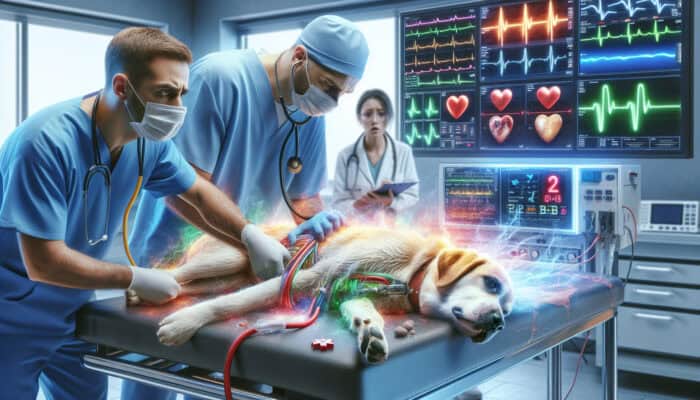
  • Easter Basket Hazards: Safeguarding Your Pets Effectively

    Easter Basket Hazards: Safeguarding Your Pets Effectively

    Recognize the Hidden Dangers in Easter Baskets That Can Endanger Your Pets

    Understanding the Toxicity of Chocolate for Dogs and Other Pets

    Chocolate represents a significant health risk for pets, particularly for dogs, primarily due to the presence of theobromine, which is highly toxic to them. Even a minimal quantity of chocolate can result in serious health complications, manifesting symptoms such as vomiting, diarrhea, rapid heart rate, and in extreme cases, seizures or heart failure. During the joyous Easter celebrations, it becomes essential to ensure that all chocolate-based products are stored securely and are completely inaccessible to your pets. Common chocolate items that pose risks to pets include:

    • Chocolate bunnies
    • Chocolate eggs
    • Chocolate-covered nuts
    • Chocolate candies
    • Chocolate milk or drinks
    • Chocolate truffles
    • Chocolate chips

    Take proactive steps by educating family members and guests about the dangers that chocolate poses to pets, contributing to a safer and more enjoyable environment for your beloved animals during the holiday festivities.

    Identifying Toxic Plants and Flowers That Are Dangerous for Pets During Easter

    While Easter festivities often feature stunning floral displays, many of these plants can be extremely harmful to your pets. Certain varieties, particularly lilies and daffodils, are notably dangerous. Ingesting these plants can result in symptoms ranging from mild irritation to severe kidney failure, especially in cats, who are particularly susceptible to the toxic effects of lilies. It is crucial to exercise caution by keeping these hazardous plants well out of reach from your pets. Common dangerous plants often used in Easter decorations include:

    • Lilies
    • Daffodils
    • Hyacinths
    • Azaleas
    • Chrysanthemums
    • Rhododendrons
    • Foxglove

    Consider opting for pet-safe flowers or alternative decorative options that do not pose any risks to your cherished animals during your Easter celebrations, ensuring a joyful and safe experience for all.

    Understanding the Risks of Plastic and Foil Wrappers for Pets

    The vibrant and reflective wrappers surrounding Easter treats can easily attract pets, but ingesting plastic or foil wrappers can result in choking hazards and serious health complications such as intestinal blockages. Pets often cannot differentiate between edible treats and these dangerous materials, underscoring the importance of properly disposing of wrappers and keeping a vigilant eye on the areas where Easter baskets are placed. Common materials found in Easter baskets that could be harmful include:

    • Plastic wrappers from candies
    • Foil wrappers from chocolates
    • Plastic grass filling
    • Plastic egg shells
    • Cellophane wrapping from gift items
    • Bubble wrap used for packaging

    Be diligent in ensuring that all wrappers are kept out of reach after the celebrations conclude, as this simple action can significantly reduce the risk of health emergencies for your pets and enhance their safety.

    Gain Expert Knowledge on Identifying Easter Basket Risks for Your Pets

    A pet owner reads a vet's guide on Easter dangers as a dog and cat eye a hazardous basket.

    How to Detect Dangerous Items Hidden in Easter Baskets

    Identifying hazardous items within Easter baskets is crucial for ensuring a safe holiday for your pets. Pets are often attracted to brightly colored or shiny objects, which may not be safe for them. Expert analyses indicate that common household items can pose risks during this festive period. Items such as chocolate, certain candies, toxic plants, and plastic wrappers can lure pets, increasing the risk of ingestion. It is vital to thoroughly inspect the contents of Easter baskets and securely store any hazardous items out of reach from curious paws.

    Additionally, it’s important to educate family members about these risks, reinforcing the necessity of closely monitoring pets during these festive celebrations. Furthermore, consider selecting less hazardous alternatives, focusing on safe options that can bring joy without associated risks, ensuring a delightful holiday experience.

    Steps to Create a Safe and Pet-Friendly Easter Basket

    Crafting a pet-friendly Easter basket is not only attainable but also highly rewarding. By meticulously selecting pet-safe treats, toys, and other non-toxic items, you can guarantee that your furry companions enjoy the holiday without any associated dangers. Experts recommend consulting with a veterinarian for tailored recommendations that consider your pet’s specific dietary needs and play preferences, enhancing their overall experience.

    You may wish to include items such as:

    • Healthy pet treats
    • Durable toys crafted from non-toxic materials
    • Stuffed animals devoid of small parts
    • Natural chews like rawhide or dental bones
    • Homemade pet snacks prepared from safe ingredients
    • Recyclable paper or cardboard as basket filler

    These alternatives not only provide enjoyment for pets but also ensure their safety, allowing everyone to celebrate without any worries or concerns regarding their well-being.

    What to Do If Your Pet Accidentally Ingests a Hazardous Item

    A distressed pet receiving urgent veterinary care after ingesting a toxic substance, with emergency equipment and a concerned owner.

    If you suspect that your pet has ingested something harmful, taking immediate action is crucial. The first step is to contact your veterinarian or an emergency veterinary clinic without delay. Experts emphasize that time is of the essence in minimizing potential damage caused by the ingestion of dangerous items, so swift action is imperative.

    In many cases, prompt intervention and professional guidance can lead to favorable outcomes. Real-life examples demonstrate that pets who receive immediate medical attention after ingesting toxic substances often recover well without enduring lasting harm. Keep emergency contact numbers readily accessible and familiarize yourself with the signs of distress in pets, as this knowledge empowers you to respond effectively and efficiently in such situations.

    Effective Strategies to Keep Pets Away from Easter Baskets

    To prevent accidental ingestion of harmful items, it is essential to keep Easter baskets out of pets’ reach. Experts recommend placing baskets on high shelves or in closed rooms where pets cannot access them. Keeping these items out of sight and reach significantly decreases the likelihood of a dangerous incident occurring during the festivities. Always take proactive measures to create a safe environment for your pets, ensuring their well-being during the holiday.

    Teaching Children the Importance of Pet Safety During Easter Festivities

    Educating children about the risks associated with sharing Easter basket items with pets is crucial for fostering a safe and enjoyable celebration. Experts recommend involving kids in discussions about pet safety, emphasizing the necessity of supervising all interactions between pets and basket contents. By instilling an understanding of these risks, children can learn to appreciate the holiday while also protecting their beloved furry companions.

    Essential Measures to Prevent Accidents Related to Easter Baskets

    Understanding the Importance of Continuous Supervision During Easter Celebrations

    Constant supervision of pets during Easter festivities is critical to prevent them from accessing hazardous items. Pets are naturally curious and may attempt to sneak into baskets when they believe no one is watching. Keeping a vigilant eye on your pets not only deters mischief but also allows you to enjoy the festivities with peace of mind. Involve family and friends in monitoring pets, making it a collective effort to ensure a secure environment for all.

    Establishing a designated area for pets, away from the excitement of the celebrations, can also be beneficial. Creating a safe zone filled with their favorite toys and treats can keep them entertained while minimizing the risks associated with Easter baskets, allowing for a more enjoyable experience for everyone involved.

    How to Secure Hazardous Items Effectively

    Store Easter baskets and related items in locations that pets cannot access, significantly reducing the likelihood of accidents. Utilize high shelves or locked cabinets to keep dangerous items out of reach, ensuring that your pets’ curious paws remain safe. This proactive approach can save you from potential emergencies and create a stress-free atmosphere during the holiday, enhancing the overall enjoyment of the festivities.

    Consider using storage solutions such as decorative bins that blend seamlessly with your holiday decor while keeping contents secure. Regularly inspect areas where baskets are placed to ensure no hazardous items are left behind after the celebrations, maintaining a safe environment for your pets.

    Strategies for Informing Family Members About Pet Safety

    Educating everyone in your household about the dangers of Easter baskets for pets is fundamental for prevention. Involve both children and adults in discussions about the importance of keeping baskets secured and away from pets. Clear communication regarding the potential hazards associated with Easter treats, wrappers, and plants can cultivate a safer environment for your cherished animals.

    Establishing household rules, such as not leaving baskets unattended in pet-accessible areas, can also enhance safety. Raising awareness around these issues ensures that everyone in the home is aligned and vigilant during the holiday celebrations, contributing to a safer environment for all.

    How to Choose Safe and Pet-Friendly Contents for Your Easter Baskets

    Opting for pet-safe treats and steering clear of toxic items is vital for a worry-free Easter celebration. Carefully evaluate all basket contents before presenting them to your pets to ensure that no harmful items, such as chocolate or dangerous plants, are included. Selecting non-hazardous contents not only protects curious pets but also allows you to enjoy the holiday without concern or anxiety regarding their safety.

    Consider choosing alternative treats, such as fruit-infused snacks or specially formulated pet sweets, that can effectively replace traditional candy items. Providing safe and enjoyable treats enhances the festive spirit while ensuring the health and well-being of your pets during the celebrations.

    Immediate Actions to Take After an Incident Involving Your Pet

    Knowing how to respond if your pet accesses an Easter basket is crucial for minimizing harm. Keep emergency veterinary contact numbers easily accessible, and be prepared to act swiftly if an incident occurs. Stay calm and assess the situation—determine what your pet has ingested and communicate this information when seeking professional assistance.

    Having a clear action plan can differentiate between a minor scare and a serious health issue. Familiarize yourself with potential symptoms of poisoning or distress, enabling you to respond promptly and effectively should an emergency situation arise, ensuring your pet’s safety and health.

    Identifying Symptoms of Easter Basket-Related Illness in Pets

    Recognizing Gastrointestinal Symptoms in Pets Following Ingestion

    Gastrointestinal symptoms such as vomiting, diarrhea, or loss of appetite may indicate that your pet has ingested something harmful. These signs can appear shortly after consumption and should prompt immediate veterinary attention. Regularly monitoring your pet’s behavior and eating habits during the Easter holiday can assist in detecting potential issues early, allowing for swift intervention.

    Being proactive and observant is essential. If you notice any gastrointestinal distress after your pet has had access to Easter basket items, do not hesitate to take action. This vigilance can save your pet from more severe health complications down the line, ensuring their well-being during the holiday.

    Neurological Symptoms to Watch For in Pets

    Signs such as lethargy, tremors, or seizures can indicate serious poisoning from Easter basket items. If a pet displays neurological symptoms, immediate veterinary care is necessary, as these conditions can escalate swiftly and lead to severe health complications. Recognizing these signs early is critical in ensuring your pet receives the necessary treatment and care.

    Be attentive to your pet’s behavior, particularly after they have been near potentially harmful items. If any concerning symptoms arise, acting quickly can be vital in preventing long-term damage and safeguarding your pet’s health.

    Identifying Allergic Reactions in Pets During Easter

    Allergic reactions can occur due to certain Easter basket contents, presenting as swelling, itching, or breathing difficulties. These responses can vary in severity, making it important to monitor your pet closely during the holiday. Recognizing early signs of allergies can facilitate timely intervention, which may be crucial for your pet’s health and safety during the celebrations.

    If you suspect your pet is experiencing an allergic reaction, consult with a veterinarian immediately. Understanding potential triggers can also help avoid similar situations in the future, ensuring a safe and enjoyable Easter celebration for everyone involved.

    Behavioral Changes That May Signal Distress in Pets

    Unusual behaviors in pets, such as excessive whining, hiding, or aggression, may indicate discomfort or illness caused by Easter basket items. These behavioral changes can be subtle but often serve as indicators that something is wrong. Closely monitoring your pet and noting any shifts in behavior can provide critical information to your veterinary care provider if the need arises.

    If you observe persistent changes in behavior, do not hesitate to seek professional advice. Identifying issues early can lead to better outcomes and a healthier, happier pet, ensuring their well-being during the festive season.

    Effective Strategies to Minimize Easter Basket Risks for Pets

    How to Create Safe and Pet-Friendly Easter Baskets

    Assembling Easter baskets that are safe for pets is not only achievable but essential. Start by selecting non-toxic items to include in your baskets. Consider using pet-safe treats and sturdy toys that won’t pose a choking hazard. Avoid items with small parts or toxic materials, and remember that even seemingly harmless items can present dangerous risks.

    Experts recommend utilizing baskets with lids to keep contents secure from curious noses and paws. This simple yet effective measure enhances safety while also adding an element of surprise for your pets when they discover their delightful goodies.

    Steps to Take After Easter Celebrations Conclude

    Properly disposing of or storing Easter basket items after the holiday is critical in preventing pet accidents. Once the festivities are over, take the time to ensure that all hazardous items, such as leftover chocolates, wrappers, and decorations, are safely out of reach to protect your pets.

    Experts advocate conducting a thorough cleanup to safeguard your pets. This may involve checking all areas where Easter items were displayed or stored, ensuring that nothing is left behind that could pose a risk to your beloved animals.

    Utilizing storage solutions that keep leftover items contained and secure can also enhance safety. Consider repurposing or recycling Easter basket materials to eliminate potential hazards, making the cleanup process both safe and eco-friendly for everyone involved.

    Training Your Pet to Avoid Easter Baskets Effectively

    Training your pet to avoid Easter baskets is a vital part of ensuring their safety during the holiday. By employing positive reinforcement techniques, you can effectively teach your pet to stay away from baskets containing tempting items. Use commands such as “leave it” or “no” when they approach the basket.

    Reward them with treats or praise to reinforce desired behaviors. Experts recommend consistent training sessions before and during the holiday to ensure that your pet understands the expectations. This proactive approach helps create a safer Easter for both pets and their families, enhancing the overall enjoyment of the celebrations.

    Understanding the Risks for Different Types of Pets During Easter

    Why Dogs Are Particularly Vulnerable to Easter Basket Items

    Dogs are especially at risk from the dangers of chocolate and other toxic items commonly found in Easter baskets. Chocolate poses a significant threat to dogs, as it can lead to severe symptoms including hyperactivity, vomiting, and potentially fatal heart issues. Being mindful of your dog’s behavior and ensuring that hazardous items are kept well out of reach is essential for a safe and enjoyable celebration.

    Additionally, consider the other treats available. Many candies can also be harmful to dogs, making it crucial to thoroughly evaluate the entire contents of the basket. Vigilance and proactive measures can help safeguard your furry friends during this festive time, ensuring their health and happiness.

    Understanding the Risks Cats Face from Easter Basket Contents

    Cats may find certain plants or small decorative items in Easter baskets intriguing, which can pose significant health risks. For instance, lilies are extremely toxic to cats and can result in severe kidney failure. It is imperative to securely store all plants and small objects away from areas where cats can access them, preventing potential dangers.

    Moreover, be aware that cats can endanger themselves by chewing on plastic or foil wrappers, leading to choking hazards or intestinal blockages. By ensuring that any potentially dangerous items are removed from their environment, you can create a safer holiday atmosphere for your feline companions, allowing them to enjoy the festivities without risks.

    Ensuring Safety for Small Animals During Easter Activities

    Small animals, such as rabbits, guinea pigs, and others, can also be affected by items found in Easter baskets, particularly plastic and foil. These small creatures may chew on or swallow hazardous materials, leading to choking or intestinal blockages that can endanger their lives.

    To protect small pets, ensure that Easter baskets are completely out of their reach. Creating a safe, designated area with appropriate toys and treats for these animals can enhance their enjoyment during the holidays while keeping them away from potential dangers, allowing for a joyful celebration for all.

    Essential Items to Include in Your Pet First Aid Kit for Easter

    Including Critical Medications for Emergency Situations

    Incorporating essential medications into your pet’s first aid kit is crucial for emergency preparedness. For instance, activated charcoal is commonly used to assist in cases of poisoning by absorbing toxins. However, it is vital to consult a veterinarian before administering any medication to ensure proper usage and dosage to protect your pet’s health.

    Additionally, maintaining a well-stocked kit with other medications tailored to your pet’s health needs can offer peace of mind during emergencies. Regularly check the contents of your first aid kit to ensure that medications are up to date and easily accessible, enhancing your ability to respond effectively in critical situations.

    How to Keep Emergency Contact Information Easily Accessible

    Having your veterinarian’s phone number and the contact details for the nearest emergency clinic readily accessible is essential. Quick access to professional help can significantly influence emergency situations involving your pet. Ensure these numbers are kept in a visible location, such as on your refrigerator or saved in your mobile device for easy retrieval and peace of mind.

    Also, consider having contact information for animal poison control centers on hand. Familiarizing yourself with these resources can provide additional support in crises involving potential toxic ingestion, ensuring you are prepared for any emergencies that may arise.

    Basic First Aid Supplies That Should Be Included for Pets

    Your pet’s first aid kit should contain essential supplies such as gauze, bandages, and a thermometer. These items can assist you in managing minor injuries or monitoring your pet’s condition until you can reach a veterinarian. Being prepared with these basic supplies can make a significant difference in urgent situations.

    Regularly check the kit to ensure it is replenished and organized, allowing for quick access when necessary. Being prepared with basic first aid supplies enables you to provide immediate care, which may be critical in urgent situations involving your beloved pets.

    How to Stay Informed About Hazardous Easter Items

    Being aware of dangerous items, including chocolate, lilies, and specific foods that are toxic to pets, is vital for ensuring a safe Easter celebration. Keep these items securely out of reach during the festivities to minimize any risk of accidental ingestion. Educating yourself and others about these hazards can greatly contribute to a safer environment for all pets during the holiday.

    Education is key, so ensure that everyone involved in the celebration understands the dangers and practices vigilance regarding hazardous items. This level of awareness can significantly enhance the safety of your pets during the holiday festivities, allowing everyone to enjoy the celebrations without worry.

    Recognizing and Reacting to Pet Emergencies During Easter

    Immediate Actions to Take in a Crisis Situation

    If you suspect your pet has ingested something harmful, it is critical to act quickly to minimize potential damage. Contact your veterinarian or an emergency clinic immediately for guidance on the appropriate next steps. Avoid inducing vomiting unless specifically instructed by a professional, as this can sometimes exacerbate the situation and lead to further complications.

    Gather detailed information about what your pet ingested and any observed symptoms, as this will assist the veterinarian in providing the appropriate care. Being prepared for emergencies by knowing the necessary steps can significantly improve outcomes for pets in distress, ensuring their safety and health during critical moments.

    Monitoring Your Pet’s Condition After Potential Ingestion

    Keep a close watch on your pet’s symptoms and behavior following the potential ingestion of harmful items. Observing any changes in behavior, appetite, or physical condition can provide vital information for veterinary treatment. Being attentive to your pet’s well-being during and after the holiday can help in identifying potential health issues early, allowing for timely intervention and care.

    Should symptoms arise, promptly seeking veterinary care can be critical in ensuring your pet’s health and safety, allowing them to recover without lasting complications from any accidental ingestion.

    When to Seek Professional Help for Your Pet

    Understanding when to seek immediate veterinary care for your pet during Easter is crucial. If your pet exhibits severe symptoms, such as difficulty breathing, seizures, or loss of consciousness, do not hesitate to seek professional assistance right away. Even if symptoms appear mild, it is always wise to err on the side of caution.

    If you are uncertain about your pet’s condition or if any unusual behavior persists, contacting a veterinarian can provide you with the reassurance and guidance needed to ensure your pet’s health and safety during the holiday celebrations.

    Tips for Ensuring a Safe and Enjoyable Easter Celebration for Pets

    How to Plan Ahead for Pet Safety During Easter

    Planning ahead is vital to ensuring your Easter celebrations are safe for pets. Consider potential hazards and how to mitigate them effectively. This might include establishing boundaries for where pets are allowed during festivities or preparing pet-safe alternatives for your decorations and treats.

    Taking proactive steps to protect your pets can enhance everyone’s enjoyment of the holiday. By being mindful of their environment and keeping hazardous items secure, you can create a safe and joyous Easter celebration for everyone involved, ensuring that both pets and people have a delightful time during this festive occasion.

    Frequently Asked Questions About Pet Safety During Easter

    Which Common Easter Items Are Dangerous for Pets?

    Common items such as chocolate, toxic plants like lilies, and plastic or foil wrappers can pose serious risks to pets during Easter celebrations. Awareness of these dangers is crucial for keeping pets safe.

    What Should I Do If My Pet Consumes Chocolate?

    If your pet ingests chocolate, contact your veterinarian immediately for guidance on the necessary next steps. Time is crucial in minimizing potential harm, so prompt action is essential.

    Are All Easter Plants Safe for Pets?

    No, many common Easter plants are toxic to pets. Lilies and daffodils are particularly harmful to cats, while other flowers can also pose risks to various pets.

    How Can I Create a Pet-Safe Easter Basket?

    Choose non-toxic treats and toys, and avoid harmful items like chocolate and small parts. Consider using baskets with lids to keep contents secure and out of reach from pets.

    What Are the Signs of Pet Poisoning?

    Signs of poisoning can include vomiting, diarrhea, lethargy, tremors, and seizures. If you observe any of these symptoms, seek immediate veterinary care to ensure your pet’s safety.

    Can Small Animals Be Affected by Easter Basket Items?

    Yes, small animals, including rabbits and guinea pigs, can be affected by items like plastic wrappers, which can pose choking hazards or lead to intestinal blockages.

    How Can I Train My Pet to Avoid Easter Baskets?

    Use positive reinforcement techniques to train your pet to stay away from baskets. Commands like “leave it” along with rewards can help reinforce desired behavior effectively.

    Should I Keep a First Aid Kit for My Pets?

    Yes, having a first aid kit for your pets is essential. Include basic supplies, medications, and emergency contact information for quick access during emergencies, ensuring you are prepared.

    What Should I Do If My Pet Has an Allergic Reaction?

    If you suspect your pet is having an allergic reaction, monitor their symptoms closely and contact your veterinarian for immediate guidance on how to proceed effectively.

    How Can I Educate My Children About Pet Safety During Easter?

    Teach children the dangers of sharing Easter basket items with pets and supervise all interactions. Emphasizing safety can help foster awareness and protect pets during the celebrations.

    Connect with us on Facebook!

    The Article Easter Basket Hazards for Pets: Keeping Your Furry Friends Safe First Published On https://elgatoencasa.com

    The Article Easter Basket Hazards: Protecting Your Pets Safely Was Found On https://limitsofstrategy.com

  • Natural Perfume Alternatives for Pet Safety

    Natural Perfume Alternatives for Pet Safety

    Explore Safe and Natural Pet Fragrance Alternatives for Your Beloved Pets

    Top Recommended Pet-Friendly Fragrance Options for a Happy Home

    A dog and cat lounging with lavender and chamomile, symbolizing pet-safe deodorizing products.

    Pet fragrance alternatives are specially crafted products designed to refresh and deodorize your pets without relying on conventional perfumes filled with synthetic chemicals. Such chemicals can cause irritation on a pet’s sensitive skin or trigger allergies, leading to discomfort. These natural alternatives prioritize the health and safety of pets by using natural ingredients that effectively neutralize odors and enhance your furry friend’s overall well-being. Available in various formats like sprays, wipes, and powders, these products cater to different pet types, including dogs and cats, ensuring a delightful and refreshing experience for all pets.

    Choosing pet fragrance alternatives empowers pet owners to select products that align with their furry companions’ health requirements. These alternatives are rapidly gaining popularity among conscientious pet owners who scrutinize the ingredients in pet care items and are seeking safer, more sustainable options to maintain their pets’ delightful scents. This shift towards natural alternatives is revolutionizing the pet care industry, as more consumers demand transparency and high-quality ingredients in the products they choose for their beloved pets, leading to a healthier environment for all.

    Understanding the Benefits of Choosing Natural Ingredients for Pet Fragrances

    Selecting natural ingredients in pet fragrance alternatives offers countless advantages for both pets and their owners. By choosing these options, pet owners can significantly reduce the likelihood of allergic reactions or skin irritations commonly associated with synthetic fragrances. Moreover, natural ingredients tend to be more eco-friendly, supporting a sustainable approach to pet care. Here are some key benefits of embracing natural ingredients:

    • Minimized Allergic Reactions: Natural ingredients are less likely to trigger allergies in pets, promoting overall comfort.
    • Environmental Responsibility: Many natural products are biodegradable and safe for the environment, making them a responsible choice.
    • Skin Health Enhancement: Natural ingredients often provide additional benefits for skin care, including moisturizing properties that nourish the skin.
    • Prolonged Freshness: Many natural scents have deodorizing effects that can outlast those of synthetic fragrances, keeping pets smelling delightful.

    By prioritizing natural ingredients, pet owners not only enhance their pets’ health but also positively contribute to the well-being of our planet. This growing awareness is encouraging the pet care industry to innovate and develop more effective products that are safe for pets and the environment.

    Essential Safety Protocols to Consider When Choosing Pet Fragrances

    When selecting pet fragrance alternatives, safety should always be the primary concern. The ingredients in these products can significantly impact a pet’s health, with certain substances posing risks if ingested or absorbed through the skin. Below are essential safety tips for choosing pet fragrances:

    • Review Ingredient Lists Thoroughly: Always scrutinize the list of ingredients to avoid harmful chemicals or allergens that might affect your pet.
    • Seek Out Certifications: Opt for products certified by reputable organizations, indicating they have undergone rigorous safety testing.
    • Steer Clear of Alcohol and Synthetic Fragrances: These ingredients can irritate the skin and may be hazardous if licked by pets.
    • Perform a Patch Test: Before applying the product fully, test it on a small area to ensure there are no adverse reactions.

    By adhering to these safety guidelines, pet owners can significantly mitigate the risks associated with pet fragrances, ensuring a healthy and enjoyable grooming experience for their beloved pets.

    Gain Expert Insights on Choosing the Best Pet Fragrance Alternatives

    Pets surrounded by flowers and herbs, showcasing natural perfume alternatives recommended by experts.

    What Recommendations Do Veterinarians Offer for Safe Pet Fragrances?

    Veterinarians serve as invaluable resources for guiding pet owners toward the safest and most effective fragrance alternatives for their furry companions. Many veterinarians recommend products that utilize natural ingredients known for their hypoallergenic properties and calming effects. A popular suggestion among veterinarians is a lavender-based spray, celebrated not only for its delightful aroma but also for its calming properties, which can be particularly beneficial for anxious pets.

    Additionally, products containing soothing ingredients like chamomile or aloe vera are frequently endorsed due to their skin-soothing benefits. For instance, brands such as “Burt’s Bees for Pets” provide a diverse range of natural grooming products, including deodorizing sprays that have garnered positive feedback from veterinary professionals. Consulting with veterinarians offers pet owners tailored recommendations that prioritize their pets’ safety and health, ensuring well-informed decisions are made for their beloved companions.

    How to Identify Quality Pet Fragrance Products

    Recognizing high-quality pet fragrance alternatives requires attention to detail and informed decision-making. Pet owners should seek products that feature transparent ingredient lists, clearly outlining the components used. Actionable steps to ensure product quality include:

    • Investigate Brands: Choose brands with solid reputations and positive customer reviews, ensuring reliability and trustworthiness.
    • Look for Natural Certifications: Seek products that bear certifications confirming they are made from natural ingredients, indicating quality.
    • Check for Veterinary Endorsements: Endorsements from veterinary professionals can signal reliability and safety, providing peace of mind.
    • Scrutinize Packaging: Quality products often come in packaging designed to protect the contents from contamination and preserve efficacy.

    By implementing these strategies, pet owners can confidently select products that are effective and safe for their pets. This proactive approach empowers pet owners to make informed choices that align with their pets’ well-being and health.

    What Are the Latest Innovations in Pet Fragrance Alternatives?

    Pets in a serene spa setting with aromatherapy perfumes for relaxation and wellness.

    The pet care industry is continually evolving, with innovative trends emerging in the realm of pet fragrances. One notable trend is the incorporation of aromatherapy principles, where scents are crafted to promote relaxation and calmness for pets, utilizing ingredients like bergamot and ylang-ylang. This movement toward wellness-focused fragrances reflects a growing awareness among pet owners regarding the emotional and psychological needs of their pets.

    In addition, there is a rising demand for sustainable packaging and eco-friendly formulations as consumers seek products that minimize their environmental impact. Brands are increasingly introducing refillable options and biodegradable packaging, resonating with environmentally conscious consumers. Expert analysis indicates that these trends not only enhance the pet grooming experience but also attract a broader audience looking for holistic care solutions for their pets, fostering a positive shift in the industry.

    Are Natural Fragrance Alternatives More Beneficial for Pets?

    Natural fragrance alternatives are often viewed as more beneficial for pets due to their formulation with ingredients that are generally safer and more advantageous than synthetic options. Fragrances derived from natural sources provide multiple benefits, including soothing effects and a lower likelihood of adverse reactions. However, it is crucial to recognize that not all natural ingredients are inherently safe; some can be toxic to pets if ingested or improperly used.

    Experts emphasize the importance of selecting high-quality natural alternatives specifically designed for pets. Products infused with essential oils like cedarwood or rosemary can offer pest-repelling properties alongside delightful fragrances, making them both safe and functional. Pet owners must remain informed and vigilant about the specific ingredients in these products to ensure they are making the best choices for their beloved companions’ safety and health.

    Understanding How Scents Influence Pet Behavior

    The influence of scents on pet behavior is a fascinating area of study, with various aromas eliciting different responses from animals. Certain fragrances can induce calming effects, helping to relax anxious pets, while others may provoke excitement or agitation. For example, scents like lavender and chamomile are frequently included in calming sprays, which can alleviate stress during travel or grooming sessions.

    Insights from animal behavior specialists reveal that familiar scents can instill a sense of comfort in pets, while unfamiliar or overpowering fragrances may induce anxiety or discomfort. Pet owners should consider their pets’ unique preferences and sensitivities when selecting fragrances. By observing how their pets respond to different scents, owners can tailor their choices to foster a peaceful and relaxed environment for their furry friends, enhancing their overall quality of life.

    Essential Guidelines for Selecting the Most Suitable Pet Fragrance Alternative

    Which Ingredients Should Be Prioritized in Pet Fragrances?

    Selecting the appropriate pet fragrance alternative involves understanding which ingredients are safe and beneficial for your pet’s skin and coat. Pet owners should prioritize naturally derived ingredients that effectively deodorize without compromising their pet’s health. Safe ingredients to emphasize include:

    • Aloe Vera: Known for its soothing properties, making it ideal for sensitive skin.
    • Chamomile: Provides calming effects and is gentle on the skin, promoting relaxation.
    • Lavender: Offers a pleasant scent along with natural calming benefits for anxious pets.
    • Essential Oils: Such as cedarwood, which is recognized for its natural pest-repelling qualities.

    By focusing on these beneficial ingredients, pet owners can select products that not only keep their pets smelling delightful but also promote their overall skin health. It is crucial to avoid harsh chemicals and synthetic fragrances, as these can lead to skin irritations or allergic reactions, ultimately compromising the pet’s well-being and comfort.

    How to Customize Products to Suit Your Pet’s Unique Needs?

    Effectively matching the right pet fragrance alternative to your pet’s individual requirements is vital for achieving optimal results. Different pets have distinct needs based on their skin type, coat condition, and sensitivities. Understanding your pet’s specific characteristics can guide your choices. For example, pets with sensitive skin may benefit from hypoallergenic formulations, while those with denser coats might require deeper cleaning and deodorizing properties.

    Additionally, consider your pet’s lifestyle: active pets that frequently play outdoors may require stronger deodorizing properties, while indoor pets might only need mild fragrances to maintain freshness. By evaluating both your pet’s physical needs and lifestyle, owners can select products that complement their grooming routines, contributing positively to their pets’ overall quality of life and comfort.

    Where to Find Reliable Reviews for Pet Fragrance Alternatives?

    Finding trustworthy reviews can significantly assist pet owners in making informed decisions about pet fragrance alternatives. Reputable pet care websites and forums frequently offer detailed reviews and shared experiences from other pet owners. To ensure the reliability of reviews, it’s advisable to look for platforms featuring verified purchases and comprehensive user experiences.

    Additionally, exploring well-established pet blogs or veterinarian websites that provide insights into various products, focusing on safety and efficacy, can be beneficial. Social media platforms are also valuable resources, as many pet owners share their experiences and recommendations, providing a broader perspective. By leveraging these sources, pet owners can gather diverse opinions, helping them make educated decisions regarding the best pet fragrance alternatives for their companions.

    Best Practices for Using Pet Fragrance Alternatives Effectively

    How to Safely Apply Pet Fragrance Alternatives?

    Applying pet fragrance alternatives safely requires careful consideration of the amount used and the technique to avoid overwhelming your pet. It’s essential to start with a minimal amount of product; typically, a few spritzes or dabs will suffice, depending on the formulation. When applying, focus on areas where the scent can disperse naturally without being overly concentrated, such as the back of the neck or along the spine.

    Avoid spraying near the face or sensitive areas, including the eyes, ears, and nose. If using a wipe or spray, ensure the product is evenly distributed and not overly saturated, as this can lead to discomfort or irritation. Monitoring your pet’s behavior during and after application is crucial; if your pet shows signs of distress or discomfort, discontinue use immediately. This careful method ensures a positive experience, allowing your pet to enjoy the fresh scent without any negative consequences.

    What Is the Recommended Frequency for Applying Pet Fragrance Alternatives?

    Determining the appropriate frequency for using pet fragrance alternatives is vital for maintaining their effectiveness without risking overuse. Generally, applying these products once or twice a week is adequate to keep your pet smelling fresh. However, this may vary based on your pet’s activity level and grooming routine. For example, a pet that spends significant time outdoors may require more frequent applications compared to an indoor pet.

    Pet owners should observe their pets and adjust as necessary; if your pet develops a strong odor between applications, it may indicate a need for more frequent use. Conversely, if the scent lasts longer than expected, consider reducing the frequency to avoid overwhelming your pet. Striking the right balance ensures that the fragrance alternative positively contributes to your pet’s freshness while preventing any adverse effects.

    How Should You Store Pet Fragrance Alternatives Properly?

    Proper storage of pet fragrance alternatives is crucial to prolong their shelf life and maintain their effectiveness. Ideally, these products should be kept in a cool, dry location, shielded from direct sunlight to prevent ingredient degradation. Exposure to heat and light can alter the formulation, diminishing its efficacy and potentially leading to harmful reactions.

    Ensure that the product is tightly sealed when not in use to prevent contamination or evaporation of essential oils. Moreover, adhering to any expiration dates indicated on the packaging is wise; expired products should be disposed of, as they may not perform as intended. By implementing these storage practices, pet owners can ensure that their chosen fragrance alternatives remain safe and effective for their furry companions.

    Natural Ingredients in Pet Fragrance Alternatives: Key Components

    What Are the Most Common Natural Fragrances Found in Pet Products?

    Commonly used natural fragrances in pet fragrance alternatives encompass a range of pleasant and pet-safe scents. Ingredients such as lavender, chamomile, and citrus extracts are frequently included in formulations designed specifically for pets. Lavender is particularly noted for its calming effects, making it an excellent choice for pets prone to anxiety. Chamomile also provides soothing benefits, promoting relaxation and comfort for your furry friends.

    Citrus extracts, like lemon or orange, offer uplifting aromas while serving as natural deodorizing agents. Other popular natural fragrances include rosemary and eucalyptus, recognized for their refreshing scents and additional benefits, such as pest-repelling properties. These fragrances not only keep pets smelling delightful but also positively impact their overall well-being, aligning with the growing trend toward organic and holistic pet care solutions.

    How Do Essential Oils Benefit Pets in Fragrance Products?

    Essential oils can provide a myriad of benefits to pets when used appropriately, offering both therapeutic and aromatic advantages. Certain oils, such as lavender and chamomile, are highly regarded for their calming properties, which can alleviate anxiety and stress in pets. Others, like peppermint, may offer relief from minor discomforts, acting as a natural remedy for various issues.

    Furthermore, essential oils can function as natural pest repellents. For instance, oils such as cedarwood and lemongrass can deter fleas and ticks, adding an extra layer of protection for pets. However, it’s critical to keep in mind that not all essential oils are safe for pets; some can be toxic if ingested or improperly applied. Therefore, pet owners should prioritize oils known to be safe and effective, ensuring they enhance their pets’ health without posing any risks.

    What Potential Risks Are Associated with Natural Ingredients?

    While natural ingredients are generally perceived as safer alternatives, there are still potential risks that pet owners should be aware of. Certain natural substances can provoke allergic reactions or skin irritations in some pets, especially those with pre-existing sensitivities. It’s crucial to remain vigilant and monitor for any adverse reactions when introducing new products to your pet’s routine.

    Additionally, some natural ingredients can be toxic if ingested in excessive amounts. For instance, while essential oils can yield various benefits, certain oils, like tea tree or eucalyptus, can be harmful. Pet owners should educate themselves about the specific ingredients in their chosen fragrance alternatives and adhere to recommended usage guidelines. Implementing precautions, such as performing a patch test on a small area first, can help mitigate the common pitfalls associated with natural pet fragrances.

    Crafting Your Own Safe and Natural Pet Fragrance Alternatives

    How to Create Your Own Pet Fragrance at Home

    Making your own pet fragrance alternative can be an enjoyable and cost-effective method to ensure the use of safe ingredients tailored to your pet’s preferences. A straightforward DIY recipe involves mixing water with a few drops of pet-safe essential oils in a spray bottle. For instance, combining 1 cup of distilled water with 5-10 drops of lavender essential oil can create a refreshing and calming scent for your pet.

    Another approach is to infuse water with herbs such as chamomile or rosemary, allowing the mixture to cool before straining and transferring it to a spray bottle. This natural method not only gives pet owners control over the ingredients but also allows for personalization based on their pet’s reactions and preferences. As DIY fragrances can be made in small batches, pet owners can experiment with various blends to discover the ideal scent for their furry companions, ensuring a delightful experience.

    What Ingredients Are Safe for DIY Pet Fragrance Recipes?

    Selecting the right ingredients for DIY pet fragrance alternatives is crucial to ensure they are both safe and effective. Some pet-safe ingredients include:

    • Distilled Water: Serves as a base for sprays, ensuring purity and safety.
    • Lavender Essential Oil: Renowned for its calming properties, beneficial for anxious pets.
    • Chamomile Tea: Offers soothing benefits when infused, promoting relaxation.
    • Rosemary Essential Oil: Provides a refreshing scent and has natural pest-repelling properties, enhancing pet safety.

    These ingredients can be combined to create the desired scent while ensuring the final product remains safe for pets. It’s essential to avoid any oils or ingredients known to be toxic to pets, ensuring a beneficial DIY experience that prioritizes their safety and well-being.

    How to Ensure Safety in Your DIY Pet Fragrances?

    Ensuring the safety of DIY pet fragrance alternatives requires careful ingredient selection and proper formulation. Begin by researching which essential oils are considered safe for pets, and avoid any that are known to be toxic. Always use high-quality, pure essential oils to minimize the risk of harmful additives, ensuring the safety of your DIY products.

    It’s also essential to formulate the fragrance at appropriate dilutions; essential oils should never be applied in full strength on pets. When creating a spray, a general guideline is to use 1-2% essential oil in the mixture to ensure it remains safe for pet use. Additionally, pet owners should test the fragrance on a small area of their pet’s skin to check for any adverse reactions prior to full application. By adhering to these safety measures, pet owners can confidently create DIY fragrances that are both enjoyable and safe for their furry companions.

    Research-Backed Advantages of Using Pet Fragrance Alternatives

    What Do Research Studies Reveal About Pet Fragrance Alternatives?

    Research has indicated that certain pet fragrance alternatives can yield positive effects on pet health and well-being. Studies have shown that specific scents, particularly those derived from natural sources, can alleviate stress and anxiety in pets, fostering a calming environment. For instance, a study published in a veterinary journal examined the effects of lavender essential oil on canine behavior during stressful situations, finding that dogs exposed to the aroma displayed significantly reduced signs of anxiety and stress.

    Moreover, products that effectively incorporate natural ingredients into their formulations have been shown to improve skin conditions in pets, particularly those suffering from allergies or sensitivities. By utilizing ingredients recognized for their soothing properties, pet fragrance alternatives can enhance the overall quality of life for pets. These findings support the notion that carefully selected fragrances and formulations can positively contribute to a pet’s emotional and physical health over time.

    How Do These Products Affect Pet Behavior?

    Certain pet fragrance alternatives can influence pet behavior, with specific scents known to reduce anxiety or promote calmness. For example, fragrances like lavender and chamomile are recognized for their soothing effects, making them especially beneficial during stressful situations such as veterinary visits or travel. The calming attributes of these scents can help alleviate anxiety, leading to a more relaxed demeanor in pets.

    To effectively utilize these products for behavioral enhancement, pet owners should observe their pets’ reactions to various scents and apply the fragrance alternatives strategically during known stressful experiences. By incorporating calming fragrances into their grooming routine, pet owners can cultivate a positive environment that boosts their pets’ emotional well-being and overall happiness.

    What Are the Long-Term Benefits of Using Pet Fragrance Alternatives?

    Understanding the long-term effects of utilizing pet fragrance alternatives can guide pet owners in making educated choices about their pets’ grooming needs. Research suggests that consistently using high-quality, natural products can lead to improved skin health and overall well-being for pets, particularly for those prone to allergies or sensitivities. Over time, these positive impacts can result in healthier skin and fur, contributing to the pet’s comfort and happiness.

    Conversely, the prolonged use of products containing harsh chemicals or synthetic fragrances may lead to adverse effects, including skin irritations or allergic reactions. Therefore, pet owners should prioritize natural alternatives that align with their pets’ needs, ensuring a sustainable grooming approach that supports their overall health in the long term.

    Exploring Alternatives to Standard Pet Fragrances

    How Do Pet Shampoos Function as Alternatives?

    Pet shampoos can effectively serve as an alternative to traditional pet fragrances, offering cleansing and scent benefits within a single product. Many pet shampoos now incorporate natural fragrances derived from essential oils, providing the dual function of cleaning and deodorizing. The primary advantage of pet shampoos is that they not only eliminate dirt and odors but also leave a pleasant scent after bathing, contributing to your pet’s freshness.

    However, it’s crucial to weigh the pros and cons of using shampoos purely for fragrance purposes. While shampoos can effectively maintain freshness, frequent washing can strip natural oils from the skin, leading to dryness or irritation. Thus, pet owners should balance regular bathing with the use of deodorizing sprays or wipes to preserve their pets’ freshness without compromising skin health and comfort.

    What Are the Benefits of Pet Cologne Sprays?

    Pet cologne sprays represent another viable option for pet owners seeking alternatives to traditional fragrances. These sprays are specifically formulated for pets, often utilizing natural ingredients to achieve pleasant scents while ensuring safety. Unlike traditional perfumes, which may contain harsh chemicals, pet colognes focus on gentle formulations designed for animal use.

    In comparing pet cologne sprays to standard perfumes, safety emerges as a key differentiator. Pet colognes are crafted with pets’ sensitivities in mind, significantly reducing the risk of irritation or allergic reactions. Furthermore, these sprays frequently contain natural fragrances that can offer additional benefits, such as calming effects or even pest-repelling properties. For pet owners in search of a quick and safe method to freshen their pets, cologne sprays can serve as an excellent alternative to traditional products, enhancing their grooming routine.

    Are Fragrance-Free Options Available for Pets?

    For pet owners who prefer to avoid any fragrance, there are fragrance-free options available that can still maintain pet freshness. These products focus on neutralizing odors rather than masking them with artificial fragrances. Utilizing natural deodorizing agents like baking soda, activated charcoal, or certain plant-based ingredients can effectively combat unwanted smells without introducing any scent.

    Fragrance-free wipes or sprays can be particularly advantageous for quick touch-ups between baths, allowing pet owners to keep their pet’s freshness without the risk of overwhelming scents. Additionally, selecting fragrance-free grooming tools and pet bedding can significantly contribute to an overall clean environment for pets, ensuring they remain comfortable and fresh without relying on artificial fragrances or strong odors.

    Maintaining Your Pet’s Freshness Without Relying on Fragrance

    How to Keep Your Pet Naturally Fresh and Clean

    Maintaining your pet’s freshness without the use of fragrance involves a combination of regular grooming and natural deodorizing techniques. Consistent brushing not only removes dirt and loose fur but also helps distribute natural oils throughout the coat, promoting a healthy shine and scent. Bathing your pet with a gentle, natural shampoo can further enhance cleanliness without depending on artificial fragrances, ensuring your pet stays fresh and healthy.

    In addition to grooming, employing natural deodorizing methods can assist in maintaining freshness. For instance, sprinkling baking soda on pet bedding or utilizing natural herbal sachets can absorb odors while avoiding synthetic scents. These approaches create an environment where pets can remain naturally fresh, minimizing the need for additional fragrance applications and contributing to their overall well-being.

    What Dietary Choices Can Impact Pet Odor?

    A pet’s diet plays a significant role in determining their overall odor, with specific foods contributing to fresher breath and healthier skin. High-quality, well-balanced diets rich in omega fatty acids can enhance coat health and diminish unpleasant smells emanating from the skin. In contrast, low-quality diets or those containing fillers can lead to digestive issues, resulting in more pronounced odors.

    Incorporating foods that promote good digestion, such as probiotics or specific fruits and vegetables, can also aid in managing pet odors. Adjusting your pet’s diet to include these beneficial nutrients can lead to an overall reduction in unwanted smells, ensuring that your furry companion remains fresh and healthy, contributing to a more pleasant home environment.

    How to Address Specific Odor Issues in Pets?

    Addressing specific odor concerns, such as bad breath or anal gland issues, necessitates targeted solutions to keep your pet smelling fresh. For bad breath, maintaining regular dental care is vital—consider using dental chews or water additives designed to combat odor-causing bacteria. Routine teeth brushing can also significantly enhance oral hygiene and mitigate bad breath, ensuring your pet maintains a pleasant scent.

    For pets experiencing anal gland problems, consulting with a veterinarian is advisable to determine the best course of action, as expressed glands can result in unpleasant odors. Furthermore, regular grooming and bathing can help manage bodily odors, ensuring that your pet remains clean and fresh. Addressing these specific odor issues with dedicated care can create a more pleasant environment for both pets and their owners, enhancing the quality of life for all.

    How Often Should You Bathe Your Pet for Optimal Freshness?

    Regular bathing is essential for preserving pet freshness, but it’s crucial to find the right balance, as excessive bathing can strip natural oils from their skin. For most pets, bathing every 4-6 weeks is sufficient, although this may vary based on their lifestyle and coat type. Active pets may require more frequent baths, especially if they spend a significant amount of time outdoors, while less active pets might need fewer grooming sessions.

    When bathing, it’s important to utilize a gentle, pet-safe shampoo that maintains the coat’s natural oils. Additionally, keep an eye on your pet’s skin condition; if you observe dryness or irritation, consider extending the interval between baths. By establishing a consistent bathing routine tailored to your pet’s needs, owners can successfully maintain freshness while ensuring their furry companions remain healthy, comfortable, and happy.

    The Importance of a Clean Living Environment for Pets

    A clean living environment plays a crucial role in minimizing odors, contributing to a fresher atmosphere for both pets and their owners. Regularly washing pet beds, toys, and litter areas can help sustain cleanliness and eliminate sources of unpleasant smells. Additionally, frequent vacuuming can remove pet hair and dander, enhancing the overall freshness of the home and ensuring a comfortable living space for pets.

    Consider utilizing natural cleaning solutions for household surfaces, as these can effectively minimize odors without introducing harsh chemicals. Creating a clean environment not only fosters a pleasant living space but also supports the overall health and well-being of pets, ensuring they remain happy and fresh while promoting a healthier atmosphere for their human companions.

    Frequently Asked Questions About Pet Fragrance Alternatives

    What Are the Most Effective Natural Ingredients for Pet Fragrances?

    The most effective natural ingredients for pet fragrances include lavender, chamomile, aloe vera, and essential oils like cedarwood and rosemary, which are celebrated for their soothing and pest-repelling properties, ensuring safety and comfort for pets.

    Is It Safe to Use Human Perfume on Pets?

    Using human perfume on pets is not advisable due to the presence of synthetic chemicals that can irritate their sensitive skin and respiratory systems, potentially causing harm.

    How Often Should Pet Fragrance Alternatives Be Applied?

    Pet fragrance alternatives can typically be applied once or twice a week, although this may vary depending on your pet’s activity level and grooming needs, ensuring optimal freshness without overuse.

    Are DIY Pet Fragrances Safe to Use?

    DIY pet fragrances can be safe if made with pet-safe ingredients and appropriate dilutions of essential oils. Always perform a patch test on a small area first to ensure safety.

    What Ingredients Should Be Avoided When Selecting Pet Fragrances?

    Avoid products containing alcohol, synthetic fragrances, or ingredients known to be harmful to pets, such as certain essential oils like tea tree or eucalyptus, ensuring your pet’s safety.

    How Can I Maintain My Pet’s Freshness Without Utilizing Fragrance?

    Regular grooming, appropriate bathing, and maintaining a clean living environment can help keep pets smelling fresh without the need for fragrance, promoting overall health and comfort.

    What Signs Indicate an Allergic Reaction to Pet Fragrances?

    Signs of allergic reactions may include itching, redness, swelling, or excessive scratching. If you observe these symptoms, discontinue use immediately and consult your veterinarian if necessary.

    Is There a Difference Between Pet Colognes and Pet Fragrances?

    Yes, pet colognes typically have lighter scents and are formulated specifically for pets, while fragrances may contain stronger scents and potentially harmful ingredients, ensuring the safety of your furry friends.

    Can Pets Be Affected by Strong Scents?

    Yes, pets can be sensitive to strong scents, which may cause discomfort or anxiety. It’s best to use mild fragrances and avoid overwhelming your pet with strong odors.

    How Can I Determine If a Product Is Safe for My Pet?

    To determine if a product is safe, check for clear ingredient lists, look for veterinary endorsements, and ensure it is formulated specifically for pets, prioritizing their health and safety.

    Connect with us on Facebook!

    The Article Perfume Alternatives For Pets: Safe And Natural Options First Published On https://elgatoencasa.com

    The Article Safe and Natural Perfume Alternatives for Pets Was Found On https://limitsofstrategy.com

  • Are Essential Oils Safe for Pets?

    Are Essential Oils Safe for Pets?

    Are Essential Oils Harmless to Pets?

    Although essential oils are popular natural medicines for people, many pet owners are confused if they may be used properly on their pets. The fact is that essential oils may be a useful approach to support your pet’s health, but you must pick the proper items and use them with prudence.

    Cats and dogs have extremely different physiologies than humans, and their bodies are considerably more susceptible to essential oils’ powerful constituents. While there is some scientific evidence that essential oils may benefit people, it is crucial to highlight that they have not been well examined in animals. Scientific research on the treatment of fungal infections in dogs’ ears, for example, does not imply that the essential oils involved may be used as a home cure (1).

    Essential Oils

    Are essential oils safe for cats?

    Cats, in particular, are known to be very sensitive to scents and to be unable to metabolize some chemicals contained in essential oils. This is because their livers lack the required enzymes. As a consequence, if essential oils are breathed or swallowed by cats, they may be poisonous (2).

    Popular essential oils that are dangerous and possibly fatal to cats include tea tree oil (also known as melaleuca), eucalyptus, ylang-ylang, bergamot, and peppermint. Wintergreen, thyme, oregano, clove, cinnamon, sweet birch, and pennyroyal are additional oils to avoid around cats (3).

    The most frequent gastrointestinal symptoms of essential oil intoxication in cats are vomiting and diarrhea. Cats in more severe instances may also have difficulties breathing, convulsions, and liver damage. If you believe that your cat has been poisoned by essential oils, seek veterinarian attention right once. Do not force your cat to vomit or give it any food or fluids without first consulting with your veterinarian. Most cats recover completely from essential oil intoxication with proper treatment (3).

    Cedarwood, rosemary, frankincense, lemon grass, valerian, marjoram, and chamomile are essential oils that are safe to use around cats. This is due to the fact that they lack phenols, are water-based, or are utilized in a less intense form. To keep your cat safe, you should still err on the side of caution. Do not leave the oils burning for more than half an hour. Always use a diffuser and carrier oil in a well-ventilated space (4).

    Are essential oils safe for dogs?

    As with cats, it is important to understand that essential oils may be harmful to dogs if not handled correctly. Dogs have a much superior sense of smell than humans, which is almost a thousand times more sensitive (5). As a result, they are easily overpowered by the powerful odors of essential oils. Furthermore, certain essential oils may be harmful if consumed or come into contact with the skin. For these reasons, it is important to get the advice of a veterinarian before using essential oils around dogs. Essential oils, when used carefully, may be safe to use around your dog. To prevent any possible health dangers to your best buddy, it is always advisable to err on the side of caution.

    The oils mentioned above that are harmful to cats are equally hazardous to dogs. However, pennyroyal, tea tree, and wintergreen are very toxic to dogs. Pennyroyal, for example, is an insect repellent, but do not use it as a home treatment for fleas. These oils should never be used around dogs since they may induce lethargy and vomiting at best and renal or liver failure, which can lead to a painful death at worst (6). Is your attractive, pleasant-smelling (to you) oil burner truly worth the health and life of your favorite pet?

    Which essential oils are safe to use on your pets?

    Simply because certain essential oils are safer to use around your pet dog or cat does not mean they are safe to use on your pet. Some essential oils, such as tea tree oil, may be labeled as an ingredient in commercially made flea treatments, for example. However, the concentration is most likely less than 1%. In certain circumstances, it is as little as one-tenth of one percent. More significantly, the product has been extensively examined for safety by the appropriate professional authorities (7). The same is true for cat and dog anxiety remedies. These have undergone stringent testing to verify their safety (8).

    Worryingly, several sources claim that rosemary and frankincense, among other things, are safe to use on your dogs. However, do not succumb to this temptation for the reasons stated above. If you love your pets, get expert guidance before using any home treatments, particularly essential oils, on your cat.

    Dogs and cats groom themselves, so any essential oil droplets transported in the steam from diffusers might fall on their hair, which they will then lick. If you use diffusers on a frequent basis, your pet’s health may suffer over time.

    How to use essential oils safely around your pets

    Because prevention is better than cure, if you are using essential oils for your personal benefit, keep your cats and dogs away from all of the associated apparatus. This covers the oils themselves, as well as the bottles in which they are housed, as well as diffusers, reed diffusers, and candles. Keep your pets out of the room while you’re using essential oils, and keep the oils and equipment safe when not in use. Cats, in particular, are inherently inquisitive and will be unable to resist investigating what is going on, which might have disastrous repercussions. Alternatively, your exuberant dog might knock over an essential oil bottle or an oil burner. The latter has the potential to cause a fire, putting your whole family in peril.

    So the take-home lesson is that although essential oils may be a safe and effective approach to enhance your personal well-being, they should always be used with care if you have cats or dogs.

    References

    1. Antibacterial and Antifungal Activity of Essential Oils against Pathogens Responsible for Otitis Externa in Dogs and Cats https://www.mdpi.com/2305-6320/4/2/21/htm
    2. Cats and Essential Oil Safety https://tisserandinstitute.org/cats-essential-oil-safety/
    3. Essential oils and cats https://www.petpoisonhelpline.com/blog/essential-oils-cats/
    4. Which Essential Oils Are Safe To Diffuse Around Cats? https://www.tuxedo-cat.co.uk/safe-essential-oils-for-cats/
    5. How Dogs Use Smell to Perceive the World https://vcahospitals.com/know-your-pet/how-dogs-use-smell-to-perceive-the-world
    6. Essential oils and dogs https://www.petpoisonhelpline.com/pet-safety-tips/essential-oils-dogs/
    7. Is it Safe to Use Essential Oils for Fleas and Ticks on Pets? https://www.petmd.com/dog/parasites/it-safe-use-essential-oils-fleas-and-ticks-pets
    8. 5+ Essential Oil Remedies For Pet Anxiety http://petslady.com/article/5-essential-oil-remedies-pet-anxiety


    The post Are Essential Oils Safe for Pets? appeared first on https://gqcentral.co.uk