Category: Cultural Celebration

  • Ofrenda for Day of the Dead: A Celebration in San Miguel

    Ofrenda for Day of the Dead: A Celebration in San Miguel

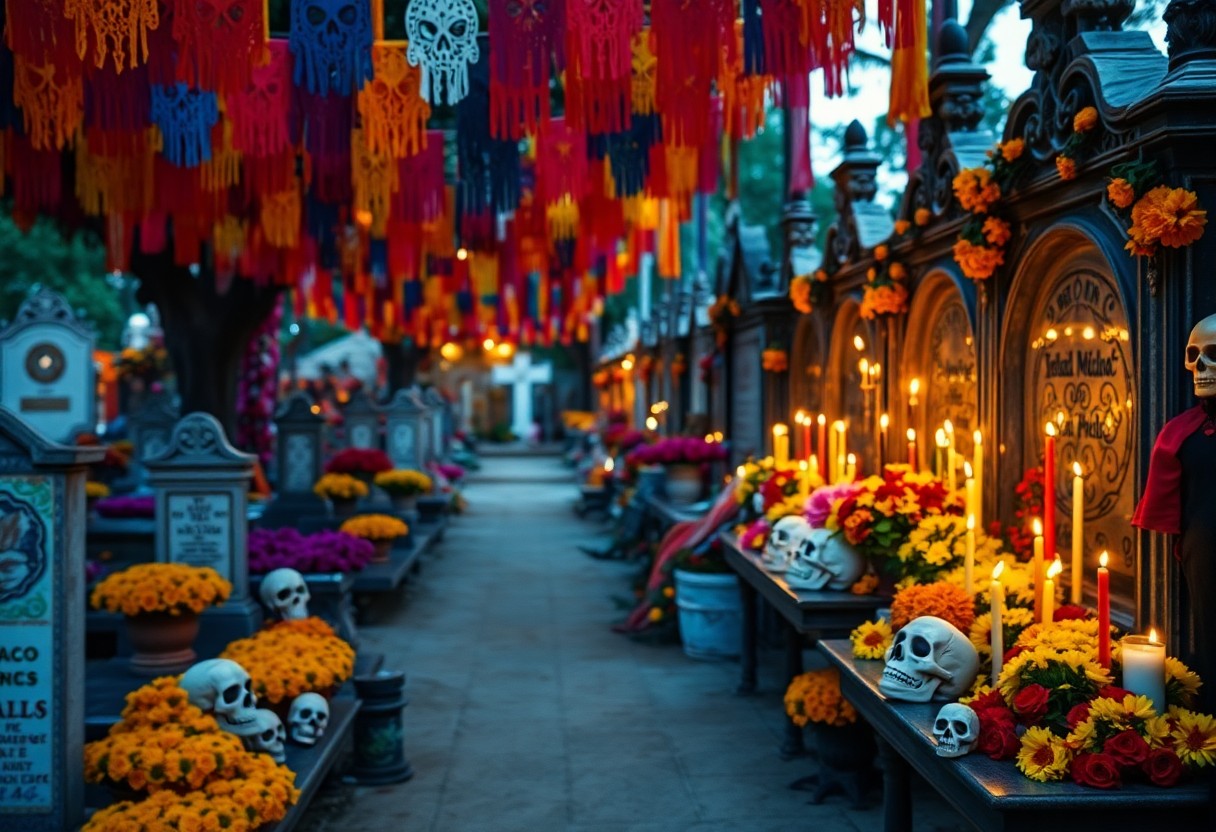
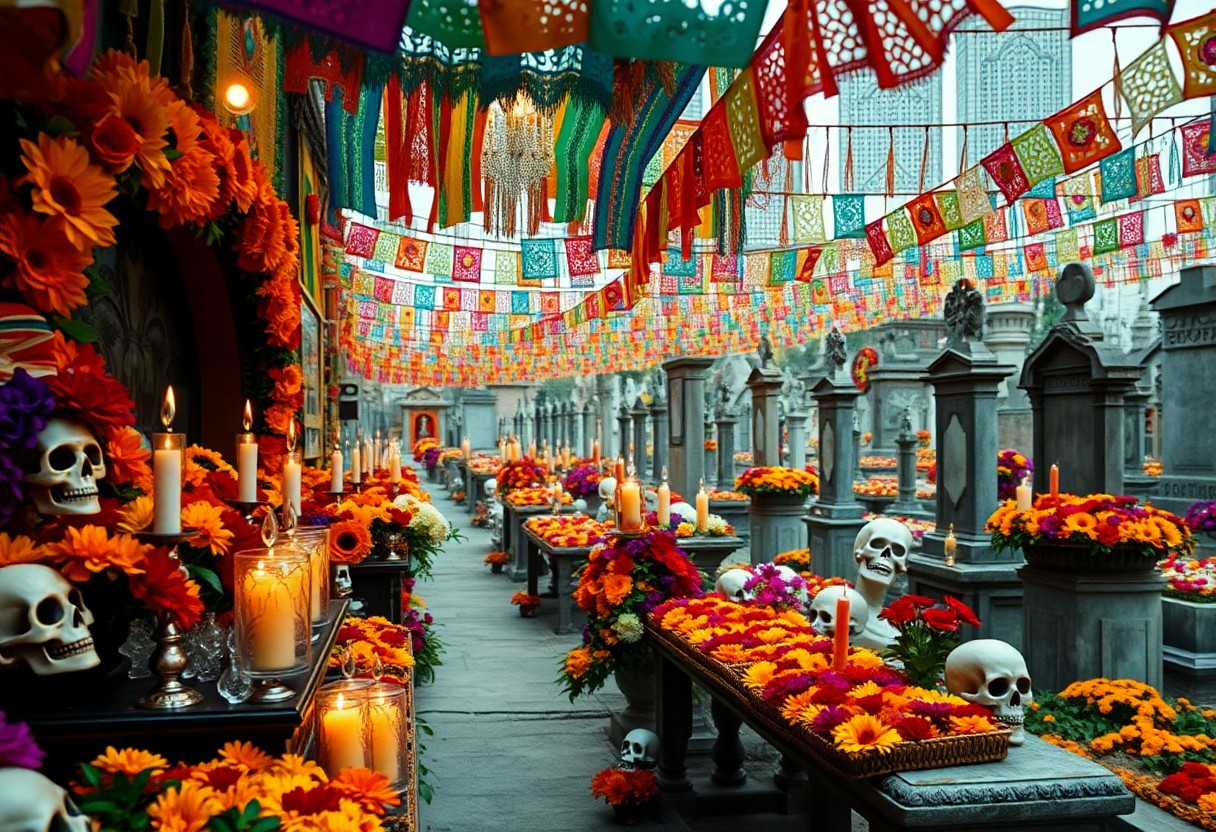
    During the vibrant celebration of Día de Muertos in San Miguel de Allende, the ofrenda, or altar, transforms into a colorful and heartfelt centerpiece of remembrance. These altars are meticulously decorated with marigold flowers, flickering candles, and cherished photographs of the departed, each carefully selected to honor the memories of loved ones and guide their spirits back to the world of the living. This historic city beautifully intertwines indigenous roots with modern artistic expression, creating a distinctive way to engage with Mexican culture. Explore how these altars serve as a celebration of life, death, and the unbreakable bonds of family in one of Mexico’s most captivating destinations.
    Discover the Profound Cultural Importance of Ofrendas in Mexican Heritage

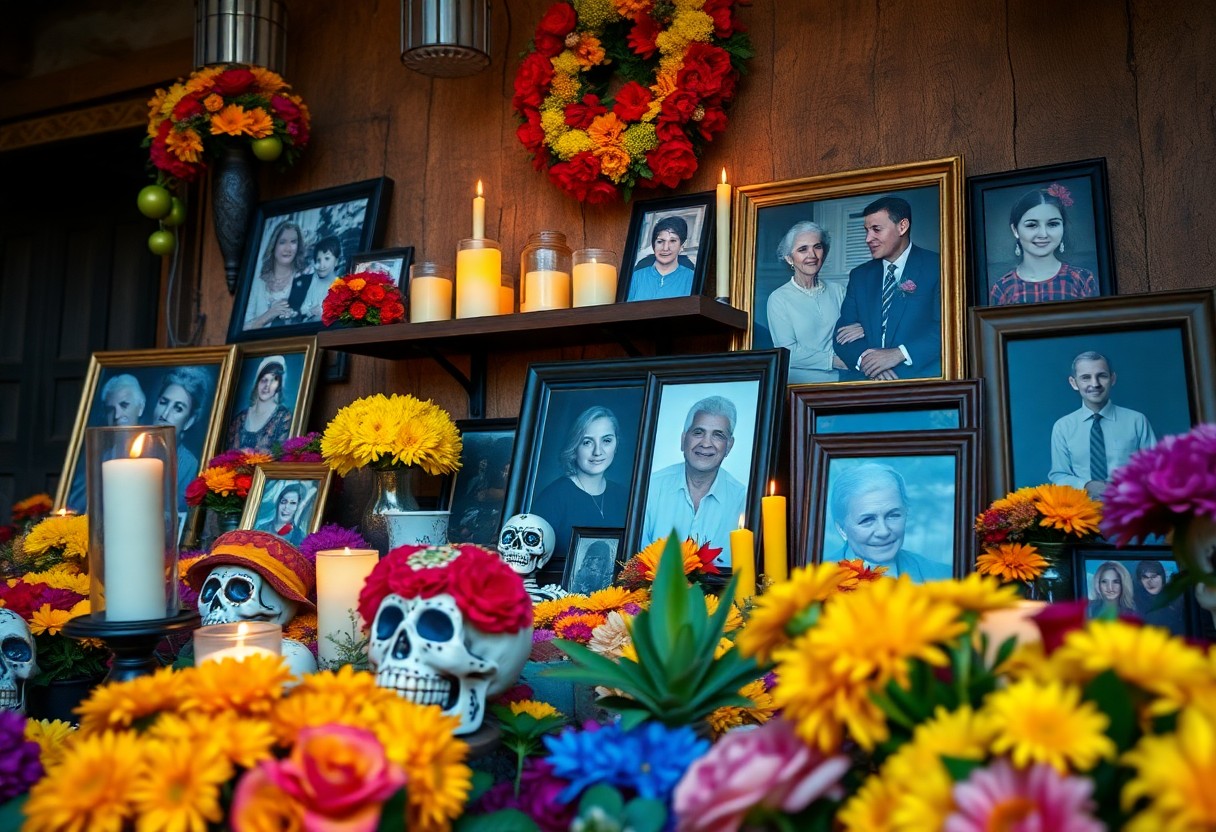
    The ofrenda, often perceived as a simple altar, embodies profound cultural and spiritual significance within Mexican traditions. This sacred space is created to honor those we have lost, based on the belief that their spirits return during Día de Muertos to savor the offerings lovingly prepared by their families. These altars are typically adorned with marigold flowers, candles, incense, and favorite foods of the departed, symbolizing love, remembrance, and the intricate connection between life and death. In San Miguel de Allende, the ofrenda stands out as a dynamic centerpiece of the festivities, showcasing the city’s rich cultural heritage and the enduring ties that bind the living to their ancestors. Visitors are often deeply moved by the vibrant displays that encapsulate both joy and sorrow, highlighting the beauty of this unique celebration.
    Uncovering the Historical Foundations of the Ofrenda Tradition

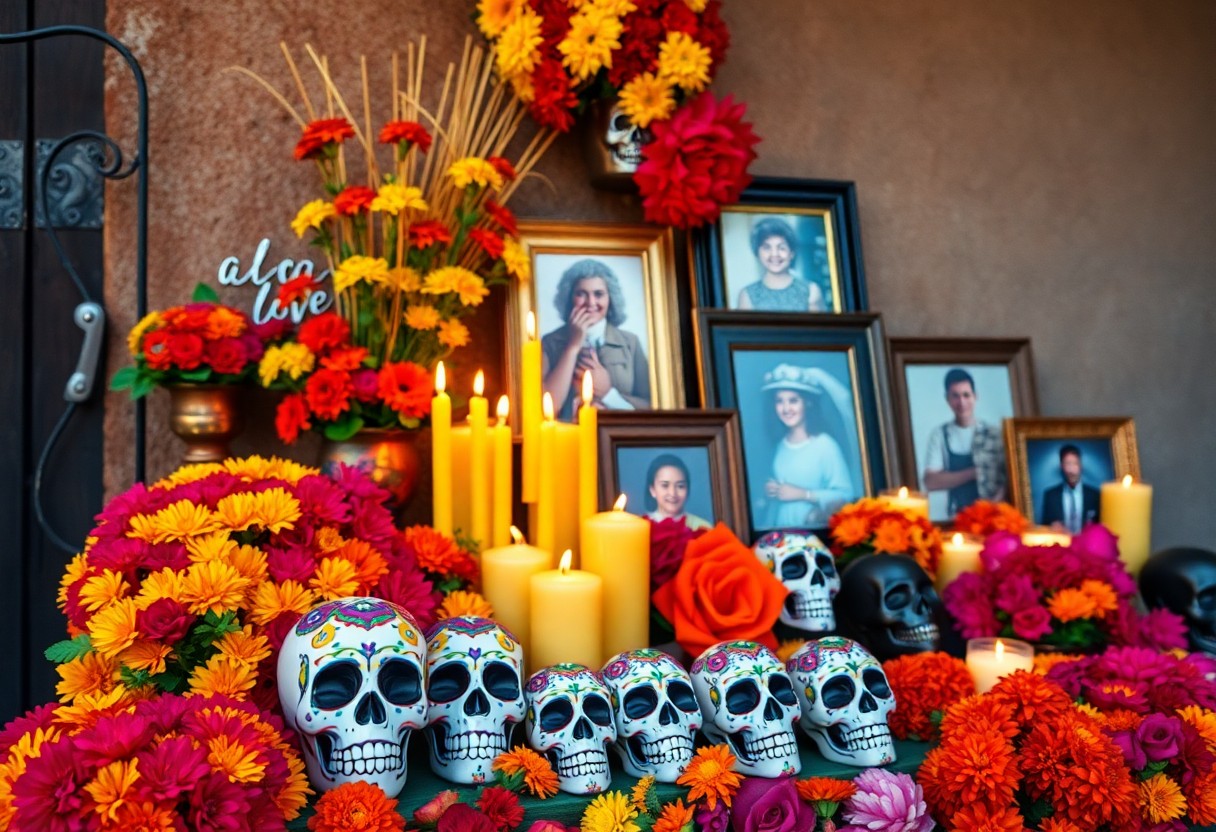
    The tradition of the ofrenda is deeply rooted in ancient history, tracing its origins back to pre-Hispanic civilizations like the Aztecs, who paid homage to their deceased through rituals and offerings. The arrival of the Spanish introduced Catholic practices, which were skillfully blended with indigenous customs to give rise to the vibrant Día de Muertos celebration we recognize today. Currently, the ofrenda serves as a powerful symbol of unity between the realms of life and death, embodying the belief that the spirits of the departed return to visit the living during this sacred time. In San Miguel de Allende, this cherished tradition flourishes, providing an incredible opportunity for visitors to witness a rich cultural fusion that has stood the test of time. By understanding its origins, attendees can appreciate the depth of meaning embedded within each altar, enriching their experience.

    Explore the Evolution of the Ofrenda: A Rich Journey Through Time

    Historically, ofrendas were simple altars constructed in homes or cemeteries, reflecting regional traditions and familial customs. As time progressed, the ofrenda evolved, adapting to modern influences while preserving its core purpose of honoring the dead. In San Miguel de Allende, contemporary altars now harmoniously blend traditional elements, such as marigolds and candles, with innovative art and design, showcasing the creativity of the community. Despite these transformations, the ofrenda continues to be a potent symbol of the connection between the living and the deceased. This evolution highlights the resilience of Mexican culture, ensuring that this cherished tradition endures and thrives in both private homes and public spaces. The juxtaposition of old and new makes the experience of visiting the altars even more profound, allowing participants to reflect on their own connections to the past.
    Essential Components That Define a Traditional Day of the Dead Altar

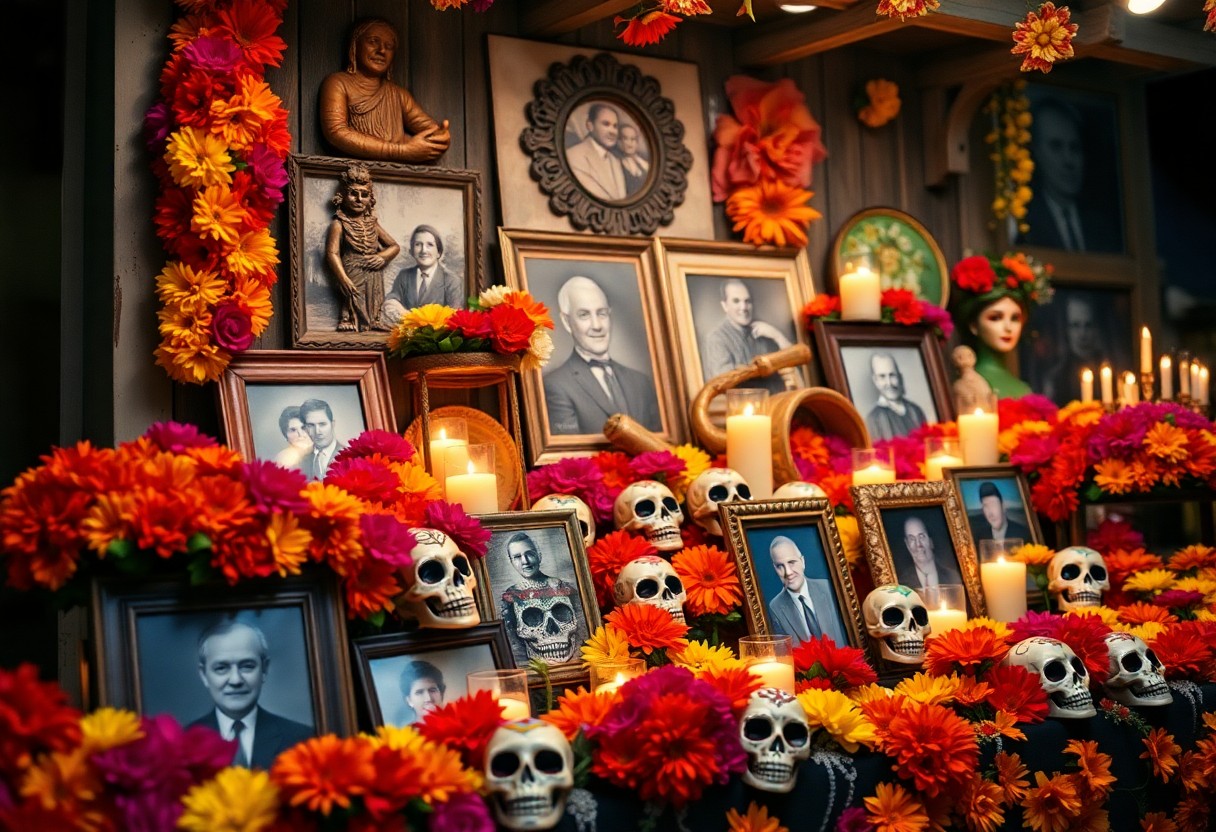
    Several key components define a traditional Day of the Dead altar, with each item holding significant meaning. Photographs of the deceased serve as a tribute to their memory, while cempasúchil (marigold flowers) guide their spirits with their bright colors and enchanting fragrance. Candles illuminate the path for souls, and incense (copal) purifies the surrounding space. You’ll often encounter food and beverages, like pan de muerto and tequila, thoughtfully prepared to nourish the returning spirits. Salt symbolizes purification, while sugar skulls represent life’s cyclical nature. Additionally, papel picado adds a festive flair, serving as a reminder of the delicate nature of life. In San Miguel de Allende, these elements converge to create altars that are both deeply personal and rich in cultural significance. Each item is carefully chosen not only for its visual appeal but also for its ability to evoke memories and emotions, creating a powerful experience for all who participate.

    Must-Visit Locations for Experiencing Ofrendas in San Miguel de Allende

    If you’re eager to immerse yourself in the vibrant spirit of Día de Muertos, San Miguel de Allende showcases some of the most breathtaking ofrendas. Begin your journey at the Jardín Principal, where public altars and lively performances breathe life into this cherished tradition. Explore local art galleries and cultural hubs such as Casa de la Cultura and La Aurora, where artists creatively merge traditional and contemporary elements in their displays. These venues not only highlight the city’s rich cultural tapestry but also ensure your visit is a memorable experience. Make plans to explore these altars and immerse yourself in the heart of this beloved Mexican celebration, where you can truly feel the spirit of the community alive in its art and expressions.

    Embrace the Heartfelt Tradition of Día de Muertos!

    Clearly, the Day of the Dead in San Miguel de Allende provides a unique opportunity to engage with a time-honored tradition. By visiting the city’s vibrant ofrendas, you partake in a celebration that intertwines indigenous roots with Catholic influences, creating a powerful homage to both life and death. The altars, adorned with marigolds, candles, and pan de muerto, invite deep reflection on the beauty of memories and the lasting connections between the living and the departed. Embrace this tradition to experience the deeply felt spirit of Mexican culture firsthand and honor the lives of those who have come before. Engaging with this rich tapestry of history and emotion allows visitors to foster a deeper understanding and appreciation for the cultural significance of this celebration.

    Key Insights About Día de Muertos and Its Ofrendas

    Ultimately, the Day of the Dead ofrenda in San Miguel de Allende offers a profound means to connect with Mexican heritage and celebrate the vibrancy of life. By visiting the city during this significant time, you will witness stunning altars adorned with marigolds, candles, and personal keepsakes, each telling a story of love and remembrance. The streets and plazas of San Miguel de Allende transform into a living tribute to this cultural legacy, inviting you to experience the beauty of honoring the past while celebrating the present. This heartfelt celebration serves as a poignant reminder of the enduring bond between the living and the departed, encouraging visitors to reflect on their own connections with those they have lost.

    Your Essential Questions Answered About Día de Muertos in San Miguel de Allende

    What role does the ofrenda play during Día de Muertos in San Miguel de Allende?

    The ofrenda is a pivotal element of the Día de Muertos celebration in San Miguel de Allende, serving as a heartfelt way to honor and remember loved ones who have passed. Families create these altars filled with offerings such as food, drinks, and cherished photographs to warmly welcome the spirits of the deceased. Symbolizing the connection between life and death, the ofrenda beautifully fuses indigenous traditions with Catholic elements, reflecting the cultural richness of the region. This sacred practice not only allows families to express their love and remembrance but also invites the community to participate in honoring those who have shaped their lives.

    What essential items are typically found on a Day of the Dead altar in San Miguel de Allende?

    A traditional Day of the Dead altar in San Miguel de Allende is characterized by several essential elements. These include photographs of the deceased, vibrant marigold flowers (cempasúchil), flickering candles, fragrant incense (copal), traditional foods such as pan de muerto, salt, sugar skulls (calaveras), and decorative papel picado. Each item carries significant symbolic meaning, whether it’s guiding spirits, purifying the altar space, or representing the cyclical nature of life and death. Collectively, these components create a rich sensory experience that honors the memory of those who have passed while also celebrating the continuity of life through tradition.

    Where can visitors explore Day of the Dead altars in San Miguel de Allende?

    Visitors can discover Day of the Dead altars at various prominent locations throughout San Miguel de Allende. Key sites include the bustling Jardín Principal, where public ofrendas and engaging performances take place, as well as local art galleries, Casa de la Cultura, and La Aurora, an esteemed art and design center. These venues showcase both traditional and modern altars, offering an enriching cultural experience during this vibrant celebration. Each location presents its unique interpretation of the ofrenda, allowing visitors to appreciate the diverse expressions of love and remembrance across the city.

    The Article: The Day of the Dead Ofrenda: Honoring Tradition and Celebrating Life in San Miguel de Allende appeared first on https://fallinginlovewithsanmiguel.com/

    The Article Ofrenda for Day of the Dead: Celebrating Life in San Miguel Was Found On https://limitsofstrategy.com
  • Day of the Dead in San Miguel de Allende: Embrace the Tradition

    Day of the Dead in San Miguel de Allende: Embrace the Tradition

    While many societies often shy away from discussions about death, considering it a taboo subject, in San Miguel de Allende, the concept of death is embraced and celebrated with vibrant colors, heartfelt customs, and joyful remembrance. The Day of the Dead transforms the city into a festival of life, where streets are adorned with marigolds, families unite to honor their deceased loved ones, and beautifully crafted altars overflow with offerings. This celebration transcends sorrow; it celebrates death as a natural and integral part of life’s journey. In San Miguel de Allende, you’ll find an enchanting fusion of ancient rituals and modern festivities, making it a must-visit destination to experience this profound cultural tradition that underscores both life and remembrance.

    Uncover the Fascinating Historical Roots of the Day of the Dead Celebration

    Long before the arrival of Spanish colonizers, the Day of the Dead (Día de los Muertos) was deeply rooted in the rituals of ancient Mesoamerican civilizations. Indigenous peoples, particularly the Aztecs, commemorated their ancestors with a month-long festival during the Aztec month of Miccailhuitontli, in honor of the goddess Mictecacihuatl, referred to as the “Lady of the Dead.” These ancient practices highlighted the cyclical nature of existence, forming a strong foundation for the modern-day celebration that resonates with people across the globe today. Exploring these origins provides insight into the rich tapestry of cultural heritage that shapes the vibrant festivities in San Miguel de Allende.

    Delve into the Time-Honored Traditions Honoring the Departed

    For over 2,500 years, indigenous cultures in Mexico have held sacred ceremonies to honor their ancestors. These deep-rooted traditions involve offerings of food, fragrant flowers, and burning incense, representing the everlasting bond between the living and the deceased. The Aztecs believed that death was not an end, but a transition to another form of existence. This enduring perspective continues to influence the essence of the Day of the Dead today, emphasizing the importance of celebrating life in tandem with those who have passed on to the afterlife. It is a beautiful reminder that our connections with loved ones transcend even death.

    Recognizing the Spanish Influence on Day of the Dead Celebrations

    The arrival of Spanish colonizers in the 16th century brought significant changes to the Day of the Dead observances. The Catholic Church integrated indigenous rituals with the observances of All Saints’ Day (November 1st) and All Souls’ Day (November 2nd), effectively condensing the month-long festivities into a two-day celebration. This remarkable cultural fusion resulted in the modern version of the holiday, weaving together pre-Hispanic customs and Catholic traditions, and creating a unique cultural expression that pays homage to both heritage and faith. It is fascinating to see how these historical influences have shaped the vibrant practices we see today in San Miguel de Allende.

    This blending of cultures introduced new elements, including the vibrant presence of marigold flowers and ofrendas (altars), which have become essential components of the celebration. Even though the Spanish aimed to diminish indigenous customs, the resilience and vibrancy of these traditions ensured their survival, resulting in a rich cultural tapestry. Today, the Day of the Dead in San Miguel de Allende reflects this illustrious history, providing a vibrant and deeply meaningful experience for both locals and visitors alike, enriched by layers of cultural significance.

    Unearth the Profound Significance of the Day of the Dead Celebration

    A standout feature of the Day of the Dead is its emphasis on celebrating life rather than merely mourning death. In San Miguel de Allende, this extraordinary tradition transforms grief into joy, as families pay tribute to their departed loved ones with vibrant altars, lively music, and heartfelt offerings. The belief is that the spirits of the departed return to partake in the festivities, creating a spiritual reunion that is both uplifting and immensely meaningful. This unique perspective on death, deeply rooted in ancient Mesoamerican and Catholic beliefs, transforms the Day of the Dead into an experience rich with emotion and reverence, inviting all to partake in the joy of remembrance.

    Explore the Heartfelt Significance of Ofrendas in Celebrations

    Ofrendas, or altars, form the emotional core of the Day of the Dead celebrations in San Miguel de Allende. These lovingly crafted altars are adorned with vibrant marigold flowers, flickering candles, cherished photographs, and the favorite foods and beverages of the deceased. Ofrendas act as welcoming spaces for the spirits, symbolizing love, remembrance, and connection. By creating these altars, families ensure that the memories of their loved ones are kept alive, beautifully merging tradition with personal connection and heartfelt sentiments. This practice not only honors the deceased but also reinforces the bonds that persist between the living and those who have passed on.

    Witness the Evolution of Day of the Dead Celebrations

    As time progresses, the Day of the Dead in San Miguel de Allende has gracefully adapted to modern influences while staying true to its historical roots. While some urban areas may integrate elements reminiscent of Halloween, the core essence of honoring the deceased remains untouched. The celebration has gained immense popularity, attracting visitors from around the world who come to experience its unique blend of tradition, culture, and festivity, resulting in an unforgettable experience that captivates all who participate. The intertwining of past and present creates a vibrant atmosphere that celebrates the rich heritage of the community.

    With the influence of globalization, the Day of the Dead has garnered increased international attention, leading to an intriguing mix of cultural influences. In San Miguel de Allende, this phenomenon has presented both opportunities and challenges. While the rising popularity of the festival has significantly boosted tourism, there are ongoing concerns regarding the preservation of its authenticity. Nevertheless, the community remains dedicated to maintaining the sacred and joyful spirit of the celebration, ensuring it continues to honor the deceased with the utmost respect and reverence, reflecting its cultural significance.

    Understand Mexico’s Unique Perspective on Death and Remembrance

    Mexico’s relationship with death is notably distinct compared to many other cultures. Here, death is viewed not as an end but as a natural continuation of life, a perspective rooted deeply in indigenous traditions and Catholic beliefs. During the Day of the Dead, this outlook is celebrated with vibrant colors, lively music, and joyful remembrance, transforming what might be a somber affair elsewhere into a colorful tribute to existence. In San Miguel de Allende, this celebration is particularly vivid, with ofrendas (altars) adorned with marigolds, photographs, and offerings that welcome the spirits of loved ones back to their homes. Here, death is met with open arms rather than fear, creating a unique cultural experience that is unparalleled.

    Distinguishing Between Day of the Dead and Halloween: Two Unique Celebrations

    Although both the Day of the Dead and Halloween revolve around themes of death and skeletons, they differ fundamentally in their approach and significance. The Day of the Dead, or Día de los Muertos, is a joyful celebration centered on honoring deceased loved ones and is deeply embedded in Mexican culture. In contrast, Halloween is a festival of spooky fun with origins in Celtic traditions, primarily focused on fear and mystery. While Halloween emphasizes eerie themes and entertainment, the Day of the Dead showcases remembrance and celebration of life, offering a richer emotional experience that resonates deeply with participants.

    Tracing the Historical Origins of Both Celebrations

    The Day of the Dead has its origins spanning over 3,000 years to ancient Mesoamerican civilizations such as the Aztecs, who honored the goddess Mictecacihuatl during their rituals. The arrival of Spanish colonization saw this tradition merge with Catholic holidays, notably All Saints’ Day and All Souls’ Day, leading to the modern celebration recognized today. Conversely, Halloween emerged as the Celtic festival of Samhain, marking the thin veil between the living and the dead, eventually being Christianized by the Church, which altered its significance.

    Understanding the Purpose and Essence of Each Celebration

    The Day of the Dead serves as a time to honor the lives of departed loved ones, embracing death as an intrinsic part of life’s journey. Families create ofrendas (altars) decorated with marigolds, photographs, and favorite foods to welcome the spirits back into their homes. On the other hand, Halloween is characterized by fun and fright, featuring costumes, trick-or-treating, and spooky themes that prioritize entertainment over contemplation.

    Additionally, the Day of the Dead carries a deeply spiritual essence, emphasizing reconnecting with ancestors and honoring their legacies. It presents an opportunity for families to gather, share stories, and celebrate the continuity of life, reinforcing bonds across generations. In contrast, while Halloween offers entertainment, it lacks the profound cultural depth and emotional significance that the Day of the Dead embodies, making it a richer experience rooted in tradition.

    Exploring the Traditions and Activities of Both Celebrations

    In San Miguel de Allende, the vibrant customs of the Day of the Dead come to life through ofrendas, lively parades, and families decorating graves with marigolds. Participants often dress as Catrinas or skeletons, while traditional foods like <a href=”https://fallinginlovewithsanmiguel.com/top-5-reasons-to-retire-in-san-miguel/”>pan de muerto</a> are shared in celebration. In contrast, Halloween festivities typically include trick-or-treating, pumpkin carving, and costume parties influenced by American culture.

    In San Miguel de Allende, Halloween festivities are more common among expatriates and urban locals, while the Day of the Dead remains a deeply rooted tradition for many Mexican families. The city’s celebrations offer a beautiful blend of solemn remembrance and vibrant festivities, presenting a unique and rich experience that cannot be found elsewhere. This distinctiveness makes it an unforgettable destination for anyone interested in cultural heritage.

    Immerse Yourself in the Lively Celebration of Day of the Dead in San Miguel de Allende

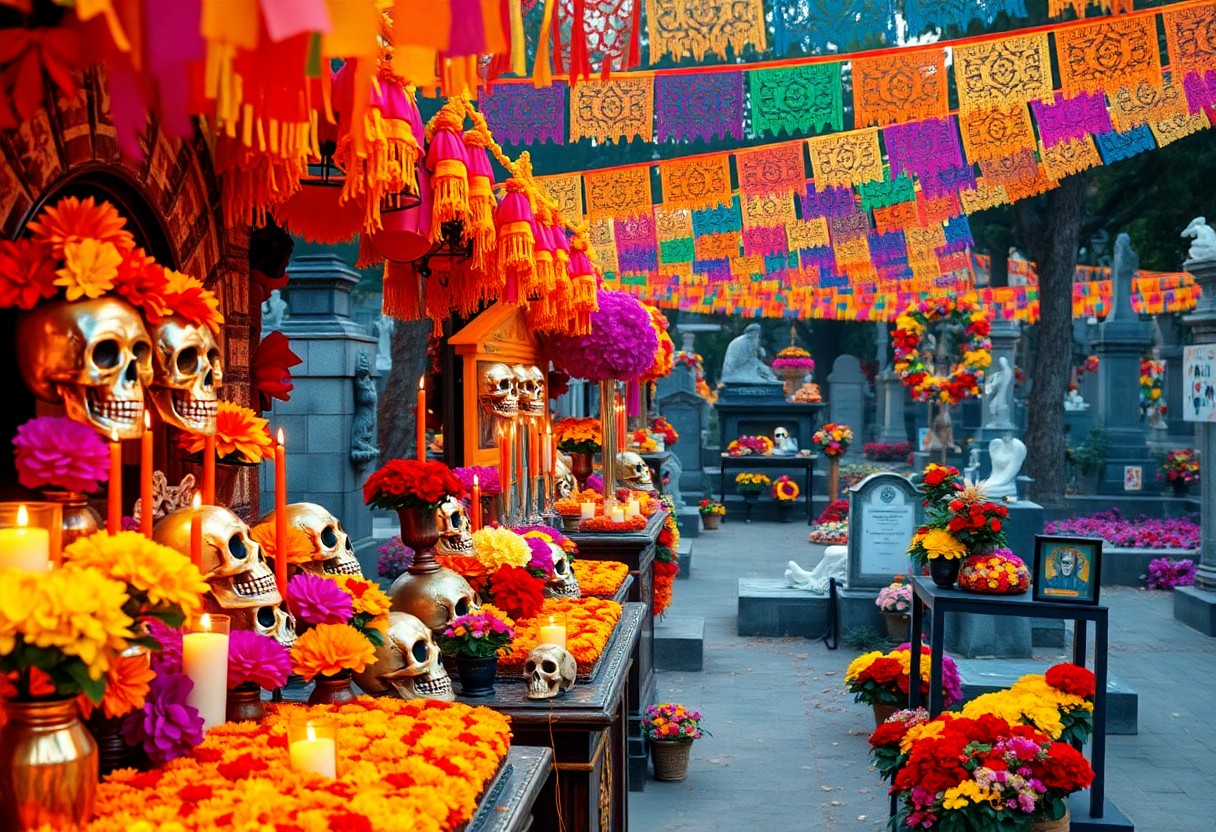
    During the Day of the Dead, San Miguel de Allende transforms into a lively hub of activity, showcasing its colonial charm alongside vibrant celebrations. Visitors will be greeted with streets overflowing with colorful marigold flowers, intricate papel picado decorations, and families coming together to honor their loved ones. The city features lively parades, where locals don costumes as Catrinas and skeletons, blending tradition with artistic flair. You can explore beautifully crafted ofrendas in public spaces, each telling a poignant story of remembrance. While the celebration is filled with joy, it is crucial to respect the sacred nature of the event, especially in cemeteries where families gather privately to celebrate the lives of those who have passed away.

    Discovering the Rich Tapestry of Day of the Dead Traditions

    For centuries, Day of the Dead traditions in San Miguel de Allende have beautifully intertwined indigenous and Catholic influences, creating a vibrant celebration that honors both life and death. Families construct ofrendas (altars) adorned with photographs, candles, and favorite foods of the deceased. The streets become alive with marigolds, calaveras (decorated skulls), and papel picado (perforated paper banners), each element serving as a cherished tribute to loved ones, inviting their spirits to return and join the living in celebration. The atmosphere is rich with joy, music, parades, and communal gatherings that reflect the Mexican embrace of death as an integral part of life’s ongoing journey.

    Understanding the Significance of Alfeñiques and Papel Picado in Celebrations

    Central to the Day of the Dead festivities, alfeñiques are intricate sugar sculptures crafted in the shape of skulls, animals, or other figures, representing the sweetness of life. Often personalized with the names of the deceased, these delightful creations are a symbol of remembrance and affection. Complementing these edible artworks, papel picado—delicately cut tissue paper banners—adds vibrant color and movement to the celebrations. The perforations in the paper are believed to guide spirits to the ofrendas, while the intricate designs serve as a poignant reminder of life’s ephemeral nature.

    The Cultural Importance of Marigolds and Calaveras in Day of the Dead Celebrations

    If you visit San Miguel de Allende during the Day of the Dead, you’ll be enveloped by the striking orange hues of marigolds, also known as cempasúchil. These flowers are believed to guide spirits home with their bright colors and sweet fragrance. Alongside them, calaveras (decorated skulls) are ubiquitous—adorning altars, appearing in parades, and even serving as festive face paint. These whimsical and colorful skulls embody the playful acceptance of death prevalent in Mexican culture, transforming the somber into the celebratory.

    A deeper exploration of marigolds and calaveras reveals their profound cultural meaning. Marigolds are not just ornamental; their petals create pathways leading to ofrendas, ensuring that spirits can easily find their way home. Calaveras, whether fashioned from sugar, clay, or painted on faces, serve as a reminder that death should not be feared, but rather embraced as a natural part of life. In San Miguel de Allende, these elements coalesce to create a visually stunning and spiritually enriching experience, honoring the cycle of life and death in a manner that is both joyful and respectful.

    Celebrating Life and Memory in San Miguel de Allende

    From a broader perspective, experiencing San Miguel de Allende during the Day of the Dead offers an extraordinary opportunity to embrace death through its vibrant celebrations. You will witness a captivating blend of ancient traditions and modern expressions, where families honor their loved ones with colorful altars, marigold flowers, and joyful gatherings. The city’s streets come alive with parades, papel picado, and the delightful aroma of pan de muerto, inviting you to immerse yourself in a cultural perspective that views death as a natural and significant part of life. In San Miguel de Allende, you don’t merely observe the Day of the Dead—you feel its spirit, celebrating life and memory in a beautifully authentic Mexican manner.

    Common Questions About the Day of the Dead Celebrations

    Q: What makes San Miguel de Allende a unique and special destination for Day of the Dead celebrations?

    A: San Miguel de Allende is celebrated for its vibrant and authentic Day of the Dead festivities. The city skillfully merges traditional Mexican customs with local nuances, resulting in elaborate parades, colorful altars, and heartfelt community gatherings. The historic streets and colonial architecture provide a picturesque backdrop for these celebrations, ensuring a memorable experience for all visitors who partake in the festivities.

    Q: What are the key traditions associated with the Day of the Dead in San Miguel de Allende?

    A: Key traditions include creating ofrendas (altars) adorned with beautiful marigold flowers, cherished photographs of the deceased, and their favorite foods. Families engage in cleaning and decorating graves, while many individuals dress as skeletons or Catrinas. The city also features lively parades, live music, and cultural performances, providing a unique blend of solemn remembrance and joyful celebration that captures the essence of the holiday.

    Q: How can visitors engage respectfully in Day of the Dead celebrations in San Miguel de Allende?

    A: Visitors should approach the celebrations with respect and cultural sensitivity. It’s advisable to avoid intrusive photography in cemeteries, as these spaces hold profound significance for families. Participating in public events such as parades and workshops is encouraged, along with gaining a deeper understanding of the traditions beforehand. Supporting local artisans by purchasing handmade crafts or traditional foods is also a meaningful way to engage with and appreciate the culture.

    The Article: Day of the Dead: A Unique Way to Embrace Death in San Miguel de Allende appeared first on https://fallinginlovewithsanmiguel.com/

    The Article Embrace Death: Discover Day of the Dead in San Miguel de Allende Was Found On https://limitsofstrategy.com