Explore Exciting Events at the National Atomic Testing Museum
Participate in Engaging Lectures About Atomic History
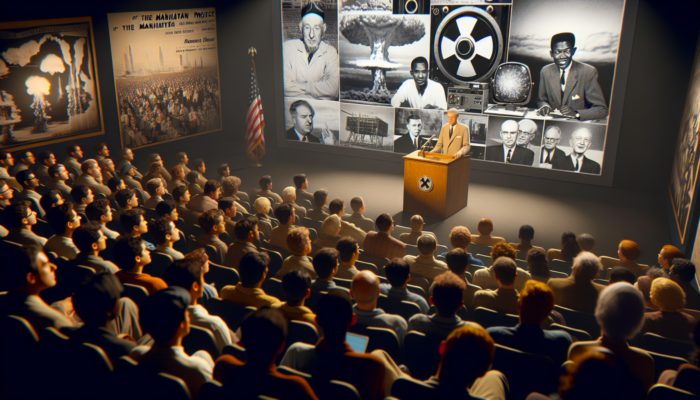
At the National Atomic Testing Museum, history enthusiasts are presented with an exceptional chance to immerse themselves in the intriguing realm of nuclear testing through a series of captivating lectures. These informative sessions delve into various aspects of atomic history, equipping participants with a thorough understanding of a crucial period that significantly reshaped global relations and policies. Upcoming lecture topics promise insightful discussions on:
- The Manhattan Project: Secrets and Scandals
- The Cultural Impact of Nuclear Testing on American Society
- Women and the Atomic Age: Unsung Heroes
- International Treaties and Nuclear Non-Proliferation
- The Science Behind the Bomb: A Technical Overview
Each lecture is carefully designed to ignite thought-provoking discussions, making them an invaluable resource for anyone keen on expanding their understanding of this vital chapter in history. The speakers typically include esteemed historians, scientists, and individuals who directly experienced the events being discussed, offering a well-rounded perspective that enhances the educational experience for all attendees.
Experience Hands-On Learning with Interactive Exhibits
The National Atomic Testing Museum showcases a diverse array of interactive exhibits specifically crafted to deepen your understanding of atomic history. These engaging displays are not merely informative; they are expertly designed to actively involve visitors through hands-on experiences. For example, you might encounter simulations of nuclear testing or interactive installations that invite exploration into the complexities of radiation.
These interactive features empower visitors to grasp intricate subjects such as the physics of nuclear fission and the ethical dilemmas surrounding atomic warfare in a tangible and relatable manner. By actively engaging with these exhibits, you foster a greater appreciation for the intricate history surrounding atomic testing and its enduring impact on contemporary society.
Gain Profound Insights from Distinguished Guest Speakers
One of the most compelling highlights of programming at the National Atomic Testing Museum is the opportunity to hear from distinguished guest speakers. These experts often comprise historians, nuclear physicists, and individuals who witnessed atomic testing firsthand. Their unique perspectives provide invaluable context and depth to the historical narrative surrounding nuclear events.
For instance, a former scientist involved in nuclear testing may share personal stories regarding the ethical quandaries faced during the Cold War. Such narratives not only humanize the history but also promote a more nuanced understanding of the events that unfolded. Engaging with these speakers allows you to connect deeply with the subject matter, transforming it into an exploration of personal stories rather than merely a collection of facts and figures.
Watch Educational Films That Illuminate Atomic History

In the museum’s theater, film screenings add another dimension to understanding atomic history. Documentaries and feature films vividly illustrate the events surrounding nuclear testing, highlighting both the scientific and human elements of this pivotal period in history.
By viewing films that document the experiences of those impacted by atomic bombs, you gain valuable insights into the broader implications of nuclear warfare. These screenings often conclude with discussions, fostering a dynamic exchange of ideas and interpretations. Sharing thoughts and perspectives with fellow attendees can significantly enhance your understanding and appreciation of the complexities inherent in atomic history.
Join In-Depth Guided Tours for a Comprehensive Experience
Participating in a guided tour of the National Atomic Testing Museum represents an excellent way to acquire in-depth insights into atomic testing. Led by knowledgeable guides, these tours navigate through the museum’s extensive collection, illuminating key exhibits that might otherwise go unnoticed.
Tour participants often hear stories that are not readily available on the informational plaques, enriching their overall experience. For example, a guide might recount the early anxieties surrounding atomic power or the psychological effects of living in a post-nuclear test environment. Such unique perspectives turn a simple museum visit into an enlightening journey through history.
Uncover Exciting Activities at the Neon Museum
Discover the Rich Narratives Behind Neon Signs Through Guided Tours
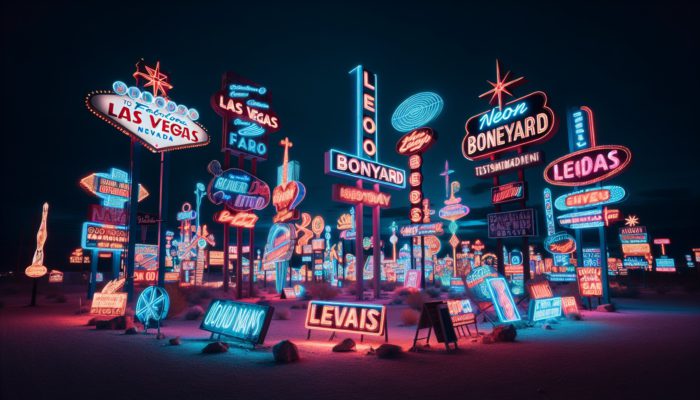
A visit to the Neon Museum is a treasure trove for history buffs, as guided tours reveal the vibrant tales behind Las Vegas’ iconic neon signs. Each sign serves as a testament to the city’s history, reflecting its cultural and economic evolution. You’ll learn that these luminous works of art were not merely advertising tools but also indicators of social trends and transformations within the city’s visual landscape.
As you wander through the Neon Boneyard, your guide will share captivating anecdotes about the origins of various signs, the businesses they represented, and how they symbolize the playful spirit of Las Vegas. These narratives underscore the significance of neon in shaping the visual identity of the city throughout the decades, making your visit both educational and enjoyable.
Engage in Neon Restoration Workshops for a Unique Learning Experience
For those interested in preserving history, the Neon Museum offers restoration workshops dedicated to the art of neon signage. Here, participants can learn about the technical skills required to repair and restore these iconic signs. The workshops typically include hands-on experiences, providing you with the opportunity to work with materials and techniques commonly used in neon sign creation.
By participating in these workshops, you contribute to the preservation of Las Vegas history, ensuring that future generations can appreciate the beauty and artistry of neon signage. You’ll leave not only with new skills but also with a sense of accomplishment and a lasting connection to the city’s vibrant past.
Experience Themed Night Tours for a Captivating Perspective on Neon History
Themed night tours at the Neon Museum offer a mesmerizing experience, inviting visitors to explore the Boneyard illuminated by the enchanting glow of neon lights. These tours are thoughtfully designed around specific themes, providing a unique lens through which to view the history of Las Vegas.
Themes can range from the Roaring Twenties to the Mid-Century Modern era, with each tour emphasizing the historical importance of the neon signs from that period. For instance, the Roaring Twenties tour may illuminate how jazz music and Prohibition influenced the city’s nightlife. Themed tours cultivate a deeper connection to the cultural contexts that shaped Las Vegas’ neon history, making them truly unforgettable experiences.
- The Roaring Twenties: A Jazz Age Journey
- Mid-Century Modern: The Golden Age of Neon
- Las Vegas Strip Evolution: From Old to New
- Film Noir Nights: Neon and Cinema
Enhance Your Photography Skills with Neon Sign Photography Sessions
If you’re passionate about photography, the Neon Museum offers specialized photography sessions that focus on capturing the stunning beauty of neon signs. Led by experienced photographers, these sessions provide tips and techniques for photographing these vibrant pieces of art, particularly in low-light conditions.
Participants will learn about composition, lighting, and how to effectively frame the signs to convey their historical significance. The sessions not only refine your photography skills but also allow you to create lasting memories of Las Vegas’ colorful past captured through your lens, resulting in a fulfilling and rewarding experience.
Engage with Lectures at the Neon Museum for Cultural Insights
Attending lectures at the Neon Museum offers enriching insights into the cultural impact of neon signage in Las Vegas. These lectures often feature local historians and artists who discuss the evolution of neon in the city and its pivotal role in shaping Las Vegas’ unique identity.
By exploring topics such as the artistry behind neon design and the decline of neon in favor of digital signage, attendees gain comprehensive knowledge about how neon has influenced the nightlife and cultural landscape of the city. These engaging discussions foster a greater appreciation for the craftsmanship and history represented in each glowing sign, making them highly valuable for all participants.
How to Experience the Fascinating Mob History in Las Vegas
Explore Compelling Exhibits at The Mob Museum
A visit to The Mob Museum is a must for those fascinated by the underbelly of Las Vegas. This museum provides a profound exploration into the organized crime history that played a significant role in the city’s development. Notably, exhibits focus on key mob figures, landmark events, and law enforcement efforts to combat crime.
Do not miss the interactive crime lab, where you can test your skills as a forensic investigator. Another highlight is the “Mob Experience,” which includes immersive simulations that vividly recreate the mobster lifestyle. By exploring these captivating exhibits, you’ll leave with a richer understanding of how organized crime shaped the very fabric of Las Vegas.
Uncover Hidden Gems Through Speakeasy Tours
Hidden speakeasies in Las Vegas offer an intriguing glimpse into the Prohibition era, showcasing how the mob operated during the alcohol ban. Speakeasy tours allow you to discover these secret venues that were once frequented by mobsters and locals alike.
During the tour, you’ll hear stories of famous speakeasies such as The Vault and The Roaring Twenties, detailing how they navigated the challenges of Prohibition. You’ll also learn about the significance of jazz music in these venues. The allure of these hidden bars adds an element of adventure, making it a unique way to experience mob history in Las Vegas.
- The Vault: Secrets of a Hidden Bar
- The Roaring Twenties: Jazz and Cocktails
- The Whispering Gallery: An Acoustic Experience
- Mobster’s Hideout: Stories Behind Closed Doors
Engage with Mob-Related Film Screenings for Enhanced Understanding
The Mob Museum frequently hosts film screenings dedicated to movies that depict the mob’s influence in Las Vegas. These films provide a cinematic exploration of the intricate relationships between organized crime and American culture.
By watching classics such as “Casino” and “The Godfather,” you gain insight into the dramatized realities of mob life. These screenings often conclude with discussions that highlight the historical accuracy of the films, providing an engaging way to reflect on how cinema portrays mob history. Additionally, these discussions facilitate collective analysis, enhancing your understanding of the mob’s impact on Las Vegas.
Enjoy Mob-Inspired Dining Experiences for a Taste of History
Dining at mob-themed restaurants offers a flavorful way to connect with Las Vegas’ criminal past. These establishments often feature menus inspired by dishes that were popular during the Prohibition era, transporting you back in time.
Notable spots like The Mob Bar and Casa di Amore not only serve delectable meals but also showcase memorabilia that pays homage to the mob’s legacy. By enjoying a meal in these themed restaurants, you immerse yourself in an atmosphere that resonates with stories from the past, creating an unforgettable dining experience intertwined with history.
Participate in Guided Mob History Walking Tours for a Full Immersive Experience
Guided walking tours focusing on mob history take you through key locations linked to organized crime in Las Vegas. These tours offer a unique opportunity to walk in the footsteps of infamous mobsters while learning about the significant events that shaped the city.
Tour routes often cover iconic spots such as the old Sands Hotel and the Flamingo, where you’ll hear stories of power struggles and the rise of Las Vegas as a mob-operated haven. By exploring these historic locations with knowledgeable guides, you will gain a comprehensive understanding of how organized crime influenced the city’s development and culture, making it a compelling experience.
Expert Insights on the Best Las Vegas Events for History Buffs
Discover Local Historian Recommendations for Unique Experiences
Local historians serve as invaluable sources of information when it comes to uncovering the best events for history enthusiasts in Las Vegas. Their expertise often leads to unique recommendations that may not be widely known, allowing you to delve deeper into the city’s rich past.
For instance, you might find a historian recommending the annual Las Vegas History Conference, where speakers cover various topics from local Native American history to the development of the Strip. By following their insights, you can participate in events that are not only educational but also foster community discussions surrounding local history, enriching your visit and providing a deeper connection to the area’s heritage.
Gain Deeper Understanding Through Event Analysis and Contextual Insights
Expert analysis of history-themed events in Las Vegas can provide deeper understanding and context. Various events, such as the Las Vegas History Museum’s special exhibits, offer opportunities to explore different facets of local history, and analysis can illuminate their educational value.
For instance, an event focused on the evolution of the Las Vegas Strip might incorporate an examination of how architectural styles reflect broader societal changes. Analyzing events in this manner allows you to appreciate the intricacies of Las Vegas’ history, offering insights that significantly enhance your experience as an attendee and deepen your connection to the local culture.
Curator’s Choice of History-Related Events for Enriching Experiences
Learning about the curator’s top picks for history-related events in Las Vegas can guide you toward the most enriching experiences available. Curators often select events based on their historical significance, educational value, and community engagement.
By spotlighting events that focus on forgotten narratives or unique local stories, curators help ensure that your time in Las Vegas is genuinely enriching. From interactive exhibits to themed lectures, these carefully curated events allow you to explore the multifaceted history of this vibrant city, making your exploration not only informative but also profoundly fulfilling.
What Are the Must-Visit Historical Sites in Las Vegas?
Step Back in Time at the Old Las Vegas Mormon Fort
The Old Las Vegas Mormon Fort is a crucial site representing the first permanent non-native settlement in Las Vegas. Visiting this fort allows you to step back in time and understand the early challenges faced by settlers in the harsh desert environment.
The site reflects the history of the Mormon community and its role in establishing a foundation for future growth in Las Vegas. Through interpretive displays and guided tours, you’ll gain insights into the lives of early settlers, including their agricultural practices and interactions with Native American tribes. This historical site serves as a physical reminder of the city’s origins and the diverse cultures that contributed to its development, making it an essential visit for history enthusiasts.
Explore Natural and Cultural History at Las Vegas Springs Preserve
At the Las Vegas Springs Preserve, you can explore the natural and cultural history of the city in a breathtaking setting. This expansive area offers trails, museums, and exhibits that celebrate both the natural landscape and the human narratives intertwined with it.
Within the preserve, you’ll discover historical exhibits that detail the significance of the springs to early settlers and Native Americans. Additionally, the preserve frequently hosts educational programs and events that delve deeper into the historical narratives preserved here, allowing you to connect with both the environment and the stories that shaped Las Vegas. This multifaceted approach makes for an enriching visit that appeals to all ages.
Uncover the Rich Heritage of the Historic Westside
The Historic Westside is a cornerstone of Las Vegas’ African American community, rich with cultural significance. Exploring this area allows you to discover key landmarks and hear stories that highlight the contributions of African Americans to the city’s history.
Key sites include the Westside School and the community center, which played essential roles in the social and cultural life of the neighborhood. By visiting these landmarks, you can engage with the legacy of resilience and creativity that characterizes the Historic Westside, making it an essential stop for anyone interested in the diverse historical tapestry of Las Vegas and its vibrant communities.
What Events Celebrate Las Vegas’ Entertainment History?
Honor Iconic Performers at the Showgirl Hall of Fame Inductions
The annual Showgirl Hall of Fame inductions celebrate the iconic showgirls who have graced the stages of Las Vegas. These events honor the contributions of these performers to the entertainment legacy of the city, recognizing their artistry and dedication to their craft.
Held in venues that reflect the glitz and glamour of Las Vegas, these ceremonies often feature performances and tributes to legendary showgirls. The celebrations acknowledge their impact on the entertainment industry, making it a vibrant way to connect with the history of Las Vegas entertainment while enjoying a spectacular show that brings the past to life.
Relive the Golden Age with Vintage Vegas Performances
Experiencing vintage Vegas performances feels like stepping into a time capsule of classic Las Vegas entertainment. Various venues feature shows that pay homage to the golden age of Las Vegas, allowing you to savor the nostalgia of iconic performances that shaped the city.
These shows often showcase elements of burlesque, lounge music, and comedic acts reminiscent of the city’s mid-century entertainment scene. Enjoying vintage performances provides not only delightful entertainment but also a glimpse into the cultural dynamics that defined Las Vegas during its formative years, creating a memorable experience steeped in history.
Celebrate Elvis Presley at Festivals Honoring His Legacy
Elvis Presley festivals in Las Vegas immerse you in the legacy of the King of Rock ‘n’ Roll. These festivals celebrate Elvis’ profound influence on the city’s entertainment scene, drawing fans and performers from around the world to honor his enduring impact.
Expect to see tribute performances, panel discussions, and memorabilia displays that celebrate Elvis’ life and music. Engaging with fellow fans during these events allows you to appreciate the lasting impact Elvis had on Las Vegas, solidifying his status as an entertainment icon and creating joyful memories that connect the past with the present.
Proven Strategies for the Best Las Vegas Events for History Buffs
Plan Your Visit with Effective Event Planning Strategies
Planning your visit to history-themed events in Las Vegas can significantly enhance your experience. Start by researching events in advance and creating a schedule that allows you to attend multiple activities without feeling rushed or overwhelmed.
Consider purchasing tickets ahead of time, as popular events can sell out quickly. Additionally, connect with local historians or community boards to stay informed about lesser-known events that may not be widely publicized. Maintaining a flexible itinerary enables you to seize spontaneous opportunities, enriching your exploration of Las Vegas history while ensuring a fulfilling visit filled with unforgettable experiences.
Discover Budget-Friendly Options for Enjoying Historical Events
Finding budget-friendly opportunities to enjoy historical events in Las Vegas is entirely achievable and can greatly enhance your overall experience. Many museums and cultural sites offer discounted or free admission on specific days, making it easier to explore without financial strain.
Look for community events, such as festivals or local historical talks, which often come at little to no cost. By balancing your itinerary with free and paid experiences, you can enjoy a rich tapestry of history while remaining within your budget, ensuring your visit is both enjoyable and economically feasible.
Optimize Your Experience by Timing Your Visit Strategically
Timing your visit to Las Vegas around history-related events can significantly enhance your overall experience. Research seasonal events, such as the Las Vegas History Conference or specific exhibitions at local museums, to align your trip with the best offerings available.
Visiting during the off-peak season can also lead to a more enjoyable experience, as you will encounter fewer crowds and have more opportunities to engage meaningfully with exhibits and events. By planning strategically, you can maximize your historical exploration in Las Vegas, ensuring a rewarding adventure filled with insightful discoveries.
Engage with Aviation Heritage Events in Las Vegas
Explore the Howard Hughes Exhibit for Insightful History
The Howard Hughes Exhibit at the Nevada State Museum delves into the life and impact of one of Las Vegas’ most enigmatic figures. Hughes was not only a pioneering aviator but also a significant player in the development of modern Las Vegas, leaving an indelible mark on the city.
Visitors can explore artifacts, photographs, and interactive displays that detail his contributions to aviation and gaming. The exhibition provides valuable insights into Hughes’ complex character, his business ventures, and how he shaped the trajectory of Las Vegas. Engaging with this exhibit deepens your understanding of the interplay between aviation and the city’s growth, making it a must-see for anyone interested in Las Vegas history and its influential figures.
Attend Nellis Air Force Base Open Houses for a Unique Perspective on Military Aviation
Attending open houses at Nellis Air Force Base is an excellent way to learn about military aviation history. These events offer a rare glimpse into the operations and aircraft that play crucial roles in national defense and training.
Visitors can expect to see static displays of various aircraft, participate in guided tours, and observe demonstrations showcasing the capabilities of the Air Force. Engaging with service members and learning about their experiences provides a unique perspective on the importance of aviation in Las Vegas history, making this a valuable experience for all who attend and creating a deeper appreciation for the military’s role in shaping the city.
Join Aviation History Lectures for In-Depth Knowledge and Understanding
Aviation history lectures provide an opportunity to explore the historical significance of aviation in Las Vegas and its influence on the city’s development. These lectures are often led by experts who share in-depth knowledge about the evolution of aviation technologies and their impact on the local economy.
Topics might include the role of aviation in tourism or the contributions of Las Vegas airports to the growth of the aerospace industry. By attending these lectures, you gain a deeper appreciation for how aviation has shaped the city, connecting past events with current advancements in the field, thereby enriching your understanding of this critical aspect of Las Vegas history and its ongoing relevance.
Frequently Asked Questions About Las Vegas History Events
What are the best museums in Las Vegas for history buffs?
The best museums for history buffs in Las Vegas include the National Atomic Testing Museum, The Mob Museum, and the Neon Museum, each offering unique insights into different aspects of the city’s rich history and cultural heritage.
Are there guided tours available for historical sites in Las Vegas?
Yes, many historical sites in Las Vegas offer guided tours that provide in-depth narratives about their significance, including the Old Las Vegas Mormon Fort and The Mob Museum, ensuring a comprehensive understanding of the city’s past.
What events celebrate Las Vegas’ entertainment history?
Events like the Showgirl Hall of Fame inductions and Elvis Presley festivals celebrate the rich entertainment history of Las Vegas, featuring performances and tributes to iconic figures in the industry that shaped the city’s cultural landscape.
How can I find budget-friendly historical events in Las Vegas?
Many museums offer free admission days, and local events often have minimal costs. Checking community boards and museum websites can help you find affordable options to explore the city’s history without breaking the bank.
What is the significance of the Neon Museum?
The Neon Museum preserves iconic neon signs that symbolize Las Vegas’ vibrant history, showcasing the artistry and cultural evolution of the city’s signage throughout the years, making it an essential visit for history enthusiasts and tourists alike.
Are there any outdoor historical sites in Las Vegas?
Yes, sites like the Las Vegas Springs Preserve and Historic Westside offer outdoor experiences that highlight the natural and cultural history of the area, making them worthwhile visits for those interested in exploring the city’s diverse heritage.
What types of events does the National Atomic Testing Museum host?
The museum hosts lectures, film screenings, guided tours, and special guest speaker events that explore various aspects of atomic history, appealing to a wide audience of history enthusiasts and providing opportunities for in-depth learning and discussion.
Can I participate in neon sign restoration workshops?
Yes, the Neon Museum offers workshops where participants can learn about the art of neon sign restoration and actively contribute to preserving Las Vegas history through hands-on experiences, ensuring these iconic signs continue to illuminate the city.
What are the must-see exhibits at The Mob Museum?
Must-see exhibits at The Mob Museum include the organized crime timeline, the interactive crime lab, and the focus on law enforcement efforts against the mob, each providing unique insights into Las Vegas’ complex history of organized crime and its impact on society.
When is the best time to visit Las Vegas for history-related events?
The best time to visit is during the off-peak season or when specific events, such as history conferences or special museum exhibitions, are occurring, allowing for a more enjoyable experience with fewer crowds and more opportunities for engagement.
Connect with us on Facebook!
The Article Best Las Vegas Events for History Buffs: Top Picks appeared first on https://showme.vegas
The Article Las Vegas Events for History Buffs: Must-See Highlights Was Found On https://limitsofstrategy.com