Category: Vehicle Maintenance

  • Winter Vehicle Preparation for Upcoming Challenges

    Winter Vehicle Preparation for Upcoming Challenges

    Prepare Your Vehicle for Winter: Essential Steps for Safe Driving

    The winter season transforms our surroundings into stunning landscapes draped in snow, creating a serene atmosphere perfect for cozy evenings by the fireplace. However, this beautiful season also introduces various challenges, particularly when it comes to driving on icy roads and facing unexpected emergencies. As responsible drivers, it is vital to prepare thoroughly for any situation that may arise during these colder months, equipping ourselves with the necessary tools and knowledge. Just imagine being caught in a winter storm, stranded on a desolate road with no assistance in sight—it’s a frightening scenario. But don’t worry! This detailed guide will highlight the crucial steps you need to take to ensure your vehicle is primed for any winter emergency, giving you peace of mind for safe travels throughout the season.
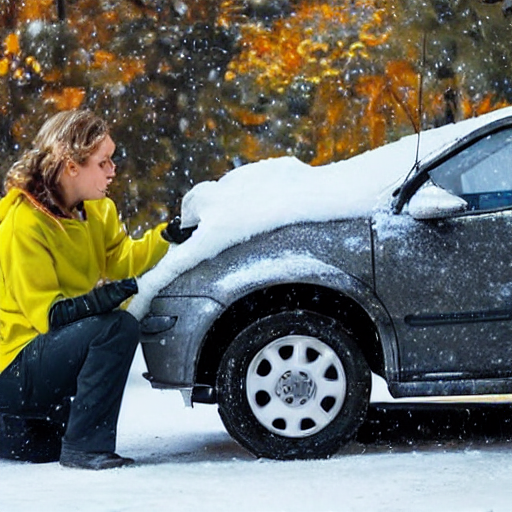
    car in snow

    Prioritize Safety: Remove Snow and Ice for Clear Visibility

    Before embarking on any journey, it is imperative to ensure that your vehicle is entirely free of snow and ice. While this task might seem simple, many drivers unfortunately neglect this crucial step. Accumulated snow on the roof, hood, or windows can drastically obstruct your vision, leading to dangerous driving conditions. In some instances, the snow may slide down onto your windshield, resulting in a sudden loss of visibility while driving. Additionally, chunks of snow or ice can become hazardous projectiles, posing risks to other vehicles on the road. Therefore, equip yourself with a reliable scraper and brush, and thoroughly remove all snow and ice from your vehicle’s surfaces. This proactive measure greatly enhances your safety and the safety of others while driving during winter.

    Maximize Traction: Conduct a Thorough Tire Inspection for Winter Driving

    Your tires are the primary contact point between your vehicle and the road, making them essential for grip and safety during winter driving conditions. Before the onset of cold weather, it is crucial to evaluate their condition, ensuring they are properly inflated and in excellent shape. Cold temperatures can lead to decreased tire pressure, which significantly diminishes traction on icy or snowy roads. Always refer to the manufacturer’s recommended tire pressure levels, which can typically be found in your vehicle’s manual or on a sticker located on the driver’s side door jamb.

    Moreover, the tread depth of your tires plays a critical role in your vehicle’s performance on snow and ice. While the legal minimum may be 2/32 of an inch, selecting tires with deeper tread can greatly enhance grip and handling ability. Consider investing in winter or snow tires specifically designed for low-temperature conditions to ensure enhanced traction and handling. Remember, well-maintained tires can be the crucial factor that keeps you safely on the road, preventing dangerous situations.

    Battery Maintenance: Ensure Your Vehicle Starts Smoothly Every Time

    Imagine being fully prepared for your winter adventure only to discover that your vehicle refuses to start due to a failing battery. Avoid this frustrating scenario by proactively assessing your battery’s condition before the temperatures drop. Many auto parts retailers offer complimentary battery inspections, and taking advantage of this service can ensure your battery is in peak condition.

    Winter weather can place additional stress on your battery; therefore, it is essential to keep the terminals clean and free from any corrosion. Look for signs of aging or wear, and make sure all connections are secure. If you find that your battery is nearing the end of its life, it is wise to replace it proactively to prevent being left stranded in the cold due to a dead battery. Keeping your battery in optimal condition is key for reliable winter travel.

    Fluid Levels: Maintain Essential Vehicle Fluids for Optimal Performance

    Maintaining the appropriate levels of essential fluids in your vehicle is critical for optimal performance during winter driving. Start by checking your engine coolant, commonly referred to as antifreeze, which is designed to prevent your engine from freezing. It is crucial to ensure this fluid is at the recommended levels for efficient operation. If you are uncertain about the proper levels, consult your vehicle manual or seek advice from a qualified professional.

    Next, inspect your windscreen washer fluid. Winter roads can quickly become slushy and dirty, obscuring your view. Refill your washer fluid, preferably with a winter blend that remains effective even in freezing temperatures. Don’t overlook checking your brake fluid and engine oil; ensuring they are at the appropriate levels is essential since cold temperatures can negatively affect their performance. Properly maintained fluids are vital for your vehicle’s smooth operation and overall safety, especially during the winter months.

    Emergency Preparedness: Assemble a Comprehensive Winter Emergency Kit

    In the event of a winter crisis, having a well-stocked emergency kit in your vehicle is like having a dependable companion with you. Make sure your kit includes critical items such as a reliable flashlight, extra batteries, jumper cables, a reflective vest, a warm blanket, gloves, and a hat. Additionally, don’t forget to include a first aid kit, non-perishable snacks, and water as essential supplies to have on hand. You might also consider adding a portable phone charger, a compact shovel, and materials like sand or kitty litter to improve traction if you become stuck.

    Always keep in mind that being prepared for the unexpected is essential for safely navigating winter conditions. Regularly check and replenish your emergency kit to ensure you are equipped to handle any situation that may arise. Being proactive can make a significant difference in your safety during winter travel.

    Enhance Visibility: Ensure Your Vehicle Lights are Functioning Properly

    With shorter days and longer nights during the winter months, ensuring that your vehicle’s lights are functioning correctly is paramount for safety. Take the time to inspect all external lights, including turn signals, brake lights, headlights, and taillights. Replace any burnt-out or dim bulbs to maintain optimal visibility for both yourself and other drivers on the road. Proper lighting not only improves your visibility while driving but also ensures that you are visible to other drivers, reducing the risk of accidents during critical moments.

    Wiper Blade Maintenance: Ensure Unobstructed Visibility in Harsh Winter Weather

    Winter weather frequently brings snow, freezing rain, and slushy road conditions that can severely impair visibility. To combat these challenges, it is essential to have wiper blades that are in excellent working condition. If your current wipers are leaving streaks or failing to effectively remove moisture, it is time for a replacement. Consider investing in winter-specific wiper blades designed to handle harsh conditions, as they can significantly improve your visibility during snowstorms and freezing rain, ensuring you can navigate safely.

    Stay Informed: Regularly Monitor Weather and Road Conditions for Safe Travels

    To effectively navigate the challenges of winter driving, staying informed about weather conditions and potential road closures is crucial. Before setting out on any journey, check the weather forecast and remain aware of possible hazards along your route. Utilizing weather apps, tuning into local news stations, or listening to radio announcements can provide you with real-time updates on changing conditions.

    Additionally, it’s wise to inform someone of your travel plans, including your intended route and estimated arrival time. This way, should any emergencies arise, someone will know where to look for you. By following these simple yet effective tips, you can be well-prepared for any winter emergency, ensuring a safe journey. Remember, it’s always better to be over-prepared than caught off guard. Enjoy the beauty of the winter season while ensuring your vehicle is equipped to handle whatever challenges lie ahead. Safe travels!

    The post Preparing Your Vehicle: Stay Ahead of Winter Challenges appeared first on Survival Bite.

    The Article Preparing Your Vehicle for Winter Challenges Ahead Was Found On https://limitsofstrategy.com

  • Stay One Step Ahead of Winter: Preparing Your Vehicle

    Stay One Step Ahead of Winter: Preparing Your Vehicle

    Keep One Step Ahead of Winter by Readying Your Car for Any Circumstance

    There is nothing more stunning than the winter season, with its snow-covered vistas and warm evenings spent by the fireplace. However, in addition to its entrancing allure, winter also carries with it several unanticipated difficulties, particularly when it comes to driving on icy roads and dealing with potential emergencies. As drivers, we have a responsibility to be ready for any circumstance that may emerge during the colder months and to be equipped with the necessary tools. Just try to picture yourself getting trapped in a winter storm, stranded on a road that is completely deserted, and having no one to help you. Isn’t it a little frightening? Do not be afraid, however! With the help of this blog article, we will walk you through the necessary actions to take to get your vehicle ready for any winter emergency and to guarantee that you will have a safe ride throughout the winter season.

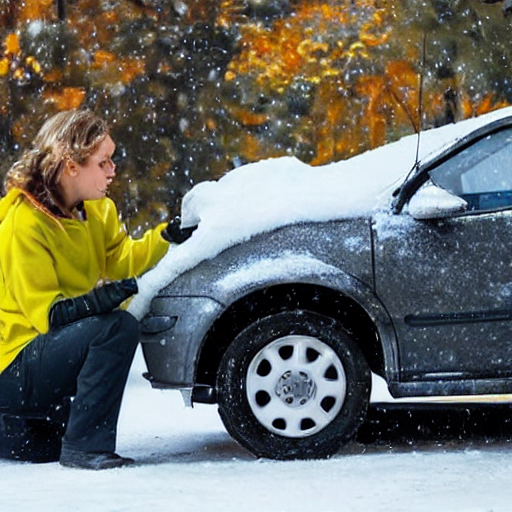
    car in snow

    Keep It Visible: Clear the Snow

    You must check that your car is clean of snow and ice before you attempt to drive it. It could appear to be a self-evident step, but you would be surprised at how many drivers fail to perform this straightforward activity. It is possible for snow that has accumulated on the roof, hood, or windows of your vehicle to obscure your vision or even slide onto the windscreen, causing you to become blind in an instant. In addition, chunks of snow or ice can become dangerous projectiles that, if they hit other vehicles on the road, could cause harm to you. Now is the time to get that scraper and brush and clear your vehicle of any snow and ice that may be there.

    Check Your Tires: The Foundation of Safety

    When it comes to driving in the winter, your tires are your main source of protection. To ensure that they are adequately inflated and in good shape, before the cold weather arrives, you should evaluate their condition. As a result of cold temperatures, tire pressure decreases, which in turn reduces traction. Make sure that you keep the pressure levels that are recommended by the manufacturer, which may be found in the manual of your car or on the door jamb on the driver’s side.

    When driving on snow and ice, however, tread depth is one of the most crucial factors to consider. The legal requirement may be 2/32 of an inch; nonetheless, it is prudent to consider a higher tread depth to achieve a superior grip. It is a good idea to go ahead and make an investment in winter or snow tires because these tires are designed to provide enhanced traction and handling in colder temperatures. It is important to keep in mind that a set of tires that have been properly maintained might be the difference between staying on the road and becoming stuck or sliding into an accident.

    Battery Health: Check It Twice

    Take for example the situation in which you are all set to embark on your winter excursion, but your vehicle refuses to start. Due to a poor battery, your reliable horse has failed to live up to your expectations. Do not allow something like this to occur to you! Take some time to examine the condition of your battery before the temperatures begin to fluctuate. You may avoid being stranded in the cold due to a dead battery by taking advantage of the free battery checkups that are offered at the majority of auto parts retailers.

    Your battery may be subjected to stress from temperatures that are quite high; therefore, the terminals must be clean and free of any corrosion. Pay attention to any signs of age or wear, and make sure that any loose connections are tightened. If you discover that you require a new battery, it is always preferable to replace it before it succumbs to its demise.

    Fluids and Whiskers: Keep Them Flowing

    When it comes to driving in the winter, it is essential to make sure that your car has the appropriate amount of fluids. You should begin by inspecting your engine coolant, which is often referred to as antifreeze. If you want to keep your engine from freezing, you should make sure that this fluid is at the levels that are advised. Seek the advice of a professional or reference the manual that came with your car if you are unsure.

    The next step is to check the fluid in your windscreen washer. The windscreen can become soiled very rapidly on roads that are slushy and filthy, which can hamper your view. You must ensure that your washer fluid is refilled, preferably with a winter mix that is resistant to freezing in low temperatures.

    Make sure you don’t forget to replace your brake fluid and engine oil. It is important to make sure that they are at the optimum levels to achieve maximum operation. Cold temperatures can affect their performance. Keep in mind that fluids that are properly maintained are really necessary for a vehicle to perform smoothly.

    Emergency Kit: Your Winter Survival Companion

    In the event of a winter emergency, having a reliable companion at your side is comparable to having an emergency kit prepared for your vehicle. Ensure that it is stocked with critical items such as a flashlight, additional batteries, jumper cables, a reflective vest, a warm blanket, gloves, and a hat. In addition to having a first aid kit, it is always a good idea to have some non-perishable snacks, water, and other supplies on hand. In addition, you should think about bringing along a portable phone charger, a shovel that can be folded up, sand, or kitty litter (for more traction if you become trapped), and a shovel.

    Lights, Action, Visibility!

    Because the days are getting shorter and the nights are becoming longer, it is even more important to make sure that your lights are turning on and functioning properly. Be sure to check all of the lights on the outside of your vehicle, including the turn signals, brake lights, headlights, and taillights. Immediately replacing any bulbs that have burned out or become dim will ensure that you and other drivers on the road have the best possible visibility.

    Wiper Blades: Clear the Way

    It is common for winter weather to bring with it snow showers, freezing rain, and roadways that are covered in slush. If you want to keep your visibility clear, it is necessary to have wiper blades that are in good shape. It is time to replace your windscreen wipers if they are leaving streaks on your windscreen or if they are not doing a good job of removing moisture from your windscreen. Consider adding windscreen wiper blades that are developed specifically for the winter season. These blades are built to withstand tough circumstances and improve vision during snowstorms and freezing rain.

    Plan Ahead: Stay Informed, Stay Safe

    Staying updated on the weather conditions and road closures is necessary to stay one step ahead of any winter crises that may arise. It is important to examine the weather forecast and any potential dangers that may be present along your route before you set out on a journey. For the most recent information, you might want to think about using weather apps, listening to local news stations, or even listening to radio announcements.

    In addition, make sure that someone is aware of your travel intentions, including the route that you want to take and the approximate time that you will arrive. Someone will be aware of where to look for you in the event of an emergency if you are in this manner.

    You may be well-prepared for any winter emergency that may come your way if you follow these simple measures. Always keep in mind that it is preferable to be over-prepared rather than adequately prepared. When you are getting ready to embark on your winter excursions, it is important to make sure that your car is prepared for the journey that lies ahead. Preserve your safety and take pleasure in the awe-inspiring winter season without any anxieties that aren’t necessary. Have a safe journey!

    The post Stay One Step Ahead of Winter: Preparing Your Vehicle appeared first on Survivalbite.

    The Article Stay One Step Ahead of Winter: Preparing Your Vehicle First Appeared ON
    : https://ad4sc.com

  • What a Mechanic in Amityville Does in First and Second Service

    What a Mechanic in Amityville Does in First and Second Service

    What’s included in the basic vehicle service?

    A normal automotive service includes a visual inspection of the vehicle, as well as oil and filter changes. It will evaluate up to 35 of the most critical components. Each vehicle’s brakes, tires, and transmission are examined. Typically, full services include an additional 15-30 tests. Additionally, they may be able to repair your car if necessary.

    Certain vehicle maintenance packages are referred to by a variety of names. There are a few things to bear in mind while hiring a car service. The most expensive services will involve more complicated components such as brake discs, spark plugs, and other filters. Additionally, certain cars may require a tire inspection. Bulb replacement may also be included among the most crucial automobile maintenance.

    Mechanic in Amityville

    The most critical factor in deciding the type of service you require is your vehicle’s mileage. The comprehensive service is more costly and includes more expensive things such as spark plugs, brake discs, and other vital filters. Sammy’s Auto Repair gives a complimentary quotation prior to scheduling your appointment so that you are aware of the cost.


    What’s done in the initial service of the vehicle?

    The initial servicing is the most critical for your car. It includes a thorough cleaning and examination of your vehicle, as well as an oil and filter check. Sammy’s technical staff will execute the initial service completely free of charge and in less than a minute. The initial general service may take up to an hour, depending on the kind of vehicle. Additionally, a ceramic coating may be applied to your automobile, which will keep it looking nice for an extended length of time.

    A thorough inspection is necessary to prevent a breakdown since time wears down your car. Sammy’s comprehensive auto maintenance checklist will take care of all aspects of vehicle maintenance and will help you protect your investment.

    Comprehensive service includes a thorough examination of your vehicle’s whole system. At the very least once a year, or every 12000 miles, this should be performed. A thorough servicing should take around one and a quarter hours. If you’re unsure how frequently you should service your automobile, see the owner’s manual. If you own a recent model, your dashboard will alert you when the next scheduled maintenance is required.

    What happens during the 2nd service of the vehicle?

    Typically, the second service is needed after the completion of a certain distance or after a 12-month period. The service book will keep track of the next scheduled service as well as any fixed issues. When traveling long distances, you may have to pay a premium for this service, depending on the sort of car you own. However, you may perform the task yourself and it should not be too expensive.

    Additionally, the car must be maintained every 4000 to 5000 kilometers (KM) and every three months thereafter. This service involves oil and other fluid replacement. Additionally, the mechanic may be necessary to replace damaged components. For instance, following a minor collision, the rear foot rest’s edge sustained minor damage. The mechanic replaced the component.

    A thorough service is also required every six months or 2,000 kilometers. A full service is necessary to safeguard your car and keep it in good condition. If you perform this task on a regular basis, you will be able to safely drive and enjoy your car for many years.


    The most commonly
    used<strong> car repair?

    keto for women over 40

    The most often performed auto maintenance is changing the oil and filter. This is a common maintenance schedule that enhances the performance and life of your vehicle. Replace the filter every six months or as directed by the manufacturer. Regular visits to your mechanic may help to increase the value of your automobile. A filter and oil change are excellent expenditures that will improve your vehicle’s performance and lifetime.

    Another expense that is not prohibitively expensive, but becomes prohibitively expensive if your air filter is disregarded, is the air filter and oil replacement. Over time, the majority of the components in your automobile will degrade. The most common type of automotive maintenance is spark plug and ignition coil replacement. Spark coils and ignition plugs are two of the most often changed components. A spark misfire may be quite damaging to your automobile. According to your mechanic, spark plugs should be changed every 7000 miles.

    Other typical automotive repairs include brake pad replacement and spark plug replacement. Two of the most often encountered automotive problems are spark plugs and fuel injectors. A car repair course will prepare you to perform a variety of auto repair services, from simple repairs to big overhauls. These services are critical if you plan to see a technician frequently. When you have some spare time, you may want to consider enrolling in online automotive repair courses.


    What’s the distinction between car service and repair of a vehicle?

    The distinction between automotive service and repair work is not always evident. While it is often more expensive, it is vital to grasp the distinction. Along with reducing the likelihood of failure, routine maintenance may extend the life of your engine and other equipment. A well-maintained car will ultimately save you money since you will avoid having to perform costly repairs every time you face a problem. It is crucial to recognize that the distinctions between these two sorts of services are not always evident, particularly for first-time buyers.

    When it comes to automotive maintenance, it is vital to grasp the difference between the two. Numerous car components will live longer if properly maintained. Consult your owner’s handbook for suggested measures, and keep an eye on the mileage and oil changes on your car. Sammy’s notifies consumers on a monthly basis that their maintenance plan is due the next month. Appointments can be made at the customer’s convenience. The cost of maintaining a car varies according to where you live and how frequently you drive it. For instance, if you live in a hot climate, you may need to change your engine’s oil more regularly than usual. Rough roads can diminish the effectiveness of air filters, particularly if you are moving big loads, necessitating more regular filter replacement.

    If you’re concerned about the expense of auto repairs, you may want to consider scheduling maintenance. This is because it might help you avoid the high expense of unplanned repairs. It is critical to remember that while routine maintenance is quite inexpensive, unplanned repair expenses can be rather pricey. It is crucial to remember that automobile components do not always fail for no apparent cause. It is vital to plan routine maintenance in order to detect and rectify issues before they become problematic. Sammy’s offers a choice of affordable service packages to our customers. Our clientele spans several industries, and we are renowned for our dependability, customer-friendly attitude, and cost-effective solutions.

    Brought to you by Mechanic Amityville

    The post What a Mechanic in Amityville Does in First and Second Service appeared first on https://ushpaa.org

    The post What a Mechanic in Amityville Does in First and Second Service appeared first on https://wookicentral.com

    The post What a Mechanic in Amityville Does in First and Second Service appeared first on https://gqcentral.co.uk