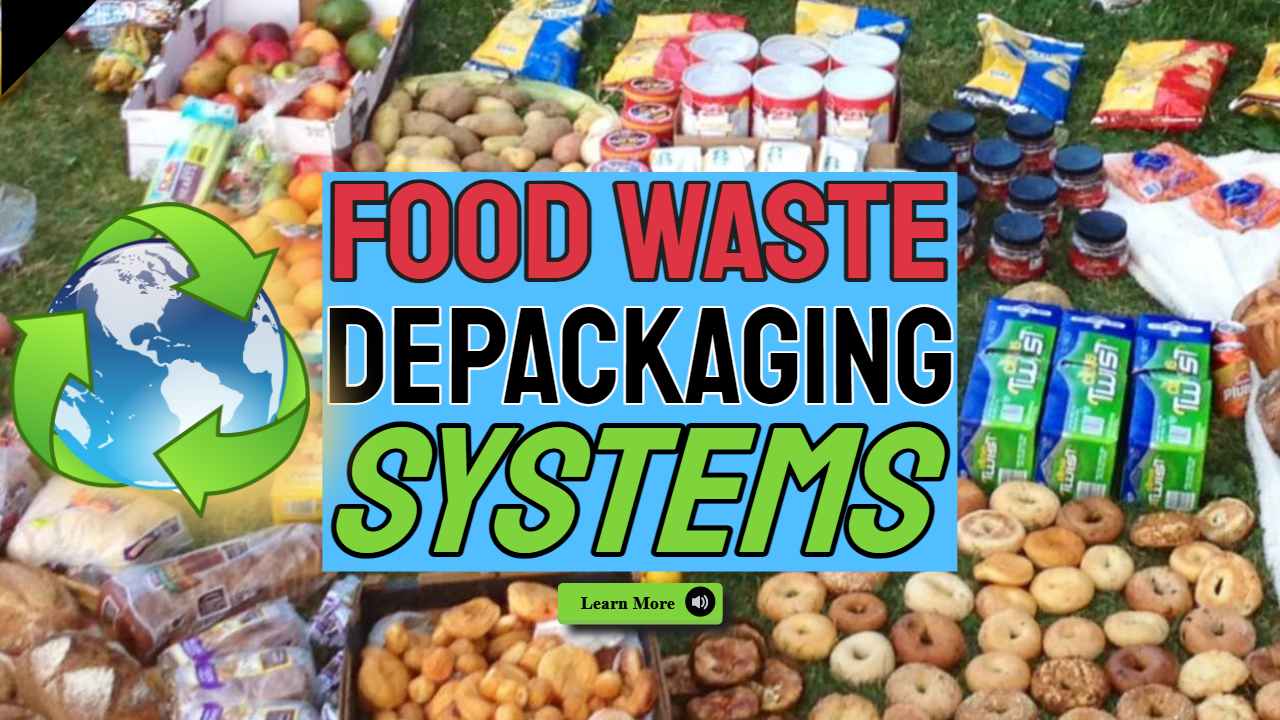
Craft an Effective BBQ Menu to Drastically Lower Food Waste
Creating an ideal BBQ menu involves much more than simply grilling mouthwatering meats and delectable sides; it requires a well-thought-out approach to reduce food waste effectively. To begin, accurately gauge the number of attendees expected at your event. This information serves as a crucial foundation for determining the appropriate quantity of food to prepare, thereby addressing the common issue of over-purchasing that frequently results in uneaten leftovers contributing to food waste. A useful strategy is to diligently monitor RSVPs, as this not only offers insights into your guests’ dietary needs but also accommodates any extra participants, fostering more precise and responsible culinary planning.
When curating your BBQ menu, prioritize versatile ingredients that can be adapted across multiple dishes. For instance, grilling colorful vegetables like bell peppers and zucchini allows for their use in salads, wraps, or as tasty side dishes. This thoughtful method not only aids in minimizing waste but also enriches the overall flavor spectrum of your BBQ spread. Strive to incorporate ingredients that harmonize with one another, ensuring any leftovers can be creatively reused in future meals, thereby promoting both sustainability and culinary innovation in your cooking practices.
A fundamental rule of effective waste reduction is to prepare only the necessary quantity of food. This entails cooking portions that truly reflect your guest list. A practical guideline suggests preparing about one-third less than your anticipated needs, which guarantees that your guests are satisfied while keeping leftovers to a minimum. Iconic BBQ staples such as hot dogs can be cut into smaller, bite-sized pieces and served alongside a variety of sides, allowing guests to indulge without the risk of overindulgence, thus efficiently managing portion sizes and food waste.
Additionally, it’s essential to consider your guests’ dietary restrictions to ensure that everyone can enjoy the BBQ without contributing to unnecessary waste. By offering a diverse array of choices, including vegan options or gluten-free sides, you cater to a wider audience and significantly reduce the likelihood of food going untouched. This considerate approach fosters an inclusive environment, encouraging all guests to appreciate what is available, thereby decreasing the chances of waste occurring.
By implementing these strategic measures, you’re not just hosting an enjoyable BBQ; you’re also taking responsible steps to learn <a href="https://limitsofstrategy.com/green-waste-tips-for-effective-house-clearance/">how to minimize BBQ food waste</a> while crafting a memorable experience for your attendees. This mindful effort not only enhances the enjoyment of food but also reflects a commitment to environmental stewardship.
Effective Shopping Techniques to Perfectly Reduce BBQ Food Waste

Smart shopping is crucial for hosting a successful BBQ while substantially reducing food waste. Begin your shopping adventure by sourcing fresh, local produce. Opting for seasonal ingredients from nearby farmers not only supports your local community but also ensures the quality and freshness of your selections, which are less likely to spoil quickly. A trip to your local farmers’ market is a delightful way to discover an array of colorful fruits and vegetables that not only taste better but also require less transportation, thereby reducing your environmental impact.
Keep an eye out for discounts on items that can be frozen or preserved for future use. Snagging deals on meats or vegetables that can be stored for later meals is a smart way to save money while minimizing waste. Investing in vacuum-sealing bags is an excellent strategy, as they can significantly extend the shelf life of meats, allowing you to buy in bulk without the worry of spoilage. This proactive shopping approach is a vital step in understanding how to minimize BBQ food waste while staying budget-conscious.
To avoid the common pitfalls of overbuying, stick closely to your shopping list. Before heading out, thoroughly plan your menu and compile a detailed list of all necessary ingredients. This practice can drastically curb impulse purchases, which often lead to excess food. Additionally, consider buying in bulk for frequently used items like spices and condiments; this method can be both cost-effective and aligns with your waste reduction objectives.
Meal planning ahead of time serves as another effective technique. By outlining your menu and preparing a detailed shopping list based on your specific requirements, you can ensure that every ingredient has a valuable purpose, thereby minimizing the risk of waste. Also, think about prepping items in advance, which not only streamlines the cooking process on BBQ day but also promotes the efficient use of ingredients throughout the week, ensuring nothing goes to waste.
Thoughtful shopping is a key element of hosting a BBQ that prioritizes sustainability. When approached with care, it can create a positive ripple effect that reduces waste while benefiting the environment, all while guaranteeing a memorable experience for every guest in attendance.
Master Food Storage Techniques to Enhance Waste Management at Your BBQ
Effective food storage is essential for prolonging the shelf life of leftovers and curtailing waste. Start by investing in high-quality, airtight containers that preserve freshness and prevent your food from absorbing unpleasant odors from the refrigerator, which can alter its taste. Allocate specific containers for marinated items to ensure they are stored separately, thus maintaining their distinct flavors and enhancing the overall quality of your meals.
Labeling and dating your food is a transformative practice that plays a critical role in efficient waste management. Clear labeling assists everyone in your household in identifying what’s in the fridge and when it should be consumed—this clarity reduces confusion and guarantees that leftovers are utilized before they spoil. As you prepare for your BBQ, take a moment to label the containers with the date and contents immediately after cooking, making it easy to monitor freshness and use items in a timely manner.
Another essential aspect of proper food storage is the clear separation of raw and cooked foods. This practice not only prevents cross-contamination, which poses significant health risks, but also helps to minimize unnecessary waste. Store raw meats on the bottom shelf of your refrigerator, ensuring that any drippings do not contaminate other foods. Cooked items should always be positioned above raw ingredients, ensuring they remain safe, sanitary, and appetizing for your guests.
By mastering the art of food storage, you not only extend the life of your BBQ leftovers but also significantly reduce your environmental impact. Once you have a reliable system in place, you’ll be well on your way to understanding how to minimize BBQ food waste effectively, ensuring that every last bite is cherished and appreciated.
Get Creative with Leftovers to Effectively Minimize Food Waste
Leftovers can be transformed into exciting new meals, rather than being neglected at the back of the fridge. Start by unleashing your culinary creativity—leftover grilled chicken can be shredded and incorporated into vibrant salads or mixed with barbecue sauce for flavorful sandwiches or wraps. This not only adds variety to your meals but also prevents that forlorn food from going to waste, allowing you to relish in your BBQ creations for longer periods.
Another fantastic strategy is to freeze any unused portions. Foods such as cooked meats and grilled vegetables freeze beautifully and can be effortlessly utilized in future meals, extending their usability well beyond the BBQ event. Remember to portion these items into meal-sized servings before freezing, as this makes them perfect for quick dinners. This technique is especially beneficial on busy weeknights when you want to minimize cooking time while still enjoying flavorful dishes.
Consider donating any unspoiled leftovers to local food banks or organizations that support those in need. Many communities have food recovery programs that can efficiently distribute your surplus food to families who can benefit from it, making it an easy way to give back while effectively managing waste—this practice is gaining traction as a means to learn how to minimize BBQ food waste.
Repurposing leftovers goes beyond merely creating new meals; it promotes a culture of sustainability. By encouraging your family and friends to think creatively about food, you contribute to a broader movement aimed at reducing waste across communities. Your efforts can inspire others to adopt similar practices, amplifying the impact of your initiatives for a sustainable future.
By embracing these creative strategies, you can ensure that your BBQ is not only a celebration of great food and camaraderie but also a conscientious effort towards sustainability and waste reduction.
Implement Composting Practices for a More Eco-Friendly BBQ Experience

Composting is one of the most effective ways to minimize BBQ food waste while positively impacting the environment. Setting up a compost bin is straightforward and requires minimal effort, making it a vital addition for any BBQ host. By designating a specific area for food scraps, you can effortlessly dispose of organic waste—such as vegetable peels, fruit scraps, and leftover greens—transforming what would otherwise be discarded into nutrient-rich compost that nourishes your garden.
Educating your guests about composting can significantly enhance your BBQ experience. Place informative signs around your compost bin that detail what can and cannot be composted, encouraging participation from everyone. This initiative not only aids in reducing waste but also raises awareness about sustainability efforts within your community, fostering a collective consciousness regarding environmental responsibility that can resonate beyond your event.
Utilizing compost in your gardening can be an incredibly rewarding experience. Applying nutrient-dense compost to your garden enhances soil health and encourages vigorous plant growth. This cycle reinforces the benefits of composting, demonstrating how food waste can nourish the earth rather than contributing to landfills, thereby supporting a healthier ecosystem for everyone.
Encouraging a culture of composting at your BBQ doesn’t require a significant investment of time or resources. With a little guidance, you can show your guests how easy it is to engage in sustainable practices, fostering a sense of community around waste reduction. The journey toward understanding how to minimize BBQ food waste becomes a shared experience that extends beyond the grill and into everyday life.
By adopting composting practices, you’re not only enhancing your BBQ but also contributing to a cleaner environment, ensuring your event is a step toward sustainable living and responsible waste management.
Motivate and Inspire Your Guests for Sustainable Change in Food Waste Reduction
Education serves as a powerful tool in the battle against food waste. Sharing effective waste reduction techniques during your BBQ can empower your guests to incorporate these practices into their everyday lives. Use your gathering as a platform to discuss the importance of minimizing food waste, emphasizing your strategies for planning, shopping, storing, and composting effectively.
Leading by example sends a compelling message. Demonstrate waste-reducing practices throughout your BBQ, whether by showcasing how to creatively repurpose leftovers or discussing thoughtful ingredient selections. When guests witness these strategies in action, they’re more likely to adopt similar habits in their own kitchens, creating a ripple effect of sustainability that can extend far beyond your event.
Promoting sustainable practices beyond the BBQ can have a lasting impact. Encourage your guests to implement small changes in their daily routines, such as meal planning or establishing a composting system. These minor adjustments can significantly reduce household waste and cultivate a culture of sustainability that reaches well beyond your gathering.
Consider hosting workshops on sustainability during your BBQ for an added layer of engagement. Set aside time to introduce informative sessions that teach guests more about sustainable living and waste management techniques. Topics might include effective composting practices, strategies for minimizing food waste, or even gardening practices that utilize compost for optimal growth.
Creating a sustainability pledge can further reinforce these efforts. Encourage your guests to sign a pledge committing to sustainable actions at home and during future events. This practice not only keeps the conversation alive but also fosters accountability within your social circle, helping to maintain the momentum toward a more sustainable lifestyle.
Incorporating education and encouragement into your BBQ experience enhances the overall event while positioning you as a leader in the critical conversation surrounding food waste reduction. When your guests leave, they carry with them not just fond memories of delicious food but also a commitment to sustainable practices, effectively understanding how to minimize BBQ food waste in their daily lives.
Commonly Asked Questions About Effective BBQ Food Waste Reduction
What is the best strategy for planning a BBQ menu to prevent food waste?

Planning a BBQ menu effectively requires an accurate assessment of guest numbers, selecting versatile ingredients, and preparing just enough food to match attendance while considering dietary restrictions to minimize waste.
How can I ensure I only purchase what I need for my BBQ?
Stick to a detailed shopping list based on your planned menu, prioritize purchases of local produce, and look for deals on items that can be frozen or utilized later to prevent over-purchasing and unnecessary waste.
What are some effective food storage techniques to cut down on waste?
Utilize airtight containers for leftovers, label and date items to monitor freshness, and store raw and cooked foods separately to avoid cross-contamination and ensure food safety throughout your BBQ.
How can I creatively use BBQ leftovers?
Transform BBQ leftovers into exciting meals like sandwiches, salads, or freeze them for future use. Consider donating unspoiled food to local food banks to help those in need and minimize waste.
What should I do with food scraps from my BBQ?
Set up a compost bin for food scraps, educate guests on composting practices, and utilize the compost in your garden to enhance soil health and support plant growth sustainably.
How can I educate my guests about minimizing food waste?
Share practical waste reduction tips during the BBQ, demonstrate sustainable practices, and encourage guests to integrate these habits into their daily routines for a collective impact on food waste reduction.
What impact does composting have on reducing food waste?
Composting effectively transforms food scraps into nutrient-rich soil, substantially decreasing landfill waste and fostering a healthier environment through the recycling of organic materials for agricultural use.
Can I host a workshop during my BBQ?
Absolutely! Consider dedicating time during your BBQ to educate guests about sustainability and waste management practices, enriching the overall experience with valuable educational content.
What is a sustainability pledge, and how can it help?
A sustainability pledge is a commitment made by guests to adopt waste-reducing actions at home, fostering accountability and encouraging ongoing sustainable practices that contribute to a healthier planet.
How can I lead by example at my BBQ regarding food waste?
Demonstrate waste-reducing actions, share your knowledge, and encourage participation in sustainable practices throughout your event to inspire your guests to be mindful of food waste and its broader implications.
Connect with Us on Facebook!
The Article How to Minimize BBQ Food Waste: Smart Strategies appeared first on https://pitmastersarsenal.com
The Article Minimize BBQ Food Waste with Smart Strategies Was Found On https://limitsofstrategy.com