Your cart is currently empty!
Category: Natural Resources
-
Water in Nature: Essential Techniques for Exploration
Mastering the Art of Identifying Natural Water Sources for Survival
Leveraging Vegetation as Reliable Indicators of Water Availability
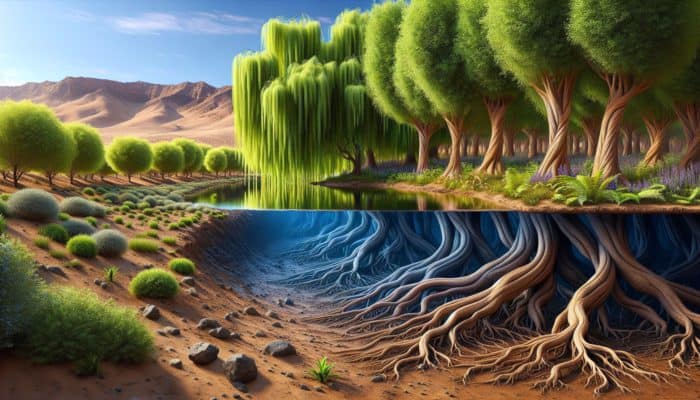
In the quest for finding water in nature, observing vibrant shades of green in specific vegetation can serve as a powerful indicator of nearby water sources. Across diverse ecosystems, certain flora, including willows, alders, and various ferns, flourish in proximity to water. These plants exhibit deep root systems that effectively extract moisture from underground aquifers or surface water, making them reliable markers of hydration potential. By meticulously observing the variety of plant life surrounding you, you can pinpoint possible water sources. In arid environments like the Sahara Desert, the acacia tree thrives where groundwater exists, providing essential resources for both wildlife and human inhabitants.
Moreover, numerous medicinal plants, especially those prominent in traditional medicine systems found within the Amazon rainforest, often grow near water sources. Their presence not only signifies accessible hydration but also showcases a rich biodiversity that flourishes in these moist habitats. The connection between plant life and water availability is evident globally, from Florida’s lush wetlands to the verdant valleys of the Himalayas, emphasizing the critical role of water in sustaining diverse forms of life.
As you navigate through wilderness terrains, being attuned to the shifts in vegetation relative to the landscape is vital. Areas dense with vibrant plant life typically lead to streams, ponds, or underground water. By honing your awareness of plant types and their respective habitats, you can significantly enhance your proficiency in successfully locating water in nature.
Decoding Animal Behavior to Reveal Water Sources
Wild animals possess an innate ability to locate water sources, often leaving vital clues for those in search of hydration. For instance, observing birds can be enlightening, as they tend to congregate near water during the early morning or late afternoon when activity peaks. By monitoring wildlife behaviors closely, you can discern their movement patterns; animals frequently create trails that lead to water sources, guiding you towards hidden oases or watering holes.
In regions like Africa, elephants are known to dig into riverbeds to access underground water during dry periods. Their intelligent actions not only highlight their resourcefulness but also point to potential water sources that may otherwise remain unnoticed. In the Australian Outback, kangaroos and other wildlife often seek refuge in dense shrubs during the hottest parts of the day, returning to water sources at dawn and dusk.
Additionally, paying attention to the activity of insects can provide valuable insights into nearby water availability. For example, mosquitoes breed in stagnant water, while butterflies are commonly found around moist areas seeking hydration. Cultivating the skill to interpret these natural behaviors will deepen your understanding of the ecosystem and the subtle indicators it provides, thereby increasing your chances of discovering water sources.
Understanding Topographical Features to Identify Water Sources
A comprehensive understanding of the terrain is essential when seeking water in nature. Water flows naturally downhill, making valleys and depressions prime locations in your search for hydration. Observing changes in elevation can be particularly advantageous; lower areas often collect runoff, potentially leading to hidden streams or ponds. Features like valleys, ravines, and cliff edges can be strong indicators of nearby water sources.
In mountainous regions such as the Rocky Mountains and the Andes, snowmelt creates streams that meander through these valleys. The presence of lush vegetation at valley floors signals that water is likely available nearby. Similarly, coastal areas may reveal hidden aquifers or springs that sustain surrounding wetlands. Understanding how geological formations interact with water flow can significantly improve your success rate in locating hydration sources.
Furthermore, unique geological formations like limestone karsts can conceal underground rivers. By carefully analyzing the landscape, you can identify potential locations where water may collect or flow, as often observed across Southeast Asia. This knowledge is invaluable for outdoor enthusiasts and survivalists, offering a strategic approach to finding water in nature.
Examining Soil and Rock Formations for Water Clues

The characteristics of soil and rock formations can yield significant insights into water availability. Moist, dark soil typically indicates that water lies close to the surface, while sandy or dry soils may suggest that deeper digging is required. By observing the soil texture, you can enhance your search; for instance, clay-rich soils tend to retain moisture, making them strong indicators of nearby water sources.
Rock formations also provide essential clues. Water-carved rocks or smooth, rounded stones reveal the historical presence of flowing water. Many rivers and streams leave distinct impressions on rocks, such as worn edges or polished surfaces, indicating that water has significantly shaped the landscape over time. In regions like the Grand Canyon, these geological features narrate the story of ancient water flow, assisting modern explorers in their quest for hydration.
Additionally, specific mineral deposits within rock formations can hint at water presence. Areas abundant in minerals like quartz may lead to springs or aquifers. Exploring these geological features can uncover nature’s hidden treasures, paving the way to successfully find water in the wilderness and ensuring survival.
Practical Techniques for Collecting Water in Natural Settings
Effective Strategies for Digging for Water
When searching for water in arid regions, digging in dry riverbeds or low-lying areas can yield surprisingly fruitful results. Underground water often lies just beneath the surface, with depth varying based on soil type, seasonal changes, and environmental conditions. For instance, in sandy soils, water may be only a few feet below, while in clay soils, it may necessitate deeper excavation to reach.
Adopting a systematic approach to your digging is crucial. Begin by identifying potential sites near vegetation or animal trails, as these locations often correlate with water access. After pinpointing a site, you can use a shovel or even your hands to dig. If the soil is dry, considerable effort may be needed to reach moisture, but patience frequently rewards the diligent seeker.
In deserts or arid landscapes, timing your digging is essential. Water may evaporate quickly during the hottest parts of the day; therefore, attempting to dig during cooler hours, such as early morning or late afternoon, can significantly enhance your chances. Additionally, if you discover a pocket of water, having containers ready for collection is vital. This method of finding water in nature proves invaluable, particularly when traditional sources are scarce.
Utilizing Vegetation for Efficient Water Collection
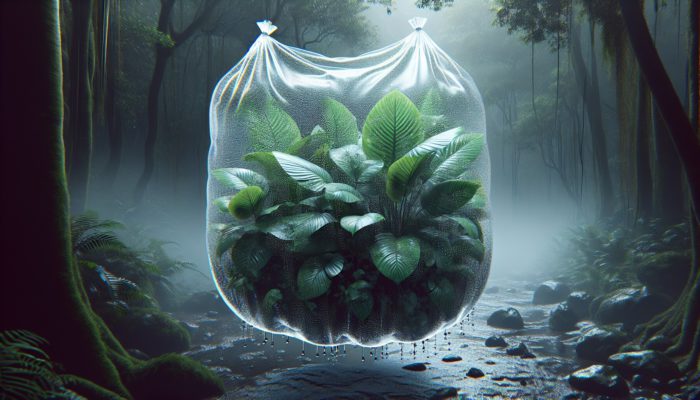
Employing vegetation for water collection is both a sustainable and effective strategy. One particularly efficient method is the creation of a transpiration bag. This approach involves enclosing leafy branches in clear plastic bags, allowing the natural transpiration process to collect moisture. As plants release water vapor during photosynthesis, this vapor condenses on the inner surface of the bag, resulting in collected liquid water.
This technique is especially effective in tropical and humid environments, where plant transpiration rates are significantly higher. For example, in the Amazon rainforest, large-leaved plants can produce considerable amounts of water, creating a natural reservoir for individuals in need. Furthermore, this method does not harm the plant; rather, it promotes awareness of sustainable practices.
Another approach involves utilizing large, succulent plants like cacti. These plants store water within their tissues, and knowing how to access this resource can be a lifesaver. By carefully slicing open a cactus, you can access the moisture inside, providing immediate hydration. However, caution is advised, as some cacti contain toxins that may pose health risks if ingested.
Overall, strategically employing vegetation can significantly enhance your ability to effectively find water in the wild. By understanding plant biology and leveraging natural processes, you can develop sustainable methods to ensure hydration while exploring diverse landscapes.
Constructing a Solar Still for Efficient Water Extraction
Building a solar still is a clever technique for extracting water from the ground or plant materials using the sun’s heat. This method is particularly advantageous in arid environments where traditional water sources may be scarce. To construct a solar still, gather essential materials: a container to collect water, a waterproof sheet, and a small rock.
Begin by digging a shallow hole and placing a container at the bottom. Next, cover the hole with the waterproof sheet, ensuring it is airtight. Place a small rock in the center of the sheet to create a dip, allowing condensation to gather and drip into the container below. As the sun heats the soil, moisture evaporates and condenses on the underside of the sheet, ultimately dripping into the container.
This method can yield drinkable water, even in the driest conditions. Solar stills effectively utilize the natural processes of evaporation and condensation, transforming sunlight into a vital resource. Moreover, they require minimal resources, making them accessible for wilderness explorers and survivalists alike.
When using solar stills, it’s crucial to ensure the collection container is clean to avoid potential contamination. The process may take several hours, so patience is key. Mastering the construction and effective use of a solar still broadens your toolkit for finding water in nature, underscoring innovation and sustainability.
Harvesting Rainwater for Sustainable Water Collection
Collecting rainwater is one of the most efficient methods for securing a water supply, particularly in regions that receive regular rainfall. Establishing a rain collection system can significantly improve your chances of obtaining a sustainable water source. Start by positioning clean containers, tarps, or gutters strategically to capture rainfall. It’s essential to ensure these items are free from contaminants, as dirty surfaces can compromise the quality of the collected water.
During rainfall, containers can fill rapidly, especially during heavy downpours. Across various cultures, rainwater harvesting has been a traditional practice integral to agricultural success. For instance, in India, rainwater is collected during the monsoon season and stored for use during the dry months, illustrating its significance as a sustainable resource.
Once collected, it’s important to store rainwater in sealed containers. Keeping it in a cool, dark place helps prevent bacterial growth and maintain water quality. Regularly checking for any signs of contamination or algae growth in stored water is also wise.
Purifying rainwater is advisable, even though it is generally clean. Boiling or using chemical treatments can help ensure safety before consumption. The practice of rainwater harvesting not only aids in finding water in nature but also promotes sustainability, optimizing natural resources for future use.
Collecting Dew as an Alternative Water Source
Gathering dew is a straightforward yet effective method for securing water in humid environments. Dew forms overnight as temperatures dip, resulting in condensation that collects on surfaces. To maximize your collection efforts, spread clean cloths or absorbent materials in open areas before sunset. The following morning, you can easily wring them out to gather fresh water.
This method is particularly beneficial in regions with high humidity, such as tropical forests or coastal areas. The amount of water collected can be surprisingly substantial, especially when using multiple cloths across different locations. Additionally, employing sponges or other absorbent materials can further enhance your water collection efforts, as they can soak up moisture directly from surfaces.
To effectively collect dew, timing is critical. Early mornings, before the sun has fully risen, yield the best results, as this is when dew is most abundant. Understanding the patterns of dew formation allows for strategic collection, benefiting those on long hikes or outdoor adventures.
Dew collection not only provides essential hydration but also fosters an appreciation for the intricate ecosystems that produce this natural resource. By focusing on straightforward and eco-friendly methods, you can significantly enhance your ability to locate water in nature, even in seemingly dry conditions.
Essential Water Purification Techniques for Collected Water
Employing Boiling as a Trusted Water Purification Method
Boiling water remains one of the most reliable methods for purifying it, effectively eliminating pathogens, bacteria, and viruses. When gathering water in the wild, it’s crucial to ensure that any collected water reaches a rolling boil for a minimum of one minute. At higher elevations, where boiling points decrease, extending the boiling time to three minutes is advisable for thorough purification.
The boiling process is simple and requires minimal gear; a portable stove or even a campfire can suffice. Utilizing a metal container, such as a pot or canteen, facilitates effective heat transfer, ensuring the water reaches the necessary temperature. This method is advantageous because it doesn’t require special chemicals or equipment, making it accessible to anyone in the field.
However, boiling does not remove chemical contaminants or sediment. Therefore, pre-filtering water through cloth or sand can enhance the purification process, especially in areas with visible debris. This two-step approach ensures that the water is not only safe to drink but also aesthetically pleasing.
In survival situations, possessing a fire-making kit and a metal container can be invaluable. Boiling water not only protects against illness but also instills confidence while navigating remote landscapes, highlighting the importance of robust purification techniques when finding water in nature.
Utilizing Chemical Treatments for Effective Water Purification
Chemical treatment represents another effective method for purifying water, particularly when boiling is not a practical option. Water purification tablets, commonly containing chlorine or iodine, are readily available and easy to use. Following the manufacturer’s instructions is essential, as dosage and wait times can vary based on the specific product.
This method is especially beneficial for backpackers and travelers who may lack access to boiling equipment. By simply adding the appropriate number of tablets to a designated amount of water, straightforward purification can be achieved. While effective, it’s important to be aware that some individuals may have sensitivities to iodine or chlorine; thus, having alternative methods or treatments could be beneficial in these situations.
In addition to tablets, liquid chemical treatments can also disinfect water. Ensuring that the water is clear before treatment is vital, as turbidity can hinder the treatment’s effectiveness. Pre-filtering the water can enhance the effectiveness of chemical treatments, making this a practical combination of methods to ensure safe drinking water.
Understanding the various chemical treatment options available empowers individuals to make informed choices while finding water in nature. This enhances overall safety during outdoor adventures and emphasizes the need for thorough preparation.
Utilizing Filtration Systems for Access to Clean Water
Portable filtration systems have transformed the way we purify water in the wilderness. These devices effectively filter out bacteria, protozoa, and sediment, ensuring that collected water is safe to drink. When selecting a filter, look for systems with a pore size of 0.2 microns or smaller, as this guarantees the removal of most pathogens.
Various types of filtration systems are available, including gravity-fed filters and hand-pump models. Gravity filters are particularly efficient, allowing water to flow through without requiring manual effort. They are ideal for camping and group trips, as they can purify larger quantities of water quickly.
When using a portable filter, adhering to the manufacturer’s instructions for maintenance and usage is critical to ensure optimal performance. Regular cleaning and replacing filter cartridges can prevent contamination and maximize the lifespan of the device.
Moreover, understanding the limitations of filtration systems is paramount. While effective against many pathogens, some filters may not adequately remove viruses. In such cases, combining filtration with chemical treatment enhances safety and guarantees that the water collected during your adventures is both safe and refreshing.
Investing in a high-quality filtration system can significantly improve the experience for outdoor enthusiasts, enabling them to confidently find water in nature while focusing on exploration and enjoyment.
Harnessing Ultraviolet (UV) Light for Enhanced Water Safety
Ultraviolet (UV) light purification has emerged as a highly effective method for disinfecting water. UV light kills bacteria, viruses, and other pathogens by altering their DNA, rendering them harmless. Portable UV purifiers are widely accessible and easy to use, making them an excellent choice for travelers and adventurers.
To utilize a UV purifier, fill a container with water, insert the UV device, and follow the manufacturer’s guidelines. Depending on the model, the water may need to be exposed to UV light for several minutes to ensure effective purification. This method is particularly advantageous because it does not alter the water’s taste and requires no additional chemicals.
However, it’s important to recognize that UV purification does not remove sediment or chemical contaminants. Therefore, pre-filtering water is advisable, especially in areas where water quality may be questionable.
Understanding how to harness the power of UV purification can significantly enhance your ability to find safe drinking water in various environments. This modern approach to water purification emphasizes innovation and sustainability, aligning with contemporary practices in outdoor survival and exploration.
Harvesting Rainwater for a Sustainable Water Supply
Implementing Effective Strategies for Rainwater Collection
Collecting rainwater is a sustainable and practical method for securing a water supply, especially in regions with regular rainfall. Setting up a collection system requires careful planning to maximize the amount collected while ensuring cleanliness. Clean containers, tarps, or dedicated rainwater collection systems can substantially enhance your ability to gather this precious resource.
To start, position containers in areas where rain commonly falls, ensuring they are free from contaminants. Tarps can be laid out to funnel rainwater into designated containers, while gutters can direct rainfall from rooftops into barrels. In many cultures, rainwater harvesting has been a long-standing tradition, underscoring its effectiveness as a water source.
The purity of rainwater is one of its advantages, often requiring minimal treatment. However, treating collected rainwater before consumption is wise, especially if it has been stored for an extended period. Boiling or employing chemical treatments can eliminate any potential contaminants that may have settled in the storage container.
Recognizing the significance of rainwater harvesting not only aids in finding water in nature but also encourages a sustainable lifestyle. By embracing this practice, individuals can contribute to water conservation while preparing for dry spells or emergencies.
Best Practices for Storing Rainwater Safely
Proper storage of collected rainwater is essential for maintaining its quality and safety. Utilizing sealed, clean containers helps prevent contamination and keeps the water free from bacteria and algae. When selecting storage containers, look for those made from food-grade materials resistant to UV light, as this can degrade water quality over time.
Storing rainwater in a cool, dark place is crucial to inhibit bacterial growth. Regular checks for signs of contamination or algae in storage containers are necessary, and cleaning them as needed will help maintain water quality. This practice not only ensures safe drinking water but also prolongs the lifespan of your collected resource.
Implementing rainwater storage systems can enhance long-term water availability, particularly in areas with fluctuating rainfall patterns. Utilizing barrels, cisterns, or even underground tanks can optimize space and capacity for storing collected rainwater.
By prioritizing proper storage methods, you’ll be well-equipped to handle various scenarios, ensuring access to safe, fresh water whenever needed while adventuring or living in remote areas.
Purification Techniques for Harvested Rainwater
While rainwater is often clean, purification methods are still recommended to ensure its safety. Boiling is one of the simplest and most effective methods, as it eliminates pathogens without requiring sophisticated equipment. Alternatively, chemical treatments can be employed to disinfect the water, particularly when concerns about contaminants exist.
In addition to boiling and chemical treatments, filtration can also enhance the quality of rainwater. Portable filtration systems can remove sediments and improve taste, making the collected water more palatable. Combining these purification methods provides peace of mind, ensuring that the water is safe for drinking and cooking.
Understanding how to effectively purify rainwater is essential for maximizing its potential as a sustainable water source. By developing a solid rainwater management strategy, you can confidently secure hydration while embracing eco-friendly practices in the great outdoors.
Collecting Dew and Frost for Water Retrieval
Effective Dew Collection Using Cloth
Collecting dew with a cloth is a straightforward yet effective method for gathering water in humid environments. This approach involves spreading clean cloths or absorbent materials across the ground overnight, allowing dew to settle on the fabric. Once morning arrives, you can easily wring out the cloth to capture fresh moisture.
The volume of water collected can vary based on environmental conditions; however, in areas with high humidity, this method can yield a surprisingly large amount of water. Strategically placing cloths in open areas where dew forms most densely increases the likelihood of successful collection.
In addition to cloths, using absorbent materials like sponges can further enhance your water collection efforts. These materials can absorb moisture directly from surrounding surfaces, providing an additional layer of resourcefulness in your quest to find water in nature.
Timing is crucial; collecting dew early in the morning before sun exposure maximizes yield. By recognizing the patterns of dew formation, you can effectively harness this natural resource, especially during outdoor excursions or camping trips.
Maximizing Water Collection with Absorbent Materials
Utilizing absorbent materials such as sponges or chamois can optimize the collection of dew or frost from vegetation. By strategically placing these items on plants overnight, you can capture significant amounts of moisture. Once enough moisture is absorbed, squeeze the materials to extract the water, ensuring efficient collection.
This method is particularly effective during cooler months when frost forms on surfaces. The accumulation of frost can yield substantial amounts of water when collected properly. Understanding the characteristics of local vegetation can enhance your success in using absorbent materials; some plants naturally retain more moisture than others.
Moreover, using absorbent materials can foster a sustainable practice, emphasizing a connection with nature while ensuring hydration. This approach highlights the importance of resourcefulness and innovation, vital attributes for anyone venturing into the wild.
Incorporating absorbent materials into your dew collection strategy can significantly enhance your ability to locate water in various environments, ultimately contributing to a successful outdoor experience.
Harnessing Early Morning Harvesting for Optimal Water Collection
The early morning hours present an excellent opportunity for collecting dew or frost directly from vegetation before it evaporates. This brief window allows for maximum water yield, making it an essential practice for outdoor enthusiasts. During this time, water is abundant on leaves, grasses, and various plants, just waiting to be captured.
To effectively harvest dew, approach vegetation quietly and use your hands or a cloth to gently collect moisture. In some cases, placing a container beneath the vegetation can gather dripping water as the sun rises. This technique emphasizes the importance of timing and situational awareness, thereby enhancing the chances of successful water collection.
In regions with high humidity, this early morning harvest can provide a crucial source of hydration, particularly for those on long hikes or camping excursions. Harnessing the power of nature in this manner strengthens the connection to the environment while showcasing the ingenious ways humans can adapt to their surroundings.
Understanding the patterns of dew formation and identifying the best times for collection can significantly improve your success in finding water in nature, ultimately enriching your outdoor experience.
Exploring Underground Water Sources for Survival
Recognizing Aquifers and Their Significance
Identifying signs of underground water sources is a vital skill for both survivalists and adventurers. Certain types of vegetation, especially those that thrive in wet conditions, can indicate the presence of aquifers beneath the surface. Plants such as cattails and willows often flourish in proximity to groundwater, suggesting that it may lie just below the surface.
Additionally, wet soil can serve as a critical indicator. Areas exhibiting higher moisture content or periodic flooding may point to access to underground water. Observing the topography can also provide insights into potential aquifer locations; valleys or depressions in the landscape often correlate with underground water flow.
Learning to identify these signs enhances your ability to effectively find water in nature, especially in environments where surface water is scarce. By developing a keen awareness of the landscape around you, you can significantly increase your chances of locating vital hydration sources hidden beneath the earth.
In various regions globally, aquifers serve as crucial lifelines for communities and wildlife. Understanding how to locate these resources empowers individuals to make informed decisions while navigating the wild.
Techniques for Digging Wells to Access Underground Water
Digging a well is a traditional method for accessing underground water, allowing individuals to tap directly into aquifers. The success of this technique largely hinges on the depth and geological composition of the local water table. In some regions, groundwater may lie just a few feet below the surface, while in others, extensive digging may be required.
When digging a well, it’s essential to choose a location that shows signs of moisture or vegetation, as this can increase the likelihood of reaching water. Armed with a shovel and determination, individuals can often access groundwater, providing a reliable source of hydration.
However, digging a well is not without challenges. The process can be labor-intensive and may require multiple attempts to discover a viable water source. Moreover, ensuring that the well remains clean and protected from contamination is crucial, as unprotected wells can pose significant health risks.
Understanding how to dig a well equips survivalists and outdoor enthusiasts with a powerful tool in their quest to find water in nature. This technique exemplifies human resilience and resourcefulness in utilizing natural resources for sustenance in challenging environments.
Utilizing Natural Springs for Direct Access to Water
Natural springs are a treasure trove for those seeking water, as they often provide a consistent source that requires minimal effort to access. Springs occur when groundwater flows to the surface, typically emerging in areas where geological formations create pressure points. Locating these springs can significantly enhance your ability to find water in nature.
To identify a natural spring, look for consistent moisture in the landscape, often accompanied by lush vegetation. The sound of trickling water or the sight of wet rocks can also serve as indicators. These springs are typically cold and refreshing, offering a delightful alternative to surface water sources.
While natural springs provide numerous advantages, it’s crucial to ensure that the water is safe for consumption. Testing or treating the water is advisable, as springs can become contaminated by surrounding wildlife or runoff. Understanding the characteristics of local springs can enrich your experience and enhance the reliability of these vital water sources.
Natural springs are invaluable resources for outdoor adventurers, highlighting the beauty of our ecosystems and their ability to provide for us. Embracing the discovery of these springs fosters a deeper connection to nature, enhancing the thrill of exploration.
Frequently Asked Questions (FAQs) about Finding Water in Nature
What are the most effective natural indicators of water sources?
Look for lush vegetation, animal behavior, topographical changes, and moist soil or rock formations to identify signs of nearby water sources.
How can I collect water using vegetation?
You can create transpiration bags around leafy branches to capture moisture from plants or utilize large succulent plants, like cacti, to access stored water.
What are effective methods for purifying water in the wild?
Boiling, chemical treatments, filtration systems, and UV light purification are all effective techniques for ensuring water safety in outdoor settings.
What is a solar still, and how does it function?
A solar still is a device that utilizes sunlight to evaporate water and condense it into a container, effectively purifying it in the process.
How can I successfully harvest rainwater?
Set up clean containers or tarps to catch rain, ensuring they are free from contaminants, and store the collected water properly in sealed containers.
What is the optimal time to collect dew for water?
Early in the morning, before the sun fully rises, is the best time to collect dew, as this is when moisture is most abundant on vegetation.
Is it possible to dig a well to access underground water?
Yes, digging a well can be an effective method for reaching underground water, but ensure you choose a location that shows signs of moisture or vegetation.
What are natural springs, and how can I locate them?
Natural springs occur when groundwater flows to the surface, often indicated by wet soil or lush vegetation. Listening for trickling water can also help locate them.
How do I purify collected rainwater?
While rainwater is often clean, it’s advisable to boil it or use chemical treatments to ensure safety before consumption.
What tools do I need to find water in nature?
Basic tools include a shovel for digging, cloth or absorbent materials for dew collection, and containers for storing and purifying water.
Explore our world on X!
The post Finding Water in Nature: Essential Techniques appeared first on Survival Bite.
The Article Water in Nature: Key Techniques for Discovery Was Found On https://limitsofstrategy.com
-
Barley Straw Bales and their many uses – 100% Natural
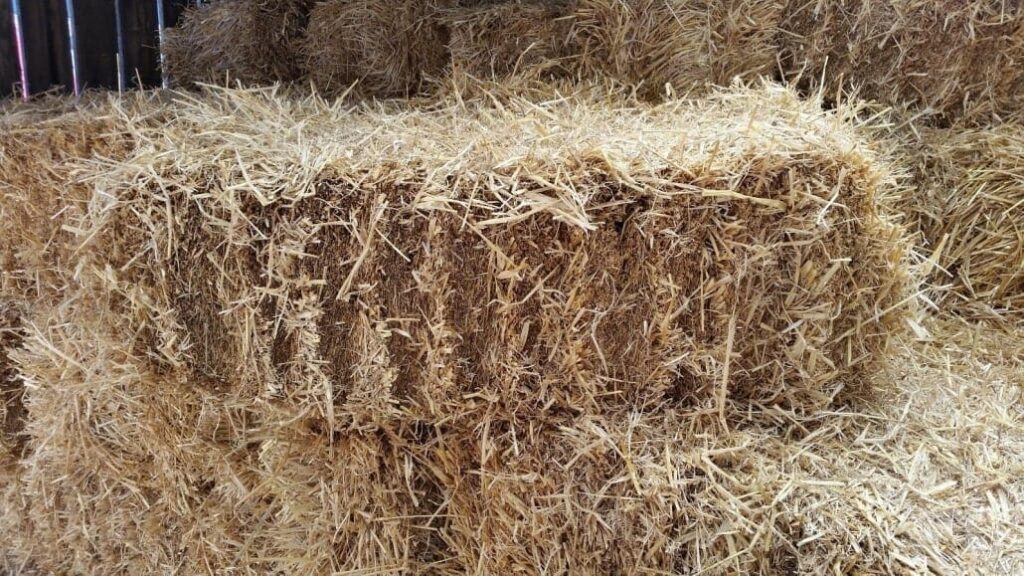
Fleet Farm Barley straw bales of feed quality. Locally produced here in Lancashire to high-quality standards. Each highly compressed straw bale is approximately 100cm x 50cm x 40cm, weighing in at around 18kg.
Fleet Farm is based in Fleetwood, Lancashire, UK. It is a working farm with a herd of cattle, plus stables with over 50 horses in residence. Over the years a large Equestrian Tack Shop has grown, providing Rider Wear, Horse Wear, Horse Tack, and much more.
Barley Straw Bales are used for horses and other large animals (we regularly supply to llamas, pigs, alpacas, rheas, goats, pot-bellied pigs, and donkeys!), as well as for dogs, rabbits, chickens, guinea pigs, tortoises, and other small pets.
100% Natural Bedding
Our Barley Straw Bales are 100% natural and environmentally friendly. Natural straw bedding is the best you can get for your pets. As this is of feed quality, if your pets choose to eat it, we won’t be surprised.
Where Else can Our Straw Bales Be Used?
Ideal as garden seating for that rustic look! We have supplied these to schools, live music venues, and The British Army – who have all used them for temporary seating.
Also used in garden ponds to reduce algae growth as the composition of our barley straw combats algae, and by keen gardeners to protect plants against frost through the winter months.
Our straw bales are packaged in a cardboard box for delivery. Many of our customers keep the box and take the straw out as they need it, by simply opening the top of the box and cutting the strings around the straw. This keeps mess and loose straw to a minimum!
Bulk orders are welcome, we can also ship out on pallets. Call for details on 01253 870558. We always have thousands of fresh straw bales in stock.
Our Hay Bales are also popular, especially for smaller pets, and very cost-effective as an 18kg bale (even with next-day delivery charges on top).
Standard delivery is via DPD next-working-day to mainland UK. Delivery outside of mainland UK may incur an additional cost and take longer. Please call us for a delivery price at cost.
Uses in Straw Bale Construction
If you are using our Straw Bales for Straw Bale Construction, please call us first as we’ll need to organise delivery via pallets to construction sites. Our price per bale will be very competitive for you!
Straw-bale construction is a type of construction that uses straw bales (typically barley, wheat, rice, rye, and oat straw) as structural elements, insulation, or both. Natural building or “brown” construction projects frequently employ this construction approach.
According to research, straw-bale construction is a sustainable building option in terms of both resources and energy required for heating and cooling.
Straw-bale construction has several advantages over traditional building material, including its renewable nature, low cost, easy availability, natural fire resistance, load-bearing capability, the fact that it is environmentally friendly, and its excellent insulating value. Fancy a straw bale house?

Barley Straw for Controlling Pond Algae
One of the most common issues with ponds in the UK is excessive algae growth. Mechanical and chemical control measures are not always effective or cost-effective. To realize the dream of crystal clear water in your garden pond, read on…
Barley straw has grown more popular in recent years as an alternative approach for managing excessive algae growth. Dr. Jonathan Newman of the Centre for Aquatic Plant Management in the United Kingdom has conducted substantial research on this strategy.
Barley straw has proven to be an effective algae control method in UK ponds when applied at the right time and rate. It is 100% natural, environmentally friendly and contains none of the toxins associated with chemicals!
How Do Barley Straw Bales Control Algae?
Barley straw does not eliminate current algae, but it does prevent new algae growth. Although the specific mechanism is unknown, it appears that when barley straw is exposed to sunlight and oxygen, it creates a chemical that inhibits algae growth.
Other aquatic plants’ development is unaffected by barley straw. In reality, because algae are no longer present to compete with aquatic plants, aquatic plant growth has risen in some cases after barley straw treatments.
When should you use it?
When used early in the year, before the appearance of algae, barley straw is most beneficial (autumn through early spring). It may take six to eight weeks for the straw to begin producing the active compounds that prevent algae development when used in cold water (below 50°F).
If the straw is submerged in warm water (over 70°F), it can work in as little as one to two weeks. Barley straw, in any case, is beneficial for around six months following application.
How much straw do you need?
The most usual application is two to three bales per acre of pond surface area (or about 10 to 25 grams of straw per square metre of pond area). The pond’s depth of water is unimportant. Two or three times this suggested dose may be required for the initial treatment in ponds that are regularly muddy or have a history of high algae development.
Overdosing the pond with barley straw, on the other hand, may result in fish deaths since the straw deoxygenates the water as it decays. This is particularly problematic if the pond has overdosed with straw during a protracted period of warm weather.
What is the best way to use the straw?
When used loosely in cages or nets, the straw is most effective. The straw packets should be anchored to the pond’s bottom, but a float should be provided to maintain the straw toward the pond’s surface, where sunshine and oxygen are more abundant.
Apply the straw to numerous spots around the pond, particularly near the water source if the pond is fed by a spring or stream. Modest nets or nylon stockings can be used to hold the small amounts of straw required in a small pond.
Barley Straw Bales For Gardening
Barley Straw Bales can be used in composting
Composting requires the use of both nitrogen-rich (green) and carbon-rich (brown) components. Getting the proportions between these two types of material just right can go a long way toward making your composting system a success.
Straw is a fantastic (brown) carbon-rich substance. It can assist maintain things in balance when added to a larger scale composting system alongside nitrogen-rich materials like fruit and vegetable scraps and grass clippings, or fresh manures. It will keep the heap or bin aerated, preventing anaerobic conditions. It will also guarantee that the compost you make has a decent texture.
Straw can be used to create new growing areas
Straw can also be incorporated into the construction of new growing spaces. Composting does not need to be done in a separate heap, bin, or composting system. You can also compost on-site, allowing things to decompose in the area where your plants will thrive.
In a ‘lasagna bed,’ straw can be used to generate carbon-rich layers. In a ‘no dig’ garden, a lasagna bed is one approach for creating new growth zones. No-dig gardening is leaving the soil as undisturbed as possible rather than removing turf and digging new beds. Cover the turf and add layers of organic material to compost in place to create a growing environment. Straw is only one of the various materials that may be used to construct a bed like this.
Straw can be used as a mulch in garden beds
Straw can also be used to mulch existing garden beds. Straw is an excellent mulching material. It may be able to:
- Protect the soil from nutrient loss and erosion.
- Assist in the retention of soil moisture.
- Assist with weed control.
- Keep fruits off the soil surface to keep them from decaying and disease outbreaks at bay. (For example, it’s frequently used around strawberry plants, squash, and pumpkins.)
- In the winter, straw keeps the soil from freezing and the plants warm.
Straw can be used as insulation
As previously indicated, straw can be used as a thick mulch to keep plants warm in the winter and avoid soil freezing and frost damage.
Straw can also be used as an insulator in a variety of different applications. Straw is good for retaining heat and can be used in and around flower beds and containers.
It can also be used in a compost heap to keep the heat in. A thick coating of straw applied to a compost heap or around a compost bin can hasten decomposition and be used to create a hot composting system. The straw will not only aid in heat retention. As it begins to decompose, it will also produce heat.
As insulation, loose straw could be put into cavities in a greenhouse or polytunnel, shed, chicken coop, or other garden construction to keep the space cooler in the summer and warmer in the winter.
Straw bales can be used as garden beds
So far, we’ve spoken about how to use loose straw. But now let’s talk about how to use straw bales. Straw bales can also be quite beneficial in your garden.
Straw bale gardening is one approach to making use of straw bales. Straw is not employed as a component in your growth regions in straw bale gardening. Rather, the bales serve as raised beds in and of themselves.
Your plants will have enough nutrients as the straw decomposes, and it has even been claimed that plants planted in straw bales can be up to 25% more productive than those planted in medium-grade soil. Because of the heat generated by the decomposition below, you may plant earlier in the year and lengthen the growing season than you could in the ground.
- Soak the bales in water to help them disintegrate. (This can be accomplished simply by keeping it wet for about a month.)
- Fill the drenched bale with a good amount of nitrogen-rich fertilizer. (A nettle or grass clipping feed is great.)
- After a month or so, you’ll be able to tell if it’s working by the temperature and fragrance of the bale.
- Cover the top of the bale with a thin layer of excellent quality compost, about an inch or two thick.
- Your straw bale garden is now ready to be planted.
Edging a Straw Bale Bed
Instead of utilising the straw bales as beds, consider using them as bed edging. Straw bales can be used as a temporary edging for a variety of growth situations. They will degrade over time, but they will protect, insulate, and contain the materials behind them in the interim.
You might also think about rendering the bales. This will allow you to make garden bed edging that will stay longer. A clay render may be acceptable for outdoor application in drier temperature zones. In wetter climates, a lime render could be excellent for exterior application. If you add wood to your rendered straw bale edging, they may also be used as bench seating around the margins of your beds.
Make a Garden Structure Out of Straw Bales
Straw bales can also be used to construct a variety of garden structures. Straw bale construction is an environmentally beneficial and long-lasting building technology. It can be used to build houses, but it can also be used to manufacture a wide variety of garden structures and buildings. Straw bales, for example, could be used to make:
- Garden fences
- A summer home or other garden structure for enjoyment
- Utility structures or storage sheds
- Straw bale chicken coops or other animal housing
- The foundation walls of a greenhouse or polytunnel
 Check out one of the finest Hotels in Southern Africa for your next vacation!
The post Barley Straw Bales and their many uses – 100% Natural appeared first on https://richcitations.org
The post Barley Straw Bales and their many uses – 100% Natural appeared first on https://wookicentral.com
The post Barley Straw Bales and their many uses – 100% Natural appeared first on https://gqcentral.co.uk