Category: Environment & Sustainability

  • Waste Audit Tips for Effective House Clearance

    Waste Audit Tips for Effective House Clearance

    Comprehensive Insights into UK Waste Management Regulations

    Thorough Analysis of Waste Legislation in the UK

    Diagram of UK waste management laws, focusing on Environmental Protection Act 1990 and responsibilities.

    The extensive legal framework governing waste management in the UK is anchored in several critical pieces of legislation that oversee both waste disposal and the promotion of environmentally sustainable practices. At the heart of this regulatory structure is the Environmental Protection Act 1990, which delineates the obligations and responsibilities of local authorities, businesses, and individuals in the realm of waste management. This Act underscores the principle of ‘duty of care,’ compelling all stakeholders involved in the generation, handling, or disposal of waste to operate responsibly and in full compliance with legal standards. Ignoring these responsibilities can result in severe environmental harm and substantial legal consequences.

    Another key regulation is the Waste (England and Wales) Regulations 2011, which mandates the separation of waste streams at the point of disposal. These regulations champion recycling and recovery, prompting both businesses and households to carefully consider the environmental impact of their waste generation. Moreover, they establish the framework for the Waste Hierarchy, which prioritizes prevention, reuse, recycling, and recovery over mere disposal, thereby fostering a more sustainable approach to waste management.

    The UK is committed to aligning with European directives related to waste management. Despite the adjustments stemming from Brexit, the nation continues to uphold numerous standards to ensure environmental protection. For example, the Circular Economy Package encourages sustainable resource utilization, aspiring to keep resources in circulation for as long as feasible while minimizing waste production. Grasping these regulations is crucial for anyone involved in house clearance, as adherence not only protects the environment but also mitigates the risk of incurring fines and legal challenges.

    Implementing Best Practices for Effective Waste Segregation

    Optimal waste management during house clearance hinges significantly on the principle of proper waste segregation. The UK has instituted specific requirements that dictate how waste should be sorted and separated to enhance recycling rates and diminish reliance on landfill sites. Under the pertinent waste regulations, waste is classified into various streams, including General waste, recyclables, and hazardous waste. Each category has distinct disposal protocols and must not be mixed, ensuring that the recycling process operates as efficiently as possible.

    For instance, recyclable materials like paper, cardboard, glass, and certain plastics should be meticulously separated and disposed of in designated recycling bins or taken to local recycling facilities. This diligent segregation not only streamlines the recycling processes but also diminishes contamination, which can drastically hinder recycling efforts. Many local councils provide thorough guidelines regarding acceptable recyclable materials, making it essential to remain updated on these local regulations, as they may vary from one region to another.

    Hazardous waste, encompassing items like batteries, electronics, and specific chemicals, necessitates specialized handling and disposal methods. Accurately identifying these materials during the clearance process is crucial, ensuring they are transported to appropriate facilities equipped to manage hazardous waste safely. By complying with the mandated waste segregation requirements, individuals and businesses can make noteworthy contributions to the UK’s overarching recycling objectives, reduce landfill accumulation, and foster a more sustainable environment.

    Recognizing the Legal Implications of Non-Compliance with Waste Regulations

    Neglecting to adhere to UK waste regulations can lead to severe penalties impacting both individuals and businesses. Local authorities possess the authority to enforce fixed penalty notices for improper waste disposal, with fines ranging from £150 for minor infractions to substantial penalties for more serious violations that can reach thousands of pounds. These penalties are designed to deter irresponsible waste management practices while underscoring the necessity of compliance with legal standards.

    Furthermore, organizations that fail to fulfill their duty of care may face prosecution under the Environmental Protection Act. This could result in criminal charges, leading to hefty fines or even custodial sentences for individuals convicted of significant violations. Beyond the legal ramifications, non-compliance can tarnish an organization’s reputation, leading to lost business opportunities and a decline in community trust, which proves to be far more costly in the long run.

    In recent years, the UK government has intensified the enforcement of waste regulations, reflecting an increasing emphasis on environmental accountability. Notably, businesses found improperly disposing of waste may also suffer reputational damage, attracting negative publicity and consumer backlash. Consequently, understanding the potential penalties and ensuring compliance with waste regulations is vital for anyone involved in house clearance, helping to avert both financial losses and legal challenges.

    Strategic Approaches to Efficient House Clearance Planning

    Person organizing and packing items into labeled boxes in a cluttered living room for house clearance.

    Evaluating Your House Clearance Needs Thoroughly

    Assessing the scope of your house clearance is a crucial initial step that lays the groundwork for an efficient and well-structured process. Start by performing a comprehensive evaluation of the items that require removal from your home. This assessment should encompass the size and variety of items, ranging from large furniture to smaller household goods, ensuring that no items are overlooked during the clearance.

    A systematic approach can significantly enhance the clearance process. Consider creating a checklist that categorizes items into groups such as ‘keep,’ ‘donate,’ ‘sell,’ and ‘discard.’ This organized method not only clarifies your intentions for each item but also aids in visualizing the overall workload involved. For instance, upon identifying numerous outdated appliances or furniture that are no longer in use, you might decide to enlist a professional house clearance service to handle the heavy lifting and transportation.

    Additionally, it is essential to consider the emotional aspect of clearing out a home. Sentimental items can complicate decision-making, so involving family members in the assessment can be beneficial, especially if the items belonged to a loved one. Engaging others can provide emotional support and ensure that significant keepsakes are acknowledged and preserved for future generations.

    Before proceeding with the clearance, it is also wise to research any local restrictions or requirements concerning the disposal of specific items. Some councils may have regulations regarding bulky waste collection or may require permits for certain types of disposals. By thoroughly assessing the scope of the clearance, you can plan effectively and avoid potential pitfalls that may arise during the process.

    Creating an Effective Schedule and Logistics Plan

    Effective scheduling and meticulous planning are crucial components of a successful house clearance. After assessing the scope of the clearance, it’s time to develop a timeline that accommodates your availability alongside any logistical considerations, such as the need for a clearance service. Establishing a definitive date for the clearance can help maintain accountability and ensure the task does not get postponed indefinitely.

    When planning your house clearance, take into account factors such as the size of the property and the volume of items needing removal. For larger properties or those with extensive collections, it may be prudent to allocate multiple days to ensure everything is addressed thoroughly. Additionally, keep in mind the time required for sorting, packing, and disposing of items. Rushing through the process can lead to mistakes, such as discarding valuable items or failing to comply with waste regulations.

    It is also crucial to coordinate with any house clearance services you plan to utilize. Contact reputable companies well in advance to discuss their availability, obtain quotes, and confirm their capabilities in managing the specific types of waste you’ll encounter. A solid plan will account for potential obstacles, such as access issues or the need for specialized equipment to remove larger items from your property.

    Communicating your plan with family members or any individuals involved in the clearance can further facilitate a smoother process. By establishing clear expectations and delineating responsibilities, you can minimize confusion and enhance the efficiency of the house clearance.

    Prioritizing Safety During House Clearance Operations

    Person in safety gear navigating cluttered house, assessing risks for safe clearance.

    Safety should always take precedence during house clearance, as the process can involve heavy lifting, sharp objects, and potentially hazardous materials. Emphasizing safety measures can prevent injuries and ensure a smooth and effective clearance operation. Start by assessing the environment where the clearance will occur, ensuring that the area is free from hazards such as loose cords, obstacles, or slippery surfaces that could pose a risk.

    When managing heavy items, proper lifting techniques are vital. Bend at the knees, maintain a straight back, and lift with your legs rather than your back to prevent muscle strain. If an item is too heavy or unwieldy to lift safely, do not hesitate to seek assistance or hire a professional service. Similarly, wearing suitable clothing and footwear, such as sturdy gloves and non-slip shoes, is important to shield yourself from sharp edges and slips.

    In addition to physical safety, awareness of any hazardous materials that may be present in the home is crucial. This may include old paint, solvents, or electronic waste, all of which necessitate specialized handling. If you encounter such materials, ensure you are informed about the correct disposal methods, as improper handling can pose significant health risks. Consulting with local waste disposal services can provide valuable guidance on how to manage these materials safely.

    Finally, consider your mental well-being during the clearance. The process can be emotionally taxing, particularly when dealing with items that hold sentimental value. Allow yourself breaks as needed and take the time to process any emotions associated with the clearance. By prioritizing both safety and mental health, you can create a more positive and effective house clearance experience.

    Choosing the Most Suitable House Clearance Service

    Selecting the right house clearance service is a crucial decision that can greatly impact the success of your clearance process. With numerous companies operating throughout the UK, it is essential to conduct thorough research to identify a reputable and experienced provider. Start by seeking recommendations from friends, family, or online reviews, as firsthand experiences can offer valuable insights into the quality of service provided.

    Once you have identified potential companies, it is prudent to verify their credentials. Ensure they are licensed and insured, as this not only protects you but also guarantees that the company adheres to legal requirements regarding waste disposal. A reliable house clearance service will provide transparency regarding their practices, including how they handle different categories of waste and their recycling efforts.

    Engaging in direct communication with prospective services can also clarify their capabilities. Inquire about their experience with house clearances similar to yours, their availability, and the types of waste they can manage. Obtaining quotes from multiple providers will help you gauge the market rate and assess the value of the services offered.

    Furthermore, do not hesitate to ask questions about their waste disposal practices and whether they provide documentation of waste removal for compliance purposes. A reputable service will uphold high standards of environmental responsibility, prioritizing recycling and ethical disposal methods. Making an informed choice in selecting a house clearance service will not only facilitate an efficient process but also support sustainable waste management practices across the UK.

    Conducting a Thorough Waste Audit

    Classifying Various Waste Categories Effectively

    Conducting a comprehensive waste audit is an essential step in understanding the types of waste generated during house clearance. Identifying waste categories allows for better planning, efficient recycling, and adherence to environmental regulations. Start by categorizing items into broad groups such as general waste, recyclables, hazardous materials, and reusable goods. This initial classification lays the groundwork for a more detailed analysis of your waste.

    General waste typically comprises non-recyclable items, such as broken furniture, food waste, and other discarded materials that cannot be reused or recycled. Recognizing these items is crucial, as they will ultimately need disposal in landfills. In contrast, recyclables encompass materials like paper, plastics, glass, and metals, which can be processed and reused, thus alleviating pressure on landfill sites. Understanding what qualifies as recyclable is essential for maximizing eco-friendly practices during your clearance.

    Hazardous materials present unique challenges and necessitate careful handling. Items such as batteries, paint, chemicals, and electronic waste fall into this category. It’s vital to identify these items early in the audit process, as their disposal must adhere to strict regulations to mitigate environmental risks. A comprehensive waste audit will help clarify the volume of hazardous materials in your home, allowing for appropriate disposal arrangements to be made.

    Finally, consider items that can be reused or donated. Many household goods, clothing, and furniture are often in good condition and can be given a second life through charities or resale platforms. By identifying these reusable items, you not only contribute to waste reduction but also support local communities in need. A thorough waste audit provides the clarity necessary to make informed decisions during house clearance and optimizes recycling efforts.

    Quantifying Waste Volumes for Better Management

    To effectively manage waste during house clearance, quantifying waste volumes is a critical element that supports informed decision-making. This process involves estimating the amount of each category of waste generated, enabling a clearer understanding of your waste profile and facilitating effective planning. Begin by taking inventory of the items identified during the audit and categorizing them according to size and type.

    One practical approach is to use weight as a measure for quantifying waste. Consider investing in a digital scale to weigh items as you sort them, or alternatively, use volume measurements for larger materials. Estimating the volume of waste can also be accomplished using standard measurements for common items, such as boxes or bags, which can then be multiplied to provide an approximation of the total waste generated. This quantitative data can prove invaluable when liaising with clearance services, as it allows for accurate costing and resource allocation.

    Understanding the volume of waste also aids in logistical planning. Knowing how much waste will be generated can help determine the number of trips required for disposal and whether special arrangements are needed for larger items. It’s also beneficial for budgeting purposes; knowing the expected waste volume can provide insights into potential disposal fees and service costs.

    Moreover, quantifying waste volumes provides an opportunity for tracking improvements over time. By comparing audit results from previous clearances, you can identify trends in waste generation and work towards reducing overall waste production in future house clearances. This strategy fosters a proactive approach to waste management, aligning with the UK’s waste reduction goals.

    Maintaining Comprehensive Documentation of Waste Audit Findings

    Documenting the findings of your waste audit is a crucial step that provides transparency and accountability throughout the house clearance process. Keeping detailed records not only assists in compliance with UK waste regulations but also serves as a valuable reference for future clearances. Begin by creating a structured template that captures key information about each waste category identified during the audit, including descriptions, estimated volumes, and disposal methods.

    This documentation process should encompass photographs of the items where feasible, particularly for hazardous waste or valuable items designated for donation. Visual records can bolster your audit findings and provide clarity should any questions arise regarding waste disposal decisions. Additionally, maintain a log of dates and times associated with the clearance and any communications with waste management services. This level of detail can be beneficial if you need to demonstrate compliance with waste regulations or track the effectiveness of your waste management strategies.

    Consider summarizing the findings in a report format, outlining the key statistics and insights gained during the audit. This report can be shared with stakeholders, such as family members or the house clearance service, ensuring everyone involved is well-informed of the waste management plan.

    As you document your audit, reflect on areas for improvement. Identifying patterns in waste generation can lead to insights into how to reduce waste in future clearances or enhance recycling efforts. By maintaining thorough documentation of your waste audit, you contribute to greater accountability, enhanced sustainability, and a clearer vision for future waste management initiatives.

    Examining the Composition of Your Waste

    Analyzing the composition of your waste is an insightful aspect of conducting a waste audit that can lead to actionable improvements in recycling and waste reduction. This process involves scrutinizing the materials within each waste category to understand their environmental impact and identify opportunities for more sustainable practices. Begin by examining the recyclable materials collected during the audit and assess their proportions relative to non-recyclable waste.

    This analysis can reveal significant trends, such as the predominance of plastics or paper products, enabling you to tailor your waste management strategies accordingly. For example, if a substantial volume of plastic waste is identified, you may wish to implement strategies that encourage the use of reusable containers or bags within your household, thus reducing future plastic waste generation.

    In addition, consider the condition of the items in your waste categories. Items that remain functional or are in good condition can often be redirected towards donations or resale rather than being discarded. Analyzing waste composition highlights the potential for reusing and repurposing materials, fostering a circular economy mindset that extends the lifecycle of products and materials.

    When assessing hazardous waste, it is crucial to understand not only the volume but also the specific types of chemicals or materials involved. By examining the composition of hazardous waste, you can take informed steps to ensure safe disposal and compliance with regulations, contributing to environmental protection.

    Furthermore, engaging in waste composition analysis can enhance your environmental awareness and contribute to more responsible consumption habits. Understanding what your household discards can lead to more mindful purchasing choices, ultimately reducing waste generation over time. This process not only supports the UK’s sustainability goals but also promotes a culture of responsible waste management within your home.

    Communicating Audit Results Effectively

    Effectively communicating your waste audit findings is essential for promoting informed decision-making among stakeholders involved in the house clearance process. Compiling and presenting the results of your audit enhances transparency and facilitates accountability, ensuring that everyone understands the scope of waste generated and the planned management strategies. Start by organizing your findings into a clear, structured report that outlines key statistics, insights, and recommendations for future waste management.

    Include a summary of waste categories identified, along with estimated volumes for each category. Visual aids, such as charts or graphs, can provide a compelling representation of the data and make it easier for stakeholders to grasp the implications of the audit results. For instance, a pie chart illustrating the proportion of recyclable versus non-recyclable materials can effectively highlight areas for improvement.

    In addition to numerical data, consider including qualitative insights that emerged during the audit. This could involve reflections on the challenges faced, successes achieved, or opportunities identified for enhancing recycling and waste minimization efforts. Engaging stakeholders in discussions around these findings can foster a collaborative approach to waste management and ensure that everyone contributes to developing effective strategies.

    Once the audit results are compiled, share the report with key stakeholders, which may include family members, house clearance services, and local waste management authorities. Establishing open communication channels will not only facilitate decision-making but also promote a unified commitment to sustainable practices. By effectively reporting audit results, you empower stakeholders to take action towards minimizing waste and supporting responsible waste management in the UK.

    Evaluating Effective Waste Disposal Methods

    Exploring Comprehensive Recycling Opportunities within the UK

    Understanding recycling options in the UK is paramount for facilitating responsible waste disposal during house clearance. The UK boasts a robust recycling infrastructure, with numerous facilities and services available to handle various types of recyclables. Local councils typically provide extensive guidelines on what materials are accepted for recycling, which can vary from one region to another.

    Commonly recycled materials include paper, cardboard, glass, and metals. Many households have access to kerbside recycling collections, where you can place recyclables in specially designated bins for collection on scheduled days. It’s crucial to familiarize yourself with your local council’s recycling policies, as improper disposal of recyclables can lead to contamination, rendering entire loads unsuitable for recycling.

    In addition to kerbside collections, local recycling centres (often referred to as civic amenity sites) are available for residents to drop off larger items or materials not collected at the kerbside. These centres typically accept a wide range of recyclables, including batteries, electronics, and garden waste. Engaging with these services encourages responsible recycling habits and enhances community sustainability efforts.

    Moreover, some organizations specialize in collecting specific types of waste, such as textiles or furniture, which can be recycled or refurbished. Exploring these options can help divert materials from landfills and promote circular economy principles. By utilizing available recycling options in the UK, you can ensure that as much waste as possible is repurposed or recycled, contributing to environmental sustainability.

    Responsible Management of Hazardous Waste Disposal

    Proper disposal of hazardous waste is a critical concern during house clearance due to the potential health risks and environmental damage associated with mishandling these materials. Hazardous waste encompasses a variety of items, including batteries, paints, chemicals, electronic waste, and appliances containing refrigerants. Understanding the regulations surrounding hazardous waste disposal is essential for compliance and safety.

    It is vital to identify hazardous materials during the waste audit, as these items require specific disposal methods. Many local councils have designated collection points or special hazardous waste disposal events, where residents can safely drop off materials like batteries or chemicals. Engaging with your local authority will provide guidance on the best practices and available resources for disposing of hazardous waste in your area.

    Some items, such as electronic waste, can often be returned to retailers that offer take-back schemes, allowing for responsible recycling of outdated electronics. Additionally, consider consulting with specialized waste management companies that offer hazardous waste disposal services, as they possess the expertise and facilities necessary for safe handling and disposal.

    When disposing of hazardous materials, always adhere to proper safety protocols, including wearing gloves and protective clothing if necessary. Proper labeling and storage of hazardous waste before disposal are also essential to prevent accidents. By prioritizing the safe disposal of hazardous waste, you protect yourself, your community, and the environment from potentially harmful consequences.

    Collaborating with Professional Waste Management Services

    Partnering with reputable waste management companies can significantly streamline the disposal process during house clearance. These companies offer professional services that ensure compliance with UK waste regulations and provide expertise in handling various types of waste. Begin by researching local waste management firms that have strong reputations and positive customer reviews in the industry.

    When selecting a waste management company, it is essential to confirm their licensing and insurance status to ensure they operate legally and ethically. A reputable company will adhere to the duty of care principle, ensuring that waste is disposed of responsibly and in accordance with environmental standards. Requesting quotes from multiple firms can help you assess their services and pricing options, enabling you to make an informed decision.

    In addition to general waste removal, many waste management companies offer specialized services tailored to specific waste streams, such as hazardous waste disposal or recycling. Engaging with a company that understands the intricacies of waste management can enhance the efficiency of your clearance and minimize the environmental impact.

    Furthermore, consider discussing your goals for waste reduction and recycling with the chosen company. Many firms are committed to sustainability and can provide insights into best practices for minimizing waste generation and maximizing recycling potential. By working closely with professional waste management companies, you can ensure a smooth and compliant disposal process that aligns with your commitment to sustainability.

    Strategies for Reducing Waste During Clearance

    Maximizing Donations and Reuse of Functional Items

    One of the most impactful strategies for reducing waste during house clearance is through the donation and reuse of items that remain in good condition. Many household goods, clothing, and furniture can find new life through charitable organizations or local community initiatives. Not only does this practice minimize landfill waste, but it also supports those in need, making it a socially responsible choice that benefits society.

    Before commencing the clearance, research local charities and organizations that accept donations. Many charities have specific guidelines regarding the types of items they will accept, often focusing on furniture, clothing, and household goods. Some may even offer collection services, making it convenient to donate larger items. Additionally, platforms like Freecycle or local Facebook groups can facilitate the passing on of items to individuals in your community who might benefit from them.

    It’s also worth considering the possibility of repurposing items for different uses within your home. For example, an old dresser can be transformed into a stylish TV stand, or leftover wood from furniture can be used for DIY projects. This creative approach not only prevents waste but also adds a personal touch to your living space, promoting sustainability through innovation.

    Moreover, engaging in conversations with family and friends about the items you’re clearing can uncover opportunities for reuse. A friend might be looking for a set of dishes or a piece of furniture that you no longer need. By actively seeking out opportunities for donation and reuse, you contribute to a more sustainable lifestyle while reducing the amount of waste generated during clearance.

    Exploring Options for Selling or Repurposing Goods

    Exploring options for selling or repurposing goods during house clearance is an effective strategy for minimizing waste while potentially generating additional income. Items that are still functional and appealing can be sold through various avenues, including online marketplaces, local classified ads, or garage sales. This not only reduces the volume of waste but also provides an opportunity to connect with others in your community, fostering a sense of shared responsibility.

    When considering selling items, take high-quality photographs and write clear descriptions to attract potential buyers. Platforms like eBay, Gumtree, or Facebook Marketplace are popular in the UK for selling second-hand goods, allowing you to reach a wide audience. Pricing items competitively can facilitate quicker sales, and local buyers may appreciate the convenience of picking up items without incurring shipping costs.

    In addition to selling, consider repurposing items that you may not want to part with but don’t currently use. For instance, old picture frames can be transformed into stylish wall art, or glass jars can serve as storage containers. Creative repurposing not only extends the life of items but also presents an opportunity to personalize your home decor, aligning with sustainable practices.

    Moreover, engaging in upcycling projects can elevate the aesthetic of your home while promoting sustainability. By turning old furniture into unique statement pieces or creating functional art from discarded materials, you actively contribute to reducing waste. The process of selling and repurposing goods during house clearance fosters a culture of sustainability and creativity, aligning with the UK’s broader commitment to reducing waste and enhancing recycling efforts.

    Implementing Strategies to Minimize Packaging Waste

    Minimizing packaging waste during house clearance is a vital aspect of promoting sustainability and responsible waste management. Often, packaging materials from new purchases accumulate over time, contributing to the overall waste generated during clearance. To effectively tackle this issue, consider strategies that reduce packaging waste from the outset.

    One effective approach is to opt for second-hand or refurbished items whenever possible. By choosing pre-owned goods, you not only minimize the demand for new products but also reduce the packaging that typically accompanies new purchases. Many online platforms and local shops specialize in selling second-hand items, providing a diverse range of options without the associated packaging waste.

    Additionally, when purchasing new items, consider selecting products with minimal or recyclable packaging. Many retailers are increasingly adopting eco-friendly practices and offering products with sustainable packaging options. Opting for bulk purchases can also help reduce packaging waste, as larger quantities often come with less packaging per item, contributing to overall sustainability.

    While clearing a home, encourage family members to be mindful of packaging waste as well. During the clearance, create designated bins for recycling various packaging materials, such as cardboard, paper, and plastics, ensuring that these materials are properly sorted for recycling. By actively minimizing packaging waste, you contribute to a more sustainable approach to house clearance while promoting environmental responsibility within your household.

    Post-Clearance Management of Waste

    Ensuring Proper Final Disposal of Waste Materials

    Ensuring that all remaining waste is disposed of correctly is a crucial aspect of post-clearance waste management. After completing the house clearance, review the contents of your waste bins and make sure that everything has been sorted according to the relevant waste categories established during your audit. This step ensures compliance with UK regulations and promotes responsible waste disposal practices.

    Items that cannot be recycled or reused should be taken to the appropriate waste disposal facilities. Many local councils have designated landfill sites for general waste, and it’s essential to ensure that only non-recyclable items are sent there. Be aware of any restrictions on waste types at these facilities, as different sites may have varying rules about what can be disposed of.

    If you have hazardous materials or large bulky items, it might be necessary to arrange a special collection with your local council or engage a professional waste management service that can handle such materials safely. Proper disposal of hazardous waste is crucial to preventing environmental damage and health risks, and local authorities can provide guidance on the best practices for handling such materials.

    Additionally, consider keeping records of your disposal activities, including receipts from waste management services or confirmations of waste collection. This documentation may be required for compliance purposes and can serve as a reference for future clearances. By ensuring correct final waste disposal, you contribute to responsible waste management while supporting the UK’s environmental goals and initiatives.

    Thorough Reporting and Documentation of Waste Activities

    Completing all necessary reporting and documentation after a house clearance is crucial for tracking your waste management efforts and complying with UK regulations. This process involves compiling records of the waste audit, disposal methods, and any communications with waste management services. A well-documented approach not only fosters accountability but also provides valuable insights for future clearances and waste management strategies.

    Start by reviewing and finalizing the documentation of your waste audit findings, ensuring that all categories and disposal methods are clearly outlined. This record can serve as a reference for future projects and help identify trends in waste generation and disposal. Additionally, consider reporting the results to relevant stakeholders, such as family members or local authorities, to promote transparency and foster a collaborative approach to waste management.

    If you engaged a waste management service, ensure you receive documentation of the waste disposal, including any certificates of recycling or waste transfer notes. These documents validate your compliance with waste regulations and demonstrate responsible waste management practices. Retaining this documentation can be especially important if you plan to undertake more clearances in the future.

    Furthermore, use this opportunity to evaluate your waste management processes and identify areas for improvement. Reflecting on the effectiveness of your strategies, examining any challenges encountered, and considering how you can enhance your approach in the future can lead to more sustainable practices. By diligently reporting and documenting your waste management efforts, you contribute to greater environmental responsibility and support ongoing sustainability initiatives in the UK.

    Embracing Continuous Improvement in Waste Management Practices

    A commitment to continuous improvement in waste management practices can significantly enhance the effectiveness of future house clearances. After completing a clearance, take the time to review the results of your waste audit and assess the strategies employed throughout the process. Identifying what worked well and areas that could be improved will inform your approach moving forward.

    One effective method to foster continuous improvement is to set measurable waste reduction goals for future clearances. For instance, aim to increase the proportion of items donated or recycled compared to previous clearances. By establishing specific targets, you can track your progress over time and motivate your efforts towards achieving greater sustainability in waste management.

    Engaging with family members or other stakeholders in discussions about waste management can also be beneficial for continuous improvement. Sharing experiences and insights can lead to collaborative brainstorming of new ideas and strategies for reducing waste in future clearances. Encourage everyone involved to provide feedback on the process and suggest areas for enhancement, fostering a supportive environment for sustainable practices.

    Additionally, staying informed about the latest developments in waste management practices, regulations, and technologies can enhance your approach. Attend local workshops or seminars focused on sustainability and waste reduction, or engage with online communities dedicated to environmental awareness. By actively seeking knowledge and feedback, you can continuously refine your waste management practices, contributing to a more sustainable future for your community and the environment.

    Implementing Effective Waste Segregation and Recycling Practices

    Implementing effective waste segregation and recycling practices post-clearance is paramount for maximizing recycling efforts and ensuring compliance with UK environmental standards. Begin by establishing clear guidelines for sorting waste at the disposal site, ensuring that each waste category is appropriately separated for recycling or disposal. This step is crucial for reducing contamination and enhancing the efficiency of recycling processes.

    Consider setting up designated bins or containers for different waste streams, such as general waste, recyclables, and hazardous materials. Clearly label these containers to minimize confusion and encourage adherence to segregation practices among those involved in the disposal process. Providing visual aids or signage can further support effective waste segregation and reinforce the importance of responsible waste management.

    Engaging with local recycling services and facilities is essential for understanding the specific materials accepted for recycling in your area. Each council may have different rules about what can be recycled, and staying informed will ensure compliance and maximize the effectiveness of your recycling efforts. Additionally, consider reaching out to local businesses or organizations that focus on recycling and sustainability to explore collaborative opportunities for reducing waste.

    Moreover, fostering a culture of recycling within your household or workplace can have a lasting impact on waste management practices. Encourage family members or colleagues to adopt responsible recycling habits and share insights about the benefits of recycling. By prioritizing waste segregation and recycling, you contribute to environmental conservation and support the UK’s broader sustainability goals, ensuring a healthier planet for future generations.

    Providing Staff Training and Awareness Initiatives

    Conducting regular training sessions and fostering awareness among staff about waste management protocols is crucial for ensuring adherence to UK regulations and promoting a culture of sustainability. If your house clearance involves a team, providing proper training will equip them with the necessary knowledge and skills to handle waste responsibly and efficiently.

    Start by establishing clear guidelines on waste segregation, recycling, and the disposal of hazardous materials. Training sessions should cover the specific waste categories relevant to your clearance, including what can be recycled and the proper procedures for handling hazardous items. Engaging staff in discussions about the importance of sustainability and environmental responsibility can foster a sense of ownership and commitment to waste management efforts.

    Consider incorporating practical demonstrations during training sessions to reinforce learning. For example, showcasing the correct methods for sorting materials and highlighting common pitfalls can enhance understanding and retention of information. Providing ongoing support and resources, such as informational handouts or access to online training modules, can further support staff in their waste management responsibilities.

    Moreover, fostering a culture of accountability among staff can lead to improved waste management outcomes. Encourage team members to share their experiences, raise concerns, and suggest improvements to existing protocols. By maintaining an open dialogue about waste management practices, you can create a workforce that is engaged and proactive in promoting sustainable practices.

    Frequently Asked Questions Regarding Waste Management Regulations

    What is the primary goal of conducting a waste audit?

    A waste audit is a systematic evaluation designed to assess the types and volumes of waste generated in a specific area, assisting in identifying opportunities for recycling and waste reduction.

    Why is proper waste segregation vital for effective waste management?

    Waste segregation is essential for ensuring that recyclable materials are processed correctly, reducing contamination, and promoting effective recycling practices, ultimately benefiting the environment and supporting sustainability initiatives.

    Are there penalties for improper waste disposal in the UK?

    Yes, failing to comply with UK waste regulations can result in significant fines, legal consequences, and reputational damage for both individuals and businesses involved in waste management.

    What should I do with hazardous waste during a house clearance?

    Hazardous waste must be identified and handled carefully. Contact local authorities for guidelines on proper disposal or engage a professional waste management service that specializes in hazardous materials management.

    How can I donate items during house clearance?

    Research local charities or organizations that accept donations, and check their guidelines for accepted items. Many charities can arrange collection services for larger items, streamlining the donation process.

    What recycling options are available for residents in the UK?

    The UK offers various recycling options, including kerbside collections for recyclables, local recycling centres for larger items, and specialized services for specific waste streams to promote sustainable waste management.

    How can I effectively minimize packaging waste during house clearance?

    Opt for second-hand items, choose products with minimal packaging, and establish designated bins for sorting packaging materials during clearance to effectively reduce waste and promote sustainability.

    What documentation is needed after completing a waste audit?

    Documentation should include records of waste categories, estimated volumes, disposal methods, and any communication with waste management services for compliance and future reference purposes.

    How can I promote continuous improvement in waste management practices?

    Set measurable waste reduction goals, engage stakeholders in discussions about past clearances, and stay informed about best practices in waste management to ensure ongoing enhancements and sustainability.

    How do I choose a reputable house clearance service?

    Research local companies, check their licensing and insurance, read customer reviews, and obtain quotes to ensure you select a responsible and experienced house clearance provider that meets your needs.

    Join us on Facebook for more insights!

    The Article: Waste Audit Tips for House Clearance: A Practical Guide Was First Found At https://birminghamhouseclearance.com

    The Article Waste Audit Tips: Essential Guide for House Clearance Was Found On https://limitsofstrategy.com


  • Water Filter Upgrades: Essential Guide for Better Filtration

    Water Filter Upgrades: Essential Guide for Better Filtration

    Top Reasons to Upgrade Your Water Filters for Safe and Healthy Drinking Water

    For those who value the purity and safety of their drinking water, enhancing water filters is not merely an option but an essential requirement. As awareness increases regarding water contaminants and their possible health implications, it is vital to ensure that our filtration systems are modern and highly effective. With numerous contaminants arising from natural sources and industrial processes infiltrating our water systems, having a reliable filtration solution has shifted from being a luxury to a basic necessity for health-conscious individuals.

    Improve Your Drinking Water Quality for a Healthier Lifestyle

    Modern kitchen with under-sink advanced water filtration system using activated carbon filters, purifying water into a clear glass, removing chlorine and contaminants.

    Access to pure and clean water is essential for sustaining good health; however, many households unknowingly consume water tainted with harmful substances. By upgrading their filtration systems, consumers can greatly enhance the removal of a wide variety of contaminants, leading to a substantial improvement in water quality. This includes effectively eliminating chlorine, heavy metals, pesticides, and pharmaceutical residues. For example, activated carbon filters are particularly efficient at reducing chlorine levels, which can adversely affect both taste and health. Additionally, these filters excel in minimizing volatile organic compounds (VOCs), which have been associated with serious health risks.

    The pressing need for improved water quality has become increasingly apparent as communities globally confront pervasive contamination challenges. For example, areas impacted by industrial runoff frequently exhibit elevated heavy metal concentrations in local water supplies. By transitioning to more advanced filtration technologies, such as reverse osmosis, households can significantly lower the risks posed by these hazardous contaminants. As public awareness regarding safe water consumption continues to grow, ensuring the highest possible quality of drinking water has become critically important.

    Maximize the Longevity of Your Water Filters Through Strategic Upgrades

    Consistent upgrades to water filters can greatly extend the lifespan of your filtration system. Many outdated systems may struggle to effectively remove new contaminants, resulting in increased wear and tear. This not only leads to higher replacement costs but also disrupts the consistent availability of safe drinking water. By investing in cutting-edge filtration technologies, users can benefit from enhanced materials and innovative designs that promise longer-lasting performance.

    For instance, modern ceramic filters are engineered to withstand higher pressures and boast significantly longer service lives compared to traditional options. This durability translates to fewer replacements and lower long-term expenses. Furthermore, with appropriate upgrades, the frequency of filter changes can be extended, thereby reducing maintenance efforts and enhancing overall convenience for users.

    When homeowners recognize the long-term financial savings associated with upgraded systems, they are more likely to appreciate the value of these investments, ultimately decreasing their financial burden while also minimizing their environmental footprint.

    Adapting to Emerging Water Contaminants with Innovative Filtration Solutions

    As advancements in science and technology continue, so does our understanding of water contaminants. New pollutants frequently surface, necessitating the adaptation of existing filtration technologies. Upgrading filters empowers homeowners to effectively respond to these evolving challenges and ensure their water remains safe for consumption. For instance, new contaminants such as microplastics and pharmaceuticals, which often evade removal by older filtration systems, require specialized solutions.

    Research indicates that many municipal water supplies are increasingly compromised by these emerging pollutants. Communities around the globe are beginning to acknowledge the potential health risks associated with unfiltered water. By upgrading to systems specifically designed to target these contaminants, individuals can safeguard themselves against unknown health threats.

    The evolution of contaminants underscores the necessity for a transformation in filtration solutions. As public awareness grows, so does the responsibility of consumers to pursue effective upgrades that protect their health and well-being.

    Explore the Variety of Options for Water Filter Upgrades

    Diverse modern water filter systems on a sleek countertop in a minimalist kitchen, labeled by function and contaminant removal.

    Given the vast array of water filter upgrades available, understanding the different types and their specific advantages can assist homeowners in making informed decisions. Each filter type targets distinct contaminants and possesses unique characteristics that cater to diverse needs.

    Enhance Water Taste and Quality with Activated Carbon Filters

    Activated carbon filters are a favored choice for upgrades due to their remarkable efficiency and effectiveness in improving both the taste and purity of water. These filters utilize the adsorption process to eliminate chlorine, heavy metals, and organic compounds that can significantly affect the flavor and safety of drinking water. Transitioning to an activated carbon system can dramatically enhance water quality, making it not only more enjoyable but also safer for everyday consumption.

    These filters are particularly advantageous in regions where chlorine is heavily employed in water treatment processes. The unpleasant taste and odor of chlorinated water can deter individuals from drinking adequate amounts, negatively impacting hydration and overall health. Upgrading to carbon filtration effectively addresses this concern, encouraging healthier drinking habits among consumers.

    Additionally, activated carbon filters are typically easy to install and maintain, making them a convenient choice for many households. While they may not capture every contaminant, their ability to enhance taste and eliminate specific harmful substances makes them a worthwhile upgrade.

    Achieve Ultimate Water Purity with Reverse Osmosis Systems

    Reverse osmosis (RO) systems are considered one of the most effective methods of water filtration available today. These systems employ semi-permeable membranes to remove a comprehensive range of contaminants, including dissolved solids, heavy metals, and salts. By upgrading to an RO system, households can enjoy exceptionally pure water, significantly enhancing their health and safety.

    The advantages of reverse osmosis extend beyond mere contaminant removal; the process also reduces total dissolved solids (TDS), resulting in clearer and more palatable water. This aspect is particularly crucial for individuals residing in areas with high TDS levels, which may include various minerals and pollutants detrimental to health.

    Moreover, as new contaminants continue to emerge, the necessity for advanced filtration becomes increasingly clear. RO systems can incorporate additional filtration stages tailored to address specific contaminants, ensuring they remain adaptable to evolving water quality standards and user requirements. By investing in a reverse osmosis upgrade, consumers actively protect their health and well-being.

    Ensure Microbial Safety with Ultraviolet (UV) Purification Technology

    Modern water filter with UV system purifying water, set in rural area.

    The incorporation of ultraviolet (UV) purification technology in water filter upgrades provides a robust defense against bacteria and viruses. This method employs UV light to neutralize pathogens, rendering them harmless and ensuring that the water remains safe for drinking. This essential layer of protection is particularly vital for households located in areas where waterborne diseases are prevalent.

    While traditional filters may successfully remove sediment and certain contaminants, they often fall short in eliminating microorganisms. Upgrading to a UV purification system effectively fills this gap by specifically targeting harmful bacteria and viruses that may contaminate the water supply. This is especially significant in developing regions where access to clean water is limited.

    The efficiency and rapid action of UV purification make it an attractive option for those seeking a reliable and effective filtration solution. Furthermore, it requires minimal maintenance and does not introduce chemicals into the water, preserving the natural quality of the drinking supply. As public awareness of health and safety increases, UV upgrades have become essential components of modern water filtration systems.

    Address Hard Water Problems with Ion Exchange Filters

    Ion exchange filters excel at removing hardness minerals and heavy metals from water, making them an intelligent upgrade for households grappling with hard water issues. These filters work by substituting undesirable ions, such as calcium and magnesium, with more benign ones like sodium. This process significantly enhances water quality, not just for drinking but also for household applications involving appliances and plumbing.

    Hard water can result in scale build-up in pipes and appliances, diminishing their efficiency and lifespan. Transitioning to an ion exchange system can mitigate these concerns, leading to improved energy efficiency and reduced maintenance costs for household appliances. Additionally, it enhances the effectiveness of soaps and detergents, contributing to softer skin and cleaner laundry.

    As more individuals recognize the impact of hard water on their daily lives, the demand for ion exchange filters is steadily increasing. They provide a practical solution to a common issue, offering immediate benefits in both water quality and appliance longevity.

    Reliable Filtration with Durable Ceramic Filters

    Ceramic filters provide a robust and long-lasting filtration option that effectively removes bacteria, cysts, and sediment from drinking water. These filters utilize a porous ceramic material that traps impurities while allowing clear water to flow through. Upgrading to a ceramic filter is a smart choice for those seeking a dependable and efficient filtration solution.

    One of the most notable advantages of ceramic filters is their resilience in harsh conditions, making them suitable for a variety of environments. They are particularly beneficial for rural or remote areas where water sources may be compromised. By offering a long-lasting and efficient filtration solution, ceramic filters empower communities to ensure their drinking water remains safe.

    Moreover, the sustainability aspect of ceramic filters cannot be overlooked. With an extended lifespan and the possibility of being cleaned and reused, they present an eco-friendly upgrade option. As global awareness of environmental issues increases, the adoption of sustainable filtration solutions like ceramic filters is increasingly viewed as a necessity.

    Comprehensive Advantages of Upgrading Your Water Filters

    Investing in water filter upgrades brings a multitude of benefits that extend far beyond simply achieving cleaner water. From health advantages to environmental considerations, these upgrades are essential for individuals keen on enhancing their quality of life and safeguarding their health.

    Enhancing Health Outcomes Through Advanced Filtration Systems

    The health benefits linked to upgraded filtration systems are substantial and far-reaching. By effectively eliminating harmful substances from drinking water, these upgrades can lead to improved overall health outcomes. For instance, studies have shown that lead present in drinking water can cause severe developmental issues in children. Upgrading to a filtration system that successfully removes lead can significantly mitigate these risks.

    Moreover, the presence of pathogens in contaminated water can lead to serious illnesses. By integrating advanced filtration technologies, such as UV purification and reverse osmosis, households can ensure they consume water free from harmful microorganisms. This proactive health approach is critical, especially in areas where water quality poses a significant concern.

    Individuals looking to improve their overall health should prioritize water quality. With a vast array of filtration options available, upgrading systems not only protects against known hazards but also equips consumers to tackle emerging contaminants. Ultimately, a focus on health through upgraded filters can lead to a more vibrant and active lifestyle.

    Realizing Long-Term Financial Savings Through Upgraded Filters

    While the initial investment in upgraded water filtration systems may be higher than that of traditional options, the long-term savings can be significant. Upgraded filters typically feature longer lifespans and require less frequent replacements. This reduces maintenance costs and minimizes interruptions in access to clean water.

    Additionally, the efficiency of modern filtration technologies often results in lower energy consumption, further driving down costs over time. For instance, although reverse osmosis systems may initially seem expensive, their ability to produce high-quality water can lead to considerable savings on bottled water, which many consumers resort to when unfiltered tap water is unpalatable.

    By considering the overall financial implications associated with water filtration, consumers can appreciate the economic advantages of investing in high-quality systems. Upgraded filters not only yield savings in the long run but also provide peace of mind knowing that one’s water supply is safe and clean.

    Making Positive Environmental Contributions Through Filter Upgrades

    Upgrading water filters can yield a substantial positive impact on the environment. More efficient filtration systems reduce waste and energy consumption, contributing to broader sustainability efforts. Traditional water filtration methods often require greater energy and resources, resulting in increased environmental strain.

    For example, filters that utilize advanced technologies like reverse osmosis or ion exchange can optimize water usage and minimize the discharge of harmful contaminants into waterways. By adopting these upgraded solutions, households can help preserve local ecosystems and safeguard water supplies for future generations.

    Furthermore, by decreasing reliance on bottled water, upgraded filtration systems assist in mitigating plastic waste. With the global movement towards sustainability gaining momentum, individuals are increasingly recognizing the importance of eco-friendly practices, including responsible water filtration.

    Each effort to enhance filtration systems contributes to a larger goal of environmental stewardship. By investing in sustainable options, consumers can embrace a lifestyle that prioritizes both personal health and the health of the planet.

    Enhancing Taste and Odor Quality of Water

    One of the most immediate benefits of upgrading water filters is the enhancement of taste and odor. Many consumers find that unfiltered tap water possesses undesirable flavors due to contaminants such as chlorine or sediment. Transitioning to high-quality filters can dramatically improve the sensory experience of drinking water, making it more enjoyable and fostering healthy hydration habits.

    For instance, activated carbon filters are particularly effective at removing chlorine and organic compounds that negatively impact water flavor. As a result, the water not only becomes safer but also more palatable. This transformation encourages individuals and families to consume more water instead of sugary beverages, aligning with broader health objectives.

    In addition to enhancing flavor, upgraded filtration systems can also eliminate odors associated with certain contaminants. This improvement in sensory quality can significantly influence the overall drinking experience, especially for those who may be sensitive to tastes and smells. Ultimately, upgraded water filters create a more satisfying and healthful hydration option.

    Increased Filter Capacity for Enhanced Convenience

    Modern filtration systems often come equipped with greater capacity, allowing households to filter larger volumes of water before requiring replacement. This feature adds convenience and efficiency to daily routines, making it easier to access clean water.

    For families or individuals with significant water consumption, upgrading to a high-capacity filter can reduce the frequency of replacements. This not only saves time but also lowers the overall costs associated with maintaining a filtration system. With advanced technologies capable of handling larger volumes, users can enjoy a continuous supply of safe drinking water without interruptions.

    Furthermore, the enhanced capacity of upgraded filters is particularly beneficial in households with varying water demands, such as those with multiple members or high consumption rates due to exercise or outdoor activities. By selecting filters with increased capacity, consumers can ensure their water needs are met without compromising quality.

    Key Guidelines for Selecting the Ideal Water Filter Upgrade

    Choosing the appropriate water filter upgrade is crucial for achieving optimal results. With numerous options available, consumers must consider various factors to make informed decisions tailored to their unique needs.

    Evaluating Water Quality for Informed Filter Selection

    The first step in selecting a suitable filtration upgrade involves assessing the quality of your water. Testing your water supply can reveal the presence of specific contaminants, enabling you to choose a filter that effectively addresses those issues. Numerous water testing kits are available, providing homeowners with valuable insights into their water quality.

    Understanding the unique composition of your water is vital for making informed choices. For instance, if testing reveals elevated lead levels, upgrading to a reverse osmosis system, known for its capability to eliminate heavy metals, would be a wise decision. Conversely, if the primary concern is taste and odor due to chlorine, an activated carbon filter would suffice.

    Routine testing is not only beneficial for initial assessments but should also be part of ongoing maintenance. As water quality can fluctuate over time due to various factors, periodic reassessments ensure that your filtration system remains effective against evolving contaminants.

    Balancing Budget with Filtration Requirements

    When considering upgrades to water filters, finding a balance between budget and specific needs is essential. While premium systems may offer superior filtration capabilities, it is important to evaluate whether those features align with your water quality concerns and financial situation.

    Establishing a budget helps narrow down options and prevents overspending on unnecessary features. For example, if your primary concern is the removal of chlorine, investing in a multi-stage reverse osmosis system may not be the most cost-effective choice. Instead, a straightforward activated carbon filter would adequately meet that need.

    Consumers should also factor in long-term expenses, including maintenance and replacement filters. Systems that initially appear inexpensive may ultimately prove costly due to frequent replacements or inefficient performance. By thoroughly evaluating both upfront costs and long-term savings, consumers can make decisions that lead to effective filtration and financial prudence.

    Consulting with Water Filtration Professionals for Expert Guidance

    Seeking advice from water filtration experts can significantly enhance the decision-making process when selecting upgrades. Professionals can provide insights into the most suitable options based on specific water quality assessments and household needs. They can clarify the differences between various filtration systems, ensuring that consumers make informed choices.

    Consultations with experts may also unveil new technologies and trends in water filtration that consumers may not be aware of. For instance, innovations in smart filtration systems could provide real-time monitoring of water quality, a feature that might not have been considered initially.

    Moreover, expert recommendations can assist users in understanding the installation and maintenance requirements associated with different systems. By leveraging expert knowledge, homeowners can choose upgrades that maximize both performance and convenience.

    Evaluating Different Filter Types to Meet Your Needs

    With a wide variety of water filter types available, researching each option is crucial in determining which best suits your specific situation. Filters such as reverse osmosis, activated carbon, and UV purification each possess unique strengths and limitations, necessitating careful evaluation based on your water quality requirements.

    Understanding the specific contaminants present in your water will help narrow down your filter options. For instance, if your water contains a high concentration of bacteria, a UV purification system would be highly beneficial. Conversely, if hard water is your primary concern, an ion exchange filter would be more suitable.

    Additionally, consider the installation and maintenance demands associated with different filter types. Some systems may require more frequent upkeep, while others may be more user-friendly and less demanding. By thoroughly evaluating filter types, homeowners can select the most appropriate upgrade for their unique circumstances.

    Effective Installation and Maintenance of Water Filter Upgrades

    Proper installation and maintenance of water filter upgrades are essential for ensuring their effective functionality. Understanding the best practices for both can significantly extend the lifespan and efficiency of your filtration system.

    Utilizing Professional Installation Services for Optimal Results

    Although many water filtration systems are marketed as easy to install, hiring professionals can ensure that upgrades are executed correctly. Skilled technicians can assess your plumbing setup, recommend the ideal placement for the filter, and ensure that everything operates efficiently. This initial investment in professional installation can help avoid future complications related to improper setup.

    Moreover, professional installation provides peace of mind. Knowing that an expert has handled the technical aspects allows homeowners to focus on the benefits of their new filtration system without concerns about potential issues. Errors in installation can lead to leaks, reduced efficiency, or even damage to the plumbing system, highlighting the value of expert assistance.

    In areas where water quality is a significant concern, consulting professionals for installation also ensures compliance with local regulations and standards. This added layer of assurance can protect homeowners from liability while enhancing their water safety.

    Establishing Regular Maintenance Routines for Longevity

    Creating a routine maintenance schedule is crucial for keeping upgraded filtration systems functioning smoothly. Regular inspections and timely replacements of filter cartridges can prevent a decline in water quality and ensure that households benefit from optimal filtration.

    Many systems come equipped with maintenance reminders or indicators to alert users when it’s time for a replacement. However, establishing a personal schedule based on the manufacturer’s recommendations and your specific water usage can help maintain performance.

    Understanding how frequently to change filters or conduct maintenance checks can mitigate the risk of contaminants re-entering your water supply. By adhering to a regular maintenance schedule, consumers can maximize the effectiveness of their upgrades and consistently enjoy safe drinking water.

    Troubleshooting Common Filtration Problems for Better Performance

    Being aware of common issues that may arise with water filter upgrades can prolong the lifespan and effectiveness of the system. Problems such as decreased water flow, unusual tastes, or strange odors can indicate a need for maintenance or replacement.

    Homeowners should familiarize themselves with their filtration systems and learn how to troubleshoot issues. For example, if water flow slows significantly, it could signal a clogged filter that requires replacement. Recognizing these warning signs empowers users to act swiftly and ensure the continuous quality of their drinking water.

    Monitoring water quality and system performance is essential. By remaining proactive, homeowners can address potential problems before they escalate, thereby preserving the benefits of their filter upgrades over time.

    Anticipating Future Trends in Water Filter Upgrades

    As concerns regarding water quality continue to evolve, so do the technologies and practices surrounding filtration systems. Staying informed about future trends can help consumers make proactive choices that enhance their water safety and quality.

    Innovative Developments in Filtration Technology

    Innovations in filtration technology are paving the way for more efficient and effective water filter upgrades. New materials and methods are being developed to enhance contaminant removal capabilities, ensuring that consumers can address both existing and emerging threats to water quality.

    For example, advancements in membrane technology are enabling reverse osmosis systems to operate more efficiently, reducing energy consumption while improving filtration performance. Consumers can expect more user-friendly designs that incorporate smart technologies, offering real-time monitoring and alerts.

    Moreover, as research continues to uncover new contaminants, filtration systems are being adapted to effectively target these evolving threats. Staying abreast of these advancements empowers consumers to invest in systems that will yield long-lasting benefits.

    Smart Filters for Enhanced Monitoring and Control

    The integration of smart technology into water filtration represents a growing trend. Smart filter systems facilitate real-time monitoring of water quality, maintenance needs, and filter status through user-friendly interfaces. This technology allows homeowners to stay informed and take timely action to effectively maintain their filtration systems.

    Smart systems can also provide data on water consumption patterns, helping users optimize their usage and minimize waste. As sustainability becomes an integral part of modern living, smart filter systems align with eco-friendly practices, enriching the overall user experience.

    By implementing smart filter systems, consumers can ensure their filtration solutions adapt to changing needs while maintaining high standards of water quality. This proactive approach enhances both convenience and safety, as real-time data can help identify potential issues before they impact water quality.

    Commitment to Sustainability in Filtration Solutions

    The emphasis on sustainability is shaping future trends in water filter upgrades. As consumers become increasingly environmentally conscious, the demand for eco-friendly filtration options continues to rise. Filters made from biodegradable materials or designed to generate minimal waste are becoming highly sought after.

    Additionally, energy-efficient systems that reduce water and energy consumption are becoming the norm. As manufacturers respond to consumer preferences, households can expect to see more options that not only improve water quality but also contribute to global sustainability efforts.

    Choosing sustainable upgrades not only benefits the environment but can also enhance a household’s reputation as a responsible consumer. This alignment with eco-friendly practices is becoming an essential consideration for many individuals, driving demand for innovative, green filtration solutions.

    Enhanced Filtration Techniques for Greater Efficacy

    The future of water filtration lies in enhanced techniques that improve contaminant removal efficiency. Methods such as nanofiltration and advanced oxidation are gaining traction, providing additional layers of protection against harmful substances in drinking water.

    These innovative approaches can target a broader spectrum of contaminants, ensuring that systems remain effective against evolving threats. As research and technology progress, consumers can expect to see even more efficient filtration solutions that meet rigorous health and safety standards.

    Investing in enhanced filtration methods will empower consumers to take proactive steps to protect their health and well-being. By remaining informed about these emerging technologies, households can select upgrades that align with both current needs and future challenges.

    Personalized Filter Solutions for Tailored Water Quality Needs

    As concerns regarding water quality become more individualized, the demand for customizable filter solutions is on the rise. Future trends indicate a shift toward tailored filtration systems designed to address specific water quality issues unique to individual households.

    Customizable filters can adapt to local water conditions, allowing users to select specific features and functionalities that best meet their requirements. This personalized approach to filtration maximizes effectiveness and ensures that consumers receive optimal protection against contaminants.

    By embracing customizable solutions, homeowners can take control of their water quality. As technology continues to evolve, the capability to personalize filtration systems will enhance user experience and effectiveness, ultimately leading to safer and healthier drinking water.

    Frequently Asked Questions About Water Filter Upgrades

    What are water filter upgrades?

    Water filter upgrades refer to the enhancement or replacement of existing filtration systems with more efficient technologies that improve the quality and safety of drinking water.

    Why should I consider upgrading my water filter?

    Upgrading your water filter enhances water quality, extends the lifespan of filtration systems, and helps adapt to new contaminants, ensuring safe drinking water.

    Which types of filters are best for upgrades?

    The best filters for upgrades include activated carbon filters, reverse osmosis systems, UV purification, ion exchange filters, and ceramic filters, each targeting specific contaminants.

    How do I determine which filter to choose?

    Assess your water quality through testing, consider your budget and needs, consult experts, and evaluate different filter types to make an informed decision.

    What health benefits can I expect from upgrading my water filter?

    Upgraded filters can effectively remove harmful substances from drinking water, leading to improved health outcomes and reducing the risks associated with contaminants.

    Are upgraded filters cost-effective in the long run?

    While initial costs may be higher, upgraded filters often save money over time through reduced maintenance, longer filter life, and decreased reliance on bottled water.

    How can I maintain my upgraded water filter?

    Regular maintenance schedules, professional installation, and troubleshooting common issues are essential for keeping upgraded filtration systems running efficiently.

    What trends should I be aware of in water filtration technology?

    Future trends include technological advancements, smart filter systems, a focus on sustainability, enhanced filtration methods, and customizable filter solutions.

    Can I install a water filter upgrade myself?

    While some filters are designed for DIY installation, hiring professionals ensures proper setup and optimal performance, particularly for complex systems.

    How often should I replace my water filter?

    Replacement frequency varies by filter type and usage; however, establishing a regular maintenance schedule based on manufacturer recommendations is advisable for optimal performance.

    Explore our world on X!

    The post Water Filter Upgrades: A Comprehensive Guide appeared first on Survival Bite.

    The Article Water Filter Upgrades: Your Essential Improvement Guide Was Found On https://limitsofstrategy.com

  • Eco-friendly Sealants for Sustainable Stone Tile Use

    Eco-friendly Sealants for Sustainable Stone Tile Use

    Unlock the Full Potential of Your Home with Sustainable Sealants for Stone Tiles

    Understanding the Significant Benefits of Sustainable Sealants

    Eco-friendly sealant on stone tiles amidst greenery and clear skies, symbolising minimal environmental impact.

    The concept of sustainability has gained paramount importance in both construction and home improvement sectors. Eco-friendly sealants for stone tiles are specially designed to minimize adverse effects on our environment and public health. Unlike traditional sealants that often contain hazardous volatile organic compounds (VOCs) and other toxic substances, eco-friendly alternatives primarily consist of non-toxic and biodegradable materials. This characteristic ensures that once their functional life is over, they decompose harmlessly, preventing the release of dangerous chemicals into our ecosystems.

    When selecting a sealant, it is essential to grasp the manufacturing procedures involved. Eco-friendly sealants focus on reducing environmental impact by largely employing renewable materials and sustainable production methods. In the UK, products that carry certifications from recognized organizations provide consumers with confidence regarding their eco-friendly claims. These certifications serve as proof of compliance with rigorous environmental standards, enabling consumers to make informed purchasing decisions that resonate with their ecological values.

    Furthermore, applying eco-friendly sealants for stone tiles significantly improves indoor air quality. By drastically reducing the emission of toxic substances, these sealants create a healthier living environment, which is particularly beneficial for individuals with allergies or respiratory issues. This feature makes them an excellent choice for households committed to fostering safer living conditions.

    Discovering the Essential Benefits of Eco-Friendly Sealants

    Selecting eco-friendly sealants for stone tiles transcends mere aesthetic enhancements; it substantially boosts the longevity and durability of stone surfaces. These sealants form a robust protective barrier against stains, moisture intrusion, and environmental damage, a particularly advantageous attribute given the UK’s unpredictable weather patterns. The natural components found in eco-friendly formulations often allow these sealants to be breathable, promoting the evaporation of trapped moisture within the stone, thereby preventing potential deterioration.

    Moreover, using non-toxic ingredients ensures heightened safety during and after application. Homeowners can rest assured that the products they choose do not emit harmful vapors, a crucial consideration for families with children and pets, where concerns about chemical exposure are valid. The long-term advantages are equally significant; investing in eco-friendly sealants can drastically reduce the risk of costly repairs and replacements that may arise from inadequate sealing.

    In addition, opting for eco-friendly sealants for stone tiles aligns with broader environmental initiatives. By choosing sustainable products, consumers actively contribute to lowering the overall carbon footprint associated with traditional sealants, which often entail a heavier environmental toll during both their production and disposal phases.

    Recognizing Key Ingredients in Sustainable Sealants

    Understanding the ingredients that comprise eco-friendly sealants for stone tiles is essential for making informed purchasing decisions. Typically, these sealants are crafted from natural waxes, plant oils, and water-based polymers. Natural waxes like carnauba and beeswax provide water-repellent properties while remaining environmentally friendly. These waxes create a protective barrier over the stone, enhancing its visual appeal while safeguarding it from moisture penetration.

    Plant oils derived from sources such as soy or linseed are also common ingredients. These oils effectively seal stone surfaces while giving a natural finish that many homeowners desire. Their clarity allows for the enhancement of the stone’s intrinsic colors and patterns without obscuring them, thereby preserving the natural beauty of the stone.

    Water-based polymers, as opposed to solvent-based alternatives, play a vital role in making the sealant user-friendly and easy to clean. These polymers generally exhibit lower VOC levels, rendering them more eco-friendly and safer for indoor applications. Familiarity with these components empowers consumers to select products that not only meet their sealing needs but also align with their commitment to environmental responsibility.

    Expert Tips for Selecting the Perfect Eco-Friendly Sealant

    Bottles of eco-friendly sealants on limestone, slate, and granite, with Green Seal and EcoLabel certifications and low VOC indicators.

    Choosing the ideal eco-friendly sealants for stone tiles requires thorough consideration to ensure optimal performance and safety. A critical factor to evaluate is the sealant’s VOC levels; lower levels indicate a reduced environmental impact and decreased health risks. Products with a VOC rating below 50 g/L are generally regarded as safe for indoor application.

    Certification labels can also assist consumers in making responsible choices. Look for products certified by organizations like Green Seal or EcoLabel, as these endorsements confirm that the sealant meets stringent environmental criteria. Additionally, ensuring compatibility with the specific type of stone tile is crucial; not all sealants perform equally well across different stone varieties. For instance, limestone may require a breathable sealant to facilitate moisture exchange, while more resilient options might be necessary for slate or granite.

    Another essential consideration is the intended application area. Whether for indoor flooring, outdoor patios, or commercial spaces, understanding the sealant’s performance characteristics in various conditions will lead to more satisfying results. Lastly, consult product reviews and seek advice from local suppliers to ensure you are making the best choice tailored to your specific needs.

    Discovering the Wide Variety of Stone Tiles Available in the UK

    Top Choices for Stone Tiles in UK Homes

    The diverse landscape of the UK is reflected in the extensive array of stone tiles available for residential use. Among the most popular options are limestone, slate, and sandstone, each offering unique features and aesthetic appeal.

    Limestone, celebrated for its natural beauty and warmth, is a common choice in many homes. It comes in a variety of colors and textures, making it versatile for both traditional and modern designs. Its porous nature necessitates appropriate sealing to prevent stains and moisture damage, highlighting the importance of selecting a suitable eco-friendly sealant for stone tiles to maintain its charm.

    On the other hand, slate is renowned for its strength and resistance to wear. With its rich hues and layered appearance, it provides a stunning visual impact, making it a favored choice for both indoor and outdoor installations. Due to its density, slate typically requires more robust sealants that can withstand the elements, particularly in outdoor settings where weather conditions can vary greatly.

    Sandstone, with its earthy tones and textured surface, adds a rustic charm to any environment. Commonly used in patios and garden pathways, it also needs effective sealing to combat the effects of weathering and staining. Considering the specific requirements of each stone type when selecting eco-friendly sealants for stone tiles ensures that homeowners can enjoy both beauty and durability in their flooring options.

    Selecting the Appropriate Sealants for Various Stone Types

    Stone tiles with eco-friendly sealants like natural wax and water-based solutions for breathability and efflorescence prevention.

    When sealing stone tiles, it is crucial to recognize that not all sealants are universally suitable. Different stone types necessitate specific sealants tailored to their unique characteristics. For limestone, breathable sealants are essential to allow moisture trapped within the stone to escape, thus preventing issues such as efflorescence, which can damage the tile over time. An effective eco-friendly option for limestone could include a natural wax or a water-based sealant designed to enhance breathability.

    In contrast, the dense structure of slate enables it to endure more vigorous treatments. Durable, water-repellent sealants are ideal for slate tiles, providing robust protection against stains and abrasion while preserving the slate’s natural beauty. Such sealants usually incorporate stronger polymers that bond effectively with the stone surface, ensuring lasting durability.

    Sandstone, being inherently porous, requires a sealant that balances protection with breathability. A hybrid sealant that offers water resistance while still allowing the stone to breathe is optimal. This strategy not only enhances the longevity of sandstone tiles but also helps maintain their visual appeal.

    Choosing the correct sealants for each stone variety involves understanding their specific needs and the environmental conditions they will encounter. Homeowners should seek expert guidance at local tile shops or consult product specifications to identify the most suitable eco-friendly options for their stone tiles.

    Where to Purchase Stone Tiles in the UK

    In the UK, homeowners have a wealth of options when it comes to sourcing stone tiles. Major cities like London, Manchester, and Edinburgh feature numerous specialized tile retailers offering a vast selection of stone tiles, ranging from classic limestone to contemporary slate. These stores often provide the added benefit of knowledgeable staff who can assist customers in selecting the right tiles and related products, including eco-friendly sealants for stone tiles.

    Online retailers also offer a convenient alternative, with many featuring comprehensive catalogs that cater to various tastes and budgets. Shopping online simplifies price comparisons and product specifications, making it easier to find the best deals. However, ensuring that the retailer is reputable is vital to guarantee the quality of the stone tiles purchased.

    Local builders’ merchants frequently stock a selection of stone tiles as well, providing convenience for those involved in renovations or new builds. These merchants often carry various brands, including eco-friendly options, facilitating a seamless shopping experience for all related building materials.

    For those seeking unique or reclaimed stone tiles, specialized suppliers present an excellent alternative. These retailers typically have a variety of antique or bespoke stone tiles that can add character and individuality to any home. Exploring these options not only enhances aesthetic appeal but also supports sustainable practices through the reuse of materials.

    Essential Maintenance Strategies for Stone Tiles

    Proper maintenance of stone tiles is crucial for preserving their beauty and extending their lifespan. Regular cleaning is the foundational step towards maintaining the integrity of both the tiles and any eco-friendly sealants for stone tiles applied. Homeowners should opt for pH-neutral cleaners that are safe for both the stone and the sealant. Avoiding harsh chemicals is imperative, as they can strip protective layers and cause discoloration or surface damage.

    In addition to cleaning, regular sealing is vital to protect stone tiles from stains and moisture damage. Depending on the type of stone and the specific sealant utilized, homeowners may need to reseal their tiles every one to two years. Monitoring the surface for signs of wear, such as water no longer beading on the surface, can help determine when resealing is necessary.

    Selecting the right tools for cleaning is also important in maintaining the condition of stone tiles. Soft cloths or mops are recommended to avoid scratching, while abrasive scrubbers should be avoided to protect the surface. For outdoor tiles, regular sweeping and occasional hosing down can help eliminate debris and prevent mold or algae growth.

    By adhering to these maintenance strategies, homeowners can ensure their stone tiles remain beautiful and functional for years, effectively protecting their investment in both aesthetics and eco-friendly materials.

    Implementing Effective Techniques for Applying Eco-Friendly Sealants

    Preparing Stone Tiles for a Successful Sealing Process

    Before applying any eco-friendly sealants for stone tiles, thorough preparation is vital for achieving optimal results. The first step involves ensuring that the surface of the stone tiles is clean and free from dust, dirt, or grease. This can be accomplished through a systematic cleaning approach. Begin by sweeping or vacuuming the area to remove loose debris, followed by mopping with a gentle pH-neutral cleaner. Rinse thoroughly to ensure that no cleaning residue is left behind, as this can interfere with the sealant’s adhesion.

    Once the tiles have been cleaned, allowing them to dry completely is crucial. Applying sealant to damp surfaces can lead to uneven application and decreased effectiveness. Depending on environmental conditions, this drying period may take several hours, particularly in humid climates. A moisture meter can be an invaluable tool for assessing the dryness of the stone, ensuring it is adequately prepared for sealing.

    It is equally important to inspect the tiles for any damage before sealing. Look for cracks, chips, or missing grout, as these issues need to be addressed prior to the sealant application. Minor repairs can often be made using suitable fillers or epoxy, which should also be permitted to cure thoroughly before proceeding with the sealant application.

    This careful preparation ensures that the eco-friendly sealants for stone tiles adhere effectively, creating a durable and protective barrier that maximizes the longevity of the stone surfaces.

    A Comprehensive Step-by-Step Guide for Application

    Applying eco-friendly sealants for stone tiles necessitates precision and attention to detail for optimal outcomes. Start the application process by selecting the right tools. A high-quality brush or roller is recommended, as these tools allow for even coverage and better control during application. For larger areas, a paint sprayer can also be utilized, provided it is compatible with the sealant.

    Begin by pouring a small amount of the sealant into a paint tray. Dip the brush or roller into the sealant, ensuring it is adequately coated but not overly saturated. Begin applying the sealant in small sections, working from one corner of the room to the opposite end. Use smooth, even strokes, avoiding puddles or thick spots, which can lead to an uneven finish.

    After applying the first coat, allow the sealant to dry according to the manufacturer’s instructions. Drying times can vary based on the type of sealant and environmental conditions, making patience essential. A second coat is often necessary to achieve complete coverage and maximum protection. Repeat the application process for the second coat, ensuring it is applied evenly and thoroughly.

    Once the final coat has dried, avoid rushing to use the area immediately. It is advisable to wait at least 24 to 48 hours before allowing heavy foot traffic. This waiting period allows for proper curing, ensuring that the sealant forms a robust and lasting bond with the stone surface.

    Common Mistakes to Avoid During Sealant Application

    When applying eco-friendly sealants for stone tiles, several common mistakes can easily compromise the effectiveness of the application. One critical error is attempting to apply sealant in direct sunlight or extreme temperatures. High temperatures can cause the sealant to dry too quickly, leading to an uneven finish and compromised durability. Ideal application conditions should be mild, preferably between 10 to 20 degrees Celsius, with minimal direct sunlight.

    Another frequent mistake is neglecting the drying time between coats. Rushing to apply additional coats before the preceding layer is adequately cured can trap moisture, leading to peeling or flaking over time. Always adhere to the manufacturer’s guidelines regarding drying times for optimal results.

    Additionally, applying sealant on damp or wet surfaces is a significant mistake. Moisture can interfere with adhesion, reducing the sealant’s effectiveness and making it prone to premature failure. Always ensure that the stone tiles are completely dry before starting the sealing process.

    Lastly, failing to read the manufacturer’s instructions can lead to improper application methods or incorrect use of tools. Each eco-friendly sealant for stone tiles has specific requirements and recommended techniques, and overlooking these can diminish the quality of the application.

    By avoiding these common pitfalls, homeowners can ensure that their sealing efforts result in durable, beautiful, and long-lasting outcomes.

    Ensuring the Longevity of Sealed Stone Tiles

    Best Practices for Regular Cleaning

    Maintaining the appearance and durability of sealed stone tiles heavily relies on consistent cleaning. The use of pH-neutral cleaners is essential; these products are specially formulated to be gentle on both the stone and any eco-friendly sealants for stone tiles that have been applied. Harsh chemicals can degrade the sealant over time, diminishing its protective properties.

    When cleaning, begin by sweeping the area to eliminate any loose dirt and debris. Following this, dampen a soft cloth or mop with the pH-neutral cleaner mixed with water. Avoid saturating the tiles; excessive moisture can penetrate the sealant and affect its performance. Gently clean the surface using circular motions, paying special attention to areas prone to more dirt accumulation, such as entryways or kitchen spaces.

    For tougher stains, refrain from using abrasive scrubbers that may scratch the stone surface. Instead, consider utilizing a specialized stone cleaner or a mixture of baking soda and water to create a gentle paste for scrubbing. Apply this paste to the stained area and allow it to sit for a few minutes before rinsing away with clean water. Always follow up with a dry cloth to eliminate any remaining moisture, as standing water can lead to potential issues down the line.

    Regular maintenance also involves preventing the build-up of grime, dust, or spills. Promptly wiping up spills prevents stains from setting, ensuring that the beauty of the stone tiles remains intact over time.

    Identifying When to Reseal Stone Tiles

    The frequency with which stone tiles should be resealed depends on various factors, including the type of stone, usage patterns, and the environment in which the tiles are installed. Generally, it is advisable to reseal eco-friendly sealants for stone tiles every one to two years. However, monitoring the performance of the sealant for signs of wear is essential.

    A reliable method to determine whether resealing is necessary is to conduct a simple water test. Sprinkle water onto the tile surface and observe its behavior. If the water beads up, the sealant is still functioning effectively. However, if the water seeps into the stone and leaves a dark mark, it indicates that the sealant has worn off and resealing is required.

    Environmental factors can greatly influence the lifespan of sealants. Tiles located in high-traffic areas or exposed to harsh weather conditions may need more frequent resealing than those in protected indoor spaces. Additionally, the type of cleaner used during routine maintenance can impact the durability of the sealant. Consistently utilizing pH-neutral cleaners will help maintain the integrity of the sealant for a longer duration.

    Planning routine inspections and maintenance schedules will ensure that eco-friendly sealants for stone tiles remain effective, providing optimal protection for years to come, and safeguarding your investment in quality stone surfaces.

    Effectively Repairing Damaged Sealant

    Over time, even the best-maintained eco-friendly sealants for stone tiles may sustain minor damage, such as chips or cracks. Promptly identifying and addressing these issues is crucial to prevent further deterioration of the underlying stone.

    For minor repairs, begin by assessing the damaged area to determine the extent of the wear. If the sealant is merely chipped or cracked while the stone remains intact, a simple touch-up may suffice. Start by cleaning the area thoroughly to remove any dust or debris, ensuring that the repair will adhere properly.

    Once the area is clean and dry, apply a small amount of the same eco-friendly sealant to the affected region. Use a brush or small spatula to smooth the sealant into the crack or chip, ensuring an even application. It’s essential to feather the edges to blend seamlessly with the surrounding area. Allow the repair to cure according to the manufacturer’s instructions before using the surface again.

    In cases where the sealant has sustained more extensive damage, it may be necessary to strip the old sealant completely before reapplying a new coat. This process requires careful removal using appropriate solvents and tools to avoid damaging the underlying stone. Once stripped, follow the standard application guidelines for new sealant to ensure a uniform finish and adequate protection.

    Timely repairs of damaged sealants will help maintain the aesthetic and functional qualities of your stone tiles, ensuring they continue to be a focal point in your home for years to come.

    Evaluating the Environmental Impact of Eco-Friendly Sealants

    Minimizing Your Carbon Footprint with Sustainable Sealants

    The environmental benefits of choosing eco-friendly sealants for stone tiles extend beyond immediate advantages for safeguarding stone surfaces. These sealants play a pivotal role in reducing the overall carbon footprint associated with the construction and home improvement industries. Traditional sealants often rely on fossil fuels and harmful chemicals during their manufacturing processes, which leads to increased carbon emissions. In contrast, eco-friendly sealants are generally produced using renewable resources and sustainable methods, resulting in a significant reduction in greenhouse gas emissions.

    By choosing eco-friendly products, consumers play a critical role in promoting a more sustainable economy. Supporting brands that prioritize environmentally responsible practices fosters innovation within the industry, leading to a general decrease in the environmental impact of construction materials. This shift not only benefits individual households but also contributes to broader sustainability objectives, making a measurable difference in the battle against climate change.

    Furthermore, the lifecycle of a sealant can greatly influence its environmental footprint. Many eco-friendly sealants are designed to be biodegradable, which means they break down naturally without releasing toxic substances into the environment. This characteristic is especially significant in residential settings, where improper disposal of chemical-laden products can contaminate soil and water.

    By making informed choices and selecting eco-friendly sealants for stone tiles, consumers actively participate in reducing their carbon footprints, promoting a healthier planet for future generations.

    Responsible Waste Management and Disposal of Sealants

    Proper waste management and disposal are crucial aspects of upholding the environmental integrity associated with eco-friendly sealants for stone tiles. Many homeowners may not realize the environmental consequences tied to the disposal of unused or expired sealants. Traditional sealants often contain harmful chemicals that can leach into soil and waterways, posing significant risks to ecosystems and human health.

    To mitigate these risks, it is essential to comply with local regulations regarding sealant disposal. Numerous councils in the UK provide specific guidelines for hazardous waste disposal, which may include designated drop-off locations or special collection days for materials like sealants. Always consult local authorities to ensure proper disposal procedures are followed.

    For those with leftover eco-friendly sealants, consider repurposing or donating them if they are still usable. Many community projects or local charities may welcome donations of such materials, fostering a culture of reuse and community spirit.

    Moreover, manufacturers of eco-friendly products often offer guidance on how to recycle their containers, emphasizing the importance of sustainable practices at every stage of a product’s lifecycle. By adopting responsible waste management habits, homeowners can significantly contribute to environmental conservation and sustainability efforts.

    Supporting Local Producers of Eco-Friendly Sealants

    Opting to purchase eco-friendly sealants for stone tiles from local UK manufacturers not only supports the economy but also reduces the carbon footprint associated with transportation. By sourcing production within the country, consumers contribute to job creation and the proliferation of sustainable practices within their communities.

    Local manufacturers often take pride in their commitment to environmentally conscious production methods, frequently utilizing local resources and materials that minimize the environmental impact of transportation. This approach not only bolsters local economies but also ensures that products are designed to meet the specific needs and conditions prevalent in the UK.

    Additionally, purchasing locally produced sealants often translates to improved access to customer service and support. Local suppliers can provide detailed information about their products, assisting consumers in making informed choices based on their unique requirements. This personalized service is often lacking in larger, multinational corporations, where products may be mass-produced without regard for local needs.

    By prioritizing local eco-friendly manufacturers, consumers actively contribute to fostering sustainable economic growth while encouraging the development of innovative products that align with environmental values.

    Enhancing Biodiversity Through Eco-Friendly Practices

    The environmental benefits of eco-friendly sealants for stone tiles also extend to enhancing biodiversity within ecosystems. Traditional sealants often contain harmful chemicals that can leach into the environment, resulting in detrimental effects on local flora and fauna. By choosing eco-friendly alternatives, homeowners can significantly mitigate the risk of chemical runoff, thereby protecting wildlife habitats and fostering healthier ecosystems.

    Eco-friendly sealants are generally designed to decompose naturally without leaving behind harmful residues. This trait is crucial in preventing pollutants from infiltrating local waterways, which can have cascading effects on aquatic life. By minimizing toxic runoff, eco-friendly sealants contribute to the preservation of biodiversity, supporting healthier ecosystems and promoting the survival of various species.

    Moreover, adopting eco-friendly practices in home improvement projects can inspire others within the community to follow suit, nurturing a culture of environmental responsibility. As awareness grows regarding the advantages of using sustainable products, more homeowners may be inclined to make thoughtful choices that benefit both their homes and the environment.

    By selecting eco-friendly sealants, individuals not only safeguard their own living environments but also contribute to larger conservation efforts aimed at protecting biodiversity, reinforcing the interconnectedness between home improvement and environmental stewardship.

    Promoting Energy Efficiency Through Sealant Application

    The application of eco-friendly sealants for stone tiles can also enhance energy efficiency within homes. Many eco-friendly sealants are designed to improve the insulation properties of stone surfaces, aiding in the more effective regulation of indoor temperatures. This feature can lead to reduced reliance on heating and cooling systems, ultimately decreasing energy consumption and associated costs.

    Moreover, the application process for eco-friendly sealants typically requires less energy compared to traditional options. Many eco-friendly formulations are water-based, making them easier to clean up and often involve less energy-intensive manufacturing methods. By choosing eco-friendly products, homeowners can indirectly participate in energy conservation initiatives, positively impacting their overall environmental footprint.

    Additionally, the durability and longevity of eco-friendly sealants imply that homeowners may not need to reapply them as frequently as traditional sealants. This reduced frequency not only saves time and resources but also contributes to less waste and energy expenditure associated with product disposal and replacement.

    By embracing energy-efficient practices and products, consumers can cultivate a more sustainable home environment that aligns with both personal comfort and broader environmental goals.

    Case Studies Highlighting Eco-Friendly Sealants in the UK

    Residential Success Stories Featuring Sustainable Sealants

    A prime example of the advantages of eco-friendly sealants for stone tiles can be observed in a recent renovation project undertaken by a homeowner in Bristol. This transformative project involved the installation of exquisite limestone flooring in a newly constructed kitchen. The homeowner was committed to making sustainable choices throughout the process and opted for an eco-friendly sealant to protect the stone.

    Prior to applying the sealant, the homeowner ensured that the tiles were meticulously cleaned and prepped, laying the foundation for successful sealing. The chosen eco-friendly sealant not only accentuated the limestone’s natural beauty but also established a durable barrier against moisture and stains, which is especially critical in a kitchen environment.

    After several months of usage, the homeowner reported that the sealant was performing exceptionally well, showing no signs of wear or staining despite daily use. This project exemplifies the dual benefits of aesthetic appeal and enduring protection that eco-friendly sealants provide, underscoring their value in residential applications.

    Commercial Projects Utilizing Sustainable Sealants

    In London, a trendy café embarked on renovating its outdoor seating area, a space that faced continuous challenges from foot traffic and exposure to the elements. The owners were committed to sustainability and opted for eco-friendly sealants for stone tiles for their outdoor space, selecting a durable, weather-resistant product that would provide lasting protection against the elements.

    The sealant application involved a thorough cleaning process followed by an even application that ensured complete coverage. Over time, the café owners noted that the sealant effectively repelled water and stains, greatly simplifying maintenance. Customers appreciated the café’s commitment to sustainability, further enhancing the brand’s reputation in a competitive market.

    This commercial application highlights how businesses can successfully integrate eco-friendly solutions into their operations, promoting both environmental responsibility and customer satisfaction.

    Industrial Use Cases Demonstrating Sustainable Sealants

    In Manchester, a factory focused on minimizing its environmental impact implemented eco-friendly sealants to protect its concrete surfaces. Recognizing the need for durability in their industrial setting, the factory owners sought a product that could withstand heavy machinery and foot traffic while remaining environmentally responsible.

    After extensive research, they selected an eco-friendly sealant with high-performance specifications. The application process involved preparing the concrete surface to ensure optimal adhesion, followed by the careful layering of the sealant. The results were remarkable; not only did the sealant enhance the durability of the floors, but it also contributed to a cleaner working environment, as fewer chemicals were emitted into the air compared to traditional sealants.

    This case illustrates the potential of eco-friendly sealants to enhance industrial applications while addressing environmental concerns, showcasing their versatility and effectiveness across various settings.

    Common Questions About Eco-Friendly Sealants

    What materials are used in eco-friendly sealants?

    Eco-friendly sealants are typically formulated from natural waxes, plant oils, and water-based polymers that are non-toxic and biodegradable, making them safer for both human health and the environment.

    How often should I reseal my stone tiles?

    It is generally advisable to reseal stone tiles every one to two years, although this can vary based on usage patterns and the type of stone. Conducting a water test can help determine when resealing is necessary.

    Can I apply sealant on damp tiles?

    No, applying sealant on damp tiles is not advisable, as moisture can compromise the sealant’s adhesion and overall effectiveness. Ensure that the tiles are completely dry before application.

    Are eco-friendly sealants more expensive than traditional options?

    While eco-friendly sealants may sometimes involve a higher initial cost, their durability and protective attributes can lead to long-term savings by reducing the need for frequent reapplications and repairs.

    What is the best method for cleaning sealed stone tiles?

    To clean sealed stone tiles, utilize a gentle pH-neutral cleaner along with a soft cloth or mop. Avoid abrasive cleaners or tools that could scratch or damage the surface.

    Can I use eco-friendly sealants indoors?

    Yes, eco-friendly sealants are designed for safe indoor use as they typically contain low levels of VOCs, promoting healthier indoor air quality for your home.

    Which type of sealant is best suited for limestone tiles?

    Breathable sealants are optimal for limestone tiles, allowing moisture to escape while simultaneously protecting the surface from stains and damage.

    How long does it generally take for sealant to dry?

    Drying times can vary based on the type of sealant and environmental conditions. It’s crucial to adhere to the manufacturer’s instructions; generally, allow at least 24 hours before heavy use.

    Can I fix damaged sealant on my own?

    Yes, minor damage to sealant can often be repaired by cleaning the area and applying a small amount of matching sealant. For more extensive damage, it may be necessary to strip the old sealant and reapply it properly.

    Why should I opt for eco-friendly sealants?

    Utilizing eco-friendly sealants reduces exposure to harmful chemicals, supports sustainability, and protects both human health and the environment while providing effective protection for stone surfaces.

    The article Eco-friendly Sealants for Stone Tiles: Sustainable Choices first appeared on https://london-stone.co.uk

    The Article Eco-friendly Sealants: Sustainable Options for Stone Tiles appeared first on https://fabritec.org

    The Article Eco-friendly Sealants for Sustainable Stone Tile Solutions Was Found On https://limitsofstrategy.com

  • Hurricane Storm Surge: Essential Safety Tips and Impacts

    Hurricane Storm Surge: Essential Safety Tips and Impacts

    Understanding the Key Factors Driving Hurricane Storm Surge Events

    Analyzing the Critical Impact of Low-Pressure Systems on Hurricane Storm Surge Mechanics

    Satellite image of a hurricane's low-pressure eye causing sea level rise and storm surge, flooding New Orleans during Hurricane Katrina.

    The occurrence of a hurricane storm surge is closely connected to the formation of low-pressure systems at the hurricane’s core. As a hurricane gains strength, the atmospheric pressure at its center can plummet sharply, sometimes dropping by as much as 1 millibar for every 10 kilometers towards the storm’s epicenter. This drastic pressure drop causes local sea levels to rise, a phenomenon referred to as the inverse barometer effect. The resulting storm surge can be devastating; for example, during Hurricane Katrina in 2005, the low-pressure vacuum effect was instrumental in causing widespread flooding in New Orleans, highlighting the vital relationship between pressure dynamics and assessments of flood vulnerability.

    Moreover, this pressure-induced elevation is intensified by additional elements, including the influence of wind-driven waves that push more water toward the coastline. In coastal areas, this results in a perilous scenario where the heightening tide of the storm surge interacts with incoming waves, leading to catastrophic flooding and erosion. A thorough comprehension of how low-pressure systems work in tandem with hurricane storm surge is crucial for developing effective forecasting and emergency responses, empowering communities to anticipate and react to these natural disasters more effectively.

    Unpacking the Role of Wind-Driven Waves in Intensifying Hurricane Storm Surge Events

    The powerful winds that accompany hurricanes play a pivotal role in amplifying the effects of the hurricane storm surge. These winds can attain speeds of over 150 miles per hour, forcefully driving seawater toward the shore. As these winds spiral around the storm, they create massive waves that significantly elevate the overall height and intensity of the storm surge. Understanding this dynamic interaction is essential for appreciating the full scope of the threats posed by hurricanes.

    For instance, during Hurricane Harvey in 2017, the wind-driven waves that impacted the Texas coastline notably elevated storm surge levels. The combination of sustained high winds and the storm’s rotational energy can result in water levels surging several feet above normal tide levels, especially in bays and inlets where local geography channels the water inward. Coastal residents must thus remain highly vigilant about the potential for wind-driven waves to exacerbate flooding during hurricane events. Shallow continental shelves are particularly susceptible, as the energy from the wind translates more effectively into the water column, resulting in a steeper and more hazardous surge. Understanding the intricate relationship between wind speed and storm surge height is crucial for assessing the severity of hurricane impacts.

    Investigating the Impact of Coastal Geography on Hurricane Storm Surge Outcomes

    The geographical features of coastal regions have a profound influence on the effects of a hurricane storm surge. The topography of the coastline—including its shape, slope, and the presence of natural barriers like wetlands and dunes—can either amplify or diminish the impact of storm surges. For instance, a concave coastline may funnel water into bays, causing significantly higher surges in those areas, while a straight coastline might permit a more uniform water distribution.

    Regions characterized by low-lying coastlines, such as parts of Bangladesh or Florida, are particularly vulnerable to severe flooding from storm surges. During Hurricane Sandy in 2012, New York City experienced unprecedented flooding largely due to its unique coastal geography, which allowed the storm surge to penetrate deeply into urban areas. Furthermore, human activities, such as coastal development and the destruction of vital ecosystems like mangroves, can undermine natural defenses against storm surges, escalating the associated risks. A comprehensive understanding of how coastal geography interacts with storm surge dynamics is essential for effective urban planning and disaster response strategies, especially for communities aiming to bolster their resilience against future storms.

    Evaluating the Impact of Hurricane Forward Speed on Storm Surge Magnitude

    A slow-moving hurricane causing prolonged coastal flooding versus a fast-moving hurricane with an intense, short-lived storm surge.

    The speed at which a hurricane advances can significantly influence both the intensity and duration of a hurricane storm surge. A slower-moving hurricane can prolong the impacts of the storm surge, allowing water levels to ascend over an extended timeframe. Conversely, a rapidly moving hurricane can generate shorter but potentially more formidable surges, as water is quickly pushed ashore. Understanding this dynamic interplay between hurricane speed and surge height is critical for predicting the potential impacts of these storms.

    For example, Hurricane Irma in 2017 traveled at a relatively swift pace, resulting in localized yet severe storm surges along the Florida coastline. The quick forward motion can create a “wave effect,” wherein water is propelled ahead of the storm, culminating in dangerously high levels upon landfall. Furthermore, the combination of speed and directional movement can yield varying effects along different segments of the coast. Areas directly in the storm’s path may experience the most significant storm surge, while regions on the periphery might encounter lesser impacts. Understanding the forward speed of hurricanes is essential for predicting the timing and intensity of potential storm surges, enabling improved preparation and response measures.

    The Destructive Outcomes of Hurricane Storm Surge Events

    Examining the Severe Consequences of Flooding Triggered by Hurricane Storm Surge

    The dire consequences of a hurricane storm surge are most acutely felt through flooding. When storm surges push seawater inland, they can inundate homes, businesses, and vital infrastructure. The extent of this flooding can vary widely based on factors such as location, storm intensity, and the existing topography of the coastline. A nuanced understanding of these variables is essential for effective disaster management.

    During Hurricane Katrina, New Orleans experienced catastrophic flooding as storm surges breached levees and submerged residential areas. This tragic incident underscored the extreme vulnerability of urban regions situated below sea level or adjacent to large water bodies. Frequently, flooding resulting from storm surges can lead to loss of life, displacement, and significant economic repercussions, with recovery efforts often extending for years or even decades. Additionally, the contaminated water from storm surges can lead to long-term health issues for affected populations. The inundation of floodwaters typically carries pollutants, sewage, and hazardous materials, posing significant health risks to residents. Addressing the immediate needs of flooded areas is critical, but it is equally important to engage in long-term flood management planning and infrastructure resilience strategies to mitigate the effects of future storm surges.

    Assessing the Erosion Consequences Resulting from Hurricane Storm Surge

    A hurricane's storm surge eroding coastline, damaging marshes and mangroves under a stormy sky.

    The immense force exerted by a hurricane storm surge can lead to significant coastal erosion, dramatically reshaping landscapes and ecosystems. As water surges ashore, it not only floods low-lying areas but also erodes sand and sediment, altering the physical geography of coastlines. This erosion can have severe implications for wildlife habitats, particularly in sensitive environments such as marshes and mangroves, which act as natural barriers against storm impacts.

    In numerous regions, especially along the Gulf Coast of the United States, the consequences of erosion from storm surges can be profound. Research indicates that recurrent storm events contribute to the loss of critical land, jeopardizing local communities and threatening economies that depend on tourism and fishing. The continual loss of coastal land due to erosion not only undermines natural defenses but also heightens the risks associated with future storm surges, creating a cycle of vulnerability. Efforts to combat erosion often involve implementing protective measures, such as constructing seawalls or restoring natural barriers like coral reefs and wetlands. However, these solutions should be approached with caution to avoid unintended consequences and ensure ecological balance.

    Understanding the Human Cost: Loss of Life and Property Due to Hurricane Storm Surge

    The ultimate consequences of a hurricane storm surge are starkly reflected in the loss of life and property. Storm surges account for a significant portion of fatalities during hurricanes, often because individuals underestimate the threat posed by the surge or fail to evacuate in a timely manner. The tragic events surrounding Hurricane Harvey serve as a poignant reminder of the dangers posed by storm surges, resulting in hundreds of lives lost and numerous individuals displaced from their homes.

    In addition to the human toll, the financial ramifications of storm surges are staggering. The destruction inflicted on homes, businesses, and infrastructure can escalate into billions of dollars in damages. For instance, Hurricane Sandy resulted in an estimated $68 billion in damages across affected regions, underscoring the economic burden that storm surges can impose on communities. The recovery from such catastrophic events often involves prolonged and complex processes, necessitating coordinated efforts from government agencies, non-profit organizations, and local communities. Recognizing the direct link between storm surges and loss of life and property can drive policy changes, increase funding for infrastructure improvements, and promote community education initiatives aimed at enhancing preparedness for future storms.

    Advanced Techniques and Technologies for Predicting Hurricane Storm Surge

    Leveraging Meteorological Models for Accurate Storm Surge Forecasting

    The ability to predict hurricane storm surge relies heavily on sophisticated meteorological models that analyze vast amounts of data. These models incorporate various variables, including atmospheric pressure, wind speed, sea surface temperatures, and historical storm data, to estimate potential surge heights and their impacts. High-resolution models are particularly valuable, as they can provide localized predictions that are crucial for timely evacuations and emergency management.

    For example, the National Oceanic and Atmospheric Administration (NOAA) utilizes advanced numerical weather prediction models to forecast storm surges. These models are continuously updated with real-time information from satellites and ground-based observations, enhancing their accuracy. Furthermore, advancements in computational technology have significantly bolstered the capacity to simulate storm behavior and predict surge impacts. By analyzing past storm events, meteorologists can refine these models to account for specific regional factors, such as coastal topography and historical responses to similar storms. This data-driven approach facilitates a more nuanced understanding of potential surges, aiding communities in more effective preparations.

    Enhancing Predictive Accuracy Through Historical Data Analysis

    The analysis of historical data is pivotal for improving the predictability of hurricane storm surge. By examining past storm events, researchers can identify patterns and trends that inform future forecasts. Historical records offer valuable insights into surge heights, flooding extents, and community impacts, guiding emergency management strategies. Understanding these historical contexts is essential for effective planning.

    For instance, the scrutiny of Hurricane Katrina’s storm surge data has been instrumental in shaping flood management policies in Louisiana. By understanding vulnerabilities and responses from past events, planners can better prepare for future hurricanes. Moreover, historical data can reveal alterations in storm patterns due to climate change, highlighting the necessity for adaptive strategies in coastal management. Communities can leverage this historical understanding to bolster their resilience against future storm surges. By engaging in research and collaborating with meteorologists, local governments can develop more effective emergency response plans tailored to their unique vulnerabilities and experiences.

    The Vital Importance of Real-Time Monitoring in Storm Surge Prediction

    Real-time monitoring is critical for refining predictions of hurricane storm surge. Technologies such as Doppler radar, buoys, and tide gauges provide continuous data on wind speed, atmospheric pressure, and sea levels. This information is indispensable for tracking hurricanes and assessing the potential for storm surges as they approach landfall. The accuracy of these measurements can greatly enhance forecasting efforts.

    Innovations in remote sensing technology have facilitated more precise and timely assessments of changing conditions in both the ocean and atmosphere. For example, satellite imagery can capture the development of storm systems and their potential impacts, supplying crucial information for emergency responders and community planners. The integration of real-time data with predictive models enables meteorologists to issue timely warnings and updates, helping communities stay informed about the imminent risks posed by storm surges. Such preparedness is essential for minimizing disaster impacts and ensuring public safety.

    Understanding Coastal Topography and Bathymetry for Improved Storm Surge Predictions

    Grasping the complexities of coastal topography and bathymetry is essential for accurately predicting the behavior of hurricane storm surge. The shape and depth of coastal areas significantly influence how storm surges propagate and where they may be most severe. For instance, shallow coastal regions can amplify surge heights, while deeper waters may mitigate them. Recognizing these dynamics is crucial for precise forecasting and risk assessment.

    Detailed mapping of coastal areas is vital for accurate predictions. Bathymetric surveys can provide critical insights into underwater features that may impact the flow of water during a surge. This information is invaluable for developing effective flood risk assessments and emergency response strategies. Additionally, communities can utilize topographical data to identify vulnerable areas and formulate mitigation strategies, such as restoring natural coastal barriers or implementing innovative engineering solutions. By integrating topographical and bathymetric data into storm surge models, communities can better prepare for the potential impacts of future hurricanes.

    Proactive Approaches for Preparing for Hurricane Storm Surge Events

    Developing Effective Evacuation Strategies for Communities at Risk

    Creating a comprehensive evacuation strategy is one of the most effective measures for preparing for a hurricane storm surge. When a storm approaches, having a predetermined route and destination can be lifesaving. Communities should establish designated evacuation routes and shelters, ensuring that all residents are well-informed about these plans well ahead of hurricane season. This proactive approach can significantly enhance safety during emergencies.

    Effective communication is crucial for successful evacuations. Authorities must disseminate information regarding evacuation orders through various channels, including social media, local news, and community outreach programs. Furthermore, collaborating with local organizations can help ensure that vulnerable populations, such as the elderly or individuals with disabilities, have access to necessary resources during evacuations. Conducting regular evacuation drills can help residents familiarize themselves with the process, reducing panic during actual hurricane events. By prioritizing evacuation planning, communities can strengthen their resilience against the devastating impacts of storm surges.

    Fortifying Homes Against the Threats Posed by Hurricane Storm Surge

    Reinforcing homes against the dangers posed by hurricane storm surge can significantly mitigate potential damage. Effective home fortification strategies may include elevating structures, installing storm shutters, and using flood-resistant building materials. Elevating homes above expected flood levels is particularly effective in flood-prone regions, as it keeps living spaces dry during storm surges, thereby minimizing potential losses.

    Moreover, property owners should assess and enhance their drainage systems to prevent flooding from heavy rainfall and storm surges. Implementing landscaping strategies, such as creating swales and utilizing permeable surfaces, can further assist in managing water runoff and minimizing flood risks. Local governments can support these initiatives by providing resources and incentives for homeowners to invest in fortification measures. By promoting and facilitating home fortification, communities can build resilience against storm surges, ultimately safeguarding both lives and property from the devastating effects of such events.

    Assembling Emergency Kits for Readiness Against Storm Surge Events

    Putting together emergency supplies is a critical component of preparing for the aftermath of a hurricane storm surge. A well-equipped emergency kit should include essential items such as non-perishable food, water, medications, flashlights, and first-aid supplies. Additionally, securing important documents, such as insurance papers and identification, in waterproof containers is vital to protect them from water damage.

    Families should customize their emergency kits according to their specific needs, taking into account factors such as pets, infants, or medical conditions that may require specialized attention. Regularly checking and updating emergency kits ensures that supplies remain fresh and usable, thereby enhancing preparedness. Communities can promote emergency readiness by organizing workshops focused on educating residents about how to assemble effective emergency kits. By fostering a culture of preparedness, communities can enhance their resilience against the impacts of storm surges and other natural disasters, ultimately saving lives and reducing property damage during such events.

    The Critical Importance of Flood Insurance for Homeowners in High-Risk Areas

    Obtaining flood insurance is a vital step for homeowners in preparing for potential impacts from hurricane storm surge. Standard homeowner’s insurance policies often exclude coverage for flood damage, making it essential for residents in flood-prone regions to secure separate flood insurance policies to ensure adequate protection. The National Flood Insurance Program (NFIP) offers affordable flood insurance options for residents in these vulnerable areas, enabling them to safeguard their financial interests.

    Understanding flood zones and associated risks is crucial for homeowners to make informed decisions regarding insurance coverage. Communities can assist residents by providing resources and information about flood insurance options and the importance of ensuring adequate coverage. By prioritizing flood insurance, residents can achieve peace of mind, knowing they are financially protected in the event of a storm surge. This preparation is vital for minimizing the economic toll associated with hurricane-related flooding, ultimately promoting community resilience and recovery.

    Building Collective Community Resilience Against Hurricane Storm Surge

    Engaging with local community resources and emergency services is essential for enhancing overall readiness against hurricane storm surge events. Community preparedness initiatives can encompass educational campaigns, workshops, and partnerships with local organizations aimed at raising awareness about storm surge risks and effective response strategies. Such collaborations are crucial for fostering a well-informed public.

    Establishing community response teams can facilitate coordinated efforts during hurricane events. Training volunteers in first aid, shelter management, and emergency communication can significantly enhance response and recovery efforts. Additionally, local governments should invest in infrastructure improvements, such as creating designated evacuation routes and enhancing drainage systems, to support community resilience. By promoting a sense of collective responsibility and preparedness, communities can substantially reduce the impacts of storm surges and enhance overall safety during hurricane events.

    Effective Responses During Hurricane Storm Surge Events

    Immediate Essential Actions to Take During Hurricane Storm Surge Events

    During a hurricane storm surge, following established safety protocols and emergency instructions is crucial. Local authorities will issue evacuation orders and safety advisories, which must be taken seriously by all residents. Being prepared to evacuate promptly, should the need arise, and following designated routes to reach safety in established shelters can save lives.

    Remaining informed through local news, social media, and emergency services is vital during such emergencies. Residents should possess a battery-powered radio or a charged device to receive updates concerning changing conditions and directives from authorities. In the immediate aftermath of a storm surge, individuals should avoid flooded areas and downed power lines, as these can pose significant dangers. Adhering to safety protocols can help minimize the risk of injury and ensure a more effective response to the storm’s extensive impacts.

    Conducting Thorough Damage Assessments Post Hurricane Storm Surge Events

    Once the storm has passed, evaluating the extent of damage becomes critical for planning recovery efforts. Community leaders and emergency responders should assess the condition of infrastructure, homes, and public facilities to ascertain the impacts of the hurricane storm surge. This assessment is vital for effective recovery strategies and resource allocation.

    Documenting damages, including photographs and detailed reports, is essential for filing insurance claims and seeking federal disaster assistance. Engaging volunteers and local organizations can aid in the assessment process and facilitate recovery efforts, ensuring that communities receive the necessary support promptly. Understanding the scope of damage allows communities to prioritize recovery initiatives effectively, ensuring that resources are directed where they are most needed. This systematic approach to damage assessment is essential for rebuilding and enhancing resilience against future storms.

    Implementing Comprehensive Recovery and Rebuilding Strategies After Hurricane Storm Surge Events

    Effective recovery strategies are crucial for communities affected by hurricane storm surge. This process typically involves a coordinated response from government agencies, non-profits, and local organizations to address immediate needs and long-term recovery efforts. Collaboration among these entities is essential for a successful recovery.

    When rebuilding, it is imperative to focus on resilience, incorporating lessons learned from past storm events. Communities may opt to implement stricter building codes, consider retreating from vulnerable areas, or restore natural barriers to mitigate future risks. Involving residents in the recovery process fosters a sense of ownership and collaboration, enhancing community spirit. By working together, communities can develop innovative solutions to improve resilience and ensure a safer future in the face of ongoing climate challenges and the increasing threat of severe weather events.

    Strategies for Reducing Future Hurricane Storm Surge Risks

    Investing in Essential Infrastructure Improvements to Mitigate Storm Surge Effects

    Investing in infrastructure enhancements is a key strategy for mitigating the impacts of hurricane storm surge. Constructing resilient structures capable of withstanding storm surges is essential for protecting communities. Enhanced levees, flood walls, and improved drainage systems can substantially reduce flooding risks, safeguarding lives and property.

    Additionally, retrofitting existing buildings to comply with modern flood-resistant standards can help protect homes and businesses from storm damage. Local governments should prioritize funding for infrastructure projects that protect against storm surges, engaging with communities to identify vulnerabilities and develop tailored solutions. Innovative engineering approaches, such as the construction of living shorelines, can also strengthen natural defenses against storm surges while promoting biodiversity. By focusing on infrastructure improvements, communities can build resilience and reduce the potential impacts of future hurricanes, ultimately protecting residents and their livelihoods.

    Adopting Strategic Land Use Planning to Minimize Hurricane Storm Surge Vulnerability

    Strategic land use planning can significantly reduce vulnerability to hurricane storm surge in high-risk areas. Communities should thoroughly evaluate their zoning regulations and land-use policies to ensure they are conducive to disaster resilience. This may involve restricting development in flood-prone zones or incentivizing the restoration of natural buffers, such as wetlands and dunes, to enhance coastal protection.

    Incorporating climate change projections into land-use planning is vital for preparing for future storms. Communities must assess their long-term development goals while considering how shifting weather patterns may influence risks. Engaging stakeholders, including local residents, businesses, and environmental organizations, can foster collaborative planning efforts that address community needs and priorities. By prioritizing effective land-use planning, communities can considerably reduce their exposure to storm surges and enhance their overall resilience against future weather events.

    Raising Public Awareness and Education on Hurricane Storm Surge Preparedness

    Educating the public about the risks associated with hurricane storm surge and effective preparedness strategies is essential for strengthening community resilience. Information campaigns can heighten awareness regarding evacuation protocols, the importance of emergency kits, and the necessity of flood insurance. Comprehensive educational efforts are crucial for ensuring public safety.

    Schools, community centers, and local organizations can serve as platforms for educational workshops and outreach programs. Engaging diverse populations ensures that all community members understand the risks and resources available to them, fostering a culture of preparedness. Furthermore, utilizing social media to disseminate information can significantly enhance public education efforts, reaching a wider audience with crucial safety messages. By promoting a culture of preparedness, communities can empower residents to take proactive measures to safeguard themselves against the impacts of storm surges and other natural disasters, ultimately fostering a more resilient society.

    Innovations and Research Advancements in Hurricane Storm Surge Management

    Harnessing Technological Innovations for Enhanced Storm Surge Prediction

    Technological advancements play a crucial role in improving the accuracy of hurricane storm surge predictions and responses. Innovations in satellite imagery, remote sensing, and data analytics empower meteorologists to track hurricanes in real-time, providing essential information for emergency management and community preparedness. The integration of these technologies can significantly enhance response times and predictive accuracy.

    The development of new modeling techniques is also advancing our understanding of storm surge dynamics. For instance, machine learning algorithms can analyze extensive datasets to identify patterns and enhance predictive capabilities. As communities face challenges posed by climate change, investing in research and development can lead to breakthroughs in storm surge management, enabling more effective preparation and response strategies. Embracing technological innovations will be essential for enhancing resilience and safeguarding communities against future storm surges and related hazards.

    Encouraging Collaborative Efforts for Comprehensive Storm Surge Mitigation

    Collaboration across disciplines is vital for enhancing storm surge research and mitigation efforts. Partnerships between government agencies, academic institutions, and non-profit organizations can facilitate knowledge sharing and resource allocation, ultimately leading to more effective solutions. This multidisciplinary approach is crucial for addressing the complex issues posed by storm surges.

    Interdisciplinary research can tackle the multifaceted challenges associated with storm surges, combining expertise in meteorology, oceanography, engineering, and urban planning. Initiatives such as community-based research can engage local stakeholders, ensuring that solutions are tailored to specific vulnerabilities. By fostering collaborative efforts, communities can develop comprehensive strategies to tackle the impacts of hurricane storm surge and enhance resilience. This cooperative approach is essential for building a safer future in the context of increasing climate risks and the ongoing threat of severe weather events.

    Securing Financial Resources for Effective Storm Surge Management

    Investing in research and development is critical for advancing storm surge management. Securing funding for innovative projects, infrastructure improvements, and public education initiatives is essential for building resilience against hurricane storm surge impacts. Financial backing can facilitate a broad range of preparedness and recovery activities.

    Government agencies, private sector partners, and philanthropic organizations can play significant roles in providing the necessary resources for storm surge research and mitigation efforts. Engaging with the community to identify funding opportunities can enhance local resilience initiatives, ensuring that resources are directed where they are most needed. By prioritizing funding and resources for storm surge management, communities can take proactive measures to address vulnerabilities and prepare for future storms. This investment is vital for safeguarding lives and property in the face of escalating climate threats and the increasing frequency of extreme weather events.

    Frequently Asked Questions About Hurricane Storm Surge Phenomena

    What constitutes hurricane storm surge, and how does it manifest?

    Hurricane storm surge refers to the abnormal rise in sea level caused by a hurricane, resulting from factors like low atmospheric pressure and powerful winds driving water toward the coast.

    How is storm surge distinct from regular tidal flooding?

    Storm surge is specifically triggered by hurricanes or intense storms, while tidal flooding results from normal tidal shifts. Storm surges can lead to much larger and more destructive flooding.

    Which regions are most susceptible to hurricane storm surge?

    Low-lying coastal areas, particularly those with shallow continental shelves, are most vulnerable to hurricane storm surge. Regions such as the Gulf Coast and parts of Southeast Asia face heightened risks.

    What proactive measures can communities take to prepare for hurricane storm surge?

    Communities can prepare by establishing evacuation plans, fortifying homes, stocking emergency kits, and engaging in public education concerning storm surge risks and preparedness.

    In what ways does coastal geography affect storm surge impact?

    Coastal geography, including the shape and slope of the coastline, influences how storm surges propagate. Certain geographies can amplify surges, resulting in more severe flooding.

    What methods are utilized to predict hurricane storm surge?

    Hurricane storm surge is predicted using meteorological models, historical data analysis, real-time monitoring, and an understanding of coastal topography and bathymetry.

    What essential items should be included in an emergency kit for storm surge events?

    An emergency kit should encompass non-perishable food, water, medications, flashlights, batteries, important documents, and any necessary supplies for pets or infants.

    Why is flood insurance crucial for homeowners in storm-prone regions?

    Flood insurance is critical because standard homeowners’ policies usually do not cover flood damage. It provides financial protection against losses resulting from storm surges.

    How can infrastructure enhancements reduce storm surge damage?

    Infrastructure improvements, such as the construction of levees, flood walls, and improved drainage systems, can diminish the impact of storm surges and protect communities from flooding.

    What innovative technologies are currently being utilized to enhance storm surge predictions?

    Innovative technologies include satellite imagery, remote sensing, and machine learning algorithms, which improve predictive capabilities and provide crucial information for emergency management.

    Explore our world on X!

    The post Hurricane Storm Surge: Understanding Impacts and Safety appeared first on Survival Bite.

    The Article Hurricane Storm Surge: Key Impacts and Safety Tips Was Found On https://limitsofstrategy.com
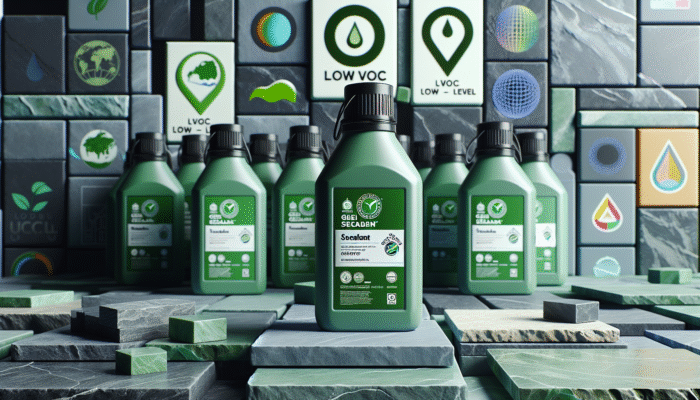
  • Nature Photography in Las Vegas: Best Places to Capture Beauty

    Nature Photography in Las Vegas: Best Places to Capture Beauty

    Explore the Breathtaking Beauty of Red Rock Canyon: A Must-Visit Location for Passionate Photographers

    Take a Scenic Drive to Discover Nature’s Masterpiece

    Best Las Vegas Spots for Nature Photography: Scenic drive at sunset in Red Rock Canyon, vibrant sandstone and dramatic light interplay.

    The best Las Vegas spots for nature photography often start with awe-inspiring vistas, and the 13-mile scenic loop at Red Rock Canyon is the perfect launchpad for your photographic journey. This mesmerizing drive reveals the magnificent landscapes of the Mojave Desert, showcasing vibrant rock formations and seemingly limitless horizons. As you navigate the winding roads, get ready to capture the breathtaking colors of the sandstone, particularly during the magical golden hours of sunrise and sunset. The dramatic interplay of light and shadow across the canyon walls presents a visual feast that every photographer must experience.

    Utilize designated lookout points for capturing panoramic shots that are sure to impress your audience. Each curve in the road unveils a fresh perspective, motivating you to document the artistry of nature in its most authentic form. Embrace the opportunity to experiment with composition; incorporating elements like wildflowers in the foreground can enrich your images with added layers and depth. With the landscape continuously evolving, no two visits will yield the same photographs, positioning this drive as a vital destination for any nature photographer eager to encapsulate the true essence of the desert.

    Eager to Listen to Our Photography Tips and Insights?

    Delve into Hiking Trails for Engaging Nature Photography Experiences

    For those seeking a more intimate connection with nature, the hiking trails nestled within Red Rock Canyon offer an unmatched opportunity to explore the desert landscape up close. One standout trail is the Calico Tanks trail, where hikers will encounter stunning red rock formations and unique geological features, providing extraordinary photographic opportunities at every turn. As you trek along the path, pay attention to the rich textures and vibrant colors surrounding you—these elements can transform an ordinary photograph into a captivating piece of art that truly represents the beauty of the environment.

    The trail leads you to a natural water tank, which grants breathtaking views of the sprawling city of Las Vegas on the horizon. Capture the striking contrast between the rugged terrain of the canyon and the vast urban landscape below, beautifully illustrating the coexistence of nature and city life. The elevation gain along the trail offers expansive perspectives of the canyon, making it ideal for sweeping, wide-angle shots that emphasize the grandeur of the landscape. Don’t forget to bring a sturdy lens and tripod for low-light moments at dusk, when the sky transforms into a vibrant canvas bursting with colors.

    Uncover Exciting Wildlife Photography Opportunities in the Canyon

    Red Rock Canyon is a sanctuary for wildlife photography enthusiasts. Keep your eyes peeled for the majestic desert bighorn sheep, often seen grazing on rocky ledges. These magnificent creatures serve as ideal subjects for your photography collection, allowing you to capture the essence of life thriving in a challenging environment.

    The prime times for wildlife photography are early mornings or late afternoons when animals are most active. Bring along a telephoto lens to photograph close-up shots without disturbing their natural behaviors. Besides bighorn sheep, you may also encounter a variety of bird species, lizards, and even the elusive desert tortoise. Every encounter provides a unique opportunity to document the rich biodiversity that this remarkable area has to offer.

    Whether you’re capturing a sheep scaling a steep cliff or a hawk gracefully soaring overhead, the wildlife of Red Rock Canyon adds a vital layer to your nature photography portfolio, enhancing your visual storytelling in impactful ways.

    Experience the Adrenaline of Rock Climbing While Capturing Stunning Visuals

    Climber scaling rugged cliffs at Red Rock Canyon, capturing dynamic action shots against vivid desert backdrop.

    If you’re seeking adventure while creating breathtaking imagery, rock climbing at Red Rock Canyon offers an exhilarating experience. The rugged cliffs and rock formations attract climbers of all skill levels, providing a stunning backdrop for capturing dynamic action shots. As you ascend these vertical landscapes, the views become increasingly spectacular, revealing unique perspectives that few get to witness firsthand.

    Climbing is not only about the thrill; it’s also an opportunity to document your journey. Capture your fellow climbers in action against the vibrant desert backdrop or focus on the intricate textures of the rocks that make these cliffs so captivating. Each ascent presents a chance to create dynamic compositions that highlight both the climber and the surrounding environment.

    For those who prefer not to climb, photographing climbers in their element can evoke a sense of adventure and excitement. Whether you’re capturing the triumphant moment of reaching a peak or moments of struggle, the rich tapestry of Red Rock Canyon will undoubtedly inspire your photography pursuits.

    Valley of Fire State Park: A Photographer’s Paradise in the Desert

    Photograph the Stunning Fire Wave: A Geological Wonder

    Valley of Fire State Park is a true gem for photographers, famous for its breathtaking landscapes, with the Fire Wave being a must-see highlight. This unique sandstone formation captivates with its swirling patterns of red and white, creating a mesmerizing canvas for your photography endeavors. The best time to visit is during sunrise or sunset when the light casts a golden glow over the rocks, enhancing their natural colors and textures.

    To capture the Fire Wave in all its splendor, explore various angles and perspectives. Shoot from above to emphasize its wave-like patterns or crouch low to the ground to capture intricate details. The surrounding desert landscape adds context to your images, so be sure to include elements like Joshua trees or other distinctive flora to enrich your compositions and tell a more complete story.

    This location also allows for long-exposure shots, enabling you to capture the movement of clouds over the vibrant formations, infusing a sense of drama and depth into your photography portfolio.

    Reveal the Unique Splendor of the White Domes

    Eroded sandstone formations resembling swirling sculptures in Valley of Fire, with vibrant colors under early morning light.

    Another captivating feature of the Valley of Fire is the White Domes, a collection of eroded sandstone formations that resemble colossal, swirling sculptures. The rich colors and textures of the rocks create an otherworldly atmosphere, making them an ideal subject for both landscape and abstract photography.

    As you navigate this area, pay special attention to the interplay of light and shadow, which can dramatically alter the appearance of the formations. Early morning or late afternoon light amplifies the colors, making your images burst with vibrancy. Experiment with various focal lengths to capture both the grand scale of the White Domes and the intricate details found within the rock itself.

    Don’t forget to include the surrounding scenery; the contrast between the white and red rocks against the clear blue sky creates stunning compositions. The versatility of the White Domes ensures that every photograph will be unique, making them an essential stop on your photographic journey.

    Document Cultural Heritage Through Ancient Petroglyphs

    Valley of Fire is not just about striking landscapes; it also boasts a rich cultural history, illustrated by ancient petroglyphs etched into the rocks. These intriguing artifacts provide a glimpse into the lives of the Native American tribes that once inhabited this area. Photographers can capture these symbols against the dramatic backdrop of the desert, creating images that narrate a compelling story of culture and history.

    When photographing petroglyphs, be mindful of composition. Frame the carvings with the surrounding landscape to provide context about the culture and environment. Early morning light is ideal for illuminating the details of the petroglyphs, enhancing their visibility and impact in your photographs, allowing the ancient artistry to shine.

    Documenting this ancient art form not only enriches your photography portfolio but also preserves a piece of history that deserves to be shared with others. Engage your audience with compelling images that highlight the connection between nature and human history.

    Discover the Iconic Seven Sisters Rock Formations

    The Seven Sisters, a stunning cluster of red rock formations, is another must-see feature within the Valley of Fire. These formations are celebrated for their vibrant colors and unique shapes, making them an irresistible subject for photography. Capture their grandeur against the backdrop of a clear desert sky, experimenting with different perspectives to uncover the most compelling angles.

    Sunrise and sunset are the prime times to visit, as the changing light enhances the rich hues in the rock. Utilize a wide-angle lens to capture the entire formation while incorporating the surrounding landscape to create a sense of scale and place within the environment.

    The Seven Sisters also provide opportunities for creative compositions. Use the lines and shapes of the formations to guide the viewer’s eye through your photograph, crafting a dynamic visual experience. Your images of the Seven Sisters will not only showcase their natural beauty but will also stand out as unique representations of the Valley of Fire.

    Lake Mead National Recreation Area: An Adventurous Haven for Nature Enthusiasts

    Experience Stunning Overlook Points for Unforgettable Views

    One of the most exhilarating features of the Lake Mead National Recreation Area is its panoramic viewpoints. The numerous overlooks are ideal for photographers eager to capture sweeping shots of the lake and the surrounding mountains. Each vantage point offers a distinct perspective, allowing you to showcase the vastness of this breathtaking landscape.

    To create captivating photographs, focus on the interplay of light and shadow across the water and hills. Early mornings are particularly magical, as the stillness of the lake can produce mirror-like reflections, adding a sense of tranquility to your images. Consider using a polarizing filter to enhance colors and reduce glare, ensuring that your photographs are vibrant and crystal clear.

    As you frame your shots, think about incorporating both foreground and background elements to create a well-balanced composition. Including features such as desert plants or rocky outcrops can add depth and interest, transforming a simple landscape shot into a compelling narrative of nature’s beauty.

    Unique Perspectives from Boating and Kayaking Adventures

    For a distinct perspective on the Lake Mead National Recreation Area, consider capturing images from the water’s edge. Boating and kayaking not only allow you to explore the lake but also provide a chance to photograph stunning views from angles that are otherwise inaccessible. From the water, you can document dramatic cliff faces that rise steeply from the lake’s edge, framed by the sparkling blue water.

    The reflections on the lake’s surface can create mesmerizing compositions, particularly during the golden hours when the light is soft and warm. Utilize a waterproof camera or a sturdy protective case to capture action shots while you paddle, adding an adventurous element to your portfolio.

    Kayaking also brings you close to various natural features, including hidden coves and tranquil beaches, offering endless opportunities to document the beauty of the area. Whether you’re capturing the serenity of a secluded cove or the thrill of navigating the waves, these images will reveal a side of Lake Mead that few get to experience.

    Uncover the Diverse Desert Flora and Fauna

    Lake Mead is home to a fascinating array of desert flora and fauna, providing endless photographic opportunities for nature enthusiasts. From towering saguaro cacti to delicate wildflowers, each plant adds a unique element to your photography. Focus on capturing the intricate details of these species, highlighting their resilience in the challenging desert environment.

    The ideal time for photographing desert plants is during the spring, when wildflowers bloom, creating a vibrant tapestry of colors. Use a macro lens to capture the delicate features of flowers, showcasing their beauty in stunning detail. The dynamic colors of the landscape will surely enhance your photography portfolio.

    Wildlife is another aspect worth documenting. Keep an eye out for bighorn sheep, migratory birds, and other desert creatures that inhabit this area. To photograph wildlife effectively, patience is key; ensure your camera is ready and remain quiet to capture animals in their natural habitats, enriching your storytelling through your photography.

    Documenting the diverse plant and animal life at Lake Mead adds depth to your photography portfolio and tells the story of survival in an arid landscape, showcasing the beauty of the ecosystem.

    Spring Mountain Ranch State Park: An Enchanting Hidden Gem for Photographers

    Capture Historic Buildings Amidst Striking Landscapes

    Spring Mountain Ranch State Park is a hidden treasure just a short drive from Las Vegas, offering a unique blend of history and natural beauty. The well-preserved ranch buildings create an inviting backdrop for photography, seamlessly merging rustic charm with the stunning landscape of the Spring Mountains.

    These historic structures tell a compelling story, and capturing them alongside the surrounding scenery can create images that highlight the relationship between human history and nature. Consider shooting during the golden hours to soften the light and infuse warmth into your photographs, creating a nostalgic atmosphere.

    Experiment with various angles to frame the buildings with the majestic mountains in the background. Incorporate surrounding elements, such as wildflowers or rocky outcrops, to add context and depth to your images. These photographs will not only showcase the park’s beauty but also evoke a sense of nostalgia and wonder for visitors and viewers alike, drawing them into the park’s rich history.

    Vibrant Seasonal Wildflowers: A Photographer’s Delight in Spring

    In spring, Spring Mountain Ranch State Park bursts into color as seasonal wildflowers blanket the landscape. This vibrant display provides ideal opportunities for nature photographers to capture the essence of renewal and beauty in the desert. Photographing these flowers not only highlights their vivid colors but also showcases their adaptability in a challenging environment.

    Utilize a macro lens to focus on individual blooms, capturing the intricate details of petals and leaves. Wide-angle shots can also be effective; frame the flowers against the stunning mountain backdrop for a more expansive view of the season’s beauty. The juxtaposition of colors and textures will surely enhance your portfolio.

    Timing is crucial in wildflower photography; visit after a rain for the best blooms and vibrant colors. Early mornings or late afternoons yield softer light, enhancing the natural beauty of the flowers. These photographs will not only brighten your portfolio but also celebrate the fleeting beauty of nature, capturing its essence in a single frame.

    Mountain Backdrops That Inspire Awe and Wonder

    The Spring Mountains provide a dramatic backdrop for photographers seeking to capture the grandeur of nature. Their towering presence contrasts beautifully with the expansive desert landscape, making them an ideal subject for landscape photography. Utilize these mountains as a framing device in your compositions, drawing the viewer’s eye toward the horizon.

    Experiment with different times of day to capture the mountains in various lights. The early morning sun can gently kiss the peaks with a soft glow, while the setting sun can paint them in vibrant hues of orange and red. Wide-angle shots can encompass the grandeur of the landscape, while tighter compositions can focus on specific features of the mountains, highlighting their majestic beauty.

    Additionally, consider capturing the interplay between the mountains and the surrounding flora, like the wildflowers of spring or the hardy desert shrubs. This approach will create a balanced composition that tells a richer story about the region’s biodiversity, enticing viewers to appreciate the harmony of nature.

    Mount Charleston: Experience a High-Altitude Escape for Photography Lovers

    Explore the Ancient Bristlecone Pine Trail

    Mount Charleston is a high-altitude paradise that offers a cool refuge from the Las Vegas heat and a breathtaking backdrop for photographers. The Bristlecone Pine Trail is particularly noteworthy, showcasing some of the oldest living trees on Earth. These ancient bristlecone pines create a unique setting that seamlessly blends history with natural beauty, making them perfect for striking photographs.

    As you hike along the trail, capture the gnarled and twisted forms of the trees against the backdrop of the stunning mountain scenery. Pay attention to the textures of the bark and the interplay of light filtering through the branches, creating ethereal images that evoke the spirit of the wilderness. These captivating visuals will inspire awe in anyone who views them.

    Photographing these trees can also require patience; wait for the right moment when the light hits perfectly, casting long shadows and highlighting the unique shapes of the trees. Your images will not only showcase the beauty of Mount Charleston but also narrate the story of resilience and endurance in nature, celebrating the timelessness of these remarkable trees.

    Winter Wonderland: Capturing Seasonal Snow in the Desert

    Mount Charleston is one of the few locations in Nevada where you can witness snow, creating a unique landscape that’s perfect for winter photography. The contrast between the white snow and the dark rocks of the mountain produces a striking visual dynamic that is simply irresistible. Photographing this rare phenomenon in the desert presents an opportunity to capture a distinctive aspect of the Nevada landscape.

    Winter presents a different set of challenges and opportunities for photographers. Consider capturing snow-laden trees or the blanket of white covering the trails, creating serene and peaceful compositions. The soft winter light can create an enchanting atmosphere, especially during early mornings or late afternoons, yielding beautiful, ethereal images.

    Utilize a tripod for long-exposure shots to capture the stillness of the snow-blanketed landscape. Your images will evoke a sense of calm and beauty that sharply contrasts with the bustling city life just a short drive away, offering viewers a glimpse of nature’s tranquility.

    Capture the Diverse Flora and Fauna of Mount Charleston

    Mount Charleston is also home to a rich variety of plant and animal life, providing photographers with a chance to capture the biodiversity of this high-altitude ecosystem. From vibrant wildflowers to unique animal species, every corner of this area presents exciting opportunities for nature photography.

    During spring and summer, colorful wildflowers bloom, creating a stunning contrast against the backdrop of the mountains. Utilize macro photography to capture the delicate details of these flowers, emphasizing their beauty and resilience in a harsh environment. These images will highlight the fragility and strength of nature.

    Wildlife photography is equally rewarding on Mount Charleston. From deer to various bird species, keep your camera ready to document these creatures in their natural habitats. Early mornings often yield the best opportunities for wildlife photography, as animals are more active and the light is soft and warm, creating an inviting atmosphere. Your documentation of Mount Charleston’s flora and fauna will enhance your photography portfolio and underscore the area’s ecological significance.

    Wetlands Park: An Urban Oasis for Nature Photography

    Engage in Bird Watching and Capture Stunning Avian Photography

    Wetlands Park serves as a remarkable sanctuary for bird watchers and photographers alike. Home to a diverse array of bird species, this urban oasis provides endless opportunities for capturing breathtaking avian photography. From vibrant songbirds to majestic herons, the rich wildlife here is sure to captivate any nature enthusiast.

    Consider visiting during the early morning or late afternoon when birds are most active. Bring a telephoto lens to capture stunning detail in your photographs without disturbing their natural behavior. Look for opportunities to document courtship displays or feeding habits, which can add dynamic elements to your portfolio, showcasing the beauty and diversity of avian life.

    The tranquil setting of the wetlands, combined with the beauty of the birds, creates a unique photography experience. Each visit can yield different results, offering a unique chance to document the wildlife that thrives in this intricate ecosystem, enriching your understanding of avian life.

    Explore Diverse Ecosystems Along Trails and Boardwalks

    The extensive network of trails and boardwalks in Wetlands Park allows photographers to explore diverse ecosystems while capturing stunning images. Each path reveals unique habitats, from marshes to wooded areas, offering countless opportunities for breathtaking photographs.

    As you wander the trails, pay special attention to the reflections in the water and how light interacts with the landscape. Early morning fog can create a mystical atmosphere, while the golden hour casts a warm glow over the wetlands, enhancing the natural beauty of your images. Capture the intricate details of the flora and fauna along the paths, from wildflowers to the unique patterns of leaves.

    The juxtaposition of the boardwalks against the lush greenery can create visually striking compositions that invite the viewer into the scene, transforming ordinary photographs into captivating stories of nature’s resilience.

    Document the Rich Seasonal Changes of Wetlands Park

    Wetlands Park is a dynamic environment where seasonal changes dramatically alter the landscape, providing a rich backdrop for photography throughout the year. Each season brings new colors, textures, and wildlife behaviors, offering photographers an ever-evolving canvas for their work.

    In spring, the park bursts into color with blooming flowers and migratory birds returning to the area. Summer introduces vibrant greens and lively wildlife sounds, while fall showcases striking foliage and an array of migrating species. Winter, though quieter, presents a serene landscape that can be beautifully captured under a blanket of frost or snow.

    Documenting these seasonal changes not only enriches your photography portfolio but also tells the story of the ecosystem’s resilience and adaptability. Each visit can yield fresh perspectives and unique compositions that reflect the beauty of nature throughout the year, encouraging viewers to appreciate the delicate balance of the environment.

    Explore the Diverse Flora and Fauna of Wetlands Park

    The diverse plant and animal life in Wetlands Park presents a treasure trove of photographic opportunities. Documenting the various species that thrive in this unique environment can enhance your understanding of local ecology while enriching your photography portfolio.

    From water lilies to towering reeds, the flora of Wetlands Park adds texture and color to your images. Use macro photography to capture the delicate details of plants, highlighting their beauty and importance to the ecosystem. Each photograph can tell a story about the interconnectedness of life in the wetlands.

    The wildlife in this area is equally fascinating. Keep your camera ready for moments when you might encounter turtles basking in the sun or a family of ducks paddling through the water. Capture these candid moments to provide a more complete story of life in the wetlands, showcasing the diversity of species and their habitats.

    By photographing both the flora and fauna of Wetlands Park, you’ll create a comprehensive portfolio that showcases the beauty and diversity of this remarkable ecosystem, allowing you to share its wonders with others.

    Tule Springs Fossil Beds National Monument: A Fascinating Journey Through Geological History

    Uncover the Secrets of Fossil Exploration

    Tule Springs Fossil Beds National Monument is a unique destination for photographers interested in geological history and the study of ancient life. The fossil beds provide a rare glimpse into the past, offering opportunities to document remnants of prehistoric creatures that once roamed this area.

    Photographing fossils can be a creative endeavor, capturing the textures and shapes of fossilized remains against the backdrop of a striking desert landscape. Use your camera to document the intricate details, showcasing how these remains have been preserved through time, telling a story that spans millennia.

    Consider visiting during different times of the day to capture how light interacts with the fossil beds, creating shadows that highlight their features. Each photograph can tell a story, revealing the history and significance of the site while showcasing your artistic vision, transforming ancient history into compelling imagery.

    Explore Diverse Desert Landscapes for Stunning Photography

    The expansive desert landscapes surrounding Tule Springs offer a stunning backdrop for photography. The varied terrain, from rocky outcrops to sandy plains, creates a diverse environment that can be beautifully captured through your lens.

    Utilize wide-angle shots to encompass the vastness of the landscape, highlighting the unique geological features that define the area. Experiment with foreground elements, such as desert plants, to add depth and interest to your compositions. This approach will result in images that not just capture the beauty of the landscape but also tell a more engaging story.

    Golden hours are ideal for capturing the natural colors and textures of the desert, enhancing your images with warm tones and dramatic contrasts. Whether you’re focusing on the unique geology or the expansive vistas, each photograph will reveal the beauty of this rugged landscape, inviting viewers to explore its wonders.

    Engage in Wildlife Viewing for Unique Photography Opportunities

    Tule Springs Fossil Beds is not only a geological wonder but also a habitat for a diverse array of wildlife species. From desert tortoises to coyotes, the area is rich with opportunities for wildlife photography. Keeping your camera ready to capture these animals in their natural habitats adds an exciting element to your photographic journey.

    Patience and stealth are crucial when photographing wildlife. Arrive early or stay late to increase your chances of encountering animals during their active hours. Utilize a telephoto lens to capture wildlife without disturbing their natural behavior, ensuring your photographs maintain their authenticity while telling a compelling story.

    Each encounter with wildlife offers a unique opportunity to document the delicate balance of life in the desert. The images you capture will showcase the diversity of species and their intricate relationship with the environment, enriching your photography portfolio with stories that resonate.

    Frequently Asked Questions About Nature Photography in Las Vegas

    What are the optimal times for capturing beautiful nature photography in Las Vegas?

    The most favorable times for nature photography in Las Vegas are typically during the golden hours—early mornings and late afternoons—when the light is soft and warm, creating stunning visuals that enhance the beauty of the landscapes.

    Do I need a special permit to photograph at these iconic locations?

    Most national and state parks do not require permits for photography unless you are using professional equipment or have commercial intentions. Always check specific regulations for each location to ensure compliance.

    What camera equipment is recommended for capturing nature photography?

    A DSLR or mirrorless camera, paired with a variety of lenses, is ideal for nature photography. A zoom lens and a macro lens are particularly useful for capturing wildlife and intricate details in nature, allowing for versatility in your shots.

    Is it easy to hike with a camera in these areas?

    Yes, many trails in these locations are accessible for hikers with cameras. Just ensure you have a comfortable camera bag and are prepared for varying terrain, making your hiking and photography experience enjoyable.

    Is it safe to photograph wildlife in these natural settings?

    While photographing wildlife can be safe, it’s crucial to maintain a safe distance and never approach or feed animals. Always respect their habitats to ensure both your safety and theirs, allowing for responsible wildlife observation.

    Are there guided photography tours offered in these scenic areas?

    Yes, many companies provide guided photography tours in these locations, offering expert advice on techniques and composition while ensuring you don’t miss out on key highlights along the way.

    What should I wear for my photography excursions?

    Dress in layers suitable for the desert climate. Comfortable hiking boots, a wide-brimmed hat, and sunscreen are recommended to protect against sun exposure during outdoor shoots, ensuring a pleasant experience.

    How can I effectively improve my nature photography skills?

    Practice is essential! Study compositions, learn about lighting, and experiment with different techniques. Consider taking a workshop or joining a photography group to gain insights and feedback on your work, fostering growth in your skills.

    Are there specific photography guidelines to follow in these parks?

    Yes, it is crucial to follow Leave No Trace principles, respect wildlife, and avoid disrupting natural habitats. Always adhere to park rules regarding trails and restricted areas to preserve the beauty of these environments.

    What types of wildlife can I expect to encounter in these areas?

    Expect to see a range of wildlife, including birds, desert tortoises, bighorn sheep, and various reptiles. Each location offers a unique set of species, enriching your photography experience and storytelling.

    Connect with us on Facebook for more photography tips!

    The Article Best Las Vegas Spots for Nature Photography: A Guide appeared first on https://showme.vegas

    The Article Las Vegas Nature Photography: Top Spots to Capture Beauty Was Found On https://limitsofstrategy.com

  • Legal Recycling Tips for Easy House Clearance

    Legal Recycling Tips for Easy House Clearance

    Your Comprehensive Guide to Navigating UK Recycling Laws and Best Practices

    In-Depth Examination of Waste Management Regulations in the UK

    Legal Recycling Tips for House Clearance: A maze representing UK waste regulations with labels like 'Environmental Protection Act 1990' and 'Duty of Care', against a house clearance scene.

    Understanding the complex framework of UK waste regulations is essential for anyone involved in house clearance. The Environmental Protection Act 1990 forms the fundamental basis of waste management laws in England, mandating that households take responsibility for the appropriate disposal of their waste. This act imposes a stringent duty of care on individuals and businesses alike, and failing to comply can lead to significant fines and serious legal repercussions. It is imperative to ensure that waste is transferred to a registered waste carrier to avoid penalties associated with improper disposal practices.

    Local councils are entrusted with the enforcement of specific regulations tailored to meet the unique needs of their communities, which may include requirements for waste segregation or designated disposal sites. Therefore, prior to embarking on a house clearance, it is crucial to thoroughly investigate the regulations put forth by your local council. Engaging a licensed waste carrier not only ensures adherence to these laws but also promotes responsible waste management practices, ultimately enhancing the efficiency of your clearance process while minimizing the risk of legal issues.

    Essential Considerations for Safe Management of Hazardous Waste

    Proper identification and management of hazardous materials is a critical component of any house clearance project. Items such as batteries, paints, and electrical goods can pose serious risks if not disposed of correctly. These materials often contain harmful substances that can have detrimental effects on both environmental safety and human health. UK legislation, particularly the Hazardous Waste Regulations 2005, mandates that hazardous waste undergo specific treatment and disposal processes to mitigate any negative impacts on the environment.

    It is vital for homeowners to be vigilant in identifying hazardous materials lurking within their homes. For instance, old paint tins, fluorescent light bulbs, and certain electronic devices require special handling to ensure safety and compliance with the law. Contacting local recycling centres or hazardous waste disposal services can provide essential guidance on the proper disposal methods for these items. Always read labels and safety data sheets associated with products to gain a complete understanding of their hazardous nature and adhere to the appropriate disposal protocols. This diligence not only protects the environment but also ensures compliance with UK regulations, safeguarding public health.

    Familiarising Yourself with Local Council Recycling Guidelines

    Every local council in the UK has its own distinctive set of recycling requirements, which can significantly impact your house clearance efforts. Familiarity with these specific guidelines is crucial for effective waste management and successful recycling outcomes. Local authorities generally provide resources on their official websites detailing which materials are recyclable and which are not, as well as the correct procedures for disposing of specific items during house clearance.

    In some regions, councils may offer free or low-cost collection services for bulky items like furniture or appliances, thus making disposal more convenient for residents. Conversely, some councils may require residents to personally transport these items to designated recycling centres. It is essential to engage with your local authority early in the clearance process to determine if they have any special initiatives or programs designed to support recycling efforts during house clearances. Following these guidelines not only reinforces local sustainability initiatives but also ensures compliance with the law.

    Finding and Using Local Recycling Facilities for Effective Waste Disposal

    A busy UK recycling center with zones for electronics, garden waste, and appliances, people sorting materials.

    Identifying and utilizing appropriate recycling facilities are fundamental to responsible house clearance. The UK boasts a comprehensive network of recycling centres, each designed to efficiently manage specific types of materials. You can typically find information about these facilities on your local council’s website, which provides insights into the materials that can be recycled and their operational hours, aiding you in planning your clearance activities effectively.

    When planning your house clearance, consider the nature of the items you need to dispose of. Larger items, such as appliances, may necessitate a visit to a designated facility, while smaller items can often be conveniently disposed of in household recycling bins. Understanding the distinctions between various recycling facilities—such as those dedicated to electronic waste or garden refuse—can significantly streamline your clearance process. Many facilities also offer valuable guidance on how to properly sort and prepare materials, enhancing your recycling efforts and facilitating a smoother disposal experience.

    Effective Strategies for Sorting and Categorising Recyclables

    Recognising and Classifying Various Recyclable Materials

    When undertaking a house clearance, it is essential to identify the diverse types of recyclable materials present within your home. In the UK, commonly recyclable materials typically encompass paper, cardboard, glass, metals, plastics, and certain types of textiles. However, it is crucial to understand what is recyclable and what is not in order to prevent contamination, which could result in entire batches of recyclable materials being sent to landfills unnecessarily.

    For example, plastic packaging often features recycling symbols indicating their acceptability in your local area. Moreover, items such as electronics may require special handling due to their hazardous components. Conducting thorough research into your local recycling capabilities can significantly enhance the recycling potential of your household items and ensure compliance with local regulations.

    Additionally, numerous local charities and organisations welcome donations of recyclable items such as books, clothes, and furniture in good condition. By identifying these materials early in the clearance process, you not only enhance the efficiency of your operation but also support your community’s sustainability efforts while reducing waste and promoting responsible consumption.

    Implementing Effective Sorting Techniques for Enhanced Recycling Outcomes

    Person sorting household items into labeled bins for recycling, non-recyclables, hazardous materials, and donations during house clearance.

    Implementing efficient sorting techniques is the cornerstone of effective recycling practices. By categorising items systematically during your house clearance, you can significantly streamline the process and ensure that materials are disposed of properly. Start by grouping items into distinct categories: recyclables, non-recyclables, hazardous materials, and items earmarked for donation. This initial categorisation simplifies the disposal process and maximises your recycling output by guaranteeing that materials are directed to the correct channels.

    Utilising clearly labelled bins or boxes for each category can effectively prevent cross-contamination and facilitate the sorting process. Ideally, these containers should be marked to make sorting intuitive for everyone involved in the clearance process, ensuring that all participants understand where to place different types of waste. Dedicating sufficient time to this sorting phase can save you considerable effort in the long run, particularly when adhering to local recycling regulations.

    For instance, recyclable paper and cardboard should be kept separate from plastics and metals. Ensure these materials are clean and dry before placing them in recycling bins, as contamination can render them unusable. By adopting these practices, you help maintain the integrity of the recycling stream while promoting environmental responsibility and sustainable practices.

    The Importance of Labelling and Organisation in the Recycling Process

    Effective labelling and organisation are crucial for maintaining an orderly clearance operation, ensuring that all materials are correctly categorised. Once you have sorted your items, it is vital to ensure that each category is distinctly labelled. This practice aids in identifying materials and facilitates a smoother recycling process, reducing the likelihood of errors during disposal.

    Consider employing colour-coded labels or symbols to differentiate between various material types. For instance, blue could denote paper, green for glass, and yellow for plastics. This labelling system can greatly assist anyone involved in the clearance process, making it more efficient and less prone to errors while sorting and disposing of materials.

    Storage space is another vital consideration when organising recyclable materials. Ensure that sorted items are kept in a clean, dry environment to prevent deterioration that may affect their recyclability. If space allows, grouping similar items together can further aid in the recycling process and enhance overall efficiency. Thoughtful organisation can significantly improve your effectiveness, ensuring that your house clearance is both efficient and compliant with local recycling regulations.

    Safe Segregation of Hazardous Waste During House Clearance

    The meticulous segregation of hazardous waste during house clearance requires careful attention to ensure safety and compliance with UK regulations. This step is vital, as improper handling can lead to environmental damage and serious legal repercussions. Begin by identifying hazardous materials, which commonly include solvents, batteries, and specific electronic devices that necessitate special care during disposal.

    Designate a specific area for hazardous waste to prevent accidental contamination with other recyclables. This could be a labelled bin or a dedicated corner of your clearance area reserved for hazardous materials. When collecting hazardous items, ensure they are securely stored in their original containers whenever possible, as these are designed to safely contain the materials and prevent leaks or spills.

    Reaching out to local hazardous waste disposal services is crucial for obtaining proper disposal guidance. Many councils provide specific drop-off locations or collection services for hazardous materials, ensuring they are managed safely and responsibly in accordance with the law. By prioritising the safe segregation of hazardous waste, you not only comply with UK laws but also contribute to fostering a healthier environment for your community.

    Understanding Recycling Facility Guidelines for Successful Disposal

    Grasping the guidelines and procedures of local recycling facilities is essential for effective waste management during house clearance. Each facility may have varying requirements regarding the materials they accept, how items should be prepared, and the procedures that must be followed upon arrival to ensure efficient processing.

    Before visiting a recycling centre, it is advisable to check their website or contact them directly to familiarise yourself with their specific guidelines. Some facilities may require that items be sorted in advance, while others may have designated days for specific types of waste. Being informed about these particulars can save you time and effort throughout your clearance operation and help you avoid unnecessary delays.

    Additionally, be mindful of any restrictions on the quantity or types of items that can be brought to the facility. For example, certain centres may limit the number of tyres or large appliances one can dispose of at a time. By adhering to facility guidelines, you enhance your recycling efforts and ensure you contribute positively to local waste management initiatives while minimising environmental impact.

    Selecting the Right Recycling Services for Your Needs

    Ensuring Legal Compliance by Hiring Licensed Waste Carriers

    Choosing the appropriate recycling services begins with verifying the credentials of licensed waste carriers. In the UK, it is a legal requirement to engage only licensed carriers for waste disposal, particularly during house clearance. Hiring an unlicensed carrier poses significant risks, including the possibility of illegal dumping and subsequent fines for the homeowner, which can be financially burdensome.

    To ensure compliance, verify the carrier’s registration with the relevant environmental authority, such as the Environment Agency or your local authority. This verification is a straightforward process and can often be accessed online through the agency’s official website. A reputable waste carrier will transparently share their licensing and disposal practices, ensuring your waste is handled responsibly.

    When selecting a carrier, consider their area of expertise. Some carriers specialise in specific waste types, such as electronics or construction debris, while others offer general waste disposal services. Understanding your specific clearance needs will guide you in choosing the most suitable carrier for your project. By making informed decisions, you can ensure a compliant and environmentally friendly house clearance, supporting sustainable waste management practices in your community.

    Maximising the Benefits of Local Recycling Centres

    Recycling centres are invaluable resources for homeowners during house clearances, providing essential facilities designed to manage a wide array of waste materials. The first step is to locate your nearest recycling centre. Most local councils provide a detailed list of centres on their websites, including operating hours and the materials they accept for recycling.

    When visiting a recycling centre, ensure you are aware of which items can be accepted. Many centres feature designated areas for different materials, such as plastics, metals, and garden waste. This segregation at the source is crucial for ensuring effective recycling outcomes, allowing materials to be processed efficiently and without contamination.

    Additionally, consider any potential costs associated with using certain recycling centres. While many offer free disposal for residential waste, some may impose fees for specific items, such as large appliances or electronic waste. Being aware of these details can facilitate effective budgeting for your house clearance and help you make informed choices about where to dispose of your items. By utilising local recycling centres, you support community recycling initiatives while contributing to environmental sustainability efforts.

    Engaging Specialist Services for Unique Waste Types

    In specific situations, standard recycling services may fall short, particularly for specialised waste types that require expert handling. This is where the engagement of specialist recycling services becomes necessary to ensure compliance and promote responsible recycling practices. For instance, electronic waste necessitates specialised handling due to its hazardous components and the complexity of the materials involved.

    Collaborating with a specialist service guarantees adherence to regulations while ensuring that valuable materials are reclaimed and hazardous components are disposed of safely. When seeking specialist services, research providers in your area that focus on specific waste categories, such as batteries, fluorescent tubes, or furniture. These services typically possess the necessary infrastructure to process items responsibly, minimising their environmental impact.

    It is advisable to investigate user reviews and testimonials to assess the effectiveness and reliability of specialist services. This diligence pays off, leading to improved recycling outcomes and a reduced environmental impact. By recognising when to leverage specialist services, you can optimise your house clearance process and support a circular economy that prioritises sustainability.

    Embracing Eco-Friendly Disposal Methods

    Exploring Opportunities for Reusing and Repurposing Household Items

    During house clearance, the potential for reusing and repurposing items should not be overlooked. Many household goods can have a second life, reducing waste and fostering creativity in the process. Distinguishing between items suitable for reuse or repurposing is essential to maximise their value. Items such as furniture, decor, and even building materials can often be transformed rather than discarded, contributing significantly to sustainability.

    Consider hosting a garage sale or utilising online platforms to sell valuable items that are no longer needed. This not only helps declutter your space but also promotes sustainable practices by allowing others to benefit from these goods, extending their lifecycle. Additionally, many local charities are eager to accept donations of high-quality furniture, clothing, and household goods, thereby aiding those in need while preventing items from ending up in landfills.

    For items that may not be directly suitable for reuse, consider creative repurposing options. For instance, old wooden pallets can be converted into garden furniture, while glass jars can serve as storage solutions or decorative pieces. Embracing innovative thinking during your clearance not only minimises waste but also fosters a sense of community and responsibility towards the environment and sustainability.

    Identifying Donation Opportunities for Unwanted Items

    Donating items that remain in good condition is one of the most impactful eco-friendly methods during a house clearance. Numerous charities and organisations welcome donations of clothing, furniture, and various household items that can benefit others. This act not only supports those in need but also plays a significant role in reducing overall waste, promoting a circular economy.

    Research local charities that align with your values and mission. For example, Oxfam, the British Heart Foundation, and local homeless shelters often accept donations, providing essential items to individuals and families in need. Many charities even offer collection services, making it easier to donate larger items, such as furniture. Before donating, ensure the items are clean and in good working order to maximise their usefulness and impact.

    Furthermore, explore community initiatives that encourage sharing or swapping goods. Local Facebook groups or community centres may organise swap events where you can exchange items with others in your area. This not only helps declutter your home but also promotes a sustainable lifestyle, reinforcing the importance of reusing and recycling materials. By choosing to donate, you play a vital role in fostering a sense of community while simultaneously reducing waste and supporting those in need.

    Composting Organic Waste for a Healthier Planet

    Composting organic waste generated during house clearance is an excellent, eco-friendly method of disposal that benefits both the environment and your garden. By diverting kitchen scraps, garden waste, and other organic materials from landfills, you contribute to reducing greenhouse gas emissions and create nutrient-rich compost for gardens, promoting soil health and plant growth.

    Initiating a compost bin at home is a relatively straightforward process. Designate a space in your garden for composting and begin by layering organic materials. This includes fruit and vegetable scraps, coffee grounds, grass clippings, and even shredded paper. It is essential to maintain a balance between green materials (rich in nitrogen) and brown materials (rich in carbon) to facilitate the composting process effectively and produce high-quality compost.

    Many local councils offer composting workshops or provide bins for residents to encourage this environmentally friendly practice. Engaging with these resources can enhance your composting efforts and promote a greener lifestyle in your community. By composting organic waste, you not only reduce landfill contributions but also enrich your soil, supporting a sustainable ecosystem in your garden and contributing to overall environmental health.

    Finding Local Recycling Facilities for Efficient Waste Management

    Identifying local recycling facilities is crucial during house clearance, as these centres accept a variety of materials that can be recycled. Each facility may have specific guidelines regarding the materials it receives, making it vital to conduct research beforehand. Most local councils maintain a list of recycling facilities on their websites, outlining accepted items and operational hours to help you plan your clearance effectively.

    When planning your clearance, categorise your items based on the requirements of each facility. Some centres may specialise in handling electronics, while others focus on plastics or metals, ensuring that materials are processed according to their specific guidelines. Understanding these distinctions ensures your materials are directed to the appropriate locations, maximising recycling success and minimising waste.

    Additionally, many recycling facilities offer guidance on preparing items for recycling. For example, you may need to remove batteries from electronic devices or rinse containers before disposing of them. By adhering to these protocols, you contribute to the efficiency of the recycling process, ensuring materials are recycled responsibly and in compliance with local regulations.

    Ensuring Safe and Responsible Disposal of Hazardous Waste

    The safe and environmentally friendly disposal of hazardous waste is critical during house clearance, as many common household items, such as batteries, paints, and certain cleaning products, require special handling to prevent environmental damage. The UK has implemented strict regulations governing hazardous waste, mandating proper disposal methods to protect public health and the environment.

    Local councils often provide designated drop-off points for hazardous materials, ensuring they are treated and disposed of safely. Always check with your local authority to determine the locations of these facilities and the items they accept, as this information is essential for responsible waste management. Proper disposal not only complies with legal requirements but also promotes community health and environmental integrity.

    Additionally, consider reaching out to specialist companies that focus on hazardous waste disposal. These providers are equipped to handle a range of materials safely, ensuring compliance with regulations while minimising risks associated with improper disposal. By prioritising proper disposal practices, you take a crucial step in protecting the environment and promoting sustainability during your house clearance.

    Avoiding Common Mistakes in Recycling Practices

    Strategies for Preventing Contamination of Recyclables

    Contamination of recyclables is a frequent pitfall during house clearance that can undermine your recycling efforts and lead to increased landfill waste. When non-recyclable items are inadvertently mixed with recyclables, they can render entire batches unusable, resulting in wasted resources and unnecessary costs. Understanding what constitutes contamination is vital for effective recycling.

    Each local authority provides guidelines on accepted materials for recycling, and it is essential to familiarise yourself with these rules. Items such as greasy pizza boxes, contaminated food containers, and certain types of plastic can often lead to contamination issues. To avoid this, ensure that all recyclable materials are clean and dry before placing them into your recycling bin, minimising the risk of contamination.

    Educating everyone involved in the clearance process about proper recycling practices can significantly reduce contamination risks. Consider creating a quick reference guide that outlines what can and cannot be recycled according to local guidelines. By paying careful attention to these details, you enhance the effectiveness of your recycling efforts and contribute positively to local waste management initiatives, fostering a culture of compliance and responsibility.

    Preventing Improper Disposal of Electronic Waste

    Improper disposal of electronic waste presents significant environmental challenges and is a common mistake during house clearance. Many individuals are unaware that electronics contain hazardous materials, such as lead and mercury, which can leach into the environment if not disposed of correctly. In the UK, there are specific regulations governing the disposal of electronic items to ensure their safe handling.

    Local councils frequently organise designated e-waste recycling events or establish drop-off points to ensure safe disposal of electronic waste. It is crucial to utilise these services, as they are designed specifically for managing electronic waste responsibly and minimising the risk of environmental harm. Additionally, many retailers offer take-back programmes for old electronics, allowing consumers to return items for recycling when purchasing new ones.

    Before disposing of electronics, consider whether any items can be refurbished or donated. Numerous charities accept working devices to provide to those in need. This approach not only reduces waste but also extends the lifespan of electronic products, contributing to a more sustainable economy. By prioritising proper disposal and exploring recycling options, you can significantly reduce the environmental impact associated with electronic waste.

    Thoroughly Inspecting for Hidden Items During Clearance

    One of the most common challenges during house clearance is inadvertently overlooking hidden items that could be recycled. Many individuals focus primarily on larger, visible items and neglect smaller or less obvious materials that may also be recyclable. Conducting a thorough examination of your home, including cupboards, drawers, and storage spaces, is crucial to identify all recyclable materials that might otherwise be discarded.

    Consider creating a checklist of frequently overlooked items, such as batteries, light bulbs, and old electronics. These items typically require special handling but can significantly contribute to your recycling efforts if managed properly. Engaging all members of the household in the clearance process can provide fresh perspectives and help identify overlooked items, ensuring nothing valuable is missed.

    This collaborative approach promotes collective responsibility for recycling and waste management within your home. By being diligent and thorough in your efforts, you can optimise your recycling outcomes while ensuring compliance with UK regulations, making a positive impact on the environment.

    Understanding the Legal Implications of Improper Waste Disposal

    Recognising the Fines and Penalties for Non-Compliance

    Recognising the legal consequences of improper waste disposal is crucial for homeowners engaged in house clearance. In the UK, failing to comply with waste regulations can lead to substantial fines and penalties that can adversely affect your financial situation. The Environmental Agency offers comprehensive guidelines and frameworks outlining homeowners’ responsibilities regarding waste management and disposal practices.

    Fines for non-compliance can be considerable, with penalties potentially reaching thousands of pounds for severe breaches of regulations. Moreover, improper disposal can lead to criminal charges in certain cases, resulting in prosecution and other legal repercussions. Homeowners must take these regulations seriously, ensuring that all waste is disposed of responsibly and in accordance with the law to avoid negative consequences.

    To avert legal repercussions, always engage licensed waste carriers and adhere to local authority guidelines. Educating yourself about the rules and regulations concerning waste disposal empowers you to make informed decisions during your clearance process. By prioritising compliance, you protect yourself against potential legal issues while contributing positively to environmental health and sustainability in your community.

    Evaluating the Environmental Impact of Illegal Dumping

    The environmental consequences of illegal dumping during house clearance are profound and far-reaching, impacting ecosystems and communities alike. When waste is improperly disposed of, it can lead to significant pollution of land, air, and water systems, causing long-term damage. Hazardous materials, in particular, pose substantial risks, as they can leach into soil and waterways, adversely affecting wildlife and human health.

    In the UK, the government has implemented various strategies to combat illegal dumping; however, community awareness and responsibility play a critical role in its prevention. By engaging in responsible waste management practices, homeowners can significantly reduce their environmental footprint and contribute to sustainability efforts within their communities.

    Moreover, public awareness campaigns highlight the importance of recycling and proper disposal methods. Engaging with these initiatives fosters a sense of community responsibility and encourages individuals to take action. By making informed choices during house clearance, homeowners can help create a cleaner, healthier environment for future generations, enhancing overall quality of life.

    Understanding Your Legal Responsibilities During House Clearance

    Homeowners have specific legal responsibilities during house clearance, particularly concerning waste management and disposal. Under the Environmental Protection Act 1990, individuals are required to ensure their waste is disposed of lawfully and responsibly. This encompasses the use of registered waste carriers and compliance with local authority regulations to avoid legal penalties.

    Failure to meet these legal obligations can result in fines, as previously mentioned, but it also has broader implications for the community and environment. Homeowners are encouraged to maintain records of their waste disposal activities, including receipts from licensed carriers, as proof of compliance with applicable regulations. These records can be invaluable in demonstrating responsible waste management practices.

    Proactively understanding your legal responsibilities not only protects you from penalties but also promotes responsible behaviour within your community. Engaging with educational resources or local initiatives can further enhance your awareness of waste management laws. By fulfilling your legal obligations, you contribute to a culture of sustainability and accountability, fostering a sense of community responsibility towards the environment.

    Frequently Asked Questions About UK Recycling Regulations

    What are the key UK recycling laws I should be aware of?

    The primary recycling laws in the UK encompass the Environmental Protection Act 1990 and the Hazardous Waste Regulations 2005, which outline the responsibilities for waste management and disposal practices that homeowners must follow.

    How can I ensure the safe disposal of hazardous materials during a house clearance?

    To ensure the safe disposal of hazardous materials, identify them, store them securely, and contact local recycling centres or hazardous waste disposal services for guidance on proper handling and disposal.

    What types of materials can be recycled in the UK?

    In the UK, commonly recyclable materials include paper, cardboard, glass, metals, specific plastics, and certain textiles, depending on the guidelines set by local councils.

    How can I sort and categorise items effectively during a house clearance?

    To sort and categorise items effectively, create distinct groups for recyclables, non-recyclables, hazardous materials, and items for donation, using clear bins for organisation and easy identification.

    What services do licensed waste carriers offer?

    Licensed waste carriers ensure the safe and compliant disposal of various waste types, processing items in accordance with UK regulations and environmental standards to prevent illegal dumping.

    Where can I locate local recycling centres?

    Local recycling centres can typically be found on your local council’s website, which provides information about accepted materials and operational hours to assist in planning your clearance.

    What should I do with electronic waste during house clearance?

    Electronic waste should be taken to designated recycling facilities or special collection events, as it requires proper handling due to its hazardous components that can impact the environment.

    How can I donate items in good condition during a house clearance?

    Items in good condition can be donated to local charities, thrift shops, or community groups that accept donations, often providing collection services for larger items to facilitate the process.

    What are the penalties for improper waste disposal in the UK?

    Penalties for improper waste disposal in the UK can include substantial fines and potential criminal charges, emphasising the importance of complying with waste management regulations to protect the environment.

    How can I avoid contamination of recyclables?

    To avoid contamination, ensure that all recyclable materials are clean and dry before disposal, and familiarise yourself with local recycling guidelines to understand what can be recycled.

    Join the Conversation on Facebook!

    The Article: Legal Recycling Tips for House Clearance: A Guide Was First Found At https://birminghamhouseclearance.com

    The Article Legal Recycling Tips for House Clearance Made Easy Was Found On https://limitsofstrategy.com

  • Benefits and Challenges of Heat Pumps in Queensland

    Benefits and Challenges of Heat Pumps in Queensland

    Mastering the Unique Challenges of Selecting Hot Water Systems for Queensland’s Climate

    When it comes to selecting the ideal hot water system for your home in Queensland, the process involves much more than just picking a brand or determining tank size. It requires a detailed understanding of various elements such as the local climate, humidity levels, electricity tariffs, and your household’s specific daily water consumption. Given the escalating energy costs, many families are opting for heat pumps because of their superior energy efficiency and environmental benefits. However, these systems are not one-size-fits-all; it’s essential to assess all relevant factors to ensure optimal performance and longevity of your chosen hot water solution.

    This article will delve into the functionality of heat pumps within Queensland’s diverse climatic conditions, pinpoint which types of homes are most suited for these advanced systems, and dispel common myths that could lead to poor performance or incorrect system selections.

    Heat Pump Installation

    Enhancing the Efficiency of Heat Pumps in Coastal Queensland Conditions

    Heat pump water heaters function by harnessing thermal energy from the surrounding air, and their performance significantly improves as air temperatures rise. In coastal regions of Queensland, including popular areas like the Sunshine Coast, Brisbane, and the Fraser Coast, average air temperatures generally remain above 5°C even during winter. This steady warmth enables heat pumps to operate efficiently all year round without the need for electric boosting or additional heating elements, which are often necessary in cooler climates. By utilizing this renewable energy source, homeowners can benefit from significantly lower energy bills and a smaller carbon footprint.

    Essential Environmental Factors That Enhance Heat Pump Efficiency

    Environmental Factor Impact on Heat Pump Functionality Coastal QLD Efficiency
    Average ambient temperature Higher temperatures lead to more efficient operation ✓ Consistently maintained above 5°C
    Humidity levels Moderate enhancements in performance ✓ Generally high and stable
    Access to off-peak electricity Results in lower operational costs ✓ Widely available in most regions
    Roof shading Minimal impact on efficiency ✓ No detrimental effects on the system
    Direct sunlight exposure Not a requirement for optimal operation ✓ Functions effectively in shaded environments
    CALL 1300 793 962

    GET A QUOTE

    Identifying Scenarios Where Heat Pumps Might Underperform

    Although heat pumps offer numerous advantages, certain conditions in Queensland can hinder their performance:

    • Inland or elevated areas
      In regions such as Toowoomba and the Hinterland, nighttime temperatures can dip significantly during winter months. In these instances, some heat pump models may struggle to maintain optimal efficiency without relying on a booster element, which can lead to increased energy consumption and higher costs.
    • Restricted or poorly ventilated outdoor areas
      Heat pumps require ample airflow around their compressor units to function effectively. In cramped or enclosed spaces, the efficiency of heat extraction may decline, and operational noise could increase, potentially causing disturbances for nearby residents.
    • Large families with high hot water needs
      In homes with more than six occupants, systems designed for greater water storage or faster recovery times, such as solar-boosted gas systems, may be more effective in efficiently meeting high hot water demands.

    Dispelling Common Myths About Heat Pumps in Queensland

    “They become ineffective during winter.”
    This misconception may hold true in colder southern regions; however, it does not apply to Queensland. In areas where average temperatures consistently exceed 5°C, heat pumps maintain their effectiveness throughout winter, ensuring reliable hot water solutions even during the cooler months.

    “Solar panels are necessary for heat pumps to work.”
    This claim is misleading. Heat pumps can function independently of solar photovoltaic (PV) systems, though integrating them with solar energy can enhance your overall energy savings and sustainability.

    “Heat pumps are overly noisy and disruptive.”
    Modern heat pump systems are designed to operate much quieter than older models. When installed correctly in well-ventilated areas, the noise produced by the compressor unit is generally minimal, allowing for a comfortable living environment.

    Effective Strategies for Optimizing Heat Pump Installation and Functionality in Queensland

    • Select a system designed for Australian conditions
      Opt for models that feature high-efficiency ratings and dependable local support, such as istore or Stiebel Eltron, which are renowned for their performance in the Australian climate.
    • Install in a well-ventilated, shaded location
      While heat pumps do not require direct sunlight, they do need sufficient airflow around the unit to operate at peak efficiency.
    • Utilize timers or smart control systems
      By programming the unit to operate during periods of solar power generation or off-peak electricity hours, you can significantly boost energy savings and minimize costs.
    • Ensure your system is correctly sized
      A capacity of 250–300 liters is typically adequate for most families. An undersized system can result in performance issues and an increased reliance on boosting mechanisms, leading to higher energy consumption.

    The Crucial Importance of Local Expertise in Successful Heat Pump Installation

    <pInstalling a heat pump necessitates a tailored approach to achieve the best outcomes. The most effective results are achieved by working with a local plumbing expert who is well-versed in:

    • Performance optimization based on local climate conditions to ensure maximum efficiency
    • Eligibility for rebates such as Small-scale Technology Certificates (STCs) and various Queensland government incentives designed to promote energy efficiency
    • Optimal placement and ventilation strategies for the unit to maximize performance
    • Integration options with solar PV systems or battery storage solutions, if relevant, to further enhance energy efficiency

    At Creek to Coast Plumbing, we excel in providing and installing high-performance hot water systems, including heat pumps, throughout the Sunshine Coast and Moreton Bay regions. Our dedicated professionals are here to help you identify the hot water service that best meets your requirements. As the demand for energy-efficient hot water solutions rises, many individuals are comparing solar options with heat pumps. We will evaluate the unique conditions of your home, recommend the most appropriate system, and ensure you are equipped for optimal efficiency.

    Discover more about our Heat Pump Hot Water Installation services or reach out to us for a customized recommendation tailored to your specific needs.

    CALL 1300 793 962

    GET A QUOTE

    The Article: Heat Pumps in Queensland: Effective Solutions and Pitfalls first appeared on https://writebuff.com

    The Article Heat Pumps in Queensland: Benefits and Challenges Explained Was Found On https://limitsofstrategy.com

  • Emergency Water Reserves: Essential Preparedness Strategies

    Emergency Water Reserves: Essential Preparedness Strategies

    Understanding the Essential Role of Emergency Water Reserves for Community Survival in Crisis Situations

    Identifying the Urgent Need for Water Reserves in Times of Natural Disasters

    Emergency Water Reserves: Large water storage tanks amidst a flooded cityscape, ensuring community survival and health.

    Emergency water reserves are vital for ensuring survival, especially during crises when clean water availability drastically diminishes. Water is essential not only for quenching thirst but also for maintaining overall health and sanitation standards. For example, during catastrophic events like floods or earthquakes that disrupt the existing water supply infrastructure, having sufficient water reserves can mean the difference between life and death for many individuals. This focus extends beyond quenching immediate thirst; it is fundamentally about sustaining public health, curbing the spread of diseases, and bolstering community resilience against adverse conditions. The assurance of safe drinking water access has a profound impact on recovery and the survival rates of individuals in affected areas.

    In disaster scenarios, the instinctive response of individuals is to seek potable water. In urban settings, inadequate access to water can lead to widespread panic and chaos, potentially escalating into disorder. Communities that prioritize the establishment of emergency water reserves can effectively alleviate this turmoil by ensuring immediate access to safe drinking water. This is crucial in locations susceptible to natural disasters, and the necessity for such reserves has become increasingly evident worldwide as the effects of climate change exacerbate extreme weather conditions. From drought-affected regions in sub-Saharan Africa to flood-prone coastal areas in Southeast Asia, one undeniable fact remains: the availability of water is fundamental for survival.

    Enhancing Preparedness Through Strategic Water Management Practices

    Preparedness is more than just a buzzword; it represents a vital strategy for protecting health and hygiene during emergencies. Consider a scenario in which a hurricane threatens a coastal area. Those who take proactive measures to stockpile emergency water reserves can significantly reduce their risk of dehydration and prevent health crises from emerging. As water supplies dwindle and emergency services become overwhelmed, individuals with stored water can maintain hygiene practices that are essential for preventing outbreaks of diseases. The preparedness efforts of communities can make a substantial difference, saving lives and contributing to the overall stability of the area.

    The advantages of preparedness extend beyond individual health concerns. Communities that recognize the importance of establishing emergency water reserves are better positioned to uphold high sanitation standards, thereby minimizing the risk of disease outbreaks, including cholera and typhoid fever, which thrive in unclean environments. The old saying holds true: an ounce of prevention is worth a pound of cure. By equipping communities with the necessary resources to weather emergencies, countless lives can be preserved, promoting a culture of resilience and responsibility towards other critical resources as well.

    Establishing Long-Term Security and Stability with Strategic Water Reserves

    Long-term security isn’t just a lofty ambition; it is an achievable outcome for those who prioritize the creation of emergency water reserves. These reserves serve as a crucial buffer against the unpredictable effects of climate change, which manifests as droughts, floods, and other water-related crises. By investing in effective water storage solutions and developing reserves strategically, communities prepare not only for immediate emergencies but also establish a foundation for long-term stability and resilience.

    Take, for instance, urban areas that implement comprehensive water management strategies—these often experience significant reductions in economic losses during crises. Agriculture, a vital component of many economies, flourishes when farmers have reliable access to water, even in times of drought. This creates a beneficial ripple effect, enhancing food security, economic health, and fostering social cohesion. Preparing for potential water shortages is akin to laying the groundwork for a sustainable future, empowering communities to adapt and thrive in the face of various challenges.

    Implementing Comprehensive and Efficient Water Storage Solutions

    Food-grade plastic and glass water containers in a clean, well-lit storage room with inspection and disinfection labels.

    Effectively storing water involves more than simply filling tanks; it is both a science and an art. Successful strategies for emergency water reserves must include methods that guarantee safety, accessibility, and usability. First and foremost, choosing the right storage containers is essential. Food-grade plastic or glass containers are ideal, as they prevent harmful chemicals from leaching into the water. Moreover, conducting regular inspections and following established disinfection protocols are critical for keeping stored water free from contaminants and ensuring its safety for consumption.

    Innovative storage solutions are emerging around the world. These range from underground cisterns designed to capture rainwater in arid areas to advanced filtration systems that make surface water safe to drink. For instance, community-led initiatives in India focus on harvesting rainwater, creating sustainable solutions that help replenish groundwater aquifers. As these strategies are explored, it becomes clear that effective water storage is not merely about preparation; it represents a collective effort to ensure the safety and accessibility of water for everyone, showcasing human creativity and ingenuity.

    Encouraging Collaborative Efforts Between Communities and Governments in Water Management Initiatives

    Collaboration is fundamental to sustaining emergency water reserves. It is insufficient for individuals to act alone; a coordinated effort between community members and government entities is essential for establishing effective water management systems. Governments play a pivotal role in developing supportive policies, funding infrastructure projects, and promoting active participation within communities. When government bodies partner with local organizations, transformative outcomes can be realized.

    Consider successful models from around the world, like the community-driven water management systems in Sweden. In this case, local stakeholders actively engage in monitoring and maintaining water reserves, fostering a sense of ownership and accountability. Conversely, in areas where government support is lacking, communities often struggle to establish effective reserves. The lesson is clear: collaboration amplifies resources, enhances trust, and builds resilience within communities during times of crisis.

    In-Depth Analysis of the Various Types of Emergency Water Reserves

    Examining the Critical Role of Surface Water Storage in Crisis Management

    Surface water reserves, which encompass lakes, reservoirs, and ponds, are essential for providing communities with emergency water supplies. During situations where natural disasters disrupt conventional water supply routes, these bodies of water can become lifelines, provided they are adequately treated before consumption. For instance, indigenous communities in the Amazon rainforest rely on vast rivers as drinking water sources after thorough purification, illustrating how nature can serve as a reservoir during critical times.

    Successfully utilizing surface water hinges on the implementation of proper treatment methodologies. Technologies like UV purification and advanced filtration systems are instrumental in ensuring that stored surface water is safe for drinking. In urban environments, several cities have adopted stormwater management systems that capture and treat rainwater runoff, converting a potential hazard into a valuable resource. The global push toward sustainability urges us to think creatively about harnessing available resources, thereby transforming our relationship with water.

    Unlocking the Full Potential of Groundwater Reserves for Sustainable Practices

    Groundwater represents an invaluable resource, often overlooked yet crucial for providing a reliable water supply during emergencies. Accessed through wells and boreholes, these reserves can offer essential resources when surface water sources become compromised. Countries like Ethiopia and India have long depended on groundwater for both agricultural and domestic needs, underscoring its significance in daily living.

    However, accessing this critical resource necessitates careful management. Over-extraction can lead to depletion, resulting in long-term water scarcity. Innovative practices, such as rainwater harvesting and recharge wells, can help replenish groundwater supplies, ensuring that these reserves remain viable for future emergencies. With the right strategies, communities around the globe can tap into groundwater’s potential to promote sustainability and security.

    Recognizing the Importance of Bottled Water Stockpiles in Emergency Preparedness Plans

    The convenience and practicality of bottled water stockpiles make them an essential aspect of emergency water reserves on a worldwide scale. Ready for immediate use, bottled water serves as an ideal solution for swift distribution to populations affected by emergencies. Following disasters such as hurricanes or earthquakes, bottled water often becomes a highly sought-after resource, frequently being among the first supplies delivered to affected areas.

    Yet, while bottled water offers immediate relief, it raises significant sustainability concerns. The environmental impact of plastic waste is a pressing issue that cannot be ignored. Communities must strive to balance the benefits of bottled water with the urgent need to reduce plastic consumption. Investigating alternatives, such as refillable water stations during non-emergency times, can help mitigate this problem. Innovative solutions, including biodegradable packaging or large-scale water purification systems, can ensure that bottled water remains a viable option without harming the environment.

    Strategic Planning and Execution for Effective Water Reserves

    Assessing Community Water Requirements for Customized Reserve Strategies

    Determining the water needs of a community is vital for establishing effective emergency water reserves. This process entails more than merely counting the population; it requires calculating daily consumption needs and anticipating increased demand during crises. For example, an average individual in a temperate climate typically needs two to four liters of water daily for hydration, but this requirement can double or even triple in high-stress situations or warmer climates.

    Effective assessments necessitate collaboration with public health officials, community leaders, and disaster preparedness agencies to understand what “normal” consumption looks like for each community. For instance, communities in drought-prone regions may require more substantial reserves than those in areas with consistent rainfall. By analyzing historical data, water usage patterns, and potential future scenarios—such as population growth or the impacts of climate change—communities can formulate a customized water reserve plan tailored to their unique circumstances.

    Designing a Comprehensive Water Reserve Strategy for Enhanced Resilience

    Creating a thorough water reserve plan is akin to drafting a blueprint for community resilience. This process involves identifying potential water sources, determining optimal storage locations, and devising effective distribution strategies to maximize efficiency. A well-conceived strategy should integrate diverse sources—from surface water to groundwater and bottled supplies—ensuring that no single resource is overly relied upon.

    Engaging stakeholders throughout the planning phase is essential. Local governments, emergency services, community organizations, and residents should have the opportunity to contribute to shaping the plan. This collaborative input fosters a sense of ownership and accountability for the initiative’s success. Furthermore, detailed contingency plans for various scenarios must be devised, ensuring that when disaster strikes, response protocols are established, efficient, and equitable.

    Promoting Community Involvement and Educational Outreach for Water Preparedness

    The successful establishment of emergency water reserves heavily relies on active community participation and education. When individuals grasp the significance of water reserves, they are more inclined to engage in planning and preparedness activities. Workshops, community meetings, and educational campaigns can enhance awareness about the importance of water conservation and the critical role of emergency management.

    Programs that actively involve community members in practical actions—such as constructing rainwater harvesting systems or coordinating bulk water storage initiatives—foster a sense of unity and common purpose. In countries like Kenya, grassroots movements focused on water education have empowered communities to take control of their local water resources, significantly boosting disaster preparedness. By nurturing a culture of awareness and involvement, communities can ensure that their water reserve systems are not only established but also adaptable and effective.

    Continuous Maintenance and Management of Water Reserves for Optimal Effectiveness

    Implementing Regular Inspections and Water Quality Assessments

    The timeless adage “An ounce of prevention is worth a pound of cure” is particularly relevant in the maintenance of emergency water reserves. Regular inspections and water quality assessments are crucial for ensuring that reserves remain safe and usable during emergencies. Communities should create a routine inspection schedule to evaluate both the physical storage facilities and the quality of the water being stored.

    Testing for contaminants—including bacteria, nitrates, and harmful chemicals—should take place at least once a year. In regions prone to flooding, more frequent testing may be required to promptly address potential contamination. Local health departments or environmental agencies can provide resources and support for these testing initiatives. By prioritizing regular maintenance and testing, communities can safeguard themselves against the risks of relying on contaminated water during emergencies.

    Recognizing the Importance of Preventive Maintenance in Water Management

    Preventive maintenance is often the unsung hero of effective emergency water reserves. It is far more cost-effective to maintain water storage facilities and equipment proactively than to face the repercussions of contamination or system failures later. Simple actions, such as ensuring the proper sealing of water storage tanks, can prevent pollutants and debris from entering the water supply.

    Training volunteers or local officials on maintenance protocols can help foster a culture of responsibility within the community. Scheduled maintenance activities—such as cleaning storage tanks, inspecting filtration systems, or repairing leaks—should be documented to ensure accountability. Cultivating a culture of preventive maintenance instills confidence; when the time comes for communities to rely on their reserves, they can do so with peace of mind, knowing they are prepared.

    Implementing Effective Inventory Management Techniques for Water Supplies

    Maintaining an efficient inventory management system for emergency water reserves is essential to guarantee that supplies are readily available when needed. This involves keeping an accurate count of bottled water stockpiles, monitoring expiration dates, and implementing a first-in, first-out (FIFO) method to reduce waste effectively. Regularly updating inventory records helps identify shortages and plan for timely replenishments.

    Communities can utilize technology to streamline inventory management. Simple tracking software or mobile applications can automate notifications for restocking and testing schedules, thus enhancing efficiency. In larger urban areas, collaborating with local businesses to secure support and resources can bolster inventory levels and improve operational efficacy. By prioritizing effective inventory management, communities can enhance their preparedness for emergencies, ensuring that critical resources are available precisely when they are needed.

    Streamlining Distribution and Access to Emergency Water Reserves

    Establishing Efficient Distribution Systems for Water Supplies

    During crises, every second counts, making the creation of efficient distribution systems for emergency water reserves essential. Delays in delivering water to affected areas can exacerbate suffering and complicate recovery efforts. Communities must devise and implement distribution plans that facilitate swift delivery to those in need, particularly in densely populated or remote areas.

    Utilizing a combination of local volunteers and established delivery networks can optimize distribution efforts. For example, partnerships with local businesses or non-profits can mobilize resources quickly. In urban settings, predetermined distribution points can streamline access, ensuring that water reaches those in need without unnecessary delays. Efficiency in distribution not only saves lives but also reinforces public confidence in emergency response systems.

    Ensuring Equitable Access to Water Resources for Every Community Member

    Fair access to emergency water reserves is fundamentally a matter of justice, especially during crises when disparities in access become glaringly evident. Vulnerable populations often face the greatest obstacles in accessing essential resources. To guarantee that all community members receive the support they need, planners must prioritize equity in their distribution strategies, making sure that everyone, regardless of socioeconomic status, can access vital resources during emergencies.

    Collaborating with local organizations that understand the unique needs of marginalized groups can enhance equitable access. Regular engagement with these communities can lead to tailored solutions, such as mobile distribution units that reach isolated areas or specific outreach programs that address language and accessibility barriers. In the aftermath of disasters, ensuring equitable access to water can be a lifeline for those often overlooked, emphasizing the importance of inclusivity in crisis response efforts.

    Setting Up Emergency Water Stations for Convenient Access in the Community

    Establishing emergency water stations in strategic locations can provide accessible points for water distribution during crises. These stations serve as hubs where communities can gather essential drinking water, minimizing the need for individuals to travel long distances when resources are scarce. Effective placement of these stations—such as at community centers, schools, or places of worship—ensures individuals can access water with relative ease, enhancing community resilience.

    Communities should also consider deploying portable water stations that can be quickly set up in response to emergencies. These systems can be positioned based on specific needs and relocated as circumstances change. Training volunteers to manage these stations promotes community engagement while ensuring that water distribution operates smoothly and efficiently. Emergency water stations can fundamentally change the way communities respond to crises, prioritizing access to clean water for all individuals involved.

    Implementing Monitoring and Reporting Systems for Transparency and Accountability

    To ensure the effectiveness and transparency of water distribution and access during emergencies, communities must establish robust monitoring and reporting systems. This process involves gathering data on water usage, distribution patterns, and community feedback to continually refine operations. Technology plays a pivotal role in this endeavor; mobile applications or online platforms can facilitate real-time tracking of water supplies and distribution efforts.

    Involving residents in monitoring initiatives fosters a sense of accountability and community ownership. Regular reports can be shared with the public to demonstrate transparency in the distribution process, thereby building trust within the community. By prioritizing monitoring and reporting, communities can adapt to changing conditions, ensuring that their emergency water reserves remain effective and accessible for all members.

    Identifying Challenges and Developing Solutions for Water Reserve Initiatives

    Tackling Limited Resources and Funding Challenges for Water Reserve Programs

    The challenge of limited resources and funding can significantly obstruct the establishment and maintenance of emergency water reserves. Often, communities find themselves competing for funding against other pressing needs, creating a challenging catch-22 situation. However, by pursuing grants, forming partnerships with local businesses, and engaging in community fundraising initiatives, they can effectively navigate these hurdles.

    Innovative financing models can further alleviate resource constraints. For example, social impact bonds can attract private investment in public projects by tying returns to performance metrics. Additionally, employing technology to optimize resource management can reduce costs and enhance overall efficiency. By creatively addressing funding and resource allocation, communities can establish robust water reserve systems even in the face of limitations.

    Overcoming Infrastructure and Logistics Challenges in Water Management Systems

    Infrastructure and logistics challenges can create formidable obstacles when establishing emergency water reserves. To tackle these issues, communities must conduct thorough assessments of existing infrastructure to identify gaps and weaknesses. This may involve evaluating water distribution networks, storage facilities, and transportation mechanisms to ensure they can adequately support emergency response efforts.

    Planning for transportation logistics is also essential. In remote areas, utilizing all-terrain vehicles or drones can facilitate water delivery to hard-to-reach locations. Furthermore, collaborative efforts with local governments and disaster response organizations can streamline logistics management, ensuring a coordinated response. By proactively addressing infrastructure challenges, communities can enhance their preparedness and resilience when disasters occur.

    Increasing Public Awareness and Community Support for Water Initiatives

    Raising public awareness and garnering community support are vital for the successful implementation of emergency water reserve programs. Without public buy-in, initiatives can falter, leaving communities vulnerable. Campaigns that emphasize the critical importance of water conservation, storage, and emergency preparedness can motivate community members to take proactive measures.

    Engaging local influencers and leaders can amplify these messages, creating a ripple effect throughout the community. Educational initiatives, such as workshops and outreach programs, can empower residents to contribute actively. By prioritizing public awareness and fostering community support, communities cultivate a culture of preparedness, ensuring that when emergencies arise, they are not only ready but also resilient.

    Embracing Technological Innovations for Effective Water Management

    Revolutionizing Water Purification Technologies for Emergency Applications

    Innovative water purification technologies are transforming our approach to emergency water reserves. In regions lacking access to clean water, portable purification systems can quickly convert contaminated sources into safe drinking water. Solutions such as solar purifiers or advanced filtration devices offer sustainable options that are both accessible and efficient.

    For example, in areas impacted by disasters, the rapid deployment of mobile purification units can ensure that communities receive immediate access to clean water when it is needed most. Furthermore, emerging technologies, including graphene-based filters, promise breakthroughs in water treatment, potentially enhancing purification processes on a global scale. By embracing these innovations, communities can fortify their emergency water reserves and improve their overall resilience in the face of crises.

    Frequently Asked Questions About Emergency Water Reserves

    What are emergency water reserves and why are they essential?

    Emergency water reserves are stored supplies of clean water designated for use during disasters or emergencies when regular sources are unavailable, ensuring the survival of the community.

    Why are emergency water reserves crucial for communities during crises?

    They guarantee access to safe drinking water during emergencies, help prevent dehydration, and maintain sanitation standards, ultimately saving lives in critical situations.

    How can communities effectively prepare for potential water shortages?

    Communities can prepare by assessing their specific water needs, developing comprehensive reserve plans, and actively involving residents in educational and preparedness initiatives.

    What types of water reserves are available for communities?

    Types include surface water storage (like lakes and reservoirs), groundwater reserves (such as wells and boreholes), and bottled water stockpiles that provide immediate access during crises.

    What actions can I take to contribute to local water reserve initiatives?

    You can engage by volunteering for community water programs, advocating for funding and resources, and promoting sustainable water conservation practices within your community.

    What are the benefits of community involvement in establishing water reserves?

    Community involvement fosters a sense of ownership, accountability, and effective response during emergencies, significantly enhancing overall resilience and preparedness.

    How frequently should water quality be tested in reserve systems?

    Water quality should be tested at least annually, but more frequent testing is advisable in areas at risk of contamination due to flooding or other disasters.

    In what ways can technology assist with the management of emergency water reserves?

    Technology can aid in purifying water, optimizing distribution systems, and monitoring supplies, ensuring effective management and accessibility during emergencies.

    What strategies ensure equitable access to water distribution?

    Equitable access strategies include collaborating with local organizations, ensuring distribution points are accessible to all community members, and tailoring approaches to meet the needs of marginalized groups.

    What role do governments play in the establishment of water reserve systems?

    Governments support these initiatives through the creation of policies, funding, and forming partnerships with local communities to build and maintain effective water reserve systems.

    Join us on our journey on X!

    The post Emergency Water Reserves: Essential Strategies appeared first on Survival Bite.

    The Article Emergency Water Reserves: Key Strategies for Preparedness Was Found On https://limitsofstrategy.com

  • Heat Pumps vs. Solar Hot Water Efficiency Comparison

    Heat Pumps vs. Solar Hot Water Efficiency Comparison

    When choosing the ideal hot water system for your residence, it is essential to evaluate various aspects that extend beyond simple functionality. Modern systems prioritize energy efficiency, ensuring substantial long-term savings while integrating seamlessly with cutting-edge technologies like solar power and smart home solutions. For homeowners in Queensland, the selection process frequently centers around two highly favored options: solar hot water systems and heat pumps. Gaining a comprehensive understanding of the advantages and specific features of these systems can empower you to make a well-informed decision that aligns with your household needs and lifestyle.

    Both of these alternatives present energy-efficient solutions when juxtaposed with traditional electric storage or gas systems. However, they operate on different principles and cater to varying household demands, climatic conditions, and financial considerations. In this article, we will conduct an in-depth analysis of the distinctive characteristics of each system, highlighting the increasing trend of heat pump systems as the preferred choice among homeowners who prioritize efficiency and cost-effectiveness.

    Plumbers Caboolture27

    Understanding the Functionality of Solar Hot Water and Heat Pump Systems

    Solar Hot Water Systems Explained
    Solar hot water systems harness the sun’s energy through specially designed roof-mounted collectors. These collectors absorb solar energy, which is then used to heat water stored in a dedicated tank, providing an environmentally friendly hot water solution. Most solar systems come equipped with a backup heating mechanism, whether electric or gas, ensuring that hot water is consistently available during cloudy days or peak demand periods. This capability fosters comfort and convenience for households that rely on a steady supply of hot water throughout the year.

    Heat Pump Hot Water Systems Explained
    In contrast to solar hot water systems, heat pumps function independently of sunlight. They extract heat from the surrounding air utilizing a refrigeration cycle and transfer this heat into water stored in a tank. This operational process is akin to how air conditioning units work but in reverse. Heat pump systems do not require rooftop installations, simplifying the installation process and making them a more accessible option for a broader range of homes, particularly those that may not have suitable roof space.

    Comparing Efficiency and Performance of Hot Water Systems

    Factor Solar Hot Water Heat Pump System
    Requires direct sunlight
    Operates effectively in shaded areas
    Available for night-time use
    Requires roof space for installation
    Consistent performance in winter ✓ (in QLD climates)
    Eligible for STCs/rebates
    Compatible with solar PV systems ✗ (standalone)

    Note: In the warm climate of Queensland, heat pumps generally maintain high efficiency levels throughout the year, establishing them as a reliable and practical choice for homeowners seeking effective hot water solutions.

    CALL 1300 793 962

    GET A QUOTE

    Essential Insights for the Installation and Maintenance of Hot Water Systems

    Installing solar hot water systems necessitates careful consideration and strategic placement of collectors on your roof, which can complicate the installation process, especially in older homes or those with limited roof accessibility. Factors such as shading, roof orientation, and pitch can significantly influence the system’s performance, making careful planning and assessment crucial. Additionally, the positioning of the tank and plumbing can limit configuration options, resulting in a more challenging installation experience compared to other systems.

    On the other hand, heat pumps are usually installed at ground level and are available in either integrated or split system configurations, occupying a footprint comparable to that of a conventional electric tank. They do not require any rooftop components, which simplifies the installation process and enhances accessibility for many homeowners. Furthermore, maintenance for heat pumps is generally less complicated, as they have fewer exposure points to UV rays and inclement weather conditions, which helps reduce the frequency and costs associated with necessary upkeep.

    Optimize Your Savings by Selecting the Right Hot Water System

    Both solar hot water systems and heat pumps can significantly decrease energy expenditures. However, heat pumps commonly provide greater savings for households that:

    • Experience limited sunlight during the day and require a dependable hot water source
    • Utilize hot water during early morning or late evening hours when energy prices can be elevated
    • Already possess rooftop solar PV systems and wish to maximize their energy self-consumption
    • Avoid reliance on roof structures or prefer not to penetrate roof tiles

    Since heat pumps operate using electricity, they can be programmed to run during peak solar generation hours. This adaptability makes them an ideal complement to existing solar panel systems, allowing homeowners to use their solar energy efficiently to heat water rather than exporting excess energy at reduced feed-in tariffs, ultimately maximizing cost-effectiveness and energy savings.

    Understanding the Upfront Costs and Available Rebates for Hot Water Systems

    Both solar hot water systems and heat pumps qualify for Small-scale Technology Certificates (STCs), which can significantly reduce the purchase price, making these systems more affordable for homeowners. The number of STCs available is determined by various factors, including geographical location, system size, and efficiency ratings. Additionally, heat pump systems may be eligible for specific rebates in Queensland under the Energy Efficient Communities Program, which can vary based on household characteristics and the type of installation.

    To effectively navigate the options for these rebates, it is highly recommended to consult with a qualified installer like Creek to Coast Plumbing. They can offer expert guidance on which systems qualify and manage the rebate application process, ensuring that you maximize your financial benefits as part of the installation service.

    Choosing the Optimal Hot Water System for Queensland Homes

    In the coastal climates of Queensland, including areas like the Sunshine Coast and Moreton Bay, heat pumps often provide superior performance compared to solar hot water systems due to their consistent operational efficiency, ease of installation, and compatibility with solar energy technologies. They are especially beneficial for homes that experience shading or have semi-sunny conditions and prove to be particularly effective in residences equipped with battery storage or smart controllers that optimize energy use.

    Plumber Near Me20

    Evaluating the Best Options for Hot Water System Selection

    While solar hot water systems continue to retain their relevance—particularly in homes with unshaded, north-facing roofs and high daily hot water demands—heat pump systems present a more versatile and comprehensive solution for many homeowners across Queensland. They offer reliable performance, streamlined installation processes, and seamless integration with existing solar PV systems, making them a wise investment for energy-conscious homeowners looking to enhance their efficiency and sustainability.

    If you are considering an upgrade, we invite you to explore our Heat Pump Hot Water Systems Installation Page for more information or to request a customized quote designed to meet your specific requirements.

    CALL 1300 793 962

    GET A QUOTE

    The Article: Heat Pumps vs Solar Hot Water: Which is Superior? first appeared on https://writebuff.com

    The Article Heat Pumps vs. Solar Hot Water: A Comparison of Efficiency Was Found On https://limitsofstrategy.com

  • Tornado Preparation: Essential Strategies for Community Safety

    Tornado Preparation: Essential Strategies for Community Safety

    Empowering Communities Through In-Depth Tornado Risk Awareness and Safety Strategies

    Gaining a thorough understanding of the imminent threat posed by a tornado is crucial for enhancing community safety. Tornadoes can occur with little to no warning, highlighting the importance for residents to be aware of various indicators that signal their formation or approach. Notable visual signs include a darkened sky with a greenish hue, the presence of large hailstones, and a continuous, ominous roar that can suggest an impending tornado. Additionally, auditory signals resembling the sound of a freight train serve as vital warnings. By educating community members to recognize these signs, you empower them to take immediate and potentially life-saving actions, significantly reducing the risk of injuries and fatalities during tornado situations.

    Conducting comprehensive assessments of a community’s vulnerability to tornadoes is essential. This involves examining different areas for potential damage based on various factors such as building types, population density, and historical tornado occurrences. A thorough vulnerability assessment allows communities to prioritize their preparedness initiatives effectively, ensuring that resources are allocated to the areas most at risk. For example, urban environments with higher population densities may necessitate more robust shelter solutions compared to rural areas, where structures may be fewer, yet risks remain substantial due to open spaces.

    Analyzing historical tornado data is vital for guiding community planning and disaster preparedness. By reviewing past tornado events, communities can identify patterns and anticipate future risks more effectively. Insights into the frequency, intensity, and paths taken by previous tornadoes enhance the ability to formulate effective preparedness and response strategies. This data-driven approach empowers communities worldwide to tailor their emergency response plans to meet unique risks and needs, thereby bolstering their overall resilience against tornado threats.

    Recognizing Essential Indicators of Tornado Formation for Better Preparedness

    Tornado Community Prep: A dramatic sky with a rotating, horizontal cloud base, dark swirling clouds, and people rushing to shelter.

    The ability to identify signs of an approaching tornado can dramatically influence safety outcomes for both individuals and communities. Tornadoes typically display distinct visual signals that, if recognized in time, can prompt necessary actions. For instance, a rotating, horizontally oriented cloud base is often indicative of a tornado’s formation. Additionally, a darkened sky coupled with rapid shifts in wind direction or intensity can signal imminent danger, urging residents to seek shelter promptly.

    Auditory signals play an equally critical role in recognizing tornado threats. Tornadoes are infamous for producing sounds similar to those of a freight train or a jet engine, which community members should be educated about. Many individuals mistakenly attribute these sounds to different weather phenomena, underscoring the necessity of educating residents to recognize these auditory cues. Regular community workshops that focus on identifying these signs can significantly enhance overall awareness and preparedness among residents, ultimately contributing to enhanced safety during severe weather events.

    Utilizing visual aids such as infographics or instructional videos that depict tornado signs can greatly bolster community education initiatives. Distributing these materials through schools, community centers, and social media channels can significantly improve outreach and retention of knowledge. Engaging local meteorologists to present at community events can provide invaluable insights, fostering a deeper understanding of tornado risks and equipping residents with the necessary knowledge to act decisively when faced with severe weather conditions.

    Conducting Thorough Assessments of Community Vulnerability to Tornado Threats

    Performing a vulnerability assessment is a proactive step that enables communities to pinpoint weaknesses within their tornado preparedness strategies. By mapping out areas susceptible to tornado damage, communities can allocate their preparedness efforts more efficiently. Various factors need to be considered during this evaluation, including building codes, accessibility to emergency services, and overall population density.

    For example, urban areas often encounter unique challenges due to their concentrated populations. High-rise buildings may lack adequate shelter options, necessitating the establishment of community-wide safe zones to protect residents during tornado events. Conversely, rural areas, while potentially having fewer structures, may be more vulnerable due to expansive open spaces that allow tornadoes to traverse without obstruction. This highlights the necessity for tailored strategies that cater to the distinctive characteristics of each community.

    Communities can utilize tools such as Geographic Information Systems (GIS) to visualize data and conduct more thorough risk assessments. Collaborating with local universities or research institutions can provide valuable expertise for carrying out comprehensive vulnerability assessments. By leveraging technology and academic resources, communities can develop targeted strategies that enhance their overall safety and preparedness in the face of tornado threats.

    Utilizing Historical Data for Strategic Community Planning and Preparedness

    The examination of historical data concerning tornado occurrences is a foundational aspect of effective tornado preparedness planning. By analyzing past tornado events, communities can gain critical insights into their frequency, intensity, and geographic patterns. This historical data is invaluable for anticipating future risks and making informed planning decisions that bolster community safety.

    Communities should actively utilize resources from national meteorological organizations that maintain comprehensive databases of historical tornado occurrences. This information can uncover trends that may not be immediately evident, such as an increase in tornado activity in specific regions due to ongoing climate change. Understanding these trends allows communities to adapt their preparedness strategies accordingly, ensuring that they remain relevant and effective in the face of evolving risks.

    Implementing a community-wide initiative to inform residents about historical tornado events cultivates a sense of urgency and responsibility. Sharing success stories from past preparedness efforts can also motivate residents to engage actively in their community’s safety initiatives. Ultimately, well-informed communities are empowered to take proactive measures that enhance their resilience against tornadoes and other severe weather challenges.

    Developing a Robust Community Tornado Preparedness Strategy for Enhanced Safety

    Diverse Emergency Response Team planning tornado preparedness with maps and charts in community center.

    Creating a well-structured community plan for tornado preparedness is essential for minimizing risks and ensuring a coordinated response during emergencies. The first step in this process involves assembling an Emergency Response Team (ERT). This dedicated group should consist of volunteers from various sectors, including healthcare professionals, emergency services personnel, and local government representatives. By bringing together individuals with diverse expertise, the team can develop a comprehensive understanding of community needs during a tornado crisis, thereby enhancing their ability to respond effectively.

    Establishing reliable communication channels is crucial for efficiently disseminating tornado warnings and updates to residents. Community members must be informed about the various platforms available for receiving alerts, such as text messaging systems, social media updates, and local radio broadcasts. Ensuring every resident has access to timely information significantly enhances community resilience and empowers individuals to make informed decisions during emergencies, potentially saving lives.

    Regular drills are an integral aspect of any tornado preparedness plan. These drills should simulate various scenarios, allowing community members to practice their responses and become familiar with established protocols. By conducting these drills multiple times a year, communities can identify gaps in their plans and make necessary adjustments to improve their preparedness and response capabilities.

    Identifying safe shelters within the community is equally critical. These shelters must be strategically located and easily accessible to all residents. Collaboration with local authorities can help ensure that these shelters meet safety standards and are adequately equipped to handle emergencies. Regular inspections and maintenance of these facilities are essential to ensure they remain operational when needed, providing reassurance to residents during crises.

    Education serves as the foundation of effective tornado preparedness. Organizing training sessions and informational workshops can help elevate awareness and understanding of tornado safety measures among all community members. Providing resources in multiple languages is vital for inclusivity, as communities often comprise diverse populations, ensuring that everyone has access to essential information in their preferred language.

    Building a Proficient Emergency Response Team for Effective Community Preparedness

    Establishing an Emergency Response Team (ERT) is a proactive measure that significantly enhances a community’s preparedness against tornadoes. Typically, an ERT consists of volunteers with diverse skills and experiences, including first responders, medical professionals, and community leaders. This eclectic group can leverage their unique expertise to devise effective strategies tailored to the specific needs of the community, thereby enhancing overall safety.

    The formation of the ERT should involve a comprehensive recruitment process. Engaging local organizations, educational institutions, and businesses can attract a wide range of participants. By promoting the significance of community safety, enthusiasm and commitment among members can be fostered, creating a dedicated team ready to act when necessary.

    Once established, the team should convene regularly for meetings and training sessions to ensure ongoing effectiveness. These meetings serve as a platform for discussing preparedness strategies, identifying potential challenges, and refining response protocols. Training exercises, such as simulated tornado scenarios, can enhance team cohesion and ensure that all members are well-prepared for real emergencies, ultimately improving community resilience.

    Collaboration with local authorities and emergency services is essential for the ERT’s effectiveness. Establishing strong partnerships enables the team to align its plans with professional response strategies, ensuring cohesive action during emergencies. Engaging local meteorologists and disaster management experts can provide the ERT with valuable insights and resources, further augmenting its capabilities and effectiveness.

    Regular evaluation and feedback are critical for maintaining the ERT’s effectiveness. Conducting after-action reviews following drills or actual events allows the team to identify areas for improvement. By fostering a culture of continuous learning and adaptation, the ERT can remain a vital component of the community’s tornado preparedness efforts, ensuring that they are always ready to respond effectively.

    Establishing Robust Communication Channels for Timely Tornado Alerts

    Reliable communication channels form the backbone of effective tornado preparedness efforts. During a tornado event, timely information is crucial for enabling residents to make informed decisions quickly and safely. Communities must establish multiple channels to disseminate tornado warnings and updates efficiently, ensuring that as many residents as possible are reached.

    Text alert systems, social media platforms, and local radio broadcasts serve as excellent means to reach residents. Each method has unique advantages; for instance, text alerts can deliver immediate, direct information, while social media can foster community engagement and share updates in real-time. It is essential to ensure that these channels are accessible to everyone, including individuals with disabilities or those facing language barriers, to foster an inclusive approach to community safety.

    Regularly updating the community about the available communication channels is vital for overall preparedness. Hosting informational sessions can familiarize residents with the systems in place and encourage them to sign up for alerts. Involving local educational institutions and organizations in these efforts can help spread awareness and ensure that families are adequately informed about the resources available to them.

    Community members should also be encouraged to share information with their neighbors, particularly with older individuals or those who may not have access to digital resources. Fostering a culture of communication can significantly enhance community resilience and ensure that everyone has access to critical information during emergencies. Regularly testing communication systems is essential to ensure their reliability and effectiveness during actual events. Conducting drills that include activating alert systems can help identify any issues that need addressing, ensuring that communities can respond swiftly and effectively when tornado threats arise. By ensuring that communication channels are robust and reliable, communities can significantly enhance their overall preparedness for tornado events.

    Executing Regular Tornado Drills to Enhance Community Preparedness

    Community conducting tornado drills with residents, emergency services, schools, and centers under stormy sky.

    Practicing tornado response procedures through regular drills is a vital aspect of community preparedness. These drills not only enhance readiness but also ensure that residents are familiar with what to do when a tornado warning is issued. Regular exercises help instill confidence and familiarity with response protocols, which can significantly reduce panic during an actual tornado event.

    Communities should develop a comprehensive drill schedule that encompasses various scenarios, including potential tornado paths and designated shelter locations. Engaging local schools, community centers, and organizations in these drills can ensure widespread participation and awareness among residents. The involvement of local emergency services can further enhance the realism of the exercises, providing participants with valuable feedback and insights into effective response strategies.

    After each drill, it is essential to conduct a debriefing session. This allows participants to discuss what went well, what could be improved, and how to address any challenges encountered during the exercise. By fostering an environment of open communication and continuous improvement, communities can refine their response plans and strategies, ensuring they remain effective and relevant.

    Incorporating technology into drills can also enhance engagement and educational value. Communities can utilize mobile applications to track responses, simulate tornado paths, and provide real-time feedback during exercises. This innovative approach keeps participants interested while facilitating a more comprehensive understanding of tornado preparedness and response procedures.

    Regularly scheduled drills serve as a reminder to the community that tornado preparedness is a continuous effort. By maintaining a consistent focus on practicing response procedures, communities can ensure that all residents remain vigilant and prepared for the unexpected, ultimately enhancing their overall resilience against tornado threats.

    Identifying and Designating Safe Shelters to Enhance Community Safety

    Designating safe shelters within the community is a critical component of tornado preparedness. These shelters must provide a secure refuge for residents during severe weather events, effectively protecting them from the dangers posed by tornadoes. To ensure their effectiveness, communities should prioritize factors such as accessibility, capacity, and structural integrity when identifying potential shelter locations.

    Safe shelters should be strategically located throughout the community to ensure that all residents can reach them quickly in the event of an emergency. Public buildings, such as schools, community centers, and other facilities with robust foundations, are often suitable candidates for tornado shelters. Collaborating with local authorities can help ensure that the identified shelters meet safety standards and are appropriately equipped to handle emergencies.

    Regular inspections and maintenance of these shelters are essential to ensure they remain operational when needed. Shelters should be stocked with essential supplies, including food, water, first aid kits, and emergency equipment, to ensure that residents have access to vital resources during a tornado event. Communities can organize volunteer events to maintain and restock these shelters on a routine basis, fostering a sense of community involvement and responsibility.

    Publicizing the locations of safe shelters is vital for community awareness. Distributing maps, flyers, and digital content through various communication channels can help ensure that all residents are aware of where to go in the event of a tornado. Hosting community events that include tours of the shelters can familiarize residents with the facilities and procedures, thereby enhancing overall preparedness and reducing anxiety in the event of an emergency.

    Training sessions on how to access and utilize these shelters during a tornado event are essential. Ensuring that community members understand the protocols and what to expect can reduce confusion and anxiety when the time comes to take shelter, ultimately increasing overall safety during tornado threats.

    Constructing Safe Shelters to Protect Communities from Tornadoes

    Building safe shelters within the community is a foundational aspect of tornado preparedness. These shelters can significantly reduce the risk of injury and death during tornado events. Selecting optimal locations, reinforcing existing structures, and ensuring accessibility are critical components of this endeavor, necessitating careful planning and execution.

    When selecting shelter locations, communities must consider factors such as proximity to populated areas and the capacity to accommodate residents during an emergency. Public buildings, such as schools and community centers, typically offer ideal options due to their existing infrastructure and accessibility. Collaborating with local authorities ensures that these locations meet safety standards and can withstand the forces of a tornado, further enhancing community preparedness.

    Reinforcing existing structures is another essential aspect of creating safe shelters. Evaluating the structural integrity of potential shelter locations can identify weaknesses that need addressing. Communities can enlist the expertise of local engineers or architects to guide reinforcement techniques, ensuring that buildings can effectively withstand extreme weather conditions.

    Emergency supplies play a crucial role in shelter preparedness. Stocking shelters with essential items such as food, water, first aid kits, and communication devices ensures that residents have access to crucial resources during a tornado event. Engaging volunteers to maintain and restock supplies regularly fosters community involvement and responsibility, enhancing overall preparedness.

    Conducting regular safety drills within these shelters helps familiarize residents with their layout and emergency procedures. These drills should include practicing how to access the shelters, understanding safety protocols, and knowing where supplies are stored. By regularly exercising these procedures, communities can enhance their overall preparedness and ensure that residents feel confident during actual emergencies.

    Choosing Optimal Shelter Locations to Enhance Community Safety

    Choosing suitable locations for tornado shelters is a crucial step in enhancing community safety. The ideal shelter should be easily accessible to all residents and capable of accommodating large groups during emergencies. Schools, community centers, and other public buildings often serve as effective shelter options due to their capacity and existing infrastructure.

    Proximity to residential areas is a vital consideration when selecting shelter locations. Shelters must be situated so that residents can access them quickly during a tornado warning. Communities can conduct assessments to determine the best locations, taking into account factors such as population density and potential evacuation routes to ensure swift access during emergencies.

    Collaboration with local authorities can provide invaluable insights into zoning regulations and building codes, ensuring that selected locations meet safety standards. Furthermore, involving community members in the selection process fosters a sense of ownership and commitment to the shelter initiative, making residents more likely to utilize these facilities when needed.

    Once potential locations are identified, conducting safety assessments is essential. Evaluating the structural integrity and disaster preparedness of selected buildings ensures that they can effectively withstand tornado conditions. Regular maintenance checks and necessary upgrades are crucial for keeping these shelters in optimal condition, thereby ensuring their reliability during emergencies.

    Communities should also consider alternative shelter options, such as underground storm cellars or reinforced outdoor structures, which can provide additional safety for residents in case primary shelters become inaccessible during tornado events. Exploring these options further enhances community preparedness and resilience against tornado threats.

    Reinforcing Existing Structures to Serve as Effective Tornado Shelters

    Reinforcing existing structures to serve as effective tornado shelters is a proactive measure that can significantly enhance community safety and resilience. Many communities already possess buildings capable of providing refuge, but these may require modifications to withstand extreme weather conditions effectively. Assessing the structural integrity of these buildings is the first step in this process.

    Engaging local engineers or architects can provide valuable expertise in determining the necessary reinforcements. Common strategies include reinforcing roofs, securing windows, and ensuring robust foundations. By implementing these upgrades, communities can significantly increase the safety of their existing structures during tornado events, providing residents with better protection.

    In addition to physical reinforcements, communities should equip these structures with essential safety supplies. Stocking items such as food, water, first aid kits, and communication devices ensures that residents have access to crucial resources during emergencies. Organizing community events to maintain and restock supplies fosters a sense of shared responsibility and preparedness, enhancing overall community resilience.

    Regular safety drills in reinforced shelters are essential for ensuring that residents understand protocols and procedures. These drills can include practicing how to access shelters quickly, utilizing safety equipment, and what to expect during a tornado event. Familiarizing residents with these procedures enhances confidence and reduces anxiety in real situations, ultimately leading to better outcomes during emergencies.

    Communities should also promote awareness of the importance of maintaining shelter readiness. Regular inspections and necessary updates ensure that shelters remain effective and safe for everyone. By continuously reinforcing existing structures and ensuring their preparedness, communities can build lasting resilience against tornado threats, effectively safeguarding their residents.

    Stocking Emergency Shelters with Essential Supplies for Tornado Events

    Preparing tornado shelters with essential emergency supplies is a crucial aspect of community preparedness that should not be overlooked. During a tornado, access to food, water, medical supplies, and communication devices can be life-saving for residents. Communities should prioritize the stocking of these essential items to ensure that individuals have what they need during emergencies.

    First aid kits are a crucial component of any emergency supply inventory. These kits should include essentials such as bandages, antiseptics, and pain relief medications to address injuries that may occur. Regularly checking and restocking these kits is vital to ensure their effectiveness. Engaging local healthcare organizations to provide guidance or donate supplies can enhance the quality and availability of first aid resources.

    Shelters should also stockpile water and non-perishable food items to ensure that residents can sustain themselves during extended periods of sheltering in place. Communities can organize food drives or collaborate with local businesses to acquire essential supplies for their shelters, ensuring that they are well-equipped to meet the needs of residents during emergencies.

    Communication devices, such as battery-operated radios and mobile phones, are critical for staying informed during a tornado event. Ensuring that shelters are equipped with these devices enables residents to receive timely updates and alerts, facilitating informed decision-making and enhancing overall safety during emergencies.

    Conducting regular inventory checks of emergency supplies is essential for maintaining readiness. Communities should establish a schedule for reviewing stock levels and organizing replenishment efforts. This proactive approach keeps shelters well-prepared and ensures that residents feel secure during tornado events, ultimately enhancing community resilience against severe weather threats.

    Conducting Regular Safety Drills to Enhance Community Preparedness

    Regular safety drills are crucial for ensuring that community members know how to respond effectively during tornadoes. These drills provide opportunities for residents to practice accessing shelters, understand emergency protocols, and familiarize themselves with available resources. By incorporating realistic scenarios, communities can enhance overall preparedness and ensure that residents are confident in their ability to respond to tornado threats.

    Engaging local emergency services in drills adds authenticity and expertise to the exercises, enhancing their effectiveness. First responders can observe community participation, provide constructive feedback, and help refine response strategies based on real-world experiences. Their involvement fosters a collaborative environment and encourages residents to take preparedness seriously, ultimately enhancing community safety.

    Communities should develop a diverse training schedule that includes various scenarios, such as different tornado paths and shelter locations, to enhance their preparedness. This comprehensive approach ensures that residents are prepared for a range of emergencies and understand the importance of adaptability during times of crisis.

    After each drill, conducting debriefing sessions allows participants to reflect on their performance and identify areas for improvement. Gathering feedback from residents and emergency responders can help refine future drills and enhance overall preparedness efforts. This continuous evaluation process fosters a culture of learning and growth within the community, leading to improved strategies over time.

    Regular safety drills also serve as a reminder of the importance of being prepared for tornadoes. By maintaining a consistent focus on practicing response procedures, communities can ensure that all residents remain vigilant and prepared for the unexpected. Ultimately, well-prepared communities are more resilient and better equipped to respond to the challenges posed by tornadoes and other severe weather events.

    Developing Comprehensive Community Education Programs for Tornado Readiness

    Education forms the cornerstone of effective tornado preparedness. By equipping community members with essential knowledge and skills, you empower them to respond effectively during emergencies. Organizing workshops, distributing informational materials, and engaging with schools are all vital components of a comprehensive educational strategy aimed at enhancing community awareness and preparedness.

    Hosting workshops and seminars can provide a platform for community members to learn about tornado safety and preparedness, enabling them to take proactive measures. These events can feature local experts, such as meteorologists and emergency responders, who can share insights and answer questions. Fostering open discussions allows communities to address specific concerns and enhance overall awareness, ultimately empowering residents to take proactive measures.

    Distributing informational materials, such as brochures and guides, is another effective way to educate residents. These resources should cover essential topics, including identifying tornado signs, understanding safety protocols, and knowing the location of shelters. Ensuring that these materials are accessible in multiple languages can increase inclusivity within diverse communities, making sure that all residents have access to vital information.

    Engaging schools in tornado education is crucial for fostering a culture of preparedness from a young age. Involving students in educational initiatives, such as tornado drills and safety presentations, helps instill lifelong safety habits. Educators can also incorporate tornado preparedness into their curricula, ensuring that students understand the risks and know how to respond effectively in the event of an emergency.

    Utilizing social media platforms to spread tornado safety information is crucial in today’s digital age. Communities can create dedicated pages or groups to share updates, educational content, and emergency alerts. This approach fosters engagement and encourages residents to participate in preparedness discussions, ultimately enhancing community resilience against tornado threats.

    Collaborating with local authorities ensures that educational initiatives align with professional response strategies. By working together, communities can enhance the effectiveness of their educational efforts and create a unified approach to tornado preparedness that benefits all residents.

    Organizing Workshops and Seminars to Enhance Community Awareness and Engagement

    Organizing workshops and seminars is a powerful method for educating community members about tornado preparedness. These events offer residents the opportunity to learn from local experts and engage in meaningful discussions about safety measures. By fostering a culture of preparedness, communities can enhance their resilience against tornado threats and improve overall safety.

    Inviting meteorologists, emergency responders, and disaster management professionals to speak at these events can provide invaluable insights and expertise. They can share their experiences, offer practical tips, and answer questions from participants, thereby creating a more informed community that is better equipped to act during emergencies. This direct access to expertise is crucial for empowering residents with the knowledge they need to stay safe and secure.

    Workshops should cover various topics, including identifying tornado signs, understanding safety protocols, and knowing how to access shelters. Incorporating interactive elements, such as demonstrations or simulations, can make the material more engaging and memorable for participants. Encouraging community members to share their experiences and insights can further enrich discussions and foster a sense of shared responsibility for community safety.

    Promoting these workshops through multiple channels, such as social media, community bulletins, and local newsletters, can help maximize attendance. Ensuring that events are accessible and inclusive, accommodating different languages and abilities, is essential for reaching all community members, particularly those who may face barriers to participation.

    Regularly scheduled workshops can create sustained focus on tornado preparedness. Communities should aim to host these events multiple times a year, allowing new residents and younger generations to participate actively. By consistently reinforcing the importance of preparedness, communities can build a culture of awareness that enhances safety and resilience against tornado threats.

    Distributing Informational Materials to Foster Community Education and Awareness

    Distributing informational materials is an essential strategy for educating community members about tornado preparedness. Brochures, flyers, and educational pamphlets can effectively convey critical information, such as identifying tornado signs, understanding safety protocols, and knowing shelter locations. These resources should be designed to be visually engaging and easy to understand, enhancing readability and retention.

    Incorporating graphics and bullet points can improve the clarity of the materials, ensuring that key information stands out. Additionally, making these materials available in multiple languages ensures inclusivity, allowing all residents to access vital information regarding tornado safety. This approach is particularly important in diverse communities where language barriers may exist.

    Local libraries, schools, and community centers provide excellent distribution points for informational materials. Collaborating with these institutions can help reach a broader audience and promote awareness of tornado preparedness initiatives. Residents can also be encouraged to share materials with their neighbors, fostering a collective commitment to preparedness and community safety.

    Digital resources should not be overlooked in today’s technology-driven world. Creating a dedicated website or online portal for tornado preparedness resources allows residents to access information conveniently at any time. Social media can also serve as an effective platform for sharing educational content and updates, facilitating community engagement and discussions.

    Regularly updating and refreshing informational materials is crucial to ensure the content remains relevant and accurate. Communities should strive to incorporate feedback from residents and experts to enhance the quality of their resources continually. By maintaining a commitment to education, communities can significantly enhance their overall preparedness and resilience against tornado threats.

    Engaging Schools and Youth in Tornado Education Initiatives for Future Preparedness

    Involving schools and youth in tornado education is crucial for fostering a culture of preparedness from an early age. By teaching children about tornado safety and response, communities can instill lifelong habits that contribute to overall resilience and preparedness. Schools offer a unique opportunity to reach a wide audience and engage families in preparedness discussions, thereby enhancing community safety and resilience.

    Incorporating tornado education into school curricula is an effective way to enhance student knowledge and understanding. Teachers can introduce lessons on weather phenomena, including tornadoes, and emphasize safety protocols. Engaging students in interactive activities, such as creating tornado preparedness posters or participating in drills, can enhance understanding and retention of critical information related to tornado safety.

    Collaborating with local meteorologists and emergency responders can provide valuable resources for schools. Guest speakers can share their expertise during school assemblies or special events, creating a direct connection between students and professionals in the field. This interaction fosters a sense of community and encourages students to take preparedness seriously, ultimately contributing to a culture of safety and security.

    Encouraging students to participate in community preparedness initiatives is another effective way to engage youth. Organizing contests, such as safety poster competitions, can foster creativity while promoting awareness. Involving students in community drills or safety fairs can also empower them to share their knowledge with family and friends, reinforcing their understanding of tornado preparedness.

    By prioritizing tornado education in schools, communities can create a foundation of awareness and preparedness that extends beyond the classroom. Engaging youth in these conversations ensures that families are informed and ready to act during emergencies. Ultimately, preparing future generations enhances overall community resilience against tornado threats and improves safety for all.

    Utilizing Social Media Platforms for Enhanced Tornado Communication and Engagement

    Social media platforms offer a unique and effective way to disseminate tornado safety information and engage the community in preparedness discussions. In today’s digital age, leveraging social media can significantly enhance outreach and education efforts. Communities can create dedicated pages or groups to share updates, resources, and important information regarding tornado preparedness, fostering engagement and connection among residents.

    Regularly posting engaging content, such as infographics, videos, and articles about tornado safety, can capture the attention of community members and encourage their participation. Interactive elements, such as polls or quizzes on tornado preparedness, can foster engagement and increase awareness of critical safety measures. By utilizing these platforms effectively, communities can create a sense of urgency and awareness surrounding tornado risks, encouraging residents to take action.

    Promoting upcoming workshops, seminars, and drills through social media can help maximize attendance and participation. Encouraging community members to share posts and invite friends enhances outreach and fosters a collective commitment to preparedness. This sense of community engagement is vital for building resilience against tornado threats.

    Monitoring social media for real-time updates during tornado events is crucial. Community leaders should utilize these channels to disseminate timely alerts, safety instructions, and shelter locations, ensuring that residents have access to accurate and up-to-date information during emergencies. This swift communication can significantly improve community response and safety outcomes.

    Moreover, establishing a two-way communication channel through social media allows residents to ask questions, share concerns, and provide feedback on preparedness initiatives. Creating a supportive online community fosters engagement and empowers residents to take an active role in their safety and preparedness efforts.

    Ultimately, utilizing social media platforms effectively enhances tornado preparedness efforts and strengthens community resilience. By leveraging the power of technology, communities can cultivate a well-informed public that is prepared to respond to tornado threats and enhance overall safety.

    Collaborating with Local Authorities for Enhanced Community Tornado Preparedness

    Collaboration with local authorities is essential for enhancing community education and preparedness initiatives. Local governments, emergency services, and disaster management agencies possess valuable resources, expertise, and experience that can significantly benefit community preparedness efforts. Establishing strong partnerships with these stakeholders fosters a unified approach to tornado preparedness, maximizing the impact of community initiatives.

    Collaborative meetings with local authorities can help identify community needs, share best practices, and develop comprehensive response plans that address these needs. By working together, communities can ensure that their strategies align with professional response protocols and are effective in real-world scenarios. This alignment is crucial for building trust and confidence among residents regarding emergency preparedness.

    Involving local authorities in educational initiatives, such as workshops and seminars, can provide residents with direct access to expertise. These events can feature guest speakers from emergency services who can share insights, answer questions, and promote awareness. This collaboration fosters a more informed community, one that is better equipped to take action during emergencies, ultimately enhancing safety and resilience.

    Regular communication between community leaders and local authorities is vital for maintaining preparedness. Sharing updates on community initiatives, upcoming events, and changes in response strategies ensures that everyone remains informed and engaged. Establishing a collaborative network strengthens community resilience and ensures readiness for tornado events, ultimately improving safety for all residents.

    Additionally, local authorities can provide funding and resources to support tornado preparedness initiatives. Seeking grants or sponsorships can provide financial support for community programs, educational materials, and safety equipment. By leveraging these resources, communities can enhance their overall preparedness capabilities and ensure a swift response during emergencies.

    In summary, collaborating with local authorities strengthens tornado preparedness initiatives and creates a more resilient community. By tapping into local expertise and resources, communities can develop effective strategies that enhance safety and readiness for tornado threats, ultimately safeguarding their residents and improving community well-being.

    Implementing Efficient Early Warning Systems for Timely Tornado Alerts

    Implementing early warning systems is a critical component of tornado preparedness in any community. These systems significantly enhance the ability to quickly and effectively alert residents to impending tornado threats. By ensuring that early warnings are disseminated promptly, communities can minimize risks and enable individuals to take appropriate action, ultimately protecting lives and property.

    Establishing a network of sirens throughout the community is one of the most effective ways to alert residents to tornado warnings. These sirens should be strategically placed in high-traffic areas to maximize their reach and effectiveness. Regular testing of these systems is crucial to ensure their functionality and reliability during emergencies, thereby enabling residents to respond promptly when alarms are activated.

    In addition to sirens, utilizing mobile alert systems can provide an immediate means of communication with residents. Communities can implement systems that send real-time tornado warnings directly to residents’ mobile devices, ensuring that everyone receives timely information about severe weather events. Encouraging community members to sign up for these alerts is crucial to maximize participation and ensure widespread awareness during emergencies.

    Monitoring weather radars is essential for anticipating tornado activity and issuing warnings proactively. Communities can collaborate with local meteorological organizations to access radar data and insights, enhancing their ability to respond effectively to changing weather conditions. By staying informed about weather patterns, communities can improve their preparedness and response strategies, ultimately safeguarding residents.

    Establishing emergency communication centers can further streamline the dissemination of tornado warnings. These centers should be equipped with the necessary technology and personnel to coordinate communication efforts effectively. Ensuring that information is shared consistently across all platforms is vital for reaching a wide audience and maximizing community safety during emergencies.

    Regular training and drills for emergency responders and community leaders are essential to ensure readiness during tornado events. These sessions should include practicing the activation of early warning systems and refining communication protocols. By maintaining a focus on preparedness, communities can enhance their overall response capabilities and ensure the safety of their residents.

    Installing Comprehensive Siren Networks for Effective Tornado Alerts

    Installing siren networks is a fundamental aspect of tornado early warning systems. These sirens serve as a crucial alert mechanism, signaling residents of impending tornado threats. Communities must strategically place sirens throughout populated areas to ensure maximum coverage and effectiveness, thereby enhancing overall safety and preparedness.

    Conducting a thorough assessment of the community’s layout can help identify optimal locations for sirens. High-traffic areas, parks, and community centers are often ideal placement options. Collaborating with local authorities can provide valuable insights into zoning regulations and the infrastructure needed for installation, ensuring that sirens are effectively integrated into the community’s emergency response strategy.

    Regular testing and maintenance of sirens are crucial to ensure their proper functioning during emergencies. Communities should establish a regular schedule for routine checks and repairs to ensure the system remains operational at all times. Engaging volunteers or local organizations to assist with these efforts can foster a sense of community involvement and responsibility, highlighting the importance of preparedness.

    Educating residents about the purpose and function of sirens is vital for effective communication. Community workshops and informational materials can help residents understand what to do when they hear a siren, ensuring that everyone is aware of the alert’s significance and the necessary actions to take. This knowledge can significantly enhance community safety during tornado events.

    In addition to outdoor siren networks, communities can explore the integration of indoor warning systems for schools and workplaces. These systems can provide additional layers of alert and ensure that individuals are informed, regardless of their location, ultimately improving safety outcomes for all community members.

    Ultimately, installing comprehensive siren networks is a proactive step toward enhancing tornado preparedness. By implementing effective alert systems, communities can significantly increase their ability to respond swiftly and protect residents during severe weather events, ultimately saving lives and minimizing injuries.

    Utilizing Mobile Alert Systems for Immediate and Effective Communication

    Utilizing mobile alert systems is a dynamic and effective way to enhance tornado preparedness within communities. Real-time alerts sent directly to residents’ mobile devices significantly improve the chances of timely responses during tornado events. Communities must develop and implement systems that facilitate these alerts to ensure maximum outreach and effectiveness.

    To start, communities should collaborate with local emergency management agencies to establish mobile alert systems. These systems can send notifications about tornado warnings, updates on severe weather, and information about shelter locations. Ensuring that all residents are aware of these systems and encouraging them to opt in for alerts is crucial for maximizing participation and ensuring widespread awareness.

    Promoting mobile alerts through various channels, such as social media, community bulletins, and public events, can help raise awareness and encourage sign-ups. Residents should be educated about the importance of receiving these alerts and how to sign up for them. This outreach can enhance community engagement and encourage residents to take an active role in their safety and preparedness efforts.

    Regular testing of mobile alert systems is essential to ensure their functionality. Communities should conduct drills to assess response times and identify potential areas for improvement. Gathering feedback from residents after these tests can provide valuable insights into the effectiveness of the alerts and help refine the system over time, ensuring that it effectively meets the community’s needs.

    In addition to traditional text alerts, utilizing mobile apps can enhance engagement and provide more comprehensive information. Apps can offer interactive features, such as maps that display shelter locations and provide real-time weather updates. By leveraging technology, communities can create a more informed and engaged public, ultimately improving safety outcomes during tornado events.

    Ultimately, implementing mobile alert systems is a proactive measure that significantly enhances community preparedness. By ensuring that residents receive timely information during tornado threats, communities can improve safety and resilience, safeguarding lives and property effectively.

    Monitoring Weather Radars for Early Detection of Tornadoes

    Monitoring weather radars is a crucial element of effective tornado preparedness. By tracking weather patterns and radar data, communities can better anticipate tornado activity and issue timely warnings to residents. Collaborating with local meteorological organizations can enhance this process and ensure accurate information is available, ultimately improving community safety.

    Establishing partnerships with meteorological experts allows communities to access advanced radar technology and expertise. Local universities or national weather services can provide valuable insights into weather patterns, helping communities understand when and where tornadoes are likely to occur. This information is essential for informing preparedness strategies and response plans, ultimately enhancing community resilience.

    Communities should invest in training personnel to effectively interpret and analyze weather radar data. Having dedicated individuals who can monitor conditions in real-time enhances situational awareness and ensures prompt communication with residents. Developing a clear protocol for disseminating information based on radar observations is critical for effective response and community safety during tornado events.

    Incorporating technology into weather monitoring efforts can streamline the process. Utilizing automated systems that can send alerts based on specific weather conditions enables communities to reach residents quickly. These systems can be integrated with mobile alert systems for cohesive communication during emergencies, ensuring that vital information is shared promptly.

    Regularly reviewing and updating weather monitoring protocols is essential to maintain effectiveness. Communities should gather feedback from residents and emergency responders to identify areas for improvement and refine their systems over time. By continuously enhancing these processes, communities can significantly bolster their overall preparedness and response capabilities in the face of tornado threats.

    Establishing Emergency Communication Centers for Coordinated Community Responses

    Establishing emergency communication centers is a critical component of tornado preparedness initiatives. These centers serve as central hubs for coordinating and disseminating tornado warnings and information to the community. By ensuring efficient communication, communities can enhance their overall response capabilities during emergencies and improve safety for all residents.

    The first step in establishing an emergency communication center is identifying a suitable location. This facility should be equipped with the necessary technology, such as computers, radios, and communication devices, to facilitate effective coordination. Collaborating with local authorities can provide valuable resources and support for setting up the center, ensuring it meets the community’s needs.

    Staffing the center with trained personnel is essential for its effectiveness. Community volunteers, local emergency responders, and trained professionals can provide the expertise needed for efficient operations. Regular training sessions should be implemented to ensure that staff members are well-prepared to handle emergency communication effectively and facilitate timely responses during tornado events.

    During tornado events, the emergency communication center plays a crucial role in monitoring weather updates, responding to inquiries, and disseminating information to residents. Establishing clear protocols for communication, including who is responsible for issuing alerts and updates, is essential for maintaining order and efficiency during emergencies, ultimately enhancing community safety.

    Engaging with the community through the communication center can enhance outreach and education efforts. Hosting informational sessions and workshops at the center can provide residents with valuable resources and insights into tornado preparedness. Promoting the center as a valuable community resource fosters a sense of ownership and commitment to preparedness initiatives among residents, ultimately enhancing safety for all.

    Regularly evaluating the effectiveness of the communication center is critical for maintaining its efficacy. Gathering feedback from residents and emergency responders can help identify areas for improvement and refine operations over time. Continuous improvement ensures that the center remains a valuable asset for the community during tornado events, enhancing overall preparedness and response capabilities.

    Ultimately, establishing emergency communication centers is a proactive measure that enhances community preparedness. By ensuring efficient communication, communities can better protect their residents and facilitate coordinated responses during tornado threats, ultimately saving lives and minimizing harm.

    Conducting Regular Drills and Training for Improved Community Preparedness

    Conducting regular drills and training sessions is paramount for ensuring that communities are well-prepared for tornado events. These exercises provide residents and emergency responders with opportunities to practice their response protocols, reinforcing their knowledge and skills. By incorporating realistic scenarios, communities can enhance their overall preparedness and response capabilities, ultimately improving safety outcomes.

    Developing a comprehensive drill schedule that includes various tornado scenarios is essential. Drills should cover various aspects of tornado preparedness, including accessing shelters, communication protocols, and coordinating emergency services. Involving local emergency responders in these drills adds authenticity and provides valuable insights into effective response strategies, enhancing community safety.

    After each drill, conducting debriefing sessions allows participants to reflect on their performance and identify areas for improvement. Gathering feedback from residents and emergency responders can help refine future drills and enhance overall preparedness efforts. By fostering an environment of continuous learning, communities can adapt and improve their strategies over time, ensuring they remain effective in the face of evolving risks.

    Incorporating technology into drills can also enhance engagement and effectiveness. Communities can utilize mobile apps to track responses and provide real-time feedback during exercises. This innovative approach keeps participants engaged and enables a more comprehensive understanding of tornado preparedness and response procedures.

    Regular training sessions for emergency responders are essential for maintaining a high level of readiness. Providing ongoing education on the latest tornado response techniques and protocols ensures that responders are equipped to handle emergencies effectively. Engaging local experts to lead these training sessions can provide valuable insights and foster collaboration, ultimately enhancing community preparedness and resilience.

    Ultimately, conducting regular drills and training sessions is a proactive measure that significantly enhances community preparedness. By ensuring that residents and emergency responders are well-prepared, communities can improve their resilience and response capabilities during tornado events, ultimately safeguarding lives and reducing the impact of severe weather threats.

    Securing Funding and Resources for Comprehensive Tornado Preparedness Initiatives

    Securing funding and resources for tornado preparedness initiatives is crucial for enhancing community resilience. Adequate financial support enables communities to implement effective strategies, acquire necessary supplies, and promote education efforts. By actively seeking funding opportunities, communities can strengthen their preparedness efforts and ensure they are ready to respond effectively to tornado threats.

    Applying for grants from organizations dedicated to disaster preparedness is an effective way to secure financial support. Numerous national and international agencies offer grants specifically for initiatives aimed at improving community safety and resilience. Conducting thorough research and applying for these grants can provide significant funding for tornado preparedness programs, thereby enhancing community capabilities.

    Mobilizing community donations is another effective strategy for acquiring resources. Engaging local businesses, organizations, and residents to contribute can foster a sense of shared responsibility and commitment to preparedness. Hosting fundraising events, such as awareness walks or community fairs, can raise both funds and awareness about tornado risks, thereby enhancing community engagement and resilience.

    Partnering with local businesses can also provide valuable resources and funding for tornado preparedness initiatives. Many companies have corporate social responsibility programs that support community safety efforts. Collaborating with these businesses can create mutually beneficial relationships that enhance community preparedness and foster a spirit of collaboration.

    Communities should also explore opportunities for in-kind donations, such as supplies or services from local organizations. Engaging volunteers to assist with stocking shelters, conducting drills, or distributing educational materials can also bolster preparedness efforts without incurring significant expenses, ultimately enhancing community resilience.

    Ultimately, securing funding and resources for tornado preparedness initiatives is essential for enhancing community resilience. By actively seeking financial support and fostering community involvement, communities can implement effective strategies that protect residents during tornado events and improve overall safety.

    Strategically Applying for Grants to Strengthen Tornado Preparedness

    Applying for grants is a strategic approach to securing financial support for tornado preparedness initiatives. Various organizations, both governmental and non-governmental, offer grants specifically designed to enhance community safety and resilience. Communities should conduct thorough research to identify potential grant opportunities that align with their preparedness goals and community needs.

    When applying for grants, it’s essential to develop a clear and compelling proposal. This proposal should outline the specific initiatives the funding will support, the expected outcomes, and how these efforts will benefit the community. Providing data and evidence to support the need for funding can strengthen the proposal and increase the likelihood of approval, ultimately enhancing community preparedness and resilience.

    Collaboration with local organizations, universities, or disaster management agencies can enhance grant applications. These partnerships can provide additional expertise and resources, increasing the overall impact of the proposed initiatives. Highlighting collaborative efforts in grant proposals demonstrates a broader commitment to community safety and preparedness, making applications more appealing to funding organizations.

    Communities should also consider attending grant writing workshops or training sessions to improve their skills. These workshops can provide valuable insights into effective grant application processes and best practices. Engaging with experienced grant writers can further enhance the quality of applications and increase the chances of securing much-needed funding for tornado preparedness initiatives.

    Establishing a dedicated team or committee to oversee grant applications can streamline the process. This team can monitor deadlines, coordinate research efforts, and ensure that all necessary documentation is submitted on time and accurately. By taking a proactive approach to grant applications, communities can maximize their chances of securing essential funding for tornado preparedness initiatives and enhance their overall readiness.

    Mobilizing Community Donations for Enhanced Tornado Preparedness

    Mobilizing community donations is a powerful strategy for securing resources for tornado preparedness initiatives. Engaging residents, businesses, and organizations to contribute can foster a sense of shared responsibility and commitment to community safety. Communities should actively promote awareness of tornado risks and the importance of preparedness to encourage donations and community involvement.

    Organizing fundraising events, such as community fairs, bake sales, or awareness walks, can raise both funds and awareness about tornado preparedness. These events offer residents the opportunity to come together while supporting a vital cause. Promoting events through local media, social media platforms, and community bulletin boards can increase participation and help gather resources for preparedness efforts.

    Local businesses can play a crucial role in mobilizing donations. Many businesses are willing to contribute to community safety initiatives through monetary donations or in-kind contributions, such as supplies or services. Establishing partnerships with local businesses can create mutually beneficial relationships that enhance tornado preparedness efforts and foster a sense of collaboration within the community.

    Communities should also consider launching crowdfunding campaigns to raise funds for tornado preparedness initiatives. Online platforms allow residents to contribute easily and share the campaign with their networks, broadening the reach of fundraising efforts. Providing clear information about how donations will be used can build trust and encourage contributions from the community.

    Engaging volunteers to assist with donation drives and fundraising efforts can significantly enhance community involvement. Volunteers can help organize events, distribute informational materials, and promote awareness about the importance of tornado preparedness. By fostering a spirit of collaboration and engagement, communities can mobilize resources effectively and enhance their readiness for tornado events.

    Forging Partnerships with Local Businesses to Enhance Community Resources

    Partnering with local businesses is an effective strategy for securing resources and funding for tornado preparedness initiatives. Many businesses recognize the importance of supporting community safety efforts and may have corporate social responsibility programs that align with these goals. By establishing connections with local businesses, communities can significantly enhance their preparedness initiatives and foster a sense of collaboration.

    Building relationships with local businesses begins with outreach and communication. Engaging with business owners to discuss community needs and the importance of tornado preparedness can create a shared understanding of objectives. Highlighting the benefits of collaboration, such as increased community resilience and positive public relations, can encourage businesses to get involved and support local preparedness efforts.

    Offering businesses opportunities to participate in preparedness initiatives, such as sponsoring events or donating supplies, can foster a spirit of collaboration within the community. For example, local stores can contribute to stocking emergency shelters or provide resources for educational workshops. In exchange, businesses can gain visibility and recognition within the community, enhancing their reputation and community ties.

    Communities should also consider featuring local businesses in educational campaigns. Highlighting businesses that actively contribute to tornado preparedness efforts can inspire others to become involved. Promoting these partnerships through social media, local media outlets, and community newsletters can increase awareness and encourage additional contributions from other businesses and community members.

    Regularly communicating with business partners to share updates on preparedness initiatives and celebrate successes strengthens these relationships, fostering mutual trust and understanding. Engaging businesses in planning and implementing community drills or educational events can also deepen their involvement and commitment, ultimately leading to improved community safety and resilience against tornado threats.

    Post-Tornado Recovery: Strategies for Building Community Resilience

    Coordinating cleanup and recovery efforts after a tornado is a critical aspect of community resilience. The aftermath of a tornado can leave lasting impacts on communities, requiring organized efforts to restore order, provide support, and rebuild. By implementing effective recovery strategies, communities can ensure a swift and comprehensive response to post-tornado challenges, ultimately enhancing their resilience against future events.

    Initial efforts should focus on assessing damage and ensuring the safety of residents. Emergency response teams must assess the extent of the destruction and identify areas that require immediate attention. This assessment enables the prioritization of resources and deploying support where it is most needed, ensuring that affected residents receive the assistance they require.

    Establishing communication channels to inform residents about recovery efforts is essential. Communities should provide regular updates on available resources, including shelter, food, and medical assistance. Engaging local organizations and volunteers can enhance outreach and support efforts, ensuring that residents are aware of the help available to them during the recovery process.

    Long-term recovery requires a collaborative approach involving local authorities, community organizations, and residents. Developing a comprehensive recovery plan that addresses both immediate needs and long-term rebuilding goals is crucial for effective recovery. Engaging residents in the recovery process fosters a sense of ownership and commitment to revitalizing the community, ultimately enhancing resilience.

    Monitoring recovery progress and gathering feedback from residents can help identify ongoing challenges and areas for improvement. By maintaining open communication, communities can adapt their recovery strategies to ensure they effectively meet the needs of residents, fostering a sense of trust and collaboration during the recovery phase.

    Ultimately, effective post-tornado recovery is essential for restoring communities and enhancing resilience. By implementing organized and collaborative recovery efforts, communities can rebuild stronger and more prepared for future tornado threats, ensuring the safety and well-being of their residents.

    Frequently Asked Questions (FAQs) About Tornado Preparedness

    What are the key signs indicating an approaching tornado?

    Common signs of an impending tornado include a dark, greenish sky, large hail, and a loud, continuous roar resembling a freight train. Recognizing these cues can help ensure timely action and enhance overall safety during tornado events.

    How can communities effectively prepare for tornado threats?

    Communities can prepare by developing emergency response plans, conducting drills, establishing communication channels, and building safe shelters equipped with essential supplies to protect residents during tornado threats.

    What essential items should I include in a tornado emergency kit?

    A tornado emergency kit should contain non-perishable food, water, first aid supplies, flashlights, batteries, and a battery-operated weather radio to receive updates during severe weather events.

    How can schools engage students in tornado preparedness initiatives?

    Schools can incorporate tornado education into their curricula, organize drills, and involve students in community preparedness initiatives to foster a culture of safety and resilience among young individuals.

    What specific role do local authorities play in tornado preparedness?

    Local authorities provide resources, expertise, and coordination for tornado preparedness initiatives, ensuring community plans align with professional response strategies and enhancing overall safety for residents.

    How frequently should tornado drills be performed?

    Communities should conduct tornado drills at least twice a year to ensure residents are familiar with protocols and procedures during emergencies, ultimately enhancing community preparedness.

    What is the most effective type of shelter during a tornado?

    The best shelters are underground storm cellars or interior rooms in well-built structures, away from windows and exterior walls, providing maximum protection for residents during tornado events.

    How can communities stay informed about tornado risks and alerts?

    Communities can stay informed by monitoring weather radars, subscribing to mobile alerts, and engaging with local meteorological organizations for timely updates and alerts regarding tornado threats.

    What are some effective communication channels for tornado warnings and updates?

    Effective communication channels include mobile alerts, sirens, social media updates, and local radio broadcasts, ensuring that residents receive timely information and can respond effectively during emergencies.

    How can residents contribute to tornado preparedness efforts in their communities?

    Residents can volunteer for emergency response teams, participate in drills, donate supplies, and engage in community awareness initiatives to enhance preparedness and safety within their communities.

    Explore our world on X!

    The post Tornado Community Prep: Essential Strategies appeared first on Survival Bite.

    The Article Tornado Preparation: Key Strategies for Community Readiness Was Found On https://limitsofstrategy.com