Category: Environment & Sustainability

  • Recycling Laws: Essential UK House Clearance Guide

    Recycling Laws: Essential UK House Clearance Guide

    Essential Insights on UK Recycling Legislation for Eco-Friendly House Clearances

    Grasping the complexities of UK recycling legislation is crucial for fostering sustainable practices, especially during house clearances. These regulations are designed to protect the environment and promote responsible actions among both individuals and businesses. At the heart of these laws is the Waste Framework Directive, which outlines essential guidelines for effective waste management in the UK. This directive mandates that all homeowners involved in clearances adhere to specific regulations, ensuring that waste materials are handled and recycled appropriately.

    Influential Recycling Legislation Shaping Waste Management Practices in the UK
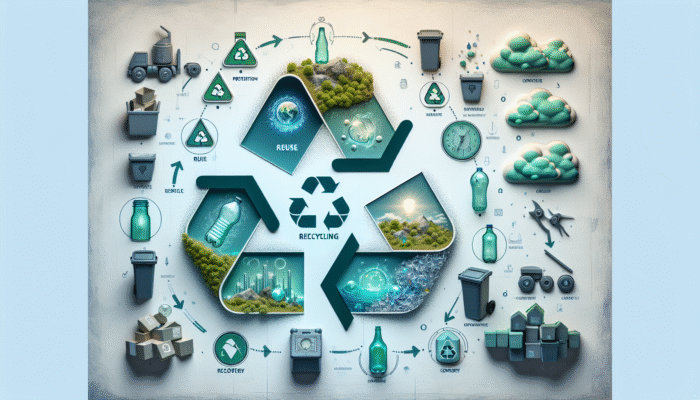
    Recycling Laws for UK House Clearance: Infographic showing UK's recycling hierarchy from Waste Framework Directive, with icons for household recycling and compliance.

    The recycling framework in the UK is profoundly influenced by a range of legislative measures, with the Waste Framework Directive being a foundational element. This directive establishes a clear hierarchy for waste management that emphasizes prevention, reuse, recycling, and the recovery of waste materials. It compels local authorities to provide accessible recycling facilities, ensuring that homeowners have the necessary resources to dispose of waste responsibly. For individuals engaging in a house clearance, comprehending these regulations is crucial, as they dictate the correct recycling and waste management practices that must be observed for compliance.

    In conjunction with the Waste Framework Directive, the Environmental Protection Act 1990 outlines the responsibilities of waste producers and carriers, mandating proper waste management to prevent environmental harm. This act requires that all waste be disposed of in an environmentally sound manner, with all parties obligated to maintain detailed records of waste materials. Non-compliance with these regulations can lead to severe repercussions, including hefty fines and potential legal action, underscoring the critical importance of adhering to established guidelines.

    Furthermore, the recent Environment Act 2021 introduces more stringent targets aimed at reducing waste and enhancing recycling initiatives, thereby fostering a circular economy. This act includes measures designed to improve recycling practices and combat littering, offering a comprehensive approach to waste management in the UK. Familiarizing oneself with these legislative frameworks not only aids in achieving compliance but also cultivates a culture of environmental responsibility and stewardship among homeowners.

    Defining the Recycling Responsibilities of UK Homeowners

    According to recycling laws, UK homeowners have significant responsibilities during house clearances. Individuals must be fully aware of their obligations, particularly regarding the separation of recyclable materials from general waste. Homeowners are tasked with categorizing their waste into specified groups, such as general refuse, recyclable materials, and hazardous waste. Community recycling initiatives often provide clear guidance on recyclable items, with local councils typically supplying designated bins for materials such as paper, plastics, and glass.

    Moreover, homeowners must ensure that any waste disposed of is managed by registered carriers. This necessitates hiring professional clearance services that possess the required waste carrier licenses. Engaging unlicensed operators can lead to serious consequences, including substantial fines and the risk of criminal prosecution. Therefore, homeowners must thoroughly research any clearance service they consider hiring to ensure adherence to recycling laws for UK house clearance.

    Education plays a vital role in ensuring compliance, as many households may not fully grasp what constitutes recyclable material. Regular updates and communications from local councils can assist households in staying informed about changes in recycling guidelines, which can vary widely from one locality to another. Proactively understanding these requirements empowers homeowners to make informed decisions during house clearances, thus promoting a more sustainable approach to waste management.

    The Consequences of Non-Compliance with Recycling Regulations

    Neglecting to comply with UK recycling regulations during house clearances can result in significant penalties. Local authorities possess the authority to impose fines on individuals who violate recycling laws, with the severity of penalties varying based on the nature of the infraction. For instance, individuals may incur fines of £150 for minor infractions, while more serious violations, such as illegal dumping, could lead to substantially larger financial penalties.

    Beyond financial penalties, non-compliance may result in the confiscation of waste, and in extreme cases, individuals may face additional legal repercussions. The Environmental Agency is empowered to investigate violations of waste management laws, and those found guilty could face criminal charges, leading to prosecution and imprisonment.

    Recognizing the ramifications of non-compliance serves as a crucial motivator for homeowners to engage in responsible practices during house clearances. Adhering to recycling laws not only mitigates the risk of penalties but also contributes positively to the community and the environment. Ultimately, the consequences of disregarding these laws highlight the necessity of responsible waste management and the urgent need for collective efforts in promoting sustainability.

    Classifying Different Waste Types and Their Specific Recycling Needs

    Sorting station with labeled bins for paper, plastic, glass, electronics in a UK house clearance, promoting recycling compliance.

    Understanding the various categories of waste during house clearances is essential for ensuring compliance with UK recycling laws. Different waste types require specific handling procedures to minimize environmental impact and promote effective recycling. Recognizing these distinctions can significantly enhance the efficiency and sustainability of house clearances while adhering to recycling laws for UK house clearance.

    Safe Management of Hazardous Waste Materials

    House clearances often uncover hazardous materials that necessitate specialized handling. Items such as batteries, paints, chemicals, and electronic waste can pose significant risks if not disposed of correctly. Under UK law, hazardous waste must be managed with the utmost care, and homeowners must ensure they engage licensed disposal services for such materials to comply with regulations.

    Batteries contain toxic metals that can leach into the environment if discarded improperly. Local councils typically provide designated collection points for used batteries, allowing homeowners to dispose of them safely. Additionally, many retailers offer battery recycling initiatives, providing convenient options for responsible disposal and encouraging community participation in sustainability.

    Chemicals and paints also require careful handling; they should never be poured down the drain or discarded in general waste. Instead, individuals should seek hazardous waste disposal services that comply with UK regulations. These services ensure that hazardous materials are managed according to legal standards, significantly reducing the risk of environmental contamination.

    Furthermore, homeowners should educate themselves about specific local guidelines for hazardous waste disposal, as these can differ substantially. Many councils offer resources to assist residents in understanding hazardous waste classification and the appropriate disposal methods available in their locality. This awareness empowers individuals to make informed decisions during house clearances, ensuring compliance with recycling laws for UK house clearance while protecting the environment.

    Responsible Disposal of Electronic Waste

    The rapid advancement of technology has led to a notable increase in electronic waste (e-waste), which includes discarded electronic devices such as computers, televisions, and smartphones. Improper disposal of e-waste can result in serious environmental hazards due to harmful substances contained within these devices. Therefore, the UK has established stringent regulations governing the recycling of electronic items to ensure safety and compliance.

    Under the Waste Electrical and Electronic Equipment (WEEE) Directive, homeowners must ensure that e-waste is recycled or disposed of through certified channels. Local authorities often provide dedicated collection points for e-waste, facilitating responsible disposal. Additionally, many retailers participate in take-back schemes, allowing consumers to return their old devices when purchasing new ones, thus promoting a circular economy.

    When preparing e-waste for recycling, it is essential to wipe devices to securely remove personal data before disposal. This step not only protects personal privacy but also enhances the recycling process by making devices easier to manage. Furthermore, certain components of electronic devices can be reused or repurposed, which aids in reducing overall waste.

    Homeowners should remain informed about the specific regulations governing e-waste in their local area, as these can fluctuate significantly. Engaging with local councils and understanding their e-waste recycling programmes can facilitate compliance with recycling laws for UK house clearance, ensuring that environmental impacts are minimized and sustainable practices are upheld.

    Efficient Management of General Household Waste
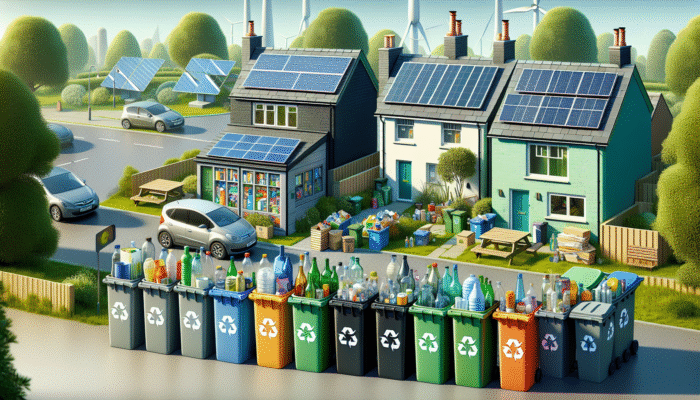
    Household waste items like plastics, glass, and paper sorted into recycling bins in a green UK neighborhood.

    General household waste includes a variety of materials, such as plastics, glass, paper, and food waste. Knowing how to sort and recycle these items effectively is vital for compliance with UK recycling laws and for encouraging sustainable practices during house clearances.

    Local councils typically provide clear guidelines regarding which items can be recycled and the correct sorting procedures. For example, plastics may require rinsing and separation by type, while glass should be cleaned before being deposited into recycling bins. Paper and cardboard also have specific requirements, as contamination with food or other materials can make them non-recyclable.

    Homeowners should familiarize themselves with their local recycling schemes to ensure compliance. Many councils offer educational resources, workshops, or community initiatives aimed at promoting recycling awareness and proper sorting practices. Participating in these programmes not only helps in understanding recycling requirements but also encourages community involvement in sustainable initiatives.

    By implementing effective sorting practices during house clearances, homeowners can significantly reduce the volume of waste sent to landfills. This not only aligns with recycling laws for UK house clearance but also benefits the environment by minimizing waste and encouraging responsible consumption.

    The Benefits of Engaging Professional Clearance Services for Compliance

    Utilizing professional clearance services can greatly streamline the house clearance process while ensuring compliance with UK recycling laws. Nevertheless, not all clearance services are created equal. Selecting the right service is essential for adhering to regulations and achieving sustainable outcomes in waste management.

    Ensuring the Selection of Licensed Operators for Waste Disposal

    When hiring clearance services, choosing operators who are licensed and compliant with UK recycling laws is imperative. Licensed operators are accredited by the Environment Agency and possess the necessary permits to transport and dispose of waste legally. This guarantees that all waste is handled responsibly and that recycling regulations are strictly followed.

    Homeowners should request their waste carrier registration number to verify a clearance service’s credentials. This number can be checked on the Environment Agency’s website, providing peace of mind that the service operates within legal guidelines. Engaging licensed operators minimizes the risk of penalties and contributes positively to the community’s recycling efforts.

    Additionally, licensed operators typically maintain established networks for recycling and waste disposal, ensuring that various types of waste are managed appropriately. This implies that hazardous materials, e-waste, and general household items will be disposed of responsibly, aligning with the objectives of sustainable house clearances and compliance with recycling laws for UK house clearance.

    Choosing a reputable and licensed clearance service also enhances the efficiency of the process, as these companies possess the expertise required to manage various types of waste. This experience can lead to quicker and more effective clearances, alleviating the burden on homeowners while promoting adherence to recycling regulations.

    Thorough Review of Service Agreements and Contracts with Clearance Providers

    When working with professional clearance services, it is crucial to thoroughly review service agreements and contracts. These documents outline the terms of service, responsibilities, and costs associated with the clearance process. Ensuring these agreements align with UK recycling standards is vital for compliance and sustainability.

    Homeowners should look for clauses in the contract that specify how waste will be handled, including detailed information on recycling practices and disposal methods. It is essential to ensure that the service commits to following local recycling regulations and provides a clear disposal route for different types of waste.

    Moreover, reviewing the costs associated with clearance services is essential. Transparent pricing should be provided, detailing any additional fees for the disposal of specific waste types, such as hazardous materials or e-waste. Being informed about these costs helps homeowners budget effectively while ensuring compliance with recycling laws for UK house clearance.

    Homeowners should also inquire about the service’s commitment to environmental sustainability. Many clearance services now incorporate eco-friendly practices, such as recycling a significant percentage of collected waste. Choosing a service that prioritizes sustainability not only meets regulatory requirements but also contributes to broader environmental conservation efforts.

    Monitoring and Verifying Compliance with Recycling Regulations

    Homeowners must actively monitor the clearance process to ensure that professional clearance services adhere to UK recycling regulations. Regular communication with the service provider can help clarify the methods used for waste sorting and disposal, ensuring transparency throughout the process.

    Homeowners should request documentation outlining how waste will be processed and verify that the service fulfills its commitments. This may include obtaining waste transfer notes detailing the types of waste collected and where it will be disposed of or recycled. Maintaining these records ensures transparency and compliance with recycling laws for UK house clearance.

    Additionally, homeowners can visit local recycling centres to better understand how their waste is being managed. Such visits provide insight into the recycling process and foster a deeper connection to the community’s sustainability efforts and compliance with regulations.

    Being proactive in monitoring the clearance process not only protects homeowners from potential repercussions but also strengthens their dedication to sustainable practices. By holding service providers accountable, individuals can ensure that their house clearance contributes positively to environmental stewardship.

    Key Budgeting Considerations for Professional Clearance Services

    Budgeting for professional clearance services necessitates careful consideration of various factors, particularly compliance with UK recycling laws. Homeowners must evaluate the costs of clearance services against their commitment to sustainable waste management practices.

    When seeking quotes from clearance services, it is vital to consider both the upfront costs and the long-term implications of engaging with licensed operators. While unlicensed services may seem cheaper initially, the potential for fines and legal issues far outweighs the savings. Investing in reputable services ensures that waste is managed responsibly, aligning with recycling laws for UK house clearance.

    Moreover, homeowners should inquire about any potential hidden costs, such as fees for the disposal of hazardous materials or special items. By understanding these costs upfront, individuals can develop a comprehensive budget that supports compliance while promoting eco-friendly practices.

    Furthermore, engaging with local councils may provide additional resources, such as subsidized clearance services or community initiatives aimed at promoting recycling. Exploring these options can alleviate some financial burdens while ensuring that the house clearance adheres to regulations and supports sustainable waste management efforts.

    Effective budgeting for clearance services ensures compliance with recycling laws and reinforces a commitment to environmental sustainability, fostering a cleaner and greener future for all.

    Understanding Local Council Regulations and Available Resources for House Clearances

    Navigating the landscape of recycling regulations can be challenging, especially since guidelines differ across UK local councils. Understanding these local differences is critical for ensuring compliance and effectively utilizing available resources for house clearances.

    Examining Council-Specific Recycling Regulations and Guidelines

    Every local council in the UK has its own set of recycling rules and guidelines, reflecting the unique needs and priorities of their communities. Homeowners must familiarize themselves with these regulations, as they dictate how waste is to be sorted, collected, and processed.

    Local councils typically provide detailed information on their websites about which materials can be recycled and how they should be disposed of. Some councils may offer specific collection days for recyclable materials, while others might have designated drop-off points for larger items. Understanding these nuances helps homeowners comply with recycling laws for UK house clearance and reduces the likelihood of penalties for improper disposal.

    In addition to online resources, many councils host community events or workshops to educate residents about recycling practices. These initiatives can provide valuable insights into local regulations and promote community engagement in sustainability efforts. By participating in these events, homeowners can connect with others in their area, share best practices, and deepen their understanding of the importance of recycling.

    Staying informed about council-specific recycling rules enhances compliance and fosters a culture of environmental responsibility within local communities, encouraging collective action towards sustainability.

    Utilizing Bulky Waste Collection Services for Managing Large Items

    Many local councils in the UK provide bulky waste collection services, offering residents an efficient means to dispose of large items that cannot fit into regular bins. These services are particularly beneficial during house clearances, as they facilitate the responsible disposal of items such as furniture, mattresses, and appliances.

    Typically, councils provide guidelines on how to request bulky waste collections, often requiring residents to book a collection in advance. Fees may vary based on the council and the size of the item, so it is essential to check local regulations for specific costs associated with the service.

    In some cases, councils may offer free collection services for certain categories of bulky waste, promoting recycling and responsible waste management. Homeowners should take advantage of these services to reduce the amount of waste sent to landfills, aligning with recycling laws for UK house clearance.

    Additionally, engaging with bulky waste services underscores the importance of community involvement in sustainability efforts. By utilizing these council services, residents can actively participate in reducing waste and promoting responsible disposal practices in their neighborhoods.

    Locating Recycling Centres and Drop-Off Points for Convenient Access

    Recycling centres and drop-off points are crucial components of the UK’s waste management infrastructure, providing residents with accessible options for disposing of recyclable materials. These facilities are generally operated by local councils and are equipped to handle various types of waste, including plastics, glass, metals, and garden waste.

    Homeowners should familiarize themselves with the locations and operating hours of nearby recycling centres to effectively utilize these resources. Most councils offer online tools or maps to assist residents in locating the nearest recycling facilities. Additionally, understanding which specific materials are accepted at each centre is vital, as not all facilities accept the same types of waste.

    Visiting recycling centres allows homeowners to actively engage in the recycling process, ensuring that materials are disposed of correctly and comply with UK house clearance recycling laws. Some centres may also provide educational resources or workshops on recycling practices, further enhancing community awareness and participation.

    Moreover, drop-off points for specific materials, such as batteries and textiles, are often available at various locations, including supermarkets and community centres. These initiatives provide convenient avenues for homeowners to recycle smaller items that may not be accepted at larger facilities.

    By utilizing recycling centres and drop-off points, residents contribute positively to their communities, ensuring that waste is managed responsibly and sustainably. This proactive approach supports compliance with regulations and fosters a culture of environmental stewardship.

    Implementing Creative DIY Recycling and Reuse Strategies During House Clearances

    Adopting DIY recycling and reuse strategies during house clearances can significantly bolster sustainability efforts while ensuring compliance with UK recycling laws. Household waste can often be creatively repurposed or recycled, reducing the overall amount of waste generated.

    Effective Sorting and Preparation of Waste Materials

    When initiating a house clearance, the first step should involve sorting and preparing different types of waste for recycling. Establishing a systematic approach to waste segregation is critical for compliance with recycling laws for UK house clearance.

    Begin by creating designated areas for various waste categories: general refuse, recyclable materials, hazardous waste, and items intended for donation. Clearly labelled boxes or bins can streamline the sorting process, making it easier to manage items as they are cleared out.

    Recyclable materials, such as plastics, glass, and paper, should be clean and dry before being placed in recycling bins. This step is vital to prevent contamination, which can make recyclable items non-recyclable, leading to increased waste sent to landfills. Household items that are no longer needed can be evaluated for their potential to be reused or donated, thereby further minimizing waste and promoting sustainability.

    Homeowners should also familiarize themselves with the specific recycling guidelines provided by their local councils, including which materials can be recycled and any special preparation requirements. This knowledge empowers individuals to make informed decisions during the sorting process, ensuring compliance and promoting sustainability.

    Creating a structured approach to sorting waste not only enhances efficiency during house clearances but also reinforces the community’s commitment to responsible waste management practices.

    Exploring Innovative Upcycling and Reuse Opportunities

    Upcycling offers a unique opportunity for homeowners to creatively repurpose items during house clearances, thereby minimizing waste and promoting sustainability. This practice involves transforming old or discarded materials into new, functional, or artistic products, extending their lifespan and decreasing environmental impact.

    For instance, old furniture can be refurbished with a fresh coat of paint or new upholstery, making it a stylish and unique addition to the home. Similarly, glass jars can be converted into decorative storage containers or candle holders, while wooden pallets can be repurposed into garden furniture or planters.

    Engaging in upcycling not only promotes creativity but also helps homeowners save money by reusing items instead of purchasing new ones. Additionally, upcycled products can be shared with friends and family or sold at local markets, contributing to a circular economy. This approach aligns with recycling laws for UK house clearance and underscores the importance of sustainability within communities.

    Homeowners can also explore online resources and communities dedicated to upcycling. Numerous websites and social media platforms showcase ideas, tutorials, and inspiration for transforming old items into new creations. By engaging with these resources, individuals can learn new skills and techniques, further enhancing their commitment to sustainability during house clearances.

    Embracing upcycling not only reduces waste but also fosters a sense of accomplishment and pride in one’s creative abilities, positively contributing to the community and the environment.

    Facilitating Community and Charity Donations During Clearances

    Donating reusable items to charities and community organizations is an effective strategy for promoting sustainability during house clearances. Many household items, such as clothing, furniture, and appliances, can find new life in the hands of those in need, rather than ending up in landfills.

    Local charities often welcome donations, providing services like free collection or drop-off points for community members. Engaging with these organizations supports those less fortunate and reduces the waste generated during clearances. Homeowners should consider reaching out to local shelters, thrift shops, or community centres to explore available donation options.

    When donating items, it is essential to ensure they are in good condition and suitable for reuse. Charities typically offer guidelines on what can be accepted, so checking these requirements before donating is advisable. This practice promotes compliance with recycling laws for UK house clearance and encourages responsible consumption within the community.

    Moreover, donating items can foster a sense of community spirit, as residents come together to support one another. Community donation drives or events can further facilitate this process, encouraging collective participation in sustainability efforts.

    By donating reusable items, homeowners contribute to a culture of giving and sustainability, ensuring that their house clearances positively impact their communities and the environment.

    Evaluating the Environmental Impact and Commitment to Sustainability in Clearances

    The environmental impact of recycling during house clearances is substantial. Embracing sustainable practices significantly reduces landfill waste and promotes a cleaner, greener future for all.

    Strategies to Effectively Minimize Landfill Waste

    Recycling plays a crucial role in reducing landfill waste in the UK. Landfills consume valuable land resources and pose serious environmental risks, including soil and water contamination. By prioritizing recycling during house clearances, homeowners can divert a substantial volume of waste from these sites, thereby mitigating their environmental footprint.

    When plastics, metals, and paper are recycled, they are transformed into new products rather than discarded as waste. This process conserves natural resources, reduces energy consumption, and lessens greenhouse gas emissions. Moreover, recycling helps conserve landfill space, extending the lifespan of existing landfill sites and ensuring compliance with recycling laws for UK house clearance.

    Understanding the significance of recycling in minimizing landfill waste empowers homeowners to make informed decisions during house clearances. Engaging in responsible waste management practices aligns with recycling laws and positively contributes to environmental and community well-being.

    The collective efforts of individuals and communities can considerably decrease the amount of waste sent to landfills. Homeowners can foster a culture of environmental responsibility that positively affects future generations by raising awareness about the benefits of recycling and actively participating in sustainable practices.

    Advocating for Sustainable Practices within Local Communities

    House clearances present a unique opportunity to advocate for sustainable practices within communities. By prioritizing recycling and responsible waste management, individuals can set an example for others and inspire positive change in their neighborhoods.

    Moreover, participating in sustainability initiatives, such as community clean-up events or recycling drives, can foster a sense of camaraderie among residents. These activities encourage collective participation in waste reduction efforts, reinforcing the importance of responsible consumption and environmental stewardship.

    Recognizing that house clearances can significantly contribute to broader sustainability goals empowers homeowners to take action. By making conscious choices about waste disposal and recycling, individuals can drive positive change and demonstrate their commitment to environmental stewardship within their communities.

    Promoting sustainable practices during house clearances aligns with recycling laws for UK house clearance and supports a collective movement towards a more sustainable future. The ripple effect of these efforts can lead to lasting change, creating a cleaner, healthier environment for all.

    Educating Others on Recycling Practices to Encourage Community Engagement

    Spreading awareness of UK recycling laws and their environmental significance is essential for fostering a culture of sustainability. Educating others about the importance of responsible waste management during house clearances can lead to collective action and positive transformations within communities.

    Homeowners can take the initiative by sharing information about local recycling regulations and resources with neighbors and friends. Hosting informal gatherings or community workshops can facilitate discussions about recycling practices, allowing residents to exchange ideas and experiences that promote sustainability.

    Furthermore, social media platforms offer a powerful avenue for raising awareness about recycling initiatives. Sharing tips, success stories, and educational resources can engage a broader audience and encourage others to adopt sustainable practices during their own house clearances.

    Leading by example is another effective method to inspire others. By actively participating in recycling efforts and demonstrating responsible waste management practices, individuals can motivate their peers to follow suit. This collective commitment to sustainability can significantly enhance compliance with recycling laws for UK house clearance and contribute to a more sustainable future.

    Ultimately, educating others benefits the environment and fosters a sense of community and shared responsibility. Together, individuals can work towards a cleaner, greener world, reinforcing the importance of recycling and sustainable practices in everyday lives.

    Anticipating Future Trends in UK Recycling Legislation

    The recycling landscape in the UK is continuously evolving, influenced by legislative shifts, technological advancements, and growing environmental consciousness. Understanding upcoming trends is vital for households to comply with recycling laws and embrace sustainable practices.

    Identifying Potential Legislative Changes on the Horizon

    As the UK strives to enhance its waste management strategies, potential legislative changes are expected soon. Policymakers increasingly recognize the necessity for more stringent recycling targets and initiatives to address the pressing issue of waste management.

    One likely area of focus is the enhancement of Extended Producer Responsibility (EPR) schemes. This approach holds manufacturers accountable for the lifecycle of their products, encouraging them to design items that are easier to recycle. Such changes could lead to increased recycling rates and reduced waste, benefiting households engaged in clearances.

    Moreover, additional regulations may be introduced to minimize single-use plastics, promoting the adoption of more sustainable alternatives. As public sentiment shifts towards environmental responsibility, homeowners must stay informed about these legislative developments to ensure compliance with recycling laws for UK house clearance.

    Engaging with local councils and advocacy groups can provide individuals with insights into potential legislative changes and their implications. This proactive approach empowers households to adapt to new regulations, cultivating a culture of sustainability within communities.

    Assessing the Impact of EU Regulations Post-Brexit on Recycling Practices

    The influence of EU regulations on UK recycling laws post-Brexit remains a topic of ongoing discussion. While the UK has established its regulatory framework, many recycling practices still reflect EU directives.

    As the UK government revisits and revises its recycling policies, households must remain vigilant about potential changes that may arise from these legislative shifts. Transitioning away from EU regulations may lead to new standards or requirements affecting how waste is managed in the UK.

    Staying informed about these developments is crucial for ensuring compliance with recycling laws for UK house clearance. Engaging with local councils and recycling organizations can provide valuable insights into the implications of post-Brexit regulations on recycling practices, empowering households to adapt accordingly.

    Homeowners should also advocate for sustainable practices at the local level, encouraging policymakers to prioritize environmentally friendly initiatives as they navigate this new regulatory landscape. By staying engaged, individuals can contribute to shaping the future of UK recycling laws in ways that support sustainability and community well-being.

    Embracing Technological Innovations to Enhance Recycling Efforts

    Technological advancements are poised to play a significant role in the future of recycling in the UK. Innovations in recycling technology have the potential to improve efficiency, increase recycling rates, and reduce environmental impact.

    For instance, developments in sorting technology, such as artificial intelligence and robotics, are revolutionizing the recycling process. These innovations can facilitate more accurate separation of recyclable materials, thereby reducing contamination rates and increasing the volume of materials that can be recycled.

    Additionally, innovations in materials science are paving the way for new recycling methods, enabling the processing of previously non-recyclable items. As technology evolves, households must remain informed about these advancements and their potential impact on compliance with recycling laws for UK house clearance.

    Engaging with recycling organizations and industry experts can provide valuable insights into emerging technologies and their implications for household waste management. By staying informed, individuals can adapt their practices to align with the latest advancements in recycling, contributing positively to sustainability efforts in their communities.

    Ultimately, the interplay between legislative changes, EU regulations, and technological advancements will shape the future of recycling in the UK. By remaining proactive and engaged, households can ensure compliance with evolving regulations while fostering a culture of sustainability and environmental stewardship.

    Frequently Asked Questions About UK Recycling Laws

    What are the primary recycling laws governing the UK?

    The primary recycling laws in the UK include the Waste Framework Directive, the Environmental Protection Act 1990, and the Environment Act 2021, which collectively outline responsibilities for waste management and recycling practices.

    How should I handle hazardous waste during a house clearance?

    Hazardous waste, such as batteries or chemicals, must be disposed of through licensed services. Local councils often provide information on proper disposal methods and collection points for hazardous materials to ensure compliance with regulations.

    How can I verify if a clearance service is licensed correctly?

    You can confirm a clearance service’s legitimacy by requesting their waste carrier registration number and checking it on the Environment Agency’s website to ensure their valid licensing status.

    What key factors should I consider when hiring a clearance service?

    When hiring a clearance service, ensure they are licensed, thoroughly review their service agreements, and inquire about their waste disposal methods to guarantee compliance with recycling laws and regulations.

    How do recycling rules fluctuate across councils in the UK?

    Recycling rules vary by local council, including which materials can be recycled and the specific collection methods employed. Check your local council’s website for detailed guidelines and regulations in your area.

    What exactly are bulky waste collection services?

    Local councils offer bulky waste collection services to assist residents in disposing of large items like furniture and appliances responsibly. These services often require advance booking and adherence to specific guidelines.

    How can I locate recycling centres near my residence?

    Local councils typically provide online maps or listings of recycling centres and drop-off points, detailing their operating hours and the materials accepted for recycling to assist residents in disposal.

    What are some creative ideas for upcycling during a house clearance?

    Upcycling can include refurbishing old furniture, converting glass jars into storage containers, or creating garden planters from wooden pallets. Explore online resources for inspiration and tutorials to foster creativity.

    How can I facilitate donations of items during a house clearance?

    Many local charities accept donations of usable items. Contact local shelters or thrift shops to verify their guidelines on what can be donated and whether they provide collection services for convenience.

    What methods can I use to educate others about recycling in my community?

    You can host workshops or community events, share information on social media, and encourage discussions about recycling practices. Leading by example can inspire others to participate actively in sustainability efforts.

    Connect with us on Facebook!

    The Article: Recycling Laws for UK House Clearance: A Comprehensive Guide Was First Found At https://birminghamhouseclearance.com

    The Article Recycling Laws: Your Essential Guide to UK House Clearance Was Found On https://limitsofstrategy.com


  • Eco-Friendly Car Rentals for Sustainable Online Booking

    Transform Your Eco-Travel Experience with Online Car Rentals

    Opting to <a href="https://limitsofstrategy.com/rent-a-car-online-for-your-perfect-holiday-getaway/">rent a car online for eco-friendly travel</a> not only enhances your travel experience but also plays a crucial role in supporting the health of our planet. This choice brings forth numerous advantages that blend sustainable practices with practical travel benefits. By choosing eco-conscious car rentals, you become an active participant in a global initiative aimed at promoting sustainability. Each journey you embark on contributes to creating a greener future and fosters a healthier planet for generations to come. This thoughtful choice not only elevates your travel adventures but also aligns your journey with values that advocate for environmental preservation and climate action.

    Minimize Your Carbon Footprint with Sustainable Vehicle Options

    Traveling in a vehicle specifically designed with ecological awareness can significantly reduce your carbon emissions. Conventional gasoline-powered vehicles release large quantities of carbon dioxide, a major greenhouse gas that accelerates climate change. By selecting eco-friendly options like hybrids or fully electric vehicles, you can drastically cut down on these harmful emissions. For example, electric vehicles (EVs) generate zero tailpipe emissions, marking a significant improvement compared to traditional fossil-fuel-dependent cars, thereby contributing to cleaner air and a healthier environment for future generations.

    The benefits of reduced carbon emissions reach beyond personal travel experiences. As more travelers choose to rent a car online for eco-friendly travel, this collective action can lead to improved air quality and healthier environments for everyone. Urban areas, in particular, benefit from enhanced living conditions as pollution levels decrease, positively impacting both residents and visitors alike. Additionally, with the rising demand for eco-friendly rentals, rental companies are increasingly encouraged to diversify their fleets with electric and hybrid vehicles, further promoting advancements in environmental sustainability and innovation within the travel sector.

    It is important to acknowledge the wider implications of your choice of vehicle. By purposefully selecting low-emission vehicles, you are not only enhancing your travel experience; you are also contributing to a significant global effort aimed at combating climate change. This conscious decision highlights the considerable influence consumers wield in shaping market trends and fostering sustainable practices within the automotive sector, encouraging a culture of responsibility and awareness among travelers everywhere.

    Support Sustainable Practices by Choosing Green Rental Companies

    Choosing rental agencies that emphasize sustainability is a powerful way to endorse eco-friendly initiatives. Many rental companies are now adopting sustainable practices in their operations, such as utilizing renewable energy sources for vehicle maintenance and implementing comprehensive recycling programs. By opting to rent a car online for eco-friendly travel, you actively endorse these initiatives while signaling that environmental stewardship is a priority for today’s consumers.

    Innovative rental companies even allocate a portion of their profits to environmental conservation projects, including reforestation efforts and wildlife protection initiatives. This proactive stance not only mitigates the environmental impact associated with travel but also empowers local communities. By supporting businesses that advocate for sustainability, you help create a ripple effect that encourages others in the industry to adopt similar eco-friendly practices, thereby amplifying the collective impact towards a greener future.

    Moreover, the awareness generated by your support of eco-friendly businesses can extend to your travel companions and the broader community. When travelers share their experiences and eco-conscious choices, they spark discussions about sustainability and motivate others to evaluate their own environmental footprints. You become a champion for green travel, inspiring those around you to make more intentional and sustainable decisions on their journeys.

    Realize Financial Savings with Fuel-Efficient Eco-Friendly Rentals

    Eco-friendly vehicles are typically designed for optimal fuel efficiency, presenting a compelling financial incentive for travelers aiming to save money. Vehicles that showcase high miles per gallon (MPG) ratings can lead to substantial savings on fuel costs, which is especially beneficial during long trips. For example, a hybrid vehicle can achieve 50 MPG or higher, contrasting with a conventional car that may only offer 25 MPG. This remarkable fuel efficiency translates into tangible financial savings, allowing you to redirect your travel budget towards additional experiences or essential needs.

    Beyond fuel savings, many eco-friendly car rentals also feature lower maintenance costs. Electric and hybrid vehicles often have fewer moving parts compared to their traditional counterparts, which results in reduced service and repair costs over time. Thus, choosing to rent a car online for eco-friendly travel not only benefits the environment but also positively influences your overall travel budget and financial planning.

    Additionally, certain areas provide special perks for driving eco-friendly vehicles, such as lower toll fees or access to carpool lanes. These benefits can enhance the value of your rental, making your travel experience not only more sustainable but also more efficient and cost-effective. By factoring in these financial advantages during your travel planning, you can enjoy the freedom of exploration while remaining considerate of both your budget and the health of our planet.

    Essential Strategies for Selecting the Perfect Eco-Friendly Vehicle

    Making a well-informed decision about which eco-friendly vehicle to rent is vital for optimizing your travel experience. By understanding the various options available, you can ensure that your choice aligns with both your travel needs and environmental aspirations. Here’s a practical guide to assist you in the process of renting a car online for eco-friendly travel.

    Evaluating Vehicle Efficiency for Sustainable Travel Choices

    When selecting an eco-friendly vehicle, prioritizing efficiency should be at the forefront of your decision-making process. Look for cars that boast high MPG ratings or consider electric and hybrid alternatives. These vehicles are specifically designed to minimize their environmental impact while maximizing overall performance. For instance, electric vehicles eliminate gasoline consumption, significantly lowering fuel-related emissions. Conversely, hybrid cars cleverly combine an internal combustion engine with an electric motor to further enhance fuel efficiency.

    Conducting thorough research on vehicle specifications is essential in determining which options best suit your travel plans. Many rental agencies provide comprehensive details about their fleets, including fuel efficiency ratings, emission levels, and advanced features promoting eco-friendliness. Additionally, online resources and reviews focused on eco-friendly vehicles can offer valuable insights to support your decision-making process.

    Personal factors such as the type of terrain you will encounter and the number of passengers will also impact your choice. For example, if you anticipate navigating hilly landscapes or traveling with a larger group, ensure that the vehicle you select meets both your travel preferences and environmental considerations. This customized approach will enhance your travel experience while reinforcing your commitment to sustainability and responsible travel practices.

    Grasping Emission Standards for Cleaner Travel Choices

    Becoming familiar with current emission standards is critical for selecting vehicles that provide the cleanest travel options. Cars that meet or exceed these standards are engineered to produce fewer pollutants, thereby contributing to a healthier environment overall. Numerous countries have established stringent regulations regarding vehicle emissions, which can serve as valuable guidelines when choosing a rental vehicle.

    Most rental companies supply information regarding a vehicle’s emissions compliance status. Look for certifications or labels that indicate adherence to established environmental regulations. These measures can range from local mandates to broader international climate agreements. Understanding these standards gives you a clearer perspective on the environmental impact associated with the vehicle you choose, enabling you to make informed decisions aligned with your sustainability objectives.

    Moreover, opting for vehicles that surpass basic emission standards often results in enhanced performance and reliability. Higher-quality eco-friendly cars are typically built with advanced technology aimed at minimizing emissions. This not only ensures a more sustainable travel experience but also offers peace of mind as you embark on your journey, knowing you are making responsible choices for the environment.

    Investigating Rental Companies’ Dedication to Sustainable Practices

    Choosing a rental company that demonstrates a strong commitment to sustainability is vital for eco-conscious travelers. Researching the green credentials of potential rental agencies can reveal which companies genuinely prioritize eco-friendly practices in their operations. Look for businesses that are transparent about their sustainability initiatives, including the use of renewable energy sources to power their operations and the inclusion of electric vehicles in their fleets.

    Many companies also engage in environmental partnerships or contribute to eco-friendly organizations, providing significant evidence of their dedication to sustainable practices. Customer reviews can offer insights into a company’s commitment to green initiatives, as travelers often share their experiences regarding the eco-friendliness of the services they receive. This knowledge enables you to select a rental agency that aligns with your values.

    Additionally, inquire about the company’s policies regarding vehicle maintenance and recycling. Companies that prioritize sustainability often implement practices such as recycling old vehicles or utilizing sustainable materials in their operations. By choosing to rent a car online for eco-friendly travel from a reputable company, you not only enjoy a high-quality experience but also contribute to broader environmental efforts and initiatives.

    Assessing the Lifecycle Impact of Your Vehicle Choice

    The environmental footprint of a vehicle extends far beyond its on-road performance. Evaluating the lifecycle impact—from manufacturing to disposal—can guide you in making more informed decisions about which vehicle to rent. Some manufacturers embrace sustainable practices, using eco-friendly materials and efficient production methods that minimize waste and pollution throughout the entire lifecycle of the vehicle.

    When researching vehicles, be sure to seek information regarding the materials used in their construction and whether the manufacturer has a recycling program for end-of-life vehicles. Many eco-conscious travelers prioritize cars made from sustainable materials, which can significantly reduce the overall carbon footprint associated with their travel and enhance your commitment to responsible consumer choices.

    Furthermore, considering the lifecycle impact encourages you to critically evaluate your choices as a consumer. By renting vehicles that align with sustainable practices, you contribute to a culture of accountability within the automotive industry, promoting innovative solutions that benefit both travelers and the environment alike. This comprehensive approach to travel emphasizes the importance of sustainability at every step of the journey.

    Discovering Innovative Alternative Fuel Options for Sustainable Travel

    Advancements in alternative fuel technology are revolutionizing the car rental landscape. Exploring vehicles that operate on biofuels, hydrogen, or other renewable fuels can significantly enhance your commitment to reducing carbon emissions. These alternative fuels emit considerably fewer greenhouse gases compared to traditional fuels, making them an excellent choice for eco-conscious travelers eager to make a positive impact.

    For instance, cars powered by hydrogen fuel cells emit only water vapor, representing an enticing option for those looking to rent a car online for eco-friendly travel. Biofuels, derived from organic materials, also present a more sustainable alternative, as they usually have a smaller environmental impact than conventional gasoline and diesel. These options provide travelers with opportunities to support renewable energy initiatives while enjoying modern transportation.

    When considering alternative fuel vehicles, ensure that the rental company provides the necessary infrastructure for refueling or recharging. While many regions are expanding their networks of biofuel stations and hydrogen refueling locations, availability can differ significantly. Researching these facilities in advance will help ensure a smooth travel experience while upholding your commitment to sustainable practices.

    Essential Tips for Planning an Eco-Friendly Road Trip

    Planning an eco-friendly road trip necessitates careful thought and strategic decision-making. By incorporating sustainable practices into your travel itinerary, you can significantly minimize your environmental impact while maximizing your adventure. Here are some essential tips to ensure your travel experience aligns with eco-conscious values and practices.

    Optimize Routes for Maximum Fuel Efficiency

    Your journey begins with a well-planned route. Mapping efficient travel paths not only saves time but also minimizes fuel consumption. Utilize navigation applications that provide real-time traffic updates and suggest routes optimized for minimal fuel usage. These tools can assist you in avoiding congested areas, which often lead to increased emissions due to idling and stop-and-go traffic scenarios.

    When crafting your itinerary, consider clustering destinations that are geographically close to one another. This strategy reduces the total distance traveled while allowing you to immerse yourself in local culture and scenery along the way. By deliberately selecting routes that minimize travel time and distance, you can significantly decrease your overall carbon footprint, aligning your travel choices with sustainable practices.

    Additionally, be mindful of weather conditions when planning your route. Favoring paths that coincide with favorable weather can enhance vehicle performance and fuel efficiency. For example, driving against strong winds can increase fuel consumption, so choosing routes that offer optimal climatic conditions will contribute to a more sustainable and enjoyable travel experience.

    Strategically Pack to Enhance Fuel Efficiency

    The weight of your vehicle directly impacts its fuel efficiency. Packing light is a crucial strategy for optimizing fuel consumption. Extra weight can reduce a vehicle’s MPG, resulting in more frequent fuel stops and higher emissions. Consider taking only the essentials for your trip, leaving behind non-essential items that may contribute unnecessary weight to your vehicle.

    Moreover, utilizing aerodynamic roof racks or cargo carriers can create additional drag, further diminishing fuel efficiency. If you need to transport extra items, explore packing solutions that distribute weight evenly without compromising vehicle performance. The goal is to find a balance between comfort and sustainability, ensuring that every item you pack serves a purpose and supports your commitment to eco-friendly travel.

    Another effective strategy is to utilize space efficiently. Rather than bringing multiple bags, consider using versatile gear that can serve multiple functions. For example, a sleeping bag can double as a pillow, and multi-purpose tools can eliminate the need for separate utensils. By minimizing excess baggage, you enhance your vehicle’s efficiency while simplifying your overall travel experience, allowing for a more enjoyable journey.

    Select Eco-Friendly Accommodations to Complement Sustainable Travel

    Your commitment to sustainability extends beyond car rentals; it also encompasses your choice of accommodations. Seek out hotels or lodgings that prioritize eco-friendly practices, such as energy-efficient buildings, water conservation strategies, and waste reduction initiatives. Many establishments proudly showcase green certifications, signifying their dedication to sustainable operations and environmental stewardship.

    Staying at eco-conscious accommodations amplifies your green travel experience by supporting businesses that resonate with your values. These establishments often source local food, promote conservation efforts, and provide guests with opportunities to engage in sustainable tourism activities. By choosing to rent a car online for eco-friendly travel and select environmentally friendly lodgings, you create a cohesive travel strategy that benefits both the planet and local communities.

    Furthermore, consider participating in local eco-initiatives during your stay. Many communities offer volunteer programs aimed at environmental conservation, providing you with the opportunity to give back to the areas you visit. Engaging in these initiatives fosters a sense of connection to the local culture while reinforcing your commitment to sustainable practices and responsible travel.

    The Positive Impact of Green Travel on Local Communities

    Green travel extends beyond personal advantages; it profoundly impacts local communities by promoting sustainable tourism practices and strengthening local economies. Understanding these dynamics can enhance your travel experience while contributing to broader societal goals that prioritize environmental responsibility.

    Boosting Local Economies Through Eco-Conscious Travel Choices

    Eco-friendly travel actively supports local economies by prioritizing businesses committed to sustainable practices. When you choose to rent a car online for eco-friendly travel, you are likely to engage with local restaurants, shops, and attractions that share a dedication to environmental stewardship. This influx of eco-conscious consumers can significantly benefit local businesses, allowing them to thrive and prosper.

    Moreover, sustainable tourism generates employment opportunities and stimulates growth in sectors focused on environmental preservation. From eco-tour guides to organic farmers, the demand for green services catalyzes economic development. This symbiotic relationship between travelers and local businesses fosters a sense of community and shared responsibility for the environment, enhancing the overall travel experience for everyone involved.

    By supporting local economies through green travel, you also encourage the preservation of cultural heritage and natural landscapes. When communities recognize the financial advantages of sustainable practices, they are more inclined to invest in conservation efforts, ensuring that their unique resources are protected for future generations while enriching the travel experience for visitors.

    Advancing Sustainable Tourism Practices Through Responsible Travel

    Green travel promotes sustainable tourism practices, granting communities the opportunity to showcase their natural beauty while actively preserving the environment. This model encourages travelers to engage with local ecosystems responsibly, fostering awareness about the importance of conservation and environmental protection.

    By prioritizing sustainable experiences—such as wildlife tours that minimize human impact on habitats or guided hikes that promote environmental education—travelers play a vital role in supporting eco-friendly tourism initiatives. These experiences not only impart valuable knowledge but also nurture a deeper connection to the places you visit, enriching your overall travel experience.

    Additionally, sustainable tourism fosters collaboration between communities and travelers. Participating in conservation efforts or community-led initiatives allows travelers to contribute directly to the well-being of the areas they visit. This reciprocal relationship enhances the overall travel experience, creating lasting memories while prioritizing environmental integrity and stewardship.

    Enhancing Environmental Awareness Through Responsible Travel Choices

    Choosing green travel options inherently raises awareness about environmental issues within local communities. Travelers who prioritize sustainability often share their experiences, inspiring others to reflect on their own environmental impact. This ripple effect can catalyze a broader cultural shift towards eco-consciousness and responsible tourism practices.

    Engaging in local conservation efforts during your travels can further amplify your impact. Many communities welcome volunteers for projects aimed at preserving natural resources, such as beach clean-ups or tree-planting initiatives. Participating in these activities not only benefits the environment but also fosters connections with local residents, enriching your travel experience and deepening your commitment to sustainability.

    Moreover, travelers can educate themselves about the environmental challenges faced by the communities they visit. Gaining insight into local issues and engaging in discussions with residents can lead to more informed travel choices in the future. By being a responsible traveler, you become an advocate for sustainable practices, amplifying the message of environmental stewardship and promoting a culture of accountability.

    Technological Innovations Advancing Eco-Friendly Rentals

    As the travel industry evolves, technological advancements are paving the way for more eco-friendly rental options. Familiarizing yourself with these innovations equips you with the knowledge necessary to make informed decisions when renting a car online for eco-friendly travel.

    The Rise of Electric and Hybrid Vehicles in Rental Fleets

    The growing popularity of electric and hybrid vehicles is transforming the rental landscape. With advancements in battery technology and the expansion of charging infrastructure, electric vehicles are becoming more accessible and practical for travelers. Many rental companies now offer a diverse array of electric and hybrid models, allowing you to choose a vehicle that aligns with both your environmental aspirations and travel needs.

    Electric vehicles provide numerous benefits, including lower operating costs and reduced maintenance requirements. With fewer moving parts, they generally require less service than traditional vehicles, making them a financially appealing choice for eco-conscious travelers. Furthermore, the availability of charging stations is increasing worldwide, making it more convenient for travelers to recharge their electric rentals.

    Hybrid vehicles, which combine traditional engines with electric power, offer a versatile option for travelers who may require longer ranges. These vehicles can seamlessly switch between electric and gasoline power, providing flexibility without sacrificing efficiency. Whether you choose an electric or hybrid vehicle, both options greatly minimize your carbon footprint and contribute to a greener travel experience.

    The Emergence of Car-Sharing Platforms for Sustainable Travel Choices

    Car-sharing platforms are revolutionizing the way we perceive vehicle ownership and usage. These services allow individuals to rent vehicles on a short-term basis, reducing the need for personal car ownership and consequently decreasing the number of vehicles on the road. This model is especially beneficial for urban areas, where congestion and pollution can pose significant challenges.

    By utilizing car-sharing services, you contribute to a reduction in overall emissions and traffic congestion. These platforms often include eco-friendly vehicles in their fleets, simplifying access to sustainable transportation choices for travelers. Furthermore, many car-sharing programs leverage apps that provide real-time data on vehicle availability and location, enhancing convenience and accessibility for users.

    Promoting the benefits of car-sharing encourages a cultural shift toward shared resources and sustainability. As more travelers adopt this model, the demand for eco-friendly vehicles is likely to grow, driving rental companies to expand their offerings in line with consumer preferences and environmental considerations.

    Smart Navigation Systems for Eco-Conscious Travel

    Modern navigation systems are indispensable tools for eco-friendly travel. Many vehicles are now equipped with intelligent navigation technology that optimizes routes based on real-time traffic data and fuel efficiency. This capability not only saves time but also reduces emissions by minimizing idling and unnecessary detours, contributing to a more sustainable travel experience.

    By utilizing smart navigation systems, travelers can identify the most fuel-efficient routes, avoiding congested areas and promoting smoother driving experiences. These systems often provide insights into speed limits and suggest alternative routes that could lead to lower fuel consumption. By embracing this technology, you can enhance your travel experience while remaining committed to sustainability and environmental responsibility.

    Additionally, some navigation systems offer eco-driving tips, coaching drivers on the most efficient ways to operate vehicles. These features provide valuable insights that can lead to reduced fuel consumption and lower emissions during your journey. By leveraging technology to optimize your travel experience, you contribute to a greener planet and a more sustainable future.

    Innovations in Solar-Powered Charging Stations for Electric Vehicles

    The emergence of solar-powered charging stations is a transformative development for electric rental vehicles. These stations harness renewable energy to recharge electric vehicles, enhancing the eco-friendliness of electric rentals. With advancements in solar technology, charging stations are becoming increasingly widespread, making sustainable travel options more accessible for everyone.

    By choosing to rent a car online for eco-friendly travel and utilizing solar-powered charging stations, you actively engage in the sustainable energy movement. These stations reduce reliance on non-renewable energy sources, contributing to a cleaner environment and supporting the adoption of electric vehicles as a viable travel option.

    Moreover, the expansion of solar-powered infrastructure encourages communities to invest in renewable energy solutions. As more travelers utilize these stations, the demand for sustainable energy sources is likely to increase, fostering a culture of environmental responsibility that benefits both travelers and local communities.

    Advancements in Eco-Friendly Fleet Management Software

    Innovations in fleet management software are also enhancing the sustainability of rental companies. These sophisticated solutions enable companies to optimize their fleets for improved fuel efficiency and reduced emissions. By monitoring vehicle performance and usage patterns, rental agencies can make informed decisions about fleet composition and maintenance strategies.

    Effective fleet management can lead to significant reductions in fuel consumption and overall emissions. Rental companies can identify which vehicles are used most frequently and prioritize maintenance accordingly, ensuring optimal performance and longevity. Moreover, these systems can facilitate the integration of more eco-friendly vehicles into rental fleets, promoting a shift toward sustainability and responsible travel practices.

    As travelers become increasingly aware of their environmental impact, the demand for companies with sustainable fleet management practices will rise. By supporting rental agencies that implement these technologies, you contribute to a greener future while enjoying an enhanced travel experience that aligns with your values.

    The Influence of Government Policies on Advancing Green Travel

    Government policies play a pivotal role in shaping the landscape of green travel. By understanding these regulations and incentives, you can make informed decisions when renting a car online for eco-friendly travel that align with sustainability goals and initiatives.

    Incentives for Eco-Friendly Rentals to Foster Sustainable Choices

    Governments worldwide are implementing incentives to make eco-friendly car rentals more accessible and cost-effective. Tax credits, rebates, and subsidies for electric and hybrid vehicles encourage consumers to opt for greener travel options. These financial incentives can significantly reduce rental costs, making it easier for travelers to choose eco-friendly cars while supporting environmental initiatives.

    Many regions also offer reduced registration fees or exemptions for electric vehicles, further promoting their adoption. By taking advantage of these incentives, you can enjoy a more sustainable travel experience while saving money. This collaborative approach between consumers and governments aims to reduce carbon emissions and foster environmental stewardship on a broader scale.

    Additionally, these incentives often extend to rental companies, motivating them to invest in eco-friendly vehicles. As more rental agencies embrace greener practices, the overall availability of eco-friendly options will increase, making it easier for travelers to align their transportation choices with sustainability objectives and environmental goals.

    Regulatory Measures on Vehicle Emissions to Encourage Cleaner Travel Options

    Stricter government regulations regarding vehicle emissions are driving transformative changes within the rental car industry. Many nations are enacting comprehensive policies aimed at reducing greenhouse gas emissions, compelling rental companies to offer greener vehicle alternatives. These regulations can serve as catalysts for innovation, prompting companies to invest in electric and hybrid vehicles to ensure compliance and meet consumer demand for sustainability.

    Travelers benefit from these regulations as they enhance the accessibility of eco-friendly travel options. By choosing to rent a car online for eco-friendly travel from companies that adhere to emission standards, you support businesses committed to environmental responsibility. This commitment not only bolsters sustainable practices but also encourages the entire industry to transition towards greener alternatives and solutions.

    Moreover, these regulations can provide transparency for consumers. As rental companies are required to disclose emissions data and compliance information, travelers can make informed decisions regarding the environmental impact of their choices. This informed approach fosters accountability within the rental industry, promoting a culture of sustainability and responsible travel practices.

    Government-Led Public Awareness Campaigns for Promoting Sustainable Travel

    Public awareness campaigns spearheaded by governments can significantly elevate the demand for sustainable travel options. By educating the public on the benefits of eco-friendly transportation, these campaigns encourage travelers to prioritize sustainability in their choices. This educational initiative helps dispel common misconceptions and raises awareness about the environmental impact of transportation and travel.

    Engaging campaigns often spotlight the financial, health, and environmental advantages of opting for eco-friendly vehicles. By promoting success stories and sharing testimonials from travelers who have embraced sustainable practices, governments can inspire others to follow suit. This ripple effect can lead to broader cultural shifts and increased support for sustainable initiatives and practices within the travel industry.

    Furthermore, collaborations between governments and rental companies can amplify the impact of these campaigns. Joint efforts can result in promotional discounts, community events, and resources that heighten the visibility of eco-friendly travel options. By participating in these initiatives, you contribute to a growing movement towards sustainability and responsible travel practices.

    Tax Benefits for Supporting Sustainable Tourism Practices

    Governments can offer tax incentives to businesses that support eco-friendly travel practices. These benefits motivate companies to invest in sustainable initiatives, fostering a shift toward greener practices within the tourism sector. For example, rental companies may receive tax breaks for maintaining eco-friendly fleets, enabling them to pass these savings onto consumers and promote sustainable travel choices.

    These tax benefits can also extend to travelers, offering deductions for expenses related to sustainable travel practices. By incentivizing eco-friendly choices, governments cultivate a culture that values environmental responsibility. This benefits not only travelers but also local economies, encouraging businesses to prioritize sustainability and contribute positively to their communities.

    Moreover, tax incentives for sustainable tourism can attract eco-conscious travelers to specific regions. Communities that prioritize green practices often experience increased visitation, boosting local economies while preserving natural resources. This reciprocal relationship enhances the overall viability of sustainable tourism initiatives and promotes a culture of environmental stewardship.

    Investments in Green Infrastructure to Support Eco-Friendly Travel

    Public investment in green infrastructure is vital for enhancing the feasibility of eco-friendly travel options. By developing charging stations, bike-sharing programs, and other sustainable transportation initiatives, governments create an environment conducive to eco-conscious travel. This infrastructure supports the adoption of green practices by making them more accessible for travelers.

    As electric vehicle usage rises, the demand for charging stations continues to grow. Governments that invest in renewable energy sources for these facilities can significantly reduce the carbon footprint associated with electric travel. Additionally, bike-sharing programs can encourage active transportation options, promoting greener commuting methods and reducing reliance on personal vehicles.

    Investment in green infrastructure also fosters collaboration between communities, travelers, and rental companies. By creating a network of sustainable resources, these initiatives enhance the overall travel experience while promoting environmental stewardship. Travelers who prioritize eco-friendly options can navigate regions confidently, knowing that sustainable infrastructure is readily available to support their journey.

    Emerging Trends Shaping the Future of Green Car Rentals

    The future of green car rentals is bright, driven by technological advancements and shifting consumer preferences. Understanding these trends equips you with the necessary knowledge to make informed choices when renting a car online for eco-friendly travel.

    Increasing Availability of Electric Vehicles in Rental Fleets

    The increasing demand for electric cars is reshaping the rental landscape. As more travelers seek sustainable options, rental companies are progressively expanding their fleets to include electric vehicles. This trend is set to continue, making electric rentals a mainstream choice for eco-conscious travelers looking to minimize their environmental impact.

    The availability of electric cars is bolstered by advancements in battery technology, resulting in improved range and performance. As charging infrastructure expands globally, travelers can more easily access electric vehicles. This shift toward electric rentals aligns with broader goals of reducing greenhouse gas emissions and promoting sustainability within the travel industry.

    Moreover, as the costs of electric vehicles continue to decline, rental companies can offer these options at competitive prices. This accessibility encourages more travelers to opt for electric rentals, fostering a culture of sustainability while enjoying the benefits of modern travel experiences. By choosing electric cars, you not only enjoy a cutting-edge travel experience but also actively contribute to a greener planet for future generations.

    Incorporation of Renewable Energy into Rental Operations

    The integration of renewable energy sources into rental companies’ operations is on the rise. Many agencies are now utilizing solar and wind energy to power their facilities, thereby reducing their overall carbon footprint. This shift not only supports sustainability but also enhances the eco-friendliness of the rental experience for travelers.

    When you choose to rent a car online for eco-friendly travel from companies that prioritize renewable energy, you actively support a transition toward sustainable practices. This commitment resonates with consumers, driving demand for eco-friendly options and encouraging other businesses to adopt similar strategies that align with environmental responsibility.

    As renewable energy becomes more prevalent, travelers can expect rental companies to invest in greener technologies, including electric vehicle charging stations powered by clean energy. This integration enhances convenience for travelers while contributing to a cleaner environment, creating a win-win situation for all parties involved in the travel experience.

    Focus on Sustainable Partnerships for Eco-Friendly Travel Solutions

    The future of green travel will likely emphasize sustainable partnerships between rental companies, local businesses, and environmental organizations. Collaborative initiatives can drive innovation and create a more integrated approach to eco-friendly tourism, enhancing the travel experience for everyone involved.

    By forming strategic partnerships, rental companies can offer bundled services that prioritize sustainability, such as eco-tours or experiences that promote environmental education. These collaborations not only enrich the travel experience but also foster a sense of community and shared responsibility for environmental stewardship among all stakeholders.

    Furthermore, these partnerships can lead to the development of new technologies and practices that benefit both travelers and local ecosystems. By working together, stakeholders can create a more sustainable travel experience that meets the evolving needs of eco-conscious consumers while making a positive impact on the environment.

    Emphasis on Consumer Education in Sustainable Travel Practices

    With the rising demand for sustainable travel options, consumer education will play a critical role in shaping the future of green car rentals. Travelers are increasingly seeking information on the environmental impact of their choices, pushing rental companies to prioritize transparency and education in their offerings.

    Rental agencies that provide clear information about the environmental benefits of their vehicles and practices can enhance consumer trust and satisfaction. Additionally, educational initiatives—such as workshops or informational resources—can empower travelers to make informed decisions when renting a car online for eco-friendly travel.

    By fostering a culture of sustainability through education, rental companies can build lasting relationships with travelers who prioritize eco-friendly practices. This commitment to consumer awareness not only enriches the travel experience but also supports the broader movement toward environmental responsibility and stewardship within the travel industry.

    Adoption of Smart Technologies for Enhanced Sustainable Travel

    The integration of smart technologies into rental operations is expected to increase, enhancing the efficiency and sustainability of services. From advanced fleet management systems to intuitive navigation tools, these technologies contribute to a more eco-friendly travel experience for all involved.

    Smart technologies enable rental companies to optimize vehicle usage and maintenance, thereby reducing fuel consumption and emissions. Additionally, travelers can benefit from intuitive apps and platforms that simplify the rental process, making it easier to access eco-friendly options and make informed choices that align with their values.

    By embracing smart technologies, rental companies can enhance their operational sustainability while improving customer experiences. This focus on innovation aligns with the evolving needs of eco-conscious travelers, paving the way for a more sustainable future in the car rental industry and contributing to a cleaner, greener planet.

    Innovative Strategies for Engaging Customers in Sustainable Practices

    To meet the growing demand for eco-friendly travel options, rental companies will explore innovative strategies for customer engagement. Leveraging digital platforms and social media will allow these companies to connect with travelers seeking sustainable choices, enhancing their overall experience.

    Engagement strategies may include loyalty programs that reward eco-friendly choices, such as discounts for electric vehicle rentals or partnerships with local conservation initiatives. By creating incentives for sustainable behaviors, rental companies can cultivate a culture of environmental responsibility among travelers and encourage them to support green initiatives.

    Moreover, enhanced communication channels will enable companies to share their sustainability efforts and engage with consumers directly. By promoting transparency and open dialogue, rental agencies can build strong relationships with eco-conscious travelers, encouraging them to adopt and promote sustainable practices in their journeys.

    Prioritizing Customer Experience in Sustainable Rentals

    As competition among rental companies intensifies, an enhanced focus on customer experience will be crucial. Travelers increasingly seek seamless, efficient services that align with their values, including sustainability and environmental responsibility.

    Rental companies that prioritize eco-friendly practices while delivering exceptional customer service can differentiate themselves in the market. This includes offering personalized recommendations, transparent information about vehicle options, and tailored experiences that elevate the overall travel journey for eco-conscious consumers.

    By blending sustainability with outstanding customer service, rental companies can create memorable experiences that resonate with travelers. This approach not only fosters brand loyalty but also encourages travelers to adopt green practices in their journeys, thereby creating a positive impact on the environment.

    Global Collaboration on Sustainability Initiatives in Travel

    The future of green car rentals will benefit from global collaboration on sustainability initiatives. As more countries and organizations prioritize environmental responsibility, sharing best practices and resources can enhance efforts to promote eco-friendly travel options worldwide.

    International cooperation can lead to standardized emission regulations, increased infrastructure for electric vehicles, and collaborative marketing campaigns aimed at raising awareness about sustainable practices. By working together, stakeholders can amplify their impact and create a more sustainable travel landscape that benefits everyone.

    Travelers who embrace green practices will benefit from the collective efforts of global initiatives, gaining access to more eco-friendly options and resources. This collaborative approach fosters a deeper understanding of sustainability and encourages individuals to become advocates for environmental stewardship, ensuring a better future for all.

    Common Questions About Green Travel

    What advantages come with renting an eco-friendly vehicle?

    Renting an eco-friendly car reduces carbon emissions, supports sustainable practices, and can lead to substantial savings on fuel costs, enhancing your overall travel experience.

    How can I discover eco-friendly car rental options?

    You can find eco-friendly car rental options online by searching for companies that specifically promote sustainability, often providing detailed information about their green fleets and practices.

    What types of vehicles qualify as eco-friendly?

    Eco-friendly vehicles generally include electric cars, hybrids, and those with high fuel efficiency ratings that comply with or exceed emission standards, contributing to a reduced environmental impact.

    Are there financial incentives available for renting electric vehicles?

    Yes, several governments offer tax credits, rebates, and reduced fees for renting electric vehicles, making them more affordable and appealing for travelers seeking sustainable options.

    How does green travel influence local economies?

    Green travel supports local businesses by prioritizing eco-conscious practices, stimulating local economies, and promoting sustainable tourism that benefits both the community and the environment.

    What benefits do I gain from utilizing car-sharing services?

    Car-sharing services reduce the number of vehicles on the road, lower emissions, and often provide access to eco-friendly vehicles without the costs associated with ownership, promoting sustainable travel.

    How can I verify that my rental vehicle has lower emissions?

    Choose rentals that display compliance with emissions standards and prioritize vehicles with high fuel efficiency or electric options, ensuring your travel choices align with sustainability goals.

    What role do government policies play in promoting green travel?

    Governments promote green travel through regulations, incentives, public awareness campaigns, and investments in renewable energy infrastructure, fostering a culture of sustainability in transportation.

    What steps can I take to make my road trip more eco-friendly?

    Plan efficient routes, pack lightly, stay at sustainable accommodations, and choose eco-friendly rental vehicles to minimize your environmental impact and enhance your travel experience.

    What are the anticipated future trends in eco-friendly car rentals?

    Future trends include increased availability of electric cars, integration of renewable energy, enhanced customer engagement strategies focusing on sustainability, and technological advancements in rental operations.

    Connect with us on Facebook!

    The Article: Rent a Car Online: Eco-Friendly Options for Green Travel appeared first on https://rentacar24.org/

    The Article Eco-Friendly Car Rentals: Go Green with Online Booking Was Found On https://limitsofstrategy.com

  • Water Filter Systems: Essential Solutions for Pure Drinking Water

    Water Filter Systems: Essential Solutions for Pure Drinking Water

    Explore a Diverse Range of Innovative Water Filtration Solutions

    Enhance Your Water Purity with State-of-the-Art Reverse Osmosis Systems

    Innovative reverse osmosis system efficiently eliminating contaminants from tap water, resulting in pure drinking water.

    When evaluating water filtration systems, reverse osmosis (RO) units emerge as some of the most advanced and effective solutions available today. These sophisticated systems utilize a semi-permeable membrane to eliminate a broad spectrum of impurities, such as salts, heavy metals, and numerous harmful contaminants. This feature makes them particularly beneficial in regions where water quality is compromised by industrial runoff or agricultural chemicals. By forcing tap water through the membrane, these systems effectively separate unwanted particles, delivering purified water that is not only safe for drinking but also devoid of undesirable tastes and odors.

    In addition to their impressive filtration capabilities, reverse osmosis systems often include supplementary components, such as sediment pre-filters and activated carbon post-filters, which enhance their overall effectiveness. In countries facing significant water quality challenges, especially in parts of Southeast Asia and Africa, the demand for these systems is increasing, as they provide invaluable access to safe drinking water. Furthermore, with rising awareness about the health risks linked to waterborne diseases and the various contaminants present in local water supplies, more consumers globally are embracing RO systems.

    Although the installation of reverse osmosis systems may sometimes necessitate professional assistance—particularly for advanced configurations involving multiple filtration stages—there are also user-friendly models tailored for DIY enthusiasts. This accessibility makes it easier for diverse consumers to obtain clean and safe drinking water. Regular maintenance is vital for ensuring peak performance; this includes replacing filters every six months to a year to promote the system’s longevity and efficiency.

    Elevate Your Drinking Water Quality with Activated Carbon Filters

    Activated carbon filters have surged in popularity among households and industries due to their exceptional ability to eliminate chlorine, organic compounds, and unpleasant odors from water. The unique porous nature of activated carbon facilitates the efficient adsorption of a variety of impurities, significantly enhancing the taste and overall quality of drinking water. This filtration method is especially sought after in urban settings where sources may contain elevated chlorine levels and other chemicals introduced during municipal treatment processes.

    These filters are available in several formats, including pitcher-style filters, faucet attachments, and comprehensive whole-house systems. Their versatility makes them suitable for numerous applications, whether for improving the flavor of tap water or ensuring that water used in cooking and beverage preparation adheres to rigorous safety standards.

    Activated carbon filters can be seamlessly integrated into existing plumbing systems in countries with robust infrastructures, offering a cost-effective solution for enhancing water quality. Additionally, they present an environmentally friendly alternative to bottled water, significantly reducing plastic waste. With routine maintenance, such as changing the carbon filter every few months, users can enjoy consistently clean water without needing extensive technical knowledge.

    Guarantee Water Purity with Advanced Ultraviolet Purification Systems

    Ultraviolet (UV) purification systems offer a groundbreaking chemical-free approach to water treatment. By harnessing short-wavelength UV light, these systems effectively eliminate bacteria, viruses, and other pathogens. This technology has gained substantial traction in areas where waterborne diseases pose severe health threats, making it an essential resource in developing countries and regions affected by disasters. The effectiveness of UV systems is particularly notable in combating microbial contaminants, offering users peace of mind regarding their health and safety concerning their water supply.

    Installation options for UV purification systems range from point-of-use solutions that can be easily attached to faucets, to larger units designed for whole-house applications. This technology is especially advantageous for rural communities that lack access to municipal water treatment facilities, enabling families to ensure their drinking water remains free from harmful microorganisms.

    While UV filtration systems are celebrated for their effectiveness, they do require proper maintenance to guarantee optimal functionality. Regular lamp replacements and routine system checks are crucial for maintaining the integrity of the purification process. UV systems are typically most effective when combined with pre-filtration methods, such as sediment filters, to eliminate particulates that could obstruct UV exposure to pathogens.

    Enhance Purification with Efficient Distillation Systems

    Illustration of a distillation system in a modern laboratory, effectively purifying water through heating, steaming, and condensing techniques.

    Distillation systems represent one of the oldest and most reliable methods for purifying water. This technique effectively removes a wide range of contaminants, including heavy metals, minerals, and bacteria, by boiling water to create steam and then condensing it back into liquid form. This purification method is particularly beneficial when water quality is compromised due to industrial pollution or contaminated groundwater sources.

    The distillation process not only produces highly purified water but also provides a unique opportunity to eliminate unwanted tastes and odors commonly found in standard water supplies. Distillation units vary significantly, ranging from compact countertop systems to larger distillers intended for commercial use, accommodating diverse needs worldwide.

    Despite its effectiveness, the energy consumption involved in the heating process associated with distillation systems is higher than that of other filtration options. Therefore, users should take energy efficiency and long-term operational costs into account when selecting a distillation system. Regular maintenance, such as cleaning the boiling chamber and replacing worn components, is essential for ensuring the longevity and effectiveness of the system.

    Unlock the Benefits of Comprehensive Water Filter Systems

    Achieve Premium Water Quality with Advanced Filtration Solutions

    Enhancing water quality stands out as arguably the most significant advantage of using water filter systems. Contaminants such as chlorine, heavy metals, and harmful microorganisms present serious health risks, making filtration systems crucial safeguards for preserving water integrity. The improved clarity and taste of filtered water not only encourage individuals to stay hydrated but also contribute to overall health and wellness.

    In regions struggling with hard water, filtration systems have proven effective in alleviating issues such as scale buildup in plumbing and appliances, thereby extending their lifespan and enhancing efficiency. For example, areas like the American Midwest, known for hard water, have seen a notable increase in the adoption of activated carbon filters and reverse osmosis systems to effectively tackle mineral-related challenges.

    Moreover, the taste of water is significantly influenced by the presence of contaminants. For many individuals, the unpleasant flavor of tap water can lead to reduced water consumption, potentially resulting in adverse health consequences. By investing in effective water filter systems, consumers can enjoy cleaner, better-tasting water, which promotes increased daily fluid intake and supports healthier lifestyles.

    Discover Significant Health Benefits from Clean Water

    Water filtration system purifying water into a glass, surrounded by health symbols and a diverse community.

    The health benefits associated with utilizing water filter systems are extensive and impactful. By effectively removing harmful substances from water, these systems help protect users from waterborne illnesses and chronic health issues linked to poor water quality. The presence of contaminants like lead, pesticides, and bacteria poses serious health risks, especially for vulnerable populations, including children and the elderly.

    Filtration systems serve as a crucial safety net in areas where water quality fluctuates significantly. Communities in developing countries often lack access to reliable sanitation and clean water supplies. Implementing UV purification systems or reverse osmosis technology can drastically reduce the prevalence of waterborne diseases, providing a vital lifeline to those in need.

    Furthermore, the long-term health advantages of consuming clean water extend into preventive healthcare. By minimizing exposure to harmful contaminants, individuals may reduce their risk of developing chronic conditions associated with high levels of toxins, such as certain cancers and cardiovascular diseases. Ultimately, employing effective water filter systems is not just a matter of convenience; it represents a significant investment in one’s health and well-being.

    Reduce Your Environmental Impact with Sustainable Filtration Solutions

    The environmental impact of water filter systems is considerable and should not be underestimated. As global pollution levels rise and the threat of plastic waste intensifies, adopting filtration systems offers a practical solution to decrease reliance on bottled water. By filtering tap water, users contribute to lowering the demand for single-use plastic bottles, thus minimizing contributions to landfills and ocean pollution.

    Innovative solutions, such as portable water filter systems designed for outdoor activities and travel, further emphasize the commitment to sustainability. As adventurers seek clean water sources while minimizing their environmental footprint, these portable systems play a vital role in responsible recreation.

    Moreover, water filtration promotes energy savings and efficient resource management. By opting for home filtration solutions, individuals reduce the energy required for bottled water manufacturing, transportation, and disposal. As awareness of environmental sustainability grows, the shift towards water filter systems aligns with broader global initiatives to conserve natural resources and reduce ecological footprints.

    Realize Financial Savings with Water Filtration Systems

    The financial benefits of implementing water filter systems provide compelling reasons to consider their adoption. While the initial investment may seem significant, the long-term savings associated with reduced bottled water purchases and maintenance costs can lead to substantial financial advantages. For families and individuals, the cumulative cost of bottled water can escalate quickly, particularly in areas where potable water is scarce.

    When evaluating the cost efficiency of filtration systems, it is vital to account for ongoing benefits. Users can enjoy clean, great-tasting water at a fraction of the cost of bottled water, resulting in significant annual savings. Investing in a reliable filtration system can also prevent costly plumbing repairs associated with hard water damage, such as scale buildup and corrosion.

    Additionally, many modern water filter systems are designed with energy efficiency in mind, which further reduces operational costs. By minimizing energy consumption through advanced technologies, users can decrease their utility bills and contribute to environmental conservation.

    The combination of health benefits, positive environmental impact, and cost savings makes investing in water filter systems a wise decision for anyone seeking superior water quality while being mindful of their budget and ecological footprint.

    Understanding Installation and Maintenance Requirements

    Effortlessly Manage the Installation Process for Water Filtration Systems

    The installation process for water filter systems can vary widely depending on the type of system selected. Some systems are designed for straightforward DIY installation, allowing users to set up their filters with relative ease, while others may require professional assistance to achieve optimal performance. For example, reverse osmosis systems often necessitate intricate plumbing connections, making it advisable to hire a qualified plumber for proper setup.

    Homeowners typically benefit from a variety of options, including under-sink installations, countertop models, and comprehensive whole-house systems. Each type presents its own unique set of installation requirements. For instance, under-sink systems may require drilling for installation, while countertop units might only need a simple connection to the kitchen faucet.

    The versatility of installation options allows users to select a system that aligns with their specific needs, whether they reside in a compact apartment or a spacious family home. Moreover, many manufacturers provide detailed installation guides, empowering users to tackle the process independently if they feel confident in their plumbing abilities.

    Regardless of the chosen approach, ensuring proper installation is crucial. An improperly installed water filter system can lead to leaks, diminished efficiency, and inadequate filtration. Accessing online videos and community forums can provide valuable insights for those undertaking a DIY installation.

    Commit to Routine Maintenance for Optimal Performance

    Regular maintenance of water filter systems is essential for ensuring optimal performance and longevity. Filters should be replaced at recommended intervals, which vary based on the type of system and the quality of input water. For instance, activated carbon filters typically require replacement every three to six months, while reverse osmosis membranes can last up to two years with proper care.

    Conducting routine system checks is equally important. Users should regularly inspect connections for leaks and ensure that any pre-filters or post-filters are functioning correctly. Manufacturers often provide maintenance schedules and guidelines to help users stay organized and informed about their filtration needs.

    Neglecting to maintain water filter systems can result in declining water quality and efficiency. For example, a clogged filter can restrict water flow and allow contaminants to bypass the filtration process, jeopardizing health and safety.

    More frequent maintenance may be necessary to ensure ongoing effectiveness in areas with fluctuating water quality. By remaining proactive with maintenance, users can maximize the performance of their filtration systems and continue enjoying clean, safe water.

    Troubleshoot Common Issues with Your Water Filter System

    Understanding how to troubleshoot common issues associated with water filter systems is vital for maintaining their performance and efficiency. One prevalent problem is decreased water flow, often resulting from clogged filters or improper installation. Users experiencing slow water flow should first check for blockages and consider replacing filters if they haven’t been changed recently.

    Another common issue is the presence of unpleasant tastes or odors in filtered water. This can indicate that the filter needs replacement or that a contaminant issue exists upstream in the plumbing. In such cases, conducting water testing is advisable to identify the source of the problem and take appropriate remedial action.

    For more complex systems, such as reverse osmosis units, users may encounter issues like leaks or pressure drops. Familiarizing oneself with the unit’s components and understanding their functions can help identify and resolve issues effectively. Many manufacturers offer troubleshooting guides that can assist users in diagnosing and rectifying problems independently.

    By taking the time to understand and address common issues, users can extend the lifespan of water filter systems and ensure they enjoy consistently clean and safe drinking water. Being proactive and informed can help individuals avoid costly repairs and maintain the integrity of their filtration systems.

    Essential Guidelines for Selecting the Perfect Water Filter System

    Evaluate Your Water Quality for Informed Filtration Decisions

    Choosing the right water filter system begins with a thorough evaluation of the water quality in your area. Testing your water for contaminants is crucial to identifying your specific filtration needs. Many local health departments offer free water testing services, while specialized kits can be purchased at home improvement stores. Testing can reveal the presence of harmful substances such as lead, chlorine, bacteria, and various pollutants, guiding your filtration selection process.

    In certain regions, particularly rural areas with private wells, water quality may vary significantly due to geological factors and potential contamination sources. For instance, wells can be adversely affected by runoff from agricultural practices, making it imperative for homeowners to understand their water quality prior to investing in a filtration system.

    Once you have a clear understanding of the contaminants present, you can select a water filter system that effectively addresses your specific needs. For example, if heavy metals are a concern, a reverse osmosis system may be the ideal choice. Conversely, if chlorine and taste are the primary issues, an activated carbon filter might suffice.

    Ultimately, a well-informed selection process ensures that you invest in a filtration system that effectively tackles the unique challenges posed by your local water supply. This not only enhances the quality of your water but also promotes health and safety for you and your family.

    Consider Your Budget When Selecting a Filtration System

    Budget considerations are a critical aspect when choosing water filter systems. The market offers a wide variety of options, ranging from affordable pitcher filters to higher-priced reverse osmosis systems. Balancing financial constraints with the level of filtration needed for your specific situation is essential for making an informed decision.

    While upfront costs often take precedence, long-term savings should also be a priority. For example, although a reverse osmosis system may require a higher initial investment, the savings on bottled water and the long-term health benefits can easily outweigh the upfront costs. Additionally, energy-efficient models can lower operational expenses over time, contributing to overall cost-effectiveness.

    Consider the ongoing costs associated with maintenance and filter replacements. Some systems may have lower initial costs but require frequent filter changes, leading to higher long-term expenses. Carefully evaluating these factors will help you make an informed decision that aligns with your budget without compromising water quality.

    Lastly, it’s beneficial to explore available incentives or rebates for purchasing water filter systems, which can help reduce your overall investment. Many local governments and organizations promote clean water initiatives and may offer financial assistance to encourage households to adopt filtration systems.

    Ensure Compatibility of the Water Filter System with Your Plumbing

    Ensuring that your chosen water filter system is compatible with your home’s plumbing and water usage patterns is vital for optimal performance. Different systems come with varying specifications, and it’s essential to consider factors such as water pressure, flow rate, and existing plumbing configurations before making a purchase.

    For instance, if you reside in an apartment with limited space, a countertop or under-sink model may be the best fit for your needs. Conversely, families with higher water demands might benefit from a whole-house filtration system capable of handling higher flow rates without compromising water quality.

    Compatibility with existing plumbing infrastructure is another crucial aspect to evaluate. Some systems may require modifications to the plumbing setup, while others can be easily integrated with minimal alterations. Consulting with a plumbing professional can clarify feasible options for your home.

    Investing in a compatible water filter system not only ensures efficient filtration but also avoids potential issues that may arise from poor integration. This thoughtful approach enhances the water quality in your home and promotes a seamless and hassle-free experience.

    Embrace Innovations in Water Filtration Technology

    Leverage Smart Water Filter Systems for Advanced Monitoring

    Smart water filter systems are transforming the way we manage and monitor water quality. These modern filtration solutions can connect to smart home devices, enabling users to remotely oversee their water quality and filter performance. Technological advancements allow users to receive real-time alerts regarding filter changes, system performance, and even water quality metrics.

    This connectivity not only enhances convenience but also promotes better maintenance practices. For instance, users can receive notifications when filter replacements are due, ensuring that they never compromise their water quality. In areas where water quality fluctuates, these systems can keep users informed about potential contamination issues, providing peace of mind in an increasingly complex world.

    Additionally, many smart systems can integrate with health monitoring applications, allowing users to track their hydration levels based on data about water consumption. This interconnectivity fosters a holistic approach to health, encouraging families to prioritize drinking clean, filtered water as part of their healthy lifestyle.

    As smart home technology continues to evolve, the integration of water filtration systems presents exciting opportunities for improved water quality management. By investing in smart technology, individuals can enjoy a streamlined experience while ensuring the health and safety of their water supply.

    Revolutionize Water Treatment with Nanofiltration Technology

    Nanofiltration technology represents a significant advancement in water treatment methodologies. Utilizing nanotechnology, this cutting-edge filtration process efficiently removes even smaller particles and contaminants than traditional systems. It specifically targets divalent ions, organic molecules, and certain pathogens, delivering a superior level of purification.

    This technology has gained traction in industries that require ultra-pure water, such as pharmaceuticals and food processing. By investing in nanofiltration systems, companies can meet stringent quality standards while enhancing product quality. Moreover, as awareness of water quality issues grows, residential consumers are increasingly adopting nanofiltration systems for personal use.

    Due to their compact design, nanofiltration devices are ideally suited for installation in various settings, including urban apartments and homes with limited space. Additionally, these systems often require less energy and fewer resources than traditional methods, making them an environmentally friendly option for individuals seeking to improve their water quality.

    As this technology evolves, it holds the potential to address a wide range of global water challenges, from contaminated groundwater sources to aging municipal infrastructure. Implementing nanofiltration systems can lead to cleaner, safer water supplies across diverse locations, from bustling cities to remote communities.

    Adopt Energy-Efficient Models for Sustainable Living

    The demand for energy-efficient water filter systems has surged as environmental awareness increases. Recent advancements in design and technology have led to the creation of models that consume significantly less energy while maintaining effective filtration capabilities. This is particularly important for households looking to reduce energy bills while adopting sustainable practices.

    Energy-efficient systems operate through innovative technologies that minimize energy consumption during the filtration process. For instance, modern reverse osmosis systems often incorporate energy recovery devices that help recycle energy within the filtering process, ultimately lowering overall energy usage. This not only saves users money on utility bills but also contributes to a decrease in the carbon footprint associated with water treatment.

    In regions with high energy costs, investing in energy-efficient filtration systems makes even more financial sense. These models enable consumers to enjoy clean, purified water without incurring excessive electricity expenses.

    Moreover, as governments and organizations work towards sustainability goals, financial incentives may be available for adopting energy-efficient solutions. Homeowners can explore available programs or rebates that promote energy-saving technologies, further enhancing the cost-effectiveness of their investment in water filter systems.

    Stay Ahead with Innovations in Reverse Osmosis Technology

    Recent advancements in reverse osmosis technology have significantly enhanced efficiency and effectiveness in eliminating a broader range of contaminants, including heavy metals and salts. These innovations have increased the popularity of reverse osmosis systems among health-conscious consumers and those concerned about water quality in their regions.

    Newer models boast improved membrane designs that facilitate higher flow rates and reduce water waste during filtration. This feature is particularly advantageous in areas experiencing water scarcity, where minimizing waste is a top priority. The combination of advanced membranes and innovative filtration stages ensures that users benefit from greater purity with reduced impact on their water resources.

    Additionally, ongoing research into membrane materials has yielded breakthroughs that enhance resistance to fouling and scaling. This translates to longer-lasting membranes and reduced maintenance requirements, making reverse osmosis systems more user-friendly and accessible for households and businesses alike.

    As awareness of water quality challenges continues to rise, the demand for reliable and effective filtration solutions will only grow. By investing in the latest advancements in reverse osmosis technology, consumers can ensure they are well-equipped to address modern water quality challenges, ultimately resulting in safer, cleaner drinking water.

    Examining Water Filter Systems for Diverse Applications

    Customized Household Solutions for Superior Water Quality

    The household applications for water filter systems are extensive, catering to various needs and preferences. From compact under-sink units to comprehensive whole-house systems, there is an ideal solution for nearly every living situation. For instance, families may opt for whole-house filtration systems to guarantee that all taps and appliances provide clean, purified water, thereby enhancing drinking and cooking experiences.

    Under-sink models are particularly favored among urban residents with limited space. They offer an effective solution without taking up valuable counter space. These systems can connect directly to the kitchen faucet, providing users with clean water for drinking and cooking without the inconvenience of bulky appliances cluttering the countertop.

    Pitcher filters represent another accessible option, allowing users to enjoy improved water quality at a reasonable price. They are perfect for individuals seeking a simple, portable solution to enhance tap water quality. These pitchers come in various sizes and designs, making them suitable for any kitchen setup.

    Having multiple filtration options can be advantageous in households where water quality varies significantly. For example, combining an under-sink reverse osmosis system with a countertop activated carbon filter can effectively address both taste and safety concerns, providing families with peace of mind regarding their water supply.

    Industrial Applications Demanding High-Quality Water

    The importance of high-quality water in industrial settings cannot be overstated. Large-scale water filter systems are essential for industries that require substantial volumes of purified water, such as food processing, pharmaceuticals, and chemical manufacturing. These systems must comply with stringent regulations and safety standards, highlighting the necessity for reliable filtration solutions tailored to each industry’s unique requirements.

    For instance, food processing plants commonly utilize multi-stage filtration systems that combine reverse osmosis, UV purification, and activated carbon filtration to ensure the highest water quality standards. This protects product integrity and ensures compliance with health and safety regulations.

    In pharmaceutical manufacturing, water purity is critical for drug formulation and production. Many companies invest in advanced filtration systems that deliver ultra-pure water while preventing microbial contamination. These systems frequently feature real-time monitoring capabilities, allowing for immediate detection of potential issues.

    Given the scale required for industrial applications, investing in energy-efficient and low-maintenance water filter systems can yield significant cost savings over time. As industries place increasing priority on sustainability, integrating eco-friendly filtration solutions will play a vital role in promoting responsible water management practices.

    Portable and Travel-Friendly Solutions for Clean Water

    Ensuring access to clean water is paramount for adventurers and travelers. Portable and travel-friendly water filter systems provide a convenient solution for ensuring safe drinking water while on the move. From backpacking trips in the wilderness to international travel in areas with questionable water quality, these systems offer peace of mind and hydration security.

    Compact water filter bottles and straw filters are particularly popular among outdoor enthusiasts. They allow travelers to drink directly from natural water sources without the risk of contamination. These lightweight and durable systems are designed to effectively remove bacteria and protozoa, making them ideal for hiking, camping, and backpacking in remote areas.

    Additionally, portable UV purification systems provide a chemical-free method for treating water while traveling. These devices are especially useful in regions where access to clean water is limited, delivering a dependable source of safe drinking water.

    When traveling, it’s essential to select portable filtration solutions that align with your lifestyle and travel habits. The right system can enhance your overall experience by alleviating concerns about water quality, allowing individuals to focus on enjoying their adventures without undue worry about staying hydrated.

    Commercial Applications Focused on Quality Assurance

    Water filter systems play a crucial role in ensuring safe drinking water while enhancing the quality of beverages and food preparation in commercial settings. Restaurants, hotels, and office buildings are increasingly adopting filtration solutions to meet the expectations of customers and employees alike.

    In the hospitality industry, water quality directly influences the dining experience. Many establishments install comprehensive filtration systems that provide purified water throughout their facilities, ensuring that water used in cooking, beverage preparation, and even ice production adheres to the highest safety standards, contributing to customer satisfaction.

    Offices also benefit from installing water filter systems to encourage hydration among employees. Providing access to clean, great-tasting water can enhance productivity and promote overall employee well-being. Many companies opt for point-of-use systems or bottled water dispensers equipped with filtration technology to meet the needs of their workforce.

    As regulatory standards for water quality continue to evolve, commercial establishments must remain vigilant in ensuring compliance. Investing in reliable filtration systems not only safeguards the health and safety of patrons and employees but also enhances the reputation of businesses committed to quality and transparency.

    Frequently Asked Questions About Water Filter Systems

    What are the primary types of water filter systems available today?

    The primary types of water filter systems include reverse osmosis, activated carbon filters, ultraviolet purification, and distillation systems. Each type possesses unique filtration capabilities and applications tailored to various needs.

    How frequently should I replace my water filters?

    The frequency of filter replacement depends on the type of system and usage patterns. Generally, activated carbon filters should be replaced every three to six months, while reverse osmosis membranes can last up to two years or more with proper maintenance.

    Can water filter systems eliminate all contaminants from water?

    While water filter systems effectively remove many contaminants, no single system can eliminate every potential pollutant. It is essential to assess your water quality and select a system tailored to your specific needs.

    Are innovative water filter systems worth the investment?

    Innovative water filter systems offer advanced monitoring and alerts, making them a valuable investment for those seeking convenience and optimal performance in managing their water quality.

    What benefits do activated carbon filters provide?

    Activated carbon filters effectively remove chlorine, odors, and organic compounds, significantly enhancing the taste and quality of tap water. They also represent an environmentally friendly option, reducing reliance on bottled water.

    Do UV purification systems require regular maintenance?

    Yes, UV purification systems necessitate regular maintenance, including lamp replacements and system checks, to ensure effective performance and reliability in eliminating pathogens.

    Can portable water filters handle all types of water sources?

    Portable water filters are effective against many contaminants but may not remove all pollutants, particularly chemicals. It is essential to select a filter suited for the specific water source.

    What factors should I consider when selecting a water filter system?

    When choosing a water filter system, consider factors such as water quality, budget constraints, system compatibility with your plumbing, and specific filtration needs.

    Are there financial incentives for installing water filtration systems?

    Many local governments and organizations promote clean water initiatives, offering financial incentives or rebates for adopting water filter systems. It’s wise to research available programs that may assist with your investment.

    What are the environmental benefits of using water filter systems?

    Utilizing water filter systems reduces the demand for bottled water, diminishing plastic waste and environmental pollution while promoting sustainable water management practices.

    Join us on our journey on X!

    The post Water Filter Systems: Essential Solutions for Pure Water appeared first on Survival Bite.

    The Article Water Filter Systems: Key Solutions for Clean Drinking Water Was Found On https://limitsofstrategy.com

  • Water Filter Hacks for Achieving Clean Water Solutions

    Water Filter Hacks for Achieving Clean Water Solutions

    Effective DIY Water Filtration Techniques to Ensure Access to Clean Water

    Comprehensive Instructions for Constructing Your Own Sand and Charcoal Water Filtration System

    A cross-section of a sand and charcoal water filter in a rural setting, showing clean water output.

    Developing a straightforward yet highly effective water filtration system utilizing sand and charcoal is an innovative method to dramatically enhance water quality. This filtration technique is not only easily accessible but also requires very few materials, making it practical for a range of settings, especially in rural communities. By implementing such systems, these communities can significantly improve their access to clean drinking water, crucial for sustaining health and overall wellness. By adopting this filtration approach, individuals can guarantee that they maintain a dependable source of safe water for both their families and their local populations.

    To create this effective filtration system, begin with a clean container, such as a bucket or a large plastic bottle. Start by placing a layer of small stones or gravel at the bottom to aid in proper drainage and to prevent clogging of the filter. Next, add a layer of activated charcoal, which is excellent for adsorbing pollutants, eliminating odours, and filtering out harmful chemicals. After this, include a layer of fine sand to effectively capture larger particulates that may be present in the water. Finally, top it off with another layer of gravel to ensure that the sand remains intact and does not wash away during the filtration process, thereby maintaining the filter’s efficiency over time.

    Once your water filtration system is fully assembled, pour unfiltered water into the container and allow it to pass through the layers. As the water flows downward, impurities will be trapped, resulting in visibly clearer water. However, it is essential to recognize that while sand and charcoal filters can significantly reduce contaminants, they may not eliminate all pathogens present in the water. To ensure that the water is entirely safe for consumption, it is recommended to combine this filtration technique with additional purification methods, such as boiling or chemical treatments, to enhance safety and provide peace of mind regarding water quality.

    Boosting Water Clarity with Ceramic Pot Filtration Techniques

    The use of ceramic pots for water filtration represents a traditional technique that has effectively served numerous cultures around the globe. This method leverages the porous nature of ceramic materials to filter out harmful bacteria and sediments from water, making it particularly beneficial in regions where access to advanced water purification technology is limited. By applying this technique, communities can enjoy a sustainable solution for obtaining cleaner water in a cost-effective manner.

    To create an efficient ceramic pot filter, begin by acquiring a clay pot designed for water storage, which can often be found at local markets. The porous ceramic material functions as a natural filtration barrier, allowing water to seep through while simultaneously capturing larger particles and harmful microorganisms. This method is not only economically viable but also promotes sustainability, as ceramic pots can be reused for many years with proper maintenance and care, continually providing improved water quality for those who depend on it.

    For optimal performance, it is essential to maintain the ceramic filter regularly. Routine cleaning is necessary to prevent the buildup of contaminants, which could compromise the quality of the treated water. This maintenance can be easily achieved by scrubbing the exterior with a brush and allowing the pot to dry in sunlight, a method that helps eliminate any remaining pathogens. By adopting this straightforward yet effective filtration technique, communities around the world can significantly enhance their access to clean drinking water without relying on complicated technologies or expensive systems.

    Quick Water Filtration Using Cloth: An Efficient Approach

    Using a piece of cloth as a water filtration method is a rapid and efficient technique that has been utilized for centuries. This method is particularly effective for removing larger particles such as dirt, sand, and debris, making it an ideal first step in the broader water purification process. It highlights the ingenuity of employing everyday materials to significantly enhance water quality in a variety of situations, from outdoor excursions to emergency scenarios.

    To implement this technique, select a clean, fine cloth, such as cheesecloth or a cotton handkerchief. Place the cloth over a clean container or bucket and gradually pour the unfiltered water through it. As the water flows through the fabric, larger impurities are captured, resulting in noticeably clearer water. This method is especially beneficial for hikers, campers, and individuals facing emergencies who need rapid water purification solutions that can be executed with minimal resources.

    It is important to keep in mind that while cloth filtration effectively removes visible contaminants, it does not eliminate microorganisms that can pose significant health risks. Therefore, it should be followed up with additional purification methods, such as boiling or chemical treatments, to ensure the water’s safety for drinking. This straightforward yet clever approach emphasizes the potential of utilizing common materials to enhance water quality significantly, demonstrating how simple solutions can have substantial positive impacts on health and well-being.

    Strategies to Enhance the Efficiency of Water Filtration Systems

    High-tech water filtration system in a modern lab, showing purification process and efficiency metrics.

    Improving Water Filtration Efficiency by Integrating Coffee Filters

    If you’re seeking to boost the performance of your water filtration system, incorporating coffee filters as a pre-filtering step can lead to significant enhancements. These easily accessible filters are specifically designed to capture fine particles, thereby improving the overall cleanliness and quality of the collected water. This additional layer of filtration is a strategic way to ensure cleaner water and optimize your filtration process.

    To utilize coffee filters effectively, position them over your existing filtration system—whether it’s a DIY sand filter or a ceramic pot setup. By pouring water through the coffee filter first, you can eliminate smaller particles that might otherwise clog the main filtration layer. This extra step not only aids in achieving cleaner water but also prolongs the lifespan of your primary filter components, making it a sensible and practical addition to any filtration setup.

    This method proves particularly useful for outdoor enthusiasts who may encounter muddy or sediment-heavy water sources. By pre-filtering the water, you ensure that your more advanced filters remain functional for a longer duration, thus maintaining their effectiveness. Furthermore, coffee filters are lightweight and portable, making them an ideal addition to any camping or hiking gear, allowing adventurers to consistently access clean drinking water while decreasing the risk of contamination.

    Enhancing Filtration Quality with Activated Carbon

    Integrating activated carbon into your water filtration system is one of the most effective water filter hacks currently available. Activated carbon is renowned for its remarkable ability to adsorb impurities, odours, and harmful chemicals, making it a powerful ally in the quest for clean drinking water. Its versatility and efficiency render it an invaluable component of many filtration systems, significantly enhancing the overall quality of water.

    When incorporating activated carbon, the process is straightforward. Simply layer it within your existing filtration setup, perhaps interspersed between layers of sand and gravel. As water flows through, the activated carbon diligently traps contaminants, thereby improving both the taste and smell of the water. This method not only proves effective but also sustainable, as activated carbon can be regenerated through simple rinsing techniques, allowing for prolonged use without the constant need for replacement.

    Communities grappling with issues stemming from industrial pollution or agricultural runoff can particularly benefit from activated carbon filtration. By employing this method, individuals can significantly reduce harmful substances in their water supply, leading to a healthier living environment. This powerful hack demonstrates how accessible materials can drastically enhance the safety and quality of drinking water, benefiting both individuals and entire communities alike.

    The Importance of Regular Filter Maintenance for Optimal Performance

    Close-up of hands maintaining a water filtration system, replacing charcoal and rinsing sand for safe drinking water.

    To ensure the long-term effectiveness of your water filtration system, regular maintenance is absolutely crucial. Neglecting to care for your filters can lead to decreased performance, potential contamination, and health risks associated with unsafe drinking water. By prioritizing maintenance, users can significantly enhance the efficacy and longevity of their filtration systems, ensuring ongoing access to clean water.

    Begin with a routine inspection of your filter components, checking for any signs of wear, clogs, or damage that may compromise functionality. Cleaning intervals may vary depending on the type of filter you utilize; however, a general guideline is to clean or replace components every few weeks. For instance, when using a sand and charcoal filter, periodically replacing the charcoal and rinsing the sand can help maintain optimal filtration efficiency and guarantee safe drinking water.

    Educating users about the significance of maintenance is crucial, especially in communities that rely on these methods for safe drinking water. Regular upkeep not only prolongs the filter’s lifespan but also assures users of the quality of the water they consume. By emphasizing the importance of proper maintenance, individuals can empower themselves and their communities to enjoy cleaner, safer water for years to come, fostering a culture of responsibility and awareness regarding water quality.

    Natural Water Purification Methods for Safe Drinking Water

    Implementing Solar Water Disinfection Techniques for Safe Water Access

    Harnessing the natural power of the sun through solar water disinfection (SODIS) presents a simple yet effective method for purifying water. This technique utilizes UV radiation to eliminate harmful pathogens, making it a viable option for individuals living in sunny regions or during outdoor adventures. By leveraging renewable energy, SODIS offers an environmentally friendly approach to achieving effective water purification.

    To implement SODIS, fill clear bottles with contaminated water and place them in direct sunlight for a minimum of six hours. The UV rays penetrate the water, effectively neutralizing harmful microorganisms that pose health threats. This method is not only energy-efficient but also cost-effective, requiring minimal resources beyond sunlight and clean containers, thus making it accessible to communities around the globe.

    Solar water disinfection serves as an accessible solution for communities lacking reliable access to clean water. For example, in areas affected by natural disasters or those with limited infrastructure, SODIS can serve as a lifesaver. By promoting awareness of this technique, individuals can significantly improve their water quality using just the sun’s energy, thereby fostering better health outcomes and resilience in vulnerable communities worldwide.

    Boiling Water: The Time-Tested Method for Achieving Purity

    Boiling water is a time-tested method for ensuring its purity, effectively killing bacteria, viruses, and parasites that can compromise health. This universally recognized technique can be applied in various settings, making it an essential method for anyone seeking clean drinking water, particularly during emergencies or while traveling in remote areas where clean water is scarce.

    To purify water through boiling, bring it to a rolling boil for at least one minute. At elevations above 6,500 feet, extend the boiling time to three minutes to ensure all pathogens are effectively eliminated. This method proves especially useful when access to advanced filtration systems is limited, offering a reliable option for securing safe drinking water.

    While boiling is effective, it’s essential to allow the water to cool prior to consumption. Additionally, boiling does not remove chemical contaminants, so it’s best used in conjunction with other filtration methods for comprehensive safety. This straightforward yet powerful approach to water purification highlights the importance of utilizing accessible techniques in the quest for clean and safe drinking water for all individuals.

    Exploring Plant-Based Solutions for Effective Water Purification

    Investigating the use of specific plants for natural water purification offers an innovative perspective in the realm of water filter hacks. One particularly notable example is Moringa seeds, which possess coagulating properties that effectively clarify water. This method harnesses the power of nature to provide sustainable solutions to water quality challenges faced by many communities.

    When crushed and mixed with contaminated water, Moringa seeds release natural coagulants that bind to impurities and bacteria, causing them to settle at the bottom of the container. After allowing the mixture to stand for several hours, the clearer water can be siphoned off for drinking. This method is not only effective but also promotes sustainability, supporting environmental health while significantly improving water quality for those who rely on it.

    Communities in tropical regions where Moringa trees are abundant can greatly benefit from this plant-based solution. By educating residents on how to utilize Moringa seeds for water purification, communities can reduce their reliance on conventional filtration methods and promote practices that are both environmentally friendly and effective. This approach showcases the potential of integrating local natural resources into water purification strategies.

    Portable Water Filtration Solutions Designed for Travellers

    LifeStraw: Your Essential Portable Water Filter for Outdoor Adventures

    For outdoor enthusiasts and travellers, the LifeStraw has revolutionized portable water filtration. This compact, lightweight device enables users to drink directly from natural water sources while effectively removing harmful bacteria and parasites, making it an essential item for camping, hiking, and emergency preparedness. Its design prioritizes convenience and safety, ensuring that clean water is always within reach during your adventures.

    To use the LifeStraw, simply place the straw into any water source and sip as you would with a regular straw. The advanced filtration technology effectively eliminates 99.9999% of waterborne bacteria and 99.9% of parasites, ensuring that the water is safe for consumption. This feature is particularly beneficial in remote areas where clean water is scarce, allowing users to stay hydrated without compromising their health.

    Beyond its functionality, the LifeStraw also emphasizes sustainability. Many models come equipped with reusable filters that can last for thousands of litres of water, significantly reducing plastic waste in the environment. By incorporating this innovative tool into your outdoor gear, you can enjoy the beauty of nature while having peace of mind regarding your water quality, knowing that you have a reliable source of safe drinking water readily available at your disposal.

    Gravity-Based Water Filters: A Reliable Solution for Effective Purification

    Gravity-based water filters provide a practical solution for portable water purification without requiring electricity. These systems utilize the natural force of gravity to filter water, making them ideal for camping trips, remote locations, or emergency situations where power sources are unavailable. By harnessing this simple principle, these filters make safe drinking water accessible to everyone, regardless of their location.

    The setup is straightforward: fill the upper chamber with unfiltered water and allow it to flow through the filter element into the lower chamber. The gravity mechanism does all the work, ensuring that contaminants are effectively removed as the water passes through the filtration media. This method is not only efficient but also user-friendly, requiring no additional power sources, thus making it perfect for outdoor use.

    Communities in areas with unreliable electricity can particularly benefit from gravity-based filters. By providing a dependable means of water purification, these systems enhance access to safe drinking water and promote healthier living conditions. Whether for personal use or community initiatives, gravity-based filters showcase how straightforward technology can address global water challenges, ensuring that everyone has access to clean and safe water.

    Convenient Bottle Filters: The Ultimate Travel Companion for Hydration

    Bottle filters are an ideal travel companion, offering a convenient way to access clean water while on the move. These portable filtration systems integrate directly into water bottles, ensuring that travellers can hydrate safely no matter their destination. Their ease of use and practicality make them a popular choice for adventurers and city dwellers alike who prioritize their health and hydration.

    Most bottle filters utilize advanced filtration techniques, such as activated carbon and hollow fibre membranes, to effectively remove impurities and contaminants. Whether you’re hiking through a national park or navigating urban environments, these bottles provide peace of mind by ensuring access to safe drinking water. This convenience is crucial for maintaining hydration and health while on the go, particularly in areas where water quality may be questionable.

    Furthermore, bottle filters contribute to environmental sustainability by reducing the need for single-use plastic bottles. By opting for a reusable bottle with a built-in filter, travellers can significantly decrease their environmental impact while enjoying clean water wherever they venture. This combination of convenience and eco-friendliness illustrates how innovative solutions can enhance our travel experiences while promoting responsible consumption and environmental stewardship.

    Portable UV Water Purifiers: Instant Water Safety Solutions

    Portable UV water purifiers have emerged as a game-changer in the domain of water filter hacks, providing an effective and convenient means to ensure water safety. These devices utilize ultraviolet light to eliminate bacteria and viruses, making them essential tools for outdoor adventurers and international travellers alike who require safe drinking water on the go. Their compact design and ease of use make them invaluable for those prioritizing health and safety during their travels.

    To use a portable UV purifier, simply fill a clean container with water and immerse the UV lamp. The device emits UV light, which penetrates the microorganisms in the water, rendering them inactive and safe for consumption. The process typically takes only a few minutes, allowing for quick access to purified water whenever needed. This efficiency is crucial for individuals who may need to purify water during extended outdoor activities or while travelling in areas with questionable water quality.

    What’s particularly advantageous about UV purifiers is their lightweight design and ease of use. They require no chemical treatments or extensive setup, making them perfect for individuals on the move. However, it’s important to ensure that the water is clear before treatment, as turbidity can hinder the effectiveness of UV light. This innovative solution empowers users to enjoy clean water while minimizing their environmental footprint, highlighting the importance of accessible water purification technologies in today’s world.

    Hand Pump Filters: Essential Gear for Safe Water on the Trail

    Hand pump filters are a must-have for backpackers seeking safe drinking water directly from natural sources. These portable filtration systems allow users to pump water through a filter, effectively removing contaminants and ensuring that the water is safe for consumption. Their design prioritizes convenience and reliability, making them essential for outdoor adventures where access to clean water is critical.

    Operating a hand pump filter is simple and intuitive. By inserting the intake hose into a stream, river, or lake, users can manually pump water through the filtration system. The hand pump mechanism efficiently removes impurities and pathogens, allowing for immediate access to clean drinking water. This method is especially valuable when travelling through regions where water sources may be contaminated or unreliable, ensuring that adventurers can stay hydrated without compromising their health.

    Many hand pump filters are lightweight and compact, making them easy to carry in backpacks. Additionally, they often come with replaceable filter cartridges, ensuring long-term usability and effectiveness. By incorporating this practical solution into their gear, backpackers can enjoy their adventures while ensuring access to safe, potable water, which is essential for maintaining health and energy during outdoor activities.

    Advanced Water Filtration Techniques to Enhance Purity Levels

    Comprehensive Water Purification with Reverse Osmosis Systems

    Reverse osmosis (RO) systems represent one of the most advanced water filtration technologies available today. Capable of removing a wide array of contaminants, including dissolved solids, heavy metals, and microorganisms, RO systems are a powerful tool for ensuring water quality. Their effectiveness makes them a popular choice for households and communities that prioritize safe drinking water, especially in areas where water pollution is a concern.

    The reverse osmosis process involves forcing water through a semi-permeable membrane that permits only clean water molecules to pass through. This method effectively eliminates various impurities, providing users with high-quality drinking water that meets health standards. RO systems are particularly beneficial in regions with high levels of pollutants or for households concerned about water quality, ensuring consistent access to safe and potable water for families.

    While these systems are highly effective, they do require regular maintenance and filter replacements to ensure optimal performance. Additionally, users should be mindful that RO systems can waste a significant amount of water during the filtration process, which is an important consideration for those living in water-scarce regions. By understanding the benefits and limitations of reverse osmosis, individuals can make informed decisions about their water filtration needs and ensure the health and safety of their families.

    Utilizing Ion Exchange Technology for Effective Water Softening

    Ion exchange technology is another advanced filtration method that effectively softens water and removes harmful ions, such as lead and nitrates. This process is particularly advantageous for individuals living in areas with hard water, which can lead to scale buildup and decreased efficiency in household appliances. By understanding this technology, users can significantly improve their water quality and protect their home investments from damage caused by hard water.

    In an ion exchange system, water flows through a resin bed containing charged ions. As water passes through, undesirable ions are exchanged for harmless ones, effectively softening the water and enhancing its quality. This method can significantly improve the taste of drinking water and prevent damage to plumbing fixtures and appliances, which can lead to costly repairs and replacements over time.

    While ion exchange systems are primarily used for water softening, they can also be combined with other filtration methods to provide comprehensive water treatment solutions. Understanding the benefits of ion exchange technology helps users appreciate the value it brings to their overall water quality management, ensuring families have access to safe, pleasant-tasting water that contributes positively to their health and well-being.

    Leveraging Ultraviolet Sterilization for Chemical-Free Water Disinfection

    Employing ultraviolet (UV) sterilization as a method for disinfecting water has gained popularity due to its effectiveness and chemical-free nature. UV sterilization works by exposing water to UV light, which disrupts the DNA of harmful microorganisms, rendering them incapable of reproduction and effectively eliminating their threat. This method is particularly beneficial in areas where chemical disinfection methods are less desirable due to potential byproducts that can harm health.

    UV sterilization requires minimal maintenance and can be utilized in conjunction with other filtration systems to enhance overall results. To effectively use UV sterilization, water must first be clarified to eliminate turbidity, which can obstruct UV light. Once the water is clear, it can be treated with a UV purifier, ensuring access to safe drinking water. This method aligns with the growing demand for environmentally friendly water purification solutions, leveraging the power of light to protect health and safety in communities worldwide.

    Promoting Sustainable Practices in Water Filtration

    Advocating for Reusable Filter Materials to Reduce Environmental Impact

    In the pursuit of sustainable living, opting for reusable filter materials is a significant step towards reducing waste in water filtration practices. Many conventional water filters are designed for single use, leading to substantial plastic and material waste that contributes to environmental degradation. By promoting the use of reusable materials, individuals can take proactive steps in environmental conservation efforts while ensuring access to clean water.

    Utilizing materials such as cloth, ceramic, or specific types of activated carbon significantly decreases environmental impact. These materials can be easily cleaned and maintained, allowing for long-term use without compromising filtration effectiveness. By embracing sustainable filtering practices, individuals and communities can improve their water quality while contributing to broader environmental conservation efforts, fostering a culture of sustainability and responsibility.

    Communities can promote the use of reusable filters through educational initiatives that highlight their benefits. Encouraging individuals to adopt sustainable filtering practices not only enhances personal water quality but also contributes to broader environmental conservation efforts. Embracing reusable filter materials illustrates how small changes can lead to significant impacts on both personal health and the planet, creating a more sustainable future for everyone.

    Implementing Rainwater Harvesting Systems for a Sustainable Water Supply

    Integrating rainwater harvesting systems with filtration methods offers a sustainable source of clean water for households. This practice has gained traction worldwide, especially in regions experiencing water scarcity or where municipal water supply is unreliable. By utilizing natural resources, communities can enhance their water independence and resilience, providing a reliable water source for various needs.

    To set up a rainwater harvesting system, install a collection apparatus that captures rainwater from rooftops or other surfaces. This water is then channeled into storage tanks or cisterns for later use. Basic filtration methods, such as sediment filters, can be employed to ensure that the collected rainwater is safe for drinking or other household applications. This approach not only provides a dependable source of clean water but also promotes sustainability and conservation by maximizing the use of available resources.

    Communities in both urban and rural settings can benefit from rainwater harvesting by securing a reliable and sustainable water source. By advocating for rainwater harvesting systems, individuals can enhance their water independence, reduce reliance on municipal supplies, and contribute to environmental sustainability, ensuring access to clean water for future generations and fostering community resilience.

    Participating in Community-Based Filtration Projects for Collective Improvement

    Engaging in community-based filtration projects can significantly enhance access to clean water for larger groups, fostering collaboration and empowerment among residents. These initiatives often bring together local individuals to develop sustainable filtration solutions tailored to their specific needs, effectively addressing communal water challenges and enhancing overall public health.

    Community filtration projects can range from constructing shared filtration systems to organizing educational workshops that teach residents effective water purification techniques. These collaborative efforts not only enhance access to clean water but also build community resilience and cohesion, empowering individuals to take charge of their water quality challenges and create lasting solutions.

    By involving community members in the planning and implementation of filtration projects, partnerships can be formed that foster empowerment and ownership. As communities work together to address their water challenges, they can create enduring solutions that benefit everyone involved, thus contributing to improved public health and well-being while reinforcing the significance of collective action in achieving clean water access.

    Innovative Solar-Powered Filtration Units for Sustainable Water Access

    Utilizing solar energy to power filtration units represents a forward-thinking approach to sustainable water purification. Solar-powered filters harness renewable energy to operate, thereby reducing reliance on non-renewable resources and minimizing environmental impact. This innovative solution aligns with the global push towards sustainability and responsible resource management.

    These systems typically combine solar panels with advanced filtration technology, providing a constant and reliable source of clean water. Communities in sunny regions can particularly benefit from this approach, as solar energy can be effectively harnessed to support water purification efforts. By promoting solar-powered filtration units, communities can enhance their water independence and improve overall health outcomes, ensuring that clean water access is a reality for everyone.

    As technology continues to evolve, the integration of solar energy in water purification will be crucial in addressing global water challenges. Promoting solar-powered filtration units can lead to greater water access in remote areas where energy resources may be scarce. This emphasis on innovative solutions underscores the importance of sustainable practices in ensuring safe drinking water for all and fostering community resilience in the face of water scarcity.

    Frequently Asked Questions About Effective Water Filtration Techniques

    What are some simple DIY water filtration methods I can implement?

    Some straightforward DIY water filtration methods include sand and charcoal filters, ceramic pot filtration, and cloth filtration. These techniques utilize readily available materials to effectively remove impurities from water, providing easy-to-implement solutions for cleaner drinking water that can be used by anyone.

    How can I improve the efficiency of my water filter?

    You can enhance your water filter’s efficiency by using pre-filters like coffee filters, incorporating activated carbon, and ensuring regular maintenance of your filtration system. Consistent upkeep will help maintain optimal performance and enhance the safety of your drinking water.

    Is boiling water an effective method for purification?

    Yes, boiling water is a highly effective method for purification, as it kills harmful bacteria and viruses. It’s a reliable technique suitable for emergency situations and outdoor activities, providing peace of mind regarding water safety in various environments.

    What is solar water disinfection, and how does it work?

    Solar water disinfection (SODIS) involves placing clear bottles of water in sunlight to leverage UV rays for killing pathogens. This method provides a simple yet effective approach to water purification that is accessible to many communities, especially in sunny regions.

    Are portable water filters worth the investment?

    Yes, portable water filters are a worthwhile investment for travellers and outdoor enthusiasts, as they ensure access to safe drinking water from natural sources while reducing reliance on single-use plastic bottles, thereby promoting sustainability and environmental stewardship.

    Can Moringa seeds be used to purify water effectively?

    Yes, Moringa seeds can purify water by releasing natural coagulants that bind to impurities, causing them to settle at the bottom. This eco-friendly method is effective for improving water clarity and serves as a sustainable solution for communities facing water quality challenges.

    What are the benefits of using reverse osmosis systems for water purification?

    Reverse osmosis systems effectively remove a wide range of contaminants, including dissolved solids and microorganisms, providing high-quality drinking water. However, they require regular maintenance and can waste water, making it important to consider their use carefully in water-scarce regions.

    How do gravity-based filters operate for effective purification?

    Gravity-based filters work by utilizing the natural force of gravity to allow water to flow through the filter media, effectively removing impurities without needing electricity. This makes them ideal for outdoor use and areas with limited resources, ensuring access to clean water.

    Why is regular filter maintenance important for water safety?

    Regular filter maintenance is crucial for ensuring optimal performance, preventing contamination, and extending the filter’s lifespan. This practice promotes safe drinking water and enhances the overall effectiveness of filtration systems, contributing to better health outcomes for users.

    What steps can communities take to improve access to clean water?

    Communities can improve access to clean water by participating in community-based filtration projects, implementing rainwater harvesting systems, and advocating for sustainable filtration solutions that address local needs and challenges. Collaborative efforts can lead to significant improvements in public health and safety.

    Explore our world on X!

    The post Water Filter Hacks: Creative Tips for Purifying H2O appeared first on Survival Bite.

    The Article Water Filter Hacks: Innovative Tips for Clean Water Was Found On https://limitsofstrategy.com

  • Eco Disposal Sites: A Must-Read Guide for House Clearance

    Eco Disposal Sites: A Must-Read Guide for House Clearance

    Comprehensive Guide to Eco-Friendly Disposal Methods in the UK

    Embracing Eco-Friendly Disposal: A Strategic Approach to Sustainable Waste Management

    Eco Disposal: A residential scene with recycling bins, composting, and reusable items, promoting eco-friendly waste management.

    Eco disposal represents a fundamental strategy in the realm of effective waste management, focusing on significantly diminishing the environmental impact associated with waste generation. This all-encompassing approach transcends basic waste disposal; it encompasses a holistic framework that prioritizes recycling, reusing, and minimizing waste via sustainable practices. By promoting recycling alongside efficient waste management techniques, eco disposal initiatives aim to conserve natural resources, mitigate pollution, and foster a healthier ecosystem. As public consciousness regarding environmental issues escalates, the significance of eco disposal becomes increasingly pronounced, particularly in residential sectors where household waste generation is notably high.

    At the heart of eco disposal lies the objective of enhancing the recycling of diverse materials, including plastics, metals, and paper. This transformative process redefines what is typically regarded as waste, converting it into valuable resources for the production of new items. Such a shift alleviates pressure on landfills and fortifies a circular economy, where materials are consistently repurposed, thereby protecting our planet’s finite resources. Eco disposal transcends individual efforts; it embodies a collective movement, motivating communities to actively engage in sustainable waste management.

    The Significant Role of Eco Disposal in Household Clearance Efforts

    The impact of eco disposal on house clearance is profound. When families engage in moving, renovating, or decluttering their homes, they often produce a substantial volume of waste. By adopting eco disposal practices, the management of this waste can be executed responsibly, thus drastically reducing dependency on landfill sites. The disposal of household waste through eco-friendly methods not only champions sustainability but also cultivates an ethos of environmental responsibility among families.

    House clearance frequently presents the dilemma of determining the fate of undesired items. Eco disposal provides a pragmatic solution, enabling homeowners to classify their possessions for recycling, donate usable items to charity, and appropriately dispose of hazardous materials. This thoughtful approach diminishes the environmental footprint while prompting individuals to contemplate the lifecycle of their possessions. By opting for eco disposal, households can take an active role in nurturing a greener future and shielding local ecosystems from the adverse effects of waste accumulation.

    Navigating Legal Responsibilities in Waste Disposal Across the UK

    It is vital for both individuals and businesses to possess a thorough understanding of the legal framework governing waste disposal in the UK. UK legislation unequivocally dictates that waste must be disposed of legally and responsibly, with detailed regulations specifying how different waste types should be managed. This regulatory structure is designed to protect both the environment and public health, making it essential for residents to comprehend their obligations regarding waste disposal.

    Failure to comply with waste disposal regulations can result in substantial fines and penalties. Consequently, it is crucial for those involved in house clearance to familiarize themselves with pertinent laws, such as the Waste (England and Wales) Regulations 2011 and the Environmental Protection Act 1990. These regulations delineate the responsibilities of waste producers, carriers, and disposers. By adhering to these legal frameworks and opting for eco disposal sites for house clearance, individuals and businesses can circumvent legal repercussions while positively contributing to environmental conservation initiatives.

    Examining the Different Types of Eco Disposal Facilities Available

    Various eco-friendly waste disposal facilities in a green landscape, promoting sustainable waste management.

    Recycling Centres: Essential Components of Sustainable Waste Management Systems

    Recycling centres serve as foundational elements within the eco-disposal framework. These specialized facilities are dedicated to the collection and processing of recyclable materials, accepting a diverse range of items such as paper, plastics, glass, and electronics. By directing waste to these centres, households can significantly decrease the volume of refuse that ultimately reaches landfills.

    Managed by many local authorities, recycling centres ensure accessibility for community members. These facilities generally operate on fixed drop-off hours and have specific guidelines concerning accepted materials, which streamline the recycling process. By educating residents about effective recycling practices, recycling centres facilitate eco disposal while raising awareness about the importance of sustainable waste management. The collected items are sorted and processed, allowing them to be repurposed into new products, effectively closing the recycling loop and minimizing the need for virgin resources.

    Furthermore, recycling centres frequently implement community engagement initiatives aimed at boosting participation in recycling efforts. Many of these centres host workshops and educational programmes that highlight the significance of eco-friendly practices. By utilizing eco disposal sites for house clearance, individuals can guarantee that their discarded materials are managed responsibly, contributing to a healthier planet.

    Dedicated Facilities for Hazardous Waste: Ensuring Safe and Responsible Disposal

    Facilities dedicated to hazardous waste are specifically constructed locations designed for the safe disposal of toxic and potentially dangerous household items. These facilities manage materials that cannot be discarded through conventional waste channels, such as batteries, paints, chemicals, and electronic waste. The improper disposal of these items can cause considerable environmental damage, underscoring the necessity for homeowners to utilize hazardous waste facilities during house clearance.

    Many local councils organize designated collection days for hazardous waste, offering residents a secure means of disposing of these materials without jeopardizing their local environment. By ensuring the proper disposal of hazardous waste, these facilities help prevent harmful substances from entering landfills and leaching into soil or waterways. Public awareness campaigns regarding the dangers of hazardous waste highlight the importance of using these facilities and encourage responsible disposal practices.

    Moreover, hazardous waste facilities often provide resources and information to assist residents in identifying hazardous materials and understanding safe disposal methods. This educational aspect is crucial for fostering a culture of sustainability and environmental stewardship within communities. By choosing to dispose of hazardous materials at eco disposal sites for house clearance, individuals actively contribute to protecting public health and the environment.

    Composting Facilities: Transforming Organic Waste into Valuable Resources

    Aerial view of a modern composting facility transforming organic waste into rich soil amidst lush greenery.

    Composting facilities are integral to eco disposal as they convert organic waste into nutrient-rich soil. This process not only reduces the volume of waste sent to landfills but also promotes sustainable gardening and agricultural practices. Composting facilities accept a range of organic materials, including food scraps, yard waste, and biodegradable products, providing an effective solution for households seeking to lessen their ecological footprint.

    By participating in composting programmes, residents can divert considerable amounts of organic waste from traditional disposal methods. This diversion diminishes greenhouse gas emissions linked to landfill waste while improving soil health. The compost generated at these facilities can be used in gardens, parks, and public spaces, enhancing local biodiversity and fostering a thriving ecosystem.

    Many local councils in the UK advocate for composting initiatives, equipping residents with information and resources to set up home composters or access community composting sites. Educational workshops often accompany these initiatives, helping individuals understand the composting process and its benefits. The collaborative efforts of communities through composting yield positive outcomes not only for individual households but for the environment as a whole. By integrating composting into their eco disposal practices, households can substantially improve the sustainability of their local environment while embracing the principles of a circular economy.

    Understanding the Role of Landfill Sites in Waste Management

    While landfill sites are often viewed negatively in relation to eco disposal, they still play a vital role in waste management. These sites are specifically designated for the disposal of non-recyclable waste and are managed to minimize their environmental impact. Modern landfill operations utilize advanced technology and materials to mitigate methane gas emissions and prevent leachate contamination.

    Landfill sites are primarily structured to accommodate waste that cannot be recycled or repurposed, serving as a last resort within the waste management hierarchy. However, these sites are increasingly being leveraged for energy generation. For instance, methane gas produced from decomposing waste can be captured to generate electricity, providing a renewable energy source while simultaneously reducing greenhouse gas emissions.

    Public awareness regarding the limitations of landfill use is crucial. Households should strive to minimize their waste through recycling, composting, and reusing, thereby decreasing the quantity sent to landfills. Educating communities about responsible waste management practices helps cultivate a culture of sustainability. By opting for eco disposal sites for house clearance instead of solely relying on landfills, residents contribute to a more sustainable waste management system.

    Innovative Waste-to-Energy Plants: Converting Waste into Energy Resources

    Waste-to-energy plants embody an innovative approach to waste management, converting non-recyclable waste into electricity or heat through incineration. This method not only reduces the volume of waste in landfills but also generates valuable energy, contributing to the UK’s renewable energy objectives. Waste-to-energy facilities operate under stringent environmental regulations to minimize emissions and ensure safe operations.

    The process begins with the collection of non-recyclable waste, which is incinerated at elevated temperatures. The heat produced from this incineration generates steam that drives turbines for electricity production. This approach not only diverts waste from landfills but also guarantees that valuable energy is harnessed from materials that would otherwise be discarded.

    Numerous cities in the UK are currently investigating waste-to-energy solutions as part of their broader sustainability strategies. These facilities can be particularly effective in urban areas where space for traditional landfill sites is limited. Local councils can promote responsible waste disposal practices by informing residents about the benefits of waste-to-energy initiatives and emphasizing the importance of utilizing eco disposal sites for house clearance.

    As communities grow increasingly aware of the potential value of their waste, the adoption of waste-to-energy plants is anticipated to rise. This approach not only addresses waste management challenges but also contributes to energy independence, providing a sustainable solution for future generations.

    Locating Eco Disposal Facilities Throughout the UK

    Leveraging Online Resources for Easy Access to Eco Disposal Sites

    In the modern digital era, locating eco disposal sites for house clearance has become remarkably straightforward thanks to various online directories. Websites such as the Environment Agency provide extensive listings of recycling centres and eco disposal facilities across the UK. These platforms allow users to search for nearby sites based on their geographical location, simplifying access to suitable waste disposal facilities.

    Online directories typically encompass critical information such as the types of materials accepted, operational hours, and contact details for each facility. Some directories even feature user reviews, offering insights into the experiences of others who have utilized these services. This transparency empowers residents to make informed decisions about where to responsibly dispose of their waste.

    In addition to government resources, numerous non-profit organizations and community groups maintain online databases of eco disposal sites. These platforms may also provide supplementary resources and tips on sustainable waste management practices, further promoting environmental awareness within local communities. By harnessing technology, individuals can easily access information regarding available eco-disposal options and actively engage in responsible waste management initiatives.

    Partnering with Local Council Services for Effective Waste Management

    Local councils in the UK play a pivotal role in providing residents with information about eco disposal sites and services. Many councils feature dedicated waste management sections on their websites, detailing local recycling centres, hazardous waste disposal facilities, and other eco-friendly options for waste clearance. This accessibility ensures that households can easily locate the resources they need for responsible waste disposal.

    Alongside information about eco disposal sites, some local councils offer collection services for specific items, such as bulky furniture or electronic waste. These services can significantly facilitate house clearance, enabling residents to safely and efficiently remove large items. Councils may also host community recycling events, inviting residents to bring unwanted goods for proper disposal and recycling.

    Engaging with local council services not only assists individuals in managing their waste but also cultivates a sense of community responsibility. By participating in local recycling initiatives, residents contribute to the overarching goal of reducing landfill waste and promoting sustainability. For individuals looking to engage in eco disposal during house clearance, local council resources prove invaluable for ensuring compliance with regulations and optimizing waste management efforts.

    Community Resources: Fostering Environmental Accountability

    Community resources are critical for promoting eco-disposal practices at the grassroots level. Many neighborhood groups and forums actively share insights about eco disposal sites for house clearance, providing tips and best practices for sustainable waste management. These community-driven initiatives help cultivate a culture of environmental responsibility and encourage collaboration among residents.

    Community centers and local non-profits frequently organize workshops and events centered around recycling, composting, and waste reduction strategies. These gatherings allow residents to learn from experts, exchange ideas, and discuss effective waste management practices. By engaging with these local resources, individuals can gain valuable insights into enhancing their house clearance efforts in an eco-friendly manner.

    Social media platforms serve as effective tools for connecting residents and disseminating information about eco disposal options. Local Facebook groups and neighborhood forums can provide real-time updates on eco disposal opportunities, such as recycling drives or hazardous waste collection events. By leveraging community resources, households can navigate the eco-disposal landscape efficiently and contribute positively to their environment.

    Mobile Applications: Streamlining Eco Disposal Efforts

    The proliferation of mobile applications has simplified the process of locating eco disposal sites for house clearance. Numerous apps are now available that empower users to find nearby recycling centres, hazardous waste disposal sites, and composting facilities with just a few taps on their smartphones. These applications typically feature user-friendly interfaces, enabling quick searches based on location and waste type.

    Beyond merely locating eco disposal sites, many mobile applications provide users with valuable information regarding operational hours, accepted materials, and disposal guidelines. Some apps even offer real-time updates on local recycling events and collection services, ensuring residents remain informed about eco disposal opportunities within their area. By harnessing mobile technology, individuals can engage with eco disposal practices effortlessly and enhance their waste management initiatives.

    Furthermore, user reviews and ratings on these apps can assist individuals in identifying the best options for their disposal needs. With the growing popularity of eco-friendly practices, mobile apps are poised to play an increasingly significant role in promoting sustainable waste management. By embracing technology, households can effectively support eco disposal initiatives and contribute to a greener future.

    The Vital Importance of Recycling Centres in Eco Disposal

    Throughout the UK, numerous recycling centres accept a wide variety of waste materials, serving as essential nodes within the eco-disposal network. Typically operated by local authorities, these centres provide residents with a convenient option for recycling diverse items, from paper and cardboard to plastics and electronic equipment. By directing waste to these centres, households can ensure that recyclable materials are processed correctly and repurposed into new products.

    Recycling centres are particularly beneficial for house clearance efforts, allowing residents to dispose of unwanted items in a responsible manner. Many centres feature designated areas for various types of materials, simplifying the sorting process for individuals before they drop off their waste. This streamlined approach enhances recycling rates and raises awareness regarding the importance of proper waste disposal.

    By utilizing recycling centres, households significantly contribute to reducing the overall volume of waste sent to landfills. The collected materials are often sorted, processed, and transformed into new products, effectively closing the recycling loop. This sustainable approach to waste management plays a crucial role in conserving resources and protecting the environment, highlighting the importance of engaging with eco disposal sites for house clearance in the UK.

    Preparing for Effective Eco Disposal

    Optimizing Waste Sorting for Enhanced Recycling Outcomes

    Sorting waste is a fundamental component of the eco-disposal process, ensuring that materials are directed to the appropriate recycling or disposal pathways. Effective sorting involves categorizing waste into recyclables, hazardous materials, and general waste. By dedicating time to accurately sort waste, individuals can maximize recycling efforts and minimize the amount of waste sent to landfills.

    To initiate sorting, households should identify common recyclable materials, such as paper, cardboard, glass, and select plastics. Many local councils provide guidelines on what can and cannot be recycled, assisting residents in understanding their responsibilities. Hazardous materials, including batteries, chemicals, and electronic waste, necessitate special handling and should be set aside for disposal at designated facilities. General waste comprises items that cannot be recycled or are not classified as hazardous, which can then be directed to landfills or waste-to-energy sites.

    Implementing a systematic approach to waste sorting can greatly enhance the efficiency of the eco-disposal process. Designating specific bins or containers for different waste categories can streamline disposal efforts, making it easier for households to manage their waste responsibly. By prioritizing waste sorting, individuals significantly contribute to the effectiveness of eco disposal sites for house clearance and promote sustainable waste management practices.

    Ensuring Safe Transportation of Items to Eco Disposal Facilities

    Safely transporting items to eco disposal sites is vital for effective waste management. Proper transportation ensures that waste is handled responsibly, preventing accidents or spills that could harm the environment. To achieve this, individuals should use appropriate containers and vehicles when moving waste.

    Utilizing robust, labeled containers for various waste types can help keep items secure during transit. Ensuring that larger or bulkier items, such as furniture or appliances, are adequately secured in a vehicle is crucial. This precaution protects the items from damage and prevents any waste from being inadvertently discarded along the route to the disposal site.

    Moreover, being aware of the specific regulations for transporting hazardous materials is critical. Many hazardous waste facilities impose stringent guidelines concerning how items should be packed and transported to safeguard the environment and public health. By adhering to these requirements, individuals can ensure that their waste is disposed of safely and responsibly, reinforcing the importance of utilizing eco disposal sites for house clearance.

    Understanding Regulations at Eco Disposal Sites

    Each eco disposal site has specific rules and guidelines that must be adhered to in order to ensure efficient and safe operations. Familiarizing oneself with these regulations in advance can significantly streamline the disposal process and prevent potential issues at the facility. Being informed about the operational protocols of a particular site can lead to a smoother experience for both the individual and site personnel.

    Before visiting an eco disposal site, it is advisable to check the facility’s website or contact them directly for information regarding accepted materials, operating hours, and specific disposal procedures. Some facilities may require residents to sort their waste on-site, while others might offer pre-sorted disposal options. Being well-informed about site regulations can save time and effort, ensuring that waste is managed appropriately.

    Furthermore, adhering to site rules demonstrates respect for environmental regulations and the local community. By following the guidelines established by eco disposal sites, individuals contribute to the overall effectiveness of waste management initiatives and support the necessary infrastructure for sustainable practices. This commitment to responsible waste disposal highlights the importance of utilizing eco disposal sites for house clearance and protecting the environment.

    Benefits of Engaging with Eco Disposal Facilities

    Significant Environmental Benefits of Eco Disposal Practices

    Utilizing eco disposal sites for house clearance presents substantial environmental advantages. By directing waste to these facilities, individuals help reduce landfill waste and pollution, which is essential for protecting ecosystems and biodiversity. Eco disposal practices minimize the release of harmful substances into the environment, promoting cleaner air and water quality.

    Recycling and composting initiatives are key components of this environmental impact. By processing recyclable materials, eco disposal sites decrease the demand for new raw materials, conserving natural resources and lowering energy consumption associated with production. Moreover, composting organic waste diverts it from landfills, enriches soil health, and supports sustainable agricultural practices.

    The cumulative effect of engaging with eco disposal sites is a reduction in greenhouse gas emissions. Landfills are significant sources of methane, a potent greenhouse gas generated during the decomposition of organic waste. By diverting materials from landfills and promoting recycling, eco disposal sites help mitigate climate change and contribute to a more sustainable future.

    Economic Advantages of Eco Disposal Practices

    Engaging with eco disposal sites can yield significant cost savings for households. Numerous eco disposal initiatives offer low-cost or even free services for recycling and waste collection, making them an economically viable alternative to traditional waste disposal methods. This affordability can be especially beneficial during house clearance, where unwanted items often accumulate and need disposal.

    In addition to direct savings on disposal fees, eco disposal practices can lower waste management costs over time. By actively participating in recycling and composting efforts, households can reduce the amount of waste they produce, potentially decreasing their overall waste management expenses. Additionally, some councils incentivize recycling through programs offering rewards or rebates for responsible waste disposal, further enhancing the financial benefits.

    By choosing to utilize eco disposal sites, individuals can align their waste management practices with their financial considerations, promoting responsible disposal while highlighting the economic benefits of adopting sustainable waste management solutions. As more residents recognize the cost savings associated with eco disposal, the movement toward responsible waste management continues to gain momentum.

    Enhancing Community Wellbeing Through Eco Disposal Initiatives

    The advantages of eco disposal sites extend beyond individual households, positively impacting community wellbeing. Efficient waste management enhances the aesthetics of local environments, resulting in cleaner and more inviting neighborhoods. When residents actively engage in eco disposal practices, it fosters a sense of pride and responsibility within the community, encouraging others to adopt similar behaviors.

    Communities that prioritize eco disposal often experience improved public health outcomes. By reducing waste accumulation and promoting recycling, residents contribute to a decline in pollution and its associated health risks. Clean environments are crucial for maintaining public health, and active participation in eco disposal helps create healthier living conditions for all community members.

    Moreover, eco disposal initiatives frequently strengthen social bonds within communities. Collaborative activities, such as community clean-up events or recycling drives, provide opportunities for residents to connect and work towards common goals. This sense of community fosters engagement and encourages residents to take ownership of their local environment. By embracing eco disposal as a collective effort, communities can enjoy enhanced wellbeing and a stronger sense of belonging.

    Facilitating Resource Recovery Through Eco Disposal Practices

    One of the most significant benefits of eco disposal facilities is their capacity to facilitate resource recovery. These sites promote the recycling and composting of materials, enabling the recovery of valuable resources that can be repurposed into new products. By encouraging resource recovery, eco disposal sites conserve natural resources and diminish the demand for raw materials.

    Recyclables collected at eco disposal sites are sorted and processed into new products, effectively closing the recycling loop and fostering a circular economy. This process lessens the environmental impact of extracting and processing virgin materials, leading to a more sustainable approach to consumption. By engaging with eco disposal sites, households actively participate in resource recovery initiatives, contributing to a more efficient and responsible economy.

    Composting facilities enhance resource recovery by converting organic waste into nutrient-rich soil. This compost can be utilized in gardens, parks, and agricultural projects, promoting sustainable practices while reducing reliance on chemical fertilizers. By recognizing the inherent value in waste materials, eco disposal sites exemplify a forward-thinking approach to waste management that aligns with principles of environmental stewardship.

    Engaging with eco disposal sites nurtures a culture of resource recovery that benefits both individuals and the planet. As communities adopt sustainable waste management practices, the potential for recovering valuable resources increases, paving the way for a greener future.

    Ensuring Compliance with Waste Regulations Through Eco Disposal Practices

    Utilizing eco disposal sites assists both individuals and businesses in adhering to environmental regulations that govern waste disposal. The UK has established comprehensive legislation that outlines the proper handling and disposal of waste materials. By engaging with eco disposal sites, individuals can ensure that their waste is managed in accordance with these laws, thus avoiding potential legal consequences.

    Compliance with waste disposal regulations is essential for both residential and commercial waste producers. Noncompliance can result in fines, penalties, and adverse effects on community health and the environment. By recognizing the importance of eco disposal and opting for designated facilities, households and businesses contribute to a sustainable waste management framework aligned with regulatory requirements.

    Furthermore, eco disposal sites frequently provide resources and information to assist individuals in navigating the complexities of waste disposal legislation. By engaging with these facilities, residents become informed about their responsibilities and make proactive choices that reflect their commitment to environmental stewardship. This dedication to regulatory compliance ensures the protection of local ecosystems and enhances the overall quality of life within the community.

    Showcasing Successful Eco Disposal Practices: Case Studies

    Transformative Experiences in Household Clearance

    A multitude of households across the UK have successfully embraced eco disposal sites for their house clearance projects, demonstrating the benefits of sustainable waste management. For example, a family in London recently undertook a significant home renovation, generating substantial amounts of unwanted furniture, appliances, and construction debris. Rather than recklessly discarding these items, they chose to engage local eco disposal services.

    The family began the process by sorting through their belongings, identifying items that could be recycled or repurposed. They arranged for collections with local charities for reusable items, ensuring that perfectly functional goods were redirected to those in need. Additionally, they utilized nearby recycling centres for materials such as metal, wood, and plastics, significantly reducing the amount of waste destined for landfills.

    By collaborating with local eco disposal sites, this household not only efficiently cleared their home but also made a positive contribution to their community. Their actions exemplify that eco disposal is not simply about waste reduction; it embodies a commitment to sustainability and responsible living.

    Impactful Community-Led Eco Disposal Initiatives

    Community-led initiatives focused on eco disposal have emerged in various regions, effectively managing waste and fostering environmental awareness. In a small town in Scotland, residents formed a group aimed at addressing the growing issue of litter and waste within their community. The group organized regular clean-up events, motivating individuals to collect and dispose of litter responsibly at local eco disposal sites.

    Through these initiatives, the community successfully raised awareness about the significance of eco disposal and the role individuals play in maintaining a clean environment. They partnered with local councils to coordinate recycling drives and workshops, educating residents on proper waste management practices and encouraging participation in eco disposal efforts.

    These community-led projects underscore the power of collective action in tackling waste management challenges. By uniting and utilizing eco disposal sites, residents not only enhance their local environment but also cultivate a sense of unity and shared responsibility.

    Integrating Eco Disposal Practices into Business Operations

    Numerous businesses in the UK have effectively integrated eco disposal into their operations, demonstrating the feasibility and benefits of sustainable practices. For instance, a furniture store in Manchester adopted a policy for the responsible disposal of any returned or damaged items. Rather than discarding these goods, the store partnered with local recycling centres and charities to ensure that as much as possible was reused or recycled.

    By implementing eco disposal practices, this business diminished its environmental impact and enhanced its brand image among consumers increasingly concerned about sustainability. The store’s commitment to responsible waste management attracted environmentally conscious customers, ultimately boosting sales and fostering customer loyalty.

    This case illustrates that eco disposal is not only a household responsibility; it is a vital consideration for businesses aiming to align their operations with sustainable practices. By embracing eco disposal, companies can positively contribute to their communities and the environment while reaping economic benefits.

    Educational Programs: Shaping the Future of Environmental Stewardship

    Educational programs in schools and universities have increasingly focused on eco disposal, equipping students with knowledge about sustainable waste management. For example, a primary school in Bristol implemented an eco disposal curriculum that included lessons on recycling, composting, and the environmental impact of waste. Through interactive activities, students learned how to sort their waste correctly and how their choices influence the broader environmental landscape.

    This hands-on approach not only educated students but also engaged their families in eco disposal efforts. Students brought this knowledge home, encouraging their parents to utilize local recycling centres and other eco disposal facilities. The school’s initiative led to a decrease in waste generation and an increase in recycling rates within the community, illustrating the role of education in promoting sustainable practices.

    Educational programs are crucial for cultivating a culture of environmental responsibility among future generations. By instilling the values of eco disposal and sustainable waste management in students, schools contribute to a more sustainable future and empower young individuals to make informed decisions.

    Looking Ahead: The Future of Eco Disposal in the UK

    Embracing Technological Innovations in Waste Management

    The future of eco disposal in the UK is on the brink of transformation, propelled by technological advancements that enhance efficiency and effectiveness in waste management. Innovative technologies are emerging, offering novel solutions for sorting, recycling, and managing waste materials. Automation and artificial intelligence are becoming increasingly integral in improving recycling processes, enabling faster and more precise sorting of materials at recycling facilities.

    For instance, advancements in robotics are being employed to automate the sorting process, decreasing reliance on manual labor while increasing the volume of materials that can be processed. This technology optimizes recycling operations, allowing facilities to handle more materials more efficiently. Furthermore, data analytics can aid in recognizing trends in waste generation, guiding councils in developing more targeted waste management strategies.

    In addition to sorting technologies, improvements in waste-to-energy technologies are also on the horizon. Enhanced incineration techniques and energy recovery systems will enable more waste to be transformed into electricity or heat, reducing dependence on landfills. These advancements present an exciting opportunity for the UK to lead the way in sustainable waste management, harnessing innovation to effectively promote eco disposal practices.

    As technology continues to evolve, its integration into eco disposal practices will play a crucial role in shaping the future of waste management in the UK. By embracing these innovations, communities can elevate their sustainability efforts and contribute to a cleaner, greener planet.

    Frequently Asked Questions About Eco Disposal

    What are eco disposal sites?

    Eco disposal sites are designated locations for the responsible disposal of waste materials, emphasizing recycling, composting, and minimizing landfill usage.

    Why is eco disposal vital for the environment?

    Eco disposal is essential for reducing environmental impact, promoting sustainability, and ensuring compliance with waste management regulations, ultimately aiding in the preservation of healthier ecosystems.

    What types of waste can be disposed of at eco disposal sites?

    Eco disposal sites typically accept a diverse range of materials, including recyclables like paper and plastics, hazardous waste, and organic waste for composting.

    How can I locate eco disposal sites near me?

    You can find eco disposal sites using online directories, local council services, community resources, and mobile applications that provide information on available facilities.

    What are the benefits of utilizing eco disposal sites?

    Using eco disposal sites reduces landfill waste, saves costs, promotes community wellbeing, facilitates resource recovery, and ensures compliance with regulatory requirements.

    Can businesses also benefit from eco disposal sites?

    Absolutely, businesses can take advantage of eco disposal sites by ensuring responsible waste management practices that align with sustainability goals and regulatory compliance.

    How can I prepare for eco disposal?

    Preparing for eco disposal involves sorting waste, safely transporting items to disposal sites, and understanding each site’s specific rules and regulations.

    Are there any legal requirements for waste disposal in the UK?

    Yes, strict regulations govern waste disposal in the UK, mandating the responsible handling and disposal of various waste materials.

    What happens to waste at recycling centres?

    At recycling centres, waste is sorted and processed into recyclables that can be transformed into new products, promoting a circular economy and minimizing resource depletion.

    How can educational programs contribute to eco disposal awareness?

    Educational programs teach students about sustainable waste practices, encourage engagement with eco disposal initiatives, and foster a culture of environmental responsibility within their communities.

    Join our community on Facebook!

    The Article: Eco Disposal Sites For House Clearance: A Green Guide Was First Found At https://birminghamhouseclearance.com

    The Article Eco Disposal Sites: Your Essential Guide to House Clearance Was Found On https://limitsofstrategy.com

  • Sustainable House Clearance Practices for Autumn Eco Trends

    Sustainable House Clearance Practices for Autumn Eco Trends

    Elevate Your House Clearance with Comprehensive Eco-Friendly Disposal Methods

    Maximize the Use of Local Recycling Centers for Sustainable Waste Management

    Autumn Eco Trends in House Clearance: People sorting recyclables at a local center amidst autumn leaves, promoting sustainable house clearance.

    Actively engaging with nearby recycling centres is one of the most effective strategies to embrace autumn eco trends in house clearance. These centres act as essential hubs for disposing of various materials, playing a crucial role in minimizing landfill waste. Each local authority across the UK has set forth specific guidelines detailing the materials that can be recycled, typically including paper, cardboard, plastics, metals, and electronics. By diligently sorting recyclable items from general trash, individuals can significantly reduce their environmental footprint.

    In bustling urban areas like London and Birmingham, recycling centres are strategically placed for easy access by residents. Many of these facilities offer a convenient drop-off system, allowing individuals to bring their recyclable materials at their convenience, thus promoting a culture of recycling. This initiative goes beyond just waste reduction; it educates the community on responsible disposal practices. By effectively utilizing these resources, we can all play a part in fostering a more sustainable future, enhancing the cleanliness and vibrancy of our communities.

    Furthermore, many recycling centres have launched innovative programmes to boost community engagement. These initiatives may feature educational workshops that demonstrate best recycling practices and seasonal events aimed at raising awareness about waste reduction. Such efforts empower individuals and strengthen community bonds, uniting everyone in the fight against environmental degradation.

    Explore Charitable Donation Opportunities for Usable Items and Support Local Causes

    Donating usable items to local charities is an excellent way to bolster community initiatives while simultaneously reducing waste during house clearances. Across the UK, various organisations welcome donations of clothing, furniture, electronics, and assorted household goods. Well-known charitable organisations like Oxfam, the British Red Cross, and Age UK rely on these donations to sustain their vital services within the community.

    When considering donations, it is paramount to ensure that the items meet the acceptable standards set by charities. Many organisations provide detailed guidelines regarding suitable donations to ensure contributions are both beneficial and sustainable. By choosing to donate, you not only prevent usable items from being discarded in landfills but also extend their life cycle, allowing others to benefit from them.

    In addition to individual donations, communities can organize donation drives to amplify their impact. Such events can rally residents around a shared cause, fostering a spirit of generosity and environmental awareness. In an era where sustainability is crucial, the options for donations offer a dual advantage: assisting those in need while promoting eco-friendly practices.

    Implement Effective Composting Techniques for Environmentally Friendly Waste Management

    Composting is one of the most gratifying practices in the realm of autumn eco trends in house clearance. This method involves transforming organic waste into nutrient-dense compost made from fruit and vegetable scraps, garden clippings, and paper products. This practice not only enriches the health of the soil but also drastically reduces the amount of organic material sent to landfills, thus helping to mitigate greenhouse gas emissions.

    In the UK, various councils actively encourage residents to adopt composting by providing compost bins or subsidized equipment. Home composting is an accessible process; anyone can produce high-quality compost by layering diverse organic materials and ensuring appropriate moisture levels. Moreover, many local gardening groups offer workshops to educate residents on effective composting techniques, further promoting community involvement.

    The benefits of composting extend beyond individual gardens. Numerous local councils have initiated community composting schemes, allowing residents without garden space to engage by contributing their organic waste. This collective effort supports local ecosystems and fosters a community-oriented approach to sustainability. Ultimately, composting is a transformative practice that aligns perfectly with the ethos of eco-conscious house clearances.

    Ensure Safe and Responsible Disposal of Hazardous Waste During Clearances

    Person in protective gear disposing hazardous waste like batteries and paints into designated facility bins, emphasizing safety.

    Properly disposing of hazardous materials is essential for safeguarding both the environment and public health. Items like batteries, paints, chemicals, and electronic waste necessitate special handling during house clearances. The UK has implemented stringent regulations regarding hazardous waste disposal, and adherence to these laws is crucial to avoid environmental damage.

    Local authorities provide designated facilities for the safe disposal of hazardous materials. Many councils organize collection days, allowing residents to drop off items that cannot be disposed of through standard waste services. This initiative not only simplifies the disposal process but also educates residents about the potential dangers of improper waste disposal.

    Addressing hazardous waste disposal is particularly vital in urban environments, where the concentration of such materials can pose significant risks to nearby communities. By participating in community hazardous waste events, residents can ensure compliance with legal standards while protecting their local environment. Taking a proactive stance on hazardous waste disposal is a critical aspect of any comprehensive eco-friendly house clearance strategy, demonstrating a commitment to responsible stewardship of our shared environment.

    Engage in Innovative Upcycling Projects to Minimize Waste and Maximize Creativity

    Upcycling presents a creative avenue for revitalizing old or unwanted items, seamlessly aligning with the sustainable ethos embodied in autumn eco trends in house clearance. This innovative method encourages individuals and communities to convert discarded items into new, functional products, thereby not only reducing waste but also promoting a circular economy.

    Consider the potential of furniture that no longer serves its original purpose. With a little creativity, an old chair can be transformed into an eye-catching garden feature, or a set of drawers can be repurposed into a stylish bookshelf. Local workshops often provide guidance and inspiration for such projects, empowering participants to gain new skills while actively contributing to environmental sustainability.

    In the UK, various initiatives highlight the power of upcycling, ranging from community art projects to market stalls featuring upcycled goods. These efforts not only emphasize the importance of resourcefulness but also encourage consumers to rethink their purchasing habits. By supporting local artisans involved in upcycling, individuals can help reduce their carbon footprint while fostering a vibrant, sustainable marketplace.

    Incorporate Sustainable Materials for Reuse in House Clearances

    Transform Old Furniture Using Creative Upcycling Techniques

    Old furniture transformed into vibrant, functional art through upcycling, in an autumn-themed eco-friendly room.

    The art of upcycling furniture not only advocates for sustainability but also serves as a compelling testament to creativity and resourcefulness. As autumn eco trends in house clearance gain traction, individuals are increasingly embracing upcycling as a practical alternative to conventional disposal methods. This practice entails taking old, unwanted furniture and creatively transforming it into new, functional pieces that can revitalize any space.

    Upcycling offers a refreshing alternative that champions sustainability and style in a consumer culture dominated by fast fashion. For example, a worn wooden desk can be sanded, painted, and repurposed into a chic dining table, showcasing how functionality can harmonize with aesthetic appeal. This process not only minimizes waste but also allows homeowners to create unique pieces that reflect their personal style and taste.

    Throughout the UK, numerous workshops and community classes are emerging to educate individuals on the necessary techniques for successful furniture upcycling. These gatherings encourage participants to share ideas and inspire one another, fostering a community of like-minded individuals passionate about sustainability. By acquiring these skills, individuals can confidently embark on their projects, resulting in beautifully restored furniture that carries both a story and a purpose.

    Moreover, upcycling furniture can significantly reduce a household’s carbon footprint. By extending the life of existing furniture instead of purchasing new items, we can decrease the demand for resources and energy linked to manufacturing. This shift not only supports environmental preservation but also fosters a more sustainable economy.

    Repurpose Textiles for Sustainable Living and Waste Reduction

    Repurposing textiles has gained popularity in sustainable living, particularly during house clearances. With an abundance of old clothes, bed linens, and curtains often discarded, creative individuals can uncover numerous ways to extend the life of these materials. The beauty of repurposing lies in its versatility, allowing for various applications ranging from crafting to insulation, all contributing to the ethos of autumn eco trends in house clearance.

    Textiles that are no longer suitable for donation can be transformed into practical items such as tote bags, cushion covers, or even quilts. This practice not only minimizes landfill contributions but also enables individuals to express their creativity while producing functional pieces that are both eco-friendly and stylish.

    Local crafting groups and community centres frequently host workshops where participants can learn how to effectively repurpose textiles. These sessions teach valuable skills and foster community spirit by uniting people around a shared goal of sustainability. Individuals can develop a newfound appreciation for materials that might otherwise be overlooked or discarded by engaging in these activities.

    Furthermore, repurposed textiles can significantly mitigate the environmental impact of textile production. The fashion industry is notorious for its extensive resource consumption and waste generation. By embracing the practice of repurposing, individuals contribute to a more sustainable model that prioritizes the use of existing materials over new production.

    Salvage Building Materials to Foster Sustainability in House Clearances

    Salvaging building materials is an essential component of eco-conscious house clearances, especially in urban settings across the UK. As the demand for sustainable building practices rises, the value of reclaimed materials, such as timber, bricks, and fixtures, becomes increasingly clear. Reusing these materials not only reduces waste but also embodies the essence of autumn eco trends in house clearance by promoting a circular economy.

    During house clearances, many homeowners discover a wealth of high-quality materials that can be salvaged for future projects. Old floorboards can be restored and repurposed in new constructions, while bricks can be cleaned and reused for garden walls or pathways. This practice eliminates the need for new materials and infuses new projects with history and character.

    Numerous organisations across the UK specialize in the reclamation and resale of salvaged materials. These businesses, often located near urban centres, provide a marketplace for sustainable building supplies, facilitating the process for builders and DIY enthusiasts to source reclaimed items. By choosing salvaged materials, individuals support sustainable practices and contribute to a flourishing market that values resourcefulness and heritage.

    Community workshops focused on salvaging and reusing building materials are becoming increasingly popular. These sessions allow participants to learn about the benefits and techniques involved. They often promote collaboration among local builders, architects, and homeowners, facilitating knowledge exchange and inspiring innovative approaches to sustainable construction.

    Implement Energy-Efficient Practices During House Clearances

    Strategies to Reduce Transportation Emissions and Boost Sustainability

    Minimizing transportation emissions is crucial for achieving eco-friendly house clearances, especially in a world increasingly conscious of its carbon footprint. As part of the ongoing exploration of autumn eco trends in house clearance, both companies and individuals actively seek ways to streamline logistics to enhance environmental sustainability.

    Effective planning plays a significant role in reducing transportation emissions. Clearance services can greatly lower fuel consumption by charting efficient routes and consolidating loads. Modern GPS technology facilitates real-time route optimization, enabling drivers to avoid congestion and reduce idle times. This proactive approach not only diminishes carbon emissions but also enhances service efficiency and cost-effectiveness.

    Utilizing local resources and services further aids in cutting transport-related emissions. Clearance services can notably decrease travel distances by collaborating with local recycling centres or donation facilities. This strategy not only contributes to sustainability but also strengthens community ties, fostering local relationships and enhancing support for nearby organisations.

    Additionally, incorporating eco-driving techniques within clearance operations can yield significant benefits. Training drivers to adopt fuel-efficient driving behaviours can result in a measurable reduction in fuel consumption and emissions. Encouraging practices such as maintaining consistent speeds and minimizing unnecessary acceleration can provide financial savings along with a positive environmental impact.

    Transition to Electric Vehicles for Sustainable House Clearance Operations

    Transitioning to electric vehicles (EVs) signifies a transformative step toward lower emissions during house clearances, embodying one of the key innovations in autumn eco trends in house clearance. As concerns about climate change and air quality escalate, the adoption of EVs presents a compelling solution that aligns seamlessly with sustainable practices.

    Electric vans and trucks are becoming increasingly common in the clearance industry, offering a cleaner alternative to traditional diesel-powered vehicles. These vehicles produce zero tailpipe emissions, significantly improving air quality, particularly in urban environments where pollution levels are a constant worry. The use of EVs also signals a commitment to sustainability, enhancing a company’s reputation among environmentally conscious consumers.

    The UK government has introduced various incentives to encourage the adoption of electric vehicles, including grants and tax benefits for businesses transitioning to greener fleets. Additionally, the development of charging infrastructure is rapidly expanding, making it more feasible for businesses to operate electric vehicles on a daily basis.

    However, it is essential to recognize that integrating electric vehicles into a broader sustainable strategy is vital. This may include training employees on efficient driving practices and ensuring the entire clearance operation is structured with sustainability in mind. By focusing on an electric fleet, businesses can reduce their carbon footprint and contribute to a cleaner, healthier environment for future generations.

    Utilize Energy-Saving Equipment for Eco-Friendly Clearances

    Implementing energy-saving equipment during house clearances is a crucial element in the pursuit of sustainability. As the demand for eco-friendly practices increases, the importance of using tools and machinery that consume less energy becomes increasingly evident within the context of autumn eco trends in house clearance.

    Energy-efficient tools, such as LED lighting, battery-powered equipment, and energy-saving appliances, can substantially decrease the overall energy consumption of clearance operations. These devices not only lessen environmental impact but also reduce operational costs, providing a compelling advantage for both individuals and businesses engaged in house clearance.

    For example, employing battery-powered tools instead of traditional gas-powered options can significantly cut emissions while delivering the same level of performance. Many manufacturers now offer a range of energy-efficient products specifically designed for the clearance industry, enabling professionals to complete their tasks more sustainably.

    In addition to equipment, implementing energy-saving practices within the clearance process can enhance overall efficiency. Educating staff on best practices for energy conservation, such as turning off equipment when not in use and optimizing equipment usage, can lead to significant savings over time. Embracing a culture of sustainability not only improves operational effectiveness but also demonstrates a commitment to responsible environmental stewardship.

    Encourage Community Participation in Eco-Friendly House Clearances

    Establish Partnerships with Local Charities for Enhanced Community Impact

    Building partnerships with local charities is an effective strategy to boost community involvement in house clearances. Collaborating with charities allows individuals and businesses to contribute positively to their communities while promoting the principles of autumn eco trends in house clearance. These collaborations can take many forms, from facilitating donations to organizing joint events that raise awareness and support local initiatives.

    Charities often have established systems to accept donations, ensuring that reusable items find new homes instead of ending up in landfills. By forming partnerships, clearance services can streamline the donation process, providing a seamless experience for those looking to declutter while supporting a noble cause. This mutually beneficial relationship enhances the charity’s resources and instills a sense of purpose in the clearance process.

    Local businesses can further amplify their community impact by sponsoring charity events or offering services at reduced rates for charitable organisations. This approach fosters goodwill and enhances brand reputation, positioning the business as a responsible community member.

    Moreover, these partnerships can facilitate volunteer opportunities for community members, allowing them to engage in clearance efforts while actively contributing to local charities. By promoting collaboration between businesses and charities, everyone can play a part in nurturing a more sustainable and supportive community.

    Host Community Clearance Events to Promote Local Engagement

    Organizing community clearance events is an excellent way to unite residents around the shared goal of sustainability. These initiatives not only facilitate eco-friendly house clearances but also foster community spirit, reflecting the essence of autumn eco trends in house clearance. Bringing people together creates opportunities for collaboration and collective action towards environmental preservation.

    Such events can be structured to provide a comprehensive approach to household clearance, encouraging residents to declutter their homes while ensuring that reusable items are either donated or recycled. Local councils often support these initiatives by providing resources and facilitating logistics, making it easier for communities to organize successful clearance days.

    Additionally, community clearance events can incorporate educational components where residents learn about sustainable practices and the importance of reducing waste. Workshops, demonstrations, and guest speakers can enhance the experience, offering valuable insights and inspiring participants to adopt eco-friendly habits in their daily lives.

    Beyond the immediate advantages of removing unwanted items, these events promote social connections. Neighbours can meet, collaborate, and share resources, cultivating a stronger sense of community. Ultimately, community clearance events represent a powerful collective effort towards sustainability, transforming how residents approach house clearances.

    Conduct Educational Workshops to Foster Sustainable Practices

    Educational workshops play a pivotal role in nurturing a culture of sustainability within communities, particularly in the context of house clearances. By equipping residents with the knowledge and skills necessary to engage in eco-friendly practices, these workshops embody the spirit of autumn eco trends in house clearance and empower individuals to take meaningful action.

    Workshops can cover a variety of topics, including effective recycling methods, upcycling techniques, and sustainable disposal practices. By providing practical demonstrations, attendees can gain hands-on experience, enhancing their confidence in adopting eco-friendly behaviours. These sessions equip participants with valuable skills while fostering a sense of community as people come together to learn and share ideas.

    Local organisations, councils, and even private businesses can collaborate to host these workshops, ensuring accessibility to a broader audience. By tailoring content to reflect community needs and interests, organisations can guarantee that participants find the information relevant and actionable.

    Furthermore, educational workshops can feature discussions on the environmental impacts of waste and the importance of sustainable living. By raising awareness about the substantial effects of consumer behaviours on the planet, attendees may be more inclined to alter their habits, contributing to a greener future.

    Establish Volunteer Programs to Strengthen Community Engagement

    Creating volunteer programmes is an impactful method of engaging community members in house clearance efforts. This initiative aligns seamlessly with the principles of autumn eco trends in house clearance. Volunteering not only enhances community involvement but also fosters a sense of shared responsibility for environmental sustainability.

    Local charities and organisations can greatly benefit from volunteers’ support during house clearances. By rallying community members to assist in sorting, packing, and transporting items, the workload becomes more manageable and creates opportunities for social interaction. Volunteers can acquire valuable skills and insights into sustainable practices, making the experience rewarding on multiple levels.

    Participants can gain a deeper understanding of the importance of waste reduction and eco-friendly disposal methods through structured volunteer programmes. Educational components can be integrated into training sessions, ensuring that volunteers grasp the broader implications of their efforts. This approach reinforces the value of their contributions and cultivates a deeper commitment to sustainability.

    Community engagement through volunteerism can lead to a ripple effect, inspiring others to adopt eco-friendly practices in their own lives. By fostering a culture of active participation and collaboration, volunteer programmes can significantly enhance the impact of house clearances while nurturing stronger, more resilient communities.

    Facilitate Community Feedback Sessions to Improve Initiatives

    Regular community feedback sessions are essential for ensuring that house clearance projects meet local needs and expectations. These sessions provide a platform for residents to express their opinions, share experiences, and contribute ideas related to eco-friendly practices, reflecting the core values of autumn eco trends in house clearance.

    Engaging the community in decision-making fosters transparency and inclusivity, allowing residents to feel empowered and invested in local initiatives. Feedback sessions can serve as opportunities to discuss the successes and challenges of previous clearance efforts, offering valuable insights for future projects.

    Local councils and organisations can facilitate these discussions by creating a welcoming environment where all voices are heard. This collaborative approach helps to identify common concerns and aspirations, enabling the development of tailored strategies that resonate with community members. Moreover, gathering feedback enables leaders to adapt and improve their methods, ensuring that initiatives remain relevant and effective.

    Incorporating community feedback into clearance projects can lead to heightened participation and support from residents. When individuals feel their perspectives are valued, they are more likely to engage actively in sustainability efforts. Ultimately, these sessions foster a sense of belonging and shared responsibility, driving collective action towards a more sustainable future.

    Understanding Government Incentives and Regulations for Sustainable Practices

    Comply with Waste Management Policies for Responsible Disposal

    Adhering to waste management policies is fundamental in promoting eco-friendly clearance practices within the UK. The government has established a comprehensive framework of regulations to minimize waste and advocate for sustainable practices, particularly relevant in the context of autumn eco trends in house clearance.

    Local authorities are responsible for implementing waste management policies that align with national guidelines, ensuring that residents understand their obligations regarding waste disposal. These policies typically outline best practices for recycling and waste reduction, providing clear instructions on what materials can and cannot be included in general waste.

    Individuals and businesses can contribute to a more sustainable environment by complying with these regulations. Engaging with local councils reinforces the importance of responsible disposal and encourages active participation in recycling initiatives. Additionally, many councils offer educational resources and community workshops to raise awareness about effective waste management.

    Integrating waste management policies into house clearance efforts can yield significant environmental benefits. By promoting recycling and responsible disposal practices, communities can reduce landfill contributions while fostering a culture of sustainability. Effective waste management lays the groundwork for a greener future, aligning seamlessly with the principles of responsible living.

    Explore Recycling Incentives Offered by the Government

    The UK government provides a variety of recycling incentives to encourage individuals and businesses to engage in eco-friendly practices during house clearances. These incentives are particularly relevant within the framework of autumn eco trends in house clearance, as they aim to promote sustainable disposal methods and mitigate waste.

    Financial incentives, such as grants and tax breaks, are available for businesses that prioritise recycling and sustainable practices. These initiatives motivate companies to invest in greener technologies and processes, ultimately contributing to a more sustainable economy. For individuals, local councils may offer rewards or recognition programmes to encourage residents to actively participate in recycling initiatives.

    In addition to financial incentives, many councils provide subsidized resources for residents, such as recycling bins and composting equipment. By making these resources accessible, the government aims to simplify the recycling process and empower individuals to take action. The availability of educational materials further complements these efforts, increasing awareness of the benefits and practices associated with recycling.

    Participating in recycling initiatives helps reduce landfill waste while fostering a sense of community responsibility. By understanding the significance of recycling and the broader implications of waste management, individuals can make informed decisions that contribute to a more sustainable future.

    Apply for Environmental Grants to Enhance Sustainability Efforts

    Pursuing environmental grants can significantly amplify the effectiveness of eco-friendly house clearance initiatives. These funds, provided by government agencies and non-profit organisations, support sustainability projects that align closely with the principles of autumn eco trends in house clearance.

    Numerous grants are available for individuals, community groups, and businesses committed to implementing eco-friendly practices. These funds can be utilized for various purposes, including acquiring energy-efficient equipment, funding educational workshops, or supporting community clearance events. By securing environmental grants, organisations can greatly increase their impact while fostering awareness about sustainability.

    The application process for environmental grants typically requires organisations to outline their proposed projects and demonstrate how these initiatives will contribute to sustainability goals. By collaborating with local councils and community groups, applicants can create comprehensive proposals that address specific community needs.

    Moreover, receiving an environmental grant can enhance an organisation’s reputation and credibility, fostering trust among community members and stakeholders. When projects are perceived as credible and impactful, they are more likely to secure community support and participation, further reinforcing collective efforts towards sustainability.

    Utilize Innovative Eco-Friendly Products for House Clearances

    Adopt Biodegradable Packaging Solutions for Sustainable Clearances

    Utilizing biodegradable packaging during house clearances is a proactive approach that aligns perfectly with the principles of autumn eco trends in house clearance. Traditional packaging materials, such as plastic, significantly contribute to environmental pollution, making the transition to biodegradable alternatives essential for promoting sustainability.

    Biodegradable packaging materials are designed to decompose naturally over time, minimizing the environmental impact associated with waste disposal. Options such as compostable bags, paper packaging, and plant-based materials provide effective alternatives that support a circular economy. By selecting these eco-friendly options, individuals and businesses can reduce their contributions to landfill waste and promote the use of renewable resources.

    As awareness of the detrimental effects of plastic pollution rises, the demand for biodegradable packaging is increasing. Many suppliers now offer sustainable packaging solutions specifically designed for house clearances, making it easier for individuals to adopt eco-friendly practices. These products not only aid in protecting the environment but also reflect a commitment to responsible living.

    Furthermore, incorporating biodegradable packaging into clearance efforts can provide valuable educational opportunities for community members. By showcasing the advantages of these materials, individuals can inspire others to reconsider their packaging choices, promoting a broader culture of sustainability. Ultimately, selecting biodegradable solutions is a straightforward yet impactful way to enhance the eco-friendliness of house clearances.

    Utilize Eco-Friendly Cleaning Supplies for Healthier Environments

    Employing eco-friendly cleaning supplies during house clearances minimizes chemical use and promotes a healthier environment. Many conventional cleaning products contain harsh chemicals that can adversely affect human health and the surrounding ecosystem, making the transition to sustainable options essential within the context of autumn eco trends in house clearance.

    Eco-friendly cleaning supplies are formulated with non-toxic ingredients that effectively clean without compromising environmental integrity. These products often come in recyclable or biodegradable packaging, further enhancing their sustainability credentials. By opting for eco-friendly alternatives, individuals can maintain a clean and safe environment while reducing their overall environmental footprint.

    Numerous UK brands offer a diverse range of eco-friendly cleaning supplies, making it easier for consumers to make sustainable choices. DIY cleaning solutions can also be crafted using simple household ingredients, such as vinegar and baking soda, providing cost-effective and environmentally friendly alternatives.

    Incorporating eco-friendly cleaning supplies into house clearance efforts contributes to sustainability and promotes a healthier living space. By minimizing harmful chemicals, individuals can create a safer environment for themselves and their families while protecting the planet.

    Implement Sustainable Storage Solutions for Organized Living

    Integrating sustainable storage solutions during and after house clearances is a key component of eco-friendly practices. As individuals declutter their homes, the way items are stored can significantly impact organization and sustainability, reflecting the principles of autumn eco trends in house clearance.

    Selecting storage solutions made from sustainable materials, such as bamboo, recycled plastics, or reclaimed wood, can greatly minimize the environmental impact associated with traditional storage options. These materials provide practical storage solutions while enhancing the aesthetic appeal of a living space.

    In addition to choosing sustainable materials, adopting innovative storage techniques can promote efficient organization. Clear containers allow for easy visibility of contents, reducing the likelihood of acquiring unnecessary items. Implementing vertical storage solutions can also optimize space, making it easier to maintain an organized home.

    Moreover, engaging with local artisans and sustainable businesses can provide access to unique, handcrafted storage solutions prioritizing eco-friendliness. By supporting local enterprises, individuals can contribute to their community while embracing sustainable practices in their lives.

    Integrating sustainable storage solutions into house clearances ultimately reflects a commitment to responsible living. By prioritizing organization and sustainability, individuals can create a harmonious living environment that benefits themselves and the planet.

    Understanding the Impact of Clearances on Local Ecosystems and Communities

    Develop Effective Strategies to Minimize Landfill Waste

    Reducing landfill waste is a pressing concern within the UK, particularly concerning house clearances. The emergence of autumn eco trends in house clearance emphasizes the necessity of adopting responsible disposal methods that minimize contributions to landfills. Individuals can significantly lessen the environmental impact associated with traditional waste disposal by recycling and reusing materials.

    The challenge of landfill waste is considerable, with many decomposing materials taking decades to break down. By implementing effective recycling practices, homeowners can divert recyclable materials, such as paper, plastics, and metals, away from landfills. Participating in community recycling initiatives can amplify these efforts, fostering a culture of sustainability that benefits the environment.

    Additionally, composting organic waste is an effective strategy for mitigating landfill contributions. Individuals can enrich their soil by transforming food scraps and garden waste into nutrient-rich compost while preventing organic material from ending up in landfills. Local councils frequently provide resources and support for composting initiatives, facilitating residents’ adoption of this eco-friendly practice.

    Reducing landfill waste has implications beyond environmental benefits; it also contributes to a more sustainable economy. By embracing recycling and responsible disposal methods, communities can create local job opportunities in the recycling and waste management sectors. Ultimately, the collective effort to reduce landfill waste paves the way for a greener, healthier future.

    Protect Local Wildlife and Ecosystems During Clearances

    Safeguarding local wildlife is a vital consideration in the context of house clearances and sustainable practices. The impact of improper waste disposal on ecosystems can be profound, making it essential to adopt eco-friendly approaches that protect habitats and promote biodiversity within communities, in alignment with autumn eco trends in house clearance.

    When waste is disposed of improperly, it can harm local wildlife and disrupt natural habitats. For instance, plastic waste poses a significant threat to wildlife, as animals may ingest or become entangled in discarded materials. By prioritizing responsible disposal methods, individuals can help protect local ecosystems and the wildlife that inhabits them.

    Participating in community clearances that incorporate wildlife protection measures can enhance the overall impact of house clearances. This may involve collaborating with local conservation groups to ensure that clearance practices do not disturb natural habitats. By working collaboratively, communities can foster a sense of stewardship for their environment, creating safe spaces for local wildlife to thrive.

    Moreover, promoting community awareness about the importance of protecting local wildlife can inspire individuals to take action. Educational workshops and outreach initiatives can help residents understand the connections between waste disposal and wildlife conservation, fostering a greater appreciation for the natural world.

    Practices to Conserve Soil and Water Quality

    Implementing practices that safeguard soil and water quality during house clearances is vital for maintaining healthy ecosystems. The principles of autumn eco trends in house clearance align with the urgent need to protect natural resources and promote sustainable land management practices.

    Soil health is crucial for supporting plant growth and maintaining biodiversity. During house clearances, it is essential to minimize soil disturbance and avoid contamination from hazardous waste. By adopting responsible disposal methods and prioritizing organic waste recycling, individuals can contribute to soil conservation efforts.

    Water quality is equally important, as improper disposal practices can lead to the contamination of local waterways. Chemicals and pollutants from discarded materials can leach into the soil and groundwater, posing risks to human health and the environment. By engaging in eco-friendly practices, such as using biodegradable cleaning supplies and proper waste disposal, individuals can help protect local water sources.

    Community initiatives focused on soil and water conservation can further enhance sustainability efforts. Collaborating with local organisations and governing bodies can lead to the development of programmes that educate residents on the importance of protecting natural resources. By fostering a collective commitment to conservation, communities can create a healthier environment for future generations.

    Showcase Successful Clearance Case Studies to Inspire Others

    Explore Innovative Urban Clearance Projects for Sustainable Practices

    Examining successful eco-friendly clearance projects in urban areas of the UK reveals the potential for sustainable practices to transform communities. As cities grapple with the challenges of waste management, initiatives prioritizing sustainability and community involvement provide valuable insights into achieving long-term goals aligned with autumn eco trends in house clearance.

    One noteworthy example is the ‘Euston Clearance Project’ in London, which focused on revitalising neglected areas into vibrant community spaces. Through coordinated efforts involving local councils, community groups, and residents, the project successfully cleared debris and restored public spaces while promoting sustainable practices. This initiative not only enhanced the urban landscape but also fostered community engagement and ownership.

    Similarly, the ‘Bristol Waste Campaign’ has showcased the power of collaboration in urban clearance efforts. The campaign has effectively implemented various eco-friendly clearance initiatives by uniting local residents, businesses, and environmental organisations, including recycling drives and community clean-up events. Through these efforts, Bristol has emerged as a leader in sustainable urban practices, demonstrating the potential for communities to work together towards a common goal.

    These urban clearance projects highlight the importance of community involvement, collaboration, and innovative approaches in promoting sustainability. By learning from these successful initiatives, other urban areas can adopt similar strategies, paving the way for a greener future.

    Highlight Innovative Rural Clearance Initiatives for Sustainability

    Reviewing rural house clearance initiatives prioritising sustainability reveals the unique challenges and opportunities in less populated areas. As communities increasingly recognize the significance of eco-friendly practices, initiatives addressing local needs and showcasing innovative solutions become vital components of the autumn eco trends in house clearance.

    One noteworthy example is the ‘Shropshire Sustainable Clearance Programme’, which focuses on clearing old farm buildings while promoting conservation and sustainable land management. The initiative collaborates with local farmers and environmental organisations to recycle materials from outdated structures and restore natural habitats. This approach minimizes waste, enhances biodiversity, and supports local ecosystems.

    Another successful rural initiative is the ‘Cornwall Community Clearance Scheme’, which engages residents in clearing out their homes while providing resources for sustainable disposal. By hosting workshops and community events centered on recycling, upcycling, and responsible waste management, the scheme empowers individuals to take action towards sustainability.

    These rural clearance initiatives underscore the potential for communities to address unique challenges while embracing eco-friendly practices. By prioritizing sustainability, rural areas can foster a sense of stewardship for their environment and promote responsible living among residents.

    Celebrate Community Success Stories in Eco-Friendly House Clearances

    Highlighting community success stories within the framework of eco-friendly house clearances showcases the power of collective action in promoting sustainability. These initiatives exemplify the principles of autumn eco trends in house clearance and inspire others to engage in similar efforts that contribute to a greener future.

    One inspiring example is the ‘Community Clear-Out Day’ held in a neighbourhood in Manchester, where residents united to declutter their homes while prioritising sustainable practices. The event facilitated donation drives, recycling workshops, and educational sessions on eco-friendly disposal methods. By bringing the community together around a shared goal, participants not only cleared their homes but also fostered a sense of belonging and collaboration.

    In another instance, a local school in Brighton initiated a ‘Green Clearance Challenge’, encouraging students and their families to participate in sustainable house clearances. The programme included friendly competitions to see who could recycle the most items and implement the most creative upcycling projects. This initiative raised awareness about environmental issues and instilled a sense of responsibility among young people.

    These community success stories illustrate the impact of collaboration and engagement in promoting eco-friendly house clearances. By sharing these experiences, communities can inspire others to take action and contribute to a more sustainable future.

    Engage with FAQs on Eco-Friendly House Clearances for Additional Insights

    As we delve into the rich tapestry of autumn eco trends in house clearance, it becomes evident that collective action, innovative practices, and community spirit are at the heart of sustainable living. From eco-friendly disposal methods to creative upcycling projects, the opportunities for making a positive impact are boundless. By embracing these trends and fostering a culture of sustainability, we can create a cleaner, healthier environment for generations to come.

    What are the key elements of autumn eco trends in house clearance?

    Autumn eco trends in house clearance encompass sustainable practices aimed at minimising waste, reusing items, and promoting environmental stewardship throughout the decluttering process.

    What is the proper way to dispose of hazardous materials during house clearance?

    Hazardous materials should be disposed of at designated facilities or through local council collection events to prevent environmental harm and ensure safety.

    Why is upcycling significant in sustainable house clearances?

    Upcycling transforms old or unwanted items into new products, reducing waste, promoting creativity, and contributing to sustainability efforts.

    How can I involve my community in eco-friendly house clearance practices?

    Organising community events, educational workshops, and partnerships with local charities can effectively engage residents in sustainable house clearance initiatives.

    What types of grants are available for eco-friendly house clearance projects?

    Various government and non-profit organisations provide grants to support projects focused on sustainability, recycling, and community engagement in house clearances.

    Are biodegradable cleaning products suitable for use during house clearances?

    Biodegradable cleaning products are excellent for maintaining a sustainable approach during house clearances, as they minimise environmental impact.

    How can I participate in local recycling programmes?

    Contact your local council for information on recycling programmes, drop-off locations, and community initiatives to engage in sustainable waste management.

    What role do educational workshops play in sustainable house clearances?

    Educational workshops provide valuable knowledge and skills, enabling participants to adopt eco-friendly practices and actively contribute to sustainability efforts.

    How can I support local charities during house clearances?

    Donate reusable items to local charities, organise donation drives, or collaborate with organisations to facilitate eco-friendly clearance initiatives.

    What advantages do community clearance events offer for residents?

    Community clearance events foster social connections, promote sustainability, and provide opportunities for residents to collaborate on eco-friendly practices.

    Connect with us on Facebook!

    The Article: Autumn Eco Trends in House Clearance: Sustainable Practices Was First Found At https://birminghamhouseclearance.com

    The Article Autumn Eco Trends: Sustainable House Clearance Practices Was Found On https://limitsofstrategy.com

  • Affordable Clearance Item Disposal Solutions

    Affordable Clearance Item Disposal Solutions

    Comprehensive Strategies for Efficient Clearance Item Disposal in Retail

    Exploring the Role and Importance of Clearance Items in Retail

    UK retail store clearance section with discounted apparel, electronics, home goods with minor flaws, marked down for quick sales.

    Clearance items represent a multifaceted approach within the retail landscape, extending beyond simply discounted goods. These products are a strategic initiative by retailers to rejuvenate their inventory and maintain optimal stock levels. Often deeply discounted, these items may result from various factors, including overproduction, seasonal transitions, or shifts in consumer preferences. For retailers aiming to refine their sales strategies, grasping the definition and implications of clearance items is essential. This category spans a vast array of products, including apparel, electronics, home goods, and even perishables, which are typically marked down to stimulate rapid sales. In the UK, this definition often encompasses items with minor imperfections or those previously featured in promotional campaigns, appealing to consumers seeking exceptional deals.

    To accurately identify clearance items, retailers must engage in a meticulous analysis of their existing inventory and evaluate sales performance. This process entails examining which products are underperforming and developing strategies to effectively clear them from store shelves. Successfully executing this strategy not only liberates valuable retail space but also diminishes the potential financial losses linked to unsold stock. As a result, proficient management of clearance items can substantially bolster a retailer’s financial stability and operational performance.

    Moreover, clearance items present an exhilarating avenue for consumers eager to discover exceptional bargains. The thrill of unearthing a quality product at a significantly lower price can drive increased foot traffic in brick-and-mortar stores and boost online engagement, fostering greater customer interaction. For businesses, this dual advantage—liquidating excess inventory while catering to cost-conscious shoppers—highlights the necessity of recognizing clearance items as an integral component of their operational framework.

    Implementing Cost-Effective Clearance Item Disposal Strategies in Retail

    Navigating the intricate terrain of retail requires a blend of flexibility and cost-efficiency, especially when it comes to managing clearance stock. The importance of affordable disposal of clearance items cannot be underestimated. For UK retailers, adopting effective disposal methods can significantly mitigate the financial repercussions of unsold inventory, enabling businesses to recover some of their initial investments, rather than facing total losses.

    One compelling motivation for embracing low-cost disposal techniques is the increasing focus on sustainability. Retailers are becoming progressively aware that responsibly disposing of products aligns with their corporate social responsibility (CSR) objectives and resonates with a growing demographic of environmentally conscious consumers. Thoughtful disposal of clearance items, whether through recycling, charitable donations, or resale, not only supports environmental conservation efforts but also enhances a company’s brand reputation.

    From a financial perspective, employing low-cost disposal alternatives can convert potential losses into manageable expenses. For instance, donating clearance items to charitable organizations can help clear out inventory while potentially yielding tax benefits for the retailer. Furthermore, selling items to liquidators or hosting employee sales can generate quick returns on investment, reducing losses associated with surplus stock. This strategic methodology not only strengthens the bottom line but also cultivates goodwill within the community, enhancing the company’s corporate image.

    Lastly, investing in a low-cost disposal strategy is crucial for long-term business planning. As market conditions fluctuate, possessing a robust plan for the disposal of clearance items ensures that a business remains agile and responsive. By implementing effective strategies for affordable disposal of clearance items, companies can improve their operational efficiency while preparing for future market challenges and transitions.

    Navigating Legal Requirements for Clearance Item Disposal in the UK

    Understanding the legal framework governing the disposal of clearance items is essential for businesses operating within the UK. The Waste (England and Wales) Regulations 2011, along with other relevant legislation, establishes rigorous guidelines for the management and disposal of waste—particularly commercial waste. Companies must remain vigilant in ensuring compliance with these regulations to avoid substantial fines and reputational damage associated with non-compliance.

    A primary legal concern is the proper classification of waste. Clearance items can fall into various categories, including general waste, hazardous waste, or special waste. Incorrect classification can have serious legal consequences. Therefore, businesses must thoroughly understand the specifics of their clearance items and tailor their disposal methods to comply with relevant regulations. For instance, electronic devices may necessitate specific handling and disposal protocols due to their potential environmental hazards.

    Additionally, businesses must ensure they possess the correct waste transfer notices and contracts with licensed waste carriers when disposing of clearance items. This not only guarantees compliance but also establishes a traceable record documenting how and where waste has been disposed of. Local authorities in the UK may impose further requirements regarding waste disposal, necessitating that businesses remain informed about local regulations to operate responsibly.

    Ultimately, adhering to legal standards in the UK protects businesses from penalties and reinforces their commitment to responsible operational practices. By prioritizing legal compliance in their disposal strategies, companies can develop a sustainable business model that aligns with regulatory mandates and meets consumer expectations for corporate accountability.

    Effective Techniques for Successful Clearance Item Disposal

    Workers in bright uniforms sorting and disposing of colorful clearance items in a vibrant warehouse using modern, eco-friendly technology.

    Leveraging Charitable Donations as a Strategy for Clearance Item Disposal

    One of the most impactful methods for affordable disposal of clearance items is donating them to charitable organizations. This approach not only benefits local communities but also enhances a company’s profile concerning corporate social responsibility. Numerous charities across the UK actively welcome donations of clearance stock, including clothing, household goods, electronics, and food items. By contributing surplus goods, businesses can provide essential support to those in need while simultaneously clearing out excess inventory.

    The beauty of charitable donations lies in their dual benefits. Firstly, they provide critical assistance to local communities, particularly during economically challenging times. Many charities, such as Oxfam and the British Red Cross, depend on donations to sustain their vital services. By donating clearance items, businesses can significantly contribute to these organizations in achieving their missions and objectives.

    Secondly, businesses can gain financial advantages through tax deductions associated with charitable contributions. In the UK, donations to registered charities can often be offset against taxable profits, creating a tangible financial incentive for companies to engage in charitable giving. This strategy not only mitigates the financial losses tied to unsold stock but also boosts the business’s reputation among consumers who value corporate responsibility and community involvement.

    Beyond immediate financial benefits, donations can foster goodwill and enhance brand recognition. Companies known for their philanthropic efforts often experience increased loyalty from customers who appreciate their engagement with social causes. This can lead to heightened customer interaction and brand advocacy, ultimately driving sales and profitability.

    To maximize the impact of charitable donations, businesses should consider forging partnerships with local charities to ensure their contributions are effectively utilized within the community. Regular engagement with these organizations can also help identify specific needs, allowing businesses to tailor their donations for maximum community benefit.

    Utilizing Liquidators for Swift Clearance of Unsold Inventory

    For businesses seeking rapid inventory clearance, selling to liquidators offers an effective solution for affordable disposal of clearance items. Liquidators specialize in acquiring unsold stock and clearance items, providing a quick and efficient means for businesses to recoup funds. This strategy is particularly advantageous for UK retailers aiming to manage their inventory levels without incurring substantial losses.

    Liquidators typically purchase clearance items in bulk, allowing businesses to swiftly offload large quantities of unsold stock. This not only liberates valuable retail space but also alleviates the financial burden associated with holding excess inventory. By converting clearance items into cash quickly, businesses can reinvest in more profitable endeavors or adjust their inventory strategies to enhance overall performance.

    Moreover, selling to liquidators often requires minimal effort from the business. Liquidators manage the logistics of transporting goods, enabling companies to concentrate on their core operations without becoming overwhelmed by the complexities of inventory disposal. This ease of transaction can significantly enhance operational efficiency, making it an attractive option for businesses with limited resources or time constraints.

    However, businesses should approach this strategy with due diligence. Conducting thorough research to identify reputable liquidators within the UK is crucial. Collaborating with established firms that have a proven track record of ethical practices ensures that clearance items are disposed of responsibly. Additionally, negotiating the terms of sale can help businesses secure a fair price for their clearance stock.

    Ultimately, selling to liquidators can serve as a powerful component within a broader inventory management strategy, enabling businesses to maintain liquidity while effectively managing their clearance items.

    Enhancing Employee Engagement Through Internal Sales Events

    A vibrant employee sale event in a modern office with staff browsing discounted high-quality items, boosting morale.

    Offering clearance items to employees at discounted rates can create a mutually beneficial scenario for both staff and the organization. This strategy not only facilitates affordable disposal of clearance items but also elevates employee morale and strengthens company culture. Implementing employee sales creates an exclusive opportunity for staff to acquire high-quality goods at reduced prices, fostering a sense of appreciation and loyalty towards the company.

    The psychological impact of employee sales should not be underestimated. Employees who feel valued and included in company operations are likely to foster a positive workplace environment. By providing access to clearance items, businesses demonstrate their commitment to employee welfare, reinforcing a culture of inclusivity and engagement that ultimately benefits productivity.

    From a practical standpoint, employee sales can lead to efficient inventory turnover. Rather than relying solely on external customers, businesses can leverage their workforce to swiftly clear stock. This approach not only frees up storage space but also enhances cash flow through immediate sales, which can then be reinvested into the business.

    Additionally, employee sales can serve as a unique marketing opportunity. Employees who purchase clearance items become brand ambassadors, promoting the company to their friends and family. This organic marketing strategy can extend a business’s reach, encouraging new customers to explore their offerings and fostering community engagement.

    It’s essential for companies to establish clear guidelines regarding employee sales to ensure fairness and transparency. Implementing a structured approach, such as limited-time sales or ticketed events, can maximize engagement and excitement among staff members, further enhancing company culture.

    Overall, the strategy of offering clearance items to employees stands as an appealing option for UK businesses eager to boost morale while effectively managing their inventory.

    Maximising Value from Clearance Items

    Harnessing Online Auctions and Sales for Clearance Item Disposal

    In today’s digital landscape, utilizing online platforms for selling clearance items presents a powerful avenue for affordable disposal of clearance items. Platforms like eBay and Amazon enable businesses to reach a vast audience in the UK, transforming unsold inventory into cash with relative ease. By tapping into these online marketplaces, businesses can significantly amplify their visibility while attracting bargain-hunting consumers eager to find great deals.

    Online auctions provide an engaging method for businesses to sell clearance items. By crafting compelling listings that include high-quality images and persuasive descriptions, companies can generate excitement and interest around their products. The auction format allows businesses to set a starting price while creating a sense of urgency, which can drive bidding and ultimately lead to higher final sale prices.

    Moreover, online sales eliminate geographical boundaries. Businesses located in the UK can reach consumers nationwide, broadening their market reach beyond local clientele. This expanded audience increases the likelihood of quickly selling clearance items, improving cash flow and reducing inventory holding costs.

    Utilising social media platforms to promote online auctions or sales further enhances their visibility. By sharing listings and engaging potential customers through targeted advertisements, businesses can drive traffic to their online sales events, improving participation and success rates.

    However, it is essential for businesses to assess the costs associated with online sales. While these platforms provide significant exposure, listing fees or selling costs can erode profit margins. Therefore, companies must carefully evaluate pricing strategies to ensure they achieve an optimal return on investment.

    In conclusion, leveraging online auctions and sales channels can be a transformative strategy for UK businesses seeking to effectively manage clearance items while maximising their value.

    Creating Engaging Clearance Sales Events to Drive Customer Interaction

    Organizing clearance sales events can be an exceptionally effective strategy for businesses aiming to rapidly move clearance stock. These events generate a sense of urgency and excitement, drawing bargain hunters eager to score deals on discounted items. For UK retailers, a well-executed clearance sale can rejuvenate foot traffic and stimulate sales, resulting in mutual benefits for both the business and the consumer.

    The success of a clearance sales event hinges on effective marketing strategies. Businesses must generate buzz around the event through a combination of in-store promotions and digital marketing efforts. Leveraging social media, email newsletters, and local advertising can help create interest and anticipation. By emphasizing the discounts available on clearance items, businesses can attract a diverse customer base, including those who may not typically shop at their store.

    Timing plays a critical role in the success of clearance sales events. Scheduling these sales during peak shopping periods—such as the end of a season or around holidays—can enhance customer participation and drive sales. Additionally, offering exclusive early access to loyal customers or members can foster a sense of community and appreciation, further encouraging participation.

    In-store experiences can also be tailored to elevate clearance sales events. Creating themed displays, providing refreshments, or hosting special activities can enhance the shopping experience and encourage customers to linger, ultimately leading to increased sales.

    Moreover, businesses should explore cross-promotion opportunities with other local retailers. Collaborating on clearance events can boost attendance and create a lively shopping atmosphere, benefiting all parties involved and reinforcing community ties.

    In summary, clearance sales events present a dynamic opportunity for UK businesses to clear out inventory while engaging customers in an enjoyable and exciting manner. By meticulously planning and executing these events, retailers can maximise their sales potential while effectively managing clearance items.

    Innovative Repurposing and Upcycling Strategies for Clearance Items

    In an era where sustainability is increasingly crucial, the principles of repurposing and upcycling clearance items offer creative solutions for affordable disposal of clearance items. Instead of viewing unsold stock as waste, businesses can ingeniously transform these items into new products, adding value while minimising disposal costs. For UK companies, embracing these practices not only boosts profitability but also aligns with the environmentally conscious trends among consumers.

    Repurposing involves taking clearance items and altering them for new uses. This could include transforming excess fabric into tote bags or converting outdated furniture into trendy home décor. By reimagining clearance items, businesses can introduce unique offerings that resonate with eco-conscious consumers, driving additional sales and reinforcing brand loyalty.

    Upcycling takes this concept further by enhancing the quality or aesthetic appeal of clearance items. This might involve refurbishing electronics or redesigning clothing to create limited-edition products. The allure of upcycled goods lies in their uniqueness and storytelling—consumers are increasingly drawn to items that reflect creativity and sustainability, making them much more marketable.

    Moreover, turning clearance items into new products opens up new market segments. Businesses can tap into the growing audience of consumers seeking eco-friendly and sustainable options, positioning themselves as leaders in this space. This not only provides a competitive edge but also fosters brand loyalty among environmentally conscious shoppers.

    Implementing repurposing and upcycling strategies requires creativity and innovation, but the potential rewards can be substantial. Additionally, companies can promote their sustainability initiatives through marketing campaigns, showcasing their commitment to environmental responsibility and attracting like-minded consumers eager to support responsible brands.

    In conclusion, repurposing and upcycling clearance items stand as powerful strategies for UK businesses looking to maximise value while embracing sustainability. By viewing clearance stock as an opportunity rather than a liability, companies can cultivate a profitable and responsible approach to inventory management.

    Reducing the Environmental Impact of Disposal Practices

    Strategies for Minimising Contributions to Landfills

    The environmental implications of how businesses manage their clearance items are significant, particularly regarding reducing landfill waste. In the UK, the escalating concern over waste management and environmental degradation underscores the necessity of adopting effective disposal strategies for clearance stock. By prioritising affordable disposal of clearance items that minimise landfill contributions, businesses can play a pivotal role in promoting a sustainable future.

    Landfills are a major source of environmental pollution, releasing harmful greenhouse gases and leachate that can contaminate soil and water. By diverting clearance items from landfills through methods such as donation, resale, or recycling, businesses can markedly reduce their ecological footprint. This proactive approach not only supports environmental conservation but also aligns with the increasing consumer demand for sustainability and eco-friendly practices.

    In the UK, businesses are encouraged to adopt the waste hierarchy, which prioritises reduction, reuse, and recycling over disposal. By implementing strategies that focus on repurposing clearance items or donating to charities, companies contribute to a circular economy where resources are kept in use for as long as possible. This not only benefits the environment but can also lead to cost savings and heightened brand loyalty among eco-conscious consumers.

    For businesses, highlighting their commitment to reducing landfill waste can serve as a powerful marketing tool. Consumers are more inclined to support brands that demonstrate environmental responsibility, making sustainability a compelling factor in purchasing decisions. By effectively communicating their sustainability efforts, businesses can distinguish themselves in a crowded marketplace, attracting consumers who value ethical practices.

    In conclusion, reducing landfill waste through thoughtful disposal of clearance items is essential for UK businesses committed to sustainability. By embracing environmentally friendly practices, companies can contribute to a healthier planet while enhancing their brand reputation and customer trust.

    Engaging in Recycling Initiatives to Promote Sustainability

    Participating in recycling initiatives presents a substantial opportunity for UK businesses to strengthen their sustainability efforts while effectively managing clearance items. By prioritising affordable disposal of clearance items through recycling, companies can transform potential waste into valuable resources, demonstrating their commitment to environmental stewardship and responsible practices.

    Recycling initiatives vary widely, ranging from offering recycling programmes for specific materials to forging community partnerships aimed at promoting sustainable practices. Businesses can establish drop-off points for customers to recycle their clearance items, encouraging responsible disposal and fostering community involvement. This not only helps divert waste from landfills but also nurtures a culture of sustainability among consumers.

    Moreover, many local authorities in the UK offer recycling schemes that businesses can leverage. Collaborating with these programmes can streamline the recycling process and ensure compliance with local regulations. By aligning with established recycling initiatives, businesses can enhance their credibility and reinforce their commitment to responsible waste management practices.

    In addition to traditional recycling, businesses can explore innovative solutions, such as upcycling initiatives that transform clearance items into new products. This approach not only reduces waste but also adds value, appealing to consumers who appreciate sustainability and creativity in product offerings.

    Furthermore, implementing recycling initiatives can lead to cost savings. Many recycling programmes provide financial incentives or rebates for businesses that successfully divert materials from landfills. By embracing these opportunities, companies can improve their bottom line while contributing to a greener future.

    In conclusion, engaging in recycling initiatives is a powerful way for UK businesses to effectively manage clearance items while promoting sustainability. By fostering a culture of recycling, companies can reap both environmental and financial benefits, reinforcing their position as responsible corporate citizens in today’s market.

    Implementing Sustainable Disposal Practices for Clearance Items

    Adopting sustainable disposal practices is essential for UK businesses aiming to enhance their environmental credentials while effectively managing clearance items. Emphasising affordable disposal of clearance items through sustainable methods benefits the planet and aligns with consumer expectations for corporate responsibility and ethical practices.

    One foundational aspect of sustainable disposal is the commitment to the circular economy. By viewing clearance items as resources to be reused and repurposed, businesses can contribute to a system where waste is minimised, and materials are kept in circulation. This can be achieved through strategic partnerships with recycling organisations and charities that specialise in repurposing goods and ensuring responsible disposal.

    Incorporating sustainability into disposal practices can also enhance a business’s brand reputation. Consumers increasingly seek out organisations that demonstrate a commitment to environmental stewardship. By transparently communicating sustainable practices, businesses can build trust and loyalty among customers, which can translate into increased sales and long-term success within the marketplace.

    Furthermore, companies can implement internal policies that prioritise sustainability in their disposal practices. Training employees on environmentally friendly disposal methods and encouraging innovation in repurposing clearance items can foster a sustainability-focused culture within the organisation. This not only enhances operational efficiency but also positions the business as a leader in sustainability.

    Additionally, companies can assess their supply chains for opportunities to enhance sustainability. Collaborating with suppliers who prioritise eco-friendly practices can further improve the overall sustainability of the business and reinforce its commitment to responsible operations.

    In conclusion, embracing sustainable disposal practices for clearance items is essential for UK businesses striving to balance profitability with environmental responsibility. By prioritising sustainability, companies can bolster their brand image while positively impacting the planet and contributing to a more sustainable future.

    Case Studies Highlighting Successful Clearance Item Disposal Practices

    Insights from Successful Retail Sector Case Studies

    Examining effective case studies in the retail sector reveals invaluable insights into the successful management of clearance items and the adoption of affordable disposal of clearance items. UK retailers such as Marks & Spencer have demonstrated exemplary strategies in this area, showcasing how thoughtful disposal of clearance stock can lead to improved profitability and sustainability.

    Marks & Spencer initiated their “Plan A” initiative, which encompasses a comprehensive approach to sustainability, including the management of clearance items. The retailer has committed to sending zero waste to landfill, leveraging partnerships with charities and recycling organisations to ensure that unsold stock is either repurposed or resold. This not only reduces environmental impact but also bolsters the brand’s reputation as a leader in corporate social responsibility and ethical business practices.

    Additionally, Marks & Spencer has effectively engaged customers through clearance sales events, offering exclusive discounts on clearance items. By creating a compelling shopping experience, the retailer has attracted a loyal customer base while efficiently managing unsold stock. This strategy not only boosts sales but also enhances customer loyalty, reinforcing the brand’s strong position in the market.

    Another noteworthy example is ASDA, which has adopted a rigorous approach to clearance item disposal through their “Waste Not” programme. This initiative focuses on reducing food waste by donating surplus food items to local charities. By aligning their business operations with community needs, ASDA has effectively cleared inventory while making a positive social impact, demonstrating their commitment to sustainability.

    These examples illustrate that successful disposal strategies in the retail sector can drive profitability while aligning with sustainability objectives, enhancing brand reputation, and fostering customer loyalty among environmentally conscious consumers.

    Innovative Strategies in the Manufacturing Sector

    In the manufacturing industry, businesses like Dyson have set commendable standards for affordable disposal of clearance items, showcasing how effective strategies can reduce waste and improve operational efficiency. Dyson has implemented a robust recycling programme that focuses on repurposing clearance items, ensuring that materials are reused rather than discarded.

    The company’s commitment to sustainability extends beyond their products to their manufacturing processes. Dyson has invested in developing technologies that efficiently recover materials from clearance stock. This not only minimises landfill contributions but also decreases reliance on new raw materials, fostering a more sustainable production cycle.

    By prioritising circular economy principles, Dyson effectively turns clearance items into valuable resources. For instance, components from unsold products can be refurbished and integrated into new models, thus lowering costs while enhancing product innovation. This approach not only supports environmental objectives but also strengthens the company’s competitive advantage in the marketplace.

    Furthermore, Dyson actively collaborates with stakeholders, including local communities and environmental organizations, to promote recycling initiatives. By fostering partnerships, the company has enhanced its credibility and reinforced its commitment to responsible manufacturing practices that positively impact the environment.

    In conclusion, Dyson’s case exemplifies the significance of sustainable disposal practices in the manufacturing sector. By embracing innovative approaches to clearance item management, companies can significantly reduce waste, improve operational efficiency, and align with consumer expectations for sustainability.

    Best Practices for Clearance Item Disposal in the Online Retail Sector

    In the realm of online retail, companies like ASOS have revolutionised clearance item disposal through innovative strategies that exemplify affordable disposal of clearance items. Their approach centres on maximising sales while minimising waste, showcasing the potential of the online marketplace to effectively manage surplus inventory.

    ASOS has successfully implemented clearance sales events via their online platform, creating a sense of urgency with limited-time discounts on clearance items. This strategy not only drives sales but also encourages customer engagement, as shoppers flock to the site in search of unbeatable deals. By leveraging the power of social media and email marketing, ASOS amplifies the visibility of these sales, ensuring a wide reach and attracting new customers.

    Moreover, the brand actively promotes sustainability through its “Responsible Edit” section, which showcases products made from recycled materials or featuring eco-friendly designs. This initiative highlights their commitment to reducing environmental impact while addressing consumer preferences for sustainable options, thereby enhancing brand loyalty and customer trust.

    ASOS also collaborates with charities and recycling organizations to ensure that unsold items are responsibly disposed of. This partnership promotes a circular economy, aligning with consumer values and enhancing the brand’s reputation as a socially responsible retailer committed to ethical practices.

    The success of ASOS illustrates that online retail can effectively manage clearance items while simultaneously promoting sustainability. By integrating innovative disposal strategies, these companies can enhance profitability while fostering customer loyalty and community engagement.

    Effective Strategies for Clearance Item Management in the Hospitality Sector

    In the hospitality industry, hotels like The Ritz have set a commendable example of how to manage clearance items through effective disposal strategies that emphasise affordable disposal of clearance items. The Ritz has implemented a robust donation programme to local charities, ensuring that surplus goods—ranging from furniture and linens to food items—are put to good use rather than ending up in landfills.

    By partnering with local charities, The Ritz not only supports community needs but also contributes to its corporate social responsibility goals. This initiative enhances the brand’s reputation and cultivates goodwill among customers, who appreciate the hotel’s commitment to social impact and responsible operations.

    Moreover, The Ritz demonstrates that sustainability can be seamlessly integrated into operational practices. By utilising surplus food from their kitchens to prepare meals for those in need, the hotel reduces food waste while positively impacting the local community. This not only enhances the hotel’s sustainability profile but also creates a narrative that resonates with socially conscious consumers who prioritise ethical considerations in their purchasing decisions.

    In addition, The Ritz actively engages its employees in these initiatives, fostering a culture of sustainability within the organisation. By encouraging staff to participate in charitable activities, the hotel boosts employee morale and reinforces its commitment to responsible operations that benefit both the community and the environment.

    In conclusion, The Ritz exemplifies how the hospitality sector can effectively manage clearance items while making a positive social impact. By prioritising low-cost disposal strategies that enhance community welfare, hotels can build a strong reputation and foster customer loyalty while contributing to a sustainable future.

    Cost-Benefit Analysis of Various Clearance Item Disposal Methods

    Evaluating Financial Implications of Disposal Options

    Conducting a thorough cost-benefit analysis of disposal methods is crucial for UK businesses aiming to optimise their strategies for affordable disposal of clearance items. Understanding the financial implications of various disposal methods empowers companies to make informed decisions that align with their operational and financial objectives.

    Businesses must evaluate the direct costs associated with different disposal options, such as charitable donations, sales to liquidators, or online auctions. Each method bears unique expenses, ranging from transportation and handling to potential fees for using online platforms. By quantifying these costs, businesses can pinpoint the most cost-effective approach to managing clearance items while minimising losses.

    Furthermore, the potential benefits of each disposal method should be meticulously weighed against these costs. For instance, donating clearance items may yield tax deductions, providing a financial incentive that offsets the costs of disposal. Similarly, selling to liquidators can generate immediate cash flow, allowing businesses to reinvest in more profitable areas and thereby enhance overall financial health.

    Additionally, companies should consider the long-term implications of their disposal strategies. Opting for sustainable disposal methods may necessitate upfront investments but can lead to significant long-term savings and improved brand loyalty. By fostering a positive reputation through responsible disposal practices, businesses can attract new customers while retaining existing ones, driving sustained profitability.

    Ultimately, a comprehensive cost-benefit analysis equips businesses with the information needed to implement effective disposal strategies that align with their financial and operational goals, thereby fostering long-term success and sustainability.

    Optimising Time and Resource Management in Clearance Item Disposal

    Effective time and resource management is a critical component of optimising disposal strategies for clearance items. In the fast-paced business environment of the UK, companies must ensure they maximise efficiency while minimising the resources devoted to affordable disposal of clearance items.

    One of the key advantages of streamlined disposal methods is the reduction of time spent managing clearance stock. Businesses can implement automated systems to track inventory levels, identify clearance items, and facilitate their disposal. This not only saves valuable time but also allows staff to concentrate on core operations rather than becoming bogged down in inventory management tasks.

    Moreover, by utilising online platforms for sales and auctions, businesses can effectively reach a wider audience without needing extensive marketing efforts. This efficiency allows companies to clear inventory quickly, freeing up storage space and resources for new products or services that can drive revenue growth.

    Additionally, establishing clear protocols for disposal can further enhance time and resource management. By training employees on efficient disposal methods and leveraging community partnerships, businesses can streamline the disposal process, ensuring that clearance items are handled responsibly and expeditiously, thereby minimising potential disruptions to daily operations.

    Ultimately, prioritising time and resource management in disposal strategies enables businesses to maximise operational efficiency while minimising costs associated with holding unsold stock, thereby enhancing overall productivity and profitability.

    Commitment to Long-Term Sustainability in Disposal Practices

    In today’s business landscape, long-term sustainability is a critical consideration for UK companies engaged in affordable disposal of clearance items. Sustainable disposal methods are not merely a passing trend; they represent a fundamental shift in how businesses approach inventory management and environmental responsibility.

    Opting for sustainable disposal strategies, such as donating to charities or engaging in recycling initiatives, can create lasting benefits for businesses. By aligning with consumer demand for social responsibility, companies can enhance their brand reputation and attract a loyal customer base. This not only drives sales but also fosters a positive company culture, as employees take pride in their organisation’s commitment to sustainability and ethical practices.

    Moreover, sustainable disposal practices can lead to cost savings over time. By reducing waste and implementing recycling initiatives, businesses can decrease their disposal costs while contributing to a circular economy. This shift benefits the environment and can enhance the bottom line as operational efficiencies are realised and waste management costs are minimised.

    Additionally, companies that prioritise sustainability are better equipped to adapt to changing regulatory environments. With increasing pressure from regulators and consumers alike to embrace eco-friendly practices, businesses that have already integrated sustainable disposal methods will be more resilient to future challenges and market fluctuations.

    In conclusion, prioritising long-term sustainability in disposal strategies not only enhances a business’s reputation but also contributes to its overall success in the marketplace by aligning with consumer values and expectations for responsible corporate behaviour.

    Conducting Environmental Impact Assessments for Disposal Methods

    Conducting an environmental impact assessment (EIA) of disposal methods is essential for UK businesses focused on optimising their strategies for affordable disposal of clearance items. An EIA evaluates the potential environmental consequences of various disposal practices, enabling companies to make informed decisions that align with sustainability objectives while minimising negative impacts on the environment.

    The assessment begins with a thorough analysis of the environmental effects associated with different disposal methods, including landfill contributions, greenhouse gas emissions, and resource depletion. By quantifying these impacts, businesses can identify which disposal options are most environmentally responsible and effective at reducing overall ecological footprints.

    Moreover, an EIA can help businesses assess compliance with local regulations. In the UK, waste management laws require companies to adopt environmentally sound disposal practices. Conducting an EIA ensures that companies adhere to these regulations, mitigating the risk of legal repercussions and enhancing their reputational standing among consumers and stakeholders.

    Additionally, the assessment process provides valuable insights into opportunities for improvement. By identifying areas where disposal practices can be enhanced, businesses can implement more sustainable solutions, such as partnering with recycling organisations or donating clearance items to charities. These strategies not only promote environmental sustainability but can also yield financial benefits, reinforcing the business’s commitment to responsible practices.

    Ultimately, conducting environmental impact assessments empowers businesses to adopt responsible disposal methods that promote sustainability while enhancing their long-term success and credibility in the market.

    Ensuring Regulatory Compliance in Clearance Item Disposal

    Adhering to regulatory compliance is paramount for UK businesses engaged in affordable disposal of clearance items. The legal framework surrounding waste management is designed to safeguard public health and the environment, making compliance a critical consideration for companies looking to optimise their disposal strategies.

    The Waste (England and Wales) Regulations 2011 outline the responsibilities of businesses concerning waste management. Companies must ensure that clearance items are classified appropriately, following regulations regarding hazardous and non-hazardous waste. Misclassification can lead to serious repercussions, including financial penalties and reputational damage that can hinder business operations.

    Furthermore, businesses must maintain accurate documentation related to waste disposal. This includes waste transfer notes detailing how and where waste is disposed of. Proper record-keeping not only ensures compliance but also provides a transparent framework for evaluating disposal practices and enhancing accountability within the organisation.

    Engaging with licensed waste carriers is also a crucial aspect of regulatory compliance. When disposing of clearance items, businesses must ensure they work with reputable firms that adhere to waste management regulations. This partnership reinforces responsible disposal practices while minimising legal risks and enhancing the company’s reputation.

    Ultimately, prioritising regulatory compliance in disposal strategies is essential for UK businesses. By adhering to established guidelines, companies can protect their operations, enhance their reputation, and contribute positively to environmental conservation and public health.

    Leveraging Technology to Enhance Disposal Management

    Utilising Advanced Inventory Management Systems for Clearance Item Disposal

    Utilising advanced inventory management systems is vital for UK businesses seeking to optimise their strategies for affordable disposal of clearance items. These systems empower businesses to track inventory levels in real-time, enabling them to swiftly identify clearance stock and implement efficient disposal methods that maximise recovery.

    By automating inventory tracking, businesses can gain valuable insights into which items are underperforming and require clearance. This data-driven approach allows companies to make informed decisions regarding the optimal timing and method for disposing of clearance items, ensuring that sales events or donations are executed effectively.

    Moreover, integrated inventory management systems can streamline the disposal process by facilitating communication between departments. For instance, marketing and sales teams can collaborate more effectively to promote clearance items, while logistics teams can manage the movement of stock to donation centres or liquidators, improving overall operational efficiency.

    Additionally, these systems can generate reports that highlight trends in inventory turnover and clearance item performance. This information can guide future purchasing decisions, helping businesses avoid overstock situations and enhance overall operational efficiency, thereby reducing the likelihood of future clearance items.

    In summary, implementing robust inventory management systems enables UK businesses to effectively manage clearance items, optimise disposal strategies, and ultimately improve their bottom line while enhancing sustainability practices.

    Maximising Online Disposal Platforms for Clearance Items

    Online disposal platforms are transforming how UK businesses manage their clearance items, providing a powerful tool for affordable disposal of clearance items. By leveraging these digital marketplaces, companies can reach a broader audience while streamlining the selling process, significantly enhancing their operational efficiency.

    Platforms such as eBay and Amazon allow businesses to list clearance items quickly and easily, enabling rapid sales without the need for extensive marketing efforts. The convenience and accessibility of these platforms mean that businesses can offload surplus inventory efficiently, converting unsold stock into cash with minimal hassle.

    Additionally, online disposal platforms facilitate flexible pricing strategies. Businesses can experiment with various pricing models, such as auctions or fixed-price listings, to determine what resonates best with consumers. This adaptability can lead to higher sales volumes and improved cash flow, contributing to overall financial stability.

    Engaging with online disposal platforms also creates opportunities for marketing and promotion. By sharing listings through social media channels and email newsletters, businesses can enhance visibility and attract potential buyers. This cross-platform approach amplifies the reach of clearance items, ensuring they are seen by a wider audience of interested consumers.

    Moreover, the data and analytics provided by online platforms can offer valuable insights into consumer behaviour and market trends. This information can guide future inventory management decisions, helping businesses avoid overstock situations while tailoring their offerings to meet consumer demand and preferences.

    Ultimately, embracing online disposal platforms enhances the effectiveness of disposal strategies and positions UK businesses for success in a competitive marketplace, facilitating efficient clearance item management while contributing positively to sustainability goals.

    Implementing Waste Management Software Solutions for Disposal Efficiency

    Implementing waste management software is a crucial step for UK businesses seeking to optimise their strategies for affordable disposal of clearance items. This software provides a comprehensive solution for tracking waste streams, ensuring compliance with regulations, and managing the disposal process efficiently and responsibly.

    Such software allows businesses to monitor the lifecycle of clearance items from the point of entry into inventory to their eventual disposal. By providing real-time insights into waste generation and disposal, companies can identify areas for improvement and implement more sustainable practices that minimise their environmental impact.

    Additionally, waste management software can streamline the documentation process associated with disposal. Maintaining accurate records of waste transfers and disposal methods is essential for regulatory compliance. By automating this process, businesses can reduce the risk of errors and ensure adherence to waste management regulations, further enhancing operational efficiency.

    Moreover, many waste management software solutions offer analytics and reporting features that enable businesses to evaluate their disposal practices. By assessing data on waste generation and disposal trends, companies can make informed decisions that enhance their sustainability efforts while optimising operational efficiency and reducing costs.

    In conclusion, leveraging waste management software empowers UK businesses to effectively manage clearance items while minimising waste and ensuring compliance with regulations. By embracing these technological solutions, companies can enhance their disposal strategies and position themselves for long-term success in an increasingly eco-conscious marketplace.

    Utilising Digital Reporting Tools for Transparency in Disposal Practices

    The advent of digital reporting tools has transformed how UK businesses manage their clearance items, offering innovative solutions for affordable disposal of clearance items. These tools facilitate the generation and submission of disposal reports, enhancing efficiency and accuracy while ensuring compliance with regulatory requirements.

    Digital reporting tools enable businesses to automate the documentation process associated with waste disposal. By streamlining the generation of reports, companies can save valuable time and reduce the risk of human error. This efficiency is particularly beneficial for businesses that handle large volumes of clearance items regularly, ensuring timely and accurate compliance reporting.

    Moreover, these tools provide businesses with the ability to track and analyse disposal practices over time. By maintaining comprehensive records, companies can identify trends and assess the effectiveness of their disposal strategies. This data-driven approach allows for continuous improvement, enabling businesses to refine their strategies for managing clearance items and enhancing overall operational efficiency.

    Additionally, digital reporting tools can enhance transparency and accountability within organisations. By providing easy access to disposal data, businesses can ensure all stakeholders are informed about waste management practices. This transparency can foster a culture of responsibility, encouraging employees to engage in sustainable practices and promoting a positive company image.

    In conclusion, embracing digital reporting tools empowers UK businesses to optimise their disposal strategies for clearance items. By enhancing efficiency and accuracy, these tools position companies for success in an increasingly competitive marketplace while fostering a culture of sustainability and accountability.

    Frequently Asked Questions Regarding Clearance Items

    What are clearance items?

    Clearance items refer to products offered at reduced prices to clear inventory, often due to overstock or seasonal changes. They can encompass a wide range of products, including clothing, electronics, and home goods.

    Why is affordable disposal important?

    Affordable disposal is vital for businesses to efficiently manage excess inventory, minimise financial losses, and ensure sustainable practices that align with consumer expectations for corporate responsibility and accountability.

    How can businesses donate clearance items?

    Businesses can donate clearance items to local charities, often benefiting from tax deductions while providing essential support to communities in need. Establishing partnerships with charities enhances the impact of donations and fosters goodwill.

    What are some effective ways to sell clearance items?

    Businesses can sell clearance items through online platforms like eBay and Amazon, organise clearance sales events, or engage liquidators for bulk purchases, maximising their market reach and profitability in the process.

    How can repurposing clearance items be advantageous?

    Repurposing clearance items can transform unsold stock into new products, appealing to eco-conscious consumers and enhancing brand loyalty while reducing disposal costs and contributing to sustainability efforts.

    What environmental impact does disposal have?

    Improper disposal contributes to landfill waste, greenhouse gas emissions, and resource depletion. Responsible disposal practices help minimise environmental damage and promote sustainability, aligning with consumer values and regulatory expectations.

    What is the significance of recycling initiatives?

    Recycling initiatives help divert clearance items from landfills, turning them into valuable resources. Participating in these initiatives reduces waste and aligns businesses with eco-friendly practices that are increasingly demanded by consumers.

    How do technology and disposal management intersect?

    Technology enhances disposal management through advanced inventory systems, online platforms, and waste management software, streamlining processes and improving efficiency in handling clearance items while promoting sustainability.

    Why is regulatory compliance essential in disposal methods?

    Adhering to regulatory compliance ensures businesses follow waste management laws, reducing the risk of fines and reputational damage while promoting responsible operations and sustainable practices within the industry.

    How can businesses assess the effectiveness of their disposal methods?

    Businesses can evaluate disposal methods through cost-benefit analyses, environmental impact assessments, and data tracking, allowing for continuous improvement of their strategies and alignment with sustainability goals.

    Connect with us on Facebook!

    The Article: Low-Cost Disposal for Clearance Items: Smart Solutions Was First Found At https://birminghamhouseclearance.com

    The Article Low-Cost Disposal Solutions for Clearance Items Was Found On https://limitsofstrategy.com

  • Disaster Preparedness Plan: Your Essential Guide for Everyone

    Disaster Preparedness Plan: Your Essential Guide for Everyone

    Enhance Your Community’s Disaster Preparedness by Understanding Risks in Detail

    Disasters can occur unexpectedly, leading to substantial disruptions in communities and the displacement of numerous individuals. It is essential to pinpoint the specific hazards that differ by geographical location since this knowledge serves as the foundation for developing an effective disaster preparedness plan. Gaining a comprehensive understanding of the diverse range of threats—including natural disasters such as hurricanes, earthquakes, and wildfires, as well as human-induced events like industrial accidents and acts of terrorism—is a vital first step in ensuring safety and protecting property from the catastrophic impacts of unforeseen calamities.

    Conduct a Detailed Assessment of Hazards Specific to Your Area

    Coastal cityscape with hurricane and heavy rain; Pacific Ring of Fire with earthquake drills in Japan and Indonesia.

    The planet is home to a diverse range of environments and cultures, each presenting its own unique set of risks. In coastal areas, hurricanes pose a significant threat, frequently bringing heavy rains and destructive winds. Cities like New Orleans in the USA, which have historically faced devastating flooding, exemplify the urgent need for a robust disaster preparedness plan that addresses these specific risks. Conversely, nations situated along the Pacific Ring of Fire, such as Japan and Indonesia, are particularly susceptible to seismic activities, underscoring the vital importance of customized earthquake preparedness strategies that are aligned with local conditions.

    In rural regions, the danger of wildfires is prominent, especially in areas like Australia and California, where prolonged dry seasons elevate the risk of fire outbreaks. Identifying these hazards goes beyond mere recognition; it necessitates a thorough investigation into how these catastrophic events can escalate and impact both local and global communities. Conducting a comprehensive hazard assessment is essential for identifying high-risk zones, allowing for the prioritization of resources to assist the most vulnerable populations in immediate need of support.

    Systematically Evaluate Community Vulnerabilities to Disasters

    Vulnerability is a complex, multi-faceted issue—certain demographics are inherently more at risk of experiencing disasters due to factors such as socio-economic conditions, geographic location, and the resilience of local infrastructure. For example, low-income communities may lack the resources necessary for adequate disaster preparation, rendering them more susceptible to adverse impacts. Assessing these vulnerabilities requires a thorough analysis of numerous factors, including population density, infrastructure quality, and community resilience. Informal settlements, which are often common in urban environments, frequently lack the construction standards required to endure disasters, highlighting the urgent necessity for tailored disaster preparedness plans that reflect local realities and contexts.

    Special considerations must also be made for elderly individuals and those with disabilities, who may encounter unique challenges during evacuations or while sheltering in place. By conducting thorough vulnerability assessments, planners can create targeted interventions, ensuring that all community members receive the necessary protection and support throughout the entire disaster management process.

    Thoroughly Assess Risk Exposure Levels Within Your Community

    Evaluating the extent of exposure to various disasters is a fundamental aspect of an effective disaster preparedness plan. Risk exposure can be assessed through historical data analysis, geographical evaluations, and predictive modeling techniques. For instance, regions that frequently experience flooding can use previous flood maps along with climate forecasts to enhance their understanding of future risks. This in-depth analysis must emphasize prioritizing the most at-risk populations, ensuring that those most exposed receive the resources and attention necessary to bolster their resilience against potential disasters.

    Countries like Bangladesh, which encounter annual monsoons and cyclones, have developed sophisticated risk exposure assessments to prepare more effectively for anticipated disasters. This strategic approach not only saves lives but also significantly reduces economic losses, making it imperative for communities globally to adopt similar proactive frameworks and strategies in their disaster preparedness efforts.

    Formulate Effective Risk Mitigation Strategies Tailored for Communities

    Blueprint of a modern Chilean building with earthquake-resistant design and a seismograph showing seismic activity.

    Once potential hazards, vulnerabilities, and levels of risk exposure have been thoroughly identified, the subsequent crucial step is to develop effective risk mitigation strategies. These strategies entail proactive measures aimed at reducing the likelihood of disasters and minimizing their overall impact on affected populations. For instance, in earthquake-prone regions like Chile, stringent building codes have been implemented to guarantee that structures can withstand seismic activity, thus safeguarding residents and their properties.

    Additionally, natural barriers can be reinforced or restored to diminish flooding risks; for example, wetlands can serve as natural buffers, absorbing excess water during severe storms. Public education initiatives also play a pivotal role in these strategies, equipping communities with essential knowledge to respond effectively before, during, and after disasters strike. By fostering a culture of preparedness, communities can significantly enhance their resilience against the challenges posed by disasters.

    Craft a Comprehensive and Holistic Disaster Preparedness Strategy

    Creating a cohesive and comprehensive preparedness strategy is crucial for ensuring community safety during disasters. The focus should be on collaboration, resourcefulness, and proactive planning—all integral components of an effective disaster preparedness plan.

    Building Robust Early Warning Systems for Timely Disaster Alerts

    Early warning systems are fundamental to an effective disaster preparedness strategy. Implementing systems that deliver timely alerts can drastically alter outcomes during crises. The significance of technology in this process cannot be overstated. For example, countries like the Philippines utilize SMS alerts, sirens, and social media platforms to inform citizens about impending storms, enabling them to take necessary evacuation actions promptly.

    Furthermore, integrating local expertise into early warning systems can significantly enhance their effectiveness. Community members often possess intimate knowledge of local weather patterns and historical disaster occurrences. By merging technological advancements with local insights, communities can develop robust early warning systems that not only save lives but also mitigate potential damages and disruptions during disasters.

    Designing Comprehensive Emergency Response Plans for Various Scenarios

    A map of San Francisco's emergency response plan, showing earthquake evacuation routes, shelters, and communication hubs.

    An effective emergency response plan must clearly outline the actions to be taken during a disaster. This plan should specify evacuation routes, identify safe shelters, and detail communication strategies to keep residents informed and safe throughout the emergency. For instance, cities like San Francisco, which are at risk from earthquakes, have developed detailed response plans that encompass everything from coordination of emergency services to public health considerations.

    Moreover, these plans should clearly define the roles and responsibilities of local authorities, non-profit organizations, and volunteers, ensuring that everyone understands their duties during a crisis. With a well-articulated emergency response plan, communities can react swiftly and decisively, minimizing confusion and chaos during critical situations.

    Implementing Training and Educational Programs to Boost Community Readiness

    Regular training and educational initiatives are vital for strengthening community readiness and resilience. These initiatives can take various forms, from practical drills simulating disaster scenarios to workshops focused on basic first aid and emergency response techniques. Communities that prioritize training tend to be better equipped to manage disasters when they arise.

    For example, programs like CERT (Community Emergency Response Team) in the United States train citizens to assist first responders, fostering a culture of community resilience. By incorporating such initiatives into their preparedness strategies, communities empower individuals to take decisive action during emergencies, thereby reducing reliance on external aid when critical situations unfold.

    Conducting Thorough Risk Assessments for Ongoing Improvement

    Regular risk assessments are essential for refining and enhancing preparedness strategies. By continuously evaluating potential hazards and vulnerabilities, communities can adapt to evolving conditions, ensuring that their disaster preparedness plans remain effective and relevant over time.

    Data collection and analysis are critical components of this process. Utilizing Geographic Information Systems (GIS) technology allows for precise mapping of risk areas and can reveal trends indicating emerging threats. With updated assessments, communities can allocate resources efficiently and prioritize their preparedness efforts, thereby enhancing overall resilience against disasters.

    Securing Essential Resources and Funding for Preparedness Initiatives

    Implementing a comprehensive preparedness strategy necessitates a robust financial foundation. Securing funding can be challenging, but innovative partnerships and diverse funding sources can pave the way for success. Collaborations between governments, NGOs, and private sector entities can create opportunities to enhance the financial resources allocated for disaster preparedness initiatives.

    For instance, public-private partnerships have proven instrumental in financing early warning systems and upgrading infrastructure in various regions. By leveraging multiple funding avenues, communities can ensure the availability of essential equipment, supplies, and training necessary for the effective execution of their preparedness measures.

    Mastering Resource Management and Allocation During Crises

    Resource management is a pivotal element of disaster preparedness, ensuring that materials and personnel are readily accessible and efficiently distributed during emergencies. A well-structured disaster preparedness plan relies on the strategic allocation of resources to effectively address the needs of affected populations.

    Stockpiling Critical Supplies to Enhance Community Resilience

    Maintaining reserves of essential supplies is fundamental for community resilience during disasters. These reserves should encompass food, water, medical supplies, and other necessities required to support affected populations in the aftermath of a disaster. The catastrophic 2010 Haiti earthquake highlighted the critical importance of stockpiling; the country faced severe shortages of food and medical supplies, exacerbating the humanitarian crisis that followed.

    Communities should conduct careful assessments of local needs when stockpiling supplies; a one-size-fits-all approach is often ineffective. For example, coastal regions may require additional water purification tablets, while urban areas might need extra medical supplies. By customizing stockpiles to the specific needs of the community, preparedness plans can significantly enhance recovery efforts and strengthen overall community resilience.

    Coordinating Logistics for Effective Resource Management

    Efficient logistics coordination is essential for successful resource management during disasters. Organizing the distribution of resources and personnel necessitates foresight, planning, and collaboration among various stakeholders. Technology can play a significant role in enhancing logistics; geographic information systems can track resource availability and identify areas in greatest need.

    During the 2010 earthquake in Chile, effective logistics planning facilitated the rapid distribution of relief supplies. This example underscores the importance of training local officials in logistics management as part of a comprehensive disaster preparedness plan. Establishing clear communication channels among all stakeholders is critical to ensuring seamless coordination during crises and optimizing resource allocation for maximum impact.

    Securing Financial Support and Resources for Disaster Preparedness

    Financial sustainability is crucial for maintaining the availability of resources in disaster preparedness efforts. Identifying and securing funding sources—whether through government grants, donations, or international aid—can help sustain long-term preparedness initiatives.

    Communities can also explore partnerships with private companies, which can provide not only funding but also expertise and technological support. For example, technology firms may assist in developing early warning systems or offer technical aid during recovery phases. By diversifying funding streams, communities can establish a resilient framework for preparedness and response, ensuring they are well-equipped to confront future challenges.

    Empowering Community Involvement and Active Participation in Preparedness Efforts

    Community engagement is the cornerstone of a successful disaster preparedness plan. Empowering local populations to take ownership of their safety cultivates resilience and determination in the face of adversity, ultimately enhancing overall community preparedness.

    Building Local Capacity for Effective Disaster Response

    Strengthening community organizations and volunteer networks is essential for enhancing local disaster response capabilities. Communities that invest in training and empowering local leaders often achieve better outcomes during disasters. For instance, neighborhood watch programs can be transformed into emergency response teams that mobilize swiftly when crises occur, contributing to effective disaster management and support.

    Engaging local organizations also nurtures better communication and trust between authorities and residents. This relationship is invaluable during disasters, as communities that feel supported are more likely to adhere to preparedness recommendations and evacuation orders, ultimately reducing the impact of disasters on vulnerable populations.

    Raising Public Awareness of Disaster Risks and Preparedness Strategies

    Increasing awareness regarding disaster risks and preparedness measures is crucial for fostering a proactive community. Public campaigns can leverage various platforms—such as social media, local events, and informative workshops—to disseminate critical information effectively. Utilizing engaging storytelling techniques can make preparedness information more relatable and memorable, ensuring it resonates with a wider audience.

    For instance, countries like Indonesia have successfully launched public awareness campaigns focusing on earthquake preparedness. By employing creative educational approaches, such as community theatre and interactive demonstrations, residents are more likely to engage with and retain vital safety information that can prove lifesaving during emergencies.

    Encouraging Active Community Participation in Preparedness Planning

    Involving community members in the planning and decision-making processes fosters a sense of ownership and responsibility for local safety. When residents actively contribute to the development of preparedness strategies, they are more inclined to engage in implementing those plans and take proactive measures to protect themselves and their families.

    For example, community-led initiatives can organize events where locals brainstorm solutions for addressing specific vulnerabilities or hazards. This participatory approach not only enhances preparedness but also strengthens community ties, making recovery efforts more effective when disasters strike and ultimately leading to improved resilience.

    Facilitating Community Workshops for Essential Skill Development

    Organizing workshops enables community members to acquire crucial disaster management and resilience strategies. These workshops can cover a wide array of topics, from basic first aid techniques to advanced emergency response methodologies.

    Programs like “Ready, Set, Go!” implemented in various countries offer workshops that not only educate but also empower individuals to take decisive action during crises. By equipping community members with essential knowledge and skills, the entire community becomes more resilient and capable of confronting disasters proactively, thereby minimizing potential losses and impacts.

    Establishing Community Support Networks for Emotional Strength

    Creating networks that provide emotional and practical support during and after disasters is essential for holistic recovery. These networks can include community leaders, mental health professionals, and volunteers who offer assistance to those impacted by disasters.

    During crises, the psychological toll can be as significant as the physical damage caused by disasters. Support networks, such as peer counseling programs, can help individuals navigate the emotional aftermath of disasters, ensuring that communities heal together and emerge stronger in the wake of adversity.

    Strategically Building Recovery and Resilience After Disasters

    Recovery and resilience-building initiatives are vital following a disaster, ensuring that communities emerge stronger and more prepared for future challenges. An effective disaster preparedness plan seamlessly integrates these elements, creating a comprehensive framework for sustainable recovery.

    Launching Comprehensive Recovery Programs to Restore Essential Services

    Initiating recovery programs is critical for restoring essential services and infrastructure in the aftermath of a disaster. These programs should prioritize the needs of the most vulnerable populations, ensuring that no one is overlooked in the recovery process.

    Examples from countries like Japan, which have established comprehensive recovery programs following earthquakes, underscore the importance of both immediate and long-term recovery planning. By focusing on rebuilding infrastructure while providing mental health support, communities can recover more effectively and reduce their future vulnerabilities, thereby enhancing overall resilience and preparedness for future disasters.

    Enhancing Infrastructure Resilience to Withstand Future Disasters

    Designing and upgrading infrastructure to withstand future disasters is paramount for ensuring community safety and resilience. This may involve retrofitting existing buildings to comply with modern safety standards or investing in flood defenses and firebreaks to protect vulnerable areas.

    For instance, cities like Rotterdam have pioneered innovative solutions to combat flooding, incorporating green spaces that absorb excess rainwater and mitigate potential damage. By investing in resilient infrastructure, communities not only protect themselves from future disasters but also create sustainable environments that benefit residents in their daily lives.

    Fostering Long-Term Community Resilience Strategies for Sustainable Development

    Developing strategies to enhance overall community resilience to disasters is a long-term commitment that requires continuous effort. These strategies should incorporate sustainable practices, including green building initiatives, community gardens, and renewable energy sources that can withstand disruptive events.

    Countries like Norway have enacted policies prioritizing sustainability and resilience in urban planning. By integrating these principles into their disaster preparedness frameworks, communities can thrive even in adversity, ensuring that their disaster preparedness plans are proactive and oriented towards a sustainable and resilient future.

    Implementing Effective Monitoring and Evaluation Practices for Ongoing Improvement

    Monitoring and evaluation are essential in ensuring the effectiveness of disaster preparedness measures. A robust evaluation system enables communities to learn from their experiences and continuously enhance their preparedness plans based on real-world data and outcomes.

    Tracking Progress in Preparedness Initiatives for Continuous Advancement

    Regular assessments of disaster preparedness measures are vital for understanding what works effectively and what requires improvement. Communities should monitor their progress using established indicators, such as response times, resource availability, and community engagement levels.

    For example, communities might utilize surveys to gauge public awareness and preparedness levels, adjusting strategies based on the findings. This iterative process ensures that disaster preparedness plans remain relevant, effective, and aligned with the evolving needs of the community.

    Evaluating Response and Recovery Efforts for Enhanced Strategies

    Analyzing the outcomes of disaster response and recovery efforts is critical for identifying areas needing improvement. Post-disaster evaluations can reveal gaps in preparedness and response, leading to more effective strategies in the future.

    Lessons learned from past events, such as the response to Hurricane Sandy in the United States, can inform future planning and resource allocation. By conducting thorough evaluations, communities can foster a culture of continuous learning and adaptation, ultimately enhancing their resilience to future disasters.

    Continuous Improvement and Adaptation of Preparedness Plans for Future Challenges

    Ongoing enhancements to disaster preparedness plans based on lessons learned and evolving conditions are vital for sustained effectiveness. As climate change and urbanization continue to progress, communities must adapt their strategies to reflect new realities and emerging threats.

    Engaging with experts and stakeholders can provide fresh insights into potential risks and opportunities for improvement. By fostering an adaptive mindset within the community, preparedness plans can evolve alongside changing circumstances, ensuring the safety and security of future generations.

    Establishing Clear Performance Metrics to Measure Success

    Defining key performance indicators is crucial for evaluating the success of disaster management strategies. These metrics should encompass various aspects, including community engagement, resource allocation, and overall resilience levels within the community.

    For instance, tracking the number of community drills conducted annually can provide valuable insights into preparedness levels and highlight areas needing enhancement. By regularly assessing performance metrics, communities can make informed adjustments to their disaster preparedness plans, ensuring continued effectiveness and relevance in their approach to disaster management.

    Engaging Stakeholders for Valuable Feedback on Preparedness Strategies

    Gathering input from community members and stakeholders is essential for enhancing disaster preparedness and response plans. Engaging residents through surveys, focus groups, and public meetings fosters a sense of inclusivity and ownership in preparedness efforts.

    Communities that actively seek feedback from diverse voices often develop more comprehensive and effective strategies. By involving all stakeholders in the planning process, communities can ensure that their disaster preparedness plans reflect a shared vision for safety, resilience, and collective responsibility.

    Addressing Common Questions About Effective Disaster Preparedness

    What constitutes a comprehensive disaster preparedness plan?

    A disaster preparedness plan is a strategic framework designed to assist individuals and communities in effectively responding to and recovering from various types of disasters, ensuring safety, resilience, and effective recovery.

    Why is disaster preparedness critical for communities?

    Disaster preparedness is vital for minimizing harm, preserving lives, and facilitating swift recovery during emergencies, thereby significantly enhancing community resilience against future threats and disasters.

    What types of disasters should be encompassed in a preparedness plan?

    A comprehensive preparedness plan should include a variety of disasters, such as natural events like hurricanes and earthquakes, as well as human-induced incidents like terrorism and industrial accidents.

    How can communities effectively assess their disaster risks?

    Communities can evaluate disaster risks by identifying potential hazards, assessing vulnerabilities, and analyzing risk exposure using data and historical records to inform their strategies and preparedness efforts effectively.

    What role does community engagement play in disaster preparedness?

    Community engagement fosters ownership and responsibility, leading to more effective and inclusive disaster preparedness and response strategies that are tailored to the specific needs of local populations and communities.

    How frequently should disaster preparedness plans be reviewed and updated?

    Disaster preparedness plans should be reviewed and updated regularly, especially after significant events or when new risks are identified, ensuring their ongoing relevance and effectiveness in addressing emerging challenges.

    What critical resources are essential for effective disaster preparedness?

    Essential resources include food, water, medical supplies, communication tools, and training programs that empower community members to respond effectively in emergencies, enhancing overall resilience and preparedness.

    How can technology enhance overall disaster preparedness efforts?

    Technology can improve early warning systems, streamline logistics, and facilitate communication during disasters, significantly enhancing overall preparedness and response capabilities for communities.

    What is the significance of training programs in disaster preparedness?

    Training programs equip individuals with essential skills and knowledge, empowering them to act effectively in emergencies and reducing reliance on external aid during critical situations and disaster events.

    How do recovery programs support community resilience after disasters?

    Recovery programs restore vital services and infrastructure, assisting communities in rebuilding and strengthening their resilience against future disasters, which is crucial for long-term sustainability and preparedness.

    Explore our world at X!

    The post Disaster Preparedness Plan: A Universal Approach appeared first on Survival Bite.

    The Article Disaster Preparedness Plan: A Comprehensive Guide for All Was Found On https://limitsofstrategy.com

  • Water Contamination: A Global Challenge in Urban Areas

    Water Contamination: A Global Challenge in Urban Areas

    Discover the Key Factors Behind Urban Water Contamination

    Understanding the Impact of Industrial Pollutants on City Waterways

    A polluted urban river with toxic colors, dead fish, factories, and city skyline, showing industrial pollution effects.

    Urban environments are intricate ecosystems where various industrial activities simultaneously drive economic growth and pose substantial threats to crucial water resources. Industrial pollutants, including heavy metals such as lead and mercury, along with volatile organic compounds (VOCs), often infiltrate urban waterways. This infiltration endangers public health significantly. One notable instance is the Love Canal disaster in New York, where buried industrial waste beneath a residential area resulted in a profound public health crisis, reverberating across the globe. Cities from Mumbai to Mexico City are facing similar challenges due to unchecked industrial runoff, converting once-vibrant water bodies into hazardous environments that threaten both ecosystems and human health.

    Industries frequently underestimate the long-term impacts of their operations, leading to disastrous outcomes for entire communities. In regions like Bangladesh, rapid industrialization has outpaced the ability of environmental regulations to adapt, resulting in rivers that were once rich in biodiversity now carrying deadly chemicals. Residents are left grappling with the dual challenges of economic hardship and health hazards, as the very water they rely on becomes a vector for disease. The pressing need for cities to adopt cutting-edge technologies and enforce stricter regulations is evident as they work to mitigate the critical effects of industrial activities on urban water contamination.

    Establishing efficient waste management systems is vital to prevent industrial pollutants from entering waterways. Implementing advanced filtration techniques and adopting closed-loop manufacturing processes can drastically diminish the amount of hazardous waste released into our water systems. Collaborative efforts between municipal authorities and industrial sectors are crucial to devising comprehensive pollution control strategies that promote sustainability while encouraging economic development. The path forward requires bold partnerships and a steadfast commitment to transformative action.

    Confronting the Issues of Agricultural Runoff on Water Quality

    Agriculture is indispensable for sustaining the global population; however, it significantly contributes to water pollution. Agricultural runoff, rich in fertilizers and pesticides, flows into rivers and lakes, exacerbating the issue of urban water contamination. The notorious “dead zones” in the Gulf of Mexico starkly illustrate the dire consequences of unregulated farming practices. Nutrient-loaded runoff promotes harmful algal blooms that suffocate aquatic ecosystems and create toxic environments detrimental to public health.

    Across the globe, areas like the Nile Delta and the Great Plains face similar challenges. Pesticides intended for crop protection frequently infiltrate drinking water supplies, endangering public health with harmful chemicals linked to both acute and chronic illnesses. Communities in agricultural regions, particularly in parts of Southeast Asia, are witnessing the devastating effects of contaminated water sources, suffering from gastrointestinal issues, skin ailments, and long-term health problems that could have been avoided.

    To effectively combat agricultural runoff, innovative practices such as precision farming should be embraced, optimizing the use of fertilizers and pesticides based on real-time data. Additionally, establishing buffer zones between agricultural land and water bodies can substantially reduce runoff. These proactive measures not only protect the environment but also safeguard local communities from the dangers of urban water contamination.

    Understanding the Risks of Poor Sewage and Wastewater Management

    Timely responses to sewage management are imperative; however, inadequate treatment can lead to catastrophic results. Poorly maintained sewage systems can become breeding grounds for harmful bacteria and viruses, contaminating essential urban water supplies. The infamous case of Flint, Michigan, where lead-laden water devastated an entire community, serves as a cautionary tale for cities around the globe. This incident highlighted the crucial connection between insufficient sewage treatment and widespread public health crises.

    Urban centers such as Jakarta and Lagos also face serious challenges due to inadequately treated sewage. In these regions, untreated wastewater poses significant health risks, leading to outbreaks of diseases like cholera and gastrointestinal disorders. The quest for clean water feels overwhelming, particularly in areas lacking sufficient infrastructure. Vulnerable populations, including children and the elderly, disproportionately bear these burdens, often suffering from long-lasting health complications.

    Investing in modern sewage treatment facilities is essential for cities aiming to combat urban water contamination. Upgrading outdated systems and implementing decentralized wastewater treatment solutions can dramatically improve water quality. Municipalities must prioritize developing resilient infrastructure to guarantee that every drop of water is safe for consumption, thereby protecting the health of their residents.

    Evaluating the Health Risks Linked to Contaminated Water

    A family in a rural village suffering from health issues due to contaminated water.

    Assessing the Risks of Acute Illnesses Associated with Contaminated Water

    Have you ever contemplated what might be lurking in your tap water? The findings could be distressing. Contaminated urban water can give rise to various acute illnesses, with symptoms ranging from debilitating diarrhea to severe vomiting. Each drink from a contaminated tap could lead to grave health consequences, especially for unsuspecting residents living in cities with aging infrastructure or lax regulatory oversight.

    A case in point is the outbreak of Legionnaires’ disease in Flint, Michigan, which was traced back to contaminated water systems, resulting in multiple fatalities and thousands of hospital admissions. Such incidents highlight how urban water contamination can escalate swiftly, transforming an otherwise harmless glass of water into a source of illness. In cities like Dhaka, where untreated water is a daily reality for many, local families are constantly under threat, battling waterborne diseases that incapacitate them and exacerbate their economic hardships.

    The repercussions extend beyond individual suffering; entire communities can experience the ripple effects. Disease outbreaks can overwhelm local healthcare systems, incur substantial economic costs, and burden community resources. Reducing acute illnesses tied to water contamination necessitates immediate action, including regular water testing and rapid remediation efforts. By prioritizing the safety of urban water supplies, we can protect public health and restore trust in the water we consume.

    Investigating the Long-Term Health Effects of Chronic Diseases Associated with Contaminated Water

    While acute illnesses present immediate dangers, the long-term health consequences of urban water contamination can be even more insidious. Prolonged exposure to polluted water can lead to the emergence of severe health conditions, including cancer, kidney damage, and neurological disorders. The link between contaminated water supplies and chronic diseases is becoming increasingly apparent, prompting a global call to action.

    Consider the example of lead exposure from corroded pipes, as seen in Flint. Long-term consumption of lead-contaminated water can result in serious cognitive impairments, especially in children whose developing brains are particularly vulnerable. Moreover, communities near industrial sites, such as those adjacent to severely contaminated rivers in Brazil, face heightened risks of chronic illnesses due to environmental exposure to toxic substances.

    Preventing chronic diseases requires a holistic approach. Cities must invest in modernizing outdated infrastructure while ensuring regular monitoring of water sources for pollutants. Public health education campaigns that inform residents about the dangers associated with urban water contamination can empower communities to take action and advocate for access to clean water.

    Confronting the Challenges Faced by Vulnerable Populations

    Diverse group in Nairobi slum collecting water from contaminated well, surrounded by poverty and health issues.

    Not all communities possess the resilience to handle the health implications of urban water contamination. Vulnerable groups—children, the elderly, and low-income families—often carry the greatest burden of this crisis. These populations typically lack the means to seek alternative water sources or effectively address health issues resulting from contaminated supplies.

    In numerous developing countries, access to safe drinking water is a luxury; thus, marginalized communities frequently have no choice but to rely on polluted sources. For instance, residents of slums in Nairobi navigate the dangerous waters of contaminated wells, often resulting in severe health repercussions. Children are particularly vulnerable to the effects of waterborne illnesses, which can hinder their growth and development, perpetuating cycles of poverty for their families.

    Addressing the needs of at-risk populations necessitates targeted interventions, such as distributing clean water supplies or establishing community health programs focused on water safety education. Cities must prioritize the accessibility of safe drinking water to ensure that all residents, regardless of socioeconomic status, have the opportunity to thrive and succeed.

    Implementing Effective Detection and Monitoring Strategies

    The Critical Importance of Regular Water Quality Testing

    How can you ascertain whether your water is safe to consume? Regular water quality testing is a fundamental method for identifying contaminants in urban water contamination. This process involves collecting samples from various sources and analyzing them for harmful substances. In cities like Tokyo, rigorous testing protocols guarantee that millions of residents have access to clean and safe drinking water.

    Recent technological advancements have transformed the arena of water quality testing. From sophisticated sensors capable of detecting microscopic contaminants to portable testing kits that yield instant results, the future of water monitoring appears promising. In regions where traditional testing methods may be prohibitively slow or costly, these innovations can make a significant difference. For example, remote rural communities can utilize mobile testing technologies to monitor water quality and tackle contamination issues before they escalate.

    Public awareness is vital in promoting routine water quality testing. Cities should implement transparent reporting systems that inform residents about their water quality. By fostering a culture of accountability and vigilance, communities can unite to demand higher standards and safeguard their water supplies from urban water contamination.

    Leveraging Technological Advances for Enhanced Water Monitoring

    The digital age has reached our water systems, ushering in a wave of technological innovations that are transforming how we detect contaminants. Emerging technologies, such as the Internet of Things (IoT) and artificial intelligence (AI), are paving the way for smarter and more efficient monitoring of urban water contamination.

    IoT devices can be strategically deployed throughout a city’s water distribution network, providing real-time data on water quality. Imagine sensors that alert municipal officials the moment a contaminant is detected, allowing for immediate intervention and minimizing exposure to hazardous substances. Cities like Barcelona are leading the way in implementing such technologies, illustrating the potential of innovation in tackling water safety challenges.

    AI algorithms can analyze vast datasets to identify trends in water quality, predict potential contamination events, and recommend proactive measures. By harnessing the power of technology, cities can revolutionize the management of water resources, ultimately ensuring safer supplies for all residents. The future of water management is not solely focused on treatment; it is equally about prevention and proactive initiatives.

    Enhancing Transparency through Public Reporting Systems

    Transparency is the cornerstone of trust. In the realm of urban water contamination, public reporting systems act as a beacon for communities seeking information about their water quality. Cities across the globe are increasingly adopting open data initiatives, empowering residents to access real-time information regarding contaminants in their water supply.

    For instance, municipalities in Canada have established online dashboards that allow citizens to view water quality reports, empowering residents to stay informed and proactive. This level of transparency not only empowers individuals but also encourages local authorities to uphold high standards of water safety. Communities aware of potential contamination can take necessary precautions, such as utilizing water filters or exploring alternative water sources.

    Furthermore, public reporting systems can foster engagement and dialogue between residents and local authorities. When communities are well-informed, they are more likely to advocate for essential infrastructure improvements or policy changes that ensure their water remains safe. By keeping the public updated, cities can build stronger relationships and work cooperatively to address urban water contamination.

    Crafting Comprehensive Prevention Strategies

    Investing in Infrastructure Improvements for Water Safety

    The foundation of any city’s water system lies within its infrastructure. Upgrading water treatment facilities is crucial for preventing contamination and ensuring that residents have access to safe drinking water. Numerous cities, particularly those with outdated infrastructure, face significant challenges in maintaining clean water supplies. Investing in modernization efforts can greatly enhance water quality, thereby lowering the risks associated with urban water contamination.

    Take San Diego, for example, which has made substantial investments in its water infrastructure to enhance treatment processes and expand filtration capabilities. These improvements not only elevate water quality but also bolster the city’s resilience against droughts and other environmental challenges. Cities worldwide must learn from such initiatives, prioritizing the rehabilitation of aging pipes, treatment plants, and distribution networks.

    However, infrastructure enhancements must encompass more than just treatment facilities. Urban planners should also consider the implications of land use and zoning on water quality. Incorporating green infrastructure, such as permeable pavements and rain gardens, can help mitigate stormwater runoff and naturally filter pollutants before they reach water sources. Collaboration between city planners and environmental scientists is essential for devising comprehensive strategies that protect urban waters from contamination.

    Strengthening Regulatory Measures for Water Protection

    Stringent regulations are the unsung heroes of water safety, providing the necessary framework to control pollution sources and protect our water supplies from urban water contamination. Governments around the world must implement and enforce regulations that restrict the discharge of harmful substances into water bodies, holding industries accountable for their actions.

    The Clean Water Act in the United States exemplifies how regulatory measures can enforce safe water practices. By requiring permits for discharges into navigable waters and establishing water quality standards, it has significantly improved the health of many water bodies. Nevertheless, much work remains. Cities should adapt regulations to address emerging contaminants, such as microplastics and pharmaceuticals, which present new challenges to water quality.

    Engaging with regulatory agencies and community stakeholders is vital for formulating effective policies. Ensuring that the voices of those most affected by water contamination are heard will lead to more comprehensive and inclusive regulations. By fostering a spirit of collaboration, cities can create a regulatory framework that actively safeguards public health while promoting environmental sustainability.

    Empowering Communities through Education Initiatives

    Knowledge is power, especially when it comes to safeguarding our water sources. Community education plays a pivotal role in preventing urban water contamination by equipping residents with the knowledge and resources necessary to take action. When individuals grasp the risks associated with water pollution, they are more inclined to engage in practices that protect their water supplies.

    Cities must invest in comprehensive educational campaigns that inform residents about water conservation, pollution prevention, and the importance of clean water. For example, workshops on the proper disposal of household chemicals can help reduce the risk of contamination from runoff. Communities that understand the connection between their actions and water quality are more likely to advocate for sustainable practices and policies.

    Moreover, education should be tailored to meet the specific needs of diverse communities. Targeted programs for vulnerable populations can empower residents to protect their health and assert their rights. By fostering a culture of environmental stewardship, cities can create a sustainable future where residents work collaboratively to preserve their water supplies.

    Embracing Technological Innovations for Enhanced Water Management

    The future of water quality management is anchored in technological advancements that improve treatment effectiveness. From smart sensors that monitor water quality in real-time to advanced filtration systems capable of removing a wide range of contaminants, technology is redefining how cities address urban water contamination.

    For example, reverse osmosis systems are increasingly being utilized in urban settings, providing a reliable method for eliminating impurities from drinking water. Meanwhile, ultraviolet (UV) purification technology offers a chemical-free way to disinfect water, effectively eradicating harmful microorganisms without introducing additional pollutants. Cities must explore and invest in these cutting-edge technologies to ensure their water management systems are robust and effective.

    Additionally, data analytics can assist cities in optimizing their water treatment processes and identifying potential contamination sources before they manifest. By leveraging big data, municipalities can make informed decisions that enhance water quality while minimizing resource consumption. The continuous evolution of technology presents exciting opportunities for improving the safety and sustainability of our urban water supplies.

    Exploring Effective Treatment Solutions

    Implementing Advanced Filtration Systems for Safe Drinking Water

    Ensuring access to safe drinking water hinges on the implementation of effective filtration systems. These systems serve as the first line of defense against contaminants in urban water contamination. From activated carbon filters to advanced membrane filtration technologies, a plethora of options exists to enhance water quality across urban landscapes.

    Cities have begun to adopt multi-barrier approaches that integrate various filtration methods for optimal results. For instance, Singapore employs a comprehensive water treatment strategy that utilizes advanced filtration techniques to produce potable water from treated wastewater. This innovative practice not only improves water quality but also promotes sustainable water reuse practices, setting a standard for other cities worldwide.

    Home filtration systems also play a crucial role in providing residents with peace of mind. Point-of-use filters can effectively eliminate specific contaminants, empowering individuals to take charge of their water quality. By encouraging residents to utilize filtration systems, cities can help mitigate the risks associated with urban water contamination and foster a culture of water safety.

    Educating the public about filtration methods is essential to maximize their impact. Residents should be informed about the types of filters available, their functions, and maintenance requirements. An informed populace is better equipped to make choices that protect their health and well-being.

    Utilizing Chemical Treatments for Water Purification

    Chemical treatments have long been integral to combating urban water contamination. Methods such as chlorine disinfection and the use of coagulants help eliminate harmful pathogens and reduce contaminants in municipal water supplies. However, reliance on chemicals presents challenges, often leading to byproducts that can create additional health risks.

    For instance, the application of chlorine can result in the formation of trihalomethanes (THMs), which have been associated with various health issues, including cancer. As awareness of the drawbacks of chemical treatments increases, cities are exploring alternatives and complementary methods for water purification.

    Emerging options like ozone and UV treatments are gaining traction as viable substitutes for traditional chemical disinfection methods. Ozone can effectively eliminate pathogens without leaving harmful residues, while UV light disinfects water without altering its chemical composition. Cities must evaluate and implement these alternatives to develop safer and more sustainable water treatment practices.

    Furthermore, ongoing research into advanced chemical treatments holds promise for addressing the intricacies of urban water contamination. Innovations such as advanced oxidation processes (AOPs) utilize powerful oxidants to degrade contaminants, offering new pathways for effective and safe water treatment.

    Exploring Alternative Water Sources for Sustainable Supply

    The pursuit of clean water does not have to rely solely on traditional sources. Embracing alternative water sources can significantly reduce dependence on contaminated urban water contamination. Rainwater harvesting, for example, is gaining traction in urban areas as a sustainable solution to combat water scarcity while providing supplementary water supplies.

    Cities like Melbourne have successfully implemented rainwater harvesting systems, capturing stormwater for non-potable uses such as irrigation and toilet flushing. This innovative approach not only alleviates pressure on municipal water supplies but also mitigates the risks of flooding and urban runoff.

    Desalination is another alternative gaining attention, particularly in coastal cities facing freshwater shortages. Although the process can be energy-intensive and costly, advancements in technology are making desalination increasingly feasible and sustainable. As cities confront climate change and dwindling freshwater resources, exploring diverse water sources becomes essential for enhancing resilience and ensuring access to safe drinking water.

    Community involvement is crucial in promoting alternative water sources. Educating residents about the advantages of rainwater harvesting or incentivizing the installation of greywater systems can lead to widespread adoption and ultimately enhance overall water quality.

    Implementing Advanced Purification Technologies for Enhanced Safety

    When traditional methods fall short, advanced purification technologies emerge as effective solutions. By utilizing cutting-edge techniques such as reverse osmosis and UV purification, cities can significantly improve the quality of their water supplies, effectively addressing urban water contamination concerns.

    Reverse osmosis systems excel at filtering out various contaminants, including heavy metals, salts, and microorganisms. By forcing water through a semipermeable membrane, these systems leave harmful substances behind, supplying safe drinking water for communities. Cities like Los Angeles are integrating these technologies to bolster their water resilience, ensuring that residents have access to clean supplies even during drought conditions.

    Conversely, UV purification technology harnesses the power of ultraviolet light to eradicate pathogens from water. This chemical-free method is both effective and environmentally friendly. Incorporating UV systems into existing water treatment facilities can enhance disinfection processes, ensuring that every drop is safe for consumption.

    As cities continue to innovate and adapt their water management practices, embracing advanced purification technologies will be crucial for overcoming the challenges of urban water contamination. Investment in research and development is essential to unlocking new solutions that will safeguard public health and preserve water resources for future generations.

    Analyzing the Economic Impact of Water Contamination

    Identifying the Financial Burden of Healthcare Costs

    The consequences of urban water contamination extend far beyond health concerns; they also unleash significant financial ramifications. Treating illnesses caused by contaminated water can place a heavy burden on healthcare systems, leading to soaring medical costs for both individuals and municipalities. In urban regions where water quality issues persist, healthcare expenses can become a critical strain on local economies.

    Take the case of Flint, Michigan, where the public health crisis triggered by contaminated water resulted in millions of dollars in healthcare costs. The expenses associated with treating lead poisoning, along with the long-term health effects endured by residents, have proven devastating. The financial implications are widespread, impacting not only families but also local businesses and government budgets.

    Investing in preventive measures can alleviate these costs. By prioritizing water quality management and infrastructure improvements, cities can lower the incidence of waterborne illnesses, ultimately reducing healthcare expenses. Investments in public health yield long-term benefits, resulting in healthier populations and more resilient economies.

    Communities must also consider the broader economic ramifications of water contamination. Areas with known water quality issues may experience declines in property values, as potential buyers are deterred by the risks associated with contaminated supplies. By directly addressing these challenges, cities can foster a healthier environment and restore investor confidence.

    The Impact of Water Quality on Property Values

    Water quality issues can profoundly influence real estate markets, with contaminated urban water contamination leading to falling property values. Homebuyers often prioritize safety and quality of life, and when water quality comes into question, they may hesitate to invest in neighborhoods plagued by contamination concerns.

    In cities like Newark, New Jersey, residents have felt the effects of water quality on their property values. When reports of lead contamination surfaced, potential buyers became reluctant to invest in homes, leading to stagnation in the housing market. Homeowners found themselves trapped in a cycle of declining property values, unable to sell or refinance their properties.

    Investing in water quality improvements can serve as a catalyst for revitalizing neighborhoods and restoring property values. Cities that proactively address contamination issues can reassure prospective buyers, fostering community pride and promoting economic growth. By prioritizing public health and safety, municipalities can create vibrant, attractive neighborhoods that appeal to both residents and investors.

    Moreover, cities can leverage water quality improvements as a marketing opportunity, promoting the safety and desirability of their communities. Positive messaging surrounding access to clean water can attract new residents and businesses, stimulating local economies and enhancing overall quality of life.

    Evaluating the Effects of Water Contamination on Tourism and Business

    Clean water is not merely a necessity; it also serves as a valuable asset. Contaminated urban water contamination can deter tourists and negatively impact local businesses, leading to economic downturns in cities that heavily rely on tourism revenue. Visitors seek destinations that offer not only beautiful scenery but also safe and reliable amenities, including drinking water.

    Take cities like Venice, where stunning canals attract millions of tourists each year. If water quality issues arise, the city’s reputation could suffer, resulting in a decline in visitor numbers and subsequent financial losses for local businesses. The economic consequences extend beyond tourism; restaurants, hotels, and shops may all feel the financial strain when water safety is called into question.

    Cities must prioritize access to clean water to remain competitive in the global tourism market. By implementing robust water quality management practices and promoting safe drinking water initiatives, municipalities can position themselves as attractive travel destinations. Investing in clean water not only enhances the health and safety of residents but also attracts visitors eager to explore vibrant, flourishing cities.

    Additionally, sustainable tourism practices, such as promoting eco-friendly water management, can further enhance a city’s appeal. Today’s tourists are increasingly aware of environmental issues and may prefer destinations that prioritize sustainability and public health. By championing clean water initiatives, cities can create a win-win scenario that fosters economic growth while safeguarding vital resources.

    Looking Ahead: Improving Water Quality Management

    Projecting Policy Developments for Enhanced Water Safety

    The future of urban water contamination management is closely linked to progressive policy developments. As awareness of water quality issues rises, governments and organizations are taking proactive measures to implement new policies aimed at strengthening water safety. The emphasis on sustainability and public health is increasingly becoming a driving force behind these changes.

    In many nations, policymakers are starting to acknowledge the need for comprehensive water management strategies that address both immediate and long-term concerns. The introduction of stricter regulations regarding industrial discharges and agricultural runoff is a crucial step toward protecting urban water supplies. Communities worldwide are advocating for policies that prioritize access to clean water, paving the way for a healthier future.

    Moreover, public-private partnerships are emerging as powerful catalysts for change. Collaboration among governments, private enterprises, and non-profit organizations can lead to innovative solutions that address water quality challenges. By pooling resources and expertise, stakeholders can create impactful policies that benefit communities while promoting economic growth.

    As cities evolve, ongoing dialogue between residents and policymakers is essential. Involving communities in discussions about water quality and safety can lead to more inclusive decision-making processes. A collaborative approach to policy development ensures that the voices of those affected by urban water contamination are heard and considered.

    Embracing Technological Innovations for Enhanced Water Management

    The outlook for urban water contamination management is promising, thanks to a surge in technological innovations. Emerging technologies are set to revolutionize how cities monitor, treat, and protect their water supplies. From smart sensors to artificial intelligence, the future of water management is becoming increasingly data-driven and efficient.

    Smart water management systems that leverage IoT technology enable cities to monitor water quality in real-time, facilitating rapid responses to contamination incidents. By utilizing data analytics, municipalities can identify patterns and potential risks, leading to proactive measures and enhanced water safety. Integrating these technologies into existing infrastructures can improve the overall resilience of urban water systems.

    Additionally, advancements in treatment technologies, such as advanced oxidation processes and membrane filtration, are paving the way for more effective removal of contaminants. Cities that adopt these innovations can ensure cleaner, safer drinking water for their residents, effectively addressing the challenges posed by urban water contamination.

    Public awareness of these technological advancements is equally essential. Educating residents about new solutions and practices can foster a culture of innovation within communities. Cities that actively promote and showcase their water management efforts can inspire other municipalities to adopt similar practices, further amplifying the positive impact on public health and safety.

    Encouraging Community Engagement for Sustainable Solutions

    The future of urban water contamination management hinges on community engagement. As residents become more informed about water quality issues, their active participation can drive meaningful change. From grassroots advocacy to local initiatives, communities play a vital role in shaping policies and practices that protect their water supplies.

    Cities must prioritize outreach and educational efforts that empower residents to take action. Community workshops, informational campaigns, and collaborative projects can nurture a sense of ownership and responsibility towards local water resources. When individuals feel connected to their water quality, they are more inclined to advocate for necessary improvements and support sustainable practices.

    Moreover, creating channels for communication between residents and local authorities can enhance transparency and accountability. Community representatives can participate in decision-making processes, ensuring that the concerns and perspectives of those most affected by urban water contamination are addressed.

    As cities continue to evolve, engaging residents in discussions about water quality will be paramount. The insights gleaned from community members can help shape policies that reflect the unique needs and challenges of each locality. By fostering a spirit of collaboration, cities can build resilient communities capable of tackling the pressing issues surrounding water safety and public health.

    Prioritizing Infrastructure Upgrades for Water Quality

    The call for infrastructure upgrades resonates across cities globally, particularly emphasizing the need to enhance water systems to combat urban water contamination. Outdated infrastructure poses significant risks to water quality, and cities must invest in modernizing their systems to ensure safe drinking water for residents.

    Upgrading aging pipes, expanding treatment facilities, and incorporating green infrastructure solutions can dramatically improve water management practices. Cities like New York have embarked on ambitious infrastructure projects aimed at enhancing water quality and minimizing contamination risks. These upgrades deliver immediate benefits and lay the groundwork for a sustainable future.

    Moreover, cities should explore innovative funding strategies to support infrastructure improvements. Public-private partnerships, grants, and community engagement can help rally resources for essential water system upgrades. By prioritizing investments in clean water infrastructure, cities can protect public health while promoting economic growth.

    The advantages of infrastructure upgrades extend beyond immediate safety concerns. A modernized water system enhances a city’s resilience to climate change, ensuring that communities can adapt to shifting environmental conditions. By creating robust infrastructure, cities can secure their water supplies for generations to come.

    Establishing Effective Regulatory Frameworks for Water Safety

    The establishment of robust regulatory frameworks is essential for effectively addressing urban water contamination. As cities confront the challenges posed by pollution and contamination, policymakers must prioritize creating comprehensive regulations that safeguard water quality and public health.

    Effective regulatory measures can help control industrial discharges, limit agricultural runoff, and set stringent standards for water treatment processes. By holding industries accountable for their impact on water systems, cities can encourage responsible practices that protect local water supplies.

    Furthermore, regulatory frameworks should be adaptable, allowing for the incorporation of new technologies and emerging contaminants. As scientific knowledge and technology evolve, regulations must adapt to effectively tackle the complexities of water quality management. Collaboration among regulatory agencies, scientists, and community stakeholders is vital for creating effective and sustainable policies.

    Monitoring and enforcement mechanisms are also critical components of regulatory frameworks. Cities must establish systems that ensure compliance with water quality standards, holding offenders accountable for violations. By reinforcing the importance of regulatory oversight, municipalities can foster a culture of accountability that prioritizes public health and safety.

    Frequently Asked Questions Regarding Water Contamination

    What are the primary contributors to urban water contamination?

    Urban water contamination can arise from various sources, including industrial pollutants, agricultural runoff, and insufficient sewage treatment practices.

    How does contaminated water affect health outcomes?

    Contaminated water can lead to acute illnesses, such as diarrhea and vomiting, as well as chronic diseases like cancer, particularly impacting vulnerable populations.

    How is water quality assessed and tested?

    Water quality assessments involve regular sampling and analysis for contaminants, utilizing advanced technologies and traditional testing methods to ensure safety standards are upheld.

    What technological tools assist in detecting water contaminants?

    Emerging technologies, such as IoT and AI, enhance the detection of water contaminants by enabling real-time monitoring and data analysis to identify potential risks.

    What strategies can cities adopt to prevent water contamination?

    Cities can prevent water contamination by investing in infrastructure upgrades, establishing stringent regulations, and promoting community education on pollution prevention.

    What are some effective solutions for treating contaminated water?

    Effective solutions for treating contaminated water include advanced filtration systems, chemical treatments, and alternative water sources, all aimed at ensuring access to safe drinking water.

    What are the economic consequences of water contamination?

    Water contamination can lead to increased healthcare costs, declining property values, and reduced tourism revenue, adversely impacting local economies.

    What does the future hold for water quality management?

    The future of water quality management entails policy advancements, technological innovations, community engagement, and infrastructure enhancements to effectively tackle contamination challenges.

    How does community education influence water safety efforts?

    Community education empowers residents to take action against water contamination, fostering a culture of responsibility and advocacy for access to clean water.

    What role do regulatory measures play in managing water quality?

    Regulatory measures establish standards for water quality, hold industries accountable, and promote practices that safeguard public health and ensure access to safe drinking water.

    Join our journey on X!

    The post City Water Contamination: A Universal Concern appeared first on Survival Bite.

    The Article Water Contamination in Cities: A Global Issue Was Found On https://limitsofstrategy.com

  • Water Filters DIY: The Essential Guide for Clean Drinking Water

    Water Filters DIY: The Essential Guide for Clean Drinking Water

    Learn to Build Your Own Highly Effective DIY Water Filtration Systems

    Explore the Significance and Functionality of DIY Water Filters

    A rustic kitchen counter with a DIY water filter purifying water into a glass, surrounded by greenery and science books.

    Picture a world where you have uninterrupted access to clean and safe drinking water, liberating you from dependence on costly filtration systems or intricate machinery. DIY water filters are your ultimate solution for realizing this vision! These innovative, handcrafted systems are engineered to purify water using readily available materials and straightforward techniques. Whether you set them up in your home garden or kitchen, they turn your space into a personal water purification laboratory. This engaging endeavor not only transforms water filtration into an enjoyable and educational experience but is also perfect for budding scientists and environmentally conscious individuals eager to contribute positively to the planet.

    Constructing a DIY water filter gives you the power to control your water quality, whether you’re adventuring through the stunning landscapes of Patagonia or facing water scarcity in a bustling urban environment. By tapping into your creativity and resourcefulness, you can transform common household items into efficient filtration systems tailored to various settings and requirements, ensuring you stay hydrated safely, regardless of where life takes you.

    The Extensive Advantages of Crafting Your Own DIY Water Filters

    Why opt for bottled water when you can relish the satisfaction of creating your own DIY water filters? The benefits go far beyond financial savings; they ensure immediate access to clean, purified water. In numerous regions worldwide, conventional filtration systems may be scarce due to infrastructural challenges or budget limitations. A DIY water filter provides an ingenious and practical alternative that can be quickly assembled to meet your specific hydration needs.

    Imagine living in a remote location where clean drinking water is a rare luxury. With a simple homemade filter, you can harness local resources to purify water from nearby streams or wells, nurturing a sense of independence and resilience against various obstacles. This capability empowers you to secure your access to safe drinking water, enhancing your self-sufficiency and confidence in challenging situations.

    Discovering the Multifaceted Benefits of DIY Water Filters

    The advantages of designing your own DIY water filters are impressive and diverse. Primarily, these filters allow you to remove dangerous pollutants from your drinking water, significantly improving its safety. This process includes eliminating particulate matter, sediments, and harmful microorganisms that can negatively affect your health. Furthermore, a well-constructed filter can enhance the taste of water, making it more enjoyable and refreshing to drink.

    Another significant benefit is the ability to customize your filtration system to address specific needs. You can select materials based on your distinct requirements or local environmental conditions. For example, if you find yourself in an area abundant in sand and charcoal, you can design a filter that optimally utilizes these resources for maximum effectiveness. This level of personalization turns the DIY water filter project into a tailored solution for your unique water purification challenges.

    Key Maintenance Strategies to Ensure Your DIY Water Filters Perform Optimally

    Person cleaning and replacing DIY water filter components on an organized workspace.

    Maintenance is an essential yet often disregarded aspect of ensuring the efficiency of DIY water filters. Regular upkeep guarantees that your filter operates effectively, consistently delivering safe drinking water. This maintenance involves routinely cleaning the filter materials to prevent clogs and the growth of harmful bacteria. Depending on the specific materials used, some may need more frequent replacement than others to maintain optimal performance and filtration effectiveness.

    It’s also crucial to regularly assess the quality of your filtered water. Conducting water tests before and after filtration allows you to evaluate your filter’s performance and determine if any adjustments are necessary. Establishing a routine inspection schedule can help you identify potential issues early, ensuring a continuous supply of clean water. Embrace the concept that your filter is a dynamic system—it requires your attention and care, and in return, it will provide you with the invaluable resource of pure drinking water.

    Selecting the Best Materials for Your DIY Water Filters

    Repurposing Common Household Items for Efficient Filtration

    Take a moment to survey your living space. You may be astonished at the number of everyday items that can be creatively transformed into vital components of DIY water filters. Common materials such as sand, charcoal, and cloth are not merely clutter—they can play essential roles in your water purification journey.

    For instance, sand acts as an excellent natural filtration medium, adept at trapping larger particles and sediments. Charcoal, known for its porous nature, effectively adsorbs impurities and toxins, thereby enhancing both the taste and smell of the water. Even an old piece of cloth can function as a pre-filter, capturing larger debris before the water is processed through finer filtration materials. The accessibility of these resources makes DIY water filters an appealing option for anyone looking to effectively cleanse their water supply.

    Utilizing Natural Materials for Superior Filtration Quality

    Cross-section of DIY water filter with gravel, pebbles, and plant roots in a natural setting.

    Nature offers a plethora of materials that can elevate your DIY water filters to impressive standards. Natural items like gravel, pebbles, and certain plant-based materials can significantly enhance the filtration process. Gravel can be layered within your filtration system to create distinct zones, ensuring an organized method for removing contaminants from your water source.

    Certain plants possess inherent properties that assist in purification. For instance, the roots of specific plants can act as natural filters, absorbing water and filtering out impurities during the process. By utilizing local flora, you can create a sustainable water filtration solution that not only purifies but also fosters a stronger connection to your environment.

    Innovative Strategies for Sourcing Filter Materials

    One of the most exciting aspects of constructing DIY water filters is sourcing your materials. Often, a treasure trove of filtration resources exists right within your home or immediate surroundings. Look around your house: empty plastic bottles, used coffee grounds, and even kitchen sponges can be revitalized within your filtration system.

    Your local environment can also provide a myriad of materials. A simple stroll through your garden or nearby parks may reveal sand, gravel, and pebbles just waiting to be collected. Additionally, the adventure of scavenging for materials adds an element of excitement to the DIY process. By utilizing easily accessible materials, you can minimize costs while maximizing creativity in your water purification efforts.

    Exploring Basic Designs for DIY Water Filters

    Constructing a Basic Sand and Charcoal Filter

    Are you prepared to embark on your first DIY water filter project? The sand and charcoal filter is an excellent starting point for beginners. This straightforward design employs layers of sand and charcoal to effectively remove impurities from water, providing both an educational experience and practical results.

    Begin by gathering a suitable container, such as a plastic bottle or jar. Cut the bottom off the bottle to create an opening for water to flow through. Start layering your materials: place a layer of small pebbles at the bottom to prevent sand from escaping. Next, add a generous layer of activated charcoal, renowned for its exceptional adsorptive properties. Follow this with a thick layer of sand, which captures larger particles and sediments effectively.

    As water flows through these layers, it undergoes a gradual purification process, resulting in cleaner, safer water. Feel free to experiment! Adjust the thickness of each layer based on the initial quality of your water source and observe how it influences the filtration process. With this design, you’ll gain valuable insights into water filtration while positively impacting your hydration habits.

    Implementing the Bottle Filter Technique

    The bottle filter technique is an innovative way to repurpose common household items into a valuable DIY water filter. All you need is a plastic bottle, some basic filtering materials, and a touch of patience. Start by cutting the bottle in half—this creates your filtration chamber.

    In this design, you’ll want to layer your filtering materials, beginning with a piece of cloth at the bottom to act as a pre-filter. Follow this with layers of activated charcoal, sand, and gravel. Each layer serves a specific purpose, capturing contaminants of various sizes as water passes through.

    Once your filter is assembled, pour water through the top of the bottle and watch as it trickles down, purified by the filtering layers. This method is practical and serves as an excellent educational tool for children, imparting essential knowledge about water purification processes and the critical importance of having access to clean drinking water.

    Designing an Advanced Multi-Stage Filtration System

    If you’re keen to elevate your DIY water filters to a more sophisticated level, consider constructing a multi-stage filtration system. This advanced design integrates various materials and stages to optimize the efficiency of water purification. Think of it as a comprehensive strategy for filtering, ensuring your water is as clean and safe as possible.

    In a multi-stage filter, different materials target various types of contaminants. Start with a coarse layer of gravel to capture larger particles, then add layers of sand and activated charcoal to eliminate finer impurities and unpleasant odors. You might even integrate a layer of bio-sand or natural plant materials to introduce biological filtration into the equation.

    The beauty of this design lies in its adaptability. Depending on your environment and the specific contaminants present in your water source, you can customize both the materials and layering strategy. This enhanced filtration significantly improves the quality of your drinking water, making it a valuable investment in your health and well-being.

    Implementing a Ceramic Pot Filter for Efficient Purification

    Introducing the ceramic pot filter into your DIY water filters collection! This method utilizes a porous ceramic pot to effectively filter out bacteria, sediment, and other impurities. Ceramic filters are renowned for their efficiency and durability, making them a popular choice in various communities worldwide.

    To create this filter, you’ll need a ceramic pot with a lid and a clean collection container. Position the ceramic pot upside down in the collection container. Fill the pot with water, and as it seeps through the porous walls, contaminants are trapped within the ceramic material. The result? Fresh, clean water that is safe for consumption.

    One of the standout features of the ceramic pot filter is its ability to eliminate harmful pathogens without the need for additional chemicals or complex processes. This method highlights the beauty of simplicity within DIY water filters, enabling anyone to access safe drinking water with minimal effort.

    Exploring Advanced Techniques for DIY Water Filtration

    A Comprehensive Overview of Ceramic Pot Filters

    Examining ceramic pot filters closely reveals a compelling and effective method for ensuring clean water. These filters utilize naturally occurring materials that boast excellent filtering capabilities. Their porous structure allows water to flow through while effectively trapping harmful bacteria and other contaminants.

    Though creating a ceramic filter may require more effort than basic models, the results are certainly worth it. With proper installation, a ceramic pot can serve as a long-lasting filtration solution, capable of filtering hundreds of liters of water before needing replacement or cleaning.

    The versatility of this technique is noteworthy—it can be employed in various settings, from rural communities seeking sustainable solutions to urban residents looking for eco-friendly alternatives. By harnessing the power of ceramics, you can create a highly effective DIY water filter that prioritizes both health and sustainability.

    Utilizing Solar Disinfection for Enhanced Water Purification

    Have you ever considered the sun as a powerful ally in your quest for clean water? Solar disinfection, or SODIS, is an innovative technique that combines filtration with solar energy to enhance water purification. This method utilizes UV rays to eliminate harmful microorganisms, making it an excellent addition to your DIY water filters toolkit.

    To implement solar disinfection, simply fill clear plastic bottles with filtered water and place them in direct sunlight for several hours. The UV radiation penetrates the water, effectively neutralizing a wide range of pathogens. When used in conjunction with another filtration method, such as a sand and charcoal filter, solar disinfection can significantly enhance overall water safety.

    This technique is especially beneficial in regions where electricity or conventional purification systems are limited. It exemplifies how DIY water filters can be adapted to utilize natural resources, ensuring that clean water is accessible to everyone, regardless of location or economic status.

    Understanding the Advantages of BioSand Filters

    Imagine a filtration system that beautifully merges technology with nature! The bio-sand filter is a remarkable engineering achievement that employs biological processes within the sand to purify water, offering a sustainable long-term solution. This method works by cultivating a layer of beneficial microorganisms on the surface of the sand, which effectively break down harmful contaminants.

    To construct a bio-sand filter, you’ll need a sturdy container filled with layers of sand and gravel. After the initial setup, allow the filter to settle for a few days to facilitate the development of the microbial layer. Once established, this filter can remove viruses, bacteria, and other pollutants, providing you with a reliable source of clean drinking water.

    The bio-sand filter exemplifies nature’s design principles, illustrating how ecosystems can inform and enhance our water purification efforts. With a bit of patience and care, you can create a DIY water filter that not only delivers clean water but also supports ecological balance.

    Maximizing the Performance of Activated Carbon Filters

    Enter the domain of activated carbon filters, where chemistry meets practicality in your pursuit of clean drinking water. Activated carbon is renowned for its extraordinary capacity to adsorb contaminants, making it a powerful ally in the realm of DIY water filters. This material can substantially enhance both the safety and taste of your water.

    Creating an activated carbon filter is a straightforward process. Layer activated carbon within your filtration system, allowing water to flow through and interact with this remarkable material. As the water passes, contaminants adhere to the carbon, resulting in a fresher and cleaner final product. This method is particularly effective for addressing chemical pollutants or unpleasant tastes that may be present in certain water sources.

    Combining activated carbon with other filtering materials amplifies its efficacy, creating a multi-layered approach to water purification. This versatility makes activated carbon filters a popular choice in both DIY projects and commercial applications, showcasing their reliability in delivering safe drinking water.

    Ensuring Your DIY Water Filters Perform at Their Best

    Regular Cleaning and Replacement of Filter Components

    Your DIY water filters are only as effective as the materials they contain! Routine cleaning and replacement of filter materials are critical for ensuring consistent performance. Depending on the type of filter you’ve constructed, these tasks may vary, but the underlying principle remains the same: a well-maintained filter is a high-performing filter.

    Start by establishing a routine for inspecting your filter components. Some materials, such as activated carbon, may need replacement every few months, while others, like sand, can last longer with proper care. Cleaning is equally vital; rinsing out the materials or replacing them periodically can help prevent clogging and bacterial growth, ensuring the filter operates at peak efficiency.

    Monitoring the flow rate of your filter can also serve as an indicator of when maintenance is necessary. If you observe a significant decline in water flow, it’s time to inspect, clean, or replace the materials. By prioritizing maintenance, you ensure the longevity and effectiveness of your DIY water filters.

    Consistent Monitoring of Water Quality

    Understanding the quality of your water is paramount to ensuring safe drinking conditions. Regularly monitoring water quality before and after filtration allows you to assess the performance of your DIY water filters. This proactive approach empowers you to make informed decisions regarding your water purification processes, leading to safer drinking water.

    Begin by acquiring simple water testing kits available online or at local retailers. These kits can test for common contaminants such as bacteria, chlorine levels, and pH balance. After filtering, compare the results to gauge how effectively your filter is performing.

    If you discover that your filtration system is not adequately removing contaminants, it may be time to reassess your materials or design. This ongoing process of monitoring and adjusting ensures that you are consuming the cleanest water possible—an essential aspect of maintaining your health and well-being.

    Troubleshooting Common Filtration Issues

    Even the most efficient DIY water filters can encounter challenges. Common problems such as slow filtration rates or poor water quality may arise, but don’t be disheartened! Addressing these issues is a crucial part of the process and an opportunity to improve your system.

    If you notice that your filter is taking longer to process water, it may be time to check for clogs or blockages within the materials. Cleaning or replacing the filtering substances can often resolve these issues. Conversely, if the water quality is lacking, evaluate the types of materials you’re currently using. Consider upgrading to higher-quality components or adjusting the layering for enhanced filtration performance.

    Do not let these challenges discourage you; they present opportunities for growth and experimentation. By troubleshooting common issues, you’ll not only improve your filter’s efficiency but also deepen your understanding of the filtration process itself, encouraging a greater appreciation for the science behind clean water.

    Implementing a Regular Inspection Routine

    Establishing a regular inspection routine for your DIY water filters acts as a safeguard against potential issues. Just as you wouldn’t neglect the maintenance of your vehicle, your filtration system deserves the same level of attention. Set up a routine check every few weeks to evaluate the overall condition of your filter.

    During these inspections, look for signs of wear and tear, clogs, or any changes in water output. Transform this task into a family activity or a fun weekend project—this way, everyone can participate in ensuring clean water is always available. This collaborative effort not only enhances your system’s efficiency but also fosters an understanding of the importance of clean water.

    Building this habit can lead to continuous improvement and a deeper appreciation for the technology behind your DIY water filters. It’s about cultivating a culture of care, ensuring that you always have access to safe drinking water when you need it most.

    Upgrading Filter Components for Enhanced Performance

    As your knowledge of DIY water filters expands, consider upgrading filter components to enhance overall water quality and longevity. Over time, the demands on your filter may change, and adapting to these alterations can significantly improve performance.

    Explore higher-quality materials—switching from regular charcoal to activated carbon can make a remarkable difference in contaminant removal efficiency. You might also experiment with additional layers or alternative filtering techniques. For instance, incorporating natural flocculants can assist in coagulating impurities for easier removal, streamlining the filtration process.

    Embrace the spirit of experimentation! As you deepen your understanding of water filtration, you’ll discover new methods and materials that can elevate your DIY water filters. This continuous upgrading process ensures your filter remains effective, providing you with the clean, safe drinking water you deserve.

    Prioritizing Safety in Your DIY Water Filters

    Ensuring the Effectiveness of Your Filtration System

    Safety should be your top priority when constructing DIY water filters. Employing appropriate techniques and materials is crucial for ensuring that your filter effectively removes contaminants. Be meticulous in selecting the types of materials you use and their filtering capabilities.

    Always source high-quality components to prevent the introduction of additional toxins into your water supply. Furthermore, familiarize yourself with the filtration process to understand the limitations of your design. Some filters may not eliminate specific pathogens or chemicals; thus, conducting thorough research and possibly incorporating multiple filtration methods can enhance overall effectiveness.

    Regular testing serves as an invaluable part of this process, helping you ensure the filter’s ongoing performance and providing peace of mind, allowing you to drink confidently from your DIY water filters.

    Preventing the Contamination of Filtered Water

    Once you’ve successfully filtered your water, the journey doesn’t end there. Proper handling and storage of filtered water are crucial to preventing recontamination. Be mindful when choosing your storage containers. Opt for clean, food-grade materials to avoid leaching harmful chemicals back into your water supply.

    When transferring water to storage containers, use sanitized utensils and avoid contact with the inner surfaces of the containers. Ensure that all storage vessels are tightly sealed to keep out dust and bacteria, safeguarding the quality of your water.

    Implementing these straightforward safety measures will help ensure that the water you’ve diligently purified remains safe for consumption. In a world where clean water is essential, taking these precautions can make all the difference for you and your family.

    Recognizing Health Risks and Taking Necessary Precautions

    Understanding the potential health risks associated with contaminated water is vital for ensuring your safety. Impure water can harbor various pathogens, including bacteria, viruses, and parasites that pose serious health threats. Familiarize yourself with the specific contaminants that may be prevalent in your area, as geographical differences can significantly influence water quality.

    Taking precautions such as regular water testing and ensuring proper filtration methods can substantially mitigate these risks. If you’re uncertain about the efficacy of your DIY water filters, consider seeking professional guidance or conducting a more thorough examination of your water quality.

    By remaining informed and proactive, you can navigate the complexities of water purification and safeguard your health. Remember, access to clean drinking water is non-negotiable, and your DIY water filters can play a crucial role in ensuring you have safe access to it.

    Embracing Sustainability Through DIY Water Filtration

    Understanding the Environmental Impact of DIY Water Filters

    In an age increasingly focused on sustainability, DIY water filters stand out as symbols of eco-friendliness. By utilizing local and natural materials for your filtration systems, you not only reduce your environmental footprint but also foster a culture of responsible resource management. Sourcing materials from your surroundings helps minimize waste and encourages sustainable practices.

    Creating your own filters fosters a mindset that values conservation and innovation. When you become aware of the resources available in your environment, you develop a connection with nature—a powerful reminder of our dependence on the ecosystem.

    Integrating sustainability into your water purification efforts can lead to broader positive effects, both locally and globally. By sharing your knowledge and techniques with others, you can spark a movement towards eco-friendly water solutions, ensuring future generations have access to clean drinking water.

    Frequently Asked Questions

    What materials are most effective for DIY water filters?

    Commonly used materials include sand, charcoal, gravel, and cloth. Each material plays a unique role in filtering contaminants, and combining them can significantly enhance overall effectiveness.

    How frequently should I replace the filter materials?

    The frequency of replacement varies based on usage and water quality. Generally, activated carbon should be replaced every few months, while sand and gravel may last longer with adequate maintenance.

    Can I use a DIY water filter to purify river water?

    Yes, but caution is necessary. Always pair filtration with additional methods such as boiling or solar disinfection to ensure all pathogens are effectively removed.

    What is the best way to clean my DIY water filter?

    Cleaning involves rinsing materials with clean water, replacing any clogged items, and sanitizing the container to prevent bacterial growth.

    Are DIY water filters safe for use?

    When constructed and maintained correctly, DIY water filters are indeed safe. Regular testing and monitoring help ensure ongoing safety and efficacy.

    How can I test the effectiveness of my DIY water filter?

    Utilize water testing kits to measure contaminants before and after filtration. This practice will inform you about the filter’s performance and reliability.

    Can I create a DIY water filter without using activated carbon?

    Yes, while activated carbon enhances taste and removes certain chemicals, other materials such as sand and gravel can still provide basic filtration capabilities.

    Is boiling water necessary after filtering?

    Boiling is advised, especially for untreated sources, as it effectively kills any remaining pathogens that filtration may not eliminate.

    What advantages do ceramic pot filters offer?

    Ceramic pot filters effectively remove bacteria and sediment, are durable, and can provide a long-term solution for ensuring safe drinking water.

    How can DIY water filtration contribute to sustainability efforts?

    Utilizing local and natural materials for filtration minimizes environmental impact and fosters a culture of conservation and resourcefulness in your community.

    Follow our journey on X for more insights!

    The post DIY Water Filters: Essential Guide to Clean Water appeared first on Survival Bite.

    The Article DIY Water Filters: Your Essential Guide for Clean Water Was Found On https://limitsofstrategy.com