Category: Waste Management

  • Recycling Plastics: A UK House Clearance Guide

    Recycling Plastics: A UK House Clearance Guide

    Comprehensive Guide to Different Plastic Types in UK House Clearances

    How to Identify Common Plastic Types During House Clearances in the UK
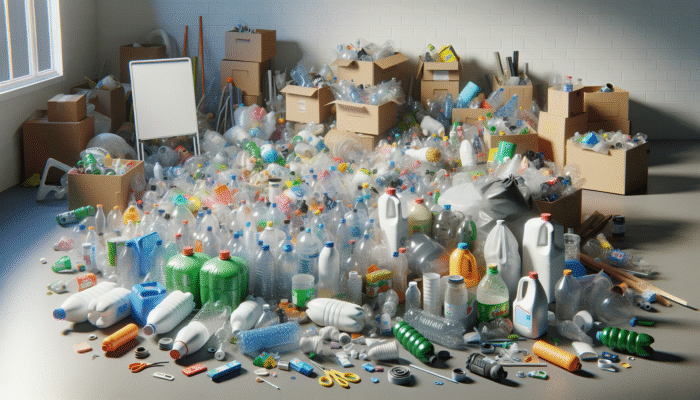
    Assorted plastic items including PET bottles, HDPE jugs, and PVC pipes in a UK house clearance.

    Plastics are an integral part of our everyday lives, appearing in a multitude of forms and serving essential roles across various sectors. During house clearances in the UK, you will likely encounter a wide range of plastic types, such as Polyethylene Terephthalate (PET), High-Density Polyethylene (HDPE), and Polyvinyl Chloride (PVC). Understanding these plastic varieties is critical, as each type comes with its own recycling requirements and environmental considerations. For instance, PET is commonly found in soft drink bottles and has a high recycling recovery rate, making it among the most recycled plastics available. HDPE, which can be seen in everyday items like milk jugs and detergent bottles, also enjoys a strong recycling rate due to its durability. Conversely, PVC, often used in plumbing pipes and vinyl flooring, presents greater recycling challenges due to its intricate material composition.

    By expanding your understanding of these various plastic types, you empower yourself to make informed and responsible decisions during house clearances. For instance, recognizing that HDPE can be repurposed into new containers, pipes, or even plastic lumber encourages eco-friendly disposal practices. Effectively identifying these plastics streamlines the recycling process, allowing you to play an active role in reducing the plastic waste that accumulates in landfills and our oceans, thus contributing positively to the battle against plastic pollution in the UK.

    Maximizing Recycling Success with Effective Plastic Sorting Methods

    The careful sorting of plastics is a crucial component of the recycling process, particularly during recycling plastics in UK house clearances. When various plastic types are mixed together, their unique properties can interfere with effective recycling efforts, often leading to contamination issues. Contaminated materials frequently end up in landfills, undermining the benefits of recycling. By diligently sorting plastics by type, you can enhance recycling efficiency and significantly diminish overall waste.

    In recent years, the UK has made substantial progress in promoting effective plastic sorting through public awareness campaigns and educational programs. Residents are encouraged to separate plastics from other waste materials and to follow local recycling guidelines closely. For example, local council services typically provide clear and comprehensive instructions outlining which plastics are accepted at local recycling centres. Prioritizing accurate sorting not only boosts recycling rates but also conserves valuable resources and energy, rendering the entire waste management process more sustainable and environmentally friendly.

    Understanding Plastic Labelling Systems for Effective Recycling

    Grasping the plastic labelling systems utilized in the UK is essential for successful recycling. The identification codes, usually found on the bottom of plastic containers, indicate the type of plastic and its recyclability status. For example, a code ‘1’ denotes PET, while a code ‘2’ signifies HDPE. These codes are invaluable for both consumers and recycling facilities, as they facilitate the sorting and processing stages of recycling.

    Local councils often provide clear guidance on the acceptability of various labelled plastics. However, it is important to note that not all labelled plastics are recyclable in every jurisdiction, making it imperative to consult local guidelines. Familiarizing yourself with these labels empowers individuals to make informed decisions during the disposal process, ultimately enhancing the success of recycling plastics during UK house clearances. Understanding the labelling system not only aids in recycling but also raises awareness about the lifecycle of plastic products, promoting a culture of sustainability and responsible consumption.

    Exploring UK Recycling Facilities and Available Disposal Services
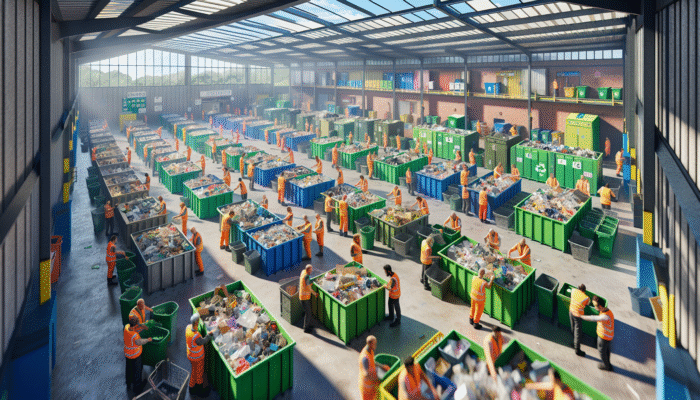
    UK recycling center with bins for paper, plastic, glass, workers and citizens sorting waste under a bright sky.

    Utilizing Local Council Recycling Centres for Responsible Plastic Disposal

    Identifying and making use of local council recycling centres is a vital step toward responsible plastic disposal in the UK. These facilities offer a convenient and environmentally sustainable option for disposing of plastics that cannot be handled through regular household waste services. Each local council has specific guidelines regarding the types of plastics accepted, often categorized by the previously discussed plastic types.

    To find your nearest recycling centre, simply visit your local council’s website, which typically includes maps and detailed information about accepted materials. Many centres feature dedicated bins for various plastic types, ensuring effective sorting upon arrival. Engaging with local council services not only amplifies your recycling efforts but also positively impacts your community’s sustainability initiatives, fostering a collective sense of responsibility towards environmental stewardship and community well-being.

    Moreover, some councils have introduced curbside collection services that simplify the recycling process for residents. By participating in these services, households can significantly reduce their plastic footprint and inspire others to do the same, thereby nurturing a culture of recycling within their community while promoting sustainable living practices.

    The Role of Private Recycling Companies in Plastic Waste Management

    Private recycling companies are instrumental in the UK’s strategy for effective plastic waste management. Unlike local councils, these companies often specialiSe in specific types of plastics or provide comprehensive services that encompass collection, sorting, and processing. This specialization can lead to higher recycling rates and lower contamination levels, significantly boosting the overall efficiency of recycling systems.

    For instance, certain private firms focus exclusively on commercial plastic waste, offering customized solutions that cater to the unique needs of businesses. They employ innovative technologies and methodologies to ensure that plastics are recycled efficiently and responsibly. By collaborating with these companies, households can ensure their plastic waste is managed effectively and sustainably, contributing to a cleaner environment and a more responsible society.

    Researching and selecting a reputable private recycling company can greatly influence the success of your recycling efforts. Many of these firms also provide educational resources, workshops, and community outreach initiatives that raise awareness about the importance of recycling and responsible waste management practices, thereby encouraging a culture of sustainability across communities.

    Convenient Recycling Drop-off Points for Easy Plastic Disposal
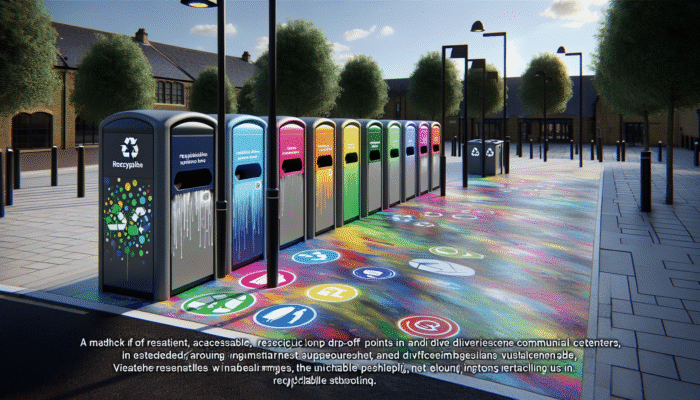
    A network of vibrant recycling drop-off points in the UK for efficient plastic disposal.

    In addition to local council recycling centres, recycling drop-off points offer a convenient option for individuals seeking to dispose of plastics efficiently. These drop-off locations are strategically located throughout the UK, often found in supermarkets, community centres, or designated recycling hubs. They provide a flexible solution for those who may not have access to kerbside collection services or prefer recycling at their own convenience.

    Drop-off points typically feature clearly marked bins for various recyclable items, including plastic bottles and containers. By utilizing these locations, residents can ensure their plastic waste is recycled appropriately, preventing it from contributing to landfill overflow. It is essential to verify local guidelines to determine which types of plastics are accepted at specific drop-off sites to ensure compliance with recycling protocols and to avoid contamination.

    Engaging with drop-off initiatives can also enhance community involvement and raise awareness regarding the significance of recycling. Many local councils and organizations host campaigns to encourage residents to integrate recycling into their daily routines, contributing to the overarching goal of reducing plastic waste throughout the UK and fostering a more sustainable environment.

    Empowering Communities Through Innovative Recycling Initiatives

    Community-driven recycling initiatives are increasingly prominent across the UK, focusing on sustainable plastic waste management and underscoring the importance of recycling plastics during UK house clearances. These initiatives often involve collaboration among local councils, businesses, and residents to develop effective recycling programs tailored to the specific needs of various communities.

    One standout initiative is the establishment of community recycling workshops, where residents are educated about the recycling process, the significance of material sorting, and best practices for minimizing plastic waste. These educational sessions empower individuals to take ownership of their recycling efforts, fostering engagement from all household members and nurturing a collective sense of community responsibility towards environmental sustainability.

    Additionally, some communities have initiated sharing schemes or upcycling projects that transform discarded plastics into valuable resources or products. This creative approach not only reduces plastic waste but also cultivates a sense of community spirit and accountability. By participating in such initiatives, residents can contribute to a circular economy where materials are continuously reused and recycled, ultimately benefiting both the environment and the local economy while promoting sustainable practices.

    Legal Framework and Environmental Considerations in Plastic Recycling

    Understanding UK Waste Management Regulations for Sustainable Practices

    Being well-versed in the UK waste management regulatory framework is crucial for ensuring that plastic disposal practices are both legal and environmentally responsible. The UK government has established a comprehensive set of regulations aimed at minimizing waste and promoting recycling, including the Waste (England and Wales) Regulations 2011 and the Environment Act 2021. These regulations provide clear guidelines for both businesses and households regarding the proper disposal of plastics.

    Familiarity with these regulations helps individuals and organizations maintain compliance while fostering environmentally friendly practices. For example, businesses are required to follow specific waste management protocols, ensuring that waste is recycled appropriately rather than sent to landfills without adhering to proper procedures. Non-compliance with these regulations can result in substantial penalties, highlighting the importance of awareness and education regarding waste management laws and practices.

    For households, understanding local council waste disposal policies is crucial. Many councils offer accessible resources detailing accepted materials, recycling procedures, and penalties for improper disposal. Engaging with these regulations not only protects the environment but also ensures that you positively contribute to your community’s waste management efforts, nurturing a culture of sustainability and responsible behavior towards waste.

    Evaluating the Environmental Impact of Plastic Waste

    The environmental repercussions of plastics are extensive and significant, emphasizing the urgent need for effective recycling practices in the UK. Plastics, particularly single-use items, substantially contribute to pollution and pose severe threats to marine ecosystems. By understanding the implications of plastic waste, individuals can make informed choices regarding their consumption and disposal habits, ultimately leading to more responsible practices.

    Recycling plays a crucial role in mitigating the adverse impacts of plastic waste. By recycling, we conserve natural resources, reduce energy consumption, and lower greenhouse gas emissions associated with plastic production and disposal. Furthermore, recycling alleviates pressure on landfills and the environment, promoting a more sustainable future for all. The environmental benefits of recycling extend beyond immediate waste reduction, fostering a culture of responsibility and sustainability.

    Awareness campaigns and educational initiatives are fundamental for cultivating a culture of environmental responsibility. Local councils, non-profit organizations, and educational institutions are increasingly investing in public outreach efforts to highlight the importance of recycling plastics and the broader implications of plastic pollution. By engaging in these initiatives, individuals contribute to a collective movement towards a cleaner, greener future for the UK, emphasizing the shared responsibility for environmental stewardship.

    Understanding the Consequences of Improper Plastic Disposal

    Awareness of the penalties and fines associated with improper plastic disposal in the UK is crucial in promoting responsible waste management practices. Local councils possess the authority to impose fines on individuals and businesses that violate waste disposal regulations. For instance, littering or illegally discarding plastics can lead to significant fines, serving as a strong deterrent against careless disposal practices that harm the environment and community.

    Beyond financial penalties, improper disposal can yield long-term consequences for communities and ecosystems. Contaminated waste complicates recycling efforts, leading to increased costs and reduced efficiency within local waste management systems. Additionally, the environmental damage caused by plastic pollution can have irreversible effects on wildlife and ecosystems, further emphasizing the need for responsible disposal practices. Educating residents about the potential repercussions of improper disposal fosters a sense of accountability and encourages responsible behavior.

    Community-led initiatives and public campaigns can play a pivotal role in raising awareness about the importance of adhering to waste management regulations. By taking responsibility for their waste, individuals can positively impact both their community and the environment, nurturing a culture of sustainability and collective responsibility towards waste management.

    Best Practices for Effective Plastic Recycling in UK Households

    Essential Steps for Properly Preparing Plastics for Recycling

    Preparing plastics for recycling is not just a best practice; it is vital for enhancing the efficiency of recycling plastics in UK house clearances. To ensure that plastic items are recycled correctly, they must be clean, dry, and free of contaminants. This process includes rinsing out containers to remove any food or liquid residues and ensuring that any labels or non-plastic components are discarded before disposal.

    A common misconception is that greasy or dirty plastics can still be recycled; however, this is far from accurate. Contaminated plastics can lead to entire batches of recyclables being deemed non-recyclable, ultimately increasing landfill waste and undermining recycling efforts. By developing a habit of cleaning and preparing plastics before disposal, households can significantly enhance the effectiveness of recycling initiatives and support environmental sustainability.

    Moreover, educating all household members about proper preparation techniques is crucial for fostering a culture of recycling. Simple practices, such as designating a specific area in the kitchen for rinsing and drying plastics, can encourage family involvement in recycling initiatives. This collective effort can lead to a more sustainable household and a more significant impact on community recycling rates, underscoring the importance of responsible waste management and environmental consciousness.

    Implementing Efficient Storage Solutions for Plastics Before Disposal

    Proper storage of plastics prior to disposal is a critical aspect of responsible recycling practices in UK homes. It is essential to establish a designated area for collecting recyclables, ensuring that plastics are stored cleanly and securely until they are ready for disposal. This not only helps maintain an organized living space but also encourages ongoing participation in recycling efforts, promoting a culture of responsibility within the household.

    Using clear bins or containers can facilitate the sorting process, making it easier to separate different types of plastics. Labeling these containers appropriately—such as “PET,” “HDPE,” or “Other”—can also assist family members in identifying which plastics belong where, ultimately streamlining the recycling process and improving recycling outcomes.

    Additionally, timing is crucial regarding the storage of plastics. Regularly emptying the collection bins ensures that they do not overflow, which may lead to contamination and encourage improper disposal. By consistently monitoring and managing your storage practices, you can play a pivotal role in enhancing the efficiency of recycling plastics in UK house clearances, contributing to a cleaner environment and a more sustainable future.

    Strategies to Engage All Household Members in Recycling Practices

    Encouraging participation from all household members in plastic recycling initiatives is essential for nurturing a culture of responsibility and sustainability. Involving everyone in the recycling process not only aids in improving recycling rates but also educates younger generations about the significance of responsible waste management practices.

    One effective strategy is to include family members in discussions regarding recycling habits. Talking about the importance of recycling and allowing everyone to contribute ideas can lead to increased buy-in and enthusiasm for recycling initiatives. Additionally, implementing gamification techniques can effectively motivate participation; for instance, setting monthly recycling goals and rewarding the household for achieving them can create a sense of accomplishment and teamwork.

    Providing educational resources, such as pamphlets or links to online materials, can also enhance understanding of the recycling process and its environmental impact. By making recycling a shared family responsibility, you empower individuals to take ownership of their actions, leading to more engaged and environmentally conscious citizens committed to sustainability and responsible waste management.

    Showcasing Successful Plastic Recycling Case Studies in the UK

    Community Initiatives That Are Making a Positive Difference

    Examining successful community-led plastic recycling initiatives in the UK highlights the power of collaboration and local efforts in addressing plastic waste challenges. One notable example is the ‘Plastic Free Communities’ initiative, which inspires local groups to work collectively to reduce reliance on single-use plastics. By establishing ‘Plastic Free Champion’ programs, communities can develop action plans that focus on minimizing plastic waste while promoting sustainable alternatives.

    These initiatives often involve partnerships with local businesses, councils, and educational institutions, creating a comprehensive approach to waste reduction. Events such as community clean-up days and workshops educate residents about the importance of recycling and responsible waste disposal. The ripple effect of these initiatives can foster lasting changes in community behavior, nurturing a culture of sustainability that extends beyond the immediate project and inspires ongoing participation.

    Another inspiring example is the emergence of community recycling hubs, where residents can drop off plastics for recycling and learn about upcycling and other waste reduction strategies. These hubs not only provide essential services but also serve as educational centres, empowering individuals to proactively reduce their plastic footprint and contribute to a more sustainable future.

    Innovative Business Recycling Programs Transforming Industry Practices in the UK

    Businesses across the UK are increasingly recognizing the importance of implementing effective plastic recycling programs as part of their corporate responsibility. Many companies have adopted comprehensive waste management strategies that prioritize recycling and sustainability. This shift is partly driven by consumer demand for eco-friendly practices and growing awareness of corporate social responsibility.

    Major retailers, for instance, have established in-store recycling schemes that allow customers to return plastic packaging for proper recycling. Initiatives like these not only support local recycling efforts but also encourage customers to engage with sustainable practices. Furthermore, businesses actively promoting recycling initiatives often attract environmentally conscious consumers, positively impacting their brand image and fostering customer loyalty.

    Additionally, many companies are now focusing on minimizing plastic usage by introducing reusable alternatives, such as bulk bins for grains or liquids instead of single-use plastic packaging. Such innovations not only reduce plastic waste but also promote a shift towards more sustainable consumer habits, ultimately benefiting both the environment and the economy.

    Government-Funded Projects Advancing Plastic Recycling Efforts

    Government-funded initiatives aimed at improving plastic recycling in the UK are paving the way for more effective waste management solutions. Projects like the ‘Resources and Waste Strategy for England’ outline ambitious targets to eliminate avoidable plastic waste and promote recycling. These strategies often include funding for local councils to enhance recycling infrastructure and public awareness campaigns.

    For example, the recent expansion of the ‘Plastic Pact’ encourages businesses to commit to making packaging recyclable, reusable, or compostable by 2025. Such collaborative projects create a unified front, bringing together stakeholders from multiple sectors to address the plastic crisis collaboratively and effectively.

    Moreover, these government initiatives frequently allocate funds for research into advanced recycling technologies and methods. By investing in innovation, the UK aims to remain at the forefront of sustainable plastic management, ultimately contributing to a greener future and enhancing overall recycling capabilities.

    The Impact of Educational Campaigns on Recycling Awareness in the UK

    Educational campaigns play a vital role in raising awareness and promoting plastic recycling among the public and schools across the UK. Initiatives like ‘Recycle Now’ provide valuable resources for individuals and families to understand the significance of recycling and how to do it effectively. These campaigns often utilize various media platforms to engage diverse audiences, ensuring widespread participation and involvement.

    In schools, programs emphasizing environmental education encourage students to take an active role in recycling efforts. Many institutions implement recycling clubs and sustainability projects that empower students to lead initiatives within their communities. This hands-on experience not only cultivates a sense of responsibility but also equips young individuals with the knowledge and skills necessary to advocate for sustainable practices in their future careers, nurturing a generation committed to environmental stewardship.

    By integrating educational initiatives into community and school settings, the UK can foster a culture of recycling and environmental responsibility that lasts for generations. The benefits of such programs extend beyond immediate waste reduction; they cultivate a generation dedicated to sustainability, ultimately paving the way for a cleaner and greener planet for future generations.

    Confronting Challenges and Developing Solutions in UK Plastic Recycling

    Addressing Contamination Issues in Recycling Processes

    Contamination issues represent one of the primary challenges faced by plastic recycling efforts in the UK. Contaminated recyclables, often caused by residues of food or non-recyclable materials mixed in, can lead to entire batches being rejected at recycling facilities. This not only squanders valuable resources but also diminishes the overall efficiency of recycling systems, making it essential to proactively address these challenges.

    To combat contamination challenges, a multi-faceted approach is required. Public education campaigns are vital for informing residents about proper recycling practices, including the importance of cleaning plastics before disposal. Local councils can enhance their communication efforts by providing clear and detailed guidelines on acceptable materials and effective storage practices to prevent contamination.

    Additionally, investing in advanced sorting technologies at recycling facilities can significantly reduce contamination rates. Innovative sorting systems utilize artificial intelligence and machine learning to identify and separate recyclable materials with heightened accuracy. By embracing such technologies, the UK can enhance the quality of recycled materials and boost overall recycling rates, ultimately contributing to a more sustainable recycling ecosystem and reducing the environmental impact of plastic waste.

    Improving Recycling Infrastructure Across the UK

    The necessity for enhanced recycling infrastructure in the UK cannot be overstated, particularly concerning plastic waste management. Many areas still lack adequate facilities for processing plastics, leading to increased landfill usage and contamination of recyclable materials. Addressing this infrastructure gap is essential for improving plastic recycling rates and effectively meeting environmental goals.

    Investing in recycling facilities, including sorting plants and processing centres, can significantly strengthen local recycling efforts. Furthermore, establishing a robust network of recycling drop-off points ensures that residents have convenient options for responsibly and effectively disposing of plastics. Collaboration between local governments and private firms can facilitate these investments, ultimately leading to a more effective and efficient recycling system that benefits the entire community.

    Moreover, integrating technology into recycling infrastructure can enhance operational efficiency. Innovative solutions, such as tracking systems that monitor recycling rates and contamination levels, can help identify areas for improvement. By embracing technological advancements, the UK can modernize its recycling infrastructure and establish a sustainable framework for plastic waste management that benefits both the environment and society at large.

    Enhancing Public Awareness of Recycling Practices

    Public education on recycling is vital for cultivating a culture of sustainability and responsible waste management in the UK. Many individuals remain unaware of the intricacies of the recycling process, leading to confusion and improper disposal practices. Comprehensive educational initiatives can bridge this knowledge gap and empower residents to actively participate in recycling efforts.

    Community workshops, online resources, and school programs are effective means of disseminating information about recycling. These initiatives can cover essential topics such as how to prepare plastics for recycling, the importance of plastic sorting, and the environmental implications of plastic waste. By making this information accessible and engaging, individuals are more likely to adopt responsible recycling practices and contribute positively to their communities.

    Furthermore, leveraging social media platforms can amplify public education campaigns, reaching a broader audience and encouraging collective action towards responsible waste management. Engaging visuals, informative videos, and interactive content can spark interest and motivate individuals to take proactive steps in their recycling efforts, fostering a culture of sustainability throughout the UK and inspiring lasting change.

    Strengthening Policy and Legislation for Enhanced Recycling Outcomes

    Stronger policies and legislation play a crucial role in improving plastic recycling practices and outcomes in the UK. By establishing clear regulations and targets for recycling, governments can create a robust framework for waste management that promotes sustainability. This includes implementing measures that hold businesses accountable for their plastic use and encouraging the adoption of environmentally friendly practices.

    Policies such as extended producer responsibility (EPR) can incentivize manufacturers to design products that are easier to recycle, thereby reducing plastic waste and its environmental impact. By shifting the burden of responsibility onto producers, the UK can promote innovation in packaging design and enhance recycling rates across the board, ultimately contributing to a reduction in plastic pollution.

    Moreover, collaboration among government entities, businesses, and non-profit organizations can drive the development of effective policies that address the unique challenges of plastic waste. By fostering a collective approach to policy-making, the UK can create a comprehensive strategy prioritizing sustainability, significantly reducing plastic pollution while paving the way for a more environmentally conscious society and responsible waste management practices.

    Innovative Advancements in Plastic Recycling Technology in the UK

    Utilizing Cutting-Edge Sorting Technologies for Enhanced Recycling Efficiency

    Exploring the advanced sorting technologies being developed in the UK for plastic recycling unveils exciting possibilities for enhancing waste management systems. Innovative techniques, such as near-infrared spectroscopy and artificial intelligence-driven sorting, are transforming the operations of recycling facilities. These technologies enable the rapid identification and separation of various plastics, significantly improving recycling rates and reducing contamination levels.

    For instance, companies are now implementing automated sorting lines that utilize sophisticated imaging systems to differentiate plastics based on their material composition. This accelerates the sorting process while ensuring that higher-quality recyclables are produced. Consequently, facilities can manage a greater volume of materials while minimizing contamination risks, ultimately contributing to a more sustainable recycling ecosystem and supporting the goals of environmental conservation.

    Furthermore, research into the integration of robotics into sorting facilities is underway, promising even greater efficiencies in the recycling process. By adopting such cutting-edge technologies, the UK can enhance its recycling capabilities and move closer to achieving a circular economy where plastic waste is effectively repurposed, thereby reducing reliance on virgin materials and fostering a more sustainable future for all.

    Exploring the Promise of Chemical Recycling Methods

    Investigating chemical recycling methods being researched in the UK reveals promising avenues for more effective plastic recycling. Unlike traditional mechanical recycling, chemical recycling breaks down plastics into their basic monomers, allowing for the creation of new, high-quality materials. This process has the potential to address some challenges associated with recycling contaminated plastics, as it can accommodate a wider variety of plastic types, thereby enhancing overall recycling efficiency.

    Several UK-based companies are at the forefront of chemical recycling innovation, developing processes that convert various plastic waste into valuable feedstocks. This not only helps divert plastics from landfills but also reduces reliance on virgin materials for production. Thus, chemical recycling represents a significant step towards a more sustainable plastic economy that champions environmental responsibility and resource efficiency.

    However, widespread adoption of chemical recycling methods is still in its early stages. Continued research, investment in infrastructure, and collaboration among industry stakeholders are essential to unlock the full potential of these technologies. By focusing on chemical recycling, the UK can enhance its recycling capabilities and significantly reduce the environmental impact of plastic waste, paving the way for a greener and more sustainable future.

    Developing Biodegradable Plastic Alternatives for Sustainable Solutions

    The exploration of biodegradable plastic alternatives presents exciting opportunities for addressing the plastic crisis in the UK. Innovative materials, such as polylactic acid (PLA) derived from renewable resources, are gaining traction as sustainable substitutes for traditional plastics. These alternatives have the potential to reduce dependence on fossil fuels and lower greenhouse gas emissions linked to plastic production, contributing to environmental sustainability and resource conservation.

    Moreover, research into developing fully compostable plastics is progressing, aiming to create materials that break down effectively in industrial composting facilities. By promoting the use of biodegradable plastics, the UK can mitigate the environmental impact of plastic waste while encouraging individuals and businesses to adopt sustainable practices that support a circular economy and responsible resource management.

    However, it is essential to recognize that biodegradable plastics are not a panacea. Education regarding their proper disposal and composting is crucial to ensure they do not inadvertently contribute to plastic pollution. By investing in research and public awareness campaigns, the UK can foster a sustainable future prioritizing innovation in biodegradable plastic alternatives, ultimately benefiting both the environment and society.

    Frequently Asked Questions About Plastic Recycling in the UK

    What types of plastics are most commonly found in UK households?

    Common plastics encountered in UK homes include PET (used for drink bottles), HDPE (found in milk jugs), and PVC (used in pipes and flooring).

    What are the best practices for preparing plastics for recycling?

    To prepare plastics for recycling, rinse containers to eliminate food residues, ensure they are dry, and remove any non-plastic components such as lids or labels.

    How can I find local recycling centres?

    Local recycling centres can be located on your council’s website, which typically provides maps and details about accepted materials and recycling processes.

    What penalties exist for improper plastic disposal?

    Improper plastic disposal can lead to fines imposed by local councils, as well as potential environmental consequences that impact communities and ecosystems.

    What strategies can I implement to encourage my family to participate in recycling?

    Engage your family in discussions about the importance of recycling, set achievable goals together, and establish a dedicated space for recycling to nurture ongoing participation and commitment.

    How does plastic contamination affect recycling efforts?

    Plastic contamination can result in entire batches being rejected at recycling facilities, wasting resources and undermining the overall effectiveness of recycling initiatives.

    What role do private recycling companies play in managing plastic waste?

    Private recycling companies often specialize in specific plastics and can provide tailored solutions for efficient recycling and effective waste management practices, improving overall recycling outcomes.

    How does the UK address the environmental challenges posed by plastics?

    The UK implements robust regulations, educational campaigns, and government-funded projects aimed at mitigating the environmental impact of plastics and promoting sustainable recycling practices throughout communities.

    What is the process of chemical recycling?

    Chemical recycling involves breaking down plastics into their basic monomers, facilitating the creation of new materials and addressing challenges associated with contamination and recycling efficiency.

    Are biodegradable plastics a viable solution to the plastic waste problem?

    Biodegradable plastics can reduce reliance on traditional plastics, but proper disposal and composting awareness are essential to prevent them from inadvertently contributing to plastic pollution.

    Connect with us on Facebook for more insights!

    The Article: Recycling Plastics in UK House Clearances: A Comprehensive Guide Was First Found At https://birminghamhouseclearance.com

    The Article Recycling Plastics: Essential Guide for UK House Clearances Was Found On https://limitsofstrategy.com
  • Advanced Recycling Methods for Efficient Waste Solutions

    Advanced Recycling Methods for Efficient Waste Solutions

    Transform Waste Management with Cutting-Edge Recycling Techniques for a Greener Future

    Discover Revolutionary Recycling Techniques to Maximize Resource Recovery

    Innovative waste recycling techniques signify a remarkable advancement in the field of waste management. These groundbreaking methods leverage state-of-the-art technological innovations to convert discarded materials into valuable resources. Unlike conventional recycling practices that often face challenges with sorting and processing inefficiencies, these innovative recycling strategies employ sophisticated processes capable of effectively decomposing complex materials. This transformative approach significantly boosts resource recovery efficiency by turning waste into high-quality raw materials, ultimately reducing the dependence on virgin resources, and fostering a more sustainable environment.

    Centrally featured within these methodologies is the concept of the circular economy, which reimagines waste as a resource rather than a burden. This crucial shift is vital for both businesses and communities striving to enhance their sustainability initiatives and environmental responsibility. Innovative technologies such as chemical recycling, pyrolysis, and enzymatic recycling are leading the charge in this movement, each presenting unique benefits for material recovery and quality. By embracing these progressive techniques, organizations can substantially diminish their environmental impact while actively contributing to the creation of a sustainable future.

    Understanding the Critical Importance of Waste Clearance for Recycling Optimization

    Waste clearance is a pivotal component of efficient waste management, especially when implementing advanced recycling methods for waste clearance. Effective clearance entails the organized removal of waste from various sources, ensuring meticulous sorting and processing of materials. This essential step significantly improves the efficiency of recycling operations, as it drastically reduces contamination that could compromise the quality of recycled materials.

    Implementing robust clearance strategies is crucial for businesses, municipalities, and diverse industries, as these practices promote proper waste segregation and responsible disposal methods. By establishing comprehensive clearance protocols, organizations can ensure that recyclable materials are redirected from landfills, thereby boosting recovery rates and strengthening the circular economy. Moreover, effective clearance practices can improve compliance with environmental regulations and positively influence public perception of waste management efforts, cultivating a culture of sustainability within communities.

    Exploring the Significant Environmental Benefits of Advanced Recycling Techniques

    The environmental implications of advanced recycling methods for waste clearance are substantial, particularly concerning reductions in landfill waste and greenhouse gas emissions. Traditional waste management approaches often result in significant ecological damage, with massive quantities of waste accumulating in landfills, leading to soil and water pollution. In stark contrast, advanced recycling technologies present a compelling alternative by redirecting waste from landfills and converting it into valuable materials that can be reintegrated into manufacturing processes.

    Additionally, advanced recycling plays a crucial role in reducing the carbon footprint associated with material production by minimizing the need for virgin resources. This aspect is particularly critical in the ongoing fight against climate change, as the extraction and processing of raw materials tend to be energy-intensive and harmful to the environment. By adopting advanced recycling methods, organizations contribute to a healthier planet and align their operations with global sustainability objectives, enhancing their corporate social responsibility initiatives.

    Revolutionary Technologies Transforming Advanced Recycling Techniques for Waste Clearance

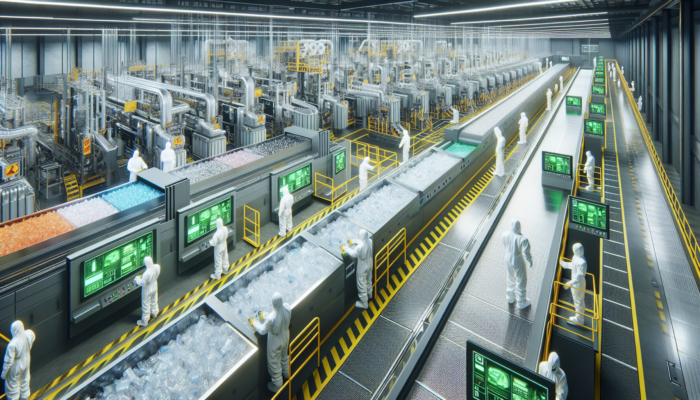
    Advanced recycling facility with futuristic machinery processing clear plastics, workers in hazmat suits, high-tech environment.

    Revolutionizing Plastic Waste Management with Chemical Recycling

    Chemical recycling stands as a fundamental aspect of innovative recycling methods for waste clearance, providing a transformative solution for managing plastic waste. This process involves breaking down plastics into their basic monomers, which can then be repurposed to create new, high-quality materials. Unlike traditional recycling methods that may diminish plastic quality over time, chemical recycling guarantees the creation of new products that retain the original properties of the materials.

    The adaptability of chemical recycling is especially noteworthy, as it can be applied to various types of plastics, including those often deemed difficult to recycle, such as mixed plastics and contaminated items. By employing this technology, organizations can significantly boost their recycling rates and divert considerable amounts of waste from landfills. Furthermore, generating high-quality recycled materials through chemical processes can greatly reduce the demand for virgin plastics, thereby promoting more sustainable manufacturing practices.

    Harnessing Energy from Waste: The Benefits of Pyrolysis and Gasification

    Pyrolysis and gasification are two highly effective thermal processes utilized in advanced recycling methods for waste clearance. These innovative techniques involve the thermal breakdown of organic materials in an oxygen-free environment, converting waste into energy and crucial raw materials. Pyrolysis specifically concentrates on converting plastics into oils, gases, and char, which can be further processed or used as fuel.

    Conversely, gasification transforms carbon-rich materials into syngas, a mixture of hydrogen and carbon monoxide that can be employed to generate electricity or produce synthetic fuels. Both methods significantly improve recycling efficiency by reducing waste volumes and generating energy usable across various applications. By incorporating pyrolysis and gasification into waste management strategies, organizations can achieve considerable cost savings and minimize environmental impacts, making these methods invaluable assets in the pursuit of sustainability.

    Innovative Advances in Enzymatic Recycling Techniques

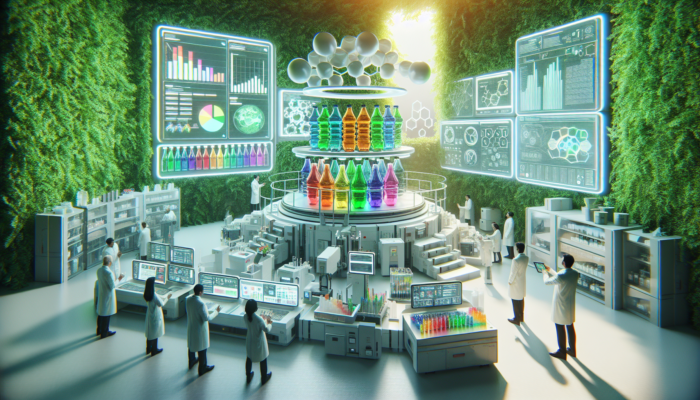
    Scientists in a futuristic lab observing enzymes breaking down colorful plastic bottles into monomers, surrounded by lush greenery.

    Enzymatic recycling represents an innovative and promising approach that uses biological agents to break down plastics, offering a unique and eco-friendly solution within advanced recycling methods for waste clearance. This technique utilizes specific enzymes capable of decomposing complex polymer structures into their monomers, which can then be reused to manufacture new plastic products. By harnessing natural biological processes for recycling, this method not only boosts waste management efficiency but also aligns with broader environmental sustainability goals.

    A major advantage of enzymatic recycling is its ability to target specific types of plastics, making it especially effective for materials that may present challenges for traditional recycling methods. This process also operates at relatively low temperatures and eliminates the need for harmful solvents, thereby reducing its ecological footprint. As research and development in this area continue to progress, enzymatic recycling holds the potential to revolutionize our approach to plastic waste management, paving the way towards a more circular economy.

    A Detailed Guide to Implementing Innovative Recycling Methods for Waste Clearance

    Evaluating Your Organization’s Specific Recycling Needs

    Prior to adopting advanced recycling methods for waste clearance, organizations must perform a comprehensive assessment of their unique recycling requirements. This evaluation entails a thorough audit of the types and quantities of waste generated within the organization. By obtaining a clear picture of the composition of waste streams, businesses can customize their recycling strategies to effectively tackle the challenges they face.

    The initial step involves identifying the primary materials present in the waste stream. For example, an organization generating a significant volume of plastic waste may greatly benefit from integrating chemical recycling technologies, while a facility producing organic waste could explore enzymatic solutions. Additionally, understanding waste volumes aids in determining the scale of recycling operations necessary, ensuring that the chosen methods are both efficient and cost-effective. This thorough evaluation lays the groundwork for successful implementation and optimizes resource recovery potential.

    Selecting the Best Technology for Optimal Recycling Outcomes

    Choosing the right technology for advanced recycling methods for waste clearance is a critical decision that can greatly influence the success of waste management initiatives. Factors such as cost, environmental impact, and the specific materials requiring recycling should guide this decision-making process. Each technology, whether it be chemical recycling, pyrolysis, or enzymatic methods, offers distinct advantages and considerations.

    Conducting a cost analysis is essential; organizations must weigh the initial investment needed for technology implementation against the long-term savings linked to resource recovery and reduced disposal expenses. Furthermore, environmental considerations should remain a central focus, as organizations aim to minimize their carbon footprints and align with sustainability goals. Ultimately, the particular materials generated by an organization will dictate the most appropriate technologies, ensuring that the selected methods effectively address waste challenges while maximizing recovery rates.

    Prioritizing Staff Training and Education for Successful Method Implementation

    To enhance the efficiency and safety of advanced recycling methods for waste clearance, comprehensive training and education for staff members are essential. Employees play a vital role in the success of recycling initiatives, and equipping them with the necessary knowledge and skills can significantly improve the overall effectiveness of waste management strategies.

    Training programs should encompass a range of topics, including the operation of advanced recycling technologies, proper waste segregation practices, and the importance of complying with environmental regulations. Moreover, cultivating a culture of sustainability within the workplace can motivate employees to actively engage in recycling efforts and promote responsible waste management practices. By investing in staff education, organizations ensure they are well-equipped to successfully implement advanced recycling methods, leading to improved resource recovery and a reduced environmental footprint.

    Real-Life Success Stories: Advanced Recycling Methods for Waste Clearance in Action

    Innovative Solutions in Industrial Waste Management Practices

    A notable example of advanced recycling methods for waste clearance can be found in the industrial sector, where a manufacturing facility successfully adopted chemical recycling processes to address its plastic waste issues. Faced with rising disposal costs and stringent environmental regulations, the facility recognized the necessity for a more sustainable waste management approach.

    By implementing a chemical recycling system, the plant was able to convert its plastic waste into high-quality raw materials suitable for reuse in production. This strategy not only decreased the amount of waste sent to landfills but also significantly lowered material expenses, as the plant was able to procure recycled materials at a fraction of the cost of virgin plastics. The success of this initiative not only improved the plant’s financial performance but also established its reputation as a leader in sustainability within the manufacturing sector.

    Engaging Municipal Recycling Programs for Community Impact

    In the realm of municipal recycling, cities across the globe have started adopting advanced recycling methods for waste clearance to enhance waste management and actively involve the public. A prominent example is a city that launched a comprehensive recycling initiative incorporating both chemical recycling and enzymatic solutions.

    The city conducted extensive public awareness campaigns aimed at educating residents about the significance of recycling and the benefits of advanced techniques. Consequently, participation rates in the recycling program soared, leading to a notable increase in the volume of materials collected. By integrating advanced technologies, the city successfully processed previously non-recyclable plastics, diverting them from landfills and reducing overall waste generation. This initiative not only reinforced the municipality’s sustainability efforts but also nurtured a sense of community responsibility towards effective waste management.

    Innovations in Recycling Practices within the Commercial Sector

    The commercial sector has also experienced remarkable advancements through the implementation of advanced recycling methods for waste clearance. Many businesses are now leveraging advanced recycling technologies to achieve sustainability targets while simultaneously cutting operational costs. For example, a leading retail chain partnered with a technology provider to establish a closed-loop recycling system for its packaging materials.

    By utilizing pyrolysis technology, the retailer transformed its plastic packaging waste into reusable raw materials, significantly reducing its reliance on new plastic production. This initiative not only contributed to the retailer’s sustainability goals but also strengthened its market position as an environmentally responsible brand. The success of such commercial innovations emphasizes the potential of advanced recycling to deliver both economic and environmental advantages.

    The Financial Benefits of Advanced Recycling Methods for Waste Clearance

    Realizing Cost Savings Through Efficient Resource Recovery

    One of the most compelling advantages of advanced recycling methods for waste clearance is the potential for significant cost savings achieved through effective resource recovery. By transforming waste into valuable materials, organizations can substantially reduce their disposal expenses while simultaneously offsetting costs related to acquiring virgin materials. This dual benefit creates a strong financial incentive for businesses to invest in advanced recycling technologies.

    Additionally, as regulations surrounding waste management become more stringent, the potential financial consequences of non-compliance can be considerable. By adopting advanced recycling methods, organizations can minimize the risk of incurring fines and penalties associated with improper waste disposal. The long-term savings gained from improved resource recovery and reduced compliance costs present a compelling business case for implementing advanced recycling strategies.

    Encouraging Job Creation and Economic Development

    The growth of the recycling industry through advanced recycling methods for waste clearance plays a crucial role in job creation and economic advancement. As organizations invest in innovative technologies, there is a corresponding demand for skilled professionals to operate and maintain these systems. This trend leads to the emergence of new job opportunities across various sectors, including engineering, operations, and environmental management.

    Moreover, the expansion of the recycling industry stimulates local economies by promoting investments in cutting-edge technologies and infrastructure. Communities that prioritize sustainability and advanced recycling often experience enhanced economic resilience, positioning themselves as centers for innovation and resource recovery. The favorable outcomes of job creation and economic growth linked to advanced recycling methods highlight the importance of embracing sustainability as a driver of economic development.

    Attractive Investment Opportunities in Advanced Recycling Technologies

    As the demand for sustainable solutions continues to rise, investment opportunities in advanced recycling methods for waste clearance are becoming increasingly appealing. Investors are recognizing the potential for significant returns in the recycling sector, especially as new technologies emerge and existing processes are optimized.

    Companies focused on advanced recycling technologies are attracting venture capital and private equity investments, driven by the growing acknowledgment of the importance of effective waste management in addressing environmental challenges. Additionally, public-private partnerships within the recycling sector can facilitate the development of innovative solutions, paving the way for further advancements in recycling technologies. As the market for recycled materials expands, the potential for lucrative investments in advanced recycling presents an enticing opportunity for visionary investors.

    Addressing Challenges in Implementing Advanced Recycling Methods for Waste Clearance

    Overcoming Technological Barriers to Implementation

    Implementing advanced recycling methods for waste clearance presents a variety of challenges, particularly in overcoming technological barriers. Many organizations may encounter difficulties in integrating new technologies into their existing waste management systems, leading to concerns regarding cost, efficiency, and compatibility.

    To tackle these challenges effectively, organizations should conduct thorough assessments of potential technologies, considering factors such as scalability, ease of integration, and operational requirements. Collaborating with technology providers and industry experts can facilitate smoother transitions and offer valuable insights into best practices. By proactively addressing technological challenges, organizations can enhance their recycling capabilities and maximize the benefits derived from advanced methods.

    Navigating Regulatory and Policy Challenges in Recycling

    The regulatory landscape surrounding advanced recycling methods for waste clearance is constantly evolving, presenting organizations with both challenges and opportunities. Understanding the implications of local, national, and international regulations is essential for ensuring compliance and successfully implementing advanced recycling initiatives.

    Organizations should actively engage with policymakers to advocate for regulations that support the adoption of advanced recycling technologies. This includes promoting policies that incentivize investments in recycling infrastructure and streamline permitting processes. By fostering collaborative discussions between industry stakeholders and regulators, organizations can help shape a supportive policy environment conducive to the growth of advanced recycling methods.

    Enhancing Public Perception and Engagement for Recycling Initiatives

    Public perception significantly influences the success of advanced recycling methods for waste clearance, as community engagement and support are vital for effective implementation. Many individuals may harbor misconceptions about recycling technologies, leading to resistance or indifference towards new initiatives.

    Organizations must prioritize education and outreach efforts to overcome these challenges and inform the public about the benefits of advanced recycling methods. This can involve hosting workshops, community events, and educational campaigns that emphasize the significance of recycling and the positive impacts of advanced technologies. By fostering a better understanding of recycling processes and their advantages, organizations can enhance public support and participation in sustainability initiatives.

    Looking Ahead: Anticipating Future Innovations in Advanced Recycling Methods for Waste Clearance

    Emerging Technologies to Keep an Eye On

    The landscape of advanced recycling methods for waste clearance is rapidly evolving, with several emerging technologies poised to redefine waste management practices. Innovations in artificial intelligence, machine learning, and biotechnology are paving the way for more efficient and effective recycling processes.

    For instance, AI-driven sorting systems can dramatically enhance material recovery rates by accurately identifying and segregating different types of waste. Moreover, advancements in biotechnology, such as enzyme engineering, are leading to more efficient methods for breaking down complex materials. As these technologies continue to advance, they hold the promise to revolutionize the recycling industry and encourage the broader adoption of advanced recycling techniques.

    Integrating AI and Automation into Recycling Processes

    Artificial intelligence (AI) and automation are becoming increasingly integral to enhancing the efficiency of advanced recycling methods for waste clearance. By incorporating AI into recycling operations, organizations can optimize sorting processes, monitor equipment performance, and streamline logistics.

    Automated sorting systems equipped with AI algorithms can significantly enhance the precision of material separation, reducing contamination and maximizing recovery rates. Additionally, AI-driven predictive maintenance can help minimize equipment downtime and extend the lifespan of recycling machinery. As AI and automation progress, their integration into recycling practices will be crucial for organizations striving to remain competitive in the ever-evolving waste management landscape.

    Encouraging Global Collaboration and Knowledge Sharing for Recycling Advancements

    As the world confronts growing environmental challenges, global collaboration and knowledge exchange are becoming increasingly essential for advancing recycling methods for waste clearance. International partnerships among governments, businesses, and research institutions can facilitate the sharing of best practices and foster innovation in recycling technologies.

    Collaborative initiatives can lead to the development of comprehensive recycling frameworks that address regional waste management issues while promoting sustainability on a worldwide scale. By exchanging knowledge and expertise, stakeholders can accelerate the adoption of advanced recycling methods, working collectively towards a more sustainable future.

    Addressing Common Questions and Insights on Advanced Recycling Methods for Waste Clearance

    What are advanced recycling methods?

    Advanced recycling methods refer to cutting-edge technologies that convert waste materials into valuable resources, exceeding the capabilities of traditional recycling techniques.

    How do advanced recycling methods mitigate environmental impact?

    These methods reduce landfill dependency and greenhouse gas emissions by transforming waste into reusable materials, thereby supporting sustainability objectives.

    What types of technologies are utilized in advanced recycling?

    Key technologies include chemical recycling, pyrolysis, gasification, and enzymatic recycling, each offering unique advantages for material recovery.

    How can businesses effectively implement advanced recycling methods?

    Organizations should evaluate their waste streams, select appropriate technologies, and invest in staff training to successfully adopt advanced recycling strategies.

    What economic benefits do advanced recycling methods provide?

    Advanced recycling can result in cost savings through efficient resource recovery, job creation, and appealing investment opportunities in recycling technologies.

    What challenges do organizations face when adopting advanced recycling?

    Common hurdles include technological limitations, regulatory considerations, and public perceptions surrounding new recycling methods.

    How can public perception of advanced recycling be improved?

    Organizations can enhance public understanding of the benefits of recycling through educational outreach, community events, and transparent communication strategies.

    What future trends can we expect in advanced recycling?

    Emerging technologies, AI integration, and global collaboration are key trends anticipated to shape the future of advanced recycling methods.

    What role does AI play in recycling processes?

    AI enhances recycling efficiency by improving sorting accuracy, monitoring equipment performance, and optimizing logistics within recycling operations.

    How can cities benefit from advanced recycling methods?

    By implementing advanced recycling technologies, cities can bolster waste management, increase recycling rates, and promote public participation.

    Connect with us on Facebook!

    The Article: Advanced Recycling Methods: Transforming Waste Management Was First Found At https://birminghamhouseclearance.com

    The Article Advanced Recycling Methods for Effective Waste Management Was Found On https://limitsofstrategy.com
  • Managing Hazardous Waste: A Key Guide for House Clearance

    Managing Hazardous Waste: A Key Guide for House Clearance

    Effective Techniques for Safely Managing Hazardous Waste During House Clearance

    Initiating a house clearance often uncovers hidden hazardous waste, which can pose serious health and environmental risks. Successfully navigating this intricate process hinges on accurately identifying dangerous materials, selecting suitable personal protective equipment (PPE), and adhering strictly to legal regulations that govern waste disposal. This segment offers crucial insights into these essential aspects, ensuring that your house clearance is conducted safely, legally, and efficiently.

    Recognizing Hazardous Materials: Key Types and Common Locations Within Your Home

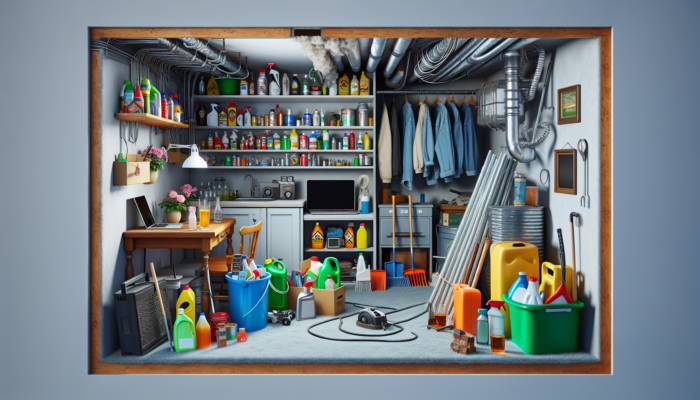
    Hazardous materials found in various locations: under sinks, garages, in old electronics, garden tools, and hidden in attics and basements of older homes.

    The first and foremost step in efficiently managing hazardous waste during house clearance is to precisely identify what qualifies as hazardous materials. These substances are commonly found in diverse locations throughout a home and often in surprising spots. Typical examples of hazardous waste encompass chemicals, batteries, asbestos, paints, and electronic waste, which can often be hidden away in attics or basements.

    Commonly found chemicals, such as cleaning agents, solvents, and pesticides, are frequently stored under sinks or in garages. Batteries may lurk in outdated electronic devices or gardening tools, while asbestos, a highly perilous fibrous material that was extensively used in insulation and fireproofing, may be concealed within the walls of older homes, particularly in attics or basements. Additionally, paints, especially those containing lead or potent solvents, are generally stored in sheds or beneath staircases. Lastly, electronic waste, which includes outdated computers, televisions, and mobile devices, may also contain hazardous components that necessitate specialized handling.

    For safety assurance, it is recommended to perform an initial walkthrough of your property to pinpoint these materials. Collaborating with professional clearance services that specialize in hazardous waste management can be immensely beneficial. These specialists are adept in recognizing perilous substances and can implement the necessary measures for their effective and safe handling.

    Essential Gear: Personal Protective Equipment for Safe Hazardous Waste Management

    After identifying hazardous materials, it is imperative to equip yourself with the appropriate personal protective equipment (PPE). The specific type of hazardous waste encountered determines the required gear; however, there are several essential items that everyone involved in the clearance process should have readily available.

    First, gloves are vital for preventing direct skin contact with toxic substances. Nitrile gloves, in particular, are effective against chemicals and sharp objects, providing a strong protective barrier. Additionally, protective eyewear is crucial for safeguarding the eyes against splashes of liquids or airborne particles. When dealing with dust, fumes, or vapors, especially in confined areas, adequate respiratory protection, such as masks or respirators, is essential.

    Furthermore, appropriate clothing should be donned to reduce exposure risks. Disposable overalls or durable work clothing can provide protection against chemical spills and contribute an additional layer of safety. Steel-toed boots are also recommended to safeguard feet from falling objects or sharp debris.

    Ultimately, wearing the correct PPE not only protects individuals during the house clearance but also instills confidence that the process is being conducted in a safe and responsible manner.

    Understanding Regulations: Legal Compliance for Safe Hazardous Waste Management

    Navigating the legal framework surrounding hazardous waste in-house clearance is crucial for ensuring compliance and protecting oneself from possible legal repercussions. Various regulations oversee the handling, storage, and disposal of hazardous materials, making it vital to be well-informed about these legal requirements.

    In the UK, the Hazardous Waste Regulations 2005 dictate that hazardous waste must be managed in accordance with specific guidelines. This encompasses proper classification, secure storage of hazardous waste, and maintaining meticulous records of its disposal. Non-compliance with these regulations can lead to significant fines and legal penalties.

    Additionally, local regulations must be taken into account, as different areas may have imposed additional requirements. Engaging with local authorities and environmental agencies can clarify compliance obligations.

    Individuals choosing to employ professional clearance services should confirm that these companies are licensed and knowledgeable regarding hazardous waste management regulations. This assurance not only guarantees compliance but also provides peace of mind that the clearance process is being handled legally and safely.

    Proven Approaches for Effectively Managing Hazardous Waste During House Clearance

    Team in hazmat suits sorting hazardous waste into labeled containers during house clearance.

    Effectively managing hazardous waste during house clearance is vital for ensuring safety and compliance. This section outlines crucial strategies, including sorting and segregation, containment and storage, as well as transportation methods that collectively aim to facilitate a successful clearance process.

    Optimized Practices for Sorting and Segregating Hazardous Waste Efficiently

    Implementing a systematic approach to sorting and segregation is essential when managing hazardous waste. Best practices recommend categorizing materials based on their type and hazard level, streamlining the clearance process, and ensuring that appropriate handling protocols are adhered to for each waste category.

    Begin by establishing designated areas for different types of waste, including chemicals, electronics, and sharp objects. Clearly labeling these zones helps prevent cross-contamination and ensures materials are stored securely. For instance, chemicals should be kept separate from electronic waste, as certain reactions between substances can create hazardous situations.

    Employing color-coded bins or containers can also enhance organization. For example, utilizing red for hazardous waste and green for recyclable materials facilitates quick identification and minimizes the risk of errors. Regular inspections should be carried out to ensure that waste is being sorted correctly and that containers do not become overloaded.

    By integrating these sorting and segregation practices into your hazardous waste management strategy, you can significantly enhance efficiency and safety during house clearance.

    Effective Containment and Storage: Strategies for Securely Holding Hazardous Waste

    Once hazardous materials have been sorted, the next focus should be on containment and storage. Employing safe methods for temporary holding is crucial to prevent leaks, spills, or accidents that could pose risks to individuals and the environment.

    One effective practice is to use robust, leak-proof containers specifically designed for hazardous waste. These containers should be prominently labeled with appropriate hazard symbols to inform anyone handling them of the potential dangers. Furthermore, they should be stored in a dry, secure location away from the primary area of activity to minimize the risk of accidental exposure.

    The principle of compatibility must be adhered to when storing hazardous waste. This means that materials that could react adversely with one another should be stored separately; for instance, flammable substances should not be kept near oxidizing agents, as this could lead to dangerous reactions.

    Regular monitoring of storage areas is necessary to ensure that containers remain intact and that no leaks or spills have occurred. Establishing a clear protocol for inspecting these areas can help maintain a safe environment throughout the house clearance.

    Guidelines for the Safe Transportation of Hazardous Materials

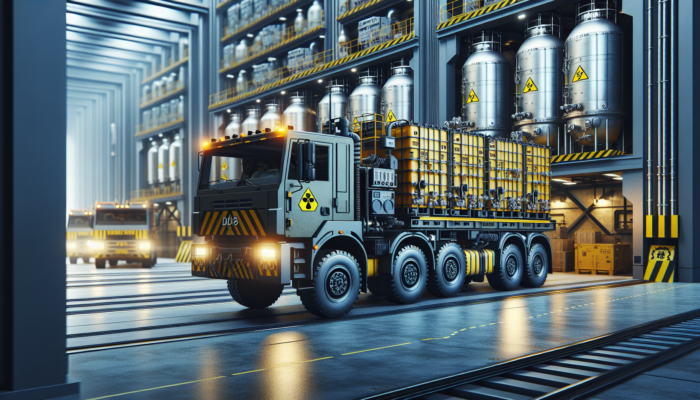
    A specialized vehicle transporting securely contained and labeled hazardous materials from facility to disposal site.

    Safely transporting hazardous materials is critical to managing dangerous waste during house clearance. Following specific guidelines can significantly mitigate risks during the movement of these substances from the property to disposal locations.

    Before transportation, ensure that all hazardous waste is securely contained and properly labeled. This not only aids in safe handling but also communicates the associated risks to anyone involved in the transportation process. It is recommended to utilize vehicles specifically designed for transporting hazardous materials, as they are equipped with features such as spill containment systems and proper ventilation.

    During transit, it is vital to adhere to speed limits and avoid sudden stops that could lead to spills or accidents. Additionally, drivers should be trained in handling hazardous materials and be well-versed in emergency response protocols should an incident occur.

    Upon reaching the disposal facility, follow the established procedures for unloading and disposing of the hazardous waste. This ensures that the entire process complies with legal regulations while prioritizing safety at every stage.

    Insights from Experts and Best Practices for Handling Hazardous Waste During House Clearance

    Gaining insights from industry professionals can offer invaluable guidance on managing hazardous waste during house clearance. This section delves into case studies, expert recommendations, and the significance of training and certification for ensuring effective waste management.

    Case Studies: Learning from Real-Life Success Stories in Hazardous Waste Management

    Examining case studies of successful hazardous waste management can provide practical insights into effective strategies and techniques. A notable case involved the clearance of an old industrial site where various hazardous materials, including chemicals and asbestos, were discovered.

    In this instance, the clearance team devised a comprehensive plan that began with an exhaustive site assessment, followed by meticulous categorization of hazardous materials. They collaborated closely with environmental agencies to ensure compliance with regulations and enlisted specialized contractors to safely remove asbestos.

    The outcome was a successful clearance that prioritized safety while minimizing environmental impact. This case exemplifies the importance of thorough planning, adherence to regulations, and collaboration with professionals in the field.

    Expert Recommendations: Professional Guidance for the Safe Handling of Hazardous Substances

    Industry professionals possess invaluable knowledge regarding best practices for managing hazardous waste during house clearance. A crucial piece of advice is to never underestimate the significance of comprehensive training. Ensuring that all team members are well-versed in dangerous materials, their associated risks, and safe handling procedures is essential for maintaining safety throughout the process.

    Another expert recommendation highlights the necessity of approaching hazardous waste with caution. If there is any uncertainty regarding a substance, consulting with professionals is advisable rather than risking exposure. Additionally, maintaining open lines of communication among team members during clearance can help ensure that everyone is aware of potential hazards and safety protocols.

    Finally, experts emphasize the importance of having a contingency plan in place. This includes knowing how to respond to accidents, spills, or unexpected discoveries of hazardous materials. Preparedness significantly reduces risks and enhances overall safety during the clearance operation.

    The Importance of Training and Certification in Hazardous Waste Management

    Investing in training and certification is vital for individuals involved in handling hazardous waste during house clearance. Proper training equips individuals with the essential knowledge and skills necessary to manage hazardous materials safely and effectively.

    Certification programs encompass various aspects of hazardous waste management, from identification and storage to disposal protocols. These programs provide critical knowledge and demonstrate a commitment to safety and compliance, which can enhance credibility within the industry.

    Moreover, ongoing training is essential to stay current with the latest regulations and best practices. As regulations evolve and new hazardous materials emerge, continuous professional development ensures that individuals remain informed and prepared to handle any challenges encountered during house clearance.

    Customized Approaches: Tailoring Hazardous Waste Management to Diverse Property Types

    Different properties present distinct challenges when managing hazardous waste during house clearance. This section examines practical applications for residential clearances, commercial properties, and historic buildings, highlighting tailored strategies for each scenario.

    Residential Clearances: Effectively Identifying and Managing Household Hazardous Waste

    Residential clearances often involve hazardous household waste. Common items include old cleaning products, paints, batteries, and electronic devices. To effectively manage these materials, homeowners should conduct a thorough inventory of potential hazardous waste prior to initiating the clearance process.

    Many local councils provide guidance on the proper disposal of household hazardous waste, including designated drop-off points or collection services. Homeowners are encouraged to utilize these resources to ensure safe and compliant disposal.

    Furthermore, homeowners should educate themselves about the potential risks associated with various materials. For example, lead-based paints can pose significant health risks, particularly in homes with children. Understanding these dangers enables homeowners to approach the clearance process with the necessary caution and care.

    Commercial Properties: Effectively Managing Hazardous Waste in Industrial and Office Settings

    Commercial properties present unique challenges in managing hazardous waste during house clearance. Industrial sites may harbor hazardous materials such as chemicals, heavy metals, and waste from manufacturing processes, while office spaces may contain electronic waste and outdated machinery.

    When managing industrial waste, it is vital to engage professional clearance services that possess expertise in handling hazardous materials. These services can conduct thorough assessments, implement appropriate safety measures, and ensure compliance with legal regulations.

    For office clearances, businesses should consider establishing a clear waste management policy that outlines procedures for disposing of electronic waste and other hazardous materials. This approach not only streamlines the clearance process but also promotes sustainability and environmental responsibility.

    Historic Buildings: Unique Considerations for the Clearance of Older and Distinct Structures

    Handling hazardous waste in historic buildings necessitates special considerations due to the unique materials often used in older structures. Asbestos, lead paint, and other dangerous materials may be concealed within the walls, ceilings, or flooring of these buildings.

    Conducting a detailed assessment of the property is vital before commencing a clearance. Engaging with specialists knowledgeable about historic building regulations and hazardous waste management can provide valuable insights and ensure adherence to preservation guidelines.

    Moreover, any clearance activities should prioritize the protection of the building’s historical integrity. This may involve employing specific techniques or tools to minimize damage while safely removing hazardous materials. By taking these precautions, property owners can ensure a successful clearance while preserving the structure’s historical significance.

    Tackling Challenges in Hazardous Waste Management During House Clearance

    Addressing the challenges of handling hazardous waste during house clearance is crucial for ensuring a smooth and safe process. This section discusses common obstacles, including unexpected discoveries, limited space, and time constraints, along with strategies to overcome them.

    Protocols for Managing Unexpected Discoveries: Safely Handling Unforeseen Hazardous Materials

    Unexpected hazardous materials can often surface during a house clearance. Whether it is a hidden stash of chemicals in a basement or outdated electronic devices, it is essential to have established protocols for handling these surprises safely.

    Upon encountering unfamiliar substances, it is critical to halt all clearance activities in that area and conduct a thorough assessment of the situation. If there is any uncertainty regarding the safety of the material, it is advisable to contact a professional hazardous waste management service. These experts possess the knowledge to evaluate potential risks and implement appropriate handling procedures.

    Documenting the discovery and any actions taken is essential for compliance and future reference. This ensures that all steps taken are recorded, providing a clear trail of actions in accordance with legal requirements.

    Techniques for Managing Waste in Confined Spaces: Effective Strategies for Safe Handling

    Limited space can pose a significant challenge when handling hazardous waste during house clearance, particularly in smaller homes or cluttered environments. Strategic planning is vital for effectively managing waste in confined areas.

    One effective strategy is to prioritize the clearance of hazardous materials first, thereby reducing their presence in the space. This approach enhances safety and permits the efficient use of available area.

    Establishing a clear workflow can also assist in managing limited space. Designating specific areas for sorting and temporary storage can streamline the process. Additionally, utilizing vertical space for storage can maximize efficiency, ensuring safer movement within the confined area.

    Streamlined Methods for Quick and Safe Clearances: Efficiently Overcoming Time Constraints

    Time constraints can significantly impact the handling of hazardous waste during house clearance. To address this challenge, employing efficient methods and techniques is essential for ensuring a rapid yet safe process.

    One effective approach is to develop a detailed plan prior to commencing the clearance. This plan should outline each team member’s specific tasks, timelines, and responsibilities. Establishing clear expectations allows the clearance process to remain focused and efficient.

    Moreover, utilizing technology can enhance efficiency. Digital inventory management and communication tools can streamline operations, ensuring all team members are aligned and tasks are executed promptly.

    Finally, engaging professional clearance services can expedite the process. Their expertise and resources can facilitate a swift clearance while adhering to all safety protocols and legal requirements.

    Encouraging Environmental Sustainability in Hazardous Waste Management During House Clearance

    The environmental implications of handling hazardous waste during house clearance are profound. This section explores eco-friendly disposal options, recycling and reuse opportunities, and the broader community impacts of hazardous waste management.

    Eco-Conscious Disposal: Prioritizing Sustainable Practices in Waste Management

    Emphasizing eco-friendly methods when disposing of hazardous waste is crucial for minimizing environmental damage. Many local councils provide specialized disposal services for hazardous materials, ensuring they are treated and disposed of in alignment with environmental regulations.

    Additionally, exploring partnerships with certified hazardous waste disposal companies can offer access to environmentally responsible disposal methods. These firms typically employ advanced technologies and processes that reduce the impact of hazardous waste on the environment.

    Moreover, individuals should consider participating in community hazardous waste collection events. These initiatives provide a safe and responsible way to dispose of hazardous materials, while promoting awareness about environmental sustainability within the community.

    Recycling and Reusing: Promoting Sustainable Practices in Hazardous Waste Management

    Integrating recycling and reuse opportunities into handling hazardous waste during house clearance can significantly enhance sustainability efforts. Numerous hazardous materials, such as batteries and electronics, can be recycled, thereby reducing the demand for new resources and minimizing waste.

    Homeowners and businesses should remain informed about local recycling programs and services to facilitate responsible recycling. Many communities offer drop-off locations or collection events specifically for hazardous materials, making it easier to recycle effectively.

    Fostering a culture of reuse can also contribute to sustainable waste management. For instance, old furniture, appliances, and electronics can often be refurbished or repurposed, extending their lifespan and reducing the need for new acquisitions.

    Community Engagement: Acknowledging the Broader Effects of Hazardous Waste Management

    The wider community impact of hazardous waste during house clearance is an essential consideration. Improper disposal of hazardous materials can lead to environmental contamination, posing risks to public health and safety.

    Communities that prioritize responsible hazardous waste management contribute to a healthier environment for all residents. By implementing effective disposal methods and fostering awareness, communities can reduce the risks associated with hazardous materials and cultivate a culture of sustainability.

    Engaging with local organizations and government initiatives can also enhance community efforts in hazardous waste management. Collaborative initiatives can improve education and resources, ultimately benefiting the entire community.

    Common Inquiries Regarding Hazardous Waste Management During House Clearance

    What Types of Materials Qualify as Hazardous Waste in House Clearances?

    Hazardous waste within the context of a house clearance encompasses materials that pose significant risks to human health or the environment. Examples include chemicals, batteries, electronic waste, paints, and asbestos.

    What Steps Can I Take to Safely Dispose of Hazardous Waste Found During Clearance?

    Safely disposing of hazardous waste involves identifying the materials, securely containing them, and adhering to local disposal regulations. Many councils provide designated drop-off points or collection services for hazardous waste.

    What Are the Consequences of Mishandling Hazardous Waste?

    Penalties for improper hazardous waste management can range from substantial fines to legal actions and potential imprisonment. Adhering to local regulations is critical to avoid severe repercussions.

    How Can I Recognize Hazardous Materials in My Home?

    Identifying hazardous materials involves checking for common household items, such as old paint, batteries, cleaning chemicals, and electronic devices. Consulting with professionals can also assist in accurate identification.

    What Personal Protective Equipment Should I Utilize When Handling Hazardous Waste?

    Recommended PPE includes gloves, protective eyewear, respiratory masks, and durable clothing. The choice of equipment will vary based on the specific hazardous materials involved.

    Are There Specific Regulations for Commercial Properties Regarding Hazardous Waste?

    Indeed, commercial properties must adhere to specific regulations concerning hazardous waste management. These include compliance with the Hazardous Waste Regulations 2005 and local environmental laws.

    Is It Possible to Recycle Hazardous Materials Discovered During House Clearance?

    Many hazardous materials, including batteries and electronic waste, can be recycled. However, it is essential to check local recycling programs for proper disposal methods.

    What Should I Do If I Encounter Hazardous Waste Unexpectedly?

    If you discover hazardous waste unexpectedly, cease all activities in that area and carefully assess the situation. It is advisable to contact a professional hazardous waste management service for assistance.

    How Can I Find Professional Assistance for Hazardous Waste Management?

    To locate professional support, research local hazardous waste management companies with proper certifications and experience. Checking reviews and recommendations can also be beneficial.

    What Are the Best Practices for Storing Hazardous Waste Safely?

    Best practices for safe hazardous waste storage include using leak-proof containers, clearly labeling them, and storing them in a secure, dry location, away from primary activity areas. Regular inspections are also crucial.

    Join us on Facebook for more insights!

    The Article: Managing Hazardous Waste in House Clearance: Essential Guide Was First Found At https://birminghamhouseclearance.com

    The Article Essential Guide to Managing Hazardous Waste in House Clearance Was Found On https://limitsofstrategy.com
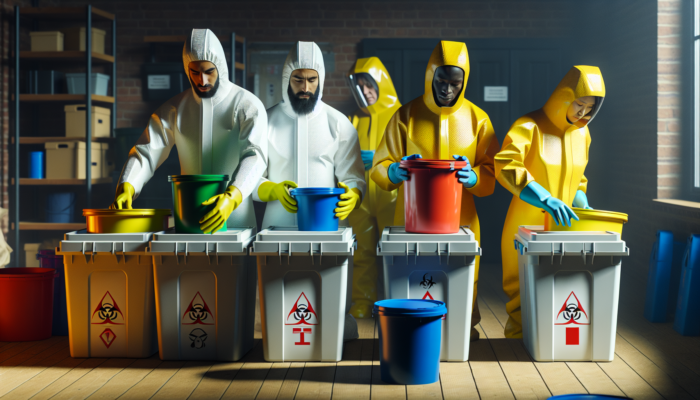
  • Reduce Kitchen Waste: Efficient, Practical Solutions

    Reduce Kitchen Waste: Efficient, Practical Solutions

    Smart and Eco-friendly Ways to Reduce Food Waste and Maximize Efficiency in Your Kitchen

    Food waste is a significant global issue that impacts our environment and our wallets. By making a conscious effort to reduce food waste in your kitchen, you can contribute to a more sustainable future and save money in the process. Here are some simple steps you can take to minimize food waste:

    1. Proper Planning and Storage

    One of the most effective ways to reduce food waste is to plan your meals in advance. Create a shopping list based on the meals you intend to cook, and stick to it when you go grocery shopping. By only buying what you need, you can avoid unnecessary purchases that may end up spoiling.

    Additionally, organizing your refrigerator and pantry can help prevent food from getting lost and forgotten. Keep track of expiration dates and rotate items so that older ones are used first. Proper storage of fruits and vegetables is crucial as well. Some produce can be stored in the refrigerator to keep them fresh for longer, while others are best kept at room temperature.

    2. Use Leftovers Creatively

    Leftovers are often overlooked and ultimately wasted. Instead of letting them go to waste, get creative and find ways to repurpose them into new meals. For example, leftover cooked vegetables can be used in stir-fries or omelets, and stale bread can be transformed into croutons or breadcrumbs. By using leftovers in new dishes, you not only reduce waste but also add variety to your meals.

    3. Portion Control

    Practicing portion control can help minimize food waste and prevent overeating. Start by serving smaller portions and allowing everyone to take seconds if they want more. By doing so, you avoid having excess food on plates that might go to waste. If there are still leftovers, store them properly for future use.

    4. Reduce Kitchen Waste by Composting it!

    Despite our best efforts, some food waste is inevitable. Instead of throwing it in the trash, consider composting. Composting allows organic waste to decompose naturally, creating nutrient-rich soil that can be used for gardening. Many communities offer composting programs, but you can also compost at home with a compost bin or heap.

    5. Donate Excess Food

    If you find yourself with excess food that you won’t be able to consume before it spoils, consider donating it to those in need. Local food banks and shelters often accept non-perishable and fresh food donations. Not only does this minimize waste, but it also supports the community.

    By implementing these simple steps in your kitchen, you can significantly reduce food waste and contribute to a more sustainable lifestyle. Remember, small changes can make a big difference when it comes to protecting our planet and conserving resources.

    Effective Strategies for Properly Recycling and Composting Kitchen Waste

    How do InSinkErators WorkReducing kitchen waste is not just about minimizing the amount of waste produced; it is also about properly disposing of and managing the remaining waste in an environmentally friendly manner. Recycling and composting kitchen waste are two crucial strategies for achieving this goal. By adopting these practices, we can significantly reduce the amount of waste that ends up in landfills and contribute to a more sustainable future. In this article, we will explore some effective strategies for properly recycling and composting kitchen waste.

    1. Separate your waste

    Start by designating separate bins or containers for different types of waste. Have one bin for recyclables such as glass, plastic, and paper, and another bin for organic waste that can be composted. By separating your waste at the source, you make the recycling and composting process much easier and more efficient.

    2. Educate yourself on local recycling guidelines

    Every municipality or city has its own set of recycling guidelines and regulations. Take the time to familiarize yourself with what can and cannot be recycled in your area. Some materials, like certain plastics or glass, may not be suitable for recycling, while others may require specific preparation before being recycled. Being aware of these guidelines will ensure that your efforts are effective and that you are not inadvertently contaminating the recycling stream.

    3. Clean and remove contaminants from recyclables

    Before recycling, make sure to clean and dry any recyclable materials. Food remnants or residue can contaminate the recycling stream, rendering the materials unrecyclable. Remove bottle caps, rinse containers, and flatten cardboard boxes to maximize space and efficiency. Following these simple steps will enhance the chances of your recyclables being properly processed and turned into new products.

    4. Composting organic kitchen waste

    A significant portion of kitchen waste consists of organic materials like fruit and vegetable scraps, coffee grounds, and eggshells. Instead of throwing these valuable resources into the trash, consider starting a composting system. Composting allows you to turn these organic materials into nutrient-rich soil that can be used to enrich your garden or potted plants. Make sure to use compostable bins or compost piles that allow for proper aeration and moisture control to facilitate the decomposition process.

    5. Avoid composting contaminated or non-compostable items

    While there are various items suitable for composting, it’s important to avoid certain items that can contaminate or hinder the composting process. Avoid adding meat, dairy products, oily foods, or pet waste to your compost pile, as they can attract pests or release odor. Additionally, do not compost items made of synthetic materials or plastics, as they do not break down and can pollute the soil.

    6. Purchase and Instal an InSinkErator

    One of the absolute best ways to reduce kitchen waste is by installing an InSinkerator kitchen waste disposal!

    These fantastic machines can grind down and then liquefy so many different food waste items, sending them down the drain and directly into your plumbing! Never to be seen again, and you can sleep easier knowing you have contributed to less garbage entering our landfills.

    An InSinkErator such as the InSinkErator PRO 333 is a practical and intelligent choice for a family and will serve you well. Or if you want a powerhouse capable of handling all your reduce kitchen waste dreams then look no further than the flagship of the InSinkErator range – the InSinkErator Evolution Excel pictured below!

    Buy InSinkErator Evolution Excel

    7. Support local composting initiatives

    If you are unable to compost at home or don’t have sufficient outdoor space, consider supporting local composting initiatives. Many communities have composting programs or facilities that accept organic waste from residents. By utilizing these services, you can ensure your kitchen waste is processed safely and efficiently, reducing your ecological footprint.

    In conclusion, recycling and composting kitchen waste are essential steps towards reducing our environmental impact. By separating waste, adhering to local recycling guidelines, and properly composting organic materials, we can significantly minimize the amount of kitchen waste that ends up in landfills. Embracing these effective strategies will not only benefit our planet but also contribute to a more sustainable and eco-friendly future.

    Creative Ways to Repurpose Leftovers and Reduce Kitchen Waste

    Reducing kitchen waste goes beyond just throwing away less food. It’s about finding creative ways to repurpose leftovers and give them a second life. Not only does this help reduce food waste, but it can also save you money and add some exciting variety to your meals. Here are some creative ideas to repurpose leftovers in your kitchen:

    1. Transform Leftover Rice into a Delicious Stir-Fry

    If you have leftover rice from last night’s dinner, don’t let it go to waste. Transform it into a tasty stir-fry by adding your favorite vegetables, protein (such as chicken or tofu), and seasonings. Sauté everything together for a quick, easy, and flavorful meal.

    2. Make a Flavorful Soup with Vegetable Scraps

    When you’re prepping vegetables, save the scraps instead of tossing them in the trash. These scraps can be used to make a flavorful vegetable broth or soup. Simply simmer the scraps with some water, herbs, and spices of your choice. Once strained, you’ll have a nutritious base for creating hearty soups.

    3. Turn Stale Bread into Croutons or Bread Pudding

    Instead of throwing away stale bread, breathe new life into it. Cut it into cubes, toss with olive oil, and bake until crispy to make homemade croutons. These can be sprinkled on top of salads or added to soups for added crunch. Alternatively, you can use stale bread to create a delicious bread pudding by soaking it in a mixture of milk, eggs, sugar, and spices, then baking until golden.

    4. Blend Overripe Fruits into Smoothies or Fruit Sauces Reduce Food Waste By Blending

    When your fruits become overripe, and you no longer want to eat them as they are, blend them into smoothies or make fruit sauces. Overripe bananas can serve as a natural sweetener in smoothies, while overripe berries or stone fruits can be cooked down to make delicious fruit sauces. These can be used as toppings for pancakes, yogurt, or ice cream.

    5. Repurpose Meat and Vegetable Scraps for Flavorful Stock

    Meat bones and vegetable scraps can be used to make homemade stock or broth. Collect chicken or beef bones, as well as vegetable peels, ends, and stems, in a freezer bag. Once you have enough scraps, simmer them in water with herbs and spices for a few hours to create a flavorful stock that can be used as a base for soups, stews, and sauces.

    6. Create a Zero-Waste Salad from Various Leftovers

    If you have small amounts of leftover vegetables, grains, proteins, or even salads, you can combine them to create a delicious zero-waste salad. Mix and match different flavors and textures, add a homemade dressing, and you’ll have a unique and satisfying salad that reduces waste and makes the most of your leftovers.

    By getting creative with your leftovers, you can reduce kitchen waste while enjoying tasty meals. These ideas are just the beginning. Experiment with your own kitchen creations to find more ways to repurpose leftovers and make a positive impact on the environment.

    The Article Reduce Kitchen Waste: Efficient, Practical Solutions First Appeared ON
    : https://ad4sc.com

  • InSinkErator Waste Disposal Tips and FAQ

    InSinkErator Waste Disposal Tips and FAQ

    An InSinkErator waste disposal is a terrific addition to any kitchen!

    With just a push of a button, your new InSinkErator waste disposal gets to work on shredding, liquefying, and eliminating food waste. Most kitchens are already connected and plumbed, making installing a new garbage disposal simple. The cost of an installation varies based on the feed type and brand of the machine, the hourly rate of the installation specialist, and whether or not any unexpected repairs are required.

    An InSinkErator garbage disposal makes disposing of certain forms of food waste and keeps your kitchen clean much more manageable. Keep in mind that most models of waste disposals begin to wear down after ten years or so.

    Use the InSinkErator Food Waste Disposer in an ecologically friendly manner.

    Using a clever and creative technology solution that liquefies food waste and sends it via the sewage waste network, less garbage will end up in landfills. Less trash in landfills benefits the environment and makes it more resilient.

    An InSinkErator has a typical lifespan of 10–15 years. The length of time will be determined by how frequently the equipment is used and if it has been appropriately managed and maintained.

    A continuous feed garbage disposal and a batch feed garbage disposal are the two types of garbage disposals. A continuous-feed disposal costs $216 on average, while a batch feed disposal costs $335 on average.

    Although an aluminum garbage disposal is lighter and less expensive than a stainless steel garbage disposal, exposure to moisture can cause the metal to corrode over time. Garbage disposals made of aluminum are less robust than those made of stainless steel.

    Stainless steel devices will not rust or corrode as fast and will be more durable in the long run due to normal wear and tear.

    InSinkErator Waste Disposal

    Is it necessary to empty an InSinkErator?

    No, the answer is no. Your InSinkErator will pulverize the food waste into fine particles, which will then be discharged down the sewage waste line. Because food waste travels in liquid form, the grinding process prevents food deposits from clogging drains.

    Where does InSinkErator food waste end up?

    The garbage is discharged into the sewer system and out of the property. Because the sediments have been crushed into small particles and liquefied, they may readily travel through the network thanks to the force of water.

    Is a particular sink required to install an InSinkErator waste disposal?

    No, an InSinkErator food waste disposer does not require a particular sink. Most sinks come with a 90mm sink hole as standard, and our disposers are intended to accommodate them. All you will need to confirm now is to make sure you have enough room under your sink to install the device.

    If you have a ceramic sink, one of the Evolution models is a good choice. Anti-vibration technology is included in InSinkErator Evolution disposers, ensuring no significant vibrations might harm fragile materials like porcelain sinks.

    The unit’s cost

    InSinkErator waste disposals, like any other equipment, are available in various forms and sizes, affecting the price. Garbage disposals are available for as little as $100 and as much as $1,000. The amount you pay for a unit is mainly determined by your demands and the amount of room you have. The placement of your sink and drain pipes has a significant impact on the size of your disposal.

    Popular Brands and Budget-Friendly Alternatives

    With typical pricing ranging from $80 to $283, InSinkErator is the most popular garbage disposal brand in the world. The Badger 5, which costs around $85, is one of their finest low-cost garbage disposal solutions.

    However, if you would like to go for a more high-end option, the InSinkErator Evolution Excel (pictured below) is definitely the one for you! It has all the power you need. It is super silent and has the very best technology that the InSinkErator brand can pack into it!

    InSinkErator Evolution Excel

    Soft, non-fibrous meals can be ground in a waste disposal device with a 1/3-hp or 1/2 hp motor. The lesser versions have virtually no insulation.

    For anything harsher or a large family, a 3/4-hp or 1-hp machine is perfect. A powerful motor is a better alternative if you want a machine that jams less, runs more smoothly, and has noise reduction insulation.

    Units for particularly active kitchens and commercial settings are more expensive, with 2 and 3 HP motors costing an average of $1,970 and $2,770, respectively. A 3/4 or 1 HP unit, on the other hand, will suffice in most household situations.

    When shopping for new appliances, keep in mind that 3-prong plugs are used in homes constructed before 2000, while 4-prong plugs are used in homes built after 2000.

    Professional Installation vs. Do-it-yourself Installation

    Reduce Kitchen WasteAlthough experienced plumbers can execute the installation quickly, you may install a garbage disposal yourself. If you do it yourself, do your homework first and give yourself plenty of time.

    The goal is to understand what to do and how to avoid complications such as leaks, water hammering, and drainage problems.

    Installing a Garbage Disposal Average Labor Cost

    Depending on whether you employ a plumber or a handyperson, the typical labor cost to install an InSinkErator waste disposal is $80 to $200. Plumbers charge $45 and $100 per hour, while handypersons charge $35 and $80 per hour. Installing or replacing a garbage disposal typically takes 2 to 3 hours.

    Check with your local codes before attempting to install a waste disposal. Because of sewage capacity restrictions, several cities have plumbing ordinances that prohibit disposals. If the disposal is used in conjunction with a dishwasher, an air gap may be required.

    The post InSinkErator Waste Disposal Tips and FAQ appeared first on https://gqcentral.co.uk

  • What Is The Meaning Of Junk Removal in Brandon, Florida

    What Is The Meaning Of Junk Removal in Brandon, Florida

    What Is The Meaning Of Junk Removal?

    Junk Removal: Junk removal is a common service that may assist you in getting rid of unwanted furniture and other objects. The technique is frequently time-consuming, as it requires moving downwards and around tight corners. In addition, you must load everything into a car and drive to a landfill or recycling facility. Rather than dealing with all of this, you should outsource the entire procedure to a rubbish removal business. There are various reasons why you should engage a rubbish removal service.

    People who are relocating frequently benefit from the services of a rubbish removal company. If you have to relocate, clearing away the clutter may be the most difficult task. Hiring a rubbish removal service allows you to spend more time focused on keeping the items you do desire. They will be able to dispose of any unwanted stuff you no longer desire or require. This will make relocating more comfortable and allow you to concentrate on the items you wish to preserve.

    What Is The Use Of Junk Removal?

    Contractors upgrading houses can also benefit from the services of a rubbish removal firm. These organizations may remove construction waste from crucial sites, allowing the construction process to proceed as planned. Junk removal is beneficial to everyone, whether you are a homeowner or a contractor. A clean environment enhances both your quality of life and your productivity.

    When you employ a rubbish removal service, you’ll have fewer duties to worry about, which means more time for family and friends. You don’t have to comb through your belongings or worry about where to dispose of them. Professionals will know where to recycle or re-use it. They’ll also do it safely. This also benefits the environment.

    Many rubbish removal firms now recycle anything from electronics to clothing and technological waste. However, not all of them. Some items can only be given or recycled and will be disposed of in landfills. That’s where a rubbish removal service comes in handy.

    Most rubbish removal firms will pick up stuff from virtually any location. Many stores may give you a discount if you store your stuff outside. Junk removal is a good investment regardless of where you reside. If you’re searching for a business that cares about the environment, rubbish removal is an essential component.

    What Does Hauling Junk Means?

    A competent rubbish removal service can remove all forms of waste from your house as well as assist you in cleaning up afterward. These firms’ services are relatively reasonable and available to people from all walks of life.

    You may hire a local junk removal agency to assist you to get rid of your unwanted stuff and recycling the goods you don’t want to retain. Many businesses take a wide range of items, including furniture and electronics. A rubbish removal firm may charge you extra if you have a lot of heavy things or cartons.

    junk removal

    What exactly does “hauling rubbish” imply? The procedure differs depending on the type of garbage. Some corporations are environmentally conscious and may give salvageable garbage to local organizations. They also donate toys, clothing, and other home things to community groups. You might inquire about your garbage removal company’s recycling program. Some businesses will pick up your contributions and transport them to a recycling site. Before the hauler can pick up your donations, you’ll most likely need to clear a route to the entrance and relocate other cars.

    Is Moving And Hauling The Junk The Same Thing?

    The answer is dependent on the sort of rubbish and the size of your property. You might consider giving outdated furniture or appliances to a local charity if you have a lot of them. If you are unable to give them, you may want to consider hiring a rubbish removal service. The garbage will be removed and recycled by the provider.

    The price of rubbish removal varies according to the type of junk and the service required. Most rubbish removal firms strive to be ecologically responsible while also giving back to the community. You may recycle your unwanted items and give them to a local charity. Toys, clothing, and other goods that may be donated to a charity should not be overlooked. Some firms will come to your home and pick up all of your unwanted items.

    The majority of junk removal firms charge based on the amount of junk in their cars. They will then bill you based on the amount of time they spend on your property. You should also be aware of the dangerous materials that must be disposed of in accordance with local laws. Once you’ve settled on a service, you’ll need to negotiate a fee. If you’ve hired a business, check sure they’re insured and can give you with a written estimate of the whole cost.

    How Do Junk Removal Companies Work In Brandon, Florida?

    Many rubbish removal companies will remove your junk on the spot. A normal rubbish removal crew is made up of two employees who will give you a free quotation over the phone. You are under no obligation to accept the fee, and the hauler will not charge you until the task is performed. Some companies in Florida need a deposit, so be sure you understand what that amount is before making a reservation. It’s also a good idea to know what to expect from the rubbish removal procedure before you start.

    Consider the sort of goods you want to be removed and their approximate weights when selecting a rubbish removal business. Some rubbish removal firms charge based on how much room each item takes up in their vehicles, which is easier for them to handle than based on weight. Other firms charge by the hour, which is useful if you don’t want to arrange a pickup for several weeks.

    If you employ a rubbish removal business to dispose of your stuff, make sure to request that recyclable goods be separated from trash. This ensures that your garbage is disposed of properly. A rubbish removal firm may be able to satisfy unique needs if you are a homeowner.

    How Do Junk Removal Companies Contribute To The Environment?

    In the battle against climate change, it is critical to recycle products. This can be a substantial contribution to environmental protection. A reputable junk removal company will donate usable items or recycle materials to keep junk out of landfills. Determine the percentage of each item that is recycled or given. Choose a firm that adheres to the same values. This aids in the reduction of pollutants and the conservation of energy. As an added plus, you’ll be helping the local economy.

    What types of garbage are recycled by rubbish removal companies? It varies with each firm, but most will recycle or give as much as they can. Most rubbish removal firms strive to decrease waste on the planet while also giving back to the community. Salvable materials will be donated to charities such as veterans’ groups and food banks. They will donate old furniture, clothes, and toys to local shelters and relief agencies in addition to helping the environment.

    Many rubbish removal firms also contribute to environmental protection. Many of these businesses gather and recycle the most recyclable products in order to reduce landfill trash. This reduces pollutants and keeps chemicals from leaching into the soil. Junk removal firms can benefit the environment by offering these services. And, as a bonus, you’ll save money while doing your part.

    Dump My Junk LLC Covers the Following Towns nearby  Brandon, Florida 

    Valrico, Riverview, ThonotosassaBrandon, Bloomingdale, East Tampa, Palm River-Clair Mel,

    Brought to you by Junk removal service in Brandon, Florida

    The post What Is The Meaning Of Junk Removal in Brandon, Florida appeared first on https://extremedev.org

    The post What Is The Meaning Of Junk Removal in Brandon, Florida appeared first on https://wookicentral.com

    The post What Is The Meaning Of Junk Removal in Brandon, Florida appeared first on https://gqcentral.co.uk

  • How to Reduce Food Packaging Waste and Recycle

    How to Reduce Food Packaging Waste and Recycle

    Using reusable containers instead of plastic or paper is one of the first things you should do to reduce food packaging waste. Most of us buy our groceries in unnecessary packages, which contributes to landfill garbage. Glass jars are an excellent choice because they are easily recyclable. It is, nevertheless, critical to use them carefully. Before properly disposing of glass jars, you can assist your waste management firm in recycling them by immediately cleaning the worst of the food off them.

    Let’s look at plastic garbage.

    Plastic trash is one of the world’s most serious environmental issues. It is also getting global management attention. As disposable plastic production outstrips recycling capacity, waste packaging materials have a specialised use. Today, single-use polymer plastics account for 40% of all plastics produced each year, and many are created in plastics ranging from plastic bags to branded food packaging. Plastic pollution endangers the health of the earth and its inhabitants.

    Statistics on Food Packaging Waste: Understanding the Rise of Food Packaging Waste

    Food waste is a global environmental concern that necessitates much more sustainable practices all over the world. Our understanding of these concerns is expanding, and environmentalists are working to find solutions. We have a critical task ahead of us: dealing with garbage. However, because of cheap, sanitary plastic packing, we now eat the best quality, freshest food ever known.

    Image text: "How to reduce food packaging waste".

    Let’s start with food waste recycling

    Over 13% of all worldwide food production is disposed of in landfills. Food is valued at $1 trillion each year and weighs 1.25 billion tonnes. Consider what would happen if a country with a higher population grew the food that was then squandered. According to Alessandro Demaio, half-billion people can feed their starving population with less than half of what has already been wasted. Food waste happens at all stages of production, including manufacture, transportation, retailing, and consumption.

    So there is no getting around the fact that food packaging waste is a key environmental degrading factor that customers frequently overlook. However, as you travel down a store aisle, you may notice that some of the foods in the store come in reusable bags or paper and cardboard containers.

    Food Packaging’s Environmental Impact

    The effects of plastics, which utilise a lot of non-renewable fuel, on toxic waste from food packaging are considerable. Food safety, reliability, shelf life, and cleanliness can all be improved with modern food packaging. Most foods are intended for one use alone and are not repurposed. In reality, the bags are abandoned and clutter the rivers. Because most food packaging gets up in rivers, the UN declared the problem to be global and ubiquitous in the waterways. As a result, there are numerous issues with our ocean ecosystems.

    Much packaging is marketed as multi-use, yet it is typically discarded rather than reused or recycled. Food packaging material accounts for around one-third of municipal trash, according to the Environmental Protection Agency (EPA). The majority of the 258 million tonnes created in the US were primarily food packaging materials, with less than 35% of these recycling materials generating 89 million tonnes.

    The firms who are spearheading the fight against food packaging waste

    Food packaging accounts for 40% of all plastic usage. We just highlighted a recent issue with plastic garbage getting into food in a previous piece. Otherwise, the largest source of food waste is the way food is packaged. In this situation, practically every food package is recyclable, and the impact is undeniably positive. Around 40% of the world’s plastic packaging used in food goods is consumed, with the majority being used by single users. There appears to be something significant going on here.

    The global waste disposal industry is plagued by two issues: food waste and packaging waste. These two major garbage generators face substantial environmental and economical challenges. These two constitute 45 per cent of the waste generated by American households. Despite the fact that we have several technologies to manage trash, the majority of it is still dumped in landfills.

    It is everyone’s responsibility to reduce food packaging waste.

    If you intend to recycle your packing material, consult the recyclers’ listings to see how much material is recyclable. Rather than purchasing non-recyclable materials, look for alternatives.

    We must evaluate how our decisions affect the shelf life of food waste as we try to produce more environmentally friendly packaging. We now have an unprecedented chance to consider alternate forms and designs that will decrease plastic and food waste to the greatest extent feasible, thanks to the shift to recyclable and reusable packaging.

    What Food Packets Can Be Recycled?

    When purchasing food, seek packaging made of recyclable materials. Metals, glass, and paper can all be recycled. Plastics are only recyclable if there is a market for the particular type of plastic. Most plastic water and soda bottles are recyclable, however plastic films (such as plastic bags) are not often recycled at municipal waste treatment facilities (MRFs and ERFs). Return your used plastic bags to your supermarket and place them in the plastic bag bins provided by excellent stores, since the plastic film material will be reused.

    It is also important to consider how a package is used.

    The packaging function may help to reduce waste at many stages. This function can be linked to overall packaging efficiency or convenience with other packaging performance criteria. Handling should be simple; the packaging should be simple to clean; it should not be mechanically damaged, and it should not generate trash.

    Aside from ease of opening and dispensing, several packages have the ability to avoid food contamination by eliminating the need to keep or reopen them. The container size must represent the usage of the items and be adjusted to market and consumer preferences.

    How does the waste debate stack up?

    The question is why plastics have a less environmental impact and provide a less economic advantage. We must primarily examine the situation through food packaging. Plastics, because they are non-biodegradable, end up at sea and in marine water. They can be found anywhere. Food degradation, which everyone believes is natural, contributes significantly to climate change. The global warming potential of garbage is used to assess its environmental impact (GWP). Food waste is more affected by GWP than packaging waste. One metric pound of garbage disposed away at a landfill emits 1,000 kg of CO2.

    Packaging that Reduces Food Waste

    Food production is wasted or damaged in all food processing procedures. Packaging can help to decrease and eliminate the risk of transportation and storage. Using emerging technologies such as active packaging, protective film, and nanotechnology to protect foods and reduce packing is another option.

    Active packaging, such as modified atmosphere packaging (MAP), aids in reducing fresh product loss. The right packaging, together with the optimum storage temperature, will extend product shelf life by generating conditions on the packaging that delay the development of mature fruit.

    What exactly is food packaging waste?

    Packaging waste is made up of containers that are either non-compostable or difficult to recycle. Plastic, glass, steel, wax, cardboard, ceramics, and a variety of other materials are used to make boxes. Almost everything you see in grocery stores is reusable, but you can’t reuse it. According to the Environmental Protection Agency, packaging materials account for 63 per cent of US solid trash. Food packaging waste is a major issue in society. By preserving and recycling these bottles, we help to decrease global warming. The majority of the pollution is caused by plastic packaging, glass, or aluminium.

    How does the waste debate stack up?

    The question is why plastics have a less environmental impact and provide a less economic advantage. We must analyse the situation primarily through the lowering of food packaging. Plastics, because they are non-biodegradable, end up at sea and in marine water. They can be found anywhere. Food degradation, which everyone believes is natural, contributes significantly to climate change. The global warming potential of garbage is used to assess its environmental impact (GWP). The impact of GWP on the food waste supply chain is greater than that of packaging waste. One metric pound of landfill garbage creates 1,000 kg CO2, which is equivalent to 2,000 metric pounds of rubbish.

    Reasons to be optimistic

    Plastic pollution is undoubtedly the most serious environmental concern of all time, but we are at a critical juncture in history when business and product innovations are linked with scientific knowledge. More resources are currently being committed to the plastic garbage challenge than was considered conceivable only two years ago.

    If your municipality does not recycle plastics, you can take them to household waste recycling centres (HWRCs).

    On plastic packaging, look for the recycle symbol. Make sure to properly dispose of your plastic containers so that the council can easily recycle them at recycling sites.

    If you are unsure about which materials are recyclable, attempt to learn more about them online. If you have any questions, you can visit the website of your local council or waste collection body. If not, visit the website of your local garbage management provider. the store or recycle centre in your neighbourhood You may reduce food packaging waste by following these simple measures.

    If you are unable to recycle plastic food packaging by inserting it, you can take it to a recycling centre. The company will provide you with a receipt as well as a letter recommending that they stop utilising plastic products. It will serve as a model for other retailers. If they aren’t, you can force them to change their packing methods. When buying in bulk, it is critical to buy things that you will utilise before they expire. Allowing food with a use-by date to expire is not a good idea.

    More customers are going green in their purchasing decisions.

    If possible, you can, like many other individuals, buy exclusively things wrapped in recyclable packaging. Plastic milk jugs, yoghurt containers, and margarine tubs can all be recycled. Most stores will also recycle your old reusable food trays. Furthermore, if the plastic packaging for any product appears excessive, you have the right to complain. Contact the company through email or phone and request that they replace plastic packaging with alternatives such as paper and cardboard.

    Inform them that you’d like to see more plastic-free options at their establishment. In order to satisfy their customers, businesses will frequently make modifications to their operations. Even a single email can make a big difference! Encourage your local restaurants to use more environmentally friendly packaging.

    When purchasing food, strive to buy it in bulk and in ecological packaging. This can help you save money and packaging. More and more grocery stores are allowing you to bring your own reusable containers, and it’s a good idea to only buy products that will be consumed within the year. If you don’t already have a reusable container, you can buy one to use for bulk filling. When purchasing in bulk, keep in mind that the use-by dates must be used before they expire. When you buy in bulk, you may also recycle the packaging more readily.

    Reusable bags are a simple method to reduce food packaging waste. Bring your own shopping bags when you go shopping. Not only will this save you money, but it will help limit the quantity of plastic that ends up in landfills. When you buy food without packing, you can save by paying a lot of money for the product’s packaging. This can be expensive, therefore it’s worth trying to buy things that don’t come in plastic packaging, if only for the sake of saving money.

    Buying food in bulk is also an excellent way to reduce food packaging waste. While this is convenient, it is not always feasible. Besides, it’s simple to buy more than you need at the grocery shop. Inevitably, the excess food you throw away ends up in landfills, increasing greenhouse gas emissions. Consider all of the individuals who live near landfills and despise them for their noise, dust, and, most importantly, their negative impact on the environment. You will benefit the environment if you can buy in quantity. However, if you must purchase plastic, there are numerous other strategies to reduce food packaging waste.

    Conclusion

    Food packaging waste contributes significantly to the environmental degradation caused by the food sector.

    You can reduce the quantity of plastic you throw away by recycling. Some of these materials are recyclable, but you must constantly be aware of which ones are. Some forms of plastic packaging are recyclable, while others are not. If you’re not sure what to recycle, make sure to utilise recyclable containers at the grocery store. If you don’t have a reusable container, you can recycle your containers at a recycling centre near you.

    Another technique to reduce food packaging waste is to use recyclable materials. In repackaging technology, recyclable materials are automatically depackaged and segregated (see https://anaerobic-digestion.com/depackager-list). You can reuse and recycle food packaging created from recyclable materials through recycling. Plastic containers, paper jars, and even plastic milk cartons fall under this category.

    By purchasing plastic-free containers, you can ensure that you are not adding to landfill garbage by using more sustainable packing such as reusable containers. Keeping a little bag at home will benefit the environment as well as save you money. Meanwhile, the packaging industry is working hard to address the issue of plastic waste and to build a circular future for packaging. There is a lot of work being done to make 100% recyclable and recycled packaging.

    The Article How to Reduce Food Packaging Waste and Recycle was found on https://limitsofstrategy.com
    The post How to Reduce Food Packaging Waste and Recycle appeared first on https://gqcentral.co.uk

  • Junk Removal Services in Tampa – How To Bid On A Job

    Junk Removal Services in Tampa – How To Bid On A Job

    How Much Does Junk Removal Usually Cost?

    Junk Removal Services in Tampa: When it comes to junk removal services, 1-800 JUNK? is one of the more popular choices. This countrywide network makes it simple and quick to dispose of useless junk. It operates in 43 states, as well as Washington, D.C. The sole disadvantage is that dangerous items such as paint, oil drums, or asbestos will not be removed. The company’s sole benefit is that it is extremely dependable and economical, but there are some things you should know before joining up…

    Prior to hiring a junk removal service, it’s critical to determine the value of your junk. The majority of junk removal firms charge a fixed rate that includes both the cost of the service and a profit margin. These fees cover both direct and indirect expenditures, such as employees, supplies, and travel, as well as rent, utilities, and equipment. The majority of junk removal businesses will also deliver the hauled stuff, although this is not a regular service.

    A typical junk removal firm will charge $250 for hauling a single truckload of junk. This fee varies according to the size of your waste and the type of rubbish. A quarter to a full truckload will typically cost between $30 to $100. Certain firms charge for delivery as well, which you should be aware of before selecting a junk removal business. Certain objects, such as fluorescent light bulbs, should not be discarded in the trash because they contain dangerous elements. In these instances, you should seek out a firm that will collect your belongings and give them to charitable organizations.

    Selecting a junk removal service that fits your budget might be challenging. Numerous businesses charge by the bag or truckload, which might be prohibitively expensive if your junk is too big to move. However, if you’re searching for a service that will take up non-hazardous things such as furniture and appliances, a junk removal business may be a good fit. Not only do they provide affordable costs, but they also provide high-quality service, which is just what you need for junk removal.

    Pricing is another factor to consider. Always keep in mind that the typical cost of junk removal services varies by location. You can select the one that is most appropriate for your unique demands and budget. Numerous businesses provide a range of rates. For instance, 1-800-GOT-JUNK charges $140 for a quarter-truckload, $250 for a half-truckload, and $300 for a full truckload. When it comes to cost, this is an excellent alternative if you want to guarantee that your junk removal service is reasonably priced.

    It is critical to establish what belongs where when selecting a junk removal service. You should be able to afford the service’s expenses. In general, the most prevalent style of pricing is cost-plus pricing, which seeks to identify the price of a given service as well as the profit margin. In this scenario, you must determine the cost of labor and supplies. Additionally, you may choose the size of the vehicle you want.

    There are two distinct price models. To begin, the cost of the service is determined by the amount of junk eliminated. A typical truckload, for example, is 80 square feet, while a minimum is 70 square feet. A single truckload is typically around $250 for a small operation. Depending on your demands, you may spend less for a smaller load, but you may pay more if you need to dispose of a large number of goods.

    While selecting a junk removal service might be challenging, it is possible to locate one that is a good fit for you. Utilizing an internet search engine enables you to compare quotes from many businesses and choose which one is the best fit for you. Regardless of whether you select a local or national firm, always check their ratings prior to making a commitment. It may take weeks to locate an exceptional service for you, but the effort is well worth it in the long run. If you’re seeking a cost-effective junk disposal option, you’re in luck.

    Whether you need a junk removal service in Chicago or another area, you’re sure to discover one that meets your demands. The majority of these businesses will charge a travel fee based on the size and weight of the junk. Additionally, they will charge a minimum of $1 per pound for each item. In certain circumstances, these services are more expensive than in other cities.

    How to Get Junk Removal Contracts

    Many people do not cart away their own junk due to a lack of time. Sorting through stuff, packing them, and hauling them to the garbage takes a lot of time. Certain chores, such as reassembling the components, might take a whole day. Hiring a junk removal service simplifies and expedites the procedure significantly. Listed below are a few of the advantages of hiring a junk removal service.

    junk removal service

    Choose the appropriate organizational structure for your firm. You can employ one of four fundamental company structures. A sole proprietorship, a partnership, or a limited liability company are all viable business structures. It is important to pick a suitable legal entity for your business in order to safeguard yourself from litigation. For a little fee, you may form an LLC for your junk removal service through state-licensed organizations or by employing the Best LLC Services. The following step is to register your business with the appropriate tax authorities. You will need to apply for an EIN, which is a free federal tax identification number.

    The business structure you select will have a big influence on the type of firm you run. A corporation and a single proprietorship are the two most popular kinds. Both choices have a number of advantages, but the most significant is that you may select the firm that is most suited to your needs. When determining the structure of your firm, you might concentrate on your clients and the nature of your enterprise. You may avoid choosing an inexperienced, low-cost service since you’ll be working with less-experienced employees.

    Your pricing structure for your junk removal service is critical. Volume-based pricing is the most prevalent method of pricing. You may either utilize the price for a single truckload or the price for a whole truckload, which is usually the more profitable choice. Regardless of the format you use, it is critical to establish a reputation for producing high-quality work. A professional service should offer a high-quality product or service at a reasonable price.

    It is critical that you choose the appropriate company structure for your junk removal service. The most prevalent and widely used strategy is volume-based pricing. By calculating the amount of a truckload, you may estimate the total cost of the work. While this may cause confusion among consumers, it is the wisest course of action for your organization. If you’re unclear, speak with your accountant to determine the expenses associated with each task.

    When determining price, it’s critical to consider the customer’s needs. Numerous factors are taken into account while determining the pricing of your junk removal service. The primary consideration is whether your firm will be lucrative. Your price plan should be determined by the desires of your clients. Services are classified into three broad categories. You can select the one that best meets your requirements. You may begin by creating a free listing on Craigslist and quickly earn a substantial amount of money.

    You can select from a variety of various price schemes. The most often used strategy, however, is volume-based pricing. It’s a popular choice for the majority of junk removal services since it provides the greatest degree of flexibility and ensures that the majority of clients are happy with the outcomes. Additionally, it may be an effective method of removing undesired objects that contribute to clutter. By employing a junk removal service, you can prevent all of these issues!

    How to Bid on a Junk Removal Service

    If you’re looking for a junk removal service, it’s critical to find one that provides complete services. Individuals have a broad array of undesirable goods that must be discarded. Whether you just decluttered your home or it was recently foreclosed, you may have amassed a large collection of unnecessary stuff that is dragging your home down. The good news is that retaining the services of a junk removal business may be really beneficial. These organizations operate similarly to movers, carting away things you no longer use. Some firms can even assist you in sorting your junk into different categories so that you can dispose of it ethically or repurpose it.

    It is critical to price your service appropriately. There are several methods for determining the correct pricing for a junk removal task, and it is critical to select a business that offers competitive prices. A reputable organization will provide affordable prices, but be cautious to verify experience since inexperienced employees frequently under-quote volume. You can evaluate which company offers the best value by comparing its price to that of competitors. After selecting a firm, it’s time to assess the quality of its services.

    Appropriate pricing for a junk removal service is critical. Pricing incorrectly may cost you business. A high charge will drive potential consumers away to another junk removal business. Additionally, a cheap fee may result in time being squandered on ineffective engagements. Choose companies with a proven track record of success in the sector above those offering the lowest pricing. If you’re still unsure, it’s usually a good idea to request an estimate from a reputable provider.

    Pricing is critical for a junk removal service since the appropriate pricing may make or ruin the business. If your prices are too expensive, clients will seek elsewhere, leaving you with a pile of junk. If your prices are too low, clients will just switch to a more affordable provider. Utilizing a strategy that distinguishes you from your competition will enable you to charge a premium for your services. However, a firm must be aware of its prices in order to remain competitive.

    handyman encino

    A good junk removal business should charge a reasonable fee for its services. Customers may opt-out of a service if the price is too cheap. Additionally, the rate should be proportional to the item’s size. A reputable junk removal service should be adaptable and capable of handling any circumstance. As a result, it is vital to establish a fee structure for its services. The most effective method of establishing pricing is to ask questions. It is critical to meet as many of the customer’s demands as feasible.

    When it comes to price, the most often used technique is volume-based pricing. It is the most common and least expensive way. It is also the least expensive option, but it takes a lot of areas. This is the point at which the cost of a junk removal service should be established. If a business has a larger footprint, it may charge less. Otherwise, it will want more than the quoted sum. For the same reason, if you must pay for a truckload, a minimum of three cubic yards should be considered.

    The majority of junk removal firms charge on a volume basis. This is the most straightforward, common, and conventional way. This pricing strategy is based on truckloads and fractions of truckloads. This strategy enables them to correctly compute the cost of a particular cargo and the price per cubic yard. While this is the most often used strategy, it is also the most difficult. It needs the operation of a heavy-duty vehicle. Additionally, a staff with the necessary abilities is required to precisely measure and estimate the amount.

    Dump My Junk LLC Covers the Following Towns nearby  Tampa, Florida  

    Safety HarborOldsmarClearwaterGibsontonApollo BeachMangoPinellas ParkBrandonLutzPalm HarborSeffnerSeminoleDunedinOdessaRuskinRiverviewBalmBay PinesOzona 

    The Article How to Bid on a Junk Removal Service in Tampa First Appeared ON
    : https://clubtheo.com

    The post Junk Removal Services in Tampa – How To Bid On A Job appeared first on https://gqcentral.co.uk

  • Junk Removal – Pinecrest West Park, Tampa, FL 33614

    Junk Removal – Pinecrest West Park, Tampa, FL 33614

    Companies That Remove Junk In Pinecrest West Park 33614

    Junk Removal – Pinecrest West Park 33614: Clearing out your basement, organising your workplace or living room, as well as transferring and relocating all need a significant amount of time and effort. Cleaning is a bother in and of itself, but the question that follows is this: what to do with all the junk or how to get rid of it? This is where Junk Removal Companies step in to relieve you of your burden and dispose of the garbage correctly.

    As a homeowner, you may lack the knowledge essential to dispose of your trash categorically, which is necessary when removing a considerable quantity of junk. Before dumping waste in landfills, it must be separated, sorted, processed, organised, donated, or recycled; any rubbish that cannot be given or recycled may then be put in landfills. The majority of the objects and items we own are made of a range of various materials. Certain materials inherently decay, whereas others do not. While some things are recyclable and others are not, this information is vital to haul your trash efficiently. Rubbish removal companies contribute to proper junk disposal by being equipped with the required knowledge and information to ensure environmental preservation while also removing the junk from your hands.

    How Do Junk Removal Businesses Operate in Tampa?

    Junk Removal Company Pinecrest West Park, Tampa, FL 33614

    Junk removal companies operate on a need-to-know basis. You must call them and maybe make an appointment at a convenient time for you. The company sends a team or a small group to collect the trash from you at the arranged time. Typically, they offer two alternatives:

    The junk removal company sends a team in a large van with a dumpster attached to the back for this option. They will remove all of the trash that has gathered on your property. This method is most effective if you have gathered all of your trash following a move or a post-renovation cleanup.

    Dumpster rental: this option entails the junk removal company delivering a dumpster to you in the size and location of your choice. This dumpster is intended to be filled over the course of many days while you complete your cleanup. They’ll come and remove the dumpster after you’re through. This is a fantastic option if you want to declutter an area packed with junk things but lacks the storage space to store them till later disposal.

    Why Should You Hire Professional Junk Removal Services in Pinecrest West Park, Tampa, 33614?

    energy saving

    Apart from their superior expertise in waste disposal, there are several extra benefits to using junk removal companies in the West Park area, including the following:

    Time-saving: Because rubbish removal companies are better informed about junk disposal, entrusting them with your junk saves you time that you would otherwise spend working out the system. The majority of us have stressful 9 to 5 lives and prefer to spend our spare time on activities other than work. As a result, waste removal services help you save time.
    By utilising these services, we open upmarket space for these firms, which results in creating jobs. By contributing to the country’s economy and building a sense of community among us all, junk removal companies kill two birds with one stone.

    More accessible space and decluttering: Due to the existence of junk removal companies, we are driven to clear our basements, workspaces, and living rooms to make room for a new room or a more organised workstation. Certain junk removal companies also offer disaster cleanup services, supporting you in disposing of flooring, drywall, and other construction trash that may have been ruined in a disaster. Furthermore, they provide seasonal cleanup services such as leaf and branch removal.

    Giving back to the environment: Most rubbish removal companies operate under the philosophy of recycling as much of the junk they collect from residential properties as feasible. Everything that can be salvaged is recovered, and only non-salvageable or non-biodegradable things are disposed of in landfills or incinerators.
    Avoid injuries and threats to your safety by following these steps: Eliminating unnecessary clutter in your hallways and living areas, such as unused furniture, will assist you in avoiding walking hazards.

    What Types of Items Do Junk Removal (Pinecrest West Park) Companies Accept?

    In addition to regular junk, junk removal companies often take a variety of merchandise. Each firm has its own list of allowed items; however, the following are some of the more common things accepted by all junk removal organisations (this list is not exhaustive):

    Couches, mattresses, box springs, chairs, tables, desks, bookcases, filing cabinets, televisions, computers, monitors, printers, and photocopiers, hot tubs, refrigerators, freezers, stoves and ovens, microwaves, air conditioners, water heaters, washers, dryers, and dishwashers, trash compactors, construction waste, bagged garbage, lawnmowers, and yard waste, tyres, scrap metal, exercise equipment, and bicycles

    What Items Do Junk Removal Companies Refuse to Accept?

    Similarly to how they maintain a list of accepted products, trash removal businesses carry a list of prohibited things. The majority of them will refuse to transport hazardous material or industrial garbage and items that are too heavy to lift and handle or are in dangerous locations. They will not take the following products (this list is not exhaustive):

    Paint bottles/cans that have been opened, pesticides, fuel, home cleansers, fluorescent light bulbs, pharmaceuticals, munitions, pyrotechnics, asbestos, pressurised containers, medical waste, chemicals and solvents, gasoline, and any other sort of toxic and/or hazardous waste.

    The materials listed above require unique disposal methods that must adhere to local law. Corrosive, combustible, reactive, medical waste and hazardous materials require proper disposal under provincial legislation, which is an additional liability that your rubbish removal firm will naturally avoid. Toxic or unsafe trash is not permitted in landfills because it must be properly stored, handled, and processed before disposal.

    What Is the Cost of Junk Removal?

    The cost of rubbish removal is determined by the amount of space taken up in the back of the truck by your belongings. The fewer objects removed, the easier it is; the more items removed, the more expensive. Depending on the volume of trash you collect, you can select between truck disposal and dumpster rental.

    The cost of garbage removal is entirely based on your situation, circumstances, and location; for example, if you live in an apartment and lack the space to hold a rented container, you must opt for truck disposal.

    When it comes to truck hauling, some junk removal companies send an inspection team ahead of time to calculate how much room your junk will take up in the back of their truck and then provide you with a quote. The pricing quoted on-site is precise and unambiguous. They use the term “truckload” in their lexicon, and their rates are calculated based on a quarter, half, or full truckload. The vehicles that waste removal companies use have a carrying capacity of around 16 US short tonnes of junk. The cost ranges between $100 and $350 and can reach $800 for a full truckload of trash, although renting a dumpster costs $300 and $550 weekly. Additionally, rates vary by another determinant: region. Where you live affects the cost of waste removal services. For example, in New York City, an entire truckload of junk removal can cost up to $800, but only $500 in Oklahoma.

    Where Does Junk Go After Companies haul it?

    The bulk of household rubbish is recycled, donated, or sold to thrift stores for resale. They donate toys and clothing to children, couches and furniture to warriors, and musical instruments to individuals in need. When objects are not recyclable or donatable, they are discarded in landfills. Because some junk removal companies donate more than others and recycle more than others, research is crucial when deciding which junk removal business to trust.

    Innovative waste removal companies also accept electronic waste because they understand how to recycle or dispose of it properly. They also reduce the amount of plastic that ends up in landfills by properly disposing of it, which helps reduce the filling of landfills and contributes a small amount to protect the environment from the horrors of plastics.

    HOW TO CHOOSE A JUNK REMOVAL COMPANY IN Pinecrest / West Park Area?

    Choosing a JUNK REMOVAL COMPANY in the Pinecrest / West Park Area is determined mainly by three factors:

    Numerous trash removal companies operate throughout the United States; some have many branches and stores in additional locations and states, while others do not. Naturally, you should select one that is close by.
    After you’ve whittled down your list of potential junk removal companies based on their availability in your area, the next issue on the agenda is pricing. Each company has its own set of fees. You should select the least expensive option.
    After confirming availability and pricing, you can also inquire about the organisations to which the firms donate or the percentage of garbage they recycle.

    It’s a good idea to compare at least three to four junk removal companies side by side based on their availability, cost, and client reviews before selecting the one that works best for you. Reviewers provide insight into their clients’ experiences as well as their honesty, integrity, fairness, dependability, and equipment quality. Additionally, it clarifies any minor services they provide that are not included on their website.

    A reputable junk removal company should be a full-service organisation capable of handling individual items such as couches or refrigerators and entire properties’ worth of junk. They should provide fast removal to avoid spending an extended period of time in your personal space. Certain companies will even give you a discount on the quoted fee if you store your trash outside your home for prompt pickup.

    They should not be picky about the trash you desire to discard if you have already confirmed that just the items on their list would be carried; the shape, size, weight, and form of the items should be immaterial and should not matter a competent garbage removal agency. Additionally, they should be given the equipment and vehicles essential to do their duties efficiently. If you require the transportation of a full-size piano, the business should have the necessary equipment and personnel to ensure the transfer is a success.

    Another factor to examine is the certified skills of the crew and team members of the company you are contemplating hiring. This will indicate their level of training and expertise with various sorts of waste. A professional junk removal company will also clean the area where they collect the junk, preparing it for your use once they leave.

    In summary, a reputable waste removal company should be able to:

    We charge based on the size of the junk to be removed, accept all shapes, sizes, and types of garbage, save you time and money, provide a free junk removal estimate, have trained and professional employees who know what they’re doing, are efficient at their jobs, and are customer-friendly, and stay current with the industry and the newer, more efficient process of eco-friendly garbage disposal.

    Brought To You by: Junk Removal Pinecrest West Park 33614

    Dump My Junk LLC

    601, 1100 -3071 N Ashley Dr,

    Tampa, FL 33602

    813-686-6406


    The Article Junk Removal – Pinecrest West Park, Tampa, FL 33614 First Appeared ON
    : https://gqcentral.co.uk

  • Dairy Farm Digesters – Anaerobic Digestion Process For Manure

    Dairy Farm Digesters – Anaerobic Digestion Process For Manure

    Anaerobic digestion and dairy farm digesters for waste management may appear to be an odd subject for this website. However, while this subject is still relatively unknown to most people, it will become a mainstream business for thousands of clever dairy farmers in the United States.

    The reality is that many investors are on the lookout for sustainable firms to invest in to shield their children from the pain of climate change. Plus, it’s worth noting that “green” firms are now performing exceptionally well on the stock market. Add to that the US government’s objective of minimising food waste, which farm digesters can readily handle in their digesters as the last option. And then, all of a sudden, you have:

    a lucrative sideline for farms and an investment opportunity for expert financiers willing to invest in bringing Dairy AD and food waste co-disposal to a new level.

    Therefore, continue reading and keep in mind that you originally heard about it here!

    The Anaerobic Digestion Process

    Anaerobic digestion is a biochemical conversion process used to treat and reduce the bulk of organic wastes, including solids, such as organic sewage sludge or concentrated industrial biowaste. Bacteria degrade biodegradable material in the absence of oxygen. Anaerobic digestion is a process used in business and on a small scale at home to manage trash and generate fuel (i. e. Renewable Natural Gas).

    Fermentation is a phrase that the majority of people are familiar with. Fermentation is a component of the process of anaerobic digestion. It is used industrially in the manufacturing of food and beverage products and the brewing of alcoholic drinks.

    Dairy Farm Digesters

    Background to Anaerobic Digestion in Dairy Farms

    Anaerobic digestion has a variety of environmental and economic advantages. The critical element is that it creates renewable energy in the form of methane, a naturally occurring gas. As a result, the number of dairy farm anaerobic waste digesters has gradually grown in the United States during the last few years.

    Previously, cow manure was deposited into a stagnant, smelly lagoon and left to dry before spreading on the fields. While it was resting, the emission of biogas (made naturally during anaerobic digestion) occurred spontaneously. This usually occurs before the manure slurry being spread on the fields. However, methane emissions contribute around 30 times as much heat as carbon dioxide. Therefore, if humanity wants to keep the planet’s average temperature to 1.5 degrees, governments must address agricultural methane emissions through much-improved manure management.

    In other words, naturally existing microorganisms convert slurry lagoons (which are found on all dairy farms without a biogas infrastructure) to methane gas. And, given the quantity of methane that contributes to global warming, this is extremely worrisome. This is because methane is a greenhouse gas that traps the sun’s heat in our atmosphere 25 to 35 times more effectively than carbon dioxide.

    The Dairy Farm Community Biogas Refinery Concept

    waste effects on marine life

    A typical dairy waste-to-energy facility is comprised of many farms housing between 2,000 and 3,000 dairy cows. Methane is captured from dairy manure via anaerobic digestion and sent to a central conditioning facility via low-pressure collecting pipes. After treatment and contamination removal, the gas is sent to local consumers via the existing underground natural gas distribution network.

    As previously stated, anaerobic digestion is when bacteria degrade organic matter in the absence of oxygen, resulting in the generation of biogas in four stages.

    Milk Production’s Carbon Footprint

    Operating an anaerobic digestion process plant that utilises manure as a feedstock for biogas generation is one of the numerous actions that the agriculture industry must take to reduce the carbon footprint of milk production.

    This technique removes a substantial amount of volatile solids (VS) from manure, therefore reducing the possibility of methane and carbon dioxide emissions during storage and later land application. The produced biogas can be utilised to generate electricity, refined further and used as low-emission automobile fuel, or even fed into the natural gas system.

    In some parts of the United States, managing residual swine farm flows, such as slurry and hydrolyzate, is also a significant environmental problem.

    It is important to seek innovative solutions to rivers and even aquifers caused by massive livestock activities. Additionally, it is desirable if they can be applied on-site, therefore minimising trash transfer. Co-digestion with anaerobic bacteria can be utilised as a long-term approach for controlling and valorizing these fluxes in dairy and swine farms. Installing a biodigester results in the generation of biogas for energy production and digested for agricultural usage.

    What is a biogas system?

    Anaerobic digestion is a natural biological process used in biogas systems to recycle organic waste by converting it to biogas, energy (the gas), and valuable soil products (liquids and solids). Following simple processing, biogas may be used to replace natural gas sustainably, while the digested materials—liquids and solids—can be turned into a variety of useful soil products, including:

    a peat-moss substitute for horticultural compost, a liquid fertiliser, and even a fibre appropriate for use as animal bedding.

    Biogas production from grass is also a well-established practical technology. Farmers with surplus grass that is not required for overwintering cattle might digest it to produce more biogas.

    Today, many dairy producers in the United Kingdom have not only considered changing their business model but have already sold their herds!

    Rather than milking cattle, they grow grass to feed directly to an anaerobic digestion unit and store silage for winter use. This makes sense in the wet regions of the United Kingdom and Ireland, where grass thrives. Producing the majority of other crops efficiently on their land is challenging for a variety of reasons:

    Frequent late frosts, a chilly, wet, and windy climate, and an inability to rely on dry weather and sunshine to develop the crop and allow harvesting to occur.

    While anaerobic digestion (AD) can help prevent significant volumes of methane, a potent greenhouse gas (GHG), from being released into the environment, it also helps protect farms’ aquatic environment from contamination. It minimises nitrate buildup caused by high-intensity farming and produces natural fertiliser, which can considerably reduce purchased fertiliser.

    When all of the climate benefits of AD are evaluated in conjunction with other emission reductions, the process becomes self-evident for Dairy Farm companies.

    According to AD Company Brightmark, generating RNG (Renewable Natural Gas) from dairy manure can reduce GHG emissions by 400 per cent when replacing traditional vehicle fuels.

    Dairy Manure Slurry the Ever Present Waste in Dairy Farming

    Dairy manure is a frequent waste product in dairy production, and it offers a variety of challenges in terms of storage, management, and disposal. As previously stated, dairy manure generates foul odours, toxic ammonia, and greenhouse gases that contribute to global warming if manure management is not prioritised.

    Never forget, though, that dairy manure digesters will always produce very little biogas per unit mass. When compared to the digestion of food waste, for example, it is extremely low. As a result, manure-based biogas production may be comparable in terms of cost per unit volume generated.

    The practical use for waste control and the overall fit within the dairy company make a biogas system attractive to dairy farmers who co-digest food waste. Adding food waste to a digester balances it and improves its performance significantly, as food has the most energy of any feedstock. If there was ever a moment when a quart could be squeezed from a pint pot, it is when food waste is added to a manure digester!

    Anaerobic digestion can also be configured so that it eliminates odours as it digests the manure. Additionally, by include food waste, the nutritional content of the digestate increases when applied to fields, resulting in a more beneficial soil amendment.

    Arla, a renowned dairy cooperative in the United Kingdom, has turned cow manure into a type of “vehicle-friendly gasoline” in a large new operation in Buckinghamshire. Under Arla’s idea, farmers will carry their cow manure to a new local anaerobic digestion (AD) facility. While there, it will be converted to pure biomethane and used as fuel. According to the firm, the pilot will eventually enable Arla to become the first dairy in the United Kingdom to use agricultural waste to generate biomethane to power its HGV distribution fleet.

    How are Many US Anaerobic Digesters Working?

    In the United States, anaerobic digestion systems for dairy farms are gaining popularity.

    The EPA reported in July 2010 that 157 commercial digester plants were operating across the US. 22 of the 157 digesters were located in New York, making it the country’s second most active digester state.

    As a consequence of the increase in AD facilities, New York State now has more than 50 digesters, with more ones planned or under construction.

    The Anaerobic Digester System

    According to the US EPA, 52 manure-based AD systems produced RNG in the United States in March 2021.

    These include pipeline injection projects as well as compressed natural gas (CNG) installations. Additionally, according to reports, 44 RNG initiatives are now under development (Source: EPA Agstar Livestock Anaerobic Digester Database). The EPA’s RNG website includes a map of all landfill and anaerobic digester-based RNG projects in the United States.

    The biogas digester is the system component that receives animal, human, and other organic wastes and allows them to decompose anaerobically, often as a slurry with water. The produced gas is collected in a storage container and then piped for further use as fuel. Variable volume storage (e.g., a flexible bag or floating drum) is more straightforward, less costly, and may be more energy-efficient than high-pressure cylinders, regulators, or compressors.

    Anaerobic digestion requires constant monitoring and frequent modifications to equipment settings to work correctly. All commercial AD process facilities should conduct routine laboratory testing on the substrate (each digester’s reactor tank). The experiments will examine the physical characteristics of the manure fed into the bioreactor tank, the substrate inside the tank (COD, per cent solids, ph, and other critical parameters), and the digestate output. All of these must be quantified and used to initiate corrective action immediately upon discovery of issues.

    Through an overflow pipe, the effluent is sent into a covered manure pit. The organic content of the processed manure is reduced and stabilised, resulting in an almost odourless, homogenised liquid that repels rodents and flies.

    During the AD process, only a tiny fraction of the manure is converted to biogas. Dairy cow excrement is made of around 85% water and 15% solids. Around 91% of these solids are volatile.

    One digester at Penn State converts between 20% and 30% of volatile solids to biogas, typical for most biogas systems. This Penn State digester project aimed to promote environmentally friendly technology and zero waste concepts in animal agriculture. Additionally, the operator plans to mitigate adverse environmental impacts.

    Dairy farms accounted for 203 of the estimated 248 biogas producers operating in the United States in 2017. (Source: U. S. Environmental Protection Agency [EPA], 2017 ).

    The Importance of Biogas

    In comparison to the global biogas capacity of 15 gw in 2015, the EU is the world leader in biogas energy production, with more than 10 gw installed and 17,400 biogas plants.

    Using anaerobic digesters to collect methane and convert it to renewable energy is one of the recommended methods for the dairy sector to reduce its carbon footprint. Numerous initiatives around the country continue to spur the growth of biogas facilities.

    In the United States and Europe, farm operations have shifted drastically: small farms are disappearing, while farm size and animal population on larger farms are increasing. Animals’ growing spatial density has a variety of negative environmental implications. Anaerobic digestion is one technical solution for minimising the bulk of these impacts while simultaneously providing a source of regional energy.

    The economic viability of using dairy-cow manure for any of the following:

    on-farm production and use of biogas for electricity and heat generation, or conversion of biogas to biomethane, a natural gas substitute

    This article evaluates.

    With their four-chambered stomachs, cows have long been considered models of digestive ability, as anybody who has evaded cow pies in a field will confirm.

    Each day, hundreds of pounds of faeces are produced by these grazing bovines and other animals. Concerns about animal waste management, energy conservation, and organic farming have revived interest in generating biogas from livestock manure. Two significant projects utilising clusters of anaerobic digesters have attracted the interest of dairy producers around the country.

    When the building of the US biogas plants is complete, this network of dairy biogas plants will likely be the world’s largest system of its kind.

    BioGas Generation with Dairy Manure?

    Anaerobic digesters are used to convert cow manure to biogas. Because biogas, like natural gas, is mostly composed of methane, it may be utilised to create electricity and power automobiles.

    Renewable natural gas may be produced on animal farms using biogas recovery systems. Animal excrement is collected and fed to an anaerobic digester to stabilise and maximise methane output. The generated biogas may be converted to rng and used to fuel natural gas vehicles.

    The capital investment required to construct a digester varies significantly depending on the design, size, and equipment utilised to generate biogas and/or separate manure fibre. Currently, the capital cost of a complete digester system is between $1,000 and $2,000 per cow, depending on herd size, with the cost of operating an engine-generator set at $0. 015 to $0. 02/kWh of energy output.

    Anaerobic Digestion of Dairy Manure in the US

    Dairy digesters are a sustainable technology that use cow faeces to generate methane, a renewable energy source and transportation fuel. Multiple environmental and social benefits accrue from the method. Additional information about dairy digesters is available on the USEPA’s Agstar anaerobic digestion webpage.

    It is quite uncommon for dairy farms to discharge a significant amount of milk from milking operations to manure digesters. Anaerobic digestion of animal dung has the capacity to inactivate enteric pathogens, reducing exposures to livestock and humans when digested materials are dispersed on land or used as bedding for animals.

    Anaerobic Digestion of transport fuel or production of electricity?

    Anaerobic digestion (AD) of animal faeces is a very effective method of converting undigested plant carbon to methane for use as a transportation fuel or power generation.

    While AD is most commonly associated with dairy farming, it is also used to regulate manure and wastewater on swine and poultry farms. Anaerobic digestion systems can be classified as passive, low-rate, or high-rate. Due to the potential reduction of greenhouse gases (GHG) and the economic benefits of generating renewable energy from anaerobic digestion, Ad is a viable GHG emission mitigation technology for dairy and swine farms.

    Energy-related expenditures can account for up to 29% of total farm operating expenses. The continuing increase in the real cost of energy-related farm inputs has significantly affected agricultural output costs. However, agriculture can replace some of the purchased energy in fossil fuels, commercial fertilisers, and field production of animal feed with bioenergy and organic fertiliser made from onsite renewable biomass such as animal manure to be economically and environmentally sustainable.

    Anaerobic fermentation does not deplete nutrients. Anaerobic digestion of dairy manure on-farm is being used to generate power and eliminate odours. Acidogenic bacteria convert the majority of the organic content in manure to volatile fatty acids (VFAs), consumed by methanogenic bacteria, which produce methane, carbon dioxide, and a few other gases. While these microbial processes transform nitrogen, phosphorous, and potassium, they do not remove these nutrients.

    The Article The Anaerobic Digestion Process & Dairy Farm Digesters for Manure was found on https://limitsofstrategy.com
    The Article Dairy Farm Digesters – Anaerobic Digestion Process For Manure First Appeared ON
    : https://gqcentral.co.uk