Category: Water Quality

  • Portable Water Filters: Essential for Safe Drinking Water

    Portable Water Filters: Essential for Safe Drinking Water

    Your Comprehensive Resource for Selecting the Ideal Portable Water Filters

    Understanding Portable Water Filters and Their Essential Functions

    Portable Water Filters: A hiker using a high-tech portable water filter to purify water from a clear stream in a lush forest.

    Portable water filters are compact and highly effective devices that serve the critical purpose of purifying water from multiple sources, ensuring it is safe for drinking and consumption. These invaluable tools are particularly useful for outdoor enthusiasts, travelers, and individuals preparing for emergency situations. They provide access to clean drinking water in remote locations where water quality is questionable or unsafe for human use. The various designs available in portable water filters make them versatile assets for anyone who prioritizes hydration during their adventures, allowing for peace of mind no matter where they may roam.

    Some of the most common types of portable water filters include:

    • Straw Filters
    • Pump Filters
    • Gravity Filters
    • UV Light Filters
    • Inline Filters
    • Combination Filters
    • Filter Bottles
    • Water Purification Tablets

    Each unique filter type serves a specific function, making it imperative to select one that aligns with your individual needs and activities for optimal performance.

    How Portable Water Filters Work to Ensure Safe Drinking Water

    Portable water filters operate based on fundamental principles of filtration and purification. They utilize physical filtration, chemical treatments, or a combination of both to effectively eliminate contaminants found in various water sources. Physical filtration works by removing harmful particles and microorganisms using different filter media, such as membranes or activated carbon. On the other hand, chemical treatments usually involve substances designed to neutralize pathogens or toxins, thereby enhancing the safety of the water consumed.

    Gaining an understanding of how these mechanisms function is crucial when selecting a filter that fulfills your specific requirements. For instance, a backpacker may prioritize a lightweight, portable filter that efficiently removes bacteria, while a camper might prefer a larger filter capable of purifying greater volumes of water. Familiarizing yourself with the various operational methods allows for informed decisions regarding safety and performance, ensuring that the chosen filter is the ideal fit for its intended use.

    The Significant Benefits of Utilizing Portable Water Filters

    The use of portable water filters brings numerous advantages that extend beyond merely having access to clean water. One of the most notable benefits is the considerable reduction in the risk of waterborne illnesses. Many regions around the globe are plagued by pathogens in their water supplies, and portable filters can effectively eliminate these dangers, leading to improved health for users.

    Moreover, portable water filters ensure a reliable supply of drinking water in remote areas where clean water is scarce or potentially contaminated. This feature is especially vital for adventurers and travelers who may confront varying water quality challenges. Additionally, the use of portable water filters supports environmental sustainability by decreasing reliance on single-use plastic bottles. As concerns about plastic pollution continue to escalate, portable water filters present an eco-friendly alternative, allowing users to stay hydrated without contributing to environmental damage.

    Vital Considerations for Selecting the Most Suitable Portable Water Filters

    Person examining portable water filters on a wooden table in a forest with streams.

    Identifying Key Features to Look for in Portable Water Filters

    When choosing a portable water filter, it’s essential to evaluate key features that correspond with your intended usage. Important factors like filter lifespan, flow rate, and the types of contaminants the filter can remove are critical for ensuring its effectiveness. A longer filter lifespan translates to less frequent replacements, ultimately saving time and money over the long term.

    Additionally, the flow rate of a filter dictates how quickly you can obtain clean water. For example, a filter designed for group camping may necessitate a higher flow rate to efficiently serve multiple users. In contrast, a lightweight straw filter might have a slower flow rate but excels in portability. Users should also assess the specific contaminants the filter can address. Some models may focus exclusively on bacteria and protozoa, while others can filter out chemicals, heavy metals, or viruses.

    Real-world comparisons can vividly illustrate these features. For instance, the Sawyer Mini is renowned for its lightweight design and ability to filter down to 0.1 microns, making it an excellent choice for backpacking. Alternatively, the LifeStraw Flex offers versatility with its integrated capacity to eliminate viruses, making it an ideal option for travelers venturing into potentially contaminated regions.

    Best Practices for Maintaining Your Portable Water Filter for Optimal Performance

    Proper maintenance of portable water filters is vital to ensure their longevity and efficiency. Knowing how to care for your filter guarantees that it remains a dependable source of clean water. Regular cleaning is essential, particularly for filters that utilize activated carbon or contain membranes. Always adhere to the manufacturer’s guidelines for cleaning procedures, as improper care can lead to diminished efficiency or potential filter damage.

    Additionally, routinely inspecting and replacing filter elements is crucial. Filters accumulate contaminants over time, and using them beyond their capacity can compromise water quality. Indicators that a filter requires replacement include a noticeable decrease in flow rate or alterations in the taste or smell of the water. To maintain optimal performance, users should establish a routine for checking filters after each trip or usage.

    Actionable steps include rinsing the filter with clean water following each use, storing it in a dry location, and scheduling regular replacements based on the manufacturer’s recommendations. By adhering to these guidelines, users can ensure their portable water filter remains effective and reliable for many years.

    Expert Recommendations for Selecting the Right Portable Water Filters

    A hiker using a Katadyn BeFree filter at a stream, with a Berkey bottle, in a rugged wilderness.

    Experts in outdoor gear and preparedness frequently recommend specific portable water filters tailored to meet user needs, whether for backpacking, emergency preparedness, travel, or everyday use. Filters like the Katadyn BeFree are often praised for their lightweight design and rapid filtering capabilities, making them ideal for hiking enthusiasts who value efficiency and ease of use.

    For individuals focused on emergency preparedness, the Berkey Sport Filter Bottle has gained recognition for its ability to purify water from various sources, ensuring safety during unpredictable situations. These expert recommendations stem from extensive field testing and user feedback, providing valuable insights into the most effective models for diverse scenarios.

    When evaluating expert suggestions, consider factors such as user reviews, durability, ease of use, and the specific applications for which the filters are designed. For instance, filters featuring integrated hoses or attachments may be preferred for group camping, while individual users might opt for simple straw filters. Ultimately, selecting a model endorsed by experts can provide peace of mind, knowing that you are investing in a reliable and effective tool for water purification.

    Understanding the Different Types of Portable Water Filters Available

    Pump Filters: Reliable Options for Outdoor Adventures

    Pump filters are a widely favored choice among outdoor enthusiasts due to their exceptional effectiveness in purifying water. These filters require manual pumping to push water through the filtration system, making them suitable for a variety of environments. While they are efficient, using pump filters can be labor-intensive, particularly when larger quantities of water are needed.

    Notable brands offering dependable pump filters include:

    • MSR MiniWorks
    • Katadyn Hiker
    • Camp Chef
    • Optimus Nova
    • Adventure Medical Kits
    • Survivor Filter
    • Purewell
    • Cascade Designs

    Each brand boasts unique characteristics, including filtration capacity, weight, and ease of setup. For example, the MSR MiniWorks is praised for its durability and ability to filter up to 2,000 liters of water, while the Katadyn Hiker is favored for its compact design and lightweight build, making it particularly suitable for backpacking.

    Gravity Filters: Convenient Water Purification Solutions

    Gravity filters offer a hands-free approach to water purification, making them an excellent choice for group activities or base camp setups. These filters operate by allowing water to flow through the filter using gravity, requiring minimal user effort. Users simply fill the top reservoir, hang it from a structure, and let gravity do the rest.

    These filters are especially advantageous for larger groups, as they can generate a continuous supply of clean water without the need for constant pumping. Popular brands of gravity filters include:

    • Platypus GravityWorks
    • Katadyn Gravity Camp
    • MSR AutoFlow
    • REI Co-op Filter
    • Survivor Filter PRO

    Many users appreciate the convenience and efficiency of gravity filters, particularly in camping or emergency scenarios where quick access to clean water is paramount. Their larger filtration capacities also mean fewer trips to water sources, allowing users to focus on enjoying their activities or managing emergencies more effectively.

    Straw Filters: Lightweight Solutions for On-the-Go Hydration

    Straw filters are compact, lightweight, and designed for individual use, making them perfect for hiking or camping excursions. These filters enable users to drink directly from water sources, providing a convenient means of hydration while on the move. Their portability makes them a favorite among minimalist backpackers and adventurers who prioritize weight savings.

    Some of the most well-known straw filters include:

    • LifeStraw
    • Sawyer Mini
    • Katadyn BeFree
    • Survivor Filter Straw
    • Purewell Portable Water Filter Straw

    These models are engineered to filter out harmful bacteria and protozoa, ensuring safe drinking water from a range of natural sources. Additionally, many straw filters are designed for durability, allowing for multiple uses before requiring replacement. The ease of use and lightweight nature make straw filters an essential tool for anyone venturing into the great outdoors.

    Identifying the Best Portable Water Filter for Your Specific Needs

    Defining Your Primary Purpose for the Water Filter

    When it comes to selecting a portable water filter, understanding your primary purpose is crucial. Whether you require a filter for backpacking, camping, international travel, or emergency preparedness will significantly influence your choice. Different activities necessitate varying features, designs, and capacities.

    For instance, if you are an avid backpacker, a lightweight and compact filter, such as the Sawyer Mini, may be ideal for minimizing pack weight while ensuring access to clean water. Conversely, if a group camping trip is on the horizon, a gravity filter like the Platypus GravityWorks would be more appropriate due to its higher flow rate and capability to provide water for multiple users simultaneously. Emergency preparedness often requires versatile filters that can handle a variety of contaminants, so options like the Berkey Sport Filter Bottle offer flexibility and reliability.

    Understanding the specific context in which you will utilize the filter helps narrow down your choices effectively. Create a list of your requirements and compare different models to identify the best fit for your adventures or preparedness strategies.

    What Contaminants Are You Aiming to Remove?

    The effectiveness of a portable water filter hinges on its ability to eliminate specific contaminants. Various filters are designed to target different impurities, making it essential to understand the potential contaminants present in your water source. Common contaminants include bacteria, viruses, protozoa, chemicals, and heavy metals.

    For example, if you’re sourcing water from a stream in a remote area, a filter like the LifeStraw, which specializes in removing bacteria and protozoa, may suffice. However, if you’re concerned about chemical pollutants, such as pesticides or heavy metals, you would require a more advanced filter, like the Katadyn BeFree, which features a multi-stage filtration system capable of addressing a broader spectrum of contaminants.

    Research your intended water sources and familiarize yourself with common contaminants found in those regions. This knowledge will assist you in choosing a filter that adequately meets your needs, ensuring safe drinking water at all times.

    Establishing Your Budget for a Portable Water Filter

    Budget considerations play a crucial role in selecting the appropriate portable water filter. Prices can vary significantly, ranging from budget-friendly options to premium models equipped with advanced features. Determining your budget early in the selection process will facilitate effective comparison shopping.

    While lower-priced filters may initially appear enticing, they might not always provide the best value. Investing in a high-quality filter that meets your specific needs often yields long-term benefits, particularly regarding durability and performance. Filters in the mid-range price point, such as the Sawyer Squeeze, frequently strike a balance between cost and effectiveness, making them popular among outdoor enthusiasts.

    However, premium models like the SteriPEN UV Light Purifier offer innovative technologies for those seeking maximum safety and convenience. Assess your budget against your specific requirements and consider the long-term costs associated with replacement filters and maintenance to make an informed decision.

    Ensuring Proper Maintenance and Care for Portable Water Filters

    Effective Cleaning Techniques for Your Portable Water Filter

    Regular cleaning of your portable water filter is essential for preventing clogging and maintaining its efficiency. Over time, filters may accumulate dirt, sediment, and biological contaminants, which can hinder performance and compromise water quality. Following the manufacturer’s cleaning guidelines is crucial, as improper methods can damage the filter or reduce its lifespan.

    For many filters, cleaning involves rinsing the cartridge or membrane under clean running water. Some models may require backwashing to dislodge trapped particles, while others might necessitate soaking in a cleaning solution specified by the manufacturer. It is advisable to clean your filter after each significant use, especially if the water source was particularly murky or contaminated.

    Moreover, when filters are stored for extended periods, cleaning them before storage can help prevent the growth of bacteria or mold. By adopting a proactive cleaning approach, users can prolong the lifespan of their portable water filters and ensure they perform optimally whenever needed.

    Recognizing When to Replace Filter Elements

    Filter elements in portable water filters have a limited lifespan and necessitate periodic replacement to ensure ongoing effectiveness. Monitoring usage and recognizing the signs that indicate a filter needs replacing is vital for maintaining water quality. Common indicators include a reduced flow rate, unusual tastes or odors in filtered water, and visible discoloration of the filter.

    Each filter typically has a specified lifespan, often measured in gallons or liters. For example, some filters may last up to 2,000 liters, while others require more frequent replacement. Keeping track of how much water has been filtered can help users predict when a replacement is necessary.

    Following the manufacturer’s replacement guidelines is critical, as exceeding the recommended usage may lead to compromised water quality and potential health risks. Regularly updating your filter elements ensures that your portable water filter remains an effective tool for providing safe drinking water.

    Best Practices for Storing Your Portable Water Filter

    Proper storage of your portable water filter can prolong its lifespan and ensure it is ready for use whenever needed. Filters should be stored in a cool, dry location away from direct sunlight, as heat and light can degrade filter materials over time.

    Before storage, make sure the filter is thoroughly cleaned and dried to prevent mold or bacterial growth. Many filters come with protective caps or bags that help maintain their integrity during storage or transport. It is also wise to periodically check the filter to ensure it remains in good condition, especially if stored for an extended period.

    If you anticipate long periods without use, consider storing replacement cartridges or elements with your filter to prevent damage to the system. By following these storage guidelines, you can ensure that your portable water filter is always prepared to provide safe drinking water whenever required.

    Proven Benefits of Portable Water Filters Backed by Research

    Health Benefits Associated with Using Portable Water Filters

    Portable water filters play a crucial role in minimizing the risk of waterborne illnesses by effectively removing harmful pathogens from water. Research indicates that many portable filters can eliminate up to 99.9% of bacteria, viruses, and protozoa, significantly enhancing health outcomes for users. Given the widespread occurrence of waterborne diseases, particularly in areas lacking adequate sanitation, the importance of having a reliable filtration system cannot be overstated.

    By filtering out contaminants, portable water filters provide users with peace of mind, ensuring they are consuming safe drinking water. This is especially vital for outdoor adventurers who may depend on natural water sources that are often contaminated. Investing in high-quality portable water filters allows users to engage in outdoor activities without compromising their health, ensuring hydration does not come at a risk.

    Moreover, the health benefits extend to emergencies, where access to clean water is jeopardized. In such scenarios, portable water filters become essential tools for families and individuals, reducing reliance on bottled water and enhancing overall safety.

    Environmental Benefits Associated with Portable Water Filters

    The environmental advantages of using portable water filters are significant, as they drastically reduce dependence on single-use plastic bottles. Research shows that utilizing portable water filtration systems can substantially decrease plastic waste, particularly in outdoor settings where littering poses a substantial concern.

    In regions where single-use plastics are abundant, portable water filters encourage a shift towards sustainable practices. Users can refill reusable containers and access clean water without contributing to environmental degradation. This is especially crucial in areas heavily burdened by plastic pollution, where outdoor activities frequently lead to increased waste.

    Additionally, promoting portable water filters aligns with global efforts to mitigate plastic consumption. As awareness of environmental issues increases, incorporating portable water filters into daily routines represents a proactive step towards fostering sustainability and protecting the environment.

    Cost-Effectiveness of Portable Water Filters Over Time

    Utilizing portable water filters can be more cost-effective than consistently purchasing bottled water in the long run. Long-term studies have demonstrated significant savings for regular users, particularly those in outdoor settings or regions where access to clean water is otherwise limited. The initial investment in a portable filter might seem high, but when considering the ongoing expense of bottled water, the financial benefits become clear.

    For example, habitual bottled water consumers can spend hundreds of dollars annually, whereas a portable water filter can deliver clean water for many years with minimal maintenance costs. The economic advantages become even more evident during extended travels or camping trips, where access to clean water may necessitate the purchase of multiple bottles.

    Moreover, portable water filters diminish the need for bottled water purchases, which often carry environmental costs, further enhancing their cost-effectiveness. By opting for portable filters, users not only save money but also invest in a sustainable solution that benefits both their finances and the planet.

    Maximizing the Use of Portable Water Filters

    Preparations to Make Before Using Your Portable Water Filter

    Before using your portable water filter, ensure it is correctly assembled and primed according to the manufacturer’s instructions. This step is vital for optimal performance and for ensuring safe drinking water. Most filters require initial priming, which involves filling the filter with water to eliminate air from the system and guarantee complete filtration efficiency.

    Additionally, inspect all components for any signs of damage or wear before use. Ensuring that seals and connections are intact will prevent leaks and guarantee that the filter operates correctly. Users should also familiarize themselves with the specific features of their filter, as different models may have unique assembly and preparation requirements.

    Once you are prepared, locate a suitable water source that aligns with your intended use. Avoid water that appears polluted or heavily contaminated, as pre-filtering or selecting a more advanced filter might be necessary in such cases. By taking these preparatory steps, users can maximize the effectiveness of their portable water filters and ensure access to clean drinking water.

    Best Practices for Using Portable Water Filters Effectively

    To maximize the effectiveness of your portable water filter, it is essential to adhere to best practices during usage. Start by pre-filtering water if the source appears cloudy or contains visible debris. Using a cloth or coffee filter can capture larger particles, thereby extending the life of your portable filter and ensuring cleaner water.

    Maintaining a steady flow rate is also critical. Many filters are designed for optimal performance at specific flow rates; thus, applying excessive pressure can damage the system or reduce its effectiveness. Allow the water to flow naturally through the filter without forcing it.

    Regularly check the filter’s condition while in use. If you notice a decrease in flow rate, it may indicate that the filter is becoming clogged and requires cleaning or replacement. By following these best practices, users can ensure their portable water filters function optimally, providing access to safe drinking water.

    Troubleshooting Common Issues with Portable Water Filters

    Common issues with portable water filters, such as slow flow rates and leaks, can obstruct access to clean drinking water. Understanding how to troubleshoot these problems can save time and guarantee continuous access to safe water. If you experience a slow flow rate, begin by checking for clogs or debris in the filter. Cleaning or backwashing the filter may resolve the issue.

    If leaks occur, inspect all seals, connections, and hoses for damage or wear. Replacing worn components is essential for maintaining a leak-free system. In some instances, users may need to tighten connections or substitute O-rings to ensure a secure fit.

    Additionally, familiarizing yourself with the troubleshooting guidelines provided by the manufacturer can expedite the resolution process. By proactively addressing these common issues, users can maintain the functionality of their portable water filters, ensuring they always have access to safe drinking water.

    Successful Maintenance and Cleaning Strategies for Portable Water Filters

    Regular maintenance and cleaning of your portable water filter are crucial to extending its lifespan and ensuring it continues to deliver safe drinking water. Start by rinsing the filter after each use to eliminate sediment and contaminants. Most filters come with specific cleaning instructions, so be sure to follow the manufacturer’s guidelines for optimal care.

    For deeper cleaning, consider backwashing or soaking the filter in a recommended cleaning solution. Allowing the filter to dry completely prior to storage helps prevent the growth of bacteria or mold, ensuring it is ready for use when necessary.

    In addition to regular cleaning, monitoring the filter’s performance is crucial. Keep an eye out for signs of wear or decreased flow rates, as these may indicate the need for replacement or more thorough cleaning. By adopting a consistent maintenance routine, users can ensure their portable water filters remain effective over time.

    Knowing When to Replace Your Portable Water Filter

    Recognizing when to replace your portable water filter is vital for maintaining the quality of your water. The lifespan of filters often depends on usage frequency and the type of contaminants filtered. Regularly monitoring usage and evaluating the filter’s performance can help determine when replacement is necessary.

    Indicators that a filter needs replacing include a noticeable reduction in flow rate, changes in the taste or odor of the water, and visible discoloration or damage to the filter. Manufacturers typically provide guidelines for replacement intervals based on usage, and adhering to these recommendations is essential for optimal performance.

    Establishing a routine for checking and replacing filter elements can prevent potential health risks associated with using an overloaded or ineffective filter. By remaining proactive about filter replacement, users can enjoy safe drinking water whenever they need it.

    Innovative Features Enhancing Portable Water Filters

    Exploring the Latest Advancements in Portable Water Filters

    Recent innovations in portable water filters have revolutionized the way users access clean water. Technologies such as UV purification systems have gained popularity due to their ability to swiftly and effectively eliminate pathogens. These systems function by exposing water to UV light, which disrupts the DNA of harmful microorganisms, rendering them inactive.

    Additionally, advanced chemical treatments have been developed to target specific contaminants, such as heavy metals and chemicals, providing users with a more comprehensive purification solution. Some portable filters now integrate smart technology that monitors filter life and water quality, alerting users when maintenance or replacement is needed.

    These innovations not only enhance the effectiveness of portable water filters but also improve user experience, making them more intuitive and efficient. As technology continues to advance, users can expect even more sophisticated solutions for accessing safe drinking water in diverse environments.

    Improving Water Purity with Multi-Stage Filtration Systems

    Multi-stage filtration systems in portable water filters utilize a combination of filtration methods to achieve heightened purity levels. These systems typically feature multiple layers of filtration media, including sediment filters, activated carbon, and microfiltration membranes. Each stage targets specific contaminants, allowing for comprehensive purification of water.

    For instance, the first stage may remove larger particles and sediment, while subsequent stages eliminate chlorine, volatile organic compounds, and pathogens. This layered approach not only enhances the quality of the filtered water but also extends the filter’s lifespan by preventing clogging from larger particles.

    Users can benefit significantly from multi-stage filtration systems, as they provide reassurance by addressing a wide range of potential contaminants. Understanding how these systems operate empowers users to select filters that best meet their specific needs, ensuring access to the safest drinking water possible.

    The Advantages of Integrated Water Testing Features

    Some portable water filters now come equipped with integrated water testing capabilities, allowing users to assess water quality before and after filtration. This feature provides invaluable peace of mind, ensuring that the water consumed is safe and free from harmful contaminants. Integrated testing tools can measure parameters such as pH levels, turbidity, and the presence of specific contaminants.

    The benefits of this technology extend beyond convenience; they empower users to make informed decisions about their water sources. Understanding the quality of the water before filtration can help users determine which filters are most suitable for their needs. Furthermore, testing after filtration ensures that the filter is performing effectively and that the water is safe for consumption.

    As awareness of water quality increases, integrated water testing features represent a significant advancement in portable water filter technology, providing users with critical information and enhancing overall safety.

    Selecting Portable Water Filters for Various Activities

    Choosing Portable Water Filters for Hiking and Backpacking

    Hiking and backpacking often necessitate lightweight and compact portable water filters. These filters should be user-friendly in the field and capable of delivering clean water from diverse natural sources. The ideal filter for hiking should strike a balance between weight, efficiency, and durability to meet the challenges of outdoor adventures.

    Filters like the Sawyer Squeeze excel due to their lightweight design and rapid filtration capabilities. Its versatility allows users to fill a pouch from a stream and squeeze the water through the filter into a bottle, making hydration efficient while on the go. Other models, like the Katadyn BeFree, also offer lightweight designs with fast filtration, catering to the needs of backpackers seeking minimalism.

    Ultimately, the best portable water filter for hiking and backpacking depends on individual preferences and specific trip conditions. Factors such as terrain, reliability of water sources, and group size should be considered when selecting a filter that guarantees safe drinking water during outdoor excursions.

    Finding Suitable Portable Water Filters for Camping and Group Activities

    For camping and group activities, portable water filters with higher flow rates and larger capacities are preferred to efficiently accommodate multiple users. Filters designed for group settings should be straightforward to operate, enabling everyone to access clean water without hassle during meal times or other activities.

    Gravity filters, such as the Platypus GravityWorks and the MSR AutoFlow, are particularly popular among campers. These filters can purify substantial quantities of water with minimal effort, making them ideal for groups or individuals. Users can fill the top reservoir, hang it from a tree, and let gravity do the work while they focus on enjoying their time outdoors.

    Additionally, pump filters can also be effective in group settings, particularly those equipped with quick filtering capabilities. Features like quick-connect hoses or integrated spigots can enhance usability for larger groups. Considering the specific needs of your camping group will guide the selection of the best portable water filter for your trip.

    Identifying the Best Portable Water Filters for Emergency Preparedness

    In emergencies, portable water filters can be lifesavers, providing access to clean drinking water when traditional sources are compromised or unavailable. Filters should be easy to use, reliable, and capable of filtering a wide range of contaminants to ensure safety in unpredictable conditions.

    Models like the Berkey Sport Filter Bottle are designed for emergency preparedness, offering versatile filtration capabilities that can handle both biological and chemical contaminants. Their compact design makes them easy to store in emergency kits, ensuring they are readily accessible when required.

    Users should also consider backup options, such as chemical purification tablets, to supplement portable filters during emergencies. These alternatives can provide peace of mind, ensuring that even if a filter becomes ineffective or damaged, there are alternative methods for obtaining safe drinking water.

    By incorporating portable water filters into emergency preparedness plans, individuals can protect themselves and their families against potential water quality issues during crises.

    Choosing Portable Water Filters for Travel and Adventure Sports

    Ideal for travel and adventure sports, portable water filters are compact, easy to pack, and designed to address various water sources encountered during travel. Travelers often face unique challenges regarding water quality, especially in regions with limited infrastructure or poor sanitation.

    Filters like the LifeStraw are perfect for travelers seeking a lightweight and portable solution. Its design allows users to drink directly from water sources, providing convenience for on-the-go hydration during activities like hiking or trekking. Similarly, the Sawyer Mini offers a versatile and effective solution for diverse travel scenarios.

    When selecting a portable water filter for travel, consider factors such as size, weight, and the range of contaminants it can tackle. Ensuring you have a reliable filtration system enhances your travel experience, allowing you to stay hydrated safely and comfortably.

    Finding the Best Portable Water Filters for International Travel

    For international travel, portable water filters are essential for ensuring safe drinking water from various sources. Travelers frequently encounter water quality issues in areas where local supplies may be contaminated with pathogens or chemicals.

    Filters such as the Katadyn BeFree or the Sawyer Squeeze are popular choices for international adventurers due to their effectiveness and portability. These filters can eliminate harmful bacteria and protozoa, making them suitable for various water sources encountered abroad.

    Investing in a high-quality portable water filter grants travelers peace of mind, ensuring their hydration needs are met without relying on bottled water. Furthermore, these filters contribute to reducing plastic waste, aligning with sustainable travel practices. By incorporating portable water filters into international travel plans, individuals can prioritize their health and well-being while exploring new destinations.

    Addressing Common Questions About Portable Water Filters

    What Is the Definition of a Portable Water Filter?

    A portable water filter is a compact device designed to purify water from various sources, making it safe for drinking and consumption. It is essential for both outdoor activities and emergency situations.

    How Frequently Should I Replace My Portable Water Filter?

    The frequency of replacing a portable water filter depends on usage and the specific model. Generally, monitor for reduced flow rates or changes in water quality, following manufacturer guidelines for replacement.

    Can Portable Water Filters Eliminate Viruses?

    Yes, many portable water filters are designed to eliminate viruses; however, it is essential to choose models that specifically state this capability, particularly those with multi-stage filtration systems.

    Are Portable Water Filters Eco-Friendly?

    Yes, portable water filters help reduce reliance on single-use plastic bottles, thus diminishing plastic waste and promoting environmentally sustainable practices.

    What Types of Contaminants Can Portable Water Filters Remove?

    Portable water filters can eliminate various contaminants, including bacteria, protozoa, heavy metals, chemicals, and sediments, depending on the specific filter technology employed.

    How Can I Maintain My Portable Water Filter?

    Regular maintenance includes cleaning the filter after each use, storing it properly, and replacing filter elements according to manufacturer guidance.

    Is It Possible to Use a Portable Water Filter for Seawater?

    No, portable water filters are not designed to desalinate seawater. They are intended for freshwater sources only, as saltwater can damage the filtration system.

    What Is the Best Portable Water Filter for Backpacking?

    The best portable water filter for backpacking often depends on personal preferences. However, popular choices include the Sawyer Mini and the Katadyn BeFree, both of which are renowned for their lightweight designs and effectiveness.

    Should I Pre-Filter Water Before Using a Portable Filter?

    Pre-filtering is advisable if the water appears murky or contains large particles. This can help extend the life of your portable water filter and ensure cleaner water.

    Are There Portable Water Filters Capable of Purifying Chemical Contaminants?

    Yes, some portable water filters are specifically designed to remove chemical contaminants, such as activated carbon filters, which can address organic compounds and certain heavy metals.

    Follow our journey on X!

    The post Portable Water Filters: Essential for Clean Drinking appeared first on Survival Bite.

    The Article Portable Water Filters: Key to Safe Drinking Water Was Found On https://limitsofstrategy.com
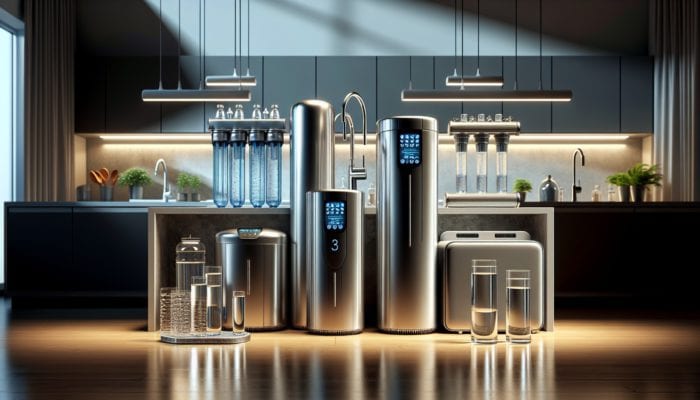
  • Water Purifier Options: A Comprehensive Guide to Choices

    Water Purifier Options: A Comprehensive Guide to Choices

    Discover the Cutting-Edge Innovations in Water Purifier Technology

    Understanding the Operational Mechanisms of Water Purifiers for Optimal Cleanliness

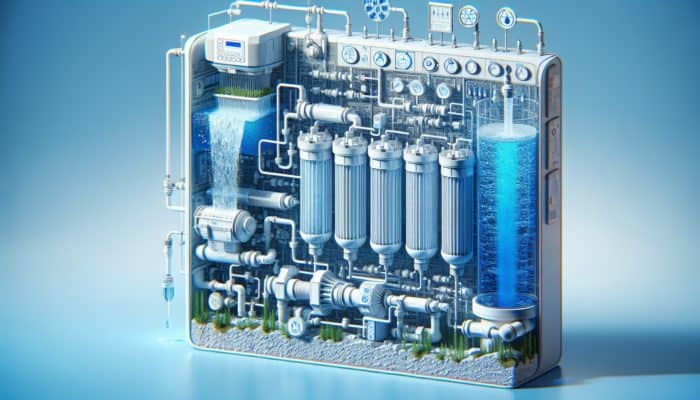
    Water Purifier Options: Cross-section of a water purifier showing filtration, reverse osmosis, and UV sterilization processes.

    Water Purifier Options: Water purifiers are sophisticated systems meticulously engineered to remove contaminants from drinking water, ensuring it is safe for consumption. The primary technologies employed in water purification include a variety of methods such as filtration, reverse osmosis, and UV sterilization. Each technology plays a vital role in enhancing water quality by targeting specific contaminants. Understanding these mechanisms empowers consumers to make informed choices when selecting water purifiers, ensuring they select models that effectively meet their unique needs and preferences.

    The key technologies utilized by water purifiers include:

    • Filtration: This method effectively eliminates particles and sediments through physical barriers, resulting in clear water.
    • Reverse osmosis: Water is forced through a semi-permeable membrane, filtering out dissolved solids and various impurities with precision.
    • UV sterilization: Ultraviolet light is employed to destroy bacteria and viruses, assuring that drinking water is safe and free from harmful pathogens.
    • Activated carbon: This technology captures harmful chemicals, chlorine, and undesirable tastes and odors from the water, significantly improving its palatability.
    • Ion exchange: This process replaces unwanted ions in the water with more favorable ones, commonly utilized in the softening of hard water.

    Understanding how these technologies function is essential, as it can profoundly influence your choice of water purifier, allowing you to select a system that efficiently meets your specific purification needs.

    Exploring the Diverse Range of Water Purification Systems Available

    A wide array of water purification systems exists to cater to varying water quality requirements and conditions. Each system offers unique advantages and applications, making it imperative to select one that aligns perfectly with your individual needs. The most prevalent types of water purification systems include:

    • Point-of-use (POU) systems: Installed at designated locations, such as kitchen sinks, these systems provide purified water right where it’s most needed.
    • Point-of-entry (POE) systems: These systems treat water at the source, ensuring that every drop in the household is purified.
    • Countertop filters: Conveniently positioned on the countertop, these filters connect directly to the faucet for easy access to clean water.
    • Under-sink systems: Discreetly installed beneath the sink, these systems are often more powerful and unobtrusive.
    • Portable water purifiers: Specifically designed for travel or emergencies, these compact devices allow users to purify water on the go.
    • Whole-house filters: These comprehensive systems provide filtration for all water entering a home, ensuring consistent water quality throughout.

    When selecting the appropriate system for your needs, it is crucial to consider factors such as water quality, space availability, and specific filtration requirements to achieve optimal performance.

    Exploring the Significant Advantages of Using Water Purifiers

    Investing in a water purifier offers numerous health benefits and convenience that greatly enhance the quality of your drinking water. By effectively removing harmful contaminants, improving taste, and ensuring access to clean water, these devices play a pivotal role in promoting health and well-being. The primary benefits associated with water purifiers include:

    • Removal of contaminants: Efficiently eliminates bacteria, viruses, heavy metals, and harmful chemicals, enhancing safety.
    • Enhanced taste and odour: Purified water generally has a better taste, leading to a more enjoyable drinking experience.
    • Convenience: Easy access to clean water at home reduces reliance on bottled water, contributing to sustainability.
    • Health benefits: Significantly lowers the risk of waterborne diseases, contributing positively to overall health.
    • Cost-effectiveness: Provides long-term savings compared to the continuous cost of purchasing bottled water.
    • Environmental impact: Helps reduce plastic waste associated with bottled water consumption, promoting eco-friendliness.

    The combination of these benefits underscores the critical importance of water purifiers as essential additions to any household aiming to improve its water quality while safeguarding the health of its members.

    Crucial Factors to Consider When Selecting a Water Purifier

    A comparison chart of different water purifiers in a modern kitchen, emphasizing water quality and health.

    Evaluating Your Unique Water Quality Needs

    Assessing your specific water quality needs is a critical step in selecting the right water purifier. Different regions experience unique water quality challenges, which can significantly influence the type of purifier required. For example, areas with hard water may necessitate systems that address mineral content, while regions facing frequent contamination issues might require advanced filtration solutions tailored to their specific circumstances.

    Key factors to evaluate include:

    • Hardness of water: Testing for mineral content helps determine if a softening system is necessary.
    • Contaminants present: Identifying specific pollutants such as lead, chlorine, or bacteria in your water supply is vital for effective filtration.
    • Taste and odour: Detecting any unpleasant flavors or smells may indicate the presence of impurities needing attention.
    • Source of water: Understanding whether your water comes from a municipal supply or a private well will guide your selection process.

    By thoroughly assessing these elements, you can choose a water purifier that effectively addresses your unique water quality requirements, ensuring the health and safety of your household.

    Understanding the Maintenance Requirements for Your Water Purifier

    Maintenance is a vital consideration when selecting a water purifier, as different systems come with varying maintenance needs. Knowing the maintenance requirements of a water purifier is essential for ensuring it operates efficiently and consistently delivers clean water for your household.

    For instance, the maintenance frequency and tasks may involve:

    • Filter replacements: Most systems will require filter changes at regular intervals, typically every 6 months to 2 years, depending on usage.
    • System cleaning: Some systems might need periodic cleaning to maintain optimal performance and hygiene.
    • Performance monitoring: Regularly checking for any decreases in water quality or flow rate can help detect potential issues early.
    • Professional servicing: Certain advanced systems may benefit from annual checks by qualified professionals to ensure proper functionality.

    Evaluating how much time, effort, and resources you can dedicate to maintenance will significantly influence your decision when choosing a water purifier that fits your lifestyle and needs.

    Setting a Budget for Your Water Purifier Selection

    Three water purifiers on a kitchen counter: basic (£100), mid-range (£300), high-end (£1000).

    Establishing a clear budget is essential when exploring water purifier options, as prices can vary significantly across different models and technologies. By identifying your budget, you can narrow down the available choices that meet your needs while avoiding overspending on unnecessary features.

    Price ranges for water purifiers can generally be categorized as follows:

    • Basic models: Typically range from £50 to £150, suitable for light filtration needs and basic water quality enhancement.
    • Mid-range models: Priced between £150 and £500, these offer more advanced filtration capabilities to cater to higher demands.
    • High-end systems: These can cost between £500 and over £1,500, equipped with multiple filtration stages and advanced technologies for superior performance.
    • Annual operating costs: It is crucial to account for ongoing expenses related to filter replacements and maintenance when budgeting for your water purification system.

    Understanding the cost differences among various models enables consumers to make informed choices that align with their financial situations while ensuring access to clean, safe drinking water.

    Expert Insights on Selecting Water Purifier Solutions

    How Professionals Assess the Effectiveness of Water Purifiers

    Experts in the field of water purification evaluate products based on various criteria, ensuring that consumers can make well-informed decisions. Key aspects such as efficiency, cost-effectiveness, and user-friendliness are fundamental considerations in their assessments, guiding potential buyers toward optimal choices.

    Real-world evaluations consider:

    • Contaminant removal rate: Testing how effectively a purifier eliminates specific contaminants is essential for determining its efficacy and reliability.
    • Flow rate: Evaluating how quickly the system provides purified water for daily use is vital for convenience and user satisfaction.
    • Ease of installation: Analyzing how user-friendly the setup process is for various systems can significantly influence consumer satisfaction and adoption.
    • Long-term reliability: Assessing how well purifiers perform over time under regular use is essential for ensuring lasting value and effectiveness.

    By concentrating on these criteria, experts help consumers navigate the multitude of available options, ensuring they select a water purifier that is both efficient and tailored to their specific needs.

    Identifying Emerging Trends in Water Purification Technology

    The water purification industry is continually evolving, with new technologies and trends emerging to meet consumer demands and enhance water quality. Staying abreast of these advancements provides valuable insights into the future of water purification, assisting consumers in selecting cutting-edge products.

    Recent trends influencing the industry include:

    • Smart technology integration: Many modern purifiers now feature intelligent controls and connectivity, enabling users to monitor performance through mobile applications.
    • Eco-friendly designs: Brands are increasingly prioritizing sustainability, creating systems that consume less energy and produce minimal waste.
    • Advanced filtration methods: Innovations in filtration technologies, including advancements in graphene and membranes, enhance contaminant removal efficiency.
    • Customisation options: Consumers are seeking systems that can be tailored to their specific water quality needs, including multi-stage filtration systems.

    These trends reflect a growing awareness of the importance of water quality and safety, driving innovations that significantly enhance consumer experiences with water purification.

    Ensuring Quality in Your Water Purifier Purchase

    Purchasing a reliable water purifier requires careful consideration and thorough research. By focusing on certifications, consumer reviews, and understanding the technology utilized, you can ensure that you acquire a high-quality product that effectively meets your needs.

    To ensure a quality purchase, consider these actionable steps:

    • Check certifications: Look for endorsements from recognized organizations such as NSF International or the Water Quality Association, which validate product efficacy.
    • Read consumer reviews: Insights from existing users provide a realistic view of performance and reliability, helping you make a well-informed decision.
    • Understand technology: Familiarize yourself with the technologies employed in the purifier to evaluate their effectiveness in addressing your water quality issues.
    • Seek expert recommendations: Consulting professionals or trusted sources can provide valuable guidance in your purchasing decision.

    By adhering to these steps, consumers can navigate the market with confidence and select a water purifier that delivers on its promises, ensuring the safety and quality of their drinking water.

    Steps for Installing and Maintaining Water Purifiers

    Essential Guidelines for Installing a Water Purifier

    Installing a water purifier can vary in complexity depending on the type of system chosen. Understanding the general steps involved can significantly facilitate a smooth installation process, regardless of the model selected.

    The typical steps for installation include:

    • Gathering tools and materials: Assemble necessary tools such as wrenches, pliers, and screwdrivers, along with the installation manual for guidance.
    • Selecting a suitable location: Choose an appropriate spot for the purifier, considering access to both the water supply and drainage for optimal functionality.
    • Connecting to the water supply: Carefully follow the provided instructions to connect the purifier to the cold water line, ensuring secure fittings to prevent leaks.
    • Installing filters: Insert filters according to the manual’s directions, ensuring they are correctly seated to optimize performance and efficiency.
    • Testing the system: After installation, turn on the water supply and check for leaks, making necessary adjustments to ensure proper operation.

    By following these steps, users can successfully install their water purifiers, ensuring they function efficiently and provide clean drinking water for their households.

    Determining the Frequency of Servicing Your Water Purifier

    Regular servicing is vital for maintaining the effectiveness and longevity of a water purifier, ensuring it continues to deliver clean, safe drinking water. The frequency of servicing depends on the type of system and the volume of water processed.

    Typical service intervals may include:

    • Filter replacements: Most filters should be replaced every 6 to 12 months, depending on usage and water quality conditions.
    • Annual maintenance checks: Some systems benefit from professional servicing once a year to assess overall functionality and performance.
    • Pre-filter cleaning: Systems with sediment pre-filters may require more frequent cleaning to prevent clogging and maintain optimal flow.
    • Performance monitoring: Regularly check for changes in flow rate or taste, which may indicate potential maintenance requirements.

    Maintaining a consistent service schedule not only helps prolong the lifespan of the water purifier but also ensures that your household continues to enjoy high-quality water.

    Identifying Common Maintenance Issues with Water Purifiers

    Water purifiers, like any household appliance, can experience common maintenance issues that may affect their overall performance. Being aware of these potential problems allows users to troubleshoot effectively and maintain their systems’ smooth operation.

    Common issues may include:

    • Clogged filters: Filters can become obstructed with impurities over time, leading to reduced flow rates and decreased filtration efficiency.
    • Leaks: Poor connections or worn seals may lead to leaks, which can damage the unit or surrounding areas if not promptly addressed.
    • Unpleasant tastes or odours: This may indicate that filters need replacing or that contaminants are still present in the water supply.
    • Low water pressure: Insufficient pressure can hinder filtration processes, often caused by clogged pre-filters or blocked lines.

    Recognizing these issues and addressing them promptly ensures the purifier maintains its effectiveness and continues to provide safe drinking water for you and your family.

    Comparative Overview of Leading Water Purifier Brands and Models

    Key Features to Prioritize When Choosing a Water Purifier

    When comparing water purifiers, understanding the features that enhance functionality and effectiveness is critical. Various models offer distinct capabilities that cater to diverse consumer needs and preferences.

    Key features to consider include:

    • Multiple filtration stages: Systems equipped with multiple stages can offer more comprehensive removal of contaminants, resulting in superior water quality.
    • Smart technology integration: Some models provide smartphone connectivity, enabling users to monitor water quality and filter status conveniently.
    • Energy efficiency: Look for systems that operate on less energy, which can lead to reduced long-term operational costs.
    • Compact design: Space-saving designs are ideal for small kitchens or apartments, maximizing usability without compromising performance.

    Evaluating these features enables consumers to select a water purifier that meets their basic requirements while also offering additional conveniences and benefits tailored to their lifestyles.

    Brand Comparisons in the Water Purification Market

    Diverse brands within the water purification market exhibit significant differences in terms of quality, technology, and pricing. By comparing these aspects, consumers can make educated decisions that align effectively with their preferences and requirements.

    A comparison chart of leading water purifier brands may include:

    • Brand A: Renowned for its advanced filtration technology and exceptional customer service, setting high industry standards.
    • Brand B: Offers cost-effective models with reliable performance, ideal for budget-conscious consumers seeking quality.
    • Brand C: Specializes in eco-friendly designs that minimize environmental impact while providing effective filtration.
    • Brand D: Provides premium options featuring cutting-edge smart technology for those seeking advanced capabilities.

    Understanding how brands differ allows consumers to weigh their choices carefully, ultimately selecting a model that aligns with their values and requirements for water purification.

    Highlighting the Most Popular Water Purifier Models in the Market

    Certain models stand out in the water purifier market due to their performance, features, and overall value. Highlighting these popular models helps consumers identify the best options based on consumer reviews and expert opinions.

    Top-rated models may include:

    • Model X: Highly regarded for its efficient multi-stage filtration system and compact design, making it suitable for various settings.
    • Model Y: Known for its affordability and reliable performance in effectively removing common contaminants.
    • Model Z: A premium model featuring smart technology and advanced filtration capabilities tailored for discerning consumers.
    • Model W: A portable option favored for travel and emergency preparedness, ensuring access to clean water regardless of location.

    These popular models reflect consumer preferences and highlight essential features that resonate with buyers, aiding in the decision-making process for potential purchasers.

    The Health Benefits of Utilizing Water Purifiers

    Enhancing Health Through the Use of Water Purifiers

    Water purifiers play a critical role in promoting health by effectively removing harmful contaminants and ensuring the availability of safe drinking water. The purification process eliminates bacteria, viruses, chemical pollutants, and heavy metals, all of which can pose significant risks to human health.

    The specific health benefits of consuming purified water include:

    • Reduction of waterborne diseases: By eliminating pathogens, purifiers decrease the likelihood of illnesses caused by contaminated water sources.
    • Improved overall health: Access to clean water supports hydration, digestion, and overall bodily functions, contributing to enhanced well-being.
    • Prevention of chronic conditions: Minimizing exposure to heavy metals and chemicals can lower the risk of long-term health issues.
    • Enhanced immune response: Drinking purified water may strengthen the immune system, promoting better health outcomes and resilience against infections.

    The connection between water quality and health underscores the importance of investing in a water purifier to safeguard well-being and promote healthier lifestyles.

    Identifying Contaminants Effectively Removed by Water Purifiers

    Water purifiers are meticulously engineered to target a wide variety of contaminants, thereby contributing to cleaner and safer drinking water. Understanding which contaminants a particular purifier effectively removes can help consumers make informed choices that meet their specific needs.

    Common contaminants that water purifiers efficiently eliminate include:

    • Bacteria and viruses: Pathogens that can cause serious illnesses are effectively removed by UV and multi-stage filtration systems.
    • Heavy metals: Substances such as lead, mercury, and arsenic are filtered out by advanced systems like reverse osmosis.
    • Chlorine and chloramines: These chemicals often found in municipal water supplies can be efficiently removed using activated carbon filters.
    • Pesticides and herbicides: Chemical residues can be eliminated through specialized filtration methods tailored for agricultural runoff.

    Recognizing the range of contaminants removed by water purifiers illustrates their importance in ensuring safe drinking water for all consumers.

    Enhancing Water Taste Through Purification Methods

    One frequently overlooked advantage of using a water purifier is the significant enhancement in taste and odour. Purified water typically tastes fresher and cleaner, resulting in a more enjoyable drinking experience that encourages regular consumption.

    Different purification methods impact the taste of water in the following ways:

    • Activated carbon filtration: This method effectively removes chlorine, sediment, and other impurities that can negatively affect taste and odour.
    • Reverse osmosis: By eliminating dissolved solids, RO systems produce water that tastes pure and refreshing, enhancing overall hydration.
    • UV sterilization: Although UV does not directly alter the taste, it ensures that harmful microorganisms are eliminated, thereby contributing to the overall water quality.
    • Multi-stage filtration systems: These systems integrate various methods to enhance taste by addressing multiple impurities present in the water.

    A noticeable improvement in taste can encourage individuals to drink more water, subsequently supporting better hydration and overall health.

    Evaluating the Cost-Effectiveness of Water Purifiers for Health Solutions

    Investing in a water purifier can represent a cost-effective strategy for ensuring safe drinking water, particularly when considering the potential healthcare savings associated with preventing waterborne illnesses. Over time, the financial benefits of using a water purifier can significantly outweigh the initial purchase cost.

    Cost-effective factors to consider include:

    • Reduced bottled water expenses: Having access to clean water at home enables consumers to significantly decrease their reliance on purchasing bottled water.
    • Healthcare savings: Access to purified water lowers the risk of illness, potentially reducing medical expenses associated with waterborne diseases.
    • Long-term investment: Quality water purifiers can last several years with proper maintenance, providing ongoing savings for consumers.
    • Wider access to clean water: Improved water quality can lead to better health outcomes, which may reduce indirect costs related to health issues.

    Analyzing the long-term health and financial benefits underscores the value of incorporating a water purifier into your home, ensuring both health security and economic prudence.

    Environmental Considerations of Water Purifiers

    The Environmental Impact of Water Purifiers on Sustainability

    Water purifiers can have both positive and negative environmental impacts, depending on their technology and usage patterns. Understanding these effects is crucial for consumers who want to make eco-conscious decisions about their water purification options.

    Environmental pros and cons include:

    • Reduction of plastic waste: By eliminating the need for bottled water, water purifiers help decrease plastic consumption and its associated environmental burden.
    • Energy consumption: Certain systems may consume a significant amount of energy, which can impact your overall carbon footprint and environmental sustainability.
    • Waste production: Filters and replacement parts contribute to waste, necessitating responsible disposal methods to mitigate environmental impact.
    • Water conservation: Efficient purifiers can minimize water waste during the filtration process, promoting sustainable water usage practices.

    Balancing these factors enables consumers to make informed choices about the environmental implications of their selected water purification systems, promoting a more sustainable lifestyle.

    Exploring Eco-Friendly Water Purification Solutions

    Eco-friendly water purification options are increasingly available, reflecting consumers’ growing demand for sustainable products. These purifiers are designed with environmental considerations in mind, emphasizing energy efficiency and minimal waste production.

    Noteworthy eco-friendly options include:

    • Gravity-based filters: These systems require no electricity and operate efficiently, making them a sustainable choice for households.
    • Solar-powered purifiers: These utilize renewable energy sources to function, thereby reducing overall energy consumption and environmental impact.
    • Low-waste systems: Designed to minimize waste produced during the filtration process, these systems are more sustainable and environmentally friendly.
    • Biodegradable filters: Some brands offer filters made from biodegradable materials, reducing their environmental footprint.

    Choosing eco-friendly options not only benefits the environment but also aligns with sustainable living practices, fostering a healthier planet for future generations.

    Responsibly Disposing of Old Water Purifiers

    Proper disposal of old water purifiers is critical in minimizing environmental impact. Many components used in water purifiers can be recycled or disposed of responsibly to prevent unnecessary waste from ending up in landfills.

    Guidance for responsible disposal includes:

    • Check local recycling programs: Research if your community has initiatives for recycling electronic devices and components used in water purifiers.
    • Follow the manufacturer’s guidelines: Many brands provide specific instructions for the sustainable disposal of their products and filters.
    • Consider donation: If the purifier is still functional, think about donating it to local charities or community organizations that may benefit from it.
    • Use electronic waste disposal sites: Many municipalities have designated areas for the safe disposal of electronic waste, ensuring eco-friendly practices.

    By following these steps, consumers can ensure that their old water purifiers are disposed of in an environmentally responsible manner, promoting sustainability and reducing waste.

    Research-Driven Benefits of Water Purifier Options

    Current Research Findings on Water Purifiers

    Numerous studies have explored the effectiveness and health benefits of water purifiers, contributing to a growing body of evidence supporting their use. This research helps consumers understand the advantages of investing in high-quality water purification systems that enhance health and safety.

    Key findings from recent research include:

    • Effectiveness in contaminant removal: Studies have shown that various purification methods effectively reduce harmful substances in drinking water, thereby improving its safety and quality.
    • Improved public health outcomes: Access to clean water through purifiers has been associated with lower incidences of waterborne diseases, contributing to better community health.
    • Consumer satisfaction: Research indicates that users of water purifiers report higher satisfaction levels regarding the quality and safety of their water.
    • Economic benefits: Studies highlight the cost savings associated with reduced medical expenses and the decreased need for bottled water purchases.

    These findings reinforce the importance of utilizing water purifiers as a means to enhance health and well-being, making them a valuable investment for households.

    The Long-Term Health Impacts of Water Purifiers

    Long-term use of water purifiers can lead to significant health benefits, as evidenced by various research studies analyzing their impacts over time. Continuous access to purified water can create lasting positive effects on overall health and well-being.

    Long-term health impacts may include:

    • Reduction of chronic diseases: Consistent access to clean water can lower the risk of illnesses related to contaminated water sources, enhancing public health.
    • Enhanced hydration levels: Improved water quality can encourage increased water consumption, promoting better hydration and supporting bodily functions.
    • Support for immune health: Clean water can help strengthen the immune system, thereby preventing infections and diseases.
    • Better digestive health: Drinking purified water can facilitate proper digestion, contributing to overall health and wellness.

    The long-term benefits of utilizing water purifiers illustrate their vital role in promoting healthier lifestyles and safeguarding public health.

    Exploring the Economic Advantages of Water Purifiers

    Water purifiers offer significant economic benefits, both in terms of direct savings and long-term health advantages. Understanding these economic impacts can help consumers justify their investment in quality purification systems that provide cost-effective solutions.

    Economic benefits may include:

    • Decreased bottled water costs: Having purified water readily available at home diminishes the necessity to purchase bottled water, leading to substantial savings over time.
    • Lower healthcare expenses: Access to clean water minimizes the risk of illnesses related to contaminated water and reduces potential medical costs.
    • Increased property value: Homes equipped with modern water purification systems may appeal more to prospective buyers, thereby increasing property value.
    • Long-lasting investment: High-quality water purifiers can provide years of service, resulting in lower costs per gallon of purified water consumed.

    Considering these economic advantages supports the case for investing in a water purifier as a financially wise decision that enhances both health and convenience.

    Supporting Environmental Sustainability with Water Purifiers

    Research indicates that water purifiers contribute positively to environmental sustainability by reducing plastic waste and conserving water resources. Understanding these effects is crucial for consumers who prioritize eco-friendly living and sustainable practices.

    Environmental benefits associated with water purifiers include:

    • Decreased plastic consumption: The use of water purifiers minimizes reliance on single-use plastic bottles, significantly reducing plastic waste.
    • Water conservation: Efficient systems often utilize less water during the purification process compared to traditional methods, promoting sustainable water usage.
    • Promotion of sustainable practices: Water purifiers encourage consumers to adopt environmentally friendly habits, thereby reducing their carbon footprint and overall environmental impact.
    • Support for clean water initiatives: Increased access to purified water can lead to improved public health outcomes and sustainability in local communities.

    These environmental benefits demonstrate the positive role that water purifiers play in supporting sustainability efforts and fostering a healthier planet.

    Recognizing the Social Benefits of Using Water Purifiers

    Water purifiers can significantly impact community health and well-being by reducing the prevalence of waterborne diseases. The social benefits associated with cleaner water are substantial, contributing to healthier communities and an improved quality of life.

    Key social advantages include:

    • Improved public health: Enhanced access to clean water can lower rates of illness and disease in communities, fostering a healthier population.
    • Increased productivity: Healthy individuals contribute to higher productivity levels in both work and educational settings, leading to overall societal benefits.
    • Community awareness: The use of water purifiers can raise awareness about the importance of water quality and safety, promoting informed consumer choices.
    • Support for vulnerable populations: Access to clean water is crucial for marginalized communities, promoting equity and social justice in access to essential resources.

    These social benefits underscore the broader positive impact that water purifiers can have on society, promoting healthier and more equitable communities.

    Finding the Ideal Water Purifier to Meet Your Unique Requirements

    Crucial Factors to Consider When Selecting a Water Purifier

    Selecting the right water purifier involves careful consideration of several factors that align with individual needs and circumstances. By evaluating these key elements, consumers can make informed choices that best suit their specific situations and requirements.

    Main considerations include:

    • Water quality: Assess the specific contaminants present in your water supply to guide your choice of purification method and technology.
    • Household size: Consider the volume of water needed for your household to select a system with adequate capacity to meet daily demands.
    • Budget: Set a clear budget to narrow down options, balancing cost with desired features and performance.
    • Space availability: Evaluate the space where the purifier will be installed to ensure a proper fit and functionality within your home.

    Understanding these considerations empowers consumers to make informed choices for their water purification needs, ensuring access to safe and clean drinking water.

    Efficient Methods for Assessing Your Water Quality

    Assessing your water quality is a crucial step in selecting the most suitable water purifier. Understanding the composition of your water supply helps identify the most effective purification methods and technologies to employ.

    Methods for testing water quality include:

    • At-home testing kits: These convenient kits can quickly measure common contaminants such as lead, bacteria, and chlorine, providing immediate insights into water quality.
    • Laboratory testing: Sending a water sample to a certified lab offers a comprehensive analysis of water quality, ensuring accurate results and detailed information.
    • Municipal water reports: Reviewing reports from your local water authority provides insights into the quality of your water supply and potential concerns regarding contaminants.
    • Visual inspection: Observing colour, odour, and taste can offer initial clues about potential issues with water quality that require further investigation and testing.

    By utilizing these methods, consumers can gain a clear understanding of their water quality, enabling them to select the ideal purifier that meets their specific needs.

    Best Practices for Operating a Water Purifier Effectively

    Effectively using a water purifier involves adhering to best practices that enhance performance and ensure safety. By following these guidelines, consumers can maximize the benefits of their purification systems while ensuring safe drinking water for their households.

    Best practices include:

    • Regular maintenance: Adhere to maintenance schedules for filter replacements and system cleaning to ensure optimal performance and longevity.
    • Monitor water quality: Regularly check the taste, smell, and clarity of the water to ensure the purifier is functioning properly and providing safe drinking water.
    • Use filtered water only: For drinking and cooking, always opt for water that has been purified to avoid contaminants present in untreated water.
    • Educate household members: Ensure that everyone in the household understands the importance of using the water purifier correctly and safely to maximize its benefits.

    By implementing these best practices, consumers can effectively leverage their water purifiers to ensure the highest quality water for themselves and their families.

    Understanding the Different Types of Water Purifiers Available Today

    A variety of water purifiers are available on the market, each designed to address specific filtration needs and improve water quality. Understanding the different types helps consumers choose the right system for their unique circumstances and requirements.

    Types of water purifiers include:

    • Reverse osmosis purifiers: Utilize a semi-permeable membrane, effectively removing a wide range of impurities, including dissolved solids and contaminants.
    • UV purifiers: Employ ultraviolet light to disinfect water by killing bacteria and viruses without chemicals, ensuring safe drinking water.
    • Activated carbon filters: These purifiers absorb chlorine, taste, and odour, enhancing the overall flavour of the water for improved drinking experiences.
    • Ion exchange systems: Commonly used to soften hard water, these systems exchange calcium and magnesium ions with sodium ions, improving water quality.

    Exploring these options enables consumers to select a purification method that aligns with their specific needs and preferences, ensuring they have access to clean and safe drinking water.

    Comparing Water Purifiers Based on Features and Pricing

    Comparing water purifiers involves evaluating features, performance, and cost to identify the best option for your needs. This process requires a careful assessment of what each model offers and how it aligns with your requirements.

    Steps for comparing water purifiers include:

    • List essential features: Determine which features are critical for your needs, such as filter types, capacity, and maintenance requirements, to guide your selection.
    • Evaluate performance ratings: Research consumer reviews and expert ratings to gauge the effectiveness and reliability of different models on the market.
    • Calculate total costs: Consider both the initial purchase price and long-term operating costs, including filters and maintenance expenses, in your budgeting process.
    • Assess warranties and support: Review warranty options and customer service availability for each brand to ensure you receive proper support and assistance.

    By systematically comparing these factors, consumers can identify the water purifier that best fits their needs and budget, ensuring they make an informed purchase.

    Addressing Frequently Asked Questions (FAQs) About Water Purifiers

    What is the best type of water purifier for my needs?

    The best type of water purifier depends on your specific water quality needs. Reverse osmosis systems are effective for removing a wide range of contaminants, while UV purifiers excel at disinfecting water without using chemicals.

    How often should I replace the filters in my water purifier?

    The frequency of filter replacement varies by model and usage. Generally, carbon filters should be replaced every 6 to 12 months, while reverse osmosis membranes can last 2 to 5 years, depending on water quality and usage levels.

    Are water purifiers a worthwhile investment?

    Yes, water purifiers are a valuable investment, as they provide safe drinking water, eliminate harmful contaminants, and can save money over time by reducing the need for bottled water and healthcare costs associated with waterborne illnesses.

    Can I install a water purifier myself?

    Many water purifiers are designed for easy installation, allowing homeowners to set up point-of-use systems independently. However, more complex installations may require professional assistance to ensure proper setup and configuration.

    How do I know if my water needs to be purified?

    Signs that your water may need purification include unusual tastes, odours, discoloration, or reports of contaminants from your local water authority. Testing kits can also help assess water quality effectively.

    What is the typical lifespan of a water purifier?

    The lifespan of a water purifier varies depending on the model and maintenance practices. Many systems can provide effective filtration for about 5 to 15 years with proper care and adherence to maintenance schedules.

    Do water purifiers remove beneficial minerals from water?

    Certain water purifiers, particularly reverse osmosis systems, can remove beneficial minerals along with contaminants. To retain minerals, consider systems that incorporate a remineralisation feature.

    Are there portable water purifiers available for travel?

    Yes, portable water purifiers are available, designed for travel, outdoor activities, or emergency situations. These devices are compact and often utilize gravity filters or ultraviolet technology for effective purification.

    What contaminants do UV water purifiers effectively eliminate?

    UV water purifiers are highly effective at eliminating bacteria, viruses, and protozoa, ensuring that the water is safe for drinking. However, they do not remove chemical contaminants, so additional filtration may be necessary.

    How do I choose the right water purifier for my home?

    Choosing the right water purifier involves assessing your water quality, household size, budget, and specific filtration needs. Researching different types and models will also help you make a well-informed decision that effectively meets your needs.

    Explore our world on X!

    The post Water Purifier Options: A Comprehensive Guide appeared first on Survival Bite.

    The Article Water Purifier Options: Your Ultimate Guide to Choices Was Found On https://limitsofstrategy.com
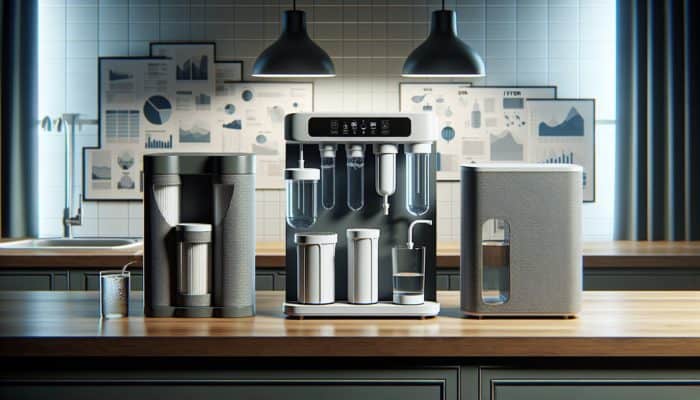
  • Whole House Filters: Protecting Against PFAS Contamination

    Whole House Filters: Protecting Against PFAS Contamination

    Even though you cannot smell or taste them, the presence of PFAS chemicals, commonly referred to as “forever chemicals”, is becoming increasingly prevalent in the water we consume every day. These substances are not only insidious but also remarkably persistent, making it essential for consumers to be fully aware of their existence and the potential risks they pose to health and the environment.

    Since their introduction in the 1950s, these chemicals have been used in various products, including firefighting foam, fast food wrappers, non-stick cookware, and stain-resistant clothing. The very characteristics that make PFAS effective in manufacturing—like their outstanding durability and resistance to heat—are also the reasons they present significant environmental challenges: they resist degradation. Once they infiltrate the ecosystem, these chemicals can remain for years, accumulating in soil, water, and even within the human body, which can intensify the health risks linked to prolonged exposure.

    Essential Insights on PFAS: Understanding the Truth Behind “Forever Chemicals”

    Recently, Seqwater, the governing body responsible for managing the drinking water supply in South East Queensland, has confirmed the detection of trace amounts of PFAS in both raw and treated water throughout the region. Although these levels are currently minimal and comply with national safety standards, their rising presence is concerning, especially as they are increasingly discovered in different catchment areas. For those seeking more detailed information, you can explore Seqwater’s dedicated PFAS resources for further insights.

    How Do PFAS Contaminate Our Drinking Water? Understanding the Pathways

    PFAS do not enter the water treatment process intentionally; rather, they infiltrate the water supply through various external pathways, including industrial waste, landfill runoff, fire training sites, and stormwater runoff. During rainfall events, these chemicals can wash off surfaces like roads, roofs, and soil, eventually flowing into the rivers and dams that supply our water treatment facilities. Given the durability of these chemicals, even advanced water treatment technologies may not be fully capable of eliminating them, leaving a potential threat in our drinking water.

    While the associated risks of these contaminants are currently deemed low, many households in Queensland are proactively taking precautionary measures, particularly families with young children, individuals with weakened immune systems, or those who depend on rainwater tanks. In these cases, the implementation of whole-house water filtration systems becomes vital for ensuring peace of mind regarding water safety.

    Filter Wall
    Request A Quote

    CALL 1300 793 962

    Are Conventional Water Filters Effective in Removing PFAS Contaminants?

    In summary, most standard water filters are ineffective when it comes to removing PFAS.

    Common filtration systems such as pitcher jugs, tap-mounted units, and basic under-sink systems primarily aim to improve taste, diminish chlorine levels, and capture sediment. However, with regard to effectively addressing PFAS contaminants, these systems do not meet the necessary standards for adequate filtration.

    To successfully eliminate these stubborn chemicals, a more advanced filtration approach is essential. Proper removal usually entails:

    • Extended contact carbon block filtration techniques
    • Anion exchange resins, or
    • Reverse osmosis — advanced technologies that are typically not found in standard, off-the-shelf filters.

    This situation raises serious concerns for households utilizing plumbed-in refrigerators, as the filtered water may appear clean yet is not specifically treated for PFAS. Most tap filters or refrigerator filter cartridges do not incorporate the necessary filtration processes or contact time required to significantly reduce PFAS levels.

    The Importance of Whole House Filtration Systems in Minimizing PFAS Exposure

    This is where whole-house filtration systems, such as those provided by Creek to Coast Plumbing, become crucial in safeguarding our health.

    These state-of-the-art systems ensure that every drop of incoming water is treated before it reaches any tap, appliance, or plumbing fixture, including your refrigerator, providing comprehensive protection.

    Creek to Coast Plumbing specializes in installing Puretec premium-grade filtration systems that feature:

    • Carbon block filters designed to ensure extended contact time — a critical factor for effective PFAS reduction
    • pH correction filters to stabilize acidic rainwater
    • UV disinfection to eradicate harmful bacteria, viruses, and parasites
    • Optional reverse osmosis integration for additional filtration at kitchen taps, if desired

    It’s not merely about improving the taste of your water; it’s about safeguarding your entire household from hazardous contaminants right at the source, ensuring cleaner water for showers, laundry, and cooking—not just for drinking.

    Why Opt for Whole House Filtration Systems?

    While a single under-sink filter may protect your kitchen tap, PFAS can still infiltrate your home through various outlets, including bathroom taps, showers, garden hoses, and washing machines. Whole-house systems deliver comprehensive protection across all outlets, which encompass:

    • Drinking and cooking water
    • Water for bathing and brushing
    • Water for laundry
    • Water for pets and garden use

    Puretec’s FilterWall F-Series and Hybrid-Plus systems are robust enough to ensure complete household protection, installed right at the point of entry by our experienced and licensed team.

    Do Whole House Filtration Systems Make a Significant Impact?

    Absolutely, especially for families concerned about cumulative exposure to contaminants. While Seqwater is actively managing water quality, adding filtration at the home level provides:

    • An additional barrier against chemical intrusion
    • A consistent line of defense, irrespective of public infrastructure
    • Enhanced taste and odor, along with peace of mind
    • Support for individuals with allergies or sensitivities

    Comparing Town Water and Rainwater: Assessing the Risks Associated with Both Sources

    Even if you are connected to a town water supply, PFAS can still make their way into your home. Conversely, if you rely on rainwater for household use, your risk profile is substantially increased.

    Rainwater in Queensland may contain:

    • Animal waste from roof catchments
    • Airborne chemicals from industrial activities or bushfire zones
    • Low pH water that can corrode pipes and release heavy metals into your water supply
    • Tannins resulting from decomposing vegetation

    This situation highlights the critical need for a whole-house system for homes that depend on tank water, particularly those with children, elderly residents, or frequent visitors who may not be acclimated to untreated water.

    How Can You Determine if Your Filter Effectively Reduces PFAS?

    If your current filtration system does not explicitly indicate PFAS reduction, it is likely inadequate for this purpose.

    To confirm your system’s capability to tackle PFAS contamination, seek out filters that include:

    • NSF/ANSI 53 or 58 certification specifically targeting PFAS filtration
    • Activated carbon filters engineered for extended contact time
    • Reverse osmosis or hybrid systems rated for PFAS contaminants
    • Professional installation to avoid pressure drops or bypass issues
    Plumbers Caboolture13

    Choose Creek to Coast Plumbing: Your Local Experts for Reliable Water Filtration Solutions

    As certified Puretec installers, we specialize in designing and implementing whole-house water filtration systems tailored to the unique conditions in Queensland, whether you are connected to the town supply or utilizing off-grid tank water. We proudly serve homes across the Sunshine Coast, Moreton Bay, and surrounding inland areas, understanding that effective filtration goes beyond taste; it’s about providing peace of mind for you and your family.

    With our comprehensive annual servicing and filter replacement programs, you’ll never need to worry about your system’s performance again.

    Call 1300 793 962 or get in touch with us online for more information.

    Are You on the Hunt for Water Filters That Effectively Eliminate PFAS?

    Inquire about our extensive offerings:

    • Whole House Carbon Block Filtration
      Treats all water entering your home, ensuring safety at taps, showers, appliances, and refrigerator plumbing.
    • UV + Carbon Combination Systems
      Advanced multi-stage systems designed to neutralize bacteria and filter chemical residues — ideal for properties using rainwater and tank-fed sources.
    • Reverse Osmosis (RO) Add-Ons for Drinking Water
      Installed discreetly beneath your kitchen sink for ultra-purified water at your most frequently used outlets.
    Request A Quote

    CALL 1300 793 962

    The Article: PFAS in Drinking Water: Do Whole House Filters Offer Protection? first appeared on https://writebuff.com

    The Article Whole House Filters: Effective Protection Against PFAS in Water? Was Found On https://limitsofstrategy.com
  • Backflow Testing Services for Safe Water in Langley

    Backflow Testing Services for Safe Water in Langley

    Why Backflow Testing is Crucial for Water Safety in Langley: A Comprehensive Overview

    Understanding Backflow: The Risks and Necessity of Regular Testing for Water Safety

    Backflow Testing Services in Langley: Diagram illustrating backflow in pipes, showing clean water and contaminants, highlighting the need for testing.

    Backflow Testing Services in Langley: Backflow refers to the unintended reversal of water flow, allowing dangerous contaminants to enter the clean water supply. This hazardous situation poses significant health risks, including the transmission of waterborne diseases. Conducting backflow testing regularly is essential to maintain water quality and ensure public health and safety. By systematically monitoring and identifying potential backflow issues, we can take prompt corrective actions to prevent contamination, thus securing the community’s access to safe drinking water.

    The primary causes of backflow include:

    • Pressure drops within the water supply system
    • Improperly installed plumbing systems
    • Backpressure from irrigation systems or equipment
    • Contaminated sources linked to potable water systems
    • Malfunctioning backflow prevention devices
    • Cross-connections between drinking water and non-potable water systems
    • Environmental factors, such as flooding
    • Changes in local water consumption patterns

    Implementing effective backflow testing protocols is vital for identifying and rectifying these issues before they can compromise public health and safety.

    Understanding the Regulatory Landscape Surrounding Backflow Testing

    In Canada, stringent regulations necessitate routine backflow testing to ensure adherence to safety standards. Municipalities, including Langley, diligently enforce these regulations to prioritize public health and mitigate potential penalties. Facilities are required to comply with local bylaws that detail the frequency and standards for testing. The Canadian Standards Association (CSA) provides crucial guidelines that local authorities implement, thereby ensuring the safety and purity of the water supply in alignment with national health standards.

    Unlocking the Advantages of Regular Backflow Testing for Your Facility

    Regular backflow testing offers a multitude of benefits that extend beyond mere regulatory compliance. It serves a critical function in guaranteeing the safety of drinking water by effectively preventing contamination, which is vital for public health. Early identification of backflow issues allows for timely repairs, which can lead to significant cost savings associated with major water quality failures. Furthermore, consistent testing helps maintain the integrity of the entire water system, ensuring the community receives reliable and safe water services, thereby fostering trust and peace of mind among residents.

    Professional Insights on Backflow Testing Services Offered in Langley

    A plumber in blue uniform testing backflow devices in an industrial setting with pipes and gauges.

    Determining the Optimal Frequency for Backflow Testing to Ensure Safety

    The frequency of backflow testing is contingent upon the type of facility and specific local regulations in Langley. Typically, most commercial properties are required to undergo testing annually. However, high-risk areas or facilities with complex plumbing systems may require more frequent assessments—potentially every other year or even quarterly. For instance, establishments such as restaurants, hospitals, and industrial sites often face stricter testing requirements due to the heightened risks associated with backflow. Staying proactive about local regulations and changes in water usage patterns is essential for maintaining compliance and ensuring public health and safety.

    Key Factors to Consider When Selecting a Backflow Testing Service Provider

    Choosing the right backflow testing service provider is crucial for obtaining accurate and reliable testing results. Look for a provider that holds the necessary certifications, possesses extensive experience, and has a comprehensive understanding of local regulations. They should offer thorough testing services that include prompt reporting of results and actionable follow-up recommendations. Moreover, ensure that their team is well-trained and knowledgeable about Canadian standards and practices. A reputable provider should have a proven track record of successful testing and satisfied clients, showcasing their expertise and reliability in the field of backflow prevention.

    Analyzing Success Stories in Backflow Prevention and Testing

    A modern hospital in Langley testing a backflow prevention device, ensuring safe drinking water for staff and patients.

    Examining real-world examples of successful backflow prevention highlights the importance of routine testing. For example, a local hospital in Langley discovered a critical backflow problem during standard testing, which had the potential to jeopardize the quality of drinking water. By addressing the issue promptly, they protected the health of both patients and staff. Detailed case studies like this illustrate how effective backflow testing can avert significant public health crises, underscoring the necessity of regular testing in maintaining community water supplies.

    The Critical Need for Consistent Backflow Testing in Langley

    <pRoutine backflow testing is essential for ensuring the safety and quality of Langley’s water supply. By effectively preventing contamination, testing is vital for complying with local regulations and safeguarding public health. The community significantly benefits from ongoing monitoring of water quality, and facilities that prioritize testing visibly demonstrate their commitment to safety. Establishing a regular testing schedule is not merely a regulatory obligation but a critical measure in protecting the entire water system from potential hazards that could arise from backflow issues.

    Detailed Overview of the Backflow Testing Procedures

    Essential Steps in the Backflow Testing Process Explained

    The backflow testing process involves several crucial steps designed to ensure the effective operation of backflow prevention devices. Initially, a certified professional conducts a thorough inspection of the backflow prevention device for any visible signs of wear or damage. Following this inspection, detailed pressure tests are performed to verify that the device functions correctly under various conditions. Throughout the testing process, results are meticulously documented, providing invaluable insights into the device’s performance and any necessary repairs. After the completion of testing, a comprehensive report is generated that outlines all findings and actionable recommendations.

    Specialized Tools Utilized in Backflow Testing Procedures

    Utilizing specialized equipment is essential for conducting accurate backflow testing. Professionals depend on test kits specifically designed for evaluating backflow prevention devices, as well as pressure gauges that measure fluctuations in water pressure. These tools ensure that the testing process is comprehensive and credible, yielding reliable results. Furthermore, employing calibrated devices guarantees that the testing aligns with industry standards, making the collected data both precise and actionable for any required maintenance or repairs.

    Authorized Professionals Conducting Backflow Testing in Langley

    In Langley, only certified professionals who have undergone specialized training in backflow prevention are permitted to perform testing. These experts must adhere to both local regulations and Canadian standards, ensuring that the testing process is executed accurately and safely. Engaging providers with relevant certifications and extensive experience guarantees that testing is performed effectively, thereby safeguarding both the facility and the community from potential health hazards associated with backflow issues.

    Research-Backed Advantages of Backflow Testing Services in Langley

    Long-Term Benefits Achieved Through Consistent Backflow Testing

    The long-term advantages of regular backflow testing are substantial. By ensuring that the water supply remains uncontaminated, facilities can uphold high water quality standards over time. This preventative measure helps avoid potentially costly repairs that could arise from contamination incidents. Moreover, routine testing encourages compliance with health regulations, potentially shielding facilities from legal repercussions and fines. Ultimately, the safeguarding of public health through reliable water supply management is the most significant outcome of consistent backflow testing.

    The Impact of Regular Backflow Testing on Property Value

    Properties that prioritize regular backflow testing are increasingly attractive to both buyers and tenants, primarily due to the assurance of safe drinking water. Buyers are becoming more discerning, placing greater importance on properties that demonstrate strong health and safety records, encompassing regular testing for backflow. This proactive strategy can enhance a property’s marketability and overall value, signifying well-maintained infrastructure. In Langley’s competitive real estate landscape, emphasizing a commitment to water safety through ongoing testing can serve as a crucial differentiator, appealing to conscientious buyers.

    Step-by-Step Instructions for Establishing an Effective Backflow Testing Program

    Creating an effective backflow testing program requires several actionable steps. Start by assessing the specific needs of your facility while familiarizing yourself with local testing regulations. Next, select a certified provider with a solid reputation in backflow testing. Schedule regular testing dates—ideally annually, though potentially more frequently for higher-risk facilities. Ensure you maintain comprehensive records of all testing and compliance documents to demonstrate adherence to regulations. Finally, stay informed about any changes in local laws that may affect your testing requirements, ensuring that your program remains effective and compliant.

    How Consistent Backflow Testing Mitigates Health Risks

    Consistent backflow testing is essential for minimizing health risks associated with contaminated water supplies. By promptly identifying and addressing backflow issues, the likelihood of waterborne diseases is significantly reduced. Regular testing guarantees that the community has access to safe drinking water, thereby preserving public health. Establishing a routine testing program empowers facilities to uphold their commitment to safety and compliance, ultimately fostering a healthier environment for all residents and building confidence in the safety of their water supply.

    Environmental Benefits Associated with Routine Backflow Testing

    The environmental implications of routine backflow testing are considerable. By preventing cross-connections that could lead to chemical or pollutant spills into water systems, testing promotes ecological health and sustainability. Implementing proper backflow prevention measures helps protect local ecosystems and wildlife that depend on clean water sources. Maintaining clean water supplies also reduces the need for costly environmental remediation efforts in the future, benefiting both the community and the broader environment. This proactive approach enhances the overall quality of life for residents and promotes sustainable practices.

    Effective Strategies for Backflow Testing Services in Langley

    Best Practices for Ensuring Effective Backflow Prevention

    Implementing effective best practices for backflow prevention is crucial for maintaining a safe water system. Establish regular testing schedules to ensure that all backflow prevention devices are properly monitored and maintained. Engage certified professionals for testing and repairs to guarantee compliance with local regulations. Additionally, keep detailed records of all testing and maintenance activities, as they can provide valuable insights for future assessments. Proper installation of backflow devices significantly reduces the risk of backflow incidents, underscoring the importance of following best practices in safety and compliance.

    Guidelines for Selecting the Right Backflow Prevention Device for Your Facility

    Choosing the appropriate backflow prevention device requires careful consideration of your facility’s specific needs and requirements. Factors such as flow rate, water pressure, and the level of hazard posed by potential contaminants should guide your decision-making process. Consulting with experienced professionals can yield tailored recommendations that comply with local regulations and ensure optimal protection against backflow. A clear understanding of your facility’s unique requirements is essential for selecting a device that delivers both safety and high performance, ultimately safeguarding your water supply.

    Delivering Expert Analysis of Backflow Testing Results

    After completing backflow testing, providing an expert analysis of the results is crucial for informed decision-making. This includes a detailed interpretation of the test outcomes, identifying any necessary maintenance, repairs, or replacements that may be required. Clear recommendations based on the findings empower facility managers to take immediate action, ensuring that any issues are addressed before they escalate into larger problems. Regular communication and follow-up services strengthen the relationship between service providers and clients, fostering trust and accountability in maintaining water safety.

    Ensuring Compliance with Local Backflow Regulations in Langley

    To ensure adherence to local backflow regulations in Langley, it is vital to stay informed about current bylaws. Regularly schedule testing and certification as mandated by local authorities, and maintain thorough documentation of all compliance activities. Collaborating with certified professionals who possess knowledge of local laws can facilitate efficient navigation through compliance requirements. This proactive approach not only helps avoid potential fines but also reinforces the community’s commitment to public health and safety, ensuring that all facilities contribute to the overall well-being of the area.

    Financial Aspects and Scheduling of Backflow Testing in Langley

    Key Factors Influencing the Cost of Backflow Testing Services

    Several key factors affect the cost of backflow testing, including the size and complexity of the facility, the type of backflow prevention devices being utilized, and the required frequency of testing. Larger facilities with intricate plumbing systems often incur higher costs due to the additional time and resources needed for thorough testing. Additionally, labor and equipment costs can fluctuate based on local market conditions and the specific service provider selected. Understanding these variables can aid facilities in budgeting effectively for necessary testing and maintenance, ensuring timely compliance and safety.

    Effective Strategies for Scheduling Backflow Testing Services

    Scheduling backflow testing services begins by identifying certified providers within your locality. Reach out to discuss your specific needs and establish the required frequency of testing, taking into account local regulations and guidelines. Proper planning is essential to ensure compliance while minimizing disruptions to your water supply. Many providers offer flexible scheduling options, enabling facilities to select dates that minimize operational interruptions. Establishing a consistent testing schedule is vital for maintaining reliable water quality and ensuring safety for all users, thereby demonstrating a commitment to health and compliance.

    Understanding Reporting and Documentation Processes After Backflow Testing

    After conducting backflow testing, a detailed report is generated, outlining the test results and any observed issues. This documentation is crucial for compliance purposes, serving as evidence that the facility has adhered to local regulations and standards. Proper reporting should encompass recommendations for maintenance or repairs if necessary. Maintaining thorough records is beneficial for facility managers, as it helps them track testing history and identify any emerging trends that may require further attention. This proactive strategy supports ongoing efforts to ensure water safety and compliance with regulatory standards.

    Common Questions About Backflow Testing and Its Significance

    What is the main purpose of backflow testing?

    Backflow testing is a crucial process that verifies whether backflow prevention devices are functioning correctly, thereby preventing contaminants from entering the clean water supply.

    How frequently should I schedule backflow testing?

    Generally, backflow testing should occur annually, but some facilities may require more frequent testing based on local regulations or unique risks associated with their operations.

    Who is qualified to perform backflow testing in Langley?

    Only certified professionals trained in backflow prevention and testing are authorized to provide these services in Langley, ensuring adherence to local regulations and standards.

    What are the potential consequences of neglecting backflow testing?

    Neglecting regular backflow testing can lead to contamination of the drinking water supply, resulting in significant health hazards and potential penalties from regulatory bodies.

    How can I find a certified backflow testing provider?

    You can find certified backflow testing providers by searching online directories, consulting local health authorities, or asking for recommendations from other facility managers in your area.

    What can I expect during a backflow test?

    During a backflow test, the technician will inspect the backflow prevention device, conduct pressure tests, and subsequently document the results in a comprehensive report.

    Can regular backflow testing lead to cost savings?

    Yes, consistent backflow testing can prevent costly repairs resulting from contamination incidents and protect your facility from fines related to non-compliance with regulations.

    Are there different types of backflow prevention devices available on the market?

    Indeed, various types of backflow prevention devices exist, including air gaps, reduced-pressure zone devices, and double-check valves, each suited for different applications and needs.

    How does backflow testing contribute to the protection of public health?

    Backflow testing ensures that contaminants do not enter the drinking water supply, effectively protecting public health from the risks of waterborne diseases and other health threats.

    What documentation is required following backflow testing?

    After testing, a detailed report is required that documents the results, any necessary repairs, and compliance with local regulations for future reference and accountability.

    Connect with us on Facebook for the latest updates!

    Presented By: Backflow Testing in Langley

    The Article: Backflow Testing Services in Langley: Ensuring Water Safety First Published On: https://pacificbluemechanical.ca/

    The Article Backflow Testing Services: Ensure Water Safety in Langley Was Found On https://limitsofstrategy.com
  • Backflow Testing Services for Safe Water in Port Moody

    Backflow Testing Services for Safe Water in Port Moody

    The Importance of Backflow Testing for a Safe and Healthy Water Supply

    Understanding Backflow: What It Is and Why It Matters

    Cross-section of plumbing system showing backflow with arrows indicating reversed water flow and contamination.

    Backflow refers to the dangerous and undesirable reversal of water flow within plumbing systems, which can lead to serious contamination of the clean water supply. This concerning condition can occur due to several factors, such as fluctuations in water pressure and the presence of cross-connections within the plumbing infrastructure. Understanding the causes of backflow is crucial for developing effective prevention and management strategies. Common triggers for backflow include:

    • Sudden fluctuations in water pressure, often caused by emergency firefighting efforts or significant water usage.
    • Back siphonage, which happens when a water main breaks.
    • Backpressure created by pumps or thermal expansion in heating systems.
    • Cross-connections between potable and non-potable water systems.

    By understanding these critical factors, property owners in Port Moody can significantly contribute to the vital effort of protecting the local water supply, which is a paramount community priority essential for public health and well-being.

    The Essential Role of Regular Backflow Testing in Ensuring Water Safety

    Conducting regular backflow testing serves as a fundamental preventative measure that guarantees the safety of drinking water for all residents. By identifying potential issues early, property owners can avert the serious consequences associated with contaminated water supplies. Routine testing uncovers vulnerabilities in backflow prevention systems that might otherwise go unnoticed. This proactive strategy not only mitigates health risks but also helps prevent costly repairs in the future. For residents of Port Moody, consistent backflow testing fosters trust in the municipal water system while upholding critical community health standards and safety protocols, ensuring a reliable water supply for everyone.

    Compliance with Regulations for Effective Backflow Prevention

    In Canada, backflow prevention is governed by strict municipal and provincial regulations aimed at safeguarding public health. For both residents and business owners in Port Moody, adherence to these regulations is not only a legal obligation but also a significant ethical responsibility. The local health authority mandates that all properties at risk of backflow must have functioning prevention devices in place and undergo regular testing. Understanding these regulations not only ensures property owners remain compliant but also helps avoid potential fines, while actively protecting public health and maintaining the integrity of the water supply.

    The Significant Risks of Neglecting Backflow Testing

    A neglected backwater valve in a dimly lit basement, surrounded by shadows and dripping water, symbolizing hidden dangers.

    Neglecting routine backflow testing can result in serious consequences. The health risks associated with contaminated water are significant, potentially leading to outbreaks of waterborne diseases that can affect entire communities and pose risks to vulnerable populations. Furthermore, failing to maintain backflow systems could lead to extensive and costly repairs to plumbing infrastructure, placing a financial burden on property owners. Without proper testing, issues may remain hidden until they evolve into more significant problems, underscoring the critical necessity for vigilance in backflow prevention practices and regular maintenance to ensure community safety.

    Expert Recommendations for Backflow Testing Services in Port Moody

    Determining the Frequency of Backflow Testing

    The frequency of backflow testing may vary based on property type and local regulations. However, it is generally advisable to conduct testing annually. For instance, commercial properties in Port Moody may be subject to stricter guidelines necessitating more frequent testing. Residential properties, while typically on an annual schedule, might require more frequent testing if they have intricate plumbing systems or are situated near potential contamination sources, such as industrial zones. These tailored testing schedules ensure comprehensive oversight of backflow prevention systems, thereby maintaining the integrity of Port Moody‘s water supply and protecting public health for all residents.

    An Overview of the Backflow Testing Procedure

    A technician inspecting a backflow device with tools in a utility room, documentation nearby.

    When a certified technician arrives to perform a backflow test, you can expect a thorough inspection of the backflow prevention device. The testing procedure involves checking the device for leaks, blockages, or signs of malfunction. Technicians will utilize specialized tools to measure pressure differentials and confirm that the device operates effectively under various conditions. This meticulous evaluation not only identifies immediate issues but also generates a detailed record of the device’s status, which is crucial for regulatory compliance and ensuring the ongoing safety of the water supply, thus fostering community trust in the municipal water system.

    Choosing the Right Backflow Testing Service Provider

    Selecting a reputable backflow testing service is vital for ensuring safety and compliance with regulations. Begin by researching providers in Port Moody, prioritizing those with positive customer reviews and appropriate licensing. Verify that technicians are certified and experienced with the specific types of backflow prevention devices installed at your property. Here are some actionable steps to consider:

    • Review online ratings and testimonials on platforms like Google or Yelp to gain insights into service quality.
    • Request quotes from multiple service providers to compare pricing and services offered.
    • Inquire about the company’s familiarity with local regulations and compliance standards to ensure thorough understanding.
    • Confirm their certification and insurance status before making a hiring decision to ensure reliability.

    By following these steps, property owners can identify a trustworthy service that prioritizes safety, compliance, and professionalism, ensuring peace of mind regarding their water supply and its safety.

    The Comprehensive Process for Conducting Backflow Testing

    Essential Equipment Used in Backflow Testing

    Backflow testing employs specialized equipment designed to accurately evaluate the performance of backflow prevention devices. Technicians typically use test kits, pressure gauges, and flow meters, each serving a specific purpose in the testing process. Test kits facilitate quick assessments of the device’s functionality, while pressure gauges measure the differential pressure across the device to ensure it meets safety standards. Flow meters provide detailed insights into water flow rates, which are critical for pinpointing potential problems. This advanced equipment guarantees that backflow prevention devices effectively protect the public water supply from contamination, ultimately safeguarding community health and safety.

    A Step-by-Step Guide to the Backflow Testing Process

    The backflow testing procedure is systematic and thorough, ensuring that every aspect of the prevention device is scrutinized for optimal performance. Initially, a technician performs a visual inspection of the backflow device to identify any conspicuous defects. Next, the technician tests the device under various pressure conditions to simulate real-world operational scenarios. Detailed documentation of the results is imperative for both compliance with regulations and future reference. This structured approach guarantees that any deficiencies are promptly detected and resolved, ensuring the ongoing safety of the water supply in Port Moody and fostering the overall well-being of the community.

    Immediate Actions to Take if a Backflow Test Fails

    If a backflow prevention device fails the test, it is crucial to take swift action to remedy the situation. The property owner is responsible for arranging necessary repairs or replacements to mitigate the risk of contamination. Depending on the severity of the failure, the technician may recommend either a complete replacement or specific repairs to restore the device to its optimal working condition. Ensuring compliance with local regulations after repairs is equally important, as unresolved failures can pose severe public health risks, jeopardizing the safety of the water supply and the community’s well-being.

    The Critical Importance of Regular Backflow Testing for Health and Safety

    Ensuring High Water Quality Standards Through Regular Testing

    Regular backflow testing plays a vital role in maintaining high water quality standards within the community. By actively preventing contamination, testing ensures that the water remains safe for consumption, which is particularly crucial in densely populated areas like Port Moody. Property owners significantly contribute to public health by maintaining their backflow devices and adhering to established testing schedules. This proactive approach not only protects individual health but also supports broader community health initiatives, fostering trust in the municipal water supply and reinforcing the significance of effective water management practices in promoting sustainability and safety.

    Enhancing Property Value with Backflow Prevention Systems

    A well-maintained backflow prevention system positively impacts property value. Properties that comply with backflow prevention regulations reflect responsible ownership and a commitment to essential maintenance. This compliance not only mitigates the risk of incurring costly fines but also reassures potential buyers regarding the safety of the water supply. In Port Moody’s competitive real estate market, showcasing a commitment to water safety can serve as a distinguishing factor that elevates property appeal, ultimately benefiting owners in their investment endeavors while promoting long-term sustainability and community health.

    Financial Benefits Associated with Regular Backflow Testing

    Investing in regular backflow testing can lead to significant long-term cost savings for property owners. By identifying potential issues before they escalate into major problems, property owners can avoid substantial repair bills and fines associated with non-compliance. Additionally, maintaining an effective backflow prevention system minimizes the risk of contamination-related health crises, which can have devastating financial implications. Therefore, regular testing not only serves as a crucial health precaution but also acts as a financial safeguard, reinforcing the necessity for consistent maintenance and vigilance to protect community resources and public health.

    Documented Advantages of Backflow Testing Services in Port Moody

    Evidence Supporting the Necessity of Backflow Testing

    Research shows that regular backflow testing significantly reduces the incidence of waterborne diseases. By ensuring the integrity of water systems, municipalities can minimize public health risks associated with contaminated water supplies. Expert analyses reveal that proactive testing measures not only protect individual health but also yield positive community health outcomes. For residents of Port Moody, where community well-being is a shared priority, the implications of such findings underscore the critical importance of adhering to backflow testing regulations to promote public health and safety across the region.

    Success Stories Demonstrating the Impact of Backflow Testing

    Numerous case studies from Port Moody illustrate the effectiveness of backflow testing in preventing contamination incidents. For instance, a local restaurant successfully avoided a significant contamination event by adhering to a rigorous testing schedule. Following a routine test, technicians identified a leaking valve that could have led to severe contamination. Swiftly addressing the issue not only protected their customers but also reinforced community trust in local businesses. These real-world examples highlight the essential role of backflow testing in safeguarding public health and maintaining community confidence in local water systems.

    Long-Term Health Benefits of Consistent Backflow Testing

    Consistent backflow testing provides long-term health benefits that extend beyond immediate safety concerns. By ensuring a reliable water supply, communities can mitigate risks associated with potential contamination events. This is particularly critical in densely populated areas of Port Moody, where the implications of water quality directly impact public health. A commitment to regular testing fosters a culture of safety and accountability, reinforcing the importance of proactive measures in maintaining community well-being and trust in local water systems, while also supporting sustainable practices that benefit all residents.

    Best Practices for Effective Backflow Prevention

    Key Guidelines for Installing Backflow Prevention Devices

    Proper installation of backflow prevention devices is essential to their effectiveness. Adhering to manufacturer guidelines and local regulations ensures that these devices function as intended. When installing backflow devices, consider the following critical tips:

    • Select the appropriate type of backflow prevention device based on the specific plumbing system requirements.
    • Follow local plumbing codes and regulations throughout the installation process to guarantee compliance.
    • Ensure that the installation location is easily accessible for future testing and maintenance needs.
    • Conduct a comprehensive post-installation inspection to confirm that the device is functioning correctly and efficiently.

    By following these guidelines, property owners can help prevent future complications and uphold essential water safety standards, ensuring the protection of the community’s water supply and promoting public health initiatives effectively.

    Creating Effective Maintenance Schedules for Backflow Devices

    Establishing a regular maintenance schedule is vital for keeping backflow prevention devices in optimal condition. This includes not only annual testing but also periodic inspections to identify potential issues before they arise. Property owners should consider integrating maintenance into their routine property management practices, ensuring that devices receive the necessary care over time. This proactive approach not only enhances the longevity of the devices but also secures compliance with local regulations, ultimately benefiting both property owners and the community by promoting safety and health throughout the area.

    Avoiding Common Pitfalls in Backflow Prevention Practices

    Understanding common mistakes can help prevent significant issues in backflow prevention practices. Failing to conduct regular testing is the most critical error, as it may lead to undetected failures and potential contamination. Other prevalent pitfalls include improper installation, which can compromise the effectiveness of the devices, and neglecting to address identified issues promptly. Recognizing these mistakes empowers property owners to take proactive measures in safeguarding their water supply, fostering a culture of responsibility and care that benefits the entire community by maintaining high safety standards.

    The Importance of Proper Training and Certification for Backflow Prevention Specialists

    Proper training and certification for installers and maintenance personnel are crucial to effective backflow prevention implementation. Skilled technicians possess the necessary expertise in handling equipment and adhering to safety standards, significantly enhancing the reliability of backflow prevention systems. For property owners in Port Moody, ensuring that the service providers they choose are adequately trained and certified is essential for compliance and safety, reinforcing the importance of selecting reputable and qualified service providers dedicated to protecting public health and the integrity of the water supply.

    Preparing Effectively for a Backflow Test

    Steps to Ensure a Smooth Backflow Testing Process

    To facilitate a seamless backflow testing process, property owners should guarantee that technicians have unobstructed access to the backflow prevention device. This may involve clearing any obstacles and confirming that the area is well-lit and safe for testing. Additionally, having any necessary documentation readily available aids in providing a comprehensive assessment of the device’s history and condition. Proactively preparing not only helps the technician perform their job more efficiently but also enhances the overall effectiveness and efficiency of the testing process, ultimately securing the community’s water supply and its safety.

    Documentation Required for Backflow Testing

    Having the appropriate documents readily available can significantly expedite the backflow testing process. Property owners should prepare records of previous tests, installation documents, and maintenance logs. These documents provide crucial context for technicians, enabling them to make informed assessments regarding the backflow prevention device’s history and current condition. Keeping organized documentation also ensures compliance with local regulations, offering peace of mind for property owners who wish to uphold safety standards and protect the integrity of their water supply effectively.

    Post-Test Actions for Property Owners

    Once the backflow test is complete, property owners should engage with the technician to review the results. Understanding the findings allows property owners to identify necessary repairs or follow-up tests. Promptly implementing any recommended changes is essential for maintaining compliance and ensuring ongoing safety. Additionally, keeping detailed records of the test results and any subsequent actions taken supports regulatory compliance and assists in future maintenance planning, contributing to the overall effectiveness of backflow prevention efforts and safeguarding community health and safety.

    Frequently Asked Questions About Backflow Testing

    What Is the Purpose of Conducting Backflow Testing?

    Backflow testing is an essential procedure designed to assess the functionality of backflow prevention devices, ensuring the prevention of contamination in the clean water supply and safeguarding public health effectively.

    How Frequently Should Backflow Testing Be Conducted?

    Typically, backflow testing is recommended to be performed annually; however, local regulations or specific property types may necessitate more frequent testing to ensure ongoing safety and compliance with health standards.

    What Signs Indicate That a Backflow Device May Be Failing?

    Indicators of a failing backflow device include visible leaks, unexpected changes in water pressure, or signs of contamination in the water supply, all of which require immediate attention to prevent potential health hazards effectively.

    Who Is Responsible for Conducting Backflow Testing?

    Property owners are responsible for ensuring that their backflow prevention devices are tested regularly and maintained according to local regulations and guidelines, actively promoting community health and safety through compliance.

    Which Types of Properties Are Required to Undergo Backflow Testing?

    Commercial properties, multi-family residences, and any property with potential cross-connections or contamination risks are required to undergo backflow testing to protect public health and ensure a safe water supply for all residents.

    What Is Involved in Performing a Backflow Test?

    During a backflow test, a certified technician meticulously inspects the device, measures pressure differentials, and documents the results to guarantee compliance with safety standards and ensure the integrity of the water supply for all users.

    Can Property Owners Perform Backflow Testing Themselves?

    No, backflow testing must be conducted by certified professionals who are trained to ensure accurate results and compliance with safety regulations, effectively protecting public health and maintaining water quality standards.

    What Should Be Done If a Backflow Device Fails the Test?

    If a backflow device fails, immediate repairs or replacements must be arranged to prevent contamination. The property owner should ensure compliance with local regulations following the repairs to safeguard the community’s water supply and public health effectively.

    Are There Any Penalties for Non-Compliance with Backflow Testing Regulations?

    Yes, property owners may face fines and penalties for failing to comply with backflow testing regulations set forth by local authorities, emphasizing the importance of adherence to safety standards and the protection of community health.

    How Can I Find a Certified Backflow Testing Service in Port Moody?

    To locate a certified backflow testing service in Port Moody, research local providers online, read reviews, and verify their certifications to select a reputable service that prioritizes safety and compliance with local health regulations.

    Connect with us on Facebook for essential water safety tips and updates!

    The Article: Backflow Testing Services in Port Moody: Ensuring Water Safety First Published On: https://pacificbluemechanical.ca/

    The Article: Backflow Testing Services: Safeguarding Water in Port Moody first appeared on https://writebuff.com

    The Article Backflow Testing Services to Protect Water in Port Moody Was Found On https://limitsofstrategy.com

  • Water Filter Systems: Essential Solutions for Pure Drinking Water

    Water Filter Systems: Essential Solutions for Pure Drinking Water

    Explore a Diverse Range of Innovative Water Filtration Solutions

    Enhance Your Water Purity with State-of-the-Art Reverse Osmosis Systems

    Innovative reverse osmosis system efficiently eliminating contaminants from tap water, resulting in pure drinking water.

    When evaluating water filtration systems, reverse osmosis (RO) units emerge as some of the most advanced and effective solutions available today. These sophisticated systems utilize a semi-permeable membrane to eliminate a broad spectrum of impurities, such as salts, heavy metals, and numerous harmful contaminants. This feature makes them particularly beneficial in regions where water quality is compromised by industrial runoff or agricultural chemicals. By forcing tap water through the membrane, these systems effectively separate unwanted particles, delivering purified water that is not only safe for drinking but also devoid of undesirable tastes and odors.

    In addition to their impressive filtration capabilities, reverse osmosis systems often include supplementary components, such as sediment pre-filters and activated carbon post-filters, which enhance their overall effectiveness. In countries facing significant water quality challenges, especially in parts of Southeast Asia and Africa, the demand for these systems is increasing, as they provide invaluable access to safe drinking water. Furthermore, with rising awareness about the health risks linked to waterborne diseases and the various contaminants present in local water supplies, more consumers globally are embracing RO systems.

    Although the installation of reverse osmosis systems may sometimes necessitate professional assistance—particularly for advanced configurations involving multiple filtration stages—there are also user-friendly models tailored for DIY enthusiasts. This accessibility makes it easier for diverse consumers to obtain clean and safe drinking water. Regular maintenance is vital for ensuring peak performance; this includes replacing filters every six months to a year to promote the system’s longevity and efficiency.

    Elevate Your Drinking Water Quality with Activated Carbon Filters

    Activated carbon filters have surged in popularity among households and industries due to their exceptional ability to eliminate chlorine, organic compounds, and unpleasant odors from water. The unique porous nature of activated carbon facilitates the efficient adsorption of a variety of impurities, significantly enhancing the taste and overall quality of drinking water. This filtration method is especially sought after in urban settings where sources may contain elevated chlorine levels and other chemicals introduced during municipal treatment processes.

    These filters are available in several formats, including pitcher-style filters, faucet attachments, and comprehensive whole-house systems. Their versatility makes them suitable for numerous applications, whether for improving the flavor of tap water or ensuring that water used in cooking and beverage preparation adheres to rigorous safety standards.

    Activated carbon filters can be seamlessly integrated into existing plumbing systems in countries with robust infrastructures, offering a cost-effective solution for enhancing water quality. Additionally, they present an environmentally friendly alternative to bottled water, significantly reducing plastic waste. With routine maintenance, such as changing the carbon filter every few months, users can enjoy consistently clean water without needing extensive technical knowledge.

    Guarantee Water Purity with Advanced Ultraviolet Purification Systems

    Ultraviolet (UV) purification systems offer a groundbreaking chemical-free approach to water treatment. By harnessing short-wavelength UV light, these systems effectively eliminate bacteria, viruses, and other pathogens. This technology has gained substantial traction in areas where waterborne diseases pose severe health threats, making it an essential resource in developing countries and regions affected by disasters. The effectiveness of UV systems is particularly notable in combating microbial contaminants, offering users peace of mind regarding their health and safety concerning their water supply.

    Installation options for UV purification systems range from point-of-use solutions that can be easily attached to faucets, to larger units designed for whole-house applications. This technology is especially advantageous for rural communities that lack access to municipal water treatment facilities, enabling families to ensure their drinking water remains free from harmful microorganisms.

    While UV filtration systems are celebrated for their effectiveness, they do require proper maintenance to guarantee optimal functionality. Regular lamp replacements and routine system checks are crucial for maintaining the integrity of the purification process. UV systems are typically most effective when combined with pre-filtration methods, such as sediment filters, to eliminate particulates that could obstruct UV exposure to pathogens.

    Enhance Purification with Efficient Distillation Systems

    Illustration of a distillation system in a modern laboratory, effectively purifying water through heating, steaming, and condensing techniques.

    Distillation systems represent one of the oldest and most reliable methods for purifying water. This technique effectively removes a wide range of contaminants, including heavy metals, minerals, and bacteria, by boiling water to create steam and then condensing it back into liquid form. This purification method is particularly beneficial when water quality is compromised due to industrial pollution or contaminated groundwater sources.

    The distillation process not only produces highly purified water but also provides a unique opportunity to eliminate unwanted tastes and odors commonly found in standard water supplies. Distillation units vary significantly, ranging from compact countertop systems to larger distillers intended for commercial use, accommodating diverse needs worldwide.

    Despite its effectiveness, the energy consumption involved in the heating process associated with distillation systems is higher than that of other filtration options. Therefore, users should take energy efficiency and long-term operational costs into account when selecting a distillation system. Regular maintenance, such as cleaning the boiling chamber and replacing worn components, is essential for ensuring the longevity and effectiveness of the system.

    Unlock the Benefits of Comprehensive Water Filter Systems

    Achieve Premium Water Quality with Advanced Filtration Solutions

    Enhancing water quality stands out as arguably the most significant advantage of using water filter systems. Contaminants such as chlorine, heavy metals, and harmful microorganisms present serious health risks, making filtration systems crucial safeguards for preserving water integrity. The improved clarity and taste of filtered water not only encourage individuals to stay hydrated but also contribute to overall health and wellness.

    In regions struggling with hard water, filtration systems have proven effective in alleviating issues such as scale buildup in plumbing and appliances, thereby extending their lifespan and enhancing efficiency. For example, areas like the American Midwest, known for hard water, have seen a notable increase in the adoption of activated carbon filters and reverse osmosis systems to effectively tackle mineral-related challenges.

    Moreover, the taste of water is significantly influenced by the presence of contaminants. For many individuals, the unpleasant flavor of tap water can lead to reduced water consumption, potentially resulting in adverse health consequences. By investing in effective water filter systems, consumers can enjoy cleaner, better-tasting water, which promotes increased daily fluid intake and supports healthier lifestyles.

    Discover Significant Health Benefits from Clean Water

    Water filtration system purifying water into a glass, surrounded by health symbols and a diverse community.

    The health benefits associated with utilizing water filter systems are extensive and impactful. By effectively removing harmful substances from water, these systems help protect users from waterborne illnesses and chronic health issues linked to poor water quality. The presence of contaminants like lead, pesticides, and bacteria poses serious health risks, especially for vulnerable populations, including children and the elderly.

    Filtration systems serve as a crucial safety net in areas where water quality fluctuates significantly. Communities in developing countries often lack access to reliable sanitation and clean water supplies. Implementing UV purification systems or reverse osmosis technology can drastically reduce the prevalence of waterborne diseases, providing a vital lifeline to those in need.

    Furthermore, the long-term health advantages of consuming clean water extend into preventive healthcare. By minimizing exposure to harmful contaminants, individuals may reduce their risk of developing chronic conditions associated with high levels of toxins, such as certain cancers and cardiovascular diseases. Ultimately, employing effective water filter systems is not just a matter of convenience; it represents a significant investment in one’s health and well-being.

    Reduce Your Environmental Impact with Sustainable Filtration Solutions

    The environmental impact of water filter systems is considerable and should not be underestimated. As global pollution levels rise and the threat of plastic waste intensifies, adopting filtration systems offers a practical solution to decrease reliance on bottled water. By filtering tap water, users contribute to lowering the demand for single-use plastic bottles, thus minimizing contributions to landfills and ocean pollution.

    Innovative solutions, such as portable water filter systems designed for outdoor activities and travel, further emphasize the commitment to sustainability. As adventurers seek clean water sources while minimizing their environmental footprint, these portable systems play a vital role in responsible recreation.

    Moreover, water filtration promotes energy savings and efficient resource management. By opting for home filtration solutions, individuals reduce the energy required for bottled water manufacturing, transportation, and disposal. As awareness of environmental sustainability grows, the shift towards water filter systems aligns with broader global initiatives to conserve natural resources and reduce ecological footprints.

    Realize Financial Savings with Water Filtration Systems

    The financial benefits of implementing water filter systems provide compelling reasons to consider their adoption. While the initial investment may seem significant, the long-term savings associated with reduced bottled water purchases and maintenance costs can lead to substantial financial advantages. For families and individuals, the cumulative cost of bottled water can escalate quickly, particularly in areas where potable water is scarce.

    When evaluating the cost efficiency of filtration systems, it is vital to account for ongoing benefits. Users can enjoy clean, great-tasting water at a fraction of the cost of bottled water, resulting in significant annual savings. Investing in a reliable filtration system can also prevent costly plumbing repairs associated with hard water damage, such as scale buildup and corrosion.

    Additionally, many modern water filter systems are designed with energy efficiency in mind, which further reduces operational costs. By minimizing energy consumption through advanced technologies, users can decrease their utility bills and contribute to environmental conservation.

    The combination of health benefits, positive environmental impact, and cost savings makes investing in water filter systems a wise decision for anyone seeking superior water quality while being mindful of their budget and ecological footprint.

    Understanding Installation and Maintenance Requirements

    Effortlessly Manage the Installation Process for Water Filtration Systems

    The installation process for water filter systems can vary widely depending on the type of system selected. Some systems are designed for straightforward DIY installation, allowing users to set up their filters with relative ease, while others may require professional assistance to achieve optimal performance. For example, reverse osmosis systems often necessitate intricate plumbing connections, making it advisable to hire a qualified plumber for proper setup.

    Homeowners typically benefit from a variety of options, including under-sink installations, countertop models, and comprehensive whole-house systems. Each type presents its own unique set of installation requirements. For instance, under-sink systems may require drilling for installation, while countertop units might only need a simple connection to the kitchen faucet.

    The versatility of installation options allows users to select a system that aligns with their specific needs, whether they reside in a compact apartment or a spacious family home. Moreover, many manufacturers provide detailed installation guides, empowering users to tackle the process independently if they feel confident in their plumbing abilities.

    Regardless of the chosen approach, ensuring proper installation is crucial. An improperly installed water filter system can lead to leaks, diminished efficiency, and inadequate filtration. Accessing online videos and community forums can provide valuable insights for those undertaking a DIY installation.

    Commit to Routine Maintenance for Optimal Performance

    Regular maintenance of water filter systems is essential for ensuring optimal performance and longevity. Filters should be replaced at recommended intervals, which vary based on the type of system and the quality of input water. For instance, activated carbon filters typically require replacement every three to six months, while reverse osmosis membranes can last up to two years with proper care.

    Conducting routine system checks is equally important. Users should regularly inspect connections for leaks and ensure that any pre-filters or post-filters are functioning correctly. Manufacturers often provide maintenance schedules and guidelines to help users stay organized and informed about their filtration needs.

    Neglecting to maintain water filter systems can result in declining water quality and efficiency. For example, a clogged filter can restrict water flow and allow contaminants to bypass the filtration process, jeopardizing health and safety.

    More frequent maintenance may be necessary to ensure ongoing effectiveness in areas with fluctuating water quality. By remaining proactive with maintenance, users can maximize the performance of their filtration systems and continue enjoying clean, safe water.

    Troubleshoot Common Issues with Your Water Filter System

    Understanding how to troubleshoot common issues associated with water filter systems is vital for maintaining their performance and efficiency. One prevalent problem is decreased water flow, often resulting from clogged filters or improper installation. Users experiencing slow water flow should first check for blockages and consider replacing filters if they haven’t been changed recently.

    Another common issue is the presence of unpleasant tastes or odors in filtered water. This can indicate that the filter needs replacement or that a contaminant issue exists upstream in the plumbing. In such cases, conducting water testing is advisable to identify the source of the problem and take appropriate remedial action.

    For more complex systems, such as reverse osmosis units, users may encounter issues like leaks or pressure drops. Familiarizing oneself with the unit’s components and understanding their functions can help identify and resolve issues effectively. Many manufacturers offer troubleshooting guides that can assist users in diagnosing and rectifying problems independently.

    By taking the time to understand and address common issues, users can extend the lifespan of water filter systems and ensure they enjoy consistently clean and safe drinking water. Being proactive and informed can help individuals avoid costly repairs and maintain the integrity of their filtration systems.

    Essential Guidelines for Selecting the Perfect Water Filter System

    Evaluate Your Water Quality for Informed Filtration Decisions

    Choosing the right water filter system begins with a thorough evaluation of the water quality in your area. Testing your water for contaminants is crucial to identifying your specific filtration needs. Many local health departments offer free water testing services, while specialized kits can be purchased at home improvement stores. Testing can reveal the presence of harmful substances such as lead, chlorine, bacteria, and various pollutants, guiding your filtration selection process.

    In certain regions, particularly rural areas with private wells, water quality may vary significantly due to geological factors and potential contamination sources. For instance, wells can be adversely affected by runoff from agricultural practices, making it imperative for homeowners to understand their water quality prior to investing in a filtration system.

    Once you have a clear understanding of the contaminants present, you can select a water filter system that effectively addresses your specific needs. For example, if heavy metals are a concern, a reverse osmosis system may be the ideal choice. Conversely, if chlorine and taste are the primary issues, an activated carbon filter might suffice.

    Ultimately, a well-informed selection process ensures that you invest in a filtration system that effectively tackles the unique challenges posed by your local water supply. This not only enhances the quality of your water but also promotes health and safety for you and your family.

    Consider Your Budget When Selecting a Filtration System

    Budget considerations are a critical aspect when choosing water filter systems. The market offers a wide variety of options, ranging from affordable pitcher filters to higher-priced reverse osmosis systems. Balancing financial constraints with the level of filtration needed for your specific situation is essential for making an informed decision.

    While upfront costs often take precedence, long-term savings should also be a priority. For example, although a reverse osmosis system may require a higher initial investment, the savings on bottled water and the long-term health benefits can easily outweigh the upfront costs. Additionally, energy-efficient models can lower operational expenses over time, contributing to overall cost-effectiveness.

    Consider the ongoing costs associated with maintenance and filter replacements. Some systems may have lower initial costs but require frequent filter changes, leading to higher long-term expenses. Carefully evaluating these factors will help you make an informed decision that aligns with your budget without compromising water quality.

    Lastly, it’s beneficial to explore available incentives or rebates for purchasing water filter systems, which can help reduce your overall investment. Many local governments and organizations promote clean water initiatives and may offer financial assistance to encourage households to adopt filtration systems.

    Ensure Compatibility of the Water Filter System with Your Plumbing

    Ensuring that your chosen water filter system is compatible with your home’s plumbing and water usage patterns is vital for optimal performance. Different systems come with varying specifications, and it’s essential to consider factors such as water pressure, flow rate, and existing plumbing configurations before making a purchase.

    For instance, if you reside in an apartment with limited space, a countertop or under-sink model may be the best fit for your needs. Conversely, families with higher water demands might benefit from a whole-house filtration system capable of handling higher flow rates without compromising water quality.

    Compatibility with existing plumbing infrastructure is another crucial aspect to evaluate. Some systems may require modifications to the plumbing setup, while others can be easily integrated with minimal alterations. Consulting with a plumbing professional can clarify feasible options for your home.

    Investing in a compatible water filter system not only ensures efficient filtration but also avoids potential issues that may arise from poor integration. This thoughtful approach enhances the water quality in your home and promotes a seamless and hassle-free experience.

    Embrace Innovations in Water Filtration Technology

    Leverage Smart Water Filter Systems for Advanced Monitoring

    Smart water filter systems are transforming the way we manage and monitor water quality. These modern filtration solutions can connect to smart home devices, enabling users to remotely oversee their water quality and filter performance. Technological advancements allow users to receive real-time alerts regarding filter changes, system performance, and even water quality metrics.

    This connectivity not only enhances convenience but also promotes better maintenance practices. For instance, users can receive notifications when filter replacements are due, ensuring that they never compromise their water quality. In areas where water quality fluctuates, these systems can keep users informed about potential contamination issues, providing peace of mind in an increasingly complex world.

    Additionally, many smart systems can integrate with health monitoring applications, allowing users to track their hydration levels based on data about water consumption. This interconnectivity fosters a holistic approach to health, encouraging families to prioritize drinking clean, filtered water as part of their healthy lifestyle.

    As smart home technology continues to evolve, the integration of water filtration systems presents exciting opportunities for improved water quality management. By investing in smart technology, individuals can enjoy a streamlined experience while ensuring the health and safety of their water supply.

    Revolutionize Water Treatment with Nanofiltration Technology

    Nanofiltration technology represents a significant advancement in water treatment methodologies. Utilizing nanotechnology, this cutting-edge filtration process efficiently removes even smaller particles and contaminants than traditional systems. It specifically targets divalent ions, organic molecules, and certain pathogens, delivering a superior level of purification.

    This technology has gained traction in industries that require ultra-pure water, such as pharmaceuticals and food processing. By investing in nanofiltration systems, companies can meet stringent quality standards while enhancing product quality. Moreover, as awareness of water quality issues grows, residential consumers are increasingly adopting nanofiltration systems for personal use.

    Due to their compact design, nanofiltration devices are ideally suited for installation in various settings, including urban apartments and homes with limited space. Additionally, these systems often require less energy and fewer resources than traditional methods, making them an environmentally friendly option for individuals seeking to improve their water quality.

    As this technology evolves, it holds the potential to address a wide range of global water challenges, from contaminated groundwater sources to aging municipal infrastructure. Implementing nanofiltration systems can lead to cleaner, safer water supplies across diverse locations, from bustling cities to remote communities.

    Adopt Energy-Efficient Models for Sustainable Living

    The demand for energy-efficient water filter systems has surged as environmental awareness increases. Recent advancements in design and technology have led to the creation of models that consume significantly less energy while maintaining effective filtration capabilities. This is particularly important for households looking to reduce energy bills while adopting sustainable practices.

    Energy-efficient systems operate through innovative technologies that minimize energy consumption during the filtration process. For instance, modern reverse osmosis systems often incorporate energy recovery devices that help recycle energy within the filtering process, ultimately lowering overall energy usage. This not only saves users money on utility bills but also contributes to a decrease in the carbon footprint associated with water treatment.

    In regions with high energy costs, investing in energy-efficient filtration systems makes even more financial sense. These models enable consumers to enjoy clean, purified water without incurring excessive electricity expenses.

    Moreover, as governments and organizations work towards sustainability goals, financial incentives may be available for adopting energy-efficient solutions. Homeowners can explore available programs or rebates that promote energy-saving technologies, further enhancing the cost-effectiveness of their investment in water filter systems.

    Stay Ahead with Innovations in Reverse Osmosis Technology

    Recent advancements in reverse osmosis technology have significantly enhanced efficiency and effectiveness in eliminating a broader range of contaminants, including heavy metals and salts. These innovations have increased the popularity of reverse osmosis systems among health-conscious consumers and those concerned about water quality in their regions.

    Newer models boast improved membrane designs that facilitate higher flow rates and reduce water waste during filtration. This feature is particularly advantageous in areas experiencing water scarcity, where minimizing waste is a top priority. The combination of advanced membranes and innovative filtration stages ensures that users benefit from greater purity with reduced impact on their water resources.

    Additionally, ongoing research into membrane materials has yielded breakthroughs that enhance resistance to fouling and scaling. This translates to longer-lasting membranes and reduced maintenance requirements, making reverse osmosis systems more user-friendly and accessible for households and businesses alike.

    As awareness of water quality challenges continues to rise, the demand for reliable and effective filtration solutions will only grow. By investing in the latest advancements in reverse osmosis technology, consumers can ensure they are well-equipped to address modern water quality challenges, ultimately resulting in safer, cleaner drinking water.

    Examining Water Filter Systems for Diverse Applications

    Customized Household Solutions for Superior Water Quality

    The household applications for water filter systems are extensive, catering to various needs and preferences. From compact under-sink units to comprehensive whole-house systems, there is an ideal solution for nearly every living situation. For instance, families may opt for whole-house filtration systems to guarantee that all taps and appliances provide clean, purified water, thereby enhancing drinking and cooking experiences.

    Under-sink models are particularly favored among urban residents with limited space. They offer an effective solution without taking up valuable counter space. These systems can connect directly to the kitchen faucet, providing users with clean water for drinking and cooking without the inconvenience of bulky appliances cluttering the countertop.

    Pitcher filters represent another accessible option, allowing users to enjoy improved water quality at a reasonable price. They are perfect for individuals seeking a simple, portable solution to enhance tap water quality. These pitchers come in various sizes and designs, making them suitable for any kitchen setup.

    Having multiple filtration options can be advantageous in households where water quality varies significantly. For example, combining an under-sink reverse osmosis system with a countertop activated carbon filter can effectively address both taste and safety concerns, providing families with peace of mind regarding their water supply.

    Industrial Applications Demanding High-Quality Water

    The importance of high-quality water in industrial settings cannot be overstated. Large-scale water filter systems are essential for industries that require substantial volumes of purified water, such as food processing, pharmaceuticals, and chemical manufacturing. These systems must comply with stringent regulations and safety standards, highlighting the necessity for reliable filtration solutions tailored to each industry’s unique requirements.

    For instance, food processing plants commonly utilize multi-stage filtration systems that combine reverse osmosis, UV purification, and activated carbon filtration to ensure the highest water quality standards. This protects product integrity and ensures compliance with health and safety regulations.

    In pharmaceutical manufacturing, water purity is critical for drug formulation and production. Many companies invest in advanced filtration systems that deliver ultra-pure water while preventing microbial contamination. These systems frequently feature real-time monitoring capabilities, allowing for immediate detection of potential issues.

    Given the scale required for industrial applications, investing in energy-efficient and low-maintenance water filter systems can yield significant cost savings over time. As industries place increasing priority on sustainability, integrating eco-friendly filtration solutions will play a vital role in promoting responsible water management practices.

    Portable and Travel-Friendly Solutions for Clean Water

    Ensuring access to clean water is paramount for adventurers and travelers. Portable and travel-friendly water filter systems provide a convenient solution for ensuring safe drinking water while on the move. From backpacking trips in the wilderness to international travel in areas with questionable water quality, these systems offer peace of mind and hydration security.

    Compact water filter bottles and straw filters are particularly popular among outdoor enthusiasts. They allow travelers to drink directly from natural water sources without the risk of contamination. These lightweight and durable systems are designed to effectively remove bacteria and protozoa, making them ideal for hiking, camping, and backpacking in remote areas.

    Additionally, portable UV purification systems provide a chemical-free method for treating water while traveling. These devices are especially useful in regions where access to clean water is limited, delivering a dependable source of safe drinking water.

    When traveling, it’s essential to select portable filtration solutions that align with your lifestyle and travel habits. The right system can enhance your overall experience by alleviating concerns about water quality, allowing individuals to focus on enjoying their adventures without undue worry about staying hydrated.

    Commercial Applications Focused on Quality Assurance

    Water filter systems play a crucial role in ensuring safe drinking water while enhancing the quality of beverages and food preparation in commercial settings. Restaurants, hotels, and office buildings are increasingly adopting filtration solutions to meet the expectations of customers and employees alike.

    In the hospitality industry, water quality directly influences the dining experience. Many establishments install comprehensive filtration systems that provide purified water throughout their facilities, ensuring that water used in cooking, beverage preparation, and even ice production adheres to the highest safety standards, contributing to customer satisfaction.

    Offices also benefit from installing water filter systems to encourage hydration among employees. Providing access to clean, great-tasting water can enhance productivity and promote overall employee well-being. Many companies opt for point-of-use systems or bottled water dispensers equipped with filtration technology to meet the needs of their workforce.

    As regulatory standards for water quality continue to evolve, commercial establishments must remain vigilant in ensuring compliance. Investing in reliable filtration systems not only safeguards the health and safety of patrons and employees but also enhances the reputation of businesses committed to quality and transparency.

    Frequently Asked Questions About Water Filter Systems

    What are the primary types of water filter systems available today?

    The primary types of water filter systems include reverse osmosis, activated carbon filters, ultraviolet purification, and distillation systems. Each type possesses unique filtration capabilities and applications tailored to various needs.

    How frequently should I replace my water filters?

    The frequency of filter replacement depends on the type of system and usage patterns. Generally, activated carbon filters should be replaced every three to six months, while reverse osmosis membranes can last up to two years or more with proper maintenance.

    Can water filter systems eliminate all contaminants from water?

    While water filter systems effectively remove many contaminants, no single system can eliminate every potential pollutant. It is essential to assess your water quality and select a system tailored to your specific needs.

    Are innovative water filter systems worth the investment?

    Innovative water filter systems offer advanced monitoring and alerts, making them a valuable investment for those seeking convenience and optimal performance in managing their water quality.

    What benefits do activated carbon filters provide?

    Activated carbon filters effectively remove chlorine, odors, and organic compounds, significantly enhancing the taste and quality of tap water. They also represent an environmentally friendly option, reducing reliance on bottled water.

    Do UV purification systems require regular maintenance?

    Yes, UV purification systems necessitate regular maintenance, including lamp replacements and system checks, to ensure effective performance and reliability in eliminating pathogens.

    Can portable water filters handle all types of water sources?

    Portable water filters are effective against many contaminants but may not remove all pollutants, particularly chemicals. It is essential to select a filter suited for the specific water source.

    What factors should I consider when selecting a water filter system?

    When choosing a water filter system, consider factors such as water quality, budget constraints, system compatibility with your plumbing, and specific filtration needs.

    Are there financial incentives for installing water filtration systems?

    Many local governments and organizations promote clean water initiatives, offering financial incentives or rebates for adopting water filter systems. It’s wise to research available programs that may assist with your investment.

    What are the environmental benefits of using water filter systems?

    Utilizing water filter systems reduces the demand for bottled water, diminishing plastic waste and environmental pollution while promoting sustainable water management practices.

    Join us on our journey on X!

    The post Water Filter Systems: Essential Solutions for Pure Water appeared first on Survival Bite.

    The Article Water Filter Systems: Key Solutions for Clean Drinking Water Was Found On https://limitsofstrategy.com

  • Water Contamination: A Global Challenge in Urban Areas

    Water Contamination: A Global Challenge in Urban Areas

    Discover the Key Factors Behind Urban Water Contamination

    Understanding the Impact of Industrial Pollutants on City Waterways

    A polluted urban river with toxic colors, dead fish, factories, and city skyline, showing industrial pollution effects.

    Urban environments are intricate ecosystems where various industrial activities simultaneously drive economic growth and pose substantial threats to crucial water resources. Industrial pollutants, including heavy metals such as lead and mercury, along with volatile organic compounds (VOCs), often infiltrate urban waterways. This infiltration endangers public health significantly. One notable instance is the Love Canal disaster in New York, where buried industrial waste beneath a residential area resulted in a profound public health crisis, reverberating across the globe. Cities from Mumbai to Mexico City are facing similar challenges due to unchecked industrial runoff, converting once-vibrant water bodies into hazardous environments that threaten both ecosystems and human health.

    Industries frequently underestimate the long-term impacts of their operations, leading to disastrous outcomes for entire communities. In regions like Bangladesh, rapid industrialization has outpaced the ability of environmental regulations to adapt, resulting in rivers that were once rich in biodiversity now carrying deadly chemicals. Residents are left grappling with the dual challenges of economic hardship and health hazards, as the very water they rely on becomes a vector for disease. The pressing need for cities to adopt cutting-edge technologies and enforce stricter regulations is evident as they work to mitigate the critical effects of industrial activities on urban water contamination.

    Establishing efficient waste management systems is vital to prevent industrial pollutants from entering waterways. Implementing advanced filtration techniques and adopting closed-loop manufacturing processes can drastically diminish the amount of hazardous waste released into our water systems. Collaborative efforts between municipal authorities and industrial sectors are crucial to devising comprehensive pollution control strategies that promote sustainability while encouraging economic development. The path forward requires bold partnerships and a steadfast commitment to transformative action.

    Confronting the Issues of Agricultural Runoff on Water Quality

    Agriculture is indispensable for sustaining the global population; however, it significantly contributes to water pollution. Agricultural runoff, rich in fertilizers and pesticides, flows into rivers and lakes, exacerbating the issue of urban water contamination. The notorious “dead zones” in the Gulf of Mexico starkly illustrate the dire consequences of unregulated farming practices. Nutrient-loaded runoff promotes harmful algal blooms that suffocate aquatic ecosystems and create toxic environments detrimental to public health.

    Across the globe, areas like the Nile Delta and the Great Plains face similar challenges. Pesticides intended for crop protection frequently infiltrate drinking water supplies, endangering public health with harmful chemicals linked to both acute and chronic illnesses. Communities in agricultural regions, particularly in parts of Southeast Asia, are witnessing the devastating effects of contaminated water sources, suffering from gastrointestinal issues, skin ailments, and long-term health problems that could have been avoided.

    To effectively combat agricultural runoff, innovative practices such as precision farming should be embraced, optimizing the use of fertilizers and pesticides based on real-time data. Additionally, establishing buffer zones between agricultural land and water bodies can substantially reduce runoff. These proactive measures not only protect the environment but also safeguard local communities from the dangers of urban water contamination.

    Understanding the Risks of Poor Sewage and Wastewater Management

    Timely responses to sewage management are imperative; however, inadequate treatment can lead to catastrophic results. Poorly maintained sewage systems can become breeding grounds for harmful bacteria and viruses, contaminating essential urban water supplies. The infamous case of Flint, Michigan, where lead-laden water devastated an entire community, serves as a cautionary tale for cities around the globe. This incident highlighted the crucial connection between insufficient sewage treatment and widespread public health crises.

    Urban centers such as Jakarta and Lagos also face serious challenges due to inadequately treated sewage. In these regions, untreated wastewater poses significant health risks, leading to outbreaks of diseases like cholera and gastrointestinal disorders. The quest for clean water feels overwhelming, particularly in areas lacking sufficient infrastructure. Vulnerable populations, including children and the elderly, disproportionately bear these burdens, often suffering from long-lasting health complications.

    Investing in modern sewage treatment facilities is essential for cities aiming to combat urban water contamination. Upgrading outdated systems and implementing decentralized wastewater treatment solutions can dramatically improve water quality. Municipalities must prioritize developing resilient infrastructure to guarantee that every drop of water is safe for consumption, thereby protecting the health of their residents.

    Evaluating the Health Risks Linked to Contaminated Water

    A family in a rural village suffering from health issues due to contaminated water.

    Assessing the Risks of Acute Illnesses Associated with Contaminated Water

    Have you ever contemplated what might be lurking in your tap water? The findings could be distressing. Contaminated urban water can give rise to various acute illnesses, with symptoms ranging from debilitating diarrhea to severe vomiting. Each drink from a contaminated tap could lead to grave health consequences, especially for unsuspecting residents living in cities with aging infrastructure or lax regulatory oversight.

    A case in point is the outbreak of Legionnaires’ disease in Flint, Michigan, which was traced back to contaminated water systems, resulting in multiple fatalities and thousands of hospital admissions. Such incidents highlight how urban water contamination can escalate swiftly, transforming an otherwise harmless glass of water into a source of illness. In cities like Dhaka, where untreated water is a daily reality for many, local families are constantly under threat, battling waterborne diseases that incapacitate them and exacerbate their economic hardships.

    The repercussions extend beyond individual suffering; entire communities can experience the ripple effects. Disease outbreaks can overwhelm local healthcare systems, incur substantial economic costs, and burden community resources. Reducing acute illnesses tied to water contamination necessitates immediate action, including regular water testing and rapid remediation efforts. By prioritizing the safety of urban water supplies, we can protect public health and restore trust in the water we consume.

    Investigating the Long-Term Health Effects of Chronic Diseases Associated with Contaminated Water

    While acute illnesses present immediate dangers, the long-term health consequences of urban water contamination can be even more insidious. Prolonged exposure to polluted water can lead to the emergence of severe health conditions, including cancer, kidney damage, and neurological disorders. The link between contaminated water supplies and chronic diseases is becoming increasingly apparent, prompting a global call to action.

    Consider the example of lead exposure from corroded pipes, as seen in Flint. Long-term consumption of lead-contaminated water can result in serious cognitive impairments, especially in children whose developing brains are particularly vulnerable. Moreover, communities near industrial sites, such as those adjacent to severely contaminated rivers in Brazil, face heightened risks of chronic illnesses due to environmental exposure to toxic substances.

    Preventing chronic diseases requires a holistic approach. Cities must invest in modernizing outdated infrastructure while ensuring regular monitoring of water sources for pollutants. Public health education campaigns that inform residents about the dangers associated with urban water contamination can empower communities to take action and advocate for access to clean water.

    Confronting the Challenges Faced by Vulnerable Populations

    Diverse group in Nairobi slum collecting water from contaminated well, surrounded by poverty and health issues.

    Not all communities possess the resilience to handle the health implications of urban water contamination. Vulnerable groups—children, the elderly, and low-income families—often carry the greatest burden of this crisis. These populations typically lack the means to seek alternative water sources or effectively address health issues resulting from contaminated supplies.

    In numerous developing countries, access to safe drinking water is a luxury; thus, marginalized communities frequently have no choice but to rely on polluted sources. For instance, residents of slums in Nairobi navigate the dangerous waters of contaminated wells, often resulting in severe health repercussions. Children are particularly vulnerable to the effects of waterborne illnesses, which can hinder their growth and development, perpetuating cycles of poverty for their families.

    Addressing the needs of at-risk populations necessitates targeted interventions, such as distributing clean water supplies or establishing community health programs focused on water safety education. Cities must prioritize the accessibility of safe drinking water to ensure that all residents, regardless of socioeconomic status, have the opportunity to thrive and succeed.

    Implementing Effective Detection and Monitoring Strategies

    The Critical Importance of Regular Water Quality Testing

    How can you ascertain whether your water is safe to consume? Regular water quality testing is a fundamental method for identifying contaminants in urban water contamination. This process involves collecting samples from various sources and analyzing them for harmful substances. In cities like Tokyo, rigorous testing protocols guarantee that millions of residents have access to clean and safe drinking water.

    Recent technological advancements have transformed the arena of water quality testing. From sophisticated sensors capable of detecting microscopic contaminants to portable testing kits that yield instant results, the future of water monitoring appears promising. In regions where traditional testing methods may be prohibitively slow or costly, these innovations can make a significant difference. For example, remote rural communities can utilize mobile testing technologies to monitor water quality and tackle contamination issues before they escalate.

    Public awareness is vital in promoting routine water quality testing. Cities should implement transparent reporting systems that inform residents about their water quality. By fostering a culture of accountability and vigilance, communities can unite to demand higher standards and safeguard their water supplies from urban water contamination.

    Leveraging Technological Advances for Enhanced Water Monitoring

    The digital age has reached our water systems, ushering in a wave of technological innovations that are transforming how we detect contaminants. Emerging technologies, such as the Internet of Things (IoT) and artificial intelligence (AI), are paving the way for smarter and more efficient monitoring of urban water contamination.

    IoT devices can be strategically deployed throughout a city’s water distribution network, providing real-time data on water quality. Imagine sensors that alert municipal officials the moment a contaminant is detected, allowing for immediate intervention and minimizing exposure to hazardous substances. Cities like Barcelona are leading the way in implementing such technologies, illustrating the potential of innovation in tackling water safety challenges.

    AI algorithms can analyze vast datasets to identify trends in water quality, predict potential contamination events, and recommend proactive measures. By harnessing the power of technology, cities can revolutionize the management of water resources, ultimately ensuring safer supplies for all residents. The future of water management is not solely focused on treatment; it is equally about prevention and proactive initiatives.

    Enhancing Transparency through Public Reporting Systems

    Transparency is the cornerstone of trust. In the realm of urban water contamination, public reporting systems act as a beacon for communities seeking information about their water quality. Cities across the globe are increasingly adopting open data initiatives, empowering residents to access real-time information regarding contaminants in their water supply.

    For instance, municipalities in Canada have established online dashboards that allow citizens to view water quality reports, empowering residents to stay informed and proactive. This level of transparency not only empowers individuals but also encourages local authorities to uphold high standards of water safety. Communities aware of potential contamination can take necessary precautions, such as utilizing water filters or exploring alternative water sources.

    Furthermore, public reporting systems can foster engagement and dialogue between residents and local authorities. When communities are well-informed, they are more likely to advocate for essential infrastructure improvements or policy changes that ensure their water remains safe. By keeping the public updated, cities can build stronger relationships and work cooperatively to address urban water contamination.

    Crafting Comprehensive Prevention Strategies

    Investing in Infrastructure Improvements for Water Safety

    The foundation of any city’s water system lies within its infrastructure. Upgrading water treatment facilities is crucial for preventing contamination and ensuring that residents have access to safe drinking water. Numerous cities, particularly those with outdated infrastructure, face significant challenges in maintaining clean water supplies. Investing in modernization efforts can greatly enhance water quality, thereby lowering the risks associated with urban water contamination.

    Take San Diego, for example, which has made substantial investments in its water infrastructure to enhance treatment processes and expand filtration capabilities. These improvements not only elevate water quality but also bolster the city’s resilience against droughts and other environmental challenges. Cities worldwide must learn from such initiatives, prioritizing the rehabilitation of aging pipes, treatment plants, and distribution networks.

    However, infrastructure enhancements must encompass more than just treatment facilities. Urban planners should also consider the implications of land use and zoning on water quality. Incorporating green infrastructure, such as permeable pavements and rain gardens, can help mitigate stormwater runoff and naturally filter pollutants before they reach water sources. Collaboration between city planners and environmental scientists is essential for devising comprehensive strategies that protect urban waters from contamination.

    Strengthening Regulatory Measures for Water Protection

    Stringent regulations are the unsung heroes of water safety, providing the necessary framework to control pollution sources and protect our water supplies from urban water contamination. Governments around the world must implement and enforce regulations that restrict the discharge of harmful substances into water bodies, holding industries accountable for their actions.

    The Clean Water Act in the United States exemplifies how regulatory measures can enforce safe water practices. By requiring permits for discharges into navigable waters and establishing water quality standards, it has significantly improved the health of many water bodies. Nevertheless, much work remains. Cities should adapt regulations to address emerging contaminants, such as microplastics and pharmaceuticals, which present new challenges to water quality.

    Engaging with regulatory agencies and community stakeholders is vital for formulating effective policies. Ensuring that the voices of those most affected by water contamination are heard will lead to more comprehensive and inclusive regulations. By fostering a spirit of collaboration, cities can create a regulatory framework that actively safeguards public health while promoting environmental sustainability.

    Empowering Communities through Education Initiatives

    Knowledge is power, especially when it comes to safeguarding our water sources. Community education plays a pivotal role in preventing urban water contamination by equipping residents with the knowledge and resources necessary to take action. When individuals grasp the risks associated with water pollution, they are more inclined to engage in practices that protect their water supplies.

    Cities must invest in comprehensive educational campaigns that inform residents about water conservation, pollution prevention, and the importance of clean water. For example, workshops on the proper disposal of household chemicals can help reduce the risk of contamination from runoff. Communities that understand the connection between their actions and water quality are more likely to advocate for sustainable practices and policies.

    Moreover, education should be tailored to meet the specific needs of diverse communities. Targeted programs for vulnerable populations can empower residents to protect their health and assert their rights. By fostering a culture of environmental stewardship, cities can create a sustainable future where residents work collaboratively to preserve their water supplies.

    Embracing Technological Innovations for Enhanced Water Management

    The future of water quality management is anchored in technological advancements that improve treatment effectiveness. From smart sensors that monitor water quality in real-time to advanced filtration systems capable of removing a wide range of contaminants, technology is redefining how cities address urban water contamination.

    For example, reverse osmosis systems are increasingly being utilized in urban settings, providing a reliable method for eliminating impurities from drinking water. Meanwhile, ultraviolet (UV) purification technology offers a chemical-free way to disinfect water, effectively eradicating harmful microorganisms without introducing additional pollutants. Cities must explore and invest in these cutting-edge technologies to ensure their water management systems are robust and effective.

    Additionally, data analytics can assist cities in optimizing their water treatment processes and identifying potential contamination sources before they manifest. By leveraging big data, municipalities can make informed decisions that enhance water quality while minimizing resource consumption. The continuous evolution of technology presents exciting opportunities for improving the safety and sustainability of our urban water supplies.

    Exploring Effective Treatment Solutions

    Implementing Advanced Filtration Systems for Safe Drinking Water

    Ensuring access to safe drinking water hinges on the implementation of effective filtration systems. These systems serve as the first line of defense against contaminants in urban water contamination. From activated carbon filters to advanced membrane filtration technologies, a plethora of options exists to enhance water quality across urban landscapes.

    Cities have begun to adopt multi-barrier approaches that integrate various filtration methods for optimal results. For instance, Singapore employs a comprehensive water treatment strategy that utilizes advanced filtration techniques to produce potable water from treated wastewater. This innovative practice not only improves water quality but also promotes sustainable water reuse practices, setting a standard for other cities worldwide.

    Home filtration systems also play a crucial role in providing residents with peace of mind. Point-of-use filters can effectively eliminate specific contaminants, empowering individuals to take charge of their water quality. By encouraging residents to utilize filtration systems, cities can help mitigate the risks associated with urban water contamination and foster a culture of water safety.

    Educating the public about filtration methods is essential to maximize their impact. Residents should be informed about the types of filters available, their functions, and maintenance requirements. An informed populace is better equipped to make choices that protect their health and well-being.

    Utilizing Chemical Treatments for Water Purification

    Chemical treatments have long been integral to combating urban water contamination. Methods such as chlorine disinfection and the use of coagulants help eliminate harmful pathogens and reduce contaminants in municipal water supplies. However, reliance on chemicals presents challenges, often leading to byproducts that can create additional health risks.

    For instance, the application of chlorine can result in the formation of trihalomethanes (THMs), which have been associated with various health issues, including cancer. As awareness of the drawbacks of chemical treatments increases, cities are exploring alternatives and complementary methods for water purification.

    Emerging options like ozone and UV treatments are gaining traction as viable substitutes for traditional chemical disinfection methods. Ozone can effectively eliminate pathogens without leaving harmful residues, while UV light disinfects water without altering its chemical composition. Cities must evaluate and implement these alternatives to develop safer and more sustainable water treatment practices.

    Furthermore, ongoing research into advanced chemical treatments holds promise for addressing the intricacies of urban water contamination. Innovations such as advanced oxidation processes (AOPs) utilize powerful oxidants to degrade contaminants, offering new pathways for effective and safe water treatment.

    Exploring Alternative Water Sources for Sustainable Supply

    The pursuit of clean water does not have to rely solely on traditional sources. Embracing alternative water sources can significantly reduce dependence on contaminated urban water contamination. Rainwater harvesting, for example, is gaining traction in urban areas as a sustainable solution to combat water scarcity while providing supplementary water supplies.

    Cities like Melbourne have successfully implemented rainwater harvesting systems, capturing stormwater for non-potable uses such as irrigation and toilet flushing. This innovative approach not only alleviates pressure on municipal water supplies but also mitigates the risks of flooding and urban runoff.

    Desalination is another alternative gaining attention, particularly in coastal cities facing freshwater shortages. Although the process can be energy-intensive and costly, advancements in technology are making desalination increasingly feasible and sustainable. As cities confront climate change and dwindling freshwater resources, exploring diverse water sources becomes essential for enhancing resilience and ensuring access to safe drinking water.

    Community involvement is crucial in promoting alternative water sources. Educating residents about the advantages of rainwater harvesting or incentivizing the installation of greywater systems can lead to widespread adoption and ultimately enhance overall water quality.

    Implementing Advanced Purification Technologies for Enhanced Safety

    When traditional methods fall short, advanced purification technologies emerge as effective solutions. By utilizing cutting-edge techniques such as reverse osmosis and UV purification, cities can significantly improve the quality of their water supplies, effectively addressing urban water contamination concerns.

    Reverse osmosis systems excel at filtering out various contaminants, including heavy metals, salts, and microorganisms. By forcing water through a semipermeable membrane, these systems leave harmful substances behind, supplying safe drinking water for communities. Cities like Los Angeles are integrating these technologies to bolster their water resilience, ensuring that residents have access to clean supplies even during drought conditions.

    Conversely, UV purification technology harnesses the power of ultraviolet light to eradicate pathogens from water. This chemical-free method is both effective and environmentally friendly. Incorporating UV systems into existing water treatment facilities can enhance disinfection processes, ensuring that every drop is safe for consumption.

    As cities continue to innovate and adapt their water management practices, embracing advanced purification technologies will be crucial for overcoming the challenges of urban water contamination. Investment in research and development is essential to unlocking new solutions that will safeguard public health and preserve water resources for future generations.

    Analyzing the Economic Impact of Water Contamination

    Identifying the Financial Burden of Healthcare Costs

    The consequences of urban water contamination extend far beyond health concerns; they also unleash significant financial ramifications. Treating illnesses caused by contaminated water can place a heavy burden on healthcare systems, leading to soaring medical costs for both individuals and municipalities. In urban regions where water quality issues persist, healthcare expenses can become a critical strain on local economies.

    Take the case of Flint, Michigan, where the public health crisis triggered by contaminated water resulted in millions of dollars in healthcare costs. The expenses associated with treating lead poisoning, along with the long-term health effects endured by residents, have proven devastating. The financial implications are widespread, impacting not only families but also local businesses and government budgets.

    Investing in preventive measures can alleviate these costs. By prioritizing water quality management and infrastructure improvements, cities can lower the incidence of waterborne illnesses, ultimately reducing healthcare expenses. Investments in public health yield long-term benefits, resulting in healthier populations and more resilient economies.

    Communities must also consider the broader economic ramifications of water contamination. Areas with known water quality issues may experience declines in property values, as potential buyers are deterred by the risks associated with contaminated supplies. By directly addressing these challenges, cities can foster a healthier environment and restore investor confidence.

    The Impact of Water Quality on Property Values

    Water quality issues can profoundly influence real estate markets, with contaminated urban water contamination leading to falling property values. Homebuyers often prioritize safety and quality of life, and when water quality comes into question, they may hesitate to invest in neighborhoods plagued by contamination concerns.

    In cities like Newark, New Jersey, residents have felt the effects of water quality on their property values. When reports of lead contamination surfaced, potential buyers became reluctant to invest in homes, leading to stagnation in the housing market. Homeowners found themselves trapped in a cycle of declining property values, unable to sell or refinance their properties.

    Investing in water quality improvements can serve as a catalyst for revitalizing neighborhoods and restoring property values. Cities that proactively address contamination issues can reassure prospective buyers, fostering community pride and promoting economic growth. By prioritizing public health and safety, municipalities can create vibrant, attractive neighborhoods that appeal to both residents and investors.

    Moreover, cities can leverage water quality improvements as a marketing opportunity, promoting the safety and desirability of their communities. Positive messaging surrounding access to clean water can attract new residents and businesses, stimulating local economies and enhancing overall quality of life.

    Evaluating the Effects of Water Contamination on Tourism and Business

    Clean water is not merely a necessity; it also serves as a valuable asset. Contaminated urban water contamination can deter tourists and negatively impact local businesses, leading to economic downturns in cities that heavily rely on tourism revenue. Visitors seek destinations that offer not only beautiful scenery but also safe and reliable amenities, including drinking water.

    Take cities like Venice, where stunning canals attract millions of tourists each year. If water quality issues arise, the city’s reputation could suffer, resulting in a decline in visitor numbers and subsequent financial losses for local businesses. The economic consequences extend beyond tourism; restaurants, hotels, and shops may all feel the financial strain when water safety is called into question.

    Cities must prioritize access to clean water to remain competitive in the global tourism market. By implementing robust water quality management practices and promoting safe drinking water initiatives, municipalities can position themselves as attractive travel destinations. Investing in clean water not only enhances the health and safety of residents but also attracts visitors eager to explore vibrant, flourishing cities.

    Additionally, sustainable tourism practices, such as promoting eco-friendly water management, can further enhance a city’s appeal. Today’s tourists are increasingly aware of environmental issues and may prefer destinations that prioritize sustainability and public health. By championing clean water initiatives, cities can create a win-win scenario that fosters economic growth while safeguarding vital resources.

    Looking Ahead: Improving Water Quality Management

    Projecting Policy Developments for Enhanced Water Safety

    The future of urban water contamination management is closely linked to progressive policy developments. As awareness of water quality issues rises, governments and organizations are taking proactive measures to implement new policies aimed at strengthening water safety. The emphasis on sustainability and public health is increasingly becoming a driving force behind these changes.

    In many nations, policymakers are starting to acknowledge the need for comprehensive water management strategies that address both immediate and long-term concerns. The introduction of stricter regulations regarding industrial discharges and agricultural runoff is a crucial step toward protecting urban water supplies. Communities worldwide are advocating for policies that prioritize access to clean water, paving the way for a healthier future.

    Moreover, public-private partnerships are emerging as powerful catalysts for change. Collaboration among governments, private enterprises, and non-profit organizations can lead to innovative solutions that address water quality challenges. By pooling resources and expertise, stakeholders can create impactful policies that benefit communities while promoting economic growth.

    As cities evolve, ongoing dialogue between residents and policymakers is essential. Involving communities in discussions about water quality and safety can lead to more inclusive decision-making processes. A collaborative approach to policy development ensures that the voices of those affected by urban water contamination are heard and considered.

    Embracing Technological Innovations for Enhanced Water Management

    The outlook for urban water contamination management is promising, thanks to a surge in technological innovations. Emerging technologies are set to revolutionize how cities monitor, treat, and protect their water supplies. From smart sensors to artificial intelligence, the future of water management is becoming increasingly data-driven and efficient.

    Smart water management systems that leverage IoT technology enable cities to monitor water quality in real-time, facilitating rapid responses to contamination incidents. By utilizing data analytics, municipalities can identify patterns and potential risks, leading to proactive measures and enhanced water safety. Integrating these technologies into existing infrastructures can improve the overall resilience of urban water systems.

    Additionally, advancements in treatment technologies, such as advanced oxidation processes and membrane filtration, are paving the way for more effective removal of contaminants. Cities that adopt these innovations can ensure cleaner, safer drinking water for their residents, effectively addressing the challenges posed by urban water contamination.

    Public awareness of these technological advancements is equally essential. Educating residents about new solutions and practices can foster a culture of innovation within communities. Cities that actively promote and showcase their water management efforts can inspire other municipalities to adopt similar practices, further amplifying the positive impact on public health and safety.

    Encouraging Community Engagement for Sustainable Solutions

    The future of urban water contamination management hinges on community engagement. As residents become more informed about water quality issues, their active participation can drive meaningful change. From grassroots advocacy to local initiatives, communities play a vital role in shaping policies and practices that protect their water supplies.

    Cities must prioritize outreach and educational efforts that empower residents to take action. Community workshops, informational campaigns, and collaborative projects can nurture a sense of ownership and responsibility towards local water resources. When individuals feel connected to their water quality, they are more inclined to advocate for necessary improvements and support sustainable practices.

    Moreover, creating channels for communication between residents and local authorities can enhance transparency and accountability. Community representatives can participate in decision-making processes, ensuring that the concerns and perspectives of those most affected by urban water contamination are addressed.

    As cities continue to evolve, engaging residents in discussions about water quality will be paramount. The insights gleaned from community members can help shape policies that reflect the unique needs and challenges of each locality. By fostering a spirit of collaboration, cities can build resilient communities capable of tackling the pressing issues surrounding water safety and public health.

    Prioritizing Infrastructure Upgrades for Water Quality

    The call for infrastructure upgrades resonates across cities globally, particularly emphasizing the need to enhance water systems to combat urban water contamination. Outdated infrastructure poses significant risks to water quality, and cities must invest in modernizing their systems to ensure safe drinking water for residents.

    Upgrading aging pipes, expanding treatment facilities, and incorporating green infrastructure solutions can dramatically improve water management practices. Cities like New York have embarked on ambitious infrastructure projects aimed at enhancing water quality and minimizing contamination risks. These upgrades deliver immediate benefits and lay the groundwork for a sustainable future.

    Moreover, cities should explore innovative funding strategies to support infrastructure improvements. Public-private partnerships, grants, and community engagement can help rally resources for essential water system upgrades. By prioritizing investments in clean water infrastructure, cities can protect public health while promoting economic growth.

    The advantages of infrastructure upgrades extend beyond immediate safety concerns. A modernized water system enhances a city’s resilience to climate change, ensuring that communities can adapt to shifting environmental conditions. By creating robust infrastructure, cities can secure their water supplies for generations to come.

    Establishing Effective Regulatory Frameworks for Water Safety

    The establishment of robust regulatory frameworks is essential for effectively addressing urban water contamination. As cities confront the challenges posed by pollution and contamination, policymakers must prioritize creating comprehensive regulations that safeguard water quality and public health.

    Effective regulatory measures can help control industrial discharges, limit agricultural runoff, and set stringent standards for water treatment processes. By holding industries accountable for their impact on water systems, cities can encourage responsible practices that protect local water supplies.

    Furthermore, regulatory frameworks should be adaptable, allowing for the incorporation of new technologies and emerging contaminants. As scientific knowledge and technology evolve, regulations must adapt to effectively tackle the complexities of water quality management. Collaboration among regulatory agencies, scientists, and community stakeholders is vital for creating effective and sustainable policies.

    Monitoring and enforcement mechanisms are also critical components of regulatory frameworks. Cities must establish systems that ensure compliance with water quality standards, holding offenders accountable for violations. By reinforcing the importance of regulatory oversight, municipalities can foster a culture of accountability that prioritizes public health and safety.

    Frequently Asked Questions Regarding Water Contamination

    What are the primary contributors to urban water contamination?

    Urban water contamination can arise from various sources, including industrial pollutants, agricultural runoff, and insufficient sewage treatment practices.

    How does contaminated water affect health outcomes?

    Contaminated water can lead to acute illnesses, such as diarrhea and vomiting, as well as chronic diseases like cancer, particularly impacting vulnerable populations.

    How is water quality assessed and tested?

    Water quality assessments involve regular sampling and analysis for contaminants, utilizing advanced technologies and traditional testing methods to ensure safety standards are upheld.

    What technological tools assist in detecting water contaminants?

    Emerging technologies, such as IoT and AI, enhance the detection of water contaminants by enabling real-time monitoring and data analysis to identify potential risks.

    What strategies can cities adopt to prevent water contamination?

    Cities can prevent water contamination by investing in infrastructure upgrades, establishing stringent regulations, and promoting community education on pollution prevention.

    What are some effective solutions for treating contaminated water?

    Effective solutions for treating contaminated water include advanced filtration systems, chemical treatments, and alternative water sources, all aimed at ensuring access to safe drinking water.

    What are the economic consequences of water contamination?

    Water contamination can lead to increased healthcare costs, declining property values, and reduced tourism revenue, adversely impacting local economies.

    What does the future hold for water quality management?

    The future of water quality management entails policy advancements, technological innovations, community engagement, and infrastructure enhancements to effectively tackle contamination challenges.

    How does community education influence water safety efforts?

    Community education empowers residents to take action against water contamination, fostering a culture of responsibility and advocacy for access to clean water.

    What role do regulatory measures play in managing water quality?

    Regulatory measures establish standards for water quality, hold industries accountable, and promote practices that safeguard public health and ensure access to safe drinking water.

    Join our journey on X!

    The post City Water Contamination: A Universal Concern appeared first on Survival Bite.

    The Article Water Contamination in Cities: A Global Issue Was Found On https://limitsofstrategy.com