Category: Fashion & Beauty

  • Menopause Management: Key Tips for Mastery and Ease

    Menopause Management: Key Tips for Mastery and Ease

    Explore the Transformative Changes of Menopause for Women

    What Key Factors Influence the Onset of Menopause in Women?

    Understanding and mastering the management of menopause is crucial for women navigating this significant life transition. Menopause marks a vital stage in a woman’s life, characterised by the natural decline in reproductive hormones, especially oestrogen and progesterone. Typically, this transition occurs between the ages of 45 and 55, although individual experiences can vary considerably. Key factors that trigger menopause include age-related changes in the ovaries, genetic predispositions, and specific health conditions such as autoimmune disorders. Lifestyle choices, environmental influences, and surgical interventions, including hysterectomies, can also significantly affect the timing and progression of menopause. The primary universal factors influencing women experiencing menopause include:

    • Age and genetic predisposition
    • Health conditions (e.g., thyroid disorders)
    • Surgical procedures (e.g., removal of ovaries)
    • Lifestyle choices (e.g., smoking, dietary habits)
    • Environmental toxins
    • Chronic stress levels
    • Medications (e.g., chemotherapy)
    • Obesity and metabolic health

    By identifying these influential factors, women can empower themselves to implement effective prevention strategies. These strategies may include maintaining a healthy lifestyle, practicing mindfulness for stress management, and seeking consistent medical guidance to monitor their health during this transformative life phase.

    What Are the Effects of Hormonal Imbalances in Menopause?

    The hormonal fluctuations that accompany menopause can lead to a variety of physical symptoms, including fatigue, hot flashes, and mood swings. As oestrogen levels decline, women may experience a significant drop in their energy levels, which can severely impact their daily routines and overall quality of life. To effectively manage these changes, women can adopt several simple yet impactful routines. Regular exercise is crucial for stabilising mood and boosting energy levels by enhancing blood circulation and metabolic processes.

    Incorporating practices such as yoga or Pilates not only improves physical fitness but also fosters mental clarity and relaxation. Furthermore, staying adequately hydrated throughout the day can alleviate many physical discomforts associated with hormonal shifts, while a balanced diet rich in whole foods can provide essential vitamins and minerals that support hormonal health. By integrating these straightforward adjustments into their daily lives, women can experience substantial benefits, empowering them to navigate this transition with greater ease and grace.

    What Emotional Challenges Can Women Face During Menopause?

    During menopause, women frequently encounter emotional challenges, including heightened anxiety and mood fluctuations. These emotional changes can lead to instability, affecting relationships and the overall quality of life. To enhance mental resilience during this transitional phase, it is crucial to implement effective coping strategies. Engaging in open conversations with peers or joining support groups can provide a valuable outlet for sharing experiences and emotions, fostering a sense of connection and understanding among women.

    Moreover, embracing mindfulness practices such as meditation or deep breathing exercises can significantly reduce stress and improve emotional well-being. Journaling serves as another powerful tool that allows women to articulate their thoughts and feelings, thus cultivating self-awareness and clarity during this important period of their lives. By prioritising mental health and actively seeking support, women can strengthen their emotional resilience and navigate the complexities of menopause more effortlessly.

    How Can Women Effectively Manage Menopause Symptoms?

    Mastering Menopause Changes Management: A serene woman practicing yoga in a tranquil garden at sunset, symbolizing peace during menopause.

    What Daily Management Techniques Can Alleviate Menopause Symptoms?

    Effectively managing menopause symptoms necessitates a multifaceted approach that focuses on daily routines promoting overall well-being. Staying properly hydrated is essential for symptom relief, as dehydration can exacerbate feelings of fatigue and cognitive fog. Women are encouraged to drink ample water and consider herbal teas such as chamomile or peppermint, which may aid in hormonal balance and alleviate some discomforts.

    Equally important is prioritising restorative sleep; fatigue is a common complaint during menopause. Establishing a consistent sleep schedule can help regulate the body’s internal clock and promote restorative sleep. Incorporating light physical activities, such as walking or gentle stretching, can boost energy levels and enhance mood. By emphasising consistency in these daily management techniques, women can create personalised routines that effectively mitigate menopause symptoms while improving their overall quality of life.

    What Lifestyle Changes Can Support Effective Menopause Management?

    Thoughtful lifestyle adjustments are crucial for alleviating the effects of menopause. Small changes can have a profound impact on both physical and emotional health. A balanced diet rich in fruits, vegetables, whole grains, and lean proteins significantly supports hormonal health and overall vitality. Women should focus on consuming nutrient-dense foods that provide essential vitamins and minerals, particularly calcium and vitamin D, which are vital for maintaining strong bones.

    Increasing physical activity is another essential adjustment. Engaging in regular exercise, whether through brisk walking, swimming, or participating in group fitness classes, can help alleviate common symptoms such as hot flashes and mood swings. Additionally, exploring relaxation techniques like yoga or tai chi can enhance flexibility and reduce stress. These accessible strategies empower women to take control of their health during menopause, fostering a sense of well-being as they navigate this significant life transition.

    What Natural Remedies Can Provide Relief from Menopause Symptoms?

    A woman in a garden with evening primrose, black cohosh, and flaxseed, enjoying herbal tea and soy products.

    For many women, exploring herbal and natural remedies can provide appreciable relief from the discomfort associated with menopause. These remedies can encompass a variety of options, from herbal supplements to dietary adjustments. Common evidence-based choices include evening primrose oil, black cohosh, and flaxseed, all of which have demonstrated effectiveness in alleviating hot flashes and hormonal imbalances.

    However, it is crucial to prioritise safety and efficacy when considering natural remedies. Women should consult healthcare professionals before introducing any new supplements into their routines. Additionally, incorporating foods that are abundant in phytoestrogens, such as soy products, can naturally support hormonal balance. Ultimately, adopting a holistic approach that combines natural remedies with lifestyle modifications can effectively manage menopause symptoms and improve overall well-being.

    Expert Insights for Successfully Navigating Menopause Changes

    Why Are Hormones Critical to the Menopause Experience?

    Hormones play a fundamental role in the menopause journey, significantly impacting a woman’s overall health and well-being. The decline in oestrogen levels can result in physical changes such as weight gain, decreased bone density, and an elevated risk of cardiovascular issues. Regular monitoring of hormonal changes through medical check-ups allows women to gain a clearer understanding of their unique experiences, enabling proactive management of emerging health concerns.

    Numerous real-world examples illustrate how hormonal shifts affect women’s daily lives. For instance, some women may observe increased anxiety or emotional fluctuations as oestrogen levels decline. To effectively monitor these changes, women can maintain a journal to document their symptoms and note any patterns that arise. This proactive approach facilitates informed discussions with healthcare providers, allowing for tailored management strategies that address individual needs.

    What Advanced Coping Strategies Can Strengthen Resilience During Menopause?

    Integrating advanced cognitive techniques into daily routines can significantly enhance coping strategies throughout menopause. Approaches such as cognitive behavioural therapy (CBT) have proven effective in helping women manage anxiety, depression, and emotional turbulence. By identifying and reframing negative thought patterns, women can cultivate a more positive outlook and enhance their resilience.

    Practising mindfulness also contributes to stress reduction and improved emotional regulation. Engaging in simple activities such as guided imagery, progressive muscle relaxation, or creative pursuits can nurture mental strength. As women embrace these advanced coping strategies, they can effectively navigate the complexities of menopause while maintaining a robust sense of self and control over their emotional landscape.

    What Long-Term Health Considerations Should Women Keep in Mind?

    The lasting effects of menopause warrant proactive planning for long-term health. Women need to understand that menopause is not merely an endpoint but a transition into a new life phase that requires ongoing care and attention. Research highlights the benefits of maintaining regular health screenings and implementing preventive measures to address potential health risks such as osteoporosis and heart disease.

    Moreover, establishing a supportive network of healthcare providers can facilitate informed decision-making and tailored support. Women should prioritise conversations about their health goals to ensure they remain proactive in their care. By concentrating on long-term wellness, women can approach menopause not just as a challenge but as an opportunity for growth and renewed vitality.

    What Nutritional Strategies Can Enhance Health During Menopause?

    A well-balanced diet plays a pivotal role in alleviating menopause symptoms. Experts recommend incorporating phytoestrogens, which are plant-derived compounds that mimic oestrogen, as they may help reduce hot flashes and night sweats. Foods such as tofu, tempeh, lentils, and chickpeas serve as excellent sources of these beneficial compounds.

    Additionally, ensuring adequate intake of calcium-rich foods is essential for maintaining bone health, particularly as oestrogen levels decrease. Green leafy vegetables, almonds, and dairy products should be staples in the diet to support bone density. Staying hydrated is also vital for mood stability and overall wellness. By integrating these nutritional strategies, women can enhance their health during menopause and beyond, promoting a balanced and vibrant life.

    What Are the Advantages of Effective Menopause Management?

    How Does Effective Management Enhance Quality of Life?

    Effectively managing menopause symptoms significantly enhances overall quality of life. Women who actively engage with their symptoms often report a greater sense of vitality and well-being. By adopting balanced lifestyle practices, ranging from nutrition to exercise, individuals can enhance daily functioning and build resilience against stressors.

    This holistic approach not only alleviates discomfort but also fosters a positive mental state, enabling women to pursue passions and interests that enrich their lives. Improved energy levels and emotional stability facilitate deeper connections with family, friends, and the community, creating a fulfilling existence that transcends the challenges of menopause.

    What Support Resources Are Available for Women During Menopause?

    A variety of resources are available to assist women as they navigate the complexities of menopause. Understanding and utilising these options can empower women and enhance their overall experiences. Types of support encompass:

    • Healthcare providers (gynaecologists, endocrinologists)
    • Support groups (local or online communities)
    • Therapists specialising in women’s health
    • Educational workshops or seminars
    • Wellness coaches
    • Books and online resources about menopause
    • Hotline services for immediate support
    • Nutritionists or dietitians focusing on menopause

    By leveraging these resources, women can build a robust support system that provides guidance and encouragement throughout their journey, reinforcing their resilience and ability to manage menopause effectively.

    How Can Women Build Resilience During Menopause?

    Developing mental and physical resilience is crucial for counteracting the changes associated with menopause. Formulating strategies that encourage adaptability can significantly enhance long-term well-being. Techniques such as mindfulness meditation, yoga, and regular physical activity establish a strong foundation for resilience, enabling women to navigate life’s challenges with confidence.

    Moreover, cultivating a growth mindset can improve coping skills. This involves embracing change as an opportunity for personal growth rather than viewing it as a setback. By focusing on building resilience, women can better manage the emotional and physical impacts of menopause, leading to a stronger and more empowered sense of self.

    Research-Supported Strategies for Mastering Menopause Management

    What Daily Routines Are Beneficial for Managing Menopause Symptoms?

    Evidence indicates that establishing effective daily routines can significantly aid in managing menopausal symptoms. Regular exercise has been shown to alleviate mood swings, improve sleep quality, and reduce anxiety. Women are encouraged to incorporate a variety of physical activities into their routines, such as brisk walking, cycling, or swimming, which invigorate both body and mind.

    Additionally, creating a structured daily schedule can help women maintain control and predictability amid hormonal fluctuations. Setting aside specific times for exercise, relaxation, and social engagements fosters a balanced lifestyle that supports both mental and physical health. This practical approach empowers women to proactively address their symptoms and embrace menopause as a natural phase of life.

    What Nutritional Approaches Support Menopause Management?

    The importance of diet in alleviating menopause symptoms cannot be overstated. Research demonstrates that a diet rich in whole foods, healthy fats, and fibre promotes hormonal balance and overall health. Incorporating a diverse array of fruits and vegetables ensures a wide range of nutrients that support bodily functions while mitigating symptoms.

    Moreover, limiting processed foods and excessive sugar intake can help regulate mood and energy levels. Women are encouraged to explore Mediterranean-style diets, known for their anti-inflammatory properties and cardiovascular advantages, which further support women’s health during menopause. By prioritising nutritional balance, women can positively influence their experiences during this transitional phase.

    How Can Women Effectively Monitor Their Progress Throughout Menopause?

    Monitoring changes during menopause is crucial to ensure effective strategy implementation. Women can utilise various methods to assess improvements over time, including journals, mood-tracking apps, and regular health check-ups. Documenting symptoms, energy levels, and emotional states can reveal patterns and help identify effective management strategies.

    In addition to personal monitoring, engaging in discussions with healthcare providers can facilitate tailored care plans based on individual experiences. Proactive assessment allows women to retain control over their health journey, making informed decisions that enhance their well-being as they navigate menopause.

    Practical Strategies for Sustaining Long-Term Health During Menopause

    What Techniques Can Help Maintain Physical Health During Menopause?

    Maintaining physical health during menopause is vital for overall well-being. Regular activities that promote strength and flexibility can be easily integrated into daily life. Simple exercises such as walking, swimming, or resistance training can help counteract muscle loss and maintain a healthy weight.

    Participating in activities like yoga or Pilates not only strengthens the body but also enhances balance and coordination, thus reducing the risk of falls. Women are encouraged to establish realistic fitness goals and seek enjoyable activities that promote consistency. By prioritising physical health, women can experience improved energy levels and emotional stability throughout their menopause journey.

    What Psychological Support Techniques Can Enhance Emotional Well-Being During Menopause?

    Addressing emotional changes during menopause is equally important, and various mental health tools are available to foster inner strength and positivity. Techniques such as cognitive behavioural therapy (CBT) can provide valuable strategies for managing anxiety and emotional turbulence, empowering women to take charge of their mental health.

    Additionally, practising gratitude or engaging in creative activities can help cultivate a positive mindset, enabling women to focus on the joys of life rather than the challenges of menopause. Building psychological resilience through these techniques can create a supportive mental framework that enhances overall well-being during this transformative phase.

    How Can Women Achieve Long-Term Wellness Throughout Menopause?

    Achieving lasting wellness during menopause involves consistent efforts tailored to individual needs. Integrative approaches, such as combining a balanced diet, regular exercise, and emotional support, create a holistic framework for sustained health. Women should focus on developing personalised routines that resonate with their lifestyles and preferences, ensuring adherence and enjoyment.

    Moreover, fostering connections with others undergoing similar transitions can provide motivation and encouragement. By prioritising long-term wellness strategies, women can navigate menopause with confidence, ensuring enduring benefits that enhance their quality of life.

    What Nutritional Strategies Are Effective for Managing Menopause Symptoms?

    Adopting a menopause-friendly diet is essential for effectively managing symptoms. Women are encouraged to incorporate calcium-rich foods, such as dairy products, leafy greens, and fortified plant-based alternatives, into their meals to support bone health. Additionally, phytoestrogens found in soy products, flaxseeds, and legumes can provide natural hormonal support.

    Monitoring portion sizes is vital for weight control, as metabolism may shift during menopause. Embracing a variety of fruits and vegetables enhances nutrient intake while promoting overall health. By prioritising these nutritional strategies, women can establish a balanced approach that effectively supports their well-being during menopause.

    What Steps Can Be Taken to Improve Sleep Quality During Menopause?

    Enhancing sleep quality during menopause is crucial for reducing fatigue and mood swings. Establishing a consistent bedtime routine that includes relaxation techniques, such as deep breathing or gentle stretching, signals to the body that it is time to unwind. Creating a sleep environment that is dark, quiet, and cool can further enhance the quality of restful sleep.

    Limiting screen time before bed and avoiding caffeine in the afternoon can significantly improve sleep quality. Women may also benefit from incorporating calming herbal teas, such as chamomile or valerian root, into their evening routines. By prioritising sleep, women can achieve a more balanced emotional state and increased energy levels throughout the day.

    Frequently Asked Questions About Menopause

    What Are the Initial Signs Indicating the Onset of Menopause?

    The onset of menopause often begins with irregular periods, hot flashes, night sweats, mood swings, and sleep disturbances. These symptoms can vary in intensity and duration, marking the transition into menopause for many women.

    How Long Does the Menopause Transition Typically Last?

    The duration of menopause can vary significantly, typically ranging from 4 to 10 years. However, some women may experience symptoms for a shorter or longer duration based on individual factors.

    Can Menopause Lead to Weight Gain?

    Indeed, hormonal changes during menopause can result in weight gain, particularly around the abdominal area. Factors such as a decreased metabolism and changes in body composition contribute to this challenge.

    Are Treatments Available for Menopause Symptoms?

    A variety of treatments exist for menopause symptoms, including hormone replacement therapy (HRT), lifestyle modifications, natural remedies, and medications targeting specific symptoms like mood swings or hot flashes.

    What Measures Can Help Manage Hot Flashes Effectively?

    Managing hot flashes involves lifestyle adjustments such as maintaining a cool environment, wearing breathable clothing, avoiding triggers like spicy foods, and considering natural remedies or medications if needed.

    Is Regular Exercise Beneficial During the Menopause Transition?

    Absolutely! Engaging in regular exercise can alleviate many menopause symptoms, including mood swings and weight gain. It promotes overall health and well-being, making it a crucial aspect of effective menopause management.

    How Important Is Diet in Managing Menopause Symptoms?

    Diet plays a pivotal role in managing menopause symptoms. A balanced diet rich in whole foods, calcium, and phytoestrogens can support hormonal health and alleviate discomfort associated with menopause.

    Can Menopause Impact Mental Health Significantly?

    Yes, menopause can considerably affect mental health, contributing to symptoms of anxiety and depression. Seeking psychological support, engaging in mindfulness practices, and maintaining social connections are vital for mitigating these effects.

    What Are Phytoestrogens, and How Do They Benefit Women During Menopause?

    Phytoestrogens are plant-derived compounds that mimic oestrogen in the body. Consuming foods rich in phytoestrogens, such as soy products and flaxseeds, can help alleviate menopausal symptoms by providing hormonal balance.

    When Should I Consult a Healthcare Provider Regarding Menopause?

    It is advisable to seek medical advice if menopause symptoms disrupt daily life or become increasingly severe. A healthcare provider can offer guidance, support, and treatment options tailored to individual needs.

    Connect with us on Facebook!

    The Article: Mastering Menopause Changes Management: Key Tips appeared first on Amitys Hair Salon.

    The Article Menopause Changes Management: Essential Tips for Mastery Was Found On https://limitsofstrategy.com
  • Smoothing Flyaways for Effortlessly Perfect Hair

    Smoothing Flyaways for Effortlessly Perfect Hair

    Discover the Essential Causes of Flyaways in Hair

    What key elements lead to the development of flyaways in hair?

    A woman with frizzy hair in a cold, windy setting surrounded by styling tools, chemicals, and pollutants.

    Flyaways manifest due to a variety of influences that leave hair feeling dry, static, or overly susceptible to humidity, ultimately resulting in an untidy look. Understanding these triggers is crucial for effectively preventing flyaways. Key environmental factors that greatly contribute to the formation of flyaways include:

    • Cold weather: Cold air removes essential moisture from the hair, rendering it brittle and more prone to flyaways. Address this challenge by utilizing hydrating products and wearing a hat to shield your hair from harsh conditions.
    • Humidity: Elevated humidity levels can cause hair to swell and frizz. To mitigate this, apply anti-frizz serums and a moisture-locking spray before heading outdoors.
    • Heat styling: Frequent use of heat styling tools can severely harm your hair, leading to dryness and heightened flyaway formation. Always apply a heat protectant prior to styling to safeguard your strands from potential damage.
    • Over-washing: Washing your hair too often strips it of natural oils, leading to dryness and increased flyaways. Aim to wash your hair every few days and use dry shampoo to manage oil levels between washes.
    • Harsh chemicals: Hair products with sulfates or alcohol can aggravate flyaway conditions. Choose gentle, sulfate-free formulations that help preserve the overall health of your hair.
    • Environmental pollutants: Pollution can accumulate on your hair, resulting in dullness and increased frizz. Adopting regular cleansing and conditioning routines can help alleviate these damaging effects.
    • Damage from styling tools: Rough handling, such as aggressive brushing or tight hairstyles, can lead to breakage and frizz. Use gentle methods and soft hair ties to minimize damage.
    • Low humidity: Dry indoor heating can strip moisture from your hair, making it crucial to use hydrating sprays and conditioners while indoors.

    Identifying these contributing factors empowers individuals to take proactive steps toward achieving smoother, more manageable hair.

    How do flyaways impact the overall look of hair?

    The existence of flyaways can greatly diminish the overall appearance of hair, making it seem frizzy and unkempt. This disordered look can negatively influence personal style, leading to discomfort or a decrease in confidence regarding one’s appearance. By mastering effective techniques for managing flyaways, individuals can achieve a polished look that not only enhances their hairstyle but also elevates their self-confidence. A well-groomed appearance often correlates with professionalism and assurance, making it vital to develop effective strategies for managing flyaways.

    Smooth, well-cared-for strands project health and vitality. Conversely, the presence of flyaways can give the impression of neglect, which makes it essential to integrate smoothing techniques into daily hair care routines. By dedicating time to tame flyaways, individuals can reap the rewards of a consistently styled look, positively affecting both personal and professional interactions. Ultimately, effective flyaway management fosters ease in daily routines and boosts confidence, highlighting the importance of personal grooming practices.

    What fundamental techniques can be employed to control flyaways?

    Managing flyaways can be achieved through straightforward yet effective techniques that require minimal effort. One of the quickest methods to smooth flyaways is by using hair serums or oils. These products should be applied sparingly to the palms and then gently worked through the hair, particularly concentrating on the ends and areas where flyaways are most noticeable. This approach provides immediate results while also helping to maintain hair health by preventing the over-application of products.

    Another effective method involves using a fine-tooth comb or a boar bristle brush. Lightly combing through the hair helps redistribute natural oils, which can significantly reduce the visibility of flyaways. Additionally, adopting hairstyles that naturally minimize flyaways, such as sleek ponytails or buns, can be advantageous. These styles secure hair in place and prevent individual strands from becoming unruly throughout the day.

    Applying a lightweight hairspray can serve as an effective finishing touch in the smoothing process. A quick spritz can help hold hair in place and deter flyaways from reappearing. For individuals who prefer a more natural remedy, a small amount of lotion or hand cream can also provide a quick fix. Lightly applying these products can create an efficient solution for stubborn strands, ensuring that hair remains smooth and stylish all day long.

    How to select the ideal products for smoothing flyaways?

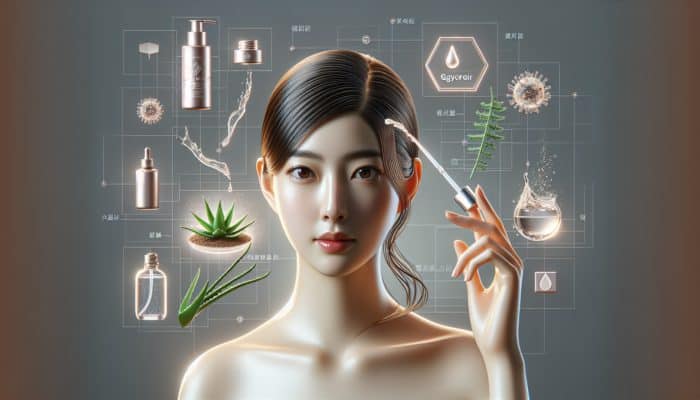
    Woman applying lightweight serum with glycerin and aloe vera to smooth flyaways, achieving a sleek look.

    Choosing the right products to tackle flyaways is essential for achieving the desired smoothness without compromising hair health. When selecting smoothing products, it is vital to consider your specific hair type. For fine hair, lightweight serums or oils are ideal, as they provide necessary moisture without weighing the hair down. Formulations containing humectants, such as glycerin or aloe vera, effectively lock in moisture while reducing static, a primary contributor to flyaways.

    For individuals with thicker hair types, heavier oils or creams may be more effective, as they provide extra moisture and control. Ingredients like argan oil or shea butter can help tame unruly strands while simultaneously enhancing overall hair texture and shine. It is crucial to apply these products sparingly, as excessive application can lead to greasiness or buildup that detracts from the hair’s overall appearance.

    Additionally, frizz-control sprays or leave-in conditioners can significantly improve the situation, providing a protective layer against environmental factors that contribute to flyaways. Seek out products that advertise humidity resistance, as these are specifically formulated to combat the effects of moisture in the air, ultimately preventing flyaways from developing. Brands frequently offer tailored solutions that cater to specific hair concerns, so experimenting with various options can help you discover the perfect product for your hair type.

    What advanced techniques can be utilized for long-lasting flyaway management?

    For those in pursuit of long-term solutions to effectively manage flyaways, incorporating advanced techniques into hair care routines can prove beneficial. One recommended approach is to utilize heat styling tools in conjunction with protective sprays. When using tools like straighteners or curling irons, applying a heat protectant is essential, as it creates a barrier against damage caused by high temperatures. This practice not only helps combat flyaways but also enhances the overall texture and health of the hair over time.

    Another advanced technique involves opting for layered haircuts. By incorporating layers, hair can appear more voluminous while simultaneously reducing the chances of flyaways. Layered cuts allow for improved movement and can prevent hair from becoming weighed down. Regular visits to a stylist for trims also contribute to maintaining hair health, as split ends can exacerbate frizziness and flyaway issues.

    Establishing a consistent deep conditioning routine is equally vital. Regularly treating hair to hydrating masks or treatments can significantly improve its moisture retention capabilities, which is key in preventing flyaways. Furthermore, shielding hair from environmental stressors, such as sun exposure or pollution, can be accomplished through the use of UV protectants or hats, ensuring that hair remains smooth and healthy in diverse settings.

    How can you effortlessly tame flyaways?

    What fundamental steps should beginners implement?

    For those new to the process of taming flyaways, establishing a straightforward routine can simplify the task considerably. Start with clean, damp hair, as this is the optimal state for product application. After washing, gently towel-dry to remove excess moisture without creating friction that can lead to more flyaways.

    The next step involves selecting an appropriate product, such as a lightweight serum or leave-in conditioner. Apply a small amount to your palms, then run your hands through your hair, concentrating on the ends where flyaways tend to be most prominent. This technique ensures even product distribution while avoiding an overly greasy look.

    Utilizing a wide-tooth comb to gently detangle hair is advisable. This reduces the risk of breakage and further aggravation of flyaway strands. Once detangled, style your hair as desired, opting for styles that naturally hold hair in place, such as braids or loose buns.

    Incorporating these fundamental steps into a daily routine can create a seamless flow that minimizes the appearance of flyaways. Over time, this will help reinforce healthy hair practices, making the management of flyaways second nature and less of a hassle in daily grooming.

    Which products are most effective in smoothing flyaways?

    When it comes to effectively reducing flyaways, the right products can significantly enhance the outcome. Lightweight serums are often regarded as the go-to solution for many, as they provide smoothing benefits without weighing the hair down. Look for serums containing silicones, which form a protective barrier to seal in moisture and reduce static. Products featuring argan oil or jojoba oil can also deliver nourishment while combating frizz.

    Another highly effective option is anti-frizz sprays. These sprays are specifically formulated to address flyaways and frequently contain ingredients that offer humidity resistance. Products infused with natural extracts, such as coconut or aloe vera, not only smooth hair but also contribute to overall health and shine.

    Leave-in conditioners also serve as an excellent choice, providing extra hydration and making hair more manageable. When selecting leave-in products, opt for those that cater to your specific hair type—whether fine, thick, or curly—to achieve optimal results.

    In addition to these products, consider incorporating a lightweight mousse. Mousse can add volume and texture, ensuring that hair remains styled throughout the day while effectively keeping flyaways at bay. By integrating a combination of these products based on personal preferences and hair type, individuals can achieve better outcomes, making maintenance effortless.

    What daily maintenance routines are effective for managing flyaways?

    Establishing a daily maintenance routine is essential for minimizing flyaways. One effective practice is the use of hydrating sprays throughout the day. A quick spritz can refresh your hair and combat noticeable flyaways that may arise due to environmental conditions. These sprays are particularly advantageous when transitioning from indoors to outdoors, where changes in humidity can exacerbate flyaway issues.

    In addition to hydrating sprays, utilizing a silk or satin pillowcase can considerably aid in managing flyaways during sleep. These materials create less friction than cotton, resulting in reduced breakage and frizz. It is also advisable to wrap or loosely tie hair at night to further prevent tangling and damage, keeping hair smooth and manageable.

    Incorporating regular touch-ups with your chosen products is another crucial aspect of daily maintenance. Depending on your hair type and the products used, you may need to reapply serums or oils during the day for optimal control. This consistency not only helps maintain smoothness but also reinforces the habit of caring for your hair daily.

    Lastly, consider scheduling regular appointments for professional treatments, such as deep conditioning or keratin smoothing treatments, to help maintain the overall health of your hair and diminish the occurrence of flyaways. By weaving these practices into daily routines, individuals can enjoy a consistently polished appearance without excessive effort.

    What expert insights can facilitate effortless flyaway smoothing?

    How do professionals effectively manage flyaways?

    Professionals often employ specific methods they rely on to achieve seamless results when addressing flyaways. One of the first steps they recommend is to ensure that hair is in optimal condition before styling. This includes using a nourishing shampoo and conditioner to hydrate and prepare the hair adequately.

    When it comes to styling, experts suggest utilizing a combination of tools and products. For instance, stylists often use a round brush while blow-drying hair to create smoothness and volume. This technique facilitates better control over flyaways, as the heat helps to set the style while the brush smooths the strands simultaneously.

    Using a high-quality flat iron can also be an effective strategy for taming flyaways. Professionals typically advise using a heat protectant prior to applying heat to ensure that the hair remains healthy while achieving a sleek finish. After straightening, a light serum or finishing spray can be applied to lock in smoothness and shine.

    Moreover, many stylists advocate for the use of a finishing cream or wax for the final touches. These products can be applied sparingly to address any stubborn flyaways without the risk of creating an overly greasy look. By following these professional techniques, individuals can achieve smooth hair with minimal effort while enhancing the overall finish of their style.

    What advanced product recommendations should be considered?

    For optimal control of flyaways, experts recommend specific product formulations that cater to various hair types and concerns. For fine hair, lightweight smoothing serums containing silicones can be particularly effective. Brands such as Moroccanoil or Ouai offer options that provide hydration without weighing hair down, ensuring that flyaways are tamed while maintaining volume.

    For those with thicker or coarser hair, a heavier cream or oil, such as SheaMoisture’s Coconut & Hibiscus Curl Enhancing Smoothie, can offer the needed moisture and control. These products work to not only smooth flyaways but also enhance curl definition and overall texture.

    Additionally, products like Living Proof’s No Frizz line are praised for their ability to combat humidity, making them an excellent choice for individuals living in areas with unpredictable weather. These advanced formulations create a barrier against environmental stressors, providing long-lasting smoothness.

    For more comprehensive care, incorporating treatments like Olaplex’s No. 3 Hair Perfector can drastically improve hair health and resilience against flyaways. Regular use can lead to significant improvements in texture and manageability, ensuring that hair remains effortlessly smooth over time. By integrating these expert-recommended products into their routines, individuals can achieve salon-quality results at home.

    What long-term strategies are effective for achieving success in smoothing flyaways?

    Sustained habits are essential for maintaining smooth hair and preventing the resurgence of flyaways. One key strategy that specialists recommend is consistent hydration. Regularly using deep conditioning treatments or hydrating masks can significantly enhance the moisture retention capabilities of hair. This is particularly vital for those with dry, brittle hair that is prone to flyaways.

    Additionally, experts advocate for regular trims every six to eight weeks. This practice helps eliminate split ends that can exacerbate frizz and flyaways. Keeping hair healthy through trims not only prevents breakage but also maintains the overall appearance of the hair.

    Introducing a balanced diet rich in vitamins and minerals can also play a pivotal role in promoting hair health. Nutrients such as biotin, omega-3 fatty acids, and vitamins A, C, and E support strong, smooth hair. Drinking plenty of water is equally important, as hydration impacts overall hair condition.

    Furthermore, adapting hair care routines to suit seasonal changes is crucial. For instance, during winter, incorporating heavier oils or creams can counter the drying effects of indoor heating. Conversely, summer may require lighter products to avoid buildup from heat and humidity. By implementing these tailored strategies, individuals can maintain effortless smoothness and ensure their hair remains vibrant and manageable throughout the year.

    What tools are indispensable for smoothing flyaways?

    Why is the choice of specific brushes crucial for flyaway management?

    The selection of brushes plays a significant role in reducing static and effectively managing flyaways. A high-quality brush, particularly those with natural bristles, can help distribute natural oils from the scalp down through the hair, promoting a smoother appearance. Brushes with boar bristles are particularly effective, as they can gently smooth hair without causing breakage.

    When selecting a brush, it is important to consider the hair type. For fine hair, a paddle brush can offer gentle detangling without adding static. Conversely, those with thicker hair may benefit from a wide-tooth comb or a detangling brush designed to glide through knots without causing damage.

    Moreover, using a brush with anti-static technology can further reduce frizz. Many brands now offer brushes with silicone bristles that help to lessen static electricity, ensuring that hair remains smooth and manageable. This selection process is crucial for simplifying styling and minimizing flyaways, making hair care routines more straightforward for everyday use.

    How to select effective styling aids for controlling flyaways?

    Choosing the right styling aids is essential for effectively managing flyaways. Various tools and products are available that can help control frizz and maintain smoothness. For example, diffusers are fantastic for individuals with curly or wavy hair, as they help to disperse heat evenly while enhancing natural texture without causing frizz.

    Additionally, selecting styling aids that cater to specific hair needs can yield better results. For those experiencing excessive flyaways, lightweight finishing sprays designed to combat humidity can be invaluable. These products create a protective layer around the hair, keeping flyaways at bay.

    When selecting tools, consider those that promote healthy styling techniques, such as heat protectant sprays and silicone-based serums. These products not only help manage flyaways but also safeguard hair from damage. Ultimately, choosing the right styling aids based on hair type and desired outcomes leads to better results and a more enjoyable styling experience.

    What alternatives are available for those with sensitive hair types?

    For individuals with sensitive hair or scalp, opting for gentler options for smoothing flyaways is paramount. Here are some key advantages of this approach:

    • Reduced irritation: Gentle products prevent scalp irritation, which can worsen flyaway issues.
    • Minimized damage: Softer styling tools, such as wide-tooth combs, help to reduce breakage and protect fragile strands.
    • Natural ingredients: Products with natural ingredients are less likely to cause adverse reactions while providing effective smoothing.
    • Hydration focus: Gentle conditioners and treatments keep hair moisturized, reducing the likelihood of flyaways caused by dryness.
    • Ease of use: Simplified routines with minimal products can prevent overwhelm for those with sensitive hair.
    • Long-term health: Prioritizing gentle care leads to better overall health, making hair less prone to flyaway issues.

    By choosing alternatives that focus on sensitivity, individuals can enjoy healthier hair while effectively managing flyaways.

    What research-backed advantages come from effortlessly smoothing flyaways?

    What improvements can be observed in hair health?

    Implementing proper smoothing techniques can lead to significant enhancements in hair health. Research indicates that reducing flyaways through effective practices can minimize breakage, a primary cause of unhealthy hair. For example, consistent use of hydrating products has been shown to enhance the moisture content of hair, resulting in a shinier appearance and increased manageability.

    Real-life examples emphasize how individuals who adopt these techniques report a noticeable reduction in frizz and an increase in shine. By focusing on moisture retention and the use of protective products, the overall texture of hair improves, resulting in a healthier look. Furthermore, studies show that regular deep conditioning treatments can enhance hair strength and elasticity, preventing damage and promoting lasting smoothness.

    Consequently, individuals can enjoy not just aesthetic benefits but also improved hair health through a committed smoothing routine.

    How does smoothing flyaways influence styling longevity?

    Evidence suggests that effectively smoothing hair can prolong the lifespan of styles. Research in hair care demonstrates that implementing smoothing techniques leads to reduced frizz and a more polished look, which means styles hold better throughout the day. Utilizing the right products, such as smoothing serums or anti-frizz sprays, plays a crucial role in maintaining hair’s sleek appearance even in less-than-ideal weather conditions.

    Trusted strategies from professionals indicate that those who consistently engage in smoothing practices can enjoy longer-lasting styles without the need for continuous touch-ups. This not only saves time but also enhances the overall styling experience, allowing individuals to feel confident in their hair for extended periods.

    By prioritizing these methods, individuals can achieve neat, controlled styles that endure in various environments, making the effort of smoothing flyaways worthwhile.

    How does smoothing flyaways enhance confidence?

    Smoothing flyaways can greatly affect personal confidence. When hair appears polished and well-maintained, individuals often report feeling more self-assured in their appearance. Psychological studies indicate that an individual’s perception of their hair is directly linked to their self-esteem.

    Smoothing flyaways results in a finished look that reflects attention to personal grooming, enhancing one’s overall disposition in both social and professional settings. Consistent routines that yield visible results can foster a positive self-image, empowering individuals to engage more freely and confidently with others.

    Experts agree that the psychological benefits of maintaining smooth hair extend beyond aesthetics, contributing to a greater sense of self-worth. This interplay between appearance and confidence underscores the importance of establishing effective hair care routines focused on smoothing flyaways.

    Why is effortless smoothing essential in hair care?

    What role does effortless smoothing play in daily grooming routines?

    Incorporating effortless smoothing techniques into daily hair care routines plays a critical role in simplifying personal grooming. By minimizing the time and effort required to manage flyaways, individuals can streamline their daily rituals, facilitating a more efficient morning routine.

    Effortless smoothing ensures that hair looks polished with minimal intervention, particularly benefiting those with busy lifestyles. This key aspect of hair care not only saves time but also promotes a sense of control over one’s appearance, making it an essential component of daily grooming habits.

    Moreover, establishing a routine that prioritizes effortless smoothing contributes to the overall health of hair. Consistent practices lead to improved moisture retention and better texture, ultimately reinforcing positive hair care behaviors over time.

    How can common mistakes be avoided for better flyaway management?

    Avoiding common mistakes is crucial for maintaining smooth hair and preventing the return of flyaways. One prevalent error is the overuse of products, which can lead to buildup and worsen flyaway issues. Recognizing this mistake is vital for adopting more effective practices.

    Another common misstep is neglecting to adjust hair care routines according to seasonal changes. For example, failing to switch to heavier creams during winter can result in dry, frizzy hair. Adapting techniques to suit current conditions ensures lasting results and reduces the need for frequent interventions.

    Furthermore, improper brushing techniques can contribute to the formation of flyaways. It’s important to use the right tools and gentle methods to avoid causing damage to hair. By being aware of these pitfalls and making necessary adjustments, individuals can enjoy smoother, healthier hair with minimal effort.

    What advantages do smoothing techniques offer for various hair types?

    Effortless smoothing methods can be tailored to suit different hair types, ensuring that everyone can achieve smooth hair without complications. For fine hair, lightweight serums and oils work best, as they provide moisture without weighing hair down.

    For thick or coarse hair, using heavier creams or oils can effectively manage flyaways. Additionally, individuals with curly hair can benefit from using leave-in conditioners and styling creams that enhance curl definition while combating frizz.

    Moreover, these methods can be customized to address specific concerns, such as humidity control or hydration. By adapting effortless smoothing techniques to suit individual hair types, everyone can enjoy the benefits of smooth, manageable hair, enhancing overall satisfaction and confidence.

    What maintenance tips are essential for achieving smooth hair?

    How frequently should you reapply products for managing flyaways?

    Regular reapplication of smoothing products can significantly enhance the management of flyaways throughout the day. Depending on the product’s longevity and environmental conditions, touch-ups may be necessary every few hours.

    For instance, if using a lightweight serum, consider reapplying it when your hair feels dry or if static arises. This timing strategy helps maintain smoothness and shine, preventing unexpected frizz that can develop during the day.

    In humid conditions, it may be beneficial to apply anti-frizz sprays or hydrating mists to counteract increased moisture in the air. By adopting a mindful approach to product reapplication, individuals can enjoy controlled, smooth hair from morning to night.

    What natural remedies can be utilized for smoothing flyaways?

    For those interested in gentle, home-based solutions, various natural remedies can provide effective smoothing benefits. Oils like coconut or olive oil can be applied to the ends of the hair to deliver hydration and shine, combating dryness that leads to flyaways.

    Additionally, aloe vera gel can serve as a lightweight styling aid, offering moisture without heaviness. Simply apply a small amount to targeted areas to tame frizz and enhance overall smoothness.

    Another option is to create a DIY leave-in conditioner by mixing equal parts water and conditioner in a spray bottle. This solution can be lightly spritzed throughout the day to refresh and hydrate hair, helping to maintain smoothness naturally.

    By experimenting with these natural remedies, individuals can discover effective, accessible options for ongoing hair care that align with their personal preferences.

    How can seasonal adjustments contribute to consistent smoothness?

    Adapting hair care techniques to align with seasonal changes is crucial for maintaining consistently smooth hair. Here are some key benefits of this approach:

    • Enhanced moisture retention: Adjusting to heavier creams in winter can tackle dryness caused by indoor heating.
    • Humidity control: Switching to lightweight products during summer helps prevent buildup and frizz from humidity.
    • Protection from environmental factors: Incorporating UV protectants during summer months shields hair from sun damage.
    • Reduced static: Using anti-static sprays in colder months can help manage flyaways caused by dry air.
    • Customized solutions: Tailoring routines allows for addressing specific issues that arise with each season, ensuring healthy hair year-round.

    By making these seasonal adjustments, individuals can keep hair smooth and manageable with minimal effort, maintaining their desired look throughout the year.

    What are the proper brushing techniques for maintaining smooth hair?

    Implementing proper brushing techniques is fundamental for maintaining smooth hair. Using the right tools, such as a wide-tooth comb or a boar bristle brush, can significantly minimize breakage and tangles.

    When brushing, it’s advisable to start from the ends and gradually work your way up to the roots. This method prevents pulling and reduces the risk of damage. Additionally, brushing hair when it is slightly damp can help prevent static, leading to a smoother finish.

    Incorporating gentle strokes and avoiding aggressive pulling can help maintain hair health over time. By selecting appropriate brushes and adopting these gentle techniques, individuals can ensure long-term smoothness and health, making daily care straightforward and effective.

    How to effectively manage hydration and moisture?

    Balancing hydration levels is essential for maintaining smooth hair. Utilizing hydrating products, such as conditioners and serums, helps lock in moisture and prevent frizz. It is crucial to select products that align with your hair type to achieve optimal results.

    Incorporating regular hydration treatments into your routine can also significantly improve the overall health of your hair. Look for masks or treatments focused on moisture retention and containing rich nourishing ingredients.

    Additionally, adjusting routines based on hair type can further promote smoothness. For instance, fine hair may require lighter formulations, while thicker hair benefits from more intensive moisturizing products. By prioritizing hydration and moisture management, individuals can enjoy a glossy finish and support overall hair health through consistent application.

    What frequently asked questions pertain to flyaways?

    What are flyaways, specifically?

    Flyaways denote small, unruly strands of hair that stick out from the rest, often caused by dryness, static, or humidity.

    How can I effectively thwart flyaways?

    Preventing flyaways involves maintaining well-moisturized hair, avoiding heat damage, and using products tailored to your specific hair type.

    Which products are the most effective for smoothing flyaways?

    Lightweight serums, anti-frizz sprays, and hydrating leave-in conditioners are highly regarded options for managing flyaways.

    How often should I apply smoothing products?

    Reapply smoothing products as necessary, typically every few hours, especially in humid conditions, to maintain smoothness throughout the day.

    Can natural remedies effectively assist with flyaways?

    Yes, natural remedies such as coconut oil, aloe vera, and homemade leave-in conditioners can effectively tame flyaways.

    Which hair types are most susceptible to flyaways?

    All hair types can experience flyaways, but those with fine, dry, or damaged hair may be more prone to this issue.

    How can I manage flyaways during winter?

    In winter, it is advantageous to use heavier creams and hydrating sprays to combat dryness caused by indoor heating and cold air.

    Are there specific brushes that can help with managing flyaways?

    Yes, using brushes with natural bristles, like boar bristle brushes, can aid in distributing oils and effectively smoothing flyaways.

    How does humidity influence the formation of flyaways?

    Humidity can lead to hair swelling and frizz, making flyaways more noticeable; therefore, using anti-frizz products can be particularly effective during humid conditions.

    What should I avoid to reduce flyaway issues?

    Avoid over-washing your hair, using harsh chemicals, and applying excessive amounts of product, as these actions can worsen flyaway problems.

    Connect with us on Facebook!

    The Article: Smoothing Flyaways Effortlessly: Tips for Perfect Hair appeared first on Amitys Hair Salon.

    The Article Effortlessly Smoothing Flyaways for Perfect Hair Was Found On https://limitsofstrategy.com
  • Barber Vocabulary Basics: Key Concepts and Tips Explained

    Barber Vocabulary Basics: Key Concepts and Tips Explained

    Unlocking the Secrets of Barber Terminology for Career Advancement

    What essential vocabulary should every aspiring barber master for career growth?

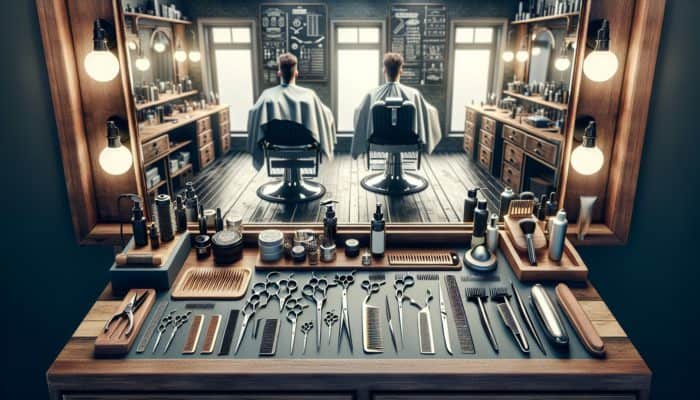
    Developing Barber Vocabulary Basics: Interior of a barber shop with clippers, shears, razors on a workbench, mirrors reflecting a client getting a fade haircut.

    Grasping barbering terminology is a vital component for effective communication and the successful execution of precise techniques in the profession. Fundamental terms such as fade, clipper, shear, and razor are indispensable, representing the essential methods and tools every barber should become adept in. Mastering this foundational vocabulary enables aspiring barbers to navigate their careers with confidence and clarity, ensuring effective communication with clients and colleagues alike.

    With a firm understanding of this essential vocabulary, barbers can clearly explain their services to clients, accurately identify tools during consultations, and seamlessly apply their techniques. This foundational knowledge lays the groundwork for a successful career in barbering, fostering effective communication and setting the stage for professional advancement and growth.

    What are the vital elements that comprise barber language?

    Barber language is rich with terms that vividly capture the essence of the profession and its diverse practices. Key elements include various styles of haircuts, such as undercuts and buzz cuts, alongside styles like pompadours and quiffs. These terms serve as more than mere jargon; they create a shared language that enables barbers to effectively communicate techniques and styles.

    For those new to the craft, grasping these definitions and their practical applications is of utmost importance. This foundational knowledge simplifies the learning process and builds confidence during client interactions. When barbers master basic terminology, they streamline their learning curve, enhancing their professional credibility and paving the way for a rewarding career.

    How do foundational barber terms connect and interact in practice?

    Integrating barber vocabulary into daily tasks is essential for nurturing practical skills. Terms such as blend and texture are interconnected, directly relating to specific hair cutting and styling techniques. Understanding how to effectively apply these terms in context significantly enriches an aspiring barber’s grasp of their craft.

    As barbers accumulate experience, they will discover that using the correct terminology during each haircut or shave markedly boosts their confidence and efficiency. This synergy between language and action reinforces learning, allowing barbers to articulate their methods clearly while refining their skills and techniques in the art of barbering.

    How has the language of barbering evolved throughout history?

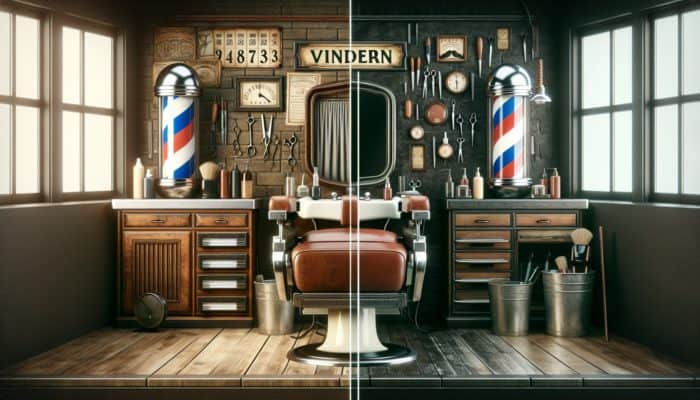
    A vintage barber shop with a classic pole next to a modern station, showing barbering evolution.

    The terminology of barbering has undergone significant evolution, mirroring changes in fashion, culture, and techniques. Historical terms frequently transform into modern counterparts as new styles gain popularity and client preferences evolve. For example, while the term “barber pole” has remained consistent, its design and significance have varied over the decades, adapting to contemporary tastes.

    By understanding this evolution, learners gain valuable insights that allow them to appreciate the roots of current practices and the myriad influences shaping modern barbering. Recognizing these shifts empowers professionals to remain relevant and well-informed, equipping them with terminology that resonates with today’s trends while honoring the rich history of their craft.

    Strategies for Continuously Expanding Your Barber Vocabulary for Professional Growth

    What initial steps should you take to expand your barber vocabulary?

    To effectively expand your barber vocabulary, begin by mastering the fundamentals. Start with simple, common terms you frequently encounter in the shop. As you gain confidence, gradually incorporate more complex vocabulary, cultivating a natural fluency that enhances your ability to remember new words.

    Implementing daily practice methods, such as engaging in discussions with colleagues, reading barbering literature, or utilizing mobile language-learning applications, can significantly boost your vocabulary. By integrating these strategies into your daily routine, you ensure steady skill development and establish a solid foundation for ongoing mastery in the field of barbering.

    What common obstacles do beginners face when learning barber vocabulary?

    A novice barber, confused by hair clippings, struggles to differentiate 'taper' and 'fade' haircuts amidst overwhelming barber terms.

    Learning barber vocabulary can present several challenges. Common obstacles include difficulties with retention, confusion over synonyms, and the struggle to distinguish between similar terms. For instance, differentiating between taper and fade can be particularly challenging for newcomers to the industry.

    • Retention problems often arise due to insufficient practical application, making it hard to internalize terms.
    • Confusion with synonyms complicates the recall of specific terminology in relevant contexts.
    • Being overwhelmed by the introduction of too many new terms at once can lead to frustration and disengagement.
    • Failing to integrate vocabulary into daily practice limits overall comprehension and confidence.

    To overcome these challenges, focus on repetitive practice, utilize flashcards for effective memorization, and actively incorporate new vocabulary into your service offerings. This proactive approach will make the learning experience more tangible and enjoyable, ultimately enhancing both your confidence and proficiency in the barbering profession.

    How can you effectively assess your progress in developing barber vocabulary?

    Monitoring your improvement in barber vocabulary is crucial for ongoing growth. One effective method involves repetition and practical application; consistently using newly acquired terms in real-life situations reinforces memory retention and understanding.

    Utilizing self-assessment tools, such as quizzes or engaging in discussions with peers, can provide valuable insights into your progress. Regularly reviewing and practicing terms will help your vocabulary expand systematically, equipping you with the linguistic skills necessary to excel in a professional barbering environment.

    How do cultural trends shape the evolution of barber terminology?

    Cultural shifts continuously impact barber vocabulary, introducing new terms while phasing out outdated ones. For example, the rise of the hipster movement has ignited renewed interest in vintage styles, leading to the adoption of terms like pompadour and beard oil.

    Barbers must remain attuned to these societal changes to adapt their language and service offerings accordingly. This dynamic awareness not only enriches your vocabulary but also positions you as a contemporary professional aligned with your clients’ preferences and current trends.

    Expert Tips for Mastering the Basics of Barber Vocabulary

    How can you effectively utilize barber terminology in professional settings?

    Effectively applying barber vocabulary in professional contexts enhances your confidence and precision in your practice. Start by introducing relevant terms during client consultations, clearly explaining the services you provide. This practice not only builds rapport but also establishes you as a knowledgeable authority in your field.

    For instance, articulating the details of what a fade or texture entails during a consultation helps clients understand what to expect, fostering their engagement in the process. Regularly incorporating these terms into discussions about style choices will further cement your understanding and comfort with the vocabulary, leading to improved overall service delivery.

    What is the significance of applying barber terms in your daily routine?

    Integrating barber terminology into your daily routine is essential for achieving proficiency and confidence in your skills. Consistent use of vocabulary during services—including cutting, styling, or shaving—not only enhances your skill level but also increases your adaptability in diverse scenarios.

    For example, mentioning the clipper-over-comb technique while performing a haircut clarifies your method to the client and provides insight into your approach. Regularly using these terms in everyday tasks makes them second nature, allowing you to focus more on the artistry inherent in barbering.

    How can effective vocabulary improve your client interactions?

    A solid grasp of essential barber vocabulary significantly enhances communication, leading to increased engagement and satisfaction among clients. When you utilize terms that clients understand, you create a more comfortable environment that fosters trust and strong relationships. For instance, clearly explaining what a taper entails helps clients visualize the expected outcome of their haircut.

    • Increased client satisfaction results from clear, informative explanations of services.
    • Enhanced trust develops as clients appreciate working with knowledgeable professionals.
    • Better management of client expectations leads to improved outcomes and experiences.
    • Stronger connections foster repeat business and valuable referrals, contributing to your success.

    By effectively utilizing basic vocabulary, barbers can transform their interactions, fostering meaningful relationships and establishing a loyal clientele.

    What strategies can you employ to enhance your barber vocabulary through practice?

    Implementing effective strategies to broaden your barber vocabulary includes engaging in daily practice exercises that reinforce your learning. Techniques such as using flashcards to display terms along with their definitions can be incredibly beneficial for memorization and retention.

    Additionally, role-playing various scenarios with colleagues can simulate real-life interactions, solidifying your understanding and improving fluency. Engaging in conversations about styles, products, and techniques will further enhance your proficiency, ensuring that your vocabulary is comprehensive and applicable across various contexts in your barbering practice.

    Research-Backed Benefits of Mastering Barber Vocabulary Fundamentals

    What Effective Strategies Can Help You Master Core Vocabulary?

    How Can You Apply Barber Vocabulary in Your Daily Activities for Success?

    Frequently Asked Questions

    What essential barbering terms should I be familiar with to succeed?

    Core barbering terms include fade, clipper, and shear. Familiarity with these foundational concepts enhances communication and ensures effective service delivery, paving the way for your success in the industry.

    How can I effectively broaden my barber vocabulary over time?

    Begin with simple terms and gradually introduce more complex vocabulary as you grow more comfortable. Consistent daily practice, engaging in conversations with peers, and utilizing language learning applications can significantly enhance your vocabulary over time.

    What common challenges do beginners encounter when learning barber vocabulary?

    Common obstacles include issues with retention, confusion over synonyms, and feeling overwhelmed by the volume of new terms introduced. Strategies such as repetitive practice and using flashcards can help you overcome these hurdles effectively.

    How can I measure my progress in vocabulary development effectively?

    Track your improvement by employing self-assessment tools like quizzes and by consistently using new terms in real-life scenarios to reinforce your understanding and retention.

    How does cultural influence shape barber terminology and practices?

    Cultural trends impact barber vocabulary by introducing new terms while phasing out outdated ones. Staying aware of societal changes helps barbers remain relevant and connected to their clientele, ensuring they meet the evolving expectations of their clients.

    Why is it essential to utilize barber vocabulary during client interactions?

    Using precise vocabulary enhances communication and builds trust with clients, leading to higher satisfaction, better service experiences, and long-term loyalty.

    What daily practices can aid in vocabulary retention and mastery?

    Engaging in role-playing scenarios, employing flashcards, and incorporating terms into everyday conversations will solidify your understanding, enhance fluency, and equip you with the necessary vocabulary for success.

    How can I implement barber vocabulary effectively in professional environments for better service?

    Introduce relevant terminology during client consultations, clearly explain services, and consistently incorporate vocabulary in your daily tasks to boost confidence, professionalism, and client satisfaction.

    What advantages arise from mastering barber vocabulary for your career?

    Mastering vocabulary improves client communication, enhances professionalism, builds trust, and establishes you as an authoritative figure within the barbering industry, ultimately contributing to your long-term success.

    What resources can assist me in learning barber vocabulary effectively?

    Utilize books, online courses, mobile applications, and instructional videos from industry experts to significantly enhance your understanding of barber terminology and practices.

    Connect with us on Facebook today!

    The Article: Developing Barber Vocabulary Basics: Key Concepts and Tips appeared first on Amitys Hair Salon.

    The Article Barber Vocabulary Basics: Essential Tips and Concepts Was Found On https://limitsofstrategy.com
  • Coiled Curls: Easy Styling Tips for Trendy Looks

    Coiled Curls: Easy Styling Tips for Trendy Looks

    Key Ingredients for Achieving Gorgeous Coiled Curls

    What essential products do you need for perfect coiled curls?

    Creating Coiled Curls for Cool: Woman with thick hair using wide-barrel curling iron and strong-hold mousse for perfect coiled curls.

    To create stunning coiled curls, selecting the right tools and products tailored for your specific hair type is essential. A high-quality curling iron or premium heated rollers, ideally with adjustable heat settings, are crucial for achieving well-defined curls that maintain their shape throughout the day. Utilizing products like a heat protectant spray, curl-enhancing mousse, or styling cream can dramatically improve the visual appeal of your curls. For instance, individuals with thick hair often find that a wide barrel curling iron paired with a strong-hold mousse yields the best results, while those with finer hair may benefit from a smaller barrel iron combined with a lightweight styling cream. Moreover, employing organizational techniques like sectioning your hair and using clips can enhance the polished and professional appearance of your curls.

    What critical steps must you take to initiate the curling process?

    Before you begin the curling process, ensuring proper preparation is vital for achieving the best results. Start by thoroughly washing and conditioning your hair, with a focus on moisture retention to combat frizz effectively. After cleansing, evenly distribute a heat protectant throughout damp hair, making sure that each section is adequately covered. Allow your hair to air-dry naturally, or if preferred, use a blow dryer fitted with a diffuser on a low heat setting for optimal results. Divide your hair into manageable sections, securing them with clips, starting from the lower sections and working your way up to avoid tangles. This straightforward method guarantees that your curls cool down properly and remain well-defined, helping you avoid complications during the styling process.

    What essential techniques should you master for flawless curls?

    To become proficient in creating beautiful coiled curls, it is important to learn various techniques that effectively enhance both volume and definition. Here are some vital methods you should consider incorporating into your hair routine:

    • Twisting: Twisting sections of hair before curling can add delightful texture and bounce, enhancing your overall hairstyle.
    • Wrapping: Rather than clamping your hair, wrap it around the barrel to achieve softer, more natural-looking curls that flow beautifully.
    • Pinning: Pinning curls in place immediately after curling helps set their shape and minimize frizz, ensuring they last longer.
    • Alternating directions: Curling in alternating directions creates a more dynamic and effortlessly chic hairstyle that adds visual interest.
    • Using product: Before curling, apply a curl-enhancing product to ensure added definition and longevity, making your curls truly stand out.
    • Cool setting: Allow curls to cool in their formed shape to preserve their definition and bounce, ensuring a lasting finish.

    By incorporating these techniques into your hair routine, you will guarantee that your curls exhibit remarkable volume while maintaining their shape and shine throughout various activities.

    What frequent mistakes should you avoid when creating coiled curls?

    Woman using curling iron at low temperature and applying curl cream for even, resilient, salon-quality coiled curls.

    When creating coiled curls, it’s easy to fall into common traps that can undermine your desired outcome. One significant mistake is using excessive heat, which can cause irreversible damage and unwelcome frizz. To prevent this, always apply a heat protectant and select the lowest effective temperature suitable for your specific hair type. Another common error involves insufficient product application; using too little can lead to lackluster curls, while overapplication can weigh your hair down excessively. Strive to find the ideal balance of curl cream or mousse that complements your hair’s unique texture. Additionally, pay attention to your curling technique; improper wrapping can result in uneven curls or unwanted kinks. By prioritizing hair health and employing the correct methods, you can effortlessly achieve resilient, salon-quality curls.

    Professional Tips for Perfecting Your Coiled Curls

    What advanced techniques can enhance your curling skills?

    To elevate your curling skills beyond the basics, consider adopting advanced techniques that manipulate texture and volume for a more polished finish. One innovative method involves using a flat iron to create curls; by clamping the hair and twisting the iron 180 degrees, you can achieve tighter, more defined coils that exude style. Another expert technique is utilizing a curling wand without a clamp, which provides greater control and allows you to vary curl tightness based on your preference. Furthermore, experimenting with different styling products, such as a curl-defining gel, can offer additional hold and definition, enhancing the overall appearance of your curls. Adjusting the size of the hair sections you curl can also significantly influence your final look; smaller sections yield tighter, more defined curls, while larger sections create loose, beachy waves. These advanced techniques not only refine your styling but also add sophistication to your overall appearance.

    How can you ensure that curls maintain their shape throughout the day?

    Vivid curls styled with hairspray and mousse, cooling to retain shape, protected from humidity.

    To maintain the shape of your curly hairstyles throughout the day, you need to employ a combination of effective techniques and appropriate product usage. The longevity of your curls is greatly affected by the type of styling products you choose; selecting a strong-hold hairspray or a high-quality curl-defining mousse can significantly enhance curl retention. Allowing curls to cool in their formed shape before manipulation is also critical; this creates a memory effect that helps maintain their twist and definition all day long. Furthermore, consider environmental factors; humid conditions can make curls lose their shape, so using anti-humidity sprays can be particularly advantageous. Experimenting with techniques like pinning curls in place as they cool can further prolong their longevity, ensuring your coiled curls stay vibrant and intact for longer.

    What professional strategies can boost the durability of your curls?

    Extending the lifespan of your coiled curls relies heavily on consistent maintenance and strategic styling practices. A highly effective method involves using a silk or satin pillowcase during sleep; these materials reduce friction and help prevent frizz. For daytime care, lightly misting your curls with a curl-refreshing spray can help revive and redefine them without the need for re-curling. Additionally, consider adopting protective hairstyles, such as loose braids or buns, during sleep to prevent tangling and safeguard your styling efforts. Regular trims are also essential for eliminating split ends, which can compromise the integrity of your curls. By implementing these practical strategies, you can ensure that your coiled curls remain fresh, resilient, and exude effortless charm and style day after day.

    How can you achieve stunning coiled curls?

    What preparation steps are crucial for optimal curling?

    To lay the perfect groundwork for coiled curls, start with the right cleansing and conditioning regimen. Focus on utilizing a moisturizing shampoo and a deep conditioner to restore balance and hydration to your hair’s texture. This vital step enhances your hair’s ability to hold a curl by providing essential moisture and preventing dryness. After rinsing, apply a leave-in conditioner to help retain moisture and protect against heat damage. Ensure your hair is slightly damp before you begin curling; this facilitates product absorption and promotes even curl formation. By establishing this foundation, you will not only ensure that your curls form uniformly but also guarantee that they last longer, reducing the need for repeated styling efforts.

    What common challenges may arise when curling hair?

    While curling hair might seem straightforward, various challenges can arise that lead to frustration and unsatisfactory results. Uneven texture is a common issue, often resulting from improper product distribution or inadequate sectioning. To combat this, ensure even application of products and utilize clips to keep sections organized. Another challenge is shape loss, which may occur if curls are not allowed to cool completely in their formed state. It is advisable to pin curls after curling to cool effectively in their shape, ensuring successful setting. Additionally, humidity can cause curls to flatten or become frizzy; using anti-humidity sprays and styling products tailored to your hair type can help mitigate these issues. To assist in troubleshooting, consider these helpful methods:

    • Ensure even application of styling products for consistent results.
    • Pin curls to cool properly and maintain their shape effectively.
    • Use appropriate heat settings tailored to your specific hair type.
    • Invest in styling products that resist humidity and enhance curl longevity.

    Why are coiled curls an excellent styling choice?

    Coiled curls are an incredibly versatile styling option that offers numerous benefits, enhancing both appearance and manageability. A significant advantage of coiled curls is their adaptability; they can be styled for formal occasions or left loose for a more casual and effortless look, making them suitable for any event or setting. Additionally, they require minimal daily upkeep, allowing for efficient styling without sacrificing flair or elegance. Their ability to create texture and volume adds to their appeal, as coiled curls beautifully frame the face and effectively accentuate facial features. To seamlessly incorporate coiled curls into your daily routine, consider investing in high-quality styling products and tools that complement your hair type, ensuring that you can achieve effortless styling every day.

    What research-backed benefits are associated with creating coiled curls?

    What health aspects support coiled styling techniques?

    Creating coiled curls can provide numerous health benefits for your hair, primarily by promoting strength and minimizing damage. The curling process, when executed correctly, encourages the hair cuticle to lie flat, thus enhancing shine and overall texture. Moreover, utilizing protective products during styling helps shield hair from heat, reducing breakage and split ends. Regularly embracing coiled styling can foster healthier hair in the long run by promoting a more mindful approach to hair care. Engaging in routines that prioritize hydration and protection ultimately creates an environment where hair can thrive and flourish beautifully.

    Is coiled curling suitable for all hair textures?

    Coiled curling techniques are versatile and can be adapted to accommodate a wide variety of hair textures, making them accessible for almost everyone. For instance, individuals with straight hair can use heated tools to craft defined coils, while those with naturally curly or coily hair can enhance their curls using suitable products and methods tailored to their hair type. Successfully adapting coiled curls often involves understanding the unique needs of different textures; thicker hair, for instance, may require stronger hold products to maintain curl definition, while finer hair might benefit from lightweight formulas that prevent weighing the hair down. Ultimately, the versatility of coiled curls means that everyone can enjoy this stylish look if they customize the techniques and products to meet their specific hair type.

    What long-term advantages come from incorporating curling into your routine?

    Regularly including curling in your hair care routine offers sustained improvements in appearance and manageability. One significant benefit is enhanced curl definition and resilience; consistently curling your hair helps establish a pattern that simplifies styling over time. Additionally, using high-quality products during the curling process promotes overall hair health, resulting in shinier, more vibrant locks. Establishing a curling routine that combines various techniques also prevents monotony, allowing for greater creativity and personal expression in your styling choices. By prioritizing safe curling practices, you can enjoy lasting style while minimizing potential hair damage.

    What is the science behind coiled curls and hair elasticity?

    The connection between coiled curls and hair elasticity is intricately tied to the molecular structure of the hair itself. Curling hair alters the hydrogen bonds within the strands, ultimately enhancing their elasticity and bounce. When hair is curled, it undergoes a temporary change in its structure, which allows for the formation of coils. Research indicates that employing coiled-curling techniques can improve hair resilience, especially when combined with appropriate care routines. To optimize these effects, consider using products rich in protein or moisture to support the structural integrity of your curls. Tailoring your approach based on both hair length and density can further help you achieve beautifully resilient curls that stand out and capture attention.

    What tools are essential for creating coiled curls?

    What key tools do you require for basic curling?

    To embark on your journey towards perfect coiled curls, it is vital to identify the essential tools that will facilitate the curling process effectively. A quality curling iron or heated rollers serves as the cornerstone of any curling routine; opt for a tool that includes adjustable heat settings to accommodate various hair types and textures. Additionally, a good set of hair clips is indispensable for effective sectioning, allowing you to manage your curls with ease and precision. A heat protectant spray is also crucial, as it shields your hair from damage caused by high temperatures during styling. Investing in a reliable comb or brush can assist in detangling your hair before styling, resulting in a smoother curling experience. By assembling these core items, you will be well-prepared to create consistent, stunning results.

    How can you maintain your curling tools for optimal performance?

    Maintaining your curling tools is essential to ensure optimal performance and longevity. Regular cleaning is critical; accumulated hair products can negatively impact the heating efficiency of curling irons and rollers. To clean your tools, unplug them and wipe down the barrels and surfaces with a damp cloth, ensuring they are free of product buildup. Additionally, routinely check for any damaged cords or frayed wires, as these can pose a safety risk. Proper storage is also important; keep your tools in a safe, dry place, preferably in heat-resistant pouches or cases to prevent accidental damage. By adhering to these upkeep routines, you can prolong the lifespan of your tools and enjoy reliable curling sessions time after time.

    What alternative methods can unleash your creativity in curling?

    For those looking to diversify their curling techniques, alternative methods provide exciting flexibility and creative expression. Fabric wraps, for example, can serve as a no-heat curling method, allowing for unique, personalized styles that reduce heat damage. To utilize this technique, twist sections of damp hair around the fabric and secure it to form curls. Another innovative option is using socks or old t-shirts as curlers: simply roll damp hair around the fabric and tie the ends to secure it. These creative methods not only minimize heat exposure but also offer varied textures and shapes, enabling you to express your individuality and style effortlessly.

    How to Maintain Your Coiled Curls Effectively

    What daily care routines should be followed for optimal curl maintenance?

    Establishing a daily care routine for your coiled curls is essential to promote longevity and preserve their shape. Start with a lightweight curl-refreshing spray that hydrates and revitalizes your curls, effectively combating dryness throughout the day. Protect your curls from environmental stressors by applying a light mist of anti-humidity spray before heading outdoors. Additionally, consider incorporating a weekly deep conditioning treatment to restore moisture and vitality, particularly if you frequently utilize heating tools. Simple habits, such as gently scrunching your curls with your hands to refresh them, can also help maintain their form and prevent flatness. By consistently caring for your curls, you can ensure they remain vibrant, lively, and full of character.

    What are the signs of curl damage, and how can you address them?

    Recognizing signs of curl damage is crucial for maintaining healthy hair. Common indicators include dryness, brittleness, and excessive frizz. When you notice these symptoms, it is essential to act promptly to restore vibrancy to your curls. Begin with a deep conditioning treatment specifically formulated for curly hair, focusing on hydration and nourishment to rejuvenate your locks. Incorporating a leave-in conditioner can also aid in combating dryness and adding moisture. Moreover, be mindful of your styling techniques; avoid excessive heat and consider reducing the frequency of curling to allow your hair time to recover. Regular trims can eliminate split ends, resulting in healthier, more resilient curls. By promptly addressing these issues, you can promote strength and vitality in your coiled curls, ensuring they look their best.

    When is the ideal time to refresh your curl style for optimal appearance?

    Determining when to refresh your curl style is vital for keeping your hair looking its best. Generally, curls benefit from a refresh every few days, depending on your activity level and environmental conditions. If you notice your curls losing shape or appearing flat, it’s a clear indication that it’s time to re-style. Techniques for refreshing include lightly misting with water or a curl-enhancing spray, then scrunching to redefine the shapes and boost volume. Additionally, if curls start to frizz or lose their bounce, consider re-curling sections to restore definition and vibrancy. Tailoring your refresh routine to the wear and tear your curls experience will ensure they remain appealing and full of life, allowing you to showcase your stunning curls with confidence.

    FAQs

    How long do coiled curls typically last, and what influences their longevity?

    Coiled curls can last anywhere from several hours to a few days, depending on hair type, the products used, and maintenance practices. Utilizing the right products and techniques can significantly enhance curl longevity, allowing you to enjoy your beautiful curls for longer periods.

    Can I create coiled curls without using heat, and how?

    Yes, coiled curls can be achieved through no-heat methods such as fabric wraps or socks. These techniques facilitate curl formation while minimizing heat-related damage, providing a safe alternative to traditional curling methods.

    What products are best for effectively maintaining coiled curls?

    Lightweight curl-refreshing sprays, curl creams, and anti-humidity products are excellent choices for maintaining coiled curls. These products help retain moisture, prevent frizz, and define curl shape, ensuring your curls look their best.

    Is it safe to curl hair daily without causing damage?

    Frequent curling can lead to heat damage over time. To protect your hair, consider varying your styling methods and incorporating heat-free techniques into your routine to reduce overall heat exposure.

    How can I effectively prevent frizz in my coiled curls?

    To prevent frizz, use anti-frizz serums or curl creams after styling. Additionally, avoid excessive touching of your curls, as this can disrupt their shape and introduce unwanted frizz.

    Do coiled curls work well for fine hair types?

    Yes, coiled curls can be adapted for fine hair. Using lighter styling products and smaller curling tools can help achieve defined curls without weighing the hair down, making coiled curls a great option for fine textures.

    What is the best method to refresh curls on the second day?

    Refresh curls on the second day by lightly misting with water or a curl-refreshing spray, then scrunching to redefine shapes and enhance volume, allowing your curls to look lively and bouncy.

    How often should I deep condition my curls for optimal health?

    Deep conditioning should be done at least once a week to maintain moisture levels, especially if you regularly use heat on your curls. This practice helps prevent damage and keeps your curls looking vibrant.

    Can coiled curls damage my hair, and how can I prevent this?

    Improper technique or excessive heat application can lead to damage. To safeguard your hair, always use heat protectants and avoid high temperatures when styling to maintain hair health.

    What tools are essential for achieving coiled curls successfully?

    Essential tools include a curling iron or heated rollers, hair clips for sectioning, a heat protectant spray, and a good comb or brush for detangling, ensuring a smooth curling process.

    Connect with us on Facebook for more tips!

    The Article: Creating Coiled Curls for Cool: Easy Styling Tips appeared first on Amitys Hair Salon.

    The Article Coiled Curls: Simple Tips for Cool Styling Was Found On https://limitsofstrategy.com

  • Protecting Hair: Key Tips Against Environmental Stress

    Protecting Hair: Key Tips Against Environmental Stress

    Comprehensive Strategies for Safeguarding Your Hair from Environmental Damage

    What Are the Leading Causes of Environmental Damage to Hair and How Can You Combat Them?

    Shielding Hair From Environmental Stress: Damaged hair strands under microscope showing effects of pollution, UV rays, humidity; contrasted with healthy, protected hair.

    Grasping the effects of environmental stress on your hair is essential for sustaining its health and vitality. Numerous factors contribute to this hair damage, including pollution, UV rays, humidity, and extreme weather patterns. These elements can lead to severe issues like dryness, breakage, and a dull appearance that reflects a loss of shine. By identifying these harmful elements, you can formulate effective strategies to mitigate their damaging effects and maintain the beauty of your hair.

    • Pollution
    • UV rays
    • Humidity
    • Extreme temperatures
    • Chlorine and saltwater
    • Harsh winds
    • Indoor heating and air conditioning
    • Product buildup

    These environmental factors can gradually compromise the natural structure of your hair. For instance, pollution leaves harmful toxins on the hair and scalp that can irritate the skin and cause long-term damage. Furthermore, UV rays can disrupt the protein structure of hair, making it brittle and causing color to fade. Additionally, humidity is notorious for altering hair texture, leading to swelling and frizz that significantly impact how your hair behaves and looks. Thus, recognizing and addressing these environmental challenges is vital for maintaining vibrant and healthy hair.

    What Are the Risks Associated with Pollution’s Impact on Hair Health?

    The detrimental effects of pollution on hair health are significant and require serious consideration. Contaminants such as dust, smoke, and chemical residues cling to hair strands and the scalp, forming a layer of grime that irritates the skin and weakens hair follicles. Continuous exposure can result in various issues including compromised hair structure, increased breakage, and scalp problems like dandruff or dermatitis. Knowing these risks is essential for adopting effective protective measures.

    Moreover, toxins present in polluted areas can disrupt the scalp’s natural oil balance, leading to greasy or dry hair, both of which are detrimental to overall hair health. Frequent exposure to these harmful elements can leave hair looking lifeless and dull. Therefore, implementing effective protective measures against environmental stressors is imperative to maintaining the hair’s natural vitality and health.

    How Do UV Rays Impact Hair Structure and What Protective Measures Can You Take?

    While UV rays are crucial for synthesizing vitamin D in our bodies, they also pose a serious threat to hair health. These rays penetrate the hair shaft and break down the proteins that constitute its structure. This degradation can lead to brittleness, making hair more susceptible to breakage and split ends. Additionally, prolonged exposure to UV rays can cause color fading, particularly for dyed or highlighted hair, ultimately diminishing its vibrancy and overall attractiveness.

    The effects of UV exposure extend beyond superficial damage; they alter the internal composition of hair, weakening it from within. This decline can worsen if protective measures are neglected, such as utilizing UV-filtered hair products or wearing hats while spending time outdoors. Establishing a routine that incorporates UV protection is essential for preserving hair health, especially for those living in sunny regions or spending extended periods outside.

    How Can You Tame Humidity’s Effects on Hair Texture and Frizz?

    Person with curly hair using anti-frizz serum in humid environment to maintain sleek look.

    High humidity can drastically affect hair texture, exacerbating frizz and complicating styling attempts. When humidity levels increase, hair absorbs moisture from the air, causing the hair shaft to swell. This swelling disrupts the smooth cuticle layer, resulting in frizzy, unmanageable hair that can be frustrating to style and may lead to dissatisfaction with its appearance.

    In addition to increasing frizz, humidity can adversely affect hair’s overall look, rendering it limp and lifeless. For those with naturally curly or textured hair, humidity might enhance volume while simultaneously creating unruly curls that are difficult to control. To mitigate the negative effects of humidity, selecting the right hair care products is essential. Look for anti-frizz serums or humidity-resistant sprays that create a protective barrier against moisture, helping you maintain a sleek and polished look, even in challenging weather conditions.

    Proven Techniques for Shielding Your Hair from Environmental Stressors

    What Are the Most Effective Strategies for Hair Protection Against Environmental Factors?

    To effectively protect your hair from environmental stress, experts recommend a well-rounded approach that combines protective products with mindful lifestyle adjustments. A comprehensive hair care routine should include a variety of products specifically designed to shield against environmental elements. For instance, leave-in conditioners and hair oils can help retain moisture while forming a protective barrier against harsh weather conditions.

    In practical terms, a solid routine might involve applying a UV-protective spray before engaging in outdoor activities, particularly during hiking trips or beach outings. In urban areas, where pollution is prevalent, individuals may benefit from using a cleansing shampoo that effectively removes impurities and revitalizes hair health. By proactively and consistently applying these protective measures, you can significantly enhance your hair’s resilience against environmental stressors.

    Moreover, incorporating protective hairstyles—such as braids or buns—can further reduce exposure to environmental hazards. These styles not only keep hair secure but also guard it against wind, sun, and other damaging factors. Consistency in employing these protective strategies is crucial for maintaining vibrant, resilient hair throughout the changing seasons.

    How Can Your Diet Boost Hair Resilience and Strength?

    A still life of nutrient-rich foods symbolizing strong, healthy hair strands.

    Your diet plays a critical role in your hair’s resilience against environmental stressors. Consuming a balanced diet rich in vitamins and minerals is essential for fortifying hair from within. Specific nutrients such as vitamins A, C, D, E, and B-complex vitamins, as well as minerals like zinc and iron, are particularly beneficial for sustaining hair health. Acknowledging the importance of nutrition in hair care can significantly enhance your hair’s strength and overall appearance.

    For instance, omega-3 fatty acids, found in fish, walnuts, and flaxseeds, nourish the scalp by providing essential oils that support hair follicles. Foods rich in antioxidants, such as berries and leafy greens, combat oxidative stress caused by environmental pollutants. This internal nourishment translates to stronger, healthier hair that is better equipped to withstand external challenges. By prioritizing a nutrient-rich diet, individuals can create an optimal environment for healthy hair growth and resilience.

    Additionally, hydration is a critical factor that should not be overlooked. Drinking adequate water daily is vital for keeping hair hydrated, crucial for preventing dryness and brittleness. By consciously choosing nutrient-dense foods and ensuring proper hydration, individuals can foster an environment where their hair can thrive, even amidst environmental stressors.

    What Role Do Antioxidants Play in Promoting Hair Health?

    Antioxidants are crucial allies in the battle against environmental stress and its effects on hair health. These compounds function by neutralizing free radicals—unstable molecules that can cause oxidative damage to cells, including hair follicles. When hair is exposed to pollutants, UV rays, and other stressors, oxidative stress can hasten hair deterioration, leading to thinning and premature greying. Understanding the importance of antioxidants allows individuals to make informed choices about their hair care routines.

    Integrating antioxidants into both your diet and hair care regimen offers substantial benefits. Foods like berries, nuts, and green tea are excellent sources of antioxidants, helping protect hair from the inside out. Furthermore, many hair care products now include antioxidants such as vitamins C and E, which shield hair from environmental damage while promoting overall health. This proactive approach not only maintains the natural shine of hair but also enhances its vitality, making it less susceptible to environmental harm.

    Daily Practices for Protecting Hair from Environmental Damage

    Why Is Regular Hair Washing Essential for Combating Environmental Stress?

    Regular hair washing is fundamental to maintaining healthy hair, particularly in environments rife with pollutants and other damaging elements. Cleansing your hair effectively removes accumulated dirt, oil, and product buildup that can weigh it down and contribute to unhealthy scalp conditions. However, the frequency of washing should be tailored to individual hair types and lifestyles to ensure it meets personal needs.

    For those living in urban areas with elevated pollution levels, washing hair every 2 to 3 days may be necessary to keep it clean and free from pollutants. Conversely, individuals with drier hair types may find that washing once a week suffices to avoid stripping natural oils. Here is a recommended hair washing frequency based on various hair types:

    • Oily hair: every 1-2 days
    • Normal hair: every 2-3 days
    • Dry hair: once a week
    • Curly hair: once a week or bi-weekly
    • Colour-treated hair: every 3-4 days

    Selecting a shampoo that suits your hair type is crucial for effectively removing impurities without causing further dryness or damage. Following up with a conditioner tailored to your hair’s needs will help maintain moisture balance and provide protection against environmental stressors, ensuring that your hair remains healthy and resilient.

    In What Ways Do Protective Hair Products Shield Against Environmental Damage?

    Utilizing protective hair products is an essential step in defending your hair from environmental stressors. These products create a strong barrier that protects hair from damaging elements while preserving its natural moisture and shine. A well-rounded selection of products should include leave-in conditioners, UV protectants, and moisture-locking oils that work together to provide comprehensive defense against environmental threats.

    For example, a quality leave-in conditioner can help detangle hair while shielding it from heat damage during styling. Meanwhile, a UV protectant is invaluable for those spending extended periods outdoors. Additionally, incorporating a deep conditioning treatment into your routine can replenish lost moisture and restore vitality to damaged strands, ensuring your hair remains healthy and vibrant.

    Incorporating these protective products may involve applying a UV protectant before heading out on a sunny day or using a nourishing oil post-wash to lock in hydration. These proactive steps are key for maintaining hair health and appearance, especially for individuals frequently exposed to harsh environmental conditions.

    How Does Hair Styling Affect Protection from Environmental Stressors?

    Hair styling significantly impacts whether your hair is better protected or more vulnerable to environmental stressors. Certain hairstyles provide vital protection, while others may leave hair more susceptible to damage. For instance, styles that secure hair, such as braids or buns, can help shield it from wind and UV exposure, thereby reducing the likelihood of breakage, making them ideal for those focused on maintaining hair health.

    Conversely, opting for loose hairstyles, particularly in windy conditions, can lead to tangling and damage. Moreover, excessive use of heat styling tools, such as straighteners and curling irons, can deplete hair of moisture and weaken its structure. Striking a balance between styling for aesthetics and employing protective measures is vital to ensuring hair remains healthy and vibrant.

    Using heat protectants before applying heat styling tools is critical for safeguarding hair from damage. Furthermore, rotating hairstyles and allowing hair breaks from constant styling can prevent detrimental effects. The goal should be to achieve your desired look while protecting your hair from environmental stressors.

    Why Is Regular Trimming Important for Healthy Hair Maintenance?

    Regular trimming is an often-overlooked aspect of hair care that significantly contributes to promoting healthier hair growth and overall vitality. Consistent trims help eliminate split ends and prevent further breakage, which environmental stressors can exacerbate. Scheduling routine maintenance keeps hair in optimal condition, reducing the likelihood of damage that could compromise its overall health and appearance.

    Experts recommend scheduling trims every 6 to 8 weeks, although individuals with faster-growing hair may benefit from more frequent cuts. This routine not only maintains the hair’s shape and style but also encourages healthy growth by removing damaged sections that could hinder progress. Consistency in trimming fosters an environment where hair can flourish, mitigating the impact of environmental stressors over time.

    How Does a Balanced Diet Contribute to Hair Health?

    A balanced diet is essential for supporting hair strength and vitality, directly influencing its resistance to environmental damage. Nutrient-rich foods provide the essential vitamins and minerals required for robust hair growth, making dietary choices critical for maintaining hair health. By prioritizing a diverse array of nutrient-dense foods, individuals can significantly enhance their hair’s overall condition and resilience.

    In particular, foods rich in biotin, such as eggs, nuts, and legumes, promote hair growth, while iron-rich foods, such as leafy greens and red meat, enhance scalp circulation. Furthermore, a diet high in antioxidants helps combat oxidative stress, protecting hair from the damaging effects of pollution and UV exposure. Incorporating a variety of fruits and vegetables into daily meals will provide additional benefits, helping keep hair healthy and vibrant.

    By focusing on a nutrient-rich diet, individuals can enhance hair’s resistance to environmental stressors while maintaining its vitality and strength over time. This holistic approach to hair care fosters an environment where hair can thrive, promoting long-term health and resilience.

    What Warning Signs Indicate Your Hair Is Experiencing Environmental Stress?

    How Can You Detect Dryness and Brittleness in Your Hair?

    Recognizing the signs of environmentally stressed hair is essential for implementing effective care. One of the most apparent indicators is dryness, which manifests as a rough texture and a lack of moisture. Brittle hair often breaks easily and lacks elasticity, resulting in split ends and an overall unhealthy appearance. Understanding these signs empowers individuals to take prompt action to restore hair health.

    These symptoms are typically exacerbated by exposure to environmental factors such as sunlight, wind, and high pollution levels. When hair is subjected to these stressors without adequate protection, it can quickly lose its natural oils, leading to a significant decline in health. To address these issues, a targeted hair care routine should focus on restoring moisture and strengthening hair through nourishing treatments and protective measures.

    How to Recognize Loss of Hair Shine and What Does It Mean?

    A noticeable decline in shine is often a clear indicator of environmental damage. Hair that appears dull may be suffering from a lack of moisture and nutrients or from exposure to harmful pollutants. When environmental stressors strip hair of its natural oils, it loses its luster, appearing lifeless and unhealthy. Understanding these signs is crucial for restoring your hair’s vibrancy.

    Restoring shine involves a combination of proper hair care and protective measures. This could include using shine-enhancing serums, incorporating regular conditioning treatments, and ensuring adequate hydration through diet and water intake. Furthermore, minimizing exposure to damaging factors such as excessive heat styling and harsh chemicals can significantly improve the overall appearance of your hair. By adopting a proactive approach, individuals can effectively restore and retain the desired shine in their hair.

    What Are the Signs of Scalp Irritation and How Can You Address Them?

    Scalp irritation is another significant sign of environmental stress that can affect overall hair health. Symptoms such as itchiness, redness, and flakiness often indicate exposure to pollutants, harsh weather conditions, or unsuitable hair products. When environmental stressors compromise the health of the scalp, hair follicles can weaken, leading to hair loss or stunted growth. Recognizing these signs is essential for effective scalp care.

    Identifying the root cause of scalp irritation is crucial. This may involve switching to gentler hair care products free from harsh chemicals or implementing a routine that includes soothing scalp treatments. Maintaining a clean scalp through regular washing and removing buildup from styling products is equally important in fostering scalp health.

    Incorporating soothing ingredients such as aloe vera or tea tree oil can help alleviate irritation and ensure a balanced scalp environment that supports healthy hair growth. Taking these steps will not only improve the condition of your scalp but also enhance overall hair vitality and resilience against environmental stressors.

    Research-Supported Benefits of Protecting Hair from Environmental Stress

    How Does Hair Protection Improve Overall Hair Quality?

    Protecting your hair from environmental stressors can lead to significant enhancements in its quality and appearance. By employing protective measures and products, individuals can maintain optimal moisture levels, bolster strength, and improve texture. This proactive approach results in hair that appears healthier, feels softer, and is less prone to damage. Understanding these benefits can motivate individuals to prioritize hair protection within their daily routines.

    One actionable step involves incorporating a comprehensive hair care routine that includes protective products tailored to individual needs. For instance, individuals might use a protective spray prior to exposure to UV rays or apply a deep-conditioning treatment to restore moisture after a day outdoors. The cumulative effects of these strategies will manifest in the hair’s improved quality over time, reinforcing the importance of consistent hair care practices.

    Moreover, consistently applying protective measures can also help maintain color vibrancy for those with dyed hair. This preservation of color and overall shine is critical for individuals seeking to enhance their appearance without compromising hair health. Ultimately, prioritizing hair protection yields noticeable benefits, significantly contributing to long-term hair quality and resilience.

    What Long-Term Effects Can You Expect from Committing to Hair Protection?

    The long-term effects of implementing effective hair protection strategies can be profound. Regularly shielding hair from environmental stressors prevents cumulative damage that can lead to hair loss and chronic health issues. By prioritizing protection, individuals can enjoy healthier, fuller hair over the years, dramatically enhancing their overall appearance and confidence. Understanding the lasting impact of hair protection can inspire individuals to commit to their hair care routines.

    Consistently utilizing protective products, such as heat protectants and UV shields, helps preserve hair’s natural structure and strength. These habits can ultimately lead to more manageable, resilient hair that can withstand everyday challenges. Furthermore, limiting exposure to harsh elements fosters a healthier scalp environment, promoting better hair growth and reducing the likelihood of conditions such as dandruff or irritation.

    A long-term commitment to hair protection not only enhances present hair health but also establishes a foundation for future resilience against environmental stressors. By making informed choices regarding hair care, individuals can significantly improve the quality and longevity of their hair.

    Can Hair Protection Reduce Hair Loss and Encourage Growth?

    Investing in hair protection can significantly minimize hair loss by mitigating the harmful effects of environmental stressors. When hair is shielded from pollutants, UV rays, and other damaging elements, it remains healthier and more resilient, ultimately promoting better growth. Understanding the correlation between protection and hair health empowers individuals to take proactive measures for their hair.

    By implementing protective strategies, individuals can prevent damage caused by daily exposure to harsh conditions. This includes using protective products, adopting a nourishing diet, and maintaining a balanced hair care routine. The cumulative impact of these strategies can lead to a noticeable reduction in hair loss over time, enabling individuals to achieve their desired hair goals.

    Moreover, protecting hair from environmental stressors can also decrease the risk of scalp irritation and conditions that may contribute to hair shedding. By nurturing an environment conducive to healthy hair follicles, individuals can support optimal hair growth and overall vitality. Therefore, prioritizing hair protection not only enhances hair quality but also significantly contributes to its longevity and health.

    Choosing the Right Products for Optimal Hair Protection

    What Ingredients Should You Look For in Protective Hair Products?

    Selecting the appropriate hair protection products is crucial for effectively combating environmental stressors. When evaluating products, seek ingredients specifically designed to shield hair from damage. Key ingredients often found in effective hair protection products include:

    • Antioxidants (e.g., vitamins C and E)
    • UV filters (e.g., ethylhexyl methoxycinnamate)
    • Moisturizing agents (e.g., hyaluronic acid, glycerin)
    • Natural oils (e.g., argan oil, coconut oil)
    • Protein treatments (e.g., hydrolyzed silk, keratin)
    • Soothing agents (e.g., aloe vera, chamomile)
    • Heat protectants (e.g., dimethicone, phenyl trimethicone)
    • Anti-frizz ingredients (e.g., silicone-based compounds)

    These ingredients work synergistically to create barriers against environmental damage, lock in moisture, and uphold overall hair health. For instance, UV filters protect against the harmful effects of sunlight, while antioxidants combat oxidative stress caused by pollution. Understanding these key components can help individuals select the most effective products for their hair care regimen.

    When selecting products, consider your hair type and specific needs. Tailoring your choices to suit your unique hair structure will yield the best results in protecting against environmental stressors, ensuring that your hair remains healthy and vibrant.

    How to Interpret Product Labels and Claims for Better Choices?

    Navigating product labels can be overwhelming; however, understanding them is vital for selecting the best protective products for your hair. Look for clarity in the ingredient list, particularly regarding the key protective components. Additionally, claims related to UV protection, moisture retention, and damage repair should be substantiated by specific ingredients that align with those promises.

    Be cautious of vague terms like “natural” or “organic,” as these may not guarantee effectiveness against environmental stressors. Instead, focus on products with clear, concise claims backed by evidence in their ingredient composition. This scrutiny will ensure that you choose products that deliver the protection your hair needs while enhancing its overall health.

    Moreover, understanding the purpose of each ingredient can help you make informed choices. For example, if you’re seeking protection against heat damage, prioritizing products that contain heat protectants will be essential. By proactively assessing product claims, you can effectively curate a hair care regimen that emphasizes protection and health, ensuring your hair remains resilient and beautiful.

    How to Seamlessly Incorporate Protection into Your Hair Care Routine?

    Integrating protective products into your daily hair care routine is crucial for establishing a solid defense against environmental stressors. Begin by evaluating your current routine and identifying areas where you can incorporate protective measures to enhance your hair’s health. This proactive approach can significantly improve the overall condition of your hair.

    For instance, using a UV protectant spray before heading outdoors can provide immediate defense against the sun’s damaging rays. Additionally, incorporating a leave-in conditioner post-wash can help lock in moisture and shield against humidity-related frizz. Recognizing the significance of these steps can motivate individuals to be diligent in their hair care practices.

    Consider scheduling specific times throughout the week for treatments, such as deep-conditioning masks or protein treatments, to further enhance hair resilience. Establishing a consistent schedule for these protective measures will yield long-term benefits, allowing your hair to flourish despite environmental challenges. By prioritizing these practices, individuals can foster a sense of care and commitment to maintaining the integrity of their hair.

    How Often Should You Use Protective Products for Maximum Effectiveness?

    The frequency with which you use protective products largely depends on your hair type and the level of exposure to environmental stressors. For those regularly exposed to harmful elements such as sun, pollution, or heat styling, consistent application is key to maintaining hair health. Understanding these needs is essential for effective hair care.

    For example, using a UV protectant should be a daily habit if you spend significant time outdoors. Similarly, incorporating a leave-in conditioner or anti-frizz product with each wash will help build a protective barrier against humidity and other damaging factors. This routine is vital for ensuring your hair remains healthy and vibrant.

    On the other hand, deep-conditioning treatments can be performed weekly or bi-weekly, depending on your hair’s specific needs. Those with dry or damaged hair may benefit from more frequent applications, while individuals with naturally oily hair may find that less frequent treatments suffice. Ultimately, listening to your hair’s needs and adjusting the frequency of protective product usage accordingly will ensure your hair remains resilient and well-protected against environmental stressors.

    How to Tailor Protection Strategies to Different Hair Types for Optimal Results?

    Choosing the right protective measures is essential for catering to the unique needs of various hair types. Each type—straight, wavy, curly, or coily—has distinct properties that require tailored care to shield against environmental stressors effectively. Understanding these variations can significantly enhance the effectiveness of your hair care routine.

    For instance, those with curly hair often benefit from richer, moisture-packed products that combat dryness and frizz. Opt for creams and oils that deliver added hydration and definition while protecting against humidity. Conversely, straight hair types may require lighter serums that offer protection without weighing the hair down.

    Moreover, individuals with color-treated hair should seek products specifically formulated to preserve color vibrancy while providing UV protection. This consideration helps maintain the hair’s integrity while shielding it from environmental damage. By understanding the unique characteristics of your hair type, you can select protective products that align with its needs, ultimately enhancing resilience against environmental stressors and promoting healthier hair overall.

    Implementing Lifestyle Changes for Healthier Hair: Essential Strategies

    Why Is Hydration Critical for Hair Health and Resilience?

    Hydration is a fundamental pillar of hair health, playing a crucial role in sustaining moisture levels and resilience against environmental stressors. When the body is adequately hydrated, it reflects in the condition of the hair, leading to improved texture and strength. Conversely, dehydration can result in dry, brittle hair that is more vulnerable to damage. Understanding the significance of hydration empowers individuals to make better choices regarding their hair.

    To bolster hair hydration, aim to drink sufficient water throughout the day. The general recommendation is eight 8-ounce glasses, but individual needs may vary based on factors such as activity level and climate. Additionally, consider incorporating hydrating foods into your diet, such as cucumbers, watermelon, and leafy greens, to support overall hydration levels and hair health.

    Using hydrating hair products can also help retain moisture. Seek shampoos, conditioners, and leave-in treatments that include hydrating ingredients like hyaluronic acid and glycerin. These will help lock in moisture and protect hair from drying and damage caused by environmental stressors. By prioritizing hydration, individuals can significantly enhance the overall health and appearance of their hair.

    How Does Stress Management Influence Hair Health and Growth?

    Managing stress is vital for overall hair health, as prolonged stress can lead to hair thinning and loss. When under stress, the body produces hormones such as cortisol, which can negatively affect hair follicles and disrupt the natural hair growth cycle. Understanding the effects of stress on hair health is essential for developing effective coping strategies.

    Incorporating stress-reducing practices into your daily routine can substantially enhance hair health. Techniques such as mindfulness meditation, yoga, or regular physical activity not only alleviate stress but also promote better overall well-being. Engaging in these activities can improve blood circulation, delivering vital nutrients to hair follicles and supporting healthier hair growth.

    Establishing a consistent stress management practice also provides psychological benefits, contributing to greater self-esteem and a positive body image. This holistic approach fosters an environment where hair can thrive, providing a comprehensive solution for maintaining its health and vitality. By prioritizing stress management, individuals can significantly enhance their hair’s resilience and overall condition.

    What Role Does Sleep Play in Hair Protection and Growth?

    Getting adequate sleep is crucial for repairing and rejuvenating the body, including your hair. During sleep, the body undergoes essential restorative processes, including cell regeneration and hormone regulation, both of which are vital for maintaining healthy hair. Lack of sleep can lead to increased stress levels, poor circulation, and hormonal imbalances, all of which can adversely affect hair health. Understanding the significance of sleep can motivate individuals to prioritize rest.

    To support optimal hair growth and protection, aim for 7-9 hours of quality sleep each night. Creating a relaxing bedtime routine that promotes restful sleep, such as limiting screen time before bed and ensuring a comfortable sleep environment, can be beneficial. These practices will not only benefit hair health but also contribute to overall physical and mental well-being.

    Moreover, consider sleeping on a silk or satin pillowcase, which can reduce friction and prevent hair breakage. By prioritizing sleep and establishing effective bedtime habits, individuals can support their hair health while enhancing their overall quality of life.

    How Does Diet Impact Hair Strength and Resilience Against Environmental Stress?

    A well-balanced diet rich in essential nutrients is paramount for supporting hair strength and resilience. Nutrients such as proteins, vitamins, and minerals are critical for maintaining hair structure and promoting healthy growth. Consuming a variety of whole foods ensures your body has the building blocks it needs to support robust hair. Understanding the relationship between diet and hair health can significantly affect your hair’s overall condition.

    Key nutrients for hair health include biotin, found in eggs and nuts; omega-3 fatty acids, abundant in fatty fish; and iron, available in lean meats and leafy greens. Each of these nutrients contributes to overall hair health, promoting thickness, shine, and resilience against environmental stressors. Incorporating a colorful array of fruits and vegetables into meals will also provide antioxidants that combat oxidative stress, further supporting hair health.

    By focusing on a nutrient-rich diet, individuals can enhance hair’s resistance to environmental stressors while maintaining its vitality and strength over time. This holistic approach to hair care fosters an environment where hair can thrive, ultimately improving its quality and resilience over time.

    What Are the Benefits of Regular Exercise for Hair Health and Growth?

    Engaging in regular exercise offers numerous benefits for overall health, including significant advantages for hair health. Physical activity boosts blood circulation, which nourishes hair follicles and promotes healthier hair growth. Improved circulation allows for better delivery of essential nutrients to hair, enhancing its strength and resilience. Understanding the connection between exercise and hair health can motivate individuals to incorporate physical activity into their routines.

    Moreover, exercise serves as an effective means to reduce stress, a known contributor to hair loss and thinning. By managing stress levels through regular physical activity, individuals can support the overall health of their hair. Whether through aerobic exercise, strength training, or yoga, the key is to find enjoyable activities that can be consistently maintained.

    Incorporating regular exercise into your routine can also enhance overall physical and mental well-being, contributing to a positive body image and self-esteem. By prioritizing fitness, you not only improve your overall health but also create an environment that supports your hair’s long-term resilience and vitality.

    FAQs: Common Questions About Hair Care and Protection

    How often should I wash my hair to prevent environmental damage?

    The frequency of washing your hair depends on your hair type. Generally, oily hair may require washing every 1-2 days, while normal hair might be fine with every 2-3 days. Dry hair can often be washed once a week to maintain its health.

    What are the key ingredients to look for in protective hair products?

    Seek out antioxidants, UV filters, moisturizing agents, natural oils, protein treatments, and heat protectants to effectively shield your hair from environmental stressors.

    Can diet impact my hair’s resilience?

    Yes, a diet rich in vitamins, minerals, and healthy fats can strengthen hair from within, enhancing its resilience to environmental stressors and promoting overall health.

    What signs indicate that environmental factors are stressing my hair?

    Signs of environmentally stressed hair include dryness, brittleness, loss of shine, and scalp irritation. Addressing these symptoms promptly can help restore hair health and vitality.

    Are there specific hairstyles that offer more protection?

    Yes, protective hairstyles like braids or buns can shield hair from wind and UV exposure, reducing the likelihood of breakage and damage, making them ideal for individuals concerned about hair health.

    How can I reduce scalp irritation caused by environmental stress?

    To reduce scalp irritation, use gentle, soothing products, maintain cleanliness with regular washing, and consider treatments with calming ingredients such as aloe vera or tea tree oil.

    What lifestyle changes can I make to enhance my hair’s health?

    Incorporate hydration, a balanced diet, regular exercise, stress management practices, and adequate sleep into your routine to significantly enhance hair health and resilience.

    How can I tell if my hair products are effective?

    Effective hair products should improve shine, texture, and manageability while reducing damage and environmental stress. Monitor your hair’s condition over time to evaluate product performance and adjust as necessary.

    What is the impact of UV rays on hair health?

    UV rays can break down hair’s protein structure, leading to brittleness and color fading. Using UV protectants can help shield hair from these damaging effects, preserving its integrity and appearance.

    Is it beneficial to use a deep conditioning treatment regularly?

    Yes, using a deep conditioning treatment weekly or bi-weekly can replenish moisture and repair damage, especially for those exposed to environmental stressors, helping ensure healthy, vibrant hair.

    Connect with us on Facebook!

    The Article: Shielding Hair From Environmental Stress: Universal Tips appeared first on Amitys Hair Salon.

    The Article Protecting Hair from Environmental Stress: Essential Tips Was Found On https://limitsofstrategy.com
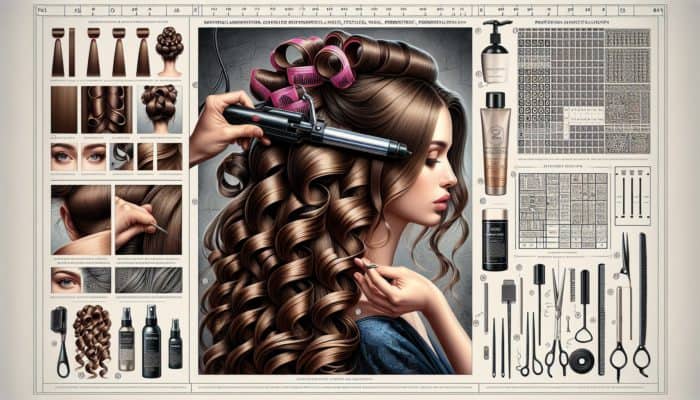
  • Everyday Wear Updos: Stylish and Versatile Hairstyles

    Everyday Wear Updos: Stylish and Versatile Hairstyles

    Elevate Your Appearance with Gorgeous Everyday Updos

    What Makes Updos So Alluring and Stylish?

    Refining Updos For Everyday Wear: Elegant woman with intricate updo, braids and buns, versatile for casual to formal events.

    Refining Updos For Everyday Wear: Updos are distinctive hairstyles that involve gathering and securing hair at the back or crown of the head. These styles can range from simple twists and chic buns to elaborate braids, offering an ideal blend of visual appeal and functionality. Updos are especially favored for daily wear since they keep hair organized while allowing for personal flair. The real charm of an updo lies in its adaptability; it can be customized for casual outings or elegant events, ensuring you always present your best self.

    When contemplating an updo, it’s crucial to evaluate the time you can commit to styling and your comfort level with various techniques. Regardless of whether you have long, flowing tresses or a chic bob, there’s an updo style for everyone. The flexibility of updos reinforces their status as a must-have in hairstyling, enabling individuals to effortlessly rejuvenate their appearance while enjoying a fashionable and practical hairstyle.

    Discover the Advantages of Making Updos a Part of Your Daily Routine

    Opting to wear an updo daily offers a host of benefits that go beyond mere aesthetics. Primarily, updos keep your hair neatly secured away from your face, which is particularly advantageous on hectic days filled with various tasks, work responsibilities, or fitness regimens. This pragmatic aspect not only enhances your style but also adds an element of sophistication to any outfit, whether it be casual or professional.

    Moreover, updos can greatly reduce tangles and minimize hair breakage, particularly for those with longer hair. By keeping hair secured and protected from friction caused by clothing or environmental elements, updos contribute to healthier hair over time. Additionally, they transition seamlessly from day to night, enhancing versatility across different settings. This adaptability ensures you can maintain a polished look with minimal effort, making updos the perfect choice for busy lifestyles.

    How Can You Select the Perfect Updo for Your Hair Type?

    Choosing the right *updo* style largely hinges on understanding your unique hair type and texture. For instance, fine hair may require different styling techniques compared to thick, coarse hair. Fine hair often benefits from added volume, whether through teasing or volumizing products, to achieve a fuller look. In contrast, thick hair usually requires stronger securing methods, such as double elastics or more robust pins, to ensure the updo remains intact throughout the day.

    It’s also vital to consider hair length; shorter styles might need creative approaches, such as twists or braids, which can be effectively pinned back. Recognizing whether your hair is straight, wavy, or curly can further refine your choices, as different textures lend themselves to specific updo styles. By aligning your updo selection with your hair’s characteristics, you can ensure a hairstyle that not only looks stunning but also feels comfortable and secure for everyday wear.

    Effective Strategies for Mastering Updos for Everyday Wear

    Woman with various elegant updos in a modern salon setting.

    How Can You Enhance Your Updo Styling Skills?

    Perfecting the art of *updos* requires commitment and a dash of patience. Numerous techniques can help achieve a flawless look that stays put throughout the day. Begin by ensuring your hair is clean and slightly textured, as this adds grip and helps the updo hold better. Here are some essential tips for enhancing your updo technique:

    • Start with clean, dry hair that has some texture for improved hold.
    • Utilize a high-quality hairspray to enhance grip before beginning your styling process.
    • Experiment with various styles to discover what complements your hair type most effectively.
    • Invest time in mastering fundamental techniques such as twisting, braiding, and pinning.
    • Secure your updo with multiple bobby pins; the more pins you use, the better the stability.
    • Consider incorporating additional products, like pomade or styling cream, for a polished finish.
    • Conclude with a strong-hold hairspray to keep every strand securely in place.
    • Stay adaptable; some styles may evolve as you learn what works best for you.

    By integrating these techniques into your routine, you can enhance your updo skills and cultivate a signature look that feels both secure and stylish. It’s all about experimenting and finding your rhythm, allowing you to refine your technique over time and achieve the effortless elegance you desire.

    What Essential Tools Do You Need to Create Beautiful Updos?

    To craft a stunning *updo*, having the right tools at your disposal is vital. Essential items include hairpins, elastics, combs, and various styling products. Each tool serves a specific purpose that contributes to the overall success of your hairstyle.

    Hairpins and bobby pins are crucial for securing different sections of hair, helping maintain the shape and integrity of the updo. Opt for strong, sturdy pins that won’t slip out during the day. Elastics are also key, especially for securing the base of the updo; choosing clear or color-matched elastics helps keep the look seamless. A fine-tooth comb can assist in creating smooth sections and teasing for added volume, while a wide-tooth comb is ideal for detangling without causing damage.

    Styling products play an essential role in crafting and maintaining updos. Select a quality hairspray for hold, a texturizing spray for grip, and a shine serum for a polished finish. By assembling these essential tools, you establish a solid foundation for achieving beautiful and long-lasting hairstyles that enhance your everyday look.

    How Can You Keep Your Updo Looking Fresh Throughout the Day?

    Woman with elegant updo using hairspray and hairpins for touch-ups throughout the day.

    The durability of your *updo* depends not only on the technique used to create it but also on how you maintain it throughout the day. To ensure your hairstyle remains intact, apply a strong-hold hairspray immediately after styling. This critical step locks your look in place, preventing any stray hairs from disrupting your meticulously crafted style.

    As the day unfolds, it’s wise to carry a few essential items for quick touch-ups. A mini hairspray can be invaluable for rapid fixes, while a few extra hairpins can help secure any sections that may start to loosen. If you notice your hair beginning to fall or frizz, smooth it with your hands, then apply a light mist of hairspray to refresh the style and restore its original form.

    For those with finer hair, consider using a volumizing product to add body before styling. Conversely, individuals with thicker hair may benefit from anti-frizz serums to maintain a sleek appearance. Keeping these maintenance tips in mind will ensure your *updo* stays polished and presentable from morning until night, allowing you to face your day with confidence.

    How Can You Tailor Updos for Different Hair Types?

    Customizing *updos* to suit various hair types is essential for achieving a secure, stylish look. For fine hair, you might need distinct styling techniques compared to those used for thick or curly textures. For fine hair, incorporating volumizing products and methods such as teasing can help create the fullness necessary to support an updo. Light-textured styles, like a messy bun, can add dimension without overwhelming the hair’s natural form.

    In contrast, thick hair can be styled into more intricate designs without concern about it falling out. Braids and twisted updos work exceptionally well because they hold better with the added weight of thicker strands. For curly hair, embracing your natural texture can yield stunning results; utilizing the right products, such as curl cream or mousse, can enhance curls while keeping them firmly in place.

    Once you identify your hair type, you can refine your updo techniques accordingly. This adaptability not only ensures a secure hold but also elevates the overall aesthetic, allowing everyone to enjoy the elegance of updos, regardless of their unique hair characteristics.

    What Are the Latest Trends in Everyday Updos Right Now?

    The realm of *updos* is continuously evolving, with fresh trends emerging to keep styles modern and exciting. Minimalist updos have gained immense popularity, focusing on simplicity and ease of execution. This includes sleek ponytails and low buns that radiate sophistication without requiring excessive time or effort.

    Additionally, there has been a noticeable shift towards incorporating natural textures into daily hairstyles. Embracing waves and curls can infuse an otherwise simple updo with personality, creating a more casual yet stylish appearance. Accessorizing is also on the rise, with headbands, decorative pins, and scarves used to elevate even the most straightforward updos into something extraordinary.

    As sustainability becomes increasingly significant in hair care, the adoption of eco-friendly products and techniques that maintain hair health without relying on damaging heat or harsh chemicals is on the rise. Keeping an eye on these trends not only facilitates a modernized approach to everyday hair styling but also encourages creativity and personal expression in how you choose to style your hair.

    Simple and Quick Updos for Busy Lifestyles

    Effortless Updo Styles for Hectic Mornings

    For those rushed mornings when time is of the essence, mastering a few *quick updo* styles can be a true lifesaver. The ability to pull together a polished look in mere minutes is invaluable for busy individuals. Here are some straightforward styles to consider that can be accomplished quickly:

    • Messy Bun: Gather hair into a high ponytail, twist it, and secure loosely with pins for a casual yet chic appearance.
    • Pineapple Bun: Flip your head upside down, gather your hair on top, and secure it with an elastic for a fun, voluminous style.
    • Low Twist: Create a low ponytail, twist it into a bun, and pin it in place for an elegant yet simple effect.
    • Half-Up, Half-Down: Pull the top half of your hair back into a small bun, leaving the rest down for a relaxed style.
    • Side Braid Bun: Braid one side of your hair, wrap it into a bun, and secure it for a trendy asymmetrical look.
    • Sleek Ponytail: Smooth your hair back into a low ponytail, use a section of hair to wrap around the base, and secure with a pin.
    • Twisted Half-Up: Take two sections of hair from the front, twist them back, and secure with a pin for a sophisticated touch.
    • Simple French Twist: Gather hair low at the nape, twist it upwards, and secure with pins for a classic, timeless look.

    Each of these styles can be accomplished within minutes, allowing for a polished appearance without sacrificing precious time in the morning rush.

    What Are the Best No-Heat Updo Options?

    For those looking to protect their hair from heat damage, *no-heat updos* offer an ideal solution while still maintaining a stylish appearance. These styles are perfect for everyday wear and can be executed with minimal tools.

    One popular choice is the braided crown, where hair is braided from the front around the head and secured at the back. This style not only appears elegant but also helps keep hair undamaged. Another option is the twisted bun, which involves twisting sections of hair and pinning them into place without any heat styling.

    Pin curls are also a fantastic no-heat solution: roll small sections of hair and pin them in place, letting them set while you go about your day. The messy bun, as previously mentioned, is another low-effort, low-heat style that can look effortlessly chic.

    These no-heat styles not only preserve your hair’s integrity but also promote its health while providing a well-groomed look for daily activities.

    Innovative Updos for Short Hair

    Short hair is often perceived as limiting for *updos*, but numerous techniques can elevate shorter styles into functional, chic hairstyles. The key lies in utilizing creative methods that enhance the natural texture and shape of short hair.

    One effective method is the twisted bun, where sections of hair are twisted and pinned at the back, creating an elegant appearance. Another technique is the faux bob, where the length is tucked under and pinned to create the illusion of a longer style. This can be particularly appealing for evenings out or special occasions.

    Additionally, incorporating braids into short hair can yield stunning results, whether as a simple side braid or a more intricate design woven into an updo. Accessorizing can play a significant role; decorative pins or headbands can transform a simple style into something extraordinary.

    By embracing the versatility of short hair and experimenting with these techniques, you can create stylish and functional updos that are perfect for everyday wear, ensuring you always look your best.

    Research-Backed Advantages of Wearing Updos Daily

    How Do Updos Contribute to Hair Health?

    Wearing *updos* can positively influence hair health by reducing exposure to environmental damage and minimizing friction that often leads to breakage. When hair is secured away from the shoulders and face, it becomes less susceptible to tangling and potential harm.

    Research indicates that properly executed updos can promote healthier hair growth by preventing split ends and decreasing the frequency of necessary trims. Additionally, keeping hair tied up can help shield it from harsh weather conditions that can result in dryness or brittleness.

    Incorporating proper techniques and tools—such as soft hair ties and gentle securing methods—can further enhance the health benefits associated with wearing updos. By choosing to style hair in this manner, individuals can enjoy a fashionable appearance alongside the long-term advantages of healthier hair.

    The Impact of Updos on Professional Image

    In a professional setting, maintaining a polished appearance is vital, and *updos* can significantly enhance this. A well-executed updo conveys professionalism and attention to detail, boosting confidence in the workplace.

    Many professionals opt for sleek ponytails or sophisticated buns that express competence and reliability. These styles also minimize distractions, allowing individuals to focus on their tasks without worrying about hair obstructing their vision or becoming disheveled throughout the day.

    Moreover, the versatility of updos makes it easy to transition from formal office environments to networking events or after-work gatherings, ensuring a seamless professional image. By incorporating updos into your daily routine, you can maintain a strong, confident presence in your work environment, reinforcing your professional persona.

    Updos Tailored for Active Lifestyles

    The practicality of *updos* becomes particularly apparent during physical activities, as they effectively keep hair out of the way and secure while exercising. Whether at the gym, playing sports, or engaging in outdoor adventures, updos offer both functionality and style.

    Styles like high ponytails or braids are particularly favored among athletes, as they provide stability and style without hindrance. For more vigorous activities, double-braiding or opting for a secure bun helps keep hair in place, allowing for full concentration on the task at hand.

    Additionally, updos can reduce sweat accumulation on the hair, helping to maintain freshness and cleanliness even during intense workouts. By selecting the right updo for physical activities, you can enjoy your routines while also looking and feeling your best, merging practicality with style.

    Updos and Time Efficiency in Your Daily Routine

    In today’s fast-paced world, time efficiency is crucial, and *updos* can offer a practical solution for individuals looking to streamline their morning routines. A well-executed updo can significantly reduce styling time while still providing a polished appearance.

    Research suggests that hairstyles requiring less frequent maintenance, such as updos, can save valuable time during busy mornings. Instead of dedicating time to blow-drying or curling, individuals can quickly gather their hair into an elegant style that lasts throughout the day.

    Moreover, the versatility of updos means that a few fundamental styles can be adapted into various looks, further enhancing their time-saving advantages. By refining your updo techniques, you can ensure your hairstyle is efficient, stylish, and suitable for any occasion, making mornings a breeze.

    Updos for Every Hair Type

    The versatility of *updos* extends to all hair types, making them accessible to everyone. Individuals with fine hair can utilize techniques that add volume and grip, such as teasing or using volumizing products, to ensure their updo remains secure throughout the day.

    Conversely, those with thick hair can explore more intricate styles that take advantage of its weight. For curly hair, embracing the natural texture while incorporating braiding or twisting can create stunning updos that are both functional and stylish.

    Research indicates that with the right techniques and tools, updos can be tailored to enhance any hair type. This inclusivity encourages individuals to experiment with new styles and discover what works best for them, ultimately celebrating the beauty of diverse hair textures worldwide.

    Effective Strategies for Perfecting Updos in Everyday Life

    What Are the Best Practices for Ensuring Your Updo Lasts?

    To guarantee that your *updo* lasts throughout the day, adopting best practices is essential. Begin by preparing your hair with the right products; a light mousse or volumizing spray can create the texture your hair needs to hold its shape.

    When securing your *updo*, choose a strong-hold hairspray that provides lasting support without leaving your hair feeling stiff or sticky. It’s also important to use multiple pins to secure sections effectively, as this will prevent slippage during wear and maintain your desired style.

    Consider reapplying hairspray throughout the day for added security, especially if you notice any looseness developing. Understanding your hair’s specific needs, whether it requires extra hold or added texture, can also play a significant role in maintaining longevity. By mastering these practices, you can enjoy updos that remain intact and stylish from morning until night, ensuring you always look your best.

    Styling Updos for Various Events and Occasions

    Updos are incredibly versatile and can easily be adapted for a range of occasions, from casual gatherings to formal events. Understanding the context of where you’ll be can help dictate the appropriate style to choose. For casual environments, a relaxed, messy bun or loose braid offers a laid-back yet polished appearance.

    On the other hand, more formal settings may call for sleek, sophisticated updos, such as chignons or neatly arranged buns, that showcase impeccable styling. Adding accessories like decorative pins, flowers, or elegant clips can elevate the overall look, making it suitable for special occasions.

    Being able to adjust your updo according to the event not only maximizes your hairstyle potential but also allows you to express your personal style. By learning to navigate different styles for various occasions, you can ensure you always look your best, no matter the setting.

    Customizing Updos to Complement Your Outfit

    One of the most striking aspects of *updos* is their ability to enhance a wide range of outfits. Customizing your hairstyle to match your clothing can dramatically elevate your entire look. When selecting an updo, consider the style, color, and formality of your outfit.

    For instance, a sleek, modern updo pairs beautifully with structured clothing or professional attire, while a softer, more romantic twist suits flowing dresses or casual ensembles. Additionally, incorporating color-matched accessories into your updo can create a cohesive look that draws attention.

    Experimenting with textures and styles can also amplify the synergy between your hair and outfit. By aligning your updo with your clothing, you can create a well-rounded appearance that reflects your personal style and enhances your overall aesthetic, ensuring you always feel confident and stylish.

    Advanced Techniques for Perfecting Updos

    How to Incorporate Accessories into Your Updos

    Accessories play a crucial role in transforming updos from basic to breathtaking. Whether it’s adding a statement headband, decorative clips, or flowers, these elements can enhance the beauty of your hairstyle while showcasing your unique style.

    When selecting accessories, consider the overall theme of your look; for instance, a bohemian outfit may pair beautifully with floral clips, while a sleek dress could be complemented by metallic or gemstone adornments. The inclusion of accessories not only adds flair but also allows for greater creativity in styling.

    You can also experiment with placement; securing a decorative pin or clip at an angle can create an eye-catching focal point. By incorporating accessories into your updos, you can elevate your look and showcase your individuality, making a bold statement through your hairstyle.

    What Are Some Complex Updo Styles to Explore?

    For those eager to elevate their *updo* repertoire, exploring advanced techniques can yield impressive results. Styles like the French twist or intricate braided updos involve more complex techniques but can create stunning visual effects that are sure to draw attention.

    A fishtail braid bun combines the elegance of braiding with the sophistication of an updo, resulting in a style that is both chic and eye-catching. Additionally, the twisted halo, where hair is twisted around the crown, offers a romantic feel that works beautifully for both casual and formal occasions.

    Mastering these advanced techniques may require practice, but the results can significantly enhance your hair-styling skills. By challenging yourself with these intricate styles, you can enjoy the satisfaction of creating breathtaking looks that showcase your talents and creativity.

    Updos for Special Events: Making a Lasting Impression

    While the focus is often on *everyday wear*, certain updos can effortlessly transition to special events, adding an element of sophistication and elegance. For weddings, proms, or formal gatherings, styles like the chignon or elegant side braid can create a refined appearance that is both stunning and suitable for the occasion.

    Incorporating elements like delicate accessories, fresh flowers, or subtle hairpieces can further elevate the elegance of these styles. Consider the overall theme of the event; for instance, an elegant updo may be more fitting for a formal wedding, while a relaxed, tousled look could be ideal for a garden party.

    By adapting everyday updos for special events, you can enjoy a versatile hairstyle that maintains its ease while still feeling polished and appropriate for any occasion, allowing you to shine on your special day.

    FAQs: Your Updo Questions Answered

    Can I create an updo with short hair?

    Absolutely! Short hair can be styled into a plethora of updos, such as twisted buns and braids, showcasing both creativity and versatility.

    What is the best method to secure an updo for all-day wear?

    Using multiple bobby pins and a strong-hold hairspray can help keep your updo secure throughout the day, preventing any slippage.

    How do I select the right updo for a formal occasion?

    For formal events, opt for sleek, sophisticated styles such as chignons or elegant braids, possibly enhanced with accessories for added flair and refinement.

    What hair products are best for styling updos?

    Quality hairspray, texturizing sprays, and volumizing products are essential for effectively creating and maintaining beautiful updos.

    Can updos be adapted for workouts?

    Yes, updos are practical for workouts, with styles like high ponytails or braids offering both functionality and style, ensuring hair stays in place during physical activity.

    How can I make my updo last longer?

    Utilizing the right products, securing with multiple pins, and maintaining overall hair health can all help extend the longevity of your updo.

    Are there no-heat options for creating updos?

    Yes, styles like braided crowns or twisted buns can be created without heat, preserving your hair’s health while maintaining a chic appearance.

    How can I customize my updo to match my outfit?

    Consider the style and color of your outfit, and use matching accessories and textures to create a cohesive look that enhances both your hair and your attire.

    What tools do I need for creating updos?

    Essential tools include bobby pins, elastics, a fine-tooth comb, and styling products such as hairspray and texturizing spray to help achieve beautiful updos.

    How can I adapt updos for different hair types?

    Understanding your hair type allows for customized techniques; fine hair may require teasing for volume, while thick hair can accommodate more intricate styles for a secure hold.

    Connect with us on Facebook!

    The Article: Refining Updos For Everyday Wear: Versatile Styles appeared first on Amitys Hair Salon.

    The Article Updos for Everyday Wear: Versatile Refining Styles Was Found On https://limitsofstrategy.com
  • Point Cutting Techniques: Essential Tips for Textured Ends

    Point Cutting Techniques: Essential Tips for Textured Ends

    Enhance Your Point Cutting Skills for Beautifully Textured Hair

    What Critical Techniques Should You Master for Effective Point Cutting?

    Employing Point Cutting for Textured Ends: Hairstylist using point cutting technique to create textured, angled cuts at hair ends with precise scissor control.

    Point cutting is an essential hairstyling technique that utilizes scissors to introduce texture and movement into the hair. This method focuses on using the tips of the scissors to create angled cuts at the ends of the hair instead of blunt, straight cuts. To execute this technique effectively, precise scissor control is paramount, allowing for gentle and deliberate movements. Beginners should prioritize mastering the basic grip—position your thumb inside the handle while your fingers rest on the outside to ensure stability and facilitate smooth movements.

    As a novice, the essential tools you will need include:

    • Professional hair scissors – specifically designed for cutting hair.
    • Texturising shears – to add extra texture when required.
    • A comb – for sectioning hair and ensuring tautness.
    • A mirror – to clearly view angles and cuts.
    • Hair clips – to keep sections out of the way for easier cutting.
    • A spray bottle – to dampen hair for better manageability.

    This foundational technique is vital for achieving a natural finish in hairstyling. The angle at which you hold the scissors is critical; generally, a 45-degree angle is most effective for various hair types. The ultimate aim is to create soft, feathered ends that seamlessly blend with the overall hairstyle, enhancing its aesthetic appeal.

    What Core Principles Are Necessary for Successful Point Cutting?

    Effectively performing point cutting necessitates a focus on several core principles. First and foremost, understanding the hair’s texture and condition is essential. Different hair types may require tailored approaches, and recognizing the hair’s natural fall and movement can lead to superior results. Secondly, precision is crucial; each cut should be intentional and controlled, ensuring that the texture builds gradually rather than in a rushed manner.

    Additionally, the significance of accurately sectioning the hair cannot be overstated. Working in smaller sections enhances control and allows for more precise cuts, ensuring the desired texture is evenly distributed throughout the hair. Maintaining a consistent angle while cutting is also vital, as this ultimately impacts the quality of the textured ends. By regularly practicing these principles, stylists will achieve professional results, greatly enhancing their confidence and skill set.

    What Essential Tools Are Necessary for Effective Point Cutting?

    To carry out point cutting efficiently, it is crucial to select specific tools that enhance the overall effectiveness of the technique. The primary tool is a pair of sharp professional scissors. These scissors should be lightweight to allow easy maneuverability while remaining sturdy enough to handle various hair types. Additionally, texturising shears become particularly beneficial for achieving pronounced texture without compromising the hair’s integrity.

    A quality comb is indispensable for sectioning hair and ensuring even tension throughout the cutting process. It is advisable to choose a comb that features both wide and fine teeth to cater to different hair textures. Furthermore, hair clips are useful for organizing the hair into sections, providing a clear view of the cutting area. A spray bottle filled with water can assist in dampening the hair, making it easier to manage and cut accurately.

    In summary, the combination of these tools—professional scissors, texturising shears, combs, clips, and a spray bottle—creates the optimal environment for effectively performing point cutting. Together, these tools facilitate precise angle control and layering, allowing for beautifully textured ends across various hair types.

    How Does Point Cutting Enhance Layering Techniques?

    A hairstylist point cutting a model's layered hair in a modern salon, enhancing texture and movement.

    What Makes Point Cutting a Preferred Technique for Achieving Layered Hairstyles?

    Point cutting is especially advantageous for layering as it creates soft, blended ends that add depth and dimension to the hair. Unlike blunt cuts that may create harsh lines, point cutting introduces a natural-looking texture that enhances the overall hairstyle. This method allows for gradual transitions between different lengths, making it easier to achieve a layered look that flows and moves beautifully with the hair.

    The versatility of this technique permits it to be customized for various hair types, ranging from fine to thick. For fine hair, point cutting helps to avoid heavy ends, resulting in a fuller appearance without sacrificing movement. Conversely, for thicker hair, this method reduces bulk while maintaining the hairstyle’s integrity. As a result, many hairstylists prefer point cutting for its efficacy in layering.

    A key aspect of point cutting’s success is its controlled approach. By utilizing the tips of the scissors and cutting at an angle, stylists can effectively shape the hair without leaving it frizzy or damaged. This technique also enables customized layering, allowing stylists to create unique looks tailored to individual preferences and hair types, ultimately enhancing client satisfaction.

    What Steps Should You Follow for Accurate Texturisation with Point Cutting?

    To achieve precise texturisation through point cutting, it is essential to adhere to a series of well-defined steps. Begin by sectioning the hair into manageable parts. This organization will allow for detailed attention and control during the cutting process. Start with the lower layers, ensuring each section is combed through smoothly to eliminate tangles for a clean cut.

    Next, hold the scissors at a 45-degree angle to the hair strands. Using the tips of the scissors, gently cut the ends of the hair in small, incremental steps. It’s crucial to maintain a light touch—this method helps prevent excessive hair loss while still achieving the desired texture. Continue this process, working your way up through the sections of hair, ensuring that you maintain consistent tension and angle for a uniform result.

    After finishing the point cutting process, it’s vital to review your work. Check for any uneven areas and make adjustments as necessary. This final inspection ensures a seamless blend and that the textured ends beautifully complement the overall haircut. The goal is to create soft, feathered ends that enhance movement and dimension throughout the hair.

    What Varied Point Cutting Techniques Can Lead to Different Outcomes?

    The potential outcomes of employing different point-cutting techniques can vary significantly based on the stylist’s approach and the hair type being worked on. For instance, a more aggressive point cutting technique may produce a more pronounced texture, adding volume and bounce to the hair. This method is particularly beneficial for individuals with fine hair, as it reduces weight and promotes a fuller appearance.

    On the other hand, a softer approach to point cutting yields a subtle texture, ideal for those seeking a more natural look. This technique blends seamlessly with the rest of the hair, creating a gentle transition that enhances the overall style without being overly dramatic. Stylists can adjust the intensity of the point-cutting technique to achieve the desired final result, allowing for a high degree of customization.

    Moreover, the outcome is also influenced by the angle and depth at which the scissors are applied. For clients seeking a more edgy, modern look, deeper point cuts may create sharp, distinct layers. In contrast, shallower cuts can provide a softer, more romantic vibe. By understanding the effects of different point-cutting techniques, stylists can tailor their approach to meet each client’s unique needs and preferences, resulting in beautifully textured, dynamic hairstyles.

    Expert Techniques for Mastering Point Cutting for Stunningly Textured Ends

    What Advanced Techniques Can Elevate Your Point Cutting Results?

    Mastering point cutting requires not only practice but also a grasp of advanced strategies that can elevate results to a professional standard. One effective strategy is to vary the cut angle based on the hair’s natural movement. For example, cutting with the hair’s natural fall can enhance flow and create a more organic look that appeals to clients.

    Another advanced technique is to incorporate different scissor movements. Instead of making straight cuts, stylists can utilize a sliding motion to remove weight while gradually creating texture. This approach helps maintain length while adding dimension, making it suitable for clients who prefer a fuller look without sacrificing the natural integrity of their hair.

    Additionally, experimenting with the depth of the cuts can yield impressive results. Deeper point cuts can create a more dramatic texture, ideal for thicker hair, while shallower cuts offer a subtler finish. By adjusting the depth based on the client’s hair type and styling preferences, stylists can achieve customized, professional outcomes that meet individual needs.

    Finally, regular client feedback can guide stylists in refining their technique. Observing how clients manage their styles post-appointment and adjusting techniques based on their feedback fosters a stronger stylist-client relationship and ensures ongoing satisfaction with the results.

    How Can You Effectively Combine Point Cutting with Other Cutting Techniques?

    Integrating point cutting with other cutting methods can significantly enhance the versatility and overall aesthetic of a hairstyle. For instance, combining point cutting with blunt cutting techniques creates a well-structured base while retaining the softness that point cutting provides. This combination can result in hairstyles that are both sharp and fluid, appealing to a broad range of clients.

    Another effective method is layering point cutting with texturising shears. This combination enhances texture while reducing bulk, particularly in thicker hair types. Using texturising shears after point cutting can further refine the style, allowing for greater movement and flow, which is essential for modern hairstyles.

    Moreover, incorporating techniques such as slide cutting can complement point cutting effectively. Slide cutting involves gliding the scissors along the hair shaft, which can help create seamless layers that blend beautifully with the textured ends achieved through point cutting. This integration not only enhances visual appeal but also promotes healthier hair by minimizing damage.

    Ultimately, the key to effectively integrating point cutting with other techniques lies in maintaining clear communication with clients about their desired outcomes. Understanding their preferences and needs allows stylists to create a cohesive look that harmoniously blends various cutting methods, resulting in a more polished and customized final appearance.

    What Expert Maintenance Tips Are Recommended for Textured Ends?

    Maintaining the integrity and style of textured ends created through point cutting necessitates several expert-recommended tips. Firstly, using the right products is crucial. Incorporating lightweight styling products, such as leave-in conditioners or texturising sprays, can help preserve the natural texture while avoiding heaviness. These products provide a flexible hold that keeps the hair looking vibrant and healthy.

    Regular trims play a vital role in maintaining textured ends. Scheduling touch-up appointments every 6-8 weeks helps to uphold the texture and prevent split ends. During these visits, stylists can assess the hair’s health and make any necessary adjustments to the texture, ensuring it continues to look fresh and well-maintained.

    Additionally, specialists recommend that clients practice good hair care routines at home. This includes using sulfate-free shampoos and conditioners to prevent stripping the hair’s natural oils, which supports overall health and longevity. Encouraging clients to avoid excessive heat styling and to utilize heat protectants when styling can also significantly contribute to maintaining the beauty of textured ends.

    Lastly, educating clients on how to style their textured ends effectively can empower them to achieve their desired looks at home. Sharing styling techniques and recommending appropriate tools can enhance their confidence and ability to maintain their style between salon visits. Overall, these expert maintenance tips help keep textured ends looking their best long after the initial point cutting.

    What Advantages Do Textured Ends Offer for Your Hair?

    How Does Adding Texture to Hair Enhance Volume?

    Textured ends play a significant role in boosting hair volume. By removing excess weight from the ends, textured cutting techniques create the illusion of fuller, bouncier hair. This is particularly beneficial for those with fine or limp hair since textured ends add movement and body, transforming the hair’s overall appearance.

    In addition to increasing volume, textured ends offer enhanced styling versatility. The added movement creates a dynamic look, making it easier to achieve styles such as waves or curls that require some texture to hold their shape. The result is hair that not only appears more voluminous but also possesses a naturally flowing quality, enhancing its aesthetic appeal.

    Moreover, the way textured ends interact with light can further elevate the perception of volume. The varied lengths created by point cutting reflect light differently, adding dimension and depth to the overall look. This interplay of light and texture can make hair appear healthier and more vibrant, appealing to clients seeking both volume and a polished finish.

    What Distinct Benefits Do Textured Ends Provide for Different Hair Types?

    Textured ends offer unique advantages for various hair types, delivering tailored results that cater to individual needs. For fine hair, point cutting effectively eliminates weight and bulk without sacrificing length. This technique enhances fullness and bounce, allowing for hairstyles that appear more voluminous and lively. Clients with fine hair often find that textured ends create a fuller look, making their hair more manageable and easier to style.

    On the other hand, textured ends benefit thick hair by removing excess bulk while preserving the hair’s natural integrity. This reduction in weight helps prevent hair from becoming heavy and unmanageable, simplifying the styling process. Textured ends provide movement and flow, ensuring thick hair retains its shape while offering diverse styling options.

    Curly hair can also greatly benefit from point cutting. Textured ends help to enhance the natural curl pattern, encouraging curls to bounce and flow freely. By strategically removing weight, stylists can prevent curls from appearing flat or lifeless, promoting a more dynamic look that showcases the beauty of natural curls.

    Ultimately, the advantages of textured ends for different hair types lie in their ability to enhance volume, manageability, and overall aesthetic appeal. By understanding the unique properties of each hair type, stylists can tailor their techniques to maximize the benefits of textured cutting, resulting in satisfied clients and beautiful hairstyles.

    What Long-Term Styling Advantages Do Textured Ends Provide?

    The long-term styling benefits associated with textured ends are substantial, making this technique a favorite among both hairstylists and clients. Textured ends offer a versatile styling canvas, allowing for a variety of looks with minimal effort. The natural movement created by point cutting makes hair easier to style, whether for effortless waves or intricate updos.

    Additionally, textured ends can simplify daily styling routines. Clients can achieve polished looks without extensive heat styling, saving time and reducing potential hair damage. This ease of styling is especially valuable for busy individuals who seek low-maintenance options without compromising aesthetics.

    Furthermore, the durability of textured ends contributes to long-term styling success. With less weight at the ends, hair is less prone to breakage and split ends, promoting overall health and resilience. This allows clients to enjoy their styles for extended periods without frequent trips to the salon for maintenance.

    In summary, the benefits of textured ends extend beyond immediate aesthetics. They provide clients with lasting styling options, significantly enhancing the manageability and health of the hair. This results in an ongoing relationship with hairstylists, as satisfied clients often return for further services to maintain their textured looks.

    How Do Textured Ends Expand Everyday Styling Options?

    Textured ends offer a multitude of versatile styling options for various occasions. The freedom of movement and dimension that comes with textured ends allows individuals to effortlessly create looks ranging from casual beach waves to sophisticated updos. This adaptability is particularly beneficial for those with busy lifestyles, enabling quick yet polished results without extensive time investment.

    One of the highlights of having textured ends is the ease of achieving heat-free styles. For example, simply applying a texturising spray to damp hair and scrunching it can yield beautiful, natural waves, providing a stylish appearance without the need for heat styling tools. This not only saves time in the morning but also promotes healthier hair by reducing exposure to damaging high temperatures.

    Moreover, textured ends lend themselves well to creative styling techniques. Hair can be easily twisted, pinned, or braided, allowing for intricate styles that maintain their shape throughout the day. Such versatility is invaluable for various occasions, whether in an office setting, a casual outing, or a formal event.

    In essence, textured ends enrich everyday styling options, offering a range of effortless, chic looks. This flexibility not only accommodates busy schedules but also supports a healthier approach to styling, helping clients maintain a polished appearance throughout their daily lives.

    How Do Textured Ends Contribute to Hair Health and Longevity?

    Maintaining textured ends not only enhances style but also significantly contributes to hair health and longevity. By promoting an even distribution of weight along hair strands, textured ends can help prevent split ends and breakage, common issues that lead to unhealthy hair. This technique encourages stronger hair growth and supports overall vitality.

    Furthermore, the strategic removal of bulk through point cutting can enhance the hair’s moisture retention. Healthier hair is better equipped to withstand environmental stressors and styling practices, leading to reduced damage over time. As a result, clients can enjoy vibrant, resilient hairstyles without frequent trims or extensive maintenance.

    Additionally, the aesthetic benefits of textured ends contribute to a client’s confidence and self-esteem. Healthy-looking hair reflects vitality, and the appearance of well-maintained textured ends can boost an individual’s overall sense of well-being. This reinforces the importance of adopting techniques that not only enhance style but also promote long-term hair health.

    In summary, promoting hair health and longevity through textured ends is a significant advantage. By reducing damage and supporting moisture retention, textured cutting techniques contribute to overall hair vitality, allowing clients to enjoy beautiful, healthy hair that lasts.

    What Research-Backed Benefits Support the Use of Point Cutting?

    What Evidence Exists to Validate This Technique’s Effectiveness?

    Hairstylists favor point cutting for numerous evidence-backed reasons that underscore its effectiveness in enhancing hair texture. Research indicates that techniques like point cutting can significantly improve hair elasticity, reducing the likelihood of breakage. This is due to the way the hair is cut; the angled cuts create softer edges that distribute tension more evenly along the strands, thereby minimizing stress points.

    Moreover, studies have shown that point cutting helps to maintain the hair’s natural oils, promoting overall health and shine. By removing weight without compromising the length, clients can enjoy healthier-looking hair while still achieving the desired texture. This balance between aesthetics and hair health is a major advantage, making point cutting a preferred technique among professionals.

    Additionally, point cutting has been linked to greater client satisfaction. Surveys within the hairstyling community reveal that clients who opt for textured styles often report feeling more confident and satisfied with their appearance. This psychological benefit reinforces the importance of employing techniques like point cutting, as it combines physical enhancements with positive emotional outcomes.

    How Does Point Cutting Support Long-Term Hair Health?

    In terms of long-term hair health, point cutting has been recognized for fostering a healthier hair environment. By creating textured ends, this technique can help diminish the frequency of trims required to maintain hair integrity. Clients often notice they can go longer between salon visits because textured ends reduce split ends and breakage.

    Moreover, the gentle nature of point cutting allows for retaining hair length while still achieving the desired texture. This promotes healthier growth cycles, as hair is less likely to become damaged or weighed down. Consequently, clients can enjoy longer, stronger hair that maintains its vitality over time.

    Additionally, the overall aesthetic appeal of textured ends encourages clients to adopt healthier hair care routines. With beautiful, well-maintained hair, individuals are more likely to invest in high-quality hair products and treatments that further support their hair health. This creates a positive feedback loop, where the benefits of point cutting contribute to a lifestyle focused on maintaining optimum hair health.

    What Comparative Advantages Does Point Cutting Have Over Traditional Methods?

    When comparing point cutting to traditional blunt cutting methods, several advantages emerge, highlighting the efficacy of textured techniques. One primary benefit is the reduction of bulk without sacrificing length. Traditional blunt cuts can often leave hair looking flat and lifeless, while point cutting adds movement and dimension, invigorating the overall style.

    Moreover, point cutting tends to create softer lines that blend more seamlessly with the natural hair texture. This is particularly crucial for individuals seeking modern, low-maintenance hairstyles that remain stylish between salon visits. The natural flow achieved through point cutting offers versatile styling options, catering to a broader audience with diverse hair types and preferences.

    Furthermore, point cutting is associated with healthier hair outcomes. Research suggests that point cutting can improve hair’s overall resilience, reducing the likelihood of split ends and breakage compared to traditional blunt cuts, which can leave ends more susceptible to damage. The lighter, more fluid nature of textured ends promotes a healthier appearance and feel, enhancing client satisfaction.

    In summary, the comparative advantages of point cutting over traditional methods are clear. By fostering movement, reducing bulk, and promoting healthier hair, point cutting stands out as a superior technique that meets the evolving demands of today’s haircutting landscape.

    Why Should You Opt for Point Cutting for Your Hairstyle?

    What Factors Influence the Best Results from Point Cutting?

    Several factors influence the effectiveness of point cutting, shaping the results significantly depending on the client’s specific needs. One key element is hair density; thicker hair often requires careful cutting and texturing to avoid an overly bulky appearance, while finer hair benefits from gentler point cutting to enhance volume without sacrificing length.

    The natural texture and type of hair also play a crucial role. Curls, waves, and straight hair all respond differently to point cutting techniques. Stylists must assess the hair’s individual characteristics to determine the most effective approach to achieving the desired results.

    Another factor is the client’s lifestyle and styling preferences. Understanding how a client typically styles their hair daily can inform the depth and angle of the point cutting technique. For instance, someone who prefers low-maintenance styling may benefit from a more pronounced texture that requires less daily effort, while a client interested in versatility may opt for subtler texturisation.

    By considering these factors—hair density, texture type, and lifestyle preferences—stylists can tailor their approach to ensure optimal results. This personalized strategy ultimately leads to greater client satisfaction and a more successful hairstyling experience.

    What Customisation Options Are Available for Unique Hairstyles?

    Customisation is one of the standout benefits of point cutting, allowing stylists to create unique looks tailored to each client’s individual style and preferences. One effective way to achieve this is by varying the angle at which the scissors are held. For example, a steeper angle can create a more dramatic texture, while a shallower angle yields a softer look. This flexibility enables the creation of bespoke styles tailored to specific needs.

    Additionally, integrating colour techniques with point cutting can enhance the overall look. For instance, combining balayage with textured ends can create a stunning visual effect that highlights the hair’s movement and dimension. This combination of cutting and colouring methods results in a multifaceted style that is uniquely appealing.

    Another avenue for customisation lies in the use of various texturising tools. Stylists can incorporate razor cutting or thinning shears alongside point cutting to achieve distinctive textures that align perfectly with the client’s desired outcome. This approach not only enhances overall aesthetics but also provides greater flexibility in styling options.

    Ultimately, the ability to customise point cutting techniques ensures that each client leaves the salon with a look that truly reflects their personal style. By tailoring their approach to individual preferences, stylists can create unique cuts that resonate with their clients, fostering long-lasting relationships and repeat business.

    What Signs Indicate That Point Cutting Might Be the Right Fit for You?

    Identifying whether point cutting is the right fit for a client involves assessing several key indicators. Firstly, clients with hair that appears flat or lacks movement may significantly benefit from the texturising effects of point cutting. This technique can introduce bounce and body, transforming lifeless hair into a vibrant, flowing style.

    Another sign that point cutting might be suitable is if the client desires versatility in their styling options. Those looking for a haircut that allows for various looks—from casual to formal—will find that textured ends provide the flexibility needed to achieve this. The ability to style textured hair in different ways enhances its adaptability for various occasions, making it a popular choice.

    Additionally, clients experiencing split ends or breakage may find that point cutting effectively addresses these concerns. By removing excess weight and creating softer ends, point cutting can help mitigate damage and promote healthier hair overall. This makes it an appealing option for those seeking to improve their hair’s integrity while still achieving stylish results.

    In summary, recognizing these signs—flat hair, a desire for versatility, and concerns about damage—can help both clients and stylists determine whether point cutting is the right choice. By understanding each client’s unique needs, stylists can foster better relationships and provide tailored solutions that leave clients satisfied with their hairstyles.

    What Tips Can Help You Master the Art of Point Cutting?

    What Essential Practice Routines Should You Follow to Develop Your Point Cutting Skills?

    Mastering point cutting requires consistent practice and a deliberate approach to technique development. One effective practice routine involves setting aside dedicated time to work on controlled cuts using a mannequin head or practice hair. Focus on perfecting the grip and angle of the scissors, starting with small sections of hair and progressively moving to larger ones.

    Begin with basic cuts, concentrating on achieving a consistent angle and depth. Over time, increase the complexity of the cuts, experimenting with different angles and styles to develop versatility. Incorporating timed drills can also enhance speed and accuracy, encouraging efficient cutting without sacrificing quality or precision.

    Additionally, utilizing video tutorials or attending workshops can provide valuable insights from experienced professionals. Observing various techniques and styles can inspire new ideas and enhance understanding of the fundamentals. Pairing visual learning with hands-on practice fosters a well-rounded skill set.

    Incorporating these essential practice routines will significantly aid in developing point-cutting skills, empowering stylists to achieve professional results with confidence and proficiency.

    How Can You Troubleshoot Common Challenges in Point Cutting?

    Even experienced stylists may encounter challenges when executing point cutting techniques. One common issue is uneven ends, which can result from inconsistent angles or pressure during cutting. To troubleshoot this, it is crucial to regularly assess the cut as you work, ensuring that each section maintains a uniform length. If unevenness is detected, adjust the scissors’ angle and carefully refine the cut until the desired result is achieved.

    Another challenge is the potential for frizz or damage from excessive cutting. It’s essential to strike a balance between texturisation and maintaining hair integrity. To avoid over-cutting, focus on making small, controlled cuts rather than aggressive snips. This method preserves hair health while still achieving the desired texture.

    Lastly, stylists may struggle to meet client expectations. Clear communication is vital to ensure clients are satisfied with their style. Before cutting, have in-depth discussions about desired outcomes and show visual references to align expectations. This proactive approach can help mitigate misunderstandings and foster positive client relationships.

    By addressing these common challenges with practical solutions, stylists can refine their point cutting techniques and achieve consistently successful results.

    How Can Repetition Help Build Confidence in Your Point Cutting Skills?

    Building confidence in point cutting comes from consistent practice and exposure to a variety of hair types and styles. Repetition is key; the more familiar stylists become with the techniques, the more comfortable they will feel executing them. Setting aside dedicated practice sessions—whether with mannequins or live models—allows stylists to hone their skills and develop muscle memory.

    Additionally, seeking feedback from peers or mentors can significantly boost confidence. Constructive critiques can provide valuable insights into areas for improvement, while positive reinforcement fosters a sense of accomplishment. Engaging in peer reviews or collaborative practice sessions encourages a supportive environment where stylists can learn from one another.

    Finally, celebrating small victories can help reinforce confidence. Recognizing improvement in technique, client satisfaction, or creative outcomes can encourage continual growth and motivation. With time and dedication, building confidence through repetition will enable stylists to master point cutting and deliver exceptional results.

    What Common Mistakes Should You Avoid in Point Cutting?

    How Does Over-Cutting Impact the Outcome of Your Work?

    Overcutting is a prevalent mistake in point cutting that can lead to frizz, uneven texture, and overall hair damage. When too much length is removed, the hair loses its structural integrity, resulting in blunt ends instead of the desired soft, feathered appearance. This not only affects the immediate look but can also hinder the hair’s ability to be styled effectively.

    To avoid over-cutting, stylists should focus on making small, controlled cuts rather than aggressive snips. Regularly evaluating the hair’s response to the cut is essential; if frizz or unevenness becomes apparent, prompt adjustments should be made. Developing a keen eye for detail and understanding the threshold of hair length and texture will help prevent over-cutting, leading to healthier, more manageable styles.

    What Pitfalls Should You Watch Out for in Tool Selection and Handling?

    Selecting the appropriate tools and handling them correctly are crucial components of successful point cutting. One common pitfall is using dull or unsuitable scissors, which can lead to uneven cuts and increased strain on the hair. Stylists should invest in high-quality professional haircutting scissors to ensure they remain sharp for clean cuts.

    Handling techniques also play a significant role in the outcome of point cutting. Maintaining the correct grip and angle while cutting is essential to achieving the desired texture. Poor handling can result in awkward cuts or discomfort, leading to mistakes. Regular practice of hair-cutting techniques will enhance overall confidence and precision in executing point cuts.

    What Strategies Can Help Refine Your Approach Over Time?

    Refining point-cutting techniques is an ongoing process, and several strategies can assist stylists in enhancing their approach over time. Firstly, keeping a journal or portfolio of styles can help track progress and identify areas for improvement. Documenting each cut, along with specific techniques used, allows for reflection and analysis of what works best for different hair types and styles.

    Continuing education is also pivotal. Regular attendance at workshops, classes, or industry events can expose stylists to new trends, techniques, and tools. This commitment to growth fosters adaptability and innovation within their craft.

    Lastly, seeking mentorship or collaboration with experienced stylists can provide invaluable insights. Observing and discussing different approaches to point cutting can inspire new ideas and methods, enhancing overall practice. By committing to these strategies, stylists can continuously refine their point cutting skills and remain at the forefront of the industry.

    What Risks Are Associated with Inadequate Preparation?

    Inadequate preparation can lead to numerous challenges during the point cutting process. Failing to assess the hair’s condition, texture, and client preferences may result in unsatisfactory outcomes. It is essential to conduct thorough consultations and evaluations before beginning any cutting techniques.

    Additionally, failing to prepare the necessary tools and workspace can hinder the cutting process. Ensure all tools are organized and within reach to facilitate a smooth workflow. Preparing the hair by thoroughly detangling and dampening it can also promote more accurate cuts. These small but critical steps significantly affect the final results, ensuring a successful and efficient point-cutting experience.

    Frequently Asked Questions

    What Is Point Cutting?

    Point cutting is a hairstyling technique that involves using the tips of scissors to create texture and movement in the hair, resulting in soft, feathered ends.

    How Does Point Cutting Differ from Traditional Cutting?

    Unlike traditional blunt cutting, which creates straight, sharp lines, point cutting introduces texture and dimension by cutting at angles, resulting in softer, more natural-looking ends.

    Is Point Cutting Suitable for All Hair Types?

    Yes, point cutting is versatile and can be adapted for various hair types, including fine, thick, curly, and straight hair, enhancing texture and movement.

    How Often Should I Get a Point Cut?

    Typically, clients should schedule touch-up appointments every 6-8 weeks to maintain the desired texture and prevent split ends.

    Can Point Cutting Help with Frizz?

    Yes, point cutting can help minimize frizz by removing excess weight, creating softer ends that allow the hair to move more freely and reducing tension.

    What Tools Are Required for Point Cutting?

    Essential tools for point cutting include professional hair scissors, texturising shears, a comb, hair clips, and a spray bottle for dampening hair.

    How Can I Maintain My Textured Ends?

    To maintain textured ends, use lightweight styling products, schedule regular trims, and adopt a gentle hair care routine that includes hydrating shampoos and conditioners.

    Can I Style My Hair Differently with Textured Ends?

    Absolutely! Textured ends offer versatility, allowing you to style in waves, curls, or elegant updos, enhancing your overall look.

    Is Point Cutting a Long-Lasting Style?

    Yes, point cutting creates durable, textured ends that can maintain their shape and movement for weeks, contributing to a longer-lasting hairstyle.

    What Should I Discuss with My Stylist About Cutting?

    Before point cutting, discuss your hair type, desired length, and styling preferences with your stylist to ensure the technique aligns with your goals and expectations.

    Join us on Facebook for more updates!

    The Article: Employing Point Cutting for Textured Ends: Tips and Tricks appeared first on Amitys Hair Salon.

    The Article Point Cutting for Textured Ends: Essential Tips and Tricks Was Found On https://limitsofstrategy.com
  • Retirement Party Planning: Your Complete Guide to Success

    Retirement Party Planning: Your Complete Guide to Success

    Empowering Creativity in the Crafting of Retirement Party Volumes

    What Are Retirement Party Volumes and Why Are They Essential for Celebrations?

    Creating Retirement Party Volumes: A collection of retirement party volumes in various formats celebrating a retiree's career and impact.

    Retirement party volumes serve as beautifully curated collections that honor the professional journey of a retiree, showcasing their unique experiences, memorable stories, and heartfelt contributions from coworkers and family members. These volumes can take many forms, including printed books, engaging digital presentations, or captivating video montages, each offering a distinct way to pay tribute to the retiree. The heart of a retirement party volume lies in its ability to encapsulate the retiree’s personal and professional milestones, creating a tangible keepsake that reflects the importance of their career and the positive influence they have had on others.

    Crafting a retirement party volume extends beyond merely assembling elements; it involves weaving a compelling narrative that resonates deeply with both the retiree and their contributors. This volume stands as a heartfelt tribute to the retiree’s achievements and steadfast dedication, serving as an emotional cornerstone of the retirement celebration. Whether it includes touching letters or a visual showcase of cherished memories, these volumes play an essential role in commemorating a significant transition in the retiree’s life, transforming it into a treasured part of their farewell.

    Discover the Numerous Benefits of Creating Retirement Party Volumes

    The process of creating retirement party volumes offers a plethora of advantages that go beyond mere sentimentality. Primarily, these volumes serve to honor the retiree’s hard work and accomplishments, fostering a sense of respect and appreciation among the team. This recognition validates the retiree’s contributions and promotes camaraderie among colleagues, exemplifying a workplace culture rich in gratitude and acknowledgment.

    Furthermore, these volumes act as lasting keepsakes for the retiree, providing them with an opportunity to reminisce about their professional journey long after the celebrations have concluded. This meaningful memento can offer comfort and pride as they embark on a new chapter in their life. Additionally, the process of creating a retirement party volume encourages team bonding, as all members collaborate to share stories and insights, reinforcing relationships and cultivating a sense of community. Ultimately, these volumes encapsulate shared memories, making them invaluable for both the retiree and their team.

    Essential Elements for Successfully Crafting Retirement Party Volumes

    To create an impactful retirement party volume, several crucial elements must be thoughtfully considered. First and foremost, it should include personal stories that illuminate the retiree’s unique experiences and contributions. These narratives can reveal the retiree’s character, values, and the significant impact they have had on their team. Including photos from various stages of their career visually enriches the volume, allowing readers to glimpse the retiree’s professional journey.

    Another vital aspect is the incorporation of messages from colleagues and friends, which adds depth and variety to the volume. These contributions can range from heartfelt letters to humorous anecdotes, showcasing the retiree’s influence on the lives of others. Additionally, a timeline outlining significant career milestones should be included to ensure a coherent narrative flow and encapsulate the essence of the retiree’s career journey. Ultimately, the volume should resonate with the retiree’s personality and accomplishments, transforming it into a cherished keepsake.

    Expert Strategies for Creating Unforgettable Retirement Party Volumes

    A festive retirement party with a large book titled "Retirement Party Volumes" on a table, surrounded by guests and decorations.

    How Can You Effectively Collect Content for Retirement Party Volumes?

    Gathering content for retirement party volumes should be a collaborative and inclusive effort that engages both colleagues and friends. It is essential to foster an environment where contributors feel appreciated and motivated to share their stories. Implementing effective strategies for content collection can significantly enhance the richness of the volume. Key approaches include:

    • Set Clear Guidelines: Provide contributors with explicit instructions on what to submit, including themes and word limits.
    • Utilise Digital Platforms: Leverage online tools or collaboration platforms where individuals can conveniently upload their contributions.
    • Organise Contribution Sessions: Host informal gatherings or brainstorming sessions where team members can share stories and anecdotes verbally.
    • Send Out Reminders: Regular reminders can help maintain momentum and encourage timely submissions from contributors.
    • Create a Template: Offering a submission template can streamline the process and make it easier for contributors.
    • Encourage Diversity: Solicit contributions from various colleagues to ensure a broad range of perspectives and experiences are incorporated.
    • Follow Up Personally: A personal touch in reaching out can motivate individuals to share their stories more willingly.
    • Make it Fun: Introduce games or themes into the contribution process to enhance enjoyment.

    Each of these strategies nurtures a sense of community and ensures that the final volume reflects a broader spectrum of experiences, enriching its overall significance.

    What Are the Most Effective Formats for Retirement Party Volumes?

    Choosing the right format for a retirement party volume is crucial, as this decision significantly influences how stories and memories are conveyed. The most effective formats resonate with the retiree’s preferences and align with the available resources. Popular formats include:

    • Printed Books: A classic choice providing a tactile experience and allowing for elaborate design and layout.
    • Digital Slideshows: Engaging and dynamic, these can incorporate multimedia elements such as videos and music.
    • Video Montages: These capture personal messages and memories in a visually compelling format, often evoking strong emotions.
    • Online Blogs or Websites: A contemporary approach, enabling easy sharing and accessibility while allowing for continuous updates.
    • Scrapbooks: Personal and creative, these allow for a more informal presentation of memories and contributions.
    • E-books: Convenient for digital readers, e-books can include interactive elements and hyperlinks for added depth.
    • Audio Recordings: An innovative format that allows contributors to share their stories verbally, adding authenticity.
    • Posters or Infographics: Visually appealing and concise, these can artistically summarize key achievements and contributions.

    Each format offers distinct advantages; therefore, selecting one that aligns with the team’s resources and the retiree’s personality is essential to achieving an impactful volume.

    How Can You Ensure the Volume Authentically Reflects the Retiree’s Journey?

    A scrapbook page with photos, milestones, and colleagues' anecdotes celebrating a retiree's career journey.

    To create a retirement party volume that genuinely captures the retiree’s journey, constructing a coherent narrative is vital. This narrative should encompass their career from start to finish, highlighting key milestones and achievements. A well-structured volume tells the story of the retiree’s professional life, showcasing their growth, challenges, and triumphs.

    Incorporating personal anecdotes and colleagues’ contributions adds depth to this narrative. These stories should be thoughtfully interwoven into the timeline, illustrating how the retiree has influenced their peers and the organization as a whole. It’s crucial to include significant events such as promotions, projects, or transformations that defined their career and contributed to their legacy.

    To further personalize the volume, consider integrating visual elements such as photographs, awards, and memorabilia that resonate with the retiree’s experiences. This combination of narrative, anecdotes, and visuals will not only bring the retiree’s story to life but also ensure that the volume authentically reflects their professional journey.

    How Can You Infuse Personalization into Retirement Party Volumes?

    Personalizing a retirement party volume is essential to transforming it into a heartfelt gift that the retiree will treasure. Tailoring the content to reflect their personality and interests can significantly enhance its emotional value. One effective way to personalize the volume is by selecting a theme that resonates with the retiree’s career and hobbies. Themes could include their favorite color schemes, interests, or notable career milestones.

    In addition to theme selection, consider incorporating personal touches such as favorite quotes, anecdotes that highlight their character, and stories that reflect their values. This could involve inviting contributions specifically centered around these personal interests, ensuring that the volume feels uniquely tailored to them.

    Another avenue for personalization is the design and layout of the volume. Utilize colors, fonts, and styles that align with the retiree’s aesthetic preferences. Including messages from colleagues that reflect shared experiences or inside jokes can further personalize the volume and evoke fond memories. Ultimately, personalizing a retirement party volume requires thoughtfulness and creativity, transforming it into a cherished memento of their career journey.

    What Are the Key Financial Considerations for Budgeting Retirement Party Volumes?

    Budgeting for retirement party volumes is a critical step that ensures the project remains financially feasible while maintaining quality. To effectively manage costs, it is important to break down potential expenses into specific categories. Begin with printing costs for physical copies, taking into account factors such as page count, binding, and materials used.

    Another significant aspect is design expenses; whether hiring a graphic designer or utilizing design software, these costs can vary widely. If opting for digital formats, consider software subscriptions or online services that may charge fees based on usage or features. Additionally, allocate a budget for gathering contributions, which may involve hosting events or providing incentives for participation.

    To keep the project cost-effective, explore DIY options for design and printing, utilizing readily available resources and templates. Collaborative planning can also help distribute costs among team members, making it easier to manage financial commitments. By establishing a clear budget and considering these strategies, teams can create high-quality retirement party volumes without overspending.

    How Can Retirement Party Volumes Strengthen Team Cohesion?

    What Role Do Contributions Play in Team Building?

    Contributions from team members play a vital role in strengthening team bonds, particularly in creating retirement party volumes. When individuals share personal stories, photos, and messages, it cultivates a sense of collaboration and appreciation within the team. These contributions reflect the diverse perspectives and experiences that colleagues have shared with the retiree, reinforcing the notion that every team member’s input is valued and significant.

    Moreover, this collaborative effort fosters a positive work culture, where appreciation and recognition are paramount. As team members contribute their thoughts and memories, they engage in a shared experience that deepens relationships and promotes goodwill. This sense of camaraderie not only benefits the immediate project but also enhances overall team dynamics, as celebrating one another’s contributions fosters a supportive, unified environment.

    The act of gathering contributions can also serve as an opportunity for team members to connect on a more personal level. Sharing stories surrounding the retiree’s journey can ignite discussions, reminiscences, and laughter, creating lasting memories and enhancing mutual understanding. Ultimately, contributions during retirement parties represent a powerful mechanism for building stronger relationships and fostering a cohesive team culture.

    How Can You Motivate Team Participation in Creating the Volume?

    Encouraging participation in creating a retirement party volume requires a strategic approach that promotes inclusivity and engages team members. Clear communication is essential in this process. Team leaders should articulate the significance of the volume and how each person’s contribution enhances the final product. By highlighting the importance of their input, employees are more likely to feel motivated to participate actively.

    Setting deadlines and creating a timeline for contributions can also help maintain momentum. Make participation more enjoyable by incorporating fun elements into the process, such as themed contribution days or informal gatherings where stories can be shared and recorded. Providing easy access to submission platforms can simplify the process, allowing team members to contribute at their convenience.

    Additionally, recognizing and celebrating contributions can foster a sense of ownership and pride among team members. Acknowledging contributions in team meetings or through internal communications can motivate others to participate, creating an atmosphere of enthusiasm and engagement. By focusing on clear communication, enjoyable experiences, and recognition, teams can encourage meaningful participation in creating retirement party volumes.

    What Are the Long-Term Benefits of Team Involvement?

    Involvement in crafting a retirement party volume provides numerous long-term benefits that extend well beyond the immediate celebration. One of the most significant advantages is the creation of lasting memories that team members can cherish. As they collaborate to compile stories and messages, they forge connections that can endure beyond the retiree’s departure from the organization.

    Furthermore, this collaborative process enhances team cohesion, as members work collectively toward a common goal. It instills a sense of shared purpose and accomplishment, reinforcing the bond among colleagues. Engaging in such a project also nurtures a positive work environment, where recognition and appreciation become ingrained in the culture. This sense of community can lead to improved morale, motivating team members to support and celebrate each other’s achievements in the future.

    Additionally, celebrating a retiree’s contributions can serve as a model for future team milestones. As team members reflect on their shared experiences, they gain insights into the value of recognition and appreciation, setting a precedent for how future transitions and achievements are celebrated. Ultimately, being involved in creating retirement party volumes not only enriches current team dynamics but also establishes a legacy of support and camaraderie that can inspire future interactions.

    How Do Shared Experiences Foster Team Unity?

    Shared experiences, such as collaborating on retirement party volumes, play a crucial role in enhancing team unity. These experiences create opportunities for team members to connect on a deeper level, fostering mutual understanding and empathy. As individuals share personal stories and memories related to the retiree, they engage in meaningful conversations that can strengthen their relationships.

    This collaborative effort can also lead to the discovery of common interests and shared values, creating a sense of belonging within the team. As team members work together, they develop a collective identity rooted in shared experiences, which fosters a stronger bond among colleagues. The process of creating a retirement party volume becomes a catalyst for building trust and camaraderie, as team members witness each other’s contributions and support one another throughout the journey.

    Furthermore, shared experiences can lead to an enriched team culture, where appreciation and recognition are prevalent. Celebrating a retiree’s contributions together reinforces the notion that everyone’s efforts matter, promoting a culture of gratitude and mutual respect. Ultimately, these shared experiences not only enhance team unity but also create a positive work environment that benefits both individuals and the organization as a whole.

    What Impact Does Celebrating Milestones Have on Team Morale?

    Celebrating milestones, such as retirement, significantly boosts team morale by fostering a culture of recognition and appreciation. Acknowledging team members’ accomplishments highlights the value of individual contributions, making everyone feel important and appreciated. When employees see their colleagues celebrated for their achievements, it encourages a sense of belonging and motivates them to strive for excellence in their roles.

    Additionally, these celebrations create opportunities for team bonding, as colleagues come together to honor a retiree’s journey. The shared experience of recognizing a milestone enhances relationships and cultivates a positive atmosphere within the workplace. This positivity can lead to increased job satisfaction, reduced turnover, and heightened employee engagement, all of which contribute to a thriving team culture.

    Moreover, celebrating milestones sets a precedent for how achievements are acknowledged within the organization. It encourages a culture where recognition is not limited to retirement but extends to other accomplishments, such as promotions and anniversaries. This ongoing commitment to celebration fosters unity and creates an environment where team members feel valued and motivated to support one another’s successes. Ultimately, celebrating milestones is a powerful way to enhance team morale and foster a positive work culture.

    Research-Driven Insights on Creating Retirement Party Volumes

    How Do Retirement Party Volumes Influence Employee Morale?

    Retirement party volumes significantly impact employee morale as they celebrate achievements and nurture a sense of community. When team members contribute to a retirement volume, they experience a sense of pride and ownership, knowing that their efforts are part of a meaningful tribute. This act of recognition not only validates the retiree’s contributions but also enhances the morale of the entire team by reinforcing a culture of appreciation.

    To measure the morale impact of retirement volumes, consider implementing actionable steps such as conducting surveys or soliciting feedback from team members after the retirement celebration. Gathering insights on how employees felt about the experience can provide valuable information on its effectiveness. Additionally, tracking changes in team dynamics, such as increased collaboration or improved communication, can indicate the positive psychological effects that celebrating milestones can have on the workplace.

    By understanding the correlation between retirement party volumes and employee morale, organizations can leverage this knowledge to create more impactful celebrations and foster a supportive, engaged team environment.

    What Psychological Benefits Do Retirees Experience?

    Retirees gain numerous psychological benefits from receiving well-crafted retirement party volumes. One of the most significant advantages is the feeling of being valued and remembered by colleagues. This recognition can provide emotional support during a transitional period, reinforcing a sense of belonging that may feel diminished as they leave the workplace.

    Moreover, a thoughtfully created volume can offer retirees a sense of closure as they reflect on their career journey. The collection of memories, stories, and messages serves as a memento, allowing them to revisit their professional identity and achievements. This can lead to enhanced self-esteem and a positive self-image, as they recognize the impact they made throughout their career.

    Additionally, retirement party volumes can facilitate a smooth transition into retirement by encouraging retirees to articulate their experiences and insights. Sharing their stories can be therapeutic, enabling them to process their career journey and celebrate their accomplishments. Ultimately, these psychological benefits highlight the importance of recognizing retirees and providing them with a platform to reflect on their legacy, contributing to their overall well-being.

    How Can Volumes Foster a Positive Company Culture?

    Retirement party volumes significantly contribute to a positive company culture by reinforcing the values of recognition and appreciation. Celebrating milestones through these volumes sends a clear message that the organization values its employees and their contributions. This acknowledgment fosters loyalty among team members and encourages a culture of celebrating achievements.

    Moreover, creating retirement volumes provides an opportunity for team collaboration, reinforcing a sense of community. As colleagues come together to contribute stories and messages, they build connections that enhance workplace relationships. This collaborative spirit can extend beyond retirement celebrations, promoting a culture of support and encouragement throughout the organization.

    In addition to fostering positive relationships, retirement volumes can inspire ongoing traditions of recognition and celebration within the company. By establishing a precedent for acknowledging milestones, organizations can create an environment where employees feel valued and motivated to excel. Ultimately, the contribution of retirement party volumes to a positive company culture is profound, as they embody the principles of appreciation and recognition that drive employee engagement and satisfaction.

    Effective Strategies for Crafting Retirement Party Volumes

    What Are the Best Planning Techniques?

    Effective planning is essential to ensuring the successful creation of retirement party volumes. Establishing clear goals and timelines is the initial step in the process. Determining what the team aims to achieve with the volume—whether capturing memories, celebrating achievements, or fostering team bonding—sets the tone for the entire project.

    Next, assign roles and responsibilities to team members to facilitate the planning process. By distributing tasks among team members, you ensure that everyone is engaged and contributes to the volume. This could involve designating individuals to gather contributions, manage design aspects, or oversee the overall project timeline.

    Starting early is crucial, as it provides ample time to gather contributions and create the final product. Regular check-ins with the team can help maintain momentum and ensure that deadlines are met. Incorporating feedback loops that allow team members to provide input at various stages can enhance the quality of the final volume. By focusing on clear goals, collaborative efforts, and proactive planning, teams can create effective retirement party volumes that resonate with both the retiree and the contributors.

    How Can You Select the Ideal Theme for the Volume?

    Choosing the right theme for a retirement party volume is pivotal in making it a meaningful tribute to the retiree. The theme should reflect the retiree’s personality, interests, and career achievements. Start by considering significant moments in the retiree’s career, such as key projects or milestones that could inspire the theme.

    In addition to professional achievements, think about the retiree’s hobbies and passions outside of work. Incorporating personal interests can add a unique touch to the volume, making it more relatable and special. For instance, if the retiree is an avid traveler, a travel-themed volume could compellingly capture their adventures and experiences.

    Consulting with colleagues can also provide valuable insights into potential themes that resonate with the retiree’s journey. Encourage team members to share their thoughts and ideas, as this collective input can lead to a more comprehensive and inclusive theme. Ultimately, selecting a theme that aligns with the retiree’s identity and narrative will enhance the emotional impact of the volume, transforming it into a cherished keepsake.

    What Are the Best Practices for Distributing the Volume?

    Distributing retirement party volumes effectively is essential to ensure that all contributors and team members can enjoy the final product. One of the best practices is to present the volume during the retirement party itself, creating a special moment for the retiree. This presentation can include a brief overview of the contributions, highlighting the volume’s significance and expressing gratitude to everyone who participated.

    In addition to the physical presentation, providing digital copies of the volume can enhance accessibility for all contributors. Digital formats make sharing easy, enabling team members who may not have attended the retirement party to access and enjoy the volume. Consider creating a dedicated online platform where team members can view and download the volume, ensuring that it remains available for future reference.

    Another effective distribution strategy is to encourage team members to share their copies with others, fostering a sense of community and celebration. This can include sharing on social media platforms or via internal communication channels, thereby increasing the volume’s reach to a wider audience within the organization. By adopting these best practices for distribution, teams can maximize the impact of retirement party volumes and ensure that all cherish them.

    How Can You Collect Contributions for the Volume?

    Gathering contributions for the retirement party volume involves inviting colleagues, friends, and family to share their stories, memories, and messages. To facilitate this process, it’s vital to establish clear guidelines for contributions. Provide detailed instructions on what to submit, including themes, word counts, and submission formats.

    Utilizing digital tools can streamline the collection process. Consider creating a shared online folder or platform where team members can easily upload their contributions. This not only simplifies the process but also encourages collaboration and engagement among colleagues. Regular reminders can help keep the momentum going and ensure contributors stay informed about deadlines and submission guidelines.

    Additionally, hosting informal gatherings or brainstorming sessions can be an effective way to encourage participation and inspire contributions. These sessions provide an opportunity for team members to share their stories verbally, which can then be transcribed or recorded for inclusion in the volume. By making the contribution process inviting and accessible, teams can gather a rich and diverse array of stories and messages that reflect the retiree’s impact on those around them.

    What Are the Key Components of a Memorable Retirement Volume?

    Creating a memorable retirement volume requires attention to several key components that collectively contribute to its emotional impact. Firstly, a personal introduction that highlights the retiree’s career journey sets the tone for the volume, framing their story and achievements. This introduction can include anecdotes that capture the retiree’s character and work ethic, making it relatable to readers.

    Incorporating a career timeline is another essential element, providing a clear overview of the retiree’s milestones and accomplishments. This timeline can serve as a visual representation of their journey, making it easier for readers to appreciate the breadth and depth of their career.

    Heartfelt messages from colleagues and friends add depth to the volume, offering varied perspectives on the retiree’s contributions and character. Including high-quality design elements, such as images, layouts, and colors that resonate with the retiree’s personality, enhances the visual appeal of the volume. Lastly, incorporating interactive elements, such as QR codes that link to video messages or digital galleries, can enrich the reader’s experience. Collectively, these components ensure that the retirement volume becomes a treasured keepsake for the retiree.

    Creating an Unforgettable Presentation for the Retirement Volume

    How Can You Make the Presentation Unforgettable?

    The presentation of the retirement party volume is a pivotal moment during the celebration, and making it memorable requires thoughtful planning. Start by creating an engaging atmosphere that honors the retiree’s contributions. Incorporate speeches from colleagues who can share personal stories and insights related to the retiree, adding depth to the presentation.

    Consider incorporating multimedia elements, such as video messages from team members unable to attend, or a slideshow showcasing memorable moments from the retiree’s career. These elements can enhance the emotional impact of the presentation, creating a dynamic experience for attendees.

    Finally, ensure that the volume itself is presented thoughtfully. This could involve a special unveiling moment or a ceremonial passing of the volume to the retiree, accompanied by applause and gratitude from colleagues. By making the presentation heartfelt and considerate, you create lasting memories for both the retiree and the team, thereby solidifying the occasion’s significance.

    What Insights Will Benefit Future Volumes?

    As teams reflect on the process of creating retirement party volumes, several key insights emerge that can guide future efforts. Firstly, the importance of collaboration cannot be overstated. Engaging all team members in the contribution process fosters a sense of ownership and unity, reinforcing relationships and enriching the final product.

    Personalization is another critical insight. Tailoring the volume to reflect the retiree’s personality and career journey ensures it resonates deeply and becomes a cherished keepsake. Additionally, effective planning and clear communication throughout the process are vital in ensuring that deadlines are met and contributions are gathered seamlessly.

    Finally, celebrating the retiree’s journey provides an opportunity to reinforce the organization’s culture of recognition. Establishing these practices for future volumes can create a legacy of appreciation and support, enhancing overall team dynamics and morale.

    How Can Retirement Volumes Inspire Recognition of Other Career Milestones?

    Retirement party volumes can serve as a model for celebrating other career milestones, such as promotions, anniversaries, or project completions. By creating similar commemorative volumes for these events, organizations can foster a culture of recognition that values individual contributions and achievements.

    These volumes can encapsulate the journey leading up to the milestone, highlighting key moments, challenges, and successes. They provide a platform for colleagues to share their thoughts and insights, reinforcing the importance of collaboration and teamwork.

    Moreover, celebrating various milestones in this manner promotes a positive work environment where recognition is valued. This practice can boost morale and motivation, encouraging team members to strive for excellence in their roles. Ultimately, retirement volumes set a precedent for how meaningful recognition can inspire individuals and teams to celebrate their journeys.

    How Can Retirement Volumes Be Preserved for Future Generations?

    Preserving the volumes of retirement parties for future generations ensures that the retiree’s legacy and memories endure. One effective strategy is to digitize the volume, creating a digital archive that can be easily accessed and shared. This digital format can include interactive elements, such as audio clips or video messages, enriching the reader’s experience and ensuring that the memories remain alive.

    For physical copies, consider using high-quality materials that guarantee durability and longevity. Binding the volume to protect it from wear and tear can extend its lifespan, allowing it to be cherished for many years to come.

    Additionally, creating tangible keepsakes, such as copies for family members or colleagues, can ensure that the memories are shared across generations. By adopting these preservation strategies, teams can create lasting tributes that honor the retiree’s journey and legacy, ensuring that they remain cherished for future generations.

    Frequently Asked Questions

    What is included in a retirement party volume?

    A retirement party volume is a comprehensive collection of memories, stories, and messages compiled to celebrate a retiree’s career, serving as a valuable keepsake for reflection and remembrance.

    How can I effectively gather contributions from my team?

    Encourage team members to share stories and messages by setting clear guidelines, utilizing collaborative platforms, and hosting informal gatherings for idea sharing and brainstorming.

    What formats are available for retirement party volumes?

    Retirement party volumes can be presented as printed books, digital slideshows, video montages, or online blogs, each offering unique advantages and experiences for the retiree and contributors.

    Why is personalization crucial in a retirement volume?

    Personalization ensures the volume resonates with the retiree’s personality and experiences, making it a heartfelt, meaningful tribute they will cherish for years to come.

    How can I effectively budget for creating a retirement volume?

    Break down potential expenses into categories such as printing, design, and gathering contributions, and explore cost-effective strategies, such as DIY options, to manage financial commitments effectively.

    What role do contributions play in fostering team bonding?

    Contributions foster collaboration and appreciation among team members, strengthening relationships and enhancing workplace culture, making the process of creating the volume a shared experience.

    How can I encourage team participation in the volume creation process?

    Encourage participation by communicating the significance of contributions, setting deadlines, and creating an enjoyable and accessible process for sharing stories and messages.

    What are the long-term benefits of creating a retirement volume?

    Creating a retirement volume can lead to lasting memories, stronger team cohesion, and a positive work environment that values recognition and appreciation among colleagues.

    How can we memorably present the retirement volume?

    Present the volume at the retirement party through heartfelt speeches and multimedia elements to create an emotional, unforgettable experience for the retiree and the team.

    How can retirement volumes inspire recognition of other career milestones?

    Volumes can set a precedent for celebrating other achievements, fostering a culture of recognition that values individual contributions and successes within the workplace.

    Connect with us on Facebook!

    The Article: Forming Retirement Party Volumes: A Comprehensive Guide appeared first on Amitys Hair Salon.

    The Article Retirement Party Volumes: Your Complete Guide to Planning Was Found On https://limitsofstrategy.com

  • Building Volume in Fine Hair: Tips and Techniques

    Building Volume in Fine Hair: Tips and Techniques

    Mastering Fine Hair: Key Traits, Volume Issues, and Effective Solutions

    What Influences the Texture of Fine Hair?

    Building Volume in Fine Hair: Close-up of fine hair strands showing delicate texture and volume, influenced by genetics, age, and health.

    Understanding the intricacies of fine hair is essential for anyone striving to enhance its volume. Fine hair typically stems from genetics, but a multitude of factors also influences its texture and volume. Gaining insights into these contributing elements is paramount for effectively managing and improving the volume of fine hair. Each strand of fine hair has a smaller diameter, which results in its fragile appearance. Moreover, factors like age and general health can significantly alter hair texture and robustness, often leading to increased fragility over time. Common contributors to fine hair include:

    • Genetics: Familial traits primarily determine hair thickness and density.
    • Age: Aging often leads to hair thinning, resulting in finer strands.
    • Health: Nutritional deficits and health issues can weaken and thin hair.
    • Hormones: Changes during major life events, such as pregnancy or menopause, can affect hair texture.
    • Environmental Factors: Harmful UV rays and pollution can degrade hair quality, making it appear finer.
    • Heat Damage: Regular use of styling tools can compromise hair strand integrity.

    By identifying the root causes of fine hair, individuals can make educated decisions regarding their hair care and styling practices, enabling them to counteract these factors and enhance the management of their fine hair over time.

    The Science Behind Hair Volume: Crucial Insights for Improvement

    The volume of hair is primarily influenced by the diameter of the hair shaft and the density of hair follicles on the scalp. This biological perspective is vital for selecting suitable products and methods to boost volume. The capacity of each hair follicle to produce multiple strands, along with the overall density of follicles, greatly impacts the perceived thickness and fullness of the hair. Key biological elements that influence hair volume include:

    • Hair Shaft Diameter: Thicker strands naturally give an impression of more volume.
    • Follicle Density: The total number of follicles contributes to the overall density and volume of hair.
    • Hair Growth Cycle: The duration of the growth phase determines the amount of visible hair.
    • Humidity: Moisture levels can temporarily modify hair structure and volume.
    • Product Build-Up: Excessive styling product accumulation can weigh hair down, diminishing volume.
    • Scalp Health: A healthy scalp is crucial for optimal hair growth and volume.

    By understanding these biological principles, individuals can tailor their haircare routines to effectively boost the volume of their fine hair through targeted products and techniques.

    Why Is Volume Vital for Those with Fine Hair?

    For individuals with fine hair, achieving volume goes beyond mere aesthetics; it serves as a significant confidence enhancer and profoundly impacts personal style. Increased volume enriches the overall appearance of hair, giving it a thicker, healthier look. This is particularly important for those who often feel constrained by their hair’s natural texture. More volume allows for a wider variety of styling choices, enabling creative hairstyles that might otherwise seem impossible with fine hair. Ultimately, acknowledging the significance of volume encourages a proactive approach to hair care and styling, fostering improved self-esteem and satisfaction.

    Proven Techniques for Boosting Volume in Fine Hair

    A hairstylist in a modern salon using volumizing products to create a bouncy hairstyle from fine hair.

    Effective Techniques to Boost Hair Volume

    Professionals in the hair industry often showcase innovative methods that successfully amplify volume in fine hair. These practical techniques serve as an invaluable resource for anyone aiming to achieve similar results. For example, applying a volumising mousse to damp hair is a commonly employed method that sets the stage for effective styling. Following this, utilizing a diffuser during blow-drying can enhance natural curls and texture, resulting in hair that looks fuller and more lively.

    Another effective strategy involves careful layering. By adding layers, hairstylists can alleviate excess weight from the hair’s ends, allowing for more natural lift at the roots. For instance, a client with fine hair who opted for a layered bob not only introduced depth but also increased styling versatility.

    To replicate these outcomes, consider implementing the following actionable steps:

    • Apply volumising products to damp hair for an immediate boost in volume.
    • Use a diffuser when blow-drying to enhance curls and waves.
    • Incorporate layers to create a natural lift and movement.
    • Experiment with hair accessories like clips or bands to add height and dimension.

    These practical insights can effectively guide anyone with fine hair toward achieving their desired volume and overall style.

    What Volume-Enhancing Products Do Experts Recommend?

    When aiming to enhance volume in fine hair, choosing the right products can significantly influence the outcome. Experts advise using a variety of shampoos, conditioners, and styling products specifically designed to impart body and lift. These products often contain ingredients that not only strengthen hair but also provide necessary moisture and support.

    Here are some top expert-recommended products to consider for boosting volume:

    • Volumising Shampoo: Opt for formulas enriched with protein to strengthen hair.
    • Lightweight Conditioner: Choose silicone-free options to prevent hair from becoming weighed down.
    • Volumising Mousse: Perfect for creating structure and fullness in hair.
    • Texturising Spray: Adds lift and a tousled effect for a chic appearance.
    • Root Lifting Foam: Targets the roots for immediate height and volume.
    • Dry Shampoo: Refreshes volume and adds texture between washes.

    Selecting the right combination of these products, tailored to individual hair needs, can dramatically improve the volume and health of fine hair.

    How Can Stylists Tailor Volume Strategies for Individual Hair Needs?

    A stylist customizing a volume-enhancing hair care routine in a modern salon, explaining scalp health.

    Consulting with hair care professionals can provide invaluable insights tailored specifically to individual hair types and concerns. Personalization is crucial, as techniques that work for one person may not be effective for another due to variations in hair texture, density, and scalp health. Experts typically perform thorough assessments, considering factors such as hair porosity, existing damage, and lifestyle, to formulate customized strategies.

    For example, a stylist may propose a specific regimen that includes a personalized cleansing routine followed by targeted treatments aimed at enhancing volume. This could involve utilizing specific serums or styling aids tailored to individual needs. Additionally, professionals can educate clients on the importance of maintaining a healthy scalp, which is essential for optimal hair growth and volume.

    Collaborating with experts allows for a tailored approach, ensuring that volume-enhancing strategies are both effective and sustainable, resulting in long-term benefits.

    Home Remedies for Increasing Hair Volume

    What DIY Techniques Can Effectively Boost Hair Volume?

    Boosting volume at home can be both enjoyable and rewarding, featuring a range of DIY methods that are easy to prepare and apply. These natural remedies often utilize readily available household ingredients, empowering individuals to create effective solutions for their fine hair.

    Consider the following effective DIY methods:

    • Avocado and Olive Oil Mask: Mix mashed avocado with olive oil for a nourishing treatment that enhances moisture and volume.
    • Egg White Treatment: Whip egg whites and apply them to hair for added protein and lift.
    • Coconut Milk Rinse: Use coconut milk as a final rinse after shampooing to boost shine and volume.
    • Apple Cider Vinegar Rinse: Dilute with water to create a clarifying rinse that removes product build-up and promotes lift.
    • Gelatin Hair Mask: Gelatin mixed with water creates a protein-rich mask that fortifies and volumizes hair.
    • Green Tea Spray: Brew green tea, let it cool, and use it as a hair mist to enhance volume and promote hair health.

    These DIY remedies are not only cost-effective but also encourage a natural approach to volumizing fine hair, allowing individuals to experiment with various ingredients and techniques.

    How to Use Heat Styling Tools for Maximum Volume?

    When utilized correctly, heat styling tools can significantly amplify volume in fine hair. However, understanding the proper techniques is crucial to avoid damage while achieving the desired lift. Always start by applying a heat protectant to shield the hair from thermal damage, creating a protective barrier that preserves its health.

    For blow-drying, consider using a round brush. This tool lifts hair at the roots while curling the ends for a bouncy finish. To achieve maximum volume, section the hair and dry from the roots upwards, ensuring that each portion receives adequate attention and heat.

    Alternatively, using a curling iron or wand can create beautiful waves that enhance overall volume. For optimal results, loosely wrap sections of hair around the barrel, holding for a few seconds before releasing. The goal is to create movement while avoiding tight curls, as loose waves naturally contribute to a fuller appearance.

    Finally, after styling, a light mist of volumising spray can help set the look and ensure lasting volume throughout the day. Mastering these techniques opens up a range of styling possibilities while enhancing the overall look of fine hair.

    The Importance of Brushing Techniques for Volume Enhancement

    Effective brushing techniques can greatly influence the volume and lift of fine hair, creating an illusion of greater fullness. The right method extends beyond simple brushing; it involves understanding the movements and directions that contribute to a more voluminous look. Start by using a brush with widely spaced bristles to minimize tangling and breakage.

    Begin by flipping your head upside down and gently brushing from the nape towards the roots. This technique helps lift hair off the scalp, providing an immediate boost. Additionally, consider using a teasing brush for added height at the crown. By taking small sections of hair and backcombing near the roots, you can achieve substantial, lasting volume.

    Proper brush care is equally important. Regular cleaning removes product build-up, ensuring optimal performance. Combining effective brushing techniques with the right products can create a voluminous style that feels both effortless and chic.

    Essential Products for Optimizing Volume in Fine Hair

    What Ingredients Should You Seek in Volume-Enhancing Products?

    When selecting products specifically formulated to enhance volume in fine hair, the ingredient list can provide crucial insights into their effectiveness. Certain components are known to lift and thicken hair while providing essential nourishment and care. Look for products containing:

    • Biotin: A vital B-vitamin that strengthens and promotes hair growth.
    • Collagen: Thickens hair strands, improving overall density and appearance.
    • Polyquaternium: A polymer that adds body and hold without weighing hair down.
    • Sea Salt: Provides texture and grip, enhancing natural hair volume.
    • Hydrolysed Proteins: Fortify the hair shaft, making it more resilient and voluminous.
    • Aloe Vera: Adds moisture without heaviness, promoting overall hair health and volume.

    By focusing on products containing these beneficial ingredients, individuals can more effectively target their volume-enhancing goals, ensuring that their fine hair receives both care and enhancement.

    How Do Volumising Shampoos and Conditioners Function?

    Volumising shampoos and conditioners are specially designed to lift hair at the roots and add body, making them essential for individuals with fine hair. These products typically feature lightweight formulations that cleanse without stripping natural oils, which is crucial for maintaining hair health.

    The mechanics behind volumising products generally include ingredients that coat the hair strands, creating a thicker appearance. For example, a quality volumising shampoo may contain thickeners that expand upon application, while conditioners are formulated to hydrate without adding weight.

    Understanding how these products work allows individuals to use them effectively. Applying volumising shampoo directly to the scalp and massaging in circular motions can stimulate circulation and enhance lift. Following up with a lightweight conditioner, focusing on the mid-lengths and ends, ensures that hair remains healthy and manageable without sacrificing volume.

    With the right approach, volumising shampoos and conditioners can significantly enhance the fullness and vitality of fine hair.

    The Impact of Styling Products on Volume Enhancement for Fine Hair

    Styling products play a critical role in adding immediate volume to fine hair. From mousses to sprays, using the right product can create the illusion of thickness and lift, transforming flat hair into a full-bodied look. For instance, volumising mousse is a popular choice because it provides hold and structure without heaviness.

    When applying mousse, focus on the roots. Distributing the product evenly throughout damp hair allows it to work effectively during styling. After application, using a diffuser or blow dryer can amplify the volume, setting the foundation for a voluminous style.

    Texturising sprays also offer excellent options, enhancing volume while creating a tousled, effortlessly chic appearance. These sprays can be applied to dry hair to refresh styles and provide lift throughout the day. By understanding how to utilize these styling products effectively, individuals can achieve maximum volume and enjoy a fuller, more vibrant hairstyle.

    Research-Backed Benefits of Enhancing Volume in Fine Hair

    What Does Research Indicate About Volume and Hair Health?

    Research suggests that increasing volume can significantly enhance the overall health and aesthetic of fine hair. Enhanced volume transcends mere appearance; it often correlates with stronger, healthier hair. Studies indicate that hair with greater volume is more resistant to damage and less prone to breakage than flat, lifeless hair.

    Furthermore, volumising treatments frequently incorporate nourishing ingredients that promote hair health. This combination of increased volume and improved health can establish a positive feedback loop, wherein healthy hair naturally appears fuller. Recognizing this connection is crucial for anyone aiming to boost their hair’s vitality and confidence levels.

    The advantages of maintaining volume extend beyond visual appeal; individuals often report heightened self-assurance and empowerment. By understanding the relationship between volume and hair health, individuals can be inspired to adopt effective volume-building strategies.

    How Does Increased Volume Affect Hair-Related Confidence?

    Studies highlight a strong link between enhanced hair volume and increased confidence levels. For those with fine hair, achieving volume can transform not only their appearance but also significantly uplift their self-esteem. The psychological benefits of feeling confident in one’s hairstyle are profound, often resulting in a more positive self-image.

    Individuals with fine hair frequently express worries about its texture and styling limitations. However, when volume is achieved, it instills a sense of freedom, allowing for a broader range of styling options and an improved overall look. This newfound confidence can extend to social interactions, influencing how individuals present themselves in various settings.

    Comprehending the psychological effects of volume on hair-related confidence can motivate individuals to explore various techniques and products, empowering them to take control of their hair journey and self-image.

    Expert Tips for Long-Term Volume Maintenance

    To maintain volume over time, a thoughtful approach and commitment to hair care are necessary. Experts emphasize the importance of regular trims to eliminate split ends, preventing hair from appearing flat or lifeless. Additionally, integrating nourishing treatments that support hair health is vital for keeping fine hair voluminous and vibrant.

    Regularly assessing the products used is equally important. As hair evolves with changing seasons and lifestyle factors, so should the products. Experts often suggest conducting a hair health audit every few months to determine what is effective and what may require adjustments. For instance, switching to a lighter conditioner during warmer months can help prevent excessive weight.

    Implementing these expert tips can lead to sustained volume, enabling individuals with fine hair to consistently enjoy a healthy, full-bodied appearance.

    How Can Increased Volume Broaden Hairstyling Options?

    Enhanced volume in fine hair unlocks a wide array of styling possibilities, simplifying the experimentation with diverse looks. With added lift, individuals can achieve hairstyles that may have previously seemed unreachable, such as voluminous updos or textured waves.

    For instance, a classic high ponytail can appear more dynamic with added volume, creating a chic, polished finish. Similarly, loose beachy waves can offer a laid-back yet sophisticated look, suitable for any occasion. The ability to manipulate volume allows individuals to express their style more freely, adapting their hair to fit various moods and events.

    Moreover, volume establishes a foundation for layering and texture, introducing depth that can transform a basic style into something remarkable. Embracing volume encourages creative freedom in hairstyling, motivating individuals to explore and enhance their distinctive looks.

    What Products Are Most Effective for Adding Volume to Fine Hair?

    Research highlights several effective products specifically designed to enhance volume in fine hair. These products typically feature lightweight formulations and hair-boosting ingredients that create a noticeable impact on appearance. Some top recommendations include volumising shampoos and conditioners, which lay the groundwork by cleansing and hydrating without weighing hair down.

    Additionally, volumising sprays and mousses are excellent for providing instant lift and texture. These products can be applied to damp hair to establish a base for styling or to dry hair for a refresh throughout the day.

    It is also crucial to consider styling gels and creams that offer hold while maintaining the desired volume. Selecting the right combination of these products can greatly enhance the volume of fine hair, ensuring a healthy and vibrant look.

    Styling Techniques for Sustaining Volume

    How to Achieve Volume with Various Hairstyles?

    Attaining volume varies among different hairstyles; understanding how to adapt techniques can yield stunning results. For instance, when opting for a sleek ponytail, incorporating backcombing at the crown can create an elegant lift, enhancing sophistication without compromising the overall style.

    For loose waves, using a curling wand while wrapping sections away from the face can amplify volume. This technique encourages movement and body, resulting in a fuller look. Additionally, when creating braids, leaving some hair loose at the crown can provide an effortless, voluminous effect that contrasts nicely with the sleekness of the braid.

    Even in basic styles, small adjustments can lead to significant improvements. Utilizing bobby pins to create subtle lifts at the roots or choosing a side part instead of a center part can instantly enhance the volume and dimension of various hairstyles.

    Maintaining volume across different styles requires experimentation and adaptation, enabling individuals to maximize the potential of fine hair, regardless of the desired look.

    The Role of Layering in Enhancing Volume

    Layering is a crucial technique for building volume in fine hair, as it introduces dimension and movement while alleviating excess weight from the ends. By strategically cutting layers, stylists can create lift at the roots and enhance the overall fullness of the hair.

    For example, a layered bob can dramatically enhance fine hair, increasing bounce and movement. Layers help distribute weight evenly, fostering natural lift and preventing hair from appearing flat. Additionally, incorporating feathered layers can soften the look while adding a whimsical touch.

    Communicating layering preferences to a stylist is vital. Discussing desired volume and movement can lead to customized layering techniques that cater to individual hair types and styling preferences. Overall, layering enhances volume and offers versatility in styling options.

    Strategies for Overnight Volume Retention

    Maintaining volume overnight can be challenging; however, with the right strategies, it is entirely feasible. One effective method is to loosely braid or twist hair before bed. This technique helps prevent tangling while promoting natural waves and volume by morning.

    Another helpful tip is to use a silk or satin pillowcase. These materials minimize friction, helping to preserve hair quality during sleep. Additionally, consider applying a volumising mousse before braiding to set the style and provide extra hold overnight.

    A final suggestion is to use a high, loose bun or the pineapple method to keep hair off the face while encouraging natural lift. This approach allows hair to maintain its shape and volume, ensuring a refreshed look upon waking. Implementing these tips can significantly enhance overnight volume retention, leading to a stunning start to each day.

    Common Pitfalls to Avoid When Building Volume

    What Common Mistakes Should You Avoid When Trying to Increase Volume?

    When striving to boost volume in fine hair, certain common mistakes can hinder progress. One frequent error is overloading hair with products, leading to a weighed-down and flat appearance. Fine hair requires lightweight formulas that enhance volume without adding excess heaviness.

    Another common pitfall is neglecting the scalp. A healthy scalp is essential for optimal hair growth, and product build-up in this area can impede volume achievement. Regular exfoliation and cleansing are crucial for maintaining scalp health and fostering volume.

    Moreover, using incorrect styling techniques can thwart volume-building efforts. For example, pulling hair too tightly during styling can create tension, resulting in limpness. Instead, it’s important to allow for natural movement and lift.

    Being mindful of these mistakes can guide individuals in their volume-building journey, ensuring they adopt effective practices that genuinely enhance the fullness of their fine hair.

    How to Avoid Overloading Fine Hair with Products?

    Overloading fine hair with products is a common misstep that can significantly reduce volume. To prevent this, start by using small amounts of each product and gradually increase until you find the optimal balance. Heavy creams and oils can be especially detrimental, so it is advisable to use lightweight gels or sprays specifically designed for volumizing.

    Another effective strategy is to apply products primarily to the roots instead of the lengths. By concentrating on areas that require lift, individuals can achieve maximum volume without weighing down the hair. Additionally, establishing a regular cleansing schedule can help eliminate any build-up.

    Consider incorporating a reset day into your routine, utilizing a clarifying shampoo to remove excess product. This practice allows fine hair to breathe and regain its natural volume. By maintaining a mindful approach to product usage, individuals can consistently enjoy voluminous, vibrant hair.

    The Dangers of Excessive Heat Styling for Fine Hair

    Excessive heat styling poses significant risks for fine hair, leading to damage that can hinder volume development and overall health. Over time, repeated exposure to high temperatures can render hair brittle and more susceptible to breakage, ultimately depriving it of volume-building opportunities.

    To mitigate these dangers, it is essential to adopt a balanced approach to heat styling. Always use heat protectant products before applying heat, creating a barrier against damage. Consider alternative styling methods that do not require heat, such as braiding damp hair to create waves or using foam rollers for added volume.

    When heat styling is necessary, ensure that tools are set to the lowest effective temperature. This practice minimizes the risk of damage while still allowing for styling versatility. Embracing healthy heat practices fosters stronger, more resilient hair, ultimately enabling better volume retention and styling options.

    Enhancing Lifestyle and Diet for Healthier, Voluminous Hair

    How Does Nutrition Affect Hair Volume?

    Maintaining a balanced diet rich in specific nutrients is essential for promoting healthier, more voluminous hair. Certain vitamins and minerals are critical for hair growth and strength, directly impacting its overall appearance. Proteins, the building blocks of hair, are crucial for retaining thickness and volume.

    Including foods high in omega-3 fatty acids, such as salmon and walnuts, can nourish hair follicles and promote a healthier scalp. Moreover, vitamins A and C found in fruits and vegetables support sebum production, which can enhance shine and volume.

    Iron and zinc are also vital; they help prevent hair loss and encourage growth. Foods like spinach and lentils provide excellent sources. By prioritizing a nutrient-rich diet, individuals can foster optimal hair health, leading to enhanced volume and vitality.

    The Significance of Hydration for Hair Health

    Proper hydration is crucial for maintaining the health and volume of fine hair. Dehydration can cause brittle, lifeless hair that lacks elasticity and volume. Drinking adequate water daily supports overall bodily functions, including hair health, as hydrated hair is stronger and more resilient.

    In addition to drinking water, consider incorporating hydrating foods such as cucumbers and watermelon into your diet. Topical treatments like hydrating masks or oils can also help lock in moisture, improving overall hair appearance.

    Understanding the importance of hydration encourages individuals to take proactive steps in their haircare routine, ensuring fine hair remains vibrant, voluminous, and full of life.

    Lifestyle Choices That Affect Hair Volume

    Lifestyle choices greatly influence hair volume and overall health. Factors such as smoking and high-stress levels can negatively impact hair quality, leading to increased breakage and reduced volume. Reducing stress through mindfulness practices or regular exercise can promote better hair health.

    Moreover, ensuring adequate sleep is vital for hair regeneration. Lack of sleep can lead to hormonal imbalances that may affect hair growth and volume. By making positive lifestyle choices, individuals can foster healthy hair and achieve and maintain the volume they desire.

    By adopting mindful habits, individuals can create an environment conducive to hair health, ultimately leading to fuller, more vibrant hair.

    The Impact of Exercise on Promoting Hair Volume

    Regular physical activity significantly enhances blood circulation, nourishing hair follicles and promoting healthier, more voluminous hair. Increased blood flow delivers essential nutrients and oxygen to the scalp, supporting optimal hair growth and volume.

    Furthermore, exercise helps manage stress levels, which is crucial since chronic stress can contribute to hair loss and reduced volume. Incorporating activities such as yoga or aerobic exercises can enhance overall well-being, contributing not only to physical health but also to improved hair health.

    Integrating regular exercise into one’s routine can be a beneficial step towards achieving and maintaining voluminous hair, fostering a holistic approach to health and beauty.

    Frequently Asked Questions

    What hairstyles are best suited for fine hair?

    Layered cuts and textured styles are ideal for fine hair, as they create the illusion of volume and movement without adding weight.

    How often should fine hair be washed?

    It is generally recommended to wash fine hair 2-3 times a week to avoid stripping natural oils, which can lead to limpness.

    Can oils be used on fine hair?

    Yes, but it is advisable to use lightweight oils sparingly, focusing on the ends to avoid weighing the hair down.

    What products should be avoided with fine hair?

    Avoid heavy creams and waxy products, as they can weigh hair down and diminish volume.

    How can I naturally increase hair volume?

    Incorporate a balanced diet, regular scalp massages, and the right products to encourage natural hair volume.

    Does diet truly affect hair volume?

    Absolutely, a nutrient-rich diet can strengthen hair and foster a fuller appearance, thereby increasing volume.

    Are there specific vitamins that support hair volume?

    Yes, vitamins A, D, E, and the B-complex vitamins, including biotin and niacin, are beneficial for hair health and volume.

    How can I protect my fine hair from damage?

    Use a heat protectant, avoid excessive heat styling, and choose gentle haircare products to minimize damage.

    Can dry shampoo be used to enhance volume?

    Yes, dry shampoo can add texture and lift to fine hair, making it an excellent tool for volume enhancement.

    What is the best method to style fine hair for volume?

    Using volumising products, blow-drying with a round brush, and creating loose waves can significantly elevate volume.

    Connect with us on Facebook!

    The Article: Building Volume in Fine Hair: Techniques and Tips appeared first on Amitys Hair Salon.

    The Article Techniques and Tips for Building Volume in Fine Hair Was Found On https://limitsofstrategy.com

  • T3 Curling Irons: Perfecting Barrel Wave Styles

    T3 Curling Irons: Perfecting Barrel Wave Styles

    Discover How T3 Curling Irons Can Create Stunning Barrel Waves

    What Are T3 Curling Irons and Why Are They Essential for Your Hair?

    Applying T3 Curling Irons for Barrel Waves: A modern T3 curling iron with digital display, surrounded by luxurious, salon-quality curls.

    T3 curling irons have earned a stellar reputation for their remarkable capacity to produce salon-quality hairstyles from the comfort of your own home. These high-end styling tools feature cutting-edge technology focused on precise heat management and versatile styling capabilities, making them a preferred option for both professional stylists and hair aficionados. With their elegant design and innovative functionalities, T3 curling irons stand out in the competitive landscape of hair styling equipment. Key characteristics of T3 curling irons include:

    • Smart Heat Control: This sophisticated technology ensures consistent heat levels, facilitating flawless styling.
    • Diverse Barrel Sizes: Available in multiple dimensions, catering to an array of wave styles.
    • Rapid Heat-Up: Quick heating capabilities allow for immediate styling, conserving valuable time.
    • Lightweight Design: Designed for comfortable handling during prolonged styling sessions.
    • Customizable Heat Settings: Adjustable temperatures accommodate different hair textures and styling techniques.
    • Tourmaline and Ceramic Coating: These materials enhance heat distribution and minimize frizz.

    The synergy of these features results in a styling instrument that not only excels in performance but also safeguards hair health, making it a vital component of any beauty regimen.

    What Are the Key Benefits of Using T3 Curling Irons for Your Hair?

    Employing T3 curling irons offers a multitude of advantages that can significantly elevate your hair-styling experience. A major benefit is the customizable heat settings, allowing users to select the ideal temperature tailored to their specific hair type. This flexibility minimizes the likelihood of hair damage and dramatically enhances styling outcomes. Furthermore, T3 curling irons are designed for even heat distribution, ensuring that every strand of hair receives consistent warmth, which is crucial for achieving beautifully defined barrel waves.

    Another vital advantage is the reduction of frizz and flyaways, thanks to the tourmaline and ceramic coatings that effectively smooth the hair cuticle. This results in sleek, polished waves that maintain their integrity throughout the day. Additionally, T3 curling irons often feature user-friendly designs, including a lightweight construction and rapid heating capabilities, making them perfect for individuals with busy lifestyles. Ultimately, incorporating T3 curling irons into your hair routine simplifies the styling process while promoting healthier hair, making it a wise investment.

    How to Choose the Perfect T3 Curling Iron for Your Unique Hair Type

    Choosing the appropriate T3 curling iron is essential for achieving your desired barrel waves. The first factor to evaluate is your hair type. If you have fine hair, a smaller barrel size may be more suitable, as it can create tighter curls without exposing your hair to excessive heat. On the other hand, individuals with thicker or coarser hair might find a larger barrel beneficial for creating softer, more relaxed waves. Additionally, consider your styling frequency; if you often style your hair, investing in a high-quality iron with customizable heat settings and quick heat-up features can save you time and minimize damage.

    When selecting barrel size, it’s crucial to understand that different wave sizes can significantly enhance your overall appearance. Smaller barrels produce defined, bouncy curls, while larger barrels create soft, beachy waves. Always keep your personal style in mind and consider how these variations can complement your natural features. Ultimately, the perfect T3 curling iron for you aligns with your hair type, preferred wave size, and styling habits, ensuring you achieve exceptional results every time you style.

    Essential Steps for Preparing Your Hair for Stunning Barrel Waves

    Woman applying heat protectant spray, styling long hair into barrel waves with curling iron.

    What Pre-Styling Products Should You Use for Best Results?

    The secret to achieving mesmerizing barrel waves lies in the preparation of your hair. To enhance both the durability and visual appeal of your waves, it’s crucial to select products that protect and prepare your hair before styling. Begin with a premium heat protectant spray that creates a barrier against the high temperatures produced by your T3 curling iron, helping to avert damage and maintain hair health. Complement this with a volumizing mousse that adds body and lift, ensuring your waves appear full and bouncy.

    Furthermore, consider integrating lightweight oils or serums into your hair care regimen. These products can boost shine and smoothness, counteracting frizz that often results from heat styling. Here’s a compact list of recommended products to utilize before styling with your T3 curling iron:

    • Heat protectant spray
    • Volumizing mousse
    • Lightweight hair oil
    • Smoothing serum
    • Texturizing spray (optional)

    By incorporating these products into your routine, you not only prepare your hair for styling but also enhance the overall look and texture of your barrel waves, resulting in a polished finish that turns heads.

    How to Wash and Dry Your Hair for Optimal Styling Results

    Proper hair preparation is crucial for achieving flawless barrel waves. Start by selecting a smoothing shampoo and conditioner that work in tandem to cleanse while imparting softness and manageability. This foundational step is vital, as it ensures your hair is free from buildup and frizz, making it more receptive to styling. After washing, gently towel-dry your hair to eliminate excess moisture, but avoid vigorous rubbing, as this can lead to frizz and tangles.

    Next, blow-dry your hair using a round brush to add volume and create a smooth finish. Begin by sectioning your hair into workable parts, starting from the lower layers and moving upward. As you dry each section, aim the airflow downwards to help seal the cuticle, effectively reducing frizz and enhancing smoothness. Once your hair is completely dry, consider applying a light serum to the ends for added shine and protection. This meticulous washing and drying process is essential for achieving the best possible results when styling barrel waves.

    How to Efficiently Section Your Hair for Effective Styling

    Woman styling hair in three sections with T3 curling iron, creating defined barrel waves.

    To style your hair effectively with a T3 curling iron, proper sectioning is essential. Effective sectioning guarantees even heat distribution and uniform styling of each strand, yielding optimal results. Start by dividing your hair into three main sections: top, middle, and bottom. Secure the top section with a clip to keep it away from your working area while you style the lower layers.

    Within these sections, create smaller subsections, approximately one inch wide. This size is ideal for even curling; smaller sections allow heat to penetrate thoroughly, which is crucial for achieving well-defined barrel waves. When using your T3 curling iron, begin with the lower layers first, as this approach helps build volume from the base upwards. After styling the bottom and middle sections, release the top section and continue curling, alternating the direction of the curls for a more natural, textured appearance. This systematic approach to sectioning not only streamlines the styling process but also ensures a polished finish that will turn heads.

    Expert Tips for Mastering T3 Curling Irons to Create Beautiful Barrel Waves

    What Techniques Do Professional Stylists Recommend for T3 Curling Irons?

    Professional stylists advocate several techniques when utilizing T3 curling irons to create stunning barrel waves. One widely favored method is the twist technique, where hair is clamped at the root before twisting the iron away from the face, resulting in beautiful, flowing waves. This method is particularly effective for adding volume and texture at the roots, preventing the waves from appearing flat. Another technique, known as the clamp method, involves clamping a section of hair, wrapping it around the barrel, and holding it in place for a few seconds. This straightforward approach allows for quick styling, making it ideal for those with tight schedules.

    In real-world scenarios, these techniques have been employed by professional stylists at high-profile events, such as fashion weeks, where time is of the essence. For instance, during a recent runway show, stylists utilized the twist method on models to create soft, romantic waves that complemented the elegant designs. Alternating the direction of the curls is another expert tip that adds dimension and movement to your waves. This technique mimics natural hair fall, resulting in a more organic appearance. By mastering these techniques, anyone can achieve salon-quality barrel waves using their T3 curling iron.

    How Can You Create Different Sizes of Waves Using T3 Curling Irons?

    To produce barrel waves of varying sizes, the key lies in both the barrel size and the technique employed. T3 curling irons come in various barrel dimensions, allowing you to select one that aligns with your desired outcome. For tighter, more defined waves, opt for a smaller barrel, typically around 1 inch in diameter. For looser, more relaxed waves, a larger barrel—approximately 1.5 inches or more—will yield the desired effect. This choice is crucial, as it directly impacts the appearance of your waves.

    When styling, the way you wrap your hair around the barrel also influences wave size. For tighter waves, guide smaller sections of hair onto the barrel and hold for a longer duration. Conversely, for loose waves, take larger sections and wrap them around the barrel more loosely, holding for a shorter time. This technique allows for a softer wave, perfect for a beachy, undone effect. By experimenting with both barrel sizes and wrapping techniques, you can easily customize your wave size to fit any occasion, from casual outings to formal events.

    What Are the Best Practices for Ensuring Long-Lasting Barrel Waves?

    To ensure that your barrel waves last throughout the day, a combination of techniques and products is essential. Firstly, applying a strong-hold hairspray after styling can significantly enhance the longevity of your waves. Lightly mist it over your styled hair, focusing on the roots and ends, as this helps maintain the shape without weighing your hair down. Moreover, avoid excessive handling of your hair, as this can disrupt the curls and lead to a more relaxed appearance sooner than desired.

    Consider utilizing the cool shot setting on your T3 curling iron to set the waves post-styling. This technique cools the curls while still in the iron, allowing them to retain their shape more effectively upon release. Additionally, throughout the day, if you notice any sections that have lost definition, you can spritz a light mist of texturizing spray and gently scrunch the curls to refresh them. By implementing these practical steps, you can enjoy beautiful, long-lasting barrel waves that remain intact from morning until night.

    Your Comprehensive Guide to Crafting Perfect Barrel Waves

    How to Hold Your T3 Curling Iron for Optimal Styling Results

    Properly holding your T3 curling iron is fundamental for achieving impeccable barrel waves. Begin by gripping the handle firmly with a comfortable hold. Your index finger should rest on the clamp, allowing you to operate the iron smoothly while styling. Position the barrel parallel to the ground during the styling process; this orientation is critical for creating natural-looking waves. Ensuring that the barrel remains upright helps achieve uniform curls and prevents awkward angles that could disrupt the flow of your waves.

    Once you have secured a section of hair in the clamp, maintain steady pressure to avoid slips. Ensure the hair is taut as you wrap it around the barrel to promote even curling. As you hold the hair in place, gently rotate the curling iron away from your face to achieve the most flattering wave. This careful attention to how you hold the curling iron significantly influences your styling, ensuring your barrel waves are well-defined and consistent.

    What Is the Most Effective Method for Wrapping Hair Around the Barrel for Beautiful Waves?

    The wrapping technique is crucial for creating beautiful barrel waves with a T3 curling iron. Start by clamping a small section of hair at the root, ensuring it is securely held. Next, gently twist the iron away from your face and guide the hair around the barrel. As you wrap, maintain consistent tension on the hair to ensure even curling. This winding motion should be smooth and controlled, allowing the heat to penetrate the hair uniformly.

    For optimal results, follow these steps:

    • Section a small piece of hair, approximately one inch wide.
    • Clamp the hair at the root with the curling iron.
    • Twist the iron away from your face while wrapping the hair around the barrel.
    • Hold the hair in place for 5-10 seconds for fine hair or 10-15 seconds for thicker hair.
    • Gently release the curl and allow it to fall naturally.
    • Repeat the process for the rest of your hair, alternating directions for a more natural look.

    This technique not only results in stunning barrel waves but also provides versatility in styling, allowing your waves to be tailored for any occasion.

    How Long Should You Hold Each Hair Section for Ideal Waves?

    The duration for which you hold each section of hair on the T3 curling iron is crucial for achieving perfect barrel waves. Generally, for fine or damaged hair, hold the hair for approximately 5-10 seconds. This shorter duration is adequate to create a wave while minimizing heat exposure to prevent damage. In contrast, thicker or coarser hair may require a longer hold of about 10-15 seconds to ensure the heat penetrates effectively and sets the wave properly.

    It is essential to pay close attention to your hair as you style it. If you find the waves aren’t holding well, you may need to experiment with slightly longer holding times or adjust the heat setting on your curling iron. Remember, achieving the perfect barrel wave often requires balancing heat, timing, and technique. By adhering to these guidelines, you can ensure that your waves are not only beautiful but also resilient, lasting throughout your entire day.

    Strategies for Maintaining and Styling Barrel Waves Throughout the Day

    What Products Can Help Refresh Your Waves and Keep Them Looking Great?

    Refreshing your barrel waves throughout the day is achievable with the right products that help maintain volume and texture. One of the most effective options is a texturizing spray, which adds volume to the waves and boosts their definition. When using a texturizing spray, lightly mist it onto your hair, focusing on the mid-lengths and ends, then gently scrunch with your fingers to revive the waves.

    Another excellent product for refreshing waves is dry shampoo. Not only does it absorb excess oil at the roots, but it also adds texture and volume, giving your waves a fresh, lifted appearance. Apply it to the roots, then tousle your hair with your fingers to distribute the product evenly. By using these products, you can extend the life of your barrel waves, keeping them vibrant and bouncy all day long.

    Additionally, consider carrying a small bottle of these products in your bag for quick touch-ups when needed. This approach allows you to maintain flawless waves even with a busy schedule, ensuring your hairstyle remains on point from morning until night.

    Simple Techniques for Touching Up Your Waves Effectively

    Touching up barrel waves can be accomplished quickly and effectively with a few straightforward techniques. If you notice that certain sections have lost their shape during the day, grab your T3 curling iron and set it to a lower heat setting. This adjustment will prevent additional damage while still allowing you to refresh your curls.

    Start by separating the sections that need a touch-up, wrapping them around the barrel as you did during the initial styling. Keep the hold time shorter than before—around 3-5 seconds—since the hair has already been styled once. After curling, let the waves cool slightly, then run your fingers through them to soften the look.

    To finish, apply a light hold hairspray to secure the refreshed curls without making them feel stiff. This method is perfect for quickly reviving your style between events or throughout a long day, ensuring your barrel waves remain picture-perfect.

    How Should You Sleep with Barrel Waves to Maintain Them?

    To preserve your barrel waves overnight, a gentle approach is critical for maintaining their shape and volume. Start by loosely tying your hair in a high ponytail at the crown of your head. Use a soft scrunchie or hair tie to avoid creasing and breakage. Another effective method is to wrap your hair in a silk scarf, which reduces friction and helps maintain the integrity of your waves while you sleep.

    If you prefer to keep your waves intact, consider braiding your hair into a loose braid before bed. This technique can help prevent tangling while still preserving your waves. Upon waking, gently release your hair, then use your fingers to tousle and reshape any sections that may have lost their style.

    Incorporating these practices into your nighttime routine ensures you wake up with beautiful, tousled waves that require minimal styling, making your mornings much easier.

    How to Protect Barrel Waves from Humidity and Maintain Their Definition?

    Humidity presents a significant challenge in maintaining barrel waves, often leading to frizz and a loss of definition. To combat this issue, begin by applying an anti-frizz serum or lightweight oil to damp hair before styling. This step creates a protective barrier that seals in moisture and helps prevent frizz from forming.

    When styling your hair with the T3 curling iron, use the appropriate heat setting for your hair type, as this can enhance your waves’ resistance to humidity. After styling, finish with a humidity-resistant hairspray to provide an extra layer of protection throughout the day.

    If you find that your waves still succumb to humidity, touch up with a curling iron on a low heat setting to redefine any areas that have lost their shape. By using these protective measures, you can enjoy beautiful barrel waves without worrying about humidity ruining your style.

    Quick Fixes for Reviving Drooping Waves Throughout the Day

    If your barrel waves start to droop as the day goes on, quick fixes can help restore their bounce and volume. One effective method is to apply a volumizing mousse directly at the roots. This product adds lift and texture, reviving your waves without a complete restyle. After applying the mousse, tousle your hair with your fingers to evenly distribute the product.

    Additionally, use your T3 curling iron on a low heat setting to re-curl the ends of your waves. Focus on the sections that appear flat, wrap them loosely around the barrel, and hold for just a few seconds. This technique not only refreshes the shape of your waves but also helps maintain the natural flow and softness of your curls.

    For an even quicker fix, consider using a curling wand on random sections of your hair. By curling just a few strands, you can create an effortless look while preserving the integrity of your original waves. These simple steps ensure your barrel waves always look fresh and voluminous.

    Troubleshooting Common Issues with Barrel Waves

    What Steps Should You Take If Your Waves Fall Flat Quickly?

    If you find that your barrel waves are falling flat sooner than expected, there are several factors to reassess. First, evaluate the products you are using; ensure you’re applying sufficient holding products, such as hairspray, to your styled waves. A light misting after curling can significantly impact how long your hairstyle lasts.

    Next, consider your curling technique. If you’re using overly large sections of hair, this can lead to waves that lack definition and volume. Smaller sections typically yield tighter curls that hold their shape longer. Additionally, check the heat setting on your T3 curling iron; if it’s too low, it may not effectively set the curls. Experimenting with slightly higher settings (while still protecting your hair) might lead to better results.

    Lastly, if you frequently touch your hair throughout the day, this can disrupt the curls and lead to loss of shape. Aim to minimize touching your hair and instead focus on maintaining your waves with the right products and techniques.

    How Can You Fix Uneven or Kinky Waves Effectively?

    Dealing with uneven or kinky waves can be frustrating, but effective strategies exist to remedy this issue. Start by reassessing the hair sections you are using; smaller sections typically yield more consistent results. When you notice an uneven wave during your initial styling, consider using a smaller subsection of hair and adjusting your wrapping technique to ensure even coverage.

    If you encounter particularly kinky waves, it may be beneficial to adjust the heat setting on your T3 curling iron. A lower heat setting can prevent over-curling, which is often a culprit in producing an uneven texture. Focus on re-curling the problematic sections, holding them for a shorter duration to achieve a more balanced wave.

    Moreover, always remember to alternate the direction of your curls when styling to create a more natural appearance. By implementing these adjustments and taking your time during the styling process, you can achieve smooth, even barrel waves that look effortlessly chic.

    How to Manage Heat Damage from Curling Irons for Healthy Hair?

    Managing heat damage from curling irons is crucial for maintaining healthy hair, especially when using high-heat styling tools like T3 curling irons. The first line of defense against heat damage is the consistent use of a quality heat protectant spray. This product forms a barrier over your hair, shielding it from direct heat exposure and minimizing potential damage.

    In addition to using heat protectants, it’s essential to be mindful of the heat settings on your curling iron. For fine or damaged hair, choose lower heat settings to prevent further trauma. For thicker hair, moderate heat is sufficient, but avoid excessively high temperatures.

    Incorporating deep conditioning treatments into your routine is another effective way to combat heat damage. Regularly using a hydrating hair mask can replenish moisture and repair damage caused by styling. Finally, limit the frequency of heat styling; allow your hair to rest between sessions to promote recovery. By following these guidelines, you’ll not only maintain beautiful barrel waves but also ensure the long-term health of your hair.

    Research-Backed Benefits of Using T3 Curling Irons for Stunning Barrel Waves

    What Do Studies Show About Heat Distribution with T3 Curling Irons?

    Research demonstrates that T3 curling irons excel in providing even heat distribution, a crucial factor in minimizing hair damage during styling. Traditional curling irons often suffer from hot spots, leading to uneven styling and increased damage risk. In contrast, T3’s advanced technology ensures heat is evenly spread across the barrel, resulting in consistent outcomes regardless of the section being styled.

    This even heat distribution is particularly beneficial when creating barrel waves, as it allows each wave to form uniformly. The result is a polished look that reflects the precision of professional styling. With minimal risk of overheating specific sections, users can achieve long-lasting results without compromising hair health. Therefore, using T3 curling irons not only enhances styling efficiency but also promotes healthier, more resilient hair overall.

    How Does T3 Technology Improve Styling Results for Your Hair?

    T3 technology, which includes ceramic and tourmaline coatings, significantly enhances styling outcomes by smoothing the hair cuticle and reducing frizz. The ceramic material evenly distributes heat, preventing hot spots and ensuring the hair is heated uniformly. This technology results in sleek, shiny barrel waves that are less prone to damage and frizz, providing a stunning finish that mirrors professional quality.

    Moreover, the tourmaline coating emits negative ions during styling, counteracting static and frizz. This dual action means that as you style your hair, it achieves the desired wave while also maintaining a healthy sheen. Users have reported that their hair feels softer and looks shinier after using T3 curling irons, highlighting the added benefits of this innovative technology. Ultimately, T3’s advanced engineering delivers superior styling results, making it an essential tool for anyone seeking perfect barrel waves.

    What Are the Benefits of Customizable Heat Settings on T3 Curling Irons?

    Customizable heat settings on T3 curling irons are particularly advantageous for personalizing the styling experience according to different hair types. This feature allows users to select the optimal temperature that caters to their specific hair needs, whether fine, medium, or thick. By adjusting the heat setting, individuals can minimize damage while ensuring their curls set effectively.

    For example, those with fine hair may find that lower heat settings are sufficient to create beautiful waves without causing damage. Conversely, thicker hair may require higher temperatures to achieve the desired wave shape. This flexibility is crucial for consistently achieving perfect barrel waves, as it permits tailored styling without compromising hair health.

    Moreover, the ease of adjusting heat settings encourages users to experiment with different styling techniques and wave sizes, fostering creativity while prioritizing hair care. By understanding and utilizing these customizable settings, users can achieve optimal results, ensuring their barrel waves are both beautiful and healthy.

    How Do T3 Curling Irons Support Long-Term Hair Health?

    T3 curling irons, with their advanced features and technology, promote hair longevity by significantly reducing breakage and split ends. The even heat distribution provided by T3’s design ensures that hair is styled gently, minimizing the risk of damage often associated with traditional curling irons. This is especially vital for maintaining the integrity of barrel waves, as consistent styling without damage leads to healthier hair over time.

    Incorporating T3 curling irons into your routine can also decrease the number of styling sessions needed to achieve the desired results. With longer-lasting waves, users may find they can extend the time between styling, allowing their hair to recover and maintain its health. By emphasizing hair care with T3 technology, individuals can enjoy beautiful barrel waves while promoting overall hair well-being.

    What Do Users Say About Their Experiences with T3 Curling Irons for Barrel Waves?

    User testimonials consistently highlight that T3 curling irons provide stunning barrel waves with less damage compared to other styling tools. Many users praise the ease of use and effectiveness of the technology, noting that their hair remains healthy and vibrant even after frequent styling. The ability to create long-lasting, polished waves has made T3 a preferred brand for both professionals and everyday users.

    Furthermore, individuals appreciate the lightweight design and rapid heat-up time, which allows for quick styling sessions without sacrificing quality. Users report feeling more confident in their styling abilities, as T3 curling irons enable them to achieve salon-quality results from the comfort of their homes. This combination of user satisfaction and performance demonstrates that T3 curling irons are a reliable choice for anyone looking to master the art of barrel waves.

    Essential Tips and Tricks for Perfect Barrel Waves

    How to Achieve Effortlessly Beachy, Textured Waves Using T3 Curling Irons

    To create effortlessly beachy, textured barrel waves, the technique you employ is vital. Start by alternating the direction of your curls as you style; this method produces a more natural look, as hair typically falls at different angles. Begin with a small section of hair, wrapping it around the barrel away from your face before curling the next section in the opposite direction.

    In addition to alternating curl direction, use a texturizing spray after styling to enhance volume and definition. Lightly mist the spray onto your waves, then gently tousle with your fingers to achieve that coveted beachy texture. The result will be soft, natural-looking waves that radiate a carefree, relaxed vibe.

    It’s also beneficial to incorporate a volumizing mousse when preparing your hair before styling. This product can add body, ensuring your waves have the fullness characteristic of a beach look. By combining these techniques, you can effortlessly create stunning barrel waves that exude laid-back elegance.

    What Accessories Can Enhance Your Barrel Waves?

    Accessories can significantly elevate your barrel waves, offering creative ways to enhance and diversify your hairstyle. When considering the best accessories, think about these options:

    • Headbands: These can add a stylish touch while keeping hair away from your face.
    • Hair scarves: Wrapping a scarf around your head not only adds flair but also protects your waves.
    • Clip-in hair extensions: For those seeking added volume, these can seamlessly blend with your natural waves.
    • Hair clips: Use decorative clips to pin back sections, creating an elegant half-up style.
    • Statement earrings: Bold earrings can draw attention to your waves and enhance your overall look.

    Incorporating these accessories not only adds flair but also helps maintain the integrity of your hairstyle throughout the day. By experimenting with different combinations, you can create unique looks that showcase your barrel waves in various ways, ensuring you feel confident and stylish.

    How to Transition Barrel Waves into Different Hairstyles for Versatility

    Transitioning barrel waves into different hairstyles is a versatile way to adapt your look for various occasions. One popular option is to style a half-up look, gathering the top section of your waves and securing it with a hair tie or clip. This style showcases the beautiful waves while maintaining an elegant appearance.

    Braids are another fantastic option; try incorporating multiple small braids along the sides of your hair, allowing the waves to flow freely at the back. This adds intricate detail to your look without overshadowing the waves. For a more formal occasion, consider styling your barrel waves into an elegant updo. Twist the waves into a loose bun or chignon, securing with bobby pins for a chic finish.

    Here are some hairstyle ideas to consider when transitioning your barrel waves:

    • Half-up, half-down
    • Side braid
    • Loose bun
    • Twisted crown
    • Messy ponytail

    By experimenting with these styles, you can easily transition your barrel waves to suit any event, from casual outings to formal gatherings, ensuring you look fabulous no matter the occasion.

    Advanced Techniques for Achieving Beautiful Barrel Waves with T3 Curling Irons

    How to Create Multi-Dimensional Waves for Added Depth

    Creating multi-dimensional waves adds depth and interest to your hairstyle, making your barrel waves truly stand out. To achieve this look, use different barrel sizes on your T3 curling iron; for instance, alternate between a 1-inch barrel and a 1.5-inch barrel. This variation creates a layered effect that enhances the texture and dimension of your waves.

    When styling, remember to alternate the direction of your curls. This technique not only adds complexity to your waves but also helps prevent a uniform look, allowing your hairstyle to flow naturally. As you style, take the time to adjust the section sizes as well; using both small and larger sections will contribute to the dimensionality of your waves.

    Additionally, incorporating a texturizing product after styling can further enhance the layered look. A texturizing spray will help separate the waves and create that tousled, beachy effect, making your multi-dimensional waves appear effortlessly chic and captivating.

    What Is the Reverse Curling Technique and How Do You Use It?

    The reverse curling technique is a unique styling method that curls hair away from your face, creating a distinctive wave pattern. This approach not only adds volume and lift to your barrel waves but also beautifully frames your face. To execute this technique effectively, start with small sections of hair and clamp them at the root with your T3 curling iron.

    As you curl, twist the barrel away from your face, allowing the hair to wrap around the barrel in the opposite direction. Hold for a few seconds, then gently release the curl. This creates a stunning wave while enhancing the natural movement of your hair.

    Incorporating this technique into your styling routine adds variety and interest to your waves. It’s particularly effective for those who want a fresh, modern take on traditional barrel waves, making it a perfect choice for any occasion.

    How to Combine Barrel Waves with Other Hairstyles for Unique Looks

    Combining barrel waves with other styles can create stunning, versatile looks that elevate your overall appearance. One approach is to incorporate braids; for instance, start by braiding a small section of hair at the front and pin it back, allowing the barrel waves to flow freely at the back. This combination offers a playful yet elegant aesthetic.

    Another popular option is to create twists throughout your hair. By twisting random sections before curling, you can add texture and dimension to your waves, creating a more intricate hairstyle. Additionally, consider pairing your barrel waves with an updo; you can gather the waves into a loose bun, allowing a few tendrils to fall around your face for a soft, romantic look.

    To inspire your styling efforts, here are some ideas to consider:

    • Braided crown with loose waves
    • Twisted updo with barrel waves
    • Half-up braid with flowing waves
    • Loose bun with face-framing curls
    • Side-swept waves with a decorative clip

    These combinations not only enhance your barrel waves but also allow for creative expression, making your hairstyle unique and personalized.

    How to Maintain Barrel Waves Overnight for Longevity

    Maintaining barrel waves overnight requires a gentle approach to preserve their shape and volume. One effective method is to use silk pillowcases, which reduce friction on your hair while you sleep, preventing tangles and frizz. Additionally, loosely tie your hair in a high ponytail or bun at the top of your head using a soft scrunchie to avoid creasing.

    If you prefer a more secure option, consider braiding your hair into a loose braid before bed. This not only keeps your waves intact but also creates a softer look by morning. Upon waking, gently release your hair, then use your fingers to tousle and reshape any sections that may have lost their style.

    For those whose waves tend to drop overnight, adding a light application of texturizing spray can help revive and maintain their bounce. By adopting these simple practices, you can ensure your barrel waves remain beautiful and voluminous when you wake up, ready to impress.

    What Tips Should You Follow When Using T3 Curling Irons on Different Hair Types?

    When using T3 curling irons on various hair types, adjusting heat settings and barrel sizes is crucial for achieving optimal results. For fine or damaged hair, choose lower heat settings to prevent further damage. This gentle approach allows you to create stunning barrel waves without compromising hair health.

    Conversely, thicker hair typically benefits from higher heat settings that effectively penetrate the hair shaft and set the waves properly. It’s also advisable to use larger barrel sizes for thicker hair, as this helps create looser, more relaxed waves.

    Additionally, consider incorporating heat protectants and conditioning sprays tailored to your hair type to enhance results further. Fine hair may benefit from lightweight products that add volume, while thicker hair might require more intense moisturizing treatments. By customizing your approach to your hair type, you can master the art of barrel waves with your T3 curling iron, ensuring stunning results every time.

    FAQs About T3 Curling Irons and Barrel Waves

    What is a T3 curling iron and what makes it special?

    A T3 curling iron is a premium styling tool celebrated for its advanced technology, which ensures even heat distribution, customizable heat settings, and features that promote hair health while creating beautiful curls and waves.

    How do I choose the appropriate barrel size for my hair type?

    When selecting a barrel size, consider your hair type and the desired wave size. Smaller barrels create tighter curls, while larger barrels yield looser waves. Choose a size that aligns with your styling goals to achieve the best results.

    What can I do to make my barrel waves last longer throughout the day?

    To extend the life of your barrel waves, use a strong-hold hairspray, minimize touching your hair, and consider employing the cool shot setting on your curling iron to help set your curls and maintain their shape.

    Are there specific products I should use before curling my hair for optimal results?

    Yes, applying a heat protectant, volumizing mousse, and lightweight oils or serums can enhance the longevity of your waves while safeguarding your hair from heat damage during styling.

    What techniques can I employ to create beachy waves using T3 curling irons?

    To create beachy waves, alternate the direction of your curls, use a texturizing spray, and apply volumizing mousse before styling for a full, relaxed appearance that captures the essence of effortless waves.

    How do I refresh my waves throughout the day for a polished look?

    Refresh your waves by using a texturizing spray or dry shampoo at the roots. Lightly mist and scrunch your hair to add volume and restore definition, ensuring your waves look vibrant and bouncy.

    What should I do if my waves fall flat quickly after styling?

    If your waves fall flat quickly, reassess your product usage, holding time, and curling techniques. Ensure you’re using adequate hold products and consider adjusting your heat settings for better results.

    How can I combine barrel waves with other hairstyles for versatility?

    Combine barrel waves with other styles by incorporating braids, twists, or updos. Experiment with half-up styles or decorative accessories to enhance your overall look and showcase your beautiful waves.

    How can I prevent heat damage when using a curling iron?

    To prevent heat damage, always apply a heat protectant, adjust the heat setting to your hair type, and limit the frequency of heat-styling sessions to maintain your hair’s health.

    What should I do to maintain barrel waves while sleeping to ensure they last?

    To maintain barrel waves overnight, loosely tie your hair in a high ponytail or braid it. Alternatively, use a silk scarf to reduce friction and preserve your hairstyle, ensuring you wake up with beautiful waves.

    Connect with us on Facebook for more hair tips!

    The Article: Applying T3 Curling Irons for Barrel Waves: Master the Technique appeared first on Amitys Hair Salon.

    The Article T3 Curling Irons: Mastering Barrel Wave Techniques Was Found On https://limitsofstrategy.com