Your cart is currently empty!
Category: BBQ Tools
-

Basting Brush: Essential for Perfect BBQ Flavor
Discover the Art of Basting: Enhance Flavor and Moisture in American Barbecue
Unleashing Flavor Potential: The Benefits of Basting in BBQ Cooking
The technique of basting plays a critical role in the world of American barbecue, as it serves the essential functions of adding moisture and intensifying the flavors of meat dishes, ultimately elevating your culinary creations to new heights. When you engage in the basting process, you are not merely applying sauce; you are crafting a flavor-rich barrier that captures the natural juices of the meat, ensuring it remains succulent and tender throughout the cooking process. As the heat interacts with the meat, the flavors from your basting liquid blend harmoniously with the meat juices, creating a rich and intricate flavor profile that is the hallmark of outstanding BBQ.
The key ingredients that contribute to effective basting generally include:
- Barbecue sauce
- Olive oil or melted butter
- Apple cider vinegar
- Mustard
- Broth or stock
- Herbs and spices
- Citrus juices
- Honey or brown sugar for enhanced caramelization
These ingredients not only enhance the flavor but also play a significant role in moisture retention, effectively preventing the meat from drying out during the cooking process, and ensuring a delightful barbecue feast. Experience the transformation of your dishes through the art of basting!
Maximize Your BBQ Techniques: The Importance of Basting Brushes
A basting brush is an indispensable tool for any serious BBQ enthusiast, purposefully designed to evenly distribute sauces and marinades across the surfaces of various meats. Unlike simply pouring or spooning sauces, a basting brush guarantees that every inch of the meat receives an even coat, ensuring consistent and pleasurable flavors in every bite. The bristles of the brush allow for the application of sauce in a delicate layer, which is vital for optimal cooking, facilitating quick absorption while minimizing excess buildup that could lead to undesirable charring.
There are several types of basting brushes available to enhance your cooking:
- Silicone brushes that are ideal for high-temperature grilling
- Bristle brushes that are perfect for traditional basting
- Flat brushes that allow for gentle sauce applications
- Marinade injectors for deeper flavor infusion
- Sponges for soaking and applying sauces effectively
Selecting the right brush can significantly impact the efficiency and effectiveness of your basting process, greatly enhancing your overall BBQ experience and the deliciousness of your results.
Tailoring Basting Techniques to Different Meats for Optimal Results
Each type of meat demands specific basting techniques to achieve the best outcomes, as different cuts respond uniquely to moisture and flavor applications. For example, while ribs benefit from frequent basting to develop a tantalizing sticky glaze, briskets require a more measured approach to preserve moisture during the lengthy cooking process.
Here are tailored basting techniques for popular American meats that can enhance your BBQ game:
- Ribs: Baste every 30 minutes with a mixture of apple cider vinegar and BBQ sauce to achieve a luscious glaze.
- Brisket: Use a mop sauce made from beef broth and spices, applying it every hour to retain moisture effectively.
- Pork shoulder: Incorporate a blend of mustard and vinegar to help form a savory crust.
- Chicken: Apply a mixture of butter or oil combined with herbs, basting every 15 minutes to achieve crispy skin.
- Turkey: Utilize a concoction of broth and melted butter every 30 minutes to ensure juicy meat.
Mastering these techniques not only enhances flavors but also enriches the overall BBQ experience for everyone gathered around your table.
Understanding the Impact of Basting on Cooking Time and Meat Texture

Basting is instrumental in determining both cooking time and the texture of meats, especially in the realm of American BBQ, where achieving the perfect balance of tenderness and juiciness is vital. The act of basting introduces moisture and creates a protective layer that can actually reduce cooking times by preventing the meat from drying out. As a result, cuts like brisket or pork shoulder, which typically require long cooking durations, can retain their juiciness and tenderness through effective basting methods.
Here’s how basting influences various types of meats:
- Ribs: Basting can shorten cooking time by up to 20%, resulting in tender meat that easily separates from the bone.
- Brisket: Regular basting ensures a moist interior and helps prevent the outer surface from hardening.
- Chicken: Frequent basting helps maintain crispy skin while ensuring the meat remains juicy.
- Pork: Assists in locking in moisture, leading to a tender and flavorful finish.
Gaining an understanding of these impacts is essential for anyone looking to refine their BBQ skills and achieve the most satisfying results.
Choosing the Right Basting Brush: Essential for BBQ Success
Identifying the Best Materials for High-Performing Basting Brushes
The selection of materials for a basting brush plays a significant role in determining its durability, performance, and suitability for various cooking methods. Common materials include silicone, boar hair, and nylon, each offering unique benefits for BBQ enthusiasts. Silicone brushes are heat-resistant and easy to clean, making them ideal for high-temperature grilling. In contrast, boar hair brushes excel in their oil retention capabilities, making them perfect for applying marinades, although they require more careful cleaning.
A comprehensive overview of materials reveals:
- Silicone: Durable, non-stick, and capable of withstanding high temperatures effortlessly.
- Boar Hair: Exceptional for sauce application due to the natural flexibility of the bristles.
- Nylon: Cost-effective and suitable for lower temperature cooking scenarios.
- Wooden Handles: Provide a classic feel but may require more maintenance.
Choosing the appropriate brush material can greatly enhance your overall basting experience and lead to superior cooking outcomes.
Choosing the Perfect Basting Brush for Your Unique Cooking Style
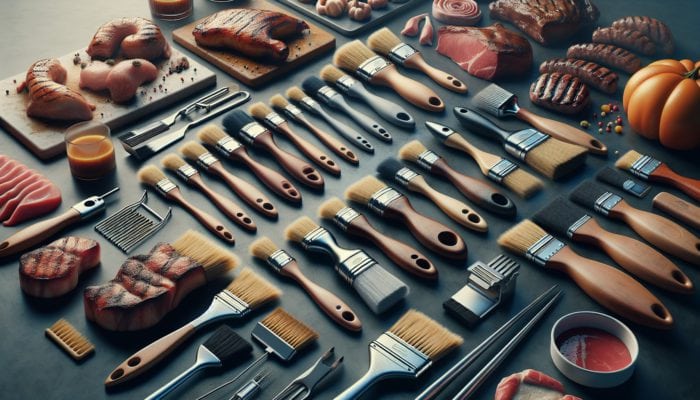
Selecting the ideal basting brush involves assessing your cooking style and the frequency of your culinary endeavors. A practical first step is to analyze the types of meats you often prepare and the cooking methods you prefer. For instance, if high-temperature grilling is your specialty, a silicone brush would be an excellent choice due to its heat resilience. Conversely, if traditional BBQ techniques are more your style, a natural bristle brush might be better suited to your needs.
Here are actionable steps to guide your selection of a basting brush:
- Identify your primary cooking methods: grilling, smoking, or roasting.
- Consider the types of sauces you commonly use: thicker sauces may require stiffer bristles.
- Evaluate your preferences for cleaning: silicone brushes are generally easier to clean than natural bristles.
- Assess your budget: investing in higher-quality brushes can provide greater durability, making it worthwhile.
By thoughtfully considering these factors, you can ensure that your basting brush aligns perfectly with your culinary needs.
The Importance of Basting Brush Quality for Superior Cooking Results
The quality of your basting brush can significantly influence your cooking results. High-quality brushes ensure an even application of sauces and marinades, which is crucial for achieving consistent flavor throughout your dishes. Professional chefs often depend on their basting brushes to create signature dishes that stand out for their flavor and presentation. A well-constructed brush enhances efficiency and elevates the final appearance of your BBQ masterpieces.
Real-world examples emphasize the importance of quality:
- Professional pitmasters consistently choose brushes that can endure long hours over hot grills.
- Chefs utilize soft bristle brushes for delicate sauces that require a gentle touch.
- Top-rated brushes maintain their shape and effectiveness even after repeated washings.
- Numerous award-winning BBQ establishments credit their flavor success to the use of premium basting tools.
Investing in a reliable basting brush is essential for any dedicated BBQ enthusiast aspiring to achieve restaurant-quality results at home.
Essential Maintenance Practices to Ensure Longevity of Your Basting Brush
Proper care and cleaning of your basting brush are crucial for extending its lifespan and ensuring it remains effective for many years. Different materials necessitate specific care; for instance, silicone brushes can often go in the dishwasher, while natural bristle brushes require gentler cleaning to prevent bristle damage. Regular cleaning helps eliminate bacteria buildup and prevents flavors from previous cooking sessions from contaminating your current dishes.
Cleaning techniques vary by type:
- Silicone brushes: Wash in warm, soapy water or place in the dishwasher’s top rack.
- Bristle brushes: Gently wash by hand to preserve bristles and allow them to air dry.
- Nylon brushes: Clean with warm water and mild soap; avoid exposure to high heat to prevent melting.
- Wooden handles: Wipe with a damp cloth and occasionally apply food-safe oil to prevent cracking.
Incorporating these cleaning routines will help maintain your basting brush in optimal condition, ensuring it is always ready for your next BBQ adventure.
Understanding the Essential Role of Basting Brushes in BBQ Excellence
Enhancing Cooking Efficiency with the Use of a Basting Brush
Utilizing a basting brush significantly boosts cooking efficiency by allowing for quick and uniform application of sauces and marinades. This tool enables BBQ enthusiasts to coat meats swiftly without the mess associated with pouring or spooning, thereby reducing preparation time. The efficiency gained through basting brushes not only expedites the cooking process but also optimizes flavor integration throughout the dish.
Consider these time-saving strategies:
- Pre-mix your basting sauces in a bowl for easy access during cooking.
- Utilize a silicone brush for on-the-fly applications that withstand high temperatures.
- Maintain multiple brushes designated for different sauces to prevent flavor cross-contamination.
- Practice basting during the final stages of cooking for added flavor without introducing excess moisture.
These strategies illustrate how using a basting brush can streamline your cooking process, making it not only more efficient but also enjoyable.
The Influence of Basting on Meat Texture and Quality
Basting profoundly affects the texture of meat, ensuring it remains tender and juicy. When proper basting techniques are employed, moisture is consistently added, preventing muscle fibers from drying out and toughening. This is especially vital for cuts of meat that require prolonged cooking times, such as brisket or pork shoulder, where retaining moisture is critical for achieving that melt-in-your-mouth texture.
The science behind basting highlights:
- Retention of moisture through repeated application, leading to enhanced juiciness.
- Creation of a flavor barrier that locks in natural juices.
- Improved crust development, resulting in a delightful textural contrast.
- Reduction of surface drying, which can toughen meat fibers.
Understanding these effects underscores the importance of basting in creating the perfect BBQ dish that satisfies both taste and texture preferences.
Maintaining Food Safety with Proper Basting Brush Use
The appropriate use of basting brushes is vital for ensuring food safety during cooking. Cross-contamination poses a significant risk when brushes are used, particularly when switching between raw and cooked meats. To implement safe cooking practices, it is essential to establish systematic cleaning and maintenance routines for your basting tools.
Key points for ensuring food safety include:
- Designate separate brushes for raw and cooked meat.
- Regularly clean brushes between uses, especially when switching sauces.
- Store brushes in a clean, dry place to prevent bacterial growth.
- Utilize brushes made from materials that can withstand high temperatures, as they are less likely to harbor bacteria.
By adhering to these guidelines, you can indulge in delicious BBQ while prioritizing food safety in your cooking practices.
Effective Techniques for Using a Basting Brush
Mastering Sauce Application Techniques with a Basting Brush
Applying sauce with a basting brush is a skill that requires both technique and precision. Various methods can be utilized based on the sauce type and the meat, allowing for optimal flavor distribution and retention. Mastering these techniques will enable you to achieve the desired outcomes in your BBQ endeavors.
Here are effective techniques for sauce application:
- Dipping: Submerge the bristles into the sauce for even coating, which is ideal for quick applications.
- Spreading: Use a gentle hand to distribute the sauce evenly across the surface for a thin, consistent layer.
- Dabbing: Apply sauce in targeted areas for a concentrated burst of flavor, especially effective for thicker sauces.
- Mopping: For larger cuts, utilize a mop brush to soak and repeatedly apply sauce over time.
Experimenting with these techniques will allow you to discover what works best for your cooking style and the specific meats you are preparing.
Cleaning and Care for Your Basting Brush: A Necessary Routine
Maintaining and cleaning your basting brush are essential tasks that contribute to its longevity and effectiveness. A clean brush ensures that flavors do not cross-contaminate and helps maintain a hygienic kitchen environment. The cleaning process will differ based on the materials used in your brush, but there are universal practices applicable to all.
A thorough cleaning routine includes:
- For silicone brushes: Wash with warm, soapy water or place in the dishwasher for easy cleaning.
- For natural bristle brushes: Rinse thoroughly after each use with mild detergent and allow to air dry.
- For nylon brushes: Hand wash gently to avoid melting and store upright to maintain shape.
- For wooden handles: Regularly wipe down and occasionally apply food-safe mineral oil to keep the wood conditioned.
By establishing a regular cleaning routine, you can keep your basting brush in prime condition, ensuring it is always ready for your next BBQ session.
Timing Your Basting Brush Usage for Optimal Cooking Results
Timing is crucial when using a basting brush; knowing when to baste can dramatically influence the final flavor and texture of your meat. Understanding optimal timing across various cooking methods will guarantee that you achieve the best possible results from your BBQ efforts.
Here’s when to effectively use a basting brush:
- During the last hour of cooking: This period is ideal for intensifying flavors without compromising moisture retention.
- Every 30 minutes for long cooks: Maintaining moisture on longer-cooking meats like brisket helps keep it tender.
- After the first hour of cooking: Applying a layer of sauce after initial cooking helps build flavor without burning.
- In the final minutes: A quick baste right before removing from heat locks in the final burst of flavor.
Implementing these basting strategies will help you maximize flavor and texture, ensuring your BBQ stands out as exceptional.
How Basting Brushes Influence Flavor Profiles in BBQ
The Impact of Different Basting Brushes on Flavor Enhancement
The material and design of a basting brush can significantly affect how flavors are distributed across the meat. Various brushes interact with different sauces in distinct ways; for instance, silicone brushes may apply thinner layers due to their flexibility, while bristle brushes might facilitate a thicker sauce application. Recognizing these differences is essential for achieving the desired flavor profile in your BBQ.
The influence of brush selection includes:
- Silicone brushes: Provide smooth application with minimal soaking, making them ideal for thinner sauces.
- Bristle brushes: Facilitate a more saturated application, making them perfect for marinades and thicker BBQ sauces.
- Flat brushes: Excellent for evenly spreading sauces, ensuring consistent flavor coverage across the surface.
- Sponges: Capable of absorbing large quantities of sauce, making them ideal for larger cuts of meat.
Understanding how to leverage various brushes allows for better control over flavor distribution, thereby enhancing the overall quality of your BBQ.
Crafting Unique Flavor Combinations with Innovative Basting
Experimenting with diverse basting sauces can yield unique and mouthwatering flavor profiles that elevate your BBQ dishes to new heights. The versatility of ingredients allows you to create signature basting sauces that distinguish your BBQ from the competition. By skillfully combining flavors, you can impart a more personalized touch to your meats.
Here are some innovative basting sauce recipes to inspire your creativity:
- Apple Cider Glaze: Mix apple cider vinegar, brown sugar, and mustard for a sweet and tangy taste.
- Herb and Garlic Butter: Melted butter blended with fresh herbs and garlic creates a rich, savory basting option.
- Spicy BBQ Sauce: Combine traditional BBQ sauce with hot sauce and honey for a sweet yet fiery kick.
- Teriyaki Marinade: A blend of soy sauce, ginger, and brown sugar offers a unique Asian-inspired flavor.
These combinations not only enhance taste but also allow you to express your creativity in your cooking style, making each BBQ session an exciting culinary adventure.
Achieving Flavor Balance through Basting Techniques
Basting is essential for balancing flavors in BBQ dishes by adding moisture and enhancing the taste of spices and herbs. This balance is particularly critical in American BBQ, where bold flavors often compete for attention. By strategically applying sauces that complement the meat’s natural flavors, you can create a harmonious dish that tantalizes the taste buds.
Key aspects of achieving flavor balance include:
- Maintaining moisture to prevent dryness, which can dull flavors.
- Using sauces that enhance rather than overpower the meat’s inherent taste.
- Incorporating a variety of spices in the basting sauce to add complexity.
- Adjusting sweetness and acidity levels to counterbalance the richness of the meat.
Achieving this balance is crucial for crafting BBQ that not only satisfies but also excites the palate.
Research-Backed Advantages of Quality Basting Brushes
Scientific Insights on the Benefits of Basting Techniques
Research indicates that basting can significantly enhance the overall quality of cooked meats by improving flavor and texture. Scientific studies reveal that applying an appropriate basting liquid can alter cooking dynamics, leading to juicier, more flavorful dishes. Basting not only improves taste but also promotes healthier cooking practices by mitigating the formation of harmful compounds associated with high-temperature cooking.
Key findings from scientific research include:
- Basting maintains a moist cooking environment, reducing the risk of drying out.
- Applying marinades can enhance the flavor compounds absorbed by the meat.
- Frequent basting helps prevent harmful char from forming on the surface.
- Chemical reactions during cooking are optimized with moisture, enhancing overall flavor.
These points reinforce the significance of proper basting techniques and highlight the value of selecting the right basting brush for optimal results.
The Nutritional Impact of Basting on Meats
Basting can influence the nutritional content of meats, particularly regarding fat and calorie intake. By selecting healthier basting ingredients, such as low-sodium broths and natural oils, you can create flavorful dishes without sacrificing health. Understanding the nutritional implications of basting enables BBQ enthusiasts to make informed choices while still enjoying their favorite foods.
Actionable steps for healthier basting practices include:
- Opting for lower-fat oils or marinades that enhance flavor without adding excessive calories.
- Incorporating fresh herbs and spices instead of sugar-laden sauces.
- Using citrus juices and vinegars to brighten flavors while keeping a low-calorie profile.
- Monitoring portion sizes of richer sauces to balance indulgence with moderation.
By adopting these practices, you can savor delicious BBQ while being mindful of its nutritional value.
How Basting Influences Cooking Time and Temperature
Basting can significantly alter cooking times and temperatures, ultimately influencing the final outcome of your dish. When basting, the introduction of moisture can cool the meat’s surface, which may extend cooking times but ensures that flavors penetrate deeply into the meat. Understanding how basting interacts with cooking temperatures is crucial for achieving perfectly cooked meats.
Examples of basting effects include:
- Lowering surface temperature to prevent overcooking during high-heat grilling.
- Extending cooking times for larger cuts to ensure thorough cooking without drying.
- Allowing flavor absorption as the meat cooks longer in a moist environment.
- Adjusting time needed for crispy skin versus juicy interiors in poultry.
Recognizing these factors is essential to mastering the art of BBQ and consistently achieving delicious results.
Avoiding Common Mistakes with Basting Brushes
Understanding the Consequences of Over-Basting
Over-basting can lead to soggy meat and uneven cooking, negatively affecting the final dish. Excess moisture can prevent the meat from developing that essential outer crust, resulting in an undesirable texture. Understanding the signs of over-basting and how to avoid them is crucial for BBQ success.
Signs of over-basting include:
- A wet, slippery surface on the meat that lacks a desirable crust.
- Dripping sauces that can cause flare-ups on the grill.
- Extended cooking times due to excess moisture.
- Loss of flavor intensity as the sauce becomes diluted.
To prevent over-basting, practice moderation and apply sauce in thin layers, allowing time for absorption.
The Risks of Using Inappropriate Basting Brushes
Selecting the wrong brush can lead to ineffective sauce application and potential contamination. For example, using a natural bristle brush for thick sauces may cause bristles to loosen, while employing a silicone brush for delicate sauces might not provide the desired flavor intensity. Understanding the repercussions of using inappropriate brushes is essential for effective BBQ.
Potential risks include:
- Ineffective sauce application leading to uneven flavor distribution.
- Cross-contamination risks if the same brush is used for both raw and cooked meats.
- Increased preparation time when struggling to achieve desired results.
- Frustration with cleaning if the brush is unsuitable for the sauces being used.
Choosing the right basting brush for the task ensures that you achieve the best possible results in your BBQ endeavors.
The Necessity of Maintaining Your Basting Brush
Neglecting to clean and maintain basting brushes can lead to bacterial growth and reduced effectiveness. A dirty brush affects not only the flavor of your food but can also pose health risks. Regular maintenance routines are essential for ensuring that basting brushes remain safe and effective.
The importance of maintenance includes:
- Preventing flavor cross-contamination that can spoil dishes.
- Avoiding bacterial growth in unclean brushes.
- Preserving the functionality and appearance of the brush over time.
- Reducing the need for frequent replacements, ultimately saving money.
By following a strict maintenance schedule, you can ensure your basting brush remains a reliable tool in your BBQ toolkit.
Recognizing Common Basting Technique Mistakes
Employing incorrect basting methods can lead to uneven flavor and texture, adversely affecting the overall quality of your BBQ. Overzealous techniques can cause excessive sauce pooling, while insufficient basting might leave the meat dry. Understanding the correct techniques for effective basting is crucial for enhancing your culinary skills.
Common pitfalls to avoid include:
- Applying sauce too early during cooking, which can lead to burning.
- Neglecting to baste larger cuts frequently, resulting in dry patches.
- Using too much sauce at once, which can make the meat soggy.
- Failing to adjust basting frequency based on meat type and cooking method.
By refining your basting techniques, you can ensure a delicious and flavorful BBQ experience every time.
The Role of Basting Brushes in Professional American BBQ Competitions
How Basting Brushes Contribute to Success in BBQ Competitions
In the competitive realm of professional BBQ, basting brushes are vital tools for chefs aiming to create award-winning flavors. Competitors utilize their brushes to craft intricate flavor profiles that captivate judges and spectators alike. The precision and technique involved in basting can often be the deciding factor between victory and defeat in the fiercely competitive BBQ landscape.
Strategic use of basting brushes includes:
- Enhancing meat appearance and flavor through meticulous sauce application.
- Building layers of flavor that enhance complexity in dishes.
- Retaining moisture in meats during prolonged cooking processes.
- Demonstrating skill and finesse that impress judges and spectators.
Mastering the effective use of basting brushes can provide a competitive edge in BBQ competitions, showcasing a chef’s dedication to quality and flavor.
Criteria Used by Professionals When Selecting Basting Brushes
Professional BBQ chefs carefully choose basting brushes based on durability, ease of use, and performance. The demanding nature of competition requires tools that can withstand intense conditions while delivering the desired results. Chefs often rely on their experience and preferences to make informed decisions regarding their basting tools.
Criteria for selecting brushes include:
- Material: High-quality bristles that can withstand high heat and heavy use.
- Size: Brushes that allow for easy maneuverability and control during application.
- Ease of cleaning: Tools that can be quickly sanitized between uses.
- Brand reputation: Many chefs prefer brushes from trusted brands known for their quality.
By considering these factors, professional chefs ensure they have the right tools to achieve excellence in their BBQ creations.
Unique Basting Techniques Employed by BBQ Champions
BBQ champions often implement distinct basting techniques that set them apart from other competitors. These techniques may involve specific timing, specialized sauces, or innovative application methods that deliver exceptional flavors. Understanding these techniques can provide valuable insights for aspiring BBQ enthusiasts aiming for success in their culinary endeavors.
Techniques frequently utilized by champions include:
- Frequent basting with a specialized mop sauce throughout the cooking process for maximum flavor.
- Using high-quality, homemade sauces that reflect personal flavor preferences.
- Employing different types of brushes for various meats to ensure optimal sauce application.
- Timing basting intervals to align with specific cooking stages for enhanced results.
By studying and practicing these champion techniques, BBQ enthusiasts can elevate their skills and enjoy greater success in their culinary pursuits.
Innovations in Basting Brush Design and Technology
Exploring the Latest Innovations in Basting Brushes
Recent advancements in basting brush design have introduced features such as heat-resistant materials and ergonomic designs that significantly enhance functionality. These innovations cater to both professional chefs and home cooks, improving the overall basting experience. By integrating modern materials and designs, basting brushes now offer improved performance and ease of use.
Innovative features include:
- Silicone bristles that withstand high temperatures while retaining their shape.
- Ergonomic handles for a comfortable grip during extended cooking sessions.
- Removable heads for easier cleaning and maintenance.
- Basting brushes equipped with built-in reservoirs for continuous application without the need for dipping.
These technological advancements are revolutionizing the basting process, making it more efficient and effective to achieve delicious results.
The Impact of New Designs of Basting Brushes on Cooking
New designs in basting brushes facilitate more precise and efficient sauce application, enriching the overall cooking experience. The combination of innovative materials and thoughtful designs streamlines the basting process, ensuring that cooks can focus on creating delicious meals without struggling with ineffective tools.
Advantages of modern basting brush designs include:
- Improved sauce retention for consistent flavor application.
- Greater flexibility in bristles for even distribution without excessive application.
- Enhanced durability, allowing for frequent use without degradation.
- Convenient cleaning solutions that save time and effort.
These advancements benefit both professional and home cooks, ensuring everyone has access to high-quality tools that elevate their culinary endeavors.
The Future of Basting Brushes in American Kitchens
As technology continues to evolve, basting brushes are likely to become even more specialized and user-friendly. Future trends may include smart technology integration that allows for precise temperature control and sauce application, catering to the evolving needs of cooks across America.
Predictions for future basting brush trends include:
- Smart brushes that connect to mobile applications for guided cooking experiences.
- Adaptive materials that adjust flexibility based on heat conditions.
- Incorporation of self-cleaning technology to enhance hygiene and convenience.
- Designs tailored specifically for various cooking styles and cuisines.
These innovations promise to elevate the standards of BBQ and cooking in American kitchens, making the art of basting even more accessible and enjoyable.
Frequently Asked Questions About Basting Brushes
What Is the Purpose of a Basting Brush?
A basting brush is used to apply sauces, marinades, or oils to meats during cooking, enhancing flavor and moisture retention.
Can a Basting Brush Be Used for Baking Purposes?
Yes, a basting brush can also be utilized in baking to apply egg washes, butter, or glazes on pastries for a shiny finish.
How Frequently Should Basting Be Done While Cooking?
The frequency of basting depends on the type of meat and cooking method; generally, basting every 30 minutes is effective for longer cooking durations.
Are Silicone Basting Brushes Superior to Bristle Brushes?
Silicone brushes are heat-resistant and easy to clean, making them a preferred choice, although bristle brushes may provide better sauce retention for certain applications.
What Is the Best Way to Store My Basting Brush?
Store your basting brush in a clean, dry location to prevent bacterial growth, ideally standing upright to maintain the shape of the bristles.
What Are Common Ingredients for Basting Sauces?
Common ingredients for basting sauces include BBQ sauce, olive oil, vinegar, mustard, and a variety of spices or herbs tailored to your meat choices.
How Should I Clean My Basting Brush?
Cleaning a basting brush typically involves rinsing it under warm, soapy water or placing it in the dishwasher, depending on the materials used.
Can I Use the Same Brush for Raw and Cooked Meat?
It is advisable to use separate brushes for raw and cooked meats to avoid cross-contamination and ensure food safety.
What Is the Most Effective Method for Applying Sauce with a Basting Brush?
Dipping, spreading, and dabbing are effective techniques for sauce application, with the method depending on the thickness of the sauce and desired coverage.
How Does Basting Affect Cooking Times?
Basting can influence cooking times by adding moisture that cools the surface of the meat, potentially extending cooking duration but enhancing flavor and juiciness.
Connect with us on Facebook!
The Article Why a Good Basting Brush Matters: Essential for BBQ appeared first on https://pitmastersarsenal.com
The Article Basting Brush Importance: Key to Perfect BBQ Flavor Was Found On https://limitsofstrategy.com
-

Meat Injector Enhances BBQ Flavor Across the US
Discover How to Maximize Flavor Infusion with Meat Injectors
Understanding the Mechanism of Meat Injectors for Deep Flavor Infusion
A meat injector utilizes a syringe-like mechanism specifically designed to penetrate the meat and deliver marinades directly into its muscle fibers. This innovative method proves particularly advantageous for larger cuts, like brisket and turkey, which benefit from enhanced flavor and moisture retention compared to smaller pieces. The injector is designed with multiple needles, ensuring an even distribution of the marinade, allowing it to permeate deeper layers of the meat. By using this approach, dedicated cooks can effectively address the limitations of traditional marinating techniques, where flavor often remains confined to the surface, resulting in uneven taste throughout the meat.
As the marinade is injected, it disperses through the meat’s fibers, significantly enhancing the flavor profile across the entire cut rather than merely on the surface. The outcome is a juicier and more flavorful piece of meat, which is especially desirable during grilling or smoking—both central to American BBQ culture. This technique not only improves taste but also aids in moisture retention, thereby lowering the risk of drying out during the cooking process. Ensuring that coveted juicy texture is crucial for BBQ enthusiasts who aspire to achieve perfection in their culinary endeavors.
How Marinades Significantly Enhance Flavor Profiles in Meat
Marinades play a pivotal role in the flavor enhancement process when using a meat injector. Typically, these mixtures consist of a balanced combination of acids, oils, and various seasonings that work together to tenderize and infuse flavor into the meat. For example, acidic ingredients like vinegar or citrus juices are essential for breaking down tougher proteins, resulting in more tender meat. Meanwhile, oils provide moisture and facilitate the dissolution of fat-soluble flavor compounds. Seasonings are vital for adding depth and complexity, which are key for achieving the rich, smoky flavors that define American BBQ.
In American BBQ, the choice of marinade holds the power to greatly influence the final flavor profile. Different regional styles incorporate unique ingredients; for instance, a Kansas City-style marinade might blend brown sugar and tomato sauce for a hint of sweetness, whereas a Texas-style marinade might emphasize smoked paprika to deliver that classic smoky essence. This level of customization not only enhances the overall taste but also resonates with the diverse cultural preferences found across various BBQ traditions in the country. Consequently, mastering the art of crafting effective marinades is essential for any pitmaster eager to elevate their BBQ expertise.
The Importance of Consistent Flavor Distribution in BBQ
Ensuring consistent flavor distribution is a fundamental principle of successful BBQ, especially within American grilling traditions. When meat is injected, it guarantees uniform flavor throughout, providing a rich and enjoyable taste experience with every bite. This consistency is particularly vital for larger cuts such as briskets and whole turkeys, which risk developing uneven flavor profiles if only seasoned superficially. The injector’s ability to disperse marinated flavors deep within the meat fibers ensures that no section remains bland or unseasoned.
This even distribution is crucial for maintaining the meat’s texture. For instance, the outer crust of a smoked brisket should ideally complement the tender interior, delivering a balanced bite that embodies the essence of American BBQ. Furthermore, this technique aligns with the high standards expected in BBQ competitions, where judges evaluate the overall flavor harmony. The consistent infusion of flavor not only enhances the meal’s enjoyment but also offers BBQ enthusiasts an opportunity to showcase their skills and creativity in seasoning.
Expert Perspectives on How Meat Injectors Revolutionize Flavor
Identifying the Most Effective Marinades for Injection
Selecting the right marinade is crucial for successfully enhancing the flavor of meat through injection. A well-prepared marinade typically merges elements of acidity, sweetness, fat, and seasoning, resulting in a complex flavor profile. Here are several key components to consider for effective marinades:
- Acidic components (such as vinegar and citrus juices) for tenderizing the meat
- Oils (like olive oil and canola oil) to retain moisture
- Sweeteners (including brown sugar and honey) to aid in caramelization
- Spices (like paprika and garlic powder) to enhance flavor depth
- Salt (such as kosher salt and soy sauce) for taste enhancement
- Herbs (like rosemary and thyme) for aromatic qualities
- Broths or stock for added moisture and flavor
- Hot sauces or pepper extracts for an additional kick of heat
When crafting marinades intended for injection, it is vital to aim for a harmonious balance. For example, an overly acidic marinade can adversely affect the meat’s texture, resulting in a mushy final product, while an overly sweet marinade may overwhelm the palate. The aim is to create a marinade that complements the type of meat being cooked and the chosen cooking method, all while providing a robust flavor that thoroughly permeates the meat during the injection process.
Enhancing Cooking Efficiency with Meat Injectors in BBQ
Utilizing a meat injector significantly boosts cooking efficiency, particularly for cooks who are pressed for time but still want optimal results. One of the primary advantages of this technique is the pre-tenderization of the meat. When marinades are injected, they not only flavor the meat but also help break down proteins, resulting in a tender, juicy end product in a fraction of the time compared to traditional marinating methods. This benefit is especially prominent for larger cuts of meat that typically require extended cooking and tenderizing durations.
In addition to accelerating the cooking process, injectors allow for a more hands-off approach once the meat is prepared. For example, busy grillers can inject their meats earlier in the day, allowing them to marinate while they focus on preparing side dishes or managing the grill during the cookout. Moreover, the efficiency of injectors enables cooks to experiment with various flavor profiles without the usual time commitment associated with traditional marinades, empowering them to innovate within their BBQ repertoire.
Mastering Injection Techniques for Different Types of Meat

Different types of meat necessitate tailored injection techniques to optimize flavor and tenderness. Esteemed American pitmasters have shared various methods for achieving optimal results with different meats, providing invaluable insights for BBQ enthusiasts. For pork, many experts suggest starting with a simple marinade that includes apple cider vinegar, brown sugar, and mustard, which enhances the natural sweetness of the pork while balancing the savory notes typical in barbecue.
For beef, particularly brisket, injectors are often filled with a mixture of beef broth, Worcestershire sauce, and a hint of seasoning. This combination adds flavor while ensuring the brisket retains moisture throughout the lengthy cooking process. When dealing with poultry, a blend of citrus juices and herbs proves exceptionally effective. Injecting chicken with a marinade incorporating lemon juice, garlic, and rosemary creates a harmonious flavor that permeates the meat, leading to an exceptionally flavorful outcome.
Timing for injection is equally important. Some pitmasters recommend injecting meats at least 12 hours before cooking to allow ample time for the flavors to deeply penetrate. Others advocate injecting just before cooking to preserve maximum moisture. These expert tips provide a solid foundation for any BBQ enthusiast seeking to enhance their flavor game through effective injecting techniques.
Explore Various American BBQ Styles and Their Unique Injection Techniques
Kansas City BBQ: Amplifying Flavor Through Injector Techniques
Kansas City BBQ is celebrated for its rich, sweet, and tangy flavors, primarily attributed to its signature sauces. To enhance these flavors, many cooks in this region utilize injectors to deliver the sauce deep into the meat. This technique proves particularly effective for pork ribs and briskets, as injecting the sauce guarantees a more profound taste that complements the caramelization achieved during cooking.
The tradition in Kansas City BBQ often features a mixture of molasses, tomato sauce, and spices, which can be injected into the meat before it reaches the grill or smoker. By employing this method, cooks ensure that the meat is not only flavorful on the surface but also throughout. This approach transforms each bite into a delightful experience, embodying the hallmark of Kansas City BBQ—sweet, smoky, and utterly delicious.
Texas BBQ: Utilizing Injectors to Enhance Smoky Flavor Profiles
In Texas, BBQ enthusiasts are renowned for their rich, smoky flavors, especially concerning brisket. A key technique employed by Texas pitmasters involves using injectors to amplify the smoky essence. Many pitmasters inject a marinade made of beef broth, garlic powder, and a touch of smoked paprika directly into the brisket, facilitating deep flavor infusion.
This method not only intensifies the overall flavor but also ensures that the meat remains juicy and tender throughout the lengthy smoking process. In competitions, where precision is crucial, the injector becomes an indispensable tool for those vying for top brisket accolades. By injecting flavor before the smoke envelops the meat, Texas BBQ enthusiasts can craft a balanced and robust flavor profile synonymous with the Lone Star State’s BBQ culture.
Carolina BBQ: Injecting for a Distinct Tangy Flavor Experience
Carolina BBQ is marked by its vinegar-based sauces, celebrated for their sharp, tangy flavor profiles. To ensure this unique taste permeates the meat, many pitmasters in the Carolinas utilize injectors. Injecting a marinade made from vinegar, mustard, and spices guarantees that the tangy flavor is evenly distributed throughout the meat, especially when preparing pork.
This technique proves particularly advantageous for whole hog BBQ, where the size of the meat presents challenges in achieving consistent flavor. By employing injection, cooks ensure that every serving of pork embodies that signature tanginess that defines Carolina BBQ, perfectly balancing the natural sweetness of the meat. This method not only enhances flavor but also reinforces the rich cultural identity found in Southern BBQ traditions.
Memphis BBQ: Enhancing Dry Rub Penetration with Injection Techniques
Memphis BBQ is often celebrated for its flavorful dry rubs, which can sometimes struggle to penetrate deeply into the meat. To address this challenge, many Memphis pitmasters turn to injectors to ensure that the flavors of the dry rub reach beyond the surface. A common practice involves injecting a complementary marinade, often a blend of apple juice and spices.
This technique allows the rich flavors of the rub to meld with the meat, resulting in a more harmonious taste experience. This approach is particularly effective for ribs and pulled pork, enabling spices to infuse deeply, creating a complex and satisfying flavor profile. For BBQ enthusiasts in Memphis, mastering the injector technique is essential for capturing the essence of this beloved style.
Alabama BBQ: Injecting White Sauce to Maintain Moisture
Alabama BBQ is distinct for its unique white sauce, typically composed of mayonnaise, vinegar, and spices. This sauce not only imparts a rich flavor but also helps to preserve moisture within the meat. Pitmasters in Alabama frequently utilize injectors to introduce this white sauce directly into the meat, ensuring it remains juicy and flavorful throughout the cooking process.
Injecting white sauce is particularly beneficial for chicken, which can easily dry out during cooking. This technique helps keep the meat moist while enhancing its flavor profile with the creamy, tangy notes characteristic of Alabama BBQ. The result is a succulent piece of meat that showcases the region’s unique culinary identity and highlights the innovative use of flavor-enhancing techniques.
Understanding the Effects of Injecting on Meat Texture and Quality
What Structural Changes Occur in Meat Fibers Upon Injection?
When a meat injector delivers marinade into the meat, it not only infuses flavors but also significantly transforms the structure of the meat fibers. The introduction of moisture and enzymes within the marinade helps break down protein structures, leading to a tender and juicy texture that is highly sought after in American BBQ. This tenderization process is particularly critical for larger cuts of meat that typically require extended cooking times.
As the marinade penetrates deeper, it interacts with the muscle fibers, making them more pliable. This is especially important for tougher cuts, which can be transformed into succulent dishes through the use of a meat injector. The science behind this process underscores the significance of flavor infusion—while surface seasoning can enhance taste, only injection can achieve the desired tenderness and flavor depth throughout the entire cut.
The Influence of Injecting on Cooking Time
One of the most significant advantages of utilizing a meat injector is its ability to shorten cooking times. By pre-tenderizing the meat and infusing it with flavor, injectors empower cooks to produce perfectly cooked and flavorful meat in a fraction of the time typically required. This benefit is particularly advantageous when preparing larger cuts that would otherwise demand hours to achieve tenderness.
The efficiency gained through injecting is particularly valuable for busy grillers or those hosting large gatherings. By reducing the time spent on marinating and cooking, injectors allow BBQ enthusiasts to focus on other meal components, such as side dishes and desserts. Moreover, this time-saving technique does not compromise quality; rather, it enhances both flavor and texture, resulting in a superior BBQ experience for everyone involved.
Achieving the Right Balance Between Moisture and Texture in Meat
Effective injection techniques are fundamental for achieving the ideal balance of moisture and texture in meat. While retaining moisture during cooking is vital, injecting too much liquid can lead to a soggy texture, which is undesirable in BBQ. Conversely, insufficient moisture can result in dry and tough meat. Therefore, mastering the injector technique is crucial for ensuring that the meat remains juicy without sacrificing the crispness of the outer crust.
To maintain this delicate balance, pitmasters often recommend using marinades that feature a blend of liquids and seasonings, allowing for both moisture and flavor without overwhelming the meat. Techniques such as injecting at multiple points help ensure even flavor distribution while minimizing the risk of excess moisture accumulating in any one area. This understanding of how to balance moisture and texture exemplifies BBQ expertise, enabling cooks to create unforgettable dishes that celebrate the art of grilling.
Investigating the Evidence-Based Benefits of Using a Meat Injector for Flavor Enhancement
Scientific Insights on the Efficacy of Injectors
Scientific research increasingly supports the advantages of using meat injectors to enhance flavor and tenderness. Studies indicate that injecting marinades can significantly elevate the overall flavor profile of meats, as the deep penetration of flavor compounds results in a more uniform taste throughout the cut. Research conducted by culinary institutions demonstrates that marinated meats treated with flavor-enhancing liquids deliver a superior eating experience compared to those that are merely surface-marinated.
This scientific validation instills confidence in BBQ enthusiasts employing injectors, ensuring they are utilizing a method supported by expert findings. Flavor enhancement through injection not only caters to personal taste preferences but also aligns with the growing demand for high-quality, flavor-rich meats within American culinary culture. As the BBQ landscape continues to evolve, the evidence backing injector use reinforces its status as a fundamental technique for achieving optimal flavor.
Promoting Healthier BBQ Options Through Injection Techniques
Injectors can positively influence the health profile of BBQ dishes by reducing the reliance on heavy sauces that often introduce excess calories and sodium. When meats are infused with flavor through a marinade, there is less need for external condiments that may be high in sugar or salt. This approach promotes a more balanced flavor that appeals to health-conscious consumers without sacrificing taste.
For example, a well-injected piece of meat can stand independently without requiring excessive sauces, making it a healthier choice for BBQ lovers. Cooks can experiment with various spices and herbs to enhance flavor without incorporating unhealthy ingredients. This shift towards healthier BBQ options is increasingly significant in a society where individuals are more conscious of their dietary choices, enabling the creation of delicious meals that also support a balanced lifestyle.
Long-Term Effects of Injection on Meat Quality and Tenderness
Long-term studies suggest that injecting meat can lead to improved overall quality by enhancing flavor and tenderness over time. As meat is injected, it absorbs flavors and retains moisture, resulting in a superior texture that is highly valued by BBQ enthusiasts. Over time, the benefits of injecting can compound, producing meat that is consistently flavorful and tender, making it a worthwhile technique for both home cooks and professionals.
As cooks embrace injection methods, they often notice a significant enhancement in the quality of their BBQ, leading to a more satisfying dining experience. This improvement in meat quality not only heightens personal enjoyment but also elevates the reputation of BBQ establishments or home cooks, as consistently high-quality results foster trust and loyalty among diners. In a culture that prioritizes quality, the long-term benefits of injecting create a lasting impact on the overall BBQ experience.
How Injectors Ensure Even Flavor Distribution Throughout Meat
Injectors serve as remarkably effective tools for ensuring even flavor distribution throughout the meat. This uniformity is crucial for crafting a consistent taste experience, especially when preparing large cuts that can be prone to uneven seasoning. Research conducted by food scientists indicates that injection allows flavor compounds to permeate deeper into the meat, resulting in a more balanced flavor profile that enhances overall enjoyment.
The ability to achieve even flavor distribution empowers cooks to create complex flavor combinations without the concern of under-seasoned areas. This technique proves particularly advantageous in BBQ competitions, where judges expect a well-rounded flavor experience. By utilizing injectors, cooks can ensure their meats stand out, showcasing not only their culinary skills but also their understanding of flavor chemistry.
Innovative Techniques and Trends in American BBQ Competitions Using Injectors
The Role of Injectors in BBQ Competitions
Injectors have become essential tools in American BBQ competitions, where flavor and tenderness are paramount. Competitors frequently utilize injectors to gain a competitive edge, ensuring that their meats are not only flavorful but also tender and juicy. The injection process allows for precise flavoring, which is crucial when competing under the scrutiny of judges who evaluate every aspect of the dish.
During competitions, pitmasters may inject meats with various marinades, often tailored specifically to meet the competition’s theme or requirements. The strategic use of injectors can significantly influence overall scores, as judges typically seek depth of flavor and consistency, both of which are enhanced through effective injection techniques. As the competitive landscape evolves, the use of injectors continues to redefine the standards for excellence in BBQ.
Top Injector Brands Trusted by BBQ Champions
Numerous brands have gained recognition among BBQ competition winners, celebrated for their reliability and effectiveness in delivering precise flavor injections. Some of the leading injector brands include:
- Stubbs
- Weston
- BBQ Guru
- Meat Church
- Pit Barrel Cooker Co.
- Smoke Hollow
- Traeger
- Char-Broil
These brands have received commendations from both BBQ enthusiasts and professionals, often praised for their durability and user-friendliness. When selecting an injector, many pitmasters consider not only the brand but also the design and functionality, ensuring they have the right tool to achieve their desired results.
Injector Techniques Shared by Championship BBQ Winners
American BBQ competition winners frequently share their injector techniques, revealing the subtle nuances that can lead to success in both flavor and tenderness categories. A common practice involves injecting the meat at multiple sites, ensuring that the marinade is evenly distributed. Timing is also critical; many champions advise injecting several hours before cooking to allow flavors to permeate thoroughly.
Moreover, the composition of the marinade plays a pivotal role. Competition winners often recommend balancing flavors—a mix of sweet, salty, and spicy elements—to create a well-rounded profile. Cooks are encouraged to document their injecting processes, enabling them to refine their methods and achieve consistent results. By learning from the best, aspiring BBQ enthusiasts can enhance their skills and improve their chances in competitive settings.
Frequently Asked Questions About Meat Injectors and Their Use
What purpose does a meat injector serve?
A meat injector is a specialized tool designed to inject marinades directly into the meat, facilitating deeper flavor penetration and improved moisture retention.
In what ways does injecting enhance flavor in meat?
Injecting allows marinades to penetrate deeper into the meat, ensuring even distribution of flavor and significantly enhancing the overall taste experience.
Which types of marinades are best suited for injecting into meat?
Effective marinades typically contain a balance of acids, oils, sweeteners, and spices to create a flavorful and tenderizing effect.
How long before cooking should I inject meat for optimal results?
It is generally advisable to inject meat several hours ahead of cooking to allow sufficient time for flavor absorption and maximum moisture retention.
Can I use a meat injector for vegetables as well?
While primarily designed for meat, injectors can also be utilized for certain vegetables to infuse flavors, though this practice is less common.
What advantages does using a meat injector offer in BBQ competitions?
Injectors ensure a consistent flavor profile and tenderness, which are critical factors influencing judges’ scores during BBQ competitions.
Is it essential to inject meat for achieving optimal flavor?
Injecting is not mandatory but can significantly enhance flavor and moisture, particularly for larger cuts of meat that benefit from deeper infusion.
What is the proper way to clean a meat injector after use?
Cleaning typically involves disassembling the injector and thoroughly washing each component with warm, soapy water to ensure proper sanitation.
Can I inject sauces instead of traditional marinades?
Yes, sauces can be injected; however, it’s important to ensure they have an appropriate consistency to prevent clogging the injector.
Are there any risks associated with injecting meat improperly?
Provided that proper food safety protocols are observed, such as using clean equipment and safe marinades, injecting meat is both a safe and effective technique.
Connect with us on Facebook for additional BBQ tips and tricks!
The Article Why a Meat Injector Boosts Flavor: Enhancing US BBQs appeared first on https://pitmastersarsenal.com
The Article Meat Injector Boosts Flavor for Better BBQs in the US Was Found On https://limitsofstrategy.com
-

BBQ Data Trackers: The Complete Guide to Usage
Master Your Grilling Techniques with Cutting-Edge BBQ Data Trackers
For passionate barbecue aficionados throughout the United States, finding groundbreaking tools to enhance the grilling experience is essential. Enter BBQ data trackers, advanced instruments designed to revolutionize your outdoor cooking escapades. These are not merely trendy gadgets; they are vital tools for anyone aiming to craft exceptional culinary creations right in their backyard. By thoroughly monitoring key factors such as cooking time and temperature, BBQ data trackers guarantee that your meats are cooked to perfection every single time, removing the guesswork that often results in overcooked or undercooked meals.
Delving Into the Functions and Importance of BBQ Data Trackers
BBQ data trackers represent the pinnacle of modern technology, meticulously monitoring a variety of cooking metrics during your grilling adventures. These sophisticated devices provide real-time insights into vital parameters such as temperature, cooking duration, and, in some cases, even humidity levels. Picture checking the internal temperature of your brisket without needing to lift the grill lid! This not only conserves precious cooking time but also prevents unnecessary heat loss, facilitating a more efficient cooking experience. Many models come equipped with user-friendly apps that enable you to keep an eye on your barbecue from the comfort of your patio chair, with some even sending alerts directly to your smartphone when your meat reaches the perfect temperature or when it’s time to flip those burgers.
Fitted with highly accurate sensors, these trackers collect crucial data that is essential for attaining the optimal doneness of various meats. Whether you’re smoking ribs, grilling steaks, or roasting vegetables, a BBQ data tracker can remarkably improve your cooking accuracy. Their consistency ensures that not only do your dishes taste fantastic, but they are also safe to consume. The integration of advanced technology into traditional grilling methods is fundamentally transforming how we engage with outdoor cooking, making it more intuitive and enjoyable for everyone involved.
Diving into the Diverse Selection of BBQ Data Trackers Available
The variety of BBQ data trackers available on the market is truly astonishing. You can select from standalone devices, smartphone-compatible models, and even Wi-Fi-enabled gadgets. Standalone BBQ trackers primarily focus on providing precise temperature readings, making them straightforward and user-friendly, often featuring easy-to-read displays for real-time data.
Smartphone-compatible models elevate the grilling experience by allowing you to connect your tracker directly to your mobile device. These devices typically come with specialized applications that offer a user-friendly interface for tracking your cooking progress. Common features include graphical data representations, historical data logging, and customizable alerts. This connectivity allows you to manage the tracker remotely, letting you enjoy your barbecue without the need to hover over the grill constantly.
For the tech-savvy grilling enthusiast, Wi-Fi-enabled BBQ data trackers offer seamless integration with your smart home environment. These devices allow you to monitor your cooking from anywhere in your home, providing peace of mind while you entertain guests or relax with a beverage. Additionally, some models can connect with other smart devices, such as smart speakers, enabling you to receive voice-activated updates on your cooking progress.
When choosing the ideal BBQ data tracker, consider your skill level, cooking style, and budget. While some users may prefer the simplicity of standalone units, others may find that the advanced features of smartphone-compatible models or Wi-Fi-enabled devices are essential for taking their grilling experience to the next level.
Discovering the Key Advantages of Using BBQ Data Trackers in Your Cooking Routine
Integrating BBQ data trackers into your culinary practices can significantly enhance your overall cooking experience, providing numerous benefits that extend far beyond basic temperature monitoring. One of the most notable advantages is the heightened precision in cooking they offer. Achieving the perfect doneness for meats can be quite challenging, particularly for cuts like beef brisket or pork shoulder that require meticulous temperature control. BBQ data trackers eliminate the uncertainty involved, enabling you to serve consistently flawlessly cooked dishes.
Food safety is a paramount concern for any griller. By utilizing a BBQ data tracker, you can ensure that your meats reach safe internal temperatures, thereby reducing the risk of foodborne illnesses. For example, poultry should achieve an internal temperature of 165°F, while pork must be cooked to a minimum of 145°F. A trustworthy data tracker allows you to quickly confirm that these essential temperature benchmarks are met, providing peace of mind for both you and your guests.
Moreover, BBQ data trackers significantly enhance your overall enjoyment of grilling. The incorporation of technology allows you to engage with the cooking process in innovative ways that traditional grilling methods simply cannot match. You can experiment with various cooking techniques, such as smoking or indirect grilling, while collecting invaluable data that helps you refine your skills over time. This data-driven approach not only boosts your confidence in your grilling abilities but also sparks creativity as you explore new recipes and cooking methods.
In addition to these benefits, many BBQ data trackers provide insights that assist in planning future grilling sessions. By analyzing temperature and cooking data, you can identify trends that inform your cooking techniques. This means your next barbecue could surpass the last, leading to an ever-evolving culinary journey.
Essential Factors to Consider When Selecting the Right BBQ Data Tracker

Choosing the right BBQ data tracker can significantly influence your outdoor cooking experiences. With countless options available, there are several critical factors to consider to make an informed decision. First, evaluate your connectivity preferences. If you prioritize the convenience of monitoring from your smartphone, seek models that offer Bluetooth or Wi-Fi capabilities. These features allow you to track your cooking without being physically tethered to your grill.
Next, think about usability. A user-friendly interface is vital, especially if you’re new to incorporating technology into your cooking routine. Look for models with clear displays and intuitive apps that guide you through both setup and monitoring. The last thing you want is to struggle with complicated features while trying to focus on your barbecue.
Another important consideration is accuracy. A reliable BBQ data tracker should provide trustworthy temperature readings. Opt for devices that boast high precision and quick response times, as these will provide the most accurate monitoring. Additionally, ensure that the tracker is compatible with your existing barbecue setup. Certain trackers may include specific probes designed for particular types of grills or smokers, so it’s crucial to verify that any device you choose works seamlessly with your equipment.
Lastly, keep your budget in mind. BBQ data trackers are available in a wide range of prices, so determine which features are vital for you and which ones can be compromised. Investing in a high-quality model may yield better long-term results than selecting a cheaper, less reliable option. Keeping these factors in mind will assist you in selecting a BBQ data tracker that meets your grilling needs while enhancing your overall barbecue experience.
Seamlessly Preparing Your BBQ Data Tracker for Optimal Use
The thrill of using a new BBQ data tracker can quickly diminish if the setup process proves overly complicated. Thankfully, with the right guidance, you can have your device ready for action in no time, set to elevate your grilling game to unprecedented levels.
Selecting the Ideal Tracker to Meet Your Specific Requirements
Before delving into the setup process, it’s crucial to ensure that you’ve chosen the right BBQ data tracker tailored to your unique needs. Factors such as your grilling habits, the type of BBQ equipment you possess, and your budget will significantly influence this decision. If you frequently host large gatherings or family barbecues, investing in a more advanced tracker with multiple probes may be essential, as it will enable you to monitor different meats simultaneously.
Conversely, if you are a casual griller, a simpler, single-probe model may suffice. For those who relish smoking meats, consider trackers designed specifically for low and slow cooking, as they often feature functionalities that facilitate monitoring extended cooking durations. Budget is also a key factor in this decision. While more advanced trackers may offer additional features, it’s essential to evaluate these against how often you plan to use them and whether the extra capabilities justify the investment.
Conducting thorough research and reading reviews can be immensely helpful in this process. Seek customer testimonials that highlight the ease of setup and reliability of the tracker. Once you’ve selected a model that aligns with your needs, you can proceed to the setup process with confidence, knowing you’ve made a well-informed choice.
Properly Installing the Tracker on Your BBQ

Installing your BBQ data tracker typically involves securely attaching the device to your grill, ensuring it is positioned accurately for reliable readings. Most manufacturers provide comprehensive instructions, making it crucial to follow these guidelines closely to avoid any complications. Generally, you’ll need to attach the probe(s) to your meat, ensuring they penetrate deep enough to deliver precise internal temperature readings.
Correct positioning is vital; place the tracker in a location that allows it to measure the heat both inside and outside your grill. Avoid placing it too close to any flames or direct heat sources, as this can lead to inaccurate readings. Ensure that any wires or cables do not interfere with your cooking process, as this could introduce hazards while grilling.
If your tracker features a magnetic back or clamps, these options can simplify installation, allowing you to mount it securely on your grill. Confirm that all components are fastened correctly and that the device is stable before igniting your barbecue. A well-installed tracker will supply you with trustworthy data throughout your cooking session, significantly enhancing your overall experience.
Connecting Your Tracker to a Device for Seamless Monitoring
Once your BBQ data tracker is correctly installed, the next step is to connect it to your smartphone or other devices. Many modern BBQ trackers come equipped with companion apps that facilitate seamless syncing and monitoring. Start by downloading the necessary app from your device’s app store. Once installed, follow the app’s setup instructions to pair it with your BBQ tracker.
Typically, this process requires enabling Bluetooth or Wi-Fi on your device while ensuring that the tracker is powered on. Once connected, you’ll have access to real-time data regarding your cooking progress, allowing you to monitor temperatures from any location within range. This feature is particularly advantageous during social gatherings, as it enables you to interact with guests while keeping an eye on your food.
As you connect, you may also have the option to customize settings according to your preferences, such as setting alerts for specific temperature thresholds. This customization allows you to tailor the experience for different types of meats or cooking styles, ensuring optimal results every time you fire up the grill.
Calibrating Your BBQ Data Tracker for Precise Readings
Calibration is a pivotal step to ensure that your BBQ data tracker provides accurate readings. Most devices will come with guidelines on calibrating them correctly; this is a step you should never overlook. Calibration typically involves using a known temperature source, such as boiling water or ice, to verify that the tracker is providing correct readings.
For instance, when using boiling water, it should read approximately 212°F at sea level. If your tracker displays a different temperature, you may need to adjust it according to the manufacturer’s instructions. Calibration can also help you account for any discrepancies that may arise from environmental factors such as altitude or humidity, which can influence temperature readings.
Regular calibration—especially before significant cooking sessions—ensures that your BBQ data tracker remains reliable over time. Some advanced models even offer self-calibration features, simplifying this process and enhancing accuracy. Keeping your device well-calibrated will greatly contribute to achieving the perfect cook every time you fire up the grill.
Maintaining and Troubleshooting Your Tracker for Long-Term Use
Proper maintenance of your BBQ data tracker is essential for ensuring its longevity and consistent performance. Regular cleaning is crucial, particularly if you use the device frequently. Many models are built to withstand outdoor conditions, but it’s still wise to wipe down the exterior and clean the probes after each use. Avoid harsh chemicals; instead, opt for mild soap and water to preserve its functionality.
In addition to cleaning, refer to the manufacturer’s maintenance recommendations, which may include specific care tips tailored to the tracker’s materials and design. Storing your BBQ data tracker in a cool, dry location when not in use will also help protect it from potential damage.
Troubleshooting common issues can save you time and frustration. If you experience connectivity problems, ensure that both your tracker and the device it’s connected to have Bluetooth or Wi-Fi enabled. Restarting both devices often resolves these issues. If you encounter inaccurate readings, recheck the calibration and ensure that the probes are clean and properly inserted into your food.
Many manufacturers also provide online support resources, including FAQs and troubleshooting guides, which can be invaluable when addressing common challenges. Taking the time to maintain and troubleshoot your BBQ data tracker will not only enhance your grilling experiences but also extend the lifespan of this invaluable tool.
Maximizing BBQ Data Trackers for Various Cooking Methods
BBQ data trackers are versatile companions in outdoor cooking, designed to enhance a variety of cooking techniques, whether you’re grilling, smoking, or roasting. Let’s explore how to effectively utilize these devices for each method, ensuring mouthwatering results every time.
Achieving Grilling Precision with BBQ Data Trackers
Grilling is a cherished American tradition, and using a BBQ data tracker takes the uncertainty out of achieving that perfect sear on your steaks or burgers. Start by preheating your grill to the desired temperature, using your tracker to monitor both the grill’s heat and the internal temperature of the meat you’re preparing.
With a reliable BBQ data tracker, you can maintain your grill at the ideal temperature throughout the cooking process. For example, most steaks are best cooked at high temperatures ranging from 450°F to 500°F to achieve that perfect medium-rare finish. By utilizing your tracker to keep tabs on both the grill and meat temperatures, you can prevent overcooking and achieve that ideal crust while keeping the interior juicy and flavorful.
Additionally, many BBQ data trackers feature alert settings that notify you when your meat reaches the desired temperature. This capability is particularly useful when entertaining guests, as it allows you to focus on socializing while ensuring your food cooks perfectly. With accurate monitoring and the ability to make necessary adjustments, your grilling sessions will not only be more efficient but also much more enjoyable.
Smoking Meats with the Support of BBQ Data Trackers
Smoking meats is an art that requires patience and precision, making BBQ data trackers indispensable for this method. Attaining ideal low and slow cooking conditions can be challenging, but a data tracker helps you maintain consistent temperatures over extended periods.
Begin by setting your smoker to the desired temperature, typically between 225°F and 250°F for most types of meats. Throughout the cooking process, the tracker will provide real-time updates on the internal temperature of your meat. This feature allows you to adjust the smoker’s heat source and wood chips without frequently opening the smoker lid, which could cause undesirable temperature fluctuations.
Moreover, smoking times can vary significantly based on the type of meat and its size. By utilizing your BBQ tracker’s recorded data, you can analyze smoking times from previous cooking sessions to refine your techniques. Over time, you’ll gain a better understanding of how different woods influence flavor and how various meats respond to prolonged smoking durations. This analytical approach will elevate your smoking skills and improve the overall quality of your barbecue.
Roasting with the Assistance of BBQ Data Trackers
Roasting meats is another area where BBQ data trackers excel. When roasting, the key to success lies in ensuring even cooking throughout the meat. A BBQ tracker allows you to closely monitor the internal temperature, ensuring that your roast reaches the desired doneness without overcooking the exterior.
Begin by preheating your grill or smoker and placing the meat in a central position. As it cooks, keep an eye on the temperature data provided by your tracker. For instance, when roasting chicken, achieving an internal temperature of 165°F is crucial for ensuring it’s fully cooked while remaining juicy and tender. Utilize the alerts on your BBQ data tracker to notify you when the meat approaches the desired temperature.
Furthermore, BBQ data trackers empower you to experiment with different seasoning blends and cooking techniques, enabling you to discover the perfect combination that aligns with your taste preferences. With precise monitoring, you’ll gain confidence in your roasting abilities, allowing you to prepare impressive meals for family gatherings or special occasions.
Leveraging BBQ Data for Superior Cooking Outcomes
The true value of a BBQ data tracker extends beyond its real-time monitoring capabilities; it also lies in the ability to analyze the data it collects. By reviewing this information, you can make well-informed decisions that enhance your future cooking endeavors.
Utilizing Temperature Data for Enhanced Cooking Techniques
After each grilling or smoking session, take a moment to review the temperature data collected by your BBQ tracker. This analysis can unveil patterns that inform your cooking strategies and help you improve over time. For example, you might discover that certain cuts of meat require longer cooking times than anticipated or that specific temperature ranges produce superior results.
By identifying these trends, you can adjust your cooking techniques accordingly. If you find that your pork ribs consistently finish too quickly at a particular temperature, consider lowering the heat or extending cooking time for a more tender outcome. Understanding how different meats respond to various conditions will empower you to achieve consistently high-quality results.
Additionally, many BBQ data trackers retain historical data, allowing you to compare results across different cooking sessions. Use this information to create your own cooking log, documenting successful techniques and any modifications you made along the way. Over time, this log will serve as a valuable resource, guiding you to effortlessly replicate your best barbecues.
Tracking Cooking Time for Optimal Outcomes
In the realm of barbecue, timing is paramount. Utilizing your BBQ data tracker to monitor cooking times will enable you to optimize your grilling process, facilitating better planning during cookouts. By noting how long it takes to reach specific temperatures for various types of meats, you can create a more efficient cooking schedule for future barbecues.
For example, if you find that your brisket typically takes six hours to reach the desired internal temperature, you can plan your cooking start time accordingly for upcoming gatherings. This foresight will also allow you to coordinate other dishes, such as sides or appetizers, ensuring that everything is ready simultaneously.
Additionally, some BBQ data trackers come equipped with timers that can assist in managing multiple dishes simultaneously. This feature is particularly beneficial when cooking for larger groups, where timing can quickly become chaotic. By effectively tracking cooking times, you can make strategic decisions that lead to more enjoyable and less stressful barbecue experiences.
Comparing Data Across Multiple Cooking Sessions for Continuous Improvement
One of the most powerful features of utilizing a BBQ data tracker is the ability to compare data from various cooking sessions. Each barbecue presents unique variables, from weather conditions to the specific cuts of meat used. By analyzing data from multiple cooks, you can identify what worked well and what didn’t, facilitating continuous improvement in your grilling skills.
Look for discrepancies in temperature readings or cooking times across different sessions and assess how those differences impacted the final results. For instance, if you note that a particular rub performed better on a rainy day, you might adjust your approach based on weather conditions in the future. This analytical mindset will not only enhance your understanding of barbecue techniques but also help you become a more versatile grill master.
Moreover, sharing your data with fellow barbecue enthusiasts can yield valuable insights and tips. Friends and family may offer alternative perspectives on your cooking methods, potentially highlighting areas for improvement. By continually refining your techniques based on data, you will ensure that your barbecue skills remain sharp and innovative.
Ensuring Longevity Through Proper Maintenance and Calibration of Your BBQ Data Tracker
Proper maintenance and calibration of your BBQ data tracker are essential for guaranteeing accurate readings and long-term functionality. By adhering to a few simple steps, you can keep your device in excellent condition and ready for your next cookout.
Routine Cleaning and Maintenance for Optimal Functionality
Your BBQ data tracker is an investment in your grilling success, and like any tool, it requires regular cleaning and maintenance to function optimally. After each use, take a few moments to clean the device and its components. Depending on the model, this may involve wiping down sensors, probes, and exterior surfaces to remove grease, food particles, or moisture.
Using mild soap and warm water is generally sufficient for cleaning. Avoid using abrasive materials that could scratch the surface or damage internal components. Pay special attention to the probes, as they often come into direct contact with food. Ensure they are thoroughly cleaned to prevent cross-contamination during cooking.
In addition to cleaning, check for any signs of wear or damage to the device. Look for frayed wires, loose parts, or damaged displays. If you notice any issues, consult the manufacturer’s recommendations for repairs or replacements. Regular maintenance will extend the life of your tracker and ensure it continues to provide accurate data for years to come.
Calibration Procedures for Optimal Device Performance
Calibration is a critical practice that guarantees your BBQ data tracker delivers precise readings. Many manufacturers offer specific guidelines for calibration, which often involves using a known temperature source such as boiling water or ice to verify the device’s accuracy.
To calibrate, fill a container with ice and water for a cold calibration or boil a pot of water for a hot calibration. Insert the probe into the ice water or boiling water and wait for the reading to stabilize. If the reading does not align with the expected temperature (32°F for ice water or 212°F for boiling water), follow the manufacturer’s instructions for adjusting the calibration settings.
Regular calibration is especially important if you notice inconsistencies in the temperature readings during your cooking sessions. Checking your tracker before significant cooks will help ensure its accuracy, enabling you to achieve consistently excellent results.
Troubleshooting Common Challenges with Your BBQ Tracker
Even the most reliable BBQ data trackers can encounter issues from time to time. Familiarizing yourself with common problems and their solutions can save you time and frustration. For instance, if you experience connectivity issues, ensure that your device and tracker are within range and that Bluetooth or Wi-Fi is enabled.
If you notice inaccurate temperature readings, recalibrate your tracker using the methods discussed earlier. It’s also wise to check that the probes are clean and correctly positioned within the meat. If problems persist, consult the user manual or reach out to the manufacturer’s support team for assistance.
Numerous BBQ data trackers also have online community forums where users share tips and solutions for troubleshooting common issues. Engaging with this community can provide insights into how others have resolved similar problems, helping you get back to grilling in no time.
Keeping Firmware and Software Updated for Peak Performance
To ensure that your BBQ data tracker operates at peak performance, it’s crucial to keep its firmware and software updated. Many modern devices will provide notifications within their companion apps when updates are available. These updates can enhance performance, introduce new features, and resolve bugs that may impact functionality.
Regularly checking for updates is straightforward; simply follow the prompts within the app to initiate the update process. It’s advisable to keep your device plugged in or charged during this process to avoid interruptions. By staying current with firmware and software updates, you’ll maximize the performance and reliability of your BBQ data tracker.
Proper Storage Techniques for Your Tracker
When not in use, storing your BBQ data tracker correctly will protect it from damage and prolong its lifespan. Opt for a cool, dry location for storage, away from direct sunlight and moisture. Avoid areas where it may be exposed to extreme temperature fluctuations, as this can adversely affect its electronic components.
If your tracker includes a storage case, utilize it to shield the device from dust and physical damage. Keeping all components organized in one place will also simplify locating and using them when you’re ready to grill again. Proper storage ensures that your BBQ data tracker will be poised to perform when your next barbecue adventure arrives.
Uncovering Advanced Features of BBQ Data Trackers
As technology progresses, BBQ data trackers are becoming increasingly sophisticated, offering advanced features that can significantly enhance your grilling experience. From customizable alerts to smart home integrations, these features can simplify the cooking process and ignite your culinary creativity.
Custom Alerts and Notifications for Enhanced Cooking Control
One of the standout features of modern BBQ data trackers is their ability to set customizable alerts and notifications. This functionality allows you to tailor your cooking experience to match your specific preferences and needs. For example, you can establish alerts to notify you when meats reach predetermined temperatures or when it’s time to flip or baste your food.
These alerts can be delivered through the companion app on your smartphone, ensuring that you’re always informed, even when you’re not physically near the grill. This capability is especially beneficial during larger gatherings, where you might be preoccupied with hosting guests. Instead of constantly checking on your cooking progress, you can rely on timely notifications to maintain control over your barbecue.
Some advanced models offer multiple alert options, enabling you to set different notifications for various meats or dishes. This added customization can enhance your overall cooking efficiency and ensure that everything is cooked to perfection. By leveraging these alerts, you can create a more enjoyable and stress-free grilling experience.
Integration with Smart Home Technologies for Ultimate Convenience
The rise of smart home technology has facilitated the seamless integration of BBQ data trackers with other smart devices. This feature can elevate your grilling sessions, allowing for centralized control and monitoring from your home automation system.
Imagine being able to monitor your BBQ data tracker through voice commands via a smart speaker like Amazon Echo or Google Home. You can inquire about updates on your cooking progress without needing to manually check your device. This integration not only adds convenience but also allows you to engage with your barbecue in a modern, tech-savvy way.
Furthermore, some BBQ trackers can be programmed to work in conjunction with other smart devices, such as smart thermometers or automatic grill igniters. This interconnected system can streamline your cooking process, making everything from preparation to cooking more efficient. As smart home technology continues to evolve, the possibilities for BBQ data trackers will expand, providing even more opportunities to enhance your outdoor cooking experience.
Answers to Common Questions About BBQ Data Trackers
What is the primary function of a BBQ data tracker?
A BBQ data tracker is a device designed to monitor essential cooking parameters such as temperature and time, enabling you to achieve precise results when grilling or smoking meats.
How can a BBQ data tracker improve my cooking?
By providing real-time temperature readings and alerts, a BBQ data tracker removes guesswork and helps ensure that meats are cooked to the correct doneness.
What types of BBQ data trackers are on the market?
BBQ data trackers are available in various formats, including standalone units, smartphone-integrated models, and Wi-Fi-enabled devices, catering to different cooking styles and preferences.
How do I choose the best BBQ data tracker for my needs?
Consider factors like connectivity options, ease of use, accuracy, and compatibility with your existing BBQ setup to select the ideal tracker for your requirements.
How frequently should I calibrate my BBQ data tracker?
It’s advisable to calibrate your BBQ data tracker regularly, especially before significant cooking sessions, to ensure accurate temperature readings.
Can I use a BBQ data tracker for smoking meats?
Yes, BBQ data trackers are particularly beneficial for smoking, as they help maintain consistent low temperatures over extended cooking durations.
What should I do if my BBQ data tracker shows inaccurate readings?
If your tracker displays inaccurate readings, recalibrate it using a known temperature source and ensure the probes are clean and correctly positioned.
How can I maintain my BBQ data tracker?
Regularly clean your BBQ data tracker, adhere to the manufacturer’s maintenance recommendations, and store the device appropriately when not in use to ensure longevity.
Are customizable alerts useful for grilling?
Absolutely! Customizable alerts allow you to tailor notifications based on your cooking preferences, enhancing your overall grilling experience by keeping you informed.
Can BBQ data trackers connect with smart home systems?
Many contemporary BBQ data trackers can seamlessly integrate with smart home systems, allowing for centralized control and monitoring through voice commands or companion apps.
Connect with us on Facebook for more grilling tips and tricks!
The Article How to Use BBQ Data Trackers: A Comprehensive Guide appeared first on https://pitmastersarsenal.com
The Article BBQ Data Trackers: Your Ultimate Guide to Usage Was Found On https://limitsofstrategy.com