Your cart is currently empty!
Category: Cooking Tips
-
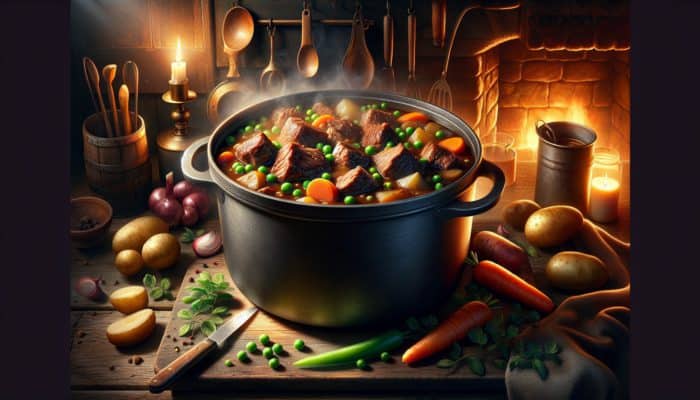
Beef Stew: Your Ultimate Guide to Perfecting the Recipe
Unlock the Secrets to Selecting the Ideal Beef Cut for Your Stew
Discover the Top Beef Cuts for Crafting a Deliciously Flavorful Stew
Creating a mouthwatering beef stew hinges on the careful selection of the right beef cut, which is essential for achieving the desired tenderness and flavor in your dish. Each cut carries distinct characteristics that can profoundly influence the final outcome. Notably, cuts such as chuck, brisket, and shank excel in stewing, thanks to their connective tissues that break down during cooking, resulting in succulent, flavorful meat. To elevate your culinary experience, consider the following recommended cuts that promise to transform your beef stew into a culinary masterpiece:
- Chuck: Marbled with rich flavor, this cut is ideal for extended cooking times, ensuring tenderness.
- Brisket: Known for its lusciousness and juiciness, this cut adds incredible depth to stews.
- Shank: Although tougher, this cut is packed with flavor and becomes tender through slow cooking.
- Round: A leaner alternative to chuck, this cut is perfect for those seeking a healthier option.
- Flank: While it requires careful cooking, this cut delivers a unique flavor and tenderness when prepared correctly.
- Short ribs: Rich in taste and fat, these cuts are perfect for creating a decadent stew.
- Oxtail: This gelatin-rich cut naturally thickens your stew while imparting a hearty flavor.
Selecting the perfect beef cut for your stew goes beyond just tenderness; it’s about achieving a rich depth of flavor that enhances every bite. The aforementioned cuts are characterized by essential connective tissues that dissolve during the cooking process, enriching the stew and transforming it into a delightful culinary experience.
Understanding the Importance of Beef Marbling for Stews
Comprehending beef marbling is crucial for preparing a rich and savory stew. Marbling refers to the intramuscular fat found within the meat, which melts during cooking, enriching the stew with moisture and flavor. For an indulgent beef stew, it’s essential to seek out well-marbled cuts. Here is a detailed breakdown of the common marbling grades you might encounter:
- Prime: This grade features the highest level of marbling, resulting in meat that is exceptionally tender and flavorful.
- Choice: While slightly less marbled than prime, this grade still offers excellent taste and juiciness.
- Select: These cuts are leaner with less marbling, potentially lacking the richness found in higher grades.
- Standard: Generally lower in quality, standard cuts often don’t provide the flavor and tenderness ideal for a great stew.
- Utility: Rarely found in retail, this grade is typically designated for processed meat products.
Choosing cuts with higher marbling grades guarantees that your beef stew is not only tender but also bursting with flavor. The melting fat during cooking contributes a mouthwatering taste that elevates the dish to new heights, making it a comforting delight.
Essential Steps for Properly Preparing Beef for Stewing
Properly preparing the beef is a vital step in crafting a delicious and flavorful stew. Start by trimming away any excess fat, which can lead to a greasy stew rather than a rich one. Nevertheless, it’s crucial to leave some fat on the cut, as it enhances the overall flavor of the stew. After trimming, cut the beef into uniform pieces, ideally around 1 to 1.5 inches, as this size promotes even cooking and consistent texture throughout the dish.
When cutting the beef, pay close attention to the grain of the meat. Always cut against the grain, as this technique shortens the muscle fibers, resulting in more tender pieces. After cutting, season the beef generously with salt and pepper before browning it; this not only amplifies the initial flavor but also creates a delicious crust during the searing process. Well-prepared beef serves as the foundation for a successful stew, paving the way for a dish that bursts with flavor and satisfaction.
Key Ingredients That Amplify Flavor in Your Stew

Choosing the Best Aromatic Vegetables for Your Stew
A satisfying beef stew goes beyond just meat; the right vegetables are essential for creating a well-rounded flavor profile. Aromatic vegetables such as onions, carrots, and celery form a mirepoix, which serves as the foundational base for many stews. These vegetables contribute depth and sweetness, beautifully balancing the rich, savory notes of the beef. Consider adding the following vegetables to elevate the flavor of your beef stew:
- Onions: These sweet and aromatic vegetables lay the groundwork for flavor.
- Carrots: Their natural sweetness introduces a lovely earthiness.
- Celery: Offering a crunchy texture, it adds subtle bitterness that deepens the overall flavor.
- Garlic: A few cloves can introduce a pungent complexity that elevates the dish.
- Potatoes: These add heartiness while beautifully absorbing the stew’s flavors.
- Mushrooms: Their umami richness complements the beef, enhancing the overall taste.
- Parsnips: These provide a sweeter alternative to carrots, adding a unique twist.
These vegetables contribute not only to the body of the stew but also to its flavor, weaving a rich tapestry that beautifully complements the beef. By selecting the right combination of aromatic vegetables, you can transform your beef stew into a meal that is both comforting and deliciously complex.
The Significance of Herbs and Spices in Beef Stew Flavor
The inclusion of herbs and spices is essential for transforming a basic beef stew into a flavor powerhouse. The right combination of herbs can significantly enhance the stew’s taste, adding aromatic complexity and depth that elevates the entire dish. Classic herbs like thyme and rosemary work wonderfully with beef, as their earthy flavors harmonize with the richness of the meat. Here’s a list of key herbs and spices that can greatly enrich your stew’s flavor:
- Thyme: Its earthy notes pair flawlessly with rich meats.
- Rosemary: Adds a fragrant, woody element that enhances the overall aroma.
- Bay leaves: Infuse a subtle depth when simmered for extended periods.
- Paprika: Introduces smokiness and warmth without overwhelming the dish.
- Black pepper: A fundamental seasoning that imparts mild heat.
- Parsley: Adding fresh parsley just before serving can brighten the stew.
- Red pepper flakes: For those who enjoy a bit of heat, a pinch can provide an exciting kick.
Incorporating these herbs and spices at the right stages of cooking can significantly enhance the overall flavor profile of your beef stew, ensuring that each bite is packed with nuanced taste. Layering the herbs throughout the cooking process allows their flavors to develop and meld, culminating in a truly rich and satisfying dish.
Choosing the Right Liquids for Stews

The choice of liquid used in your beef stew is critical to achieving a rich, flavorful result. Different liquids impart unique flavors and textures, allowing for culinary exploration. While beef broth is a traditional choice, alternatives like wine or beer can enhance the stew’s overall complexity. Here’s a closer look at some of the best liquids to integrate into your beef stew:
- Beef broth: This provides a deep, meaty base and is a staple choice for many cooks.
- Red wine: Adds acidity and a robust flavor that beautifully complements the beef.
- Beer: A rich stout or ale can introduce slight bitterness and depth.
- Vegetable broth: A lighter option for those wishing to reduce meat content while still maintaining flavor.
- Water: In a pinch, water can be used, but it lacks the richness that stocks or broths provide.
- Tomato puree: This can be included for acidity, sweetness, and body.
- Soy sauce: Introduces umami depth to the stew, enhancing the overall flavor.
The right liquid not only hydrates the stew but also ensures that the flavors meld beautifully throughout the cooking process. Experimenting with various combinations can help you discover the perfect balance that suits your taste and elevates your beef stew to new heights.
Proven Techniques for Creating a Flavorful Beef Stew
Mastering the Art of Browning Meat for Maximum Flavor
Browning the beef is a crucial step in preparing a rich beef stew, enhancing flavor through the Maillard reaction, where sugars and amino acids react under heat to create complex flavors and a deeper color. To achieve the perfect brown crust, implement these essential techniques:
1. Preheat Your Pan: Ensure your pan is hot before adding the beef; this prevents the meat from steaming and allows for optimal browning.
2. Use a Heavy-Bottomed Pot: A Dutch oven or cast-iron skillet retains heat well and distributes it evenly, which is crucial for successful browning.
3. Don’t Crowd the Pan: Overcrowding can lower the pan’s temperature, leading to steaming instead of browning. Cook in batches if necessary.
4. Pat the Meat Dry: Moisture hinders browning. Use paper towels to pat the beef dry before seasoning and adding it to the pan.
5. Sear on All Sides: Aim to brown all sides of the beef cubes for a rich flavor. Turn the pieces regularly to achieve an even crust.
6. Deglaze After Browning: Once the meat is browned, add a splash of broth or wine to the pan and scrape up the browned bits. This deglazing step captures concentrated flavors, significantly elevating your stew.
Real-world examples showcase the effectiveness of these techniques. Many chefs emphasize the importance of taking time to achieve a good sear, as the resulting depth of flavor can elevate the dish from mediocre to magnificent. The depth of flavor truly makes all the difference in a hearty beef stew.
Layering Flavors for Maximum Impact in Your Stew
Building layers of flavor is an essential technique for creating a complex, rich beef stew. This involves adding ingredients in stages, allowing each to develop its flavors and meld together harmoniously. Here are actionable steps for effectively layering flavors in your stew:
1. Start with Aromatics: Begin by sautéing onions, carrots, and celery in oil until they soften and the onions become translucent. This base layer sets the stage for the stew’s flavor.
2. Add the Beef: After browning the beef, add it directly to the aromatic mixture. The residual meat juices will combine with the vegetables, enhancing their flavor.
3. Incorporate Seasonings Gradually: Add herbs and spices at different stages. Dried herbs benefit from slow cooking, while fresh herbs should be added towards the end to maintain their vibrant flavor.
4. Pour in Your Liquid: Once your aromatics, beef, and seasonings are combined, add your chosen liquid and bring to a simmer. This step helps all the flavors integrate beautifully.
5. Consider Additional Ingredients: Midway through cooking, you can introduce ingredients like potatoes or mushrooms that will absorb the stew’s flavors without becoming mushy.
6. Finish with Acid: Just before serving, a splash of vinegar or a squeeze of lemon juice can brighten and balance the stew, adding a fresh note.
By thoughtfully layering flavors, you create a multi-dimensional stew where each ingredient contributes to a harmonious and satisfying dish. This technique enhances the taste and reflects the skill and care invested in the cooking process.
Achieving the Ideal Stew Consistency: Tips and Techniques
The consistency of your beef stew is crucial for ensuring that it is hearty and satisfying. A perfect stew should be thick enough to coat the back of a spoon while still maintaining a level of broth to keep it moist. Achieving this balance requires careful attention to both the ingredients used and the cooking time. Here’s an expert analysis on how to reach that ideal stew consistency:
1. Choose the Right Cut of Beef: The fat and connective tissue in tougher cuts like chuck or shank break down during cooking, naturally thickening the stew.
2. Use Thickening Agents Wisely: Common thickeners include flour or cornstarch. If using flour, consider making a roux by cooking it with fat before adding it to the stew. Cornstarch, mixed with cold water, can be introduced towards the end to thicken without affecting flavor.
3. Monitor Cooking Time: Allow the stew to simmer for at least 1.5 to 2 hours. Longer cooking times allow the collagen in the meat to break down, resulting in a thicker, silkier texture.
4. Avoid Over-Stirring: Constant stirring can break down the meat and vegetables, leading to a mushy texture. Allow the stew to simmer gently without excessive agitation.
5. Reduce the Liquid: If your stew is too thin, you can simmer it uncovered to evaporate excess liquid, thickening the stew naturally.
6. Consider Adding Pureed Vegetables: Blending a portion of the stew can help achieve the desired consistency while adding extra nutritional value.
By carefully managing these factors, you can create a beef stew with a luscious, velvety consistency that is both hearty and satisfying, ensuring that every bite is a delight.
Exploring Cooking Methods and Timing for the Perfect Stew
Stovetop vs. Oven Cooking: Choosing the Best Method for Stews
Both stovetop and oven cooking methods can yield exceptional results for your beef stew, but each possesses unique advantages. Choosing between the two often depends on personal preference and available resources.
Stovetop cooking allows for more direct control over temperature and timing. It’s ideal for those who enjoy the interactive process of monitoring and adjusting the heat. This method typically requires less time, as the direct heat enables quicker simmering. However, it demands vigilance to prevent the stew from boiling over or burning.
Conversely, oven cooking provides more even heat distribution, resulting in a more consistent and gentle simmer. This method is particularly beneficial for tougher cuts of meat, as the controlled heat in an oven can yield more tender beef without the risk of overcooking. Moreover, cooking in an oven allows for a hands-off approach, freeing you to focus on other tasks while your stew gradually develops its flavors.
Ultimately, both methods can produce delicious stews, and you might even consider alternating between them. Start on the stovetop to brown the meat and sauté the aromatics, then transfer to the oven for the slow-cooking phase. This combination harnesses the strengths of both methods, resulting in a rich, perfectly cooked stew.
How Slow Cooking Enhances Tenderness in Stews
Slow cooking is an excellent technique for transforming tougher cuts of beef into tender, flavorful pieces that practically melt in your mouth. This method allows the meat to cook gently over an extended period, breaking down collagen and connective tissue, resulting in a luxurious texture. To achieve optimal results, consider the following guidelines for slow cooking your beef stew:
1. Select the Right Cut: Opt for cuts like chuck or shank that contain plenty of connective tissue, which breaks down beautifully during long cooking times.
2. Cook Low and Slow: Ideally, slow cook your stew for 6-8 hours on low heat. This lengthy cooking time allows the flavors to meld and the beef to become exceptionally tender.
3. Add Ingredients in Stages: For the best flavor, consider adding heartier vegetables like potatoes and carrots midway through cooking, so they retain some texture while still absorbing flavors.
4. Use a Slow Cooker: If convenience is your priority, a slow cooker can be an excellent tool for making beef stew. Add all ingredients, set it to low, and let it work its magic while you go about your day.
5. Don’t Rush the Process: Avoid the temptation to increase the heat to speed up cooking, as this can lead to unevenly cooked meat and a less flavorful broth.
Slow cooking not only yields tender meat but also allows for the development of rich, deep flavors that cannot be rushed. Investing the time to cook your beef stew slowly rewards you with a dish that epitomizes comfort and satisfaction.
Time-Saving Benefits of Pressure Cooking for Stew Preparation
Pressure cooking has revolutionized meal preparation, especially for dishes like beef stew that typically require lengthy cooking times. This method significantly reduces the time required while still producing tender, flavorful results. Here are some effective pressure cooking tips for creating an exceptional beef stew:
- Use a Sealing Lid: Ensure the pressure cooker is correctly sealed to maintain the necessary pressure for cooking.
- Brown the Meat First: Just like with traditional methods, browning the beef enhances the flavor before pressure cooking.
- Liquid is Key: Always use enough liquid in the pressure cooker, as steam is essential for cooking and building pressure.
- Follow Time Guidelines: Most beef stew recipes require 35-45 minutes at high pressure for optimal tenderness.
- Let Pressure Release Naturally: After cooking, allow the pressure to release naturally for about 10 to 15 minutes before opening.
- Add Vegetables Later: For best results, introduce firmer vegetables after the pressure cooking phase to prevent them from becoming mushy.
- Thicken After Cooking: If the stew appears too thin, use a thickening agent like cornstarch after cooking to achieve the desired consistency.
Pressure cooking allows you to enjoy a hearty beef stew in a fraction of the time without sacrificing taste. This method is particularly beneficial for busy cooks who still want to savor a comforting, flavorful meal without spending hours in the kitchen.
Enhancing Flavor Through Grilling Ingredients for Your Stew
Grilling can impart a unique smoky flavor to beef that beautifully complements a rich stew. While traditionally not associated with stew-making, introducing grilled components can elevate the overall taste profile. Here are some tips for incorporating grilling into your beef stew preparation:
1. Marinate Before Grilling: A marinade can infuse the beef with additional flavors. Consider using acidic elements such as vinegar or citrus to enhance tenderness.
2. Use Direct Heat: Start grilling over direct heat to achieve a good sear on the meat, locking in juices and creating a crust.
3. Choose the Right Cuts for Grilling: Cuts like flank steak or skirt steak are ideal for grilling due to their flavor and tenderness when cooked properly.
4. Aim for Medium-Rare: Grill the beef to medium-rare to retain moisture, then cut it into cubes to add to your stew.
5. Incorporate Grilled Vegetables: Grilling vegetables like peppers or onions can add a distinct charred flavor that complements the beef.
6. Combine Grilled Ingredients into the Stew: After grilling, add the beef and vegetables to the stew, allowing the smokiness to meld with the other flavors during simmering.
Grilling not only enhances the flavor profile of your stew but also adds depth and complexity to a classic dish. By incorporating this method, you can create a unique twist on a traditional beef stew that delights the palate.
Effective Methods for Thickening Your Beef Stew
Using Flour or Cornstarch for Perfectly Thickened Stew
Achieving the perfect consistency for your beef stew often requires the addition of a thickening agent. Both flour and cornstarch are popular choices, each offering unique properties and applications in cooking. Using flour typically involves making a roux, while cornstarch acts as a quick thickening solution. Here’s a breakdown of how they differ and how to use each effectively:
1. Flour: To use flour as a thickener, create a roux by cooking equal parts flour and fat (like butter) in a pan until it turns light golden brown. This roux can then be whisked into the stew, allowing it to thicken gradually as it simmers. Using flour provides a rich, velvety texture and adds depth to the stew.
2. Cornstarch: Cornstarch is an effective thickener that works quickly. To use it, mix cornstarch with cold water to create a slurry, then add it directly to the simmering stew. Stir continuously until the desired thickness is achieved. Cornstarch does not require prolonged cooking, making it ideal for last-minute adjustments.
3. Considerations: Flour can impart a slightly more robust flavor compared to cornstarch, which is neutral. For a gluten-free option, cornstarch is an excellent choice.
4. Usage Ratios: As a guideline, use about one tablespoon of flour or one teaspoon of cornstarch per cup of liquid in the stew. Adjust according to your desired thickness.
Understanding how to use flour and cornstarch properly will help you achieve the perfect texture for your beef stew, ensuring it’s hearty and satisfying with every spoonful.
The Process of Reducing Stew for Enhanced Flavor
Reducing the stew is a time-honored technique that can naturally thicken the broth and intensify the flavors. By simmering the stew uncovered, excess liquid evaporates, resulting in a more concentrated flavor profile. Here’s how reducing your stew can enhance its characteristics:
1. Simmer Uncovered: Allow the stew to simmer without a lid for a portion of the cooking time. This encourages evaporation and naturally thickens the sauce.
2. Monitor the Consistency: As the stew reduces, keep an eye on the consistency to ensure it reaches your desired thickness. Stir occasionally to prevent sticking and ensure even reduction.
3. Enhancing Flavor: As the liquid reduces, the flavors become more concentrated, creating a richer, more robust stew. This process allows the various ingredients to meld beautifully, resulting in a harmonious taste.
4. Final Adjustments: Once reduced, taste the stew and adjust the seasoning as necessary. The reduction can sometimes amplify saltiness, so be cautious when seasoning.
By employing the reduction method, you can create a beef stew that is not only thick but also bursting with flavor. This technique showcases the essence of the ingredients, making each bite a delightful experience.
Incorporating Pureed Vegetables into Your Stew
Incorporating pureed vegetables into your beef stew is an excellent way to add both thickness and nutrition. This technique allows you to enrich the stew with extra vegetables while enhancing its overall texture. Here’s how to effectively add pureed vegetables to your stew:
1. Select Your Vegetables: Consider using carrots, potatoes, or even squash for pureeing. These vegetables have a natural creaminess that can contribute to the stew’s body.
2. Cook Until Tender: Ensure that the vegetables are fully cooked before blending. This can be achieved by adding them to the stew during the initial cooking phase until they are soft.
3. Blend and Incorporate: Once tender, remove the vegetables from the stew and blend them in a food processor or blender until smooth. Return the pureed mixture to the stew, stirring well to incorporate.
4. Adjust Consistency: After adding the puree, evaluate the stew’s thickness. If it’s too thick, you can add a splash of broth or water to achieve the desired consistency.
5. Nutrient Boost: This method not only thickens the stew but also adds extra vitamins and minerals, making your beef stew healthier.
6. Flavor Integration: Pureeing vegetables allows their flavors to integrate fully into the broth, ensuring that every spoonful is rich and satisfying.
By harnessing the power of pureed vegetables, you enhance both the texture and nutritional profile of your beef stew, creating a wholesome and delicious meal for any occasion.
Elevating the Flavor Profile of Your Beef Stew
Balancing Sweet and Savory Flavors in Your Stew
A well-balanced beef stew achieves a delightful harmony between sweet and savory flavors. Adding a touch of sweetness can elevate the overall taste, helping to counterbalance the richness of the beef and other ingredients. Here’s how to effectively incorporate sweetness into your beef stew:
1. Use Sweet Vegetables: Carrots and parsnips add natural sweetness to the stew. Include these ingredients early in the cooking process to allow their sugars to meld with the broth.
2. Incorporate Sweeteners: Consider adding a small amount of natural sweeteners, such as honey or brown sugar, to enhance the dish’s complexity. Start with a teaspoon and adjust based on your taste preferences.
3. Fruits Add Depth: Dried fruits like raisins or prunes can introduce a unique sweetness. They enhance flavor while contributing a lovely texture.
4. Balsamic Vinegar or Tomato Paste: These ingredients provide both acidity and sweetness. Adding them at the right point in the cooking process can create depth without overwhelming the stew.
5. Taste as You Go: Balancing sweetness requires careful tasting throughout the cooking process. Adjusting seasoning frequently helps achieve the perfect flavor balance.
6. Finish with Fresh Herbs: A sprinkle of fresh parsley or coriander at the end can brighten the stew while complementing both the sweet and savory elements.
By thoughtfully balancing sweet and savory aspects, you can create a beef stew that is well-rounded and delicious, tantalizing the taste buds with each forkful.
Adding Umami Flavors to Your Stew
Umami, often referred to as the fifth taste, plays a crucial role in enhancing the flavor profile of your beef stew. Integrating umami-rich ingredients can elevate the dish, bringing depth and complexity that delights the palate. Here are some effective ways to incorporate umami flavors:
1. Mushrooms: Whether fresh or dried, mushrooms are rich in umami. Adding shiitake or cremini mushrooms enriches the stew with earthy notes.
2. Soy Sauce or Worcestershire Sauce: These ingredients are packed with umami and can be added in moderation to enhance the overall flavor without overpowering the dish.
3. Tomatoes: Fresh tomatoes or tomato paste introduce both acidity and richness while also boosting the umami profile of the stew.
4. Parmesan Rind: Tossing in a piece of Parmesan rind during cooking can infuse the stew with savory depth. Just remember to remove it before serving.
5. Fermented Ingredients: Consider adding ingredients like miso paste or kimchi for a unique twist that brings out umami notes.
6. Seasoning Wisely: Avoid excessive salt; instead, focus on umami-rich ingredients to enhance flavor naturally.
Incorporating these umami elements into your beef stew not only boosts its complexity but also creates a more satisfying dish that resonates with the rich, comforting essence of hearty cooking.
Utilizing Acidic Elements for Flavor Enhancement
Acidity is a critical component in balancing flavors in a beef stew, enhancing brightness and helping to cut through the richness of the dish. Adding acidic elements at the right moment can elevate your stew’s overall profile. Here’s how to effectively use acidity in your beef stew:
1. Vinegars: A splash of red wine vinegar or balsamic vinegar just before serving can brighten the stew’s flavor. Use sparingly to avoid overpowering the dish.
2. Citrus Juices: A squeeze of lemon or lime juice adds a fresh, zesty note that can lift the richness of the beef and enhance the overall flavor.
3. Tomatoes: Fresh or canned tomatoes provide natural acidity, complementing the stew beautifully while also contributing to a rich body.
4. Balance is Key: Taste as you add acidic elements; a little goes a long way. Aim for a balance that enhances without overshadowing the other flavors.
5. Incorporate Early or Late: Some acids, like vinegar, can be added during cooking, while others, like citrus, are best added at the end for maximum brightness.
6. Garnishing: Consider adding a fresh herb salad with a tangy vinaigrette on the side. This contrast can enhance your beef stew experience.
By thoughtfully integrating acidic elements, you can bring a new dimension to your beef stew, ensuring that every bite is balanced, vibrant, and incredibly satisfying.
Timeless Strategies for Crafting a Rich Beef Stew
The Importance of Deglazing the Pan in Stew Preparation
Deglazing is a pivotal technique that can significantly enhance the flavor of your beef stew. After browning the meat and aromatics, the fond—the browned bits stuck to the bottom of the pan—holds immense flavor potential. Here’s how to effectively deglaze your pan:
1. Choose Your Liquid: Use a splash of broth, wine, or even water to deglaze the pan. Each option will impart different flavor profiles; for instance, wine can add acidity and depth.
2. Scrape the Fond: Once the liquid is added, use a wooden spoon or spatula to scrape up the fond as it heats. This process releases those concentrated flavors into your stew.
3. Cook Off the Alcohol: If using wine, allow it to simmer for a minute or two to cook off the alcohol, which can leave behind a rich, concentrated flavor without the sharpness.
4. Timing Matters: Deglaze immediately after browning the meat while the pan is still hot, ensuring that you capture all the flavor before it cools.
5. Incorporate into the Stew: After deglazing, stir the liquid and fond back into the stew, allowing it to simmer together for maximum flavor integration.
Real-world examples highlight how deglazing can transform a dish. Many chefs regard this step as essential for crafting a deeply flavorful stew. By taking the time to deglaze, you’re not just enhancing the stew; you’re elevating it to an entirely new level.
Best Simmering Techniques for Achieving Stew Perfection
Gentle simmering is essential for melding the flavors in your beef stew without breaking down the ingredients too much. This technique allows the beef to tenderize while simultaneously developing a rich broth. Here are actionable steps for maintaining an effective simmer:
1. Bring to a Boil, Then Reduce: Start by bringing your stew to a boil, then immediately reduce the heat to maintain a gentle simmer. Look for small bubbles rising to the surface rather than a rolling boil.
2. Use a Lid: Keeping the lid on helps maintain moisture while allowing some steam to escape. This is important for developing flavor without making the stew too watery.
3. Stir Occasionally: Give your stew a gentle stir every so often to prevent sticking and to ensure even cooking. This also helps to redistribute flavors throughout the pot.
4. Monitor Cooking Time: Generally, beef stew benefits from at least 1.5 to 2 hours of simmering. This allows the collagen to break down and flavors to meld beautifully.
5. Check for Tenderness: Periodically check the beef for tenderness. It should be fork-tender but still hold its shape. This consistency is key to an enjoyable stew.
6. Final Taste Adjustments: Before serving, taste the stew and adjust the seasoning as necessary. Simmering can sometimes intensify flavors, so be judicious with salt and pepper.
By mastering the art of simmering, you can create a beef stew that is comforting, deeply flavored, and extraordinarily satisfying. It’s a technique that rewards patience with a dish that resonates with tradition and warmth.
Enhancing Your Stew by Allowing it to Rest
Allowing your beef stew to rest before serving can significantly enhance its flavor. This often-overlooked step allows the flavors to meld and deepen, resulting in a more harmonious dish. Here’s why resting is beneficial and how to do it effectively:
1. Allow Flavors to Meld: As the stew cools, the flavors have the opportunity to marry together. This resting time creates a more cohesive taste, as the ingredients continue to infuse.
2. Thickening Effect: Resting can also help thicken the stew further, as the residual heat continues to cook the ingredients gently. This can lead to a heartier consistency.
3. Easier Serving: Resting the stew makes it easier to serve, as it allows the meat and vegetables to settle, reducing the likelihood of them falling apart when ladled.
4. Cooling for Reheating: Stews often taste even better the next day, making them ideal for meal prep. Resting allows you to store the stew safely for reheating later.
5. Taste Before Serving: After resting, give the stew a final taste and adjust seasoning as necessary. This is your opportunity to enhance the final product before serving.
6. Consider Garnishing: While resting, prepare any garnishes such as fresh herbs or a dollop of sour cream, which will brighten up the dish when served.
By incorporating a resting period into your cooking process, you ensure that your beef stew is not only rich and flavorful but also a true delight to enjoy. This simple step can make a remarkable difference in the final dish.
Identifying the Best Cuts of Beef for Stewing
Selecting the appropriate cut of beef is vital for ensuring tenderness and rich flavor in your stew. Understanding the differences between various cuts will help you make an informed decision that ultimately elevates your dish. Here’s a breakdown of suitable beef cuts for stewing:
1. Chuck: Often regarded as the best choice for stew, chuck is well-marbled, making it flavorful and tender after slow cooking. The connective tissues break down beautifully, resulting in a rich, hearty stew.
2. Brisket: This cut offers tremendous flavor due to its fat content. When cooked low and slow, brisket becomes tender, infusing the stew with a deep, savory taste.
3. Shank: A less common choice, shank is typically more affordable and packed with flavor. It contains a lot of collagen, which breaks down during cooking, adding to the richness of the stew.
4. Round: While leaner, round can still be a suitable option. It may require careful cooking to avoid toughness, but it absorbs flavors well and can be delicious with the right preparation.
5. Flank: While flank steak is usually grilled, it can work in stews if cooked correctly. Its flavor is strong, and it should be sliced against the grain for tenderness.
6. Short Ribs: These provide a luxurious addition to any stew, as their fat content contributes to a rich, satisfying broth.
By understanding the nuances between these cuts, you can choose the best option for your recipe, ensuring that your beef stew is both tender and flavorful, embodying the essence of a comforting meal.
Benefits of Preparing Beef Stew in Advance
Enhancing Flavor by Preparing Ahead
One of the primary benefits of making beef stew ahead of time is the remarkable enhancement in flavor. Allowing the stew to sit overnight not only deepens its taste but also allows the ingredients to mingle, creating a more cohesive dish. Here’s how resting improves stew flavor:
1. Melding of Flavors: When cooled, the components of the stew—beef, vegetables, and seasonings—have time to interact and develop a more complex flavor profile.
2. Enhanced Depth: A stew made in advance will often taste richer and more rounded compared to one that is served immediately. The resting period allows the broth to fully absorb the essence of each ingredient.
3. Convenience: Preparing the stew in advance allows for a stress-free cooking experience when it’s time to serve. Reheat and enjoy, making it ideal for busy weeknights or gatherings.
4. Satisfying Aroma: The aroma of a well-rested stew can be intoxicating, drawing everyone to the kitchen in anticipation of a delicious meal.
5. Improved Texture: As the stew rests, ingredients like potatoes and carrots can absorb more flavor, enhancing their taste and making them part of a more cohesive dish.
By making your beef stew ahead of time, you’re not just saving effort; you’re also creating a dish that is packed with flavor and deeply satisfying.
Time Management Benefits of Preparing Ahead
Preparing beef stew in advance offers significant convenience and helps with time management, particularly for those with busy schedules. Here’s how making stew ahead of time can streamline your cooking routine and save you valuable time:
1. Batch Cooking: Stews are perfect for batch cooking. Preparing a large quantity means you can enjoy leftovers throughout the week, minimizing the need for daily meal preparation.
2. Easy Reheating: Beef stew tends to taste even better the day after it’s cooked. Reheat on the stove or in the microwave for a quick meal option.
3. Meal Planning Savvy: Having a stew ready reduces the temptation to opt for less healthy fast food options on busy days, ultimately supporting better eating habits.
4. Flexible Timing: Cooking stew ahead allows you to choose when to prepare it. Whether it’s on a weekend or the night before a busy workday, you can fit it into your schedule.
5. Perfect for Entertaining: Making beef stew in advance is ideal for gatherings, freeing you to focus on other aspects of hosting while serving a delicious meal.
Embracing the convenience of preparing beef stew ahead of time transforms meal planning from a chore into a manageable task, allowing you to enjoy hearty, comforting dishes with minimal effort.
Effective Freezing and Reheating Techniques for Beef Stew
Beef stew is an excellent candidate for freezing and reheating, making it a versatile meal option for future enjoyment. Properly freezing stew can preserve its flavor, texture, and nutritional value. Here’s how to do it effectively:
1. Allow to Cool: Before freezing, allow the stew to cool completely to prevent condensation from forming in the container, which can create ice crystals.
2. Use Airtight Containers: Store the stew in airtight containers or heavy-duty freezer bags, ensuring to remove as much air as possible to prevent freezer burn.
3. Portion Sizes: Consider freezing the stew in individual portions for easy reheating. This makes it convenient to defrost just what you need.
4. Label and Date: Clearly label each container with the contents and date. This helps you keep track of what you have in the freezer and ensures you use it within a reasonable timeframe.
5. Thawing: To thaw, transfer the stew from the freezer to the fridge and let it sit overnight. For quicker thawing, place the sealed container in cold water.
6. Reheating: Reheat the stew on the stovetop over low heat, stirring occasionally. If it appears too thick, add a splash of broth or water to reach your desired consistency.
By mastering the freezing and reheating process, you ensure that your beef stew remains a delicious, convenient meal option at any time, ready to provide warmth and comfort whenever needed.
Serving and Pairing for an Unforgettable Beef Stew Experience
Best Accompaniments to Enhance Your Beef Stew
A hearty beef stew can be complemented by various side dishes that enhance its comforting quality. Selecting the right accompaniments adds balance and texture, making for a satisfying meal. Here are some excellent options to consider pairing with your beef stew:
- Crusty Bread: Ideal for dipping, a warm baguette or sourdough can beautifully soak up the rich broth.
- Mashed Potatoes: Creamy mashed potatoes provide a luxurious base, complementing the stew’s richness.
- Rice: Fluffy rice can absorb flavors and balance the stew, providing a light contrast to the hearty beef.
- Polenta: Creamy or grilled polenta adds a unique twist and a comforting texture.
- Salads: A fresh green salad can offer a refreshing contrast to the rich stew, providing balance.
- Roasted Vegetables: Seasonal roasted vegetables add color and flavor, highlighting the stew’s ingredients.
- Herb Butter Noodles: Noodles with a hint of herb butter make for a deliciously simple side that complements the stew perfectly.
The right accompaniments can elevate your beef stew experience, ensuring a well-rounded meal that satisfies on multiple levels.
Garnishing Your Beef Stew for Maximum Visual Appeal
Garnishing your beef stew can enhance its presentation and flavor profile, adding a final touch that elevates the overall dish. Here are some delightful garnish ideas that can brighten up your stew:
- Fresh Parsley: Chopped parsley adds a pop of color and a fresh taste that brightens the rich flavors.
- Sour Cream: A dollop of sour cream can introduce creaminess and a slight tang, balancing the stew’s richness.
- Chives: Finely chopped chives offer a mild onion flavor and a vibrant green contrast.
- Croutons: Crunchy croutons can add texture and a buttery flavor that complements the stew.
- Grated Parmesan: A sprinkle of Parmesan adds a savory kick and enhances the overall depth of the dish.
- Microgreens: These delicate greens provide a gourmet touch and a fresh flavor burst.
- Red Pepper Flakes: For a hint of spice, a sprinkle of red pepper flakes can elevate the dish’s flavor profile.
A well-chosen garnish can transform your beef stew from humble to stunning, making it visually appealing while adding layers of flavor.
Wine Pairings to Complement Your Beef Stew
Pairing wine with beef stew can enhance the dining experience, as the right wine complements the rich flavors of the dish. Here are some types of wine that pair beautifully with beef stew:
- Cabernet Sauvignon: A bold red that stands up to the rich flavors of beef, enhancing the overall experience.
- Merlot: Smoother and fruitier, Merlot balances the stew’s savory notes with its roundness.
- Syrah/Shiraz: Offers spicy and smoky notes that complement the depth of the stew.
- Zinfandel: The fruitiness and spice notes of Zinfandel provide a delightful contrast to the stew.
- Malbec: Known for its rich fruit flavor and smooth tannins, Malbec pairs exceptionally well with beef dishes.
- Pinot Noir: A lighter option, Pinot Noir’s acidity can cut through the richness and enhance the flavors.
- Tempranillo: Offers earthy notes that can beautifully complement the stew’s ingredients.
Choosing the right wine to pair with your beef stew can elevate the entire meal, enhancing the overall experience and making it a memorable occasion.
Common Questions About Beef Stew
What is the best cut of beef for stew?
The best cuts for beef stew include chuck, brisket, and shank, as they contain connective tissue that breaks down during cooking, resulting in tender meat.
How do you make beef stew thicker?
You can thicken beef stew by using flour or cornstarch, reducing the liquid by simmering uncovered, or adding pureed vegetables to achieve the desired consistency.
Can you freeze beef stew?
Yes, beef stew can be frozen. Allow it to cool, then store in airtight containers or freezer bags. It maintains flavor and texture well when frozen properly.
What vegetables are best in beef stew?
Aromatics like onions, carrots, and celery are essential, but potatoes, mushrooms, and parsnips also work beautifully to enhance flavor and texture.
How long should beef stew simmer?
A beef stew should simmer for at least 1.5 to 2 hours to ensure the meat is tender and the flavors meld together beautifully.
Is it better to make beef stew ahead of time?
Absolutely! Making beef stew ahead of time allows the flavors to deepen and meld, often resulting in a more delicious dish.
Can you use red wine in beef stew?
Yes, red wine is an excellent addition to beef stew. It adds depth and complexity to the flavor profile.
What herbs pair well with beef stew?
Herbs such as thyme, rosemary, and bay leaves complement beef stew wonderfully, enhancing its flavor with their earthy notes.
How do you know when beef stew is done?
Beef stew is done when the meat is fork-tender and the flavors have melded together harmoniously. Test for tenderness and adjust seasoning before serving.
What sides go well with beef stew?
Beef stew pairs well with crusty bread, mashed potatoes, rice, or roasted vegetables, all of which enhance the hearty nature of the dish.
Connect with us on Facebook!
The post How to Make a Rich Beef Stew: A Hearty Recipe Guide appeared first on https://cookinggods.com
The Article Rich Beef Stew: A Hearty Guide to Making It Perfect Was Found On https://limitsofstrategy.com
-
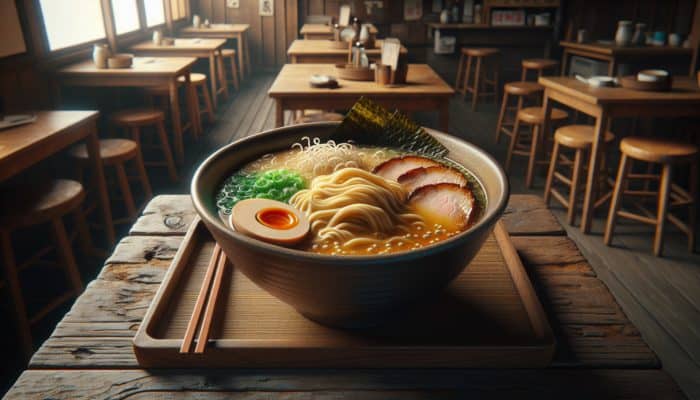
Japanese Ramen Recipes for Mastering Home Cooking
Unlock the Secrets to Authentic Japanese Ramen Preparation at Home
Understanding Ramen: The Global Phenomenon of Japanese Noodle Soup
Ramen is a beloved noodle soup originating from Japan, enchanting food lovers worldwide with its deep, comforting flavors and diverse textures. This iconic dish typically showcases a hearty broth, springy noodles, and a variety of toppings that create a perfect harmony of taste and texture. From the vibrant ramen shops of Tokyo to home kitchens globally, ramen has transcended cultural barriers, adapting to local preferences while maintaining its traditional roots. The allure of ramen lies in its flexibility, encouraging both professional chefs and home cooks to play with different styles and ingredients, leading to an array of dishes ranging from straightforward to intricate.
Over the years, ramen has evolved from its humble origins, giving rise to numerous regional variations and sparking a wave of culinary innovation. Its comforting nature and adaptability have made it a staple in many households. Whether savored on a chilly night or enjoyed as a quick lunch option, ramen continues to resonate with people everywhere, delivering warmth and satisfaction in every delicious bowl.
Key Ingredients for Crafting the Ultimate Ramen Experience
The foundation of a remarkable ramen bowl lies in its core ingredients. These essentials include the noodles, broth, tare, and toppings, each playing a pivotal role in shaping the overall flavor and texture of the dish. Selecting high-quality ingredients is crucial, as they can significantly enhance your ramen experience. Authentic ramen noodles, which are typically crafted from wheat flour, water, and kansui (a special alkaline mineral water), are vital to the dish. They provide a firm, chewy texture that pairs perfectly with the broth.
The broth is often regarded as the heart of ramen, with many variations available. Popular types include tonkotsu (created from pork bones), shoyu (soy sauce-based), miso, and shio (salt-based) broths. Each variety necessitates a unique blend of ingredients and cooking techniques to cultivate its distinct flavor profile. The tare, which is the seasoning added to the broth, is crucial for enhancing depth and complexity. Finally, toppings such as chashu pork, menma (bamboo shoots), and nori (seaweed) add additional layers of flavor and visual appeal, culminating in a dish that is both delicious and satisfying.
Begin your ramen-making adventure with straightforward yet delicious recipes that incorporate these essential ingredients. As your confidence grows, don’t hesitate to explore varied broths and toppings.
- Classic Tonkotsu Ramen
- Shoyu Ramen Using Chicken Broth
- Vegetarian Miso Ramen
- Spicy Shio Ramen
- Seafood Ramen
- Refreshing Cold Ramen Salad
- Creative Instant Ramen Hacks
- Noodle-less Ramen Bowls
Embarking on Your Ramen-Making Journey at Home
Beginning your ramen-making journey at home can be tailored to your preferences, whether you prefer a straightforward or more intricate approach. Start with accessible recipes that guide you in mastering the foundational techniques of ramen preparation. A basic tonkotsu or shoyu ramen recipe serves as an excellent starting point, helping you learn essential methods while delivering satisfying results.
Devote time to understanding each component—the broth, tare, noodles, and toppings—and how they interact to create the perfect bowl. Begin by crafting a rich broth, allowing it to simmer gently to extract maximum flavor. As your skills improve, focus on perfecting your noodles, adjusting cooking times to achieve your desired texture. Finally, unleash your creativity with toppings, incorporating seasonal ingredients or personal favorites to elevate your ramen experience.
As you delve deeper into this culinary adventure, document your experiments, noting what works well and what could be improved. This practice not only sharpens your skills but also ensures that each bowl of ramen you create reflects your evolving taste.
Expert Tips for Creating Extraordinary Japanese Ramen at Home

Mastering the Art of Ramen Broths
Perfecting ramen broths is a vital skill that requires an understanding of various styles, each offering unique flavor profiles and preparation methods. The three most popular types are tonkotsu, shoyu, and miso, each demanding specific techniques to achieve their characteristic richness and complexity. For instance, tonkotsu broth is made by boiling pork bones for several hours, allowing the collagen and fat to create a creamy texture, while shoyu broth is lighter, relying on soy sauce for savory depth.
To develop successful broth recipes, prioritize high-quality ingredients and allow sufficient simmering time. The secret to a rich broth lies in the cooking process: for tonkotsu, aim for at least 12 hours of cooking to fully extract flavor; for shoyu, blending chicken or seafood stock can beautifully complement the soy sauce base. Successful ramen broth recipes often involve some trial and error, showcasing the cook’s unique flair and personal taste preferences.
Experiment with various aromatics such as garlic, ginger, and onion to enhance your broth. Balancing the ingredients is essential—too much fat can overwhelm the flavor, while too little can leave it lacking. Taste continuously to refine the components for a personalized touch. Ultimately, your broth should embody your culinary personality, crafted with intention and passion.
Achieving the Perfect Ramen Noodle Texture
The significance of perfect ramen noodles cannot be overstated; they are essential to delivering an authentic ramen experience. Ideally, noodles should be chewy and firm, serving as the perfect vessel for the broth. Different styles of ramen require specific types of noodles that vary in thickness and texture. For instance, tonkotsu ramen pairs excellently with thicker, wavy noodles that cling to the rich broth, while shoyu ramen may use thinner, straighter noodles.
Cooking technique is critical. Always aim for an al dente finish, as the noodles will continue to soften once combined with hot broth. Timing is essential; closely follow package instructions while tasting frequently to ensure they reach the desired texture. A quick rinse in cold water after cooking can halt the cooking process, preserving that ideal firmness.
When serving, remember to add the noodles to the bowl just before pouring the broth over them. This ensures they remain hot and maintain their texture. Additionally, consider experimenting with homemade noodles for a uniquely personalized touch; while it takes more effort, the results can elevate your ramen to extraordinary levels.
Enhancing Ramen with Delicious Toppings
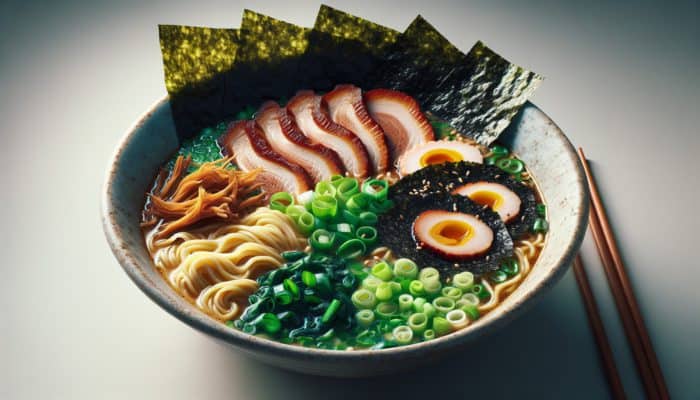
Toppings are the finishing touch that elevates your Ramen experience, adding not only flavor but also texture and visual appeal. Common toppings include chashu pork, menma, green onions, and nori; however, the beauty of ramen lies in its versatility. Each topping contributes unique characteristics, enriching the overall dining experience. For instance, the rich, fatty notes of chashu beautifully enhance the broth, while crispy nori introduces an appealing contrast in texture.
To elevate your ramen further, focus on the preparation of each topping. Chashu can be braised for hours for optimal tenderness, while menma can be marinated for an extra burst of flavor. Soft-boiled eggs, marinated in soy sauce, provide creaminess and richness, while fresh herbs add a refreshing touch. Thoughtfully arranging toppings can enhance the dish’s visual appeal; artfully layering them creates an enticing feast that invites indulgence.
Some actionable steps for preparing and presenting your toppings include marinating eggs overnight for maximum flavor, slicing chashu thinly for an elegant presentation, and strategically placing green onions for a burst of color. Don’t hesitate to experiment with unconventional ingredients or combinations that resonate with your personal taste.
Finding the Ideal Balance in Your Ramen Bowl
Achieving the perfect balance in ramen involves a careful interplay among the broth, noodles, and toppings. Each element must complement the others to create a memorable dish. Start by tasting your broth and adjusting its intensity, ensuring it strikes the right levels of saltiness, sweetness, and umami. Tare, the seasoning introduced to the broth, is critical in this balance; modify it according to your taste preferences, encouraging experimentation.
When selecting your noodles, consider their texture and thickness. If your broth is rich and fatty, opt for thicker noodles that can handle the weight of the broth. Conversely, a lighter broth such as shio may pair better with thinner noodles. The ratio of noodles to broth is also significant; aim for a balanced bowl where neither element overwhelms the other.
Finally, toppings can greatly impact your overall experience. If your broth is particularly rich, adding lighter toppings like fresh herbs or bean sprouts can provide a delightful contrast. Regularly adjust elements as you cook and taste; the goal is to create a bowl of ramen that offers a symphony of flavors and textures, enticing you to savor every last drop.
Choosing the Right Ramen Style to Match Your Taste Preferences
Exploring the Various Types of Ramen
Ramen presents a vast array of styles, each showcasing distinct flavors and ingredients tailored to varied taste preferences. The most recognized types include tonkotsu, shoyu, miso, and shio. Tonkotsu, or pork bone ramen, is famous for its creamy, rich broth that, while labor-intensive to prepare, rewards with unparalleled depth and complexity. Shoyu ramen, characterized by its soy sauce base, is lighter yet savory, typically featuring chicken or vegetable broth. Miso ramen introduces a hearty, fermented flavor profile, often accompanied by a mix of vegetables and proteins, while shio ramen offers a more delicate, salt-forward taste.
Each ramen style is built upon specific regional traditions and preferences, reflecting local ingredients and cultural influences. For example, Hokkaido is famous for its miso ramen, while the Kumamoto region boasts various interpretations of tonkotsu. This diversity invites personal exploration; you can select a style that resonates with your palate or experiment with combinations to create something uniquely yours.
Understanding these styles enables you to make informed decisions about which type of ramen to prepare based on your preferences. Reflect on the depth of flavor you enjoy and the dining experience you wish to create, selecting a style that aligns with your culinary desires.
Aligning Ramen Choices with Your Unique Taste Preferences
Selecting the right ramen style to align with your taste preferences requires introspection on flavor profiles. If you relish robust, rich flavors, tonkotsu may be your ideal choice, delivering a creamy mouthfeel accompanied by deep pork essence. For those who prefer lighter broths, shio or shoyu might be more suitable, offering a satisfying yet less heavy culinary experience.
Consider your favorite flavors when choosing your ramen style. If you appreciate umami-rich experiences, miso ramen, with its fermented depth, is definitely worth trying. Additionally, think about whether you enjoy your ramen spicy or mild; many ramen recipes can be easily adjusted with the addition of chili oil or pepper to cater to your heat tolerance.
Don’t overlook dietary needs, as they can significantly influence your ramen selection. For individuals mindful of animal products, a plethora of vegetarian ramen options are available, with vegetable broth serving as an excellent base. Ultimately, your ramen experience should reflect your unique taste preferences, allowing you to indulge in a bowl that excites your palate.
Customizing Ramen to Meet Dietary Requirements
One of the delightful features of ramen is its adaptability, making it easy to customize for various dietary restrictions. Whether you’re vegetarian, vegan, or gluten-free, there are numerous ways to create a fulfilling ramen experience. For vegetarians and vegans, start with a vegetable broth, which can be enriched with umami through ingredients like mushrooms, seaweed, or miso paste. This ensures a flavorful base that meets dietary restrictions.
For noodles, gluten-free alternatives are readily available, crafted from rice or other gluten-free grains. These noodles often cook similarly to traditional ramen noodles, providing a comparable texture and experience. Furthermore, consider incorporating a variety of vegetables as toppings; they not only add nutritional benefits but also enhance the dish’s visual appeal.
Customizing your ramen also allows you to explore unique flavor profiles, such as incorporating Asian-inspired sauces or marinades. For those eager to experiment, trying different broths and toppings can lead to delightful discoveries; the key is to remain open-minded and playful in your culinary endeavors. Ultimately, the goal is to relish a bowl of ramen that aligns with your dietary needs while ensuring a comforting and satisfying experience.
Techniques for Perfecting the Art of Ramen Preparation
Cooking Noodles for Optimal Texture
Mastering the technique of achieving the perfect texture for your ramen noodles is essential for creating a delicious bowl. Begin by selecting the right noodles; fresh ramen noodles provide superior texture and flavor compared to their dried counterparts. When cooking, adhere closely to the package instructions, noting that timing can vary based on the noodle type and thickness. The objective is to achieve an al dente finish, where the noodles possess a firm bite that enhances the broth.
To cook noodles perfectly, bring a pot of water to a rolling boil before adding the noodles. Stir gently to prevent sticking, and taste frequently to monitor texture. Once cooked, remove the noodles from the pot and rinse them under cold water immediately. This step halts the cooking process, ensuring they maintain their ideal firmness when combined with the hot broth. Additionally, rinsing helps eliminate excess starch, which can lead to a gummy texture.
Consider experimenting with different cooking methods to discover your preferred techniques, such as using a wok or steamer for a unique presentation. The preparation of your noodles is just as crucial as the broth; well-cooked noodles can elevate the overall ramen experience, creating delightful harmony with the other components.
Achieving Flavor Balance in Your Ramen Dish
Mastering the art of flavor balance is essential for crafting a harmonious ramen dish. Every component—the broth, noodles, tare, and toppings—should complement one another, contributing to a cohesive and satisfying experience. Start by focusing on your broth. Taste it regularly as it simmers, fine-tuning levels of saltiness, sweetness, and umami to reach the desired depth. Remember that the tare added to the broth can significantly influence flavor; adjusting its composition can enhance or mellow the overall profile.
The noodles also play a vital role in balancing flavors. Consider their texture and how they interact with the broth. For rich and creamy broths, thicker noodles can provide a delightful contrast, while lighter broths may pair better with thinner noodles. Furthermore, the toppings you select can either enhance or disrupt the flavor balance; for instance, earthy mushrooms or vibrant vegetables can elevate the overall experience by introducing additional layers of complexity.
As you cook, take notes on what adjustments yield the best results. This iterative process not only sharpens your skills but also enables you to create a recipe that is distinctly yours. Balancing flavors is an ongoing journey, and your palate will evolve as you experiment with various ingredients and techniques.
Creative Serving and Presentation of Ramen
Presentation significantly enhances the ramen experience; a well-served bowl invites indulgence and excitement. When serving ramen, opt for deep bowls that help retain heat, ensuring the broth remains warm and inviting. Start by placing the cooked noodles at the bottom of the bowl, followed by a generous ladle of your steaming broth to envelop them. This layering technique increases flavor absorption and enhances texture.
Artfully arrange your toppings atop the noodles, considering both visual appeal and flavor combinations. For example, fan out slices of chashu, add a perfectly halved soft-boiled egg, and sprinkle with green onions for a burst of color. Fresh herbs, nori, and sesame seeds can also be incorporated for added flair. Presentation goes beyond aesthetics; it significantly impacts the overall dining experience, making each bowl of ramen feel special and worthy of enjoyment.
Finally, consider serving your ramen alongside side dishes, such as pickled vegetables or a light salad, to enrich the meal. This thoughtful approach elevates the dining experience and encourages appreciation for the culinary art you have created. Remember, the journey of ramen-making is as enjoyable as the final dish; savor each moment as you craft your perfect bowl.
Research-Backed Benefits of Crafting the Best Japanese Ramen Recipes at Home
Nutritional Benefits of Homemade Ramen
When prepared thoughtfully, ramen can serve as a nutritious meal. The nutritional profile largely depends on the quality of ingredients involved. A well-crafted broth, for example, can be rich in vitamins and minerals, particularly when made from wholesome components like bones, vegetables, and seaweed. Toppings such as leafy greens, proteins, and various vegetables further enhance the nutritional value, providing essential nutrients and enriching the overall dish.
Consider integrating nutrient-dense ingredients into your ramen. For instance, adding spinach or bok choy not only boosts the meal’s vitamin content but also offers a refreshing contrast to the rich broth. Lean proteins, such as chicken or tofu, contribute significantly to the dish’s overall protein profile, making it both satisfying and nourishing. The key lies in striking a balance between indulgence and health-conscious choices, ultimately crafting a ramen dish that nourishes the body while tantalizing the taste buds.
As you explore various ramen recipes, experiment with ingredient substitutions that align with your dietary goals. The versatility of ramen allows for endless variations, making it possible to cater to diverse dietary needs without sacrificing flavor. This adaptability is just one reason why ramen remains a cherished dish around the globe.
The Comforting Psychological Benefits of Ramen Preparation
The process of preparing and enjoying ramen can yield significant psychological benefits. Ramen often evokes feelings of warmth and comfort, triggering nostalgia and satisfaction for many. The act of crafting a bowl of ramen can be a meditative experience, allowing individuals to fully engage in the cooking process, which may lead to improved mood and overall well-being.
Sharing a bowl of ramen with friends or family fosters a sense of community, enhancing connections and social bonds. Coming together around a steaming bowl of homemade ramen can invoke feelings of happiness and togetherness, contributing to overall life satisfaction. Furthermore, the sensory experience of enjoying ramen—from the alluring aroma of the broth to the satisfying slurp of the noodles—can evoke positive emotions and enrich one’s culinary journey.
As you immerse yourself in the world of ramen, embrace the psychological comfort it offers. Allow yourself to indulge in the creative process of cooking and relish the joy that comes from sharing a delicious meal with loved ones. This connection through food can transform an ordinary meal into a cherished memory.
The Cultural Importance of Ramen in Culinary Traditions
Ramen occupies a notable position in global culinary culture, symbolizing comfort and community. Its origins in Japan reflect a rich history, evolving from a simple street food into a highly regarded dish enjoyed around the world. The versatility of ramen enables it to adapt to local ingredients and preferences, resulting in various regional styles that honor its roots while embracing global influences.
This adaptability has established ramen as a canvas for culinary creativity, where chefs and home cooks alike can explore diverse flavor combinations and techniques. Ramen serves as a cultural bridge, connecting individuals through shared experiences and culinary exploration. Whether relished in a bustling ramen shop or lovingly crafted at home, ramen transcends geographical boundaries, inviting everyone to partake in its comforting embrace.
Ramen also embodies the spirit of innovation within culinary traditions, with fusion variations emerging that blend traditional Japanese methods with global flavors. This evolution reflects the dish’s enduring relevance and cultural significance, making it a cherished choice for food enthusiasts worldwide.
The Convenience of Preparing Ramen at Home
The beauty of ramen lies in its accessibility; recipes can often be straightforward and quick to prepare at home. For busy cooks, this ease of preparation makes ramen an ideal meal option. With a well-stocked pantry and some fundamental techniques, anyone can whip up a satisfying bowl in under an hour.
Starting with pre-made or instant noodles can significantly reduce cooking time, allowing you to focus on creating a delicious broth and selecting toppings. Many ramen recipes offer flexibility, enabling cooks to adjust ingredients based on what they have available, making it a versatile choice for any day of the week. Even when preparing a homemade broth, utilizing pressure cookers can drastically shorten cooking time while still delivering depth of flavor.
As you explore the art of ramen-making, embrace the simplicity of the dish while appreciating the depth it can offer. The accessibility of ramen recipes allows for experimentation and creativity, making it a go-to meal for both novice cooks and seasoned chefs alike. The joy of creating a delicious bowl of ramen at home is within reach for everyone, and the rewards are boundless.
The Extensive Variety of Ramen Recipes to Explore
The diversity of ramen recipes stands as one of its most exciting aspects, enabling endless experimentation with flavors and ingredients. This variety caters to different dietary preferences and culinary creativity, empowering cooks to explore and innovate. With countless recipes available, you can uncover new combinations and techniques that elevate your ramen experience.
Ramen’s flexibility allows you to tailor recipes based on the season, incorporating fresh, local produce to craft unique flavor profiles. For example, spring might inspire the addition of vibrant herbs and greens, while autumn could prompt the use of earthy mushrooms and root vegetables. By leveraging seasonal ingredients, you not only enhance the taste and nutritional value of your ramen but also celebrate the bounty of each season.
Moreover, the fusion of ramen with other culinary traditions opens up exciting opportunities for creativity. Merging traditional ramen elements with flavors from diverse cuisines can result in unique and memorable dishes that push the boundaries of this beloved meal. The possibilities are truly endless, ensuring that ramen enthusiasts can find inspiration in every bowl they create.
Exploring Innovative Ramen Recipes and Culinary Creations
Embracing Fusion Ramen Dishes
Fusion ramen represents an exciting frontier for culinary exploration, merging traditional elements with flavors from other cultures to create unique and thrilling dishes. This approach invites creativity, enabling cooks to experiment with unexpected ingredients and techniques. For example, incorporating Mexican flavors like chipotle or salsa verde can yield a spicy and tangy twist on classic ramen.
Another popular fusion idea involves utilizing Italian ingredients, such as integrating pesto or even cheese as a topping. These combinations can surprise and delight, providing a fresh take on the classic dish while still honoring the fundamental elements of ramen. The fusion concept encourages culinary innovation, making it a fantastic opportunity to let your imagination run wild.
As you begin your fusion ramen journey, consider starting with a base recipe and gradually incorporating new ingredients or techniques. Document your experiments and refine your approach based on feedback from family and friends. This iterative process not only enhances your skills but also leads to the creation of unique dishes that reflect your culinary identity.
How to Innovate with Your Ramen Creations
Innovation in ramen can take many forms, whether it involves experimenting with new broths, noodles, or toppings. One innovative approach is to explore different broths beyond the traditional styles, such as developing a coconut milk-based broth for a creamy, tropical twist. This opens up new flavor profiles that can surprise and excite your palate.
Additionally, consider incorporating seasonal ingredients that reflect the bounty of each season, such as fresh peas in spring or pumpkin in autumn. Using unexpected toppings, such as fermented vegetables or unique oils, can also elevate the overall experience while adding depth and complexity to the dish.
Culinary techniques can also provide avenues for innovation. For instance, consider smoking your proteins or toppings to introduce a smoky flavor, or employing sous-vide methods to achieve perfectly cooked ingredients. The key to innovation lies in curiosity and a willingness to experiment. Allow yourself to take risks in the kitchen, and don’t shy away from breaking traditional boundaries in pursuit of creating something extraordinary.
Seasonal Ramen Variations to Experiment With
Utilizing seasonal ingredients is a fantastic way to enhance your ramen while bringing fresh flavors and textures to your bowls. Each season offers a unique array of ingredients that can be incorporated to create dishes that resonate with the time of year. For example, in spring, consider using tender asparagus and peas, which can be lightly sautéed and added to your ramen for a burst of freshness.
During summer, incorporate vibrant herbs like basil or mint, along with grilled vegetables, to create a lighter, more refreshing bowl. Autumn invites the opportunity to explore earthy flavors; adding roasted root vegetables, mushrooms, and squash can create a hearty, comforting dish that embodies the season’s bounty. Winter, on the other hand, beckons richness; consider using hearty greens, slow-cooked proteins, and warming spices to keep you cozy.
Embracing seasonal ingredients not only enhances the flavor and nutritional content of your ramen but also connects you with the rhythm of nature. By adapting to the changing seasons, you can elevate your ramen dishes while celebrating the diverse array of ingredients available. This practice makes cooking more exciting and ensures that your ramen remains fresh and relevant throughout the year.
Frequently Asked Questions About Ramen Preparation
What is the best ramen type for beginners?
The best ramen type for beginners is shoyu ramen. It has a balanced flavor profile and is relatively simple to prepare, making it an excellent starting point for newcomers to ramen-making.
Can I use instant noodles for homemade ramen?
Yes, instant noodles can be used for homemade ramen. They simplify the cooking process, allowing you to focus on creating a delicious broth and selecting toppings.
How do I store leftover ramen?
To store leftover ramen, separate the noodles from the broth and toppings, placing each in airtight containers. This prevents the noodles from becoming soggy and allows you to enjoy them later.
What are some popular ramen toppings?
Popular ramen toppings include chashu pork, soft-boiled eggs, menma (bamboo shoots), green onions, nori (seaweed), and various vegetables.
How can I make ramen vegetarian?
To prepare vegetarian ramen, utilize vegetable broth as the base and include plant-based toppings like tofu, mushrooms, and a variety of vegetables to enhance flavor and texture.
Can I freeze homemade ramen broth?
Yes, homemade ramen broth can be frozen. Ensure you cool it completely before transferring it to freezer-safe containers. It can be stored for several months.
What is tare in ramen?
Tare is a concentrated seasoning added to ramen broth to enhance its flavor. It can be composed of various ingredients, including soy sauce, miso, or salt, depending on the ramen style.
How can I modify the spiciness of my ramen?
To adjust the spiciness of your ramen, add chili oil, fresh chili peppers, or spicy miso to the broth. Start with small amounts and gradually increase to reach your desired level of heat.
What is the ideal noodle texture for ramen?
The ideal noodle texture for ramen is chewy and firm, often referred to as al dente. This texture allows the noodles to withstand the broth and toppings without becoming mushy.
Is homemade ramen healthier than store-bought?
Homemade ramen can be healthier than store-bought options, as you have complete control over the ingredients used, allowing you to select high-quality and nutritious components for your broth and toppings.
Stay updated with our latest news on our Facebook page!
The post Best Japanese Ramen Recipes For Home: A Universal Guide appeared first on https://cookinggods.com
The Article Japanese Ramen Recipes: Your Ultimate Home Cooking Guide Was Found On https://limitsofstrategy.com
-

Miso Paste: Easy Steps to Create Your Own at Home
Essential Ingredients for Crafting High-Quality Miso Paste at Home
Choosing the Finest Soybeans for Superior Miso Production
Crafting a premium miso paste begins with the careful selection of high-quality soybeans, which are crucial in shaping the texture and flavor profile of the final product. The fermentation process ingeniously transforms the inherent qualities of the soybeans into a rich, savory paste that has garnered global admiration. The most popular soybean varieties utilized in miso production include:
- Yellow Soybeans: The most prevalent choice, offering a versatile and mild-flavored miso that enhances a wide range of culinary dishes.
- Black Soybeans: Renowned for their distinctive flavor profile, black soybeans produce a richer and more complex miso, often associated with premium varieties.
- Green Soybeans (Edamame): Although not a traditional option, they can yield a lighter and fresher miso paste.
- Organic Soybeans: Increasingly popular among health-conscious consumers, organic soybeans are cultivated without synthetic pesticides.
The choice of soybean is pivotal in determining the flavor and quality of your miso paste, so feel free to experiment with different varieties to discover your ideal taste and texture.
Understanding Koji: The Key Player in Miso Fermentation
Koji is an indispensable fermentation agent in the creation of miso. This vital ingredient consists of steamed soybeans or grains that have been inoculated with Aspergillus oryzae, a specific fungus responsible for kickstarting fermentation. Koji plays a crucial role in converting the starches within the soybeans into sugars, setting the stage for the emergence of deep and nuanced flavors. The following are common types of koji utilized in miso production:
- Rice Koji: The most widely used variant, imparting a sweet and mild flavor profile.
- Barley Koji: Adds a nutty character and is frequently featured in traditional miso recipes.
- Wheat Koji: Though less common, it can lend a distinctive flavor that enhances specific styles of miso.
- Mixed Koji: A combination of different grains, resulting in a complex flavor that artfully balances sweetness with umami.
Selecting the appropriate koji can greatly enhance the fermentation process and profoundly influence the final flavor of your miso paste.
Exploring the Impact of Salt on Miso Paste: Preservation and Flavor Amplification
Salt plays a critical role in both the preservation of miso paste and the enhancement of its flavor. The type and quantity of salt used are vital for achieving optimal fermentation, fostering beneficial bacteria while keeping harmful microorganisms at bay. Various types of salt can yield different outcomes, so consider the following options:
- Sea Salt: Harvested from evaporated seawater, it retains essential minerals and infuses a subtle flavor.
- Himalayan Pink Salt: Esteemed for its mineral content, this salt adds a unique taste while effectively preserving the paste.
- Kosher Salt: With larger grains, it is easy to handle and dissolves efficiently within the miso mixture.
- Table Salt: While convenient, additives in table salt can alter flavor; opting for pure salt is advisable when possible.
The amount of salt incorporated also significantly influences the flavor profile and shelf life of the miso, underscoring the importance of finding the right balance for an optimal outcome.
Thorough Guide to Preparing Ingredients for Miso

Expert Tips for Effectively Soaking Soybeans
Soaking soybeans is a fundamental step in their preparation for miso paste. This process softens the beans, making them easier to cook and mash. To ensure effective soaking, keep these essential tips in mind:
- Use Fresh Soybeans: Fresh beans absorb water more efficiently, resulting in a superior miso.
- Soak Overnight: Allowing the beans to soak for 8-12 hours guarantees they are adequately hydrated.
- Use Plenty of Water: Fill a large bowl with water that covers the soybeans by several inches, as they will expand significantly.
- Rinse Before Cooking: Rinsing the soaked beans removes impurities, ensuring a cleaner flavor.
Proper soaking not only prepares the soybeans for cooking but also initiates the hydration process, which is crucial for achieving a smooth and creamy miso paste.
Steps to Cook Soybeans for the Perfect Consistency
After soaking, the next crucial step is cooking the soybeans to achieve the ideal consistency for mashing. Proper cooking ensures that the beans become tender enough to blend into a creamy paste. Follow these essential steps for effective soybean cooking:
Begin by draining the soaked beans and placing them in a large pot. Cover the beans with fresh water and bring to a boil. Once boiling, reduce the heat to a simmer and cook the soybeans until they are tender, which typically takes between 1 and 2 hours. To check for doneness, remove a bean, allow it to cool slightly, and crush it between your fingers; it should mash easily with minimal resistance.
Once cooked, let the beans cool slightly before moving on to the next step. Properly cooked soybeans are crucial for achieving your desired texture in miso paste, whether you prefer it to be smooth or chunky.
The Importance of Proper Koji Preparation for Miso
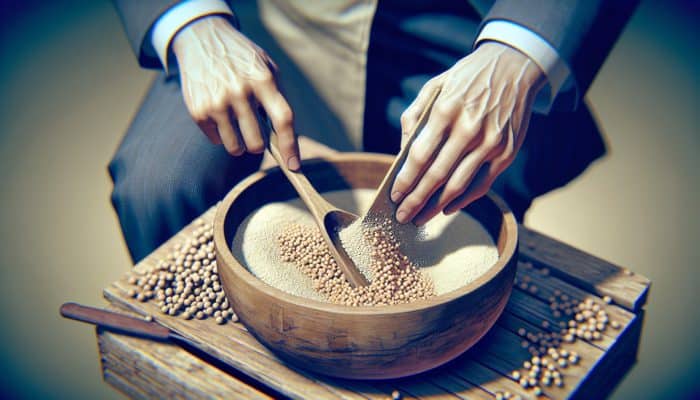
Correctly preparing koji is essential for ensuring effective fermentation of the soybeans. This preparation involves mixing koji with the cooked soybeans and salt to create an optimal environment for fermentation. Here’s how to do it properly:
First, confirm that your koji is fresh and free of contaminants. If using rice koji, it should be dry and crumbly; if it has clumped together, gently break it apart for a smooth texture. Combine the cooled, cooked soybeans with the koji in a large mixing bowl or container, using a wooden or silicone spatula to ensure even distribution.
Next, accurately measure the salt according to your recipe and sprinkle it into the mixture. Ensure that the salt is mixed thoroughly, coating each soybean. This combination of soybeans, koji, and salt creates an ideal fermentation environment, allowing the koji to function effectively.
Proven Strategies for Crafting Homemade Miso Paste
Real-Life Examples of Miso Production Techniques
Exploring the world of miso making reveals a rich tapestry of techniques and traditions. For instance, in Japan, traditional miso is often crafted by families who pass down cherished recipes through generations, showcasing the cultural significance of this culinary craft. These family recipes can vary widely, influenced by regional preferences, the types of soybeans used, and fermentation durations.
Conversely, artisanal miso producers in the United States are creatively incorporating local ingredients, utilizing bean or grain varieties native to their regions. This innovative approach can yield unique flavor profiles that honor both the tradition of miso making and local terroir. Engaging with local miso artisans can provide insights into various techniques, specific fermentation methods, and ingredient variations, inspiring your own miso-making journey.
Steps for Successful Miso Fermentation
To ensure the proper fermentation of your miso paste, it’s essential to adhere to clear, actionable steps during the fermentation process. Once your ingredients are mixed, transfer the mixture to a clean fermentation container. Ensure the container is food-safe and airtight, protecting the miso from contaminants while allowing gases to escape.
Temperature regulation is vital; aim for a stable environment between 60°F and 75°F (15°C and 24°C). If your kitchen is cooler, find a warm spot near the oven or use a heating pad to maintain this range. Regularly check the miso paste by assessing its aroma and texture. Initially, you may notice a slightly sour scent, but as fermentation progresses, the aroma will deepen, signaling successful development.
To encourage even fermentation, stir the mixture every few days with a clean utensil, breaking up any air pockets that may form. This practice not only promotes uniform flavor development but also allows you to monitor its progress over time. Maintaining ideal conditions and being diligent will enable you to produce high-quality miso paste.
Evaluating the Quality of Your Homemade Miso Paste
Assessing the quality of your miso paste can significantly enhance your understanding of what defines a superior product. High-quality miso should exhibit a smooth, creamy texture without any graininess. The flavor will vary depending on the type produced: white miso is typically sweeter and milder, while red miso delivers a deeper, more robust flavor.
Another important aspect is the color of the paste, which can range from pale beige to dark brown, influenced by fermentation duration and ingredients. A vibrant hue indicates a well-managed fermentation process. Additionally, the aroma should be rich and complex, reflecting the nuances of fermentation without any unpleasant odors.
When assessing miso quality, consider sampling it at different fermentation stages. Understanding how flavors evolve throughout the process will help refine your techniques and develop a discerning palate for the subtleties of miso.
Understanding the Role of Each Ingredient in Miso Production
Comprehending the function of each ingredient in miso making is essential for achieving the desired quality and flavor of your paste. Soybeans provide the essential base, delivering texture and protein. The choice of soybean can significantly impact both the nutritional value and flavor complexity, making it vital to select varieties that align with your culinary objectives.
Koji is critical as it drives the fermentation process, transforming starches into sugars that enhance the umami flavor of the paste. Your selection of koji—whether rice, barley, or wheat—will determine the sweetness and depth of flavor in your final product.
Lastly, salt plays a crucial role in preservation and flavor enhancement. The type of salt can introduce subtle flavor variations; for instance, sea salt may infuse a hint of ocean richness, while Himalayan pink salt may impart a different mineral complexity. Every ingredient contributes significantly, and understanding their interactions will elevate your miso paste to new heights.
Effective Strategies for Storing and Preserving Your Miso Paste
Implementing effective storage and preservation techniques is vital for maintaining the quality of your miso paste over time. After fermentation, once the desired flavor is achieved, transfer the miso to a clean, airtight container. Glass jars or food-safe plastic containers are excellent choices, but ensure they are sterilized to prevent contamination.
Store your miso paste in the refrigerator to prolong its shelf life, where it can last several months to a year, depending on the salt content and fermentation duration. If you observe any surface mold, don’t be alarmed; simply scrape it off, and the miso underneath should be safe to use.
To further enhance preservation, consider adding a thin layer of extra salt or a piece of parchment paper on top of the paste before sealing it. This additional barrier can help prevent spoilage by minimizing exposure to air. By following these storage guidelines, your homemade miso paste will remain fresh and flavorful, ready to enhance your culinary creations.
Best Practices for Mixing and Fermenting Miso Paste for Optimal Results
Combining Ingredients for Superior Miso Quality
Combining the prepared soybeans, koji, and salt is a fundamental step in crafting miso paste. Proper mixing ensures that all ingredients are evenly distributed, facilitating uniform fermentation. Start by placing your cooked and cooled soybeans in a large mixing bowl. Utilize a potato masher or food processor to mash the soybeans to your desired smooth or chunky consistency.
Once the soybeans reach your preferred texture, gradually incorporate the koji and salt into the mixture. It’s critical to mix these components thoroughly; use your hands or a spatula to ensure each soybean is coated with koji and salt. The ratio of koji and salt to soybeans can vary based on your recipe, but a common guideline is approximately 20% koji and 10% salt relative to the weight of the cooked soybeans.
Paying close attention during this step is vital, as the quality of your miso paste hinges on the careful blending of these core ingredients. An even distribution not only aids fermentation but also enhances the overall flavor, ensuring a rich, well-developed miso.
The Importance of Properly Packing the Miso Mixture
Packing the miso mixture into a fermentation container is essential for the process. An airtight container helps maintain optimal humidity and temperature while preventing contamination. When packing the mixture, utilize clean hands or a spatula to press the miso paste firmly into the container, eliminating any air pockets. Creating a dense, compact layer encourages even fermentation.
Ensure the top of the miso paste is smooth and level prior to sealing the container. If you are working with a large batch, consider dividing the mixture into smaller portions for easier management throughout fermentation. This approach allows you to monitor the progress of each batch independently.
After packing, place a weight on top of the miso paste to keep it submerged and reduce air exposure. A small plate with a clean weight or a jar filled with water serves this purpose well. This step is crucial to prevent spoilage and ensure that the miso ferments evenly.
Creating Ideal Conditions for Miso Fermentation
The conditions under which miso paste ferments greatly affect its quality. Ideal fermentation conditions typically range from 60°F to 75°F (15°C to 24°C), with humidity levels kept relatively high to prevent the fermentation from drying out. In cooler climates, locate a warm spot in your home, such as near a radiator or on top of the fridge, to encourage fermentation.
Monitoring the environment is paramount. To maintain the correct temperature, consider using a thermometer to ensure the area stays within the desired range. If your kitchen experiences temperature fluctuations, a fermentation heater or temperature-controlled environment can be beneficial.
Humidity is equally important; if it’s too dry, the surface of the miso may harden, leading to uneven fermentation. An effective way to manage humidity is by covering the container with a damp cloth or plastic wrap, ensuring it retains moisture while allowing gases to escape during fermentation. Proper fermentation conditions will yield a well-balanced flavor profile and texture in your miso paste.
Monitoring the Fermentation Progress of Your Miso Paste
Regularly checking the miso paste for changes in texture and aroma is essential for ensuring proper fermentation and identifying potential issues early. In the beginning, the miso may have a mild scent, but as fermentation progresses, it will develop a more pronounced and complex aroma.
Start tasting your miso paste around the one-week mark. Use a clean spoon to scoop out a small sample; this allows you to assess its flavor and texture. The flavor will evolve throughout fermentation, ranging from sweet and mild to deep and savory. If you detect any off-smells or unexpected textures, address them immediately—this may involve adjusting the temperature or adding more salt if spoilage is suspected.
Make it a habit to observe how the miso changes over the fermentation period. Documenting your observations can help you refine your process for future batches, leading to more consistent and desirable results each time you craft miso paste.
Adjustments During Fermentation for Optimal Miso Quality
Modifying factors such as temperature or adding more salt during fermentation can help refine the flavor and texture of your miso paste as it matures. If you find that your miso is fermenting too rapidly—resulting in an overly sharp or sour taste—consider lowering the temperature by relocating it to a cooler area in your home or adjusting nearby heat sources.
Conversely, if your miso paste isn’t fermenting adequately, you may need to slightly increase the temperature or extend the fermentation period. Regular taste tests are crucial at this stage; they will guide you in making adjustments that align with your flavor preferences. If the paste is too salty, consider adding more soybeans to balance it without disrupting the fermentation process.
Additionally, you can refine the texture by occasionally blending the miso paste during fermentation. This technique integrates flavors and can help achieve a smoother consistency. Overall, being proactive and attentive to the fermentation process can lead to a more flavorful and well-rounded miso paste.
Determining the Ideal Fermentation Duration for Miso Paste
Factors That Influence Fermentation Time for Miso
Numerous factors can affect the duration of miso paste fermentation. These include the type of miso being produced, the surrounding temperature and humidity, and the desired flavor profile. Generally, lighter miso varieties, such as white miso, ferment for a shorter period—usually around two weeks. In contrast, darker miso, like red miso, often requires several months for flavors to develop fully.
The type of koji used can also impact fermentation time. For example, rice koji may lead to quicker fermentation compared to barley koji, which may take longer to develop flavor complexity due to its denser starch content. Additionally, warmer ambient temperatures can speed up fermentation, whereas cooler temperatures can significantly slow the process.
Ultimately, the key lies in balancing these variables to achieve your desired results. Regular taste tests throughout the fermentation process will help you determine when your miso paste has reached the perfect flavor and texture.
Monitoring Fermentation Progress for Quality Assurance
Monitoring the fermentation progress of miso paste is critical for ensuring it develops the desired flavor and texture. One of the most effective methods is conducting regular taste tests. Begin tasting your miso after the first week, using a clean spoon to scoop out a small amount. This will allow you to assess the evolving flavor and texture.
Watch for changes in aroma, which should become richer and more complex as fermentation continues. If your miso smells excessively sour or has an off-putting odor, it may indicate that fermentation is off track. Additionally, pay attention to the color; it should deepen as fermentation progresses.
Keeping a fermentation log can also aid in tracking your observations and adjusting your process accordingly. Documenting aspects such as taste, texture, and aroma will enable you to replicate successful batches in the future or identify issues as they arise. Consistent monitoring will help you fine-tune your miso paste for optimal results.
Adjusting Fermentation Time Based on Desired Flavor
At times, you may need to modify the fermentation duration based on taste tests or other indicators. If your miso tastes underdeveloped or lacks complexity, it may need additional time. Monitoring through regular sampling can guide this decision. If you find that the flavor remains too mild after a couple of weeks, allow it to ferment longer—up to several months if you’re seeking a richer, deeper taste.
Conversely, if the miso develops an overly pungent or sharp flavor, it could signal that fermentation has gone too far. In such cases, you may want to adjust future batches by shortening the fermentation time or tweaking environmental conditions to slow the process.
Ultimately, successful fermentation hinges on balancing these adjustments with your flavor preferences, leading to a uniquely customized miso paste.
Optimal Fermentation Durations for Different Miso Types
The ideal fermentation duration varies among different types of miso, including white, red, and aged varieties. Each type possesses unique characteristics that are influenced by fermentation length. Generally, the following guidelines will assist you in achieving the best results:
– White Miso: Typically fermented for 2-3 weeks, this variety is celebrated for its sweet and mild flavor, often used in dressings and light soups.
– Yellow Miso: Fermented for 1-3 months, it strikes a balance between sweetness and robustness, making it versatile for various dishes.
– Red Miso: Aged for 3-6 months, red miso is more pungent and rich, ideal for hearty soups, marinades, and stews.
– aged miso: Some varieties can be aged for over a year, resulting in a complex flavor profile suitable for gourmet uses.Understanding these fermentation durations will enable you to tailor the process to your specific taste preferences, guiding you toward achieving the perfect miso paste.
Techniques for Storing and Aging Your Miso Paste
Effective Strategies for Storing Miso Paste
Proper storage is vital for maintaining the quality of your miso paste. After fermentation, transfer the paste into a clean, airtight container to minimize air exposure. Glass jars or food-grade plastic containers are excellent choices, as they prevent contamination and maintain flavor integrity.
Ensure the container is filled to the brim, leaving minimal air space to help prevent oxidation. Additionally, store the miso paste in the refrigerator to extend its shelf life; it can last anywhere from several months to a year, depending on the salt content and fermentation duration.
To further enhance preservation, consider placing a layer of parchment paper or plastic wrap directly on the surface of the miso paste before sealing the container. This method helps create a barrier against air, reducing the risk of spoilage. By following these storage techniques, your miso paste will remain fresh and flavorful for an extended period.
The Benefits of Aging Miso Paste
Aging miso paste can significantly enhance its flavor and texture, resulting in a more complex profile. The longer it ages, the richer and deeper the taste becomes. While certain miso types are ready for use after just a few weeks, others can greatly benefit from extended aging.
Generally, miso can be aged from 3 months to a year, with flavors intensifying as the paste matures. For instance, red and aged miso varieties can develop a deep, umami-rich character that pairs beautifully with robust dishes.
To effectively age your miso paste, store it in a cool, dark place, ideally in the refrigerator. Periodically check on it and sample the flavor to determine when it has reached your desired taste. Keep in mind that the aging process is subjective; the best aging duration depends on your personal palate and culinary objectives.
Identifying Signs of Spoilage in Miso Paste
Recognizing signs of spoilage in miso paste is crucial for ensuring it remains safe to consume. Though miso is a fermented product with a long shelf life, it can spoil if not stored correctly. Watch for the following indicators:
– Off Smells: If your miso develops a strong, unpleasant odor, it may indicate spoilage.
– Mold Growth: Surface mold can occur; however, if it is limited to the surface and smells fine beneath, you can scrape it off. If mold is extensive, it’s best to discard the paste.
– Changes in Color: If the miso darkens excessively or presents an unusual color, it’s worth further investigation.
– Texture Changes: A slimy texture or significant liquid separation may indicate spoilage.Always err on the side of caution regarding food safety. If you notice any signs of spoilage, it is better to discard the miso than risk foodborne illness.
Research-Backed Benefits of Making Your Own Miso Paste
Health Benefits Associated with Miso Consumption
Miso is celebrated for its numerous health benefits, particularly due to its rich probiotic content. Homemade miso typically contains a higher concentration of beneficial bacteria compared to commercial varieties, which are often pasteurized, eliminating these live cultures. Probiotics support gut health, enhance digestion, and strengthen the immune system.
Moreover, homemade miso generally contains fewer preservatives and additives, making it a healthier choice. The fermentation process produces various nutrients, including vitamins B, E, and K, as well as minerals like zinc and copper. These components contribute to overall health and well-being, making homemade miso a nutritious addition to your diet.
Furthermore, the act of making miso at home fosters a deeper connection with your food, promoting mindfulness around what you consume. Engaging in this tradition can cultivate a positive relationship with your dietary choices and encourage a more health-conscious lifestyle.
Nutritional Composition of Miso Paste
Miso is rich in a wide array of nutrients that can support a healthy diet. It is particularly high in protein, making it an excellent plant-based source for those looking to increase their protein intake. A typical serving of miso contains essential amino acids, which are crucial for various bodily functions.
Additionally, miso is a source of numerous vitamins and minerals, including B vitamins, which play vital roles in metabolism and energy production. The fermentation process enhances the bioavailability of these nutrients, meaning your body can absorb them more effectively.
While the sodium content in miso is notable, moderation is key for individuals monitoring their salt intake. However, when used wisely, miso can enrich your meals with flavor while providing valuable nutrients, making it a worthy component of a balanced diet.
Environmental Impact of Homemade Miso
Creating your own miso paste can positively influence the environment by reducing packaging waste and transportation emissions. Store-bought miso often comes in single-use plastic containers, contributing to landfill waste. By making your own at home, you can utilize reusable glass jars and minimize the overall environmental footprint of your food.
Additionally, sourcing local ingredients for your homemade miso supports local agriculture and reduces the carbon footprint associated with transporting food products. This practice fosters a sustainable food system that benefits both the environment and your community.
Homemade miso also encourages mindful consumption and awareness of food origins, leading to more responsible food choices. Embracing the art of making miso at home aligns with a broader movement towards sustainable living and conscious eating.
Innovative Ways to Use Miso Paste in Your Cooking
Incorporating Miso into Your Favorite Culinary Creations
Miso paste is incredibly versatile and can be integrated into various dishes, enhancing flavor and adding depth to your meals. One of the most popular applications is in miso soup, where the paste is dissolved in hot water or broth, creating a fragrant and nourishing base.
Additionally, consider using miso in marinades for meats or vegetables. The umami flavor beautifully complements proteins, elevating the taste of grilled chicken, fish, or roasted vegetables. You can also stir miso into salad dressings for a unique twist, providing both richness and a tangy kick.
Miso can also be blended into sauces, used as a base for glazes, or added to stews and casseroles to deepen flavors. Experimenting with different types of miso will allow you to explore new culinary possibilities, showcasing its adaptability across various cuisines and dishes.
Distinct Flavor Profiles of Various Miso Varieties
Different types of miso possess unique flavor profiles that can elevate a wide array of dishes. White miso, known for its mild and sweet taste, is ideal for dressings, light soups, and dips. Its delicate flavor pairs well with ingredients like tofu and seafood.
Yellow miso offers a slightly bolder flavor, making it suited for heartier dishes such as stir-fries and marinades. Its balanced profile allows it to shine in versatile recipes across diverse cuisines.
Conversely, red miso has a more robust flavor that is perfect for rich dishes such as stews, braises, and marinades for meats. Its depth adds complexity and a satisfying umami punch to any meal.
Finally, aged miso can provide intense flavors that are excellent for gourmet applications, enhancing sauces and glazes with depth that elevates dishes to the next level. Understanding these flavor profiles will enable you to select the right miso for your culinary creations, enriching your cooking experience.
Best Practices for Storing Miso After Opening
After opening, miso paste requires proper storage to maintain its quality. If it isn’t already in one, transfer the miso to an airtight container to minimize air exposure, which can lead to spoilage.
Keep the miso refrigerated to prolong its shelf life—this is essential for maintaining flavor and freshness. Always use a clean utensil when scooping out miso to prevent contamination.
Additionally, be mindful of the surface of the miso drying out or developing a crust. Covering it with a layer of plastic wrap or parchment paper before sealing the container may help retain moisture and flavor. Following these best practices will ensure your miso paste remains delicious and ready for your culinary adventures.
Frequently Asked Questions About Miso
What type of soybean is best for making miso?
Yellow soybeans are the most commonly utilized choice for miso production, providing a versatile base for various miso types. Black soybeans yield richer, more complex flavors, while organic varieties are increasingly favored by health-conscious consumers.
How long does it typically take to make miso paste at home?
Creating miso paste generally involves a fermentation period of 2-6 months, depending on the type of miso. White miso ferments for about 2-3 weeks, whereas red miso requires several months for deeper flavor development.
Can you use different types of koji to make miso?
While rice koji is the most commonly employed for miso, you can also experiment with barley or wheat koji. Each type will impart different flavors and characteristics to the miso paste.
What should I do if my miso develops mold?
If surface mold appears, it’s often safe to scrape it off if it’s isolated. However, if the mold is widespread or accompanied by off smells, it’s best to discard the miso paste to avoid health risks.
How can I determine if my miso has been properly fermented?
Properly fermented miso will exhibit a complex aroma, a deeper color, and a flavor that evolves from mild to rich and umami-packed. Regular taste tests can help you determine the right fermentation time for your preferences.
What are common uses for miso in cooking?
Miso can be utilized in various applications, including soups, marinades, salad dressings, sauces, and glazes. It adds depth and umami flavor, making it a versatile ingredient in many dishes.
How should I store miso once opened?
Store opened miso in an airtight container in the refrigerator. Always use clean utensils when scooping out the paste to prevent contamination and ensure it stays fresh.
Can homemade miso be used in the same way as store-bought?
Yes, homemade miso can be utilized just like store-bought miso. However, flavors may vary, so adjust the quantities based on your taste preferences in recipes.
Is homemade miso healthier than store-bought?
Homemade miso generally contains fewer preservatives and additives compared to store-bought varieties, making it a healthier option. It’s also richer in probiotics, enhancing gut health.
How can I ensure the best quality in my homemade miso?
To ensure high-quality homemade miso, use fresh, high-quality ingredients, maintain proper fermentation conditions, and monitor progress regularly through taste testing. This attention to detail will yield the best results.
Stay updated with our latest news on Facebook!
The post How to Make Your Own Miso Paste: A Step-by-Step Guide appeared first on https://cookinggods.com
The Article Miso Paste: A Simple Step-by-Step Guide to Making Your Own Was Found On https://limitsofstrategy.com
-

Worcestershire Sauces for BBQ: Best Picks to Enhance Flavor
Elevate Your BBQ Experience with the Unique Flavor of Worcestershire Sauce
Understanding Worcestershire Sauce: The Essential Ingredient for BBQ Lovers
Worcestershire sauce is a renowned fermented condiment that excels in enhancing the flavors of various dishes, particularly in the BBQ realm. This intriguing sauce is a blend of ingredients including vinegar, molasses, anchovies, and an assortment of spices, creating a rich and versatile flavor profile that is both complex and adaptable. It not only functions as a flavor enhancer but also acts as a culinary secret weapon for BBQ enthusiasts, infusing vibrancy into meats, marinades, and even side dishes. The remarkable depth of flavor imparted by Worcestershire sauce enriches BBQ recipes, securing its esteemed position in kitchens across the United States.
The unique combination of savory and subtly sweet flavors makes Worcestershire sauce an outstanding partner for grilling, harmonizing perfectly with the smoky essence characteristic of barbecued meats. Home cooks often rely on this luxurious condiment, confident that it will elevate their grilling efforts. Whether marinating ribs or seasoning brisket, Worcestershire sauce introduces a layer of complexity that can transform an ordinary meal into a culinary masterpiece.
Diving into the Rich Heritage of Worcestershire Sauce in BBQ Tradition
The historical origins of Worcestershire sauce in the world of BBQ date back to the early 20th century. Initially developed in England, it quickly made its way into American kitchens, gaining popularity for its remarkable ability to infuse depth and nuance into grilled meats. As BBQ culture flourished across the United States—particularly in the Southern and Midwestern regions—the use of Worcestershire sauce in marinades and sauces became a widespread practice. Its versatility soon made it a favorite among both professional grillers and casual backyard cooks.
This sauce has become intrinsically linked with BBQ, thanks to its umami-rich flavor that pairs wonderfully with the charred, smoky notes typical of grilled dishes. Over the years, it has evolved into an essential ingredient, cherished for its capacity to enhance everything from marinades to BBQ rubs. Today, Worcestershire sauce represents more than just a condiment; it embodies a crucial component that shapes various BBQ styles, reflecting the diverse culinary traditions that enrich American barbecue culture.
Mastering the Art of Using Worcestershire Sauce in Your BBQ Recipes
Incorporating Worcestershire sauce into BBQ recipes is a simple yet impactful task. This multifaceted condiment can serve various roles, including acting as a marinade, a basting liquid, or a principal ingredient in BBQ sauces. When using it as a marinade, combine it with complementary ingredients such as garlic, onion, and spices to develop a well-rounded flavor profile that deeply penetrates the meat. This technique guarantees that the essence of Worcestershire sauce infuses the proteins, significantly enhancing their overall taste.
When utilized as a basting liquid, Worcestershire sauce can be brushed onto meats while grilling, helping to retain moisture and infuse flavor. It is crucial to balance its potent taste with other ingredients to prevent it from overpowering the dish. Furthermore, when incorporated into BBQ sauces, Worcestershire sauce adds richness and complexity, enhancing the overall flavor without overshadowing other components. A fantastic approach involves mixing it with ketchup, brown sugar, and spices to create a homemade BBQ sauce that beautifully marries sweet, tangy, and savory flavors.
Expert Guidance on Selecting the Finest Worcestershire Sauces for BBQ

Identifying Key Characteristics of an Ideal Worcestershire Sauce for BBQ
The ideal Worcestershire sauce for BBQ should possess a robust flavor profile that enhances the smoky and charred tastes inherent to grilled meats. It should amplify rather than mask the meat’s natural flavors, contributing to a richer taste experience. Essential characteristics to look for include:
- Umami richness: The sauce should deliver a profound savory flavor that enhances the taste of the meat.
- Balanced acidity: This aspect helps cut through the richness of fatty meats, adding brightness to a variety of dishes.
- Robust flavor: A strong enough profile to withstand the intensity of grilling.
- Versatility: The sauce should perform well in marinades, as a baste, or when mixed into sauces.
- Natural ingredients: Choose sauces that have fewer artificial additives to ensure the best flavor.
- Regionally inspired variants: Some sauces reflect local flavors, enhancing the authenticity of BBQ dishes.
These qualities help distinguish a high-quality Worcestershire sauce from inferior alternatives, making it a must-have item in the pantry of any BBQ enthusiast.
Expert Tips for Effectively Utilizing Worcestershire Sauce in BBQ
BBQ experts consistently highlight the versatility of Worcestershire sauce, recommending its use as a foundational element in marinades and sauces. To effectively integrate it into your BBQ repertoire, consider the following practical steps:
Begin by using Worcestershire sauce as a base for your marinades. Combine it with harmonious flavors such as garlic, onion powder, and herbs to craft a well-balanced marinade that enhances meat without overwhelming it. Allow the meat to marinate for several hours or even overnight to maximize flavor absorption. Additionally, consider blending Worcestershire sauce into your BBQ sauces. This method adds depth and richness, infusing the sauce with savory notes.
Another expert tip is to utilize Worcestershire sauce as a finishing touch. A light drizzle just before serving can elevate dishes like grilled chicken or ribs, enhancing their flavor profile. Whether grilling steaks, chicken, or even vegetables, this sauce can provide that extra punch of flavor that makes your BBQ truly unforgettable.
Highly Recommended Worcestershire Sauces According to BBQ Experts

BBQ experts frequently recommend specific Worcestershire sauces that exemplify ideal flavor profiles for grilling. Top recommendations often include brands that deliver rich umami notes combined with balanced acidity. These sauces enhance the natural flavors of various meats and are versatile enough for assorted barbecue applications.
Among the favorites is Lea & Perrins, celebrated for its classic recipe that has withstood the test of time. Its complex profile, featuring hints of spices and a deep, aged taste, makes it a staple in numerous BBQ recipes. Another recommendation is French’s Worcestershire Sauce, which offers a slightly sweeter flavor profile that appeals to those who prefer milder sauces in their cooking. It is widely praised for its ease of use and availability in American kitchens.
For those seeking organic options, Annie’s Worcestershire Sauce has gained popularity due to its clean ingredient list and tangy flavor, making it perfect for health-conscious grillers. Additionally, Kroger’s Worcestershire Sauce is recognized for its affordability while providing balanced flavor, making it a popular choice for everyday BBQ enthusiasts. These sauces not only excel in flavor but also enhance the overall BBQ experience.
Discovering the Best Worcestershire Sauces for BBQ Across the United States
Lea & Perrins Worcestershire Sauce: A Beloved Classic with Enduring Appeal
Lea & Perrins Worcestershire Sauce is a cherished choice among BBQ aficionados, renowned for its traditional recipe and bold flavor profile. With a legacy dating back to the 1830s, this sauce has established itself as a staple in kitchens throughout the United States. Its unique blend of flavors, including anchovies, garlic, tamarind, and an array of spices, creates a rich and complex taste that pairs exceptionally well with grilled meats.
What sets Lea & Perrins apart is its aging process, allowing the flavors to meld and mature, resulting in a depth that enhances a multitude of BBQ dishes. Whether used as a marinade for meats or incorporated into sauces, this Worcestershire sauce delivers a savory richness that elevates the dining experience. Its versatility and availability make it a go-to option in many American households.
- Traditional recipe: A trusted flavor profile that has endured for generations.
- Complex flavor: Aged to perfection, providing depth to BBQ dishes.
- Widely available: Found in most grocery stores across the United States.
- Versatile use: Ideal for marinades, sauces, and direct seasoning.
French’s Worcestershire Sauce: A Sweet and Flavorful Alternative
French’s Worcestershire Sauce introduces a slightly sweeter flavor profile that resonates with those who prefer a milder Worcestershire experience in their BBQ dishes. This sauce has carved out its niche among home cooks who appreciate its accessibility and ease of incorporation. The sweetness in French’s version arises from a balanced mix of ingredients, making it ideal for those who enjoy a less intense flavor while still benefiting from the sauce’s umami richness.
The harmonious blend of flavors in French’s Worcestershire Sauce enhances meats without overpowering them, making it an excellent choice for marinades and basting liquids. Its user-friendly nature allows BBQ enthusiasts to effortlessly integrate it into various recipes, whether grilling chicken, pork, or beef. The versatility of this sauce also makes it suitable for adding flavor to side dishes, further enriching the overall meal.
- Sweeter profile: Milder flavor that is approachable for all palates.
- User-friendly: Easy to incorporate into a variety of BBQ recipes.
- Family favorite: Popular among home cooks for its balanced taste.
- Accessible: Readily available in grocery stores across the country.
Unique Features of These Worcestershire Sauces and Their Impact on BBQ
Each Worcestershire sauce brings unique characteristics to the table, enhancing its appeal for BBQ enthusiasts. Lea & Perrins is famous for its traditional, aged flavor that boasts a depth few can rival. Its complexity makes it suitable for a wide range of BBQ styles, from classic Southern ribs to hearty grilled steaks. The savory profile of this sauce, coupled with its time-honored recipe, positions it as a go-to choice for serious grillers seeking authentic flavor.
In contrast, French’s Worcestershire Sauce stands out with its more approachable and slightly sweeter taste. This characteristic makes it a favorite among those who prefer a gentler flavor in their BBQ. Its ability to enhance without overshadowing the natural flavors of the meat is a significant attraction for home cooks seeking a reliable, everyday sauce. Both sauces have secured their places in American kitchens, catering to different flavor preferences while delivering the essential profile needed for great BBQ.
- Lea & Perrins: Traditional, aged flavor offering robust savory notes.
- French’s: Sweeter, more approachable profile that appeals to a broader range of tastes.
- Versatility: Both sauces can be utilized in various BBQ dishes.
- Accessibility: Widely available in grocery stores nationwide.
Annie’s Worcestershire Sauce: The Organic Choice for Health-Conscious Grillers
Annie’s Worcestershire Sauce provides an organic option that caters to health-conscious BBQ lovers. With a tangy flavor profile and free from artificial ingredients, it appeals to those seeking wholesome alternatives without sacrificing taste. Annie’s commitment to natural ingredients allows the sauce to enhance BBQ dishes while aligning with healthier cooking practices.
The organic certification means that Annie’s Worcestershire Sauce is not only beneficial for your meals but also better for the environment. Its distinct flavor pairs exceptionally well with grilled meats, adding a zesty kick that can elevate everything from beef to chicken. This sauce has gained popularity among BBQ enthusiasts in the United States, proving that health-conscious options can also deliver robust flavors.
- Organic ingredients: Free from artificial additives, emphasizing natural flavors.
- Unique tanginess: Provides a zesty kick that enhances BBQ dishes.
- Health-conscious: Suitable for those seeking healthier condiment options.
- Growing popularity: Increasingly favored in the organic food movement.
Kroger Worcestershire Sauce: Quality on a Budget for Everyday BBQ
Kroger Worcestershire Sauce represents an excellent budget-friendly choice that does not compromise on flavor. This sauce delivers a balanced taste ideal for everyday BBQ use, making it a popular pick among casual grillers. Its affordability allows BBQ enthusiasts to stock up without straining their budget, while still enjoying the rich umami and acidity that Worcestershire sauce is known for.
Perfect for marinades, Kroger’s version works well with a variety of meats and can be utilized either as a basting liquid or mixed into BBQ sauces. The versatility of this sauce makes it an essential pantry staple for those who frequently grill. Its well-rounded flavor profile contributes to a satisfying BBQ experience, ensuring that even budget-conscious cooks can achieve exceptional taste.
- Budget-friendly: Affordable option that does not compromise on quality.
- Balanced flavor: Delivers a well-rounded taste suited for various meats.
- Versatile: Ideal for both marinades and direct seasoning.
- Widely available: Easily found in Kroger stores across the United States.
Guidelines for Choosing the Best Worcestershire Sauce for Your BBQ
Flavor Profiles to Aim for When Selecting Worcestershire Sauce
When selecting a Worcestershire sauce for BBQ, it is crucial to consider the flavor profiles you wish to achieve. Look for sauces that strike a harmonious balance of sweetness, acidity, and umami, which are essential components for complementary BBQ flavors. A well-rounded Worcestershire sauce should enhance the meats while imparting a delightful complexity to your dishes.
For instance, when grilling richer meats like beef, a robust sauce with pronounced umami will amplify the savory notes of the meat. Conversely, when preparing lighter proteins such as chicken or fish, a Worcestershire sauce with a more balanced acidity can brighten and elevate those flavors. Additionally, consider how the sauce will interact with other ingredients in your recipes—whether it will serve as a base for marinades or a mix-in for BBQ sauces. Tailoring your selection to the specific meat and cooking method can make a significant difference in your final dish.
Ingredients to Verify When Purchasing Worcestershire Sauce
Before buying Worcestershire sauce, it is essential to scrutinize the ingredient list to ensure quality components. Aim for sauces that prominently feature vinegar, molasses, and anchovies, as these foundational ingredients contribute to the sauce’s signature flavor. High-quality Worcestershire sauces will utilize natural flavors instead of artificial ones, preserving the integrity of the taste.
Furthermore, avoid sauces that are loaded with high levels of preservatives or artificial additives, which can detract from the overall flavor experience. Ingredients like corn syrup or excessive sugar can lead to an overly sweet taste that masks the intended balance of flavors. By prioritizing sauces with simple and recognizable ingredients, you can elevate your BBQ experience and ensure a more authentic flavor profile in your dishes. Remember, the quality of the sauce you choose directly impacts the taste of your BBQ.
Testing Worcestershire Sauces Before Making a Purchase
Sampling Worcestershire sauces before making a purchase can significantly enhance your culinary experience. Many grocery stores offer tasting stations or provide sample bottles in their condiment aisles, allowing you to try before you buy. This hands-on approach enables you to discern which flavors you enjoy most, allowing you to select a sauce that aligns with your taste preferences.
Additionally, consider reading online reviews from fellow BBQ enthusiasts. Websites dedicated to BBQ culture often feature discussions and ratings for various sauces, offering insights into user experiences and recommendations. Engaging with local BBQ communities, whether online or in-person, can also yield valuable information about popular and effective Worcestershire sauces worth trying. By tasting and researching, you can refine your selection and discover the perfect Worcestershire sauce for your BBQ endeavors.
Brand Reputation and Its Influence on Worcestershire Sauce Selection
The reputation of Worcestershire sauce brands can significantly affect your choice. Established brands often come with a history of consistent quality and flavor, which can enhance your trust in their products. When a brand has a solid reputation, it typically indicates that they have refined their recipes and quality control over time, resulting in a product that delivers excellent results.
Conversely, lesser-known brands may not guarantee the same level of quality or flavor consistency. Opting for trusted brands can lead to more satisfying BBQ experiences, as you can be more certain of the flavor profiles and ingredient quality. As you build your BBQ repertoire, consider sticking to well-reviewed brands that boast a loyal following among grilling enthusiasts. This approach will enable you to make informed choices that elevate your BBQ dishes.
Understanding the Ideal Price Range for Quality Worcestershire Sauce
The price of Worcestershire sauces can vary widely, but generally, quality sauces fall within a mid-range price category. Expect to pay anywhere from $3 to $8 for a good bottle, allowing you to balance cost and quality effectively. While it may be tempting to opt for the cheapest option available, investing in a quality sauce can significantly enhance your BBQ experience.
More expensive sauces often feature higher-quality ingredients and superior flavor profiles, which can translate into better-tasting dishes. Conversely, extremely low-priced options may include fillers or artificial ingredients that compromise flavor. To ensure you’re getting great value, look for sauces in the mid-price range that have received positive reviews and offer natural ingredients. This strategy guarantees exceptional BBQ flavor without straining your budget.
Strategies for Maximizing Worcestershire Sauce in Your BBQ
Amplifying BBQ Flavors with Worcestershire Sauce
Worcestershire sauce is a fantastic ingredient for amplifying BBQ flavors, adding depth and complexity to grilled dishes. One effective strategy is to use it as a base for marinades. For example, combine Worcestershire sauce with olive oil, minced garlic, and fresh herbs to create a marinade that beautifully penetrates chicken or beef. Marinating for a few hours allows the flavors to infuse deeply, resulting in tender, flavorful meat.
Another excellent approach is to utilize Worcestershire sauce as a finishing touch. Drizzling it over grilled meats just before serving can elevate the dish, adding a savory punch that enlivens the flavors. For instance, a light brush of Worcestershire sauce on grilled ribs just before serving can enhance their savory profile, making them irresistible. Experimenting with different ways to incorporate this sauce can lead to unique flavor combinations that set your BBQ apart.
Best Practices for Storing Worcestershire Sauce
Proper storage of Worcestershire sauce is essential for maintaining its flavor and quality over time. Store unopened bottles in a cool, dark place, such as a pantry or cupboard, away from direct sunlight and heat sources. Once opened, it is best to refrigerate Worcestershire sauce to extend its shelf life and preserve its flavor integrity.
For optimal usage, ensure that the cap is tightly sealed after each use to prevent air and moisture from degrading the sauce. Additionally, check for any changes in color or flavor before using an older bottle—this can indicate that it may not perform as well in your recipes. Following these storage practices ensures that your Worcestershire sauce remains fresh and ready to enhance your BBQ creations whenever you need it.
Exploring Creative Uses for Worcestershire Sauce in BBQ
Experimenting with Worcestershire sauce in BBQ can lead to exciting and unique flavor combinations that elevate your grilling experience. One strategy is to mix Worcestershire sauce with other condiments to create distinctive marinades and sauces. For instance, combining it with honey can produce a sweet-savory glaze that works perfectly for chicken wings. Alternatively, mixing it with mustard can create a tangy marinade for pork that amplifies flavor.
Additionally, consider using Worcestershire sauce as a base for BBQ rubs. By blending it with dry spices like paprika, cumin, or brown sugar, you can create a flavorful paste that adheres to meats beautifully. This technique adds moisture and flavor to your BBQ, enhancing the overall taste experience. Don’t hesitate to explore unconventional uses, such as adding Worcestershire sauce to vegetable marinades or even homemade salad dressings to uncover its versatility beyond traditional BBQ applications.
Leading Worcestershire Sauce Brands for BBQ Enthusiasts
Several Worcestershire sauce brands stand out for their quality and suitability for BBQ. As previously mentioned, Lea & Perrins is a leading brand, known for its rich, traditional flavor that has been a favorite for generations. Its complex profile enhances a variety of BBQ dishes, making it a staple among grill masters.
French’s Worcestershire Sauce is another excellent choice, particularly for those who favor a milder, sweeter flavor. This sauce is user-friendly and versatile, perfect for everyday cooking. Annie’s Worcestershire Sauce appeals to health-minded consumers, offering an organic product with a tangy flavor profile. Kroger’s Worcestershire Sauce provides an affordable option without sacrificing taste, making it a practical choice for budget-conscious grillers.
These top brands not only deliver on flavor but also come with reputations built on quality and consistency, ensuring that your BBQ experiences are satisfying and memorable.
Enhancing the Flavor of Various BBQ Meats with Worcestershire Sauce
Worcestershire sauce serves as an exceptional flavor enhancer that complements a variety of BBQ meats, including beef, pork, and chicken. Its savory, umami-rich profile pairs particularly well with beef cuts like steaks and brisket, infusing them with depth and complexity. For instance, marinating a ribeye in Worcestershire sauce combined with garlic and herbs results in a tender, flavor-packed steak that is sure to impress.
Pork also benefits significantly from Worcestershire sauce; using it in marinades for ribs or pulled pork adds layers of flavor that elevate these dishes. The sauce’s acidity helps tenderize the meat, ensuring juicy, flavorful results. Additionally, chicken, whether grilled or smoked, absorbs the savory notes of Worcestershire sauce beautifully. A simple marinade of Worcestershire sauce, olive oil, and lemon juice can transform grilled chicken breasts into a succulent meal that is bursting with flavor.
Overall, Worcestershire sauce’s versatility and ability to enhance the flavors of various meats make it a must-have for any BBQ enthusiast.
Perfect Pairings: Worcestershire Sauce and BBQ
Meats That Are Perfectly Complemented by Worcestershire Sauce
Worcestershire sauce is an exceptional pairing for a wide array of meats, including beef, pork, and chicken. Its rich, umami flavor profile elevates the natural taste of grilled steaks, ribs, and chicken wings, making it an essential condiment for any BBQ lover. When applied as a marinade or a basting liquid, it amplifies the flavor of meats, ensuring a deliciously savory experience.
Beef, particularly cuts like brisket and ribeye, pairs wonderfully with Worcestershire sauce, as the sauce’s acidity helps tenderize the meat while adding depth to its flavor. Pork ribs, whether baby back or spare ribs, benefit from the tangy notes of Worcestershire sauce, creating a perfect harmony of flavors when grilled or smoked. For chicken, the sauce’s versatility shines—whether in a marinade or a finishing drizzle, it complements the meat without overpowering it, enriching the overall barbecue experience.
BBQ Sauces Enhanced by Worcestershire Sauce
Worcestershire sauce can be effectively mixed with various BBQ sauces to create a harmonious balance of flavors. Popular regional styles like Kansas City, Memphis, and Carolina sauces can benefit from a splash of Worcestershire sauce, adding an extra layer of savory depth. This combination enhances the natural sweetness and tanginess typically found in these sauces, resulting in a well-rounded flavor profile.
For instance, Kansas City BBQ sauce, known for its thick, sweet richness, becomes even more complex with Worcestershire sauce added to the mix. Similarly, when combined with the vinegar-based tang of Carolina sauce, Worcestershire sauce can balance the acidity and provide a savory note that enhances the overall taste. Experimenting with these combinations can lead to unique and flavorful BBQ sauces that elevate your grilling game.
Complementary Side Dishes for Worcestershire-Infused BBQ
Worcestershire-infused BBQ dishes pair beautifully with a variety of side dishes, enhancing the overall meal experience. Classic sides like coleslaw, which offers a crunchy and creamy contrast, complement the rich flavors of grilled meats. The tanginess of coleslaw provides a refreshing balance, making it an ideal companion for BBQ.
Baked beans, with their sweet and savory notes, also make an excellent side dish. The hearty texture of beans pairs well with the umami flavors of Worcestershire sauce-infused BBQ, creating a satisfying combination. Additionally, grilled vegetables, seasoned with Worcestershire sauce, can add a healthy and flavorful element to your BBQ spread. Their slight char and caramelization complement the smokiness of the grilled meats, enhancing the meal’s overall flavor profile.
Incorporating Worcestershire Sauce into BBQ Rubs
Integrating Worcestershire sauce into BBQ rubs can significantly enhance the flavor and moisture of your grilled meats. Mixing Worcestershire sauce into a dry rub helps create a paste that adheres to the meat, allowing for even flavor distribution. This method not only boosts taste but also helps keep meats tender and juicy during the grilling process.
To create a flavorful BBQ rub, combine Worcestershire sauce with spices like paprika, garlic powder, and brown sugar. This mixture can be rubbed onto beef, pork, or chicken, allowing the flavors to meld together before grilling. The moisture from the Worcestershire sauce ensures that the dry rub sticks effectively, resulting in a beautifully seasoned and flavorful crust once grilled. This technique can elevate even the simplest cuts of meat, making them extraordinarily delicious.
Choosing Beverages That Complement Worcestershire-Infused BBQ
Selecting the right beverages to accompany Worcestershire-infused BBQ dishes can enhance your overall dining experience. Beers, especially those with robust flavors like IPAs or stouts, pair well with the savory and umami notes of grilled meats. The carbonation and bitterness of beer can cleanse the palate, complementing the richness of BBQ.
Red wine, particularly varietals like Zinfandel or Syrah, can also be a fantastic match, as their fruitiness and tannins enhance the flavors of the meats while maintaining balance. For non-alcoholic options, iced tea with lemon offers a refreshing contrast to the savory flavors of BBQ, while sparkling water can cleanse the palate between bites, making it a favorable choice for BBQ gatherings.
Frequently Asked Questions About Worcestershire Sauce
What is the primary ingredient in Worcestershire sauce?
Worcestershire sauce primarily features vinegar, anchovies, molasses, and various spices, giving it a complex flavor profile that enhances BBQ dishes.
How should I store Worcestershire sauce once opened?
Once opened, Worcestershire sauce should be refrigerated to extend its shelf life and preserve its flavor. Always ensure the cap is tightly sealed.
Can I use Worcestershire sauce as a marinade?
Yes, Worcestershire sauce is excellent as a marinade. Its acidity helps tenderize meats while imparting rich flavors.
What meats pair best with Worcestershire sauce?
Worcestershire sauce pairs well with various meats, including beef, pork, and chicken, enhancing their natural flavors and adding depth.
Are there vegetarian options for Worcestershire sauce?
Yes, some brands offer vegetarian Worcestershire sauce made without anchovies, using alternative ingredients to achieve a similar flavor profile.
How does Worcestershire sauce enhance BBQ flavors?
Worcestershire sauce adds umami and acidity, enhancing the savory flavors of grilled meats and complementing the smoky notes of BBQ.
Can I make my own Worcestershire sauce?
Yes, it’s possible to make your own Worcestershire sauce at home using ingredients like vinegar, soy sauce, tamarind, and spices, allowing for customization.
What’s the difference between Worcestershire sauce and soy sauce?
Worcestershire sauce has a more complex flavor profile, including sweetness and tang, while soy sauce is primarily salty and savory.
How long does Worcestershire sauce last?
Unopened Worcestershire sauce can last for several years when stored properly. Once opened, it should be used within 1-2 years for the best flavor.
Can Worcestershire sauce be used in BBQ sauce recipes?
Absolutely! Worcestershire sauce is a fantastic addition to BBQ sauces, imparting depth and complexity to the overall flavor profile.
Connect with us on Facebook!
The Article Best Worcestershire Sauces for BBQ: Top Picks appeared first on https://pitmastersarsenal.com
The Article Worcestershire Sauces for BBQ: Top Recommendations Was Found On https://limitsofstrategy.com
-

Spices and Herbs: A Beginner’s Guide to Flavor Mastery
Comprehensive Guide to Mastering the Use of Spices and Herbs in Cooking
Exploring the Definition and Culinary Significance of Spices
The Beginner’s Guide to Spices and Herbs highlights that spices are derived from the dried parts of plants, including seeds, roots, bark, and fruits, primarily utilized to enhance seasoning and food preservation. Throughout history, these aromatic elements have been central to various global culinary practices, cherished for their unique ability to transform simple dishes into extraordinary gastronomic experiences through their complex flavours. These flavour-enhancing ingredients are not only valued for their culinary uses but also for their medicinal properties and cultural relevance. For instance, Indian cuisine is famous for its extensive variety of spices that create rich, captivating flavours, while Middle Eastern cuisine often features spices like sumac and za’atar to develop distinctive taste profiles.
- Cumin: Known for its warmth, commonly found in Middle Eastern and Indian cuisines.
- Cinnamon: Sweet and woody, frequently used in both sweet and savoury dishes.
- Turmeric: Recognized for its bright colour and health benefits, widely utilized in curries.
- Paprika: Imparts smokiness and colour, perfect for seasoning meats and stews.
- Black Pepper: A universal seasoning that enhances nearly any dish’s flavour.
- Ginger: Provides zest and is commonly used in Asian dishes and baked goods.
- Nutmeg: Warm and sweet, often included in desserts and festive meals.
- Cardamom: Aromatic and slightly sweet, popular in both savoury dishes and desserts.
Understanding the Role of Herbs in Culinary Arts
Herbs primarily consist of the leafy parts of plants, typically employed fresh or dried to impart flavour, serve as garnishes, or offer medicinal benefits in cooking. These aromatic plants can infuse dishes with depth, freshness, and brightness. Commonly grown in gardens worldwide, herbs come in a variety of flavours and aromas, reflecting the rich culinary heritages they belong to. For example, fresh basil is a staple in Italian cuisine, while cilantro is beloved in both Mexican and Asian cooking. The versatility of herbs makes them essential for both home cooks and professional chefs, significantly enhancing the culinary experience.
Incorporating herbs into your meals not only boosts their flavour but also enhances their nutritional profile. Many herbs are rich in essential vitamins and minerals, making them a valuable addition to various dishes. The freshness herbs provide can transform a simple recipe into a gourmet dish, as seen in Mediterranean cuisine, where fresh herbs are generously used to create vibrant and healthful meals.
Key Differences Between Spices and Herbs in Cooking
While both spices and herbs enrich the flavour of dishes, they differ significantly in their origins and characteristics. Spices are generally derived from dried plant parts such as seeds, bark, roots, or fruits, offering concentrated flavours. In contrast, herbs typically consist of the green, leafy components of plants, which can be utilized fresh or dried. This fundamental distinction influences their culinary uses and the overall flavour profiles of recipes.
Recognizing these differences is essential for both budding chefs and experienced cooks. For example, spices like nutmeg or clove add a warm, deep flavour when integrated into dishes during cooking, whereas herbs like parsley or chives contribute a fresh, vibrant finish when used as garnishes. Understanding when to utilize each type can significantly elevate your culinary skills, enabling you to create well-balanced meals that showcase the unique qualities of both spices and herbs.
Innovative Techniques for Integrating Spices and Herbs into Your Cooking

Mastering Fundamental Techniques for Using Spices
Effectively incorporating spices into your culinary creations requires mastering several techniques that can amplify their flavour and unlock their aromatic properties. One essential method is toasting spices, which enhances their earthy notes and releases essential oils. This can be accomplished in a dry skillet over medium heat, stirring carefully to avoid burning. Additionally, grinding spices can unveil even more flavour; using a mortar and pestle or a spice grinder transforms whole spices into fine powders that seamlessly blend into your dishes.
Another powerful technique involves blending spices to create unique mixtures tailored to specific culinary traditions. This practice allows you to experiment with flavour combinations that may be unattainable with individual spices alone. For instance, crafting a garam masala blend involves combining spices such as cumin, coriander, and cardamom to create a rich seasoning that captures the essence of Indian culinary practices.
- Toasting: Heat spices in a dry pan to release their essential oils.
- Grinding: Utilize a mortar and pestle or grinder for fresher spices.
- Blending: Combine various spices for unique flavour profiles.
- Infusing: Add spices to liquids to create flavourful broths or oils.
- Marinating: Incorporate spices into marinades to enhance meat flavours.
- Layering: Introduce spices at different stages of cooking for added complexity.
- Storing: Keep spices in airtight containers to preserve freshness.
- Experimenting: Don’t hesitate to try new combinations for innovative dishes.
Essential Techniques for Working with Fresh Herbs
When working with herbs, the freshness and preparation methods can significantly impact the flavour they contribute to a dish. Fresh herbs can be used whole, chopped, or minced to release their vibrant flavours. Finely chopping herbs also ensures even distribution of their flavours throughout the dish. Additionally, herbs can be infused in oils or included in marinades, allowing their essence to permeate the food and enhance the overall taste experience.
Dried herbs, while more concentrated in flavour, should be used judiciously. A general guideline is to use one-third the amount of dried herbs compared to fresh, as dried herbs can easily overpower a dish. Timing is also critical; adding fresh herbs towards the end of cooking preserves their bright taste, while dried herbs can be added earlier to allow their flavours to meld with the dish.
- Chopping: Finely chop herbs to release their essential oils.
- Mincing: Dice herbs into tiny pieces for a more intense flavour.
- Infusing: Steep herbs in hot liquids for flavour extraction.
- Garnishing: Use fresh herbs as a finishing touch to elevate dishes.
- Mixing: Combine different herbs for a complex flavour profile.
- Preserving: Store fresh herbs in water or freeze them for later use.
- Cooking: Add dried herbs early and fresh herbs late in the cooking process.
- Experimenting: Explore different herb combinations to uncover new flavours.
Optimal Timing for Adding Spices and Herbs During Cooking

The timing of when to introduce spices and herbs in the cooking process can greatly influence the final outcome of your dish. Generally, spices should be added early on, allowing them to bloom and develop their flavours throughout the cooking. This is especially important for spices like cumin and coriander, whose essential oils need time to thoroughly infuse the dish.
Conversely, fresh herbs should ideally be added towards the end of cooking to retain their freshness and vibrant flavours. Adding them too early can lead to wilting and a degradation of their aromatic qualities. Dried herbs, while more potent, should still be added at strategic points—early enough to infuse their flavour without losing their effectiveness.
Grasping these principles can assist in crafting well-rounded dishes. For example, when preparing a curry, toasting the spices at the outset allows for deep flavour development, while finishing the dish with fresh coriander brightens the taste and adds a refreshing contrast that elevates the overall culinary experience.
Optimal Storage Methods for Spices and Herbs to Ensure Freshness
Proper storage of spices and herbs is critical for maintaining their potency and flavour over time. Spices should be stored in a cool, dark environment, away from sources of heat and moisture. Airtight containers are ideal, as they protect spices from air exposure, which can degrade their quality. Glass jars or ceramic containers with lids are excellent choices for this purpose, helping to preserve the aromatic qualities of the spices.
Similar principles apply to dried herbs. Store them in airtight containers and shield them from direct sunlight. For fresh herbs, consider wrapping them in damp paper towels and placing them inside a sealed plastic bag in the fridge to prolong their freshness. Alternatively, you can store fresh herbs upright in a glass of water, similar to cut flowers, and cover them loosely with a plastic bag for optimal longevity.
Being mindful of your storage techniques can significantly extend the lifespan and quality of your spices and herbs, ensuring they remain aromatic and flavourful during your culinary adventures.
Pairing Spices and Herbs with Foods for Enhanced Culinary Experiences
Certain spices and herbs naturally complement specific foods, amplifying their flavours and crafting harmonious culinary experiences. For instance, rosemary, with its woody, aromatic profile, pairs exceptionally well with lamb dishes, infusing them with a robust depth of flavour. Likewise, cumin is a staple in Middle Eastern cuisine, enhancing the earthy notes of dishes like falafel or hummus.
Effectively pairing spices and herbs requires an understanding of the primary flavours present in the dish. For instance, citrusy herbs like cilantro and mint can elevate seafood dishes, providing a fresh contrast that brightens the overall taste. Additionally, spices like paprika and cayenne can enhance grilled vegetables, adding a smokiness that complements their natural sweetness.
Consider also the regional cuisines that celebrate specific herb and spice pairings. Thai cuisine often combines basil, lemongrass, and galangal to create vibrant, aromatic dishes. Exploring these pairings can lead to delightful culinary discoveries and innovations that can transform your cooking and elevate your meals to new heights.
Exploring the Health Benefits Associated with Spices and Herbs
Discovering the Health Advantages of Spices
Beyond their roles as flavour enhancers, spices offer a wide array of health benefits that can positively impact overall well-being. Many spices, such as turmeric, contain anti-inflammatory compounds that can help alleviate chronic conditions and promote better health. Curcumin, the active ingredient in turmeric, has been extensively studied for its potential to combat inflammation and oxidative stress, making it a potent addition to your diet.
Moreover, spices can aid digestion and boost metabolism. For example, Ginger is famous for its digestive properties, assisting in alleviating nausea and promoting healthy gut function. Numerous spices also contain powerful antioxidants, which protect the body from damage caused by free radicals. Incorporating a diverse array of spices into your meals can provide essential nutrients while supporting overall health and wellness.
- Anti-inflammatory: Reduces inflammation in the body.
- Digestive aid: Enhances digestive health.
- Antioxidant properties: Protects cells from oxidative stress.
- Metabolism booster: Enhances metabolic functions.
- Heart health: Certain spices support cardiovascular well-being.
- Blood sugar control: Some spices help regulate blood sugar levels.
- Weight management: Aids in weight loss efforts.
- Immune support: Strengthens the immune system.
Exploring the Health Benefits of Culinary Herbs
Herbs are valued not only for their culinary applications but also for their numerous health benefits. Many herbs possess medicinal properties, making them valuable additions to your diet. For instance, garlic is renowned for its ability to support heart health by aiding in lowering blood pressure and cholesterol levels. Similarly, herbs like ginger and peppermint can assist in digestion, alleviating common gastrointestinal issues and promoting comfort.
Furthermore, herbs can provide immune-boosting effects. Oregano and thyme are rich in antioxidants that help protect the body from harmful pathogens. Incorporating a variety of herbs into your meals not only enhances flavour but also contributes to improved overall health. Whether added to dishes, brewed into teas, or consumed fresh, herbs can be integral to a health-conscious diet and lifestyle.
- Digestive support: Aids in digestion and reduces discomfort.
- Immune boosting: Strengthens the immune system.
- Heart health: Certain herbs lower blood pressure.
- Anti-inflammatory: Reduces inflammation throughout the body.
- Antioxidant-rich: Protects against cellular damage.
- Stress relief: Some herbs help alleviate stress and anxiety.
- Weight management: Contributes to healthy weight management.
- Energy boost: Certain herbs can enhance energy and vitality.
Integrating Spices and Herbs into Your Daily Diet for Optimal Health Benefits
Incorporating spices and herbs into your diet is a straightforward yet effective way to enhance your health while elevating the flavours of your meals. Start by adding a variety of spices to your cooking; for instance, sprinkle turmeric into soups or stews to harness its anti-inflammatory benefits, or use oregano in your tomato sauces for a heart-healthy boost.
Creating spice blends that align with your health goals can also be beneficial. For example, a mixture of garlic powder, ginger, and cayenne pepper can form a powerful combination that supports digestion and metabolic health. Instead of relying solely on salt for seasoning, experiment with herbs and spices to add vibrancy to your dishes while reducing sodium intake and promoting healthier eating habits.
Additionally, brewing herbal teas can be an enjoyable way to increase your herb intake. Infuse fresh mint or chamomile in hot water for soothing, health-promoting beverages that aid in relaxation and digestion. By creatively incorporating a diverse range of spices and herbs into your meals, you can achieve both flavourful and healthful outcomes, enriching your culinary journey.
Understanding the Synergistic Benefits of Combining Spices and Herbs
Combining spices and herbs is not just a culinary technique; it can also significantly amplify their health benefits. Certain combinations may enhance synergistic effects, leading to improved digestion, stronger antioxidant actions, and enhanced overall wellness. For example, pairing turmeric with black pepper increases the bioavailability of curcumin, the active compound in turmeric, enhancing its effectiveness in fighting inflammation.
Combining garlic with ginger can create a powerful duo that promotes immune health. The anti-inflammatory properties of both ingredients can work synergistically to provide greater relief from conditions like arthritis and other inflammatory disorders. By understanding these interactions, you can strategically use combinations of spices and herbs to achieve improved health outcomes through your cooking.
Experimenting with various combinations can lead to delightful culinary experiences while also providing additional health benefits. Incorporating spices like cinnamon with ginger in your morning oatmeal not only enhances flavour but also offers a metabolism boost and supports healthy digestion, making for a nutritious start to your day.
Expert Insights on Spices and Herbs for Beginners
Guidance on Selecting High-Quality Spices and Herbs
Choosing premium spices and herbs is crucial for achieving optimal flavour in your culinary creations. Look for spices that showcase vibrant colours and strong aromas; dull or faded spices may have lost their potency and flavour. A simple way to assess quality is by smelling the spices; fresh spices should emit a distinct and inviting aroma, indicating their freshness and quality.
When purchasing herbs, consider whether you prefer fresh or dried varieties. Fresh herbs should be bright, aromatic, and free from any signs of wilting or browning. For dried herbs, check the packaging for harvest dates; fresher herbs will typically possess more intense flavours. Additionally, consider sourcing your spices and herbs from trusted suppliers or local markets, where you can often find higher-quality products that elevate your culinary creations.
Another valuable tip is to opt for whole spices whenever possible and grind them as needed. Whole spices retain their oils longer than pre-ground varieties, allowing for a more robust flavour in your cooking. Investing time in selecting the right spices and herbs will undoubtedly yield better-quality dishes, enhancing your culinary efforts.
Storing Spices and Herbs to Maintain Their Freshness
Proper storage is vital for preserving the potency and flavour of spices and herbs over time. Store them in airtight containers made of glass or ceramic, as plastic can allow air and moisture to diminish their quality. Keep spices in a cool, dark place, such as a pantry or cupboard, away from direct sunlight and heat sources that can quickly cause them to lose their flavour and effectiveness in your cooking.
For dried herbs, ensure that they are completely dry before storing to prevent mould growth. Label your containers with the purchase or harvest date to monitor freshness and potency. If possible, use a vacuum-sealer to remove air from containers, which can help prolong their shelf life, ensuring that your spices retain their flavour and aroma.
Additionally, for fresh herbs, wrap them in damp paper towels and place them in a plastic bag in the fridge to maintain their freshness. Alternatively, you can store them upright in a glass of water, similar to cut flowers, covering them loosely with a plastic bag. Proper storage techniques will ensure that your spices and herbs maintain their quality and remain flavourful for your culinary pursuits.
Avoiding Common Mistakes with Spices and Herbs
Avoiding common pitfalls when it comes to spices and herbs can significantly enhance the flavours of your dishes. One frequent mistake is overusing spices; a little goes a long way, and excessive amounts can overwhelm a dish, detracting from the overall experience. Start with small quantities and adjust as needed to achieve your desired flavour profile without overpowering the dish.
Another mistake involves using old or low-quality spices and herbs. Spices have a shelf life, and relying on stale or expired products can lead to lacklustre flavours that fail to impress. Always check expiration dates and discard anything that appears past its prime. Similarly, improper storage can lead to a loss of potency; always store spices and herbs in airtight containers, away from light and heat sources that can degrade their quality.
Lastly, many cooks overlook the timing of when spices and herbs are added during cooking. Adding them at the wrong stage can diminish their effectiveness; for instance, introducing delicate herbs too early can result in a loss of flavour, while heartier spices benefit from longer cooking times. By being mindful of these common mistakes, you can refine your culinary skills and enhance the overall quality and enjoyment of your dishes.
Enhancing Cooking Techniques with Spices and Herbs
To elevate your culinary creations with spices and herbs, begin by understanding the flavour profiles of different ingredients. Familiarizing yourself with the characteristics of various spices and herbs will empower you to create harmonious pairings that enhance your dishes. For example, consider pairing warming spices like cinnamon and nutmeg with creamy dishes to create comforting flavour combinations that are sure to delight.
Experimenting with spice blends can also introduce exciting new flavours into your cooking repertoire. Start by creating a basic blend of your favourite spices, and don’t hesitate to adjust the proportions to match your taste preferences. Explore the cuisines that inspire you and replicate their traditional spice blends, such as crafting your own curry powder or Italian seasoning for a personal touch.
Moreover, consider the textures and colours that spices and herbs can contribute to your dishes. Fresh herbs can provide a vibrant pop of colour, while spices can lend depth and warmth. By learning to balance flavours, textures, and visual appeal, you can create truly remarkable culinary experiences that showcase the best of spices and herbs, leaving your guests impressed and satisfied.
Pairing Spices and Herbs with Various Foods for Optimal Flavour Experience
Identifying Spices Ideal for Enhancing Savoury Dishes
Certain spices are particularly well-suited to savoury dishes, enhancing their inherent flavours and creating delightful culinary experiences. For instance, cumin brings a warm, earthy flavour that complements meats, legumes, and roasted vegetables and is a staple in many Middle Eastern and Indian recipes. Coriander, with its citrusy notes, pairs wonderfully with grains, enhancing the taste of sauces and stews alike.
Paprika, whether sweet or smoked, adds a rich, vibrant colour and depth to savoury dishes, making it an excellent choice for stews, goulash, and barbecue rubs. For those seeking more heat, cayenne pepper can invigorate savoury dishes, adding a spicy kick that heightens the overall taste experience and leaves a memorable impression.
Understanding how spices interact with different food groups can elevate your cooking to new heights. For example, pairing ground black pepper with creamy sauces can create a beautiful flavour balance, while turmeric can infuse a golden hue and numerous health benefits into your dishes. By experimenting with various combinations, you can uncover exciting flavour profiles and transform your cooking repertoire into something extraordinary.
Choosing the Best Herbs for Enhancing Savoury Dishes
Herbs are essential for adding freshness and depth to savoury dishes, and certain herbs harmonise beautifully with specific foods. Rosemary, with its robust aroma, pairs exceptionally well with lamb and roasted vegetables, imparting a fragrant note that significantly elevates the dish. Thyme, versatile and earthy, complements a myriad of savoury preparations, from chicken to soups, enhancing the overall flavour profile with its aromatic qualities.
Basil, widely celebrated in Italian cuisine, adds a sweet and peppery touch that pairs perfectly with tomato-based dishes. At the same time, oregano offers a warm, slightly bitter flavour that is ideal for pizza and pasta sauces. Mint, with its refreshing taste, can invigorate dishes featuring meat or vegetables, providing a delightful contrast that excites the palate.
When working with herbs, consider their role in the dish and the timing of their addition for maximum effect. Fresh herbs should ideally be added at the end of the cooking process to preserve their vibrant flavours, while dried herbs can be introduced earlier to allow their flavours to meld beautifully with the dish. Experimenting with diverse herb pairings can lead to innovative and exciting culinary creations that will impress your guests.
Spicing Up Sweet Dishes: Unique Pairing Techniques
Spices can significantly enhance sweet dishes, introducing warmth and complexity that tantalise the palate. Cinnamon, for example, is a classic choice in baked goods, from pastries to pies, providing a sweet and woody profile that elevates desserts to perfection. Nutmeg, with its warm and slightly sweet flavour, is often used in holiday treats such as eggnog and spiced cakes, creating memorable flavour experiences.
Cardamom, an aromatic spice with citrusy notes, can add a unique twist to sweet dishes, such as rice pudding and fruit salads. Ginger, known for its zest, can invigorate cookies and cakes, delivering a delightful balance of sweet and spicy that keeps your taste buds engaged. When it comes to sweet profiles, don’t overlook the potential of spices to create harmony and contrast in your desserts.
Herbs can also play a role in sweet dishes; for instance, mint pairs beautifully with chocolate desserts, offering a refreshing contrast that enhances the overall experience. Lavender can infuse cakes and creams with a delicate floral note, creating unique flavour profiles that surprise and delight those fortunate enough to indulge. By experimenting with various spice and herb pairings in sweet dishes, you can craft memorable desserts that stand out and leave a lasting impression.
Maximizing Flavour in Seafood Dishes with Proper Spice and Herb Pairing
Seafood dishes can greatly benefit from the right spices and herbs, enhancing their delicate flavours and creating refreshing culinary experiences. Dill, with its light and slightly sweet profile, is a classic pairing for fish, particularly salmon, providing a harmonious balance that elevates the dish. Fennel seeds, with their anise-like flavour, can enhance seafood stews, adding depth and complexity that delights the senses.
Fresh herbs like parsley and cilantro work well with seafood, offering a bright and vibrant contrast to the richness of the fish. These herbs can be utilized in salsas or as garnishes to elevate both the presentation and flavour of the dish. Additionally, spices like paprika or cayenne pepper can add a touch of heat to grilled seafood, providing a delightful contrast to its natural sweetness and enhancing the overall taste experience.
When pairing spices and herbs with seafood, consider the cooking method and the flavours you wish to highlight. For example, light and fresh herbs may be best suited for poached or steamed fish, while bolder spices can enhance grilled or roasted varieties. By understanding these dynamics, you can create seafood dishes that are not only delicious but also visually appealing and memorable for your guests.
Crafting Unique Spice Blends for Your Personal Culinary Experience
Essential Principles for Creating Custom Spice Blends
Crafting your own spice blends can be a rewarding way to personalize your culinary journey and expand your flavour repertoire. Begin by understanding the basic principle of identifying the main flavour profiles you aim to achieve. Consider using a base spice that will serve as the foundation of your blend, such as cumin or paprika. From there, identify complementary spices that can elevate the primary flavour without overpowering it, ensuring a harmonious balance.
Balance is crucial when creating spice blends; aim for a mixture that harmonizes various flavour profiles, including earthy, sweet, and spicy notes. A good rule of thumb is to use smaller quantities of stronger spices, such as cloves or cinnamon, to avoid overwhelming the blend and allow the more subtle flavours to shine through.
- Choose a base spice: Select a primary spice to build your blend around.
- Add complementary spices: Incorporate spices that enhance the flavour.
- Balance the flavours: Aim for a harmonious mix of flavours.
- Start small: Experiment with small batches to refine your blend.
- Taste as you go: Adjust quantities based on your preferences.
- Store properly: Keep blends in airtight containers away from light and heat.
- Label your blends: Note the ingredients and date for future reference.
- Encourage creativity: Don’t hesitate to experiment with new combinations and ideas.
Notable Spice Blends and Their Culinary Uses
Numerous popular spice blends can elevate the flavour of various dishes. Curry powder, for instance, is a well-known mixture of spices, including turmeric, cumin, and coriander, widely used in Indian cuisine. This versatile blend can be added to soups, stews, or marinades, imparting a rich and aromatic flavour that is deeply satisfying.
Garam masala, another celebrated Indian blend, typically includes spices like cardamom, cinnamon, and cloves. It is best added at the end of cooking to preserve its aromatic qualities and enhance the overall flavour profile of the dish. Italian seasoning, featuring a blend of herbs such as basil, oregano, and thyme, is excellent for enhancing pasta sauces, salads, and roasted vegetables, making it a versatile addition to any kitchen.
Other noteworthy blends include Ras el Hanout, a North African mix often used in tagines, and herbes de Provence, a French blend that beautifully complements grilled meats and vegetables. Familiarizing yourself with these blends can inspire creativity in your cooking, allowing you to incorporate internationally inspired flavours into your meals and elevate your culinary repertoire.
Experimenting with Custom Spice Blends for Unique Flavours
Experimenting with custom spice blends is an exciting journey that allows you to tailor flavours to your personal tastes and culinary style. Begin by selecting a few spices or herbs that you enjoy and consider their individual flavour profiles. Start with small batches, mixing one teaspoon of each ingredient in a bowl to create your initial blend, and adjust as necessary.
As you taste and refine your blends, document your experiments to assist in recreating your favourite combinations over time. Don’t shy away from trying unconventional pairings; sometimes, unlikely combinations can yield delicious results that surprise and delight. The process of creating custom spice blends not only enhances your cooking but can also deepen your appreciation for the flavours that spices and herbs provide, enriching your culinary journey.
Research-Backed Insights on the Benefits of Spices and Herbs
Research Findings on Spices and Cognitive Health
Research indicates that certain spices, particularly turmeric and saffron, may positively impact cognitive health. Turmeric contains curcumin, which exhibits anti-inflammatory and antioxidant properties that may help protect against neurodegenerative diseases such as Alzheimer’s. Incorporating turmeric into your diet can be achieved by adding it to curries, soups, or smoothies, making it effortless to enhance cognitive support through your meals.
Saffron is another spice that has gained attention for its potential cognitive benefits. Studies indicate that saffron may improve mood and memory function, making it a valuable addition to your diet. To integrate saffron into your meals, consider using it in risottos, desserts, or teas. These spices offer an effortless way to support cognitive health while enhancing the flavour and appeal of your dishes.
Exploring the Connection Between Herbs and Heart Health
Herbs like garlic and ginger have been extensively studied for their beneficial effects on heart health. Garlic, in particular, has been shown to help lower blood pressure and cholesterol levels, making it a valuable addition to a heart-healthy diet. Incorporating garlic into your meals, whether through roasting, sautéing, or using it in dressings, can provide flavour along with its health benefits, promoting cardiovascular wellness.
Ginger also supports heart health by contributing to improved circulation and reducing inflammation, making it a heart-friendly choice. Adding fresh ginger to stir-fries, smoothies, or teas can enhance your meals while providing cardiovascular support. By including these herbs in your diet, you can actively promote heart health while enjoying delicious, flavourful dishes that nourish your body.
Anti-Inflammatory Properties of Spices and Herbs According to Research
Many spices and herbs are renowned for their anti-inflammatory properties, which can play a significant role in managing chronic inflammation and related health issues. Turmeric, with its active compound curcumin, is one of the most researched spices for its anti-inflammatory effects. Consuming turmeric regularly can help alleviate symptoms of conditions like arthritis and inflammatory bowel disease, making it a powerful ally in your health regimen.
Ginger is another spice known for its anti-inflammatory benefits. Research has indicated that ginger can reduce muscle soreness and enhance joint health, making it an excellent addition to your diet. Incorporating ginger into your meals can be as simple as adding it to smoothies, soups, or stir-fries, providing both flavour and therapeutic advantages. By regularly consuming these anti-inflammatory spices and herbs, you can support your body’s health and overall well-being.
Helpful Tips for Cultivating Your Own Spices and Herbs
Starting Your Own Spice and Herb Garden
Beginning a spice and herb garden can be a rewarding and economical way to enjoy fresh flavours at home. Start by selecting a suitable location that receives ample sunlight, as most herbs thrive in bright conditions. Prepare the soil by ensuring it is well-drained and rich in organic matter, which is essential for supporting healthy growth and ensuring your plants flourish.
Choose easy-to-grow varieties to kick off your garden, such as basil, parsley, and mint. Plant your seeds or seedlings according to their specific requirements, and be sure to water them regularly to maintain soil moisture. As your herbs grow, consider harvesting them frequently to encourage new growth and prevent them from becoming woody or losing flavour.
- Select a sunny location: Most herbs require full sun to thrive.
- Prepare the soil: Ensure it is well-drained and nutrient-rich.
- Choose easy varieties: Start with herbs like basil, parsley, and mint.
- Plant correctly: Follow specific planting instructions for each herb.
- Water regularly: Maintain consistent moisture for healthy growth.
- Harvest often: Regular harvesting encourages new growth and keeps herbs productive.
- Consider containers: Herbs can be grown in pots, making them versatile for limited spaces and various living situations.
- Learn about pests: Monitor for pests and manage them organically to maintain a healthy garden.
Optimal Conditions for Growing Spices
Growing spices like coriander and cumin requires specific conditions to ensure a successful harvest. These spices thrive in well-drained soil, so ensure your planting area has good drainage to prevent waterlogging, which can harm the roots. Additionally, both coriander and cumin prefer warm temperatures, making them ideal for cultivation during spring and summer months when the weather is conducive to their growth.
These spices benefit from consistent watering, but exercise caution to avoid overwatering, as this can lead to root rot and other issues. When cultivating spices, consider starting them indoors if you live in a cooler climate, transplanting them outside once the weather warms up. Understanding these growing conditions will contribute to a bountiful harvest of spices that will enhance your culinary adventures and enrich your dishes.
Optimal Conditions for Growing Culinary Herbs
Herbs like basil and mint thrive in similar conditions, preferring well-drained soil and ample sunlight for optimal growth. They generally flourish in locations that receive at least six hours of sunlight each day, which is crucial for their development and flavour enhancement. Regular watering is essential; however, it’s important to avoid waterlogged soil, as this can negatively impact growth and lead to root diseases.
Certain herbs can also be cultivated indoors, making them accessible year-round for your culinary needs. For indoor cultivation, use pots with drainage holes and place them on a sunny windowsill where they can receive adequate light. Regular pruning can encourage bushier growth and prevent herbs from bolting, ensuring a continuous supply of fresh herbs at your fingertips. By understanding the specific growing conditions for each herb, you can cultivate a thriving herb garden that significantly enhances your culinary creations.
Frequently Asked Questions About Spices and Herbs
Which Spices Are Recommended for Beginners?
Common spices for beginners include cumin, paprika, black pepper, cinnamon, and turmeric. These spices are versatile and can be incorporated into various cuisines and dishes, making them excellent starting points for developing your culinary skills and grasping flavour profiles.
How Can I Tell If My Spices Are Fresh?
Fresh spices should exhibit vibrant colours and strong aromas. If they appear dull or lack scent, they may have lost their potency and flavour, indicating it’s time to replace them. Always check expiry dates and store spices properly for optimal flavour retention.
Can I Substitute Dried Herbs for Fresh Herbs?
Yes, you can use dried herbs in place of fresh herbs. However, use about one-third of the amount of dried herbs compared to fresh, as dried herbs are more concentrated in flavour and can overpower a dish if used excessively.
What Is the Best Method for Storing Spices and Herbs for Longevity?
Store spices and herbs in airtight containers in a cool, dark place, away from heat and moisture. This helps preserve their freshness and potency, ensuring they remain effective and flavourful when you need them in your culinary creations.
How Do I Begin a Home Herb Garden?
To start a home herb garden, choose a sunny location, prepare well-drained soil, and select easy-to-grow herbs like basil and mint. Regularly water and harvest your herbs to encourage new growth and maintain their flavourful contributions to your dishes.
Which Spices Are Renowned for Their Health Benefits?
Spices such as turmeric, ginger, garlic, and cinnamon are well-known for their health benefits, including anti-inflammatory and antioxidant properties. Incorporating these spices into your diet can support overall health and positively impact your well-being.
How Can I Determine Which Spices Pair Well with Specific Dishes?
Research the flavour profiles of spices and consider the main ingredients of your dish. Experiment with traditional pairings within specific cuisines to discover harmonious combinations that elevate your cooking and enhance the flavour of your meals.
What Are Some Common Spice Blends I Can Create at Home?
You can create spice blends like curry powder, garam masala, and Italian seasoning at home. Combining spices according to specific cuisines or flavour profiles can enhance your cooking and provide a unique touch to your dishes.
Are There Any Safety Concerns Associated with Using Spices and Herbs?
While spices and herbs are generally safe, some individuals may have allergies or sensitivities. It’s important to introduce new spices gradually and consult with healthcare professionals if you have specific health concerns or dietary restrictions.
Which Herbs Are Best for Cooking?
Popular herbs for cooking include basil, parsley, cilantro, thyme, and rosemary. These herbs are versatile and can enhance a wide variety of dishes with their fresh, aromatic flavours, making them essential staples in any kitchen.
Connect with us on Facebook!
The post Best Beginner Guide to Spices and Herbs: Unlocking Flavour Secrets appeared first on https://cookinggods.com
The Article Beginner Guide to Spices and Herbs for Flavor Mastery Was Found On https://limitsofstrategy.com
-

Authentic Mexican Enchiladas: The Complete Cooking Guide
Key Components for Crafting Traditional Enchiladas with Authentic Flavor
How to Select the Perfect Tortillas for Delicious Enchiladas
Creating authentic Mexican enchiladas begins with the crucial step of selecting the ideal tortillas. Traditionally, corn tortillas are the go-to choice due to their distinctive flavor and texture, which impart an earthy essence to the dish. On the other hand, flour tortillas have gained popularity in certain regions, especially among those who prefer a softer and chewier consistency. Your choice between the two should be based on personal preferences and dietary considerations. Notably, corn tortillas are gluten-free, delivering a traditional taste, while flour tortillas can hold more filling without the risk of breaking during the rolling process. As you make your selection, consider factors such as nutritional content, dietary restrictions, and the desired texture for your enchiladas.
Freshness is a vital aspect; always opt for tortillas sourced locally or, better yet, make your own using masa harina. The quality of the tortilla can significantly influence the overall enchilada experience. If you decide to go with store-bought options, take the time to scrutinize the ingredient list for authenticity—look for items that contain only corn, water, and lime. This minimalist ingredient profile guarantees a flavor that resonates with traditional Mexican cuisine, enhancing the authenticity of your dish.
Finding the Ideal Cheese to Enhance Your Enchiladas
The choice of cheese in your enchiladas can elevate the dish from ordinary to extraordinary. Popular selections include queso fresco, which provides a creamy, salty contrast when crumbled on top, cheddar, known for its sharp flavor, and Monterey Jack, celebrated for its excellent melting properties. Each type of cheese contributes its unique flavor profile, enriching the overall taste experience. When selecting cheese, it’s essential to consider both its flavor and meltability, as these factors greatly impact the texture and overall enjoyment of the dish.
For an authentically rich experience, seek out artisanal cheeses crafted using traditional methods, as many may utilize local ingredients or specific regional techniques, enhancing your connection to Mexico’s vibrant culinary heritage. Feel free to experiment with a blend of cheeses to create complex flavors; don’t hesitate to mix and match different varieties to discover what delights your palate the most.
Exploring Various Protein Options for Your Enchiladas
Enchiladas are incredibly versatile, offering a wide range of protein options to accommodate different dietary preferences. Traditional choices often feature seasoned shredded chicken or beef, which can be enhanced with a variety of spices to amplify their flavor. For those seeking vegetarian alternatives, consider using beans, lentils, or a medley of sautéed vegetables like zucchini, bell peppers, and mushrooms. These options not only provide nutritional balance but also enrich the overall flavor profile of the dish.
Regional variations can influence protein selections as well. For instance, in coastal areas, seafood such as shrimp or fish is often featured, adding a refreshing twist to the classic recipe. When selecting your protein, think about how the flavors will meld with your sauce and toppings to ensure a harmonious dish. Additionally, the method of preparation matters; slow-cooked meats can absorb spices and moisture beautifully, while grilling vegetables can enhance their natural sweetness, making every bite a delightful experience.
Choosing the Ideal Sauce to Elevate Your Enchiladas

The sauce is arguably the most critical component of any enchilada dish, with red and green chili sauces being the traditional favorites. A red sauce, typically made from dried red chilies, provides a rich, smoky flavor. In contrast, a green sauce, often crafted from tomatillos or green chilies, delivers a tangy, refreshing taste. Your selection should align with the flavor profile you wish to achieve, as each sauce can dramatically alter the dining experience.
Pay close attention to the heat level of your sauce; some chilies are milder than others, and pairing the right sauce with your protein can amplify or diminish specific flavors. A well-balanced sauce should complement the protein without overpowering it. During preparation, taste frequently and adjust the seasoning and heat to suit your preferences. A sauce that is overly spicy can overshadow the other ingredients, while a bland sauce may leave your dish lacking in depth and character.
Adding Fresh Toppings and Garnishes for the Ultimate Enchiladas Experience
Enhancing your enchiladas with fresh toppings and garnishes is essential for elevating the overall dish. Ingredients like finely chopped onions, fresh coriander, and a squeeze of lime provide a burst of brightness and flavor that can significantly enhance the dish. Additionally, creamy elements such as sour cream or avocado contribute a rich contrast to the spiciness of the enchiladas. These toppings not only amplify the flavor but also introduce a delightful textural contrast that makes each bite enjoyable.
When selecting your garnishes, strive for a balance of textures and tastes. A sprinkle of crumbled queso fresco can add creaminess, while diced tomatoes can provide a juicy crunch. Tailoring these elements to your preferences can transform simple enchiladas into a stunning dish. Feel free to experiment with various garnishing techniques, whether it’s a drizzle of crema for added richness or a scattering of pomegranate seeds for a vibrant splash of color and sweetness.
Mastering the Art of Preparing Enchilada Sauce
Core Ingredients for Crafting Authentic Enchilada Sauce
The essence of any genuine enchilada lies within its sauce. A traditional enchilada sauce typically comprises fundamental ingredients like tomatoes, dried chillies, garlic, and an assortment of spices. The tomatoes create a rich base, while the chillies add heat and complexity. Selecting the appropriate type of chili is crucial; options such as ancho, guajillo, or chipotle can introduce layers of flavor, ranging from sweet and smoky to spicy and bold.
Garlic and onions also play critical roles in building a flavorful foundation, injecting aromatic qualities that enrich the sauce. Spices like cumin, oregano, and a hint of cinnamon can offer depth and balance to the flavor profile. Adjust the heat level to your liking by managing the quantity and type of chillies used. The beauty of crafting your sauce lies in its flexibility; feel free to experiment with ingredient ratios until you discover the perfect balance that excites your taste buds.
Cooking Techniques for Achieving the Ideal Sauce Consistency
Achieving the perfect sauce consistency relies heavily on the cooking techniques you employ. Two primary methods—simmering and blending—each offer unique advantages. Simmering allows flavors to meld beautifully, resulting in a rich, cohesive sauce. This slow-cooking method helps to soften the chillies, making them easier to blend while concentrating their flavors.
Conversely, blending the sauce can yield a smooth and creamy texture, which is ideal for those who prefer a more refined finish. If using dried chilies, toasting them lightly in a dry skillet before incorporating them into the sauce can amplify their flavor. The choice between simmering and blending ultimately hinges on your desired texture; for a chunky sauce, prolonged simmering is ideal, while a quick blend can create a smoother consistency. Regardless of your method, always taste and adjust the seasoning throughout the cooking process to ensure maximum flavor.
Effective Techniques for Thickening Your Enchilada Sauce
To achieve the desired thickness for your enchilada sauce, there are several effective methods to thicken the sauce. Here are some tried-and-true techniques:
- Roux: A combination of flour and fat cooked together creates a thick base.
- Reduction: Simmering the sauce uncovered allows excess liquid to evaporate, naturally thickening it.
- Cornstarch Slurry: Mixing cornstarch with water and incorporating it into the simmering sauce can quickly thicken it.
- Mashed Beans: Blending pureed beans into the sauce adds body and creaminess.
- Vegetable Puree: Adding pureed cooked vegetables like potatoes or squash can also enrich and thicken the sauce.
- Chia Seeds: Ground chia seeds can absorb liquid and thicken the sauce without altering its flavor.
Experimenting with these techniques allows you to find the perfect thickness that aligns with your taste preferences. Always remember to add thickeners gradually, allowing the sauce time to adjust before adding more.
Expert Techniques for Assembling Your Enchiladas
Layering Tortillas for Maximum Flavor and Texture
The assembly process of your enchiladas is crucial for ensuring each bite is packed with flavor and texture. Start by spreading a base layer of sauce in your baking dish—this not only prevents sticking but also infuses the tortillas with flavor. Next, briefly soak each tortilla in the sauce to soften it, making it easier to roll. Proper layering is essential; begin with a tortilla, followed by a portion of your protein filling and a sprinkle of cheese. Fold it tightly to securely encase the filling.
Repeat this process for additional layers if desired, but be cautious not to overfill, as this can lead to a messy final product. The key is to strike a balance between filling and tortilla, ensuring each enchilada retains its shape while bursting with flavor. Depending on your preferences, you may also wish to alternate fillings for a more diverse flavor experience throughout the dish.
Mastering the Technique for Rolling Enchiladas Successfully
Properly rolling enchiladas is vital for maintaining their structure during baking. The best way to roll enchiladas is to tightly wrap the tortilla around the filling, ensuring that it remains sealed throughout the cooking process. To achieve an effective roll, use a spoon to guide the filling, preventing it from escaping. Begin by placing the filling towards one end of the tortilla, leaving space on the sides to avoid overflow.
- Warm the tortillas to enhance pliability.
- Use a spoon to scoop the filling and position it towards the end of the tortilla.
- Fold in the sides before rolling to secure the filling.
- Roll tightly, but not excessively so, to avoid tearing.
As you roll, keep the edges tucked to ensure a neat appearance. If you find that your tortillas frequently tear or break, consider lightly frying them in oil for a few seconds to enhance their flexibility. This technique also adds a delightful flavor and texture to the final dish.
Perfecting the Topping and Baking Process for Enchiladas
Once your enchiladas are assembled, it’s time to top and bake them. Generously coat the rolled enchiladas with your chosen sauce, allowing them to absorb flavors while preventing them from drying out in the oven. After applying the sauce, sprinkle a generous amount of cheese on top; this will melt beautifully during baking, creating a deliciously inviting crust.
Preheat your oven to a moderate temperature, typically around 180°C (350°F). Bake the enchiladas until the cheese is melted and bubbly, which usually takes about 20-25 minutes. For a golden finish, consider broiling briefly at the end—just be sure to watch closely to prevent burning. The end result should be enchiladas that are thoroughly heated, with a perfectly melted cheese topping that beckons you to indulge.
Serving and Garnishing Enchiladas for a Stunning Presentation
The presentation of your enchiladas significantly enhances the overall dining experience. Once out of the oven, allow them to cool slightly before serving. This resting period helps the flavors settle and makes plating easier. Garnish with freshly chopped coriander, diced tomatoes, and a dollop of sour cream for added richness. A squeeze of lime over the top can brighten the dish, accentuating the flavors of the sauce and fillings.
Consider the overall composition of the dish—how the colors and textures of the garnishes complement the enchiladas. A vibrant presentation not only stimulates the appetite but also showcases the effort invested in creating the meal. Whether it’s a casual family dinner or a festive gathering, the way you serve enchiladas can leave a lasting impression on your guests.
Expert Insights on Cooking Authentic Mexican Enchiladas
Inspiring Real-World Examples of Successful Enchilada Recipes
Real-life examples offer a treasure trove of inspiration for creating delectable enchiladas. Numerous chefs and home cooks have shared their recipes, highlighting unique ingredient combinations that appeal to diverse audiences. For instance, a popular recipe features a spicy chicken filling paired with a creamy green sauce, while another showcases a rich beef filling complemented by a robust red sauce. These examples illustrate the adaptability of enchiladas and how they can cater to varying palates and cultural influences.
- Chicken enchiladas with tomatillo sauce.
- Black bean and cheese enchiladas with mole sauce.
- Seafood enchiladas topped with a spicy red sauce.
- Vegetarian enchiladas filled with roasted vegetables and green sauce.
These showcased recipes not only inspire creativity but also demonstrate how traditional flavors can be reimagined to suit contemporary tastes. The key lies in using quality ingredients and respecting traditional preparation methods while allowing for a personal touch. When sharing your creations, consider documenting the process with photos or videos to inspire others in their culinary adventures.
Actionable Steps for Amplifying Flavors in Your Enchiladas
To elevate your enchiladas, focus on specific steps for flavor enhancement. Start by marinating your proteins with spices, herbs, or citrus for several hours before assembly. This allows the flavors to infuse the meat, resulting in a richer taste. Additionally, aim to layer flavors by incorporating different spices at various stages of preparation; for example, adding cumin to the filling and oregano to the sauce can create a harmonious blend.
Don’t underestimate the impact of toasting your spices before adding them to the dish. This technique releases essential oils, intensifying their flavor. While preparing sauces, taste frequently and adjust the acidity with lime juice or sweetness with a pinch of sugar to achieve the perfect balance. The goal is to build layers of flavor that develop complexity, ensuring that each bite is a burst of deliciousness.
Expert Analysis on Common Mistakes in Enchilada Preparation
Several common mistakes can arise during enchilada preparation, potentially compromising the final result. A frequent error is using overly dry or stale tortillas, leading to breakage and an undesirable texture. Always ensure your tortillas are fresh, or consider warming them to increase pliability. Another common oversight is failing to season the filling adequately; without proper seasoning, even the best ingredients can taste flat.
Moreover, sauce consistency is paramount; a sauce that is too thick can dry out the enchiladas, while one that is too thin may result in a soggy dish. Striking the right balance is essential for achieving that satisfying texture. Lastly, avoid overfilling the enchiladas; too much filling can cause them to burst during baking, ruining the presentation. Following these tips can help you create enchiladas that are not only flavorful but also visually appealing.
Insights on Authentic Mexican Cooking Techniques
Authentic cooking techniques are invaluable for preparing traditional enchiladas. One such method involves creating your own masa from nixtamalized corn, which can greatly enhance the flavor of your tortillas. While this process may seem daunting, it is worth the effort for those seeking authenticity. Additionally, consider utilizing traditional cooking tools, such as a comal for grilling tortillas or a molcajete for grinding spices, to deepen your connection to the cooking process.
Another recommendation is to incorporate regional ingredients that reflect the area you are inspired by. For instance, if you are making enchiladas from Oaxaca, think about including local cheese and chilies that are indigenous to the region. Embracing these authentic techniques not only enhances the flavor of your enchiladas but also pays tribute to the rich culinary traditions of Mexico. By exploring these methods, you can create a dish that genuinely represents its cultural heritage.
The Advantages of Making Enchiladas at Home
Cost-Effectiveness of Homemade Enchiladas
Preparing enchiladas at home can be an incredibly cost-effective choice compared to dining out. Many of the ingredients needed for enchiladas are affordable and widely available, enabling you to create a delicious meal for a group without straining your budget. For example, tortillas, beans, and seasonal vegetables can typically be sourced at low prices, while purchasing proteins in bulk can lead to additional savings. This approach not only offers financial flexibility but also encourages innovative use of leftovers or seasonal produce.
Cooking at home also gives you control over portion sizes, minimizing food waste and ensuring that each meal feels satisfying without excess leftovers. Furthermore, when you prepare enchiladas from scratch, you can tailor the recipe to fit your budget, opting for more economical proteins or seasonal vegetables that help keep costs down. Over time, these savings can accumulate, making homemade enchiladas a delightful and economical dining choice.
Embracing Customization Options in Your Enchiladas
One of the most enjoyable aspects of creating enchiladas is the extensive customization options available. This dish allows you to cater to a wide range of dietary preferences and restrictions, whether it’s gluten-free, vegetarian, or vegan. For instance, utilizing gluten-free tortillas or substituting traditional cheese with plant-based alternatives can make enchiladas accessible to a broader audience. Additionally, you can play with various flavor profiles by incorporating different fillings and sauces, catering to individual tastes.
The possibilities are virtually limitless; consider experimenting with fillings that reflect local cuisine or exploring fusion flavors that draw inspiration from other culinary traditions. This flexibility enables you to design enchiladas that are uniquely yours while still honoring the essence of the traditional dish. Such a personal touch not only enhances your enjoyment but also engages your guests by offering them a meal tailored to their preferences.
Understanding the Nutritional Benefits of Enchiladas
Enchiladas can offer a well-rounded nutritional value, making them a fulfilling meal choice. By incorporating a balance of proteins, vegetables, and dairy, you can create a dish that is both satisfying and nutritious. For example, a filling made with lean chicken or beans provides essential protein, while incorporating vegetables like spinach or bell peppers boosts fiber and vitamins. Adding cheese contributes calcium and healthy fats, ensuring a balanced meal.
Moreover, you can easily modify the nutritional profile of your enchiladas by choosing healthier ingredients, such as whole-grain tortillas or low-fat cheese. This adaptability allows you to maintain flavor while promoting healthier eating habits. When prepared with a focus on quality ingredients, enchiladas can serve as a nutrient-dense meal that aligns with various dietary goals, providing energy and satisfaction.
Serving Enchiladas for Various Occasions
Creating a Casual Family Dinner with Enchiladas
Enchiladas are a fantastic option for casual family dinners, as they are both hearty and comforting. Their versatility allows for quick preparation; you can prepare them in advance and bake them just before mealtime. Serve enchiladas alongside classic sides like rice and beans to create a complete meal, ensuring that everyone leaves the table satisfied. The communal nature of enchiladas encourages sharing, making them ideal for family gatherings.
Consider setting up a toppings bar where family members can personalize their enchiladas with garnishes like sour cream, shredded cheese, or fresh vegetables. This interactive approach adds an element of fun and allows for individual preferences to shine. The ease of assembly and adaptability of flavors make enchiladas a go-to option for busy evenings or relaxed family nights at home.
Elegant Presentation Ideas for Special Occasions
For special occasions, enchiladas can be elevated with elegant presentation ideas that impress your guests. Begin by selecting a beautiful serving dish that showcases the vibrant colors of your enchiladas. Consider layering the enchiladas in a way that highlights their textures, with fresh garnishes artfully arranged on top. Adding elements like avocado slices, edible flowers, or a colorful drizzle of crema can create visual interest and sophistication.
Moreover, serving enchiladas on individual plates allows for a more refined dining experience. Pair the dish with complementary sides, such as a fresh salad or grilled vegetables, to create a balanced plate. The key to an elegant presentation lies in the attention to detail; incorporating seasonal ingredients or decorative garnishes can transform a simple dish into a culinary masterpiece that captivates your guests.
Preparing Enchiladas for Large Gatherings and Celebrations
Enchiladas excel at large gatherings and parties due to their ability to be prepared in bulk. When hosting an event, consider offering a variety of enchiladas to cater to different tastes and dietary preferences. Setting up a DIY topping bar allows guests to customize their enchiladas to their liking, ensuring that everyone finds something enjoyable. This interactive dining experience fosters a sense of community and engagement among your guests.
To streamline serving, prepare your enchiladas in advance and keep them warm in the oven until guests arrive. Having multiple trays featuring different fillings and sauces adds variety while also facilitating easier serving. Enchiladas are filling, making them an excellent option for satisfying hungry guests, while their versatility ensures they can accommodate various dietary needs.
Quick and Easy Weeknight Meals with Enchiladas
On busy weeknights, enchiladas can easily transform into quick weeknight meals with a little planning. Utilizing pre-made sauces or leftover proteins can significantly reduce preparation time, allowing for a wholesome dinner in under an hour. Incorporate frozen or fresh veggies along with your preferred fillings to expedite the cooking process while preserving flavor and nutrition.
Assemble the enchiladas ahead of time and store them in the fridge until you’re ready to bake, making it easy to get dinner on the table during hectic evenings. Pair with a simple side salad or some steamed vegetables for a complete meal that satisfies the entire family. The adaptability of enchiladas makes them the perfect choice for weeknight dinners, combining convenience with outstanding flavor.
Essential Tips for Storing and Reheating Enchiladas
Implementing Proper Storage Strategies for Enchiladas
To keep your enchiladas fresh, it’s crucial to implement proper storage techniques. Start by allowing the enchiladas to cool completely before transferring them to airtight containers. If you plan to store them for more than a day, consider freezing them. In this case, wrap individual portions in plastic wrap before placing them in a freezer-safe container to prevent freezer burn. Label the containers with dates to monitor freshness.
When storing enchiladas, consider separating the sauce from the tortillas if possible to preserve their texture. This can help avoid sogginess and ensure they maintain an appealing bite when reheated. Properly stored, refrigerated enchiladas can last up to 5 days, while frozen enchiladas can be kept for up to 3 months, making them a convenient meal option for later enjoyment.
Effective Methods for Reheating Leftover Enchiladas
When it comes to reheating enchiladas, the method you choose can greatly influence their texture and flavor. The oven is the best choice for preserving the dish’s integrity, allowing for even heating and maintaining crispy edges. Preheat your oven to approximately 180°C (350°F) and cover the enchiladas with foil to prevent drying out. Bake for about 20 minutes or until they’re heated through.
If you’re pressed for time, the microwave serves as a quick alternative, though it may result in a softer texture. Place the enchiladas on a microwave-safe plate, cover with a damp paper towel, and heat in short intervals until warm, being cautious not to overcook. Regardless of the method, ensure that the enchiladas reach an internal temperature of 75°C (165°F) to guarantee food safety.
Understanding the Safe Storage Duration for Enchiladas
Knowing how long you can store enchiladas is essential for maintaining food safety and quality. When refrigerated, enchiladas can last up to 5 days without compromising their flavor or safety. If you opt to freeze them, they can be kept for up to 3 months, providing convenient meal options for later enjoyment. To maximize freshness, ensure they are stored in airtight containers or well-wrapped to prevent exposure to air, which can lead to freezer burn.
When you’re ready to enjoy them, ensure that you reheat them thoroughly before serving. A good rule of thumb is to check for an internal temperature of 75°C (165°F) to ensure they’re safe to eat. This knowledge allows you to savor your enchiladas at your leisure while preserving their flavor and texture.
Innovative Variations and Creative Innovations in Enchilada Recipes
Exploring Exciting Filling Options for Enchiladas
One of the most thrilling aspects of crafting enchiladas is the chance to explore differing fillings. While traditional choices like chicken and beef are beloved, consider branching out by incorporating seafood like shrimp or fish, or even exotic vegetables such as butternut squash or jackfruit to create unique flavor profiles. Each filling introduces its own character to the dish, allowing you to craft a variety of enchiladas that cater to diverse tastes.
Additionally, consider combinations that blend influences from different cuisines. For instance, Asian-inspired enchiladas featuring marinated tofu or kimchi can provide an exciting twist. Incorporating local ingredients can also enhance the culinary experience, introducing flavors that resonate with your personal palate or regional cuisine. The beauty of enchiladas lies in their adaptability; embrace creativity and unleash your culinary imagination!
Creating Unique Sauce Variations for Your Enchiladas
The sauce is a defining characteristic of enchiladas, and experimenting with sauce variations can completely change the dish. While red and green sauces are traditional, consider trying mole, a rich and complex sauce that fuses chocolate with spices, or even a creamy white sauce infused with herbs. Each sauce introduces its own unique flavor, allowing you to customize your enchiladas for various culinary themes.
Feel free to blend different chilies to develop a custom sauce that balances heat and flavor. Combining sweet and smoky elements can lead to delightful discoveries that tantalize the palate. The versatility of sauces offers countless opportunities for innovation, inviting you to create enchiladas that reflect your personal taste and the culinary traditions you wish to explore.
Modern Twists on Classic Enchiladas You Must Try
Modern cooking has birthed a plethora of twists on traditional enchiladas, incorporating contemporary ingredients and techniques. For example, vegan enchiladas prepared with cashew cream or lentil filling illustrate how to adapt classic recipes to fit modern dietary preferences. Gluten-free options are also increasingly popular, utilizing alternative flours or vegetables as wrappers.
Consider introducing innovative cooking methods, such as grilling or air frying, to achieve a distinctive texture and flavor. By leveraging new culinary trends, you can refresh the classic enchilada dish while retaining its essence. Embracing these innovations ensures that enchiladas remain relevant and exciting in today’s diverse food landscape, encouraging culinary exploration and creativity.
Frequently Asked Questions About Enchiladas
Can I use flour tortillas instead of corn tortillas for enchiladas?
Yes, you can utilize flour tortillas in place of corn tortillas for enchiladas. While corn tortillas are traditional, flour tortillas offer a softer texture and may be easier to handle for some.
What is the best way to keep enchiladas from becoming soggy?
To prevent enchiladas from becoming soggy, avoid overloading them with sauce during assembly. Additionally, preheating your tortillas and using a thicker sauce can help maintain better texture.
How can I make enchiladas spicier?
To increase the heat of your enchiladas, add hotter chilies to the sauce, such as serrano or habanero. You can also mix chopped jalapeños into the filling for an extra kick.
Are enchiladas considered healthy?
Enchiladas can be healthy when prepared with fresh ingredients and well-balanced fillings. Incorporating lean proteins, an abundance of vegetables, and whole-grain tortillas can enhance their nutritional value.
Can I freeze enchiladas?
Yes, enchiladas can be frozen. Wrap them securely in plastic wrap and store them in airtight containers. They can last up to 3 months in the freezer.
How do I reheat frozen enchiladas?
To reheat frozen enchiladas, place them in the oven at 180°C (350°F) and heat until they are thoroughly warmed, typically 30-40 minutes. Cover with foil to prevent drying out.
Can I prepare enchiladas in advance?
Yes, enchiladas can be assembled ahead of time and stored in the refrigerator until you’re ready to bake. This makes for a convenient meal option when hosting or during busy weeknights.
What sides pair well with enchiladas?
Sides that complement enchiladas include Mexican rice, refried beans, guacamole, or a fresh salad. These accompaniments beautifully enhance the flavors of the enchiladas.
Is there a vegetarian option available for enchiladas?
Absolutely, vegetarian enchiladas can be made using ingredients like beans, cheese, or a variety of vegetables such as spinach, zucchini, and mushrooms, offering a delicious alternative to meat.
Which type of cheese is best for enchiladas?
Cheeses like queso fresco, Monterey Jack, or cheddar work excellently for enchiladas. Each provides unique flavors and melting characteristics that enhance the overall dish.
Stay updated with us on Facebook!
The post How to Cook Authentic Mexican Enchiladas: A Universal Guide appeared first on https://cookinggods.com
The Article Authentic Mexican Enchiladas: Your Ultimate Cooking Guide Was Found On https://limitsofstrategy.com
-

Juicy Turkey Breast: The Ultimate Cooking Guide
Mastering the Art of Preparing a Succulent Turkey Breast
Choosing the Best Quality Turkey Breast for Exceptional Flavor
To achieve an unrivaled flavor in your dish, it all begins with selecting the right turkey breast. Prioritizing quality over everything is essential for the best culinary results. Seek out a fresh, high-quality turkey breast that displays ample marbling, as this characteristic is crucial for enhancing both flavor and tenderness. Look for breasts with a pale pink color, a clear indicator of freshness, while steering clear of any that show signs of frostbite or discoloration. Additionally, consider whether you want to purchase a whole turkey breast or just the fillets. Whole breasts are known to retain moisture better due to the skin, whereas fillets offer more convenience for cooking. To impress your guests during your next gathering, explore free-range or organic options, as these often deliver richer flavors thanks to their natural diets and lifestyles.
When preparing for significant occasions, sourcing your turkey breast from a reliable local butcher supports local businesses while ensuring a premium product. Seeking out recommendations or choosing heritage breeds can introduce delightful flavors that significantly elevate your meal. Furthermore, consider the size of the breast in relation to your guest count; a helpful rule of thumb is to plan for approximately 250-300 grams of turkey breast per person, guaranteeing that everyone enjoys a generous and satisfying serving of this delectable dish.
Safe Thawing Techniques for Frozen Turkey Breast to Maintain Quality
Properly thawing a frozen turkey breast is essential for achieving consistent cooking throughout the meat, as it ensures even heat distribution. The safest and most efficient method is to use the refrigerator method, allowing approximately 24 hours for every 1.8 kilograms of turkey. This slow thawing technique not only promotes food safety but also preserves the overall quality of the meat. If you find yourself pressed for time, you can use a cold water thawing method, where the turkey breast is submerged in cold water, changing the water every 30 minutes to speed up the process.
- Always opt for thawing in the refrigerator when feasible to maintain optimal food safety and quality.
- For quicker thawing, immerse in cold water, changing the water every half hour for excellent results.
- Avoid thawing at room temperature to reduce the risk of bacterial growth.
- Plan your cooking schedule in advance based on the breast’s size for accurate timing.
- Utilize a thermometer to monitor the internal temperature, ensuring thorough thawing.
By following this meticulous thawing approach, you not only create an environment conducive to consistent cooking but ultimately achieve a more delicious and juicy turkey breast that will undoubtedly impress your diners and elevate your culinary reputation.
The Benefits of Brining for Enhanced Juiciness and Flavor in Turkey Breast
Brining is a transformative culinary technique that can significantly elevate the juiciness and flavor profile of your turkey breast. This process involves soaking the meat in a saltwater solution, allowing the turkey to absorb moisture and flavor before the cooking phase. A simple brine can be made by combining water, salt, and sugar in a large container. For the best results, allow the turkey breast to soak in the brine for several hours or overnight, depending on its size.
To create an effective basic brine, mix 4 liters of water with 1 cup of kosher salt and 1/2 cup of sugar. You can also enhance the brine by adding aromatics like herbs, spices, or citrus to provide additional complexity and depth of flavor. It’s crucial to ensure that the salt completely dissolves before introducing the turkey to the brine. After the brining process, rinse the turkey breast thoroughly under cold water to remove excess salt and then pat it dry with paper towels before seasoning. This step is vital for balancing the flavors, ensuring the turkey is not overly salty while still benefiting from the moisture-enhancing effects of the brine.
Seasoning Techniques for Maximum Flavor in Your Turkey Breast

Seasoning your turkey breast is a foundational step to amplify its natural flavor and enhance your culinary creation. A well-seasoned turkey breast not only boosts taste but also elevates the overall dining experience for your guests. To craft a flavorful seasoning blend, consider utilizing aromatic herbs such as rosemary, thyme, garlic, and black pepper. This combination imparts a warm, inviting quality to the dish that pairs exquisitely with the richness of turkey.
Begin by creating either a dry rub or a marinade. For a straightforward rub, combine 2 tablespoons of salt, 1 tablespoon of garlic powder, 1 tablespoon of black pepper, and 2 teaspoons each of dried rosemary and thyme. Generously apply this mixture over the surface of the turkey breast, ensuring it is worked beneath the skin for maximum flavor infusion. If you prefer a marinade, mix olive oil with the same herbs and spices, adding a splash of lemon juice for an extra zing. Marinate the turkey for several hours or overnight, allowing the flavors to meld beautifully into the meat. This technique not only enhances the taste but also contributes to the development of a delightful crust during cooking, improving the overall texture and presentation of the dish.
Proven Techniques for Cooking Your Turkey Breast to Perfection
Effective Cooking Methods for Achieving a Moist and Juicy Turkey Breast
Achieving a perfectly juicy turkey breast can be accomplished through a variety of cooking techniques, each offering unique advantages. Understanding these methods will guide you to the best option for your specific occasion. Roasting, braising, and slow cooking are three popular cooking methods that yield exceptional culinary results.
Roasting is the classic approach that involves cooking the turkey breast in an oven at an ideal temperature, typically around 180°C. This method caramelizes the exterior, creating a visually appealing golden-brown crust while locking in moisture. To enhance juiciness, regular basting with pan juices or broth can significantly improve moisture retention throughout the cooking process, ensuring a satisfying eating experience.
Braising combines both stovetop and oven cooking techniques. It begins with browning the turkey breast on the stovetop before transferring it to the oven or slow cooker, where it is cooked with liquid for the remainder of the cooking time. This method aids in breaking down tougher fibers, resulting in tender, juicy meat that is incredibly satisfying to eat and enjoy.
Utilizing a slow cooker provides the convenience of hands-off cooking while still achieving a moist turkey breast. By placing the turkey breast in the slow cooker with some broth or aromatic vegetables, the low-and-slow cooking process ensures that the meat becomes tender and flavorful, often falling apart with minimal effort.
- Roasting provides a crispy exterior while maintaining moisture within the meat.
- Braising offers tenderness and a depth of flavor that enhances the overall dish.
- Slow cooking allows for hands-off convenience and consistently juicy results.
- Grilling imparts a smoky flavor profile to the turkey that many enjoy.
Each of these cooking methods can help you achieve a succulent turkey breast, making them excellent options based on your kitchen capabilities and available time.
Monitoring the Cooking Process for Perfectly Cooked Turkey Breast

Monitoring the cooking process is crucial to prevent overcooked turkey breast, which can lead to dry and unappetizing meat. The most reliable way to ensure your turkey is cooked properly is to use a meat thermometer. The target internal temperature for turkey breast is 74°C. Insert the thermometer into the thickest part of the breast, avoiding bones for the most accurate reading.
Regular basting is another effective technique for maintaining moisture throughout the cooking process. Every 30-45 minutes, open your oven and baste the turkey with its own juices or additional broth as needed. This not only helps keep the meat moist but also adds extra flavor as the turkey cooks, enhancing the overall taste experience.
Additionally, visual cues can guide you through the cooking process. Look for a golden-brown color on the skin, indicating good caramelization and readiness. If you notice the skin browning too quickly, loosely cover the breast with aluminum foil to prevent burning while allowing the meat to finish cooking. Don’t forget to allow the turkey to rest after cooking; this step enables the juices to redistribute, ensuring that each slice is as juicy and flavorful as possible for your guests.
Optimal Seasonings for Enhancing the Flavor of Turkey Breast
To elevate the flavor profile of your turkey breast, consider utilizing a blend of herbs and spices that perfectly complement its natural taste. Commonly celebrated seasonings include rosemary, thyme, garlic, and paprika. These ingredients provide a rich aroma and flavor profile that enhances the turkey without overpowering it, making for a delightful culinary experience.
When creating your seasoning mix, a simple combination of salt and pepper serves as an excellent base. Following this, incorporating dried herbs like thyme and rosemary introduces deep, earthy flavors that harmonize beautifully with the turkey. For an extra hint of warmth, consider adding paprika or a pinch of cayenne pepper if you prefer a touch of heat to your dish.
For an even more robust flavor experience, consider a marinade that includes a mix of olive oil, lemon juice, and crushed garlic, infused with your favorite herbs. Allow the turkey to marinate for several hours or overnight to enable deep flavor absorption. Applying a delicious rub to the surface of the meat before cooking can also enhance its overall taste and texture, yielding a delectable crust as it roasts, which is sure to impress.
Typical Cooking Times for Turkey Breast to Ensure Optimal Results
The cooking time for a turkey breast can vary based on its size and the chosen cooking method, but a general guideline is to allow 20-30 minutes per 500g at 180°C. This approximation provides a solid foundation, but the key to ensuring thorough cooking lies in closely monitoring the internal temperature with a meat thermometer.
For instance, if you have a 1.5 kg turkey breast, the cooking time would typically range from 60 to 90 minutes. However, using a thermometer to check for an internal temperature of 74°C is the most accurate method to ensure the turkey is fully cooked and safe for consumption.
Resting the turkey breast post-cooking is also crucial; allowing it to rest for at least 15 minutes ensures that the juices redistribute throughout the meat, resulting in a more succulent final product. This resting period is essential for achieving the perfect balance of tenderness and moisture, making each slice a delight to savor and enjoy.
Exploring Diverse Cooking Methods for a Juicy Turkey Breast
Achieving Optimal Results with Roasted Turkey Breast
Roasting is undoubtedly the most popular method for cooking turkey breast, celebrated for its ability to produce a crispy exterior while keeping the interior juicy and tender. To begin, preheat your oven to 175°C. While the oven heats, thoroughly season the turkey breast, ensuring that a generous layer of herbs and spices covers the entire surface for maximum flavor infusion.
Once seasoned, place the turkey breast in a roasting pan, skin side up. Pour a small amount of broth or water into the bottom of the pan; this generates steam during the cooking process, helping to maintain moisture. As the turkey roasts, be sure to baste it every 30-45 minutes. This step is crucial for keeping the skin crispy and the meat moist, as it redistributes the turkey’s natural juices back over its surface, enhancing the overall flavor.
Continue roasting until the internal temperature reaches 74°C. Use a meat thermometer to check the thickest part of the breast for accuracy. Once cooked, remove the turkey from the oven and allow it to rest for at least 15 minutes before carving. This resting period enables the juices to redistribute, resulting in an exceptionally juicy turkey breast that will undoubtedly impress your guests and make for a memorable meal.
Understanding Cooking Times for Optimal Juiciness in Turkey Breast
The cooking time for a turkey breast can depend on several factors, including its weight and the cooking technique employed. As a general guideline, you should allow 20 minutes per 450 grams at a roasting temperature of 180°C. For example, if your turkey breast weighs 1.2 kg, you should aim for a cooking time of approximately one hour and 30 minutes to ensure thorough cooking.
Utilizing a meat thermometer is the most reliable method for ensuring proper doneness. Insert the thermometer into the thickest part of the breast, avoiding any bones, and look for a reading of 74°C to confirm that it is fully cooked and safe to eat. If you don’t have a thermometer, visual cues can also assist; the turkey should be golden brown on the outside, and the juices should run clear when pierced.
Regardless of the method chosen, remember to let the turkey breast rest for about 15 minutes after cooking. This critical step allows the juices to settle within the meat, resulting in a more succulent carving experience that will delight everyone at the table and leave them wanting more.
Achieving Tender and Juicy Results with a Slow Cooker
Utilizing a slow cooker for turkey breast can yield spectacular results, producing tender, juicy meat that practically falls apart. The beauty of this method lies in its simplicity; it requires minimal hands-on time while still delivering excellent flavor. To begin, place the turkey breast in the slow cooker and add a small amount of liquid—such as broth, wine, or a mixture of both—to keep the meat moist during cooking.
Set the slow cooker to low and allow it to cook for 6-8 hours. This long, slow cooking process allows the connective tissues in the meat to break down, resulting in an incredibly tender turkey breast that is bursting with flavor. For added depth, consider incorporating chopped vegetables like onions, carrots, and celery, which can infuse the meat with delightful tastes as they cook and enhance the overall dish.
When finished, check that the internal temperature of the turkey breast has reached 74°C. If you desire a crispy texture, you can transfer the cooked turkey to an oven preheated to 200°C for a quick browning, lasting about 10-15 minutes. Serve immediately, and savor the tender, juicy results of this hands-off cooking method that simplifies your meal preparation.
Research-Backed Insights on Cooking a Juicy Turkey Breast
Exploring the Nutritional Benefits of Turkey Breast in Your Diet
Turkey breast is not only a delicious protein option but also boasts a wealth of nutritional benefits. As a lean source of protein, it is an excellent choice for individuals seeking to build muscle, manage their weight, or follow a healthy diet. Rich in B vitamins, particularly niacin and B6, turkey breast aids in energy metabolism and supports healthy brain function, making it an ideal addition to a balanced diet.
Additionally, turkey breast contains important minerals like selenium and zinc. Selenium plays a crucial role in antioxidant defense, helping to protect cells from damage caused by free radicals. Zinc is essential for maintaining a healthy immune system, promoting faster healing, and overall well-being. This makes turkey breast a fantastic option for those looking to boost their nutrition without excess calories or unhealthy fats.
Moreover, turkey breast is low in saturated fat, making it a heart-healthy choice compared to other meats. By incorporating turkey breast into your meals, you can enjoy delightful flavors while ensuring that your body receives essential nutrients that support overall health and wellness.
Impact of Cooking Method on Nutrient Retention in Turkey Breast
The cooking method you choose can significantly influence the nutrient content of turkey breast. Generally, roasting and slow cooking are methods that preserve more nutrients than higher-heat techniques such as frying. The gentle cooking process involved in slow cooking allows for the retention of water-soluble vitamins while also helping to maintain the meat’s moisture, which is vital for flavor and texture.
During roasting, the key is to avoid excessive temperatures or prolonged cooking times that can lead to nutrient loss. Keeping the turkey breast covered during the initial stages of roasting helps retain moisture and nutrients, while regular basting ensures that the meat stays juicy throughout the cooking process.
Conversely, methods that involve high heat, like frying or grilling, can sometimes lead to a reduction of certain nutrients. To optimize nutrient retention, it is best to focus on methods that involve lower temperatures and shorter cooking times, allowing the turkey breast to cook through without sacrificing valuable nutrients and health benefits.
Enhancing Flavor in Turkey Breast While Maintaining Health Benefits
Enhancing the flavor of turkey breast without sacrificing its health benefits is entirely achievable with the right approach. Instead of relying on heavy sauces or high-fat ingredients, utilize herbs, spices, and natural marinades to infuse flavor effectively. Fresh herbs like rosemary, thyme, and sage can add depth without contributing extra calories, making them perfect for a health-conscious meal.
When marinating, opt for a mix of olive oil, citrus juice, and your favorite herbs. This not only boosts flavor but also offers healthy fats that assist in nutrient absorption, ensuring that your body benefits from the meal. For a touch of sweetness, consider a honey or maple syrup glaze, but use it sparingly to maintain balance in the dish without overwhelming the natural flavors.
Experimenting with flavor-infused broths or cooking the turkey breast with aromatic vegetables can also contribute to a rich taste profile without relying on unhealthy ingredients. This approach enables you to create a satisfying dish that aligns with health-conscious eating while ensuring the turkey breast remains both delicious and nutritious for you and your guests.
Essential Tips for Properly Resting and Carving Your Turkey Breast
The Importance of Resting Your Turkey Breast for Enhanced Juiciness
Resting your turkey breast post-cooking is a vital step that should never be overlooked. Allowing the turkey to rest for at least 15 minutes before carving enables the juices to redistribute throughout the meat, enhancing flavor and moisture retention. Skipping this step will lead to the juices escaping once you begin carving, resulting in dry slices that fail to showcase the breast’s succulent nature and flavor.
When the turkey is cooked, the heat drives the juices toward the center of the meat. Resting provides an opportunity for the muscle fibers to relax and absorb some of the juices back into the meat. Consequently, when you finally slice into your turkey, each piece will be packed with flavor and moisture, providing a satisfying dining experience for everyone at the table and ensuring that your culinary efforts are rewarded.
Additionally, resting allows the turkey to cool down slightly, making it easier to handle during carving. The exterior remains warm while the interior stabilizes, ensuring that your guests are served perfectly cooked, juicy slices of turkey that are a testament to your culinary skills and commitment to quality.
Expert Techniques for Carving Turkey Breast for Maximum Enjoyment
Carving a turkey breast correctly ensures that you maximize your meal and present beautifully plated slices. To start, use a sharp knife and locate the breastbone as a guide. It’s essential to carve against the grain to avoid chewy pieces of meat and create tender slices. Begin by making a few incisions along the side of the breastbone, cutting through until you reach the rib cage.
Once you’ve made the initial cuts, gently pull the breast away from the bone, severing any connective tissue. Continue slicing the turkey breast into even, thin pieces, approximately 1-2 cm thick. If preferred, you can remove the breast entirely from the bone before slicing for easier serving and a more appealing presentation.
Remember to collect any juices that run off while carving; these can be drizzled over the sliced turkey for added moisture and flavor, enhancing each bite. By following these techniques, you can ensure that each slice reflects the effort you invested in preparing a juicy, delicious turkey breast that will leave a lasting impression on your guests.
Safe Storage Methods for Leftover Turkey Breast
Proper storage of leftover turkey breast is crucial for maintaining its safety and quality. After serving, ensure that any leftover turkey is refrigerated within two hours of cooking to prevent bacterial growth and spoilage. Place the turkey breast in an airtight container or tightly wrap it in aluminum foil to keep it fresh and delicious for future meals.
Once stored, aim to consume the leftover turkey within 3-4 days for optimal quality. If you find yourself with an abundance of leftovers, consider freezing portions in airtight containers or freezer bags. This allows you to enjoy the delicious flavors of turkey breast long after the initial meal has concluded, making it a versatile option for meal planning.
For optimal quality when reheating, thaw frozen turkey in the refrigerator before warming it up. Reheat in the oven or microwave until it reaches an internal temperature of 74°C. Always add a splash of broth or water when reheating to prevent the food from becoming dry, ensuring that the turkey breast remains just as succulent as when it was first cooked. By following these storage methods, you can continue to savor your turkey breast while ensuring it remains safe and delectable for future meals.
Delicious Serving and Pairing Suggestions for Your Turkey Breast
Complementary Side Dishes to Serve with Turkey Breast
Turkey breast pairs beautifully with a multitude of side dishes that complement its flavor and texture. Timeless classics such as mashed potatoes, green beans, and stuffing are always crowd-pleasers. The creamy texture of mashed potatoes provides a rich contrast to the lean turkey, while green beans add a fresh crunch that balances the dish perfectly, making for a well-rounded meal.
For those looking to lighten the meal, consider serving turkey breast alongside a refreshing salad or roasted vegetables. A simple mixed greens salad with a tangy vinaigrette can cut through the richness of the turkey, making for a delightful pairing that enhances the dining experience. Roasted root vegetables, such as carrots, parsnips, and Brussels sprouts, not only add vibrant color to the plate but also offer a sweet, caramelized flavor that complements the savory notes of the turkey beautifully.
For a unique twist, consider wild rice or quinoa pilaf as a side dish, which provides additional texture and nutrition. Incorporating fruits such as cranberries or apples into your side dishes can also elevate the overall dining experience, allowing you to highlight the flavors of the turkey breast while adding a touch of sweetness that rounds out the meal.
Techniques to Elevate Your Turkey Breast Dish and Impress Guests
Elevating your turkey breast dish can be achieved through various techniques that introduce gourmet elements without excessive effort. One effective method is to create a gourmet sauce that enhances the natural flavors of the turkey. Consider preparing a cranberry glaze or a herb-infused butter that can be drizzled over the slices just before serving. These additions bring a burst of flavor that elevates the entire dish while remaining aligned with classic turkey pairings.
Another approach to elevate your turkey breast is by experimenting with unique seasonings and flavor profiles. Consider introducing Asian-inspired marinades or spices, such as five-spice powder or ginger, to create a completely different taste experience that intrigues the palate. For a Mediterranean flair, a mix of olive oil, lemon, and fresh herbs can bring brightness and vibrancy to the dish, making it even more appealing.
Presentation also plays a crucial role in elevating your meal. Use a large wooden board or platter to artfully arrange the carved turkey breast, garnished with fresh herbs or slices of citrus fruit. This not only creates an appealing visual but also enhances the dining experience, transforming your turkey breast into a celebratory dish that your guests will remember and appreciate.
Perfect Wine and Beverage Pairings for Turkey Breast
Pairing the right beverage with your turkey breast can greatly enhance the overall dining experience. For a classic pairing, consider opting for white wines such as Chardonnay or Sauvignon Blanc, both of which complement the meat’s flavors beautifully. A lightly oaked Chardonnay can enhance the creamy textures often present in turkey dishes, while Sauvignon Blanc’s acidity cuts through richness, making each bite more enjoyable.
If you prefer red wines, a light-bodied Pinot Noir can work wonders, offering vibrant fruit notes that balance well with turkey’s savoriness. The subtlety of a Pinot Noir ensures that it doesn’t overpower the flavors, instead complementing them gracefully and enhancing the meal.
For non-alcoholic options, consider pairing your turkey breast with a refreshing sparkling cider or a herbal tea. Sparkling cider adds a touch of sweetness and effervescence, enhancing the meal’s overall feel, while herbal teas provide relaxation and balance, perfect for a leisurely dining experience that encourages conversation and enjoyment.
Your Comprehensive Guide to Common Questions About Cooking Turkey Breast
How can I ensure my turkey breast stays juicy while cooking?
To keep your turkey breast juicy, consider brining it before cooking, using a meat thermometer to avoid overcooking, and regularly basting it during the cooking process for added moisture and flavor enhancement.
What should I do if my turkey breast is still frozen?
If your turkey breast is frozen, the safest method to thaw it is in the refrigerator, allowing 24 hours for every 1.8 kilograms. Alternatively, submerge it in cold water, changing the water every 30 minutes to expedite the thawing process safely.
Can I cook a turkey breast without skin?
Yes, you can cook a turkey breast without skin, but it may be less juicy. Brining or using a marinade can help enhance moisture and flavor in skinless breasts, ensuring a satisfying result that your guests will enjoy.
How do I know when my turkey breast is fully cooked?
The best way to ensure your turkey breast is cooked is to use a meat thermometer. Insert it into the thickest part, and it should read 74°C to confirm doneness and safety for consumption.
What are some creative ways to use leftover turkey breast?
Leftover turkey breast can be utilized in a variety of dishes, including soups, sandwiches, or salads. It can also be shredded for tacos or mixed into a pasta dish for added protein and flavor, allowing for delicious new meals.
Is it necessary to baste the turkey breast while cooking?
Basting helps keep the turkey breast moist and adds flavor, but it is not strictly necessary. If using a cooking method that retains moisture, such as slow cooking, basting may not be required for optimal results.
What are the benefits of using a slow cooker for turkey breast?
Using a slow cooker for turkey breast allows for hands-off cooking, resulting in incredibly tender and juicy meat. The low, slow heat effectively breaks down connective tissues for optimal texture and flavor, making it a popular choice for many cooks.
Can turkey breast be cooked from frozen?
While it is best to thaw turkey breast before cooking for even results, you can cook it from frozen. However, cooking time will be significantly longer, and it’s essential to ensure it reaches an internal temperature of 74°C for safety and proper doneness.
What are the best sides to serve with turkey breast?
Classic sides that pair well with turkey breast include mashed potatoes, green beans, stuffing, and cranberry sauce. For lighter options, consider a salad or roasted vegetables for a refreshing balance that complements the turkey beautifully.
Can I use dried herbs instead of fresh for seasoning turkey?
Yes, dried herbs can be used as a substitute for fresh herbs when seasoning turkey. Generally, use one-third the amount of dried herbs compared to fresh to achieve optimal flavor without overwhelming the dish.
Connect with us on Facebook for the latest updates!
The post How to Cook a Juicy Turkey Breast: A Universal Guide appeared first on https://cookinggods.com
The Article Cook a Juicy Turkey Breast: Your Complete Guide Was Found On https://limitsofstrategy.com
-

BBQ Rub: Easy Steps to Make Your Own at Home
Gather Essential Ingredients for Crafting Your Perfect BBQ Rub
Essential Spices for Creating a Flavorful BBQ Rub
The foundation of creating an irresistible BBQ rub lies in a carefully selected array of key spices. As you embark on the exciting adventure of crafting your own unique BBQ rub at home, focus on the essential trio of paprika, salt, and pepper. Paprika is instrumental in imparting a rich, smoky flavor to your dish, while salt is vital for enhancing the overall taste of the meat. Concurrently, pepper adds a gentle warmth that beautifully complements the smokiness of the paprika. Feel free to tweak the proportions of these spices to suit your individual taste preferences and the specific type of meat you are grilling. If you crave a spicier flavor, consider boosting the amount of pepper or experimenting with different types, such as cayenne pepper, to achieve that perfect balance that tantalizes your palate.
Enhance Your BBQ Rub with Flavorful Optional Ingredients
To elevate your BBQ rub from plain to extraordinary, consider incorporating optional ingredients that can significantly enrich its flavor profile. Components such as garlic powder, onion powder, and brown sugar can add layers of complexity and richness to your rub. Garlic powder brings a savory depth to the mix, while onion powder contributes a subtle sweetness and aromatic charm. Furthermore, brown sugar introduces a delightful caramelization effect during grilling, creating a beautifully crusted exterior on your meat. Reflect on how these flavors harmonize with your chosen protein; for example, brown sugar pairs exceptionally well with pork, providing a sweet contrast to its savory undertones. Don’t shy away from experimenting with various combinations until you discover the perfect blend that delights your taste buds.
Essential Measuring Tools for Accurate BBQ Rub Preparation
Accurate measurements are crucial when preparing the perfect BBQ rub, as they ensure a well-balanced combination of flavors. Utilizing teaspoons and tablespoons enables you to measure your spices with precision. A common starting point may involve a foundational ratio, such as two tablespoons of paprika, one tablespoon of salt, and one teaspoon of pepper. Remember, it’s always simpler to add more spices than to extract them, so start with smaller quantities and gradually enhance your rub. Keep your measuring tools readily accessible for consistent results in all your future batches of flavorful rub.
Master the Art of Crafting a Basic BBQ Rub at Home

Key Elements for an Effective BBQ Rub
A well-crafted BBQ rub is integral to enhancing flavor and achieving a delicious crust on your meat. The fundamental elements of a successful BBQ rub encompass salt for seasoning, paprika for vibrant color, and sugar for that essential caramelization. The skillful balance of these components aids in forming a crust that locks in moisture while delivering a robust flavor experience. Here’s a quick overview of the key components:
- Salt: Boosts flavor and promotes moisture retention.
- Paprika: Contributes color and a smoky essence.
- Pepper: Introduces heat and depth.
- Sugar: Facilitates caramelization and adds sweetness.
- Garlic & Onion Powder: Imparts savory notes and aromatic qualities.
When these components harmoniously blend, they create a multifaceted flavor experience that elevates your BBQ. For instance, applying a well-balanced rub to brisket not only accentuates the meat’s flavor but also develops a delectable bark during the smoking process, resulting in an unforgettable BBQ experience.
Achieving a Balanced Flavor Profile in Your BBQ Rub
Securing a harmonious balance in the flavors of your BBQ rub is essential for crafting a well-rounded taste experience. A successful rub typically incorporates sweet, savory, and spicy notes. Begin with your base of salt and paprika, then taste and make necessary adjustments. For example, if your rub is overly salty, consider adding a hint of sugar; conversely, if it leans too sweet, you might want to incorporate more pepper. The key is to taste continuously throughout the mixing process and adjust the ratios to create a delightful blend that will tantalize your taste buds.
Real-world examples of flavor balancing in BBQ rubs vary significantly across regions. For instance, in Kansas City, rubs tend to be sweeter, often utilizing brown sugar and similar sweeteners, whereas Texas-style rubs typically emphasize salt and pepper to highlight the meat’s natural flavors. Understanding these regional preferences can inspire your personal touch and help you craft a rub specifically tailored for different dishes.
Avoid Common Mistakes When Crafting Your BBQ Rub
When creating a BBQ rub, several common mistakes can undermine your efforts. A prevalent error is over-salting, as excessive salt can overwhelm other flavors and ruin your dish. To minimize this risk, begin with a small amount and adjust according to your taste preferences. Another frequent issue is utilizing stale spices; over time, spices can lose their potency, making it crucial to check expiration dates and replace them as needed to maintain a vibrant flavor profile in your rub.
Moreover, the proper storage of your spices is vital. Keep them in a cool, dark area, away from heat and moisture. Tasting your rub as you mix can also help you identify any imbalances early on. By being mindful of these common pitfalls, you can elevate your BBQ rub to exceptional levels of excellence.
Customizing Your BBQ Rub for Various Types of Meat
Adapting your BBQ rub for different types of meat is a fantastic way to enhance the overall culinary experience. Each protein has unique flavor characteristics that can be amplified with specific spices and herbs. For instance, pork pairs wonderfully with sweeter rubs that may include brown sugar and cinnamon, while beef often thrives on richer, more robust flavors such as coffee and chili powder.
When considering chicken, its versatility calls for a light herbaceous rub featuring rosemary or thyme, enhancing its flavor without overwhelming it. For seafood, a zesty rub with citrus zest and dill can emphasize the freshness of the fish. Experimentation is key; try various combinations and design your rub to showcase the inherent flavors of each type of meat. The more you practice, the more adept you will become at creating the ideal rub for any occasion.
Perfecting the Blend for Your BBQ Rub
Effectively Combining Dry Ingredients for a Flavorful Rub
Combining your dry ingredients is a critical step in crafting the ultimate BBQ rub. Begin by carefully measuring each spice to ensure that you maintain the intended ratios. Once measured, transfer the spices into a mixing bowl. Using a whisk or fork is an effective method to thoroughly mix these ingredients, ensuring an even distribution of flavors. This process is crucial because it allows the unique flavors of each spice to meld together, forming a unified flavor profile that will significantly enhance your meat.
As you mix, pay attention to the textures of your ingredients. If you notice clumps, take extra care to break them down to ensure a consistent rub. The goal is to achieve a uniform blend where every bite of meat experiences the same level of seasoning. A well-mixed rub not only enhances flavor but also improves the visual appeal when applied to the meat.
Recommended Mixing Time for Your BBQ Rub
Mixing your BBQ rub should ideally take at least 2 minutes to guarantee that all components are thoroughly combined. This timeframe allows for complete blending of spices, ensuring that each bite of meat receives consistent flavor. If you desire a more integrated flavor profile, consider extending the mixing time; a longer duration can enhance flavor integration, yielding a more harmonious taste.
Remember that mixing also helps aerate the spices, releasing their essential oils and fragrances. This process can elevate the overall aroma and effectiveness of your rub. The more you practice mixing, the more instinctive you will become regarding timing and technique, resulting in an outstanding BBQ rub every time.
The Ideal Texture for Your BBQ Rub
The perfect consistency of your BBQ rub should be fine and powdery, allowing it to adhere well to the meat without forming clumps. A fine texture is essential for ensuring that the rub can penetrate the meat and create a flavorful crust during cooking. If your rub is too coarse, it may struggle to stick properly, resulting in uneven flavor distribution on your meat.
To achieve this desired texture, consider the types of spices you are using. Some spices, like garlic and onion powder, are naturally finer, while others, like brown sugar, may clump. If you find your rub contains excessive lumps or is too coarse, consider processing it in a spice grinder or food processor to achieve a smoother texture. A finely textured rub not only enhances flavor but also contributes to an appealing aesthetic when your dish is presented.
The Benefits of Sifting Your BBQ Rub for Consistency
Sifting your BBQ rub can be advantageous, particularly if you’re aiming for a smoother texture. A fine mesh sieve is ideal for this task, as it allows you to eliminate any lumps and ensures that your rub is uniform. Sifting is especially important if you’ve included ingredients like brown sugar or coarser spices that might clump together. By sifting, you promote an even distribution of spices, enhancing the overall flavor when the rub is applied to the meat.
Moreover, sifting can aerate your spices, helping to release their essential oils and fragrances. This can yield a more aromatic final product. Consider incorporating this step into your process, especially when preparing larger batches of rub, as it ensures consistency and quality. Ultimately, a well-sifted rub not only tastes better but also appears more appealing when applied to your meats.
Applying Your BBQ Rub to Meat for Maximum Flavor Infusion
Proper Meat Preparation for Optimal Rub Adherence
Effectively preparing your meat is a crucial step that ensures your BBQ rub adheres correctly. Start by patting the meat dry with paper towels; this removes any excess moisture that can hinder the rub from sticking. It is also advisable to trim any unnecessary fat, as an excess of fat can cause flare-ups during cooking and prevent the rub from flavoring the meat properly. Correctly preparing your meat lays the groundwork for flavors to penetrate deeply, ultimately leading to a superior BBQ experience.
After drying your meat, you can begin applying the rub. Take a moment to inspect the meat’s surface; a well-prepared exterior will absorb the flavors of the rub more effectively. The objective is to create a bond between the rub and the meat that enhances overall flavor during cooking. This preparation step is not merely cosmetic; it significantly contributes to the success of your BBQ.
Optimal Amount of Rub for Each Type of Meat
The quantity of rub you apply is crucial for achieving the ideal flavor profile. A general guideline suggests using approximately 1 tablespoon of rub per pound of meat. However, this can vary based on the meat’s surface area and your personal preferences. For larger cuts, you might want to increase the amount to ensure thorough coverage, while smaller cuts may require less.
Additionally, consider the intensity of the rub; a spice-rich rub can overpower a delicate protein like chicken, while a more subtle rub might be better suited for a robust cut of beef. Adjusting the quantity based on the meat type and your preferences will help you achieve the right balance. Ultimately, the key is to ensure that the rub is evenly distributed for consistent flavor in every bite.
Effective Techniques for Rubbing to Enhance Flavor Absorption
Applying the rub to your meat involves both technique and appropriate quantity. Gently massage the rub into the meat’s surface to ensure an even coating. This process not only helps the spices adhere better but also allows the flavors to penetrate the meat more deeply. Use your hands to press and rub the spices into the surface, taking care not to apply excessive pressure, as you don’t want to damage the meat’s fibers.
After applying the rub, allow the meat to rest for at least 30 minutes before cooking. This resting period enables the flavors to begin infusing into the meat. For an even deeper flavor, consider marinating the meat with the rub in the refrigerator for at least an hour or even overnight. This extended exposure allows for optimal flavor absorption, resulting in a tender, flavorful final product that highlights your homemade BBQ rub.
Optimal Marination Time for Flavor Infusion
The duration of marination is crucial for how effectively the rub penetrates the meat. While a minimum of an hour is ideal, allowing the meat to rest with the rub for a longer period—up to overnight—can significantly enhance the flavor profile. During this time, the spices work their magic, breaking down proteins and tenderizing the meat through osmosis, which also contributes to a juicier final product.
When marinating overnight, ensure to store your meat in an airtight container or tightly wrapped in plastic wrap to prevent it from drying out in the refrigerator. This extended marination not only ensures that the flavors meld beautifully but also allows for a more complex taste experience once the meat is cooked. The end result will be a succulent dish that showcases the depth of flavors from your BBQ rub.
Storing Your BBQ Rub for Long-Lasting Freshness
Selecting the Appropriate Container for Your BBQ Rub
Choosing the right container is vital for keeping your BBQ rub fresh. An airtight container is essential, as it prevents moisture and air from degrading the spices. Glass jars with tight-sealing lids or specially designed plastic containers are both excellent options. The key is to ensure that your chosen container seals well; this will help maintain the flavor integrity of your spices.
When storing your rub, consider placing it in a cool, dark area like a pantry or cupboard, away from direct sunlight and heat sources. This storage method not only preserves the potency of your spices but also prevents clumping. By taking these precautions, you can extend the shelf life of your BBQ rub, ensuring it’s always ready for your cooking adventures.
Expected Freshness Duration for Your BBQ Rub
A properly stored BBQ rub can last up to 6 months without losing its flavor. However, it’s crucial to regularly check for freshness by smelling and tasting the rub. If it lacks aroma or tastes bland, it may be time to prepare a new batch. Storing your rub under optimal conditions will help preserve its flavors longer, allowing you to enjoy your homemade creations without sacrificing taste.
If you’re preparing larger quantities, consider dividing them into smaller portions to minimize frequent exposure to air and moisture. This strategy lets you keep one batch fresh while using another as needed. Maintaining the vibrancy and flavor of your rub is vital for enhancing your BBQ dishes, and proper storage is key to achieving that goal.
The Importance of Labeling and Dating Your BBQ Rub
Always label your rub container with the creation date. This simple action aids in tracking the freshness of your rub and helps you avoid using spices that may have lost their potency over time. Use a permanent marker or label maker to clearly indicate the date; this ensures easy identification when rummaging through your spice cabinet.
Additionally, consider including a list of primary ingredients on the label, especially if you enjoy experimenting with different flavors. This can be beneficial if you create multiple blends or share with friends. By incorporating this organizational step, you can maintain a well-stocked spice cabinet and ensure that your BBQ rubs are always at their best.
- Utilize airtight containers to preserve freshness.
- Store in a cool, dark place away from heat sources.
- Regularly check spices for freshness.
- Label containers with creation dates and ingredient lists.
Research-Backed Benefits of Making Your Own BBQ Rub at Home
Health Benefits of Homemade BBQ Rubs
Creating homemade BBQ rubs offers the advantage of controlling the ingredients, leading to healthier meal options. By crafting your own rubs, you can manage the levels of salt and sugar, tailoring them to accommodate dietary preferences or restrictions. For instance, reducing sugar in your rub can lower calorie content while still enhancing flavor.
To develop healthier BBQ rubs, focus on utilizing natural spices and herbs, avoiding additives and preservatives typically found in store-bought blends. Incorporating elements like paprika, cumin, and turmeric not only elevates flavor but also offers health benefits associated with these spices, such as anti-inflammatory properties. By preparing your rub at home, you can indulge in flavorful, wholesome meals that are beneficial for both your taste buds and your health.
Enhancing the Cooking Process with a BBQ Rub
A well-crafted rub significantly enhances the cooking process by forming a flavorful crust on the meat and facilitating tenderization through osmosis. As the meat cooks, the rub develops a delectable bark, resulting in a satisfying texture and flavor that enriches the entire dish. This crust not only locks in moisture but also provides a delightful contrast to the tender meat inside.
Moreover, the spices in your rub can assist in tenderizing the meat by breaking down protein fibers, leading to a juicier final product. The combination of heat and spices works synergistically, allowing the flavors to meld and create a memorable BBQ experience. Understanding how rubs influence the cooking process can elevate your BBQ skills and consistently yield mouthwatering results.
Does a BBQ Rub Aid in Meat Preservation?
Certain spices in rubs, particularly salt, play a significant role in preserving meat by drawing out moisture and inhibiting bacterial growth. This preservation effect can extend the shelf life of your meat while enhancing its flavor when cooked. Salt acts as a natural preservative, making it a crucial ingredient in many traditional rubs.
Incorporating salt into your rub not only boosts flavor but also contributes to the longevity of your meat. This aspect is especially beneficial for cuts that may need to be stored for a while before cooking. However, it’s essential to balance salt levels to avoid overpowering the meat’s flavor. Properly crafted rubs can lead to delicious and safe BBQ experiences.
Exploring Flavor Variations for Your BBQ Rub
Incorporating Heat into Your BBQ Rub
If you enjoy a spicy kick, adding cayenne pepper or chili powder to your BBQ rub can dramatically transform its flavor profile. Start with small quantities, as these spices can quickly dominate your rub if overused. Even a pinch can introduce a delightful warmth that enhances the savory components of your rub, elevating the overall experience.
As you experiment with heat levels, consider the type of meat you are using. For instance, a spicy rub can amplify the flavors of rich meats like beef or pork, while a milder approach may be more suitable for chicken or fish. Finding the right balance will ensure that you serve BBQ that caters to diverse preferences, making your gatherings more enjoyable and memorable.
Unique Flavor Combinations to Experiment With
Exploring unique flavor combinations can lead to exciting discoveries in your BBQ rubs. For instance, consider blending cocoa powder and coffee for a rich, smoky flavor that pairs beautifully with beef. This combination enhances the meat’s natural umami and adds depth. Another intriguing alternative is to incorporate citrus zest, which can brighten your rub and provide a refreshing contrast to the richness of grilled meats.
Here’s a concise list of unique flavor combinations to inspire your next BBQ rub creation:
- Cocoa powder & coffee for a rich flavor profile.
- Citrus zest & herbs for a fresh, zesty twist.
- Smoked paprika & cayenne for a smoky heat.
- Brown sugar & cinnamon for a sweet, aromatic rub.
- Mustard powder & black pepper for a tangy kick.
By stepping outside traditional flavor boundaries, you can create memorable rubs that surprise and delight your guests, turning each BBQ into a culinary adventure.
Adapting Your BBQ Rub for Various Meats
When working with different meats, it’s essential to adjust your BBQ rub to suit the unique flavor profiles of each protein. For example, beef can handle bolder flavors, so don’t hesitate to incorporate robust spices like cumin and smoked paprika. Conversely, chicken typically benefits from lighter, more aromatic rubs that might include herbs like thyme or rosemary, allowing the meat’s natural flavors to shine through.
Fish, being delicate, usually requires a more subtle touch. Instead of overpowering the fish, use zesty herbs and light spices, ensuring that the rub complements rather than overshadows the fish’s natural flavor. As you gain more experience, you’ll develop an instinct for which flavors pair best with each meat, leading to perfectly seasoned BBQ every time.
Cooking Techniques to Maximize Your BBQ Rub
Grilling Methods for Perfect BBQ Results
When it comes to grilling, the technique you employ can greatly influence the effectiveness of your rub. For larger cuts of meat, using indirect heat is crucial to avoid burning the rub. This method allows the meat to cook evenly while providing ample time for the rub to develop a deep, flavorful crust. Keep a close eye on the temperature, adjusting your heat as necessary to ensure that your meat cooks perfectly without charring the exterior.
For smaller cuts, direct heat can be utilized, but ensure you monitor them closely. The rub should form a delectable crust, but not at the expense of burning. The interplay of heat and the sugars in your rub will result in beautiful caramelization that enhances the depth and richness of flavor. Mastering these grilling techniques will refine your BBQ skills, ensuring that your rub truly shines.
Influence of Cooking Time on Rub Flavor
Cooking time significantly affects how well the rub flavors the meat. Longer cooking durations allow flavors to meld and develop, resulting in a more complex taste. For instance, when smoking a brisket for several hours, the rub not only forms a flavorful crust but also enables the spices to penetrate deeply into the meat.
In contrast, shorter cooking times may necessitate a lighter application of rub, as there is less time for flavors to meld. For quick-cooking meats, consider using a more concentrated rub or a marinade that imparts flavor swiftly. Understanding how cooking time interacts with your rub will help you adjust your approach for different cuts and cooking methods, consistently leading to delightful results.
The Importance of Resting Meat After Cooking
Allowing your meat to rest after cooking is a crucial step often overlooked. Resting enables the juices to redistribute throughout the meat, enhancing the overall flavor and ensuring that every bite is moist and tender. The duration of the resting period can vary depending on the size of the cut; a general guideline is to let it rest for at least 10-15 minutes for smaller cuts and up to 30-60 minutes for larger ones.
This essential step allows the crust formed by your rub to harmonize with the natural juices of the meat, resulting in a dish that bursts with flavor. By incorporating this resting time into your cooking process, you’ll greatly improve the outcome of your BBQ, showcasing the effort put into crafting your flavorful rub.
Frequently Asked Questions About BBQ Rubs
How can I determine if my spices are still fresh?
Fresh spices should emit a robust aroma and possess a distinct flavor. If they lack scent or taste bland, it indicates that it’s time to replace them.
Are BBQ rubs suitable for vegetables as well?
Absolutely! BBQ rubs can significantly enhance the flavor of vegetables. Try it on grilled corn, potatoes, or even roasted Brussels sprouts for an added zest.
What’s the best method for applying rub to chicken?
Pat the chicken dry, generously apply the rub, and massage it into the skin. Allow it to rest for at least 30 minutes for optimal flavor absorption.
Can I prepare a BBQ rub in bulk?
Certainly! Preparing a larger batch can save you time. Just ensure proper storage in an airtight container to keep it fresh.
Is it acceptable to use a store-bought rub?
Store-bought rubs can be convenient, but making your own allows for customization and greater control over ingredients.
How can I modify a rub to suit my spice preferences?
To increase a rub’s spiciness, gradually add more cayenne pepper or chili powder until you reach your desired heat level.
Which types of meat benefit most from BBQ rubs?
Beef, pork, chicken, and even fish can all benefit from BBQ rubs, each requiring unique flavor combinations for optimal results.
How can I enhance my smoking technique with rubs?
Utilize rubs with a good balance of sugars and spices to ensure a flavorful crust while smoking, and maintain consistent temperatures for even cooking.
Should I remove the rub before cooking?
No, the rub should remain on the meat during cooking to form a crust and enhance flavor. Remove it only when serving.
Can I repurpose leftover rub for other culinary uses?
Yes, leftover rub can be sprinkled on roasted vegetables, incorporated into dips, or even used in marinades to boost flavor.
Connect with us on Facebook for more BBQ tips and recipes!
The Article How to Make a Basic BBQ Rub at Home: Easy Steps appeared first on https://pitmastersarsenal.com
The Article Basic BBQ Rub: Simple Steps to Create Your Own at Home Was Found On https://limitsofstrategy.com
-
Quick Stir-Fry Dinner: Easy Success Tips for Cooking
Master the Art of Creating Flavor-Packed Stir-Fry Dishes
How to Select the Most Flavorful and Nutritious Vegetables for Your Stir-Fry
To craft a vibrant and nutritious stir-fry, it’s essential to choose a diverse range of vegetables. These ingredients not only elevate the visual appeal of your dish but also contribute an exciting medley of flavors and textures. For instance, bell peppers add a sweet crunch and a splash of color, while broccoli offers a satisfying texture and is loaded with vital nutrients. Thinly sliced or julienned carrots enhance presentation and provide a touch of sweetness and crunch. Incorporating snap peas, bok choy, or zucchini diversifies both the texture and flavor profile of your stir-fry. Always opt for seasonal produce; for example, adding fresh corn or eggplant in the summer can create a delightful twist in your stir-fry.
When choosing your vegetables, prioritize fresh and vibrant options to create a dish that is not only delicious but also brimming with nutrients. Keep in mind that different vegetables have varying cooking times; for example, denser options like carrots might require pre-cooking or should be added first, while delicate choices like bell peppers should be introduced later to preserve their delightful crunch.
What Protein Choices Will Enhance Your Nutritious Stir-Fry?
Selecting the right protein is vital in crafting a well-balanced stir-fry. Popular options include chicken, beef, tofu, and shrimp, each celebrated across various culinary traditions. When sliced thinly, chicken breast cooks quickly and absorbs flavors effectively, making it an excellent choice for stir-frying. Beef stir-fry is a favorite in many cuisines, particularly in Asian cooking. Opting for cuts like flank steak or sirloin ensures tenderness, and these cuts benefit from marinating prior to cooking, enhancing their flavor and juiciness.
If you are leaning towards plant-based options, tofu is a fantastic choice. It absorbs sauces with ease and can be pan-seared to achieve a crispy texture. Shrimp cooks rapidly and adds a touch of luxury to your stir-fry, making it ideal for an impressive yet quick dinner. Always consider marinating your proteins to infuse them with flavor before cooking. A simple marinade featuring soy sauce, garlic, and a splash of sesame oil can dramatically enhance even the most basic ingredients.
How to Craft the Ideal Sauce for Your Stir-Fry
The sauce is the soul of any stir-fry, imparting the depth and character that elevates the dish to extraordinary levels. A classic stir-fry sauce typically blends soy sauce, garlic, ginger, and a sweetening agent like honey or sugar. The soy sauce serves as the foundational element, delivering umami flavors that enhance the overall taste. Garlic and ginger are crucial for adding warmth and aromatic qualities, ensuring a harmonious balance of flavors. Adjust the sweetness level with honey or brown sugar to match your personal palate.
- Soy sauce
- Fresh garlic, minced
- Fresh ginger, minced or grated
- Honey or sugar
- Sesame oil (optional for added richness)
- Rice vinegar (for acidity)
- Chili paste (for a kick of heat)
Experimenting with the proportions allows you to create a signature sauce that reflects your unique taste preferences. Furthermore, integrating elements like rice vinegar adds a tangy note, while chili paste or sriracha introduces heat, catering to a wide range of palates. Always taste and adjust the sauce prior to adding it to the stir-fry to ensure optimal results.
Which Cooking Oils Are Best Suited for Stir-Frying?

Choosing the right cooking oil is imperative for achieving an outstanding stir-fry. Oils with high smoke points, such as peanut oil or canola oil, are recommended as they can endure the high temperatures necessary for stir-frying without burning. Peanut oil is especially favored in Asian cuisine due to its subtle nutty flavor, which complements the dish without overwhelming it.
When selecting an oil, consider its flavor characteristics as well. While sesame oil isn’t ideal for cooking due to its lower smoke point, it can be drizzled at the end to provide an aromatic finish. Vegetable oil serves as a versatile choice that works well across various cuisines, providing a neutral base that allows other flavors to shine. Always heat the oil until it shimmers before adding ingredients, indicating that the pan is adequately hot to achieve that coveted stir-fry sizzle.
How to Integrate Aromatics for Enhanced Flavor in Your Stir-Fry
Aromatics are vital in elevating the flavor profile of your stir-fry. Traditional selections include onions, garlic, and spring onions, which form the foundation of many stir-fry creations. The natural sweetness of onions caramelizes slightly during cooking, adding depth to the dish. Garlic provides a burst of flavor that pairs wonderfully with nearly every protein and vegetable combination.
Spring onions, also known as scallions, contribute a mild onion flavor, adding freshness and color when scattered atop the finished dish. Consider incorporating other aromatics, such as lemongrass or cilantro, to introduce unique flavors that reflect diverse culinary traditions. The key is to sauté these aromatics just long enough to release their essential oils without burning, setting the stage for the other ingredients to shine.
Expert Strategies for Preparing a Quick and Flavorful Stir-Fry Dinner
How to Select the Ideal Pan for Your Stir-Fry

The choice of pan you utilize can greatly impact the final result of your stir-fry. A wok is traditionally favored in Asian cuisines for its shape, which allows for even heat distribution and high sides that facilitate tossing ingredients without spillage. Woks promote rapid cooking at high temperatures, crucial for achieving that ideal stir-fry texture.
If a wok is unavailable, a large skillet can serve as a suitable substitute. However, it’s essential to ensure it is wide enough to enable proper movement of the ingredients. The material of the pan is also important; non-stick pans can prevent burning but may not achieve the same char that a well-seasoned cast-iron pan or carbon steel wok can provide. For instance, utilizing a well-seasoned wok can lend a slightly smoky flavor to the stir-fry, characteristic of the best authentic dishes.
When using either type of pan, it’s crucial to preheat it thoroughly before adding oil. This ensures a quick sear on proteins and vegetables, locking in their flavors and juices. Avoid overcrowding the pan, as this can lead to steaming rather than frying, preventing that desirable crispness.
How to Efficiently Prep Your Ingredients for Quick Stir-Fry Cooking
Efficient ingredient preparation can significantly reduce cooking time, making your stir-fry both quick and satisfying. One effective technique is to chop vegetables and proteins in advance—a practice known as mise en place. By having everything ready before you begin cooking, you can focus entirely on the cooking process, ensuring that nothing burns or overcooks.
Utilize sharp knives for quicker chopping and consider investing in a high-quality cutting board for improved convenience. When preparing vegetables, aim for uniform sizes to guarantee even cooking and browning. For proteins, slice them thinly against the grain for maximum tenderness. Batch prepping is another time-saving strategy; preparing larger quantities of vegetables and proteins that can be stored in airtight containers in the fridge for use throughout the week can be incredibly beneficial.
Lastly, consider the order of operations. Start with proteins that require longer cooking times, followed by denser vegetables, and finish with quicker-cooking ingredients. This approach ensures all components achieve their ideal texture simultaneously, resulting in a harmoniously cooked stir-fry.
What Cooking Techniques Should You Perfect for an Impeccable Stir-Fry?
To achieve the ideal stir-fry texture and flavor, mastering a few key techniques is vital. The cooking process should be rapid, with consistent movement in the pan to prevent burning and ensure even cooking. Use a spatula or wooden spoon to continuously stir and toss the ingredients while they cook.
High heat is essential, as it ensures that proteins sear quickly while vegetables maintain their crispness. Start by adding the proteins first, allowing them to brown slightly before introducing any vegetables. This initial searing locks in flavors and juices, enhancing the overall taste of the dish.
As you add vegetables, incorporate them based on their cooking times. For instance, introduce carrots and broccoli before adding more delicate vegetables like bell peppers. A common trick is to add a splash of water and cover the pan briefly to create steam, which helps cook denser vegetables more quickly. Finish with the sauce added towards the end of cooking, allowing it to coat the stir-fry without losing its vibrant flavor. This technique helps achieve the perfect balance of moisture and texture, ensuring a delicious stir-fry every time.
Best Practices for Preparing Vegetables for Stir-Fry
How to Properly Wash and Chop Vegetables for Optimal Results
Properly preparing your vegetables is critical for a successful stir-fry. Begin by washing vegetables thoroughly to eliminate dirt and any pesticide residues. This step is often overlooked but is vital for maintaining hygiene and enhancing the overall quality of your dish. Soaking tougher vegetables, such as broccoli and spinach, in a bowl of water for a few minutes can help dislodge any debris.
Once washed, it’s essential to cut vegetables into uniform sizes to ensure even cooking. For instance, slice broccoli into similarly sized florets and carrots into thin matchsticks. This not only creates a visually appealing dish but also ensures that each piece cooks at the same rate, resulting in a consistent texture. Techniques such as chiffonade for leafy greens or julienning for root vegetables can add a professional touch to your stir-fry.
Investing in a quality knife and a sturdy cutting board can streamline this process. Always keep your knife sharp; a sharp knife reduces the effort needed to chop and allows for cleaner cuts. Additionally, consider using a food processor for large quantities or hard vegetables to save time while ensuring even cuts. Properly prepped vegetables can significantly enhance the cooking experience and result of your stir-fry.
Why Blanching Vegetables Is Essential for Retaining Color and Texture
Blanching vegetables is a technique that involves briefly cooking them in boiling water, followed by immediate cooling in ice water. This method serves several purposes, primarily helping to retain the color and nutrients of the vegetables before they are added to the stir-fry. For instance, green beans or broccoli that have been blanched will maintain their vibrant green color and crisp texture, enhancing the appeal of your dish.
The process is straightforward: bring a pot of water to a rolling boil, add your vegetables for about 1-2 minutes, and then immediately transfer them to a bowl of ice water. This shock halts the cooking process, preserving the crunch of the vegetables. Blanching also reduces cooking time in the stir-fry, allowing for quicker meal preparation.
Moreover, this technique can enhance the flavors in your stir-fry. Blanched vegetables can absorb stir-fry sauces more readily, resulting in a more flavorful end product. This is particularly beneficial when using denser vegetables, such as carrots, as it ensures they become tender without turning overly soft or mushy. Mastering the blanching technique can elevate your stir-fry, making it both visually stunning and delicious.
How to Properly Store Prepped Vegetables for Maximum Freshness
Properly storing your prepped vegetables is crucial for maintaining their freshness and flavor. After washing and chopping, place vegetables in airtight containers to prevent wilting and spoilage. Incorporating paper towels inside these containers can help absorb excess moisture, thereby prolonging the freshness of leafy greens.
Storing vegetables in the refrigerator is ideal, but ensure they are kept in the crisper drawer, designed to maintain optimal humidity levels. Use prepped vegetables within a few days for the best quality; certain vegetables, such as bell peppers and broccoli, can last up to a week if stored properly.
If you find yourself with an abundance of prepped vegetables, consider freezing them for longer-term storage. However, it’s best to blanch them first to preserve their color and nutrients. When ready to use, remove them from the freezer and add them directly to your stir-fry without thawing. This method not only saves time but also maximizes the nutritional value of your meals.
What Are the Key Benefits of Cooking Stir-Fry?
What Nutritional Benefits Does Stir-Fry Provide?
Stir-frying offers numerous nutritional advantages, making it a highly regarded cooking method worldwide. One of the primary benefits is that it preserves nutrients in vegetables more effectively than other cooking methods, such as boiling. This is due to the brief cooking times and high heat, which help maintain vitamins and minerals. For example, stir-fried broccoli retains its vitamin C content, which can diminish through prolonged cooking.
Moreover, stir-frying typically utilizes minimal oil, resulting in a lower fat content compared to deep-frying or sautéing methods, which require larger quantities of fat. By incorporating nutrient-dense ingredients like lean proteins, whole grains, and a variety of vegetables, stir-fries can be tailored to meet almost any dietary requirement, from vegan to high-protein plans.
Additionally, the versatility of stir-fry allows for the inclusion of various ingredients that promote health, such as adding leafy greens for iron or colorful vegetables for antioxidants. The quick cooking time means meals can be prepared swiftly, making it easier to maintain a healthy, balanced diet even on the busiest of days.
How to Maximize Time Efficiency While Cooking with Stir-Fry
Stir-fry cooking is highly efficient, both in terms of time and energy. This method can transform fresh ingredients into a delicious meal in under 30 minutes, making it particularly appealing for busy weeknights. When using prepped ingredients, the cooking process can be even faster, allowing for quick assembly and minimal clean-up.
The rapid cooking time is attributed to the high heat and constant movement of ingredients, promoting even cooking and browning without the risk of burning. This means that proteins can be cooked through while vegetables retain their crispness, providing a satisfying texture that’s challenging to achieve with slower cooking methods.
Additionally, stir-frying can creatively utilize leftovers, minimizing food waste. Uneaten vegetables from previous meals can be repurposed in a stir-fry, allowing for a quick and tasty meal that helps prevent unnecessary waste. This efficiency makes stir-frying a practical choice for individuals looking to save time without compromising on flavor or nutrition.
How to Embrace the Versatility of Stir-Fry Ingredients
The versatility of ingredients in stir-fry cooking is one of its most alluring attributes. Almost any combination of proteins, vegetables, and sauces can be utilized, allowing for endless variations on recipes. This adaptability caters to diverse dietary preferences, cultural influences, and seasonal ingredient availability.
For example, you might create a classic chicken and vegetable stir-fry or explore tofu and bok choy, drawing inspiration from various culinary traditions. Stir-fry can easily adapt to whatever ingredients are on hand, making it a fantastic option for those looking to use up leftover produce. This flexibility not only encourages creativity in the kitchen but also facilitates economical meal planning.
Furthermore, the method is suited to all types of cuisine—from Asian to Mediterranean—by simply altering the sauces and flavors employed. This global appeal ensures that stir-frying can be a staple cooking technique in any household, promoting a varied and exciting dining experience.
What Effective Strategies Can You Employ to Create a Quick Stir-Fry Dinner?
How to Achieve Flavor Balance for an Exceptional Stir-Fry
Attaining the perfect flavor balance in your stir-fry sauce is crucial for creating a harmonious dish. The key components to consider include sweet, salty, and spicy elements. A well-crafted stir-fry should feature a base of soy sauce for saltiness, complemented by a sweetener like honey or sugar to add depth. This sweetness counterbalances the saltiness and enhances the overall flavor profile.
When introducing heat, consider adding chili paste or fresh, chopped chili peppers to attain your desired level of spiciness. The heat can elevate the dish and excite the palate but should be applied judiciously to avoid overshadowing the other flavors. Experimenting with various vinegars—such as rice vinegar or apple cider vinegar—can add a tanginess that brightens the dish, making it more complex.
To achieve balance, it’s essential to taste your sauce during preparation, adjusting the ingredients to match your preferences. For instance, if the sauce feels too salty, a splash more vinegar can help balance it out. This attention to detail when mixing your sauce will ensure a deep, satisfying flavor that permeates every ingredient in your stir-fry.
What Order Should You Follow When Cooking Ingredients for Best Results?
The sequence in which you add ingredients to your stir-fry is crucial for achieving the best outcomes. Begin with proteins, as these typically require longer cooking times. Ensure they are adequately seared before adding vegetables; this not only locks in flavors but also allows the proteins to develop a beautifully browned exterior.
Once your proteins are nearly cooked through, start introducing denser vegetables such as carrots and broccoli, which also require more time to become tender. Follow with quicker-cooking vegetables, such as bell peppers and snow peas, to ensure everything cooks evenly without becoming mushy. The final step is to add the sauce, allowing it to coat all ingredients just before serving.
This method not only enhances the texture of each ingredient but also allows for a visually appealing presentation. By adhering to this order, you can ensure that everything reaches the perfect level of doneness, resulting in a delicious stir-fry that impresses on all fronts.
What Thoughtful Serving Suggestions Can Elevate Your Stir-Fry Experience?
Thoughtful presentation of your stir-fry can significantly enhance the dining experience. A classic approach is to serve stir-fry over a bed of steaming rice or noodles, providing a satisfying base that absorbs the delicious sauce. Choose between white rice, brown rice, or even quinoa to cater to various dietary preferences.
For an added touch, consider garnishing the dish with sesame seeds or chopped green onions. These additions not only enhance the visual appeal but also contribute texture and flavor that complement the stir-fry. A drizzle of sesame oil before serving can add a nutty aroma, enticing diners even further.
For those looking to embrace a more global touch, consider serving stir-fries in a bowl, topped with fresh herbs like cilantro or basil—especially fitting for Thai or Vietnamese-inspired dishes. Adding a side of spring rolls or a simple cucumber salad can round out the meal, providing a fresh contrast to the warm, savory stir-fry.
Essential Techniques for Mastering Protein Cooking in Stir-Fry
How to Utilize Effective Marinating Techniques for Enhanced Flavor
Marinating proteins before cooking is an excellent technique to amplify both flavor and tenderness. A simple marinade can be crafted with soy sauce, garlic, and ginger. Allow proteins to marinate for at least 30 minutes to enable the flavors to fully penetrate. This step is particularly beneficial for proteins like chicken or beef, which can sometimes lack flavor without added seasoning.
For tofu, pressing it before marinating can help it absorb flavors more effectively. Cut the tofu into bite-sized pieces and then press between paper towels to remove excess moisture. Once marinated, the tofu will absorb the flavors more readily, culminating in a more satisfying dish. The key is to ensure the marinade is not overly salty; balance it with a sweetener or acid to create a well-rounded flavor.
Consider allowing proteins to marinate for longer—up to several hours or even overnight if time permits. This can significantly deepen the flavor profile, particularly useful for tougher cuts like flank steak. By investing a little time in marinating, you can dramatically enhance the overall taste and enjoyment of your stir-fry.
How to Understand Cooking Temperatures for Optimal Results
Cooking temperature is a critical factor when preparing proteins for stir-fry. The goal is to achieve high heat to quickly sear the proteins, locking in their juices and flavor. Start by preheating your pan or wok until it is very hot, then add oil. The oil should shimmer but not smoke; this indicates that it’s hot enough for stir-frying.
Once the oil is ready, add the proteins in a single layer to ensure they sear rather than steam. Avoid overcrowding the pan, as this can lower the temperature and lead to uneven cooking. For instance, cooking shrimp requires only a few minutes per side, while chicken might take slightly longer. Achieving the perfect temperature ensures that proteins develop a golden crust while remaining juicy inside.
Using a thermometer can help ensure that proteins are cooked to a safe temperature without overcooking. For chicken, this is 75°C (165°F); however, beef can be enjoyed at varying levels of doneness, depending on personal preference. Remember, once proteins are cooked through, allow them to rest briefly before slicing. This allows juices to redistribute, resulting in a more tender bite.
What Resting and Slicing Techniques Ensure Perfect Texture?
Resting cooked proteins is a crucial step that is often overlooked. Allowing proteins to rest for a few minutes after cooking enables the juices to redistribute throughout the meat, preventing them from running out when sliced. This is especially important for proteins like chicken or beef, which can quickly dry out if cut immediately after cooking.
Once rested, slice the proteins thinly against the grain. For instance, slicing chicken against the grain helps break down the muscle fibers, resulting in a more tender texture. This technique is particularly essential for tougher cuts of meat, where slicing against the grain can significantly improve the mouthfeel.
When slicing tofu, ensure you cut it into uniform cubes or strips to maintain consistency in cooking. Thin slices of tofu can absorb sauces more effectively, enhancing flavor. By mastering these techniques, you can ensure that your stir-fry features protein that is not only delicious but also perfectly textured, contributing to an overall satisfying meal.
Delicious Stir-Fry Sauce Recipes to Enhance Your Dish
How to Create a Basic Soy Sauce Stir-Fry Recipe
A simple yet flavorful soy sauce stir-fry sauce can elevate any dish. This versatile sauce requires just a few key ingredients that you may already have on hand. Start with soy sauce as the base, then add minced garlic and ginger for depth. For sweetness, incorporate a bit of honey or brown sugar.
- 1/4 cup soy sauce
- 2 cloves garlic, minced
- 1 tablespoon ginger, minced or grated
- 1 tablespoon honey or sugar
- 1 tablespoon sesame oil (optional)
- 1 tablespoon rice vinegar (optional)
- 1 teaspoon cornstarch mixed with water (for thickening)
Mix all the ingredients in a bowl, adjusting the proportions to suit your taste preference. If you desire a thicker sauce, add a cornstarch slurry at the end of cooking to achieve a silky consistency. This sauce is adaptable; feel free to tweak it with additional ingredients like chili paste for heat or lime juice for acidity.
How to Create a Spicy Stir-Fry Sauce for Extra Heat
For those who enjoy a bit of heat, a spicy stir-fry sauce adds an exciting kick to your dish. Combine soy sauce, chili paste, minced garlic, and a touch of honey to balance the heat. This sauce offers a beautiful blend of sweet and spicy that enhances the flavor profile of any stir-fry.
- 1/4 cup soy sauce
- 1 tablespoon chili paste (adjust to taste)
- 2 cloves garlic, minced
- 1 tablespoon honey
- 1 tablespoon sesame oil (optional)
- 1 tablespoon rice vinegar (for acidity)
- 1 teaspoon cornstarch mixed with water (for thickening)
Prepare this sauce in the same manner as the basic recipe, tasting and adjusting it to fit your spice tolerance. This sauce pairs exceptionally well with proteins like chicken or shrimp and complements a variety of vegetables beautifully.
How to Craft a Sweet and Sour Stir-Fry Sauce for a Tangy Twist
A sweet and sour sauce offers a delightful balance of flavors and is a favorite in many stir-fry dishes. To create this tangy sauce, blend vinegar, sugar, ketchup, and pineapple juice for a burst of flavor that complements proteins and vegetables alike.
- 1/4 cup vinegar (rice or apple cider)
- 1/4 cup sugar
- 1/4 cup ketchup
- 1/4 cup pineapple juice
- 1 tablespoon soy sauce (for saltiness)
- 1 teaspoon cornstarch mixed with water (for thickening)
- 1 teaspoon garlic powder (optional for depth)
Mix the ingredients in a small bowl and adjust to taste. This sauce can be added towards the end of cooking, allowing it to coat the stir-fry beautifully. A sweet and sour sauce pairs excellently with colorful vegetables and tender meats, creating a dish that is as pleasing to the eye as it is to the palate.
Expert Tips for Perfecting Your Stir-Fry Skills
How to Master the Stir-Frying Technique for Consistent Results
Perfecting the stir-frying technique is essential for achieving delicious outcomes. The key is to keep the ingredients moving constantly in the pan. This prevents burning and ensures that everything is cooked evenly. Using a spatula or wooden spoon, stir and toss the ingredients continuously, allowing them to sear while still retaining their moisture.
Another critical aspect of stir-frying is the temperature of the pan. The pan should be hot enough that the ingredients sizzle when added. If the pan is too cool, the ingredients will steam rather than fry, resulting in a lack of texture. To achieve that signature stir-fry ‘wok hei’ or ‘breath of the wok’ flavor, ensure your pan is sufficiently hot before adding oil and ingredients.
Additionally, batch cooking can be beneficial; if you have many ingredients, cook them in small batches rather than overcrowding the pan. This ensures each piece is cooked properly, maintaining the ideal texture and flavor. Mastering these techniques can elevate your stir-fry from a simple meal to a culinary delight.
How to Add Ingredients in Stages for Optimal Cooking
Adding ingredients in stages is a vital strategy for successful stir-frying. Different ingredients have varying cooking times, so it’s essential to introduce them at the right moment. Start with proteins, allowing them to sear properly before adding denser vegetables.
For example, begin with chicken or beef and cook until browned. Then, introduce harder vegetables, such as carrots and broccoli, which require more time to become tender. After a few minutes, add quicker-cooking vegetables like bell peppers or snow peas. This staggered approach ensures that every component is cooked perfectly, avoiding a mushy or overcooked result.
Once all ingredients are nearly cooked, it’s time to add the sauce. Drizzle it over the stir-fry, mixing it in quickly to coat everything evenly. This method not only optimizes the cooking process but also enhances flavor distribution throughout the dish, resulting in a well-rounded meal.
How to Adjust Seasoning for a Perfectly Flavored Dish
Adjusting seasoning is a crucial step that should not be overlooked before serving your stir-fry. After adding the sauce, taste the dish to determine if it needs more salt, sweetness, or acidity. Sometimes, a splash of vinegar or a pinch of sugar can make all the difference in elevating the overall flavor.
For added depth, consider incorporating fresh herbs or spices at the end of the cooking process. Ingredients like cilantro, basil, or a sprinkle of red pepper flakes can brighten the dish and add layers of flavor. The goal is to create a balanced stir-fry that excites the palate without overwhelming it.
It’s helpful to keep in mind that flavors can intensify as the dish sits, so avoid the temptation to over-season initially. A final taste test before serving is essential to ensure that your stir-fry is perfectly flavored, appealing to both the eyes and the taste buds.
What Oil Should You Choose for Optimal Cooking Performance?
Selecting the right oil is crucial in stir-frying, as it can significantly impact both flavor and cooking performance. Oils with high smoke points, such as peanut oil or canola oil, are best suited for this cooking method. These oils can withstand the high temperatures required for a proper stir-fry without burning, allowing for a quick sear that locks in flavors.
Avoid using oils with low smoke points, such as olive oil, as they can produce off-flavors and potentially harmful compounds when overheated. If you wish to incorporate additional flavors into your stir-fry, consider adding a drizzle of sesame oil at the end for its unique nutty flavor.
By selecting the right oil, you can ensure that your stir-fry not only cooks evenly but also develops rich flavors that enhance the overall dish. The right oil makes all the difference in achieving that authentic taste that keeps people coming back for more.
How to Prep Ingredients in Advance for Seamless Cooking
Prepping ingredients in advance can significantly streamline the stir-fry process. Having all your vegetables washed, cut, and proteins marinated before you start cooking allows for a seamless cooking experience. This not only saves time but also reduces the risk of overcooking, as you can focus entirely on the stir-frying technique.
Consider dedicating time on a less busy day to chop vegetables and marinate proteins, storing them in airtight containers in the fridge. This way, when it’s time to cook, you can grab your prepped ingredients and start stir-frying without any delays.
Additionally, using a mise en place approach—where everything is organized and ready to go before you begin—can aid in maintaining focus and efficiency in the kitchen. This method ensures you have all your components at hand, allowing you to create a delicious stir-fry quickly and effortlessly.
Frequently Asked Questions About Stir-Fry
What Types of Vegetables Are Best for Stir-Frying?
Fresh, vibrant vegetables are ideal for stir-frying. Consider using bell peppers, broccoli, carrots, snap peas, and bok choy for a nutritious and visually appealing dish.
How Long Should I Marinate Proteins for Stir-Fry?
Marinating proteins for at least 30 minutes is recommended, but longer durations can enhance flavor. Overnight marinating can yield even better results.
What Oil Is Best for Stir-Frying?
Oils with high smoke points, such as peanut oil or canola oil, are best for stir-frying as they can withstand high heat without burning.
How Can I Ensure My Stir-Fry Vegetables Stay Crisp?
To maintain crispness, avoid overcrowding the pan and cook vegetables quickly over high heat. Adding them in stages based on cooking time also helps prevent mushiness.
Can I Use Frozen Vegetables for Stir-Fry?
Yes, frozen vegetables can be used, but it’s best to add them straight from the freezer without thawing. This keeps them crisp and vibrant.
What Are Some Common Sauces for Stir-Fry?
Common sauces include soy sauce, sweet and sour sauce, and spicy garlic sauce. Each adds distinct flavors, enhancing the overall dish.
How Do I Prevent My Stir-Fry from Becoming Soggy?
Ensure your pan is hot enough before adding ingredients and avoid overcrowding the pan. Cook quickly and use a minimal amount of sauce to prevent the food from becoming too soggy.
What Proteins Work Best in Stir-Fry?
Chicken, beef, tofu, and shrimp are among the most popular choices for stir-fry. Each offers unique textures and flavors that complement various vegetables.
Can I Make Stir-Fry Ahead of Time?
While fresh stir-fry is best, you can prepare the ingredients in advance and store them in the refrigerator for later use. Cook them just before serving for optimal freshness.
How Can I Add More Flavor to My Stir-Fry?
Incorporate aromatics like garlic and ginger, use a well-balanced sauce, and consider adding fresh herbs or spices at the end for a flavor boost.
Connect with us on Facebook!
The post How to Make a Quick Stir-Fry Dinner: Easy Tips appeared first on https://cookinggods.com
The Article Quick Stir-Fry Dinner: Simple Tips for Success Was Found On https://limitsofstrategy.com
-
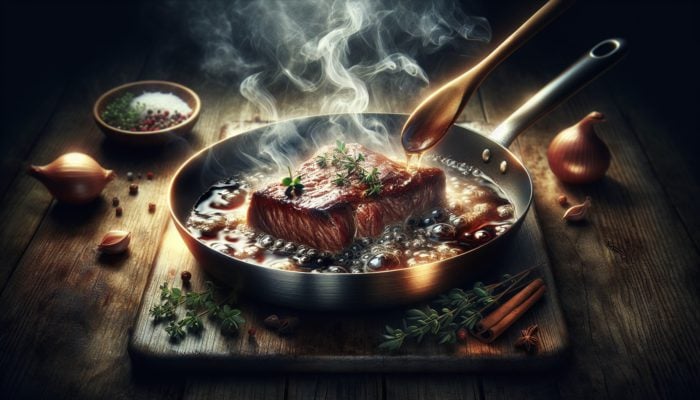
Braise Meat for Tender Results: Your Essential Guide
Master the Art of Braising: Your Comprehensive Cooking Resource
Understanding the Braising Technique: A Fusion of Dry and Moist Heat
Learning how to braise meat for delectably tender outcomes requires a thorough grasp of this dynamic cooking method that adeptly merges both dry and moist heat. This technique is particularly beneficial for transforming tougher cuts of meat into tender, flavorful dishes that astound the palate. The braising journey begins with browning the meat in a heated pan, which develops a rich, caramelized crust that is essential for amplifying the dish’s flavor profile. After this crucial step, the meat is simmered in liquid at a low temperature, allowing the connective tissues to break down gradually. This two-step process not only makes tougher cuts tender but also infuses them with layers of flavor from the braising liquid and complementary aromatics.
The true allure of braising lies in its remarkable adaptability. You can select from a plethora of liquids—ranging from stock and wine to beer or even fruit juices—each reflecting diverse culinary traditions from around the globe. This technique is particularly cherished in cuisines that emphasize the beauty of slow cooking, such as French, Italian, and Asian. Ultimately, the result is meat that is not just tender but also succulent and rich in flavor, thanks to the intricate layers developed throughout the cooking process.
Choosing the Ideal Cut of Meat for a Successful Braise
Picking the right cut of meat is vital for achieving stellar results when braising. Tougher cuts, which are abundant in connective tissue and fat, break down beautifully during the slow cooking process, yielding meat that is both tender and juicy. These cuts are often more economical, making braising a cost-effective option for preparing hearty meals.
Here are some prime cuts to consider for an exceptional braise:
- Chuck – Renowned for its rich marbling and ample connective tissue.
- Brisket – Transforms into an incredibly tender and flavorful dish when braised.
- Shank – High in collagen, making it ideal for a hearty braise.
- Round – An affordable option that can deliver delightful results.
- Pork shoulder – A favorite for pulled pork, excelling when braised.
- Lamb shank – Offers a unique flavor profile that enhances braising wonderfully.
- Oxtail – This rich, gelatinous cut produces a luxurious broth.
- Short ribs – Celebrated for their depth of flavor and tenderness after braising.
By choosing these cuts, you can immerse yourself in a rich tapestry of global flavors and styles, making braising an exciting and enriching technique in any culinary arsenal.
Essential Tools for Successful Braising
Equipping yourself with the right tools is critical for effective braising. A heavy-bottomed pot or Dutch oven is the ideal cooking vessel, ensuring even heat distribution and consistent temperatures throughout the cooking process. A tight-fitting lid is also indispensable, as it traps moisture and prevents the braising liquid from evaporating too rapidly.
In addition to your cooking pot, several essential utensils will facilitate the braising process. Tongs are invaluable for handling the meat without losing heat, while a wooden spoon or spatula enables you to incorporate aromatics and deglaze the pot effectively. Investing in a thermometer is also a smart move, as it helps you monitor the internal temperature of the meat, ensuring optimal doneness without the risk of overcooking. With these tools at your disposal, you will be well-prepared to embark on a successful braising journey, transforming tough cuts of meat into tender culinary masterpieces.
Proven Strategies for Achieving Perfectly Braised Meat
Key Steps to Master Braising Meat Effectively
Braising is a multifaceted technique that involves essential steps crucial for achieving ideal tenderness and flavor. The key steps to follow include:
- Browning the meat – This foundational step develops rich flavor.
- Incorporating aromatics – Ingredients like onions, garlic, carrots, and herbs significantly elevate the overall dish.
- Deglazing the pan – This captures the delicious browned bits, enriching the sauce.
- Simmering in liquid – This slow cooking method effectively breaks down tough fibers.
By diligently adhering to these steps, you not only ensure that your meat becomes tender but also infuse it with robust, layered flavors. The browning phase creates a delectable crust that contributes to the overall taste, while the introduction of aromatics, including vegetables and herbs, elevates the dish’s complexity. Deglazing allows you to incorporate all those flavor-packed bits clinging to the bottom of the pot, enhancing your braising liquid. Finally, simmering at a low temperature enables flavors to meld while gently coaxing the meat into tenderness. Each step plays an integral role in the final result, ensuring that your braised dish is both delightful and satisfying.
Elevating Flavors During the Braising Process
Enhancing flavor during the braising process is an art that can elevate your dish from ordinary to extraordinary. While the selection of meat and cooking technique is essential, the combination of herbs, spices, and liquids can create distinctive flavor profiles. Experimentation with various combinations can yield delightful and unexpected culinary outcomes.
Consider these flavor enhancement techniques:
- Incorporate fresh herbs such as rosemary, thyme, and bay leaves for aromatic depth.
- Add spices like cumin, coriander, or smoked paprika for a unique flavor twist.
- Utilize citrus zest or juice to introduce brightness and acidity.
- Include umami-rich ingredients like Worcestershire sauce or soy sauce.
For instance, braising a beef chuck roast with red wine, garlic, and thyme can yield a robust dish characteristic of French cuisine. Conversely, braising chicken with a blend of coconut milk, ginger, and lemongrass imparts a distinctly Southeast Asian flavor. This versatility allows you to explore the culinary traditions of various cultures, making braising an exciting avenue for flavor exploration.
Maintaining Temperature Control for Optimal Braising

Maintaining the ideal temperature is crucial for achieving tender results in braising. The essence of this technique is to cook meat at a low simmer, typically between 150 °C and 180°C (300°F and 350°F). This gentle heat effectively breaks down connective tissues without drying out the meat, ensuring it remains moist and tender.
Here are some actionable steps to maintain the perfect braising temperature:
- Preheat your oven or stovetop to the desired temperature before adding the meat.
- Utilize a reliable thermometer to check the internal temperature of the meat.
- Adjust the heat as necessary to maintain a steady simmer without boiling.
- Cover the pot with a lid to trap heat and moisture, promoting slow cooking.
By employing these methods, you can hone your braising skills and consistently achieve tender, flavorful results. A well-executed braise not only showcases the primary ingredients but also brings the dish’s complexities to life. Mastering temperature control is fundamental, enabling you to transform tougher cuts into culinary delights.
Thorough Preparation Techniques for Meat Before Braising
Properly Preparing Meat for a Successful Braise
Meat preparation is a foundational step that sets the stage for successful braising. This process encompasses several key tasks, including trimming excess fat, seasoning, and potentially marinating the meat to enhance flavor and tenderness.
Start by trimming away any excessive fat; while some fat enhances flavor, too much can lead to a greasy dish. Seasoning the meat with salt and pepper is essential, as it not only boosts flavor but also aids in developing a crust during the browning phase. In some instances, marinating the meat beforehand can further tenderize it and infuse additional flavors. A marinade can consist of various liquids, such as wine, vinegar, or even yogurt, which help to break down tough fibers.
By meticulously preparing your meat, you ensure an even distribution of flavors and set yourself up for a triumphant braise. This crucial step should not be overlooked, as it directly influences the overall quality and taste of the finished dish.
The Critical Importance of Browning in the Braising Process
Browning the meat prior to braising is an essential step that develops a flavor-rich crust through the Maillard reaction. This chemical reaction occurs between amino acids and sugars when exposed to heat, resulting in complex, savory notes that enhance the overall taste of the dish. Skipping this step can lead to a less flavorful final product.
To achieve optimal browning, ensure that your pot is adequately preheated and that there is ample space to avoid overcrowding the meat. Overcrowding can lower the pot’s temperature, leading to steaming instead of browning. Use a splash of oil in the pan to achieve a good sear, allowing the meat to develop a golden-brown crust on all sides. This process not only enhances flavor but also adds visual appeal to your dish.
Once the meat is browned, remember to deglaze the pan to capture those flavor-packed bits left behind. Incorporating these into your braising liquid will create a rich base for your dish. Browning is a foundational step that elevates your braising technique, transforming it into a dish that is both flavorful and visually stunning.
Selecting the Ideal Braising Liquid for Maximum Flavor
The choice of braising liquid can profoundly influence the flavor profile and richness of your final dish. The right liquid should complement the meat and aromatics, creating a harmonious flavor experience. There are various options available, each offering unique characteristics.
Common choices for braising liquids include:
- Stock – Rich in flavor, it serves as an excellent base for many braises.
- Wine – Both red and white wines can introduce acidity and depth.
- Beer – Adds a malty sweetness and complexity, perfect for hearty dishes.
- Fruit Juices – These can impart sweetness and unique flavor notes.
Consider the overall flavor profile you wish to achieve. For instance, using a robust red wine for braising beef chuck can result in an intensely flavorful dish, while a lighter white wine might be better suited for chicken or pork. Don’t hesitate to experiment with various combinations to uncover new and exciting flavors. The right braising liquid can elevate the dish, enriching the meat and creating a sauce that beautifully ties all elements together.
The Critical Role of Meat Cut Selection in Braising Success
Choosing the right cut of meat is essential for achieving success when braising. Tougher cuts with ample fat and connective tissue break down beautifully during the lengthy cooking time, resulting in tender and flavorful meat.
Some of the ideal cuts include:
- Chuck – Known for its rich flavor and impressive marbling.
- Brisket – Becomes incredibly tender with slow cooking.
- Shank – A collagen-rich cut that yields a luxurious broth.
- Pork shoulder – A go-to for succulent pulled pork.
- Lamb shank – Offers a unique taste that enhances braised dishes.
These cuts typically originate from areas of the animal that experience more activity, contributing to their toughness. However, when braised correctly, they transform into melt-in-your-mouth meals. Selecting cuts with good marbling will also enhance the dish, as the fat renders during cooking, keeping the meat moist and flavorful. Understanding these factors enables you to select the optimal cuts for your braising endeavors, ensuring consistently delicious outcomes every time.
Ideal Cooking Time and Temperature Guidelines for Braising
Braising requires a delicate balance of time and temperature to achieve perfect tenderness. Ideally, the cooking temperature should be set between 150 °C and 180°C (300°F and 350°F) to allow the meat to cook slowly and evenly. This low-and-slow approach is crucial for breaking down the tough connective tissues present in the meat.
Cooking times will vary based on the size and type of cut being braised. Generally, you can expect braising to take anywhere from 2 to 4 hours. A larger cut, for example, may necessitate more time to become tender, whereas smaller pieces can finish sooner. Monitoring the meat for tenderness is essential; it should be fork-tender and easily pulled apart when fully cooked. Additionally, checking the internal temperature is beneficial, as most braised meats should reach a temperature of around 90°C (195°F) for optimal tenderness.
By adhering to these guidelines, you can master the braising process, creating tender, flavorful dishes that will impress at any gathering. Understanding the interplay of cooking times and temperatures will empower you to achieve consistent, top-notch results every time you braise.
Research-Backed Advantages of Braising Meat for Tender and Flavorful Results
Nutritional Advantages of Braised Meat: What’s in It for You?
Braising not only transforms tough cuts of meat into tender culinary delights but also provides a wealth of nutritional benefits. By utilizing less expensive cuts that may be tougher, braising encourages greater variety in meat consumption while remaining budget-friendly. The slow cooking process retains nutrients that might otherwise be lost with quicker cooking methods.
Moreover, the inclusion of vegetables, herbs, and spices during braising enriches the dish with a plethora of nutrients and antioxidants. These components contribute to a more balanced meal, enhancing the overall nutritional profile. By embracing the braising technique, you can create wholesome, satisfying meals that deliver essential nutrients without straining your budget.
The Transformation of Meat Texture Through Braising
Braising profoundly impacts the texture of meat by breaking down collagen and connective tissues that can make tougher cuts chewy. Throughout the slow cooking process, collagen transforms into gelatin, resulting in a moist and tender texture that is highly desirable in braised dishes.
This transformation is particularly effective for cuts rich in connective tissue, such as chuck or brisket. The gentle heat allows enzymes to act on the proteins, further tenderizing the meat over time. Consequently, the final dish boasts a luxurious mouthfeel, with flavors deeply infused throughout. Understanding the science behind this transformation is essential for optimizing your braising process and achieving the desired texture in your meals.
The Science Behind Tenderization in Braising
The low-and-slow cooking method intrinsic to braising permits a complex array of chemical reactions that lead to tenderization. Enzymes and acids within the cooking liquid break down proteins and connective tissues, allowing the meat to become soft and succulent. Additionally, the gradual heating process helps retain moisture within the meat, preventing it from drying out—a common issue with faster cooking methods.
For optimal results, maintaining a consistent temperature allows for effective enzymatic action. As the meat cooks, its fibers relax, and flavor compounds meld from the braising liquid and aromatics. This unique blend of science and culinary technique yields not only tender meat but also an overall harmonious dish that showcases depth and richness. Understanding these principles will empower you to refine your braising techniques and elevate your cooking to new heights.
How Braising Enhances Meat Flavor: A Culinary Perspective
Braising is a transformative cooking method that significantly elevates the flavor of meat. The slow cooking process allows flavors to meld together, creating a rich and complex taste profile that is nearly impossible to replicate through quicker cooking techniques. As the meat simmers in the braising liquid, it absorbs the surrounding flavors from herbs, spices, and any aromatics added.
This infusion of flavor not only enhances the meat itself but also enriches the braising liquid, resulting in a sauce that is both robust and complementary to the dish. The extended cooking time allows for the development of deep, umami-rich notes that enhance the overall eating experience. By applying the braising technique, you can create dishes that are not only tender but also bursting with flavor, making every bite a delightful experience.
Avoiding Common Braising Mistakes for Perfect Results
Preventing Overcooking or Undercooking Your Braised Meat
Finding the ideal cooking time is crucial in braising, as both overcooking and undercooking can lead to undesirable outcomes. Overcooking can dry out the meat, rendering it tough and chewy, while undercooking may leave the meat rubbery and unpalatable. Monitoring the tenderness of the meat is key to achieving the perfect braise.
To circumvent these pitfalls, employ a combination of time and temperature checks. Investing in a reliable meat thermometer can help ensure you reach the desired internal temperature for tenderness. Additionally, checking the meat periodically during cooking allows you to gauge its progress and make necessary adjustments. Recognizing when the meat is truly tender is the cornerstone of successful braising, and attentiveness during this process will yield the best results.
The Impact of Cooking Vessel Choice on Braising Success
The choice of cooking vessel can significantly influence the outcome of your braise. Using an unsuitable pot, such as one that does not conduct heat evenly, can affect heat distribution and moisture retention, leading to uneven cooking. A heavy-bottomed pot or Dutch oven is ideal for achieving the consistent simmer necessary for successful braising.
Ensure that your chosen pot is adequately sized to comfortably accommodate the meat and braising liquid, allowing for proper heat circulation. This will also help prevent boiling, which can compromise the desired texture and flavor. Opting for quality cookware specifically designed for braising will guarantee that your meat cooks evenly and retains moisture, yielding a tender, flavorful dish each time.
The Importance of Deglazing in the Braising Process
Deglazing the pan is a step that should never be overlooked in the braising process. After browning the meat, the browned bits left in the pan are laden with flavor and essential for creating a rich braising liquid. Skipping this step can result in a less flavorful final product.
To deglaze, add your chosen liquid—be it wine, stock, or vinegar—immediately after browning the meat. Use a wooden spoon to scrape up all the caramelized bits, infusing the liquid with deep flavor. This process not only enhances the braising sauce but also ensures that every component of the dish contributes to the overall flavor. Emphasizing this step will elevate your braising technique, resulting in profoundly satisfying dishes.
Finishing Touches and Serving Suggestions for Braised Meat
Determining When Your Braised Meat Is Done Cooking
Determining when braised meat is done requires careful observation and touch. The meat is considered finished when it is fork-tender and can easily pull apart with minimal effort. Checking the internal temperature is another reliable method; most braised meats should reach a temperature of around 90°C (195°F) for optimal tenderness.
A good indicator of doneness is the visual appearance of the meat; it should look moist and glistening, not dry or shriveled. Be sure to check the meat periodically as it approaches the expected cooking time, using a fork to test its tenderness. By doing so, you’ll achieve the perfect balance of texture and flavor in your braised dish, resulting in a satisfying meal that showcases your culinary prowess.
Techniques to Reduce and Thicken the Braising Liquid
After the meat has finished braising, you may wish to reduce and thicken the braising liquid to create a rich sauce. The reduction process involves simmering the liquid until it thickens and concentrates in flavor. This method intensifies the taste and enhances the overall dish.
If you prefer a thicker consistency, several techniques can be employed to achieve this. One simple method is to add a roux—a mixture of fat and flour—into the braising liquid and whisk until it thickens. Alternatively, you can use a slurry made from cornstarch and water for a quick thickening effect. Simmering the liquid while whisking will help you achieve the desired consistency. Incorporating these techniques not only elevates the flavor but also enriches the dining experience by providing a delicious sauce that pairs beautifully with the meat.
Best Serving Suggestions for Your Braised Meat
Braised meat boasts incredible versatility in terms of serving options. Its rich, hearty nature pairs beautifully with a wide array of sides, creating a balanced and satisfying meal. Consider classic accompaniments such as creamy mashed potatoes or rustic polenta, both of which perfectly complement the scrumptious braising sauce.
Vegetables also shine alongside braised meats; consider serving with roasted root vegetables or a fresh green salad to balance the dish’s richness. When selecting sides, consider the flavors present in the braising liquid, ensuring they complement the overall dish. With a little creativity, you can create a meal that not only highlights the tender meat but also showcases culinary traditions from around the globe.
Frequently Asked Questions About Braising
What is the best cut of meat for braising?
The best cuts for braising are those with high amounts of connective tissue, such as chuck, brisket, and shank. These cuts become tender and flavorful during the slow cooking process.
How long does braising take?
Braising typically takes between 2 and 4 hours, depending on the size and type of meat being used. Monitoring the meat for tenderness is crucial throughout this period.
Can I braise meat in a slow cooker?
Yes, a slow cooker is an excellent alternative for braising meat. Just ensure you follow similar steps, including browning the meat beforehand for optimal flavor.
What type of liquid is best for braising?
The best liquids for braising include stock, wine, or even beer. Each type adds a unique flavor, so choose based on the dish you wish to create.
Do I need to marinate meat before braising?
While marinating is not essential, it can enhance flavor and tenderness, especially for tougher cuts. A simple marinade can add depth to your dish.
Is braising healthy?
Braising can be a healthy option, particularly when using lean cuts of meat and incorporating vegetables. The slow cooking process retains nutrients and allows for flavorful, nutritious meals.
What should I do with leftover braised meat?
Leftover braised meat can be utilized in various dishes, such as sandwiches, tacos, or salads. It’s versatile and can add flavor to many meals.
Can I freeze braised meat?
Yes, braised meat freezes well. Allow it to cool completely, then store it in a vacuum-sealed bag or airtight container for up to three months.
How do I know when my braised meat is done?
Your braised meat is done when it is fork-tender and can easily pull apart. Checking the internal temperature can also help; it should reach around 90°C.
Can I use non-alcoholic liquids for braising?
Absolutely! Non-alcoholic liquids, such as stock, vinegar, or fruit juices, can be used for braising and yield delicious results while avoiding the use of alcohol.
Stay updated with our latest news on Facebook!
The post How to Braise Meat for Tender Results: A Universal Guide appeared first on https://cookinggods.com
The Article Braise Meat for Tender Results: A Universal Guide Was Found On https://limitsofstrategy.com