Your cart is currently empty!
Category: Cooking Tips
-

Belize Fry Jack Recipe: Simple Guide to This Tasty Treat
As you explore the world of culinary delights, you may have indulged in numerous breakfast options, but none can rival the irresistible charm of the Belize Fry Jack. Today, you’re on the brink of an exciting culinary adventure where you’ll learn to prepare this traditional Belizean specialty in the comfort of your own kitchen. To kick off this delightful cooking experience, gather the necessary ingredients which include 3 cups of flour, 3 teaspoons of baking powder, 1 teaspoon of salt, 1 teaspoon of vegetable oil or shortening, 1 full cup of water, and 2 cups of vegetable oil for cooking. These essential ingredients will be the foundation for crafting an authentic Fry Jack that truly reflects the vibrant flavors of Belize.
To begin your cooking journey, take a large bowl and combine the flour, baking powder, and salt thoroughly. Mixing these dry ingredients ensures a well-balanced flavor throughout your Fry Jack. Once combined, introduce the shortening by either cutting it into the flour mixture until crumbly or by directly adding the oil. After achieving that desirable crumbly texture, it’s time to knead the dough. Gradually incorporate the water, mixing continuously to eliminate clumps and achieve a smooth, pliable dough. Once you’ve attained the right consistency, divide the dough into two equal portions and let it rest for about 15 minutes. This crucial resting phase allows the gluten to develop, resulting in a light and fluffy Fry Jack that you’ll love.
While your dough is resting, it’s time to prepare for frying by heating a generous amount of oil in a frying pan over medium temperature. This step is vital for achieving that perfect crispy texture that everyone enjoys. Once the oil reaches the right temperature, take the rested dough and divide it into ten equal-sized balls. Gently flatten each ball into a circle, ensuring consistency in thickness for even cooking. After flattening, cut each circle in half to create semi-circles that will fry beautifully. Carefully place the dough into the hot frying pan, frying until each piece transforms into a golden brown. Remember to flip them periodically to ensure both sides achieve that perfect golden finish.
Images Source: The FryJack House After you’ve successfully cooked all the delicious Fry Jacks, the fun part begins—serving them with a variety of your favorite toppings. Think about delicious options such as eggs, refried beans, sugar, jam, or even a drizzle of golden honey to add a sweet touch. Each bite of your homemade Belize Fry Jack will whisk you away to the lively streets of Belize, where this dish is cherished as a breakfast staple. With this straightforward yet authentic recipe, you can create 10 delightful Fry Jacks, perfect for enjoying a hearty Belizean breakfast or a delightful brunch gathering with friends and family. Relish the joy of savoring your very own Belize Fry Jack right from the comfort of your home.
Congratulations on mastering the art of making authentic Belize Fry Jack, a cherished Belizean dish that is not only simple to prepare but incredibly satisfying to enjoy. The unique flavor and delightful texture of your homemade Fry Jacks are sure to impress anyone who tastes them. With this comprehensive step-by-step guide, you are now well-equipped to create Belize Fry Jack like a true culinary expert. Buen provecho and indulge in an extraordinary Belizean breakfast experience!
The Article Authentic Belize Fry Jack Recipe: Step-by-Step Guide to Making This Delicious Treat appeared first on Belize Travel Guide
The Article Belize Fry Jack Recipe: Easy Steps to Make This Delightful Snack Was Found On https://limitsofstrategy.com
-
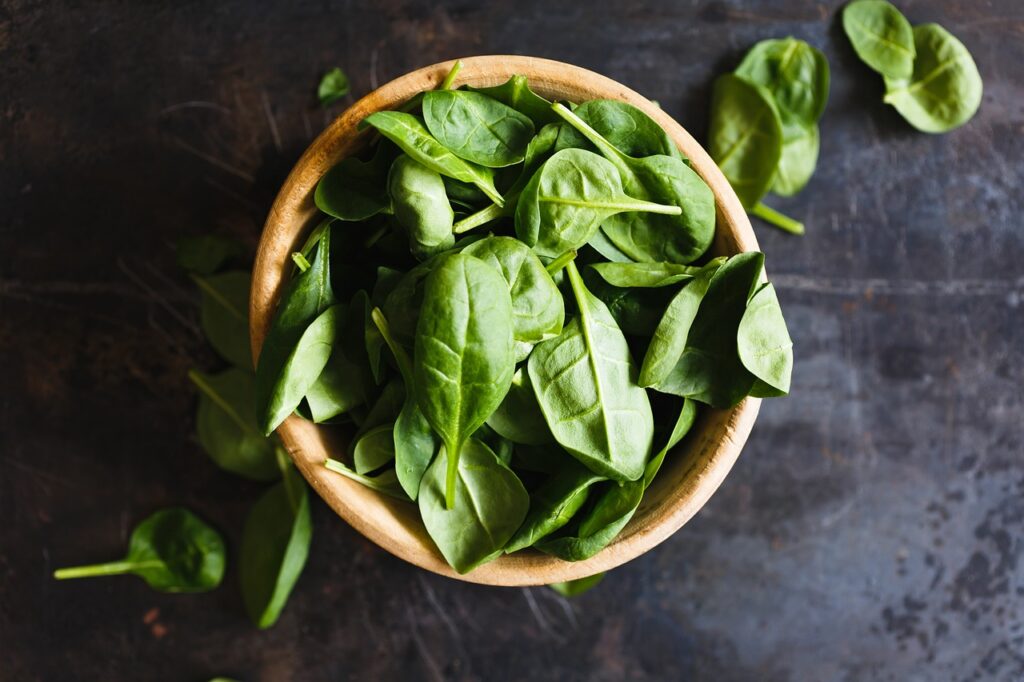
Healthy Herbs You Should Be Cooking With
Herbs are healthy and should be used in cooking.
Everyone knows that a balanced diet rich in fruits and vegetables is essential to maintaining a robust immune system. On the other hand, herbs are an excellent method to increase our food’s nutrient density while enhancing its flavor. Herbs provide several health advantages that you may not be aware of, in addition to their delightful flavor. One benefit that comes to mind is using herbs to flavor meals instead of salt. Keeping our blood pressure and heart rates in check is made possible by this simple change, as salt primarily contributes to high blood pressure and cardiac stress.
Basil
This brightly colored, aromatic plant has several health advantages and comes in over sixty different types. Because to the carotenoids lutein and zeaxanthin, basil is excellent for maintaining eyesight and improving eye health. The anti-oxidants included in basil can aid the body in warding off the effects of free radicals, which can damage cells, cause illness, and speed up aging. If you have a family history of cancer, diabetes, or arthritis, including basil in your diet may help lower your risk.
Due to its ability to control blood sugar, basil aids in preventing diabetes. It also reduces inflammation, which makes it helpful in treating inflammatory pain diseases like arthritis (2). It has been discovered to have anti-cancer qualities and can aid in treating several malignancies, including those of the liver, lungs, mouth, and skin. Lastly, basil has been shown to enhance mood and reduce depressive symptoms.
Cilantro (aka coriander)
In Asian cooking, cilantro is a common ingredient. It is also known as coriander, and people have different ideas about how much they like it. People generally have strong opinions on it, either for or against it. The leaves and seeds of cilantro have a citrusy flavor, yet other people claim they taste like soap. Linalool, an essential oil from coriander seeds, has long been used to treat stomach upset, especially that brought on by bacterial illnesses and food poisoning. This is due to the presence of antibiotic and antibacterial substances.
Coriander seeds have been shown to lower blood cholesterol levels and prevent atherosclerosis, the buildup of plaque in blood arteries that can cause strokes and heart disease. The health advantages of coriander are maximized when combined with other spices like ginger, turmeric, and garlic.
Dill
The dill plant’s feathery leaves, seeds, and essential oil have all been shown to offer health benefits. These advantages are brought on by the chemicals in this herb’s anti-oxidant action. Plant chemicals including proanthocyanins, flavonoids, and phenols can help lower “bad” cholesterol while raising “good” cholesterol in the blood. Triglycerides are another type of blood fat. Also, they can aid in maintaining a healthy blood sugar level, which is important in the battle against diabetes. Finally, this aromatic plant can help in the fight against cancer and bacterial infections. Consuming dill might assist with stomach disorders.
Dill is a delicate plant with an anise-like flavor. It goes well with salmon, but it also goes well with eggs, salads, soups, and herb butter.
Mint is a pleasant plant that grows quickly. Because of this, it’s better to keep it in a pot unless you want it to take over your garden. Traditionally served with lamb, mint is also a wonderful addition to various other foods, including dips, sauces, salads, and even tea. You may have noticed that toothpaste has a minty flavor. This is because mint eliminates the bacteria that cause bad breath, making it a wonderful breath freshener. Sniffing mint essential oil has been demonstrated to boost memory and attentiveness.
Mint is excellent for relieving stomach and digestive ailments including bloating and gas. Irritable bowel syndrome and gastroesophageal reflux illness are two conditions that can benefit from its use. When you have a cold, the menthol in mint might help open up your nose and throat. Colds and flu are attacked from two fronts by the anti-bacterial characteristics.
Oregano
Another herb utilized in Italian and other Mediterranean cooking is oregano. It tastes and is closely linked to marjoram. The flavor can be slightly bitter, and the scent is reminiscent of camphor.
Carvacrol and thymol, two phenolic compounds found in oregano, are helpful at reducing “bad” cholesterol and raising “good” cholesterol levels in the blood. If administered for around six weeks, oregano essential oil has been demonstrated to eradicate parasite infestations. It is effective against fungi like Candida. Hopefully, you won’t have any parasitic or fungal illnesses. But, if you have them and would rather not take medicine, oregano can help you get rid of them.
Parsley
The majority of people are familiar with the herb parsley. It is frequently used as a garnish and might have flat or curled leaves. Parsley, like mint, may be used to mask the taste of garlic and other strong flavors in the mouth and prevent bad breath. Parsley has also been demonstrated to kill germs in the lab, however, this hasn’t been shown in humans just yet. Flavones, of which apigenin is the most beneficial, are found in parsley. While it may also be found in oregano and chamomile, parsley has most of it. The beneficial component is significantly more concentrated when parsley is dried. Apigenin has been shown in several trials to be effective in the battle against cancer. This is because it inhibits the growth of cancer cells, lowers inflammation, protects DNA, and keeps new blood vessels from developing around tumors, thus starving the diseased cells. Due to its high vitamin K content, parsley is excellent for maintaining strong bones and avoiding fractures and osteoporosis. If you are hurt and start bleeding, vitamin K helps your blood clot so you can stop the bleeding and get better faster. As a diuretic, parsley can help your kidneys and lower your blood pressure. In addition to vitamin K, parsley is rich in vitamin A, lutein, and zeaxanthin, all of which contribute to the protection of eyesight and the maintenance of healthy eyes.
As you can see, parsley is a very adaptable herb that is well worth including in your recipes. It may be used in salads uncooked or as a garnish on a variety of foods. It may also be used to season sauces, soups, and a wide variety of other meals. Or just chew it to keep your breath minty.
These are just a handful of the many herbs you may use in your cuisine to stay healthy. Almost every herb and spice you can imagine has at least one health advantage. They may be included in a wide variety of preparations. Why aren’t you utilizing them at this point, then?
- Salt and your blood pressure https://www.bloodpressureuk.org/your-blood-pressure/how-to-lower-your-blood-pressure/healthy-eating/salt-and-your-blood-pressure/
- Chemical components and pharmacological benefits of Basil (Ocimum basilicum): a review https://www.tandfonline.com/doi/full/10.1080/10942912.2020.1828456
- In Vitro and In Vivo Anticancer Activity of Basil (Ocimum spp.): Current Insights and Future Prospectshttps://www.mdpi.com/2072-6694/14/10/2375
- Coriander: Overview of Potential Health Benefits https://www.researchgate.net/profile/Keith-Singletary/publication/303776980_Coriander_Overview_of_Potential_Health_Benefits/links/5ffe0de392851c13fe09c28d/Coriander-Overview-of-Potential-Health-Benefits.pdf
- Antioxidant properties of coriander essential oil and linalool and their potential to control Campylobacter spp. https://bit.ly/4000sAJ
- The cholesterol lowering property of coriander seeds (Coriandrum sativum): Mechanism of action http://www.jeb.co.in/journal_issues/200801_jan08/paper_08.pdf
- The Role of Anethum graveolens L. (Dill) in the Management of Diabetes https://www.hindawi.com/journals/jtm/2016/1098916/
- Antibacterial and antioxidant activities of Mentha piperita L. https://www.sciencedirect.com/science/article/pii/S1878535211000232
- Modulation of Cognitive Performance and Mood by Aromas of Peppermint and Ylang-Ylang https://core.ac.uk/reader/9983853?utm_source=linkout
- Effects of Peppermint and Cinnamon Odor Administration on Simulated Driving Alertness, Mood and Workload http://www.aromaticscience.com/effects-of-peppermint-and-cinnamon-odor-administration-on-simulated-driving-alertness-mood-and-workload/
- Peppermint https://www.mountsinai.org/health-library/herb/peppermint
- Oregano https://www.mccormickscienceinstitute.com/resources/culinary-spices/herbs-spices/oregano_old
- Effects of Origanum onites on Endothelial Function and Serum Biochemical Markers in Hyperlipidaemic Patients https://journals.sagepub.com/doi/pdf/10.1177/147323000803600621
- Inhibition of Enteric Parasites by Emulsified Oil of Oregano in vivo https://www.researchgate.net/profile/William-Sparks-3/publication/12502938_Inhibition_of_enteric_parasites_by_emulsified_oil_of_oregano_in_vivo/links/5eb98a5f92851cd50dab33b5/Inhibition-of-enteric-parasites-by-emulsified-oil-of-oregano-in-vivo.pdf
- Carvacrol Induces Candida albicans Apoptosis Associated With Ca2+/Calcineurin Pathway https://www.ncbi.nlm.nih.gov/pmc/articles/PMC7203418/
- Effects of food materials on removal of Allium-specific volatile sulfur compounds https://pubmed.ncbi.nlm.nih.gov/12059171/
- Apigenin alleviates the symptoms of Staphylococcus aureus pneumonia by inhibiting the production of alpha-hemolysin https://pubmed.ncbi.nlm.nih.gov/23113475/
- Plant flavone apigenin: An emerging anticancer agent https://www.ncbi.nlm.nih.gov/pmc/articles/PMC5791748/
- 8 Impressive Health Benefits and Uses of Parsley https://www.healthline.com/nutrition/parsley-benefits#
- Health Benefits of Parsley https://www.webmd.com/diet/health-benefits-parsley
The post Healthy Herbs You Should Be Cooking With appeared first on https://gqcentral.co.uk
The Article Healthy Herbs You Should Be Cooking With First Appeared ON
: https://ad4sc.com