Your cart is currently empty!
Category: Herbal Infusions
-

Herbal Vinegar Infusions: Key Techniques for Flavorful Blends
Discover How to Select the Best Herbs for Exquisite Vinegar Infusions
Top UK Herbs to Create Delectable Vinegar Infusions
In the realm of culinary arts, herbs play an indispensable role, particularly in the UK, which boasts a remarkable array of aromatic herbs that are ideal for crafting vinegar infusions. Among the most popular garden herbs flourishing in British landscapes are rosemary, thyme, and mint. These herbs not only enhance the flavor but also infuse vinegars with their distinctive fragrances. The aromatic, pine-like scent of rosemary beautifully complements cider vinegar, yielding a tangy yet fragrant infusion ideal for enriching salads and roasted vegetables. Meanwhile, thyme contributes a subtle herbal note that harmonizes perfectly with the acidity of malt vinegar, making it an exceptional ingredient for marinades and dressings.
Mint, celebrated for its invigorating flavor, is particularly favored during the summer months. When paired with white wine vinegar, it creates a refreshing infusion that enhances not only culinary dishes but also cocktails. In addition to these favorites, herbs like chives and basil can be blended to craft unique concoctions that resonate with the British palate, transforming traditional recipes into contemporary culinary masterpieces. When choosing herbs for your vinegar, it’s essential to evaluate their flavor profiles in conjunction with the intended use of your infusion to ensure a delightful and harmonious pairing.
Maximizing Flavor by Understanding Seasonal Herb Availability
The art of creating herbal vinegar infusions is intricately linked to the seasons, making it vital to know the peak harvesting times for various herbs in the UK. Spring marks the beginning of fresh herb availability, with rosemary and thyme reaching their flavor zenith from late spring through early summer. During this period, these herbs emit a more potent aroma, making them excellent candidates for infusion. As summer arrives, vibrant herbs such as mint and basil reach full bloom, offering a rich palette of flavors that can be beautifully infused into vinegar.
As autumn approaches, another opportunity arises to harvest resilient herbs that can endure cooler temperatures. By late autumn, hardy herbs like sage and parsley remain viable, allowing for imaginative infusions as the year wraps up. Gaining an in-depth understanding of seasonal cycles not only enhances flavor but also promotes a sustainable approach to growing and foraging herbs. By aligning your infusion practices with nature’s timetable, you can create vinegars that genuinely encapsulate the essence of each season in the UK.
Innovative Herb Pairings to Craft Distinctive Vinegar Infusions
Delving into herb combinations unveils a vast realm of flavor possibilities for vinegar infusions, especially within the dynamic UK culinary landscape. Classic pairings, such as rosemary combined with garlic, result in a fragrant infusion that perfectly complements roasted meats and vegetables. Alternatively, mixing thyme with lemon zest introduces a zesty flair, making it a superb selection for dressings or marinades.
For the adventurous palate, consider blending herbs with a touch of fruit or spice. For instance, pairing mint with strawberries yields a refreshing vinegar ideal for summer salads or desserts. Additionally, experimenting with herbs like dill and coriander can infuse a unique flair, particularly in dressings for fish or Mediterranean-inspired dishes. The creative potential is boundless, and by exploring varied herb combinations, you can craft personalized infusions that embody your culinary style and imagination.
Exploring Diverse Vinegar Varieties for Flavorful Infusions
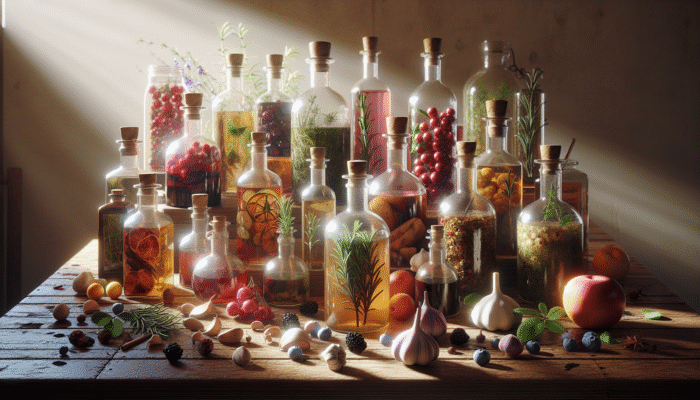
Utilizing Cider Vinegar for Vibrant Herbal Infusions
Cider vinegar has become a kitchen staple in the UK, known for its numerous health benefits and superb compatibility with various herbs when making infusions. The natural sweetness found in apple cider vinegar blends harmoniously with different herbs, resulting in lively and flavorful herbal infusions. This unique characteristic positions cider vinegar as an outstanding choice for those eager to create vibrant and tasty herbal blends. The inherent acidity of cider vinegar ensures that the strong flavors of herbs like rosemary and thyme remain prominent, balancing sweetness with a refreshing tang.
Furthermore, cider vinegar is easily accessible in local supermarkets and farmers’ markets, making it a convenient option for home chefs. Its versatility extends beyond herbal infusions; it can also be employed in dressings, marinades, and even health tonics, enhancing its appeal. Crafting a herbal vinegar infusion using cider vinegar not only delivers an enjoyable taste experience but also fosters a connection to local agricultural practices, as numerous apple orchards are scattered throughout the UK.
Uncovering the Rich Flavor Profile of Malt Vinegar
Renowned for its bold and distinctive taste, malt vinegar is a beloved ingredient in UK kitchens, particularly in iconic dishes like fish and chips. Derived from barley, this vinegar imparts a rich, malty undertone to herbal infusions, elevating ordinary meals into extraordinary culinary experiences. When combined with herbs such as thyme or bay leaves, malt vinegar develops a complex flavor profile that is perfect for drizzling over hearty dishes or incorporating into marinades.
Malt vinegar works exceptionally well for infusions with traditional British herbs, capturing the essence of home-cooked meals. Its deep hue and robust flavor also make it an attractive choice for pickling, allowing the infusion to serve dual purposes: as a flavorful accompaniment to dishes and a method for preserving seasonal produce. By harnessing the unique characteristics of malt vinegar, home chefs can explore a multitude of flavor combinations that resonate deeply with British cuisine.
Enhancing Culinary Experiences with Wine Vinegar Infusions

Wine vinegar, especially the red and white varieties, offers a sophisticated option for herbal infusions, taking the final product to new culinary heights. The acidity of wine vinegar pairs exceptionally well with herbs, resulting in balanced infusions that elevate salads, sauces, and even cocktails. For example, combining white wine vinegar with herbs like basil or chervil produces a bright and fresh infusion, perfect for summer salads or delicate seafood dishes.
Conversely, red wine vinegar harmonizes beautifully with robust herbs such as rosemary and oregano, imparting a hearty quality to marinades and dressings. Utilizing wine vinegar in infusions showcases the sophistication of British culinary traditions, where flavor fusion can lead to truly exceptional dishes. Mastering infusion techniques with wine vinegar opens up a world of gourmet cooking possibilities right in your kitchen.
Creating Exquisite Infusions with Balsamic Vinegar
Balsamic vinegar, characterized by its deep sweetness and complex flavor, holds a prestigious position in the realm of herbal vinegar infusions. Associated with fine dining, it offers a luxurious base for infusions, allowing herbs to shine without overpowering their delicate notes. The intricate nature of balsamic vinegar makes it an ideal complement for herbs like sage or rosemary, resulting in a beautifully layered infusion that can transform simple dishes into extraordinary culinary experiences.
Incorporating balsamic vinegar into herbal infusions also encourages creative experimentation. Infusing balsamic with herbs and fruits, such as figs or blackberries, can yield sumptuous results that are perfect for drizzling over cheeses or roasted meats. The adaptability of balsamic vinegar ensures its lasting popularity in kitchens across the UK, enabling chefs to explore a range of flavor combinations tailored to different occasions.
Mastering Infusion Techniques for Maximum Flavor Extraction
Employing the Cold Infusion Method for Pure Herbal Extracts
The cold infusion method is a widely embraced technique in the UK, allowing the pure essence of herbs to be captured in vinegar while maintaining their delicate flavors. This method involves submerging fresh herbs in vinegar and permitting them to steep without the application of heat, typically for several weeks. A critical aspect of achieving a successful cold infusion is selecting high-quality herbs alongside an appropriate vinegar, ensuring that the final product achieves the desired flavor profile.
When utilizing the cold infusion method, it is crucial to choose herbs that retain their flavors over time. For instance, sturdy herbs like rosemary and thyme are ideal candidates due to their durability during prolonged steeping. A common practice involves placing the herbs directly into a clean glass jar filled with vinegar, sealing it tightly, and storing it in a cool, dark location. Regularly shaking the jar promotes the melding of flavors, leading to an infusion that captures the vibrant characteristics of the selected herbs.
A significant advantage of the cold infusion method is its simplicity and minimal energy consumption, making it an environmentally friendly approach to flavoring vinegar. Moreover, this technique is particularly well-suited for those eager to experiment with different herb combinations, empowering home cooks to develop unique flavors tailored to their culinary preferences. The resulting herbal vinegar can be employed in dressings, marinades, or as a finishing touch, showcasing the depth and complexity achieved through this method.
Accelerating Flavor Extraction with the Warm Infusion Method
For those seeking a faster route to flavorful herbal vinegar, the warm infusion method provides an effective solution. By gently heating the vinegar along with the herbs, this technique accelerates flavor extraction, resulting in a vibrant infusion within hours rather than weeks. However, it is vital to find the right balance when applying heat, as excessive temperatures can compromise the subtle nuances of certain herbs.
To implement the warm infusion method, begin by heating your chosen vinegar in a saucepan until it reaches a gentle simmer. Once heated, introduce the herbs, ensuring they are fully submerged. Maintaining a low temperature allows the flavors to meld without cooking the herbs, which could lead to bitterness. After a brief simmer, remove the mixture from heat and allow it to cool before straining out the herbs. The end result is a lively herbal vinegar that preserves the freshness of the herbs while delivering robust flavor.
This method is particularly advantageous for those pressed for time yet eager to create unique blends. By experimenting with various herbs and vinegar types, home cooks can craft an impressive array of infused vinegars in a fraction of the time needed for cold infusions. The resulting warm-infused vinegars can enhance a variety of dishes, providing a burst of flavor that elevates everyday meals.
Adopting an Eco-Friendly Solar Infusion Method for Herbal Vinegars
Harnessing solar energy, the solar infusion method offers an eco-friendly and visually appealing approach to crafting herbal vinegar infusions. This technique involves placing herbs and vinegar in a clear glass jar and letting the sun’s rays gently warm the mixture, gradually extracting flavors over time. The solar infusion method not only provides a delightful sensory experience but also fosters a connection to nature and the environment.
To begin, fill a glass jar with your selected vinegar and add fresh herbs, ensuring they are adequately submerged. Seal the jar tightly and position it in a sunny spot, allowing the sun’s warmth to work its magic over several days or weeks. The gentle heating accelerates the infusion process without compromising the character of the herbs, resulting in beautifully flavored herbal vinegar. It’s essential to monitor the infusion periodically, gently shaking the jar to promote even extraction.
A unique aspect of the solar infusion method is its sustainability, as it relies solely on natural sunlight rather than energy-intensive heating processes. This aligns with the growing interest in eco-friendly cooking practices among UK consumers. The final product captures not only the flavors of the selected herbs but also the essence of the season, making it a wonderful conversation piece in your culinary creations. As you explore solar infusions, you can experiment with various herb combinations, breathing new life into your cooking repertoire.
Determining the Optimal Duration for Infusion to Achieve Maximum Flavor
Quick Short-Term Infusions for Immediate Flavor Enhancement
Short-term infusions offer a practical solution for those seeking rapid results without sacrificing flavor. Typically steeping for one to two days, these infusions allow the vibrant characteristics of the herbs to impart their essence into the vinegar swiftly. This method is particularly popular among home cooks looking to create quick dressings or marinades that can elevate meals without extensive preparation.
In the UK, short-term infusions work exceptionally well with herbs that possess strong flavor profiles yet may lose potency over time. Herbs such as mint and chives are well-suited for this method, as their bright flavors can infuse vinegar quickly and effectively. To perform a short-term infusion, combine your chosen herbs with vinegar in a clean glass jar, seal it tightly, and let it sit at room temperature for a couple of days. Shaking the jar regularly helps circulate the flavors, ensuring an even infusion.
Once the infusion period concludes, strain out the herbs, and your vibrant herbal vinegar is ready for use. This method not only saves time but also encourages experimentation with diverse flavor combinations, enabling home cooks to adapt to seasonal herbs or personal preferences. The resulting infused vinegar can be utilized in numerous ways, from salad dressings to marinades, imparting a burst of freshness to everyday meals.
Exploring the Complexity of Medium-Term Infusions
Medium-term infusions, lasting from one to four weeks, strike a perfect balance between flavor depth and convenience. This duration allows for a thorough extraction of the herbs’ essence, resulting in a well-rounded vinegar that boasts complexity and richness. This method is especially advantageous for herbs that require more time to fully release their flavors, such as thyme and oregano.
When employing the medium-term infusion method, start by selecting your preferred herbs and placing them in a clean glass jar. Pour your chosen vinegar over the herbs, ensuring they are entirely submerged, and seal the jar tightly. Store it in a dark, cool location, allowing the flavors to meld over several weeks. Shaking the jar occasionally promotes the infusion process, enhancing flavor development.
The charm of medium-term infusions lies in their versatility. Home cooks can experiment with diverse herb combinations and vinegar types, customizing their infusions to fit specific recipes or occasions. Once the infusion period is complete, strain out the herbs, and the resulting herbal vinegar can be utilized in dressings, marinades, or as a flavor enhancer in various dishes. This method encourages a deeper exploration of flavors while remaining manageable for those with busy schedules.
Developing Rich Flavors with Long-Term Infusions
Long-term infusions are a cherished technique among culinary enthusiasts, allowing for the creation of deeply flavored herbal vinegars over extended periods. Typically spanning one month to several months, this method is ideal for those wishing to develop complex infusions that evolve in flavor and character. Herbs with robust profiles, such as sage and rosemary, benefit immensely from this extended steeping time, resulting in a rich and nuanced final product.
To initiate a long-term infusion, select your herbs and combine them with vinegar in a sterilized glass jar, ensuring that the herbs are completely submerged. Seal the jar tightly and store it in a cool, dark place, allowing the flavors to develop slowly. During the infusion period, shaking the jar occasionally encourages the melding of flavors and enhances the overall infusion process.
The beauty of long-term infusions lies in their ability to capture seasonal essence, reflecting the flavors of the herbs at their peak while providing a unique depth that shorter infusions may not achieve. Culinary enthusiasts often find joy in the anticipation of their creations, as the infusion matures over time, revealing new layers of flavor. Once ready, the resulting herbal vinegar can be utilized in various dishes, showcasing the sophisticated taste profile achieved through patience and care.
Establishing Continuous Infusions for Ongoing Flavor Development
The concept of continuous infusions is gaining popularity among culinary aficionados, particularly for those eager to maintain a steady supply of herb-infused vinegar. This method involves using a portion of the infused vinegar while replenishing the jar with fresh vinegar and herbs, allowing for a perpetual cycle of flavor development. This technique not only ensures a constant supply but also permits the flavors to evolve over time, resulting in a unique taste experience.
To create a continuous infusion, begin by preparing a large jar filled with herbs and vinegar, allowing the mixture to infuse for a few weeks until it reaches the desired flavor. Once the infusion is established, use a portion of the vinegar for cooking or dressings, and replenish the jar with fresh vinegar and additional herbs. This process helps maintain the infusion’s character while continuously enhancing it with new layers of flavor.
Continuous infusions are particularly appealing for home cooks who enjoy experimenting with diverse flavor profiles or wish to utilize seasonal herbs efficiently. This method promotes a sustainable approach to cooking, allowing for a versatile and adaptable condiment that can evolve with personal tastes and seasonal ingredients. The resulting herbal vinegar can be employed in a variety of culinary applications, showcasing the creativity and ingenuity of ongoing infusion practices.
Best Practices for Storing Your Infused Vinegar Creations
Selecting Glass Containers for Optimal Storage of Infused Vinegar
When it comes to storing herbal vinegar infusions, glass containers are the preferred choice among many in the UK culinary community. Glass is a non-reactive material, ensuring that the delicate flavors of infused vinegars are preserved without interference from the container itself. Using clean, sterilized glass jars or bottles offers longevity and freshness, creating an ideal environment for the infused vinegar to mature while maintaining its vibrant character.
Choosing the right glass container is essential; opt for dark or opaque glass bottles whenever possible, as these protect the infused vinegar from light exposure, which can degrade quality over time. Additionally, ensure that the containers have airtight seals to prevent contamination and maintain flavor integrity. Properly stored herbal vinegar can last for several months, depending on the herbs used and the infusion method applied.
Incorporating glass containers into your herbal vinegar storage not only enhances the aesthetic appeal of your pantry but also reflects a commitment to quality. By keeping your infused vinegars in glass, you preserve vibrant colors and flavors, making them an enticing addition to your culinary creations. Furthermore, glass containers are recyclable, aligning with sustainable practices embraced by many cooks in the UK.
Ensuring Optimal Dark Storage Conditions for Infused Vinegar
In the pursuit of optimal storage conditions, keeping infused vinegars in a dark environment is crucial. Light exposure can diminish the flavors and colors of herbal infusions, compromising their quality and potency. By storing your infused vinegar in a dark cupboard or pantry, you can significantly prolong its shelf life while retaining the integrity of the flavors.
Temperature also plays a significant role in storage; ideally, infused vinegars should be kept at a consistent, cool temperature away from direct sunlight. This approach not only safeguards the flavors but also minimizes the risk of spoilage and oxidation, ensuring that each batch of herbal vinegar remains vibrant and flavorful. When organizing your storage area, consider using labeled boxes or containers to keep your infused vinegars tidy and easily accessible.
Maintaining dark storage conditions not only helps preserve the quality of your infused vinegars but also reflects a mindful approach to cooking and food preservation. By prioritizing proper storage techniques, you can enjoy the fruits of your labor for extended periods, enhancing your culinary adventures with well-preserved flavors and aromas.
Utilizing Refrigeration to Extend the Shelf Life of Infused Vinegar
Refrigeration is a widely accepted practice in the UK for extending the life of infused vinegars, particularly those crafted from fresh herbs. Storing infused vinegars in the fridge helps slow down the fermentation process and inhibits the growth of unwanted bacteria, ensuring that the flavors remain pure and delightful. This is especially important for herbal vinegars containing delicate herbs or those infused with fruits, as these tend to have shorter shelf lives.
When refrigerating your herbal infusions, ensure they are stored in airtight glass containers to prevent flavors from mingling with other items in the fridge. This practice not only extends shelf life but also preserves the vibrant taste of the infused vinegar, allowing you to enjoy its full potential. As a general guideline, herbal vinegars stored in the refrigerator can last anywhere from several months to a year, depending on the ingredients and infusion method.
The convenience of refrigeration aligns well with the busy lifestyles of many UK home cooks, providing a practical way to keep infused vinegars readily available for everyday use. Additionally, the refreshing qualities of chilled herb-infused vinegars can enhance salads, marinades, and sauces during warmer months, making refrigeration a practical choice for both flavor preservation and culinary enjoyment.
The Vital Role of Labelling and Dating Your Infused Vinegar Creations
Implementing a labelling and dating system for your infused vinegars is essential for ensuring freshness and maintaining organization in your kitchen. By clearly marking the date of preparation and the ingredients used on each jar or bottle, you can easily track the age of your infusions and determine when they should be used or discarded. This straightforward yet effective method helps prevent confusion regarding the quality of your infused vinegars.
Labelling also facilitates easy identification of different flavors, simplifying the selection process for specific culinary applications. When you have multiple infusions on hand, a well-organized system aids in the creative process, allowing you to explore various flavor nuances at a glance. Consider using waterproof labels or permanent markers to ensure that the information remains legible over time.
In the UK, where seasonal ingredients and flavors are celebrated, maintaining an organized collection of infused vinegars can inspire creativity in the kitchen. By keeping track of your infusions, you not only ensure their quality but also encourage a more intentional approach to cooking, elevating your culinary experiences to new heights.
Key Factors Influencing the Shelf Life of Infused Vinegar
Understanding the elements that affect the shelf life of infused vinegar is crucial for home cooks aiming to maximize their culinary creations. Various factors, including the type of herbs used, the infusion method, and storage conditions, can significantly influence how long your herbal vinegars remain fresh and potent. Generally, properly prepared and stored infused vinegars can last several months to a year, depending on these elements.
Herbs with high moisture content, such as basil or mint, may lead to shorter shelf lives, while drier herbs like thyme or rosemary tend to yield more stable infusions. Moreover, utilizing vinegar with a higher acidity level, such as cider or wine vinegar, can help prolong the shelf life of your creations. Storing infused vinegars in dark, cool conditions and avoiding moisture or contaminants are essential practices to ensure longevity.
Regularly inspecting your infused vinegar for changes in color, aroma, or flavor is an excellent practice to uphold quality. This proactive approach not only enhances your culinary experiences but also fosters a mindful relationship with food. By understanding the intricacies of shelf life, you can savor the fruits of your labor and create herbal vinegars that truly shine in your culinary repertoire.
Innovative Uses for Infused Vinegar in Culinary Applications
Diverse Culinary Uses for Infused Vinegar
Herbal vinegars offer a wealth of culinary applications, enhancing dishes and elevating flavors across a range of cuisines. In UK gastronomy, infused vinegars are celebrated for their versatility, serving as a key ingredient in salad dressings, marinades, and sauces. For instance, a rosemary-infused cider vinegar can add depth and complexity to a simple vinaigrette, transforming salads into gourmet experiences.
Incorporating infused vinegars into marinades is another fantastic technique for imparting flavor to meats and vegetables. The acidity of the vinegar serves to tenderize proteins while infusing unique herbal notes, making everyday meals feel extraordinary. As a delightful finishing touch, a drizzle of infused vinegar over roasted vegetables or grilled meats contributes a burst of flavor that elevates any dish.
The creative potential of infused vinegars extends even into beverages. From crafting sophisticated cocktails to enhancing homemade sodas, the inclusion of herbal vinegars can introduce an unexpected twist. Experimenting with various flavor combinations allows home cooks to explore new dimensions of taste, making infused vinegars an indispensable component of modern culinary practices in the UK.
Uncovering Potential Health Benefits of Herbal Vinegar
Beyond their culinary versatility, herbal vinegars are increasingly recognized for their potential health benefits, making them popular within the UK wellness community. Many herbs used in infusions possess medicinal properties that can support overall health. For instance, rosemary is renowned for its antioxidant benefits, while thyme is celebrated for its antibacterial qualities, offering a wholesome addition to your diet.
Incorporating herbal vinegars into your meals not only enhances flavor but may also aid digestion, thanks to the acetic acid found in vinegar, which is known to support gut health. Furthermore, certain infused vinegars have been associated with stabilizing blood sugar levels, making them a beneficial choice for those looking to manage their sugar intake. As health-conscious consumers increasingly seek out natural remedies, the appeal of herbal vinegars continues to grow.
It’s important to approach the health benefits of herbal vinegars with an informed perspective, recognizing their role as a complementary addition to a balanced diet rather than a miraculous cure. By integrating these infused delights into your meals, you can enjoy rich flavors while potentially benefiting from the wellness advantages they offer.
Utilizing Infused Vinegar Techniques for Food Preservation
Employing infused vinegars for food preservation is a time-honored tradition in the UK, enabling home cooks to maximize the use of seasonal ingredients. The high acidity of vinegar serves as a natural preservative, inhibiting the growth of harmful bacteria and extending the shelf life of various foods. Traditional pickling techniques often utilize infused vinegars, creating delightful preserves that reflect local flavors.
To use infused vinegars for preservation, consider pickling vegetables or fruits. Immersing items such as cucumbers, onions, or even fruits in herbal vinegar creates bold, exciting flavors that can enhance dishes throughout the year. The infusion process not only preserves the ingredients but also imparts a unique taste that elevates charcuterie boards, sandwiches, and salads.
Incorporating preservation techniques into your culinary repertoire encourages creativity and resourcefulness in the kitchen. By harnessing the power of herbal vinegars, UK home cooks can celebrate the bounty of seasonal produce while ensuring these flavors are savored long after the harvest.
Simple DIY Infusion Recipes for Home Cooking Aficionados
Creating your own infused vinegar at home is an accessible and rewarding venture, allowing you to unleash your creativity using ingredients sourced from the UK. Start with a straightforward base recipe: select your preferred herbs, such as basil or rosemary, and combine them with your chosen vinegar—cider, malt, or wine vinegar work beautifully.
Begin by thoroughly washing the herbs and placing them in a clean glass jar. Pour the vinegar over the herbs until they are completely submerged, ensuring no air bubbles remain. Seal the jar tightly and allow the mixture to infuse for a specified duration, depending on your preferred infusion technique. For cold infusions, aim for one to two weeks; for warm infusions, a few hours to a day will suffice.
Once the infusion period is complete, strain the vinegar into a clean bottle, discarding the herbs. The resulting infused vinegar can be labeled and stored in a dark, cool place or, for added freshness, in the refrigerator. Experimentation is key—consider trying various combinations of herbs, spices, or even fruits, such as citrus or chili, to create unique, personalized flavors that reflect your individual taste.
Revealing the Historical Significance of Herbal Vinegar in the UK
The use of herbal vinegars has deep historical roots in British culture, with references tracing back to ancient times. Initially valued for their medicinal properties, vinegars infused with herbs served to flavor and preserve foods, showcasing early humans’ ingenuity in the kitchen. In medieval England, herbal vinegars were often consumed as tonics, believed to promote health and ward off ailments.
Over the centuries, the craft of infusion has evolved, with traditional recipes handed down through generations. The Victorian era saw a surge in culinary experimentation, as cooks combined various herbs and spices to create bespoke vinegars that reflected the era’s fascination with flavor and presentation. Today, this rich history inspires modern practices, encouraging enthusiasts to explore the age-old traditions of vinegar infusion.
In the UK, the renewed interest in artisanal cooking and natural remedies has rekindled the passion for herbal vinegars. Home cooks are increasingly drawn to these infusions, not only for their flavors but also for their connection to history and heritage. By embracing the historical uses of herbal vinegars, contemporary cooks can celebrate the flavors of the past while crafting delightful creations for today’s culinary landscape.
Ensuring Safety and Hygiene in Herbal Infusions
The Essential Role of Sterilization in Infusion Preparation
Sterilization is a vital practice in the creation of herbal vinegar infusions, ensuring that your culinary creations are safe for consumption and free from harmful bacteria. In the UK, it’s essential to start with clean, sterilized glass containers to avoid introducing any contaminants that could compromise the integrity of your infused vinegar. Various methods can achieve sterilization, including boiling the jars in water or using a dishwasher.
Before beginning your infusion, thoroughly wash your herbs along with any utensils or tools that will come into contact with the vinegar. This step not only promotes food safety but also enhances the overall quality of the infusion. Once your herbs are prepared, place them in the sterilized glass jar, pour in your vinegar, and seal it tightly for the infusion process.
By prioritizing sterilization, you not only protect your health but also ensure that the flavors of your herbal vinegar remain vibrant and true to their essence. This attention to detail reflects a commitment to culinary excellence that resonates with home cooks throughout the UK, fostering a sense of pride in the quality of their homemade creations.
Strategies for Preventing Contamination in Infusions
Preventing contamination is essential in the process of herbal vinegar infusions, especially when using fresh herbs and produce. In the UK, ensuring that all equipment and ingredients are free from contaminants can significantly enhance the safety and quality of your infusions. Start by thoroughly washing your hands before handling herbs, vinegar, or any equipment to minimize the risk of introducing bacteria.
When preparing your herbs, avoid using any that show signs of spoilage or wilting, as these can compromise the quality of your infusion. It’s also crucial to use clean utensils and glassware, ensuring that no residue from previous uses remains. By adhering to these practices, you safeguard the integrity of your infused vinegar while preserving its vibrant flavors.
Regularly inspecting your infused vinegar for any signs of spoilage, such as off smells, changes in color, or cloudiness, is also an important preventative measure. If any issues arise, it’s best to err on the side of caution and discard the batch. By remaining vigilant and practicing proper hygiene, you can create safe and delicious herbal vinegar infusions that reflect the best of your culinary skills.
Understanding the Shelf Life of Infused Vinegar
Shelf life considerations are paramount when it comes to herbal vinegar infusions, as various factors can impact their longevity. Generally, properly prepared and stored infused vinegars can last several months to a year, depending on the herbs used and the infusion method employed. Understanding these nuances allows you to enjoy the fruits of your labor while minimizing waste.
The type of vinegar used significantly influences shelf life. Vinegars with higher acidity levels, such as cider or wine vinegar, tend to have longer shelf lives compared to those with lower acidity. Additionally, the freshness of the herbs at the time of infusion can dictate how long the vinegar remains palatable. Herbs that wilt quickly may lead to shorter shelf lives, while hardier herbs can withstand the infusion process for longer periods.
By regularly checking your infused vinegar for signs of deterioration, you can ensure that the flavors remain vibrant and enjoyable. Keeping track of the date of preparation and employing a labeling system can assist in monitoring freshness and maintaining a well-organized collection of infusions. By embracing these practices, you can savor the delightful tastes of herbal vinegar infusions while minimizing waste and maximizing quality.
Common Questions About Herbal Vinegar Infusions
Which herbs are optimal for herbal vinegar infusions?
Common herbs suitable for infusions include rosemary, thyme, mint, and basil, all of which thrive in the UK and provide distinct flavor profiles.
What is the ideal infusion time for herbs in vinegar?
Infusion times vary; cold infusions typically require one to two weeks, while warm infusions can be ready in just a few hours to a day.
Can dried herbs be utilized for infusions?
Yes, dried herbs can be used, but fresh herbs generally provide a more vibrant flavor and aroma in vinegar infusions.
What is the best method for storing my infused vinegar?
Store infused vinegars in sterilized glass containers, in a cool, dark area, or in the refrigerator to extend their shelf life.
Are infused vinegars safe for consumption?
When prepared and stored correctly, infused vinegars are safe to consume and can enhance the flavor of a variety of dishes.
Can I use infused vinegar for pickling purposes?
Absolutely! Infused vinegars are perfect for pickling vegetables or fruits, imparting unique flavors to your preserves.
What is the process for creating a basic herbal vinegar?
Combine fresh herbs with your vinegar of choice in a clean jar, seal it, and allow it to infuse for the desired duration before straining and using.
What health benefits are associated with herbal vinegar?
Herbal vinegars may support digestion, provide antioxidant properties, and potentially help stabilize blood sugar levels, depending on the herbs used.
How can infused vinegar be used in cooking?
Infused vinegars can be utilized in dressings, marinades, sauces, or as a finishing touch for various dishes to enhance flavor.
Are there any herbs I should avoid when making infusions?
Avoid using herbs that are wilting or spoiled, as these can compromise the quality and safety of your infused vinegar.
Connect with us on Facebook!
The Article: Techniques for Herbal Vinegar Infusions: A Guide appeared first on https://mcrtherapies.co.uk
The Article Herbal Vinegar Infusions: Techniques and Tips Guide appeared first on https://mcrtherapies.com
The Article Herbal Vinegar Infusions: Essential Tips and Techniques Was Found On https://limitsofstrategy.com
-
Herbs in Oils: Essential Guide for UK Infusion Enthusiasts
Unlock the Secrets to Selecting the Best Herbs for Luxurious Infused Oils
Essential UK Herbs Perfect for Creating Flavorful Oil Infusions
The breathtaking landscapes throughout the UK are filled with a diverse array of herbs that not only enhance the beauty of our gardens but also elevate our culinary masterpieces. When diving into the craft of infusing herbs in oils, selecting the right herbs is crucial for achieving the desired flavor profiles. Renowned choices such as Rosemary, Thyme, and Lavender are not only easy to grow but also provide delightful aromas and flavors, making them exceptional candidates for crafting infused oils. Rosemary, with its strong and pine-like scent, adds remarkable depth to oils, enhancing dishes ranging from roasted vegetables to grilled meats. <a href="https://limitsofstrategy.com/thyme-for-positivity-your-essential-guide-to-optimism/">Thyme</a>, a cornerstone of British cuisine, imparts a subtle earthiness that pairs beautifully with olive oil, while lavender contributes a floral essence that elevates sweet dishes and salad dressings, creating a unique culinary experience that tantalizes the senses.
These aromatic herbs are readily available throughout the UK, whether you visit local markets or cultivate your own herb garden. The recent surge in home gardening post-pandemic has inspired many individuals to grow their own herb collections, ensuring a fresh and continuous supply of these fragrant plants. Whether you gather them from a farmer’s market in Cornwall or nurture them in a cozy window box in London, these aromatic herbs form an excellent foundation for your oil infusions, enriching your culinary adventures.
Exploring the Seasonal Availability of Aromatic UK Herbs for Infusions
One of the most captivating aspects of utilizing herbs in the UK is their seasonal availability. During the vibrant spring and summer months, your garden or local market bursts with fresh herbs like Basil, Dill, and Chives, which are perfect for creating lively oil infusions, ideal for dressings or marinades. As autumn approaches, a rich array of flavors emerges, with Sage and Parsley taking center stage, making them fantastic choices for infusing oils that enhance hearty dishes like stews and roasts. Even during winter, when fresh herbs become scarcer, resilient varieties such as Rosemary and Thyme flourish in colder conditions, making them excellent options for winter-inspired oil infusions.
Being mindful of these seasonal variations allows you to craft a diverse range of infused oils, ensuring you utilize the freshest ingredients available. Incorporating seasonal herbs into your infusions not only supports local agriculture but also enriches the flavor profile of your oils, creating a beautiful synergy that aligns with the natural rhythms of the changing seasons.
Expert Insights on Pairing Herbs for Maximum Flavor in Infusions
The true mastery of infusing herbs in oils lies in the artful blending of flavors. Within British culinary traditions, certain herb pairings have become timeless classics, creating infusions that delight the palate. For instance, combining Rosemary with Garlic results in a bold flavor combination that enhances roasted potatoes or meats. Additionally, Thyme paired with Lemon Zest produces a bright, zesty oil, ideal for drizzling over salads or grilled fish. For a creative twist, consider mixing Lavender with Lemon Balm, creating a fragrant oil that’s perfect for desserts or an aromatic addition to tea.
Exploring these traditional pairings can yield delightful culinary outcomes, transforming your cooking experiences. You may find that a simple oil infused with Thyme and Bay Leaves becomes a kitchen staple, elevating everyday meals into extraordinary dining experiences. The key is to taste as you go and adjust according to your preferences; cooking should be a joyful and personal exploration of flavors.
Proven Strategies for Successfully Growing Your Own Herbs

Starting your own herb garden can be a rewarding journey that enhances your culinary skills, particularly when considering the craft of infusing herbs in oils. The temperate climate of the UK is ideal for a variety of herbs, making it accessible for anyone to embark on this endeavor. You don’t need extensive space; even a small balcony or windowsill can accommodate pots of Basil, Parsley, and Mint.
Begin by choosing pots with excellent drainage and high-quality potting soil. Position your herbs in a location that receives ample sunlight; most herbs thrive with around six hours of sunlight each day. Regular watering is essential, but be cautious of overwatering, as excess moisture can lead to root rot. By nurturing your herb garden, you secure a reliable source of fresh ingredients while enjoying the gratifying experience of cultivating plants that enhance your culinary creations.
Smart Preservation Techniques to Keep Your Herbs Fresh
Mastering various preservation techniques is vital for extending the usability of your cherished herbs throughout the year. Drying is one of the most common methods; hang bundles of herbs upside down in a cool, dark area until completely dry, then store them in airtight containers. Freezing is another effective method—chop fresh herbs and mix them with Olive Oil before pouring them into ice cube trays. These herb-infused oil cubes become a convenient addition to your cooking, ready to enhance your dishes whenever needed.
Preservation not only prolongs the lifespan of your herbs but also allows you to enjoy their vibrant flavors beyond their growing seasons. The key is to select the appropriate preservation method for each herb; for instance, delicate herbs like Basil fare best in the freezer, while sturdier varieties like Rosemary can be dried without losing flavor. By implementing these techniques, you ensure that your homemade infused oils remain bursting with flavor, regardless of the season.
Selecting the Best Oils for Your Herb Infusions
Finding the Ideal Oils for Flavor-Packed Herb Infusions
As you embark on the journey of infusing herbs in oils, selecting the right oil is just as important as choosing the herbs themselves. In the UK, robust oils like Rapeseed and Olive Oil are standout choices for infusions. Rapeseed oil, widely cultivated in the UK, boasts a neutral flavor that makes it a versatile base for various herb infusions. Its high smoking point also renders it suitable for high-temperature cooking.
Olive Oil, especially the extra virgin variety, provides a rich flavor that complements many herbs beautifully. Its fruity and peppery notes enhance the overall taste of infused oils and offer health benefits such as heart-healthy monounsaturated fats.
When selecting your base oil, consider the culinary applications of your infused oil. For instance, a strong herb like Rosemary may blend exceptionally well with a robust olive oil, while lighter herbs like Dill would thrive in a more delicate Rapeseed oil blend. Each type of oil possesses unique characteristics, and experimenting with different oils can lead to exciting culinary discoveries.
Discovering High-Quality Local Oils for Infusion
The vibrant food culture in the UK makes it easier to find exceptional oils for your herb infusions. Many local producers are dedicated to crafting high-quality oils that reflect the unique characteristics of their regions. Seek out local farmers’ markets or specialty shops that showcase British oils, often highlighting distinctive flavor profiles influenced by the local environment.
By supporting local producers, you not only secure the freshest, highest-quality oils but also contribute to your community. As you explore available options, consider experimenting with oils from various regions—whether it’s a vibrant oil from the Cotswolds or a nutty Rapeseed oil from East Anglia. Each bottle tells a story of its origin, enriching your cooking while promoting sustainable practices.
Ensuring the Quality and Purity of Your Oils for Infusions
Understanding the quality and purity of oils is essential when learning how to infuse herbs in oils. Look for cold-pressed oils with certifications that verify their purity; this ensures you are using oils that retain their natural flavors and nutrients. A high-quality oil will not only enhance the flavor of your infused oils but also contribute to their health benefits.
When selecting oils, be mindful of signs of refinement; avoid oils that have undergone extensive processing, as they often lose much of their character and nutritional value. Reading labels and sourcing oils with simple ingredient lists can guide you toward superior products. Remember, the oil is the foundation of your herb infusion, so prioritizing high-quality oil is vital for achieving the best results.
Mastering Various Techniques for Infusing Oils Effectively
Implementing the Cold Infusion Technique for Subtle Flavor Extraction
The cold infusion method is a gentle technique that captures the delicate flavors of herbs, making it a popular choice in UK kitchens. This method involves placing clean, dried herbs into your chosen oil and allowing them to steep at room temperature for a specific period. Depending on the potency of the herb and your taste preferences, this process can take anywhere from a few days to several weeks.
To begin, select a clean jar and fill it with your preferred herb, ensuring it is packed snugly but not overly compacted. Pour in the oil, completely covering the herbs to prevent any exposure to air, which could lead to spoilage. Store the jar in a cool, dark location, gently shaking it every few days to encourage the infusion process.
Once the desired steeping period is complete, strain the oil through a fine mesh sieve or cheesecloth, ensuring that all herb particles are removed. The result is a beautifully infused oil that retains the essence of your selected herbs, perfect for drizzling over salads, pasta, or incorporating into marinades to enhance flavor.
Accelerating Infusion with the Heat Method for Rapid Results
If you’re looking for a faster method for infusing oils, the heat infusion technique may be your ideal solution. This approach involves gently heating the oil with herbs, allowing for quicker extraction of flavors. This method is often taught in UK cooking schools as a practical way to create infused oils that can be ready in just a few hours.
Combine your herbs and chosen oil in a saucepan over low heat. It’s crucial to maintain a low temperature; overheating can lead to a bitter taste and compromise the oil’s quality. Allow the mixture to heat for approximately 30-60 minutes, stirring occasionally and watching carefully to prevent boiling.
After the infusion is complete, strain the herbs as you would in the cold method. The resulting oil will boast a vibrant flavor, ideal for enhancing roasted vegetables, drizzling over grilled meats, or adding a special touch to homemade bread.
Employing the Solar Infusion Method for Natural Flavor Extraction
Utilizing the sun’s energy for oil infusions is a delightful technique that works particularly well during the warmer months in the UK. The solar infusion method leverages the sun’s gentle heat to extract the flavors of herbs, resulting in an aromatic oil that encapsulates the essence of summer.
Simply place your herbs in a glass jar, add your chosen oil, and seal it securely. Position the jar in a sunny spot, such as a windowsill, and allow it to bask in the sunlight for several days to weeks, depending on the flavor intensity you desire.
The warm sun will gradually encourage the herbs to release their oils, producing a beautifully infused product without the risk of overheating. Once the infusion period is complete, strain the oil just as you would with the cold and heat methods. The final product will be a fragrant oil that captures the essence of the season, perfect for brightening salads or adding a summer touch to your dishes.
Exploring the Ultrasonic Infusion Technique for Quick Flavor Extraction
As culinary technology advances, the ultrasonic infusion method has emerged as an innovative option, particularly in culinary labs across the UK. This technique utilizes ultrasonic waves to create microscopic bubbles in the oil, facilitating rapid flavor extraction from the herbs.
While this method may require specialized equipment, its efficiency is remarkable. The ultrasonic device generates high-frequency vibrations, causing the herbs to quickly release their essential oils into the carrier oil. Depending on the machine, this process can take as little as a few minutes, making it an appealing option for both home cooks and professional chefs alike.
If you’re interested in exploring modern techniques, consider investing in an ultrasonic infusion machine. As you embark on this innovative journey, remember the importance of using quality herbs and oils; the outcome will be an infused oil that saves time while maintaining a rich flavor profile capable of elevating your culinary creations.
Guidelines for Safe and Effective Storage of Infused Oils
Vital Safety Measures for Infusing Oils with Herbs
When infusing herbs in oils, adhering to safety precautions is imperative to ensure your culinary creations are both delicious and safe. The UK has specific food safety regulations that must be followed when crafting infused oils, particularly regarding the storage and handling of fresh herbs.
Always start with clean, sterilized jars to minimize the risk of bacterial growth. Use fresh, high-quality herbs and avoid any that exhibit signs of wilting or decay. Additionally, it’s crucial to store your oil correctly; infused oils should be kept in dark glass bottles to protect them from light, which can degrade the oil over time.
Moreover, exercise caution when including fresh herbs in your oils; it’s advisable to use only dried herbs for long-term infusions, as fresh herbs can introduce moisture that may lead to spoilage. Always trust your senses—if an infused oil emits an off smell or appears cloudy, it’s safer to discard it.
Optimal Storage Conditions for Your Infused Oils
Maintaining proper storage conditions is crucial for preserving the quality of your infused oils. In the UK, where climate conditions can vary significantly, it’s essential to find a cool, dark location to store your infused oils. Dark glass bottles or jars are ideal, as they shield the oil from sunlight, which can cause deterioration and rancidity.
Ensure that your bottles are tightly sealed to prevent exposure to air, which can lead to oxidation. If you plan to store infused oils for an extended period, consider refrigeration, especially if you’ve used fresh herbs, as this can significantly extend their shelf life. However, be aware that refrigeration may cause some oils to solidify, so allow them to reach room temperature before use.
Regularly inspect your oils for any changes in smell, taste, or appearance. If you notice any unusual cloudiness or strange odors, it’s best to err on the side of caution and dispose of the oil.
Understanding the Shelf Life of Your Infused Oils
Knowing the shelf life of your infused oils is essential for enjoying them at their best. In the UK climate, the shelf life can vary based on the type of oil used and whether fresh or dried herbs were incorporated. Generally, infused oils made with dried herbs can last up to six months when stored correctly, while those created with fresh herbs may only last a few weeks.
To maximize the longevity of your infused oils, always label your bottles with the infusion date and the type of herbs used. This practice helps you monitor their freshness, ensuring you enjoy them at their peak.
If you notice any changes, such as an unusual smell or sediment at the bottom of the bottle, these may indicate that the oil has spoiled. Always prioritize safety, and when in doubt, discard the oil.
Complying with Food Safety Regulations for Infused Oils
In the UK, it’s essential to be aware of food safety regulations regarding the production and sale of infused oils. If you plan to share your creations with friends or consider selling them, familiarize yourself with the guidelines established by the Food Standards Agency.
These regulations encompass hygiene practices, labeling requirements, and food safety protocols. If you’re selling infused oils, ensure that your labels include ingredient lists, best-before dates, and allergen information to comply with UK standards.
By understanding and adhering to these regulations, you will protect yourself and your customers while contributing to a culture of safety and quality in food production.
Incorporating Infused Oils into Your Culinary Masterpieces
Transforming Classic British Dishes with Exquisite Infused Oils
Infused oils provide an extraordinary way to elevate traditional British dishes, adding depth and complexity to your culinary creations. A drizzle of rosemary-infused oil over a rustic shepherd’s pie can enhance the dish, offering a fragrant finish that complements the hearty flavors. Similarly, incorporating a hint of garlic-infused oil into your mashed potatoes introduces a sophisticated twist to a beloved side dish, creating a delightful culinary experience.
Consider utilizing infused oils in marinades for meats, allowing the flavors to permeate before grilling or roasting. A thyme-infused oil can elevate a simple chicken dish into something exceptional, while basil oil adds a refreshing touch to a Caprese salad, evoking the warmth of a summer day in Italy.
Don’t hesitate to experiment; the culinary possibilities are endless. Infused oils can become your secret weapon in the kitchen, enhancing a comforting bowl of soup or adding flair to a charcuterie board, transforming the ordinary into the extraordinary.
Pairing Infused Oils with Local UK Ingredients for Enhanced Flavor
Understanding which UK ingredients harmonize beautifully with your infused oils is vital for creating dishes that resonate with flavor. For example, a fresh herb oil, such as Dill, pairs exquisitely with smoked salmon, accentuating the fish’s rich taste while providing a refreshing contrast.
When it comes to vegetables, consider using garlic-infused oil when roasting seasonal root vegetables, as the garlic flavor enhances their natural sweetness. Likewise, a chilli-infused oil can impart a delightful kick to dishes featuring creamy cheeses, such as British blue cheese or a hearty cheddar.
When pairing oils with ingredients, contemplate the overall balance of flavors; lighter oils work well with delicate components, while robust oils can complement heartier fare. The goal is to create a harmonious blend of flavors that tantalizes the taste buds and celebrates the finest British produce.
Innovative Applications of Infused Oils in Modern UK Cuisine
Infused oils can spark inspiration in your cooking, encouraging creativity and experimentation. Beyond their traditional roles, think about incorporating infused oils into baking; for instance, a lemon-infused oil can serve as a delightful alternative to butter in cakes or muffins, imparting a lovely citrus essence that brightens the dish.
Moreover, consider using infused oils as finishing touches for your meals. A drizzle of herb-infused oil over grilled vegetables or a sprinkle atop a fresh salad not only enhances flavor but also adds an elegant touch to your presentation, making the meal visually appealing.
Infused oils can impart stunning flavors when marinating seafood or meat, transforming simple dishes into gourmet experiences. With a touch of imagination, the opportunities for incorporating infused oils into your cooking are virtually limitless, allowing you to explore new flavors and expand your culinary repertoire.
Addressing Common Challenges in Infusing Oils
Preventing Spoilage in Your Infused Oils
One significant challenge when learning to infuse herbs in oils is preventing spoilage, particularly when using fresh herbs. Dried herbs are often recommended for long-term infusions due to their lower moisture content and reduced likelihood of bacterial growth. However, if you choose to use fresh herbs, ensure they are thoroughly dried before adding them to your oil.
Given the UK’s environmental factors, it’s wise to store your infused oils in a cool, dark space. If your kitchen tends to be warm, refrigeration can significantly extend their shelf life. Regularly check for signs of spoilage; if the oil develops an off smell or exhibits changes in clarity, it’s best to discard it to avoid health risks.
Addressing Flavor Profile Challenges in Infused Oils
At times, you may find that your infused oils lack the desired flavor profile. This can occur if the herbs are not fresh or of high quality, or if the infusion time is insufficient. If your oil seems to lack flavor, consider adjusting the infusion time—longer steeping periods can yield more robust flavors.
If a particular infusion does not meet your expectations, feel free to experiment by blending oils. For example, if a dill oil lacks intensity, consider mixing it with a stronger oil, such as thyme-infused oil, to create a well-balanced flavor profile that excites the palate.
Always remember to taste your oils periodically; this practice ensures you maintain control over the flavor development and can make adjustments as necessary, leading to a more satisfying culinary experience.
Perfecting Oil-Herb Ratios for Optimal Infusion Quality
Finding the right balance between oil and herb is essential for crafting a well-flavored infused oil. If your oil turns out too strong or too weak, adjusting the ratios can be straightforward. For those who enjoy more intense flavors, increasing the quantity of herbs can amplify the infusion’s potency.
Conversely, if an infusion is too herbaceous, diluting it with additional oil can help achieve a better balance. It’s wise to start with a conservative amount of herbs—remember, you can always add more, but it’s considerably more challenging to correct if the infusion becomes overpowering.
Effectively Managing Infusion Times for Optimal Results
Infusion duration is critical for achieving the desired flavor when exploring how to infuse herbs in oils. Each herb has its optimal infusion period; for example, delicate herbs like Basil or Parsley may only require a few days, while sturdier herbs such as Rosemary can steep for several weeks without losing their essence.
If you find that your oil has been infused for too long and the flavors have become overpowering, consider diluting it with a neutral oil or using it in recipes where its strong flavor can be better balanced.
Regularly sampling the oil during the infusion process is essential; this will help you determine when it has reached your preferred flavor intensity. As a general guideline, keep notes on your infusion times and herb ratios to refine your technique over time.
Frequently Asked Questions About Infusing Oils
What is the typical infusion time required for herbs in oil?
The infusion duration can vary based on the method used. Cold infusions can take several days to weeks, while heat infusions typically require only about 30-60 minutes. Solar infusions generally last several days to weeks, depending on the desired flavor strength.
Can fresh herbs be used for infused oils?
Yes, fresh herbs can indeed be utilized, but they should be dried first to minimize moisture and reduce spoilage risks. If not stored properly, fresh herbs might lead to faster spoilage.
Which type of oil is best suited for herb infusions?
Oils such as Rapeseed and Olive Oil are popular choices for herb infusions due to their flavor profiles and availability in the UK. For optimal results, select high-quality, cold-pressed oils whenever possible.
What is the correct method for storing infused oils?
Infused oils should be stored in dark glass bottles in a cool, dark space. To prolong the shelf life of oils made with fresh herbs, refrigeration is advisable.
What is the typical shelf life of infused oils?
Infused oils generally last up to six months if made with dried herbs and only a few weeks if crafted with fresh herbs, depending on storage conditions and care.
Can infused oils be reused?
While it is possible to reuse infused oils, it’s best to do so within a reasonable timeframe to ensure freshness and flavor. Always check for signs of spoilage before considering reuse.
How can I tell if my infused oil has spoiled?
Signs of spoilage include off-smells, cloudiness, or sediment at the bottom of the bottle. If any of these occur, it is safest to discard the oil to avoid health risks.
Is it feasible to infuse oils with multiple herbs simultaneously?
You can blend herbs in your infusion, creating unique flavor profiles. Just ensure the herbs complement each other in taste and aroma to achieve the best results.
In which dishes can infused oils be utilized?
Infused oils can enhance a variety of dishes, including salads, roasted vegetables, marinades, and baked goods. They may also serve as finishing oils for added flavor and sophistication.
Are there safety concerns associated with infused oils?
Yes, it’s crucial to use clean, sterilized jars for infusion and only dried herbs for long-term storage to prevent spoilage. Always adhere to food safety guidelines when preparing infused oils to ensure safety.
Connect with us on Facebook!
The Article: How to Infuse Herbs in Oils: A UK Guide appeared first on https://mcrtherapies.co.uk
The Article Infusing Herbs in Oils: A Guide for UK Enthusiasts appeared first on https://mcrtherapies.com
The Article Herbs in Oils: A UK Enthusiast’s Guide to Infusion Was Found On https://limitsofstrategy.com