Category: Mexican Cuisine

  • Authentic Mexican Food: The Ultimate Vegas Guide

    Authentic Mexican Food: The Ultimate Vegas Guide

    Explore the Best Neighborhoods in Las Vegas for Authentic Mexican Dining Experiences

    Experience the Vibrant Flavors of East Las Vegas

    East Las Vegas street at dusk with Los Tacos restaurant, people enjoying authentic Mexican tacos.

    East Las Vegas is a vibrant hub for genuine Mexican dining, greatly shaped by its diverse and active Mexican community. Here, culinary enthusiasts have the opportunity to delve into the rich and varied traditions of Mexican cuisine without traveling far. A standout in this neighborhood is Los Tacos, celebrated for its delicious tacos crafted with homemade tortillas and filled with authentic ingredients. This establishment embodies the essence of street food, featuring a menu that prioritizes fresh, high-quality ingredients and time-honored recipes that have been lovingly preserved through generations.

    Another well-loved spot in this lively area is Mariscos Playa Hermosa, which specializes in delectable seafood dishes inspired by the coastal culinary traditions of Mexico. Their acclaimed ceviche and mouthwatering fish tacos have attracted a devoted following, highlighting the zesty flavors typical of Mexico’s coastal regions. As you explore East Las Vegas, keep an eye out for numerous taco stands and casual dining establishments that serve classic dishes such as birria and tamales. The long queues outside these popular eateries are often a testament to their outstanding food quality and irresistible offerings.

    Discover the Culinary Revival of Downtown Las Vegas Mexican Restaurants

    Downtown Las Vegas is currently witnessing an exciting culinary renaissance, with the rise of authentic Mexican restaurants taking center stage in this transformation. La Comida shines as a top dining destination, honoring traditional Mexican recipes while providing a lively atmosphere ideal for social gatherings. Their famous enchiladas and chiles en nogada have garnered rave reviews, showcasing the passion and flavorful essence inherent in authentic Mexican cuisine. The restaurant’s vibrant decor, adorned with bright hues and rustic accents, enhances the authentic dining experience that guests have come to cherish.

    Another noteworthy establishment in the area is El Sombrero, where diners can indulge in classic dishes like carnitas and pozole. This beloved local haunt is celebrated for its generous portions packed with flavor. While navigating Downtown, be sure to look out for smaller, family-run restaurants that may lack flashy signs but serve some of the most authentic Mexican meals available. The charm of these eateries often lies in their rich histories and deep community ties, making them essential stops for anyone in search of genuine flavors.

    Delight in Authentic Mexican Flavors from Food Trucks and Street Vendors

    Las Vegas is home to an exciting assortment of food trucks and street vendors that present some of the most genuine Mexican cuisine you can find. Among the most popular choices is Tacos el Gordo, known for its delectable tacos al pastor, expertly prepared on a vertical spit, reminiscent of the street vendors in Mexico City. The quality of the ingredients, combined with expertly crafted salsas, has earned this food truck a loyal following among both locals and visitors.

    Street vendors often showcase regional specialties that may not be readily available in traditional restaurants, including scrumptious burritos, esquites (corn cups), and tamales. Keep an eye out for pop-up events or food truck gatherings, as these occasions frequently highlight culinary talents from across Mexico, eager to share their regional dishes with a broader audience. Engaging with the vendors can also enrich your overall dining experience by providing valuable insights into their individual cooking traditions.

    Identifying the Key Indicators of Authentic Mexican Restaurants in Las Vegas

    Colorful Las Vegas street at night with authentic Mexican restaurants, mariachi bands, and families enjoying tacos and margaritas.

    Understanding the Elements That Define Authenticity in Mexican Cuisine

    Authenticity in Mexican cuisine is distinguished by the use of traditional ingredients, time-honored cooking techniques, and regional specialties that reflect the diverse culinary landscape of Mexico. When on the lookout for an authentic Mexican restaurant, focus on menus that feature classic dishes such as mole, an exquisite sauce crafted from various chiles and spices, or pozole, a hearty soup made with hominy and meat. These iconic dishes often signal a restaurant’s commitment to preserving the rich culinary traditions of Mexico.

    The methods of preparation also play a crucial role in gauging authenticity. Restaurants that still make tortillas from scratch or employ traditional cooking techniques such as comales or moliendas generally deliver a more genuine dining experience. A venue that showcases regional specialties from different areas of Mexico, like cochinita pibil from the Yucatán or birria from Jalisco, demonstrates a dedication to the varied culinary heritage of the nation.

    Evaluating Customer Reviews as a Measure of Authenticity

    Online reviews can be an invaluable tool in your quest for authentic Mexican cuisine, but they should be approached with a critical eye. While a high rating may be encouraging, it’s vital to seek out reviews that mention specific dishes and their authenticity. For instance, diners who rave about the flavors of traditional ceviche or the spiciness of their salsas provide essential insights into the restaurant’s quality and authenticity.

    Be cautious of vague endorsements that do not address the authenticity of the cuisine. Reviews that highlight the restaurant’s connection to the local Mexican community or emphasize recipes that have been cherished for generations are more likely to steer you toward genuine dining experiences. Additionally, consider exploring platforms like Yelp, where diners often share detailed reviews and photos, providing a clearer perspective on what to expect from your meal.

    Assessing the Trustworthiness of Restaurant Claims of Authenticity
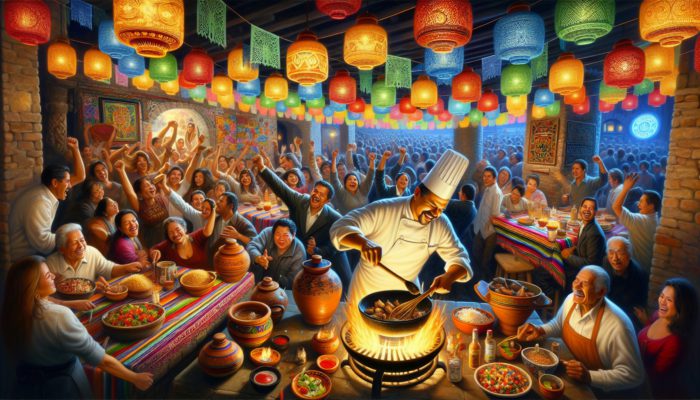
    A vibrant Mexican restaurant with traditional decor, authentic dishes, and community celebration of cuisine's authenticity.

    Determining the authenticity of a restaurant’s claims requires some investigation. A significant factor to consider is the background of the chef or owner. If they have experience working in traditional Mexican kitchens or possess familial connections to the cuisine, it can indicate a strong commitment to authenticity.

    Moreover, recognition from the local Mexican community can serve as a valuable indicator. Restaurants that have received accolades in local media or have been featured at community events often enjoy a solid reputation. Familiarizing yourself with local food blogs or social media pages dedicated to Mexican cuisine can also provide valuable insights into which establishments are genuinely devoted to maintaining the culinary traditions of Mexico.

    The Significance of Decor and Ambiance in Your Dining Experience

    The decor and ambiance of a restaurant can significantly enhance your dining experience, serving as reflections of its authenticity. Genuine Mexican restaurants frequently exhibit traditional decorative elements, such as colorful murals, papel picado (perforated paper decorations), and rustic furnishings that evoke the rich cultural heritage of Mexico.

    Upon entering a restaurant adorned with vibrant colors, traditional pottery, and local artwork, you set the stage for an immersive dining experience. The ambiance should resonate with the flavors on your plate, creating an environment that feels welcoming and culturally rich. A restaurant that invests in its decor often respects the culinary traditions it represents, leading to a more authentic dining adventure.

    The Role of Restaurant Location in Authenticity

    The location of a Mexican restaurant can provide insights into its authenticity. Establishments positioned in neighborhoods with a significant Mexican population are more likely to cater to local tastes, which can indicate a commitment to traditional cuisine. In these areas, restaurants are held accountable by their communities, ensuring that the quality and authenticity of the food remain high.

    Dining in these neighborhoods enhances your overall experience, as you’re likely to encounter a mix of local diners who can provide recommendations and share their experiences. Restaurants that host cultural events or are frequented by families from the community often demonstrate a genuine dedication to the culinary roots of Mexico, making them prime locations for authentic dining experiences.

    Expert Recommendations for Discovering Authentic Mexican Cuisine in Las Vegas

    Where to Find Locals’ Favorite Authentic Mexican Food

    When it comes to finding authentic Mexican cuisine in Las Vegas, locals often serve as your best resource. Engaging with residents or consulting local forums can lead you to hidden gems that may not be widely advertised. Here are some beloved local recommendations that consistently receive high praise:

    • Los Tacos: Famous for their authentic tacos made from fresh ingredients.
    • Mariscos Playa Hermosa: Celebrated for seafood dishes that reflect coastal Mexican flavors.
    • El Sombrero: A local favorite for traditional dishes like carnitas and pozole.
    • Tacos el Gordo: Renowned for their tacos al pastor and fresh salsas.
    • La Comida: Offers a lively atmosphere along with a mix of traditional dishes.
    • Café Mayan: Recognized for its unique regional dishes and vibrant decor.
    • Pancho’s Mexican Grill: Valued for its authentic recipes and homemade tortillas.
    • Casa Don Juan: Praised for its extensive menu and traditional Mexican ambiance.

    These recommendations often come with notes about specific dishes, allowing you to plan your visit accordingly. Don’t hesitate to ask locals for their favorite spots; their insights can lead you to unforgettable culinary experiences that celebrate authentic Mexican flavors.

    Must-Try Dishes for an Authentic Mexican Dining Experience

    When dining at authentic Mexican restaurants, certain dishes stand out as essential experiences due to their cultural significance and complex flavors. Here’s a curated list of must-try dishes that you should seek out during your culinary journey:

    • Tacos al Pastor: Marinated pork cooked on a vertical spit, often served with pineapple.
    • Chiles Rellenos: Poblano peppers stuffed with cheese, battered, and fried to perfection.
    • Mole: A rich, complex sauce made from various chiles and spices, frequently served over chicken.
    • Pozole: A traditional soup made from hominy and meat, garnished with radishes and cabbage.
    • Ceviche: Fresh fish or shrimp marinated in lime juice, mixed with tomatoes and onions for a refreshing dish.
    • Tamales: Corn dough filled with diverse ingredients, wrapped in corn husks, and steamed to perfection.
    • Birria: A savory stew made from goat or beef, traditionally served with tortillas for a delightful experience.
    • Flan: A creamy caramel custard dessert that serves as a delectable ending to your meal.

    These dishes not only provide a taste of Mexico but also tell a story about the nation’s diverse culinary heritage. Be sure to explore each dish’s unique ingredients and preparation methods to gain a deeper appreciation for authentic Mexican cooking and the cultural traditions that accompany it.

    Identifying Traditional Ingredients in Mexican Restaurants

    Identifying whether a restaurant utilizes traditional Mexican ingredients can significantly enhance your dining experience. Look for menus that feature items such as masa (corn dough), epazote (an herb used in numerous dishes), and various chiles like guajillo and ancho. These ingredients are fundamental to authentic Mexican cuisine and should be prominently showcased in the dishes offered.

    Don’t hesitate to engage with the staff, inquiring about their sourcing practices for ingredients. A knowledgeable server will likely take pride in discussing the origins of their products and may even share stories about their suppliers. Additionally, look for signs of house-made items, such as salsas or tortillas, as these often indicate a commitment to authenticity. A restaurant that values its ingredients will take the time to highlight them on their menu and in their culinary preparations.

    Recognizing an Authentic Mexican Atmosphere

    An authentic Mexican ambiance plays a crucial role in enhancing your overall dining experience. Look for restaurants that embrace traditional decor elements like papel picado, colorful tiles, and hand-painted murals. These visual cues not only improve the restaurant’s aesthetic but also reflect Mexican cultural heritage and values.

    The atmosphere should feel warm and inviting, often accompanied by lively music that captures the essence of Mexico. Many authentic restaurants also strive to create a sense of community, drawing in local patrons who contribute to the vibrant environment. Engaging conversations and laughter among diners can signify a welcoming ambiance that celebrates the joy of sharing meals, which is a core aspect of Mexican culture.

    Upcoming Mexican Food Festivals and Events in Las Vegas

    Las Vegas hosts a variety of food festivals and events dedicated to celebrating Mexican cuisine, providing a fantastic opportunity to taste authentic dishes and immerse yourself in culinary traditions. One prominent event is Cinco de Mayo, where local restaurants often feature special menus and events showcasing traditional foods.

    Additionally, Fiestas Patrias celebrates Mexican Independence Day with lively street fairs, live music, and a plethora of food vendors presenting diverse Mexican dishes. These festivals are excellent venues to sample a range of flavors, from tacos to mole, all in one place. Attending these events not only allows you to indulge in authentic food but also fosters a sense of community and cultural celebration, enriching your culinary journey in Las Vegas.

    Optimal Times for Enjoying Authentic Mexican Dining in Las Vegas

    Identifying Popular Dining Times for Authentic Mexican Cuisine

    While the allure of Mexican cuisine can draw diners at any hour, certain peak times are more popular than others. Typically, evenings and weekends are bustling as families and friends gather to enjoy their favorite dishes. If you’re looking to avoid long waits and crowded environments, planning your visit during off-peak hours is advisable.

    Lunch can also be an excellent option, particularly on weekdays when many restaurants feature lunch specials that highlight authentic dishes at more affordable prices. Visiting during these quieter times allows you to savor your meal without feeling rushed, enabling you to fully appreciate the flavors and ambiance within the restaurant.

    Ideal Days for Experiencing Authentic Mexican Food

    For those seeking a more relaxed dining experience, consider visiting authentic Mexican restaurants on weekdays, particularly Tuesdays and Wednesdays. These days typically see fewer diners, allowing you to engage more personally with the staff and take your time exploring the menu.

    Many establishments may also offer special promotions or discounts during the week, making it an excellent opportunity to sample a wider variety of dishes. Choosing to dine mid-week can enhance your experience, providing a chance to enjoy authentic food in a less hectic environment, allowing you to focus more on the flavors and the overall dining journey.

    Impact of Special Events or Holidays on Restaurant Crowds

    Special events and holidays, such as Cinco de Mayo or Día de los Muertos, can significantly influence crowds at Mexican restaurants. During these occasions, many establishments prepare special menus and host themed events to attract diners. Be prepared for large crowds during these celebrations, making reservations advisable if you want to secure a table.

    To experience authentic Mexican cuisine without the rush that accompanies special events, consider visiting a few days before or after these holidays. This approach allows you to enjoy the same delicious dishes while avoiding long waits, providing a more relaxed atmosphere to appreciate the flavors and ambiance of the restaurant.

    Enhancing Your Dining Experience at Mexican Restaurants in Las Vegas

    Tips for Improving Your Order Experience with Authentic Mexican Dishes

    Ordering at an authentic Mexican restaurant can be an exciting adventure, especially if you’re new to the cuisine. One of the best tips is to ask your server for recommendations based on popular dishes or specials unique to the restaurant. Many staff members take pride in sharing their favorites or highlighting dishes that showcase the restaurant’s authenticity.

    Don’t hesitate to try something outside your comfort zone. Mexican cuisine is incredibly diverse, and exploring unfamiliar dishes can lead to delightful surprises. Be sure to inquire about the heat level of spicy items, particularly if you have a lower tolerance for spice. Engaging with the staff about the dishes not only enhances your experience but also offers the chance to learn more about the rich culinary traditions behind each meal.

    Pairing Drinks with Authentic Mexican Food for Maximum Enjoyment

    Pairing drinks with your authentic Mexican meal can elevate your dining experience, enhancing the flavors of the dishes. Traditional options include Mexican beers, such as Modelo or Pacifico, which are excellent companions for tacos and grilled meats. If you’re in the mood for something more festive, a classic margarita made with fresh lime juice and quality tequila can beautifully complement a variety of dishes.

    Another refreshing option is aguas frescas, a traditional drink made from fruits, herbs, and water, offering a sweet and hydrating balance to spicier meals. When dining at authentic Mexican restaurants, don’t hesitate to ask your server for drink pairing suggestions to find the perfect match for your selected dishes.

    Strategies for Maximizing Your Visit to a Mexican Restaurant

    To fully enjoy your experience at an authentic Mexican restaurant, take your time and savor each moment. Engage with the atmosphere, appreciating the decor and sounds around you. Part of the joy of dining is immersing yourself in the culture, so don’t rush through your meal.

    Consider ordering a variety of dishes to share, allowing you to taste multiple aspects of the menu. This communal approach reflects the way many Mexican families dine, making your experience feel more authentic. Engage with the staff by asking questions about the dishes and the stories behind them; their insights can deepen your appreciation for the cuisine and enhance your overall visit.

    Observing Cultural Etiquette When Dining at Mexican Restaurants

    Respecting cultural traditions can significantly enhance your dining experience at Mexican restaurants. Begin your meal by greeting the staff warmly, as this sets a positive tone for your visit. A simple “buen provecho” to fellow diners as you enjoy your meal creates a sense of camaraderie and appreciation for the shared experience.

    Tipping generously is also an essential component of dining etiquette, as it reflects gratitude for the service provided. When dining in larger groups, consider pooling tips to ensure the staff is well-compensated for their efforts. Understanding these customs helps foster a respectful and enjoyable dining environment, allowing you to connect more deeply with the cultural essence of the meal.

    Effective Strategies for Finding Authentic Mexican Food in Las Vegas

    Resources to Discover Authentic Mexican Restaurants

    Finding authentic Mexican restaurants in Las Vegas can be simplified by leveraging reliable resources. Here are some valuable tools to help guide your culinary adventure:

    • Yelp: Provides user-generated reviews and photos, offering insights into the authenticity of various establishments.
    • Google Maps: Allows you to search for nearby Mexican restaurants and read reviews based on location.
    • Local Food Blogs: Many bloggers specialize in Mexican cuisine, sharing hidden gems and detailed insights about local establishments.
    • Social Media: Platforms like Instagram and Facebook often feature food-related pages where locals share their experiences and recommendations.

    Utilizing these resources allows you to make informed decisions about where to dine, ensuring a more authentic experience. Always cross-reference reviews and recommendations to gain a well-rounded perspective on each restaurant.

    Validating the Authenticity of a Mexican Restaurant

    Verifying a restaurant’s authenticity involves several factors to consider during your visit. Start by examining the menu for traditional dishes from various regions of Mexico, as a diverse menu typically indicates a deeper commitment to authenticity.

    Observe the cooking methods used. Authentic establishments may showcase traditional preparation techniques, such as making tortillas from scratch or preparing sauces in-house. Additionally, consider visiting during off-peak hours; this provides an opportunity to interact with the staff, who can share insights about the restaurant’s practices and philosophy regarding their cuisine. Engaging with the team often reveals their dedication to authenticity and cultural heritage.

    Expert Tips to Enhance Your Dining Experience at Authentic Mexican Restaurants

    Dining at authentic Mexican restaurants can be greatly enhanced by following a few expert tips. First, focus on trying a variety of dishes, allowing you to experience the depth of flavors that Mexican cuisine offers. Many restaurants will feature chef’s specials or seasonal dishes that highlight unique ingredients and flavors, which are worth exploring.

    Engagement is key; don’t hesitate to ask your server about the origins of specific recipes or ingredients. This interaction creates a more immersive experience and may provide you with interesting stories about the culinary traditions behind your meal. Lastly, consider dining with a group to share multiple dishes, fostering a communal atmosphere that reflects the heart of Mexican dining culture.

    Key Indicators of Authentic Mexican Cuisine

    When determining the authenticity of Mexican cuisine, several indicators can guide your evaluation. One of the most telling signs is the presence of homemade tortillas, which are a staple of many authentic meals. Pay attention to the quality and freshness of the salsas offered, as traditional recipes often emphasize homemade ingredients.

    Additionally, look for regional specialties, such as mole from Oaxaca or cochinita pibil from Yucatán. Authentic restaurants often prioritize fresh, seasonal ingredients and traditional cooking techniques, enhancing the overall flavor and authenticity of the dishes. These indicators can greatly assist you in identifying restaurants committed to preserving the rich culinary heritage of Mexico.

    Exploring Diverse Regional Mexican Flavors in Las Vegas

    Exploring different regional Mexican flavors in Las Vegas can be an exciting culinary journey. Start by visiting restaurants specializing in specific regional cuisines, such as Oaxacan, Yucatecan, or Northern Mexican fare. Each region boasts its own unique ingredients and cooking styles, offering a diverse range of flavors.

    Attend food festivals or cultural events focused on Mexican cuisine to discover various regional dishes in one setting. These gatherings often showcase local chefs and their interpretations of traditional recipes, allowing you to appreciate the breadth of Mexican culinary heritage. Engaging with chefs and food vendors can provide insights into the influences and traditions that shape their dishes, enriching your understanding of authentic Mexican cuisine.

    The Cultural Influences on Authentic Mexican Dining in Las Vegas

    The Impact of Mexican Culture on Dining Experiences in Las Vegas

    Mexican culture profoundly influences dining in Las Vegas through vibrant traditions reflected in the cuisine, decor, and overall dining experience. Many Mexican restaurants create an immersive atmosphere, often accompanied by traditional music, colorful decorations, and lively celebrations that echo the spirit of Mexico.

    The family-centric nature of dining is central to Mexican culture, where meals are often shared among family and friends, emphasizing community and togetherness. This cultural backdrop transforms a meal into an experience, allowing diners to connect over food and foster relationships, which is a cornerstone of Mexican hospitality.

    Traditional Customs That Enhance the Experience of Mexican Dining

    Traditional Mexican dining customs enrich the experience of enjoying a meal. Sharing dishes is a common practice, where diners order various items to split among the table, promoting a sense of camaraderie. This communal approach reflects the warmth of Mexican hospitality and celebrates family-style dining.

    Engaging in lively conversation during meals is encouraged, as meals often extend beyond the food itself into discussions and laughter. Many meals feature multiple courses, starting with appetizers and progressing through main dishes to dessert. Understanding these customs can enhance your experience, allowing you to appreciate the cultural significance behind each meal.

    Deepening Your Understanding of Mexican Culture Through Dining

    Dining at authentic Mexican restaurants in Las Vegas provides a fantastic opportunity to learn about Mexican culture. Engage with the staff, asking about the dishes, their origins, and the stories behind them. Many chefs and servers take pride in sharing their cultural backgrounds and culinary traditions, enriching your understanding of the cuisine.

    Participate in any cultural events or cooking classes offered by the restaurant, where you can learn about traditional cooking methods and ingredients. Exploring the flavors, customs, and stories behind the dishes deepens your appreciation for Mexican culture, transforming your dining experience into a meaningful cultural journey.

    Frequently Asked Questions About Authentic Mexican Cuisine

    What Defines Authentic Mexican Cuisine?

    Authentic Mexican cuisine is characterized by traditional ingredients, regional specialties, and time-honored cooking methods, emphasizing the rich cultural heritage of Mexico.

    Where Can I Discover the Best Mexican Food in Las Vegas?

    Some of the finest Mexican food in Las Vegas can be found in neighborhoods like East Las Vegas and Downtown, featuring restaurants such as Los Tacos, La Comida, and El Sombrero.

    How Can I Identify an Authentic Mexican Restaurant?

    Look for menus featuring traditional dishes, homemade ingredients, and culinary practices that reflect the regional diversity of Mexico. Engaging with staff can also provide insights into authenticity.

    What Must-Try Dishes Should I Seek at Mexican Restaurants?

    Must-try dishes include tacos al pastor, mole, birria, and ceviche, as these showcase the rich flavors and traditions of authentic Mexican cuisine.

    Are Food Trucks a Viable Option for Authentic Mexican Food?

    Yes, food trucks in Las Vegas often serve some of the most authentic Mexican cuisine, offering popular dishes like tacos al pastor and fresh salsas.

    How Can I Enhance My Dining Experience at Mexican Restaurants?

    To enhance your experience, take your time to engage with the ambiance, try a variety of dishes, and interact with the staff to learn more about the cuisine.

    What Drinks Pair Well with Mexican Food?

    Traditional drinks that pair well include Mexican beers, margaritas, and aguas frescas, which complement the flavors of various dishes.

    Are There Any Mexican Food Festivals in Las Vegas?

    Yes, Las Vegas hosts multiple food festivals celebrating Mexican cuisine, particularly during Cinco de Mayo and Día de los Muertos, showcasing a variety of dishes.

    What Cultural Dining Customs Are Observed in Mexico?

    Cultural customs include sharing dishes, engaging in lively conversations, and enjoying multiple courses, emphasizing the significance of community and togetherness.

    How Can I Explore Different Regional Mexican Flavors in Vegas?

    Explore different regional flavors by visiting restaurants specializing in specific cuisines, attending food festivals, and engaging with chefs to learn about their culinary traditions.

    Connect with us on Facebook!

    The Article How to Find Authentic Mexican Food in Vegas: A Guide appeared first on https://showme.vegas

    The Article Authentic Mexican Food in Vegas: Your Ultimate Guide Was Found On https://limitsofstrategy.com
  • Authentic Mexican Recipes for Traditional Home Cooking

    Get ready to embark on a culinary adventure in your kitchen as you explore the rich and vibrant flavors of authentic Mexican cuisine. This comprehensive collection of traditional Mexican recipes allows you to create beloved dishes that truly represent the essence of Mexico’s culinary heritage. From the iconic Pan de Muerto, a sweet bread crafted in honor of the Day of the Dead, to the irresistible Churros that melt delightfully in your mouth, this collection features a variety of recipes designed to dazzle your family and friends. These dishes not only tantalize your taste buds but also celebrate the joy and cultural significance of Mexican food, allowing you to savor the spirit of Mexico without leaving your home.

    Explore the Key Ingredients that Shape Authentic Mexican Cuisine

    The foundation of authentic Mexican cuisine lies in its key ingredients, each playing a vital role in creating the vibrant flavors and rich traditions that define every dish. From fresh herbs to age-old staples, these essential components are what make your Mexican cooking truly shine, enabling you to replicate the genuine taste of Mexico right in your home kitchen. Gaining insight into these ingredients will not only deepen your appreciation for the culinary arts but also significantly enhance your overall cooking skills.

    Unlocking Flavors with Fresh Produce and Aromatic Herbs

    Utilizing fresh produce and aromatic herbs is crucial in elevating your dishes, bringing forth the natural flavors essential to authentic Mexican cooking. Aromatic herbs such as cilantro, epazote, and oregano add remarkable depth to salsas and stews, while vibrant vegetables, including tomatoes, onions, and peppers, form the base for countless cherished recipes. By using the freshest ingredients available, you will create flavors that transport you straight to the heart of Mexico, enriching your cooking experience and making every meal memorable.

    The Fundamental Role of Corn, Beans, and Chiles in Mexican Cooking

    Corn, beans, and chiles serve as the backbone of Mexican cuisine, reflecting its deep agricultural heritage and cultural significance. Corn is utilized in various forms to create tortillas, tamales, and many other beloved dishes, while beans stand out as a nutritious side or main ingredient, packed with protein. Chiles contribute both heat and complexity, with varieties like jalapeño, serrano, and chipotle each offering distinct flavor profiles that enhance traditional recipes. Together, these ingredients form the essential staples that are not only nourishing but also integral to the vibrant culture of Mexico.

    The versatility of corn, beans, and chiles is truly remarkable. Corn transcends being merely a side dish; its transformation into masa leads to beloved creations such as sopes and tamales, which encapsulate authentic Mexican flavors. Beans represent a staple source of protein, whether served whole, refried, or pureed, harmonizing beautifully with a medley of spices. Additionally, chiles can elevate any dish—from zesty sauces to flavorful marinades—adaptable to your palate while preserving the integrity of traditional recipes. By mastering these foundational ingredients, you unlock the secret to crafting a multitude of authentic Mexican meals from the comfort of your kitchen.

    Master Essential Cooking Techniques for Authentic Mexican Dishes

    Creating authentic Mexican dishes hinges on mastering specific cooking techniques that elevate your culinary creations to new heights. Whether it’s learning to prepare fresh tortillas or understanding the correct method for roasting and grinding chiles, these skills form the backbone of authentic Mexican cuisine. Embrace these techniques to transport your kitchen to the heart of Mexico, where you can create flavors that are genuinely authentic and unforgettable.

    Perfecting the Art of Making Fresh Tortillas

    Making fresh tortillas is a rite of passage for any passionate cook eager to explore the depths of Mexican cuisine. Begin with masa harina and water, kneading the mixture until it reaches a smooth, pliable consistency. Use a tortilla press or roll by hand to create thin, round discs. Cook these on a hot comal or skillet for just seconds on each side until they puff up, releasing an enticing aroma of corn. Fresh tortillas serve as the foundation for countless dishes, offering an unparalleled taste and texture that outshines store-bought alternatives, thereby enhancing your overall dining experience.

    Techniques for Perfectly Roasting and Grinding Chiles

    Roasting chiles significantly enhances their flavors, leading to a more robust and authentic dish. Char them directly over an open flame or in a dry skillet until the skin blisters and darkens, which adds complexity to your meals. After roasting, allow them to steam in a covered bowl for about 10 minutes; this process helps loosen the skin, making it easier to peel. Grinding roasted chiles—preferably using a traditional molcajete or mortar and pestle—allows you to achieve a fine texture while releasing the natural oils and flavors. This technique is essential for creating salsas, sauces, and specific dishes that truly embody the essence of Mexican cuisine.

    Perfectly roasting and grinding chiles transcends mere flavor; it’s about unlocking the depth and nuances of Mexican cooking. Experiment with various chiles—such as ancho, guajillo, or serrano—each presenting distinct tastes and levels of heat. Roasting these chiles intensifies their inherent smokiness and sweetness, transforming your dishes into culinary masterpieces. Grinding them into a paste or powder releases their volatile oils, infusing your recipes with complex flavors that elevate everything from enchiladas to soups. Master this technique, and you’ll find each meal bursting with authentic Mexican flair that delights the senses.

    Celebrate Mexican Traditions with Recipes for Special Occasions

    Mexican celebrations are a vibrant tapestry woven from centuries of tradition, rich flavors, and cultural significance. Each holiday presents unique recipes that fill your kitchen with warmth and nostalgia, connecting you to your heritage. The food prepared for these occasions isn’t merely sustenance; it’s a profound way to bond with loved ones and create lasting memories. Dive into the heart of these celebrations with recipes that honor the spirit and traditions of Mexican culture.

    Delicious Day of the Dead Treats: Pan de Muerto and Atole

    During the Day of the Dead, indulge in the delightful pairing of pan de muerto and Atole. The sweet, soft bread of Pan de Muerto, adorned with bone-shaped decorations, symbolizes the cycle of life and death, serving as a tribute to loved ones who have passed away. Served alongside Atole, a rich, warm drink made with masa, this duo encapsulates the essence of Mexican culture and invites you to partake in meaningful, heartfelt celebrations that honor the memories of those we cherish.

    Festive Favorites: Bacalao and Ponche for Holiday Gatherings

    Indulge in the delicious traditions of Bacalao, a salt-dried cod dish typically enjoyed on Christmas Eve or New Year’s Eve, paired with Ponche, a warm fruit punch that fills the air with festive aromas. These recipes are staples on Mexican holiday tables, offering flavors that bring families together in joyful celebration. Bacalao, often cooked with tomatoes, olives, and capers, carries a rich history, while Ponche provides comforting warmth, often spiced with cinnamon and clove, making it the ideal companion for cold winter nights.

    With these holiday favorites, you’ll create a festive atmosphere reminiscent of joyful gatherings and cultural heritage. Preparing Bacalao not only challenges your culinary skills but also allows you to experience a classic dish that pays homage to family and tradition. As Ponche fills your home with inviting scents, you’ll be transported to a warm celebration with every sip. Embrace these dishes, and you’ll feel the spirit of the holidays come alive in your kitchen, no matter the season or occasion.

    Everyday Mexican Comfort Foods: Simple Recipes to Try at Home

    No celebration, big or small, is complete without the comforting embrace of traditional Mexican dishes. Discover the everyday staples that fill your kitchen with warmth and enticing flavors. From cozy soups that soothe the soul to vibrant salsas that enliven any meal, these recipes embody the heart of Mexico’s culinary heritage. Prepare yourself to create delightful, hearty meals that evoke fond memories of family gatherings and festive occasions, enriching your daily dining experience.

    Creating Authentic Guacamole: Elevate Your Appetizer Experience

    Forget the bland, premade versions you may have encountered; authentic guacamole transforms creamy avocados into a zesty, flavorful delight when combined with fresh lime, cilantro, and a kick of jalapeño. A drizzle of high-quality olive oil enhances the richness, while the crunch of diced onions adds the perfect texture. You’ll want to keep this recipe close—it’s a crowd-pleaser that transforms any gathering into a lively fiesta, making it an essential addition to your culinary repertoire!

    Delicious Tortilla Soup: A Bowl of Comfort and Warmth

    Indulge in a comforting bowl of tortilla soup, a staple dish that encapsulates the vibrant flavors of Mexico. The rich broth, infused with chilies and spices, pairs perfectly with crispy tortilla strips, fresh avocado, and a sprinkle of cheese. It’s warm, hearty, and incredibly satisfying—a go-to meal for any day. Not only is it delicious, but it also allows for personal touches: add beans, corn, or even grilled chicken for your unique twist.

    This soup transcends being merely a meal—it’s a comforting hug in a bowl. Begin by simmering aromatics like garlic and onion in a pot, then add tomatoes and stock to create a robust base. The addition of dried chilies imparts depth and a hint of smoky flavor. As you prepare the crunchy tortilla strips, you’ll revel in the satisfying contrast of textures. Top the soup with cubed avocado, cilantro, and a squeeze of lime to enhance the overall experience. Each spoonful delivers warmth that comforts while calling you back for more. Perfect for chilly nights or casual get-togethers, this tortilla soup is destined to become a family favorite, cherished by all!

    Sweet Treats that Capture the Essence of Mexican Culture

    Mexican desserts are a delightful fusion of flavors and textures, showcasing the country’s vibrant culture and rich culinary traditions. From festive celebrations to family gatherings, these sweet treats play a significant role in Mexican life and heritage. Expect to find mouthwatering churros, indulgent cakes, and classic confections that not only satisfy your sweet tooth but also connect you to the warmth of Mexican heritage. Dive into these recipes and bring a piece of Mexico into your kitchen, creating delicious moments with every dessert!

    The Ultimate Churros Recipe: Crispy, Irresistible Delights

    Churros are a beloved treat in Mexico, known for their crispy exterior and soft, doughy interior. This recipe will guide you in creating the perfect churros to dip in rich chocolate sauce, a delightful indulgence. With just a handful of ingredients, you can achieve that authentic street vendor taste right at home, making them a fun and easy dessert for any occasion, sure to impress your guests and satisfy your cravings!

    Decadent Tres Leches Cake: A Rich and Celebratory Dessert

    Tres Leches Cake stands out as a showstopper dessert in Mexican cuisine. This delightful cake, soaked in three types of milk, transforms into an indulgent treat that’s perfect for any celebration. Its moist, creamy texture coupled with a light sweetness makes it a favorite during birthdays and holidays, allowing you to savor the experience with every delicious bite.

    Tres Leches Cake is not just about taste; it embodies traditions passed down through generations. Originating from Latin America, its unique combination of evaporated, condensed, and whole milk creates a luscious, soaking effect that elevates even the simplest sponge cake. Often topped with whipped cream and fruits, each slice offers a deliciously rich experience that captures the essence of celebratory moments, making it a cherished dessert at gatherings with family and friends. So, when you’re ready to impress your guests, look no further than this decadent delight that will surely leave them wanting more!

    Experience the Vibrant Flavors of Mexico in Your Own Kitchen

    Cooking authentic Mexican dishes at home connects you with a rich culinary tradition that celebrates vibrant flavors and diverse ingredients. By trying out recipes like tortilla soup and pan de muerto, you’ll experience the essence of Mexico, no matter where you are. Each bite carries a story, from the comforting warmth of ponche during holidays to the joyous gatherings around rosca de reyes. So, embrace this culinary journey and let your kitchen be the gateway to cocina mexicana, captivating family and friends alike with unforgettable meals that reflect the authenticity of Mexican culture.

    The Article: Authentic Mexican Recipe Collection: Traditional Dishes You Can Make at Home appeared first on https://fallinginlovewithsanmiguel.com/

    The Article Authentic Mexican Recipes: Traditional Dishes to Prepare at Home Was Found On https://limitsofstrategy.com

  • Capirotada: Authentic Mexican Bread Pudding for Lent

    Immerse yourself in the vibrant flavors and profound cultural significance of Authentic Mexican Capirotada, a delightful bread pudding traditionally savored during the Lenten season. This comforting dish artfully combines stale bread, a spiced sugar syrup, and cheese, resulting in a unique harmony of sweet and savory elements. Often enriched with ingredients such as raisins, peanuts, and almonds, Capirotada transcends being merely a delicious treat; it serves as a meaningful way to embrace and celebrate your culinary heritage. As you delve into this treasured recipe, let the enticing aroma transport you to a warm and festive Mexican kitchen, where every bite tells a story and connects you with generations past.

    Delve into the Fascinating History of Capirotada: A Beloved Culinary Tradition

    The intricate history of Capirotada is a testament to its deep cultural importance in Mexico, especially as a beloved dish during Lent. This cherished dessert, often crafted from leftover bread, symbolizes the confluence of Old World and New World culinary influences, deeply rooted in centuries of tradition that showcase the resilience and adaptability of Mexican cuisine. The evolution of Capirotada reflects the rich tapestry of cultural exchanges that have shaped Mexican gastronomy, making it a dish rich in stories and flavors that resonate with many.

    Tracing the Origins: From Spanish Beginnings to Mexican Customization

    The origins of Capirotada can be traced back to Spain, where early recipes featured stale bread combined with sweeteners like honey or syrup. Following the Spanish Conquest, these culinary practices were modified to include local ingredients, evolving into the delicious Capirotada we enjoy today in Mexico. This evolution often includes enhancements such as cheese and nuts, which not only elevate the flavor profile but also reflect local tastes and available resources. The history of Capirotada is thus a flavorful journey that connects traditions across borders.

    Understanding Capirotada’s Role in Lenten Dietary Practices

    During the Lenten season, when the consumption of meat was traditionally abstained from, Capirotada became a crucial part of the diet, providing essential protein through its cheese component. This distinctive bread pudding, with its delightful blend of sweet and savory flavors, not only nourished the body but also resonated with the spiritual essence of the season, making it a staple on many tables. The dish serves as a poignant reminder of sacrifice and sustenance amidst fasting, allowing families to enjoy a fulfilling meal while adhering to dietary restrictions.

    Throughout Lent, Capirotada serves as a poignant reminder of sacrifice and sustenance amidst fasting. This dessert became a practical solution for families to utilize available ingredients while adhering to strict dietary guidelines. The careful layering of ingredients symbolizes both abundance and creativity, allowing for variations that reflect local customs and individual tastes. Thus, Capirotada has continued to evolve through generations, embodying both culinary heritage and the spirit of community during Holy Week, fostering connections that transcend time and place.

    Essential Ingredients for Crafting Authentic Capirotada: The Heart of the Dish

    The essence of Capirotada lies in its integral ingredients, each contributing to the dish’s distinctive flavor profile. Stale bread serves as the foundational element, soaking up the sweet syrup and transforming into a pleasingly soft yet firm consistency. Piloncillo, a traditional Mexican brown sugar, enriches the flavor with its intricate sweetness, while familiar ingredients like raisins and cheese add layers of depth and variety. Together, these components create a dish that transcends being merely a simple bread pudding, emerging as a culturally rich comfort food steeped in history and love.

    The Crucial Role of Stale Bread and Piloncillo in Capirotada

    Stale bolillos are indispensable to Capirotada, providing a texture and absorbency that fresh bread simply cannot offer. This stale bread absorbs the syrup, transforming into a custardy base while maintaining structural integrity, which is essential for the perfect bite. Piloncillo imparts a rich, earthy sweetness, balancing the savory flavors from the additional ingredients. By using crushed piloncillo, you achieve the unique flavor that characterizes this traditional dessert, making it a beloved choice for many during the Lenten season and beyond.

    Incorporating Cheese: Adding a Savory Element to a Sweet Delight

    Adding cheese to Capirotada may surprise some, yet it’s a practice that imparts a savory twist to this dessert. Traditionally, cheeses such as Manchego or Ranchero provide a delightful contrast against the sweet syrup, creating a beautifully balanced flavor profile. This ingredient not only enriches the dish’s overall richness but also adds protein, making Capirotada a satisfying and hearty option during the Lenten season. The inclusion of cheese reflects the ingenious ways in which flavors can be harmonized, elevating this traditional dish to new heights of culinary delight.

    Utilizing a combination of cheeses can elevate the overall experience even further. The creamy, melted cheese on top creates a decadent, savory layer that perfectly complements the sweet, syrup-soaked bread beneath. As it bakes, the cheese browns and bubbles, adding a visually appealing element to this traditional dish. With each bite, you’ll experience a harmonious fusion of sweet and savory, a hallmark of authentic Mexican cuisine that tells a story of creativity in the kitchen and the joy of sharing food with loved ones.

    Crafting the Perfect Capirotada: Your Comprehensive Step-by-Step Guide

    Preparation Steps Details
    Prep the Bread Toast the stale bolillos until crispy to enhance the texture of your Capirotada.
    Make the Syrup Simmer water with piloncillo and spices to create a rich, sweet syrup that elevates the dish’s flavor.
    Layering Ingredients Alternate layers of bread, nuts, cheese, and syrup, ensuring absorption and depth of flavor.
    Bake Finish with a golden, bubbly cheese layer for the quintessential Capirotada experience.

    Preparing the Bread and Syrup Components for Your Capirotada

    The first step in your culinary journey involves prepping the stale bolillos. Tear them into ½-inch chunks before tossing with melted butter and toasting until they achieve a golden crisp. While the bread is crisping up, head over to the stove to create the syrup by boiling water, piloncillo, cinnamon, clove, and aromatic spices, then strain it to ensure a smooth, flavorful base. This syrup will infuse your Capirotada with rich flavors, setting the stage for the delicious layers to come.

    Layering for Maximum Flavor: Assembling Your Capirotada

    Begin the assembly process by carefully layering the components in your prepared baking dish. Start with a third of the toasted bread cubes, followed by a sprinkle of raisins, nuts, and cheese. Drizzle a portion of the warm syrup over these layers, allowing it to seep into the ingredients. Repeat this layering process, and don’t forget to finish with an indulgent layer of cheese on top, which will soak up the remaining syrup and create a delightful crust.

    Each layer contributes significantly to the overall flavor profile of the Capirotada, making it essential to achieve a harmonious blend. The combination of sweet and savory elements leads to a delightful complexity, while the syrup infuses the bread, enriching every bite. As you assemble, let your creativity shine—adding extra fruits or nuts based on personal preference can further customize this traditional dish. The culmination of these flavors will become evident as the cheese melts and browns, promising a hearty and comforting dessert that evokes the warmth of home and the joy of shared meals.

    Uncovering Variations: Personalizing Your Capirotada Recipe

    Each family’s Capirotada recipe carries a unique narrative, reflecting individual tastes and cherished memories. By incorporating personal twists, you can forge a deeper connection with this beloved dish. Feel free to experiment with various types of bread, syrups, or cheeses, allowing you to make Capirotada genuinely your own while preserving its original essence and charm. These variations not only enhance the dish but also celebrate the diversity of Mexican culinary traditions that span different regions and cultures.

    Substitutions for Accessibility: Making Your Capirotada Work for You

    Accessibility plays a crucial role in preparing Capirotada. If traditional ingredients are hard to find, suitable substitutions are available. Use stale French bread in place of bolillos, swap piloncillo for dark brown sugar, and select Monterey Jack or white cheddar instead of Mexican cheeses. These alternatives ensure that you can enjoy a delicious, homemade Capirotada without compromising on flavor or authenticity, making it an inclusive dessert option for all to enjoy.

    Creative Add-ins: Enhancing the Classic Capirotada Experience

    Elevate your Capirotada by introducing innovative add-ins that amplify both texture and flavor. Consider incorporating chopped nuts like walnuts or pecans for added crunch, or mix in chopped bananas and apples for a touch of natural sweetness. Grated citrus peel, such as orange or lemon, adds a bright note that beautifully complements the rich syrup, creating a multidimensional taste experience.

    These add-ins can transform traditional Capirotada into a flavorful masterpiece. For example, pairing chocolate chips with the layers not only introduces sweetness but also enriches the overall flavor profile, while dried fruits like cranberries or figs can provide an unexpected twist. Each addition contributes to a multidimensional dessert experience, allowing you to craft a Capirotada that is uniquely satisfying to your palate and showcases your creative spirit in the kitchen.

    Serving Capirotada: Perfect Pairings and Presentation Ideas

    Enhance your Capirotada experience by considering delightful pairings. A scoop of vanilla ice cream provides a creamy contrast, while a dollop of whipped cream enriches its indulgence. Serve your Capirotada in rustic, colorful bowls to accentuate its vibrant layers, and garnish with a sprig of mint for an elegant touch. If you’re feeling adventurous, drizzle some chocolate or caramel sauce over the top to deepen its flavors. These presentation ideas not only beautify your dish but also invite your guests to indulge in this traditional Mexican delight, making every serving a feast for the eyes as well as the palate.

    Traditional Accompaniments and Toppings to Complement Your Capirotada

    Enhancing Capirotada with traditional toppings can create a harmonious balance of flavors. Consider serving it alongside fresh fruit, such as slices of orange or a citrus glaze, to add a refreshing contrast. Nuts and seeds can introduce additional crunch, while a sprinkle of powdered sugar offers a hint of sweetness. These simple accompaniments accentuate the rich and savory notes of the pudding, making your dining experience even more memorable and complete, ensuring that every bite is a delightful exploration of flavors and textures.

    The Emotional Connection: Sharing the Joy of Capirotada with Loved Ones

    Capirotada is more than just a dessert; it serves as a vessel for cherished memories and familial traditions. Many families pass down their unique recipes through generations, adding their personal touches along the way. Sharing this dish during Lent can ignite conversations and storytelling, filling the atmosphere with laughter and nostalgia. As you gather around the table, your Capirotada nourishes both the body and the soul, fostering connections and creating a warm, inviting ambiance that embodies the spirit of togetherness, where every slice tells a story of love and tradition.

    This emotional bond is especially profound during festive gatherings, particularly during Holy Week. The aroma of Capirotada wafting through your home evokes deep familial ties, reminding you of past Lent celebrations shared with loved ones. Each layer of bread and cheese becomes a metaphorical thread weaving through your family history, linking you to your roots while also creating new memories for the future. Embracing Capirotada means embracing your culture, sharing stories, and celebrating the love that binds your family together in every delicious bite.

    Embrace the Tradition of Capirotada: Embark on a Flavorful Culinary Journey

    By bringing together rich traditions and diverse ingredients, your preparation of authentic Mexican Capirotada offers a comforting and flavorful homage to cultural heritage during Lent. This delightful bread pudding not only utilizes simple leftovers but also allows for personal touches that make it distinctly yours. As you bake, the warm, inviting aromas will fill your home, celebrating family and tradition while serving a heartwarming dessert perfect for this reflective season. This culinary journey is not just about making dessert; it’s about creating connections and memories that will last a lifetime.

    The Article: Authentic Mexican Capirotada Recipe: Traditional Bread Pudding for Lent appeared first on https://fallinginlovewithsanmiguel.com/

    The Article Capirotada Recipe: Traditional Mexican Bread Pudding for Lent Was Found On https://limitsofstrategy.com

  • Pan de Muerto: Create Mexico’s Iconic Day of the Dead Bread

    Pan de Muerto: Create Mexico’s Iconic Day of the Dead Bread

    Many individuals may not fully appreciate that <a href="https://limitsofstrategy.com/pan-de-muerto-a-delicious-tradition-in-san-miguel-de-allende/">Pan de muerto</a>, which translates to ‘bread of the dead’, is a cherished Mexican tradition intricately linked to the vibrant Day of the Dead celebrations. This delightful sweet bread, often infused with the aromatic flavors of anise and orange, serves as an exquisite offering on ofrendas (altars) and is intended to honor and warmly welcome back the spirits of cherished loved ones. In this article, you will learn the steps to create your own pan de muerto, allowing you to embrace this rich cultural heritage and forge a connection with the memories of those who have departed.

    Discover the Rich Cultural Importance of Pan de Muerto During Day of the Dead

    Pan de muerto encapsulates deep traditions that bridge the lives of the living with the memories of the deceased during Mexico’s Day of the Dead. This remarkable bread, frequently displayed on ofrendas, functions as both a delightful treat and an offering, crafting an inviting atmosphere for the souls of loved ones who return to visit. The communal aspect of preparing and enjoying this bread fosters family unity, reflecting the profound cultural connections between food, memory, and ritual. As you savor this sweet bread, you participate in the collective remembrance of those who have come before, ensuring their spirits remain alive in a beautifully vibrant way.

    Paying Homage: The Sweet Tribute of Bread in Day of the Dead Celebrations

    The process of making pan de muerto transcends mere baking; it represents a heartfelt act of remembrance and respect. Families take great joy in crafting this delicious bread, often using recipes that have been lovingly passed down through generations, to pay homage to their ancestors while celebrating the cycles of life and death that forever bind them. During this special occasion, the sweet, aromatic flavors of anise and orange serve as a sensory reminder of those who have been lost, transforming the bread into a profound symbol of love and devotion, welcoming the spirits to partake in the festivities.

    Unraveling Symbolism: Understanding the Meaning Behind the Shapes of Pan de Muerto

    The various shapes crafted with pan de muerto are rich in symbolism, with each form conveying deep meanings aimed at honoring the deceased. For example, skull shapes represent death, while crossbones signify the connection between the living and the deceased. These shapes are not merely ornamental; they act as tangible reminders of the life-death cycle and invite contemplation and dialogue about mortality. By shaping your bread into these symbolic forms, you engage in a cultural practice that celebrates both grief and the joyous recollections of those who have passed away.

    Specifically, the round shape of this bread symbolizes the cycle of life, eternity, and the notion that death can herald a new beginning. The “bones” scattered atop the bread represent the departed, signifying their enduring presence within family bonds. With every loaf you bake, you not only honor age-old traditions but also breathe life into the stories of your ancestors, making pan de muerto a deeply personal and communal activity, enriched with layers of meaning and treasured memories.

    Key Ingredients that Make Pan de Muerto an Irresistible Delight

    The enchantment of pan de muerto resides in its distinctive blend of flavors and textures, which together honor the Day of the Dead tradition. This bread transcends being just a treat; it stands as a symbol of remembrance, crafted with meticulous care and love. The fundamental ingredients, from flour to sugar, provide a solid foundation, but it’s the specific additions of anise and orange that elevate this bread to extraordinary levels of taste and cultural meaning.

    Essential Ingredients: The Building Blocks for Authentic Pan de Muerto

    At the core of pan de muerto lies a combination of simple yet essential ingredients. Flour, sugar, and yeast create the foundation, allowing the bread to rise into its delightful shape. The star ingredients, anise seeds and orange zest, infuse the dough with fragrant notes that encapsulate the spirit of the holiday. Together, these ingredients yield a soft, sweet bread that honors both tradition and family, making it an unforgettable centerpiece for any ofrenda.

    Flavor Profiles: The Cultural Importance of Anise and Orange in Pan de Muerto

    The flavor profile of pan de muerto is deeply intertwined with Mexican culture. Anise seeds impart a warm, licorice-like essence, while orange zest contributes a bright, citrusy note. These flavors transcend mere taste; they symbolize the continuation of life and the cycle of memory, bridging the divide between the living and the departed. On the Day of the Dead, sharing this bread with family embodies both remembrance and celebration.

    Anise, historically treasured in various cultures, is recognized for its digestive properties and comforting aroma, making it a sought-after ingredient in festive dishes. Orange, often associated with joy and vitality, adds a refreshing lift that beautifully balances the sweetness of the bread. Together, they create a sensory experience that resonates with themes of life and remembrance. Each bite evokes the warmth of family gatherings and the loving memories of those who have left us, reinforcing the connections between past and present during this poignant celebration.

    Step-by-Step Guide to Mastering the Art of Making Pan de Muerto

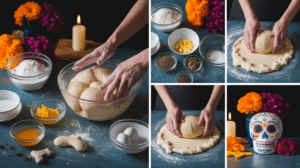
    Mixing Ingredients for Perfect Pan de Muerto Begin by combining 1 1/2 cups of flour, sugar, salt, yeast, anise seed, and orange zest in a large mixing bowl.
    Heating Liquids for the Dough Preparation Gently heat milk, water, and butter together until the butter is fully melted. Combine this mixture with the dry ingredients.
    Incorporating Eggs into the Dough for Richness Add eggs one at a time, making sure each egg is thoroughly mixed in before adding the next.
    Kneading the Dough to Achieve Perfect Texture Knead the dough for about 10 minutes until it achieves a smooth, elastic consistency, then place it in a greased bowl.
    First Rise: Allowing the Dough to Expand Cover the dough with a clean cloth and let it rise in a warm, draft-free area until it has doubled in size.
    Punching Down the Dough for Proper Texture Gently punch down the risen dough, reserving a portion for decorative shapes.
    Second Rise: Preparing for Baking Allow the formed shapes to rise once more for an hour prior to baking.

    Preparing the Dough: Expert Techniques and Essential Tips for Success

    Creating the perfect pan de muerto dough requires careful attention to detail at every stage. Start by ensuring your ingredients are at room temperature, particularly the eggs and butter, to promote optimal yeast activation. Gradually add flour while mixing until you achieve a soft, non-sticky texture. Kneading is crucial; aim for at least 10 minutes to develop the gluten structure essential for the bread’s texture. Lastly, ensure a suitable rising environment by placing the bowl in a warm, draft-free space. Adhering to these techniques will yield the best results.

    Shaping Rituals: Creative Ideas for Forming Your Unique Pan de Muerto

    Shaping your pan de muerto is not just a functional task; it serves as an expression of tradition and creativity. While you can replicate traditional designs such as skulls and crossbones, feel empowered to explore custom shapes like floral motifs or even intricate characters. Each form becomes a personal tribute to your loved ones, ensuring your bread is as memorable as it is delicious. To create fascinating designs, utilize sculpting tools or your hands to shape the reserved dough into your desired forms, adding personal touches that reflect your family’s unique history.

    The Art of Baking and Decorating Pan de Muerto for Day of the Dead Festivities

    Baking pan de muerto is an art that beautifully melds tradition with personal flair. Start by shaping your dough into skulls, crossbones, or any creative forms that resonate with honoring your loved ones. Your decoration choices not only enhance the visual appeal but also embody the memories and spirits you wish to celebrate. Consider using colored sugar sprinkles to add a lively touch, transforming this bread into not just a treat, but a stunning centerpiece for your ofrenda.

    Perfecting the Baking Process: Essential Timing and Temperature Considerations

    Timing and Temperature Guide for Baking

    Oven Temperature 350°F (175°C)
    Baking Duration 40 minutes
    First Rising Time Until doubled in size (approximately 1 hour)
    Second Rising Time 1 hour

    Finishing Touches: Adding Glaze and Colorful Sugar Sprinkles for Visual Appeal

    Applying the final touches to your pan de muerto enhances both its appearance and flavor profile. Brush the warm bread with a sweet orange glaze made from sugar, fresh orange juice, and zest to amplify its fragrant essence. Once glazed, generously coat your loaf with colorful sugar sprinkles to celebrate its vibrant cultural significance. Each bite becomes a delightful reminder of the festive spirit and the souls you aim to honor.

    The glaze not only provides a glossy finish but also adds an extra layer of sweetness that harmonizes with the aromatic notes of anise and orange. This visual and flavorful enhancement transforms the bread into a radiant symbol of remembrance. As you apply the glaze, allow it to soak slightly into the warm bread, ensuring the colored sugar adheres beautifully, creating a whimsical decoration that is both appealing and meaningful. Enjoy the festive appearance of your creation while cherishing the memories it represents.

    Celebrating Traditions: The Joy of Sharing Pan de Muerto with Loved Ones

    Sharing pan de muerto is a heartwarming way to honor the memory of loved ones during Mexico’s Day of the Dead. Families often gather to serve the bread alongside traditional foods and beverages, fostering a festive yet reflective environment. As you slice into the soft, sweet bread, its unique shapes symbolize the cyclical nature of life and death, allowing for both reverence and joy in remembering those who have passed on.

    Creating a Meaningful Ofrenda: Properly Placing Pan de Muerto on Altars

    To appropriately feature pan de muerto in your ofrenda, position it prominently on the altar, ideally atop a clean, white cloth to symbolize purity. Adorn it with vibrant marigold flowers, candles, and photographs of your cherished loved ones. The specific shapes of the bread can be emphasized to represent the souls of the departed, ensuring it serves as a welcoming gesture for their return.

    Celebrating with Family: The Heartwarming Ritual of Sharing Pan de Muerto

    The ritual of sharing pan de muerto strengthens familial bonds and keeps the memories of loved ones alive. Gather your family around a table filled with this delightful bread, engaging in stories and laughter about those you miss. Enjoy the fluffy texture and fragrant flavors while discussing the significance of each shape and the life of the person it represents, turning the act of eating into a heartfelt tribute.

    As you savor your pan de muerto with family, take a moment to reflect on the stories that shape your shared lives. Each bite of this sweet bread can spark conversations about treasured memories, values, and traditions passed down through generations. This sharing not only nourishes your bodies but also nurtures your connections, ensuring that the spirits of those who have departed remain ever-present in both heart and mind. Embrace the sweetness of the moment, allowing your loved ones to join in the celebration, ensuring that their memories continue to live through you.

    Embracing the Spirit of Tradition: Final Thoughts on Preparing Pan de Muerto

    Preparing pan de muerto allows you to connect deeply with the rich cultural heritage surrounding Mexico’s Day of the Dead while crafting a delicious bread that pays tribute to your loved ones. By following this traditional recipe, you can immerse yourself in the flavors of anise and orange, filling your home with their delightful aroma as you shape, bake, and decorate your loaves. Whether you choose to create a large loaf or smaller versions, this bread serves not just as a festive treat but also as a meaningful homage to those who have passed. Enjoy the process of baking and celebrating this beautiful tradition!

    The Article: Pan de Muerto Recipe: How to Make Mexico’s Traditional Day of the Dead Bread appeared first on https://fallinginlovewithsanmiguel.com/

    The Article Pan de Muerto: Make Mexico’s Traditional Day of the Dead Bread Was Found On https://limitsofstrategy.com

  • Traditional Mexican Christmas Punch Recipe: Ponche Navideño

    The rich tapestry of holiday traditions in Mexico is beautifully woven around the delightful flavors of ponche navideño, an exquisite hot punch that encapsulates the essence of Christmas celebrations. This vibrant beverage, brimming with a medley of fresh fruits such as tejocotes, guavas, and sugar cane, not only fills your home with a heavenly aroma but also fosters a festive atmosphere that is ideal for your gatherings. Whether you opt for the classic recipe or infuse your personal twist with beloved ingredients, ponche is sure to be the highlight of your holiday celebrations.

    Essential Ingredients for Crafting Authentic Ponche Navideño

    The magic of creating ponche navideño lies in the careful selection of its ingredients. At the heart of this cherished drink is a vibrant mixture of fresh fruits, including tejocotes, oranges, guavas, and prunes, which together create a delightful harmony of flavors and colors. The characteristic sweetness of the ponche is derived from piloncillo and sugar cane, while aromatic spices like cinnamon and cloves elevate the festive experience to extraordinary heights. By sourcing these essential ingredients with care, you will craft a hot punch that embodies the warmth and joy of the holiday season, ensuring that every sip is a memorable celebration filled with rich flavors.

    Understanding the Unique Flavor of Tejocotes: A Beloved Holiday Fruit in Mexico

    Tejocotes play a crucial role in your ponche navideño, contributing a distinctive flavor profile that expertly balances sweetness and tartness. These small, yellow to orange fruits, which are available only during the holiday season, evoke a nostalgic sense that is a hallmark of traditional Mexican Christmas celebrations. If you find that fresh tejocotes are unavailable in your area, you might consider using kumquats or yellow plums as effective substitutes to capture that unique essence and maintain the authenticity of your punch.

    Enhancing Your Ponche with the Sweetness of Piloncillo and the Warmth of Cinnamon

    Piloncillo, a traditional Mexican sweetener, is vital for achieving the rich, complex flavor that your ponche deserves. This dark brown sugar, molded into cones, is more flavorful than regular sugar due to its unrefined nature, and its caramel notes blend beautifully with the fruity components of the punch. Combined with aromatic cinnamon, which adds warmth and depth, these ingredients significantly enhance the overall festive spirit of your hot punch. The richness of piloncillo, with its deep, molasses-like flavor, sets your ponche apart from the ordinary, while cinnamon brings a delightful aroma that envelops the kitchen in a cozy embrace, making it perfect for gatherings.

    As piloncillo dissolves into the simmering mixture, it imparts an earthy sweetness that is in perfect harmony with the fruits. Meanwhile, cinnamon adds warmth and a delightful scent, creating a cozy atmosphere ideal for celebrations. Consider using cinnamon sticks for a more subtle infusion, allowing their essence to permeate the punch without overpowering the other flavors. Together, piloncillo and cinnamon are not just ingredients; they are essential components for encapsulating the authentic spirit of holiday festivities.

    Your Ultimate Guide to Crafting Perfect Ponche: Step-by-Step Instructions for Success

    Preparation: Organizing Ingredients for Optimal Flavor Begin by gathering all the essential ingredients listed in your ponche recipe. Focus on ensuring that your tejocotes are fresh and ripe to achieve the best flavor. Peel and slice the sugar cane into medallions, chop your fruits, and prepare the oranges by studding them with cloves. The more organized you are during this preparation stage, the smoother your cooking process will be, ultimately leading to a delightful final product that embodies the festive spirit.
    Cooking Process: Simmering to Create the Ideal Flavor Combination After prepping your ingredients, bring a large pot of water to a boil. Add in the fresh tejocotes along with the other fruits, allowing the mixture to simmer. Stir gently while monitoring the heat to ensure that all ingredients meld beautifully over the course of half an hour, resulting in a festive aroma that fills your kitchen and evokes holiday cheer, creating a welcoming environment for everyone.

    Cooking Process: Mastering the Perfect Balance of Flavors in Your Ponche

    Simmering your ponche is an art form that involves carefully balancing flavors and textures. Begin by boiling the seasonal fruits with a generous amount of water, allowing their natural essence to blend harmoniously. After the initial half-hour of simmering, introduce the piloncillo and cinnamon, allowing them to melt into the mixture to impart a deeper sweetness. This stage is critical for checking the harmony of flavors; adjust sweetness as needed and allow the ingredients to mingle until everything is soft and aromatic, ensuring a delightful experience that encapsulates the joy of the season.

    Innovating Your Ponche: Creative Variations to Make Your Recipe Unique

    Every family adds their unique touch to ponche, transforming it into a festive masterpiece that reflects personal traditions and preferences. You might choose to include apples or even tamarind pods for an unexpected tangy twist. Some enjoy a hint of spice by incorporating ginger or nutmeg, while others might add dried hibiscus flowers for a vibrant pop of color. Feel free to experiment with different fruits; each chef’s creativity contributes to a delightful holiday tradition that is both personal and memorable!

    Finding Substitutes for Ingredients That Are Hard to Find

    If certain ingredients aren’t available, there’s no need to worry—delicious ponche can still be crafted! For tejocotes, fresh kumquats or yellow plums can serve as excellent alternatives. If piloncillo is not accessible, you can substitute it with dark brown sugar, adjusting the quantity to your taste to maintain that rich flavor. Additionally, sugar cane can be replaced with a simple sugar syrup if necessary, ensuring your punch retains that sweet, comforting flavor that is so characteristic of this festive beverage.

    Infusing Creative Twists into Your Traditional Ponche Recipes

    Adding a creative twist to ponche can elevate your holiday gatherings and leave a lasting impression on your guests. Some have opted to swap traditional fruits for tropical choices like mango or pineapple, creating a fusion of flavors that tantalizes the palate. A splash of flavored liqueurs or flavored syrups can also infuse a new dimension into the drink, appealing to diverse tastes and preferences.

    Consider trying a splash of spiced rum or ginger beer for a lively kick. For a fun, themed twist, a ‘holiday candy cane’ version using peppermint-infused syrup could add an unexpected yet delightful twist alongside the traditional flavors. Crafting ponche with seasonal ingredients not only offers the opportunity to create a unique drink but also fosters lively conversation at any festive occasion. Whether you adhere closely to tradition or venture into new flavor territories, your ponche will undoubtedly warm hearts and bring joy during this festive season.

    Serving and Savoring the Festive Ponche Navideño with Loved Ones

    As you gather with loved ones for the holidays, serving ponche navideño creates a warm and inviting atmosphere that is reminiscent of the joyous spirit found in Mexico. This vibrant punch not only tantalizes the senses with its enticing aroma but also acts as a social centerpiece, fostering conversation and merriment among guests. Be it at a family reunion or a festive holiday gathering, serving ponche hot in colorful mugs or cups offers immediate warmth that enchants everyone present, enhancing the celebratory mood and making every moment special.

    Presentation Tips to Elevate Your Holiday Gatherings with Ponche

    Enhance your ponche experience with thoughtful presentation techniques. Utilize a large punch bowl or a decorative pot to showcase the colorful fruits, making your punch visually appealing. Consider garnishing each serving with a stick of cinnamon or a slice of orange to add visual flair along with a hint of festive fragrance. Sharing your punch with friends and family will undoubtedly inspire joyful moments that become cherished memories of the holiday season.

    • Use festive mugs to add a charming touch to your serving experience.
    • Add slices of citrus to boost both color and aroma, making the punch even more inviting.
    • Integrate garnishes like nuts or additional fruit for extra flavor and texture.
    • Keep it hot in a slow cooker or warming pot for a continuous delightful experience throughout the gathering.
    • The goal is to craft a cozy, inviting atmosphere that makes your guests feel right at home and encourages them to savor every sip.

    Enhancing the Ponche Experience: Exploring Alcohol Options and Pairings

    For those looking to elevate their ponche navideño experience, consider incorporating alcohol options such as brandy or rum, which can enhance the flavor profile and warmth of this festive drink significantly. Alternatively, you might offer a non-alcoholic version by simply omitting the spirits, making it accessible to all guests. Pair your ponche with sweet pastries, cinnamon treats, or even savory snacks like tamales to create a well-rounded culinary experience. Each combination amplifies the cheer, making it a truly memorable holiday feast that resonates with the spirit of the season.

    Embracing various alcohol options can further enrich the enjoyment of ponche. A splash of dark rum adds a mellow richness that blends seamlessly with the fruity flavors, while brandy not only intensifies the warmth but also complements the spices that define ponche. When considering pairings, opt for sweet breads or dessert items, such as pan dulce, to harmonize with the punch’s sweetness and create a delightful culinary experience. Seize this opportunity to create an inviting atmosphere that encourages guests to savor the rich flavors and festive cheer that ponche navideño brings to every gathering.

    Celebrating the Joy and Tradition of Ponche Navideño

    Ultimately, crafting Ponche Navideño is a delightful way to embrace the Christmas season and bring a taste of Mexico into your home. By blending traditional ingredients like tejocotes, piloncillo, and a selection of fresh fruits, you create a warm, inviting drink that embodies the festive spirit and traditions of the season. As you explore different variations and tailor the recipe to your preferences, you will discover joy in sharing this comforting punch with family and friends, fostering cherished memories that will last a lifetime throughout the holidays.

    The Article: Ponche Navideño Recipe: Mexico’s Traditional Hot Christmas Punch appeared first on https://fallinginlovewithsanmiguel.com/

    The Article Ponche Navideño: Traditional Mexican Christmas Punch Recipe Was Found On https://limitsofstrategy.com