Your cart is currently empty!
Category: Smoking Techniques
-

Wood Chunks for Smoking: Optimal Techniques vs. Chips
Transform Your Cooking: Become an Expert in Wood Smoking Techniques
Understanding the Differences: Wood Chunks Versus Wood Chips for Smoking
Engaging in the culinary art of smoking with wood can truly revolutionize the flavor profiles of your dishes. Understanding the key differences between wood chunks and wood chips is essential for achieving the best possible results. Wood chunks are larger pieces, usually ranging from 2 to 4 inches in size, making them ideal for low and slow smoking methods. Their slower combustion rate allows for a consistent and prolonged flow of smoke, making them perfect for meats that require hours of cooking, such as brisket. In contrast, wood chips are smaller, typically under an inch, and are designed for quicker smoking bursts. They ignite rapidly, making them suitable for brief cooking sessions or when you want a quick flavor infusion. Selecting the right option between these two can greatly impact your overall smoking experience, influencing both the duration of smoke and the intensity of flavor.
For example, when smoking a hefty brisket, which demands several hours of cooking time, using wood chunks ensures a steady smoke source without the need for frequent replenishments. On the other hand, when preparing delicate ingredients such as fish or vegetables, opting for wood chips allows for a rapid infusion of flavor that enhances the dish without overpowering it. It’s essential to align the size of your wood with your cooking method and the specific ingredients for the best smoking experience.
Exploring Flavor Profiles: The Impact of Different Wood Types in Smoking
The type of wood selected for smoking is critical, as each variety contributes unique flavor characteristics to your culinary masterpieces. For instance, hickory is celebrated for its strong, smoky flavor and is a popular choice for red meats like beef and pork. Conversely, apple wood provides a sweeter, milder flavor that pairs beautifully with poultry and fish. Another favorite, mesquite, is highly regarded in Texas barbecue for its bold, intense flavor that complements brisket and ribs exceptionally well.
When choosing your wood, it’s crucial to take into account not only the flavor profile it offers but also how it interacts with the fat content and cooking duration of the food. For instance, fatty cuts of meat can handle the robust flavor of hickory, while lean proteins may benefit from the subtle sweetness of apple wood. Experimenting with various wood types can lead to delightful flavor revelations, allowing you to craft signature dishes that highlight the unique characteristics of each wood variety.
Essential Techniques for Preparing Wood for Successful Smoking
Properly preparing your wood is crucial for ensuring a successful smoking endeavor. Whether you opt for chunks or chips, the preparation method can significantly impact the quality of smoke produced. One effective technique involves soaking wood chips in water for around 30 minutes to an hour before use. This soaking process helps prevent the chips from igniting too quickly, allowing them to smolder and generate rich, flavorful smoke. For wood chunks, soaking is usually unnecessary because of their larger size; they generally burn evenly and slowly, without needing additional moisture.
Moreover, seasoning your wood is another vital preparation step. Seasoning involves drying the wood over several months to decrease its moisture content, ultimately improving both its flavor and smoke quality. Ideally, wood should be stored in a dry, well-ventilated area for a minimum of six months prior to use. Seasoned wood burns cleaner, generating less soot and creosote, both of which can negatively affect your food’s flavor. By dedicating time to properly prepare your wood, you lay the groundwork for a rich and rewarding smoking experience.
Mastering Smoke Management: Controlling Levels During the Smoking Process

Effectively managing smoke levels is a fundamental skill for achieving the desired flavor profile in your smoked dishes. Several factors influence smoke levels, including airflow, the quantity of wood used, and the types of wood selected. One effective technique for controlling smoke is by adjusting the airflow in your smoker. Enhancing airflow can improve combustion, resulting in cleaner smoke, while reducing it can create thicker, more flavorful smoke. Experimenting with the air vents on your smoker is crucial for finding the right balance tailored to your specific setup.
The amount of wood used also significantly impacts smoke intensity. Using too much wood can overpower the flavors, while using too little may not produce enough smoke. When utilizing chunks, start with two to three pieces and observe the smoke output. If the smoke appears thin and wispy, consider adding more chunks. For chips, a small handful is usually adequate, especially if you’re aiming for a quick flavor enhancement. Lastly, pay attention to the smoke color; thin blue smoke indicates clean burning, while thick white smoke may signal incomplete combustion, often leading to a bitter taste.
Expert Recommendations: Choosing Between Wood Chunks and Chips for Optimal Smoking
Recommended Wood Sizes for Various Smoking Applications
Experts suggest selecting wood sizes based on the type of smoker you use and the specific foods you are preparing. For larger cuts of meat, such as briskets or pork shoulders, using wood chunks is typically recommended. Their slower burn rate provides a consistent release of smoke that complements the lengthy cooking times required for these cuts. A common approach is to add a few chunks to the smoker at the start, then monitor their burn rate throughout the cooking process for the best results.
For smaller items like fish, vegetables, or quick-cooking meats, wood chips are ideal. Their fast ignition allows immediate flavor infusion without the need for extended smoking. For instance, when smoking salmon, scattering a handful of apple wood chips over hot coals can effectively impart a delicate sweetness to the fish in just 30 minutes.
Using a combination of both wood types can provide the best of both worlds. Start your smoking session with chunks for a steady smoke and then introduce chips during the final hour of cooking for an additional flavor boost. This approach ensures a rich, complex flavor profile while allowing your smoker to maintain optimal heat levels throughout the process.
Maximizing Wood Efficiency for Exceptional Smoking Outcomes
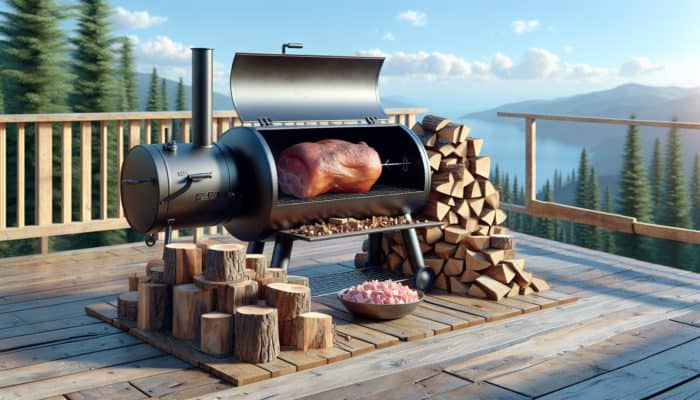
Optimizing your wood usage is essential for achieving the finest flavor and smoke quality during the smoking process. One actionable step is to establish a smoking schedule based on the type of meat you are preparing and the desired smoke intensity. For example, if you’re smoking a large pork butt for 10 hours, consider starting with a blend of chunks and switching to chips for the last few hours. This strategic layering enables you to maximize flavor without overwhelming the dish with excessive smoke.
Monitoring the temperature of your smoker is another crucial factor. Maintaining a consistent temperature ensures that the wood burns at an optimal rate, providing a steady flow of smoke. Utilizing a reliable thermometer can help prevent temperature fluctuations that could lead to uneven cooking or excessive smoke production, thereby enhancing your overall smoking experience.
Additionally, pay close attention to the moisture content of your wood. Employing well-seasoned wood reduces the production of creosote and other undesirable compounds, leading to a cleaner burn. It’s essential to keep your wood dry and free from contaminants, as these factors can significantly impact smoke quality. By following these guidelines, you can ensure that both chunks and chips are effectively utilized to create delicious and memorable smoked dishes every time.
Avoiding Common Mistakes When Smoking with Wood
When smoking with wood chunks and chips, several common pitfalls can compromise your results. One common mistake is over-smoking, which occurs when too much wood is used or when the wood is not adequately prepared. Excessive smoke can create a bitter taste that masks the natural flavors of your food. To avoid this, begin with a small amount of wood and gradually increase as needed, closely monitoring the smoke output throughout the smoking process.
Another frequent error is using the incorrect type of wood for specific foods. Each wood type contributes a distinct flavor profile, and employing a strong wood like mesquite for delicate proteins such as fish can easily overpower the dish. Instead, opt for milder woods like apple or cherry to enhance the natural flavors without overwhelming them.
Many beginners also overlook the importance of maintaining their smokers, leading to residue buildup that can negatively affect smoke quality. After each use, it’s vital to clean the grates and remove any ash buildup to ensure that the smoker operates well for your next cooking session. By being mindful of these common mistakes, you can enhance your smoking experience and achieve consistently delicious results in your culinary endeavors.
How Wood Types Influence Different Smoking Techniques
The choice between wood chunks and wood chips has a significant effect on various smoking techniques, including cold smoking, hot smoking, and indirect smoking. For cold smoking, where flavor infusion occurs without cooking the food, chips are often favored due to their quick combustion. They can create rapid bursts of smoke that effectively flavor items like cheese or fish without excessively raising the temperature. Handheld smokers generally accommodate wood chips well, allowing for precise control over smoke levels.
In contrast, for hot smoking, especially with larger cuts of meat, chunks are the preferred option. Their longer burn time is ideal for maintaining a steady temperature during extended cooking sessions. Smokers typically produce consistent smoke for prolonged periods, making the use of chunks essential for achieving the desired bark and tenderness in pork shoulders or ribs.
For indirect smoking, where food is cooked away from the heat source, combining both wood sizes can be highly effective. Start with chunks to establish a baseline of steady smoke, then introduce chips as cooking progresses for added flavor complexity. Understanding how different wood types and sizes interact with various smoking methods can elevate your culinary skills, ensuring each piece of meat or fish is infused with a perfectly balanced smoke flavor.
Understanding How Wood Selection Affects Smoking Duration
The Relationship Between Wood Size and Smoking Time
The size of the wood you select directly impacts the duration of your smoking session. Larger wood chunks burn more slowly compared to smaller chips, resulting in a longer smoking duration that is particularly beneficial for larger cuts of meat. For instance, when smoking a whole turkey, utilizing chunks allows for consistent smoke over several hours, ensuring deep flavor penetration into the meat without the need for constant monitoring or refueling.
In contrast, wood chips ignite quickly and burn out faster, making them ideal for shorter smoking sessions or when you wish to impart flavor in just a few minutes. For example, when grilling vegetables, a quick handful of chips can enhance flavor without requiring a lengthy smoking process. Understanding the specific smoking requirements of your food can guide your decision on wood size, ensuring optimal results every time.
It is also important to note that smoking time can be affected by the moisture content of the wood. Wet or green wood tends to burn slower, potentially extending smoking time while also producing less desirable smoke flavors. Therefore, utilizing well-seasoned wood, whether in chunks or chips, is advisable to achieve an ideal smoking duration and flavor profile.
Combining Chunks and Chips for Enhanced Smoking Techniques
Yes, combining wood chunks and wood chips can be a beneficial strategy for achieving a balanced and rich smoke profile. By mixing the two, you can take advantage of the long-lasting smoke from the chunks alongside the quick flavor bursts provided by the chips. This technique is particularly effective when working with various types of food that require different smoking durations.
For instance, if you’re smoking a brisket that requires several hours, you might begin with a few chunks for consistent smoke. As cooking progresses, adding a handful of chips can elevate the flavor, providing an immediate impact that complements the deeper, longer-lasting smoke from the chunks. This method enables you to create a complex flavor profile that enhances the overall taste experience.
It’s essential to monitor smoke levels when mixing wood types to prevent overpowering your dish. Start with a base of chunks and gradually add chips, assessing the flavor as you proceed. This approach helps you find the ideal balance between the robust flavor of chunks and the quick, intense smoke of chips, resulting in nuanced and delightful smoked dishes.
Controlling Smoke Intensity with Different Wood Varieties
Managing smoke intensity is a vital skill in the smoking process, as it directly affects the final flavor of your dishes. The combination of wood types and sizes plays a significant role in regulating this intensity. Chunks typically provide steady, moderate smoke that lasts for hours, making them ideal for larger cuts of meat. Their slower burn allows for gradual flavor infusion without overwhelming the dish.
Conversely, wood chips can create bursts of intense smoke, delivering immediate flavor. This characteristic is particularly advantageous for quickly cooked items, such as chicken wings or vegetables. However, they can also lead to uneven smoke production if not managed correctly, so careful attention to quantity is essential. A handful of chips can be excellent for a short smoking session, but excessive amounts can mask the natural flavors of the ingredients.
Another method for controlling smoke intensity is through temperature management. Lower temperatures generally yield lighter smoke, while higher heat can result in denser smoke. Adjusting your smoker’s temperature can help achieve the desired smoke quality for specific foods. For instance, if smoking ribs at a lower temperature, using chunks can maintain a consistent smoke level while allowing for greater control over the overall flavor profile. This strategic approach allows you to tailor the smoking process to the unique requirements of each dish.
Understanding the Influence of Wood Moisture Content on Smoking Duration
The moisture content of wood plays a critical role in both smoking time and the overall flavor quality. Wood that is excessively wet will burn more slowly, producing cooler smoke and potentially extending the duration of your smoking session. However, this can also result in harsher smoke flavors due to incomplete combustion. Damp wood may smolder without generating the clean smoke essential for flavorful cooking, adversely affecting your food.
In contrast, well-seasoned wood, with a moisture content of around 15% to 20%, burns at an optimal temperature, producing steady and clean smoke that enhances the flavor of your food. This ideal moisture level facilitates quicker burns, which can shorten smoking time while still imparting rich flavors. For larger cuts of meat, using seasoned chunks allows for longer cooking times with consistent smoke output, resulting in beautifully smoked products.
To ensure that your wood maintains the appropriate moisture level, store it in a dry, well-ventilated area. Keep wood elevated off the ground and covered to prevent moisture absorption from the soil or surrounding environment. By monitoring the moisture content of your wood, you can optimize your smoking experience, achieving the perfect balance of smoke intensity and flavor infusion for your culinary creations.
Comparing the Benefits of Wood Chunks and Chips for Smoking
Do Wood Chunks Offer a More Reliable Smoke Experience?
Indeed, wood chunks are recognized for providing a more consistent smoke output when compared to chips. Their larger size allows them to burn longer and more steadily, making them particularly beneficial for extended smoking sessions. This trait ensures uniform temperature and smoke output, leading to even flavor infusion throughout the cooking process. For example, when smoking a brisket for several hours, chunks can maintain a steady smoke that beautifully complements the meat’s natural flavors, resulting in a tender and flavorful finished product.
Using chunks also minimizes the frequency of refueling, allowing you to focus on other aspects of your culinary creations. In contrast, chips tend to burn quickly, necessitating frequent replenishment, which can disrupt the cooking process and make it challenging to maintain consistent smoke levels.
Here are some notable advantages of using wood chunks for smoking:
- Extended burn time, perfect for long smoking sessions
- Consistent smoke output for even flavor infusion
- Less frequent refueling required
- Better suited for larger cuts of meat
- Produces cleaner smoke with reduced soot
- Contributes to temperature stability during cooking
- Minimizes the risk of over-smoking
- Efficient for maintaining low and slow cooking techniques
By leveraging these advantages, you can enhance your smoking methods and create mouthwatering dishes that are sure to impress.
Are Wood Chips Ideal for Quick Smoking Sessions?
Absolutely, wood chips are more suitable for shorter smoking sessions due to their rapid burn time. Their smaller size allows them to ignite quickly, generating smoke that can infuse flavor in just a few minutes. This characteristic makes chips particularly useful for cooking smaller items such as fish fillets, vegetables, or even quick-cooking meats like chicken wings that do not require lengthy smoking.
Utilizing chips also allows for flexibility in flavor experimentation. You can easily switch wood types between cooking sessions, enabling you to customize flavors without a significant commitment. This adaptability is especially valuable for those who enjoy a variety of smoked dishes or wish to explore different wood profiles for their meals.
However, it is crucial to monitor the quantity of wood chips used. While their quick bursts of smoke are beneficial, using too many chips can overpower the dish, leading to a bitter flavor. Achieving a careful balance is vital for optimal smoke intensity. When managing a short smoking session, adding a handful of chips every 30 minutes can enhance the dish without overwhelming it.
Ultimately, chips provide a practical solution for those looking to impart smoke flavor quickly. Whether hosting a barbecue or preparing a weeknight meal, wood chips can elevate your culinary creations with minimal time investment, making them a favorite for busy cooks.
Evaluating Health and Safety Considerations in Wood Selection for Smoking
The type of wood chosen for smoking can significantly impact the health and safety of the food being prepared. Certain woods, when burned, release harmful compounds that can adversely affect both health and flavor. Softwoods like pine, cedar, and fir should be avoided as they contain high levels of resin. Burning these woods can produce toxic chemicals, imparting unpleasant flavors and potentially harmful substances into your food.
In contrast, hardwoods such as oak, hickory, cherry, and apple are generally safer and produce cleaner smoke. These woods have been traditionally preferred for smoking due to their favorable flavor profiles and lower toxicity. Utilizing seasoned hardwood ensures that the wood burns cleanly, releasing minimal compounds that could pose health risks.
Moreover, proper wood preparation is essential. Ensuring the wood is well-seasoned and free from mold or contaminants reduces the risk of harmful bacteria or toxins affecting your food. Inspecting your wood before use and maintaining proper storage conditions can further enhance food safety.
By selecting the right type of wood and adhering to best practices for preparation and storage, you can enjoy the flavorful benefits of wood smoking while prioritizing the health and safety of your meals. Being informed about wood choices can greatly enhance your smoking experience, allowing you to create delicious and safe dishes for family and friends.
Mastering Techniques for Optimal Use of Wood Chunks and Chips
How to Effectively Utilize Wood Chunks in Your Smoking Process?
Effectively using wood chunks involves strategic management and placement to maximize their smoking potential. Begin by preheating your smoker to the desired temperature before adding the chunks. Depending on your smoker type, you can place the chunks directly on the charcoal or in a designated wood box if available. Preheating the chunks ensures they ignite properly, producing a steady flow of smoke as cooking begins.
Monitoring the temperature throughout the smoking process is essential. Utilizing a reliable thermometer can help maintain the right heat levels, ensuring that the chunks burn efficiently. Regularly check your smoker’s temperature, especially during lengthy cooking sessions. If the temperature drops, it can hinder the wood’s ability to smolder, resulting in insufficient smoke production.
Consider adding a few extra chunks during the cooking process to maintain consistent smoke levels. This technique is particularly beneficial for long smokes, such as briskets or pork butts. By carefully managing the wood supply, you can ensure your food receives a continuous infusion of flavor without risking over-smoking. Proper use of wood chunks will not only enhance flavor but also contribute to the overall success of your smoking endeavors.
Best Practices for Utilizing Wood Chips in Smoking
Following best practices when working with wood chips is crucial for optimal flavor and consistency in your smoke. Start by soaking your chips for at least 30 minutes before use. This soaking process allows the chips to absorb moisture, preventing them from igniting too quickly and encouraging them to smolder, which produces flavorful smoke instead.
Once soaked, drain the chips and sprinkle them over the hot coals or place them in a smoke box if your smoker has one. It’s essential to add the chips in moderation; typically, a handful is sufficient. Monitor the smoke output, adjusting the amount of chips based on the desired flavor intensity. If you notice thick, white smoke, it may indicate over-smoking, so reduce the quantity accordingly.
Another effective technique is to create a smoke packet using aluminum foil. Place soaked chips inside a small piece of foil, fold it into a pouch, and puncture holes in the top. This method allows for controlled smoke release and can be easily replaced during the cooking process without interrupting your food. By mastering these best practices, you can elevate the quality of smoke and flavor, ensuring delectable results every time you smoke with chips.
Combining Chunks and Chips for Maximum Flavor in Smoking
Combining wood chunks and wood chips can create a layered flavor profile that enhances your smoked dishes. This strategy enables you to leverage the long-lasting smoke from chunks while capitalizing on the quick bursts of flavor provided by chips. Begin your smoking session with a few chunks placed strategically in your smoker to establish a steady smoke output.
As the cooking process progresses, introduce chips to infuse additional flavor. For instance, when smoking ribs, consider adding a handful of chips during the last hour of cooking. This approach enriches flavor complexity, adding depth to the overall culinary experience.
Additionally, consider mixing different types of wood for an even more nuanced flavor profile. For example, pairing hickory chunks with cherry chips can yield a rich, smoky flavor complemented by subtle sweetness. Experimentation is key; adjust the ratios of chunks to chips based on the specific dish and desired flavor outcome.
By strategically combining wood types, you can achieve a unique flavor experience that distinguishes your smoked dishes. The ability to layer flavors through the combination of chunks and chips opens up a world of creative culinary possibilities, allowing you to craft signature smoked dishes that impress with every bite.
Essential Maintenance and Storage Strategies for Smoking Wood
How to Store Wood Chunks and Chips for Optimal Freshness and Quality
Proper storage of wood chunks and wood chips is crucial for maintaining their quality and flavor. Wood should be kept in a dry, well-ventilated area to prevent moisture buildup, which can lead to mold and spoilage. Avoid placing wood directly on the ground; instead, elevate it on pallets or shelves to allow airflow underneath.
For chips, consider utilizing airtight containers to shield them from humidity and contaminants. Keeping chips in bags or boxes can lead to moisture absorption, compromising their smoking quality. Ideally, wood should be used within a year of purchase to ensure optimal flavor and smoking performance.
When selecting a storage location, choose an area shielded from direct sunlight and extreme temperature fluctuations. Maintaining a stable environment helps preserve the integrity of the wood, ensuring it remains in top condition for your smoking sessions. By adhering to these storage guidelines, you can ensure that your wood maintains its flavor and quality for all your smoking needs.
Steps for Cleaning and Maintaining Smokers After Each Use
Cleaning and maintaining your smoker after each use is vital for preserving its efficiency and ensuring consistent smoking results. Begin by removing any residual ash and debris from the firebox and cooking chamber. Ash buildup can obstruct airflow, leading to temperature fluctuations and incomplete combustion, which can negatively impact smoke quality.
Next, wipe down the grates with a damp cloth or sponge to eliminate any residue. For stubborn stains, consider using a grill brush to scrub away any stuck particles. Regular maintenance of the grates helps prevent flavor contamination in future cooking sessions.
Inspect the smoker for any signs of wear or damage. Check the seals, gaskets, and vents to ensure they are functioning properly. A well-maintained smoker not only performs better but also produces cleaner smoke, enhancing the overall flavor of your food. By implementing these cleaning and maintenance practices, you can prolong the life of your smoker and enjoy consistently delicious smoked dishes.
Identifying Signs of Spoiled Wood for Smoking
Recognizing the indicators of wood spoilage is essential for ensuring safety and flavor quality in your smoking endeavors. One of the most apparent signs is the presence of mold. If you spot any growth on your wood, it should be discarded immediately, as mold can impart unpleasant flavors and potentially harmful substances into your food.
Another telltale sign is an unusual odor. If the wood has a sour or musty smell, it may have absorbed moisture or contaminants that negatively affect smoke flavor. Fresh wood should emit a clean, woody aroma, indicative of its quality.
Additionally, be vigilant for changes in color. If the wood appears excessively dark or shows strange discolorations, this could signal spoilage. Regularly inspecting your wood supply and discarding any pieces that exhibit these signs will help maintain the quality of your smoking experience, ensuring that your food remains safe and delicious.
Maintaining a Fresh Wood Supply for Optimal Smoking
To sustain optimal flavor and prevent contamination, it is advisable to refresh your wood supply regularly. Depending on your usage, a good general guideline is to refresh your wood every 3 to 6 months. Frequent use can lead to moisture accumulation, spoilage, or the development of off-flavors, all of which can adversely impact your smoking sessions.
When replacing wood, ensure that you use well-seasoned hardwood to achieve the best results. Fresh wood should be stored properly to retain its quality and moisture content. Regularly rotating your wood supply not only ensures that you have the best flavors available but also allows for exploration of different wood types and their unique characteristics.
By being proactive about refreshing your wood supply, you can enhance your smoking experience, continually discovering new flavors and honing your culinary skills. Consistent quality in your wood selection is crucial for producing mouthwatering dishes that leave a lasting impression on your guests.
Best Practices for Seasoning Wood Before Smoking
Properly seasoning wood is vital for enhancing its smoking capabilities and achieving the best flavor in your dishes. The seasoning process involves drying out the wood to reduce its moisture content to around 15% to 20%. This optimal moisture level allows the wood to burn cleanly, producing flavorful smoke without undesirable compounds.
To effectively season wood, store it in a dry, well-ventilated area for a minimum of six months. Cut the wood into manageable sizes to increase surface area and facilitate drying. Keeping wood elevated off the ground helps prevent moisture absorption from the soil, while exposing it to airflow promotes even drying.
During the seasoning period, regularly inspect the wood for signs of spoilage or pests. Proper monitoring ensures that only high-quality, seasoned wood is used for smoking. Implementing these best practices will enhance your smoking experience, yielding delicious flavors that elevate your culinary creations to new heights.
Frequently Asked Questions About Smoking with Wood
Which Type of Wood is Best for Smoking Meat?
Hardwoods such as hickory, oak, cherry, and apple are optimal for smoking meat due to their rich flavors and clean burn. Each wood type contributes unique characteristics that enhance the natural taste of the meat.
How Can You Tell if Wood is Properly Seasoned?
Well-seasoned wood should have a moisture content of approximately 15% to 20%. It will feel lighter, produce a clean burn, and emit a pleasant, woody aroma.
Is It Safe to Use Treated Wood for Smoking?
No, treated wood contains chemicals that can be harmful when burned. Always choose untreated hardwoods for smoking to ensure food safety and flavor quality.
How Long Should You Soak Wood Chips Before Smoking?
Soak wood chips for about 30 minutes to an hour. This soaking helps them smolder instead of igniting too quickly, providing a steady release of smoke.
Is Soaking Wood Chunks Necessary?
Soaking wood chunks is generally unnecessary due to their larger size. They burn more steadily and evenly without added moisture.
What Actions Can You Take to Prevent Over-Smoking Your Food?
To prevent over-smoking, start with a small amount of wood and gradually increase as needed. Monitor the smoke output and use milder wood types for delicate items to maintain balance.
Can Different Wood Types Be Mixed When Smoking?
Yes, combining different wood types can create a more complex flavor profile. Experiment with various combinations to find the perfect balance for your dishes.
How Can You Assess if Your Smoker is Clean?
A clean smoker should have minimal ash buildup, no residue on the grates, and should not emit any strong, unpleasant odors during use.
How Often Should You Clean Your Smoker?
Clean your smoker after each use to maintain its efficiency and prevent flavor contamination. Regular maintenance ensures optimal performance for future smoking sessions.
What Should You Do if Your Wood Has a Bad Smell?
If the wood emits a musty or sour odor, discard it immediately. Bad-smelling wood often indicates mold or spoilage, which can negatively affect smoke flavor and food safety.
Connect with Us on Facebook for More Tips!
The Article Using Wood Chunks vs. Chips for Smoking: Best Practices appeared first on https://pitmastersarsenal.com
The Article Wood Chunks vs. Chips for Smoking: Optimal Techniques Was Found On https://limitsofstrategy.com
-

Cold Smoke Salmon: Master the Technique Like a Pro
Essential Tools and Equipment for Perfecting Your Cold Smoked Salmon Technique
Exploring Various Smoker Types to Elevate Your Cold Smoking Experience
To successfully cold smoke salmon and achieve restaurant-quality results at home, it is essential to understand the diverse range of smoker types available for your culinary adventures. Each type of smoker presents its unique benefits that can significantly influence the overall quality of your cold smoking process. For instance, electric smokers from trusted brands like Masterbuilt excel in offering precise temperature control, making them particularly suitable for beginners. Conversely, gas smokers from manufacturers like Weber heat up rapidly and maintain low temperatures effectively, catering to users who prefer a more hands-off smoking experience. Lastly, charcoal smokers, such as the iconic Weber kettle, require more attention and skill but reward you with a robust, smoky flavor that comes from the natural burning of charcoal.
When selecting your ideal smoker, consider the volume of salmon you intend to smoke at once. A larger smoker is advantageous for preparing multiple fillets, while a compact electric model may be better suited for smaller batches. Factors like price, portability, and the learning curve associated with each smoker can vary widely, making it imperative to choose one that aligns with your specific smoking goals and skill level. Remember, it is vital that your smoker can consistently maintain temperatures between 70°F and 90°F to ensure successful cold smoking.
Essential Temperature Monitoring Devices for Successful Cold Smoking
Maintaining the appropriate temperature throughout the cold smoking process is critical for achieving optimal flavor while ensuring food safety. A variety of temperature control devices can assist you in monitoring and adjusting heat levels as necessary. Investing in a reliable thermometer is essential; for rapid and accurate readings, consider acquiring a Digital thermometer. Here are some indispensable temperature control devices that can greatly enhance your cold smoking experience:
- Digital thermometers
- Wireless remote thermometers
- Temperature controllers for smokers
- Humidity gauges
These tools play a crucial role in maintaining the ideal temperature range, thus reducing the risk of inadvertently cooking the salmon or allowing harmful bacteria to thrive. Consistently check your smoker’s temperature and humidity levels throughout the smoking process to create the optimal conditions for your salmon.
Would You Like to Enjoy the Audio Guide?
Choosing the Ideal Wood and Pellets to Enhance Flavor
The selection of wood or pellets for cold smoking salmon is a critical factor that significantly impacts the flavor profile of your finished dish. Different types of wood impart unique characteristics to the fish. For example, alder wood is traditionally cherished for salmon, celebrated for delivering a mild and sweet flavor that beautifully complements the fish’s natural taste. Additionally, apple wood provides a fruity undertone, while cherry wood offers a rich, slightly tangy flavor that enhances the overall sensory experience.
When selecting wood, ensure it is adequately seasoned and free from chemicals or additives. Soaking wood chips in water before use can yield a longer and more consistent smoke. Experimenting with various wood combinations can lead to personalized flavor profiles that elevate your cold-smoked salmon to gourmet status. Ultimately, choosing the right wood is a vital step in mastering the art of cold smoking.
Step-by-Step Guide to Preparing Salmon for Cold Smoking

Identifying the Best Salmon for Cold Smoking
The journey to creating delectable cold-smoked salmon commences with the selection of high-quality fish. Look for salmon that appears fresh, firm to the touch, and showcases vibrant coloration. Wild-caught Pacific salmon varieties, such as sockeye or king salmon, typically deliver a richer flavor compared to their farmed counterparts. Ensuring freshness is paramount; ideally, source your salmon from a reputable fishmonger or local market where it has been properly stored to preserve its quality.
Inspect the salmon’s skin; it should glisten and be free from any discoloration or unpleasant odors. If possible, inquire about the fish’s origin and ensure it comes from sustainable sources. A carefully chosen salmon not only enhances flavor but also significantly improves the overall quality and safety of your cold-smoked product.
Understanding the Curing Process for Salmon Preparation
The curing process is a crucial step in preparing salmon for cold smoking, as it helps preserve the fish while intensifying its flavor. There are two primary curing methods to consider: dry curing and wet brining. In the dry curing method, a mixture of salt and sugar is applied to the salmon fillets, extracting moisture and amplifying the flavor. This method typically requires a curing period of 24 to 48 hours in the refrigerator.
Conversely, wet brining involves submerging the salmon in a mixture of water, salt, sugar, and sometimes additional spices or herbs. This method not only infuses moisture but also adds further flavors to the fish. The brining process usually lasts about 8 to 12 hours, depending on the desired saltiness. Regardless of the method chosen, ensure the salmon is completely covered to prevent cross-contamination and promote even curing.
Effective Techniques for Drying Salmon to Promote Pellicle Formation

After completing the curing process, it is essential to dry the salmon to develop a pellicle, which is a sticky film that aids the smoke’s adherence to the fish. For effective drying, place the salmon on a wire rack in a cool, well-ventilated environment. Aim for a temperature between 60°F and 70°F, ensuring the area is not overly humid. This drying phase can take anywhere from 1 to 4 hours, depending on the thickness of the fillet and the ambient conditions.
Utilizing a fan to enhance airflow around the salmon can expedite the drying process and promote pellicle formation. Once the surface feels tacky when touched, your salmon is primed for the cold smoking stage. This step is critical; neglecting or improperly executing it can result in inadequate smoke adherence and a less flavorful final product.
Managing Temperature and Humidity for Optimal Smoking Conditions
Throughout the cold smoking process, regulating both temperature and humidity is essential for effective curing without overcooking the salmon. The ideal temperature for cold smoking salmon should be maintained between 70°F and 90°F. Employ a reliable thermometer to keep tabs on the internal temperature of the smoker. If you notice any temperature fluctuations, adjust the smoker’s vents or introduce ice to help stabilize the temperature.
Humidity also plays a vital role; excessive moisture can encourage harmful bacterial growth, while insufficient humidity can hinder the smoking process. Strive for a humidity level between 60% and 70% for optimal curing. Utilizing a hygrometer can effectively assist you in tracking humidity levels. By attentively managing these factors, you ensure a safe and successful cold smoking process that results in beautifully flavored salmon.
Proven Tips for Cold Smoking Salmon Like an Experienced Chef
Choosing the Most Suitable Wood for Flavor Enhancement
Choosing the appropriate type of wood for cold smoking salmon is an art that can significantly enhance your culinary creations. Each wood variety imparts its unique flavor, which can either elevate or obscure the salmon’s inherent taste. Many professional smokers prefer alder for its mild, sweet, and slightly nutty profile, making it a classic pairing for salmon. Apple wood is another excellent choice, offering gentle sweetness that beautifully complements the fish while contributing a delightful aroma.
If you desire a more intense flavor, hickory and mesquite can provide a stronger, smokier essence, but these should be used sparingly to avoid overpowering the salmon. Cherry wood strikes a harmonious balance, delivering both rich flavor and a hint of sweetness. Exploring various wood types allows you to discover your personal preferences and create a signature smoked salmon that reflects your unique palate.
Mastering the Art of Temperature Management
Maintaining the ideal temperature throughout the cold smoking process is crucial for achieving consistent and delicious results. Begin by preheating your smoker to the desired temperature range of 70°F to 90°F before introducing the salmon. Utilize a reliable thermometer to monitor the internal temperature, making necessary adjustments regularly. If you are utilizing a charcoal smoker, consider placing ice in a pan to effectively lower the temperature.
Another effective strategy is to implement a temperature controller, which automatically adjusts the heat based on your set parameters. This feature can be especially beneficial during long smoking sessions. For DIY setups, a water bath can also aid in stabilizing temperature variations. Consistency is key; mastering temperature control ensures that your cold-smoked salmon remains both safe and flavorful.
Practicing Patience and Timing in the Cold Smoking Process
In the world of cold smoking, patience and timing are invaluable qualities. Rushing through the process can lead to poorly flavored salmon or, worse, unsafe food. Typically, the cold smoking process lasts anywhere from 12 to 24 hours, depending on the thickness of the fillets and the desired level of smokiness. Use this time wisely—resist the temptation to frequently check on the salmon, as this can introduce unwanted cold air and disrupt the smoking environment.
During the smoking phase, avoid the urge to hasten the process by increasing heat or smoke output. Instead, embrace the slow nature of cold smoking; this approach allows for complete flavor development and ensures a safe product. Remember, good things come to those who wait, and your patience will reward you with superior smoked salmon that is both delightful and safe to consume.
Comprehensive Preparation Steps for Salmon
Preparation is fundamental for achieving exceptional results with cold-smoked salmon. The process begins with appropriate brining, during which you can choose between dry curing or wet brining. For a dry cure, combine sea salt and sugar in equal parts, adjusting to your taste preferences, and thoroughly coat the salmon fillets. Allow the salmon to cure for 24 to 48 hours, depending on the thickness of the fillets, ensuring they are well-covered and refrigerated to maintain hygiene standards.
Once the curing is complete, it is essential to dry the fillets until a pellicle forms. This surface layer of protein is sticky and enhances smoke adhesion. Place the salmon on a wire rack in a cool, well-ventilated area, closely monitoring the drying process. Once the pellicle has developed, your salmon is ready for the cold smoking phase, where the transformation occurs. Each step in the preparation process is crucial for maximizing the flavor and texture of your final product.
Benefits of Cold Smoking Salmon: Culinary and Nutritional Advantages
Creating a Complex and Sophisticated Flavor Profile
Cold smoking salmon introduces a nuanced and refined flavor profile that elevates the fish’s natural taste. Unlike hot smoking, which cooks the fish, cold smoking infuses it with subtle smoky notes while preserving its texture. This method allows the delicate flavors of the salmon to shine through, making it a highly sought-after delicacy. The end result is a smooth, tender product that appeals to a diverse array of palates.
The enhancement of flavor arises from careful wood selection and smoking techniques, allowing the salmon to gradually absorb the smoky essence. This process creates a harmonious balance of sweet and savory flavors, resulting in a gourmet experience. Whether enjoyed on its own or paired with complementary foods, cold-smoked salmon elevates any dish, making it a versatile ingredient in both casual and fine dining settings.
Preservation Benefits and Extended Shelf Life
A significant advantage of cold smoking salmon is its extended shelf life. The combination of the curing process and low-temperature smoking effectively preserves the fish, allowing it to remain safe for consumption for weeks or even months when stored correctly. This preservation technique has been utilized for centuries, enabling communities to store fish for extended periods without refrigeration.
Proper storage is essential for maximizing the shelf life of cold-smoked salmon. Vacuum sealing is the most effective method, as it removes air and prevents spoilage. When refrigerated, smoked salmon can last up to two weeks, while frozen portions can be enjoyed for several months. This makes cold smoking not only a culinary delight but also a practical method for enjoying fresh salmon year-round.
Exploring the Health Benefits of Cold Smoked Salmon
Cold-smoked salmon is not only a culinary delight but also a nutritional powerhouse. Packed with omega-3 fatty acids, it offers numerous health benefits, including improved cardiovascular health, enhanced cognitive function, and reduced inflammation. Incorporating cold-smoked salmon into your diet can positively impact your overall well-being, making it a smart addition to your meals.
Furthermore, salmon is rich in protein and contains essential vitamins and minerals such as vitamin D, B vitamins, and selenium. These nutrients play crucial roles in maintaining energy levels, boosting immune function, and supporting metabolic health. With its delightful flavor and impressive nutritional profile, cold-smoked salmon can serve as both a savory indulgence and a healthful option in your diet.
Understanding the Differences Between Cold Smoking and Hot Smoking
Temperature Disparities Between Cold and Hot Smoking
The primary difference between cold smoking and hot smoking lies in the temperature at which each method is conducted. Cold smoking typically occurs at temperatures ranging from 70°F to 90°F, while hot smoking takes place at much higher temperatures, usually between 165°F and 185°F. This temperature difference fundamentally influences the texture and flavor of the smoked salmon.
Cold smoking preserves the fish without cooking it, resulting in a delicate, silky texture that retains its natural moisture. In contrast, hot smoking cooks the salmon, leading to a firmer texture and a more pronounced smoky flavor. Understanding these temperature variations is crucial when deciding which smoking method to employ for your culinary goals.
Flavor and Texture Comparisons of Cold vs. Hot Smoking
Cold-smoked salmon delivers a unique flavor and texture profile that distinctly sets it apart from hot-smoked alternatives. The gentle infusion of smoke during the cold smoking process creates a mild yet complex flavor that highlights the salmon’s natural sweetness. This method allows the fish to remain moist and tender, providing a luxurious mouthfeel that is highly prized in culinary applications.
Conversely, hot-smoked salmon develops a more robust, smoky flavor and firmer texture due to the cooking process. While both methods yield delightful results, the choice between cold and hot smoking ultimately depends on personal preference and the desired culinary outcome. Cold-smoked salmon is often favored for dishes that benefit from a more subtle flavor, such as salads, bagels, or charcuterie boards, while hot-smoked salmon is better suited for heartier meals.
Key Safety Considerations for Cold Smoking
Cold smoking does not cook the salmon, which raises critical safety considerations that must be adhered to in order to prevent spoilage or foodborne illnesses. It is essential to start with the freshest salmon available and to follow proper curing and drying techniques. The curing process effectively reduces moisture, which inhibits the growth of harmful bacteria.
Moreover, monitoring temperature throughout the cold smoking process is essential. Keeping the smoker within the recommended temperature range ensures that the fish remains safe for consumption. Proper storage techniques, such as vacuum sealing and refrigeration, are also vital. By following established safety guidelines, you can fully enjoy the exquisite flavor of cold-smoked salmon without compromising your health.
Best Practices for Storing and Serving Your Cold Smoked Salmon
Optimal Storage Techniques for Preserving Quality
To maintain the quality of your cold-smoked salmon, implementing effective storage techniques is essential. After smoking, allow the salmon to cool completely before storing it. If you plan to consume it within a week, keep it in the refrigerator, ideally wrapped in parchment paper or a clean, dry cloth to enable proper airflow.
For long-term storage, vacuum sealing proves to be the most effective method, as it removes air and prevents freezer burn. Properly vacuum-sealed salmon can be stored in the freezer for up to six months. When you are ready to use it, thaw the salmon in the refrigerator overnight for optimal texture. Following these storage guidelines ensures that your cold-smoked salmon retains its flavor and quality.
Innovative Serving Ideas for Cold Smoked Salmon
Cold-smoked salmon is a versatile ingredient that can be incorporated into a multitude of serving options. Its rich, smoky flavor pairs beautifully with a wide array of dishes and ingredients. Here are some creative serving suggestions:
- Served on a toasted bagel topped with cream cheese and capers
- Incorporated into a fresh salad featuring leafy greens and a zesty citrus dressing
- Used in sushi rolls or as a topping for rice bowls
- Arranged on a charcuterie board alongside assorted cheeses and olives
These ideas highlight the flexibility of cold-smoked salmon, making it suitable for appetizers, main courses, or sophisticated hors d’oeuvres. The possibilities are limited only by your creativity and willingness to explore new flavor combinations.
Expert Pairing Recommendations for Maximum Flavor
Pairing cold-smoked salmon with complementary foods can significantly enhance your dining experience. Its rich, smoky flavor harmonizes beautifully with various wines, cheeses, and accompaniments. For wine, consider a crisp, dry white like Sauvignon Blanc or a light-bodied red such as Pinot Noir, both of which elevate the taste of the salmon without overpowering it.
Cheeses like cream cheese or goat cheese provide a delightful contrast to the smoky fish. Adding fresh herbs, such as dill or chives, can further enhance the flavor profile. For more adventurous pairings, explore unique accompaniments like pickled vegetables or spicy mustards that add an intriguing twist to your presentation. Selecting the right pairings can create a harmonious balance of flavors, enriching the overall enjoyment of cold-smoked salmon.
Essential Safety and Handling Tips for Cold Smoked Salmon
Ensuring the safe consumption of cold-smoked salmon is of utmost importance. Always start with fresh, high-quality fish, and adhere to appropriate curing and smoking protocols. Once the salmon is prepared, maintain suitable storage conditions to prevent spoilage. When serving, avoid leaving the salmon at room temperature for extended periods, as this can encourage bacterial growth.
Additionally, be vigilant about cross-contamination during preparation and serving. Utilize separate utensils and cutting boards for raw fish and other ingredients. By following these safety practices, you can enjoy cold-smoked salmon while minimizing any potential health risks associated with improper handling.
Frequently Asked Questions About Cold Smoking Salmon
Which type of salmon is best for cold smoking?
Wild-caught Pacific salmon, such as sockeye or king salmon, is often considered the optimal choice for cold smoking due to its rich flavor and firm texture.
How long does the cold smoking process usually take?
Typically, cold-smoking salmon lasts between 12 and 24 hours, depending on the thickness of the fillets and the desired level of smokiness.
Can I use a standard grill for cold smoking?
Yes, a conventional grill can be adapted for cold smoking by employing a smoke box or adding wood chips to one side of the grill while keeping the opposite side cool to maintain low temperatures.
Is cold-smoked salmon safe to eat?
Yes, provided that proper curing and storage methods are followed, cold-smoked salmon is safe for consumption. Always ensure it is maintained at appropriate temperatures during production and storage.
How can I tell when the salmon is finished smoking?
The salmon is finished smoking when it achieves a firm texture and rich color, with a sticky pellicle formed on the surface, indicating effective smoke adherence.
Can I cold-smoke fish varieties other than salmon?
Absolutely! Many fish types can be effectively cold-smoked, including trout, mackerel, and tuna. Each variety will provide its own unique flavor profile.
What are some recommended ways to serve cold-smoked salmon?
Cold-smoked salmon can be enjoyed in various ways: on bagels with cream cheese, in salads, or as part of a charcuterie board. Feel free to get creative with your serving ideas!
How should I store leftover cold-smoked salmon?
Store any leftover cold-smoked salmon in the refrigerator, wrapped in parchment paper or vacuum-sealed, for up to two weeks. For extended storage, freeze it for up to six months.
Is it advisable to hot-smoke the salmon after cold smoking?
Generally, hot smoking after cold smoking is not recommended, as it can compromise the texture and flavor developed during the cold smoking process.
Which wood is best suited for cold-smoking salmon?
Alder wood is traditionally favored for cold smoking salmon, but cherry and apple woods also yield excellent flavor profiles. Experiment to discover your favorite combination!
Connect with us on Facebook!
The Article How to Cold Smoke Salmon Like a Pro: Master the Art appeared first on https://pitmastersarsenal.com
The Article Cold Smoke Salmon Like a Pro: Mastering the Technique Was Found On https://limitsofstrategy.com
-
Affordable Woods for Beginner Smoking: Best Budget Choices
Explore Affordable Woods Perfect for Flavorful Smoking Experiences
Which Cost-Effective Woods Are Best for Smoking?
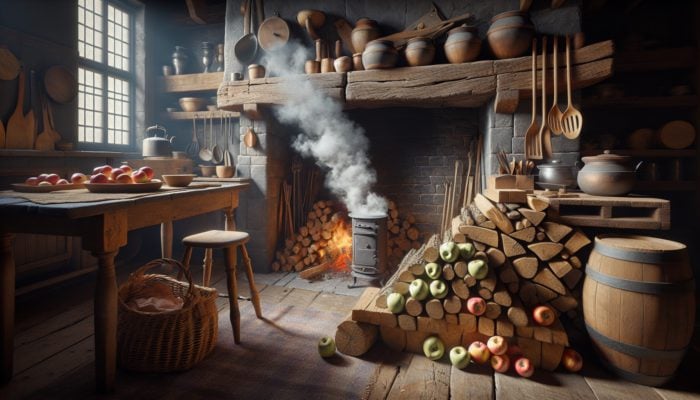
Embarking on your smoking journey requires an informed choice of wood to achieve the ultimate flavor while keeping costs manageable. In the United States, several affordable woods stand out as excellent choices, including Apple, cherry, and alder. These options not only fit within a budget but also impart distinctive flavors that can significantly enhance your smoking experience. For example, apple wood is celebrated for its mild, sweet flavor, making it ideal for pairing with a variety of meats, particularly pork and poultry. Meanwhile, cherry wood offers a more pronounced fruity note, perfect for enriching dishes like beef and lamb. Alder is often favored for its subtle flavor, making it an excellent choice for fish and seafood, allowing their natural tastes to shine without being overwhelmed.
The allure of these economical woods lies in their widespread availability. You can typically find them at local hardware stores, specialty shops, or even online retailers. Their affordability enables newcomers to explore various smoking techniques without the anxiety of overspending. Typically, these varieties are priced lower than exotic hardwoods, making them the perfect selection for beginners eager to immerse themselves in the art of smoking. By choosing these accessible woods, you not only save money but also introduce a diverse spectrum of flavors to experiment with.
What Are the Benefits of Using Affordable Woods for Smoking?
Opting for budget-friendly woods in your smoking projects provides numerous advantages that extend beyond simple cost savings. One primary benefit is the opportunity to explore a multitude of flavor profiles without incurring significant expenses. Budget woods cover a wide array of flavors, from sweet to robust, allowing newcomers to discover their personal preferences. For instance, apple wood adds a delightful sweetness to meats, while hickory offers a more intense smokiness that can elevate overall flavor complexity.
Moreover, budget woods are generally more accessible, making them a convenient choice for smoking enthusiasts. Whether you are hosting a weekend barbecue or preparing a festive dinner, these woods can be easily sourced, eliminating the hassle of seeking premium options. Their versatility makes them suitable for various smoking applications, from casual backyard gatherings to sophisticated culinary creations.
Additionally, beginners can hone their smoking skills using these affordable woods without the pressure of significant investments. This hands-on experience is invaluable for refining your technique and developing your palate. The insights gained from working with budget woods can also prepare you for more advanced smoking methods and a wider variety of wood selections in the future.
How Can I Find Budget-Friendly Woods in My Local Community?
Discovering budget woods in your local area is simpler than you might think, particularly within the United States. Begin your search by visiting local farmers’ markets, where many vendors offer fresh wood chunks or chips that are suitable for smoking. These markets often provide better prices than larger retail chains, allowing you to support local businesses while saving money.
Another fantastic option is to explore local hardware stores and home improvement centers. Many of these retailers stock a wide variety of smoking woods, including popular selections like hickory, apple, and cherry. It’s wise to compare prices and watch for seasonal sales or discounts. Additionally, consider checking out specialty smoking shops in your vicinity. These stores often have knowledgeable staff who can assist you in identifying the best woods suited for your smoking requirements.
Online platforms also present a wealth of opportunities for acquiring budget-friendly smoking woods. Websites like Amazon, eBay, and numerous specialized retailers typically showcase competitive pricing, with many offering free shipping on bulk orders. When sourcing budget woods online, focus on vendors with positive customer reviews and detailed product descriptions to ensure that you are obtaining quality materials that will significantly enhance your smoking experience.
Key Techniques for Maximizing the Use of Affordable Woods
To enhance the flavor and efficiency of your budget woods, consider employing these straightforward yet effective techniques. First, proper seasoning of your wood is crucial. Seasoned wood, which boasts a lower moisture content, burns more efficiently and produces superior smoke. Aim for wood that has been dried for at least six months to a year for optimal results. Additionally, consider blending different types of wood to create a unique flavor profile; for example, mixing apple and hickory can yield a delightful combination of sweetness and smokiness.
Managing smoke levels is another critical aspect of successful smoking. Utilize a well-ventilated smoker to control airflow, which helps regulate the intensity of the smoke. Excessive smoke can lead to an overpowering flavor, while insufficient smoke may result in your meat lacking depth and character. Furthermore, the size of your wood pieces is significant; smaller chunks ignite quicker and generate more smoke, making them particularly suitable for beginners.
Finally, maintain consistency in your smoking sessions by using the same amount of wood each time. This consistency will assist in refining your technique and developing a reliable flavor profile. Keeping a smoking journal to document your experiments and outcomes will further aid in understanding what works best for your taste preferences.
Pro Tips for Selecting the Best Budget Woods for New Smokers
What Woods Do Experts Recommend for Beginners?
Professionals within the smoking community frequently recommend starting with mild woods like apple and cherry. These woods possess gentle flavors that enhance the natural taste of meats without overpowering them—making them perfect for novice smokers still honing their skills. Their forgiving nature allows for trial and error, enabling new smokers to experiment without the fear of ruining a meal.
Here’s a curated selection of expert-recommended woods for beginners:
- Apple: Sweet and mild, ideal for pork and poultry.
- Cherry: Offers a fruity flavor, versatile for various meats.
- Alder: Mild and slightly sweet; perfect for fish.
- Maple: Sweet, light flavor that pairs well with pork and poultry.
- Peach: Adds a subtle fruitiness, excellent for grilling.
- Hickory: Stronger flavor, great for those ready to experiment.
- Pecan: Rich and nutty flavor, a step up in intensity.
- Oak: Robust yet versatile, suitable for almost all meats.
These recommendations highlight the importance of beginning with woods that complement your chosen proteins. The approachable flavor profiles of these woods empower you to focus on mastering your smoking technique without the added challenge of managing overpowering flavors.
How Do Budget Woods Enhance the Flavor of Smoked Dishes?

Utilizing budget woods can dramatically enhance the flavor profile of your smoked dishes, transforming a simple meal into a gourmet experience. Each wood type brings its unique characteristics to the table, allowing you to customize the flavor of your food based on the wood selected. For example, apple wood imparts a sweet, fruity taste that pairs beautifully with pork, chicken, and even vegetables. This subtle sweetness can elevate your dishes, making them more enjoyable to savor.
In a similar vein, cherry wood provides a mild, fruity flavor that complements various meats, particularly poultry and pork. This wood is especially valued for its ability to impart color to the meat, resulting in a more visually appealing presentation. When experimenting with budget woods, consider trying different combinations to discover your ideal flavor profile. Mixing cherry wood with hickory can introduce depth and complexity to your smoking results.
Moreover, budget woods facilitate an exploration of flavors without the financial burden associated with premium wood options. This opportunity encourages beginners to experiment and uncover a variety of flavors available to them. You might discover that a blend of apple and pecan creates a unique and delicious flavor that you wouldn’t have otherwise considered. The versatility of budget woods allows you to adapt your smoking techniques and flavor profiles to suit the specific dishes you’re preparing.
Real-Life Testimonials of Successful Budget Wood Usage
Gleaning insights from seasoned smokers can provide invaluable guidance on effectively utilizing budget woods. Many enthusiasts have successfully integrated budget woods into their smoking routines, achieving delightful results without overspending. For instance, a backyard barbecuer might share their experience of using apple wood for smoking ribs, emphasizing how it enhanced the sweetness of their barbecue sauce, culminating in a dish beloved by all.
Another example could feature a home chef who employs cherry wood for smoking salmon. This chef discovered that cherry wood adds a mild, fruity flavor that perfectly complements the rich taste of the fish. By documenting their smoking sessions, they can replicate their successes and refine their technique over time. Real-world testimonials like these illustrate how budget woods can produce exceptional flavor profiles without requiring extravagant investments.
Additionally, numerous smoking forums and social media groups serve as platforms for novice smokers to share their experiences with budget woods. Exploring posts and comments can reveal various techniques and combinations that have yielded delightful results. Engaging with the smoking community not only enhances your knowledge but also fosters a sense of camaraderie among those who share a passion for this culinary art.
How Can I Source Budget Woods In My Local Area?
Finding budget woods locally can be a straightforward process if you know where to look. Begin by exploring local retailers, including hardware stores and specialty shops dedicated to grilling and smoking. These locations often stock various smoking woods, including popular selections like hickory, cherry, and apple. Don’t hesitate to inquire about any seasonal sales or discounts that could lead to significant savings.
Farmers’ markets are another excellent resource for sourcing budget woods. Many vendors sell wood chunks or chips directly from their farms, often at competitive prices. This not only provides you with fresh wood but also supports local agricultural practices. If you have a local smoking supply shop, be sure to visit; knowledgeable staff can offer valuable advice on the best woods for your needs.
Online shopping has revolutionized how we source budget woods. Major online platforms offer a wide selection of smoking woods and often provide customer reviews that can guide your choices. When purchasing online, consider buying in bulk to reduce shipping costs, which can lead to additional savings.
Finally, consider connecting with local smoking clubs or communities. Members frequently share resources and recommendations for sourcing wood, which can lead to discovering hidden gems in your area while establishing connections with fellow smoking enthusiasts.
Key Preparation Steps for Budget Woods Used in Smoking
What Are the Most Effective Preparation Methods for Smoking Woods?
Proper preparation of your budget woods is essential for maximizing the smoking experience. One effective method is soaking the wood in water or other liquids before use. Soaking helps control the burn rate, allowing the wood to smolder rather than flare up. This technique is particularly beneficial for larger chunks of wood, which can greatly benefit from the added moisture.
When preparing your woods, consider the type of smoker you are using. For instance, if you’re utilizing a charcoal smoker, wood chunks can be placed directly on the coals for a more intense flavor. Conversely, if you’re using an electric or pellet smoker, it’s better to use wood chips in a smoker box to ensure an even distribution of smoke.
Another important aspect of preparation is cutting wood to an appropriate size. Thinner pieces ignite quickly and produce more smoke, while larger pieces take longer to catch fire. If you opt for larger chunks, allow sufficient time for them to ignite fully before placing your meat in the smoker. This preparation step ensures that your budget woods offer maximum flavor without the risk of charring the meat.
Lastly, consider experimenting with different soaking liquids, such as apple juice or beer, to infuse additional flavors into the wood. This technique can enhance the depth of flavor and create a unique smoking experience that you can share with friends and family.
What Tools Are Essential for Preparing Smoking Woods?
To effectively prepare your budget woods for smoking, having the right tools is crucial. Basic equipment, including a saw, axe, or wood splitter, will help you cut and shape the wood to fit your smoker. These tools enable you to customize the size of your wood pieces, ensuring they burn optimally for your chosen smoking method.
If you’re new to smoking, a handsaw may suffice for smaller tasks, but investing in a quality wood splitter can enhance efficiency. When cutting wood, ensure you wear appropriate safety gear, such as gloves and goggles, to prevent injuries. This precaution is particularly important when working with harder woods that may splinter or chip.
In addition to cutting tools, consider having a measuring tape or ruler handy to ensure consistent piece sizes, which can impact burn rates and overall smoking results. A chopping block is also beneficial for stability while cutting your wood, providing a safe workspace.
Finally, don’t overlook the importance of storage tools. Ensure you have airtight containers for storing leftover wood to keep it dry and pest-free. Proper maintenance and care of your tools and wood will enhance your smoking sessions and their longevity.
What Safety Considerations Should I Keep in Mind When Handling Smoking Woods?
Safety should always be a top priority when handling wood for smoking. Start by wearing protective gear such as gloves and safety goggles to shield yourself from splinters and sharp edges. Wood can be unpredictable, and wearing the right equipment minimizes the risk of injury.
When cutting or splitting wood, maintain a stable and secure posture. Always ensure your cutting area is clear to avoid accidents. Proper tool usage is crucial; for example, when using an axe, ensure your balance is maintained to prevent slips. If you encounter a particularly tough piece of wood, do not force it; instead, reposition and attempt again.
Additionally, be cautious about the environment in which you store your wood. Keep your wood in a dry, cool place to prevent mold growth and pest infestations. Avoid leaving wood exposed to direct sunlight, as this can cause it to dry out, crack, or split, compromising its smoking quality.
Lastly, if you’re using treated woods, be aware that some treatments can release harmful chemicals when burned. Stick to untreated, natural woods to ensure a safe smoking experience. By adhering to these safety guidelines, you can ensure that your smoking endeavors are enjoyable and hazard-free.
Uncover Popular Budget Woods Available Across the United States
Apple Wood: The Premier Choice for New Smokers
Apple wood has become a top choice among beginners in the smoking realm due to its affordability and versatility. This wood is widely available across various regions in the United States, making it easily accessible for novices. The mild, sweet flavor it imparts is suitable for smoking a broad range of meats, particularly pork and poultry, where it enhances the natural flavors without overshadowing them.
The subtle sweetness of apple wood pairs exceptionally well with rich marinades and glazes, making it a popular choice for backyard barbecues and family gatherings. Beginners often appreciate the forgiving nature of this wood, as it allows for experimentation without the fear of ruining a meal. It can be utilized independently or blended with other woods for a more complex flavor profile.
Moreover, apple wood is often sold in various forms, including chips, chunks, and logs, catering to different smoking methods and preferences. This versatility makes it easy for new smokers to find the right option for their setup. Overall, apple wood is a cost-effective solution that helps beginners build confidence while enjoying delicious smoked dishes.
Cherry Wood: A Flexible and Economical Choice
Cherry wood is another popular option for novice smokers, celebrated for its versatility and budget-friendly nature. This wood is particularly favored for its mild, fruity flavor, which enhances the taste of various meats, including chicken, pork, and even beef. The flavor profile of cherry wood strikes a balance between sweetness and smokiness, making it a well-rounded choice for those new to the craft of smoking.
One of the unique characteristics of cherry wood is its ability to impart a beautiful reddish hue to the meat, creating an enticing visual appeal. This added color can elevate your presentation, making your smoked dishes not only delicious but also visually striking. Additionally, cherry wood is often found at lower prices than premium smoking woods, allowing beginners to experiment without a hefty investment.
Like apple wood, cherry wood can be utilized in different forms, such as chips or chunks, making it adaptable to various smoking techniques. It’s commonly available in local stores and online, providing easy access for those looking to enhance their smoking experience. If you’re in search of a wood that offers both flavor and value, cherry wood is an excellent choice for beginner smokers.
Alder Wood: Mild and Affordable for Delicate Foods
Alder wood stands out as an affordable and mild smoking option, particularly well-suited for delicate foods. Renowned for its subtle flavor profile, alder wood is often used when smoking fish, seafood, and poultry. This wood imparts a gentle smokiness that enhances the natural taste of the ingredients without overwhelming them.
One of the advantages of using alder wood is its widespread availability, particularly in the Pacific Northwest, where it is commonly harvested and sourced. Many smokers appreciate the balance that alder provides, making it a favorite for those who enjoy a more refined smoking experience. Its mild flavor makes it an excellent choice for beginners who are still learning how to control smoke levels and flavor intensity.
Alder wood can be purchased in various forms; like other budget woods, it is often sold at competitive prices. This accessibility allows novice smokers to experiment with alder without the financial burden of premium woods. Furthermore, due to its versatility, alder can be combined with stronger woods to achieve a more robust flavor while still maintaining its mildness.
Hickory Wood: Strong Flavor Without Overspending
If you’re looking for a robust and affordable smoking option, hickory wood is an excellent choice. Known for its strong, smoky flavor, hickory is particularly popular among barbecue enthusiasts for smoking meats such as pork and ribs. Its boldness can complement rich meats, making it ideal for those who enjoy a hearty smoking experience.
The affordability of hickory wood makes it a go-to option for both beginners and seasoned smokers alike. Its wide availability means you can easily find it at local retailers and online, ensuring you won’t have to search far for this flavorful option. Many smokers appreciate that hickory can be used alone or blended with milder woods, such as apple or cherry, to create a more balanced flavor profile.
While hickory delivers a potent smoke, beginners must learn how to use it effectively. The intense flavor can easily overwhelm more delicate meats, so controlling your smoke levels is crucial. A little goes a long way, and mastering the art of hickory smoking can lead to delicious results that showcase your skill and creativity.
Which Budget Woods Are Best for Different Types of Meat?
What Are the Best Budget Woods for Smoking Pork?
When it comes to smoking pork, budget woods like apple and cherry are excellent choices. These woods enhance the natural flavors of the meat without overpowering them. Apple wood, with its mild sweetness, complements the richness of pork, making it a favorite among beginners. The gentle flavor allows for experimentation with marinades and rubs, creating a delightful balance.
Cherry wood, on the other hand, adds a fruity note that elevates the overall taste of your smoked pork. Consider blending these two woods to achieve a unique flavor profile that combines sweetness and smokiness. Beginners might also experiment with a mix of hickory and apple wood, where the stronger hickory character is softened by the sweetness of apple, providing a well-rounded taste.
For best results, ensure your wood is properly seasoned to control the burn rate and smoke levels. Using larger chunks of wood can help maintain a consistent smoking temperature while allowing for longer smoking sessions. Regardless of the wood you choose, be attentive to the smoking process, adjusting smoke and heat levels as necessary to enhance the flavor profile.
What Woods Are Best for Smoking Beef?
When smoking beef, stronger budget woods like hickory and mesquite are often recommended, as they can withstand the rich flavors of the meat. However, for those seeking more budget-friendly options, oak and pecan are excellent choices that deliver robust flavors without the premium price tag.
Hickory imparts a distinct, strong flavor that enhances cuts like brisket and ribs. For beginners, starting with hickory should be done with caution, as its intensity can easily overpower more delicate cuts. Mixing hickory with oak can create a balanced flavor profile that complements the beef without overwhelming it.
Pecan wood offers a sweet and nutty flavor, making it a fantastic choice for smoking beef. It provides a rich aroma that pairs beautifully with fatty cuts like ribeye, allowing the flavors to meld perfectly. Both oak and pecan are widely available and cost-effective, making them suitable for budget-conscious smokers who want to achieve delicious results.
Experimenting with these woods will help you discover the best flavor combinations for your beef dishes. Remember to take notes during your smoking sessions to refine and improve your technique over time.
Which Budget Woods Are Best for Smoking Poultry?
For smoking poultry, mild woods like apple, cherry, and alder are particularly beneficial. These woods add a subtle flavor that complements the delicate taste of chicken and turkey without overpowering it. Apple wood, with its sweet notes, enhances the natural flavors of poultry, making it a popular choice among novice smokers.
Cherry wood also shines when smoking poultry, offering a fruity flavor that beautifully complements the meat’s inherent juiciness. The visual appeal of cherry wood is another perk, as it imparts a lovely reddish hue to the skin, adding an aesthetic touch to your smoked dishes.
Alder wood, with its mildness, is especially suited for delicate meats like chicken and turkey, providing a softly smoky flavor that enhances rather than dominates. You can experiment with different combinations of these woods to find the right balance for your taste.
When using these budget woods for poultry, be sure to closely monitor your smoke levels and cooking times. Poultry typically cooks faster than larger cuts of meat, so adjusting wood quantities and maintaining proper heat control is crucial for achieving perfectly smoked results.
What Are the Best Budget Woods for Smoking Lamb?
Lamb is a robust meat that pairs well with strong budget woods like hickory and oak. These woods provide a rich flavor that complements the gamey characteristics of lamb. Hickory, in particular, adds a deep smoke that enhances the natural richness of the meat, making it an excellent choice for smoking lamb chops or a leg of lamb.
Oak wood is another budget-friendly option that lends a robust flavor while allowing the meat’s natural taste to shine through. Using oak will give your lamb a delightful depth, creating a balanced flavor profile that even beginners can appreciate.
For those seeking to mix flavors, consider combining hickory with a milder wood, such as apple or cherry, to create a well-rounded smoking experience. This approach allows for the strong notes of hickory to meld with the sweetness of the fruit woods, resulting in a unique flavor that elevates your lamb dishes.
When working with these woods, ensure that they are properly seasoned and monitored for smoke levels. Lamb can withstand strong flavors, but balance is crucial for achieving the best results. By experimenting with different combinations and techniques, you’ll discover the ideal wood pairing to elevate your lamb smoking experience.
Research-Based Insights on the Benefits of Choosing the Best Budget Woods for Beginner Smoking
How Do Budget Woods Influence Flavor Profiles?
Utilizing budget woods significantly impacts the flavor of smoked foods, providing a diverse range of taste profiles from mild to robust. Research indicates that using different types of wood can enhance specific characteristics of the meat, allowing beginners to experiment and discover their preferences.
For example, apple wood imparts a sweet flavor ideal for pork and chicken, while hickory provides a strong, smoky essence that complements beef and pork. The variety of wood types allows beginners to explore different flavor combinations, helping to develop their palate over time.
Additionally, using budget woods encourages experimentation without the fear of overspending. This freedom promotes creativity in the kitchen and enables the discovery of unique flavor profiles that might not have been considered otherwise.
Here are some key research findings on flavor impact:
- Apple wood enhances the sweetness in pork and poultry.
- Cherry wood adds a mild, fruity flavor, ideal for various meats.
- Alder wood offers a subtle smokiness, making it perfect for fish.
- Hickory delivers a robust flavor, making it excellent for deeply smoked meats.
This knowledge empowers beginners to make informed choices when selecting woods for their smoking sessions.
What Are the Financial Benefits of Using Budget Woods?
Utilizing budget woods can lead to substantial cost savings over time. These woods are often more affordable than premium options, allowing users to invest in quality smoking experiences without a significant financial burden. Budget woods can typically be sourced locally, reducing shipping costs and enabling enthusiasts to save money while still enjoying delicious smoked dishes.
Moreover, buying in bulk can yield further savings, as many retailers offer discounts for larger quantities. Planning your smoking sessions around seasonal sales can also help maximize cost efficiency. For instance, purchasing wood during off-peak seasons or taking advantage of special promotions can significantly reduce your overall expenses.
To maximize cost savings, consider the following actionable steps:
- Buy in bulk to reduce unit costs and shipping fees.
- Check local suppliers and farmers’ markets for competitive pricing.
- Take advantage of seasonal sales and promotions to save money.
- Compare prices across multiple retailers, both online and offline.
By implementing these strategies, you can enjoy the benefits of superior flavors while maintaining your budget.
Expert Analysis on the Quality of Budget Woods
Understanding the quality of budget woods is vital for achieving optimal smoking results. Experts evaluate woods based on several factors, including moisture content, burn rate, and flavor profile. High-quality budget woods will have low moisture levels, ensuring a clean burn and enhancing the flavor of your smoked items.
Moisture content is critical; woods that are too wet will produce excess steam, resulting in a bitter flavor, while overly dry woods can burn too quickly, leading to inconsistent results. Aim for woods that have been properly seasoned for at least six months to ensure the best smoking experience.
The burn rate also plays a significant role in determining the effectiveness of your woods. Woods that smolder slowly will produce consistent smoke, which is essential for flavor development. When selecting budget woods, ensure you inspect for any signs of mold or defects, as these can adversely affect the smoking process.
To choose the best quality woods within your budget, consider looking for:
- Well-seasoned woods with low moisture content.
- Uniform cuts to ensure even burning.
- Absence of mold or rot.
- A strong, pleasant aroma that indicates freshness.
By keeping these factors in mind, you can ensure that your budget woods will provide excellent smoking results.
Best Practices for Storing and Maintaining Budget Woods
What Are Effective Storage Strategies for Smoking Woods?
Proper storage of your budget woods is essential to prolong their lifespan and maintain their quality. Store your woods in a dry, well-ventilated area to prevent mold growth and protect against pests. A garage, shed, or dedicated storage container can serve as an ideal space for your wood supply.
Using airtight containers for long-term storage can help keep your woods dry and free from contamination. Consider labeling containers with the type of wood and the date of purchase to stay organized and ensure you’re using the older stock first.
It’s also advisable to keep your woods away from direct sunlight, as exposure can lead to drying and cracking. Keeping them in a dark, cool location will help maintain their integrity and ensure they remain suitable for smoking.
Additionally, periodically inspect your wood supply for signs of mold or pests. If you notice any issues, address them immediately to prevent contamination. By following these storage practices, you can ensure your budget woods remain in optimal condition for your smoking adventures.
How to Maintain Quality of Wood Over Time
To maintain the quality of your budget woods over time, regular inspection is crucial. Check for signs of mold or pests, and ensure that the wood remains dry. If you notice any moisture buildup, consider relocating the wood to a more well-ventilated area or using a dehumidifier to lower humidity levels.
Rotate your stock by using older woods first. This practice ensures that your supply remains fresh and promotes even aging across your collection. Keeping your woods stored in a consistent environment will help preserve their flavor and quality.
Avoid exposing your wood to extreme temperature fluctuations, as this can lead to warping or cracking. Consistency in storage conditions is crucial for maintaining the integrity of the wood.
Finally, when you do use your woods, clean any leftover pieces thoroughly before reusing. Allow them to dry completely, ensuring they are completely dry before storing them again. By following these maintenance practices, you can prolong the life of your budget woods and keep them ready for your next smoking session.
How to Effectively Reuse Budget Woods
Reusing budget woods can save you money and reduce waste. However, proper preparation is essential for ensuring that your reused woods deliver optimal flavor. After your initial smoking session, clean the wood thoroughly to remove any residual oils or flavors that could interfere with future use. Allow the wood to dry completely before storing it again; this prevents mold and pest issues.
When reusing wood, consider mixing used and new wood for a balanced flavor. This combination enables you to retain some of the previous flavors while introducing new elements, resulting in a unique taste experience. This approach can also help stretch the life of your woods, making them last longer.
Additionally, monitor the size of reused wood pieces. Smaller chunks can ignite quickly and produce more smoke, while larger pieces may require longer cooking times. Adjust your quantities accordingly to achieve the desired smoke levels for your next session.
Lastly, keep detailed notes on your smoking sessions to refine your techniques. Documenting how reused woods performed will provide valuable insights for future experiments, helping you become more proficient in your smoking journey.
Essential Smoking Techniques for Beginners Using Budget Woods
What Are the Basic Smoking Techniques for Beginners?
For beginners, starting with simple smoking techniques is essential to build confidence and ensure successful outcomes. Two primary methods are Cold smoking and hot smoking. Cold smoking involves exposing food to smoke at lower temperatures, typically under 100°F. This technique is ideal for flavoring meats, cheeses, and vegetables without the need for cooking.
In contrast, hot smoking involves cooking the food while infusing it with smoke. This method is perfect for meats, as it imparts deep flavors while also ensuring they are cooked thoroughly. Beginners should start with hot smoking, as it yields satisfying, ready-to-eat results more quickly.
Here’s a bullet list of basic smoking techniques for beginners:
- Cold smoking: Flavor meats and cheeses without cooking them.
- Hot smoking: Cook meats while infusing them with smoky flavors.
- Direct smoking: Place food directly over the heat source for quicker smoking.
- Indirect smoking: Use a two-zone fire to control heat and smoke levels.
- Wrapping: Wrap food in foil or butcher paper to trap moisture and enhance flavors.
- Temperature control: Use a thermometer to monitor the smoking process.
- Experimentation: Try different wood combinations for unique flavors.
- Timing: Keep track of smoking times for optimal results.
By mastering these basic techniques, beginners can build a solid foundation for their smoking journey and develop their skills over time.
How to Control Smoke and Heat Levels Using Budget Woods?
Controlling smoke and heat is essential for successful smoking, especially when using budget woods. Start by adjusting the airflow in your smoker. Use dampers and vents to regulate air intake and exhaust, which influences the intensity of the smoke and the temperature. More airflow typically leads to hotter temperatures, while restricted airflow can create cooler, longer-lasting smoke.
Experiment with different quantities of wood to find the right balance. Beginners should start with smaller amounts of wood to avoid overwhelming the meat with smoke. As you gain experience and confidence, gradually increase the wood quantity, monitoring how it affects both flavor and heat.
Consider the type of smoker you are using, as different designs may require specific adjustments. For instance, offset smokers allow for more control over heat levels by placing the heat source away from the cooking chamber. In contrast, vertical smokers may require more attention to maintain consistent temperatures.
Lastly, keep a close eye on the internal temperature of your meat using a reliable meat thermometer. This will help ensure that you achieve the desired doneness without over-smoking. By practicing these techniques, beginners can develop the skills needed to control smoke and heat effectively.
What Are the Best Tips for Achieving Consistency in Smoking Results?
Consistency is key when it comes to smoking. Beginners should aim to establish a routine that allows them to replicate successful smoking sessions. Start by using the same type of wood for each session to gauge its effects on flavor. Familiarity with a specific wood type will help you understand how it interacts with various types of meat.
Maintaining consistent wood quantities is also vital. Measure the amount of wood you use for each smoking session, as this will help refine your techniques and predict results. Keeping detailed notes on your smoking sessions, including the types of wood, quantities, cooking times, and temperatures, will serve as an invaluable reference for future endeavors.
Additionally, consider investing in a quality thermometer to monitor both the smoker temperature and the temperature of the meat. This will help you achieve the desired doneness and ensure consistent results.
Finally, don’t hesitate to experiment with different woods and techniques as you gain confidence. While consistency is essential, refining your skills will enable you to discover new flavor combinations and elevate your smoking game.
Where Can I Find Affordable Woods for Smoking Across the United States?
What Local Suppliers and Retailers Offer Budget Woods?
Finding budget woods in your local area can be straightforward with the right strategies. Start by checking local hardware stores and home improvement centers. Many of these retailers offer a variety of smoking woods, including popular choices such as hickory, cherry, and apple. Don’t hesitate to ask the staff for recommendations based on your smoking needs.
Farmers’ markets are another excellent resource for sourcing budget woods. Many vendors sell wood chunks, chips, or logs at competitive prices, allowing you to support local businesses while finding quality materials. Be sure to check for seasonal vendors who specialize in smoking woods, as they can offer unique varieties not found in larger retail chains.
Consider visiting specialty smoking shops in your area, as they often carry a wide range of smoking woods and can provide valuable insights into the best options for beginners. These shops may also offer sales or discounts that can help you save money.
Lastly, don’t overlook the potential of networking with local smoking enthusiasts. Joining a community group or forum can lead to access to shared resources and recommendations for budget-friendly wood suppliers in your area.
How Can Online Platforms Be Utilized to Find Affordable Smoking Woods?
The convenience of online shopping has made it easier than ever to find budget woods for smoking. Many online retailers specialize in smoking woods, offering a wide selection of options that cater to various preferences and budgets. Websites like Amazon, eBay, and specialty smoke shops often provide competitive prices and shipping options, making it simple to find what you need without leaving home.
When shopping online, be sure to compare prices across multiple retailers to ensure you’re getting the best deal. Additionally, please pay attention to customer reviews, as they can offer valuable insights into the quality of the wood and the seller’s reliability.
Consider purchasing in bulk to save on shipping costs and ensure a steady supply of smoking materials. Many online retailers offer discounts for bulk orders, which can significantly reduce your overall expenses.
However, keep in mind the importance of sourcing your wood from reputable sellers. This will help ensure you receive quality materials that enhance your smoking experience.
What Are the Best Times to Purchase Budget Woods for Maximum Savings?
Timing your purchases can lead to significant savings when it comes to sourcing budget woods. For the best deals, consider buying during off-peak seasons, such as winter or early spring. Many retailers offer discounts to clear out inventory before the busy summer grilling season begins.
Additionally, keep an eye out for seasonal sales and promotions, especially during holidays like Memorial Day, Independence Day, and Labor Day. These events often feature sales on grilling supplies, including smoking woods, allowing you to stock up at a lower cost.
Buying in bulk can also yield considerable savings. Look for retailers that offer bulk discounts or consider teaming up with fellow smoking enthusiasts to place a joint order. This approach not only reduces costs but also ensures you have a variety of woods to experiment with throughout the year.
Finally, signing up for newsletters from your favorite suppliers can provide early access to exclusive promotions and sales. By planning your purchases around these key times, you can maximize your savings and ensure you have the budget woods you need for your smoking adventures.
What Are the Frequently Asked Questions About Budget Woods for Smoking?
Which woods are best for beginner smokers?
Beginners are often recommended to start with mild woods like apple and cherry, as they provide a gentle flavor that enhances meats without overwhelming them.
How should I store my smoking woods?
Store smoking woods in a dry, well-ventilated area, ideally in airtight containers to prevent moisture and pests while avoiding direct sunlight.
Can smoking woods be reused after an initial session?
Yes, you can reuse smoking woods as long as you clean them thoroughly and allow them to dry. Mixing used with new woods can create interesting flavor combinations.
What are the advantages of using budget woods for smoking?
Budget woods are affordable, widely available, and allow beginners to experiment with various flavor profiles without significant financial investment.
How can I control smoke levels while smoking?
Control smoke levels by adjusting airflow with dampers and vents, using the right amount of wood, and closely monitoring the temperature.
Is hickory wood suitable for all types of meat?
Hickory wood is robust and works well for many meats, particularly pork and beef, but should be used carefully with lighter options to avoid overpowering them.
What qualities should I look for in quality smoking wood?
Look for well-seasoned wood with low moisture content, uniform cuts, and a pleasant aroma, free from mold or rot, for optimal smoking results.
Which techniques should beginners use for smoking?
Beginners should start with hot smoking, experiment with cold smoking, and try various methods like direct and indirect smoking for different results.
How do I prepare wood for smoking?
Prepare smoking wood by soaking it in water for several hours, cutting it to appropriate sizes, and ensuring it’s well-seasoned for optimal burning.
Where can I find budget woods in my local area?
Local sources for budget woods include hardware stores, farmers’ markets, specialty smoking shops, and networking with local smoking communities for recommendations.
Connect with us on Facebook!
The Article Best Budget Woods for Beginner Smoking: Affordable Choices appeared first on https://pitmastersarsenal.com
The Article Budget Woods for Beginner Smoking: Top Affordable Picks Was Found On https://limitsofstrategy.com
-
Smoking Brisket: The Essential Woods Flavor Guide
Unlocking the Secrets of Premium Oak Varieties to Transform Your Brisket Smoking Journey
Amplifying Your Barbecue Adventure with Varied Oak Types
When you embark on the journey of smoking brisket, the choice of wood is crucial in crafting a distinctive flavor profile that can make or break your culinary masterpiece. Among the myriad options, oak wood stands out as a top-tier choice, beloved by barbecue enthusiasts for its ability to create a solid foundation of rich, smoky flavors. The most commonly used oak varieties for smoking include white oak, red oak, and live oak, each contributing their unique characteristics to enhance your smoking experience. Notably, white oak is known for its robust yet subtly sweet flavor that harmonizes beautifully with the rich, meaty profile of brisket. This oak species, prevalent in the Midwest, has become a favorite among seasoned pitmasters. On the other hand, red oak delivers a sharper, more pronounced flavor that can intensify the natural essence of brisket, requiring careful use to maintain balance. In contrast, live oak, found predominantly in southern regions like Texas and Florida, provides a medium smoke strength with a touch of sweetness, making it particularly well-suited for low and slow cooking techniques. Each of these oak varieties not only enriches flavor but also plays a vital role in developing the smoke ring and bark—two essential elements for achieving barbecue excellence.
Perfecting the Art of Oak Wood and Brisket Pairing for Exquisite Flavor
The synergy between oak wood and brisket forms a culinary partnership that results in extraordinary flavor outcomes. The robust and adaptable flavor profile of oak enhances the rich, fatty qualities of brisket, amplifying its natural juiciness while allowing the meat’s intrinsic flavors to shine through. When smoked at optimal temperatures, oak produces clean, flavorful smoke that penetrates deeply into the meat, creating a delightful balance that every barbecue lover aspires to achieve. As the brisket cooks, the rendering fat combines with the essence of oak, resulting in a crispy yet savory crust that elevates the entire dish to new heights. This enchanting interplay not only enriches the brisket’s flavor but also adds a layer of complexity that all barbecue aficionados seek. Many expert pitmasters recommend starting with oak during the initial smoking phase to establish a bold flavor base, followed by a gradual switch to milder woods such as fruitwood in the final hours to refine the taste and achieve that perfect finishing touch.
Accessing Quality Oak Wood for Smoking Brisket Throughout the United States
One of the significant advantages of opting for oak when smoking brisket is its widespread availability across the United States. From the lush forests of the Northeast to the expansive woodlands of the South, oak is a familiar and accessible resource, making it easy for both home cooks and professional pitmasters to source high-quality wood. Numerous local barbecue supply outlets and lumberyards provide oak in various forms, including chunks, chips, and logs, catering to a range of smoking preferences and techniques. The versatility of oak extends well beyond brisket; it is also prominently used for smoking a variety of meats, solidifying its status as a cornerstone within the grilling community. With convenient access to premium oak wood, anyone can effortlessly achieve that signature smoky flavor at home, no matter their location or level of grilling expertise, ensuring that the art of smoking brisket remains an approachable and enjoyable pursuit for all enthusiasts.
Hickory: The Top Choice for Bold and Flavorful Brisket Smoking
Exploring Hickory’s Rich and Robust Flavor Profile for Brisket
For those barbecue enthusiasts who revel in bold, smoky flavors, hickory is undoubtedly the premier choice for smoking brisket. Known for its strong and pungent taste, hickory possesses a robust flavor profile that can elevate a simple brisket into a culinary masterpiece. This wood is particularly cherished in Southern barbecue traditions, where its hearty smoke amplifies the meat’s richness and depth. However, it is essential to use hickory judiciously, as its intensity can easily overshadow the natural flavors of the brisket if over-applied. Many experienced pitmasters recommend blending hickory with milder woods, such as apple or cherry, to create a harmonious smoke that enhances the brisket’s flavor without overwhelming it. This thoughtful approach allows for a more nuanced and sophisticated flavor experience that can satisfy even the most discerning of palates.
Assessing Hickory’s Impact on Brisket Cooking Duration
The role of hickory in influencing cooking time is significant and should not be overlooked. Its powerful smoke can speed up the formation of the crust, known as the bark, while simultaneously infusing the meat with deep, rich flavors. However, this intensity also requires careful timing and temperature management to avoid drying out the brisket. Many experts advocate for maintaining a lower heat—between 225°F and 250°F—when using hickory, as this temperature range facilitates a gradual infusion of flavor, resulting in a tender and juicy brisket. The cooking time may vary based on the thickness of the brisket, but the result is a delectably smoky experience that resonates with flavor. To achieve optimal tenderness, consider wrapping the brisket in butcher paper or foil midway through the cooking process, which helps retain moisture while still benefiting from hickory’s distinctive flavor characteristics.
Identifying Key Regions in the US with Abundant Hickory Supplies

Hickory trees flourish throughout the United States, particularly in the Southeast and Midwest regions, making it a readily available choice for many barbecue lovers. States like North Carolina and Tennessee are renowned for their vast hickory forests, where this wood has become synonymous with their rich barbecue heritage. Local suppliers in these areas typically maintain a stock of hickory in various forms, including chips, chunks, and logs, ensuring that anyone can harness its robust flavor for smoking brisket. Understanding the regional differences in hickory can greatly enhance your smoking experience, as various areas may feature different hickory varieties, each imparting unique flavors that can elevate your barbecue creations to new levels of deliciousness.
Essential Techniques for Properly Preparing Hickory Wood
Preparing hickory wood for smoking requires meticulous attention to detail to ensure safety and maximize flavor. To begin, it is crucial to verify that the wood is adequately seasoned; using fresh hickory can result in harsh, acrid smoke that may ruin your brisket. Ideally, hickory should be dried for a minimum of six months to a year before use. When cutting hickory, aim for uniform pieces that promote even burning. Chips, chunks, or logs can all be effective for smoking, but each size will influence the smoking duration and intensity. Soaking hickory chips in water for about 30 minutes prior to use can help modulate the burn rate, allowing for a gradual release of smoke that envelops the brisket without overpowering it. This careful preparation ensures that hickory wood seamlessly contributes its distinctive flavor to the smoking process.
Exploring Alternative Woods for Unique Brisket Flavor Profiles
If the intense flavor of hickory feels overwhelming, there are several alternative woods that can provide distinctive flavor profiles suitable for smoking brisket. Mesquite, with its earthy essence, can deliver a bold flavor, but it requires careful consideration due to its strength. Alternatively, fruitwoods such as apple or cherry offer a mild, sweet smoke that beautifully complements the natural richness of brisket. Each type of wood introduces its unique aroma and taste, allowing for creativity in the smoking process. Experimenting with various combinations can lead to delightful discoveries, adding complexity and variety to your barbecue repertoire while pleasing the palates of all who enjoy your smoked creations.
Pecan: A Unique Nutty Flavor for Enhancing Brisket Smoking
Uncovering Pecan’s Distinctive Nutty Flavor Profile
Pecan wood is celebrated in the smoking community for its unique, nutty flavor that adds an enticing twist to brisket. This wood presents a milder profile compared to hickory or mesquite, making it an excellent choice for those who prefer a subtle enhancement rather than an overpowering smoke. The natural sweetness inherent in pecan smoke harmonizes exquisitely with the rich, fatty layers of brisket, leading to a balanced and enjoyable flavor experience. As pecan wood is often sourced from orchards, its availability is widespread, particularly in regions with a rich tradition of pecan farming, ensuring that this delightful wood is accessible to numerous barbecue enthusiasts.
Enhancing Brisket Texture with Pecan Smoking Techniques
Utilizing pecan wood for smoking brisket not only elevates flavor but also significantly improves the texture of the meat. As the brisket absorbs the gentle, nutty smoke, it becomes tender and juicy, often resulting in a mouthwatering bite. The smoking process with pecan promotes an even cook, effectively breaking down tougher connective tissues in the meat and resulting in that sought-after melt-in-your-mouth quality. The outcome is a brisket that showcases both incredible tenderness and rich smokiness, creating an irresistible feast that is sure to delight friends and family alike.
Availability of Pecan Wood Across the United States
Pecan wood is readily available throughout the United States, particularly in regions renowned for pecan cultivation, such as Texas, Georgia, and Louisiana. Many local suppliers, barbecue stores, and even orchards offer pecan wood in various forms, from chips to logs, allowing enthusiasts to choose according to their smoking preferences. Its widespread availability ensures that anyone can experiment with pecan smoke in their barbecue endeavors, adding a unique flavor to their brisket with relative ease. This accessibility makes pecan a favored choice for many who aim to elevate their smoking game.
The Subtle Intensity of Pecan Smoke and Its Versatility
Pecan wood smoke features a mild intensity, rendering it versatile for different smoking durations and personal preferences. For those who appreciate a lighter touch, pecan can be used alone, providing just enough flavor to enhance the brisket without being overpowering. However, if a more robust smoke is desired, pecan can be combined with stronger woods like hickory or mesquite, resulting in a complex flavor profile that still highlights the natural taste of the brisket. Adjusting the ratio of pecan to stronger woods allows for customization, catering to diverse palates and smoking styles, making the smoking process an exciting journey of flavor exploration.
Key Preparations for Successful Pecan Wood Smoking
Preparing pecan wood for smoking involves methods similar to those used for other types of wood, emphasizing optimal flavor. Season the pecan wood for a minimum of six months to allow it to dry adequately, preventing any bitterness associated with fresh wood. When cutting, aim for consistent chunks to foster even burning during the smoking process. Soaking pecan chips is optional but can enhance the smoking experience by prolonging the smoke release and ensuring a gradual infusion of flavor. Proper preparation guarantees that the pecan wood contributes its delightful profile without introducing undesirable characteristics, resulting in a perfectly smoked brisket that will shine at any gathering.
Mesquite: The Bold and Flavorful Wood for Brisket Smoking
Revealing the Bold Flavor of Mesquite in Brisket Smoking
Mesquite is renowned for its intensely bold and earthy flavor, making it a legendary choice among barbecue enthusiasts. Its distinctive profile can elevate brisket to extraordinary heights, but caution is necessary; its strength can easily dominate the dish if used carelessly. Mesquite’s robust taste is particularly favored in Texan barbecue, where it serves as the wood of choice for generating deep, rich smoke that complements the inherent flavors of brisket. The challenge lies in achieving a balance that allows the meat’s natural qualities to shine while still enjoying the unique characteristics of mesquite. Mastering the use of mesquite requires skill and knowledge, but the rewards can be exceptionally gratifying.
Understanding Mesquite’s Effect on Brisket Cooking Time
Successfully smoking with mesquite necessitates a comprehensive understanding of its heat and flavor effects on brisket. This wood burns hotter and faster than many others, leading to reduced cooking times but also poses a risk of drying out the meat if not closely monitored. Cooking at lower temperatures—typically between 225°F and 250°F—allows for a gradual infusion of mesquite flavor, ensuring that the brisket remains moist and tender throughout the process. Employing a technique known as the Texas crutch, where the brisket is wrapped partway through cooking, can help lock in moisture, making it easier to achieve the desired texture and flavor from the mesquite wood. This technique proves particularly beneficial for those striving to create a flawless brisket experience.
Regions in the US Known for Mesquite Availability
Mesquite wood is predominantly found in the Southwestern United States, with Texas being the most famous region for its barbecue culture. The mesquite tree thrives in arid climates, making it a common feature in Texas’s open landscapes and offering a unique flavor profile that is cherished by many. This wood is easily sourced locally, with numerous barbecue purveyors providing it in various forms, from chips to logs. Understanding the regional significance of mesquite can enhance your smoking adventures, as local varieties may impart subtle flavor differences that can elevate your brisket experience to new levels of deliciousness.
Proper Preparation Techniques for Mesquite Wood
Preparing mesquite wood correctly is essential for its successful use in smoking brisket. Like other hardwoods, mesquite should be seasoned for at least six months to ensure optimal flavor and quality. When chopping mesquite, aim for uniform sizes to promote even burning, which is crucial for achieving consistent smoke. Due to its density, mesquite burns hotter, so careful monitoring of cooking temperatures is vital to prevent drying out the brisket. Utilizing chunks rather than chips can help maintain a steady burn, allowing for a balanced infusion of flavor without overwhelming the meat. This preparation guarantees that mesquite effectively contributes its bold qualities, enhancing the overall smoking experience.
Exploring Alternatives to Mesquite for Flavorful Brisket Options
If mesquite’s potent flavor feels too intense for your palate, several alternative woods can provide unique profiles for smoking brisket. Woods like apple and cherry offer milder, sweeter smoke that enhances the brisket’s natural flavors without overpowering them. Maple wood imparts a subtle sweetness, making it an excellent substitute for those looking to experiment with their smoking techniques. Blending mesquite with these softer woods can also create a balanced flavor profile, allowing you to enjoy mesquite’s distinctive qualities while tempering its intensity, resulting in a well-rounded flavor experience that will impress your guests.
Cherry: The Sweet Flavor Profile for Perfecting Brisket Smoking
Cherry Wood’s Distinctive Sweet Flavor Elevates Brisket
Cherry wood is a beloved choice among many barbecue aficionados for its distinctive sweet and fruity flavor, which pairs beautifully with brisket. This wood not only enhances the taste of the meat but also imparts a stunning color, creating an appealing visual presentation that is hard to resist. The subtle sweetness of cherry smoke complements the rich, fatty brisket perfectly, offering a well-rounded flavor that appeals to a broad spectrum of palates. As a fruitwood, cherry is particularly versatile, making it ideal for those who appreciate a more nuanced smoking experience that brings out the best in the meat.
Enhancing Brisket Color and Visual Appeal with Cherry Wood Smoke
In addition to its delightful flavor, cherry wood significantly enhances the appearance of smoked brisket. The smoke produced by cherry wood creates a beautiful, reddish hue on the meat, giving it an appetizing look that is sure to impress guests and family alike. This coloration arises from the natural compounds in cherry wood, which interact with the meat during the smoking process to create a vibrant, colorful brisket that not only adds to the dish’s visual appeal but also suggests depth of flavor, tantalizing diners even before they take a bite. The aesthetics of a cherry-smoked brisket elevate the overall dining experience, making it a favored choice for special occasions and gatherings.
Cherry Wood Availability and Sourcing Across the United States
Cherry wood is widely available throughout the United States, particularly in regions where cherry trees are cultivated, such as the Pacific Northwest and the Midwest. Numerous barbecue and specialty wood suppliers offer cherry wood in various forms, including chips, chunks, and logs, making it accessible for home cooks and professional chefs alike. Its popularity means that anyone looking to enhance their brisket smoking will have no trouble finding high-quality cherry wood, ensuring a delightful culinary experience that can transform ordinary meals into extraordinary ones. The easy availability of cherry wood invites everyone to experiment with its unique flavor and color, enhancing their barbecue skills.
Apple: The Gentle and Sweet Choice for Brisket Smoking
Embracing Apple’s Mild Flavor for a Delicate Smoking Experience
Apple wood is celebrated for its mild, slightly sweet flavor, making it an ideal choice for individuals who prefer a softer smoking experience. The gentle smoke of apple wood beautifully complements the natural taste of brisket without overpowering it, allowing the meat’s intrinsic flavors to shine through. This subtle sweetness is especially effective in balancing the richness of brisket, creating a harmonious flavor profile that appeals to a variety of tastes, including those who are new to smoked meats. Apple wood is a fantastic choice for achieving that perfect delicate touch that enhances the overall eating experience.
Enhancing Brisket Tenderness through Apple Wood Smoking Techniques
When utilizing apple wood for smoking brisket, the impact on tenderness is remarkable. The mild smoke enhances the cooking process, allowing the meat to retain moisture while achieving that coveted juicy texture that everyone desires. Apple wood burns at a lower temperature, which facilitates a slow cooking process, ensuring that the connective tissues in the brisket break down properly. The result is a tender brisket that is not only flavorful but also enjoyable, making apple wood an excellent choice for those striving for perfection in their barbecue endeavors. The combination of sweetness and tenderness creates an irresistible experience that keeps diners coming back for more.
Commonly Asked Questions about Smoking Brisket
What are the best woods for smoking brisket?
The top woods for smoking brisket include oak, hickory, pecan, mesquite, cherry, and apple. Each wood offers unique flavors and characteristics that can enhance the brisket’s taste, making the smoking experience exciting and diverse.
How does oak wood influence brisket flavor?
Oak wood provides a strong, versatile flavor that complements the richness of brisket, enhancing its overall taste without overpowering it. Different oak varieties offer unique profiles for smoking, providing options for various preferences and palates.
Is hickory too strong for smoking brisket?
Hickory has a bold flavor that can be intense, but when used in moderation or blended with milder woods, it can create a deliciously smoky brisket without overshadowing the meat. Understanding how to balance flavors is key to achieving the best results.
What’s the difference between hickory and pecan for smoking brisket?
Hickory offers a stronger, more assertive flavor, while pecan provides a milder, nuttier taste. Pecan wood can enhance the natural sweetness of brisket without overpowering its distinct flavors, making it a great alternative for those who prefer subtler smoke profiles.
Can mesquite be used for all types of meat?
Yes, mesquite can be used for various meats, but due to its strong flavor, it’s best suited for beef and game. Using it sparingly or blending it with milder woods can yield better results, ensuring a balanced taste that enhances the overall dish.
What effect does cherry wood have on brisket color?
Cherry wood imparts a beautiful, reddish hue to the brisket, enhancing its visual appeal while adding a sweet and fruity flavor profile to the meat. This combination of flavor and color creates an enticing dish that is sure to impress diners.
How can I prepare wood for smoking brisket effectively?
Season the wood for at least six months, cut it into uniform pieces, and consider soaking chips before use to prolong smoke release. Proper preparation ensures optimal flavor and quality, significantly enhancing your smoking experience and the final outcome.
Where can I find pecan and apple wood for smoking?
Pecan and apple wood are readily available at barbecue supply stores and local lumberyards across the U.S., especially in regions known for fruit orchards. This accessibility makes it easy for enthusiasts to experiment with different woods and flavors.
What is the ideal smoking temperature for brisket?
The ideal smoking temperature for brisket typically ranges between 225°F and 250°F. This range allows for a slow cook, enabling the meat to absorb smoke flavor while becoming tender and juicy, resulting in an outstanding barbecue experience.
Can I mix different types of wood when smoking brisket?
Absolutely! Mixing different types of wood can produce unique flavor profiles. Combining stronger woods like hickory with milder varieties like cherry can result in a balanced smoke profile that enhances the overall taste of the brisket.
Connect with Us on Facebook for More Barbecue Tips and Tricks!
The Article Best Woods for Smoking Brisket: A Flavor Guide was originally published on https://pitmastersarsenal.com
The Article Woods for Smoking Brisket: Your Essential Flavor Guide Was Found On https://limitsofstrategy.com