Explore the Dynamic World of Vegan Gelatin: A Plant-Based Culinary Game-Changer
Unpacking the Essentials of Vegan Gelatin: Your Go-To Plant-Based Alternative

Vegan gelatin is an innovative plant-based alternative to traditional gelatin, which is increasingly sought after by consumers craving cruelty-free options in their culinary creations. Unlike conventional gelatin sourced from animal collagen—primarily pigs and cows—vegan gelatin opens the door to a plethora of culinary possibilities for individuals adhering to plant-based diets. This versatile ingredient is widely celebrated for its ability to set a variety of desserts and dishes, allowing both vegans and vegetarians to indulge in their favorite treats without compromising their ethical values. The introduction of vegan gelatin has transformed the dessert landscape, enabling the production of exquisite jellies, panna cottas, and gummy delights. Its distinctive firming capabilities not only serve as a substitute but also ignite culinary creativity, prompting amateur cooks and professional chefs alike to experiment with new recipes and techniques.
Unlocking the Advantages of Using Vegan Gelatin in Your Recipes
The advantages of utilizing a vegan gelatin substitute extend well beyond mere dietary choices. From a health perspective, vegan gelatin is often regarded as a superior option compared to its animal-derived counterparts. Various substitutes, such as Agar agar, are typically low in calories yet high in fiber, fostering positive digestive health. Additionally, opting for vegan gelatin aligns with ethical principles, as it eliminates animal exploitation and promotes a compassionate approach to food preparation. On an environmental level, choosing plant-based alternatives significantly lowers one’s carbon footprint, as the production of plant-derived gelatin generally requires fewer natural resources compared to traditional livestock farming. Thus, vegan gelatin is not only an ethical choice but also a responsible decision for the well-being of our planet.
The adaptability of vegan gelatin truly deserves acknowledgment, as it can be utilized in a wide range of culinary applications. Whether you’re creating a vibrant fruit jelly, a decadent mousse, or a luxurious panna cotta, selecting the appropriate vegan gelatin can help you achieve the perfect texture and flavor. As the assortment of plant-based gelatin options continues to grow, consumers worldwide are uncovering imaginative ways to incorporate these ingredients into their meals, solidifying vegan gelatin as a beloved essential in contemporary kitchens.
Innovative Culinary Applications for Vegan Gelatin
Vegan gelatin is a vital component in a vast array of recipes, showcasing its flexibility and widespread appeal. For example, it can transform everyday fruit juices into delightful jellies, providing a refreshing dessert ideal for any celebration. It frequently makes an appearance in puddings, where its ability to create a silky, smooth texture enhances the overall dessert experience. Moreover, vegan gelatin functions as a powerful thickening agent in sauces and dressings, enriching flavor profiles without relying on animal-derived ingredients.
Beyond sweet treats, vegan gelatin can also elevate savory dishes. It is commonly used in vegan cheese recipes, contributing to the desired firmness and sliceability. The multifunctional nature of vegan gelatin allows it to be integrated into everything from fruit preserves to creative vegan charcuterie boards. With the rise of plant-based eating, exploring these diverse uses not only fosters culinary innovation but also aligns with a global shift towards healthier and more ethical dietary choices.
Key Ingredients That Formulate Vegan Gelatin
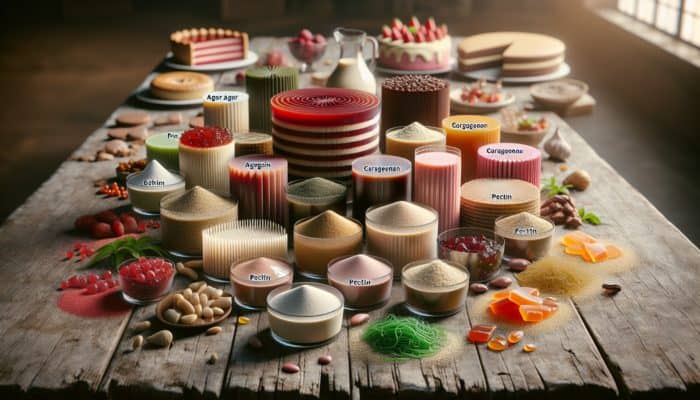
The primary ingredients commonly utilized to produce vegan gelatin include agar agar, carrageenan, and pectin. Agar agar, an exceptional gelling agent derived from algae, is celebrated for its remarkable setting capabilities. Its unique ability to solidify at room temperature makes it an ideal choice for anyone seeking a reliable gelatin substitute. Carrageenan, sourced from red seaweed, provides a slightly different texture and is often utilized in creamy desserts or as a stabilizer in plant-based milk products. This ingredient has become a staple in various processed foods, showcasing its versatility and effectiveness.
Pectin, a natural substance found in fruits, serves as another fantastic option for crafting vegan gelatin substitutes. This natural gelling agent is frequently employed in fruit preserves and jams, imparting a delightful texture that pairs beautifully with the sweetness of fruits. Each of these ingredients boasts unique characteristics, empowering cooks to select the most fitting option based on their desired outcomes for their dishes. Understanding these components equips culinary enthusiasts with the knowledge to create their own vegan gelatin alternatives with confidence and ease.
Your Comprehensive Guide to Mastering Vegan Gelatin
Utilizing vegan gelatin is a straightforward process that, when executed correctly, leads to delicious results. To begin, combine your chosen vegan gelatin with water or another liquid, ensuring thorough integration. The secret to effective gelling lies in the heating technique; the mixture must be heated to a specific temperature to activate its gelling properties. Usually, this involves bringing the mixture to a gentle boil before allowing it to cool slightly. Once fully dissolved, the mixture can be incorporated into your recipe, and it will start to set as it cools.
Timing is crucial when working with vegan gelatin. It’s advisable to allocate sufficient time for the mixture to cool and set correctly. Depending on the type of vegan gelatin used, the setting time may vary, so patience is key. Understanding the ratio of vegan gelatin to liquid is equally important, as this will ultimately determine the firmness of the final product. With these insights, you can confidently incorporate creating a vegan gelatin substitute into your culinary repertoire, crafting delightful desserts that everyone will enjoy.
Essential Components for Crafting Vegan Gelatin
Agar Agar: The Leading Plant-Based Gelatin Alternative
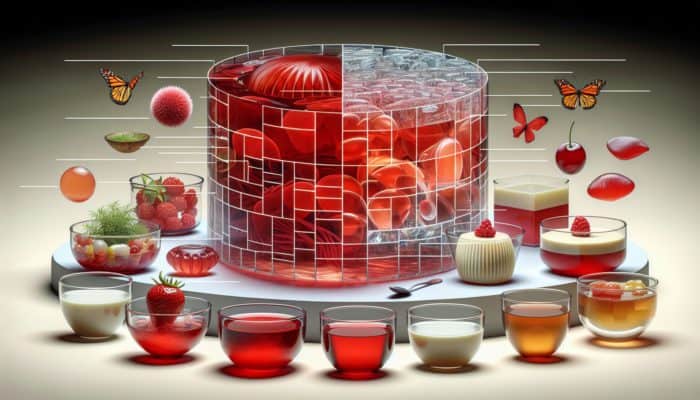
Agar agar, often revered as the premier vegan gelatin substitute, is derived from red algae and boasts extraordinary gelling capabilities that surpass many alternatives. Its appeal lies not only in its robust setting properties but also in its versatility across diverse culinary traditions. From Asian delicacies like jelly cups to Western-style panna cotta, agar agar seamlessly connects various culinary practices, making it a favored choice among chefs and home cooks alike.
When considering how to utilize agar agar, it’s crucial to understand the differences in measurement compared to traditional gelatin. Typically, agar agar sets more firmly, necessitating a different ratio of agar to liquid. A common guideline suggests using one tablespoon of agar agar for every two cups of liquid; however, experimentation is often required to achieve the ideal texture for your specific recipe. When preparing agar agar, it’s essential to dissolve it in boiling water before incorporating it into your mixture, ensuring a smooth and consistent result.
Furthermore, agar agar is exceptionally health-conscious, being low in calories yet rich in fiber, positively influencing digestive health. The expanding vegan community values agar agar not only for its culinary applications but also for its health benefits, aligning perfectly with the quest for nutritious, plant-based alternatives. This ingredient embodies the essence of creating a vegan gelatin substitute that enhances both the taste and lifestyle of individuals embracing plant-based living.
Carrageenan: The Creamy Plant-Based Gelling Agent
Carrageenan, another intriguing plant-based alternative, is derived from red seaweed and is extensively employed in numerous food products for its thickening and stabilizing qualities. Renowned for imparting a creamy texture, carrageenan is often found in dairy-free alternatives like almond milk, coconut yogurt, and vegan cheeses. Its ability to create a smooth mouthfeel makes it an ideal choice for desserts, sauces, and dressings, highlighting its adaptability in both sweet and savory dishes.
When working with carrageenan, it’s vital to understand the different types available, as each serves distinct purposes. For instance, kappa carrageenan yields a firmer gel, while iota carrageenan provides a softer, more pliable texture. The choice of carrageenan will depend on the desired outcome of your dish. To effectively use carrageenan, it’s essential to mix it with cold liquid before heating, allowing it to dissolve more easily and achieve the desired consistency.
The environmental impact of carrageenan deserves attention as well. As a sustainably sourced ingredient, it embodies the principles of ethical eating by supporting marine agriculture practices that do not harm ocean ecosystems. This makes carrageenan not only a wise choice for those interested in creating a vegan gelatin substitute but also a responsible ingredient that resonates with the values of many modern consumers.
Pectin: A Fruit-Based Gelling Solution
Pectin, a naturally occurring carbohydrate found in fruits, is an impressive gelling agent that offers a sweetened alternative to conventional gelatin. Often associated with homemade jams and fruit preserves, pectin provides an excellent method for creating vegan gelatin substitutes. Its gelling ability arises from its interaction with sugar and acid, making it particularly effective when working with high-sugar fruits like apples and citrus.
To effectively utilize pectin, understanding the various types available is essential. High-methoxyl pectin requires high sugar and acid content to gel, while low-methoxyl pectin can gel with calcium ions, making it more versatile across various recipes. When crafting a vegan gelatin substitute with pectin, it’s crucial to follow specific guidelines regarding cooking times and temperatures to ensure proper gelling. This may involve boiling the mixture for a designated period or allowing it to cool appropriately to achieve the desired texture.
The appeal of pectin extends beyond its gelling capabilities; it also offers health benefits. As a soluble fiber, pectin can enhance digestive health and has been linked to lower cholesterol levels. This positions pectin not only as a delightful alternative in recipes but also as a nutritious addition to your diet. Embracing pectin in your culinary creations opens the door to limitless possibilities, empowering you to explore creating a vegan gelatin substitute that is both satisfying and health-conscious.
Your Step-by-Step Guide to Preparing Vegan Gelatin
Combining Ingredients for Optimal Results
Mixing the elements of your chosen vegan gelatin substitute is a pivotal step that lays the groundwork for achieving the perfect set. Whether you’re utilizing agar agar, carrageenan, or pectin, achieving the right consistency starts with the precise combination of ingredients. For agar agar, it’s essential to thoroughly mix the powder with the liquid prior to heating to prevent clumping, ensuring a smooth mixture that will gel effectively once cooled. Carrageenan requires a similar approach; it should be dispersed in cold liquid before being heated to activate its thickening properties.
The ratio of vegan gelatin substitute to liquid significantly influences the final texture. If you’re aiming for a firmer gel, consider increasing the quantity of your chosen substitute. Conversely, reducing it will yield a softer result. Understanding how to balance these ingredients is fundamental in crafting delightful desserts that cater to a myriad of palates and preferences.
In addition to the basic mixing technique, this stage presents ample opportunity for creativity. Infusing flavors or sweeteners during the mixing process allows for customization, tailoring your vegan gelatin to suit specific recipes. The magic of cooking lies in experimentation. Consider adding herbal infusions, fruit purees, or even spices to elevate your dish. The world of vegan gelatin invites you to explore unique flavor combinations that will impress your guests and create memorable culinary experiences.
Heating and Cooling: The Secrets to Perfect Gelatin
Heating is a critical component of preparing your vegan gelatin, as it activates the gelling properties of your chosen substitute. For agar agar, bring the mixture to a rolling boil for about 2-3 minutes, allowing it to dissolve completely before removing it from the heat. In contrast, carrageenan requires gentle heating to ensure consistent distribution throughout the mixture. Once the right temperature is achieved, it’s time to cool the mixture appropriately.
The cooling process is equally important; this temperature drop enables your vegan gelatin to set. After heating, allow the mixture to cool slightly before pouring it into your molds or serving dishes. This ensures that you maintain the desired texture without compromising the gelling properties. Depending on the type of vegan gelatin used, the cooling process can vary, but patience is essential. Grant your mixture sufficient time to set, typically several hours or overnight, for optimal results.
Throughout the heating and cooling process, maintaining a controlled environment is vital. Avoid rapid temperature changes, which could adversely impact the gelling outcome. Instead, let your creations cool at room temperature before transferring them to the refrigerator. This gradual approach will help prevent any unexpected separation or texture issues, leading to successful vegan gelatin treats.
Perfecting Your Vegan Gelatin Texture
Achieving the ideal texture in your vegan gelatin dish may require some adjustments along the way. This is due to the inherent differences in the gelling properties of agar agar, carrageenan, and pectin. Each ingredient possesses unique characteristics, and understanding these nuances allows you to tailor your recipe to perfection. For instance, if your mixture turns out too firm, reducing the amount of vegan gelatin substitute in your next attempt can create a softer, more enjoyable texture.
Conversely, if your vegan gelatin is too soft, increasing the proportion of the substitute can help attain the desired firmness. Another method to control the texture is by adjusting the liquid content. Reducing liquid often leads to a denser product, while increasing it can create a lighter, more delicate texture.
Experimentation is at the heart of cooking, and the realm of vegan gelatin is no exception. Don’t hesitate to test different ingredient combinations and ratios to discover the perfect texture that suits your preferences. Learning how to adjust these variables empowers you to create vegan gelatin treats that are not only visually appealing but also deliciously satisfying.
Selecting the Ideal Vegan Gelatin Substitute for Your Culinary Needs
Choosing the right vegan gelatin substitute can significantly impact the success of your recipe. Each option—agar agar, carrageenan, or pectin—offers unique advantages and ideal applications. Agar agar is often the preferred choice for those seeking a firmer set, making it perfect for jellies and gummy confections. Its versatility allows it to be effectively used in both sweet and savory dishes, making it a staple across various culinary traditions.
Carrageenan, on the other hand, provides a smoother texture, making it ideal for creamy desserts and sauces. It is frequently favored in dairy-free products, lending its thickening capabilities to create delectable dairy alternatives that satisfy cravings without relying on animal-derived ingredients. Understanding the specific properties of each ingredient will enable you to choose the most suitable one for your desired outcome.
Pectin shines in fruit-based recipes, where its ability to gel in conjunction with sugar and acid results in delicious jams and jellies. Knowing when to use each type of pectin—high or low methoxyl—can significantly impact achieving the right texture. As you navigate these options, consider the overall flavor profile of your dish and how each gelatin substitute interacts with other components.
When in doubt, embrace experimentation! Trying various combinations and ratios can yield exciting results. The world of vegan gelatin substitutes is expansive, and discovering the right fit for your recipes will enhance your culinary creations and satisfy your taste buds.
Best Practices for Setting and Storing Your Vegan Gelatin Creations
Proper storage and allowing sufficient time for your vegan gelatin to set are essential steps in achieving the perfect consistency and texture. After preparing your gelatin mixture, it’s crucial to pour it into clean molds or containers to maintain hygiene and ensure ease of serving. Allow your mixture to cool at room temperature for about 30 minutes before transferring it to the refrigerator. Depending on the type of vegan gelatin used, the setting time can vary.
Agar agar typically sets relatively quickly and can achieve full firmness within a few hours. Carrageenan may require slightly longer, while pectin-based gels often need overnight refrigeration for optimal results. Exercise patience and allow your creations adequate time to solidify, as this can significantly impact the final product’s texture.
For storing completed vegan gelatin dishes, opt for airtight containers to maintain freshness and prevent odors from other foods in the fridge. If you plan to store your creations for an extended period, consider freezing them. However, be mindful that freezing can alter the texture, particularly for those made with agar agar, which may become slightly grainy upon thawing. Testing recipes for freezing suitability can help you determine the best storage solutions.
Always remember that proper storage and setting time are not merely about convenience; they play a crucial role in achieving the perfect texture and presentation of your vegan gelatin creations. Embrace these practices to enhance your culinary adventures and delight your guests with beautifully crafted dishes.
Delicious Vegan Gelatin Recipes You Must Try
Refreshing Vegan Jelly: A Perfectly Delightful Treat
Creating a refreshing vegan jelly using agar agar or carrageenan is an excellent way to showcase the versatility of plant-based cooking. Begin by selecting your favorite fruit juice or puree—consider vibrant raspberry or tropical mango. Using agar agar, dissolve one tablespoon in two cups of your chosen juice, bringing it to a gentle boil while stirring continuously. This essential step activates the gelling properties of agar agar, ensuring a firm and delightful set once cooled.
After reaching a rolling boil, pour the mixture into molds or serving dishes, allowing it to cool slightly before refrigerating. The cooling process not only sets the jelly but also enhances the flavors as they meld together. Agar agar typically sets within a couple of hours, transforming your fruity concoction into a firm, wobbly delight that is sure to impress any audience. For an added twist, consider incorporating fresh fruit pieces or edible flowers into the mixture before setting for a visually stunning presentation.
Alternatively, if you prefer a smoother texture, carrageenan can be used in a similar manner. Maintain the same ratio of juice to carrageenan, but remember that this option may require a bit longer to reach its full setting potential. Once ready, serve your vibrant jelly as a refreshing dessert or as a delightful addition to a vegan charcuterie board. The possibilities are endless, and experimenting with various flavors and presentations will keep your culinary adventures exciting.
Indulgent Vegan Panna Cotta: A Creamy and Luxurious Delight
Crafting a luscious vegan panna cotta using coconut milk and agar agar is not only straightforward but also incredibly rewarding. Begin by combining coconut milk with a sweetener of your choice—maple syrup or agave work wonderfully—before adding the agar agar. This combination creates a rich, creamy base that perfectly mimics traditional panna cotta, minus the dairy.
Gently heat the mixture while stirring to fully dissolve the agar agar. Once dissolved, pour it into serving ramekins or molds and allow it to cool at room temperature for a brief period before transferring it to the refrigerator. The panna cotta will set beautifully, achieving a luscious texture that melts in your mouth. Allow it to chill for at least four hours for the best results.
When you are ready to serve, consider topping your vegan panna cotta with fresh fruit coulis, chopped nuts, or a sprinkle of cocoa powder for added flavor and visual appeal. The creamy texture and rich coconut flavor are sure to impress even the most discerning dessert lovers. This vegan panna cotta recipe exemplifies how plant-based ingredients can shine, providing a delightful indulgence that everyone can enjoy.
Homemade Vegan Marshmallows: A Sweet and Fun Culinary Adventure
Crafting homemade vegan marshmallows is an adventurous yet fulfilling culinary project that showcases the magic of aquafaba and agar agar. Start by whisking aquafaba—the liquid from canned chickpeas—until it forms stiff peaks, mimicking the fluffiness of egg whites. This essential step sets the stage for airy, light marshmallows that are entirely vegan.
In a separate saucepan, combine sugar, water, and agar agar, bringing the mixture to a boil. Once the agar agar has fully dissolved, gradually incorporate the hot syrup into the whipped aquafaba, stirring continuously to prevent clumping. Continue whisking until the mixture thickens and becomes fluffy, resembling traditional marshmallow fluff.
Once ready, pour the mixture into a lined baking dish, smoothing it out evenly. Allow it to set for several hours or overnight for optimal results. After setting, cut the marshmallows into squares and dust with cornstarch to prevent sticking. These delightful treats can be toasted over a fire, added to hot cocoa, or simply enjoyed on their own. The process of creating vegan marshmallows showcases the endless possibilities of plant-based cooking while satisfying your sweet tooth without animal ingredients.
Troubleshooting Common Challenges with Vegan Gelatin
How to Address Issues When Your Vegan Gelatin Isn’t Setting
One of the most common challenges faced when creating vegan gelatin is the mixture not firming up as expected. If your vegan gelatin doesn’t set as anticipated, the first factor to evaluate is the ratio of your chosen substitute to the liquid. Ensuring that you’ve adhered to the correct measurements is crucial, as too much liquid or too little substitute can lead to a soupy result. For instance, agar agar generally requires a ratio of one tablespoon to two cups of liquid, while carrageenan may have varying requirements.
Another potential issue could stem from improper heating. For agar agar to activate its gelling properties, it must be brought to a rolling boil, which ensures complete dissolution. If the mixture hasn’t reached this crucial temperature, the gelatin may not set as intended. Additionally, cooling the mixture too rapidly or at an extreme temperature can cause it to separate instead of setting appropriately. Allowing it to cool gradually at room temperature before transferring it to the refrigerator is key to achieving the ideal consistency.
In cases where your vegan gelatin has already been prepared but fails to set, you can remedy the issue by reheating the mixture, adding an additional dose of your chosen gelatin substitute, and then allowing it to cool again. This often salvages the dish and results in a beautifully set creation.
How to Fix If Your Gelatin is Too Firm
If your vegan gelatin sets too firmly, there’s no need to panic. The solution lies in adjusting the proportion of your chosen substitute in future recipes. For example, if you’ve used agar agar, consider reducing the quantity in your next attempt to achieve a softer and more delicate texture. A good rule of thumb is to experiment with slightly less than the recommended amount, gradually finding the right balance that suits your preferences.
It’s also essential to consider the specific recipe you’re creating. Certain dishes inherently require a firmer set, while others may benefit from a lighter texture. When crafting jelly-style desserts, a softer set can enhance the overall eating experience, providing a more pleasurable mouthfeel.
Lastly, don’t hesitate to explore adding more liquid to your mixture if you consistently find it too firm. Increasing the liquid content can create a more balanced texture and prevent the gelling agent from overpowering the dish. Understanding your ingredients and adjusting them accordingly will lead to the perfect vegan gelatin creation every time.
What to Do If Your Gelatin is Too Soft
If your vegan gelatin turns out too soft, there are practical steps you can take to rectify the situation. First and foremost, consider increasing the amount of your chosen gelatin substitute in future recipes. For instance, if you utilized agar agar, adding a bit more than the standard ratio can yield a firmer texture. Experimenting with the quantity will help you find the perfect balance for your specific dish.
Another aspect to consider is the type of liquid used. If your recipe includes a high amount of juice or other natural sugars, it may require additional gelling agent to compensate for the sweetness and moisture content. Keeping track of your ratios and adjusting accordingly will be critical in achieving the desired firmness.
If you’ve already prepared a dish that is too soft, you can attempt to rectify it by reheating the mixture, adding more vegan gelatin, and then allowing it to set again. This approach can often remedy the texture and yield a more satisfying result. Remember, cooking is all about experimentation, and each attempt teaches you more about the ingredients and techniques involved in creating the perfect vegan gelatin.
How to Prevent Air Bubbles in Your Gelatin
Air bubbles can be a pesky issue when preparing vegan gelatin, detracting from the overall visual appeal and texture of your final dish. To prevent this, it’s essential to mix the ingredients gently, avoiding vigorous whisking that can introduce excess air into the mixture. Stirring slowly and deliberately will help maintain a smooth, bubble-free consistency.
If you find that your vegan gelatin has already developed air bubbles, take the time to gently stir the mixture before it sets. This simple action can help release trapped air and create a smoother texture. Additionally, allowing the mixture to cool slowly can prevent air bubbles from forming as it sets. Rapid temperature changes can exacerbate this issue, so be mindful of how and where you cool your gelatin.
Using a blender can also be an effective method to ensure a smooth mixture. After combining your ingredients, blend them until fully incorporated, but be careful not to overdo it, as this could lead to the introduction of more air. With a little attention to detail, you can create beautifully smooth vegan gelatin dishes that are visually appealing and enjoyable to eat.
What to Do If Your Gelatin is Separating
Separation in vegan gelatin can be a disappointing issue, but with some knowledge and care, it can be avoided. If your mixture separates, the first step is to ensure you’ve thoroughly mixed the gelatin substitute with the liquid before heating. Inadequate mixing can result in pockets of unactivated gelatin, leading to separation upon cooling.
Another common cause of separation is overheating the mixture. While heat is necessary to activate the gelling agent, excessive heat can cause the mixture to split. Always adhere to the recommended heating times and temperatures for your specific vegan gelatin substitute to prevent this issue. For agar agar, ensure you bring it to a rolling boil for the specified duration before removing it from the heat.
If you encounter separation after the mixture has set, gently reheat the mixture, whisking thoroughly to recombine the ingredients before allowing it to cool again. This process can often salvage the dish and create a more cohesive texture. Paying attention throughout the preparation process will help you avoid common pitfalls and produce consistently delightful vegan gelatin creations.
Properly Storing Your Vegan Gelatin Creations for Maximum Freshness
Refrigeration: Ensuring the Freshness of Your Dishes
To maintain the integrity and texture of your vegan gelatin dishes, refrigeration is vital. Storing your creations in the fridge helps preserve their set structure, ensuring they remain firm and enjoyable for days to come. Be sure to adequately cover your dishes, utilizing plastic wrap or airtight containers, to prevent exposure to air and unwanted odors from the refrigerator.
Many vegan gelatin recipes benefit from a chilling period before serving, allowing the flavors to meld and the texture to fully set. A minimum of a few hours is typically recommended, and some desserts may even improve in taste after being left overnight. This practice not only enhances the overall experience but also ensures that your gelatin remains at its best quality.
It’s important to note that different types of vegan gelatin may have varying storage needs, so always refer to the specific recipe for guidance. Additionally, if you’ve used fruit juices or other perishables in your recipe, consider their shelf life when determining how long your dish can be safely stored. Proper refrigeration will guarantee that your vegan gelatin remains delicious and enjoyable for as long as possible.
Freezing Vegan Gelatin: Key Considerations to Keep in Mind
Freezing can be a convenient method for storing vegan gelatin dishes, but it requires some caution. While many types of vegan gelatin can be frozen successfully, it’s crucial to note that the texture may change upon thawing. Agar agar tends to become slightly grainier after freezing, so it’s advisable to test this method with small batches initially.
When freezing your vegan gelatin, ensure that it is fully set and cooled before transferring it to an airtight container. This helps prevent freezer burn and maintains its quality. Label your containers with the date to keep track of how long they’ve been stored, as homemade vegan gelatin typically lasts about one to three months in the freezer.
When you’re ready to enjoy your frozen vegan gelatin, allow it to thaw gradually in the refrigerator instead of at room temperature. This slow thawing process helps preserve the integrity of the texture and flavors. Keep in mind that some recipes may not be suitable for freezing, particularly those that rely heavily on dairy alternatives or delicate flavors. Always refer to specific recipes for guidance on the best storage practices to ensure the highest quality in your vegan gelatin dishes.
Understanding the Shelf Life of Vegan Gelatin Dishes
The shelf life of vegan gelatin dishes can vary significantly based on the ingredients and preparation methods used. Generally, when stored correctly in the refrigerator, most vegan gelatin creations can last several days to a week. However, dishes made with fresh fruit or dairy-free alternatives may have a shorter shelf life due to their perishable nature, often requiring consumption within 3-5 days.
To enjoy your vegan gelatin at its best, it’s essential to monitor its appearance, smell, and texture. If you observe any signs of spoilage, such as off-odors or changes in consistency, it’s best to err on the side of caution and discard the dish. Always date your containers when storing, as this will help you keep track of how long your creations have been stored and ensure you consume them at their peak quality.
For longer-term storage, consider freezing your vegan gelatin dishes, as previously discussed. This method can extend their lifespan but may alter the texture. Familiarizing yourself with the best practices for storing different types of vegan gelatin dishes will aid you in maximizing your culinary creations and minimizing waste.
Utilizing Airtight Containers for Optimal Freshness
Utilizing airtight containers for storing your vegan gelatin dishes is crucial for maintaining freshness and preventing contamination. Proper storage not only extends the shelf life of your creations but also helps retain their texture and flavor. When selecting containers, opt for those specifically designed to be airtight, as this will create a secure seal that keeps moisture and air out.
When placing your vegan gelatin into containers, ensure they are fully cooled and set to prevent condensation from forming inside. This practice further preserves the quality of your dishes, reducing the risk of spoilage. Additionally, labeling your containers with the date and contents will assist you in keeping track of what’s stored and when it should be consumed.
Different types of vegan gelatin may require specific storage considerations, so always refer to your recipes for guidance. If you’ve created multiple varieties of vegan gelatin, using clear containers will allow you to easily identify each dish without needing to open them, which can help maintain their freshness.
Room Temperature Storage: Guidelines to Follow for Safety
Storing some vegan gelatin products at room temperature may be feasible, but adhering to specific guidelines is essential. Many recipes, particularly those made with more delicate ingredients, should be refrigerated to maintain their texture and avoid spoilage. However, certain types of vegan jellies or hard candies may be suitable for room temperature storage, provided they are kept in a cool, dry environment.
Always check the packaging or recipes for specific storage instructions, as this will help ensure the best quality of your vegan gelatin creations. If you choose to store any vegan gelatin dishes at room temperature, consider using opaque containers that shield from light, which can degrade flavor and quality over time.
Be mindful that even items stored at room temperature can have a limited shelf life, so regularly check for any signs of spoilage or changes in texture. Following these guidelines will help you enjoy your vegan gelatin dishes at their finest while minimizing waste.
Your Questions Answered: Frequently Asked Questions About Vegan Gelatin
What is the Most Effective Vegan Gelatin Substitute?
Agar agar is widely recognized as the most effective vegan gelatin substitute due to its robust gelling properties and versatility in various recipes. It can be employed in a range of dishes, from jellies to panna cotta.
Is it Possible to Use Regular Gelatin Instead of Vegan Gelatin?
While traditional gelatin cannot be directly swapped with vegan gelatin, some recipes can accommodate the appropriate adjustments. However, it’s recommended to use a plant-based alternative for vegan dishes.
How Can I Determine if My Vegan Gelatin Has Set Properly?
Your vegan gelatin should feel firm to the touch yet retain a slight wobble. If it’s too soft, it may require additional setting time or more gelling agent.
Can Vegan Gelatin Be Frozen?
Yes, many vegan gelatin dishes can be frozen, but the texture may change upon thawing. Test small batches first to determine the best freezing practices for your specific recipes.
How Do I Modify the Firmness of My Vegan Gelatin?
To adjust the firmness, alter the amount of vegan gelatin substitute in your recipe. For a firmer result, increase the substitute; for a softer texture, decrease it.
Is Vegan Gelatin Safe for Children?
Vegan gelatin is generally safe for children, but it’s always wise to ensure that the specific ingredients used are suitable for their dietary needs.
Can I Add Flavours to Vegan Gelatin?
Absolutely! You can introduce a variety of flavors, such as fruit purees, extracts, or sweeteners, during the mixing process to create unique vegan gelatin dishes.
How Can I Prevent Air Bubbles in My Vegan Gelatin?
To prevent air bubbles, mix your ingredients gently and avoid vigorous whisking. If air bubbles form, gently stir the mixture before it sets to release trapped air.
What is the Shelf Life of Vegan Gelatin Dishes?
Shelf life varies based on ingredients, but most vegan gelatin dishes can last several days to a week when stored properly in the refrigerator.
Can Vegan Gelatin Be Used in Savory Dishes?
Yes, vegan gelatin can be utilized in savory dishes, such as vegan cheeses and sauces, where its thickening and gelling properties add delightful texture and stability.
Connect with us on Facebook!
The post How to Create a Vegan Gelatin Substitute: A Guide appeared first on https://cookinggods.com
The Article Vegan Gelatin Substitute: Your Ultimate Guide to Making It Was Found On https://limitsofstrategy.com