Category: Cold Therapy

  • Human Resilience and Vitality After Cold Exposure

    Human Resilience and Vitality After Cold Exposure

    What do Novak Djokovic, Cristiano Ronaldo, Lady Gaga, Madonna, Anthony Joshua, and Tony Robbins have in common besides success and resilience? Cold exposure is their thing.

    The finest thing is following their example. It’s affordable without an A-lister’s salary. Cold exposure keeps most individuals fit, healthy, young, and resilient at an affordable cost.

    The Influence of Wim Hof

    After mentioning these stars, Wim Hof must be mentioned. No one has done more to popularise cold exposure and breathing practices than this Dutchman. After his wife’s untimely death, he coped with sadness with breathing and intense cold. His famous status has spurred greater studies into how this intense exercise may improve our mental and physical health, vitality, energy, strength, and resilience.

    The Mind-Body Connection

    When you enter a cold shower, your entire body screams to leave. This is a classic “fight, flight, or freeze” reaction. The cold reminds us that we control our responses. You can leap out of the shower and run away from what the body perceives as a danger or calm the mind by taking deep, slow, steady breaths and working through the discomfort. Staying under the chilly water teaches your mind to keep calm under pressure. This is Wim Hof’s teaching base.

    Building Mental Resilience

    Furthermore, you are enhancing your mental fortitude, which will prove invaluable in various other areas of your life. If you can maintain your composure while taking a cold shower or ice bath, you can apply the same techniques to stay calm when facing other obstacles in your life. Cold exposure might be worth a shot if you’re looking to challenge yourself and step outside of your comfort zone. It can push you both emotionally and physically.

    Defining Resilience

    What is the true definition of “resilience”? Resilient individuals are often characterised as those who have faced adversity and emerged even stronger. However, resilience extends beyond simply conquering challenges or, in this instance, frigid weather conditions. It’s also about being flexible and excelling. Resilient individuals can effectively handle stress and maintain a positive outlook, even in challenging or unfavourable circumstances.

    An ice bath with someone immersed up to their neck, ice cubes floating on the water's surface.How to boost resilience in cold water 

    When immersed in frigid water, the body strives to maintain a stable internal temperature. One of the ways it achieves this is by creating a thermal layer of water around your body. This layer is a protective barrier, shielding your body from the frigid water and minimising heat loss. When you start feeling chilly, it’s only natural to want to stay active to stay warm. If you’re in cold water and start moving your limbs, the thermal layer will break up, even though it works fine out of water.

    When you move, you will feel the full intensity of the water’s chill. It is important to ensure your hands and feet remain in the water. Disrupting the thermal layer surrounding your body results in exposure to a lower temperature than remaining stationary. This method and developing resistance to the cold temperature can help enhance your resilience.

    The role of norepinephrine and resilience 

    When considering our resilience, we often focus on our mental well-being. Research has demonstrated that exposing yourself to cold showers or ice baths can positively impact your mental well-being and ability to bounce back from challenges. This is because of your body’s physiological response to the cold temperature. One method it employs is increasing the production of norepinephrine, also called noradrenaline. Norepinephrine serves various roles in the body, acting as both a hormone and a neurotransmitter. When the cold weather sets in, an increase in norepinephrine production can positively impact our mental well-being. This is because it enhances our ability to concentrate, uplifts our mood, and sharpens our attention. Cold showers and cold water swimming have been found to potentially reduce symptoms of depression and attention deficit hyperactivity disorder, as they may be associated with lower levels of norepinephrine.

    When we indulge in a refreshing cold shower, the incredible power of norepinephrine comes into play, acting as a hormone that gracefully orchestrates vasoconstriction. This narrowing of your blood vessels aids in retaining heat within your body. It performs this function to safeguard and maintain the warmth of your essential organs. After showering, your body heats up, and the veins and arteries expand. With regular occurrences, your body becomes accustomed to the reactions and sensations that come with it. By incorporating cold showers into your routine, you can gradually acclimatise your body to the cold and learn to manage the associated stress. Therefore boosting your resilience and vitality.

    Resilience can also be seen as maintaining strength and good health, safeguarding oneself from illnesses and diseases, often triggered by inflammation. Norepinephrine can effectively reduce inflammation by inhibiting the production of cytokines. Cytokines are small proteins that can trigger inflammation. TNF-alpha is a cytokine that plays a crucial role in developing numerous diseases. Some of the conditions covered are cancer and diabetes. In the following sections, we will explore additional ways in which exposure to the cold can protect against the development of these debilitating diseases.

    The role of cold exposure in boosting health resilience 

    As we’ve previously explored, cold exposure can potentially decrease inflammation effectively. Regularly incorporating cold showers into your routine can reduce the risk of developing diabetes. Exposure to freezing temperatures can improve glucose tolerance and lower blood sugar levels. This occurs because cold temperatures promote the rapid removal of glucose from the bloodstream. This phenomenon occurs due to the impact of freezing temperatures on a specific type of transporter protein known as GLUT 4 transporters. As a result of this effect, these proteins relocate to the cell walls, enabling them to function optimally. These transporters serve as crucial gateways, allowing glucose to exit the bloodstream and enter the cells, where it is utilised as essential energy for sustaining life.

    Maintaining proper blood sugar levels is crucial for enhancing our body’s resilience against diabetes, obesity, and kidney disease. High blood sugar levels can result in nerve damage and potential vision loss. It is crucial to emphasise that in addition to enhancing resilience through cold exposure, maintaining a healthy diet and engaging in regular exercise are also of utmost importance. 

    Cold exposure, resilience, and sleep 

    You’re feeling overwhelmed by your inability to fall asleep, which is causing you more stress. It’s a common scene that unfolds in bedrooms every night all around the globe. Getting sufficient sleep is crucial for enhancing resilience and effectively managing stress. While excessive stress can disrupt sleep patterns, prioritising sleep can significantly improve your ability to cope with stress and bounce back the following day.

    While in slumber, your brain diligently processes the day’s events, creating and storing new memories. Sleeping well is crucial for optimal brain function, enabling you to absorb new knowledge and process information more efficiently. Additionally, it empowers you to have better command over your emotional reactions and the capacity to make deliberate, well-thought-out choices the following day. Ensuring you get sufficient, rejuvenating sleep each night is crucial for your overall well-being and ability to bounce back.

    Cold exposure and getting a good night’s sleep

    Cold exposure improves resilience and helps you get a good nights sleep

    I’m curious to understand the connection between cold temperatures and their impact on sleep quality and resilience. Can you shed some light on this? Research has demonstrated that spending time in relaxed environments can enhance slow-wave sleep. During this state of deep sleep, our minds store these memories permanently. During this time, the body undergoes a remarkable self-repair, healing, and detoxification process. It efficiently eliminates toxins and waste products generated by the hormones and enzymes utilised throughout the day. Exposure to cold temperatures can also stimulate the synthesis of melatonin.

    Melatonin is commonly known as the “sleep hormone” because it aids in our relaxation and winding down in the evening, making it easier to fall asleep. A cold shower a few hours before your bedtime can effectively boost melatonin production. Avoid the temptation of indulging in a cold shower right before going to bed. Taking a cold shower in the morning can be an invigorating experience, leaving you feeling refreshed, energised, and ready to tackle the day ahead.

    Reduce stress and improve resilience using cold exposure. 

    Modern Comforts and Thermal Stability

    A cozy, modern living room with central heating and double-glazed windows all cosy and warmOur ability to withstand extreme temperatures results from our evolutionary adaptation to living in caves. Regrettably, in terms of fostering resilience, we find ourselves enclosed within the confines of centrally heated, double-glazed houses. We all feel pretty cosy and comfortable. One possible explanation for our susceptibility to anxiety and depression is the absence of challenges to our thermal stability. It’s nearly a situation of either utilising it or forfeiting it.

    Cold Exposure and Mental Health

    Engaging in activities such as taking a cold shower, immersing oneself in an ice bath, or swimming in cold open water can stimulate the transmission of electrical impulses from the nerve endings in the skin to the brain. These electrical impulses enhance brain function, promoting heightened alertness, clarity, and energy levels. During this process, the body releases endorphins and dopamine, known as “happiness hormones.” These products have a significant impact on combating the adverse effects of stress, anxiety, and depression. Studies have indicated that incorporating a regular cold shower routine into your daily life can have significant benefits for managing stress, depression, and anxiety. It is recommended to take a cold shower for two to three minutes twice a day over an extended period of time.

    Stress Reduction and Improved Sleep

    As previously stated, falling asleep becomes more challenging when experiencing stress. Reducing stress through cold showers or immersing oneself in cold water is crucial for enhancing overall resilience and promoting restorative sleep.

    Breathing Techniques and Cold Exposure

    Stepping into a cold shower or bath often triggers an automatic gasp and rapid, shallow breathing. This breathing pattern and physiology mirror those experienced during moments of anxiety. It is crucial to remember to take deep, deliberate breaths when entering a cold shower. When the cold water hits your body, hunching your shoulders and tensing up all your muscles involuntarily can be tempting. Focus and determination will be key to overcoming this challenge. By practising mindful breathing, consciously releasing tension in your shoulders, and allowing your body to relax, you can effectively manage the stress caused by the cold temperature.

    Through consistent practice, as you incorporate a daily cold shower into your routine, you can apply this practical approach to conquer feelings of anxiety that may arise in your daily experiences. As your body becomes accustomed to cold stress, it can also become better equipped to handle other types of stress. Enhance your mental resilience with this. If you can easily handle cold temperatures, you’ll also find it easier to manage stress and anxiety.

    Focusing on the Present

    Showering in extremely cold water can be quite a challenge. As the cold water hits you, it becomes difficult to think about anything else. Your primary focus becomes breathing and staying relaxed despite the intense cold.

     How cold exposure makes your immune system more resilient 

    As previously stated, our homes have efficient central heating, ensuring a cosy and warm environment. This situation is far from ideal when considering health and resilience. A common misconception is that feeling cold automatically leads to catching colds and flu. During cold weather, it is common for people to seek refuge in their homes, adjusting the heating and ensuring all doors and windows are tightly closed. The warm environment creates ideal conditions for bacteria and viruses to flourish, increasing our susceptibility to illness. Not only does the cold eliminate these pesky bugs, but it also enhances our immune system. As a result, we have a higher ability to combat infections. We prefer to remain indoors, enjoying the comfort and warmth.

    Cold Exposure and Immune Cell Activation

    When we take a cold shower or immerse ourselves in an ice bath, various reactions within our body can impact our immune cells. One notable change is the increase in white blood cells, which is crucial in combating diseases. This occurs because when the body attempts to maintain its warmth, our metabolism accelerates, activating the immune system and generating white blood cells. Typically, the immune system is activated in response to the presence of bacteria or viruses that initiate an infection.

    The body naturally releases a large number of white blood cells to eliminate harmful microbes. A recent study conducted in 2023 discovered that subjecting the body to extremely cold temperatures, like immersing oneself in an ice bath, can stimulate the production of natural killer cells. This is excellent news for the immune system, as natural killer cells can eliminate viruses and cancerous cells.
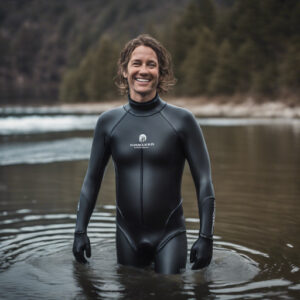
    A serene, smiling person wearing a wetsuit emerging with a nature backdrop.Benefits of Cold Water Swimming

    Consider dipping in chilly outdoor waters if you want to elevate your experience beyond a mere cold shower. Consistently practising this can significantly enhance the strength of your immune system. Regular swimmers in cold water experience a significant increase in their white blood cell count compared to individuals who do not engage in this activity or only do it sporadically. In particular, the swimmers who frequented the pool regularly exhibited higher levels of monocytes and leukocytes.

    Role of Monocytes and T-Lymphocytes

    Monocytes play a crucial role in our immune system, tirelessly tracking down and eliminating harmful bacteria and viruses. After transforming, they morph into macrophages and proceed to devour infectious microbes. When T-lymphocytes encounter a particular strain of bacteria or virus, they quickly identify it as foreign to the body. They create substances known as antibodies. When the body reencounters the same bacteria or virus, the antibodies can quickly identify and respond to it, allowing it to eliminate them much more efficiently.

    This phenomenon is commonly referred to as immunity. To maintain a robust immune system, it is essential to have a healthy balance of monocytes, T-lymphocytes, and natural killer cells. These cells play a crucial role in safeguarding our health and well-being. Regularly exposing the body to cold water multiple times a week for at least six weeks can effectively stimulate the production and function of immune cells that provide protection. Additionally, it activates B-lymphocytes and other immune cells, including interleukin-6. This further enhances the resilience of the immune system.

    Oxidative Stress and Antioxidant Production

    The body undergoes many chemical reactions with the countless metabolic processes constantly at work. These encompass digestion and energy production. Regrettably, these processes give rise to waste products known as free radicals, which can potentially harm our cells if they accumulate. This type of damage is known as oxidative stress and has the potential to cause inflammation, which can subsequently result in a variety of debilitating diseases. Free radicals accelerate the ageing process of our cells and tissues. Hence, the significance of antioxidants cannot be overstated regarding our well-being, energy, and ability to bounce back. These products combat the negative impact of oxidative stress on the body.

    Glutathione and Hormesis

    In addition to the antioxidants in our diet, our body also produces them as part of our natural immune system. Glutathione is one of the antioxidants that our body naturally produces. Regularly swimming in ice-cold water has been found to boost levels of this crucial antioxidant. This production of glutathione exemplifies hormesis. Hormesis is a fascinating phenomenon where the body’s response to stress leads to fortifying or toughening specific areas. It is worth noting that exposure to cold temperatures can also enhance resilience through this mechanism.

    It’s important to note that cold water swimming can also lead to oxidative stress. Over time, the body naturally develops its antioxidants, which help counteract the effects of this process when it occurs regularly.

    Cold Exposure and the Lymphatic System

    Cold exposure also contributes to our battle against illness and disease and enhances our immune system by activating the lymphatic system. Like blood, lymph depends on the body’s movement to circulate throughout the system. The lymphatic system plays a crucial role in eliminating waste from the body, including toxins and bacteria. When the lymph is stagnant and not flowing through the body, it hinders the proper elimination of waste. Stagnation can result in infection, illness, and disease. A remarkable phenomenon occurs when you engage in the invigorating practice of immersing yourself in an ice bath or indulging in a refreshing cold shower. The lymph vessels, ever dutiful in their role, gracefully contract, facilitating the efficient circulation of lymph throughout your body. The waste products are efficiently eliminated by being flushed away through the lymph nodes and into the bloodstream. The white blood cells swiftly spring into action, removing the bacteria.

    Cold exposure, the brain, and resilience 

    Exposure to cold temperatures, whether in water or chilly air, can protect against diseases, particularly those associated with the brain. Mistakes are bound to happen from time to time. The processes occurring in the body every day are incredibly complex. Proteins play a multitude of vital roles within the body. To perform these functions accurately, they are interconnected in chains. The chains of proteins exactly align themselves.

    Improper arrangement or disorganisation can have serious consequences, including inflammation and the development of diseases like cancer, Alzheimer’s, and Parkinson’s. The arrangement of these protein chains is exact. Improper arrangement of these proteins can result in premature ageing by causing DNA damage. Exposure to cold temperatures can trigger the activity of specific proteins known as cold shock proteins. These remarkable cold shock proteins can locate and mitigate the detrimental impact of misfolded proteins.

    Benefits of Cold Showers and Outdoor Swimming

    Research has demonstrated that incorporating a daily cold shower into your routine can effectively decrease the sick leave you must take from work. In addition, regular swimmers who swim outdoors in cold water may experience an increase in their antioxidant levels. It protects against oxidative stress. Cold water immersion can be particularly beneficial for individuals with lung conditions, as it can help improve their breathing efficiency. The freezing temperature stimulates the activation of interleukins and lymphocytes, contributing to this phenomenon. Exposure to cold temperatures can contribute to a gradual decrease in both systolic and diastolic blood pressure.

    Conclusion: Health Benefits of Cold Exposure

    The evidence presented in this article highlights the numerous health benefits associated with exposure to cold. These products cater to both your physical and mental well-being. Indulge in a refreshing five-minute cold shower. Experience the refreshing sensation of submerging yourself in an ice bath. Alternatively, you could opt for a refreshing swim in the great outdoors. These can be used as a proactive approach to enhance your immune system. In addition, it has the potential to alleviate symptoms of pre-existing conditions like hypertension, insomnia, and anxiety. Embrace the thrill of diving into the refreshing cold water with the confidence of a seasoned professional.

    The Article: Cold Exposure – Human Resilience and Rediscovering Your Vitality Appeared First On https://janestevensnutrition.com

    The Article: Human Resilience and Vitality After Cold Exposure appeared first on https://janestevens.net

    The Article Human Resilience and Vitality After Cold Exposure Was Found On https://limitsofstrategy.com
  • What Are The Benefits Of Cold Exposure?

    What Are The Benefits Of Cold Exposure?

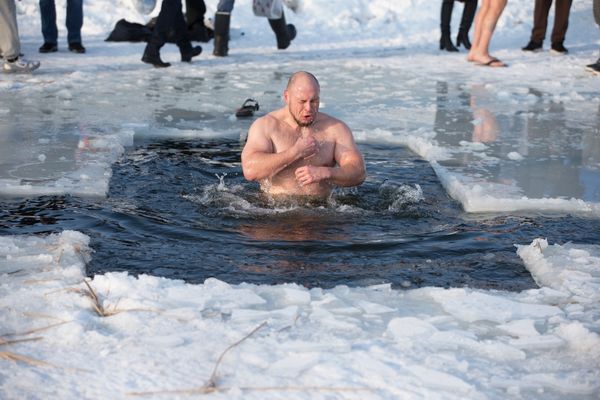
    What are the advantages of being exposed to cold temperatures?

    We lived in caves for thousands of years, and our bodies were well adapted to both cold and hot temperatures. We now live in insulated, double-glazed, centrally heated houses. However, cold exposure in the form of cold showers, ice baths, and open-water swimming has grown in popularity.

    One explanation for this is our awareness of a guy named Wim Hof, a Dutchman who has mastered his autonomic nervous system through frequent cold exposure and breath practice. He has world records for swimming under ice and running a full marathon in the Arctic circle while wearing only shorts. Wim Hof’s methods have been so successful that he now has over 30,000 students worldwide.

    In addition to Wim Hof’s growing popularity, more research into the benefits of cold exposure is being conducted, with positive results being publicized via blogs, social media, and television. So, what are the advantages of being exposed to frigid temperatures? Cold showers have been shown to improve circulation, alertness, immunity, sleep, pain relief, and aid in weight loss. Ice baths can also help decrease inflammation and speed up workout recovery. Swimming in open water has been linked to better heart health and greater lifespan. Furthermore, studies indicate that cold exposure may be beneficial to mental health. So let’s take a deeper look at these advantages.

    Ice bathing

    Reduces stress and anxiety

    When we are exposed to very cold temperatures, such as in a cold shower or ice bath, the blood vessels constrict and narrow, causing the heart to beat faster. This increase in heart rate causes the release of feel-good chemicals known as endorphins. These chemicals boost our feelings of happiness and well-being. Dopamine, another neurotransmitter that benefits mental health by enhancing mood, is also released.

     Improves circulation and heart health

    Your blood vessels constrict and your blood flow slows when you take a cold shower. However, when your body warms up, your blood vessels dilate, widen, and your blood flow rises. This back-and-forth circulation of blood aids in the health and efficiency of your circulatory system. Furthermore, cold showers can benefit heart health by strengthening the cardiovascular system. When your heart has to work harder to pump blood through constricted vessels, it gradually becomes stronger and more resilient. As a result, regular cold showers can help lower the risk of heart disease and other cardiovascular problems.

    Increases alertness

    You may get a surge of energy after jumping into a cool pool or taking a cold shower. This is because cold water causes the release of norepinephrine, a hormone and neurotransmitter in the central nervous system that increases alertness and reaction time. In fact, studies have revealed that at 14 degrees Celsius, norepinephrine production increases by a whopping 530% when compared to 32 degrees. So, the next time you’re feeling sluggish, try taking a cold shower to boost your energy.

    Boosts immunity

    The lymphatic system is a component of the immune system because it aids in the removal of waste, bacteria, and microbes from your cells. Unlike blood, which is pumped via blood vessels by the heart, lymph fluid must be pushed through the lymphatic system by muscular contraction. Without exercise, the lymphatic system becomes sluggish and inefficient, fluid festers, and toxins accumulate. This can result in sickness and disease. Cold showers and ice baths compress lymph vessels in the same manner as cold water immersion does, assisting in the removal of waste. So, if you want to keep your lymphatic system healthy and prevent illness, especially if you don’t get much exercise, take a cold shower or soak in an ice bath.

    Our immune system is responsible for keeping us healthy. When we are exposed to cold temperatures, our bodies create an increase in white blood cells known as monocytes. These assist in protecting us from bacteria and viruses by transforming into macrophages, which consume the bacteria or virus. This increase in immunity can help us stay healthy and avoid illness. People who regularly take cold showers or swim in cold open water have been found to be sick much less frequently and to have a more robust immune system. This is due to their regular exposure to frigid temperatures, which strengthens their immunity.

    Improves sleep

    Sleeping in a chilly room is a well-known sleep-improvement tactic, but reducing the temperature can also assist in enhancing your sleep quality, allowing you to fall asleep faster and then transition into deeper, more restorative, slow-wave sleep. However, avoid taking a cold shower within two hours of going to bed because, unlike a warm bath, it will not relax you but will increase your alertness due to the previously described effects of norepinephrine.

    Reduces pain

    Athletes have traditionally utilized cold water after a workout to relieve pain and muscular tightness, and there is now scientific data to back this up. According to research, soaking in cold water for brief periods of time can help reduce muscle soreness later on. According to medical experts, the reason cold water relieves pain is that it causes your blood vessels to constrict. This decreases blood flow to the region, which aids in the reduction of swelling and inflammation.

    The effects of cold exposure on boosting immunity and reducing inflammation also contribute to pain relief. This is because when areas of the body are inflamed, they become uncomfortable, sensitive, and painful. Furthermore, when we are unwell owing to lowered immunity, we frequently experience discomfort. So, instead of relying on painkillers or anti-inflammatory drugs, why not try an ice-cold bath or cold shower as a preventative measure? We’ve also shown that cold exposure increases the synthesis of norepinephrine, which is fantastic because this neurotransmitter also helps to reduce pain.

     Boosts weight loss

    Brown fat is a form of fat present in minute quantities in the human body. Brown fat, instead of white fat, which stores extra energy, burns calories to create heat. Brown fat gets its name from its color, which is caused by a high concentration of mitochondria. These microscopic organs, known as organelles, create energy from body fat and glucose, which helps to keep the body warm when exposed to low temperatures. According to research, continuous exposure to low temperatures might increase the quantity of brown fat in the body. As a result, the metabolism can be boosted, and weight loss can occur. So, if you want to lose a few pounds, consider taking a plunge in ice-cold water!

    Improves insulin sensitivity

    Regularly swimming in cold water has also been shown to enhance insulin sensitivity. Many overweight persons are insulin-resistant, thus, this helps with weight loss and lowers the risk of diabetes.

    Reduces inflammation

    Cold water immersion can help decrease inflammation in conditions including rheumatoid arthritis, cancer, and Alzheimer’s. This is due to the brain and spinal cord being protected from inflammation. Regular exposure to cold water, such as swimming in open water or ice baths, raises cortisol levels of melanocortin adrenocorticotropin. These two hormones work on immune cells to reduce inflammation.

    Increases longevity

    As we’ve seen, exposure to the cold can reduce stress, improve sleep, help you lose weight, and boost your immunity. All of these contribute to increased lifespan by improving your health.

    Although having a cold shower or soaking in an ice bath may not seem attractive and is certainly out of many people’s comfort zones, there are several advantages to your mental and physical health. You can do it in just a few minutes a day to reap many benefits and live a longer, healthier life.

    References


    The post What Are The Benefits Of Cold Exposure? appeared first on https://gqcentral.co.uk

  • Health Benefits of Cold Showers

    Health Benefits of Cold Showers

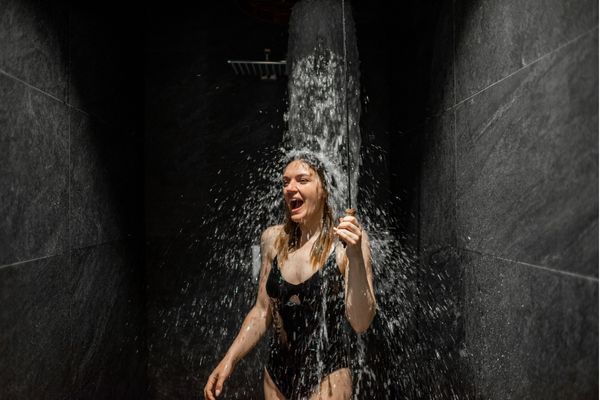
    Cold showers provide several health advantages.

    For many years, people have used exposed to cold water for health purposes. Cold showers don’t appear to be particularly pleasurable at first look. Why would anyone want to go through the agony of feeling cold water all over their body? As it turns out, a few advantages to having a cold shower exist. Cold showers can benefit your health in various ways, from boosting circulation to perhaps assisting with weight reduction. Let’s look at some research on why cold showers may be so beneficial.

    Start the day off right!

    In the morning, cold showers might help you wake up. If you have trouble getting out of bed in the morning, consider starting your day with a refreshing cold shower. The shock of cold water on your skin will jump-start your system and wake you up faster than any cup of coffee could. Also, the enhanced circulation caused by a cold shower can help you have more energy throughout the day.

    This is because when you are exposed to cold temperatures, your blood vessels contract in an attempt to save heat. When you come out of the cold and begin to warm up again, your blood vessels widen, allowing more blood to circulate throughout your body. This improved circulation can assist in transporting more oxygen to the brain, allowing you to start the day on fire.

    cold shower

    Eases itchy skin

    Another advantage of cold showers is that they can assist in relieving itchy skin since the cold can temporarily numb the skin. Histamines, which produce inflammation in your skin, create the impulse to scratch when you have an itch. Scratching causes even more irritation and, in some cases, permanent damage to your skin. This is when cold water comes in handy. The chilly temperature of the water aids in preventing the “itch message” from being sent from the skin to the brain. A cold shower isn’t a long-term treatment, but it will provide some relief and alleviate the irritation of skin problems like psoriasis and eczema.

    Helps overall well-being.

    Taking a cold shower not only strengthens your character by making you feel like you’ve overcome hardship, but it may also have the placebo effect of helping you feel better overall. Although taking cold showers does not truly improve the immune system, those who do so believe it is a beneficial habit. According to research, this has the unintended consequence of making individuals feel they are healthier, resulting in fewer sick days at work. This is a classic example of a belief manifesting itself in your actions and life. Overcoming this daily challenge can also enhance your confidence, which will benefit your general well-being.

    May reduce feelings of anxiety and depression.

    A cold shower may not sound like the most enjoyable experience, but it may be highly good for your mood and well-being. Cold water immersion has been demonstrated in studies to help lessen symptoms of sadness and enhance overall mood. According to one idea, cold water transmits electrical signals to the brain, which aids in alleviating sadness and poor mood. Furthermore, exposure to cold water might cause the release of endorphins, which are chemicals associated with emotions of happiness and well-being. While having a cold shower might be painful, there are no adverse effects like those associated with medicine. If you’re feeling down and taking a cold shower, consider letting the water flow over your head since chilling the brain has been linked to brain protection and inflammation reduction. Both of these will help you feel better. Begin with warm water and gradually drop the temperature.

    May help with weight loss

    Another potential advantage of taking cold showers is that they may aid in weight loss. Brown fat is a form of fat that aids in burning calories and producing heat. Brown fat is most active when exposed to cooler temperatures, as its role is to assist humans in staying warm. As a result, low temperatures have been proven to promote brown fat activity. Furthermore, studies have shown that regular exposure to low temperatures might assist in boosting metabolism by converting white fat into brown fat, which can contribute to weight reduction. Brown fat is usually concentrated around your shoulders and the top of your back, so aim the cold water from the shower in this area. Brown fat includes mitochondria, which are responsible for its color. Mitochondria are the body’s energy-producing powerhouses. This is why brown fat burns calories, so creates heat, and why having more brown fat can also enhance your energy levels and indirectly contribute to some weight reduction. More study is needed to establish a relationship between cold showers and brown fat and weight reduction. However, when combined with regular exercise and a healthy, balanced diet, cold showers have the potential to improve weight reduction.

    Post-exercise recovery

    Athletes have traditionally used cold showers or baths to relieve muscular stiffness after a workout. Cold water relieves discomfort in the skin and muscles, reducing inflammation and soreness after exercise. Doing this right away and on a regular basis for at least two days is recommended. A cold shower or bath relieves muscle pain while also allowing lactic acid to be removed.

    The best way to take a cold shower

    1. First and foremost, go about your typical shower routine. Use your favorite shower gel, lather up, and then rinse. Step aside from the water and reduce the temperature to cold.
    2. To begin, just submerge one leg in cold water. This is because your legs are the furthest away from your heart. After that, hold the shower head and transfer the water up your leg. Then repeat on the opposite leg.
    3. Next, run cold water over your arms, working your way up to your shoulders. Run the water under your arm and down your sides when you reach your shoulder. Place the shower head in the holder and stand beneath the shower, allowing the water to stream down your back. Finally, run the water over your head.
    4. All of this should take only a few seconds. Repeat the technique the next day, but this time try to keep the water on your skin for a little longer. Build up gradually until you no longer need to hold the shower head on each body area and can just let the water stream over your entire body.
    5. Begin with fifteen seconds daily and work your way up in ten-second increments. There is no specific period for taking a cold shower; nevertheless, to avoid any harmful consequences, do not build up too rapidly and do not spend more than 10 minutes in a cold shower.
    6. When you’re done, pat yourself dry with a towel and enjoy a sense of renewed vitality! If you’re feeling under the weather, avoid taking a cold shower. If you have a fever, don’t be tempted to take a cold shower; instead, take a cool one.

    There are several reasons why you should take a cold shower the next time you enter the bathroom. Cold showers can benefit your health in various ways, from itchy skin to weight reduction. So, the next time you’re feeling low on energy or want to give yourself a lift, consider lowering the temperature on your shower knob and reap the advantages.

    References


    The post Health Benefits of Cold Showers appeared first on https://gqcentral.co.uk

  • A Brief Guide To Cold Exposure Training

    A Brief Guide To Cold Exposure Training

    Cold Exposure Training – A Guide

    Cold exposure is one of the oldest and most efficient ways to improve one’s health. It has been practiced for centuries and is gaining popularity in the Western world. Celebrities support the practice, but Navy SEALS do so more persuasively. There are several methods to employ cold exposure, and we will teach you how to begin with cold showers and progress to total body immersion in open cold water or ice baths in this article.

    Temperature

    So, first and foremost, how cold is cold? Cold exposure must be unpleasant to provide any advantages. You will actually have to push yourself out of your comfort zone. The good news is that it only lasts a few minutes if you take a cold shower or soak in an ice bath. Another advantage is that if you do it regularly, you will become accustomed to the chilly temperature and be able to withstand it more efficiently and for a more extended period of time.

    Because it is difficult to judge the shower temperature, you must go with your gut instinct. Set the temperature as low as possible so that you have the impulse to crank the heat up or plunge back into your warm, comfortable bed but can safely stay under the chilly water. Remember why you’re doing it and the advantages you’ll receive, including a sense of success in overcoming your fear of feeling uncomfortable.

    When adding ice to a home ice bath, keep it below 16°C, preferably between five and 10 degrees centigrade. If you “like” cold exposure, you should consider purchasing a commercial ice bath. These are insulated and can withstand temperatures as low as 0° Celsius. These, however, are not cheap, with costs ranging into hundreds of dollars.

    Use a wheelie bin or an old freezer as a cold-water tank only if you are willing to replace the water and ice after each use. This is because it will serve as a breeding environment for germs and algae, both of which can make you sick, which is the inverse of the advantage you were trying to obtain from cold exposure in the first place.

    Cold exposure

    Slowly does it

    It is essential to ease yourself into cold exposure, just as you cannot bench press large weights on day one of your workout regimen. Begin with cold showers before progressing to ice baths or swimming in open water. Starting with a cold shower may be rather shocking to the system, so ease into it gradually. Here’s how it’s done:

    • Turn the temperature down to cold after your regular shower. Allow a few minutes for the water to wash over your body to acclimate it to the reduced temperature.
    • Turn the dial down until the water is chilly once you acclimate to the reduced temperature.
    • Holding the shower head, spray water over your wrists, then up and down your arms and legs.
    • Finally, reattach the shower head and let the water run over the front of your body first, then turn around and let the cold water wash over your back. You might also rub your body with your hands at the same time if it helps.
    • When you initially start taking cold showers, you may be unable to stand entirely under the water and get your head wet. However, after you’ve done so, begin with a few seconds and gradually increase to more significant amounts of time as you become used to it! Do not berate yourself if you can only achieve thirty seconds in cold water. The good news is that this period of time has been found to be sufficient to reap the various benefits of cold exposure.

    To summarize, it is preferable to gradually reduce the temperature of the water and increase the amount of time you spend in the shower over the course of a few days.

    Breathing

    Managing your breathing when having a cold shower or ice bath is critical. You may be gasping and panicking due to the unexpected cold. Concentrate on your breathing before entering the shower. Taking deep, steady, even breaths might help you maintain your calm and reduce your heart rate. Exhale thoroughly as well, since this helps to remove the chilly air in your lungs. Breathe in through your nose for four counts, then out through your mouth for four counts again. In general, avoid holding your breath since it causes your body to stiffen up and makes the experience more uncomfortable. Remember to take calm, deep breaths, and you should be able to feel much more comfortable and manage the feelings you will experience with ease; aside from being mindful of your breathing, attempt to relax your shoulders and release any tension in your body.

    Once you’ve become acclimated to cold showers, you may fully submerge your body in either open water or an ice bath. It is preferable to do it gradually, as with the shower. Lower yourself in a little at a time, staying in for a little longer each time. The primary distinction between ice baths and icy showers is that you should not attempt to warm yourself up too fast afterward, no matter how tempting it may be. This is due to the requirement for blood to recirculate back into your arms, legs, fingers, and toes. March for a minute or two on the spot, or do the ‘horse stance’ action. Wim Hof, often known as the Ice Man, suggests this. Here’s a video that demonstrates how to accomplish it.

    https://www.youtube.com/watch?v=UqCo-BS3VcE

    When

    Taking a cold shower first thing in the morning might help you wake up and start your day feeling refreshed and energized. However, don’t be tempted to take a cold shower right before bed. This is because it might interrupt your sleep pattern by interfering with your biological clock. A cold shower or ice bath should be taken two to three hours before bedtime. This is because cold showers cause the hormones noradrenaline and cortisol to be released. These activate the sympathetic nervous system, which makes falling asleep difficult. Having said that, taking a cold shower at the proper time might really help you sleep since it aids in the creation of melatonin. This hormone aids in regulating the sleep-wake cycle, falling asleep, and benefiting from a deep sleep.

    When not to do it

    While you’re getting acclimated to cold showers, ice baths, or open-water dipping, make sure you only do it when you’re feeling well. If you are feeling under the weather, there is no harm in skipping a day or two. That being stated, when you feel fit and sound, you should gradually and consistently build up. That means starting on alternate days until you feel comfortable doing it every day; however, ice baths, open water dips, or swimming are likely to be less convenient in a hectic schedule. It would be best to practice it regularly and continuously since your body will become accustomed to it as it acclimates to lower temperatures, resulting in more significant advantages.

    It’s a terrific method to keep motivated if you do it with other people who can inspire and encourage you. More significantly, you can hold each other to account. Why not push yourself and a handful of friends or family members to a thirty-day cold shower challenge? Make a social media post to identify willing participants, and then post regularly to report in and keep each other motivated. Just remember to take it softly and gradually at first.

    References


    1. The history of cold-water therapy https://discovermonk.com/blogs/blog/the-history-of-cold-water-therapy
    2. Want to be a Navy SEAL? Start your mornings by doing this. https://blog.theveteranssite.greatergood.com/navy-seal-cold-shower/
    3. Habituation of the initial responses to cold water immersion in humans: a central or peripheral mechanism? https://www.ncbi.nlm.nih.gov/pmc/articles/PMC2231206/
    4. Cold exposure: Human immune responses and intracellular cytokine expression https://www.researchgate.net/publication/11001091_Cold_exposure_Human_immune_responses_and_intracellular_cytokine_expression
    5. Effect of cold stimulation during slow-wave sleep on sleep cycle https://www.sciencedirect.com/science/article/abs/pii/S0306456508000508
    6. Short-term Cold Acclimation Recruits Brown Adipose Tissue in Obese Humans https://diabetesjournals.org/diabetes/article/65/5/1179/17613/Short-term-Cold-Acclimation-Recruits-Brown-Adipose
    7. Short-term cold acclimation improves insulin sensitivity in patients with type 2 diabetes mellitus https://www.nature.com/articles/nm.3891


    The post A Brief Guide To Cold Exposure Training appeared first on https://gqcentral.co.uk

  • Can Exposure To Cold Prevent Aging And Improve Longevity?

    Can Exposure To Cold Prevent Aging And Improve Longevity?

    Can cold exposure reduce aging and increase longevity?

    Everyone wants to live a long and healthy life, but it can be difficult to know how to do so. However, you can do several simple things to improve your chances of living a long and healthy life. Reducing stress, getting enough sleep, eating a good diet, not overeating, exercising your body, and avoiding poisons such as tobacco and alcohol can all help you look younger and live longer. It’s also crucial to laugh frequently and spend time with friends and family!

    Reducing stress

    Reducing stress in your life is one of the most significant things you can do for your health. Stress may have a wide range of harmful impacts on your health, including increasing your susceptibility to sickness. Stress and worry raise the chances of acquiring and dying from cancer or heart disease. Unfortunately, this risk is elevated much more in otherwise healthy males. So, how do you deal with stress? Cold exposure, whether from swimming in cold water, taking a cold shower, or soaking in an ice bath, has been demonstrated to help reduce tension, anxiety, and even depression. When you expose your body to cold conditions, your blood vessels constrict, causing your heart rate to elevate. This boosts blood flow and causes your body to release dopamine and noradrenaline, chemicals that function as natural painkillers, enhance your mood, and reduce stress, anxiety, and sadness.

    aging

    Getting plenty of sleep

    Sleep is also critical for healthy health and longevity. Sleep deprivation has been linked to an increased risk of dying at a younger age. When you sleep, your body not only rests, but also repairs, regenerates, and recharges. This occurs during slow-wave sleep, a type of deep sleep. Cold exposure has been found to improve slow-wave sleep by increasing the amount of melatonin generated in the brain.

    Moving on a regular basis

    Another essential aspect of good health is exercise. Regular exercise lowers your risk of heart disease, stroke, obesity, type 2 diabetes, and various other chronic illnesses. It has been found that as little as fifteen minutes of moderate-intensity movement on most days of the week will increase your life expectancy. Why not make that activity a daily cold-water swim? Cold exposure on a regular basis enhances the number and health of mitochondria in your cells. Mitochondria are the parts of the cell that produce energy, allowing you to work out more effectively. Furthermore, more mitochondria in white body fat convert it to brown fat, which aids in calorie burning. Improved levels of brown fat have also been linked to increased lifespan in studies.

    Limiting alcohol intake

    It is also critical to minimize your alcohol consumption. Too much alcohol may harm your liver, heart, brain, and pancreas and increase your risk of some cancers. A modest amount of alcohol, on the other hand, has been proven to be helpful to health and lifespan. This is due to a process known as hormesis, in which a tiny bit of stress can strengthen the body as it adapts to the stressor, making it better able to handle and survive the stressor. Cold exposure is another type of hormesis that makes our cells more durable, allowing them to age slower and live longer.

    Boosting immunity

    We are more likely to battle sickness and illness and live a longer, healthier life if we have a robust immune system. Cold exposure reduces cortisol while increasing white blood cells, which fight infections and viruses in our bodies.

    Reduce oxidative stress

    Oxidative stress is a significant cause of aging. People who swim in cold water on a daily basis have reduced oxidative stress in their bodies, which helps their cells, tissues, and organs age more slowly. However, while cold exposure induces oxidative stress during the many processes of attempting to maintain average body temperature, this is an adaptive process over time. To reap all of the benefits, it is necessary to take cold showers, ice baths, or swim in cold water on a regular basis. Another example of hormesis is this adaption.

    Boosts autophagy

    Autophagy, which means “eating self,” is the body’s mechanism of getting rid of damaged cells or cell elements by breaking them down and recycling them so that the body may work more efficiently and age more slowly. Furthermore, autophagy may have a role in lifespan and resistance to age-related disorders, which is why cold exposure can promote autophagy. Cold exposure, in particular, increases autophagy, which aids in maintaining healthy mitochondria in brown fat, which, as previously explained, provides energy and keeps us youthful and energetic.

    Laughing often

    Don’t underestimate the value of laughing! Laughter, like cold exposure, causes endorphins to be released, which improve mood, relieve pain, decrease stress, strengthen immunity, keep you looking young, and extend longevity. You may wonder what this has to do with exposure to the cold. We’ve already explored the stress-relieving effects of cold showers, but laughing loudly while taking one is a terrific way to distract yourself from the icy sensation. I know that sounds like a flimsy connection, but don’t dismiss it until you’ve tried it!

    Finally, happiness helps us live longer lives, and you will be quite delighted when you observe the effect of cold exposure on your skin. Cold water increases blood flow, making your skin appear younger. You’ll be getting enough sleep, so you won’t have any black bags under your eyes, which make us seem older. Stress will be minimized, resulting in fewer worry wrinkles. Because our skin reflects our internal health, the advantages of hormesis, autophagy and increased immunity will all contribute to a healthy glow.

    While there are several strategies to slow the aging process and live a long and healthy life, exposure to cold, whether in the form of cold showers or cold water swimming, boosts your chances of living a longer, healthier life. Just keep in mind that it must be done on a regular basis.

    References


    The post Can Exposure To Cold Prevent Aging And Improve Longevity? appeared first on https://gqcentral.co.uk