Category: Herbal Remedies

  • Cayenne Pepper: The Key to Better Health

    Cayenne Pepper: The Key to Better Health

    Ignite Your Metabolism and Unleash a Fiery Path to Wellness

    Cayenne pepper offers many benefits beyond its flavour, including boosting metabolism, aiding in weight loss, improving digestion, and reducing pain. Discovering the key to enhancing your overall well-being goes beyond simply adding a flavorful spice to your favourite dishes. This vibrant red pod offers numerous health benefits, making it a powerful ally for anyone seeking to enhance their overall well-being. Join me on a culinary adventure as we explore the untapped possibilities of this overlooked spice.

    Unleashing the Metabolic Powerhouse: How Cayenne Pepper Can Torch Calories

    The key to Cayenne pepper’s metabolic effects lies in its fiery core, capsaicin. This powerful ingredient activates your body’s thermogenesis process, which naturally burns calories by generating heat. Studies have shown that capsaicin has the potential to enhance metabolic rate, leading to a notable increase in daily calorie expenditure.

    Elevate Your Workouts with the Power of Thermogenics: Feeling low on energy during your workout? Adding a dash of Cayenne can provide a delightful burst of flavour. Capasicin’s thermogenic properties have the potential to enhance your workout performance by boosting your metabolic rate, which could result in increased calorie burn during exercise.

    Discover the Fat-Burning Potential: Capsaicin’s thermogenic impact is just one of the ways it supports weight loss. Studies indicate that it can also assist in curbing appetite and reducing hunger. Consuming capsaicin can send signals to your brain that promote a feeling of fullness, potentially decreasing your calorie intake and helping you feel satisfied for longer.

    Adopt a Sustainable Weight Management Approach: While cayenne pepper can assist with metabolism and appetite control, it’s essential to understand that it’s not a magical solution for weight loss. To achieve optimal results, it is recommended to include cayenne pepper in a balanced diet that consists of nutritious foods and to complement it with regular physical activity.

    Cayenne Peppers

    Soothing the Digestive Symphony: Harmonise Your Gut

    Many individuals often experience ongoing discomfort due to digestive issues like indigestion, bloating, and gas. It’s interesting to note that cayenne pepper has the potential to support digestion by promoting the production of saliva, which plays a crucial role in the initial stages of the digestive process. Saliva contains enzymes that help break down carbohydrates, lipids, and proteins, making digestion and nutrient absorption more efficient.

    Discover a powerful solution for indigestion: Cayenne pepper is known to relieve occasional heartburn and indigestion. Capasicin’s ability to enhance digestive juices can help with the proper digestion of food, potentially reducing symptoms of indigestion.

    It is crucial to prioritise a healthy gut microbiome, as it plays a vital role in digestion and overall well-being. Research suggests that capsaicin has the potential to support the growth of beneficial bacteria in the gut, which can contribute to a healthier gut environment and potentially reduce the likelihood of digestive issues.

    Enhance Your Gut Health Journey: Adding cayenne pepper to your diet and a balanced diet that includes prebiotics and probiotics can support a thriving gut flora and enhance digestion.

    Taming the Fire Within How Cayenne Pepper Can Soothe Pain and Inflammation

    If you’ve ever used topical pain relief creams, you may have encountered capsaicin as an essential component. That’s because Cayenne has powerful pain-relieving properties. Applying capsaicin topically can temporarily reduce the body’s substance P levels, a chemical that transmits pain signals to the brain. This depletion results in a perception of decreased pain sensation.

    Discover Relief from Muscle Aches and Joint Pain: Cayenne pepper cream is a valuable resource for effectively managing muscle soreness and joint pain. The capsaicin content has the potential to provide relief from discomfort caused by intense physical activity, injuries, and chronic conditions such as arthritis.

    Discover a Natural Solution for Headaches: Cayenne could relieve headaches, and capsaicin’s potential to narrow blood vessels and alleviate inflammation could be beneficial.

    Take a comprehensive approach to pain management: Although cayenne pepper can provide some relief, seeking guidance from a healthcare professional for a personalised plan that may incorporate other therapeutic methods is essential.

    Discover the Benefits of Topical Cayenne Pepper: When considering Cayenne as a pain treatment, topical lotions and gels may be more suitable for individuals with sensitive stomachs than spice.

    Bolstering Your Body’s Defenses: How Cayenne Pepper Can Fortify Your Immune System

    With the growing focus on immune system health, people are actively searching for ways to enhance their body’s natural defences. Adding cayenne pepper to your diet can boost your immune system due to its high vitamin C content and antioxidant properties. Vitamin C is a powerful antioxidant that aids in the neutralisation of harmful free radicals within the body. These free radicals can cause cell damage, inflammation, and chronic diseases. Through its ability to neutralise free radicals, Cayenne has the potential to bolster the immune system and potentially lower the likelihood of infections.

    Discover the Potential of Antioxidants: Cayenne is packed with powerful antioxidants, such as carotenoids and flavonoids, beyond just vitamin C. These potent antioxidants work together to combat the harmful effects of free radicals and enhance the immune system’s ability to defend against illnesses.

    Enhance Your Protection Against Seasonal Threats: Taking extra precautions is essential during cold and flu season. With its rich vitamin C and antioxidant content, Cayenne pepper has the potential to boost the immune system and help protect against seasonal infections.

    Embrace a well-rounded approach to immune health: While Paprika can boost your immune system, it’s important to prioritise a healthy lifestyle. To support your immune system, maintain a balanced diet that includes plenty of fruits, vegetables, and whole foods. Additionally, getting enough quality sleep and finding effective ways to manage stress can be beneficial.

    toxins and health

    Detoxification: Aiding Your Body’s Natural Cleansing Process

    Purging the body of toxins and impurities is crucial for maintaining optimal health and well-being. Cayenne pepper can aid detoxification by encouraging sweating and improving blood circulation. It is widely known that perspiration plays a vital role in the body’s natural detoxification process by eliminating toxins through the skin. Additionally, enhanced blood circulation facilitates the adequate transportation of these harmful substances to the vital organs involved in their elimination, such as the kidneys and liver.

    Maximise Your Sweating Potential: Cayenne’s thermogenic properties can stimulate sweating, a natural pathway for detoxification. When capsaicin affects your body, it causes your temperature to rise, triggering sweating to help cool you down. This process also aids in the removal of toxins and waste products through the skin.

    Enhance Circulation for Effective Detoxification: Cayenne pepper can enhance blood flow by encouraging the relaxation of blood vessels. Improved circulation helps to effectively remove toxins and waste products from the tissues and transport them to the organs responsible for elimination.

    Embrace a Detoxification Lifestyle: While Cayenne can support detoxification, it should not be relied upon as the sole solution. To achieve the best detoxification results, focus on maintaining a nutritious diet filled with fruits, vegetables, and whole grains. Additionally, staying hydrated by drinking plenty of water and engaging in regular exercise can help promote sweating and improve circulation for overall wellness.

    Beyond the Spice: Cayenne Pepper’s Potential for Painful Conditions

    Numerous studies have delved into the potential advantages of capsaicin, the active component in Paprika, for effectively managing certain painful conditions. Let’s take a closer look at two areas of research that show promise:

    Research indicates that topical capsaicin cream may relieve the pain and inflammation commonly experienced with arthritis. For those with arthritis, capsaicin has the potential to provide temporary pain relief by depleting substance P, a chemical that signals pain.

    Providing Relief for Psoriasis: Psoriasis is a long-lasting skin condition that causes redness, itching, and scaling. Using topical capsaicin cream could relieve the discomfort caused by psoriasis flare-ups. The capsaicin’s anti-inflammatory properties can help reduce redness and swelling, relieving temporary pain by depleting substance P.

    When managing pain caused by arthritis or psoriasis, it may be more appropriate to use topical creams and gels designed for these conditions rather than consuming cayenne spice. Applying capsaicin topically allows for targeted relief to the affected area, reducing the likelihood of any unwanted effects from consuming it orally.

    It is essential to consult with a healthcare professional before using cayenne pepper for pain management, as research suggests potential benefits of capsaicin for specific pain conditions. They have the expertise to assess the safety and suitability of your needs and recommend the most appropriate application method.

    Key Takeaways: Embracing the Power of Cayenne Pepper

    Cayenne pepper is a powerful ally for overall health, surpassing its fiery reputation. This has several potential advantages, such as boosting metabolism and potentially assisting with weight loss, relieving digestive problems, and reducing pain.

    Enhance Your Life with a Healthy Twist: Incorporating Paprika into your meals, whether by cooking with it, enjoying foods that contain cayenne pepper, or considering capsaicin supplements under the guidance of a healthcare professional, can add a burst of flavour while promoting better health.

    Embrace a well-rounded approach: Cayenne pepper plays a practical role but is just one piece of the puzzle.

    toxins and impurities

    Unveiling the Spice: Frequently Asked Questions

    Here, we explore some commonly asked questions about Cayenne to help you make informed decisions about incorporating this spicy spice into your life:

    Can Cayenne Pepper Irritate My Stomach?

    It’s important to note that Cayenne can cause stomach irritation, particularly in individuals with sensitive digestive systems or conditions like ulcers or gastritis. Start with a small dose and slowly increase your consumption to give your body time to adjust. If you’re dealing with stomach discomfort, consider reducing or discontinuing your consumption.

    How Can I Incorporate Cayenne Pepper into My Diet if I Don’t Like Spicy Food?

    Here are a few ways to savour the advantages of Cayenne without overpowering your taste buds:

    • Take it slow: Add a small amount of Paprika to your favourite dishes and gradually increase the quantity as you become more accustomed to it.
    • Elevate Sauces and Dips: A dash of Cayenne can bring a delightful twist to marinades, salsas, and dipping sauces.
    • Consider using Cayenne Pepper Flakes. Compared to ground cayenne, Cayenne pepper flakes provide a more gentle level of spiciness.
    • Discover the benefits of Cayenne Pepper Supplements: Conveniently, you can enjoy the benefits of cayenne extract without the heat by taking capsules or tablets. It is essential to seek guidance from a healthcare professional before incorporating supplements into your routine.

    Is Cayenne Pepper Safe for People with High Blood Pressure?

    Although studies have been conducted on cayenne pepper’s potential blood pressure-lowering benefits, the evidence remains inconclusive. If you have high blood pressure, it is advisable to consult with a medical professional before incorporating Cayenne into your diet.

    Can Cayenne Pepper Help with Seasonal Allergies?

    The anti-inflammatory properties of cayenne pepper may potentially provide relief from allergy symptoms like congestion. However, more research is necessary to prove its effectiveness in addressing seasonal allergies. In addition, Cayenne can irritate the nasal passages, worsening symptoms for some individuals. Before using Paprika as a remedy for allergies, it is advisable to consult with a healthcare professional.

    Are There Any Side Effects Associated with Using Cayenne Pepper?

    Consuming cayenne pepper in moderation is generally considered safe for most individuals. Nevertheless, there are a few possible side effects to be aware of:

    • Experiencing stomach discomfort, heartburn, or diarrhoea can be particularly challenging for individuals with sensitive stomachs.
    • Possible skin irritation if applied to the skin
    • Experiencing a burning sensation in the mouth and throat

    If you encounter any adverse reactions, cease usage and seek guidance from a medical professional.

    Cayenne pepper dish

    Spicy Inspiration: Cayenne Pepper in Action

    Ready to explore the world of cayenne pepper in your culinary endeavours? Here are some delicious recipe ideas to tantalise your taste buds and promote your overall well-being:

    • Introducing the Spicy Black Bean Soup: A delicious and satisfying dish with a fiery kick from cayenne pepper and a healthy dose of protein and fibre from black beans.
    • Add a dash of Cayenne to your stir-fry recipe for a delicious and refreshing twist. It will add a burst of flavour and help boost your metabolism.
    • Spicy Guacamole: A hint of Cayenne brings a delightful twist to this traditional avocado dip.
    • Spicy Deviled Eggs: Add a touch of Cayenne to your deviled egg recipe for a flavorful appetiser or snack.
    • For those who enjoy exploring new flavours, adding a hint of Cayenne to the classic Bloody Mary can give it an extra kick.

    Here are a few suggestions to help you begin. Using your imagination, you can add Cayenne to various dishes, turning your meals into tasty and beneficial experiences for your well-being.

    Knowledge is Spicy: Unveiling the Science

    Delving deeper into the scientific research behind cayenne pepper can empower you to make informed decisions about its use. Here are some credible sources to explore:

    The Post: Cayenne Pepper: The Secret To Improving Health & Wellness appeared first on Rehabilitation Therapies Preston.

    The Article Cayenne Pepper: The Key to Better Health appeared first on MCR Therapies.

    The Article Cayenne Pepper: The Key to Better Health Was Found On https://limitsofstrategy.com
  • Best Anti-Inflammatory Herbs

    Best Anti-Inflammatory Herbs

    Top herbs for inflammation

    Nowadays, chronic inflammation is a serious issue. Sadly, it can cause a wide variety of debilitating diseases. Moreover, it contributes to accelerated aging. The good news is that it doesn’t have to be an issue. This is because nature has equipped us with a plethora of anti-inflammatory foods, herbs, and spices.

    Preventing inflammation from occurring in the first place is one of the most effective strategies to combat it. This entails “eating the rainbow.” To get as many different hues into your diet as possible, consume a wide variety of fruits, veggies, and healthy grains. This implies that your diet will include a variety of immune- and inflammation-fighting vitamins, minerals, antioxidants, and phytochemicals.

    Yet, consuming herbs can also help the body’s natural defenses against inflammation. To be clear, a herb is a plant that contains fragrant or therapeutic characteristics. This comprises the leaves, stems, roots, flowers, fruits, and seeds, which can be used fresh, dried, powdered, or processed into an extract or essential oil. Aromatics, sometimes known as spices, are herbs. Let’s examine the most efficient ones.

    turmeric

    Turmeric

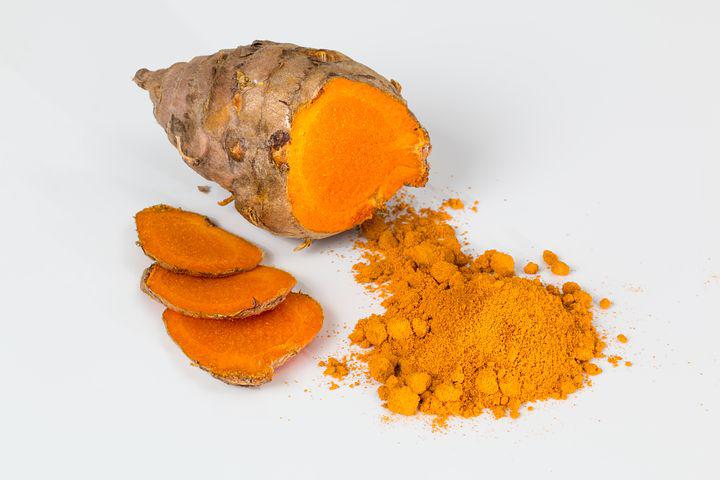
    The bright yellow color of turmeric indicates its long history as a spice. This root has long been utilized in traditional medicine and is frequently used in cooking. Curcumin, the main component in turmeric, has substantial anti-inflammatory and antioxidant effects. Curcumin has been found in scientific studies to decrease inflammation by blocking the function of inflammatory chemicals generated by the body. They include immunological cells including macrophages, neutrophils, and T lymphocytes. Inflammatory bowel disease, arthritis, psoriasis, and atherosclerosis are just a few of the illnesses that curcumin has been demonstrated to alleviate (the build-up of plaque in the blood vessels, which leads to strokes and heart attacks). It has also been reported to relieve inflammation caused by respiratory disorders such as Covid-19.

    You might be shocked to find that inflammation is also associated with depression. Taking a curcumin pill or regularly consuming turmeric can also help to improve mood and lessen the symptoms of depression. The most common use of turmeric in food is in Indian cuisine. But it’s great in smoothies, stir-fries, and soups.

    Ginger

    Ginger’s strong taste and several health advantages come from the plant compounds found in its root. It is a safe ingredient because it has been used in cooking for millennia all throughout the world. Ginger’s anti-inflammatory effects make it a popular therapeutic herb. Arthritis, a painful disorder characterized by inflammation in the joints, benefits from this as a treatment. Osteoarthritis, a painful condition brought on by the breakdown of cartilage and other joint cushions, also benefits from this treatment. Rheumatism is another disorder that affects the joints and also causes pain and inflammation in the muscles, ligaments, and tendons. Inflammation in this condition is a significant source of pain, but ginger’s natural compounds can aid. It’s crucial to remember that these are all degenerative illnesses that develop over time, so don’t expect ginger to have any instant effects. In fact, it may take up to two years for the anti-inflammatory benefits to become noticeable. You may use ginger in various dishes, steep it in tea, or even consume it raw if you dare.

    Rosemary

    Rosemary, a woody plant, is another anti-inflammatory option. In addition to reducing inflammation, it may eliminate microbial infections, eliminate cancer cells, and shield the body from the negative effects of pharmaceuticals. What does rosemary’s ability to promote sleep have to do with inflammation? The importance of having a restful night’s sleep and preventing inflammation from arising in the first place cannot be overstated.

    Depression is another ailment that has been connected to inflammation because inflammation in the brain and nervous system might contribute to the development of the disorder. Because depression may promote oxidative stress and inflammation, the antidepressant properties of rosemary are all the more welcome.

    The active component of rosemary is rosmarinic acid. Rosemary can help with inflammation by acting as an antioxidant. Rosemary leaves may be brewed into a tea or used in meat, poultry, seafood, or vegetables to reap the rewards of this herb. You may also make bread or savory muffins out of them. If you use the whole sprig, just remember to cut off the woody stem before serving. Due to its delightful fragrant flavor, rosemary also boosts many soups.

    Sage

    Sage is another woody plant that contains rosmarinic acid. Because of its anti-oxidant properties, it has the same advantages and applications as rosemary for decreasing inflammation. Sage is most effective when taken as a tea or tincture. It may also be used as an essential oil, which can be diffused into the air, added to a hot bath, or mixed with a moisturizing lotion. Sage is also great in soups, stews, stuffing, and as a herb, butter spread over fish, vegetables, and potatoes.

    Oregano

    The herb oregano also contains rosmarinic acid. Oregano’s aroma and anti-inflammatory and pain-killing anti-oxidant qualities come from this and other plant chemicals like terpenes. Fresh oregano has four times as many antioxidants as blueberries and over forty times as many as apples. While it is not recommended to consume too much oregano due to its toxicity, the anti-inflammatory qualities of oregano, and especially oregano essential oil, are considerably more concentrated. Eating oregano has far lower anti-inflammatory properties than eating a lot of apples or blueberries.

    Inflammation has been related to various illnesses, including cardiovascular disease, cancer, Alzheimer’s, diabetes, and asthma. In this case, “prevention is better than treatment” since the use of the herbs mentioned below can help prevent inflammation in the first place. These herbs, and ginger in particular, are powerful anti-inflammatory foods, but they can’t do everything. A good diet, regular exercise, stress management, and adequate sleep are all important for warding off many illnesses.

    Finally, if you are taking any medications that might interact unfavorably with herbal supplements, it is imperative that you discuss this with your doctor before beginning any herbal supplementation.

    References


    The Article Best Anti-Inflammatory Herbs First Appeared ON
    : https://ad4sc.com

  • What Herbs Help With Detox?

    What Herbs Help With Detox?

    Why We Need to Detox Our Bodies

    Our bodies are quite efficient and can automatically cleanse themselves. They accomplish this by using our liver, kidneys, skin, lungs, lymphatic, and digestive systems (1). Regrettably, how we live and where we live these days expose our bodies to chemicals, poisons, and pollution. So, our bodies occasionally require assistance in preventing the accumulation of these hazardous compounds. This is because they can lead to poor health and illness, with some even being related to chronic conditions including cancer, depression, and Parkinson’s disease (2). They can contribute to weight gain (3), pregnancy difficulties (4), and autoimmune illnesses (5). It is critical that we cleanse ourselves on a regular basis in order to maintain our bodies working efficiently and limit the possibility of getting certain disorders.

    Here is where introducing herbs into our lifestyle may assist in restoring balance, eliminating harmful compounds, and promoting digestion, metabolism, and circulation by restoring normal cell function. Furthermore, when our bodies function properly, we naturally have more energy, feel revitalized and are better equipped to handle whatever life throws at us.

    Drinking enough fresh water is one of the finest methods to cleanse your body. This flushes toxins out and physically cleanses the body on the inside. Consuming enough water promotes your skin, kidneys, liver, and digestion’s natural cleansing process (1). Physical exercise is another excellent technique to cleanse the body. As we exercise, we engage our natural elimination processes, including the lymphatic system, sweating via the skin, and the digestive system.

    One excellent idea is to reduce the number of poisonous chemicals that enter the body in the first place. Eating organic, pesticide-free meals is one method to do this. Unfortunately, owing to cost or availability limits, this is not always achievable; thus adding herbs to your diet can assist your body, notably the liver, in clearing these harmful compounds. Therefore, which plants may be utilized to cleanse the body?

    Seasonings

    Alfalfa

    Alfalfa is high in vitamins and minerals and has few calories. These nutrients are maintained when consumed fresh as a sprouted seed, making it more potent. It is suitable for detoxing the body since it acts as a diuretic. This implies that it stimulates the kidneys to generate urine, which helps flush those toxic poisons down the toilet (6).

    Artichoke Leaf

    The active element in artichokes, cynarin, aids the liver in the production of bile and bile salts (7), which aid in the removal of alcohol, poisons, and other substances from the body (8). Artichoke leaf also includes silymarin, which is also present in milk thistle and is known to support the health and function of the liver, which is one of the primary detoxifying organs (9).

    Burdock root

    Another plant that can aid in promoting the body’s innate detoxifying mechanism is burdock. It includes the antioxidants quercetin and luteolin, which aid in detoxifying by stimulating blood and lymph circulation. It may be consumed as a vegetable or as a tea. This fibrous root has an earthy flavor similar to celeriac. Moreover, the fiber encourages waste elimination via feces (10).

    Celery Seed

    Celery seed is anti-inflammatory, antioxidant, and diuretic. It may be purchased at the grocery store and used in salads, soups, and stews. It aids in liver cleansing, inhibits the activity of toxins in the liver, and aids in eliminating toxins and undesirable substances through its diuretic action. The liver can benefit from celery seed extract’s anti-cancer properties. The liver is the primary organ for detoxification; thus keeping it healthy is crucial (11).

    Coriander

    The digestive system is supported by coriander, commonly known as cilantro, which also helps to relieve gas, bloating, and constipation. Maintaining a healthy digestive tract makes it easier for the body to flush out waste and pollutants. Heavy metals like mercury (12) and lead (10) have been demonstrated to be eliminated from the body with the aid of cilantro (13). These metals can accumulate in the body due to dental fillings (in the case of mercury) or consuming significant amounts of contaminated food, such as fish (14).

    Dandelion

    If you are a gardener, you might not see the benefits of dandelions and instead view them as a constant bother. Instead of discarding these weeds, consider incorporating them into your diet to improve your health. Tea may be made from the leaves. This aids the liver in producing bile and also functions as a diuretic. Both of these processes assist in eliminating waste products and maintaining a healthy liver and intestines (15).

    Milk Thistle

    Milk thistle is excellent for detoxification since it supports the liver and its function. Regarding how well it supports the liver, silymarin from milk thistle is one of the most studied herbs. As a result, it is essential to include them on any list of herbs for detoxifying the body.

    Milk thistle helps the body produce more glutathione and has antioxidant properties. An inbuilt antioxidant is glutathione. In other words, it is synthesized internally rather than ingested. The body uses glutathione for detoxification and other vital processes. Milk thistle’s key ingredient, silymarin, helps speed up the liver’s ability to mend and regenerate, which is essential for maintaining liver health and allowing it to detoxify (16).

    Nettle

    Nettle, often known as stinging nettle, is another beneficial plant that is frequently mistaken for a weed. The leaves may be brewed into a diuretic tea, just like dandelion. Nettles have a wide variety of vitamins and minerals in addition to several plant compounds. They are what give the plant its anti-inflammatory, antiviral, antioxidant, and antibacterial effects. This herb offers many other health advantages, including fighting against cancer and alleviating the symptoms of arthritis and rheumatism, in addition to helping the body cleanse by boosting liver and kidney function. By increasing circulation, it also aids in detoxifying (17).

    Parsley

    Parsley is one of the most well-known herbs used in culinary preparations all over the world. Both its flat and curly leaves are useful for detoxifying. It is one of the most effective herbs for removing heavy metals and other toxins from the body. The liver and kidneys can both benefit from parsley’s diuretic effects. Moreover, it can be used to prevent and treat kidney and gallstones and bladder and urinary tract infections (18).

    The body may detoxify itself by consuming various herbs, both in their natural and supplement forms. These herbs achieve this because they contain a variety of beneficial minerals and chemicals. Extreme detoxification diets, such as water or juice fasts, should be avoided at all costs because of the potential harm they cause to one’s health. We now know that the body can successfully purge itself of toxins. To ensure that the detoxification organs can perform their work, all that is required is some thought about your lifestyle, surroundings, and food and drink intake.

    References

    1. The inside workings of your body’s detox explained https://clinic.acumedic.com/detox-a-view-from-the-inside/
    2. Impacts of pesticides on our health https://www.pan-uk.org/health-effects-of-pesticides/
    3. Relationship between Prenatal or Postnatal Exposure to Pesticides and Obesity: A Systematic Review https://www.mdpi.com/1660-4601/18/13/7170
    4. Placental transfer of pesticides studied in human placental perfusion https://onlinelibrary.wiley.com/doi/full/10.1111/bcpt.13456
    5. Effects of pesticide exposure on the human immune system https://journals.sagepub.com/doi/pdf/10.1177/0960327108094509
    6. Health Benefits of Alfalfa https://www.webmd.com/diet/health-benefits-alfalfa
    7. Cynarin increases the production of bile Increase in choleresis by means of artichoke extract https://www.sciencedirect.com/science/article/abs/pii/S0944711311800279
    8. Everything You Want to Know About Bile Salts https://www.healthline.com/health/bile-salts
    9. Hepatoprotective effect of artichoke leaf extracts in comparison with silymarin on acetaminophen-induced hepatotoxicity in mice https://pubmed.ncbi.nlm.nih.gov/31739724/
    10. Burdock Root Detoxes Blood, Lymph System and Skin https://draxe.com/nutrition/burdock-root/
    11. Review of Scientific Evidence of Medicinal Convoy Plants in Traditional Persian Medicine https://www.ncbi.nlm.nih.gov/pmc/articles/PMC4791985/
    12. Cilantro—Culinary Herb or Miracle Medicinal Plant? https://www.innerpath.com.au/matmed/research/Coriandrum%5EsativumACT2012185.pdf
    13. Morphohistometric analysis of the effects of Coriandrum sativum on cortical and cerebellar neurotoxicity https://www.ncbi.nlm.nih.gov/pmc/articles/PMC8588955/
    14. Mercury in Tuna: Is This Fish Safe to Eat? https://www.healthline.com/nutrition/mercury-in-tuna
    15. Diverse biological activities of dandelion https://academic.oup.com/nutritionreviews/article/70/9/534/1835513
    16. New Therapeutic Potentials of Milk Thistle (Silybum marianum) https://journals.sagepub.com/doi/pdf/10.1177/1934578X1300801236
    17. Stinging Nettle: A herb with tremendous pharmacological potential https://www.unanijournal.com/articles/29/2-2-2-591.pdf
    18. Parsley-benefits & side effects on health https://www.journalofsports.com/pdf/2019/vol4issue1/PartAA/4-1-308-629.pdf


    The Article What Herbs Help With Detox? First Appeared ON
    : https://ad4sc.com

  • Herbs to Always Have on Hand

    Herbs to Always Have on Hand

    Herbs to Always Have on Hand

    Herbs to Always Have on Hand: Herbs can be used in a variety of ways to improve health and fitness. Some, on the other hand, are significantly more effective and should be kept in the house at all times. This is a list of herbs that are good for your general health and may be cultivated in your own yard and cooked with.

    Chamomile

    Chamomile is a very versatile and useful herb to have on hand. It’s an excellent addition to your first-aid kit as well as your kitchen cabinet. The best part is that it is easy to start from seed. It is well-known for its ability to alleviate anxiety and concern, but it also helps with stuffiness, constipation, upset stomachs, and migraines.

    herbs to always have on hand

    It can be used to treat pain, digestive problems, and sleep disorders. Steep dried chamomile flowers in boiling water for 5 minutes to make tea. To get a good night’s sleep, try it before going to bed. Chamomile can also be used as a supplement in pill form.

    Chamomile is a soothing herb that can be used to treat arthritis, haemorrhoids, stomach problems, and cuts and wounds.

    Painful menstrual periods are a particular problem for women. Chamomile has been shown to aid with this, which is fantastic news for many ladies who suffer from it on a monthly basis. Osteoporosis is another issue that women encounter, particularly after their periods have ceased. This is the point at which the bones become brittle and easily fractured. Chamomile has been shown to help prevent this due to its influence on the hormone oestrogen. Chamomile is unquestionably a woman’s best friend.

    Lavender

    Lavender is another herb that may help you sleep better, especially if you have insomnia. It aids in the relaxation of both the mind and the body, resulting in a better mood. Simply feeling less anxious and more peaceful can help you sleep better. Lavender can be used to relieve pain and muscle tension, especially after strenuous activity or exercise, and inhaling lavender blooms is said to have a soothing effect on people. So, before you go to bed tonight, plant a few stems beneath your pillow or beside your bed and take several deep breaths to savour the lovely aroma.

    This is yet another plant that is simple to grow. It makes a wonderful border with flowers that attract bees and butterflies. You will then have a ready supply of organic food at all times.

    St. John’s Wort is a herb.

    This plant is used to treat a variety of mental health issues, such as depression, anxiety, and stress. It is also used to alleviate insomnia and nerve pain. Although it is extremely effective in improving mental health, it should not be used in conjunction with prescribed medications. This is because it can interact with it and have undesirable effects.

    Turmeric

    This herb has strong anti-inflammatory properties. As a result, it may help to alleviate arthritic pain. It has the ability to relax the stomach and aid in the treatment of digestive ailments such as indigestion and ulcers. It can also help with depression treatment because it increases brain function. Curcumin, a molecule contained in turmeric, has also been demonstrated to aid in the death of cancer cells (6), which is yet another reason to keep turmeric on hand in the kitchen.

    It’s crucial to note that not all herbs are useful in cancer treatment. Avoid using St John’s Wort or Ginkgo Biloba if you are already being treated. Because they cause cancer drugs to leave the body too quickly, they become useless.

    Ginger

    Ginger is a fantastic addition to any dish. It not only tastes good and improves the flavour of foods, but it also has healing properties. Both ginger and turmeric have anti-cancer properties. If you have a family history of cancer, use ginger and turmeric in many of your meals to help protect yourself from this terrible disease. Ginger, like turmeric, can be used to a range of foods, such as curries, soups, stews, and smoothies.

    Ginger has been shown to help with nausea, vomiting, motion sickness, morning sickness (9) and even arthritis. It can also help lower blood pressure and cholesterol levels (10). If you have indigestion, ginger can help you feel better. If this doesn’t persuade you to use ginger on a regular basis, I’m not sure what will.

    Ginkgo Biloba (Ginkgo Biloba) (Ginkgo Biloba)

    This plant contains a lot of antioxidants and anti-inflammatory chemicals, so it can help you avoid heart disease, arthritis, and even cancer. Because it is accessible as a supplement, it makes sense to take it on a daily basis. It has been shown to be effective in the prevention of Alzheimer’s disease. Alzheimer’s disease, as well as melancholy, anxiety, and attention deficit hyperactivity disorder (ADD/ADHD), are all linked to brain health. Ginkgo biloba boosts circulation, especially in the brain and heart. As a result, it goes without saying that this powerful herb can assist you in staying mentally sharp.

    Rosemary

    Rosemary is yet another herb that grows easily in the garden and tastes great in meals. It is useful in the treatment of memory loss and has even been shown to postpone the onset of dementia. Rosemary can aid with headaches, especially migraines, as well as asthma and bronchitis. It can also help women with menstruation cramps. It is also useful for treating depression. If you have diabetes or are on blood thinners, avoid using rosemary oil as it may make them less effective.

    Liquorice Root

    As a child, I used to enjoy chewing on a piece of liquorice root, not realising how helpful it was to my health. Liquorice has anti-inflammatory properties and can aid in the treatment of intestinal infections, indigestion, and heartburn. It can also help you breathe if you have a cough or a cold. All of these characteristics derive from its anti-inflammatory and bacteria-killing qualities. Furthermore, it is effective at reducing skin inflammation, which aids in the alleviation of acne, psoriasis, and eczema symptoms.

    Chewing liquorice root as a youngster obviously helped my oral health, as I have very few fillings and studies show it prevents cavities. I’m on my way to the health food store right now!

    Lemon Balm

    This herb is well-known for its calming qualities and can help alleviate anxiety, stress, insomnia, migraines, and other tension-related ailments. It also has antiviral effects. It grows easily in the garden and may be used in cooking as well as to make delicious tea.

    Peppermint

    This plant can help with gastrointestinal problems such as nausea, vomiting, diarrhoea, and constipation (23). It also aids in the relief of achy muscles and tension headaches. This herb can simply be replanted in your garden. It can be prepared into a tea by steeping it in hot water, or it can be purchased as a supplement or essential oil. When you’re feeling congested, mix the oil with hot water and inhale it to help you breathe. Peppermint is also a fantastic addition to your first-aid kit for treating hay fever symptoms. It reduces the allergic reaction, which causes sneezing and itching eyes.

    These eleven herbs will keep you healthy if you use them on a daily basis. The bulk of them can be consumed, while some can be purchased as a supplement or used to make tea. Why not give one of them a try and see if it helps you feel better?


    The post Herbs to Always Have on Hand appeared first on https://gqcentral.co.uk

  • Herbs for Body Detox

    Herbs for Body Detox

    Herbs for Body Detox

    Herbs for Body Detox: Herbs have been used for thousands of years to cure a wide range of diseases and health issues all throughout the world. It’s no surprise that many people turn to herbs when they need help naturally cleaning the body, given their long history, popularity, and purported efficacy.

    Your body demands nourishing foods on a daily basis to be clean. As a result, eating a range of whole, unprocessed foods is crucial for reducing your toxic load!
    Before commencing any herbal detox, it is vital to understand its aim.

    Our bodies are designed to cleanse on a daily basis. The liver and kidneys are the organs in charge of this. Unfortunately, when we overeat and drink, we risk poisoning our bodies. This, in turn, affects the liver and kidneys, which could benefit from a herbal detox.

    Just as you would service your car once a year to keep it in good working order, our bodies require some assistance as well.

    Herbs can be utilised in a variety of ways to cleanse your body. Nothing, however, beats a well-balanced diet mixed with regular exercise. It is essential that you drink at least 8 glasses of water per day. This will aid in the elimination of toxins from your system. It also promotes the proper functioning of your organs and cells.

    herbs for body detox

    You should also keep track of what you eat. The liver is the natural detoxifying system of the body. As a result, you must keep it healthy in order for it to do its duty successfully. Your first line of defence against toxins in your body is to eat a healthy, organic diet.

    Having said that, herbal detoxes do have a place. Remember that it’s all about taking a whole-body, holistic approach.

    Aromatherapy is a fantastic natural detoxifying technique. Simply incorporate a few drops of aromatic, herbal essential oils into your bathwater. Then relax. Another approach is herbal aromatherapy, which incorporates some form of steam inhalation.

    This is really useful for respiratory health and lung detoxification. It can also help to remove contaminants that cause sinusitis, hay fever, and allergies.

    The best herbs for aromatherapy are lavender, jasmine, and sage.

    Physical detoxification is not the only advantage of mental cleansing. An aromatherapy massage is an excellent technique to rid your body of negative energy while also increasing your concentration! Sandalwood oil is extremely relaxing while being unobtrusive.

    The scent of lavender can also help you relax, wind down, and “clean” your mind.

    Herbal infusion teas, which encourage natural physiological cleansing, are another option. Some of the best herbal tea ingredients are dandelion root, burdock root, fennel seed, and dock root. You can also try cinnamon, which is supposed to aid in your body’s natural cleansing.

    The plant rosemary is a powerful liver cleanser. This woody, the aromatic herb has diuretic properties, which means it helps the body produce urine. This helps to remove pathogens (bacteria that can cause illness) as well as any other unwanted substances that have accumulated during the digesting process. Rosemary also enhances liver function by removing toxins that block the cells of the liver. Toxins can be lethal if they are not removed. This is done in a safe and gentle method that does not interfere with the body’s delicate plumbing!

    Rosemary extract has strong antioxidant properties that aid in the fight against poisons that harm cells. As a result, rosemary extract is used in anti-ageing skincare products. Because of its ability to protect DNA from environmental damage and prevent cell mutation, rosemary extract possesses anti-ageing benefits. When your body’s healthy cells are safeguarded by this versatile herb, cancer-causing chemicals have no effect on them.

    Milk thistle is another plant that aids in liver detoxification. The primary components of milk thistle, silymarin and silibinin, are antioxidants that protect the liver. They also help with liver regeneration and efficiency. This is significant since the liver performs a variety of roles (4) and must be in top condition. Milk thistle is especially beneficial to those who have been exposed to toxins or have a history of alcoholism.

    Ginger has long been used as a detoxifier in numerous cultures around the world. It also has the effect of speeding up the metabolism. As a result, it is an excellent addition to any diet or detox routine. Ginger stimulates the digestive system by assisting in the elimination of toxins from the body. Gingerols are chemical compounds found in ginger that help to reduce nausea, stomach discomfort, and diarrhoea. Add it to drinks or smoothies for more flavour and all of the benefits.

    Dandelion is a good cleanser due to its natural diuretic properties. Don’t overlook dandelions as insignificant weeds. They make a delicious tea that helps the kidneys eliminate harmful toxins fast. This is due to the herb’s potassium content.

    herbs

    Dandelion root is another well-known detoxifier that can be made into tea. It relieves constipation, lowers water retention, and assists in the breakdown of fatty deposits in the liver. It also helps with the cleansing of waste products from the blood.

    Although not technically a herb, black radish is one of the foods most usually associated with liver detoxification. It contains a lot of B vitamins, vitamin C, antioxidants, and potassium. All of these things are good for your liver.

    Because it encourages the generation of bile, black radish juice is also purifying. This aids in the breakdown of fat as well as the elimination of all toxins included in fat. Drink plenty of water while drinking this juice because it can cause you to urinate a lot more, which can lead to dehydration. Chop, grate, or slice the black radishes and add them to salads and slaws. They can also be pickled.

    Seaweeds are seaweeds, which are seaweeds, which are herbs that grow in the ocean. They contain iodine, which is beneficial to the thyroid gland. They are helpful for detoxification because they eliminate heavy metals such as mercury and lead from the body. Seaweed compounds are also effective at removing toxins from cosmetics and even radioactive particles. This is due to their ability to bind to these substances and remove them from the body. This is known as chelation.

    Although chlorella is not exactly a herb, an essay on bodily cleansing would be incomplete if it did not mention the benefits of this algae. Chlorella is a highly effective method for detoxifying the body of heavy metals. It has a lot of chlorophyll, which aids in blood cleansing and chelation of these poisonous toxins (13). Chlorella is a fantastic supplement to any diet because it is abundant in nutrients and antioxidants, can promote immunity, and aid in the fight against illness, in addition to its cleansing abilities. For a little plant, that’s not bad.

    Ginseng is well-known for its detoxifying properties. It is known to aid in the elimination of toxins and waste products by the body. It achieves this by stimulating the immune system and promoting the formation of detoxifying enzymes. It not only detoxifies the body but also aids in liver function improvement. Consult your doctor first if you are taking medication for liver disease. This is because ginseng may interact with liver medicines and cause liver damage.

    You now have a few ideas about how to assist your body in detoxifying. Toxins include pesticides on food, alcohol, nicotine, and even chemicals in cosmetics and skincare products. However, as previously noted, avoiding toxins in the body in the first place is an excellent starting point.


    The post Herbs for Body Detox appeared first on https://gqcentral.co.uk

  • Herbs That Aid in Breathing

    Herbs That Aid in Breathing

    Herbs That Aid in Breathing

    Herbs That Aid in Breathing: Breathing is something we all do without thinking about it, but it is a complex and necessary process. Our lungs absorb oxygen from the atmosphere and expel carbon dioxide.

    This gas exchange permits our bodies to function properly. Many people experience breathing difficulties at some point in their lives, whether as a result of asthma, pneumonia or simply a congested nose after a cold or virus.

    Traditional drugs are frequently the first line of treatment prescribed by doctors. Some people, however, discover that modifying their diet and introducing particular herbs into their lives helps with breathing problems in a more natural way.

    Because they include ingredients that reduce congestion, many herbs can aid with breathing problems. You may need to explore a little to find the herbs that work best for you. Before beginning any herbal treatment, consult with your doctor, especially if you are already on medicines. This is due to the fact that herbs can mix with certain drugs and cause you harm. You should be able to locate herbs that help you breathe easier with a little trial and error.

    Herbs can be used to treat a wide range of diseases, particularly those related to respiratory health. Sage, for example, is a herb that may be brewed into a tea and used to treat asthma or bronchitis

    If you have respiratory difficulties and want to try herbal therapies, liquorice root is another fantastic alternative. Glycyrrhizin, a chemical found in liquorice root, has anti-inflammatory qualities and can help reduce asthma symptoms.  The medicine works better when combined with inhaled asthma treatments.

    herbs that aid in breathing

    Surfing Grandad

    Ginger

    Is another common plant that is frequently used to alleviate respiratory issues, particularly in the winter. Ginger is extremely helpful when combined with liquorice root and hot water to make tea. Together, they help to relieve a congested nose and make breathing easier.

    Peppermint has traditionally been used to treat respiratory problems. It is an excellent alternative for people who suffer from asthma or bronchitis, or who just have a congested nose. It aids in the opening of the airways due to its anti-inflammatory effects. It reduces the size of irritated nasal mucous membranes, making breathing easier and allowing air to flow freely into the lungs.

    Peppermint leaves and hot water can be combined to make a delightful tea. Peppermint oil can also be used to open the sinuses and reduce congestion. Peppermint is also anti-inflammatory since it kills the microorganisms that create inflammation in the first place.

    The menthol component of peppermint is one of the reasons behind its effectiveness. Menthol is the herb that springs to mind first when it comes to aiding breathing. Menthol is a natural bronchodilator, which means it relaxes the muscles around the airways. It destroys bacteria and has anti-inflammatory effects that aid in the relief of breathing issues. Inhaling a few drops of menthol in a bowl of hot water can be quite beneficial in treating respiratory disorders such as asthma.

    You’ve probably smelled menthol in cough and cold treatments such as Vicks Vaporub. This chest rub has been utilised by both children and adults for years. I’m sure we all remember our mothers fondly massaging it on our chests when we were little and sick with a cold. It aids in the clearing of congested nostrils and makes breathing easier.

    Along with camphor, eucalyptus is a component in Vicks Vaporub. Eucalyptus is a natural decongestant that can aid in the treatment of colds and flu. It can also aid in the relief of congestion and the opening of the airways. Eucalyptus oil can be used in a diffuser or directly applied to the skin. Eucalyptus is an excellent choice for an all-purpose plant that aids in breathing. It is extremely beneficial for asthma and sinusitis.

    When we are sick, another fragrance that helps us breathe is camphor. It is an active element in several over-the-counter cold medicines, such as chest rinses and nasal sprays. It aids in the removal of mucus that clogs nasal passages.

    Hay fever season could be one of the reasons we’re having trouble breathing. This happens frequently in the spring and summer when flowers and grasses discharge pollen. This causes sneezing and trouble breathing due to histamines, an allergic reaction. There are over-the-counter antihistamines available to treat this seasonal ailment, but herbs are also beneficial if you don’t want to take medicine. Echinacea is one of these herbs. It improves immunity, aiding in the protection of the body against the effects of pollen. Nettle and butterbur are two other natural antihistamines.

    Lungwort is a herb that may be beneficial to persons who suffer from respiratory issues. It is a traditional cure for asthma and other respiratory ailments that have been proved to be beneficial in treating these issues.

    clock and flowers on table

    Plantain leaves (not those from the banana plant family) are another fantastic choice for respiratory health. It is a natural expectorant that can aid in the loosening of mucus and the ease of breathing. Plantain leaves can be made into a tea or consumed as a supplement.

    Horseradish is well-known as a spice, but it is also a powerful home cure for colds. It has long been used to open sinuses and cure congestion, sneezing, and coughing symptoms (15).

    Here’s a recipe for a natural decongestant that takes advantage of the potent anti-inflammatory properties of ginger and horseradish.


    You’ll need:

    1 inch peeled and grated fresh ginger

    cayenne pepper, 1/8 teaspoon

    1/4 cup peeled and grated horseradish

    Put everything in a small jar and cover it with apple cider vinegar. Put the lid on the jar and shake it vigorously to incorporate the ingredients.

    As needed, take 1-2 tablespoons per day. The combination will stay in the refrigerator for about 2 weeks.

    Currently, marshmallows, myrrh, liquorice, ivy, and elderberry have been discovered as herbs that show potential outcomes for persons suffering from Covid 19 coronavirus respiratory difficulties. However, as previously stated, it is best to get the opinion of a physician before self-medicating with herbs and plants, especially if you have respiratory difficulties.

    Breathe joyfully!

    The post Herbs That Aid in Breathing appeared first on https://gqcentral.co.uk

  • How To Treat Wounds And Cuts With Herbs

    How To Treat Wounds And Cuts With Herbs

    How to Use Herbs to Treat Wounds and Cuts

    Most people rely on traditional ways to treat cuts and wounds, such as medicine, bandages, and antibiotics. Herbs, on the other hand, can be used to treat these injuries. Some herbs, in fact, are more effective than conventional medicines.

    Here are some of the most effective herbs for wound healing:

    how to treat wounds and cuts with herbs

    Calendula

    This plant is a powerful antibacterial that aids in the prevention of wound infection. It also aids in the healing of wounds (1) and lowers inflammation. Calendula oil (derived from the marigold flower) is one of the greatest oils for mending wounds, easing dermatitis, and alleviating diaper rash. Calendula balm is particularly useful in treating skin diseases such as psoriasis, eczema, and acne. Simply apply to a clean face. Calendula has also been shown to protect the skin from the sun. Prevention is usually better than cure, so put on lots of sunscreen before going out for some sunbathing (2).

    Chamomile

    This plant has anti-inflammatory and calming properties. This makes it perfect for treating painful or inflammatory wounds. It is also antiseptic, which means it destroys germs and bacteria. It has even been demonstrated to be as effective as steroid cream in treating skin ulcers. It works quicker in certain circumstances (3). Chamomile oil performs much better when coupled with lavender oil than it does on its own (4).

    If left untreated, eczema can lead to open sores. These can be excruciatingly painful. Chamomile oil not only hydrates dry skin, but it also decreases inflammation and cures it well (5).

    Lavender

    This plant not only has a pleasant aroma but also possesses anti-inflammatory and antibacterial characteristics that aid in the healing process. It is also said to minimize scarring, which is something to think about if the cut is on your face (6).

    Lavender oil is the finest essential oil to keep on hand if you are prone to pest bites and stings. The anti-inflammatory and pain-relieving qualities of lavender oil can give relief from itching and discomfort. It is frequently present in mosquito repellent sprays, so use it to avoid being bitten and injured in the first place (7). Lavender is thus an excellent natural addition to your vacation first aid pack.

    Lavender oil has also been shown to help soothe and mend wounds after delivery. Because these cuts are very sensitive, our herbal therapy is mild on this sensitive area (8). Another mild herbal therapy for injuries on this portion of the female anatomy is aloe vera gel.

    Echinacea

    This plant is a potent immune booster that aids in the battle against infection in wounds. It has been used for hundreds of years and works effectively on wounds and burns. Herbal therapies are not generally regarded in modern times due to the extensive usage of antibiotics. However, according to one expert, echinacea is the greatest substance to keep in your first aid bag (9). The best part is that, unlike antibiotics, it does not cause bacterial resistance. I’m not sure about you, but I’m heading to get some.

    Garlic

    This plant contains antibacterial characteristics and can aid in the healing of wounds. Allicin is the active component of garlic. This molecule is excellent since it has antiviral, antibacterial, and anti-inflammatory properties. If you don’t like the flavor, it’s also available as a tasteless supplement.

    Unfortunately, it is less effective when cooked, and as much as I enjoy garlic, I don’t want to consume it raw. However, you may have it pickled or in oil, which seems to make it more appealing.

    When applied to the skin, garlic has also been shown to heal wounds. Due to the powerful scent, I believe I would prefer to utilize one of the other methods suggested in this post, but if none of them are accessible, at least you now know that garlic can assist (10).

    Goldenseal

    This herb’s root has a potent antibacterial agent that can aid in the healing of wounds. It is very beneficial in the treatment of oral ulcers, which can be excruciatingly painful (11). Goldenseal extract is turned into an oil that may be applied to cuts and wounds.

    Tea tree oil

    This oil is antibacterial and antifungal, making it perfect for healing infected or irritated wounds (12). Tea tree oil is also useful for repairing acne-damaged skin (13). In fact, when compared to traditional therapies, tea tree oil has been demonstrated to accelerate the healing of cuts and wounds (14). Please keep in mind that if you are pregnant, you should avoid using this potent oil. This is due to the fact that it has the potential to interfere with hormones that are crucial in the regulation of pregnancy (15).

    Aloe Vera

    The gel from the Aloe Vera plant is frequently used to treat cuts and wounds in balms and lotions. When you have a cut or graze, this is one of the greatest herbs to utilize. Its mild healing capabilities, as well as its anti-inflammatory and antibacterial characteristics, aid in wound healing. It is also an excellent moisturizer and can aid in the prevention of scars.

    Aloe Vera gel is especially beneficial for burns and psoriasis. It is also useful for treating cracked nipples caused by breast-feeding (16). It is well worth having a few plants about the house for emergency usage. Simply break some off and apply the calming gel to the wound, cut, or burn.

    Arnica

    natural wellness improves mental healthThis is another well-known plant that is frequently seen in first-aid packs. It aids in the relief of pain and inflammation caused by cuts and wounds. It is very effective in reducing swelling. However, its superpower is that if applied promptly after an accident, it significantly reduces pain and the development of bruises (17). Arnica is an excellent alternative to pharmaceutical treatments if you prefer natural goods. It has been discovered to be just as effective as anti-inflammatory medicines in treating wounds (18).

    Any of these plants can be used to cure cuts and wounds. You may crush them and use them as a poultice to the wound. Many are also available as creams or balms that may be gently massaged onto the skin.

    Consult a health expert before using herbs to treat wounds. This is due to the fact that some plants can be dangerous, especially if consumed. Finally, whether you use herbs or not, be sure to completely clean the area and cover it with a clean bandage to prevent infection.

    References

    1. The Impact of Aloe vera and Calendula on Perineal Healing after Episiotomy in Primiparous Women: A Randomized Clinical Trial https://pubmed.ncbi.nlm.nih.gov/25276736/
    2. Assessment of In-vitro Sun Protection Factor of Calendula Officinalis L. (Asteraceae) Essential Oil Formulation https://www.ncbi.nlm.nih.gov/pmc/articles/PMC3326776/
    3. Comparative analysis between Chamomilla Recutita and corticosteroids on wound healing. An in vitro and in vivo study https://onlinelibrary.wiley.com/doi/abs/10.1002/ptr.2612
    4. Two US practitioners’ experience of using essential oils for wound care https://www.magonlinelibrary.com/doi/abs/10.12968/jowc.2002.11.8.26432
    5. Chamomile: A herbal medicine of the past with bright future https://www.ncbi.nlm.nih.gov/pmc/articles/PMC2995283/
    6. Wound healing potential of lavender oil by the acceleration of granulation and wound contraction through induction of TGF-β in a rat model https://www.ncbi.nlm.nih.gov/pmc/articles/PMC4880962/
    7. Laboratory evaluation of toxicity of 16 insect repellents in aerosol sprays to adult mosquitoes https://www.biodiversitylibrary.org/content/part/JAMCA/JAMCA_V19_N3_P271-274.pdf.
    8. A Study to Assess the Effectiveness of Lavender Oil Versus Povidine Iodine on Healing of Episiotomy Wound among Postnatal Mothers https://bit.ly/3FhGdVm
    9. Echinacea Angustifolia as a Wound Healing Agent http://doctorschar.com/echinacea-wound-healing-agent/
    10. Mechanism of Action of Topical Garlic on Wound Healing https://journals.lww.com/dermatologicsurgery/Abstract/2018/05000/Mechanism_of_Action_of_Topical_Garlic_on_Wound.5.aspx
    11. Goldenseal (Hydrastis Canadensis L.) and its active constituents: A critical review of their efficacy and toxicological issues https://pubmed.ncbi.nlm.nih.gov/32683037/
    12. A review of applications of tea tree oil in dermatology https://pubmed.ncbi.nlm.nih.gov/22998411/
    13. Complementary therapies for acne vulgaris https://www.cochranelibrary.com/cdsr/doi/10.1002/14651858.CD009436.pub2/full
    14. The Effect of Tea Tree Oil (Melaleuca alternifolia) on Wound Healing Using a Dressing Model https://www.liebertpub.com/doi/abs/10.1089/acm.2012.0787
    15. Tea Tree Oil During Pregnancy https://internationaldoulainstitute.com/2021/06/tea-tree-oil-during-pregnancy/
    16. The Effect of Aloe Vera Clinical Trials on Prevention and Healing of Skin Wound: A Systematic Review https://www.ncbi.nlm.nih.gov/pmc/articles/PMC6330525/
    17. Accelerated resolution of laser-induced bruising with topical 20% arnica: a rater-blinded randomized controlled trial https://onlinelibrary.wiley.com/doi/abs/10.1111/j.1365-2133.2010.09813.x
    18. Efficacy of Arnica montana D4 for healing of wounds after Hallux valgus Surgery compared to diclofenac https://pubmed.ncbi.nlm.nih.gov/18199022/


    The post How To Treat Wounds And Cuts With Herbs appeared first on https://gqcentral.co.uk

  • What is the difference between catmint and catnip.

    What is the difference between catmint and catnip.

    What is the difference between catmint and catnip?

    Catnip plant varieties include:

    What is the difference between catmint and catnip? Catnip is a member of the mint family. Catnip comes in a variety of varieties, all of which are simple to cultivate, vigorous, and appealing.

    If you’re wondering if these plants will attract your cats, the answer is yes. Nepetalactone, a molecule that makes cats happy, is released when the leaves are crushed.

    Contact with the plant not only pleases the cat but also provides you with multiple photo opportunities and an overall sense of joy as you watch “Fluffy” play.

    The most common type of catnip is Nepeta cataria, sometimes known as genuine catnip. Other Nepeta species exist, each with its own blossom colour and aroma.

    what is the difference between catmint and catmip

    Catnip plants are native to Europe and Asia but have become naturalised in various parts of North America. Catnip and its cousin, catmint, have interbred, resulting in a number of variants of the original species.

    There are five popular species, which are as follows:

    True catmint (Nepeta cataria) – grows up to 1 foot tall and produces white to purple blooms.

    Tall Greek catmint (Nepeta parnassian)- Pale pink blossoms and a height of 112 feet (1.5 m).

    Camphor catmint (Nepeta camphorata) is a 3 foot (1.5 m) tall plant with white flowers and purple markings.

    Lemon catmint (Nepeta citriodora) has white and purple flowers that grow around 1 metre tall.

    Persian catmint (Nepeta mussinii)-Lavender flowers and a 15-inch height (38 cm).

    The majority of these catnip cultivars have heart-shaped grey-green leaves with fine hairs. All have the characteristic square stem of the mint family. For daring gardeners or cat lovers, there are several species of Nepeta.

    The enormous catmint can gtreat your cats with our super strong catnip hererow to be over a metre tall. The flowers have a purplish-blue colour, and there are various variations, including ‘Blue Beauty.’ ‘Caucasian Nepeta’ blooms are enormous and spectacular, while Faassen’s Catmint develops a thick clump of huge, blue-green leaves.

    Catmint plants are grown in Japan, China, Pakistan, the Himalayas, Crete, Portugal, Spain, etc.

    The herb appears to grow in some form or another in practically every country. Most of them enjoy the same dry, hot conditions as common catnip, but a few, like Kashmir Nepeta, Six Hills Giant, and Japanese catnip, prefer moist, well-draining soils and can bloom in partial shade.

    Is this catnip or catmint:

    Is catnip the same plant as catmint?

    Cat owners who also enjoy gardening will almost certainly have their kitties’ favourite plants in their beds, which might be frustrating.

    It’s not as simple as catnip and catmint. When it comes to catnip, all cat owners are aware that the former is enjoyed by their feline companions.

    Is it the same or a different plant that cats like? While the two plants are similar, they have substantial differences.

    black cat playing

    Do catnip and catmint have a distinct flavour or aroma?

    It’s easy to think of these two plants as just different names for the same item, but that’s not the case. Catnip and catmint are members of the mint family, and the genus Nepeta – catnip is Nepeta cataria, and catmint is Nepeta mussinii.

    There are also more differences and similarities between the two plants.

    Catnip looks like a weed, yet catmint is often used in flower gardens as a gorgeous, flowering perennial. Catmint blooms more often than catnip. Catnip blossoms are frequently white. Catnip blooms are purple in colour.

    Certain people pick catnip leaves to use as a culinary herb similar to mint. Both plants attract bees and butterflies in the garden. Both plants are pretty easy to grow.

    Catnip or catmint are preferred by cats.

    For cat gardeners, the key distinction between catnip and catmint is that only the latter excites cats and causes them to go wild. Catnip leaves contain the chemical nepetalactone. This is what cats adore, and it is what pushes them to ingest the leaves, which provide them with a euphoric high.

    Nepetalactone is also an insect repellent, so having some around the house isn’t a bad idea. Some people believe that catnip is appealing to their cats. Like catnip, those who are intrigued prefer to roll around in the leaves rather than eat them.

    If you’re looking for a plant to grow just for your cats’ enjoyment, catnip is a wonderful choice; but, if you’re looking for a nicer perennial that flowers all year, catnip is a better option.

    The post What is the difference between catmint and catnip. appeared first on Unity Pets.

    The post What is the difference between catmint and catnip. appeared first on https://gqcentral.co.uk