Category: Health & Wellness

  • Key Signs from a Behavioural Optometrist You Shouldn’t Ignore

    Key Signs from a Behavioural Optometrist You Shouldn’t Ignore

    Understanding the Comprehensive Meaning of Vision Beyond Basic Clarity

    While the common perception of an optometrist often revolves around providing prescriptions for corrective eyewear or suggesting remedies for dry and fatigued eyes, it is crucial to understand that many visual difficulties extend beyond simple blurry vision. There are instances when the eyes may appear completely healthy, yet individuals still struggle with reading comprehension, experience stagnation in their educational progress, or notice a significant decline in their ability to concentrate and focus as the hours pass. Being aware of these subtle symptoms is essential for identifying underlying vision problems that may otherwise remain unnoticed and unaddressed.

    At Eyes by Design, we focus on behavioural optometry, which represents an advanced clinical methodology that transcends the mere ability to see clearly. Our focus lies in how the entire visual system contributes to enhancing learning outcomes and facilitating daily activities. This perspective recognizes that vision is a dynamic process involving the eyes, the brain, and the body, all collaborating to create a fluid and efficient visual experience.

    Vision Health(10)

    Examining the Essential Foundations and Benefits of Behavioural Optometry

    Behavioural optometry, often referred to as functional or developmental optometry, is based on the understanding that clear vision is merely the beginning of a comprehensive visual experience. To truly benefit from vision, the eyes must function efficiently, track accurately, adjust focus seamlessly, and relay information to the brain in a manner that supports movement, posture, memory, and learning processes. This holistic view emphasizes that the way we see the world affects how we interact with it.

    This all-encompassing approach includes several vital components:

    • Smooth tracking across text, pages, and screens
    • Rapid and reliable focusing on varying distances
    • Effective coordination between both eyes to maximize performance
    • Enhanced spatial awareness and control of body movements
    • Accurate visual processing during real-time activities and interactions

    A behavioural optometrist conducts thorough evaluations of these interconnected systems. The primary objective is to ascertain not only if you can see clearly but also whether your visual system operates at its best to improve your daily activities and social engagements.

    Vision Health(3)

    Identifying Key Signs That Visual Challenges May Be Impacting Your Life

    1. Your Child Struggles with Reading Despite Being Articulate and Intelligent
    A child who is both bright and expressive but has difficulties with reading may not necessarily have a learning disability. Instead, they might be experiencing visual dysfunction. Signs such as skipping lines, using fingers to track text, or claiming that words seem to blur or shift are indicators that require further investigation. We perform comprehensive assessments to evaluate how the eyes function during prolonged near tasks like reading, where even slight inefficiencies can easily go unnoticed during standard vision tests.

    2. Experiencing Frequent Headaches or Eye Strain After Prolonged Screen Time
    Many individuals often dismiss digital eye strain as a normal occurrence; however, symptoms such as pressure behind the eyes, end-of-day headaches, or difficulty focusing can indicate a breakdown in visual coordination. Through our comprehensive behavioural assessments, we can identify whether the muscles responsible for eye alignment and focus are being excessively strained due to the demands of screen-based activities.

    3. Exhibiting Poor Coordination, Clumsiness, or Hesitance to Participate in Sports
    Vision is fundamental in facilitating movement and coordination. If a child seems reluctant to engage in ball sports, struggles to catch objects, or has trouble maintaining balance, these behaviors may be linked to the brain’s interpretation of visual-spatial cues. Such tendencies often reflect challenges in visual-motor integration rather than a lack of athletic ability.

    4. An Expressive Child Who Encounters Difficulties with Written Assignments
    Many children who are naturally curious and verbally articulate may underperform in their studies because they are expending excessive effort to track and comprehend written content. Signs such as fidgeting, daydreaming, slow task completion, or reluctance to read could stem from unrecognized functional vision problems, rather than simple disinterest or defiance.

    5. Ongoing Challenges Despite Wearing Corrective Glasses
    Some patients continue to experience difficulties even after numerous adjustments to their prescription glasses. They may struggle to relax their eyes, face issues with depth perception, or simply never feel visually comfortable. This frequently points to underlying problems with eye teaming or neurological processing rather than just simple refractive errors.

    What to Expect During a Comprehensive Behavioural Optometry Assessment

    At Eyes By Design, we utilize a thorough, systematic, and highly personalized approach to our assessments. We carefully analyze how your eyes move, function in unison, and respond to various demands. Our main focus areas include:

    • Control and precision of eye movements
    • Flexibility and endurance in focusing
    • Alignment and coordination of the eyes
    • Visual memory and cognitive load management techniques
    • Coordination and spatial reasoning skills

    Based on our findings, we develop a personalized plan that may include therapeutic lenses, vision therapy, or practical modifications to your environment—whether at school or work—to ensure a tailored approach for enhancing your visual experience and overall functionality.

    SCHEDULE AN APPOINTMENT

    02 4369 8169

    Comprehending the Role of Vision in Daily Life and Academic Achievement

    If you or your child are confronting daily obstacles that standard eye examinations cannot clarify, a behavioural optometry evaluation may reveal the underlying causes contributing to these challenges. This process extends well beyond simply achieving clearer vision; it encompasses the quest for more comfortable seeing, increased confidence in movement, and enhanced learning efficiency.

    At Eyes By Design located in Kincumber, we are dedicated to assisting individuals in unlocking the full potential of their vision through comprehensive behavioural care. Our holistic approach aims to address the complex nature of vision and its profound influence on overall quality of life.

    This article aims to enhance understanding and knowledge regarding general eye health topics.
    It should not replace professional advice, diagnosis, or treatment.
    Always consult your healthcare professional before incorporating this information into your health regimen.


    dr nick

    Dr Nicholas Altuneg
    For over twenty years, my greatest passion has been empowering individuals of all ages to enhance their lives through improved vision. At Eyes by Design, we believe that vision encompasses far more than just the ability to see clearly or read small letters from a distance; it profoundly influences your perceptions and reactions at every moment throughout the day.
    Read more about Dr Nick

    The Article: Signs You Need a Behavioural Optometrist first appeared on https://writebuff.com

    The Article Behavioural Optometrist: Key Signs You Shouldn’t Ignore Was Found On https://limitsofstrategy.com

  • Dry Eyes After LASIK: Top Solutions for Quick Relief

    Dry Eyes After LASIK: Top Solutions for Quick Relief

    Understanding the Complexities of LASIK Surgery: Key Insights for Patients

    LASIK surgery is widely recognized for its remarkable capacity to deliver visual freedom, liberating individuals from the need for glasses or contact lenses. However, this shift toward improved vision can sometimes come with unforeseen challenges. Many patients encounter persistent issues such as chronic dryness and eye irritation, which can dampen their initial enthusiasm for the procedure. During LASIK, a laser is employed to reshape the cornea, which can inadvertently harm the sensitive nerves that are vital for tear production. Consequently, patients may experience a diminished natural tear response, resulting in symptoms such as dry, red, and weary eyes. It is crucial for those contemplating LASIK to recognize that these uncomfortable side effects can linger for months, potentially interfering with their daily activities and overall quality of life.

    optometrist

    Identifying Individuals at Higher Risk for Post-LASIK Dry Eye Complications

    Certain individuals are more susceptible to experiencing dry eyes after undergoing LASIK surgery. If you have a history of dry eye syndrome, your condition may worsen following the procedure. Women, especially those experiencing hormonal fluctuations, are at a heightened risk for post-operative dryness. Furthermore, individuals with a history of frequent contact lens use or those diagnosed with autoimmune disorders should exercise additional caution when considering LASIK. What may begin as an optimistic quest for a glasses-free life can quickly transform into a prolonged battle with discomfort and dryness, underscoring the importance of thorough pre-operative evaluations and discussions with healthcare providers.

    Examining the Underlying Causes of Discomfort After LASIK Surgery

    The phenomenon of dry eyes following LASIK surgery is complex and extends beyond mere nerve damage. The surgical technique itself can negatively impact the meibomian glands, which are essential for producing the oils that prevent rapid tear evaporation. When this disruption is combined with contemporary lifestyle factors such as prolonged screen time, reduced blinking, and exposure to environmental irritants, it can lead to inflammation and instability of the ocular surface. A compromised tear film often results in blurred vision and sensations of stinging, burning, or excessive tearing, creating a frustrating cycle of eye discomfort that can significantly impede daily life and activities.

    Effective Strategies for Immediate Relief from Dry Eye Symptoms

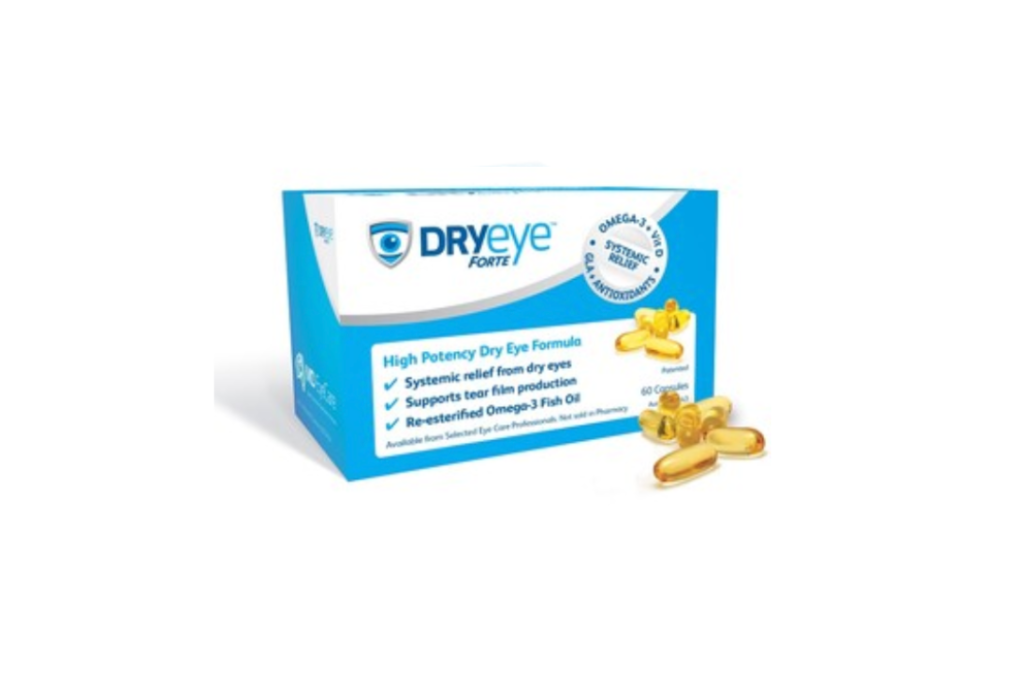
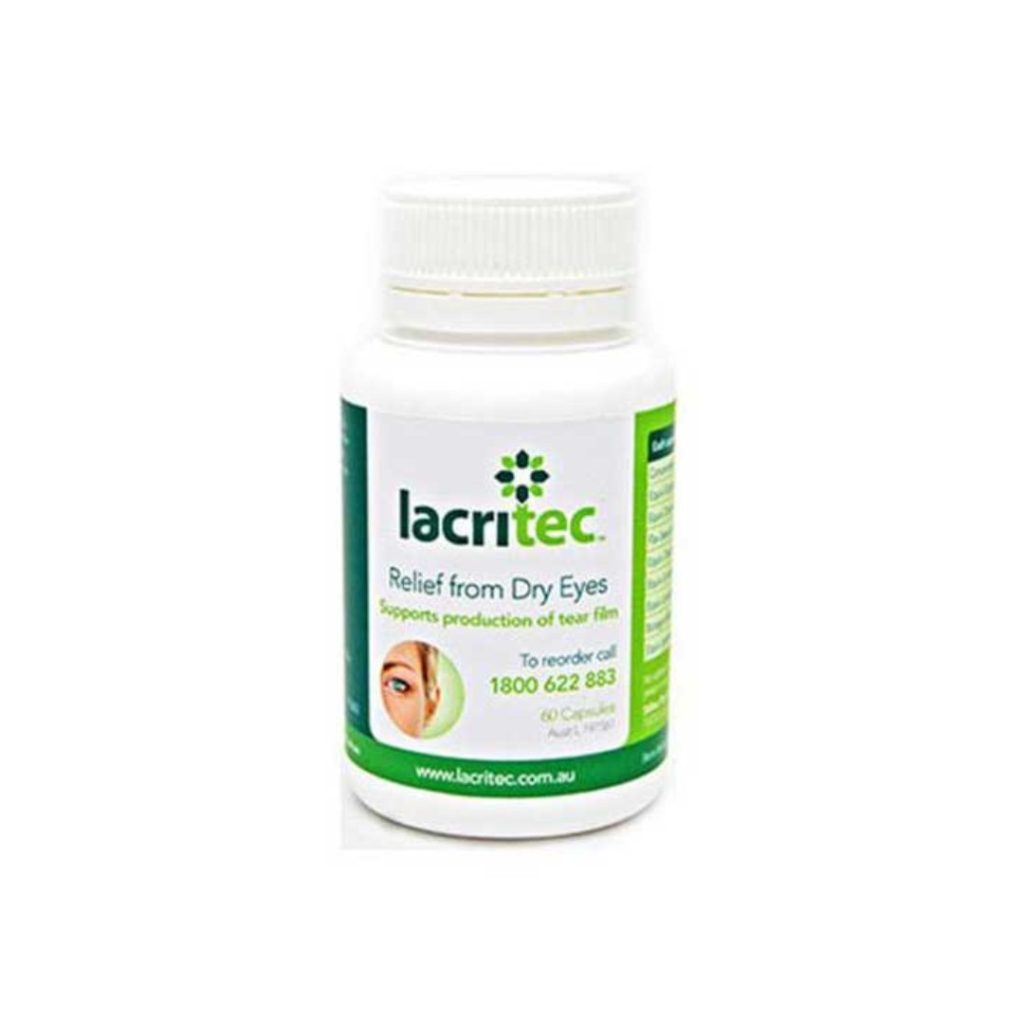
    Addressing dry eye symptoms begins with proactive and restorative measures. Start by nourishing your eyes from within. Supplements like DRYEye Forte and Lacritec are specifically designed to enhance tear quality and reduce inflammation, playing a vital role in a comprehensive long-term strategy to restore ocular comfort. By integrating these products into your daily regimen, you can make substantial progress in improving your eye health and overall well-being, positioning them as essential components in your journey toward relief.

    In addition to internal supplements, applying external moisture is essential for preserving eye health. Utilizing a heated eye mask, such as the Eye Cloud Heated Mask or Tranquil Eyes, can effectively alleviate clogged glands, promoting natural lubrication. For enhanced overnight relief, our Eye Seals 4.0 moisture-locking mask is expertly designed to create an optimal environment that minimizes tear evaporation while you sleep, fostering a supportive recovery environment for your eyes and enhancing overall comfort.

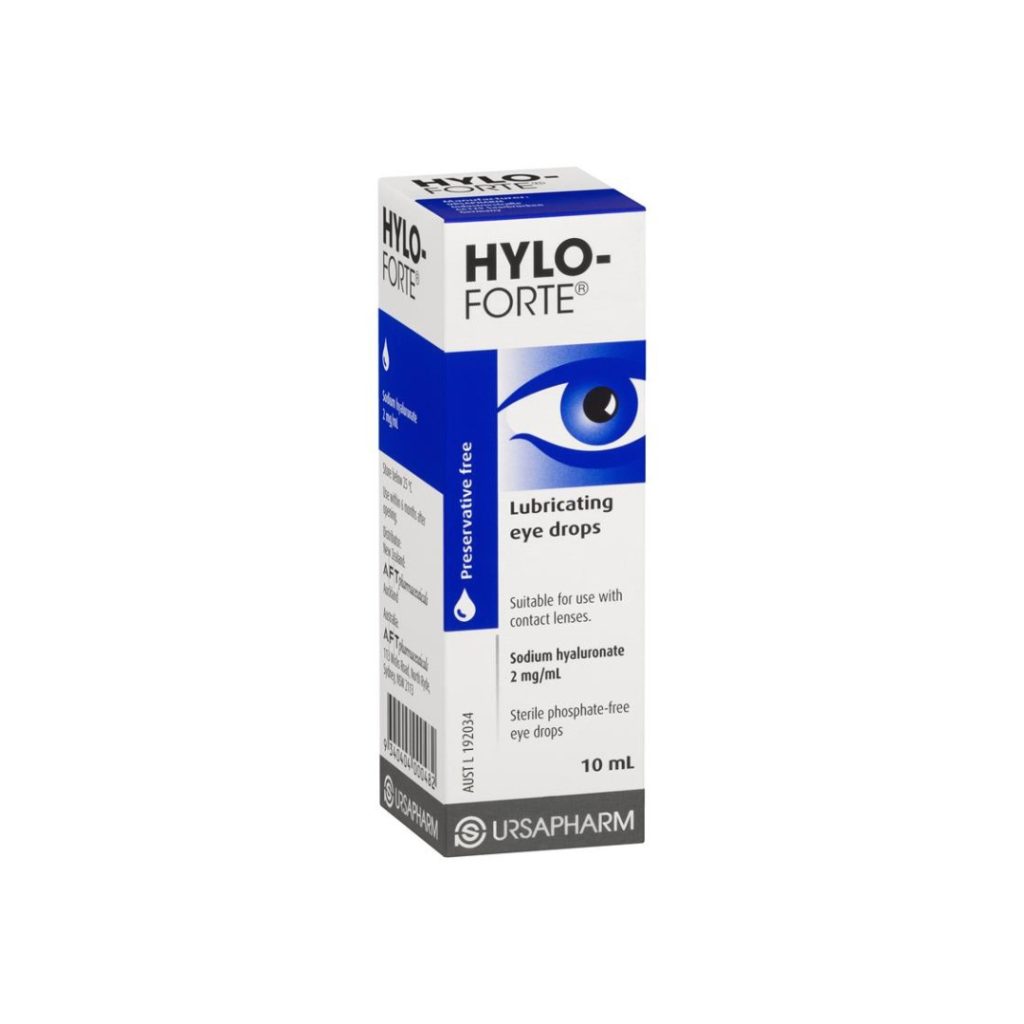
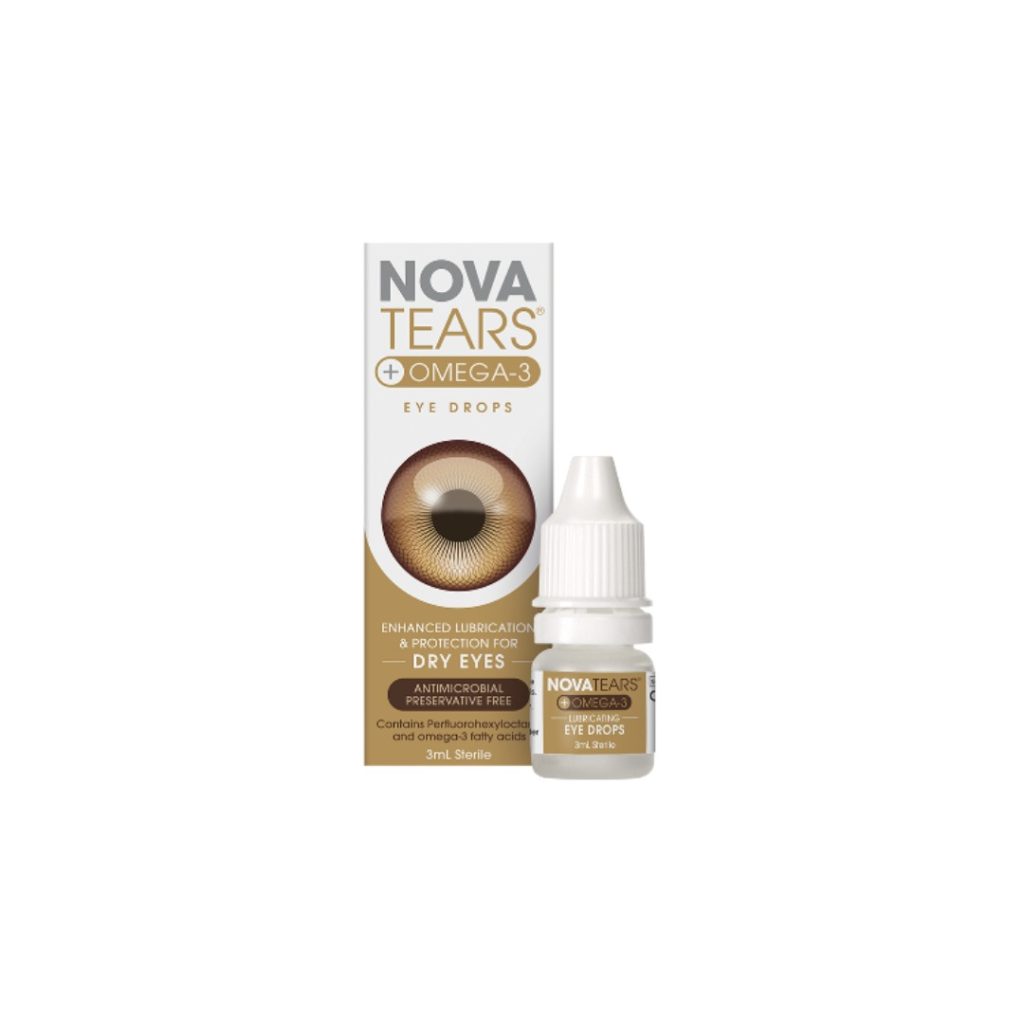
    For daily hydration and moisture retention, consider using preservative-free eye drops such as Hylo-Forte or a tear film stabilizer like Nova Tears Omega 3. These products provide surface relief without causing irritation to sensitive eye tissues, ensuring optimal eye health throughout your daily activities and delivering comfort during prolonged screen exposure or in dry environments.

    For effective long-term management of dry eye symptoms, the NuLids Dry Eye System presents a powerful at-home solution that significantly supports lid hygiene and optimizes meibomian gland functionality. These components are essential for achieving enduring relief from dryness and enhancing overall eye health, making them a highly recommended addition to your eye care routine.

    Nulids Device

    The Critical Importance of Preventive Care for Sustaining Eye Health

    Experiencing dry eye symptoms after LASIK can be both prolonged and challenging to manage effectively. For individuals already grappling with dryness or sensitivity, surgical interventions may significantly complicate their eye health. Opting for glasses instead of LASIK surgery can completely eliminate the risks associated with nerve damage and tear film disruption. Glasses provide clear, dependable vision without compromising the natural surface of the eye, often representing the most comfortable and low-maintenance solution for many, especially when considering the long-term implications for dry eye health.

    BOOK AN APPOINTMENT

    02 4369 8169

    Enhancing Your Eye Health Journey with Eyes By Design

    At Eyes By Design, we appreciate the complexities surrounding dry eyes, particularly following surgical interventions. Our mission goes beyond merely providing advice; we offer trusted products and solutions customized to meet your specific needs. Our extensive range of supplements, masks, and systems for managing dry eyes is available online, carefully selected by professionals dedicated to improving eye health. Whether you are dealing with post-LASIK dryness or seeking to prevent its onset, our offerings are designed with meticulous attention towards restoring comfort and ensuring your eyes receive the exceptional care they deserve.

    This article aims to enhance understanding and knowledge regarding general eye health topics.
    It is not intended to serve as a substitute for professional advice, diagnosis, or treatment.
    Always consult your healthcare professional before incorporating this information into your health regimen.


    dr nick

    Dr Nicholas Altuneg
    For over twenty years, my primary passion has been to assist individuals of all ages in enhancing their lives through improved vision. At Eyes by Design, we believe that vision encompasses much more than simply seeing clearly or reading fine print from a distance; it shapes your perceptions and reactions every moment of the day.
    Read more about Dr Nick

    The Article: LASIK and Dry Eyes: Solutions for Post-Surgery Discomfort first appeared on https://writebuff.com

    The Article Dry Eyes After LASIK: Effective Solutions for Relief Was Found On https://limitsofstrategy.com

  • Natural Herbs for Elderly Care: A UK Guide

    Natural Herbs for Elderly Care: A UK Guide

    Enhancing Wellbeing in Seniors Through the Power of Natural Herbal Remedies

    In recent years, the incorporation of natural herbs for elderly care has gained widespread popularity among aging individuals who are on a quest for effective strategies to enhance their overall well-being. These remarkable herbs are not only rich in a variety of health benefits, but they also play a crucial role in significantly improving the quality of life for seniors. By seamlessly integrating these herbal remedies into their daily practices, older adults can enjoy a range of benefits including boosted immunity, reduced stress levels, and more effective management of common health issues, highlighting their essential role in elder care within the UK. By embracing these natural solutions, seniors can achieve healthier, more vibrant lifestyles filled with renewed energy and vitality.

    Uncovering the Remarkable Health Benefits of Natural Herbs

    Natural Herbs for Elderly Care: Elderly flourishing with turmeric and ginger, enhancing joint health and vitality.

    The incorporation of natural herbs into elderly care can lead to astonishing advancements in health. A diverse range of herbs boasts unique medicinal properties that contribute to overall health and enable seniors to flourish. For example, turmeric and ginger are widely recognized for their powerful anti-inflammatory and antioxidant characteristics. Turmeric, which contains the active component curcumin, is particularly effective in addressing age-related health issues such as arthritis and heart disease. Routine consumption of turmeric has been shown to effectively lower inflammation levels and promote optimal joint health, especially for seniors who often endure discomfort associated with these conditions.

    In addition, herbs like echinacea are crucial for strengthening the <a href="https://mcrtherapies.co.uk/acupuncture-for-immune-system-enhancement/">immune system</a>. As seniors are more susceptible to infections, incorporating echinacea into their diets can significantly lower the likelihood of contracting colds and flu. Research indicates that regular consumption of echinacea not only reduces the duration of illnesses but also improves recovery rates, making it a vital supplement for many seniors throughout the UK.

    Furthermore, natural herbs are essential for supporting healthy digestion, which often poses challenges for older adults. Herbs such as peppermint and fennel effectively alleviate digestive discomfort while stimulating digestive processes to ensure optimal nutrient absorption. This is vital since maintaining a healthy gut is closely associated with overall vitality, allowing seniors to lead more active and fulfilling lives.

    Improving Mental Wellbeing Through Herbal Remedies

    Mental health is a vital aspect of elderly care, and numerous herbs can significantly enhance cognitive function and emotional wellness. For instance, lavender is well-known for its soothing effects. In the UK, many seniors utilize lavender essential oil for aromatherapy, which has been proven to alleviate anxiety and enhance sleep quality. Scientific studies support these findings, showing that inhaling lavender can lower cortisol levels—the body’s stress hormone—thereby cultivating a more tranquil mental state.

    Additionally, herbs such as ginkgo biloba have been extensively studied for their ability to boost memory and cognitive capabilities. It is believed that ginkgo biloba enhances blood circulation to the brain, potentially delaying the onset of age-related cognitive decline, including dementia and Alzheimer’s disease. Many seniors across the UK incorporate this herb into their daily routines to maintain mental clarity and sharpness as they age.

    Stress management is another critical component of supporting mental health. Chamomile, often enjoyed as a soothing tea, is a favorite among seniors seeking relaxation. Its calming properties effectively alleviate insomnia and anxiety, promoting a more restful and peaceful sleep experience. The ritual of brewing and savoring chamomile tea not only adds comfort but also creates serene moments in what can often be a hectic world.

    Natural Methods for Pain Relief in Seniors

    Managing chronic pain is a significant challenge for many elderly individuals, and the use of natural herbs for elderly care presents a promising alternative to traditional pain relief medications. Turmeric, rich in curcumin, supports overall health while serving as a powerful ally against pain. Its anti-inflammatory properties make it particularly beneficial for individuals afflicted by arthritis, a common condition among the elderly population.

    Research has also substantiated the pain-relieving properties of ginger. Numerous studies indicate that ginger can effectively reduce muscle pain and soreness, which is especially helpful for older adults engaged in physical therapy or exercise aimed at sustaining mobility. Including ginger in their diets—whether through teas, supplements, or culinary dishes—can markedly lessen discomfort and enhance overall physical function, ultimately improving their quality of life.

    Moreover, herbs like willow bark, historically recognized as a natural pain reliever, contain salicin, a compound similar to aspirin. Its efficacy in treating various pain types, including headaches and backaches, offers seniors a natural alternative that is especially appealing for those concerned about the adverse effects tied to conventional pain medications.

    Nurturing Skin and Hair Health with Natural Herbal Remedies

    Elderly woman applying aloe vera gel, surrounded by plants, for skin and hair health.

    As skin matures, it often becomes more prone to dryness and a variety of conditions, making skin and hair health a considerable concern for older individuals. The integration of natural herbs for elderly care can lead to significant improvements in skin hydration and overall appearance. Aloe vera, for instance, is highly regarded for its moisturizing qualities. Whether applied topically or ingested, aloe vera can soothe irritated skin and promote healing, establishing it as an essential herb for seniors facing skin challenges.

    Another potent herb, rosemary, not only proves beneficial in cooking but also exhibits stimulating effects on hair growth. It is believed that applying rosemary oil can enhance blood circulation to the scalp, potentially encouraging hair growth and preventing hair loss, which is a prevalent issue among many older adults. By incorporating rosemary into hair care routines, seniors can maintain healthier hair through this simple yet effective method.

    These herbs are readily available in the UK, whether in fresh or dried forms or as essential oils. They can be easily incorporated into daily practices, allowing seniors to enjoy physical and aesthetic enhancements without excessive effort.

    Exploring Popular Herbs Beneficial for Seniors Across the UK

    The enduring tradition of utilizing natural herbs for elderly care in the UK has given rise to several specific herbs that cater to the unique needs of the aging population. Each of these herbs possesses distinctive properties that promote health and well-being, making them invaluable components of any senior’s lifestyle.

    Lavender: The Natural Relaxant for Enhanced Calm

    Lavender is often perceived as a calming herb, famed for its ability to induce relaxation and improve sleep quality. In the UK, lavender’s tranquil effects have established it as a staple in numerous households. Seniors frequently utilize lavender oil in diffusers or add it to their baths to create a serene environment that alleviates anxiety and stress.

    Numerous studies have indicated that aromatherapy involving lavender can significantly enhance sleep quality, which is vital for maintaining overall health. Insufficient sleep can lead to numerous health complications, including cognitive decline and weakened immunity, rendering lavender a crucial ally for seniors seeking restorative sleep.

    Beyond its soothing attributes, lavender also possesses antiseptic qualities that can assist in treating minor cuts and burns, providing an additional layer of care for elderly individuals. With its delightful aroma and versatile applications, lavender emerges as a must-have herb for enhancing the well-being of the elderly community in the UK.

    Chamomile: The Gentle Calmer for Relaxation

    Elderly woman sipping chamomile tea, surrounded by soft light and gentle steam, symbolizing relaxation.

    Chamomile stands out as a quintessential herb frequently embraced by older individuals in the UK. Primarily recognized for its calming effects, chamomile tea has become a beloved beverage that promotes relaxation and aids digestion. The mild sedative properties of chamomile can help seniors unwind, making it an ideal choice for those experiencing insomnia or anxiety.

    Research consistently demonstrates that chamomile can alleviate symptoms of anxiety and enhance overall mood. By integrating chamomile tea into their daily routines, elderly individuals can discover a straightforward yet effective means to boost their mental health and emotional stability.

    Moreover, chamomile is often utilized in skincare due to its anti-inflammatory characteristics, which make it suitable for soothing irritated skin or minor rashes. This dual-purpose herb caters to both internal and external health needs, providing significant value to the overall well-being of seniors.

    Echinacea: The Powerful Immunity Booster

    Echinacea has gained considerable attention in the UK as a powerful herb for enhancing the immune system. This herb proves especially advantageous for elderly individuals who may experience weakened immune responses. Regular consumption of echinacea can assist seniors in warding off seasonal colds and flu, ensuring they maintain good health and activity throughout the year.

    The benefits of echinacea extend beyond immune support; research suggests that it can also reduce the duration of colds when taken at the first sign of symptoms. This positions echinacea as a proactive choice for seniors looking to uphold their health and vitality year-round.

    Echinacea supplements are widely available in health food stores across the UK, making it easy for elderly individuals to incorporate this herb into their daily routines and strengthen their bodies against common ailments.

    Peppermint: The Versatile Energizing Herb

    Renowned for its refreshing flavor, peppermint is a multifaceted herb that serves various beneficial purposes. In the UK, peppermint tea is particularly favored among seniors, as it aids digestion and alleviates symptoms of indigestion, which are often prevalent in older adults. Its soothing properties help relieve discomfort after meals, allowing seniors to relish their food without distress.

    Additionally, peppermint can serve as a natural remedy for headaches and migraines. Its cooling menthol effect provides relief and enhances focus, making it a valuable herb for older individuals looking to ease headaches without resorting to medication.

    When properly diluted, peppermint oil can also be applied topically to relieve sore muscles and tension, further enhancing its role in elderly care. The accessibility and multifaceted benefits of this herb make it a favorite among seniors in the UK.

    Enjoyable Herbal Teas for Optimal Elderly Wellness

    Herbal teas offer a delightful and healthful way for seniors to incorporate natural herbs into their daily routines. These infusions provide hydration while also delivering an array of health benefits specifically tailored to the unique requirements of the elderly population.

    Peppermint Tea: A Digestive Marvel

    Peppermint tea is a standout favorite among elderly individuals in the UK due to its refreshing flavor and digestive advantages. Often enjoyed after meals, peppermint tea helps alleviate symptoms of indigestion, bloating, and stomach discomfort. The herb’s calming qualities also help ease tension and promote relaxation, making it an excellent option for seniors seeking comfort and tranquility in their daily lives.

    Research has highlighted peppermint’s effectiveness in enhancing gastrointestinal function, thereby minimizing the likelihood of digestive issues that can afflict older adults. By enjoying a warm cup of peppermint tea, seniors can experience immediate relief from digestive discomfort while appreciating the soothing warmth of the beverage.

    Moreover, peppermint tea is naturally caffeine-free, making it an ideal choice for those wishing to limit their caffeine intake, particularly in the evening. This gentle herbal infusion can promote better sleep and overall well-being, further enhancing its appeal among seniors.

    Ginger Tea: The Nourishing and Healing Brew

    Ginger tea has long been recognized as a remedy for various ailments and has gained popularity among older individuals in the UK for its multitude of health benefits. Rich in antioxidants and anti-inflammatory compounds, ginger tea can help reduce inflammation and alleviate nausea, making it an excellent choice for seniors facing digestive challenges.

    Research indicates that ginger can effectively minimize muscle pain and soreness, promoting mobility and comfort in older adults. Furthermore, ginger tea can bolster the immune system, enabling seniors to combat common illnesses, especially during winter months when colds and flu are widespread.

    Brewing ginger tea is simple and can be customized to suit personal tastes, whether enjoyed plain or sweetened with honey and lemon. This versatility ensures that seniors can easily incorporate ginger tea into their diets, consistently reaping its health benefits.

    Rooibos Tea: The Nutrient-Rich Herbal Infusion

    Rooibos tea, a unique herbal infusion originating from South Africa, is gaining recognition in the UK for its rich antioxidant profile. Packed with essential vitamins and minerals, rooibos tea may assist in managing blood pressure, making it a valuable choice for seniors concerned about heart health.

    Studies reveal that rooibos tea can enhance cardiovascular well-being by promoting circulation and reducing inflammation. For elderly individuals managing hypertension, incorporating rooibos tea into their daily routines provides a natural approach to supporting heart health and overall vitality. Additionally, rooibos tea is caffeine-free and low in tannins, making it a gentle option for seniors. With its naturally sweet and nutty flavor, it can be enjoyed alone or blended with other herbal ingredients, offering versatility in beverage choices for elderly individuals.

    Simplifying the Integration of Herbs into Daily Routines

    Incorporating natural herbs into daily life for elderly care can be both simple and enjoyable. There are various methods of integration that can ensure seniors benefit from these valuable plants without overwhelming their routines.

    Convenient Herbal Supplements for Seniors

    For many elderly individuals in the UK, herbal supplements offer a convenient means to integrate the benefits of herbs into their daily lives. These supplements come in diverse forms, including capsules, tinctures, and powders, allowing seniors to select the format that resonates most with their preferences.

    Herbal supplements like turmeric capsules provide concentrated doses of beneficial compounds, making them easy to consume alongside meals. This is particularly advantageous for those who may not enjoy the taste of certain herbs or prefer to avoid incorporating them into their food.

    Before embarking on any new supplement regimen, it is essential for seniors to consult with their healthcare providers to ensure compatibility with existing medications and health conditions. This precaution helps guarantee that they can safely enjoy the benefits of herbal supplements without experiencing adverse effects.

    Creative Cooking with Herbs for Healthier Meals

    Incorporating herbs into everyday cooking is an excellent strategy for seniors to enhance their meals while also improving their health. Traditional UK recipes often highlight herbs such as rosemary, thyme, and parsley, all of which can enrich flavor while offering numerous health benefits.

    For instance, rosemary is celebrated for its cognitive-enhancing properties, making it an excellent addition to dishes, as well as a flavorful seasoning. By utilizing fresh or dried herbs, seniors can effortlessly elevate their culinary creations, making healthy eating more enjoyable and fulfilling.

    Moreover, experimenting with new recipes that feature herbs can inspire seniors to engage creatively in the kitchen, stimulating their culinary skills and fostering social interaction when meals are shared with family or friends. This not only promotes healthier eating habits but also nurtures connections within their social circles.

    Indulgent Herbal Baths for Ultimate Relaxation

    Herbal baths provide a luxurious and soothing experience for elderly individuals, allowing them to unwind while reaping the benefits of natural herbs for elderly care. Ingredients such as lavender and chamomile are popular choices for enhancing relaxation during bath time.

    Soaking in a bath infused with these herbs can effectively relieve stress and tension, providing a tranquil retreat for seniors. The calming scents also contribute to an aromatic experience that can uplift mood and enhance overall well-being.

    Creating an herbal bath is simple; seniors can use herbal sachets filled with dried herbs or add a few drops of essential oils to their bathwater. This self-care ritual not only encourages relaxation but also motivates seniors to allocate time for themselves, a crucial aspect of maintaining mental health and emotional balance.

    Essential Safety Considerations for Using Herbs

    While natural herbs for elderly care offer numerous advantages, seniors must approach their use with caution. Being aware of potential risks and taking proactive measures can ensure a safe and beneficial experience with herbal remedies.

    Consulting Healthcare Providers for Expert Herbal Guidance

    Before starting any herbal treatment, elderly individuals should always consult with their healthcare providers. This consultation is vital for identifying any possible interactions with existing medications or health conditions, ensuring that they can safely integrate herbs into their routines.

    Healthcare providers can provide personalized advice regarding the suitability of specific herbs, enabling seniors to incorporate them into their lifestyles safely without compromising their health. This professional guidance is crucial in preventing adverse effects and maximizing the overall effectiveness of herbal therapies.

    Maintaining open communication with healthcare providers empowers seniors to make informed decisions about their health and well-being, fostering a more proactive approach to their care.

    Recognizing Allergic Reactions.

    Being aware of potential allergic reactions is essential when introducing natural herbs for elderly care. Many seniors may have allergies or sensitivities to certain plants, which could lead to adverse reactions if overlooked.

    Conducting patch tests for topical applications or starting with small doses of new herbs can help determine compatibility. If any signs of an allergic reaction arise, such as rashes, itching, or respiratory issues, seniors should immediately discontinue use and seek guidance from their healthcare provider.

    Educating oneself about common allergens linked to herbs can assist seniors in making informed choices, minimizing the risk of allergic reactions, and ensuring a more positive experience with herbal remedies.

    Understanding Dosage and Potential Interactions for Safety

    Comprehending the importance of appropriate dosage is critical for the safe use of herbs among the elderly. Many herbs can exert strong effects, and exceeding recommended amounts may lead to unwanted side effects.

    Seniors should adhere to the suggested dosages detailed on product labels and seek personalized recommendations from healthcare providers. Additionally, being aware of potential interactions between herbs and medications is vital, as certain herbs may amplify or inhibit the effects of prescribed medications.

    By prioritizing safety and adhering to appropriate dosages, elderly individuals can enjoy the health benefits of herbs while minimizing risks and enhancing their overall well-being.

    Monitoring for Side Effects Regularly for Optimal Health

    Regular monitoring for side effects is crucial to ensure the safety and well-being of elderly individuals who incorporate natural herbs as part of their care. Seniors should maintain a log of their herb usage, documenting any changes in their health or mood.

    If any adverse effects occur, such as gastrointestinal discomfort, dizziness, or unusual reactions, seniors should promptly seek medical advice. Regular consultations with healthcare providers can help adjust herbal regimens as necessary, ensuring ongoing safety and effectiveness while maximizing the benefits of these natural remedies.

    Fostering a supportive environment for seniors, where they feel comfortable discussing their experiences with herbs, will encourage proactive health management and improve their overall quality of life.

    Leveraging Herbal Remedies for Common Health Ailments

    The application of natural herbs for elderly care extends to effectively managing common ailments encountered by many seniors. By harnessing specific herbs, elderly individuals can alleviate symptoms and significantly enhance their quality of life.

    Managing Arthritis Pain with Natural Herbal Solutions

    Arthritis is a common condition among the elderly, characterized by joint pain and inflammation. Herbs like turmeric and ginger have emerged as powerful natural solutions for alleviating the symptoms associated with arthritis. The anti-inflammatory properties of turmeric, attributed to its active compound curcumin, have been extensively researched for their ability to relieve joint pain and swelling.

    Many elderly individuals in the UK incorporate turmeric into their diets through curries, soups, or as dietary supplements. Regular consumption can lead to long-term relief, enabling seniors to maintain their mobility and engage in daily activities without discomfort, thereby enhancing their overall quality of life.

    Ginger also serves as a formidable ally in combating arthritis pain. Research suggests that ginger extract can significantly reduce pain and enhance joint function. Including ginger tea or utilizing fresh ginger in cooking can amplify its anti-inflammatory effects and provide a comforting remedy for seniors managing arthritis.

    Addressing Insomnia Naturally with Herbal Remedies

    Insomnia is a prevalent concern among the elderly, often linked to anxiety, physical discomfort, or other health conditions. Valerian root and chamomile are two herbs frequently employed to promote improved sleep quality. Valerian root is recognized for its sedative effects, assisting seniors in falling asleep more quickly and experiencing deeper sleep cycles.

    Studies indicate that valerian root can be as effective as some prescription sleep aids but without the side effects commonly associated with those medications. Seniors can consume valerian root in tea or supplement form, providing a natural solution to addressing insomnia and enhancing sleep quality.

    Chamomile, as previously mentioned, also serves as an excellent sleep aid. Its calming properties can significantly alleviate anxiety levels, making it easier for seniors to drift off to sleep. Pairing chamomile tea with a relaxing bedtime routine creates an environment conducive to restful sleep, further enhancing its effectiveness.

    Natural Remedies for Digestive Issues in Seniors

    Digestive problems can substantially diminish the quality of life for elderly individuals. Herbs such as peppermint and fennel are commonly utilized in the UK to relieve digestive discomfort. Peppermint, with its relaxing properties, can alleviate bloating and gas, resulting in more enjoyable meals for seniors.

    Fennel, known for its carminative properties, can soothe the gastrointestinal tract and alleviate symptoms of indigestion. Seniors can enjoy fennel tea after meals to promote digestion and prevent discomfort. By incorporating these herbs into their diets, elderly individuals can experience notable relief from digestive issues, thereby enhancing their overall health and well-being.

    Discovering Quality Herbs for Optimal Health

    Acquiring high-quality natural herbs for elderly care is essential for ensuring that seniors receive the maximum health benefits. Numerous avenues are available for sourcing premium herbs, ranging from local markets to online retailers.

    Local health food stores and herbal shops typically offer a variety of fresh and dried herbs, allowing seniors to explore their options in person. Furthermore, farmers’ markets provide a unique opportunity to purchase organic herbs directly from producers, ensuring both quality and freshness.

    For those who prefer the convenience of online shopping, many reputable websites offer a broad selection of herbal products, including supplements, teas, and essential oils. Reading reviews and verifying third-party testing can help guarantee that the herbs are of high quality and free from contaminants, providing consumers with peace of mind.

    Seniors may also consider cultivating their herbs at home, with choices like rosemary, basil, and mint being relatively easy to grow. This not only provides fresh herbs but also encourages participation in gardening, which offers numerous physical and mental health benefits, fostering a sense of accomplishment and purpose.

    Frequently Asked Questions About Herbal Care for Seniors

    Which natural herbs are the most beneficial for elderly care?

    Some of the most beneficial natural herbs for elderly care include turmeric, ginger, lavender, chamomile, and echinacea, each offering unique health benefits to support overall well-being and vitality.

    Can herbal remedies negatively interact with medications?

    Yes, certain herbal remedies can interact with medications. Elderly individuals must consult with their healthcare provider before starting any herbal treatments to avoid potential complications and ensure a safe experience.

    What are safe methods to incorporate herbs into my diet?

    You can safely incorporate herbs into your diet by starting with small amounts, using them in cooking, or taking quality herbal supplements, while consulting with a healthcare professional for tailored guidance.

    Are there any side effects associated with herbal supplements?

    While many herbal supplements are considered safe, some can lead to side effects such as digestive issues, allergies, or interactions with medications. Monitoring your body’s response to new herbs is crucial for safety.

    What specific benefits does turmeric provide for seniors?

    Turmeric benefits elderly individuals by reducing inflammation, alleviating joint pain, and providing antioxidant support, making it particularly effective for managing symptoms associated with arthritis.

    Is chamomile tea a safe option for seniors?

    Yes, chamomile tea is generally safe for seniors and can promote relaxation. It can also improve sleep quality, making it a popular choice among the elderly who seek natural remedies for insomnia.

    Which herbs are beneficial for enhancing mental health?

    Herbs such as lavender, chamomile, and ginkgo biloba are recognized for their beneficial effects on mental health, helping to alleviate anxiety and enhance cognitive function in seniors.

    Can herbal baths genuinely promote relaxation?

    Herbal baths featuring ingredients like lavender and chamomile can significantly facilitate relaxation, providing a soothing experience that promotes mental well-being for elderly individuals.

    Where can I find high-quality herbs to meet my health needs?

    Quality herbs can be sourced from local health food stores, farmers’ markets, and reputable online retailers, ensuring that seniors have access to fresh and effective herbal products.

    Are there specific herbs that effectively address digestive issues in seniors?

    Yes, herbs such as peppermint and fennel are excellent options for alleviating digestive issues in seniors, promoting comfort after meals and aiding in digestion.

    Connect with us on Facebook!

    The Article: Natural Herbs for Elderly Care: A UK Guide appeared first on https://mcrtherapies.co.uk

    The Article Natural Herbs for Elderly Care in the UK: A Helpful Guide Was Found On https://limitsofstrategy.com

  • Timing Omega-3 for Optimal Recovery Strategies

    Timing Omega-3 for Optimal Recovery Strategies

    Unlock the Power of Omega-3 Fatty Acids to Optimize Recovery After Exercise

    Exploring How Omega-3 Fatty Acids Combat Inflammation for Superior Recovery

    Timing Omega-3 for Recovery: Athlete in glowing blue omega-3 water, light streams showing reduced inflammation and recovery.

    The path to effective recovery starts with managing inflammation, a natural bodily response triggered by physical exertion and injuries. Understanding the optimal timing of omega-3 for recovery is essential for minimizing this inflammation effectively. Omega-3 fatty acids, particularly Eicosapentaenoic acid (EPA), have shown a remarkable ability to reduce inflammatory markers in the body. This anti-inflammatory effect is critical for athletes as they bounce back from intense workouts and equally beneficial for anyone involved in physical activities or healing from injuries.

    Extensive studies have demonstrated that individuals who incorporate omega-3 fatty acids into their diet experience a substantial reduction in muscle soreness and joint discomfort, enabling a quicker return to their regular routines. For example, research published in the Journal of the International Society of Sports Nutrition indicated that participants ingesting omega-3 reported decreased levels of pro-inflammatory markers after exercising. This compelling evidence strongly suggests that integrating omega-3 into a comprehensive recovery plan can significantly enhance physical health and facilitate a faster return to optimal performance levels.

    Moreover, the benefits of omega-3s extend beyond just athletes. Individuals recovering from surgical procedures or managing chronic health conditions can also benefit from the anti-inflammatory effects of omega-3. By easing inflammation in joints and surrounding tissues, omega-3 not only paves a smoother recovery path but also enhances comfort and mobility, thereby improving quality of life during rehabilitation.

    Leveraging Omega-3 Fatty Acids to Foster Muscle Repair and Growth

    The significance of timing omega-3 fatty acids for recovery in relation to muscle repair and growth cannot be overstated. Omega-3 fatty acids are vital for muscle protein synthesis, which is a fundamental biological process necessary for repairing and rebuilding muscle tissues following exercise. Research indicates that omega-3 fatty acids can significantly enhance the anabolic response to protein intake, making them an invaluable element of any recovery regimen.

    For instance, studies reveal that both EPA and docosahexaenoic acid (DHA) can independently promote muscle protein synthesis even in the absence of dietary protein. This finding highlights that even when protein intake is low, omega-3 supplementation can effectively aid in muscle recovery and development. Athletes who consciously incorporate omega-3 into their training regimens may observe notable improvements in muscle repair and growth rates, helping them achieve their fitness objectives more efficiently.

    Additionally, omega-3 fatty acids have shown positive effects on muscle function, particularly among older adults. As individuals age, maintaining muscle mass becomes increasingly challenging. Research indicates that omega-3 supplementation can help counteract age-related muscle loss, enabling older individuals to recover from physical exertion more swiftly while preserving strength and mobility.

    Boosting Immune Function with Omega-3 Fatty Acids

    The immune system is a crucial component in the recovery process, especially after intense physical exertion or illness. Timing omega-3 for recovery can significantly enhance immune function, empowering the body to effectively fend off various stressors and pathogens. Omega-3s, particularly DHA, are essential in regulating immune cells, thereby promoting a balanced immune response.

    Research has confirmed that omega-3 fatty acids can strengthen the immune system, leading to fewer infections and shorter recovery durations. This is especially pertinent for athletes, as strenuous training can temporarily compromise immune function. By incorporating omega-3s into their dietary plans, athletes can mitigate this risk, ensuring their bodies remain resilient during rigorous training and competitive phases.

    Moreover, omega-3s can assist in recovery from illnesses by reducing inflammation and supporting healthy immune responses. For example, individuals recovering from respiratory infections may experience relief from symptoms through the anti-inflammatory properties of omega-3 fatty acids, which contribute to a faster recovery process.

    Enhancing Cognitive Recovery and Mental Function with Omega-3 Fatty Acids

    An athlete surrounded by glowing omega-3 capsules, brain illuminated by DHA, symbolizing mental clarity post-exercise.

    Physical recovery is closely linked to mental recovery, and omega-3 fatty acids play a pivotal role in this process. Timing omega-3 for recovery can help alleviate mental fatigue and enhance cognitive performance after strenuous physical activity. DHA is particularly significant for brain health, as it supports both neuronal function and plasticity.

    Research indicates that omega-3 supplementation can improve mood and cognitive performance, which is crucial for athletes needing to maintain focus and mental clarity during recovery. Alleviating mental fatigue provides a holistic recovery experience, empowering individuals to reintegrate into their routines with renewed energy and enthusiasm.

    For example, athletes competing at high levels often face not just physical stress but also mental strain. Omega-3s can counterbalance these dual stressors by enhancing cognitive functions such as memory and attention. A consistent intake of omega-3s can ultimately bolster overall performance by ensuring both body and mind are optimally supported throughout the recovery phase.

    Improving Joint Health and Flexibility with Omega-3 Fatty Acids

    Maintaining joint health and flexibility is essential for effective recovery, and omega-3 fatty acids significantly contribute to these aspects. Timing omega-3 for recovery can enhance joint health and reduce stiffness, enabling individuals to engage in physical activities more comfortably and freely.

    Joint inflammation can lead to pain and restrict movement, hindering recovery efforts. Omega-3 fatty acids, thanks to their anti-inflammatory properties, help alleviate joint discomfort and improve flexibility. This is particularly crucial for athletes and those living active lifestyles, as joint health is vital for sustaining high performance levels.

    Regular consumption of omega-3 fatty acids has been associated with lower instances of joint pain across various demographics, including individuals with arthritis and other inflammatory joint disorders. By incorporating omega-3s into their diets, individuals can promote joint health, allowing them to partake in their favorite activities without discomfort.

    Maximizing Recovery Benefits Through Strategic Omega-3 Timing

    Boosting Athletic Performance with Pre-Workout Omega-3 Intake

    Athlete taking omega-3 before workout, showing enhanced blood flow and reduced inflammation.

    Strategically timing the consumption of omega-3 fatty acids can significantly enhance both performance and recovery. Taking omega-3 before workouts prepares the body for the inflammation that typically follows intense physical activity. By proactively addressing inflammation, athletes can enjoy improved endurance and decreased muscle soreness after exercising.

    Research suggests that consuming omega-3 fatty acids prior to workouts may also boost cardiovascular performance. This is particularly advantageous for endurance athletes, as enhanced blood flow and oxygen delivery to the muscles can result in superior overall performance. For example, one study indicated that individuals supplementing with omega-3s before endurance training exhibited improved cardiovascular responses and lower levels of muscle damage.

    Incorporating omega-3s into a pre-workout routine can also be beneficial for those involved in high-intensity interval training (HIIT). The anti-inflammatory qualities of omega-3s can help alleviate the stress that HIIT places on the body, facilitating smoother recovery and better adaptation over time.

    Furthermore, omega-3s can be consumed in various forms before workouts. Whether through fish oil supplements, chia seeds, or flaxseed oil, it’s crucial to select a source that aligns with personal preferences and dietary needs.

    Maximizing Post-Workout Recovery with Omega-3 Timing

    The timing of omega-3 intake immediately following exercise is crucial for maximizing recovery benefits. Consuming omega-3 fatty acids post-workout can dramatically reduce inflammation and enhance muscle repair processes. After intense physical activity, the body is primed for nutrient absorption, making this an ideal window for omega-3 supplementation.

    Studies have shown that consuming omega-3 after exercise can lead to diminished soreness and faster recovery times. For instance, research involving athletes indicated that those who ingested omega-3s within 30 minutes post-workout reported less muscle soreness and quicker recovery compared to those who did not supplement.

    Integrating omega-3 into a post-workout meal or shake can facilitate optimal absorption. This can be achieved through sources like fish oil, omega-3 enriched yogurt, or smoothies blended with flaxseed oil. Moreover, pairing omega-3s with protein can further enhance muscle recovery, making this timing even more effective.

    Athletes should also consider their overall dietary patterns when determining the best timing for omega-3 intake. Regularly incorporating omega-3s into your post-workout routine can create a sustainable habit that supports enhanced recovery and performance, ensuring the benefits accumulate over time.

    Ensuring Consistent Recovery with Daily Omega-3 Supplementation

    Consistency is critical for fully realizing the benefits of omega-3 fatty acids. Daily supplementation is essential for maintaining optimal levels within the body, ensuring that individuals continuously experience the recovery advantages associated with these vital fats.

    Regular intake of omega-3s helps sustain a balanced inflammatory response, which is particularly important for those who engage in regular physical activity or are recovering from injuries. Research indicates that ongoing omega-3 supplementation can lead to cumulative benefits over time, enhancing overall health and recovery results.

    For individuals involved in high-intensity sports or rigorous training regimens, daily omega-3 supplementation can also facilitate muscle repair and growth. Establishing a routine that incorporates omega-3s into daily meals can foster recovery, especially when combined with other nutrients like protein and antioxidants.

    Individuals should assess their specific requirements when determining their daily omega-3 dosage. Personal factors such as activity level, dietary preferences, and overall health goals should be considered to tailor supplementation effectively.

    Enhancing Omega-3 Absorption by Timing Intake with Meals

    Incorporating omega-3 fatty acids into meals can optimize absorption and help maintain consistent levels of these essential nutrients throughout the day. Consuming omega-3s with meals can enhance their bioavailability, resulting in greater recovery and overall health benefits.

    Research indicates that taking omega-3s alongside dietary fats can improve absorption, as these fatty acids are fat-soluble. This presents an opportunity for individuals to pair omega-3 supplements with meals rich in healthy fats, such as avocados, nuts, and olive oil, thereby maximizing their nutritional advantages.

    Moreover, timing omega-3 intake with meals can assist in stabilizing inflammation levels throughout the day. For those engaging in strenuous physical activities or recovering from injuries, maintaining consistent omega-3 levels can provide continual support for reducing inflammation, promoting muscle repair, and enhancing immune function.

    Creating balanced meals that include omega-3 sources, such as fatty fish, chia seeds, or walnuts, can contribute to a well-rounded diet that supports overall health and recovery. By being mindful of when and how omega-3s are consumed, individuals can bolster their overall health and optimize their recovery processes.

    Diving Deep into Various Types of Omega-3 and Their Unique Recovery Benefits

    Discovering the Recovery Advantages of EPA

    Eicosapentaenoic acid (EPA) stands out as one of the most powerful omega-3 fatty acids, recognized for its significant role in reducing inflammation and supporting cardiovascular health during the recovery process. The anti-inflammatory properties of EPA make it particularly advantageous for individuals engaged in intense physical activities or those recovering from injuries.

    Research demonstrates that EPA can effectively lower levels of inflammatory markers in the body, resulting in reduced muscle soreness and expedited recovery times. For athletes, this translates into a more efficient return to training and improved overall performance. For instance, one study revealed that participants supplementing with EPA reported lower muscle soreness after rigorous exercise compared to those who did not.

    Furthermore, the cardiovascular benefits of EPA contribute to enhanced recovery. By supporting heart health, EPA ensures better blood flow, allowing oxygen and nutrients to be delivered efficiently to recovering muscles. This is crucial for optimal recovery, particularly for endurance athletes who rely on cardiovascular efficiency during prolonged physical exertion.

    Incorporating EPA-rich sources, such as fatty fish or high-quality fish oil supplements, into daily diets can provide essential support for recovery. Ensuring adequate intake of EPA can significantly enhance recovery processes and overall health.

    The Influence of DHA on Cognitive Recovery and Brain Health

    Docosahexaenoic acid (DHA) is another essential omega-3 fatty acid, celebrated for its critical role in promoting brain function and cognitive recovery. For individuals engaged in physical activities that demand mental alertness and concentration, DHA is indispensable.

    Research indicates that DHA can improve cognitive function and alleviate mental fatigue, making it essential for athletes who must maintain focus during training and competitions. By supporting neuronal health, DHA contributes to enhanced mental recovery following intense physical exertion, allowing individuals to return to their daily tasks with renewed concentration and clarity.

    Additionally, DHA has been linked to improved mood and emotional well-being. During periods of high physical stress, maintaining mental health is crucial. The anti-inflammatory properties of DHA contribute to a balanced mood, assisting individuals in navigating the psychological challenges that may accompany rigorous training or recovery from injuries.

    Integrating DHA-rich foods, such as fatty fish, algae oil, and fortified products, into the diet can enhance both cognitive and physical recovery. The dual benefits of DHA position it as a vital nutrient for anyone engaged in regular physical activity, ensuring that both body and mind receive adequate support.

    Plant-Based Recovery Benefits from ALA

    Alpha-linolenic acid (ALA) is a plant-based omega-3 fatty acid that offers potential recovery benefits, although it is generally considered less potent than EPA and DHA. For individuals following vegetarian or vegan diets, ALA serves as a crucial source of omega-3 fatty acids, providing health benefits that support recovery processes.

    While ALA must be converted into EPA and DHA within the body—a process that is not very efficient—its inclusion in the diet can still provide valuable support. Research suggests that ALA can help reduce inflammation, a critical factor in recovery. For example, adding sources like flaxseeds, chia seeds, and walnuts to meals or snacks can help maintain adequate omega-3 levels.

    Athletes and active individuals may need to pay closer attention to their overall omega-3 intake, ensuring they obtain sufficient ALA through a diverse array of plant-based sources. Additionally, including ALA-rich foods can synergistically complement other dietary components, such as antioxidants and proteins, creating a comprehensive recovery-oriented nutritional strategy.

    Although ALA may not deliver the same immediate benefits as EPA and DHA, its role in a balanced diet can contribute to long-term health and recovery. Individuals exploring plant-based options should prioritize sources rich in ALA to support their overall well-being.

    Understanding the Role of SDA in Converting to EPA

    Stearidonic acid (SDA) is an omega-3 fatty acid found in specific plant oils and has garnered attention for its ability to convert into EPA. This conversion capability makes SDA an appealing option for those seeking the benefits of omega-3s without relying solely on fish sources.

    Research has shown that SDA can effectively elevate EPA levels in the body, contributing to the anti-inflammatory properties essential for recovery. By incorporating SDA-rich oils, such as hemp seed oil or echium oil, into the diet, individuals can support their omega-3 intake and enhance recovery outcomes.

    The unique aspect of SDA lies in its potential to circumvent some of the conversion challenges associated with ALA, making it a more efficient source of omega-3 for those who prefer plant-based diets. This characteristic positions SDA as a valuable addition for individuals looking to optimize their recovery processes through dietary modifications.

    As the demand for plant-based omega-3 sources continues to rise, integrating SDA-rich oils can offer a practical solution for boosting omega-3 levels in the diet. By ensuring adequate SDA intake, individuals can support their recovery while adhering to their dietary preferences or restrictions.

    Enhancing Recovery by Monitoring the Omega-3 Index

    The Omega-3 Index serves as an essential measure assessing the levels of EPA and DHA in the bloodstream, providing valuable insight into an individual’s omega-3 status. Monitoring this index can help optimize recovery, ensuring that individuals maintain sufficient omega-3 levels for their health and performance.

    Research indicates that higher Omega-3 Index values correlate with lower inflammation and improved health outcomes. This suggests that individuals with optimal omega-3 levels can experience benefits such as reduced muscle soreness, enhanced cardiovascular health, and improved immune function during recovery.

    Athletes and active individuals can gain significant insights from understanding their Omega-3 Index, as this information can guide dietary and supplementation choices. For example, if someone’s Omega-3 Index is low, adjustments to their intake of omega-3-rich foods or the consideration of higher-quality supplements may be necessary to improve their recovery process.

    Regular monitoring of the Omega-3 Index also allows individuals to tailor their dietary strategies, ensuring they meet their specific needs based on their activity levels and recovery goals. By understanding and optimizing their omega-3 status, individuals can substantially enhance their recovery journey.

    Maximizing Recovery Through Strategic Combinations of Omega-3 and Other Nutrients

    Synergistic Benefits of Combining Omega-3 and Protein for Accelerated Muscle Recovery

    Combining omega-3 fatty acids with protein can yield powerful benefits for muscle recovery. This dynamic synergy enhances muscle repair and growth following intensive workouts, establishing it as a vital strategy for athletes and fitness enthusiasts alike.

    Studies have indicated that the presence of omega-3 fatty acids can amplify the muscle-protein synthetic response to dietary protein. This implies that consuming omega-3 alongside protein-rich foods can lead to more effective muscle recovery and growth. For instance, one study found that participants who combined protein and omega-3 supplementation experienced enhanced muscle protein synthesis compared to those who consumed protein alone.

    Integrating omega-3s into post-workout meals, such as a protein shake fortified with fish oil or omega-3-rich foods like salmon, can form a robust recovery strategy. This combination not only supports muscle repair but also aids overall recovery by addressing inflammation and promoting efficient nutrient delivery to the muscles.

    Athletes should consider timing their omega-3 intake with protein-rich meals to optimize the benefits. By adopting this combined approach, individuals can effectively enhance muscle recovery, ultimately improving their performance and reducing injury risk.

    Optimizing Recovery by Pairing Antioxidants with Omega-3

    Combining antioxidants with omega-3 fatty acids can create a synergistic effect that enhances overall recovery and well-being. Antioxidants combat oxidative stress, which can arise during intense physical activity, and pairing them with omega-3 fatty acids can optimize recovery outcomes.

    Research suggests that the anti-inflammatory properties of omega-3s can synergize with the protective effects of antioxidants to minimize muscle damage and enhance recovery. For example, studies have demonstrated that athletes consuming omega-3s alongside antioxidant-rich foods, such as berries and leafy greens, experience reduced oxidative stress and improved recovery durations.

    This synergistic effect may be particularly beneficial for endurance athletes, whose bodies often face heightened oxidative stress due to prolonged physical exertion. By ensuring their diet includes both omega-3 fatty acids and antioxidants, athletes can better support their recovery processes and enhance their overall health.

    Incorporating a variety of antioxidant-rich foods, such as colorful fruits and vegetables, alongside omega-3 sources can create a balanced diet conducive to recovery. This approach not only improves recovery outcomes but also supports overall health and well-being.

    Strengthening Immune Function with Vitamins and Omega-3 Fatty Acids

    Certain vitamins, when consumed alongside omega-3 fatty acids, can provide additional immune support during the recovery process. Vitamins D and C, in particular, have exhibited promising interactions with omega-3 fatty acids, enhancing immune system functionality and resilience.

    Research indicates that vitamin D is essential for immune health, and its combination with omega-3 fatty acids can lead to improved immune responses. For individuals recovering from physical stress or illness, ensuring ample intake of vitamin D and omega-3 fatty acids can significantly enhance their overall recovery journey, facilitating a more effective rebound.

    Vitamin C, known for its antioxidant properties, can also synergistically interact with omega-3 fatty acids, further reducing inflammation and bolstering immune functionality. Including foods rich in both nutrients, such as citrus fruits and fatty fish, can develop a potent recovery strategy that strengthens immune health.

    Individuals should evaluate their dietary patterns and supplementation strategies to ensure they meet their vitamin and omega-3 fatty acid needs. By fostering a diet rich in these key nutrients, individuals can enhance their recovery processes and overall health.

    Determining the Optimal Omega-3 Dosage for Effective Recovery

    Establishing the Ideal Omega-3 Dosage for Enhanced Recovery Outcomes

    Establishing the optimal dosage of omega-3 fatty acids is essential for maximizing recovery benefits while minimizing potential side effects. Research indicates that a daily intake of 1,000 to 3,000 mg of combined EPA and DHA is effective for most individuals seeking recovery support.

    However, the ideal dosage may vary based on personal needs, activity levels, and health objectives. Athletes engaged in high-intensity training may require higher doses to adequately address inflammation and promote recovery. Monitoring personal responses to omega-3 supplementation can help guide dosage adjustments for optimal results.

    Consulting with a healthcare provider or nutritionist can provide personalized recommendations tailored to specific needs and health conditions. This individualized approach ensures that individuals can maximize the benefits of omega-3s while minimizing the risk of potential side effects, such as gastrointestinal discomfort.

    Regularly assessing omega-3 intake and adjusting the dosage as necessary can create a dynamic recovery strategy that aligns with personal goals. By finding the right balance, individuals can enhance their recovery processes and overall well-being.

    Modifying Omega-3 Dosage Based on Activity Levels

    The intensity and type of physical activity can influence the required omega-3 dosage for effective recovery. For instance, athletes participating in endurance sports may need higher omega-3 doses compared to those engaged in moderate exercise due to the greater oxidative stress and inflammation associated with extended physical exertion.

    Research suggests that individuals involved in high-intensity training or competitive sports can benefit from doses exceeding 3,000 mg of combined EPA and DHA, thereby supporting recovery and minimizing muscle soreness. Conversely, individuals with lower activity levels may find that a daily intake of around 1,000 mg is sufficient for maintaining optimal health and recovery.

    Monitoring performance and recovery responses can guide dosage adjustments. Athletes should consider increasing their omega-3 intake during periods of intense training or competition to enhance recovery efforts. This adaptive strategy can ensure that they meet their specific needs while optimizing recovery outcomes.

    Furthermore, understanding the relationship between dietary patterns, omega-3 intake, and physical activity can help individuals effectively tailor their recovery strategies to meet specific requirements. By aligning omega-3 supplementation with their activity levels, individuals can significantly enhance their recovery experiences.

    Tracking Omega-3 Levels for Effective Recovery Strategies

    Regularly assessing omega-3 levels is vital for tailoring dosage and maximizing recovery. The Omega-3 Index offers valuable insights into an individual’s omega-3 status, helping to inform dietary and supplementation choices.

    Individuals can evaluate their omega-3 levels through blood tests that measure the percentage of EPA and DHA in red blood cell membranes. This information can assist in identifying whether dietary adjustments or increased supplementation are necessary to achieve optimal levels.

    By keeping track of their omega-3 levels, athletes and active individuals gain a clearer understanding of their recovery dynamics and can adjust their intake accordingly. For instance, if someone finds their Omega-3 Index is lower than desired, they may need to increase their consumption of omega-3-rich foods or consider higher-quality supplements.

    Establishing a routine for regular assessment fosters awareness about one’s omega-3 status, ensuring that individuals stay on track to achieve their recovery goals. By prioritizing omega-3 monitoring, individuals can enhance their recovery processes and overall health.

    Strategically Timing Omega-3 Intake for Optimal Recovery Results

    The timing of omega-3 intake can profoundly influence recovery outcomes, particularly following exercise when the body is most receptive to nutrients. Consuming omega-3s immediately after workouts can boost muscle repair and minimize inflammation, thereby maximizing recovery benefits.

    Studies indicate that individuals who take omega-3s within a few hours post-exercise experience greater reductions in soreness and quicker recovery times. This is due to the body being primed for nutrient absorption, and omega-3s can help mitigate the inflammatory response triggered by rigorous exercise.

    Incorporating omega-3s into post-workout meals or shakes can facilitate optimal absorption of these nutrients. This can be accomplished through various sources, including fatty fish, chia seeds, and fish oil supplements. Pairing omega-3s with carbohydrates and protein can create a robust recovery meal that supports muscle repair and replenishes glycogen stores.

    By strategically timing omega-3 intake around workouts, individuals can optimize their recovery processes, ensuring they are well-equipped to handle their training demands and any physical challenges that may arise.

    Personalizing Omega-3 Dosage According to Individual Variability

    Individual differences in metabolism, activity levels, and health status may necessitate personalized adjustments to omega-3 dosage for effective recovery. Factors such as age, weight, and overall health can impact how the body processes omega-3 fatty acids, influencing the optimal dosage for each person.

    For instance, older adults may require different omega-3 intake levels compared to younger athletes due to changes in metabolism and muscle recovery dynamics. Moreover, individuals with specific health conditions may benefit from tailored omega-3 supplementation to support their recovery processes.

    Regularly evaluating personal responses to omega-3 supplementation can inform dosage adjustments. For example, if someone experiences persistent inflammation or delayed recovery, this could indicate a need for increased omega-3 intake.

    Collaborating with a healthcare provider or nutritionist can help individuals determine the appropriate dosage tailored to their unique needs and goals. By focusing on individual variability in omega-3 metabolism, individuals can enhance their recovery processes and overall health.

    Utilizing Omega-3 for Recovery from Specific Conditions

    Accelerating Recovery from Sports-Related Injuries with Omega-3 Fatty Acids

    Omega-3 fatty acids can play an instrumental role in facilitating recovery from sports injuries by reducing inflammation and promoting healing. When an injury occurs, the body’s inflammatory response is crucial for initiating the healing process; however, excessive inflammation can impede recovery.

    Research shows that omega-3s, particularly EPA and DHA, can help modulate this inflammatory response. By lowering pro-inflammatory cytokines in the body, omega-3 fatty acids can decrease pain and swelling associated with injuries, allowing individuals to recover more effectively and return to physical activities sooner.

    For athletes, integrating omega-3s into their recovery plans after an injury can significantly improve outcomes. Studies have indicated that athletes who supplement with omega-3s during recovery experience faster healing and reduced pain levels compared to those who do not include these fatty acids.

    Including omega-3-rich foods or supplements during the rehabilitation phase can provide additional support for the healing process. Whether through fatty fish, flaxseeds, or high-quality fish oil, ensuring adequate omega-3 intake can expedite recovery and enhance overall resilience against future injuries.

    Supporting Post-Surgical Recovery with Omega-3 Fatty Acids

    Omega-3 supplementation can also facilitate faster recovery and lessen inflammation following surgical procedures. After surgery, the body undergoes an increased inflammatory response as it works to heal tissues, and omega-3s can play a pivotal role in moderating this process.

    Research suggests that patients who supplement with omega-3s post-surgery experience reduced pain and quicker recovery times. By enhancing the body’s ability to manage inflammation, omega-3 fatty acids can help minimize discomfort and ensure a smoother healing process.

    Additionally, omega-3 fatty acids can bolster immune function during recovery, reducing the likelihood of post-operative complications. This is particularly crucial for individuals undergoing major surgeries, where maintaining a robust immune response is essential to avoid infections and promote healing.

    Incorporating omega-3 fatty acids into post-surgery diets can be achieved through dietary sources or supplementation. Patients should consult their healthcare providers to determine the appropriate dosage and form of omega-3s necessary for effective support during recovery.

    Managing Chronic Conditions with Omega-3 for Enhanced Recovery

    Omega-3 fatty acids can also play a significant role in managing chronic conditions, improving overall recovery and health outcomes. Conditions such as arthritis, cardiovascular disease, and metabolic syndrome can benefit from the anti-inflammatory properties of omega-3 fatty acids, which enhance symptom management and improve overall quality of life.

    Research indicates that individuals with chronic inflammatory conditions who incorporate omega-3 fatty acids into their diets experience reduced symptoms and improved overall health. For instance, patients with rheumatoid arthritis may find that omega-3 supplementation leads to decreased joint pain and stiffness, enhancing their ability to engage in daily activities.

    Furthermore, omega-3s can support cardiovascular health by lowering the risk of heart disease and improving recovery after cardiac events. By reducing triglyceride levels and promoting arterial health, omega-3 fatty acids can enhance overall cardiovascular function, benefiting individuals with chronic heart conditions.

    Incorporating omega-3 fatty acids into the diet can be achieved through various sources, including fatty fish, chia seeds, and fish oil supplements. For individuals managing chronic conditions, consulting healthcare professionals to develop a tailored omega-3 strategy can provide significant benefits and promote overall health.

    Frequently Asked Questions Regarding Omega-3 and Recovery

    What are the primary benefits of omega-3 for effective recovery?

    Omega-3 fatty acids are effective in reducing inflammation, supporting muscle repair and growth, enhancing immune function, and facilitating mental recovery, making them crucial for efficient recovery following exercise or injury.

    When is the optimal time to take omega-3 for maximum recovery benefits?

    For optimal results, consume omega-3 fatty acids immediately after a workout to help reduce inflammation and promote muscle repair. Pre-workout intake can also boost performance and prepare the body for exertion.

    What dosage of omega-3 should I take for effective recovery?

    A daily intake of 1,000 to 3,000 mg of combined EPA and DHA is generally effective for recovery. However, individual requirements may vary based on activity levels and specific goals.

    Can vegetarians obtain sufficient omega-3 fatty acids for optimal recovery?

    Yes, vegetarians can obtain omega-3 fatty acids from plant sources such as flaxseeds, chia seeds, and walnuts. Additionally, they may consider algae-based supplements for EPA and DHA.

    Which foods are considered the best sources of omega-3s?

    Fatty fish like salmon, mackerel, and sardines are rich in omega-3s. Plant-based sources include flaxseeds, chia seeds, walnuts, and hemp seeds.

    How do omega-3s impact joint health?

    Omega-3s help reduce inflammation in joints, alleviating pain and stiffness, which promotes better flexibility and overall joint health during recovery.

    Is there a specific time frame for taking omega-3 supplements?

    It’s advisable to take omega-3 supplements shortly after workouts or meals to enhance absorption and ensure the body receives the nutrients when most needed.

    Can omega-3s assist with mental fatigue following exercise?

    Indeed, omega-3 fatty acids support brain health and cognitive function, helping to reduce mental fatigue and enhance focus after intense physical activity.

    What chronic conditions can benefit from omega-3 supplementation?

    Omega-3s can help manage conditions such as arthritis, cardiovascular disease, and metabolic syndrome, promoting better symptom management and overall health.

    How can I monitor my omega-3 levels effectively?

    You can monitor your omega-3 status through blood tests that measure the Omega-3 Index, which indicates the levels of EPA and DHA in your bloodstream, allowing for effective dietary planning.

    Connect with us on Facebook for more insights!

    The Article Timing Omega-3 for Recovery: Optimal Strategies appeared first on https://athleticsupplement.com


    The Article Optimal Strategies for Timing Omega-3 in Recovery Was Found On https://limitsofstrategy.com

  • Ionic Hair Dryers: Uncover the Advantages They Offer

    Ionic Hair Dryers: Uncover the Advantages They Offer

    Unlock the Remarkable Benefits of Ionic Hair Dryers for Gorgeous Locks

    Transform Your Hair Care Routine Using Innovative Ionic Technology

    Person with sleek, frizz-free hair confidently walking in windy, rainy city, showcasing ionic dryer effects.

    The quest for luxurious hair has inspired countless individuals to seek out the latest advancements in hair-drying technology. Enter the revolutionary realm of ionic hair dryers, renowned for their exceptional ability to elevate hair health significantly. One of the standout features of these cutting-edge devices is their impressive capacity to drastically eliminate frizz. By releasing negative ions, they effectively break apart water molecules within your hair. This unique process not only accelerates drying times but also smooths down unruly strands, resulting in hair that looks not just stunning but also feels incredibly silky and smooth. Picture yourself stepping out with hair that stays flat and sleek, no matter the unpredictable weather conditions outside.

    In addition to combating frizz, ionic hair dryers also boost shine remarkably. The interaction between negative ions and hair helps seal the cuticle, producing a glossy finish that beautifully reflects light. This added benefit is invaluable for those who frequently battle dull or lifeless hair. A shiny mane is more than merely a visual delight; in various cultures, it symbolizes beauty and vitality, enhancing your overall appearance and boosting your self-confidence to new heights.

    One of the most significant benefits of using ionic hair dryers is their ability to significantly reduce hair damage. Traditional hair dryers often necessitate high heat settings to achieve the desired results, which can lead to severe heat damage over time. Conversely, ionic dryers empower users to dry their hair at lower temperatures while still realizing fast results. This ideal combination of efficiency and gentleness is crucial for maintaining the overall health of your hair, allowing you to enjoy beautiful locks without compromising their structural integrity.

    Experience Faster Drying Times with Innovative Ionic Technology

    In our fast-paced society, time is an invaluable resource. The remarkable efficiency of ionic hair dryers becomes evident when it comes to significantly reducing drying time. These exceptional devices harness the power of negative ions to expedite the evaporation of moisture from your hair. As a result, users can enjoy a drastically shorter drying duration compared to traditional models, making your daily routine more efficient and streamlined.

    Imagine the liberating sensation of preparing for an important event or managing a hectic day with a drying time that takes only a fraction of what you are accustomed to. This advantage is especially crucial for individuals with busy lifestyles, where every second matters. The reduced drying time is not merely a convenience; it enhances your morning rituals, providing you with extra moments to focus on what truly matters in your daily life.

    Moreover, quicker drying times lead to decreased energy consumption. As we collectively strive for a more sustainable lifestyle, the ramifications of reduced energy usage cannot be overstated. This not only benefits your finances but also positively impacts the environment. By choosing an ionic hair dryer, you are making a conscientious decision that contributes to a greener planet while ensuring you look fabulous.

    Simplify Hair Styling with the Help of Ionic Hair Dryers

    For many individuals, styling hair can feel like a daunting task, especially for those with frizzy or unmanageable locks. This is where ionic hair dryers revolutionize the hair styling experience. The smooth, frizz-free finish that ionic technology delivers not only simplifies the styling process but also enhances the longevity of your chosen look throughout the day.

    With significantly less frizz and static, your styles are more likely to hold their shape without the need for constant touch-ups. This is particularly beneficial for those who enjoy creating intricate hairstyles that require time and effort to perfect. Ionic dryers work seamlessly with various styling tools, providing enhanced versatility. Whether you prefer a sleek ponytail for a professional setting or soft, romantic waves for a night out, the styling possibilities are virtually endless.

    The improvement of shine and texture is yet another exciting advantage of using ionic hair dryers. By sealing the cuticle, your hair not only appears healthier but also feels vibrant to the touch. Additionally, by utilizing lower temperatures during styling, you minimize heat damage, safeguarding the integrity of your strands. If you have ever faced the disappointment of split ends after styling, ionic dryers offer a solution that allows you to embark on a healthy hair journey without sacrificing style or beauty.

    Find the Ideal Ionic Hair Dryer for Every Hair Type

    Diverse group using ionic hair dryer, showing volume, smoothness, and enhanced curls with less frizz.

    One of the standout characteristics of ionic hair dryers is their versatility to accommodate all hair types. Regardless of your hair texture, these dryers are meticulously designed to meet diverse needs. For individuals with fine hair, ionic technology provides essential volume without the risk of damage. The gentle airflow elevates the roots, creating an illusion of thicker hair that is full of life and bounce.

    On the opposite end of the spectrum, those with thick or coarse hair will greatly appreciate the efficiency and smoothing capabilities that ionic dryers provide. These advanced devices effortlessly tame unruly strands, dramatically reducing the time spent managing a wild mane. Furthermore, individuals with curly hair will discover that ionic dryers enhance their natural curls while simultaneously combating frizz, making styling not only easier but also more effective.

    For those with damaged or color-treated hair, the gentle nature of ionic technology is a true savior. By sealing the cuticle, these dryers help maintain the vibrancy of color-treated hair, allowing you to enjoy beautiful shades for extended periods. You no longer have to sacrifice hair health to achieve your desired look; instead, ionic hair dryers offer a harmonious balance that benefits everyone, from straight-haired individuals to curly-haired enthusiasts, establishing themselves as a truly versatile styling tool.

    Encourage Healthy Hair Growth with Ionic Hair Dryers

    The journey to achieving healthy hair begins at the scalp, and ionic hair dryers play a vital role in promoting scalp health. The lower heat exposure associated with ionic technology helps reduce irritation and damage to the sensitive skin on your scalp. This is particularly important for individuals who experience conditions such as dryness or sensitivity, as reducing the temperature can lead to a more comfortable hair-drying experience.

    Additionally, the negative ions produced by these dryers effectively combat static electricity, which can often lead to discomfort and even itchiness on the scalp. This enhanced comfort translates into a more pleasant hair-drying routine, positively contributing to overall hair health and well-being.

    Beyond comfort, ionic dryers also promote improved blood circulation to the scalp. The gentle heat encourages blood flow, which is essential for supporting hair growth and strengthening existing strands. Healthy circulation is integral to maintaining a vibrant and robust mane, making the use of an ionic dryer not just a styling choice, but an active step towards achieving optimal hair health and vitality.

    Adopt Eco-Friendly Hair Care Practices with Ionic Hair Dryers

    In an era increasingly focused on sustainability, ionic hair dryers shine for their environmentally friendly features. Their energy-efficient design is a primary advantage, as shortened drying times lead to reduced energy consumption. This represents a significant benefit for both users and the planet, aligning personal grooming habits with a commitment to environmental stewardship and responsibility.

    Another crucial aspect of these dryers is their durability. Many ionic models are engineered to last, which reduces the frequency of replacements and, subsequently, waste. By investing in a high-quality ionic dryer, you are making a decision that benefits both your hair and the environment, ensuring that your grooming routine is as environmentally sustainable as possible.

    Furthermore, some ionic dryers are constructed from recyclable materials, further promoting sustainable waste management practices. As consumers, we wield the power to influence change through our purchasing choices. Opting for an eco-friendly product is a significant stride towards a healthier planet. By choosing an ionic hair dryer, you are actively participating in a movement aimed at reducing greenhouse gas emissions, making a meaningful impact with every styling session.

    Enhance Your Hair Drying Experience with User-Centric Features of Ionic Hair Dryers

    Person styling hair with a sleek, lightweight ionic dryer featuring multiple settings on a modern interface.

    User experience is critical when selecting a hair dryer, and ionic models excel in this area thanks to their thoughtfully designed features. Many ionic dryers boast lightweight designs, making them easy to handle during use. This is a notable advantage for those who spend considerable time styling their hair, as a lighter dryer can significantly reduce strain on the arms and wrists.

    Moreover, the multitude of heat and speed settings available on many ionic dryers allows for a customized drying experience tailored to individual hair types and preferences. This versatility empowers you to achieve your desired results without compromising hair health. The variety of settings equips users to adjust their drying techniques, ensuring that everyone can find the perfect balance for their unique hair care requirements.

    Noise levels are often a concern with traditional hair dryers, but many ionic models operate quietly, enhancing the overall user experience. A quieter operation creates a more serene styling session, whether you’re getting ready in the morning or winding down in the evening. Furthermore, an ergonomic grip is standard in many designs, ensuring comfortable handling and control during use.

    Another standout feature is the easy-to-clean filter. Regular maintenance is essential for optimal performance, and removable filters simplify this process. By keeping your dryer free from dust and debris, you can extend its lifespan and enjoy consistent results with every use, thus making your hair-drying experience as effective and enjoyable as possible.

    Achieve Long-Term Savings with Cost-Effective Ionic Hair Dryers

    Investing in an ionic hair dryer is not merely a purchase; it’s a decision that yields substantial returns over time. The combination of reduced energy consumption and a durable design translates to significant cost savings in the long run. Fewer visits to the salon for professional blowouts can lead to considerable savings, allowing you to redirect those funds into other areas of your beauty regime or personal wellness.

    Additionally, users may find they have a decreased need for styling products. With the smooth, shiny results achieved through ionic technology, there’s less reliance on serums, sprays, or other products that can weigh hair down or create build-up. This not only results in financial savings but also simplifies your hair care routine, promoting a more efficient approach to styling.

    Ultimately, opting for an ionic hair dryer is a strategic move that benefits both your hair and your finances. As you embrace this advanced technology, you’ll discover that it not only elevates your hair game but also supports a lifestyle of efficiency and health, making it a wise investment for anyone seeking to achieve beautiful, healthy hair.

    Frequently Asked Questions About Ionic Hair Dryers

    What are ionic hair dryers and how do they work?

    Ionic hair dryers utilize negative ions to break down water molecules, facilitating quicker drying while reducing frizz and promoting healthier hair overall.

    How do ionic hair dryers contribute to improved hair health?

    Ionic hair dryers effectively minimize frizz and enhance shine by sealing the hair cuticle, while utilizing lower heat settings diminishes damage, fostering overall hair health.

    Are ionic hair dryers suitable for all hair types?

    Absolutely! Ionic hair dryers are appropriate for every hair type, encompassing fine, thick, curly, damaged, and color-treated hair, offering tailored benefits for each unique texture.

    Do ionic hair dryers save energy?

    Indeed! Ionic hair dryers significantly shorten drying time, which lowers energy consumption, making them an eco-friendly choice for hair care enthusiasts.

    How do ionic dryers enhance styling capabilities?

    Ionic dryers create smooth, frizz-free hair that maintains styles effectively throughout the day, allowing for versatile styling options and long-lasting results.

    Do ionic hair dryers cause less hair damage?

    Yes, by operating at lower temperatures while maintaining quick drying times, ionic dryers help to minimize heat-related damage, preserving the overall health of your hair.

    What features should I consider when selecting an ionic hair dryer?

    Look for lightweight designs, a variety of heat and speed settings, quiet operation, ergonomic grips, and easily cleanable filters to ensure the best user experience possible.

    How do ionic dryers contribute to a healthier scalp?

    Ionic dryers reduce heat exposure, minimize static, and promote improved blood circulation, all of which contribute to a healthier scalp and encourage hair growth.

    Are ionic hair dryers worth the investment?

    Absolutely! Ionic hair dryers offer long-term savings through reduced energy costs and a lesser need for styling products, making them a valuable investment for anyone focused on hair care.

    What maintenance is required for my ionic hair dryer?

    Regularly clean the filter, avoid wrapping the cord too tightly, and store it in a cool, dry place to ensure optimal performance and longevity of your device.

    Connect with us on Facebook for more updates and expert tips!

    The Article: Benefits of Ionic Hair Dryers Explained: A Comprehensive Guide appeared first on Amitys Hair Salon.

    The Article Ionic Hair Dryers Explained: Discover Their Benefits Was Found On https://limitsofstrategy.com

  • Basic Safety Rules: Essential Tips for Effective Learning

    Exploring Comprehensive Safety Strategies in South Africa: A Detailed Examination

    Thorough Investigation of Urban Crime Trends in South Africa

    The urban landscape of South Africa is often marked by elevated crime rates, highlighting the urgent need for a detailed understanding of effective safety practices. Recent statistics reveal that cities such as Johannesburg, Cape Town, and Durban are significantly impacted by diverse criminal activities, including theft, robbery, and various forms of violent crime. The fluctuating nature of these crime rates is influenced by a range of socio-economic factors, making it crucial to equip urban inhabitants with vital knowledge and competencies for safely navigating their surroundings. An all-encompassing safety education initiative should emphasize essential aspects such as maintaining awareness of one’s environment, identifying potentially hazardous areas, and mastering the protocols for reporting suspicious activities promptly to the relevant authorities.

    Moreover, initiatives driven by the community can significantly contribute to nurturing a culture of safety. Collaborations with local authorities and law enforcement agencies allow residents to stay informed about crime trends and receive personalized safety recommendations tailored to their neighborhoods. Participating in workshops and seminars can provide essential skills like self-defence and emergency response, empowering individuals to implement proactive safety strategies. Additionally, the integration of technology, such as safety apps offering real-time alerts and community updates, can dramatically bolster the security and confidence of urban dwellers as they navigate their daily activities.

    Recognizing Safety Issues in Rural Areas of South Africa

    Contrasting sharply with urban settings, the rural regions of South Africa face a distinct array of safety challenges. A notable concern involves potential encounters with wildlife, particularly in areas adjacent to national parks or conservation zones like Kruger National Park. Furthermore, the inherent risks associated with agricultural practices contribute to the safety landscape, with frequent reports of incidents involving machinery, livestock, and hazardous materials across these territories.

    Education centered on safe interactions with wildlife is of utmost importance. For instance, local residents must be adequately trained to recognize potentially dangerous animals and understand their behaviors to avert conflicts and injuries. Furthermore, farmers and rural workers should receive comprehensive training on safe operational practices when dealing with heavy machinery or hazardous substances. This foundational knowledge can significantly reduce workplace incidents, thereby fostering a safer rural environment overall.

    Community awareness campaigns can further enhance understanding of local risks, thereby bolstering the resilience of rural populations. Workshops focused on safe farming practices and strategies for managing wildlife encounters can fundamentally transform the safety paradigm within these communities, ensuring that individuals are well-prepared to respond effectively during emergencies.

    Analyzing the Impact of Cultural Influences on Safety Norms

    The diverse cultural fabric of South Africa necessitates a thoughtful understanding of the various local customs and their implications for safety. Different communities exhibit unique perspectives on personal safety, heavily influenced by historical contexts and socio-economic backgrounds. Acknowledging and respecting these cultural nuances can significantly enhance both individual and collective safety.

    For example, certain communities may encounter specific safety considerations during communal gatherings and traditional events, such as the need for effective crowd management and formulating emergency response strategies. Educating individuals about the cultural practices and expectations within their environments promotes collaboration and understanding, ultimately resulting in a safer community atmosphere.

    Incorporating cultural elements into safety education can make learning more relatable and impactful. Safety initiatives that utilize local languages, stories, and culturally relevant examples can resonate more profoundly with diverse communities, thereby ensuring greater engagement and adherence to safety practices.

    Implementing Customized Safety Education for All Age Groups

    Engaging Young Children with Interactive Safety Learning Activities

    Young children represent a particularly vulnerable demographic that necessitates specially tailored approaches to safety education. Engaging strategies such as storytelling, interactive games, and role-playing can effectively instill essential safety concepts in a manner that is both enjoyable and memorable. For instance, educators can utilize narratives that highlight crucial safety rules applicable during playtime and at home, transforming the learning process into an entertaining and impactful experience.

    In the context of South Africa, where a multitude of languages and cultures coexist, incorporating local stories and characters can further enrich children’s engagement. Utilizing familiar settings, such as playgrounds or community parks, aids children in relating safety lessons to their immediate environments. Fundamental concepts, such as avoiding conversations with strangers and recognizing traffic signals, should be communicated clearly and reinforced through playful activities that capture children’s attention and spark their imagination.

    Parents and guardians play an indispensable role in reinforcing this education. Workshops aimed at equipping them with strategies to teach safety at home can bridge the gap between educational environments and family life. Encouraging open discussions about safety within the household fosters a supportive atmosphere where children feel comfortable voicing their concerns and asking questions. This proactive strategy ensures that safety becomes an ongoing dialogue rather than a singular lesson.

    Safety Education Specifically Tailored for Teenagers

    As children transition into their teenage years, the focus of safety education must evolve to adequately address the unique challenges they encounter. Critical issues such as peer pressure, online safety, and road safety become paramount areas of concern for teenagers in South Africa. Workshops and school programs should underscore the importance of making informed choices in social situations, particularly regarding substance use and engaging in risky behaviors.

    Online safety has emerged as an increasingly pressing issue in today’s digital landscape. With the pervasive nature of social media, it is essential for teens to understand the potential dangers associated with sharing personal information and interacting with strangers online. Educating them about cybersecurity, privacy settings, and the repercussions of their online actions can empower teenagers to navigate the digital world safely and responsibly.

    Additionally, road safety education is crucial, especially in South Africa, where traffic incidents occur alarmingly frequently. Teenagers need to be informed about safe driving practices, the importance of wearing seatbelts, and the dangers of texting while driving. Interactive workshops that simulate real-life scenarios can help teenagers internalize these lessons, fostering a culture of responsibility and awareness among young drivers as they take to the roads.

    Essential Safety Training for Adults

    Adult safety training is vital for equipping individuals with the necessary knowledge to protect themselves and their families effectively. Key topics should encompass workplace safety, home security, and emergency preparedness, all specifically tailored to the South African context. Given that adults often juggle numerous responsibilities, it is essential to deliver concise and impactful training sessions that seamlessly fit into their busy schedules.

    Workplace safety programs must emphasize compliance with legal regulations and best practices relevant to various industries, such as construction or hospitality. Training may include hazard identification, proper equipment usage, and emergency protocols. Promoting a culture of safety within organizations fosters accountability and teamwork, ultimately leading to a reduction in workplace incidents and creating a safer environment for all employees.

    Home security represents another fundamental aspect of adult education. Instructing individuals on how to secure their residences, understand alarm systems, and identify potential vulnerabilities can significantly decrease the prevalence of burglary and theft. Workshops and community safety meetings can provide practical tips and resources, ultimately cultivating a more informed and proactive populace.

    Finally, training focused on emergency preparedness—covering first aid, fire safety, and disaster response—has the potential to save lives in critical situations. Encouraging adults to engage in practical drills and simulations can heighten their confidence and readiness to act during emergencies, leading to safer communities overall as South Africans become more prepared and resilient.

    Community-Centric Safety Initiatives

    Enhancing Community Safety through Neighbourhood Watch Programs

    Neighbourhood watch programs have emerged as a crucial means of boosting community safety across South Africa. By fostering a collective sense of responsibility, these initiatives encourage residents to look out for one another and actively engage in crime prevention efforts. Successful neighbourhood watches typically involve consistent communication between residents, local law enforcement, and community leaders, resulting in a robust safety network that benefits all members of the community.

    A vital element of effective neighbourhood watch programs is establishing strong communication channels, such as WhatsApp groups or dedicated social media pages, where members can report suspicious activities and share valuable safety tips. This real-time exchange of information not only empowers residents but also strengthens community ties. Regular patrols and the visible presence of community members can deter criminal activity, instilling a sense of safety and security among residents.

    Additionally, neighbourhood watch initiatives can incorporate safety education workshops to equip participants with knowledge about crime trends, self-defence techniques, and emergency response protocols. These trainings not only build essential skills but also cultivate a culture of vigilance and preparedness, making communities more resilient against crime.

    Empowering Students Through Targeted School Safety Workshops

    Educational institutions play a pivotal role in shaping the safety awareness of young individuals. Organizing workshops tailored to address specific safety concerns prevalent in various South African regions can significantly enhance student awareness and preparedness. Topics might include bullying prevention, emergency procedures, and health and safety regulations, all adapted to local contexts for maximum relevance.

    In rural areas, workshops could prioritize wildlife safety and road safety, addressing the unique challenges faced by students commuting from distant locations. In urban settings, lessons on personal safety and crime prevention become increasingly pertinent, especially in regions with heightened crime rates. Collaborating with local police departments can further enrich these workshops, providing students with insights from law enforcement professionals and fostering trust between the police and youth.

    Moreover, involving parents in these safety workshops can amplify the overall impact. By integrating families into the safety education framework, schools can create a unified approach to safety that ensures consistent messaging at both home and school. Ultimately, empowering students with knowledge and skills will cultivate safer school environments, promoting well-being for all involved.

    Fostering Community Dialogue through Safety Forums

    Regular community safety forums serve as essential platforms for addressing local safety concerns and sharing best practices within South African communities. These gatherings promote dialogue among residents, local authorities, and safety experts, encouraging a cooperative approach to crime prevention that benefits all stakeholders involved.

    Forums can encompass a broad range of topics, from crime statistics and trends to emergency preparedness and available community resources. By providing residents with the most current information, these forums empower individuals to take proactive measures toward enhancing their safety. Furthermore, inviting local leaders and law enforcement officers to participate can strengthen community ties and build trust, further enhancing collaboration.

    Additionally, community safety forums offer valuable opportunities for residents to share their experiences and concerns. Facilitating discussions around personal safety challenges can illuminate areas needing improvement and inspire collective action. By encouraging community members to collaborate towards common safety goals, these forums foster a sense of ownership and responsibility for local safety.

    Building Trust Through Collaborative Community Policing Initiatives

    Collaborative efforts between communities and law enforcement can significantly enhance safety and trust, effectively addressing local crime issues across South Africa. Community policing initiatives aim to strengthen relationships between law enforcement and residents, creating channels for open communication and mutual respect that are essential for effective crime prevention.

    These partnerships often involve joint community patrols, where police officers and residents work side by side to monitor neighborhoods and deter criminal activities. By fostering a shared sense of responsibility, these initiatives cultivate a culture of safety and vigilance among community members. Regular community meetings with police provide residents with a platform to express their concerns and collaborate on solutions, further enhancing safety.

    Education and training play critical roles in the success of community policing. Workshops that inform residents about crime prevention strategies, reporting procedures, and conflict resolution techniques can empower communities and enhance their engagement with local law enforcement. Ultimately, these partnerships lead to safer, more cohesive communities, where residents feel empowered to take an active role in their safety.

    Harnessing Technology for Enhanced Safety Education

    Exploring Safety Apps for Improved Security in South Africa

    In today’s digital landscape, safety apps have become essential tools for enhancing personal security in South Africa. These applications offer real-time safety alerts, practical tips, and resources, enabling users to make informed decisions regarding their personal safety. Popular safety apps, such as SafeTrek and Alert South Africa, allow users to rapidly notify emergency contacts or authorities, thereby improving response times during critical situations.

    Moreover, these apps typically include features like location tracking, emergency contacts, and safety check-ins, which can be particularly beneficial in urban environments characterized by elevated crime rates. By becoming familiar with these technologies, South Africans can better prepare themselves against potential threats and enhance their overall safety awareness.

    Education regarding these apps should extend beyond mere downloads. Community workshops can instruct residents on how to utilize these tools effectively, including setting up alerts and sharing pertinent information with family and friends. This knowledge is essential for fostering a tech-savvy populace capable of leveraging digital resources for improved safety.

    Accessing a Wide Range of Online Safety Courses

    The rise of online learning has transformed safety education, providing South Africans with access to a wealth of online courses covering various safety topics relevant to their context. These courses may cover subjects such as first aid, self-defence, and emergency preparedness, granting individuals the flexibility to learn at their own pace and convenience.

    Online safety courses are particularly advantageous for busy individuals who struggle to attend in-person workshops. By offering access to quality safety education anytime and anywhere, these courses empower more South Africans to prioritize their own safety and that of their families, regardless of their schedules.

    Furthermore, courses can be tailored to meet the specific challenges faced by distinct communities, whether urban or rural. By providing localized content that resonates with participants’ experiences, online safety education fosters higher levels of engagement and understanding, ultimately resulting in safer communities.

    Utilizing Social Media Campaigns to Enhance Safety Awareness

    Leveraging social media platforms for safety awareness has proven to be an effective strategy for reaching a broad audience in South Africa. Campaigns that spotlight safety tips, emergency protocols, and community resources can capitalize on the extensive reach and engagement potential of platforms like Facebook, Twitter, and Instagram.

    Creating visually appealing and shareable content, such as infographics and short videos, can enhance the impact of these campaigns. By encouraging users to disseminate safety messages within their networks, communities can amplify their reach and foster a culture of safety awareness that benefits all members.

    Furthermore, social media can serve as a platform for community dialogue, allowing residents to discuss safety concerns and share solutions. Integrating local voices into these campaigns can cultivate a sense of ownership and responsibility among community members, ultimately resulting in a more engaged and informed populace.

    Advancing Safety Training Through Virtual Reality Experiences

    The integration of virtual reality (VR) technology into safety training represents a significant advancement in educational methodologies. By simulating real-life safety scenarios, VR can offer immersive experiences that enhance learning and preparedness for South Africans. For example, VR training can recreate emergency situations, such as fire evacuations or wildlife encounters, allowing participants to practice their responses in a controlled and safe environment.

    This innovative approach not only captivates learners but also improves retention of critical safety information. Research indicates that experiential learning, such as VR training, can lead to enhanced preparedness and increased confidence in managing emergencies effectively.

    Moreover, VR training can be customized to address specific community needs, ensuring that South Africans receive relevant and impactful education. Collaborations between technology developers and safety educators can amplify the effectiveness of these training programs, ultimately contributing to the creation of a safer society overall.

    Implementing Mobile Safety Alerts for Instant Updates

    Mobile technology presents an unprecedented opportunity to deliver instant safety alerts to South Africans, significantly improving response times during emergencies. Systems that notify residents about local threats, such as crime incidents or natural disasters, empower communities to take prompt action to protect themselves.

    Integrating these alerts into existing mobile networks and safety apps ensures broad reach, allowing all community members to remain informed. Furthermore, collaborating with local authorities and emergency services can enhance the accuracy and reliability of the information shared, ensuring that alerts are timely and pertinent.

    Promoting awareness of these mobile safety alert systems is paramount. Community workshops and social media campaigns can educate residents on how to subscribe to alerts and respond effectively to notifications. By harnessing the power of mobile technology, South Africa can enhance collective safety and resilience in the face of emerging challenges.

    Conducting Effective Safety Drills and Exercises for Preparedness

    Establishing Consistent Fire Safety Drills in Homes and Workplaces

    Routine fire drills are essential in South African homes and workplaces to effectively prepare for emergencies. These drills not only familiarize individuals with evacuation routes and procedures but also instill a sense of urgency and awareness regarding fire safety. Studies indicate that practicing responses to fire alarms can significantly reduce panic and confusion during actual emergencies.

    Conducting fire drills should become a standard practice for both residential and commercial properties. In homes, families should engage in discussions about fire safety plans and designate safe meeting points outside. Similarly, businesses must ensure that employees are trained in fire response protocols and that fire exits are clearly marked and easily accessible.

    Moreover, integrating fire safety education into these drills can enhance their overall effectiveness. Providing participants with knowledge about fire prevention measures, such as proper electrical usage and safe cooking practices, can further mitigate risks and foster a culture of safety within communities.

    Ultimately, routine fire drills not only prepare individuals for emergencies but also promote a sense of community spirit, encouraging collaboration and communication during potentially panicked situations that require quick thinking and response.

    Preparing for Earthquake Safety in Vulnerable Regions

    Although South Africa may not frequently experience earthquakes compared to other regions, it is critical for individuals to understand appropriate actions during and after an earthquake, especially in areas like Cape Town and parts of the Western Cape. Training focused on earthquake preparedness should emphasize recognizing warning signs, crafting effective emergency plans, and assembling comprehensive disaster kits.

    Educational initiatives can involve community workshops where experts share valuable knowledge about earthquake safety. Practical exercises, such as “Drop, Cover, and Hold On” drills, help residents practice their responses in simulated earthquake scenarios. These drills equip communities with the skills necessary to react effectively in real-life emergencies.

    Additionally, raising awareness about the importance of having emergency supplies readily available—such as water, non-perishable food, and first-aid kits—can significantly enhance individual preparedness. By incorporating earthquake preparedness into broader safety education efforts, South Africans can cultivate resilience against this natural disaster, ensuring they are ready to respond when the need arises.

    Enhancing Personal Safety Through Role-Playing Exercises

    Role-playing scenarios can serve as a powerful tool for South Africans to practice responses to potential safety threats. By simulating real-life situations, individuals can develop critical thinking and problem-solving skills that enhance their ability to react appropriately during emergencies.

    These role-playing exercises can encompass a variety of topics, from responding to stranger danger to navigating potential crime situations. Groups can be formed in community centers, schools, or workplaces to facilitate these exercises, encouraging collaboration and peer learning that strengthens community bonds.

    Additionally, incorporating local contexts and scenarios into role-plays can increase engagement and relatability. For instance, using examples of common safety threats specific to various South African communities can make the training more relevant and impactful, enhancing the learning experience.

    By practicing responses through role-playing, individuals build confidence and muscle memory, equipping them with the tools necessary to handle emergencies effectively. This experiential learning approach ensures that South Africans are better prepared to confront real-life challenges with composure and capability, fostering a culture of safety awareness.

    Integrating Safety Awareness into Everyday Life

    Developing Thorough Home Safety Routines

    Establishing daily routines that prioritize home safety is crucial in South Africa, where burglary and theft rates can be alarmingly high. Simple practices, such as ensuring that all doors and windows are securely locked at all times and exercising caution when answering the door to strangers, can considerably reduce the risk of home invasions.

    Educating families about the importance of securing their properties, including installing security systems, motion sensor lights, and surveillance cameras, can significantly enhance home safety. Community workshops can provide practical guidance on assessing and improving home security measures, encouraging individuals to take proactive steps toward safeguarding their environments.

    Furthermore, discussing safety routines with children can cultivate a culture of awareness within the family unit. Teaching them to be vigilant and report any suspicious behaviors fosters a sense of responsibility and alertness not only in the home but also throughout the wider community.

    Ultimately, incorporating safety routines into daily life is about fostering a mindset of vigilance and preparedness that can protect families and enhance overall community safety, ensuring that individuals are well-prepared for potential threats.

    Practicing Safe Commuting Habits in Varied Environments

    Safe commuting practices are vital for South Africans, particularly given the unique transportation challenges faced across the country. Whether utilizing public transport, walking, or driving, understanding how to navigate these environments safely can considerably reduce various risks.

    For instance, educating individuals on the importance of using well-lit bus stops, avoiding isolated routes, and maintaining awareness of their surroundings while commuting can significantly enhance personal safety. In urban areas, where crime rates may be higher, it is crucial for commuters to remain vigilant and trust their instincts regarding safety.

    Moreover, driving safety should also be a top priority. South Africans must be educated about defensive driving techniques, understanding road signs, and the critical importance of adhering to speed limits. Workshops focusing on road safety can be integral to reducing the alarming rates of road accidents prevalent in the country.

    Encouraging the use of ride-sharing apps and carpooling can also enhance safety during commuting. By promoting shared transport options, individuals benefit from the added security of traveling in numbers, which can deter potential threats and foster a more secure commuting environment.

    Promoting a Culture of Safety in the Workplace

    Fostering a culture of safety within South African workplaces is essential for employee well-being and overall productivity. Regular training and reinforcement of safety protocols can play a significant role in reducing workplace accidents and injuries.

    Employers should implement comprehensive safety programs that encompass risk assessments, emergency procedures, and health and safety regulations relevant to their specific industries. Creating an environment that encourages open communication about safety concerns empowers employees to contribute to a safer workplace.

    Additionally, cultivating a supportive atmosphere where workers feel comfortable reporting hazards and proposing improvements is crucial. Establishing safety committees or conducting regular safety meetings can facilitate discussions surrounding workplace safety, ensuring that all voices are heard and valued.

    Ultimately, prioritizing workplace safety not only protects employees but also enhances overall organizational efficiency. A safe and healthy work environment contributes to improved morale and productivity, benefiting both workers and employers alike.

    Engaging Communities in Safety Initiatives

    Community participation in safety initiatives, such as neighbourhood watch schemes and safety awareness programs, is essential for enhancing security in South African communities. These initiatives foster a sense of unity and shared responsibility among residents, promoting collaboration and communication on safety matters.

    Encouraging active involvement in local safety events—such as clean-up days, safety workshops, and community patrols—can build camaraderie while addressing pressing safety issues. When residents come together, they create a more vigilant and responsive community, ultimately resulting in reduced crime rates and enhanced safety for all.

    Furthermore, integrating safety education into community events can significantly enhance their overall impact. Workshops that focus on relevant safety concerns, such as crime prevention, emergency preparedness, and personal safety, ensure that residents are well-equipped to handle potential threats effectively.

    By cultivating a safety-oriented culture through community initiatives, South Africans can empower one another to take an active role in ensuring the safety and well-being of their neighborhoods, fostering a supportive and secure environment for everyone.

    Addressing Specific Safety Concerns Through Education

    Providing Comprehensive Wildlife Safety Education

    Educating South Africans on how to interact safely with wildlife is vital, especially in rural and park areas. Encounters with wildlife can pose serious risks if individuals are unprepared. Education should focus on recognizing animal behaviors and understanding the appropriate responses to various wildlife encounters to ensure personal safety.

    Local communities near national parks or conservation areas, such as Kruger National Park, should be informed about the potential dangers posed by wildlife, including elephants, lions, and snakes. Training sessions covering safe viewing distances, appropriate actions when approached by animals, and strategies to prevent attracting wildlife to residential areas can significantly mitigate risks and enhance overall community safety.

    Furthermore, raising awareness about wildlife conservation can foster understanding and respect for these animals. By encouraging positive relationships between communities and wildlife, individuals are more likely to take proactive steps to ensure their safety while simultaneously supporting conservation efforts.

    Involving local experts in wildlife education can enhance the credibility and effectiveness of these programs. By equipping residents with the knowledge and skills needed to coexist safely with wildlife, South Africans can create safer environments for both people and animals, ensuring a harmonious balance.

    Increasing Awareness of Road Safety

    Road safety awareness is of paramount importance in South Africa, where traffic-related incidents occur alarmingly frequently. Comprehensive educational programs should focus on safe driving practices, the necessity of wearing seatbelts, and the dangers associated with distracted driving. Tailoring these messages to resonate with local communities can greatly enhance their effectiveness and relevance.

    Educating drivers about road signs, speed limits, and pedestrian safety is crucial for promoting responsible behavior on the roads. Workshops incorporating practical demonstrations, such as defensive driving skills and hazard recognition, equip drivers with the necessary skills to navigate South Africa’s diverse road conditions safely and confidently.

    Furthermore, launching campaigns that target specific demographics, such as young drivers or public transport users, can address the unique challenges they encounter. Engaging local celebrities or influencers to advocate for road safety can amplify the reach and impact of these initiatives, ensuring that messages resonate with a broader audience.

    Ultimately, fostering a culture of road safety awareness within South Africa can significantly reduce traffic accidents and save lives. By prioritizing education and community involvement, South Africans can work collaboratively towards achieving safer roads for all users.

    Frequently Asked Questions About Safety Education

    What effective methods can be used to teach basic safety rules to children?

    Utilize engaging techniques such as storytelling, games, and role-playing to effectively impart safety rules. Tailor lessons to reflect local contexts and involve parents to reinforce learning at home.

    How can adults enhance their workplace safety practices?

    Implement comprehensive safety programs that encompass risk assessments, emergency protocols, and encourage open dialogue about safety concerns to foster a secure work environment.

    What role do community safety forums play?

    Community safety forums facilitate dialogue among residents, local authorities, and safety experts, empowering individuals to collaboratively address safety concerns and share best practices.

    How can technology enhance safety education?

    Technology, including mobile safety apps and online courses, provides residents with real-time safety alerts and accessible educational resources, enhancing their preparedness and response capabilities.

    Why are regular fire drills necessary?

    Regular fire drills prepare individuals for emergencies, familiarizing them with evacuation routes and procedures while minimizing panic and confusion during actual incidents.

    What essential elements should be included in an earthquake preparedness plan?

    An earthquake preparedness plan should include recognizing warning signs, creating emergency kits, and practicing response protocols, ensuring individuals know how to act during such events.

    How do neighbourhood watch initiatives contribute to community safety?

    Neighbourhood watch initiatives enhance community safety by promoting collective responsibility, encouraging communication among residents, and deterring criminal activity through a visible presence.

    What important topics should be covered in school safety workshops?

    School safety workshops should address bullying prevention, emergency procedures, personal safety, and relevant local issues to equip students with critical safety knowledge.

    How can role-playing aid in personal safety education?

    Role-playing allows individuals to practice responses to safety threats, developing critical thinking skills and enhancing confidence in effectively managing emergencies.

    What key home safety routines should be established?

    Key home safety routines include locking doors and windows, utilizing security systems, and educating family members about vigilance and reporting suspicious behaviour.

    Check out our vibes on Instagram!

    The article Best Ways to Teach Basic Safety Rules: A Practical Guide was published first on: https://www.babyproof.co.za

    The Article Teaching Basic Safety Rules: Practical Tips for Success Was Found On https://limitsofstrategy.com

  • Liver Blood Test Insights for Herne Bay Residents

    Liver Blood Test Insights for Herne Bay Residents

    Your Comprehensive Guide to Liver Blood Tests: Uncovering Vital Health Insights

    Understanding the Crucial Role of Liver Blood Tests in Health Assessment

    Illustration of a liver blood test showing enzyme activity, bilirubin, and protein synthesis in a clinical setting in Herne Bay.

    A liver blood test in Herne Bay serves as an indispensable medical evaluation aimed at assessing the functionality and overall wellness of your liver. This essential test analyzes various components present in your bloodstream, including proteins, liver enzymes, and bilirubin levels. Specific proteins, such as albumin, act as vital markers of your liver’s capacity to produce essential elements necessary for multiple bodily functions. Liver enzymes, especially alanine aminotransferase (ALT) and aspartate aminotransferase (AST), serve as critical indicators reflecting the health of liver cells. Elevated levels of these enzymes can indicate liver inflammation or damage, providing crucial insights into your liver’s condition. Additionally, bilirubin—a byproduct of red blood cell breakdown—is measured during this test. Increased bilirubin levels can lead to jaundice, a visible symptom of liver dysfunction.

    Gaining a deeper understanding of the various elements within a liver blood test in Herne Bay empowers you to engage in more insightful conversations with your healthcare provider. By evaluating these substances, healthcare professionals can identify potential liver disorders at an early stage, allowing for timely interventions that are vital for effective treatment. The process of drawing blood may appear straightforward, but it conceals the complexity of the health information it can unveil, acting as a critical lens into your liver’s condition and your overall health status.

    Moreover, this test holds immense value for monitoring patients with existing liver conditions, facilitating necessary modifications in treatment plans or lifestyle changes that could enhance liver function. Regular screenings are especially recommended for individuals with risk factors such as obesity, diabetes, or a history of heavy alcohol consumption. Therefore, embracing a proactive strategy towards your liver health through routine blood testing is of paramount importance.

    The Vital Significance of Liver Blood Tests in Maintaining Optimal Health

    The importance of a liver blood test in Herne Bay cannot be overstated, particularly in light of the rising prevalence of liver diseases within the UK population. Early diagnosis is crucial for effectively managing conditions like hepatitis, cirrhosis, and fatty liver disease. Neglecting these conditions can lead to severe complications, including significant liver damage or even complete liver failure, highlighting the urgent need for awareness and routine testing.

    Take hepatitis as a prominent example—this inflammatory liver disorder often results from viral infections. Early detection through blood tests can lead to viable treatment options, potentially averting chronic liver complications. Cirrhosis, characterized by progressive liver scarring, may develop gradually due to various factors, including long-term alcohol abuse or viral hepatitis. Identifying elevated liver enzyme levels early allows healthcare providers to implement strategies aimed at halting or even reversing liver damage before it becomes irreversible.

    Furthermore, fatty liver disease—whether classified as alcoholic or non-alcoholic—can be diagnosed through blood tests, with increasing incidence rates frequently associated with obesity and sedentary lifestyles. Regular screenings empower healthcare providers to initiate early lifestyle changes, such as dietary adjustments and increased physical activity, promoting better long-term health outcomes.

    The importance of these tests extends beyond mere diagnosis; they are crucial for monitoring existing liver conditions, assessing the effectiveness of treatments, and guiding lifestyle recommendations. Recognizing the essential role of liver blood tests enables patients to take proactive steps in effectively managing their liver health.

    Identifying the Right Time to Schedule Your Liver Blood Test

    Understanding the optimal timing for a liver blood test in Herne Bay is fundamental for protecting liver health and preventing potential complications. Certain symptoms should serve as urgent indicators for testing, including jaundice (manifesting as yellowing of the skin and eyes), abdominal discomfort, and unexplained fatigue. These warning signs may indicate underlying liver dysfunction, necessitating professional evaluation.

    Moreover, individuals with specific risk factors should remain particularly attentive. If you have a history of heavy alcohol consumption, obesity, diabetes, or a family history of liver disease, it is advisable to consider regular liver blood tests as a preventive measure. Such tests can facilitate early detection of issues, allowing for timely intervention and lifestyle modifications before serious complications arise.

    Additionally, those currently receiving treatment for chronic liver conditions or diagnosed with hepatitis should schedule regular tests to closely monitor liver function. Any changes in symptoms or the emergence of new health concerns may also necessitate further testing, ensuring that your healthcare provider can adapt treatment plans as required.

    Overall, being aware of when to pursue a liver blood test in Herne Bay is crucial. Proactively addressing symptoms and being cognizant of risk factors can significantly enhance your liver health and overall quality of life.

    Key Steps to Effectively Prepare for Your Liver Blood Test

    Person calmly preparing for liver blood test in a serene medical setting with essential equipment.

    Strategic Preparation Techniques for Your Liver Blood Test

    Preparing for a liver blood test in Herne Bay is a straightforward yet critical endeavor to ensure the accuracy of your results. Typically, your healthcare provider will recommend fasting for a specified period prior to the test. Fasting generally entails abstaining from all food and drink, aside from water, for up to 12 hours. This precautionary measure helps eliminate variables that could potentially influence the composition of your blood, particularly the levels of liver enzymes and other essential markers.

    It is essential to note that the duration of fasting may vary based on the specific tests being conducted. Always adhere to the tailored instructions provided by your healthcare professional. If you are on medications or have chronic health conditions, discussing these with your doctor is crucial, as they may impact your fasting guidelines or the test results themselves.

    In the days leading up to your test, it is also advisable to refrain from alcohol consumption and excessive physical activity, as both can negatively impact liver function and skew test results. The goal is to establish a baseline that accurately reflects your liver’s typical state, free from external influences that may distort the data.

    By diligently following these preparatory steps, you can ensure that your liver blood test in Herne Bay yields the most accurate information possible, paving the way for reliable diagnoses and effective treatment plans.

    What to Anticipate During Your Liver Blood Test Procedure

    Upon arrival for your liver blood test in Herne Bay, you will find that the process is typically quick and uncomplicated. A healthcare professional will greet you and explain the procedure, addressing any concerns or questions you may have. The actual test involves a straightforward blood draw, usually taken from a vein in your arm.

    To minimize any discomfort, the area will first be cleaned, and if necessary, a local anesthetic may be applied. Once the needle is inserted, blood is collected into vials that will subsequently be tested for various liver markers. The entire process usually takes just a few minutes. While some individuals may experience slight discomfort or bruising, it is generally well-tolerated.

    After the blood draw, you will not require an extended recovery period and can typically resume your daily activities immediately. However, it is advisable to drink plenty of water post-test to aid in hydration and recovery.

    Once your blood is drawn, the samples will be sent to a laboratory for analysis. The turnaround time for results can vary, but many patients receive their results within a few days, facilitating prompt follow-up consultations with their healthcare providers to discuss the findings.

    The simplicity and efficiency of this procedure underscore the importance of regular liver testing as a proactive measure for maintaining optimal liver health.

    What to Expect After Completing Your Liver Blood Test

    Person in Herne Bay discussing liver function test results with healthcare provider in modern medical office.

    Once your liver blood test in Herne Bay is complete, you may wonder about the subsequent steps. Typically, after having your blood drawn, there is no required downtime; you can carry on with your day as usual. However, it is crucial to be informed about how and when you will receive your results.

    Your healthcare provider will usually arrange a follow-up appointment to review the findings. During this consultation, they will explain the results of your liver function tests, which may include levels of liver enzymes, bilirubin, and other relevant markers. It is advisable to prepare any questions you might have in advance, as comprehending your results is critical for your health.

    Should your results fall within normal ranges, it may simply entail continuing regular monitoring. However, if your liver function tests reveal abnormalities, your doctor may suggest additional tests or referrals to specialists, such as a hepatologist, for further evaluation and management.

    Taking the initiative to understand your results and the next steps is an empowering aspect of managing your liver health. The knowledge gained from a liver blood test in Herne Bay can play a crucial role in making informed decisions about your lifestyle and healthcare.

    Deciphering the Meaning of Your Liver Blood Test Results

    Interpreting your liver blood test in Herne Bay results is a vital step in understanding your liver health. Your healthcare provider will present the results, typically accompanied by reference ranges that indicate what is considered normal for each marker. It is important to recognize that these ranges may vary slightly from one laboratory to another, so your doctor will provide context based on the specific laboratory that analyzed your blood.

    Key markers to focus on include liver enzymes such as ALT, AST, alkaline phosphatase (ALP), and gamma-glutamyl transferase (GGT). Elevated levels of these enzymes may suggest liver inflammation or damage, while lower levels typically indicate a well-functioning liver. Bilirubin levels are also significant, as high bilirubin can indicate issues with liver processing or bile flow, potentially signaling conditions such as jaundice or bile duct obstruction.

    In addition to liver enzymes and bilirubin, other components like albumin and prothrombin time can provide insights into the liver’s synthetic capabilities and overall function. Your doctor will discuss any abnormalities in these markers and their implications for your liver health.

    Understanding your results empowers you to take charge of your liver health. If your tests suggest potential issues, proactively engaging with your healthcare provider regarding lifestyle changes or further testing can be a pivotal step toward ensuring long-term wellness.

    Selecting the Ideal Location for Your Liver Blood Test in Herne Bay

    Finding Local GP Practices for Your Liver Blood Test Needs

    Identifying the right location for a liver blood test in Herne Bay is crucial for effectively managing your liver health. Most local GP practices in the area offer this vital service. It is advisable to contact your nearest surgery directly to obtain specific information regarding availability and the booking process.

    When scheduling your test, consider whether your GP practice has the necessary facilities and staff to conduct blood tests efficiently. Many surgeries provide same-day appointments or quick turnaround times, allowing you to receive results promptly.

    Additionally, if you have established a long-term relationship with your GP, they may already be familiar with your health history, making it easier to interpret your results accurately. Building rapport with your healthcare provider can enhance your overall experience and ensure that any potential issues are addressed swiftly.

    Utilizing local GP services for a liver blood test in Herne Bay not only supports community healthcare but also fosters a personalized approach to your health management, ensuring continuity of care.

    Exploring Private Clinics for Convenient Liver Blood Testing in Herne Bay

    If you prefer a more tailored experience, several private clinics in Herne Bay offer liver blood tests. These clinics often provide expedited services and reduced wait times for appointments and results. Many are equipped with modern facilities featuring the latest technology, ensuring precise and efficient testing.

    Private clinics may also offer flexible hours, making it easier to schedule appointments that fit your lifestyle. While the cost of private testing may be higher than utilizing NHS services, the advantages of convenience and speed can justify the investment, especially if you are eager to gain insight into your liver health.

    Before booking an appointment at a private clinic, it is essential to verify their credentials, accreditation, and patient reviews to ensure their reputation is sound. Additionally, check whether they accept insurance or offer payment plans to manage costs effectively.

    Opting for a private clinic for a liver blood test in Herne Bay can provide an excellent choice for those seeking rapid, reliable results in a comfortable environment, empowering you to take control of your health without unnecessary delays.

    Utilizing NHS Facilities for Comprehensive Liver Blood Testing in Herne Bay

    The National Health Service provides extensive facilities for liver blood tests in Herne Bay. Local NHS trusts deliver comprehensive liver health screenings at various accessible locations, ensuring services are available to all residents. By utilizing NHS services, you can be assured of receiving high-quality care, as NHS protocols are designed to ensure patient safety and accurate testing.

    To access liver blood testing through the NHS, you will typically need a referral from a GP or another healthcare professional. Following your referral, you will receive details on where to attend for your test, along with any necessary preparation instructions.

    Waiting times for appointments can fluctuate based on demand; however, the NHS strives to provide timely testing and follow-up consultations. If you have concerns about wait times or require specific testing to be expedited, discussing options with your GP can help facilitate the process.

    Utilizing NHS services for a liver blood test in Herne Bay is an excellent way to ensure that you receive high-quality healthcare without incurring the costs associated with private testing, contributing to the overall health and well-being of the community.

    A Comprehensive Guide to Interpreting Your Liver Blood Test Results

    Understanding Normal Ranges for Liver Function Tests: What You Need to Know

    Interpreting your liver blood test in Herne Bay results necessitates a solid understanding of the normal ranges for various markers. It is important to acknowledge that each laboratory may possess slightly different reference values based on their methodologies and the populations they serve. Consequently, discussing your specific results with your healthcare provider is essential for accurate interpretation.

    Common markers and their typical normal ranges include ALT and AST, which often range from 7 to 56 units per liter for adults. Values outside this range may indicate liver inflammation or damage. Alkaline phosphatase levels usually fall between 44 to 147 IU/L, while GGT levels should typically remain below 51 IU/L for women and below 61 IU/L for men. Bilirubin levels, which help assess liver function, generally range from 0.1 to 1.2 mg/dL.

    Grasping these normal ranges will empower you to engage meaningfully in discussions with your doctor regarding your liver health. If your results fall outside these ranges, it is crucial to remain calm; further tests may be necessary to pinpoint the exact issue, and your doctor will guide you through the subsequent steps based on your individual circumstances.

    Additionally, factors such as age, gender, and overall health can influence what is considered normal for you personally. Recognizing the context of these results is essential in assessing your liver health status and planning any necessary follow-up actions.

    Deciphering the Implications of Abnormal Liver Blood Test Results

    Abnormal results from a liver blood test in Herne Bay can indicate various liver-related issues; however, it is vital to approach this information with a clear understanding of what the results signify. Elevated liver enzymes, such as ALT and AST, often indicate liver inflammation or damage, which could arise from conditions like hepatitis, alcoholic liver disease, or non-alcoholic fatty liver disease.

    Other potential causes of elevated enzyme levels might include certain medications, infections, or metabolic disorders. For instance, sudden spikes in liver enzymes could indicate acute liver injury or toxicity, necessitating immediate medical attention.

    Along with liver enzymes, abnormal bilirubin levels can suggest problems with liver processing or bile flow. Elevated bilirubin levels may result in jaundice, a visible indicator of liver dysfunction. Should bilirubin levels be elevated, further investigation will be required to ascertain the underlying cause.

    Your healthcare provider will interpret these abnormalities within the context of your symptoms, medical history, and possibly additional diagnostic testing. It is crucial to maintain an open dialogue with your doctor regarding any concerning results, as they will guide you through the implications and necessary actions required.

    Understanding that abnormal results do not always indicate severe liver disease can help alleviate anxiety. Further testing is often needed to clarify the situation, providing a clearer picture of your overall liver health.

    Taking Proactive Steps After Receiving Abnormal Liver Blood Test Results

    Receiving abnormal results from a liver blood test in Herne Bay can understandably provoke concern. However, it is crucial to concentrate on the next steps, which your healthcare provider will guide you through. Typically, if abnormal results are detected, your doctor will recommend additional tests to explore the underlying cause further.

    Further testing may include imaging studies, such as an ultrasound or CT scan, to evaluate liver structure or a liver biopsy to assess tissue health. These tests can confirm or rule out specific liver conditions, providing a more comprehensive overview of your liver function and health status.

    In certain cases, your doctor may recommend lifestyle modifications, including dietary changes, exercise regimens, or reduced alcohol consumption, which can positively influence liver health. Engaging in proactive measures often alleviates the effects of any identified issues, promoting improved outcomes.

    Moreover, should a specific diagnosis be confirmed, your doctor will discuss tailored treatment plans designed to address the underlying condition. Recognizing that early intervention can lead to better health outcomes is vital. Your active participation in this process is invaluable; ask questions, seek clarification, and advocate for your health.

    While receiving abnormal results can be unsettling, viewing these results as a pathway to greater understanding and improvement of your liver health can provide a positive perspective on the situation.

    Key Factors Influencing Your Liver Blood Test Results

    Several factors can impact the outcomes of a liver blood test in Herne Bay, making it essential to consider these variables when interpreting results. Medications are a significant factor; numerous prescription and over-the-counter drugs can influence liver enzyme levels, leading to potential misinterpretations of liver function. It is crucial to inform your healthcare provider about any medications you are currently taking, as this will help contextualize your results.

    Alcohol consumption is another critical element. Regular or heavy drinking can elevate liver enzymes, potentially obscuring or mimicking underlying liver conditions. For individuals with liver disease or those at risk of developing liver issues, abstaining from alcohol prior to testing is vital for obtaining accurate results.

    Other health conditions, such as metabolic disorders, obesity, or viral infections, can also affect liver function tests. For example, diabetes can lead to fatty liver disease, which may manifest as elevated liver enzymes in blood tests.

    Moreover, factors like age, sex, and even levels of physical activity can influence test results. For instance, liver function tends to decline with age, while regular exercise can improve liver health and potentially normalize enzyme levels. Understanding these factors helps contextualize your test results and informs discussions with your healthcare provider regarding lifestyle modifications or additional testing.

    Being aware of the various factors that can affect your liver blood test results empowers you to engage more effectively in your healthcare journey, ensuring that you make informed decisions about your liver health.

    Common Liver Conditions Identified Through Blood Tests

    A Thorough Examination of Hepatitis

    Hepatitis represents a significant liver condition that can be diagnosed through a liver blood test in Herne Bay. This inflammation of the liver may arise from viral infections, alcohol consumption, or autoimmune disorders. Blood tests play a critical role in identifying specific viral markers, such as those associated with hepatitis A, B, or C, enabling timely and appropriate treatment.

    The liver blood test can reveal elevated liver enzyme levels, indicating inflammation, and can also identify antibodies or antigens in the bloodstream linked to these viral infections. Early diagnosis is essential, as untreated hepatitis can lead to chronic liver complications.

    In addition to identifying the type of hepatitis, blood tests are instrumental in monitoring the progression of the disease and assessing the response to treatment. For patients diagnosed with chronic hepatitis, ongoing liver function tests are essential for evaluating liver health and determining the need for further interventions or treatments.

    Understanding the link between hepatitis and liver function tests underscores the importance of regular screenings, particularly for individuals at higher risk due to lifestyle factors, travel history, or familial predisposition to liver disease.

    Understanding Cirrhosis: Causes and Consequences

    Cirrhosis is a severe liver condition characterized by scarring and diminished liver function, which can be identified through a liver blood test in Herne Bay. This condition often results from chronic liver diseases, including hepatitis and alcohol-related liver damage. Blood tests can reveal elevated liver enzymes and fluctuations in bilirubin levels, indicating that the liver is not functioning optimally.

    While blood tests alone cannot definitively diagnose cirrhosis, they are invaluable for monitoring liver health and assessing the severity of liver damage. Additional diagnostic imaging, such as ultrasounds or biopsies, may be necessary for a definitive diagnosis.

    The significance of early detection cannot be overstated; cirrhosis can lead to life-threatening complications such as liver failure or liver cancer. Regular liver function tests are crucial for individuals at risk, enabling proactive management strategies to prevent disease progression.

    Patients diagnosed with cirrhosis often require ongoing monitoring and potential lifestyle changes, making routine blood testing an integral part of their healthcare regimen. Awareness of the signs and symptoms of cirrhosis, paired with regular testing, can lead to significantly better outcomes.

    Understanding Non-Alcoholic Fatty Liver Disease (NAFLD)

    Non-Alcoholic Fatty Liver Disease (NAFLD) has emerged as a prevalent liver condition, particularly in light of rising obesity rates. Blood tests are essential for diagnosing NAFLD, typically indicated by elevated liver enzymes such as ALT and AST. This condition occurs when excess fat accumulates in the liver without a history of alcohol abuse, potentially leading to inflammation and liver damage.

    A liver blood test in Herne Bay can help identify abnormal liver enzyme levels that may suggest the presence of NAFLD. Moreover, the test can serve as a monitoring tool for individuals diagnosed with this condition, providing crucial insights into liver health over time and evaluating the response to lifestyle changes or treatment options.

    Lifestyle interventions, including dietary adjustments and increased physical activity, are vital in managing NAFLD. Regular blood testing not only sheds light on liver health but also assists patients in gauging the effectiveness of their efforts toward achieving weight loss and improved overall health.

    Recognizing the implications of NAFLD highlights the importance of proactive health measures, regular screenings, and engaging in discussions with healthcare providers about liver function, ultimately leading to better health outcomes.

    A Comprehensive Overview of Alcohol-Related Liver Disease (ARLD)

    Alcohol-Related Liver Disease (ARLD) encompasses a spectrum of liver problems resulting from excessive alcohol consumption. A liver blood test in Herne Bay can help identify ARLD by revealing elevated liver enzymes, such as AST and ALT, along with other markers that indicate liver inflammation and damage.

    Detecting ARLD early is essential, as continued alcohol abuse can lead to severe complications, including cirrhosis or liver failure. Regular liver function tests are particularly vital for individuals with a history of heavy drinking, allowing for early intervention and close monitoring of liver health.

    In addition to blood tests, healthcare providers may recommend counseling or rehabilitation services for patients struggling with alcohol dependence. Combining medical treatment with lifestyle changes can significantly enhance liver health outcomes and mitigate the risk of complications.

    Understanding the connection between alcohol consumption and liver health underscores the importance of awareness and proactive measures. Regular screenings and candid discussions with healthcare providers about alcohol use can offer essential support for individuals at risk of developing ARLD.

    Critical Insights into Autoimmune Hepatitis and Its Management

    Autoimmune hepatitis is a chronic condition wherein the immune system mistakenly attacks liver cells, leading to inflammation and damage. Blood tests play an essential role in diagnosing this condition, often revealing elevated liver enzymes along with the presence of specific autoantibodies, which indicate an autoimmune response.

    A liver blood test in Herne Bay can help identify these antibodies, providing critical information for diagnosis and treatment planning. Early detection is vital, as untreated autoimmune hepatitis can result in severe liver damage and complications.

    In addition to blood tests, healthcare providers may suggest liver biopsies to evaluate the extent of liver damage and guide treatment decisions. Treatment typically involves immunosuppressive medications aimed at reducing inflammation and preventing further liver injury.

    Understanding autoimmune hepatitis emphasizes the importance of being proactive about liver health, particularly for individuals experiencing unexplained symptoms or those with a family history of autoimmune diseases. Engaging in regular liver function testing can facilitate early diagnosis and effective management of this complex condition.

    Enhancing Liver Health Through Informed Lifestyle Choices

    The Critical Role of Nutrition in Supporting Liver Health

    A balanced diet rich in fruits and vegetables plays a pivotal role in maintaining optimal liver health. The liver is responsible for processing and detoxifying various substances, making it imperative to nourish it with nutrient-dense foods. A diet abundant in antioxidants, which are found in colorful fruits and leafy greens, helps combat oxidative stress that can lead to liver damage.

    Incorporating healthy fats, such as those found in avocados, nuts, and fatty fish, supports liver function by enhancing nutrient absorption and reducing inflammation. Conversely, limiting processed foods, sugars, and unhealthy fats can help prevent the development of conditions like Non-Alcoholic Fatty Liver Disease (NAFLD).

    Maintaining proper hydration is equally crucial for liver health. Drinking adequate amounts of water assists the liver in detoxifying and supports overall bodily functions. Embracing a holistic approach to diet, including regular meals and mindful eating practices, can significantly impact liver health in the long term.

    By making dietary adjustments, individuals can take proactive steps toward improving liver function and preventing disease. Understanding the correlation between dietary choices and liver health empowers you to make informed decisions that ultimately support your overall well-being.

    The Transformative Benefits of Regular Exercise on Liver Function

    Regular physical activity serves as a cornerstone of maintaining liver function and overall health. Engaging in exercise not only promotes weight loss but also helps reduce fat accumulation in the liver, which is particularly beneficial for those at risk of Non-Alcoholic Fatty Liver Disease (NAFLD).

    Physical activity has been shown to enhance insulin sensitivity, further aiding in the prevention of liver-related conditions. Aim for at least 150 minutes of moderate-intensity exercise each week, combining aerobic activities with strength training for optimal results.

    Incorporating movement into your daily routine can be as simple as taking brisk walks, cycling, or joining group fitness classes. The key is consistency; making physical activity a habitual practice can yield significant benefits for liver health and overall wellness.

    Moreover, regular exercise improves mood and reduces stress levels, both of which are essential for maintaining a healthy lifestyle. Understanding the substantial impact of physical activity on liver function empowers individuals to take charge of their health journey, promoting longevity and vitality.

    Commonly Asked Questions About Liver Blood Tests

    What does a liver blood test entail?

    A liver blood test measures various substances in your bloodstream, including liver enzymes, proteins, and bilirubin, to assess the health and functionality of your liver.

    What preparations are required prior to a liver blood test?

    Preparation typically involves fasting for 8-12 hours before the test. Be sure to follow any specific instructions provided by your healthcare provider.

    Where can I obtain a liver blood test in Herne Bay?

    You can receive a liver blood test at local GP surgeries, private clinics, or NHS services in Herne Bay. Contact the facility for information regarding availability and booking procedures.

    What are the normal ranges for liver function tests?

    Normal ranges can vary, but typically ALT and AST levels fall between 7 to 56 units per liter. Consult with your healthcare provider for context regarding your results.

    What do elevated liver enzymes indicate?

    Elevated liver enzymes may suggest liver inflammation or damage. Conditions such as hepatitis, fatty liver disease, or alcohol-related liver disease may be present.

    What actions should I take if my liver test results are abnormal?

    If your results are abnormal, consult your healthcare provider for further evaluation and possible additional testing to ascertain the underlying cause.

    How frequently should I have a liver blood test?

    The frequency of liver blood tests depends on your risk factors and health conditions. Discuss with your healthcare provider how often you should be tested.

    Can lifestyle changes positively affect liver health?

    Yes, adopting a balanced diet, engaging in regular exercise, and limiting alcohol consumption can significantly enhance liver health and functionality.

    What are common conditions diagnosed through liver blood tests?

    Common conditions include hepatitis, cirrhosis, non-alcoholic fatty liver disease, alcohol-related liver disease, and autoimmune hepatitis.

    Are liver blood tests painful?

    The blood draw for a liver blood test may cause mild discomfort, but it is generally quick and well-tolerated by most individuals.

    Connect with us on Facebook!

    This Article Was First Found On https://bloodtest.co.uk

    The Article Liver Blood Test Guide: Essential Insights for Herne Bay Residents Was Found On https://limitsofstrategy.com

  • Summer Hair Repair Tips for Post-Sun Care

    Summer Hair Repair Tips for Post-Sun Care

    Maximize Your Hair’s Health: Understanding the Impact of Sun Exposure

    Sunny days bring joy and adventure, but they also pose significant risks to your hair’s vitality. Prolonged exposure to the sun’s harmful rays can inflict serious damage, compromising the health of your hair and leading to issues that necessitate immediate care. By delving into the complex interaction between UV rays and your hair, you can equip yourself with practical strategies for revitalizing summer hair after sun exposure and safeguarding your beloved locks from future harm.

    Unpacking the Detrimental Effects of UV Rays on Hair Health

    Close-up of damaged hair under microscope showing UV effects: frayed cuticles, dryness, breakage; contrasted with healthy, shiny hair.

    The UV rays emitted by sunlight pose a significant threat not only to your skin but also to your hair. These rays can penetrate deeply into the hair shaft, leading to a breakdown of structural integrity that can weaken your hair. Continuous exposure to these damaging rays can strip away the hair’s natural protective outer layer, known as the cuticle. The effects of this damage are often visible through symptoms like dryness, increased frizziness, and a marked decrease in shine. Hair that has suffered from UV exposure may lose its elasticity, rendering it more prone to breakage and deterioration over time.

    Moreover, the fragile nature of hair means that even a single day of sun exposure can lead to cumulative damage over time. Research has indicated that UV radiation can degrade essential proteins crucial for maintaining hair health, resulting in irreversible changes in texture and strength. The ramifications of such damage can extend beyond appearance, potentially leading to scalp issues such as dryness and irritation. Understanding these impacts is essential; only by comprehending your hair’s vulnerabilities can you implement proactive strategies for revitalizing summer hair after sun exposure.

    Spotting the Signs of Hair Damage Due to Sun Exposure

    Identifying the initial signs of sun-damaged hair is crucial for initiating effective recovery measures. Watch for warning signs like fragility, where strands may snap easily with gentle tugs, or an increase in split ends that could worsen if not addressed promptly. Another prevalent indicator is a noticeable change in hair texture; affected locks may feel coarser and more porous, losing the smoothness and softness they once had.

    Additionally, sun exposure can lead to fading in dyed hair, resulting in a dull and lifeless appearance. Be alert for increased tangling and frizz, common symptoms of declining hair health. Conducting regular assessments of your hair’s condition can enable you to identify these signs early, facilitating timely intervention. By being vigilant in recognizing the early warning signs of sun damage, you can take decisive action to initiate revitalizing summer hair after sun exposure and restore your hair to its former glory.

    Implementing Effective Strategies to Prevent Further Hair Damage

    Preventative measures are far more effective than reactive solutions, particularly when it comes to hair care. Integrating protective strategies into your daily routine is essential for maintaining your hair’s health during the sunnier months. Wearing protective hats can serve as a barrier against harmful UV rays, shielding both your hair and scalp from direct sunlight. Additionally, consider using hair care products that contain UV filters; these formulations provide crucial protection against sun damage while also delivering necessary hydration.

    A comprehensive approach should include seeking shade during peak sunlight hours and using scarves or wraps when spending extended periods outdoors. High-quality hair care products specifically designed to counteract the effects of sun exposure often feature hydrating and protective ingredients. By adopting these proactive strategies, you can significantly reduce the risk of sun damage and take important steps toward effectively revitalizing summer hair after sun exposure.

    Replenishing Moisture in Your Hair After Summer Exposure

    Person applying hair mask, revitalized hair glowing in sunset, post-summer hydration.

    As the sun-drenched days of summer fade away, the emphasis shifts to rejuvenating and rehydrating your hair. Restoring moisture is critical not only for regaining luster but also for ensuring the structural integrity of your hair. Engaging in effective hydration practices can substantially enhance the overall health of your hair after a season spent under the harsh rays of the sun.

    The Crucial Role of Moisture in Maintaining Hair Health

    Maintaining optimal moisture levels in your hair is vital for its elasticity and overall vitality. Sun exposure can deplete your hair’s natural oils, leaving it vulnerable to dryness and brittleness. By prioritizing hydration, you can restore the essential moisture balance necessary for your hair to flourish. Well-hydrated hair not only appears shinier but is also more resilient against damage, highlighting moisture’s significance in preserving hair health.

    Incorporating hydrating products into your hair care routine can lead to noticeable improvements. Seek out conditioners that include humectants, which draw moisture from the environment to ensure your hair remains nourished and hydrated. Additionally, deep conditioning treatments can provide a substantial boost, particularly after prolonged sun exposure. The objective is to create a moisture-rich environment that supports healthy hair growth and revitalization.

    Key Ingredients for Hydration to Look For

    When selecting products targeted at hydration, certain ingredients stand out for their efficacy. Aloe vera is well-known for its soothing properties and impressive moisture-retaining abilities, making it a fantastic choice for hair that has been damaged by sun exposure. Coconut oil, rich in fatty acids, penetrates the hair shaft, delivering nourishment that enhances shine and reduces breakage.

    Another potent ingredient is hyaluronic acid, commonly used in skincare but equally beneficial for hair. This remarkable humectant can retain up to 1000 times its weight in water, making it an exceptional solution for combating dry hair. Incorporating products that contain these key ingredients can significantly elevate your hair’s hydration routine, promoting healthier locks and effectively addressing the consequences of extensive sun exposure.

    Creating DIY Hydration Treatments for Hair Recovery

    Person applying avocado and olive oil hair mask in a sunny bathroom, enhancing hair hydration.

    For those who prefer a more personalized touch, DIY hydration treatments can be both enjoyable and effective. You can create your own hair masks using natural oils such as olive oil or avocado oil, both of which provide deep moisturizing benefits. Combining these oils with ingredients like honey or yogurt can create a rich, nourishing treatment that enhances hair hydration.

    To formulate a straightforward yet effective mask, blend avocado with a tablespoon of olive oil and apply generously to your hair. Allow it to sit for 30 minutes before rinsing thoroughly. This treatment will deliver essential nutrients and hydration to your hair, facilitating recovery after sun exposure. Regularly incorporating DIY masks into your routine can significantly help restore moisture levels and contribute to effectively revitalizing summer hair after sun exposure.

    Tackling Split Ends and Hair Breakage After Summer Fun

    The aftermath of summer activities often leaves your hair struggling with split ends and breakage, necessitating prompt action to restore its health. Effectively addressing these concerns requires a combination of awareness, preventive techniques, and targeted treatments to combat the damage caused by sun exposure.

    Early Detection of Split Ends for Effective Hair Care

    Recognizing split ends early is essential for maintaining the overall health of your hair. They typically appear as frayed or splitting strands at the tips, often leaving your hair looking unkempt and lifeless. Identifying these damaged areas early allows for timely corrective measures, preventing further deterioration and supporting recovery.

    To check for split ends, take a small section of hair and gently twist it. If you observe any strands separating or fraying, it’s a clear indication that your hair needs attention. Regular evaluations of your hair’s condition can assist you in maintaining its health and preventing split ends from escalating into a more significant issue. Pairing this awareness with a proactive hair care approach can facilitate effective revitalizing summer hair after sun exposure.

    Utilizing Effective Trimming Techniques for Healthy Hair

    Regular trims are a cornerstone of maintaining healthy hair, especially if you are dealing with split ends. Scheduling a trim every six to eight weeks can help eliminate damaged ends and prevent split ends from traveling further up the hair shaft, potentially leading to more severe issues down the line.

    Effectively communicating your hair goals to your stylist will ensure you receive the best care possible. Techniques such as the “dusting” method, where only the very tips are trimmed, can help maintain length while effectively removing split ends. Consistent maintenance not only keeps your hair looking fresh but also supports the overall health of your locks, making it an essential strategy for revitalizing summer hair after sun exposure.

    Selecting the Right Products for Repairing Hair Damage

    Investing in high-quality products specifically crafted for repairing damaged hair can significantly enhance your hair’s condition. Look for protein-based treatments that work to strengthen the hair structure, filling in the gaps caused by damage. Ingredients such as keratin, silk proteins, and amino acids are excellent choices for rebuilding hair strength and resilience.

    Incorporating a weekly protein treatment can help restore your hair’s integrity, making it less prone to breakage. However, balance is crucial; while protein treatments are beneficial, overuse can lead to stiffness, so it’s essential to follow up with moisturizing products. By carefully selecting the right products, you can effectively address issues of split ends and breakage, paving the way for successful revitalizing summer hair after sun exposure.

    Implementing Preventative Measures to Avoid Future Damage

    To prevent split ends and breakage in the future, embracing gentle hair care practices is essential. Start by using wide-tooth combs or brushes designed specifically for wet hair, which can minimize breakage and damage. Additionally, avoid aggressive towel drying, as this can exacerbate damage; instead, gently pat your hair dry with a soft towel.

    Limiting the use of heat styling tools can also significantly aid in preventing damage. When heat styling is necessary, always apply a heat protectant spray to mitigate potential harm. By adopting these gentle practices, you can shield your hair from future damage and support its overall health, ensuring effective revitalizing summer hair after sun exposure.

    Nourishing Your Hair from the Inside Out for Optimal Health

    The journey to achieving healthy hair extends beyond surface treatments; nourishing your hair from within is essential for achieving lasting results. This holistic approach encompasses dietary choices, hydration, and effective stress management practices to ensure your hair remains vibrant and resilient after summer sun exposure.

    Enhancing Hair Growth Through a Balanced Diet

    The foods you consume play a pivotal role in your hair’s well-being. A balanced diet rich in essential vitamins and minerals is crucial for supporting hair growth and maintaining overall health. Incorporate foods high in vitamins A, C, D, and E into your meals to nurture your hair from within. These vitamins contribute to healthy sebum production, which acts as a natural moisturizer for both your scalp and hair.

    Moreover, adding foods rich in omega-3 fatty acids, such as salmon and walnuts, is renowned for their anti-inflammatory properties, promoting a healthy scalp and encouraging hair growth. By prioritizing nutrient-dense foods, you provide your hair with the essential building blocks it needs to thrive, establishing a solid foundation for effective revitalizing summer hair after sun exposure.

    Boosting Hair Health with Vitamins and Supplements

    In certain cases, dietary sources alone may not provide sufficient nutrients for optimal hair health. Consider incorporating supplements, particularly biotin and omega-3 fatty acids, into your regimen. Biotin, often referred to as vitamin H, plays a vital role in hair growth and the maintenance of hair’s overall health and vitality.

    Research indicates that biotin supplementation can enhance hair thickness and reduce shedding, making it a popular choice among those seeking to boost their hair’s vitality. Always consult with a healthcare professional before starting any new supplement routine to ensure it aligns with your specific health needs and goals. The correct supplements can effectively complement your dietary efforts, significantly aiding in revitalizing summer hair after sun exposure.

    The Significance of Hydration for Healthy Hair

    Hydration is not only beneficial for your body; it is equally crucial for maintaining the health of your hair. Dehydration can lead to increased dryness and brittleness, exacerbating the issues caused by sun exposure. Strive to drink ample water throughout the day to maintain optimal hydration levels, supporting not only your hair but also your overall health and wellness.

    If plain water feels unappealing, consider adding hydrating foods to your diet, such as cucumbers and watermelon. These foods provide hydration while offering additional vitamins and minerals that bolster hair health. By ensuring your body stays adequately hydrated, you create a nurturing environment for your hair to thrive, leading to successful revitalizing summer hair after sun exposure.

    Managing Stress for Enhanced Hair Vitality

    Stress can significantly affect hair health, often leading to hair loss or degradation. Engaging in effective stress management techniques can greatly benefit your hair’s vitality. Activities like yoga, meditation, and regular physical exercise can substantially lower stress levels, promoting healthier hair growth and overall well-being.

    Incorporating mindfulness practices into your daily routine can help you maintain emotional equilibrium, ultimately supporting your hair health. By addressing mental health as part of your hair care regimen, you can cultivate a holistic approach to effective revitalizing summer hair after sun exposure.

    Selecting the Best Hair Care Products for Optimal Results

    Navigating the vast array of hair products available can be overwhelming, especially when addressing sun damage. Understanding which products to select—and which to avoid—empowers you to choose the best options for restoring your hair’s health and vitality.

    Avoiding Harmful Ingredients for Optimal Hair Care

    When searching for hair products, it is essential to avoid harmful ingredients that can exacerbate damage. Sulfates and alcohols are common offenders that strip hair of its natural moisture and oils, leading to increased dryness and breakage. Products containing these ingredients should be avoided, particularly after a summer filled with sun exposure.

    Instead, focus your efforts on formulations that promote hydration and repair. Seek out naturally-derived ingredients that nourish without the risk of stripping your hair’s essential oils. This careful selection process will help ensure that your hair receives the care it needs during the revitalizing summer hair after sun exposure phase.

    Choosing the Right Shampoos and Conditioners for Damaged Hair

    Selecting shampoos and conditioners specifically designed for damaged or sun-exposed hair is crucial for effective repair. These products often contain nourishing ingredients like keratin, argan oil, and shea butter that work to restore moisture and strength to your strands.

    A sulfate-free shampoo can gently cleanse the hair while preserving its natural oils, preventing further damage. Follow this with a rich conditioner that offers deep hydration, ensuring that each strand receives the attention it deserves. Investing in quality products tailored to your hair’s specific needs after sun exposure can yield remarkable results, leading to successful revitalizing summer hair after sun exposure.

    Incorporating Protective Styling Products into Your Hair Care Routine

    In addition to shampoos and conditioners, consider adding protective styling products to your regimen. Leave-in conditioners and oils can be incredibly effective in shielding your hair from further damage caused by environmental factors. These products provide an extra layer of defense against UV rays, pollution, and humidity.

    Look for lightweight formulations that moisturize without weighing your hair down. Including these protective products in your daily routine can greatly enhance your hair’s resilience, promoting effective revitalizing summer hair after sun exposure and ensuring your locks remain healthy and vibrant.

    Exploring Professional Treatments for Repairing Sun-Damaged Hair

    When at-home remedies fail to yield satisfactory results, seeking professional assistance can provide a higher caliber of care for your sun-damaged hair. Recognizing when to consult a stylist and understanding the array of treatments available can effectively aid in restoring your hair’s vitality.

    When to Seek Professional Help for Your Hair Issues

    If you find that your hair continues to exhibit signs of damage despite your home care efforts, it may be time to consult a professional stylist. A qualified hairdresser can evaluate your hair’s condition and recommend tailored treatments suited to your specific needs. If home remedies haven’t achieved the desired results, professional guidance can offer a more focused approach to address your concerns.

    Additionally, if you notice excessive hair loss or increasingly struggle with breakage, seeking professional advice is crucial. They can provide insights into your hair type and recommend the most effective treatments available, ensuring that your recovery journey is supported by expert knowledge and care.

    Exploring Various Salon Treatments for Effective Recovery

    Professional treatments vary widely and cater to different needs and levels of damage. Keratin treatments are particularly popular for restoring shine and elasticity, creating a protective barrier against future damage. Similarly, deep conditioning treatments can deliver intensive moisture, making them an excellent choice for hair that has suffered under the sun’s harsh rays.

    Consulting with your stylist will help you determine which treatment is ideal for your unique hair type and individual concerns. While these treatments may require a financial investment, the results can be transformative, leading to healthier hair overall. By taking advantage of professional treatments, you can significantly enhance your revitalizing summer hair after sun exposure efforts.

    Maintaining the Results of Your Professional Treatments

    Achieving impressive results from salon treatments requires diligent maintenance at home. Following your stylist’s aftercare recommendations is essential; this may include specific products or routines designed to prolong the benefits of the treatment.

    Incorporating the right home care products, such as those containing moisture-retaining ingredients, can help sustain the results achieved during your salon visit. Regularly using these recommended products will support your hair’s health, allowing you to fully enjoy the benefits of your professional treatment while also promoting ongoing revitalizing summer hair after sun exposure.

    Understanding the Costs and Frequency of Professional Treatments

    Having a clear understanding of the financial investment and time required for professional treatments can aid in effective planning. Keratin treatments and deep conditioning sessions typically vary in cost depending on the salon and location, making budgeting accordingly essential.

    The frequency of such treatments will depend on your hair type and the extent of damage; some individuals may benefit from monthly sessions, while others may find treatments every few months suffice. Being aware of the financial and time commitments involved will guide you in making informed decisions about maintaining your hair health over the long term, contributing to effective revitalizing summer hair after sun exposure.

    Creating Sustainable Strategies for Long-term Hair Care

    Achieving optimal hair health is an ongoing journey that extends beyond reactive measures. Establishing a long-term hair care strategy can protect against future damage and ensure your hair remains vibrant and healthy throughout the year.

    Formulating a Daily Hair Care Routine for Lasting Vitality

    Creating a daily hair care routine is essential for maintaining hair health over the long term. Incorporate gentle cleansing and conditioning into your regimen, utilizing products specifically tailored to your hair type. Regularly detangling with a wide-tooth comb can also help prevent breakage while evenly distributing natural oils throughout your hair.

    Additionally, consider integrating a weekly deep conditioning treatment to provide your hair with an extra boost of hydration and nourishment. This routine can help mitigate damage and strengthen your hair over time, supporting your efforts toward effective revitalizing summer hair after sun exposure.

    Adapting Your Hair Care Routine to Seasonal Changes

    As the seasons shift, so do the needs of your hair. Adjusting your hair care routine to reflect seasonal conditions can help you maintain its health effectively. During summer months, prioritize hydration and UV protection, while in winter, consider incorporating products that provide extra moisture to combat dryness caused by heating systems.

    Recognizing and responding to these seasonal changes will allow you to tailor your care for optimal results. By remaining proactive, you can effectively prevent damage and promote healthy hair throughout the year.

    Implementing Preventative Measures for Future Summers

    Planning ahead is crucial for protecting your hair from potential sun damage in the future. Consider establishing a comprehensive summer hair care plan that includes protective hairstyles, such as braids or buns, which minimize sun exposure. Additionally, investing in a high-quality UV-protectant hair product can serve as an effective barrier against harmful rays.

    Remember to schedule regular trims to maintain hair health, even before the summer season begins. By adopting these preventative strategies, you can set your hair up for success and ensure that it remains vibrant and well-nourished, facilitating effective revitalizing summer hair after sun exposure.

    Frequently Asked Questions Regarding Sun-Damaged Hair

    What are the primary indicators of sun-damaged hair?

    Indicators of sun-damaged hair include brittleness, split ends, frizziness, and a noticeable change in texture or color. Regular inspections for these symptoms can help you take timely action to address them.

    How can I effectively moisturize my hair following sun exposure?

    You can hydrate your hair using moisturizing conditioners and masks that feature ingredients like aloe vera or coconut oil. Regular deep conditioning treatments can also provide the hydration your hair desperately needs.

    Is it possible to repair split ends without trimming?

    While split ends cannot be fully repaired, utilizing protein-based treatments can help strengthen the hair and prevent further splitting. However, regular trims remain the most effective method for entirely eliminating split ends.

    What types of foods support healthy hair growth?

    Foods rich in vitamins A, C, D, and E, as well as omega-3 fatty acids, contribute to healthy hair growth. Incorporating a variety of fruits, vegetables, and fatty fish into your diet supports overall hair health.

    How often should I schedule hair trims to maintain its health?

    It is generally advisable to schedule a trim every six to eight weeks to prevent split ends and maintain optimal hair health. Adjust the frequency based on your hair’s condition and growth rate.

    Are there specific products I should avoid for sun-damaged hair?

    Yes, steer clear of products containing sulfates and alcohol, as these can worsen dryness and damage. Instead, opt for gentle, moisturizing formulations that nourish and protect your hair.

    What benefits do professional hair treatments provide?

    Professional hair treatments, such as keratin treatments or deep conditioning, can deeply nourish and repair damaged hair, yielding results that may not be achievable through home care alone.

    How can I effectively protect my hair from future sun damage?

    To shield your hair from future sun damage, wear hats, use UV-filtering hair products, and avoid excessive sun exposure during peak hours. Regular trims also contribute to maintaining hair health.

    What are the best practices for minimizing hair breakage?

    To reduce hair breakage, adopt gentle hair care practices, such as using wide-tooth combs, minimizing heat styling, and incorporating hydrating treatments into your routine.

    Can proper hydration significantly enhance my hair’s health?

    Absolutely! Adequate hydration is crucial for maintaining hair elasticity and preventing dryness. Drinking sufficient water and using hydrating hair products can dramatically improve your hair’s overall health and appearance.

    Connect with us on Facebook!

    The Article: Summer Hair Repair After Sun Exposure: Essential Tips appeared first on Amitys Hair Salon.

    The Article Summer Hair Repair: Essential Tips for After Sun Care Was Found On https://limitsofstrategy.com

  • Herbal Remedy Labels: The Essential Guide for UK Readers

    Herbal Remedy Labels: The Essential Guide for UK Readers

    Elevate Your Health by Mastering the Fundamentals of Herbal Remedy Label Reading

    Exploring the vast world of herbal remedies can be overwhelming, especially when it comes to deciphering herbal remedy labels. In the United Kingdom, these labels are not merely decorative; they play a crucial role in ensuring consumer safety and promoting transparency regarding product information. Legal mandates require companies to follow specific standards that inform consumers about the products they intend to use. Adhering to these regulations not only builds consumer trust but is also essential for safeguarding public health. Therefore, it is vital for consumers to become well-acquainted with the fundamental components of herbal remedy labels to make well-informed decisions regarding their health.

    Grasping the Comprehensive Legal Structure Governing Herbal Products

    Understanding herbal remedy labels: Label on herbal remedy bottle showing MHRA registration and safety details, highlighting UK consumer protection and quality standards.

    In the UK, the labels on herbal remedies are subject to rigorous regulations established by the Medicines and Healthcare products Regulatory Agency (MHRA). These rules stipulate that all herbal products must be registered or licensed, ensuring compliance with strict standards regarding safety, quality, and efficacy. This legal framework aims to protect consumers from untested or potentially harmful remedies. The MHRA oversees various aspects, including the manufacturing processes, ingredient safety, and the scientific evidence supporting health claims made by herbal product manufacturers.

    Furthermore, legal standards dictate that labels must clearly communicate information without misleading consumers. For example, if a product claims to enhance immune health, it must be substantiated by robust scientific evidence. This level of scrutiny is particularly important in a market flooded with herbal remedies often advertised as miraculous solutions. By understanding these legal obligations, consumers empower themselves to make educated decisions about herbal remedies, enabling them to navigate the marketplace with confidence and assurance.

    Key Information to Prioritize on Herbal Remedy Labels

    Herbal remedy labels in the UK are required to display specific information to comply with regulatory standards. This includes the product’s name, which should clearly communicate the nature of the remedy, along with a comprehensive list of ingredients. Each ingredient must be listed in descending order of weight, providing consumers with critical insights into the product’s composition and helping them understand what they are consuming.

    Moreover, labels must include clear usage instructions that detail how to take the remedy for optimal results. This may consist of specific dosage recommendations, the most suitable times for consumption, and any prerequisites, such as whether the remedy should be taken with food. It is essential that this information is presented clearly and legibly for consumer safety. Labels that fail to provide this crucial information risk jeopardizing user health and could violate UK laws, potentially leading to serious penalties for manufacturers.

    Enhancing Transparency with Voluntary Information on Labels

    While certain information is mandated by law on herbal remedy labels, manufacturers often opt to include additional voluntary disclosures that enhance product transparency. These disclosures can furnish consumers with extra information that may impact their purchasing decisions. For example, batch numbers can be particularly useful for tracking product quality and safety in the event of a recall, ensuring consumers remain informed about the products they consume.

    Another common voluntary disclosure is the expiry date, which indicates the product’s shelf life and when it may no longer be effective. Some manufacturers may further enhance their labels by detailing the sourcing of the herbs used in their formulations, promoting ethical practices and sustainability. Although these additional disclosures are not required, they reflect a manufacturer’s commitment to consumer safety and quality assurance, empowering discerning customers to make more informed choices about their health.

    Decoding Ingredient Lists for Healthier, Informed Choices

    A person reading a herbal remedy bottle's ingredients list, surrounded by herbs and natural elements.

    Understanding the ingredients list on herbal remedy labels is paramount for anyone keen on incorporating these products into their health regimens. This section provides consumers with vital information regarding what they are putting into their bodies, making it essential to know how to read and interpret this information accurately.

    Uncovering Common Herbal Ingredients and Their Health Benefits

    The UK herbal remedy market features a diverse array of herbal ingredients, each offering unique health benefits. Familiarizing oneself with common herbs such as echinacea, chamomile, and valerian can significantly enhance your understanding of what you are consuming. Echinacea, for instance, is widely acclaimed for its immune-boosting properties, making it a popular choice during cold and flu seasons. Meanwhile, chamomile is often utilized for its calming effects, making it ideal for individuals grappling with anxiety or sleep disturbances.

    Valerian root is another commonly used ingredient, celebrated for its sedative properties and frequently included in remedies aimed at promoting restful sleep. Understanding the applications and benefits of these herbs not only empowers consumers but also assists them in selecting remedies that align with their specific health goals. By recognizing these key ingredients, consumers can make informed choices about their herbal supplements, ultimately contributing to their overall well-being and health management.

    The Essential Role of Allergen Warnings on Herbal Labels

    In the UK, herbal remedy labels are legally mandated to display allergen warnings if the product contains any common allergens. This is particularly crucial for individuals with allergies or intolerances to certain substances such as nuts, gluten, or soy. Clear allergen labeling is vital, ensuring that consumers can make safe choices when selecting herbal remedies, especially for those sensitive to specific ingredients.

    Labels that neglect to provide adequate allergen information can pose significant health risks, potentially leading to life-threatening allergic reactions. Therefore, it is imperative for consumers to diligently check the ingredients list and allergen warnings before purchasing or consuming a herbal remedy. Understanding these warnings not only protects individual health but also fosters a culture of safety and awareness within the herbal remedy market.

    Deciphering Latin Names on Herbal Labels for Better Clarity

    Close-up of herbal remedy labels with Latin names like Hypericum perforatum on glass bottles, surrounded by fresh herbs and flowers.

    Herbal remedy labels often include the Latin names of the plants used, which helps to eliminate confusion between similar-sounding common names. For instance, the herb commonly referred to as St John’s Wort is scientifically named Hypericum perforatum, a detail that is crucial for consumers who may encounter various formulations or products. This practice is particularly beneficial in preventing misunderstandings regarding the ingredients, especially when multiple plants share common names.

    Incorporating Latin names also underscores the scientific foundation behind herbal medicine, adding credibility to the product. Consumers familiar with these Latin names can conduct more informed research on the specific properties and benefits of each herb, facilitating better decision-making. Consequently, recognizing these Latin nomenclatures serves as an invaluable tool for navigating the often complex world of herbal remedies.

    The Importance of Dosage Instructions for Safe and Effective Consumption

    Adhering to the correct dosage is pivotal when utilizing herbal remedies, as incorrect amounts can result in ineffective outcomes or adverse effects. Thus, it is vital to scrutinize the dosage instructions provided on the labels of herbal remedies. In the UK, these instructions should specify the recommended dosages for various demographics, including adults, children, and special populations such as pregnant or breastfeeding women.

    Moreover, many labels indicate the frequency of use, detailing whether the remedy should be taken daily or only as needed. Understanding these guidelines is essential to achieving the intended health benefits without exceeding safe consumption levels. Additionally, consumers should pay attention to the recommended duration of use specified on the label, as some herbs may be suitable for short-term use while others can be safe for extended periods.

    Special populations may require tailored dosage adjustments. For example, older adults or individuals with chronic medical conditions may need different dosages to avert complications. It is crucial to consider these factors to ensure that the remedies are not only effective but safe for all users. By closely following dosage instructions, consumers can significantly enhance their experience with herbal remedies, ensuring both satisfaction and safety in their health journeys.

    Maximizing Health Benefits Through Informed Dosage Instructions

    The significance of dosage instructions cannot be overstated when it comes to herbal remedies. Clear and precise dosage guidelines are essential for consumer safety and product efficacy, allowing users to utilize these remedies effectively and responsibly.

    Recommended Dosages Tailored for Diverse Demographics

    In the UK, herbal remedy labels typically provide recommended dosages specifically tailored to various groups, including adults and children. This information is crucial for ensuring that individuals receive the appropriate amount necessary to achieve the desired health benefits. For instance, adults may have different recommended dosages compared to children, who generally require lower amounts due to their size and metabolism.

    Pregnant or breastfeeding women may also be advised to modify their dosages, as certain herbs can affect hormonal levels or lactation. Understanding these tailored recommendations is vital for consumers to use herbal remedies responsibly and effectively, thereby reducing the risk of negative side effects. Consulting a healthcare professional before starting any new supplement, particularly during pregnancy or while nursing, is always prudent to ensure safety and well-being.

    Guidelines on Frequency of Use for Optimal Health Results

    Herbal remedy labels frequently provide essential guidance on how often the product should be consumed. This information is crucial for ensuring that users can derive the full benefits of the remedy while avoiding the risk of overdosing. For instance, some remedies may be formulated for daily use, while others might only be necessary on an as-needed basis for specific symptoms.

    Understanding the frequency of use can help consumers effectively incorporate herbal remedies into their daily routines. For example, a remedy intended for daily consumption may be ideal for individuals seeking long-term wellness support. In contrast, another remedy recommended only for occasional use may be more suitable for addressing specific health concerns or conditions. Such differentiation allows for a personalized approach to health and wellness.

    Considerations for Duration of Use to Ensure Safety and Efficacy

    Certain herbal remedies include guidelines regarding the maximum duration for which they can be safely consumed. This aspect is particularly important to prevent the development of tolerance or adverse side effects. Consumers should be aware that prolonged use of certain herbs may lead to diminished efficacy or unwanted reactions, making it essential to follow the stipulated duration of use outlined on the label.

    Careful consideration of the recommended duration also encourages users to engage in responsible consumption practices, ensuring they do not rely solely on herbal remedies for health management. By adhering to the duration guidelines provided on labels, consumers can maintain a balanced approach to their overall health and well-being, promoting sustainable use of herbal products.

    Customized Dosage for Vulnerable Populations

    Herbal remedy labels may also feature specific dosage adjustments for vulnerable populations, such as the elderly or individuals with pre-existing medical conditions. This tailoring is crucial, as the metabolism and overall health of these groups can differ significantly from the general population, necessitating unique guidelines for safe consumption.

    For instance, older adults may metabolize herbs differently, requiring them to take lower dosages to avoid potential side effects. Similarly, individuals with chronic illnesses or those taking multiple medications should always consult a healthcare provider to determine the appropriate dosage for their specific circumstances. Being aware of these adjustments can empower consumers in their pursuit of health while ensuring their safety remains paramount.

    Avoiding Potential Interactions with Other Medications

    A well-crafted herbal remedy label often includes information regarding potential interactions with other medications or substances. This knowledge is vital for preventing adverse effects, as many herbs can interact with prescription medications or over-the-counter drugs, leading to complications or reduced effectiveness of treatments.

    For example, St John’s Wort is known for interacting with a variety of medications, including antidepressants and contraceptives, which can alter their effectiveness. Labels that highlight these possible interactions serve as essential resources for consumers, enabling them to make informed decisions about their health and consult their healthcare providers when necessary. By remaining vigilant about potential interactions, consumers can safely incorporate herbal remedies into their health routines.

    Recognizing and Interpreting Essential Safety Warnings on Herbal Labels

    Safety is a paramount concern for consumers using herbal remedies, and understanding the safety warnings on labels is crucial for mitigating risks associated with these products. Proper interpretation of these warnings can lead to safer and more effective use of herbal remedies.

    Identifying Contraindications for Safe Usage

    Contraindications refer to specific conditions or medications that may adversely interact with the herbal remedy in question. UK labels typically highlight these warnings, which can significantly influence how the remedy is used. For instance, certain herbs may not be advised for individuals with specific medical conditions such as liver disease, heart issues, or hormone-sensitive cancers.

    By being aware of these contraindications, consumers can avoid using products that may exacerbate their existing health issues. This information underscores the importance of carefully reading labels and consulting healthcare professionals when necessary. Understanding contraindications empowers consumers to make safe choices, ensuring that herbal remedies are used effectively and responsibly.

    Awareness of Potential Side Effects for Informed Use

    Herbal remedy labels are required to list potential side effects, which can range from mild to severe. This level of transparency is crucial for consumer safety, as it allows individuals to be aware of possible reactions before using the product. Common side effects may include digestive upset, headaches, or allergic reactions; however, more severe consequences, although rare, can occur.

    Being informed about potential side effects enables consumers to closely monitor their health after starting a new herbal remedy. If any adverse reactions occur, users should discontinue use immediately and consult a healthcare professional for guidance. This proactive approach helps to mitigate risks associated with herbal remedies, ensuring a safer experience for consumers.

    Essential Storage Instructions for Maintaining Herbal Product Quality

    Proper storage is vital for maintaining the efficacy and safety of herbal remedies. In the UK, labels often provide clear storage instructions, such as keeping the product in a cool, dry place away from direct sunlight. Adhering to these guidelines is essential to ensure that the active ingredients remain potent and effective for their intended use.

    Improper storage can lead to degradation of the active ingredients, rendering the remedy less effective or even unsafe for consumption. Consumers should follow these storage instructions to preserve the quality of their herbal remedies, ensuring they can fully benefit from them. By implementing proper storage practices, users can safeguard their health and maximize the longevity of their products.

    Understanding Product Claims for Empowered Consumer Choices

    When examining herbal remedy labels, consumers will encounter various product claims that can often be misleading. Understanding these claims is essential for making informed purchasing decisions and ensuring that the products align with one’s health objectives.

    Evaluating Claims of Health Benefits with a Critical Eye

    Many herbal remedies are accompanied by health claims suggesting specific benefits, such as promoting digestion or supporting sleep. While these claims can be enticing, it is crucial to approach them judiciously. UK regulations stipulate that manufacturers cannot guarantee cures or promised outcomes, meaning consumers should manage their expectations accordingly.

    Labels may describe the intended effects of a product based on its traditional use, but it is essential to distinguish between anecdotal evidence and scientifically supported claims. For instance, while ginger is often cited for its digestive support, individual experiences may vary based on factors such as overall health, diet, and lifestyle. Therefore, understanding the context behind these claims can provide greater clarity and help consumers make informed choices about their health.

    Insights into Traditional Uses of Herbs for Contextual Understanding

    Some herbal remedies in the UK reference their traditional uses, drawing upon centuries of herbal medicine practices. These claims can provide valuable insights into how the herbs have been used historically, offering a cultural context that may resonate with consumers seeking holistic approaches to health.

    While traditional uses can be compelling, it is vital to remember that such knowledge does not necessarily equate to scientific validation. Consumers should be encouraged to research the herbs and their roles in both traditional and modern medicine, ensuring that their choices are rooted in a balanced understanding of efficacy and safety.

    The Importance of Scientific Evidence in Supporting Herbal Claims

    Whenever possible, UK herbal remedy labels may reference scientific studies or research that support the effectiveness of the ingredients used. This information is invaluable for consumers seeking credible evidence to back up the claims made by manufacturers. By evaluating the scientific data presented, users can more accurately determine whether a product may indeed meet their health needs.

    However, it is essential to consider the quality of the studies referenced. Well-conducted clinical trials provide greater credibility than anecdotal reports or poorly designed research. Consumers should approach these claims with a critical perspective and seek out products that are supported by robust scientific evidence to ensure they are investing in effective health solutions.

    Understanding Regulatory Compliance for Trustworthy Herbal Products

    As previously mentioned, herbal products sold in the UK must comply with stringent regulations established by the MHRA. This compliance ensures that the claims made by manufacturers are not misleading and are substantiated by reliable evidence. Labels that adhere to these standards foster consumer trust and promote transparency within the market.

    Furthermore, understanding regulatory compliance helps consumers identify reputable brands that prioritize safety and quality. Products displaying certifications, such as the MHRA Traditional Herbal Registration, signify a company’s commitment to ethical practices and consumer well-being. By seeking these indicators, consumers can navigate the herbal remedy landscape with greater assurance and confidence.

    Verifying Manufacturer Information for Added Assurance

    The credibility of herbal remedies often hinges on the manufacturer’s reputation and transparency. Understanding how to verify this information is crucial for consumers who aim to make informed decisions about their health.

    Accessing Manufacturer Details for Greater Accountability

    UK regulations mandate that herbal remedy labels include the manufacturer’s name and contact information. This transparency is essential for consumer inquiries or complaints, allowing individuals to reach out for further information about the products they are using. Additionally, it establishes accountability, as consumers can hold manufacturers responsible for their claims and practices.

    Having the ability to contact the manufacturer provides an extra layer of assurance, particularly for those with concerns or questions about the remedy’s safety or efficacy. This direct line of communication empowers consumers, enabling them to make well-informed choices about the herbal products they choose to integrate into their health routines.

    Understanding Product Origin for Quality Assurance

    Some herbal remedies may indicate the origin of the herbs, providing insight into the quality and integrity of the product. Knowing the origin of the ingredients can aid consumers in making informed decisions, particularly if they prioritize ethical sourcing or sustainability in their purchasing choices.

    For instance, some consumers may prefer products made from organically grown herbs sourced from local farms, while others might seek brands committed to fair trade practices. Understanding the origin of ingredients helps consumers align their values with their health choices, reinforcing the connection between well-being and responsible consumption.

    Identifying Quality Certifications to Boost Consumer Confidence

    Consumers should look for quality certifications on herbal remedy labels, such as the MHRA Traditional Herbal Registration. This certification indicates that the product has met rigorous safety, quality, and efficacy standards set by regulatory authorities.

    Quality certifications serve as reassuring indicators of a product’s reliability, enabling consumers to navigate the market with greater confidence. Brands that display these certifications typically demonstrate a commitment to ethical practices and consumer safety, making them more trustworthy in the eyes of health-conscious individuals seeking effective solutions.

    Navigating the Design Aspects of Herbal Remedy Labels for Clarity

    The design of herbal remedy labels plays a crucial role in conveying essential information to consumers. A well-structured label not only enhances visibility but also ensures that all pertinent data is readily accessible.

    Ensuring Clear Fonts and Sizes for Optimal Readability

    In the UK, herbal remedy labels should utilize clear, legible fonts and appropriate sizes to ensure that all information is easily accessible to consumers. Labels that employ small or overly intricate fonts can hinder readability, making it challenging for consumers to glean essential details about dosage, ingredients, and safety warnings.

    Utilizing clear fonts and sizes ensures that individuals can quickly access the information they need to make informed decisions. This consideration is particularly important for older consumers or those with visual impairments who may struggle with small text. By prioritizing readability in label design, manufacturers can foster a more inclusive and consumer-friendly approach to marketing their products.

    The Role of Color Coding in Enhancing Usability

    While not universally applied, some UK manufacturers incorporate color coding on their labels to help consumers easily identify key information. This visual strategy can enhance the overall usability of the label, drawing attention to critical details such as allergen warnings, dosage instructions, or specific health claims.

    The strategic use of color coding can also facilitate quicker decision-making, enabling consumers to easily navigate through multiple products. By employing effective color schemes, manufacturers can enhance the user experience while promoting a better understanding of their herbal remedies.

    Incorporating Visual Elements for Enhanced Clarity

    The inclusion of visual elements, such as icons or illustrations, can further enhance the understanding of herbal remedy labels. For example, symbols indicating vegan or organic certifications can provide consumers with at-a-glance information regarding the product’s nature and suitability for their dietary preferences.

    These visual cues can make the label more engaging and easier to digest, particularly for consumers who may find extensive text overwhelming. By leveraging visuals, manufacturers can create informative and appealing label designs that resonate with consumers seeking clarity and transparency in their herbal remedies.

    Consistency in Branding for Enhanced Consumer Recognition

    To build brand trust, manufacturers should maintain consistency in label design across their product lines. A cohesive design language, including similar fonts, colors, and layouts, helps consumers quickly identify trusted brands, fostering a sense of reliability and familiarity.

    Consumers typically gravitate towards brands they recognize, and consistent labeling can reinforce brand loyalty. By ensuring that labels are easily identifiable, manufacturers can effectively capture and retain consumer attention in a competitive marketplace, ultimately benefiting their brand image and sales.

    Compliance with Regulations in Label Design for Consumer Protection

    Lastly, all aspects of label design must comply with UK regulations governing herbal remedies. This encompasses not only the information provided but also the overall presentation of the label. Adhering to these regulations supports consumer safety and well-being while protecting manufacturers from potential legal repercussions.

    By prioritizing compliance in label design, manufacturers can showcase their commitment to quality and transparency. This approach ultimately benefits consumers, providing them with the assurance that they are making informed choices about the safety of herbal remedies for their health.

    Frequently Asked Questions About Herbal Remedy Labels for Better Understanding

    Why is it vital to read herbal remedy labels thoroughly?

    Reading herbal remedy labels is fundamental for understanding the ingredients, dosage, potential side effects, and safety warnings. This knowledge empowers consumers to use these products effectively and safely, ensuring their health is not compromised.

    Are there specific regulations governing herbal remedies in the UK?

    Yes, herbal remedies in the UK must adhere to regulations established by the Medicines and Healthcare products Regulatory Agency (MHRA), ensuring they meet safety, quality, and efficacy standards for consumer protection.

    How can I determine if a herbal remedy is safe for my use?

    To ascertain the safety of a herbal remedy, carefully read the label for contraindications, potential allergens, and side effects. Consulting a healthcare professional is also advisable, especially if you have pre-existing conditions or are taking other medications.

    What should I focus on in the ingredients list?

    Pay attention to common herbal ingredients, allergen warnings, and the Latin names of herbs to avoid confusion. It’s also beneficial to check for quality certifications and the sourcing of ingredients to ensure ethical practices.

    How do I accurately interpret dosage instructions?

    Dosage instructions typically specify recommended amounts, frequency of use, and duration. Always adhere to these guidelines to ensure safe and effective use of the remedy while maximizing its health benefits.

    Are there any potential interactions to be aware of with herbal remedies?

    Yes, some herbal remedies can interact with medications or other substances. Always read the label for warnings about interactions and consult a healthcare professional if you are uncertain or have concerns.

    What are the common side effects associated with herbal remedies?

    Common side effects can range from mild issues, such as digestive upset, to more severe reactions. Always check the label for side effects and discontinue use immediately if any adverse reactions occur. Seek medical advice if necessary.

    How can I verify the trustworthiness of a manufacturer?

    Look for the manufacturer’s contact details, quality certifications, and information regarding product origin on the label. Established brands with transparent practices are typically more reliable and trustworthy.

    What does traditional use mean on a herbal remedy label?

    Traditional use refers to the historical consumption of herbs for specific health benefits. While informative, these claims should be supported by scientific evidence for added credibility in consumer decision-making.

    Why is label design important for herbal remedies?

    Label design is crucial as it affects readability, accessibility, and consumer trust. A well-designed label provides essential information, helping consumers make informed decisions about their health products.

    Connect with us on Facebook!

    The Article: How to Read Herbal Remedy Labels: A UK Guide appeared first on https://mcrtherapies.co.uk

    The Article Reading Herbal Remedy Labels: Your Essential UK Guide Was Found On https://limitsofstrategy.com

  • Liver Blood Test Insights You Should Know About in Blackpool

    Liver Blood Test Insights You Should Know About in Blackpool

    Comprehensive Guide to Liver Blood Testing: What You Need to Know

    Preparing for Your Liver Blood Test: What to Expect

    A detailed medical illustration of a liver blood test in a Blackpool clinic, showing blood sample analysis with highlighted levels of proteins, liver enzymes, and bilirubin.

    A liver blood test in Blackpool is an essential diagnostic procedure designed to assess your liver’s health and functionality comprehensively. This examination evaluates numerous elements in your bloodstream, specifically measuring the concentrations of proteins, liver enzymes, and bilirubin. The liver plays a critical role as a vital organ, responsible for nutrient processing, detoxification of harmful substances, and the production of proteins crucial for blood clotting. Regular assessments through liver blood tests are crucial for ensuring optimal liver function and for the early detection of potential health issues, which could have a significant influence on your overall well-being and longevity.

    During the liver blood test, healthcare professionals will evaluate essential enzymes such as alanine aminotransferase (ALT), aspartate aminotransferase (AST), along with alkaline phosphatase (ALP) and gamma-glutamyl transferase (GGT). Elevated levels of these enzymes can signify inflammation or damage to liver cells, prompting further investigation into potential liver conditions. Moreover, the monitoring of bilirubin levels is imperative, as elevated bilirubin can result in jaundice—a clear indicator of liver dysfunction that necessitates immediate medical attention and intervention.

    Given the increasing prevalence of liver diseases, understanding the nuances of a liver blood test in Blackpool is paramount. These tests serve as routine health evaluations for individuals at risk and act as proactive measures that aid in preserving overall wellness, helping to prevent the emergence of serious liver-related conditions. By grasping the significance of these tests, you can take proactive steps towards enhancing your liver health.

    The Critical Importance of Liver Blood Tests in Your Health Journey

    The importance of a liver blood test in Blackpool transcends the numerical data reflected in medical reports. These tests are pivotal in diagnosing serious liver ailments such as hepatitis, cirrhosis, and fatty liver disease. Early detection through these assessments is crucial for effective management and treatment, significantly enhancing patient outcomes and overall quality of life.

    For example, hepatitis may present as either viral or autoimmune, potentially leading to chronic liver disease if not addressed swiftly. Regular liver blood testing enables healthcare providers to detect inflammation early, facilitating timely interventions that may arrest disease progression. Cirrhosis, often resulting from prolonged liver damage, may remain asymptomatic until advanced stages, underscoring the need for routine testing in high-risk populations who must remain vigilant about their liver health.

    Furthermore, the rising incidence of Non-alcoholic fatty liver disease (NAFLD) in the UK—often connected to lifestyle factors such as poor diet and insufficient exercise—highlights the pressing need for these tests. Early identification of elevated liver enzymes can trigger lifestyle modifications that may reverse liver damage and prevent complications. Thus, a liver blood test in Blackpool is not merely a procedural step but a fundamental element in proactive healthcare management.

    Determining the Optimal Frequency for Liver Blood Tests

    The frequency with which one should undergo a liver blood test in Blackpool primarily depends on individual health status and specific risk factors. For individuals diagnosed with liver disease or identified as high-risk—such as those with a history of heavy alcohol consumption, obesity, or diabetes—regular monitoring is essential. In these instances, healthcare providers may recommend testing every six months or even more frequently, contingent upon the severity of the condition.

    On the other hand, for individuals without identifiable risk factors, routine testing may not be deemed necessary. Nonetheless, many healthcare professionals advocate for regular assessments as part of comprehensive health evaluations, especially for individuals over the age of 40 or those with a familial history of liver disease. Engaging in a dialogue with your healthcare provider can help establish a personalized testing regimen that aligns with your unique health profile. Regular monitoring not only aids in the early detection of potential liver issues but also reinforces a commitment to maintaining optimal liver health, making a liver blood test in Blackpool an essential component of health management.

    Essential Preparations for Your Upcoming Liver Blood Test

    A person calmly preparing for a liver blood test in a serene medical setting with green and white colors.

    Key Preparatory Steps for Your Liver Blood Test

    Proper preparation is vital when preparing for a liver blood test in Blackpool. One commonly required measure is fasting, which typically involves abstaining from all food and drink for a period of 8-12 hours before the test. This fasting duration is crucial as it provides a more accurate representation of liver functionality without the interference of recent meals, which could skew the results and yield inaccurate findings.

    Patients are strongly encouraged to verify specific instructions with their healthcare provider. For example, certain medications or supplements may need to be temporarily discontinued, as they can alter liver enzyme levels. Staying properly hydrated is also critical; however, water is generally the only beverage permitted during the fasting phase. It is advisable to avoid alcohol consumption and intense physical activity in the days leading up to the test, as these factors can also affect liver function and the accuracy of test results.

    Understanding these preparatory steps can significantly alleviate anxiety and ensure that the test results are as accurate as possible. By following these guidelines, patients set the foundation for a more fruitful discussion with their healthcare provider regarding their liver health after the test.

    Your Experience During the Liver Blood Testing Process

    The experience of undergoing a liver blood test in Blackpool is typically straightforward and efficient. The procedure generally involves a simple blood draw, which is most often collected from a vein in your arm. Healthcare professionals will first cleanse the area with an antiseptic wipe to minimize the risk of infection, then proceed to insert a needle to draw blood into a collection vial.

    While the thought of needles may be intimidating for some, the process is usually quick, lasting merely a few minutes. Many clinics and hospitals utilize a tourniquet to engorge the veins, facilitating an easier blood draw. After the blood is successfully collected, the technician will apply a cotton ball or bandage over the site to effectively manage any bleeding.

    Patients can take comfort in knowing that this procedure is routine and performed by trained professionals who are skilled at addressing various patient concerns. Consequently, any anxiety surrounding the test can largely be alleviated by understanding the simplicity and effectiveness of the process involved.

    What to Anticipate After Your Liver Blood Test

    A person in Blackpool discussing liver test results with a healthcare provider in a clinic, feeling relieved and informed.

    Once your liver blood test in Blackpool is concluded, you can typically return to your normal activities without any delay. Generally, there are no special precautions necessary following the test, aside from adhering to any specific advice provided by your healthcare provider that may pertain to your individual health circumstances.

    In most situations, the results of liver blood tests will be available within a few days. Healthcare providers often arrange follow-up appointments to discuss the findings, ensuring that you are kept informed about your liver health status. This dialogue is a critical aspect of the process, as comprehending your results can shape your lifestyle choices and inform any required follow-up actions that may need to be undertaken.

    It is also important to note that some individuals may experience slight bruising at the needle site, but this typically resolves quickly without any need for intervention. Knowing that you have proactively monitored your liver health can be empowering, encouraging you to engage actively in your health management journey.

    Decoding Your Liver Blood Test Results: An In-Depth Overview

    Interpreting the results of a liver blood test in Blackpool may initially seem overwhelming. However, your healthcare provider will assist you in understanding your findings, clarifying what the levels of liver enzymes, proteins, and bilirubin signify concerning your health. Normal ranges for liver enzymes typically fall within specific thresholds, which your doctor will elucidate, helping you grasp the functional status of your liver and identify any potential health risks.

    Should your results indicate abnormal enzyme levels, this could suggest liver damage or an underlying liver condition. Based on your specific results, your doctor may recommend appropriate follow-up actions, which might include further testing, lifestyle modifications, or even medical treatments tailored to your individual needs.

    Moreover, it is crucial to remember that a single abnormal test result does not definitively imply a serious problem. Various factors, including recent physical activity, medications, or even dehydration, can temporarily influence liver enzyme levels. Therefore, an in-depth consultation with your healthcare provider will help clarify any concerns and determine the next suitable steps in effectively managing your liver health.

    Where to Access Liver Blood Testing Services in Blackpool

    Utilizing NHS Services for Liver Blood Testing in Blackpool

    For those in search of a liver blood test in Blackpool, the NHS provides numerous accessible options. Local GP practices serve as the primary contact point, allowing residents to arrange appointments for necessary blood tests. In many instances, your GP can assess your symptoms and advise on the need for a liver blood test based on your health history and current concerns.

    Blackpool Victoria Hospital stands as a reputable facility where individuals can receive NHS-funded liver blood tests. As one of the premier hospitals in the region, it is equipped with the necessary resources and healthcare professionals to conduct these tests efficiently. Patients typically require a referral from their GP to ensure that the testing process aligns with their healthcare needs and circumstances.

    Additionally, the NHS operates several walk-in centers across Blackpool, providing easier access for residents to obtain blood tests without the necessity for prior appointments. This flexibility is particularly advantageous for those who need to fit testing into their busy schedules or those seeking immediate care for health concerns.

    Choosing Private Clinics for Swift Access to Liver Blood Tests in Blackpool

    For individuals seeking quicker access to a liver blood test in Blackpool, private clinics present an attractive alternative. Facilities such as Spire Fylde Coast Hospital offer private blood testing services, enabling patients to book appointments that fit their schedules.

    Opting for a private clinic comes with several benefits, including reduced wait times for appointments and faster results. Many clinics also feature modern facilities and highly trained staff, ensuring that patients receive high-quality care throughout the testing process. Furthermore, privacy and comfort are often prioritized in private settings, providing peace of mind for those who may feel anxious about medical procedures.

    Patients should carefully assess the cost of private testing against their need for convenience and quicker results. While private clinics may impose fees, the potential for expedited diagnosis and management of liver health can yield considerable benefits, particularly for individuals who are proactive about their well-being and health outcomes.

    Mobile Testing Services: A Convenient Solution for Liver Blood Testing

    Recent trends in healthcare have introduced mobile testing services, offering a convenient option for those in need of a liver blood test in Blackpool but unable to travel. Some companies provide home visits, where healthcare professionals come to your residence to collect the necessary blood samples.

    This service is particularly advantageous for older patients, those with mobility challenges, or individuals managing chronic conditions who find it difficult to visit clinics. Mobile testing services ensure that quality care remains accessible, allowing more individuals to monitor their liver health without the added stress of travel.

    Once the sample is collected, it is sent to a laboratory for analysis, with results typically available within a few days. Patients can then discuss their findings with their healthcare provider either via telephone or in-person consultations, ensuring continuity of care and support throughout the entire process.

    Understanding and Making Sense of Your Liver Blood Test Results

    Normal Ranges: Key Information You Must Know

    Understanding what constitutes normal ranges in a liver blood test in Blackpool is essential for accurately interpreting your results. Each laboratory may have slightly different reference ranges based on their equipment and techniques, but typically, liver enzymes such as ALT and AST should fall within 7-56 and 10-40 units per liter, respectively.

    Normal bilirubin levels generally range from 0.1 to 1.2 mg/dL. If your results fall within these ranges, it typically indicates that your liver is functioning optimally. However, it is critical to interpret these figures in context; the interpretation should always consider individual health factors, symptoms, and medical history.

    Your healthcare provider will guide you through these numbers, clarifying their significance within the context of your overall health. This comprehensive understanding will empower you to make informed decisions regarding lifestyle changes or further medical actions that may be necessary for maintaining your liver health effectively.

    Recognizing Abnormal Results and Their Health Implications

    If your liver blood test in Blackpool results are abnormal, it does not automatically signify a severe illness. Elevated liver enzyme levels can indicate inflammation, damage, or diseases affecting the liver; however, they may also be caused by various other factors, including medications, vigorous exercise, or certain infections.

    Elevated levels of ALT and AST are often the initial indicators that require further investigation. Your doctor may recommend additional tests, such as imaging studies or liver biopsies, to ascertain the underlying cause. A holistic approach is vital; understanding the complete clinical picture is necessary for reaching an accurate diagnosis and developing an effective management plan.

    If your results suggest liver disease, your healthcare provider will guide you through potential treatment options or lifestyle adjustments aimed at enhancing your liver health. Early intervention is critical; addressing abnormal results promptly can significantly impact long-term health outcomes and improve your overall well-being.

    Next Steps Following Your Liver Blood Test Results

    After a liver blood test in Blackpool, understanding the subsequent steps is crucial. If your results are normal, your healthcare provider may recommend routine monitoring to ensure continued health. However, if your results reveal abnormalities, your doctor will outline the next steps, which may involve further testing or referrals to specialists such as hepatologists.

    It’s equally important to consider lifestyle changes that can bolster liver health. Depending on your results, your healthcare provider may recommend dietary modifications, exercise routines, or even medications. The key is to remain actively engaged in your health management process to optimize outcomes and support your liver health effectively.

    Your healthcare journey does not end with the test; maintaining open communication with your healthcare provider is vital. They are available to answer your questions, provide guidance, and assist you in navigating your health path efficiently for the best possible outcomes.

    Common Liver Conditions Detected Through Blood Tests

    Diagnosing Hepatitis: Understanding Associated Risks

    Hepatitis, characterized by inflammation of the liver, can be diagnosed through a liver blood test in Blackpool. The detection of specific viral markers in the blood can confirm whether an individual is suffering from viral hepatitis, such as Hepatitis B or C. These infections may arise from various sources, including unprotected sexual contact, sharing needles, or maternal transmission during childbirth.

    Routine testing is critical for early detection, as many individuals with chronic hepatitis may remain asymptomatic for years. Elevated liver enzymes in blood tests can indicate inflammation, prompting further investigations. Early diagnosis allows for timely antiviral treatments that can manage or even eradicate the virus from the body, significantly reducing the risk of long-term complications such as cirrhosis or liver cancer.

    In the UK, healthcare providers advocate for regular screenings for high-risk populations, ensuring that hepatitis can be identified and treated before it leads to significant harm to liver health and overall well-being.

    Identifying Cirrhosis: Recognizing the Silent Threat to Your Health

    Cirrhosis, defined by irreversible liver scarring, can also be diagnosed through a liver blood test in Blackpool. This condition often develops as a consequence of prolonged liver disease, including chronic hepatitis or excessive alcohol consumption. Blood tests may reveal elevated liver enzymes, signaling liver damage that could lead to cirrhosis over time if not appropriately managed.

    Recognizing the signs and symptoms of cirrhosis—such as fatigue, jaundice, and abdominal swelling—is crucial for early detection. If a blood test suggests potential cirrhosis, healthcare providers may recommend additional imaging studies or biopsies to assess the extent of liver damage and formulate an appropriate management plan tailored to the patient’s needs.

    Managing cirrhosis involves addressing the underlying cause while implementing necessary lifestyle changes. Early intervention is vital; the sooner cirrhosis is detected, the better the chances of effectively managing the condition and preserving liver function for a healthier future.

    Rising Awareness of Fatty Liver Disease: Prevention and Management Strategies

    Non-alcoholic fatty liver disease (NAFLD) is becoming increasingly prevalent, particularly among populations with high rates of obesity and metabolic syndrome. A liver blood test in Blackpool can reveal elevated liver enzymes that suggest the presence of fatty liver. NAFLD often goes undetected until liver function tests are conducted, underscoring the importance of routine testing for early detection and intervention.

    The condition can progress to non-alcoholic steatohepatitis (NASH), which poses a higher risk of cirrhosis and liver cancer. Patients diagnosed with NAFLD are typically advised to implement lifestyle modifications such as weight loss, dietary changes, and increased physical activity to manage their condition. Regular monitoring of liver enzymes and function is essential to ensure that the condition does not progress to more severe stages.

    This growing concern regarding liver health emphasizes the critical nature of blood tests in identifying potential risks and intervening early to promote better long-term health outcomes for individuals at risk.

    Key Lifestyle Factors That Significantly Influence Liver Health

    Enhancing Nutrition and Diet for Improved Liver Health

    Diet plays a fundamental role in supporting liver health and significantly influences the risk of developing conditions such as non-alcoholic fatty liver disease. A well-balanced diet rich in fruits, vegetables, whole grains, and healthy fats is essential for maintaining optimal liver function. Foods high in sugar and unhealthy fats can lead to fat accumulation within the liver, thereby increasing the risk of liver disease and other health complications.

    Reducing alcohol intake is equally important. Excessive alcohol consumption is a leading cause of liver damage, contributing to conditions such as alcoholic liver disease and cirrhosis. Individuals with concerns regarding liver health should consult with their healthcare providers concerning appropriate dietary choices that support liver health, ensuring they are equipped with the knowledge necessary to make informed lifestyle decisions for better health outcomes.

    Incorporating nutrient-dense foods, such as leafy greens, fish rich in omega-3 fatty acids, and lean proteins, can significantly enhance liver function while reducing the risk of liver diseases. Understanding the intricate relationship between diet and liver health is a powerful tool in promoting wellness and effectively preventing liver-related diseases.

    The Crucial Role of Exercise and Weight Management in Liver Health

    Regular physical activity is vital for maintaining liver health, particularly in preventing non-alcoholic fatty liver disease. Engaging in exercise aids in promoting weight loss, improving insulin sensitivity, and reducing liver fat, making it a key component of lifestyle management for individuals at risk of liver-related issues.

    Health professionals recommend a minimum of 150 minutes of moderate aerobic activity each week, complemented by strength training exercises. These activities not only assist in managing body weight but also enhance overall metabolic health, which is closely linked to liver function and well-being.

    For individuals with existing liver conditions, tailored exercise regimens may be necessary. Consulting with healthcare providers can help develop a suitable plan that balances physical activity with individual health considerations, ensuring optimal results for long-term health and wellness.

    By committing to regular exercise and maintaining a healthy weight, individuals can significantly improve their liver health, overall quality of life, and reduce the risk of liver-related diseases.

    Reducing Exposure to Harmful Toxins for Enhanced Liver Protection

    Minimizing exposure to harmful substances is crucial for safeguarding liver health. Numerous toxins, including alcohol, certain medications, and environmental pollutants, can overwhelm the liver’s detoxification capabilities, leading to damage. A liver blood test in Blackpool may reveal the effects of toxin exposure through elevated liver enzymes, prompting necessary lifestyle changes to mitigate such risks.

    Being mindful of the medications you take is equally vital; some over-the-counter and prescription drugs can adversely affect liver function, particularly when taken excessively or without medical guidance. Always consult with healthcare providers before initiating or discontinuing any medications, especially if you have concerns regarding liver health.

    Additionally, reducing exposure to environmental toxins—such as heavy metals and industrial chemicals—can further protect liver function. Taking proactive steps to limit exposure to these harmful substances can significantly impact overall liver health and longevity, promoting a healthier lifestyle.

    Prioritizing Quality Sleep and Stress Management for Optimal Liver Wellness

    The connection between sleep quality, stress management, and liver health is increasingly recognized. Chronic sleep deprivation and elevated stress levels can adversely affect liver function and contribute to the development of liver diseases. Prioritizing quality sleep and practicing stress-reduction techniques, such as mindfulness or yoga, can significantly enhance liver health and overall well-being.

    Sleep plays a vital role in the body’s detoxification processes, allowing the liver to recover and function optimally. Establishing a consistent sleep routine and creating a restful environment are essential steps in fostering restorative sleep and improving overall health.

    Effective stress management is equally important; chronic stress can lead to unhealthy coping mechanisms, such as overeating or substance abuse, which can further compromise liver health. Incorporating relaxation techniques into daily life can help mitigate stress and promote a healthier lifestyle for better health outcomes.

    By acknowledging the impact of sleep and stress on liver health, individuals can take active steps to enhance their overall well-being and health outcomes for a healthier life.

    Resources and Support for Improving Liver Health in Blackpool

    Connecting with Local Support Groups for Liver Health

    In Blackpool, various local support groups offer invaluable resources for individuals facing liver health challenges. Engaging with these groups can provide essential emotional support and practical advice for addressing the complexities associated with liver conditions. These networks empower individuals to share experiences, learn from one another, and cultivate a sense of community and belonging, which is vital during health challenges.

    Local health organizations may also provide educational resources, workshops, and seminars aimed at increasing awareness of liver health. Participating in these initiatives can help individuals gain a deeper understanding of liver conditions, prevention strategies, and available treatment options.

    By connecting with local support groups, those affected by liver health issues can find a network of understanding and encouragement that can significantly enhance their journey toward better health and improved quality of life.

    Frequently Asked Questions About Liver Blood Testing

    What does a liver blood test check for?

    A liver blood test evaluates levels of liver enzymes, proteins, and bilirubin in the blood to assess liver function and detect potential liver conditions that may require further evaluation and management.

    How long does a liver blood test take?

    The actual blood draw for a liver blood test typically takes only a few minutes; however, results may take a few days to be processed, depending on the laboratory’s workload and testing protocols.

    Do I need to fast before a liver blood test?

    Yes, fasting for 8-12 hours prior to the test is usually required to ensure accurate results, although specific instructions may vary based on individual circumstances and healthcare provider recommendations.

    What factors can affect liver blood test results?

    Factors such as recent physical activity, medications, alcohol consumption, and even dehydration can all impact the accuracy of liver blood test results. This highlights the importance of proper preparation before the test to ensure reliable outcomes.

    How often should I have a liver blood test?

    The frequency of testing depends on individual health status; individuals with liver disease may require more regular tests, while others may only need occasional checks as recommended by their healthcare provider based on their risk factors and health history.

    Where can I access a liver blood test in Blackpool?

    You can obtain a liver blood test through local NHS GP surgeries, hospitals like Blackpool Victoria Hospital, or private clinics such as Spire Fylde Coast Hospital, providing various options to suit your testing needs and preferences.

    What happens if my liver blood test results are abnormal?

    Abnormal results may indicate liver damage or disease; your healthcare provider will recommend further testing or treatment based on your results to ensure appropriate management of your liver health and mitigate any potential risks.

    Can lifestyle changes improve liver health?

    Yes, adopting a healthy diet, engaging in regular exercise, and avoiding toxins can significantly enhance liver health and reduce the risk of liver disease, contributing to overall wellness and improved quality of life.

    What are the signs of liver disease?

    Common signs of liver disease include fatigue, jaundice, abdominal swelling, and unexplained weight loss. Regular testing can aid in early detection and intervention, improving health outcomes and overall well-being.

    Are there support groups for liver health in Blackpool?

    Yes, various local support groups provide resources, community, and assistance for individuals dealing with liver health issues in Blackpool, fostering a supportive environment for those affected by liver conditions.

    Connect with us on Facebook!

    This Article Was First Found On https://bloodtest.co.uk

    The Article Liver Blood Test Insights: What You Need to Know in Blackpool Was Found On https://limitsofstrategy.com