Your cart is currently empty!
Category: Cleaning Products
-
Terrazzo Cleaning Products for a Brilliant Finish
Last Updated on November 12, 2025 by David
Key takeaways from the article, “What Is the Best Product for Terrazzo Cleaning?
- Utilize pH-neutral cleaners for daily care to prevent etching or dulling the surface, especially when marble chips are included in the terrazzo mix.
- Use alkaline cleaners to tackle ingrained soils, but ensure thorough rinsing and resealing if allowed to dwell for extended periods.
- Steer clear of acidic, bleach-based, or abrasive products, as these can inflict permanent damage on terrazzo and undermine its long-term aesthetic.
- Topical sealers can be beneficial when properly maintained and reapplied, providing enhanced gloss and protection for high-traffic zones.
- Consistent maintenance using soft tools and quick spill response aids in preserving the finish and minimizes the frequency of intensive cleaning.
Explore the Distinctive Characteristics of Terrazzo Flooring
A Floor Cleaning Technician elaborating on the various types of Terrazzo What Elements Comprise Terrazzo Material?
Terrazzo is a composite flooring material crafted from a mixture of marble, quartz, granite, or glass chips that are set within a cement or epoxy base. Once installed, the surface undergoes grinding and polishing to achieve a sleek and visually appealing finish. Given its natural stone composition, terrazzo is particularly sensitive to harsh chemicals, necessitating careful maintenance to uphold its beauty and durability over time. Understanding these components is essential for anyone looking to install or maintain terrazzo flooring.
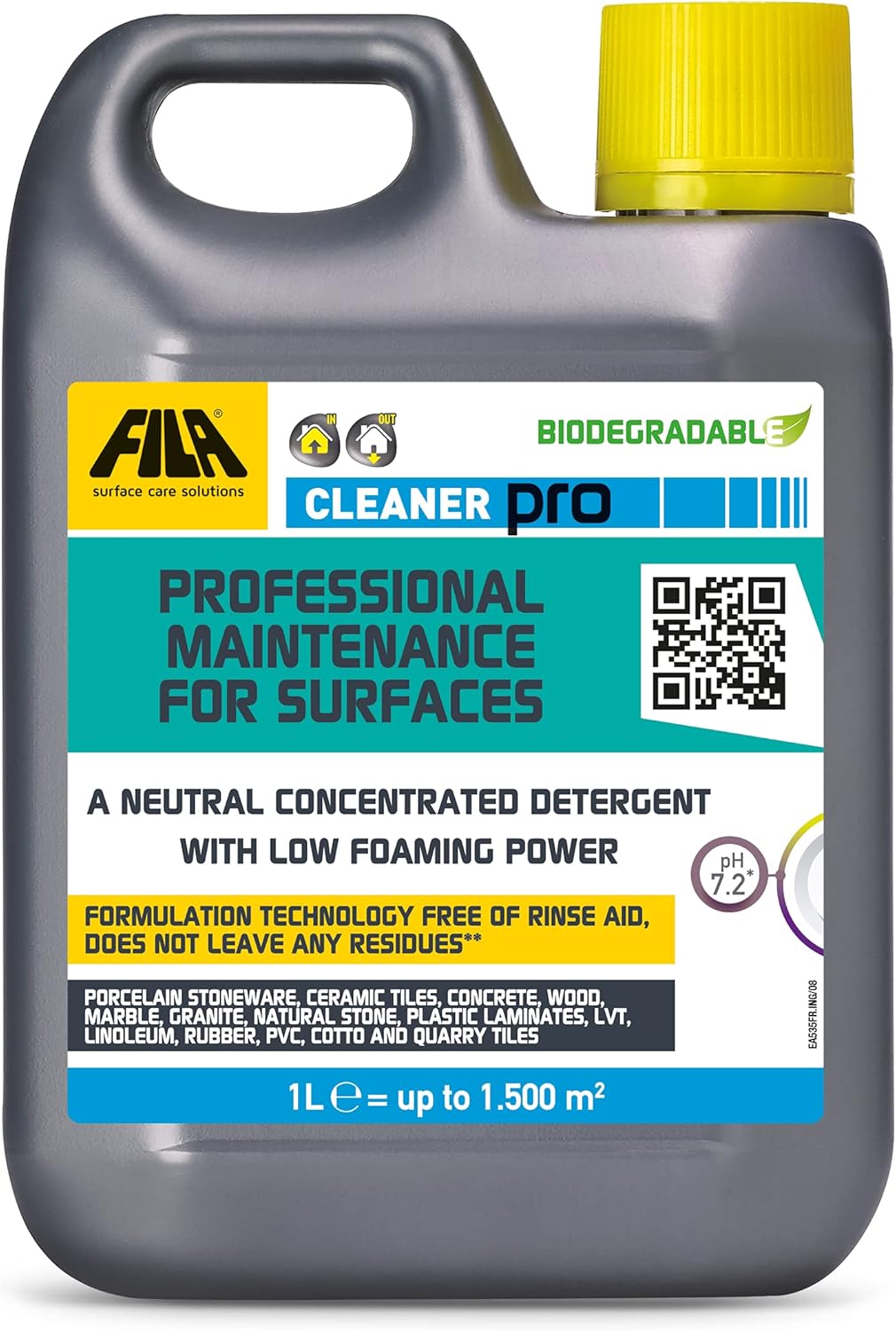
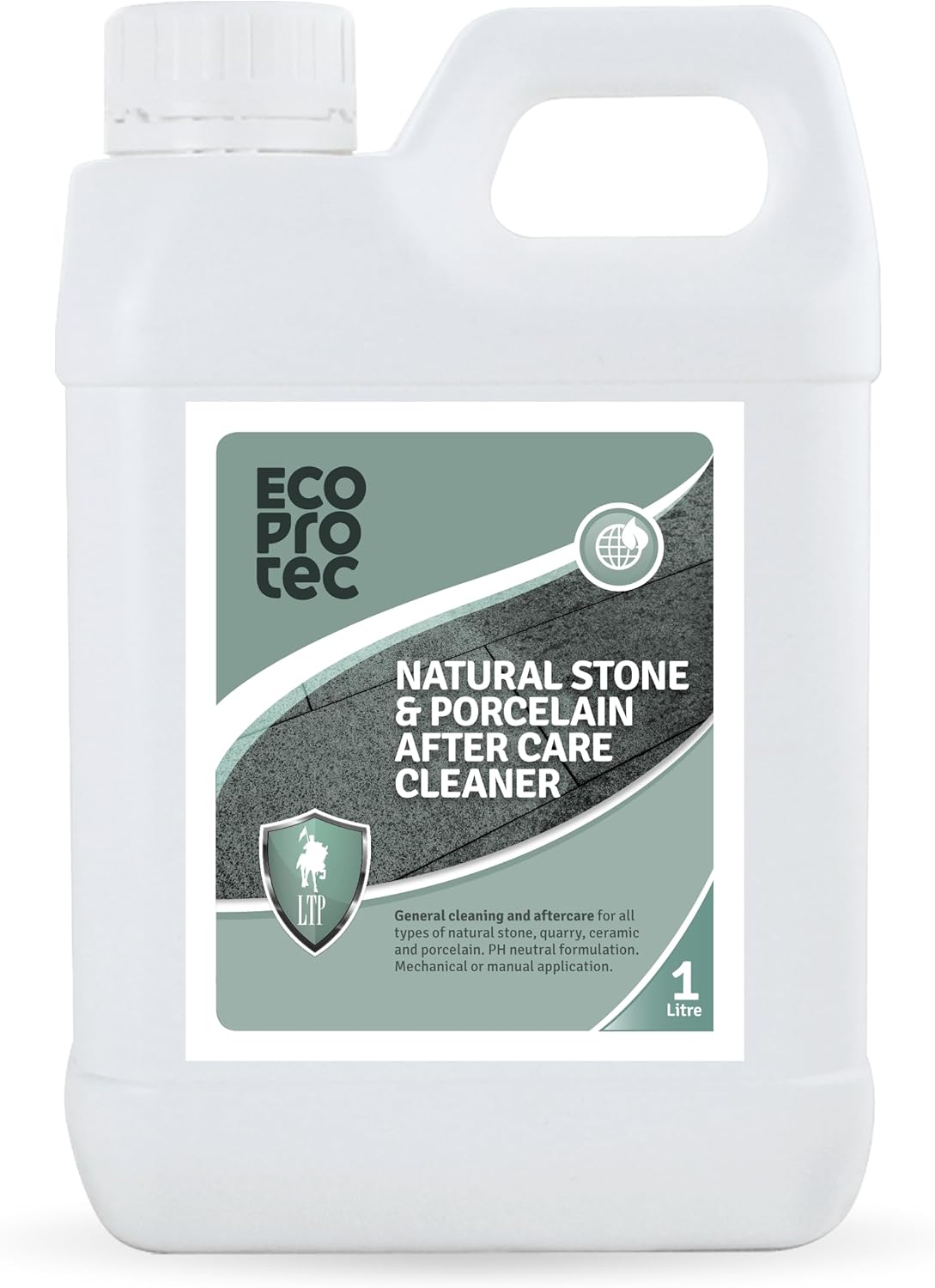
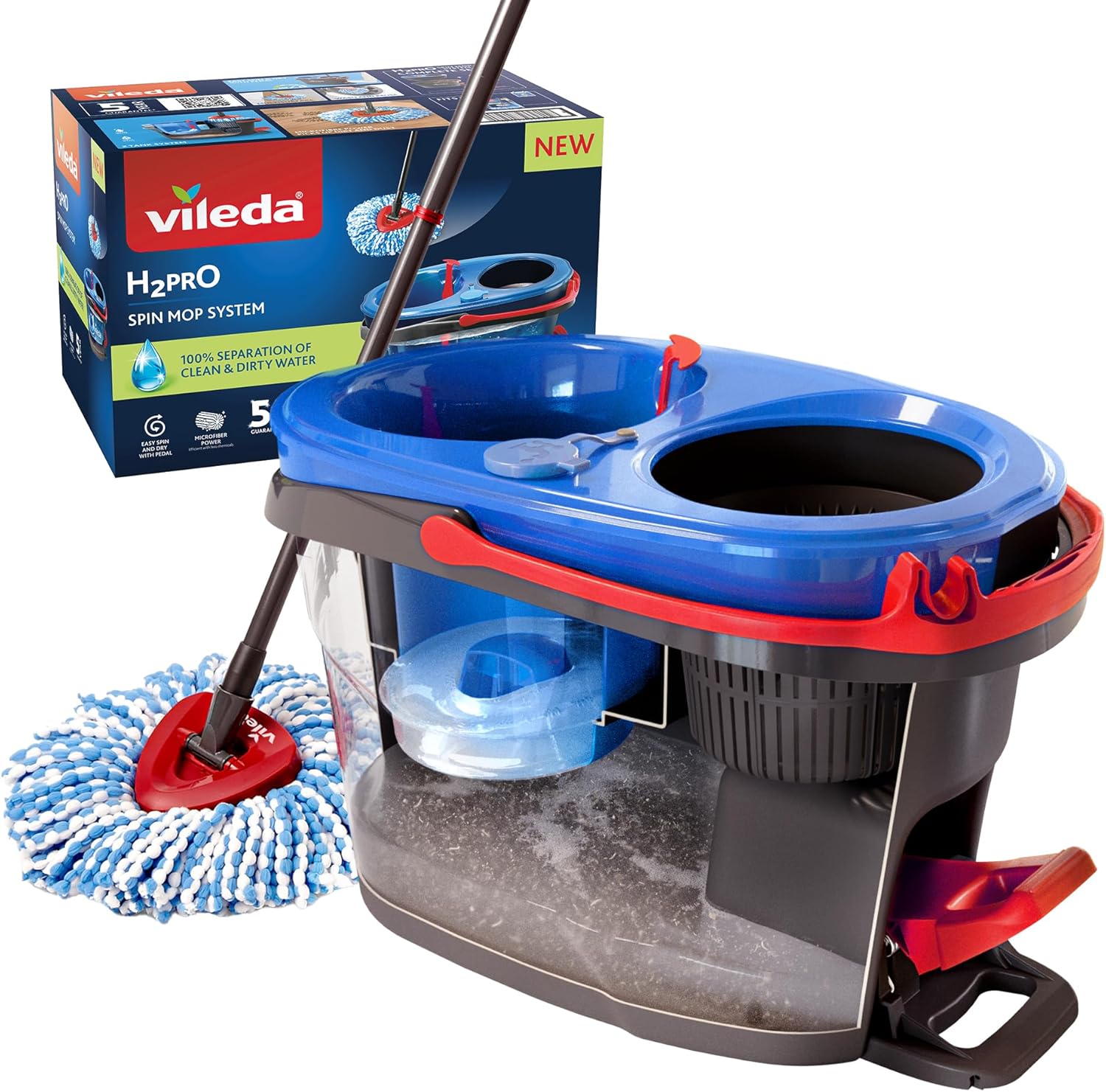
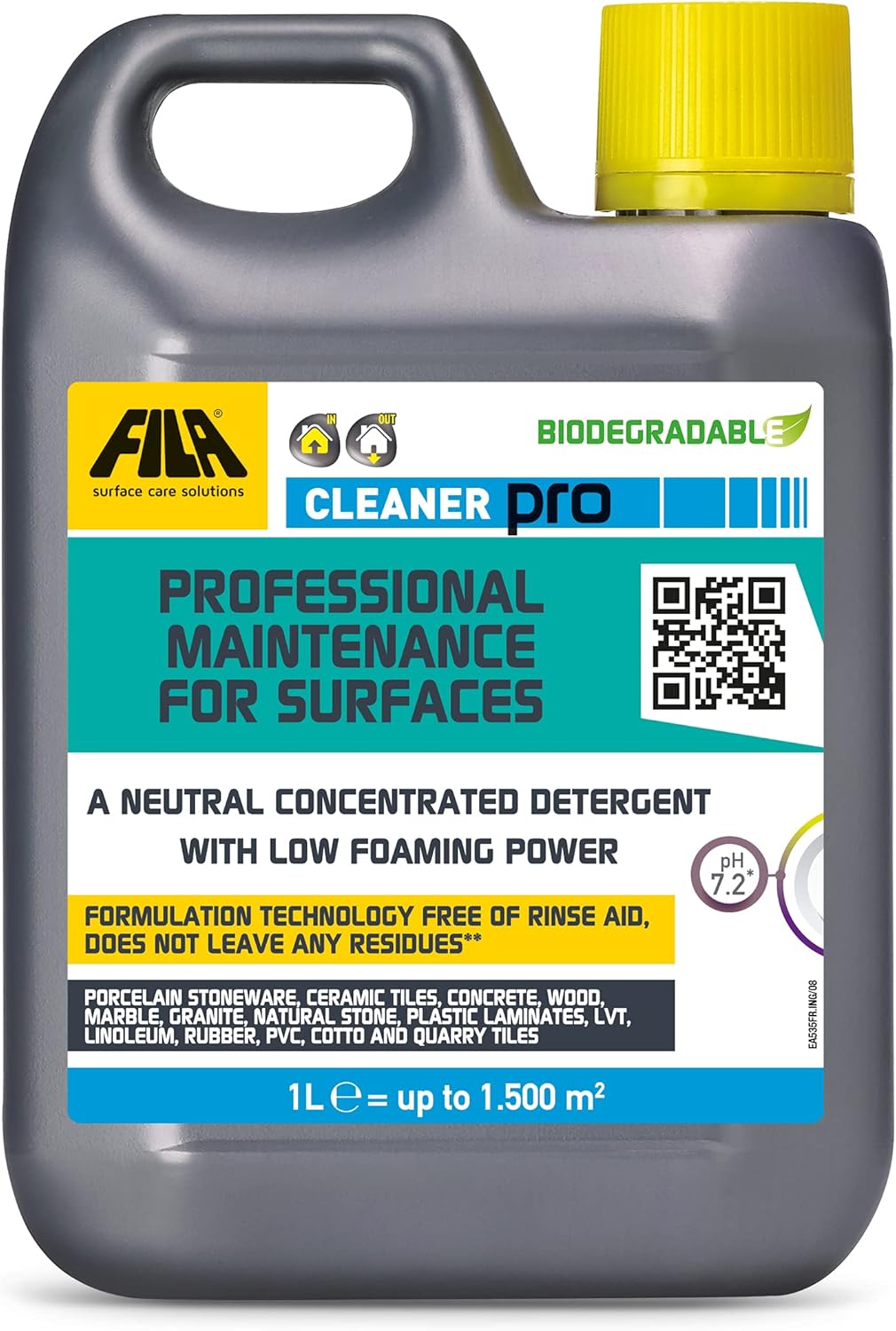
Expert Recommendation: Discover Our Preferred Products for Daily Terrazzo Maintenance.
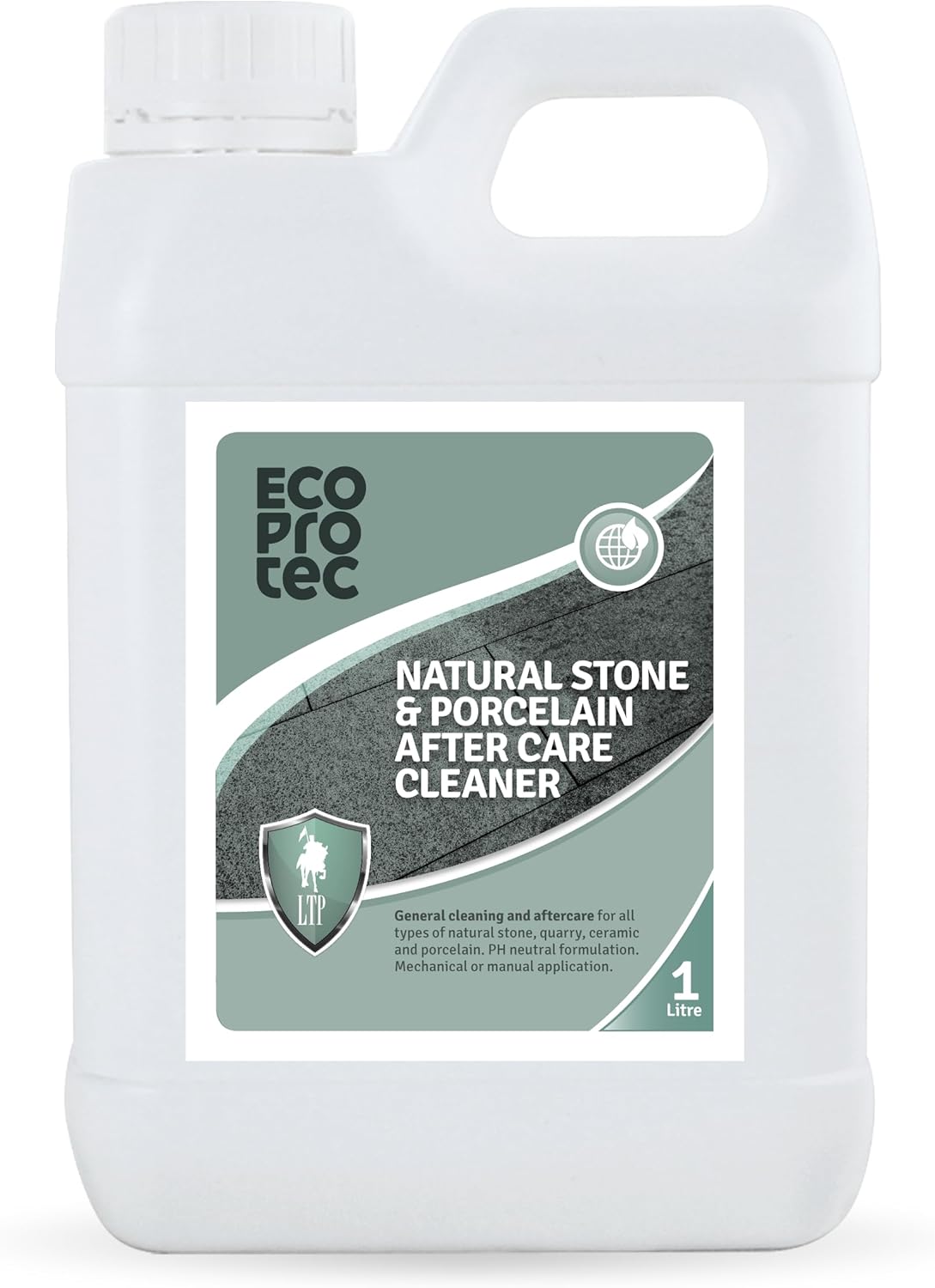
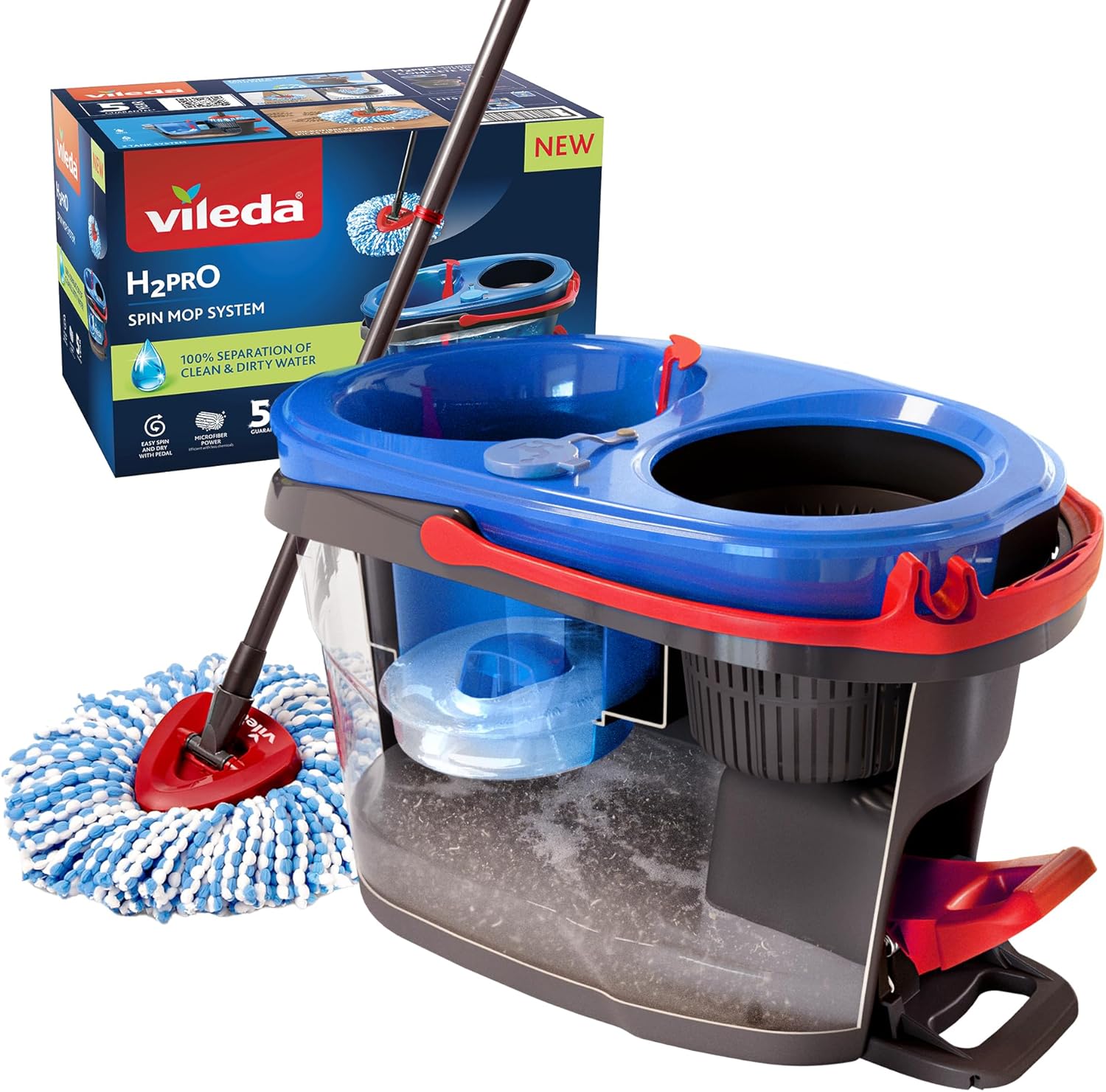
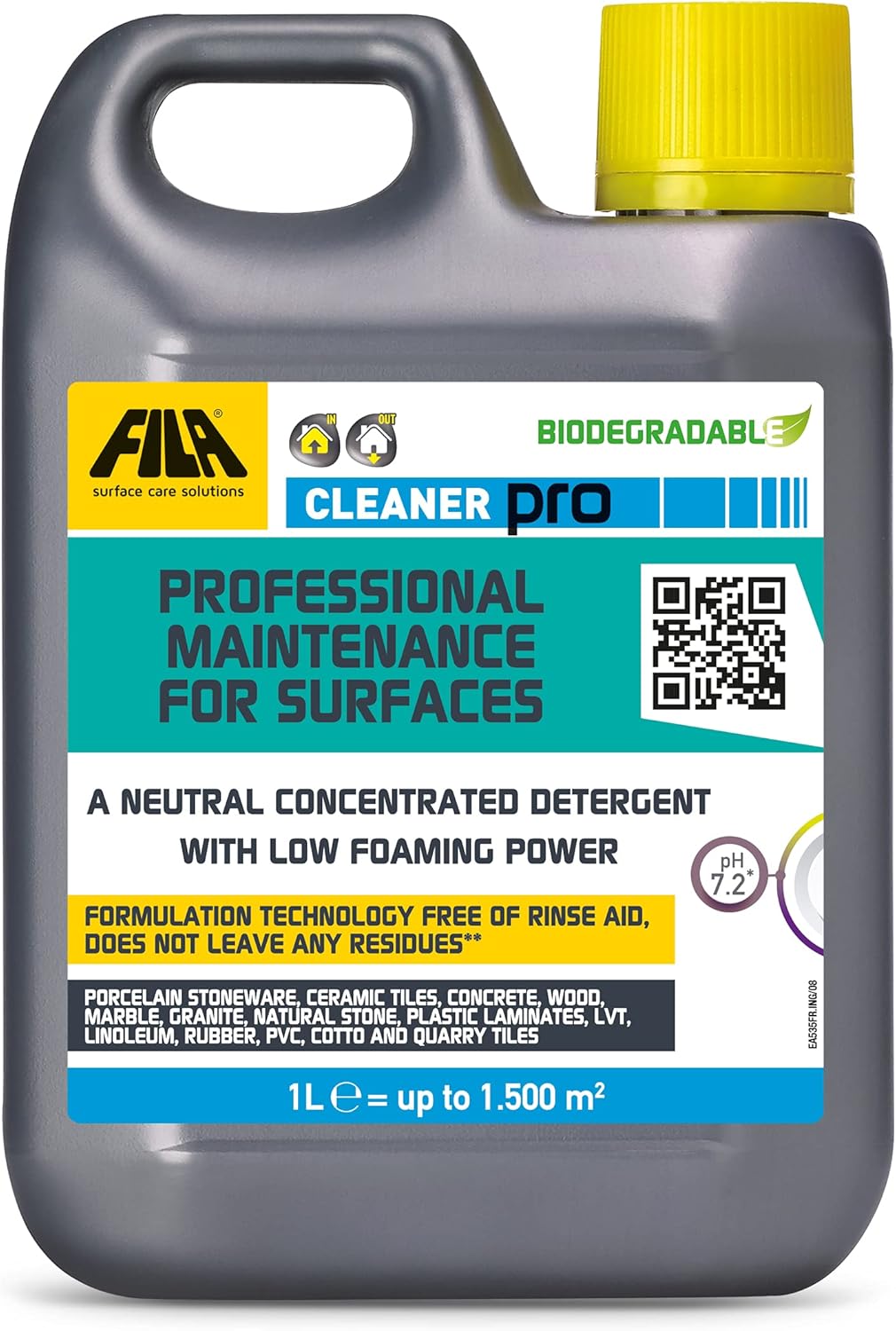
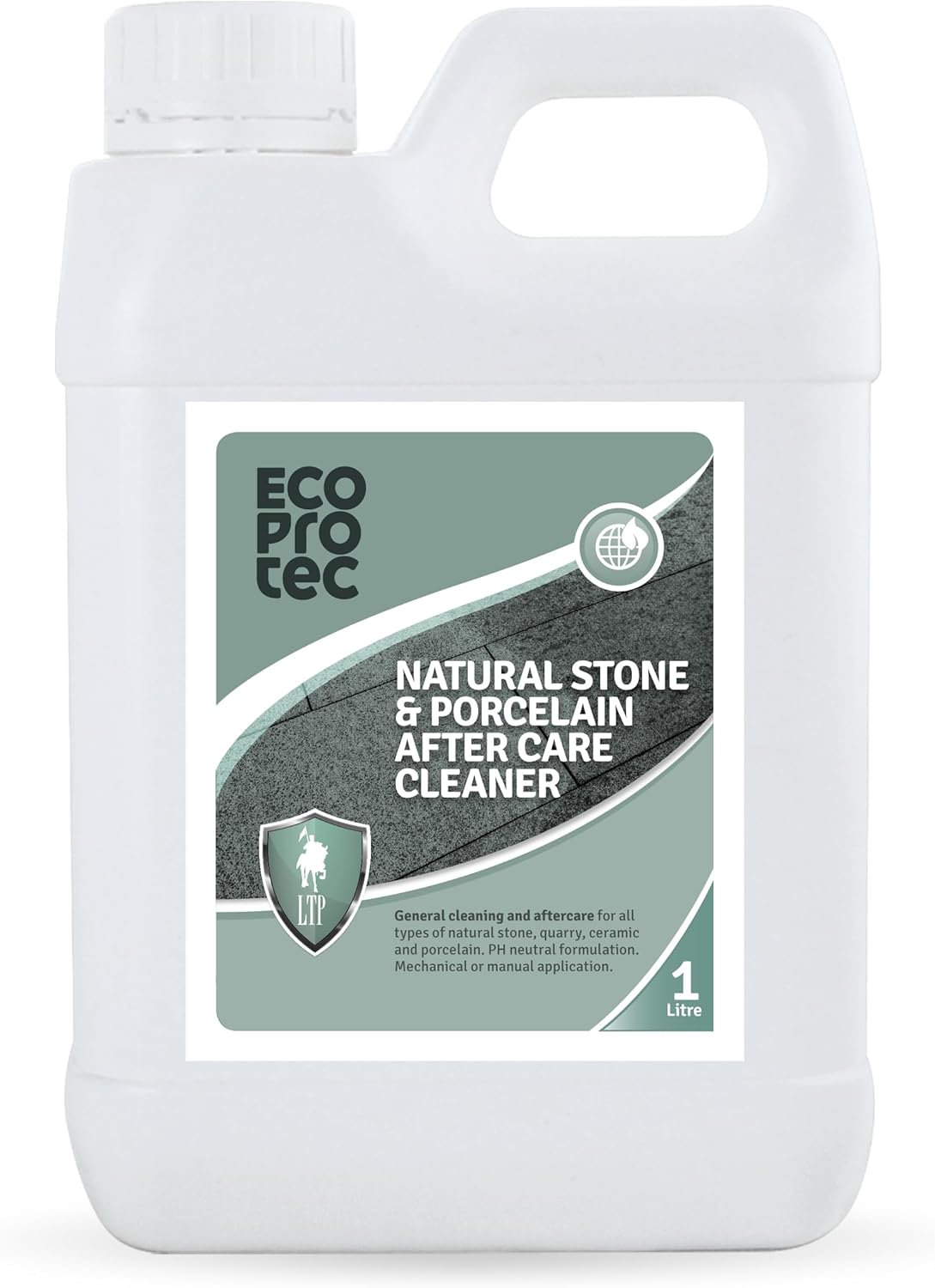
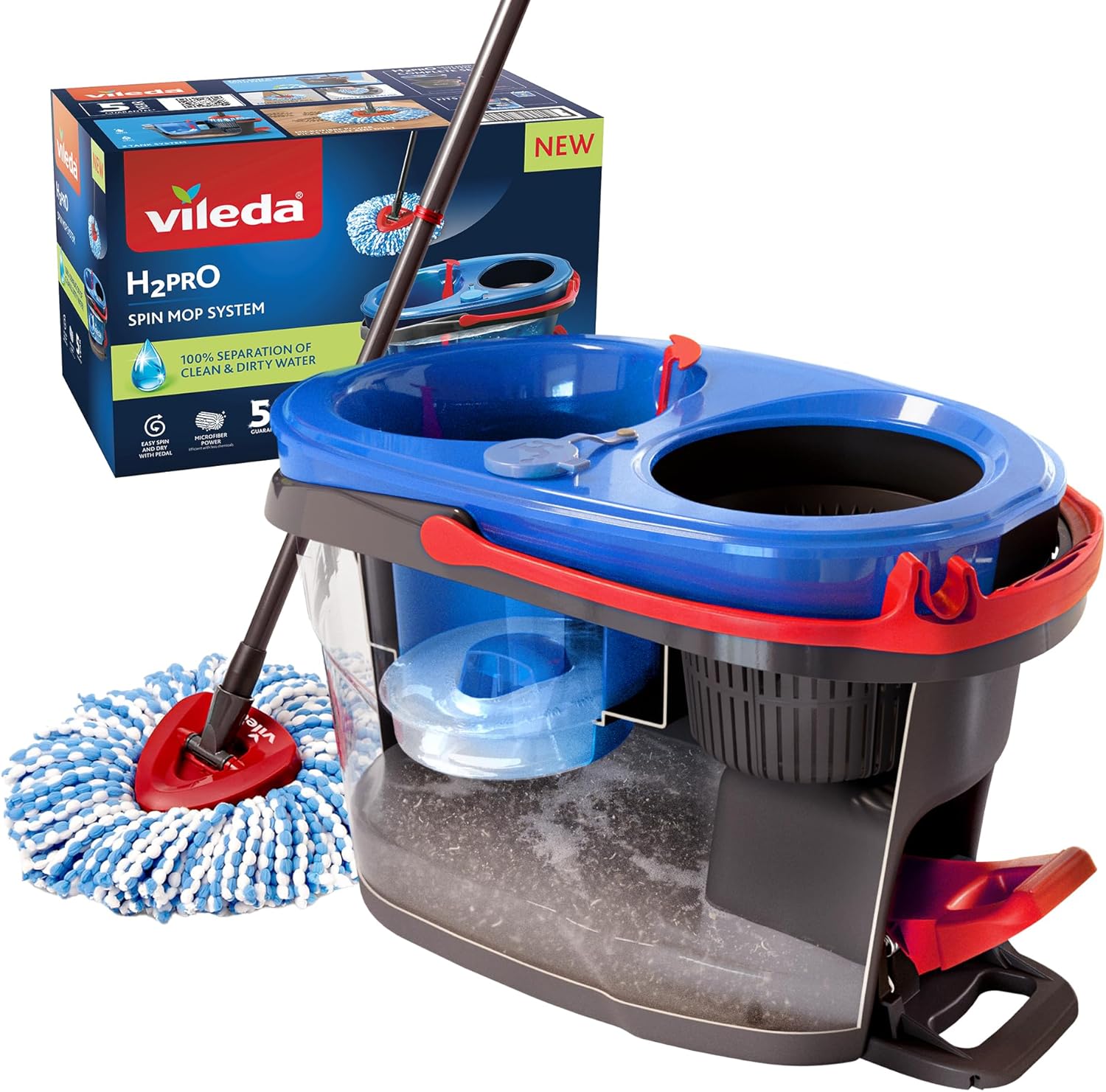
Fila Pro Floor CleanerLTP MPG Sealer H20Vileda H2PrO Spin Mop SystemWhy Is Specialized Care Essential for Terrazzo Longevity?
Unlike ceramic or vinyl flooring, terrazzo is a porous material that can absorb liquids if it is not properly sealed. The use of acidic cleaners, bleach, or abrasive tools can dull the surface or even lead to permanent staining. To maintain the quality of terrazzo floors, it is crucial to utilize pH-neutral products specifically formulated for natural stone surfaces. Regular maintenance not only helps retain the shine but also prevents long-term damage that could undermine the floor’s overall aesthetic appeal. Investing in appropriate cleaning methods ensures that terrazzo remains both beautiful and functional over time.
Avoid Common Mistakes When Cleaning Your Terrazzo Floors

A homeowner reviewing the ingredient list on a terrazzo cleaner Why Are Acidic Cleaners Hazardous for Terrazzo?
Acidic products, such as vinegar, lemon juice, or lime scale removers, can etch the surface of terrazzo, particularly if it contains marble chips. Just one application can create dull patches or cause irreversible damage to the finish. Many homeowners mistakenly believe that natural acids are safe to use; however, terrazzo reacts differently than ceramic or porcelain tiles, making it crucial to avoid acidic formulations altogether to preserve the integrity of the flooring.
What Dangers Do Steam Cleaners and Bleach Pose?
Steam cleaners may appear convenient, but the high temperature and pressure can weaken sealants and force moisture into the substrate. Conversely, bleach is alkaline and can lead to discoloration of terrazzo over time. Both cleaning methods jeopardize the integrity of the floor, especially in older properties or areas where the sealant has worn thin, thereby compromising the surface’s overall quality and aesthetic appeal.
How Can Abrasive Tools Damage Terrazzo’s Visual Appeal?
Using scouring pads, gritty powders, or stiff brushes can scratch the polished surface of terrazzo. Once scratched, the flooring loses its reflective quality and becomes increasingly difficult to clean. For effective deep cleaning, always opt for soft pads and non-abrasive tools specifically designed for stone surfaces. Preserving the finish is vital for maintaining the long-term beauty and ease of maintenance of your terrazzo floor.
Select the Optimal Deep-Cleaning Product When pH-Neutral Cleaners Fall Short
What Characteristics Define a Safe Cleaner for Terrazzo?
Safe terrazzo cleaners should be pH-neutral, non-acidic, and free from harsh solvents. Given that terrazzo often includes marble chips, it reacts negatively to both acidic and alkaline products. A well-balanced cleaner effectively lifts dirt without harming the surface or sealant. Always seek labels that indicate compatibility with natural stone or terrazzo to ensure optimal cleaning results.
In situations where terrazzo floors are heavily soiled—particularly in kitchens, hallways, or commercial spaces—standard pH-neutral cleaners may not possess the strength needed to dissolve ingrained grime. Over time, oils, grease, and dirt can settle deeply into the porous surface, especially if the sealant has deteriorated, highlighting the need for specialized cleaning solutions.
Why Is Opting for an Alkaline Cleaner Advantageous?
Alkaline cleaners are formulated to penetrate organic soils, grease, and stubborn residues that neutral products cannot effectively eliminate. These cleaners emulsify contaminants, allowing them to be lifted from the terrazzo’s pores and rinsed away easily. For deeply embedded grime, a strong alkaline formulation may be essential to restore the floor’s original appearance and shine, ensuring it looks its best.
Why Is Thorough Rinsing Important to Prevent Surface Damage?
While alkaline cleaners are effective, they should be used with caution. Leaving them on the surface for extended periods can strip protective sealants or cause discoloration. After the recommended dwell time—typically between 5 to 15 minutes—thoroughly rinse the floor with clean water. Use a wet vacuum or multiple mop passes to ensure that no residue remains. Insufficient rinsing can lead to a chalky film or long-term dullness of the surface, which diminishes the overall appearance of your flooring.
Is Resealing Necessary After Conducting a Deep Alkaline Cleaning?
If the cleaner required an extended dwell time to break down soils or if the floor was unsealed, it is advisable to reseal the terrazzo post-cleaning. Alkaline products can open the stone’s pores, making it more susceptible to future staining. Applying a breathable impregnating sealer helps restore protection and maintain the floor’s resistance to moisture and dirt, ensuring its longevity and pristine condition.
Your Comprehensive Guide to Deep-Cleaning Terrazzo Floors
How to Effectively Prepare the Terrazzo Surface for Cleaning
Begin by removing loose dust and debris using a soft-bristle broom or a vacuum set for hard floors. Avoid dragging furniture or employing metal-edged tools, as these can scratch and damage the surface. If the floor has old polish or residue, consider using a safe terrazzo stripper before initiating the deep-cleaning process to achieve optimal results and preserve the integrity of your terrazzo flooring.
How to Safely and Effectively Apply the Cleaning Solution
Mix your chosen cleaner according to the manufacturer’s instructions. Evenly distribute it across the floor using a microfiber mop or a soft applicator. Allow the solution to sit for 5 to 10 minutes to loosen embedded dirt, ensuring it does not dry on the surface. Work in manageable sections to maintain control and ensure thorough coverage of the entire area, enhancing the effectiveness of the cleaning process.
What Techniques Are Best for Agitation and Rinsing of Terrazzo?
Utilize a soft white pad or a slow-speed rotary machine equipped with a non-abrasive brush to agitate the surface effectively. This method lifts grime from the terrazzo’s pores without causing scratches or damage. Rinse thoroughly with clean water, changing the water frequently to avoid redepositing dirt. A wet vacuum can expedite this process and enhance results, ensuring a sparkling clean and polished finish.
How to Dry and Buff for a Stunning Terrazzo Finish
Allow the floor to air dry completely or use a dry microfiber mop to eliminate any residual moisture on the surface. Once the floor is dry, buff the surface with a clean white pad to restore a subtle sheen that enhances its beauty. If the floor appears dull after cleaning, it may be necessary to consider resealing or polishing, especially in high-traffic areas that require additional care and attention.
Identifying When to Reseal Your Terrazzo Floor
What Signs Indicate That Your Seal Has Worn Away?
If your terrazzo floor looks dull, absorbs water quickly, or shows signs of staining, the sealant may have degraded. A simple water-drop test can be performed: place a few drops on the surface and observe. If the water darkens the stone or disappears within seconds, it is time to reseal your floor to restore its protective barrier and maintain its pristine condition.
How to Choose the Right Sealer for Your Specific Terrazzo Needs
For homes in the UK, solvent-based impregnating sealers like Lithofin Stainstop or Fila MP90 offer long-lasting protection without altering the natural appearance of the floor. These products penetrate the surface, blocking moisture and stains without forming a visible layer that might affect aesthetics. Selecting the right product is crucial for ensuring the longevity of your terrazzo flooring.
Topical sealers, on the other hand, create a protective film on the surface and can enhance color or deliver a satin or glossy finish. Although they require periodic reapplication and careful maintenance to prevent buildup or scuffing, they are a viable option when properly maintained using the manufacturer’s recommended cleaner. Consistent cleaning and timely reapplication help preserve their performance and appearance over time, ensuring your terrazzo remains beautiful.How to Effectively Apply Sealer at Home for Optimal Results
Thoroughly clean the floor and allow it to dry for at least 24 hours. Apply the sealer evenly using a lint-free cloth or sponge, working in small sections to ensure complete coverage. Allow it to absorb for the recommended duration and then wipe off any excess. A second coat may be necessary for areas with high traffic to ensure optimal protection. Always ensure proper ventilation and adhere to safety precautions outlined on the product’s label for best results.
Best Practices for Maintaining Terrazzo After Deep Cleaning
Essential Weekly and Monthly Maintenance Routines
To keep terrazzo looking its best, regularly dry mop with a microfiber pad to eliminate dust and debris. For weekly cleaning, use a diluted pH-neutral cleaner and avoid soaking the floor. Monthly, inspect high-traffic areas for signs of wear and reapply cleaner as necessary. Excessive moisture should be avoided, as it can compromise sealants over time and significantly affect the floor’s durability and beauty.
What Are the Best Tools and Mops for Ongoing Terrazzo Care?
Microfiber mops are particularly effective for terrazzo as they capture fine particles without scratching the surface. Avoid sponge mops, which can push dirt deeper into the pores of the floor. For larger areas, consider utilizing a spray mop with refillable cartridges, which allows for controlled application of stone-safe cleaning solutions. Always rinse mop heads thoroughly after use to prevent residue buildup that could damage the floor.
How to Respond Quickly to Spills and Stains on Terrazzo?
Immediately blot spills using a soft cloth or paper towel, taking care not to rub, as this can spread the stain further. For oily or pigmented spills, apply a small amount of stone-safe cleaner and rinse with clean water. If a stain persists, consider using a baking soda and water poultice, but ensure to test it first to confirm it won’t damage the finish. Prompt action is critical to prevent permanent marks and keep your terrazzo floor looking immaculate and well cared for over time.
Frequently Asked Questions About Terrazzo Floor Cleaning
Can I Use Vinegar on My Terrazzo Floors?
No. Vinegar is acidic and can etch terrazzo surfaces, especially if the flooring contains marble chips. Even diluted vinegar can lead to dull patches or long-term damage. Always choose a pH-neutral cleaner specifically formulated for natural stone surfaces to ensure the longevity of your flooring, preserving its beauty and integrity.
What Should I Do If My Floor Is Already Damaged?
If your terrazzo surface has scratches, stains, or dull patches, deep cleaning alone may not restore its original appearance. Professional honing or polishing may be necessary to eliminate surface damage and restore shine. In some cases, resealing or applying a stone-safe polish can enhance the visual appeal, but restoration is often the best course of action for heavily worn floors, ensuring they look their best.
How Often Should I Deep-Clean My Terrazzo Floors?
For most homes in the UK, deep cleaning terrazzo every 6 to 12 months is generally sufficient. High-traffic areas, such as hallways or kitchens, may require more frequent attention. Regular maintenance between deep cleans helps prolong the life of the sealant and keeps the flooring looking fresh throughout the year, ensuring it remains a beautiful addition to your home.
The Article What Is the Best Product for Terrazzo Cleaning first found on https://www.abbeyfloorcare.co.uk
The Article Best Terrazzo Cleaning Products for a Sparkling Finish appeared first on https://fabritec.org
The Article Terrazzo Cleaning Products for a Gleaming Shine Was Found On https://limitsofstrategy.com
-
Alkaline Cleaners: Effective Solutions for Stubborn Stains
Summary of the article Alkaline Cleaners for Tough Stains: Effective Solutions:
- Unleash the Power of Alkaline Cleaners for Tough Stain Removal: Alkaline cleaners utilize elevated pH levels to effectively combat stubborn stains like grease, oil, limescale, mould, and rust.
- Discover Versatile Cleaning Solutions for Every Requirement: Highly effective cleaning products can be easily found in major UK supermarkets, discount retailers, health food stores, and numerous online platforms.
- Explore Cost-Effective DIY Cleaning Alternatives for Your Home: Simple homemade cleaning mixtures using Baking soda, vinegar, or borax provide economical and environmentally friendly cleaning solutions.
- Maximize Effectiveness with Essential Usage Tips: Adhere to label instructions, maintain appropriate dilution ratios, and allow cleaners to dwell to enhance their stain-fighting capabilities.
- Prioritize Safety When Using Cleaning Products: Always equip yourself with protective gear like gloves and goggles, ensure proper ventilation, and securely store products away from children’s reach.
- Consider Environmental Factors for Responsible Cleaning Practices: Opt for biodegradable and eco-friendly products that comply with UK disposal regulations to minimize environmental impact.
Unlocking the Benefits of Alkaline Cleaners for Your Home
Understanding Alkaline Cleaners and Their Unique Functions
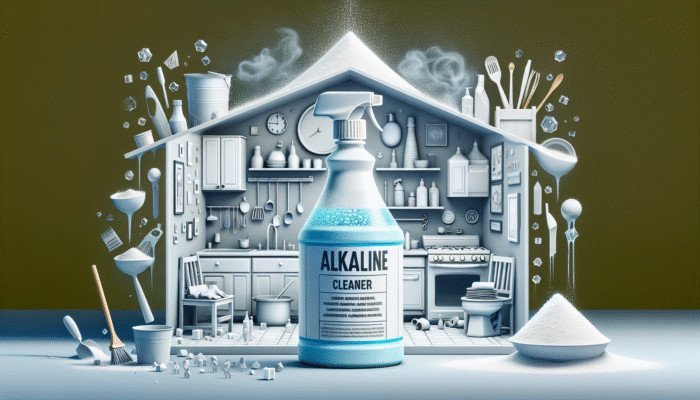
Alkaline cleaners are robust cleaning agents designed to effectively eliminate tough stains and grime. They feature high pH levels, typically ranging from 9 to 14, and contain active compounds like sodium carbonate and sodium hydroxide. This unique composition enables them to tackle organic messes such as grease, oil, and food residue effectively. Unlike acidic cleaners that mainly focus on mineral build-up, alkaline products excel at removing stains commonly found in kitchens and bathrooms, where grease and organic materials tend to accumulate.
The effectiveness of alkaline cleaners arises from their ability to disrupt the molecular structure of stains. Upon application, these cleaners break the molecular bonds within organic matter, transforming grime into a more soluble form that can be easily wiped or rinsed away. Their user-friendly nature makes them indispensable tools in UK households, especially in kitchens where cooking often leads to persistent grease accumulation.
However, it is crucial to exercise caution while using these cleaners. Despite their powerful stain-fighting capabilities, alkaline cleaners can be abrasive on certain surfaces. Prolonged exposure may damage natural stone, metal finishes, or specific plastics. Therefore, it is advisable to perform a patch test on a small area prior to full application and to avoid using these cleaners on delicate materials.
How Alkaline Cleaners Masterfully Eliminate Stubborn Stains
Alkaline cleaners function based on fundamental principles of basic chemistry. They contain hydroxide ions that react with organic stains such as grease and oil. These ions effectively break down the molecular structure of the stain, facilitating its easier removal.
Understanding this chemical process is vital for selecting the right product for your specific cleaning task. For greasy spills in kitchens, a stronger alkaline solution is often recommended as the most effective choice. In bathrooms, where mould or soap scum is frequently encountered, a balanced pH cleaner may yield better results by eliminating build-up without being excessively harsh.
Utilizing hot water enhances cleaning power by aiding in the dissolution of stains more rapidly, which is especially beneficial in UK kitchens where cooking oils and burnt residues are commonplace. Combining warm water with the appropriate cleaner can significantly streamline the cleaning process.
Implementing Best Practices for Safety When Using Alkaline Cleaners
While alkaline cleaners are incredibly effective, they must be used with caution:
- Always wear protective gear, such as gloves and goggles, to prevent skin irritation or chemical burns.
- It is vital to test on a small patch first, particularly on sensitive surfaces like marble or certain plastics.
- Excessive use or prolonged contact can lead to damage to finishes or soft materials.
Do not overlook the environmental aspect—some cleaners may contain harsh chemicals that could endanger aquatic life when washed down the drain. To maintain both safety and sustainability, opt for eco-friendly or UK-compliant products whenever feasible.
Recognizing Common Tough Stains in UK Homes

Strategies for Effectively Tackling Grease and Oil Stains
Grease and oil stains present a common challenge in UK kitchens, often resulting from routine cooking and food preparation activities. These stains can stubbornly adhere to surfaces, becoming increasingly difficult to remove, especially once the oils harden and form a slick film.
In this context, alkaline cleaners prove invaluable. Their high pH and powerful formulations are specifically engineered to break down fat molecules found in grease, effectively loosening the bonds that make these stains particularly challenging to eliminate.
For optimal results:
- Spray the alkaline cleaner directly onto the affected area.
- Allow it to sit for a few minutes—this dwell time enables the cleaner to penetrate and break through the grime.
- Wipe clean without excessive scrubbing to maintain the integrity of the surface.
This method not only saves time, reducing wear on surfaces, but also transforms the entire cleaning process into a much less daunting task.
Effectively Managing Mould and Mildew Challenges
Mould and mildew are prevalent issues in damp areas such as bathrooms, basements, and poorly ventilated spaces. These fungi thrive on moisture and organic materials, spreading rapidly if not addressed promptly.
Alkaline cleaners can be particularly effective in tackling these issues. Their chemical composition breaks down the organic matter that supports fungal growth and eliminates mould at its source.
To manage mould effectively:
- Utilize a concentrated alkaline cleaner specifically formulated for mould removal.
- Apply it directly to the affected area, ensuring proper ventilation and moisture control to prevent regrowth.
- Incorporate regular cleaning into your household routine.
Safety tip: Always wear gloves, work in a well-ventilated area, and closely follow the label instructions. Some formulations may require additional eye protection or specific dilution.
Finding the Most Effective Alkaline Cleaners for UK Households
Top Brands and Their Most Effective Alkaline Cleaning Solutions
Several brands have established a solid reputation for providing effective alkaline cleaning solutions within the competitive cleaning market. UK consumers frequently trust brands such as Cif and Mr Muscle for products that effectively combat stubborn stains. Cif, for example, is renowned for its cream cleaner, which utilizes an alkaline solution to effortlessly cut through grease and grime—making it a favorite among households.
Mr Muscle is similarly esteemed for managing challenging cleaning tasks. Their product lineup includes items specifically designed for kitchens and bathrooms, featuring alkaline formulations that effectively break down tough stains. Many users appreciate Mr Muscle’s ready-to-use sprays, which simplify the cleaning process while still delivering outstanding results.
Another noteworthy brand is Astonish, which promotes environmentally friendly cleaning solutions. Their alkaline-based products are biodegradable and free from harsh chemicals, attracting consumers who prioritize sustainability. These products are widely available in UK supermarkets, ensuring accessibility for conscientious shoppers.
For more specialized cleaning needs, brands such as Zep and Ecozone offer targeted alkaline cleaners designed to tackle challenges like limescale build-up or mould. These cleaners often incorporate additional ingredients for enhanced performance.
Creating Your Own Powerful Alkaline Cleaning Solutions
Crafting your DIY alkaline cleaners using common household items is an economical and eco-conscious approach. Baking soda, known for its mild alkaline properties, can be combined with water to create an excellent paste for scrubbing stubborn stains from various surfaces.
Mixing baking soda with vinegar generates a chemical reaction that produces carbon dioxide bubbles. These bubbles assist in lifting tough stains and grime, making this mixture particularly useful in kitchens and bathrooms. It is important to use this combination immediately after preparation, as its effectiveness diminishes over time.
Another effective DIY cleaner involves using borax, a naturally occurring mineral with high alkalinity. When dissolved in hot water, borax creates a potent cleaning solution capable of tackling grease, limescale, and even mould. This makes it an invaluable component in any household cleaning toolkit, especially for addressing persistent stains.
When preparing these DIY solutions, always consider the surfaces being cleaned to avoid potential damage. While baking soda is generally safe for most surfaces, caution should be exercised with delicate materials. Ultimately, crafting your own alkaline cleaner is a straightforward and effective approach to tackling tough stains without relying on commercial products.
Where to Find Alkaline Cleaners in the UK
Locating alkaline cleaners in the UK is a simple task, with numerous retail options available. Major supermarkets such as Tesco, Sainsbury’s, and Asda typically offer a wide array of well-known brands, making it easy for shoppers to find their preferred products. Discount retailers like B&M and Poundland also provide budget-friendly cleaning options, including effective alkaline cleaners that are affordable.
For those seeking more specialized or eco-friendly products, local health food stores and cleaning supply shops offer a broader selection. Retailers like Holland & Barrett frequently feature biodegradable and environmentally conscious cleaning solutions that cater to the growing demand for sustainable options.
Online shopping has further simplified access to these products. Websites such as Amazon, Ocado, and eBay provide extensive ranges of alkaline cleaners, complete with user reviews that assist in purchasing decisions. This convenience allows shoppers to compare prices and secure the best deals from the comfort of their homes.
Many brands also maintain official websites where direct purchases can be made, often featuring exclusive discounts or promotions, ensuring you can find the right alkaline cleaners tailored to your specific needs.
Essential Safety Guidelines for Using Alkaline Cleaners
Safety should always be your top priority when utilising alkaline cleaners for tough stains. Begin by thoroughly reading the labels to comprehend their chemical composition and any specific safety instructions. Always adhere to the manufacturer’s guidelines regarding dilution ratios and application methods to guarantee that the cleaner functions effectively and safely.
Wearing protective gear is critical to prevent skin and eye irritation. Gloves, goggles, and even masks offer added protection, particularly when handling concentrated alkaline solutions. This is especially important in poorly ventilated areas, such as basements or bathrooms, where fumes can accumulate.
Store alkaline cleaners securely in a cool, dry location, out of reach of children and pets, ideally in their original packaging with labels intact. When it comes time to dispose of these products, follow UK regulations. Many local councils provide guidelines for the responsible handling of hazardous household waste.
Finally, always wash your hands thoroughly after using cleaning products, even if you wore gloves. This conscientious approach not only protects you but also helps maintain a healthier and safer home environment.
Comprehensive Guidelines for the Safe Use of Alkaline Cleaners
Prioritize Your Personal Safety When Using Alkaline Cleaners
The most essential aspect of using alkaline cleaners for tough stains is ensuring your safety. These cleaners are potent, which is why they are so effective, yet they can also irritate your skin if not handled with care.
Always wear rubber or latex gloves to protect your hands. This precaution prevents any cleaner from making contact with your skin, which could lead to redness, itching, or even chemical burns.
If you are using a spray, it is advisable to wear protective glasses as well. This will shield your eyes from any potential splashes or spray back. For additional protection, consider using a face mask or shield, especially when tackling larger areas or employing a strong cleaner.
Ensure that you have good ventilation while cleaning. Open a window or turn on a fan if you are working in a confined space like a bathroom or cupboard. Fresh air helps eliminate any harmful fumes, making it safer for you.
It is also wise to inform others in your home about the cleaning products you are using. Store cleaners in clearly labelled containers and keep them safely stored away—preferably in a locked cupboard, especially if children or pets are present.
Proper Mixing Techniques for Alkaline Cleaners
Most alkaline cleaners require dilution before use. This means mixing them with water. Always refer to the instructions on the bottle—these will indicate the correct proportions to use, such as one part cleaner to ten parts water (1:10).
An essential tip: always add the cleaner to the water, instead of the other way around. Pouring water into a concentrated cleaner can potentially cause it to splash or fizz.
Use a clean container solely for cleaning tasks—this helps maintain safety and prevent contamination.
Before applying the cleaner liberally to your tiles or counters, perform a quick patch test. Test a small, inconspicuous area to ensure it does not damage the surface. If all appears well after a few minutes, you are ready to proceed.
Additionally, here’s a clever tip: use warm water when mixing. Heat helps break down dirt more quickly, enabling your cleaner to be more effective with less scrubbing needed.
Storing and Disposing of Alkaline Cleaners Responsibly
Once you have completed your cleaning tasks, it is vital to store your alkaline products safely:
Keep them in their original containers with labels intact.
Store them in a cool, dry area—away from sunlight, heat, or damp places (like under the sink, which is often unsuitable).
Ensure they are out of reach of children and pets.
Periodically check your containers. If any are leaking, damaged, or past their use-by date, it is time to dispose of them.
However, do not simply pour them down the sink or toilet, as this could harm your plumbing and pollute the environment. Instead, consult your local council’s website—most offer special disposal or recycling services for cleaning chemicals.
If you are uncertain about the disposal process, the label will typically provide guidance, or you can contact your local waste service for advice.
By ensuring proper storage and disposal of alkaline cleaners, you not only maintain a safer home but also contribute to the protection of our planet.
Utilizing Alkaline Cleaners on Various Surfaces
Expertly Cleaning Kitchen Surfaces with Alkaline Solutions
In the heart of UK homes, kitchens encounter a multitude of stains and messes, ranging from grease splatters to burnt food residues. Alkaline cleaners are exceptionally suited for addressing these everyday cleaning challenges. Their capacity to break down organic materials makes them ideal for cleaning worktops, stovetops, and appliances. When confronted with stubborn grease or food stains, an alkaline cleaner can deliver effective results, enabling homeowners to maintain a hygienic cooking environment.
For the best results, users should apply the alkaline cleaner directly to the stained area and allow it to dwell for a few minutes. This dwell time permits the cleaner to penetrate and effectively break down the stain. Following this period, a simple wipe with a cloth or sponge can remove even the toughest residues, leaving surfaces sparkling clean.
Selecting the appropriate type of alkaline cleaner for kitchen surfaces is crucial. Some products are specifically formulated for use in food preparation areas, ensuring safety and effectiveness for cleaning countertops and cutting boards. Always confirm that the cleaner is food-safe and rinse surfaces thoroughly with water after cleaning to eliminate any residual chemicals.
Regular use of alkaline cleaners can help prevent the build-up of grime and grease, streamlining cleaning routines in busy households. By incorporating these powerful cleaning agents into their cleaning practices, UK homeowners can ensure their kitchens remain clean and safe for food preparation.
Maintaining Bathroom Fixtures Using Alkaline Cleaners
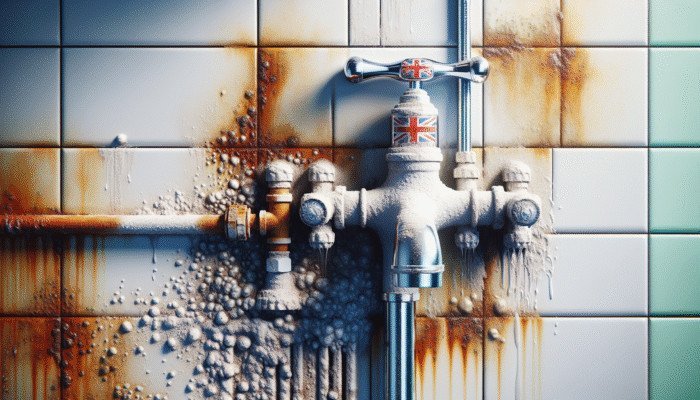
Bathroom fixtures frequently face various stains, including soap scum, limescale, and mildew. The combination of moisture and soap residue creates an ideal environment for these unsightly deposits to thrive. Alkaline cleaners, due to their ability to dissolve organic matter and mineral deposits, are especially effective in addressing these issues.
When choosing an alkaline cleaner for bathroom fixtures, it is advisable to select a product specifically designed for bathroom use. These cleaners typically include additional ingredients that enhance their cleaning power against soap scum and limescale. For instance, using an alkaline cleaner on taps and showerheads not only removes stains but also helps prevent the recurrence of limescale, ensuring fixtures maintain their shine and functionality.
The application of alkaline cleaners follows a straightforward process. After spraying or applying the cleaner to the affected areas, allow it to dwell for a few minutes. This gives the alkaline solution ample time to penetrate and dissolve the deposits. A gentle scrub with a non-abrasive sponge or cloth will assist in lifting stubborn stains. Rinsing thoroughly with water afterward ensures that no residue remains, promoting a safe and hygienic bathroom environment.
To effectively maintain bathroom fixtures, incorporating regular cleaning with alkaline solutions can significantly reduce the build-up of soap scum and limescale. This proactive approach not only enhances the bathroom’s aesthetic appeal but also prolongs the lifespan of fixtures, which is particularly valuable in the humid UK climate.
Cleaning Outdoor Surfaces with Alkaline Solutions
Outdoor surfaces, such as patios and driveways, often become dirty due to exposure to the elements, accumulating dirt, oil stains, and algae. Alkaline cleaners are particularly effective for these surfaces, as they can tackle both organic and inorganic stains. For homeowners in the UK, maintaining cleanliness in outdoor areas is essential for both aesthetic appeal and safety considerations.
Oil stains, commonly found on driveways, can be effectively treated with alkaline cleaners. These cleaners work to decompose the oil’s composition, facilitating its removal. By applying the cleaner directly to the stain and allowing it to sit for several minutes, you ensure that it penetrates the oil. Following this, scrubbing the area with a stiff brush will help lift the stain away, revitalising the driveway.
When cleaning patios, combining alkaline cleaners with pressure washing can yield impressive results. The alkaline solution can be sprayed onto surfaces to dissolve dirt and algae, while pressure washing aids in removing the loosened grime. This method is particularly effective for larger outdoor areas, streamlining the cleaning process.
Regular maintenance of outdoor surfaces with alkaline cleaners not only enhances their appearance but also prolongs the lifespan of materials, preventing premature deterioration caused by dirt and stains. By integrating these powerful cleaning agents into their outdoor cleaning routines, UK homeowners can enjoy clean and inviting outdoor spaces year-round.
Cleaning Different Types of Flooring with Alkaline Solutions
Various flooring types in UK homes, including tiles, vinyl, and laminate, require specific cleaning approaches to maintain their appearance and integrity. Alkaline cleaners are versatile and effective on a wide range of flooring materials, particularly where grease, dirt, and stains are common.
For tiled floors, alkaline cleaners can penetrate grout lines, effectively breaking down dirt and stains that accumulate over time. A simple application followed by scrubbing will lift the grime, restoring brightness to the tiles. To prevent damage to grout or tile surfaces, it is essential to choose an alkaline cleaner specifically formulated for use on tiles.
Vinyl and laminate flooring also benefit from alkaline cleaning solutions, which assist in removing scuff marks and sticky residues left behind by spills. When using alkaline cleaners on these surfaces, adherence to the manufacturer’s recommendations for dilution and application is crucial to avoid any damage.
Regular cleaning with alkaline solutions helps maintain the beauty and longevity of flooring materials. By establishing a routine that includes these powerful cleaners, homeowners can ensure their floors remain clean, safe, and visually appealing, enhancing the overall aesthetic of their homes.
Achieving Streak-Free Glass and Mirror Surfaces with Alkaline Cleaners
Obtaining streak-free glass and mirror surfaces can be a challenging task; however, alkaline cleaners can significantly simplify this endeavour. These cleaners effectively cut through grime and fingerprints, leaving glass surfaces sparkling clean without unsightly streaks. Regular use of an alkaline cleaner is beneficial for UK homeowners with windows and mirrors in high-traffic areas, helping to maintain clarity and shine.
When cleaning glass surfaces, it is best to use a specifically formulated alkaline cleaner. Such products often include additional ingredients that help prevent streaking, ensuring a flawless finish. To apply, spray the cleaner directly onto the glass or mirror and use a lint-free cloth or squeegee to wipe away the solution, following a top-to-bottom approach to catch any drips.
For tougher spots, such as water stains or silicone residue, allowing the cleaner to sit for a moment before wiping can enhance its effectiveness. This dwell time allows the alkaline solution to break down the stubborn deposits, making them easier to remove.
Regular maintenance of glass surfaces with alkaline cleaners can significantly reduce the effort required for deep cleaning. By adopting this practice, UK homeowners can enjoy clear, spotless glass throughout their homes, enhancing the overall aesthetic and brightness of their living spaces.
Real-Life Transformations Using Alkaline Cleaners Across the UK
Transformative Residential Cleaning Experiences with Alkaline Cleaners
Throughout the UK, homeowners have turned to alkaline cleaners for tough stains with remarkable success in revitalising their living spaces. One case study highlights a family in London who struggled with persistent mould and mildew issues in their bathroom due to high humidity levels. By incorporating a robust alkaline cleaner into their cleaning regimen, they successfully eradicated the mould, restoring both the health and cleanliness of their bathroom.
The transformation was not only visual; it also contributed to improved air quality within the home. The family reported a significant reduction in allergy symptoms, prompting them to continue using alkaline cleaners in other areas, including their kitchen and living room. This change resulted in a comprehensive cleaning routine that greatly enhanced their overall living experience.
Another homeowner shared their success in removing years of grease build-up from their kitchen surfaces. After applying an alkaline cleaner, they noted that the surface appeared visually pristine and was easier to maintain moving forward. This case exemplifies how alkaline cleaners can substantially improve residential cleaning, leading to healthier and more pleasant living environments.
Effective Commercial Applications of Alkaline Cleaners in Various Industries
Businesses throughout the UK, from bustling restaurants to large factories, have discovered the myriad benefits of utilizing alkaline cleaners for tough stains. In a case study involving a well-known restaurant chain, managers reported a significant reduction in the time required to clean kitchen surfaces. By opting for an alkaline cleaner specifically designed for commercial use, staff could effortlessly manage grease and food residue, ensuring compliance with health and safety standards.
The adoption of alkaline cleaning solutions not only expedited cleaning processes but also garnered positive customer feedback regarding the restaurant’s cleanliness. This case underscores the critical importance of maintaining a pristine environment within the food service industry, where appearance and hygiene are paramount.
Additionally, industrial applications of alkaline cleaners have proven effective in manufacturing settings. A factory in Birmingham reported enhanced efficiency in equipment maintenance after integrating alkaline solutions into their cleaning protocols. By efficiently removing grease and grime from machinery, the factory reduced downtime and increased overall productivity, showcasing the significance of alkaline cleaners in commercial environments.
Before and After Transformations Showcasing the Power of Alkaline Cleaners
Numerous UK homeowners have documented their experiences with alkaline cleaners for tough stains, showcasing impressive before-and-after results. One remarkable project involved a family restoring their garden patio, which had become overrun with algae and dirt. After applying a powerful alkaline cleaner followed by a pressure wash, the patio was transformed from a dull, uninviting space into a bright, clean area perfect for summer gatherings.
Another homeowner shared their journey of reclaiming their kitchen after years of neglect. By using an alkaline cleaner on their cabinets and countertops, they expressed renewed pride in their kitchen. The side-by-side images displayed a stark contrast, highlighting the effectiveness of alkaline cleaners in residential settings.
These before-and-after projects serve as inspiring examples for others contemplating the use of alkaline solutions in their cleaning routines. The visible transformations demonstrate the cleaning power of these products and the potential for creating healthier and more enjoyable living spaces.
Industrial Use Cases Highlighting the Efficacy of Alkaline Cleaners
UK industries have witnessed remarkable improvements in cleanliness and operational efficiency by integrating alkaline cleaners for tough stains into their cleaning processes. For instance, a manufacturing plant in Manchester opted for alkaline cleaning solutions to maintain its production equipment. This strategic decision significantly reduced machine downtime, as the cleaning process became quicker and more effective, allowing for uninterrupted operation.
Another case study involved a prominent automotive cleaning service that utilized alkaline cleaners to tackle vehicle oil and grease stains. By employing these powerful solutions, the company was able to provide faster service to clients while achieving superior cleaning results. This not only boosted customer satisfaction but also enhanced the company’s reputation in the marketplace.
Such industrial applications illustrate the versatility and effectiveness of alkaline cleaners across various sectors. By utilizing these powerful cleaning agents, UK industries can enhance operational efficiency, maintain equipment longevity, and provide a clean environment for both employees and clients.
Frequently Asked Questions About Alkaline Cleaners
What Exactly Are Alkaline Cleaners and How Do They Function?
Alkaline cleaners are cleaning agents characterized by their high pH levels, which efficiently break down tough stains and grime, particularly organic materials such as grease and oil.
Are Alkaline Cleaners Safe for General Use?
While alkaline cleaners are highly effective, they can be harsh on skin and certain surfaces. For safe usage, it is essential to wear protective gear and adhere to the manufacturer’s instructions.
Can I Use Alkaline Cleaners on All Types of Surfaces?
No, alkaline cleaners are not suitable for every surface. They may damage natural stones, metals, and specific plastics. Always conduct a test on an inconspicuous area before application.
How Do I Properly Dilute Alkaline Cleaners?
Dilute alkaline cleaners according to the manufacturer’s instructions, typically mixing the cleaner with water in a specific ratio. Always add the cleaner to the water, rather than the other way around.
Where Can I Purchase Alkaline Cleaners in the UK?
Alkaline cleaners are available at major supermarkets, discount stores, cleaning supply shops, and online retailers such as Amazon and Ocado.
How Do Alkaline Cleaners Operate Mechanically?
Alkaline cleaners work by breaking down the molecular bonds of stains through the action of hydroxide ions, which dissolve organic materials and facilitate their removal from surfaces.
Are There Eco-Friendly Alkaline Cleaners Available in the Market?
Yes, many brands offer eco-friendly alkaline cleaners that are biodegradable and free from harsh chemicals, catering to environmentally conscious consumers in the UK.
Can I Create My Own Alkaline Cleaner at Home?
Absolutely, DIY alkaline cleaners can be crafted using common household ingredients like baking soda and vinegar, providing effective solutions for cleaning tough stains.
How Should I Safely Dispose of Alkaline Cleaners?
To dispose of alkaline cleaners responsibly, follow local waste management guidelines. Many councils provide specific instructions for the disposal of hazardous household waste.
What Protective Gear Should I Wear When Using Alkaline Cleaners?
When using alkaline cleaners, it is advisable to wear gloves, goggles, and protective clothing to prevent skin and eye irritation from chemical exposure.
The Article Alkaline Cleaners for Tough Stains: Effective Solutions first found on https://london-stone.co.uk
The Article Alkaline Cleaners: Effective Solutions for Stubborn Stains appeared first on https://fabritec.org
The Article Alkaline Cleaners: Powerful Remedies for Tough Stains Was Found On https://limitsofstrategy.com
-

Essential Tips for Heavy Duty Rubber Gloves in Shrewsbury
Your Comprehensive Guide to Heavy Duty Rubber Gloves for Maximum Safety
Understanding the Importance of Heavy-Duty Rubber Gloves for Enhanced Safety
Heavy-duty rubber gloves in Shrewsbury are indispensable elements of personal protective equipment, meticulously crafted for high-demand tasks where safety and durability take precedence. These gloves are constructed from premium rubber materials, delivering formidable protection against diverse hazards such as chemicals, heat, and physical abrasions. Their significance spans from industrial environments to everyday household chores, empowering users to accomplish tasks without sacrificing their safety. Common applications of heavy-duty rubber gloves encompass:
- Chemical handling in laboratories and manufacturing facilities.
- Cleaning and sanitation activities in kitchens and bathrooms.
- Gardening and landscaping projects.
- Automotive repairs and maintenance tasks.
- Hazardous waste disposal practices.
- Construction and demolition activities.
- Food preparation and processing operations.
- Medical and healthcare procedures.
By creating a robust barrier between the skin and potential hazards, heavy-duty rubber gloves serve as invaluable tools for both professionals in their respective fields and DIY enthusiasts alike.

Exploring the Various Types of Heavy-Duty Rubber Gloves to Fit Your Needs
Selecting the appropriate type of heavy-duty rubber glove is essential to guarantee maximum safety and effectiveness across an array of applications. Various glove types cater to specific needs, shaped by their design and intended use. The primary categories of heavy-duty rubber gloves available in the market include:
- Chemical-resistant gloves that are specifically engineered to guard against particular hazardous substances.
- Heat-resistant gloves designed for handling hot materials or operating in high-temperature settings.
- Anti-slip gloves that provide enhanced grip in wet or oily environments.
- Long cuff gloves which afford additional wrist and forearm protection.
- Disposable heavy-duty gloves ideal for tasks that require hygiene and convenience.
- Textured gloves crafted to improve grip while handling tools or slippery items.
- Multi-purpose gloves resilient enough to handle various tasks, from gardening to cleaning.
- Medical-grade gloves utilized in healthcare environments for sterile applications.
Understanding the distinctions between these glove types enables users to make informed decisions tailored to their specific tasks and requirements.
Discovering the Essential Benefits of Using Heavy-Duty Rubber Gloves
The advantages of donning heavy-duty rubber gloves extend well beyond basic protection. They significantly enhance safety and efficiency when managing hazardous tasks, rendering them indispensable in numerous environments. The key benefits of heavy-duty rubber gloves include:
- Exceptional protection against chemicals, cuts, and abrasions.
- Improved grip and dexterity to reduce the likelihood of accidents.
- Long-lasting durability that allows for repeated use, ultimately saving costs over time.
- Resistance to both heat and cold for comfort in varying environments.
- Prevention of contamination, particularly in food and healthcare contexts.
- Minimization of skin irritations and allergic reactions.
- Versatility for a wide range of tasks, from industrial activities to household chores.
- Simple cleaning and maintenance protocols that prolong their lifespan.
These gloves not only safeguard the user but also boost productivity by facilitating safer and more effective working practices across diverse settings.
Essential Tips for Selecting the Right Heavy Duty Rubber Gloves for Your Needs

Choosing the ideal heavy-duty rubber gloves is crucial for ensuring optimal protection and comfort during tasks. Several factors warrant consideration, including the glove material, thickness, and intended application. Users should evaluate their specific needs, such as whether they will be handling chemicals or performing manual tasks, to identify the most suitable glove type. Generally, the thickness of the gloves correlates with the level of protection they offer; thicker gloves typically provide superior durability and chemical resistance, although they may limit dexterity. Additionally, achieving a proper fit is essential; gloves should fit snugly without being excessively tight, allowing for ease of movement. By carefully evaluating these aspects, users can make informed choices that ultimately enhance their safety and effectiveness while utilizing the gloves.
Where to Find Premium Quality Heavy-Duty Rubber Gloves in Shrewsbury
Identifying Local Retailers Offering Heavy-Duty Rubber Gloves
In Shrewsbury, a range of local retailers caters to individuals seeking heavy-duty rubber gloves. These establishments offer a broad selection, from general-purpose gloves to those specifically designed for particular tasks. Notable local retailers include hardware stores, building supply centers, and specialized safety equipment suppliers. Reputable names such as Glove Club and Screwfix stand out as reliable sources for obtaining heavy-duty rubber gloves, providing an extensive array of products that satisfy various requirements. Additionally, local garden centers often stock these gloves, particularly those suitable for gardening and outdoor maintenance. By visiting these shops, customers have the opportunity to physically evaluate the gloves to ensure the right fit and comfort, empowering them to make the best selection for their individual tasks.
Convenient Online Options for Purchasing Heavy-Duty Rubber Gloves for Shrewsbury Residents

For those who favor the convenience of online shopping, a multitude of retailers provide heavy-duty rubber gloves with delivery services to Shrewsbury. Platforms such as Amazon and eBay offer extensive selections, allowing consumers to compare products and read reviews from fellow buyers. When purchasing gloves online, it is imperative to ensure you are selecting high-quality items. Seek reputable sellers with positive ratings and examine detailed product descriptions that outline the materials used, safety certifications, and intended applications. Furthermore, many online stores feature hassle-free return policies, instilling confidence in your purchasing decisions. The ability to shop online allows you to discover the perfect gloves without the constraints of local stock availability.
Benefiting from Bulk Purchasing of Heavy-Duty Rubber Gloves for Businesses and Frequent Users
For individuals requiring large quantities of heavy-duty rubber gloves, bulk ordering presents a practical solution in Shrewsbury. Many retailers provide discounts on bulk purchases, enhancing cost-effectiveness for those who regularly rely on gloves in their operations. The benefits of bulk ordering include lower costs per glove and the convenience of maintaining a continuous supply, thereby minimizing the risk of running out during essential tasks. Additionally, bulk purchases can often lead to reduced shipping fees, making them a financially astute choice overall. Whether for a construction site, cleaning service, or gardening business, bulk ordering guarantees that you have adequate protective gear readily accessible whenever necessary.
Expert Guidance on Ordering Heavy-Duty Rubber Gloves in Shrewsbury
Professional Recommendations from Local Experts
Local specialists in Shrewsbury provide invaluable advice on selecting the most suitable heavy-duty rubber gloves for specific applications. For instance, professionals in the gardening industry often recommend gloves with a textured grip and extended cuffs to safeguard against thorny plants and damp soil. Those engaged in automotive work frequently favor thicker, oil-resistant gloves that allow for dexterity while offering protection against grease and grime. Real-world examples of expert advice can be found at local hardware stores, where knowledgeable staff can assist customers in making optimal choices based on their unique needs. Consulting with local experts not only aids customers in informed decision-making but also strengthens community ties by supporting experienced retailers.
Recognizing the Importance of Safety Standards and Certifications for Gloves
When selecting heavy-duty rubber gloves, understanding safety standards and certifications is imperative for ensuring maximum protection. In the UK, gloves may carry certifications such as EN 374 for chemical resistance and EN 388 for mechanical hazards, signifying adherence to strict safety regulations. Consumers should actively seek these markings during their purchasing process to confirm the product’s suitability for handling specific materials or tasks. Moreover, medical-grade gloves must meet additional requirements, such as the Medical Device Regulation (MDR), ensuring their safety for use in healthcare settings. Familiarizing yourself with these standards allows consumers to make informed choices and enhances overall safety during usage.
Essential Maintenance Tips for Heavy-Duty Rubber Gloves
Proper maintenance of heavy-duty rubber gloves is vital for extending their lifespan and ensuring their efficacy. Begin by cleaning them after each use, rinsing off any chemicals or dirt with warm water and mild soap. Avoid harsh detergents or abrasive scrubbing tools, as these can compromise the rubber material. After washing, allow the gloves to air dry completely before storing them in a cool, dark location away from direct sunlight to prevent material degradation. Additionally, regularly inspect the gloves for signs of wear or damage, such as cracks or tears, and replace them as necessary to maintain safety and performance. By adhering to these maintenance strategies, users can ensure their heavy-duty rubber gloves remain functional and reliable over time.
Identifying the Best Places to Acquire Heavy-Duty Rubber Gloves in Shrewsbury
Finding the most suitable location to purchase heavy-duty rubber gloves in Shrewsbury involves exploring both local and online options. For a traditional shopping experience, stores like B&Q, Screwfix, and local garden centers offer a solid selection of gloves tailored for various applications. Those who prefer online shopping can turn to platforms like Amazon and eBay, which provide extensive selections along with convenient delivery options. Local suppliers and safety equipment shops may offer specialized products, ensuring you can find gloves specifically suited to your unique requirements. By investigating both local and online resources, consumers can make informed purchases and select the ideal heavy-duty rubber gloves for their tasks.
How to Effectively Select Heavy-Duty Rubber Gloves Tailored to Your Needs?
Assessing Your Unique Requirements for Optimal Glove Selection
Before purchasing heavy-duty rubber gloves, it is crucial to evaluate your specific requirements to ensure you select the most appropriate pair. Key factors to consider include the tasks you will undertake, the level of protection required, and any material sensitivities you may possess. For example, when dealing with harsh chemicals, opt for gloves specifically designed for chemical resistance. For gardening tasks, you might prefer gloves that balance dexterity with protective qualities. Identifying the environment in which the gloves will be used is equally vital; wet conditions may necessitate textured gloves for improved grip, while those handling hot materials should consider heat-resistant options. By thoroughly assessing these elements, you can make an informed choice that aligns with your needs and enhances safety during use.
Comparing Different Brands and Models to Identify the Best Heavy-Duty Rubber Gloves
When navigating the market for heavy-duty rubber gloves, comparing various brands and models is essential to ensure you select the best option available. Each brand may feature distinct attributes, such as varying thickness levels, grip patterns, and specific certifications. Reviewing product feedback and seeking recommendations from professionals can yield valuable insights into the durability and performance of different gloves. Additionally, consider the reputation of the manufacturer; established brands often have a proven track record of producing reliable safety products. If feasible, visit local stores to try on various models, as fit and comfort significantly influence effectiveness. By conducting comprehensive research and comparisons, you can confidently choose heavy-duty rubber gloves that cater to your specific needs.
Understanding the Importance of Sizing and Fit for Effective Use of Gloves
The sizing and fit of heavy-duty rubber gloves are crucial for both comfort and functionality. Ill-fitting gloves can result in decreased dexterity and an elevated risk of accidents, making it essential to find the right size. Most brands provide sizing charts that correspond to hand measurements, allowing you to select the appropriate size based on your hand’s dimensions. When trying on gloves, ensure they fit snugly without being excessively tight, facilitating ease of movement during tasks. Additionally, consider testing gloves with varying cuff lengths; longer cuffs may offer extra protection in specific situations. By prioritizing proper sizing and fit, you will enhance both safety and comfort while using heavy-duty rubber gloves.
Exploring the Diverse Applications of Heavy-Duty Rubber Gloves
Industrial Applications and Their Crucial Role in Safety
Heavy-duty rubber gloves are indispensable in numerous industrial settings, where safety and protection are paramount. These gloves are frequently utilized in manufacturing, construction, and chemical processing, where workers regularly interact with hazardous materials and conditions. Specific tasks that benefit from these gloves include handling chemicals, operating machinery, and performing maintenance duties. The robust nature of heavy-duty rubber gloves acts as a barrier against sharp objects, chemical spills, and extreme temperatures, ensuring that workers can carry out their responsibilities safely and effectively. In industries with strict safety regulations, the use of heavy-duty gloves is not merely a suggestion; it often becomes a requirement to protect employees from potential harm.
Household and Gardening Uses for Heavy-Duty Rubber Gloves
In Shrewsbury, heavy-duty rubber gloves are essential for both household chores and gardening activities. These gloves deliver protection while cleaning, cooking, and engaging in DIY projects, making them versatile tools for every home. For gardening aficionados, heavy-duty gloves safeguard against cuts and abrasions when dealing with thorny plants or rough materials. They also protect users from exposure to chemicals present in pesticides and fertilizers. The comfortable fit and durability of these gloves enhance productivity, allowing users to work more efficiently without compromising safety. By incorporating heavy-duty rubber gloves into everyday tasks, individuals can ensure greater safety and effectiveness in both home and garden settings.
Specialized Tasks Demanding Heavy-Duty Rubber Gloves
Certain specialized tasks necessitate the use of heavy-duty rubber gloves, particularly in sectors such as healthcare and chemical processing. In medical settings, these gloves provide critical protection against contamination and exposure to biohazardous materials, ensuring the safety of both patients and staff. In laboratories, heavy-duty rubber gloves help prevent chemical spills and shield researchers from reactive substances during experiments. Similarly, in industries engaged in waste disposal or hazardous material management, these gloves are crucial for preventing skin contact with dangerous substances. Recognizing the particular applications that call for heavy-duty rubber gloves ensures that users are adequately protected in high-risk environments.
Evidence-Based Benefits of Choosing Heavy-Duty Rubber Gloves in Shrewsbury
Exceptional Protection Against Hazards
Research consistently underscores the importance of utilizing heavy-duty rubber gloves to mitigate the risk of injury from hazardous materials. These gloves are designed to endure a wide array of chemicals, cuts, and abrasions, providing users with outstanding protection during various activities. Studies indicate that the incidence of skin irritation and chemical burns diminishes significantly when workers utilize heavy-duty gloves, allowing them to handle hazardous substances with confidence. Furthermore, the sturdy construction of these gloves ensures resistance to punctures and tears, further bolstering their protective characteristics. By opting for high-quality heavy-duty rubber gloves, users can markedly reduce the potential dangers associated with their tasks.
Durability and Longevity of Heavy-Duty Rubber Gloves
Extensive research reveals that heavy-duty rubber gloves demonstrate significantly greater durability than standard alternatives. Studies show that these gloves retain their structural integrity under challenging conditions, outperforming lighter gloves in terms of lifespan and resistance to wear and tear. The materials used in heavy-duty gloves, such as thick natural rubber or synthetic compounds, contribute to their longevity, permitting repeated use without compromising performance. This durability translates into cost savings over time, as users can rely on their gloves for extended periods before needing replacements. Selecting heavy-duty rubber gloves not only enhances safety but also represents an intelligent investment in long-term functionality.
Cost Efficiency of Heavy-Duty Rubber Gloves Over Time
Investing in heavy-duty rubber gloves can offer significant cost-effectiveness in the long run. While the initial purchase price may be higher compared to standard gloves, the durability and performance of heavy-duty options reduce the frequency of replacements, ultimately resulting in savings. Research indicates that the cost per use decreases substantially when factoring in the longevity of these gloves. Moreover, the enhanced protection provided by heavy-duty gloves can prevent expensive injuries and associated medical expenses. By weighing the initial investment against long-term benefits, users can appreciate that heavy-duty rubber gloves not only provide superior protection but also contribute to overall cost savings in the future.
Practical Tips for Ordering Heavy-Duty Rubber Gloves in Shrewsbury
Maximizing Savings Through Promotions and Discounts
To maximize your savings when ordering heavy-duty rubber gloves in Shrewsbury, it is highly advantageous to regularly check for promotions and discounts. Numerous local retailers and online stores frequently run seasonal sales, clearance events, or bundle deals that can lead to substantial cost reductions. Subscribing to newsletters or loyalty programs can provide access to exclusive discounts and advance notifications of upcoming sales. Additionally, comparing prices across various platforms—whether online or in physical stores—ensures that you secure the best available bargains. By implementing these strategies, you can acquire top-quality heavy-duty rubber gloves at the most competitive prices.
Understanding Retailer Return and Exchange Policies for Gloves
Being well-informed about a retailer’s return and exchange policies is crucial when ordering heavy-duty rubber gloves. A flexible return policy ensures you can return gloves that may not fit correctly or fail to meet your expectations. Before making a purchase, take the time to comprehend the terms and conditions related to returns, including time limits and any associated fees. Reputable retailers typically have clear return policies, offering refunds or exchanges within a specified timeframe. Familiarizing yourself with these policies can enhance your shopping experience and guarantee your satisfaction with your purchase, irrespective of your choice.
Ensuring Timely Delivery of Your Heavy-Duty Rubber Gloves
When ordering heavy-duty rubber gloves, particularly for urgent needs, ensuring prompt delivery is paramount. To ensure efficient service, select reputable retailers known for their reliable shipping practices. Always review estimated delivery times before finalizing your order to confirm that the gloves will arrive when needed. Many online retailers offer expedited shipping options for an additional fee, which can be worthwhile for urgent requests. Additionally, tracking your order provides visibility into the delivery process, allowing you to anticipate arrival and plan accordingly. By taking these precautions, you can ensure that your heavy-duty rubber gloves arrive on time and ready for use.
Frequently Asked Questions Regarding Heavy-Duty Rubber Gloves
What materials are used to construct heavy-duty rubber gloves?
Heavy-duty rubber gloves are typically made from natural rubber or synthetic materials specifically designed to provide enhanced protection against chemicals, abrasions, and heat.
Can I use heavy-duty rubber gloves for gardening tasks?
Definitely, heavy-duty rubber gloves are ideal for gardening, as they protect against thorns, chemicals, and dirt, thereby improving safety and comfort while working outdoors.
How can I determine the correct glove size to purchase?
To ascertain the right size, measure the circumference and length of your hand, comparing these measurements to the manufacturer’s sizing chart for an accurate fit.
Are disposable heavy-duty rubber gloves available for purchase?
Yes, disposable heavy-duty rubber gloves are available and are particularly beneficial for tasks requiring hygiene, such as food preparation or medical procedures.
What are the benefits of bulk ordering gloves?
Bulk ordering heavy-duty rubber gloves can lead to significant cost savings, reduced shipping fees, and the convenience of having a sufficient supply readily accessible for frequent use.
How should I clean my heavy-duty rubber gloves?
To clean your gloves, rinse them with warm water and mild soap after each use, allowing them to air dry completely before storing them away from direct sunlight.
Where can I find safety certifications for my gloves?
Safety certifications for heavy-duty rubber gloves can usually be found on the product packaging or description, indicating compliance with relevant safety standards.
What action should I take if my gloves tear?
If your gloves tear, it is imperative to replace them immediately to ensure continued protection. Regularly inspect your gloves for signs of wear and replace them as necessary.
Can heavy-duty rubber gloves be utilized in the food industry?
Yes, heavy-duty rubber gloves are suitable for use in the food industry, particularly those specifically designed for food handling and compliant with relevant food safety and hygiene standards.
How often should I replace my heavy-duty rubber gloves?
Replace your heavy-duty rubber gloves as soon as you notice signs of wear, such as cracks or tears, or after a specified number of uses, according to the manufacturer’s guidelines.
Follow us on Facebook for the latest updates!
The Article: Order Heavy Duty Rubber Gloves in Shrewsbury: Your Ultimate Guide first published on https://www.gloveclub.co.uk
The Article Heavy Duty Rubber Gloves in Shrewsbury: Essential Tips Was Found On https://limitsofstrategy.com
-
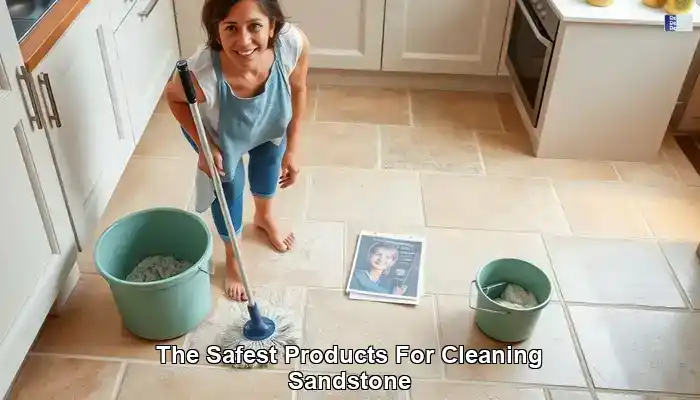
Safest Cleaning Products You Can Trust for Sandstone
Discover Expert Tips for Selecting the Most Effective Natural Stone Cleaning Products for Sandstone
To maintain the radiant appearance and structural durability of your sandstone surfaces, it is crucial to make informed choices when selecting the right cleaner. Utilizing inappropriate cleaning agents can lead to unsightly discoloration, irreversible damage, and an unappealing dull finish, ultimately diminishing the natural allure of the stone. Are you keen to learn about the safest and most efficient products tailored for cleaning sandstone? Your quest begins with specialized natural stone cleaners crafted to meet the unique requirements and characteristics of sandstone.
Expert Tips: Recommended Products for Everyday Sandstone Care
Explore Eco-Friendly Cleaning Solutions Specifically Crafted for Sandstone Care
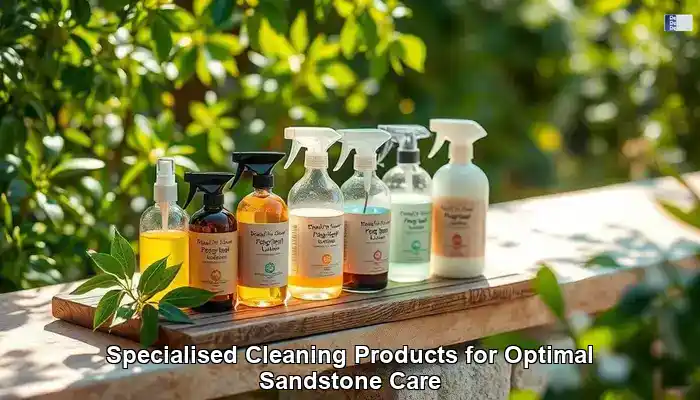
Eco-friendly cleaning products are often underestimated, yet they play a vital role in maintaining the integrity of sensitive surfaces such as sandstone. These innovative cleaning solutions typically incorporate plant-based ingredients that effectively eliminate dirt and grime without relying on harsh chemicals that can cause damage. Reputable brands like Ecover and Method are well-regarded for their extensive selection of biodegradable and environmentally friendly products. By opting for these eco-conscious options, you not only protect your sandstone but also contribute positively to environmental sustainability and the overall health of our planet.
Moreover, eco-friendly cleaners excel at preserving the natural allure of sandstone. Many conventional cleaning agents contain harmful components that may etch or dull the stone’s surface over time. In contrast, eco-friendly alternatives are designed to lift grime while maintaining the vibrant colors and intricate textures characteristic of sandstone. This aspect is particularly significant for homeowners in the UK who wish to retain the charm and appeal of their properties while adhering to environmentally sound practices.
Uncover the Benefits of pH-Neutral Cleaners for Exceptional Sandstone Maintenance
pH-neutral cleaners are the gentle heroes of the cleaning world. Their carefully balanced formulations ensure they effectively combat dirt and grime while being gentle enough to avoid damage to your valuable sandstone. Unlike acidic or highly alkaline cleaners, pH-neutral products will not strip the stone of its natural oils or cause enduring harm.
When selecting a cleaner, seek brands that specifically label their products as pH-neutral for stone surfaces. These cleaners usually come in concentrated forms, allowing you to dilute them according to your specific cleaning requirements. For routine maintenance, a simple mixture of pH-neutral cleaner mixed with water can help keep your sandstone looking fresh, vibrant, and inviting throughout the seasons.
Embrace Biodegradable Cleaning Formulations for Sustainable Sandstone Care
Biodegradable cleaning solutions not only deliver impressive results but also foster a healthier environment. These formulations naturally decompose, leaving no toxic residues that could harm your sandstone or the surrounding ecosystem. When selecting a cleaner, prioritize products certified as biodegradable to ensure they meet rigorous environmental standards while effectively protecting your home.
Many biodegradable cleaners utilize natural enzymes to efficiently break down organic matter, making them particularly suitable for addressing stains from spills, dirt, or outdoor contaminants. This consideration is especially important for homeowners in the UK, where damp conditions can promote the growth of mould and mildew on sandstone surfaces. By choosing biodegradable solutions, you are making a conscientious choice that prioritizes both cleanliness and environmental stewardship.
Enhancing Sandstone Care with Specialist Cleaning Products

Each type of stone possesses its unique characteristics, and sandstone is no exception. Therefore, it is imperative to select products specifically formulated for sandstone to ensure effective care and maintenance. By choosing the right sandstone-specific products, you can maintain the pristine condition of your surfaces while extending their longevity. So, what specialized cleaning options are available for sandstone?
Follow Manufacturer Guidelines for Optimal Sandstone Care
When in doubt, consult the experts! Most sandstone manufacturers offer valuable recommendations regarding the most suitable cleaning agents for their stone products. These suggestions are typically based on extensive research and testing, ensuring they won’t damage your sandstone. Brands such as StoneTech and AquaMix provide a variety of products specifically formulated for sandstone, helping you to avoid the pitfalls associated with unsuitable cleaners.
It is essential to adhere to these manufacturer guidelines, particularly if your sandstone has been sealed. Many cleaning products are designed to work in harmony with sealants, ensuring that while you clean, you also protect your valuable investment. Consulting the manufacturer’s website or product literature can provide crucial insights into the best products tailored for your specific sandstone type.
Understanding the Role of Specialty Cleaners for Sandstone Challenges
Sandstone surfaces present unique challenges, ranging from stubborn stains to wear caused by environmental conditions. Specialty cleaners are specifically formulated to effectively address these issues. For instance, certain products are designed to tackle rust stains or organic growth without harming the stone.
Look for stain removers that utilize natural ingredients like citric acid or baking soda, both of which are renowned for their effectiveness against tough stains. These specialty cleaners not only restore the beauty of your sandstone but also help mitigate the effects of the UK’s sometimes harsh weather conditions, ensuring your outdoor areas remain attractive and visually pleasing.
Choosing Sealant-Compatible Cleaners for Enhanced Sandstone Protection
Applying sealants to sandstone is an effective strategy to protect it from environmental elements; however, not all cleaners are compatible with these protective coatings. Sealant-compatible cleaning products allow you to clean effectively while preserving the integrity of your protective layer. Brands like Dry-Treat offer cleaners specifically designed to be safe for sealed stone, enabling you to maintain both cleanliness and protection.
Before using any cleaning product, always check the label to confirm its compatibility with your sealant. Selecting the right cleaners can prolong the lifespan of both your sandstone and its protective coating, ultimately saving you time and money in the long run.
Investigating Eco-Conscious Cleaning Solutions for Sandstone Surfaces
For those who prioritize sustainability, a variety of eco-friendly products specifically designed for sandstone are readily available. Many of these options utilize natural ingredients that effectively clean without causing harm to the environment or the stone itself. Seek out brands that highlight their eco-credentials and biodegradable formulas, allowing you to make responsible choices while caring for your sandstone.
Utilizing eco-friendly solutions not only helps maintain your sandstone but also aligns with the growing trend towards sustainable living. In the UK, where environmental concerns are increasingly significant, selecting these products demonstrates your commitment to preserving the planet for future generations.
Creating Effective DIY Cleaning Solutions for Sandstone Maintenance
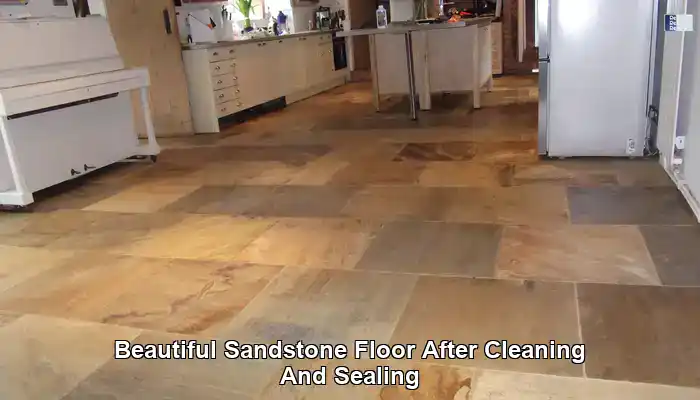
Sometimes, the most effective cleaning solutions are those readily available in your kitchen. DIY cleaning solutions can be both cost-effective and efficient for maintaining your sandstone surfaces. With a touch of creativity and some common household items, you can create cleaners that are safe and tailored to your specific cleaning requirements. Are you ready to explore some innovative DIY options?
Crafting a Vinegar and Water Cleaning Solution for Light Stains
A simple mixture of vinegar and water can be remarkably effective on sandstone, breaking down light stains and grime without causing damage. Combine one part vinegar with four parts water to create a gentle yet powerful cleaning solution. This mixture is especially beneficial for quick clean-ups when you need an effortless fix without resorting to commercial cleaners.
While vinegar is acidic, when properly diluted, it will not harm your sandstone. However, it is essential to avoid using this solution on sealed surfaces, as the acid could potentially compromise the sealant. Always conduct a spot test to ensure you’re protecting your stone while achieving the desired cleaning effect.
Formulating an Effective Baking Soda Paste for Stubborn Stains
Baking soda is an outstanding cleaning agent. To create a paste, mix baking soda with a small amount of water until you achieve a thick consistency. This paste can be applied to stains, allowing it to sit for a while before gently scrubbing with a soft brush. The mildly abrasive nature of baking soda makes it ideal for lifting dirt without scratching the stone.
This DIY solution is particularly effective for tackling stubborn stains, such as grease or oil, which can often occur in outdoor settings like patios or driveways. Furthermore, it’s an economical option that ensures your sandstone surfaces remain clean and vibrant, enhancing their overall appearance.
Utilizing Mild Soap Solutions for Routine Sandstone Cleaning
For routine maintenance, a mild soap solution is often sufficient. Mixing dish soap with water creates an effective cleaner for sandstone surfaces. Just a few drops of a gentle, biodegradable dish soap in a bucket of water will suffice. Use a soft cloth or sponge to wipe down the surfaces, and rinse thoroughly to eliminate any soap residue, ensuring a clean finish.
This method is optimal for regular upkeep, helping to prevent dirt accumulation without risking harm to your precious sandstone. The key is to select a soap that is free from harsh chemicals, ensuring the longevity and durability of the stone while keeping it looking its best.
Enhancing Shine with a Lemon Juice and Olive Oil Polish for Sandstone
To add a natural shine to your sandstone, mix lemon juice and olive oil to create an effective polish. Lemon juice serves as a natural cleaner and deodorizer, while olive oil provides a protective layer for the stone. Combine equal parts of both ingredients and apply with a soft cloth, buffing the surface to achieve a beautiful sheen.
This natural polish is ideal for indoor sandstone surfaces, helping to maintain their luster and shield them from everyday wear. However, exercise caution when using this on outdoor surfaces, as the oil can attract dirt and may require more frequent cleaning to keep the stone pristine.
Applying a Hydrogen Peroxide Solution for Tackling Tough Sandstone Stains
A diluted hydrogen peroxide solution can be a game-changer for addressing tough stains on sandstone. Mix one part hydrogen peroxide with two parts water, then apply the mixture to the stained area and allow it to sit briefly before blotting it away. This solution is particularly effective against organic stains, such as those caused by leaves or food, providing a deep clean.
As with any cleaner, conducting a test patch is crucial before widespread application, as reactions with the sandstone can vary. However, for those particularly stubborn stains that seem insurmountable, this might be the solution you’ve been seeking, offering a reliable method for restoring your stone surfaces.
Recognizing and Avoiding Harmful Cleaning Chemicals for Your Sandstone Surfaces
When cleaning your sandstone surfaces, the last thing you want is to cause irreversible damage. Understanding which cleaners to avoid is just as critical as knowing which products to use. Let’s dive into the hazardous territory of harmful chemicals that should be kept far away from your sandstone!
Steering Clear of Acidic Cleaners That Can Damage Sandstone
While acidic cleaners may appear to offer quick solutions for dirt and stains, they can be incredibly damaging to sandstone. The porous structure of sandstone renders it particularly vulnerable to acid damage, leading to etching and discoloration that can ruin its appearance. Common household products, such as lemon juice or vinegar, when used in concentrated forms, can inflict more harm than good.
Instead, seek out neutral pH solutions specifically formulated for natural stone. Always read labels carefully, and if you are uncertain, err on the side of caution. Your sandstone surfaces will undoubtedly appreciate your diligence and care!
Avoiding Harsh Abrasives to Preserve the Integrity of Sandstone
Scrubbing away at stains with abrasive materials may seem like a viable option, but it’s a surefire way to damage your sandstone. Abrasive pads can scratch the surface, leading to unsightly marks and a compromised finish that detracts from the stone’s natural beauty. Opt for soft cloths or sponges that won’t cause damage, ensuring your sandstone remains in pristine condition for years to come.
Even natural abrasives, such as salt, should be used with caution. While they may be effective on some surfaces, they can lead to erosion on sandstone over time. Always select gentle cleaning methods to achieve long-lasting results without compromising the stone.
The Dangers of Using Bleach and Ammonia on Sandstone Surfaces
Both bleach and ammonia are cleaning agents you should never use on sandstone. These harsh chemicals can result in severe discoloration, leaving your surfaces looking worse than before. Instead, focus on natural alternatives or pH-neutral cleaners that won’t compromise the integrity of your stone surfaces.
Additionally, the fumes produced by these substances can be harmful to inhale, making them dangerous not just for your sandstone but also for your health. Opting for safer alternatives is always the best approach for both your well-being and the longevity of your stone.
Avoiding Solvents and Petroleum-Based Products for Sandstone Care
While solvents and petroleum-based products may seem like quick fixes for stubborn stains, they can seep into the porous structure of sandstone, leading to deterioration and degradation. These substances can alter the stone’s color and cause it to become brittle over time. Always refrain from using these products and opt for cleaners specifically formulated for natural stone instead.
Investing time in understanding which cleaners are safe for sandstone will pay dividends in the long run, preserving both its beauty and structural integrity. Your stone surfaces will undoubtedly thank you for making informed choices!
Utilizing Professional Cleaning Services for Comprehensive Sandstone Care
At times, the expertise of a professional cleaner is invaluable. When it comes to cleaning sandstone, hiring a certified professional can significantly enhance results and extend the lifespan of your surfaces. For those residing in the UK, knowing what to look for and what services are available can ensure your sandstone receives the utmost care and attention.
Finding Certified Stone Cleaners for Outstanding Cleaning Results
Not all cleaning services are created equal. When searching for a professional cleaner, it is crucial to find certified stone cleaners who specialize in natural stone care. These experts are trained in the specific needs of sandstone, employing techniques and products that are both safe and effective for your surfaces.
Seek companies with a proven track record in stone maintenance who can provide references or case studies to showcase their work. A certified cleaner will understand the intricacies of sandstone, from its porous nature to its vulnerability to certain chemicals, ensuring a thorough yet gentle cleaning process without damaging your stone.
Restoration Experts to Revitalize Your Sandstone Surfaces
Sometimes, sandstone surfaces require more than just cleaning; they may need restoration to bring back their original beauty. Restoration experts can rejuvenate worn or damaged sandstone, employing methods such as honing and polishing, which can help eliminate scratches and enhance the stone’s overall finish.
In the UK, numerous companies offer specialized restoration services for sandstone, utilizing both traditional techniques and modern technology to breathe new life into your surfaces. Investing in restoration can significantly extend the lifespan of your sandstone while maintaining its aesthetic appeal and charm.
Establishing Regular Maintenance Plans for Long-lasting Sandstone Care
Regular maintenance is crucial for keeping sandstone looking its best. Many professional cleaning services offer customized maintenance plans tailored to your specific needs. These plans often incorporate periodic deep cleaning, inspections, and protective treatments that shield your sandstone from wear and tear.
By enrolling in a maintenance plan, you can ensure that your sandstone surfaces remain in pristine condition without the burden of constant upkeep. Plus, knowing that professionals are managing the cleaning allows you to enjoy your space without worry while keeping your property looking its finest.
Implementing Essential Safety Measures for Effective Sandstone Cleaning
When it comes to cleaning sandstone, safety should never be compromised. Understanding the necessary precautions can prevent accidents and ensure the longevity of your stone surfaces. Let’s explore key safety measures to keep in mind while cleaning.
Utilizing Protective Gear During the Cleaning Process
Wearing protective gear while cleaning is vital, especially when using any cleaning agents that may contain harsh chemicals. Gloves protect your hands from exposure, while goggles shield your eyes from splashes. If using products with strong fumes, consider wearing a mask to safeguard your respiratory system from inhalation of potentially harmful substances.
Taking these precautions not only protects your health but also aids in effective cleaning. A little protection goes a long way in preventing accidents while ensuring a thorough and safe cleaning process.
Conducting Tests on Small Areas Before Full Application of Cleaners
Before applying any cleaner to a large section of sandstone, always conduct a test in a small, inconspicuous area. This practice is essential to determine how the stone reacts to the cleaner, ensuring that you don’t inadvertently cause damage or discoloration.
Select a concealed spot or an area that is not prominently visible, apply the cleaner, and observe the surface for any adverse reactions, such as discoloration or etching. This small precaution can save you from costly mistakes and help preserve the beauty and integrity of your sandstone.
Ensuring Proper Ventilation While Cleaning Sandstone
Many cleaning products can release harmful fumes if inhaled. Ensuring proper ventilation during the cleaning process is crucial for maintaining a safe environment. Open windows and doors, or utilize exhaust fans to circulate air while using cleaning agents to minimize inhalation risks.
This practice becomes especially important when dealing with stronger cleaners or performing deep cleans. Good airflow will help mitigate potential hazards, allowing you to clean with confidence while protecting your health.
Frequently Asked Questions About Sandstone Care
Which eco-friendly products are recommended for cleaning sandstone surfaces?
Look for products from reputable brands like Ecover or Method, which provide biodegradable and plant-based cleaning solutions specifically formulated for natural stone care.
Is it safe to use vinegar for cleaning sandstone surfaces?
Although vinegar can be effective when diluted, it should be used sparingly and avoided on sealed surfaces, as it can damage the stone over time.
How often should I clean my sandstone surfaces for optimal maintenance?
For outdoor sandstone, a thorough cleaning every few months is ideal; however, indoor surfaces may only require cleaning every few weeks or as needed based on usage.
What should I avoid when cleaning sandstone surfaces to prevent damage?
Avoid acidic cleaners, harsh abrasives, bleach, ammonia, and petroleum-based products, as they can cause significant damage to the stone’s appearance and integrity.
How can I restore the original appearance of my sandstone surfaces?
Consider hiring a restoration expert who can hone and polish the stone, effectively removing scratches and restoring its natural beauty and appeal.
Are there professional services available for cleaning sandstone surfaces?
Yes, many certified cleaning services specialize in natural stone care and can offer expert cleaning and maintenance for sandstone surfaces to keep them looking their best.
What should I do if my sandstone becomes stained?
Apply a specialty cleaner formulated for sandstone, or use a baking soda paste for tough stains. Always conduct a test on a small area first to ensure safety and effectiveness.
Is it safe to use bleach on sandstone surfaces?
No, bleach can cause severe discoloration and damage to sandstone, so it should never be used under any circumstances.
Can I use a pressure washer to clean sandstone surfaces safely?
Pressure washers can harm sandstone; it is preferable to use gentler cleaning methods to avoid eroding the stone’s surface and causing damage.
What is the best approach to maintaining sandstone surfaces for longevity?
Regular cleaning with pH-neutral products, avoiding harsh chemicals, and enrolling in a professional maintenance plan can help keep your sandstone looking its best for years to come.
The Article The Safest Products For Cleaning Sandstone first found on https://www.abbeyfloorcare.co.uk
The Article Safest Cleaning Products for Sandstone Surfaces appeared first on https://fabritec.org
The Article Safest Cleaning Products for Sandstone Surfaces You Can Trust Was Found On https://limitsofstrategy.com
-
Safest Cleaning Products for Sandstone Surfaces Uncovered
Discover Effective Natural Stone Cleaning Techniques for Exceptional Sandstone Preservation
To maintain the breathtaking beauty and structural integrity of your sandstone surfaces, it is essential to choose the right cleaning products. Using inappropriate cleaners can result in unsightly discoloration, irreversible damage, and a generally dull appearance. Are you ready to learn about the safest and most effective cleaning solutions for sandstone? This journey begins with exploring natural stone cleaners crafted specifically to honor and enhance the unique qualities of sandstone.
Professional Recommendations: Daily Cleaning Products for Sandstone You Can Rely On
Explore Eco-Friendly Cleaning Options Tailored for Sandstone Surfaces
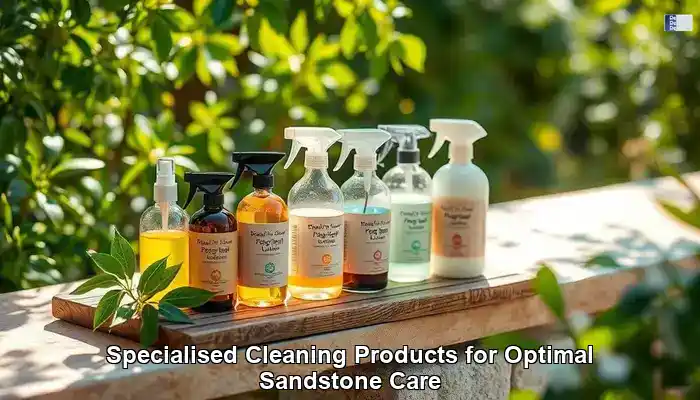
Eco-friendly cleaners are often underestimated, yet they are crucial in safeguarding sensitive surfaces like sandstone. These specialized products typically utilize plant-based ingredients that effectively remove dirt and grime without the use of harsh chemicals that can harm the stone. Brands such as Ecover and Method are recognized for their extensive range of biodegradable and environmentally safe cleaning solutions. By opting for these eco-friendly alternatives, you not only protect your sandstone but also contribute positively to the health of our planet.
Moreover, eco-friendly cleaning products excel at maintaining the natural charm of sandstone. Conventional cleaners often contain abrasive substances that can etch or dull the stone’s surface; in contrast, eco-friendly options are designed to gently lift dirt while preserving the vibrant colors and intricate textures unique to sandstone. This consideration is especially relevant for homeowners in the UK who wish to retain the character of their properties while also adhering to sustainable practices.
Unlock the Benefits of pH-Neutral Cleaners for Sandstone Surfaces
pH-neutral cleaners are the gentle giants of the cleaning industry, offering a balanced formula that effectively combats grime while ensuring your sandstone remains unharmed. Unlike acidic or alkaline cleaners, pH-neutral products are designed not to strip your stone of its natural oils or cause lasting damage.
When choosing a cleaner, search for brands that explicitly advertise their products as pH-neutral for natural stone surfaces. These cleaners usually come concentrated, allowing you to dilute them according to your specific cleaning requirements. For regular maintenance, mixing a pH-neutral cleaner with water can help maintain your sandstone surfaces, keeping them looking fresh, vibrant, and inviting for years to come.
Incorporating Biodegradable Cleaning Formulas for Sustainable Sandstone Care
Biodegradable cleaning solutions not only yield impressive cleaning results but also promote a healthier environment. These formulations naturally decompose, leaving behind no toxic residues that could harm your sandstone or the surrounding ecosystem. When selecting a cleaner, prioritize products that are certified as biodegradable to ensure they meet rigorous environmental standards.
Many biodegradable cleaners utilize natural enzymes to effectively break down organic matter, making them especially useful for addressing stains from spills or outdoor contaminants. This aspect is particularly significant for homeowners in the UK, where damp conditions can encourage the growth of mould and mildew on sandstone surfaces. By choosing biodegradable products, you make a conscientious decision that prioritizes cleanliness while also protecting the environment.
Utilizing Specialized Cleaning Solutions for Exceptional Sandstone Maintenance

Each type of stone has its own distinctive properties, and sandstone is no exception. Therefore, it is crucial to select cleaning products specifically designed for sandstone to ensure proper care and upkeep. By opting for sandstone-specific products, you can preserve the immaculate condition of your surfaces while extending their longevity. So, what specialized cleaning solutions are available for sandstone?
Manufacturer Insights for Optimal Sandstone Care
When in doubt, consult the experts! Most manufacturers of sandstone provide invaluable guidance regarding the best cleaning agents for their materials. These recommendations are typically grounded in thorough research and testing, ensuring they won’t damage your sandstone. Notable brands such as StoneTech and AquaMix offer a variety of products specifically formulated for sandstone, helping you avoid the pitfalls associated with inappropriate cleaning agents.
It is essential to follow these manufacturer recommendations, especially if your sandstone has been sealed. Many products are designed to work in harmony with sealants, ensuring that while you clean, you also protect your valuable investment. Visiting the manufacturer’s website or reviewing product literature can provide crucial insights into the best products tailored for your specific sandstone type.
Understanding the Necessity of Specialty Cleaners for Common Sandstone Issues
Sandstone surfaces face unique challenges, ranging from persistent stains to weather-related wear. Specialty cleaners are formulated specifically to address these issues effectively. For instance, certain products are designed to eliminate rust stains or organic growth without causing harm to the stone.
Look for stain removers that incorporate natural ingredients like citric acid or baking soda, both of which are renowned for their efficacy against tough stains. These specialty cleaners not only restore the beauty of your sandstone but also help counteract the effects of the UK’s sometimes harsh weather conditions, ensuring that your outdoor areas remain attractive and visually appealing.
Selecting Sealant-Compatible Cleaners for Superior Sandstone Protection
Applying sealants to sandstone is a fantastic approach to protect it from environmental damage; however, not all cleaners are compatible with sealants. Sealant-compatible cleaning products allow you to clean effectively while maintaining the integrity of your protective layer. Brands like Dry-Treat provide cleaners specifically formulated to be safe for sealed stone, enabling you to uphold both cleanliness and protection.
Before using any cleaner, always check the label to verify its compatibility with your sealant. Choosing the right products can prolong the lifespan of both your sandstone and its protective coating, ultimately saving you time and money in the long run.
Exploring Eco-Friendly Solutions for Effective Sandstone Cleaning
For those who prioritize sustainability, various eco-friendly cleaning solutions specifically designed for sandstone are readily available. Many of these products utilize natural ingredients that efficiently clean without harming the environment or the stone itself. Look for brands that emphasize their eco-credentials and biodegradable formulas, enabling you to make responsible choices while caring for your sandstone.
Utilizing eco-friendly solutions not only helps maintain your sandstone but also aligns with the increasing trend toward sustainable living. In the UK, where environmental issues are prominent, choosing these products demonstrates your commitment to preserving the planet for future generations.
Practical DIY Cleaning Techniques for Preserving Sandstone Surfaces
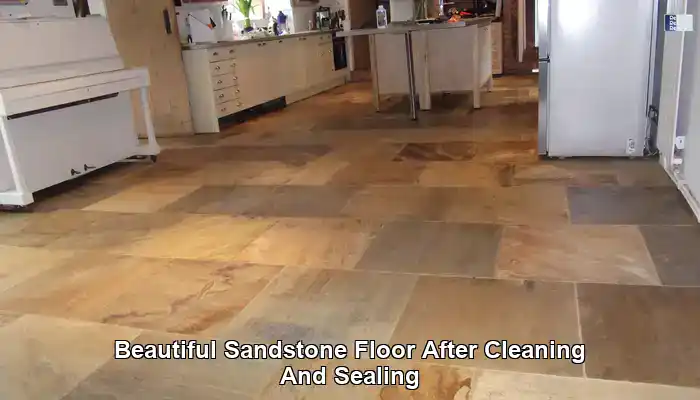
Sometimes, the most effective cleaning solutions are those found right in your home. DIY cleaning solutions can be both cost-effective and efficient for maintaining your sandstone surfaces. With a little creativity and commonly used household items, you can create cleansers that are safe and tailored to your specific cleaning requirements. Are you excited to explore some DIY options?
Creating a Simple Vinegar and Water Cleaning Solution
A straightforward mixture of vinegar and water can be surprisingly effective on sandstone, breaking down light stains and grime without causing damage. Combine one part vinegar with four parts water to formulate a gentle yet powerful cleaning solution. This mixture is particularly useful for quick clean-ups when you need an effortless solution without resorting to commercial cleaners.
While vinegar is acidic, when appropriately diluted, it will not harm your sandstone. However, it is crucial to avoid using this solution on sealed surfaces, as the acidity can potentially compromise the sealant. Always conduct a spot test to ensure you’re protecting your stone while achieving the desired cleaning effect.
Formulating an Effective Baking Soda Paste for Stubborn Stains
Baking soda is an exceptional cleaning agent. To create a paste, mix baking soda with a small amount of water until you achieve a thick consistency. This paste can be applied to stains, allowing it to sit for a while before gently scrubbing with a soft brush. The mildly abrasive nature of baking soda makes it ideal for lifting dirt without scratching the stone.
This DIY solution is particularly effective against stubborn stains, such as grease or oil, which are often found in outdoor environments like patios or driveways. Furthermore, it’s a budget-friendly option that ensures your sandstone surfaces remain clean and vibrant.
Utilizing Mild Soap Solutions for Routine Sandstone Maintenance
For regular cleaning, a mild soap solution is typically sufficient. Mixing dish soap with water creates an effective cleaner for sandstone surfaces. Just a few drops of a gentle, biodegradable dish soap in a bucket of water will do the trick. Use a soft cloth or sponge to wipe down the surfaces, and rinse thoroughly to eliminate any soap residue.
This method is optimal for ongoing maintenance, helping to prevent dirt buildup without risking harm to your valuable sandstone. The key is to choose a soap free of harsh chemicals, ensuring the longevity and durability of the stone.
Enhancing Shine with a Lemon Juice and Olive Oil Polish
To impart a natural shine to your sandstone, mix lemon juice and olive oil to create an effective polishing solution. Lemon juice acts as a natural cleaner and deodorizer, while olive oil provides a protective layer for the stone. Combine equal parts of both ingredients and apply with a soft cloth, buffing the surface to achieve a beautiful sheen.
This natural polish is ideal for indoor sandstone surfaces, helping to maintain their luster and protect them from everyday wear. However, caution is advised with outdoor surfaces, as oils can attract dirt and may necessitate more frequent cleaning.
Applying a Hydrogen Peroxide Solution for Tough Sandstone Stains
A diluted hydrogen peroxide solution can be remarkably effective for tackling stubborn stains on sandstone. Mix one part hydrogen peroxide with two parts water, then apply this mixture to the stained area and allow it to sit briefly before blotting it away. This solution is particularly efficient against organic stains, such as those caused by leaves or food.
As with any cleaning method, conducting a test patch is crucial before widespread application, as reactions with the sandstone can vary. However, for those particularly stubborn stains that seem insurmountable, this could be the solution you’ve been searching for.
Identifying and Avoiding Harmful Cleaning Chemicals for Sandstone Preservation
When cleaning your sandstone surfaces, the last thing you want is to cause irreversible damage. Understanding which cleaners to avoid is just as crucial as knowing which ones are beneficial. Let’s explore the hazardous territory of harmful chemicals!
Avoiding Acidic Cleaners That Can Damage Sandstone
While acidic cleaners may seem to offer quick fixes for dirt and stains, they can be extremely damaging to sandstone. The porous structure of sandstone makes it particularly susceptible to acid damage, leading to etching and discoloration. Common household products, such as lemon juice or vinegar, when used in concentrated forms, can inflict more harm than good.
Instead, opt for neutral pH solutions specifically designed for natural stone. Always read labels carefully, and if you’re ever in doubt, err on the side of caution. Your sandstone surfaces will undoubtedly appreciate your diligence!
Steering Clear of Harsh Abrasives to Preserve Sandstone Integrity
Scrubbing stains with abrasive materials might seem like a viable option, but it’s a guaranteed way to damage your sandstone. Abrasive pads can scratch the surface, leading to unsightly marks and a compromised finish. Choose soft cloths or sponges that won’t cause harm, ensuring your sandstone remains in pristine condition.
Even natural abrasives, such as salt, should be approached cautiously. While they may be effective on some surfaces, they can lead to erosion on sandstone over time. Always select gentle cleaning methods to achieve long-lasting results.
The Dangers of Using Bleach and Ammonia on Sandstone Surfaces
Both bleach and ammonia are cleaning agents you should never use on sandstone. These harsh chemicals can result in severe discoloration, leaving your surfaces looking worse than before. Instead, focus on natural alternatives or pH-neutral cleaners that won’t compromise the integrity of your stone.
Additionally, the fumes produced by these substances can be harmful to inhale, making them dangerous not just for your sandstone but also for your health. Opting for safer alternatives is always the best strategy.
Avoiding Solvents and Petroleum-Based Products for Effective Sandstone Care
While solvents and petroleum-based products may appear to provide quick solutions for stubborn stains, they can seep into the porous structure of sandstone, leading to deterioration. These substances can alter the stone’s color and make it brittle over time. Always refrain from using these products, and opt for cleaners specifically formulated for natural stone instead.
Investing time in understanding which cleaners are safe for sandstone will pay dividends in the long run, preserving both its beauty and structural integrity. Your stone surfaces will certainly thank you!
Engaging Professional Cleaning Services for Superior Sandstone Maintenance
In some instances, the expertise of a professional cleaner can be invaluable. When it comes to cleaning sandstone, hiring a certified professional can greatly enhance results. For those residing in the UK, understanding what to look for and what services are available will ensure your sandstone receives the utmost care.
Finding Certified Stone Cleaning Experts for Outstanding Results
Not all cleaning services are created equal. When searching for a professional cleaner, it is essential to find certified stone cleaners who specialize in natural stone care. These experts are trained in the specific requirements of sandstone, employing techniques and products that are both safe and effective.
Seek companies with a proven track record in stone maintenance that can provide references or case studies showcasing their work. A certified cleaner will understand the intricacies of sandstone, from its porous nature to its vulnerability to certain chemicals, ensuring a thorough yet gentle cleaning process.
Restoration Specialists for Revitalizing Sandstone Surfaces
Sometimes, sandstone surfaces require more than just cleaning; they may need restoration. Restoration specialists can rejuvenate worn or damaged sandstone, bringing back its natural beauty. These professionals employ methods such as honing and polishing, which can help eliminate scratches and enhance the stone’s finish.
In the UK, numerous companies offer specialized restoration services for sandstone, utilizing both traditional techniques and modern technology to breathe new life into your surfaces. Investing in restoration can significantly extend the lifespan of your sandstone while preserving its visual appeal.
Establishing Regular Maintenance Plans for Optimal Sandstone Care
Regular maintenance is crucial for keeping sandstone looking its best. Many professional cleaning services offer customized maintenance plans tailored to your specific needs. These plans often encompass periodic deep cleaning, inspections, and protective treatments that shield your sandstone from wear and tear.
By enrolling in a maintenance plan, you can ensure that your sandstone surfaces remain in pristine condition without the burden of constant upkeep. Plus, knowing that professionals are managing the cleaning allows you to enjoy your space without worry.
Key Safety Precautions for Effective Sandstone Cleaning
When it comes to cleaning sandstone, safety should always be a priority. Understanding the necessary precautions can prevent accidents and ensure the longevity of your stone surfaces. Let’s explore important safety measures to keep in mind.
Utilizing Protective Gear During the Cleaning Process
Wearing protective gear while cleaning is vital, especially when using any cleaning agents. Gloves protect your hands from chemicals, while goggles shield your eyes from splashes. If using products with strong fumes, consider wearing a mask to safeguard your respiratory system.
Taking these precautions not only protects your health but also enhances the effectiveness of your cleaning efforts. A little protection goes a long way in preventing accidents and ensuring a thorough cleaning process.
Conducting Tests on Small Areas Before Full Application
Before applying any cleaner to a large section of sandstone, always conduct a test in a small, inconspicuous area. This practice is crucial for determining how the stone reacts to the cleaner, ensuring that you don’t inadvertently cause damage.
Select a hidden spot or an area that is not prominently visible, apply the cleaner, and observe the surface for any adverse reactions, such as discoloration or etching. This small precaution can save you from costly mistakes and help preserve the beauty of your sandstone.
Ensuring Proper Ventilation While Cleaning Sandstone
Many cleaning products can release harmful fumes if inhaled. Ensuring proper ventilation during cleaning is crucial for maintaining a safe environment. Open windows and doors or utilize exhaust fans to circulate air while using cleaning agents.
This practice becomes especially important when dealing with stronger cleaners or performing deep cleans. Good airflow will help mitigate potential hazards, allowing you to clean with confidence.
Frequently Asked Questions About Sandstone Care
Which eco-friendly products are recommended for cleaning sandstone?
Look for products from reputable brands like Ecover or Method, which provide biodegradable and plant-based cleaning solutions specifically formulated for natural stone.
Is it safe to use vinegar for cleaning sandstone?
Although vinegar can be effective when diluted, it should be used sparingly and avoided on sealed surfaces, as it can damage the stone.
How often should I clean my sandstone surfaces?
For outdoor sandstone, a thorough cleaning every few months is ideal; however, indoor surfaces may only require cleaning every few weeks or as needed.
What should I avoid when cleaning sandstone?
Avoid acidic cleaners, harsh abrasives, bleach, ammonia, and petroleum-based products, as they can cause significant damage to the stone.
How can I restore the original appearance of my sandstone?
Consider hiring a restoration expert who can hone and polish the stone, effectively removing scratches and restoring its natural beauty.
Are there professional services available for cleaning sandstone?
Yes, many certified cleaning services specialize in natural stone care and can provide expert cleaning and maintenance for sandstone surfaces.
What should I do if my sandstone becomes stained?
Apply a specialty cleaner formulated for sandstone, or use a baking soda paste for tough stains. Always conduct a test on a small area first.
Is it safe to use bleach on sandstone surfaces?
No, bleach can cause severe discoloration and damage to sandstone, so it should never be used.
Can I use a pressure washer to clean sandstone?
Pressure washers can harm sandstone; it is preferable to use gentler cleaning methods to avoid eroding the stone’s surface.
What is the best approach to maintaining sandstone surfaces?
Regular cleaning with pH-neutral products, avoiding harsh chemicals, and enrolling in a professional maintenance plan can help keep your sandstone looking its best.
The Article The Safest Products For Cleaning Sandstone first found on https://www.abbeyfloorcare.co.uk
The Article Safest Cleaning Products for Sandstone Surfaces appeared first on https://fabritec.org
The Article Safest Cleaning Products for Sandstone Surfaces Revealed Was Found On https://limitsofstrategy.com
-
Safest Cleaning Products for Caring for Sandstone
Discover Top-Quality Natural Stone Cleaning Products for Sandstone Maintenance
To preserve the captivating beauty and structural integrity of your sandstone surfaces, it is essential to carefully choose the right cleaning products. Using inappropriate cleaners can lead to undesirable discoloration, irreversible damage, and an overall dullness that detracts from the natural allure of the stone. If you are eager to learn about the safest and most efficient products for cleaning sandstone, you’ve come to the right resource! The exploration starts with natural stone cleaners specifically designed to cater to the unique properties of sandstone.
Expert Insights: Best Products for Everyday Sandstone Cleaning
Explore Eco-Friendly Cleaning Products for Superior Sandstone Maintenance
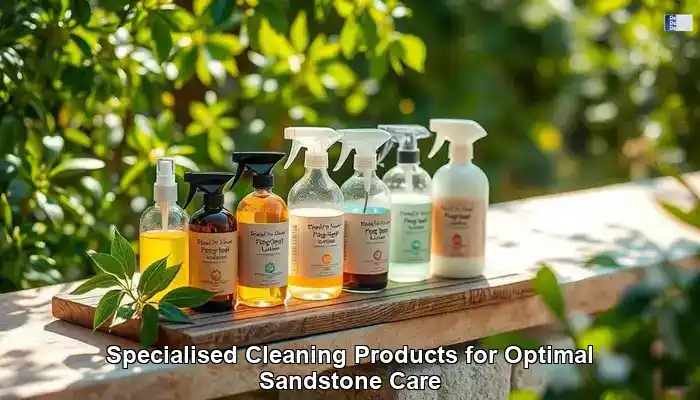
Eco-friendly cleaning solutions are often underestimated, yet they are vital in preserving delicate surfaces like sandstone. These products generally incorporate plant-based ingredients that efficiently remove dirt without the need for harsh chemicals. Reputable brands such as Ecover or Method specialize in biodegradable and environmentally responsible cleaning products. By opting for these eco-friendly solutions, you not only safeguard your sandstone but also contribute to the overall health of our planet.
Additionally, eco-friendly cleaning options excel at enhancing the natural beauty of sandstone. Many traditional cleaners contain aggressive agents that can etch or dull the stone’s surface over time. In contrast, eco-friendly alternatives are formulated to effectively lift dirt and grime while preserving the vivid colors and intricate textures characteristic of sandstone. This is especially crucial for homeowners in the UK who wish to maintain the charm of their properties while championing environmental sustainability.
Understanding the Benefits of pH-Neutral Cleaners for Sandstone Maintenance
pH-neutral cleaners are often regarded as the gentle giants of the cleaning world. Their well-balanced formulas ensure they can efficiently combat grime without being harsh on your sandstone. Unlike acidic or alkaline cleaners, pH-neutral products do not strip the stone of its natural oils or inflict irreversible damage.
When selecting a cleaner, it is essential to look for brands that specifically advertise their products as pH-neutral for stone surfaces. These cleaners are frequently available in concentrated forms, allowing you to dilute them based on your cleaning needs. For daily maintenance, a simple mixture of pH-neutral cleaner diluted with water can help keep your sandstone looking fresh, vibrant, and welcoming.
Embracing Biodegradable Cleaners for Responsible Sandstone Maintenance
Biodegradable cleaning solutions offer outstanding performance while promoting a healthier environment. These formulations naturally break down, leaving no harmful residues that could adversely affect your sandstone or the surrounding ecosystem. When choosing a cleaner, prioritize products that are certified as biodegradable to ensure they adhere to strict environmental standards.
Many biodegradable cleaners contain natural enzymes that effectively decompose organic matter, making them perfect for addressing stains from spills or contaminants found in outdoor settings. This consideration is particularly important for homeowners in the UK, where damp conditions can promote the growth of mould and mildew on sandstone surfaces. By selecting biodegradable solutions, you are making a conscious choice that emphasizes cleanliness alongside environmental responsibility.
Investigate Specialized Cleaning Solutions for Comprehensive Sandstone Maintenance

Every type of stone possesses unique characteristics, and sandstone is no exception. Therefore, it is vital to select products specifically engineered for sandstone to ensure proper care and maintenance. By choosing the right sandstone-specific products, you can preserve the immaculate condition of your surfaces while prolonging their lifespan. So, what specialized cleaning solutions are available for sandstone?
Manufacturer Recommendations for Optimal Sandstone Care
When in doubt, consult the experts! Most sandstone manufacturers offer guidance on the most appropriate cleaning agents for their stone. These recommendations are often based on extensive research and testing, guaranteeing that they won’t harm your sandstone. Brands like StoneTech and AquaMix provide a diverse range of products specifically formulated for sandstone, enabling you to avoid the pitfalls associated with unsuitable cleaners.
It is crucial to adhere to these manufacturer guidelines, particularly if your sandstone has been sealed. Many products are designed to work synergistically with sealants, ensuring that while you clean, you also protect your valuable investment. Visiting the manufacturer’s website or reviewing product literature can provide essential insights into the best products tailored for your specific sandstone type.
Understanding the Importance of Specialty Cleaners for Sandstone Challenges
Sandstone surfaces face unique challenges, including persistent stains and weather-related wear. specialty cleaners are formulated to effectively tackle these issues. For instance, certain products are designed to remove rust stains or organic growth without damaging the stone.
Seek out stain removers that utilize natural ingredients like citric acid or baking soda, both of which are renowned for their effectiveness against stubborn stains. These specialty cleaners not only restore the beauty of your sandstone but also help mitigate the effects of the UK’s sometimes harsh weather conditions, ensuring that your outdoor areas remain inviting and visually appealing.
Selecting Sealant-Compatible Cleaners for Enhanced Sandstone Protection
Applying sealants to sandstone is an excellent method for safeguarding it from environmental elements; however, not all cleaners are compatible with sealants. Sealant-compatible cleaning products allow you to clean effectively while preserving the integrity of your protective layer. Brands such as Dry-Treat offer cleaners specifically formulated to be safe for sealed stone, enabling you to maintain both cleanliness and protection.
Before applying any cleaner, it’s essential to check the label for compatibility with your sealant. Choosing the right products can extend the lifespan of both your sandstone and its protective coating, ultimately saving you time and money in the long run.
Choosing Eco-Conscious Cleaning Products for Sandstone Maintenance
For those dedicated to sustainability, a variety of eco-friendly solutions tailored specifically for sandstone are readily accessible. Many of these products utilize natural ingredients that effectively clean without harming the environment or the stone itself. Look for brands that emphasize their eco-credentials and biodegradable formulations, allowing you to make responsible choices while caring for your sandstone.
Utilizing eco-friendly solutions not only aids in maintaining your sandstone but also aligns with the growing trend towards sustainable living. In the UK, where environmental concerns are paramount, choosing these products showcases your commitment to safeguarding the planet for future generations.
Unlock Effective DIY Cleaning Techniques for Sandstone Maintenance
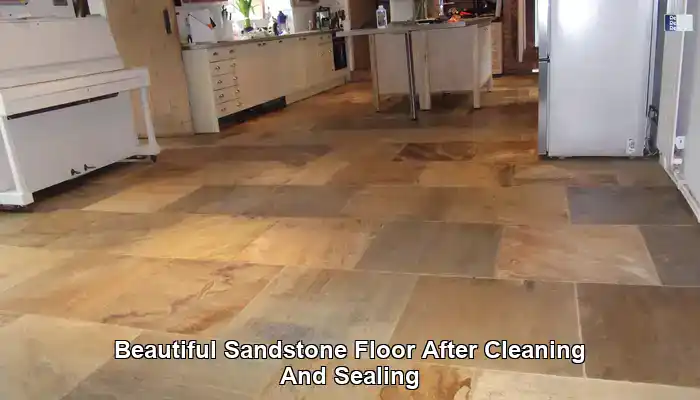
Sometimes, the most effective cleaning solutions are those that can be easily found at home. DIY cleaning solutions can be both budget-friendly and efficient for maintaining your sandstone surfaces. With a little creativity and some common household items, you can craft cleaners that are safe and specifically designed to meet your cleaning needs. Are you ready to explore some DIY options?
Creating a Gentle Vinegar and Water Cleaning Solution
A simple mixture of vinegar and water can be surprisingly effective on sandstone, breaking down light stains and grime without causing damage. Combine one part vinegar with four parts water to create a gentle yet powerful cleaning solution. This mixture is particularly useful for those quick clean-ups when you need an effortless fix without resorting to commercial cleaners.
While vinegar is acidic, when diluted appropriately, it will not harm your sandstone. However, it’s crucial to avoid using this solution on any sealed surfaces, as the acid may potentially compromise the sealant. Always perform a spot test to ensure you’re protecting your stone while achieving the desired cleaning effect.
Utilizing Baking Soda Paste for Stubborn Stains Removal
Baking soda serves as an excellent cleaning agent. To create a paste, mix baking soda with a small amount of water until a thick consistency is achieved. This paste can be directly applied to stains, allowing it to sit for a brief period before gently scrubbing with a soft brush. The mildly abrasive nature of baking soda makes it ideal for lifting dirt without scratching the stone.
This DIY solution is particularly effective for tough stains, such as grease or oil, which can frequently occur in outdoor settings like patios or driveways. Additionally, it’s an economical option that ensures your sandstone surfaces remain clean and vibrant.
Employing Mild Soap Solutions for Routine Sandstone Maintenance
For regular cleaning, a mild soap solution is often sufficient. Mixing dish soap with water can create an effective cleaner for sandstone surfaces. Just a few drops of a gentle, biodegradable dish soap in a bucket of water will do the trick. Use a soft cloth or sponge to wipe down the surfaces, and rinse thoroughly to eliminate any soap residue.
This method is optimal for routine upkeep, helping to prevent dirt accumulation without risking harm to your valuable sandstone. The key is to choose a soap that is free of harsh chemicals, thus ensuring the longevity and durability of the stone.
Enhancing Shine with a Lemon Juice and Olive Oil Polish
To impart a natural shine to your sandstone, mix lemon juice and olive oil to create an effective polish. Lemon juice acts as a natural cleaner and deodorizer, while olive oil provides a protective layer for the stone. Combine equal parts of both ingredients and apply with a soft cloth, buffing the surface to achieve a beautiful sheen.
This natural polish is ideal for indoor sandstone surfaces, helping to maintain their luster and shield them from everyday wear. However, exercise caution with outdoor surfaces, as oils can attract dirt and may require more frequent cleaning.
Applying Hydrogen Peroxide Solution for Tough Stain Elimination
A diluted hydrogen peroxide solution can be a game-changer for tackling persistent stains on sandstone. Mix one part hydrogen peroxide with two parts water, then apply the mixture to the stained area and allow it to sit for a brief period before blotting it away. This solution is particularly effective against organic stains, such as those caused by leaves or food.
As with any cleaner, conducting a test patch is essential before widespread application, as reactions with the sandstone can vary. However, for those particularly stubborn stains that seem insurmountable, this might be the solution you’ve been searching for.
Identifying and Avoiding Harmful Chemicals for Effective Sandstone Protection
When cleaning your sandstone surfaces, the last thing you want is to inflict irreversible damage. Understanding which cleaners to avoid is just as critical as knowing which ones to use. Let’s delve into the hazardous realm of harmful chemicals!
Steering Clear of Acidic Cleaners That Can Damage Sandstone Surfaces
While acidic cleaners may appear to offer a quick fix for dirt and stains, they can be incredibly detrimental to sandstone. The porous nature of sandstone makes it particularly vulnerable to acid damage, resulting in etching and discoloration. Common household products, such as lemon juice or vinegar, when used in concentrated forms, can do more harm than good.
Instead, opt for neutral pH solutions specifically formulated for natural stone. Always scrutinize labels carefully, and when in doubt, err on the side of caution. Your sandstone surfaces will undoubtedly appreciate your diligence!
Avoiding Harsh Abrasives to Maintain Sandstone Integrity
Scrubbing stains with abrasive materials may seem like a viable option, but it’s a guaranteed way to damage your sandstone. Abrasive pads can scratch the surface, resulting in unsightly marks and a compromised finish. Choose soft cloths or sponges that won’t cause damage, ensuring your sandstone remains in pristine condition.
Even natural abrasives, such as salt, should be used with caution. While they may be effective on some surfaces, they can lead to erosion on sandstone over time. Always select gentle cleaning methods to achieve long-lasting results.
The Dangers of Using Bleach and Ammonia on Sandstone
Both bleach and ammonia are cleaning agents that should never be used on sandstone. These harsh chemicals can cause severe discoloration, leaving your surfaces looking worse than before. Instead, focus on natural alternatives or pH-neutral cleaners that won’t jeopardize the integrity of your stone.
Moreover, the fumes released by these substances can be harmful to inhale, creating risks not only for your sandstone but also for your health. Opting for safer alternatives is always the best strategy.
Refraining from Solvents and Petroleum-Based Products for Stone Care
While solvents and petroleum-based products may seem like a quick solution for stubborn stains, they can penetrate the porous structure of sandstone, leading to deterioration. These substances can alter the stone’s color and cause it to become brittle over time. Always refrain from using these products and choose cleaners specifically formulated for natural stone instead.
Investing time in understanding which cleaners are safe for sandstone will yield significant benefits in the long run, preserving both its beauty and structural integrity. Your stone surfaces will undoubtedly thank you!
Engaging Professional Cleaning Services for Comprehensive Sandstone Maintenance
At times, the expertise of a professional cleaner is invaluable. When it comes to cleaning sandstone, hiring a certified professional can significantly enhance results. For those residing in the UK, knowing what to search for and what services are available can ensure your sandstone receives the best care possible.
Finding Certified Stone Cleaners for Superior Maintenance Solutions
Not all cleaning services are created equal. When looking for a professional cleaner, it is crucial to find certified stone cleaners who specialize in natural stone care. These experts are trained to understand the specific needs of sandstone, employing techniques and products that are both safe and effective.
Seek out companies with a solid reputation in stone maintenance that can provide references or case studies demonstrating their work. A certified cleaner will understand the nuances of sandstone, from its porous nature to its sensitivity to certain chemicals, ensuring a thorough yet gentle cleaning process.
Restoration Specialists to Revitalize Your Sandstone Surfaces
Occasionally, sandstone surfaces require more than just a clean; they may need expert restoration. Restoration specialists can rejuvenate worn or damaged sandstone, bringing back its natural beauty. These professionals utilize methods such as honing and polishing, which help eliminate scratches and enhance the stone’s finish.
In the UK, numerous companies offer specialized restoration services for sandstone, employing both traditional techniques and modern technology to breathe new life into your surfaces. Investing in restoration can significantly extend the lifespan of your sandstone and maintain its visual appeal.
Establishing Regular Maintenance Plans for Optimal Sandstone Care
Regular maintenance is crucial for keeping sandstone looking its best. Many professional cleaning services offer customized maintenance plans tailored to your specific needs. These plans often include periodic deep cleaning, inspections, and protective treatments that shield your sandstone from wear and tear.
By enrolling in a maintenance plan, you can ensure that your sandstone surfaces remain in pristine condition without the burden of constant upkeep. Furthermore, knowing that professionals are managing the cleaning allows you to enjoy your space without worry.
Implement Essential Safety Measures for Effective Sandstone Cleaning
When it comes to cleaning sandstone, safety should never be compromised. Understanding the necessary precautions can prevent accidents and ensure the longevity of your stone surfaces. Let’s explore key safety measures to consider.
Wearing Protective Gear During the Cleaning Process
Wearing protective gear while cleaning is essential, especially when using any cleaning agents. Gloves protect your hands from chemicals, while goggles shield your eyes from splashes. If using products with strong fumes, consider wearing a mask to safeguard your respiratory system.
Taking these precautions not only protects your health but also enhances the effectiveness of your cleaning efforts. A little protection goes a long way in preventing accidents and ensuring a thorough cleaning process.
Conducting Spot Tests on Small Areas Before Full Application of Cleaners
Before applying any cleaner to a large section of sandstone, always conduct a test in a small, inconspicuous area. This practice is essential to determine how the stone reacts to the cleaner, ensuring that you don’t inadvertently cause damage.
Select a concealed spot or an area that is not prominently visible, apply the cleaner, and observe the surface for any adverse reactions, such as discoloration or etching. This small precaution can save you from costly mistakes and help preserve the beauty of your sandstone.
Ensuring Adequate Ventilation While Cleaning Sandstone Surfaces
Many cleaning products can release harmful fumes when inhaled. Ensuring proper ventilation during cleaning is crucial for maintaining a safe environment. Open windows and doors, or utilize exhaust fans to circulate air while using cleaning agents.
This practice becomes especially important when dealing with stronger cleaners or performing deep cleans. Good airflow will help mitigate potential hazards, allowing you to clean with confidence.
Common Questions About Sandstone Care and Maintenance
Which eco-friendly products are best for effective sandstone cleaning?
Opt for products from reputable brands like Ecover or Method, which offer biodegradable and plant-based cleaning solutions specifically designed for natural stone.
Is it safe to use vinegar for cleaning sandstone surfaces?
While vinegar can be effective when diluted, it should be used sparingly and avoided on sealed surfaces, as it can damage the stone.
How frequently should I clean my sandstone surfaces to maintain their beauty?
For outdoor sandstone, a thorough cleaning every few months is ideal; however, indoor surfaces may only require cleaning every few weeks or as needed.
What should I avoid when cleaning sandstone to prevent damage?
Avoid acidic cleaners, harsh abrasives, bleach, ammonia, and petroleum-based products, as these can cause significant harm to the stone.
How can I restore the original appearance of my sandstone surfaces?
Consider hiring a restoration expert who can hone and polish the stone, effectively removing scratches and restoring its natural beauty.
Are there professional services available for cleaning and maintaining sandstone surfaces?
Yes, many certified cleaning services specialize in natural stone care and can offer expert cleaning and maintenance for sandstone surfaces.
What should I do if my sandstone becomes stained?
Apply a specialty cleaner formulated for sandstone, or use a baking soda paste for tough stains. Always conduct a test on a small area first.
Is it safe to use bleach on sandstone surfaces for cleaning?
No, bleach can cause severe discoloration and damage to sandstone, so it should never be used.
Can I use a pressure washer to clean sandstone surfaces?
Pressure washers can harm sandstone; it is preferable to use gentler cleaning methods to avoid eroding the stone’s surface.
What is the best approach to maintaining sandstone surfaces for longevity?
Regular cleaning with pH-neutral products, avoiding harsh chemicals, and enrolling in a professional maintenance plan can help keep your sandstone looking its best.
The Article The Safest Products For Cleaning Sandstone first found on https://www.abbeyfloorcare.co.uk
The Article Safest Cleaning Products for Sandstone Surfaces appeared first on https://fabritec.org
The Article Safest Cleaning Products for Sandstone Care Was Found On https://limitsofstrategy.com
-
Industrial Cleaners for Stone Tiles: Top Choices to Explore
Unlocking the Secrets of Industrial Cleaners for Effective Stone Surface Care
Utilizing Acidic Cleaners for the Effective Removal of Stubborn Mineral Stains
Acid-based cleaners are renowned for their exceptional cleaning power, making them an optimal choice for dealing with persistent mineral deposits and unsightly stains on stone tiles. These potent cleaning agents typically contain hydrochloric acid or phosphoric acid, which excel at dissolving lime scale and other mineral build-ups. In environments like factories and commercial kitchens, where stone tiles often suffer from significant discoloration due to food residues and mineral accumulation, acid-based cleaners prove invaluable. They breathe new life into surfaces, effectively restoring their original gleam and visual charm.
To maximize the effectiveness of acid-based cleaners, it’s crucial to fully understand the specific type of stone tile being treated. For instance, while granite exhibits excellent resistance to acidic solutions, softer stones like limestone and marble are more vulnerable to damage. Applying an acid-based cleaner to these delicate materials can lead to etching, characterized by unsightly dull patches that are often irreversible. Therefore, performing a patch test in a discreet spot is essential before applying the cleaner broadly, thus safeguarding the stone surface from irreparable harm.
Moreover, the application process requires meticulous attention to detail. Generally, it’s wise to dilute acid-based cleaners for safe application, employing non-abrasive brushes to apply the solution without scratching the stone surface. Allowing the cleaner to sit on the surface before rinsing significantly boosts its effectiveness, ensuring that even the most entrenched stains are eradicated. The outcome is a rejuvenated surface that not only enhances the aesthetic appeal of various settings—be it a bustling restaurant or a pristine residential kitchen—but also meets stringent hygiene standards.
Boosting Cleaning Effectiveness with Alkaline Cleaners for Oil and Grease Removal
Alkaline cleaners serve as essential tools in the cleaning arsenal, particularly adept at addressing greasy and oily stains frequently found in industrial environments. Comprising sodium hydroxide and various alkaline compounds, these cleaners effectively break down fats and proteins, making them ideal for settings such as factories and workshops, where oil spills and food residues present ongoing challenges.
The versatility of alkaline cleaners allows their application across diverse stone surfaces; however, it’s crucial to consider the specific stone type being cleaned. While these cleaners perform exceptionally well on granite and concrete, caution is warranted with softer stones like marble and limestone, which may react unfavorably to elevated pH levels. Just as with acid-based cleaners, carrying out a compatibility test is highly recommended to avoid any adverse reactions or damage to the stone.
When applying alkaline cleaners, the technique of application plays a vital role. It is advisable to use a spray method to achieve even distribution of the cleaner across the surface. Following the application, a thorough scrubbing with a brush enhances the cleaning process, ensuring that even deeply embedded dirt is effectively dislodged. Rinsing the surface thoroughly post-cleaning is paramount to eliminate any residual cleaner, as leftover substances can lead to discoloration over time. This comprehensive approach not only elevates cleanliness but also increases the lifespan of stone tiles, particularly in areas subjected to heavy foot traffic.
Discovering the Advantages of Neutral pH Cleaners for Safe Stone Maintenance
Neutral pH cleaners offer significant benefits for the regular upkeep of stone tiles, providing a gentle yet effective cleaning solution that safeguards the integrity of the stone. With a pH level nearly identical to that of water, these cleaners avoid the harsh effects associated with both acidic and alkaline formulations, making them a safe option for a diverse array of stones, including marble, granite, and slate.
These cleaners are ideally suited for frequent use, ensuring that stone surfaces remain immaculate without the risks of etching or discoloration. Consistent application significantly reduces the likelihood of stains becoming embedded, thereby simplifying ongoing maintenance tasks. Frequently formulated with biodegradable ingredients, neutral pH cleaners also represent an environmentally conscious choice, aligning with modern sustainability objectives.
To achieve optimal results, apply neutral cleaners using a mop or soft cloth, allowing the cleaner to sit for a few moments to break down surface grime before rinsing with clean water. This method not only facilitates effective cleaning but also enhances the natural beauty of the stone, leaving surfaces sparkling without reliance on harsh chemicals. Regular use can help maintain the luxurious appearance of stone tiles in both residential and commercial environments while ensuring their durability is preserved.
Employing Solvent-Based Cleaners for Heavy-Duty Cleaning Challenges
Solvent-based cleaners are powerful agents specifically formulated for demanding cleaning tasks, rendering them indispensable in industrial contexts. These cleaners excel at removing heavy grease, oil, and certain adhesives that can accumulate on stone tiles, particularly in locations such as garages, manufacturing plants, and commercial kitchens.
The effectiveness of solvent-based cleaners lies in their ability to deeply penetrate greasy surfaces, efficiently breaking down stubborn residues that other cleaning methods may struggle to address. Industrial settings often pose significant challenges for stone tiles, exposing them to spills and stains from oils and lubricants. In these scenarios, solvent-based cleaners offer an unparalleled solution that ensures thorough restoration of the surfaces, maintaining both functionality and visual appeal.
However, caution is essential when utilizing solvent-based cleaners, as they can be harsh on specific stone types. It’s advisable to verify the compatibility of the cleaner with the particular stone type to avoid damage. The application method typically involves spraying the solvent onto the stained area and allowing it to soak into the surface before scrubbing with a non-abrasive brush. Thorough rinsing is crucial to remove any remaining solvent, ensuring the surface is clean and safe for subsequent use. When applied correctly, solvent-based cleaners can significantly extend the lifespan of stone tiles, particularly in demanding industrial environments.
Making Educated Decisions for Cleaner Selection in Stone Tile Maintenance
Evaluating Stone Type Compatibility for Optimal Cleaner Choice
Selecting the right cleaner for stone tiles is vital to prevent damage and ensure effective results. Different stone types have varying levels of sensitivity to cleaning agents, and neglecting to consider the specific stone when choosing a cleaner can lead to irreversible damage. For instance, granite is exceptionally durable and can withstand most cleaning products, while softer stones like marble and limestone are more susceptible to etching or discoloration caused by harsh chemicals.
When choosing a cleaner, it’s essential to factor in the mineral composition of the stone. For example, travertine is porous and can absorb cleaners, leading to staining if not selected with care. Using pH-neutral cleaners is advisable for sensitive stones, as these solutions are less likely to provoke adverse reactions. In contrast, tougher stones like slate and granite can endure more aggressive cleaning agents, including alkaline and solvent-based formulations.
Beyond compatibility, understanding the intended application is equally important. If the tiles are situated in a high-traffic area, a more robust cleaner may be necessary to maintain cleanliness and appearance. Conversely, residential settings may benefit from gentler solutions designed for regular upkeep. Always refer to the manufacturer’s recommendations for cleaning products specific to the stone type in question. This approach not only preserves the stone’s integrity but also optimizes cleanliness and longevity, ensuring that the tiles remain a stunning focal point in any environment.
Identifying Stain Types for Effective Stone Cleaning Solutions
Effective cleaning begins with accurately identifying the type of stain present on the stone tiles, as this determines the selection of the most appropriate cleaner. Stains can be broadly categorized into organic, inorganic, and oil-based, each requiring a specific cleaning approach. Organic stains, such as those from food and beverages, typically respond well to alkaline cleaners, which effectively break down organic matter and lift it from the surface.
Inorganic stains, often caused by mineral deposits or hard water, necessitate the use of acid-based cleaners to dissolve the deposits efficiently. For instance, limescale build-up on bathroom tiles—common in regions with hard water—can be particularly stubborn, often requiring a targeted acid cleaner to restore the surface’s shine. For oil-based stains, frequently found in kitchens or garages, solvent-based cleaners are the preferred solution, as they penetrate deeply to lift and remove greasy residues.
Furthermore, it’s essential to consider the age of the stain; older stains may require a more aggressive method or prolonged dwell time to effectively break down embedded particles. In some situations, a combination of cleaning agents may be necessary to tackle complex stains, particularly if they comprise multiple components. Understanding the stain type empowers property owners and cleaning professionals to select the most effective cleaning strategy, ensuring optimal results without risking damage to the stone tiles.
Assessing Environmental Impact When Choosing Cleaners
As awareness of environmental issues continues to grow, the selection of cleaning products has come under increased scrutiny. When selecting industrial cleaners for stone tiles, it is crucial to assess their environmental impact. Eco-friendly cleaning options are becoming more widely available, providing effective alternatives that do not compromise the health of our planet.
Many traditional cleaners contain harsh chemicals that can harm both the environment and indoor air quality. Eco-friendly cleaners typically utilize biodegradable ingredients and are free from toxic substances, making them a safer choice for both users and the environment. By opting for these sustainable solutions, businesses can align their cleaning practices with broader environmental goals, contributing to a healthier planet for future generations.
When sourcing eco-friendly cleaning solutions, look for certifications like Green Seal or EcoLogo, which confirm that products meet stringent environmental standards. Additionally, consider concentrated formulas that require less packaging and reduce waste. Not only do these choices lessen environmental impact, but they can also lead to cost savings for businesses over time. By prioritizing eco-conscious cleaning practices, organizations can demonstrate their commitment to sustainability while effectively maintaining their stone tile surfaces for many years to come.
Mastering Application Techniques for Effective Stone Tile Cleaning
Employing Effective Spraying and Brushing Techniques for Optimal Stone Care
Achieving effective cleaning of stone tiles necessitates the use of appropriate application techniques to ensure uniformity and thoroughness. One of the most efficient methods involves combining spraying and brushing, which allows for even distribution of the cleaning agent across the surface. Utilizing a spray bottle or an industrial sprayer, the cleaner should be applied liberally to the stained areas, ensuring that every nook and cranny is saturated for maximum effectiveness.
Once the cleaner has been applied, employing a soft-bristled brush is essential for gently scrubbing the surface. This technique allows for effective dislodgment of dirt and stains without risking scratches on the stone. The choice of brush is critical; using a brush that is too abrasive can cause damage, so opting for a non-abrasive brush is advisable to preserve the surface’s integrity.
When applying the cleaner, it is vital to allow it to dwell on the surface for a specified period, as indicated by the product’s instructions. This dwell time enables the cleaner to effectively break down stains. After scrubbing, rinsing the surface with clean water is crucial to remove any residual cleaner and dirt. This technique not only ensures a clean finish but also helps maintain the stone’s natural shine and texture, enhancing its overall aesthetic appeal and longevity.
Implementing Soaking and Rinsing Techniques for Deep Cleaning Stone Tiles
For particularly stubborn stains, the soaking and rinsing technique serves as an invaluable method in the cleaning process of stone tiles. This approach involves applying the cleaner directly to the stained area and allowing it to penetrate deeply, which can be especially beneficial for ingrained dirt or set-in stains. The soaking method maximizes the cleaner’s effectiveness, providing ample time for the active ingredients to break down the dirt and grime effectively.
To execute this technique, apply a generous amount of the selected cleaner to the affected area, ensuring that it is evenly coated. Once applied, allow the cleaner to soak for the recommended duration, which can vary depending on the product and the severity of the stain. During this time, it is advisable to monitor the area to ensure that the cleaner does not dry out, as this can diminish its effectiveness and lead to unsatisfactory results.
Following the soaking period, rinsing the area thoroughly with clean water is essential to eliminate any remaining cleaner and dissolved dirt. Utilizing a high-pressure washer in industrial settings can be particularly advantageous, as it ensures that all residues are effectively flushed away. This technique is especially useful for large surfaces where comprehensive cleaning is required. By employing the soaking and rinsing method, property owners can achieve a deep clean that restores the stone tiles to their original splendor, enhancing both appearance and hygiene.
Utilizing Industrial Machines for Effective Cleaning of Large Stone Tile Areas
In environments where extensive areas of stone tiles require cleaning, employing industrial cleaning machines can significantly enhance efficiency and effectiveness. These machines are specifically designed for heavy-duty cleaning tasks and can withstand the rigors of cleaning large surfaces, such as in shopping centers, airports, and factories, where manual cleaning would be impractical and time-consuming.
Industrial cleaning machines, such as floor scrubbers and steam cleaners, offer various methods of cleaning. For instance, floor scrubbers often utilize a combination of scrubbing and suction to effectively remove dirt and debris, providing a thorough clean without damaging the stone surface. These machines are equipped with adjustable settings to accommodate different types of stone and cleaning needs, ensuring that the correct pressure and technique are employed for optimal results.
Moreover, steam cleaning is gaining popularity due to its eco-friendliness and effectiveness. By utilizing high-temperature steam, these machines can loosen dirt and grime without the need for harsh chemicals, making them an excellent choice for sensitive stone tiles. This method also aids in sanitizing the surface, killing germs and bacteria, which is particularly critical in commercial kitchens and healthcare settings where hygiene is paramount.
Investing in machine cleaning not only saves time and labor costs but also guarantees consistent results across large areas. Regular use of these machines can prolong the life of stone tiles, maintaining their beauty and structural integrity. For businesses, this approach can represent a significant return on investment, as well-maintained surfaces enhance the overall appearance of the environment and create a more appealing experience for customers and employees alike.
Exploring the Benefits of Steam Cleaning for Comprehensive Stone Maintenance
Steam cleaning has emerged as a revolutionary technique for maintaining the cleanliness of stone tiles while preserving their integrity. This method utilizes high-temperature steam to penetrate deep into the stone’s surface, loosening dirt, grime, and stains without the need for harsh chemicals. Consequently, steam cleaning is an effective and environmentally friendly option, making it increasingly favored among both commercial and residential users.
One of the primary benefits of steam cleaning is its ability to effectively sanitize surfaces. The high temperatures involved in the process eliminate bacteria and germs, which is particularly beneficial in environments like kitchens and bathrooms where hygiene is crucial. Furthermore, steam cleaning assists in preventing the deterioration of grout and joint materials, which can be pivotal in maintaining the overall appearance and durability of stone tiles.
When employing steam cleaning techniques, it’s essential to utilize the appropriate equipment. Many industrial-grade steam cleaners come equipped with various attachments designed for cleaning different types of surfaces. For stone tiles, a flat or wide nozzle is typically preferred, as it allows for even coverage without concentrating excessive heat on any one area. The application process involves methodically moving the steam cleaner across the surface, allowing the steam to penetrate and loosen the dirt before wiping with a clean cloth or mop for a polished finish.
Regular steam cleaning not only enhances the aesthetic appeal of stone tiles but also contributes significantly to their longevity. By removing embedded dirt and preventing the accumulation of stains, this method ensures that the natural beauty of the stone is preserved, making it a wise choice for both commercial and residential settings seeking to maintain pristine conditions.
Prioritizing Safety Measures During Stone Cleaning Operations
Essential Protective Gear for Safe Stone Cleaning Practices
When working with industrial cleaners for stone tiles, prioritizing safety is paramount. The chemicals in many cleaning agents can pose health risks if not handled properly. As such, wearing appropriate protective gear is essential to mitigate these risks. At a minimum, individuals should wear gloves to protect their skin from irritation or allergic reactions caused by contact with cleaning agents. Nitrile gloves are often recommended, as they provide a robust barrier against various chemicals, ensuring safety during application.
In addition to gloves, goggles or face shields should be worn to safeguard the eyes from splashes or fumes, particularly when working with potent acid or solvent-based cleaners. These products can emit vapors that may cause irritation or respiratory issues. A well-fitted mask, particularly a respirator, is also advisable for those operating in enclosed spaces or when using products with strong odors that may pose health risks.
It’s essential to read and understand the safety data sheets (SDS) provided by manufacturers of cleaning products. These documents outline the specific hazards associated with each cleaner and provide guidance on appropriate personal protective equipment (PPE). By taking these precautions seriously, cleaning professionals can create a safer working environment while effectively maintaining stone tiles in various settings, ensuring both safety and cleanliness.
Ensuring Proper Ventilation During Stone Cleaning Procedures
Ensuring adequate ventilation during cleaning operations is paramount when utilizing industrial cleaners for stone tiles. Many cleaning agents release vapors that can be harmful if inhaled, potentially leading to respiratory issues or chemical exposure. Proper ventilation not only protects the health of cleaning staff but also enhances the overall effectiveness of the cleaning process by allowing fumes to dissipate quickly.
In enclosed spaces, such as commercial kitchens or restrooms, opening windows and doors to create cross-ventilation can significantly reduce the concentration of harmful fumes. In larger industrial settings, the use of exhaust fans or air purifiers can help maintain air quality. It is advisable to allow sufficient time for the area to air out after cleaning, ensuring that any lingering vapors dissipate before personnel re-enter the space.
Utilizing vapor and fume extraction systems can also be beneficial for maintaining air quality. These systems work to capture harmful particles and chemicals, providing a cleaner working environment. Employees should be trained to recognize the signs of poor ventilation, such as dizziness or headaches, which may indicate a need for immediate action to enhance air quality.
By prioritizing ventilation and air quality, businesses can ensure that cleaning operations are conducted safely and effectively. This, in turn, contributes to a healthier workplace environment and extends the longevity of stone tiles, as effective cleaning reduces the likelihood of damage associated with chemical exposure.
Implementing Proper Storage Practices for Cleaning Agents
The safe storage of industrial cleaners is a fundamental aspect of maintaining a secure cleaning environment. Improper storage can lead to accidental spills, chemical reactions, and exposure risks to both employees and the general public. All industrial cleaners should be stored in a cool, dry place, away from direct sunlight and moisture, which can degrade their effectiveness and pose safety hazards.
It is advisable to keep cleaners in their original containers, which are clearly labeled with warnings and usage instructions. This practice not only assists in identifying the contents but also ensures that any safety precautions are readily accessible. Furthermore, it is vital to ensure that storage areas are secured and inaccessible to children and pets, as many cleaning agents can be hazardous if ingested or improperly handled.
For businesses, implementing a clear inventory management system for cleaning products can streamline the storage process. This system should include regular checks for expiration dates and proper disposal methods for expired or unused cleaners. By adhering to these storage guidelines, businesses can minimize risks associated with chemical exposure and create a safer working environment for all involved.
Tackling Common Issues with Stone Tiles
Understanding Etching and Its Consequences for Stone Tiles
Etching is a common issue that can significantly impact the visual appeal of stone tiles, especially those made from softer materials like limestone and marble. This phenomenon occurs when acidic substances come into contact with the stone, resulting in dull spots or marks that are often irreversible. Common sources of etching include household items like citrus juices, vinegar, and certain cleaning products that contain acidic components.
Preventing etching begins with awareness and careful selection of cleaning products. Property owners and cleaning professionals should exercise caution when choosing cleaners, avoiding acidic formulations on sensitive stones. Instead, opting for neutral pH cleaners specifically designed for stone maintenance is advisable to avert any negative reactions. Regular cleaning can help mitigate the effects of potential etching agents, as consistent maintenance prevents the accumulation of residues that may cause damage over time.
In cases where etching has already occurred, professional restoration services may be required to effectively address the issue. These services often involve honing or polishing the affected areas to restore their original finish. For minor etches, a DIY approach may include utilizing a stone polishing powder, which can help refine the surface and enhance its overall appearance. Understanding etching and taking proactive measures can preserve the beauty and longevity of stone tiles, ensuring they remain a striking feature in any environment.
Effectively Managing Efflorescence on Stone Tiles
Efflorescence is a prevalent concern for stone tile owners, especially in moisture-prone areas. This white, powdery deposit appears on the surface of the tiles when water-soluble salts are drawn to the surface as moisture evaporates. The presence of efflorescence not only detracts from the aesthetic appeal but can also signal underlying moisture issues that require attention to prevent further complications.
To effectively tackle efflorescence, it is crucial to identify and rectify the source of moisture. This may involve repairing leaks, improving drainage, or enhancing ventilation to reduce humidity levels in the area. Once the moisture source is controlled, efflorescence can often be removed using alkaline cleaners, which dissolve the salt deposits without damaging the stone. A gentle scrubbing with a soft-bristled brush can help lift the efflorescence from the tiles, restoring their appearance.
For ongoing prevention, sealing the stone tiles can help reduce water penetration, minimizing the likelihood of efflorescence recurring. Professional sealing services can apply a high-quality sealant that creates a protective barrier against moisture and stains. This proactive approach not only enhances the appearance of the tiles but also extends their lifespan, ensuring they remain a stunning feature in your space for years to come.
Addressing Grout Staining for Enhanced Stone Tile Aesthetics
Grout staining is a common issue in both residential and commercial settings, where dark, discolored grout lines can significantly detract from the overall appearance of stone tiles. Grout is porous and can absorb dirt, grease, and spills, leading to unsightly stains that can be challenging to remove. Addressing grout staining requires a targeted approach to restore the original color and appearance of the grout between the tiles.
An effective method for treating grout stains involves using cleaners specifically designed for grout. Many of these products contain enzymes or oxygen bleach that effectively lift stains without harming the surrounding stone. When applying these cleaners, it is important to adhere to the manufacturer’s instructions for optimal results, ensuring that the product penetrates the stains adequately for maximum efficacy.
In addition to regular cleaning, preventative measures can be beneficial. Applying a grout sealer after cleaning can help protect the grout from future stains and simplify maintenance efforts. Consistent upkeep and deep cleaning can significantly enhance the appearance of grout lines, ensuring they complement the beauty of the stone tiles. For severe staining, professional restoration services may be warranted, particularly in high-traffic areas where grout has endured significant wear and tear.
Addressing Cracking in Stone Tiles to Maintain Structural Integrity
Cracking poses a serious concern that can compromise the structural integrity of stone tiles. Various factors contribute to cracking, such as improper installation, excessive weight, or temperature fluctuations. Timely intervention to address cracks is crucial, as neglecting to do so can lead to further damage and costly repairs necessary to restore the tiles to their original condition.
The first step in addressing cracks is identifying the root cause. For instance, if cracking is due to improper installation, it may be necessary to consult with a professional to ensure that future installations adhere to proper guidelines and standards. Additionally, managing heavy loads properly is essential to prevent undue stress on the tiles, which can worsen cracking issues.
In instances where cracks are minor, repair kits specifically designed for stone tiles may offer a solution. These kits typically include epoxy or resin that can effectively fill and seal cracks, restoring the tile’s appearance and preventing further damage. However, for more significant cracks or extensive damage, professional replacement may be necessary to ensure a seamless finish and maintain the integrity of the surrounding tiles.
Preventing future cracking involves ensuring that tiles are installed correctly with adequate support and using appropriate materials that can withstand environmental stresses. Regular inspections can help identify any potential issues before they escalate, ensuring that stone tiles remain both beautiful and durable over time.
Strategies for Managing Warping in Stone Tiles
Warping in stone tiles, while less common, can pose a significant issue arising from moisture absorption. When tiles absorb water unevenly, they can become distorted, resulting in an uneven surface that creates aesthetic and functional challenges. This issue is particularly prevalent in areas with high humidity or frequent water exposure, such as bathrooms and kitchens.
To combat warping, it is essential to ensure that stone tiles are properly sealed during installation. A high-quality sealant creates a moisture barrier, preventing absorption that can lead to warping. Furthermore, maintaining consistent indoor humidity levels is vital to mitigate the risks of warping. Utilizing dehumidifiers or ensuring proper ventilation in moisture-prone areas can significantly enhance conditions for stone tiles, helping to uphold their structural integrity.
In cases where warping has already occurred, professional assistance may be required to address the issue. Depending on the severity of the warping, options may include re-leveling the tiles or even replacing affected tiles to restore a smooth surface. Regular maintenance and monitoring can help prevent warping from occurring in the first place, ensuring that stone tiles remain an elegant and functional feature in any space.
Implementing Effective Maintenance Strategies for Stone Tiles
Establishing a Consistent Cleaning Schedule to Enhance Stone Longevity
Creating a regular cleaning schedule is essential for preserving the appearance and longevity of stone tiles. Routine cleaning helps prevent the accumulation of dirt, grime, and stains that can lead to more significant issues requiring extensive cleaning or even restoration over time. Establishing a consistent schedule tailored to the specific environment—whether residential or commercial—ensures that stone tiles remain in pristine condition and visually appealing.
For high-traffic areas, such as commercial venues or busy households, daily cleaning may be necessary. This often includes sweeping or vacuuming to remove loose dirt, followed by mopping with a suitable cleaner to maintain the shine and integrity of the tiles. In less-trafficked areas, a weekly or bi-weekly cleaning routine may suffice, relying on gentle pH-neutral cleaners to preserve the stone’s natural beauty and prevent dullness.
In addition to regular cleaning, property owners should also periodically inspect their stone tiles for any signs of damage or wear. Early detection of issues such as stains, etching, or cracks allows for prompt intervention, preventing minor problems from escalating into major repairs. By prioritizing regular maintenance, individuals can ensure that their stone tiles not only look their best but also last for years to come, providing enduring beauty to their spaces.
Understanding the Importance of Sealing Stone Tiles for Enhanced Protection
Sealing stone tiles is a crucial aspect of maintenance that protects against stains, moisture, and general wear. Stone is inherently porous, meaning it can absorb liquids and stains if not adequately sealed. Applying a high-quality sealant creates a protective barrier that repels moisture and prevents stains from penetrating the stone, significantly extending its lifespan and maintaining its appearance.
The frequency of sealing depends on the type of stone and the level of foot traffic. For instance, high-traffic areas may necessitate sealing every six months to a year, while less-utilized spaces might only need sealing every couple of years. It is essential to use a sealant that is compatible with the specific type of stone, as using the incorrect product can lead to discoloration or damage that may require remediation.
The application process typically involves thoroughly cleaning the tiles before applying the sealant. Once the surface is clean and dry, the sealant can be applied using a roller or sprayer, ensuring even coverage across all surfaces. It is vital to allow the sealant to dry completely before subjecting the tiles to foot traffic. Regular sealing not only safeguards the stone but also enhances its natural beauty, ensuring that it remains a stunning feature within any space for years to come.
Avoiding Harsh Chemicals for Effective Stone Maintenance
Harsh chemicals can do more harm than good when it comes to cleaning stone tiles. Many traditional cleaning agents contain strong acids or alkalis that can damage delicate stone surfaces, leading to issues such as etching, discoloration, or premature wear. To preserve the integrity of stone tiles, it is advisable to choose stone-safe cleaners specifically formulated for such surfaces.
When selecting cleaning products, always check the label for compatibility with the type of stone being treated. Many manufacturers offer eco-friendly options that are effective yet gentle on stone, making them an excellent choice for routine maintenance. These products often contain natural ingredients that break down dirt and stains without compromising the stone’s finish or structural integrity.
For daily cleaning, simple solutions such as warm water and a pH-neutral cleaner can effectively maintain cleanliness without posing a risk of damage. Additionally, using tools like soft cloths or mops can prevent scratches and preserve the surface of the tiles. By avoiding harsh chemicals and prioritizing stone-safe cleaning methods, property owners can ensure that their stone tiles retain their beauty and durability for years to come, providing lasting elegance to their environments.
Evaluating Professional Cleaning Services Versus DIY Approaches for Stone Tiles
Determining When to Engage Professional Cleaners for Stone Maintenance
While many cleaning tasks can be efficiently managed through DIY efforts, certain scenarios necessitate hiring professionals for stone tile cleaning. For instance, if the stone tiles have not been cleaned for an extended period, or if they exhibit severe staining, deep cleaning by experts can yield superior results. Professionals have access to advanced equipment and specialized products that are often more effective than those available for home use.
Additionally, if the stone tiles are experiencing issues such as significant etching, deep-set stains, or structural damage, professional intervention becomes crucial. Experts possess the training to identify the underlying causes of these issues and can implement appropriate solutions, such as honing, polishing, or even replacing damaged tiles. Their experience ensures that the integrity of the stone is preserved throughout the cleaning process, providing peace of mind for property owners.
For businesses, hiring professionals for routine cleaning can also represent a wise investment. High-traffic commercial spaces require regular maintenance to uphold their appearance and safety standards. By outsourcing cleaning to professionals, business owners can focus on their core operations, confident that their stone tiles are being cared for by specialists who will deliver consistent results, enhancing the overall aesthetic appeal of their establishments.
Implementing Effective DIY Cleaning Techniques for Stone Tiles
For those opting for DIY cleaning methods, adhering to manufacturer guidelines is essential to ensure safety and effectiveness. Start by thoroughly reading the instructions on cleaning products, paying attention to dilution ratios and application methods. This knowledge will help achieve the best results while minimizing the risk of damage to the stone.
Using the right tools is equally important. Opt for non-abrasive brushes or cloths that won’t scratch the stone surface. When applying cleaners, use a mop or soft cloth to prevent water from pooling, which can lead to moisture absorption and potential warping of the tiles. Additionally, consider employing a two-bucket system—one for the cleaning solution and the other for rinse water—to ensure dirt is not reintroduced to the surface.
Regular maintenance is key to preserving the beauty of stone tiles. Implementing a consistent cleaning schedule and using appropriate stone-safe cleaners will help to keep surfaces looking their best while preventing the build-up of dirt and stains. By staying vigilant and proactive with cleaning efforts, individuals can maintain the beauty and longevity of their stone tiles without the need for professional intervention, ultimately saving time and resources.
Understanding Cost Considerations for Professional Cleaning Versus DIY Methods
When deciding between professional cleaning services and DIY methods for stone tiles, cost considerations play a significant role. Professional cleaning services can vary in price based on factors such as the size of the area being cleaned, the severity of staining, and the type of stone involved. While hiring professionals may incur a higher upfront cost, the investment often pays off in terms of restored aesthetics and prolonged durability of the tiles.
Conversely, DIY cleaning methods require an initial investment in cleaning products and tools. However, the ongoing costs can be significantly lower compared to hiring professionals regularly. For property owners with the time and willingness to maintain their stone tiles, DIY cleaning can offer a cost-effective solution that ensures cleanliness without incurring substantial expenses.
Ultimately, the decision should consider not only the financial aspects but also the desired results and the time available for maintenance. For minor cleaning and routine upkeep, DIY methods may suffice, while more extensive cleaning or restoration projects can justify the expense of professional services. By weighing these factors, property owners can choose the approach that best suits their needs and budget, ensuring that their stone tiles remain beautiful and well-maintained for years to come.
Frequently Asked Questions About Stone Tile Cleaning
What are industrial cleaning products specifically for stone tiles?
Industrial cleaners for stone tiles are specialized cleaning agents formulated to remove stains, grime, and deposits from various stone surfaces, ensuring they maintain their beauty and integrity over time.
How often should I clean my stone tiles?
The frequency of cleaning stone tiles depends on usage; high-traffic areas may require daily cleaning, while less-utilized spaces might only need weekly or bi-weekly maintenance to keep surfaces in optimal condition.
Can I use vinegar on stone tiles?
No, vinegar is acidic and can damage sensitive stone surfaces like marble and limestone. Always opt for pH-neutral cleaners specifically formulated for stone to avoid damage.
How can I prevent staining on stone tiles?
Regularly sealing your stone tiles and promptly cleaning spills can prevent staining. Use stone-safe cleaners to maintain their appearance and ensure longevity.
What should I do if my stone tiles are cracked?
Address cracks promptly by identifying the root cause. Minor cracks can be filled with epoxy, while severe damage may require professional replacement to restore the tile’s integrity.
Are eco-friendly cleaners effective for stone tiles?
Yes, many eco-friendly cleaners are effective at removing dirt and stains while being safe for the environment and gentle on stone surfaces, making them a sustainable choice for maintenance.
How can I remove efflorescence from stone tiles?
Efflorescence can be removed using alkaline cleaners designed for stone, combined with gentle scrubbing to lift the white deposits from the surface effectively.
What are the signs of etching on stone tiles?
Signs of etching include dull spots, discoloration, or a lack of shine on the surface, typically caused by exposure to acidic substances that react with the stone.
Should I hire professionals for stone tile cleaning?
Consider hiring professionals for deep cleaning or significant stains, especially in high-traffic areas, as they have the expertise and equipment to achieve optimal results without damaging the stone.
Is steam cleaning safe for all types of stone tiles?
While steam cleaning is generally safe for many stone types, always check compatibility, as some softer stones may be sensitive to high temperatures and require alternative cleaning methods.
The Article Industrial Cleaners for Stone Tiles: Effective Solutions first found on https://london-stone.co.uk
The Article Industrial Cleaners for Stone Tiles: Top Solutions Available appeared first on https://fabritec.org
The Article Industrial Cleaners for Stone Tiles: Best Options to Consider Was Found On https://limitsofstrategy.com