Category: Electrical Systems

  • Three-Phase Switchboard: Is It Essential for AC Systems?

    Three-Phase Switchboard: Is It Essential for AC Systems?

    High-power ducted air conditioning systems play a pivotal role in enhancing comfort levels within a Brisbane home. However, these systems often require more electrical capacity than what a typical single-phase supply can support. This highlights the critical importance of a three-phase power upgrade. By transitioning to a three-phase system, homeowners can ensure that their air conditioning operates at peak efficiency, avoiding undue strain on their existing electrical infrastructure. Such an upgrade is essential for maintaining the reliability and performance of your cooling systems, especially during Brisbane’s hot summer months.

    This comprehensive guide delves into the various scenarios that highlight the necessity of a three-phase upgrade, its significance for air conditioning performance, and its relationship with solar power systems. This topic is especially relevant in Brisbane, where nearly half of all homes are equipped with solar panels. By understanding these factors, homeowners can make informed decisions regarding their electrical requirements and enhance their home’s energy efficiency.
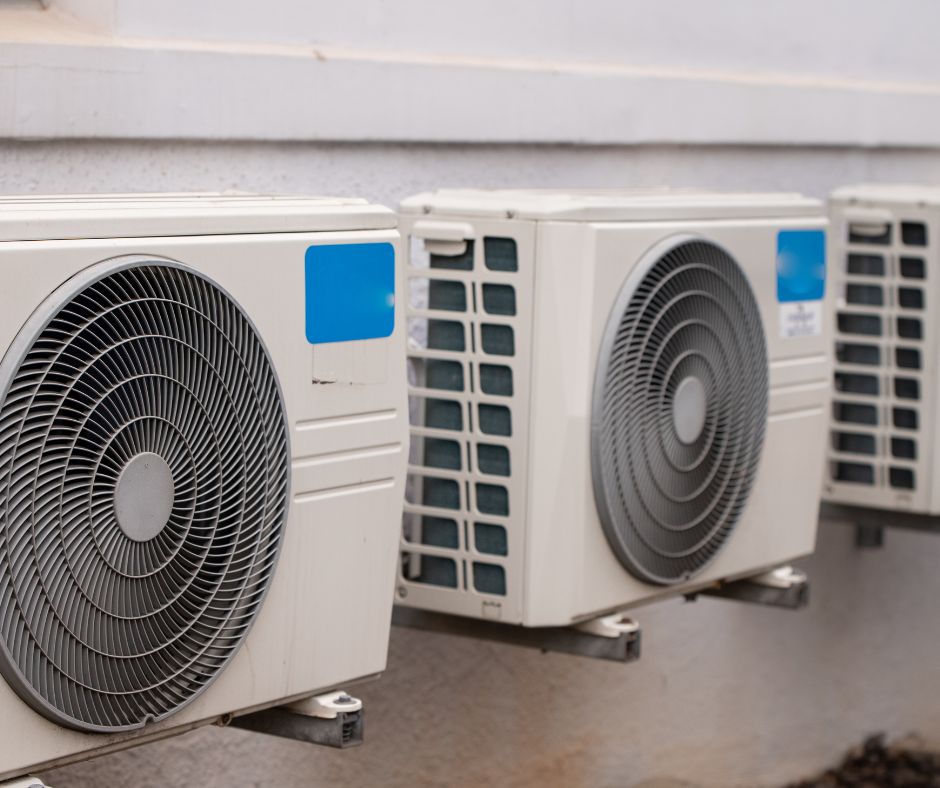
    air conditioning installation

    Understanding the Need for Three-Phase Power in Air Conditioning Systems

    While many split system air conditioners and smaller ducted units can function efficiently on a single-phase supply, larger ducted systems with a cooling capacity exceeding 12–15kW often demand a significant increase in power consumption. As the energy demand rises, the limitations of a single-phase supply become increasingly apparent, potentially leading to interruptions in service and operational inefficiencies. Homeowners must recognize these signs early to avoid discomfort during peak usage times.

    Three-phase power is designed to distribute electrical loads evenly across three live wires rather than relying on a single phase. This advanced electrical configuration brings numerous advantages, such as:

    • Higher capacity systems can operate without tripping breakers, significantly reducing the risk of system failures and interruptions. This ensures a more reliable and uninterrupted cooling experience for homeowners.
    • More stable voltage enhances the efficiency and longevity of air conditioning units, guaranteeing consistent performance and reducing maintenance costs over time.
    • Reduced strain on your overall electrical system becomes crucial, especially when other high-demand appliances are in use simultaneously, providing a seamless energy experience.

    If you are in the process of constructing a large new home or upgrading to a more powerful air conditioning model, opting for a three-phase supply may be the most prudent and compliant way to fulfill your electrical needs in accordance with Australian Standards. This strategic decision can pave the way for future energy efficiency improvements.
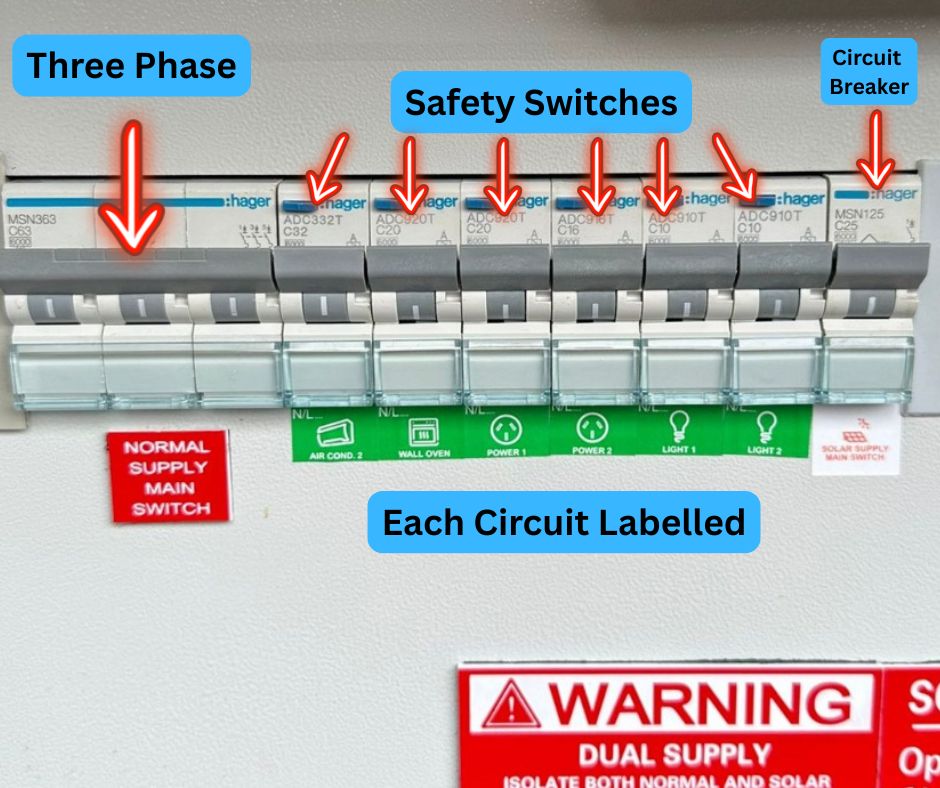
    Switchboard Experts

    Identifying the Signs That Indicate You Need a Three-Phase Upgrade for Air Conditioning

    • Monitoring your plans to install a ducted system that exceeds 12–15kW is essential; this is a clear sign that a three-phase supply may be necessary.
    • If your electrician has advised that your current single-phase supply cannot accommodate the required load for your air conditioning system, it’s a sign that an upgrade is essential.
    • Pay close attention to the specifications outlined by the manufacturer, which often explicitly state that three-phase power is necessary for optimal system performance.
    • Consider if you frequently run other high-demand appliances, such as large pool pumps, welders, or commercial kitchen equipment, while your air conditioning unit operates. This simultaneous usage may necessitate a three-phase upgrade.

    An electrical assessment conducted by a qualified electrician can provide clarity on whether your existing electrical supply meets the demands of your appliances or if a three-phase upgrade would significantly enhance reliability and performance over the long term.

    Exploring the Integration of Solar Power and Three-Phase Systems

    Given that over half of Brisbane households are now harnessing rooftop solar energy, many residents are keen to explore ways to expand their systems or integrate them with high-power appliances, including ducted air conditioning. The interaction between solar power systems and three-phase upgrades can lead to substantial improvements in energy efficiency and overall system performance, making it a key consideration for homeowners looking to optimize their energy usage.

    Typically, homes on a single-phase supply in Australia face restrictions of around 5–6.6kW of solar inverter capacity due to regulations set by most electricity distributors. If you plan to install a larger solar system—especially those exceeding 10kW—transitioning to a three-phase connection may be necessary to comply with network requirements and avoid potential export limitations that could hinder your solar system’s performance and profitability.

    Utilizing three-phase power also assists in:

    • Balancing solar generation across phases, which helps facilitate smoother grid export and enhances overall system reliability, ensuring homeowners get the most out of their solar investments.
    • Preventing voltage rise issues that could cause solar inverters to trip, ensuring continued and consistent operation without interruptions.
    • Supporting the functioning of high-power appliances directly from solar energy without overloading any single phase, thus significantly enhancing overall efficiency and reducing energy costs.

    If you’re considering investing in both a large ducted air conditioning system and an expanded solar array, upgrading to three-phase power can significantly improve operational efficiency, ensure compliance with regulations, and maximize your ability to harness and utilize solar energy effectively for your home.

    Step-by-Step Process for Upgrading to Three-Phase Power

    The transition to three-phase power is typically a straightforward process when handled by a licensed electrician. The upgrade generally involves several key steps that ensure compliance and safety:

    1. Assessment – This involves evaluating your home’s load requirements, the specifications of your air conditioning system, and your solar energy plans to ensure compatibility and efficiency.
    2. Distributor application – Submitting a request for approval from your local energy network provider is essential, ensuring that you adhere to all relevant regulations and guidelines.
    3. Switchboard upgrade – This step includes installing a compliant three-phase switchboard along with necessary circuit protection measures to ensure safety and efficiency, safeguarding your home from electrical issues.
    4. Final connection – This step requires coordinating with your energy provider to connect the new three-phase supply seamlessly, ensuring that your home is ready for modern energy demands.

    At Precision Electrical & Air, we are dedicated to managing the entire upgrade process from start to finish, guaranteeing that your air conditioning and solar systems are equipped to meet the demands of contemporary living and energy requirements effectively.
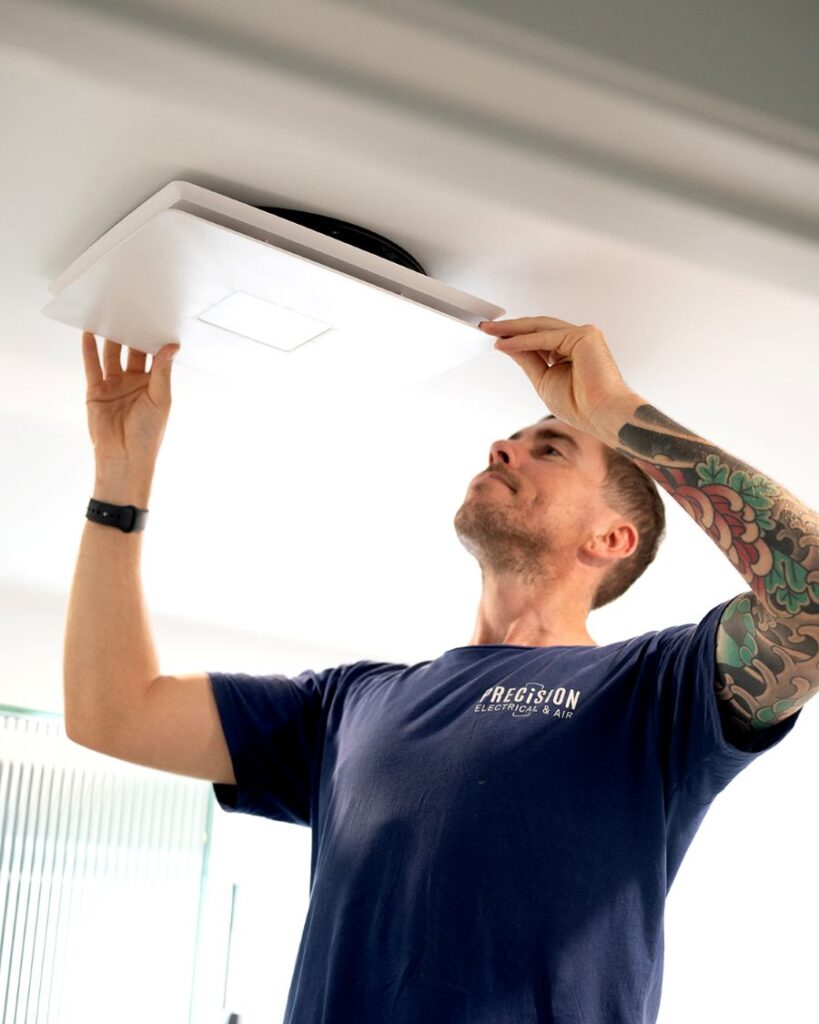
    air conditioning installation

    The Key Benefits of Upgrading to Three-Phase Power for Your Home

    Investing in a high-power ducted air conditioning system, especially in conjunction with a substantial solar installation, means that choosing three-phase power is not merely an upgrade; it represents a commitment to reliability and optimal performance. This enhancement guarantees stable operation, significantly reduces the risk of electrical complications, and provides the capacity to operate your comfort systems without any compromises, ensuring a comfortable living environment year-round.

    We specialize in the installation, upgrading, and maintenance of three-phase switchboards throughout Brisbane, ensuring seamless integration with solar and battery systems. Whether you are building, renovating, or retrofitting, our expert team will design an electrical solution that keeps your home comfortable, energy-efficient, and prepared for the future, providing peace of mind with every project.

    The Article: Three-Phase Switchboard: Is It Essential for Air Conditioning? first appeared on https://writebuff.com

    The Article Three-Phase Switchboard: Essential for Air Conditioning? Was Found On https://limitsofstrategy.com

  • Shed Wiring Solutions for Enhanced Power Efficiency

    Shed Wiring Solutions for Enhanced Power Efficiency

    Maximize the Functionality of Your Shed with an Efficient Power Supply System

    In Brisbane, sheds serve as more than mere storage solutions; they are versatile spaces that function as workshops, hobby areas, display zones, and safe havens for animals, while also accommodating extra fridges and freezers. Without a dedicated power supply, you may encounter various limitations, relying on unsafe extension leads that pose potential safety hazards, struggling with poor lighting conditions, and enduring uncomfortable heat during the oppressive summer months. A well-established power source in your shed can greatly boost your productivity, comfort, and overall enjoyment while working.

    Equipping your shed with a dependable power system brings a host of significant advantages:

    • Elimination of tangled and hazardous extension leads running from your house, enhancing safety
    • Consistent power sources for tools, appliances, and pumps, ensuring uninterrupted operation
    • Improved working conditions with bright, effective lighting and enhanced airflow for comfort
    • The opportunity to install essential safety devices such as smoke alarms and advanced security systems for peace of mind

    Transform Your Shed with Essential Bright Lighting Upgrades

    Implementing effective lighting can significantly change your shed from a dark, unwelcoming space into a bright, productive, and safe environment. Our expert team specializes in the installation of:

    • Bright LED battens – celebrated for their energy efficiency, low heat emission, and long-lasting performance
    • High-bay LED lighting – ideal for taller structures or workshops requiring extensive illumination coverage
    • Spotlights and task lighting – engineered to effectively illuminate workbenches and detailed projects for optimal visibility
    • Outdoor sensor lights – enhancing safety and security as daylight diminishes

    Whether you’re repairing machinery, tending to animals, or storing valuable items, exceptional lighting dramatically enhances the ease, safety, and efficiency of every task you perform.

    Enhance Comfort in Your Shed with Ceiling Fans and Ventilation Solutions

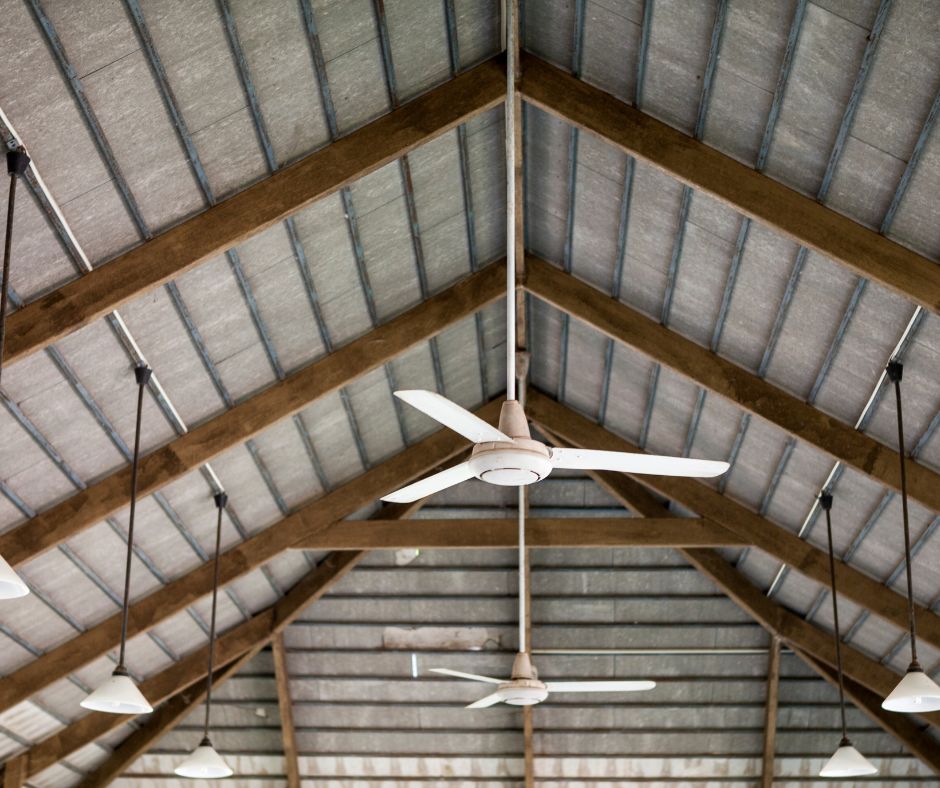
    The sweltering summers in Brisbane can render sheds uncomfortable and uninviting for productive work. Installing ceiling fans promotes air circulation, creating a more enjoyable environment without incurring excessive energy costs. Our skilled electricians can seamlessly integrate ceiling fans with your lighting and power outlets, allowing you to control everything from a single, centralized location, making your workspace significantly more comfortable for all your activities.

    Ceiling Fans(3)

    Boost Safety with Smoke Alarms and Security Features in Your Shed

    While smoke alarms are not mandated by law in non-habitable structures like sheds, their installation is strongly recommended if your shed houses electrical equipment, flammable materials, or is regularly utilized as a workspace. A mains-powered smoke alarm offers crucial early warnings, providing peace of mind during any activities conducted inside.

    We also provide assistance with the installation of:

    • Motion sensor lighting for enhanced security
    • CCTV camera wiring to keep an eye on your property
    • Weatherproof power points for outdoor tools and equipment to ensure durability

    Explore Power Supply Options: Single-Phase vs. Three-Phase Solutions

    For the majority of backyard sheds, single-phase power is generally adequate. However, if your shed is designed as a workshop and you plan to operate equipment such as welders, large compressors, or heavy woodworking machinery, three-phase power can provide smoother operation and greater electrical capacity. Our experienced team can run the necessary supply lines, install sub-boards, and create customized outlets tailored to your specific requirements, ensuring optimal performance.

    Follow These Steps to Power Up Your Shed in Brisbane

    Transforming your shed to feature a comprehensive power supply can elevate its functionality from a simple storage area to a fully operational, year-round workspace. Whether your plans include operating tools, illuminating the space effectively, maintaining a spare refrigerator, or installing ceiling fans, the entire process is straightforward when executed by a licensed electrician.

    In Brisbane, the typical steps to run power to a shed include:

    • Assessing your power needs – from basic lighting and a few power points to three-phase outlets designed for heavy machinery
    • Determining the optimal cable route – most homes utilize underground cabling within heavy-duty conduit for safety and aesthetic appeal, although overhead cabling may be employed if trenching is impractical or excessively costly
    • Installing a sub-board – ensuring your shed is equipped with its own protected circuits for lighting, power points, and equipment
    • Integrating RCD safety switches – to guard against electrical faults and comply with Australian wiring regulations
    • Conducting final testing and certification – ensuring that the installation is safe, compliant, and ready for immediate use

    Underground cabling is the preferred choice, providing increased safety, reliability during storms, and a discreet appearance. The cables are typically buried at a regulated depth (usually around 600 mm) within protective conduit to enhance safety.

    Overhead cabling can be a more budget-friendly option for longer distances or challenging terrains. This method requires maintaining proper clearance above driveways and walkways and is more susceptible to weather conditions, necessitating regular inspections to ensure functionality.

    Once your shed is fully powered, you can benefit from bright LED lighting, ceiling fans for added comfort, and even mains-powered smoke alarms for enhanced safety, transforming it into a space that is practical, secure, and ready for any activity or project you wish to undertake.

    The Importance of Replacing Extension Leads with Permanent Power in Your Shed

    Installing permanent wiring not only eliminates tripping hazards but also prevents potential damage from weather-exposed cords. Each power point, light fixture, and fan will be strategically placed, expertly installed, and ready for your immediate use, significantly enhancing both safety and functionality.

    We specialize in providing comprehensive power solutions for sheds throughout Brisbane, catering to a wide range of needs from small garden sheds to expansive farm workshops. Whether you require enhanced lighting or a complete three-phase setup, we’ll ensure your shed is well-lit, safe, and equipped for any task or project you pursue.

    The Article: Shed Wiring for Power Supply to Your Shed first appeared on https://writebuff.com

    The Article Shed Wiring Solutions for Optimal Power Supply Was Found On https://limitsofstrategy.com
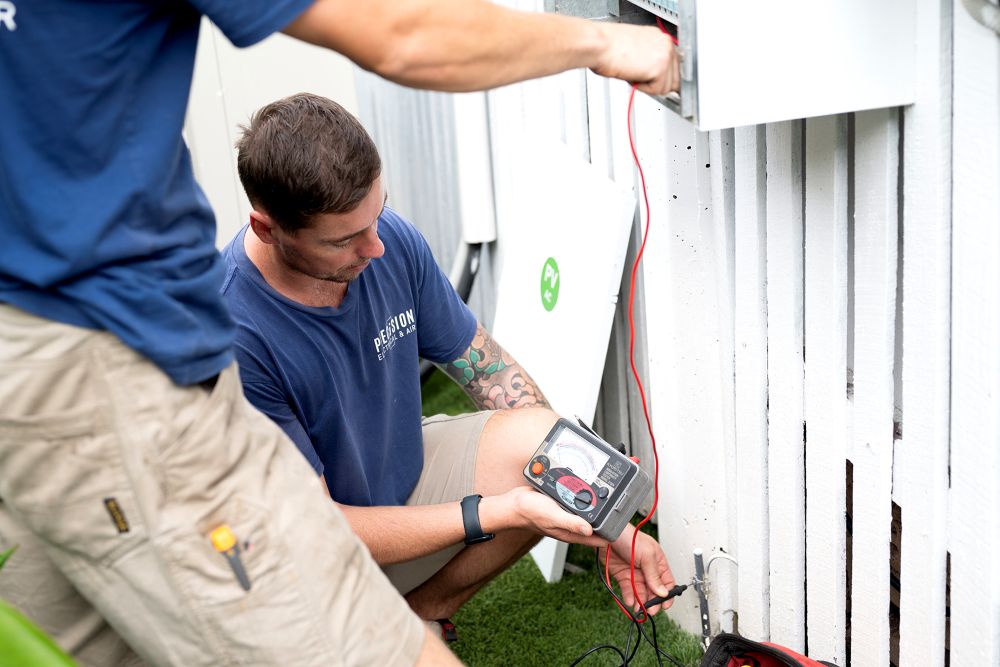
  • Home Electrical Wiring Solutions for New Builds

    Home Electrical Wiring Solutions for New Builds

    Ensure Optimal Electrical System Design for Your New Home from Day One

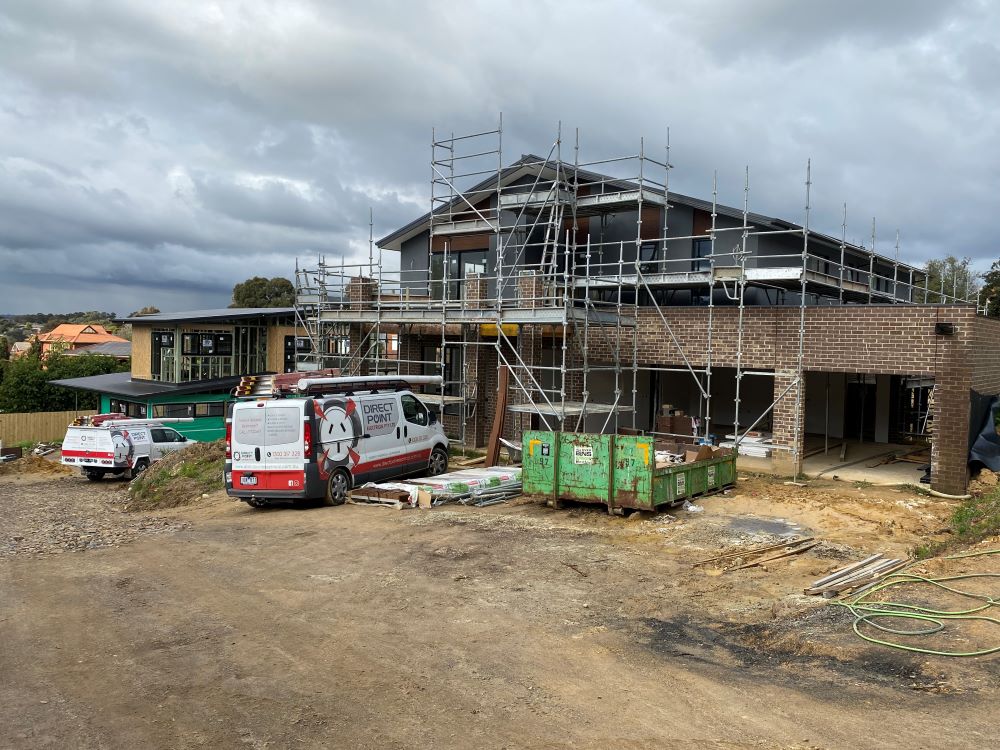
    Designing a new home involves a complex interplay of elements that go well beyond merely picking out colors and finishes; it requires a deep understanding of the essential electrical systems that will be concealed within your walls. Careful and thorough electrical planning is crucial for creating a comfortable, functional, and efficient living space that greatly enhances your daily life. At Direct Point Electrical, we are committed to assisting homeowners in Berwick, Officer, Beaconsfield, Pakenham, and Narre Warren to develop customized electrical systems tailored to their individual needs. Our expertise goes well beyond merely meeting compliance standards; we focus on designing intelligent layouts and future-ready circuits that can accommodate everything from modern lighting solutions to sophisticated home theater systems and cutting-edge voice-activated automation technologies.

    new home electrician

    Tailor Your Home’s Electrical Wiring to Suit Your Unique Lifestyle Needs

    Newly constructed homes often come with minimal wiring, typically featuring a single central light fixture, a few power outlets, and perhaps a basic TV connection. However, contemporary living requires far more than this outdated approach. You may find yourself needing to charge multiple electronic devices across various rooms while also desiring ambient lighting options in spaces like the kitchen and living areas. The ability to manage your air conditioning remotely via a smartphone, the installation of security cameras, reliable Wi-Fi connectivity, and even a projector for movie nights have become standard expectations for modern households. Our specialty lies in creating electrical layouts that accurately reflect your lifestyle and requirements, going beyond the limitations of basic floor plans.

    This includes:

    • Customized circuits designed specifically for your appliances and daily routines, ensuring optimal functionality.
    • Smart switches and dimmers integrated into your home for enhanced convenience and control over your environment.
    • Pre-wiring solutions that anticipate future technological advancements, such as EV chargers and solar power systems, enabling you to embrace innovations as they arise.
    • Strategically placed power outlets and lighting fixtures, ensuring they are exactly where you need them for maximum usability.

    Seamlessly Incorporate Smart Home Automation with Innovative Wiring Solutions

    The emergence of smart home technology has shifted from being a luxury to a fundamental expectation for homeowners today. Even if you do not plan to implement automation immediately, we highly recommend pre-wiring for smart home control. This proactive strategy allows for the effortless addition of features such as smart lighting, climate control, voice assistants, or full home integration in the future, all without the inconvenience of cutting into walls or rewiring existing systems.

    We collaborate with industry-leading technology platforms to ensure seamless integration, including:

    • Clipsal Wiser, for smart home management.
    • Control4, for comprehensive automation solutions.
    • Google Home and Alexa, for voice-controlled convenience.
    • Apple HomeKit, for seamless integration of Apple devices.

    Our wiring installations are designed with flexibility in mind, ensuring your home can easily adapt to future technological advancements. Discover the transformative potential of home automation and how it can significantly elevate your living experience.

    Enhance Your Home Entertainment with Professional Theatre and Audio Installation Services

    Whether you envision a fully equipped home theater or simply desire superior sound quality in your living space, we offer comprehensive installation services tailored to meet your entertainment needs, including:

    • Advanced surround sound cabling, creating immersive audio experiences that bring films and music to life.
    • Concealed power and HDMI routing, maintaining a clean and organized aesthetic in your entertainment area.
    • Wall-mounted TV cabling designed to enhance your viewing experience and minimize clutter.
    • Speaker and subwoofer wiring that delivers powerful, high-quality sound for an unforgettable audio experience.
    • Reliable power connections for streaming devices, ensuring uninterrupted entertainment at all times.

    We take a proactive approach to future-proof your entertainment spaces, allowing you to upgrade your equipment and systems without the constant need to hire an electrician each time you want to enhance your setup.

    Optimize Electrical Solutions for High-Demand Areas: Kitchens, Heating, and Cooling

    We take great care in planning electrical solutions for high-demand areas within your home, such as:

    • Kitchen ovens and induction cooktops that require robust circuits to function optimally.
    • Zoned reverse cycle air conditioning systems that provide enhanced comfort throughout all seasons.
    • Heated towel rails and underfloor heating solutions for a touch of luxury in daily living.
    • High-capacity laundry appliances and heat pumps that require dedicated electrical support for efficiency.
    • Outdoor kitchens and BBQ areas that need reliable power supplies for seamless cooking experiences.

    We ensure the installation of dedicated circuits wherever necessary, implement effective load balancing, and prepare your switchboard to efficiently manage increased power demands as your household expands.

    Maximize Energy Efficiency in Your Home Through Smart Design

    With rising energy costs, it is essential to design your home’s electrical system with a strong emphasis on energy efficiency, allowing you to reduce overall consumption without sacrificing comfort or convenience. Our energy-efficient strategies include:

    • Utilizing LED lighting solutions that significantly lower energy consumption and offer long-term savings.
    • Implementing zoned lighting controls, allowing for tailored illumination throughout your home to suit various activities.
    • Designing energy-efficient switchboards optimized for peak performance, reducing energy waste.
    • Preparing for the integration of solar energy systems and smart metering technologies that help you monitor and manage energy use effectively.

    Prioritizing Safety in Every Aspect of Your Electrical Installations

    All our work adheres to or exceeds AS/NZS 3000 standards, ensuring comprehensive safety across all installations. This includes:

    • Mandatory RCDs on every final subcircuit to enhance protection throughout your household.
    • Elevated safety protocols specifically in kitchens, bathrooms, and laundries, where risks are heightened.
    • Utilizing appropriate IP-rated equipment for safe installations in outdoor areas.
    • Providing full certification and testing, along with a Certificate of Electrical Safety for your reassurance.

    Yet, we aim to exceed the basic requirements. Our installations focus on reliability and resilience, ensuring balanced circuits, fault protection where necessary, and clean, concealed installations that maintain durability and longevity.

    Addressing Your Common Questions About Electrical Needs and Solutions

    Should I plan for smart home technology now or later?
    It is highly advisable to plan for smart technology now and execute the installation later. Running smart-ready cabling during the construction phase is far more cost-effective than attempting to retrofit these systems later on.

    How many data points or TV points should I install in my new home?
    The answer depends on how you plan to utilize your space, so it’s wise to think ahead. Smart TVs, streaming devices, and gaming consoles all benefit significantly from secure wired connections, which improve performance.

    Can I add solar or EV charging capabilities at a later date?
    Absolutely! We can prepare your switchboard and cabling in advance to accommodate these future additions, even if you choose not to install solar panels or chargers immediately.

    Is surge protection necessary for my electrical systems?
    Yes, especially for homes featuring smart technology, advanced media setups, or high-end appliances. We’ll help you explore various surge protection options tailored specifically to your needs.

    Designing Electrical Systems That Adapt to Your Evolving Home and Lifestyle

    Your home is a dynamic environment that will evolve, just as the technology you choose to integrate into it. This is why we design new home electrical systems that are adaptable, efficient, and built for longevity. At Direct Point Electrical, we apply our clarity, care, and extensive experience to every new build project. Whether you collaborate with a volume builder or manage an independent project, we ensure that the wiring is optimally configured to perform effectively now and well into the future.

    New Home Electrician

    The Article: Home Electrical Wiring: Smart Solutions for New Builds first appeared on https://writebuff.com

    The Article Smart Solutions for Home Electrical Wiring in New Builds Was Found On https://limitsofstrategy.com
  • Smart Home Wiring: Setting Up Your Future Electrical System

    Smart Home Wiring: Setting Up Your Future Electrical System

    Essential Components for Building a High-Performing Smart Home Electrical System

    An effective smart home electrical system embodies the integration of various technologies, including automated lighting, climate control, home security, and other automation technologies, forming a unified network that significantly enhances the quality of daily life. This integration mandates the installation of safe, high-quality wiring, advanced smart switches or relays, and compatible hubs such as Google Home or Amazon Alexa. Moreover, it often encompasses sensors, voice control functionalities, and mobile app-based scheduling options to simplify user interaction. Engaging a certified electrician is vital to ensure the correct installation of all devices and to design circuits that can evolve with technological advancements in the future.

    home automation

    Unveiling the Benefits and Features of a Smart Home Experience

    Smart homes represent more than just a collection of gadgets; they embody a pivotal evolution in home management, security, and overall lifestyle enhancement. Homeowners are increasingly integrating smart lighting, advanced climate control systems, and state-of-the-art security solutions. However, many individuals overlook the fact that without a solid electrical foundation, no smart technology can operate effectively or securely. This is precisely where Direct Point Electrical comes into play; we excel not only in wiring homes but also in future-proofing them to embrace technological advancements that improve comfort and security.

    Defining the Core Aspects of a Smart Home Electrical Setup

    A well-designed smart home electrical setup interconnects various appliances, lighting, heating, and security systems through a central control interface, which could be an application, voice assistant, or touch panel. The main objective is to facilitate seamless automation: for instance, lights that react dynamically to motion, air conditioning systems that adjust based on occupancy, and doors that can be unlocked remotely via a smartphone. Achieving such comprehensive integration necessitates careful consideration of the following factors:

    • Expertly designed circuits and load separation to ensure operational efficiency
    • Approved smart-compatible devices and controllers to enhance overall functionality
    • Safe wiring that adheres to AS/NZS 3000:2018 standards for reliability
    • Consistent internet connectivity and backup power solutions to maintain uninterrupted service

    Essential Systems Required for an Optimized Smart Home

    1. Revolutionizing Home Lighting with Cutting-Edge Smart Solutions

    Smart lighting serves as the cornerstone for a comprehensive home automation experience. Homeowners can create scheduled routines—like a “Goodnight” routine that turns off all lights—and control brightness levels in specific zones while automating pathways with motion sensors. The available options include:

    • Wi-Fi or Zigbee-enabled downlights for superior connectivity
    • Smart switches or in-wall dimmers for precise lighting control
    • Outdoor lights equipped with daylight sensors to improve energy efficiency
    • Room presets activated by voice commands for enhanced user convenience

    We adhere to industry best practices by ensuring that all circuits are safeguarded by RCDs and utilize only fire-rated fittings where necessary, such as in ceiling voids. Consider exploring our Energy-Efficient Installations for compatible lighting upgrades that significantly enhance your home’s energy profile and sustainability.

    2. Enhancing Temperature Management with Innovative Smart Climate Control Solutions

    Experience the ease of managing your home’s temperature directly through your smartphone or allowing it to automatically adjust based on your presence. Our smart climate control solutions comprise:

    • Smart thermostats for precise temperature regulation
    • Split system AC automation modules designed to maximize energy efficiency
    • Heated towel rail timers to optimize energy consumption
    • Exhaust fan timers for bathrooms and laundries that enhance air quality

    We ensure that all high-load devices are isolated on dedicated circuits and equipped with appropriate amperage and overcurrent protection to guarantee safe and efficient operation throughout your home, preventing electrical overloads and enhancing safety.

    3. Fortifying Home Security with Next-Generation Smart Systems

    Smart security systems are vital for safeguarding your home while maintaining connectivity with your surroundings. These systems may include:

    • Doorbell cameras featuring two-way audio for effective communication with visitors
    • Motion-activated lighting that illuminates when movement is detected, enhancing security
    • Integration with garage roller doors for added convenience and safety
    • Electric door strikes that allow keypad or smartphone entry for easy access
    • CCTV systems with remote access capabilities for peace of mind and monitoring

    It’s crucial to ensure that outdoor and wet-zone installations comply with the IP rating requirements outlined in AS/NZS 60529, and we strictly adhere to these regulations during all installations. Explore our Security Wiring Services for in-depth information and tailored solutions.

    4. Smart Switchboards: The Central Hub of Your Home Automation System

    Modern smart switchboards provide app-level control over individual circuits, making them ideal for:

    • Monitoring power usage for enhanced energy efficiency
    • Balancing loads across circuits for optimal performance and safety
    • Providing surge protection to ensure safety during electrical spikes
    • Enabling remote shutdown capabilities, such as when you’re away on holiday

    If you are contemplating constructing a new building or upgrading your existing switchboard, be sure to check our Switchboard Upgrade Services for comprehensive assistance tailored to your unique needs and requirements.

    Comparing Wireless and Wired Systems: Determining the Best Fit for Your Home

    Wireless Options (Wi-Fi/Zigbee/Bluetooth):

    Pros: Wireless systems are easily retrofitted into existing homes and offer a swift installation process that minimizes disruption to your living environment.

    Cons: They depend on a stable network connection and may encounter failures if the router experiences issues, leading to potential connectivity challenges.

    Wired Options (KNX, Cat6, DALI):

    Pros: Wired systems provide ultra-reliable performance, improved security, and scalability for future upgrades and expansions as technology evolves.

    Cons: Installation costs tend to be higher, and they are typically best suited for new construction projects where wiring can be integrated from the outset.

    In residences throughout Melbourne’s eastern suburbs, we frequently employ a hybrid approach: utilizing wiring where feasible (for components like switches, alarms, and cameras) while adopting wireless technology for lighting or climate control zones to create a balanced and effective system that meets diverse needs.

    Grasping the Core Protocols in Smart Home Technology

    • Zigbee: A low-energy mesh network ideal for efficient lighting control and device communication
    • Z-Wave: A secure and highly scalable option, albeit more niche in application
    • Wi-Fi: Simple to implement but can overload home networks if not properly managed
    • Matter (formerly known as Project CHIP): An emerging open-source standard backed by major players such as Apple, Google, and Amazon, anticipated to set industry benchmarks for compatibility
    • KNX/DALI: High-end, wired commercial-grade systems typically employed in large-scale installations for maximum control and efficiency

    We ensure that your smart system remains compatible with both existing and emerging protocols, preventing device obsolescence and maximizing your investment in smart technology for years to come.

    Our Comprehensive Approach to Smart Home Setup Design

    Every smart home installation begins with a meticulous and personalized plan. Our thorough process includes:

    1. Conducting a comprehensive audit of your existing wiring and device layout to ensure optimal integration
    2. Mapping out zones based on usage patterns and electrical load requirements for effective management
    3. Separating high-voltage (power) systems from low-voltage (data) systems for enhanced safety and performance
    4. Ensuring all safety devices, such as RCDs and RCBOs, are installed correctly for maximum protection against electrical faults
    5. Coordinating with builders or automation technicians as necessary to facilitate seamless integration of systems

    Our licensed electricians manage all installations to fully comply with AS/NZS 3000 standards and provide a Certificate of Electrical Safety (COES) for each smart-enabled upgrade. We frequently collaborate on new home constructions, bringing the latest automation innovations to homeowners. Additionally, we can integrate smart technology into existing homes; simply reach out to us with any questions regarding installation requirements or upgrades.

    Contact Us
    Get A Free Quote

    Your Questions Answered: Smart Home FAQs

    Is it necessary to hire a licensed electrician for smart system installations?

    Absolutely. All wiring and new switch installations must be conducted by a licensed professional in Victoria to ensure safety, compliance, and reliability for your smart home.

    Can I use both Alexa and Google Assistant in the same household?

    Yes, you can operate both platforms; however, they will function independently, requiring compatible devices for each system to work effectively.

    Will my smart lights operate during a power outage?

    No, standard smart lights will not function when the power is out, although battery-backed systems (like those used for cameras or sensors) can maintain some level of functionality during outages.

    Is it possible to start automating just one room initially?

    <pCertainly. Many clients begin with automation in a living room or kitchen and gradually expand their system over time as their needs and preferences evolve.

    Will the use of smart devices increase my electricity consumption?

    No, most smart devices consume less than 1W in standby mode. In fact, automation often leads to a reduction in overall energy usage by optimizing how and when devices are utilized.

    Transforming Your Life through Advanced Smart Home Technology

    A smart home transcends mere technology; its primary aim is to create a safer, more efficient, and personalized living environment. Whether your goal is to implement basic smart lighting solutions or to establish a fully automated home experience, Direct Point Electrical is committed to designing a system tailored to your unique lifestyle and needs. We empower homeowners to invest in wiring that not only meets current demands but also accommodates the advancements expected in the coming decade, ensuring long-lasting satisfaction and comfort.

    Contact Us
    Get A Free Quote

    The Article: Smart Home Electrical Setup for Future-Ready Wiring first appeared on https://writebuff.com

    The Article Smart Home Electrical Setup: Wiring for the Future Was Found On https://limitsofstrategy.com

  • Sub Panel Main Breaker Requirements Explained

    Sub Panel Main Breaker Requirements Explained

    When planning electrical installations for your home or commercial space, a common inquiry arises regarding the necessity of a main breaker within a sub panel. This question frequently surfaces as property owners assess their options for enhancing their electrical systems or creating new circuits to meet rising power demands. Gaining a comprehensive understanding of the function and requirements of sub panels is critical for ensuring a safe, effective, and efficient electrical infrastructure.

    Typically, a sub panel does not necessitate a main breaker since it draws power from the main panel, which is already equipped with a main breaker that regulates the overall power supply. The breaker in the main panel serves as the primary disconnect for the entire electrical system, encompassing all sub panels. However, certain local electrical codes or specific installation scenarios might require the inclusion of a main breaker in sub panels, particularly for added safety or operational convenience. It’s advisable to consult local regulations to guarantee compliance and safety.

    Even though a main breaker is not a standard necessity, incorporating one into your sub panel can provide numerous advantages. It allows for a quick and easy method to cut off power to all circuits within that particular panel without disrupting the entire electrical system. This feature is particularly beneficial during maintenance tasks or emergencies, as it permits safe isolation of various segments of your property’s electrical network, thereby enhancing safety and accessibility during such instances.

    Contact Us
    Get A Quote

    Explore the Critical Roles and Advantages of Sub Panels in Electrical Systems

    Sub panels are integral components of electrical systems, facilitating effective power distribution to specific areas or appliances within a building. They significantly improve the management and organization of circuits while augmenting the overall capacity to handle electrical loads. By strategically positioning sub panels, property owners can optimize their electrical infrastructure to efficiently meet the diverse demands of various appliances and equipment.

    Delving into Sub Panels: Understanding Their Essential Functions and Advantages

    A sub panel, commonly referred to as a subsidiary panel or distribution board, functions as an additional electrical panel that branches off from the primary electrical panel. Its main goal is to act as a secondary distribution point for electricity throughout a structure, enhancing flexibility and improving efficiency. Sub panels are generally installed to achieve:

    1. Increase circuit capacity for a diverse array of applications and devices.
    2. Isolate power supply to specific areas or appliances for enhanced safety and convenience.
    3. Improve the organization and management of the overall electrical system.

    Common placements for sub panels include garages, workshops, or larger residences where the main panel may be located far from certain areas that require power. Through the installation of sub panels, property owners can attain more efficient power distribution, simplifying circuit management and making it easier to control and access their electrical infrastructure.

    Crucial Factors to Consider for Electrical Load Assessment Prior to Sub Panel Installation

    Before initiating a sub panel installation, it is vital to thoroughly assess the electrical load requirements. Key elements to consider include:

    • The overall amperage needed for the designated area or equipment.
    • The quantity and types of circuits necessary for particular applications.
    • The distance from the main panel to the selected sub panel location.

    Calculating the expected load is essential to ensure that the sub panel can safely manage it. Generally, sub panels come in capacities ranging from 60 to 200 amps, depending on their intended purpose. It is crucial to align the sub panel’s capacity with your specific electrical requirements to maintain both efficiency and safety. Additionally, factoring in potential future expansions when sizing your sub panel can save time and costs, helping to avoid the need for upgrades or replacements as your electrical demands evolve.

    Essential Factors to Ensure Safe and Effective Sub Panel Installation Process

    To ensure a secure and efficient installation of a sub panel, several critical considerations must be addressed, including circuit breakers, adherence to regulatory standards, and the implementation of necessary safety measures. Understanding these installation requirements is crucial for establishing a safe and compliant electrical system.

    Evaluating the Need for Circuit Breakers in Sub Panels

    While sub panels do not always require a main breaker, the necessity can vary based on specific situations, such as:

    • The distance from the main panel: A local disconnect may be essential if the sub panel is positioned far from the main panel.
    • The number of circuits: Sub panels equipped with more than six breakers typically require a main breaker to enhance safety.
    • Local codes: Certain jurisdictions mandate the installation of main breakers in all sub panels.

    A main lug sub panel depends on the main breaker from the main panel for overcurrent protection, which is a common configuration when the sub panel is situated in close proximity to the main electrical panel. Being aware of the specific requirements for your installation is critical for ensuring compliance and safety.

    Understanding Regulatory Standards Governing Sub Panel Installations

    In Australia, specific electrical standards regulate the installation of sub panels, including:

    • AS/NZS 3000: This standard outlines the comprehensive requirements for all electrical installations.
    • Maximum rating: Main breakers for sub panels must not surpass the ampacity of the feeder conductors to guarantee safe operation.
    • Labelling: Clear identification of the power source for the sub panel is mandated.

    Adhering to these standards is essential for ensuring safety and legal operation. It is highly advisable to consult local authorities for specific regional requirements. Furthermore, remember that all electrical work must be performed by a licensed electrician to ensure compliance and safety!

    switchboards

    Establishing Critical Safety Measures for Sub Panel Installations

    Implementing robust safety measures during sub panel installations is vital to mitigate electrical risks and ensure operational safety:

    • Proper grounding: Ensure that the sub panel is effectively grounded to minimize the risk of electrical shocks.
    • Adequate spacing: Maintain sufficient clearance around the panel to facilitate easy access and adequate ventilation.
    • Weatherproofing: For installations located outdoors, utilize weather-resistant enclosures to protect against moisture and environmental factors.

    Additionally, it is imperative to use the correct wire sizes and types tailored to the expected load. Installing arc fault circuit interrupters (AFCIs) and ground fault circuit interrupters (GFCIs) per code requirements is also crucial for safety. Regular inspections and maintenance of the electrical installation significantly contribute to ongoing safety and compliance. Always engage a licensed electrician for sub panel installations to ensure that all safety standards are rigorously adhered to.

    Contact Us
    Get A Quote

    Common Inquiries Regarding Sub Panels and Main Breakers Addressed

    The complexities surrounding sub panels, including considerations about breakers, sizing, and regulations, can be overwhelming for property owners. Attaining a clear understanding of the essential requirements is crucial for ensuring a safe and compliant electrical setup that meets all local codes and safety standards.

    Is a Main Breaker Required for a Sub Panel Installation?

    A sub panel does not necessarily require a main breaker. The requirement largely depends on its location relative to the main panel and local electrical codes. In instances where the sub panel is housed within the same building as the main panel, a main breaker is typically not mandated.

    However, if the sub panel is situated in a separate structure, it usually must incorporate a main breaker for safety and compliance reasons, ensuring that all electrical installations adhere to local regulations.

    Can a Main Breaker Panel Function as a Sub Panel?

    Yes, a main breaker panel can indeed operate as a sub panel, although it may not always be the most efficient option. In this scenario, the main breaker would act as an additional disconnect point rather than serving as the primary disconnect for the overall electrical system.

    Choosing a panel specifically designed as a sub panel is often more cost-effective and space-efficient, providing improved functionality for your electrical needs.

    What Breaker Size is Appropriate for a 100 Ampere Sub Panel?

    For a 100 ampere sub panel, it is standard practice to utilize a 100 ampere breaker in the main panel to supply it. This breaker should align with the sub panel’s rating to guarantee optimal protection and functionality, ensuring a reliable power supply.

    Moreover, the wire size must also be appropriate for handling a 100 ampere load, ensuring that the entire electrical system operates safely and effectively.

    What Regulations Govern Electrical Sub Panels?

    Regulations concerning electrical sub panels can vary by region, but they primarily focus on safety and accessibility. Key regulations generally include:

    • Proper grounding and bonding procedures to enhance safety.
    • Correct wire sizing to effectively accommodate anticipated loads.
    • Adequate spacing around the panel to ensure accessibility and safety.
    • Clear labelling of all circuits within the panel for improved management.

    Always refer to local codes and consider professional installation to ensure full compliance with all regulations, thereby creating a safe electrical environment.

    What is the Capacity Limit for a Sub Panel Connected to a 200 Ampere Main Panel?

    A sub panel connected to a 200 ampere main panel does not come with a fixed capacity limitation. The size of the sub panel is contingent on several factors, including:

    • The available capacity in the main panel to support additional loads.
    • The intended load requirements for the sub panel based on its usage.
    • The wire size utilized between the panels, ensuring it can handle the load safely.

    It is certainly feasible to install a 100 or 150 ampere sub panel, provided that the main panel possesses sufficient spare capacity to support it, offering flexibility for future electrical needs.

    How Can One Accurately Size a Breaker for a New Sub Panel Installation?

    To effectively size a breaker for a new sub panel, follow these steps:

    1. Calculate the total load expected for the sub panel, considering all connected devices.
    2. Select a panel that is rated for that load or higher to ensure safety.
    3. Choose a breaker in the main panel that aligns with the sub panel’s rating for optimal performance.

    It is advisable to consider future expansion needs when sizing the panel. Often, installing a slightly larger panel than currently required can provide additional flexibility for accommodating future electrical demands, making your system more adaptable.

    Does a Sub Panel Need A Main Breaker?

    The Article: Does a Main Breaker Need to Be in a Sub Panel? first appeared on https://writebuff.com

    The Article Main Breaker Requirements for Sub Panels Explained Was Found On https://limitsofstrategy.com