Category: Lifestyle & Personal Development

  • Jungle Survival Tips and Tricks for Thriving in the Wild

    Jungle Survival Tips and Tricks for Thriving in the Wild

    Master the Art of Jungle Survival: Essential Gear and Techniques for Thriving

    Diving into the depths of the jungle offers an exhilarating blend of adventure and uncertainty. This vibrant ecosystem, teeming with diverse flora and fauna, presents both awe-inspiring beauty and potential hazards that can challenge even the most experienced adventurers. To navigate this wild frontier successfully, understanding the fundamentals of jungle survival is imperative for anyone yearning to discover these intricate habitats. This comprehensive guide is designed to arm you with the crucial knowledge necessary for navigating the jungle’s complex web of life, ensuring not just survival but the ability to thrive in this mesmerizing environment.

    Preparation is Key: Establishing a Strong Foundation for Your Survival Journey

    Person in jungle using map and compass, surrounded by wildlife and dense foliage, with detailed itinerary.

    Effective jungle survival hinges on meticulous preparation. Before you embark on your expedition into this untamed landscape, thorough research and planning can dramatically enhance your capacity to tackle unexpected challenges. Investigate the particular jungle ecosystem you will be traversing, as each region possesses distinct flora, fauna, and unique climatic conditions. Formulate a detailed itinerary and share it with someone who will remain in a safe location. This practice not only keeps someone informed about your movements but also ensures that they can alert authorities if you face unforeseen issues.

    Additionally, gaining familiarity with local wildlife is essential. Being able to differentiate between dangerous animals and harmless ones can be crucial in avoiding perilous encounters. Equip yourself with a trustworthy map and a traditional compass, as reliance on electronic devices can be risky within the dense jungle vegetation. Mastering navigation skills is vital, especially when the vivid sights and sounds of the jungle can overwhelm your senses.

    Acquire Essential Survival Skills: Equip Yourself with Key Knowledge Before Entering the Jungle

    Before setting foot in the jungle, it is imperative to acquire a set of foundational survival skills. These vital skills encompass fire-making, shelter construction, and the ability to forage for food. Fire serves as your ally in the wilderness, providing warmth, safety, and a means to prepare nourishing meals. Practice various fire-starting techniques, such as using flint and steel or employing friction methods with sticks, ensuring that you are well-prepared for any scenario that may arise.

    Understanding how to build a shelter is equally important. Whether you choose a simple lean-to or a more complex debris hut, the ability to effectively utilize natural resources is essential. The jungle is rich in materials, from broad leaves ideal for roofing to robust branches that can serve as the framework for your shelter.

    Furthermore, foraging for food requires a solid grasp of edible plants and fruits. Familiarizing yourself with local species will enable you to accurately identify safe food sources in case of emergencies. Knowledge is your most powerful asset when it comes to survival in the wilderness.

    Master Emergency Signaling Techniques: Attracting Help in Critical Situations

    Your capability to signal for help in a survival scenario can be a decisive factor in your survival. Always carry a whistle and a mirror, as these compact tools can prove invaluable in attracting the attention of rescuers. Additionally, create large symbols on the ground using stones or branches that are easily visible from above.

    In emergency situations, establishing a signal fire is of utmost importance. A fire that generates significant smoke can effectively draw attention. Use green leaves or damp wood to create dense smoke that can be seen from considerable distances, greatly enhancing your chances of being located by search parties.

    Essential Navigation Skills: Using Celestial Bodies for Orientation in the Jungle

    Person in jungle using compass, sun, and North Star for navigation, surrounded by lush vegetation.

    Mastering navigation skills is crucial when moving through dense jungles. Knowing how to use the sun and stars can be extremely helpful in orienting yourself in unfamiliar territories. During daylight, the sun rises in the east and sets in the west, acting as a natural compass to help guide your direction.

    When night falls, constellations can serve as guiding references. The North Star, for instance, is a reliable marker for true north. Practice these navigational techniques in a safe environment before your jungle expedition, as mastering them can drastically reduce your chances of becoming lost in the wilderness.

    Advanced Navigation Techniques for Mastering Dense Jungle Terrain: Tools and Strategies

    Moving through a dense jungle may seem daunting, but armed with the right techniques and tools, you can navigate confidently and safely. The thick underbrush often obscures paths, making it vital to employ various methods to determine your route effectively.

    Using a Compass: Your Essential Tool for Direction in the Jungle

    A compass is an invaluable resource for navigating the intricate landscape of the jungle. Understanding how to accurately interpret a compass can help you maintain your bearings, even when surrounded by towering trees. Learn to triangulate your position by using distinctive landmarks, which will assist you in cross-referencing your direction.

    Moreover, remember to check the magnetic declination for the area you are exploring, as this factor can affect your compass readings. Regular practice with a compass across different terrains will enhance your navigation skills, preparing you for any unexpected situations that may arise.

    Leveraging Natural Landmarks: Enhancing Your Navigation Techniques

    A navigator using a river and mountain as landmarks in a dense jungle, adapting to flooding and landslides.

    Utilizing natural landmarks can significantly strengthen your navigation strategy. Rivers, mountain ranges, and unique trees can serve as invaluable reference points in the jungle. Stay observant and make mental notes of your surroundings as you make your way through the complex terrain.

    Keep in mind that the jungle’s landscape can change swiftly, with flooding or landslides altering paths. Therefore, adaptability and keen observation are vital traits for any navigator traversing the jungle.

    GPS Technology: Modern Navigation Tools for the Jungle Environment

    In today’s technologically advanced landscape, GPS devices offer a modern solution for navigating through the jungle. These handheld gadgets can accurately pinpoint your location in real time, simplifying route planning. However, remember that technology can fail; thus, always have a contingency plan, such as a traditional map and compass, ready to deploy should your device lose power or signal.

    Marking Your Trail: Strategies for Signaling Your Path for Yourself and Others

    Marking trails is a smart strategy when navigating through dense jungles. Utilize biodegradable materials, such as sticks or stones, to indicate your path. This practice can prevent you from wandering in circles and can assist rescuers in locating you if necessary.

    Ensure that your markings are clear and easily visible while remaining respectful of the environment. Avoid using unnatural materials, as they may adversely impact the delicate ecosystem surrounding you.

    Foraging for Sustenance in the Jungle: Safe and Sustainable Techniques

    Foraging in the jungle can be both rewarding and challenging. The key to successful foraging lies in understanding what is safe to eat and how to harvest it sustainably while respecting the local ecosystem.

    Identifying Edible Plants: Safe Practices for Harvesting in the Jungle

    The jungle is abundant with edible plants, but correctly identifying them is critical for your survival. Learn to recognize common edible species, such as wild bananas, various nuts, and leafy greens. Familiarize yourself with the local flora before your journey, as some plants may possess toxic properties.

    When foraging, take only what you need, and ensure that you leave enough for the ecosystem to thrive. Practicing sustainable foraging helps maintain the delicate balance of the jungle environment and promotes conservation efforts.

    Ethical Hunting Practices: Techniques for Responsible Small Game Hunting

    Hunting can provide an essential source of protein in the jungle; however, it is crucial to approach this activity with ethics and sustainability in mind. Familiarize yourself with local wildlife regulations and hunting methods that minimize unnecessary suffering.

    Setting traps can be an effective strategy for capturing small game without depleting populations. Always ensure you can identify the animals you target and be prepared to utilize every part of the animal to reduce waste and honor the life taken.

    Fishing in Jungle Streams: Effective Techniques and Tools for Catching Fish

    Fishing offers another means of sustenance in the jungle. Streams and rivers are often abundant with fish, and learning effective fishing techniques can yield substantial rewards. Use simple tools like nets or spears, and consider the optimal times of day for fishing, as fish tend to be more active during dawn and dusk.

    Always check local regulations regarding fishing to ensure you are not harming the ecosystem or violating any laws, thus promoting sustainable fishing practices.

    Identifying Poisonous Foods: Knowing What to Avoid in the Jungle

    While the jungle offers a wealth of edible options, it also harbors numerous poisonous plants and fruits. Familiarize yourself with commonly toxic species, such as certain mushrooms and berries.

    If in doubt, it is always best to err on the side of caution and avoid unfamiliar foods altogether. Carry a reliable guidebook or resource to consult if you are uncertain about the safety of a particular plant or fruit.

    Building a Shelter in the Jungle: Key Materials and Construction Techniques

    Constructing a shelter is a fundamental skill in jungle survival. With the right knowledge and understanding, you can create a safe haven that shields you from environmental elements and wildlife threats.

    Exploring Various Types of Jungle Shelters: Lean-To, Debris Hut, and More

    There are various types of shelters you can construct in the jungle, each suited to specific environments and conditions. A lean-to is a straightforward structure that can be built against a tree or rock face. This design is relatively easy to assemble and offers decent protection from rain and wind.

    Conversely, a debris hut provides excellent insulation and can be constructed using natural materials such as leaves, branches, and grasses. Understanding the strengths and weaknesses of each shelter type will enable you to choose the most suitable one based on your immediate needs and the available resources.

    Utilizing Natural Materials: Harnessing the Rich Resources of the Jungle

    The jungle is abundant with materials that can be used to build a shelter. Look for large leaves for roofing and sturdy branches for the frame. Vines can serve as excellent binding materials, while fallen logs can provide a solid foundation.

    When constructing your shelter, always consider the surrounding environment. Avoid cutting down live trees or disturbing wildlife habitats, and make use of resources that are already present on the forest floor to minimize your impact on the ecosystem.

    Waterproofing Your Shelter: Techniques for Staying Dry in the Jungle

    Remaining dry in the jungle is essential for maintaining your body temperature and preventing hypothermia. Waterproofing your shelter can be achieved by using large, broad leaves to create an effective roof that channels rain away.

    Additionally, consider employing natural materials such as mud or clay to seal any gaps in your shelter. Ensure your sleeping area is elevated off the ground to avoid water pooling during heavy rains, thus enhancing your overall comfort and safety while sheltered.

    Choosing the Optimal Location for Your Shelter: Key Considerations

    The location of your shelter significantly influences your safety and comfort. Seek elevated ground to avoid flooding during rainstorms and refrain from building near potential wildlife paths.

    It’s also wise to position your shelter away from strong winds and direct sunlight. Assess the surrounding area for natural resources, such as water and food sources, ensuring easy access without compromising safety.

    Water Sourcing and Purification Techniques in the Jungle: Essential Strategies for Survival

    Water is a critical component for survival, and knowing how to source and purify it in the jungle is vital for your well-being and longevity.

    Identifying Water Sources: Streams, Vines, and Natural Indicators

    The jungle often teems with water sources, including streams, rivers, and puddles. Look for signs of water, such as animal tracks or lush vegetation.

    An innovative method of sourcing water is by tapping vines, which can yield fresh water when cut. Always ensure the water source is not contaminated, especially if it appears stagnant or discolored.

    Purification Techniques: Boiling, Filtration, and Chemical Treatments for Safe Drinking Water

    Purifying water is essential to prevent waterborne illnesses. Boiling is the most effective method, as it kills harmful bacteria and parasites. If boiling is not feasible, consider using a filtration system or chemical treatments such as iodine or water purification tablets.

    Always include a means of purifying water in your survival kit, as this can be a crucial lifesaver in a jungle environment.

    Strategies for Maintaining Hydration: Essential Techniques for Staying Hydrated

    In the humid jungle, maintaining hydration can present challenges. It is crucial to drink water regularly, even if you do not feel thirsty. Dehydration can sneak up on you, especially in hot conditions.

    Carry a water container and refill it whenever you locate a safe source. Be mindful of your physical exertion levels, as strenuous activities can heighten your need for hydration.

    Effective Water Storage: Techniques and Containers for Storing Water Safely

    Properly storing water is just as important as sourcing it. Look for natural containers, such as large leaves or hollowed-out trees, to securely store your water.

    If you possess a durable plastic or metal container, utilize it to safeguard your water from contamination. Regularly inspect your storage method to ensure it remains clean and secure, further protecting this vital resource.

    Understanding Jungle Wildlife: Strategies for Safety and Coexistence

    The jungle is home to a diverse array of wildlife, some of which can pose threats to your safety. Understanding how to coexist safely with these creatures is essential for your survival and well-being.

    Identifying Dangerous Animals: Developing Essential Awareness of Jungle Wildlife

    Many jungle animals can pose risks, from venomous snakes to large mammals. Familiarize yourself with local species that are considered dangerous, and learn how to recognize them. Signs of hazardous animals may include tracks, droppings, and distinctive sounds.

    Always remain vigilant, particularly during dawn and dusk when wildlife is most active, to avoid encounters that could jeopardize your safety.

    Defensive Techniques: Safeguarding Yourself from Wildlife Encounters

    Knowing how to protect yourself from wildlife encounters is critical for survival. If you come across a snake, remain calm and back away slowly. For larger animals, making noise can often deter them from approaching.

    Carrying a whistle or bell can serve as an effective deterrent, alerting wildlife to your presence before you get too close, thereby reducing the risk of an unwanted encounter.

    Coexistence Strategies: Living Harmoniously with Jungle Creatures

    While some animals may pose threats, many are integral to the delicate jungle ecosystem. Understanding their behavior can facilitate peaceful coexistence. Avoid encroaching on their territory and respect their space.

    For instance, if you come across a nest or den, observe from a safe distance and refrain from disturbing it, allowing wildlife to thrive unencumbered by human interference.

    Wildlife Observation: Gaining Insights from Nature’s Patterns and Behaviors

    Observing wildlife can provide valuable insights into the jungle ecosystem. Spend time watching animals from a safe distance to learn their behaviors and patterns.

    By understanding local wildlife, you can navigate the jungle more effectively and avoid potential dangers. This knowledge not only enhances your survival skills but also deepens your appreciation for the intricate web of life that thrives in the jungle.

    First Aid Essentials in the Jungle: Effective Emergency Response Strategies for Injuries

    In the jungle, injuries can occur unexpectedly, making a solid understanding of first aid essential for your survival and well-being.

    Assembling a Comprehensive First Aid Kit: Essential Items for Jungle Exploration

    A well-stocked first aid kit is fundamental when exploring the jungle. Your kit should encompass essentials such as adhesive bandages, antiseptic wipes, gauze, and medical tape.

    Consider including specific items tailored for jungle environments, such as snake bite kits and insect repellent. Regularly review your kit to ensure that all items are in good condition and that medications have not expired to guarantee readiness in emergencies.

    Treating Common Jungle Injuries: Strategies for Cuts, Bites, and More

    Injuries such as cuts and bites can be frequent in the jungle. For cuts, cleanse the wound with clean water and apply antiseptic before covering it with a bandage to prevent infection.

    If you experience an insect or snake bite, seek immediate medical attention if symptoms worsen. Knowing how to assess the severity of injuries will enable you to respond appropriately in emergencies, ensuring your safety.

    Emergency Evacuation Planning: Knowing When and How to Seek Help in Critical Situations

    In severe circumstances, you may need to evacuate. Understanding when to seek assistance is paramount. Signs of serious injury, such as excessive bleeding or anaphylaxis, necessitate immediate action.

    Familiarize yourself with evacuation routes and establish a communication plan. If you are in a group, designate a leader to manage the situation, ensuring that everyone is aware of the plan and can act swiftly if necessary.

    Mental Health Strategies: Managing Stress and Anxiety in Survival Situations

    Survival scenarios can induce significant stress and anxiety. Practicing mental health techniques, such as deep breathing and mindfulness, can help you maintain your composure during challenging situations.

    Establishing a routine can also provide structure, allowing you to concentrate on the tasks at hand while reducing feelings of anxiety. Remember, maintaining a clear mind is just as crucial as honing your physical survival skills in the jungle.

    The Psychological Aspects of Jungle Survival: Staying Calm and Focused Under Pressure

    Surviving in the jungle presents a mental challenge as much as it does a physical one. The psychological aspects of survival play a pivotal role in your overall success and endurance.

    Practicing Mindfulness: Cultivating Presence and Awareness in the Jungle

    Engaging in mindfulness practices can enhance your focus and awareness in the jungle environment. Techniques such as meditation or deep breathing exercises can ground you in the present moment, alleviating feelings of panic and anxiety.

    Make a habit of taking breaks to observe your surroundings, allowing yourself to appreciate the jungle’s beauty while keeping your mind alert and responsive to any potential threats.

    Setting Clear Goals: Maintaining Focus on Your Objectives for Survival

    When faced with survival challenges, establishing clear objectives can help guide your actions. Break down your goals into manageable tasks, such as locating food, water, or shelter.

    This method can prevent you from feeling overwhelmed and provide a sense of achievement as you accomplish each objective, thereby sustaining your motivation throughout your survival journey.

    Cultivating a Positive Mindset: Fostering Hope and Resilience in Difficult Situations

    Nurturing a positive outlook can significantly impact your chances of survival. Concentrate on what you can control and celebrate small victories along the way to maintain morale.

    Surround yourself with reminders of hope, whether through photographs, motivational quotes, or encouraging notes. A hopeful perspective enhances your resilience and equips you to tackle challenges more effectively as they arise.

    Team Dynamics: Building Effective Collaboration in Survival Scenarios

    If you are not alone in the jungle, fostering effective communication and teamwork is vital. Establish roles within your group and ensure that everyone is clear about their responsibilities.

    Support each other emotionally and practically; a cohesive team can dramatically improve your chances of survival. Understanding and respecting each member’s strengths will create a harmonious and effective survival dynamic.

    Your Essential Jungle Survival Gear: Critical Items to Include in Your Kit

    Equipping yourself with the appropriate gear can profoundly influence your success in jungle survival. Packing essential items ensures you are well-prepared for a range of situations that may arise during your journey.

    Multi-Tool: A Versatile and Indispensable Companion for Your Survival Kit

    A multi-tool is an invaluable addition to your survival kit. With its diverse functions, it can assist in numerous tasks, from cutting rope to opening cans. Choose a durable, high-quality multi-tool that can withstand the rigors of jungle life, ensuring it remains functional when you need it the most.

    Emergency Blanket: Your Lifeline for Staying Warm and Dry in the Jungle

    An emergency blanket is lightweight and compact, making it an excellent addition to your gear. It can help retain body heat in colder conditions or be used as a makeshift shelter in emergencies.

    Always keep your emergency blanket within easy reach, as it can prove to be a lifesaver in unforeseen situations where warmth and protection are critical.

    Water Purification Tablets: Securing Safe Drinking Water During Your Jungle Adventure

    Water purification tablets are a compact and efficient method for ensuring safe drinking water. Carrying an ample supply can prevent waterborne illnesses during your jungle adventure, protecting your health.

    Before using them, carefully read the instructions to guarantee effective purification, ensuring that you have access to clean water at all times.

    Paracord: The Multifaceted Tool for Various Survival Situations in the Jungle

    Paracord is remarkably versatile, serving multiple purposes in the jungle. From constructing shelters to securing equipment, its strength and flexibility make it an essential item for survival.

    Consider carrying at least 50 feet of paracord in your kit, as its diverse applications can greatly assist in emergency scenarios, enhancing your ability to adapt to various challenges.

    Frequently Asked Questions about Jungle Survival: Your Queries Answered

    What actions should I take if I encounter a snake in the jungle?

    Remain composed and back away slowly. Avoid sudden movements that may provoke the snake, ensuring your safety and minimizing the risk of a bite.

    How can I determine if a plant is safe to eat?

    Research local flora prior to your trip and use reliable guides to identify edible plants. When in doubt, refrain from consuming unfamiliar plants to avoid potential poisoning.

    What is the most effective method for purifying water in the jungle?

    Boiling is the most effective method. If boiling is not an option, consider using purification tablets or filters as alternatives to ensure safe drinking water.

    What precautions should I take to stay safe from jungle wildlife?

    Make noise to alert wildlife of your presence and avoid approaching or disturbing animals. Understanding local wildlife behavior is essential for your safety and well-being.

    What is the most crucial item for jungle survival?

    A multi-tool is arguably the most critical item, providing versatility for various survival tasks, making it indispensable in the jungle.

    How can I enhance my mental resilience in survival situations?

    Practicing mindfulness and establishing clear goals can bolster mental resilience. Stay focused and maintain a hopeful perspective throughout your journey to improve your survival chances.

    What are some common jungle injuries I should be prepared for?

    Common injuries include cuts, insect bites, and sprains. Familiarize yourself with first aid techniques for these injuries to ensure a swift response in emergencies.

    How do I effectively construct a shelter in the jungle?

    Utilize natural materials such as leaves and branches, and consider waterproofing techniques. Choose a location that is elevated and away from wildlife paths to enhance safety.

    What essential items should I pack in my first aid kit for jungle survival?

    Include adhesive bandages, antiseptic wipes, gauze, and a snake bite kit. Regularly check for expired items to ensure your kit is ready for use in emergencies.

    How can I forage for food effectively in the jungle?

    Learn to identify edible plants and fruits prior to your journey. Avoid unfamiliar foods and practice sustainable harvesting techniques to protect the environment and ensure your safety.

    Explore our world on X!

    The post Jungle Survival Tips and Tricks for Thriving in the Wild appeared first on Survival Bite.

    The Article Jungle Survival: Essential Tips and Tricks for the Wild Was Found On https://limitsofstrategy.com

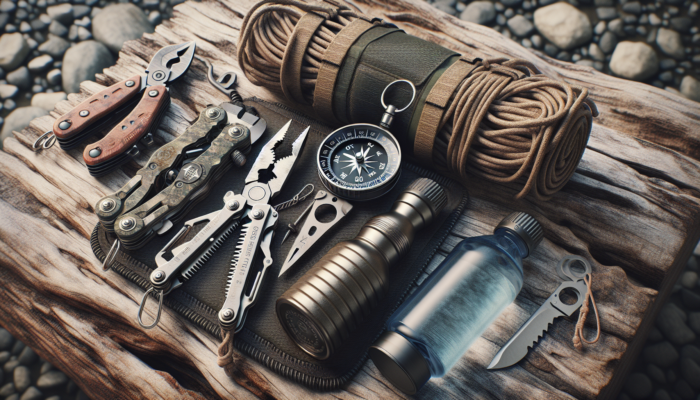
  • Surviving Alone in the Wilderness: Your Ultimate Guide

    Surviving Alone in the Wilderness: Your Ultimate Guide

    Master Key Wilderness Survival Skills for Independent Living in Nature

    To successfully navigate the challenges of surviving independently in the wilderness, one must develop a comprehensive set of essential survival skills and techniques. This journey into nature requires a blend of physical endurance, mental sharpness, and a profound understanding of the natural environment. By mastering these vital skills, individuals can significantly improve their chances of thriving when cut off from modern comforts and conveniences.

    Expert Fire Crafting Techniques for Reliable Ignition in Any Weather

    Surviving Alone in the Wilderness: Person using bow drill to start fire in rain, with dry leaves, pine needles, and wood.

    The ability to successfully ignite a fire is one of the most vital skills for surviving independently in the wilderness. Fire serves multiple essential functions: it provides warmth, light, enables cooking, and purifies water for safe drinking. Various weather conditions can present challenges to fire-making, but with diligent practice of diverse fire-starting methods, you can significantly enhance your ability to create a fire under any circumstances.

    While traditional fire-starting tools like matches or lighters work well in dry conditions, alternative techniques become essential in wet or damp environments. For instance, flint and steel can generate sparks even in adverse weather, while the bow drill method allows for ember production through friction. Although mastering this ancient technique may require considerable practice, its benefits are undeniably significant.

    Moreover, understanding which materials are suitable for tinder, kindling, and fuel is crucial for successful fire-making. Items such as dry leaves, pine needles, and bark are excellent tinder options, while small twigs serve as kindling, and larger branches provide the necessary fuel. Always survey your surroundings for natural resources that facilitate a quick fire setup, ensuring you are prepared to generate warmth whenever it is needed.

    Effective Shelter Building Techniques for Protection Using Natural Resources

    Establishing a dependable shelter is a foundational element of surviving alone in the wilderness. Prolonged exposure to harsh environmental conditions can lead to severe health risks, including hypothermia or heat exhaustion, making a well-constructed shelter indispensable for your survival. The specific type of shelter you build will largely depend on the immediate environment and the resources available to you.

    In forested areas, fallen branches and foliage can provide excellent insulation and protection. A basic lean-to can be constructed by propping a robust branch against a tree and covering it with leaves and other natural materials to enhance camouflage and warmth. Alternatively, caves or natural rock overhangs can provide immediate refuge; however, it is crucial to assess these locations for potential hazards, such as falling rocks or local wildlife.

    As you construct your shelter, be mindful of wind direction and choose a site that offers natural protection. Insulating the ground with leaves, pine boughs, or grass can create a barrier against the cold earth, significantly improving your comfort and warmth during your stay.

    Water Sourcing Techniques: Identifying and Purifying Natural Water Sources

    Water is a critical component for survival, and identifying a clean source is vital when surviving alone in the wilderness. Various natural sources such as streams, rivers, and lakes may be present, but knowing how to recognize safe drinking water and purifying it is essential for maintaining your health.

    Look for flowing water, as stagnant pools often become breeding grounds for harmful bacteria. Clear water from streams is generally safer to drink compared to murky water. Boiling water is the most effective purification method; bringing it to a rolling boil for at least one minute will eliminate most pathogens. If fire-making is not feasible, consider using water purification tablets or filtration systems as alternative solutions.

    Additionally, you can collect rainwater or dew using containers or cloths to supplement your water supply, especially in areas where other sources may be limited. Staying hydrated is vital for survival; therefore, understanding how to locate and purify water will significantly influence your odds of enduring in the wilderness.

    Essential Gear and Tools for Thriving in the Wilderness

    Close-up of wilderness survival gear: multi-tool, compass, fire starter, emergency blanket, water purifier on rugged backdrop.

    While possessing the right skills is undoubtedly crucial, having the appropriate tools and equipment can significantly enhance your chances of surviving alone in the wilderness. A thoughtfully selected range of gear can equip you with the necessary resources to tackle various survival challenges effectively.

    Multi-Tool: The Essential Companion for Versatile Survival Tasks

    A multi-tool is an invaluable asset for anyone surviving alone in the wilderness. Its compact design typically includes a knife, pliers, screwdrivers, and various other tools, making it exceptionally adaptable for a wide range of tasks. In survival scenarios, you may need to address multiple challenges, from food preparation to shelter construction or gear repairs.

    The versatility of a multi-tool enables you to handle these tasks efficiently without the burden of carrying a large toolkit. For example, the knife can be utilized for food preparation or skinning small game, while the pliers can assist in gathering firewood or fixing malfunctioning equipment.

    When selecting a multi-tool, ensure it is sturdy, lightweight, and includes tools that align with your specific survival needs. Quality is essential; investing in a reliable multi-tool can provide peace of mind as you navigate the unpredictable demands of the wilderness.

    Survival Knife: Selecting the Ideal Knife for Versatile Uses

    A survival knife is arguably one of the most critical pieces of equipment for anyone committed to surviving alone in the wilderness. The right knife serves multiple functions, including cutting, carving, and even providing self-defense against potential threats.

    When selecting a survival knife, consider factors such as blade material, size, and weight. Typically, a fixed-blade knife is more durable than a folding knife, making it a preferable option for survival situations. Look for a knife with a full tang, as this design offers enhanced strength and resilience.

    The blade length should ideally range between 4 to 6 inches, allowing for precision while remaining manageable. A serrated edge can be particularly advantageous, enabling you to cut through tougher materials like rope or small branches easily. Moreover, ensure that the knife features an ergonomic grip for extended use without discomfort.

    Emergency Blanket: The Crucial Importance of Having One in Extreme Conditions

    Person wrapped in silver emergency blanket, signaling for rescue in snowy, windy mountains.

    An emergency blanket, often referred to as a space blanket, is a lightweight yet incredibly effective tool for surviving alone in the wilderness. These blankets are designed to reflect body heat, providing essential warmth in cold conditions while protecting against harsh environmental elements.

    When facing the risk of hypothermia, an emergency blanket can prove to be a lifesaver. Wrapping yourself in one can significantly help retain heat and prevent excessive body temperature loss. Additionally, emergency blankets are waterproof, offering a barrier against rain and wind, thus significantly enhancing your survival chances in adverse weather conditions.

    Compact and easy to transport, emergency blankets make an excellent addition to any survival kit. Their reflective surface can also be utilized for signaling in emergencies; positioning them to catch sunlight or other light sources can attract the attention of potential rescuers.

    Developing Essential Navigation Skills for Wilderness Orientation

    Navigating through the wilderness can be overwhelming without the aid of modern technology. However, with the right skills, you can navigate confidently, even while surviving alone in the wilderness. Mastering navigation techniques is essential for ensuring your safety and maintaining directional awareness.

    Using Celestial Bodies for Natural Navigation with the Sun and Stars

    For those who find themselves lost, knowing how to utilize the sun and stars can provide reliable navigation methods. During daylight hours, the sun rises in the east and sets in the west, acting as a natural compass. Observing the sun’s path allows you to determine your orientation and navigate effectively.

    At night, the stars serve as guiding lights. The North Star, located at the end of the Little Dipper, remains fixed in the northern sky and can assist you in orienting yourself while navigating after sunset. Identifying true north with the North Star is invaluable for charting your course accurately.

    Furthermore, learning to recognize specific constellations can further bolster your navigation efforts. For instance, the Big Dipper can lead you to the North Star, which serves as a reliable reference point in the night sky. Familiarizing yourself with these celestial markers can enhance your navigation skills, especially when natural landmarks are limited.

    Understanding Topographic Maps: Essential Skills for Navigating Terrain

    A crucial skill for surviving alone in the wilderness is the ability to read and interpret topographic maps. These maps provide detailed insights into the terrain, including elevation changes, water sources, and significant landmarks. Understanding how to read these maps is vital for effective navigation.

    Familiarize yourself with the symbols and lines displayed on a topographic map. Contour lines indicate elevation; tightly spaced lines signify steep inclines, while widely spaced lines indicate gentler slopes. Grasping these features can help you plan your route effectively, avoid hazardous areas, and pinpoint potential resources.

    Moreover, practicing how to orient your map with a compass is beneficial to ensure you accurately follow your intended path. Regularly referencing your surroundings against the map will help keep you on track and prevent disorientation.

    Mastering Compass Navigation: Basic and Advanced Techniques for Direction Finding

    A compass is an essential navigation tool, particularly when surviving alone in the wilderness. However, knowing how to use it effectively is paramount. Start by understanding the compass’s components, including the needle, baseplate, and degree markings.

    To utilize a compass, hold it flat in your hand and rotate your body until the needle aligns with the orienting arrow. This alignment will provide you with a clear direction to follow. From this point, you can identify your destination by aligning the compass with a visible landmark.

    Advanced techniques include triangulation, which involves taking bearings from two or more visible landmarks to pinpoint your location on a map. This method is particularly useful in dense forests or unfamiliar terrain where visibility may be limited. Mastering the use of a compass can significantly improve your navigation skills and overall safety in the wilderness.

    Foraging and Food Sourcing: Strategies for Securing Nutrition in the Wilderness

    Securing food is one of the most pressing concerns when surviving alone in the wilderness. Foraging and hunting can provide essential sustenance, but thorough knowledge and preparation are critical for success.

    Identifying Safe Edible Plants: Recognizing Nutritious Flora in Various Environments

    Foraging for edible plants requires a keen eye and a comprehensive understanding of your surroundings. Numerous plants can offer vital nutrients, yet misidentification could lead to illness or worse. Learning to identify safe, nutritious plants is critical for your survival.

    Start by familiarizing yourself with common edible plants in your region. Wild greens, berries, nuts, and roots can be found in forests, fields, and near water sources. Resources such as field guides or mobile applications can assist in identification, but consider learning from experienced foragers for practical insights.

    Employ the “rule of three” when sampling new plants: Consume a small amount, wait 24 hours, and observe your body’s reaction before consuming more. Additionally, avoid plants with white or yellow berries, as many are toxic. Knowledge and caution are your best allies when foraging in the wild.

    Ethical Hunting and Trapping: Responsible Methods for Sourcing Animal Protein

    In a survival scenario, hunting and trapping can provide viable options for obtaining animal protein. However, ethical considerations must guide your actions to ensure responsible hunting practices.

    Learning to recognize animal tracks and signs can help locate potential prey. Setting traps, such as snares or deadfalls, can yield results without the need for a weapon. Familiarize yourself with local regulations regarding hunting and trapping, as well as ethical practices to avoid overharvesting.

    When hunting, remember the importance of stealth and patience. Animals are often alert to their surroundings, so approaching quietly and camouflaging yourself can significantly enhance your chances of success. Make sure to utilize every part of the animal, ensuring minimal waste while demonstrating respect for nature.

    Fishing Techniques: Effective Methods for Catching Fish in Fresh and Saltwater

    Fishing represents another excellent strategy for securing food while surviving alone in the wilderness. Various techniques can be employed to catch fish effectively in both freshwater and saltwater environments.

    Traditional rod-and-reel fishing can be highly productive in freshwater, but when resources are limited, creating simple fishing traps or using improvised spears can also yield results. Baiting hooks with natural materials like worms or insects can attract fish effectively.

    Understanding tidal patterns and fish behavior can enhance success rates in saltwater. Techniques such as surfcasting from the beach or using a boat can provide access to larger species. Always be mindful of local fishing regulations and sustainability practices to protect marine life.

    Health and First Aid: Essential Medical Knowledge for Wilderness Survival

    When surviving alone in the wilderness, prioritizing health and safety is paramount. Understanding basic first aid and knowing how to address common injuries can mean the difference between a minor setback and a life-threatening situation.

    Basic First Aid Skills: Treating Common Injuries and Recognizing Illnesses

    Fundamental first-aid skills are vital for anyone venturing into the wilderness. Knowing how to treat injuries such as cuts, scrapes, fractures, or burns can help you manage emergencies effectively. Understanding how to clean wounds to prevent infection is essential for your health.

    Always carry a compact first aid kit that includes antiseptic wipes, bandages, gauze, and other necessary items. In addition to addressing physical injuries, recognizing symptoms of hypothermia or heat exhaustion is crucial for maintaining health in extreme conditions.

    Knowing how to improvise with materials available to you can be invaluable in the absence of professional medical assistance. For example, using clean cloth to dress a wound or fashioning a splint from sturdy branches can assist in recovery and protect against further injury.

    Utilizing Natural Remedies: Harnessing Plants and Herbs for Medicinal Use

    Nature often provides remedies for common ailments, and familiarity with medicinal plants can be greatly beneficial when surviving alone in the wilderness. Numerous plants possess healing properties that can be utilized for treating injuries or illnesses.

    For instance, calendula is effective for its anti-inflammatory properties, while willow bark serves as a natural pain reliever. Learning to identify these plants and their specific uses will enhance your ability to manage health challenges while in the wild.

    Caution is paramount; always ensure accurate identification before using any plant for medicinal purposes, as misidentification can lead to adverse effects. Building a knowledge base of local flora and their potential applications is a worthwhile investment in your survival skills.

    Maintaining Mental Health: Strategies for Psychological Resilience During Isolation

    Mental well-being is just as critical as physical health when surviving alone in the wilderness. Prolonged isolation can lead to feelings of loneliness, anxiety, or despair, making it essential to adopt strategies that support psychological resilience.

    Establishing a daily routine can provide structure and a sense of purpose to your day. Setting small, achievable goals—such as gathering firewood or preparing a meal—can help maintain focus and motivation throughout your journey.

    Incorporating mindfulness techniques, including meditation or deep breathing exercises, can alleviate stress and anxiety. Taking time to appreciate the beauty of your surroundings can foster a positive mindset, allowing you to remain grounded even in challenging situations.

    Coping with Weather and Environmental Challenges in the Wilderness

    Weather conditions can significantly affect your survival experience; therefore, understanding how to cope with various environmental challenges is crucial. Knowledge and preparation can enhance your resilience when facing extreme temperatures, storms, or rugged terrain.

    Surviving Extreme Temperatures: Strategies for Thriving in Hot and Cold Climates

    Extreme temperatures pose unique challenges when surviving alone in the wilderness. In cold environments, wearing layered clothing is vital for insulation. Ensure your outer layer is waterproof to shield against the elements. Constructing a warm shelter and utilizing insulating materials like leaves or moss can help maintain warmth during frigid nights.

    Staying hydrated is critical in hot climates. Seek shade during the hottest parts of the day and wear lightweight, loose-fitting clothing to minimize the risk of overheating. Understanding how to ration water and locate natural sources can prevent dehydration.

    Both hot and cold environments necessitate adaptability and knowledge of managing body temperature effectively. Recognizing the symptoms of heat exhaustion or hypothermia can be life-saving, enabling you to take proactive measures before conditions worsen.

    Preparing for Storms: Strategies for Surviving Severe Weather Events

    Storms can develop unexpectedly, particularly in remote areas, making preparation essential. Knowing how to find shelter and protect yourself from severe weather is critical when surviving alone in the wilderness.

    Before a storm arises, evaluate your surroundings for potential hazards, such as falling branches or areas prone to flooding. Seek natural shelter, like caves or rock overhangs, and avoid zones susceptible to flash floods.

    Once you are safe, stay low to the ground and protect your head and neck. Using your emergency blanket can provide warmth and shelter from inclement weather. After the storm has passed, carefully assess your surroundings, as the landscape may have changed, introducing new dangers.

    Navigating Varied Terrain: Strategies for Moving Safely Through Different Landscapes

    Different terrains present unique challenges that require adaptation to survive alone in the wilderness. Whether you are traversing dense forests, rocky mountains, or marshy wetlands, understanding the landscape can significantly improve your ability to navigate safely and efficiently.

    Maintaining visibility and avoiding dense undergrowth in wooded areas can help prevent injuries and disorientation. Rocky terrain necessitates careful foot placement and awareness of potential hazards, such as loose stones or steep drops.

    Being aware of the dangers posed by muddy ground or concealed obstacles is crucial in wetland areas. Utilizing walking sticks can enhance stability, while scouting ahead allows you to identify safe paths. Adapting your strategies to the specific terrain can greatly enhance your chances of success.

    Implementing Long-Term Survival Strategies for Sustainable Wilderness Living

    Implementing long-term strategies becomes essential for individuals facing prolonged survival scenarios. Embracing sustainable practices can ensure your survival while preserving the surrounding environment.

    Sustainable Living: Techniques for Coexisting with Nature While Off the Land

    Sustainable living is vital when surviving alone in the wilderness for extended periods. Learning to thrive off the land without depleting resources involves understanding the balance of nature and practicing responsible foraging and hunting.

    Rotating foraging areas and avoiding over-harvesting are crucial for ensuring that local ecosystems remain healthy. When hunting, consider taking only what you need and utilizing every part of the animal to minimize waste and demonstrate respect for nature.

    Furthermore, incorporating permaculture techniques, such as planting edible plants or creating small gardens, can provide a renewable food source. Understanding the local ecosystem and its cycles will help you coexist sustainably with the natural world.

    Effective Signaling for Help: Methods for Attracting Rescue in Remote Locations

    If you find yourself in a situation where rescue is necessary, knowing how to signal for help is vital. Various methods can enhance your chances of being located while surviving alone in the wilderness.

    Creating visible signals, such as large SOS signs made from rocks or branches, can attract the attention of aerial searchers. Smoke signals can also be effective; creating a fire with green foliage generates thick smoke that can be seen from a distance.

    Moreover, utilizing reflective materials or mirrors can help capture sunlight, signaling to potential rescuers. Always remain aware of your surroundings and leverage natural features to improve visibility when requesting assistance.

    Maintaining Morale: Psychological Techniques for Staying Motivated and Focused

    Mental resilience is key to surviving alone in the wilderness. Keeping morale high can be challenging, especially during prolonged isolation. Developing psychological techniques to stay motivated and focused is essential for long-term survival.

    A daily routine can provide structure and purpose, helping you remain engaged with your environment. Setting achievable goals, such as collecting firewood or foraging for food, can create a sense of accomplishment.

    Practicing mindfulness and gratitude can enhance your mental state. Taking time to appreciate the natural beauty around you or reflecting on positive experiences can shift your mindset and cultivate hope, even in difficult circumstances.

    Learning from Real-Life Survival Experiences: Insights and Lessons

    Gaining insights from the experiences of others can provide invaluable lessons in surviving alone in the wilderness. Case studies and real-life stories offer significant takeaways that can inform your survival strategies and decisions.

    Inspirational Survival Narratives: Valuable Lessons from Remarkable Survivors

    Numerous notable survival stories highlight the importance of resilience and resourcefulness in extreme situations. From Aron Ralston, who famously amputated his arm to escape a boulder, to the harrowing account of the Uruguayan rugby team who survived a plane crash in the Andes, these narratives convey lessons in determination and ingenuity.

    Analyzing their experiences allows us to reflect on the decisions that led to their survival and the skills they relied upon. Often, these accounts emphasize the significance of mental fortitude and adaptability in rapidly changing circumstances.

    Insights from Modern Survivalists: Learning from Individuals Living Off the Grid

    Contemporary survivalists possess a wealth of knowledge for those interested in surviving alone in the wilderness. Many individuals and families choose to live off the grid, relying on their skills and expertise to thrive in remote settings.

    By sharing their experiences through blogs, videos, and workshops, these survivalists offer practical insights into sustainable living, foraging, and self-sufficiency. Learning from their successes and challenges can inspire others to develop their survival skills and strategies.

    Survival Challenges: Valuable Lessons from Reality Show Participants

    Survival reality shows have gained considerable popularity, showcasing the challenges and skills required for surviving alone in the wilderness. Participants face extreme conditions that test their physical and mental limits.

    These competitions often highlight the importance of teamwork, adaptability, and resourcefulness. By analyzing the strategies employed by contestants, viewers can glean valuable insights into effective survival techniques and the mindset required to thrive in the wilderness.

    Preparing for the Unforeseen: Essential Strategies for Wilderness Survival

    Preparation is vital for surviving alone in the wilderness. Anticipating potential challenges and equipping yourself with the right resources can significantly improve your chances of success.

    Emergency Kits: Essential Items to Include in Your Survival Kit

    Creating a comprehensive emergency kit tailored to your needs is imperative for survival. When surviving alone in the wilderness, consider including a first aid kit, fire-starting supplies, a multi-tool, and water purification tablets.

    Additionally, packing non-perishable food items, a flashlight, and a whistle can bolster your preparedness. Customize your kit based on the environment you’ll be entering; for instance, when venturing into colder climates, include thermal blankets and hand warmers.

    Regularly checking and updating your kit ensures you remain prepared for unforeseen circumstances, enhancing your readiness for any eventuality.

    Training and Courses: Recommended Survival Training Programs

    Survival training can significantly boost your readiness to survive alone in the wilderness. Numerous courses cover essential topics such as wilderness first aid, fire-making techniques, and foraging skills.

    These courses often provide hands-on experience and valuable insights from knowledgeable instructors. Participating in survival workshops or outdoor education programs can equip you with practical skills and bolster confidence in your abilities.

    Furthermore, joining local survival groups or online forums can connect you with like-minded individuals, creating opportunities to share knowledge and experiences.

    Mental Preparation: Cultivating a Resilient Mindset for Wilderness Survival

    Mental preparation is as critical as physical skills when surviving alone in the wilderness. Developing the right mindset enables you to confront challenges with resilience and confidence.

    Mindfulness techniques, such as meditation or journaling, can enhance self-awareness and emotional regulation. Setting realistic expectations and preparing for potential setbacks can foster a proactive mindset, allowing you to navigate difficulties more effectively.

    Additionally, visualizing success and maintaining a positive outlook can strengthen your resolve and help you concentrate on survival objectives. Mental preparation is a vital component of your overall survival strategy.

    FAQs: Common Questions About Wilderness Survival

    What essentials should I pack for a survival trip?

    Pack a multi-tool, survival knife, emergency blanket, first aid kit, fire-starting supplies, non-perishable food, water purification tablets, and navigation tools to ensure thorough preparedness.

    How can I find clean water in the wilderness?

    Seek flowing streams or rivers. Boil water for purification, or utilize water purification tablets or filters if available to ensure safety.

    What are some common edible plants I should know?

    Common edible plants include dandelion greens, clover, wild garlic, and berries like blackberries and blueberries. However, proper identification is always required before consumption to avoid toxicity.

    What first aid skills are crucial for survival?

    Essential first-aid skills involve treating cuts, burns, and sprains, recognizing signs of hypothermia or heat exhaustion, and effectively cleaning wounds to prevent infection.

    How can I signal for help while in the wilderness?

    To attract the attention of rescuers, create large SOS signs using rocks, smoke signals, or reflective materials to enhance visibility.

    What should I do in extreme weather conditions?

    In cold weather, layer clothing and seek shelter; in hot weather, maintain hydration and find shade. Always be vigilant for signs of heat exhaustion or hypothermia.

    How do I build a shelter in the wild?

    Use natural materials such as branches and leaves to create a lean-to or debris hut. Ensure it provides insulation and protection from wind and rain.

    What ethical hunting methods should I follow?

    Ethical hunting practices include using traps, snares, or bows, taking only what you need, and adhering to local wildlife regulations to promote sustainability.

    How can I support my mental health during isolation?

    To maintain mental well-being, establish a routine, set achievable goals, practice mindfulness, and appreciate the beauty of your surroundings.

    What survival training courses should I consider taking?

    Consider courses on wilderness survival, first aid, foraging, and navigation. Look for local workshops or online programs to gain hands-on experience and knowledge.

    Explore our world on X!

    The post Surviving Alone in the Wilderness: Ultimate Survival Guide appeared first on Survival Bite.

    The Article Ultimate Survival Guide for Thriving Alone in the Wilderness Was Found On https://limitsofstrategy.com

  • Mastering Silent Hunting Skills with Stealth Techniques

    Mastering Silent Hunting Skills with Stealth Techniques

    Unlock Your Potential: Master Stealth Techniques for Exceptional Silent Hunting Skills

    Why Stealth is the Key to Hunting Success

    Hunting Stealth Techniques: A hunter in camouflage silently stalking a deer in a dense forest, embodying stealth.

    Achieving mastery in stealth is essential for anyone who aspires to elevate their skills as a proficient hunter. The capacity to approach your target game without attracting attention is fundamental to increasing your chances of a successful hunt. Wildlife has heightened senses, including acute sight, smell, and hearing, which are finely tuned to detect human presence. As a dedicated hunter, your goal is to remain concealed, allowing you to close the distance to your target and execute your shot with precision. The ongoing dynamic between predator and prey is filled with tension, underscoring the importance of refining your hunting stealth techniques. Mastering these skills transforms you from a mere participant to a strategic predator, significantly boosting your overall effectiveness in the field.

    Additionally, the psychological aspect of stealth is vital for your hunting success. Maintaining a calm and unobtrusive presence not only increases the likelihood of a successful hunt but also enhances the overall enjoyment of your outdoor experience. By moving silently and blending seamlessly into your surroundings, you gain the opportunity to observe wildlife behavior closely, offering invaluable insights that can shape your future hunting strategies. Furthermore, showing respect for wildlife and their habitats is a fundamental aspect of ethical hunting practices, making the development of stealth skills indispensable for conscientious hunters.

    Proven Strategies for Stealthy Movement While Hunting

    To achieve excellence in hunting stealth techniques, grasping the fundamentals of silent movement is crucial. A key element to consider is foot placement; aim to step on softer surfaces, such as grass or fallen leaves, rather than harder ground that tends to produce audible noise. Practicing the whisper step technique—placing your heel down first and gently rolling your foot forward—can dramatically reduce sound levels as you navigate your hunting terrain. This practice not only enhances your stealth but also allows for greater focus on your surroundings, which is essential for effective hunting.

    Moreover, being mindful of the terrain is vital. Different environments present unique challenges and advantages. For instance, when traversing a forest, leverage fallen leaves and branches to soften your footsteps and minimize noise. Conversely, when navigating rocky areas, proceed slowly and deliberately, as the sound of shifting stones can easily alert nearby wildlife. Maintaining a low profile is equally important; keeping your body closer to the ground allows you to blend into various backgrounds, reducing the risk of detection and enhancing your overall stealth approach.

    Furthermore, breath control is often an overlooked yet critical aspect of stealth. Quick, shallow breaths can produce unnecessary noise, especially when you are in close proximity to your game. Practicing deep, controlled breathing helps you manage anxiety and maintain focus, ensuring that you remain calm during high-pressure moments in the field. This level of control not only contributes to your success but also enhances your overall hunting experience by allowing you to stay present and engaged with your environment.

    Enhance Your Stealth with Proven Camouflage Techniques

    Effectively utilizing camouflage is essential for amplifying your hunting stealth techniques. The right gear enables you to blend into your environment seamlessly, significantly reducing the chances of detection by your target. This involves selecting clothing that corresponds with the colors and patterns of your hunting surroundings—earthy tones for woodland areas and lighter shades for open fields where visibility is higher. The importance of selecting appropriate camouflage cannot be overstated, as it serves as the first line of defense in remaining undetected.

    Moreover, the fabric of your clothing plays a significant role in your stealth effectiveness. Opt for soft materials that absorb sound instead of reflecting it, which is crucial to maintaining silence while moving. Additionally, incorporating scent-masking fabrics that neutralize human odors can further decrease the likelihood of alerting game to your presence. These materials are designed specifically to enhance your stealth capabilities, making them a worthwhile investment for the serious hunter.

    Investing in a high-quality ghillie suit can further bolster your concealment efforts. These suits are expertly designed to disrupt your outline and mimic natural elements in your environment, making it increasingly difficult for animals to ascertain your precise location. However, while effective camouflage is essential, it should be complemented with proper movement techniques and heightened situational awareness to maximize its overall effectiveness during the hunt.

    Sharpen Your Senses for Optimal Stealth Hunting

    A hunter in camouflage listening to rustling leaves and observing wildlife in a dense forest.

    Developing acute sensory perception is vital for achieving success in stealth hunting. By actively listening and observing your surroundings, you can significantly enhance your hunting outcomes. Begin by engaging in active listening exercises in quiet environments. Focus on distinguishing subtle sounds—such as rustling leaves, snapping twigs, or distant animal calls. This practice will help you detect the presence of animals before they come into view, providing you with a significant advantage during your hunt.

    Your visual acuity can also be improved through dedicated training. Spend time observing wildlife and their behaviors, paying close attention to their reactions to various stimuli. This keen observation will yield valuable insights into their movement patterns and behaviors, enabling you to anticipate their actions and plan your approach accordingly. This not only enhances your hunting success but also enriches your understanding of the natural world.

    Additionally, training your sense of smell is essential for comprehending how animals perceive their environment. Familiarize yourself with the scents of different species and learn techniques to mask your own scent effectively. Simple exercises, such as identifying various natural scents in your surroundings, can sharpen your olfactory senses, allowing you to better attune yourself to the nuances of nature. This multi-sensory approach to hunting enhances your overall effectiveness as a stealthy predator.

    Advanced Techniques for Perfecting Stealth in Hunting

    Master the Art of Stalking Your Game

    Stalking is a sophisticated skill that is central to hunting stealth techniques. This intricate art demands attention to foot placement, body control, and environmental awareness. To become an efficient stalker, concentrate on your footfalls—placing your foot down softly and utilizing the terrain to your advantage. Soft surfaces, such as moss or grass, create an ideal environment for silent movement, enhancing your ability to approach without detection.

    Practicing body control is equally crucial; keeping your body low and your movements fluid helps to avoid generating unnecessary noise that could alert your prey. Utilize your arms for balance and stability while steering clear of sudden movements that might startle nearby animals. Consistency is key; maintaining a slow and steady pace lowers the risk of errors, while a hurried approach can jeopardize your chances of success during the hunt.

    Learning to read animal tracks and signs can also elevate your stalking capabilities. Familiarize yourself with the habitats of your target species by observing their feeding and bedding areas. Understanding these patterns empowers you to anticipate their movements, allowing you to position yourself advantageously for a successful hunt. This knowledge is essential for any serious hunter looking to increase their success rate in the field.

    Leveraging Terrain for Stealth Advantages

    Hunter using trees, rocks, and ridge for stealth, moving along valley, approaching downwind.

    The natural landscape can serve as a powerful ally in your quest for stealth. Understanding how to effectively leverage the terrain can help mask your presence and enhance your movements. For instance, consider using natural cover like trees, shrubs, or rocks as shields when approaching areas where you suspect game may be present. This strategic use of the environment is crucial for successful hunting.

    Elevation can also provide a tactical advantage; positioning yourself higher up, whether in a tree stand or on a ridge, offers a broader perspective of the landscape while keeping you hidden from below. Furthermore, navigating along natural features such as valleys or ridges can help you avoid open areas where you may be more vulnerable to detection, enhancing your stealth approach.

    Wind direction is another critical factor to consider during your approach. Always be aware of the wind’s trajectory; approaching from downwind prevents your scent from alerting game. Utilizing the terrain to create wind barriers can further enhance your stealth capabilities, allowing you to maintain an advantageous position while hunting.

    Adapting Stealth Techniques to Varied Weather Conditions

    Weather conditions can greatly impact your hunting stealth techniques. Adapting your strategies according to environmental factors is crucial for maintaining effectiveness in the field. For example, rain can muffle sounds, enabling quieter movement, but it can also create muddy terrain that generates noise. Being able to navigate these conditions is essential for any serious hunter.

    In windy conditions, use the wind to your advantage by moving against it to disguise your scent. However, be aware that strong winds can carry sounds, so adjust your pace and volume accordingly. Additionally, visibility may be limited for both you and the game during foggy or overcast conditions, presenting unique opportunities for a closer approach than usual, as animals may be less vigilant in such conditions.

    Understanding animal behavior in different weather scenarios is equally essential. Many species may exhibit increased activity under specific weather conditions, allowing you to tailor your strategy based on their expected behaviors. This adaptability can significantly enhance your chances of success in the field.

    The Psychological Dynamics That Influence Stealth Hunting Success

    The mental discipline required for successful stealth hunting is often underestimated. Sustaining focus and composure is crucial; even the slightest distraction can lead to detection. Constructing a strong mental framework can be as important as mastering physical skills. This psychological preparation is essential for every hunter.

    Before you embark on a hunt, mentally prepare by visualizing your approach and envisioning successful outcomes. This mental rehearsal can bolster your confidence and help you maintain calmness in the field. Furthermore, adopting a patient mindset is essential; stealth hunting often necessitates prolonged periods of waiting and observing, which can test your resolve and patience.

    Practicing mindfulness techniques can enhance your concentration and awareness of your environment. This heightened awareness allows you to detect subtle changes in your surroundings, such as shifts in animal behavior or unexpected sounds. Ultimately, the psychological aspects of stealth hunting can significantly enhance your performance and success rates in the field, making mental preparation a crucial component of any successful hunt.

    Essential Tools and Gadgets for the Silent Hunter

    Investing in High-Quality Gear for Maximum Stealth Efficiency

    Investing in essential gear is critical for optimizing your performance in stealth hunting. A well-fitted camouflage outfit forms the foundation of your stealth equipment. Look for clothing that balances comfort, durability, and sound-dampening properties to achieve the best results during your hunts.

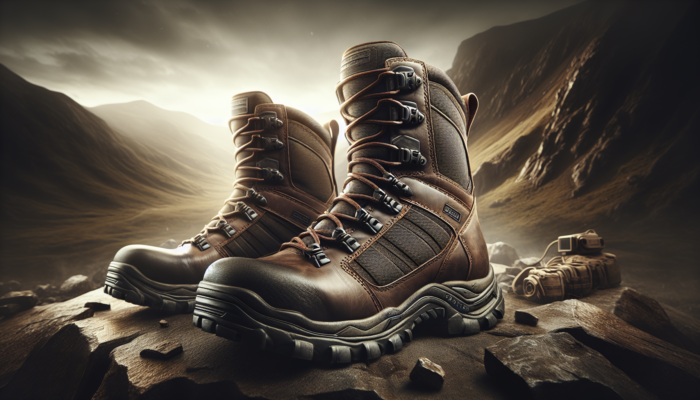
    Footwear is another vital component of your stealth setup. Select boots that provide both support and noise reduction. Soft-soled boots are ideal for stealth, enabling quiet movement across various terrains while ensuring comfort and stability. Consider wearing gaiters to shield your legs and minimize noise from brush or undergrowth, enhancing your stealth capabilities.

    Other crucial equipment includes a silent backpack for transporting gear, high-quality binoculars for scouting, and a reliable hunting knife. Each item should be meticulously chosen to enhance your stealth capabilities, ensuring that you remain undetected while pursuing your target. This careful selection of gear contributes to your overall effectiveness as a stealth hunter.

    Innovative Technologies for Superior Stealth Hunting

    As the hunting landscape continues to evolve, so do the technologies available to hunters. Cutting-edge gear designed for stealth can significantly enhance your experience in the field. For example, sound-dampening fabrics and materials are increasingly integrated into hunting clothing, allowing for quieter movements and greater stealth.

    Modern camouflage options also feature advanced patterns and materials that closely mimic natural environments, further increasing your chances of remaining undetected. Additionally, some manufacturers offer scent-masking technologies that neutralize human odors, greatly enhancing your stealth capabilities while hunting.

    High-quality optics have also advanced significantly, enabling hunters to spot game from greater distances without revealing their positions. These technological innovations not only enhance stealth but also improve overall hunting success rates, making them essential tools for today’s hunters.

    Maintaining Your Stealth Equipment for Longevity and Optimal Performance

    Proper maintenance of your stealth gear is essential for ensuring its long-term effectiveness. Regular cleaning of your camouflage clothing is crucial, as dirt and grime can diminish its effectiveness, making you more visible to your target. Always adhere strictly to the manufacturer’s care instructions to maintain the integrity of the materials and extend the life of your gear.

    Furthermore, routinely inspect your footwear for signs of wear and tear. A damaged sole or upper can hamper your ability to move silently. Treat leather boots with waterproofing agents to prolong their lifespan and maintain comfort during your hunts, ensuring that you are always prepared to perform at your best.

    Your hunting accessories, including binoculars and knives, should also be adequately maintained. Regularly cleaning and sharpening your knife ensures optimal performance, while careful storage of optical devices protects against scratches or damage. By diligently caring for your equipment, you not only enhance your stealth capabilities but also significantly improve your overall hunting experience.

    Affordable Solutions for Effective Stealth Hunting

    Not every hunter can invest in high-end gear, yet effective hunting stealth techniques can still be achieved with budget-friendly options. Start by utilizing what you already possess—dark, muted clothing can be just as effective if it blends well with your surroundings, allowing you to maintain stealth without breaking the bank.

    Consider DIY camouflage solutions, such as using natural materials like leaves and branches to create cover. This approach not only saves money but also fosters a deeper connection with the environment, enhancing your overall hunting experience.

    Moreover, prioritize acquiring essential items that offer the most significant benefits, such as quality footwear and accessories. Investing in a few key pieces rather than a complete set of high-end gear can help you maintain effective stealth without straining your budget. This strategic approach ensures you are well-equipped for successful hunts while being mindful of costs.

    Practical Applications of Stealth Techniques in Real Hunting Scenarios

    Customizing Stealth Hunting Techniques for Different Game Species

    Tailoring your stealth approach according to the behaviors and senses of various animals is critical for hunting success. Different species possess unique characteristics that influence how you should pursue them. For instance, deer have exceptional eyesight and are extremely alert, requiring a more cautious approach with careful attention to movement and wind direction to avoid detection.

    Predators such as foxes or coyotes depend heavily on their sense of smell, making scent control paramount during hunting. Utilizing scent-masking products and remaining conscious of your movements can significantly improve your chances of success when hunting these particular species. This adaptability is essential for any hunter aiming to elevate their effectiveness in the field.

    Understanding the habitat and behaviors of your target species enables you to develop a specific stealth strategy that maximizes your likelihood of a successful hunt. This level of customization in your approach is a hallmark of skilled hunters and is vital for achieving hunting success.

    Illustrative Case Studies Showcasing Successful Stealth Hunts

    Real-life examples of successful hunting stealth techniques can offer invaluable insights for aspiring hunters. One notable case involved a hunter successfully stalking a herd of elk. By employing natural cover and remaining downwind, the hunter was able to observe the herd for an extended period before taking a well-placed shot, demonstrating the effectiveness of patience and stealth.

    Another example highlights a hunter’s experience in a dense forest. The hunter remained undetected by moving slowly and deliberately, utilizing terrain features, and closely observing animal behavior, which ultimately led to a successful outcome. These case studies emphasize the importance of patience, observation, and adaptability in stealth hunting, providing practical lessons that can refine your techniques and strategies in the field.

    Applying Stealth Hunting Techniques in Urban and Suburban Settings

    Adapting hunting stealth techniques for urban and suburban environments presents distinct challenges. Noise and human activity can complicate stealth approaches, but success is still achievable with careful planning and execution. By understanding the unique dynamics of these areas, hunters can develop effective strategies for urban stealth hunting.

    Timing is crucial when hunting in these regions. Early mornings or late evenings often provide optimal conditions when animal activity peaks and human presence wanes. Utilize natural cover, such as hedges or fences, to camouflage your movements during these times, enhancing your stealth capabilities and increasing your chances for success.

    Understanding local regulations is also essential for urban hunting. To avoid complications, ensure your hunting activities comply with laws and guidelines. By modifying your strategies to fit the urban landscape, you can maintain effective stealth while being ethical and responsible in your hunting practices, ultimately contributing to a sustainable hunting culture.

    Ethics and Regulations in Stealth Hunting Practices

    Responsible hunters must understand the legal and ethical considerations surrounding hunting stealth techniques. Ethical hunting practices promote sustainability and wildlife conservation, which are crucial for maintaining healthy ecosystems. Always stay informed of local laws concerning hunting seasons, permissible areas, and species regulations to ensure compliance and responsible practices.

    Respecting the animal and its environment is of utmost importance. Avoid hunting methodologies that could lead to unnecessary suffering or jeopardize local populations. Embracing patience, restraint, and a commitment to ethical approaches enhances the overall hunting experience and fosters a responsible hunting culture. Engaging with local hunting communities can provide valuable insights into best practices and regulations, ensuring a positive impact on wildlife and habitats for future generations.

    Developing Skills and Training for Stealth Hunting Mastery

    Participating in Workshops and Courses to Master Stealth Hunting

    To elevate your hunting stealth techniques, engaging in workshops and courses can offer invaluable education and practical experience. Numerous outdoor organizations provide specialized training focused on stealth and advanced hunting strategies, equipping participants with the skills necessary for success.

    These programs typically include hands-on field exercises, allowing participants to practice techniques in real-world scenarios. Learning from experienced instructors can accelerate your skill development and offer insights that might not be available through self-study, making these opportunities essential for serious hunters.

    Additionally, attending hunting expos and seminars can connect you with industry experts and fellow hunters, fostering a community of shared knowledge and resources that benefits all participants. This networking can lead to collaborative learning experiences that enhance your skills and effectiveness.

    Practicing Stealth Techniques at Home to Enhance Skills

    Improving your stealth capabilities doesn’t necessitate a hunting trip; you can practice techniques at home. Simple exercises like walking quietly on different surfaces can help you become more aware of your foot placement and overall movement, which are crucial for successful stealth hunting.

    Incorporate drills focusing on breath control and patience, such as remaining still and quiet while observing your surroundings. This exercise enhances your ability to remain undetected in the field, sharpening your skills for hunting scenarios. Mindfulness practices can also bolster your awareness and focus, essential traits for effective stealth hunting.

    By dedicating time to practice at home, you can build a solid foundation for future success when you venture into the field. Regular practice will enhance your confidence and abilities, ensuring you are prepared for any hunting challenges that may arise.

    Learning from Experienced Stealth Hunters Through Mentorship

    Seeking mentorship from seasoned hunters can significantly expedite your learning curve in hunting stealth techniques. Experienced hunters often possess a wealth of knowledge and insights that can prove invaluable to novices, providing guidance that can only come from years of practice.

    Consider joining local hunting clubs or participating in guided hunts where you can learn from those with more experience. Observing their techniques and asking questions can provide practical knowledge that enhances your skills and understanding of stealth hunting.

    Moreover, building relationships with fellow hunters can create opportunities for collaboration and shared experiences, fostering a supportive hunting community that encourages continuous learning and improvement. This network can be instrumental in your development as a stealth hunter.

    Assessing Your Progress in Stealth Hunting Skills

    Establishing a self-assessment system to measure and track your improvement in stealth hunting is crucial for your development. Keeping a journal can be beneficial for documenting your experiences, techniques, and outcomes during hunts. Reflecting on these experiences can highlight areas for improvement and reinforce successful strategies.

    Additionally, seeking feedback from peers or mentors can provide valuable insights into your progress. Constructive criticism can guide you in refining your techniques and developing a more effective stealth approach, ultimately enhancing your performance in the field.

    Regularly revisiting your goals and adjusting your training methods can further enhance your development as a stealth hunter. Committing to continuous improvement ensures that you are always advancing your skills and increasing your chances of success during your hunts.

    Overcoming Common Challenges in Stealth Hunting

    Strategies for Successfully Traversing Noisy Terrain While Hunting

    Maintaining stealth in noisy terrain can pose significant challenges for hunters. However, with the right strategies, you can effectively navigate these environments. First, adjust your movements to mimic the natural sounds of the terrain. For instance, if walking on gravel, move in a way that blends with the sound of shifting stones, thereby minimizing your detectability while maintaining stealth.

    Additionally, consider the timing of your approach. Hunting during inclement weather, such as rain or wind, can mask your movements and facilitate quieter passage through the area, enhancing your stealth capabilities. Furthermore, taking slow, deliberate steps helps to reduce noise, allowing you to maintain stealth while pursuing your target.

    Utilizing natural cover, such as bushes or trees, can also conceal your presence from nearby game. By employing these strategies, you can navigate noisy environments effectively while remaining undetected, significantly increasing your chances of a successful hunt.

    Managing Wind Direction and Scent Control for Stealth Success

    Wind direction plays a pivotal role in your hunting stealth techniques. Understanding how to manage your scent is critical for successful stealth hunting. Always approach your target from downwind, allowing the wind to carry your scent away from the game you are pursuing. This strategic approach is fundamental for maintaining stealth.

    Utilizing scent-masking products, such as sprays or scent-free clothing, can minimize your scent signature. Additionally, maintaining good hygiene before a hunt—such as showering with unscented soap and avoiding heavily scented products—can further reduce the likelihood of detection, ensuring that you remain stealthy throughout your pursuits.

    Regularly monitor wind shifts during your hunt. Adjust your approach as the wind direction changes, ensuring that you remain undetected throughout your pursuit. This adaptability is crucial for maintaining stealth and achieving success in the field.

    Minimizing Human Error in Stealth Hunting Scenarios

    Human error is unavoidable in any hunting experience but can be minimized through careful planning and awareness. Common mistakes, such as sudden movements or loud noises, can alert the game and jeopardize your stealth. Recognizing these pitfalls is key to improving your overall effectiveness as a hunter.

    To combat this, practice mindfulness and focus on your movements. Before starting your hunt, take a moment to prepare and mentally visualize your approach. This mental rehearsal can help you remain composed and deliberate in your actions, enhancing your stealth capabilities.

    Additionally, learn from past mistakes by maintaining a hunting journal. Reflect on what occurred during previous hunts and develop strategies to avoid repeating those errors. This self-awareness will enhance your overall effectiveness in the field, ensuring that you become a more skilled and stealthy hunter.

    Adapting to Unexpected Situations While Stealth Hunting

    Unexpected challenges can arise during a hunt, and the ability to adapt is vital for maintaining stealth. Flexibility is essential, whether faced with a sudden noise, an unanticipated change in wind direction, or encountering other hunters in the area.

    Stay calm and assess the situation before making decisions. If you encounter unexpected noise, pause and observe to determine its source. This moment of stillness can provide valuable insight into whether to proceed or modify your approach, enhancing your stealth capabilities.

    Moreover, developing various strategies for different scenarios can increase your adaptability. Practicing diverse techniques in various environments equips you to respond effectively to changing circumstances, ensuring your continued success as a stealth hunter.

    The Future of Stealth Hunting Techniques

    Emerging Trends Shaping the Future of Stealth Hunting

    The landscape of hunting stealth techniques is constantly evolving, with emerging trends impacting the future of silent hunting. One significant trend is the growing emphasis on sustainability and ethical practices. Today’s hunters are increasingly aware of their environmental impact, leading to a shift toward methods that prioritize conservation and responsible hunting.

    Additionally, technological advancements are paving the way for innovative gear and equipment that enhance stealth capabilities. From sound-dampening materials to advanced camouflage patterns, these innovations are transforming the hunting experience for enthusiasts, making stealth hunting more effective and enjoyable.

    Furthermore, the rise of social media and online communities has fostered a culture of knowledge-sharing among hunters. This interconnectedness facilitates the exchange of ideas and techniques, further advancing the practice of stealth hunting and enhancing collective skills.

    The Impact of Technology on Stealth Hunting Techniques

    Modern technologies are significantly influencing the development and application of hunting stealth techniques. For example, mobile applications providing real-time weather updates and wind direction forecasts can help hunters plan their approaches more effectively, enhancing their stealth capabilities.

    Wearable technology, like fitness trackers, can monitor physical performance and enhance stealth movements. This data-driven approach allows hunters to assess their stamina and efficiency in the field, ultimately improving their overall effectiveness and success rates during hunts.

    Moreover, advancements in optics and camera technology have revolutionized how hunters scout and observe game. High-definition binoculars and trail cameras provide unprecedented insights into animal behavior, allowing for more strategic planning and execution during hunts, making them invaluable tools for any serious hunter.

    Stealth Hunting and Sustainability: A Growing Connection

    The role of stealth hunting in sustainable wildlife management is gaining increasing recognition. Ethical hunting practices contribute to population control and habitat preservation, which are critical for the overall health of ecosystems. By utilizing effective stealth techniques, hunters can play a vital role in maintaining ecological balance.

    Stealth hunting techniques facilitate more selective harvesting, minimizing the impact on animal populations. By exercising patience and restraint, hunters can ensure they only take what is necessary, aligning their activities with conservation goals while promoting ethical practices.

    Engaging in community-based conservation initiatives can also enhance the sustainability of hunting practices. Collaborating with local organizations to promote ethical hunting can positively impact wildlife populations and habitats, ensuring a future where both hunters and wildlife can thrive.

    Anticipating the Evolution of Stealth Hunting Practices

    As the hunting landscape changes, anticipating the future of hunting stealth techniques involves considering various factors. Environmental changes, technological advancements, and shifting cultural attitudes toward hunting will all shape future practices, creating a dynamic hunting environment.

    Expect the integration of more sophisticated gear, such as augmented reality for scouting and tracking, which can enhance the hunting experience while preserving stealth. Additionally, an increased focus on conservation and ethical practices will likely influence hunting methods, promoting more responsible and sustainable approaches.

    Ultimately, the evolution of stealth hunting practices will reflect a blend of tradition and innovation, ensuring that hunters continue to engage with the natural world in a respectful and effective manner, safeguarding the environment for generations to come.

    Frequently Asked Questions About Stealth Hunting Techniques

    What are the fundamental elements of stealth in hunting?

    Key elements include silent movement, effective camouflage, sensory awareness, and an understanding of animal behavior. These factors are essential for a hunter to remain undetected while pursuing a game, significantly enhancing their chances of success.

    How can I enhance my stealth movement?

    Focus on foot placement, slow and deliberate movements, and body control. Practicing exercises that emphasize quiet movement across various terrains can significantly improve your stealth abilities and overall hunting experience.

    What is the role of camouflage in stealth hunting?

    Camouflage allows hunters to blend into their surroundings, reducing the game’s visibility. Properly selected clothing and materials are vital for maximizing concealment and minimizing detection, which is crucial for stealth hunting success.

    How can I train my senses for stealth hunting?

    Engage in active listening exercises, observe wildlife behavior, and practice scent recognition. These activities can sharpen your awareness and enhance your ability to remain undetected in the field, making you a more effective stealth hunter.

    What are some advanced stalking techniques?

    Advanced stalking techniques include careful foot placement, utilizing natural cover, and understanding animal behavior. Practicing these methods can improve your ability to approach the game quietly, enhancing your chances of a successful hunt.

    How can I adjust my hunting techniques based on weather conditions?

    Modify your approach according to weather—leverage rain to mask sounds, adapt to wind direction, and learn how animals behave differently in various scenarios. Flexibility is key to maintaining stealth and ensuring hunting success.

    What essential gear should I have for stealth hunting?

    Essential gear includes a well-fitted camouflage outfit, silent footwear, a quality hunting knife, and accessories like binoculars. Each item should enhance your stealth capabilities and contribute to your overall effectiveness as a hunter.

    How can I maintain my stealth equipment effectively?

    Regular cleaning and proper care of your gear are crucial. Adhere to manufacturer instructions for washing, storing, and inspecting your equipment to ensure longevity and effectiveness, essential for successful stealth hunting.

    What ethical considerations should I keep in mind while stealth hunting?

    Always follow local regulations, prioritize sustainability, and respect wildlife. Ethical practices ensure responsible hunting and contribute to the preservation of ecosystems, fostering a culture of responsible hunting.

    How can I track my progress in stealth hunting?

    Maintain a journal to document your experiences, techniques, and outcomes. Seek feedback from peers or mentors to evaluate your skills and make necessary adjustments for improvement, ensuring continuous growth as a hunter.

    Explore our world on X!

    The post Hunting Stealth Techniques for Mastering Silent Hunting appeared first on Survival Bite.

    The Article Stealth Techniques for Mastering Silent Hunting Skills Was Found On https://limitsofstrategy.com

  • Survival Team Building to Unlock Your Team’s Full Potential

    Survival Team Building to Unlock Your Team’s Full Potential

    Actionable Strategies for Cultivating a High-Performance Survival Team: Strengthening Team Collaboration Through Real-Life Challenges

    In-Depth Exploration of Survival Team Building: Fundamental Principles and Goals

    A diverse team in a wilderness setting solving puzzles under time pressure to enhance communication and trust.

    Survival team building represents a proactive approach that utilizes demanding and high-pressure environments to significantly enhance team dynamics and promote effective collaboration. This methodology immerses participants in realistic survival scenarios that demand swift decision-making, innovative thinking, and cohesive teamwork. The primary goals of these engaging activities include bolstering communication skills, fostering trust among team members, and enhancing essential problem-solving abilities—all of which are fundamental for developing a united and high-performing team.

    At the core of survival team building is its unique ability to push individuals beyond their comfort zones. As participants encounter challenges that reflect real-life scenarios, they are encouraged to rely on each other, nurturing a culture of mutual support and collaboration. These experiences transcend the notion of basic survival; they advocate for thriving collectively, devising strategies to tackle challenges as a cohesive unit, and emerging as a more resilient and unified group.

    Furthermore, the lessons learned from these distinctive experiences extend well beyond the immediate activities. Participants often discover that the skills cultivated during these challenges are applicable in their daily work settings, empowering them to tackle problems with a refreshed outlook. This reinforces the concept that survival team building is not just a temporary event but rather a transformative agent for sustained team development and improved operational effectiveness.

    Transformative Advantages of Survival Team Building for Corporate Teams

    Engaging in survival team-building activities provides numerous advantages for corporate teams. Among the most significant benefits is the marked enhancement of communication skills. In various survival scenarios, the necessity for clear and effective communication becomes paramount. Team members must express their thoughts clearly, actively listen to one another, and provide constructive feedback. This practice dismantles barriers and cultivates an environment where open dialogue flourishes, ultimately leading to a more collaborative workplace culture.

    Trust is another fundamental component of effective teamwork, and survival team-building activities are specifically engineered to foster this essential quality. When team members confront challenges together, they learn to rely on one another, forming connections that are often challenging to establish in conventional office settings. This trust consequently translates into stronger interpersonal relationships, enhancing team cohesion and the collaborative spirit in everyday tasks.

    Moreover, problem-solving skills become a primary focus during these activities. Participants frequently encounter complex scenarios that mandate innovative thinking and rapid decision-making. By collectively addressing these challenges, teams cultivate a unified approach to problem-solving, leading to more efficient solutions within their work environment. The competencies developed from survival team-building activities empower teams to tackle issues with both confidence and creativity, fostering a culture of innovation.

    Key Components of an Effective Survival Team Building Programme

    Designing an impactful survival team-building programme necessitates careful consideration of several vital elements. The scenarios presented must be realistic and applicable to the participants involved. Tailoring challenges to reflect the unique dynamics and objectives of the team guarantees that the experience is both engaging and meaningful.

    Clearly defined objectives are equally essential. Before embarking on a survival challenge, teams should be aware of the purpose behind the activity. Whether the goal is to improve communication, build trust, or enhance problem-solving capabilities, having specific aims helps participants focus on what they need to accomplish.

    Professional facilitation also represents a critical element of a successful programme. Experienced facilitators can guide teams through the challenges while ensuring a safe and productive atmosphere. They provide valuable insights, facilitate discussions, and help participants reflect on their experiences, enriching the overall learning journey.

    Moreover, the enjoyment factor should never be underestimated. A well-structured programme strikes a balance between challenge and fun, ensuring that the experience is both memorable and successfully meets the desired outcomes. By incorporating these essential components, organizations can develop a survival team-building programme that yields meaningful results and strengthens team dynamics.

    Understanding the Psychological Aspects of Survival Team Building

    A diverse group engaged in wilderness team-building, focusing on survival skills and psychological dynamics.

    The Role of Stress in Shaping Team Building Dynamics

    Moderate levels of stress can considerably enhance team performance during survival team building exercises. When faced with challenging scenarios, teams experience a sense of urgency that compels them to collaborate more effectively. This pressure can spark creativity and innovation, motivating team members to think outside the box and devise solutions they might not consider in a more relaxed environment.

    The psychological concept of “eustress,” or positive stress, is particularly relevant in this context. Contrary to distress, which can impede performance, eustress encourages individuals to realize their full potential. In survival situations, this type of stress nurtures teamwork, as team members must depend on one another to navigate challenges. Consequently, a heightened sense of camaraderie and common purpose often emerges, significantly enhancing team cohesion.

    However, maintaining the right balance is crucial. Excessive stress can lead to anxiety and tension, counteracting the benefits of the activity. This is where professional facilitators become essential, ensuring that the challenges presented are finely calibrated to promote growth without overwhelming participants. By effectively managing stress, teams can harness its advantages to elevate their performance and relational dynamics.

    Fostering Resilience Through Engaging Survival Challenges

    Resilience is a vital trait in today’s fast-paced work environment, and survival team building exercises are particularly adept at cultivating this quality. When confronted with adversity, teams learn to adapt, persevere, and maintain a positive outlook. These experiences equip participants with the necessary skills to navigate setbacks in their professional lives, ultimately fostering a more robust organizational culture.

    During survival challenges, teams face unexpected obstacles that necessitate quick thinking and adaptability. This development of flexibility is critical in the workplace, where change is a constant. By learning to manage uncertainty as a collective, team members develop a shared resilience that enhances their capability to confront future challenges.

    Additionally, the shared experience of overcoming difficulties builds a sense of belonging. When team members face adversity together, they forge deeper connections and loyalty to one another. This emotional bond strengthens interpersonal relationships and contributes to a more resilient team. By investing in survival team-building activities, organizations can create a workforce poised to tackle challenges head-on.

    The Profound Impact of Survival Team Building on Team Cohesion

    A diverse team navigating an obstacle course in a lush forest, symbolizing strengthened bonds and trust.

    The shared experiences intrinsic to survival team-building activities significantly influence team cohesion. Individuals participating in challenging scenarios create lasting memories that strengthen their connections. This sense of unity is crucial for effective teamwork, as it promotes trust and open communication.

    As teams navigate survival challenges, they come to appreciate each other’s strengths and weaknesses. This understanding fosters respect among teammates, facilitating more effective collaboration. When team members feel acknowledged and understood, they are more inclined to engage openly, share ideas, and support one another in achieving collective objectives.

    Ultimately, the connections forged during survival team building activities translate into enhanced performance in the workplace. Teams that exhibit high levels of cohesion are better equipped to tackle challenges collaboratively, creating an environment of support and innovation. By prioritizing team-building initiatives, organizations can cultivate a culture of collaboration that drives success.

    Your Comprehensive Guide to Planning an Effective Survival Team Building Event

    Identifying the Ideal Survival Team Building Activity

    Selecting the appropriate survival team building activity is critical for a successful event. Key considerations such as team size, specific objectives, and individual comfort levels should guide the decision-making process. An effective activity aligns with the team’s goals, encouraging active participation and engagement.

    Larger teams may necessitate activities designed to accommodate multiple groups simultaneously, while smaller teams might excel in more intimate challenges that encourage deeper interaction and collaboration. Evaluating your team’s dynamics ensures that the chosen activity fosters inclusivity and engagement.

    Additionally, consider the specific objectives you aim to achieve. Whether your focus is on enhancing communication, developing trust, or improving problem-solving skills, selecting an activity that aligns with these goals will maximize the experience’s effectiveness. Furthermore, it’s essential to take into account your team members’ comfort levels. Physically demanding or intimidating activities may discourage participation, whereas those that strike the right balance will encourage individuals to step outside their comfort zones.

    Ultimately, the key to selecting the perfect survival team building activity lies in understanding your team’s unique needs and dynamics, enabling the creation of an impactful and engaging experience.

    Securing the Right Venue for Survival Team Building Events

    The venue for your survival team-building event is a crucial factor that can significantly affect its success. Choose a location that strikes the right balance between challenge and safety. The ideal setting should provide an engaging environment that fosters team interaction while ensuring participants feel secure.

    Outdoor venues are often preferred for survival challenges, as they offer natural obstacles and promote a connection with the environment. Nevertheless, it’s vital to assess your team’s physical capabilities to ensure that the chosen location is accessible and suitable for all participants. Take into account factors such as terrain, weather conditions, and available facilities when making your selection.

    Moreover, the selected venue should support the specific activities you plan to implement. If your chosen challenges require certain resources or equipment, ensure that the location can accommodate these needs. Additionally, the proximity to your office may influence your decision, as a convenient location can encourage higher attendance and participation.

    In summary, choosing an appropriate location for your survival team building event requires careful consideration of your team’s needs, safety, and the challenges you wish to undertake, ensuring a memorable and impactful experience.

    Collaborating with Professional Facilitators for Maximum Impact

    Engaging professional facilitators can significantly enhance the effectiveness of your survival team building event. Experienced facilitators bring the expertise and knowledge necessary to guide teams through challenges while ensuring a safe and productive experience. Their proficiency helps create an environment where participants feel supported and at ease.

    Professional facilitators play a crucial role in designing the programme to align with your team’s objectives. They can customize activities to fit your group’s specific dynamics, ensuring that the challenges are relevant and engaging. Moreover, facilitators are adept at managing group interactions, helping to mediate conflicts and promote collaboration among team members.

    Additionally, proficient facilitators provide valuable insights during debriefing sessions, encouraging participants to reflect on their experiences and draw connections between the challenges faced and their everyday work. This reflection is vital for reinforcing the lessons learned and ensuring that the skills developed during the event translate into improved workplace performance.

    By collaborating with professional facilitators, organizations can maximize the impact of their survival team-building events, creating meaningful experiences that foster growth and development.

    Inspirational Success Stories Highlighting the Impact of Survival Team Building

    Case Study: Revitalizing a Sales Team Through Survival Challenges

    An inspiring success story in survival team building showcases a struggling sales team determined to enhance their performance and collaboration. Confronted with declining sales figures and low morale, the team opted to participate in a series of survival challenges specifically designed to cultivate their teamwork and communication skills.

    Throughout these activities, team members were placed in various high-pressure scenarios that required them to depend on one another for success. This experience pushed them to confront their weaknesses and discover how to effectively support each other. As a result, the team developed stronger communication skills, heightened trust, and a renewed sense of purpose.

    Post-event evaluations revealed a significant increase in sales performance, with team members reporting higher levels of motivation and collaboration. The success of this survival team building initiative not only transformed the dynamics within the sales team but also fostered a culture of accountability and support throughout the organization.

    The Innovative Journey of a Tech Company in Survival Team Building

    Another compelling example of survival team building in action comes from a tech company seeking to enhance cross-departmental collaboration. Recognizing that silos were stifling innovation, the company decided to implement a series of survival challenges aimed at dismantling barriers and encouraging teamwork.

    Team members learned to appreciate their colleagues’ diverse skill sets and perspectives by engaging in activities that necessitated collaboration across various departments. This newfound understanding facilitated open communication and cooperation, resulting in innovative solutions and a more cohesive working environment.

    The success of this initiative became evident in the company’s subsequent projects, which benefited from enhanced collaboration and a shared sense of purpose. This survival team building journey underscores the potential for organizations to harness teamwork to drive innovation and growth.

    Key Insights Derived from Survival Team Building Events

    Reflecting on various survival team building events reveals several essential lessons that can inform future planning. One crucial takeaway is the importance of establishing clear objectives. Teams that comprehend the purpose of the activity are more likely to engage fully and derive meaningful insights from the experience.

    Additionally, the value of professional facilitation cannot be overstated. Skilled facilitators can guide teams through challenges, ensuring that the experience is both safe and productive. Their ability to foster open communication and facilitate discussions can significantly influence the learning process and reinforce the lessons learned.

    Another vital lesson is the necessity of customizing activities to fit the team’s specific dynamics and goals. Tailoring challenges to reflect participants’ unique needs guarantees that the experience is engaging and relevant, maximizing its overall impact.

    By applying these insights, organizations can create more effective survival team-building programmes that promote growth, collaboration, and success.

    Adapting Survival Team Building for Remote Teams: Embracing Modern Technology

    Innovative Virtual Survival Team Building: Tools and Techniques

    In a swiftly digitizing world, survival team building has evolved to accommodate remote teams through virtual platforms. By leveraging technology, organizations can facilitate engaging and interactive team-building activities that encourage collaboration, even when members are physically separated.

    A variety of tools and techniques support virtual survival challenges. Video conferencing platforms enable real-time communication, allowing team members to strategize and collaborate effectively. Additionally, online collaboration tools such as shared documents and project management software assist teams in coordinating their efforts and tracking progress throughout challenges.

    Furthermore, virtual reality (VR) and gamification techniques can enhance the experience by creating immersive environments that simulate survival scenarios. These technologies not only engage participants but also foster a sense of camaraderie as team members work together to overcome challenges.

    By embracing these tools and techniques, organizations can successfully implement survival team-building activities for remote teams, ensuring that collaboration and engagement remain paramount, regardless of physical distance.

    Effectively Addressing the Challenges of Remote Team Building

    While virtual survival team building presents numerous advantages, it also introduces unique challenges that organizations must navigate. A primary hurdle is ensuring that all team members feel included and engaged during activities. Variations in technology access, comfort levels, and communication styles can affect participation and collaboration.

    To address these challenges, it is vital to foster an inclusive environment where every team member feels valued and heard. Facilitators should encourage participation from all individuals and actively seek input from quieter team members to ensure diverse perspectives are represented. Moreover, providing clear instructions and guidelines can alleviate confusion and promote engagement.

    Another challenge is maintaining participants’ energy and enthusiasm during virtual activities. To mitigate this, facilitators can incorporate interactive elements such as polls, breakout groups, and team challenges that require active participation. By keeping activities dynamic and engaging, organizations can sustain momentum and cultivate a positive atmosphere.

    By proactively addressing these challenges, organizations can effectively implement team-building initiatives for remote teams, ensuring that collaboration and teamwork remain strong, even in a virtual context.

    Assessing the Effectiveness of Virtual Survival Team Building Initiatives

    Measuring the effectiveness of virtual survival team-building initiatives is crucial for understanding their impact on team dynamics and performance. Several key metrics, including participant feedback, engagement levels, and long-term changes in collaboration, can be utilized to assess success.

    Gathering participant feedback through surveys or discussions can provide valuable insights into their experiences during the activities. Questions should focus on communication, collaboration, and overall satisfaction. This feedback can identify areas for improvement and inform future planning.

    Monitoring engagement levels during virtual activities can also serve as a success metric. Tracking participation rates, contribution levels, and the quality of interactions can reveal how well team members connect and collaborate. Elevated engagement levels generally correlate with positive outcomes and enhanced team cohesion.

    Lastly, evaluating long-term changes in team dynamics and performance can assist organizations in assessing the lasting impact of virtual team building initiatives. Tracking metrics such as project outcomes, collaboration rates, and employee satisfaction can provide a comprehensive view of the effectiveness of these activities.

    By employing these evaluation methods, organizations can measure the success of their virtual survival team building events and continue refining their approaches for maximum impact.

    Connecting Survival Team Building to Leadership Development: Cultivating Future Leaders

    Identifying Leadership Potential Through Survival Scenarios

    Survival team building exercises are invaluable for recognizing and developing potential leaders. The dynamic nature of survival challenges enables individuals to demonstrate their capabilities in real-time, providing valuable insights into their leadership qualities and styles.

    During these activities, participants face high-pressure situations that require decisive action, effective communication, and strategic thinking. Observing how individuals respond to challenges can illuminate their potential as leaders. Those who naturally take charge, inspire others, and showcase problem-solving skills often emerge as promising leaders within the workplace.

    Survival challenges encourage team members to extend beyond their typical roles and exhibit their strengths. This exposure allows organizations to identify individuals who possess the qualities essential for effective leadership, such as adaptability, resilience, and collaboration.

    By leveraging Team building activities, organizations can identify and cultivate future leaders, ensuring a robust talent pipeline for the years to come.

    Enhancing Leadership Skills Through Engaging Survival Challenges

    In addition to identifying potential leaders, survival team-building exercises serve as powerful tools for honing crucial leadership skills. Participants can practice and develop essential skills such as decision-making, communication, and teamwork in a supportive environment.

    During survival challenges, individuals must make rapid decisions based on limited information. This experience cultivates critical thinking and enhances their ability to evaluate situations effectively. Furthermore, the collaborative nature of these activities encourages participants to communicate openly, share ideas, and provide constructive feedback—skills that are vital for effective leadership.

    Moreover, survival scenarios often require navigating conflicts and differing opinions within the team. This experience enhances emotional intelligence and conflict resolution skills, which are essential for successful leaders. Engaging in survival team building activities equips team members with a deeper understanding of group dynamics, enabling them to lead more effectively in their workplace.

    Ultimately, the skills acquired during these exercises can significantly influence participants’ professional development, providing them with the tools necessary to excel as leaders.

    Case Study: Leveraging Survival Team Building for Leadership Growth

    A compelling case study that illustrates the effectiveness of survival team building for leadership development involves a multinational company focused on nurturing its next generation of leaders. Recognizing the importance of cultivating leadership skills early, the company initiated a series of survival challenges specifically designed to identify and develop promising individuals.

    Throughout these activities, participants were placed in scenarios that required them to demonstrate their leadership capabilities. Facilitators observed their interactions, decision-making processes, and ability to motivate others. The insights gained enabled the company to identify individuals with strong leadership potential who could be further developed through targeted training programs.

    As a result of this initiative, the company experienced a significant increase in employee engagement and satisfaction among participants. Those identified as potential leaders received tailored development opportunities, further enhancing their skills and self-confidence. This proactive approach to leadership development through team building not only benefited individuals but also contributed to the organization’s overall success.

    Enhancing Employee Engagement Through Survival Team Building: Boosting Morale and Motivation

    The Connection Between Survival Team Building and Employee Engagement

    A notable correlation exists between survival team building activities and employee engagement. Participating in challenging scenarios fosters a sense of belonging and camaraderie among team members, which is essential for maintaining high morale and motivation in the workplace.

    Employees who engage in survival challenges bond over shared experiences, creating lasting connections that extend beyond the workplace. This unity enhances their commitment to the team and the organization, leading to increased engagement and productivity. Employees who feel connected to their colleagues are more likely to be invested in their work and motivated to achieve collective goals.

    Moreover, survival team building activities allow individuals to showcase their skills and contribute to the team’s success. This recognition fosters a sense of accomplishment and uplifts morale, further reinforcing employees’ engagement and motivation.

    By prioritizing survival team-building initiatives, organizations can cultivate a more engaged workforce, resulting in improved performance and a positive organizational culture.

    Effective Approaches to Boosting Employee Engagement Through Survival Challenges

    Organizations should implement key strategies to maximize employee engagement through survival team-building activities. First, it is crucial to create a supportive atmosphere where all team members feel valued and included. This can be achieved by encouraging participation from everyone and actively seeking diverse perspectives throughout challenges.

    Additionally, tailoring activities to align with the team’s goals and dynamics can significantly enhance engagement. By designing challenges that reflect participants’ unique needs and interests, organizations can create a more meaningful experience that resonates with employees.

    Incorporating elements of fun and healthy competition can also elevate engagement levels. Friendly rivalry can motivate team members to push themselves further and strive for success, while gamifying challenges can make the experience more enjoyable and memorable.

    Finally, facilitating reflection and discussion after activities allows participants to process their experiences and draw connections between the challenges faced and their everyday work. This reflection reinforces the lessons learned and encourages ongoing engagement in the workplace.

    By utilizing these strategies, organizations can maximize employee engagement through team building, resulting in a more motivated and cohesive workforce.

    Measuring the Impact of Survival Team Building on Employee Morale

    Evaluating the impact of survival team-building initiatives on employee morale is essential for understanding their effectiveness. Several key metrics, including employee feedback, engagement levels, and overall satisfaction, can be employed to assess this impact.

    Collecting feedback through surveys or focus groups can provide valuable insights into participants’ experiences during the activities. Questions should focus on aspects such as enjoyment, perceived benefits, and overall impact on morale. This feedback can help organizations identify areas for improvement and inform future planning.

    Monitoring engagement levels before and after survival team building activities can also offer insights into their impact on employee morale. Tracking metrics such as participation rates, collaboration, and communication can help organizations gauge the effectiveness of these initiatives.

    Additionally, assessing overall employee satisfaction can provide a comprehensive view of the impact of team building on morale. Regular employee satisfaction surveys can help organizations detect trends and evaluate the effectiveness of their initiatives over time.

    By employing these evaluation methods, organizations can measure the impact of their survival team building initiatives on employee morale, ensuring that they continue to foster a positive and motivated workplace culture.

    Current Trends in Survival Team Building: Staying Relevant and Effective

    Emerging Trends Shaping Team Building Initiatives

    The realm of survival team building is continually evolving, with new trends emerging to enhance the effectiveness of these initiatives. One notable trend is the increasing focus on customized experiences tailored to meet the specific needs and dynamics of teams. Organizations are increasingly recognizing the necessity of designing challenges that reflect their unique goals, culture, and challenges to ensure the activities resonate with participants.

    Another emerging trend is the integration of technology into survival team-building initiatives. Virtual and augmented reality are being harnessed to create immersive experiences that engage participants and foster collaboration. These technologies not only present unique challenges but also enable teams to connect in innovative ways, regardless of geographical barriers.

    Furthermore, there is a growing acknowledgment of the significance of debriefing and reflection following team building activities. Facilitators are increasingly recognizing the value of guiding participants in discussions to reinforce lessons learned and promote ongoing application in the workplace.

    By staying informed about these emerging trends, organizations can enhance their survival team building initiatives, ensuring they remain relevant and effective in fostering team dynamics.

    The Rising Demand for Eco-Friendly Survival Team-Building Initiatives

    As environmental consciousness continues to rise, eco-friendly team building activities are becoming increasingly popular. Organizations are exploring ways to minimize their environmental impact while providing engaging and challenging team experiences.

    Eco-friendly survival challenges often incorporate elements of sustainability, such as minimizing waste, utilizing natural materials, and promoting environmental stewardship. Teams may engage in activities that focus on outdoor survival skills while also learning about conservation and ecological responsibility.

    This trend not only benefits the environment but also fosters a sense of social responsibility among team members. By participating in eco-friendly challenges, employees can develop a deeper appreciation for nature and the importance of sustainable practices, which can translate into their workplace behaviors.

    By embracing eco-friendly survival team building initiatives, organizations can align their team-building efforts with their values, promoting a culture of sustainability and responsibility.

    Utilizing Technology in Survival Team Building Activities

    Incorporating technology into team building activities can revolutionize the way organizations approach their initiatives. Technology offers innovative solutions that enhance engagement, facilitate collaboration, and create immersive experiences for participants.

    Virtual reality (VR) stands out as one of the most exciting advancements in this field. VR can transport teams into simulated survival scenarios where they must collaborate to navigate challenges. This immersive experience not only boosts engagement but also allows participants to practice skills in a safe and controlled environment.

    Additionally, gamification techniques can introduce competitive elements into survival challenges. By integrating point systems, leaderboards, and rewards, organizations can motivate participants to engage more actively and strive for success.

    Moreover, online collaboration tools can enhance communication and coordination among team members, especially for remote teams. These tools empower participants to collaborate effectively even when they are not physically present in the same location. By incorporating technology into survival team-building initiatives, organizations can create dynamic and engaging experiences that resonate with today’s workforce, fostering collaboration and teamwork.

    Frequently Asked Questions About Survival Team Building

    How Does Survival Team Building Differ from Traditional Team Building Activities?

    Survival team building focuses on realistic, demanding scenarios that promote collaboration and problem-solving, setting it apart from conventional team-building activities that may lack high-pressure environments.

    Is Survival Team Building Appropriate for All Teams?

    While survival team building can be tailored to meet various teams’ needs, it’s essential to consider your team’s specific requirements and comfort levels to ensure a positive and productive experience.

    What Metrics Can Help Evaluate the Success of Our Team Building Event?

    Key metrics for assessing the success of your survival team building event include participant feedback, improvements in team performance, and long-term impacts on team dynamics and collaboration.

    What Types of Activities Are Common in Survival Team Building?

    Typical activities include obstacle courses, outdoor survival skills challenges, and problem-solving scenarios that require teamwork and communication for success.

    How Long Do Survival Team Building Events Typically Last?

    The duration of survival team-building events varies, but most activities last from a few hours to a full day, depending on the complexity and objectives of the programme.

    Can Survival Team Building Be Conducted in Virtual Formats?

    Yes, survival team building can be adapted for virtual settings, utilizing online collaboration tools and gamification techniques to effectively engage remote teams.

    What Should We Look for When Choosing a Facilitator for Our Team Building Event?

    Seek facilitators with experience in survival team building, strong communication skills, and the ability to customize activities to align with your team’s objectives and dynamics.

    Are Survival Team Building Activities Safe for Participants?

    When conducted by professional facilitators, survival team-building activities prioritize safety, minimize risks, and ensure that participants are well-informed about procedures and expectations.

    How Can We Encourage Participation from All Team Members?

    Foster inclusivity by creating a supportive environment, tailoring activities to accommodate various comfort levels, and actively seeking input from all team members during challenges.

    What Are the Long-Term Advantages of Survival Team Building?

    Long-term benefits include improved team cohesion, enhanced communication, increased employee engagement, and the development of essential skills such as resilience and problem-solving.

    Explore our world on X!

    The post Survival Team Building: Unlocking Your Team’s Full Potential appeared first on Survival Bite.

    The Article Survival Team Building for Maximum Team Potential Was Found On https://limitsofstrategy.com

  • Tactical Gear Reviews: Your Essential Buying Guide

    Tactical Gear Reviews: Your Essential Buying Guide

    Comprehensive Tactical Gear Insights: Essential Equipment for Every Mission

    Exploring Tactical Gear: Definition and Importance

    Soldier in tactical gear, including helmet, vest, and boots, navigating rugged terrain at dusk.

    Tactical gear includes a wide variety of specialized equipment and apparel specifically crafted for military operations, law enforcement activities, and outdoor adventures. The design of this gear is characterized by a strong emphasis on durability, functionality, and adaptability, which guarantees its reliability in critical situations. Whether traversing rugged landscapes, engaging in high-pressure missions, or enjoying outdoor activities, selecting the proper tactical gear is crucial for ensuring success and safety in any endeavor.

    At the heart of tactical gear reviews are the products that excel under challenging conditions. This category includes items such as backpacks, vests, boots, and a range of accessories designed for specific purposes. For example, tactical backpacks are meticulously engineered to endure harsh conditions while providing ample storage for necessary equipment. Similarly, tactical vests offer customizable features that allow users to adjust their loadouts based on immediate needs, making them indispensable for both adventurers and professionals.

    Understanding the distinction between tactical gear and ordinary outdoor equipment is essential. Unlike standard items, tactical products are typically made from resilient materials like Cordura and nylon, designed to withstand extreme use. Additionally, features such as MOLLE (Modular Lightweight Load-carrying Equipment) compatibility enable users to personalize their gear setups, making these products vital for serious adventurers and professionals alike.

    Essential Features to Consider When Choosing Tactical Gear

    As you navigate the realm of tactical gear, understanding the key features that contribute to optimal performance is critical. The best tactical gear possesses several fundamental characteristics designed to meet the diverse demands of various missions and activities.

    To begin with, modularity is an important feature to look for. Equipment that accommodates modular attachments can be customized to fit individual needs, whether that involves adding pouches for ammunition, hydration systems, or medical supplies. This flexibility enhances overall functionality and promotes an organized system, allowing for quick access to essential gear in high-stress situations.

    Moreover, durability stands as a cornerstone of effective tactical gear. Items constructed from high-quality materials that resist wear and tear will prove to be more reliable over time. Look for features such as reinforced stitching, weather-resistant fabrics, and heavy-duty zippers that can withstand the rigors of outdoor use. Such durability can mean the difference between success and failure in critical moments, underscoring its importance.

    Finally, comfort is a key consideration that should never be neglected. Tactical gear must facilitate easy movement and allow for extended use without causing discomfort. Seek out features like padded straps, ergonomic designs, and moisture-wicking fabrics that enhance the overall experience, especially during long missions or outdoor activities.

    The Crucial Benefits of Investing in High-Quality Tactical Gear

    Investing in high-quality tactical gear is essential, not only for enhancing performance but also for ensuring safety during operations. Low-quality equipment can fail at critical moments, potentially putting users at risk. This is why tactical gear reviews often spotlight reliable brands with solid reputations in the industry.

    Quality gear typically undergoes rigorous testing to confirm that it meets specific performance standards. Brands that emphasize quality over cost may have higher initial prices, but the long-term benefits—such as reliability and longevity—far outweigh the initial financial outlay. Additionally, premium tactical gear often comes with warranties or guarantees, providing further reassurance for buyers.

    Furthermore, the importance of quality extends beyond individual items. The seamless integration of various components, including clothing, footwear, and accessories, should work together harmoniously to create a cohesive system. When each piece of gear is designed with high standards, overall performance improves, enabling smooth transitions between different tasks and environments.

    In summary, grasping the essentials of tactical gear, recognizing vital features, and valuing quality are foundational elements that can significantly enhance your effectiveness in the field. Whether you are a seasoned professional or a dedicated outdoor enthusiast, these considerations will guide your choices and elevate your overall experience.

    Expert Tactical Gear Recommendations: Best Picks for 2023

    A soldier in advanced tactical gear in a high-tech command center, 2023.

    Outstanding Tactical Backpacks: Blending Durability with Spaciousness

    Tactical backpacks are crucial for anyone in need of a dependable and spacious solution for transporting their gear. In 2023, there are numerous options available, yet not all backpacks are equal. An exceptional tactical backpack should excel in both durability and storage capacity, providing users with ample space while ensuring comfort during use.

    A standout choice is the 5.11 Rush 72 Tactical Backpack. Designed for maximum durability, this backpack features a robust 1050D nylon construction that withstands the rigors of outdoor use. With a generous 55-liter capacity, it is ideal for extended missions or weekend excursions. The backpack also includes multiple compartments and MOLLE webbing, allowing for customization based on user requirements.

    Another excellent option is the Mystery Ranch 3-Day Assault Pack, celebrated for its ergonomic design and easy access. This pack incorporates a unique three-zip design that enables quick access to all items within—an essential advantage when time is of the essence. With a 50-liter capacity and multiple pockets, this backpack is well-suited for both tactical operations and outdoor adventures.

    Lastly, the Condor 3-Day Assault Pack strikes an excellent balance between cost-effectiveness and functionality. Its robust construction and 50-liter capacity provide ample space for all essential gear. The adjustable shoulder straps and padded back panel enhance comfort, making it a commendable choice for prolonged use.

    When selecting a tactical backpack, consider your specific needs, including the duration of your mission and the types of gear you will carry. Investing in a quality backpack can markedly enhance your operational efficiency.

    Best Tactical Vests: Prioritizing Comfort and Versatility

    Tactical vests are a vital part of any gear configuration, offering a combination of comfort and versatility. In 2023, several vests have gained prominence among both enthusiasts and professionals.

    The Condor Modular Vest is highly regarded for its adaptability and comfort. This vest features numerous pockets and pouches, allowing users to customize their equipment according to mission requirements. Its lightweight design ensures comfort, even during extended wear, while adjustable straps provide a snug fit for various body types.

    Another excellent selection is the 5.11 Tactical Vest, which blends functionality with a sleek look. This vest is equipped with multiple storage options, including hidden pockets for sensitive items, making it both practical and stylish. The breathable mesh fabric keeps users cool, while the durable construction ensures it can withstand the demands of tactical operations.

    The Blackhawk Omega VI Tactical Vest stands out, especially for those requiring a specialized approach. Designed specifically for firearms training and tactical operations, this vest features a unique layout that facilitates easy access to magazines and gear. Its adjustable shoulder and side straps ensure comfort and a tailored fit.

    <pChoosing the right tactical vest depends on your operational needs and comfort preferences. A well-selected vest can significantly boost your mobility and efficiency, making it an essential component of your tactical gear collection.

    High-Quality Tactical Boots: Ensuring Support and Longevity

    High-quality tactical boots with durable leather and Gore-Tex, offering support and waterproofing for rugged use.

    In the arena of tactical operations, selecting the appropriate footwear is paramount. Tactical boots must deliver exceptional support, comfort, and durability to withstand challenging conditions. In 2023, several models have emerged as top choices for both professionals and outdoor enthusiasts.

    The Salomon Quest 4D GTX boot is renowned for its superior support and waterproof features. Designed for rugged environments, this boot boasts a durable leather upper and a Gore-Tex lining to keep feet dry in wet conditions. Its advanced cushioning system ensures comfort during long treks, making it a favorite among outdoor enthusiasts.

    Another excellent option is the Danner Tachyon 8″ Boot, known for its lightweight design and quick-drying materials. This boot offers outstanding breathability, making it perfect for warmer climates. Its rugged outsole provides excellent traction while the cushioned footbed guarantees comfort during extended wear.

    For those seeking a more tactical approach, the Under Armour Valsetz RT 1.5 boot is a sought-after choice. Featuring a synthetic upper for improved durability and a lightweight design that prioritizes support, this boot is ideal for various environments. The high-traction outsole ensures stability on diverse surfaces, making it suitable for both tactical and outdoor applications.

    When choosing tactical boots, consider the environment in which they will be used, along with your personal comfort preferences. Investing in quality footwear can profoundly affect your performance during missions, ensuring your feet remain protected and well-supported.

    Real-World Applications of Tactical Gear: Case Studies

    Analyzing Tactical Gear Use in Law Enforcement

    The utilization of tactical gear in law enforcement has become increasingly crucial, with officers relying on specialized equipment to enhance their operational effectiveness. Various case studies illustrate how tactical gear has made significant impacts in real-life scenarios.

    A notable example involves the deployment of tactical vests during high-risk arrests. Officers equipped with modular vests can carry essential gear, including firearms, medical supplies, and communication devices, ensuring they are prepared for any situation. In a recent operation, a team outfitted with these vests successfully apprehended a suspect, with all necessary equipment readily accessible.

    Tactical backpacks have also proven invaluable in law enforcement contexts. In crowd control situations, officers can transport essential supplies, such as first aid kits and non-lethal deterrents, within a tactical backpack. This mobility allows for swift responses and adaptability in changing circumstances without being encumbered by cumbersome gear.

    Moreover, tactical boots have become staples in law enforcement. Officers frequently encounter challenging environments, and high-quality tactical boots offer the necessary support and durability. In one instance, an officer’s boots enabled them to navigate treacherous terrain during a pursuit, ultimately leading to the successful capture of a suspect.

    These case studies highlight the essential role that tactical gear plays in law enforcement, enhancing officer safety and operational efficiency.

    Military Applications of Tactical Gear: Insights from the Field

    The military’s utilization of tactical gear exemplifies the necessity for quality equipment in high-stakes environments. Field reports from active-duty personnel provide valuable insights into the effectiveness of various gear in combat situations.

    One report highlights the recent advancements in tactical body armor, which has seen significant improvements in recent years. Modern body armor offers enhanced protection while remaining lightweight and comfortable. Soldiers have mentioned that the refined design allows for greater mobility and agility on the battlefield, essential for both offensive and defensive operations.

    Additionally, tactical backpacks have been integral to military missions. Recently, soldiers noted that having a well-organized backpack with modular attachments greatly improved their ability to carry critical supplies. This adaptability enabled rapid adjustments depending on mission requirements, underscoring the importance of functional gear in dynamic environments.

    Field reports also emphasize the essential role of tactical footwear. Soldiers often traverse diverse terrains, and high-quality tactical boots provide the necessary support and durability. Reports suggest that soldiers who chose premium boots experienced fewer foot-related injuries, ultimately boosting their overall combat readiness.

    These insights from active-duty personnel reinforce the importance of investing in high-quality tactical gear for military applications, demonstrating how the right equipment can enhance safety and effectiveness in the field.

    Practical Uses of Tactical Gear for Outdoor Enthusiasts

    For outdoor adventurers, tactical gear presents practical solutions for various activities, including hiking, camping, and survival training. The versatility and durability of tactical equipment make it a favored choice for adventurers seeking reliable gear.

    A prime example of tactical gear in outdoor environments is the use of tactical backpacks. These backpacks are specifically designed to carry vital supplies such as food, water, and first aid kits while remaining lightweight for long hikes. Many outdoor enthusiasts value the modular design of tactical backpacks, which enables them to customize their loadout according to the unique requirements of their adventures.

    Tactical vests also play a crucial role for outdoor enthusiasts. When engaging in activities like fishing or hunting, a tactical vest ensures easy access to tools and equipment. The numerous pockets and attachment points enable users to keep their essentials organized and readily available, greatly enhancing their overall experience.

    Moreover, tactical boots have gained popularity among hikers and campers. The support and durability provided by these boots ensure that adventurers can navigate challenging terrains without sacrificing comfort. Many outdoor enthusiasts have discovered that investing in quality tactical footwear significantly enhances their outdoor experiences, allowing them to focus on their activities rather than discomfort.

    Overall, the practical applications of tactical gear extend far beyond military and law enforcement contexts. Outdoor enthusiasts can greatly benefit from high-quality tactical equipment, enhancing their adventures while ensuring safety and preparedness.

    Choosing the Perfect Tactical Gear: A Comprehensive Approach

    Identifying Your Requirements: Selecting Mission-Specific Gear

    Choosing the appropriate tactical gear necessitates a thorough assessment of your specific requirements. Understanding the particulars of your mission or activity is the first step in selecting equipment that effectively meets those demands.

    Begin by considering the environment in which you will be operating. Different terrains and climates require gear specifically designed to withstand those conditions. For example, if you plan to hike in mountainous areas, a sturdy tactical backpack with a waterproof lining and boots suitable for rocky surfaces will be essential for your comfort and safety.

    Next, evaluate the specific tasks you will undertake. Are you engaged in a lengthy operation requiring extensive equipment, or is it a brief excursion where minimal gear suffices? Tailoring your gear selection to the duration and demands of your mission ensures that you are adequately prepared without being burdened by unnecessary items.

    Additionally, consider the level of physical activity involved. If your mission entails significant movement, prioritize lightweight and ergonomic gear that facilitates mobility. Conversely, if heavy-duty equipment is required for rugged conditions, invest in gear that offers the necessary durability and protection.

    By thoroughly assessing your needs and understanding your mission’s specific demands, you can choose tactical gear that enhances your overall effectiveness and safety.

    Smart Budgeting: Balancing Quality and Cost

    When investing in tactical gear, budget considerations significantly influence your decision-making process. However, it is essential to find a balance between cost and quality to ensure you receive the best value for your investment.

    While it may be tempting to opt for the cheapest options, especially for those new to tactical gear, this approach can lead to inadequate performance and potentially hazardous situations. Instead, focus on reputable brands known for producing high-quality equipment that meets stringent standards. Often, these brands provide gear built to last, ultimately saving you money over time by reducing the need for frequent replacements.

    Prioritize key items that will significantly impact your performance. For example, investing in a quality pair of tactical boots or a durable backpack may prove more beneficial than purchasing numerous low-cost items lacking essential functionality. As you build your gear collection, gradually invest in quality equipment that aligns with your requirements and budget.

    Additionally, remain vigilant for sales and promotions, as many reputable brands offer discounts throughout the year. Researching customer reviews and seeking recommendations from experienced users can also assist you in making informed choices while staying within your budget.

    By balancing cost and quality, you can assemble a reliable collection of tactical gear that meets your needs without straining your finances.

    Evaluating Brand Reputation and Customer Feedback: Making Informed Decisions

    When acquiring tactical gear, understanding brand reputation and consulting customer feedback are vital steps in making informed choices. With a plethora of options available, knowing which brands are trusted and respected in the industry can save you both time and money.

    Start by researching reputable brands that have established themselves through consistent product quality and customer satisfaction. Brands with a long history of serving military and law enforcement professionals often possess extensive experience in designing gear that meets specific operational requirements.

    Customer reviews provide invaluable insights into the real-world performance of tactical gear. Look for reviews that discuss durability, functionality, and comfort, as these elements are crucial when evaluating a product’s suitability for your needs. Pay attention to recurring themes in reviews, such as fit or performance issues, as these may indicate potential red flags.

    Moreover, consider engaging with online forums or communities dedicated to tactical gear enthusiasts. These platforms often feature discussions and recommendations from users with firsthand experience, offering a wealth of information to guide your choices.

    By prioritizing brand reputation and utilizing customer reviews, you can make informed decisions when selecting tactical gear, ensuring that your investments are well-placed and tailored to your specific needs.

    Maintaining and Caring for Tactical Gear: Essential Guidelines

    Best Practices for Cleaning and Storing Your Tactical Gear

    Proper maintenance and care of tactical gear are crucial for extending its lifespan and ensuring optimal performance. Adopting best practices for cleaning and storing your gear will help protect your investment and maintain it in excellent condition.

    Start by regularly cleaning your tactical gear, especially after usage in harsh environments. Depending on the material, many tactical items can be cleaned using mild soap and water. For fabric items, a gentle scrub with a soft brush can effectively remove dirt and grime. Always consult the manufacturer’s care instructions to avoid damaging the materials.

    For tactical boots, consistent cleaning and conditioning are imperative for maintaining their integrity. Use a specialized cleaner designed for the specific leather or synthetic materials, followed by a water-repellent treatment to guard against moisture and stains.

    Proper storage of your tactical gear is equally important. Ensure that items are clean and dry before storing them to prevent mold and mildew growth. Store gear in a cool, dry location, and consider using breathable storage bags to protect against dust and damage. Avoid overcrowding storage areas, as this can lead to unnecessary wear and tear on the gear.

    By implementing these cleaning and storage best practices, you can significantly extend the lifespan of your tactical gear, ensuring that it remains reliable and ready for your next mission.

    DIY Techniques for Repairing Tactical Gear

    Tactical gear can endure significant wear and tear, but knowing how to perform minor repairs can save you time and money. Many users find that with a few simple DIY tips and tricks, they can maintain their gear in top condition without needing professional assistance.

    A common issue is frayed or damaged straps. If you notice any signs of wear, consider using a strong fabric adhesive or a sewing kit for repairs. Reinforcing the stitching can restore the strength of the strap, ensuring it remains functional. For quick fixes, fabric tape can provide an immediate solution until a more permanent repair can be arranged.

    Similarly, zippers are prone to failure; however, a bit of maintenance can go a long way. Regularly lubricate zippers with a silicone-based spray to prevent sticking. If a zipper becomes misaligned, gently realigning the teeth can often resolve the issue. In cases where a zipper has completely failed, replacing it can be a straightforward task if you possess basic sewing skills.

    Additionally, for minor punctures or tears in fabric items, a patch kit specifically designed for tactical gear can be invaluable. These kits typically include strong adhesive patches that can be applied to damaged areas, restoring the integrity of the gear.

    By learning a few basic repair techniques, you can extend the life of your tactical gear and ensure it remains operational, saving you the cost and hassle of replacements.

    Recognizing When to Replace Tactical Gear: Identifying Signs of Wear

    Knowing when to replace your tactical gear is essential for maintaining safety and effectiveness. While proper maintenance can prolong the lifespan of gear, there will come a time when replacement is necessary due to wear and tear.

    A key indicator that it may be time to replace your gear is visible damage. Regularly inspect your equipment for signs of fraying, tears, or broken components. If you observe significant damage that compromises functionality or safety, consider replacing the item promptly.

    Another sign to be aware of is reduced performance. If your gear no longer meets your operational requirements—whether due to discomfort, lack of support, or insufficient storage—it may be time to invest in new equipment. For example, if your boots no longer provide adequate support or have lost waterproofing, replacing them becomes crucial for your safety and comfort.

    Additionally, consider the age of your gear. Even if items appear to be in good condition, materials can degrade over time. If your tactical gear has been in service for several years, it may be wise to replace it to ensure reliability.

    By being vigilant and recognizing these signs of wear and tear, you can make informed decisions about when to replace your tactical gear, ensuring that you are always equipped with dependable and effective equipment.

    Emerging Innovations and Trends in Tactical Gear Reviews

    Integrating Technology: The Rise of Smart Tactical Gear

    As technology continues to evolve, the landscape of tactical gear is also changing. Smart tactical gear is becoming increasingly common, incorporating cutting-edge technology to enhance functionality and improve user experience.

    One exciting advancement is the development of smart textiles that include sensors for monitoring various metrics such as heart rate, temperature, and hydration levels. These innovations allow users to track their physical condition in real-time, providing essential information that can enhance performance during missions or outdoor activities.

    Additionally, tactical backpacks equipped with solar panels are gaining traction. These backpacks enable users to charge their devices while on the move, ensuring that communication and navigation tools remain powered throughout their journey. This feature is particularly advantageous for extended missions or remote outdoor adventures where access to electricity is limited.

    Another innovation in smart tactical gear is the integration of communication devices. Some tactical vests now come with built-in communication systems, facilitating seamless communication among team members. This capability is vital for coordinating efforts during high-pressure situations, ultimately improving overall operational efficiency.

    As technology continues to advance, the incorporation of smart features into tactical gear will likely become more standard, providing users with unprecedented levels of functionality and convenience.

    Eco-Friendly Tactical Gear: Focusing on Sustainability

    With the growing awareness of environmental issues, many brands are emphasizing sustainability in their tactical gear production. Eco-friendly options are emerging in the market, allowing consumers to make responsible choices without sacrificing quality or performance.

    One trend involves utilizing recycled materials in the manufacturing of tactical gear. Companies are producing items made from recycled plastics and fabrics, significantly reducing the environmental impact of their production processes. These sustainable materials often deliver the durability and functionality expected from tactical gear, making them a viable choice for conscientious consumers.

    Moreover, some brands focus on creating gear designed for longevity, minimizing the need for frequent replacements. By emphasizing durability and repairability, these companies contribute to a sustainable approach by reducing waste and promoting responsible consumption.

    Additionally, eco-friendly manufacturing practices are gaining importance. Brands that prioritize sustainable production methods often reduce their carbon footprint through energy-efficient processes and responsible sourcing of materials. Supporting these brands not only provides you with high-quality gear but also contributes to a broader movement toward sustainability in the industry.

    By selecting sustainable tactical gear options, consumers can enjoy the benefits of effective equipment while positively impacting the environment.

    Customization Trends: Tailoring Tactical Gear to Individual Needs

    The growing trend of customizable tactical gear is transforming how enthusiasts and professionals approach their equipment. Personalization allows users to tailor their gear to meet specific needs and preferences, enhancing overall functionality and satisfaction.

    Many brands now offer modular designs that enable users to configure their gear according to their requirements. For instance, tactical backpacks with removable pouches and compartments allow users to adjust their loadout based on various missions. This level of customization promotes efficiency and ensures that users have immediate access to the gear they need.

    Additionally, some companies provide options for personalized branding or color choices, enabling individuals to express their identities while maintaining a professional appearance. This personal touch can foster a sense of ownership and connection to the gear, enhancing user satisfaction.

    Customizable tactical vests are also gaining traction, featuring adjustable pouches and attachment points that allow users to create setups that best meet their operational needs. This adaptability is particularly beneficial for law enforcement and military personnel who may need to modify their gear for different tasks or environments.

    As the trend toward customization continues to grow, users can expect a wider array of options to cater to their unique needs, providing a more tailored and effective tactical gear experience.

    Tactical Gear Reviews: Commonly Asked Questions

    What Essential Factors Should I Consider When Buying Tactical Gear?

    When investing in tactical gear, consider aspects such as durability, comfort, modularity, and your specific mission requirements. Quality gear should withstand harsh conditions while offering ease of movement and functionality.

    How Can I Verify the Authenticity of My Tactical Gear?

    To ensure authenticity, purchase from reputable retailers, look for certification labels, and research the brand’s reputation. Customer reviews can also provide insights into the legitimacy of the gear.

    Where Can I Find the Best Deals on Tactical Gear?

    Search for discounts on trusted retail websites, subscribe to brand newsletters for exclusive offers, and check military surplus stores for budget-friendly options on quality gear.

    How Often Should I Replace My Tactical Gear?

    Replace tactical gear when you notice visible damage, diminished performance, or if it has reached an age where materials may degrade. Regularly evaluate the condition of your gear to ensure reliability.

    Is It Possible to Clean My Tactical Gear at Home?

    Yes, most tactical gear can be cleaned at home with mild soap and water. Always consult the manufacturer’s care instructions for specific cleaning guidelines to avoid damaging materials.

    Is Investing in High-Quality Tactical Gear Worth It?

    Absolutely. High-quality tactical gear typically offers superior durability, functionality, and safety, making it a valuable investment for both enthusiasts and professionals.

    What Features Should I Look for in Tactical Footwear?

    Key features include durability, comfort, waterproofing, and traction. Seek boots designed for specific environments and tasks to ensure optimal performance.

    Are There Eco-Friendly Options Available for Tactical Gear?

    Yes, many brands are now offering eco-friendly tactical gear made from recycled materials and sustainable production practices, providing effective options for conscientious consumers.

    What Is the Best Method to Store Tactical Gear?

    Store tactical gear in a cool, dry location, ensuring it is clean and dry to prevent mold. Use breathable storage bags to protect against dust while avoiding overcrowding storage areas.

    How Can I Personalize My Tactical Gear?

    Many brands offer modular designs and customization options, allowing you to tailor your gear. Look for brands that provide personalized branding or color choices for additional customization.

    Explore our journey on X!

    The post Tactical Gear Reviews: Your Essential Buying Guide appeared first on Survival Bite.

    The Article Tactical Gear Reviews: The Ultimate Buying Guide Was Found On https://limitsofstrategy.com

  • Essential Starter Guide for Beginner Hunters

    Essential Starter Guide for Beginner Hunters

    Ultimate Guide for Aspiring Hunters: Embracing Responsible Hunting Practices

    Essential Knowledge: Navigating Hunting Laws and Regulations Effectively

    Hunter in forest studying map and legal documents, surrounded by wildlife signs, emphasizing hunting regulations.

    Gaining a thorough understanding of the intricate legal framework governing hunting is paramount for anyone keen on entering this field. Each state has its distinct set of hunting laws and regulations, meticulously crafted to protect wildlife populations and maintain safety for all participants. By immersing yourself in these guidelines, you not only meet legal obligations but also foster a culture of respect within the broader hunting community. Start your journey by consulting the guidelines issued by your local wildlife agency, which typically include critical details such as hunting seasons, necessary licensing, and specific restrictions based on various game species.

    Moreover, it is crucial to recognize that federal regulations may also apply, particularly regarding migratory birds and endangered species. Ignorance of these laws can result in severe consequences, including hefty fines and loss of hunting privileges. Therefore, prior to embarking on your first hunting trip, dedicate ample time to research and grasp both local and federal regulations. This foundational knowledge not only ensures a responsible and ethical hunting experience but also honors the wildlife and the sport itself.

    The Vital Link Between Wildlife Conservation and Ethical Hunting Practices

    Many novice hunters may not fully comprehend the pivotal role that ethical hunting plays within the broader context of wildlife conservation. By engaging in regulated hunting practices, you contribute to essential population control measures and effective habitat management, both of which are crucial for sustaining a balanced ecosystem. The funds generated from hunting licenses and associated fees are often allocated to conservation initiatives that safeguard critical habitats and support thriving wildlife populations.

    Additionally, ethical hunters champion sustainable practices that ensure future generations can partake in this cherished sport. By grasping the intricate dynamics that affect wildlife populations and their habitats, hunters can make well-informed decisions that bolster conservation efforts. Embracing ethical hunting practices not only enriches your personal experience but also reinforces your role as a responsible steward of nature, underscoring the interconnection between hunting and conservation.

    Fundamental Ethical Hunting Practices Every New Hunter Must Adopt

    Understanding the core principles of ethical hunting is vital for newcomers venturing into hunting. Central to this philosophy is the idea of fair chase, which ensures that animals possess a genuine opportunity to escape, thereby making hunting a respectful and challenging pursuit. This principle actively discourages practices that give hunters an unfair advantage, such as employing technology to track animals or hunting from vehicles.

    Furthermore, adopting humane hunting techniques is crucial for ensuring efficient and ethical kills. This demands an in-depth understanding of shot placement and selecting appropriate calibers tailored to different game species. A conscientious hunter dedicates time to refining their marksmanship, ensuring they can deliver a precise shot during critical moments. By adhering to these ethical practices, you not only enhance your hunting abilities but also demonstrate respect for the animals you pursue and the surrounding ecosystem.

    Crucial Equipment Guide for New Hunters: Making Informed Choices

    Beginner hunter in forest at dawn, studying guidebook, surrounded by rifle, camouflage, binoculars.

    Selecting the Perfect Firearm for Your Unique Hunting Experience

    Choosing the right firearm is a crucial decision for any novice hunter. The extensive array of options can be intimidating, with selections ranging from rifles to shotguns, each designed for specific types of game. For example, if you plan to hunt deer, a rifle chambered in .243 or .308 is highly recommended due to its accuracy and effectiveness. Conversely, if upland bird hunting is your focus, a 12-gauge shotgun would be the more suitable choice.

    When selecting your initial firearm, consider several factors, including your physical stature, prior shooting experience, and the type of game you wish to pursue. Visiting a local gun shop or shooting range can be advantageous, as knowledgeable staff can offer insights and allow you to handle different models. Always prioritize safety features and ensure that the firearm feels secure in your grip. By making a well-informed and thoughtful choice, you lay the groundwork for a successful and enjoyable hunting experience.

    Indispensable Hunting Accessories Every New Hunter Should Own

    In addition to your firearm, there are several essential hunting accessories that every budding hunter should consider acquiring. A high-quality pair of binoculars is invaluable for spotting game from a distance, while a reliable knife is critical for field dressing and processing your harvest. Investing in durable camouflage clothing is also advantageous, as it allows you to blend seamlessly into your surroundings, facilitating stealthy approaches to game without detection.

    A sturdy backpack is another vital asset for transporting your equipment and any game you successfully harvest. Equip your pack with essentials such as a first aid kit, a reliable water bottle, and detailed maps of your hunting area. These tools not only enhance your overall experience but also ensure your safety while in the field. By arming yourself with the right accessories, you can focus on the excitement of the hunt without concerns regarding the adequacy of your gear.

    Cost-Effective Hunting Gear Options for Budget-Conscious New Hunters

    Budget-conscious beginner hunter in forest with second-hand gear and basic firearm, surrounded by discounted essentials.

    For new hunters, the financial burden associated with acquiring gear can be overwhelming. Thankfully, there are numerous budget-friendly hunting gear options available that maintain quality without breaking the bank. Start by exploring second-hand gear or visiting local sporting goods stores that offer discounts to novice hunters. Many brands also produce entry-level products that combine affordability with reliability.

    Focus on acquiring essential items first, gradually expanding your collection as you gain experience. For instance, investing in a basic firearm and ammunition should take precedence over splurging on specialized gear like premium binoculars or high-end camouflage. Additionally, many online retailers host sales or clearance sections where you can uncover excellent deals. With patience and diligent research, you can build a solid hunting arsenal without stretching your budget.

    Developing Key Hunting Skills: A Beginner’s Path to Mastery

    Scouting and Tracking Game: Fundamental Skills for Hunting Success

    One of the most rewarding skills a novice can cultivate is the ability to scout and track game effectively. Successful hunting frequently depends on understanding an animal’s behavior, habitat preferences, and movement patterns. Start by learning to identify signs of wildlife, such as tracks, droppings, and feeding areas. These clues provide invaluable insights into where animals are likely to be found, significantly enhancing your chances of a successful hunt.

    Moreover, dedicate time to observe the landscape and document how weather conditions can influence animal movement. For instance, deer tend to be more active at dawn and dusk. By scouting your hunting area ahead of time and marking potential hotspots on a detailed map, you can devise a strategic plan for your hunt. This level of preparation not only boosts your confidence but also enriches your overall hunting experience, making each outing more gratifying.

    The Importance of Wind Direction and Scent Management in Hunting

    Mastering wind and scent control is essential for any hunter aiming to remain undetected. Animals have an extraordinary sense of smell, and even a faint hint of human scent can drive them away. To minimize this risk, always position yourself with the wind blowing directly towards you, meaning you should be downwind from where you anticipate the game to approach.

    A variety of products are available to assist in masking your scent, including scent-eliminating sprays and specialized clothing. However, the most effective strategy begins with maintaining good personal hygiene before your hunting trip. Wash your clothing using unscented detergent and avoid showering with fragrant soaps or shampoos. By implementing these precautions, you can significantly improve your chances of encountering game during your hunt, making each outing more fruitful.

    Core Shooting Techniques for New Hunters: Building a Strong Foundation

    Establishing a solid foundation in shooting fundamentals is crucial for any novice hunter. Begin by thoroughly understanding the basic components of your firearm, including how to load, unload, and handle it safely. Familiarize yourself with various shooting stances and grips, as these factors greatly impact your accuracy.

    Regular practice at a shooting range is vital for building confidence and refining your skills. Concentrate on key elements like aim, breath control, and trigger squeeze. Consistent practice will help you develop muscle memory, making it easier to shoot accurately when it counts. Always prioritize safety by adhering to range rules and emphasizing responsible firearm handling, ensuring that you and those around you remain safe.

    Adapting to Diverse Hunting Environments: Strategies for Success

    Effective Hunting Techniques for Woodland and Forest Areas

    Hunting in woodlands and forests presents unique challenges and opportunities for novice hunters. Visibility is often limited, making stealth and patience essential components of your hunting strategy. When traversing these densely wooded areas, take the time to familiarize yourself with the terrain. Look for natural funnels such as trails, riverbanks, and clearings where wildlife is likely to cross.

    A slow, methodical approach is critical. Move quietly, avoid abrupt movements, and utilize available cover to your advantage. Tree stands can offer an elevated viewpoint, increasing your chances of spotting game. Always remain observant and attuned to your surroundings; successful hunts in wooded environments often require time, patience, and a profound understanding of animal behavior.

    Adapting Hunting Strategies for Open Fields and Plains

    When transitioning to open fields and plains, your hunting strategies must adapt accordingly. In these environments, visibility improves, but the challenge of staying undetected increases. Proficiency in long-range shooting becomes a vital skill in open areas, making it crucial to practice your accuracy with a rifle designed for effective long-distance shots.

    Utilize natural cover, such as bushes or terrain features, to conceal your movements as you approach game. Consider the time of day; many animals are more active during early mornings and late evenings. Use binoculars to scan expansive areas for signs of movement, and be prepared to wait patiently for the perfect moment to arise. Mastering these adaptive strategies will significantly enhance your effectiveness in open-field hunting scenarios.

    Specialized Techniques for Successful Waterfowl Hunting

    Hunting waterfowl, including ducks and geese, presents a unique set of challenges and rewards that necessitate specialized strategies. Understanding the behaviors of these birds is vital for a successful hunt. Focus on identifying bodies of water where birds are likely to congregate, such as lakes, rivers, and wetlands, as these areas become prime hunting grounds.

    Setting up decoys is a common tactic for attracting waterfowl. Properly positioned decoys create a realistic representation that entices birds to land nearby. Additionally, mastering the art of calling is essential; learning to mimic the sounds of waterfowl can dramatically increase your success rates. Always stay mindful of weather conditions, as they can greatly influence waterfowl behavior. By employing these specialized techniques, you will significantly improve your chances of enjoying a successful and rewarding waterfowl hunting experience.

    Preparing and Cooking Your Game: Essential Skills for Every Hunter

    Mastering the Process of Field Dressing and Game Processing

    Properly handling and processing your game is a fundamental skill that every hunter should master. Field dressing is the critical initial step following a successful hunt, necessary for preserving the meat and ensuring it remains safe for consumption. Begin by organizing your tools, which typically include a sharp knife and gloves. Choose a clean area that is well away from potential contamination sources, such as water bodies or carcasses.

    Start by making a careful incision along the belly, being cautious not to puncture any internal organs. Remove the entrails and any unwanted parts, taking care not to damage the hide. Once the animal has been properly field dressed, it becomes easier to transport, and the meat will cool more effectively, minimizing the risk of spoilage. Mastering these essential steps not only demonstrates respect for the animal but also enhances your cooking experience, allowing you to fully savor the rewards of your efforts.

    Easy and Delicious Recipes for New Hunters

    Transforming your harvested game into a delectable meal can be one of the most gratifying aspects of hunting. Beginners can start with simple recipes that showcase the meat’s natural flavors. For instance, roasting a game bird with fresh herbs and spices can elevate its unique taste while remaining straightforward to prepare.

    Consider preparing a hearty stew using venison or other wild game; this method allows tougher cuts to tenderize while infusing rich, savory flavors. Additionally, numerous resources are available that provide easy-to-follow recipes specifically tailored for novices. Experimenting with various cooking techniques will not only enhance your culinary skills but also ensure that you maximize the value of your hard-earned harvest.

    Crucial Food Safety and Storage Guidelines for Game Meat

    Ensuring the safety and proper storage of your game is of utmost importance. After processing your meat, it is essential to refrigerate or freeze it promptly to prevent spoilage. Use airtight packaging to keep moisture and air out, which helps maintain the meat’s quality. If you plan to freeze your game, label each package with the date and type of meat for easy identification later on.

    Always practice good hygiene when handling raw meat. Thoroughly wash your hands both before and after processing, and clean all utensils and surfaces with hot, soapy water. By adhering to these food safety tips, you can enjoy your game with confidence, knowing that you have taken the necessary precautions to ensure its safety and quality.

    Cultivating a Supportive Hunting Community: Connecting with Fellow Enthusiasts

    Joining Hunting Clubs and Organizations for Enrichment and Personal Growth

    Connecting with fellow hunters through hunting clubs and organizations can significantly enhance your overall experience. These communities provide a wealth of knowledge, enabling you to learn from seasoned hunters while sharing your own insights. Many clubs host events such as workshops, training sessions, and group hunts, offering invaluable opportunities for hands-on learning.

    Moreover, being part of a hunting community fosters a sense of camaraderie and support among members. You will find mentors willing to guide you through the early stages of your hunting journey, offering insights and tips that can accelerate your learning process. These connections often lead to lasting friendships and a deeper appreciation for the sport, enriching your hunting experience.

    Utilizing Mentorship Programs to Support New Hunters’ Development

    Numerous organizations offer mentorship programs specifically designed to assist new hunters. These initiatives pair beginners with experienced hunters who can provide essential guidance and encouragement. A mentor can help you navigate the complexities of hunting, from selecting the right gear to mastering vital techniques.

    Having a mentor not only accelerates your learning but also enhances your confidence. They can provide valuable insights into local hunting spots and regulations while offering personalized advice tailored to your skill level. Engaging in a mentorship program can prove to be one of the most rewarding investments in your hunting education, equipping you with knowledge and skills that will serve you well throughout your hunting journey.

    Engaging with Online Hunting Communities for Valuable Insights and Resources

    In today’s digital landscape, online hunting communities have emerged as invaluable resources for beginners. Platforms such as forums and social media groups allow you to ask questions, share experiences, and stay informed about the latest trends in hunting. These communities often consist of seasoned hunters eager to share their wisdom and tips.

    Participating in discussions and seeking feedback from others can significantly enhance your knowledge and skills. Moreover, online communities can help you find local hunting partners or inform you about upcoming events and workshops. By leveraging these resources, you can enrich your hunting journey and cultivate connections that extend beyond the digital realm, enhancing both your skills and enjoyment of the sport.

    Addressing Common Questions: Your Beginner Hunting Queries Answered

    What essential gear do I need to start hunting as a beginner?

    To embark on your hunting journey, you will need a suitable firearm or bow, appropriate clothing, and essential gear such as binoculars and a reliable hunting knife. Additionally, it is vital to familiarize yourself with local regulations and obtain the necessary licenses.

    How can I find hunting areas near my location?

    Locating hunting areas can be achieved by checking state wildlife agency websites, connecting with local hunting clubs, or utilizing online maps that highlight public hunting grounds and accessible locations.

    What do I need to know about hunting seasons?

    Hunting seasons vary by state and species, so it is essential to consult your local regulations to determine when you are allowed to hunt specific animals and ensure compliance with all legal requirements.

    What safety precautions should I take while hunting?

    Prioritize safety by wearing appropriate gear, adhering to firearm safety protocols, and informing someone of your hunting plans. Always maintain awareness of your surroundings and the presence of other hunters in the area.

    What types of game are suitable for beginners to hunt?

    Beginners can start with small game such as rabbits and squirrels, which are often more abundant and forgiving. As you gain experience and confidence, you can gradually pursue larger game options like deer or waterfowl.

    How can I enhance my shooting accuracy as a beginner?

    Regular practice at a shooting range is crucial for improving accuracy. Focus on maintaining proper stance, grip, and breathing techniques, and consider enrolling in a shooting class for professional guidance.

    What is field dressing, and why is it an essential skill?

    Field dressing is the process of removing the internal organs of harvested game to preserve the meat. It is vital for preventing spoilage and ensuring that the meat remains safe for consumption.

    Is it possible to hunt without a mentor?

    While having a mentor can be beneficial, it is possible to learn independently through research, online resources, and practice. Joining hunting clubs can provide additional support and guidance as you navigate your early hunting experiences.

    What benefits come from joining a hunting community?

    Becoming part of a hunting community offers networking opportunities, shared knowledge, and support from experienced hunters. Such connections can enhance your learning and foster camaraderie among fellow enthusiasts.

    What are some effective methods for cooking wild game?

    Cooking wild game involves proper handling and preparation techniques. Simple recipes like hearty stews or roasted dishes can bring out the natural flavors of the meat. Experimenting with different cooking methods will help you discover your preferences and enhance your culinary skills.

    The post Hunting For Beginners: The Essential Guide to Start appeared first on Survival Bite.

    The Article Hunting for Beginners: Your Essential Starter Guide Was Found On https://limitsofstrategy.com

  • Wilderness Survival Skills: Thriving in Swamps

    Wilderness Survival Skills: Thriving in Swamps

    Overcome Nature’s Obstacles: Your Comprehensive Handbook for Excelling in Swamp Survival Techniques

    Explore the Intricacies of Swamp Ecosystems: Key Facts for Thriving in These Unique Environments

    Vibrant swamp ecosystem featuring alligators, herons, cypresses, and orchids.

    Swamps, often misunderstood as inhospitable regions, are actually flourishing ecosystems brimming with biodiversity and essential resources vital for survival in swamps. To effectively navigate these environments, it is crucial to deeply understand their distinctive characteristics. Swamps are defined as wetlands that feature saturated soils and stagnant water, providing a habitat for a diverse range of both flora and fauna. This diverse ecosystem supports a variety of species, including fish, amphibians, birds, and insects. Mastering the complexities of these challenging environments requires a thorough understanding of the swamp’s unique features and the ecological interactions among its inhabitants.

    Swamps can generally be classified into two primary categories: freshwater and saltwater. Freshwater swamps, typically found along riverbanks, are nutrient-rich and nurture a vibrant ecosystem. Conversely, saltwater swamps are predominantly located near coastal regions and are influenced by tidal movements. Each type of swamp supports unique plant species, such as cypress trees, reeds, and various shrubs, which can provide crucial insights into the habitat’s characteristics. By learning to recognize these plants, you can identify edible species, assess the stability of the ground, and evaluate water levels, all of which are essential for safe navigation and survival.

    Moreover, the stagnant water commonly found in swamps often leads to a higher presence of mosquitoes and other pests, creating significant health risks and discomfort. Understanding the seasonal dynamics within swamps is equally essential; for instance, during periods of heavy rainfall, water levels can surge dramatically, transforming previously safe routes into perilous traps. Consequently, when preparing for survival in swamps, it is critical to analyze seasonal climate patterns and identify the specific risks associated with the swamp environment you are entering.

    Essential Equipment for Swamp Survival: Gather Key Tools for Efficient Navigation and Safety

    Equipping yourself with the right gear is paramount for achieving successful survival in swamps. The correct equipment not only boosts your chances of survival but also enhances your overall experience in these demanding terrains. First and foremost, investing in waterproof gear is essential. This encompasses waterproof boots, ponchos, and bags specifically designed to keep your vital belongings dry. Select footwear featuring excellent traction to help you navigate slippery surfaces effectively and maintain your balance on unpredictable ground.

    Alongside appropriate clothing, having a reliable navigation tool is crucial. A GPS device or a trustworthy compass can assist you in tracking your route through the often bewildering landscapes of the swamp. Utilizing topographical maps that detail the swamp’s features can be invaluable for understanding the terrain and identifying safe pathways. Do not overlook the significance of a multi-tool or knife; these versatile instruments can prove indispensable for a variety of tasks, from shelter construction to food preparation, enhancing your overarching survival strategy.

    A comprehensive first-aid kit is another vital component of your survival gear. Swamps can conceal numerous dangers, including sharp objects, venomous snakes, and the risk of insect bites. Your first-aid kit should include antiseptic wipes, assorted bandages, and treatments for insect bites to enable rapid responses to any health-related issues that may arise in this unpredictable environment.

    Finally, consider incorporating a portable water filtration system into your gear. Access to clean water is critical for survival, and the ability to purify swamp water can be a lifesaver. With the right gear, you can confidently embark into the swamp, fully prepared to confront its myriad challenges.

    Crucial Survival Skills for Swamps: Develop Techniques to Enhance Your Survival Odds

    Surviving in a swamp demands more than just appropriate gear; it requires a specific skill set tailored to the unique challenges these environments present. First, mastering the art of foraging is essential. Familiarize yourself with local edible plants like cattails, wild rice, and various aquatic plants. Gaining the ability to identify these plants can provide you with a consistent food supply, particularly when traditional hunting methods may be less effective or feasible due to environmental constraints.

    Additionally, the ability to create fire is critical. Swamps are often damp, making it challenging to ignite a flame. Carry waterproof fire starters and practice using natural materials like dry leaves or reeds to spark a fire. Fire serves multiple functions: it provides warmth, aids in cooking, and acts as a deterrent against wildlife, ensuring your safety and comfort during your time in the swamp.

    Efficient navigation through swamp terrain is another vital survival skill. Learning to read the landscape and identifying safe passages is key. Swamps can be unpredictable, with hidden dangers like sinkholes or quicksand often lurking beneath the surface. Practice moving slowly and deliberately, testing the ground before committing your full weight to avoid potential hazards that may threaten your safety.

    Lastly, developing signaling techniques can facilitate rescue efforts in the event you become lost. Carry a whistle, mirror, or brightly colored fabric to help attract attention. The more prepared and skilled you are, the better your chances of surviving—and thriving—in the swamp.

    Strategies for Safe Navigation in Swamp Terrain: Essential Tips for Secure Movement

    Adventurers navigating a misty swamp with maps, compasses, and safety gear on marked paths.

    Spotting Safe Routes in Swamps: Strategies for Identifying and Following Secure Pathways Through Wet Landscapes

    Navigating swampy terrains necessitates keen observation and strategic planning. The first step in identifying safe routes is to look for elevated ground. Raised areas, such as tree roots or natural embankments, provide safer footing and are less likely to be submerged in water. Additionally, the presence of dense vegetation can offer clues regarding the stability of the terrain; regions with denser plant growth often indicate solid ground, making them preferable for crossing.

    When traversing a swamp, employing the “leapfrog” technique can prove advantageous. This method involves moving from one stable point to another—similar to stepping stones—rather than attempting to cross potentially unstable ground in one continuous movement. Always assess the area in front of you before stepping, and if you are uncertain, test the ground with a stick or other object before placing your full weight on it. This cautious approach can prevent accidents and enhance your safety.

    In addition to visual cues, listening to your surroundings can also aid in navigation. The sounds of flowing water or the absence of insects can indicate safer areas. Be attentive to wildlife; their behavior can signal stability in certain locations. By honing your observational skills and employing these strategies, you can navigate swamp terrain with increased confidence and safety, ensuring your survival in swamps.

    Using Natural Landmarks for Navigation: Leverage Trees, Water Flow, and Other Features to Guide Your Journey

    Natural landmarks serve as invaluable navigational aids in swamp environments. Trees can function as orientation tools. Becoming familiar with local tree species can help you determine your location and direction. For instance, cypress trees typically flourish in wetter areas, providing a reliable indicator of your surroundings. Furthermore, understanding the direction of water flow can be immensely beneficial; rivers generally flow downhill, and recognizing local hydrology can assist in finding your way out.

    Utilizing the sun’s position is also an effective navigation strategy. In the Northern Hemisphere, the sun rises in the east and sets in the west, providing a natural compass. On overcast days, observing moss growth on trees, which usually occurs on the north side in the Northern Hemisphere, can indicate the direction of north, aiding in your navigational efforts.

    Look for other natural features, such as rock formations or distinct plant clusters, which can serve as waypoints along your journey. Marking your route by tying small pieces of fabric to branches can also assist you in retracing your steps if needed. By employing these natural landmarks, you can enhance your navigational accuracy, significantly increasing your chances of survival in swamps.

    Recognizing and Avoiding Common Hazards in Swamps: Identifying Dangers and Preventative Measures

    Person in protective gear cautiously navigating a swamp, testing the ground and purifying water.

    Swamps are fraught with threats that can jeopardize your survival. One of the most pressing dangers is the risk of sinking into soft, muddy terrain. To avoid this, maintain awareness of your surroundings and always test the ground before stepping onto it. Look for signs of stability, such as dense vegetation or the presence of animal tracks, which often indicate more solid earth beneath the surface.

    In addition to unstable ground, swamps can harbor venomous snakes and aggressive insects. To minimize encounters with these creatures, wear protective clothing and move cautiously through the environment. Making noise as you walk alerts wildlife to your presence, giving them time to retreat and reducing the likelihood of a surprise encounter.

    Waterborne illnesses also pose a significant risk in swamp environments. Stagnant water can contain harmful bacteria and parasites that can lead to serious health issues. Always purify water before drinking, and avoid contact with unfamiliar bodies of water. Similarly, exercise caution around submerged sharp objects, which can lead to cuts and infections, further complicating your survival situation.

    Lastly, it is crucial to be aware of your mental state; the isolation and eerie atmosphere of swamps can lead to panic or anxiety. Stay focused on your surroundings and adhere to your training. By understanding the hazards and implementing preventative measures, you can improve your safety and significantly increase your chances of survival in swamps.

    Securing Food and Water in Swamps: Effective Techniques for Sustenance

    Recognizing Edible Plants in Swamps: Identify Safe Flora and Their Preparation Methods

    Finding food in a swamp is not as daunting as it may seem, thanks to the abundant plant life that thrives in these wet environments. Key edible plants include cattails, which are highly nutritious; their roots can be boiled, while their young shoots can be eaten raw for additional sustenance. Additionally, wild rice is a nutrient-dense option that can be harvested and cooked, serving as a valuable source of energy during your time in the swamp.

    Another significant source of sustenance is the water lily. Both its leaves and seeds are edible, offering hydration and nutrition. Understanding local flora is essential; familiarize yourself with the appearance of these plants and their growth conditions to ensure safe foraging practices.

    When foraging for food, proper identification skills are crucial to avoid toxic plants. Resources like foraging guides or consulting with local experts can be invaluable in enhancing your plant identification abilities. Once you have identified edible plants, proper preparation is essential. For instance, roots must be thoroughly cleaned and cooked to eliminate any toxins. By mastering plant identification and preparation techniques, you can secure a reliable food source during your survival in swamps.

    Hunting and Cooking Swamp Wildlife: Proven Methods for Acquiring and Preparing Local Fauna

    In addition to plant life, the diverse wildlife inhabiting swamps can provide essential nutrition. Fish, frogs, and small mammals are commonly found and can be hunted or trapped using various methods. Developing fishing skills with simple traps or lines can yield significant results; utilizing bait sourced from your environment can greatly enhance your chances of success.

    Frogs represent another excellent protein source and can be caught using nets or even by hand. However, be mindful of regional regulations regarding the hunting of wildlife, ensuring compliance with local laws to avoid legal repercussions. Once captured, these animals must be properly prepared to ensure safety. Cooking is crucial; always make sure that meat is thoroughly cooked to eradicate harmful bacteria that could jeopardize your health.

    For small mammals, constructing a simple snare trap can be particularly effective. Position your traps near known trails or feeding areas for optimal success. After securing your catch, use your multi-tool to clean and prepare the animal for cooking. Fires can be constructed using dry materials, and roasting meat over an open flame is an effective method to ensure it is safe for consumption. By mastering these hunting and preparation techniques, you can supplement your diet with protein-rich food, significantly enhancing your overall chances of survival in swamps.

    Purifying Water in Swamp Environments: Ensuring Access to Clean Water and Effective Methods of Purification

    Access to clean water is paramount in any survival situation, particularly in swamps where contamination is a significant concern. The first step in securing safe drinking water is to locate a clean source, such as flowing streams or springs, which are less likely to harbor harmful pathogens. Understanding the local geography can aid in this search, enabling you to identify the best potential water sources.

    If you must rely on stagnant water, purification becomes essential. A portable water filter can effectively remove impurities; however, if one is unavailable, boiling is a reliable purification method. Bring water to a rolling boil for at least one minute (or three minutes at higher altitudes) to kill most pathogens, making it safe for consumption.

    Alternatively, a solar still can be utilized, which is a passive method of gathering purified water. This involves digging a hole, placing a container in the center, and covering it with plastic, ensuring the edges are sealed. As the sun heats the ground, moisture evaporates, condensing on the plastic and dripping into your container, providing a clean water source.

    Another effective method involves layering charcoal, sand, and gravel in a container to create a makeshift filter. Pouring the water through these materials will significantly purify it, enhancing its safety for drinking. Regardless of your chosen method, always test your water source and purification process to ensure safe drinking water is accessible during your survival in swamps.

    Building Effective Shelter in Swamps: Practical Approaches for Protection

    Selecting the Optimal Location for Your Shelter: Criteria for Choosing a Safe Spot for Swamp Shelter Construction

    Choosing the right location for your shelter is a critical factor in ensuring your survival in swamps. Seek out elevated ground that is less prone to flooding during heavy rains. Avoid areas immediately adjacent to water sources, as these can quickly become inundated and attract wildlife, which may pose additional risks to your safety.

    Consider the direction of prevailing winds when selecting your spot; positioning your shelter to block these winds can help retain warmth and enhance comfort. Additionally, locate natural barriers, such as trees or large rocks, which can provide added protection against the elements and wildlife, further improving your safety and security.

    Proximity to essential resources is equally important. Ensure your shelter is situated near a source of fresh water, but not too close to mitigate flooding risks. The ideal location will balance safety, resource accessibility, and comfort, allowing you to concentrate on your survival strategy without constant anxiety about your environment.

    Constructing a Durable Swamp Shelter: A Step-by-Step Guide to Building a Robust Shelter Using Natural Materials

    After identifying the right location, constructing a durable shelter becomes a top priority. Begin by creating a frame using sturdy branches or fallen trees. Lean these against a larger tree or set up a ridge pole to form a basic A-frame structure. This design offers stability and resistance against wind and rain, making it an effective shelter solution in the swamp.

    Cover your frame with layers of leaves, moss, or palm fronds to provide insulation and protection from the elements. Ensure that materials overlap to prevent water from seeping through. If available, additional natural materials like bark can provide enhanced coverage. This layered approach helps to create a more effective barrier against the harsh conditions typical of swamp environments.

    Create a small entrance that can be easily sealed during inclement weather. This feature helps retain warmth inside the shelter while keeping out unwanted wildlife and pests. Inside, use dry leaves or grass to create bedding for comfort and insulation, further enhancing your shelter’s livability. By following these guidelines, you can construct a shelter that significantly improves your chances of survival in swamps.

    Strategies for Staying Warm and Dry in Humid Swamp Conditions: Techniques for Maintaining Body Heat and Dryness

    Maintaining warmth and dryness in swamp conditions can be quite challenging due to the humid environment and potential rainfall. Start by wearing layers; moisture-wicking base layers help keep sweat away from your skin, while insulating layers trap body heat effectively. Always opt for waterproof outer layers to shield yourself from rain and humidity, preventing heat loss that could jeopardize your survival.

    Creating a fire is an effective method for staying warm. Use dry materials to ignite a fire, ensuring it is safely contained to prevent wildfires. Position your fire in a cleared area away from your shelter to avoid unwanted heat or flames near your living space.

    If temperatures drop significantly, consider constructing a reflective windbreak with branches or leaves. This structure can help retain heat around your body and create a more comfortable environment. Additionally, insulate your sleeping area with layers of leaves, moss, or grass to prevent heat loss overnight. By employing these strategies, you can remain warm and dry, significantly increasing your chances of survival in swamps.

    Health and Safety in Swamps: Essential Insights for Maintaining Well-Being

    Preventing and Addressing Common Swamp-Related Illnesses: Strategies for Avoiding and Managing Health Issues

    Swamps can serve as breeding grounds for a variety of illnesses due to their damp and stagnant conditions. One of the most common health concerns is exposure to mosquito-borne diseases such as West Nile virus or malaria. To prevent bites, wear long-sleeved clothing and apply insect repellent containing DEET, which effectively deters mosquitoes and other pests.

    Additionally, waterborne diseases can arise from contaminated water sources. Always purify your water before consumption, as previously discussed. Should you experience symptoms like diarrhea or vomiting, prioritize hydration and seek medical attention promptly to prevent dehydration and further complications.

    Skin infections can also occur from cuts or scrapes sustained in the swamp environment. Regularly cleanse any wounds with purified water and apply antiseptic to prevent infections. If you observe signs of infection—such as redness, swelling, or pus—seek medical assistance immediately. By being proactive about health concerns, you can significantly reduce the risk of illness during your survival in swamps.

    Managing Insect Bites and Stings: Effective Treatments for Common Swamp Bites and Stings

    Insects are an unavoidable aspect of the swamp environment, and their bites can lead to discomfort and potentially severe reactions. The first step in managing insect bites is prevention. Utilize insect repellent, wear protective clothing, and steer clear of areas with high insect activity, particularly during dawn and dusk when they are most active.

    If you do get bitten, clean the area with purified water and apply antiseptic to prevent infection. Over-the-counter antihistamines can help alleviate itching and swelling, making you more comfortable during your time in the swamp. In cases of more severe reactions, such as those from wasp or bee stings, applying ice can minimize swelling; seek medical attention if necessary to address more serious symptoms that could jeopardize your well-being.

    For allergic reactions, having an emergency kit that includes an epinephrine auto-injector can be lifesaving. Always remain vigilant about your surroundings, particularly during dusk and dawn when insects are more prevalent. By understanding how to deal with insect bites, you can maintain your health and comfort while facing the challenges of survival in swamps.

    Maintaining Hygiene in Swamp Environments: The Importance of Personal Hygiene and Methods for Sustaining It

    Maintaining personal hygiene is vital for overall well-being, particularly in swamp environments where moisture can lead to infections and other health issues. Start by washing your hands regularly with purified water, especially before eating or tending to wounds. If soap is unavailable, you can use ash or sand as a natural abrasive cleaner to maintain cleanliness.

    Bathing might not always be feasible in a swamp, but you can utilize available resources. Use clean water from streams or ponds to wash your body, focusing on areas prone to sweat and irritation. If water is scarce, consider sponge bathing with a cloth or moss to uphold hygiene. This practice can help prevent infections and keep you feeling fresh amid your survival efforts.

    Oral hygiene is equally important. If you lack a toothbrush, use a twig or clean cloth to gently scrub your teeth. Keeping your mouth clean helps prevent gum disease and other health issues that could complicate your survival situation.

    Lastly, ensure your shelter remains clean and free of food waste to deter pests and maintain a sanitary living environment. By prioritizing hygiene, you can significantly enhance your chances of staying healthy during your survival in swamps.

    Building Mental Resilience in Swamp Survival: Techniques for Maintaining Strength in Difficult Conditions

    Conquering Feelings of Isolation and Fear: Approaches for Managing Psychological Challenges in Swamp Survival

    The isolation and eerie ambiance of swamps can weigh heavily on your mental state. Coping with these feelings is crucial for maintaining focus on survival. Start by establishing a daily routine to provide structure to your days. Set specific tasks, such as foraging for food or constructing shelter, to instill a sense of purpose and direction, which is essential for mental clarity.

    Mindfulness and meditation practices can also be beneficial for managing anxiety. Take moments to breathe deeply and concentrate on your surroundings, using your senses to ground yourself in the present moment. Keeping a journal, if materials allow, can serve as an effective outlet for expressing thoughts and emotions, helping you process your experiences and maintain mental balance.

    Additionally, maintain a positive mindset by concentrating on your achievements rather than setbacks. Celebrate small victories, like acquiring food or successfully building a shelter. By cultivating a resilient mental state, you can more effectively navigate the psychological challenges of survival in swamps.

    Techniques for Promoting a Positive Mindset: Sustaining Optimism and Focus During Extended Survival Situations

    A positive mindset serves as a powerful asset in survival scenarios. To sustain optimism, frequently remind yourself of your skills and knowledge. Reflect on past experiences where you faced challenges and emerged victorious, bolstering your belief in your capabilities and resilience in the face of adversity.

    Setting both short- and long-term goals can provide motivation and a sense of accomplishment. Whether it involves finding food or constructing a more secure shelter, having clear objectives keeps your mind focused on progress. Visualizing successful outcomes can also enhance your confidence and determination, making it easier to stay motivated during difficult times.

    Engaging with nature can elevate your mood significantly. Take time to appreciate the beauty around you, whether it’s the sounds of wildlife or the stunning scenery of the swamp. Connecting with your environment can alleviate feelings of isolation and despair, reminding you of the vibrant life surrounding you.

    Finally, stay mindful of your overarching purpose. Remind yourself that survival is not merely about enduring; it is about thriving amidst challenges. By nurturing a positive mindset, you increase your chances of successfully navigating the complexities of survival in swamps.

    Mental Preparedness for Swamp Survival: The Significance of Mental Readiness Before Entering Swamp Areas

    Before embarking on a journey into a swamp, mental preparation is as critical as physical readiness. Start by researching the specific swamp you intend to enter. Understanding its unique challenges—such as potential wildlife encounters, weather conditions, and terrain—will help you mentally gear up for what lies ahead and set realistic expectations for your experience.

    Practicing survival skills prior to your trip can significantly boost your confidence. Simulate various scenarios, such as navigating difficult terrain or constructing a shelter, to familiarize yourself with necessary skills. The more prepared you feel, the better equipped you will be to handle unforeseen challenges that may arise during your time in the swamp.

    Visualize yourself successfully navigating the swamp, employing positive imagery to reinforce your confidence in your abilities. Additionally, consider potential challenges and mentally rehearse your responses. This proactive approach minimizes anxiety and prepares you to tackle difficulties with assurance and clarity.

    Finally, cultivate a mindset of flexibility and adaptability. Swamps can be unpredictable, and the ability to adjust your plans and strategies will bolster your resilience. By preparing mentally, you position yourself for successful survival in swamps.

    Frequently Asked Questions About Swamp Survival Techniques

    What hazards are most commonly found in swamps?

    Common dangers in swamps include unstable ground, venomous snakes, insect-borne diseases, and waterborne pathogens. Being aware and prepared is vital for avoiding these hazards and ensuring your safety.

    What methods can I use to purify water found in swamps?

    You can purify water by boiling it for at least one minute or utilizing a portable water filter. A solar still is also an effective passive method for purifying water, ensuring you have access to safe drinking water.

    What clothing is best for swamp survival situations?

    Opt for waterproof clothing with good traction, such as rubber boots and breathable layers. Long sleeves and pants protect against insect bites and environmental hazards, enhancing your comfort and safety.

    How do I identify edible plants in swamp areas?

    Familiarize yourself with local edible plants, including cattails and water lilies. Utilize foraging guides or consult local experts for accurate identification, ensuring safe foraging practices.

    What type of shelter is most effective in swamp environments?

    An elevated, A-frame shelter is ideal for swamps. Construct it using sturdy branches and cover it with natural materials like leaves or moss for insulation and protection against the elements.

    How can I stay warm in a swamp environment?

    To maintain warmth, wear layers and build a fire using dry materials. Creating a reflective windbreak can help retain heat, and insulate your sleeping area with leaves or moss for added comfort.

    What techniques can help manage fear while in a swamp?

    Establish a daily routine, practice mindfulness, and focus on your achievements to manage fear. Keeping a journal can also assist in processing thoughts and feelings, helping you maintain mental clarity.

    How can I catch animals in swamps for food?

    You can catch animals using traps, nets, or fishing lines. Learning to identify animal trails and using bait can enhance your chances of success, providing essential nutrition.

    What should I include in a swamp survival kit?

    A swamp survival kit should comprise waterproof gear, a multi-tool, a first-aid kit, water purification methods, navigational tools, and insect repellent, ensuring you are well-prepared for any situation.

    How do I treat insect bites in swamp environments?

    Clean the bite with purified water and apply antiseptic. Over-the-counter antihistamines can help reduce itching and swelling; seek medical help for severe reactions to ensure your safety.

    The post Survival in Swamps: Mastering Wilderness Skills appeared first on Survival Bite.

    The Article Mastering Wilderness Skills for Survival in Swamps Was Found On https://limitsofstrategy.com

  • Urban Survival Gear for City Emergencies and Essential Tools

    Urban Survival Gear for City Emergencies and Essential Tools

    Essential Urban Survival Gear for Thriving in City Life

    Successfully managing the unpredictable challenges of urban living requires having the right urban survival gear readily available. Whether faced with sudden disasters like earthquakes or floods, or everyday emergencies such as power outages and civil unrest, being adequately prepared can significantly impact your safety and overall well-being. In this detailed guide, we will explore the essential tools and resources that are crucial for thriving in urban environments, ensuring you are equipped to handle any situation that may arise, thus enhancing your urban resilience and peace of mind.

    Investing in Top-Quality Water Purification Systems for Safe Drinking Water in Urban Areas

    Urban scene with various water purification devices including LifeStraw, Sawyer filters, and chemical tablets for safe drinking water.

    Access to clean, potable water is a fundamental necessity, particularly in densely populated urban areas where contamination can originate from various sources. Investing in high-quality water purification devices is essential for any comprehensive urban survival gear kit. Your options range from portable filtration systems to chemical purification tablets, each designed to tackle specific contaminants typically found in urban water supplies, thereby ensuring safe consumption for you and your family.

    For instance, portable filters from reputable brands like LifeStraw or Sawyer employ advanced filtration technologies to effectively remove harmful bacteria, parasites, and sediment. This guarantees that you have access to potable drinking water even during a crisis or natural disaster. These devices are lightweight and easy to transport, making them suitable for both emergency scenarios and everyday use.

    Moreover, chemical purification tablets serve as reliable backup solutions for water purification. Compact and cost-effective, these tablets have extended shelf lives, making them an invaluable addition to your preparedness arsenal. It is essential to follow the provided instructions meticulously to ensure effective purification. Whether preparing for a natural disaster or simply wanting to be ready for unexpected situations, having multiple methods of water purification offers invaluable peace of mind and security, allowing you to focus on other priorities during emergencies.

    Utilizing the Versatility of Multi-Tools for Overcoming Urban Challenges

    Among the multitude of items that comprise effective urban survival gear, few tools are as versatile and indispensable as multi-tools. These compact devices combine numerous functions into a single instrument, empowering urban dwellers to tackle a variety of challenges with remarkable ease. From opening cans and performing minor repairs to providing self-defense and first aid, a high-quality multi-tool can be your best ally during a crisis.

    When selecting a multi-tool, prioritize essential features such as pliers, screwdrivers, knives, and scissors. Renowned brands like Leatherman and Victorinox offer durable, reliable products designed for everyday use. Their portability means you can effortlessly carry them in your pocket or backpack, ensuring they are readily accessible whenever needed.

    Furthermore, multi-tools can also serve as a psychological boost during emergencies. Knowing you are equipped to handle various situations enhances your confidence and resilience, which are vital during high-stress events. When choosing a multi-tool, consider the specific demands of your urban environment and select one that seamlessly aligns with your lifestyle requirements, ensuring you are always ready for the unexpected.

    Building a Supply of Emergency Food Rations for Sustenance During Urban Crises

    In times of urban crises, securing adequate food can quickly become a pressing concern. This is why incorporating emergency food rations into your urban survival gear is not only advisable but essential. These rations are specifically designed to provide critical nutrients and energy when regular food supplies may be disrupted, ensuring you can maintain your strength and well-being during challenging circumstances, such as natural disasters or civil unrest.

    A variety of options are available, including ready-to-eat meals (MREs) and freeze-dried foods. MREs are particularly advantageous as they require no preparation, making them perfect for on-the-go consumption. Reputable brands such as Wise Company and Augason Farms offer a plethora of choices that remain shelf-stable for years, guaranteeing access to food at critical moments when you need it most.

    For those looking to maximize their preparedness, consider adding a small supply of energy bars or protein-rich snacks to your emergency food cache. These quick energy boosters are easy to store and consume when time is of the essence. Always check expiration dates and regularly rotate your supplies to maintain freshness and availability, ensuring you are always ready for whatever may come your way in urban emergencies.

    Essential Gear for Effectively Navigating Urban Disasters: Be Prepared for Specific Scenarios

    Urban disaster scene with people using seismic sensors, flood barriers, and emergency kits during earthquake and flood.

    Urban environments are not immune to disasters, and events such as earthquakes and floods can strike unexpectedly. Having the right gear tailored for specific scenarios can make a significant difference in your ability to navigate these urban disasters. Below, we delve into essential equipment needed for various urban disaster situations, ensuring you are as prepared as possible for any eventuality.

    Key Urban Gear for Earthquake Preparedness and Survival

    Earthquakes can occur suddenly and with devastating force, particularly in urban centers situated along fault lines. Preparing for such events necessitates specialized urban survival gear that can help you stay safe and secure. A comprehensive emergency kit should include items like a hard hat, a whistle, and sturdy gloves, which can protect you from debris and other hazards after an earthquake.

    Additionally, consider portable shelters or emergency blankets that can provide warmth and protection if you find yourself outdoors following an earthquake. Numerous companies offer compact emergency kits specifically designed for earthquake preparedness, containing essential supplies to sustain you until help arrives.

    Education is equally significant; familiarize yourself with safety protocols, such as the “Drop, Cover, and Hold On” technique, to ensure you know how to react during an earthquake. This combination of specialized gear and knowledge will empower you to face the chaos that often follows such seismic events, enhancing your chances of survival and safety.

    Essential Flood Survival Tools for Safety During Urban Flooding

    Flooding is another urban disaster that can disrupt lives and displace entire families. When preparing for potential flooding, your urban survival gear should encompass waterproof items and emergency flotation devices. Waterproof bags can protect your essential supplies from water damage, while portable pumps or siphons can assist in evacuating water from your living space, minimizing damage and ensuring safety for you and your loved ones.

    Investing in a personal flotation device (PFD) can also be a lifesaver, allowing you to navigate flooded areas safely. Furthermore, portable battery-operated lights and radios can keep you informed and illuminated during power outages caused by flooding, enhancing your situational awareness and safety.

    Creating a family communication plan is essential, as floods can separate loved ones. Ensure everyone knows how to reach one another and where to meet if you become separated during a flood event. This proactive planning can significantly reduce panic and confusion during emergencies, ensuring a more coordinated response when it matters most.

    Power Outage Kits: Must-Have Supplies for Comfort During Grid Failures

    Emergency preparedness items including lanterns, flashlights, radio, generator, and solar chargers in a dark room.

    Power outages can occur for a multitude of reasons, ranging from severe weather events to grid failures. A well-equipped power outage kit is crucial for maintaining comfort and safety during these times. Key components of this kit should include battery-operated lanterns, flashlights, and a good supply of batteries to ensure you have adequate lighting and visibility during dark conditions.

    Moreover, considering the inclusion of a battery-operated or hand-crank radio is wise, as it will keep you informed about emergency updates and alerts during outages. If you reside in an area prone to outages, investing in a small generator can also provide backup power for essential appliances, significantly enhancing your preparedness during extended outages.

    Don’t overlook your electronic devices—having external battery packs or solar chargers can ensure that your smartphones and tablets remain powered. This connectivity is vital for communication and accessing crucial information during emergencies, making it an essential aspect of your urban survival strategy.

    Everyday Carry (EDC) Urban Survival Gear: Fundamental Tools for Daily Readiness

    Everyday carry (EDC) gear is crucial for urban survival, equipping you with essential tools that can address unforeseen challenges in daily life. Below are key components that should form part of your EDC strategy, ensuring you are always prepared for whatever comes your way.

    Choosing the Ideal EDC Backpack for Urban Preparedness

    A high-quality EDC backpack serves as your primary means of carrying essential urban survival gear. When selecting a backpack, prioritize durability, comfort, and organization. Look for materials that are weather-resistant to protect your gear from unexpected rain or spills, ensuring everything remains dry and functional.

    Consider backpacks with multiple compartments to keep your items organized and easily accessible. Some packs even feature MOLLE (Modular Lightweight Load-carrying Equipment) webbing, which allows for additional attachments tailored for specific gear needs, ensuring you have everything you need at your fingertips.

    The size of the backpack should be manageable for daily use while still providing ample space for your essentials. Brands like 5.11 Tactical and Maxpedition offer EDC backpacks designed with urban survival in mind, ensuring you have everything you need when emergencies arise, without sacrificing comfort or style.

    Incorporating Personal Defense Tools for Protection in Urban Environments

    In urban settings, the potential for personal danger necessitates the inclusion of self-defense tools as part of your urban survival gear. Options range from pepper spray and personal alarms to tactical pens and self-defense keychains. These tools are designed to give you an advantage in threatening situations, allowing you to protect yourself without escalating encounters unnecessarily.

    When selecting self-defense tools, consider your comfort level, as well as local regulations regarding their use. Choose tools that are easy to deploy and carry, ensuring they are within reach when needed. Additionally, practicing with these tools can enhance your confidence and effectiveness should the need arise, empowering you to respond appropriately in emergencies.

    Participating in self-defense training classes will impart practical skills and knowledge, equipping you to respond effectively in emergencies. Remember, the primary goal of carrying self-defense tools is to protect yourself and de-escalate potentially dangerous situations, ensuring your safety and peace of mind in urban environments.

    Staying Connected and Oriented: Essential Navigation and Communication Tools

    In an urban survival scenario, maintaining connection and orientation is vital for your safety. Incorporating navigation tools into your urban survival gear can help you find your way in unfamiliar or chaotic environments. A reliable map of your city is essential, as GPS devices may fail during power outages or emergencies, potentially leaving you without guidance.

    Furthermore, having a portable charger or solar-powered charging device can ensure your smartphone remains operational for navigation and communication purposes. Offline maps and navigation apps can be invaluable, ensuring you won’t be lost if cellular service becomes disrupted or unavailable.

    Communication tools, such as two-way radios, can also facilitate contact with family or friends during emergencies. Staying connected not only increases your safety but also enhances your ability to respond effectively to evolving situations, making communication a key component of urban survival planning.

    Advanced Urban Survival Gear: Innovative High-Tech Solutions for City Dwellers

    As technology evolves, so does the landscape of urban survival gear. High-tech solutions can greatly enhance your preparedness, offering innovative ways to tackle urban challenges. Here are some advanced tools that you might consider incorporating into your survival strategy.

    Utilizing Renewable Energy with Solar Chargers for Urban Applications

    Solar chargers represent an excellent addition to your urban survival gear, providing renewable energy solutions for your devices. These chargers convert sunlight into usable power, making them ideal during prolonged outages or emergencies when access to electricity is limited or entirely cut off, ensuring your devices remain operational.

    When selecting a solar charger, consider its capacity and compatibility with your devices. Portable solar panels can easily fit into your backpack and are often lightweight, making them convenient for urban environments. Brands like Anker and Goal Zero offer high-quality options that are effective and user-friendly, ensuring you can keep your devices charged and ready for use.

    Incorporating solar technology into your survival strategy not only keeps your devices powered but also provides a sustainable energy source. This is particularly valuable in urban areas where power outages can be frequent or prolonged, enhancing your overall resilience during emergencies.

    High-Efficiency Portable Water Filters for Urban Use

    Portable water filters are a game-changer for urban survival gear, enabling you to quickly convert contaminated water sources into safe drinking water. These filters employ advanced technology to remove harmful bacteria, chemicals, and particulates, making them essential for urban dwellers who may find themselves with limited access to clean water.

    When choosing a portable water filter, look for models that offer rapid filtration rates and long-lasting filters. Some filters can process thousands of liters of water before needing replacement, providing peace of mind and ensuring you are never without safe drinking water in emergencies.

    In addition to personal use, portable water filters can also be shared with neighbors or community members during widespread emergencies, fostering a sense of solidarity and preparedness within your urban area. This shared resource can enhance overall community resilience, ensuring everyone has access to clean water when needed.

    Leveraging Smart Technology with Advanced Survival Gadgets

    The emergence of smart technology has revolutionized how we approach urban survival gear. Smart gadgets, such as emergency alert systems, smart smoke detectors, and personal safety apps, can significantly enhance your preparedness for urban crises. These devices and applications improve your ability to respond swiftly and effectively to emergencies.

    Emergency alert systems can notify you of impending dangers, such as severe weather or civil unrest, enabling timely responses. Smart smoke detectors can alert you to smoke or fire, even when you are away from home, ensuring you remain informed about potential hazards. Personal safety apps allow quick access to emergency services and can facilitate location sharing with trusted contacts, enhancing your overall safety.

    Investing in smart survival gadgets can streamline your preparedness efforts, ensuring you have access to vital information and resources when you need them most. As technology continues to advance, staying informed about new smart gadgets can provide you with a significant edge in urban survival scenarios, making your response more effective.

    Family-Oriented Urban Survival Gear: Prioritizing the Safety of Your Loved Ones

    When preparing for urban emergencies, ensuring your family’s safety should be your top priority. Here, we delve into essential urban survival gear tailored specifically for families, providing peace of mind during uncertain times and ensuring everyone is adequately prepared.

    Creating Child-Friendly Survival Kits for Urban Emergency Preparedness

    Preparing children for emergencies is crucial, and having child-friendly survival kits can help alleviate their anxiety and uncertainty during crises. These kits should contain age-appropriate supplies, including snacks, toys, and comforting items like a favorite blanket or stuffed animal, which can provide emotional support during stressful situations.

    Incorporate educational materials that explain emergency procedures in a child-friendly manner, making it easier for them to understand what to do when crises occur. Teaching kids how to respond during emergencies can empower them and reduce fear. Consider practicing emergency drills at home to familiarize them with the family emergency plan, reinforcing their understanding and confidence.

    Additionally, ensure that your kits are easy for kids to carry. Opt for colorful, lightweight backpacks that appeal to children, making them feel involved and responsible in the preparedness process, which fosters a sense of agency during emergencies.

    Establishing Family Communication Plans for Effective Coordination During Crises

    In emergencies, having a well-defined family communication plan is vital for coordination and safety. This plan should outline how family members will contact one another, where to meet, and what steps to take in various scenarios, ensuring everyone is on the same page and prepared to act swiftly.

    Designate a central meeting location that is easily accessible yet safe from potential dangers. Ensure all family members are familiar with this location and have a way to get there quickly. Regularly practicing this plan can ensure everyone knows their role and responsibilities during a crisis, enhancing overall preparedness and response efficiency.

    Consider utilizing group messaging apps or walkie-talkies to facilitate communication when cellular networks are down. Having multiple methods of contact can help maintain connections during stressful situations, ensuring all family members can reach one another when it matters most.

    Providing Shelter Solutions for Families: Protecting Loved Ones During Urban Disasters

    In urban disasters, providing shelter for your family is paramount. Multi-person shelter solutions, such as tents or emergency bivvy bags, can protect against the elements and create a secure space for your loved ones, ensuring their safety and comfort during crises.

    When selecting a shelter, consider factors such as size, weight, and ease of setup, ensuring you can deploy it quickly in an emergency. Look for tents that are durable and weather-resistant, designed to withstand the unique challenges of urban environments. Brands like Coleman and REI offer excellent options for family-sized shelters that are easy to transport and set up, enhancing your family’s security.

    In addition to physical shelters, consider utilizing community resources, such as local emergency shelters or community centers, during large-scale disasters. Knowing your options ahead of time can save valuable time and stress when emergencies strike, enhancing your family’s overall resilience and safety.

    Budget-Friendly Urban Survival Gear: Preparing Without Financial Strain

    Preparing for urban emergencies doesn’t have to come with a hefty price tag. Below, we explore budget-friendly options for urban survival gear that won’t strain your finances, ensuring you can be adequately prepared without overspending on expensive equipment.

    Cost-Effective Water Purification Solutions for Urban Settings

    Water purification is a critical component of any urban survival gear kit, and there are many affordable options available on the market. Basic filtration systems, including activated carbon filters or portable filters like the Lifestraw, can be found at reasonable prices and offer reliable purification without breaking the bank, ensuring you have access to safe drinking water.

    Additionally, consider DIY methods, such as boiling water or using household bleach, as temporary solutions for purification. These methods are effective in emergencies and can deliver immediate results, ensuring you have access to safe drinking water when needed without the need for expensive devices.

    Always remember to check the filtering capabilities of any device you choose and ensure it meets your specific needs. Regularly replace filters and monitor expiration dates for chemical purification solutions to maintain effectiveness, guaranteeing your water purification options remain reliable for emergencies.

    Creating DIY Urban Survival Gear: Crafting Your Own Preparedness Tools

    Making your own urban survival gear can be both cost-effective and rewarding. From homemade first aid kits to improvised tools, DIY solutions allow you to customize your gear to meet specific needs, ensuring you have what works best for your individual situation and budget.

    For instance, you can assemble a first aid kit using basic supplies gathered from your local pharmacy, including bandages, antiseptics, and over-the-counter medications. Personalizing your kit ensures you have the items most relevant to your family’s health needs, providing peace of mind and readiness during emergencies.

    Additionally, consider creating your own water purification system using simple materials like a plastic bottle and activated charcoal. Numerous online resources and videos can guide you in crafting effective survival tools that fit your budget and specific requirements, enhancing your overall preparedness.

    Maximizing Your Urban Survival Budget by Repurposing Everyday Items

    Many everyday items can be repurposed as urban survival gear, allowing you to maximize your preparedness without extensive spending. Items like empty soda bottles can serve as water storage, while old blankets can provide emergency warmth or shelter during unforeseen situations, ensuring you are ready for any scenario.

    In the kitchen, consider using empty jars for food storage or as makeshift lanterns by inserting candles. Old backpacks can be repurposed to hold your survival gear, ensuring easy access to essential items when they are most needed during emergencies.

    By thinking creatively, you can enhance your urban survival gear while minimizing costs. Always keep an eye out for items that can serve multiple purposes, ensuring you’re prepared for various scenarios without overspending on new gear.

    Frequently Asked Questions About Urban Survival Gear

    What essential items should I include in my urban survival gear kit?

    Your kit should encompass water purification devices, multi-tools, emergency food rations, first aid supplies, and communication tools. Tailoring these items to your specific urban environment is crucial for effective preparedness, ensuring you are ready for any situation that may arise.

    What methods can I use to purify water during an urban emergency?

    You can purify water using portable filters, chemical purification tablets, or by boiling it. Each method has its advantages, making it ideal to have multiple options available for urban survival situations, ensuring access to safe drinking water when needed.

    Are there affordable options available for emergency food rations?

    Yes, brands like Augason Farms and Wise Company provide budget-friendly emergency food rations. Additionally, consider bulk purchases of non-perishable items for greater cost savings, ensuring you have adequate supplies when needed during crises.

    What self-defense tools are recommended for urban environments?

    Pepper spray, personal alarms, and tactical pens are effective self-defense tools for urban settings. Choose tools that you feel comfortable using and that comply with local laws, ensuring you can protect yourself when necessary without escalating situations unnecessarily.

    How can I prepare my children for urban emergencies?

    Creating child-friendly survival kits and practicing emergency drills can help prepare your kids for urban crises. Use age-appropriate materials to educate them about safety procedures, empowering them to respond effectively during emergencies.

    What are the best types of EDC backpacks for urban survival?

    Look for durable, weather-resistant backpacks with multiple compartments. Brands like 5.11 Tactical and Maxpedition offer excellent options specifically designed for urban survival, ensuring you have a reliable means of carrying your gear when emergencies arise.

    Can I effectively use solar chargers in urban environments?

    Absolutely! Solar chargers are excellent for urban survival as they provide a renewable energy source for your devices during power outages or emergencies, ensuring you stay connected and informed about critical updates.

    How should I develop a family communication plan for emergencies?

    Designate a central meeting location, establish contact methods, and practice your plan regularly. Ensure every family member understands their role during emergencies, enhancing your family’s preparedness and coordination for effective responses.

    Is it feasible to create DIY survival gear?

    Yes, many survival tools can be made at home, such as first aid kits and water purification systems. Research DIY methods to customize your gear to fit your specific needs, enhancing your overall preparedness for urban emergencies.

    How can I maximize my budget for urban survival preparations?

    Repurposing everyday items, creating DIY tools, and investing in affordable purification and food options can significantly enhance your preparedness without overspending, ensuring you are ready for any emergency that may arise.

    The post Urban Survival Gear for Navigating City Emergencies appeared first on Survival Bite.

    The Article Urban Survival Gear: Essential Tools for City Emergencies Was Found On https://limitsofstrategy.com

  • Barefoot Shoes: Comfort for Digital Nomads on the Go

    Barefoot Shoes: Comfort for Digital Nomads on the Go

    As a digital nomad, selecting the right footwear is crucial for maintaining both comfort and mobility. With an abundance of choices in the market, it is essential to find the ideal pair of barefoot shoes that align with your unique lifestyle and adventures. Whether you are exploring rugged hiking trails or enjoying leisurely outings in the city, your footwear must embody versatility and durability. This comprehensive guide will reveal the top minimalistic shoe selections that feature super-light designs, outstanding breathability, and robust protection for your feet. Each step you take will empower you, fostering a sense of grounding and connection to the earth.

    Explore the Versatile HFS II: Your Go-To Shoe for an Active Lifestyle

    When seeking a shoe that effortlessly complements your dynamic lifestyle, the HFS II stands out as an exceptional option. This remarkable shoe not only excels in running performance but also boasts a stylish appearance suitable for a night out, making it a perfect choice for digital nomads. Weighing a mere 8.3 ounces, the HFS II features a BareFoam™ layer that ensures both comfort and protection for your feet, enabling you to stay at your best whether you’re on a run or enjoying social engagements.

    Experience Lightweight Support: Discover the Super Light HFS II

    Despite its incredibly lightweight construction, the HFS II prioritizes your comfort without compromise. The shoe’s outsole, designed with inspiration from tire treads, enhances traction while delivering essential support for your feet. This innovative design makes the HFS II not only ideal for running but also versatile for various activities, ensuring you have the stability and support needed during all your adventures.

    Step Out with Confidence: The Chic Aesthetic of HFS II

    Having identified a shoe that merges comfort and functionality, the HFS II’s stylish design is sure to impress. Its sleek and modern aesthetics seamlessly fit both casual and more formal occasions, allowing you to easily dress up or down to meet the demands of any event.

    A standout feature of the HFS II is its ability to provide exceptional support and protection for your feet while enabling a full range of motion. This makes it an outstanding option for digital nomads seeking reliable footwear that can keep pace with their active lifestyles. With its sturdy construction and comfortable fit, the HFS II emerges as a top contender for anyone searching for a dependable and adaptable shoe. As a minimalistic option, it emphasizes comfort and mobility, making it especially appealing to digital nomads who value freedom of movement and convenience. The barefoot-style design facilitates natural foot movement, significantly enhancing your balance and overall well-being.

    Unleash Your Energy with Speed Force II: Ideal for High-Intensity Activities

    For digital nomads who require footwear that can match their high-energy lifestyles, the Speed Force II is an exceptional choice. Weighing just 6.5 ounces, these shoes are perfectly tailored for workouts, daily commutes, and a variety of demanding activities. The broader toe box and non-elevated heel enhance posture while providing style, breathability, and durability, ensuring you look and feel fantastic wherever your adventures take you.

    Performance Elevated: Experience High-Powered Speed Force II

    High performance is essential for digital nomads involved in diverse activities, and the Speed Force II delivers on this requirement. Its ultra-lightweight construction and breathability features make it ideal for intense training sessions, racing events, and everyday tasks. You can rely on these shoes to support your active lifestyle while ensuring the comfort you need.

    Stay Cool and Comfortable: The Breathable Structure of Speed Force II

    To maintain peak performance, it is vital to have shoes that can withstand your pace. The Speed Force II boasts a breathable design that keeps your feet cool and comfortable while providing style, breathability, and durability. This makes it an outstanding choice for digital nomads in search of a versatile shoe that can adapt to various scenarios.

    For digital nomads engaged in numerous activities, breathable shoes like the Speed Force II are indispensable. Its lightweight and breathable construction allows you to excel without feeling weighed down. The Speed Force II stands out as a remarkable option for those leading an active lifestyle, offering comfort and support for your feet. Whether you’re working out, commuting, or tackling daily tasks, this shoe is an essential addition to your minimalistic shoe collection, especially for enthusiasts of barefoot shoes.

    Conquer Trails with the Ridgeway: Confidence and Style Combined

    If you are looking for a shoe that can keep up with your adventurous spirit, the Ridgeway is an excellent choice. Whether you’re navigating trails or dining at a restaurant, its rugged build and innovative design make it a fantastic fit for all your trail-running adventures. Weighing only 13 ounces, the Ridgeway is lighter than most conventional running shoes while also offering the significant advantage of being waterproof.

    Durability at Its Best: Uncover the Strength of Ridgeway

    Small details contribute significantly to the Ridgeway’s overall durability. You’ll appreciate its rugged construction and creative design that make it ideal for tackling challenging terrains. The Ridgeway is built to withstand the test of time, allowing you to take it on your mountain adventures without concerns about durability, even in tough conditions.

    Stay Dry and Comfortable: The Benefits of Waterproof Features

    Every digital nomad knows the importance of waterproofing in footwear. The Ridgeway excels in this area with its waterproof design, ensuring your feet remain dry and comfortable in wet conditions. Whether you find yourself caught in the rain or traversing through snow, you can confidently wear the Ridgeway without worrying about moisture getting in.

    The Ridgeway’s waterproof feature is critical for digital nomads who frequently face unpredictable weather. Additionally, its breathability ensures that your feet stay cool and dry, even in hotter climates. With the Ridgeway on your feet, you can focus wholeheartedly on your adventures, unburdened by concerns about your footwear. As you explore new destinations, the comfort and support provided by the Ridgeway will make it an exceptional choice for digital nomads who value versatility and performance in their minimalistic shoes and barefoot shoes.

    Z-Trail EV: The Ideal Fusion of Sandal Comfort and Everyday Durability

    Xero Shoes impresses once again with the Z-Trail EV, a sandal that seamlessly combines comfort and versatility with the durability necessary for daily use. This makes it an outstanding option for hiking and trail-running. Weighing just 5.4 ounces, these sandals provide a super-light sensation while delivering essential traction and flexibility for your active pursuits.

    Unmatched Versatility: The All-Purpose Z-Trail EV Sandal

    Thanks to its innovative design, the Z-Trail EV is perfect for hiking, trail-running, and even everyday wear. This adaptability makes it an ideal choice for digital nomads seeking versatile footwear that can keep pace with their fast-paced lifestyles. Whether you’re hitting the trails, enjoying a day at the beach, or simply running errands, these sandals will provide the comfort and support you need.

    Eco-Conscious Footwear: The Sustainable Design of Z-Trail EV

    Choosing the Z-Trail EV means supporting eco-friendly practices, as it is crafted from recycled nylon sourced from water bottles, resulting in webbing that is both soft and quick-drying. You can enjoy the comfort and performance of these sandals while contributing to sustainable initiatives.

    A key feature of the Z-Trail EV is its eco-friendly design, which minimizes waste and the use of harmful materials. By opting for the Z-Trail EV, you gain not only a fantastic pair of sandals but are also supporting a more sustainable future. You can rest assured that your purchase positively impacts the environment.

    Kona: Your Essential Barefoot Shoe for Casual Adventures

    Your search for the perfect barefoot shoe concludes with the Kona, a versatile and comfortable option for digital nomads. The Kona excels in casual wear, providing mobility and flexibility for your active lifestyle, ensuring you always look stylish while on the move.

    Effortlessly Chic: The Ideal Casual Style of Kona

    With the Kona, you do not have to compromise on style. This shoe effortlessly integrates into your wardrobe, making it perfect for business casual meetings, friendly gatherings, and even dancing. You can confidently step out in style while enjoying the comfort it provides.

    Dynamic Flexibility: The Innovative Design of Kona

    For a shoe that adapts to your dynamic lifestyle, the Kona is an excellent choice. It features a removable insole and a FeelTrue™ outsole that offers protection while maintaining a barely-there feel, promoting natural movement with every step.

    The design of Kona shoes emphasizes comfort and support, making them ideal for digital nomads who require footwear that can adapt to their active lifestyles. With the Kona, you can enjoy the benefits of barefoot-style comfort and mobility without sacrificing style or protection for your feet.

    Mika: Stay Cozy and Fashionable in Any Weather

    Unlike other boots, the Mika offers a unique blend of warmth and style without compromising comfort. Perfect for chilly temperatures, these boots ensure that your feet remain warm and snug. Weighing only 12.3 ounces per boot, Mika makes winter strolls feel effortless and enjoyable.

    Experience Exceptional Warmth: The Cozy Construction of Mika

    While many assume that a warm boot must be heavy, the Mika defies this notion. Its heat-reflecting warming insole and plush interior lining work harmoniously to keep your feet toasty, while the water-repellant canvas serves to protect against cold precipitation, ensuring that you remain comfortable in harsh weather conditions.

    Functionality Meets Fashion: The Trendy Design of Mika

    With Mika, you do not have to choose between style and comfort. Its practicality and fashionable design make it suitable for various winter occasions, while the pink and black styles cater specifically to women who appreciate stylish footwear.

    A defining characteristic of Mika’s stylish design is its ability to be both fashionable and functional. You can wear them across different events, from casual outings to more formal gatherings, all while ensuring your feet remain warm and comfortable. With Mika, you have the freedom to move without worrying about cold or discomfort.

    Prio: The Pinnacle of Comfort for Active Lifestyles

    Upon reviewing various options, you’ll find that the Prio is an exceptional choice for digital nomads who prioritize comfort and mobility. Featuring a wide toe box and a natural fit, this shoe is designed for walking, running, and various other activities. Additionally, a kids’ version is available, ensuring flexibility and an ergonomic fit for growing feet.

    A Special Treat for Kids: Prio for Young Adventurers

    The children’s version of the Prio is crafted to deliver comfort and flexibility for young feet. With a wide toe box and a thinner sole, this design allows kids to move freely, whether they are playing, running, or climbing. The Prio kids’ shoe is a fantastic option for parents seeking to provide their children with healthy and comfortable footwear that encourages natural movement and promotes proper development.

    Enhance Comfort with Ergonomic Design: The Prio Advantage

    To guarantee a comfortable and healthy walking experience, the Prio incorporates an ergonomic fit that allows your feet to move naturally. With a wide toe box and a non-elevated heel, this shoe promotes good posture while reducing the risk of foot pain and discomfort. The ergonomic design of the Prio also helps in reducing stress and fatigue in the feet and legs, making it an ideal choice for digital nomads who are always on the go.

    Prioritizing an ergonomic fit is essential for comfort and mobility, and the Prio excels in this aspect. By allowing your feet to move freely, this shoe reduces the risk of injury and promotes healthy foot development. With its breathable materials and flexible sole, the Prio is an outstanding choice for digital nomads looking to stay comfortable and active while on the move. Whether you’re walking, running, or just relaxing, the Prio’s ergonomic design will ensure you feel comfortable and supported every step of the way.

    Pagosa: Experience Unmatched Comfort and Versatility

    Now you can enjoy the best of both worlds with the Pagosa, a versatile shoe that combines the finest features of a slipper and a traditional shoe. You can effortlessly wear it as a slipper by stepping on the heel or as a shoe by simply sliding your feet in, making it perfect for digital nomads who value flexibility and ease of use.

    The Cozy Slipper Lifestyle: Stay Comfortable with Pagosa

    Even on the coldest mornings, the Pagosa’s faux wool lining guarantees warmth and comfort, delivering a cozy experience that’s hard to forget. This softness makes the Pagosa an ideal choice for older adults seeking added comfort without the need to go barefoot.

    Functional Footwear: Versatile Applications of Pagosa

    To maximize your experience with the Pagosa, you can easily transition between using it as a slipper or a regular shoe, depending on your requirements. The collapsible heel allows for a seamless switch, making it a practical choice for digital nomads who appreciate functionality.

    It’s important to note that the Pagosa’s thoughtful design makes it a superb option for older adults looking to transition from traditional footwear to minimalistic alternatives. According to a 2020 research article from BMC Geriatrics, minimalist shoes like the Pagosa can serve as an effective bridge between conventional shoes and barefoot styles for older adults, making it a positive and healthy choice for your feet.

    Find the Best Barefoot Shoes for Your Digital Nomad Journey

    You can confidently choose the ideal barefoot shoes tailored to your digital nomad lifestyle from the diverse collection available from Xero Shoes. Options like the HFS II, Speed Force II, Ridgeway, Z-Trail EV, Kona, Mika, Prio, and Pagosa are meticulously designed to ensure both comfort and mobility, making them perfectly suited for your adventures on the go.

    This article, titled Top Barefoot Shoes for Digital Nomads: Comfort and Mobility on the Go, first appeared on My Shoes Finder.

    The Article Barefoot Shoes for Digital Nomads: Comfort on the Move Was Found On https://limitsofstrategy.com

  • Sure! Please provide the title you’d like me to rewrite.

    Sure! Please provide the title you’d like me to rewrite.

    Discover the Crucial Reasons Your Cat Requires Consistent Dental Care for Optimal Health

    Many cat owners frequently neglect the essential nature of their furry companion’s dental hygiene, which can lead to serious health repercussions. Just like humans, cats need their teeth maintained at peak condition to ensure their overall health and vitality. The complex anatomy of a cat’s mouth is designed with sharp teeth that effectively tear and slice food. When dental issues arise, they not only hinder their ability to eat properly but can also trigger significant health complications that affect various bodily systems.

    The incidence of dental diseases in cats is quite alarming. Studies show that a large percentage of cats will encounter dental problems at some point in their lives, ranging from minor tartar buildup to severe conditions like gum disease and even tooth loss. These dental complications can extend beyond the mouth, potentially leading to severe health issues that impact vital organs such as the heart, liver, and kidneys.

    Awareness of the risks linked to neglecting your cat’s dental health is essential. When a cat suffers from dental disease, harmful bacteria from infections can easily enter the bloodstream, spreading throughout the body and potentially causing chronic health issues. In extreme cases, these complications can significantly reduce their quality of life. Therefore, keeping an eye on your cat’s pearly whites and gums is crucial—not merely for appearances but as a fundamental aspect of their overall health and longevity.

    Recognizing Dental Problems in Cats: Essential Signs You Shouldn’t Ignore

    Spotting dental issues in your cat can be quite challenging, but certain indicators can help you detect potential problems early on. A noticeable drop in appetite or your kitty refusing to eat their favorite kibble is often a clear sign that something is amiss. Additionally, symptoms such as excessive drooling, persistent bad breath, and bleeding gums are strong indications that their oral health is at risk.

    Cats are exceptionally skilled at hiding pain, which makes it more difficult to identify dental discomfort. It is crucial to remain observant of subtle behavioral changes, such as increased irritability, a reluctance to play, or a new tendency to paw at their mouth. These behaviors may signal underlying dental distress and should not be overlooked or dismissed.

    Regular check-ups with a veterinarian are vital for preserving your cat’s dental health. A competent vet can detect dental issues that may not be visible during routine examinations. Early identification of these problems is essential, as it allows for prompt treatment before minor concerns evolve into serious health threats.

    Take, for instance, Mittens, an active tabby who seemed perfectly healthy until a routine veterinary examination uncovered advanced dental disease. Thanks to timely intervention, Mittens was able to avoid severe complications. Stories like Mittens’ highlight the importance of not overlooking regular veterinary visits, even when your feline friend appears to be in tip-top shape.

    Building a Robust Dental Care Regimen for Your Cat’s Oral Health

    Starting a dental care regimen for your cat may appear daunting, but it can be a straightforward and manageable process with the right tools and a bit of patience. The first step is to choose the appropriate dental care products. Look for specially designed cat toothbrushes and toothpaste; using human toothpaste is absolutely not safe for your feline companion.

    Once you have gathered your dental care supplies, the next step is to gently introduce your cat to the brushing process. Cats usually require time to acclimate to having their teeth brushed. Begin by allowing them to taste the toothpaste, making the experience enjoyable and positive. Gradually introduce the toothbrush by first massaging their gums with your finger to help them get used to the sensation.

    Incorporating professional cleanings conducted by your veterinarian should also be a critical part of your cat’s dental care routine. Vets can perform thorough cleaning procedures and address any issues that at-home care might miss. This combined approach significantly improves your cat’s overall dental health and well-being.

    If your cat is hesitant about the idea of tooth brushing, remember that patience and consistency are key. Utilize treats as incentives and keep each session brief and fun. With time, your cat will adapt to the routine, making it a seamless part of their daily life.

    Understanding the Influence of Nutrition on Your Cat’s Dental Health

    The significance of diet in supporting your cat’s dental health cannot be emphasized enough. You may be surprised to learn how appropriate nutrition can strengthen their teeth and promote healthy gums. Certain food types are specifically formulated to help minimize plaque and tartar buildup, effectively giving your cat a mini dental cleaning with every bite they take.

    When selecting food for your cat, it’s wise to look for dental-specific options. These products often have a texture designed to aid in cleaning teeth, making a considerable difference in your cat’s oral hygiene regimen. It’s like providing their mouth with a delightful workout! However, always remember that while these foods are beneficial, they should complement, not substitute, regular dental care practices.

    It’s important to avoid giving sticky or sugary treats that can adhere to their teeth and contribute to decay. Instead, choose treats that are both delicious and supportive of dental health. Think of these treats as your allies in maintaining your cat’s oral hygiene.

    Integrating dental-friendly foods into your cat’s diet is more straightforward than you might assume. Start by mixing a bit of the new food with their regular diet to gauge their response. Always consult with your veterinarian to ensure that any dietary changes meet your cat’s nutritional needs while promoting optimal dental health.

    The Article : Dental Care For Cats: Why It’s Important And How To Start Appeared First On Unity Pets.

    The Article Was Found On https://limitsofstrategy.com