Category: Survival Skills

  • Debris Hut: The Ultimate Survival Shelter Guide

    Debris Hut: The Ultimate Survival Shelter Guide

    Master Wilderness Survival: Learn to Build a Durable Debris Hut for Emergency Shelter

    Gaining the ability to construct a debris hut is a crucial competency in wilderness survival. This method offers a practical and efficient shelter solution made entirely from natural materials found in the wild. These primitive structures do more than provide temporary refuge; they reflect a profound understanding of our surroundings and our capability to adapt to them. The art of building a debris hut requires both knowledge and skill, making it an essential tool for adventurers, campers, and survival aficionados. By developing this expertise, individuals can greatly boost their resilience and readiness for outdoor challenges.

    Discover the Functionality of a Debris Hut: Your Essential Shelter in Survival Situations

    Building a Debris Hut: A debris hut in a wilderness survival scene, crafted from branches, leaves, and natural debris for protection against harsh weather.

    A debris hut serves as a temporary shelter meticulously crafted for survival scenarios, constructed from materials sourced in the wilderness. This structure showcases a remarkable blend of creativity and functionality, illustrating humanity’s inherent ability to adeptly utilize available resources. Typically, a debris hut features a framework of branches, thoroughly insulated with leaves, grasses, and various forms of natural debris. This type of shelter is highly effective at shielding inhabitants from extreme weather conditions, including continuous rain, fierce winds, and subzero temperatures, making it a crucial element of wilderness survival.

    Historically, many indigenous cultures have relied on similar shelter types, proving their effectiveness across diverse climates—from the lush forests of North America to the arid deserts of Africa. The concept of a debris hut stands as a testament to human innovation, emphasizing the deep connection between humans and the natural world. Acquiring the skills necessary to build a functional debris hut empowers individuals with the self-assurance needed to engage safely with the wilderness, significantly enhancing their overall survival experience.

    The Critical Role of Shelter in Wilderness Survival Scenarios

    In wilderness environments, the importance of shelter cannot be overstated. It serves as a vital barrier against the elements—whether it be biting winds, torrential rain, or relentless sunshine. By building a debris hut, individuals can maintain body heat in colder climates, thereby drastically lowering the risk of hypothermia, which poses a significant threat to survival in such conditions. Additionally, a well-constructed debris hut bolsters the overall safety of its occupants by providing a secure space that protects them from wildlife and environmental dangers, thereby increasing their chances of surviving until help arrives.

    Furthermore, the psychological advantages of having a reliable shelter are equally critical. When faced with survival scenarios, the stress and anxiety stemming from uncertainty can be overwhelming. A sturdy debris hut acts as a sanctuary, offering a sense of safety and stability. This mental comfort is crucial for maintaining focus and making sound decisions in challenging situations. By prioritizing the construction of a dependable shelter, survivalists can significantly enhance their prospects of enduring adverse conditions until rescue is feasible or a safe return is achieved.

    Exploring Various Designs of Debris Huts for Different Environmental Conditions

    There exists a multitude of designs for debris huts, each specifically tailored to diverse environmental contexts and personal preferences. Among the most common structures are lean-tos, A-frames, and ridgepole huts. The lean-to design is simple, utilizing an existing tree or rock face as one side of the shelter, making it ideal for quick setups in forested environments. Conversely, an A-frame structure provides enhanced stability and space but necessitates additional effort during construction. Alternatively, a ridgepole design is particularly effective for flat terrains and can accommodate larger groups efficiently.

    Each variant of a debris hut offers unique benefits, depending on the local terrain and available resources. For example, in dense forests, a lean-to may be advantageous due to the abundance of fallen timber, whereas open plains may benefit from the windbreak provided by an A-frame structure. Understanding these various designs and their suitability for different environments greatly enhances the effectiveness of survival strategies, ensuring that adventurers are well-equipped for any situation they may face.

    Essential Construction Techniques for Successfully Building Debris Huts
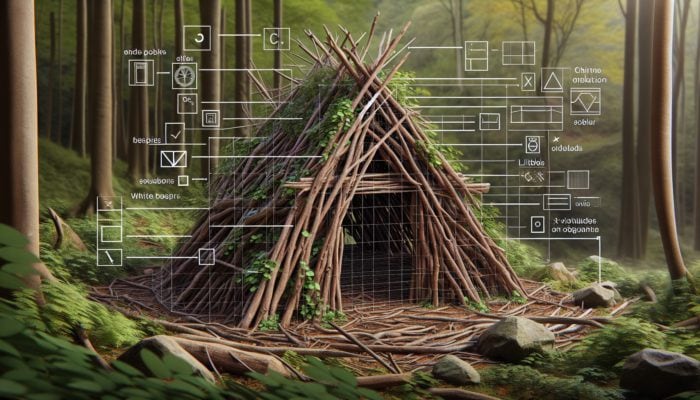
    A debris hut in a forest clearing, framed by Y-shaped branches and a ridgepole, insulated with branches and leaves, secured with vines, featuring ventilation openings.

    Building a debris hut involves several crucial steps. The first task is to select an appropriate site. Look for a flat area that provides natural windbreaks. Assess the surroundings for essential resources like water and firewood, both of which are vital for your survival. Once you have pinpointed a suitable location, gather materials such as branches, leaves, and grasses, which will form the foundation of your debris hut.

    The next phase involves assembling the frame. Establish a sturdy ridgepole supported by two Y-shaped branches to create the basic structure. From there, add insulation by densely layering branches and leaves to trap heat and repel moisture. Securing the structure with vines or natural cordage is critical for its stability. Lastly, ventilation is key; create openings that allow air circulation to prevent moisture buildup and enhance comfort within the hut.

    By mastering these essential construction techniques, individuals can confidently create a secure refuge in the wild. Learning to build a reliable debris hut not only sharpens survival skills but also fosters an appreciation for the natural environment, creating a deeper connection with nature.

    Strategically Choosing the Best Location for Your Debris Hut

    Selecting the perfect location for your debris hut can significantly influence its efficiency and your overall comfort. A well-chosen site will offer safety, abundant resources, and protection from the elements, ultimately improving your wilderness survival experience.

    Key Factors to Consider When Selecting a Site

    The choice of site is critical when constructing a debris hut. Start by looking for flat ground, as this provides a stable foundation for your shelter. Seek out natural windbreaks, which can be formed by hills, trees, or large rocks; these features help shield you from harsh winds, creating a more comfortable environment within your hut.

    Proximity to essential resources is another vital aspect of site selection. A dependable water source is crucial, as it is needed for drinking, cooking, and maintaining hygiene. Equally important is the availability of firewood for warmth and cooking. Ensuring that your site is within a reasonable distance from these resources will greatly enhance your survival chances. Additionally, consider the presence of building materials; you want to be able to gather what you need without venturing too far from your shelter.

    Avoiding Hazardous Areas When Selecting Your Site

    A debris hut on a safe, elevated site, avoiding flood zones, trees, cliffs, and wildlife dens.

    When choosing a site for your debris hut, it is crucial to remain aware of potential hazards. Low-lying areas may seem appealing due to their flat terrain; however, they are often prone to flooding during heavy rain. Similarly, avoid spots near large trees or cliffs that could pose a risk of falling debris. Familiarizing yourself with the local geography can help you identify safe locations that steer clear of natural dangers.

    Additionally, be conscious of wildlife activity in the area. Research the types of animals present in the region and avoid sites adjacent to their dens or feeding grounds. This precaution not only enhances your safety but also reduces the likelihood of unwanted encounters with wildlife. By thoughtfully selecting a location with these factors in mind, you can establish a safer and more effective debris hut.

    Assessing Environmental Factors for Optimal Site Selection

    Evaluating environmental factors is fundamental when determining the site for your debris hut. Understanding local weather patterns can greatly influence both the design and location of your shelter. For instance, in areas prone to heavy rainfall, building your hut on slightly elevated ground is crucial to avoid flooding, while in hot climates, a shaded area may be preferable for cooling.

    Wildlife activity is another important consideration. Observing animal tracks and signs can inform you about the types of creatures inhabiting the area, helping you select a site that limits the risk of encounters. Additionally, take note of the types of vegetation available, as this will impact the materials at your disposal for building your debris hut. By thoroughly assessing these environmental factors, you can ensure that your shelter is optimally positioned for both safety and comfort.

    Gathering Vital Materials for Your Debris Hut Construction

    The success of your debris hut heavily relies on the quality and availability of the materials you gather. Knowing what to look for and how to efficiently collect these resources can significantly enhance the effectiveness and durability of your shelter.

    Recognizing Natural Materials Useful for Construction

    When constructing a debris hut, a variety of natural materials serve distinct purposes. For instance, leaves and grass are exceptional for insulation, aiding in heat retention and keeping the interior warm. Collect these materials in abundance, as layering them thickly will optimize the hut’s insulation properties. Branches form the backbone of your structure, providing the necessary framework and support.

    Bark and other natural fibers can be employed for tying components together, ensuring that your hut remains stable and secure. Certain plants, such as vines, can also be utilized for this purpose. Understanding the traits and advantages of each material will enable you to make informed decisions while gathering supplies. Furthermore, consider the sustainability of your harvesting practices to minimize your environmental impact and preserve natural resources.

    Essential Tools to Boost Your Material Gathering Efficiency

    Basic tools can significantly enhance your efficiency when collecting materials for building a debris hut. A robust knife or machete is indispensable for cutting branches and shaping materials, particularly when dealing with thicker branches that may require more effort to manipulate.

    In addition to cutting tools, having strong cordage can facilitate the assembly of your shelter. This may include natural fiber rope or even materials like paracord, which are effective for securing components together. Always prioritize safety while gathering materials; wearing gloves and sturdy footwear can help prevent injuries during this process and ensure a safer experience.

    Practicing Sustainable Harvesting Techniques for Environmental Responsibility

    While gathering materials for your debris hut, it is essential to adopt sustainable harvesting practices. This means taking only what you need while ensuring that the environment remains unharmed. Avoid stripping branches or uprooting plants entirely; instead, collect fallen leaves and twigs, which are plentiful and do not disrupt the ecosystem.

    Moreover, being mindful of local flora and fauna is crucial. Familiarize yourself with the regulations and guidelines regarding material collection in the area, as certain regions may have restrictions in place to protect endangered species or maintain local ecosystems. By practicing sustainable harvesting techniques, you not only ensure the longevity of resources for future use but also contribute positively to the health of the environment surrounding you.

    Key Construction Techniques for Building Effective Debris Huts

    Constructing a debris hut involves a series of well-planned construction techniques. Each step is vital in ensuring the durability, comfort, and overall effectiveness of your shelter.

    Establishing a Sturdy Frame for Your Debris Hut

    The frame of a debris hut forms the skeleton of your shelter and is essential for its stability. Begin with a strong ridgepole, typically a long, robust branch that will act as the peak of your structure. It should be elevated off the ground and supported by two Y-shaped branches that will secure it in place at either end. This configuration creates a basic A-frame structure, known for its strength and durability.

    Ensure that the ridgepole is firmly in place; it must withstand the weight of the additional materials that will be added later. The angle at which you set the ridgepole is critical—too steep may compromise stability, while too flat may not effectively shed rainwater. Aim for a gentle slope that allows water to run off easily, thereby enhancing the shelter’s overall effectiveness in adverse conditions.

    Incorporating Sufficient Insulation and Coverage

    Insulating your debris hut is crucial for maintaining warmth and comfort. Abundantly layer branches and leaves over the frame, ensuring there are no gaps where wind or rain can enter. The more materials you can stack, the better insulated your hut will be. Use a combination of broad leaves, grasses, and smaller twigs to create a thick barrier against the elements.

    Additionally, consider the waterproofing capabilities of your chosen materials. Specific leaves and evergreen boughs can offer excellent waterproofing characteristics, allowing rain to run off rather than being absorbed into your shelter. This layered approach not only maximizes insulation but also enhances the durability of your debris hut against adverse weather conditions.

    Securing the Structure for Longevity and Stability

    To ensure the stability and longevity of your debris hut, it is crucial to secure the structure properly. Utilize natural cordage, vines, or even strips of bark to tie the components together. Each joint should be tightly bound to minimize movement, which not only strengthens the integrity of your hut but also enables it to withstand strong winds and heavy precipitation.

    As you secure the structure, be mindful of weight distribution. Heavier materials should be positioned lower in the structure, while lighter materials can be layered on top. This approach will help prevent the hut from collapsing under its weight and will maintain its resilience throughout its use.

    Enhancing Ventilation and Airflow in Your Debris Hut

    While insulation is essential, considering ventilation within your debris hut is equally important. Without proper airflow, moisture can accumulate inside, leading to discomfort and even the growth of mold. Create openings in your structure to allow fresh air to circulate and prevent humidity buildup.

    Utilize natural features, such as gaps between branches or small vents covered with leaves, to balance airflow while maintaining insulation. This thoughtful approach will enhance comfort inside the hut and improve overall livability, ensuring you can rest well in your temporary home.

    Maximizing Comfort and Safety Inside Your Debris Hut

    Creating a comfortable and safe environment within your debris hut can significantly enhance your wilderness experience. By focusing on specific aspects of comfort and safety, you can ensure that your shelter effectively serves its intended purpose.

    Creating a Cozy Sleeping Area for Rest and Recovery

    A restful night’s sleep is vital for maintaining energy and focus during survival situations. To create a comfortable sleeping area within your debris hut, line the interior with soft materials like moss, leaves, or dried grass. These materials not only provide insulation against the cold ground but also create a cushioned surface for rest.

    Position your sleeping area away from the entrance to minimize exposure to drafts and potential wildlife disturbances. If feasible, construct a small barrier using branches or additional debris to enhance the privacy and comfort of your sleeping corner. The more comfortable your sleeping area is, the better equipped you will be to confront the challenges of wilderness survival.

    Implementing Fire Safety Considerations for Your Shelter

    Fire can be an invaluable resource in the wilderness, providing warmth, cooking capabilities, and a sense of security. However, it is essential to prioritize fire safety when determining the placement of your debris hut. Ensure that your shelter is situated a safe distance away from any potential fire hazards, such as dry leaves or overhanging branches that could catch fire.

    Proper ventilation is also necessary to prevent smoke inhalation. If you plan to have a fire near your hut, ensure that smoke can escape easily and does not accumulate inside. Being aware of these fire safety considerations will help you create a secure environment in which to enjoy the benefits of your shelter without unnecessary risks.

    Strategies for Safeguarding Against Wildlife Encounters

    Wildlife encounters can pose significant risks in the wilderness. To protect yourself from potential threats, utilize natural barriers such as logs or boulders when selecting the site for your debris hut. This can deter animals from approaching too closely to your shelter.

    Additionally, ensure that food is stored securely away from your hut to prevent attracting wildlife. Use hanging methods or bury food to minimize the risk of animals being drawn to your hut. By taking proactive measures to protect yourself against wildlife, you can enjoy the comfort of your debris hut with greater peace of mind.

    Maintaining and Caring for Your Debris Hut Over Time

    Regular maintenance of your debris hut is crucial for ensuring its longevity and effectiveness over time. Consistent upkeep will not only enhance your comfort and safety but also minimize risks associated with wear and tear.

    Conducting Regular Inspections for Structural Integrity

    Periodically inspecting your debris hut is vital to ensuring its structural integrity. Look for any signs of damage, such as loose branches or sagging sections of the roof. Addressing these issues promptly will prevent them from escalating and compromising the stability of your shelter.

    Make it a habit to conduct inspections after heavy rainfall or strong winds, as these elements can reveal weaknesses in your structure. Regular assessments allow you to identify potential problems early on, ensuring that your debris hut remains a safe haven in the wilderness.

    Implementing Effective Weatherproofing Techniques

    To effectively weatherproof your debris hut, consider adding extra layers of leaves or branches, especially before inclement weather arrives. This reinforcement will protect against harsh conditions, ensuring your hut remains dry and warm.

    In addition to strengthening the roof, evaluate the walls of your structure. Adding thicker insulation on the sides can improve overall comfort and protection. A well-weatherproofed hut is crucial for ensuring that you stay safe and comfortable during adverse weather conditions.

    Prioritizing Long-Term Sustainability in Resource Use

    If you plan to inhabit your debris hut for extended periods, prioritizing long-term sustainability is imperative. Rotate materials as much as possible to minimize environmental impact and maintain the integrity of your shelter.

    Opt for materials that can be easily replenished and do not deplete local resources. For instance, utilizing fallen branches and leaves is preferable to cutting down live trees, which can disrupt the ecosystem. Emphasizing sustainability is not only responsible but also enhances your survival experience by ensuring that resources remain available for future use.

    Implementing Cleaning and Sanitation Practices for a Healthy Living Space

    Maintaining cleanliness within your debris hut is essential. Regularly clean the interior and the surrounding area to prevent mold and pest infestations. Clear away debris and food remnants to cultivate a healthy living environment.

    Consider establishing a designated area outside your hut for activities like cooking, which helps to minimize mess inside the shelter. Practicing good sanitation will enhance your comfort and health while living in the wild, enabling you to focus more effectively on survival.

    Repair and Replacement Strategies for Effective Long-Term Use

    Developing a strategy for repair and replacement is essential for maintaining the functionality of your debris hut. When you observe damaged components, address them promptly to ensure your shelter remains secure and effective.

    Be vigilant for signs of wear and plan for replacements as necessary. Keeping a small toolkit equipped with essential cutting tools and cordage will assist you in making quick repairs. By being proactive with repairs, you can extend the lifespan of your shelter and ensure it continues to serve its purpose effectively.

    Common Questions About Debris Huts Answered

    What materials should I use when constructing a debris hut?

    Natural materials such as leaves, branches, and grasses are ideal for constructing a debris hut. Leaves provide excellent insulation, while sturdy branches form the structural framework. Choosing the right combination of materials will enhance the effectiveness of your shelter.

    How long does it typically take to build a debris hut?

    The time needed to construct a debris hut can vary. Still, a basic structure can generally be built within 2 to 4 hours, depending on your level of experience and the availability of materials in the surrounding environment.

    Is it possible to use a debris hut in winter conditions?

    A debris hut can be effective in winter, provided it is adequately insulated. Utilizing thick layers of leaves and evergreen boughs will help retain heat and minimize exposure to cold air, enhancing your comfort.

    Should I be concerned about wildlife while using a debris hut?

    Yes, it is crucial to secure food and keep it away from your hut to avoid attracting wildlife. Choose a location that is distant from animal trails or dens to enhance your safety in the wilderness.

    What is the most effective way to insulate a debris hut?

    Layering leaves, grasses, and moss densely on both the roof and walls provides effective insulation. The more layers you add, the better heat will be retained, keeping the interior warmer and more comfortable during cold nights.

    How can I improve ventilation in my debris hut?

    Creating openings or vents in your shelter will facilitate airflow. Use natural materials, such as branches, to cover these vents while preventing moisture buildup, and build a balance between ventilation and insulation for optimal comfort.

    Is it feasible to build a debris hut alone?

    Yes, you can construct a debris hut independently. However, having a partner can expedite the process and assist with heavier materials during construction, making the task more manageable.

    Are there different styles of debris huts available for use?

    Indeed, common styles include lean-tos, A-frames, and ridgepole huts. Each style has its advantages, depending on the environment and the materials available for construction.

    How can I ensure my debris hut remains safe during inclement weather?

    Select a robust location for your hut, reinforce the structure with extra materials, and ensure proper drainage to prevent flooding. Conducting regular inspections will also help maintain stability and safety for your shelter.

    What actions should I take if my debris hut sustains damage?

    Immediately inspect the damage and assess which materials require repair or replacement. Use your tools to perform quick fixes to maintain the safety and functionality of your shelter during your wilderness adventure.

    Join us on our adventure on X!

    The post Building a Debris Hut: Essential Survival Shelter appeared first on Survival Bite.

    The Article Debris Hut: Your Essential Guide to Survival Shelters Was Found On https://limitsofstrategy.com


  • Survival Weapons: Key DIY Crafting Techniques You Need

    Survival Weapons: Key DIY Crafting Techniques You Need

    Expert Strategies for Choosing Optimal Materials When Crafting Survival Weapons

    Uncovering and Leveraging Natural Resources for Effective Weapon Crafting

    DIY Survival Weapons: A person in a lush forest examining hardwood trees for crafting spear shafts and knife handles, with soft woods and edible plants nearby.

    In your quest to create diy survival weapons, the foundational step is to identify and utilize valuable natural resources. Various ecosystems, such as lush forests, rugged mountains, and arid deserts, offer a plethora of materials ready to be transformed into powerful tools. For example, in thick woodlands, robust hardwood trees yield exceptional timber, perfect for crafting spear shafts or sturdy knife handles, while softer woods can be fashioned into effective arrows. Coastal regions also present unique opportunities; driftwood and seashells can be ingeniously repurposed into functional tools or weapon components. Your ability to identify these resources stems from a comprehensive understanding of the environment—edible plants often thrive alongside these valuable crafting materials, enhancing your overall resourcefulness.

    Searching the ground can uncover sharp flint or obsidian, both ideal for crafting blades. Mastering this skill is vital in survival situations, as various natural materials can be reimagined into versatile tools. For instance, tough vines and bark can be woven into cordage, an essential resource for securely fastening different parts of your crafted weapons. This adaptability not only showcases your creativity but also maximizes the potential of your surroundings, significantly improving your chances of survival in challenging circumstances.

    Understanding the characteristics of each material you encounter is equally significant. Some woods are lightweight and easily manipulated, while others may offer enhanced durability but with added weight. Striking the right balance between these factors can help you ascertain which materials are most suitable for the specific DIY survival weapons you intend to construct. By refining your skills in identifying and selecting these natural resources, you can significantly broaden your survival toolkit.

    Transforming Everyday Items into Essential Survival Tools

    The ability to creatively convert everyday objects into functional survival tools is an invaluable skill in the realm of diy survival weapons. Urban environments, often dismissed for their hidden potential, can be treasure troves of repurposable materials. Items like plastic bottles, metal cans, and discarded furniture can be ingeniously transformed into effective weapons or tools with a touch of creativity. For example, a sturdy plastic bottle can be reshaped into a makeshift spear or even a water container.

    Exploring thrift shops, garage sales, or even rummaging through your own home can uncover valuable items, such as old bicycle components, which can be modified into slingshots or projectile launchers. Metal salvaged from outdated appliances can be sharpened to create blades or arrow tips. The challenge lies in envisioning how these everyday items can be effectively modified for practical applications. Skills in welding or basic repair can further enhance your ability to craft sophisticated survival weapons from man-made materials.

    Moreover, recognizing the potential of these materials necessitates an understanding of their limitations. For example, while reclaimed metal is remarkably resilient, it may require specific tools for effective shaping and sharpening. Therefore, possessing knowledge about your available resources and the skills needed to manipulate them is essential for producing effective diy survival weapons.

    Assessing Material Strength and Durability for Effective Weapon Crafting

    When creating diy survival weapons, the durability of your chosen materials is fundamentally crucial. The performance of a weapon is inherently linked to its ability to withstand stress and wear during use. Each material possesses a unique lifespan and reacts differently to environmental elements, which can significantly influence the weapon’s effectiveness in survival scenarios. For instance, while hardwood is celebrated for its robustness, it may splinter under extreme pressure, diminishing its reliability for prolonged use.

    Evaluating materials involves conducting practical tests whenever possible. Bending a branch or striking a stone can offer valuable insights into its strength and resilience. Environmental conditions, such as wetness or humidity, can compromise the integrity of wood and certain metals, leading to issues like rotting or rusting over time. By understanding these factors, you can make informed choices about which materials are best suited for crafting weapons that can endure the trials of survival.

    Additionally, layering materials can significantly enhance durability. For example, wrapping a wooden spear shaft with strong vines or leather not only protects it from environmental factors but also improves grip. This multi-material strategy extends the lifespan of your diy survival weapons, adding extra functionality, such as improved handling or camouflage in natural settings.

    Designing Essential Tools for Comprehensive Survival Preparedness

    A person crafting survival tools including a flint striker, knife, and fishing kit in a workshop.

    Crafting a Multi-Functional Basic Knife for Survival Tasks

    Mastering the art of crafting a basic knife is a fundamental survival skill that every enthusiast should aim to perfect. The straightforward nature of knife-making ensures that you can create one with minimal resources, regardless of your environment. Start by selecting an appropriate piece of hard, sharp stone or metal. If stone is your choice, materials like flint or obsidian are optimal due to their ability to be honed to a fine edge.

    Begin the crafting process by shaping the stone with another hard object to form a sharp blade. If you choose metal, old scraps sourced from appliances or tools can be effectively repurposed. You will also need a sturdy grip, which can be fashioned from wood or even a thick piece of plastic. The handle must be comfortable for prolonged use, as it will frequently be employed during survival tasks such as cutting, slicing, or digging.

    Once both the blade and handle are shaped, secure the blade to the handle using strong cordage or adhesive. Ensuring a tight fit is crucial to withstand force without the blade slipping loose. A well-crafted knife serves as a versatile tool, suitable for food preparation, woodworking, and even self-defense, making it an essential addition to your DIY survival arsenal.

    Employing effective sharpening techniques will further enhance your knife’s functionality. Regularly honing your knife against a flat stone or using other natural abrasives maintains its edge, ensuring it remains a reliable tool in your survival toolkit. The ability to craft a knife not only equips you with a critical tool but also instills confidence in your capacity to navigate challenging circumstances.

    Constructing a Reliable Slingshot for Multi-Purpose Use

    Creating a slingshot is a fulfilling and practical project that can greatly enhance your toolkit of diy survival weapons. This versatile weapon can be crafted using commonly found materials, such as a robust Y-shaped branch, durable rubber bands, and a small pouch fashioned from fabric or leather. Start by selecting a branch that fits comfortably in your hand, ensuring it possesses a strong and stable structure.

    After choosing the branch, cut it to your preferred length, typically around 10 to 12 inches. Smooth out any rough edges with a knife to ensure comfort during use. The next step involves attaching rubber bands, which should be sturdy enough to endure repeated use. The length of the bands will influence the range and power of your slingshot. Cut two equal lengths of rubber band and secure them to the upper forks of the Y-shaped branch using knots or adhesive, depending on your design preferences.

    The pouch, which will hold the projectile, needs to be securely attached to the rubber bands, ensuring it is robust enough to accommodate various types of ammunition, including rocks and small metal balls. Test the slingshot with different projectiles to determine the most effective options for your needs. This process not only refines your crafting skills but also deepens your understanding of the mechanics involved in effectively launching projectiles.

    Moreover, enhancing your slingshot’s design can improve its overall effectiveness. Consider adding camouflage paint or natural material wraps to help it blend seamlessly with your surroundings. This attention to detail boosts your chances of successfully harvesting small game, making your slingshot an invaluable component of your survival strategy.

    Crafting a Spear for Hunting and Self-Defense Applications

    Person in forest crafting spear from ash branch, sharpening and attaching stone tip for hunting and defense.

    Creating a spear is an essential survival skill that effectively serves both hunting and self-defense purposes. The key to a successful spear lies in combining a sturdy shaft with a sharp point. Begin by selecting a long, straight branch—ideally around 6-8 feet in length. The wood should be lightweight yet strong, with types such as ash or hickory providing excellent resilience.

    The next step involves sharpening one end of the branch to create a point. You can achieve this by whittling it down with a knife or striking it against a hard surface. If available, you can also attach a sharpened stone or metal tip to enhance the spear’s lethality. This attachment can be secured using cordage or resin for added durability.

    Once the spear is fully assembled, practicing your throwing technique is crucial. The spear can effectively be utilized for fishing, hunting game, or as a defensive tool against potential threats. Understanding the physics of throwing will enable you to improve your accuracy and distance, making your spear a formidable diy survival weapon.

    In varied environments, adapting your spear for specific conditions can further enhance its utility. For example, in marshy areas, a wider or broader tip may prevent it from sinking too deeply into the muck, facilitating effective fishing. Moreover, learning to camouflage your spear can provide a tactical advantage, keeping you hidden from prey while you hunt.

    Enhancing the Effectiveness of Your Survival Weapons

    Perfecting Sharpening Methods for Maximum Performance

    The effectiveness of any diy survival weapon heavily relies on the sharpness of its blade. Mastering various sharpening techniques is essential to ensure that your tools consistently perform at their best. A dull blade complicates tasks and poses safety risks. Regular maintenance is crucial, and understanding different sharpening methods can empower you in the wild.

    One widely used technique involves utilizing natural sharpening stones, such as whetstones or river rocks, which can be easily found in many environments. Start by wetting the stone to reduce friction. Then, hold the blade at a 20-degree angle against the stone and push it along the edge in a smooth, even motion. This technique can be repeated on both sides of the blade to create a fine edge.

    Alternatively, employing simpler methods, such as honing the blade on a hard surface like concrete or flat rocks, can also prove effective. Though not as precise, these methods can be executed conveniently in a survival scenario, ensuring your weapon remains functional. Additionally, learning to identify the right materials for sharpening is crucial; some stones may wear down the blade more quickly than others.

    Incorporating regular sharpening into your tool maintenance routine will not only enhance the performance of your diy survival weapons but also prolong their lifespan. Taking the time to refine your sharpening skills translates to better preparedness in survival situations. Always remember, a sharp weapon is not only safer to use, but it also increases your chances of success in critical tasks.

    Enhancing Precision for Effective Utilization of Weapons

    When employing DIY survival weapons, accuracy is paramount, especially in the context of hunting or self-defense. Without precision, the effectiveness of your crafted tools diminishes significantly. Improving accuracy often involves a combination of practice and technique adjustments tailored to your environment and the type of weapon being used.

    For projectile weapons such as slingshots or spears, understanding the mechanics of motion is crucial. Experiment with various stances and grips to determine what feels most comfortable and stable. The placement of your feet, body alignment, and even breath control can all contribute to enhancing your overall performance. Regular practice in diverse scenarios will build muscle memory, allowing for more instinctive and accurate use of your weapons.

    Additionally, employing visual markers can aid in aiming. When training, set up targets at varying distances to become accustomed to estimating range and adjusting your aim accordingly. Furthermore, understanding the ballistics of your weapon—how factors such as wind and humidity affect its trajectory—can also improve your precision. This knowledge will help you adapt your techniques and increase your success rate in real-world scenarios.

    Incorporating visualization techniques can further enhance accuracy. Close your eyes and visualize the target, imagining the exact path your projectile will take. This mental practice can forge a stronger connection between your mind and body, leading to improved focus and execution when it counts most.

    Implementing Innovative Modifications for Enhanced Versatility

    Modifying your diy survival weapons can significantly boost their versatility and overall effectiveness. By incorporating creative alterations, you can adapt your weapons to suit specific tasks or environments. This level of customization allows for a broader range of applications, enhancing your confidence in utilizing these tools.

    For instance, adding a paracord handle to a knife can enhance grip and control, especially in wet or slippery conditions. If you’ve crafted a spear, consider attaching fishing line or a net to its tip for fishing expeditions. This modification transforms a simple weapon into a multi-functional tool capable of meeting various survival needs.

    Another modification worth considering is the incorporation of camouflage elements. By painting your weapons with natural colors that blend into your environment or adding foliage for camouflage, you can enhance stealth during hunting or defensive maneuvers. Understanding your surroundings allows you to modify your weapons to maximize the element of surprise, giving you an edge in critical scenarios.

    Experimenting with different materials and designs can yield innovative results. For instance, creating a multi-tool spear with detachable attachments can enable you to switch between hunting and fishing modes swiftly. Such adaptability proves invaluable in survival situations, where resourcefulness and creativity can mean the difference between success and failure.

    Ensuring Safety and Ethical Practices in Survival Weaponry

    Establishing Safe Handling Procedures for Your Weapons

    Practicing safe handling procedures for diy survival weapons is essential to prevent accidents and injuries. Regardless of whether you are wielding a knife, spear, or slingshot, understanding safety protocols ensures effective management of your tools without compromising your well-being. The first principle of safety is awareness; always remain conscious of your surroundings and the individuals nearby when handling weapons.

    When using knives, it is crucial to cut away from your body and maintain a secure grip. This technique minimizes the risk of accidental slips that could cause injury. For spears, ensure that you have a clear target and that your path is unobstructed before throwing. Establishing these habits early will help ingraining safety into your routine, making it second nature.

    Storing your diy survival weapons securely is another critical factor. Keep weapons safely stored and out of reach of children or untrained individuals. Employ protective sheaths for knives and blades, and store spears upright or in designated areas where they won’t pose hazards. Additionally, consider using clear and accessible storage solutions that allow you to swiftly retrieve your weapons when necessary while keeping them safe from misuse.

    Regularly inspecting your weapons for signs of wear and tear is vital. A cracked handle or dull blade can lead to accidents. By routinely maintaining your tools, you not only extend their lifespan but also ensure they remain safe to use. Remember that safety is an ongoing responsibility; the more vigilant you are, the more effectively you can prevent accidents and injuries.

    Recognizing Ethical Considerations in the Use of Survival Weapons

    Utilizing diy survival weapons comes with a range of ethical considerations that should not be overlooked. Understanding the morality behind crafting and utilizing these weapons is essential for maintaining a respectful relationship with your environment and community. Ethical hunting practices, for example, dictate that you should only take what you need, allowing animal populations to thrive and ensuring ecological balance.

    Before engaging in any hunting or self-defense activities, consider the implications of your actions. Are local wildlife populations stable? Are you in an area where hunting is permitted? These questions are vital for ensuring that your use of survival weapons does not contribute to overhunting or disruption of ecosystems. Educating yourself on local laws and regulations is equally important, as many regions have specific guidelines governing the use of weapons.

    Moreover, the potential for unintended harm to others must be critically assessed. Whether using a slingshot, spear, or knife, having a clear understanding of your responsibility in wielding these tools is paramount. Engaging in training or workshops on survival ethics can further enhance your understanding and commitment to responsible practices.

    Ultimately, the ethical considerations surrounding diy survival weapons focus on respect for nature, wildlife, and fellow human beings. Strive to leave the environment untouched and utilize your skills in a manner that promotes sustainability and respect, ensuring that your survival efforts coexist harmoniously with the world around you.

    Understanding Legal Regulations Surrounding Survival Weapons

    Navigating the legal landscape surrounding diy survival weapons is crucial for anyone interested in crafting and using these tools. Laws vary widely from region to region, and understanding your local regulations can help you avoid legal complications. In certain areas, specific types of weapons may be restricted or require permits for use, particularly in urban settings where safety concerns are heightened.

    Researching local laws is the first step in ensuring compliance with relevant regulations. Many regions impose specific criteria regarding blade lengths, types of weapons that can be carried, and the circumstances under which they can be used. Understanding these regulations not only protects you from potential legal issues but also reinforces your commitment to responsible weapon ownership.

    In addition to weapon-specific laws, consider the implications of using your survival weapons in self-defense situations. While many places permit self-defense, there are often strict guidelines governing the use of force. It’s critical to understand what constitutes reasonable self-defense in your jurisdiction, as misuse of weapons in a defensive scenario could lead to severe legal consequences.

    Being proactive about legal awareness demonstrates a commitment to responsible survival practices. Consider joining local survival groups or forums where you can discuss legal matters and share insights with others. This collaborative approach not only enhances your knowledge but also connects you with like-minded individuals who prioritize the safe and respectful use of diy survival weapons.

    Training for Emergency Preparedness with Survival Weapons

    In the realm of survival, possessing diy survival weapons necessitates a solid understanding of emergency response training. Accidents can occur, and knowing how to respond effectively can save lives. Training in first aid and emergency medical response is vital for anyone crafting and using weapons, equipping you with the necessary skills to address injuries that may arise during weapon use or in survival situations.

    Consider enrolling in courses that offer training in first aid, CPR, and emergency management. These skills not only apply to your safety but also extend to helping others in need. Understanding how to treat wounds, perform resuscitation, and manage shock can be invaluable in survival contexts, especially when professional medical assistance is unavailable.

    Integrating emergency drills into your routine can prepare you for unexpected situations. Simulating scenarios where you may need to use your diy survival weapons can help you practice your response in a controlled setting. This can include everything from practicing self-defense techniques to honing your skills in using weapons for hunting or gathering food.

    Establishing a comprehensive emergency response plan for yourself and your group is also crucial. Identify potential hazards in your environment and develop strategies to mitigate risks associated with weapon use. By being proactive, you create a safer atmosphere for yourself and those around you, ensuring that your survival preparations are sustainable and responsible.

    Evaluating the Community Impact of Survival Practices

    Evaluating the potential impact of using diy survival weapons on your community is a vital aspect of responsible survivalism. These weapons, while potentially life-saving, can also create fear or misunderstandings among neighbors. Understanding community dynamics and addressing concerns can contribute to a more harmonious coexistence with those around you.

    Open communication is key. Engaging with your community about your intentions and practices regarding weapon use can demystify the subject and promote understanding. Hosting workshops or demonstrations on responsible weapon crafting and safety can also foster goodwill and encourage others to think critically about survival practices.

    Moreover, consider the broader implications of weapon use in your community. Reflect on how your actions influence perceptions of survivalism and the impact on local wildlife. Ethical hunting practices should be a priority, ensuring that your efforts do not disrupt local ecosystems or contribute to negative narratives about survivalism.

    Ultimately, community impact assessment involves striking a balance between individual survival preparedness and collective well-being. By fostering a culture of respect and understanding, you can ensure that your <b>DIY survival</b> practices not only serve your needs but also contribute positively to the community as a whole.

    Commitment to Ongoing Training and Skill Development

    Building Essential Skills for Effective Survival Practices

    Skill development is at the heart of effectively utilizing diy survival weapons. Engaging in consistent practice not only enhances your proficiency but also boosts your confidence when using these tools in real-world situations. Establishing a training regimen tailored to your specific weapons and their applications is crucial for long-term success in survival scenarios.

    Start by identifying the key skills required for each weapon in your arsenal. For instance, if you have crafted a knife, focus on techniques such as cutting, slicing, and whittling. Practicing these techniques in various contexts will improve your dexterity and enhance your overall proficiency. Similarly, if you’ve created a slingshot or spear, dedicate time to refining your aim and throwing techniques in different environments.

    Training doesn’t always have to be a solitary endeavor. Joining local survival groups or engaging in community workshops can provide valuable opportunities for shared learning. This collaborative approach allows you to learn from others’ experiences while also gaining diverse perspectives on survival techniques and weapon use. These interactions foster camaraderie and support within the survival community.

    Additionally, documenting your training progress can offer insight into your development over time. Keeping track of your proficiency and areas for improvement can enhance your motivation and commitment to mastering your skills. Setting personal goals and challenges can also keep your practice sessions engaging and dynamic, ensuring you continually seek to enhance your abilities with diy survival weapons.

    Implementing Regular Maintenance for Longevity of Your Weapons

    Regular maintenance of your diy survival weapons is essential for ensuring their longevity and effectiveness. Just as you would care for any tool or equipment, your crafted weapons require attention and upkeep to perform optimally in critical situations. Establishing a maintenance routine can prevent deterioration and prolong the lifespan of your tools.

    Incorporate sharpening sessions into your routine, particularly for knives and blades. Regularly honing the edge keeps your weapon ready for use, ensuring it performs well when needed most. Similarly, inspect wooden components for signs of wear, rot, or splintering. Addressing these issues promptly can prevent accidents and maintain the integrity of your weapons.

    Cleaning your tools is equally important. Residue from food, dirt, or moisture can lead to rust or degradation over time. After each use, take the time to clean your weapons, ensuring they remain in top condition. Utilizing natural cleaning methods, such as vinegar or baking soda, can be effective for maintaining different materials without introducing harmful chemicals.

    Moreover, when storing your diy survival weapons, consider the environment. Humidity and temperature fluctuations can affect materials differently, so finding a suitable storage space is essential. Utilizing protective sheaths and keeping weapons out of direct sunlight can minimize damage and maintain their functionality. By committing to regular maintenance, you safeguard your investment in survival preparedness and ensure your weapons remain reliable when you need them most.

    Simulating Real-World Scenarios for Enhanced Preparedness

    Practicing with your diy survival weapons in simulated real-world scenarios significantly enhances your preparedness and confidence. Training in controlled environments allows you to experience the dynamics of using your weapons without the pressures of an actual survival situation. This approach not only builds muscle memory but also helps you develop strategies for various challenges you may face.

    Create training exercises that mimic potential survival situations. For example, if you’ve crafted a spear, practice using it in various types of terrain, such as open fields, forests, or rocky environments. This versatility ensures you are comfortable adapting your techniques to varying conditions. Incorporating elements of stealth and camouflage during practice can further enhance your skills, making you a more effective hunter or defender.

    Engaging with others during practice sessions can provide valuable feedback and insights. Setting up friendly competitions or challenges can also foster a sense of camaraderie while pushing you to improve. This collaborative approach allows you to share knowledge, techniques, and experiences, enriching your overall understanding of survival weaponry.

    Moreover, documenting your practice sessions can help you track your progress and identify areas for improvement. Reflecting on your performance enables you to refine your techniques and adapt your training regimen accordingly. Simulating real scenarios not only hones your skills but also builds resilience, ensuring that you are mentally and physically prepared for whatever challenges may arise in actual survival situations.

    Adapting Survival Weapons to Different Environments

    Modifying Weapons for Varied Weather Conditions

    Adapting your diy survival weapons to function effectively in various weather conditions is crucial for maximizing their utility in diverse environments. Weather can significantly impact the performance of your crafted tools, from the materials used to the techniques employed. Understanding these variations allows you to prepare more adequately for unpredictable situations.

    In wet or humid conditions, for instance, wooden weapons are susceptible to rotting or warping. To counteract this issue, consider applying natural oils or sealants that protect the wood from moisture. Additionally, opting for treated or synthetic materials where possible can enhance durability while reducing the risk of damage. When crafting weapons for rainy environments, focus on materials that can withstand exposure to water without compromising their strength.

    Conversely, in dry conditions, specific modifications may be necessary. Dust and sand can wear down the sharpness of blades or interfere with the mechanisms of projectile weapons. Regular cleaning and maintenance become even more critical in these environments. Using protective covers for your diy survival weapons when not in use can also prevent damage from exposure to dust or abrasive elements.

    Understanding how temperature affects materials is equally important. Cold conditions can cause some metals to become brittle, while extreme heat might warp plastics. Preparing your weapons for the specific challenges posed by the environment not only enhances their reliability but also increases your confidence in using them when it matters most. Adapting to weather conditions is a vital aspect of survival preparedness that can significantly enhance your effectiveness as a survivor.

    Modifying Weapons for Diverse Terrain Types

    Adapting your diy survival weapons for different terrain types is essential for ensuring their effectiveness across various environments. Each terrain presents unique challenges and opportunities, requiring modifications to your weapons and techniques to maximize their utility. Understanding these adaptations can enhance your chances of success in survival scenarios.

    In forested areas, for instance, camouflage is critical. Modifying your weapons to blend with your surroundings can improve your stealth while hunting or foraging. Painting or wrapping your weapons with natural materials, such as leaves or bark, creates a less detectable profile. The design of your weapons may also need to be adjusted; shorter, more compact tools can be more manageable in dense brush.

    When navigating rocky terrain or mountainous regions, consider the weight and durability of your crafted weapons. Spears with reinforced tips can be advantageous for both hunting and self-defense, while knives with sturdy handles are crucial for traversing rough surfaces. In these environments, the ability to seamlessly transition between different tasks—such as hunting, cutting, and climbing—becomes paramount, necessitating versatile weapon designs that allow for rapid adaptation.

    In coastal or marshy terrain, modifying your fishing gear can prove beneficial. Attaching nets or hooks to your spears can enhance your ability to catch fish, while ensuring that your slingshot is adapted for launching heavier projectiles can improve effectiveness. Understanding how to modify your diy survival weapons for specific terrains not only enhances their value but also empowers you to thrive, regardless of the challenges posed by your environment.

    Responding to Environmental Changes for Survival Readiness

    The ability to quickly adapt your survival strategies in response to environmental changes is crucial for the effective use of diy survival weapons. Natural environments are dynamic and can undergo significant changes due to weather conditions, seasonal fluctuations, or other external factors. Staying attuned to these changes allows you to modify your tactics and maintain your preparedness.

    For example, seasonal variations can affect animal behavior and food availability. During the migration of specific species, adjusting your hunting strategies to align with their movements can yield better results. Understanding how different weather conditions impact wildlife can inform your approach to using your weapons effectively.

    Moreover, being aware of changes to your surroundings, such as terrain alterations due to erosion or natural disasters, can influence your weapon choice and usage. For instance, after heavy rains or flooding, waterways may swell, leading to different fishing opportunities. Adapting your strategies to capitalize on these situations can significantly enhance your chances of success in survival scenarios.

    Regularly assessing your environment and proactively adjusting your diy survival weapons usage is key to maintaining resilience in the face of change. Developing situational awareness and honing your ability to adapt will not only improve your survival skills but also foster a deeper connection with the natural world. Ultimately, being responsive to environmental changes ensures that you remain well-prepared for whatever challenges may arise.

    Exploring Advanced Techniques in Survival Weaponry

    Crafting Complex and Versatile Survival Weapons

    Crafting complex diy survival weapons requires advanced skills and a deep understanding of materials and techniques. As you progress from basic tools to more intricate designs, the potential for versatility and effectiveness increases significantly. Engaging in this level of crafting enhances your survival toolkit, allowing for a broader range of applications.

    Begin by experimenting with composite materials. For instance, combining wood and metal can create a robust spear or a multi-functional knife that serves various purposes. Understanding the properties of each material allows you to refine your designs to maximize performance. Advanced techniques may also involve layering different types of wood, which can enhance strength and durability while providing a lightweight solution.

    Moreover, incorporating mechanisms into your weapons can elevate their functionality. Creating a bow with adjustable draw weights, for example, allows for adaptability based on your needs, whether hunting large game or small animals. Understanding the mechanics of your crafted tools opens up a realm of possibilities, including adding features like detachable tips or interchangeable components for various uses.

    Engaging in workshops or collaborating with experienced crafters can accelerate your learning process. Sharing techniques and insights not only enhances your skill set but also fosters a sense of community among survivalists. Exploring advanced crafting techniques equips you with the knowledge and expertise to create sophisticated diy survival weapons that can substantially improve your chances of survival in challenging situations.

    Utilizing Unconventional Materials for Innovative Survival Tools

    The use of unconventional materials in crafting diy survival weapons can yield unique and effective tools that enhance your survival capabilities. Thinking outside the box expands your creative potential, allowing you to repurpose items that may otherwise be discarded. This not only promotes resourcefulness but also empowers you to adapt to your environment in innovative ways.

    For example, items such as bicycle tires or rubber bands can be repurposed to create powerful slingshots or elastic launchers. Old electronics may provide wiring, casings, or even battery components for crafting unique devices, like traps or signaling tools. Understanding the properties of these materials is crucial; some plastics may be more durable or flexible than others, which in turn influences their suitability for specific weapon designs.

    In addition to repurposing materials, consider combining multiple unconventional items to create hybrid tools. For instance, using an old frying pan as a shield or a metal lid for deflecting projectiles can offer unique advantages in defensive situations. Another example involves utilizing natural resources, such as bamboo, which can be shaped into lightweight yet sturdy weapons or tools.

    Exploiting unconventional materials encourages creativity and adaptability, which are essential traits for survivalists. Exploring the possibilities that arise from these materials can lead to the development of innovative diy survival weapons that effectively meet your needs, regardless of your surroundings.

    Mastering the Art of Survival Weaponry for Effective Application

    Developing a comprehensive understanding of survival weaponry is crucial for increasing your chances of survival in any situation. Mastering the intricacies of different weapons, their applications, and the techniques necessary for their effective use can mean the difference between success and failure. This mastery is not only about crafting but also about the psychological aspects of using these tools confidently.

    Begin by immersing yourself in various weapon types, understanding their strengths and weaknesses. Engaging with experienced practitioners, whether through workshops, online communities, or hands-on training, can provide invaluable insights and help refine your skill set. Observing others can reveal techniques and approaches you may not have considered, enhancing your overall proficiency.

    Furthermore, regularly practicing with your diy survival weapons in diverse scenarios can deepen your understanding. Simulating realistic situations allows you to explore the nuances of using your weapons effectively. This practice not only builds muscle memory but also helps you develop the mental fortitude necessary to remain calm in high-pressure situations.

    In addition to practical skills, honing your mental preparedness is vital. Understanding the mindset required for survival—resilience, adaptability, and resourcefulness—will empower you to face challenges head-on. By mastering the art of survival weaponry, you equip yourself with the confidence and knowledge necessary to navigate even the most challenging situations with skill and poise.

    Enhancing Durability for Long-Lasting Effectiveness in Weaponry

    Ensuring the durability of your diy survival weapons is paramount for long-term effectiveness. Crafting weapons that can withstand the rigors of use in various environments requires careful consideration of materials and techniques. By incorporating durability-enhancing strategies, you can significantly extend the lifespan and functionality of your crafted tools.

    Begin by selecting high-quality materials renowned for their strength and resilience. When crafting wooden weapons, choose hardwoods that can withstand pressure and resist wear. For metal components, opt for corrosion-resistant options, such as stainless steel, to ensure longevity even in harsh conditions. Understanding the properties of different materials will guide your choices as you build your arsenal.

    In addition to material selection, reinforcing vulnerable points on your weapons can enhance durability. For instance, wrapping handles with durable cordage or tape can provide additional grip while protecting the structure from damage. For blades, consider applying a protective coating or sealant to prevent rust and degradation.

    Conduct regular inspections of your diy survival weapons to identify areas that need attention. Addressing wear and tear promptly ensures that your tools remain reliable and in good working condition. Cultivating a mindset of proactive maintenance not only increases weapon durability but also fosters a deeper appreciation for the craftsmanship involved in creating these essential survival tools.

    Frequently Asked Questions (FAQs) About DIY Survival Weapons

    How are diy survival weapons defined?

    Diy survival weapons are tools crafted from both natural and synthetic materials, designed for self-defense, hunting, or other survival scenarios. They encompass a diverse range of items, including knives, spears, slingshots, and more complex creations, enabling individuals to adapt effectively to different environments.

    What materials are suitable for crafting diy survival weapons?

    Common materials include wood, stone, metal scraps, and even everyday items such as plastic or rubber. The selection often hinges on the resources available in your environment and the specific weapon being crafted.

    How can I enhance the durability of my diy survival weapon?

    To bolster durability, opt for high-quality materials, reinforce vulnerable areas, and conduct regular maintenance. Applying protective coatings, utilizing sturdy bindings, and inspecting for wear can prolong the lifespan of your weapon.

    Are there ethical considerations when using diy survival weapons?

    Yes, ethical hunting practices and respect for local wildlife are paramount. Ensure you understand local regulations and prioritize the sustainable use of resources to minimize negative impacts on ecosystems.

    What steps can I take to enhance my accuracy with a slingshot or spear?

    Improving accuracy involves practice, understanding mechanics, and refining your stance and grip. Regularly training with various distances and conditions can build muscle memory and enhance your precision.

    What safety measures should I implement when using diy survival weapons?

    Always be aware of your surroundings, handle weapons carefully, store them securely, and conduct regular inspections to ensure safe storage. Practicing safe techniques and ensuring proper storage can minimize the risk of accidents.

    Can I utilize unconventional materials for crafting weapons?

    Absolutely. Unconventional materials, such as bicycle tires, plastics, or discarded items, can be effectively repurposed into survival weapons. Creativity and resourcefulness are essential in adapting these materials for practical use.

    How often should I practice with my diy survival weapons?

    Regular practice is vital for maintaining proficiency. Incorporate training sessions into your routine, simulating various scenarios to enhance your skills and build confidence.

    What should I do if my weapon breaks or becomes unusable?

    If a weapon becomes unusable, assess the damage and consider repair options or repurposing materials for new tools. Always have backup plans and additional materials on hand for crafting replacements.

    Are there specific training programs for survival with diy weapons?

    Yes, many survival schools and outdoor programs offer training in crafting and using diy survival weapons. Joining local survival groups or online forums can also provide valuable resources and insights for enhancing your skills.

    Explore our world on X!

    The post DIY Survival Weapons: Essential Crafting Techniques appeared first on Survival Bite.

    The Article Survival Weapons: Essential DIY Crafting Techniques Was Found On https://limitsofstrategy.com

  • Survival Training: Essential Skills for Community Preparedness

    Survival Training: Essential Skills for Community Preparedness

    Essential Skills for Thriving in Any Survival Environment

    Survival training transcends mere endurance in harsh environments; it fundamentally revolves around thriving in the face of adversity. Participating in community survival training equips individuals with crucial skills that not only save lives but also promote resilience in unpredictable circumstances. By mastering core survival principles, participants establish a solid foundation that prepares them for a variety of challenges, whether they emerge in the wilderness or urban emergencies. The invaluable insights and techniques gained through such training foster a proactive survival mindset, enhancing one’s ability to navigate through any situation effectively.

    Effective Techniques for Constructing Shelters in Wilderness Environments

    A person building a shelter in a snowy forest using natural materials, demonstrating survival skills.

    Establishing a secure shelter is the initial line of defense against harsh environmental conditions. Mastering the techniques for building a shelter with locally available materials is vital for maintaining body temperature and ensuring safety. Utilizing natural resources such as branches, leaves, and even snow can help you construct effective shelters tailored to various environments, whether they are temperate forests, arid deserts, or snowy terrains. Developing the skill of shelter construction significantly enhances your overall survival capacity and experience, making it an invaluable asset in any survival scenario.

    To embark on your shelter-building journey successfully, start by conducting a comprehensive assessment of your environment. In wooded regions, for example, fallen branches and large leaves can provide a sturdy framework for your shelter. The lean-to design is particularly effective; this method involves propping a long branch against a tree and layering smaller branches and leaves on top for insulation. In arid areas, look for natural formations like caves or overhangs that offer shade and protection from the intense sun. For those preparing for cold climates, constructing a snow cave can be life-saving, leveraging its natural insulation properties to retain warmth.

    Additionally, understanding local wildlife behavior can significantly impact your shelter choice. Recognizing animal trails and foraging habits can help you position your shelter away from potential predators. Ultimately, the ability to build a dependable and secure shelter is a fundamental component of effective community survival training, enabling individuals to create a safe haven in any scenario.

    Crucial Techniques for Sourcing and Purifying Water Safely

    Access to clean water stands as a cornerstone of survival, making the ability to locate, purify, and store it indispensable for anyone facing survival challenges. In natural settings, water sources can typically be found in streams, rivers, and lakes; however, it is crucial to recognize that not all water is safe for drinking. Therefore, knowing how to purify water is essential—boiling is one of the most effective methods, as it effectively kills pathogens that could cause illness, ensuring your health remains intact during critical times.

    Beyond boiling, various purification methods can be implemented, including filtering through natural materials such as sand, charcoal, and gravel. This technique can help eliminate larger impurities, although it may not remove all harmful microorganisms. Additionally, carrying chemical purification tablets can prove invaluable for those on the go, providing a straightforward means to obtain safe drinking water when necessary.

    Efficient water storage is equally critical. Utilizing containers made from durable materials allows for effective transportation of water over long distances, ensuring you remain hydrated. In survival scenarios, harvesting rainwater can be accomplished by using tarps or large leaves to funnel the water into clean containers. Mastering proper water sourcing and purification techniques is essential for enhancing your ability to survive and thrive in the wilderness or during emergencies, making this a focal point of community survival training.

    Essential Fire-Starting Techniques for Survival Situations

    Fire serves as an indispensable tool in survival scenarios, providing warmth, cooking capabilities, and a vital means of signaling for help. Mastering diverse fire-starting techniques is essential for anyone involved in community survival training. One popular method includes using a ferrocerium rod, which can generate sparks even in wet conditions. Additionally, learning to use flint and steel is equally beneficial, as it requires minimal resources and effectively ignites tinder.

    Natural tinder, such as dry grass, bark, or even pine needles, ignites quickly, making it crucial to gather these materials before attempting to start a fire. Once the tinder is ablaze, gradually adding kindling and larger wood will create a sustainable flame that can be maintained for extended periods. Practicing fire-starting techniques boosts confidence and fosters a deeper connection to nature, enhancing your overall survival experience.

    Understanding fire safety is paramount. Participants should learn to manage fire responsibly, considering factors such as wind direction and how to extinguish it properly to prevent wildfires. Fire acts as a beacon in survival situations, helping rescuers locate individuals in distress. In essence, mastering effective fire-starting techniques is critical in any survival training program, significantly increasing one’s chances of survival in the wilderness.

    Strategies for Overcoming Challenges in Food Procurement and Preparation

    Survivors in a forest, foraging, hunting, and preparing a communal meal over a campfire, demonstrating resilience and teamwork.

    The quest for food in survival situations can initially appear overwhelming. However, acquiring essential skills for food procurement and preparation is a vital element of community survival training. From foraging to hunting, understanding how to gather and prepare sustenance can significantly influence survival outcomes, transforming potential despair into successful nourishment.

    Foraging for Nutritious and Safe Edible Plants

    Foraging for edible plants can be both a rewarding and enriching experience. By learning to identify local flora, individuals can supplement their diets with nutritious wild foods. Many common plants, such as dandelions and clover, provide vital nutrients and can be found in various environments, ranging from urban parks to rural fields. This skill not only enhances survival prospects but also deepens one’s connection with the natural world.

    Understanding the seasonal cycles of plants is essential for successful foraging. Certain plants may flourish in spring, while others peak during summer or fall. Resources such as field guides and local foraging groups can assist enthusiasts in recognizing edible species and avoiding toxic look-alikes. In some regions, edible mushrooms can provide a significant nutritional boost, but caution is necessary as many species can be poisonous if misidentified.

    Once foraged, proper preparation of plants is crucial for safety and nutrition. Cooking can enhance digestibility and eliminate harmful substances that may be present. Additionally, learning to preserve foraged foods through methods such as drying or pickling extends their usability, ensuring a reliable food source even in lean times. Foraging fosters a profound connection with nature and enhances self-sufficiency, making it an essential skill in community survival training.

    Proficient Hunting and Trapping Techniques for Food Procurement

    Hunting and trapping provide another critical means of procuring food in survival scenarios. Understanding humane and sustainable practices is crucial for maintaining balance within ecosystems and ensuring that your actions do not disrupt local wildlife populations. Techniques can vary significantly based on local wildlife and environmental conditions, requiring adaptability and knowledge.

    Trapping can be an effective method for securing food without requiring extensive hunting expertise. Various traps can be constructed from materials at hand, including snares and deadfalls, which can efficiently capture small game such as rabbits or squirrels. Knowledge of animal behavior, including feeding and movement patterns, is essential for successful trapping efforts, allowing for greater efficiency and success.

    Hunting larger game necessitates proficiency with tools such as bows, rifles, or crossbows. Ethical hunting practices involve understanding local regulations and participating in conservation efforts to ensure that wildlife populations remain stable. Furthermore, field-dressing techniques are critical for ensuring that meat is handled safely and efficiently, which helps prevent spoilage and waste.

    Mastering the arts of hunting and trapping within community survival training not only enhances food security but also fosters respect for natural resources, ensuring that individuals can sustainably provide for themselves and their companions.

    Strategies for Effective Food Preservation Techniques

    Fruits, vegetables, and meats preserved through drying and smoking, showcasing vibrant colors and rich flavors.

    Food preservation emerges as a vital skill in survival situations, extending the shelf life of meals and ensuring a consistent food supply. Techniques such as drying, smoking, and fermenting can be employed to keep food safe and nutritious, allowing individuals to sustain themselves over extended periods.

    Drying fruits, vegetables, and meats removes moisture, thereby inhibiting bacterial growth. This method can be accomplished with simple tools, such as a solar dehydrator, or even through air-drying in safe conditions. Similarly, smoking meats infuses them with rich flavors while helping to prevent spoilage, making it a traditional yet highly effective preservation method that has been utilized for centuries.

    Fermentation is another fascinating preservation method that transforms food into delicious, nutrient-rich products. For example, fermenting vegetables not only prolongs their shelf life but also enhances their nutritional profile, providing beneficial probiotics that support gut health. Incorporating food preservation strategies into community survival training prepares individuals to manage resources effectively, ensuring nourishment during extended survival situations.

    Expert Navigation and Orientation Skills for Successful Survival

    In survival scenarios, the ability to navigate effectively can mean the difference between safety and peril. Mastering navigation techniques equips individuals with the skills needed to traverse challenging terrains and find their way home. Effective community survival training places a strong emphasis on these vital skills, ensuring safety in the wild.

    Leveraging Natural Landmarks for Effective Navigation

    Natural landmarks serve as invaluable guides for navigation. The position of the sun, star constellations, and distinctive geographical features can aid individuals in orienting themselves without reliance on modern technology. During daylight hours, the sun rises in the east and sets in the west, providing a reliable directional cue that can be easily followed.

    At night, constellations such as the North Star can guide travelers in the Northern Hemisphere, allowing for more accurate navigation. Familiarity with these celestial bodies enhances confidence when moving through the wilderness. Furthermore, natural features—such as rivers, mountain ranges, and cliffs—can help individuals maintain a sense of direction and ensure they are moving toward safety.

    In regions where traditional landmarks are scarce, learning to use flora and fauna as indicators can be immensely beneficial. Animals often follow specific paths and can lead to water sources or food. Observing animal behavior can provide valuable insights into the surrounding environment, highlighting safe routes and areas to avoid.

    Incorporating navigation skills using natural landmarks into community survival training nurtures a deeper understanding of the environment and promotes self-reliance in unfamiliar territories.

    Mastering Essential Skills for Using Maps and Compasses

    Map and compass skills are fundamental for effectively navigating unfamiliar terrain. Understanding how to read topographic maps and utilize a compass proficiently can help individuals find their way in various environments, from dense forests to open plains. These skills are essential for anyone interested in enhancing their survival capabilities.

    Participants in community survival training should learn to interpret map symbols, contour lines, and scales to develop an understanding of the terrain and plan efficient routes. Practicing skills such as triangulation and taking bearings can significantly enhance navigational accuracy. Regularly traversing local areas with maps and compasses helps build familiarity and confidence in these essential skills, ensuring that individuals are well-prepared for any situation.

    Moreover, understanding declination—the difference between true north and magnetic north—is crucial for ensuring accurate compass readings. This knowledge is especially important in regions where variations may lead to significant navigational errors, ultimately impacting safety and success in survival scenarios.

    Incorporating map and compass training into survival education fosters a sense of security and preparedness, equipping individuals with the confidence needed to navigate through any landscape effectively.

    Improvising Navigation Tools When Traditional Resources Are Unavailable

    When traditional navigation tools are unavailable, improvisation becomes essential for ensuring that individuals can still find their way. The ability to think creatively and utilize materials in their surroundings can be a lifesaver in unfamiliar environments.

    For instance, a simple shadow stick can be used to determine cardinal directions; placing a stick in the ground and marking its shadow at regular intervals allows for an understanding of east-west orientation. Similarly, reflective surfaces like metal or glass can be employed to create signals for navigation, catching the attention of potential rescuers.

    Additionally, understanding the natural world can aid in improvisation. Observing the growth patterns of trees or the behavior of wildlife can provide critical directional cues. Integrating these techniques into community survival training fosters creativity and adaptability, empowering individuals to navigate effectively when traditional tools are out of reach.

    Crucial First Aid and Health Management Skills for Survivors

    In survival situations, injuries and illnesses can arise unexpectedly, making effective first aid training indispensable. Understanding first aid and health management enhances individuals’ abilities to manage health emergencies until professional help can be reached. This knowledge is a crucial component of community survival training, significantly improving the likelihood of positive outcomes in critical situations.

    Mastering Basic First Aid Techniques for Emergencies

    Basic first aid techniques can save lives in emergencies, which is why knowing how to treat wounds, perform CPR, and manage fractures is essential for anyone engaged in community survival training. These skills are vital in ensuring that individuals are prepared to respond effectively when the unexpected occurs.

    For instance, learning to clean and dress wounds properly can prevent infections, while understanding how to apply pressure can help control bleeding until professional medical assistance is available. CPR skills, including chest compressions and rescue breaths, can be lifesaving for individuals experiencing cardiac arrest, making this training invaluable.

    Moreover, recognizing the signs of shock and knowing how to stabilize an injured individual until professional help arrives is critical. Regular practice of first aid skills helps ensure that individuals can respond effectively in stressful situations, reinforcing their confidence and competence in managing health crises as they arise.

    First aid training not only provides technical knowledge but also fosters a sense of responsibility and empowerment among participants, enabling them to take action when it matters most.

    Maintaining Hygiene Practices in Wilderness Survival

    Maintaining hygiene is crucial in survival scenarios to prevent disease and ensure overall health. Understanding basic hygiene practices is essential for staying healthy in the wild. For instance, utilizing biodegradable soap for handwashing can help minimize the spread of bacteria, ensuring a cleaner environment for everyone involved.

    When toilet facilities are unavailable, learning to create proper waste disposal methods, such as digging a cathole, prevents contamination of water sources and keeps the surrounding environment clean. Additionally, techniques for purifying water through boiling or filtration are vital for preventing waterborne diseases, which can be detrimental in survival situations.

    Encouraging regular cleaning routines helps individuals maintain personal hygiene even in challenging conditions. Simple practices, such as washing hands after using the restroom, before meals, and keeping cooking areas clean, can significantly reduce the risk of illness and promote overall health.

    Incorporating hygiene practices into community survival training empowers individuals to take charge of their health, fostering a culture of cleanliness and disease prevention that is essential for survival.

    Addressing Mental Health and Stress Management in Survival Training

    The psychological aspect of survival is often overlooked but is equally crucial for success. Individuals can face immense stress in survival situations, making mental health management essential for overall well-being. Techniques such as mindfulness, breathing exercises, and positive visualization can help individuals cope with anxiety and maintain focus during challenging times.

    Building mental resilience through training ensures participants understand the importance of remaining calm during crises. Setting small, achievable goals can foster a sense of control and purpose when faced with overwhelming circumstances, enhancing one’s capacity to navigate difficulties.

    Engaging in group activities during training can also enhance emotional support networks. Sharing experiences, discussing fears, and building camaraderie among participants helps to alleviate feelings of isolation, ultimately improving overall mental health and group cohesion.

    Incorporating mental health and stress management into community survival training not only equips individuals to handle immediate challenges but also promotes long-term well-being and resilience in the face of adversity.

    Essential Procedures for Emergency Medical Evacuation

    Understanding emergency medical evacuation procedures is crucial for survival situations, particularly when severe injury or illness occurs. Knowing the appropriate steps to take can significantly enhance the chances of successful rescue and treatment for those in need.

    Participants should learn how to assess the situation, prioritize injuries, and communicate effectively with emergency responders. This includes providing clear information about the location, the nature of injuries, and the condition of the person requiring assistance, ensuring that responders can act swiftly and effectively.

    Practicing evacuation protocols ensures that individuals can respond quickly and efficiently when faced with emergencies. Training in how to create makeshift stretchers or safely transport injured individuals can save valuable time, especially in remote locations where every second counts.

    Incorporating emergency medical evacuation training into community survival training prepares participants to handle critical situations with the confidence and competence necessary for effective response, enhancing overall survival outcomes.

    Mastering Communication and Signaling Skills for Effective Survival

    Effective communication is vital during survival situations, as knowing how to signal for help and convey messages can significantly enhance the chances of rescue and overall survival. Participants in <a href="https://limitsofstrategy.com/mental-resilience-training-for-developing-inner-strength/">community survival training</a> must develop various communication skills tailored to different scenarios, ensuring they are prepared for any eventuality.

    Utilizing Non-Verbal Communication Methods for Clarity

    Non-verbal communication methods are essential for conveying messages without spoken words, especially in situations where silence is crucial for safety. Understanding body language, hand signals, and facial expressions can enhance communication among group members and with rescuers, improving the chances of successful outcomes.

    In survival scenarios, employing universally recognized signals—such as waving arms or signaling with a flashlight—can attract attention without needing sound, making them invaluable in emergencies. Practicing these signals during training helps participants become familiar with their effectiveness and ease of use, ensuring they are ready when the moment arises.

    Additionally, creating a set of group signals can enhance coordination and clarity. For instance, establishing specific gestures for “danger,” “food,” or “help” can streamline communication, ensuring that everyone is aligned and aware of the situation during critical moments.

    Integrating non-verbal communication techniques into community survival training cultivates a sense of unity and preparedness, significantly enhancing the chances of successful rescue and group cohesion.

    Creating Visual Signals for Enhanced Visibility in Emergencies

    Creating visual signals is a powerful method for attracting attention during emergencies. Techniques for signaling rescuers include constructing large symbols using rocks, logs, or other materials that can be easily spotted from the air or ground, making them effective for drawing attention.

    Smoke signals represent another effective visual signaling method. Creating a controlled fire with green vegetation can produce a thick column of smoke, serving as a beacon for rescuers who may be searching for you. Additionally, reflective materials such as mirrors or aluminum foil can be utilized to catch sunlight, directing it toward potential rescuers and increasing visibility.

    It is essential to practice these signaling techniques in various environments to ensure their effectiveness. Understanding how to maximize visibility during different weather conditions can significantly improve the chances of being seen and rescued.

    Incorporating visual signaling methods into community survival training equips individuals with practical skills for attracting attention, ultimately increasing their likelihood of survival in critical situations.

    Mastering Radio and Electronic Communication Skills for Emergencies

    In today’s technology-driven world, understanding how to use and maintain radio and electronic communication devices is critical for survival situations. Portable radios, satellite phones, and GPS devices can facilitate communication during emergencies, but knowledge of their operation is essential to ensure effective use.

    Training participants in the proper use of these devices ensures they can efficiently send distress signals and communicate their location to rescue teams. Familiarity with basic troubleshooting techniques can enhance confidence in using technology, especially when under stress and in urgent situations.

    Moreover, understanding the limitations of electronic devices—such as battery life and signal range—can help individuals make informed decisions about when to rely on them versus traditional navigation and signaling methods, ensuring they are adequately prepared.

    Incorporating radio and electronic communication training into community survival training prepares individuals to leverage technology effectively during crises, enhancing their chances of successful rescue and overall safety.

    Mastering Emergency Signaling Techniques for Prompt Assistance

    Emergency signaling techniques are vital for attracting help in critical situations. Mastering various methods, such as using flares, mirrors, and whistles, ensures that individuals can effectively signal for assistance when needed, significantly increasing their chances of survival.

    Flares are a traditional yet highly effective signaling device, visible from miles away. Learning how to deploy flares safely and understanding when to use them is essential for maximizing their effectiveness. Similarly, mirrors can reflect sunlight, creating a bright signal that can alert rescuers, particularly in remote areas where visibility may be limited.

    Whistles are another valuable tool; requiring less energy than shouting, they can be heard from great distances, making them an efficient communication method in emergencies. Learning to use these devices in conjunction with visual signals enhances the likelihood of being spotted by search and rescue teams, ensuring that help arrives promptly.

    Incorporating emergency signaling techniques into community survival training equips individuals with practical skills for attracting attention, ultimately increasing their chances of survival when faced with dire situations.

    Understanding Group Dynamics and Leadership in Survival Scenarios

    The effectiveness of survival efforts can be heavily influenced by group dynamics and leadership. Understanding these elements is crucial for maximizing the chances of success in challenging circumstances. Engaging in community survival training allows individuals to develop essential skills in leading and collaborating with others, ensuring that they can work cohesively in a crisis.

    Building Effective Teams for Enhanced Survival Success

    Building effective teams is essential for successful survival scenarios. Recognizing the strengths and weaknesses of group members can facilitate the assignment of roles that maximize each individual’s unique skills. This dynamic fosters a sense of camaraderie and shared responsibility among team members, enhancing overall effectiveness.

    In survival situations, establishing clear communication channels can significantly enhance teamwork. Regularly discussing strategies, sharing information, and providing constructive feedback helps ensure everyone is aligned and engaged in the group’s objectives, building trust and collaboration.

    Moreover, fostering a culture of trust within the team encourages individuals to express concerns, share ideas, and contribute to decision-making processes. This inclusivity can significantly enhance group morale and overall effectiveness, ultimately leading to better outcomes in survival scenarios.

    Incorporating team-building exercises into community survival training prepares participants to work cohesively, enhancing their chances of successful outcomes in survival situations by leveraging the collective strength of the group.

    Implementing Conflict Resolution Techniques in High-Stress Scenarios

    Conflict can arise during high-stress survival situations, making conflict resolution techniques essential for maintaining group cohesion. Understanding how to address disagreements constructively can help minimize tension and distractions, ensuring that the team remains focused on survival.

    Active listening is a critical component of effective conflict resolution. Participants should learn to acknowledge different perspectives, validate feelings, and facilitate open discussions. Establishing ground rules for communication can promote respectful dialogue and encourage problem-solving, enhancing overall group dynamics.

    Additionally, training in negotiation techniques can empower individuals to find common ground and reach mutually beneficial solutions. Fostering an environment where team members feel safe expressing their thoughts contributes to a more harmonious group dynamic, enabling everyone to work together effectively.

    Integrating conflict resolution training into community survival training equips individuals with practical skills for managing interpersonal challenges, ultimately enhancing group effectiveness and cohesion during critical moments.

    Effective Decision-Making Processes in Survival Scenarios

    Effective decision-making processes are fundamental for navigating challenges in survival situations. Understanding how to gather relevant information, weigh options, and reach consensus is essential for group success and ensuring that the best possible choices are made under pressure.

    Establishing a structured approach to decision-making can help teams prioritize tasks and allocate resources efficiently. Techniques such as brainstorming sessions, pros and cons lists, and group discussions can facilitate informed decisions, ensuring that all perspectives are considered and valued.

    Moreover, encouraging diverse perspectives promotes creativity and innovation in problem-solving. Each member’s unique experiences and insights can lead to more comprehensive solutions and better outcomes, enhancing the group’s adaptability and resilience.

    Incorporating decision-making training into community survival training empowers individuals to navigate challenges effectively, enhancing group resilience and effectiveness in critical situations.

    Exploring Leadership Styles and Their Impact on Group Dynamics

    Exploring different leadership styles can significantly impact group morale and efficiency in survival situations. Understanding when to adopt various approaches—such as authoritarian, democratic, or transformational leadership—can help leaders respond effectively to the group’s needs, ensuring that everyone feels valued and heard.

    A democratic leadership style encourages participation and collaboration, fostering a sense of ownership and responsibility among group members. Conversely, an authoritarian approach may be necessary in critical situations where quick decisions are paramount for safety and survival.

    Training participants to adapt their leadership style based on the context ensures flexibility and responsiveness. Additionally, exploring the traits of effective leaders, such as empathy, decisiveness, and resilience, can inspire individuals to develop their leadership potential, contributing to overall group effectiveness.

    Incorporating leadership training into community survival training cultivates strong leaders who can guide groups through challenging scenarios, fostering unity and resilience that enhance survival outcomes.

    Effective Communication Strategies for Strengthening Group Cohesion

    Effective communication strategies are vital for enhancing group cohesion in survival situations. Understanding how to convey information clearly and concisely can prevent misunderstandings and miscommunication, ensuring that everyone is on the same page.

    Establishing regular check-ins and meetings can help maintain open communication channels within the group. Encouraging individuals to share updates, concerns, and successes fosters a culture of collaboration, ensuring everyone feels valued and heard, which is essential for group success.

    Moreover, utilizing visual aids, such as maps or diagrams, can enhance understanding, especially in complex situations. Tailoring communication styles to suit the group’s dynamics ensures that messages resonate and encourage engagement, facilitating effective teamwork.

    Incorporating communication strategies into community survival training strengthens group cohesion, enhancing the likelihood of achieving collective goals and successful outcomes in survival situations.

    Adapting Strategies to Environmental Conditions for Optimal Survival Outcomes

    Survival involves adapting to diverse environmental conditions, whether navigating through a dense forest, crossing a barren desert, or enduring icy terrains. A crucial aspect of community survival training, learning to adjust strategies based on surroundings significantly improves the chances of success, ensuring individuals can thrive regardless of the challenges faced.

    Effectively Preparing for Extreme Weather Conditions

    Extreme weather conditions can pose significant challenges to survival efforts. Understanding how to anticipate and prepare for various weather scenarios is crucial in ensuring safety and comfort during adverse conditions.

    For instance, in hot climates, knowing how to find shade, stay hydrated, and avoid sun exposure can prevent heat-related illnesses. Employing light-colored clothing and utilizing natural materials for shelter can help create a comfortable environment, allowing individuals to manage their surroundings effectively.

    In contrast, surviving in cold weather requires knowledge of insulation techniques and methods for conserving body heat. Building snow shelters or using layering techniques for clothing can help individuals maintain warmth despite frigid temperatures, ensuring safety and comfort even in harsh conditions.

    Incorporating extreme weather preparation into community survival training equips individuals with practical skills for navigating various conditions safely and effectively, enhancing their overall survival capabilities.

    Adjusting Survival Strategies for Different Terrains for Better Outcomes

    Survival strategies must be tailored to the type of terrain encountered. Understanding the unique challenges presented by forests, mountains, deserts, and wetlands is vital for effective navigation and resource management, ensuring individuals can adapt to their environment effectively.

    In forested areas, dense vegetation can hinder visibility and movement, making it essential to learn how to navigate efficiently through underbrush while identifying edible plants to enhance self-sufficiency. In contrast, mountainous terrain may require knowledge of altitude sickness and safe climbing techniques to ensure safety during ascents.

    Deserts demand a keen understanding of water sourcing and heat management, while wetlands present unique challenges related to mobility and resource accessibility. Adapting survival techniques to suit the terrain enhances individuals’ effectiveness in overcoming obstacles, ultimately contributing to their overall survival success.

    Incorporating terrain-specific training into community survival training prepares participants to navigate diverse landscapes with confidence and competence, ensuring they are equipped for any challenge that arises.

    Implementing Seasonal Survival Strategies for Year-Round Preparedness

    Seasonal changes introduce unique challenges to survival efforts, making it essential to understand how to adapt techniques according to different seasons. This knowledge ensures that individuals remain prepared year-round, enhancing their resilience and adaptability.

    In spring, foraging becomes more fruitful as plants bloom and wildlife becomes active. Participants should learn to recognize seasonal edible offerings and understand the timing of animal migrations for hunting, ensuring a steady food supply.

    Summer presents challenges related to heat and hydration; knowing how to manage resources effectively is paramount for survival. In contrast, winter requires robust knowledge of insulation, fire maintenance, and food preservation techniques to ensure sustenance and warmth in harsh conditions.

    Building awareness of seasonal cues contributes to fostering adaptability and resilience in survival training. Emphasizing seasonal strategies in community survival training prepares individuals to thrive in any condition, ensuring that they are equipped for the challenges posed by different times of the year.

    Frequently Asked Questions About Community Survival Training

    What is the purpose of community survival training?

    Community survival training equips individuals with essential skills necessary for surviving in emergencies, including shelter construction, food sourcing, first aid, and navigation techniques that can be applied in various situations.

    How can I enhance my survival skills effectively?

    Participating in workshops, courses, and hands-on training sessions focused on survival skills can significantly enhance your proficiency, allowing you to learn from experienced instructors and practice essential techniques.

    Is foraging considered a safe practice?

    Foraging can be safe when individuals are adequately trained to identify edible plants accurately. Understanding local flora is crucial for avoiding poisonous species and ensuring that foraged foods are safe for consumption.

    What are some effective signaling techniques in emergencies?

    Effective signaling techniques include creating visual signals using smoke, mirrors, or reflective materials, as well as using whistles and flares to attract attention from potential rescuers.

    How important is mental health in survival situations?

    Mental health is vital in survival situations, influencing decision-making and overall resilience. Techniques for stress management can significantly improve survival outcomes and enhance individuals’ ability to cope with challenges.

    What essential items should I include in a survival kit?

    A survival kit should include essentials such as water purification methods, first aid supplies, fire-starting tools, navigation aids, and non-perishable food items to ensure preparedness for emergencies.

    Can I learn survival skills independently?

    While self-study and practice can help, engaging with experienced instructors and participating in practical training is highly beneficial for gaining confidence and competence in survival techniques.

    How do I stay safe in extreme weather conditions?

    Anticipate weather changes, prepare appropriate gear, and understand techniques for heat management, insulation, and hydration to ensure safety in extreme weather situations.

    What role does teamwork play in survival scenarios?

    Teamwork enhances communication, resource management, and decision-making, significantly improving the chances of survival in group situations by ensuring that everyone contributes to the common goal.

    Why is leadership considered important in survival scenarios?

    Effective leadership helps coordinate group efforts, facilitates decision-making, and inspires confidence among team members, enhancing the overall effectiveness of survival strategies and outcomes.

    Explore our journey on X!

    The post Community Survival Training: Essential Skills for Preparedness appeared first on Survival Bite.

    The Article Survival Training for Community Preparedness: Essential Skills Was Found On https://limitsofstrategy.com

  • Survival Spear Techniques: Mastering Essential Skills

    Survival Spear Techniques: Mastering Essential Skills

    Ultimate Guide to Selecting the Best Materials for Crafting Your Survival Spear

    Embarking on the journey of building a survival spear requires careful consideration of your material choices. The materials you select will significantly enhance the spear’s functionality while also impacting your safety and comfort during its use. In this detailed guide, we will explore how to effectively identify the best shaft materials, choose optimal spear tips, find reliable binding supplies, and assess the overall weight and balance of your spear, ensuring it performs at its best in various scenarios.

    Choosing a Sturdy Shaft to Maximize Your Spear’s Effectiveness

    A 7-foot hickory spear shaft, straight, smooth, no cracks or knots, in dense jungle.

    The shaft of your spear serves as its backbone, making it imperative to select a straight and robust branch or pole to construct a reliable and effective weapon. Opt for a shaft length of around 6 to 8 feet, as this dimension allows for optimal reach and leverage during hunting or self-defense situations. Strong woods like oak, hickory, and even bamboo are excellent options due to their durability and manageable weight, ensuring your spear is both effective and easy to maneuver.

    In dense forests or jungles, you can often discover suitable shafts among fallen trees or branches. It’s essential to verify that the selected shaft is devoid of cracks and knots, as these imperfections can compromise the spear’s structural integrity, potentially leading to breakage when in use. In emergency survival scenarios, even readily available non-wooden materials like PVC piping can serve as viable alternatives, provided they offer sufficient strength and reliability.

    Moreover, consider your environment when selecting materials. A spear designed for rugged mountainous regions will require different materials than one tailored for wetland habitats. Familiarize yourself with the local flora and fauna, as they may offer unique materials that can effectively enhance your spear-making process, improving both its functionality and adaptability to a variety of survival situations.

    Key Factors for Selecting the Ideal Spear Tip Material

    The spear tip is crucial for penetration and overall effectiveness, making the material choice for your tip incredibly significant. Traditionally, spear tips crafted from flint or bone have proven effective due to their ability to be sharpened to a fine point. Flint, in particular, is highly regarded for its sharpness and resilience, making it a preferred option among primitive survivalists in search of reliable tools for a range of tasks.

    In contemporary settings, metal tips made from steel or iron are favored for their superior durability and lethality. These materials can be shaped into sharp points, providing exceptional piercing capabilities. You can often repurpose discarded tools or scrap metal found in urban or rural areas to craft effective spear tips that enhance your survival capabilities significantly.

    Regardless of the material chosen for your spear tip, ensure that it is both sharp and sturdy. A sharper tip will improve your effectiveness in tasks such as hunting or self-defense. Additionally, experimenting with various shapes, including barbed tips, can further enhance the spear’s overall effectiveness across different applications and scenarios.

    Choosing Strong Binding Materials for Reliable Spear Construction

    The selection of binding materials is crucial for ensuring that the spear tip is securely attached to the shaft. Look for strong, flexible fibers capable of withstanding tension and stress during use. Sinew, which is derived from animal hides, offers exceptional durability and grip for securely binding the tip, while plant fibers such as jute or hemp can also effectively fulfill this purpose.

    In survival situations, you can explore various natural materials available in your environment. Vines, sturdy grasses, or even strips of bark can serve as effective binding agents, although they may require more frequent inspection and replacement due to natural degradation over time.

    When binding the spear tip, utilize techniques that maximize security, such as a spiral wrap or a figure-eight knot. This method ensures that the tip remains securely attached during use, allowing for confident thrusts and throws. Keep in mind that the integrity of your spear heavily relies on the quality of its bindings, so select your materials and techniques thoughtfully.

    Assessing Weight and Balance for Optimal Spear Performance

    A person testing a balanced spear's pivot at midpoint, surrounded by various spear materials.

    Achieving proper balance in a spear is essential for accuracy and ease of use. When evaluating weight distribution, hold the spear lightly at its midpoint. It should pivot effortlessly, indicating a harmonious balance between the shaft and the tip. If the tip feels excessively heavy, it may cause the spear to veer off course during a throw, undermining your aim and effectiveness.

    Weight considerations are also critical when selecting materials for your spear. A heavier shaft paired with a lightweight tip can lead to sluggish handling, whereas a lightweight shaft with a heavy tip may enhance penetration but compromise control. Strive for a balance that feels natural and comfortable in your hands, as this directly influences your effectiveness and confidence in using the spear.

    You can test the spear’s balance by performing simple throws in an open area. If the spear consistently veers off target, reassess the weight distribution by adjusting the tip’s material or repositioning the binding. Achieving the perfect balance can significantly enhance your proficiency and confidence when utilizing the spear effectively in various situations.

    Essential Steps for Optimizing Your Spear Shaft for Maximum Effectiveness

    Proper preparation is vital for crafting a functional and reliable spear. This section outlines the crucial steps you should undertake to trim, smooth, and protect the shaft while ensuring its optimal length and balance, thereby creating a solid foundation for your spear.

    Trimming and Straightening Your Spear Shaft for Greater Accuracy

    Begin by meticulously trimming the shaft to remove any branches or irregularities that could hinder its performance. Using a sharp knife or saw, eliminate any protruding limbs and uneven edges, ensuring a smooth profile from tip to base. A straight shaft not only improves handling but also enhances accuracy when thrown at targets.

    In areas where the wood may be bent or warped, applying gentle heat can assist in straightening. You can use a campfire or heated stone to warm the wood, making it pliable enough to reshape. Gradually work the shaft into a straighter form, but take care not to overheat or scorch the wood’s surface, as this could compromise its strength and durability.

    In survival scenarios where tools might be limited, adaptability is crucial. Utilize available implements or even leverage your body weight to bend the shaft into the desired shape. Remember, a straight spear minimizes air resistance, significantly increasing the likelihood of a successful throw and hit.

    Smoothing the Surface for Improved Grip and Aerodynamics

    Hand sanding spear shaft with various sandpaper grits for smooth finish, enhancing grip and aerodynamics.

    A smooth surface is essential for both grip and aerodynamics, significantly enhancing your overall experience when using the spear. Begin by sanding the shaft with coarse sandpaper, then gradually transition to finer grits to achieve a polished finish. This step reduces friction during use and makes handling the spear much more comfortable and effective.

    If sandpaper isn’t available, consider utilizing natural abrasives such as rough stones or strips of bark to smooth down the surface. The goal is to eliminate any splinters or rough patches that could cause injury or hinder your ability to wield the spear effectively and with confidence.

    Be particularly attentive to the grip area, as adding texture or grooves can greatly enhance your control over the spear. This is especially critical in wet conditions, where slippage may occur. A well-finished shaft not only boosts your confidence while using the spear but also contributes to its overall performance and effectiveness.

    Determining the Ideal Length of Your Spear Based on Intended Use

    Determining the optimal length of your spear is crucial, influenced by personal preference as well as your intended applications. A typical survival spear measures between 6 to 8 feet, striking a balance between reach and maneuverability while maintaining control. When selecting the length, consider your height and how you plan to utilize the spear in various scenarios.

    If you’re hunting larger game, a longer spear may provide the necessary reach to maintain a safe distance from your target. Conversely, if you plan to use the spear for fishing or in close-combat situations, a shorter spear can afford better control and quicker response times, making it more effective in those contexts.

    To determine your ideal length, hold the spear next to your body, ensuring that it feels comfortable and manageable. Adjust the size as needed, but always lean towards a slightly longer spear, as this can be modified later through trimming to suit your preferences and needs.

    Applying a Protective Coating for Enhanced Durability and Performance

    Once the shaft is adequately prepared, applying a protective coating becomes vital for enhancing its durability and performance. Natural oils derived from plants can provide a waterproof barrier, preventing moisture from causing rot or warping in the wood over time.

    Alternatively, if you have access to sealants or lacquers, these can also be employed. However, in many survival scenarios, natural options are often preferable. Rubbing the shaft with beeswax or animal fat can create a protective layer that not only shields the wood but also provides a smoother grip for handling.

    Ensure that the coating is evenly applied, thoroughly covering the entire surface area. This step not only protects the wood but also enhances its aesthetic appeal, instilling a sense of pride in your craftsmanship. Regular maintenance of the coating will keep your spear in optimal condition for years to come, ready for whatever challenges you may encounter.

    Achieving Perfect Balance for Enhanced Spear Performance

    After confirming that the shaft is smooth and straight, it’s time to focus on achieving balance. The goal is to distribute the weight evenly throughout the spear, which is especially important for effective throwing and thrusting motions.

    Hold the spear at its midpoint to assess its stability. It should feel nimble and responsive, without being overly heavy at either end. If you determine that the tip feels too heavy, consider replacing it with a lighter material or adjusting its attachment point to achieve greater balance.

    Balance encompasses more than just weight; it also pertains to how the spear feels in your hand. Make necessary adjustments, and if possible, seek input from others with experience in spear use. A well-balanced spear will enhance your accuracy, making you a more effective user in a range of situations.

    Expert Techniques for Crafting a Highly Effective Spear Tip

    The spear tip is the critical point of contact between you and your target, making it essential to invest time and effort into shaping it correctly. This section will focus on the techniques for shaping, sharpening, and balancing the weight of your spear tip to maximize its effectiveness.

    Mastering the Art of Shaping Your Spear Tip for Optimal Penetration

    Creating a sharp point is where the true potential of your spear begins to materialize. Depending on the material you’ve selected, use tools such as knives or chisels to carve or chip away at the tip. Your objective is to achieve a symmetrical point that can penetrate effectively into your target.

    If you are working with flint, you can utilize a percussion technique to chip away at the edges, thereby creating a fine point. For bone or metal tips, gradual shaping will enable a more controlled approach to attaining the desired sharpness. Remember, the sharper the tip, the more effective it will be when you need it most.

    A well-shaped tip should possess a balanced form, ensuring it penetrates deeply without breaking upon impact. As you craft, consistently check for symmetry, making adjustments as necessary. Testing the shape against various objects can help assess its effectiveness and suitability for your intended purpose.

    The Vital Importance of Sharpening the Edges for Enhanced Effectiveness

    Following the shaping process, the essential step of sharpening the edges to a fine point comes next. This process is crucial, as the sharpness of your spear tip can dramatically affect your success during hunting or self-defense scenarios.

    Utilizing a sharpening stone or any abrasive material, work the edges until they achieve razor-sharp precision. This attention to detail is not merely cosmetic; a finely honed spear tip can slice through flesh and bone with remarkable ease, significantly improving your chances of a successful strike.

    As you sharpen, exercise caution not to overdo it, as excessive sharpening can lead to an unstable tip. Regularly test the sharpness by lightly dragging it across your skin (safely and with caution) to gauge its edge. A properly sharpened tip is your spear’s frontline weapon, and it is essential to maintain it in peak condition to ensure maximum effectiveness.

    Balancing the Weight of Your Spear Tip for Optimal Functionality

    Weight distribution in the spear tip plays a critical role in its flight and overall effectiveness. A well-balanced spear ensures that it travels straight and true, enhancing your throws’ accuracy and impact.

    To achieve optimal balance, consider the materials used for both the tip and the shaft. If your spear is heavily tipped, it might veer off course when thrown. Adjust this by either reducing the size of the tip or modifying the materials used to create it to enhance balance.

    You can test the balance through simple throws. If the spear spirals or wobbles, it’s a sign that adjustments are needed. Aim for a design that feels comfortable in your hand and is easy to control. A well-balanced spear is not only easier to throw but also more effective in hitting its intended target accurately.

    Step-by-Step Instructions for Assembling Your Spear

    Crafting a spear involves more than merely assembling individual components; it requires understanding how these elements cohesively come together to create a functional weapon. In this section, we will examine the assembly process, focusing on securely attaching the tip, reinforcing connections, and testing for stability.

    Securely Attaching the Spear Tip for Maximum Reliability

    Attaching the spear tip to the shaft is among the most critical steps in crafting a survival spear. Ensure that the tip is securely fastened to prevent it from detaching during use. Utilize binding materials such as sinew, plant fibers, or cordage, and wrap them tightly around the junction where the tip meets the shaft to secure a robust connection.

    When binding, take care to align the tip accurately, ensuring it is straight and oriented correctly. Employ techniques such as a figure-eight knot or a spiral wrap for added security. This approach guarantees that the tip remains firmly in place during use and strengthens the overall structure of the spear.

    Always double-check the stability of the connection before moving on to subsequent steps. A loose tip can lead to catastrophic failures when you need the spear most. Testing the spear’s connection by applying moderate force can help reveal any weaknesses in your assembly technique and enable necessary adjustments.

    Reinforcing the Connection for Enhanced Durability

    Once the tip is securely attached, reinforcing the connection point is wise. This can be accomplished by adding extra layers of binding materials or wrapping the junction with a tough fabric or leather strip for improved durability. Reinforcement helps prevent the tip from loosening or breaking off during rigorous use, which could jeopardize your safety.

    Consider the environmental conditions where you plan to utilize the spear. If you anticipate encountering wet conditions, additional protective layers can prevent moisture from compromising the binding and weakening the connection. Although this step may seem minor, it plays a significant role in ensuring the spear’s longevity and reliability.

    A well-reinforced connection point can make the difference between a successful hunt and a potentially hazardous situation. Always prioritize this step, as it ensures that your spear is ready to face whatever challenges may arise during your adventures.

    Testing Stability for Optimal Performance

    Once your spear is assembled, it’s essential to put it through its paces. Perform test throws or jabs to evaluate the spear’s balance and the stability of the tip. Pay close attention to how it feels in your hand and how accurately it flies through the air.

    A well-performing spear should feel natural and stable upon release. If it wobbles or veers off course, revisit the weight distribution and binding techniques to make necessary adjustments. Experimenting with different throwing angles and techniques can provide valuable insights into the spear’s overall performance and capabilities.

    Keep in mind that every spear is unique, and your testing will help you understand its strengths and weaknesses. A reliable spear will instill confidence, enhancing your effectiveness in hunting or defensive efforts, so take the time to ensure it is in optimal condition.

    Essential Maintenance Practices for Your Survival Spear

    A spear is a long-term investment in your survival toolkit, and proper maintenance is crucial for ensuring its longevity and effectiveness. This section highlights the steps necessary to keep your spear in optimal condition through regular inspections, sharpening, prompt repairs, and appropriate storage.

    Regular Inspections to Ensure Continued Functionality

    To maintain your spear’s effectiveness, conduct periodic inspections for any signs of wear or damage. Pay particular attention to the tip and binding areas, as these are the most vulnerable points during use. A small crack in the shaft or a loosening tip can lead to failure at critical moments, so vigilance is essential.

    Inspecting the spear after each use can help identify potential issues before they escalate into serious problems. Look for splinters, cracks, or any signs of degradation that could compromise its integrity. If you notice any damage, address it immediately to prevent further deterioration.

    Additionally, consider the environmental conditions in which you store your spear. Exposure to moisture can lead to rot, while prolonged sunlight can cause warping. Maintaining a regular inspection schedule not only extends the life of your spear but also ensures your safety during its use, making it a reliable tool in challenging situations.

    Sharpening and Repairing Your Spear for Continued Optimal Performance

    Keeping the spear tip sharp is essential for maintaining effectiveness in the field. Regularly sharpen the edges using your preferred method, whether it be a sharpening stone or a natural abrasive. A sharp tip is critical for both hunting and self-defense, significantly enhancing your chances of success when it matters most.

    In cases of damage, be prepared to repair your spear promptly. Whether it involves re-binding the tip or replacing a damaged shaft, timely repairs can prevent the need for a complete rebuild. Always carry basic repair materials in your survival kit to address issues on the go, ensuring your spear remains operational at all times.

    Additionally, consider using protective coatings to guard against rust or decay. Applying natural oils or wax can create a barrier that prevents moisture from degrading your spear, ensuring it remains ready for action whenever needed.

    Best Practices for Storing Your Survival Spear Properly

    The manner in which you store your spear can significantly affect its longevity and performance. Always keep it in a dry, secure place, away from direct sunlight and moisture sources. Ideally, store the spear upright or horizontally in a location where it won’t become bent or damaged during storage.

    If you’re in a wet environment, consider using a protective bag or wrapping it in waterproof material to prevent rot. For those in colder climates, ensure that the spear is not exposed to freezing temperatures, as this can cause the wood to become brittle and less effective.

    Implementing proper storage practices can greatly extend the life of your spear, allowing you to rely on it for years to come. A well-maintained spear will always be prepared for any challenges you may face in the wild or during survival situations.

    Mastering Techniques for Effectively Using Your Survival Spear

    Understanding how to effectively use your spear is just as important as the crafting process. This section covers essential hunting techniques, defensive strategies, and versatile applications that can transform your spear into an indispensable tool within your survival arsenal.

    Strategic Hunting Techniques to Maximize Your Success Rate

    When hunting with a spear, strategy is paramount. Stealth is your best ally; approach your target quietly to avoid detection. Keep your movements slow and deliberate, using natural cover to conceal your approach. Understanding the behavior of your prey can significantly enhance your chances of executing a successful strike, so invest time in studying their patterns and habits.

    Targeting vital areas—such as the neck or heart—can ensure a quick and ethical kill. Aim for accuracy, ensuring that your spear flies straight and true. Practicing your throws in a safe environment allows you to develop muscle memory and improve your precision, ultimately leading to a more successful hunting experience.

    Furthermore, consider the type of prey you’re targeting. Smaller game may require different techniques than larger animals. For instance, a quick thrust may suffice for small creatures, while larger game may necessitate a more powerful throw to ensure a clean and effective strike. Adapting your approach based on the specific situation can significantly enhance your overall success rate in hunting scenarios.

    Defensive Strategies for Effective Protection Against Threats

    In a survival scenario, your spear can serve as an effective defensive tool. Understanding proper gripping techniques is crucial, as these allow for quick thrusting and blocking motions when faced with a threat. Hold the spear firmly, keeping your hands positioned correctly for maximum control and stability during confrontations.

    Maintaining distance from an opponent is vital. Use the spear’s length to your advantage, keeping your adversary at bay. Thrusting motions can create both space and defense, enabling you to fend off attackers while preparing for your next move. Training your body to react quickly in high-stress situations will also enhance your effectiveness in self-defense scenarios.

    Regular practice will improve your reaction times and precision, ensuring that you can defend yourself confidently when necessary. Remember, a well-prepared individual is often able to navigate dangerous situations with greater ease and success, making your training essential for survival.

    Exploring Versatile Applications for Your Spear Beyond Hunting and Defense

    Beyond hunting and self-defense, your spear can serve multiple functions in a survival context. In natural environments, it can be effectively utilized for fishing—simply thrusting into shallow waters or targeting fish jumping near the surface. The sharp tip allows for quick strikes, making it an efficient fishing tool that can supplement your food sources.

    Additionally, the spear can assist in digging. Use the tip to break ground when searching for roots or tubers, which can serve as vital food sources in survival situations. This versatility makes your spear an invaluable tool, suitable for a wide range of tasks in the wild, thereby enhancing your overall chances of survival.

    Embracing creativity in the use of your spear can significantly expand its applications. Whether it’s for crafting, fishing, or self-defense, this multifaceted tool enhances your ability to survive and adapt in diverse environments, highlighting the importance of resourcefulness in challenging situations.

    Commitment to Maintenance and Care for Longevity and Reliability

    The effectiveness of your spear hinges on your commitment to its maintenance. Regularly cleaning the tip, inspecting the binding, and checking for any signs of wear are essential practices to ensure that your spear remains in peak condition. After each use, wipe the spear down to remove any residue or moisture that could lead to decay or deterioration over time.

    Sharpening the tip should be a routine part of your maintenance regimen, ensuring it remains deadly and effective when needed. Store the spear in a protective garment when not in use, and consistently check for any environmental effects that could compromise its integrity, such as moisture or extreme temperatures.

    Remember, your spear is an extension of your skills and preparation. A well-maintained spear not only improves your chances of success in the wild but also serves as a testament to your commitment to survival and self-sufficiency in challenging environments.

    Frequently Asked Questions About Crafting and Using Survival Spears

    What materials are most suitable for constructing a survival spear?

    The ideal materials for constructing a survival spear include a sturdy wooden shaft, sharp tips made from flint, metal, or bone, and strong fibers, such as sinew or plant materials, for effective binding and attachment.

    What length is recommended for an effective survival spear?

    A survival spear typically ranges in length from 6 to 8 feet, striking an optimal balance between reach and maneuverability based on personal height and the intended use of the spear.

    Can I use plastic materials for the spear shaft?

    Yes, plastic, particularly sturdy PVC, can be utilized as a spear shaft in survival scenarios, provided it offers adequate strength and does not bend easily under pressure or impact.

    How can I properly test the balance of my spear?

    To test the balance of your spear, hold it at its midpoint and check if it pivots easily. A well-balanced spear will feel stable and responsive in your hand, facilitating accurate throws and handling.

    What is the best technique for sharpening a spear tip effectively?

    The most effective method for sharpening a spear tip is to utilize a sharpening stone or an abrasive material. Regular honing will keep the edge sharp and effective for hunting or self-defense applications.

    How often should I inspect my spear for potential damage?

    You should inspect your spear after each use, paying close attention to signs of wear or damage, particularly at the tip and binding areas, to ensure its continued effectiveness and reliability in various situations.

    Can I effectively use my spear for fishing purposes?

    Absolutely! A survival spear can be effectively used for fishing, allowing you to thrust into shallow waters or target fish that are jumping near the surface, making it a versatile tool for food procurement.

    What type of protective coating should I apply to my spear for durability?

    Natural oils, such as those derived from plants, can provide a waterproof barrier for your spear, while beeswax or animal fat can also be used for sealing and protecting the wood from moisture-related damage.

    What are the best practices for properly storing my survival spear?

    Store your survival spear in a dry, secure location, away from direct sunlight and moisture sources. Keeping it upright or horizontally can prevent warping or damage over time, ensuring it remains ready for use when needed.

    Is it possible to make a spear in an urban environment?

    Yes, urban environments can provide various materials for crafting a spear, such as discarded metal or wooden items. Creativity in sourcing materials is essential in these settings, allowing you to adapt to your surroundings and make the most of available resources.

    Join our journey on X for more survival tips and insights!

    The post Crafting a Survival Spear: Essential Techniques appeared first on Survival Bite.

    The Article Survival Spear Techniques: Your Essential Guide Was Found On https://limitsofstrategy.com
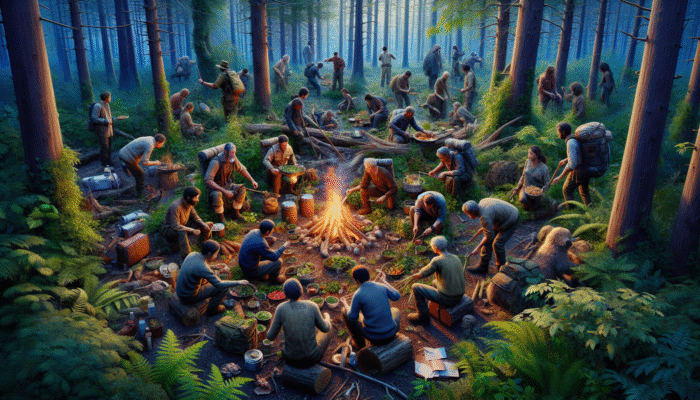
  • SHTF Scavenging Skills for Effective Survival Mastery

    SHTF Scavenging Skills for Effective Survival Mastery

    Essential Strategies for Sourcing and Purifying Life-Saving Water

    Identifying Trustworthy Sources of Safe Drinking Water

    Person in collapsed society observing fast-flowing stream in forest, following animal trails to find underground spring.

    Understanding how to locate reliable water sources is fundamental for survival, particularly in times when societal structures collapse and access to clean water becomes limited. Natural environments present numerous options for obtaining water, including flowing streams, rivers, and the efficient harvesting of rainwater. Developing keen observational skills is vital; moving water tends to be less contaminated than stagnant pools. In forested areas, water sources are often found along animal trails or beneath certain tree species, which can indicate the presence of underground springs that provide fresh drinking water.

    In urban settings, identifying potential water sources can be more challenging, yet opportunities such as taps, lakes, or rivers may still exist. However, caution is paramount, as these sources can be tainted with harmful contaminants, underscoring the vital need for purification techniques. Stay vigilant and avoid water bodies located near industrial sites or areas prone to agricultural runoff. Cultivating the ability to evaluate water quality indicators, including clarity and odor, can significantly enhance your chances of locating safe drinking water.

    Investigating the ecosystems in your area can uncover a variety of water sourcing opportunities. For instance, in regions like Southeast Asia, seasonal rains create perfect conditions for collecting rainwater, while in arid regions such as the Sahara, a deep understanding of the land may lead to hidden aquifers.

    Constructing Your Own Effective Water Filtration Systems

    Building a personal water filtration system can be invaluable during emergencies. Simple DIY filtration setups can be constructed using readily available materials from your surroundings. One efficient method involves layering various materials: using sand, charcoal, and gravel creates a highly effective filtration process. The fine sand captures tiny particles, while charcoal effectively removes impurities and unpleasant odors.

    To get started, gather the necessary materials. A container, such as a simple plastic bottle or a hollowed log, can serve as your filtration device. Begin by placing a layer of gravel at the bottom, then add a layer of activated charcoal, and finish with a top layer of fine sand. Then, pour the contaminated water through this multi-layered structure, and you will obtain significantly cleaner water suitable for consumption.

    It’s crucial to understand that filtration alone does not ensure safe drinking water; this process should always be paired with additional purification techniques. This DIY strategy is not only practical but also empowers you to utilize available resources creatively in times of need.

    Utilizing Boiling and Chemical Water Treatment Methods

    Boiling water is among the oldest and most effective methods for sterilization. This technique successfully eradicates bacteria, viruses, and parasites that may be lurking in the water. Bringing water to a rolling boil for at least one minute is generally adequate; however, if you are at high altitudes, it is advisable to extend this boiling time to three minutes due to the lower boiling points. This method is universally applicable, whether you find yourself in the rugged mountains of Patagonia or the bustling urban environments of New York.

    Conversely, chemical treatments, such as iodine tablets or chlorine, provide portable alternatives to boiling. These treatments are particularly beneficial when managing larger quantities of water, where boiling may not be practical. To use these solutions effectively, adhere closely to the manufacturer’s guidance; using insufficient amounts may fail to eliminate pathogens while excessive quantities could pose health hazards.

    Combining these methods can yield the best results. For example, filtering water through your DIY system followed by either boiling or chemical treatment can achieve the highest level of safety, regardless of your location in the world.

    Mastering Foraging for Food and Preservation Techniques

    A person foraging for berries and mushrooms in a lush forest, with preserved foods displayed on a rustic table.

    Identifying Safe and Nutrient-Dense Edible Plants

    Gaining a thorough understanding of which plants are safe for consumption can dramatically alter your survival experience from dire to manageable. Numerous regions worldwide boast an abundance of edible plants, but knowledge is paramount. Start by familiarizing yourself with the local flora. In temperate climates, plants like dandelions, nettles, and wild garlic are commonly available. Tropical areas may yield fruits such as jackfruit or durian, while arid environments might offer options like cacti or wild legumes.

    Foraging necessitates careful identification. Adhere to the “Rule of Three”: if you’re uncertain about a plant, seek three distinct characteristics that align with a known edible species. Moreover, exercise caution with look-alikes; certain plants can be toxic or provoke adverse reactions. Consulting a local foraging guide or enrolling in a class can significantly improve your safety and success in foraging endeavors.

    Once you have successfully identified edible plants, consider the various methods for consuming them. Leaves can be incorporated into salads, roots can be boiled, and berries can provide essential hydration and nutrients. Keeping a journal of local edible plants can serve as a valuable resource for future foraging adventures.

    Humane Hunting and Trapping Techniques for Protein Sourcing

    Securing protein sources through hunting and trapping is vital in a survival situation. Cultivating skills in humane and effective hunting methods is a wise investment. One of the most efficient strategies involves understanding local wildlife behaviors and habitats. For instance, being aware of animal trails and feeding habits can significantly enhance your odds of a successful hunt.

    Trapping can be especially advantageous as it allows you to capture food with minimal effort once the trap is set. Basic traps, like snares or pitfall traps, can be fashioned from natural materials readily available in your environment. Always check traps regularly to ensure the humane treatment of any captured animals, and familiarize yourself with local regulations related to hunting and trapping practices.

    While the nutritional value of hunted game is considerable, proper preparation is equally essential. Thoroughly cleaning and cooking game minimizes the risk of foodborne illnesses. Preparation methods can vary worldwide; in certain cultures, techniques such as smoking or curing are used to extend the shelf life of game, ensuring a reliable food source during challenging periods.

    Food Storage and Preservation Techniques for Long-Term Survival

    Sun-dried fruits and vegetables, jars of fermented and canned goods for long-term survival.

    When considering food preservation, various techniques can significantly improve your ability to sustain yourself during emergencies. Understanding methods such as drying, fermenting, and canning can greatly extend your food’s shelf life. Drying fruits and vegetables is a straightforward yet efficient way to remove moisture that can lead to spoilage. In many climates, the sun’s warmth can act as a natural dehydrator, especially beneficial in regions with low humidity.

    Fermentation not only preserves food but also enhances its nutritional profile. Learning to ferment vegetables like cabbage into sauerkraut or pickles can offer essential nutrients while ensuring food remains palatable for extended durations.

    Canning, although it requires specific equipment, provides a reliable method for preserving meats and stews. In areas where canning supplies are accessible, this method can prove invaluable. Always adhere to the canning process carefully to avoid spoilage or contamination.

    Finally, remember the importance of food rotation. Regularly consuming and replacing stored food ensures that nothing goes to waste. This proactive approach enables you to maintain a diverse and nutritious diet, even in difficult circumstances.

    Water Sourcing and Purification Methods for Food Safety

    Water is essential for food preparation and preservation, especially in survival scenarios. Techniques for locating water can involve observing wildlife, as animals often lead you to reliable sources. Streams and ponds, even when not immediately visible, can often be identified by monitoring bird flight patterns; birds typically fly towards water sources for feeding and bathing.

    Once you locate water, purification becomes crucial. In addition to boiling and chemical treatments, consider using solar disinfection. By filling clear bottles with water and placing them in direct sunlight for several hours, you can effectively eliminate pathogens. This technique can be particularly useful in regions where fuel sources for boiling water are scarce.

    Understanding the link between water quality and food safety is vital. Contaminated water can jeopardize food quality and lead to illness. Therefore, always prioritize water safety when foraging or preparing food. This holistic approach to water sourcing and purification can significantly enhance your survival experience.

    Building and Maintaining Shelters for Survival

    Selecting the Ideal Location for Your Shelter

    Choosing the right location for your shelter is essential for survival. Your selection should balance access to resources like water and food with protection from potential dangers. Consider various factors, including terrain and weather conditions. In mountainous areas, opt for a site that isn’t too steep to reduce the risk of falling debris or avalanches. In forested regions, avoid spots where large trees could topple during storms.

    While proximity to water is crucial, exercise caution about building too close to rivers or lakes, which can be prone to flooding. Seek out natural windbreaks, such as hills or dense trees, which can shield you from harsh winds. Take the time to scout the area for signs of wildlife to prevent potential conflicts.

    Assessing the environmental stability of the site is also vital. Examine the ground for signs of erosion or instability, ensuring that your shelter will remain secure during adverse weather events. Investing time in selecting the right location not only enhances comfort but significantly boosts your chances of survival.

    Constructing Robust and Durable Shelters

    Building a sturdy shelter can be accomplished using various materials, whether natural or salvaged. The most traditional method involves using branches and foliage to create a lean-to, which offers excellent protection against rain and wind. Begin by securing a robust branch between two trees or utilizing a fallen tree for support. Then layer smaller branches and leaves to form a protective roof.

    In urban environments, scavenging materials such as tarps, wood, or even metal scraps can provide rapid solutions. The key is to ensure that your shelter is constructed well enough to withstand environmental conditions. Reinforcing the structure with additional supports or anchoring it with heavy objects can enhance its stability.

    Additionally, consider insulation techniques to combat cold weather. Using leaves or grass for insulation can help maintain warmth during the night. While the choice of construction materials may differ, mastering the principles of shelter construction will empower you to adapt to any environment you encounter.

    Regular Maintenance and Upgrades for Your Shelter

    Once your shelter is established, ongoing maintenance becomes crucial to ensure its longevity and comfort. Conduct regular inspections of your shelter for signs of damage or wear. Replace worn materials and reinforce weak points, particularly after heavy rain or snowfall.

    Enhancing your shelter may involve incorporating features that increase comfort, such as creating a raised sleeping area to prevent moisture from the ground or improving insulation. In colder climates, consider building a small fire pit inside your shelter for warmth, but always ensure proper ventilation to prevent smoke inhalation.

    A well-maintained shelter not only offers structural integrity but also provides psychological benefits. An organized and tidy space fosters a sense of stability amid chaotic circumstances. Make it a routine to check your shelter regularly, ensuring it remains a safe haven during challenging times.

    Scavenging for Vital Survival Resources

    Identifying and Prioritizing Essential Supplies

    When scavenging, understanding what to prioritize can be a matter of life and death. Focus on crucial supplies such as water containers, food storage solutions, first aid kits, and tools. Look for items that can perform multiple functions, such as a sturdy knife, which can be used for both food preparation and self-defense.

    In urban areas, abandoned buildings often conceal valuable resources. While scavenging, always prioritize safety; wear protective gloves, and be cautious of hazardous materials or unstable structures. Items such as batteries, rope, or even discarded clothing can be repurposed for various survival needs.

    Moreover, approach each item with creativity. A broken piece of furniture could serve as firewood, while empty cans might function as cooking pots. Developing the ability to perceive potential in discarded items enhances your resourcefulness and reinforces your resilience during challenging times.

    Establishing Safe Scavenging Practices

    Scavenging can pose risks, particularly in abandoned or post-crisis areas. Establishing safe practices is vital to minimize danger. Always assess the area before entering, looking for signs of instability or hazards. Equip yourself with appropriate protective gear, such as gloves and sturdy boots, to guard against sharp objects or toxic materials.

    Never scavenge alone; having a partner enhances safety and allows for shared responsibilities. Formulate a plan for communication and exit strategies. When entering a structure, avoid areas with significant signs of collapse and exercise caution around potential hazards like broken glass or exposed nails.

    Understanding the legal limitations regarding scavenging in certain locations is equally important. Some areas may have restrictions or laws against foraging in abandoned properties. Always respect local regulations to prevent legal repercussions and maintain ethical practices.

    Inventively Repurposing Found Materials

    Repurposing salvaged materials can be transformative during survival situations. The ability to creatively convert found objects into functional items can substantially enhance your quality of life. For instance, an old tire can serve as a planter, while glass bottles can be turned into lanterns by filling them with oil and inserting a wick.

    In urban settings, discarded furniture can be reinvented into useful tools. A wooden pallet can be repurposed into a raised garden bed, while metal scraps can be fashioned into cooking utensils. The key lies in assessing the materials around you and imagining their potential uses.

    Experimentation is a crucial aspect of this process. Don’t hesitate to explore unconventional uses for items. This not only maximizes your resources but also fosters a mindset of adaptability and innovation, both essential skills in survival scenarios.

    Mastering Fire Starting and Management Techniques

    Gathering Essential Materials for Fire Creation

    Fire is a vital element for survival, providing warmth, cooking capabilities, and protection. To successfully ignite a fire, gathering materials that catch fire easily is crucial. Look for dry leaves, small twigs, and pine needles, all of which ignite quickly. In damp environments, consider using birch bark or resinous wood, known for its natural ignitability.

    Creating a fire kit can significantly boost your chances of success. Include items like matches, lighters, and tinder, along with more substantial materials like logs for sustaining the fire. Always examine your surroundings for natural resources; in forested areas, dead branches and fallen trees can serve as excellent fuel sources.

    Consider the prevailing weather conditions; high humidity or rain can complicate the gathering of fire-starting materials. Always be ready to adapt your approach based on environmental factors, and routinely practice your fire-starting techniques to enhance your skills.

    Mastering Various Fire-Starting Techniques

    Becoming proficient in diverse fire-starting methods is an invaluable skill that can save lives. While traditional techniques like matches and lighters are effective, ensuring redundancy is essential. Learn to ignite fires using friction methods, such as the bow drill technique, which uses a spindle and a bow to generate heat through friction.

    Another approach involves using flint and steel, which can be particularly advantageous in wet conditions. Practicing these techniques across different environments will build your confidence and ensure you can start a fire whenever necessary.

    Understanding the different types of fires and their respective purposes is equally important. A teepee fire allows for quick cooking and heat, while a log cabin fire provides long-lasting warmth. Tailor your fire-building techniques to your specific requirements and surroundings, ensuring you can adapt to any situation.

    Ensuring Fire Safety and Control

    Effectively managing fire is as crucial as starting it. Once your fire is lit, maintaining control is essential. Build your fire in a designated fire pit or a cleared area away from flammable materials. Ensure you have sufficient materials close by for stoking the fire without needing to leave your immediate vicinity.

    Monitoring the fire is vital. Pay attention to wind direction and potential flare-ups. Always have means to extinguish the fire within reach, whether it’s dirt, water, or sand. Knowing how to safely extinguish a fire can prevent accidents and control potential wildfires.

    Additionally, consider the environmental impact of your fire. In certain areas, regulations may limit open fires due to wildfire risks. Always be mindful of your surroundings and adhere to local guidelines regarding fire usage.

    Effective Fire Maintenance and Fuel Selection

    Proper fire maintenance is crucial for ensuring warmth and cooking capabilities over extended periods. Understand the different types of fuels and their burning characteristics. Hardwoods, such as oak or hickory, burn longer and hotter than softwoods, making them ideal for sustaining a fire.

    Learn how to stack firewood effectively to maintain airflow, facilitating better combustion. As the fire burns, monitor for dwindling fuel and add wood as needed. Regularly assess the fire’s condition, adjusting fuel types based on your requirements—softwoods are excellent for quick heat, while hardwoods are better suited for enduring fires.

    Consider environmental conditions when maintaining your fire. Rain or wind can affect burn rates and safety. Always be prepared to adjust your wood selection according to weather conditions to ensure your fire remains manageable and effective.

    Essential Navigation and Orientation Skills

    Utilizing Natural Landmarks for Effective Wilderness Navigation

    Navigating through the wilderness can feel overwhelming, yet utilizing natural landmarks can simplify the process. Familiar landmarks, such as mountains, rivers, or distinctive trees, can serve as orientation points. Familiarizing yourself with the landscape before venturing out can significantly enhance your navigation skills.

    Understanding the sun’s position is also vital. In the Northern Hemisphere, the sun rises in the east and sets in the west, providing a natural compass. During the day, shadows can guide you; the direction of the shadow points away from the sun’s location.

    In areas devoid of clear landmarks, consider utilizing natural elements such as the growth patterns of trees, which often lean towards sunlight. Observing animal movements can also provide directional clues. Mastering these techniques empowers you to navigate effectively in the wild.

    Mastering Map Reading and Compass Navigation Skills

    In survival scenarios, being proficient in reading a map and using a compass is invaluable. Start by familiarizing yourself with the components of a map, including scales, contour lines, and symbols. Understanding how to interpret these elements enables you to gauge distances and accurately identify terrain features.

    Using a compass effectively requires an understanding of its components, including the magnetic needle and orienting arrow. Practice taking bearings and following a set course using your compass. This skill is particularly critical in unfamiliar areas where landmarks may be absent.

    Integrating map-reading with compass skills enhances your overall navigational capabilities. By learning how to plot a route on a map and follow it using a compass, you can confidently navigate various terrains across the globe. Regular practice in diverse environments solidifies these skills and prepares you for real-world applications.

    Celestial Navigation Techniques for Finding Your Direction

    When natural landmarks or maps are unavailable, celestial navigation can serve as your guide. Learning to navigate using the stars is an ancient technique that can be practiced nearly anywhere in the world. The North Star, or Polaris, serves as a reliable reference point in the Northern Hemisphere, positioned directly above the North Pole.

    To locate Polaris, find the Big Dipper constellation, which can act as a pointer. Extend an imaginary line from the edge of the Big Dipper’s bowl to find the North Star. This technique can assist you in orienting yourself when other navigation methods may fail.

    Additionally, the sun can be utilized for navigation during daylight. By understanding its position at different times, you can determine direction. Mastering these celestial navigation techniques allows you to maintain a sense of direction, even at night or in situations where traditional navigation methods prove ineffective.

    Fundamental First Aid Skills and Health Maintenance Techniques

    Essential First Aid Techniques for Emergency Situations

    Having knowledge of basic first aid can be a lifesaver during emergencies. Fundamental skills encompass treating cuts, burns, and sprains. For cuts, thoroughly cleanse the wound with clean water and apply antiseptic before dressing it. Burns should be treated with cool compresses, avoiding direct ice contact with the skin.

    Sprains require a different approach; the R.I.C.E. method—Rest, Ice, Compression, and Elevation—helps alleviate pain and swelling. Always ensure that you have a basic first aid kit stocked with bandages, antiseptics, and various over-the-counter medications.

    Regularly practicing these techniques empowers you to respond swiftly and effectively during emergencies. Attending workshops or courses can further enhance your skills and confidence, ensuring you are well-prepared to handle injuries in survival scenarios.

    Leveraging Natural Remedies and Medicinal Plants for Health

    In survival situations, knowledge of natural remedies can be invaluable. Many plants possess medicinal properties that can assist in treating common ailments. For instance, aloe vera is excellent for burns, while garlic exhibits antibiotic properties.

    Familiarizing yourself with local medicinal plants can offer impressive health benefits. Create a reference guide or journal that details plants and their uses. This knowledge can aid in health maintenance and enhance your self-sufficiency in survival scenarios.

    Moreover, understanding the possible side effects of these plants is crucial. Some herbs may produce adverse reactions when combined with other substances, so always conduct thorough research before use. This holistic approach to health maintenance ensures you are equipped to address various health concerns effectively.

    Practicing Hygiene and Sanitation for Optimal Health Maintenance

    Maintaining hygiene is paramount for preventing disease and ensuring overall health in survival situations. Basic practices include regular hand washing with soap and clean water, significantly reducing the risk of infections. In scenarios where water is scarce, hand sanitizers can serve as an effective alternative.

    Proper sanitation of food preparation areas is equally critical. Use natural materials like sand or ash to clean surfaces when soap is unavailable. Whenever possible, ensure that waste is disposed of safely, as attracting pests can lead to further health complications.

    Establishing a hygiene routine and adhering to it helps create a sense of normalcy in chaotic situations. Regularly reviewing these practices can facilitate adaptation to new environments, ensuring that you maintain health standards regardless of your location.

    Strategies for Emergency Health Preparedness

    Being prepared for health emergencies involves assembling a well-stocked first aid kit tailored to your specific needs. Include items such as antiseptics, bandages, pain relief medications, and any personal prescriptions. Regularly reviewing and updating your kit ensures you always have essential supplies readily available.

    Additionally, develop a health emergency plan outlining the steps to take in specific health crises—such as allergic reactions or severe injuries. Familiarizing yourself with local emergency services, even in remote areas, can provide peace of mind.

    Training in first aid and emergency response, including CPR, can also be invaluable. Numerous organizations offer certification, and these skills can significantly impact life-threatening situations. This proactive approach to health preparedness not only enhances your safety but also fosters confidence in your ability to manage emergencies.

    Self-Defense Techniques and Personal Safety Measures

    Mastering Fundamental Self-Defense Techniques

    Understanding basic self-defense techniques is crucial for personal safety, especially in uncertain environments. Focus on simple yet effective moves that enable you to escape from confrontations. Techniques such as wrist locks, strikes to vulnerable areas, and rapid escape maneuvers can empower you to protect yourself effectively.

    Regular practice of these techniques is vital. Consider enrolling in self-defense classes to build your skills and confidence. Engaging with others in practice not only hones your abilities but also enhances situational awareness, which is critical in potentially threatening scenarios.

    Moreover, cultivating a defensive mindset—being aware of your surroundings and recognizing potential threats before they escalate—can significantly improve your safety. A proactive approach to self-defense ensures that you’re prepared to protect yourself, regardless of your location.

    Frequently Asked Questions

    What are the best sources for clean drinking water in survival situations?

    Seek fast-flowing streams, rainwater, and underground springs. Always purify water before consumption to ensure safety.

    How can I identify edible plants in the wild?

    Familiarize yourself with local flora using guides and applications, and apply the “Rule of Three” for identification before consuming any plant.

    What are some effective methods for constructing a shelter?

    Consider natural structures like trees or rocks for support, and use materials such as branches, leaves, or scavenged items to create a sturdy shelter.

    How can I safely scavenge for supplies?

    Scout the area thoroughly, wear protective gear, and avoid unstable structures. Always be aware of your surroundings for potential hazards.

    What are the best fire-starting techniques to learn?

    Master friction methods like the bow drill, and practice using flint and steel. Having multiple methods ensures you can start a fire in various conditions.

    How can I purify water without boiling it?

    Utilize chemical treatments like iodine tablets or solar disinfection by placing water in clear bottles and leaving them in sunlight for several hours.

    What is the importance of maintaining hygiene in survival situations?

    Good hygiene practices prevent the spread of disease and maintain overall health, which is crucial for survival in challenging environments.

    How can I prepare for a health emergency while in the wild?

    Assemble a first aid kit with essential supplies and develop a health emergency plan that addresses specific potential issues.

    What should I prioritize when scavenging for useful supplies?

    Focus on essentials like food storage materials, water containers, first aid kits, and versatile tools that can serve multiple purposes.

    What are basic self-defense techniques I should know?

    Learn simple moves such as wrist locks, strikes to vulnerable areas, and escape techniques to improve your ability to protect yourself in dangerous situations.

    Join us on our journey on X!

    The post SHTF Scavenging Skills for Effective Survival Techniques appeared first on Survival Bite.

    The Article SHTF Scavenging Skills: Master Effective Survival Techniques Was Found On https://limitsofstrategy.com
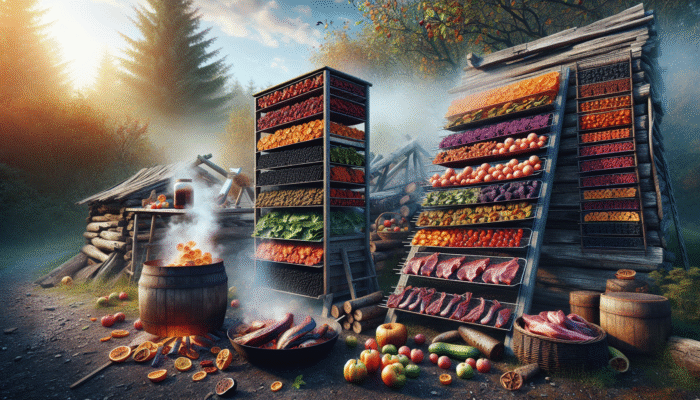
  • Jungle Survival Tips and Tricks for Thriving in the Wild

    Jungle Survival Tips and Tricks for Thriving in the Wild

    Master the Art of Jungle Survival: Essential Gear and Techniques for Thriving

    Diving into the depths of the jungle offers an exhilarating blend of adventure and uncertainty. This vibrant ecosystem, teeming with diverse flora and fauna, presents both awe-inspiring beauty and potential hazards that can challenge even the most experienced adventurers. To navigate this wild frontier successfully, understanding the fundamentals of jungle survival is imperative for anyone yearning to discover these intricate habitats. This comprehensive guide is designed to arm you with the crucial knowledge necessary for navigating the jungle’s complex web of life, ensuring not just survival but the ability to thrive in this mesmerizing environment.

    Preparation is Key: Establishing a Strong Foundation for Your Survival Journey

    Person in jungle using map and compass, surrounded by wildlife and dense foliage, with detailed itinerary.

    Effective jungle survival hinges on meticulous preparation. Before you embark on your expedition into this untamed landscape, thorough research and planning can dramatically enhance your capacity to tackle unexpected challenges. Investigate the particular jungle ecosystem you will be traversing, as each region possesses distinct flora, fauna, and unique climatic conditions. Formulate a detailed itinerary and share it with someone who will remain in a safe location. This practice not only keeps someone informed about your movements but also ensures that they can alert authorities if you face unforeseen issues.

    Additionally, gaining familiarity with local wildlife is essential. Being able to differentiate between dangerous animals and harmless ones can be crucial in avoiding perilous encounters. Equip yourself with a trustworthy map and a traditional compass, as reliance on electronic devices can be risky within the dense jungle vegetation. Mastering navigation skills is vital, especially when the vivid sights and sounds of the jungle can overwhelm your senses.

    Acquire Essential Survival Skills: Equip Yourself with Key Knowledge Before Entering the Jungle

    Before setting foot in the jungle, it is imperative to acquire a set of foundational survival skills. These vital skills encompass fire-making, shelter construction, and the ability to forage for food. Fire serves as your ally in the wilderness, providing warmth, safety, and a means to prepare nourishing meals. Practice various fire-starting techniques, such as using flint and steel or employing friction methods with sticks, ensuring that you are well-prepared for any scenario that may arise.

    Understanding how to build a shelter is equally important. Whether you choose a simple lean-to or a more complex debris hut, the ability to effectively utilize natural resources is essential. The jungle is rich in materials, from broad leaves ideal for roofing to robust branches that can serve as the framework for your shelter.

    Furthermore, foraging for food requires a solid grasp of edible plants and fruits. Familiarizing yourself with local species will enable you to accurately identify safe food sources in case of emergencies. Knowledge is your most powerful asset when it comes to survival in the wilderness.

    Master Emergency Signaling Techniques: Attracting Help in Critical Situations

    Your capability to signal for help in a survival scenario can be a decisive factor in your survival. Always carry a whistle and a mirror, as these compact tools can prove invaluable in attracting the attention of rescuers. Additionally, create large symbols on the ground using stones or branches that are easily visible from above.

    In emergency situations, establishing a signal fire is of utmost importance. A fire that generates significant smoke can effectively draw attention. Use green leaves or damp wood to create dense smoke that can be seen from considerable distances, greatly enhancing your chances of being located by search parties.

    Essential Navigation Skills: Using Celestial Bodies for Orientation in the Jungle

    Person in jungle using compass, sun, and North Star for navigation, surrounded by lush vegetation.

    Mastering navigation skills is crucial when moving through dense jungles. Knowing how to use the sun and stars can be extremely helpful in orienting yourself in unfamiliar territories. During daylight, the sun rises in the east and sets in the west, acting as a natural compass to help guide your direction.

    When night falls, constellations can serve as guiding references. The North Star, for instance, is a reliable marker for true north. Practice these navigational techniques in a safe environment before your jungle expedition, as mastering them can drastically reduce your chances of becoming lost in the wilderness.

    Advanced Navigation Techniques for Mastering Dense Jungle Terrain: Tools and Strategies

    Moving through a dense jungle may seem daunting, but armed with the right techniques and tools, you can navigate confidently and safely. The thick underbrush often obscures paths, making it vital to employ various methods to determine your route effectively.

    Using a Compass: Your Essential Tool for Direction in the Jungle

    A compass is an invaluable resource for navigating the intricate landscape of the jungle. Understanding how to accurately interpret a compass can help you maintain your bearings, even when surrounded by towering trees. Learn to triangulate your position by using distinctive landmarks, which will assist you in cross-referencing your direction.

    Moreover, remember to check the magnetic declination for the area you are exploring, as this factor can affect your compass readings. Regular practice with a compass across different terrains will enhance your navigation skills, preparing you for any unexpected situations that may arise.

    Leveraging Natural Landmarks: Enhancing Your Navigation Techniques

    A navigator using a river and mountain as landmarks in a dense jungle, adapting to flooding and landslides.

    Utilizing natural landmarks can significantly strengthen your navigation strategy. Rivers, mountain ranges, and unique trees can serve as invaluable reference points in the jungle. Stay observant and make mental notes of your surroundings as you make your way through the complex terrain.

    Keep in mind that the jungle’s landscape can change swiftly, with flooding or landslides altering paths. Therefore, adaptability and keen observation are vital traits for any navigator traversing the jungle.

    GPS Technology: Modern Navigation Tools for the Jungle Environment

    In today’s technologically advanced landscape, GPS devices offer a modern solution for navigating through the jungle. These handheld gadgets can accurately pinpoint your location in real time, simplifying route planning. However, remember that technology can fail; thus, always have a contingency plan, such as a traditional map and compass, ready to deploy should your device lose power or signal.

    Marking Your Trail: Strategies for Signaling Your Path for Yourself and Others

    Marking trails is a smart strategy when navigating through dense jungles. Utilize biodegradable materials, such as sticks or stones, to indicate your path. This practice can prevent you from wandering in circles and can assist rescuers in locating you if necessary.

    Ensure that your markings are clear and easily visible while remaining respectful of the environment. Avoid using unnatural materials, as they may adversely impact the delicate ecosystem surrounding you.

    Foraging for Sustenance in the Jungle: Safe and Sustainable Techniques

    Foraging in the jungle can be both rewarding and challenging. The key to successful foraging lies in understanding what is safe to eat and how to harvest it sustainably while respecting the local ecosystem.

    Identifying Edible Plants: Safe Practices for Harvesting in the Jungle

    The jungle is abundant with edible plants, but correctly identifying them is critical for your survival. Learn to recognize common edible species, such as wild bananas, various nuts, and leafy greens. Familiarize yourself with the local flora before your journey, as some plants may possess toxic properties.

    When foraging, take only what you need, and ensure that you leave enough for the ecosystem to thrive. Practicing sustainable foraging helps maintain the delicate balance of the jungle environment and promotes conservation efforts.

    Ethical Hunting Practices: Techniques for Responsible Small Game Hunting

    Hunting can provide an essential source of protein in the jungle; however, it is crucial to approach this activity with ethics and sustainability in mind. Familiarize yourself with local wildlife regulations and hunting methods that minimize unnecessary suffering.

    Setting traps can be an effective strategy for capturing small game without depleting populations. Always ensure you can identify the animals you target and be prepared to utilize every part of the animal to reduce waste and honor the life taken.

    Fishing in Jungle Streams: Effective Techniques and Tools for Catching Fish

    Fishing offers another means of sustenance in the jungle. Streams and rivers are often abundant with fish, and learning effective fishing techniques can yield substantial rewards. Use simple tools like nets or spears, and consider the optimal times of day for fishing, as fish tend to be more active during dawn and dusk.

    Always check local regulations regarding fishing to ensure you are not harming the ecosystem or violating any laws, thus promoting sustainable fishing practices.

    Identifying Poisonous Foods: Knowing What to Avoid in the Jungle

    While the jungle offers a wealth of edible options, it also harbors numerous poisonous plants and fruits. Familiarize yourself with commonly toxic species, such as certain mushrooms and berries.

    If in doubt, it is always best to err on the side of caution and avoid unfamiliar foods altogether. Carry a reliable guidebook or resource to consult if you are uncertain about the safety of a particular plant or fruit.

    Building a Shelter in the Jungle: Key Materials and Construction Techniques

    Constructing a shelter is a fundamental skill in jungle survival. With the right knowledge and understanding, you can create a safe haven that shields you from environmental elements and wildlife threats.

    Exploring Various Types of Jungle Shelters: Lean-To, Debris Hut, and More

    There are various types of shelters you can construct in the jungle, each suited to specific environments and conditions. A lean-to is a straightforward structure that can be built against a tree or rock face. This design is relatively easy to assemble and offers decent protection from rain and wind.

    Conversely, a debris hut provides excellent insulation and can be constructed using natural materials such as leaves, branches, and grasses. Understanding the strengths and weaknesses of each shelter type will enable you to choose the most suitable one based on your immediate needs and the available resources.

    Utilizing Natural Materials: Harnessing the Rich Resources of the Jungle

    The jungle is abundant with materials that can be used to build a shelter. Look for large leaves for roofing and sturdy branches for the frame. Vines can serve as excellent binding materials, while fallen logs can provide a solid foundation.

    When constructing your shelter, always consider the surrounding environment. Avoid cutting down live trees or disturbing wildlife habitats, and make use of resources that are already present on the forest floor to minimize your impact on the ecosystem.

    Waterproofing Your Shelter: Techniques for Staying Dry in the Jungle

    Remaining dry in the jungle is essential for maintaining your body temperature and preventing hypothermia. Waterproofing your shelter can be achieved by using large, broad leaves to create an effective roof that channels rain away.

    Additionally, consider employing natural materials such as mud or clay to seal any gaps in your shelter. Ensure your sleeping area is elevated off the ground to avoid water pooling during heavy rains, thus enhancing your overall comfort and safety while sheltered.

    Choosing the Optimal Location for Your Shelter: Key Considerations

    The location of your shelter significantly influences your safety and comfort. Seek elevated ground to avoid flooding during rainstorms and refrain from building near potential wildlife paths.

    It’s also wise to position your shelter away from strong winds and direct sunlight. Assess the surrounding area for natural resources, such as water and food sources, ensuring easy access without compromising safety.

    Water Sourcing and Purification Techniques in the Jungle: Essential Strategies for Survival

    Water is a critical component for survival, and knowing how to source and purify it in the jungle is vital for your well-being and longevity.

    Identifying Water Sources: Streams, Vines, and Natural Indicators

    The jungle often teems with water sources, including streams, rivers, and puddles. Look for signs of water, such as animal tracks or lush vegetation.

    An innovative method of sourcing water is by tapping vines, which can yield fresh water when cut. Always ensure the water source is not contaminated, especially if it appears stagnant or discolored.

    Purification Techniques: Boiling, Filtration, and Chemical Treatments for Safe Drinking Water

    Purifying water is essential to prevent waterborne illnesses. Boiling is the most effective method, as it kills harmful bacteria and parasites. If boiling is not feasible, consider using a filtration system or chemical treatments such as iodine or water purification tablets.

    Always include a means of purifying water in your survival kit, as this can be a crucial lifesaver in a jungle environment.

    Strategies for Maintaining Hydration: Essential Techniques for Staying Hydrated

    In the humid jungle, maintaining hydration can present challenges. It is crucial to drink water regularly, even if you do not feel thirsty. Dehydration can sneak up on you, especially in hot conditions.

    Carry a water container and refill it whenever you locate a safe source. Be mindful of your physical exertion levels, as strenuous activities can heighten your need for hydration.

    Effective Water Storage: Techniques and Containers for Storing Water Safely

    Properly storing water is just as important as sourcing it. Look for natural containers, such as large leaves or hollowed-out trees, to securely store your water.

    If you possess a durable plastic or metal container, utilize it to safeguard your water from contamination. Regularly inspect your storage method to ensure it remains clean and secure, further protecting this vital resource.

    Understanding Jungle Wildlife: Strategies for Safety and Coexistence

    The jungle is home to a diverse array of wildlife, some of which can pose threats to your safety. Understanding how to coexist safely with these creatures is essential for your survival and well-being.

    Identifying Dangerous Animals: Developing Essential Awareness of Jungle Wildlife

    Many jungle animals can pose risks, from venomous snakes to large mammals. Familiarize yourself with local species that are considered dangerous, and learn how to recognize them. Signs of hazardous animals may include tracks, droppings, and distinctive sounds.

    Always remain vigilant, particularly during dawn and dusk when wildlife is most active, to avoid encounters that could jeopardize your safety.

    Defensive Techniques: Safeguarding Yourself from Wildlife Encounters

    Knowing how to protect yourself from wildlife encounters is critical for survival. If you come across a snake, remain calm and back away slowly. For larger animals, making noise can often deter them from approaching.

    Carrying a whistle or bell can serve as an effective deterrent, alerting wildlife to your presence before you get too close, thereby reducing the risk of an unwanted encounter.

    Coexistence Strategies: Living Harmoniously with Jungle Creatures

    While some animals may pose threats, many are integral to the delicate jungle ecosystem. Understanding their behavior can facilitate peaceful coexistence. Avoid encroaching on their territory and respect their space.

    For instance, if you come across a nest or den, observe from a safe distance and refrain from disturbing it, allowing wildlife to thrive unencumbered by human interference.

    Wildlife Observation: Gaining Insights from Nature’s Patterns and Behaviors

    Observing wildlife can provide valuable insights into the jungle ecosystem. Spend time watching animals from a safe distance to learn their behaviors and patterns.

    By understanding local wildlife, you can navigate the jungle more effectively and avoid potential dangers. This knowledge not only enhances your survival skills but also deepens your appreciation for the intricate web of life that thrives in the jungle.

    First Aid Essentials in the Jungle: Effective Emergency Response Strategies for Injuries

    In the jungle, injuries can occur unexpectedly, making a solid understanding of first aid essential for your survival and well-being.

    Assembling a Comprehensive First Aid Kit: Essential Items for Jungle Exploration

    A well-stocked first aid kit is fundamental when exploring the jungle. Your kit should encompass essentials such as adhesive bandages, antiseptic wipes, gauze, and medical tape.

    Consider including specific items tailored for jungle environments, such as snake bite kits and insect repellent. Regularly review your kit to ensure that all items are in good condition and that medications have not expired to guarantee readiness in emergencies.

    Treating Common Jungle Injuries: Strategies for Cuts, Bites, and More

    Injuries such as cuts and bites can be frequent in the jungle. For cuts, cleanse the wound with clean water and apply antiseptic before covering it with a bandage to prevent infection.

    If you experience an insect or snake bite, seek immediate medical attention if symptoms worsen. Knowing how to assess the severity of injuries will enable you to respond appropriately in emergencies, ensuring your safety.

    Emergency Evacuation Planning: Knowing When and How to Seek Help in Critical Situations

    In severe circumstances, you may need to evacuate. Understanding when to seek assistance is paramount. Signs of serious injury, such as excessive bleeding or anaphylaxis, necessitate immediate action.

    Familiarize yourself with evacuation routes and establish a communication plan. If you are in a group, designate a leader to manage the situation, ensuring that everyone is aware of the plan and can act swiftly if necessary.

    Mental Health Strategies: Managing Stress and Anxiety in Survival Situations

    Survival scenarios can induce significant stress and anxiety. Practicing mental health techniques, such as deep breathing and mindfulness, can help you maintain your composure during challenging situations.

    Establishing a routine can also provide structure, allowing you to concentrate on the tasks at hand while reducing feelings of anxiety. Remember, maintaining a clear mind is just as crucial as honing your physical survival skills in the jungle.

    The Psychological Aspects of Jungle Survival: Staying Calm and Focused Under Pressure

    Surviving in the jungle presents a mental challenge as much as it does a physical one. The psychological aspects of survival play a pivotal role in your overall success and endurance.

    Practicing Mindfulness: Cultivating Presence and Awareness in the Jungle

    Engaging in mindfulness practices can enhance your focus and awareness in the jungle environment. Techniques such as meditation or deep breathing exercises can ground you in the present moment, alleviating feelings of panic and anxiety.

    Make a habit of taking breaks to observe your surroundings, allowing yourself to appreciate the jungle’s beauty while keeping your mind alert and responsive to any potential threats.

    Setting Clear Goals: Maintaining Focus on Your Objectives for Survival

    When faced with survival challenges, establishing clear objectives can help guide your actions. Break down your goals into manageable tasks, such as locating food, water, or shelter.

    This method can prevent you from feeling overwhelmed and provide a sense of achievement as you accomplish each objective, thereby sustaining your motivation throughout your survival journey.

    Cultivating a Positive Mindset: Fostering Hope and Resilience in Difficult Situations

    Nurturing a positive outlook can significantly impact your chances of survival. Concentrate on what you can control and celebrate small victories along the way to maintain morale.

    Surround yourself with reminders of hope, whether through photographs, motivational quotes, or encouraging notes. A hopeful perspective enhances your resilience and equips you to tackle challenges more effectively as they arise.

    Team Dynamics: Building Effective Collaboration in Survival Scenarios

    If you are not alone in the jungle, fostering effective communication and teamwork is vital. Establish roles within your group and ensure that everyone is clear about their responsibilities.

    Support each other emotionally and practically; a cohesive team can dramatically improve your chances of survival. Understanding and respecting each member’s strengths will create a harmonious and effective survival dynamic.

    Your Essential Jungle Survival Gear: Critical Items to Include in Your Kit

    Equipping yourself with the appropriate gear can profoundly influence your success in jungle survival. Packing essential items ensures you are well-prepared for a range of situations that may arise during your journey.

    Multi-Tool: A Versatile and Indispensable Companion for Your Survival Kit

    A multi-tool is an invaluable addition to your survival kit. With its diverse functions, it can assist in numerous tasks, from cutting rope to opening cans. Choose a durable, high-quality multi-tool that can withstand the rigors of jungle life, ensuring it remains functional when you need it the most.

    Emergency Blanket: Your Lifeline for Staying Warm and Dry in the Jungle

    An emergency blanket is lightweight and compact, making it an excellent addition to your gear. It can help retain body heat in colder conditions or be used as a makeshift shelter in emergencies.

    Always keep your emergency blanket within easy reach, as it can prove to be a lifesaver in unforeseen situations where warmth and protection are critical.

    Water Purification Tablets: Securing Safe Drinking Water During Your Jungle Adventure

    Water purification tablets are a compact and efficient method for ensuring safe drinking water. Carrying an ample supply can prevent waterborne illnesses during your jungle adventure, protecting your health.

    Before using them, carefully read the instructions to guarantee effective purification, ensuring that you have access to clean water at all times.

    Paracord: The Multifaceted Tool for Various Survival Situations in the Jungle

    Paracord is remarkably versatile, serving multiple purposes in the jungle. From constructing shelters to securing equipment, its strength and flexibility make it an essential item for survival.

    Consider carrying at least 50 feet of paracord in your kit, as its diverse applications can greatly assist in emergency scenarios, enhancing your ability to adapt to various challenges.

    Frequently Asked Questions about Jungle Survival: Your Queries Answered

    What actions should I take if I encounter a snake in the jungle?

    Remain composed and back away slowly. Avoid sudden movements that may provoke the snake, ensuring your safety and minimizing the risk of a bite.

    How can I determine if a plant is safe to eat?

    Research local flora prior to your trip and use reliable guides to identify edible plants. When in doubt, refrain from consuming unfamiliar plants to avoid potential poisoning.

    What is the most effective method for purifying water in the jungle?

    Boiling is the most effective method. If boiling is not an option, consider using purification tablets or filters as alternatives to ensure safe drinking water.

    What precautions should I take to stay safe from jungle wildlife?

    Make noise to alert wildlife of your presence and avoid approaching or disturbing animals. Understanding local wildlife behavior is essential for your safety and well-being.

    What is the most crucial item for jungle survival?

    A multi-tool is arguably the most critical item, providing versatility for various survival tasks, making it indispensable in the jungle.

    How can I enhance my mental resilience in survival situations?

    Practicing mindfulness and establishing clear goals can bolster mental resilience. Stay focused and maintain a hopeful perspective throughout your journey to improve your survival chances.

    What are some common jungle injuries I should be prepared for?

    Common injuries include cuts, insect bites, and sprains. Familiarize yourself with first aid techniques for these injuries to ensure a swift response in emergencies.

    How do I effectively construct a shelter in the jungle?

    Utilize natural materials such as leaves and branches, and consider waterproofing techniques. Choose a location that is elevated and away from wildlife paths to enhance safety.

    What essential items should I pack in my first aid kit for jungle survival?

    Include adhesive bandages, antiseptic wipes, gauze, and a snake bite kit. Regularly check for expired items to ensure your kit is ready for use in emergencies.

    How can I forage for food effectively in the jungle?

    Learn to identify edible plants and fruits prior to your journey. Avoid unfamiliar foods and practice sustainable harvesting techniques to protect the environment and ensure your safety.

    Explore our world on X!

    The post Jungle Survival Tips and Tricks for Thriving in the Wild appeared first on Survival Bite.

    The Article Jungle Survival: Essential Tips and Tricks for the Wild Was Found On https://limitsofstrategy.com

  • Wilderness Survival Skills: Thriving in Swamps

    Wilderness Survival Skills: Thriving in Swamps

    Overcome Nature’s Obstacles: Your Comprehensive Handbook for Excelling in Swamp Survival Techniques

    Explore the Intricacies of Swamp Ecosystems: Key Facts for Thriving in These Unique Environments

    Vibrant swamp ecosystem featuring alligators, herons, cypresses, and orchids.

    Swamps, often misunderstood as inhospitable regions, are actually flourishing ecosystems brimming with biodiversity and essential resources vital for survival in swamps. To effectively navigate these environments, it is crucial to deeply understand their distinctive characteristics. Swamps are defined as wetlands that feature saturated soils and stagnant water, providing a habitat for a diverse range of both flora and fauna. This diverse ecosystem supports a variety of species, including fish, amphibians, birds, and insects. Mastering the complexities of these challenging environments requires a thorough understanding of the swamp’s unique features and the ecological interactions among its inhabitants.

    Swamps can generally be classified into two primary categories: freshwater and saltwater. Freshwater swamps, typically found along riverbanks, are nutrient-rich and nurture a vibrant ecosystem. Conversely, saltwater swamps are predominantly located near coastal regions and are influenced by tidal movements. Each type of swamp supports unique plant species, such as cypress trees, reeds, and various shrubs, which can provide crucial insights into the habitat’s characteristics. By learning to recognize these plants, you can identify edible species, assess the stability of the ground, and evaluate water levels, all of which are essential for safe navigation and survival.

    Moreover, the stagnant water commonly found in swamps often leads to a higher presence of mosquitoes and other pests, creating significant health risks and discomfort. Understanding the seasonal dynamics within swamps is equally essential; for instance, during periods of heavy rainfall, water levels can surge dramatically, transforming previously safe routes into perilous traps. Consequently, when preparing for survival in swamps, it is critical to analyze seasonal climate patterns and identify the specific risks associated with the swamp environment you are entering.

    Essential Equipment for Swamp Survival: Gather Key Tools for Efficient Navigation and Safety

    Equipping yourself with the right gear is paramount for achieving successful survival in swamps. The correct equipment not only boosts your chances of survival but also enhances your overall experience in these demanding terrains. First and foremost, investing in waterproof gear is essential. This encompasses waterproof boots, ponchos, and bags specifically designed to keep your vital belongings dry. Select footwear featuring excellent traction to help you navigate slippery surfaces effectively and maintain your balance on unpredictable ground.

    Alongside appropriate clothing, having a reliable navigation tool is crucial. A GPS device or a trustworthy compass can assist you in tracking your route through the often bewildering landscapes of the swamp. Utilizing topographical maps that detail the swamp’s features can be invaluable for understanding the terrain and identifying safe pathways. Do not overlook the significance of a multi-tool or knife; these versatile instruments can prove indispensable for a variety of tasks, from shelter construction to food preparation, enhancing your overarching survival strategy.

    A comprehensive first-aid kit is another vital component of your survival gear. Swamps can conceal numerous dangers, including sharp objects, venomous snakes, and the risk of insect bites. Your first-aid kit should include antiseptic wipes, assorted bandages, and treatments for insect bites to enable rapid responses to any health-related issues that may arise in this unpredictable environment.

    Finally, consider incorporating a portable water filtration system into your gear. Access to clean water is critical for survival, and the ability to purify swamp water can be a lifesaver. With the right gear, you can confidently embark into the swamp, fully prepared to confront its myriad challenges.

    Crucial Survival Skills for Swamps: Develop Techniques to Enhance Your Survival Odds

    Surviving in a swamp demands more than just appropriate gear; it requires a specific skill set tailored to the unique challenges these environments present. First, mastering the art of foraging is essential. Familiarize yourself with local edible plants like cattails, wild rice, and various aquatic plants. Gaining the ability to identify these plants can provide you with a consistent food supply, particularly when traditional hunting methods may be less effective or feasible due to environmental constraints.

    Additionally, the ability to create fire is critical. Swamps are often damp, making it challenging to ignite a flame. Carry waterproof fire starters and practice using natural materials like dry leaves or reeds to spark a fire. Fire serves multiple functions: it provides warmth, aids in cooking, and acts as a deterrent against wildlife, ensuring your safety and comfort during your time in the swamp.

    Efficient navigation through swamp terrain is another vital survival skill. Learning to read the landscape and identifying safe passages is key. Swamps can be unpredictable, with hidden dangers like sinkholes or quicksand often lurking beneath the surface. Practice moving slowly and deliberately, testing the ground before committing your full weight to avoid potential hazards that may threaten your safety.

    Lastly, developing signaling techniques can facilitate rescue efforts in the event you become lost. Carry a whistle, mirror, or brightly colored fabric to help attract attention. The more prepared and skilled you are, the better your chances of surviving—and thriving—in the swamp.

    Strategies for Safe Navigation in Swamp Terrain: Essential Tips for Secure Movement

    Adventurers navigating a misty swamp with maps, compasses, and safety gear on marked paths.

    Spotting Safe Routes in Swamps: Strategies for Identifying and Following Secure Pathways Through Wet Landscapes

    Navigating swampy terrains necessitates keen observation and strategic planning. The first step in identifying safe routes is to look for elevated ground. Raised areas, such as tree roots or natural embankments, provide safer footing and are less likely to be submerged in water. Additionally, the presence of dense vegetation can offer clues regarding the stability of the terrain; regions with denser plant growth often indicate solid ground, making them preferable for crossing.

    When traversing a swamp, employing the “leapfrog” technique can prove advantageous. This method involves moving from one stable point to another—similar to stepping stones—rather than attempting to cross potentially unstable ground in one continuous movement. Always assess the area in front of you before stepping, and if you are uncertain, test the ground with a stick or other object before placing your full weight on it. This cautious approach can prevent accidents and enhance your safety.

    In addition to visual cues, listening to your surroundings can also aid in navigation. The sounds of flowing water or the absence of insects can indicate safer areas. Be attentive to wildlife; their behavior can signal stability in certain locations. By honing your observational skills and employing these strategies, you can navigate swamp terrain with increased confidence and safety, ensuring your survival in swamps.

    Using Natural Landmarks for Navigation: Leverage Trees, Water Flow, and Other Features to Guide Your Journey

    Natural landmarks serve as invaluable navigational aids in swamp environments. Trees can function as orientation tools. Becoming familiar with local tree species can help you determine your location and direction. For instance, cypress trees typically flourish in wetter areas, providing a reliable indicator of your surroundings. Furthermore, understanding the direction of water flow can be immensely beneficial; rivers generally flow downhill, and recognizing local hydrology can assist in finding your way out.

    Utilizing the sun’s position is also an effective navigation strategy. In the Northern Hemisphere, the sun rises in the east and sets in the west, providing a natural compass. On overcast days, observing moss growth on trees, which usually occurs on the north side in the Northern Hemisphere, can indicate the direction of north, aiding in your navigational efforts.

    Look for other natural features, such as rock formations or distinct plant clusters, which can serve as waypoints along your journey. Marking your route by tying small pieces of fabric to branches can also assist you in retracing your steps if needed. By employing these natural landmarks, you can enhance your navigational accuracy, significantly increasing your chances of survival in swamps.

    Recognizing and Avoiding Common Hazards in Swamps: Identifying Dangers and Preventative Measures

    Person in protective gear cautiously navigating a swamp, testing the ground and purifying water.

    Swamps are fraught with threats that can jeopardize your survival. One of the most pressing dangers is the risk of sinking into soft, muddy terrain. To avoid this, maintain awareness of your surroundings and always test the ground before stepping onto it. Look for signs of stability, such as dense vegetation or the presence of animal tracks, which often indicate more solid earth beneath the surface.

    In addition to unstable ground, swamps can harbor venomous snakes and aggressive insects. To minimize encounters with these creatures, wear protective clothing and move cautiously through the environment. Making noise as you walk alerts wildlife to your presence, giving them time to retreat and reducing the likelihood of a surprise encounter.

    Waterborne illnesses also pose a significant risk in swamp environments. Stagnant water can contain harmful bacteria and parasites that can lead to serious health issues. Always purify water before drinking, and avoid contact with unfamiliar bodies of water. Similarly, exercise caution around submerged sharp objects, which can lead to cuts and infections, further complicating your survival situation.

    Lastly, it is crucial to be aware of your mental state; the isolation and eerie atmosphere of swamps can lead to panic or anxiety. Stay focused on your surroundings and adhere to your training. By understanding the hazards and implementing preventative measures, you can improve your safety and significantly increase your chances of survival in swamps.

    Securing Food and Water in Swamps: Effective Techniques for Sustenance

    Recognizing Edible Plants in Swamps: Identify Safe Flora and Their Preparation Methods

    Finding food in a swamp is not as daunting as it may seem, thanks to the abundant plant life that thrives in these wet environments. Key edible plants include cattails, which are highly nutritious; their roots can be boiled, while their young shoots can be eaten raw for additional sustenance. Additionally, wild rice is a nutrient-dense option that can be harvested and cooked, serving as a valuable source of energy during your time in the swamp.

    Another significant source of sustenance is the water lily. Both its leaves and seeds are edible, offering hydration and nutrition. Understanding local flora is essential; familiarize yourself with the appearance of these plants and their growth conditions to ensure safe foraging practices.

    When foraging for food, proper identification skills are crucial to avoid toxic plants. Resources like foraging guides or consulting with local experts can be invaluable in enhancing your plant identification abilities. Once you have identified edible plants, proper preparation is essential. For instance, roots must be thoroughly cleaned and cooked to eliminate any toxins. By mastering plant identification and preparation techniques, you can secure a reliable food source during your survival in swamps.

    Hunting and Cooking Swamp Wildlife: Proven Methods for Acquiring and Preparing Local Fauna

    In addition to plant life, the diverse wildlife inhabiting swamps can provide essential nutrition. Fish, frogs, and small mammals are commonly found and can be hunted or trapped using various methods. Developing fishing skills with simple traps or lines can yield significant results; utilizing bait sourced from your environment can greatly enhance your chances of success.

    Frogs represent another excellent protein source and can be caught using nets or even by hand. However, be mindful of regional regulations regarding the hunting of wildlife, ensuring compliance with local laws to avoid legal repercussions. Once captured, these animals must be properly prepared to ensure safety. Cooking is crucial; always make sure that meat is thoroughly cooked to eradicate harmful bacteria that could jeopardize your health.

    For small mammals, constructing a simple snare trap can be particularly effective. Position your traps near known trails or feeding areas for optimal success. After securing your catch, use your multi-tool to clean and prepare the animal for cooking. Fires can be constructed using dry materials, and roasting meat over an open flame is an effective method to ensure it is safe for consumption. By mastering these hunting and preparation techniques, you can supplement your diet with protein-rich food, significantly enhancing your overall chances of survival in swamps.

    Purifying Water in Swamp Environments: Ensuring Access to Clean Water and Effective Methods of Purification

    Access to clean water is paramount in any survival situation, particularly in swamps where contamination is a significant concern. The first step in securing safe drinking water is to locate a clean source, such as flowing streams or springs, which are less likely to harbor harmful pathogens. Understanding the local geography can aid in this search, enabling you to identify the best potential water sources.

    If you must rely on stagnant water, purification becomes essential. A portable water filter can effectively remove impurities; however, if one is unavailable, boiling is a reliable purification method. Bring water to a rolling boil for at least one minute (or three minutes at higher altitudes) to kill most pathogens, making it safe for consumption.

    Alternatively, a solar still can be utilized, which is a passive method of gathering purified water. This involves digging a hole, placing a container in the center, and covering it with plastic, ensuring the edges are sealed. As the sun heats the ground, moisture evaporates, condensing on the plastic and dripping into your container, providing a clean water source.

    Another effective method involves layering charcoal, sand, and gravel in a container to create a makeshift filter. Pouring the water through these materials will significantly purify it, enhancing its safety for drinking. Regardless of your chosen method, always test your water source and purification process to ensure safe drinking water is accessible during your survival in swamps.

    Building Effective Shelter in Swamps: Practical Approaches for Protection

    Selecting the Optimal Location for Your Shelter: Criteria for Choosing a Safe Spot for Swamp Shelter Construction

    Choosing the right location for your shelter is a critical factor in ensuring your survival in swamps. Seek out elevated ground that is less prone to flooding during heavy rains. Avoid areas immediately adjacent to water sources, as these can quickly become inundated and attract wildlife, which may pose additional risks to your safety.

    Consider the direction of prevailing winds when selecting your spot; positioning your shelter to block these winds can help retain warmth and enhance comfort. Additionally, locate natural barriers, such as trees or large rocks, which can provide added protection against the elements and wildlife, further improving your safety and security.

    Proximity to essential resources is equally important. Ensure your shelter is situated near a source of fresh water, but not too close to mitigate flooding risks. The ideal location will balance safety, resource accessibility, and comfort, allowing you to concentrate on your survival strategy without constant anxiety about your environment.

    Constructing a Durable Swamp Shelter: A Step-by-Step Guide to Building a Robust Shelter Using Natural Materials

    After identifying the right location, constructing a durable shelter becomes a top priority. Begin by creating a frame using sturdy branches or fallen trees. Lean these against a larger tree or set up a ridge pole to form a basic A-frame structure. This design offers stability and resistance against wind and rain, making it an effective shelter solution in the swamp.

    Cover your frame with layers of leaves, moss, or palm fronds to provide insulation and protection from the elements. Ensure that materials overlap to prevent water from seeping through. If available, additional natural materials like bark can provide enhanced coverage. This layered approach helps to create a more effective barrier against the harsh conditions typical of swamp environments.

    Create a small entrance that can be easily sealed during inclement weather. This feature helps retain warmth inside the shelter while keeping out unwanted wildlife and pests. Inside, use dry leaves or grass to create bedding for comfort and insulation, further enhancing your shelter’s livability. By following these guidelines, you can construct a shelter that significantly improves your chances of survival in swamps.

    Strategies for Staying Warm and Dry in Humid Swamp Conditions: Techniques for Maintaining Body Heat and Dryness

    Maintaining warmth and dryness in swamp conditions can be quite challenging due to the humid environment and potential rainfall. Start by wearing layers; moisture-wicking base layers help keep sweat away from your skin, while insulating layers trap body heat effectively. Always opt for waterproof outer layers to shield yourself from rain and humidity, preventing heat loss that could jeopardize your survival.

    Creating a fire is an effective method for staying warm. Use dry materials to ignite a fire, ensuring it is safely contained to prevent wildfires. Position your fire in a cleared area away from your shelter to avoid unwanted heat or flames near your living space.

    If temperatures drop significantly, consider constructing a reflective windbreak with branches or leaves. This structure can help retain heat around your body and create a more comfortable environment. Additionally, insulate your sleeping area with layers of leaves, moss, or grass to prevent heat loss overnight. By employing these strategies, you can remain warm and dry, significantly increasing your chances of survival in swamps.

    Health and Safety in Swamps: Essential Insights for Maintaining Well-Being

    Preventing and Addressing Common Swamp-Related Illnesses: Strategies for Avoiding and Managing Health Issues

    Swamps can serve as breeding grounds for a variety of illnesses due to their damp and stagnant conditions. One of the most common health concerns is exposure to mosquito-borne diseases such as West Nile virus or malaria. To prevent bites, wear long-sleeved clothing and apply insect repellent containing DEET, which effectively deters mosquitoes and other pests.

    Additionally, waterborne diseases can arise from contaminated water sources. Always purify your water before consumption, as previously discussed. Should you experience symptoms like diarrhea or vomiting, prioritize hydration and seek medical attention promptly to prevent dehydration and further complications.

    Skin infections can also occur from cuts or scrapes sustained in the swamp environment. Regularly cleanse any wounds with purified water and apply antiseptic to prevent infections. If you observe signs of infection—such as redness, swelling, or pus—seek medical assistance immediately. By being proactive about health concerns, you can significantly reduce the risk of illness during your survival in swamps.

    Managing Insect Bites and Stings: Effective Treatments for Common Swamp Bites and Stings

    Insects are an unavoidable aspect of the swamp environment, and their bites can lead to discomfort and potentially severe reactions. The first step in managing insect bites is prevention. Utilize insect repellent, wear protective clothing, and steer clear of areas with high insect activity, particularly during dawn and dusk when they are most active.

    If you do get bitten, clean the area with purified water and apply antiseptic to prevent infection. Over-the-counter antihistamines can help alleviate itching and swelling, making you more comfortable during your time in the swamp. In cases of more severe reactions, such as those from wasp or bee stings, applying ice can minimize swelling; seek medical attention if necessary to address more serious symptoms that could jeopardize your well-being.

    For allergic reactions, having an emergency kit that includes an epinephrine auto-injector can be lifesaving. Always remain vigilant about your surroundings, particularly during dusk and dawn when insects are more prevalent. By understanding how to deal with insect bites, you can maintain your health and comfort while facing the challenges of survival in swamps.

    Maintaining Hygiene in Swamp Environments: The Importance of Personal Hygiene and Methods for Sustaining It

    Maintaining personal hygiene is vital for overall well-being, particularly in swamp environments where moisture can lead to infections and other health issues. Start by washing your hands regularly with purified water, especially before eating or tending to wounds. If soap is unavailable, you can use ash or sand as a natural abrasive cleaner to maintain cleanliness.

    Bathing might not always be feasible in a swamp, but you can utilize available resources. Use clean water from streams or ponds to wash your body, focusing on areas prone to sweat and irritation. If water is scarce, consider sponge bathing with a cloth or moss to uphold hygiene. This practice can help prevent infections and keep you feeling fresh amid your survival efforts.

    Oral hygiene is equally important. If you lack a toothbrush, use a twig or clean cloth to gently scrub your teeth. Keeping your mouth clean helps prevent gum disease and other health issues that could complicate your survival situation.

    Lastly, ensure your shelter remains clean and free of food waste to deter pests and maintain a sanitary living environment. By prioritizing hygiene, you can significantly enhance your chances of staying healthy during your survival in swamps.

    Building Mental Resilience in Swamp Survival: Techniques for Maintaining Strength in Difficult Conditions

    Conquering Feelings of Isolation and Fear: Approaches for Managing Psychological Challenges in Swamp Survival

    The isolation and eerie ambiance of swamps can weigh heavily on your mental state. Coping with these feelings is crucial for maintaining focus on survival. Start by establishing a daily routine to provide structure to your days. Set specific tasks, such as foraging for food or constructing shelter, to instill a sense of purpose and direction, which is essential for mental clarity.

    Mindfulness and meditation practices can also be beneficial for managing anxiety. Take moments to breathe deeply and concentrate on your surroundings, using your senses to ground yourself in the present moment. Keeping a journal, if materials allow, can serve as an effective outlet for expressing thoughts and emotions, helping you process your experiences and maintain mental balance.

    Additionally, maintain a positive mindset by concentrating on your achievements rather than setbacks. Celebrate small victories, like acquiring food or successfully building a shelter. By cultivating a resilient mental state, you can more effectively navigate the psychological challenges of survival in swamps.

    Techniques for Promoting a Positive Mindset: Sustaining Optimism and Focus During Extended Survival Situations

    A positive mindset serves as a powerful asset in survival scenarios. To sustain optimism, frequently remind yourself of your skills and knowledge. Reflect on past experiences where you faced challenges and emerged victorious, bolstering your belief in your capabilities and resilience in the face of adversity.

    Setting both short- and long-term goals can provide motivation and a sense of accomplishment. Whether it involves finding food or constructing a more secure shelter, having clear objectives keeps your mind focused on progress. Visualizing successful outcomes can also enhance your confidence and determination, making it easier to stay motivated during difficult times.

    Engaging with nature can elevate your mood significantly. Take time to appreciate the beauty around you, whether it’s the sounds of wildlife or the stunning scenery of the swamp. Connecting with your environment can alleviate feelings of isolation and despair, reminding you of the vibrant life surrounding you.

    Finally, stay mindful of your overarching purpose. Remind yourself that survival is not merely about enduring; it is about thriving amidst challenges. By nurturing a positive mindset, you increase your chances of successfully navigating the complexities of survival in swamps.

    Mental Preparedness for Swamp Survival: The Significance of Mental Readiness Before Entering Swamp Areas

    Before embarking on a journey into a swamp, mental preparation is as critical as physical readiness. Start by researching the specific swamp you intend to enter. Understanding its unique challenges—such as potential wildlife encounters, weather conditions, and terrain—will help you mentally gear up for what lies ahead and set realistic expectations for your experience.

    Practicing survival skills prior to your trip can significantly boost your confidence. Simulate various scenarios, such as navigating difficult terrain or constructing a shelter, to familiarize yourself with necessary skills. The more prepared you feel, the better equipped you will be to handle unforeseen challenges that may arise during your time in the swamp.

    Visualize yourself successfully navigating the swamp, employing positive imagery to reinforce your confidence in your abilities. Additionally, consider potential challenges and mentally rehearse your responses. This proactive approach minimizes anxiety and prepares you to tackle difficulties with assurance and clarity.

    Finally, cultivate a mindset of flexibility and adaptability. Swamps can be unpredictable, and the ability to adjust your plans and strategies will bolster your resilience. By preparing mentally, you position yourself for successful survival in swamps.

    Frequently Asked Questions About Swamp Survival Techniques

    What hazards are most commonly found in swamps?

    Common dangers in swamps include unstable ground, venomous snakes, insect-borne diseases, and waterborne pathogens. Being aware and prepared is vital for avoiding these hazards and ensuring your safety.

    What methods can I use to purify water found in swamps?

    You can purify water by boiling it for at least one minute or utilizing a portable water filter. A solar still is also an effective passive method for purifying water, ensuring you have access to safe drinking water.

    What clothing is best for swamp survival situations?

    Opt for waterproof clothing with good traction, such as rubber boots and breathable layers. Long sleeves and pants protect against insect bites and environmental hazards, enhancing your comfort and safety.

    How do I identify edible plants in swamp areas?

    Familiarize yourself with local edible plants, including cattails and water lilies. Utilize foraging guides or consult local experts for accurate identification, ensuring safe foraging practices.

    What type of shelter is most effective in swamp environments?

    An elevated, A-frame shelter is ideal for swamps. Construct it using sturdy branches and cover it with natural materials like leaves or moss for insulation and protection against the elements.

    How can I stay warm in a swamp environment?

    To maintain warmth, wear layers and build a fire using dry materials. Creating a reflective windbreak can help retain heat, and insulate your sleeping area with leaves or moss for added comfort.

    What techniques can help manage fear while in a swamp?

    Establish a daily routine, practice mindfulness, and focus on your achievements to manage fear. Keeping a journal can also assist in processing thoughts and feelings, helping you maintain mental clarity.

    How can I catch animals in swamps for food?

    You can catch animals using traps, nets, or fishing lines. Learning to identify animal trails and using bait can enhance your chances of success, providing essential nutrition.

    What should I include in a swamp survival kit?

    A swamp survival kit should comprise waterproof gear, a multi-tool, a first-aid kit, water purification methods, navigational tools, and insect repellent, ensuring you are well-prepared for any situation.

    How do I treat insect bites in swamp environments?

    Clean the bite with purified water and apply antiseptic. Over-the-counter antihistamines can help reduce itching and swelling; seek medical help for severe reactions to ensure your safety.

    The post Survival in Swamps: Mastering Wilderness Skills appeared first on Survival Bite.

    The Article Mastering Wilderness Skills for Survival in Swamps Was Found On https://limitsofstrategy.com

  • Bushcraft Skills for Survival and Self-Reliance

    Master the Art of Bushcraft: Essential Survival Skills for Ultimate Self-Reliance

    Discover the Fascinating World of Bushcraft and Its Vital Role in Modern Survival

    What does the term “Bushcraft” truly encompass? Despite its increasing popularity, many individuals still struggle to grasp its complete definition. At its core, bushcraft embodies the skills and knowledge necessary for individuals to not only survive but thrive in the wilderness. This practice fosters a profound connection with the natural world, emphasizing a deep understanding and respect for our environment. In the upcoming segments, we will explore the fascinating history of bushcraft, uncover its fundamental principles, and identify the essential skills you need to cultivate. Are you ready to transform your relationship with nature? Let’s embark on this enlightening adventure together!

    Delving into the Rich History and Cultural Importance of Bushcraft Practices

    Tracing the Historical Roots of Bushcraft: Insights from Ancestral Hunter-Gatherer Societies reveals that the foundational skills of bushcraft have been developed over millennia. Early humans relied heavily on their intimate understanding of the environment for survival, including sourcing food, constructing shelters, and navigating the unpredictable wilderness. Through countless generations, these primitive skills have evolved, paving the way for modern bushcraft, which advocates a return to the essential ways of living that sustained our ancestors and their communities.

    The Growing Significance of Bushcraft in Today’s Fast-Paced World cannot be overstated. As urbanization increasingly governs our lives, bushcraft serves as a critical reminder of our inherent connection to nature. It is more than just a hobby for outdoor enthusiasts; it provides a meaningful avenue for rediscovering our bond with the environment. Through bushcraft, individuals cultivate a deep appreciation for the wilderness and the intricate ecosystems that support life. Engaging in bushcraft practices can profoundly enhance your life, equipping you with vital skills for both adventurous pursuits and everyday living.

    Key Principles That Define the Practice of Bushcraft

    Embracing a Harmonious Relationship with Nature is a fundamental principle of bushcraft. This philosophy promotes a lifestyle that aligns with the natural rhythms of the environment. Rather than viewing nature as an adversary to conquer, practitioners see it as a partner deserving of respect and nurturing. The ultimate goal is to cultivate a balanced relationship with the ecosystem, acknowledging that survival is about sustainable coexistence rather than domination.

    Embracing the “Leave No Trace” Ethos is essential for anyone involved in bushcraft. This guiding principle emphasizes minimizing our environmental impact, advocating for practices that ensure minimal traces are left behind in nature. Key components of this ethos include responsible fire management, proper waste disposal, and maintaining the integrity of natural landscapes for future generations. By adhering to these principles, bushcraft practitioners not only protect ecosystems but also cultivate a profound sense of responsibility and stewardship for the environment.

    Cultivating Self-Reliance and Resourcefulness is at the heart of bushcraft philosophy. This practice empowers individuals with the skills and knowledge necessary to thrive independently in the wilderness, free from modern conveniences. By honing essential survival skills, practitioners recognize that their innate resourcefulness is their greatest asset. Bushcraft teaches that self-sufficiency is not merely a skill set but a mindset that enables individuals to face challenges with confidence and resilience in both wilderness and urban settings.

    Essential Bushcraft Skills to Master for Effective Wilderness Survival

    Constructing a Variety of Shelters is a foundational skill in bushcraft that every practitioner should master. Individuals learn to create various types of shelters, from simple lean-tos to sophisticated A-frame structures, customized for different environmental conditions. These shelters are essential for protection against the elements and ensuring safety during outdoor adventures. Developing expertise in shelter construction can significantly enhance your outdoor experiences, allowing you to feel secure and comfortable during your explorations.

    Mastering Firecraft Skills is crucial for anyone interested in bushcraft. The ability to ignite and maintain a fire under various conditions is vital, as fire serves multiple essential functions, including cooking, providing warmth, and serving as a signaling tool for emergencies. Bushcrafters learn various techniques to create fire using natural materials and primitive methods, which can be lifesaving in survival situations. This skill not only adds comfort during outdoor activities but also deepens one’s appreciation for the elemental forces of nature.

    Acquiring Foraging Skills for Edible Wild Plants is another vital aspect of bushcraft knowledge. The ability to identify and safely prepare wild plants and mushrooms can greatly enhance your capacity to find food during outdoor excursions. Mastering foraging techniques ensures a reliable food source while exploring nature’s abundance, enabling individuals to engage responsibly with their environment. This skill also enriches one’s understanding of local ecosystems and the intricate interconnections between various species.

    Implementing Effective Water Treatment and Purification Techniques is essential for survival in the great outdoors, as locating clean drinking water can often be a challenge. Bushcrafters utilize various methods to purify water, including boiling, filtering, and using purification tablets. Gaining knowledge of these methods ensures that adventurers can safely hydrate while minimizing the risk of waterborne illnesses. Mastering water purification techniques is a foundational aspect of bushcraft that highlights the importance of responsible resource management in the wilderness.

    Developing Strong Navigation Skills is indispensable for anyone venturing into the great outdoors. Bushcrafters learn to navigate using traditional maps and compasses, as well as recognizing natural landmarks to avoid disorientation. These skills are crucial for ensuring safe passage through unfamiliar terrain, empowering practitioners to explore with confidence. Cultivating navigational skills not only enhances the overall wilderness experience but also fosters a deeper connection with the landscape.

    Transformative Benefits of Engaging in Bushcraft Practices

    Enhancing Your Physical and Mental Well-Being is one of the most profound benefits of participating in bushcraft activities. Engaging with nature not only improves your physical fitness but also promotes mental clarity and effective stress management. The combination of outdoor experiences and wilderness survival training fosters a holistic approach to well-being, allowing individuals to reconnect with their bodies and minds in the serenity of the natural world.

    Deepening Your Connection with Nature: Engaging in bushcraft cultivates a profound respect for the intricate relationships within natural ecosystems. Through immersive experiences, individuals develop a richer understanding of the flora and fauna surrounding them, nurturing a sense of responsibility to protect these vital resources. This relationship fosters a sustainable lifestyle and promotes active environmental stewardship, ensuring that the treasures of nature are preserved for future generations to enjoy.

    Fostering Self-Reliance and Building Confidence is another rewarding aspect of acquiring bushcraft skills. By mastering essential survival techniques, individuals cultivate a sense of empowerment, knowing they have the skills to navigate challenges independently. This realization enhances confidence and resilience, equipping practitioners with the mental fortitude necessary to confront adversity, whether in the wilderness or in daily life.

    Kickstart Your Bushcraft Journey: Essential Steps to Begin Your Adventure

    Find a Mentor or Enroll in a Comprehensive Bushcraft Training Program. For newcomers to bushcraft, connecting with an experienced guide or participating in a structured course can provide invaluable insights and knowledge. Hands-on experience, combined with expert guidance, ensures that beginners effectively acquire essential skills while building confidence in their abilities.

    Start with Fundamental Bushcraft Skills. To successfully launch your bushcraft journey, concentrate on mastering basic techniques such as building shelters, starting fires without matches, foraging for edible plants, purifying water, and navigating using natural indicators. These foundational skills will serve as the bedrock for more advanced bushcraft practices, providing a solid base for your outdoor adventures.

    Practice in Familiar and Safe Environments. Before venturing into remote wilderness areas, it is beneficial to refine your bushcraft skills in familiar settings, such as your backyard or local parks. This approach allows you to build confidence and perfect your techniques in a secure environment. Familiarity with your surroundings will enhance your skills and bolster your self-assurance when tackling more challenging terrains.

    Engage with a Vibrant Community of Bushcraft Enthusiasts. Connecting with like-minded individuals through local clubs and online forums can significantly enrich your bushcraft experience. Engaging with a community facilitates knowledge sharing, skill enhancement, and the exchange of personal experiences. Additionally, participating in social media groups creates a platform for ongoing learning and connection with fellow bushcraft practitioners.

    Mastering bushcraft offers numerous benefits, including survival skills, a deeper connection with nature, increased self-reliance, and a profound appreciation for the wilderness. In a world increasingly detached from the natural environment, bushcraft encourages individuals to rediscover their roots and engage meaningfully with the outdoors. We invite you to explore the captivating realm of bushcraft, as it presents a unique opportunity to enrich your life and foster a deep connection with the natural world.

    The post Bushcraft Skills for Survival and Self-Reliance Explained appeared first on Survival Bite.

    The Article Survival and Self-Reliance Through Bushcraft Skills Was Found On https://limitsofstrategy.com
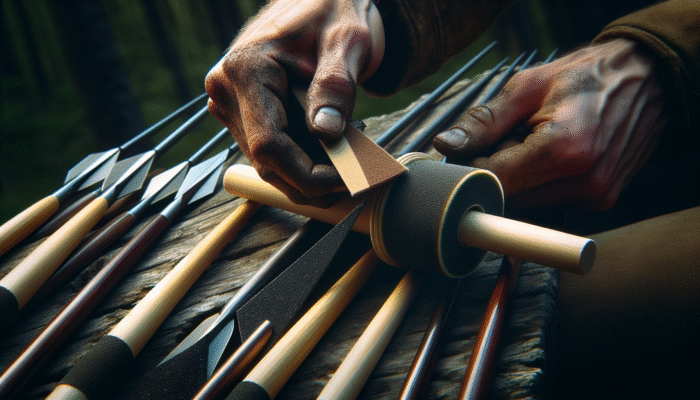
  • Cold Weather Survival: Essential Fire Starting Techniques

    Cold Weather Survival: Essential Fire Starting Techniques

    Master Essential Fire Starting Techniques for Thriving in Extreme Cold Conditions

    Starting a fire in frigid temperatures is not merely a skill; it is an essential survival technique vital for enduring the harsh realities of winter. With the biting chill and relentless winds, the ability to create warmth and light becomes paramount. As an experienced survivalist, you understand that fire is critical not only for maintaining body heat but also for cooking food and providing illumination in the darkness. However, igniting a fire in icy environments presents unique challenges that require specific strategies and techniques. In this comprehensive guide, we will delve into the most effective methods for creating flames in cold weather, empowering you with the knowledge and skills to conquer winter’s frigid grip and thrive in the wilderness.

    Equip Yourself with Essential Fire Starting Gear for Cold Weather Adventures

    Before setting out on your winter wilderness adventures, it is crucial to arm yourself with the right gear and supplies to significantly improve your survival odds. A well-prepared fire-starting kit can be the difference between warmth and discomfort in adverse weather. Be sure to include these essential items in your kit:

    fire starter

    a. Firestarters: Reliable tools such as waterproof matches, storm-resistant lighters, and fire-starting rods are indispensable for ensuring ignition, even amidst challenging conditions like wind and moisture. Having a variety of options at your disposal will provide you with the confidence needed to ignite flames, regardless of the obstacles you may encounter.

    b. Dry Tinder: Finding dry tinder in freezing temperatures can be an arduous task. To overcome this challenge, pack highly flammable materials like birch bark, fatwood shavings, and cotton balls soaked in petroleum jelly. These items ignite quickly and dramatically enhance your chances of successfully starting a fire, even when temperatures plummet below freezing.

    c. Kindling: To establish a strong foundation for your fire, gather dry sticks, twigs, and leaves. Ensure these materials are entirely dry, as any moisture can hinder ignition and lead to frustration when trying to spark a flame. Well-prepared kindling is crucial for transitioning from tinder to a robust fire.

    d. Fuel: Locating dry firewood in cold weather can be a labor-intensive process. Therefore, having a sufficient supply of dry firewood readily available is essential for maintaining a steady fire for an extended duration, ensuring that you stay warm and can cook food comfortably.

    Select the Perfect Spot for Your Fire to Enhance Warmth and Safety

    When temperatures drop, selecting the right location for your fire can provide significant advantages. Look for sheltered spots, like rock formations or dense shrubbery, to minimize exposure to strong winds. Positioning your fire near a natural windbreak not only reduces heat loss but also increases the likelihood of maintaining a steady flame. Additionally, consider building a small wind-resistant shelter using logs or a tarp to protect the fire from precipitation and help retain warmth, ultimately enhancing your overall comfort and safety in the outdoors.

    Utilize the Layering Technique for Long-Lasting and Effective Fires

    A key technique for successfully igniting a fire in cold conditions is mastering the art of layering your materials. To construct a fire that burns steadily, it is essential to utilize three foundational layers: tinder, kindling, and fuel. Here’s a breakdown of each layer and its significance:

    a. Tinder: The first layer, tinder, consists of materials that catch fire quickly and easily. Utilize fine, dry substances like grass, paper, or the aforementioned birch bark to create a robust initial flame. Having an ample supply of tinder is crucial for achieving successful ignition, particularly in cold environments.

    b. Kindling: This layer comprises small sticks and twigs that ignite swiftly and produce sustained heat. Gradually add kindling to your flame, ensuring enough space between pieces to promote airflow and encourage combustion. This step is vital for transitioning from small flames to a larger, more stable fire.

    c. Fuel: Once a steady flame is established, gradually introduce larger pieces of firewood. Ensure the wood is dry, as it will burn longer and generate more heat. Increase the size of the wood pieces gradually, allowing the flames to grow stronger before adding larger logs. This strategic approach to layering your fire promotes a stable and sustainable flame.

    The technique of layering your fire creates a structured setup that allows the flames to expand and sustain themselves effectively. Always ensure you have an adequate supply of each component readily available to facilitate a smooth transition from tinder to fuel, guaranteeing a successful fire in challenging conditions.

    Enhance Your Fire Starting Success with Proven Aids and Techniques

    In icy weather, utilizing additional fire-starting aids can significantly improve your chances of successfully igniting a fire against the challenges posed by low temperatures. Here are some effective methods to consider:

    a. Fatwood: Known as nature’s firestarter, fatwood is resin-infused pine wood that ignites easily and burns with intense heat. You can collect these naturally occurring sticks from fallen pine trees or purchase them from outdoor supply stores. Just a few pieces of fatwood can drastically improve your chances of successfully starting a fire in exceedingly cold conditions.

    b. Alcohol-Based Hand Sanitizer: Surprisingly effective, alcohol-based hand sanitizer is highly flammable and can serve as an accelerant. A small amount applied to your tinder or kindling can help ignite a fire rapidly, even in damp weather conditions, simplifying the fire-starting process and ensuring you can stay warm when you need it most.

    c. Char Cloth: Char cloth is specially prepared fabric that ignites easily from sparks, making it an excellent tool for starting fires using flint and steel or a lighter in challenging situations. Its lightweight and portable nature makes it an ideal addition to your fire-starting kit, ensuring you are always prepared.

    Incorporating these fire-starting aids into your cold-weather toolkit can significantly boost your chances of success when confronting particularly challenging conditions, allowing you to adapt to your environment effectively.

    Learn Effective Fire Techniques Specifically Designed for Cold Weather

    As a dedicated survivalist, continuously refining your skills is essential to your success. Here are two fire techniques that excel in cold weather conditions:

    a. Swedish Torch: Also known as a Canadian Candle or Finnish Fire Log, the Swedish Torch is an exceptionally effective fire-starting method. This technique provides a stable and long-lasting flame, perfect for combating winter’s chill. To create a Swedish Torch, find a log about knee-height and cut several vertical slits along its length. Place tinder in these slits and ignite it. The log will serve as a consistent fuel source, allowing the flame to endure for an extended period, ensuring warmth and safety.

    b. Dakota Fire Hole: When faced with strong winds, the Dakota Fire Hole method is highly effective. This technique involves digging a hole and creating a horizontal tunnel underground to facilitate airflow. This design utilizes the wind to enhance airflow, resulting in a more efficient fire that is less likely to be disrupted by gusts. Furthermore, the Dakota Fire Hole method effectively minimizes visible smoke while conserving fuel, making it an excellent choice for discreet fire building.

    Regardless of the method you choose, always prioritize safety and responsible fire management to minimize risks and ensure a successful fire-starting experience.

    Successfully igniting a fire in cold weather requires careful planning and execution. By following these steps—preparing a reliable fire-starting kit, selecting an optimal location, mastering layering techniques, utilizing fire-starting aids, and applying specific fire strategies—you will greatly enhance your chances of success. Remember, practice is key, so consistently train to refine your skills and boost your confidence. With these essential tactics for igniting fires in freezing conditions at your disposal, you’ll be well-prepared to tackle even the harshest winters that nature has to offer. Stay warm, prioritize your safety, and keep the flames of survival alive!

    The post Fire Starting Methods for Survivalists in Cold Weather appeared first on Survival Bite.

    The Article Fire Starting Techniques for Cold Weather Survival Was Found On https://limitsofstrategy.com

  • Where to Find Supplies After SHTF

    Where to Find Supplies After SHTF

    Locations to Look for Supplies After the SHTF

    Where to Find Supplies After SHTF: Some may think, “I’m a prepper; I won’t need to hunt for supplies. “I already have everything I need.” Maybe. Maybe not.

    Even if you’ve been preparing for years, you may have overlooked a few details. Even if you don’t forget anything, you can find yourself in a circumstance where you need something you didn’t expect.

    What happens if your shelter or vehicle is damaged? You may need to look for parts.
    What happens if a critical piece of equipment is destroyed? You may need to look for a substitute.
    What happens if your mother’s prescription pills are lost? You may need to hunt for substitute medications.
    What if you had to admit a pregnant woman or a parent with a young child? You may need to look for infant formula.

    These are just a few ideas I have. Once you’ve seen them, you will consider dozens of situations.

    The concept is that if disaster strikes, you may have to forage for supplies. You won’t have a choice if someone’s life is in danger. But before I get into how to scavenge, I’d like to clear up any confusion about the difference between scavenging and looting.

    Where to Find Supplies

    Scavenging Is Not Looting

    Following Hurricane Katrina, we saw videos of people sprinting down the street with jewellery and devices. Were they scavenging or looting? That is clear. Looters are not looking for stuff they need to survive; they merely take advantage of the situation.

    Looters are aware that the stolen items will be missed. They know the owner will eventually return and realise what is missing. For these reasons, looters are much like other robbers.

    Scavengers are not the same. They only look for things after the world as we know it ends, and they only take items that have been discarded or are unlikely to be detected.

    Sometimes, you must miss meals or take medication, but it is okay if someone needs it to survive. Taking food or medicine directly from someone else’s hands is another matter.

    Some legalists feel that stealing is stealing regardless of the circumstances, but morality is more than a set of rules. Individuals who are terrified of ethically problematic circumstances will do poorly if the SHTF.

    Send A Scout.

    If you know the area you want to search, send a scout with binoculars, a radio, and a rifle.

    Scouts should scan the area with binoculars for a few hours to confirm that no one lives there and that no bandits are waiting. It may sound paranoid, but some people become incredibly dangerous when there are no police to keep them in check.

    You do not want to be robbed or killed when scavenging for supplies.

    The radio keeps your scout in touch. If the location is unsafe or not worth the effort, the group’s commander can instruct the scout to return or examine another area. If you lose contact with your scout, you’ll know what’s wrong and can dispatch reinforcements. The reinforcements must be cautious so they do not fall into traps.

    It should be obvious what the scout’s gun is for.

    When surveying the terrain, the scout should note any obstacles that could cause more trouble than they’re worth. Examples include barbed wire fences, high walls, ditches, and streams. All of these variables may make it difficult or unsafe to return supplies.

    The scout should look for signs that bombs or earthquakes have destroyed any structures. You don’t want the stairs to collapse or a ceiling falling on you when digging through the rubble.

    If you have local maps, thoroughly examine them to identify all the ways into and out of the area you want to search. Plan your journey carefully, and have alternate routes in case your principal route is closed down.

    Before looking for a place, you and your group should weigh the costs, benefits, risks, and rewards. Is what you’re looking for necessary to save someone’s life, or is it something to make you feel better?

    Make a plan.

    After determining where to go and what to look for, you must decide who to send. Never send someone alone. They may have twisted an ankle or something and need assistance returning to camp. In addition, considerable hurdles or supplies may necessitate the movement of at least two individuals.

    Remember that a single individual is far more likely to be robbed or killed than two or more. Ideally, you would send many personnel, but this is contingent on how many you have available. You don’t want to leave children unaccompanied at your campsite.

    Your group should include a toolset and a scavenging kit that contains bags, cordage, lock picks, cutting tools, a syphon, water jugs, and other items. I also recommend bringing respirators and goggles if the air is dusty or smokey.

    If you have several regions to search, you must choose the order. To save energy, start further out and work your way back to camp.

    If you know the heaviest objects will be at a particular spot, go there last. If scavenging your area will take several days or weeks, purchase a map and mark the locations you want to avoid accidentally visiting the same site twice.

    Post-Apocalyptic Supply Hunt

    Where to look?

    Pretty much everywhere! Here are some potential targets and what you might discover within them.

    Automotive Shops

    You’re more likely to find the part you need here than at a department shop. It is true now and will be confirmed after the SHTF.

    Cars

    Look for any food, tools, or other essentials under the trunk, seats, and glove box. Additionally, auto components could be helpful. Suppose any member of your crew is mechanically inclined. In that case, you can use the upholstery as insulation and a bed, the wiring as cordage, the mirrors as signalling equipment, and the batteries as power sources and engine parts for your car.

    Churches

    I realise that taking materials from a church is completely bad. However, it is not theft if you are in an end-of-the-world situation and the church has been utterly abandoned. Churches that provide meals to the needy may have ample canned goods in the kitchen and closets.

    Distribution Centres

    Most people will go to food stores first, so it will take longer to clean the warehouses. Even so, some details may have been overlooked. Also, look out for the semi-trailers. You might discover nonperishable foods and other goods.

    Fire stations

    You might find food, supplies, and clothing. Furthermore, the fire engine includes a tank containing hundreds of gallons of water, which must be filtered.

    Gas Stations

    These will likely be picked clean, but you never know. It is worth a look.

    Government Buildings

    Most federal installations use commercial-grade solar panels. You might also locate backup lighting and emergency supplies.

    Grocery stores

    These will likely be picked clean, but you may locate food in less prominent locations, such as behind shelves, displays, and cash registers. Also, the restrooms, offices, stock area, and loading dock must be inspected.

    Hospitals

    This should include enough food, clothing, and medical supplies. Check every single closet and drawer.

    Houses

    Check everything—rooms, garage, basement, attic, backyard, storage sheds, garden (if there is one), etc. The water heater holds up to 70 gallons of drinking water. Better still, look for homes with swimming pools. Look for metal mailboxes, which can be turned into wood stoves.

    Marinas

    Inspect abandoned boats. They usually have emergency meals, communication equipment, fishing gear, and firearms.

    Office Buildings

    Look for vending machines in break rooms, food, and small tools on workstations. Most rooms should have fire extinguishers, and the janitor’s closet should contain cleaning supplies.

    Pawn shops

    If you’re lucky, you’ll discover guns, ammunition, and other random items. You might even uncover functional devices, like walkie-talkies or a ham radio.

    Pet stores

    If your pets are still healthy, a pet store may allow you to continue feeding them without giving up any of your food. You could eat it yourself, but I would only advocate it if needed. There are no FDA rules for pet food; overeating can make you sick.

    Restaurants

    These are probably going to be empty, but check anyhow. A few cans or bags of food were overlooked. However, anything stored in the freezer will have gone wrong.

    Retail stores

    See “Grocery Stores” above. Consider bringing non-electric entertainment, such as books, cards, board games, or sports equipment.

    Schools

    Schools contain many items, including tools, fire extinguishers, first aid kits, cleaning materials, and possibly food in the cafeteria. If you have time, you can open the lockers and check them. Specific snacks may have a lengthy shelf life.

    Self Storage Facilities

    It may be worthwhile if you have the time to pry open all of them. You’re unlikely to locate any food or perishable stuff, but you might come across some clothes, essential gear, and equipment.

    The Article Where to Find Supplies After SHTF Appeared First On Survival Avenue.

    The Article Where to Find Supplies After SHTF Was Found On https://limitsofstrategy.com