Category: Parenting & Family

  • The Ultimate Guide to Baby Feeding

    The Ultimate Guide to Baby Feeding

    A Comprehensive Guide to Feeding Your Baby

    mother comfortably breastfeeding her newbornBreastfeeding is a natural and effective way to nourish infants, providing them with vital nutrients and antibodies that help safeguard against infections and diseases. A solid grasp of breastfeeding basics is essential for a positive and rewarding journey. Having a correct latching technique is crucial for a smooth breastfeeding experience. The baby’s mouth needs to cover a substantial part of the areola to prevent discomfort and ensure that milk is transferred efficiently.

    Trying out different nursing positions, like the cradle hold, football hold, or side-lying position, can help find the most comfortable arrangement for both mother and baby. Regular nursing sessions are crucial for establishing and maintaining a milk supply while ensuring sufficient nourishment for the baby. Signs that a baby is getting enough breast milk include consistent weight gain, a minimum of six wet nappies daily, and a sense of satisfaction after feedings.

    For optimal well-being while breastfeeding, it is essential to prioritize self-care. This includes staying hydrated, nourishing your body with a well-balanced diet, and ensuring enough rest. If you encounter any difficulties while breastfeeding, it is recommended to seek help from a lactation consultant or healthcare provider. It is crucial to acknowledge that breastfeeding is a journey of discovery for both mother and baby, demanding patience and empathy.

    Key Takeaways

    • Breastfeeding offers a wide range of advantages for both the baby and the mother, such as providing vital nutrients and antibodies and fostering a strong bond.
    • Introducing solids is usually recommended when your little one reaches around six months of age. As a parent, it’s essential to observe signs of readiness, such as your baby sitting up and showing curiosity towards food.
    • When switching to bottle feeding, it’s crucial to select the appropriate bottle and nipple for your baby’s age and requirements. Additionally, it’s essential to establish a serene and cosy feeding atmosphere.
    • Parents need to be aware of common allergens and intolerances and ready to recognize and handle any possible reactions in their babies.
    • When travelling with a baby, it’s important to remember to pack familiar foods and feeding supplies. Additionally, it’s a good idea to plan for frequent breaks and opportunities for feeding to ensure your little one stays comfortable and well-nourished throughout the journey.

    Introducing Solids: When and How to Start

    introducing baby to solid foods for the first timeTiming for Introducing Solid Foods

    Introducing solids to your baby is an exciting milestone, and it’s crucial to understand the appropriate timing clearly. Waiting until around six months of age is recommended by the American Academy of Paediatrics, as this is when most babies are developmentally ready. Specific indicators can help determine if your baby is prepared for solid foods. These include sitting up with assistance, displaying curiosity about food, and moving food from the front of the mouth to the back for swallowing.

    Opting for the Perfect Initial Food Choices

    When introducing first foods, single-ingredient purees are a fantastic choice. Consider incorporating sweet potatoes, avocados, or bananas into your diet, and gradually introduce one new food at a time. It is advisable to wait a few days before introducing another food to monitor for any potential allergic reactions carefully.

    Advice for a Smooth Transition

    When introducing solids to your little one, you must approach them patiently and attentively to your baby’s cues. Every baby has a unique journey in transitioning to solid foods. Some little ones may eagerly embrace this new culinary adventure, while others require more time and patience. It is essential to keep providing breastmilk or formula alongside solids, as this will continue to be the primary source of nutrition for the first year. As your little one grows more accustomed to solid foods, you can slowly expand their culinary horizons by introducing diverse flavours and textures. Consider incorporating mashed or finely chopped fruits and vegetables, tender meats, and bite-sized finger foods into their meals.

    Bottle Feeding 101: Tips for a Smooth Transition

    parent bottle-feeding their babyAlthough breastfeeding is a fantastic choice for numerous mothers, there are situations where bottle feeding becomes necessary or preferred. We’ve got you covered if you’re looking for some helpful advice on transitioning to bottle feeding, whether exclusively using bottles or supplementing with formula. Here are a few tips to make the process as smooth as possible. Choosing the appropriate bottle and nipple for your baby is of utmost importance.

    With a wide range of options, some experimentation may be required to discover the most suitable choice for your baby’s requirements. In addition, it is crucial to maintain a partially upright position for your baby during bottle feeding. This helps to prevent ear infections and promotes optimal digestion. Proper preparation of the formula is crucial when it comes to bottle feeding.

    It is of utmost importance to meticulously adhere to the instructions on the formula packaging to guarantee that your baby receives the optimal balance of essential nutrients. In addition, it is crucial to be attentive to your baby’s hunger signals and feed them as needed, mirroring the approach used in breastfeeding. Following this approach, you can establish a well-balanced feeding schedule and guarantee that your little one receives adequate nourishment.

    Finally, it is crucial to establish a strong connection with your baby while bottle feeding. This can be achieved by maintaining eye contact, engaging in soft conversation or singing, and offering gentle caresses. This creates a nurturing and comforting feeding experience for you and your baby.

    Allergies and Intolerances: How to Identify and Manage

    parent carefully reads the ingredients on a food labelAs you explore the realm of nourishing your little one, it’s crucial to stay mindful of possible allergies and intolerances that may emerge. When it comes to allergies, the immune system can have a strong reaction to a particular food protein. On the other hand, intolerances can arise when the body struggles to digest certain foods. Some common foods that can cause allergies are cow’s milk, eggs, peanuts, tree nuts, soy, wheat, fish, and shellfish.

    Indicators of a possible food allergy or intolerance in infants encompass hives, eczema, vomiting, diarrhoea, excessive gas, or fussiness following meals. If you believe your baby might be experiencing an allergy or intolerance, seeking advice and guidance from a healthcare professional for a thorough evaluation is crucial. When your baby is diagnosed with a food allergy or intolerance, it is crucial to collaborate with a healthcare provider or allergist to create a comprehensive management plan.

    It may be necessary to remove the problematic food from your baby’s diet or make changes to your diet if you are breastfeeding. It’s crucial to stay diligent about reading food labels and enquiring about ingredients when dining out or accepting food from others. In addition, it is essential to have a contingency plan ready for any accidental encounters with allergens.

    With the proper guidance and assistance, infants with food allergies or intolerances can flourish and enjoy a life of good health.

    Feeding on the Go: Tips for Traveling with a Baby

    Managing your baby’s feeding needs while moving can be tricky, but it can be easily handled with planning and adaptability. Regardless of your mode of transportation, ensuring that you have ample snacks and fluids for your baby is crucial. Parents can provide pre-measured formula, pumped breastmilk, and convenient snacks like cut-up fruits or crackers.

    It is crucial to have a complete feeding set that is easy to carry, including bottles or sippy cups, bibs, utensils, and cleaning supplies. When travelling with a baby, carefully considering and scheduling feeding breaks throughout the journey is crucial. Planning stops during road trips for feeding and nappy changes or locating a peaceful area at the airport or train station for a feeding session may be necessary.

    In addition, it is crucial to be aware of your baby’s feeding schedule and adhere closely to their routine while travelling. This can offer your little one a sense of reassurance and steadiness during an unfamiliar and potentially daunting situation.

    Mealtime Milestones: What to Expect at Each Stage

    Early Stages: Exclusively Breastmilk or Formula

    During the initial stages of your baby’s life, their nourishment will come exclusively from breast milk or formula.

    Welcome to the world of solids!

    It is recommended that solid foods be introduced alongside breastmilk or formula at around six months of age. This signifies the start of a thrilling adventure in discovering fresh tastes and unique sensations.

    Toddlerhood: Discovering the World and Embracing Independence

    As your little one approaches their first birthday, they will probably start exploring a more comprehensive range of foods and might even begin to feed themselves using their fingers or utensils. This stage focuses on the exciting process of exploration and developing fine motor skills. Once your little one hits the two-year mark, they’ll probably be chowing down on the same meals as everyone else and might even be able to handle their utensils. Being patient and supportive as your baby navigates mealtime milestones is crucial, as well as providing ample encouragement and praise throughout the process.

    Troubleshooting: Common Feeding Challenges and How to Overcome Them

    When it comes to feeding your baby, you may encounter various challenges. However, with patience and perseverance, some strategies can assist you in overcoming these obstacles. Dealing with a selective eater can be quite a challenge. It’s crucial to remember that it’s typical for infants and young children to experience periods when they might reject certain foods.

    Providing a range of nutritious choices and practising patience can foster your child’s willingness to explore different foods gradually. Mealtime distractions can often pose a common challenge. As infants develop, they might become more prone to getting easily sidetracked during meal times, challenging their ability to concentrate.

    Minimizing distractions can help create a focused feeding experience for your baby. This can be done by feeding in a quiet environment and turning off screens. In addition, creating a regular mealtime schedule can assist in signalling to your baby that it is time to eat. Spills and messes are frequent during mealtime, particularly when babies start feeding themselves.

    Embracing the chaos and offering ample chances for your little one to experiment with utensils can aid in the development of their fine motor skills and foster their independence at mealtime. Ultimately, manoeuvring through the realm of nourishing your little one presents its distinct array of obstacles and achievements at every phase. By having a solid grasp of breastfeeding fundamentals, introducing solids at the appropriate time, smoothly transitioning to bottle feeding if necessary, being mindful of potential allergies or intolerances, ensuring your baby’s feeding needs are met while travelling, understanding mealtime milestones at each developmental stage, and patiently and persistently addressing common feeding obstacles – you can offer your baby a nourishing and positive feeding experience that establishes a foundation for lifelong healthy eating habits.

    Additional Reading

    If you’re looking for innovative storage solutions for your organized nursery, check out this article for helpful tips. Keeping your baby’s feeding supplies and other essentials organized can make the feeding process much smoother and more enjoyable for you and your little one.

    FAQs

    Could you please provide information on the various methods of baby feeding?

    Multiple approaches to baby feeding exist, such as breastfeeding, bottle feeding with formula, and a combination of both.

    What is the recommended feeding schedule for a baby?

    Typically, newborn babies require feeding every 2-3 hours or whenever they display signs of hunger. As they mature, the feeding frequency may decrease, but it is crucial to nourish them whenever they need it.

    How can you tell if a baby is hungry?

    Indicators that a baby is in need of nourishment consist of displaying rooting behaviour (such as turning their head and opening their mouth when touched on the cheek), engaging in hand or finger sucking, and exhibiting signs of fussiness or irritability.

    What advantages does breastfeeding offer?

    Breastfeeding offers many advantages for both the baby and the mother. It ensures that the baby receives vital nutrients and antibodies, fosters a strong bond between mother and baby, and may even help lower the risk of specific health issues for both parties.

    How can I determine if my baby is receiving sufficient nourishment?

    Indicators that a baby receives adequate nourishment include having 6-8 wet nappies daily, consistently gaining weight, and appearing content after meals. Regular check-ups are crucial for monitoring their growth and development.

    What is the ideal time to start introducing solid foods to my baby?

    Typically, infants are developmentally prepared to begin experimenting with solid foods at approximately six months old. Indicators of readiness include the ability to sit up with assistance, displaying curiosity about food, and successfully transferring food from a spoon to their mouth.

    References

    The post The Ultimate Guide to Baby Feeding appeared first on https://totally-babies.com

    The Article The Ultimate Guide to Baby Feeding Was Found On https://limitsofstrategy.com

  • Understanding Baby Growth Spurts: What to Expect

    Understanding Baby Growth Spurts: What to Expect

    Recognising Infant Growth Spurts: What Should You Expect

    baby growth spurts lack of sleepInfancy is a time of incredible growth and development, with babies experiencing rapid physical and developmental changes known as baby growth spurts. These spurts are marked by increased appetite, changes in sleep patterns, and a noticeable increase in irritability. Usually, the most notable growth spurts happen around 2-3 weeks, 6 weeks, 3 months, and 6 months of age.

    During these phases, infants may experience heightened hunger, fussiness, and a greater need for attention from carers. Managing these behavioral changes can be quite challenging for parents. Infant growth spurts are a normal and crucial aspect of development, playing a vital role in physical growth, cognitive progress, and the acquisition of motor skills.

    Understanding the signs of a growth spurt and knowing how to respond appropriately is essential for promoting an infant’s healthy development and ensuring parental well-being. Proper nutrition, sufficient rest, and a patient approach are crucial for effectively managing these demanding periods of growth.

    Key Takeaways

    • During the first year of life, babies experience rapid growth and development, known as growth spurts.
    • Baby growth spurts are often accompanied by signs such as increased hunger, fussiness, and changes in sleep patterns.
    • Growth spurts occur due to hormonal shifts and the need for additional nourishment to sustain rapid development.
    • Supporting your baby during growth spurts requires offering additional feedings, providing comfort, and practicing patience.
    • Dealing with baby growth spurts can be challenging, but it’s crucial to remember that they are a completely normal aspect of your baby’s development.

    Signs and Symptoms of Baby Growth Spurts

    Heightened Appetite and More Frequent Meals

    Increased hunger and feeding frequency are often observed during a growth spurt. Infants sometimes appear to have an insatiable appetite, desiring to nurse or take a bottle more frequently than usual.

    Alterations in Mood and Behaviour

    During growth spurts, babies may experience increased fussiness and irritability. Their crying frequency may increase, making it harder for them to settle down for naps or bedtime, and they may appear generally more discontented. This can be tiring for parents, especially if they lack sleep.

    Disturbances in Sleep Patterns

    During growth spurts, it’s common for babies to experience changes in their sleep patterns. When they struggle to fall asleep or stay asleep, it can be challenging for babies and parents alike, resulting in nights filled with interruptions.

    baby lying on a soft play mat, squirming and looking uncomfortable from baby growth spurtsUnderstanding the Science Behind Baby Growth Spurts

    The science behind baby growth spurts is both intriguing and intricate. During these periods, a baby’s body undergoes rapid growth and development, necessitating substantial energy and nutrients. Babies may appear to be constantly hungry during growth spurts because their bodies require additional fuel to support their rapid growth.

    In addition, growth spurts are often accompanied by increased production of certain hormones, such as growth hormone and insulin-like growth factor 1 (IGF-1), essential for regulating growth and development. Babies may experience increased hunger and fussiness during growth spurts due to hormonal changes. In addition, the baby may experience some discomfort during these periods due to their rapid physical growth, which involves stretching and developing their muscles and bones.

    Parents often notice increased irritability and fussiness during growth spurts, which can be attributed to this discomfort.

    How to Support Your Baby During Growth Spurts

    Providing proper support for your baby during growth spurts is crucial for their overall development and your peace of mind as a parent. Being attentive and responsive to your baby’s growing appetite and feeding signals is crucial during these times. It may be necessary to increase nursing or bottle feeding frequency for a short period of time. Still, it’s important to remember that this is only temporary and essential for your baby’s growth and development.

    In addition, offering comfort and reassurance to your baby during growth spurts can contribute to their sense of security and calmness. Trying cuddling, rocking, or using soothing techniques to comfort your baby during their moments of irritability and fussiness may be helpful. Ensuring your baby gets plenty of rest during growth spurts is crucial.

    Creating a calm and soothing sleep environment can significantly assist in ensuring that they get the rest necessary to support their rapid growth and development, even if their sleep patterns are disrupted.

    cradling and soothing a fussy babyTips for Managing Baby Growth Spurts

    Managing baby growth spurts can be quite a challenge, but fear not! We’ve got you covered with helpful tips that will make this time a little easier for you and your little one. It’s essential to remain patient and understanding during growth spurts. Remember that these periods are temporary and completely normal in a baby’s development.

    Being patient with your baby’s increased demands for feeding and comfort can provide them with a sense of security and support during this period. It’s important to prioritize self-care as a parent during growth spurts. Dealing with a fussy and demanding baby can be pretty overwhelming and exhausting. It’s crucial to prioritize self-care and reach out for assistance when necessary.

    Taking breaks when you can, reaching out to loved ones for support, or considering seeking professional assistance may be helpful if you’re feeling overwhelmed.

    When to Seek Medical Advice for Baby Growth Spurts

    Observing Eating Habits and Changes in Body Mass

    Although baby growth spurts are a common aspect of development, there may be instances where it is advisable to consult with a healthcare professional. If you have concerns about your baby’s feeding patterns or weight gain during a growth spurt, seeking guidance from a healthcare provider is crucial.

    Monitoring for Alarming Symptoms

    In addition, if your baby appears excessively irritable or fussy during a growth spurt or if you observe any other concerning symptoms, it is crucial to seek medical advice.

    Have confidence in your intuition and reach out for assistance.

    It’s essential to trust your instincts as a parent. It’s always best to seek professional guidance if you have any concerns. In addition, it’s crucial to seek support if you find it challenging to handle the demands of a growth spurt or if you feel overwhelmed as a parent. If parents face the challenges of baby growth spurts, it’s important to remember that resources are available to assist. Don’t hesitate to reach out for help when needed.

    baby being happily held by thegrandparentRecap of Understanding Baby Growth Spurts

    Baby growth spurts are an ordinary and necessary aspect of a baby’s development. Understanding the signs and symptoms of growth spurts and the scientific explanations behind them can assist parents in providing the required support for their babies during these demanding phases. It is essential to ensure that babies receive the necessary comfort, reassurance, ample nourishment, and rest during growth spurts.

    Although managing growth spurts can sometimes be challenging, it’s crucial to remember that these phases are temporary and a natural part of a baby’s development. In order to effectively manage baby growth spurts, it is crucial to seek medical advice when necessary and make self-care a priority as a parent. By understanding and supporting your baby through these rapid growth and development periods, you can help them flourish and achieve their maximum potential.

    If you’re dealing with a baby growth spurt, you might want to consider learning about childproofing your kitchen to ensure your little one’s safety as they become more mobile.

    Check out this article on childproofing your kitchen for some helpful tips and tricks.

    FAQs

    What exactly are baby growth spurts?

    Baby growth spurts are characterized by significant advancements in a baby’s physical, cognitive, and emotional abilities. Amidst these challenging times, babies might encounter heightened hunger, fussiness, and alterations in sleep patterns.

    When do babies usually experience growth spurts?

    Growth spurts in babies can occur at different intervals throughout their first year of life, usually around 2 weeks, 6 weeks, 3 months, 6 months, and nine months. However, it’s important to note that each baby is unique, and growth spurts can occur at varying times.

    What are the indications of a baby experiencing a growth spurt?

    Indications of a baby growth spurt may involve a surge in appetite and feeding frequency, irritability, a desire for closeness, alterations in sleep patterns, and heightened physical activity like rolling over or crawling.

    What is the duration of baby growth spurts?

    During baby growth spurts, they commonly experience a temporary increase in their growth rate, usually lasting for a few days to a week. During this time, parents must remain patient and offer additional comfort and nourishment to aid their baby’s rapid growth and development.

    What are some ways parents can provide support to their baby during a growth spurt?

    This guide offers suggestions for parents to support their baby during a growth spurt. It emphasizes the importance of frequent feedings, providing comfort and reassurance, ensuring plenty of rest and sleep, and engaging in gentle play and physical activity. These actions can help the baby feel secure and supported during this period of rapid change.

    References

    The post Understanding Baby Growth Spurts: What to Expect appeared first on https://totally-babies.com

    The Article Understanding Baby Growth Spurts: What to Expect Was Found On https://limitsofstrategy.com

  • Raising Teenagers with Grace and Patience

    Raising Teenagers with Grace and Patience

    raising teenagersRaising teenagers is among the most challenging aspects of parenting, among many other things. Accompanying adolescent children through all the social and emotional changes may be a real challenge for parents. However, if parents are patient and gracious, they may help their kids thrive during this critical stage.

    Main Points to Remember

    • Understanding the emotional lives of teenagers is crucial for effective parenting.
    • Raising teens today comes with both challenges and opportunities.
    • Helping your teenager navigate social media and technology is essential for their well-being.
    • Building solid relationships with your teenager requires open communication and mutual respect.
    • Encouraging responsibility and independence in your teenager can help them thrive.

    Understanding the Emotional Lives of Teenagers

    A teenager’s emotional toolkit includes many feelings, including anger, grief, joy, and others. As a parent, you can best assist your adolescent if you are familiar with and manage these feelings. Adolescence is a time of profound emotional development and growth as individuals grapple with identity and social place questions. Difficulties may arise due to low self-esteem, identity formation, or peer pressure.

    Parents should make it safe for their teenagers to talk about their feelings. Acknowledging and validating their emotions, listening carefully and without passing judgment, and offering any needed help are all components. It is critical to teach children healthy coping mechanisms for dealing with stress and negative emotions, such as regular exercise, writing in a notebook, or talking to an adult they trust.

    Raising Teens Today: Challenges and Opportunities

    Compared to previous generations, today’s teens present unique challenges for parents. Parenting has become more complicated due to the rise of social media and other forms of electronic communication. Teens are more vulnerable to cyberbullying, unhealthy comparisons, and low self-esteem since they are constantly connected to their classmates online.

    In contrast, modern parents have many opportunities to build new relationships with their teenagers as they guide them through life. Through social media, parents can better understand their teen’s hobbies and have fruitful discussions about their teen’s online activities. Technology can be used to study and develop oneself by facilitating access to educational resources and interests.

    Helping Your Teenager Navigate Social Media and Technology

    Parents can help their teenagers cope with the potential adverse effects of excessive social media and technology use by setting boundaries and monitoring their use. It is important to have frank discussions about the possible dangers of social media, including cyberbullying, online predators, and the negative impacts on mental health. In addition, parents should urge their children to spend less time on social media and more time doing things that don’t involve technology.

    There may also be good results from limiting screen time and making some rooms in the house off-limits to technology. Healthily, parents should utilize technology themselves. Among the many reasons why it is essential to teach teens how to stay safe when using the internet are instances where they may reveal personal information or engage in risky activities. Parents can protect them from harm by being involved in their life and watching their teen’s online activities.

    parent listens empatheticallyBuilding Strong Relationships with Your Teenager

    Your teen’s emotional and social development depends on your ability to build a strong rapport with them. Adolescents require parental understanding, support, and affection. Spending time with them, paying close attention when they talk, and demonstrating that you value what they say are examples of this.

    A simple rule like eating dinner at the same time every night or doing something your teen enjoys can go a long way toward creating quality family time. Make sure your teen can feel safe opening up to you about their emotions. Remaining non-judgmental and validating their experiences is crucial.

    Parents should try to listen actively when communicating with their children. To do this, one must respond in a way that conveys understanding, show empathy for their perspective, listen carefully, and maintain eye contact. Never interrupt or disrespect someone’s feelings, regardless of your disagreement.

    Showing your support and love via deeds is more powerful than words alone. Telling your teen these things is a great way to show them how proud you are of them, how confident you are in their skills, and how much you support them no matter what. One little way to show your support is by attending their extracurricular activities or leaving a message of encouragement. These actions can go a long way in helping them develop good relationships.

    Setting Boundaries and Rules with Your Teenager

    It is crucial to set limits and expectations for teenagers so that they learn responsibility and respect. When parents set limits and rules for their children, they can empower them and give them a sense of responsibility. Make the regulations clear and reasonable, and be accommodating when asked.

    It is critical to enforce rules and restrictions regularly. Adolescents need to have their expectations and punishments spelled out for them. Addressing consequences when necessary is important, but it is equally important to creating opportunities for growth and learning from mistakes.

    Encouraging Responsibility and Independence in Your Teenager

    It is essential that teenagers develop a sense of responsibility and independence so that they can grow up to be self-sufficient adults. This can be achieved by empowering teenagers with age-appropriate responsibilities and allowing them the autonomy to pursue their own interests. This could include effectively managing one’s time, taking on extra chores around the house, or even working part-time.

    Parents should support their children as they transition from childhood to adulthood. One way to do this is by being approachable and willing to help others with questions, offer advice, or make mistakes. Supporting your teen’s independence does not mean you should abandon them; instead, it involves equipping them with the resources they need to determine their fate.

    emotional support and understandingNavigating Conflict and Communication with Your Teenager

    Parents and teenagers are no different from any other couple; disagreements and misunderstandings are inevitable in any relationship. Parents should talk to their teens politely and listen constructively to what they have to say. This involves listening attentively to their argument and looking for points of agreement rather than being accusatory or nasty.

    Disagreements are better handled as they arise rather than allowed to fester. Find a quiet, neutral spot to meet, and be prepared to compromise. It is essential to validate your teen’s feelings rather than dismissing or minimizing them.

    Supporting Your Teenager’s Mental Health and Well-being

    Depression and anxiety are prevalent mental health issues among adolescents. Parents must see the signs of mental health issues in their children and ensure that they receive the necessary care when it is needed. A combination of medicine and psychotherapy may be considered as a treatment strategy.

    Help your teen keep their mental health in check by creating a safe and supportive environment at home. This includes emotional support, fostering open communication, and encouraging healthy coping techniques. Your teen needs to hear that they can talk to someone about their struggles and that asking for help is okay.

    Navigating Parenthood and Raising Teenagers with Grace and Patience

    Although dealing with teenagers might be challenging, parents can significantly improve their chances of success by keeping calm. When parents invest in their children’s emotional well-being, set limits and guidelines, and offer emotional and mental health assistance, they foster solid relationships and the growth of responsible, independent adults. Being an elegant and loving parent can have a beneficial impact on an adolescent’s life.

    Raising an adolescent is no easy feat, as any parent can attest. But you can find tools to assist you in your journey. One item that fits this description is “Exciting Toys to Keep Your Toddler Engaged and Learning.” Despite the seemingly irrelevant title, this article provides helpful information for recognizing the requirements of children at various stages of development. Even teenagers might benefit from the advice on choosing educational and engaging toys. Read this article to learn how to apply these concepts to parenting your adolescent.

    FAQs

    What is the definition of parenting teenagers?

    Adolescents (those aged thirteen to nineteen) are the focus of “Parenting Teenagers,” a book about mentorship and childrearing.

    What are some common challenges of parenting teenagers?

    Parents face normal challenges when raising teenagers, including dealing with mood swings, conflicts, and disagreements and establishing limits and restrictions. Another vital aspect is helping their children reject the effects of social media and their friends.

    What are some effective parenting strategies for teenagers?

    Effective parenting strategies for teenagers include actively listening, setting clear expectations and penalties, providing emotional support, encouraging independence and responsibility, and modeling positive behavior.

    How can parents communicate effectively with their teenagers?

    Suppose parents want to have better conversations with their teens. In that case, they should listen carefully without interrupting or criticizing, use “I” statements instead of “you” ones, and be honest about how they feel and what they’ve been through.

    What are some signs that a teenager may be struggling with mental health issues?

    If a child is experiencing changes in mood or behavior, withdraws from friends and family, has problems eating or sleeping, or has worse academic performance, it could be a sign of a mental health problem.

    What should parents do if they suspect their teenager is struggling with mental health issues?

    Concerned parents should seek the advice of a primary care physician or mental health professional if they suspect their teen is suffering from a mental health issue. Parents can also be there for their teenagers emotionally and share their concerns with them.

    The post Raising Teenagers with Grace and Patience appeared first on Totally Babies.

    The Article Raising Teenagers with Grace and Patience Was Found On https://limitsofstrategy.com

  • Managing Colic: Relieving Your Baby’s Pain

    Managing Colic: Relieving Your Baby’s Pain

    Both parents and infants can experience the distressing symptoms of colic. Babies and their caretakers may find this condition very trying because of the excessive crying, fussiness, and trouble sleeping that describe it. This article will delve deeply into the topic of colic, covering many parts such as what colic is and what causes it; how to recognise the symptoms of colic; how to alleviate the baby’s discomfort; various treatment options; natural remedies; prevention strategies; diagnosis; the role of diet in managing colic; coping strategies for parents and carers; and when to seek help if colic is a sign of something more serious.

    Key Takeaways

    • Colic is a condition that causes excessive crying and fussiness in babies, and its exact cause is unknown.
    • Symptoms of colic include crying for more than three hours a day, three days a week, for at least three weeks.
    • Some tips for soothing a colicky baby include swaddling, using white noise, and offering a pacifier.
    • Medical interventions for colic may include probiotics, simethicone drops, and prescription medications.
    • Natural remedies for colic relief, such as herbal teas and massage, may provide some relief, but their effectiveness has not been scientifically proven.

    Understanding Colic: What It Is and What Causes It

    When a baby who is generally healthy and getting enough to eat cries excessively, it is called colic. Starting at about two or three weeks of age, it can continue for up to four months. Although several hypotheses have been advanced, the actual origin of colic remains a mystery. According to one idea, the presence of gas or an underdeveloped digestive tract might cause colic. Neurological variables, such as an overactive nerve system or an inadequate capacity for self-soothing, might be involved, according to one alternative view. Babies’ temperaments also play a role in colic, according to some studies; some are naturally more prone to crying and fussiness than others.

    Recognising Colic Symptoms in Your Baby

    Parents and carers must be able to recognise the signs of colic to comprehend the pain their infant is experiencing. Colic is characterised by prolonged crying that lasts several hours a day, restlessness or impatience in between fits of crying, trouble falling or remaining asleep, clenching of fists or muscles during fits of crying, and a predictable pattern of crying that usually happens in the late afternoon or evening. You should see a doctor for a proper diagnosis because these signs and symptoms might be similar to other diseases or disorders, such as acid reflux or food allergies.

    Colic Relief: Tips and Tricks for Soothing Your Baby’s Discomfort

    There are several tried-and-true methods that parents and carers may employ to calm a fussy infant. One helpful strategy is using white noise, such as a fan or a white noise machine, to make the room more soothing for the infant. Another useful technique is swaddling, which gives the baby the sensation of being safely wrapped in the womb. Babies often feel more at ease when carried near an adult in a sling or carrier. Dimming the lights and turning down the noise can also help soothe a fussy infant.

    Colic Treatment: Medications and Other Medical Interventions

    In some circumstances, medicine might better manage the symptoms of colic. Simethicone drops are a popular drug that helps with gas in the digestive tract. Probiotics, which aid in reestablishing a healthy gut flora balance, have also demonstrated some promise in certain instances. More studies are needed to assess the usefulness of other medical procedures, such as chiropractic adjustments or acupuncture, in treating colic. However, they may be explored as alternatives.

    Natural Remedies for Colic Relief: What Works and What Doesn’t

    To reduce the symptoms of newborn colic, many parents seek natural solutions. Herbal drinks, such as chamomile or fennel tea, are popular natural medicines because of their soothing effects. Both the caretaker and the infant can relax and bond via massage. Keep in mind that not all all-natural treatments have proof of efficacy. For instance, the effectiveness and safety of gripe water—a common herbal and sodium bicarbonate remedy—in treating colic is debatable. Before using any natural therapies, it is wise to get the advice of a healthcare expert.

    Colic Prevention: Strategies for Reducing the Risk of Colic in Your Baby

    Although there is no foolproof technique to avoid colic, there are measures that can lessen the likelihood of it happening. While nursing, it’s best to stick to a healthy diet and avoid things like coffee, spicy food, and dairy products, which might make your baby squirm. Babies can avoid choking on air as they drink formula using a slow-flow bottle. Furthermore, it may be helpful for your infant if they are fed and sleep in a peaceful and quiet setting.

    Colic Diagnosis: How Doctors Determine If Your Baby Has Colic

    To diagnose colic, the baby’s symptoms and elimination of other possible causes are used. It is common practice for healthcare providers to inquire about the baby’s eating habits, demeanour, and general well-being. To further eliminate any medical issues, they could perform a physical examination. It is crucial to see a healthcare provider if you have concerns about your baby’s COVID status. They can offer information and assistance.

    The Role of Diet in Colic Management: What to Eat and What to Avoid

    Diet plays a significant role in colic management, except for newborns who are fed formula or are nursing. To keep your infant from experiencing colic, you must stick to a balanced diet while nursing. Caffeine, hot meals, dairy products, and some veggies (such as cabbage or broccoli) are some of the most prevalent causes. It can be worth considering switching to a hypoallergenic formula if your kid is suspected of having a cow’s milk protein sensitivity if you are formula feeding. It’s recommended to talk to a doctor or a trained nutritionist for specific recommendations.

    Coping with Colic: Strategies for Parents and Carers

    Carers and parents may find coping with a fussy infant to be an arduous and taxing task. Prioritising self-care and reaching out to loved ones or support groups may make a difference. Finding strategies to deal with stress, relaxing when needed, and taking breaks when needed are all excellent ideas. Always keep in mind that colic is just a phase. Additional support and direction can be obtained by consulting a professional if necessary.

    When to Seek Help: Understanding When Colic Might Be a Sign of Something More Serious

    In most cases, colic is nothing to worry about, but it can sometimes indicate a more serious cause. Seek medical attention immediately if your infant experiences severe, persistent, or other problematic symptoms, including vomiting, fever, or poor weight growth. Additional testing and therapy may be necessary to rule out a more severe illness, food allergy, or structural anomaly causing these symptoms.

    Baby colic is a problematic condition for both the baby and its caretakers. Parental and carer support during this challenging time can be enhanced by a better understanding of colic and its causes. There are many facets to dealing with colic, including recognising the symptoms, relieving the baby’s discomfort, researching treatment options, thinking about natural remedies, implementing prevention strategies, getting a correct diagnosis, managing the baby’s diet, coping mechanisms for parents and carers, and knowing when to get help. Keep in mind that colic is just a passing phase. As long as everyone involved is patient, supportive, and careful, the infant and caretakers can overcome this difficult period.

    Living apart from caring for your infant might be difficult if you’re a new parent dealing with a fussy baby. Still, it’s possible to get through this phase with a modicum of normalcy. A linked post on Totally Babies offers helpful advice on returning to your life as a parent. Here are some practical suggestions to help you stay well while caring for your fussy baby, including creating routines and connecting with support groups. Check out the article here for more insights and guidance.

    FAQs

    What is colic in babies?

    Colic is a condition in which a baby cries excessively and inconsolably for no apparent reason, typically for more than three hours a day, three days a week, for three weeks or longer.

    What are the symptoms of colic in babies?

    The colic symptoms in babies include excessive crying, fussiness, irritability, difficulty sleeping, and a complex, distended abdomen.

    What causes colic in babies?

    The exact cause of colic in babies is unknown, but it is believed to be related to digestive problems, such as gas, acid reflux, or an immature digestive system.

    When does colic in babies usually start?

    Colic in babies usually starts around two to four weeks of age and can last until the baby is three to four months old.

    How is colic in babies diagnosed?

    Colitis in babies is diagnosed based on the symptoms and the absence of other medical conditions that could be causing excessive crying.

    What are the treatments for colic in babies?

    The treatments for colic in babies include soothing techniques, such as swaddling, rocking, and white noise, as well as changes in feeding, such as smaller, more frequent feedings or a switch to a different formula.

    Can colic in babies be prevented?

    There is no known way to prevent colic in babies, but some measures, such as breastfeeding, may reduce the risk of developing colic.

    The post Dealing with Colic: Soothing Your Baby’s Discomfort appeared first on Totally Babies.

    The Article Managing Colic: Relieving Your Baby’s Pain Was Found On https://limitsofstrategy.com

  • Is Co-Sleeping With Your Baby A Good Idea?

    Is Co-Sleeping With Your Baby A Good Idea?

    Co-Sleeping: Exploring the Benefits, Safety, and Cultural Perspectives

    Few parenting subjects spark as much controversy as co-sleeping—the practice of sharing a sleeping space with your child. The decision to co-sleep involves various factors, including safety concerns and cultural differences in sleeping habits. This thorough guide explores the advantages, safety concerns, and cultural views of co-sleeping to provide parents with a more nuanced understanding of this personal parenting decision.

    co-sleeping with a babyIncorporating Research Findings: Benefits of Co-Sleeping

    Evidence for the benefits of co-sleeping has been mounting in recent years, with several studies highlighting the importance of this practice in helping parents and children develop strong bonds. According to research by developmental psychologists, sharing a bed with a baby or young child might help them feel more secure and close to you. Babies who slept next to their parents had lower levels of the stress hormone cortisol, suggesting they were more comfortable and safe, according to research published in the Journal of Developmental & Behavioural Paediatrics. Also, prominent sleep expert Dr James McKenna stresses the significance of what he calls a “breast sleeping” environment, where nursing and sharing a bed simultaneously meet emotional and nutritional needs.

    Addressing Concerns: Safety Considerations for Co-Sleeping

    While addressing common concerns surrounding safety is vital, it is also essential to acknowledge the compelling benefits of co-sleeping. One of the most significant concerns that parents could have is the possibility of Sudden Infant Death Syndrome (SIDS), which is linked to the practice of co-sleeping arrangements. On the other hand, studies have shown that when done safely, co-sleeping can lower the incidence of sudden infant death syndrome (SIDS). According to Dr Rachel Moon, a paediatrician and a specialist in sleep-related baby mortality, room-sharing without bed-sharing is the safest sleep environment for newborns. She emphasises the need for a hard sleep surface and reminds parents to avoid using soft bedding. Implementing safeguards such as removing heavy blankets and pillows from the sleeping space and ensuring that the surface on which the individual is sleeping is free of any potential dangers will reduce the likelihood of any potential risks.

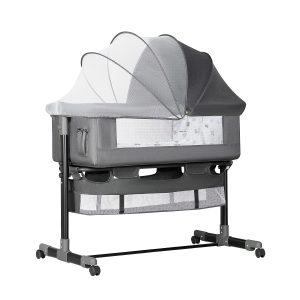
    baby bassinet bedside sleeperPractical Tips: Creating a Safe Co-Sleeping Environment

    To provide a safe atmosphere for co-sleeping, it is necessary to carefully consider the room’s arrangement and adhere to the safety recommendations. An investment in a co-sleeper bassinet or cot that can be attached securely to the parent’s bed is a helpful piece of advice. This will give the newborn a distinct resting place while allowing easy access to the parent’s bed for feedings at night. It is recommended by Dr Harvey Karp, a well-known paediatrician and author of “The Happiest Baby on the Block,” that a firm mattress with a fitted sheet is used and that loose bedding or soft materials that might potentially cause suffocation be avoided. Other important factors for safe co-sleeping include ensuring that the newborn is positioned on their back when sleeping and preventing the infant from overheating by ensuring the room temperature is suitable.

    Personal Perspectives: Stories from Co-Sleeping Families

    Parents who have adopted the practice of co-sleeping often talk about the great experiences they’ve had and the insights they’ve gained about the advantages it has brought to their family. In her experience as a mother of two, Sarah recounts how co-sleeping made it easier for her to nurse her children and strengthened the connection she shared with them. Similarly, David, a father, emphasises the ease of keeping his baby son close for evening calming by stating that it reduces overall sleep interruptions for the entire family. In addition to providing reassurance to parents contemplating using this sleeping arrangement, these personal experiences emphasise the emotional and practical benefits of co-sleeping the children.

    Cultural Variations: Diversity in Co-Sleeping Practices

    It is essential to acknowledge that different cultures have different perspectives on the practice of co-sleeping and that successful arrangements for one family might not be appropriate for another. Co-sleeping is a widespread habit that is firmly entrenched in the sense of familial intimacy and community living that is prevalent in many Asian Asian cultures. On the other hand, Western civilizations frequently emphasise independence and autonomy, resulting in diverse viewpoints towards co-sleeping. Parents can make educated judgements that follow their values and beliefs while still putting the well-being of their children as their top priority if they acknowledge the diversity of cultures and respect the preferences of individuals.

    Supporting Evidence: Research on Improved Sleep Patterns

    A continuous body of research demonstrates the beneficial effects of co-sleeping on the sleep patterns of children as well as the general quality of their sleep. According to a study carried out by sleep experts, babies who share a sleeping space with their parents tend to have fewer awakenings during the night and longer intervals of restorative sleep. Dr William Sears, a paediatrician and advocate for attachment parenting, strongly emphasises the function that nocturnal proximity plays in regulating the sleep-wake cycles of newborns and encouraging more profound sleep. Furthermore, studies that follow children over time have demonstrated that children who sleep alongside their parents throughout infancy are likelier to establish healthy sleeping patterns and suffer fewer sleep problems later in life.

    Expert Recommendations: Strategies for Smooth Transitions

    In the course of their children’s development, many parents find themselves contemplating the possibility of introducing them to autonomous sleeping arrangements. Dr Jodi Mindell, a clinical psychologist specialising in paediatric sleep, recommends progressively introducing separate sleeping areas while preserving evening intimacy through bedtime routines and regular reassurance. This is accomplished by gradually introducing separate sleeping spaces. A transitional item, such as a cherished blanket or stuffed animal, may greatly assist to provide comfort and familiarity throughout this adjustment period. Furthermore, Dr Mindell recommends that parents have open and honest conversations with their children about the transition, acknowledging any worries or anxieties their children may have while providing them gentle encouragement and support.

    Long-Term Benefits: Building Resilience and Independence

    After some time has passed, co-sleeping can help youngsters develop independence and resiliency, contrary to the fears associated with it. Dr. Mary Ainsworth, a pioneer in attachment theory, emphasises the significance of a solid basis in early life for developing autonomy and self-confidence in children. Parents may encourage their children to explore and manage their emotions independently by creating a secure and supportive sleeping environment. This lays the basis for good emotional regulation in their children. Children eventually transition to sleeping independently with a strong sense of security and self-assurance as they develop more secure in their capacity to self-soothe and regulate their sleep habits. This occurs when children gradually become more capable of managing their sleep routines.

    Embracing Diversity in Parenting Choices

    When co-sleeping with your child, the decision is highly personal. Various variables impact it, such as cultural conventions, individual preferences, and practical concerns. Parents can make educated decisions that prioritise the well-being of their children and develop a strong link between themselves and their children by comparing the benefits of co-sleeping against the safety issues concerned with it. Whether you choose to have, children share a room or investigate the possibility of autonomous sleeping arrangements, the most important thing is to establish a caring atmosphere in which children may feel loved, safe, and supported as they work towards developing healthy sleeping habits. We can create a culture that supports all children and allows them to flourish if we acknowledge the diversity of parenting styles and respect each family’s specific requirements.

    References

    1. McKenna, James J., and Thomas McDade. “Why babies should never sleep alone: A review of the co-sleeping controversy in relation to SIDS, bedsharing and breast feeding.” Paediatric respiratory reviews 6, no. 2 (2005): 134-152.This reference provides a comprehensive review of the co-sleeping controversy, discussing its relation to Sudden Infant Death Syndrome (SIDS), bed-sharing, and breastfeeding. It supports the article’s discussion on the benefits and safety considerations of co-sleeping.
    2. Moon, Rachel Y., and Task Force On Sudden Infant Death Syndrome. “SIDS and other sleep-related infant deaths: evidence base for 2016 updated recommendations for a safe infant sleeping environment.” Pediatrics 138, no. 5 (2016): e20162940.This Pediatrics article offers evidence-based recommendations for creating a safe sleep environment for infants, including guidelines on room-sharing without bed-sharing. It supports the article’s section on safety considerations for co-sleeping.
    3. Mindell, Jodi A., et al. “A nightly bedtime routine: impact on sleep in young children and maternal mood.” Sleep 32, no. 5 (2009): 599-606.This Sleep study explores the impact of a nightly bedtime routine on children’s sleep patterns and maternal mood, providing insights into strategies for smooth transitions to independent sleeping arrangements. It supports the article’s discussion on expert recommendations for transitioning children to independent sleep.

    The post Is Co-Sleeping With Your Baby A Good Idea? appeared first on Totally Babies.

    The Article Is Co-Sleeping With Your Baby A Good Idea? Was Found On https://limitsofstrategy.com

  • Tips On How To Childproof Your Kitchen

    Tips On How To Childproof Your Kitchen

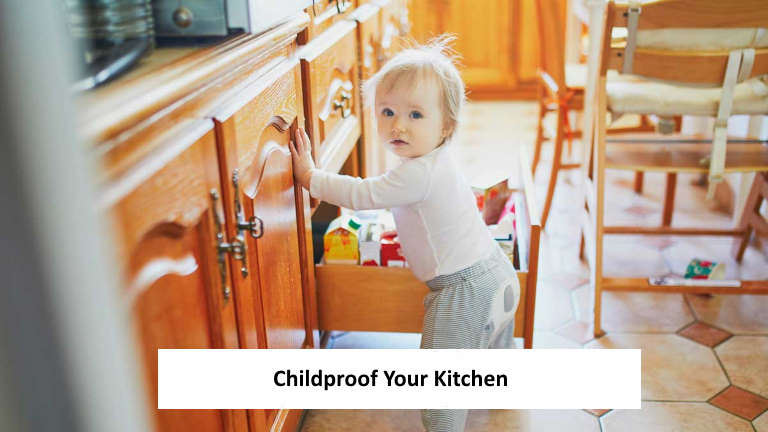
    Childproofing your kitchen is vital for your children’s safety. Here are a few tips to efficiently childproof your kitchen: a more comprehensive explanation is found below the summary tips …

    1. Secure Cabinets and Drawers: Use childproof locks or latches on cupboards and drawers containing cleaning supplies, sharp tools, or potentially hazardous goods.
    2. Stove Safety: Install cooker knob covers to keep kids from accidentally turning on the burners. Consider installing stove guards or shields to prevent access to hot areas. When cooking, utilize back burners and turn the pot handle inside to keep kids from grasping them.
    3. Oven Safety: Install an oven lock to keep kids from opening the oven door. Keep the oven door closed while not in use, and wear oven mitts to handle hot things.
    4. Secure Trash Bins: Use a childproof lock or store the trash bin in a cabinet with a childproof lock to keep youngsters from accessing it and potentially coming into contact with hazardous things.
    5. Childproof Appliances: Small appliances such as toasters, blenders, and coffee makers should be unplugged and stored out of reach while not in use. For larger appliances like microwaves and dishwashers, use appliance locks or safety straps to keep them secure.
    6. Cover Electrical Outlets: Install outlet covers or protectors on all electrical outlets to keep children from putting things in them.
    7. Store Sharp Objects Safely: Knives, scissors, and other sharp objects should be stored in locked drawers or high cabinets where children cannot access them. Consider using knife blocks or blade guards to safely store blades…
    8. Secure Refrigerator and Freezer: To keep youngsters out of the refrigerator and freezer, use childproof locks or latches on the doors.
    9. Remove Hazardous Items: Keep hazardous materials such as cleaning supplies, detergents, chemicals, and prescriptions out of children’s access and sight. Consider putting them in high cabinets with childproof locks, or a locked cabinet.
    10. Avoid Tablecloths and Placemats: Avoid using tablecloths and placemats that children can pull down, which could cause hot food or dishes to spill on them.
    11. Supervise: While childproofing is critical, supervision is also necessary. Always supervise small children in the kitchen, especially when cooking or using appliances.
    12. Educate: Teach youngsters about kitchen safety precautions and the dangers of specific objects and appliances. Encourage them to ask for assistance if they require something from the kitchen.

    Childproof Your Kitchen

    Secure Cabinets and Drawers

    To safeguard your children’s safety, secure your kitchen cupboards and drawers. Using childproof locks or latches on cupboards and drawers prevents youngsters from reaching potentially dangerous goods such as cleaning supplies, sharp objects, and even tiny kitchen appliances.

    Childproof locks or latches are available in a variety of forms, including magnetic locks, sticky locks, and sliding locks, so you may select the solution that best meets your needs and preferences. Magnetic locks, for example, use magnets to securely close cabinets and require a unique key to unlock. Adhesive locks are attached directly to the inside of cabinet doors, making them inaccessible to young children. Sliding locks include a mechanism that prevents cabinets from being fully opened unless a specific action is performed, such as hitting a button or sliding a latch.

    When installing childproof locks or latches, make sure they’re correctly installed and securely connected to the cabinets or drawers. Carefully follow the manufacturer’s instructions to guarantee proper and effective installation.

    Begin by determining which cabinets and drawers present the greatest risk to your child’s safety. Cabinets and drawers storing cleaning supplies, sharp objects such as knives and scissors, and potentially poisonous goods such as pharmaceuticals or chemicals should be given first consideration when childproofing. Consider fastening cabinets or drawers that contain small items that could cause choking hazards or products that children should not be able to access, such as plastic bags or small kitchen gadgets.

    Regularly inspect the locks or latches to ensure they are working properly and have not gotten loose or damaged over time. As your child develops and becomes more interested and adventurous, you may need to modify or improve your childproofing methods to provide a safe environment.

    Stove Safety

    Stove safety is critical when childproofing your kitchen, as the stove poses various threats to small children. Installing cooker knob covers, which are designed to prevent children from accidentally turning on the burners, is an excellent safeguard. These covers often enclose the stove knobs, necessitating a specialized turning motion that young children are unlikely to master. Installing these covers provides an additional layer of protection against burns or fires caused by unattended stove use.

    Consider installing stove guards or shields to further restrict access to hot sections of the stove. These guards are often made of heat-resistant materials and can be positioned around the stove’s perimeter to provide a physical barrier between youngsters and hot surfaces. Stove guards are especially beneficial for gas stoves since exposed flames pose an added risk.

    When cooking, it is essential to use the back burners whenever possible. This simple change can greatly minimize the danger of burns or accidents because it puts hot pots and pans away from the front of the stove, which youngsters are more prone to reach. Also, remember to flip the pot handles inward while cooking. This protects toddlers from mistakenly gripping the handles and spilling hot contents on themselves or tipping the pots over.

    Incorporating these stove safety steps into your kitchen childproofing approach will significantly reduce the chance of burns, fires, and other stove-related incidents. However, it is crucial to note that supervision is still required while children are in the kitchen, particularly when cooking is being done. You may make your children’s culinary exploration and learning safer by combining proactive safety measures with attentive supervision.

    Oven Safety

    Oven safety is critical when childproofing your kitchen because ovens can represent serious hazards to young children if not properly secured and supervised. Installing an oven lock is an important precaution to take since it prevents minors from accessing the oven door without adult supervision. These locks are often attached to the oven door and unlock with a specified action, such as pressing a button or turning a key. Installing an oven lock creates a barrier that prevents youngsters from reaching the oven and hurting themselves.

    In addition to using an oven lock, keep the oven door closed whenever the oven is not in use. Even when the oven is switched off, residual heat from prior use can cause burns in curious toddlers. Keep the oven door closed and locked to prevent children from mistakenly opening it and coming into touch with hot surfaces.

    When handling hot objects from the oven, always use oven mitts or potholders to keep your hands from burning. Teach youngsters never to touch the oven or its door, especially when it is in use or has just been used. Establish clear rules regarding kitchen safety and the dangers of hot appliances to help children understand why they should avoid using the oven.

    Secure Trash Bins

    Securing garbage cans is an often ignored component of kitchen childproofing, but it is critical for preventing youngsters from accessing potentially hazardous materials or objects. One practical solution is to use a childproof lock made exclusively for trash cans. These locks are often attached to the garbage bin’s lid and need a specific action to open, such as pressing a button or turning a key. Installing a childproof lock on the garbage bin creates a barrier that prevents small children from opening it and coming into contact with its contents.

    Another solution is to keep the garbage can in a cabinet with a child-proof lock. This not only keeps toddlers from directly accessing the trash, but it also hides the bin out of sight, decreasing the possibility of curiosity-driven investigation. Choose a cabinet with a sturdy locking mechanism that tiny toddlers will find difficult to bypass.

    It’s also important to evaluate the type of trash can you use. Choose bins with lids that securely latch closed to keep youngsters from quickly opening them. In addition, avoid using bins with foot pedals or other features that small children could operate.

    Educate children on the importance of not playing with or using the trash can. Teach them that the contents of the bin may be contaminated or even harmful, and encourage them to seek adult assistance if they need to rid of something.

    Childproof Appliances

    Childproofing your kitchen appliances is vital for providing a safe environment for your children. Small equipment such as toasters, blenders, and coffee machines can pose a variety of hazards to curious children. When these appliances are not in use, disconnect them and keep them out of reach of youngsters. This avoids unintentional burns, electric shocks, and other accidents that could occur if minors tamper with or operate the appliances without supervision.

    Consider designating a cupboard or shelf in a higher area to properly store small appliances when not in use. Make sure cords are securely put away to keep toddlers from pulling on them or tripping over them.

    Larger appliances, such as microwaves and dishwashers, may require additional steps to maintain optimal security. Appliance locks or safety straps can be used to secure these appliances to the wall or adjoining cabinets, keeping them from toppling over or being pulled open by children. These locks are usually simple to install and provide additional peace of mind knowing that your appliances are securely fastened.

    When using kitchen appliances, always supervise children closely and educate them about the potential dangers of these gadgets. Encourage kids to remain away from appliances while in use and to seek adult assistance if they require it.

    To ensure the safety of appliances, assess them regularly for signs of wear or damage and replace or repair them as necessary. By taking proactive steps to childproof your kitchen equipment, you can reduce the likelihood of accidents and provide a safer place for your children to explore and learn.

    Cover Electrical Outlets

    Covering electrical outlets is an important step in childproofing your kitchen because open outlets represent a considerable risk of electric shocks or accidents to small children. Installing outlet covers or guards on all electrical outlets helps to keep youngsters from inserting things into them, lowering the chance of accidents and injury.

    Outlet covers come in a variety of styles, including plug-in, sliding, and screw-on covers. Plug-in covers are simple to install; simply plug them into the outlet, forming a barrier that protects minors from accessing the electrical contacts. Sliding covers use a sliding mechanism to allow adults to access the outlet while keeping it covered while not in use. Screw-on covers are more durable and require screws to hold them to the outlet plate.

    When choosing outlet covers, be sure they are appropriately made for your outlet type and are difficult for children to remove or tamper with. Look for covers that are both safe and long-lasting.

    Inspect all outlets in your kitchen, including those on worktops, walls, and kitchen islands, and cover each one to guarantee complete childproofing. Furthermore, consider installing tamper-resistant outlets, which have built-in shutters that prevent access to the electrical connections unless both prongs of a plug are inserted simultaneously.

    Regularly inspect outlet covers to verify they are securely fastened and have not become loose or damaged over time. Replace any coverings that show signs of wear or damage to ensure that your childproofing procedures are still effective.

    By covering electrical outlets in your kitchen, you provide a safer place for your children to explore and play, lowering the likelihood of electrical mishaps and injuries.

    Store Sharp Objects Safely

    Storing sharp things safely is critical in any kitchen, especially if children are present. Knives, scissors, and other sharp objects can cause serious damage if not properly stored. One efficient way is to keep these products in locked drawers or high cabinets out of reach of children. Lockable drawers give an extra degree of security, preventing youngsters from accessing sharp objects even if they manage to open the drawer.

    Alternatively, consider placing sharp goods in high cabinets that youngsters cannot reach without adult assistance. Choose cabinets with secure locking systems, or install childproof locks or latches to keep children from opening them.

    Knife blocks are another great solution for securely storing knives while keeping them freely accessible to adults. Knife blocks have slots that keep knives securely in place, preventing them from slipping out or being taken by minors. Keep knife blocks out of children’s reach by placing them on counters or in high cabinets.

    Consider utilizing blade guards or sheaths to protect knives’ sharp edges when not in use. Blade guards act as a protective barrier, reducing the risk of unintentional cuts or accidents while using or storing blades. Choose blade guards that fit tightly over the blades and are constructed of robust, food-safe materials.

    Educate children on the dangers of sharp objects and the significance of never handling knives or scissors without adult supervision. Encourage kids to seek adult assistance if they require sharp tools for any reason.

    Secure Refrigerator and Freezer

    Securing your refrigerator and freezer is an important part of childproofing your kitchen because these machines hold potentially toxic materials and can represent several threats to young children. Childproof locks and latches are helpful tools for stopping youngsters from entering the refrigerator and freezer without adult supervision.

    Childproof locks or latches for refrigerators and freezers exist in a variety of styles, including adhesive locks, strap locks, and sliding locks. Adhesive locks are physically attached to the refrigerator or freezer door and need a specific action, such as pressing a button or turning a key, to unlock. Strap locks use adjustable straps to wrap around appliance doors, preventing them from being opened by young children. Sliding locks use a mechanism to keep the door closed and require an adult to slide or press a button to open it.

    When installing childproof locks or latches, make sure they are securely fastened to the refrigerator and freezer doors and resistant to tampering by children. Follow the manufacturer’s directions closely to guarantee correct installation and performance.

    In addition to installing childproof locks or latches, children should be educated about the dangers of entering the refrigerator and freezer without adult supervision. Teach kids that these gadgets contain food and beverages that are potentially hazardous for them to consume or handle without assistance. Encourage kids to ask an adult for permission before accessing the refrigerator or freezer.

    Inspect the childproof locks or latches regularly to verify they are in good working order and have not become loose or damaged. Replace any locks or latches that show indications of wear or are no longer effective at locking the appliance doors.

    By installing childproof locks or latches on your refrigerator and freezer, you may help prevent mishaps and keep potentially toxic products out of the reach of young children, resulting in a safer kitchen environment for your family.

    Remove Hazardous Items

    Removing harmful things from your kitchen is critical for providing a safe atmosphere for your children. Cleaning products, detergents, chemicals, and medicines can all be dangerous if consumed or handled improperly by young children. Proper storage is critical to preventing mishaps and keeping these things out of children’s reach.

    One successful way is to put hazardous materials in high cabinets that youngsters cannot reach without adult assistance. Choose cabinets with secure locking systems, or install childproof locks or latches to keep children from opening them. Place products in the highest cabinets possible to decrease the chance of curious children gaining access to them.

    Alternatively, try using a secured cabinet designed expressly for keeping hazardous materials. Lockable cabinets give an extra layer of security, preventing minors from accessing the contents even if they manage to open the cabinet door. Choose a cabinet with a strong lock and keep the key or combination in a secure area out of reach of children.

    Always store hazardous materials in their original containers, with labels intact. This helps to avoid accidental ingestion or misuse and enables adults to readily identify the contents in the event of an emergency.

    Regularly inspect cabinets and lockable storage spaces to ensure that dangerous products are properly secured and that no items have been misplaced or left within children’s reach. Replace any locks or latches that show indications of wear or are no longer effective at stopping entry.

    Avoid Tablecloths and Placemats

    Avoiding tablecloths and placemats that children can pull down is an important kitchen safety consideration. While tablecloths and placemats can enhance the appearance of your dining area, they can also represent a threat if not used properly, especially with young children around.

    Children are naturally curious and may try to pull on tablecloths or placemats, particularly if they notice something intriguing on the table. This motion may cause the tablecloth or placemat and its contents, such as hot food or dishes, to fall onto the youngster, resulting in burns or injury.

    To reduce this risk, try using tablecloths and placemats that are securely fixed or attached to the table. Tablecloths with clips or weights on the edges can assist prevent youngsters from easily pulling them off the table. Alternatively, use tablecloths made of heavier materials that are less likely to slip or shift when dragged on.

    Another alternative is to use table runners rather than entire tablecloths. Table runners may decorate your table while decreasing the amount of cloth that youngsters can grab.

    If you want to use placemats, choose ones that stick to the table surface or are meant to stay in place securely. Some placemats have suction cups or nonslip backing that keeps them firmly in place, reducing the danger of spills or mishaps.

    Supervise

    While childproofing solutions in the kitchen are critical for reducing risks and establishing a safer environment, supervision is still an essential component of kitchen safety, particularly when young children are present. No amount of childproofing can replace the watchful eye of a responsible adult, and supervision is required to keep children safe and out of harm’s way.

    When children are in the kitchen, especially during food preparation or when appliances are in operation, adults must be there and actively involved in overseeing them. This entails keeping a tight eye on children’s activities to ensure they do not wander into potentially harmful locations or come into contact with dangerous objects or substances.

    When cooking, it is critical to closely supervise children to avoid mishaps with hot surfaces, boiling liquids, sharp instruments, and other kitchen risks. Keep children away from the cooker and oven when cooking, and teach them the dangers of touching hot surfaces or reaching for pots and pans on the hob.

    Even with childproofing safeguards in place, children can be unpredictable, and accidents can occur in an instant. Supervision enables adults to respond swiftly in the event of an emergency, such as spills, accidents, or other catastrophes, and to provide prompt assistance or first aid as needed.

    Furthermore, monitoring allows adults to teach youngsters about kitchen safety regulations and practices, building healthy habits that will help them stay safe as they grow and gain independence in the kitchen.

    Educate

    Educating children about kitchen safety is an important part of childproofing and creating a safe environment in the home. Parents and carers may empower children to make informed decisions and reduce risks in the kitchen by teaching them about kitchen safety precautions and the potential dangers linked with various objects and appliances.

    Begin by outlining fundamental kitchen safety regulations and principles in an age-appropriate style. Teach youngsters the value of washing their hands before handling food, avoiding hot surfaces and appliances, and using utensils and appliances properly and responsibly.

    Show how to handle knives, scissors, and other sharp objects safely, emphasizing the necessity of keeping fingers and hands away from blades and using cutting tools only under adult supervision. Furthermore, teach children about the potential dangers of electrical appliances and the need to never introduce things into electrical outlets or running appliances without adult supervision.

    Encourage youngsters to ask for help if they need something from the kitchen rather than trying to get it alone. When unclear on how to operate a specific product or appliance safely, emphasize the importance of asking questions and seeking assistance.

    Use interactive games and demonstrations to reinforce important safety principles and engage children in the learning process. Practice fire safety drills with your children and educate them on how to respond in the event of a kitchen fire or any emergency.

    By taking the time to educate children about kitchen safety, parents and carers encourage them to become responsible and confident in their abilities to navigate the kitchen safely. This proactive approach not only helps to reduce accidents and injuries but also teaches children vital life skills that they can carry into adulthood.

    References

    1. American Academy of Pediatrics. (2020). Home Safety: Kitchen. HealthyChildren.org. https://www.healthychildren.org/English/safety-prevention/at-home/Pages/Kitchen-Safety.aspx
    2. Protect Your Children: Store & Use Medicines Safely | Patient Safety : https://www.cdc.gov/patientsafety/features/safe-medicine-children.html
    3. Childproofing Your Home: https://www.nsc.org/community-safety/safety-topics/child-safety/childproofing-your-home

    The post Tips On How To Childproof Your Kitchen appeared first on Totally Babies.


    The Article Tips On How To Childproof Your Kitchen Was Found On https://limitsofstrategy.com

  • Survival Skills For Kids – A Parent’s Guide

    Survival Skills For Kids – A Parent’s Guide

    Survival Skills Unleashed: A Parent’s Guide for Kids

    Learning to survive in harmful conditions is crucial to child development. It gives them confidence and the ability to overcome obstacles while ensuring their safety. Children who learn practical skills are better prepared for unforeseen events in the world.
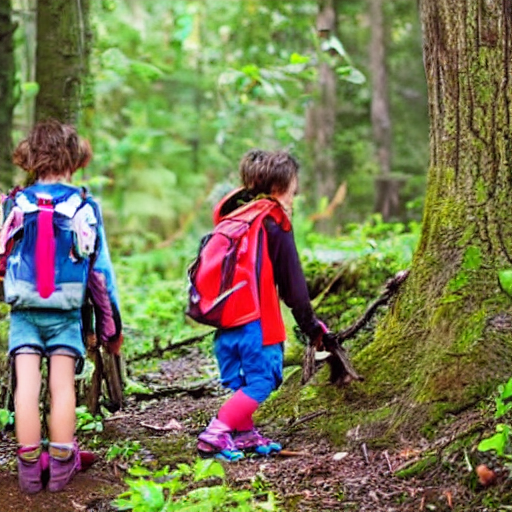
    Survival Skills For Kids

    Basic First Aid Skills

    Teaching basic first aid skills is one of the best investments in children’s health and safety. These fundamental abilities help youngsters respond to minor injuries and develop responsibility and self-confidence.

    Start by teaching them about wound cleanliness. Remind people to wash their hands before touching any wound. Children should learn to clean tiny wounds with light soap and warm water, removing any debris or filth. This essential hygiene idea underpins infection prevention and full healing.

    After that, educate kids on how to cure small wounds. Introduce the different types of sterile dressings and emphasise the importance of choosing the right size to cover the wound. Encourage them to gently pat the wound dry with a clean cloth before dressing. Please also explain why antiseptic ointments prevent infection and aid recuperation.
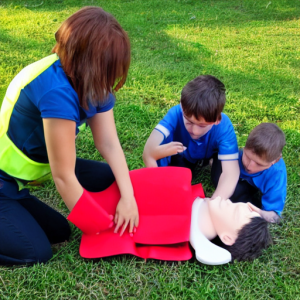
    first aid skills

    It’s crucial to demonstrate bandage application. They must be shown how to wrap a bandage around the incision snugly but not too tightly. To maximise protection, emphasise attaching the bandage with clips or sticky strips and keeping it in place. Children must learn that the bandage secures the dressing and shields the wound from outside toxins.

    The ability to apply adhesive strips is another important first aid skill. Show how to use adhesive strips and explain why they must be tightly applied without being too tight to seal tiny cuts or sores. Encourage them to assess the wound’s severity and choose the best closure.

    Stress the importance of staying calm and focused during this treatment. Encourage kids to believe that their first aid actions can improve someone’s health. These basic first aid skills help youngsters learn about injury treatment, build empathy, and prepare for unexpected situations.

    Fire Safety Skills

    Fire safety education equips kids to handle perilous situations. It entails teaching the mechanics of building and extinguishing fires, as well as fire safety and accountability.
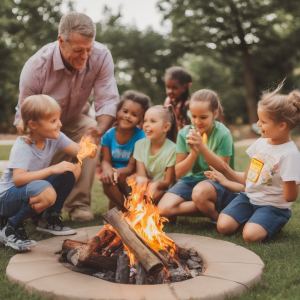
    Teaching children about outdoor fire safety

    Fire safety must be stressed to start the course. These rules emphasise fire risks and the need for vigilance and set a standard for responsible behaviour. Children should learn to follow these rules and understand why, which will help them develop a proactive safety mindset.

    Next, teach them how to build a fire safely. Find an airy, flammable-free spot to start. Encourage responsible resource collection, focusing on dry leaves, twigs, and short branches. Show them how to build a fire lay and teach them about teepee and log cabin styles, depending on the situation.

    Being how to put out a fire safely is also crucial. Teach kids how to extinguish a fire, starting with the need of having a bucket of water or sand on hand. Please show how to throw water over the fire to extinguish all embers. The ashes must be stirred and water supplied to cool the area. Teach ‘leave no trace’ to emphasise the need to clean up the building’s fire site.

    Practical demonstrations and hands-on encounters can reinforce these principles. Supervised fire-building exercises help kids gain confidence and competence by applying their knowledge. This method emphasises personal responsibility and accountability when dealing with fire and highlights the value of the above concepts.

    The goal is to instill a lifetime of fire safety, not only fire mechanics. This knowledge and responsibility prepares youngsters for outdoor activities and crises, ensuring their safety and that of others.

    Identifying and Using Tools

    It is a transformative educational experience to teach children how to identify and use tools. This not only develops practical skills in the youngsters, but it also develops a sense of responsibility and ingenuity in them. Not only is it necessary to familiarise children with physical instruments, but it is also necessary to instill in them a profound understanding of the purpose of tools, the proper manner to use them, and the importance of acting responsibly when handling them.
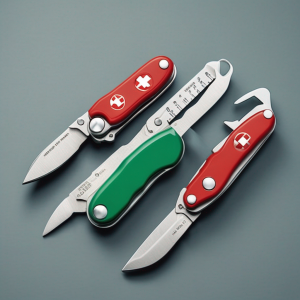
    Swiss Army knife

    Begin by introducing basic tools, such as a Swiss Army knife appropriate for the child’s age. This multifunctional tool is an excellent beginning point, demonstrating a wide range of features and uses through its use. It is critical to emphasise the adaptability of each component and to explain the scenarios that may necessitate the usage of diverse instruments. An initial introduction like this piques one’s interest and lays the framework for a more in-depth study of the technology.

    While you’re getting into the more practical parts of tool use, it’s important to teach kids how to use tools properly and safely. To begin, transmit a fundamental notion of tool safety, emphasising the importance of respecting the capabilities and limitations of the tool in question. It is critical to exhibit strong handling skills, such as using a firm grip on tools and keeping a safe distance from sharp edges.

    Guide children through the process to help them understand how to use each tool properly. The importance of precision and attention should be reinforced in the learner, regardless of whether they are cutting something with a screwdriver, pliers, or a knife. It is critical to emphasise the importance of using the right tool for the right job and to instill an appreciation for the efficiency and effectiveness that come with using the right equipment.

    Hands-on, supervised activities should be included to provide practical experience. Encourage children to participate in projects that are simple to comprehend, appropriate for their age, and allow them to apply their newly acquired information. Lessons learned are not only reinforced but also confidence and a sense of success are gained as a result.

    In addition, emphasise the significance of accepting responsibility for tool maintenance. Teach children the basics of cleaning, storing, and caring for tools so that they endure a long time and perform to their maximum capacity. Tool education covers more than just the act of utilising them; it also assists students in developing a more holistic sense of ownership and responsibility.

    In the end, the goal is to raise a generation that views tools as more than just tools, but as valuable resources that must be used with care. The implementation of an all-encompassing tool education plan can result in the development of children’s practical skills, critical thinking abilities, and a thorough knowledge of the role that tools play in problem-solving and self-sufficiency.

    Navigation Skills

    Giving children the capacity to navigate the great outdoors as well as the complexities of the world around them is akin to giving them a compass for life. This means that youngsters will be able to move freely between the two environments. The foundation of these talents is not only the instruction of the principles of map reading but also the instillation of a profound understanding of the cardinal directions through the use of a compass.

    navigate the big outdoors

    Begin the class by introducing the core skills required for map reading. One of the most fundamental concepts to teach youngsters is that maps are visual representations of space and terrain. The initial stage is to construct simple maps, potentially of their neighbourhood or a local park. You should teach students how to identify crucial elements such as symbols, landmarks, and scale. As their level of skill grows, gradually offer more complex maps to promote a gradual growth in their capacity to understand maps.

    When children are gradually introduced to the cardinal directions, they get a greater knowledge of the fundamental points on a compass, which are north, south, east, and west. Explain the significance of these directions by using real-world examples, such as the sun rising in the east and setting in the west. Incorporate games and activities that need hands-on participation to make learning about the cardinal directions more enjoyable and memorable.

    It is critical to understand the compass as a valuable tool for navigating the outdoors. It is critical to teach children how to properly handle a compass and align it with the Earth’s magnetic field. Demonstrate how the needle points in the direction of north to help with other directions. Encourage children to participate in hands-on activities in which they navigate from one area to another using a map and a compass, thus enhancing their understanding through application of the material.

    You should also mention the concept of orienteering, which is a recreational activity that blends map reading and globe navigation. This not only adds an element of excitement, but it also helps them strengthen their talents dynamically and excitingly.

    As the kids’ navigation abilities improve, challenge them with more sophisticated challenges. Planning routes, recognising geography, and estimating distances are some examples of these exercises. You should encourage pupils to utilise the knowledge they have received in everyday circumstances to assist the smooth absorption of navigational skills into their daily lives.

    In essence, the goal is to develop a feeling of spatial awareness and the ability to navigate with confidence, whether in the wide outdoors or in the context of their daily life. When children are taught navigational skills in an all-encompassing approach, they not only acquire practical tools for exploration, but they also develop the ability to think critically and form a stronger connection to the environment that surrounds them throughout their growth.

    Basic Cooking Skills

    Giving children basic cooking skills is an investment that goes beyond the kitchen, as it supports the development of their independence, creativity, and fundamental understanding of nutrition. Teaching children how to prepare simple meals using portable stoves or open flames not only promotes a sense of self-sufficiency and responsibility, but it also equips them with crucial life skills.
    open fire as a method of cooking

    To begin, present the concept of a portable stove or an open fire as a versatile and effective technique of cooking. It is critical to emphasise the importance of safety procedures such as keeping a safe distance from the flames, cooking in designated areas, and being aware of the potential dangers associated with open fires. Developing a conscious attitude towards cooking in a range of situations can be accomplished by following certain safety behaviours from the start.

    Give them advice on how to set up and use a portable cooker securely. Show how to correctly light the stove, adjust the temperature, and extinguish the flames while it is burning. When using stoves inside, it is critical to emphasise the importance of good ventilation, as well as selecting acceptable outdoor settings away from combustible things.

    Children should be taught the basics of kitchen tools and the functions they serve. Give students instruction on how to use knives, pots, and pans safely, with a special emphasis on proper cutting methods and safe handling of heated surfaces. Because of this underlying understanding, students may approach the culinary process with confidence and awareness.

    Guide children through the process of learning how to prepare basic meals. To begin, select recipes that demand a limited amount of ingredients and simple preparation methods on your part. Instruct them to wash their hands before handling food and to keep their work surfaces neat and organised to ensure they understand the importance of keeping a clean and organised kitchen.

    It is critical to incorporate nutrition education into cooking classes. This involves teaching the importance of eating a well-balanced diet and the nutritional value of diverse materials. This not only enhances their culinary skills, but it also builds a favourable relationship with food, which is an important benefit.

    Throughout the culinary training, you must maintain a strong attention on safety when handling hot things. It is critical to teach children how to wear oven mitts or pot holders properly to avoid burns and scalds on their hands. When working with heat sources, it is critical to emphasise the importance of staying alert and practicing caution.

    Allowing children to play with different flavours and textures in the kitchen is an excellent approach to foster creativity. This not only makes learning more enjoyable, but it also fosters a lifelong appreciation for the performing arts of cooking.

    Water Safety

    It is vital to teach children about water safety because it allows them to develop critical abilities that extend far beyond the limitations of the pool. Teaching swimming and water safety skills not only fosters a love of water-related activities, but it also lays the framework for swimming and water safety experiences that will last a lifetime. Educating individuals about the dangers of open water and the importance of wearing life jackets is critical for instilling a deep respect for water-related areas.

    freestyle swimming outdoors

    Children should be taught the principles of swimming strokes at the start of their learning process. The breaststroke, freestyle swimming, and floating are considered the three most significant swimming strokes for water safety. To begin, students should start in a monitored shallow area and proceed to deeper waters as their confidence and overall skill grows. Strength, endurance, and muscle memory are all crucial components for water safety, thus it is critical to encourage regular practice.

    Simultaneously, emphasise water safety skills that go beyond swimming strokes. You should teach toddlers how to tread water correctly, which will help them conserve energy and stay afloat in a variety of situations. It is critical to instill a sense of responsibility for the safety of persons in aquatic environments by teaching basic rescue skills. Reaching for a person in danger with a pole or a flotation device is one of these ways.

    Transitioning to open water safety while emphasising the unique challenges that lakes, rivers, and oceans provide. Children should be taught about the unpredictability of open water, which includes currents, waves, and varying depths. Before engaging in activities involving aquatic settings, it is critical to emphasise the need of examining and comprehending the specific characteristics of each open water location.

    Make a point of emphasising the importance of life jackets in maintaining water safety. It is critical to show appropriate life jacket wear and explain the purpose of the buoyancy feature. Life jackets are essential for persons of all swimming abilities because they provide a key safety net in the event of depletion, unexpected currents, or crises. It is critical to instill the habit of wearing life jackets regularly, especially when participating in sports like rafting, kayaking, or boating.

    Furthermore, children should be included in water safety scenarios through role-playing and simulated emergencies. The employment of this hands-on strategy, which contributes to the development of a composed and considered reaction, improves their ability to respond successfully in real-life settings.

    Buddy systems and regular monitoring should be implemented, and a culture of mutual responsibility and alertness should be developed whenever people are in or near water. Encourage open discussion about the potential dangers that may exist and the need of following to the water safety guidelines that have been set.

    Building Shelter

    Teaching youngsters how to build a shelter is more than just a way of passing on survival skills; it is also a lesson in ingenuity, flexibility, and self-sufficiency. It not only prepares children for outdoor activities, but it also instills in them a sense of resilience and problem-solving abilities. The capacity to build a simple shelter out of easily available materials. By emphasising the importance of keeping a dry and comfortable environment, a deeper level of comprehension is obtained. This helps to connect the lesson to broader notions about safety and well-being in several circumstances.

    building a survival shelter outdoors

    One of the first topics that should be covered in this session is the concept of shelter as a basic human need. There are numerous types of shelters, ranging from simple lean-tos to more complex structures. Discuss the many types of shelters, focusing on their functions and their materials. Encourage an appreciation for the creativity that has gone into the different shelter designs throughout history and across cultures.

    You may shift to the more practical aspects of shelter building by teaching children how to examine their surroundings for objects suitable for shelter construction. It is critical to emphasise the need of choosing materials responsibly, ensuring that they are easily accessible and will not hurt the environment. Encourage children to participate in discussions about the properties of various materials to develop an understanding of the benefits and drawbacks that specific materials have.

    Provide an illustrated step-by-step demonstration of the process of making a modest shelter. You should start with simple designs that require a little amount of materials. This will help students to understand the fundamentals before progressing to more complex structures. To encourage creativity and problem-solving abilities, push students to adapt their shelter designs based on the environmental conditions and materials available.

    Emphasise the importance of maintaining a dry and pleasant atmosphere when within a shelter. Explain how a correctly designed shelter can act as a barrier against storms, wind, and freezing temperatures. Introduce children to the notion of efficient ventilation and insulation, and show them how to arrange their shelters for the greatest level of comfort and safety. Include lessons on the importance of clearing the area of waste and potential risks, as well as selecting a good location for the creation of a shelter.

    Activities that need active participation should be included in the learning process. It is critical to give children opportunity to practise building shelters in a controlled environment so that they can use their knowledge and abilities. The implementation of this practical application strengthens not only their comprehension but also their confidence in their ability to create a safe and enjoyable environment anytime it is required.

    Outdoor Awareness Skills

    Increasing children’s outdoor awareness is a transformative educational endeavour that goes beyond simply teaching them how to manage nature. It promotes a basic connection to the environment in youngsters, which in turn fosters a sense of responsibility and self-sufficiency. Teaching children to be aware of their surroundings is one of the most crucial components of this process. This establishes the groundwork for a lifetime of safe and enjoyable outdoor experiences.

    As the initial phase in the training process, children should be taught to develop a keen sense of observation. You should encourage children to use all of their senses, including sight, hearing, touch, and smell, for them to actively participate in the environment. Instruct them to pay attention to how the weather, animal behaviour, and overall terrain change. This increased awareness not only makes kids safer, but it also helps them develop a greater respect for the natural world.

    Help children understand the importance of being aware of their surroundings. Instruct children to constantly analyse their surroundings, noting both potential risks and opportunities as they arise. Develop their ability to identify indicators of changes in the weather, the presence of wildlife, and topographic variations that may have an impact on the activities they engage in outside (outdoor activities).

    At the same time, it is critical to teach the concept of identifying edible plants to foster an awareness of the abundance of resources that may be discovered in nature. They should be taught to recognise common edible plants present in their environment, emphasising the importance of accuracy and caution. It is recommended to participate in hands-on activities such as guided foraging to obtain practical skill in securely recognising edible plants.

    Outdoor awareness, on the other hand, involves more than just noticing nature’s magnificent aspects. It is also critical to teach children how to identify potential threats on their own. This includes educating them about hazardous plants, dangerous animals, and any other potential hazards that they may encounter. The need of understanding the potential dangers associated with specific regions, as well as showing respect for wildlife while keeping a safe distance from them, should be emphasised.

    Curiosity that is balanced with caution should be fostered. Teaching children to approach unfamiliar situations with caution and to seek guidance or assistance when necessary is an important element of socialisation. This proactive method improves their ability to confidently negotiate a range of outside settings, which helps to their overall safety.

    Include interactive learning opportunities, such as guided trips and nature walks, to reinforce the lessons about being aware of the outdoors that are being taught. Through participation in these activities, children will have the opportunity to apply their knowledge in real time, which will help them build a more tangible link to the principles that they have learned.

    Finally, the goal is to raise a generation of individuals who not only appreciate the beauty of the natural environment, but also have the knowledge and skills to traverse it properly. When children receive substantial education in outdoor awareness, they can establish a deeper connection to their surroundings and gain the skills necessary to engage with the natural world in a manner that is not only safe but also pleasant and gratifying.

    Emergency Communication

    The development of children’s emergency communication skills is critical because it gives them a vital lifeline in times of catastrophe and helps them build a sense of preparedness. A complete method goes beyond the foundations by teaching the use of devices like as a whistle or signal mirror, as well as instilling a knowledge of emergency phone numbers and critical communication skills from the start.

    At the start of the session, you should explain to the students the value of a signal mirror or a whistle as a simple yet effective means of communicating in an emergency. Describe the specific advantages that each instrument provides, as well as the proper situations in which to use them. The proper manner to blow a whistle should be demonstrated, with focus on making a clear and distinct sound that can travel a considerable distance. In the context of a signal mirror, shows how reflecting sunlight can draw attention to itself while also serving as a visual warning of danger.

    Hands-on practice is required to enhance these skills. It is critical to provide children a tangible grasp of how whistles and signal mirrors work by allowing them to use these instruments in safe contexts. These hands-on experiences not only help individuals gain confidence, but also allow them to gain knowledge that is easily transferable to real-world settings.

    Continue the conversation about the need of basic communication skills and emergency phone numbers. It is critical to educate children the appropriate emergency phone numbers and to emphasise the need of knowing who to call in a variety of situations. Put them through scenarios in which they might need to make an emergency call. This ensures that they are familiar with the technique and can remain calm under pressure.

    You should include instruction on how to communicate successfully in an emergency. The children should be taught how to accurately and simply explain their location, identify the nature of the emergency, and offer any relevant information. Emphasise the importance of staying on the line until help arrives or until the emergency operator instructs you differently.

    Introduce the concept of a personal emergency plan as an additional point of interest. If children become separated from one another or encounter unforeseen events, they should be taught the importance of having a prearranged set of activities to follow or a designated meeting site. This proactive approach instills in children a sense of self-reliance and readiness, allowing them to take rapid and decisive action when confronted with challenging circumstances.

    The formation of an environment in which children feel comfortable expressing their concerns and asking for help, as well as open communication about emergencies, should be promoted. Encourage the development of a sense of responsibility by encouraging the reporting of potential hazards or crises as soon as possible.

    Self-Defense Basics

    Giving children basic self-defense skills is an important part of their overall safety education. This not only helps children grow physically prepared, but it also instills in them an alert and caution attitude. A comprehensive plan goes beyond simply teaching processes; it emphasises the importance of avoiding potentially harmful situations and instilling a sense of personal responsibility.

    When teaching children how to defend themselves, it is critical to start with basic strategies that are easy for them to remember and execute. Concentrate on practical manoeuvres such as palm strikes, knee strikes, and simple evasion techniques that can be utilised to create space from a potential threat. Distance can be created using these motions. These key manoeuvres serve as a foundation for self-defense and can be customised to a multitude of contexts.

    While these tactics are being demonstrated in a controlled environment, children should be permitted to observe and ask questions. To create muscle memory, it is critical to facilitate hands-on practice and encourage individuals to imitate the actions. Consistent practice of these essential self-defense abilities guarantees that they become ingrained and more easily available in the case of an emergency.

    However, the essence of self-defense extends beyond the physical strategies employed. It is critical to emphasise the importance of situational awareness and the ability to recognise potentially risky situations. It is critical to teach youngsters to trust their instincts and to constantly assess their environment. This increased awareness is an important component of their defence strategy since it allows them to make decisions based on reliable information and take preventative measures when necessary.

    The necessity of defining limitations and fostering open communication regarding personal boundaries should be emphasised. In what situations is it permissible to express oneself and seek help? Discuss these examples. It is critical to emphasise that the first step in self-defense is to create a self-respecting mindset and a commitment to personal protection.

    Additionally, emphasise to children the importance of avoiding potentially harmful situations wherever possible. Highlight the importance of proactive decision-making, such as choosing well-lit paths, staying in groups, and avoiding solitary areas. Instill in them a sense of responsibility for their safety, which will allow them to make informed decisions and limit the chance of potential threats.

    Consider employing role-playing exercises to simulate real-life scenarios. Children can put their knowledge of self-defense into practice in a safe atmosphere by using this participatory strategy, which helps them develop self-confidence and prepares them to respond effectively to a range of events.

    Camping Skills

    When children are taught camping skills, it is not only about introducing them to outdoor activities; it is also about building a deep appreciation for nature and instilling information that they can use for the rest of their lives. Teaching youngsters how to pack and organise their belongings, as well as how to set up a tent and practise basic camping etiquette, will establish the framework for them to engage in enjoyable and responsible outdoor activities.

    At the start of the class, introduce the students to the numerous pieces that make up a tent, as well as the foundations of how to construct one. Give a demonstration of how to assemble the tent poles, join them, and secure the tent to the ground. It is critical to choose a campsite that is both flat and has appropriate drainage. Encourage them to participate in hands-on practice and to take an active role in the setup process. This hands-on experience not only teaches important skills, but it also creates a sense of responsibility and a respect for working with others.

    At the same time, you should learn the principles of camping etiquette. The ideas of Leave No Trace should be taught to children, with a focus on the importance of decreasing the amount of environmental damage they cause. Discuss problems such as treating wildlife with respect, keeping on approved trails, and properly disposing of trash. When these ideas are taught in children, they are more likely to grow into conscientious stewards of the natural world, which benefits natural area conservation.

    It is time to move on to the organisation of camping equipment, during which you will introduce the concept of packing efficiently and thoughtfully. It is critical to teach youngsters how to organise and pack objects according to their intended use, ensuring that the most vital items are conveniently accessible. Give an example of how to appropriately distribute weight in a backpack or camping bag, emphasising the importance of maintaining balance to carry goods comfortably and securely.

    To ensure that youngsters understand the importance of being well-prepared, walk them through a checklist of essential equipment. Include subjects such as the need of having enough food and drink, the necessity of having a first aid kit, and the necessity of wearing clothing appropriate for varied weather conditions. This all-encompassing technique not only prepares children for a range of camping settings, but it also helps them build a prepared and responsible mindset.

    It is critical to involve children in the planning process, which covers everything from finding an appropriate campsite to agreeing on a menu for the meals. This involvement not only improves their decision-making abilities, but also helps kids build a sense of ownership over the camping experience and makes them more passionate about it.

    Incorporate lessons on fire safety and good campfire management into your curriculum. Children should be taught the basics of building and extinguishing a campfire, as well as the need of following established fire safety standards to minimise accidents and safeguard the natural environment.

    Teamwork and Leadership

    Teaching children about social dynamics is more than just teaching them how to work together and take leadership; it is setting the framework for success in many other aspects of life, especially when faced with challenging circumstances. Instilling a sense of duty and resilience, as well as collaboration, can be accomplished by preparing them to take on leadership roles and emphasising the importance of working together in survival situations.

    Begin the class by emphasising the need of teamwork in several survival scenarios. Children should be encouraged to take part in discussions on the mutual benefits of collaboration, highlighting how people with diverse abilities and capabilities can complement one another. Real-life examples should be utilised to highlight how collaboration may improve productivity, problem-solving, and overall success in dealing with complicated problems.

    Participate in projects that require collaboration and incorporate teamwork. When children participate in these activities, they get to see firsthand the positive effects of good teamwork. These actions could include constructing a shelter, resolving a problem, or finishing a task. Encourage open communication and the exchange of ideas among all team members to create an environment in which every member feels respected and heard.

    Simultaneously, teach children the importance of leadership in the context of group dynamics. It is critical to emphasise that leadership entails more than simply delivering commands; rather, it entails guiding, inspiring, and ensuring that everyone provides their best effort. Describe a leader’s attributes, such as decisiveness, responsibility, and empathy. It is critical to create opportunities for youngsters to practise taking on leadership roles for them to grow and strengthen their leadership skills.

    Discuss the many forms of leadership, focusing on how effective leadership is easily adaptable to the needs of the group as well as the circumstances. It is critical to instill the idea that leadership is a shared responsibility and that individuals can take on leadership tasks based on their talents and areas of competence. The implementation of an inclusive strategy, in which all members of the group accept their ability to make a meaningful contribution to the group, fosters a collaborative leadership mindset.

    Children should be encouraged to take part in activities that test their ability to solve issues and make decisions. These challenges not only help them enhance their capacity to function as a team, but they also allow people to demonstrate their leadership talents. Facilitating debriefing meetings after the event can help to foster a culture of continuous development and learning. These sessions should promote introspection on what worked well and what could be improved.

    Include scenarios in which members of the team take turns acting as leaders through role-playing. As a result, children can receive experience in a range of leadership roles and styles, making them more adaptive and versatile. Furthermore, it teaches students the importance of effective communication, the ability to deliver clear guidance, and the ability to urge and encourage others.

    At the end of the day, the goal is to create a generation that not only recognises the importance of collaboration, but also recognises that leadership is a role shared by all. When children are taught to take on leadership roles and to emphasise the importance of collaboration in survival situations, they not only acquire the practical skills required for effective teamwork, but they also develop attributes that contribute to their personal development and success in a variety of endeavours.

    Problem Solving

    The development of problem-solving skills in youngsters is an investment in their ability to face life’s problems with resilience and adaptability. Individuals can be imbued with a curious and resourceful attitude by encouraging critical thinking and problem-solving talents. This extends beyond simply addressing specific issues. Furthermore, teaching youngsters how to adapt to different situations develops their flexibility and offers them the confidence to deal with a variety of scenarios.

    You should emphasise the need for critical thinking at the start of the class. Explain that critical thinking is the process of analysing information, concepts, or conditions practically and objectively. It is critical to educate children to question assumptions, consider alternative points of view, and evaluate supporting data. They can approach problems critically and analytically because they have this essential skill, which sets the framework for effective problem-solving.

    Introduce the concept of problem-solving as a dynamic process that includes the phases of identifying, analysing, and implementing solutions. Create puzzles or settings based on real-life situations to engage their problem-solving abilities. Encourage pupils to explore and assess several possibilities to a specific problem to be solved to develop their creativity and adaptability.

    Incorporating collaborative tasks is beneficial since it not only helps to refine problem-solving skills but also emphasises the importance of working as a team. Participants should be encouraged to participate in group problem-solving activities that foster communication, idea sharing, and group decision-making. Children are allowed to learn from one another, develop an understanding for diverse points of view, and jointly arrive at beneficial solutions through these collaborative endeavours.

    Teach children to see challenges as opportunities for personal development and growth. Encourage people to develop a constructive mindset in which issues are viewed as puzzles to be solved rather than insurmountable obstacles. It is critical to instill the idea that failure and setbacks are necessary components of the problem-solving process. These events offer excellent learning opportunities that aid in personal development.

    Concurrently, adaptability must be emphasised as a critical component of effective problem-solving. The idea that solutions that work well in one situation may need to be adjusted or completely rethought in another is something that should be considered. It is critical to present the concept of adaptability, which may be described as the ability to change tactics in response to changing conditions. This will assist students in developing resilience and versatility as problem-solving tools.

    Incorporate real-world examples and case studies of people who have successfully navigated issues by using critical thinking and flexibility. It is critical to emphasise a variety of problem-solving approaches to demonstrate that there is typically more than one way to discover a solution. They can broaden their perspective and are inspired to explore creative solutions when presented with obstacles by doing so.

    Role-playing scenarios in which children actively apply their problem-solving abilities to simulated problems should be encouraged. With the help of this practical application, pupils will be able to engage in hands-on learning, allowing them to assess their capacity for critical thinking and adaptation inside a controlled environment.

    Basic Knot Tying

    Teaching children to tie simple knots goes far beyond outdoor activities; it instills in them a skill that is both adaptable and practical, and it can be utilised in a variety of situations. An all-encompassing method includes teaching students important knots for a range of situations and emphasising the need of knot security. This extends beyond the technical aspects of knot tying.

    You should establish the idea that knots are highly significant tools that are utilised in everyday life, not just in outdoor situations, at the start of the lesson. It is critical to explain how knots can be used as reliable fasteners, whether they are employed to hold goods when camping, to tie shoes, or even in mundane tasks like wrapping packages. This broader perspective fosters an appreciation for the utility of knot-tying beyond the limits of specific circumstances.

    Young children should be taught a variety of essential knots, each one appropriate for a certain purpose. Begin with fundamental knots such as the square knot, which is used to connect two ropes, the bowline knot, which is used to make a secure loop, and the clove hitch, which is used to attach a rope to a post or pole. As they progress, introduce them to more specialised knots like the figure-eight knot, which is used to form a secure stopper at the end of a rope, and the taut-line hitch, which allows the tension to be changed.

    Make certain that each knot is demonstrated and that children have many opportunities to practise their knotting abilities. This tactile learning not only reinforces the mechanics of knot tying but also helps to create muscle memory, which is essential for tying knots confidently in a variety of situations.

    It is critical to emphasise the importance of knot security in all applications. Instill in them the idea that a correctly tied knot should be strong, with no slack or looseness that could compromise its integrity. It is critical to emphasise the consequences of improperly made knots, emphasising the danger of slippage or failure in critical situations.

    Educate pupils on when to use specific knots, taking into account the conditions. One can gain knowledge about the process of selecting knots based on aspects such as load, tension, and purpose by discussing scenarios in which certain knots are more appropriate than others. One of the ways this information helps individuals enhance their problem-solving skills is the ability to choose the best knot for the job.

    Try adding knot-tying exercises into outdoor activities like setting up a tent, fastening equipment, or coming up with improvised solutions. Using this practical application not only improves their ability to tie knots, but it also instills in them a sense of self-sufficiency and adaptability in outdoor conditions.

    To promote their creative abilities, children should be asked to come up with knots for certain scenarios. This not only pushes kids to be creative and imaginative in their knot-making method, but it also improves their problem-solving skills and offers them a sense of ownership over the process.

    Finally, teaching children how to tie basic knots is a holistic endeavour that combines problem-solving and adaptation through the development of practical skills. Children not only learn valuable life skills, but they also build a diverse toolbox that they can employ in several settings, which contributes to their overall competence and confidence. This is accomplished by teaching them key knots and emphasising the need for knot security.

    Stay Calm and Positive

    Giving youngsters the ability to keep a positive attitude and a calm demeanour is a valuable life lesson that transcends specific circumstances. Not only does educating children on how to deal with stress in a calm and collected manner and encouraging them to have a positive attitude equip them with emotional resilience, but it also allows them to develop a mindset that contributes to their overall well-being.

    You should emphasise the importance of being calm in high-pressure situations at the start of the session. Demonstrate that the capacity to maintain one’s cool is a necessary component of properly handling challenges and making decisions. Show how having a calm mind increases one’s capacity to think rationally and make decisions based on accurate information, even in challenging situations. Use situations that are familiar to youngsters to help them understand the practical benefits of remaining calm.

    Mindfulness techniques should be introduced as methods for cultivating a sense of calm. Children can learn effective stress management skills by engaging in simple techniques such as deep breathing, visualisation, or focusing on the present moment. It is critical to encourage youngsters to use these ways on a regular basis to develop a habit of self-awareness and emotional management abilities.

    Make it plain to children that having a positive attitude is a powerful mindset that can have a huge impact on their outlook on life. It is critical to emphasise the importance of thanks, optimism, and focusing on finding solutions rather than dwelling on difficulties in order to nurture the development of a positive attitude. Investigate how positive thinking can aid in the development of resilience in the face of adversity, as well as the effects of positive thinking on mental health.

    It is critical to use storytelling and real-life examples when portraying people who have maintained their composure and positivity amid challenging circumstances. Emphasise the attributes that contribute to their ability to face obstacles with calm and positivity. Children are given relatable role models through storytelling, which drives them to model their own lives after those of the role models.

    To maintain a positive outlook, it is critical to facilitate discussions about the role that resilience plays. Explain that resilience is defined as the ability to recover swiftly from failures, adjust to new situations, and face difficulties with tenacity. To instill in children a resilient mindset that will serve them well throughout their lives, it is critical to encourage them to view mistakes and setbacks as opportunities for learning and advancement.

    It is critical to provide an encouraging environment in which children feel comfortable expressing their emotions. It is critical to understand that experiencing a wide range of emotions is normal and to provide guidance on how to process and healthily deal with these feelings. This open communication facilitates children’s capacity to effectively navigate their feelings, which promotes emotional intelligence.

    Encourage the formation of a growth mindset by emphasising the idea that one’s capabilities and intelligence may be increased via hard work and a positive attitude. Rather than viewing barriers as insurmountable, this shift in thinking promotes resilience and enjoyment by recasting them as opportunities for growth.

    The post Survival Skills For Kids – A Parent’s Guide appeared first on Survivalbite.

    The post Survival Skills For Kids – A Parent’s Guide appeared first on https://gqcentral.co.uk

     

    The Article Survival Skills For Kids – A Parent’s Guide First Appeared ON
    : https://ad4sc.com

  • How to Pack Bug Out Bags for Kids

    How to Pack Bug Out Bags for Kids

    A Comprehensive Guide to Packing Bug Out Bags for Children

    The first responsibility we have as parents is to ensure the well-being and security of our offspring. Though we hope for the best, it is crucial to be prepared for any unforeseen tragedies or disasters that can occur. An essential element of any disaster preparedness strategy is a bug out bag, which is a compilation of essential supplies meant to keep you and your family alive until help arrives. Our focus for today is going to be on a subject that is often overlooked: making kid-friendly bug out bags. Providing you with all the information you need to prepare bug out bags especially for your kids is the goal of this comprehensive tutorial.

    Bug Out Bags for Children

    Why Are Bug Out Bags for Children Important?

    Children’s fragility is something that needs to be specifically considered in disaster preparedness during times of crisis. The concept of kid-friendly bug out bags stems from a basic need to ensure the security and welfare of our communities’ younger residents in the case of unforeseen circumstances. We offer children the opportunity to actively participate in securing their safety by thoughtfully assembling these kid-specific survival kits, which also serve to relieve some of the burden on carers in case of an emergency.

    Children often turn to adults for solace when faced with challenging circumstances because they rely on their parents or guardians for guidance and security. During emergencies, adults may be required to do a range of crucial tasks, such as planning evacuation routes, making decisions, and disseminating information. A carefully packed bug out bag for a child is an essential tool when it comes to making sure they can survive challenging situations on their own, at least for a certain duration.

    The idea of bug out bags for kids has more meaning than just providing essential survival gear; it also has an empowering connotation. It makes it easier for young people to build resilience and a sense of responsibility. Not only do kids feel more prepared for unforeseen circumstances when they have their backpacks with them, but they also gain some measure of control over the environment around them. This sense of agency can help a child feel more secure and capable of handling challenging situations, which can improve their emotional health during times of crisis.

    Children demand different things from adults in terms of their bodily needs. Because of this, they have different food requirements. Their bodies are still developing. Children’s bug out bags should therefore contain a variety of age-appropriate food, clothing, and medical supplies. Products like formula, diapers, or certain medications that are made to fit the unique needs of little children need to be given extra consideration. This customisation adds to the child’s overall comfort and health by ensuring that their physical demands are satisfied during trying times.

    Youngsters experience stress in different ways than adults do, both psychologically and emotionally. It is critical to acknowledge the psychological health of children in disaster situations, and the addition of comfort items to bug out packs serves this purpose. Anxiety and fear might be lessened by the child’s familiar toys, a beloved blanket, or other items that are meaningful to them. These things can offer a source of comfort and stability. One way to increase the holistic approach to emergency preparedness is to include the psychological needs of children while creating bug out bags for them.

    The inclusion of age-appropriate items in a child’s bug out bag serves as a reminder that emergency preparedness is not a universally applicable idea. Just as we consider the unique needs of those with disabilities or health conditions, we also need to recognise that youngsters need a particular approach when it comes to preparation. By offering bug out bags that are especially made to satisfy the needs of our younger community members, we make sure that they are not overlooked during the emergency preparation process.

    Choosing the Right Bug Out Bag

    bug out bag

    Consideration should be given to both the practicality and comfort level of a bag when choosing one that meets a child’s needs for a bug out. The right rucksack must be chosen to guarantee that the youngster can carry their emergency supplies in a way that is both practical and efficient. This will support the child’s overall well-being despite challenging circumstances.

    Numerous compartments are a crucial component of functionality, making them one of the most significant qualities to look for in a backpack. These compartments offer a useful solution to the organisation challenge by enabling the methodical arrangement of a variety of goods. A well-organized bag allows you to swiftly and easily access essential things, which is why owning one of these bags is crucial in an emergency. The ability to divide up resources such as food, drink, clothes, and first aid kits not only streamlines the retrieval process but also ensures that resources are used wisely in the critical early stages of a disaster.

    The other equally important consideration is assessing how well the rucksack fits and whether or not it is appropriate for the child’s physical build. A poorly fitting backpack could put the child through stress, discomfort, and possibly put them at risk for health issues. Because of this, parents and other carers must be aware of the rucksack’s overall design, weight distribution, and dimensions. It’s crucial to search for features like adjustable straps so that the fit may be customised to the child’s height and shape. This change not only improves the comfort level of the bag but also lessens the likelihood of injury or physical strain for the child, making it easier for them to carry.

    Beyond just making sure the child is physically comfortable, a well-fitting knapsack affects the youngster’s sense of confidence and their capacity to move swiftly and confidently during an emergency evacuation. When a bag fits properly, it ensures that the youngster can move around with stability and balance. In a situation that may otherwise be chaotic, this helps to create a feeling of security and control. The integration of ergonomic design and functional consideration is a crucial element of the comprehensive readiness plan for children.

    Parents must involve their children in the decision-making process, considering their comfort level and preferences. If the experience is made collaborative, children are more likely to embrace the responsibility of owning their bug out bag. Incorporating children into the decision-making process also serves to empower them and strengthen their sense of ownership over emergency supplies.

    Ensuring Proper Hydration

    The importance of ensuring that children are appropriately hydrated cannot be overstated when it comes to emergency preparedness. Because it’s essential to sustaining health and wellbeing in an emergency, staying well hydrated is much more vital than it is at this time. Making sure that water-related items are at the top of your list of priorities when packing your child’s bug out bag becomes a crucial component of their preparedness strategy.

    A proactive strategy would be to make sure your child always has access to a portable and dependable source of water. This might be as simple as packing a kid-specific hydration pack or a lightweight water bottle. Choosing the right container involves more than just convenience; it also involves taking children’s unique needs and talents into account. To encourage youngsters to take charge of maintaining their water supply in an emergency, make sure the design you choose is easy for them to handle and transport.

    Furthermore, the addition of a hydration pack has a twofold function: it facilitates children’s ability to carry water without using their hands and adds to their enjoyment of the sport. These packs transform a basic necessity into an accessory that is more alluring and promotes regular water drinking because they are usually designed with vibrant colours and kid-friendly features.

    During the process of packing the water supplies, use this as an opportunity to teach your child the importance of staying properly hydrated. Teaching children the value of water in maintaining their health is crucial, particularly when they are going through challenging times. Emphasise the importance of drinking enough water to sustain body functions and quench thirst, especially before, during, and after physical exertion. Water holds great significance for these two reasons.

    Talking to your child about the signs that they are becoming dehydrated is just as important as emphasising the need of drinking water regularly. Children can take control of checking their hydration levels and taking preventative action when they are taught to notice symptoms including fatigue, dizziness, and dark urine. Learning these skills gives kids a vital set of abilities that let them take charge of their health and effectively communicate their needs, even in the wake of an emergency.

    One of the most crucial things to do to prepare kids for unforeseen circumstances is to promote a proactive and informed approach to staying hydrated. By incorporating these lessons into the process of assembling their bug out bag, you will not only satisfy their immediate needs but also provide children with essential life skills that will gradually give them more power. It becomes imperative to focus on hydration when trying to help kids develop resilience, self-sufficiency, and responsibility as they deal with unanticipated situations.

    Nutrition and Food Supplies

    A child’s food intake has a big effect on their general health, especially when they are faced with stressful situations. Non-perishable food supplies are a crucial component to include while meticulously assembling your child’s bug out pack. This guarantees that your child will receive the nutrition they need even in the event of unanticipated issues.

    granola bars

    Choosing foods that are both diversified and nourishing should be your top priority when it comes to packing your bug out bag. Because they are easy to eat and don’t need to be refrigerated, granola bars, fruit snacks, and meal replacement bars are all seen as practical choices. These products not only give kids the essential nutrients they require, but they also offer a portable and easy way to keep kids’ energy levels up when they’re in need.

    It’s crucial to keep in mind that highlighting nutritional value does not mean sacrificing flavour when it comes to pleasing kids’ sophisticated palates. Select remedies that will not only satisfy the palates of the youth but also promote good health. This careful choice makes it easier for kids to take the food that is provided when things are tough, which is good for their physical and emotional well-being.

    A smart strategy could include incorporating a wide array of foods that can meet different dietary requirements. Granola bars could provide you a quick boost of energy and carbohydrates, but fruit snacks are said to be better because they have important vitamins and minerals in them. Meal replacement bars, on the other hand, may be able to provide a more thorough nutritional profile, ensuring that the youngster using them will get a balanced diet. The different needs of a developing and growing body are met as a result of this diversity, which highlights the importance of keeping a balanced diet even in an emergency.

    To make sure the bug out bag is useful over time, it is crucial to check its expiration dates frequently. It’s important to remember that “non-perishable” does not always equate to “indefinite freshness.” Replacing food items that are approaching expiration date is a proactive way to make sure your child always has access to a range of healthy and safe options. Furthermore, this regimen makes it possible to adapt to the child’s constantly shifting dietary needs and preferences.

    These foods not only help children facing challenging situations meet their bodily demands, but they also significantly contribute to lowering stress levels and restoring a sense of normalcy in their lives. Children can find comfort in familiar snacks, which helps them with the unpredictable nature of emergencies. Your child’s bug out bag contains non-perishable food items that are carefully chosen and regularly restocked. By doing this, you not only provide for their immediate nutritional needs but also support their mental health in emergency situations. This all-encompassing approach to eating emphasises the value of considering a child’s physical and mental well-being in the context of disaster preparedness.

    Clothing and Protective Gear

    When you are packing a thorough bug out bag for your child, being mindful of the clothes they carry becomes crucial to their feeling of preparedness. Incorporating additional clothing appropriate for the local environment and weather is not just a comfort issue but also a crucial step towards guaranteeing their safety and well-being in case of dire circumstances.

    Think on the small things, such packing extra socks and trousers, which are often overlooked needs but may significantly impact a child’s comfort level. These products are not only necessary for maintaining hygiene but also for promoting a sense of routine and wellbeing, which is particularly crucial in trying times. Another adaptable item that can be worn in a range of circumstances is a warm hat. It provides insulation and weather protection, especially during colder months.

    Cold-weather clothingThe provisions for clothes go beyond the fundamentals, and the selection should be influenced by the age of your child, the size of your child, and the particular weather patterns that are usual in your region. If you have younger children, you should think about carrying rain gear to protect them from sudden downpours. In colder climates, gloves can be extremely useful since they protect young hands from the harmful effects of cold temperatures. To guarantee the child’s mobility and safety during evacuation scenarios, it is vital to provide them with sturdy shoes that are suited for walking or potentially traversing a variety of terrain.

    Children grow older and have a greater need for clothing. The clothing in the bug out bag needs to be regularly reviewed and updated to account for their constantly changing size and needs. An article of clothing that fits well not only provides comfort, but it also facilitates movement—a crucial attribute to have in case of an emergency, when quickness and mobility may be required.

    The variables that need be taken into account when choosing clothing get more complex as the seasons change. An appropriate solution in one season might not be enough in another. As a result, the contents of the bug out bag must be changed based on the season. You can be confident that your child will be adequately prepared for a variety of weather situations thanks to this versatility, whether it is the intense summer heat or the chilly, rainy winter months.

    Comfort Items and Entertainment

    Understanding the emotional toll that emergencies take on kids emphasises how important it is to provide comforting items in their bug out bag. Having items that provide a sense of stability and familiarity becomes crucial when it comes to assisting their mental health amid uncertain times. This is on top of the physically existent necessary supplies and provisions.

    When you are preparing your child’s bug out bag, remember how much comfort your youngster gets from their favourite stuffed animal. This adorable buddy serves as more than just a plaything when faced with uncertainty; it becomes a source of consolation and assurance for the person who receives it. Similarly, a small blanket can offer mental solace as well as physical warmth, acting as a comforting familiar object in the chaos that arises from catastrophes.

    It could be comforting for a child to have a special book in their bug out pack. Because familiarity acts as a potent antidote to fear, pack a book that the child has always adored. A well-known story can serve as a stabilising force amid disruption by giving people a feeling of continuity and stability. This holds true regardless of whether the story is a beloved picture book or a wonderful bedtime read.

    In addition, it’s a smart move to include games, puzzles, or other small-scale activities to keep kids occupied and distracted from potentially upsetting things going on in their environment. These distractions have two purposes: they provide as a constructive outlet for tension or pent-up energy in addition to being a form of entertainment. They are made to serve these two functions. When confronted with challenging circumstances, colouring books, small puzzles, or easy card games might offer a pleasant diversion and help the person see things more positively.

    Comfort items have a profound psychological impact that cannot be overstated. When under stress, children may benefit tremendously from tangible reminders of normalcy. These items serve as anchors for kids, giving them a sense of comfort and stability when everything else seems chaotic and unpredictably changing. They are more than just distractions.

    The deliberate selection of comfort items for a child’s bug out bag shows a caregiver’s commitment to meeting both the child’s physical and emotional needs. To protect the child’s mental health, this is required. It shows that someone understands the unique issues that kids face in emergencies and how important it is to give them the tools they need to overcome these challenges in a resilient and secure manner. In the end, these comfort items support the all-encompassing approach to emergency preparedness for kids, which acknowledges and attends to both the kids’ practical and emotional requirements.

    Essential Supplies

    first aid kitNot only should the goods that were listed above be included in every bug out bag for children, but there should also be other important supplies included. In the event of an emergency, each of these items will contribute to ensuring their safety and well-being. Included on this list of necessary goods is a checklist:


    1. First Aid Kit: Any bug out bag needs to contain a first aid kit that is adequately equipped. Include any required drugs or specialized medical supplies that your child requires, as well as band-aids, antiseptic wipes, gauze pads, and an emergency blanket.

    2. Personal Identification and Contact Information:  Make sure to include a laminated card with your child’s name, address, emergency contacts, and any other important medical information if you become separated from them.

    3. Flashlight and Batteries:  In low-light situations, having a portable torch that is both comfortable and helpful can be of great use. LED flashlights are a better option because they are not only lightweight but also have a longer battery life.

    4. Personal Hygiene Items:  Bring along travel-sized versions of your personal care items, like hand sanitizer, toothpaste, toothbrush, and soap. The incorporation of these things will assist in the maintenance of hygiene and the prevention of the transmission of germs.

    5. Whistle:  Instruct your youngster on the significance of drawing attention to themselves when it is required. By including a whistle in their bug out bag, they will be able to signal for assistance in the event of an emergency emergency.

    6. Cash and Important Documents:  Be sure to include copies of crucial documents, such as birth certificates, passports, and insurance information, as well as a modest quantity of cash in small denominations.

    7. Emergency Contact List:  A laminated list of emergency contacts should be included, along with other pertinent information such as phone numbers, addresses, and instructions to secure meeting sites.

    Educating Your Child

    Assembling bug out bags is not an isolated activity; rather, it is reinforced by another equally significant element: imparting knowledge. Although the children receive material resources to assemble the bag, understanding its function and proper usage is crucial to their ability to react appropriately in the event of an emergency.

    By spending the time to teach your child about the contents of their bug out bag, you are investing in their readiness and self-assurance. Eliminate any doubt regarding the purpose of any item by describing its usage. This encourages a sense of accountability and ownership over their emergency pack in addition to helping kids become more familiar with the resources at their disposal. When kids know how to use every item in the bug out bag, it turns from being a mysterious collection of items into a resource they can actively employ, which empowers them.

    Regular exercises or simulations are a frequent practice to further reinforce the practical information learned during the educational phase. These drills provide kids the chance to apply what they’ve learned in an emergency, which helps them solidify their understanding of how important it is to remain calm and follow directions. Simulations come in a variety of forms, from simple exercises like learning how to appropriately put on a rain poncho to more intricate ones like evacuating a particular area. The aim is to instill in children a sense of familiarity and readiness so that, in the event of a real emergency, they can use the skills they have learned to manage the situation and stay composed.

    Education plays a crucial role in shaping a child’s mindset for emergencies, aside from the utilitarian needs of carrying a bug out bag. Teach children the value of remaining composed, emphasising that making better decisions and responding to others is made possible by having a clear head. You should discuss how crucial it is to follow instructions, whether they come from you, other caretakers, or individuals providing emergency aid. This foundation of knowledge allows the bug out bag to evolve from a basic assortment of items into a comprehensive tool kit that gives kids the physical and mental skills they need to overcome unforeseen challenges.

    Creating a Routine

    The efficacy of a child-specific bug out bag is contingent upon the caregiver’s dedication to conducting routine inspections and modifications to sustain the bag’s functionality. To make sure that the bag remains a trustworthy resource when needed, it is imperative to develop a practice for checking and restocking its contents. This practice not only helps your child overcome practical challenges, but it also gives them a sense of responsibility and helps them understand the need of being prepared.

    As a preventative measure, the bug out bag should be routinely inspected to make sure its contents are current and functional. Checking for items that are damaged or have expired is crucial since these things can reduce the effectiveness of the supply. For example, medications that have run out of their expiration date or pills that filter water may not work as intended, making them less dependable in an emergency. By identifying and replacing such components during routine checks, the preparedness and reliability of the bag can be preserved.

    Your child’s involvement in this habit benefits them in several ways. First, it highlights the value of shared responsibility by emphasising that being prepared requires cooperation from all members of the organisation. Children can gain an understanding of the contents of the bug out bag and its importance through their involvement in the inspection procedure. The bag becomes an active tool that individuals are accountable for maintaining as a result of their involvement, changing from a passive emergency resource.

    The second advantage is that your child will gain a sense of ownership for their level of preparation if they participate in the regular checks. Little ones actively participate in making sure the contents of the bag are current, which helps them internalise the idea that being prepared is a personal responsibility. Because children understand that they have actively contributed to their preparedness, this sense of ownership can translate into a more robust and confident mindset in emergencies.

    Furthermore, the regular assessments provide an opportunity to continue the discussion about the adequacy of emergency plans. You should use these opportunities to go over the purposes of each item in the bag with them so that they can better understand how it contributes to their safety and well-being. Encourage open communication and probing questions to clear up any doubts or concerns they may have.

    The post How to Pack Bug Out Bags for Kids appeared first on Survivalbite.

    The Article How to Pack Bug Out Bags for Kids First Appeared ON
    : https://ad4sc.com

  • Understanding Newborn Sleep: A Guide for New Parents

    Understanding Newborn Sleep: A Guide for New Parents

    Newborn Sleep Unraveled: Everything You Need to Know

    Bringing a new life into the world is a once-in-a-lifetime experience that is full of love, joy, and excitement. In addition to this, it is not without its share of difficulties, one of the most significant of which is sleep, or more specifically, the absence of sleep. As new parents, it is essential for both your own mental health and the health of your infant to have a solid understanding of how newborns sleep. We will lead you through all you need to know about newborn sleep, from sleep patterns to sleep safety, and give you practical advice to encourage healthy sleep habits for your little one. This guide is thorough and will bring you through everything you need to discover about newborn sleep.

    Newborn Sleep

    Understanding Newborn Sleep Patterns

    Prior to delving into the specifics, it is essential to have a solid understanding of the distinct sleeping patterns of babies. Babies do not have the same sleep cycles that adults do when they are born, and it takes some time for their sleep patterns to develop into their adult forms.

    The majority of a newborn’s time is actually spent sleeping. It is true that infants can sleep anywhere from sixteen to twenty hours each day, however, these hours do not necessarily occur in a continuous fashion. The duration of their sleep is normally between two and four hours, and it is broken up into shorter periodic stretches. Interspersed throughout these intervals of sleep are periods of wakefulness that are used for activities such as feeding and changing diapers.

    In contrast to adults, who alternate between deep sleep and rapid eye movement (REM) sleep, babies begin their sleep cycle in a deep sleep phase. The shift into rapid eye movement (REM) sleep, which is characterized by strong brain activity and fast eye movement, occurs gradually at this point. For the development of their cognitive abilities and the processing of their feelings, REM sleep is essential. At the same time that adults spend a considerable amount of time in deep sleep throughout the night, neonates experience shorter periods of deep slumber.

    In addition, newborns have erratic sleep-wake cycles, which means that they are unable to detect the difference between day and night. The reason for this is that their circadian rhythms, which are responsible for regulating sleep and wakefulness, have not yet reached their full potential. As time passes, approximately between the ages of six and eight weeks, infants start to create a more consistent sleep schedule that is in sync with day and night.

    Safe Sleep Practices

    Ensuring a safe sleep environment is paramount for your newborn. The American Academy of Pediatrics (AAP) provides guidelines to reduce the risk of Sudden Infant Death Syndrome (SIDS). Here are some recommendations to follow:

    1. Back to sleep: Always place your baby on their back to sleep, whether for naps or nighttime sleep. This reduces the risk of SIDS.

    2. Firm sleep surface: Choose a firm crib mattress with a fitted sheet. Avoid using pillows, crib bumpers, or other soft bedding that could pose a suffocation hazard.

    3. Room-sharing: The AAP recommends room-sharing for the first six to twelve months. Having your baby’s crib or bassinet in your bedroom allows for easy nighttime feeding and closer monitoring.

    4. Temperature control: Keep the room at a comfortable temperature, around 68-72 degrees Fahrenheit (20-22 degrees Celsius), to prevent overheating or chilling.

    5. Avoid sleep positioners and loose blankets: Do not use sleep positioners or wedges as they can increase the risk of suffocation. Instead, use a wearable blanket or sleep sack to keep your baby warm.

    Establishing Healthy Sleep Habits

    While newborns have their unique sleep patterns, there are ways you can help them establish healthy sleep habits:

    1. Create a consistent bedtime routine: Establish a soothing routine before bedtime to signal to your baby that it’s time to sleep. It could include activities like a warm bath, gentle massage, putting on pajamas, and reading a bedtime story. Stick to the same routine every night to establish a consistent sleep schedule.

    2. Watch for sleep cues: Look for signs that your baby is getting sleepy, such as yawning, rubbing their eyes, or pulling their ears. Acting on these cues can prevent overstimulation, making it easier for your baby to fall asleep.

    3. Encourage daytime exposure to natural light: Natural light exposure during the day helps regulate your baby’s circadian rhythm, promoting better sleep at night. Take your baby outside for some fresh air and sunlight, but remember to protect their delicate skin from the sun’s harmful rays.

    4. Create a sleep-friendly environment: Set the stage for sleep by creating a calm and quiet environment in your baby’s nursery. Use blackout curtains to block out harsh light, lower the noise level, and keep the room at a comfortable temperature.

    Coping with Sleep Challenges

    Sleep challenges are an inevitable part of parenting, but with patience and understanding, you can navigate through them:

    1. Embrace the concept of sleep when your baby sleeps: Newborns have unpredictable sleep patterns, so take advantage of their naps by resting yourself. Prioritize your sleep and accept offers of help from family and friends to ensure you get the rest you need.

    2. Share nighttime responsibilities: If possible, consider taking turns with your partner for nighttime feedings and diaper changes. This can help distribute the workload and give both parents an opportunity to rest.

    3. Seek support from your community: Join online forums or local parenting groups to connect with other new parents who are experiencing similar sleep challenges. Sharing stories, tips, and advice can provide a sense of reassurance and validation.

    Remember, every baby is unique, and what works for one may not work for another. Don’t be discouraged if your baby doesn’t adhere to the suggested sleep patterns; it takes time for them to develop a consistent routine.

    The Gift of Sleep

    It is without a doubt difficult for new parents to comprehend the complexities of the sleeping patterns of their newborn children. However, if you arm yourself with knowledge and adhere to safe sleep practices, you will be able to create a nurturing environment in which your baby can sleep soundly. A lack of sleep may be a part of the journey; nevertheless, you should be aware that this will not continue indefinitely. Your infant will progressively establish healthier sleeping habits, and as time goes on, you will be able to enjoy more restful nights yourself.

    For this reason, as you embark on this great journey of motherhood, it is crucial to keep in mind the importance of being patient and adaptable, and most importantly, to treasure the precious moments you spend with your child. Additionally, it is important to keep in mind that you are not the only one going through the same joys and struggles that come with newborn sleep. There is a wide community of new parents out there like you. Do not stop reaching out to others, make sure you are well-informed, and have faith that you and your kid will eventually find a way to have a good night’s sleep.

    The post Understanding Newborn Sleep: A Guide for New Parents appeared first on Totally Babies.

    The post Understanding Newborn Sleep: A Guide for New Parents appeared first on https://gqcentral.co.uk

    The Article Understanding Newborn Sleep: A Guide for New Parents First Appeared ON
    : https://ad4sc.com

  • How To Have A Life With New Baby

    How To Have A Life With New Baby

    Taking Care of Yourself is a Priority.

    Life with a new baby

    It is a fact that becoming a parent brings about a full transformation in one’s life. You have the opportunity to begin a new part of your life, a phase for which no one is ever really sure they are ready. This means that you will have to figure things out as you go along because babies do not come with instructions. When new parents are confronted with all of these factors, the transition can be very frightening.

    Nevertheless, the fact that these shifts are occurring in your life is not necessarily a negative thing. Instead of viewing them as the end of your life as you know it, you should rejoice in them since the birth of a child represents a new milestone in your progression through life. Because, in the end, it may turn out to be the beginning of the best years of your life, it is essential to acquire the ability to adapt and to make some little adjustments as you navigate through the process.

    There is no doubt that every new parent is just winging it and making up the rules as they go along, regardless of what other people insist. At birth, no one is born with the ability to parent. This is the reason why each of us requires some assistance along the route. In light of this, I would like to provide a few suggestions that will assist in making this journey, which is both beautiful and exhausting, a little bit simpler.

    Do what you’ve always loved doing

    To tell you the truth, once the kid arrives, you will most likely not have enough time to participate in activities that require a significant amount of time. However, engaging in activities that you used to take pleasure in will play a really significant role in your overall well-being, and you won’t have the impression that your baby has “stolen” your life away from you. Consequently, you should go for a walk, get your hair done, indulge in your hobbies, or have lunch with your friends to catch up with them. In order to break the monotony of being a new parent, anything will do.

    Accept help

    The first few months after the birth of your child will be filled with a large number of guests who come to view the newest member of your family. When you consider all of the new obligations that you will have with the new baby, you will frequently feel fatigued. This is because entertaining them will need a significant amount of effort on your part. Therefore, whenever a guest offers to assist you with anything, such as washing the dishes or folding the laundry, you shouldn’t be scared to accept their offer and help them out with whatever it is that they are offering to do.

    Ask for help

    During this time, it can be very daunting for new parents to be a parent. You should not be scared to turn to others for assistance. The baby’s grandparents are typically delighted to spend as much time as they can with their grandchild, and they can be of great assistance to his or her family. If you are able to afford it, hiring an infant care specialist to assist you would also provide you with the opportunity to take a little bit of a break.

    Get a support system

    During the first several months of parenting, feeling alone is the single most difficult thing that can happen. Whenever you are doing something with a partner, you should always look to them for support and assistance. Before you go into labor, you should be sure to have a conversation with your spouse about how you will divide up the responsibilities of caring for the baby and cleaning the house. Even after you have the kid, you should keep communicating and expressing your sentiments to one another. Your connection will become stronger as a result, and the days will feel a little less difficult.

    If you are a single parent, you can rely on the support of your family as well as some of your close friends to help you through any possible difficulties. Participating in parent groups is another option. In these groups, you will have the opportunity to meet other new parents, discuss your experiences with them, and pick up new advice from them. During this time, the importance of teamwork cannot be overstated, and you will require as much assistance as you can get.

    Self-care

    It is important to remember that even while you will be spending a significant portion of your day caring for your child, you should not overlook your own needs. You will be recovering from the delivery for several weeks after it takes place, so some of the things you can do to ensure that you are in good physical and mental shape for both you and your kid are keeping a nutritious diet, engaging in some light exercises, and getting enough sleep whenever you are able to.

    Final Thoughts

    When you are a new parent, it is perfectly normal to have feelings of uncertainty and perhaps a dash of fear. On the other hand, rather of considering it to be the end of life as you know it, you should make an effort to discover a new perspective on the situation. Your life has not yet come to an end; to the contrary, it has just begun!

    Be mindful to speak up and get assistance if you believe that the quality of your life is being negatively impacted by your mental state. This is the most important thing you can do. Consult with close friends and family members, as well as seek the advice of professionals in the medical field.

    The post How To Have A Life With New Baby appeared first on Totally Babies.

    The post How To Have A Life With New Baby appeared first on https://gqcentral.co.uk


    The Article How To Have A Life With New Baby First Appeared ON
    : https://ad4sc.com