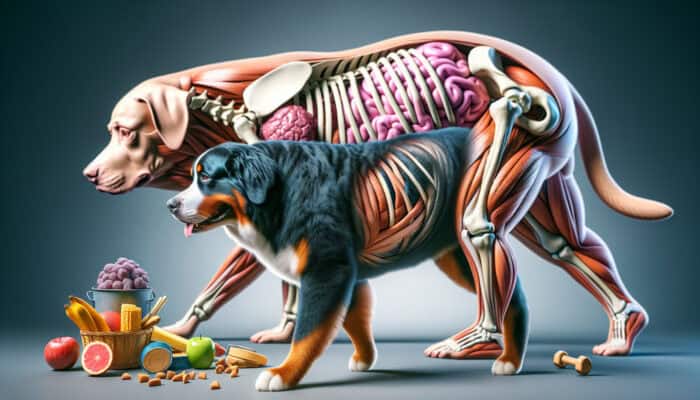
In-Depth Exploration of Key Factors Affecting Canine Aging
How Does the Aging Process of Dogs Compare to That of Humans?

It is crucial for pet owners to recognize that dogs experience aging at a significantly accelerated rate compared to humans. The simplistic notion that one human year equates to seven dog years does not accurately represent the complexities involved in the aging process. While this guideline serves as a rough estimate, it overlooks the important variances among different dog breeds and their corresponding sizes. For instance, smaller breeds like Chihuahuas often have longer lifespans and show a more gradual aging process than larger breeds, such as Great Danes, which encounter age-related health challenges much sooner. Understanding the aging process is essential for promoting better health and longevity in dogs.
Several vital elements play a significant role in determining the rate at which dogs age:
- Breed and Size: Generally, larger breeds have shorter lifespans, while smaller breeds tend to age more slowly.
- Genetics: Genetic factors contribute significantly to health traits and longevity.
- Diet: A balanced and nutritious diet is essential for sustaining optimal health.
- Exercise: Consistent physical activity is crucial for a dog’s overall well-being and vitality.
- Healthcare: Routine veterinary check-ups are vital for addressing age-related health issues proactively.
- Living Environment: A secure and stimulating environment enhances a dog’s quality of life.
- Socialization: Positive interactions with other animals and humans can help reduce anxiety.
- Weight Management: Keeping a healthy weight is essential for longevity and overall health.
By deeply understanding these factors, dog owners can better prepare for the inevitable changes their pets will experience, allowing them to provide the necessary care and support as their dogs navigate the aging journey.
What Are the Key Factors That Affect a Dog’s Lifespan?
The lifespan of a dog is influenced by a complex interplay of various factors. Genetics plays a crucial role, as certain breeds are predisposed to specific health issues that can shorten their lifespan. For example, Bulldogs often suffer from respiratory complications, while breeds like Golden Retrievers are more prone to hip dysplasia. In addition to genetics, a dog’s diet has a profound effect on their overall health. A diet that is balanced and rich in nutrients not only supports their general well-being but also helps mitigate the risks associated with aging.
Regular exercise is another fundamental component of a dog’s health. Dogs that maintain an active lifestyle are more likely to keep a healthy weight and muscle tone, significantly reducing the risk of joint issues and obesity-related diseases. Furthermore, routine veterinary care is essential; regular health check-ups assist in identifying potential health problems early, enabling timely interventions that can extend a dog’s lifespan. In general, larger breeds like Bernese Mountain Dogs tend to have shorter lifespans than smaller breeds like Dachshunds, underscoring the significance of breed-specific factors when evaluating longevity.
Can You Implement Strategies to Slow Down Your Dog’s Aging Process?
While aging is a natural part of life, there are several lifestyle choices that can effectively slow its progression, enabling your dog to remain energetic and healthy throughout their senior years. One of the most important steps is to prioritize a balanced diet; many senior dog foods are specifically formulated with nutrients aimed at supporting joint health and cognitive function. By providing high-quality, age-appropriate nutrition that caters to your dog’s unique needs, you can significantly improve their overall health and vitality.
Additionally, incorporating regular exercise is vital for maintaining your dog’s energy levels. Gentle activities such as short walks, swimming, or playtime with soft toys can keep your dog active without putting unnecessary stress on their joints. Furthermore, mental stimulation is equally important. Engaging your dog’s mind through interactive puzzles, training exercises, or scent games can help prevent cognitive decline and enhance their quality of life.
Lastly, consistent check-ups with your veterinarian are critical. Routine health assessments provide valuable insights into your dog’s overall condition and allow for prompt action to address any emerging age-related issues. By taking proactive measures and creating a stimulating environment, you can significantly enhance your dog’s quality of life as they gracefully age.
Understanding the Seven-Year Aging Rule for Dogs with Expert Insights

How Do Veterinarians Play a Role in Supporting Aging Dogs?
Veterinarians serve an essential role in managing the aging process in dogs by offering tailored advice that caters to the specific needs of senior pets. Regular health check-ups allow veterinarians to evaluate your dog’s health and identify early signs of age-related issues such as arthritis, heart disease, or dental problems. By establishing a health baseline, veterinarians empower pet owners to monitor changes over time, ensuring timely interventions when necessary.
Veterinarians also provide recommendations regarding diet and exercise tailored to a dog’s health status. They can advise on dietary modifications, such as incorporating joint supplements or transitioning to a senior diet that is lower in calories yet enriched with essential nutrients. Additionally, they can suggest exercise plans incorporating safe, low-impact activities tailored to your dog’s physical abilities, helping to maintain muscle mass and overall fitness effectively.
Moreover, veterinarians can assist pet owners in managing behavioral changes that may accompany aging. They may recommend cognitive games to keep your dog mentally active or provide strategies to alleviate anxiety that can arise with age. The expertise provided by veterinary professionals is vital for helping dog owners navigate the challenges associated with aging, ensuring their pets lead fulfilling lives well into their senior years.
What Are the Common Signs of Aging in Dogs?
As dogs age, they display a variety of signs that indicate their transition into their senior years. Among the most noticeable indicators are graying fur, particularly around the muzzle and eyes, which typically signals maturity. Owners may also observe a decline in energy levels; older dogs often prefer lounging to vigorous play. Behavioral changes can manifest as increased anxiety or withdrawal from social interactions, especially in dogs that were once lively and active.
Regular veterinary visits become vital for monitoring these changes. Veterinarians can perform thorough health evaluations to determine whether the observed signs are simply part of normal aging or if they indicate underlying health issues. For example, if a dog suddenly becomes lethargic, it may indicate pain related to arthritis or another condition that necessitates treatment.
Recognizing these signs empowers owners to adjust their care strategies accordingly. For instance, if a dog appears less interested in play, introducing gentler activities or mental challenges can help keep them engaged and satisfied. By identifying signs of aging early, owners can create a supportive environment that enhances their dog’s quality of life in their senior years.
How Should You Modify Your Care for an Aging Dog’s Needs?

Adjusting to your dog’s aging needs is crucial for enhancing their quality of life. As dogs grow older, their physical capabilities and preferences may change, necessitating modifications to their environment and daily routines. Start by ensuring a safe living space; remove obstacles that could lead to slips or falls. Utilize non-slip mats and provide comfortable bedding in easily accessible areas, allowing your dog to navigate their surroundings with ease.
Routine adjustments are equally important. Older dogs may require more frequent bathroom breaks or shorter, more manageable walks. Instead of long hikes, consider leisurely strolls that allow them to explore at their own pace, avoiding overexertion. Incorporating mental stimulation into daily routines is also vital. Activities like puzzle toys or scent games keep their minds sharp and engaged, helping to stave off cognitive decline.
Furthermore, scheduling regular health check-ups with your veterinarian is essential for monitoring any changes in your dog’s condition. As dogs age, their nutritional needs evolve. Consulting with a vet can facilitate a smooth transition to appropriate senior diets tailored to address their specific health concerns. By being attentive and proactive about your dog’s unique aging needs, you can ensure they remain happy and comfortable as they enter their later years.
Health Considerations for Senior Dogs: Essential Knowledge
What Common Health Issues Are Associated with Aging Dogs?
As dogs reach their senior years, they become increasingly vulnerable to various health conditions that are commonly associated with aging pets. Arthritis is one of the most widespread issues, causing joint pain and stiffness that can significantly impair mobility. Dogs suffering from arthritis may show reluctance to engage in activities they once enjoyed, like walking or jumping. Regular veterinary visits are essential for early detection and effective management of these joint-related concerns.
Dental disease is another serious issue for older dogs. The accumulation of plaque can lead to periodontal disease, resulting in pain, tooth loss, and even systemic health complications if bacteria enter the bloodstream. Maintaining proper oral hygiene through regular brushing and dental check-ups can help prevent such problems.
Cognitive dysfunction syndrome (CDS) resembles Alzheimer’s disease in humans by affecting cognitive abilities. Dogs with CDS may exhibit signs of disorientation, disrupted sleep patterns, or behavioral changes. Providing mental stimulation and engaging activities can help alleviate some effects of cognitive decline.
Regular veterinary visits are crucial for monitoring these and other health issues as dogs age. A proactive approach allows for early intervention, thereby enhancing the quality of life and effectively managing any emerging health challenges.
How Does Diet Impact the Health of Aging Dogs?
The diet is a fundamental factor in maintaining the health and vitality of senior dogs. As dogs transition into their later years, their nutritional requirements change, which may necessitate a shift to specially formulated senior diets. These diets generally contain lower calories to prevent obesity while being rich in essential nutrients such as antioxidants, Omega-3 fatty acids, and joint-supporting components like glucosamine.
A well-balanced diet aids in weight management, which is critical for reducing joint strain and preventing obesity-related illnesses. Furthermore, particular nutrients can enhance cognitive function, helping to delay cognitive decline. For instance, diets enriched with DHA (a type of Omega-3 fatty acid) can significantly bolster brain health in older dogs.
Hydration is equally vital. Senior dogs may become more susceptible to dehydration, which can adversely affect organ function and overall health. Ensuring access to fresh water and, if feasible, incorporating wet food into their diet can assist in maintaining adequate hydration levels. By providing a diet specifically tailored to their needs, dog owners can greatly influence their senior dog’s health, enhancing both their quality of life and longevity.
What Supplements Are Most Beneficial for Aging Dogs?
As dogs grow older, certain supplements can effectively support their health and overall well-being. Glucosamine and chondroitin are widely recognized for their benefits in promoting joint health and alleviating arthritis symptoms. These supplements help maintain cartilage and reduce inflammation, allowing older dogs to move more comfortably.
Omega-3 fatty acids also serve as beneficial supplements for aging dogs. They support cognitive function and joint health while providing anti-inflammatory properties that enhance overall well-being. Fish oil is a well-known source of Omega-3 fatty acids, commonly included in senior dog diets or offered as standalone supplements.
Antioxidant supplements, such as vitamins C and E, can combat oxidative stress and strengthen the immune system. These nutrients are vital for protecting cells from damage, leading to better health outcomes. Always consult with a veterinarian before introducing any new supplements to ensure they align with your dog’s specific health needs. By incorporating beneficial supplements, you can enhance your aging dog’s quality of life and support their health as they navigate their senior years.
How to Effectively Transition Your Dog to a Senior Diet?
Transitioning your dog to a senior diet requires a thoughtful approach to ensure a smooth adjustment. Begin with a gradual transition over a period of one to two weeks, slowly increasing the proportion of the new senior food in their diet. This gradual introduction helps prevent digestive upset while allowing your dog to acclimate to the new taste and texture.
Start by replacing approximately 25% of their current food with the senior diet for the first few days. Gradually increase this ratio until the new food constitutes their entire meals. Monitoring your dog’s response is vital; watch for any signs of gastrointestinal distress, such as vomiting or diarrhea, which may necessitate a slower transition.
Additionally, consider the nutritional content of the senior diet. Look for high-quality ingredients that cater to your dog’s specific health needs, such as those that support joint health, cognitive function, or weight management. If your dog is particularly picky, adding low-sodium broth to their meals or offering small portions of wet food can entice them to enjoy their new diet. By transitioning thoughtfully, you can help your aging dog adapt to their senior diet, ensuring they receive the necessary nutrition for a vibrant, healthy life.
Exercise and Mental Stimulation: Essential for Senior Dogs
What Types of Exercise Are Most Beneficial for Senior Dogs?
When planning exercise for senior dogs, low-impact activities are ideal for sustaining mobility and overall health. Gentle walks provide an excellent means for older dogs to remain active without straining their joints. Shorter, more frequent walks of around 10 to 15 minutes allow ample time for sniffing and exploration, keeping them engaged while minimizing the risk of fatigue.
Swimming is another fantastic option for senior dogs. The buoyancy of water alleviates strain on joints while providing a full-body workout. Many dogs relish swimming, making it a fun and effective way to keep them active while protecting their joints.
Play sessions with soft toys or engaging fetch games can stimulate both physical and mental activity. However, it is important to monitor their energy levels to ensure that playtime remains enjoyable without leading to overexertion. Other low-impact options include gentle stretching exercises or controlled agility activities, which can help maintain flexibility and muscle tone.
Ultimately, the key is to customize exercise routines to each dog’s capabilities. Regular, moderate exercise 2-3 times a week can promote your aging dog’s health and mobility without causing excessive strain.
How Does Mental Stimulation Enhance an Aging Dog’s Well-being?
Mental stimulation is vital for the overall well-being of aging dogs, as it helps keep their minds sharp and engaged. As cognitive abilities may decline with age, introducing stimulating activities into their daily routine can counteract these effects and improve their quality of life.
Puzzle toys provide an excellent opportunity to challenge your dog mentally. These interactive toys typically require dogs to solve problems to access treats, which promotes critical thinking skills. Training sessions can also serve as effective mental stimulation; teaching new tricks or practicing commands not only engages their minds but also strengthens the bond between you and your pet.
Another effective method is introducing scent games, where dogs use their noses to discover hidden treats or toys. This taps into their natural instincts and can be both enjoyable and rewarding. Rotating toys and introducing new challenges can keep their routines fresh and stimulating.
Additionally, socialization remains a crucial component of mental wellness. Arranging playdates with familiar dogs or participating in canine social groups can provide both companionship and mental engagement. By prioritizing mental stimulation, you can help your aging dog stay alert, engaged, and content throughout their senior years.
What Precautions Should Be Taken When Exercising Senior Dogs?
When exercising an aging dog, it’s vital to take precautions to ensure their safety and well-being. First and foremost, closely monitor their energy levels. Older dogs may tire more quickly, so it is crucial to observe their behavior and adjust the pace or duration of exercise accordingly. If your dog shows signs of fatigue or discomfort, such as heavy panting or lagging, it’s time for a break.
Warm-ups can also benefit senior dogs. Before engaging in exercise, allow them to stretch gently to warm up their muscles and joints, thereby reducing the risk of injury. In addition, consider the environment; avoid exercising in extreme temperatures, whether hot or cold, as older dogs can be more sensitive to temperature fluctuations.
Ensure access to fresh water during and after exercise to keep them hydrated. Carry water on walks, or keep it available when they return from play, to prevent dehydration. Lastly, select safe, familiar areas for exercise, avoiding rough terrain or slippery surfaces that could pose risks. Taking these precautions ensures that your aging dog can enjoy exercise safely and comfortably.
How Frequently Should You Exercise Your Aging Dog?
Consistent exercise is essential for maintaining the health and mobility of aging dogs, but it’s important to tailor the frequency and intensity to their individual needs. In general, senior dogs benefit from moderate exercise 2-3 times a week, which helps maintain muscle tone and joint flexibility without overwhelming them. Short, engaging sessions are often more effective than long, strenuous ones.
Incorporating daily activities, such as gentle walks or brief play sessions, can help create a balanced routine that keeps your dog active without causing fatigue. For example, a stroll around the block can serve as an excellent way to provide exercise and mental stimulation while allowing ample time for exploration.
Additionally, pay close attention to your dog’s responses during and after exercise. If they exhibit signs of excessive fatigue or discomfort, it may indicate that the frequency or intensity needs adjustment. Regular exercise not only supports physical health but also enhances mental well-being, contributing to an overall happier life for your aging dog.
Preparing for Your Dog’s End of Life: A Compassionate Guide
What Signs Suggest That a Dog’s End of Life Is Approaching?
Recognizing signs that indicate a dog’s end of life is a sensitive yet vital aspect of responsible pet ownership. Common signs that an aging dog may be nearing the end of their life include loss of appetite, noticeable weight loss, and lethargy. Dogs may show less interest in activities they once enjoyed, displaying reduced energy levels or reluctance to move around.
Behavioral changes can also provide important clues; for example, a normally sociable dog may withdraw from family interactions or demonstrate increased anxiety. Difficulty breathing, panting, or alterations in pacing can signify discomfort or pain. As the end approaches, dogs may also exhibit signs of distress or make unusual vocalizations.
Recognizing these signs allows owners to make informed decisions regarding end-of-life care, ensuring their dogs receive comfort and dignity during this phase. It is essential to maintain open communication with your veterinarian, who can provide guidance on symptom management and preparing for the final stages of life.
How to Ensure Your Dog’s Final Days Are Filled with Comfort?
Creating a comfortable environment for your dog during their final days is paramount. Begin by providing a quiet and peaceful space where they can rest undisturbed. This area should be familiar and cozy, with their favorite bedding and toys available to offer reassurance.
Pain management becomes crucial during this time; consult your veterinarian about appropriate medications that can alleviate discomfort and enhance your dog’s quality of life. Additionally, maintaining a consistent routine can provide a sense of security and stability. Offering gentle, familiar interactions, such as soft petting or quiet conversations, can be soothing.
Limit physical activity based on your dog’s energy levels and preferences. Short, gentle walks or simply spending time together can provide emotional support without overwhelming them. Finally, shower your dog with love and attention, ensuring they feel cherished and secure during their final days.
What End-of-Life Care Options Are Available for Dogs?
Exploring end-of-life care options for dogs is essential for pet owners to consider, ensuring comfort and dignity in their final moments. Palliative care focuses on managing pain and improving quality of life. This approach includes pain relief medications, dietary adjustments, and supportive therapies that ensure dogs remain comfortable during their remaining time.
Hospice care is another compassionate option for aging dogs. This method allows pets to receive specialized care at home, where they can spend their final days in familiar surroundings. Veterinary professionals can guide owners on providing appropriate care and support, including pain management and emotional reassurance.
In certain situations, owners may contemplate euthanasia as a humane choice to prevent suffering when a dog’s quality of life has significantly declined. This decision is deeply personal and should be made in consultation with a veterinarian, who can help assess the situation and provide guidance.
Ultimately, the goal of end-of-life care is to ensure that dogs receive the compassionate support they need during their final days. By exploring these options and creating a tailored approach, pet owners can navigate this challenging time with love and dignity.
Frequently Asked Questions About Aging Dogs
How can I tell if my dog is aging?
Signs of aging in dogs include graying fur, decreased energy levels, behavioral changes, and mobility issues. Regular veterinary check-ups are essential for monitoring these changes effectively.
What is the best diet for senior dogs?
A balanced diet rich in antioxidants, Omega-3 fatty acids, and joint-supporting nutrients is ideal for senior dogs. Consult your veterinarian for specific dietary recommendations suited to your dog’s individual needs.
How often should I take my aging dog to the vet?
Senior dogs should have veterinary check-ups at least twice a year. Increased frequency may be necessary for dogs with pre-existing health conditions.
What exercises are safe for senior dogs?
Low-impact activities such as short walks, swimming, gentle play, and stretching exercises are safe and effective for senior dogs, helping them maintain mobility without undue strain.
How can I support my dog’s joint health?
Providing a diet rich in glucosamine and Omega-3 fatty acids, along with maintaining a healthy weight through regular exercise, can significantly support your dog’s joint health.
What signs indicate my dog may be in pain?
Signs of pain in dogs may include reluctance to move, whimpering, changes in appetite, or increased aggression. If you suspect your dog is in pain, consult your veterinarian promptly.
How do I help my dog with anxiety as they age?
Providing a consistent routine, engaging in gentle play, and utilizing calming aids such as soft music or anxiety wraps can help alleviate anxiety in aging dogs.
What should I do if my dog stops eating?
If your dog stops eating, it’s essential to consult your veterinarian to rule out health issues. Changes in diet or stress can also impact appetite.
How can I make my dog’s last days as comfortable as possible?
Create a peaceful environment, implement pain management, maintain routines, and offer plenty of love and attention to ensure your dog feels comfortable during their final days.
When is it time to consider euthanasia for my dog?
Consider euthanasia when your dog shows significant signs of distress, pain, or a declining quality of life that cannot be improved. Consult your veterinarian for guidance on making this emotional decision.
Connect with us on Facebook!
The Article Dogs Age Seven Years Per Human Year: Understanding Canine Aging First Published On https://elgatoencasa.com
The Article Understanding Canine Aging: Dogs Age Seven Years Per Year Was Found On https://limitsofstrategy.com