Category: Roofing Solutions

  • Leadwork and Flashing Are Essential for Slate Roofs

    Leadwork and Flashing Are Essential for Slate Roofs

    Expert Insights on Leadwork and Flashing for Slate Roof Restorations
    Slate Roof Restorations highlight the critical importance of lead flashing in preventing leaks and significantly enhancing the longevity of slate roofs.

    Protect Your Slate Roof: Invest in High-Quality Flashing to Prevent Expensive Water Damage

    Flashing serves as an essential defense mechanism at the most susceptible areas of your roof, particularly where tiles intersect with walls, chimneys, or valleys. If proper flashing is not installed, even the most expertly laid slate roof can develop leaks over time, leading to costly repairs. Lead is the preferred material for flashing in slate roofing because of its flexibility, exceptional durability, and ability to accommodate the natural movements of the roof structure, ensuring a secure seal that effectively prevents water penetration.

    Understanding Flashing: Its Role and Necessity for Slate Roofing

    Flashing is the vital material utilized to seal joints and edges around architectural features such as chimneys, skylights, roof valleys, and any point where your slate roof meets a wall or changes direction. These joints are particularly susceptible to water ingress, and without effective flashing, they often become the first areas to fail, resulting in leaks. In contemporary construction, flashing can be made from sheet metals, but for traditional applications on slate roofs, lead remains the superior and most reliable choice.

    What makes lead the ideal selection? This material not only seals joints effectively but also molds itself to create a resilient barrier against various curves, slopes, and edges. It naturally expands and contracts with temperature fluctuations without the risk of cracking or splitting. Unlike synthetic alternatives, lead does not corrode and maintains its structural integrity significantly longer, frequently outlasting the slate itself.

    Consequences of Ineffective Flashing: What You Need to Know

    Even the tiniest tear or gap in your flashing can lead to substantial leaks. These leaks are rarely straightforward; water can seep beneath the tiles, reach the underlay, and gradually cause issues such as rot, mold, or damage to your internal ceilings. The effects of flashing failure may not be immediately apparent, often taking years to manifest, and by that time, repairs can be extensive and expensive. Problems stemming from inadequate flashing are among the leading causes of hidden roof failures.

    If you observe stains on your ceiling, bubbling paint near a chimney, or patches of moss accumulating in specific areas on your roof, deteriorating flashing could be the underlying issue.

    Why Lead Remains the Best Material for Flashing in Slate Roofing

    For centuries, lead has been the preferred choice for slate roofs due to its unique attributes. It is recyclable, incredibly durable, and can withstand extreme weather conditions, whether during intense heat or severe storms. The softness of lead allows it to fit snugly without risking damage to the delicate slate, which is considerably more fragile compared to lead.

    Common uses for lead flashing include:

    • Flashing for chimneys (both step and apron)
    • Roof valleys
    • Secret gutters
    • Junctions between roof and walls
    • Intersections of ridges and hips
    • Skylight surrounds

    These areas experience movement, pressure, and water runoff, making them particularly prone to failure when using hard, inflexible materials that can crack or dislodge.

    Recognizing When to Repair or Replace Your Lead Flashing

    Although lead flashing is generally long-lasting, it will eventually deteriorate over time. You should consider replacement if you notice:

    • Visible splits or cracks in the lead
    • It is lifting or curling away from the roofline
    • Signs of rust, especially where lead interfaces with other metals
    • Water stains appearing inside your home
    • You are already planning a slate roof repair or reconstruction

    Most slate roof restorations involve a comprehensive inspection of all leadwork. If we are already on your roof for tile replacement or cleaning, that is the perfect opportunity to evaluate and replace flashing as necessary.

    Why Skilled Craftspeople Should Handle Your Leadwork

    Leadwork is a specialized trade that should not be entrusted to just any general roofer or handyman. Improperly installed lead can sag, split, or detach from the slate, compromising the advantages of a well-constructed slate roof. Our expert team uses traditional methods for installing lead flashing, ensuring precise sizing, correct lap joints, and expansion joints that accommodate the weather fluctuations typical in Sydney. We are dedicated to using lead only where it is the most suitable material for the task at hand.

    Enhancing Roof Longevity: The Importance of Quality Flashing

    A slate roof can last for a century or more, but this longevity hinges on the adequate protection of its most vulnerable points. Flashing and leadwork may not be the flashiest components of a roof, yet they are crucial elements that bear the burden when weather conditions turn severe. If you notice leaks, streaks, or signs of deterioration around your chimney or roof edges, it is paramount to have it evaluated without delay. Replacing flashing now can save you from incurring much higher repair costs for structural damage in the future.

    Do You Need a Professional Assessment for Your Leadwork?

    If your slate roof has flashing that is aging or exhibiting signs of wear, it is prudent to have it inspected before minor issues escalate into significant damage. Reach out to us today to arrange an inspection with a team that specializes in slate, lead, and the intricate details that effectively hold your roof securely in place.

    Call 0431 593 625

    Get A Free Quote

    Common Queries Regarding Flashing and Leadwork in Slate Roofing

    What exactly is flashing on a slate roof and why is it crucial?

    Flashing is the material used to seal joints and transitions in the roofing system—such as around chimneys, valleys, and skylights—preventing water from infiltrating the roofing structure.

    What makes lead the ideal choice for slate roof flashing?

    Lead is flexible, extremely durable, and resistant to various weather conditions. It conforms well to the shapes of slate tiles and outlasts many synthetic materials, making it the preferred option.

    What is the expected lifespan of lead flashing?

    With proper installation, lead flashing can last for 50 years or more, often exceeding the lifespan of the slate roof it protects.

    Can flashing be repaired without a complete roof replacement?

    Yes, damaged or worn flashing can be repaired or replaced without necessitating a full slate roof replacement, provided that the issues are addressed promptly.

    What are the signs indicating flashing failure?

    Indicators of flashing problems include water stains near chimneys, damage to ceilings, moss growth in isolated areas, or visible gaps where roof surfaces intersect.

    Are all slate roofs required to have lead flashing?

    Most slate roofs do. Areas such as chimneys, valleys, and wall junctions necessitate flashing, and lead is the material of choice due to its compatibility with slate.

    Is it safe to use lead flashing in residential properties?

    Yes, when installed by professionals, lead flashing poses no safety risks and remains the most effective and traditional choice for slate roofs.

    Call 0431 593 625

    Get A Free Quote

    The Article: Leadwork and Flashing: Why It’s Crucial for a Slate Roof first appeared on https://writebuff.com

    The Article Leadwork and Flashing: The Importance for Slate Roofs Was Found On https://limitsofstrategy.com

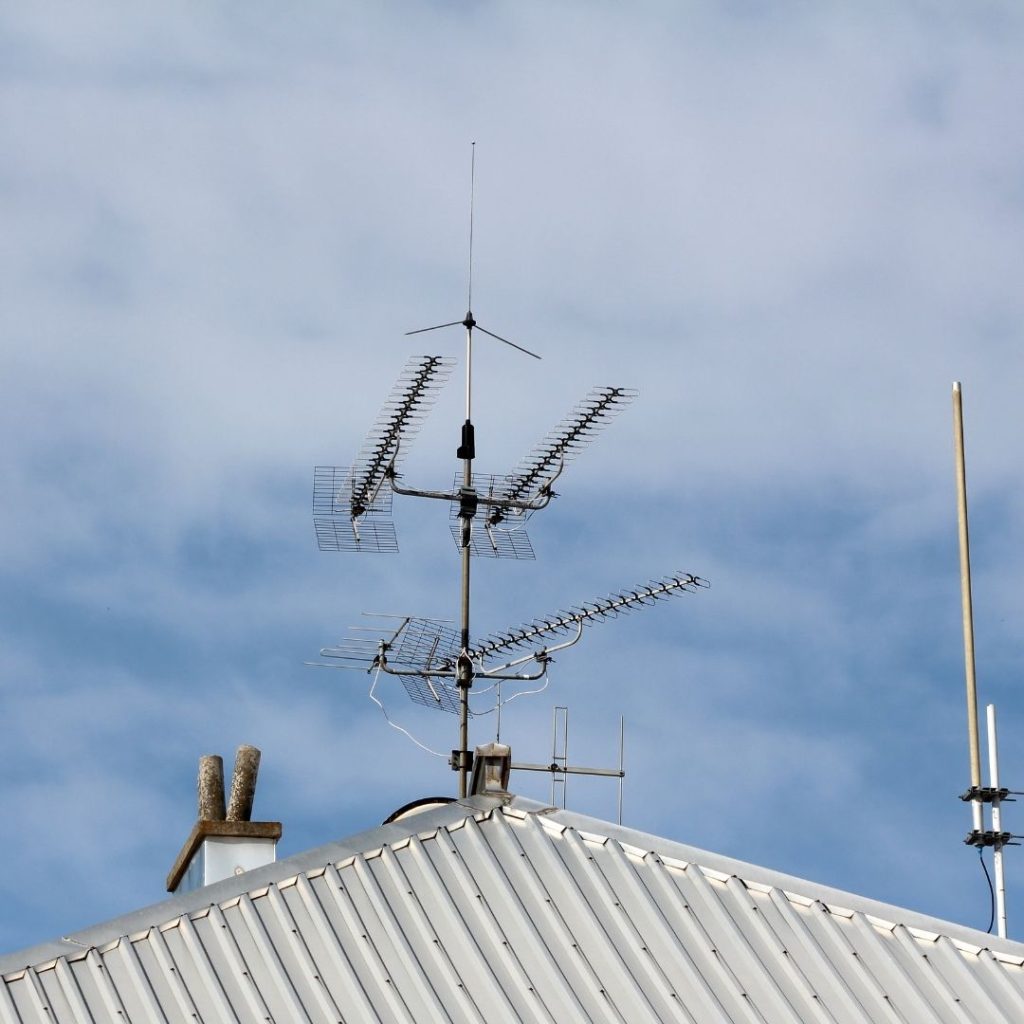
  • Metal Roofs and Lightning: Exploring Aerials and Starlink Insights

    Metal Roofs and Lightning: Exploring Aerials and Starlink Insights

    Metal roofing is celebrated as one of the most durable and enduring roofing solutions available in Australia. Its reputation for exceptional strength, longevity, and energy efficiency is well-established. However, a frequent question posed by homeowners is — do metal roofs attract lightning?

    As more homeowners invest in Starlink dishes and various antenna systems, concerns regarding lightning strikes have also escalated. In this article, we will thoroughly explore the facts surrounding this issue, illustrating why metal roofing, along with antennas and satellite systems, is often much safer than many people might believe.

    Metal Roofing(1)

    Understanding the Relationship Between Metal Roofs and Lightning Strikes

    Contrary to the common belief that metal roofs attract lightning, the reality is quite different. A metal roof does not attract lightning. Essentially, lightning is drawn to the highest point in any given landscape, and its attraction is not dependent on the roofing material. Lightning seeks the path of least resistance to reach the ground, which is why it typically targets taller structures like trees, poles, or antennas rather than the roofing material itself.

    In the unfortunate event that a home with a metal roof is struck by lightning, it is reassuring to know that metal effectively disperses energy. Unlike other roofing materials such as tile or timber, metal is not easily ignited or burned. If lightning strikes, the electrical charge rapidly spreads across the roof’s surface and safely dissipates into the ground, particularly when the building’s grounding system is installed correctly.

    Ultimately, choosing a Colorbond® roof does not increase the likelihood of your home being struck by lightning. However, should a strike occur, having a metal roof is indeed one of the safest options available, providing homeowners with significant peace of mind.

    Assessing the Lightning Strike Risks Associated with Aerials and Starlink Dishes

    Similarly to metal roofs, aerials, antennas, and Starlink dishes do not inherently attract lightning due to their mere presence. Instead, lightning tends to be attracted to height and isolation, rather than specifically to the metallic components of these devices.

    If an aerial or dish is the highest point on your property, it may become the most likely target for a lightning strike. This situation arises from its elevated position rather than its metallic nature. Therefore, it is essential to understand that the risk of a lightning strike is primarily influenced by location rather than the materials used in construction.

    To enhance safety, consider implementing these best practices:

    • Ensure that the dish or antenna is professionally installed and grounded in accordance with the AS/NZS 1768 lightning protection standards.
    • Bonding and grounding the system is crucial, as this facilitates any electrical surge to travel safely to the earth, minimizing the risk of damage to your equipment or home.
    • Avoid using isolated, ungrounded poles that extend significantly above the roofline, as these pose a higher risk of attracting lightning strikes.

    When installed correctly, a Starlink dish or roof-mounted aerial on a Colorbond® roof remains completely safe, even during severe electrical storms.

    Metal Roofing(2)

    Discovering the Safety Advantages of Metal Roofing Materials

    Beyond the critical aspect of lightning safety, metal roofing offers a wide array of inherent protective features that make it an excellent choice for homeowners:

    • Fire Resistance: Metal is fundamentally non-combustible, making it an ideal choice for areas prone to bushfires.
    • Storm Durability: Metal roofs are engineered to withstand hail, strong winds, and heavy rainfall significantly better than many traditional roofing materials.
    • Corrosion Protection: Colorbond® coatings provide exceptional resistance against rust, even in coastal regions where salty air can be problematic.
    • Energy Efficiency: Reflective coatings on metal roofs help reduce heat absorption during the hot summer months, resulting in lower energy costs.
    • Structural Lightness: Metal roofing is lighter than tile, which reduces stress on the roof frame and enhances overall structural integrity.

    Crucial Steps for Maintaining Roof Safety and Efficiency

    To ensure complete confidence regarding the safety of your roof and any mounted equipment, conducting regular inspections is vital:

    • After storm events, inspect flashings, fixings, and sealants to confirm they remain intact and functional.
    • Keep gutters and valleys clear of debris to prevent overflow and potential water damage to your property.
    • Ensure that any antenna installations are properly grounded to minimize risk and enhance safety.

    AWS Roofing offers expert inspections and roof replacements across the Central Coast, Newcastle, and Hunter regions, ensuring that every roof operates safely and efficiently, while providing maximum protection for your home.

    Central Coast Metal Roofers1

    Key Insights on Metal Roof Safety and Performance

    A metal roof does not attract lightning; in fact, it significantly contributes to protecting your home from lightning strikes. When paired with professional installation and proper grounding of any roof-mounted equipment, a Colorbond® metal roof emerges as one of the safest, most reliable, and longest-lasting roofing systems available in Australia.

    If you require expert assistance for metal roofing installation or replacement, reach out to AWS Roofing, reputable specialists in durable and compliant roofing systems throughout NSW.

    • Speak To Our Office Manager
    • Free On Site Roofing Quotes
    • Fast New Roof Installation
    0407 133 435

    Do Metal Roofs Attract Lightning? (And Aerials or Starlink Dishes)

    The Article: Do Metal Roofs Attract Lightning? A Look at Aerials and Starlink first appeared on https://writebuff.com

    The Article Metal Roofs and Lightning: Insights on Aerials and Starlink Was Found On https://limitsofstrategy.com
  • Roof Repair vs Replacement: Choosing the Right Roof Option

    Roof Repair vs Replacement: Choosing the Right Roof Option

    By AWS Roofing | Your Trusted Central Coast NSW Roofing Experts

    Identifying the Optimal Moment for a Total Roof Replacement Instead of Repairs
    It is crucial to consider a full roof replacement when your roof surpasses 20 years of age, exhibits multiple leaks, shows visible signs of sagging, or reveals any serious structural issues. Frequent repairs, accompanied by visible damage, are strong indicators that your roof has reached its functional lifespan. In these situations, opting for a complete replacement not only makes logical sense but can also be a more financially sensible choice in the long run.

    Key Indicators That Signal the Need for a Roof Replacement:

    • Widespread or recurrent leaks affecting substantial areas of your home, leading to potential water damage.
    • Obvious sagging in the roofline or noticeable daylight filtering through roofing materials, suggesting compromised integrity.
    • Presence of cracked, broken, or missing roofing tiles or sheets, which can compromise protective capabilities.
    • Visible signs of rust on flashings or deterioration of the ridge caps, indicating age-related wear.
    • Repair costs that consistently exceed the financial commitment required for a full replacement, signaling inefficiency.
    Roofing Inspection

    Making Educated Decisions: Should You Repair or Replace Your Roof?

    Homeowners frequently ask the critical question: “Should I proceed with roof repairs, or is it time for a complete roof replacement?” The answer hinges on several factors, including the age of your roof, the severity of the damage, the specific roofing materials used, and your long-term property plans. By analyzing these elements thoroughly, you can make a well-informed decision that aligns with your financial situation and overall home maintenance strategy, ensuring the best outcome for your property.

    When Opting for Roof Repairs Proves to Be Your Best Option

    In many cases, roof repairs represent the most suitable solution when damage is localized or primarily cosmetic in nature. Common scenarios that necessitate repairs include:

    • Minor leaks or unsightly water stains appearing on the ceiling, indicating small issues that can be addressed.
    • A few cracked or dislodged tiles that can be easily replaced without extensive work.
    • Localized damage from storms affecting only a specific roof section, making targeted repairs viable.
    • Flashing issues or blocked drainage valleys that can be promptly and easily rectified.
    • Gutter separations or overflowing due to blockages that require minimal intervention.

    For roofs that are still relatively young—less than 15 years for tiles and under 20 years for Colorbond®—and in otherwise good condition, targeted repairs often represent the most economical option for homeowners, allowing them to extend the lifespan of their roofing without incurring the costs of a full replacement.

    Advantages of Choosing Roof Repairs Over a Full Replacement

    • A lower initial investment compared to a complete replacement, making it budget-friendly.
    • Minimized disruption to your daily routine during repairs, allowing you to maintain your lifestyle.
    • Extends the lifespan of your existing roofing system, preserving your investment.
    • Ideal for homeowners seeking short-term solutions or those navigating a tight budget.

    Understanding When a Full Roof Replacement Becomes Necessary

    A complete roof replacement is often the most favorable choice when your roof exhibits the following characteristics:

    • Exceeds 20 to 30 years in age and shows significant deterioration, indicating it has outlived its usefulness.
    • Displays widespread sagging, warping, or delamination of the tiles, compromising structural integrity.
    • Requires frequent repairs and patch jobs that are increasingly becoming a financial burden.
    • Experiences leaks in multiple areas or during every rainstorm, indicating a systemic issue.
    • Fails to meet current building codes or modern storm-resistance standards, posing a safety risk.

    If you plan to stay in your home for the long term, investing in a new roof can be a wise financial decision—enhancing energy efficiency, boosting property value, and eliminating ongoing repair costs, ultimately providing peace of mind.

    New Roof Installation

    Critical Indicators That Signal It’s Time for a Roof Replacement

    • Visible daylight streaming through the roofing materials, indicating significant gaps or holes.
    • Pooling water accumulating in ceilings or cavities, which can lead to severe water damage.
    • Multiple broken ridge caps or deterioration of mortar, highlighting structural weaknesses.
    • Presence of rust spots on metal roofing or flashing materials, signaling age-related deterioration.
    • Observable structural movement or wood rot beneath the eaves, which can jeopardize the entire roofing system.

    Financial Aspects: Weighing Repair Costs Against Replacement Expenses

    While roof repairs generally involve a lower upfront cost, they can quickly accumulate if issues arise frequently, leading to higher long-term expenses. Conversely, a complete roof replacement may require a larger initial investment, but over a period of 10 to 15 years, it often yields greater value and peace of mind, especially if you opt for durable materials like Colorbond® steel, which are engineered to withstand the test of time.

    Factors That Impact the Cost of Roof Replacement

    • The overall size and pitch of your roof structure, directly affecting material and labor costs.
    • Your choice of materials (tile, metal, Colorbond®, etc.) for the new roof, influencing both aesthetics and durability.
    • The extent of existing damage or necessity for re-battening, which can increase labor and material demands.
    • Costs associated with the removal and disposal of old roofing materials, which can be considerable.

    Understanding the Effects of Local Weather on Your Roof: Essential Insights for Central Coast Homeowners

    Living on the Central Coast exposes your roof to intense sunlight, coastal salt air, and seasonal storms. These environmental factors can significantly shorten the lifespan of older roofing materials, particularly if your roof lacks adequate sealing, ventilation, or protective eave measures. Being aware of these challenges is crucial for maintaining your roof’s integrity.

    In many instances, a comprehensive roof restoration or replacement can provide superior protection for your home, ultimately reducing long-term costs associated with storm damage and leaks, ensuring your property remains safe and secure.

    Looking for Expert Guidance on Your Roofing Needs?

    At AWS Roofing, we provide comprehensive roof inspections to help you navigate your options effectively. Our seasoned team will assess whether your roof can be repaired or if it’s time for a replacement, offering clear and transparent recommendations tailored to your specific needs and budget. We prioritize your satisfaction and the integrity of your home.

    Whether you need a quick repair or a complete new roof installation, our dedicated team is committed to delivering durable, high-quality results that you can depend on for years to come.

    Schedule your complimentary roof assessment today and take the first step toward achieving a secure and reliable roofing solution →

    Your Roofing Queries Addressed: Frequently Asked Questions

    Q1: How can I determine if my roof needs replacing instead of just repairing?
    If your roof is over 20 to 30 years old, showing leaks in multiple locations, or exhibiting signs of sagging, rust, or structural degradation, it is often more cost-effective to consider a replacement rather than continue patching.

    Q2: Is it usually cheaper to repair a roof or to replace it?
    Repairs typically involve lower initial costs. However, if your roof requires frequent maintenance or is nearing the end of its useful life, opting for a replacement can provide better long-term value and minimize ongoing expenses.

    Metal Roofers Central Coast

    Roof Repair vs Replacement: When Is It Time to Replace Your Roof?

    The Article: Roof Repair vs Replacement: Know When to Replace Your Roof first appeared on https://writebuff.com

    The Article Roof Repair vs Replacement: When to Choose a New Roof Was Found On https://limitsofstrategy.com
  • Exploring Colorbond Roofing Design Options

    Exploring Colorbond Roofing Design Options

    Introducing Colorbond Roofing

    Colorbond roofing is a popular choice for homeowners looking to enhance their roofs’ aesthetic appeal and durability. This section will provide an introduction to Colorbond roofing, including what it is and the benefits it offers.

    What is Colorbond Roofing?

    Colorbond roofing is a type of metal roofing that is manufactured and widely used in Australia. It is made from high-quality steel that is coated with a durable and corrosion-resistant paint finish. The steel core provides strength and durability, while the paint finish adds aesthetic appeal and protection against the elements.

    Colorbond roofing is known for its versatility and the wide range of options it offers. Homeowners can choose from an extensive selection of colours, profiles, and textures to suit their individual preferences and complement the style of their homes. The roofing material is lightweight, making it easier to install and work with compared to other roofing materials.

    The Benefits of Colorbond Roofing

    Colorbond roofing comes with several benefits that make it an attractive option for homeowners. These benefits include:

    1. Durability: Colorbond roofing is designed to withstand the harsh Australian climate, including extreme heat, strong winds, and heavy rainfall. The steel core provides strength, while the paint finish offers protection against corrosion and fading. With proper installation and maintenance, Colorbond roofs can last for several decades.
    2. Aesthetic Appeal: The wide range of colours and profiles available in Colorbond roofing allows homeowners to create a roof that complements the style of their homes. Whether you prefer a classic or contemporary look, there is a Colorbond option to suit your taste. .
    3. Energy Efficiency: Colorbond roofing is designed with energy efficiency in mind. The roofing material’s reflective properties can help reduce heat absorption, keeping your home cooler in hot weather. This can potentially lead to lower energy bills by reducing the need for excessive air conditioning.
    4. Low Maintenance: Colorbond roofs require minimal maintenance compared to other roofing materials. The paint finish is resistant to peeling, chipping, and cracking, reducing the need for frequent repainting. Regular cleaning and inspection are typically sufficient to keep the roof in good condition.

    Colorbond roofing offers homeowners a durable, attractive, and energy-efficient option for their roofs. Its wide range of design options allows homeowners to enhance the curb appeal of their homes while enjoying the benefits of a long-lasting and low-maintenance roofing solution.

    Design Options with Colorbond Roofing

    When it comes to designing your Colorbond roofing, you have a range of options to choose from. From selecting the perfect colours to finding the ideal profile and texture, Colorbond roofing offers versatility to suit your personal style and enhance the overall aesthetics of your home.

    Colour Choices

    Colorbond roofing is renowned for its extensive palette of colours, allowing you to find the perfect shade to complement your home’s exterior. Whether you prefer bold and vibrant tones or subtle and understated hues, there is a colour option to suit every preference. From classic shades like Surfmist and Paperbark to contemporary choices like Monument and Basalt, the range of colours available ensures you can achieve your home’s desired look.

    Profile Options

    In addition to colour choices, Colorbond roofing offers various profile options to enhance the design of your roof further. The profile refers to the shape and design of the roofing sheet, which can contribute to the overall visual appeal of your home. Some popular profile options include corrugated, trimdek, and concealed fix. Each profile has its own unique characteristics and can create different visual effects. By selecting the right profile, you can achieve the desired style for your home. Consulting with roofing professionals can help you determine the best profile option for your specific needs.

    Texture and Finish Variations

    Colorbond roofing is not limited to a single texture or finish. The roofing sheets are available in different textures, ranging from smooth to textured surfaces. This allows you to choose a texture that aligns with your design vision. Colorbond roofing also offers a range of finishes, such as standard, matt, or ultra finish. These finishes can further enhance the appearance of your roof and provide a unique touch to your home’s exterior.

    By exploring the various design options offered by Colorbond roofing, you can create a roof that perfectly complements your home’s style and enhances its curb appeal. Whether you opt for a striking colour, a distinct profile, or a textured finish, Colorbond roofing provides the flexibility to bring your design vision to life. Remember to consult with roofing experts to ensure that your chosen design options are compatible with the specific requirements of your home.

    Enhancing Curb Appeal

    When it comes to enhancing the overall curb appeal of your home, Colorbond roofing offers a range of design options to elevate the aesthetic appeal of your property. By carefully selecting the right colours, profiles, and finishes, you can create a look that perfectly matches your home’s style and complements the existing exterior elements. Let’s explore how Colorbond roofing can enhance your home’s curb appeal.

    Matching Your Home’s Style

    Colorbond Roofing provides an extensive range of colour choices that can seamlessly match and enhance your home’s architectural style. Whether your home features a traditional or modern design, you can find a Colorbond roof colour that perfectly complements the overall aesthetic. From classic neutral tones to bold and vibrant hues, the wide range of colour options allows you to express your personal style and make a statement.

    Complementing Exterior Elements

    roof restorationIn addition to matching your home’s style, Colorbond roofing can also beautifully complement exterior elements such as the facade, windows, doors, and landscaping. By selecting a roof colour that harmonizes with these elements, you can create a cohesive and visually appealing look. For example, if your home has warm-toned bricks or timber accents, you might consider choosing a roof colour that complements these natural hues. The goal is to create a harmonious and balanced exterior that showcases your home’s best features.

    Creating a Unique Look

    With its wide range of colour choices, profile options, and texture and finish variations, Colorbond roofing offers the opportunity to create a unique look for your home. You can experiment with different combinations to achieve a roof design that stands out from the crowd. Consider incorporating contrasting colours or opting for a bold profile to add visual interest and create a statement piece. The versatility of Colorbond roofing allows you to unleash your creativity and add a touch of individuality to your home’s exterior.

    By carefully considering the design options offered by Colorbond Roofing, you can enhance your home’s curb appeal and create a visually stunning exterior that leaves a lasting impression. Remember to consult with roofing professionals to ensure that your chosen design is suitable for your specific location and meets all structural requirements.

    Investing in a Colorbond roof not only enhances the aesthetics of your home but also offers practical benefits such as energy efficiency, durability, and low maintenance.

    Practical Considerations

    When exploring design options for your roofing, it’s important to consider the practical aspects of Colorbond roofing. Beyond the aesthetic appeal, Colorbond roofing offers several practical benefits, making it a popular choice for homeowners. Let’s delve into the practical considerations of energy efficiency, durability and longevity, and maintenance and care.


    Energy Efficiency

    Colorbond roofing is known for its exceptional energy efficiency properties. The innovative design and materials used in Colorbond roofing help to regulate the temperature inside your home, reducing the need for excessive heating or cooling. The roofing system utilizes a Thermatech® solar reflectance technology, which reflects a larger portion of the sun’s heat, keeping your home cooler in hot weather. This can lead to potential energy savings by reducing the reliance on air conditioning systems.

    Durability and Longevity

    One of the key advantages of Colorbond roofing is its exceptional durability and longevity. The roofing material is made from high-quality steel, which is resistant to cracking, chipping, and corrosion. It can withstand harsh weather conditions, such as strong winds, heavy rain, and even hailstorms, without compromising its structural integrity. Colorbond roofing is also non-combustible, providing an added level of fire protection for your home. With proper installation and regular maintenance, Colorbond roofs can last for several decades.

    Maintenance and Care

    Colorbond roofing requires minimal maintenance and care, making it a convenient choice for homeowners. The smooth and non-porous surface of Colorbond roofs prevents the accumulation of debris and dirt, reducing the need for frequent cleaning. Occasional inspections and routine maintenance, such as clearing gutters and checking for any signs of damage, are recommended to ensure the longevity of your Colorbond roof. For specific maintenance guidelines and tips, consult with a professional roofing expert or refer to the manufacturer’s recommendations.

    By considering the practical aspects of Colorbond roofing, such as energy efficiency, durability, and maintenance, you can make an informed decision for your home. Colorbond roofing offers aesthetic appeal and long-term benefits that contribute to the overall value and comfort of your property. Consult with roofing professionals to understand the specific requirements and installation process for Colorbond roofing. With proper planning and consideration, you can enjoy the benefits of a beautiful and practical Colorbond roof for years to come.

    Working with Professionals

    When it comes to designing and installing a Colorbond roof, working with professionals is essential to ensure a successful outcome. From expert advice to accurate cost estimates and proper installation, roofing experts play a crucial role in achieving the desired results. Here are three key aspects to consider when working with professionals for your Colorbond roofing project.

    Consulting with Roofing Experts

    Before embarking on any roofing project, it’s important to consult with roofing experts who specialize in Colorbond roofing. These professionals have the knowledge and experience to guide you through the design process and help you make informed decisions. They can assess your specific requirements, answer any questions you may have, and provide recommendations based on their expertise.
    During the consultation, be sure to discuss your desired design options, such as the colour choices and profile options available in Colorbond Roofing.

    Getting Quotes and Estimates

    Once you have consulted with roofing experts and finalized your design options, obtaining quotes and estimates for your Colorbond roofing project is time. Contact multiple reputable roofing companies and request detailed quotes that outline the scope of work, materials, and labor costs.

    Compare the quotes to ensure they align with your budget and project requirements. Keep in mind that while cost is an important factor, it shouldn’t be the sole determining factor. Consider the expertise, reputation, and customer reviews of the roofing companies as well.

    Installation and Warranty Information

    When selecting a roofing professional, it’s crucial to inquire about their installation process and warranty information. A reputable roofing company will have a well-defined installation process that adheres to industry standards. They should also be willing to provide information about the warranty offered on their workmanship and the Colorbond roofing materials.

    Understanding the installation process and warranty details will give you peace of mind knowing that the installation will be carried out correctly and that you are protected in the event of any issues.

    By working with professionals throughout your Colorbond roofing project, you can ensure that the design options are expertly implemented, and the installation is done to the highest standards. Consulting with roofing experts, obtaining quotes and estimates, and understanding the installation process and warranty information are vital steps in achieving a successful Colorbond roofing project.
    Get in touch with the team at

    POC Plumbing & Roofing
    11/10 Yalgar Rd, Kirrawee NSW 2232
    0468 873 519
    http://www.pocplumbing.com.au/


    The Article Exploring Colorbond Roofing Design Options First Appeared ON
    : https://ad4sc.com

  • Metal Roofing And Roof Leaks

    Metal Roofing And Roof Leaks

    When To Replace A Leaking Metal Roof

    AWS Roofing has been in business on the Central Coast for almost 20 years, and most homeowners contact us when they have a leaky roof.

    We continue to discover new causes of leaky roofs after two decades of replacing them. A roof can leak for a variety of reasons.

    metal roofing

    First, we’ll look at the eight most common reasons for leaking roofs on Central Coast.

    We have been installing roofs and gutters on the Central Coast for many years and have seen it all when it comes to Central Coast roof installations and roofing difficulties, as well as why these lead to roof leaks.

    The majority of leaky roofs fall into one of the following categories.

    The following are the eight most typical reasons for leaking roofs:

    1) Rooflights:

    Rusted skylights cause roof leaks.

    The natural water tightness of roofs is breached as soon as holes are bored in them to add skylights. Some skylights begin to leak the day they are installed on the roof. This is mainly due to poor skylight selection or improper installation. Clogged louvres are the most common source of skylight leaks later on. Finally, because roof windows have a shorter lifespan than the roof, worn and rusted roof windows will leak and need to be replaced.

    2) Cracked Tiles:

    Tiles and cracks break, resulting in leaks. Typically, tiles do not break on their own. They break when anything falls on them, such as overhanging tree branches.
    There is a possibility of the tiles breaking if people walk on your roof. This is frequently when trades must go to the roof for cleaning/restoration or installing aerials/solar panels.
    It is simple to replace a broken tile, and it is inconvenient when a cracked tile is left on the roof when it might have been changed or repaired at the time of damage.

    3) Rusted  gutters

    A rusted gutter is leaking heavily. While tile roofs do not rust, most roofs have covers, which were previously just galvanised metal covers. Leaves and gutters do not get along. If your gutters are clogged with leaves, an unexpected downpour can cause a dam. Water will run over the gutter’s edge and spray out of the roof.

    4) Improper Ridge Covering:

    Ridge flashing leaks are pretty standard. Over time, the bedding and grout beneath the tile ridge covering fracture. Water seeps between the cracks and does three things. It can collect behind the bedding in the tile (if it is sealed to the tile) and finally overflow into the roof hollow (this is why drains are so important). It can run along the back of the bed, find a drainage path along the tile, and seep back in – all while causing no harm (the usual case).

    Alternatively, it can run around the back of the bed and NOT find a drainage path but rather the tile’s edge. As a result, there is a leak. These leaks are challenging to detect unless the ridge cover is removed first.

    5) Fireplaces:

    Chimney leaks are common. A chimney is another opening in the roof that must be adequately sealed. Covers around chimneys degrade and frequently leak. Chimney heads fall off.

    Most tiled roofs have lead flashings at the top, and the lead eventually cracks. Resealing with silicone sealant is a straightforward solution. The more expensive option would be to replace the covers.
    Some chimneys have hidden side covers that might rust.

    6) Faulty roof flashings:

    Metal roof flashings frequently leak. Covers should be used to seal the margins of the roof. Making intricate flashings that fit perfectly and do not leak requires many roofing skills. If a new roof leaks, the roofer most likely makes an error in sealing the roof. The flashing frequently determines the quality of the roof installation.

    Roofs with rust:

    Roof leaks are caused by corrosion. This reason may appear to be self-evident. A rusting roof is easily discernible. However, it takes time for the roof to rust, holes to form, and water to pour out. Furthermore, rust areas are frequently localised and disguised. In many circumstances, the rust spots can only be seen by looking attentively at the overlaps and under the gutters.

    8) Clogged gutters

    Blocking gutters can be disastrous if there are no overflows to operate as a pressure release valve system.

    The gutter overflow is most likely clogged if your house floods and you have gutters.

    The quick answer is straightforward: simply remove the obstruction.

    Long-term protection requires a system that prevents obstruction and protects against overflow.

    Standard gutters are frequently clogged with leaves, resulting in a lovely gutter garden and overflowing gutters. They rarely cause problems with leaks in the home. The only exception is when the gutter hangs over the windows. The overflowing water then flows through the eaves and onto the window head, causing water to flood into the window.

    The most common reasons why roofs leak only when it rains a lot are:


    Overflowing gutters.

    Because leaves and gutters don’t get along, frequent gutter cleaning can help prevent this.

    During prolonged dry seasons, leaves (and possibly other debris) build up in gutters. Downhill slopes further aid leaf buildup. The storm then arrives, bringing heavy rain. The water runs down the valley and collides with the trash buildup.

    Although some water may seep through the rocks, the heavy onslaught pulls the boulders closer together, causing the water to pour over the valley’s edge and into your house.

    Spreader for downspouts.

    Upper gutters on two-story roofs typically drain to lower roofs via downspouts.

    The tiles are designed to drain rainwater up to a particular rainfall intensity if it falls directly on the tile and the roof has a certain length. Although basement roofs are typically short, a downspout can drain more than 10 times the tile’s intended load-bearing capability.

    Water flows become porous, and water runs off the slab’s top edge in the case of concrete slabs.

    Watercourses that are polluted or faulty.

    If the roof is wooded, leaves will wash into the watercourses, eventually obstructing after heavy rains. The resultant excess causes leaks.

    Corrugated metal roofs with a low pitch.

    Standard corrugated roofing is intended to be fitted on flat roofs. On the other hand, roofing membrane producers require a minimum slope of 5 degrees. As a result, constructing a corrugated roof with a pitch of fewer than 5 degrees (which is rather typical) will result in overflow in heavy rain.

    When extra water fills the grooves and spills under the overlaps, the overlaps of the roofing sheets will flood. Overlap bolt holes will also leak.

    The wind might blow water over the ends even when the corrugated roofing sheets are turned upwards. A valley draining onto a flat metal roof combined with insufficient transition sheets results in a roof leak that many builders and roofers find challenging to discover and repair.

    Yields are insufficient.

    To prevent overflow, the upstream ends of ALL roofing sheets must be “rolled over.” Flooding can occur during heavy rains if precautions are not taken appropriately.

    When heavy rain, leaves, and wind combine to generate an overflowing pond, some Central Coast roofers lack the tools to flip low-slope roofing membranes, and the “dike” becomes ineffective.

    Valleys.

    During severe rains, spilling debris blocks low slope valleys or valleys. As a result, “Kliplok” flat roof valleys must be uniquely constructed to ensure enough water retention capacity. Otherwise, they will overflow.

    Other roof parts can only leak when it rains heavily

    Gutter boxes

    If you have a box gutter, it should be cleaned regularly and equipped with an overflow device. Otherwise, an avalanche of water will unexpectedly enter your living spaces during severe rains.

    Downpipes are used to drain water from most box gutters. As a result, it is critical that the downpipe holes are not obstructed. Some install mesh coverings over downspout apertures clogged with debris after heavy rain.

    Guttering on the outside.

    Water will not usually enter the house if you have good guttering (even if the gutter overflows). However, if you don’t have deep eaves or gutters, excessive rain will cause the perimeter gutter to overflow and run into the wall cavity. It then enters the house in several “interesting” areas.

    Skylights.

    The majority of gutter cleaners do not clean around skylights. As a result, the skylight base is the most minor well-maintained component of a roof. When leaves gather between the roof and the sides of the skylight over time, a dam forms unexpectedly after heavy rains. The water bursts over the support’s outside edge and onto the roof below in a fine spray.

    The post Metal Roofing And Roof Leaks appeared first on https://e-sites.co.uk

    The post Metal Roofing And Roof Leaks appeared first on https://gqcentral.co.uk

  • Environmentally Friendly Roofing Options

    Environmentally Friendly Roofing Options

    Taking care of the environment is becoming more essential to homeowners nowadays. Many people are seeking for methods to make their homes more energy efficient and lower their carbon impact. There are currently a variety of ecologically friendly roofing solutions available. Here are some of the most environmentally friendly roofing options for your home:

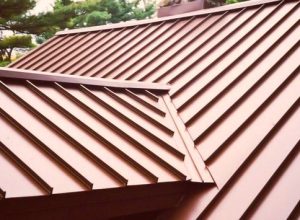
    metal roofingMetal Roofs

    Metal roofs are a fantastic alternative for people seeking an environmentally friendly roofing solution. Metal roofs are highly reflective, which keeps your house cooler in the summer and may result in cheaper energy expenses. They are also long-lasting and may endure for many years, so you won’t have to replace them as often as other kinds of roofs.

    Metal roofing is also 100% recyclable, so you can be certain that when the time comes to replace it, your old roof will not wind up in a landfill.

    Solar Roofs

    Solar roofs are another excellent choice for people seeking to reduce their carbon footprint. Solar roofs collect the sun’s energy and transform it into electricity, which is then utilized to power your house. Solar roofs may help you save money on your energy costs while also lowering your carbon impact.

    Solar roofs are also long-lasting and sturdy, so you won’t have to repair them as often as other forms of roofs. Solar roofing, like metal roofing, is 100% recyclable.

    Roofing Today of Rosebery
    3a Vernon Ave
    Eastlakes NSW 2018
    (02) 8261 0053

    Green Roofs

    Green roofs are rooftops that are covered with plants. Green roofs provide a variety of advantages, including noise reduction, insulation, and aiding in the fight against the urban heat island effect. Green roofs may also assist in collecting rainwater and lower the carbon impact of your property.

    These roofs are an excellent option for individuals who wish to help the environment. Green roofs may also help you save money on your energy costs since they can assist enhance your home’s energy efficiency.

    Corrugated Roofs

    Corrugated roofs are comprised of recycled materials, making them an excellent alternative for individuals seeking an environmentally responsible roofing solution. Corrugated roofs are also quite sturdy, lasting for many years. They are also 100% recyclable since they are created from recycled materials.

    Corrugated roofs stand out as an environmentally friendly alternative since they are produced from a number of materials, including metal, plastic, and paper. This implies that they may be recycled several times, which helps to decrease trash in landfills.

    Reclaimed Slate or Clay Roofing Tiles

    Consider utilizing salvaged slate or clay roofing tiles if you want a really unique roof. These materials are not only gorgeous, but they are also good for the environment. Reclaimed slate and clay roofing tiles originate from destroyed or refurbished structures. This implies they would have ended up in a landfill otherwise.

    You may utilize salvaged slate or clay roofing tiles in a range of colors and shapes. These materials are also available in a range of thicknesses. This implies that you may choose the ideal alternative for your house regardless of your budget.

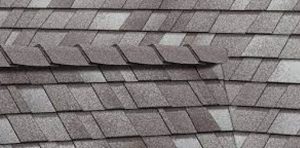
    shingle roofShingle Roof

    The shingle roof is another ecologically acceptable roofing alternative. Asphalt, paper, and plastic are all recycled materials used to make shingle roofs.

    Shingle roofs are an excellent alternative for people looking for a roof that is both long-lasting and fashionable. They are also pretty simple to install, so you will not have to spend a lot of money on installation.

    Rubber Roofing

    Consider rubber roofing if you want a roof that is both durable and beautiful. Rubber roofing is an ecologically beneficial alternative since it is created from recycled tires.

    Rubber roofing is also quite adaptable. It may be utilized on a wide range of building types, including residential and commercial structures.

    Rubber roofing is environmentally beneficial since it can be recycled. When you’re done with your rubber roof, just recycle it and reuse it to cover another structure.

    How To Make Your Existing Roof More Eco-Friendly

    If you aren’t ready to replace your roof, there are a few things you can do to make it more environmentally friendly. You can, for example, install solar panels. Solar panels can help you save electricity and minimize your carbon impact.

    A green roof may also be installed. Green roofs are comprised of plants and assist in insulating your property while lowering your energy usage.

    You may also ensure that your roof is well insulated. This will assist you in keeping your house cool in the summer and warm in the winter.

    Finally, you may utilize environmentally friendly roofing materials. There are many eco-friendly roofing materials available on the market, including reclaimed slate and clay roofing tiles.

    You may assist in decreasing your carbon footprint and making your house more energy efficient by using eco-friendly roofing materials.

    The post Environmentally Friendly Roofing Options appeared first on https://insidetheapolloproject.com

    The post Environmentally Friendly Roofing Options appeared first on https://gqcentral.co.uk

  • Metal Roofing For Hot Climates

    Metal Roofing For Hot Climates

    Is a metal roof appropriate for Australia’s hot climate?

    Metal Roofing For Hot Climates: Do you want a cool roof that can survive the heat of Australia?
    You’ll need a cool roof that does more than just give shelter if you live on the Central Coast.
    The scorching summer sun in Australia heats up building roofs, causing them to radiate heat into the homes below.
    As a result, the higher levels of the building suffer from severe heat gain, making living there unpleasant, if not impossible. In addition, rising indoor temperatures need greater air conditioning, resulting in higher electricity bills and increased discomfort in non-air-conditioned areas such as kitchens and bathrooms.

    What does it mean to have a cool roof?

    A cool roof is meant to have a lower surface temperature than a standard roof under direct sunshine. As a result, the surface of a cold roof reflects more sunlight and generates more heat than a hot or dark roof. As a result, a cooler-than-average roof surface is frequently referred to as a “cool roof.”

    Is it possible to have a cool roof made of metal?
    There is a prevalent misperception about the thermal characteristics of metal roofs. Isn’t it true that metal roofs become unbearably hot in the summer? So, how can you keep your house cool and comfortable with metal roofing?
    There are several elements at work here. Typically, the colour of the metal roof is the first thing that springs to mind. Lighter colours absorb less heat than darker colours, as you’re surely aware. Of course, this is correct, but it only applies to a limited extent to metal roofs.

    What’s not to like about a metal roof?

    Did you know that the most energy-efficient material on the market is metal? Yes, when used as a roofing material, a metal roof can help you save up to 40% on your home’s cooling expenditures. When the weather is hot, air conditioners can keep your home cool, but you’ll need a well-insulated home to keep it cool. If households do not have proper insulation, they should expect their energy expenditures to skyrocket.

    Is a metal roof better than a shingle roof for keeping a cool roof?
    Yes, metal roofs are cooler than shingles and keep hot air out, minimising the need to operate your air conditioner at night. Consider how convenient it would be to be able to stay warm all year while keeping your utility expenditures low.

    What are the benefits of a metal roof in terms of cooling?metal roofs

    It can be difficult to comprehend the cooling capabilities of a metal roof. In a hot climate, a metal roof can become quite hot. So, how exactly does it keep the roof cool? Your metal roof’s materials and construction quality may very well influence whether or not it will give the energy-saving characteristics you seek. To get the most out of a metal roof, purchase from a reliable contractor and use an experienced metal roofing crew, such as the AWS roofing team.

    Metal roofs provide heating and cooling.

    Metal roofs, because they are extremely reflective, can help to manage the temperature inside your home. Because metal has a low thermal mass, it can reflect rather than absorb light and heat. This implies that the material deflects the bulk of the sunlight that enters your home, minimising heat transfer. As the outside temperature drops, the metal roof material will be significantly cooler.
    Metal roofs come in a range of colours and patterns. With extra pigmentation, up to 90% of the absorbed heat can be dispersed.

    Roof cooling technology

    air conditioning

    Many manufacturers have embraced metal roofing technology. A cool metal roof effectively reflects sunlight and has a low emissivity. The surface finish quality has a considerable impact on cooling performance. Light-colored metal roofs, such as white and grey, keep a house cooler.
    Cool pigment technology is utilised in metal roofing systems with oven-cured organic coatings to achieve the maximum solar emissivity possible, even with darker metal hues.

    Heat-resistant roof paint for metal

    A light colour scheme or heat resistant paint can considerably reduce heat gain by converting the metal roof into a reflecting metal roof surface.

    Is it possible to reduce air conditioning costs by installing metal roofs?
    Metal roofing is one of the most energy-efficient alternatives available. In the winter, it provides insulation, and in the summer, it lessens the demand for air conditioning. In places of the country where hot summers are a given, this might mean huge energy savings while keeping your home comfortably cool. The secret is in the metal roof’s properties and how they are covered.
    The highly reflecting and emissive coatings on cool metal roofs reflect or bounce back a considerable percentage of the sun’s rays, decreasing the surface temperature of the roof.
    Metal roofs improve thermal comfort in homes without supplemental cooling systems while lowering power consumption in households with air conditioning.

    Choosing a Roof Material

    The primary goal is to choose the best roofing material for your property. If you’ve decided on a roofing material but are concerned about its environmental impact, it’s vital to understand your options. The efficiency of a material’s cooling characteristics is affected by colour selection and technology.
    A qualified roofer should be able to lessen temperature fluctuations by analysing the structure of your property and recommending a suitable solution.
    We have knowledgeable personnel at AWS Roofing who can aid you in constructing high-quality roofs that contribute to the overall health of your home.

    https://velocityworks.tumblr.com/post/674774645450375168/metal-roofing-is-a-metal-roof-suitable-for

    The post Metal Roofing For Hot Climates appeared first on Write Buff.

    The post Metal Roofing For Hot Climates appeared first on https://gqcentral.co.uk