Category: Safety Guidelines

  • Tool Safety Regulations for House Clearance in the UK

    Tool Safety Regulations for House Clearance in the UK

    Ultimate Resource for Understanding UK Tool Safety Laws in House Clearance Activities

    Key Regulations That Ensure Tool Safety in the UK House Clearance Sector

    Tool Safety Regulations for House Clearance: UK house clearance worker using power drill and saw, surrounded by safety signs and hazardous material warnings.

    The tool safety regulations that dictate practices in house clearance across the UK are embedded within extensive legislation aimed at safeguarding workers during their tasks. The main regulations include the Health and Safety at Work Act 1974, which establishes essential principles for workplace safety. This act mandates that employers ensure, to the greatest extent possible, the health and safety of their employees. It serves as a foundation for creating a secure working environment that prioritizes the well-being of all personnel involved in house clearance.

    In addition, the Provision and Use of Work Equipment Regulations 1998 (PUWER) stipulate that all equipment utilized in workplace settings must be secure, suitable for its designated purpose, and maintained properly. This regulation is crucial in house clearance, where a variety of tools, including power drills and manual saws, are commonly in use. Furthermore, the Control of Substances Hazardous to Health Regulations 2002 (COSHH) governs the management of hazardous materials, requiring employers to perform risk assessments and implement necessary safety measures to protect workers from harmful exposures.

    Adhering to these regulations not only reduces the likelihood of workplace accidents but also fosters a culture of safety within the industry, aligning with best practices in house clearance. It is vital for anyone engaged in such operations to comprehend these regulations, ensuring legal compliance while safeguarding the health and safety of employees.

    Understanding the Importance of Safety Laws in House Clearance Operations

    The implementation of UK safety laws in house clearance is essential for ensuring that all tools utilized are safe and that workers receive the necessary training. These laws establish a framework that mandates the use of appropriate tools, provision of personal protective equipment (PPE), and adherence to safety protocols. For instance, when using a chainsaw for garden clearance, it is crucial not only to have the correct equipment but also to ensure that it is routinely serviced and maintained, and that the operator has undergone thorough training in its safe operation.

    Moreover, compliance with these laws helps organizations mitigate the repercussions of negligence, which includes the risk of facing legal challenges stemming from workplace accidents that could be avoided through proper adherence. House clearance companies must commit to investing in training sessions and safety drills focused on the correct use of tools and emergency response procedures. By prioritizing these practices, they fulfill their legal responsibilities while enhancing their reputation as responsible service providers.

    To illustrate the importance of these regulations, it is imperative to conduct risk assessments prior to initiating any house clearance project. A comprehensive assessment should pinpoint potential hazards related to the tools and tasks involved, encouraging a proactive approach that not only safeguards workers but also ensures compliance with legal standards.

    Understanding the Consequences of Non-Compliance with Tool Safety Regulations in the UK

    The enforcement of tool safety regulations in the UK is managed by the Health and Safety Executive (HSE), which has the authority to inspect workplaces and enforce adherence to safety standards. Non-compliance can lead to severe repercussions, including significant fines and even imprisonment for serious violations. For companies involved in house clearance, such consequences could result in a loss of business, as the HSE can issue improvement notices that halt operations until compliance is achieved.

    The HSE regularly conducts inspections within the house clearance sector, particularly targeting high-risk activities and areas where safety violations are likely. They provide guidance and support to businesses, helping them understand their legal obligations. However, the responsibility ultimately lies with employers to ensure that their operations meet safety regulations.

    Furthermore, businesses may also face civil claims from employees or clients in the event of injuries that arise from negligence in upholding safety regulations. The financial repercussions can be devastating and enduring, in addition to potentially damaging a company’s reputation. To mitigate these risks, it is critical for house clearance companies to remain informed about legislative changes and to regularly train their staff on compliance requirements.

    Effective Steps for Ensuring Compliance During House Clearance Activities

    Workers in safety gear inspecting tools and undergoing training during house clearance.

    Achieving compliance with tool safety regulations during house clearance requires a systematic approach. Primarily, conducting regular safety inspections on all equipment is vital. This entails examining tools for signs of wear, damage, and ensuring they are in proper working order before use. Such vigilance can help prevent accidents that often result from faulty equipment, a common risk in the house clearance industry.

    Additionally, training employees in the correct use of tools is a crucial aspect of compliance. All personnel should undergo comprehensive training that covers operational procedures and emergency protocols. This training should be ongoing, with regular refresher courses that reinforce safety practices and keep workers updated on new regulations and procedural changes.

    Maintaining thorough records of all safety measures is also essential for demonstrating compliance during inspections. This documentation should encompass records of safety checks, conducted training sessions, and any incidents that occur. By keeping detailed records, companies can exhibit their commitment to safety and adherence to regulations, thereby protecting themselves during audits or investigations.

    In conclusion, achieving compliance in house clearance operations relies on a proactive strategy that integrates regular equipment inspections, effective training programs, and comprehensive record-keeping. By embedding these practices into their operations, companies can cultivate a culture of safety and reliability that benefits both workers and clients alike.

    Insights from Experts on Tool Safety Regulations in House Clearance

    Real-World Success Stories of Compliance in the UK House Clearance Sector

    Real-world examples of UK house clearance companies successfully implementing safety regulations showcase the effectiveness of these practices in minimizing workplace incidents. Organizations that emphasize compliance not only protect their workforce but also enhance their operational efficiency. Numerous case studies highlight the positive outcomes of adhering to safety standards.

    – A well-known house clearance service in London established an annual safety training program, leading to a 30% decrease in workplace accidents over a two-year span. Employees received instruction on the proper use of tools and emergency response protocols, resulting in greater confidence and competence among the staff.
    – An Edinburgh-based company developed a comprehensive safety audit system, conducting bi-monthly inspections of equipment and tools. This proactive strategy identified potential hazards before they could result in incidents, significantly improving their overall safety record.
    – A house clearance firm in Manchester adopted the use of personal protective equipment (PPE), including helmets and high-visibility clothing. By ensuring that all employees wore the appropriate gear, they minimized the risk of injuries from falling objects and enhanced visibility during operations.
    – A business in Birmingham embraced technology by utilizing a safety management app that tracks tool usage and maintenance schedules. This innovation not only improved compliance but also streamlined operations by ensuring that tools were regularly serviced, thus preventing breakdowns during critical tasks.

    These examples underscore the importance of adopting a comprehensive approach to safety that encompasses regular training, audits, and technological advancements to ensure compliance with safety regulations within the house clearance field.

    Essential Best Practices for Safety Training in the UK House Clearance Industry

    UK house clearance workers in safety gear during a comprehensive safety training session with tools and drills.

    Implementing best practices for safety training in the UK is crucial for ensuring that workers are adequately prepared to handle tools safely and effectively. Establishing regular training sessions as a core component of operational routines within house clearance companies is essential. This training should encompass several key elements:

    – Comprehensive instruction on proper tool usage, focusing specifically on the equipment employees will be using.
    – Emergency response drills to prepare workers for potential accidents and hazardous situations.
    – Training on risk assessments to empower staff to identify and proactively mitigate hazards.
    – Regular refresher courses to keep safety practices current and ensure they remain at the forefront of employees’ minds.

    These training components should be tailored to meet the specific needs of the house clearance operation, considering the types of tools being utilized and the unique risks associated with various clearance tasks. By conducting thorough training sessions that cover these crucial areas, employers can ensure that their staff are well-equipped to operate tools safely and respond effectively to emergencies.

    Additionally, involving employees in the training process can foster a culture of safety and encourage open communication regarding potential hazards. When workers feel empowered to voice concerns or suggest improvements, it enhances overall safety within the workplace. By investing in robust safety training, house clearance companies can significantly decrease the likelihood of accidents and create a safer working environment for all involved.

    Expert Evaluation of Safety Equipment Utilized in the UK House Clearance Sector

    The significance of safety equipment utilized in UK house clearance operations cannot be overstated. Various forms of personal protective equipment (PPE) and safety gear are designed to minimize risks associated with tool usage and exposure to hazardous materials. An analysis of common safety equipment reveals its critical role in ensuring worker safety.

    Gloves are essential for house clearance tasks, safeguarding hands from cuts, abrasions, and exposure to dangerous substances. The selection of gloves should correspond to the specific tasks being performed; for example, heavy-duty, cut-resistant gloves are advisable when handling sharp tools, such as saws.
    Goggles are crucial for protecting the eyes, particularly when using power tools that can create flying debris. They shield the eyes from harmful particles and prevent injuries that could lead to long-term vision impairment.
    Protective clothing, including overalls and high-visibility vests, plays a significant role in safeguarding workers. Overalls protect against sharp objects and hazardous substances, while high-visibility clothing ensures that workers are easily seen, particularly in environments with numerous hazards.
    Ear protection, such as earplugs or earmuffs, is vital when operating noisy power tools. Prolonged exposure to high noise levels can result in hearing damage, making ear protection an essential component of PPE in house clearance operations.

    By regularly evaluating the effectiveness of safety equipment and ensuring that it meets the necessary standards, companies can maintain elevated safety levels during house clearance activities. Investing in quality safety gear not only protects employees but also reflects a commitment to upholding a secure working environment.

    Detailed Overview of Essential Tools and Their Safety Requirements in House Clearance

    Identifying the Most Common Tools Utilized in UK House Clearance

    Within the UK house clearance industry, several tools are regularly employed, each associated with specific safety requirements to ensure their safe usage. Understanding these tools and their corresponding safety measures is vital for compliance with UK regulations. Commonly utilized tools include:

    Hammers: Indispensable for dismantling furniture or fixtures, hammers must be routinely inspected for loose heads and cracks in the handle. Proper technique is essential to prevent injuries.
    Saws: Both manual and power saws are frequently employed. These tools necessitate training on safe operation, including the use of blade guards and maintaining a clear workspace to avoid accidents.
    Drills: Power drills are crucial for various clearance tasks. Regular inspections of batteries, cords, and safety features, along with training on proper handling, are vital for user safety.
    Ladders: Commonly utilized for accessing elevated areas, ladders must be checked for stability, appropriate height, and secure footing before use. Training in ladder safety is essential to prevent falls.
    Shovels: Utilized for clearing debris, shovels should be regularly maintained to ensure they are in good condition, and operators should receive training in proper lifting techniques to prevent injury.

    Each of these tools comes with specific safety protocols that workers must follow to mitigate risks associated with their use. Proper training and strict adherence to safety guidelines can significantly reduce the likelihood of accidents during house clearance tasks.

    Implementing Essential Safety Checks Before Tool Usage in House Clearance

    Before utilizing any tools in a house clearance operation, rigorous safety checks must be conducted to ensure equipment is functioning correctly and is safe for use. The following checks should be standard practice:

    1. Visual Inspection: Examine tools for any visible damage, such as cracks, rust, or loose parts. Any damaged tools should be removed from service until they are adequately repaired.
    2. Safety Features: Confirm that all safety features, such as guards and safety switches, are intact and operational. For instance, a power saw should have a blade guard that functions correctly.
    3. Electrical Cords: Inspect cords for fraying or damage, which can pose a serious electrocution risk. Cords should be arranged safely to prevent tripping hazards.
    4. Functional Test: If applicable, perform a functional test on the tool to ensure it operates as intended. This is especially crucial for powered equipment, such as drills and saws.

    Conducting these safety checks before commencing work not only ensures compliance with regulations but also significantly reduces the risk of workplace accidents. Fostering a culture of diligence and accountability in performing these checks can enhance overall safety awareness among workers.

    Key Considerations for Proper Storage and Maintenance of Tools

    Effective storage and maintenance of tools are critical components of safety in house clearance operations. Tools should be securely stored in a dry environment to prevent damage and minimize the risk of accidents. Key factors to consider include:

    Dry Storage: Tools should be kept in a dry location to avoid rust and deterioration. Damp conditions can lead to corrosion of metal tools, compromising their safety and effectiveness.
    Organized Storage: Tools should be organized to allow for easy access while minimizing clutter. This arrangement helps prevent accidents caused by tripping over tools or equipment.
    Regular Maintenance: Tools require ongoing maintenance, including cleaning, sharpening, and replacing worn parts. For instance, saw blades should be kept sharp to ensure efficient cutting and reduce strain on the user.
    Inventory Management: Keeping an inventory of tools helps ensure that all equipment is accounted for and in good working condition. Regular audits can identify tools that need replacement or repair.

    By incorporating these storage and maintenance practices into daily operations, companies can promote safety while extending the lifespan of tools. A commitment to proper tool management reflects professionalism and enhances the reputation of the house clearance business.

    The Importance of Training and Certification for Safe Tool Use in the UK

    Training and certification are crucial components of ensuring safe tool usage in the UK house clearance sector. Adequate training for workers minimizes the likelihood of accidents and guarantees compliance with legal standards. Key practices include:

    Initial Training: New employees should undergo comprehensive training that covers tool safety, operational procedures, and emergency protocols. This foundational training is vital for minimizing risks.
    Certification Programs: Participating in recognized certification programs can enhance workers’ skills. Certifications provide proof of competency and can serve as a selling point for clients who prioritize safety.
    Ongoing Training: Regular refresher courses are necessary to keep employees informed about changes in safety regulations or procedures. This ongoing education reinforces the importance of workplace safety.
    Practical Assessments: Conducting practical assessments during training ensures that employees can demonstrate their proficiency in using tools safely. This hands-on approach builds confidence and competence.

    By prioritizing training and certification, house clearance companies can develop a knowledgeable and skilled workforce adept in the safe use of tools. This investment not only enhances worker safety but also positions the company as a reputable and responsible service provider in the industry.

    Strategies for Achieving Compliance in UK House Clearance Operations

    Implementing Effective Safety Protocols in House Clearance Operations

    For house clearance companies to ensure compliance with safety regulations, they must develop and implement robust safety protocols tailored to their specific operations and work practices. This process encompasses several key steps, including:

    1. Creating a Safety Policy: A comprehensive safety policy should articulate the company’s commitment to health and safety, outlining procedures for the safe use of tools and equipment, along with emergency response plans.
    2. Training and Communication: Establish regular training sessions to communicate safety protocols to all employees. This ensures that workers understand their responsibilities and are equipped to adhere to safety measures.
    3. Regular Safety Audits: Conducting periodic audits helps identify potential hazards and areas for improvement. These audits should evaluate compliance with safety procedures and regulations, facilitating ongoing enhancements.
    4. Incident Reporting Procedures: Establish clear procedures for reporting incidents, near misses, and safety concerns to foster a culture of transparency and accountability. This allows for proactive measures to prevent future incidents.

    By implementing these safety protocols, house clearance companies can create a structured approach to compliance that prioritizes worker safety and mitigates risks associated with tool usage. This comprehensive strategy not only meets legal obligations but also fosters a safe working environment.

    Benefits of Compliance for UK House Clearance Businesses

    Compliance with tool safety regulations provides numerous advantages for house clearance businesses operating in the UK. These benefits not only enhance worker safety but also contribute to the overall success of the organization. Key benefits include:

    Enhanced Worker Safety: Compliance with safety regulations significantly reduces the risk of accidents and injuries, resulting in a safer working environment for employees.
    Reduced Legal Risks: Adhering to safety laws decreases the likelihood of legal action arising from workplace accidents. This mitigates potential financial liabilities and protects the company’s reputation.
    Improved Business Reputation: Companies that prioritize safety are viewed more favorably by clients, resulting in increased trust and a competitive advantage in the market.
    Lower Insurance Premiums: Compliant businesses often benefit from reduced insurance premiums, as insurers recognize their commitment to safety and risk management. This can lead to significant cost savings over time.

    In summary, compliance with tool safety regulations not only safeguards workers but also enhances operational efficiency and the reputation of house clearance companies. Investing in safety measures yields positive outcomes and reduces risks.

    Essential Documentation and Record-Keeping Practices for Compliance

    Maintaining accurate documentation and records is a vital aspect of ensuring compliance with safety regulations in the UK house clearance industry. Proper record-keeping serves multiple purposes, including demonstrating compliance during inspections and facilitating continuous improvement in safety practices. Key documentation practices include:

    1. Safety Training Records: Keeping meticulous records of all safety training sessions, including dates, topics covered, and attendance, is crucial for compliance. This documentation serves as evidence of training efforts and helps identify areas for improvement.
    2. Equipment Inspection Logs: Regular safety checks on tools and equipment should be documented to track maintenance and repairs. This includes records of inspections, repairs performed, and any incidents that may have occurred.
    3. Incident Reports: Documenting all workplace incidents, regardless of severity, is essential for understanding safety trends and implementing corrective actions. This information can guide future training and safety improvements.
    4. Safety Audit Reports: Conducting and recording the findings of regular safety audits helps companies identify compliance gaps and areas for enhancement, contributing to ongoing improvements in safety practices.

    By prioritizing thorough documentation and record-keeping, house clearance companies can effectively demonstrate compliance with UK regulations and foster a culture of safety within their operations. This commitment to transparency and accountability not only enhances overall safety but also bolsters the organization’s reputation.

    The Significance of Regular Compliance Audits for House Clearance Companies

    Conducting regular compliance audits is a critical practice for house clearance companies aiming to maintain adherence to UK safety regulations. Audits provide a comprehensive evaluation of safety practices and highlight areas for improvement. Key components of effective compliance audits include:

    Scheduled Audits: Establishing a regular audit schedule guarantees that compliance checks are conducted consistently. This can range from quarterly to annual audits, depending on the size and scope of the business.
    Comprehensive Checklists: Utilizing detailed checklists during audits allows for a thorough examination of safety protocols, equipment condition, training records, and compliance with regulations.
    Employee Involvement: Engaging employees in the audit process fosters a culture of safety and accountability. Their insights can provide valuable perspectives on potential hazards and areas requiring attention.
    Action Plans: After audits, it is essential to create action plans that address any identified compliance gaps. This includes designating responsibilities and establishing timelines for implementing improvements.

    Regular compliance audits not only help ensure adherence to safety regulations but also promote continuous improvement in safety practices. By systematically evaluating their operations, house clearance companies can enhance their safety standards and better protect their workers.

    Comprehensive Training on UK Compliance Requirements for Staff

    Training staff on UK compliance requirements is vital for ensuring that all employees understand their responsibilities in maintaining a safe working environment. Comprehensive training programs should encompass various aspects of compliance, including:

    Regulatory Overview: Providing employees with an understanding of key UK safety regulations and their implications for daily operations is essential. This knowledge fosters a culture of safety awareness.
    Specific Procedures: Training should cover the specific safety procedures and protocols that employees must follow when using tools and equipment. This includes understanding risk assessments and emergency response actions.
    Ongoing Education: Regular updates on changes in regulations and best practices are crucial for keeping staff informed. This may involve refresher courses or weekly safety meetings to discuss new developments and updates.
    Assessment of Understanding: Implementing assessments following training sessions helps gauge employees’ comprehension of compliance requirements. This can help identify areas needing further clarification or reinforcement.

    By prioritizing compliance training, house clearance companies can ensure that employees are knowledgeable and equipped to uphold safety standards. A well-trained workforce contributes to a culture of safety, ultimately protecting employees and enhancing operational efficiency.

    Evidence-Based Benefits of Enforcing Tool Safety Regulations in House Clearance

    Actionable Strategies for Reducing Accidents in House Clearance Operations

    Effectively reducing accidents during house clearance operations is essential for ensuring worker safety and maintaining compliance with UK regulations. Implementing actionable strategies can significantly diminish the likelihood of incidents. Key approaches include:

    Conducting Regular Tool Inspections: Establishing a routine for inspecting tools before use ensures they are in safe working condition. This helps prevent accidents caused by faulty or damaged equipment.
    Comprehensive Employee Training: Instituting regular training for employees on safety procedures and proper tool usage is critical. This education enables workers to understand potential hazards and learn how to mitigate them.
    Utilizing Appropriate Safety Gear: Ensuring that all employees wear the necessary personal protective equipment (PPE) reduces the risk of injury. This includes gloves, goggles, and protective clothing tailored for specific tasks.
    Encouraging Reporting of Hazards: Cultivating an environment where employees feel comfortable reporting potential hazards or unsafe conditions can help identify risks before they lead to accidents.

    By implementing these actionable strategies, house clearance companies can substantially reduce workplace accidents and enhance the overall safety of their operations. A proactive approach to safety not only protects workers but also supports compliance with legal requirements.

    The Impact of Safety Regulations on Worker Morale in the UK

    Safety regulations significantly influence worker morale within the UK house clearance industry. When employees feel secure and protected, their overall job satisfaction and productivity increase. The relationship between safety and morale can be examined through several key factors:

    Sense of Value: When companies prioritize safety, employees feel appreciated and respected. This fosters a positive work environment where employees are motivated to perform at their best.
    Reduced Anxiety: Knowing that safety measures are in place alleviates anxiety regarding potential workplace accidents. This peace of mind enables employees to focus on their tasks rather than worrying about their safety.
    Increased Engagement: A commitment to safety encourages employee engagement. Workers are more likely to contribute ideas for improving safety practices and reporting hazards when they feel their well-being is a priority.
    Lower Turnover Rates: Companies that prioritize safety often experience reduced turnover rates. Employees are more likely to remain with an organization that invests in their health and well-being, leading to a stable workforce.

    In summary, the implementation of safety regulations not only protects workers but also enhances morale, resulting in increased productivity and job satisfaction. A positive work environment is essential for the long-term success of house clearance operations.

    Statistical Evidence Supporting Safety Improvements in the UK

    Research indicates that compliance with safety regulations has led to significant enhancements in workplace safety within the UK house clearance industry. Statistical evidence highlights the positive effects of adherence on reducing accidents and injuries. Key findings include:

    – A report from the Health and Safety Executive (HSE) demonstrated that the overall rate of workplace injuries in the UK has declined by over 25% in the past decade, primarily due to stricter enforcement of safety regulations.
    – Companies that implemented comprehensive safety training programs reported a 40% reduction in accidents within the first year, underscoring the effectiveness of investing in employee education.
    – Studies reveal that organizations with robust safety protocols experience fewer claims related to workplace injuries, resulting in significant savings on insurance premiums and legal expenses.
    – A survey conducted among house clearance companies indicated that 90% of respondents acknowledged a direct correlation between safety training and reduced workplace incidents, emphasizing the importance of compliance.

    These statistics illustrate the tangible benefits of enforcing safety regulations and training programs in the house clearance sector. By prioritizing safety, companies can significantly enhance worker protection and improve operational efficiency.

    Economic Advantages of Implementing Safety Regulations

    Implementing safety regulations in the UK house clearance industry not only improves worker safety but also yields significant economic benefits. By reducing the frequency and severity of workplace accidents, companies can realize substantial cost savings. Key economic advantages include:

    Reduced Accident-Related Costs: Fewer accidents result in lower costs associated with medical expenses, lost wages, and potential legal claims. This financial relief can considerably enhance a company’s bottom line.
    Lower Insurance Premiums: Compliance with safety regulations often leads to reduced insurance premiums. Insurers recognize organizations that maintain high safety standards as lower-risk, resulting in financial savings for the business.
    Improved Productivity: A safe working environment fosters productivity, as employees can work more efficiently without the fear of accidents or injuries. This increased output can enhance profitability.
    Enhanced Reputation: Companies that prioritize safety are more likely to be viewed positively by clients and customers. A strong reputation can lead to increased business opportunities and client retention.

    In conclusion, investing in safety regulations not only protects employees but also offers substantial economic advantages for house clearance companies. By cultivating a culture of safety, businesses can improve their operational efficiency and long-term sustainability.

    Proven Strategies for Implementing Tool Safety Regulations in House Clearance

    Developing a Comprehensive Safety Plan for House Clearance

    Creating a robust safety plan is essential for house clearance companies seeking to ensure compliance with tool safety regulations. A comprehensive safety plan should encompass various components, including:

    Risk Assessments: Conduct thorough risk assessments for all tasks involving tool usage. This helps identify potential hazards and formulate effective strategies to mitigate risks.
    Emergency Procedures: Establish clear emergency procedures for responding to accidents or incidents. This includes evacuation plans, first-aid protocols, and communication strategies for alerting emergency services.
    Regular Safety Meetings: Schedule routine safety meetings to review safety protocols, discuss recent incidents, and promote ongoing safety awareness among employees. This reinforces the importance of safety in daily operations.
    Continuous Improvement: Incorporate employee feedback regarding safety practices and areas for enhancement. This approach ensures that the safety plan evolves in response to changing circumstances and operational needs.

    By developing a comprehensive safety plan, house clearance companies can create a structured framework for ensuring compliance with tool safety regulations. A proactive approach to safety fosters a culture of responsibility and accountability, ultimately enhancing worker protection and safety.

    Transformative Role of Technology in Safety Compliance in the UK

    Technology increasingly plays a vital role in enhancing safety within the UK house clearance industry. The integration of modern tools and systems can significantly improve compliance with safety regulations and streamline operations. Key technological advancements contributing to safety include:

    Safety Management Apps: These applications allow companies to monitor tool usage, maintenance schedules, and compliance with safety protocols. Real-time data helps identify potential risks and promotes accountability among workers.
    Virtual Training Platforms: Online training platforms facilitate efficient delivery of safety training programs. Employees can access training materials and assessments at their convenience, ensuring that safety education is readily available.
    Wearable Technology: Devices such as smart helmets and safety vests equipped with sensors can monitor workers’ environments and alert them to potential hazards. This technology enhances situational awareness and promotes proactive safety measures.
    Drones for Site Inspections: Drones can be employed for conducting site inspections, identifying hazards from above without putting workers at risk. This technology allows for more thorough assessments of job sites before commencing clearance operations.

    By embracing technology, house clearance companies can enhance their safety standards and ensure compliance with regulations. The integration of these innovations not only protects employees but also improves operational efficiency.

    Enhancing Safety Practices Through Continuous Improvement and Feedback

    Continuous improvement and feedback are critical for maintaining high safety standards within the UK house clearance industry. Establishing a culture of open communication and ongoing evaluation can lead to enhanced safety practices. Key strategies for fostering continuous improvement include:

    Encouraging Employee Feedback: Create an environment where employees feel comfortable sharing their thoughts on safety practices and suggesting improvements. Regularly soliciting feedback can help identify potential hazards and areas for enhancement.
    Regular Safety Reviews: Conduct periodic reviews of safety protocols and practices to identify opportunities for improvement. This includes assessing the effectiveness of training programs and compliance with regulations.
    Adapting to Changes: Stay informed about updates to safety regulations and industry best practices. This adaptability ensures that the organization remains compliant and ahead of potential risks.
    Celebrating Safety Achievements: Recognizing and celebrating successes in safety compliance can motivate employees and reinforce the significance of maintaining high standards.

    By prioritizing continuous improvement and feedback, house clearance companies can cultivate a culture of safety that evolves with changing needs and challenges. This commitment to proactive safety management enhances worker protection and operational efficiency.

    Frequently Asked Questions Regarding Tool Safety Regulations

    Main Tool Safety Regulations in the UK

    The primary tool safety regulations in the UK encompass the Health and Safety at Work Act, the Provision and Use of Work Equipment Regulations, and the Control of Substances Hazardous to Health Regulations.

    Ensuring Compliance During House Clearance

    To ensure compliance during house clearance, conduct regular safety checks, provide comprehensive training, maintain equipment, and keep detailed records of all safety measures.

    Types of Training Essential for Tool Safety

    Crucial training for tool safety includes proper tool usage, emergency procedures, risk assessment, and ongoing assessments to ensure understanding and compliance with safety protocols.

    Common Tools Used in House Clearance

    Typical tools employed in house clearance operations include hammers, saws, drills, ladders, and shovels, each with specific safety requirements to ensure safe usage.

    Impact of Safety Regulations on Worker Morale

    Safety regulations positively affect worker morale by ensuring a safe working environment, making employees feel valued, leading to increased job satisfaction and productivity levels.

    Benefits of Compliance for Businesses

    Compliance benefits include enhanced worker safety, reduced legal risks, improved business reputation, and lower insurance premiums, all contributing to overall operational efficiency.

    Frequency of Safety Audits

    Safety audits should be conducted regularly, with a recommended frequency of quarterly or annually, depending on the size and complexity of operations.

    Role of Technology in Safety Compliance

    Technology enhances safety compliance through tools such as safety management apps, virtual training platforms, wearable technology, and drones for site inspections, all improving operational safety.

    Fostering Continuous Improvement in Safety Practices

    Continuous improvement can be fostered by encouraging employee feedback, conducting regular safety reviews, adapting to changes in regulations, and celebrating safety achievements within the organization.

    Steps to Reduce Accidents During House Clearance

    To reduce accidents, implement regular tool inspections, provide comprehensive employee training, ensure appropriate use of safety gear, and encourage hazard reporting to enhance overall safety.

    Connect with us on Facebook!

    The Article: Tool Safety Regulations for House Clearance: UK Guide Was First Found At https://birminghamhouseclearance.com

    The Article UK Guide to Tool Safety Regulations for House Clearance Was Found On https://limitsofstrategy.com

  • Belize City Safety Tips: Safer Areas to Explore

    Belize City Safety Tips: Safer Areas to Explore

    Travelers eager to explore the vibrant culture of Belize City must focus on mastering the art of navigating this bustling urban landscape with safety in mind. Understanding the layout of the city and identifying high-risk neighborhoods such as Southside and certain downtown areas is essential for ensuring a safe and enjoyable visit. To navigate Belize City without worry, it’s crucial to adopt smart travel practices that include staying alert, avoiding isolated streets after dark, and sticking to well-populated, tourist-friendly areas. By following local advice and being aware of your surroundings, you can fully immerse yourself in the rich culture and diverse attractions that Belize City has to offer while minimizing personal safety risks.

    Navigate Safely: Identify and Steer Clear of High-Risk Neighborhoods in Belize City

    To enhance your personal safety during your visit to Belize City, it is vital to develop a thorough understanding of its neighborhood dynamics. Certain Southside neighborhoods, particularly Jane Usher Boulevard, George Street, and segments of Kraal Road, consistently rank among the most perilous areas due to high crime rates linked to gang activities and violent crime. Locals and seasoned travelers alike recommend avoiding these regions, especially after sunset. The most effective approach for ensuring your safety involves remaining in well-lit and populated areas while maintaining a vigilant attitude throughout your stay to navigate the city safely and confidently.

    Gain Valuable Insights from Locals About Unsafe Districts

    Residents and experienced travelers often warn about specific neighborhoods where crime risks are significantly elevated. The Southside region, particularly areas adjacent to downtown, poses some of the highest security threats. Neighborhoods like Port Loyola and certain sections of Lake Independence have consistently reported higher crime statistics. Savvy locals advise against wandering into isolated streets and encourage visitors to walk with confidence while keeping valuable items out of sight. Understanding the intricate dynamics of these neighborhoods is crucial for making informed decisions that prioritize your safety as you navigate through the city.

    Understand the Historical Context Behind Crime Trends in Belize City

    The crime landscape in Belize City reflects a complex interplay of socioeconomic challenges that have evolved over time. Historically, gang rivalries and economic disparities have been significant contributors to elevated crime rates. Areas like Southside have experienced generational cycles of poverty, limited job opportunities, and systemic issues that correlate strongly with increased criminal activity. By comprehensively grasping these underlying factors, you will be better equipped to navigate the city with greater awareness and significantly reduce your exposure to potential risks during your visit.

    Examine the Historical Context of Belize City’s Crime Patterns

    Crime trends in Belize City are deeply rooted in long-standing social and economic challenges that have developed over several decades. Since the 1980s, urban poverty, a lack of economic opportunities, and the rise of gang culture have heavily influenced the city’s criminal landscape. Data from the Belize Crime Observatory reveals that youth unemployment and territorial gang conflicts are major driving forces behind the city’s violent crime rates. Specific neighborhoods like George Street and segments of Southside have consistently reported alarming crime statistics, with gang-related incidents responsible for approximately 60% of violent occurrences. Recognizing these historical patterns provides essential context for travelers seeking to navigate the city safely and responsibly.

    Uncover Safe Zones: Enjoy Worry-Free Exploration in Belize City

    Exploring Belize City can be a delightful experience when you familiarize yourself with secure neighborhoods and recommended areas. Tourist-friendly zones such as the Belize Tourism Village, Fort George, and the Marine Parade provide safe spaces to immerse yourself in the local culture and attractions. These areas feature well-maintained streets, a visible police presence, and numerous chances to experience the city’s vibrant atmosphere without compromising your personal safety. Taking the time to explore these safe zones allows you to enjoy your visit with peace of mind.

    Discover Family-Friendly Attractions: Engaging Activities for All Ages

    Families visiting Belize City can find a variety of safe and engaging destinations that cater to everyone. The Belize Zoo, located just outside city limits, offers a controlled environment where you can observe native wildlife safely. The Museum of Belize, situated downtown, provides enriching educational experiences suitable for all ages, while the Baron Bliss Lighthouse area presents a picturesque backdrop ideal for leisurely strolls and photography opportunities. These locations ensure enjoyable experiences for families with minimal safety concerns, allowing for a memorable trip.

    Explore the Nightlife: Safe Spots for Evening Entertainment

    When night falls, it’s essential to remain in well-lit, populated areas such as the Princess Hotel and Casino complex and specific sections of Newtown Barracks. These venues offer secure environments with on-site security personnel, making your evening entertainment considerably safer. Various restaurants and well-established bars within these zones provide entertainment options that minimize risks associated with nighttime outings. By choosing these well-frequented spots, you can enjoy Belize City’s nightlife while prioritizing your safety.

    Navigating the nightlife scene in Belize City requires a thoughtful approach. The Princess Hotel and Casino complex stands out as a premier safe evening destination, offering a wide range of entertainment options within a secure environment. Local establishments such as the Wet Lizard and Riverside Tavern provide controlled settings for enjoying live music, drinks, and social interactions. With the presence of security personnel, well-lit surroundings, and proximity to popular tourist spots, these venues are preferable to isolated or unfamiliar nightlife options. Always choose to travel in groups, stay aware of your surroundings, and utilize trustworthy transportation services when venturing out for evening entertainment.

    Prepare for Your Visit: Essential Safety Tips for Travelers to Belize City

    Successfully navigating Belize City requires strategic planning and a heightened awareness of your surroundings. It’s advisable to pack lightweight, moisture-wicking clothing that won’t attract unnecessary attention. Carry minimal cash and consider the use of hidden money belts for enhanced security. Learning some basic Spanish and Kriol phrases can greatly enhance your ability to communicate effectively. Ensure that you have secure digital copies of essential documents, such as passports and travel insurance policies. Obtaining travel insurance that includes medical evacuation coverage is crucial. This proactive approach will significantly enhance your personal security during your Belize City adventure.

    Implement Smart Travel Practices for a Safer Experience

    Maintaining vigilance and situational awareness in unfamiliar environments is essential for your safety. Avoid displaying expensive jewelry, cameras, or electronic devices in public spaces to minimize attracting unwanted attention. Always opt for official taxi services or pre-arranged transportation from reputable companies. Keep your belongings close at hand and utilize cross-body bags with secure closures to deter theft. Blending in with local dress codes and avoiding the appearance of a vulnerable tourist can help reduce the chances of becoming a target for opportunistic criminals while you explore the city.

    Leverage Personal Safety Gadgets and Apps for Enhanced Security

    Before arriving in Belize City, it is beneficial to equip yourself with travel safety technology designed to enhance your security. Download offline maps, translation apps, and emergency contact applications to remain connected. Carry a portable charger to ensure that your devices remain powered throughout your travels. Consider using personal safety applications that allow for real-time location sharing and emergency alerts to trusted contacts. GPS tracking devices can also offer additional peace of mind and security during your travels through Belize City.

    Explore Comprehensive Personal Safety Technology Solutions for Enhanced Protection

    Modern travelers have access to a diverse range of technological solutions designed to enhance personal safety while exploring. Portable GPS trackers, such as Tile or Apple AirTag, can assist in locating lost items or sharing location information with trusted contacts. Personal alarm devices equipped with loud sound capabilities can effectively deter potential threats. Mobile applications like SafeTrek and TripWhistle Global SOS provide instant emergency contacts with local authorities when necessary. Furthermore, smartphone applications like WhatsApp offer secure channels for communication. This multi-layered approach combines digital and physical safety measures, ensuring comprehensive protection during your visit to Belize City.

    Be Prepared: Access Emergency Contacts and Resources When Trouble Strikes

    Know Local Authorities: Important Contacts for Emergencies

    In case of emergencies, police services in Belize City can be reached by dialing 911. The Belize Police Department operates several local stations, with the Central Police Station located on Queen Street serving as the main contact point. When reporting specific incidents, be sure to provide detailed information and remain calm while communicating with local authorities. Tourist police, specifically trained to assist visitors, can offer nuanced support in challenging situations and help you feel safer during your stay.

    Access Tourist Assistance Services: Essential Lifelines During Emergencies

    Your embassy or consulate serves as a crucial lifeline during emergencies. The U.S. Embassy in Belize City, located on Floral Park Road, provides immediate assistance for American travelers facing legal, medical, or safety challenges. Keep their contact number (+501-822-4011) easily accessible in your phone and travel documents to ensure quick communication in case unexpected issues arise during your trip.

    Tourist assistance in Belize goes beyond embassy support. The Belize Tourism Board offers comprehensive traveler support through their dedicated helpline and regional offices. They coordinate with local law enforcement, medical facilities, and transportation services to help tourists navigate complex situations. Their network includes multilingual staff who can provide translation services, legal guidance, and emergency medical referrals. Additionally, travel insurance providers often offer 24/7 international support lines that can supplement these local resources, providing added layers of protection and immediate intervention strategies for travelers experiencing difficulties.

    Real-Life Stories: Valuable Lessons from Travelers’ Experiences in Belize City

    Cautionary Tales: Important Lessons Learned from Travelers

    Sarah, a solo traveler, learned the hard way about the nighttime risks present in Belize City. While walking alone near the southern districts after dark, she encountered aggressive individuals who attempted to rob her. Her quick thinking and decision to remain in well-lit areas populated by others helped her evade what could have been a dangerous situation. Her experience highlights the critical importance of staying alert and avoiding isolated streets after sunset, a lesson that is invaluable for anyone traveling in unfamiliar territories.

    Positive Encounters: Success Stories and Recommendations from Travelers

    Mark and Emily, a couple from Canada, successfully navigated Belize City by choosing to stay in the tourist-friendly Fort George neighborhood. They engaged local tour guides, opted for registered taxi services, and maintained heightened situational awareness. Their strategic approach allowed them to immerse themselves in the city’s vibrant culture without encountering safety issues. Many travelers have shared successful strategies for exploring Belize City safely, emphasizing the importance of connecting with reputable tour operators like Chukka Adventures or booking guided city tours through established agencies like the Belize Tourism Board. Staying in well-reviewed hotels within Fort George or Collet neighborhoods also enhances security and provides proximity to attractions.

    Stay Informed: Essential Tips for Navigating Belize City Safely

    In summary, navigating Belize City requires a blend of awareness and strategic planning. It is vital to maintain alertness in neighborhoods like Southside and parts of downtown, known for their higher crime rates. Your personal safety hinges on selecting well-lit, populated areas while avoiding isolated locations, especially after dark. By choosing to stay in recommended zones such as North Side and Buttonwood Bay, you can significantly mitigate potential risks. Always trust your instincts, secure your valuables, and maintain a vigilant awareness of your surroundings. Following these practical guidelines will allow you to enjoy a fulfilling and safe experience while exploring the wonders of Belize City.

    Frequently Asked Questions: Key Considerations for Safety While Traveling

    What are the most dangerous neighborhoods in Belize City that tourists should avoid?

    Tourists should exercise caution in areas like Southside, particularly neighborhoods such as Jane Usher Boulevard, George Street, and portions of Port Loyola. These neighborhoods experience elevated crime rates and are notorious for gang activity. It’s best to stay in well-lit, populated areas and avoid wandering alone, especially after dark.

    Are there safe areas to explore in Belize City for tourists?

    Absolutely, some of the safer areas include the Tourism Village, Battlefield Park, and the downtown historic district during daylight hours. The Belize City Swing Bridge area and nearby tourist attractions are generally more secure. Always remain mindful of your surroundings and keep valuable items close to you.

    What safety precautions should travelers take when visiting Belize City?

    Travelers should utilize registered taxi services, avoid showcasing expensive jewelry or electronics, stay in well-reviewed accommodations, and travel in groups whenever possible. Use ATMs located within banks or hotels, maintain a low profile, and stay alert in crowded areas. It’s advisable to check current travel advisories prior to your trip to stay informed of any potential risks.

    How does transportation safety work in Belize City?

    Utilize official taxi services or registered tour transportation options. Avoid walking alone at night, especially in unfamiliar areas. Water taxis and organized tour shuttles are generally considered safer modes of transport. If you choose to rent a vehicle, ensure to park in secure, well-lit areas and avoid driving at night in unknown neighborhoods to minimize risks.

    What alternative destinations are safer than Belize City for tourists?

    Consider opting for safer regions such as Ambergris Caye, Caye Caulker, or San Pedro, which provide more tourist-friendly environments. These locations boast beautiful beaches, enhanced security, and a more relaxed atmosphere in contrast to the urban challenges of Belize City. Many travelers use Belize City primarily as a transit point to reach these safer destinations.

    The Article Belize City Safety: What Areas to Avoid and Safe Alternatives appeared first on Belize Travel Guide

    The Article Belize City Safety: Avoid These Areas and Find Safer Options Was Found On https://limitsofstrategy.com

  • Hazardous Item Rules for Safe Home Clearance Guidelines

    Hazardous Item Rules for Safe Home Clearance Guidelines

    Comprehensively Assessing the Risks and Responsibilities Associated with Hazardous Items

    Exploring Hazardous Items and Their Critical Implications for Safety

    Hazardous Item Rules for House Clearance: UK house clearance scene with hazardous items like toxic chemicals, flammable substances, explosives, and household products with warning labels.

    When engaging in discussions about hazardous items, it is imperative to understand that these materials comprise a wide array of substances that pose substantial risks to human health, safety, and the environment. This category of dangerous materials includes toxic chemicals, flammable substances, harmful gases, and even explosives, all of which require meticulous management during house clearance operations. In the UK, implementing effective waste management practices is critical, especially concerning substances that could endanger both individuals and ecosystems. For instance, everyday household items that may appear benign, such as certain cleaning agents and paints, can contain hazardous elements. Gaining a profound understanding of these potential risks is vital for anyone involved in house clearance to ensure adherence to current regulations and to protect the health and safety of all stakeholders.

    A typical residential setting may reveal a myriad of hazardous items. For example, discarded paint cans often harbor lead or volatile organic compounds (VOCs), which can pose severe health risks if not disposed of appropriately. Likewise, batteries—especially lead-acid and lithium-ion variants—contain harmful metals that could leach into soil and water supplies if incorrectly discarded in landfills. Additionally, expired medications and certain electronic waste can release toxins into the environment if not managed correctly. Recognizing these hazardous items and understanding their implications is essential for executing effective clearance operations that comply with the regulations governing hazardous items during house clearance.

    Actively Recognizing and Managing Common Household Hazards for Safety

    Throughout the house clearance process, it is crucial for both homeowners and professionals to remain vigilant in identifying typical household hazards. Frequently encountered items such as paints, solvents, batteries, pesticides, and household cleaning agents often contain harmful chemicals that necessitate special handling procedures. For instance, many paints include solvents that can emit dangerous fumes, negatively impacting health and well-being. The improper disposal of such materials not only poses health risks but may also lead to significant legal consequences under UK waste management laws, designed to safeguard the public and the environment from potential harm.

    Moreover, household batteries, whether rechargeable or single-use, have the potential to leak toxic substances if damaged or improperly disposed of. This reality highlights the importance of educating all household members about potential hazards and the significance of proper disposal methods. The repercussions of mishandling these items extend beyond immediate dangers; they can result in hefty fines or legal repercussions if regulations are not followed. Therefore, recognizing common household hazards is a critical initial step in any successful clearance operation, ensuring compliance with the overarching framework of hazardous item rules for house clearance.

    Understanding the Legal Definitions and Classifications of Hazardous Items

    The legal classification of hazardous items is governed by various regulations that detail their management and disposal protocols. In the UK, the Control of Substances Hazardous to Health (COSHH) Regulations provide a comprehensive framework for identifying, assessing, and managing hazardous substances. These regulations categorize items based on their potential risks, thereby guiding how they should be handled from the moment they are identified during a clearance operation. This legal framework is essential for ensuring safety and compliance in all clearance activities.

    For example, substances are classified into different categories according to their physical characteristics and associated health hazards. Certain items, such as specific cleaning products, may be classified as irritants, while others, like aerosols or flammable liquids, may be labeled as highly flammable. Familiarity with these classifications is crucial for individuals undertaking house clearances, ensuring compliance with legal requirements aimed at protecting public health and the environment. By adhering to these classifications, professionals can ensure compliance with the hazardous item rules for house clearance, thereby safeguarding themselves and the broader community.

    Recognizing Hazardous Materials in Workplace Settings for Safety Compliance

    Workers in protective gear handling hazardous workplace materials with safety protocols and signage.

    The comprehension of hazardous materials extends beyond residential spaces into workplace environments, where the presence of chemicals and other hazardous substances can pose significant risks to employee health and safety. Common examples of hazardous materials in workplaces include cleaning agents, chemicals used in manufacturing processes, and various industrial substances. Proper identification and safe handling of these materials are crucial in any operational setting to ensure compliance with health and safety regulations.

    Employers are mandated to provide safety data sheets (SDS) for hazardous materials, which detail essential information such as handling guidelines, potential hazards, and emergency protocols. Furthermore, training employees on the safe use and storage of these materials is vital for minimizing accidents and ensuring compliance with health and safety regulations. Non-compliance with these safety measures can result in severe penalties and legal actions, underscoring the importance of understanding both workplace and home hazardous item guidelines. This awareness is critical for fostering a safe working environment.

    Training programmes and workshops provide crucial education on these topics, ensuring that individuals working in potentially hazardous environments are well-informed and adequately prepared. Consequently, incorporating knowledge of workplace hazardous materials into broader discussions of hazardous item management reinforces the necessity of adhering to hazardous item rules for house clearance, whether in residential or professional contexts.

    Comprehending Legal Obligations for the Management of Hazardous Items

    Essential UK Legislation Governing Hazardous Items and Their Management

    Navigating the legal landscape surrounding hazardous items is essential for anyone involved in house clearance. The UK has established a robust framework of laws designed to regulate the handling, storage, and disposal of hazardous materials. The Control of Substances Hazardous to Health (COSHH) Regulations represent a key piece of legislation that outlines the management of hazardous substances to protect both workers and the public from potential harm.

    Moreover, the Environmental Protection Act 1990 delineates the legal responsibilities concerning waste management and disposal, including regulations specific to hazardous waste. Under these laws, individuals and businesses must adhere to stringent guidelines regarding the classification and disposal of hazardous items, ensuring that these materials do not end up in landfills or other inappropriate venues. Compliance with these regulations is crucial for maintaining public health and environmental integrity.

    Failing to comply with these regulations can result in severe consequences, including hefty fines and even criminal charges. Thus, understanding the relevant legislation is critical for anyone undertaking house clearance. Not only does it facilitate safer practices, but it also aligns operations with the necessary hazardous item rules for house clearance aimed at safeguarding public health and the environment from the dangers posed by hazardous waste.

    The Importance of Licensing and Training in Hazardous Waste Management

    Person in protective gear with license beside truck, managing hazardous waste safely and legally.

    To legally and safely handle hazardous items during house clearance, both individuals and companies must obtain the necessary licensing and training. The Environment Agency requires that those involved in the transport and disposal of hazardous waste possess the necessary permits and certifications, demonstrating a commitment to safety and compliance with established legal standards. This licensing is crucial for ensuring that all operations adhere to safety protocols.

    Training programmes are vital for educating workers about the risks associated with hazardous materials and the procedures for their safe handling. Such training typically covers essential topics, including the correct use of personal protective equipment (PPE), emergency response strategies, and methods for identifying hazardous substances. This knowledge is critical for minimizing risks during clearance operations.

    Moreover, the competencies gained through training not only protect individuals but also significantly enhance the overall efficiency of clearance operations. By ensuring that every team member is well-informed and equipped to handle hazardous materials, companies can effectively mitigate risks. In this manner, adherence to training and licensing requirements forms a foundational element of the hazardous item rules for house clearance, prioritizing safety and environmental integrity.

    The Consequences of Non-Compliance with Hazardous Item Regulations

    Non-compliance with regulations governing the handling of hazardous items carries serious ramifications. Individuals and businesses that fail to comply with UK laws may face substantial fines, legal action, and reputational damage. The penalties for mishandling hazardous materials can include criminal charges, particularly when negligence leads to environmental damage or public health crises, which can have lasting impacts on communities and ecosystems.

    For instance, if hazardous waste is improperly disposed of and contaminates local water supplies, the responsible party could face not only financial penalties but also civil lawsuits from affected individuals. Furthermore, regulatory bodies frequently conduct inspections to ensure compliance, and violations can prompt immediate action, including the cessation of operations until corrective measures are implemented.

    Recognizing the risks associated with non-compliance underscores the importance of adherence to the hazardous item rules for house clearance. Therefore, it is imperative for all individuals involved in house clearance to be acutely aware of their legal responsibilities and the potential consequences of neglecting these obligations.

    Implementing Safe Practices for the Removal and Disposal of Hazardous Items

    Preparation and Essential Safety Gear for Effective Hazardous Item Management

    Before engaging with any hazardous items during house clearance, thorough preparation is paramount. This preparation involves not only understanding the types of materials being handled but also ensuring that personnel are equipped with the appropriate safety gear. Personal protective equipment (PPE), including gloves, goggles, and respirators, is essential for preventing exposure to harmful substances and ensuring the safety of all individuals involved in the clearance process.

    The significance of utilizing appropriate tools cannot be overstated. For instance, specialized containers for transporting hazardous waste are crucial as they help ensure that materials remain secure and do not pose risks during transit. Additionally, having a first aid kit readily available is advisable in case of accidental exposure or injury. Training personnel in the correct usage of PPE is vital for enhancing safety and reducing the likelihood of mishaps during the clearance operation.

    Preparation also entails conducting a thorough risk assessment of the area to identify potential hazards and plan a safe approach to clearing hazardous items. This proactive stance not only protects individuals but also aligns operational practices with the hazardous item rules for house clearance, creating a safer environment for everyone involved in the clearance process.

    Utilizing Designated Disposal Facilities and Services for Hazardous Waste

    When it comes to disposing of hazardous items, utilizing specialized facilities equipped to handle such waste is non-negotiable. In the UK, designated hazardous waste sites follow strict protocols to ensure safe disposal and compliance with relevant regulations. Engaging with these facilities guarantees that hazardous materials are treated with the utmost care, thereby reducing the risk of environmental contamination and ensuring public safety.

    Individuals and businesses involved in house clearances need to research local disposal options, as different facilities may have varying capabilities and acceptance criteria. Some facilities may even require that hazardous items be pre-sorted or packaged in specific ways to ensure safe disposal. Understanding these requirements is crucial for effective waste management.

    Utilizing these specialized services not only facilitates compliance with the hazardous item rules for house clearance but also serves to protect communities from the dangers posed by improperly managed hazardous waste. As public awareness of environmental issues continues to grow, reliance on accredited disposal services reflects a commitment to ecological responsibility and safety.

    Adhering to Transport and Storage Regulations for Hazardous Items

    Transporting and storing hazardous items is governed by strict regulations designed to prevent accidents and ensure public safety. In the UK, the Carriage of Dangerous Goods and Use of Transportable Pressure Equipment Regulations delineate the guidelines for the safe transportation of hazardous materials. These regulations stipulate that items must be appropriately classified, labeling must be accurate, and vehicles must be equipped with necessary safety features to minimize risks during transport.

    Before transport, hazardous items must be packed using suitable materials to prevent leaks or spills. Additionally, the use of vehicles specifically designed for carrying hazardous waste is often mandated to enhance safety. Understanding these regulations is crucial for compliance and safety, as breaches can lead to severe penalties and potential environmental harm.

    For storage, hazardous items must be kept in secure, well-ventilated areas that are marked and inaccessible to unauthorized individuals. Facilities handling hazardous waste must adhere to specific storage guidelines, such as using bunded areas to contain spills and leaks. By following transport and storage regulations, those engaged in house clearance can minimize risks and operate within the framework of hazardous item rules for house clearance that prioritize safety and environmental stewardship.

    Identifying Hazardous Items in Domestic Environments for Safety

    Employing Effective Visual Inspection Techniques for Hazardous Materials

    Identifying hazardous items within a home necessitates a keen eye and a comprehensive understanding of potential risks. Visual inspection techniques play a vital role in this identification process. Homeowners and clearance professionals should be vigilant in looking for specific labels and symbols that indicate hazards, such as the Globally Harmonised System (GHS) pictograms, which provide essential visual cues regarding the nature of the risks associated with particular substances.

    Common household items to inspect include cleaning products, paints, and chemicals stored in garages or sheds. Unusual packaging, such as bulging containers or rusted metal cans, can also signal that the contents may be hazardous. Furthermore, many household items, including batteries and electronic devices, often have specific disposal guidelines due to their potentially harmful components. Recognizing these guidelines is crucial for safe management.

    Proper identification of these items not only facilitates safer clearance practices but also aligns with the overarching hazardous item rules for house clearance. By incorporating thorough visual inspection techniques, individuals can significantly reduce the risks associated with mishandling hazardous materials, thereby enhancing safety during clearance operations.

    Enhancing Identification with Advanced Detection Equipment for Safety Assurance

    While visual inspections form a fundamental aspect of identifying hazardous items, employing detection equipment can significantly enhance the identification process. Various tools are available to detect hidden or unmarked hazardous materials that may not be easily visible to the naked eye. For instance, chemical detection kits can identify toxic substances in products that lack clear labeling, thereby improving safety during the clearance process.

    Moreover, portable gas detectors can pinpoint the presence of harmful gases in enclosed spaces, ensuring that any risks are identified before clearance activities commence. Utilizing these technologies is particularly crucial for older properties where the history of materials used may be unknown or undocumented. Understanding these risks is essential for effective clearance operations.

    By utilizing detection equipment, house clearance professionals can mitigate risks associated with hazardous items. This proactive approach not only aligns with the hazardous item rules for house clearance but also enhances overall safety and compliance during the clearance process, safeguarding both workers and the environment.

    Consulting with Hazardous Waste Management Experts for Informed Decisions

    In situations where hazardous items are identified but the associated risks remain unclear, consulting with professionals is essential. Experts in hazardous waste management provide invaluable support during house clearance operations. They possess the knowledge and training requisite for safely identifying and handling hazardous materials, ensuring compliance with all relevant regulations and best practices.

    Professional services often include comprehensive environmental assessments that evaluate the risks associated with hazardous materials. By conducting thorough evaluations, professionals can recommend appropriate actions for the safe removal and disposal of hazardous materials. Moreover, their expertise can significantly reduce the likelihood of accidents, ensuring the safety of all individuals involved in the clearance process.

    Engaging with experts not only guarantees compliance with the hazardous item rules for house clearance but also promotes a culture of safety that protects both individuals and the environment. In situations where hazardous materials pose a potential threat, the peace of mind provided by professional consultation is invaluable and essential for ensuring safe practices.

    Empowering Household Members Through Comprehensive Education on Hazardous Items

    Education plays a critical role in effectively managing hazardous items within a home. Teaching family members about the dangers associated with specific household products and how to identify them can significantly reduce risks. Awareness of hazardous materials empowers individuals to handle them safely and understand the importance of proper disposal methods, fostering a culture of safety within the household.

    Creating informative resources, such as charts or guides detailing common household hazards, can facilitate learning and increase awareness. Engaging in discussions about the potential risks of products like cleaning agents, pesticides, and batteries can encourage responsible behaviour when handling such items. Involving children in these conversations fosters lifelong safe practices regarding hazardous materials, ensuring they carry this knowledge into adulthood.

    By educating household members, families can cultivate a safer home environment that adheres to the hazardous item rules for house clearance. This proactive and informative approach not only reduces the chances of accidents but also reinforces the importance of safety and responsibility in managing hazardous items effectively.

    Implementing Safe Storage and Disposal Practices for Hazardous Materials

    Proper storage and disposal of hazardous items are crucial steps in maintaining a safe home environment. To mitigate risks, hazardous materials should be stored in appropriately labeled containers designed to withstand leaks and spills. Additionally, storing items in cool, well-ventilated areas away from direct sunlight and heat sources can prevent reactions that may lead to accidents or exposure to harmful substances.

    For proper disposal, it is essential to follow local regulations and guidelines regarding hazardous waste. Many local councils operate designated drop-off points for hazardous items, including paints, batteries, and chemicals. Engaging with these services ensures that hazardous materials are disposed of responsibly, thereby minimizing the risk of environmental contamination and protecting public health.

    By implementing safe storage and disposal methods, homeowners can significantly mitigate risks associated with hazardous items, aligning their practices with the overarching framework of hazardous item rules for house clearance. This commitment to safety not only protects the household but also contributes to broader environmental stewardship and the well-being of the community.

    Learning from Case Studies and Real-World Examples of Hazardous Item Management

    Analyzing Historical Incidents to Highlight Risks and Best Practices

    Several historical incidents in the UK underscore the crucial importance of adhering to hazardous item rules during house clearance. One notable case involved the improper disposal of Asbestos-containing materials in a residential area, leading to significant health risks for residents and costly remediation efforts. Asbestos, once widely used in construction, poses serious health risks when disturbed, contributing to diseases such as mesothelioma and asbestosis, which can have devastating effects on individuals and families.

    In another incident, a local council faced backlash after hazardous chemicals were discovered in a landfill. The dumping of these substances not only endangered public health but also resulted in legal consequences for those involved in the clearance operation. These examples highlight the potential dangers associated with mishandling hazardous items and emphasize the importance of adhering to safety regulations during house clearance activities.

    By examining such historical incidents, individuals and clearance professionals can glean valuable lessons about the importance of compliance with legal standards and the potential ramifications of negligence. This awareness underscores the importance of strict adherence to hazardous item rules during house clearance, ultimately promoting safer communities and bolstering public trust in waste management practices.

    Showcasing Successful Clearance Operations: Best Practices in Action

    There are also remarkable examples of successful clearance operations that prioritized safety and compliance with hazardous item regulations. In one instance, a team tasked with clearing an old industrial site meticulously followed procedures for identifying and disposing of hazardous materials, including solvents and heavy metals. By engaging qualified professionals and utilizing appropriate detection equipment, the team successfully mitigated risks throughout the operation, ensuring that all hazardous materials were handled safely and in accordance with regulations.

    This operation not only complied with all relevant regulations but also set a precedent within the community for best practices in hazardous waste management. The team’s thorough and proactive approach served as a model for future clearance operations, highlighting the importance of adhering to hazardous item rules for house clearance and fostering a culture of safety and compliance.

    By sharing these success stories, communities can encourage responsible practices during house clearance operations, reinforcing the message that safety and compliance should always be prioritized for the benefit of public health and environmental protection.

    Extracting Lessons Learned and Establishing Best Practices for Hazardous Item Management

    From historical incidents and successful operations, key lessons can be gleaned that inform best practices for house clearance involving hazardous items. One essential lesson is the importance of thorough planning and risk assessment before any clearance operation. By identifying potential hazards early on, teams can implement effective strategies to mitigate risks, ensuring the safety of all personnel involved.

    Additionally, fostering a culture of safety among all team members is crucial. Regular training and education can empower workers to recognize hazardous materials and understand safe handling practices. Furthermore, engaging with professionals for consultation can provide invaluable insights that enhance overall safety and compliance, creating a robust framework for safe operations.

    Implementing these best practices not only aligns with hazardous item rules for house clearance but also promotes a safer environment for all involved. By learning from past experiences, both individuals and organizations can enhance their waste clearance operations, thereby reducing risks and fostering community trust in waste management practices.

    International Comparisons: Gaining Insights from Global Practices

    Examining the practices of hazardous item clearance in other countries can provide valuable insights for improving UK operations. For instance, countries such as Germany and Sweden have established robust systems for managing hazardous waste, including stringent regulations and innovative recycling initiatives. These countries often prioritize public education on hazardous materials, empowering residents to engage responsibly with waste management and promoting safety at the community level.

    Conversely, some regions may struggle with enforcing hazardous waste regulations, leading to significant environmental challenges and public health risks. By analyzing these international practices, the UK can identify areas for improvement, such as enhancing educational outreach and developing more comprehensive disposal facilities that meet the needs of local communities.

    Drawing parallels and contrasts with these international approaches can inform the evolution of UK policies related to hazardous item management. Ultimately, fostering a global perspective on waste management aligns with the overarching goal of maintaining public health and environmental integrity, reinforcing the necessity of robust regulations for hazardous item disposal during house clearance that protect communities and ecosystems.

    Accessing Vital Resources and Information on Hazardous Items

    Engaging with Government and Regulatory Bodies for Informed Guidance

    In the UK, several governmental and regulatory bodies provide critical guidance on the management of hazardous items. The Environment Agency serves as a key resource, offering comprehensive information on hazardous waste classification, disposal methods, and compliance with regulations. Their website features detailed guidance documents, including best practices for the safe disposal and handling of hazardous materials, ensuring that individuals and businesses have access to pertinent information.

    Furthermore, local councils often provide resources and information about local disposal facilities and regulations specific to the management of hazardous waste. Engaging with these governmental resources is vital for anyone involved in house clearance, as they offer essential insights and support for compliance with hazardous item rules for house clearance.

    Regularly consulting these agencies ensures that individuals and businesses remain informed about evolving regulations and best practices, contributing to safer communities and responsible hazardous waste management.

    Exploring Training and Certification Programmes for Hazardous Waste Management

    Various training and certification programmes are available for individuals involved in the handling and disposal of hazardous items. These programmes educate participants on safe practices, legal requirements, and emergency response strategies, ensuring that they are well-prepared to manage hazardous materials effectively. Organisations such as the National Waste Management Association and local training providers offer courses tailored to specific industries and needs, providing essential knowledge for safe operations.

    Obtaining certification not only enhances an individual’s qualifications but also demonstrates a commitment to safety and compliance with the hazardous item rules for house clearance. By investing in training, professionals can equip themselves with the necessary skills to navigate the complexities of hazardous waste management effectively, ensuring safe practices are upheld in all operations.

    Furthermore, continuous professional development is crucial in this field, as regulations and best practices evolve. Staying informed and trained ensures that individuals and organisations can manage hazardous items safely and responsibly, fostering a culture of safety and compliance.

    Utilizing Online Guides and Manuals for Effective Hazardous Item Management

    In addition to formal training, numerous online guides and manuals offer accessible resources for managing hazardous items during house clearance. These resources often provide detailed instructions on identification, handling, storage, and disposal of hazardous materials, ensuring that individuals are well-informed about best practices. Websites of regulatory bodies and environmental organisations frequently publish these guides, making them readily available to the public, supporting community education.

    Utilizing these online resources can enhance understanding and awareness of hazardous item management. Furthermore, many guides include checklists and step-by-step procedures that facilitate safer clearance practices. By integrating this information into clearance operations, individuals and teams can better align with the hazardous item rules for house clearance, promoting a culture of safety and compliance in waste management practices.

    Finding Local Waste Disposal Facilities for Hazardous Items

    Identifying local waste disposal facilities that accept hazardous materials is a crucial aspect of responsible waste management. Many councils operate designated drop-off points specifically for hazardous items, such as paints, batteries, and chemicals. It is essential for individuals involved in house clearance to research and identify these facilities to ensure proper disposal of hazardous waste and adherence to local regulations.

    Local waste management services often provide information about accepted materials, operating hours, and any applicable disposal fees. Engaging with these services not only facilitates compliance with regulations but also contributes to environmental protection by ensuring that hazardous items are disposed of safely and responsibly.

    By knowing where to take hazardous materials, individuals can significantly reduce the risks associated with improper disposal, reinforcing the importance of adhering to hazardous item rules for house clearance and ensuring community safety and ecological integrity.

    Connecting with Environmental and Safety Organisations for Comprehensive Support

    Numerous environmental and safety organisations focus on promoting safe and eco-friendly waste management practices. Groups such as the Waste and Resources Action Programme (WRAP) and the Royal Society for the Prevention of Accidents (RoSPA) provide valuable resources and information regarding hazardous waste management. These organisations frequently publish best practices, case studies, and educational materials aimed at raising awareness about hazardous items and promoting safe practices within communities.

    By connecting with these organisations, individuals involved in house clearance can access a wealth of knowledge that can enhance their understanding of hazardous materials management. Furthermore, these groups often organise workshops and events that provide opportunities for networking and professional development, fostering a sense of community among waste management professionals.

    Engaging with environmental and safety organisations fosters a commitment to sustainability and safety, ensuring that practices align with the hazardous item rules for house clearance. This connection not only improves individual practices but also contributes to wider community efforts to protect public health and the environment from the dangers posed by hazardous waste.

    Frequently Asked Questions about Hazardous Items and Their Management

    What are hazardous items specifically?

    Hazardous items refer to materials that pose risks to health, safety, or the environment, including chemicals, gases, and certain household products that require special handling and disposal procedures.

    How can I effectively identify hazardous items in my home?

    To identify hazardous items, look for labels or symbols indicating hazards, check for unusual packaging, and consider using detection equipment for identifying hidden materials that may not be easily visible.

    What regulations govern the handling of hazardous items in the UK?

    Key regulations include the Control of Substances Hazardous to Health (COSHH) Regulations and the Environmental Protection Act 1990, which dictate proper handling, storage, and disposal of hazardous materials to protect public health and the environment.

    Are there penalties for not complying with hazardous item rules?

    Yes, non-compliance can result in fines, legal action, and significant penalties, especially if public health or the environment is endangered due to improper handling or disposal of hazardous materials.

    What safety gear should I utilise when handling hazardous items?

    Essential safety gear includes gloves, goggles, respirators, and protective clothing to minimise exposure to hazardous substances and ensure personal safety during clearance operations.

    Where can I dispose of hazardous items safely and responsibly?

    Many local councils operate designated drop-off points for hazardous waste, including paints, batteries, and chemicals, ensuring safe and compliant disposal of these materials.

    What training is available for handling hazardous materials safely and effectively?

    Various training programmes and certification courses are offered by organisations like the National Waste Management Association, focusing on safe handling and disposal practices to equip individuals with the necessary skills and knowledge.

    How can I educate my family about hazardous items and their dangers?

    Provide information on common household hazards, create educational materials, and involve family members in discussions about safety and proper disposal methods to raise awareness and promote responsible behaviour.

    What should I do if I discover hazardous materials in my home?

    Consult with professionals for safe identification and handling, and ensure compliance with local hazardous waste disposal regulations to mitigate risks associated with hazardous materials in your home.

    What are the best practices for managing hazardous waste effectively?

    Implement thorough planning, conduct risk assessments, use appropriate safety gear, and consult professionals to ensure compliance with hazardous item rules for house clearance, prioritizing safety and environmental protection.

    Connect with us on Facebook!

    The Article: Hazardous Item Rules for House Clearance: Essential Guidelines Was First Found At https://birminghamhouseclearance.com

    The Article Hazardous Item Rules: Essential Guidelines for Home Clearance Was Found On https://limitsofstrategy.com
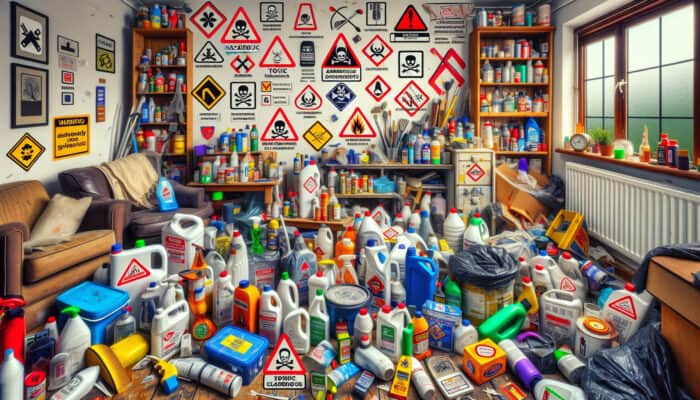
  • Ladder Safety Tips You Must Know for Scaffolding

    Ladder Safety Tips You Must Know for Scaffolding

    If you have ever worked on or around scaffolding, you may have questioned the safety and practicality of placing a ladder atop it to access elevated areas. While this approach may initially appear to be an easy and convenient solution, it is crucial to assess significant safety considerations before proceeding. Understanding the associated risks and regulations is vital for maintaining the safety of yourself and others within the workspace. By prioritizing safety, you can ensure a secure environment for all personnel involved.

    Although it may seem straightforward, using a ladder positioned on scaffolding is EXCEEDINGLY hazardous. The introduction of ANY extraneous items onto a stable scaffolding setup can create serious dangers. The potential risks connected with this practice are considerable and should not be overlooked or minimized. It is paramount to prioritize safety over convenience in any construction context, as the consequences of negligence can be dire.

    This article will delve into the various reasons why placing a ladder on scaffolding is inadvisable, emphasizing the potential hazards involved and discussing safer alternatives that should be considered instead. By understanding these risks, you can make informed decisions that protect your safety and well-being.

    Recognizing the Critical Safety Risks of Using a Ladder on Scaffolding

    The unequivocal answer is NO; using a ladder on scaffolding is NOT safe.

    Engaging in the practice of utilizing a ladder on scaffolding introduces significant dangers that can jeopardize the integrity of the entire setup. The primary function of scaffolding is to serve as a secure and stable working platform designed to adhere to strict load-bearing specifications. When a ladder or any additional equipment is placed on this structure, it can compromise the stability of the entire system, thereby increasing the risk of accidents, falls, and severe injuries. Consequently, although it may seem like a clever shortcut for reaching a higher area, the potential hazards far outweigh any perceived advantages of convenience.

    Also Read: What NOT to Do When Using Scaffolding for Safety

    Uncovering the Specific Dangers of Ladder Use on Scaffolding

    Having established that using a ladder on scaffolding is unsafe, let’s examine the particular dangers associated with this practice:

    1. Instability of the Scaffolding Structure Under Additional Weight

    Scaffolding is meticulously designed as a safe and robust working platform; however, introducing a ladder can significantly disrupt this balance. Ladders are intended for placement on solid ground rather than atop another structure. When a ladder is positioned on scaffolding, it can destabilize the entire setup, drastically increasing the risk of falls, slips, or even catastrophic scaffold failure. This situation presents a serious danger not only to the user but also to everyone in the vicinity, making it crucial to adhere to safety protocols.

    2. Heightened Fall Risk Due to Increased Elevation from Ladder Use

    When working on scaffolding, you are already elevated above the ground. Adding a ladder can further raise this elevation, thereby amplifying the risk of falling. The precarious nature of using a ladder on scaffolding can lead to dangerous situations, particularly if the ladder shifts, slips, or fails to maintain stability. The potential for severe injuries escalates dramatically with higher falls, making this practice extremely risky and inadvisable in any construction or maintenance context.

    Also Read: Who Is Responsible for Scaffold Hire and Safety?

    3. Improper Ladder Angle Significantly Increases Accident Risks

    Ladders are meticulously designed to be used at specific angles to ensure safety and stability during operation. Placing a ladder haphazardly on top of scaffolding prevents achieving the correct angle necessary for security. An improperly positioned ladder is susceptible to slipping or sliding, particularly when placed on a surface that lacks solidity and support. Furthermore, scaffolding does not provide the same level of stability as a solid ground surface, complicating efforts to secure the ladder at the appropriate angle and thereby heightening the risk of accidents.

    4. Lack of Secure Attachment Creates Serious Hazards for Users

    When using a ladder on scaffolding, this often results in inadequate securing of the ladder itself. Most scaffolding setups are not designed to accommodate ladders, meaning there is typically no reliable way to attach them securely. Although the ladder may appear stable at first glance, any movement, vibrations, or slips can quickly lead to the ladder falling or tipping over, presenting a serious risk to users and anyone nearby. This lack of proper securing measures should deter individuals from engaging in this unsafe practice.

    5. Non-Compliance with OSHA Safety Regulations Can Have Serious Consequences

    If you are working on a construction site, adherence to safety regulations is often mandated. The Occupational Safety and Health Administration (OSHA) enforces strict guidelines regarding the safe use of scaffolding and ladders. Improperly using a ladder on scaffolding can lead to violations of OSHA standards (such as 1926.1053 for ladders and 1926.451 for scaffolds). Non-compliance can result in severe legal repercussions, fines, penalties, or even project shutdowns, making it essential to diligently follow safety guidelines to protect yourself and your coworkers.

    6. Risks of Certification Nullification Due to Unsafe Practices

    Every scaffolding installation undergoes a rigorous certification process to ensure that professionals deem it safe for use. Modifying that setup by adding a ladder compromises its certification status. In the event of an incident, you may find yourself without coverage regarding work health and safety regulations. Without valid certification, you assume significant risk, which is an unacceptable gamble that could have dire consequences for both you and your employer.

    Exploring Safer Alternatives for Accessing Elevated Areas Effectively

    Now that we have thoroughly examined the reasons against using a ladder on scaffolding, let’s explore safer alternatives for achieving your desired height without compromising safety or breaching regulations:

    Utilize Built-In Scaffold Access Solutions for Enhanced Safety and Efficiency

    Most scaffolding installations come equipped with built-in access features, such as ladders or stairways. These access points are specifically designed to ensure safety while navigating up and down the scaffolding. If your scaffolding includes these built-in access options, it is crucial to take full advantage of them! They are engineered to work seamlessly with the scaffolding system, significantly enhancing overall security and minimizing the likelihood of accidents. Utilizing these features can save time and increase productivity without sacrificing safety.

    Aluminium Scaffold3

    Consider Work Platforms or Extensions for Safer Access to Heights

    Another viable alternative is to use a work platform or an extension. These solutions are specifically designed to provide a stable surface for working while offering safe access to higher levels. They represent a more secure option than attempting to balance a ladder on scaffolding. Work platforms are robust and certified for use with scaffolding, ensuring your safety while facilitating the efficient and effective completion of tasks at elevated heights. Opting for these solutions can significantly reduce the risks associated with improper ladder use.

    Final Insights on the Use of Ladders with Scaffolding: Prioritizing Safety

    So, can you safely place a ladder on scaffolding?

    The definitive answer is no! Utilizing a ladder on scaffolding can lead to structural instability, increased fall risk, and violations of crucial safety regulations. The potential consequences simply do not justify the associated risks. Instead, make use of built-in scaffold access methods or opt for safer alternatives, like work platforms. Always prioritize safety; the last thing you want is to jeopardize your well-being or that of others for the sake of convenience. Adhering to proper guidelines will ensure you remain safe and compliant on the job, ultimately fostering a culture of safety in your workplace.

    The Article: Ladder Safety on Scaffolding: What You Need to Know first appeared on https://writebuff.com

    The Article Ladder Safety Tips for Scaffolding You Must Know Was Found On https://limitsofstrategy.com
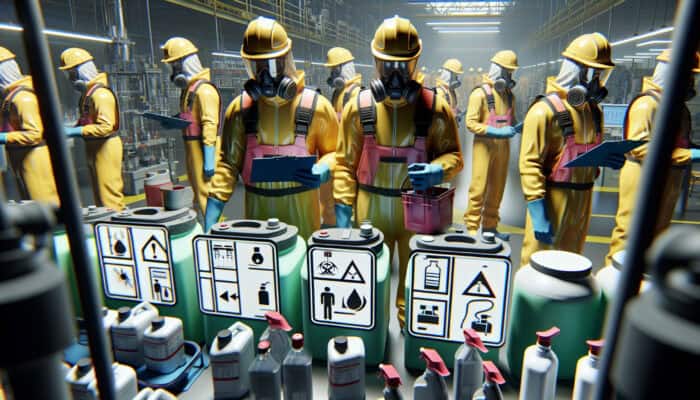
  • Concrete Pumping Safety Tips for 2025: Top 5 Guidelines

    Concrete Pumping Safety Tips for 2025: Top 5 Guidelines

    Essential Guidelines for Safe Concrete Pumping Practices in 2025

    In the evolving field of concrete pumping safety for 2025, it is crucial to prioritize comprehensive training, thorough equipment inspections, clearly defined exclusion zones, and meticulous pre-start planning. Acknowledging the inherent dangers associated with concrete pumping and adhering strictly to established safety protocols is vital for accident prevention and maintaining project timelines. By emphasizing these safety strategies, workers can cultivate a secure work environment that not only boosts efficiency but also enhances overall productivity, paving the way for successful project completion.

    Identifying and Reducing Common Hazards in Concrete Pumping Operations

    According to reports from SafeWork NSW, both operators and workers involved in concrete placement face considerable risks during the setup and operation of concrete pumps. These hazards can encompass:

    • Unstable ground conditions or improper setup on inclined surfaces, which can result in severe accidents.
    • Utilizing equipment beyond its design specifications, increasing the likelihood of mechanical failures.
    • Proximity to overhead power lines, which poses significant electrocution risks.
    • Collisions with trucks, structures, or site personnel, leading to potentially grave injuries.
    • Hose whip and line surges, which can create perilous situations if not well-managed.
    • Unexpected equipment failures and blockages that may disrupt operational flow.
    • Exposure to crush zones, diesel fumes, and elevated noise levels, which can negatively impact health.
    • Slip, trip, and confined space hazards that could lead to serious injuries.

    These risks are not theoretical; they frequently occur when safety procedures are ignored or inconsistently applied. Therefore, our commitment is firmly centered on reinforcing critical safety measures on-site, ensuring all personnel are thoroughly educated and comply with established protocols to foster a safer workplace.

    1. Emphasize Training and Certification for All Team Members

    Given the high-pressure environment in which concrete pumps operate, it is imperative that operators meet stringent handling requirements. In NSW, operators must possess:

    • An HR licence for operating boom trucks, affirming their qualifications and capability.
    • Validated VOCs (Verification of Competency) to confirm their skill level.
    • Training in hazard recognition and a comprehensive understanding of emergency stop procedures.

    Furthermore, hose handlers must undergo thorough briefings to ensure they avoid standing in discharge zones and can swiftly identify blockages, which is essential for maintaining operational safety and preventing accidents during the concrete pouring process.

    2. Implement Exclusion Zones to Strengthen Safety Protocols

    Concrete under pressure moves swiftly and can pose extreme risks if released unexpectedly. Therefore, it is essential to establish clearly marked safety zones surrounding the hose and boom at all times. Key safety measures to implement include:

    • Utilizing barriers and flagging to delineate risk areas around the pumping operation.
    • Prohibiting personnel from standing in front of the discharge area to avert injuries.
    • Restricting movements beneath booms to minimize accident risks.

    3. Conduct Thorough Equipment Inspections Prior to Each Pour

    Every concrete pumping job begins with a comprehensive equipment inspection. At Hunter Concrete Pumps, we perform meticulous checks on:

    • Hoses and reducers to verify they are in optimal operational condition.
    • Couplings and clamps to ensure secure and safe connections.
    • The integrity of the boom and seals to prevent leaks.
    • Primer levels, ensuring the pump functions smoothly and effectively.
    • Emergency shutoff systems to guarantee immediate response capability in case of an incident.

    No operation commences without the pump successfully passing all inspections, reinforcing our steadfast commitment to safety and operational efficiency in every project.

    4. Appoint a Lead Operator for Enhanced Coordination

    Effective communication is integral to the success of concrete pumping operations. Each crew must designate one lead operator responsible for overseeing the pour and ensuring coordination with:

    • Agitator drivers to synchronize operations for a seamless pouring process.
    • Hose handlers who manage the flow of concrete safely and efficiently.
    • Site supervisors to guarantee strict compliance with site regulations and safety protocols.
    • Concreters and finishers to achieve the desired project results.

    This clear chain of command is crucial for minimizing mistakes and misfires, ultimately improving both the safety and efficiency of the operation, ensuring that all tasks are performed smoothly.

    5. Initiate Every Pour with a Comprehensive Safety Briefing

    Before commencing pump operations, it is vital for the crew to discuss several essential topics, including:

    • Site access and hose routing for optimal flow management and efficiency.
    • Emergency response strategies and first aid protocols to ensure readiness for any situation.
    • Truck staging and washout procedures to maintain cleanliness and order on-site.
    • Identifying slip hazards and ensuring the proper use of PPE (Personal Protective Equipment) for each crew member.
    • Defining the roles of spotters as necessary to further enhance safety for all involved.

    At Hunter Concrete Pumps, we implement these protocols rigorously on every job, without exception, to guarantee the safety of our crew and the integrity of the project we are undertaking.

    The Indispensable Role of Safety in Concrete Pumping Operations

    Ensuring safe concrete pours not only protects your crew but also secures your project timeline, budget, and overall reputation. Any lapse in safety can result in injuries, project delays, or regulatory scrutiny, presenting risks that should never be overlooked. We meticulously adhere to the SafeWork NSW guidelines for concrete pumping in every job. Our operators are not only thoroughly trained but also licensed and insured, ensuring that when you choose our services, you are selecting a provider that integrates safety into every step of the process.

    Is It Essential to Have Spotters or Safety Personnel for My Concrete Pour?

    For both civil and commercial job sites, the answer is an emphatic yes; having spotters or safety personnel is crucial for upholding high safety standards. However, for residential projects, our dedicated pump crews are skilled at effectively managing safety zones, ensuring the site remains secure. We will inform you of any specific requirements during the quoting process to ensure clarity and compliance, thereby enhancing the safety of your project.

    What Are the Most Common Safety Risks Linked to Concrete Pumping Jobs?

    The three primary risks encompass untrained hose handling, inadequate access planning, and the absence of exclusion zones. We proactively address all three of these critical issues prior to the commencement of the concrete pour, ensuring a safer working environment for everyone involved in the operation.

    Experience Seamless and Safe Concrete Pours with Our Expertise

    Concrete pumping safety transcends mere adherence to regulations; it focuses on ensuring the job is completed without injuries or delays. When your team is well-versed in safety procedures and your operator arrives fully equipped and prepared, the concrete pour can proceed efficiently, swiftly, and without complications, setting the stage for successful project outcomes.

    Call: 0419 252 930

    Enquire now

    Concrete Pump Hire

    Top 5 Concrete Pumping Safety Protocols for 2025

    The Article: Concrete Pumping Safety Protocols: 2025’s Top 5 Tips first appeared on https://writebuff.com

    The Article Concrete Pumping Safety Tips: Top 5 Protocols for 2025 Was Found On https://limitsofstrategy.com