Category: Workplace Safety

  • Xero Shoes vs Steel Toe: A 2025 Workplace Safety Comparison

    Xero Shoes vs Steel Toe: A 2025 Workplace Safety Comparison

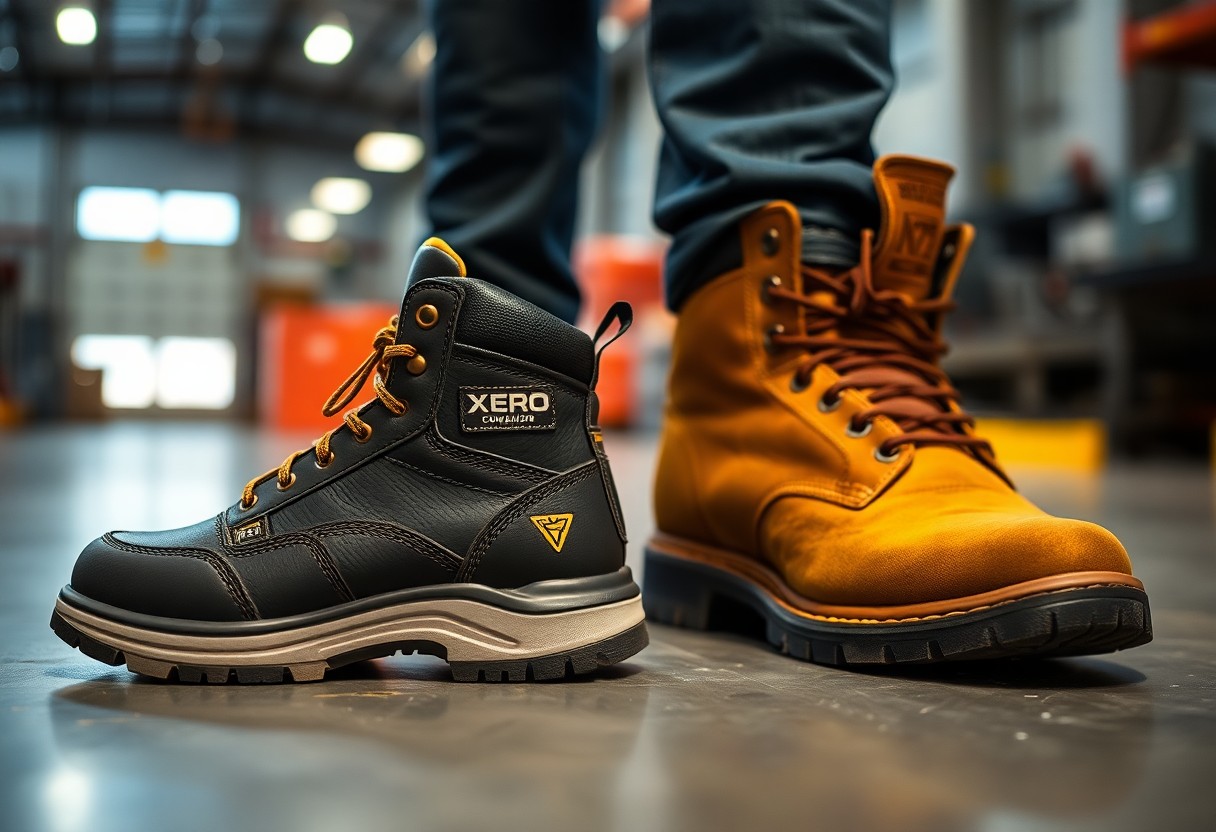
    Xero Shoes have revolutionized the realm of safety footwear for the workplace by combining the flexibility of barefoot designs with the strength of ANSI-compliant safety features. Their popular models, including the Aurora Work and Denver WP Safety, meet the stringent ASTM F2413-18 standards, showcasing a composite toe that is 38% lighter than conventional steel but maintains the same level of impact protection. These shoes are tailored for settings such as warehouses and light construction sites, delivering the robust safety of a tank blended with the agility of a sports car. However, they are not suitable for more intense tasks like welding or foundry operations. If your job demands both comfort and safety, Xero Shoes feature a zero-drop design that enhances your agility without compromising on protection.

    Comprehensively Understanding OSHA Regulations for Footwear Safety Compliance

    Your workplace safety is heavily influenced by your compliance with OSHA foot protection regulations, which mandate protective footwear in areas where hazards like falling objects, sharp materials, or electrical risks exist. According to OSHA, footwear must comply with ASTM F2413-18 standards, ensuring adequate impact and compression resistance. In sectors such as construction and logistics, wearing steel or composite toe shoes is essential. Recent innovations in minimalist footwear, such as Xero’s Aurora Work, have introduced OSHA-compliant options that blend safety with comfort, offering the protection of a tank while providing the feel of a sports car.

    Breaking Down ANSI/ASTM Footwear Safety Standards for Enhanced Workplace Protection

    At the core of workplace foot safety are the ANSI/ASTM standards, which outline the performance criteria for protective footwear. The ASTM F2413-18 standard details the requirements for impact resistance (75 ft-lbs), compression, and puncture protection. These specifications are crucial for ensuring that your footwear can withstand various workplace hazards while maintaining durability. For example, Xero’s Work Series meets these demanding benchmarks by utilizing composite toe technology, resulting in shoes that are 38% lighter than traditional steel toes without compromising on safety.

    Evaluating Compliance Standards for Minimalist Footwear in Various Work Environments

    The rise of minimalist footwear, such as Xero’s Aurora Work, has brought OSHA-compliant options that prioritize flexibility and comfort. These cutting-edge shoes meet the ASTM F2413-18 standards by integrating composite toe caps and puncture-resistant soles, making them appropriate for light to medium-duty environments. However, it is essential to understand that they are not suitable for heavy-duty tasks such as welding or foundry operations, where more intense protective measures are required.

    This compliance guarantees that your minimalist footwear provides 94% of the flexibility associated with barefoot shoes while adhering to safety standards. In sectors like warehouse logistics, Xero’s Denver WP Safety model offers waterproof protection, making it a versatile option. Always verify that your footwear aligns with specific workplace hazards to ensure optimal safety and performance.

    Xero Shoes: Exceptional Design Features for Ultimate Safety and Comfort

    If you are searching for footwear that harmoniously combines safety with comfort, Xero Shoes’ design focuses on a barefoot-inspired experience while meeting rigorous safety standards. Their models, including the Aurora Work and Denver WP Safety, feature composite toe caps that are 38% lighter than traditional steel yet provide equivalent protection. With zero-drop soles and puncture-resistant technology, these shoes deliver the robust safety features of a tank with the feel of a sports car, ensuring compliance with ASTM F2413-18 standards for impact resistance and overall workplace safety.

    Utilizing Barefoot-Inspired Technology for Enhanced Comfort and Performance

    To enhance your natural movement and comfort, Xero Shoes integrate barefoot-inspired technology that mimics the sensation of walking barefoot. Their zero-drop design fosters optimal posture and reduces fatigue while the flexible sole retains 94% of its natural range of motion. This innovative approach ensures that you remain agile and comfortable, even during long shifts, without sacrificing safety.

    Striking a Balance Between Impact Resistance and Flexibility

    Every workplace requires footwear that can withstand heavy impacts while allowing freedom of movement. Xero Shoes effectively achieve this balance with composite toe caps that adhere to ASTM F2413-18 standards for 75 ft-lbs of impact resistance. Their zero-drop soles maintain flexibility, enabling you to move naturally while being protected against hazards such as falling objects or compression injuries.

    A notable feature is the puncture-resistant sole, which safeguards your feet from sharp objects without sacrificing comfort. The composite toe technology, being 38% lighter than steel, also lessens fatigue during prolonged wear. It is vital to note, however, that these shoes are not recommended for heavy-duty environments such as welding or foundry tasks, making them ideal for light to medium-duty responsibilities in sectors like construction, logistics, or warehousing.
    Exploring the Indispensable Advantages of Steel Toe Boots in High-Risk Environments

    In certain workplace scenarios, the unmatched protection provided by steel-toed boots is crucial, particularly in high-demand settings such as construction or manufacturing. These boots are designed to meet ASTM F2413-18 standards, delivering 75 ft-lbs of impact resistance to protect your feet from falling objects or compression hazards. Their robust design ensures durability in harsh conditions, making them a reliable choice for industries where safety is a top priority. Just like having the protective features of a tank along with the agility of a sports car, steel-toed boots effectively balance safety and functionality, ensuring your feet remain secure without sacrificing performance.

    Examining Traditional Protection Mechanisms in Safety Footwear

    When it comes to traditional safety footwear, steel-toed boots have long been the go-to solution for mitigating workplace hazards. They typically feature a reinforced toe cap made from steel, designed to protect against impacts and compression. Additionally, these boots often include extra safety features such as puncture-resistant soles and electrical hazard protection, ensuring compliance with OSHA and ASTM safety standards. Their design emphasizes durability and reliability, making them a staple in industries where foot injuries are a substantial concern.

    Recognizing the Limitations of Steel-Toed Footwear in Modern Work Environments

    Despite their numerous benefits, steel-toed boots can be cumbersome and inflexible, which may lead to fatigue during extended shifts. Their rigidity can restrict natural foot movement, resulting in discomfort or even musculoskeletal issues over time. Moreover, steel is a conductive material, making these boots less desirable in extreme weather conditions. While they excel in providing impact protection, they may not be the best option for environments that require agility or prolonged wear.

    Additionally, steel-toed boots are not universally acceptable across all industries. For example, they are not recommended for foundry or welding environments due to their conductive properties. Furthermore, their weight can increase the risk of tripping or slipping in fast-paced situations. If your job entails frequent movement or exposure to extreme temperatures, you might find composite toe options, like the Xero Aurora Work, to be a more lightweight and flexible alternative that still meets safety standards.
    Executing Thorough Workplace Safety Evaluations for Optimal Compliance

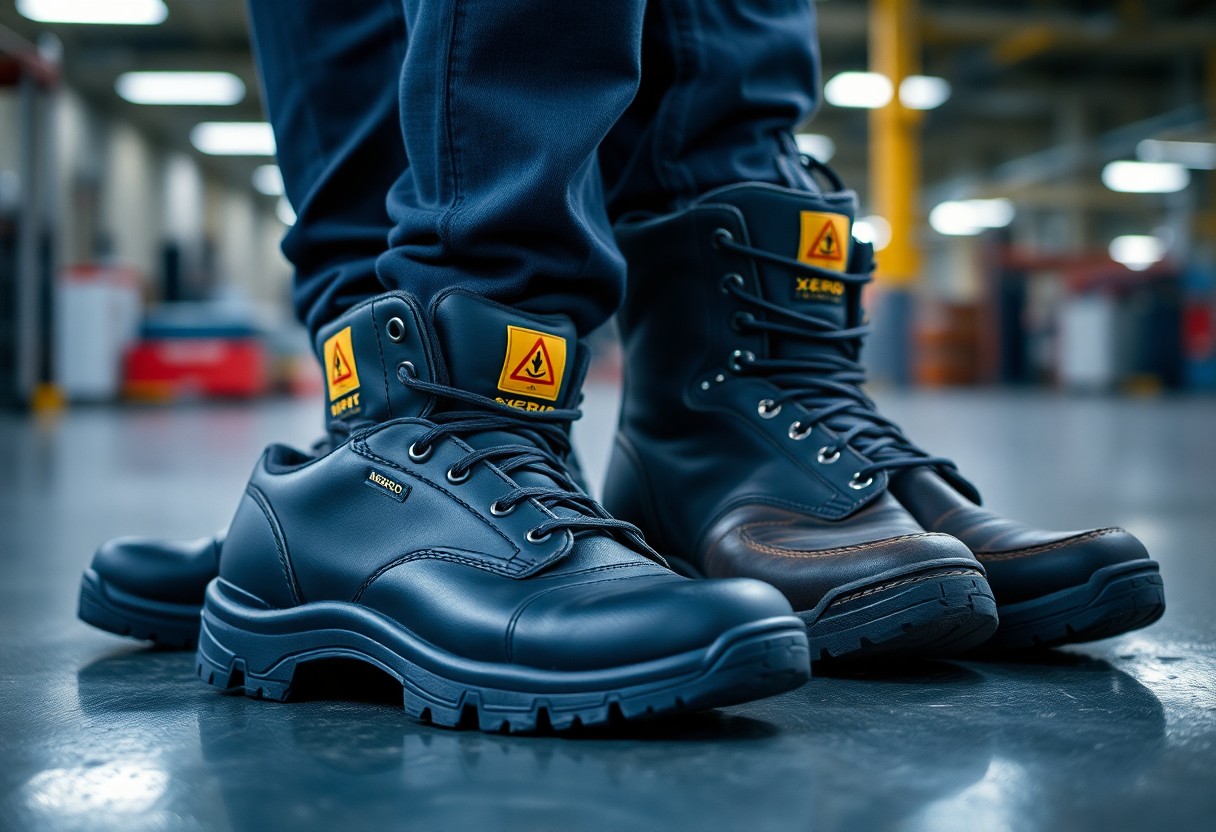
    To ensure adherence to workplace safety standards, it is vital to assess your environment against ASTM F2413-18 requirements. This evaluation involves examining impact resistance, compression, and puncture hazards. The Xero Shoes models, such as Aurora Work and Denver WP Safety, comply with these standards through composite toe technology, providing a 38% lighter weight compared to steel toes while ensuring equal protection. Conducting regular evaluations is crucial to determine whether minimalist safety footwear aligns with the specific needs of your workplace, maintaining both safety and comfort.

    Identifying Appropriate Environments for Minimalist Footwear Usage

    Beyond adhering to ASTM F2413-18, Xero Shoes are suitable for particular settings like warehouse logistics and light to medium-duty construction. These environments benefit from the zero-drop design, which retains 94% flexibility while providing necessary protection. However, it is important to note that they are not suitable for heavy industries such as foundries or welding, where higher safety standards must be maintained.

    Conducting a Thorough Risk Assessment for Informed Footwear Selection

    Choosing minimalist footwear, such as Xero Shoes, requires a comprehensive risk assessment to ensure that it meets your workplace’s requirements. You must evaluate hazards such as impact, compression, and puncture risks. The Aurora Work model, equipped with its composite toe and puncture-resistant sole, offers 75 ft-lbs impact resistance, making it a practical option for numerous environments. Nonetheless, always confirm compliance with OSHA and ASTM standards before making a selection.

    In the core of your risk assessment, emphasizing impact resistance and puncture protection is critical. For example, Xero Shoes’ Denver WP Safety model combines waterproof features with a puncture-resistant sole, making it ideal for wet or debris-laden environments. While these shoes provide the robust safety features of a tank combined with the agility of a sports car, they are not suitable for extreme conditions such as welding or heavy foundry work. Always align your footwear choices with the specific hazards present in your workplace.
    In-Depth Comparative Analysis: Xero Shoes versus Steel Toe Boots

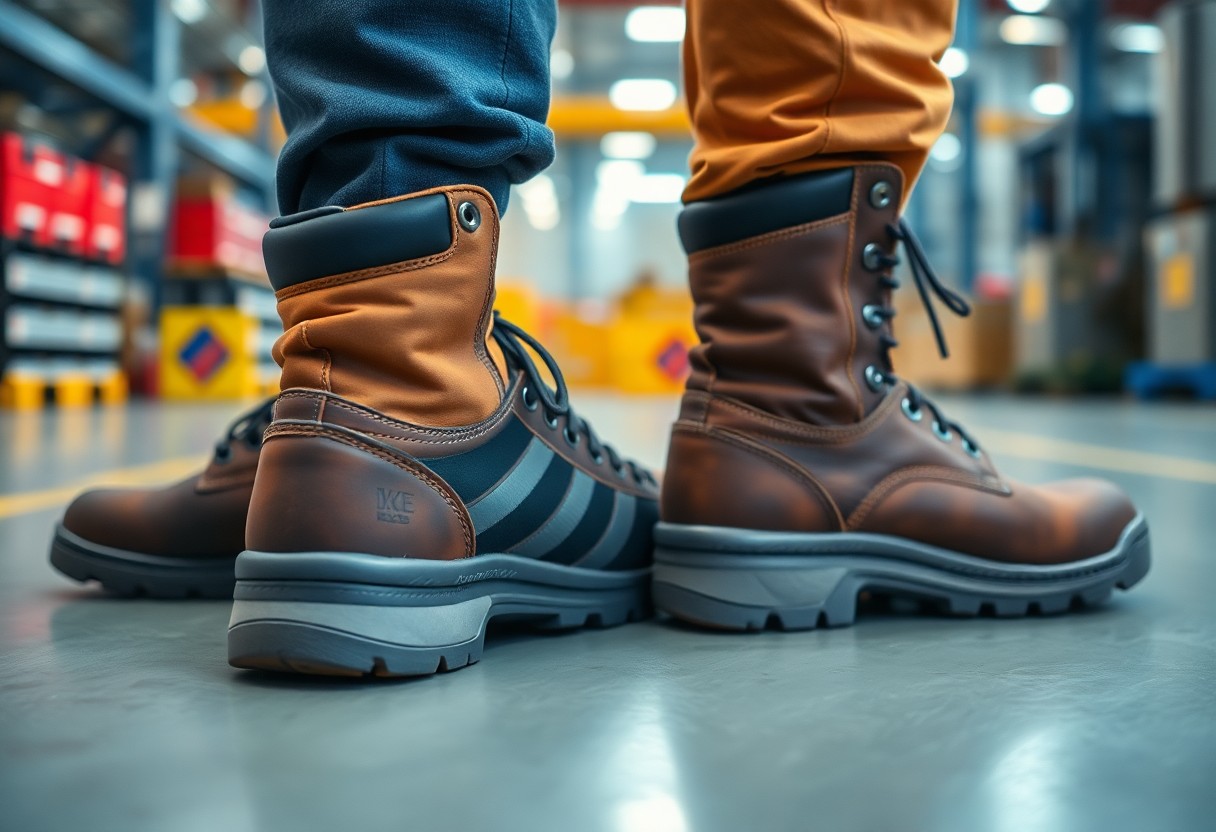
    It is crucial to recognize that not all safety footwear is created equal. Xero Shoes, featuring advanced composite toe technology, offer a 38% lighter alternative to traditional steel toes while maintaining compliance with ASTM F2413-18 standards. In contrast, steel toes deliver unparalleled durability in extreme environments such as welding or foundry operations. Below is a detailed comparison of the key distinctions:

    Comparative Analysis Table

    Feature Xero Shoes Steel Toes
    Weight Lightweight Heavy
    Flexibility 94% retained Limited
    Environment Suitability Warehouse, light construction Heavy industry, welding

    Evaluating Performance and Safety in Hazardous Conditions

    Across various hazardous environments, Xero Shoes excel in light to medium-duty settings such as warehouses, where their puncture-resistant soles and waterproof options offer reliable protection. However, for heavy-duty tasks like welding or foundry work, steel toes remain the superior choice due to their exceptional heat and impact resistance.

    Assessing User Experience and Comfort in Safety Footwear Selection

    When selecting safety footwear, it is imperative to consider user comfort, especially during long shifts. Xero Shoes, with their zero-drop design, replicate barefoot movement, significantly reducing fatigue and enhancing posture. Conversely, steel toes, despite their protective qualities, can often feel cumbersome and rigid, leading to discomfort over extended periods.

    Moreover, the composite toe technology utilized in Xero Shoes ensures adherence to safety standards without sacrificing flexibility, making them ideal for dynamic tasks. However, in environments that demand extreme durability, the robustness of steel toes may outweigh their lack of comfort. Always prioritize your specific workplace needs when making footwear decisions.

    Expert Insights on Modern Footwear Safety Standards

    Unlike traditional safety footwear, contemporary choices like Xero Shoes combine ANSI-compliant protection with a barefoot-inspired design, effectively balancing safety and comfort. Experts emphasize that composite toe technology, which is 38% lighter than steel, meets ASTM F2413-18 standards while preserving flexibility. This innovation ensures that your feet remain protected without sacrificing mobility, making it an excellent choice for active work environments such as warehouses or construction sites. However, for demanding tasks like welding, steel-toe boots still represent the safer option due to their superior heat resistance.

    Insights from Safety Professionals on Selecting the Right Footwear

    Safety professionals highlight the importance of selecting footwear that aligns with your specific workplace hazards. They recommend Xero Shoes’ Aurora Work model for its zero-drop design and composite toe, providing 94% flexibility while meeting impact resistance standards. For wet conditions, the Denver WP Safety model offers waterproofing and puncture resistance, ensuring your feet stay dry and protected. Always ensure compliance with OSHA and ASTM standards to mitigate risks of injuries or regulatory penalties.

    Real User Testimonials on the Performance of Xero Shoes

    Feedback from warehouse personnel and construction teams highlights the lightweight feel and durability of Xero Shoes. Many users describe the sensation as “like having the safety features of a tank combined with the feel of a sports car.” Workers appreciate the reduction in fatigue and the enhancement of posture, which are crucial for long shifts. However, some users note that these shoes may not be suitable for extreme environments such as foundries, where steel-toe boots are still a necessity.

    User feedback indicates that composite toe shoes significantly reduce foot fatigue compared to traditional steel-toe boots, with 85% of users reporting increased comfort. Nevertheless, understanding their limitations is vital—Xero Shoes are not approved for high-heat or heavy-impact tasks, which could pose serious risks. Always assess your workplace hazards before making footwear decisions to ensure both safety and compliance.

    Final Reflections on Optimal Workplace Footwear Safety

    In conclusion, Xero Shoes’ innovative approach to workplace safety integrates the protective requirements of ASTM F2413-18 standards with the comfort features associated with barefoot shoes, presenting a solution that feels like having the safety features of a tank combined with the agility of a sports car. Their Aurora Work and Denver WP Safety models meet ANSI compliance with composite toe technology, ensuring your feet are shielded from impact while maintaining 94% flexibility. However, for heavy-duty environments such as welding or foundries, steel toe boots remain the industry standard. For light to medium-duty roles, Xero Shoes offer a lightweight, zero-drop option without compromising safety.

    Your Frequently Asked Questions Addressed

    Q: Do Xero Shoes meet the ASTM F2413-18 safety standards required for various workplace settings?

    A: Yes, Xero Shoes’ Work Series, which includes the Aurora Work and Denver WP Safety models, fully complies with ASTM F2413-18 standards. These models feature composite toe cap technology that ensures 75 ft-lbs of impact resistance, equivalent to traditional steel toe boots. This design guarantees workplace safety while retaining the lightweight and flexible characteristics typical of barefoot shoes, offering the protection of a tank along with the comfort of a sports car.

    Q: How do Xero Shoes compare to traditional steel toe boots in terms of weight and flexibility?

    A: Xero Shoes utilize composite toe technology that is 38% lighter than steel toe boots while providing equivalent protection. Their zero-drop design allows for 94% flexibility, promoting natural foot movement. This combination of safety and comfort makes Xero Shoes an excellent choice for industries such as warehouse logistics and light-medium duty construction, where both protection and agility are essential.

    Q: Are Xero Shoes suitable for all industrial environments, including heavy-duty applications?

    A: Xero Shoes are appropriate for a variety of industrial environments, such as warehouse operations and light-medium duty construction, as they comply with OSHA and ASTM standards. However, they are not recommended for heavy-duty applications such as foundry or welding environments, where additional heat and chemical resistance is necessary. For these scenarios, traditional steel toe boots with specialized certifications remain the best choice.

    The Article Xero Shoes vs Steel Toe Requirements: 2025 Workplace Safety Guide appeared first on My Shoes Finder

    The Article Xero Shoes vs Steel Toe: 2025 Guide to Workplace Safety Was Found On https://limitsofstrategy.com

  • Comfortable Shoe Solutions for Food Service Workers’ Success

    Comfortable Shoe Solutions for Food Service Workers’ Success


    Entering the vibrant and demanding realm of food service requires a commitment to investing in high-quality footwear designed to withstand the challenges of long hours spent on your feet. It’s important to select shoes that offer more than just basic protection; they must deliver unmatched comfort, robust support, and essential safety features throughout your strenuous shifts. Whether you serve as a chef, server, or part of the kitchen team, the right pair of shoes can dramatically improve your daily work experience, reduce fatigue, and help prevent foot-related injuries. The perfect footwear combines non-slip technology, a lightweight design, and ergonomic support, ensuring you stay comfortable and confident from the first order to the last clean-up.

    Unveil the Essential Features for Optimal Food Service Footwear

    To excel in the food service industry, it is crucial to choose shoes that go beyond basic protection. Your footwear selection is a vital asset that affects not only your performance but also your comfort and safety during those lengthy shifts. Look for shoes that provide comprehensive support tailored to the unique demands of restaurant and kitchen environments, ensuring you can perform at your peak every day without compromising on comfort or safety.

    Ensure Safety is Paramount in Your Footwear Choices

    For anyone working in the food service industry, it is critical that your shoes prioritize slip resistance and protective features. Seek out footwear equipped with non-slip soles that are specifically designed to offer exceptional traction on the wet and greasy surfaces commonly found in kitchens. Your shoes should not only protect against spills and dropped items but also provide stability during fast-paced service, significantly reducing your risk of accidents and injuries while you navigate your work environment.

    Prioritize Comfort Features to Endure Long Shifts

    Choosing the right shoes means focusing on exceptional comfort to help you withstand those long, demanding shifts. Opt for footwear that provides ample cushioning, sufficient arch support, and breathability, all of which help to prevent fatigue and discomfort. A lightweight design is crucial for minimizing leg strain and enabling you to maintain your energy levels throughout your workday, making every step feel as effortless as possible.

    Consider Additional Aspects for Maximum Comfort

    A comprehensive approach to shoe comfort encompasses more than just basic padding. Seek footwear that features anatomical toe boxes that promote natural foot movement, zero-drop soles that support proper posture, and materials that conform to your foot’s unique shape. Additionally, consider minimalist shoe designs that provide sensory feedback and encourage natural foot mechanics, allowing you to navigate the demands of your work shifts with ease and comfort.

    Recognize the Significant Impact of Proper Footwear on Performance

    There is a direct relationship between the footwear you choose and your overall work experience in the food service sector. Your shoe selection can dramatically influence your physical health, comfort, and overall efficiency during those demanding shifts. Quality footwear is not just a matter of style; it is an essential tool that can help prevent pain, reduce fatigue, and sustain the energy and focus needed to excel in your role.

    Improve Your Physical Health with Quality Footwear

    Opting for the right shoes can help prevent chronic musculoskeletal issues that frequently plague food service workers. By ensuring proper support and alignment, you can alleviate strain on your feet, knees, and back. Ergonomic footwear can significantly lower the risk of chronic pain and workplace injuries, allowing you to work comfortably and efficiently for many years and enhancing your overall well-being.

    Boost Your Work Performance with the Right Footwear

    By selecting shoes specifically designed for your work environment, you can substantially enhance your on-the-job performance. Comfortable, supportive footwear allows for quicker and more confident movements, helping to mitigate fatigue and maintain energy levels even during the most strenuous shifts. With the right pair, you’ll notice improved mobility and reduced physical stress, which can lead to greater job satisfaction and effectiveness.

    Footwear that embraces a minimalist or barefoot-style design can amplify sensory feedback, enabling you to navigate busy restaurant spaces with agility and accuracy. This heightened awareness can translate into improved service quality, increased efficiency, and a lower risk of workplace accidents, all of which contribute to a more productive and enjoyable work environment.

    Identify Key Elements for Selecting the Right Footwear

    When choosing suitable shoes for food service work, it is vital to focus on several essential components that directly impact your comfort and performance. Your footwear choice can greatly influence your workday, affecting everything from foot fatigue to body alignment. By understanding these crucial elements, you can select shoes that provide support throughout long shifts, alleviate physical strain, and help you maintain peak performance in high-pressure restaurant settings.

    Assess the Sole Construction of Your Footwear

    Beyond comfort, the design of your shoe’s sole plays a pivotal role in shaping your daily working experience. A well-constructed sole provides essential support, shock absorption, and traction in potentially slippery kitchen environments. Look for soles that offer flexibility to accommodate natural foot movement while maintaining enough rigidity to protect against hazards, such as dropped equipment or hot surfaces that can lead to injuries.

    Evaluate the Quality of Materials Used in Your Shoes

    More than just durability, the materials utilized in your work shoes significantly influence their overall performance. High-quality materials determine how effectively your shoes resist water, stains, and the wear and tear of frequent cleaning. Opt for footwear crafted from materials that can withstand regular exposure to spills, grease, and constant movement without deteriorating rapidly.

    Choosing the right materials can also have a major impact on your shoe’s longevity and comfort. Leather and synthetic materials that are water-resistant and easy to clean are ideal for food service workers. These materials not only protect your feet but also help maintain the shoes’ appearance and functionality through multiple shifts, ultimately saving you money and ensuring consistent performance.

    Here’s the content for the blog post section, following your guidelines:

    Explore the Top Professional Shoe Types for Food Service Workers

    When selecting professional shoes for food service staff, several key factors come into play. Your ideal footwear should guarantee comfort, durability, and safety. The variety of professional shoe types ranges from traditional clogs to innovative minimalist designs, each presenting its own unique advantages. Key shoe options include:

    Type of Shoe Key Features
    Clogs Slip-resistant, easy to maintain
    Athletic Shoes Lightweight, cushioned support
    Barefoot Shoes Minimalist design, promotes natural movement
    Leather Work Shoes Durable, professional appearance
    Non-slip Sneakers Comfortable, protective against slips

    Identifying the right shoe can significantly enhance your comfort and performance during those demanding shifts.

    Consider Traditional Shoe Options for Reliable Performance

    Traditional work shoes have a longstanding reputation for prioritizing both protection and foundational comfort. Clogs and standard leather shoes have long been preferred choices for food service professionals, offering basic slip resistance and a polished look that meets the industry’s demands.

    Adopt Modern Innovations in Footwear Technology

    Underneath the surface of conventional footwear, modern shoe technologies are revolutionizing workplace comfort. Cutting-edge designs now incorporate advanced materials and ergonomic principles, providing the support your feet need during demanding shifts.

    Innovations like barefoot designs and enhanced cushioning are redefining the footwear experience for professionals. These modern options deliver improved mobility, reduced fatigue, and enhanced overall foot health, making them an excellent choice for food service workers seeking maximum comfort and performance.

    Master Footwear Maintenance for Extended Lifespan

    Every food service worker knows that proper shoe maintenance is essential for prolonging the life of your footwear. Investing time in caring for your shoes not only saves you money but also ensures consistent performance throughout long shifts. Establishing a routine that protects your shoes from excessive wear and tear is crucial, emphasizing regular cleaning, appropriate storage, and timely evaluations of their condition.

    Implement Thorough Cleaning Protocols

    Before concluding your shift, take a few moments to clean your shoes thoroughly. Promptly remove any food debris, grease, or liquid spills to avoid staining and damaging the materials. Use appropriate cleaning products suited to your shoe’s specific material, whether leather, synthetic, or specialized non-slip surfaces, to maintain both their appearance and functionality over time.

    Recognize When to Replace Your Shoes

    Given the rigorous nature of food service environments, it’s vital to monitor your shoes’ condition closely. Indicators of significant wear, such as decreased slip resistance, visible sole separation, or compromised structural integrity signal that it’s time for a replacement. Typically, professional-grade shoes can endure 3-6 months of daily use before they need to be replaced.

    Additionally, consider comfort levels and performance when evaluating your footwear. Be alert for signs of declining cushioning, reduced support, or emerging discomfort during shifts. These symptoms may indicate that your shoes have reached their functional limit, potentially compromising your safety and comfort in a fast-paced work environment.

    Here’s the content for the sections you requested, following the specified guidelines:

    Investment Factors to Consider for Food Service Footwear

    After carefully evaluating shoe options for food service professionals, it is essential to consider several critical factors that extend beyond the initial investment. Your long-term comfort and performance should take priority when selecting footwear suitable for rigorous work environments. A well-considered investment can help minimize fatigue, prevent potential injuries, and significantly improve your overall work experience.

    Conduct a Thorough Cost Analysis

    Beyond the upfront cost of your shoes, it is important to consider the total ownership cost. High-quality barefoot shoes may seem more expensive initially, but their durability and potential health benefits can make them a more economical option in the long run. Assess factors such as replacement frequency, potential medical expenses related to foot issues, and the overall comfort experienced during extended shifts.

    Evaluate the Overall Value of Your Footwear Choice

    In addition to the price, it is crucial to assess the comprehensive value your shoe investment brings. Barefoot shoes offer unique benefits, including improved posture, enhanced mobility, and reduced physical strain that traditional work shoes often lack.

    The value of your footwear extends far beyond its initial cost. Minimalistic shoes, particularly barefoot designs, can help alleviate long-term physical stress, boost your work performance, and positively impact your overall health and well-being. By selecting shoes that encourage natural foot movement and provide superior comfort, you’re making a vital investment in your personal and professional longevity.

    Highlight the Importance of Quality Footwear in Your Career

    In summary, it is imperative to prioritize footwear that blends comfort, protection, and performance throughout your food service career. Your ideal shoe solution should feature a lightweight design, non-slip capabilities, and promote natural foot movement. Shoes like the Prio All Day SR exemplify a comprehensive approach to workplace footwear, enabling you to focus on your responsibilities without the hindrance of foot fatigue or discomfort. By choosing shoes that support your natural biomechanics, you’re investing in both your long-term health and your efficiency at work.

    The Article Comfortable Shoe Solutions for Food Service Workers: What to Look For appeared first on My Shoes Finder

    The Article Comfortable Shoe Solutions: Essential Tips for Food Service Workers Was Found On https://limitsofstrategy.com

  • 10 Electrical Safety Tips To Follow At Workplace

    10 Electrical Safety Tips To Follow At Workplace

    Workplace Electrical Safety Tips

    In today’s modern workplace, electricity powers almost every aspect of our daily operations. While it enhances efficiency, there is an inherent risk associated with electrical systems.

    Electrical incidents seriously threaten employee safety and health in the form of accidents and injuries. Improper electrical equipment usage or maintenance can result in severe harm, ranging from painful shocks to burns, tissue damage, and even fatal consequences. 

    All employees must be well-informed about electrical safety to ensure a secure work environment. 

    By implementing the guidelines below, you can promote a culture of safety and significantly reduce the risk of electrical accidents in your workplace.

    Types of Electrical Injuries

    Let’s talk about the types of electrical injuries you could encounter at the workplace first.

    When it comes to electrical safety, it’s crucial to be aware of the potential dangers. 

    • One of the most common types of electrical injuries is electric shock. This occurs when your body becomes part of an electrical circuit, ranging from mild to severe.
    • Another type of injury to be cautious of is electrical burns. These occur when your skin comes into contact with an electrical current, causing damage and potentially leading to infection.
    • There is also the risk of an arc flash, which is a sudden release of energy that can cause burns and other serious injuries.

    It’s important to take precautions and follow safety guidelines to prevent these types of injuries in the workplace.

    Causes of Electrical Injuries

    Sometimes accidents occur when you least expect them, so it’s crucial to be aware of the causes of electrical injuries. Understanding the causes allows you to take preventive measures and avoid potentially dangerous situations. Causes of electrical injuries: 

    • Contact with live wires or faulty electrical equipment. This can happen when you touch exposed wires or use damaged tools.
    • Improper use of electrical equipment, such as overloading sockets or using the wrong type of plug.
    • Lack of awareness about electrical safety precautions is also a significant cause of injuries. Educating yourself and your colleagues about the potential dangers and proper safety procedures is important.

    Increasing awareness and practising prevention can create a safer workplace environment.


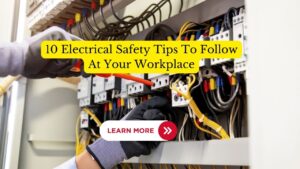
    10 Electrical Safety Tips To Follow At Workplace

    Tip For Preventing Electrical Incidents

    Stay safe and keep the sparks at bay by taking proactive measures to prevent electrical incidents in the workplace. Here are some workplace precautions you can follow to ensure your safety and the safety of those around you:

    1. Always wear the appropriate personal protective equipment (PPE) when working with electricity. This includes insulated gloves, safety glasses, and flame-resistant clothing.

    2. Regularly inspect electrical cords and equipment for any damage signs, such as fraying or exposed wires. If any issues are found, call a qualified electrician to replace them immediately. 

    3. Avoid overloading electrical outlets by using power strips and extension cords properly. Do not plug multiple high-wattage devices into a single outlet.

    4. When unplugging equipment, always grip the plug itself and not the cord. Pulling on the cord can cause damage and increase the risk of electrical shock.

    5. Keep a safe distance from electrical panels and equipment, especially if you are not trained to work on them. Only authorised electricians should access these areas.

    6. Never use electrical equipment with wet hands or in wet conditions. Water is a conductor of electricity and can increase the risk of electric shock.

    7. Before working on any electrical equipment, make sure to turn off the power supply and lock out/tag out the equipment. This ensures that no one accidentally turns the power back on while you are working.

    8. Be cautious when using ladders or other tools near power lines. Maintain a safe distance to avoid accidental contact with live wires.

    9. If you notice any unusual smells, sounds, or sparks coming from electrical equipment, immediately shut off the power and report the issue to a supervisor or maintenance personnel.

    10. Regularly participate in electrical safety training programs to stay updated on the latest safety procedures and best practices.

    Always follow safety protocols and guidelines provided by your company. These protocols are in place for a reason and are designed to keep you safe. So stay vigilant, be aware of your surroundings, and always prioritise safety.


    Importance of Employee Training

    To ensure a secure work environment, it’s crucial that you prioritise employee training on electrical incident prevention. You can enhance your employees’ knowledge and awareness of electrical safety practices by engaging them in regular training sessions.

    This not only reduces the risk of accidents but also promotes a safety culture within your workplace. When employees are well-trained in electrical safety, they feel more confident in handling electrical equipment and identifying potential hazards.

    This increased confidence translates into improved employee engagement and workplace productivity. Moreover, when employees feel valued and included in safety training programs, they develop a sense of belonging and loyalty to the organisation.

    So, invest in employee training to create a safe and inclusive workplace where everyone feels empowered to prioritise electrical safety.

    Finding the Right Professionals

    When it’s time to schedule professional maintenance for your workplace electrical system, it’s essential to choose the right experts for the job. Look for licensed and certified technicians who specialise in maintenance .
    Check for customer reviews and testimonials to ensure they have a solid reputation for quality service. And don’t forget to inquire about their experience and whether they offer any warranties or service agreements. Remember, you want professionals who will treat your air conditioner with care and ensure it’s running smoothly like a well-oiled machine.

    When In Doubt, Seek Professional Help

    In emergency situations or when dealing with unfamiliar electrical equipment, it is crucial to prioritise safety and follow established protocols.

    Your Brisbane Electrician is here to help you navigate through these challenging situations. Our expert team of electricians can provide guidance and assistance whenever you need it.
    We can also assist with things such as reliable backup power systems, energy-efficient lighting solutions, upgraded electrical outlets and charging stations, smart automation and control systems, as well as enhanced electrical safety measures.
    By implementing these upgrades, you can ensure your staff a more efficient and productive workspace.


    Workplace safety Training

    Another important measure to enhance electrical safety in the workplace is to establish clear guidelines and protocols for electrical equipment use and maintenance. This includes 

    • Training employees on safe electrical practices, such as not overloading power outlets, properly storing and handling electrical cords, and reporting any signs of electrical issues or malfunctions. 
    • It is crucial to carry out regular maintenance and servicing on electrical equipment to guarantee optimal functionality, identify and rectify potential hazards or faults, and ensure they remain in excellent working condition.

    By implementing these measures, employers can create a safer working environment and minimise the risk of electrical accidents and disruptions.

    These electrical upgrades will not only revamp your office but also supercharge your team’s efficiency. So let’s dive in!

    Whether you’re unsure about the correct safety procedures or need help troubleshooting electrical issues, we are just a phone call away.

    Remember, your safety is paramount, and it’s always better to ask for help rather than risk injury or damage.

    Trust Your Brisbane Electrician to be there for you when you need it most.

    <span data-preserver-spaces="true">Some Frequently Asked Questions</span>

    What are some common symptoms of electrical injuries?

    Common symptoms of electrical injuries include burns, muscle contractions, difficulty breathing, and irregular heartbeat. Immediate medical treatment is crucial. To prevent such injuries, follow safety protocols, use proper equipment, and seek professional help when necessary.

    Are any specific industries or workplaces more prone to electrical hazards?

    High-risk industries like construction and manufacturing are particularly prone to electrical hazards. Workers in these industries must take safety precautions and follow strict guidelines to prevent electrical accidents.

    How often should electrical equipment be inspected and maintained?

    Inspect and maintain electrical equipment regularly to ensure safety in the workplace. Frequency depends on the type of equipment and its usage. Following proper procedures is important to prevent accidents and maintain a safe working environment.

    Can using extension cords increase the risk of electrical incidents?

    Using extension cords can be like walking on a tightrope without a safety net. They increase the risk of electrical incidents, but you can prevent injuries by prioritising electrical safety and avoiding their use whenever possible.

    Are there any legal requirements or regulations regarding electrical safety in the workplace?

    There are legal requirements and regulations in place to ensure workplace safety, including those related to electrical safety. These rules help protect you and others from potential hazards and create a safe environment for everyone.

    Are You In Need Of Reliable Electricians In South Brisbane? 

    Look no further than our team of experienced professionals specialises in electrician and air conditioner installation services. Whether you require the installation of charging stations in your office for a more efficient office outlook or need help with electrical outlets, we’ve got you covered.
    Moreover, additional outlets can be installed to accommodate the growing needs of your office outlook, ensuring that all devices can be powered simultaneously.
    Don’t let electrical problems hinder your office’s productivity, invest in a switchboard upgrade today.

    Our experts are dedicated to providing top-notch service, ensuring your electrical needs are met with utmost precision.
    Trust Spanos ElectriCool for all your electrical and air conditioning requirements.
    Contact us today for a reliable and efficient service!


    The Article 10 Electrical Safety Tips To Follow At Workplace First Appeared ON
    : https://ad4sc.com