Category: Local Insights

  • Real Experiences and Honest Opinions in San Miguel de Allende

    Real Experiences and Honest Opinions in San Miguel de Allende

    Over the years, San Miguel de Allende has emerged as a vibrant cultural gem that captivates the imagination of travelers from around the globe. This enchanting destination, nestled in central Mexico, blends colonial charm, rich artistic heritage, and breathtaking architecture. As you explore, you’ll uncover numerous reasons why this UNESCO World Heritage site attracts thousands of visitors each year, offering an array of unique experiences that go beyond the usual tourist traps. Whether you are an art enthusiast, a history lover, or simply in search of a picturesque getaway, San Miguel de Allende guarantees an enchanting journey filled with unforgettable memories. The city’s walkable streets, vibrant colors, and rich cultural scene make it a compelling destination for those seeking authenticity and inspiration.
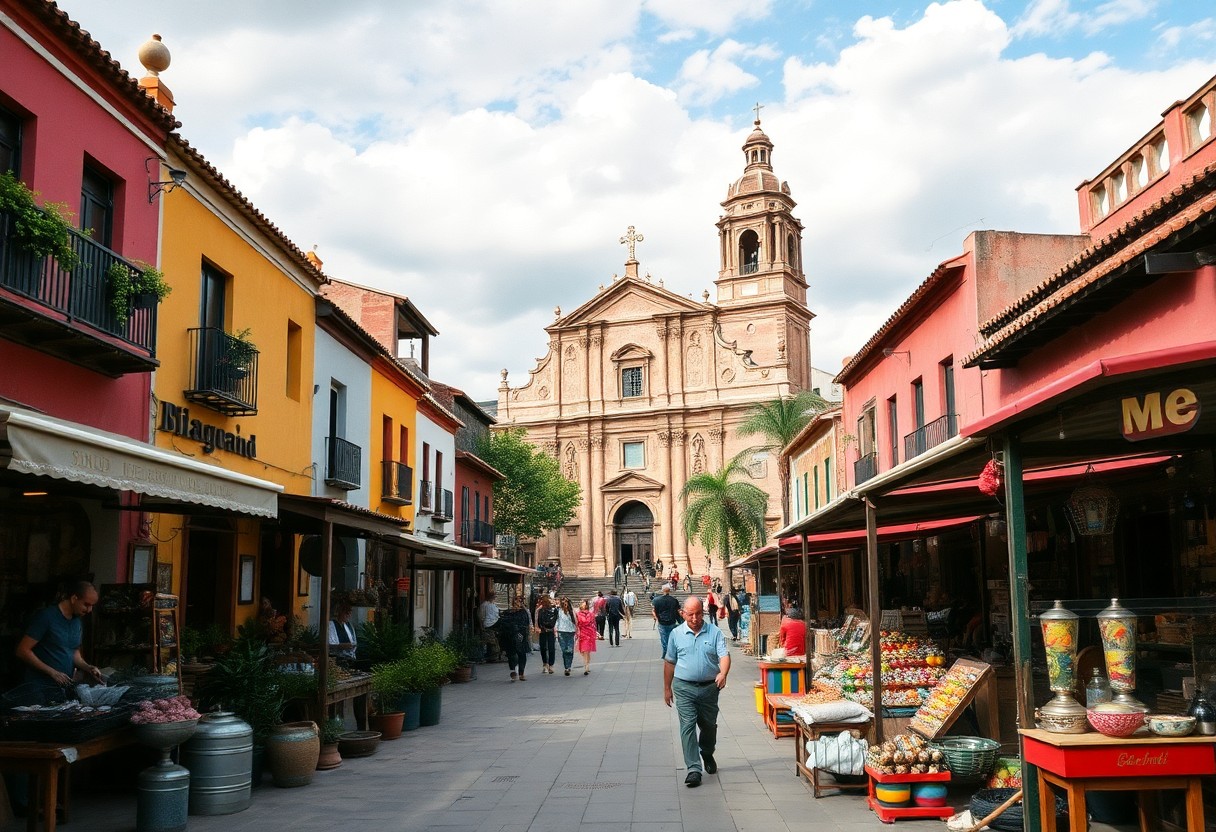
    Explore the Unforgettable Highlights of San Miguel de Allende

    The allure of San Miguel de Allende draws a diverse array of travelers with its unique blend of colonial charm, artistic vibrancy, and cultural richness. This captivating Mexican destination offers an extraordinary experience that transcends typical tourist attractions. Its designation as a UNESCO World Heritage site, combined with its picturesque streets and inviting atmosphere, makes it a must-visit location for those seeking authentic cultural immersion. Whether you identify as an art enthusiast, a history buff, or someone simply in pursuit of a vibrant travel experience, San Miguel de Allende assures something special for every visitor, ensuring a memorable adventure awaits.

    Uncover the Historical and Cultural Landmarks of San Miguel de Allende

    San Miguel de Allende boasts an impressive collection of historical and cultural landmarks that will captivate you at every turn. As you wander through the city, you’ll discover stunning examples of colonial architecture, magnificent churches, and beautifully preserved historical sites that transport you back in time. The city’s rich heritage is clearly visible in its meticulously maintained baroque buildings, vibrant facades, and cobblestone streets. Your exploration will lead you to architectural gems like the Parroquia de San Miguel Arcángel, a striking pink stone church that defines the city’s skyline and serves as a central cultural emblem, showcasing the city’s artistic and historical significance.

    Engage with the Thriving Artistic Community of San Miguel de Allende

    Throughout San Miguel de Allende, you’ll encounter a thriving and dynamic artistic ecosystem. The city has long been a beacon for creative professionals, hosting numerous galleries, workshops, and art schools. You can immerse yourself in a vibrant scene that celebrates both traditional Mexican art forms and contemporary artistic expressions. The Instituto Allende and various art centers provide ample opportunities for you to engage with talented local and international artists, allowing you to participate in classes and workshops that deepen your understanding of artistic techniques and cultural traditions.

    Further exploration of San Miguel’s artistic landscape reveals a deeply interconnected creative community. Here, artists from diverse disciplines—painters, sculptors, musicians, and writers—collaborate and inspire one another. The city’s numerous art festivals, workshops, and exhibitions offer multiple avenues to experience this rich cultural environment. International artists are particularly drawn to the city’s supportive and innovative artistic atmosphere, solidifying its reputation as a global hub for creative expression and cultural exchange, amplifying the impact of the arts on both local and international scales.
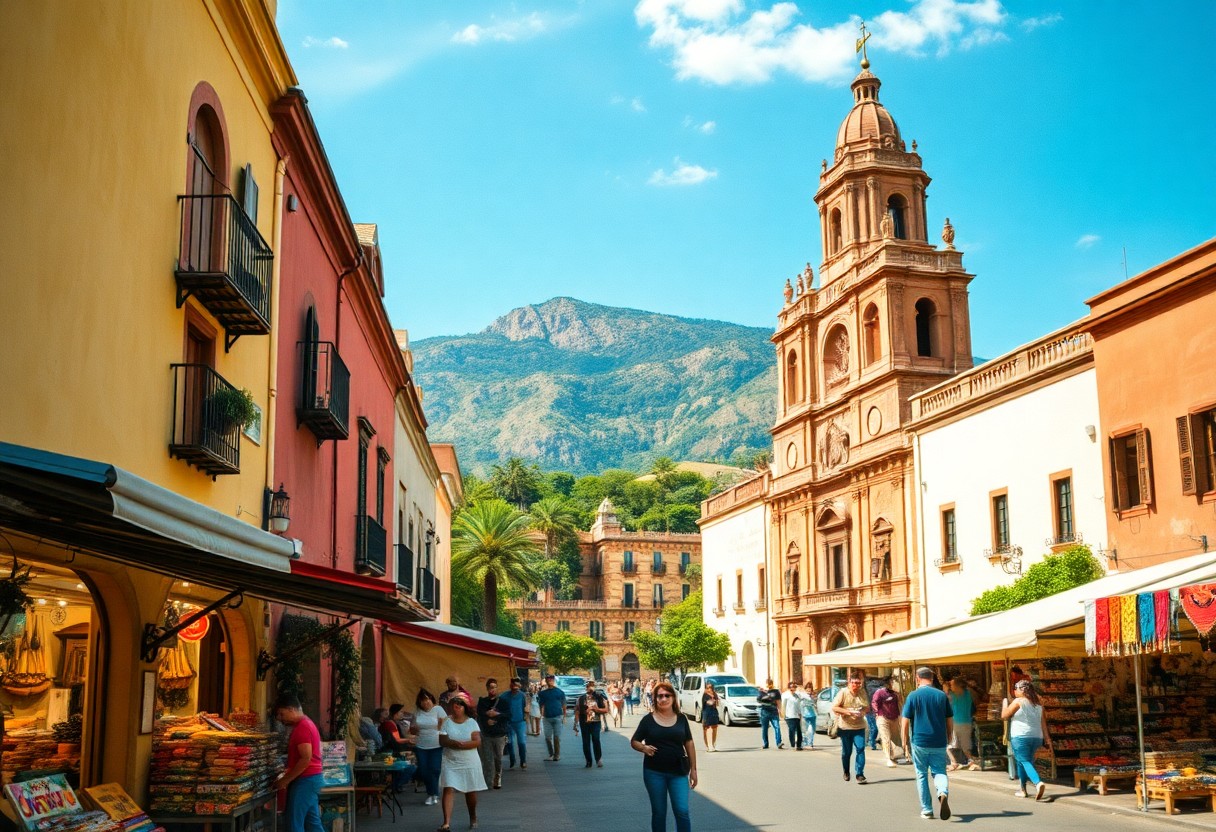
    Traveler Insights: What Makes San Miguel de Allende So Special

    One of the most compelling reasons tourists adore San Miguel de Allende is its universal appeal across multiple traveler demographics. Visitors consistently praise the destination for its unique combination of cultural richness, artistic vibrancy, and welcoming atmosphere. Whether you are a retiree, a digital nomad, or a cultural enthusiast, you will find something extraordinary in this Mexican gem that captures your imagination and warms your heart. The city offers a wonderful blend of experiences that cater to both leisure seekers and those in search of deeper cultural engagement.

    Experience the Enchanting Charm and Atmosphere of San Miguel de Allende

    At the core of San Miguel de Allende’s allure is its breathtaking colonial architecture and vibrant streetscapes. As you stroll through the city, you will be enchanted by the colorful buildings, charming cobblestone streets, and historic churches that transport you to another era. The city’s UNESCO World Heritage status serves as a testament to its exceptional visual and cultural preservation, making every walk through its streets a picturesque journey filled with wonder and historical significance. This enchanting ambiance invites visitors to linger longer, capturing the essence of what makes San Miguel de Allende a beloved destination.

    Delight in the Local Cuisine and Dining Experiences of San Miguel de Allende

    Across San Miguel de Allende, you will uncover a culinary landscape that delights every palate. From bustling street food vendors to sophisticated fine dining establishments, the city offers an incredible variety of gastronomic experiences. Traditional Mexican dishes harmoniously blend with innovative fusion cuisine, ensuring that you will discover something to tantalize your taste buds. Local specialties, such as tacos al pastor and mole, showcase the region’s rich culinary heritage, while modern culinary techniques elevate these traditional flavors to new heights.

    Beloved by food enthusiasts, the dining scene in San Miguel de Allende stands as a gourmet destination in its own right. You will find everything from local markets serving authentic regional specialties to high-end restaurants led by renowned chefs. Local ingredients such as fresh chilies, corn, and farm-to-table meats form the backbone of dishes that reflect centuries of culinary tradition, promising you an unforgettable epicurean adventure that showcases the essence of Mexican cuisine and the creativity of its chefs.
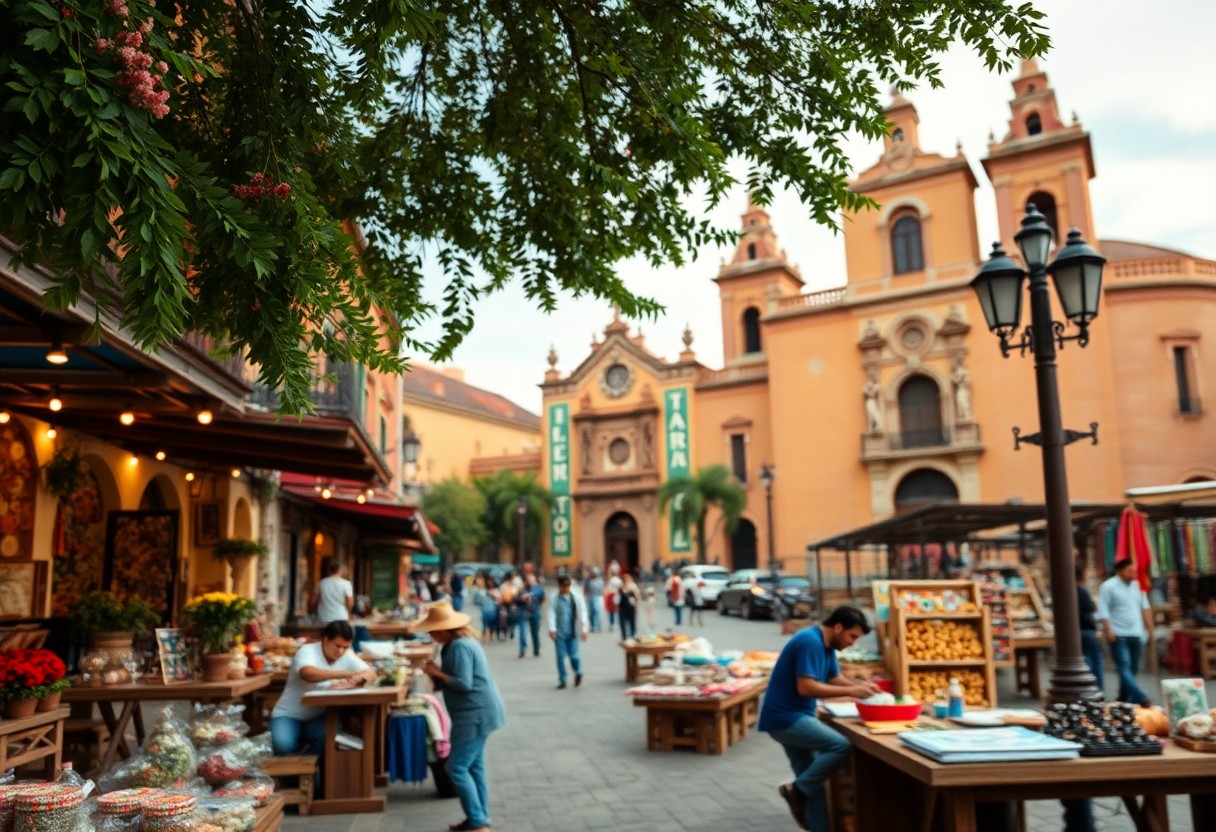
    Essential Travel Tips: What to Know Before Visiting San Miguel de Allende

    Understanding Climate and Weather Considerations for Your Trip to San Miguel de Allende

    Before embarking on your journey to San Miguel de Allende, it’s essential to understand its unique microclimate. Daytime temperatures can soar to 80°F, while nighttime temperatures drop significantly, necessitating layers for comfort. The dry season, spanning from November to April, offers ideal conditions for exploration, but you should pack sunscreen and a light jacket to account for temperature fluctuations. Given that the city sits at an altitude of 6,200 feet, intense sun exposure is a factor, making proper hydration and sun protection crucial for an enjoyable visit. Understanding the weather patterns will allow you to plan your activities appropriately and maximize your enjoyment.

    Travel Logistics and Accessibility: Seamlessly Navigating San Miguel de Allende

    When planning your trip, you will find that San Miguel de Allende requires some strategic travel considerations. León/Querétaro airports serve as your best entry points, with León being slightly closer to the city. Transportation options include shuttle services, taxis, and rental cars; however, navigating the city’s charming cobblestone streets can prove challenging. Walking is often the most enjoyable way to explore the compact historic center, allowing you to fully appreciate the city’s beauty, though you will want to wear comfortable shoes for the best experience.

    The transportation infrastructure within San Miguel de Allende provides multiple options for travelers. Public buses connect key areas affordably, while taxi services are readily available for convenience. If you are comfortable driving, car rentals offer flexibility, but be prepared for narrow streets and limited parking. Many travelers recommend a combination of walking and occasional taxi rides to fully experience the city’s charming layout while minimizing navigation stress, ensuring that you can explore without the hassle.

    Embark on an Unforgettable Journey to San Miguel de Allende

    In summary, San Miguel de Allende offers a captivating blend of colonial charm, artistic vibrancy, and cultural richness that makes it a compelling destination for travelers. You will find yourself immersed in a picturesque town filled with stunning architecture, vibrant art scenes, and warm hospitality. Your adventure is likely to include wandering through colorful streets, indulging in world-class cuisine, and discovering unique galleries and bustling markets. Although it may be slightly touristy and somewhat more expensive than other destinations, the unique atmosphere and genuine Mexican character make San Miguel de Allende a worthwhile visit for those seeking an authentic and inspiring cultural experience. Your journey here promises to be both memorable and enriching, offering insights into the heart of Mexico.

    Frequently Asked Questions about Visiting San Miguel de Allende

    Q: What makes San Miguel de Allende a unique travel destination?

    A: San Miguel de Allende offers an extraordinary blend of colonial architecture, a vibrant arts scene, and rich cultural heritage. The city’s UNESCO World Heritage status highlights its well-preserved Spanish colonial buildings, colorful streets, and stunning baroque-style churches. Artists and expats are drawn to its creative atmosphere, with numerous galleries, workshops, and cultural events that showcase local and international talent. The town’s walkable historic center, adorned with cobblestone streets and beautifully preserved buildings, provides an immersive experience of Mexican history intertwined with contemporary creativity, making it a truly unique place to visit.

    Q: How affordable is traveling to San Miguel de Allende compared to other Mexican destinations?

    A: San Miguel de Allende presents a moderate price point for travelers. While it may be slightly more expensive than some Mexican cities, it offers excellent value with reasonable accommodation prices that range from $30 to $200 per night. Dining experiences vary widely, with local restaurants providing meals for $5-$15, alongside gourmet options from high-end establishments. Transportation costs remain low, as walking is the primary mode of exploration in the compact historic center. In contrast to tourist-heavy destinations like Cancun, San Miguel delivers a more authentic and economically sensible travel experience that caters to a wide range of budgets.

    Q: What are the top activities and experiences for visitors in San Miguel de Allende?

    A: Visitors can partake in a diverse range of activities in San Miguel de Allende. The Parroquia de San Miguel Arcángel, with its stunning pink gothic-style facade, stands as a must-see architectural marvel. Art enthusiasts will appreciate the Instituto Allende and numerous contemporary galleries that showcase local and international artwork. The city also offers exceptional culinary tours, cooking classes, and food markets that highlight traditional Mexican cuisine. Additionally, nearby hot springs, art workshops, live music venues, and vibrant festivals like the San Miguel International Jazz & Blues Festival provide engaging experiences for travelers seeking cultural immersion and entertainment, ensuring that there is always something exciting to discover.

    The Article: Is San Miguel de Allende Worth Visiting? Real Experiences & Honest Opinions appeared first on https://fallinginlovewithsanmiguel.com/

    The Article San Miguel de Allende: Real Experiences and Honest Opinions Was Found On https://limitsofstrategy.com

  • Fun Facts Clifton Park

    Fun Facts Clifton Park

    The Clifton Park Origin Story

    Native Americans who lived along the Hudson and Mohawk Rivers banks were the region’s original residents. Because the Mohicans and Mohawks farmed corn along the Mohawk River plain, the area was known as Canastigione or Corn Plains. Clifton Park and its adjacent village of Halfmoon had a similar history throughout the time of European colonization. European settlers from Albany and Schenectady came north in the mid-16th century and established farms and homesteads in the Clifton Park and Halfmoon areas. Cornelius Claes Vandenbergh, an early pioneer in the area, ran the ferry. Nicholas Fort built a rope ferry over the river in 1727.

    Nanning Vischer, another descendant of the Vischer family, was a captain in the American Revolution and was buried in the Nanning Vischer Cemetery in 1813. Following the conclusion of the French and Indian War in 1763, additional people migrated to Clifton Park and Halfmoon because agriculture looked promising.

    Alexander Macintosh’s tombstone dates from 1807 and is one of the oldest in the cemetery at the former Methodist Episcopal Church site in Grooms. Some refer to it as Macintosh Cemetery. Halfmoon was previously part of Albany County and became a Saratoga County town in 1791. Halfmoon and Clifton Park split in 1828, with Clifton Park retaining the name of the 1708 Clifton Park Property Patent, which was initially issued to early land investors. Clifton Park hosted its first town meeting at Grooms Tavern in 1828.

    The town of Clifton Park continued to grow even after it separated from Halfmoon County. Ephraim Stevens, Clifton Park’s first town manager, operated a hotel in Stevens Corners in the 1820s. The Erie Canal opened in 1825, enhancing trade and improving access to the region and the rest of the globe. The Crescent Aqueduct in Halfmoon and the Rexford Aqueduct in Clifton Park crossed the Mohawk River and extended the Erie Canal 13 miles into Saratoga County. Clifton Park was an agricultural community until the mid-twentieth century. Farming, dairy farms, ice manufacturing, and apple orchards were among the early enterprises of Clifton Park. Along the Mohawk River, there were also sawmills and gristmills.

    Furthermore, churches of various kinds sprung up throughout the region, providing an anchor for families relocating there. The settlements of Clifton Parks have one-room schoolhouses. The Adirondack Northway (I-87) was built in the early 1960s, connecting Clifton Park to Albany and other nearby communities, making it simpler for people of this tiny municipality to travel around. Clifton Park remains a community for all seasons, with a new chapter in its history that includes a thriving business environment and in-town leisure, outdoor fun, apple picking, ice skating, libraries, historic sites, arts, and entertainment!

    General Information About Clifton Park

    Clifton Park, New York has fantastic restaurants, sights, history, and people. Clifton Park has a population of 38,866 people, whereas Saratoga County has a population of 200,635. We wish to help anyone relocating to or residing in Clifton Park understand the city’s dynamics. That is why we have compiled data from various credible sources to help you better understand Clifton Park. Below you’ll find details regarding Clifton Park’s housing situation, demographics, social and educational qualities, and even economic data.

    Clifton Park is located in Saratoga County, which has an area of 843.71 square miles. This county has a population of 200,635 and is rated 273rd in the United States. Clifton Park has a total population of 38,866 people, with 19,046 men and 19,820 women. The male population has an average age of 35.9 years, while the female population has an average age of 37.5 years. There are roughly 2,619 births and 1,402 deaths every year. The racial makeup of Clifton Park’s population changes year to year, but there are now 38,427 individuals of one race and 439 persons of two or more races. Clifton Park has 38,866 people, 10,532 of whom are under the age of 20. Clifton Park’s population aged 20 and under is made up of 5,443 men and 5,089 females.

    You are included in these statistics if you have children or are under the age of 20. Those who are older will be part of the population that is 18 and above, which totals 29,001 people. Clifton Park’s Social Characteristics 54,000 of these households are families. The table below categorizes Clifton Park households into three main groupings. Families with a married pair (43,915), male-headed homes without a wife (2,624), and female-headed households without a husband (2,624) (6,420). Non-family households account for 24,427 of the remaining Clifton Park households. Moving firms in Clifton Park, NY assist clients relocating both locally and abroad.

    For years, the United States has maintained information on the male-to-female ratio in communities around the country, including Clifton Park. This data assists users in analyzing the region in which they reside or intend to relocate. There are 81,618 women age 15 and older in the county where Clifton Park is located; of these women, 17,877 have never been married, 46,732 are presently married, 1,977 are separated, 7,473 are widowed, and 7,559 are divorced. Males aged 15 and above have the following characteristics: N/A never married, N/A married; currently, 1,784 separated, 1,699 widowed, and 5,806 never married. You can discover a wealth of useful information regarding Clifton Park’s sociological aspects listed below. If you are moving to or from Clifton Park and need a storage unit, visit the MovingIdeas.org Clifton Park, NY self-storage or storage guides quotation page.

    About Clifton Park’s Education and School Enrollment

    Students enrolled in school, both private and public, are those who are actively enrolled. Knowing the number of schools in a certain location might help you make judgments about your children’s surroundings and even the job market. The district, which includes Clifton Park, has a total student population of 51,400. There were 14,334 children in childcare facilities and kindergartens and 68,955 in elementary and high schools. There were 10,296 students attending institutions and colleges. The highest degree of education achieved in terms of the highest grade or greatest level of schooling finished is termed educational achievement. Clifton Park has 156,118 employed people aged 16 and up. Management, professional, and related occupations (41,042), service occupations (13,835), sales and office occupations (27,709), agriculture, fishing, and forestry occupations (379), construction, extraction, maintenance, and repair occupations (8,228), and production, transportation, and material moving occupations are among the occupational categories in Clifton Park (11,705). The 156,118 employed people aged 16 and up are classified by employee category. There are 76,463 wage and salary workers in the private sector, 19,578 government employees, and 6,586 self-employed individuals. Clifton Park, NY has 86,701 housing units, of which roughly 78,165 are occupied and 8,536 are empty. Single-family dwellings have stayed remarkably stable over the years, despite changes in housing forms. Clifton Park has 52,537 single-family houses and 1 apartment. Clifton Park has 4,073 single-family dwellings with 1 unit, often known as townhomes or townhouses. There are 525 apartment units available for rent for less than $200, 630 for rent between $200 and $299, 3,625 for rent between $300 and $499, and 15,616 for rent $500 and more.

    Landmark: The Friendship Church

    Vischers Ferry’s Friendship Church was founded in 1802. The congregation from Dutch Village initially crossed the river to worship at the Dutch Reformed Church in Niskayuna. The old church in Amity faced east and stood on the current church’s location. When the settlement outgrew the church in 1871, it was replaced by a bigger, south-facing church with a seating capacity of 350 people. Unfortunately, only 16 years later, the second church was destroyed by fire. The sanctuary was established in 1888 and remains today.

    Landmark: Grooms Tavern

    Since its humble origins as a grocery shop, the historic Grooms Tavern has seen various transformations. The structure, located on the southwest corner of Grooms Road and Sugar Hill Road in Clifton Park, was erected in 1800 by Seely Blotchily and is now leased and maintained by Albany businessman William Snyder. In 1828, James Groom turned the building from a grocery shop to a bar. Groom’s Tavern was formally included in the municipality of Clifton Park in April 1828. Other yearly town council sessions have been held at Grooms Tavern since that initial meeting in 1828. From 1832 to 1835, James Groom was the town clerk, and from 1836 to 1837, he was the town supervisor. When his son Samuel Groom bought the pub, he built a wagon shop and a blacksmith shop on the site. Groom’s Tavern was converted to a shop between the mid-nineteenth and mid-twentieth centuries, although it remained a popular gathering place and was frequently used for town government meetings. Grooms Tavern ultimately found a permanent owner in December 1999 when the Clifton Park Town Council acquired it. Since then, the Municipality has renovated and protected the first level of the building. Grooms Tavern reopened as a historic and cultural attraction on April 14, 2007.

    Landmark: Clifton Park Center

    The Clifton Park Mall, previously Clifton Country Mall, is a huge retail center in Clifton Park, New York. By 2022, the mall will be home to classic retailers such as Boscov’s, JCPenney, and Marshalls HomeGoods. The mall has 72 retailers as well as a food court. Part of the mall’s northern half was turned into a leisure concept in 2006. A standalone lifestyle building was built in August 2009. The former movie theater in and surrounding the mall was demolished in 2011 to make way for a new, considerably larger, state-of-the-art Regal Cinema and a five-story Hilton Garden Inn.

    Landmark: Clifton Knolls-Mill Creek

    Clifton Knolls-Mill Creek is a census-designated place (CDP) in Clifton Park, Saratoga County, New York, USA. It was designated as a CDP before the 2020 census. The neighborhood is situated in southern Saratoga County, southeast of downtown Clifton Park. It is bounded to the north by Clifton Park Center Road, to the east by Moe Road, to the south by Grooms Road, and to the west by Vischer Ferry Road. The Clifton Gardens CDP is bounded on the east by Clifton Knolls-Mill Creek, which may be reached through Moe Road. Clifton Park Center is a hamlet in the northwest portion of the CDP. Clifton Knolls-Mill Creek is located 17 miles north of Albany, 10 miles east of Schenectady, and 19 miles south of Saratoga Springs.

    Nearby Albany

    Albany sits in the Hudson Valley, surrounded by beautiful mountain ranges. The city is located on the west bank of the Hudson River in eastern New York State, approximately 150 miles (240 km) north of New York City and approximately 35 miles (52 km) south of Saratoga Lake.

    Nearby Rexford

    Rexford is a strongly white-collar city, with white-collar occupations employing 90.15% of the working population, much above the national average. Rexford is mostly populated by professionals, managers, salespeople, and office employees. Rexford is unquestionably a city of white-collar professionals.

    Nearby Latham

    Latham, NY is an excellent place to live, work, and play, whether you have recently relocated or are considering doing so. The town has a combination of home-style cooking eateries, companies that pride themselves on being the “greatest place to work,” affluent luxury housing, and activities for people of all ages.

    The post Fun Facts Clifton Park appeared first on https://gqcentral.co.uk