Your cart is currently empty!
Category: Wilderness Skills
-

Fire-Making Skills and Tips for Wilderness Survival
Selecting the Ideal Location for Effective Wilderness Fire-Making
Choosing the optimal location for fire-making in the wild is crucial for ensuring a safe, enjoyable, and efficient outdoor experience. A well-chosen site not only enhances your safety but also deepens your connection with nature, allowing you to appreciate the great outdoors fully. As you start your wilderness journey, take a moment to evaluate both the advantages and potential risks present in your surroundings. Gaining a thorough understanding of the landscape, including terrain features and environmental conditions, is essential for making informed choices that contribute to a successful fire-making endeavor.
Assessing Wind Patterns and Weather Conditions for Fire Safety
The direction and flow of the wind play a pivotal role in ensuring both the safety and effectiveness of your fire. Prior to igniting your fire, take a moment to carefully observe the prevailing wind direction and intensity in your selected area. By positioning your fire downwind from activities such as cooking or socializing, you not only keep smoke away from your eyes but also create a more pleasant atmosphere for everyone in attendance. Additionally, checking weather forecasts is wise; if rain is on the horizon, opt for a location that offers natural shelter to shield your fire from unexpected moisture. Look for natural windbreaks, such as large boulders or clusters of dense trees, which can significantly mitigate airflow around your fire.
On a more technical level, gaining a solid understanding of local weather patterns is invaluable for successful fire-making. Certain areas may experience abrupt weather changes that necessitate having contingency plans ready, such as knowing how to quickly shield or extinguish your fire should conditions worsen. Trust your instincts and prioritize safety over convenience when selecting a fire location; this proactive approach is vital for a rewarding and safe outdoor experience.
Identifying Elevated, Dry Ground to Optimize Fire Efficiency
The performance of your fire is heavily influenced by the quality of the ground beneath it. Elevated, dry areas are optimal choices since they ensure your fire remains lit and is less vulnerable to rain or moisture. When scouting for a suitable spot, look for locations that have not been recently flooded or excessively soaked by rainfall; hilltops and ridges usually serve as excellent choices. Wet ground can absorb heat and moisture, effectively extinguishing your flames before they have a chance to thrive.
Moreover, consider the composition of the surface where you plan to establish your fire. While leaf litter or dry grass can catch fire quickly, they may also burn too fast, leading to an unstable fire. Instead, opt for rocky or sandy surfaces that allow your fire to breathe while providing a stable foundation. As you assess the terrain, watch for natural barriers that can help contain your fire, preventing it from spreading uncontrollably and ensuring a safer and more enjoyable experience for everyone involved.
Establishing a Safe Fire Perimeter for Enhanced Fire Safety
Creating a secure area surrounding your fire is crucial and involves more than just selecting the right ground. One essential step is to remove any flammable materials within a safe distance. This includes clearing away dry leaves, twigs, and other combustible debris that could easily ignite and lead to hazardous situations. Aim for a minimum distance of at least three feet around your fire site to ensure ample space for smoke to disperse and for individuals to gather safely, ultimately reducing the risk of accidental burns or fires.
Additionally, consider the proximity of your fire to nearby structures, trees, or tents. A well-constructed fire should never be within striking distance of overhanging branches or shelters. The key to a successful fire-making experience lies in being proactive about safety; taking these precautions sets the stage for a delightful evening under the stars, free from worries about your fire spreading uncontrollably.
Gathering Essential Materials for Effective Wilderness Fire-Making

No fire can thrive without the appropriate materials, and knowing how to gather these essentials is vital for anyone aiming to master fire-making in the wild. This process begins with securing the smallest components and gradually builds up to larger fuel sources, with each step being critical to achieving a robust fire that can withstand the elements.
Choosing the Best Tinder for Quick Ignition Success
Tinder serves as the spark that ignites your fire, making the selection of suitable materials essential. Optimal options for tinder include dry leaves, grass, or birch bark, as these readily catch sparks and ignite quickly. Birch bark is particularly beneficial due to its natural oils, which facilitate ignition even in damp conditions.
As you gather tinder, focus on ensuring that the materials are completely dry and free from moisture. A simple test is to crumble the leaves or grass; if they break easily, they are suitable for use. Avoid collecting green or damp materials, as these will hinder your fire’s ability to ignite. When in doubt, search for dead plants or fallen tree bark, which often provide excellent sources of tinder.
Another effective strategy is to carry pre-prepared tinder in your gear. For instance, cotton balls dipped in petroleum jelly make excellent fire starters that ignite easily and burn long enough to catch larger kindling, significantly simplifying your fire-making efforts.
Collecting Quality Kindling for a Smooth Transition to Larger Fuel Sources
After securing suitable tinder, the next step is gathering kindling. This consists of small, dry sticks and twigs that help facilitate the transition from tinder to larger logs. As you explore your surroundings, look for dead branches on the ground that can be easily snapped, as these will work effectively as kindling.
When collecting kindling, aim for materials that are approximately the thickness of a pencil. This size enables rapid ignition and burning, providing the necessary heat to ignite larger fuel sources. Layering your kindling in a crisscross pattern can enhance airflow, allowing the flames to grow more robustly as they transition to larger logs.
Remember, variety is vital in this process. Collect kindling of different sizes to create a robust fire structure. Combining thinner twigs with slightly thicker sticks ensures a steady progression in fire strength and longevity, ultimately enhancing your experience of fire-making in the wild.
Locating Suitable Firewood for Sustained Heat and Light
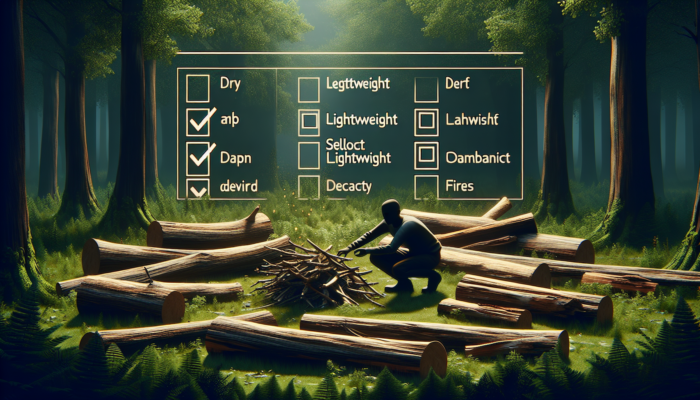
The final step in material gathering involves acquiring firewood. Larger, dry logs are essential for sustaining your fire once it is established. When searching for firewood, focus on downed trees or branches that are not in direct contact with the ground, as these are more likely to be dry.
Select lightweight logs that produce a crisp sound when struck together, indicating they are dry and suitable for burning. Additionally, inspect for signs of rot or dampness; a log that feels heavy or has a spongy texture will yield minimal heat and create excessive smoke, which could ruin your fire-making experience.
As you gather firewood, consider how long you plan to maintain your fire. If you expect to be in the wild for an extended period, collect more firewood than you think you’ll need. Building an abundant supply allows you to maintain a consistent fire that provides warmth and light throughout your time in the wilderness, ensuring a comfortable and enjoyable experience.
Mastering Fire-Starting Techniques for Wilderness Fire-Making Success
Mastering various fire-starting techniques is essential for anyone serious about their fire-making skills. Whether you encounter challenging weather conditions or wish to impress your companions with your abilities, knowing multiple methods ensures you can adapt and succeed in fire-making in the wild.
Using a Reliable Firestarter for Quick and Easy Ignition
The most straightforward and dependable method for fire-making in the wild is utilizing a firestarter, such as a lighter or matches. This technique proves particularly beneficial in wet or windy conditions, where traditional methods might falter. When using a lighter, aim for one that is windproof, especially if you anticipate breezy environments that could complicate your efforts.
An important aspect of using a firestarter is preparing your materials in advance. Ensure your tinder is well-arranged for easy access to flames. Light the tinder and observe as it ignites, sending flames upward to catch the kindling. Always keep a backup firestarter on hand, such as waterproof matches, to ensure you are never caught unprepared in the wilderness.
While firestarters are incredibly convenient, they can also serve as valuable learning tools. Take time to practice different techniques with your firestarter, adjusting how you position the materials until you find the best method for your particular situation. This skill can make or break your fire-making efforts, especially in challenging conditions where every second counts.
Implementing the Flint and Steel Method for Traditional Fire Starting
For those adventurous enough to embrace traditional techniques, the flint and steel method provides a reliable option for fire-making in the wild. By striking flint against steel, you generate sparks capable of igniting your carefully prepared tinder. Understanding the science behind this method can significantly increase your chances of success and enhance your outdoor skills.
When employing this method, ensure your flint is high-quality and your steel is sharp. Proper technique is crucial; strike the flint at a sharp angle to produce the best sparks. Position your tinder close to the point of impact to catch the sparks quickly, resulting in a successful ignition.
This method is particularly advantageous in wet conditions, where matches may fail. The sparks generated by flint and steel can often ignite damp tinder that would otherwise be unresponsive to flame. Practicing this technique not only enhances your survival skills but also adds an element of excitement and challenge to your fire-making experience.
Exploring Friction-Based Fire-Starting Techniques for the Adventurous
While challenging, friction-based fire-starting is a rewarding skill for anyone venturing into the wild. Techniques such as the bow or hand drill require practice and patience, making them ideal skills to learn before facing a survival situation.
The bow drill method involves creating a notch in a flat piece of wood and using a spindle with a bow to generate friction and heat. This process requires precise movements and a consistent rhythm, as the friction generates a small ember that can then be transferred to your tinder for ignition.
When mastering friction-based methods, consider the type of wood used; softer woods often ignite more effectively than harder varieties. Regular practice is essential to develop muscle memory and increase your chances of success. In addition to being a valuable skill, it can serve as an impressive party trick among fellow adventurers, showcasing your resourcefulness and ingenuity.
Building Your Fire for Maximum Efficiency in Wilderness Fire-Making
Successfully constructing your fire is vital for achieving a steady, long-lasting flame. Various fire-building techniques offer unique advantages and can be adapted based on the conditions you encounter. Understanding how to assemble your fire will elevate your fire-making in the wild experience, making it more enjoyable and efficient.
Creating a Teepee Structure for Enhanced Airflow and Flame Growth
The teepee structure is one of the most popular fire-building methods, and for good reason. By arranging kindling in a teepee shape around your tinder, you create ample airflow, encouraging the flames to grow rapidly and efficiently. The open design allows heat to circulate, which is vital for igniting larger logs and sustaining a robust fire.
Begin by placing your tinder in the center, then arrange the kindling around it, leaning the pieces against one another to form a cone shape. Ensure the kindling is not packed too tightly; sufficient airflow is essential for sustaining the fire. As the tinder ignites and embers form, the kindling will catch fire and generate heat, paving the way for larger firewood to ignite.
This structure is particularly effective in dry weather, allowing for a quick start. However, in windy situations, the teepee may require modification to prevent it from collapsing. Consider reinforcing it by using larger logs around the base to stabilize the structure and protect it from being blown over by gusts of wind.
Utilizing the Log Cabin Method for a Stable and Long-Lasting Fire
The log cabin method is an excellent choice for those seeking a stable and enduring fire. Stacking logs in a square, cabin-like formation creates a solid structure that can withstand wind and provide sustained heat. This configuration is ideal for longer camping trips or gatherings around the fire.
To construct a log cabin fire, start with a small tinder base and kindling. Once the tinder is lit, gradually stack larger logs around the kindling in a square shape. Ensure the logs are not tightly packed, allowing airflow to feed the flames. The log cabin design is visually appealing and maintains a steady burn, keeping the fire alive through the night and providing a comforting glow.
As you build your log cabin, consider the size of your logs. Opt for a mix of smaller and larger logs to ensure the fire has a steady fuel source. This method creates a warm and inviting atmosphere, perfect for storytelling and bonding with fellow campers under the stars.
Implementing the Lean-To Configuration for Versatility in Fire Building
The lean-to configuration is a versatile fire-building method, especially useful in windy conditions. By placing a larger log as a windbreak, you can lean smaller sticks against it to create a shelter for your fire. This technique is particularly beneficial for protecting your flames from adverse weather while ensuring adequate airflow for combustion.
To construct a lean-to fire, start with your windbreak log positioned at a 45-degree angle to the prevailing winds. Next, place your tinder and kindling at the base, leaning smaller sticks against the windbreak log. This structure not only shelters the fire from wind but also directs heat towards your gathered fuel, helping to maintain warmth and ensuring a steady burn.
Efficiency is key when utilizing this method. Be mindful of the height of your lean-to; if it’s too short, the flames may not effectively reach the kindling. Adjusting the angle of the windbreak log can also enhance your fire’s performance by optimizing airflow and keeping the fire burning steadily, allowing you to fully enjoy your time outdoors.
Utilizing the Top-Down Fire Lay for Reduced Maintenance and Longer Burn
The top-down fire lay is an innovative method that allows for a longer-lasting burn with reduced maintenance. By starting with larger logs at the bottom and placing smaller logs and kindling on top, you create a fire that ignites from the top down. This approach is particularly effective for seasoned campers seeking a hassle-free fire-making experience.
To build a top-down fire lay, arrange your largest logs in a square shape, followed by a layer of medium-sized logs. Finally, place your tinder and kindling on top, ensuring they can easily catch fire. As the fire burns downwards, it gradually ignites the layers beneath, providing sustained heat and minimal need for constant attention.
This technique is efficient and reduces smoke production, making it ideal for camping in areas sensitive to fire regulations. Embracing this method in your fire-making repertoire will simplify the process and enhance your outdoor adventures, allowing you to focus on enjoying nature rather than constantly tending to the fire.
Implementing Effective Fire Maintenance Techniques for Wilderness Fire-Making
Once your fire is roaring, effective maintenance becomes crucial for ensuring a steady burn and maintaining a safe environment. Understanding how to manage your fire enhances your experience and keeps you and others safe while enjoying the beauty of fire-making in the wild.
Gradually Adding Fuel for a Consistent and Controlled Flame
One key to maintaining a vibrant fire is the gradual addition of fuel. By feeding your fire slowly, you avoid smothering the flames and maintain a steady heat output. Start with smaller logs and only move to larger ones once the fire has established itself and is robust.
Keep a close watch on your fire and assess the amount of heat and light it generates. If the flames begin to wane, carefully add more wood while ensuring proper airflow. Avoid tossing large logs onto the fire all at once, as this can disrupt the flames and lead to a suffocating fire that struggles to thrive. Instead, opt for a measured approach, allowing the fire to grow naturally and maintain its intensity.
In high-wind conditions, adjust your strategy by being more cautious with the amount and type of fuel you add. Larger logs may extinguish flames if added hastily, so remain vigilant and observe the fire’s behavior closely. This proactive approach guarantees a consistent and enjoyable fire experience throughout your camping trip, allowing you to relax and soak in the surrounding beauty.
Adjusting Airflow for Optimal Fire Performance and Longevity
Airflow is a vital component in determining the intensity of your fire. A well-oxygenated fire burns hotter and more efficiently, while a lack of air can result in excessive smoke and weak flames. Adjusting the arrangement of your logs is an effective method for controlling airflow and fire intensity.
If your fire appears sluggish or produces excessive smoke, consider repositioning the logs to create more space for oxygen to enter. This can be achieved by gently shifting the logs or adding strategically placed kindling to create channels for airflow. Conversely, if the fire is burning too hot and rapidly, you can slightly close off airflow by rearranging the logs closer together to maintain a balanced burn.
Learning how to manage airflow effectively will lead to a more enjoyable fire-making experience. This will allow you to fully embrace the beauty of the wilderness while staying warm and safe amidst nature’s wonders.
Prioritizing Fire Safety for a Worry-Free Outdoor Experience
Maintaining a safe fire environment is crucial for all outdoor enthusiasts. Regularly monitoring your fire and surroundings will help prevent it from spreading and ensure it remains contained and manageable.
Always keep a bucket of water or sand nearby to address any unexpected flare-ups promptly. Be vigilant about the direction of the wind and its impact on the fire. If you notice sparks flying or flames licking higher than expected, it may be time to adjust your setup or extinguish the fire entirely to prevent any potential hazards.
Additionally, establish a perimeter around your fire to keep it safe from others. Encourage guests to maintain a safe distance and never leave the fire unattended, especially if children or pets are present. Your commitment to fire safety will ultimately enhance everyone’s experience, allowing you to enjoy the warmth and light of your fire without unnecessary worry or concern.
Properly Extinguishing Your Fire After Wilderness Fire-Making
Properly extinguishing your fire is just as important as igniting and maintaining it. Leaving a fire unattended or failing to completely put it out can lead to wildfires and other hazards that threaten the environment and its inhabitants. Understanding the best techniques for extinguishing your fire ensures that you leave the area as you found it, making it safe for future visitors and preserving the natural beauty of the wilderness.
Implementing Effective Dousing with Water Technique for Complete Fire Extinguishment
Dousing your fire with water is one of the most effective methods for extinguishing a campfire. Pour water over the flames until they are completely extinguished, and then stir the ashes with a stick to ensure no embers remain. This process is crucial, as hidden embers can reignite if left untreated, posing a fire risk.
When pouring water, do so slowly and carefully to avoid creating steam, which can cause burns. Make sure to saturate all materials in the fire pit, as any remaining dry wood can easily reignite, leading to potential hazards.
After extinguishing your fire, it’s essential to inspect the area again to ensure everything is cool to the touch before leaving. Adopting this practice will help prevent potential wildfires and maintain the integrity of the wilderness around you, ensuring a safe and responsible outdoor experience.
Smothering the Fire with Dirt for Rapid Extinguishment
Another effective fire extinguishing technique involves smothering the fire with dirt or sand. This method removes the oxygen supply, ensuring the flames die out completely. This technique is particularly beneficial in areas where water may be scarce or when you want to minimize excess smoke that could affect the surrounding environment.
To use this method, carefully scoop dirt or sand over the fire, completely covering all embers and materials. Ensure the fire is fully covered, as any exposed hotspots can reignite when conditions are favorable, posing a risk to the surrounding area.
Like the water method, after smothering the fire, always check the ashes to confirm they are cool before leaving the site. This additional step is critical in preventing unintentional wildfires and demonstrates respect for the environment and its preservation.
Conducting a Heat Check After Extinguishing the Fire for Safety Assurance
After extinguishing your fire, checking for residual heat is essential to ensure it is completely out. Carefully touch the ashes with your fingers; if they feel warm, the fire might not be fully extinguished and could reignite if left unattended.
Continue to douse or smother any remaining heat until everything is cool. This final check ensures that the fire does not reignite, prioritizing safety for the environment and future visitors who may use the same area.
Always remember, taking these precautions not only protects the wilderness but enhances your experience, allowing you to leave without the worry of any lingering embers that could threaten the natural surroundings.
Utilizing a Fire Extinguisher for Added Fire Safety and Peace of Mind
While less common in outdoor settings, having a fire extinguisher on hand can be incredibly beneficial, especially in high-risk areas or during dry seasons when fire dangers are elevated. To use a fire extinguisher effectively, aim the nozzle at the base of the fire and squeeze the handle. Sweep the nozzle from side to side until the flames are completely extinguished, ensuring thorough coverage.
This method provides an added layer of safety and assurance, particularly when camping with groups or in areas where fire safety regulations are stringent. Familiarity with your fire extinguisher and practicing its use can prepare you for unexpected situations that may arise during your outdoor adventures.
In summary, while fire-making is a cherished skill in the wild, it also comes with responsibility. Ensuring your fire is safely extinguished protects the environment and your fellow adventurers, allowing everyone to enjoy the beauty of nature without fear of fire-related hazards.
Environmental Considerations for Responsible Fire-Making in the Wilderness
While fire-making in the wild offers profound enjoyment, it is equally vital to consider the environmental impact of your activities. Responsible fire-making techniques help ensure that the wilderness remains pristine and enjoyable for future generations, promoting a sustainable outdoor culture.
Minimizing Your Environmental Footprint During Fire-Making Activities
Selecting a fire site that minimizes environmental damage is paramount to responsible outdoor ethics. Whenever possible, utilize existing fire rings or established fire pits to reduce impact on the surrounding flora and fauna, thereby preserving the natural landscape for future visitors.
When choosing a location, consider sensitive ecosystems and avoid areas abundant with wildlife or rare plants. Designating a sustainable fire site helps preserve natural habitats and ensures that your fire-making activities align with Leave No Trace principles, contributing to the conservation of nature.
Additionally, consider the materials you use for your fire. Whenever feasible, opt for firewood sourced from dead and downed timber rather than cutting down live trees. This practice maintains the integrity of the ecosystem while providing ample fuel for your fire, ensuring that your outdoor activities have a minimal ecological footprint.
Respecting Local Fire Regulations and Guidelines for Safety and Compliance
Fire regulations vary widely depending on where you are camping, making it crucial to research local laws and guidelines before lighting a fire. Many national parks and forests have specific regulations to safeguard against wildfires and protect the delicate balance of wildlife and vegetation.
Understanding fire restrictions may involve checking weather conditions or obtaining necessary permits in certain areas. Respecting these regulations not only helps you avoid fines but also contributes to preserving the natural environment and the safety of all visitors.
Always stay informed of fire bans or restrictions, particularly during dry seasons when fire risks are elevated. Your commitment to adhering to these guidelines ensures that you enjoy a safe and responsible fire-making experience while minimizing the potential for environmental harm.
Practicing Proper Waste Disposal for Environmental Stewardship and Cleanliness
Proper waste disposal plays a critical role in maintaining the beauty of our wilderness areas. When camping, ensure you pack out all trash and leftover materials, including food scraps and non-biodegradable items. This commitment to cleanliness preserves the landscape’s natural beauty and protects wildlife from harmful interactions with human waste.
Utilizing designated bins when available and adhering to Leave No Trace principles helps protect wildlife and ensures a clean environment for future visitors. Ensure that any remnants of your fire are also disposed of correctly, removing any unburned materials or ashes from your campsite to leave the area as you found it.
Taking these steps contributes to preserving nature, allowing others to enjoy the beauty of wild spaces without the burden of litter or environmental degradation. Committing to responsible practices enhances your outdoor adventures while respecting the delicate balance of nature and its ecosystems.
Frequently Asked Questions About Wilderness Fire-Making Techniques and Safety
What is the best method to start a fire in wet conditions?
The most effective way to start a fire in wet conditions is to use a firestarter, such as waterproof matches or a reliable lighter, along with dry tinder like birch bark. This combination ensures a successful ignition.
How can I tell if wood is dry enough to burn?
Dry wood will produce a hollow sound when struck together and feel light in weight. If it is damp or feels heavy, it likely won’t burn effectively, making it unsuitable for your fire.
What is the safest method to extinguish a fire?
The safest way to extinguish a fire is to douse it with water until it is completely out, stirring the ashes to ensure that no embers remain, thereby preventing potential hazards.
Is it advisable to use green wood for fire-making?
Green wood is not recommended as it contains moisture that hinders combustion and produces excessive smoke. Always opt for dry wood to ensure effective burning and a cleaner fire.
How do I build a fire in windy conditions?
To build a fire in windy conditions, utilize a lean-to configuration for wind protection and arrange your kindling to allow for good airflow. This will enhance your fire’s stability and performance.
What materials are best suited for tinder?
Dry leaves, grass, and birch bark are ideal tinder materials. These options catch sparks easily and ignite quickly, making them excellent choices for starting a fire.
How far away should I set up my fire from my tent?
Setting up your fire at least 10 feet away from your tent is recommended to prevent heat damage and reduce the risk of fire spreading, ensuring a safe camping experience.
Is it necessary to check with local regulations before making a fire?
Yes, always check local regulations regarding fire-making. Many areas have specific rules or bans in place to prevent wildfires, protect wildlife, and ensure responsible outdoor behavior.
What should I do if my fire starts to spread?
If your fire starts to spread, immediately douse it with water or smother it with dirt, and use a shovel or stick to break apart the burning materials to prevent further spread and ensure safety.
Can I leave my fire unattended for a short while?
It is not advisable to leave your fire unattended at any time. Always ensure it is fully extinguished before stepping away, prioritizing safety for yourself and others in the area.
Explore our world on X!
The post Fire-Making in the Wild: Essential Skills and Tips appeared first on Survival Bite.
The Article Essential Skills and Tips for Fire-Making in the Wild Was Found On https://limitsofstrategy.com
-
Unleashing the Power of Snow for Wilderness Survival
Snow Survival
Nothing is more difficult to survive in extreme conditions than harsh winter surroundings. On the other hand, nature provides a magnificent solution concealed in plain sight: snow. In this blog post, we’ll look at the great advantages of snow for survivalists. Snow might be your most beneficial ally in the frozen wilderness, from emergency shelter construction and water sourcing to navigation tactics and food preparation.
Building Emergency Shelters: Harnessing the Power of Snow
Snow’s tremendous potential as a building material becomes clear in the face of unexpected blizzards or chilly nights. This simple white, powdered substance can be transformed into a vital resource for building emergency shelters. The idea is to use snow’s unique qualities as a natural insulator, capable of keeping warm air within its crystalline structure while warding off the stinging cold.
The building of snow caves is an ingenious approach to utilizing snow for emergency shelter. Individuals can carve a protective alcove into a snowbank to take advantage of the insulating characteristics of the surrounding snow. Similarly, the classic igloo serves as a functional snow-based shelter. Its domed construction, made of compacted snow blocks, provides a cozy haven and protects people from the elements.
Snow trenches provide a potential alternative for those looking for a less traditional approach. Individuals can dig into the snow to make long, narrow shelters that serve as windbreaks and insulate against the biting cold. Snow’s versatility as a building material provides for adaptation to many terrains and weather situations.
Snow’s strength in building emergency shelters stems from its dual role as a raw resource and a natural insulator. Individuals can quickly and resourcefully create protective structures that stand robust against nature’s cruel forces by mastering techniques such as snow caves, igloos, or snow trenches.
Natures Frozen Water Source for Survival
Nature gives an unexpected ally in the form of snow in the brutal embrace of cold weather when the quest for a reliable water supply becomes a hard battle. Beyond its lovely white blanket, snow reveals itself as an essential frozen reserve that can be used for survival. Individuals confronted with frozen environments can turn to snow as a practical answer because they recognize the importance of life that water represents.
The process is deceptively simple but profound: gathering and melting fresh snow. In situations where drinking water is limited, this natural source of hydration provides a lifeline. The trick is to handle the snow with care, ensuring that the resulting liquid is free of impurities that could endanger health. Although snow appears immaculate, it can harbor pollutants, necessitating a thorough filtration and purifying process.
Snow must be packed into a container and heated before consumption. This one gesture begins a revolutionary journey, transforming frozen crystals into life-sustaining water. However, the melting process is only the beginning. Using filtration and purification procedures to protect against potential risks such as waterborne infections is critical. This two-step process recognizes the inherent purity of snow and assures that the resulting water is safe to drink.
Snow becomes more than a scenic feature in the hands of competent humans confronted with the hardships of frigid environments; it grows into a dynamic source of survival. Gathering, melting, and purifying snow is a simple yet significant act that can reveal a liquid lifeline that resists the harshness of the winter. The conversion of nature’s frozen water into a dependable source of clean hydration demonstrates human resilience and resourcefulness in the face of harsh conditions.
Frostbite Prevention: Utilizing Snow to Keep Warm
The fear of frostbite looms large for those facing the weather. Surviving in harsh cold necessitates ingenuity, and one such approach involves relying on the very element that blankets the terrain – snow. Using snow as a natural insulator for exposed body parts is an excellent and surprisingly simple way to avoid frostbite.
Frostbite occurs when the skin and underlying tissues freeze as a result of prolonged exposure to cold temperatures, resulting in blood vessel constriction and potential tissue damage. Preventing this chilling outcome becomes critical, and snow appears as an adaptable ally in the fight against the bitter cold. The method is simple: use snow to build a protective covering around susceptible body parts like hands and feet.
By stuffing gloves, socks, or any other accessible fabric with snow, you can create makeshift insulation. This strategy takes advantage of snow’s insulating characteristics, which trap air within its crystalline structure, producing a barrier against freezing temperatures. The snow-packed fabric conforms to the body’s curves, forming a snug and safe cocoon that effectively retains body heat.
The beauty of this approach is its ease of use and speed. Readily available snow becomes a vital resource in chilly climates with limited traditional heating options. The insulating effect of snow-filled clothes aids in the maintenance of a critical balance between the body’s heat production and the relentless cold, considerably lowering the risk of frostbite.
This technique also emphasizes the significance of adaptability in survival situations. Nature supplies resilient tools, and the capacity to reuse snow as a protective layer demonstrates the creativity inherent in human survival instincts. In the face of extreme cold, a handful of snow transforms from a frozen landscape element to an active instrument in the fight against frostbite.
Creating a Cozy Winter Shelter
Following the successful construction of your emergency shelter in the harsh winter terrain, the next crucial stage is to master the art of snow insulation. Effective insulation is critical for survival, and snow, which is frequently viewed as only an exterior element, emerges as a versatile ally in keeping a warm and secure shelter.
The insulating characteristics of snow are due to its particular composition. Snow acts as a natural thermal barrier due to the numerous air pockets trapped inside its crystalline structure. Cover the walls and roof of your shelter with a thick coating of snow to maximize insulation. This snow-covered surface functions as a powerful screen, preventing heat loss from within and, as a result, creating a cozy haven from the bitter cold outside.
The positioning of snow around your shelter serves two purposes. It not only provides insulation but also strengthens the structural integrity of your improvised home. The weight of the snow works as a stabilizing force, anchoring the shelter against anticipated wind gusts or other environmental problems. This symbiotic interaction between snow’s insulating and stabilizing characteristics helps to the shelter’s overall robustness.
However, while enjoying the protective qualities of snow, exercise caution. Adequate ventilation is critical to preventing carbon dioxide buildup within the shelter. While snow provides insulation, a closed environment with little airflow can cause respiratory problems. Create purposeful apertures or vents in your shelter to allow for a controlled flow of air while retaining the insulating benefits of the surrounding snow.
Navigating the Frozen Terrain
In the vast, snow-covered wilderness, navigation may quickly become daunting, converting the tranquil environment into a possible maze of confusion and danger. Snow may go from a simple covering to a helpful compass, leading survivalists through the frozen environment with the correct abilities. The goal is to recognize and evaluate snow’s tiny but informative characteristics.
The unique patterns of drifts are one of the major elements to utilize in snow navigation. Wind bends these drifts in predictable ways, creating slopes and patterns that can be used to determine direction. Observing the angle and shape of these drifts provides significant information about the prevailing wind directions, which aids with orienting. This expertise is especially important in wide, featureless stretches when icy terrain may conceal traditional landmarks.
Frozen streams and bodies of water provide yet another navigational hint. The freezing process can disclose the direction of the water flow, assisting in orientation. Furthermore, the thickness and quality of the ice can provide information about the overall temperature and associated environmental hazards. A frozen stream can serve as more than just a scenic feature; it can also serve as a navigational tool, showing the direction and state of the landscape.
Animal tracks in the snow provide a dynamic map of wildlife migration. Deciphering these traces allows one to discover potential sources of water, find refuge, and even predict the arrival of predators. Animals that have adapted to their circumstances will take the path of least resistance, providing subtle but vital guidance to human navigators.
Learning to read the snow requires scientific observation as well as an intimate awareness of the natural world. It is about understanding not only the physical features of snow but also the narrative it conveys about the environment. The snow transforms into a living medium, catching the history of wind, water, and wildlife and translating it into a guide for people traveling the frozen environment.
Survival Food: Unleashing the Potential of Snow Cuisine
The resourceful survivalist uncovers a hidden gourmet world in the seemingly barren stretches of snow-covered terrain, where snow becomes more than just a frozen canvas; it becomes a versatile component in the art of snow cuisine. The apparent desolation transforms into a bountiful abundance for those who understand how to utilize the potential of snow for nutrition.
Making snow soups is an amazing approach to using snow in survival food. While it may seem strange, snow may be used to make a healthy soup. Melting it over a heat source produces a basic yet effective liquid that can be supplemented with other components if they are available. The controlled melting of snow provides a safe source of drinking water, addressing both hydration and nutritional demands.
Snow’s importance extends beyond liquid sustenance to food storage. The use of packed snow to build containers provides a natural and insulated environment for storing food, plants and animals. These snow containers function as improvised refrigerators, utilizing the insulating characteristics of snow to maintain a steady temperature that aids in spoiling prevention. This method is especially useful in situations where traditional refrigeration is not an option.
When combined with the usage of snow, the landscape itself can provide gastronomic delights. Snow can be a useful foraging tool since it reveals hidden plants and vegetation that would otherwise be obscured. By carefully accumulating snow around these natural delicacies, a protective layer against the cold is created, providing a temporary storage solution and extending the availability of food supplies.
Snow can be used as a culinary utensil for cooking in addition to its significance in food preparation and preservation. Making snow ovens or steamers enables the preparation of a greater variety of meals, increasing the diversity and nutritional value of a survivalist’s diet. The regulated application of heat to snow enables culinary procedures that respond to environmental constraints.
Snow Tools: Crafting Essential Implements for Your Survival Kit
Snow’s utility goes beyond insulation and shelter construction; with a little initiative and resourcefulness, it can be transformed into a diverse medium for making important survival equipment. Snow becomes the raw material for a variety of implements that can be crucial in navigating and living in the harsh winter wilderness in the hands of an experienced survivalist.
The makeshift snow shovel is one of the most basic yet important snow equipment. Making a shovel out of compacted snow enables efficient snow removal, whether for shelter construction, clearing walkways, or digging snow caves. A snow shovel built from its surroundings is lightweight and portable, making it a useful addition to a survival toolkit.
Cutting tools are necessary for survival, and snow can be fashioned into makeshift knives and blades. A survivalist can construct cutting implements suitable for numerous activities such as carving wood, processing food, or even fashioning other tools from accessible materials by compacting and shaping snow into a sharp edge.
Snow’s malleability allows for the building of containers, which can be used to transport and store goods. Snow bowls and cups serve as temporary vessels for collecting and ingesting liquids, providing a practical option in the lack of typical containers. These homemade vessels show the adaptation needed for survival in harsh conditions.
Furthermore, snow can be turned into snowshoes, a clever adaption for deep snow travel. A survivalist can make temporary snowshoes by shaping and compacting snow beneath boots. This distributes weight more evenly, minimizing sinking and allowing for easier movement. While not as durable as regular snowshoes, these improvised versions can be quite useful for conserving energy and navigating difficult terrain.
Though these makeshift snow tools lack the durability of their conventional equivalents, their value resides in their versatility and immediacy. The capacity to create critical instruments from the surrounding environment can be a game changer in desperate conditions. Armed with the skills of shaping snow into functional tools, the ingenious survivalist transforms an apparently harsh winter scene into a workshop of possibilities, illustrating that even the most basic components can become crucial assets in the battle for survival.
The White Canvas: Using Snow for Signaling and Communication
Effective communication can be the crux of survival in a cold environment’s vast and sometimes solitary expanses. Snow emerges as a unique and invaluable medium for signaling one’s presence to possible rescuers or fellow survivors in such instances. The seemingly monotonous white canvas of snow transforms into a flexible instrument for transmitting messages, marking trails, and increasing visibility in the winter landscape.
Carving huge symbols or characters in the snow is a tried-and-true means of producing visible signals. This method enables survivors to communicate signals or indicators that may be seen from a distance, allowing for communication without the use of spoken words. The juxtaposition of dark symbols against the white snow makes a visually spectacular and attention-grabbing message, whether it’s an SOS, an arrow pointing towards safety, or other universally recognized symbols.
Crafting snowman sentinels provides a second purpose by taking snow signaling to a more imaginative level. These snow sculptures not only break up the monotony of the environment but also serve as three-dimensional landmarks. Survivors can establish visible landmarks that serve as aids for navigation by strategically putting them in patterns or along vital pathways. Snowmen’s human-like appearance attracts attention and curiosity, making them effective markers on open snow-covered terrains.
To improve visibility, contrast materials can be used. Survivors can construct visible marks or signals by strategically arranging objects of a different color against the white backdrop, such as clothing or equipment. This strategy takes advantage of the dramatic contrast between the brilliant color and the white surroundings, making the signals more visible and increasing the likelihood that they will be detected.
Footprints in the snow provide an additional form of communication. Survivors can convey directional information or identify their presence in an area by purposefully leaving trails or patterns. This kind of communication benefits search and rescue efforts by allowing potential rescuers to follow the track left in the snow.
Essential Tips for Surviving Avalanche-Prone Areas
While snow provides various survival benefits, it is critical to recognize and respect its potential hazards, especially in avalanche-prone places. Navigating these terrains necessitates a thorough awareness of snow safety procedures, including the ability to recognize warning signs, take essential safeguards, and master suitable rescue tactics. Survival in these situations is dependent not only on maximizing the benefits of snow but also on mitigating the threats it offers.
The capacity to recognize warning indicators that precede an avalanche is a vital part of snow safety. Weather conditions, recent snowfall, wind patterns, and slope angle can all contribute considerably to the chance of an avalanche. Cracks or settling sounds in the snowpack, known as “whumpfing,” are another sign that the snowpack is unstable. Educating oneself about these warning indicators becomes a necessary survival skill, allowing individuals to make informed decisions about their routes and activities in avalanche-prone locations.
Preventive actions are very important in snow safety. Traveling with adequate equipment, such as an avalanche transceiver, probe, and shovel, is critical. Practicing rescue scenarios and learning how to utilize this equipment efficiently improves preparation. Additionally, traveling with a buddy with similar experience and equipment adds an extra layer of safety, as a quick and efficient response in the case of an avalanche is critical.
Understanding the terrain is critical. Choosing lower-avalanche-risk routes, avoiding steep slopes, and avoiding locations prone to wind loading can all help to lessen the possibility of initiating an avalanche. Checking avalanche forecasts and actual weather conditions on a regular basis gives useful information for planning safe excursions in snow-covered regions.
Knowing adequate rescue tactics can be lifesaving in the unfortunate event of an avalanche. In avalanche rescues, time is of importance, and quick intervention boosts the likelihood of survival. Individuals caught in an avalanche should use their avalanche airbags (if they have one) and swim to keep near the surface. Survivors must then concentrate on establishing an air pocket around their faces by covering them with their hands, allowing them to breathe while waiting for help.
The post Unleashing the Power of Snow for Wilderness Survival appeared first on Survivalbite.
The post Unleashing the Power of Snow for Wilderness Survival appeared first on https://gqcentral.co.uk
The Article Unleashing the Power of Snow for Wilderness Survival First Appeared ON
: https://ad4sc.com