Your cart is currently empty!
Category: Search Engine
-

E-Commerce SEO Guide: Your Complete FAQ Resource
Maximize Your E-Commerce SEO Potential with Strategic FAQs
Enhance User Experience on Your E-Commerce Platform
Implementing effective FAQs is essential for significantly improving the overall user experience on e-commerce platforms. By offering immediate access to critical information, FAQs streamline navigation and greatly enhance user satisfaction. When customers can effortlessly find answers to their questions, the likelihood of abandoning their shopping journey diminishes dramatically. Below are some key advantages that FAQs provide in creating an enhanced user experience for e-commerce websites:
- Improved navigation results in a lower bounce rate.
- Instant answers eliminate frustration and encourage higher user satisfaction.
- Users are likely to spend additional time on the site, boosting overall engagement.
- Increased conversion rates due to diminished uncertainty.
- Less reliance on customer support channels.
- Transparent communication of policies fosters trust.
- Streamlined access to product information aids in decision-making.
- Encourages repeat visits and cultivates customer loyalty.
By strategically integrating FAQs into their digital ecosystem, e-commerce businesses can establish a more user-centric environment where shoppers can easily navigate and find exactly what they need. This enhanced experience not only increases customer satisfaction but also drives sales and encourages loyal patronage.
Boost Your Search Engine Rankings with Optimized FAQs
Well-optimized FAQs play a critical role in improving a website’s visibility across search engines. By effectively targeting specific keywords, FAQs can become a vital component of an e-commerce SEO strategy. For example, instead of simply addressing “dog food,” an FAQ could ask, “What are the best dog foods for sensitive stomachs?” This targeted question caters to a specific consumer need while enhancing SEO outcomes.
Furthermore, FAQs can be enhanced with schema markup, which assists search engines in comprehensively understanding the content and presenting it in rich snippets. This optimization can significantly improve click-through rates on search engine results pages (SERPs). Effective keyword integration in FAQs should include:
- Using commonly searched phrases that relate to products.
- Crafting questions that resonate with prevalent customer inquiries.
- Incorporating geographic modifiers to enhance local SEO.
- Adding synonyms and related terms to widen the reach.
By meticulously integrating keywords and utilizing optimization techniques, e-commerce FAQs can significantly boost search engine rankings, attracting a larger audience to the website.
Identifying Common Customer Inquiries for Your FAQs
FAQs serve as an invaluable tool for addressing frequent customer inquiries, thus enhancing the efficiency of customer service operations. By proactively answering common questions, e-commerce businesses can drastically reduce the number of direct customer support requests. For instance, inquiries regarding shipping policies, return procedures, and product specifications can be effectively included in an FAQ section, empowering customers to find answers independently without the need for support personnel.
This proactive approach not only saves time for both customers and the support team but also enriches the overall shopping experience. By reducing the time customers spend searching for answers, businesses can minimize friction during the purchasing process. Additionally, FAQs help build trust and reliability by providing clear, concise, and accurate information that customers can rely on.
Easy access to this information means customers are less likely to contact support for routine inquiries, significantly reducing the workload on customer service representatives. This allows support teams to focus on more complex issues while simultaneously enhancing customer satisfaction.
Proven Strategies for Crafting Impactful E-Commerce FAQs That Enhance SEO
Learn from Successful Real-World FAQ Implementations
Analyzing successful case studies can provide valuable insights into how e-commerce sites effectively leverage FAQs to bolster SEO and user engagement. A notable example is an online clothing retailer that created FAQs specifically addressing common sizing questions. By organizing their FAQs around particular user inquiries, they achieved a remarkable 30% increase in organic traffic within just three months.
Key lessons from such examples include:
- Focus on user intent by crafting specific, relevant questions.
- Regularly update FAQs to reflect evolving customer inquiries.
- Utilize analytics to identify trending search terms related to products.
- Incorporate customer feedback to refine FAQ content.
Another case study features a tech gadget e-commerce site that developed comprehensive FAQs covering product specifications and troubleshooting. This initiative not only led to a 40% reduction in customer support requests but also increased users’ on-site time, positively impacting search rankings. These examples underscore the significant influence that well-structured FAQs can have on both SEO and user engagement.
Step-by-Step Guide to Crafting SEO-Friendly FAQs
Creating informative, search-engine-optimized FAQs requires a systematic and thoughtful approach. Here are actionable steps to consider:
1. Conduct Comprehensive Keyword Research: Start by identifying relevant keywords that potential customers might use when searching for products. This includes long-tail keywords, questions, and niche-specific phrases.
2. Organize Your FAQs Logically: Structure your FAQs in a coherent manner. Begin with common questions and utilize clear, concise language. Consider categorizing FAQs by product type or customer concern to facilitate easier navigation.
3. Create Engaging Questions and Answers: Ensure that each FAQ directly addresses the user’s inquiry. Use a friendly, conversational tone while seamlessly incorporating targeted keywords.
4. Optimize for SEO: Implement structured data (schema markup) to help search engines better understand your FAQ content. This can enhance visibility in search results.
5. Regularly Update Your FAQs: Treat FAQs as living documents. Periodically review and refresh them based on new products, customer feedback, and evolving industry trends.
By following these steps, e-commerce businesses can ensure their FAQs not only cater to customer needs but also significantly contribute to strengthening their overall SEO strategy.
Expert Tips on Optimal FAQ Placement and Design

The placement and design of FAQs on an e-commerce site significantly impact their SEO effectiveness and user engagement. Best practices for FAQ placement include:
1. Strategic Placement on Landing Pages: Position FAQs on relevant product pages or landing pages for easy access. This allows customers to discover answers while browsing specific products.
2. Create a Dedicated FAQ Section: Establish a dedicated FAQ section linked in the main menu for straightforward navigation. This section should be well-organized and categorized for efficient information retrieval.
3. Incorporate Search Functionality: Allow users to search FAQs for specific queries. This feature greatly reduces the time users spend searching for information, thereby enhancing their overall experience.
4. Responsive Design: Ensure that FAQs are mobile-friendly. Given the increasing number of users shopping via mobile devices, a responsive design improves accessibility and user satisfaction.
5. Utilize Visual Elements: Use headings, bullet points, and collapsible sections to make FAQs visually appealing and easy to navigate. This strategy helps break information into manageable pieces.
By thoroughly evaluating these placements and design elements, e-commerce sites can maximize the effectiveness of their FAQs, enhancing the user experience and improving SEO metrics.
Evaluating the Impact of FAQs on User Experience and SEO Results
Well-crafted FAQs can dramatically enhance user experience while positively influencing critical SEO metrics. When users can quickly find the information they seek, their overall satisfaction improves, leading to longer dwell times on the site. Increased dwell time signals to search engines that the content is relevant and valuable, thereby contributing positively to search rankings.
Moreover, FAQs can help reduce bounce rates. When users can easily locate answers to their questions, they are more inclined to explore other areas of the site, which directly benefits SEO performance. For instance, a customer finding answers to common shipping questions in a FAQ section is more likely to complete a purchase, thus minimizing the risk of cart abandonment.
Furthermore, well-structured FAQs can enhance site authority. By providing clear and accurate information, businesses can position themselves as experts in their field, thereby further enhancing their reputation and search rankings. The link between user experience and SEO metrics underscores the vital role that FAQs play in the success of e-commerce sites.
Enhancing Navigation on E-Commerce Sites with FAQs
Simplifying Product Discovery for Customers
FAQs greatly simplify product discovery for users navigating an e-commerce website. By addressing common questions about product categories and features, FAQs can effectively guide users to the appropriate products. For instance, an electronics retailer might feature FAQs that explain the differences among various laptop types, enabling users to make informed purchasing decisions.
Specific FAQs that enhance product discovery may include:
- What are the differences between types of wireless headphones?
- How do I select the right size of running shoes?
- What features should I consider when purchasing a smartphone?
- Which kitchen appliances are best suited for small spaces?
By providing clear, categorized answers to common questions, e-commerce sites can improve the shopping experience, leading to increased conversion rates. Structuring FAQs by product category allows users to navigate complex inventories effortlessly, directing them toward their desired purchases.
Streamlining the Online Shopping Process with Effective FAQs
FAQs play a crucial role in simplifying the online shopping process by addressing common issues and questions that arise during the purchasing journey. When potential buyers have their queries answered proactively, it enhances their overall experience and decreases the likelihood of cart abandonment. For instance, FAQs that cover payment options, delivery times, and return policies can clear up uncertainties that might otherwise lead to hesitation or cart abandonment.
By implementing FAQs that address frequent concerns, e-commerce sites can create a smoother shopping experience. Including questions such as “What is the estimated delivery time for my order?” or “What is your return policy?” provides customers with immediate access to vital information. This transparency builds trust and confidence, essential elements for successful online transactions.
Moreover, FAQs can address issues that often lead to cart abandonment, such as unexpected shipping costs or unclear return procedures. By proactively tackling these common pain points, e-commerce sites can enhance conversion rates and improve overall user satisfaction.
Best Practices for Structuring FAQs for Optimal Efficiency
<pOrganizing FAQs logically is crucial for helping users quickly and efficiently find information. A well-structured FAQ section can significantly enhance the user experience by simplifying navigation and enabling users to locate answers with ease. Here are some best practices for organizing FAQs:
1. Categorization: Group FAQs into relevant categories based on themes or topics. For example, create separate sections for shipping, returns, and product information to help users find what they need without wading through unrelated questions.
2. Search Functionality: Implement a search bar within the FAQ section to allow users to enter specific queries. This feature can save time and enhance user satisfaction by providing immediate answers.
3. Highlight Popular Questions: Position the most frequently asked questions at the top of each category. This ensures users can quickly find the answers they are most likely seeking.
4. Clear and Intuitive Layout: Utilize headings, bold text, and bullet points to enhance readability. A clear design helps users quickly scan questions and locate the information they require.
By adhering to these organizational best practices, e-commerce businesses can develop a user-friendly FAQ section that enhances navigation and improves overall customer satisfaction.
Building Trust and Confidence Through Thoughtfully Crafted FAQs
FAQs play a vital role in developing user trust and confidence in an e-commerce site. By offering clear, accurate answers to common concerns, businesses reassure customers, making them feel more at ease in their purchasing decisions. This transparency is crucial in the online shopping environment, where customers often have reservations around product quality, delivery times, and return policies.
When FAQs address common issues, such as warranty information or customer service contact details, they instill a sense of reliability. For example, a comprehensive FAQ section that outlines the return process and specifies customer rights can alleviate fears regarding online purchases. This enhances user confidence, as customers feel informed and secure in their transactions.
Furthermore, FAQs can demonstrate a company’s commitment to customer service. A robust FAQ section signifies to users that the business values transparency and proactively addresses customer inquiries. This trust can lead to increased customer loyalty, repeat purchases, and positive word-of-mouth referrals.
Research-Backed Benefits of Developing E-Commerce FAQs for SEO
How FAQs Can Drive Organic Traffic to E-Commerce Sites
Research indicates that well-optimized FAQs can significantly enhance organic traffic to e-commerce platforms. By targeting specific keywords and delivering relevant content, FAQs can attract search engine traffic that might otherwise go to competitors. Studies have shown that e-commerce sites featuring dedicated FAQ pages experienced a 25% increase in organic search traffic within six months.
This traffic surge is attributed to the fact that FAQs frequently align closely with user search intent. When potential customers enter specific product-related questions, well-crafted FAQs can appear in search results, creating a direct pathway to the site. Thus, optimizing FAQs is not merely an enhancement; it is a strategic approach to capturing valuable traffic.
Additionally, FAQs can help retain visitors actively seeking immediate information. Instead of leaving the site to search for answers elsewhere, users are more likely to stay and explore additional offerings if they encounter pertinent FAQs. This retention effect can also bolster organic traffic by increasing user engagement and decreasing bounce rates.
The Role of FAQs in Enhancing User Retention
FAQs are crucial for user retention as they provide immediate answers to customer inquiries, thereby enhancing their overall experience on e-commerce platforms. When users can quickly find the information they require, they are less likely to abandon their shopping journey. This access fosters a positive relationship between the customer and the brand, encouraging them to return for future purchases.
For instance, an online subscription service with a comprehensive FAQ section detailing billing cycles and account management is more likely to retain users. By proactively addressing these concerns, the service prevents frustration and builds user confidence. The more satisfied customers are with their experience, the more likely they are to become repeat buyers.
User retention is further supported by FAQs that clarify frequently misunderstood policies, such as returns or cancellations. Clear guidelines can alleviate customer anxiety and encourage them to make purchases without fearing hidden complications.
Strengthening Site Authority Through Quality FAQs
High-quality FAQs can significantly enhance a site’s authority within its niche, which in turn boosts SEO rankings. When an e-commerce site consistently provides clear, accurate, and relevant information through its FAQs, it establishes itself as a credible source. This authority can lead to increased backlinks from other reputable sites, further enhancing its visibility in search engine results.
Creating authoritative FAQs requires thorough research and a deep understanding of common customer inquiries. By thoroughly addressing these questions, e-commerce businesses can position themselves as leaders in their industry. For example, a beauty products retailer that provides detailed insights on ingredient sourcing and product efficacy can cultivate trust with consumers, enhancing its authority in a competitive marketplace.
Moreover, authoritative FAQs can lead to higher engagement rates, as users are more likely to spend time on a site that offers valuable information. This not only positively affects SEO metrics but also nurtures brand loyalty and encourages repeat business.
Key Elements of Effective E-Commerce FAQs
Using Clear and Concise Language in Your FAQs
Effective FAQs must utilize clear, concise language to ensure that all users can easily comprehend them. Using straightforward wording eliminates confusion and helps customers quickly grasp the information presented. This clarity is especially vital in e-commerce, where customers may be unfamiliar with specific terminology or processes.
Employing simple language is crucial, as it guarantees inclusivity for all potential customers, regardless of their familiarity with the products or services offered. For instance, instead of using technical jargon, a tech retailer might phrase a question like, “What is a 4K TV?” as “What does 4K mean in TVs?” This rephrasing invites more users to seek out information without feeling overwhelmed.
In addition to clear language, brevity is equally important. Users appreciate quick and direct answers over lengthy explanations. Therefore, crafting concise, to-the-point FAQs enhances readability and user experience, ultimately leading to greater customer satisfaction.
What Makes FAQs Effective for SEO?
Several key factors contribute to making FAQs effective for SEO. Firstly, the strategic use of relevant keywords is essential. Incorporating targeted keywords into both the questions and answers increases the likelihood of appearing in search results. For example, an FAQ that includes phrases such as “best practices for online shopping” targets specific search queries while delivering valuable content.
Secondly, leveraging structured data is crucial for SEO-friendly FAQs. Applying schema markup helps search engines better understand the context of the content, leading to improved visibility in search results. This technical optimization can also result in rich snippets that attract more clicks.
Link inclusion is another vital aspect. Integrating internal links within FAQs to related content enhances user navigation and encourages visitors to explore more pages. Additionally, linking to authoritative external sources can bolster credibility and further enhance SEO rankings.
By mastering these essential elements, e-commerce sites can create FAQs that not only serve users effectively but also enhance their overall SEO strategy.
The Necessity of Regularly Updating and Maintaining FAQs
Regularly updating and maintaining FAQs is crucial to ensure that the information remains relevant and useful to users. As products, policies, and customer inquiries evolve, FAQs must be revised to accurately reflect these changes. This ongoing improvement not only keeps the content fresh but also reinforces the brand’s commitment to customer service.
Establishing a routine for reviewing FAQs can help identify outdated content or questions that no longer resonate with users. For example, if a new product line is introduced, it is essential to update FAQs to include information about these products and their unique features.
Additionally, soliciting customer feedback can provide insights into areas that may require clarification or expansion. By involving users in the FAQ refinement process, e-commerce businesses can ensure that their content remains aligned with customer needs.
An effective strategy for maintaining FAQs is to set up a content calendar for reviewing and updating questions quarterly or biannually. This proactive approach ensures that FAQs continue to serve as a valuable resource for users, ultimately enhancing their shopping experience.
Improving E-Commerce Customer Support with FAQs
Reducing the Burden on Customer Support Teams
By addressing common inquiries through FAQs, e-commerce sites can significantly lighten the load on customer support teams. When customers can easily access information, the volume of support tickets related to routine questions diminishes. For instance, FAQs that cover warranty details or product usage instructions can substantially decrease the number of repetitive questions directed to support staff.
This reduction in customer inquiries can lead to cost savings for businesses, as fewer resources are required to manage support requests. Furthermore, customer support representatives can focus on more complex issues, enhancing the overall efficiency of the support team.
Implementing effective FAQs can also improve customer satisfaction. Users value quick access to answers, which enhances their experience and reduces frustration. By providing immediate solutions to common problems, e-commerce sites can foster a positive relationship with their customers.
Ensuring 24/7 Availability of Essential Information
FAQs provide customers with around-the-clock access to vital information, significantly enhancing their experience. In an e-commerce environment where customers may browse and shop at any hour, having readily available answers can be transformative. Whether it’s a late-night shopper or an international customer in a different time zone, FAQs ensure that critical information is accessible at all times.
This continuous availability not only empowers customers to find answers independently but also enhances the brand’s reputation as a reliable and customer-centric business. For example, a travel booking site that includes FAQs about cancellation policies can help users navigate their options without waiting for support staff to be available.
Additionally, 24/7 access can boost sales, as customers are less likely to abandon their carts when questions go unanswered. By ensuring that crucial information is always accessible, businesses can capitalize on potential sales opportunities and enhance customer satisfaction.
Best Practices for Integrating FAQs with Customer Support Systems
Integrating FAQs with customer support systems can streamline operations and enhance response times. Implementing best practices in this integration ensures that customers receive a seamless experience. Here are some strategies to consider:
1. Link FAQs to Support Channels: Ensure that each FAQ question includes links to relevant customer support channels for more detailed inquiries. This provides users with options to obtain additional assistance when needed.
2. Utilize Chatbots: Implement chatbots that can guide users to relevant FAQ entries based on their queries. This can enhance efficiency by providing instant answers while still offering access to human support when necessary.
3. Monitor Customer Interactions: Analyze customer interactions with both FAQs and support channels to identify common trends and areas for improvement. This data can assist in refining both FAQs and support processes.
4. Feedback Mechanism: Include a feedback option on FAQ pages where users can indicate whether they found the answers helpful. This feedback can guide future updates and enhancements to both FAQs and customer service protocols.
By effectively integrating FAQs with customer support systems, e-commerce businesses can enhance their operations, improve customer satisfaction, and create a more efficient support experience.
Frequently Asked Questions
What advantages does an FAQ section provide on an e-commerce website?
An FAQ section enhances user experience by delivering quick answers, reduces the workload on customer support, and boosts SEO by targeting relevant keywords, ultimately driving traffic and increasing conversions.
How can FAQs improve SEO for e-commerce businesses?
Well-optimized FAQs can significantly enhance SEO by targeting specific keywords, improving search visibility, and enhancing user engagement metrics such as dwell time and bounce rate.
What elements should be included in an effective FAQ?
Effective FAQs should comprise clear questions and concise answers, relevant keywords, structured data for SEO, and links to related content for improved navigation.
How frequently should FAQs be updated?
FAQs should be reviewed and updated regularly, ideally at least quarterly, to ensure they reflect current products, policies, and customer inquiries.
Can FAQs help decrease cart abandonment rates?
Yes, FAQs that address common concerns, such as shipping policies and return procedures, can alleviate customer hesitation and reduce cart abandonment rates.
What is the best format for presenting FAQs on a website?
FAQs should be displayed in a clear, organized layout with categories, search functionality, and a responsive design to enhance readability and accessibility.
How can I determine what questions to include in my FAQ section?
Analyze customer inquiries, review search data, and solicit feedback to identify common questions that potential customers have about your products or services.
Should FAQs be integrated with customer support systems?
Yes, integrating FAQs with customer support systems enhances efficiency by directing users to self-service options while still providing access to human support when necessary.
What role do FAQs play in establishing customer trust?
FAQs provide clear, accurate information that helps build customer trust and confidence in a brand, leading to increased satisfaction and loyalty.
How can I measure the effectiveness of my FAQ section?
Track metrics such as page views, time on page, user feedback, and the reduction in customer support inquiries related to topics covered in the FAQs to evaluate effectiveness.
Follow our journey on X!
The Article How to Create E-Commerce FAQs for SEO: A Comprehensive Guide was first published on https://marketing-tutor.com
The Article E-Commerce FAQs for SEO: A Complete Creation Guide Was Found On https://limitsofstrategy.com
-

AEO Strategies for Boosting Answer Engine Visibility
Unlocking the Power of Answer Engine Optimization for Enhanced Digital Marketing Success
Discover the Importance of Answer Engine Optimization for Business Growth
Answer Engine Optimization, often referred to as AEO, is a crucial strategy aimed at optimizing online content to achieve visibility in answer boxes and featured snippets across various search engines. In today’s fast-paced digital landscape, users increasingly prefer quick and precise answers to their questions, making AEO indispensable. This method represents a significant evolution from traditional search engine optimization (SEO), focusing on meeting the immediate needs of users seeking fast access to accurate information. As search engine algorithms continuously evolve, AEO acts as a vital link between user intent and the organized data that search engines utilize to deliver accurate answers.
The significance of AEO is highlighted by its capacity to dramatically improve visibility and user engagement. By prioritizing content that offers clear and straightforward answers, businesses can establish themselves as trusted authorities within their respective industries. The emergence of features like voice search further underscores the necessity of AEO, as voice queries tend to demand direct and concise responses. As users increasingly rely on search engines for instant information, AEO strategies guarantee that businesses maintain relevance, accessibility, and visibility in an intensely competitive environment.
Access the Audio Resource?

Essential Elements for Effective Implementation of Answer Engine Optimization
The core components of AEO center around the utilization of structured data, delivering concise answers, and ensuring a strong alignment with user intent. Structured data refers to the organization and presentation of information in a manner that allows search engines to better understand and categorize the content. Implementing schema markup is a vital step in this process, as it significantly increases the chances of appearing in rich snippets or answer boxes. This markup provides clear signals about the content’s meaning, helping search engines extract relevant information more effectively.
Concise answers are equally important in AEO. Content must be crafted to provide direct and straightforward responses to potential user queries. This approach necessitates a focus on brevity and clarity, steering clear of lengthy explanations that may dilute the core message. Additionally, aligning content with user intent requires a deep understanding of the specific needs of the target audience. Content that resonates with user queries—whether through direct questions or broader search phrases—is more likely to achieve higher rankings in answer engine results. Thus, the combination of structured data, concise answers, and an understanding of user intent is foundational for successful AEO strategies.
The Transformative Advantages of Adopting AEO Strategies
Adopting AEO offers a plethora of benefits that can fundamentally transform a business’s online presence. One of the most significant advantages is the possibility of achieving higher click-through rates. When content is prominently displayed in answer boxes or rich snippets, it captures user attention and motivates them to click through for more information. Additionally, AEO can significantly boost organic traffic by placing content at the forefront of search engine results, enhancing its discoverability.
Another critical advantage is the enhanced user satisfaction that comes from providing quick and accurate answers. Users appreciate content that offers meaningful insights without unnecessary elaboration, resulting in longer dwell times and reduced bounce rates. Moreover, AEO strengthens brand authority; consistent appearances in answer boxes cultivate trust and credibility with the audience. By effectively addressing user needs while building a reputation for reliability, AEO can yield long-term benefits that not only drive increased traffic but also foster customer loyalty.
Proven Strategies for Maximizing AEO for Superior Answer Engine Rankings

How Does AEO Propel Search Rankings to New Heights?
AEO has the power to significantly enhance search rankings by focusing on content optimization tailored specifically to address user queries. This targeted approach greatly increases the likelihood of appearing in coveted answer boxes and featured snippets, leading to improved visibility. When content is crafted meticulously to accurately respond to specific user questions, it aligns seamlessly with search engine algorithms, which are designed to deliver the most relevant information. This strategy not only elevates the content’s position within search results but also enriches the overall user experience.
The primary benefits of AEO include:
- Enhanced visibility in search results, leading to increased brand awareness.
- Higher click-through rates as users are more inclined to select content that appears prominently in answer boxes.
- Increased organic traffic resulting from improved ranking positions.
- Greater user satisfaction stemming from the provision of clear, concise answers to their queries.
- Strengthened brand authority through consistent appearances in high-value search areas.
- Better alignment with evolving search engine algorithms that favor relevant, structured content.
- Improved engagement metrics, including lower bounce rates and higher dwell times.
- Opportunities for additional content creation driven by user queries and behavior patterns.
As businesses implement AEO strategies, they can reap these benefits, driving not only traffic but also fostering deeper connections with their audiences.
Best Practices for Maximizing the Effectiveness of AEO
To enhance the efficiency of AEO, several best practices should be adopted. Primarily, employing clear headings is essential. Headings should be informative while also incorporating keywords that users are likely to search for. This tactic improves both user experience and the search engine’s understanding of the content. Furthermore, providing concise answers is critical; each answer should be straightforward and directly address the user’s query, ideally within the first few sentences of the content.
Ensuring that content is easily digestible is another vital aspect of AEO. This can be achieved through the use of bullet points, short paragraphs, and visual aids such as images or infographics. These elements simplify the process for users to skim through information and quickly locate what they are searching for. Additionally, integrating schema markup serves as a powerful method to enhance content visibility in search engines. By applying structured data, businesses help search engines better comprehend the context of their content, thereby increasing the likelihood of appearing in answer boxes.
By implementing these best practices, businesses can greatly enhance their AEO efforts. It is equally important for companies to consistently review their content to ensure it aligns with ongoing user queries and trends, making necessary adjustments to remain relevant in a continuously changing digital environment.
Real-World Examples Showcasing Successful AEO Implementation

Real-life case studies effectively illustrate the success of AEO strategies in boosting search rankings and user engagement. A prominent example features a travel company that revamped its content to concentrate on common user inquiries about travel destinations. By prioritizing concise answers and utilizing structured data for key attractions, the company achieved an astounding 60% increase in click-through rates, alongside a significant rise in organic traffic as their content began to dominate answer boxes.
Another illustrative example emerges from the e-commerce sector, where a retailer optimized its product descriptions to address specific customer queries regarding sizes, materials, and usage. This strategic approach not only enhanced their visibility in search results but also resulted in a 45% increase in conversion rates, as users found the information they needed without having to navigate away from the page.
These case studies compellingly demonstrate that by prioritizing user intent and optimizing content for AEO, businesses can achieve substantial enhancements in both visibility and engagement, ultimately translating into increased revenue and brand loyalty.
Step-by-Step Process for Effectively Implementing AEO Strategies
Essential Steps to Optimize Content for Successful AEO
To effectively implement AEO strategies, a structured approach is critical. Initially, businesses must understand user intent. This involves researching the questions users are asking and the types of content they prefer. Tools like Google’s Keyword Planner or Answer the Public can provide valuable insights into trending queries related to your niche. Once user intent has been established, the next step is to structure content with clear headings. This not only aids in user navigation but also signals to search engines the key topics covered within the content.
Incorporating schema markup is another vital step for optimizing content for AEO. Implementing structured data helps search engines better understand the context of your content, thereby increasing the likelihood of appearing in answer boxes or rich snippets. Businesses should also prioritize creating concise, accurate answers within their content. Aim to provide straightforward solutions to user questions, ideally summarizing answers within the opening paragraphs. This ensures that even if users only skim the content, they can quickly grasp the essential information.
Regularly updating content is also crucial for maintaining AEO effectiveness. As search trends can change, keeping content fresh ensures that it continues to meet the evolving needs of users. By following these outlined steps, businesses can establish a solid foundation for their AEO strategy, enhancing their visibility in search engines and promoting user engagement.
Essential Tools and Resources for Implementing AEO Strategies
A variety of tools and resources are available to assist with the execution of AEO strategies. One indispensable tool is keyword research software, which helps identify trending questions and popular search terms relevant to your industry. Platforms like SEMrush or Ahrefs provide insights into keyword volume and competition, enabling the creation of content that aligns with user queries.
Another valuable resource is schema markup generators. These tools simplify the process of adding structured data to your website, ensuring that search engines can easily interpret your content. Google’s Structured Data Markup Helper is a user-friendly option that guides users through the schema markup process.
For ongoing performance analytics, SEO analytics platforms such as Google Analytics or Moz are indispensable. These tools allow businesses to monitor their AEO efforts over time, tracking metrics like click-through rates, organic traffic, and user engagement. By consistently reviewing this data, businesses can refine their AEO strategies and adapt to changing user behaviors.
Utilizing these tools and resources not only streamlines the AEO implementation process but also equips businesses with the insights necessary for continuous improvement and optimization.
Common Pitfalls to Avoid in AEO Implementation
In the pursuit of effective AEO implementation, several common mistakes can impede progress. One frequent issue is over-optimization. While it is essential to utilize keywords and structured data, excessive usage can lead to unnatural-sounding content that fails to resonate with users. Striking a balance between optimization and user-friendly writing is vital for success.
Another error is neglecting user intent. Failing to understand what users genuinely seek can result in content that does not address their needs, diminishing engagement and trust. Thorough research into user queries and tailoring content accordingly is crucial to avoid this pitfall.
Additionally, failing to update content regularly can hinder performance. Trends in search can evolve, and what was relevant months ago might no longer resonate with users today. Regular reviews and updates ensure that content remains aligned with current user needs and search engine algorithms.
Lastly, ensuring that content is not overly complex or technical is essential. Users appreciate clear and straightforward answers, so prioritizing clarity over complexity can significantly enhance content performance in answer engines. By steering clear of these common mistakes, businesses can fortify their AEO strategies, leading to increased visibility and user satisfaction.
Evaluating AEO Success Through Key Performance Metrics
Assessing the effectiveness of AEO strategies involves monitoring several key performance indicators (KPIs). One of the primary metrics to consider is click-through rates (CTR). A higher CTR indicates that users find your content engaging and relevant, particularly when it appears in answer boxes or featured snippets. Tracking CTR can provide insights into how well your content resonates with your audience.
Another essential KPI is answer box appearances. Monitoring the frequency of your content being displayed in answer boxes can help evaluate the effectiveness of your AEO strategies. Keeping track of this metric enables businesses to fine-tune their content optimization efforts based on actual performance.
Organic traffic growth is another critical measure of AEO success. An increase in organic traffic typically correlates with improved search rankings and effective AEO implementation. Analyzing traffic sources can help determine if AEO efforts yield positive results.
In addition to these metrics, user engagement statistics such as dwell time and bounce rates offer valuable insights into content effectiveness. Longer dwell times generally indicate that users find the content useful, while high bounce rates may suggest that content does not meet user expectations. By consistently measuring these KPIs, businesses can effectively evaluate the success of their AEO strategies and make necessary adjustments for enhanced performance.
Research-Backed Advantages of Implementing AEO Strategies for Enhanced Search Rankings
Insights from Research on AEO Effectiveness
Research consistently demonstrates that AEO can substantially boost visibility and user engagement. Studies indicate that content optimized for answer boxes and featured snippets not only attracts higher traffic but also fosters greater user interaction. Aligning content with user queries has become increasingly vital as search engines evolve to favor direct answers that fulfill user intent. This effectiveness is particularly pronounced in sectors where quick access to information is critical, such as healthcare, travel, and e-commerce.
Moreover, AEO strategies have been shown to elevate overall search rankings. By delivering content that aligns with user expectations, businesses can achieve sustained visibility in search results. This direct connection between AEO implementation and improved ranking positions highlights the importance of adopting these strategies in today’s competitive digital landscape.
Statistical Evidence Supporting the Advantages of AEO
Statistical data robustly supports the benefits of AEO. Research reveals that pages optimized for answer engines often achieve higher click-through rates and increased dwell times. For instance, studies indicate that websites featured in answer boxes can experience up to a 30% increase in CTR compared to those not featured. Such metrics underscore the effectiveness of AEO in capturing user attention and driving engagement.
Additionally, dwell time serves as a critical indicator of user satisfaction. Pages employing AEO strategies typically engage users for longer periods, with research suggesting that users spend about 50% more time on pages that directly answer their queries. This enhanced engagement not only contributes to improved rankings but also fosters trust and credibility—key components for sustained success in the online landscape.
Furthermore, brands that consistently appear in answer boxes are often viewed as authorities in their fields. This perception can lead to increased brand loyalty and repeat visits, further emphasizing the importance of executing AEO strategies effectively.
The Long-Term Impact of AEO on SEO Performance
The long-term effects of AEO on SEO are profound. By prioritizing user intent and delivering accurate answers, businesses can achieve sustainable improvements in search rankings over time. Unlike traditional SEO tactics that may yield only temporary gains, AEO strategies foster ongoing relevance and authority in the eyes of search engines. This continuous alignment with user needs creates a compounding effect, enabling businesses to maintain or even improve their ranking positions as they adapt to changing search behaviors.
Moreover, AEO contributes to elevated brand authority. As content consistently meets user expectations, businesses cultivate a reputation as reliable sources of information. This authority not only enhances search visibility but also promotes user loyalty, leading to repeat traffic and higher conversion rates. In a landscape where trust is critical, AEO serves as a powerful strategy for establishing and preserving credibility.
Ultimately, the ongoing evolution of search engines underscores the significance of AEO in long-term SEO strategies. As algorithms become more sophisticated in understanding user intent and context, businesses that embrace AEO will be better equipped to navigate these changes, ensuring sustained visibility and engagement in the digital marketplace.
Case Studies Highlighting the Success of AEO Strategies
Practical examples compellingly illustrate how AEO implementation leads to improved search rankings and user engagement across various industries. One notable case involves a financial services firm that restructured its blog content to address frequently asked questions regarding investment strategies. By focusing on AEO, the firm achieved a remarkable 75% increase in organic traffic, securing a dominant position in relevant search engine results and establishing itself as a trusted resource in the industry.
Another compelling example arises from the health and wellness sector, where a fitness brand optimized its content for common user inquiries about exercise routines and nutrition. This strategy not only resulted in a 50% increase in website traffic but also improved user engagement, with metrics indicating longer dwell times and reduced bounce rates. The brand successfully positioned itself as an authority in fitness, enhancing credibility and customer loyalty.
These case studies highlight the tangible benefits of AEO, demonstrating that businesses willing to adapt their content strategies can experience substantial rewards in visibility, engagement, and authority.
The Essential Role of AEO in Enhancing User Experience
AEO strategies significantly contribute to improving user experience by delivering precise answers to user inquiries. In an era characterized by information overload, users value content that is direct and relevant. By focusing on providing immediate value, AEO minimizes the time users spend searching for answers, thereby enhancing overall satisfaction and engagement.
Moreover, AEO aligns with emerging technologies like voice search and smart assistants, which demand straightforward responses. As users increasingly rely on voice-activated devices for information, the importance of AEO becomes even more pronounced. By optimizing content for these formats, businesses can significantly elevate user experience across multiple channels.
Additionally, AEO encourages the creation of rich, informative content that not only answers questions but also provides valuable context. This depth of information builds trust and encourages users to explore further, thereby improving their overall experience on the site. AEO, therefore, is not solely about achieving higher rankings in search results; it fundamentally prioritizes user needs and delivers exceptional value.
Ongoing Assessment and Analysis of AEO Performance for Continuous Improvement
Key Metrics to Monitor for AEO Success
Evaluating AEO success involves tracking several key metrics that provide insights into performance. One of the most significant indicators is click-through rates (CTR), which measure the percentage of users who click on a link after viewing it in search results. A higher CTR signifies that the content resonates with users, particularly when it appears in answer boxes or featured snippets.
Another critical metric is the number of featured snippet appearances. Monitoring how frequently content is showcased in these high-visibility areas can provide valuable insights into the effectiveness of AEO. An increase in featured snippets typically correlates with heightened visibility and user engagement.
User engagement metrics, such as dwell time and bounce rates, also play a vital role in assessing AEO performance. Longer dwell times indicate that users find the content valuable, while high bounce rates suggest that the content may not be meeting user expectations. Analyzing these metrics can help refine content strategies and improve AEO efforts.
Additionally, tracking organic traffic growth is essential. An increase in organic traffic typically indicates that AEO strategies are resonating with users and fulfilling their information needs. By regularly measuring these KPIs, businesses can effectively gauge their AEO success and make informed decisions for continuous improvement.
How to Efficiently Track AEO Performance
Monitoring AEO performance involves utilizing various analytics tools to track changes in search rankings, click-through rates, and user engagement metrics over time. One of the most comprehensive tools for this purpose is Google Analytics. This platform enables businesses to track traffic sources, user behavior, and engagement metrics, providing a clear picture of how AEO strategies are performing.
In addition to Google Analytics, businesses can leverage Google Search Console to monitor search performance. This tool offers insights into which queries are driving traffic, how often content appears in search results, and the click-through rates associated with specific keywords. This data is invaluable for identifying which aspects of AEO strategies are effective and which areas may require adjustment.
Furthermore, utilizing SEO audit tools like Moz or Ahrefs can assist in tracking overall site performance and pinpointing areas for improvement. These tools provide insights into keyword rankings, backlink profiles, and content performance, enabling businesses to refine their AEO strategies accordingly.
By combining these tools and regularly reviewing performance metrics, businesses can effectively monitor their AEO performance and make data-driven decisions to enhance their strategies over time.
Analyzing AEO Data for Continuous Optimization
Analyzing AEO data is crucial for continuous improvement and optimization of content strategies. By examining performance metrics, businesses can identify areas for enhancement, such as refining content structure or improving alignment with user intent. For instance, if certain content pieces are underperforming in terms of CTR or engagement, it may indicate a need for clearer answers or better keyword alignment.
Another vital aspect of analysis involves evaluating user behavior. Understanding how users interact with content can inform subsequent AEO efforts. By analyzing metrics such as dwell time and bounce rates, businesses can ascertain whether their content meets user expectations. If users quickly exit a page, it may suggest that the content is not effectively addressing their queries.
Regular updates to content based on analytical insights are essential for maintaining AEO effectiveness. As search trends evolve, businesses must adapt their content strategies to remain relevant. This may involve incorporating new keywords, updating answers to reflect the latest information, or restructuring content for enhanced clarity. By continually analyzing and refining AEO strategies, businesses can ensure sustained visibility and engagement in an increasingly competitive digital landscape.
Anticipating Future Trends in AEO and Answer Engine Rankings
Upcoming Innovative AEO Techniques to Watch
Upcoming innovative AEO techniques are poised to revolutionize how businesses optimize their content for search engines. One significant trend is voice search optimization. With the increasing prevalence of smart speakers and virtual assistants, users are progressively seeking spoken answers to their inquiries. This trend necessitates that businesses adapt their content to accommodate conversational language and provide succinct responses.
Another emerging technique involves AI-driven content structuring. As artificial intelligence advances, it can assist in analyzing user intent and generating content that aligns with search engine algorithms. This technology can streamline the content creation process, ensuring that businesses remain competitive in delivering relevant information.
Advanced schema markup is also gaining traction. As search engines evolve, the demand for more nuanced and detailed structured data becomes evident. Businesses that adopt cutting-edge schema techniques can increase their chances of appearing in answer boxes and featured snippets, thus enhancing their overall visibility.
Lastly, the integration of machine learning is set to play a crucial role in shaping AEO strategies. Machine learning algorithms can analyze vast amounts of data to predict user behavior and optimize content accordingly. This proactive approach to content optimization will be essential as search engines continue to refine their algorithms and prioritize user intent.
Understanding the Impact of AI on AEO Strategies
AI is expected to significantly influence AEO by enhancing content understanding and personalization. As AI algorithms advance, they will become increasingly adept at predicting user queries and delivering tailored content that meets specific needs. This development will enable businesses to formulate more targeted AEO strategies, thereby increasing their chances of ranking in answer boxes and featured snippets.
Additionally, AI can streamline the content creation process by automating tasks such as keyword research and performance analysis. By leveraging AI tools, businesses can efficiently optimize their content for AEO, freeing up resources for other essential initiatives. This efficiency will be particularly beneficial for companies looking to scale their content marketing efforts.
Moreover, AI-driven insights will empower businesses to refine their AEO strategies based on real-time data continuously. As user preferences and search trends shift, AI can rapidly analyze these changes, allowing businesses to adapt their content strategies accordingly. In this manner, AI is set to transform AEO into a more dynamic and responsive strategy, ensuring that businesses remain competitive in an ever-evolving digital landscape.
Preparing for Future Developments in AEO
Preparing for future AEO developments requires businesses to stay informed about emerging trends and technologies. Regularly keeping abreast of changes in search engine algorithms and industry best practices will be essential for maintaining a competitive edge. This knowledge will enable businesses to proactively adapt their AEO strategies, ensuring they remain aligned with evolving user needs.
Experimenting with new techniques is also crucial. As innovative AEO methodologies emerge, businesses should test these approaches to discover what resonates best with their audience. This could involve piloting voice search optimization strategies or implementing advanced schema markup to enhance content visibility.
Furthermore, continuously refining content strategies based on user feedback and performance metrics will be vital. Regular content audits and performance evaluations can help identify areas for improvement, ensuring that AEO efforts are consistently effective. By prioritizing agility and adaptability, businesses can position themselves to thrive amid future AEO developments.
The Role of Machine Learning in AEO Evolution
Machine learning will profoundly enhance the evolution of AEO by enabling dynamic content optimization and more accurate user intent analysis. As machine learning algorithms continue to develop, they will be able to analyze vast amounts of user data to identify patterns and preferences. This capability will empower businesses to create more personalized content that aligns closely with user needs.
Moreover, machine learning will facilitate real-time content adjustments based on changing search behaviors. Businesses will be able to optimize their content on the fly, ensuring that it remains relevant and competitive within search engine results. This level of adaptability will be crucial as user expectations continue to evolve.
Additionally, machine learning can enhance the accuracy of predictive analytics, allowing businesses to anticipate user queries and optimize content accordingly. This capability will enable more effective AEO strategies, as businesses can proactively address user needs before they arise.
Ultimately, the integration of machine learning into AEO will empower businesses to create content that not only meets current demands but also anticipates future trends, ensuring sustained visibility and engagement in an increasingly competitive digital landscape.
Frequently Asked Questions About Answer Engine Optimization
What is AEO?
AEO stands for Answer Engine Optimization, a strategy that focuses on optimizing content to appear in answer boxes and featured snippets, thereby enhancing visibility and user engagement.
Why is AEO important?
AEO is crucial for improving visibility in search results, increasing organic traffic, and enhancing user satisfaction by providing quick, accurate answers to user queries.
What are the key components of AEO?
The key components of AEO include structured data, concise answers, and aligning content with user intent, which are essential for achieving high rankings in answer engines.
How can AEO improve search rankings?
AEO enhances search rankings by optimizing content to directly address user queries, leading to higher visibility in search results and increased click-through rates.
What are the best practices for effective AEO implementation?
Best practices encompass using clear headings, providing concise answers, ensuring content is easily digestible, and implementing schema markup for improved visibility.
What tools can assist with AEO implementation?
Tools such as keyword research software, schema markup generators, and SEO analytics platforms can significantly aid businesses in effectively implementing AEO strategies.
What common mistakes should be avoided in AEO?
Common pitfalls include over-optimization, neglecting user intent, failing to regularly update content, and creating overly complex or technical information.
How can AEO success be measured?
AEO success can be gauged through click-through rates, featured snippet appearances, organic traffic growth, and user engagement metrics like dwell time and bounce rates.
What future trends may impact AEO?
Future trends include the rise of voice search optimization, AI-driven content structuring, advanced schema markup, and the incorporation of machine learning for improved user intent analysis.
How does AI influence AEO?
AI influences AEO by enhancing content understanding, personalization, and the ability to predict user queries more accurately, thereby streamlining the content creation process.
Connect with us on Facebook!
The post Use AEO Strategies for Answer Engine Rankings: Maximize Visibility appeared first on Ezi Gold.
The Article AEO Strategies to Maximize Visibility in Answer Engine Rankings Was Found On https://limitsofstrategy.com
-
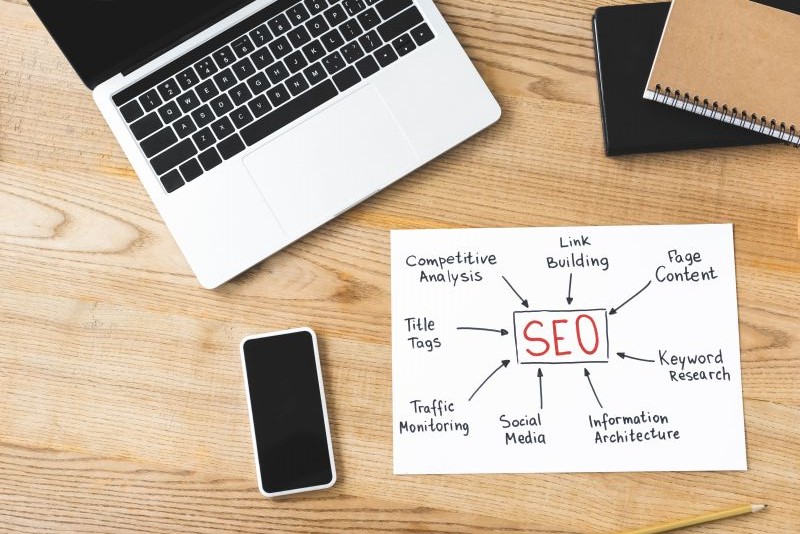
4 Proven Ways SEO Will Benefit Your Website
Your website may be visually appealing, but if no one can discover it, it won’t matter how much time and effort you spend into making it great. This is where SEO comes into play. If you’re ready to start ranking on Google and bringing more visitors and prospective leads to your site, keep reading to learn how to use SEO correctly in four simple, battle-tested strategies.
But first, let’s define current SEO and why it’s so powerful.
Understanding Contemporary SEO
There is a significant distinction between what SEO is widely known as and Modern SEO, which affects SERPs and provides client business, or should I say conversions or leads.
Modern SEO is a very complex and data-driven process that necessitates SEO having a better understanding of how consumers interact and how to give a pleasant user experience.
Highly qualified SEOs are familiar with a variety of CRO and UX methods and techniques that are frequently employed as default on your website. This is a tremendous benefit to your company because you’re practically checking boxes you didn’t even know existed.
A modern SEO would recognize and analyze the site’s strong and weak parts using data. This information is typically gathered through an SEO audit. You may have done one yourself or had someone else do it for you. An SEO audit will often include Ranking Data, Content Data, Technical Data, and Tracking Data.
With this understanding, modern SEO will be able to create a content strategy, a service page plan, and outline objectives.
Moving on, here are a few tried and true methods you should be aware of, especially if you want to employ an SEO consultant or handle it yourself.
#1 On-Page Optimizations
After auditing your website it’s time to do some keyword research, a process that a modern SEO will approach from many perspectives.
Usually, a collection of keywords is extracted from your webmaster’s account, Google Search Console. The second set of data is collected regarding top-level keywords such as services, products, and other keywords using software such as aHrefs or SEM Rush.
Having refined our keywords we can begin tracking these keywords. We’ll talk about tracking later on, but for now just know it’s a bot that tracks your keywords in Google search result pages (SERPS) which lets you see what keywords you ranking well for, such as need improvement, and which have more serious ranking issues.
Discovering “low-hanging fruit opportunities” is like discovering gold nuggets in a river. It gives you a chance to see effects as early as month one. Low-hanging fruit keywords are those that are already ranking but not good enough to attract considerable traffic. These are often keywords that rank in positions 5-10. With a few modest tweaks and optimizations, these keywords may often be pushed up to positions 1-3, which capture the majority of traffic.
It’s about time to start implementing on-page adjustments. That implies you should consider optimizing your heading structure (using H1, H2, H3, and so on), title and section names, and content. You want to be knowledgeable, friendly, and helpful. It’s important to establish and maintain a tone of voice so that you don’t deviate from your brand.
Almost every page of your website should include images. They must also have a meaning and convey trust, social, or conversion messages.
#2 Establishing Links
The practice of generating direct, followable links to your website is known as link building in the business. Your website is huge city business. You must make yourself known, and the best method to do so is to obtain links. As in a node.
When you have a large number of domains (companies) linked to your website and a moderate number of connections pointing outwards, you are considered a significant part of the network. A big node.
There is even a metric for this called Domain Rating, which was developed by aHrefs, the previously stated service.
So, many direct connections >>> your website = high DR.
The limitation here is that you must grow naturally. If you try to push a large number of links in a short period of time, it will be regarded as spam behavior, and you will be penalized in some way. That is something you should try to avoid at all costs.
I advocate creating high-quality pieces and approaching your local newspaper about publishing a magazine or eMagazine / blog, as well as offering them the option to collaborate.
Remember that what is well-made is built to last.

#3 Technical SEO
Technical SEO is a live wire that is employed to construct the modern SEO cake. I’m not kidding. It’s a live wire.
I call myself a live wire because when it comes to technical SEO, you have two options: be mediocre at best or achieve maximum results.
Allow me to explain.
Technical SEO is a catch-all term for a variety of tests and optimizations. The first section is the most fundamental, and we’ll refer to it as upkeep. That includes detecting 404 pages, broken links, and useless internal redirects, as well as enabling SSL and ensuring you’re utilizing a single protocol (www or non-www).
The second section is where things get interesting. We’re talking about website architecture, URL structure, internal linking, correct and up-to-date sitemaps, keeping the Core Web Vitals in check, crawl budget, crawling issues, and how to better optimize navigation.
The final step I advocate will almost certainly necessitate the hiring of an expert. It consists of employing specially built JSON LD code based on the Schema library.
Schema is a search engine’s encyclopedia. It’s similar to providing search engines with a readable blueprint in the form of Schema, which helps them to quickly and readily comprehend the context and specialty of the page. In the most basic terms, that’s how it works.
Schema is extremely effective when utilized appropriately and accurately to categorize and arrange your pages, whether they are service pages, organization sites, product pages, or blog entries.
A custom-built schema is quite advantageous because it targets specific keywords, which can improve your rankings.
#4 Lead Tracking
Finally, we get to the exciting part. Tracking! You may be wondering why it is enjoyable. Because that is how you see the “fruits” of your labor.
Tracking is often accomplished in three ways. You keep track of your traffic, conversions, and rankings.
The number of conversions you get is determined by the quantity of relevant traffic your site receives and how well your site converts visitors to leads. These elements all contribute to the number of leads you create each month.
Tracking conversions allows you to go from 5 leads per week that you have no idea where they came from to 40 leads per month that you can trace back to your contact page, book now page, or phone calls.
Rankings are the second most important factor after teaching conversions.
Rankings are a key performance indicator for SEO efforts. The closer you are to position 1 (featured snippet), the better. It reflects how well your site performs on user searches in when you and a big number of other sites compete for exposure. If you’re on page one, you’re doing extremely well.
Conclusions
SEO success does not and should not happen overnight. A good result, like every excellent thing in life, is attained through tedious efforts and attention.
If you have covered the four bases we outlined, you are well on your way to achieving fantastic outcomes with your business or blog. Of course, in typical SEO fashion, nothing is ever totally optimized, but that doesn’t always have to be the case.
Always think about what you’re doing, because SEO isn’t a game, and one bad move can ruin years of hard work. Build links naturally, provide relevant material, and provide better or clearer responses to queries, and your results will improve dramatically.
- 139 Experts Reveal Best Keyword Research Tools for SEO [Leaderboard]
- What Google’s Latest Update Reveals About the Most Important Ranking Factors
Brought to You By:
Propel Digital Media Solutions
Greater Toronto Area Business
(647) 697-8104The post 4 Proven Ways SEO Will Benefit Your Website appeared first on https://soonrs.com
The post 4 Proven Ways SEO Will Benefit Your Website appeared first on https://wookicentral.com
The post 4 Proven Ways SEO Will Benefit Your Website appeared first on https://gqcentral.co.uk