Key Ingredients for Crafting an Irresistibly Moist Chocolate Cake
How to Choose the Optimal Flour and Leavening Agents for Your Chocolate Cake
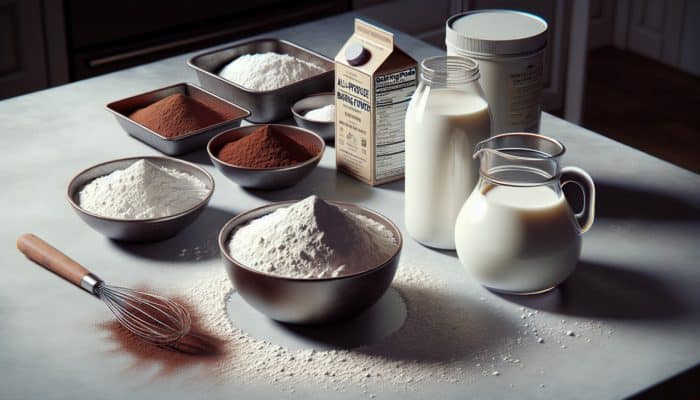
To achieve a cake that is delectably moist, selecting the right flour and leavening agents is of utmost importance. All-purpose flour stands out as the premier choice due to its balanced protein content, which helps create a cake crumb that is both tender and airy. It’s advisable to steer clear of high-protein options like bread flour, as they can result in a cake that is denser than intended. Equally crucial to consider is the choice of leavening agents; utilizing a blend of both baking soda and baking powder is key to achieving optimal lift. Baking soda is particularly effective when combined with acidic components such as buttermilk or cocoa powder, while baking powder should be used in recipes lacking acidic ingredients.
A common pitfall to avoid is incorrect flour measurement, which can lead to a cake that is dry and unappetizing. To ensure accurate measurement, gently spoon flour into your measuring cup without packing it down, then level it off for the right amount. For a typical 9-inch cake, approximately 1 ¾ cups of flour should be used. Additionally, if you are baking at a high altitude, it is important to adjust the proportions of your leavening agents to achieve the perfect rise.
The Impact of Sugar and Sweeteners on Chocolate Cake Moisture and Flavor
The selection and quantity of sugar are crucial in determining both the moisture level and sweetness of your chocolate cake. While granulated sugar is the most common choice, adding brown sugar can notably enhance moisture and introduce a deep, caramel-like flavor that enriches the overall taste profile of your cake. The moisture-retaining properties of brown sugar, thanks to its molasses content, contribute to a chewier texture, making it an excellent addition for decadent chocolate cakes.
For optimal results, consider combining different types of sugars. For instance, a blend of equal parts granulated and brown sugar can create a delightful balance of sweetness and moisture. You could also experiment with alternative sweeteners such as honey or maple syrup, which can impart unique flavors but may necessitate adjustments in the recipe’s liquid content and baking time. As a general guideline, when substituting 1 cup of granulated sugar, use about ¾ cup of honey and reduce other liquid ingredients by roughly ¼ cup to maintain the cake’s moisture level.
How to Effectively Use Fats and Oils to Boost Cake Moistness
The addition of fats in your cake recipe is vital for ensuring a moist final product. Traditional recipes often utilize butter, which imparts a rich flavor and also contributes to the cake’s structural integrity. However, incorporating oil can significantly improve moisture retention, as oil remains liquid at room temperature, unlike butter. A mix of both fats may yield the best balance of richness and moisture, resulting in an exceptionally delightful cake.
When selecting your fats, opt for unsalted butter for better control over the cake’s salt content. If you choose to use melted butter rather than softened butter, take care not to overmix, as this can result in a denser cake. Aim to include around ½ cup of fat in your recipe, adjusting as needed based on your preferences. For a healthier alternative, consider substituting some of the butter with applesauce or yogurt, which can provide moisture without the additional fat content.
The Essential Functions of Eggs and Dairy in Cake Baking

In any cake recipe, eggs are fundamental because they provide structure, moisture, and richness. The proteins found in eggs help bind all the ingredients together, creating a stable framework for your cake. For a moist chocolate cake, using large eggs is common practice, and incorporating them at room temperature is recommended to promote even mixing and optimal rising during baking.
Dairy components, such as milk or buttermilk, contribute significantly to the cake’s richness and tenderness. Full-fat dairy products are generally the best option for achieving excellent results, as their higher fat content leads to a moist cake crumb. Buttermilk not only adds a creamy texture but also reacts with baking soda to provide additional lift, along with a slight tang that pairs beautifully with the chocolate flavor. Aiming to use about one cup of dairy in your recipe is advisable. If you prefer non-dairy alternatives, options like almond milk or oat milk can also work, although they may slightly alter the final texture of the cake.
How to Select High-Quality Cocoa and Chocolate for Enhanced Flavor
The quality of cocoa powder and chocolate you choose is crucial for achieving the desired flavor depth in your cake. For a bold taste and darker appearance, consider utilizing Dutch-processed cocoa, which is less acidic and blends seamlessly with baking powder. In contrast, natural cocoa is more acidic and produces a lighter color, making it suitable for recipes that already incorporate baking soda.
When adding cocoa to your batter, it is important to sift it together with the dry ingredients to avoid clumping. A commonly used ratio for a standard 9-inch chocolate cake is about ¾ cup of cocoa powder. If you prefer solid chocolate, opt for high-quality dark chocolate with at least 70% cocoa content to achieve a more intense chocolate experience. Always melt the chocolate carefully to avoid scorching, typically by using a double boiler or microwaving in short bursts for even melting.
Proven Techniques for Baking an Exceptionally Moist Chocolate Cake
What is the Optimal Method for Selecting Cocoa Powder?

The selection of cocoa powder is critical in defining the flavor and visual appeal of your cake. Dutch-processed cocoa undergoes treatment with an alkalizing agent that neutralizes its acidity, resulting in a smoother, richer flavor and a deeper color. Alternatively, natural cocoa powder preserves its acidity, yielding a lighter color and a more pronounced chocolate taste that can beautifully enhance specific recipes. Understanding these distinctions enables you to select the ideal cocoa for your cake creation.
- Dutch-processed cocoa: Less acidic, darker color, smoother flavor.
- Natural cocoa: More acidic, lighter color, stronger chocolate flavor.
- Versatility: Dutch-processed cocoa works well with baking powder, while natural cocoa is better suited for recipes using baking soda.
- Taste tests: Experiment with both types in various recipes to discover your personal preference.
When choosing cocoa powder, take brand reputation into account; some brands are known for exceptional flavor profiles. Look for cocoa that is rich and dark, avoiding products with unnecessary additives or fillers. Ultimately, selecting the right cocoa powder can elevate your cake from ordinary to extraordinary.
Mixing Techniques to Create the Ideal Cake Batter
The way you mix your ingredients can greatly affect the final texture of your cake. Overmixing can lead to a dense, tough cake by creating excessive gluten, while undermixing can result in an uneven batter dotted with lumps. A gentle folding technique is often the most effective approach for maintaining a light texture in your cake. Start by creaming your butter and sugar until they are light and fluffy, then gradually incorporate the eggs one by one, ensuring that each egg is fully mixed in before adding the next.
Once you add your dry ingredients and liquids, mix just until everything is blended. A few lumps are acceptable; it is better to err on the side of caution to avoid overmixing. If you plan to fold in chocolate chips or nuts, do so gently at the end to ensure even distribution without overworking the batter. Utilizing a rubber spatula for this process simplifies folding while preserving air within the mixture.
How to Identify the Ideal Baking Temperature and Time for Your Cake
The baking temperature holds significant importance for achieving a perfectly moist chocolate cake. A moderate oven temperature of around 180°C (350°F) is recommended for baking chocolate cakes, as it allows for even cooking without burning the edges. Baking durations can vary substantially depending on your oven type and the pan used; however, a standard 9-inch round cake typically takes about 30 to 40 minutes. It is essential to check the cake for doneness a few minutes ahead of the minimum baking time.
To assess your cake’s doneness, insert a toothpick into the center; it should come out with a few moist crumbs, not wet batter. If it emerges clean, your cake may be overbaked, resulting in dryness. Additionally, if you observe your cake rising rapidly and then collapsing, it could indicate that your oven temperature is set too high. Consider investing in an oven thermometer to ensure accurate baking temperatures, as many home ovens can have temperature variations.
How to Integrate Moisture-Retaining Ingredients for Superior Texture
Incorporating moisture-retaining ingredients can significantly enhance the texture and flavor of your cake. Ingredients such as sour cream, buttermilk, or even mayonnaise can boost moisture content while introducing a subtle tang that pairs wonderfully with the chocolate flavor. For example, adding ½ cup of sour cream can produce a richer, denser cake that stays moist even days after baking.
These ingredients not only enrich the batter but also aid in moisture retention during baking. It’s advisable to replace a portion of your liquids with these moisture-enhancing ingredients; for instance, swapping half of the milk for buttermilk can yield fantastic results. However, be mindful of the ratios; using too much liquid may lead to a batter that does not rise properly. Start with small adjustments and gradually increase based on your outcomes.
What Techniques Can Help You Preserve Moisture in Your Cake After Baking?
How to Effectively Use Moisture-Retaining Ingredients
To ensure your cake remains moist even after baking, consider integrating ingredients such as sour cream, yogurt, or buttermilk. These components not only enhance the cake’s moisture content but also contribute to a tender crumb, making each bite rich and satisfying. For example, incorporating ½ cup of sour cream or buttermilk into your batter can work wonders. This strategy is particularly effective in cakes that require a denser structure, such as chocolate cakes.
Moreover, these moisture-retaining ingredients assist in maintaining the cake’s tenderness even after a few days. The slight acidity from buttermilk or yogurt can create a chemical reaction with baking soda, yielding an even better rise and texture. When utilizing these ingredients, remember to adjust the liquid ratios accordingly to preserve balance in your batter.
What Are the Best Storage Methods to Preserve Your Cake’s Moistness?
To keep your cake moist, proper storage techniques are crucial. After baking, let your cake cool completely before storing. For short-term storage, keep it in an airtight container at room temperature for up to three days. If you wish to extend its freshness, refrigeration is an option, although this may slightly alter the texture. When refrigerating, wrap the cake tightly in plastic wrap or place it in a well-sealed container to prevent drying out.
For long-term storage, consider freezing your cake. Cut it into portions and wrap each slice in plastic wrap, followed by aluminum foil. This method can preserve the cake’s freshness for up to three months! When you are ready to enjoy it again, simply thaw the cake at room temperature. This process helps retain moisture and freshness, allowing it to taste just as delightful as when it was freshly baked. Remember, avoid refreezing any cake that has been thawed, as this can compromise its quality.
Avoiding Common Baking Mistakes for a Perfect Cake
One of the most frequent mistakes made when baking a chocolate cake is overbaking, which results in a dry and crumbly texture. To prevent this, keep a vigilant eye on your cake as it approaches the end of its baking time. A reliable method for checking doneness is to use a toothpick; insert it into the center of the cake and remove it. If it comes out clean or with a few moist crumbs, your cake is ready. If it emerges with wet batter, it needs a few more minutes in the oven.
Another common error is unmolding the cake too early, which can result in breakage. Allow your cake to cool in the pan for about 10 minutes before transferring it to a wire rack. This cooling period helps solidify the structure, making it easier to handle. Lastly, avoid substituting ingredients without a clear understanding of their functions; for instance, using a non-fat dairy product could negatively affect the moisture level of your cake. Every ingredient plays a crucial role in the final product, so it is vital to follow the recipe closely for optimal results.
What Are the Best Strategies for Successfully Baking a Moist Chocolate Cake?
How to Select the Perfect Pan for Baking
The type of pan you choose can greatly influence your cake’s baking process and final results. A light-colored metal pan is generally the best option for even baking, as it distributes heat uniformly. Dark or non-stick pans may cause the edges to cook faster, potentially resulting in dryness if not monitored carefully. When selecting a pan, also consider its size and shape; a standard 9-inch round pan is commonly used for chocolate cakes, allowing for proper heat distribution and rising.
- Light-colored metal pans: Promote even baking.
- Dark pans: May lead to overcooked edges.
- Size matters: Ensure the pan matches your recipe’s required size.
- Glass pans: Can be used but may require adjustments in baking time.
Be sure to check your oven’s temperature before baking to ensure optimal results. Additionally, consider the material; glass or ceramic pans may retain heat differently than metal, affecting baking time. Ultimately, choosing the right pan lays the foundation for creating a moist and delicious chocolate cake.
How to Properly Prepare Your Pan for Optimal Baking Results
Effective pan preparation is vital in achieving a moist chocolate cake that releases effortlessly. Thoroughly grease the pan using butter or a non-stick spray, ensuring all sides are coated. For added assurance, consider lining the bottom with parchment paper; this makes it easier to release the cake after baking. Many bakers recommend using both methods, as this combination maximizes the chances of a clean release.
Another important tip is to allow your pan to cool slightly after greasing. This can help prevent the batter from setting too quickly upon contact, which may lead to uneven baking. When pouring the batter into your prepared pan, gently tap it on the counter to eliminate any air bubbles, promoting a uniform rise. With the right preparation, you’ll ensure that your cake bakes evenly and comes out without hassle.
How to Cool and Handle Your Cake for Best Results
The cooling process is just as crucial as baking itself in retaining moisture within your cake. After removing your cake from the oven, allow it to cool in the pan for approximately 10 minutes. This initial cooling helps the cake settle and firm up, reducing the likelihood of breakage when removed. Next, carefully invert the pan onto a wire rack to allow the cake to cool completely.
Cooling on a wire rack is essential to prevent sogginess, as it facilitates air circulation underneath. Handle the cake gently to avoid compromising the moist crumb; utilize a spatula or your hands to support the base. If your cake has a particularly delicate crumb, consider allowing it to cool in the pan longer before transferring it to the rack. Patience during this stage pays off, ensuring a beautifully moist cake that holds together perfectly when served.
What Are the Ideal Toppings to Elevate Your Moist Chocolate Cake?
How to Explore a Variety of Frosting Options
Your choice of frosting can significantly enhance the overall moisture and flavor profile of your chocolate cake. A rich chocolate ganache serves as an excellent option, providing an indulgent layer of moisture that beautifully complements the cake’s texture. To create a ganache, simply heat equal parts cream and chocolate until well combined; this delightful topping envelops the cake while adding another layer of chocolate richness.
If you prefer a lighter option, a creamy buttercream can work wonders. Whipped cream frosting is particularly delightful when paired with a denser chocolate cake, adding a touch of lightness while maintaining moisture. Consider flavor variations as well; incorporating vanilla or espresso into your frosting can elevate the overall taste and create a lovely balance to the richness of the chocolate. Aim for a frosting that complements rather than overpowers your cake; a well-balanced topping can enhance the entire dessert experience.
How to Enhance Your Cake with Fresh Fruit and Nut Toppings
Incorporating fresh fruits or nuts adds a textural contrast while providing a refreshing balance to the rich chocolate cake. Berries such as raspberries or strawberries introduce a tartness that cuts through the sweetness, while chopped nuts like walmarts or pecans can add a delightful crunch. These toppings serve not only as decoration but also enhance the overall flavor experience.
When adding fruits and nuts, think about their placement on the cake. Sprinkling them on top of the frosting or layering them between cake layers can enhance both visual appeal and flavor. Additionally, consider drizzling a light syrup or glaze that complements the toppings; a simple fruit glaze can beautifully tie the elements together, creating a dessert that is as inviting as it is delicious.
How to Create Decorative Finishes for a Stunning Presentation
Enhancing your cake’s visual appeal significantly boosts its overall presentation. Using chocolate shavings can create an elegant finish while adding an extra touch of chocolate flavor. Edible flowers can also provide a burst of color, transforming your cake into a stunning centerpiece for any occasion.
A light dusting of cocoa powder or powdered sugar serves as a simple yet sophisticated decorative finish. For a whimsical touch, consider themed decorations for special occasions, such as colorful sprinkles or festive candles. The goal is to create a dessert that is not only delicious but also visually enticing, encouraging everyone to indulge in a slice.
How to Use Syrup and Sauce Drizzles for Extra Moistness
Boosting your cake’s moisture can also be accomplished through a drizzle of syrup or sauce. A decadent chocolate syrup or a smooth caramel sauce can elevate the cake’s flavor while adding another layer of indulgence. Drizzling these sauces over the top or between layers can create a delightful surprise when slicing into the cake.
When preparing the syrup, ensure it is not overly thick; a thinner syrup will penetrate the cake more effectively, providing moisture throughout. Be mindful of the quantities used; too much syrup can result in an overly sweet or soggy cake, so start with a modest amount and adjust according to your taste preferences. A well-executed drizzle can transform your chocolate cake from simply delicious to utterly divine.
What Are Some Creative Variations and Add-Ins for Enhanced Flavor?
How to Enrich Your Cake with Chocolate Chips and Nuts
Incorporating extras like chocolate chips or chopped nuts can introduce exciting textures and flavor enhancements to your chocolate cake. These add-ins create pockets of melted chocolate and delightful crunch, elevating the overall cake experience. When adding chocolate chips, opt for semi-sweet or dark chocolate to maintain a balance with the cake’s richness.
When folding in these ingredients, do so gently to ensure even distribution without deflating the batter. Typically, using 1 to 1½ cups of chocolate chips or nuts is ideal for a standard cake. Consider toasting the nuts beforehand; this process can enhance their flavor and aroma, making your cake even more delicious.
What Flavorful Liquids and Extracts Can You Incorporate into Your Cake Batter?
Incorporating flavorful liquids and extracts can greatly enhance the chocolate flavor in your cake. Adding brewed coffee can intensify the chocolate taste, creating a richer and more complex flavor profile. For a sweeter touch, incorporating vanilla extract can provide a lovely undertone that beautifully complements the chocolate. Generally, a tablespoon of vanilla extract is sufficient to make a noticeable difference.
Be careful with the ratios; too much liquid can alter the cake’s texture. Start with small amounts and adjust based on your preferences. Additionally, consider mixing in a liqueur, such as Amaretto or Baileys, for an adult version of your cake. These flavorful additions can transform your chocolate cake into a truly memorable dessert.
How to Incorporate Fillings for Extra Moisture and Delightful Surprises
Adding fillings can boost moisture and introduce surprise elements to your chocolate cake. Options like fruit preserves, caramel, or even a rich chocolate mousse can create layers of delectable flavor within your cake. To incorporate, divide your batter and pour half into the prepared pan, layer your filling, then top with the remaining batter.
Alternatively, you can create a hollow in the center of your baked cake and fill it with your choice of filling. This method offers a delightful surprise when slicing into the cake. Ensure that the filling is not too runny to avoid leaks that could compromise the cake’s structure. Adding fillings not only enhances moisture but also adds a unique twist to the classic chocolate cake experience.
Frequently Asked Questions About Baking a Moist Chocolate Cake
What is the secret to achieving a moist chocolate cake?
The secret lies in utilizing moisture-retaining ingredients such as buttermilk, sour cream, or oil, along with avoiding overbaking and ensuring proper storage after baking to maintain moisture levels.
Can I substitute oil for butter in a chocolate cake recipe?
Yes, you can replace butter with oil in chocolate cake; oil typically yields a moister texture. Use a 1:1 ratio, but be aware that this substitution may slightly alter the flavor profile.
How long can I store a chocolate cake to keep it moist?
A chocolate cake can be stored in an airtight container at room temperature for up to three days or refrigerated for a week. For longer storage, consider freezing it to maintain its moisture.
What can I add to intensify the chocolate flavor?
Incorporating brewed coffee or espresso powder can significantly enhance the chocolate flavor. High-quality cocoa powder or dark chocolate can also be used for a richer taste.
Can I make a chocolate cake ahead of time?
Absolutely! Chocolate cakes often improve in flavor the next day. You can bake it in advance and store it properly until ready to serve.
What type of cocoa powder is best for creating a moist chocolate cake?
Dutch-processed cocoa powder is commonly the best choice for a moist chocolate cake, as it offers a darker color and smoother flavor; however, natural cocoa also works well, particularly when balanced with baking soda.
How do I determine when my chocolate cake is done baking?
To check for doneness, insert a toothpick into the center; it should come out with a few moist crumbs, indicating that the cake is perfectly baked and ready.
Is frosting necessary for a chocolate cake?
While frosting is not essential, it can enhance both the flavor and moisture of the cake. A ganache or buttercream can complement the chocolate beautifully.
Can I use gluten-free flour for this chocolate cake recipe?
Yes, gluten-free flour can be used; however, ensure you select a blend that contains xanthan gum or a similar binder to achieve the right texture.
What is the best method for adding chocolate chips to my cake batter?
Gently fold the chocolate chips into the batter at the end of mixing to avoid overmixing, ensuring they are evenly distributed for a delightful burst of chocolate in each slice.
Stay updated with our latest posts on Facebook!
The post How to Bake a Moist Chocolate Cake: Secrets Revealed appeared first on https://cookinggods.com
The Article Moist Chocolate Cake: Secrets to Perfect Baking Revealed Was Found On https://limitsofstrategy.com
Leave a Reply