A Thorough Homeowner’s Resource for New South Wales
When you acquire a home in NSW, you inherit any termite protection measures that were previously established by the former owner or constructor. Unfortunately, these measures may vary significantly, from highly effective systems to outdated or entirely missing protections.
The fact is that most homeowners are not aware of the current termite protection system installed, its age, or if it requires renewal.
This extensive guide is designed to empower you with the insights necessary to evaluate your home’s existing termite protection, familiarize you with the pertinent regulations in NSW, and identify warning signs that could signal a looming termite infestation, potentially saving you from costly repairs in the future.
Recognize the Urgent Importance of Termite Protection in NSW
The regions surrounding Sydney, particularly the Hills District, North Shore, Western Sydney, and coastal areas, are classified as high-risk termite zones.
This classification drives the NSW Building Code to mandate all new constructions to include a Termite Risk Management (TRM) system during the building phase.
However, once you become a homeowner, there is no straightforward guide available that informs you about the specific termite protection system installed to safeguard your property.
Let us explore the details surrounding termite protection systems in greater depth.
Steps to Uncover the Termite Protection System in Your Residence
Here are the six most efficient methods to identify the termite protection system embedded within your property.
1. Locate the Required Termite Certificate (Mandatory by NSW Law)
As per the NSW Building Code and AS 3660.1, it is obligatory for builders to supply the following:
- A certificate detailing the installed termite management system
- A durable notice affixed within the home
- The installation date of the system
- The contact information of the installer
- The recommended maintenance schedule
Where to find this certificate:
- Inside the electrical meter box
- Under the kitchen sink cupboard
- Within the laundry cupboard
- On the garage wall near the switchboard
This label may indicate the presence of:
- Physical barriers (Kordon, HomeGuard, TermSeal)
- Concrete slab edge exposure
- Granite/stone barriers
- Chemical soil treatments
- Termite reticulation systems (Termidor, TermX, Altis, Termguard)
If the sticker is absent, it does not necessarily mean that no system is in place; it may simply have been unrecorded or fallen off over time.

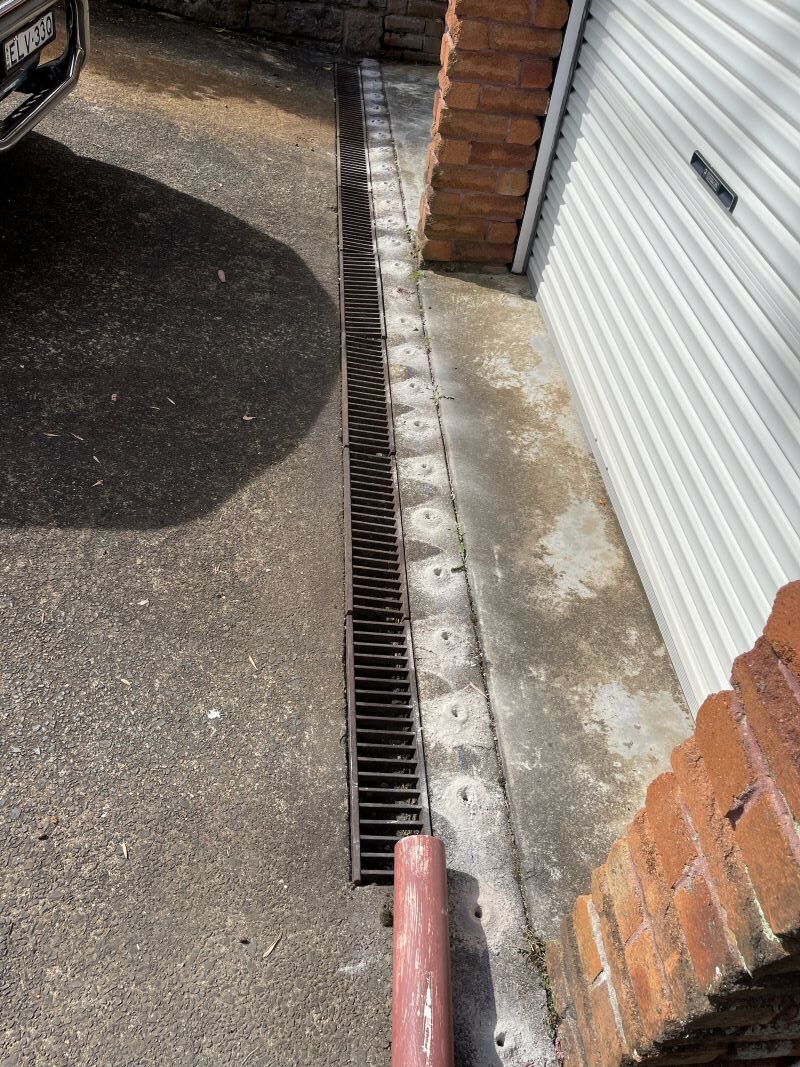
2. Identify the Reticulation System Refill Points Surrounding Your Property
A reticulation system employs underground pipes to effectively distribute termiticide around your home.
Indicators that you may possess a reticulation system include:
- White, black, or green plastic caps positioned along the perimeter of the house
- Access points situated near garden edges, driveways, or patios
- A labeled refill port that protrudes slightly above ground level
If you observe these features, you likely have:
- Termidor® reticulation
- FipForce® system
- TermX
- Altis
- Termguard
It is crucial to understand that termite reticulation systems must be refilled every three years (for premium termiticides) or every one to two years (for more economical chemicals).
3. Examine Your Pre-Purchase Pest & Building Report for Termite Protection Information
If you bought your home in the last few years:
- The inspector should have recorded the details of the termite protection system.
- Many reports include photographs of barriers, slab edges, or reticulation lines.
However, pre-purchase reports may sometimes lack comprehensive information, so it is wise to verify findings with a licensed termite expert.
4. Inspect Slab Edges for Visibility and Accessibility
Homes constructed on concrete slabs should showcase visible slab edges unless an alternative approved system has been installed.
What to look for includes:
- A visible concrete edge between the ground and the brickwork
- No soil or garden obstructing the weepholes
- No decking installed flush against the wall
If slab edges are clearly exposed, this may serve as the termite protection — however, they must remain unobstructed to function effectively.
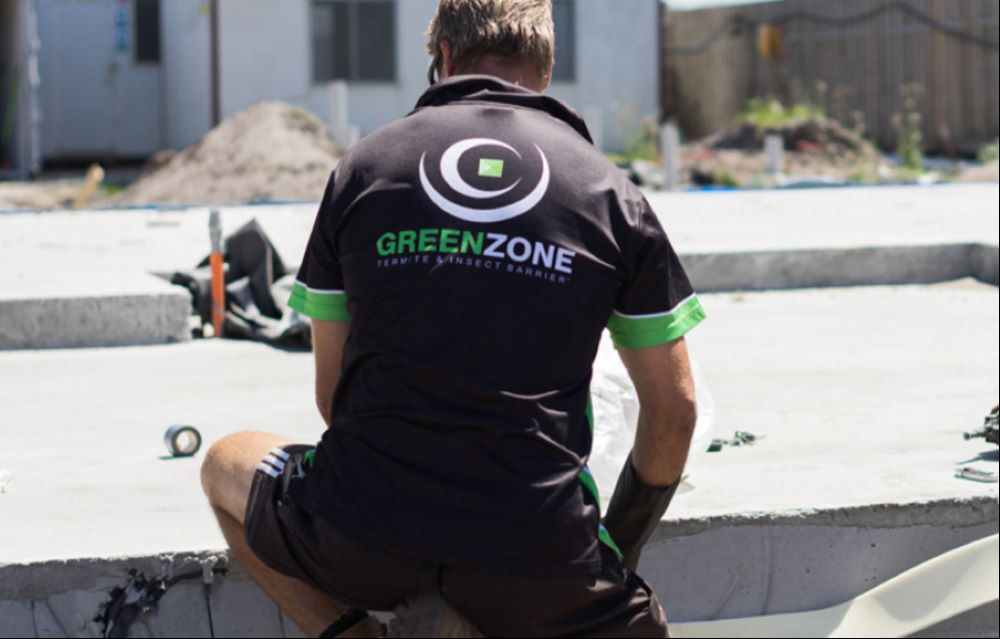
5. Explore the Existence of Physical Barriers Commonly Installed in Modern Homes
During the construction phase, builders may implement various physical termite barriers such as:
- Kordon (orange/yellow sheet material)
- HomeGuard (blue plastic sheeting)
- TermSeal
- Stainless steel mesh
- Graded stone layers
Clues indicating the existence of a physical barrier include:
- A label within the meter box showing the brand
- A visible sheet layer surrounding pipe penetrations in the slab
- Notes in the building documentation provided by the builder
These systems are typically designed to protect the structure for the life of the building — however, routine termite inspections are still critical to ensure ongoing effectiveness.

6. Consult a Termite Expert for an In-Depth Compliance Evaluation
If you cannot find:
- A label
- A certificate
- A refill point
- Any documentation
…your home may lack active termite protection.
A certified termite technician can:
- Identify any existing physical barriers
- Determine if any old chemical treatments remain effective
- Scan for reticulation systems
- Inspect for exposure at slab edges
- Provide a thorough assessment of your termite risk
They can also advise whether your home needs:
- A new chemical barrier
- A refill for the reticulation system
- A baiting system
- A pre-sale termite certificate
Understand NSW Legal Obligations for Termite Protection
1. Builders Must Implement a Termite Risk Management System in Every New Home
(In accordance with the NCC & AS 3660.1)
2. A Durable Notice Must Be Installed (label in the meter box or cupboard)
3. Homeowners are Responsible for Maintaining the System
Even if a barrier is present, annual termite inspections are essential under Australian Standards (AS 3660.2). Comprehensive information is available regarding:
Termite Risk Management Systems for Homes in NSW
What Are Your Options if You Cannot Identify Your Termite Protection System?
If you lack documentation or visible systems, it is prudent to assume:
You may not be adequately protected.
Termite hotspots in Sydney include:
- The Hills District
- North Shore
- Northern Beaches
- Hawkesbury
A straightforward termite inspection can determine your risk level in less than an hour.

When Should You Consider Installing a New Termite Barrier?
Think about installing or updating your termite protection if:
- Your reticulation system has not been serviced in over three years
- No certificate is available
- You cannot locate any records
- You are planning to sell or renovate
- You have observed mud tunnels, timber damage, or the presence of flying termites
A high-quality chemical barrier utilizing Termidor® or FipForce® can protect your home for up to eight years, making it one of the most effective solutions on the market.
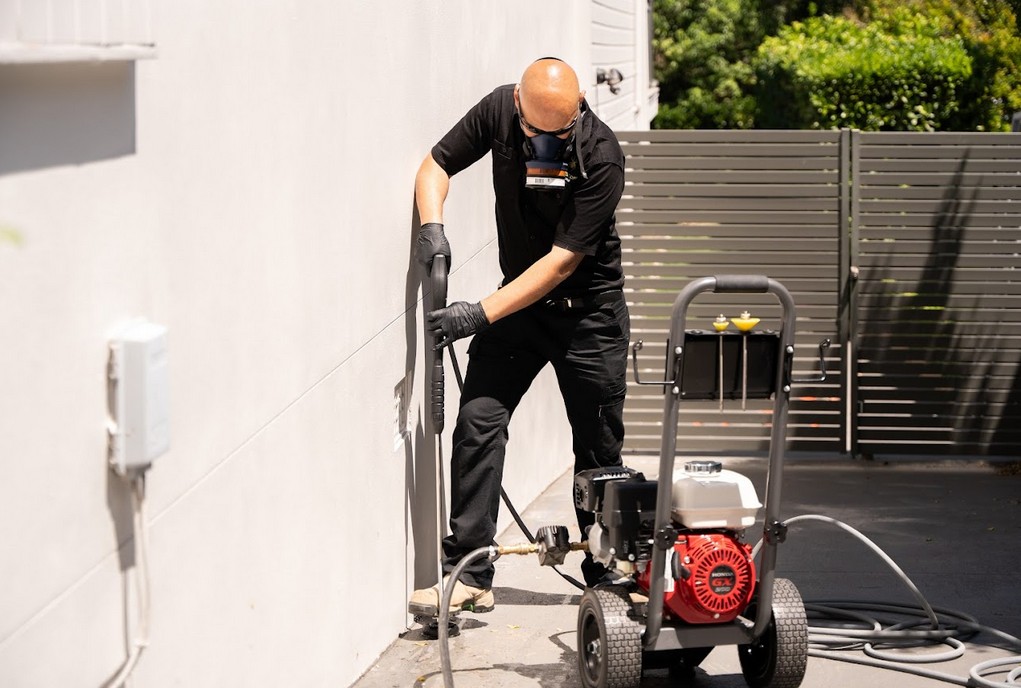
Important Reminder: Verify Your Termite Protection Now
Many homeowners are often taken aback by how little they know regarding their termite protection systems.
Fortunately, the process of uncovering this information is simple when you know where to look.
Start your investigation by thoroughly checking:
- Your meter box
- Under the kitchen sink
- Builder documentation
- Slab edges
- Reticulation caps
If you still feel uncertain, schedule a termite inspection; this is a minor investment compared to the potential costs stemming from termite damage.
If you need assistance in identifying your termite system,
So Pest Off can perform a comprehensive inspection, offer a detailed diagnosis, and create a robust termite protection plan to ensure your home remains secure.
Common Questions Regarding Termite Protection Systems
How can I verify if my home has a termite protection system installed?
Most residences in NSW should display a termite protection label located inside the electrical meter box, kitchen sink cupboard, or garage. This label typically specifies the installed system, the installer’s information, and the maintenance dates. If no label is present, search for reticulation refill points around the home, exposed slab edges, or physical barrier materials. A termite inspection can confirm the system’s status if documentation is unavailable.
What documents should accompany my home if a termite system was installed?
You should possess a termite management certificate, a durable notice (typically found inside the meter box), and documentation from the builder or pest control company. These documents will outline the type of system installed, the installation date, and the maintenance schedule.
Is it possible to determine what system I have without paperwork?
Yes. A qualified technician can identify physical barriers, chemical barriers, or reticulation systems during an inspection. They can also assess whether old chemical treatments are still effective and if the property requires new protection.
Where are termite reticulation refill points typically situated?
They are often found along garden edges, near paved areas, alongside driveways, or around the external perimeter walls. Refill caps can be identified as white, black, or green plastic ports that are slightly elevated above the ground.
Does NSW law mandate termite protection for all homes?
Yes. The NSW Building Code requires that all new homes have a Termite Risk Management (TRM) system installed during construction. This system must comply with AS 3660.1 and include a durable notice that outlines the type of protection and necessary maintenance.
What if the previous owner did not maintain the termite protection system?
If maintenance has not been performed, the system may no longer function effectively. A termite specialist will evaluate the condition of the system and may recommend a refill, installation of a new chemical barrier, or additional monitoring based on the level of risk involved.
How often should termite systems be examined in NSW?
According to Australian Standards (AS 3660.2), annual termite inspections are required, irrespective of the system installed. Homes located in high-risk areas, such as the Hills District or Western Sydney, may benefit from inspections every six to twelve months.
What should I do if I cannot identify any termite system at all?
If you cannot find any barriers, documentation, or refill points, it is safest to assume that you have no active protection. A termite inspection will confirm your risk and assist in selecting the most suitable option, such as a chemical barrier, baiting system, or reticulation installation.
The Article: How Do I Know What Termite Protection My House Has? first appeared on https://writebuff.com
The Article Termite Protection: How to Identify Your Home’s Coverage Was Found On https://limitsofstrategy.com
Leave a Reply